Report on the results of the visit to the Selydove Penal Colony No. 82
General Information
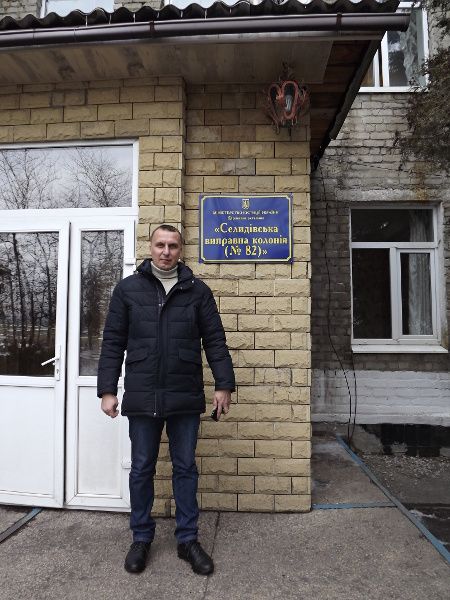
On 21 February 2018, the KHPG (Kharkiv Human Rights Protection Group) monitoring group visited the Selydove Penal Colony No. 82. Selydove Penal Colony No. 82 is a medium-security penal institution for holding convicts who have previously served sentences of imprisonment, located in the village of Hostre, Donetsk region. Today, 920 people are serving sentences in the colony.
A vocational and technical training centre has been opened on the basis of the institution, where convicts can obtain the professions of gas and electric welder, electrical mechanic, crane operator, and cook-confectioner. In addition, evening classes are held at the secondary school at the colony.
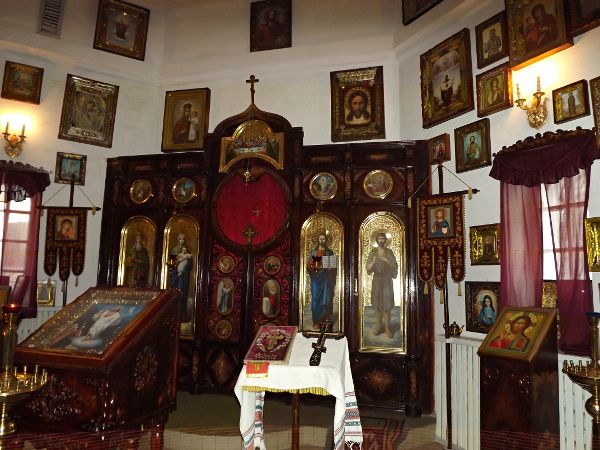
Convicts can perform religious rites. Seven denominations operate in the colony. According to the administration of the institution, convicts actively use their right to freedom of religion: religious services are held in the colony, and for the recent Epiphany holiday, every convict had the opportunity to dive into the ice hole.
Features of the location
The Selydove Penal Colony is located in the ATO zone, eight kilometres from the demarcation line. Since the beginning of hostilities, 8 artillery shells have hit the institution’s territory, which, fortunately, flew past the structures; 4.5 kg of shell fragments were collected on the colony’s territory.
In 2015, due to damage to water pipelines, the institution was without centralised water supply for 8 months. Drinking water was brought in by fire engines and boiled before consumption. There were also problems with technical water: at first, they used their own reserves, later they were forced to urgently drill a borehole. Despite such conditions, the administration still managed to avoid epidemics of infectious diseases.
At the moment, about 50 internally displaced persons work in the institution, who are not compensated for housing and travel expenses to the institution. Officers have not been granted the status of ATO participants. In addition, for more than 10 years, the state has not allocated funds for the medical care of colony employees — medical examinations are carried out at their own expense, and there is no departmental medicine.
A positive point is the absence of the institution’s debts for utility services, however, the state does not allocate funds for the repair of the colony at all, nor for providing its staff with special clothing.
Nutrition
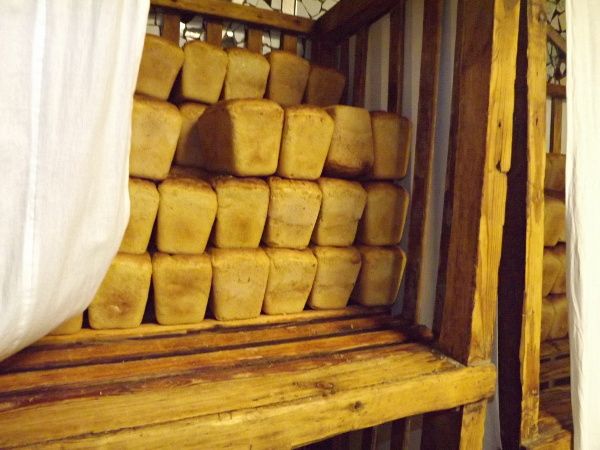
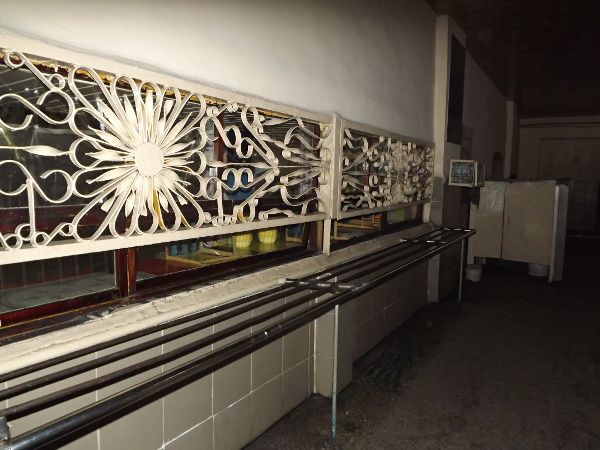
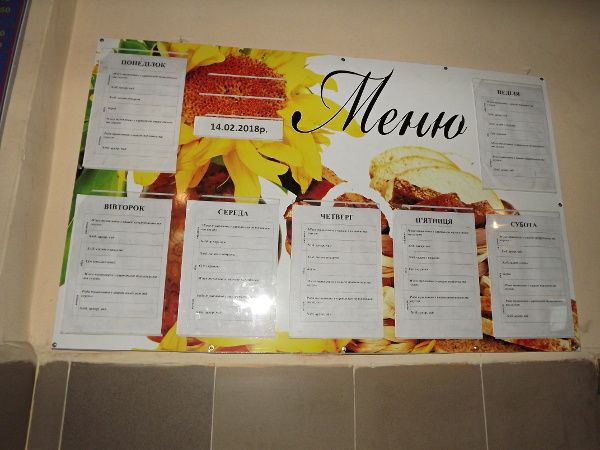
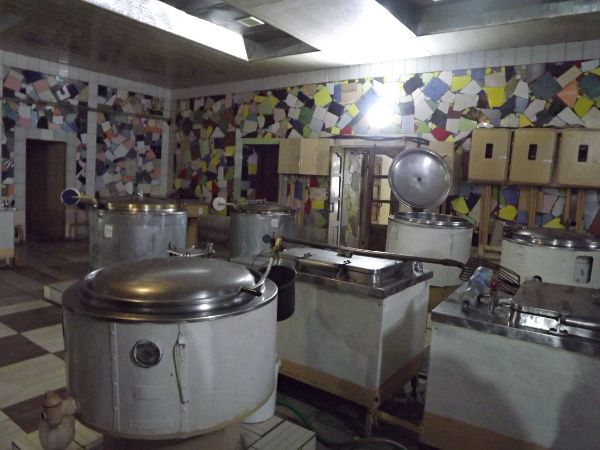
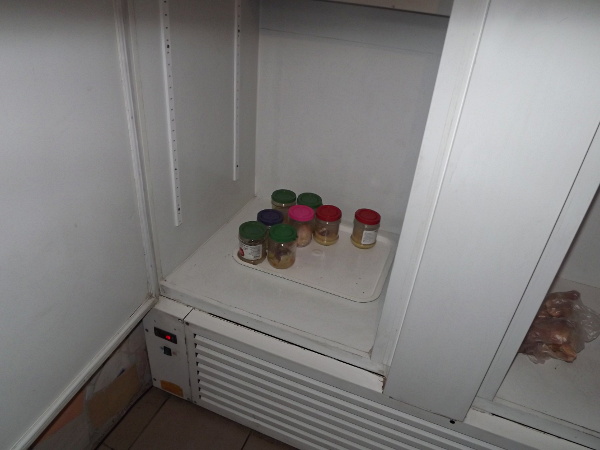
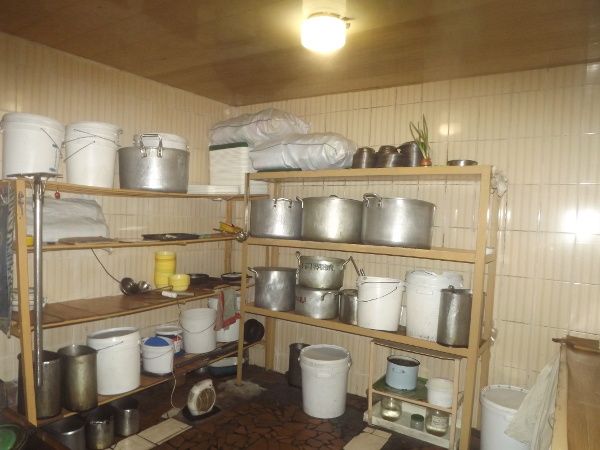
Feeding in the colony is carried out according to a schedule. The canteen is located in a separate building. There is a cold kitchen, a hot kitchen, and a bakery in a separate room in the kitchen. 540 kg of bread are baked in the colony per day. On the day of the visit, corn soup and vegetable stew were served for lunch. Since a warehouse for storing edible products is not provided on the territory of the colony, products are delivered almost every day. According to the administration, recently, meat has almost not been supplied to them. The meat portion of 100 grams is replaced, accordingly, with stewed meat in a portion of 70 grams per person. Two convicts require a diet; in the kitchen, the monitoring group saw special products (chicken, dairy products) for dietary nutrition. In general, the products looked fresh and edible. In addition, the colony has a separate refrigerator for storing samples of prepared food.
Medical and sanitary support
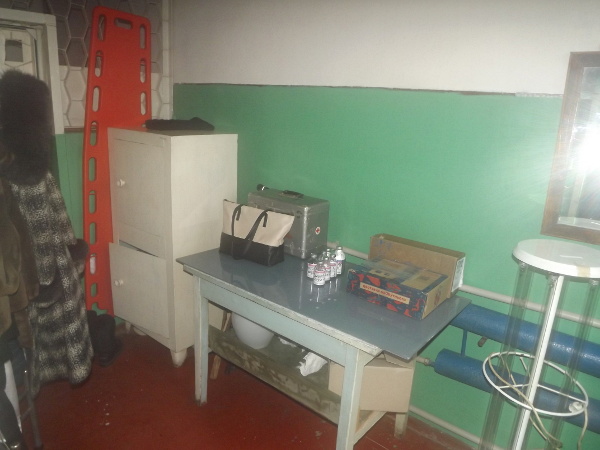
A medical-sanitary unit functions in the institution, which consists of: an inpatient ward for 14 places, an isolation ward, and examination offices. A dentist periodically conducts examinations in the colony; there are no other doctors. There is an acute problem with the provision of medicines, especially antibiotics. At the time of the visit, 116 people infected with HIV were serving their sentences in the colony, 57 of whom were receiving substitution therapy.
DIS/PKT sector
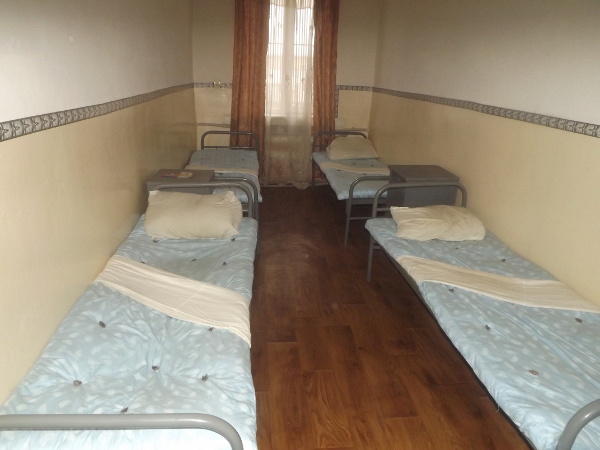
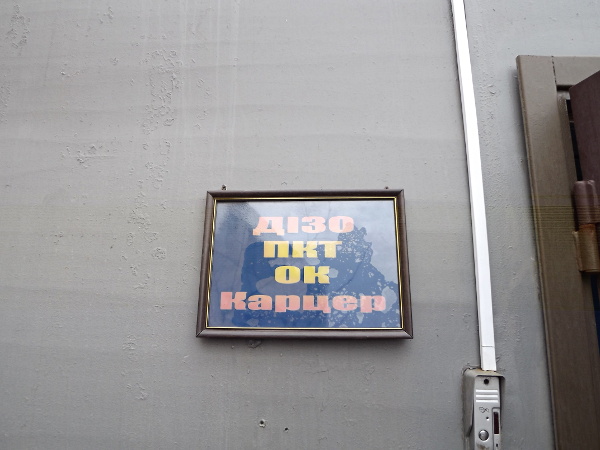
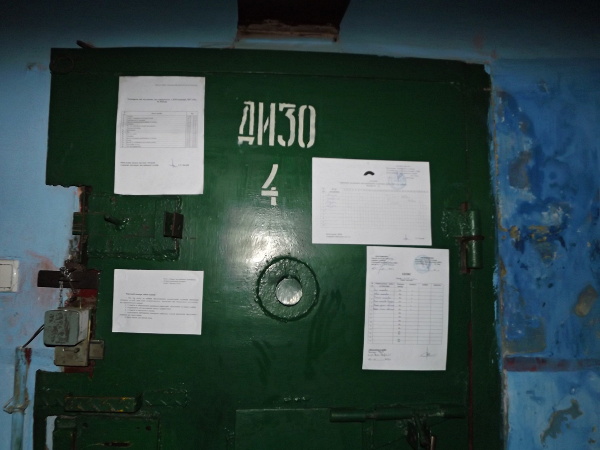
At the time of the visit to the penal institution, eight people were in the disciplinary isolation ward. All, except one, noted that they agreed with being placed in the DIS and had no complaints against the administration of the penal institution. Two people were in the cell-type premise (PKT).
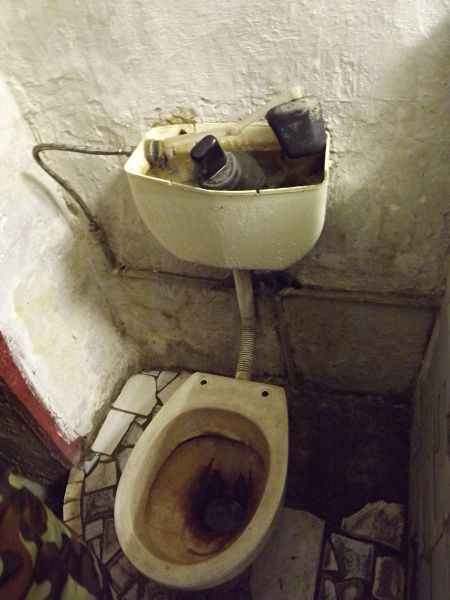
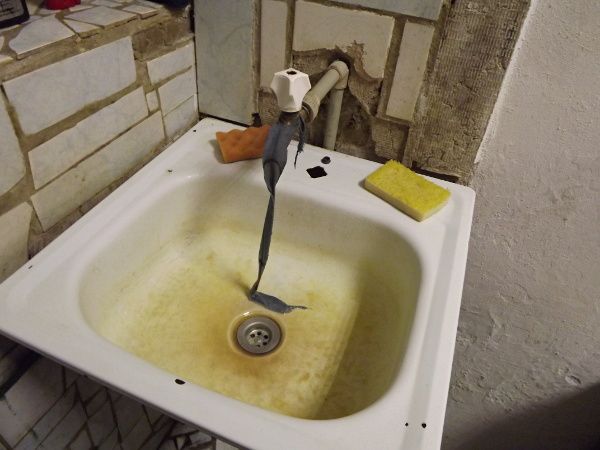
The DIS/PKT sector is in a relatively satisfactory condition. The room was warm, and it is possible to open a window for ventilation. The toilets are not separated from the general room and are in a semi-derelict condition, due to which a characteristic odour is felt in the premises.
Sector for maximum security level (SMSL)
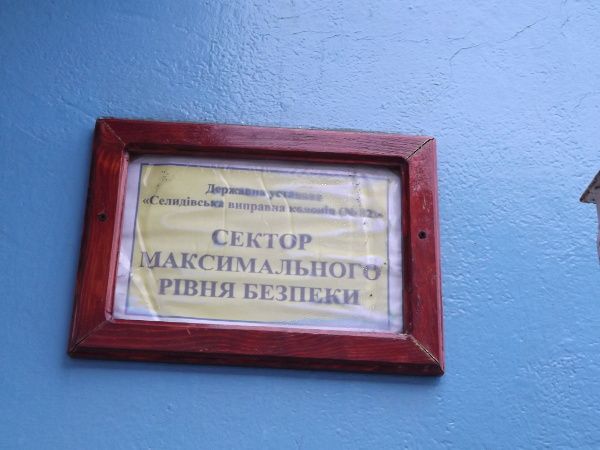
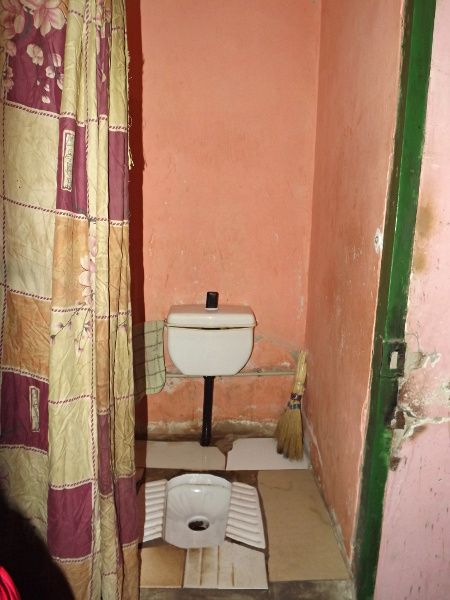
The Selydove Penal Colony functions with a sector for maximum security level. Men sentenced to life imprisonment serve their sentences there. At the time of the visit to the colony, 70 convicts were serving sentences in it. In total, 25 cells have been allocated for the sector for maximum security level; living space standards per convict are being met. Convicts in all cells have the opportunity to open windows, and it is indeed warm in the cells. In general, it can be said that the SMSL cells are in a satisfactory condition. The toilet in the cells is partitioned off by a high curtain, is relatively clean, and there is no odour.
The convicts eat normally and have no complaints against the administration of the penal institution.
Sector for medium security level
In this sector, men who have previously served sentences of imprisonment serve their sentences.
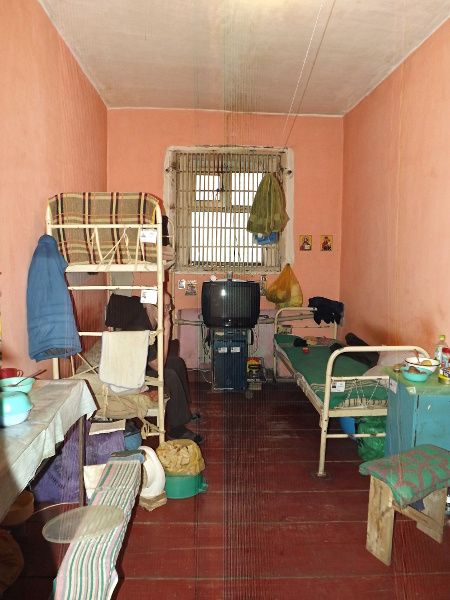
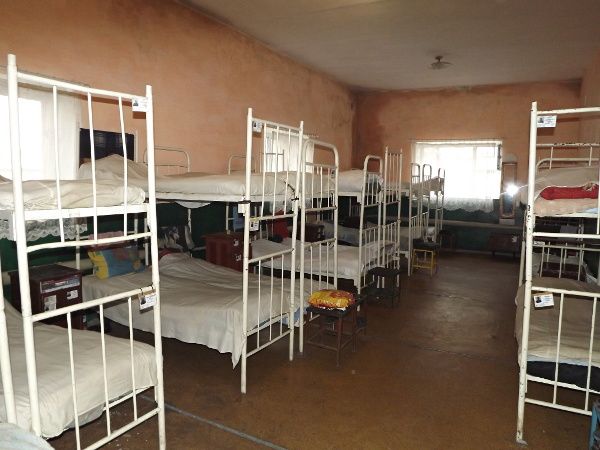
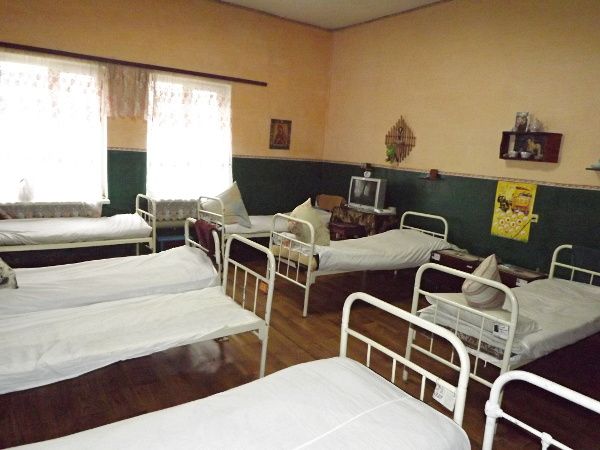
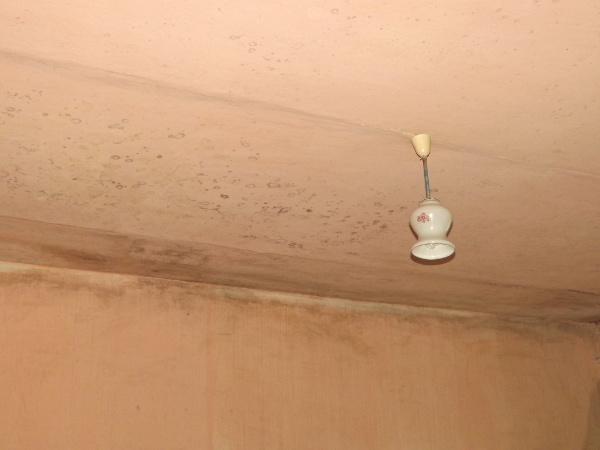
The material and technical conditions in the sector are partially unsatisfactory; in some premises, the ceiling is leaking, which leads to the development of mould and fungus, however, repairs are actively being carried out in the sector at the expense of and by the efforts of the convicts. In the cell, a persistent smell of paint was felt, however, the convicts indicated that the room is ventilated and the smell does not bother them.
The colony administration plans to carry out a capital repair of the colony’s premises; currently, due to many years of lack of funding, it is possible to carry out only cosmetic repairs and only by the efforts of the individuals serving sentences there.
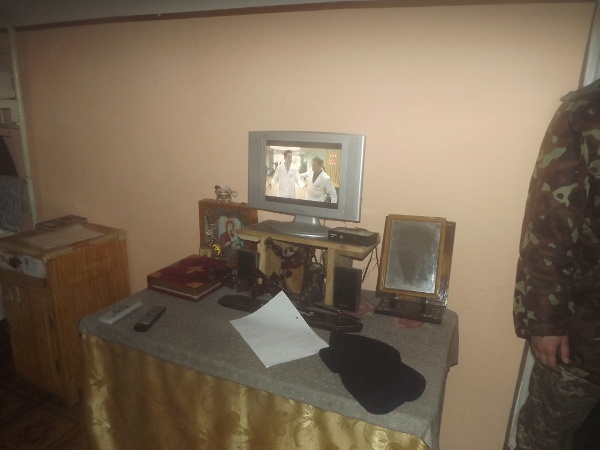
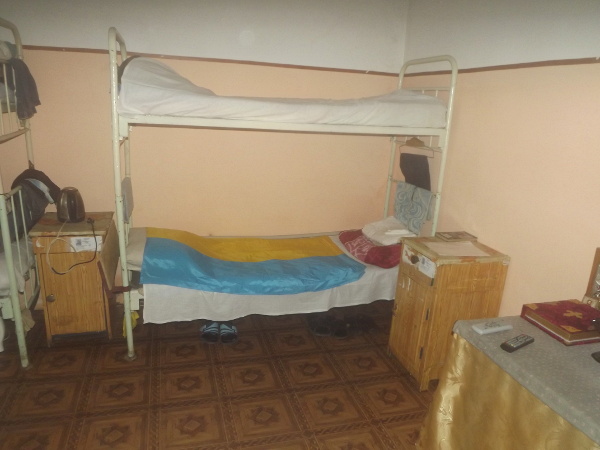
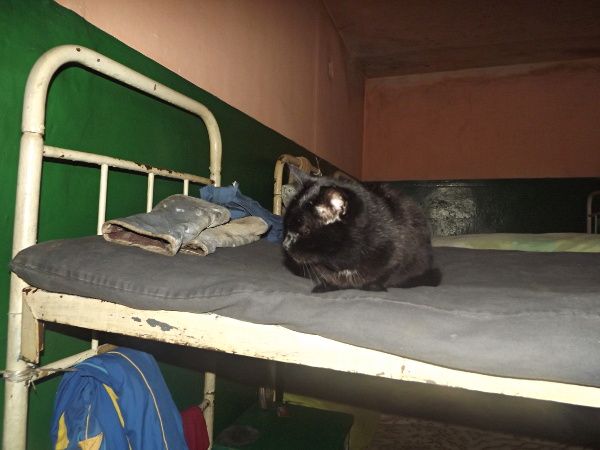
In the sectors, requirements for living space per convict are partially not met; double-tier beds are used, proper sanitary-hygienic conditions have not been created, and the furniture is old and neglected. In the premises where repairs have been completed, it is clean, bright, and cosy.
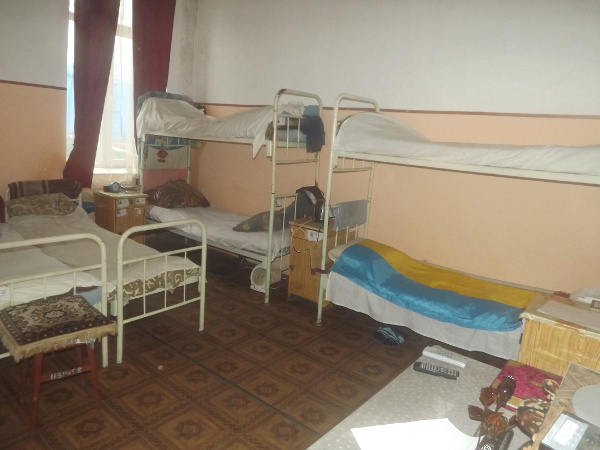
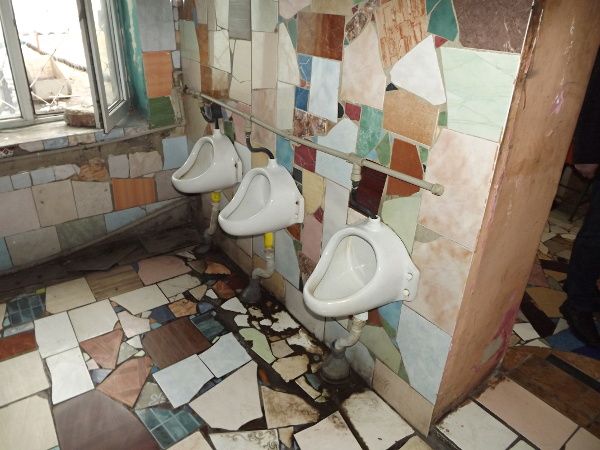
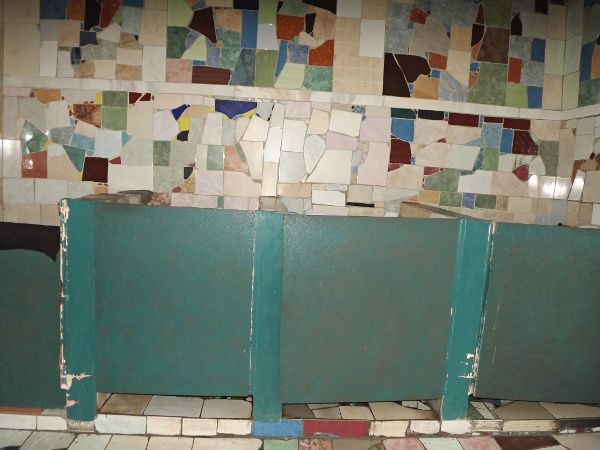
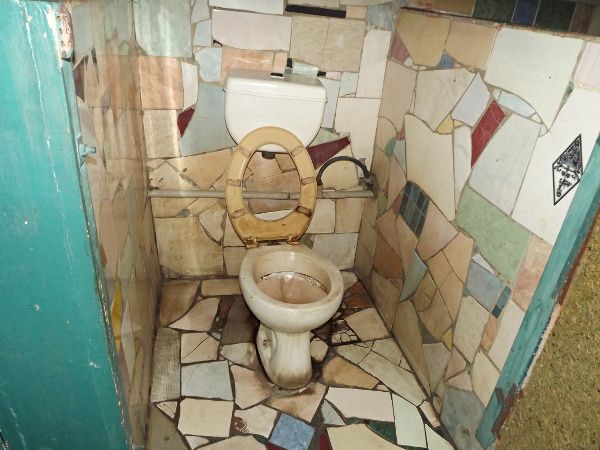
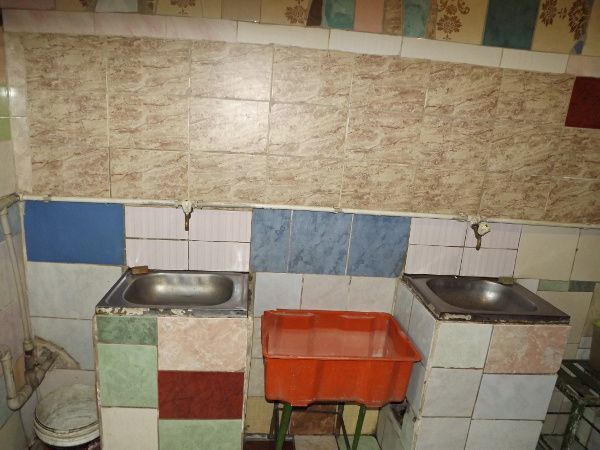
The toilets are in a satisfactory condition, there are separate urinals, and the cubicles are separated by partitions, however, the plumbing itself is covered with rust and is leaking.
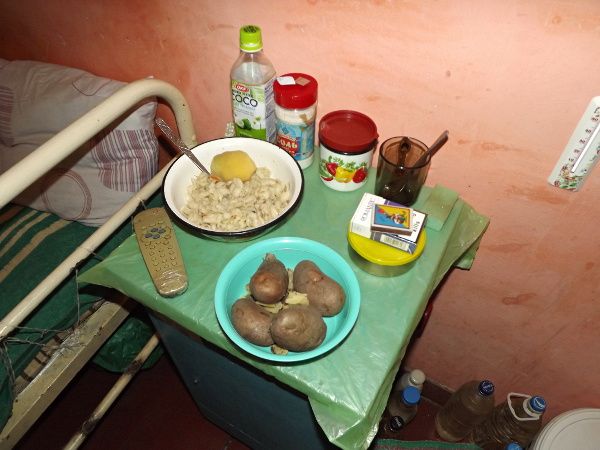
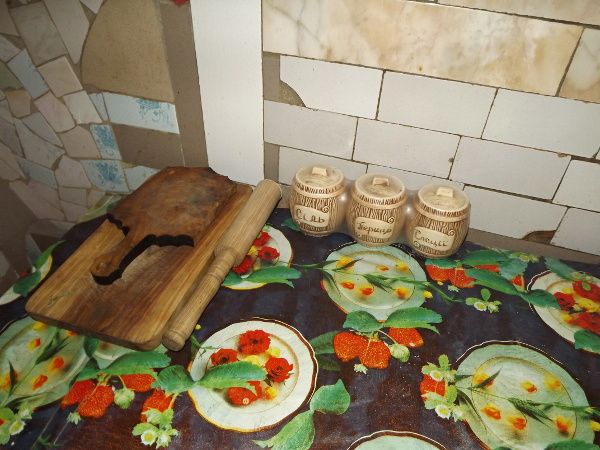
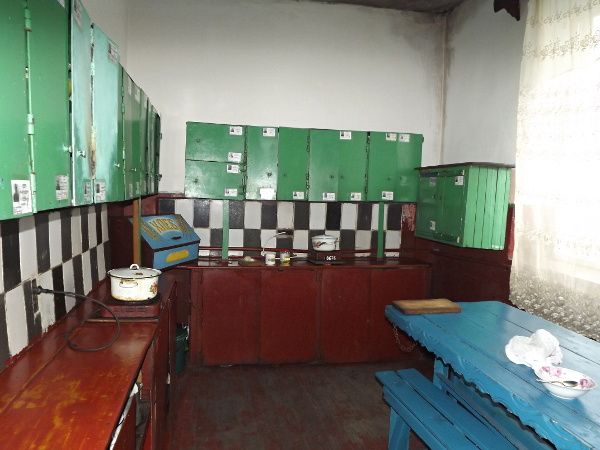
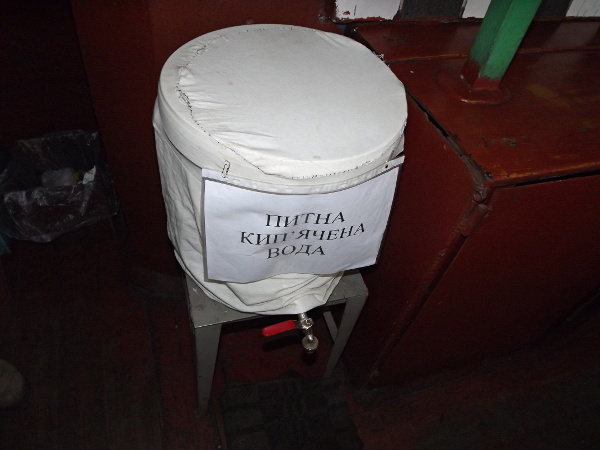
Convicts have the opportunity to watch TV, cook food for themselves, and every convict has a personal locker. There is access to boiled drinking water. The monitoring group notes that there is a large number of cats on the territory of the colony, which freely penetrate the premises, due to which a persistent smell of their waste is felt in the living area premises.
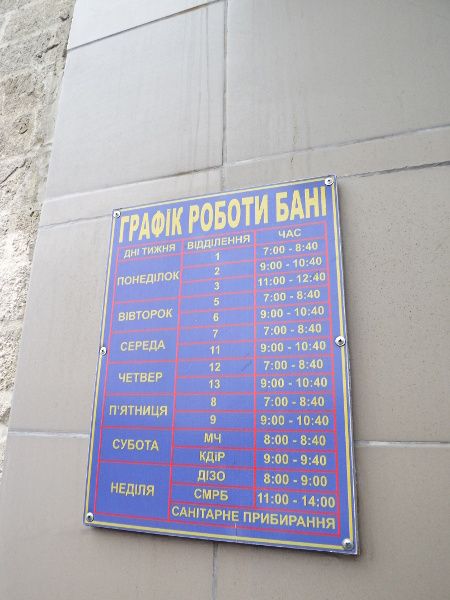
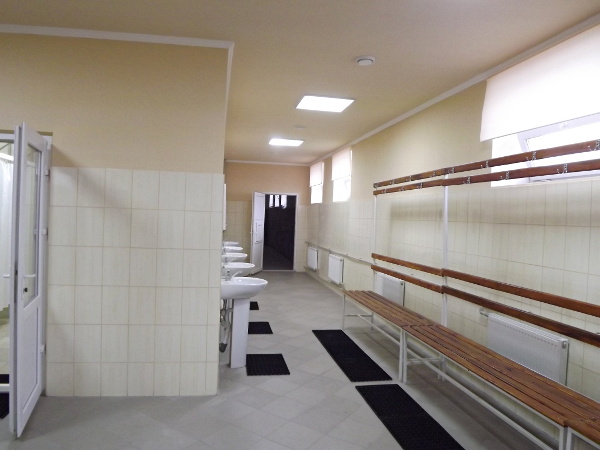
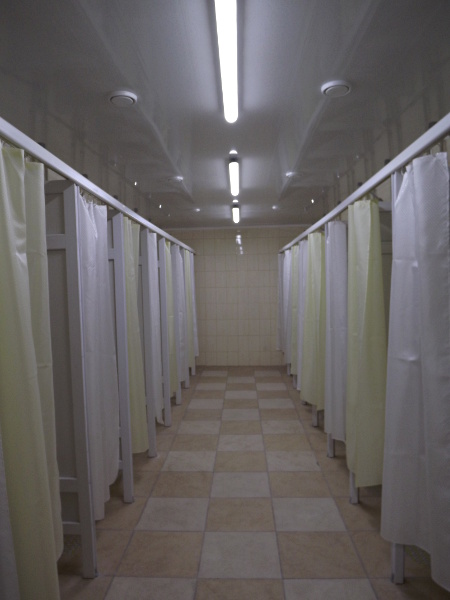
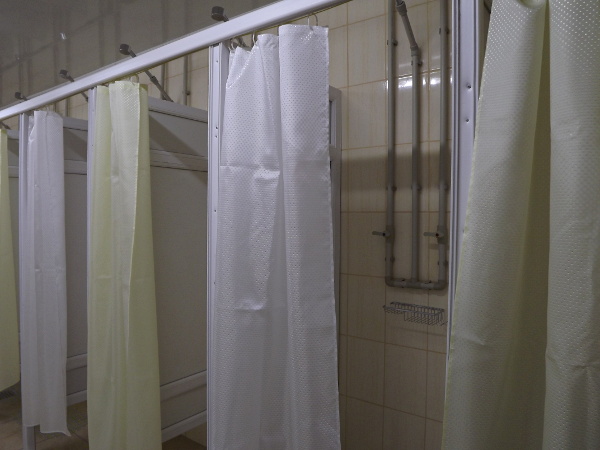
Separately, the monitoring group wants to highlight the bathhouse. Convicts have the opportunity to visit the bath according to the schedule. The bathhouse premises are clean and renovated. At the time of the visit, repairs in the bath-laundry complex were continuing, in particular, the laundry room itself was being repaired. Shower cubicles are separated and equipped with curtains; the room is warm, and there is no smell of dampness.
Industrial zone
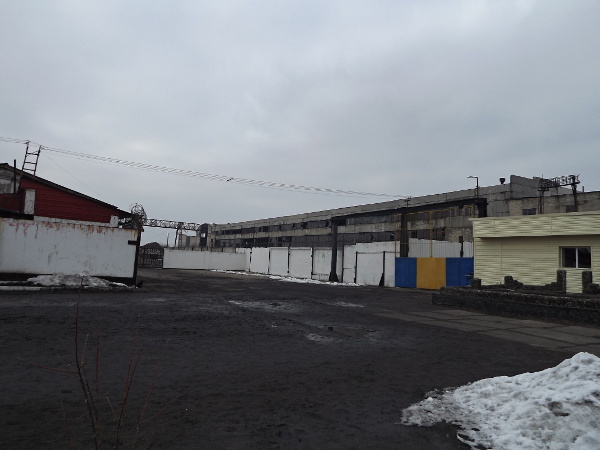
The industrial zone area is 12.6 hectares. Since 1960, the colony was equipped with sites for the production of industrial products — fuel tanks and water towers for agricultural needs. Later, the colony was also engaged in the production of various tanks for oil, metal nets, metal structures, etc. However, at the time of the monitoring group’s visit, none of the above-listed production facilities were working. The reason is not outdated equipment or the unwillingness of the convicts to work; the reason is the lack of a state order, and hence the corresponding funding for expenses and wages.
At the moment, only a sewing workshop functions in the colony. It must be noted that even it does not work on a permanent basis. In cases when there is an order, about 20 convicts are brought to work. Wages also depend on the order, and therefore the quantity of produced goods. Employment contracts are concluded with all workers.
Several more convicts work on the maintenance of the colony (cooking, cleaning, repairs, heating of the boiler room); to pay for their work, the state allocated 10 thousand hryvnias per year to the colony. This means that it is only possible to officially involve 12 people in such work at a 0.25 rate.
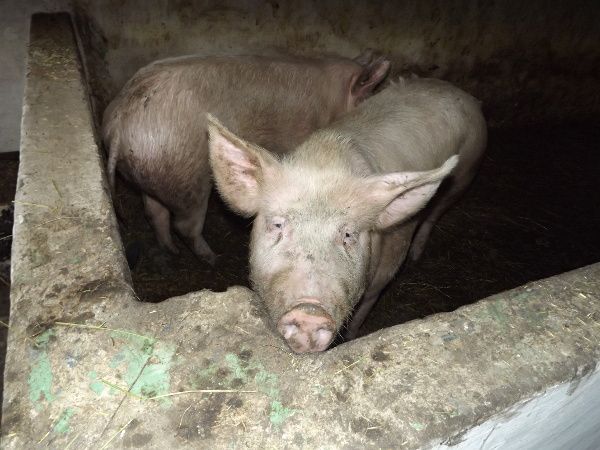
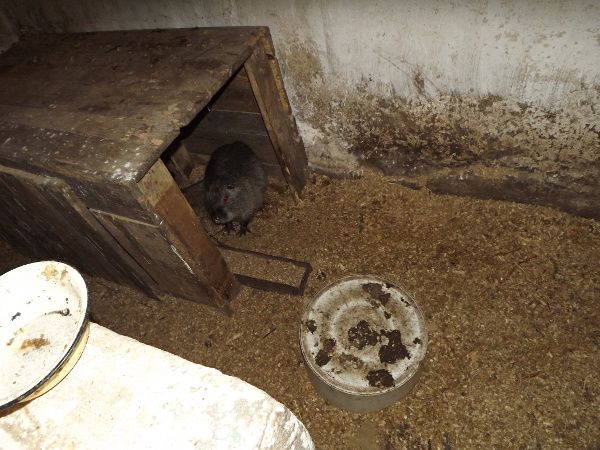
On the territory of the colony, there is a subsidiary farm where cattle, pigs, and poultry are raised. At the time of the visit, the subsidiary farm consisted of one heifer and 37 pigs. In addition, poultry, including pheasants, is raised in the colony, and nutria are bred.