Report on the Findings of a Monitoring Visit to Odesa Correctional Colony No. 14
General information
Representatives of the Kharkiv Human Rights Protection Group — Volodymyr Hlushchenko, Olena Richko and Hanna Ovdiienko — carried out a monitoring visit to the State Institution “Odesa Correctional Colony (No. 14)”. This is a medium-security institution for holding men sentenced to imprisonment who have previously served sentences in places of deprivation of liberty. The planned capacity of the institution is 1,350 people; at the time of the visit, 604 convicts were being held in the colony. According to the administration, the colony holds persons who already have between 2 and 12 so-called “stretches” behind them, and the contingent is therefore rather particular and difficult, with a settled way of life.
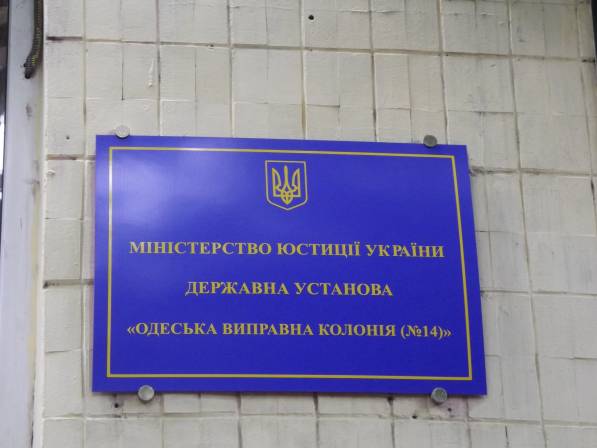
The following are located on the site: an industrial zone, a residential zone for convicts, an administrative building, a club for convicts, a canteen for the special contingent, a medical unit, a bathhouse and laundry for convicts, a library and a shop. The main workshops of the industrial zone are the foundry and the machine shop, together with a number of production sections. The monitors were admitted to the colony without delay. The governor was at the work assignment parade, but once he had been informed of the monitors’ arrival he met them and provided an escort drawn from the administration. Unlike other institutions, this one assigned the monitors a single escort, although another officer occasionally joined them.
The penal institution is situated almost in the centre of the city, and since the administration had identified numerous cases in which goods prohibited in circulation were thrown over the wall, small-gauge netting has been stretched along practically the entire perimeter of the institution.
The colony is short of staff; according to the administration, very few people are willing to work “inside the zone”, that is, directly with the special contingent. Outside the “zone” the complement of employees is full. Within the “zone” itself, a fairly high proportion of the staff are women; they are posted to the watchtowers, away from large concentrations of convicts (that is, from the residential part).
The industrial zone
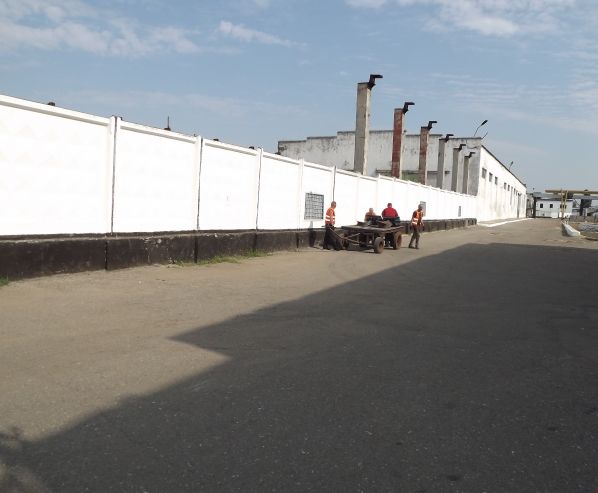
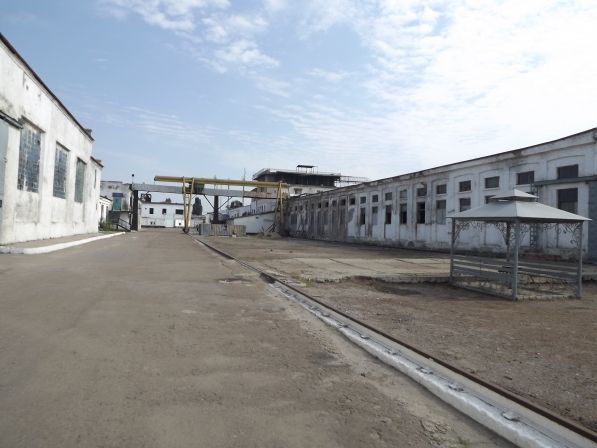
The territory of the colony’s industrial zone is quite extensive, both in the area of the plot and in the number of buildings. The monitoring group was accompanied by the production director.
According to the production director, the enterprise’s average annual turnover amounts to 12 million hryvnias. Because of the heavy tax burden, however, 72 per cent of this sum must be paid to the State (ordinary enterprises pay 50%). The enterprise therefore does not appear competitive.
State orders are almost entirely absent. The only instance of a State order mentioned by the director was the manufacture of railings to adorn a local architectural monument.
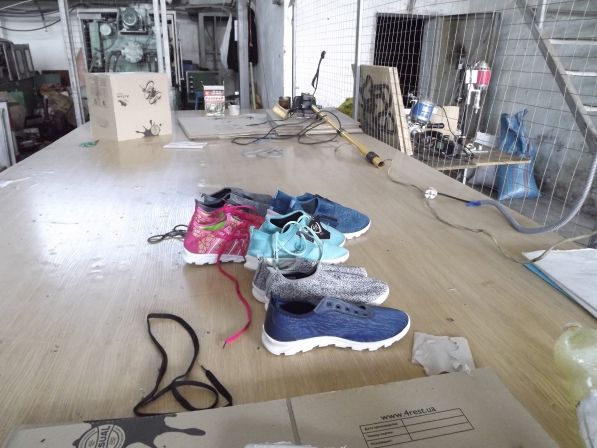
They “get by” through leasing: private entrepreneurs rent premises, install their own equipment there and employ convicts as the workforce. The monitoring group saw footwear being made for a Ukrainian brand.
The production director also complained of the low level of skill among the convicts employed: whereas private enterprises take on people with extensive experience, convicts must first be trained, which likewise affects the enterprise’s competitiveness.
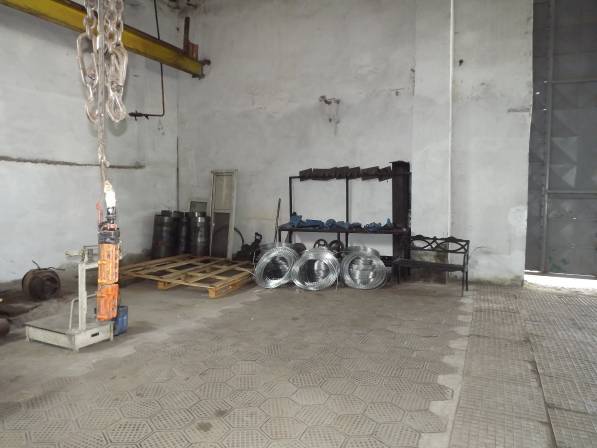
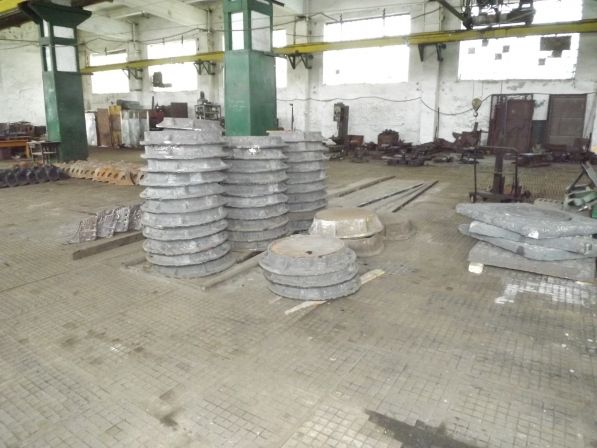
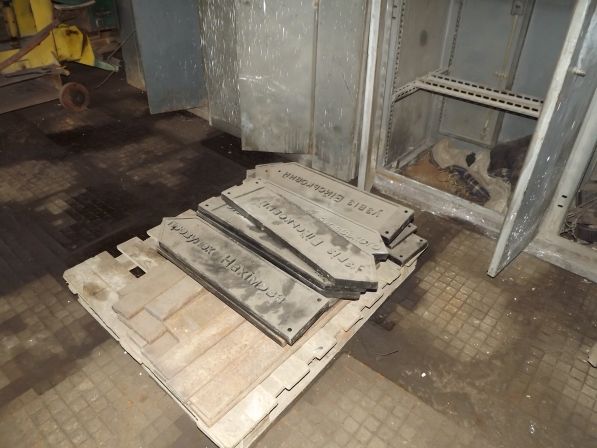
The monitoring group first visited the finished goods warehouse. There the monitors saw metal structures, solid-cast components, manhole covers for ports weighing half a tonne and of considerable value, barbed wire, agricultural equipment, and the street-name plates with which the whole city is furnished.
The monitors then went on to inspect production itself, visiting the metal-casting workshops. They were pleasantly impressed by the availability of protective clothing and special protective equipment for most of the convicts engaged in production. Cases were found, however, in which convicts had no protective clothing in workshops where the work does not involve exposure to high temperatures.
The convicts work for the most part without protective clothing or equipment (apart from gloves); nevertheless, when the monitors asked them to produce and put on, for example, a protective mask, they did so immediately. The mask was lying beside the convict, within arm’s reach.
On the whole, the territory looked well kept. Repair work is being carried out on the façades of the production workshops. Compared with other institutions our group has visited, this production facility makes a positive impression.
The working day at the enterprise begins (according to the convicts) at half past eight and ends, by various accounts, between five o’clock and half past seven, with breaks for lunch.
According to the administration, employment contracts have been concluded with all the convicts. Problems arise, however, when a convict falls ill, a matter not regulated by legislation. Even when a convict is ill, the enterprise must pay the unified social contribution in full, without reimbursement from the social insurance fund. According to the enterprise’s director, the employment contract contains a clause providing that, if a convict is placed in a disciplinary isolation cell or a cell-type unit, the contract is terminated unilaterally by the administration, since this is regarded as a gross breach of labour discipline.
Convicts were also found at the enterprise who work without a fixed-term employment contract, ostensibly for two hours a day. According to both the convicts and the administration, such convicts work without pay in order to earn privileges.
At the production facility the monitors discovered a case in which a convict in the tile workshop, whose work involves a high level of noise, was working without ear protection, which may have an adverse effect on his hearing.
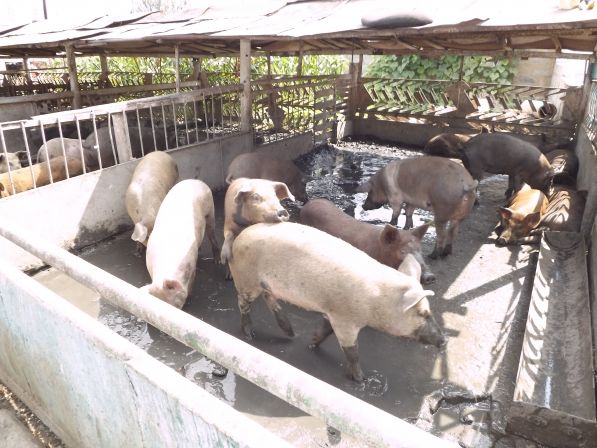
There is also a subsidiary farm on the colony’s territory, where pigs and poultry are raised. At the time of the visit, two convicts were working there, one under an employment contract and the other on his own initiative in order to earn privileges.
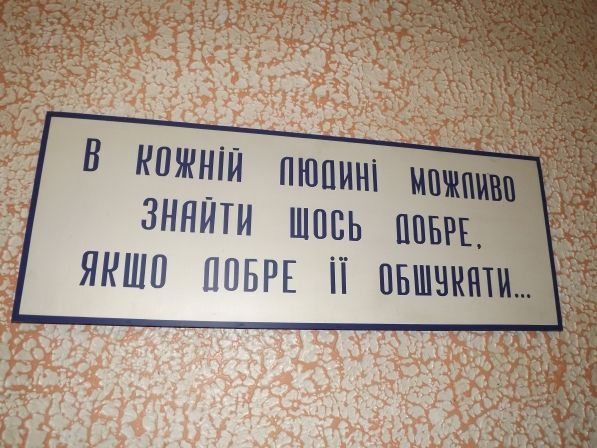
Before and after going to work in the production area, convicts undergo a personal search and pass through a metal-detector gate. The monitors noticed the following life-affirming inscription in the search room.
The catering unit
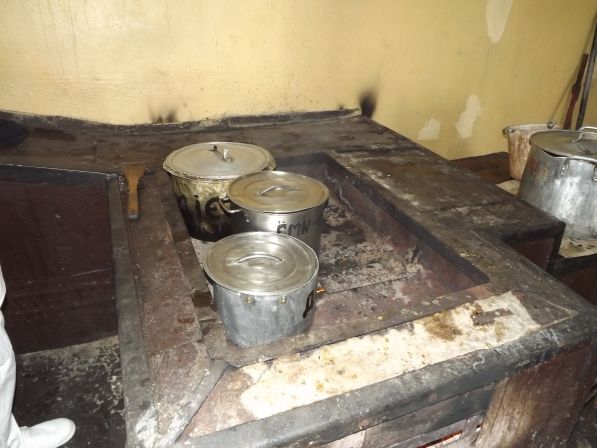
The monitors next visited the reserve kitchen, where food is cooked throughout the summer period. According to the staffing schedule, one cook works in the kitchen, assisted by the stoker and several other convicts. The food is cooked over wood. The prepared food is carried in plastic barrels to the main catering unit, where it is served out.
The main catering unit is generally clean. There are no extraneous unpleasant odours. It is possible to wash one’s hands, but soap was produced only after the monitors had remarked on its absence.
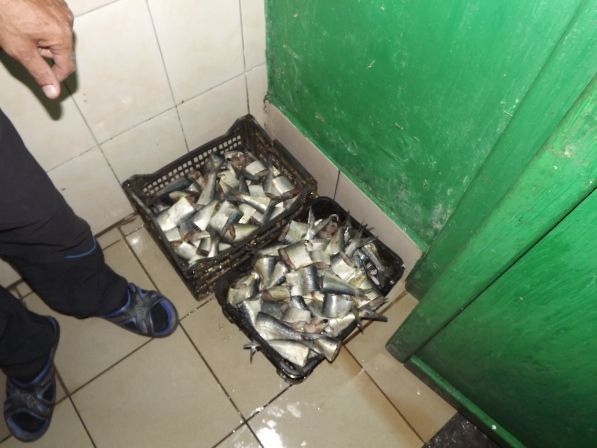
At the time of the monitors’ visit, herring was being defrosted for supper. Lunch was already prepared: barley soup and stewed meat with porridge. The monitors were separately shown the dietary meals and the retained samples of prepared dishes. The institution bakes more than 300 kg of bread a day.
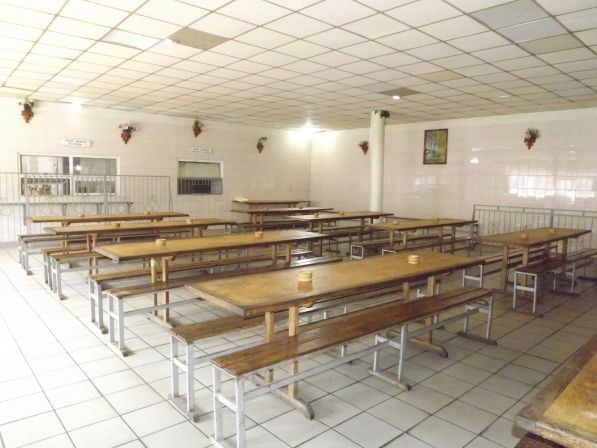
The dining hall is spacious and clean, with many tables. The administration pointed out the separate places set aside for the so-called “degraded” prisoners, of whom, incidentally, there are 56 in the institution (more than 10%). Separate crockery is also allocated to them.
Disciplinary isolation cells and the cell-type unit
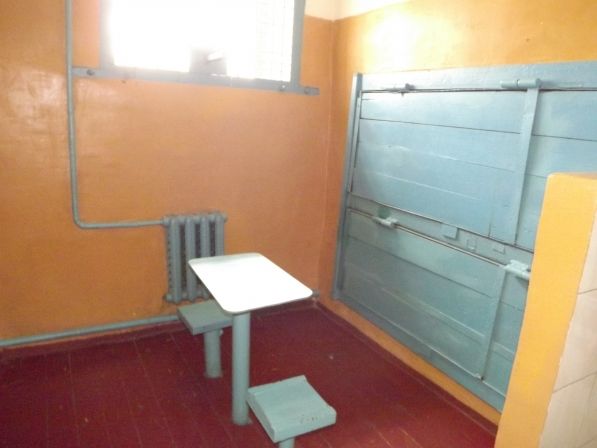
At the time of the monitors’ visit, 20 people were being held there: 15 in the disciplinary isolation cells and a further 5 in the cell-type unit. None of them complained that their disciplinary punishment had been unlawful, or about the conditions of detention. Some, however, complained of the very poor quality of the food. The monitors inspected the cells and the exercise yards. Each exercise yard is equipped with parallel bars, a bench and a horizontal bar.
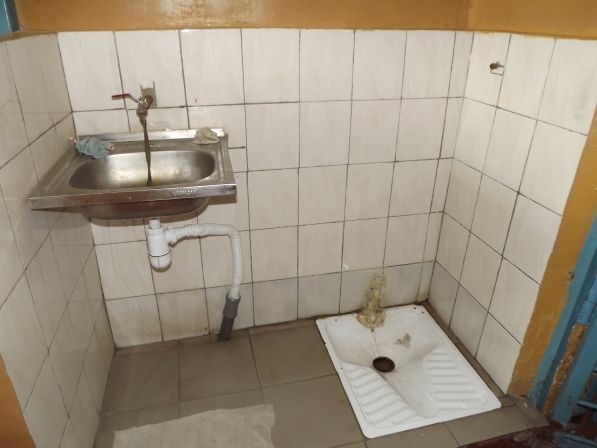
The cells have been renovated and are reasonably clean. Each cell is designed for two people. There is no drinking water, only water from the tap, but there is access to fresh air.
The disciplinary isolation cells and the cell-type unit are equipped with a separate shower for convicts.
The bathhouse and laundry complex
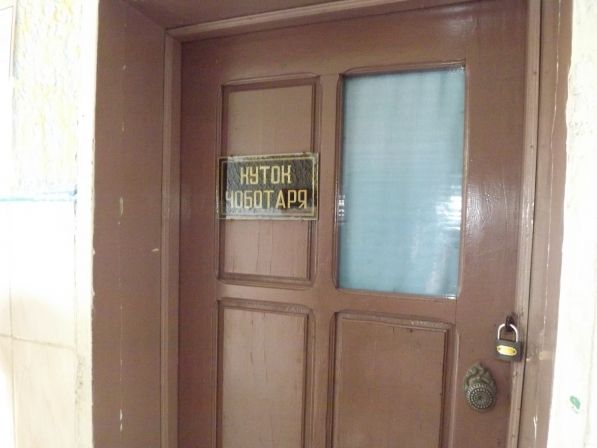
The bathhouse and laundry complex houses a barber’s shop, a cobbler’s corner and the bathhouse and laundry themselves.
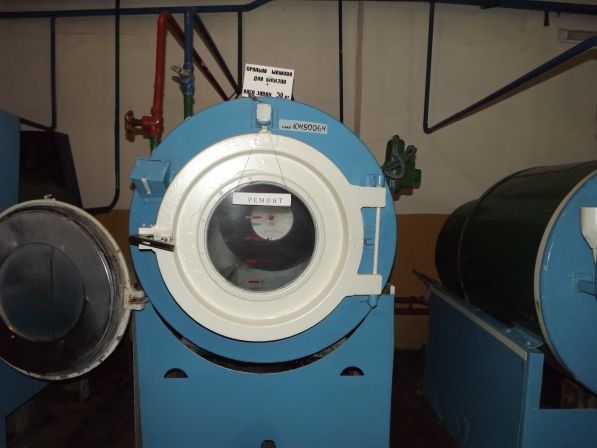
The laundry is equipped with old washing machines and dryers dating from Soviet times; in the summer, however, the linen is dried in the open sun.
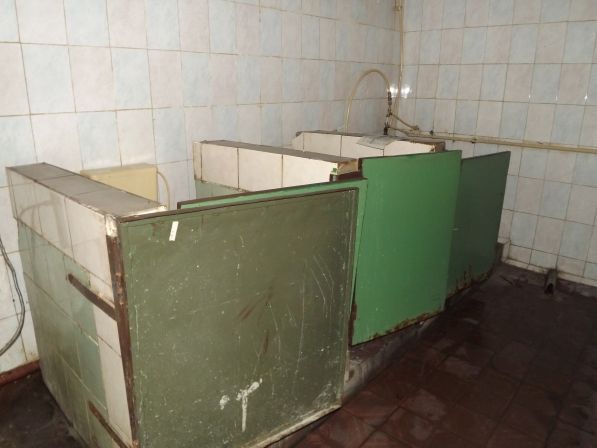
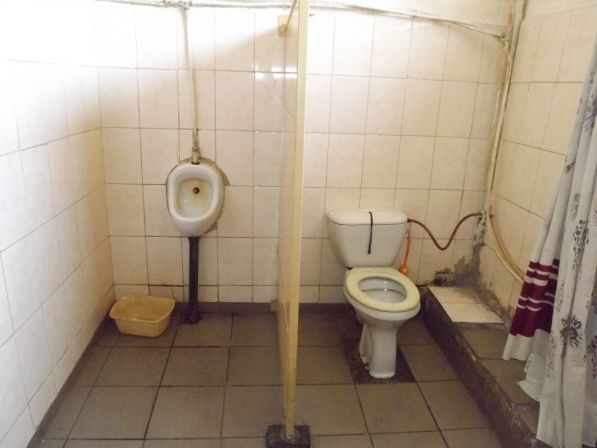
The bathhouse operates to a timetable. There are no rubber mats in the bathhouse; water is available. The showers are separated by high partitions, but there are no curtains either, which is a violation of the right to privacy.
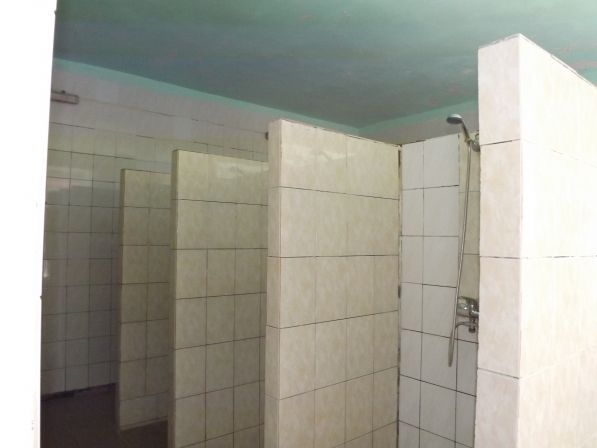
The monitors note that the bathhouse area is also “reinforced” with netting, since it adjoins a road and goods prohibited in circulation are frequently thrown over.
The residential zone
Renovation of the first and second local units was planned and had partly begun at the colony. Funding ceased in 2014, however, and the work has been frozen ever since. Before funding was discontinued, the second floor of the building had been partly renovated. The monitors note that, if the renovation were completed, the units would meet international penitentiary standards.
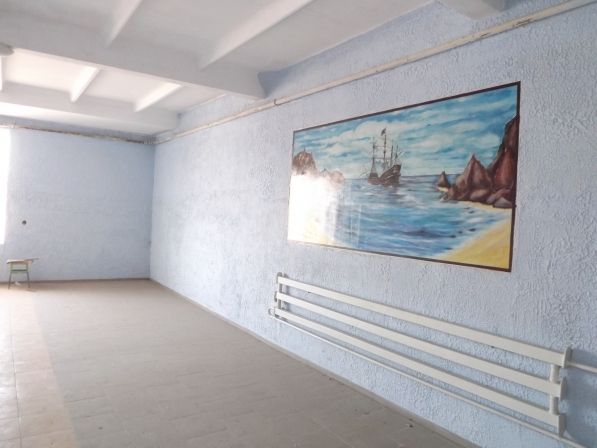
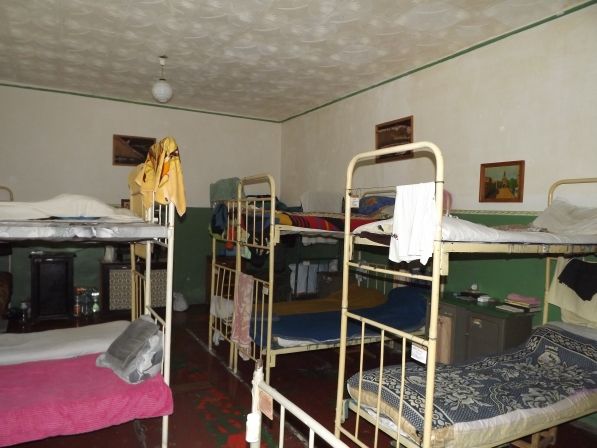
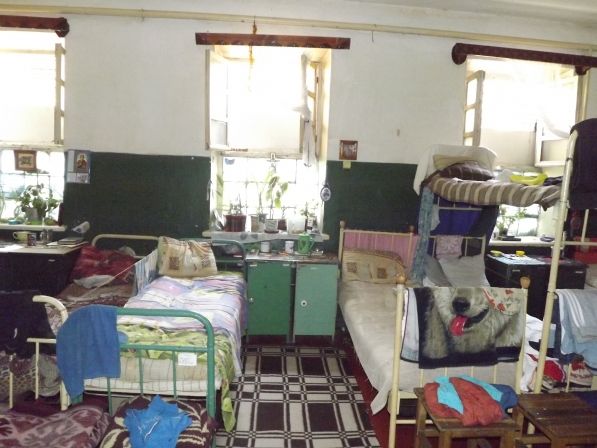
The monitors then visited the fourth local unit. They went in, but were obliged to leave the premises because of the aggressive behaviour of the convicts. Having spoken with the convicts in the yard, the monitors established the reasons for such conduct. These were complaints of very poor food, overcrowding, insufficient fresh air in the premises, and the administration’s decision to prohibit the handing over of home-cooked food after long-term visits. After talks with an initiative group of convicts, the monitors were given the opportunity to inspect the unit’s territory and to record facts that confirmed what the convicts had said. Rooms with severe overcrowding were indeed found on the second floor. All the rooms have bunk beds. There has been almost no renovation, and one of the rooms is so stuffy that it is scarcely possible to breathe. The lavatories are fitted with high partitions, but there are no doors. In the yard there are tennis courts, sports equipment, and tables where convicts can play chess.
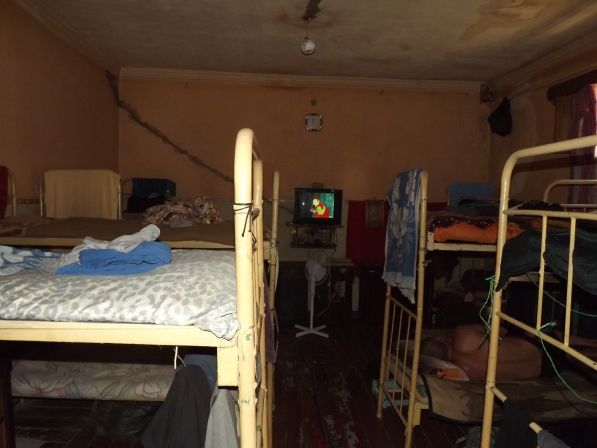
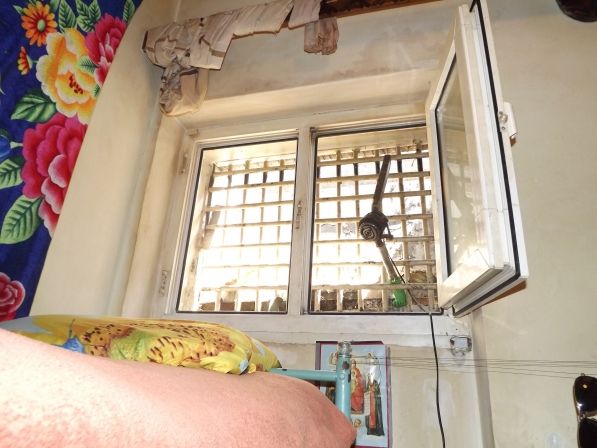
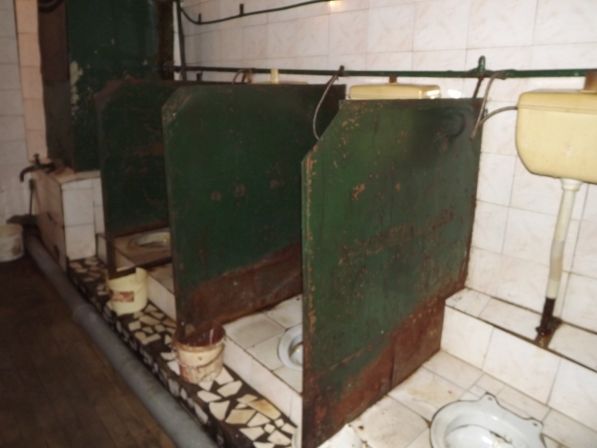
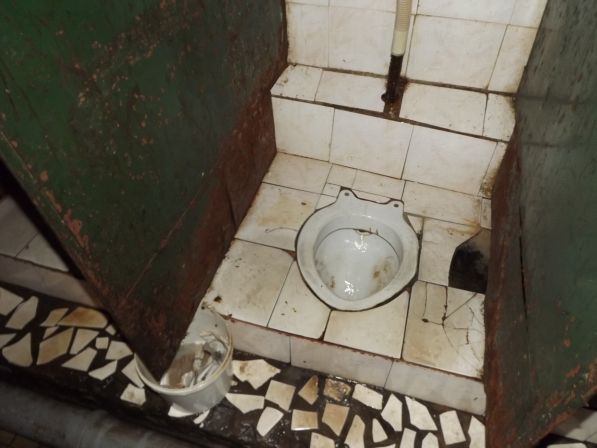
The fifth unit is much the same as the fourth, but there is no overcrowding there. Access to air is unrestricted. The lavatories have doors. The convicts are not as aggressive. They confirmed, however, that the food is very poor. Almost all the convicts stated that stones are to be found in the maize porridge and that the pearl barley porridge tastes bitter. Chicken wings are issued to them with the feathers still on. After long-term visits they are not allowed to take even bread with them, and the handing over of vegetables and fruit is limited to two kilograms.
All the convicts interviewed by the monitors complained bitterly about the imposition of additional “restrictions” on the handing over of parcels. They said that in parcels they are permitted to receive 2 kilograms of tomatoes and apples, 2 kg of sugar and so forth. Annex 2 to the Internal Regulations of Penal Institutions sets out a list of foodstuffs and items that may be handed over to convicts, but it contains no weight restriction whatsoever on foodstuffs.
The medical unit.
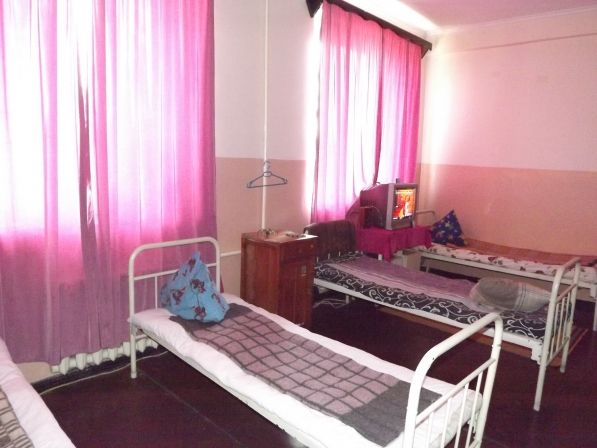
The medical unit is clean; 16 convicts were being held there. Some wards are fitted with air conditioners, so that in summer they are quite comfortable.
There is no medical personnel at all. The duties of the head of the medical unit are performed by a paramedic. The health records of the kitchen staff were produced for the monitors’ inspection, but almost as they were leaving the colony the monitors were first told that these were kept in the medical unit, whereupon the medical unit denied this and said they were kept in the kitchen. The monitors found signs that the medical cards are filled in carelessly; the impression was formed that they are completed not on the basis of medical examinations, if such examinations are indeed carried out, but as the need arises – ahead of inspections. The convicts working in the kitchen themselves confirmed that a medical examination is conducted once every six months.
Conclusions
Following the visit, the representatives of the monitoring group set out the violations identified to the senior staff of the institution’s administration. In particular, they drew the governor’s attention to the quality of the food and recommended that the supplier be changed.
The monitors also emphasised the problem of overcrowding, which is apparent only in units 3 and 4, and the artificially created problem with parcels and hand-overs, and so forth.