Monitoring visit to Sofiivska Correctional Colony No. 45
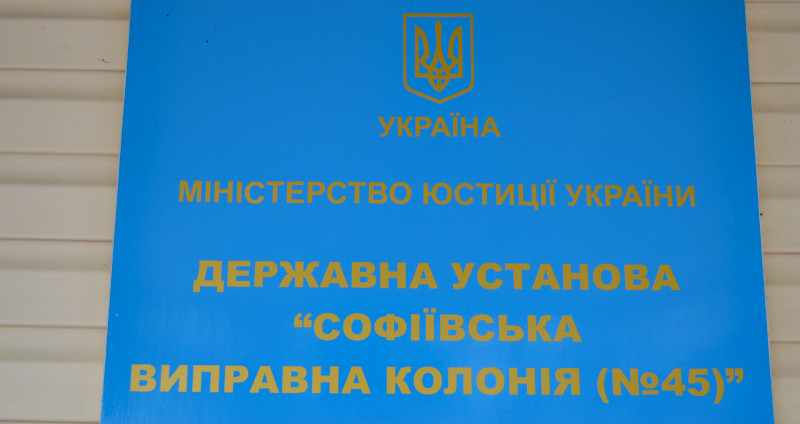
On 22 November 2018, a monitoring group of the Kharkiv Human Rights Protection Group (KHPG) visited Sofiivska Correctional Colony No. 45.
Sofiivska Correctional Colony No. 45 is a medium-security institution for the detention of men sentenced to fixed-term imprisonment who have been recognised as persons with category 1 or 2 disabilities and require constant medical supervision and rehabilitation.
The institution is located in the village of Makorty, on the border between Sofiivskyi and Piatykhatskyi districts of Dnipropetrovsk region. The planned capacity of the institution is 1,202 men; at the time of the monitors' visit, 246 men were actually serving their sentences.
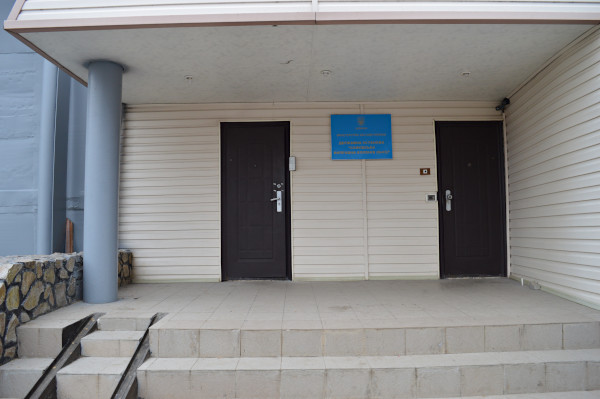
Medical assistance
As noted above, Sofiivska Correctional Colony No. 45 is an institution with special status. An inter-regional multidisciplinary hospital operates within it, where the majority of imprisoned persons with disabilities are held.
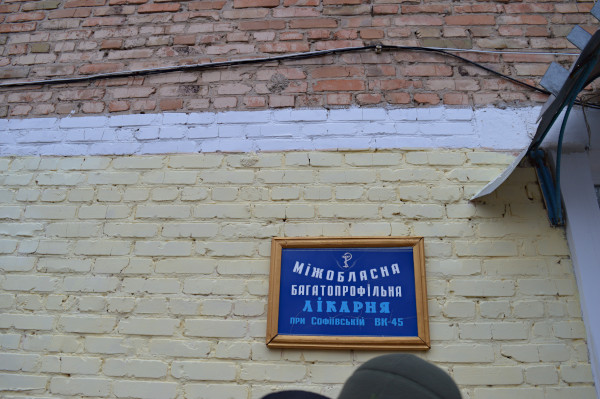
The hospital premises consist of a three-storey building. Prisoners are held in wards of three to ten men. The level of security in the hospital is medium, meaning prisoners can move independently along the corridors and are not restricted to the space of a single ward.
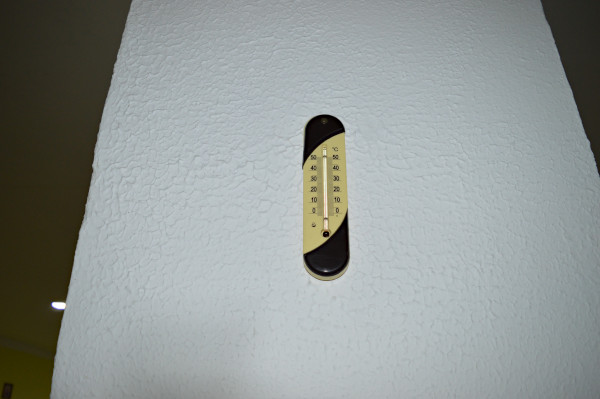
The first thing that catches one’s eye when visiting the hospital is the cold. It is particularly cold in the corridors, such that hands and feet freeze. It is slightly warmer in the wards, but according to the measurements of the monitoring group, the temperature does not exceed 16 degrees Celsius. Most patients lie wrapped in blankets or walk around in jackets. The radiators in the wards are barely warm.
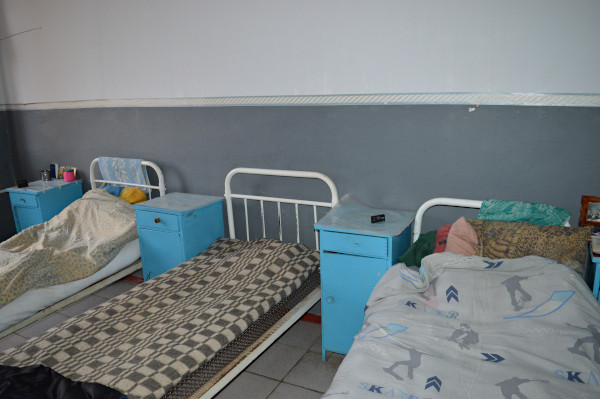
The administration explains this situation by saying that heating is provided by their own boiler room and that, apparently, an economy mode is in effect. However, as the monitors later discovered, it is warm in the living zone of the institution; specifically, the temperature in the detachments rises to 20 degrees Celsius, which is quite comfortable. No one could explain to the monitoring group why it is cold in the hospital if it is warm in the living zone and other premises.
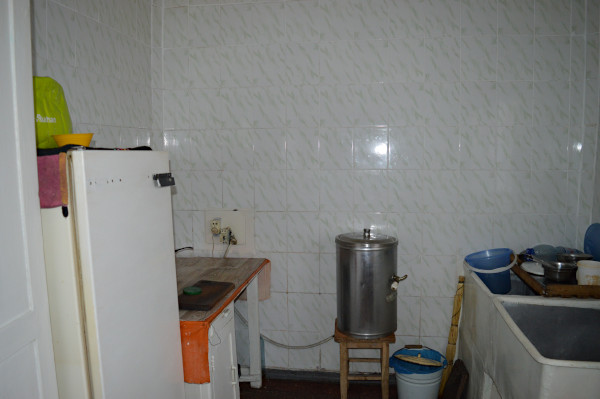
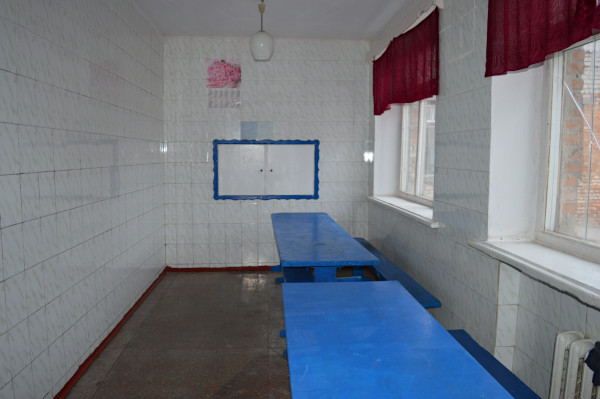
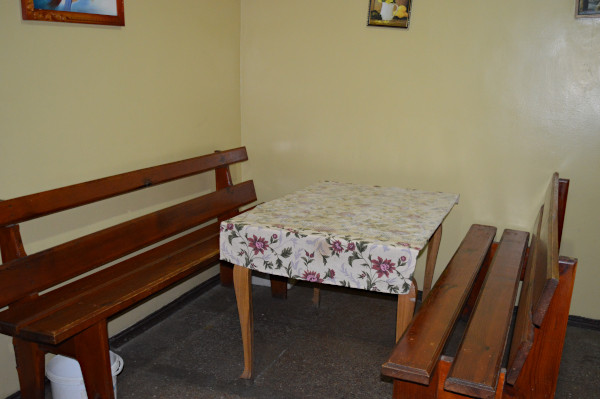
On the hospital grounds, there is a special room for eating, which includes a space for preparing and storing one’s own food with a refrigerator and a stove, as well as a small canteen. Orderlies deliver food for bedridden patients to the wards.
The monitoring group spoke with all the patients. Most of them are there with chronic heart disease, joint problems, injuries, etc. There are also those suffering from serious illnesses such as tuberculosis, multiple strokes, or late-stage HIV. However, the release of prisoners due to illness under the Criminal Code of Ukraine is currently impossible. According to the administration, the Medical Advisory Commission (LKK)—the specialised commission that must assess the health status of prisoners—is absent. Therefore, it is impossible to prepare the necessary documents for the court.
Instead, only two doctors work in the multidisciplinary hospital—a therapist and an infectious disease specialist. Considering that a neurology and surgery department function on its base, a logical question arises: how is treatment prescribed for the respective patients if there are no specialists? According to the senior nurse who accompanied the monitoring group, such treatment is prescribed by a therapist who allegedly previously worked as a surgeon. She never worked as a neuropathologist or neurologist, so the question arises as to whether she has the appropriate knowledge for treating patients.
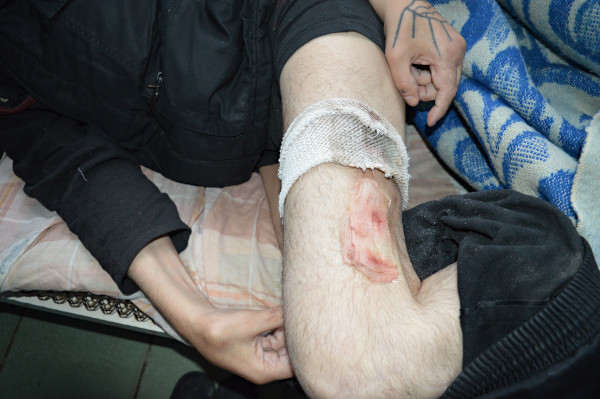
The senior nurse also reported that there are currently no complaints regarding the supply of medical drugs. There are enough medicines. The prisoners themselves also said that treatment is being carried out. At the same time, one of the prisoners complained to the monitors that his dressings are not done on time (or are not done at all). He is forced to do them himself. The administration denied such facts.
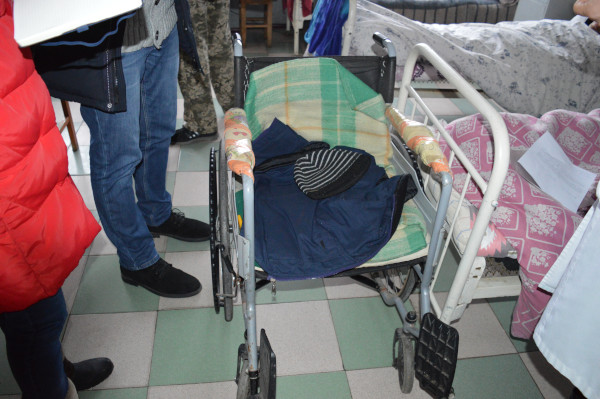
The colony is equipped with the necessary inventory—crutches and wheelchairs for individuals who cannot move independently. At the same time, most of the sick prisoners move independently with great difficulty, so assistants work with them. These assistants are other prisoners who, due to their state of health, can perform such work. However, according to the prisoners, most of them treat their duties with contempt. The administration confirms this, saying that while the hospital was not separated from the institution, they could somehow ensure the discipline of the orderlies, but now they lack the competence for such influence.
Conditions created for persons with disabilities
A special issue concerns the conditions created for persons with disabilities. First of all, it must be emphasised that the majority (but not all) are in the hospital. A smaller portion lives on the colony grounds in the living zone. Those living in regular residential buildings usually have a higher percentage of preserved working capacity. Some of them even agree to work.
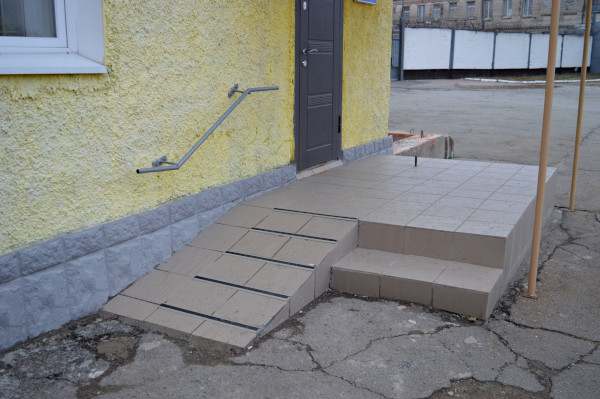
Ramps have been installed in the colony for the movement of individuals in wheelchairs. Although such ramps are far from present in all premises. According to the administration, patients are carried down stairs by other prisoners, who also help them wash on bath days. Prisoners can also request to be taken out for a walk at any time. It is hard to believe this, as during the visit, the monitors did not see a single prisoner on a walk. Moreover, we did not encounter a single orderly. And the prisoners themselves complained that you cannot get anyone to come to you for the lightest needs. In particular, sending letters is a major problem.
One prisoner complained to us that he is not helped to get dressed, although he cannot do it himself. Specifically, he cannot button his buttons. When he began wearing non-uniform clothing because of this, he was sent to the disciplinary isolation cell.
However, the monitors must emphasise a clearly positive phenomenon—at the time of the visit, there was not a single person in the institution’s disciplinary isolation cell.
Prisoners in the hospital eat in their detachments and do not go out to the canteen for this. Prisoners serving their sentences in the residential part eat in the canteen. For those who move on crutches, access there may be limited due to the presence of a large number of stairs in all buildings.
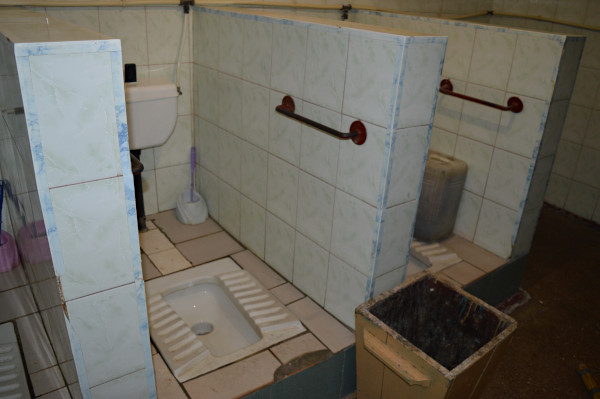
Sick prisoners requiring external assistance shower in the bathhouse in a special stall equipped with space for them and the person helping. Toilet rooms in one (but not all) of the detachments are equipped with special handrails. To enter the stall, a prisoner must pull himself up with his arms and crawl onto a special chair. This is not always easy even for a physically healthy person; how hard is it for persons with disabilities?
Nutrition
At Sofiivska Correctional Colony No. 45, due to its special status, many prisoners require dietary nutrition. Today, there are 4 food standards in effect at the institution. Some prisoners eat directly in the hospital, but the majority eat in the canteen.
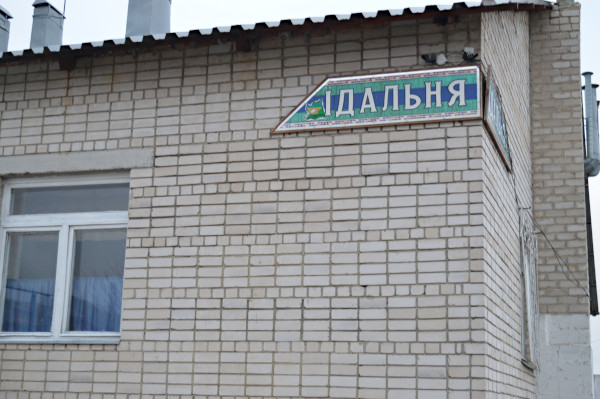
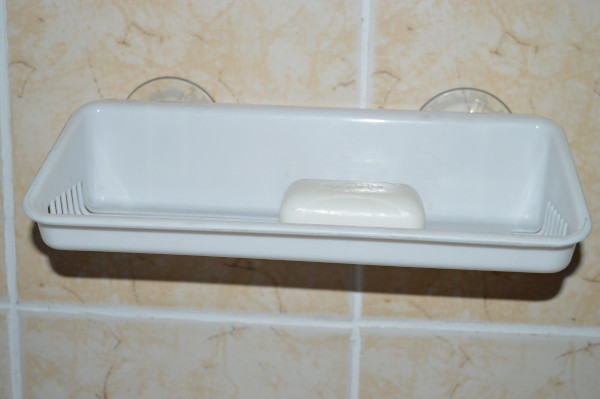
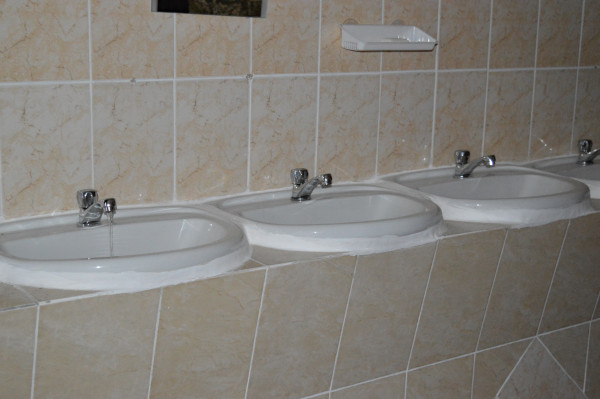
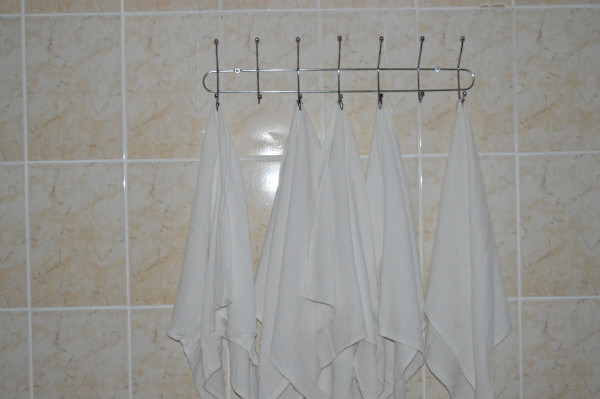
At the time of the visit, soap and towels were available in the canteen. The water supply was working.
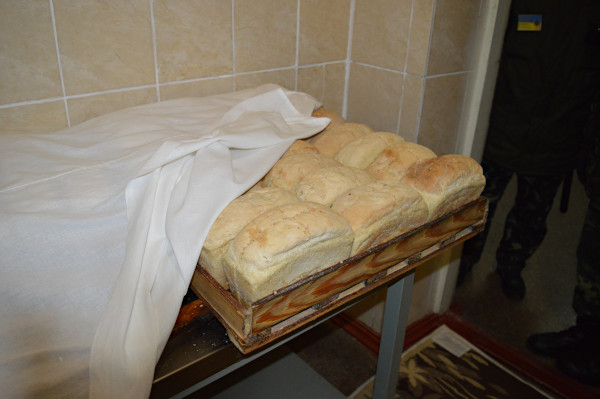
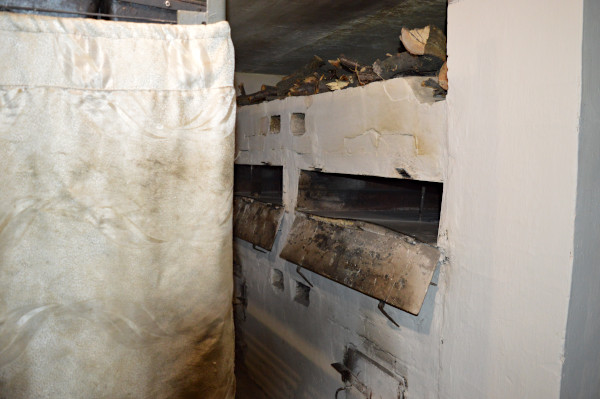
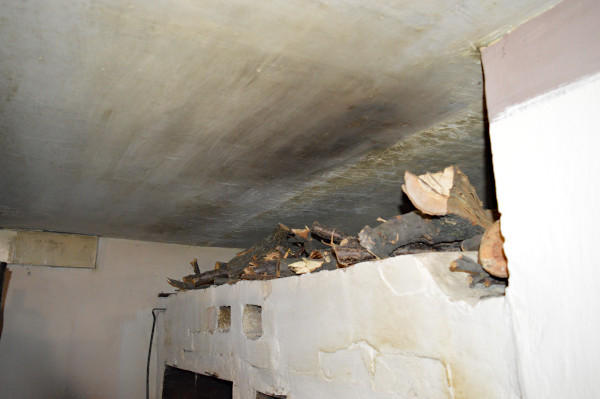
The institution operates its own bakery, where fresh bread is baked daily for the entire institution. The baker works a 12-hour shift. The salary for this was 1,400 hryvnias. The baking oven is solid-fuel. The room where it is located smells pleasantly of freshly baked bread and firewood.
On the day of the monitoring group’s visit to the institution, there was fish for dinner. The prisoners also claimed that they are given meat (chicken), as well as other dietary products—cheese, butter, milk, and eggs.
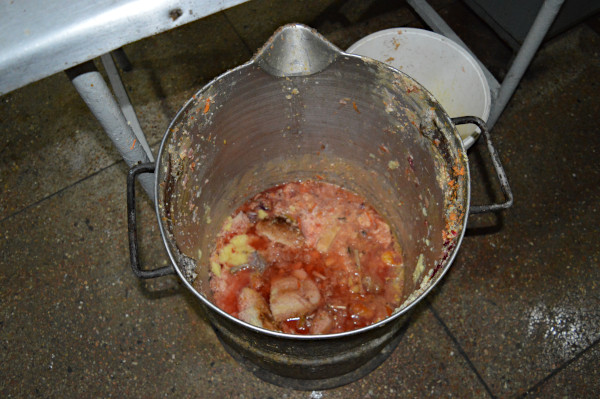
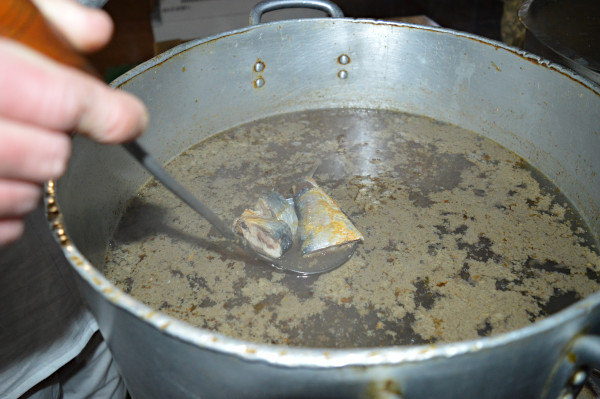
In the kitchen, prisoners work in special clothing, but the administration did not offer gowns to the monitoring group. Furthermore, in the cold room, the monitors also found a group of ‘voluntary helpers’ peeling potatoes. They were also not in uniform. A potato-peeling machine was installed in the room, but in fact, the prisoners were peeling them by hand, claiming it was better that way.
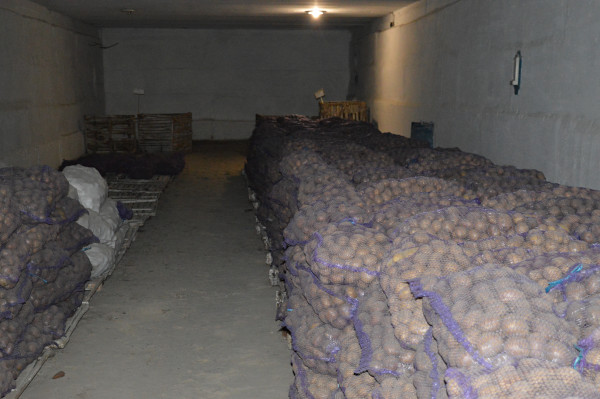
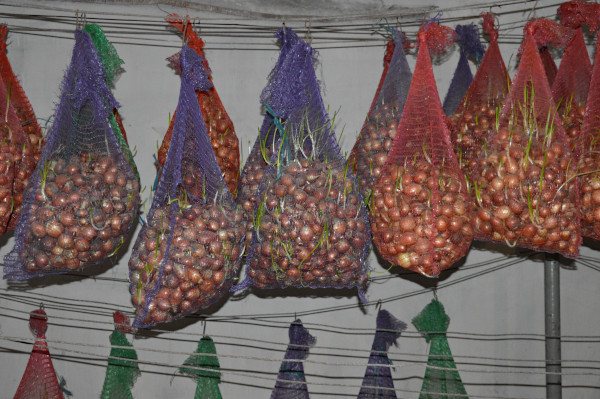
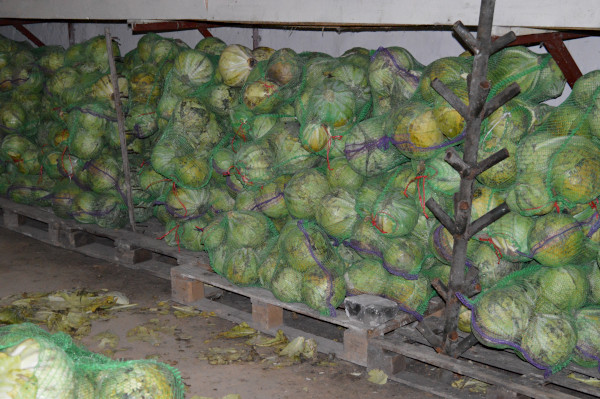
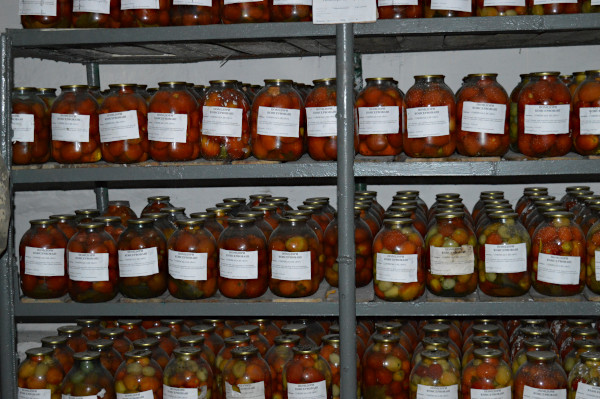
In the institution’s vegetable store, the monitors found large stocks of potatoes. According to the administration, more than 20 tonnes were purchased. In addition, the monitors saw stocks of onions, cabbage, and canned products. Everything looked high-quality and fresh.
Living zone
The living zone is divided into local sectors; all of them are renovated, but some have had cosmetic repairs, while others have undergone major renovations.
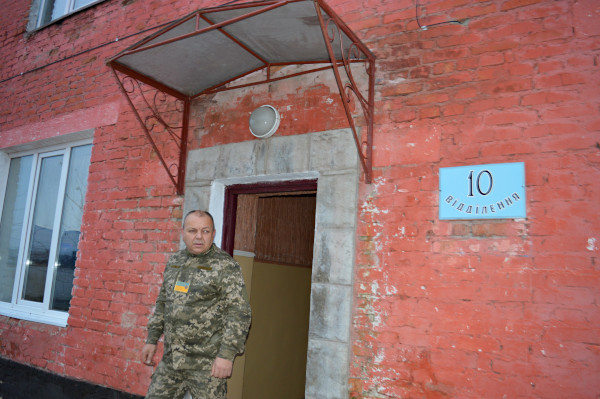
Bedrooms in the residential sectors are sufficiently large. Today, between 15 and 30 prisoners live in each of them, so most beds are empty. Therefore, there is a lot of space. The premises are warm, despite the fact that at the time of the visit, windows were open for ventilation.
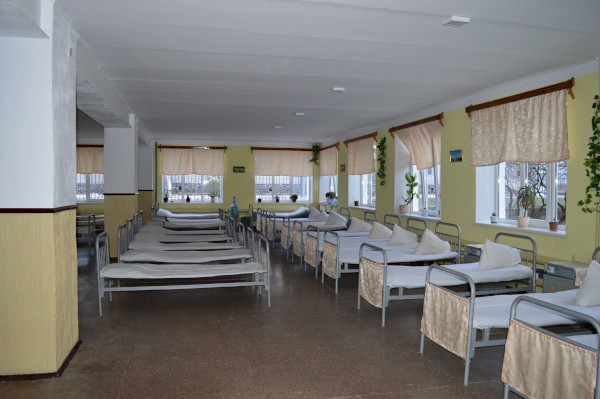
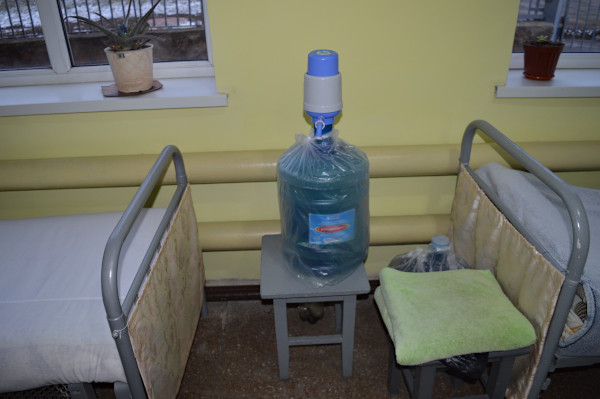
In the bedrooms, there are water coolers with drinking water.
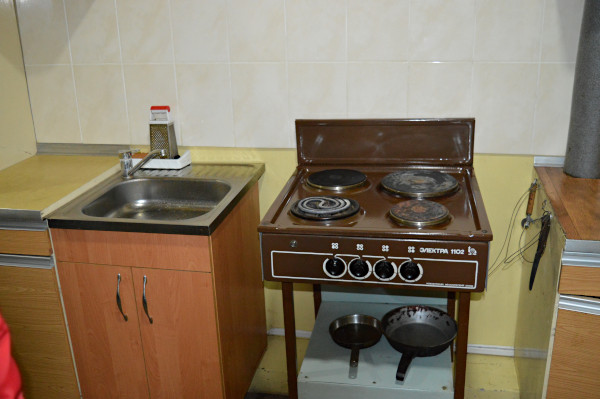
On the territory of the sectors where major renovations have been carried out, rooms for eating are equipped with stoves and refrigerators. Each prisoner has his own cupboard for dishes. In those sectors where major repairs were not carried out, there are only cupboards for personal belongings.
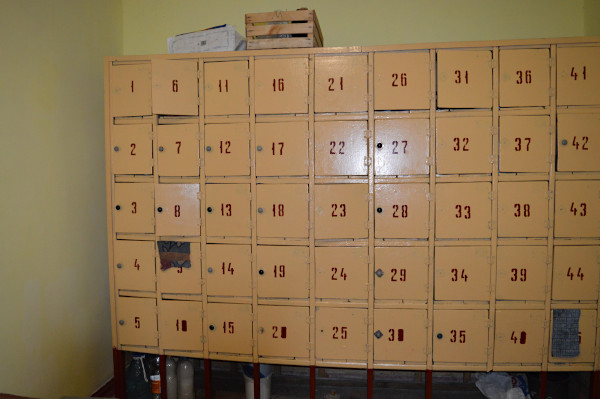
Toilet rooms in the renovated detachments are tiled with new tiles and are clean. Toilet stalls are high, which ensures the right to privacy. In the sectors without major renovation, the stalls generally had no doors, which is a violation of the right to privacy.
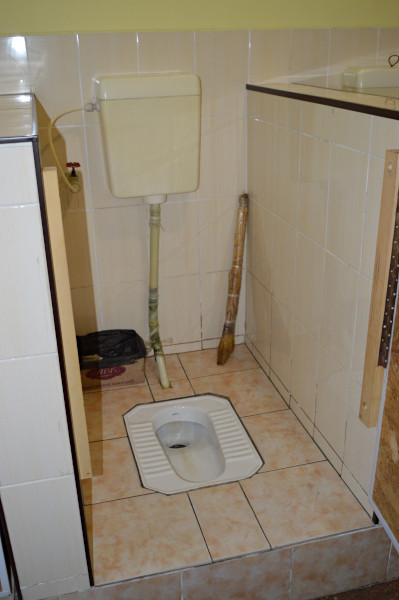
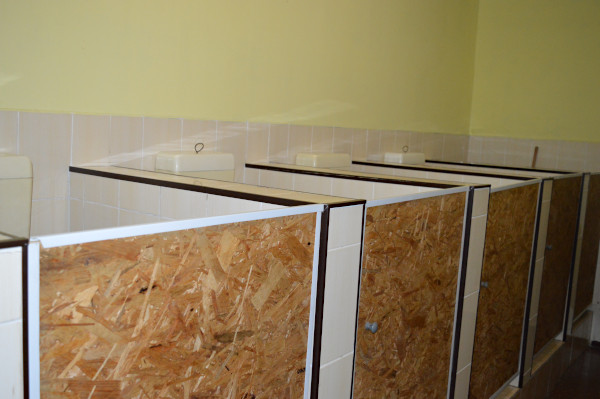
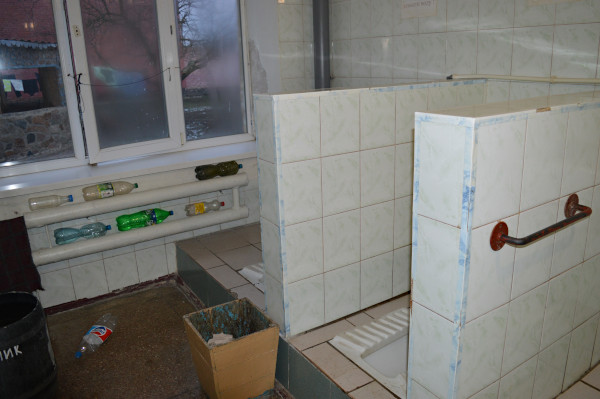
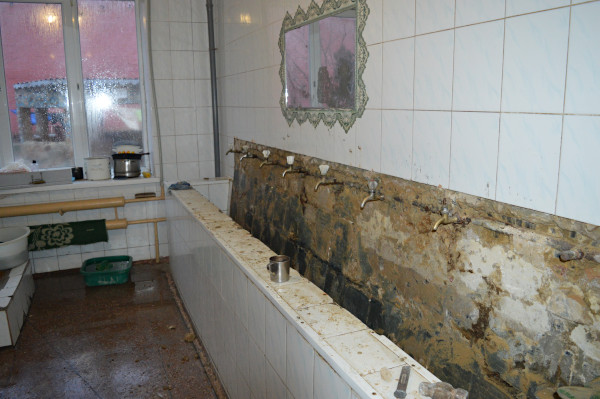
At the time of the monitors' visit, some of the premises were undergoing repairs. In particular, repairs were underway in the toilet rooms of one of the sectors.
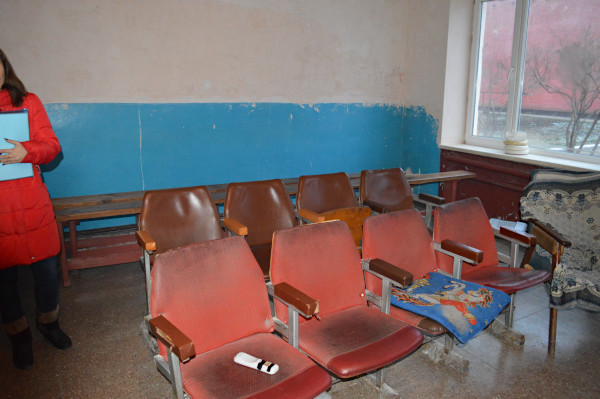
On the territory of each sector, there are also equipped rooms for prisoner recreation, where they can watch TV and socialise.
Bath-laundry complex
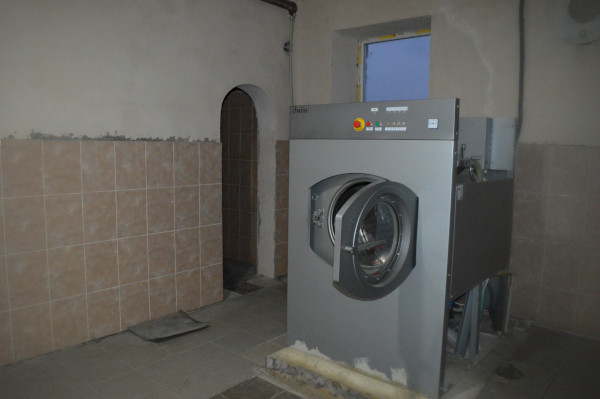
On the day of the monitors' visit, the bath-laundry complex was undergoing repairs. Therefore, the monitors could not fully evaluate the quality and adherence to prisoner rights. At the same time, the monitoring group cannot fail to note that carrying out repair work is a clearly positive phenomenon.
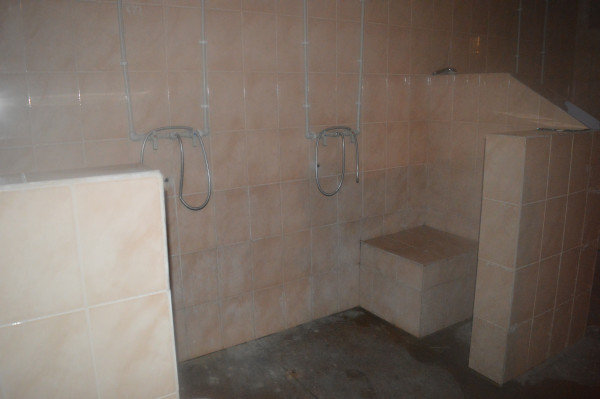
In the shower stalls, a separate space is allocated for the hygiene procedures of persons with disabilities.
The institution also recently bought a large washing machine. It is currently being put into operation.
Industrial zone
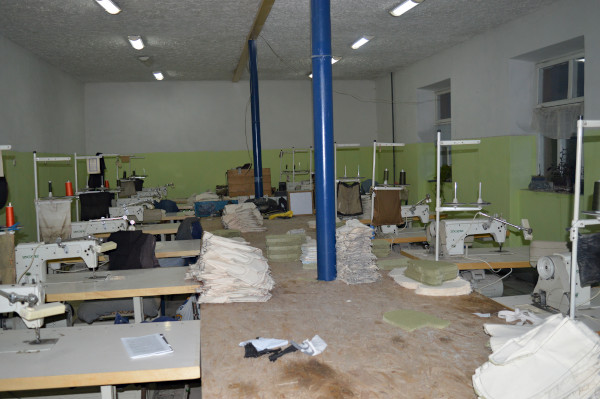
Only 8 prisoners work in the institution’s industrial zone. Such a small number is due to the special status of the institution—the majority of prisoners are involved in creating conditions for prisoners with disabilities. The other part is suffering from serious illnesses themselves and therefore cannot be involved in work.
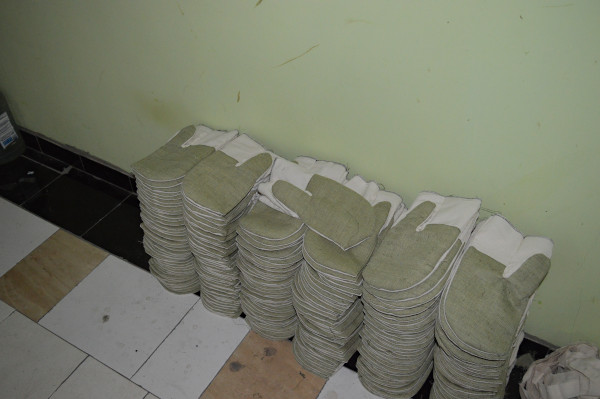
Production in the institution is sewing. Prisoners receive wages depending on output rates. Usually, they sew gloves. According to the prisoners, the salary is 1,000–1,200 hryvnias. However, as prisoners anonymously informed us by phone, in reality, the salary is significantly lower, or they are not paid at all. Many prisoners do not actually work in production, but the administration takes their wages. They are only officially registered as working. Prisoners who worked in other institutions but refuse to do so here are often coerced into work through psychological pressure.
Shop
A shop is located on the territory of the institution. Prices in it are close to market or at market level. A sufficient quantity of goods popular among prisoners is available: tea, coffee, cigarettes. According to the shop assistant, prisoners have the opportunity to order individual items. Also, patients who cannot get to the shop on their own can pass their requests through orderlies or medical staff.
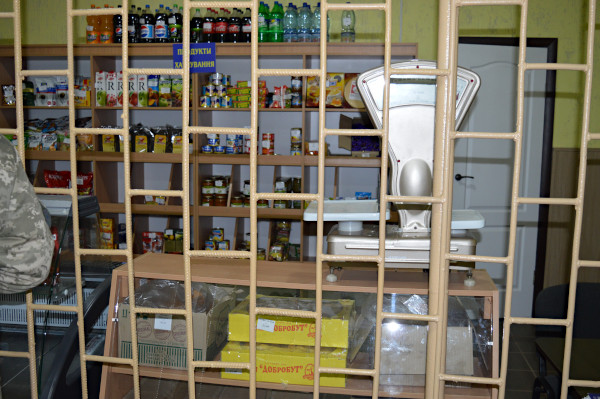
The shop is equipped with a ramp, which appears to have the appropriate width and incline angle for unobstructed movement.
Education
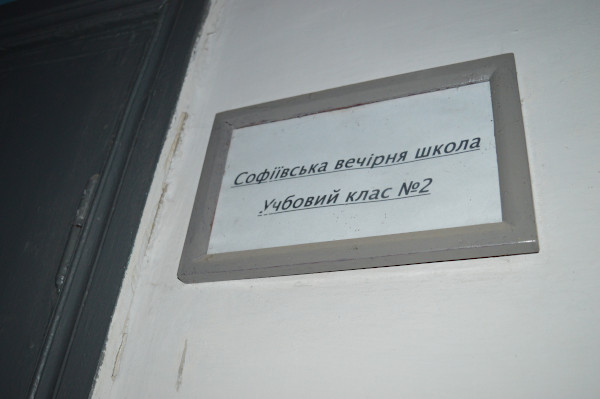
An evening school for prisoners operates on the territory of the institution. At the time of the visit, 70 people were studying at the school. None of the individuals were studying at a higher education institution, and in general, according to the administration, the level of knowledge of the prisoners is not very high. Unfortunately, the monitors could not be present during the lesson because they arrived after the school day had ended. However, they inspected the classrooms, some of which are equipped like lecture halls in a university, while others resemble classic school classrooms.
Upon completion of studies, the school issues state-recognised educational certificates, which do not indicate that the educational institution was finished at a penal institution.
There is no vocational school at the institution.

Supported by the Federal Foreign Office of Germany