Monitoring visit to Zhovti Vody Penal Colony No. 26
On 23 March 2019, the HPG monitoring group once again visited the Zhovti Vody Penal Colony No. 26. This time, we visited premises of the institution that had not been inspected during the previous visit and spoke with the inmates.
Medical Unit
We headed to the medical unit first, because during our last visit, there were many complaints regarding the inadequate quality of medical services provided in the institution.
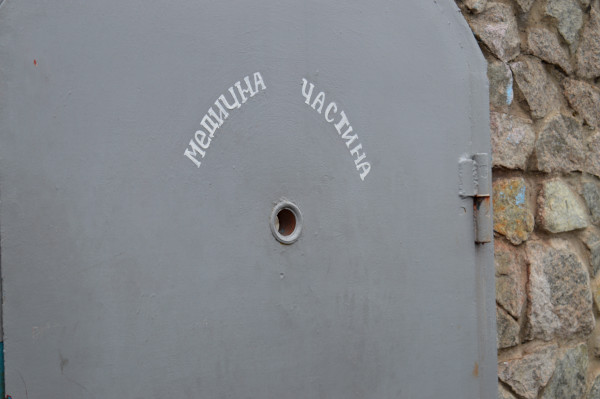
At the time of the visit, there was only one staff member in the medical unit—a general practitioner. According to his information, junior medical staff also work in the unit: paramedics, nurses, and a laboratory technician. However, there is a catastrophic shortage of specialists. There is no dentist, surgeon, psychiatrist, narcologist, etc. The general practitioner himself has been working at the institution for no more than a month, meaning that a month ago, even he was not there.
According to the general practitioner, the institution is sufficiently supplied with medicines. However, not all medicines are provided free of charge under state programmes. Therefore, those inmates who have the financial means to buy medicine on their own receive prescriptions from the doctor for more expensive preparations that are not in stock. Those who have no money are treated with what is available.
On the day of the visit, there were nine people in the medical unit. They spoke positively about the work of the general practitioner, but at the same time, they complained about the general lack of medical care and inadequate conditions of detention.
For instance, the wards are cold. An electric heater works in only one of them. The radiators are cold. The inmates walk around dressed and complain that it was even colder in winter.
A major problem is the failure to provide inmates with dietary nutrition. On the day of the visit, none of the more than 500 inmates were receiving such food, although very many have chronic gastrointestinal diseases, some suffer from diabetes, hepatitis C, or other serious illnesses for which dietary nutrition is necessary.
Inmates complained that they are not being examined properly. Although there is a laboratory technician in the colony, the laboratory has neither reagents nor equipment for conducting tests on-site. Therefore, samples are simply collected and sent to other institutions, which requires a significant amount of time. Furthermore, according to the inmates, tests are conducted very rarely in general.
In addition, the institution does not have a fluorograph. Since the last quarter of 2017, inmates have not undergone fluorography. As of today, the problem remains unresolved, although, according to unconfirmed data, a new fluorograph has already been purchased for the colony. But for now, both the inmates and the administration are exposed to serious danger.
The X-ray machine is not working in the colony. To undergo an examination, as well as an inspection by specialists, inmates must be taken outside the colony. However, only those who can pay for the fuel are taken. If there is no money, there will be no diagnosis and no proper treatment. Indeed, several inmates with ear diseases have approached us, who are not receiving treatment.
The monitoring group was not provided with medical logs, citing that they are kept in the pharmacist's office, who is currently on sick leave, and only she has the key to the office.
DISCIPLINARY CELL / CELL-TYPE UNIT (DIZO PKT)
Next, we headed to the disciplinary isolation cell. There were several reasons for this. Firstly, the inmates themselves reported that after our previous visit, the administration of the institution applied disciplinary penalties to the most active among them for formal misconduct. Secondly, according to those same inmates, the conditions of detention in the disciplinary isolation cell are even worse than in the residential zone.
On the day of the visit, two inmates were held in the institution's DIZO, and one more was in the cell-type unit (PKT). Even representatives of the institution's administration themselves noted that such a small number of inmates in the DIZO is a rarity. And after our previous visit, there were many more inmates here, which actually confirmed the active application of penalties following the open discussion of the institution's problems with the inmates.
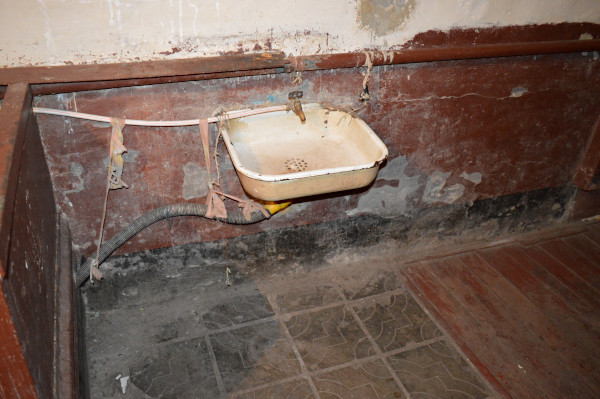
The conditions of detention in the DIZO are inadequate. The toilet is in a dilapidated state and is not fenced with walls of proper height. The furniture is old and neglected. There is no bottled drinking water, only from the tap, which is of poor quality, as the respondents claimed. Also, according to the inmates, electricity in the DIZO is switched off from nine in the morning until six or seven o'clock in the evening. There are only small windows in the cells, so without electric lighting, the inmates spend days there in the dark.
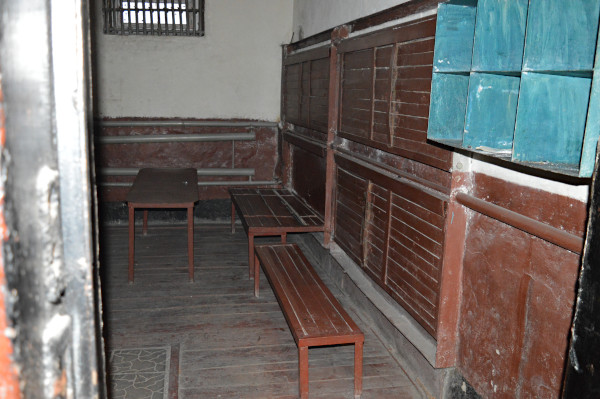
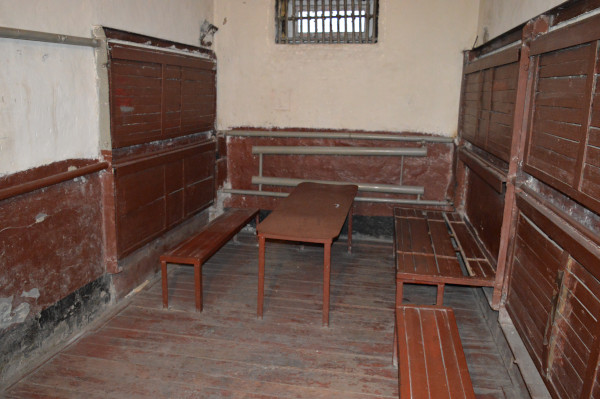
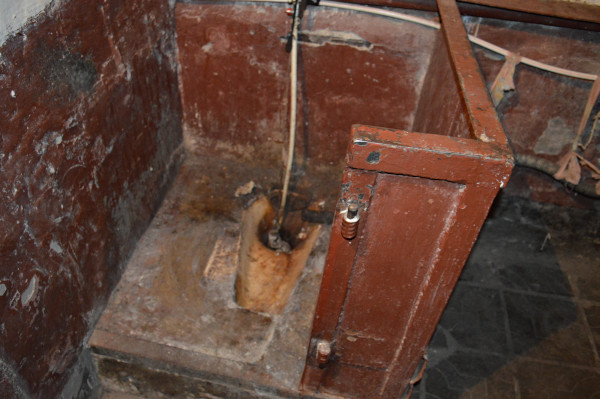
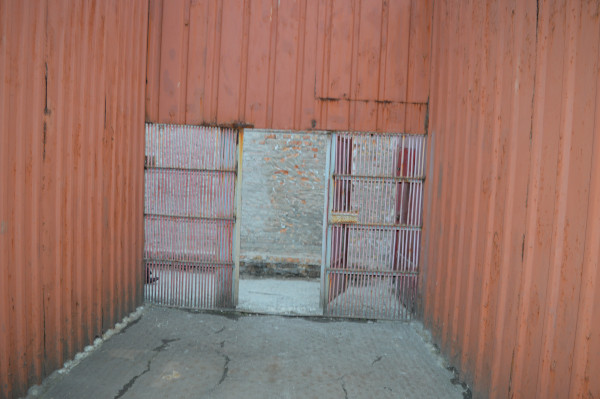
On the territory of the DIZO sector, there are small yards for walking. They represent small-sized compartments fenced with bars. There is no sports equipment or benches for sitting in these compartments.
Renovations had just begun in the DIZO/PKT premises. According to the inmates, they started them precisely on the day of the monitors' visit because on that very day, representatives of the Secretariat of the Verkhovna Rada Commissioner for Human Rights were monitoring the colony and pointed out the inadequate conditions of detention.
Due to the renovations, inmates complained about the noise and dirt in the cells. They also spoke about the unbearable smell of paint, but our monitors did not smell it. Perhaps this is because at the time of the visit, all the doors were open in the corridors for ventilation.
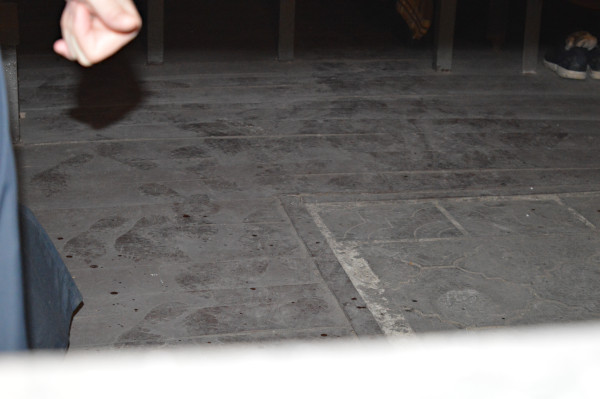
Those interviewed in the DIZO spoke about the cold, the lack of drinking water, and inadequate nutrition. In their opinion, penalties were applied to them groundlessly—just before their parole, so that they would not be released.
One of the inmates said that he had recently attempted suicide in protest against the administration’s actions.
Once again on the residential zone
During the previous visit, the monitors had already inspected the residential zone. This time, they went around the sectors again, where nothing had changed (and indeed could not have changed) in two weeks.
However, they also visited premises that had not been inspected before.
In particular, the monitors inspected a newly renovated residential sector. On the day of the visit, inmates were just moving into it. According to the subjective opinion of the monitors, the inmates who were moving in looked frightened and were not willing to communicate.
However, it cannot be denied that the residential sector premises themselves are in a neat condition.
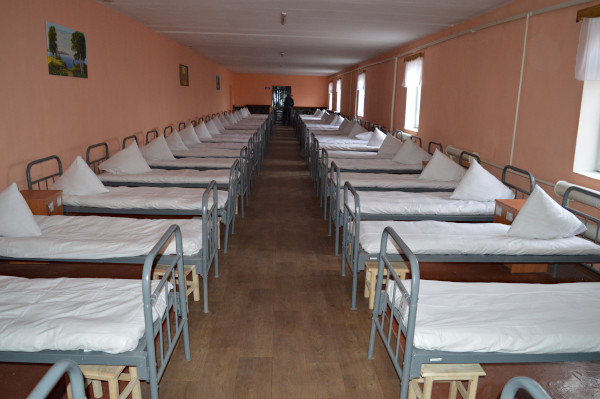
The bedrooms are clean and newly renovated. The beds are all single-tier. By each bed, there is a bedside table for the inmate’s personal belongings. The windows in the rooms are plastic and metal. The walls are freshly painted (there was even a strong smell of paint in the room). Unfortunately, it is just as cold in the bedroom here as it is in the unrenovated buildings.
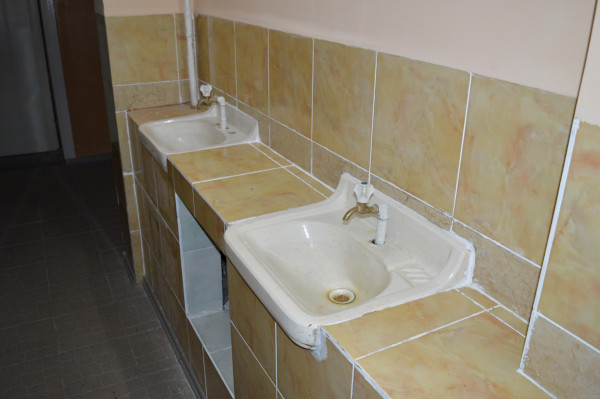
The sanitary rooms are equipped with new plumbing. The taps are connected to the water supply network, but there was no water in them during the visit.
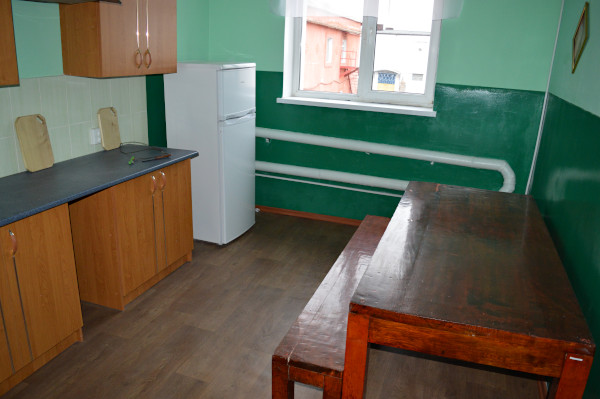
In the special room for eating, there is kitchen furniture, a new refrigerator, and dishes.

There is also a room for the inmates to relax.
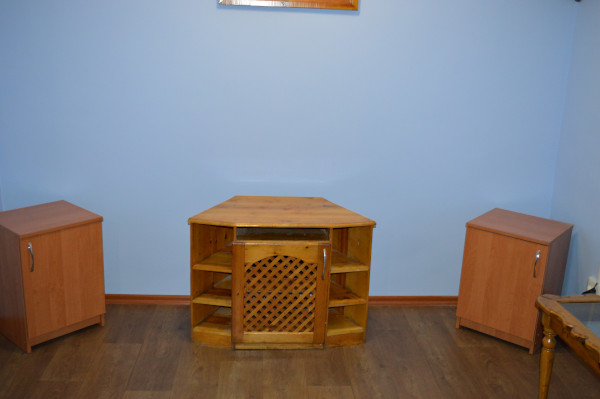
At the same time, the monitors also visited a residential sector that they had not inspected before. One of the inmates led them there.
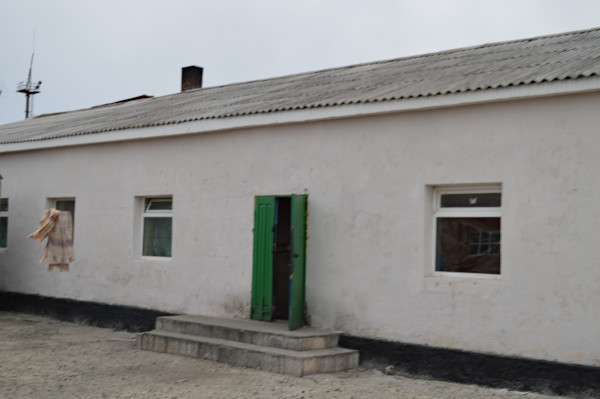
This residential sector is not fenced and, at first glance, is not guarded.
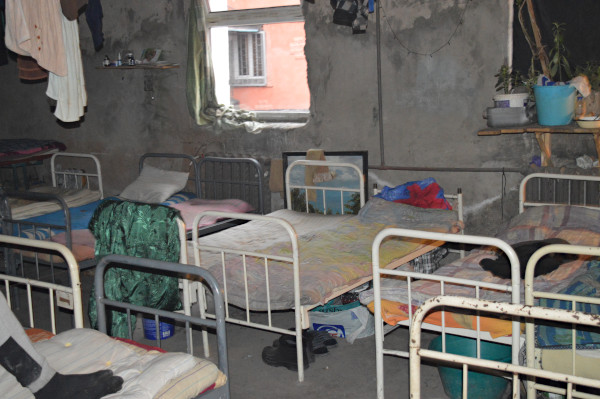
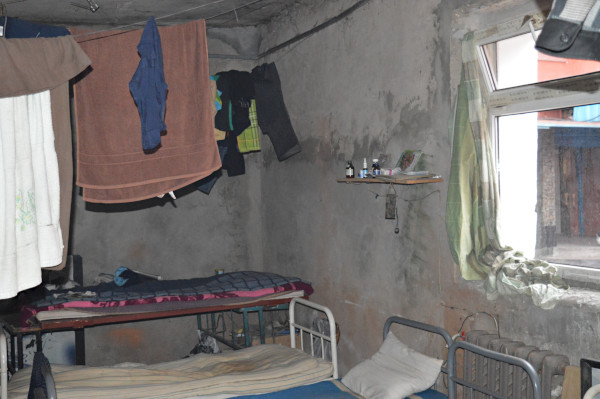
The sector premises not only lack renovations; there has never been any renovation there. The walls are covered only with base plaster. The windows in the room have huge gaps. The beds are old. According to the inmates, those who were carrying out renovations in one of the residential sectors lived there.
Industrial Zone
Previously (about eight years ago), a large production facility flourished in the colony. Today, they only produce wooden pallets. Only twenty-two inmates are working.
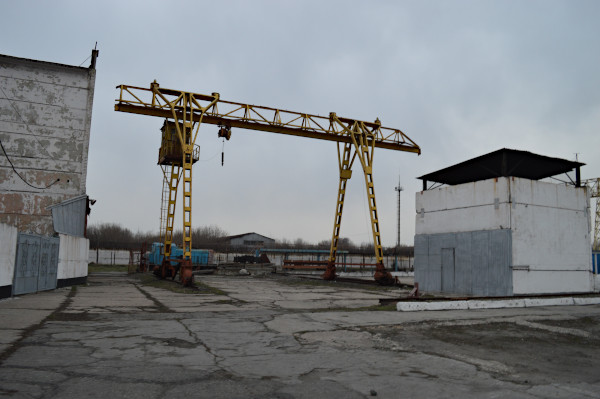
According to the inmates, the production is not equipped with special tools for work. Wages are low—enough only for a pack of cigarettes. Sometimes, wages are paid only in cigarettes.
Correspondence and communication
The monitoring group inspected the logs of telephone conversations and outgoing correspondence, as inmates complained about the impossibility of sending correspondence and contacting relatives.
Attention was drawn to the small number of letters sent from the colony to state bodies in 2018 and the first quarter of 2019. Thus, in 2018, 2 letters were sent to the Ministry of Justice, 2 letters also to the Verkhovna Rada Commissioner for Human Rights of Ukraine, 5 letters to the Prosecutor General’s Office of Ukraine, and in the first quarter of 2019, 1 letter was sent to the Verkhovna Rada Commissioner for Human Rights of Ukraine.
At the same time, during the previous visit, the inmates handed the monitoring group whole packs of applications. Thus, the monitors redirected a total of 83 applications to the Verkhovna Rada Commissioner for Human Rights of Ukraine, 48 applications to the Ministry of Health, 48 applications to the Prosecutor General’s Office of Ukraine, and 11 applications to the Ministry of Justice of Ukraine.
All this leads to the conclusion that applications are indeed highly likely not being sent by the institution's administration.
Also, a small number of calls were recorded in the Telephone Conversation Log. According to an administration representative, inmates have more than 150 mobile phones in their possession, which they use.