Report on the results of a monitoring visit to the Toretska Correctional Colony No. 2
On 22 February 2019, a monitoring group consisting of Dmytro Reva, Maryna Davydova, and Volodymyr Pletenko visited the Toretska Correctional Colony No. 2 for an unannounced monitoring visit.
The visit was preceded by complaints from prisoners about inadequate living conditions, in particular the temperature regime and humidity in the premises.
DIZO-PKT
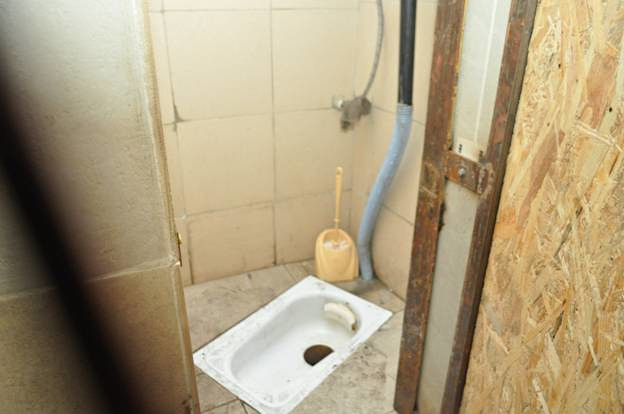
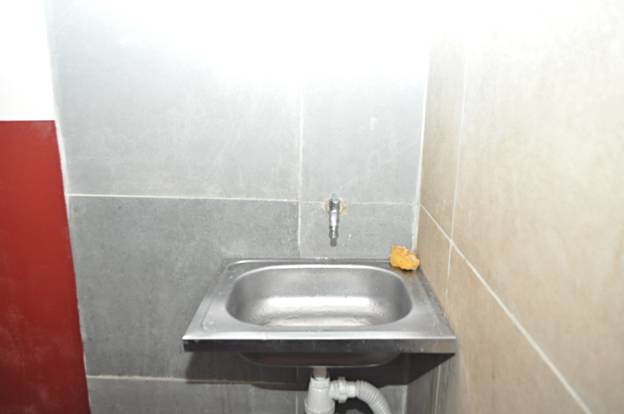
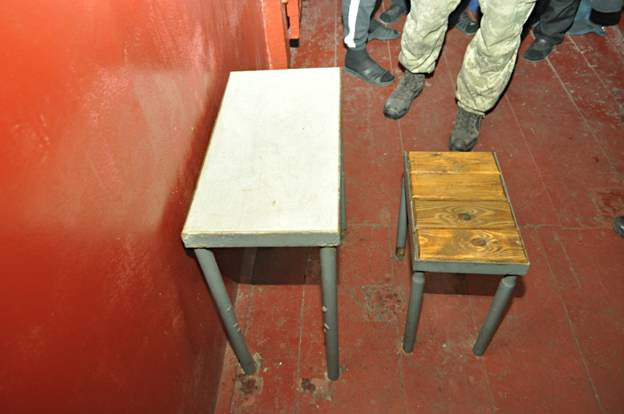
At the time of the monitors’ visit, there were 12 people in the disciplinary isolation cell; there was no one in the PKT. The DIZO premises are clean and renovated; there is sufficient lighting and fresh air, and the plumbing is in good condition. The temperature regime in the DIZO section is satisfactory, but because the prisoners smoke in the cells and air the premises, the cells are somewhat cooler than the corridor. The number of people in a cell does not exceed the norm; however, the monitors noticed that the number of seats for sitting in the cells is not sufficient—in a cell where three people are staying, there is only one stool, and the prisoners sit in turns. All those placed in the DIZO agreed with the administration’s decision regarding the imposed penalty. Near the section, there are separated yards for walking with a bench, a pull-up bar, and parallel bars. According to the convicts, the walking schedule is not violated.
Living Zone
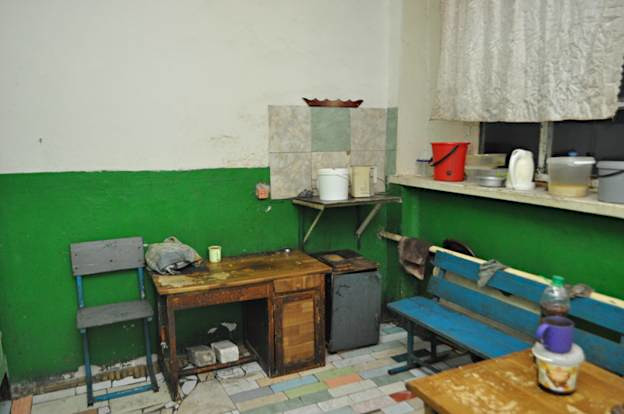
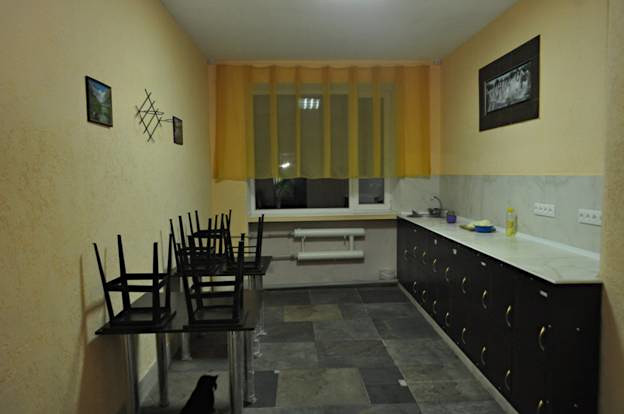
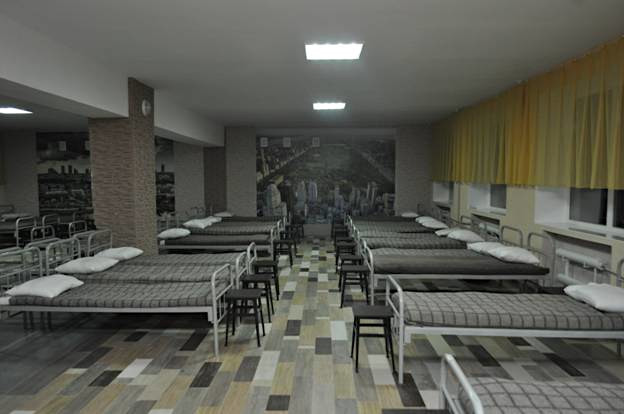
Currently, there are 544 people in the living zone of the colony. In some departments, renovations are ongoing, in connection with which others are overcrowded—in rooms designed for living about 40 prisoners, 66 people are staying. By summer, they are to be relocated to the renovated departments; 12 people will move out of each floor, and the number will return to the norm. In the old departments, humidity and mould on the walls are noticeable, but the temperature is within the norm. In the rooms, there are also electric air heaters; on one floor during renovation, heating communications were damaged, but the required temperature is maintained with the help of heaters. The kitchens of the unrenovated living blocks are dirty, and there is no access to water in them; the room with washbasins is located across the corridor. There are refrigerators and electric kettles, which are connected to the network and are in working order. There are no foreign odours in the living premises; the beds are made selectively; those that are not made do not look very clean.
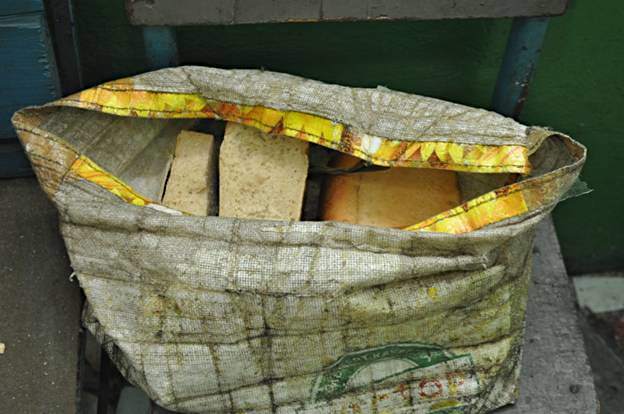
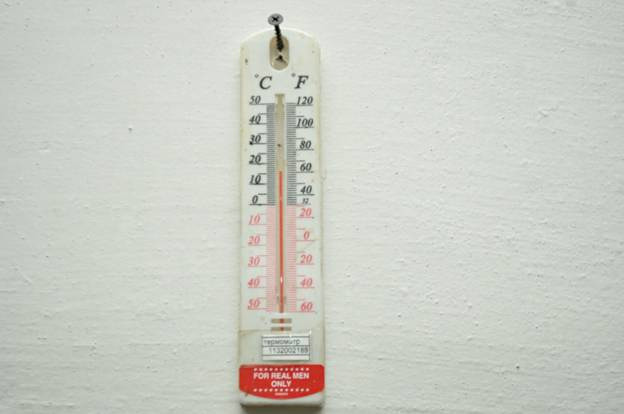
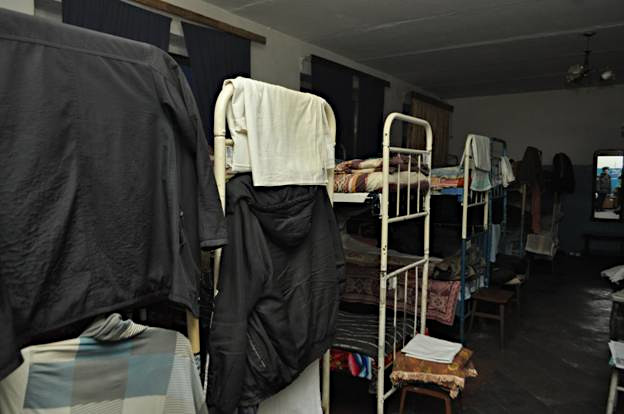
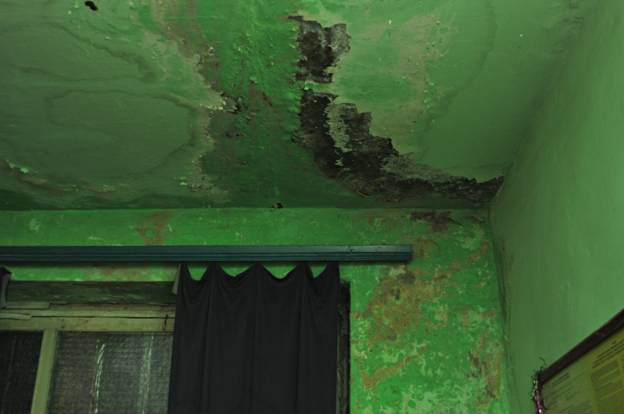
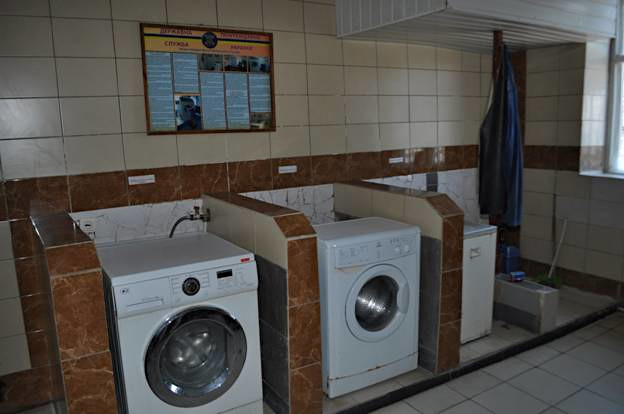
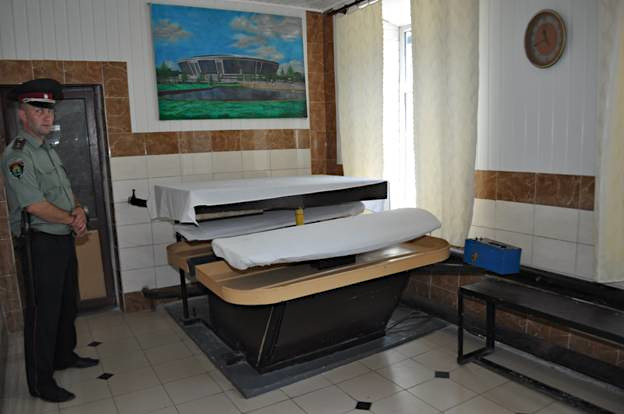
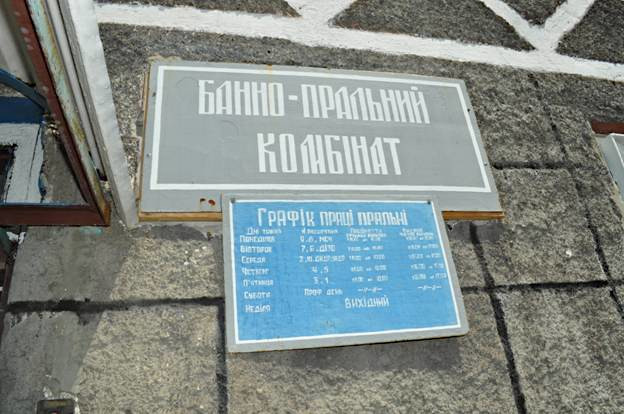
On the territory, there is a bath and laundry complex with modern washing machines, an autoclave for steaming laundry, and an ironing device. Washing of laundry takes place 1–2 times a week. In the same premises, there are renovated showers with new tiles and plumbing. There is a room for hairdressing services. The bath and laundry complex is undergoing renovation; new tiles are being laid, and the ceiling is being covered.
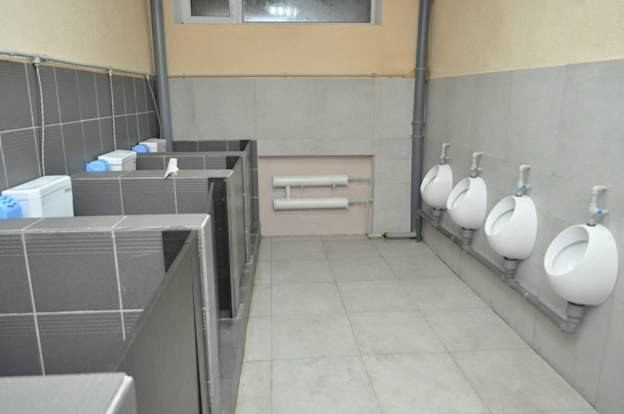
The renovated living premises have a very neat appearance, although the uncovered ceiling takes its toll—wet spots are already appearing on the freshly painted walls. Currently, only a few prisoners live in the new buildings; they are finishing the renovation, and according to the administration, the relocation will take place gradually so that the prisoners get used to the new conditions and do not create disorder.
During the conversation with the monitors, some convicts complained about humidity in the barracks, cold, and inadequate medical care.
Medical Unit
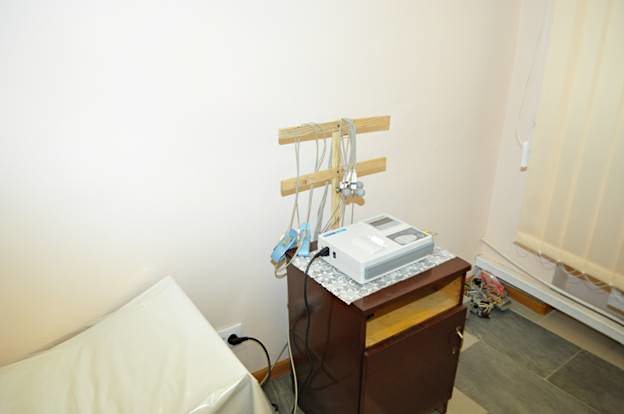
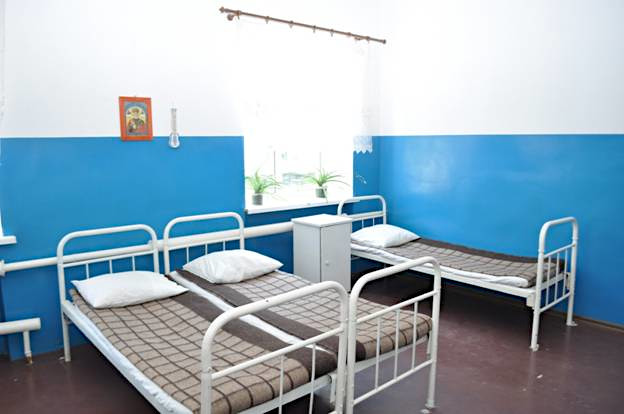
The medical unit is divided into an outpatient department and an inpatient ward. At the time of the monitors’ visit, there were five prisoners in the inpatient ward. According to the management, the personnel of the medical unit is 82% complete; two specialists conduct daily reception. According to the chief physician, the medical unit has established cooperation with the city hospital; in case of urgent conditions, an ambulance is called, and prisoners undergo the MSEC (Medical and Social Expert Commission) in local hospitals; after confirmation of disability of group I or II, they are transferred to specialized colonies to serve their sentences. Also, the administration of the medical unit cooperates with the charitable organization ‘Oberih’, which provides the services of a psychologist and an infectious disease specialist. The medical unit is fully supplied with antiretroviral therapy (ART); positive dynamics are noted in involving prisoners in ART—at the time of the last visit, out of 33 people living with HIV, 13 were receiving therapy; at present, out of 48, 45 are taking drugs. However, this is perhaps the only positive development in medicine. The head of the medical unit noted that the situation with medicines in TVK No. 2 is critical; there is no reaction to numerous demands and complaints, and even elementary drugs are missing. Also, there are no vacutainers for transporting blood of prisoners living with HIV for testing for viral load.
Canteen
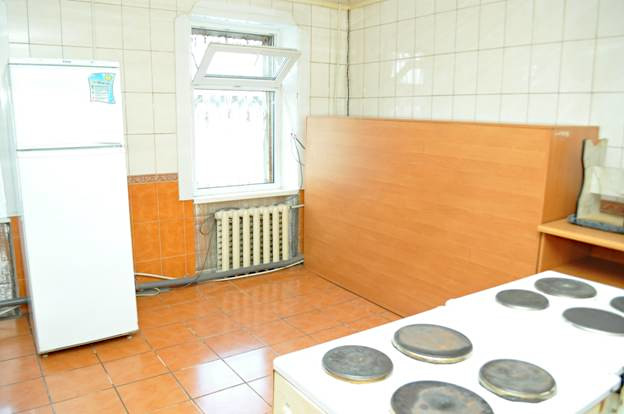
The kitchen premises are clean, there is appropriate equipment, the kitchen staff are dressed in white coats, and there are no foreign odours. The menu includes chicken soup, porridge, and canned vegetables. A private bakery is in operation. The premises for storing products look freshly renovated, the temperature regime is controlled, and there is a changing room for staff.

Industrial Zone
The industrial zone of TVK No. 2 is divided into several workshops.
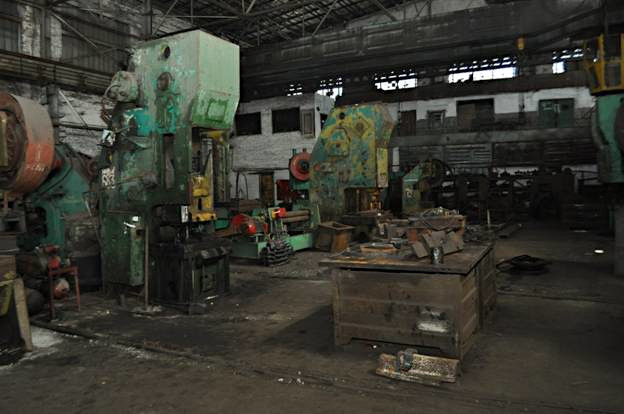
The main production is oriented towards the needs of mines (cutting, hardware); there is a woodworking section and concrete casting. Garbage bins are manufactured to order for nearby cities.
At the time of the monitors’ visit, 75 convicts were working in the colony. Labour relations are duly formalised; the prisoners confirmed the availability of contracts and compliance with safety conditions at work. At the time of the monitors’ visit, the working day in the industrial zone had already finished, so they spoke with those who work not at their workplaces, but in the living premises.

Visitation Rooms
Visitation rooms are located in a separate building on two floors. In total, there are 12, of which one is deluxe and two are semi-deluxe. According to the administration’s information, the number of visits has decreased significantly over the years of hostilities; on average, two visits per week take place.

There is a negotiation room. The colony has 4 religious denominations, and representatives of the churches have unimpeded access to the territory for ministry and communication with the prisoners.
EU Project ‘Fight against torture, ill-treatment and impunity in Ukraine’