Report on the results of a monitoring visit to the State Institution ‘Sinelnykivska Correctional Colony (No. 94)’
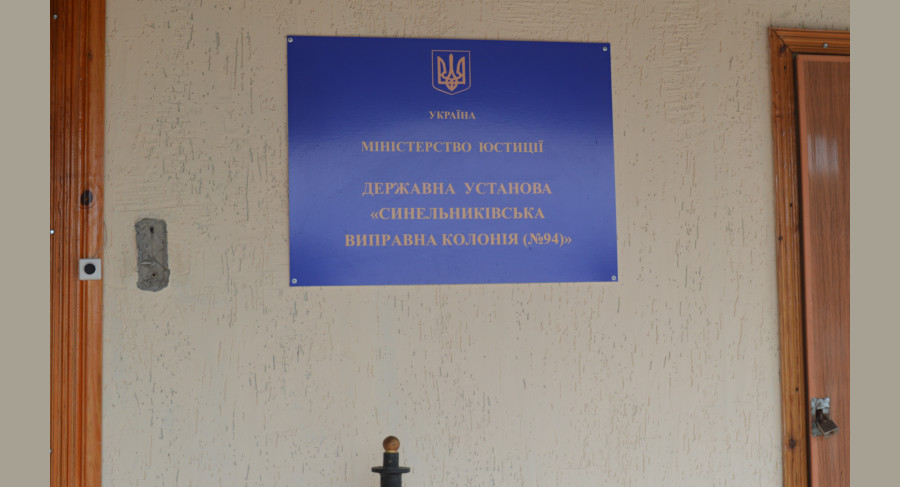
On 24 July 2019, a monitoring team from the Kharkiv Human Rights Protection Group, consisting of Volodymyr Hlushchenko, Hennadii Tokarev, and Maksym Reviakin, visited the State Institution ‘Sinelnykivska Correctional Colony (No. 94)’.
At the time of the visit, 782 convicted persons were held in the institution. During 2019, 114 people were released from the institution.
During the visit, the monitoring team inspected the short-term and long-term visiting rooms, the industrial and residential sectors, the disciplinary isolation ward (DIZO)/cell-type facility (PKT), the quarantine, diagnostic and distribution wards, the canteen, and the medical unit.
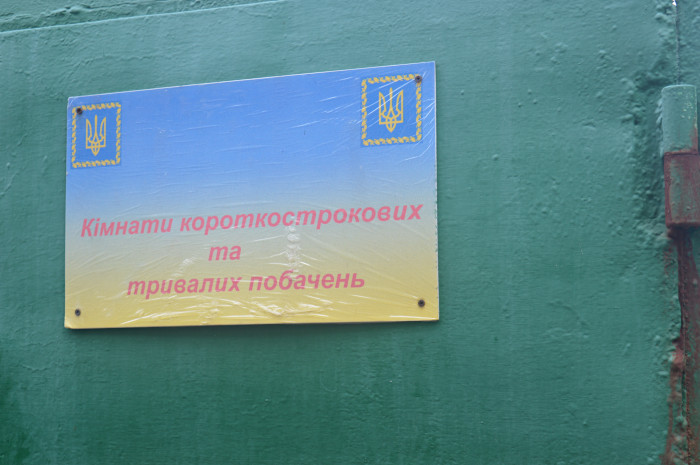
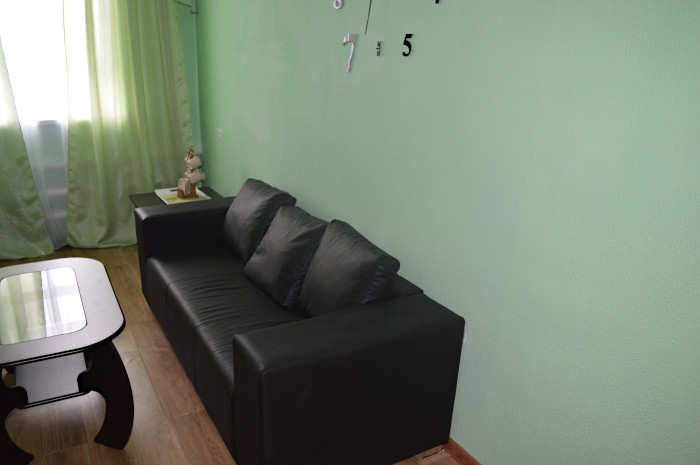
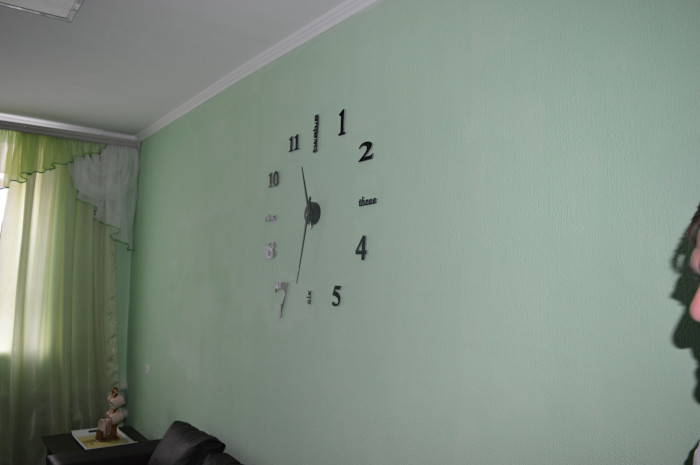
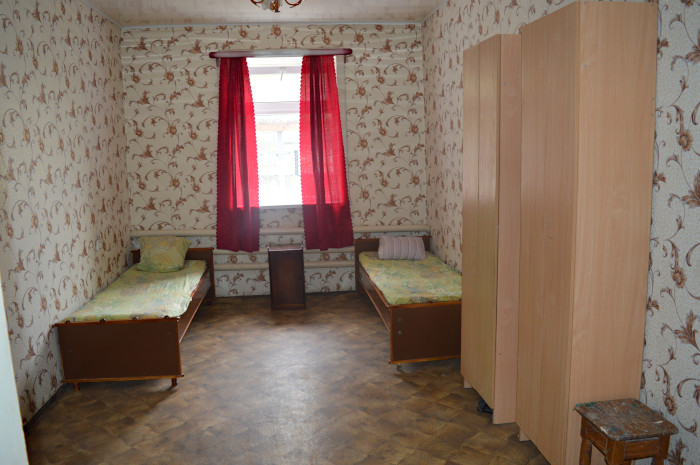
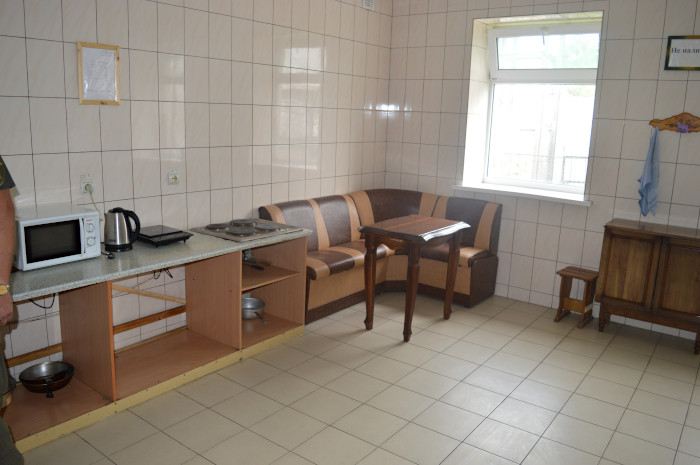
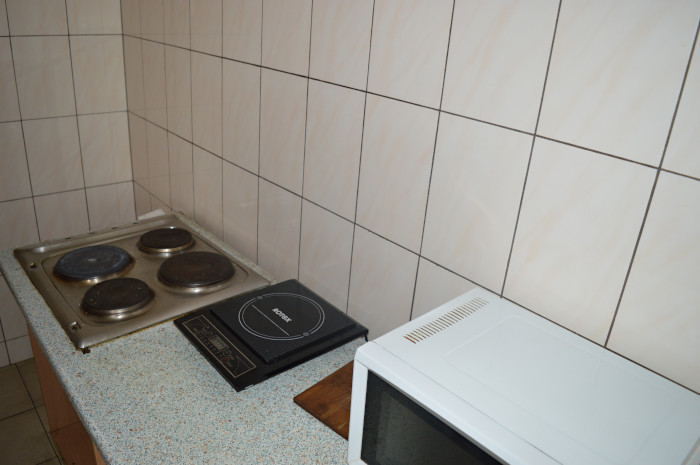
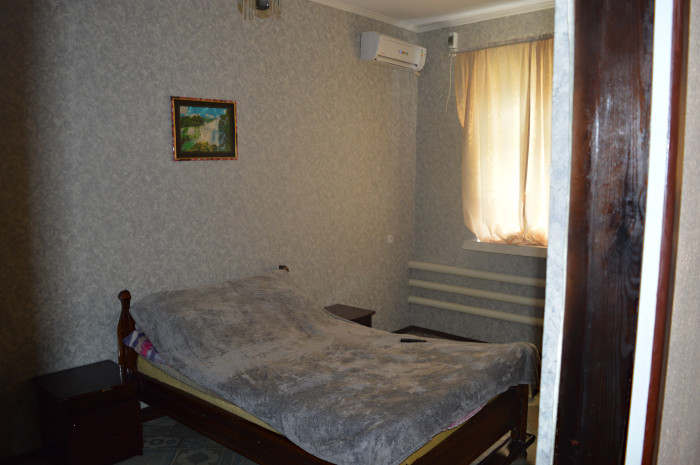
The long-term visiting rooms look better than hotel rooms in some establishments. The rooms are divided into three categories depending on their comfort level. ‘Junior suite’ and ‘suite’ rooms are equipped with a television, a bathroom, and a kitchen with all necessary appliances. In ‘standard’ rooms, there is no television, kitchen, or bathroom; however, there is a shared kitchen, bathroom, and a recreation area with a sofa and television on the floor. The institution also has a short-term visiting room measuring approximately 3×1.5 metres.
Due to objective reasons, only a small portion of the convicted persons are involved in socially useful work in the industrial sector (141 out of 782).
Active repair work is being carried out in the colony, including the renovation of residential premises, utility rooms in the industrial zone, and the cells in the DIZO/PKT ward.
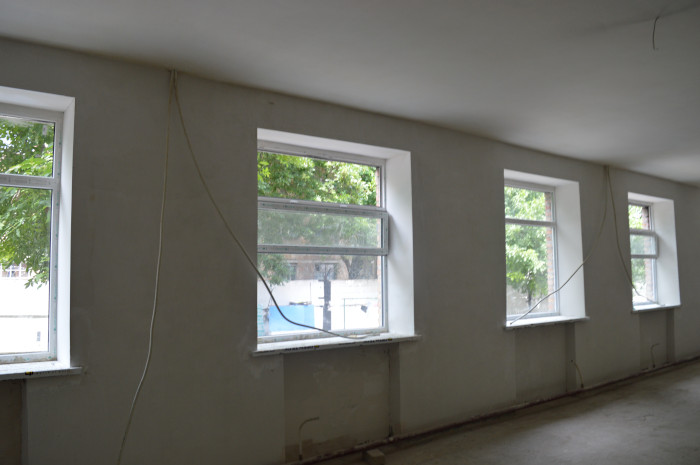
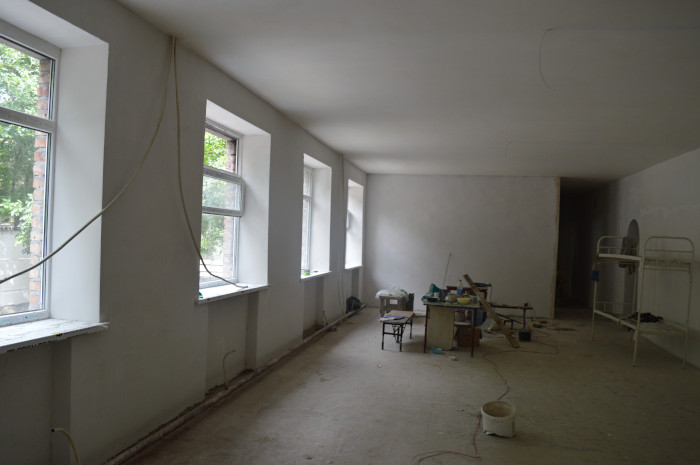
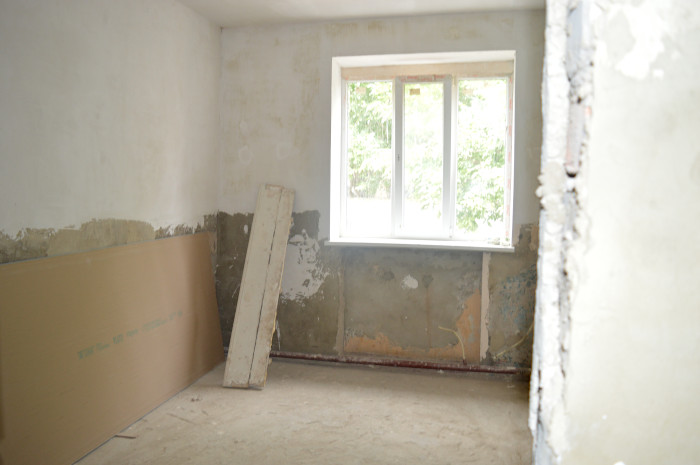
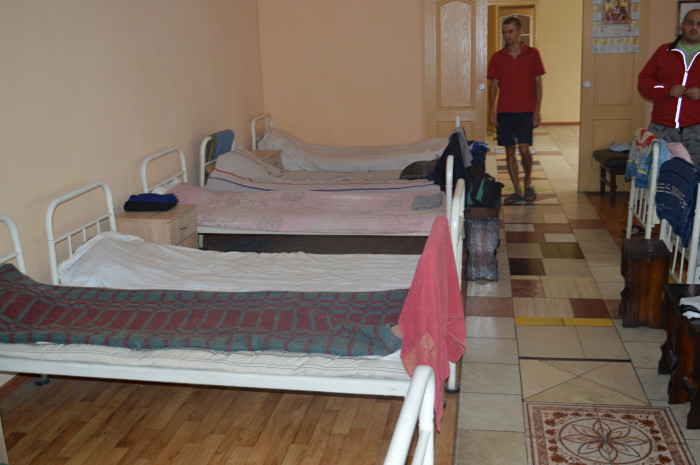
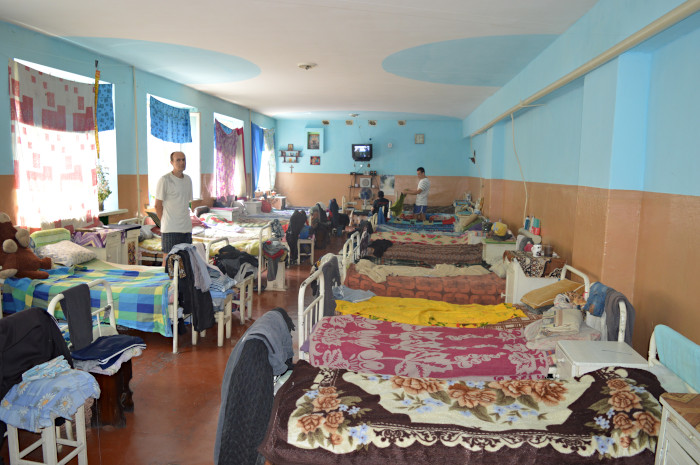
Some of the social-psychological service residential premises have already been renovated, while others are in the process of being repaired, with completion planned for the near future. However, even the unrenovated premises appear clean and tidy.
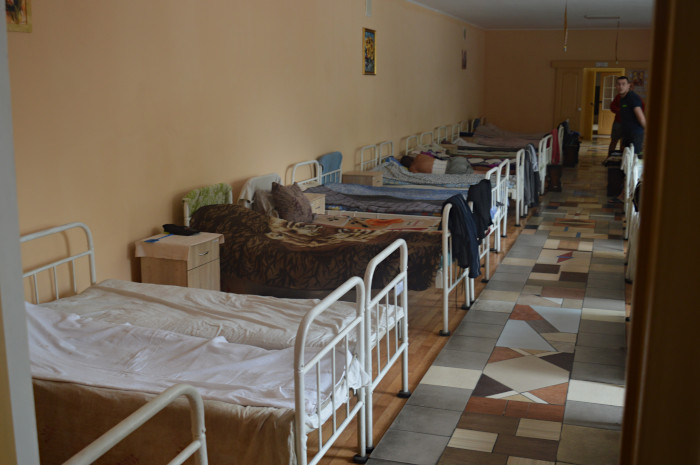
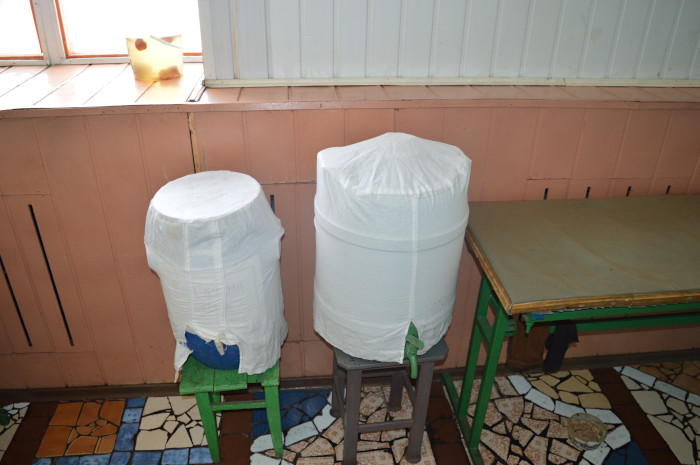
There is boiled drinking water available in the social-psychological service wards.
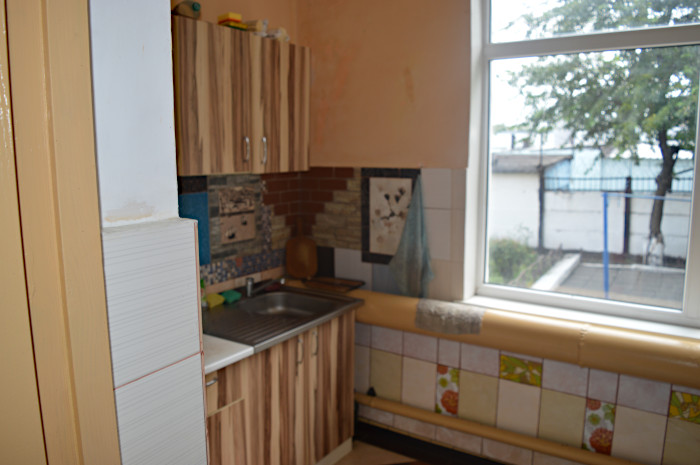
The dining rooms are equipped with refrigerators and the necessary appliances for cooking. The bathrooms in the premises are clean, with functional sanitary ware; water was available in the taps during the visit. There were no complaints from the convicted persons during the visit.
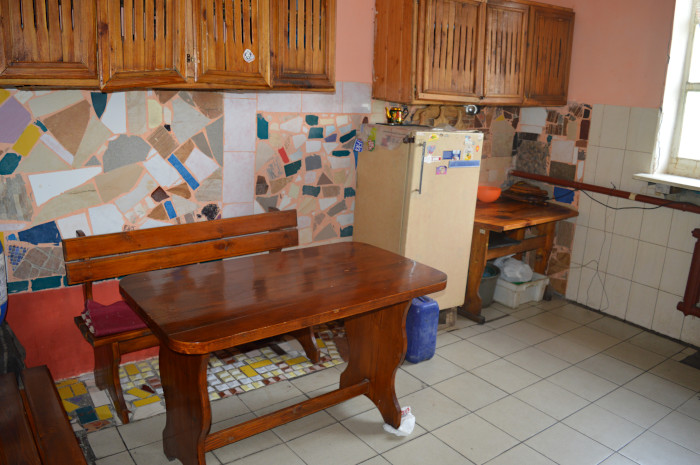
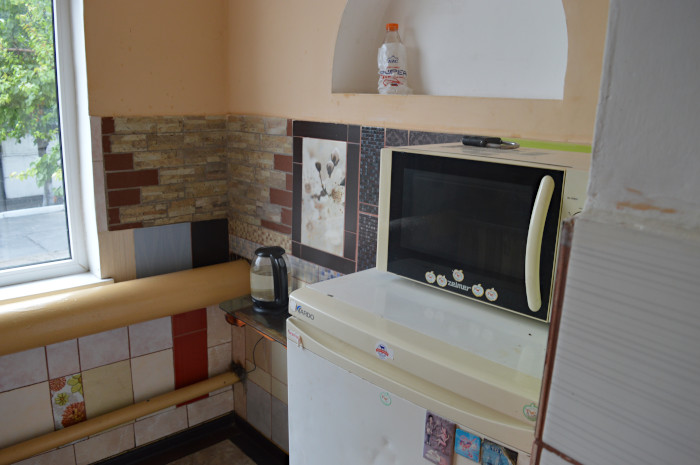
As a result of well-organised educational work in the institution, the convicted persons are motivated to improve their living conditions, which means that the vast majority of repair work is carried out by the institution’s own efforts, with the involvement of the convicted persons themselves.
In the canteen, one can smell the fresh scent of freshly prepared food. The kitchen is clean and has all the necessary equipment. The food looks appetising and tastes good.
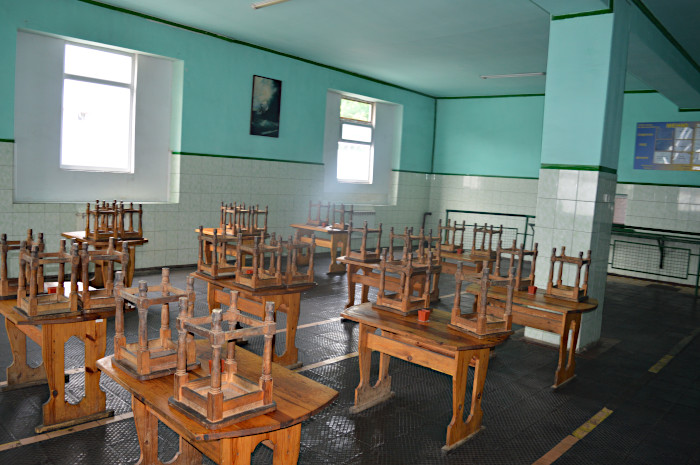
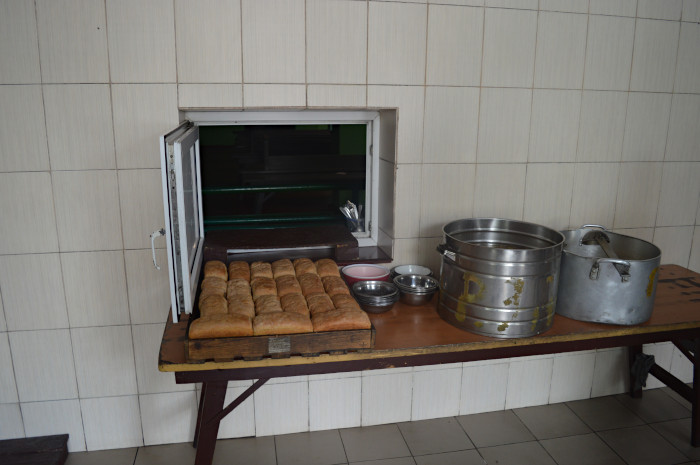
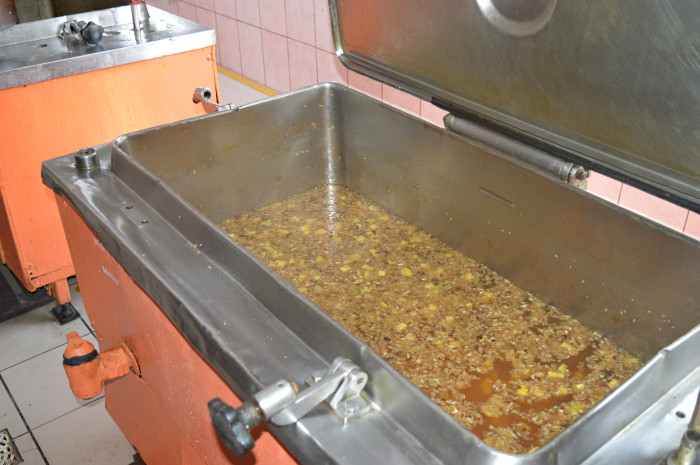
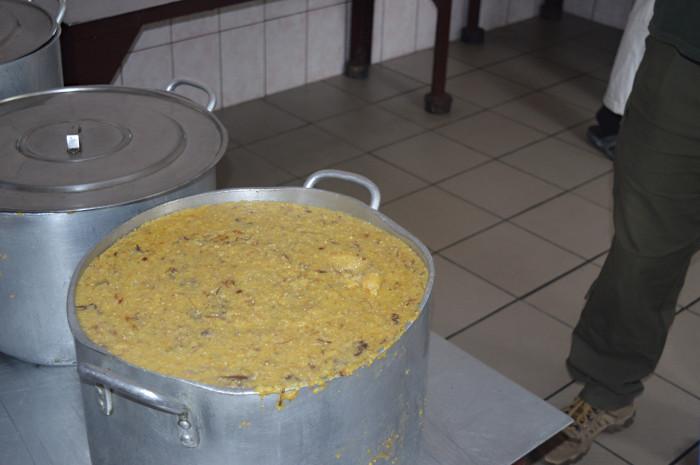
At the time of the monitors’ visit, no convicted persons were being held in the DIZO/PKT cells. The head of the institution explained this by his approach to applying disciplinary measures to the convicted. According to him, placement in the DIZO/PKT is an extreme measure, which is applied in the institution very rarely, only in exceptional cases. One of the cells in the DIZO/PKT section was undergoing renovation to bring it up to modern European standards: the quality of the wall, ceiling, and floor finishes is being improved, and forced ventilation and better thermal insulation of the premises are being installed.
Modern metal-plastic windows, which the convicted persons can open themselves, have been installed in almost all rooms of the wards and sectors of the institution.
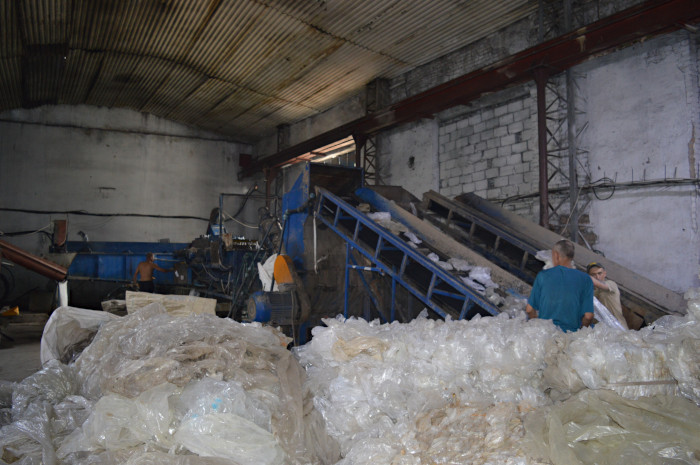
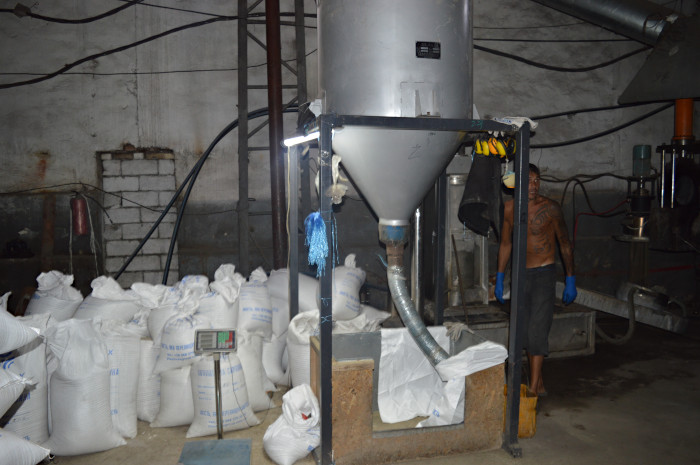
In the industrial zone, there is a continuous production process for polyethylene recycling using modern equipment.
Regarding specific issues
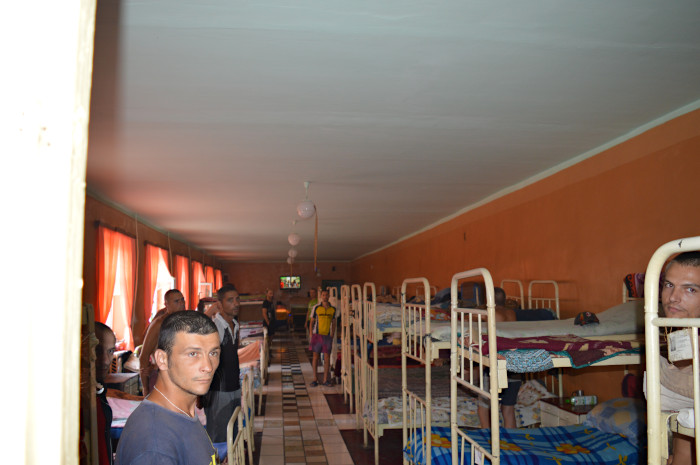
In one of the residential premises of the social-psychological service, there are bunk beds, but the head of the institution assured that these beds would be replaced by single-level beds in the near future.
The main problem in the institution is the understaffing of the medical unit.
Out of 12 medical staff positions provided for in the staffing schedule of the State Institution ‘Healthcare Centre of the State Criminal-Executive Service’, there are actually only the doctor (acting head of the medical unit), one pharmacist, one laboratory assistant, and one dentist employed on a part-time basis.
There are no paramedics, despite the four positions provided for in the staffing schedule. Given such a catastrophic shortage of personnel, which exists a year and a half after the beginning of the prison medicine reform, it is pointless to talk about upholding the rights of convicted persons to receive proper medical care.
This situation is critical and must be corrected in the near future.
EU Project ‘Fight against torture, ill-treatment and impunity in Ukraine’