Monitoring visit to the Mykolaiv Correctional Colony No. 50
On 19 December, representatives of the Kharkiv Human Rights Protection Group carried out a monitoring visit to the State Institution ‘Mykolaiv Correctional Colony No. 50’. A minimum-security institution with general conditions for men is located in the village of Zaklad, Mykolaiv district, Lviv region. As of 19 December, 308 convicts were being held here.
From official information: ‘In 2019, 22 meetings of the administrative commission were held regarding the application of incentive norms to convicts based on Articles 81 and 82 of the Criminal Code and 101 of the Criminal Executive Code of Ukraine. Under Article 81, 44 people were released out of the 132 who fell under the scope of this incentive norm. The unserved part of the sentence was replaced with a more lenient one for four convicts out of the 89 who fell under the scope of this incentive norm. Article 101 of the Criminal Executive Code of Ukraine was applied to 37 convicts in the form of transfer to the social rehabilitation sector out of 151 people’.
This year, 13 passports of citizens of Ukraine were produced for the convicts. Five more are currently processing their documents.
The correctional colony cooperates with eight religious organisations.
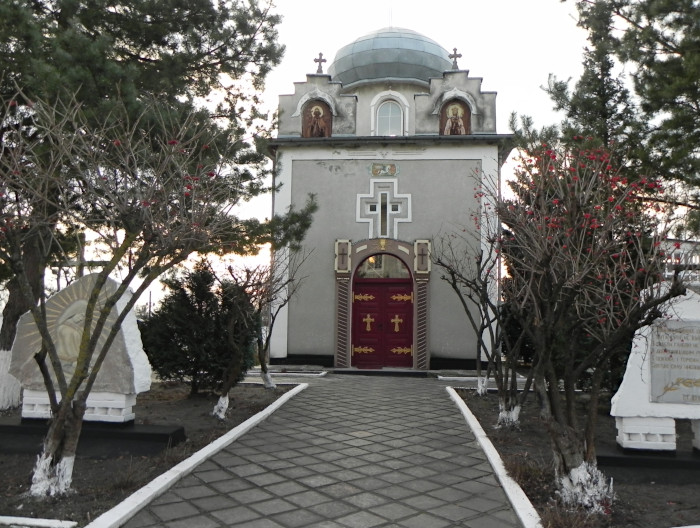
Six convicts from the correctional colony are studying at the Demnia Educational Complex. In the Mykolaiv Educational Centre at the state institution-50, young men are trained in five blue-collar professions: tailor, electric gas welder, fitter-repairer, carpenter-builder, and vehicle repair fitter. This year, 67 convicts obtained a trade and received educational documents. Currently, 78 convicts are studying at the centre.
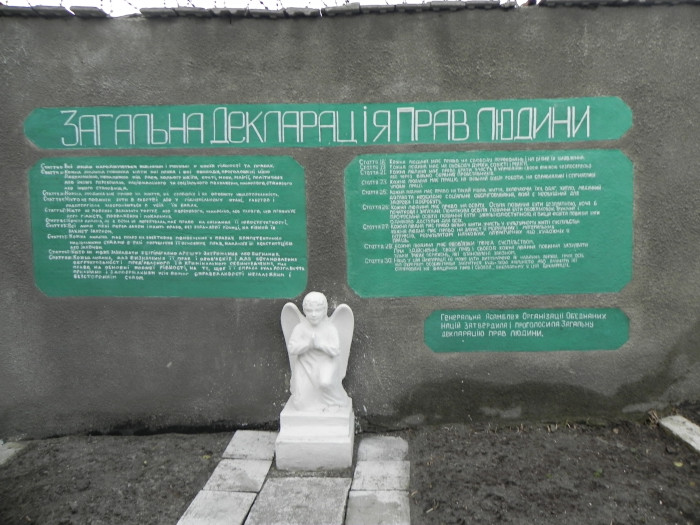
Living Zone
The living zone is quite clean and tidy.
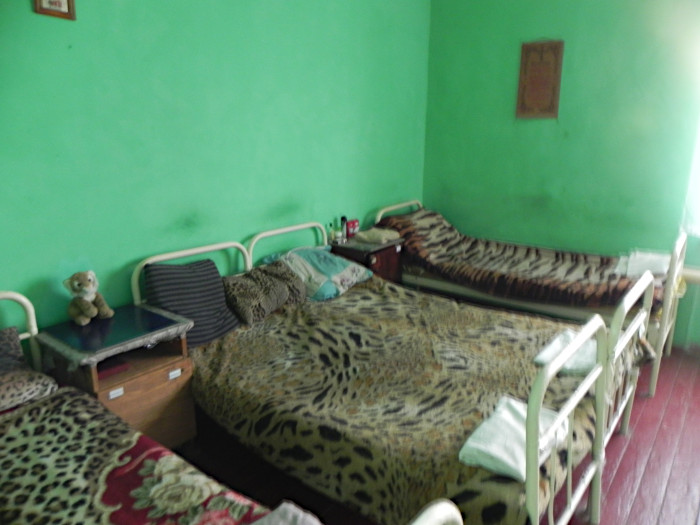
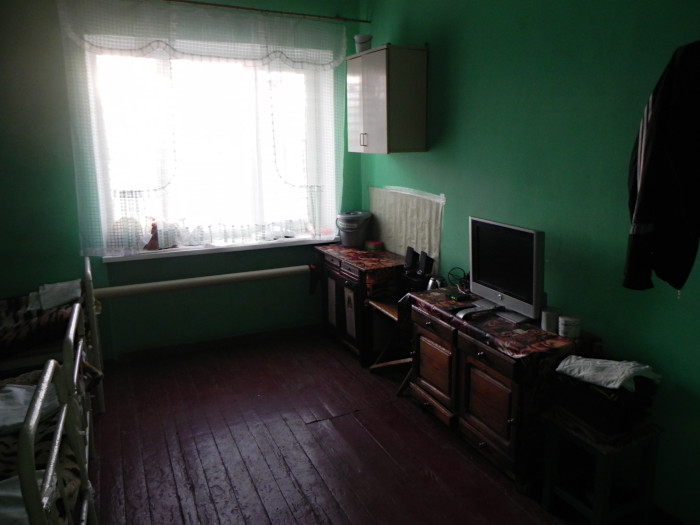
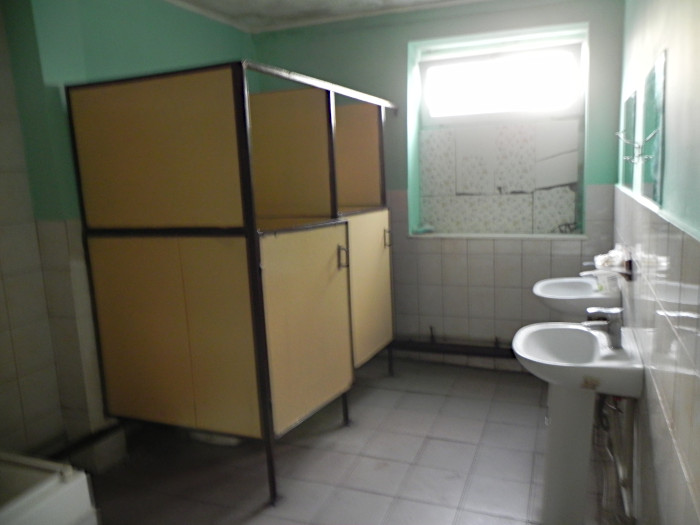
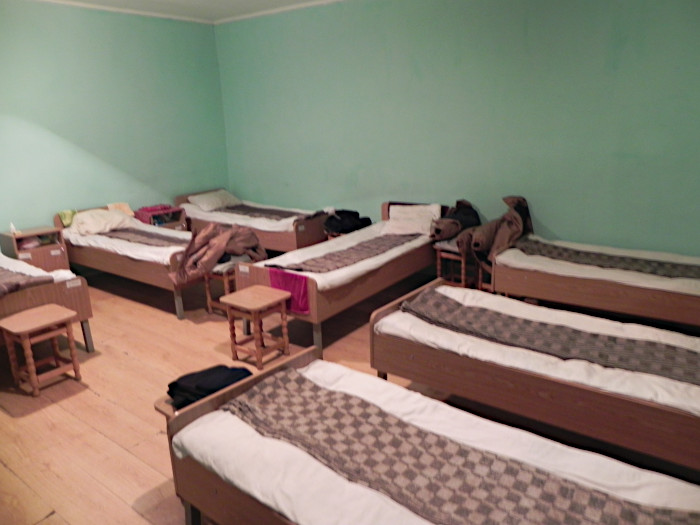
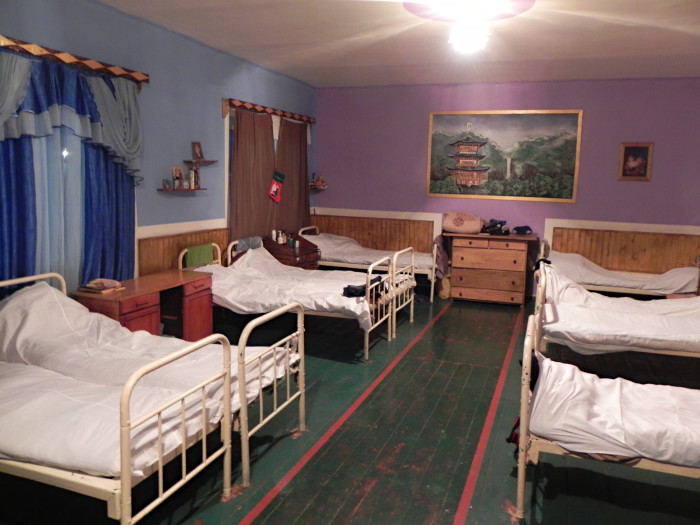
In the social rehabilitation unit, there are bunk beds – 28 per room of 54 square metres. In our opinion, this is a clear case of overcrowding.
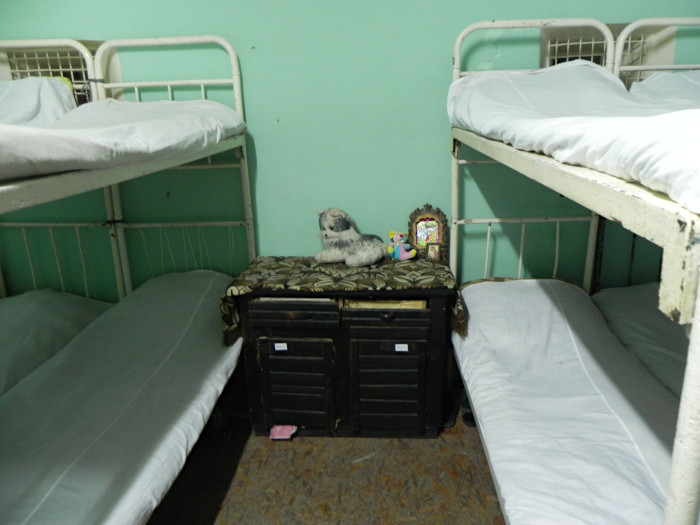
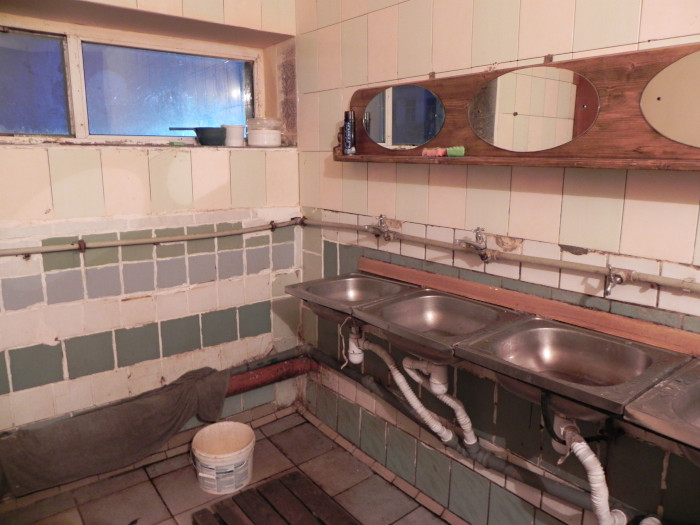
In general, the unit requires renovation.
There are no shower cubicles in the restrooms.
In the second unit, there was no light in the toilet.
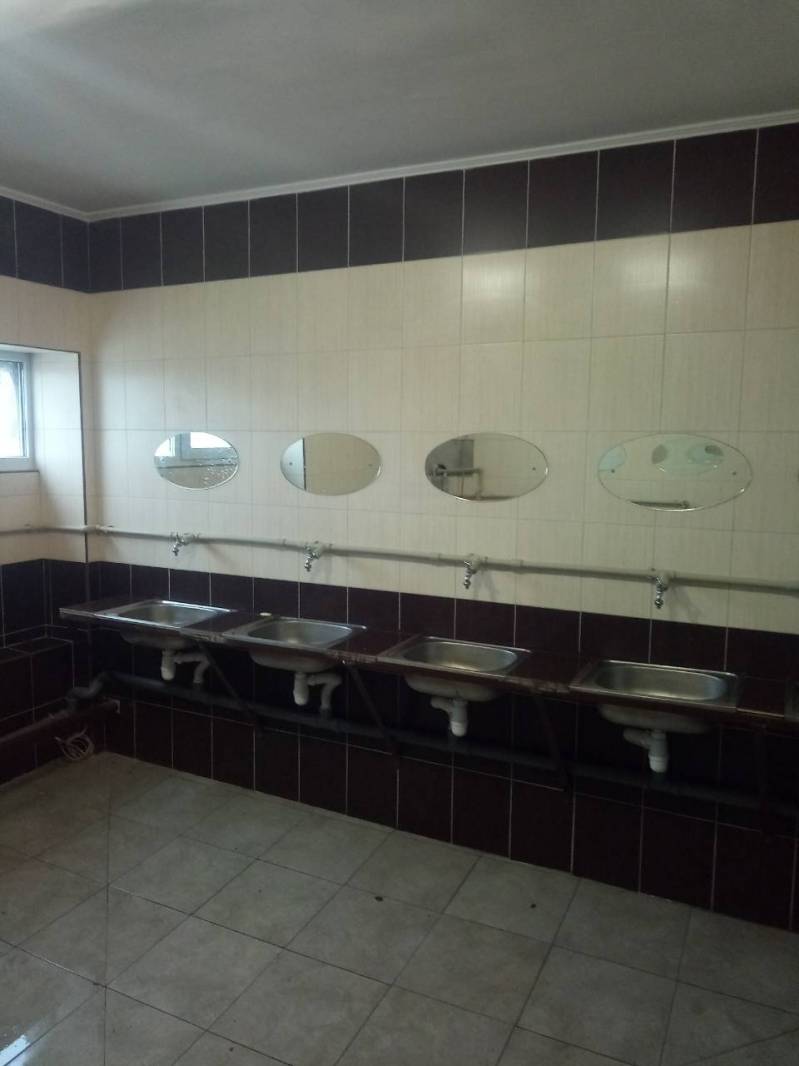
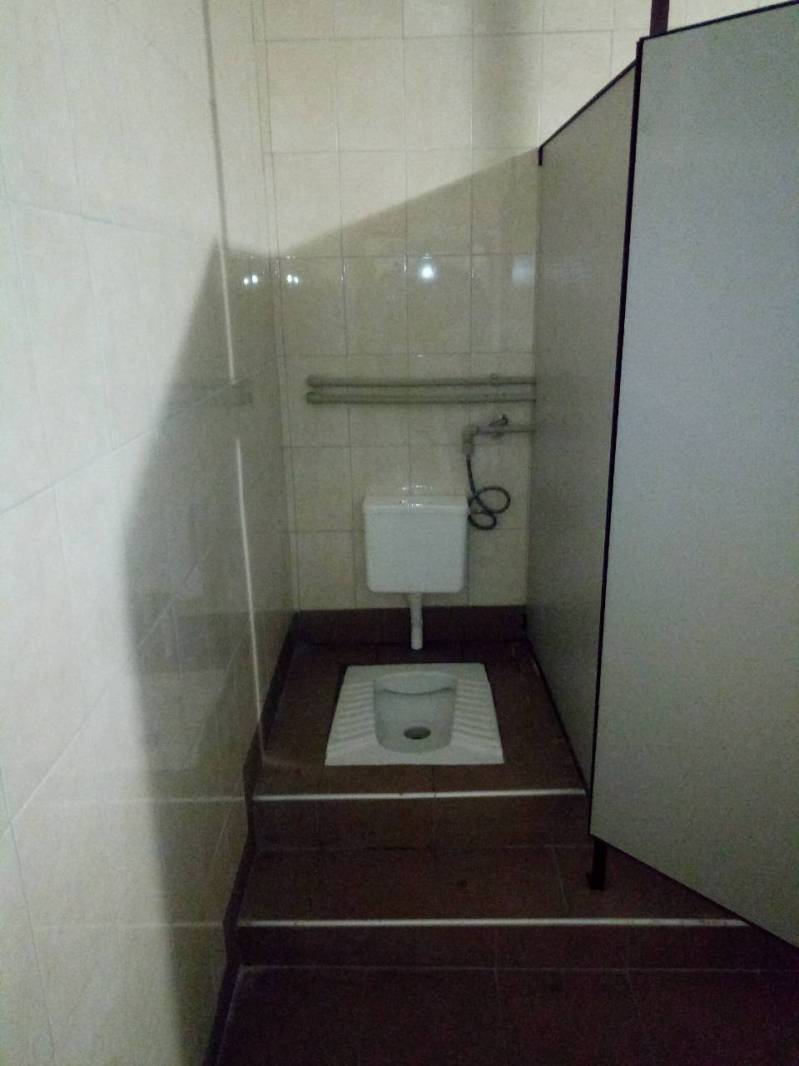
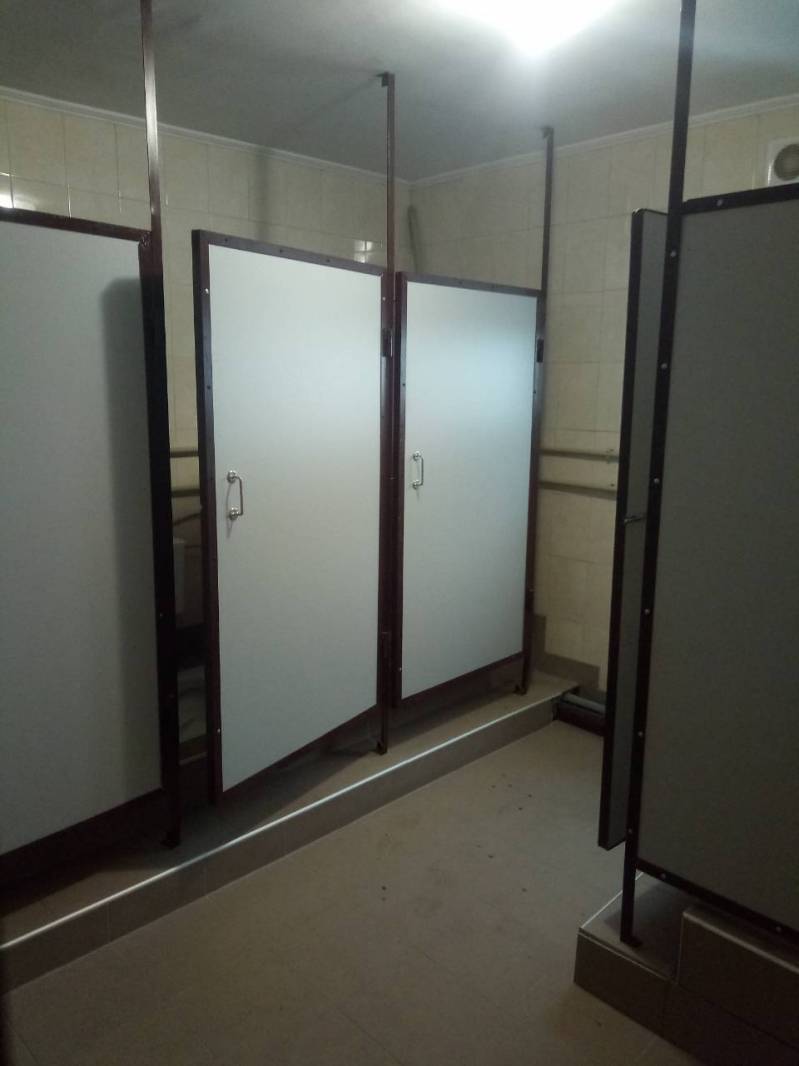
The monitoring group did not visit the third and fourth units as, according to the administration, they had been renovated. The photos were provided by the administration:
Industrial Zone
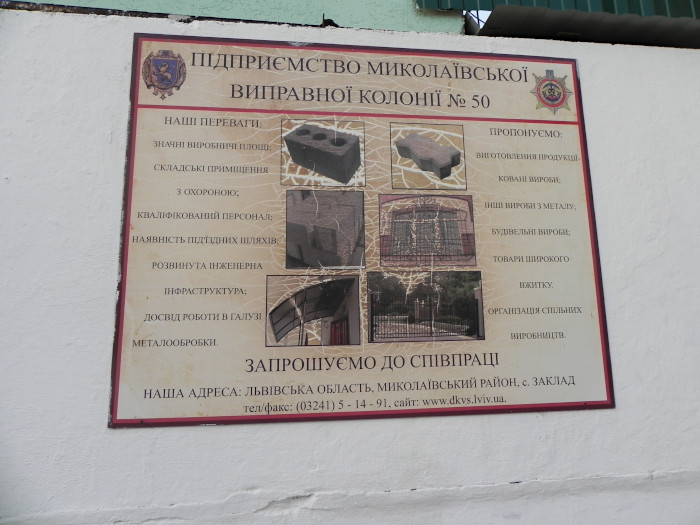
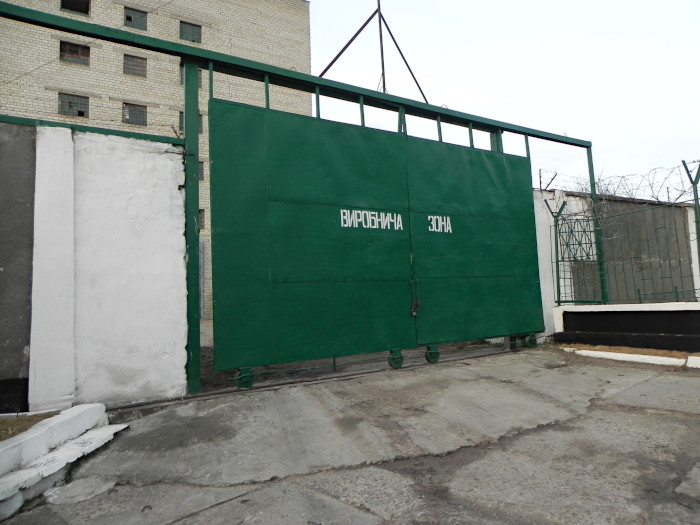
The correctional colony’s enterprise produces forged and construction products, as well as consumer goods. In addition, prisoners sort bags. At the time of the visit, the working day had ended, and there were no prisoners at the industrial facilities.
Kitchen Block
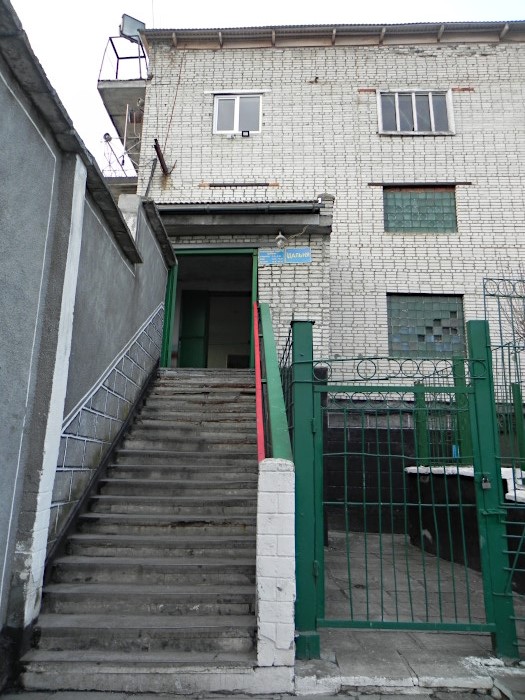
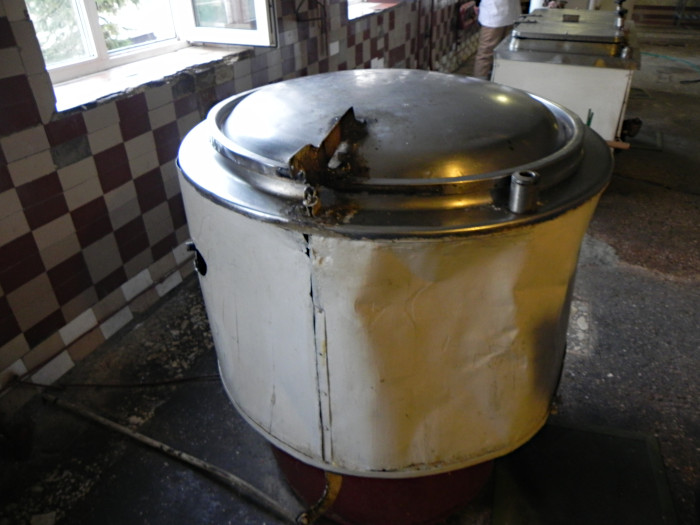
The canteen, in general, requires renovation.
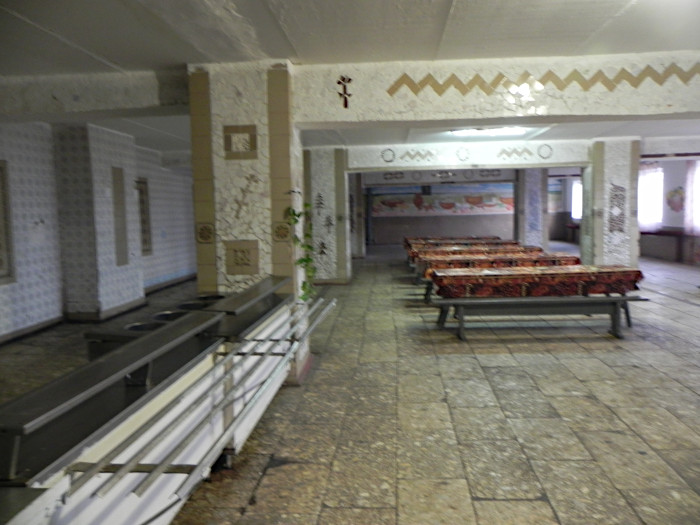
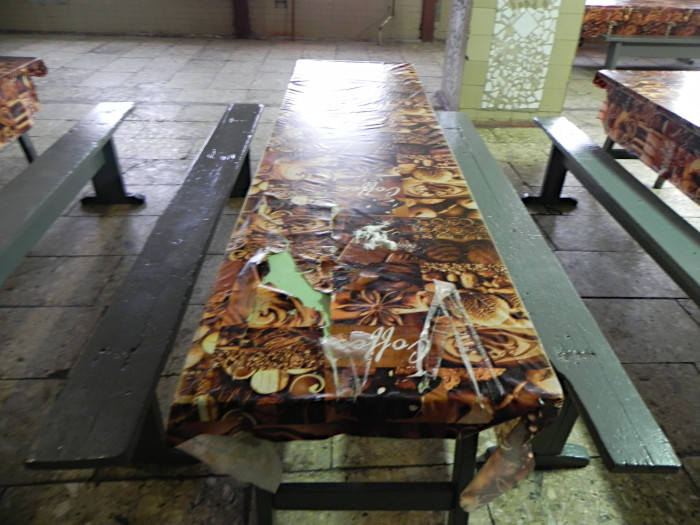
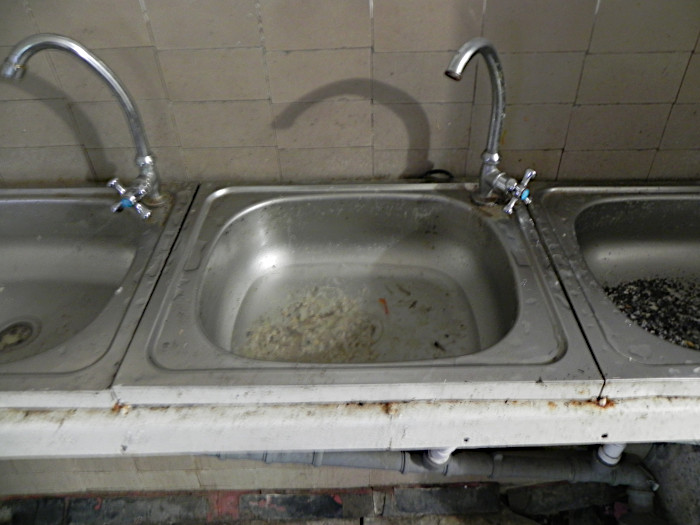
The washbasins are clogged; there are neither towels nor soap next to them.
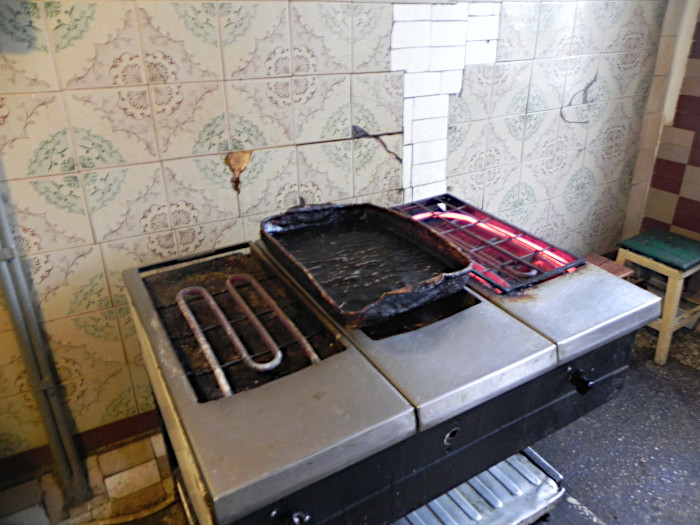
But the kitchen is clean. The equipment is old, but functional and cleaned. Admittedly, the cooks did not have any protective clothing – such as aprons or headgear.
We were unable to find the medical books of the prisoners working in the kitchen, neither in the canteen nor in the medical unit.
According to the menu, boiled fish was supposed to be prepared for dinner, however, all products were prepared for frying.
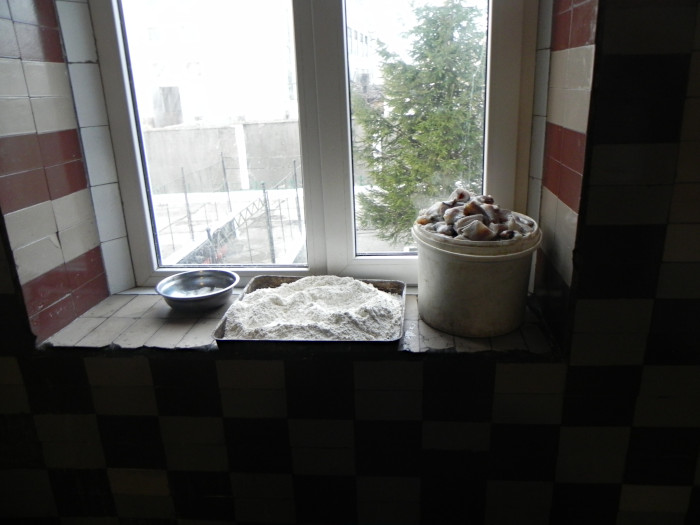
The amount of fish raised doubts with the monitoring group. Weighing showed: the administration planned to feed 281 people (all convicts, excluding the social rehabilitation sector) with thirteen and a half kilograms of fish. That is, the portion turned out to be simply child-sized: about 50 grams of fish on each plate. And according to the standard, it should be twice as much: 100 grams. 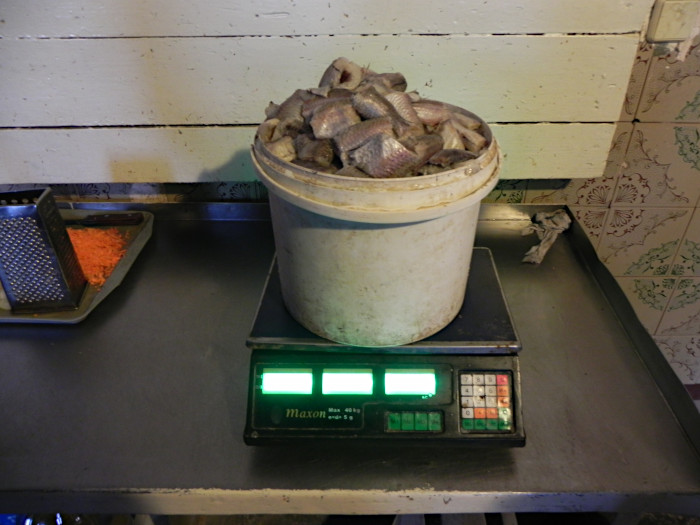
Dietary catering is not provided here, despite the fact that among the convicts there are people with diabetes, gastrointestinal diseases, and hepatitis. The latter two categories are unlikely to benefit from eating fried food.
Medical Unit
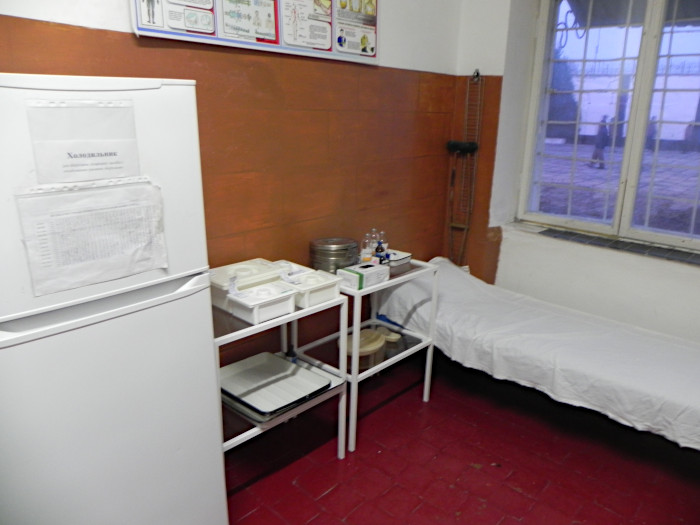
The medical unit staff is fully complete – there is a radiologist, dentist, general practitioner, and psychiatrist. The staff talks with special pride about the telemedicine equipment, which allows for timely diagnostic testing.
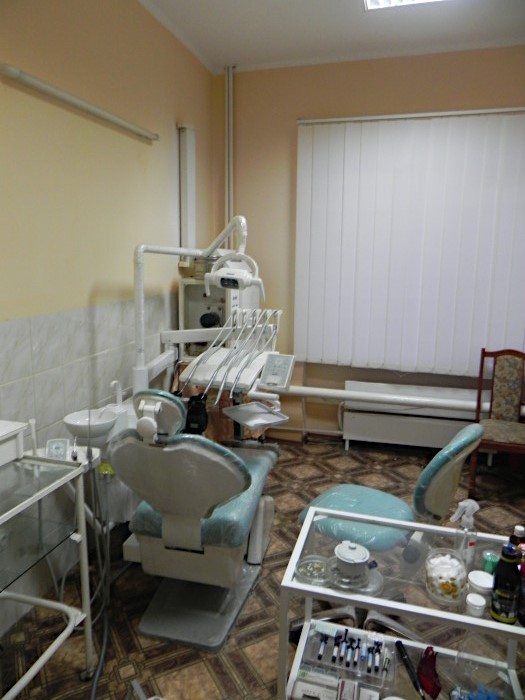
Currently, six prisoners living with HIV are serving their sentences in the colony. All of them are receiving antiretroviral therapy.
In the logbook of medical consultations regarding bodily injuries for this year, seven suicide attempts were identified, one of which proved fatal. Furthermore, a case was recorded where a convict broke his jaw – we quote – ‘by hitting it against the railing’.
There are no complaints regarding the supply of medication. But according to documentation, the convicts’ relatives transferred medication to the medical unit throughout the year such as Ketanov, paracetamol, Lasolvan, Theraflu, Nimesil, ceftriaxone, novocaine, etc. At the time of the monitoring visit, four patients were receiving inpatient treatment in the medical unit. None of them had any complaints either about the food or the quality of treatment.
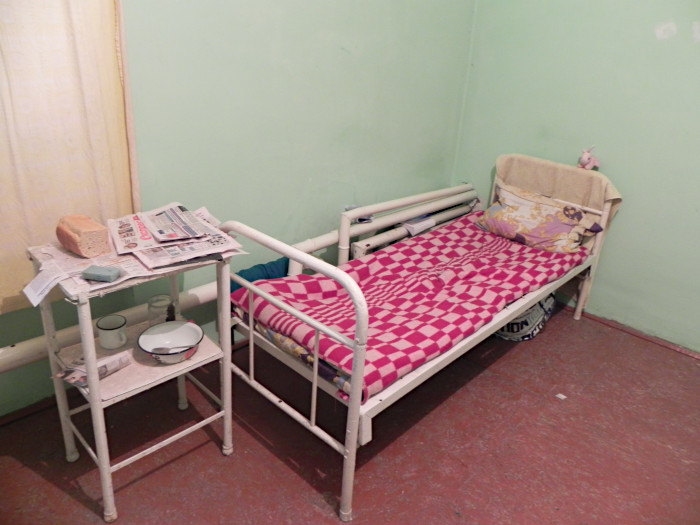
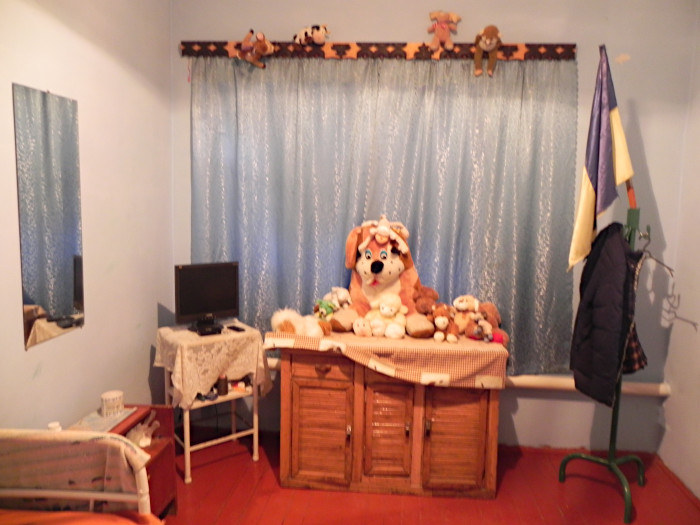
However, it should be noted that the entire medical unit smelled terribly of paint (one of the rooms is being renovated).
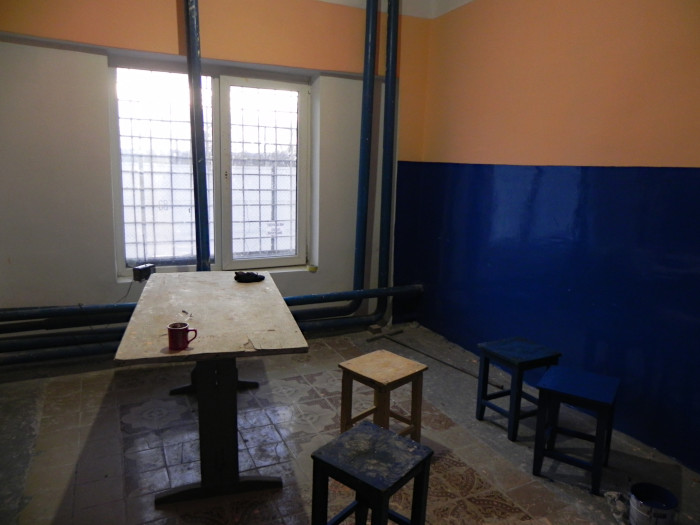
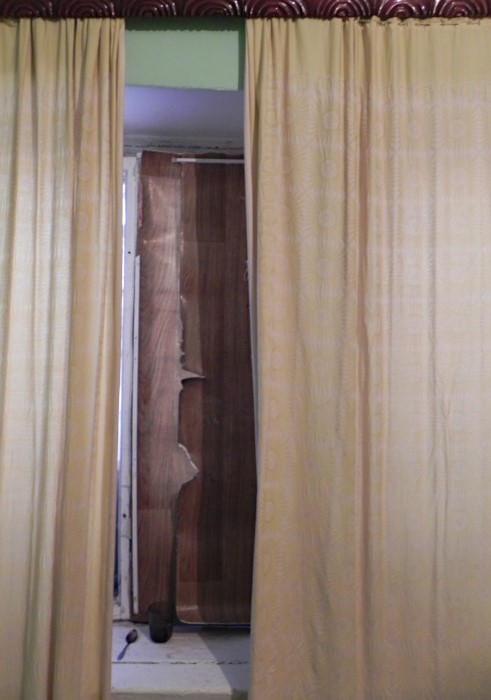
It was warm, even stuffy, in the wards. There was no glass in one of the windows (it was broken by the wind, the convict explained), and the hole was covered with a piece of linoleum.
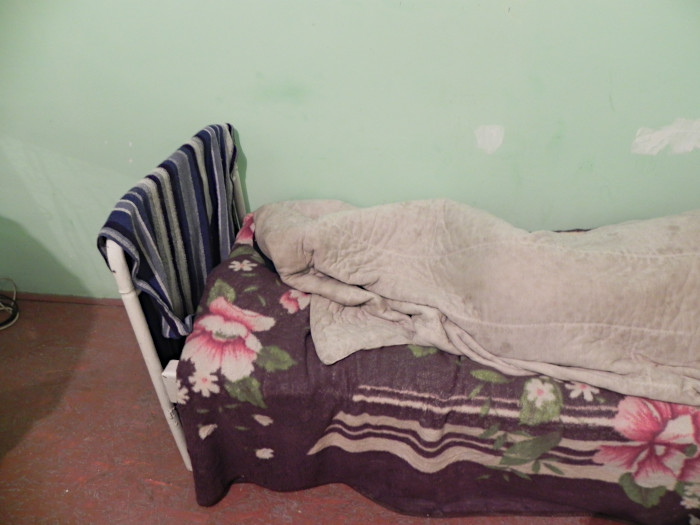
Some patients do not have bed linen. The head of the medical unit, Halyna Sokil, explained that prisoners must bring their own sheets, pillowcases, and duvet covers to the infirmary. This is strange, as the absence of bed linen clearly does not meet the sanitary requirements of any medical institution.
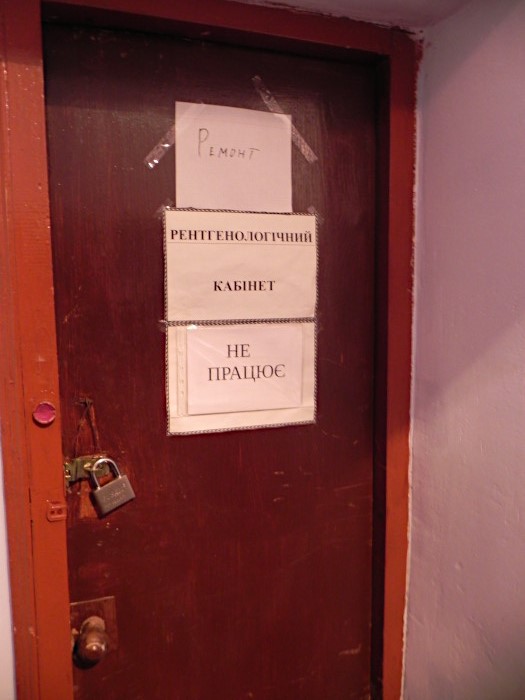
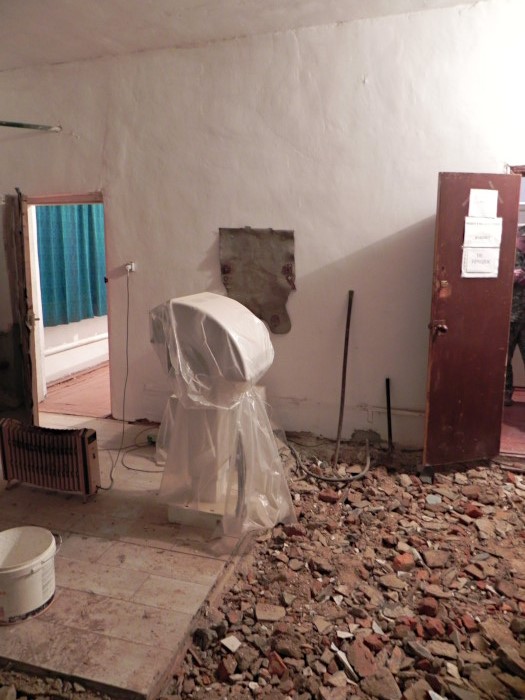
Like in most other institutions of the Health Care Centre of the State Penitentiary Service in the Lviv region, fluorography is not currently being performed in the medical unit of the correctional colony No. 50. Even though they have a modern low-dose device, the administration is repairing the X-ray room, and the flooring there is currently torn up.
According to Halyna Sokil, the medical unit has no mutual understanding with the colony administration regarding the lease of premises. We were provided for inspection with a memorandum addressed to the head of the branch of the State Institution ‘Health Care Centre of the State Penitentiary Service of Ukraine’ in the Lviv region, V.S. Ivanochko, in which the main current problems in the operation of the medical unit are outlined:
-
lack of escort guards, which makes it impossible to examine and fully assess the convicts;
-
lack of proper conditions for patients in the infirmary and isolation units. In the isolation unit for patients with active tuberculosis, the window is broken, the temperature is +14°C, the floor is rotten, and there is dampness, mould, and a faulty toilet;
-
in the X-ray room, the window is boarded up with plywood, the temperature is low, which could lead to the breakdown of the functioning fluorograph;
-
the institution’s administration is not carrying out repair work according to the defect statements, and the constitutive documents for leasing the medical unit’s premises to the branch of the Health Care Centre of the State Penitentiary Service of Ukraine in the Lviv region have not been prepared.
Bath Complex
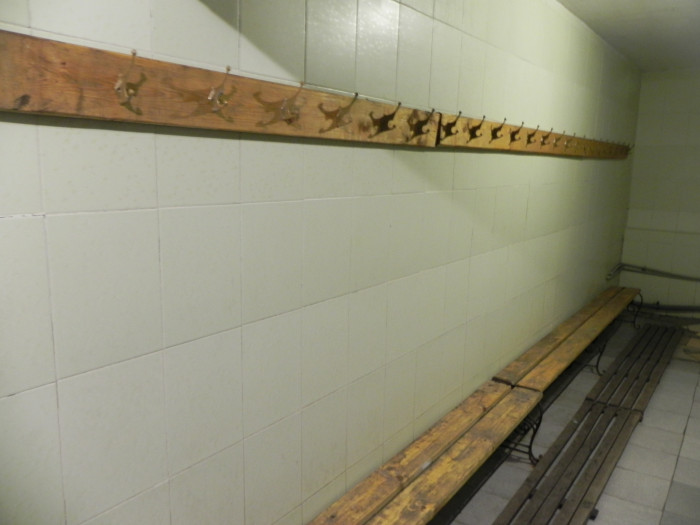
The bath department made a strange impression. It completely lacks shower heads.
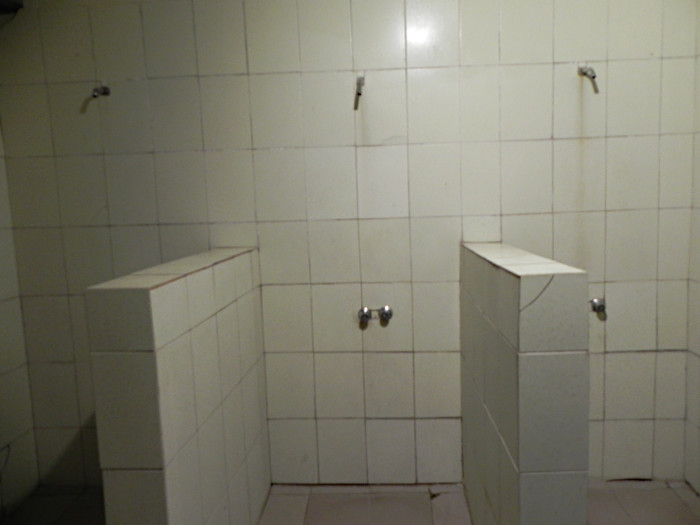
As we were explained, they are specifically unscrewed and kept separately so that the prisoners do not steal them. The ‘valuable equipment’, indeed, was found in a bucket where rubber mats were being disinfected. However, the number of shower heads clearly did not match the number of showers. There were absolutely no curtains in the cubicles, which violates the right to privacy.
Disciplinary Isolation Unit (DIZO)
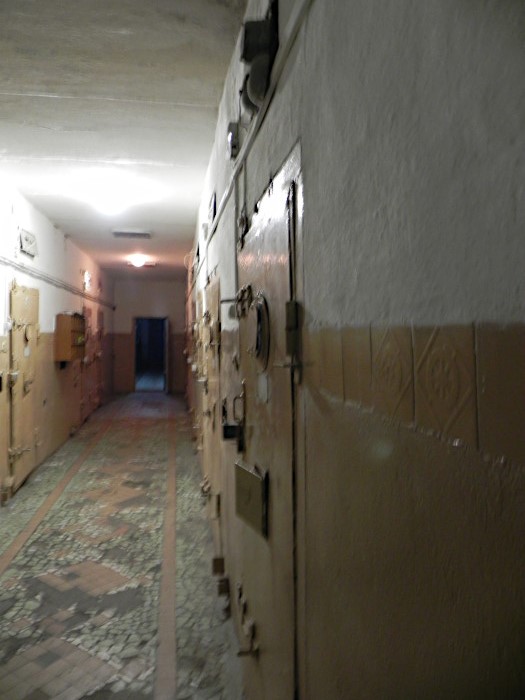
The disciplinary isolation unit is located in a semi-basement room; the toilets are inconvenient, there is no drinking water, and it is stuffy in the cells.
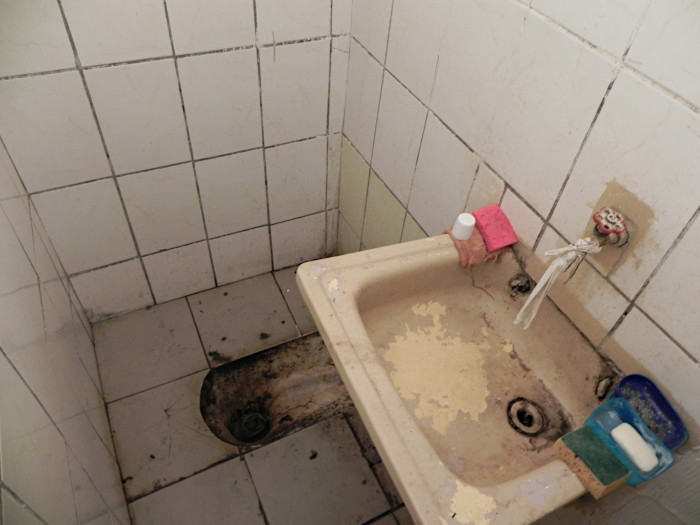
The convicts do not have the opportunity to open the window. One of the empty cells that the monitors entered turned out to be quite damp.
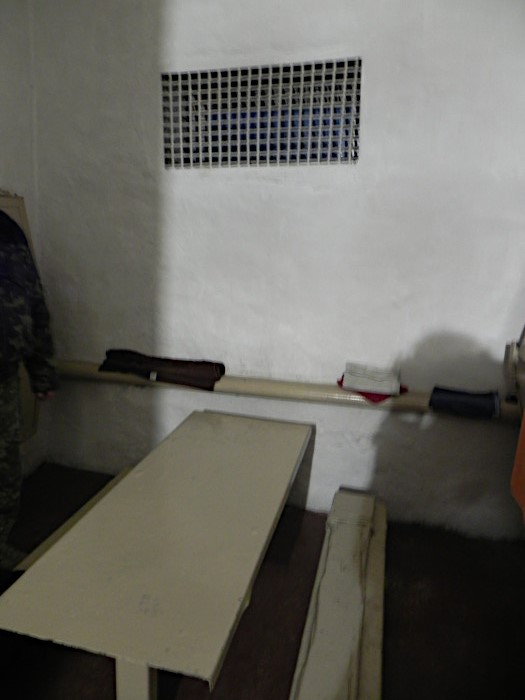
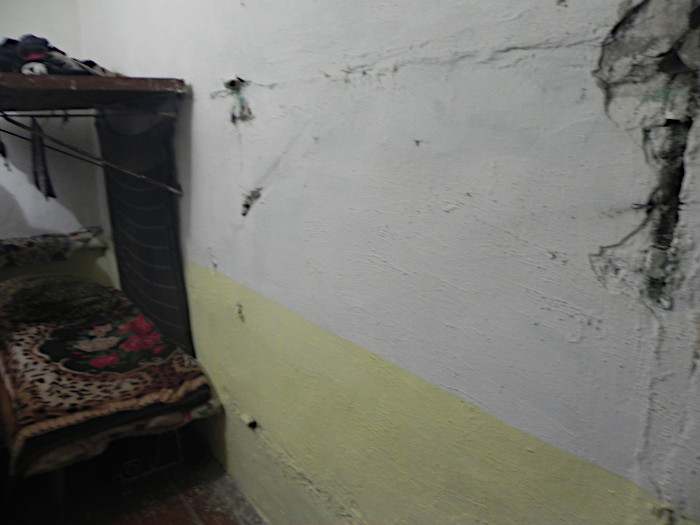
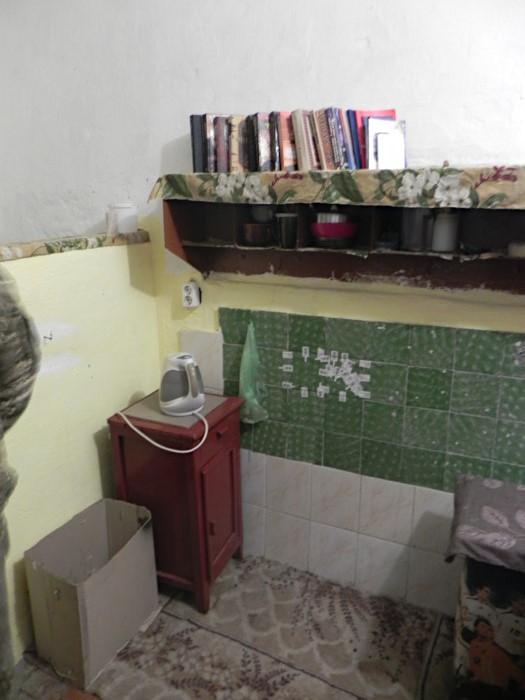
At the time of the visit, one convict was in the DIZO, and four were in the chamber-type premises. In total, over the year, 168 convicts ended up in the DIZO, which is excessive compared to the total number of convicts – 308 men.
Recommendations:
-
complete repairs to the fluorography room and put it into operation;
-
accelerate repairs in the medical unit or use odourless paint and varnish materials;
-
introduce a diet for those who require it for health reasons;
-
issue sanitary books for kitchen staff;
-
adhere to nutritional standards;
-
install showers in the units;
-
in the bathhouse, return shower heads, curtains, and mats;
-
review the disciplinary responsibility system;
-
carry out repairs in the DIZO and toilets.
EU Project ‘Fight against torture, ill-treatment and impunity in Ukraine’.