Monitoring visit to two penal colonies in the Chernihiv region
Chernihiv region is not only the places immortalised by the Ukrainian romantic Oleksandr Dovzhenko, but also less romantic places where people convicted by court sentences are held. Together with another member of the Commission under the President on Pardons, Valeriia Kolomiets, we paid a visit today, on this romantic fourteenth of February, to two Chernihiv colonies, a short outline of which is provided below.
Since Valeriia Kolomiets is simultaneously Deputy Minister of Justice, the visit to the colonies coincided with the greeting of a young married couple from Chernihiv, who got married today, taking advantage of the convenient, almost Las Vegas-style, ‘Marriage in a Day’ procedure. Love may be timeless, as written in a slogan on one wall, but at the same time, it follows another motto—‘don't stand in line and try new services of the Ministry of Justice’.
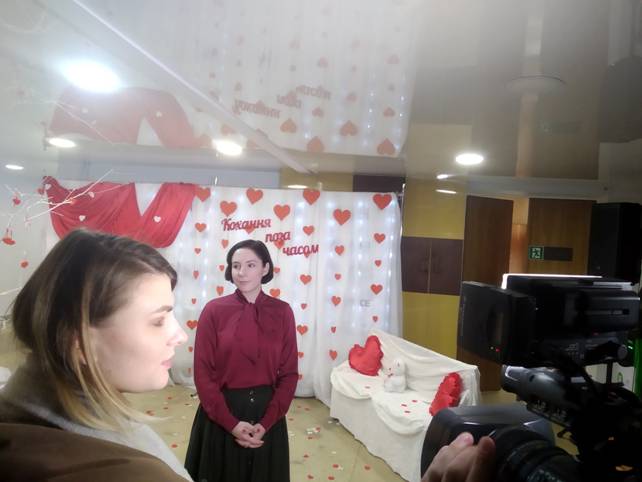
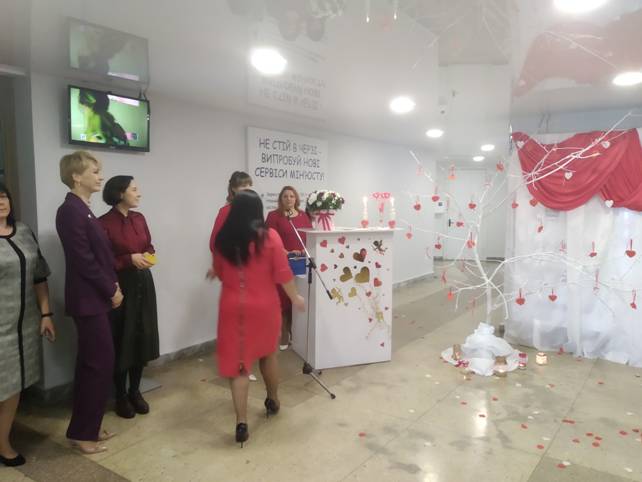
Truly, the atmosphere was festive, and the newlyweds will remember this day fondly for a long time.
The visit to the Chernihiv Penal Colony No. 44, in which women convicted not for the first time for committing crimes serve their sentences, felt a bit contrasting to the celebration at the marriage palace. We had to cover the last few hundred metres to the colony on foot, as the road was dug up and, judging by everything, work was being carried out to replace the water pipeline. When there are signs of such work, suspicions regarding water supply arise simultaneously, and today they confirmed their validity. The water supply in the colony is poor today. And significant funds are needed to relay the new pipes; resources for this were not provided.
Children's block
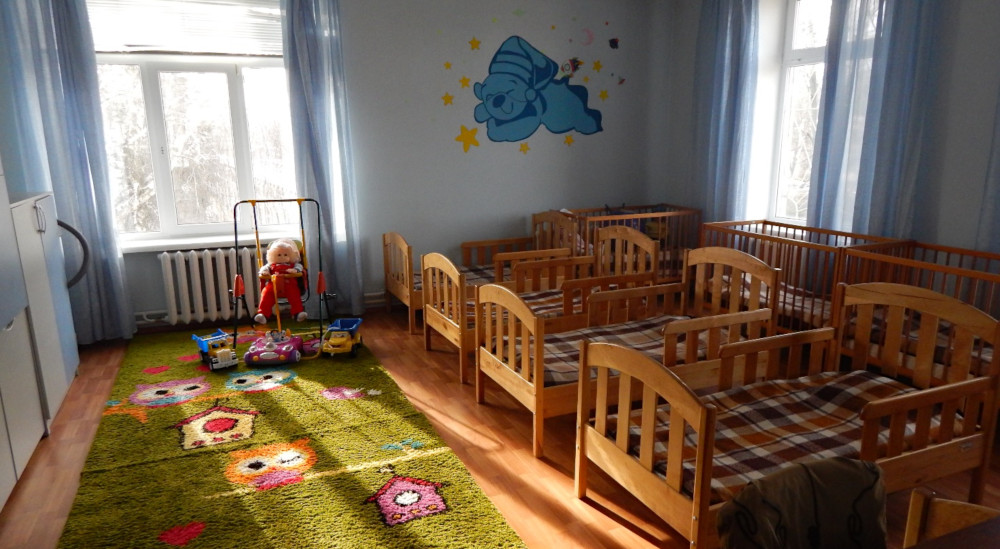
In the colony, we managed to visit the children's block, where mothers with children under three years old live. Today, in the block, which is designed for 11 mothers with children, 4 mothers reside, accordingly, there are 4 children, the eldest of whom is approximately 2 and a half years old, the rest of the children have not reached one year of age. Let me remind you that a child can live with a mother in the conditions of a colony until 3 years of age, after which the child is handed over either to relatives at liberty or to an orphanage.
The conditions for the children and mothers in this block are quite good; there were no complaints about the conditions of detention, the children are socialising and adapting, often spending time outside the facility.
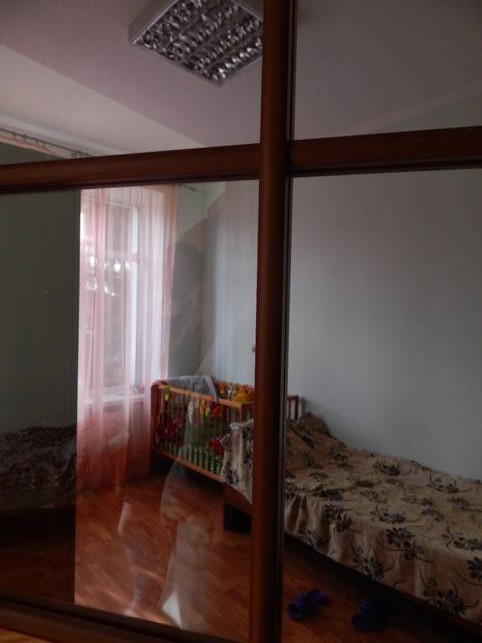
Mother and child room, designed for separate living with a detached bathroom
In general, not bad conditions for being in places of unfreedom, medical and foster care provided by the staff, and preschool education.
Remand prison section
In the remand prison section, where women are held under investigation or at the stage of judicial review of their cases, we drew attention to the problem with water supply, which, of course, is a consequence of the dug-up water pipeline on the street in front of the colony. The women in the cells complained that they can only wash with cold water, which is quite inconvenient. On the day of the visit, 15 women were in the remand prison section. They wished us a Happy Valentine's Day at parting, so a festive spirit accompanied us even in the cheerless conditions of the remand prison.
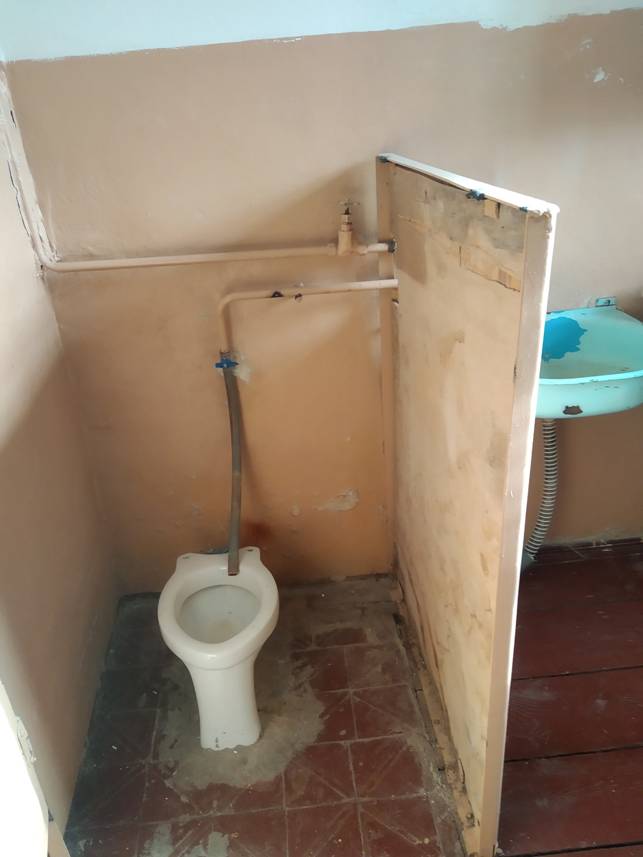
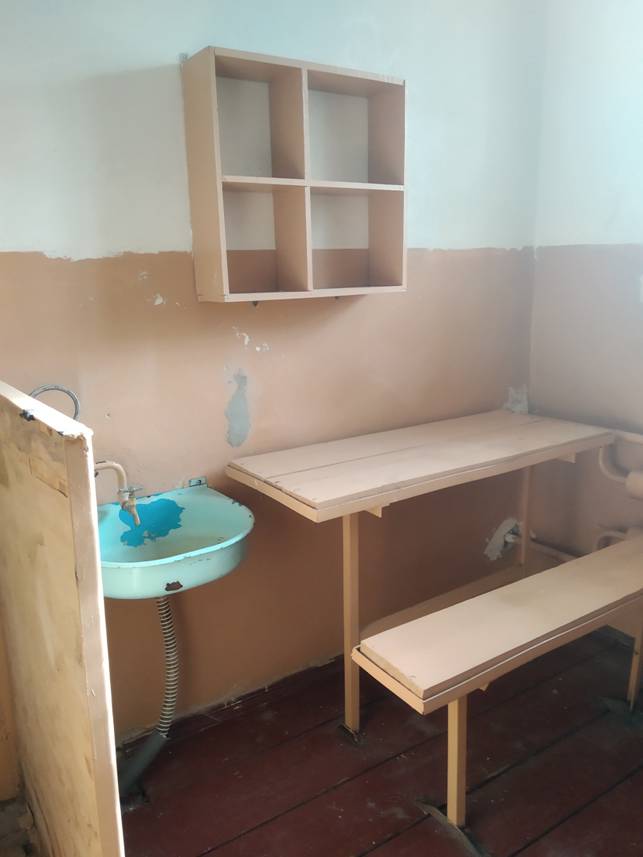
DIZO (Disciplinary isolation ward)
A positive aspect in the colony is the absence of women in the DIZO (disciplinary isolation ward) at the time of the visit. The DIZO cells stand empty; they are in a normal functional state, albeit quite poor. According to the head of the colony, over the past year, there were 7–8 placements in the DIZO as a disciplinary sanction.
Living conditions
The women are distributed into three detachments; the living conditions in each are approximately the same, the convicts live in rooms with 9–15 beds; the rooms are quite smart and renovated.
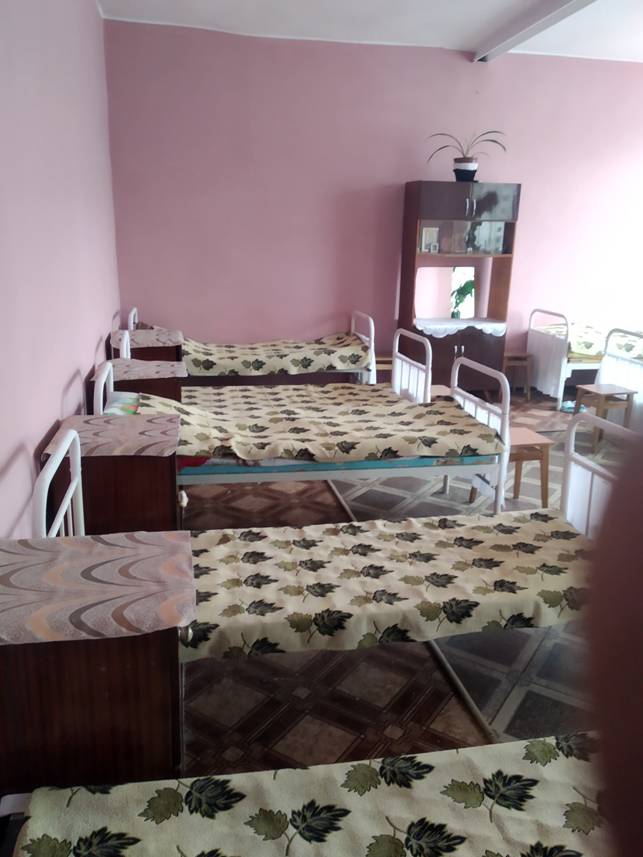
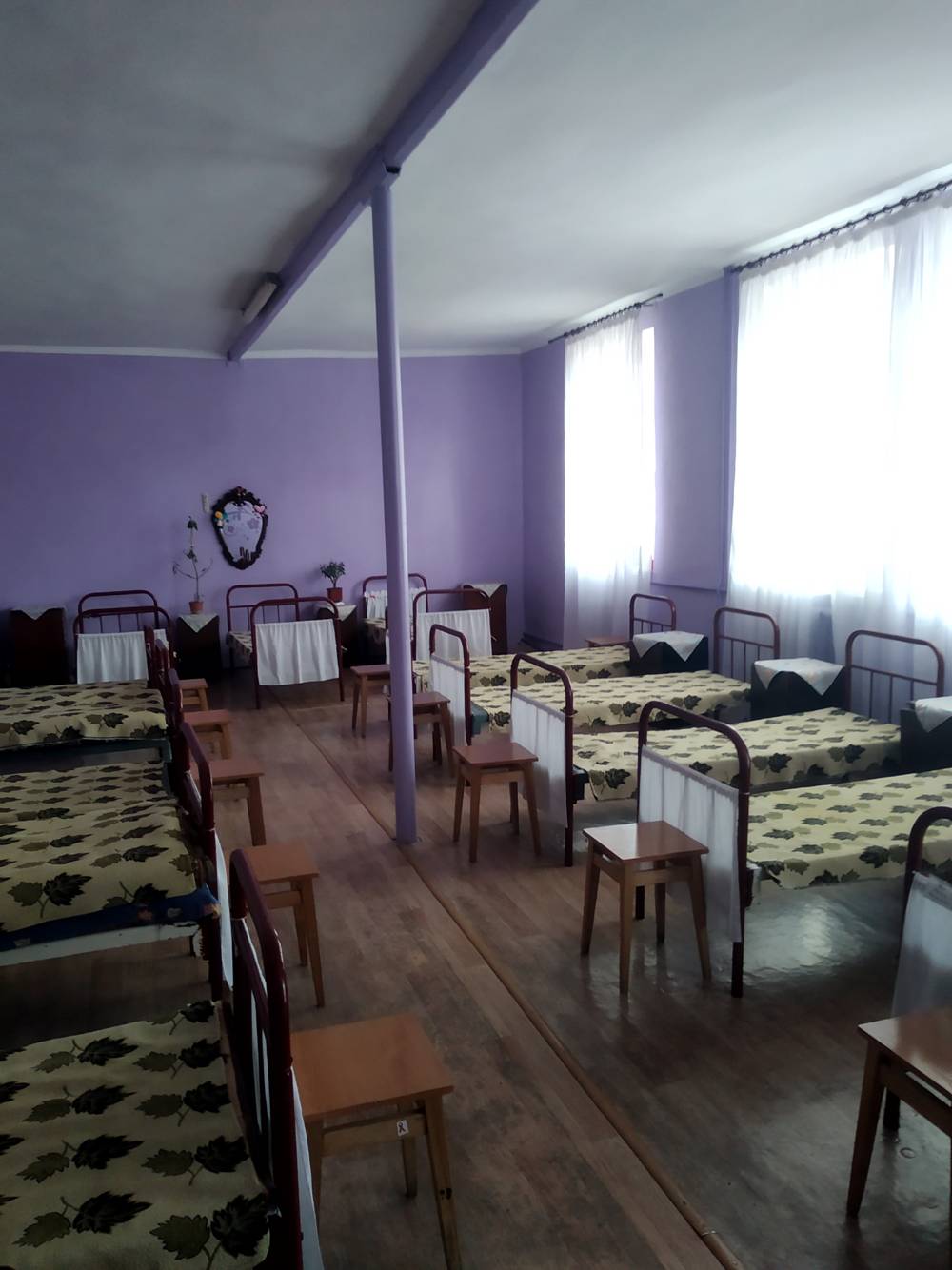
Of course, it is worth looking for an opportunity to transition to a cubicle system with placing women to live in groups of 2 or 4 people to ensure the proper level of privacy for persons placed to serve their sentences.
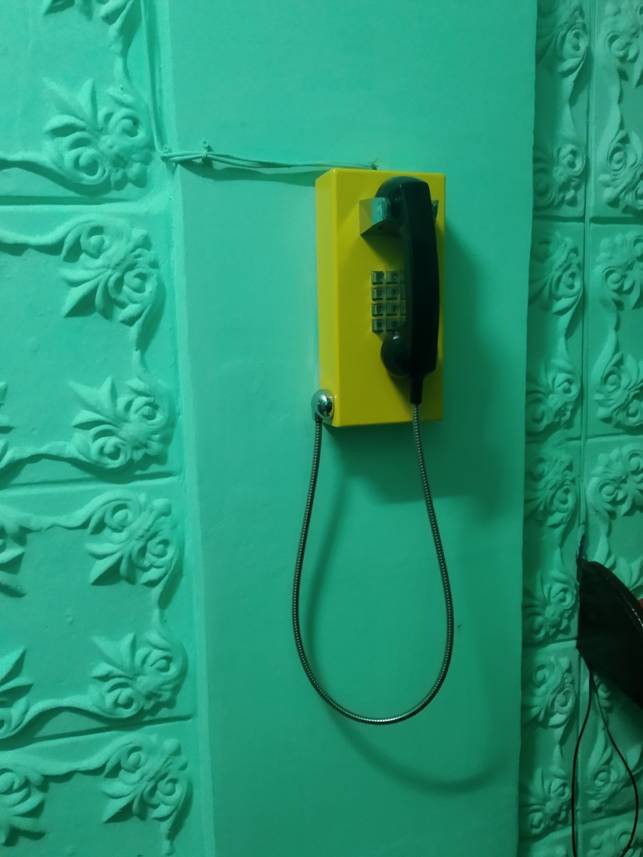
An interesting feature is a telephone from which convicts can call at any time. In fact, this is a liberalisation of the telephone conversation regime. The telephone is located in the residential building; one can call using a card with funds on it.
Summary
Positive. Quite good living conditions, there are conditions for work, the opportunity to obtain a profession (19 people are studying at a vocational school). Proper care is provided for the children who are with the convicted mothers.
Problems. Water supply. Social exclusion of a large number of convicted women—some of them have several sentences and served punishments, but they have no family; very few people come to visit them for long-term (up to three days) visits.
On the same day, having overcome another 200 km of road, we visited the Novhorod-Siverskyi Penal Colony No. 31, which is located 50 km from the border with the Russian Federation and 320 kilometres from Kyiv. In the colony, we were interested in persons who were sentenced to life imprisonment and had submitted a petition for pardon. Members of the Pardon Commission reviewed several applications from persons sentenced to life imprisonment during the meeting and expressed the proposal that, in order to maximally take into account all the peculiarities of such applicants' cases, they should be visited directly in the places of serving their sentences to speak with them and study additional materials. This, in fact, was the initial moment that became the reason for this trip.
At the same time, there was an opportunity to assess the financial state of the colony, the conditions in which the convicts are staying, and to take note of the relationships between the administrative personnel and the convicts.
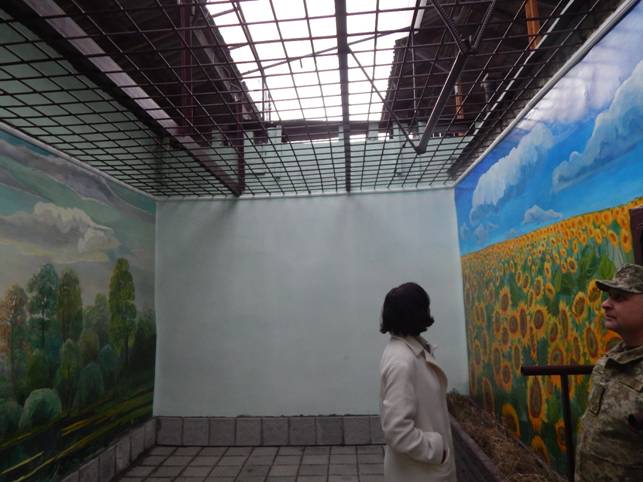
Walking courtyard with aesthetic elements. Head of the institution Valentyn Ivanovych Spychak and Deputy Minister of Justice Valeriia Kolomiets
Summary
During this trip to the Novhorod-Siverskyi Colony No. 31, it was confirmed that in order to make a decision when considering a pardon petition from persons sentenced to life imprisonment, it is necessary to directly contact and speak with the applicants, to obtain all available information that may influence the decision-making process regarding granting a pardon.
14 February 2020
EU project ‘Fight against torture, ill-treatment and impunity in Ukraine’.