Report on the monitoring visit to State Institution "Bozhkivska Correctional Colony (No. 16)"
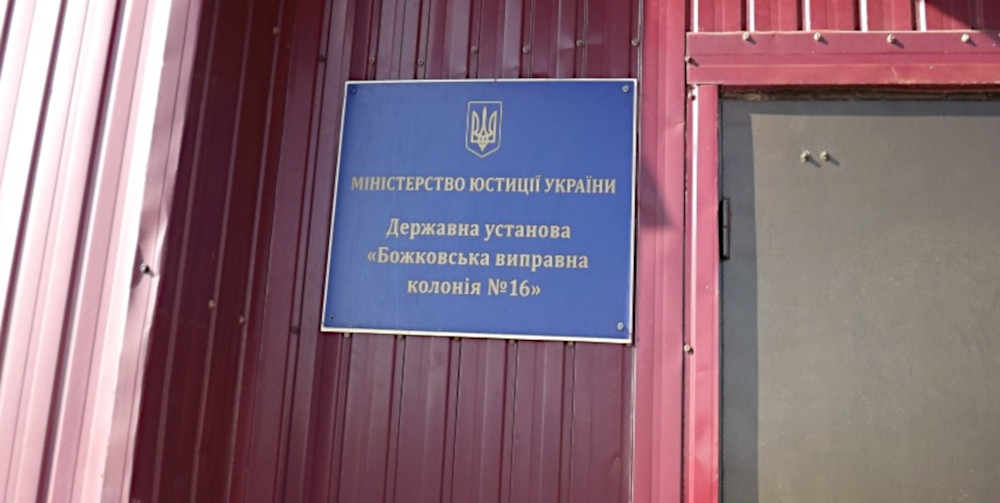
On 15 September 2020, a monitoring group from the KHPG, consisting of Volodymyr Hlushchenko, Ihor Sosonskyi, and Tamara Horbachevska, carried out a monitoring visit to the State Institution "Bozhkivska Correctional Colony (No. 16)".
The State Institution "Bozhkivska Correctional Colony (No. 16)" is located in the village of Bozhkove, Poltava region. This state institution is a minimum-security colony with general conditions of detention for men. As of 15 September 2020, 206 convicts were serving sentences in the colony. There are 4 units in the correctional colony, one of which has been mothballed and is not used for holding convicts.
The correctional colony has a well for extracting drinking water for its own needs. The colony has its own production facilities where various types of products are made from wood and metal; there is also a sewing workshop.
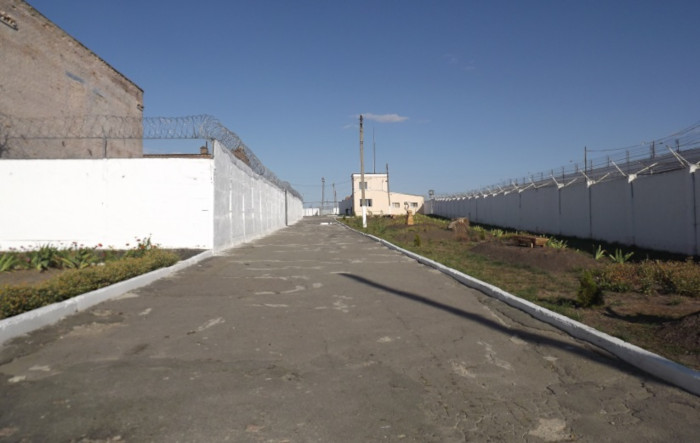
The territory of the colony is large. According to the head of the institution, it was once designed to hold 2,500 convicts. Currently, the majority of the buildings are abandoned and located outside the institution's premises.
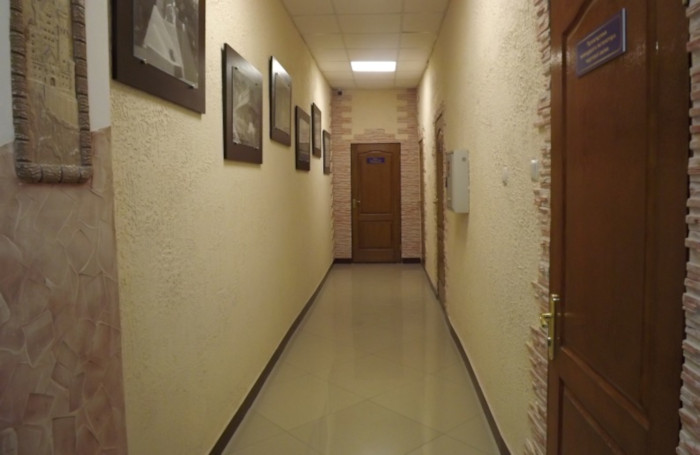
On the territory of the institution, there is a Temporary Pre-trial Detention Centre section, which is in a state of repair; specifically, the facade is being insulated and the exercise yards are being repaired. Inside the premises, the monitors saw fresh and modern renovations. The cells for convicts are designed with the appropriate calculation of square metres per person. The premises are bright and warm, and there is a supply of fresh air. Also, each cell is equipped with forced ventilation.
Metal-plastic windows have been installed. There are rooms for showering. However, this section is not currently in use.
Residential Zones
Unit No. 3
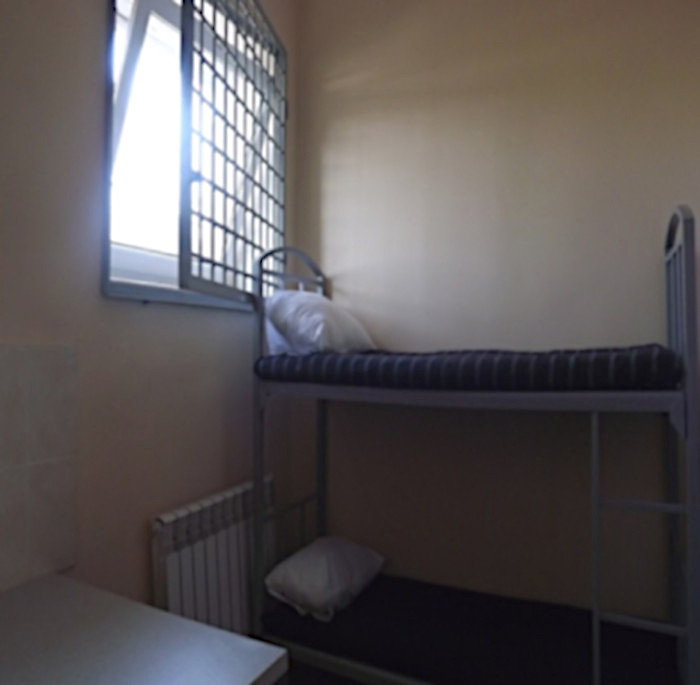
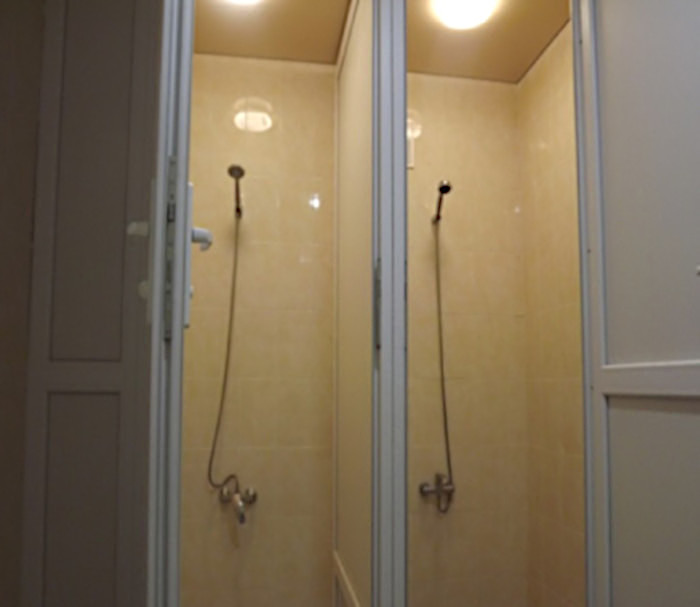
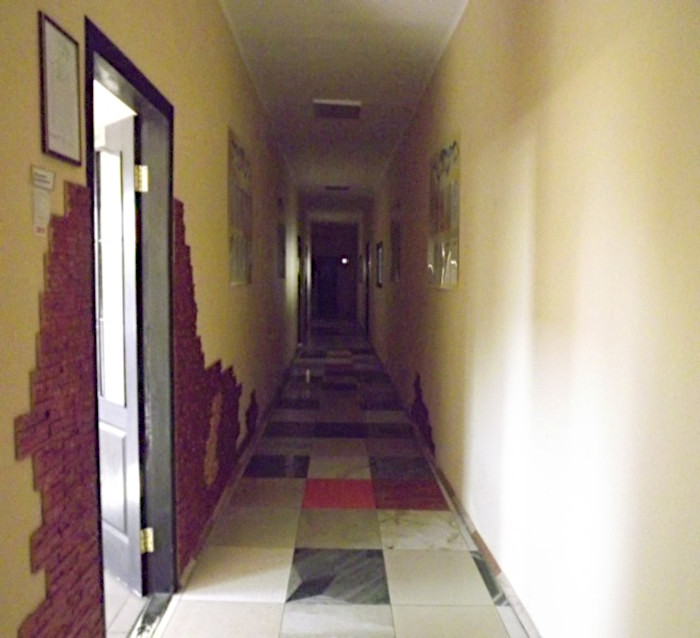
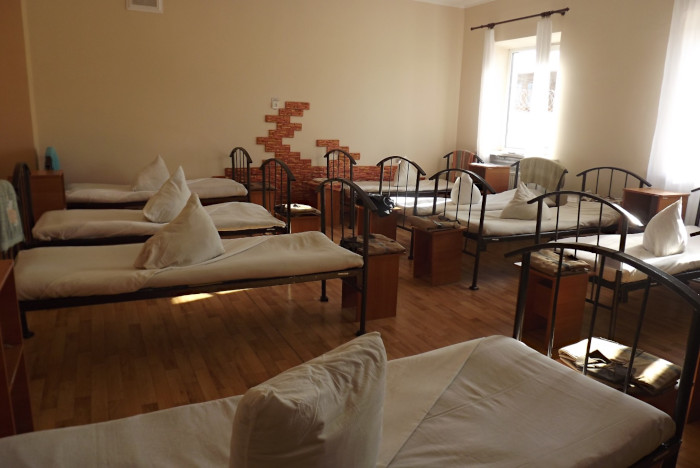
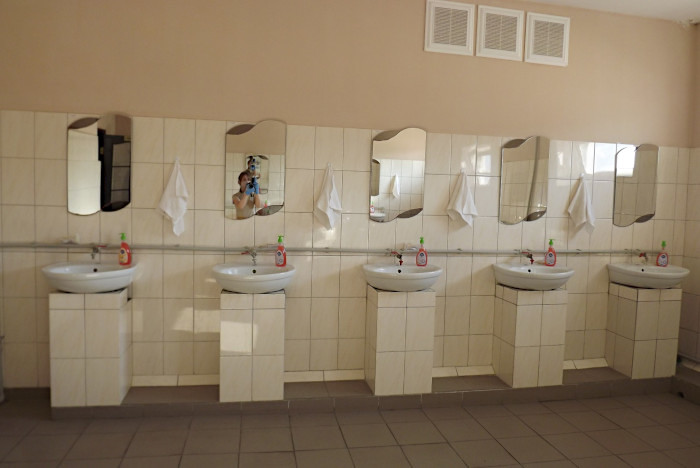
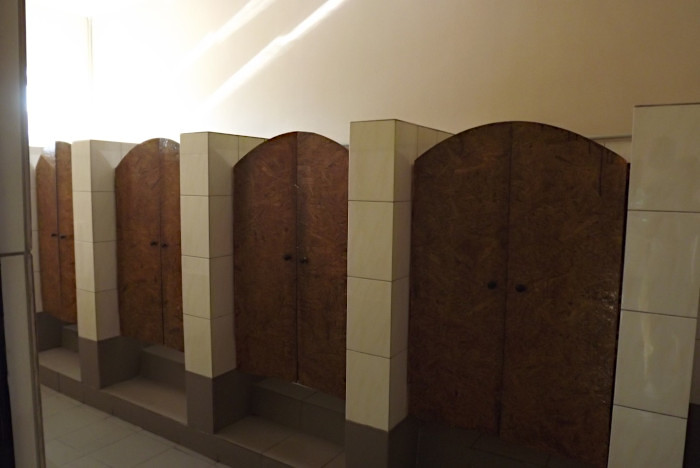
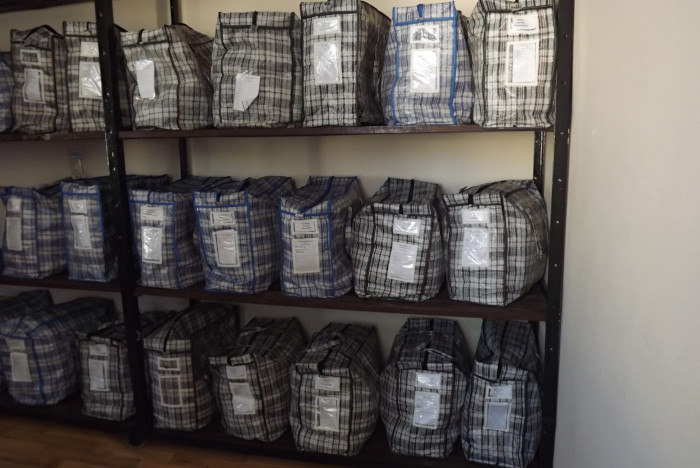
The building and premises of Unit No. 3 were renovated in 2019. The convicts in this unit live in 'cubicle-type' rooms with approximately 20 people in each. The premises are bright, clean, and have fresh air. The beds are arranged in one tier. The sleeping blocks have separate toilets and showers. In the showers, all necessary sanitary and hygienic products are available. There is a prayer room on the floor. There are also fully renovated rooms for storing the personal belongings of the convicts.
Units No. 1 and No. 4
The premises of Units No. 1 and No. 4 do not have the same renovation as Unit No. 3.
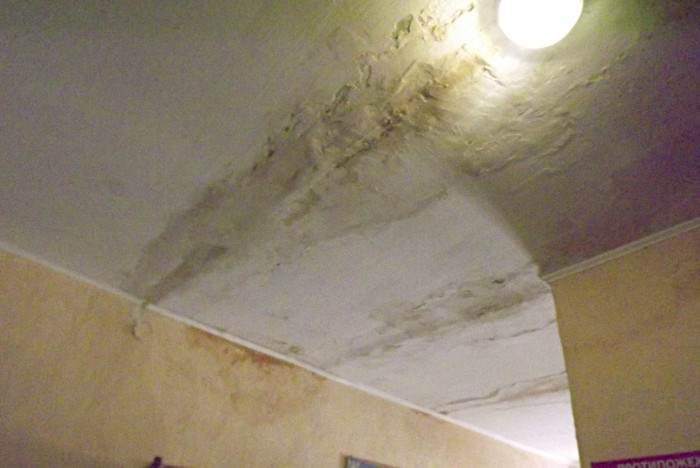
In Unit No. 1, at the time of the visit, the heating system was being repaired. There are traces of partial internal work in the premises. The ceiling shows signs of water leakage. The head of the institution noted that this problem is being addressed and a major renovation of the roof is planned.
In Unit No. 4, the roof was repaired in 2020. On the second floor of Unit No. 4, repair works are being carried out; specifically, the heating system in the premises is being replaced, and the rooms are being renovated.
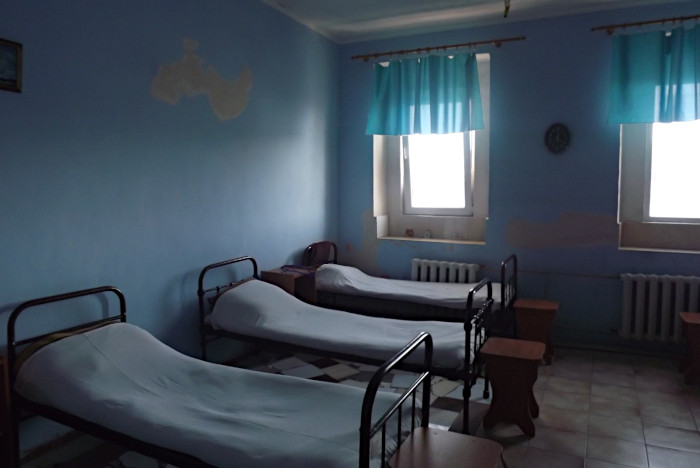
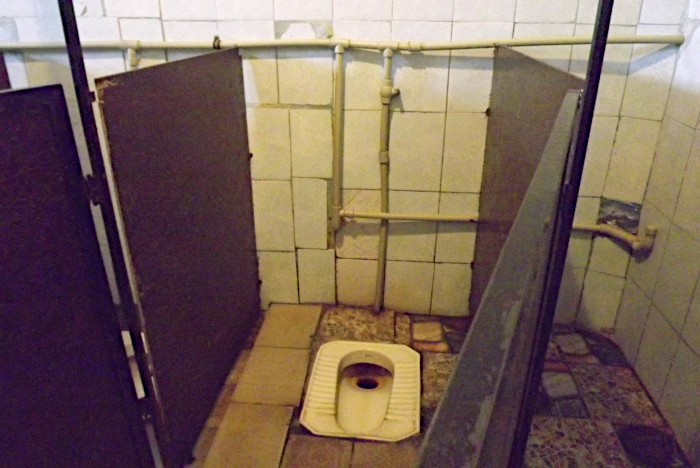
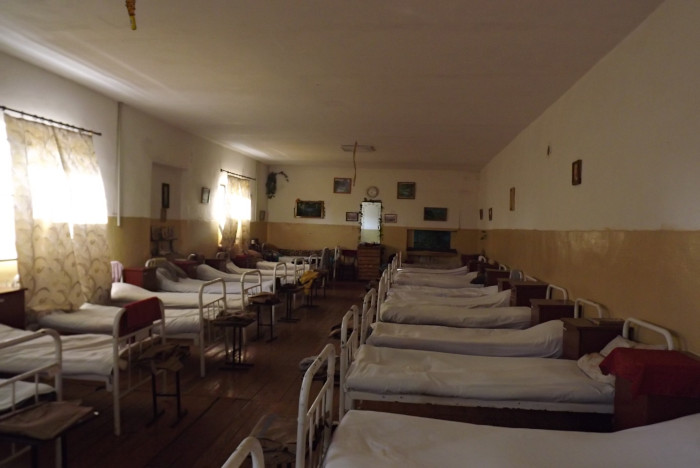
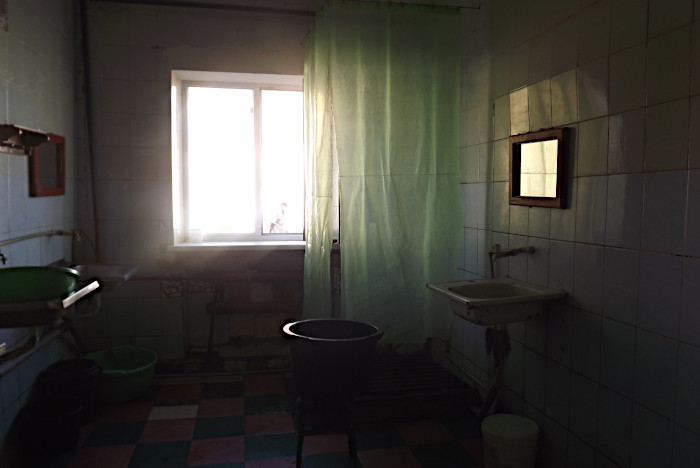
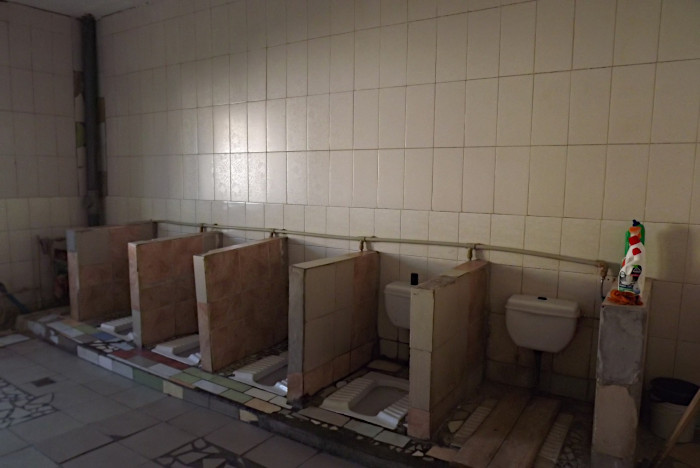
According to the head of the institution, repair works are carried out at the institution's own expense. After the complete restoration of Units No. 1 and No. 4, they will implement a 'cubicle system' for housing convicts.
Medical Unit
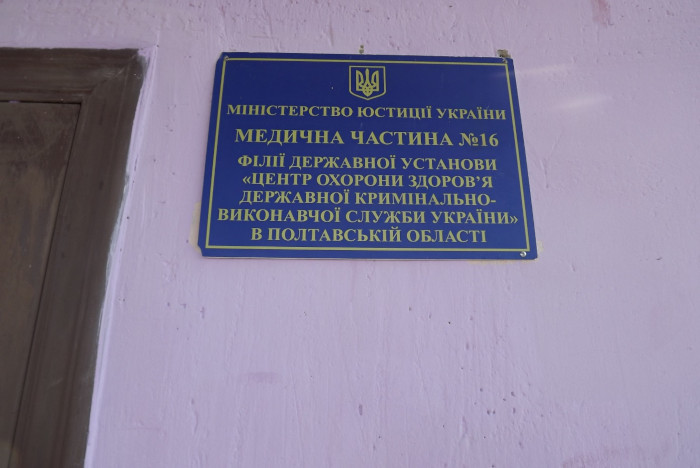
During the monitoring visit, it was established that 4 people were undergoing treatment in the medical unit. During a personal conversation with the convicts, no complaints or statements were received by the monitoring group.
The medical unit is equipped with new and necessary medical equipment, including new X-ray machines, ECGs, and dental equipment. Medicines are delivered in full; masks and antiseptics are available. The medical unit is fully staffed with specialists. The wards for the sick are in a satisfactory condition, sufficiently lit, and have access to fresh air. The sanitary unit is common for the use of all sick convicts.
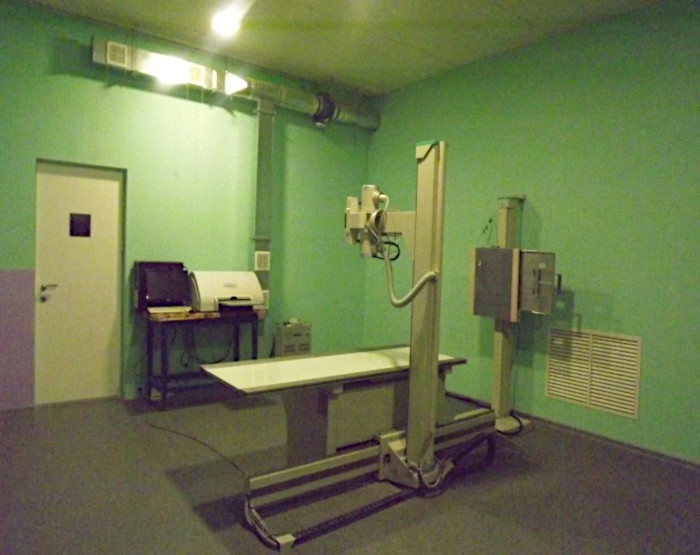
There is a separate ward for infected patients, which is currently relevant in light of the fight against the coronavirus infection. But this ward does not have a separate sanitary unit and does not allow for the complete isolation of the sick person.
Dining Hall and Cooking Workshop
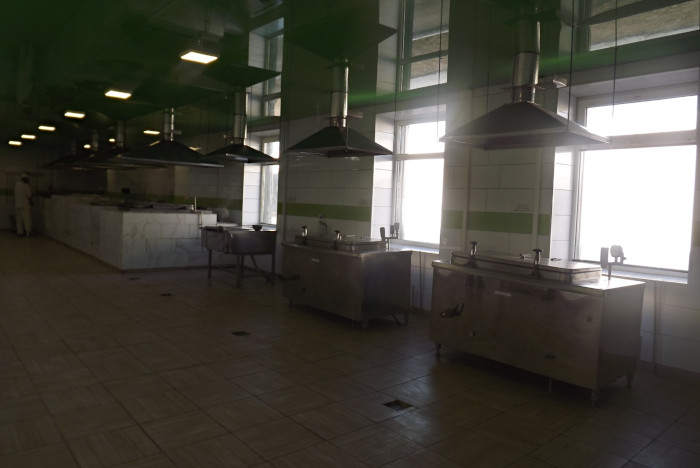
The dining hall premises are spacious and clean, and there is a menu with the current date. All convicts working in the kitchen had state-standard medical books. Medical examinations were conducted on time. The kitchen staff were dressed in white coats. In the dining hall and the cooking workshop, there was a pleasant smell of food. The cooking workshop was completely renovated in 2020. New kitchen equipment and air ventilation means were purchased.
DIZO-PKT
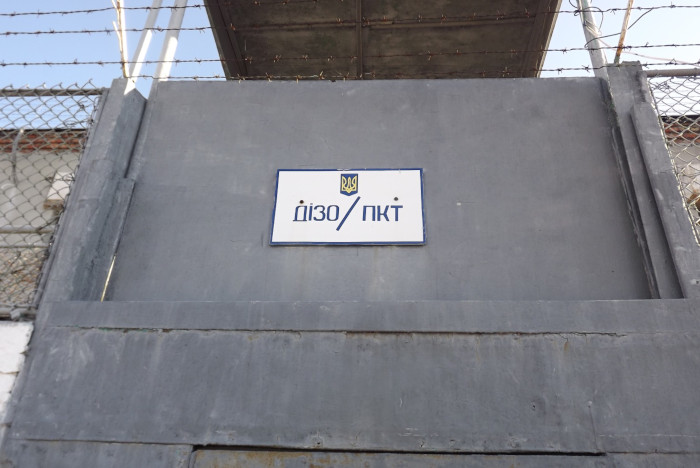
At the time of the visit, one convict was serving disciplinary punishment in the DIZO-PKT. The documents for placement in the DIZO were properly executed, with a doctor's conclusion on the ability to serve the punishment.
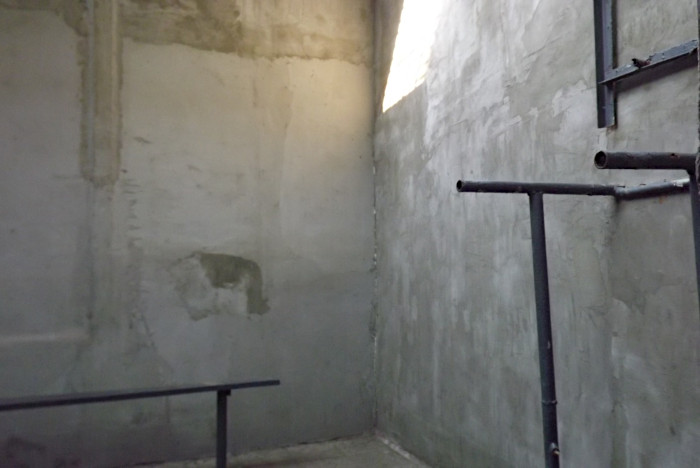
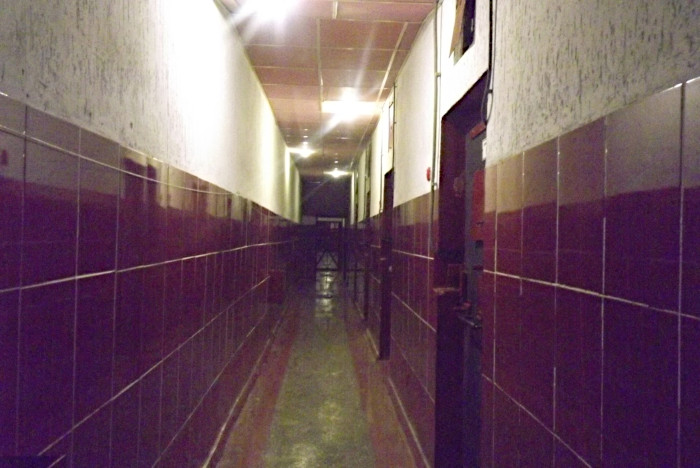
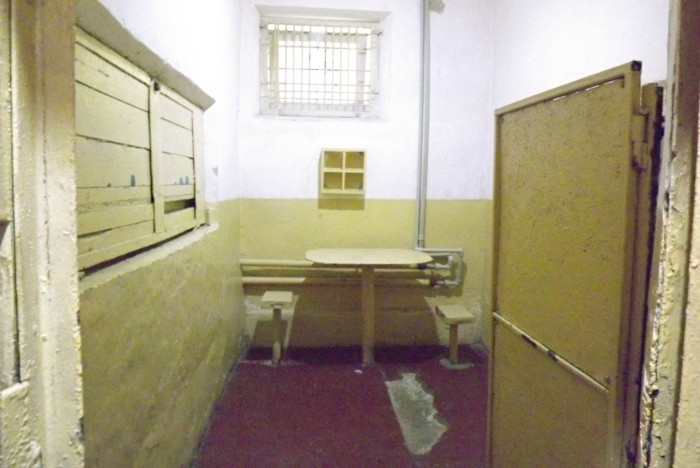
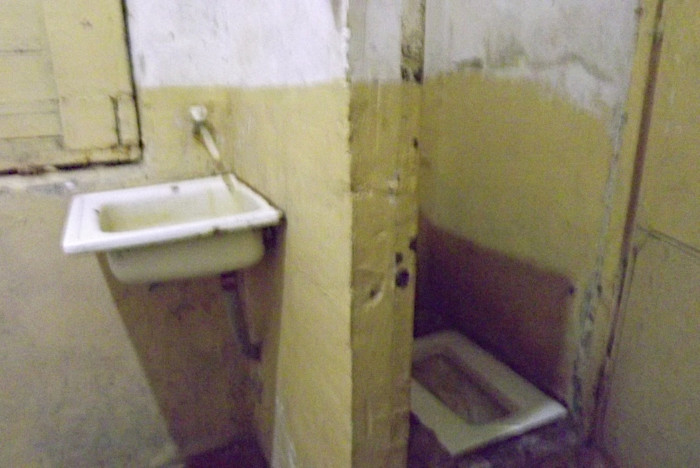
The exercise yards are properly equipped and are in a satisfactory condition. Metal-plastic windows have been installed. The DIZO cells are in a satisfactory condition, and the sanitary units are arranged in compliance with standards for fulfilling physiological needs. There are also some shortcomings, but, unfortunately, due to structural factors, it is virtually impossible to fix them. Firstly, because the windows of the DIZO-PKT cells face into the yard, and the cells themselves are located in a semi-basement, an insufficient amount of natural light reaches the cells. Secondly, in the cells, in the opinion of the monitors, the air temperature is too low.
Industrial Zone
Convicts in the colony are involved in works producing items from wood and metal, as well as sewing textile products. According to the head of the institution, various types of products were manufactured at the production facilities, from wooden pallets and waste containers to disposable slippers for hotels. Working hours are set until 16:00. At the time of the visit, the working day had been completed.
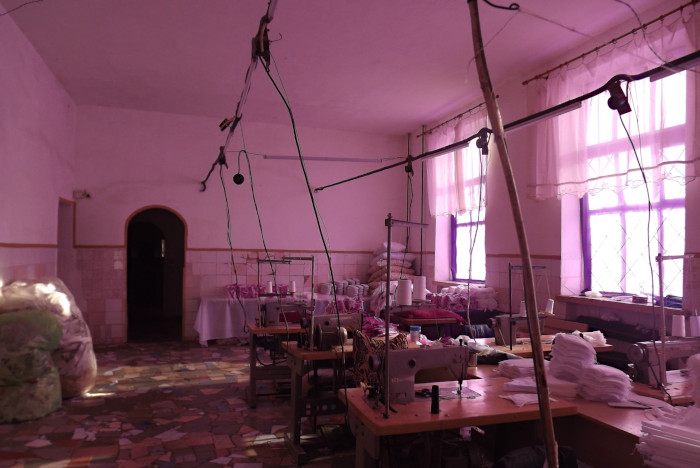
Members of the monitoring group familiarised themselves with the conditions of detention of the convicts, conducted confidential interviews with them, inspected the residential, production, and other premises of the institution, and also studied the state of medical care provision. No complaints about detention conditions or ill-treatment were received from the convicts.
EU Project "Resisting Torture, Cruel Treatment and Impunity in Ukraine"