Report on the monitoring visit to State Institution "Sumy Correctional Colony No. 116"
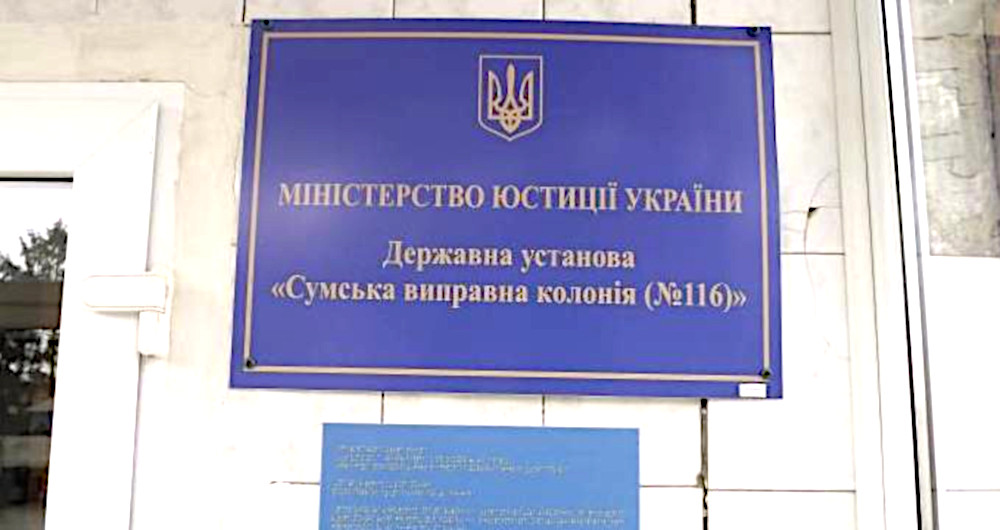
On 15 September 2020, a monitoring group consisting of an assistant to a People's Deputy of Ukraine, Maksym Revyakin, and two journalists – Tamila Bespala and Pavlo Shvab – visited the State Institution "Sumy Correctional Colony No. 116". This facility is located on the outskirts of the city of Sumy (next to the Sumy Pre-trial Detention Centre) and is a medium-security colony for men convicted for the first time. The colony is designed for 745 people, but at the time of the visit, there were only 376 people serving sentences in it. The monitors entered the colony without obstruction after checking their documents, accompanied by representatives of the administration.
A week before the monitors' visit, the head of the colony and two of his subordinates were detained on suspicion of embezzling funds intended for payroll payments. Law enforcement officers claim that the head of the penal institution and his subordinates, using their official position, entered false information into accounting documents, payroll timesheets, and other documents regarding salary payments to employees. Law enforcement officers noted that these employees did not actually perform their duties, and therefore there were no grounds for the legal accrual of payments – nearly 250,000 hryvnias.
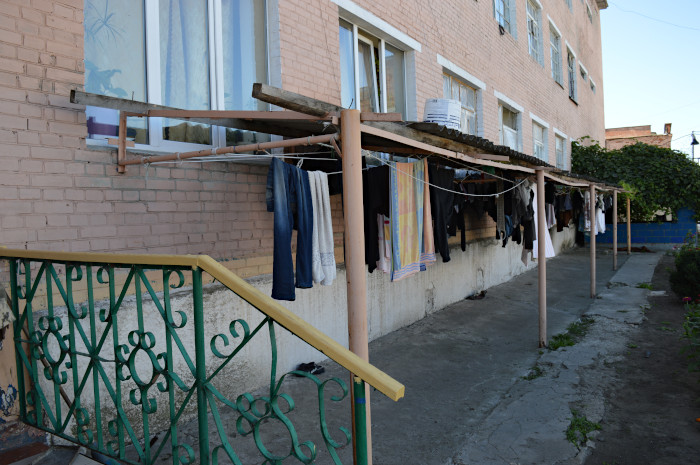
The monitors began their visit with the residential part, specifically Unit 4. The building is a three-storey brick structure built in the 1980s. In the secured yard, there are benches and gazebos, as well as the convicts' laundry hanging to dry. On the ground floor, the windows have been replaced with metal-plastic ones, but this is not the case on the other floors.
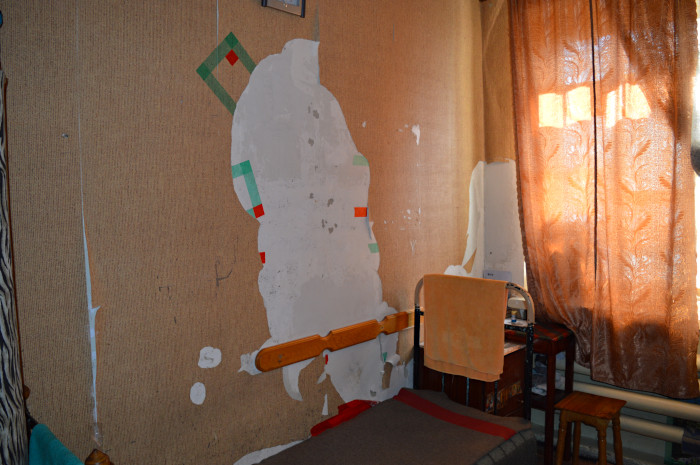
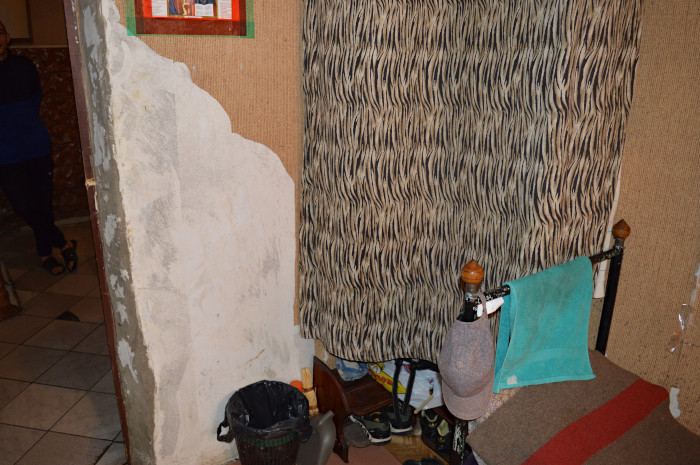
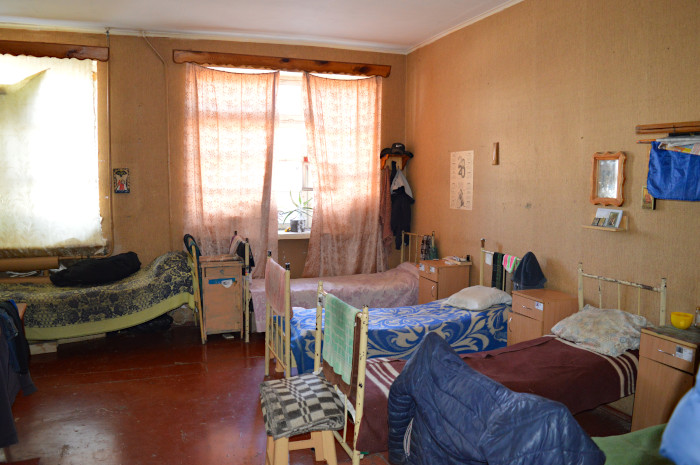
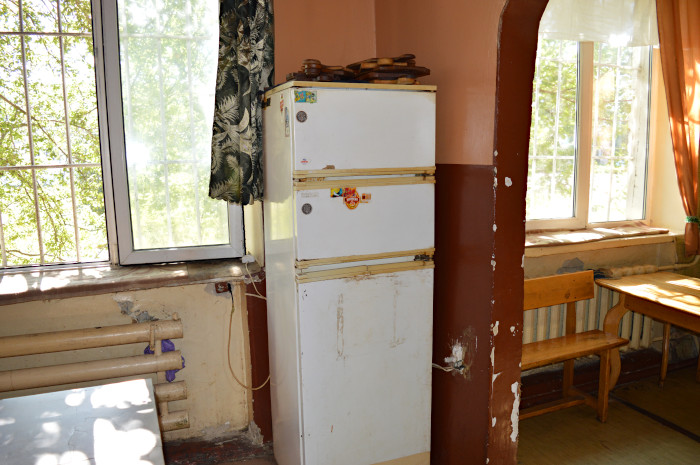
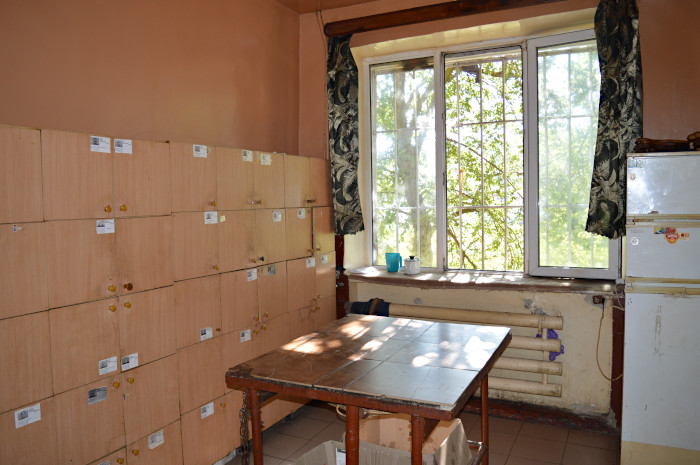
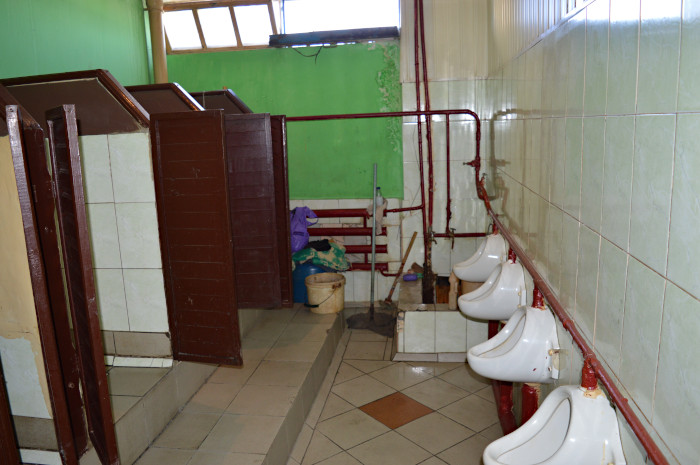
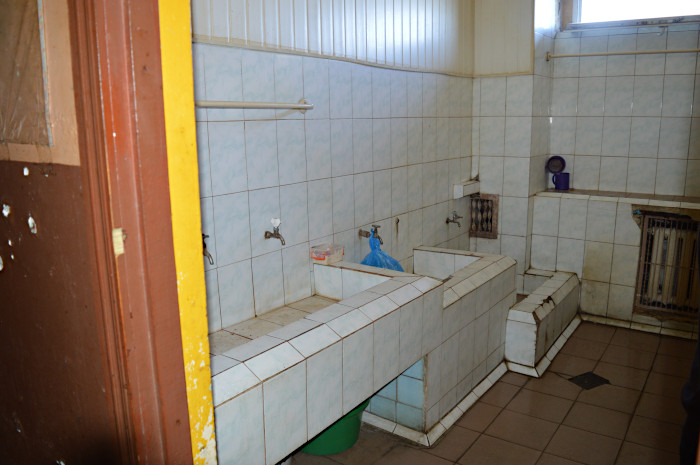
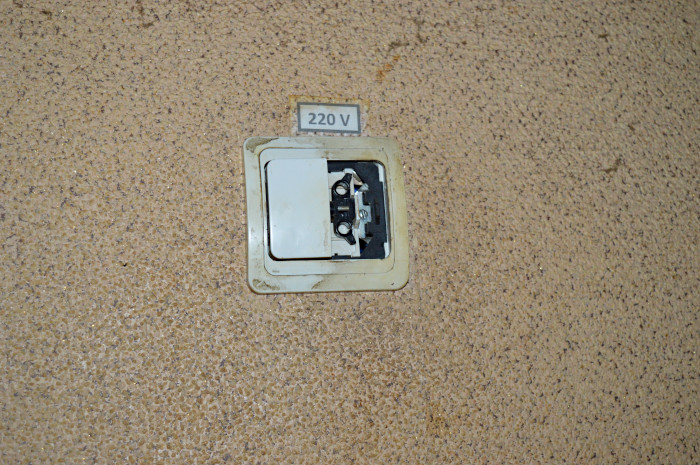
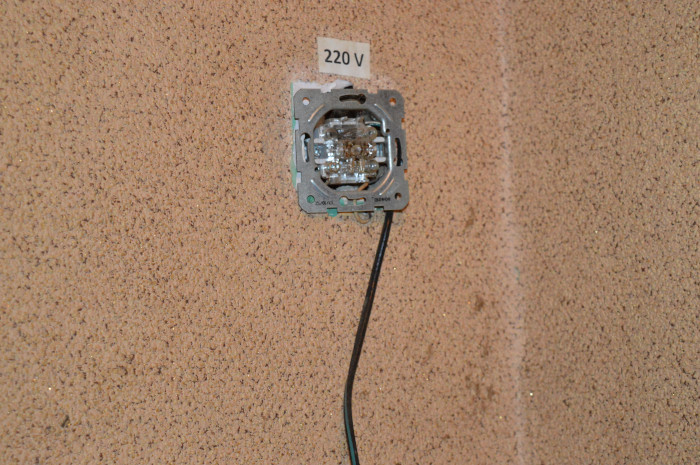
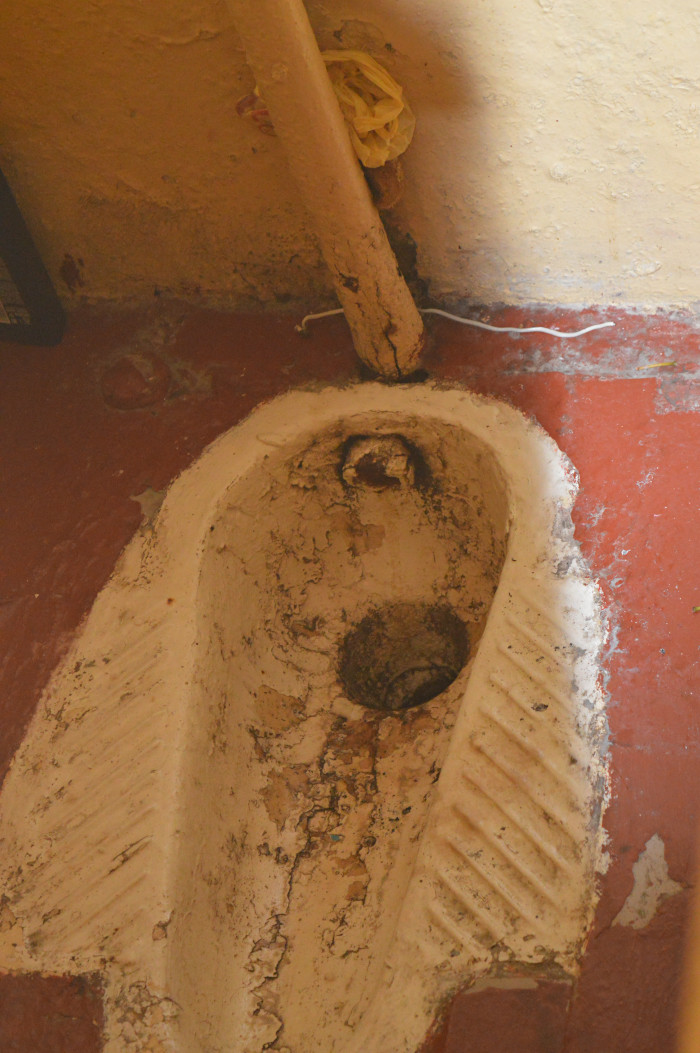
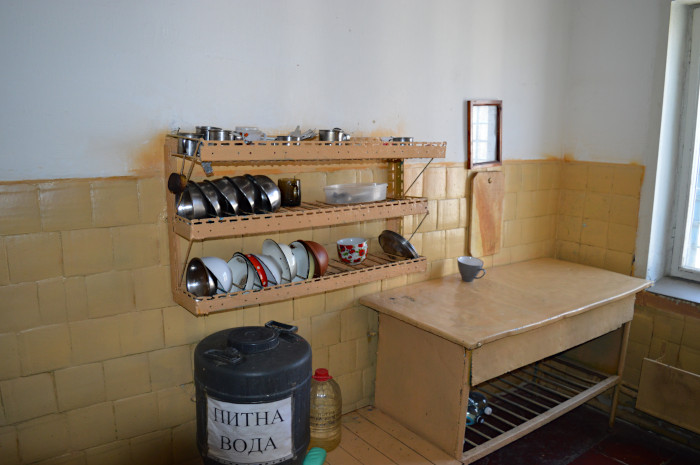
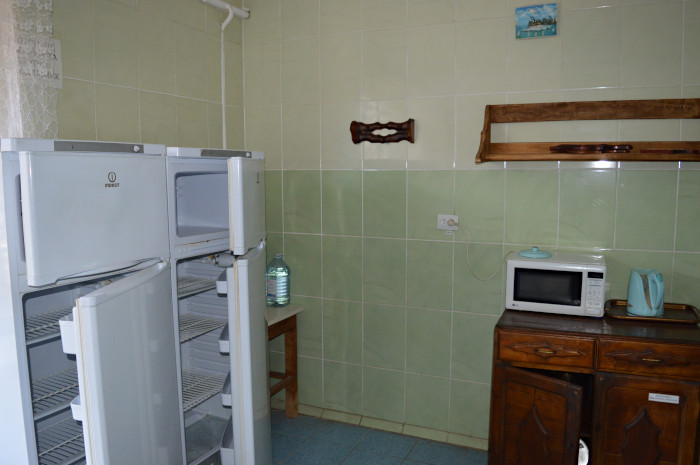
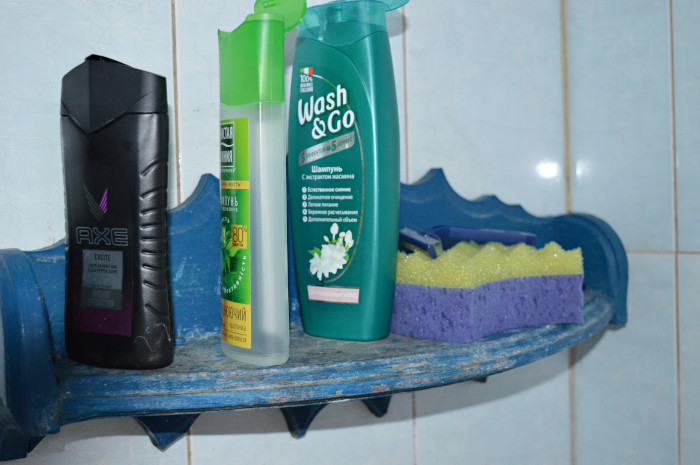
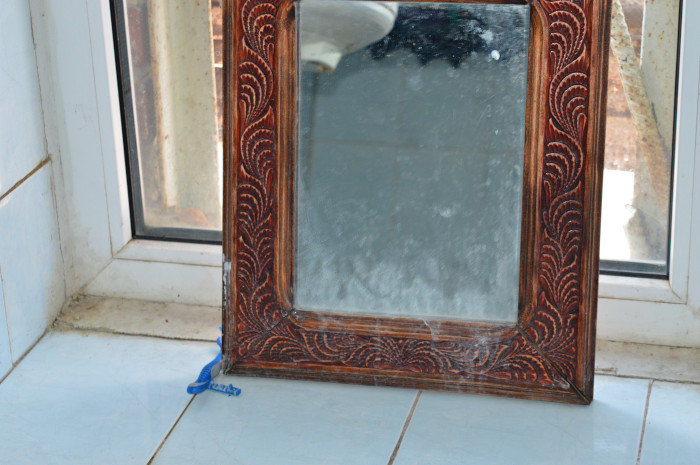
Occupancy varies in different rooms – from 6 to 10 people. All beds are iron and outdated. It is evident that there is no maintenance; in some places, the walls are damaged and the wallpaper is ruined. Furthermore, the windows are covered with plastic film and closed with curtains, which prevents sunlight from entering and hinders ventilation, resulting in an unpleasant smell of dampness. There is a dining room which contains two old refrigerators and kitchen utensils. The toilet rooms are equipped with partitions and doors, but a strong stench was present. Washbasins are missing; instead, there is an old washing system tiled with ceramic tiles. Additionally, the monitors noticed broken electrical sockets and light switches.
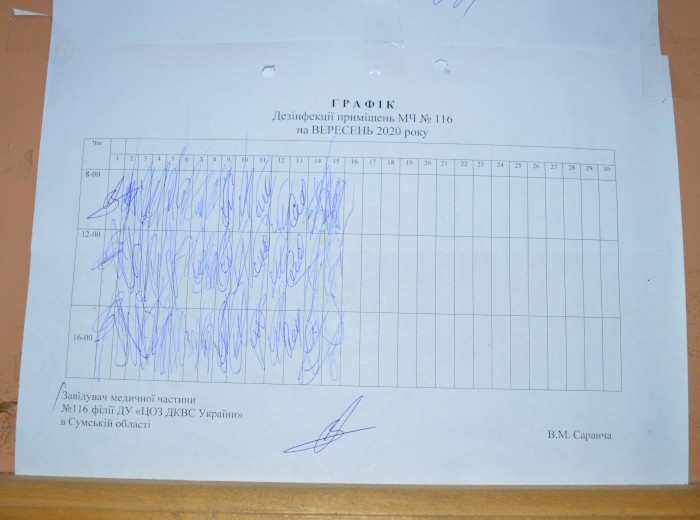
Regarding the disinfection of residential premises, at the time of the visit, there were already marks confirming that disinfection had been carried out for the entire day. In conversation with the monitors, individuals serving sentences claimed that they had no complaints about the conditions of detention, but could not clearly explain exactly how the disinfection takes place or where to get disinfectants. Therefore, the disinfection schedule raises significant doubts about its accuracy. We note that some of the individuals serving sentences did not have masks, and some could not answer whether the administration representatives provided them. Also, in the residential units, the disinfection schedule for the premises at 11:30 already contained marks for cleaning at 12:15 and 18:00.
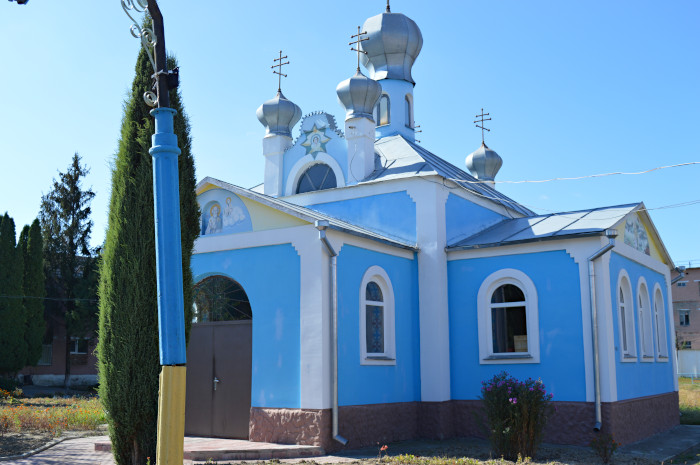
On the territory of the colony, there is an Orthodox church. Also, according to the administration representatives, there are representatives of 8 religious denominations in the colony.
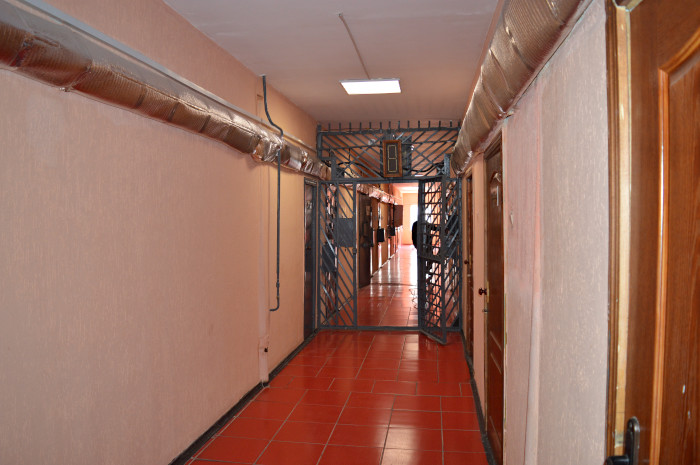
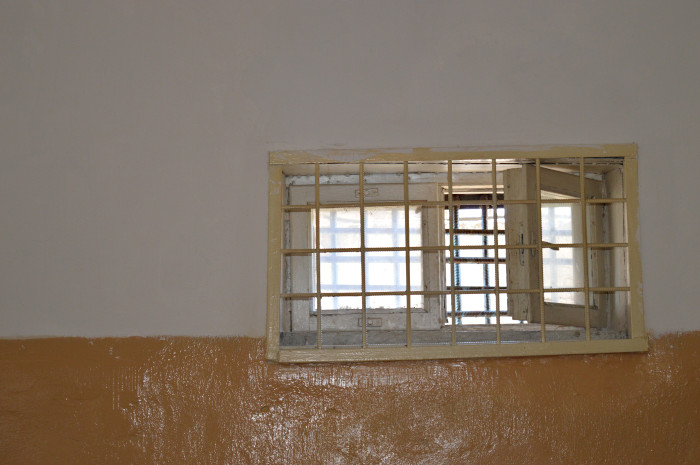
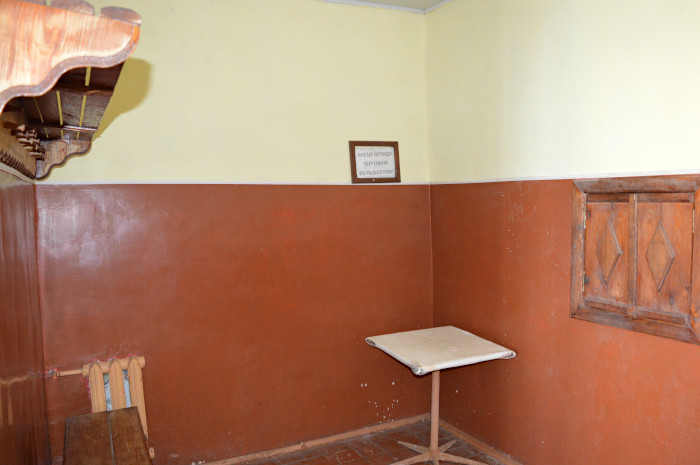
Next, the monitors visited the DIZO/PKT (disciplinary cell/cell-type room), which are located in a separate two-storey building on the ground floor. At the time of the visit, 8 people were held there, who confirmed the fairness of the penalties applied to them. There were between 1 and 3 people in the cells. There is also a washbasin with cold water and a toilet with old plumbing that requires repair. The cells have small windows through which sunlight almost does not penetrate. In some cells, there was a specific smell of sewage. The plumbing is old and requires repair. Access to drinking water is only available in the food distribution room, which also contains various kitchen utensils. However, the administration claimed that there is a well on the institution's premises and that drinking water comes from the taps in the cells.
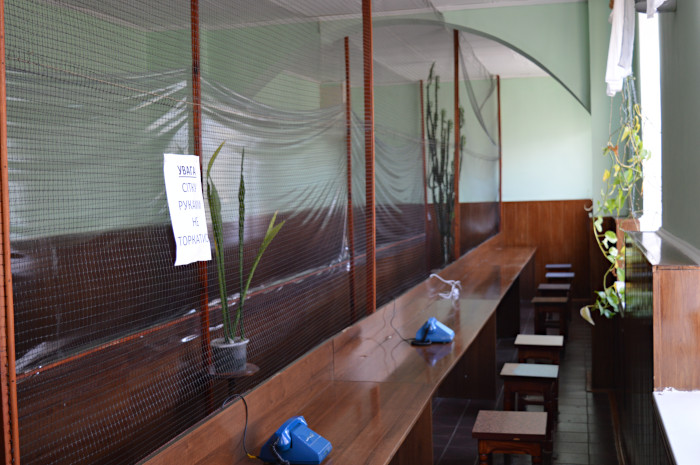
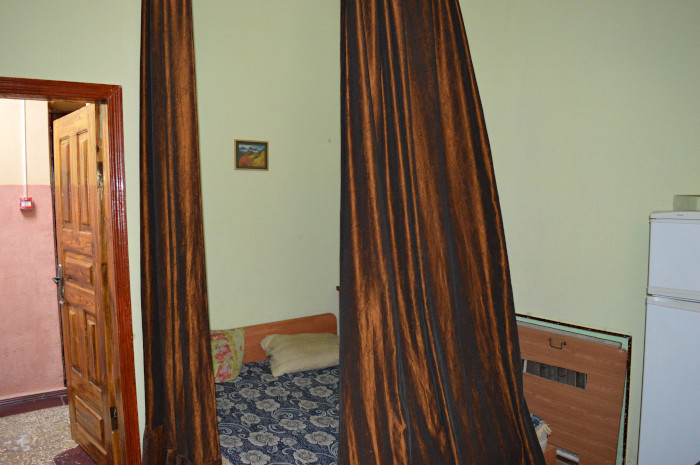
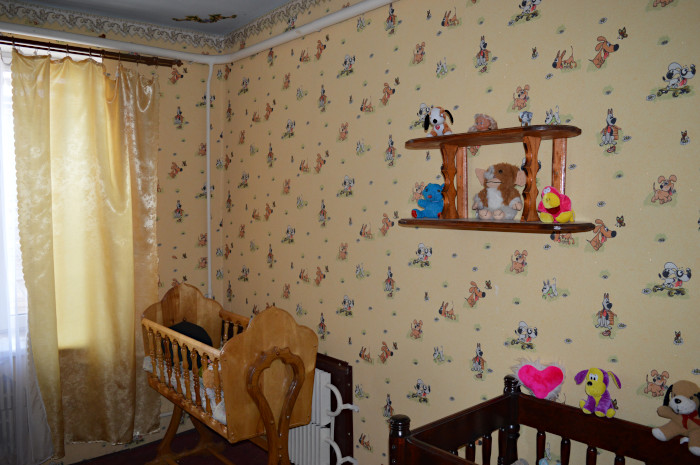
The monitors inspected the short-term visitation room, where measures are being taken to prevent the spread of coronavirus infection, as well as the long-term visitation rooms. All conditions for comfortable stays for visitors have been created in these rooms, and there is also a children's room. Renovation work was underway in one of the rooms.
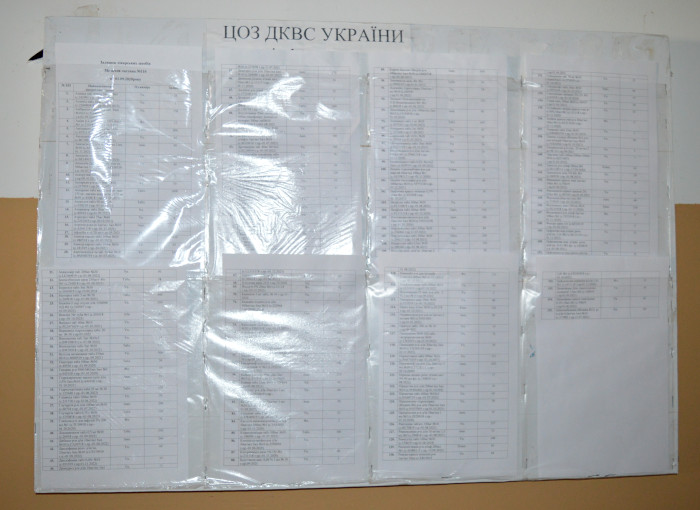
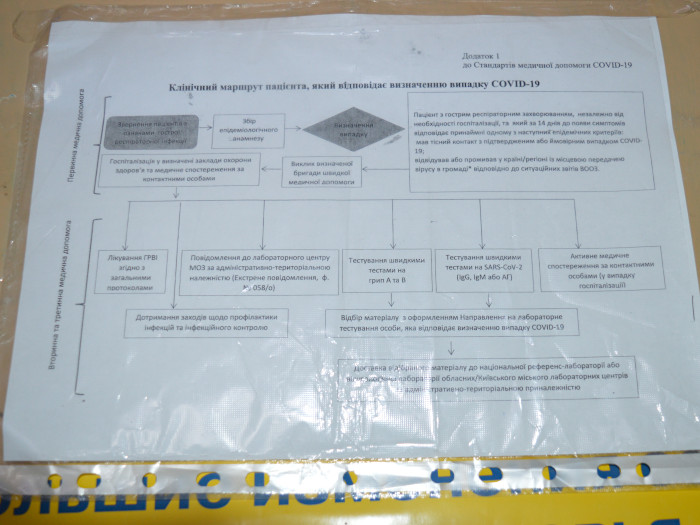
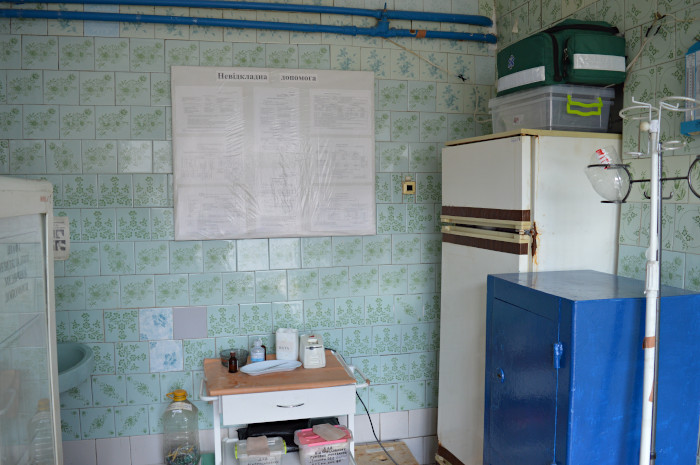
The medical unit No. 116 of the branch of the State Institution "Centre for Healthcare of the State Penal Service of Ukraine" in the Sumy region is located on the territory of the colony. According to the head, the medical unit has developed an action plan in case of detection of COVID-19 coronavirus infection among individuals serving sentences. The head of the medical unit reported that the staffing level with medical personnel is 98%, which is a rarely positive phenomenon. Also, according to the head, the medical unit has fairly good provision of medicines; however, there is still a shortage of the following medications: neuroleptics, tranquillisers, sleep aids, and co-trimoxazole. Regarding the provision of means to prevent coronavirus diseases, the medical unit is equipped, but they would not refuse assistance.
At present, renovation works are being carried out in the inpatient department with the help of the colony itself, so patients are sent to municipal institutions in Sumy and the Sumy region as needed.
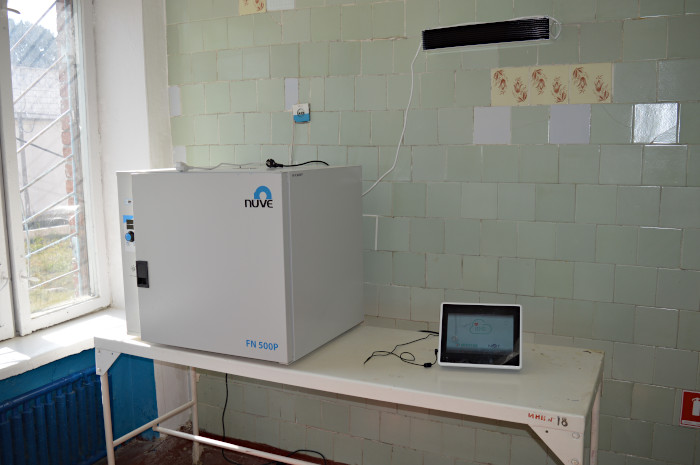
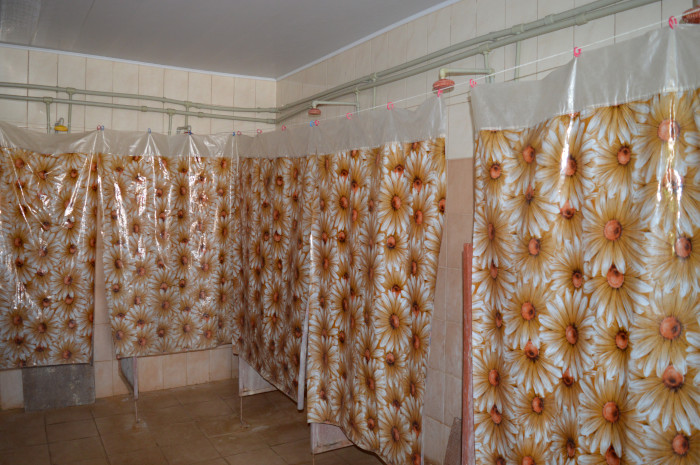
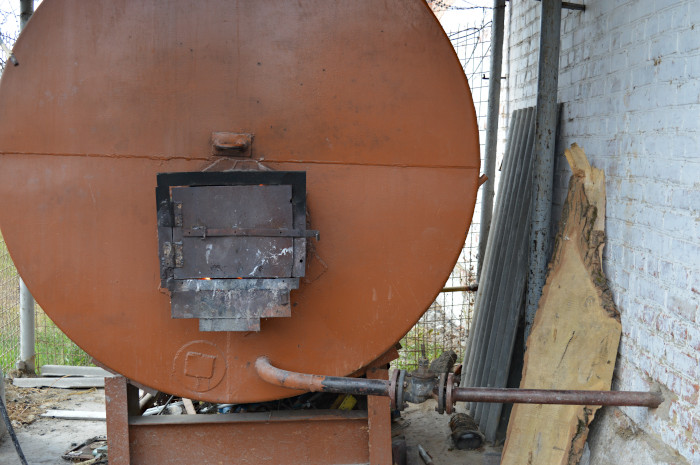
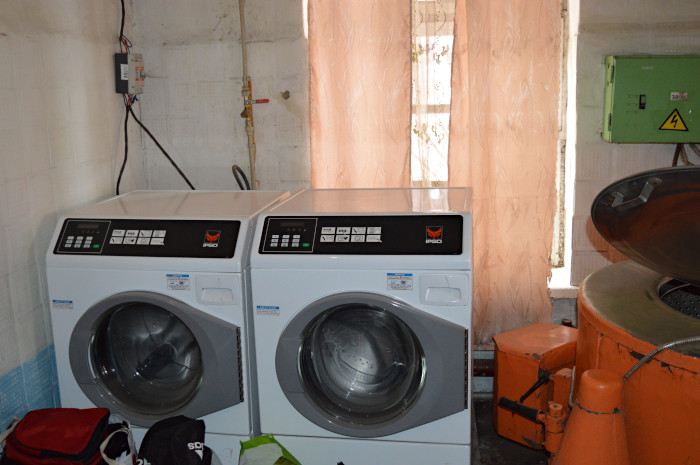
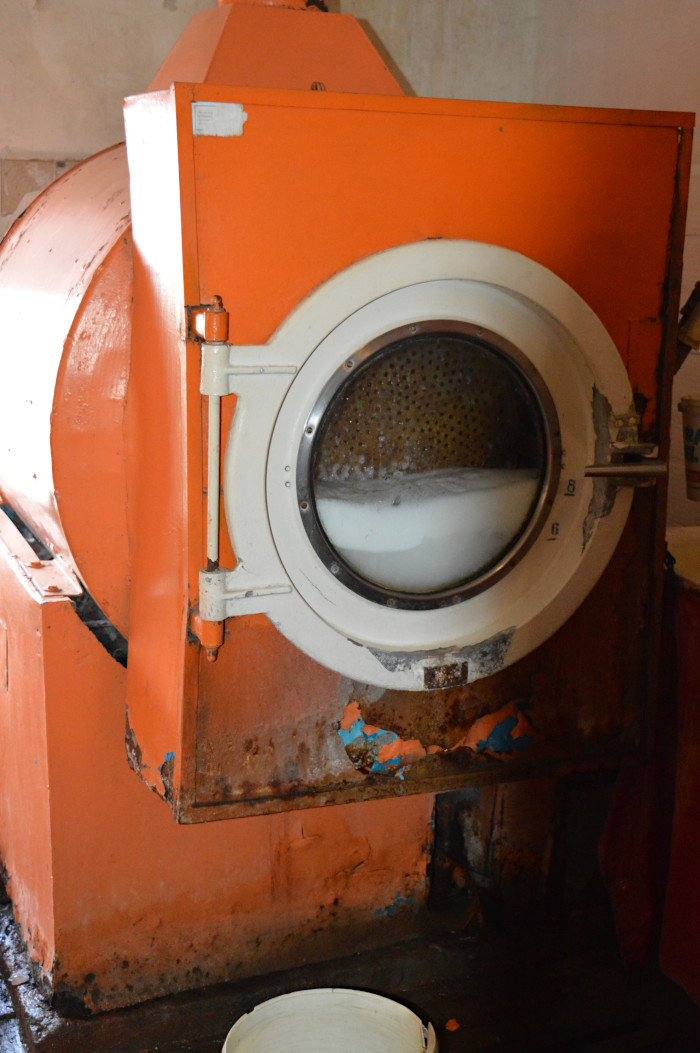
Next, the monitors visited the bath and laundry complex. In the changing room, there is a space for a general practitioner who examines individuals serving sentences for bodily injuries. The shower cubicles are separated by partitions; there are curtains and rubber mats. Water is heated using a solid-fuel boiler, specifically wood, which is waste from the colony's production. Regarding the laundry, two new machines were purchased, but at the time of the visit, old washing machines were in use. Individuals working in the bath and laundry complex noted that they work under an employment contract, but could not name the amount of wages they received for at least the last month.
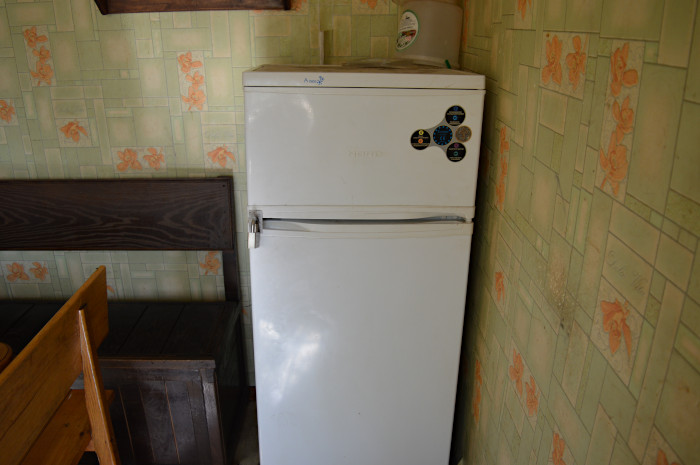
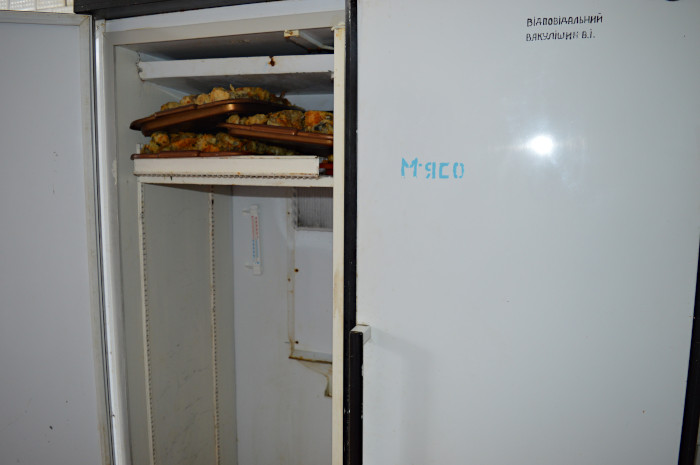
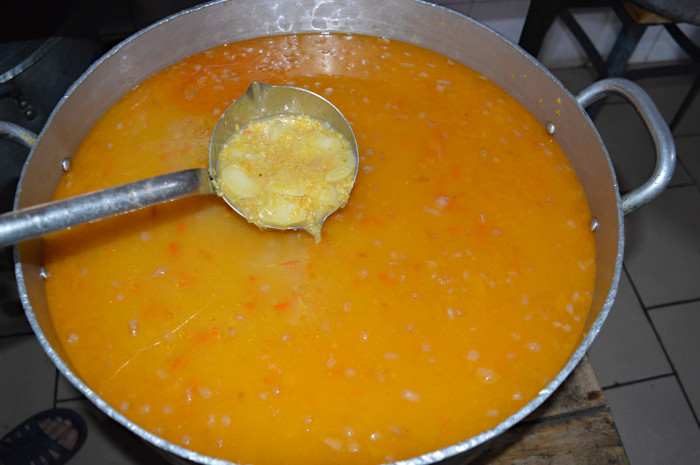
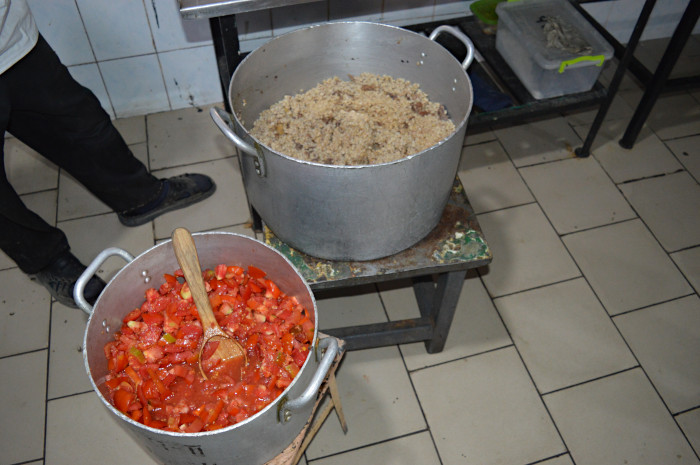
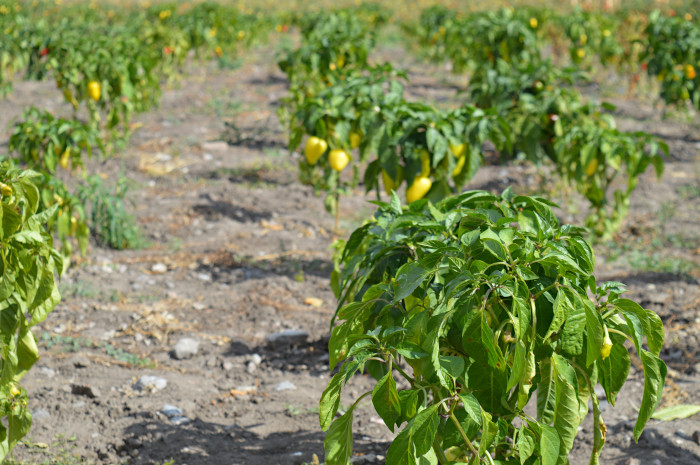
The monitors also visited the dining hall. In the kitchen, the monitors saw individuals serving sentences engaged in preparing tomatoes for winter, as well as helping to peel potatoes for dinner. This year, the colony purchased a new refrigerator. Fish was defrosting in two large containers. Finished fried fish was stored in the refrigerator for meat. On the lunch distribution line, they were serving cornmeal soup, buckwheat porridge with pieces of meat, and sliced tomatoes. Peppers and tomatoes are grown on the colony's territory. Regarding the health books, they are available, but it is strange that the examination records were made by only two doctors (a therapist and a psychiatrist).



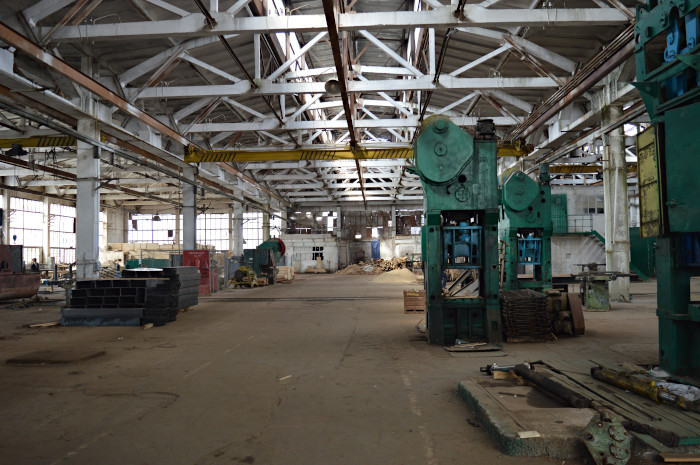
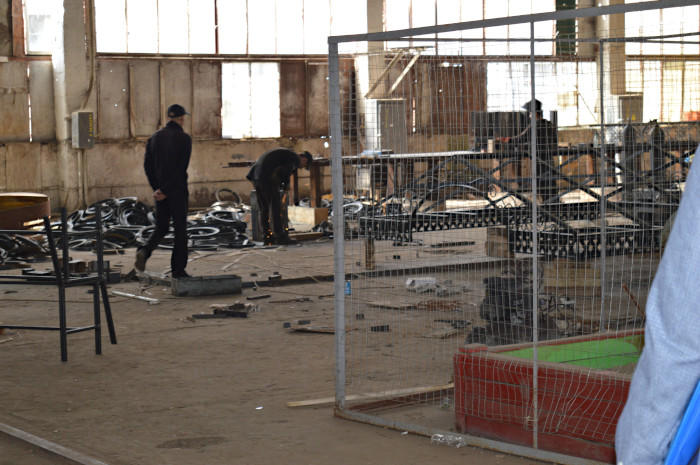
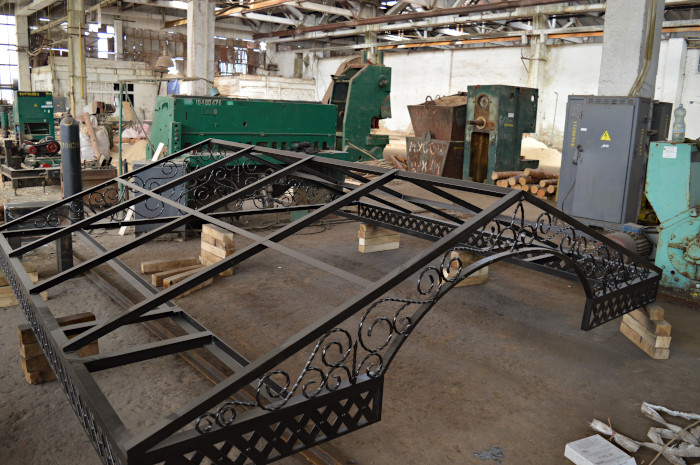
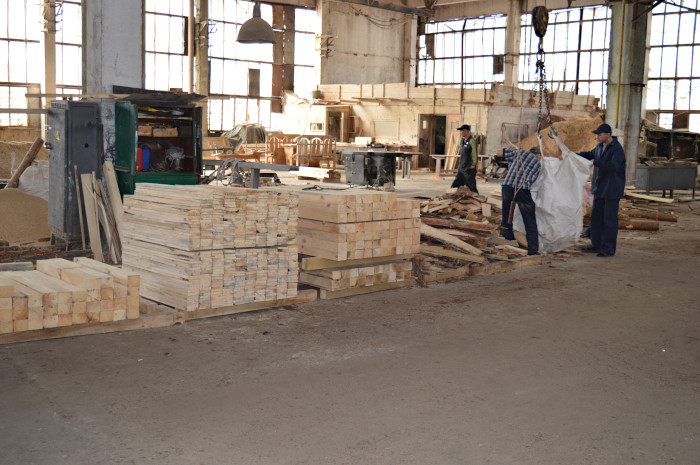
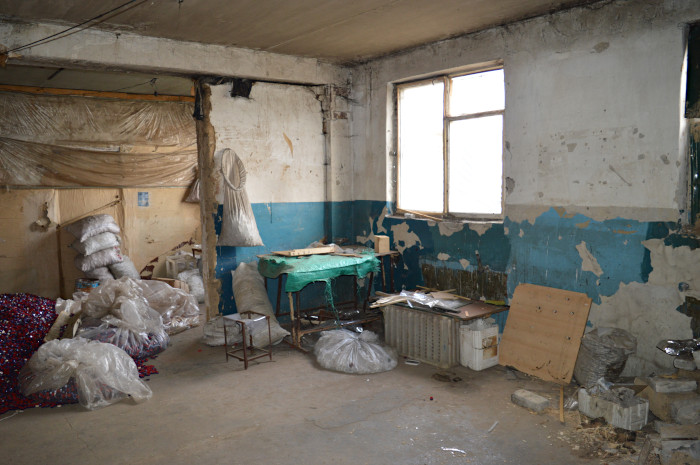
Towards the end of the visit, the monitors visited the production facility and the vehicle service station. Production specialises in woodworking and metalworking. The production occupies two large workshops, while several buildings are empty and in a semi-dilapidated state. According to administration representatives, 13 people work at the enterprise, and 4 people in the workshop. But, unfortunately, even such a number of workers do not have personal protective equipment. The monitors noticed an employee working with a welding device without a protective helmet and in immediate proximity to sawdust. Also, if workers have gloves, for instance, they are already full of holes and unfit for work.
When asked by the monitors about wages, some convicts could not answer; others named amounts from 100 to 1,000 hryvnias, although, according to the convicts, they work 8 hours a day, 5 days a week. There is no access to drinking water in the production area; there is a toilet, but it is in a terrible unsanitary condition. Work in the workshop is voluntary. At the moment, this involves sorting and separating plastic from metal in defective bottle caps.
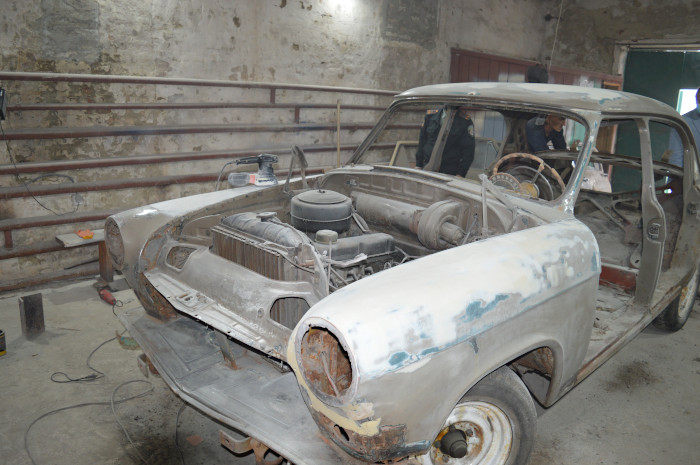
Regarding the service station, when the monitors arrived, two people were working there without personal protective equipment – they were just performing grinding work to repair a car, and the garage was very dusty. When asked if they had respirators, the workers replied that they had just thrown them away, and could not remember where. The workers did not provide an answer as to why an old car was being repaired.
On the second floor of one of the buildings at the production site, there is a vocational school. Individuals serving sentences who have successfully completed their training are issued a state-standard diploma from the Sumy Training Centre No. 116. Training takes place in six specialities: locksmith-repairer, electric gas welder, woodworking machine operator, painter, universal machine operator, and electrician for the repair and maintenance of electrical equipment.
Our visit coincided with the presentation of the new head. He is Lieutenant Colonel of the internal service Ivan Burov. We hope that the new head of the institution will correct the existing shortcomings in the institution that he took over along with his position. We wish him strength and support from the North-Eastern Interregional Department for the Execution of Criminal Punishments of the Ministry of Justice.
EU Project "Resisting Torture, Cruel Treatment and Impunity in Ukraine"