Report on the monitoring visit to State Institution "Kamianetske Correctional Colony No. 34"
I. General Information
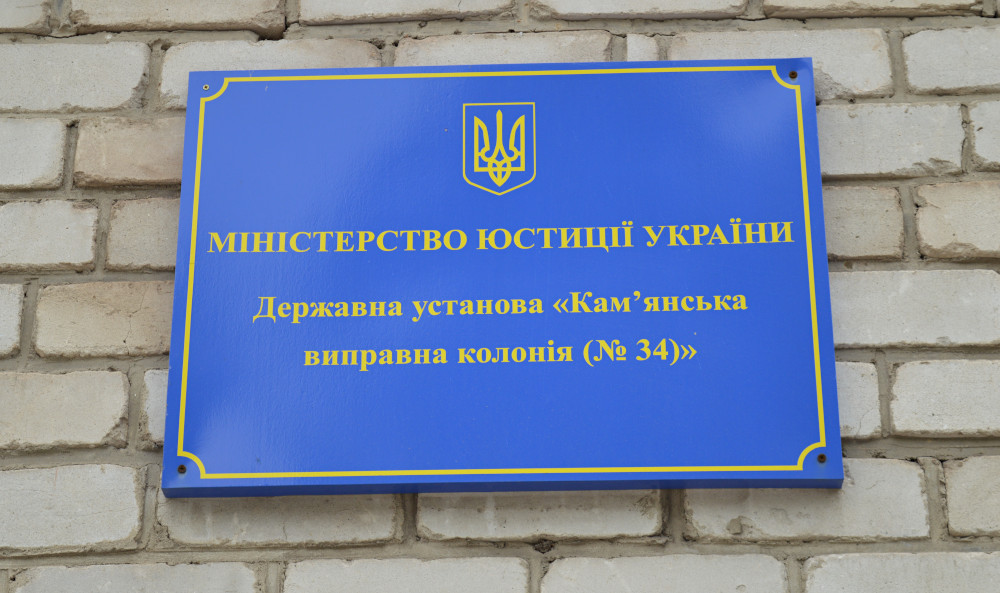
On 29 September 2020, a monitoring group consisting of an assistant to a People's Deputy of Ukraine, Maksym Revyakin, and two journalists – Hanna Ovdiienko and Pavlo Shvab – visited the State Institution "Kamianetske Correctional Colony No. 34".
The colony is located on the outskirts of the city of Kamianske, in the Dnipropetrovsk region. This colony is a penal institution for women with general security conditions. A special feature of this facility is the presence of a section where convicted women have the opportunity to serve their sentences together with their children. The institution began its operations in 1991. At the time of the visit, 304 individuals were serving sentences in the colony. The colony's staff consists of 199 employees. Since the beginning of 2020, 71 individuals have been released from the colony.
The monitors entered the colony without obstruction after checking their documents, accompanied by representatives of the institution. Upon entering the secure zone, the members of the monitoring group underwent temperature screening; however, the colony's representatives did not have their temperatures measured.
II. Visitation Rooms
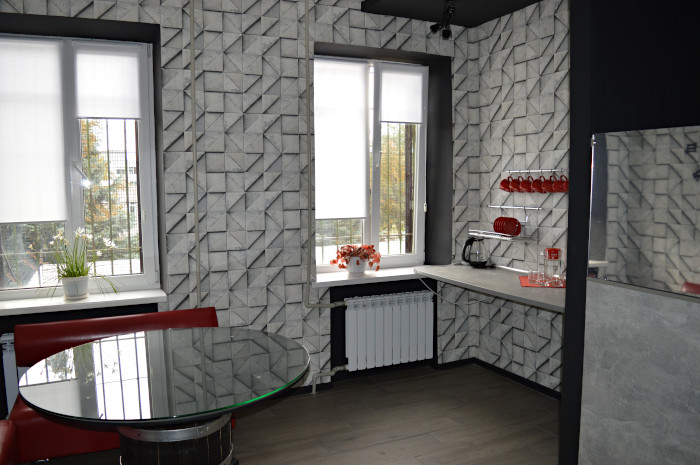
After passing through the checkpoint, the monitors visited the short-term and long-term visitation rooms. The colony recently renovated the short-term visitation room, where convicts have the opportunity to communicate with their relatives without hindrance. The room has a rather modern, Art Nouveau look. Visitors to this room are offered the option to purchase a so-called 'break-coffee' consisting of biscuits and a beverage for only 19 hryvnias. A representative of the institution noted that this option creates an atmosphere of domestic comfort. Furthermore, the room has a separate area resembling a bar counter, which is disguised by a one-way mirror, behind which an administration representative sits during visits. The administration representative has the full ability to observe and listen to the conversation. This 'secret mirror' is very difficult to overlook and hinders the atmosphere of privacy for the interlocutors.
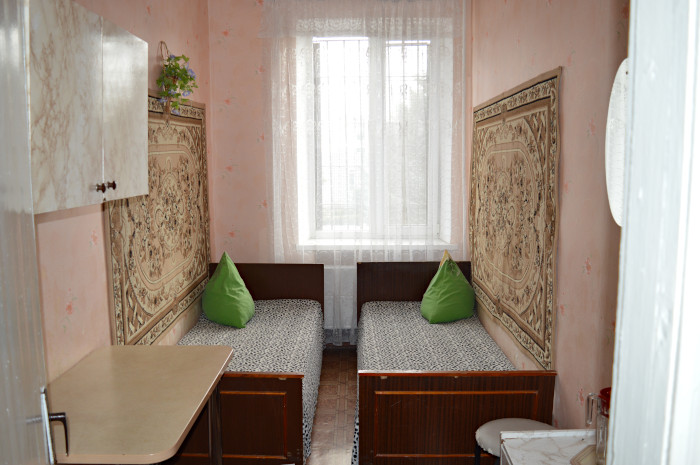
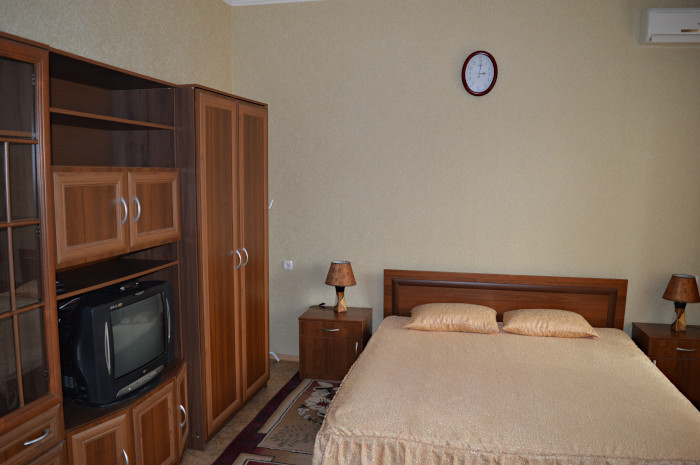
The institution has long-term visitation rooms of four levels of comfort. There are rooms with relatively old renovations as well as brand new ones. The most expensive is the 'deluxe' level room, the cost of which for the convict is 117 hryvnias, and for the visitor – 140 hryvnias. The 'deluxe' room includes a kitchenette, a bathroom, a bedroom, and a living room. For rooms of a lower comfort level, there is a shared kitchen and a shared sanitary unit, which have been recently renovated and appear tidy. The kitchen contains all the necessary utensils, electric stoves, and microwaves. There is also a separate area for children.
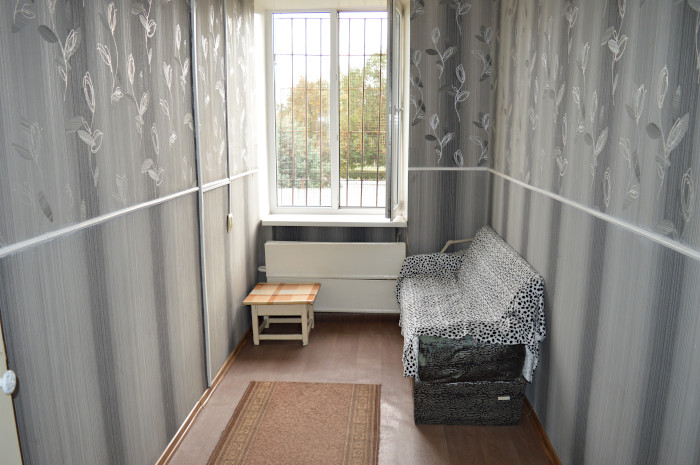
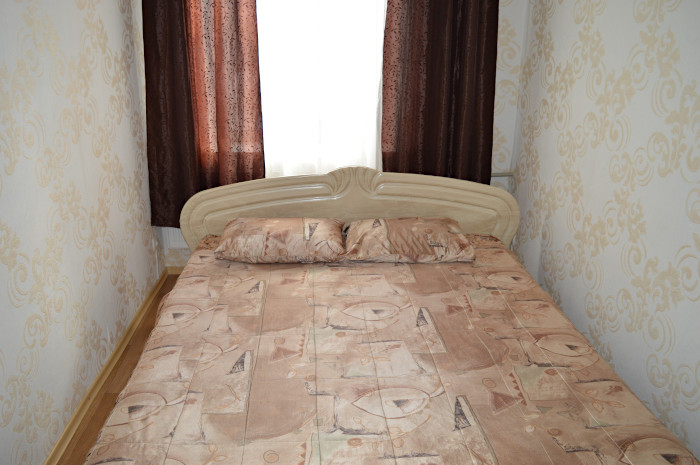
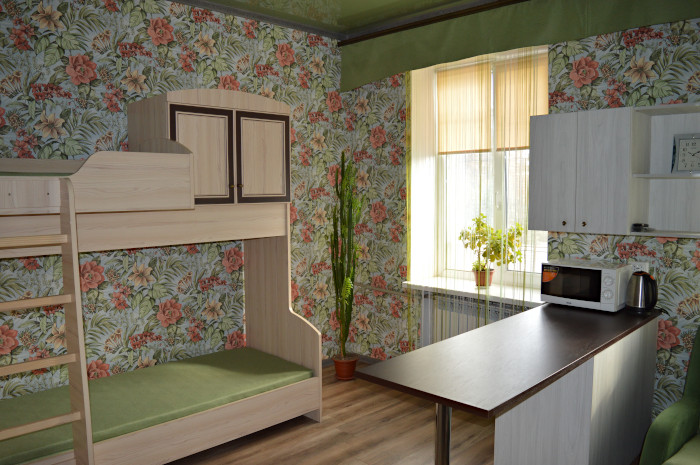
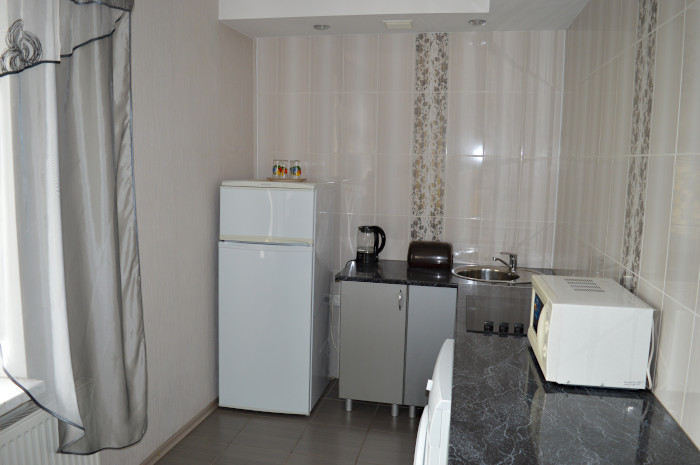
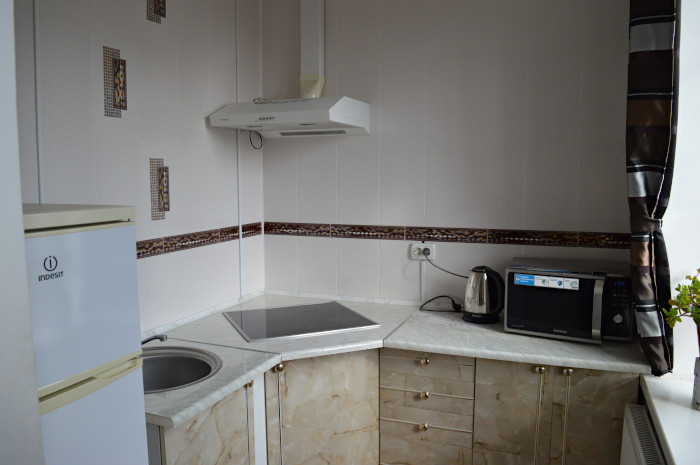
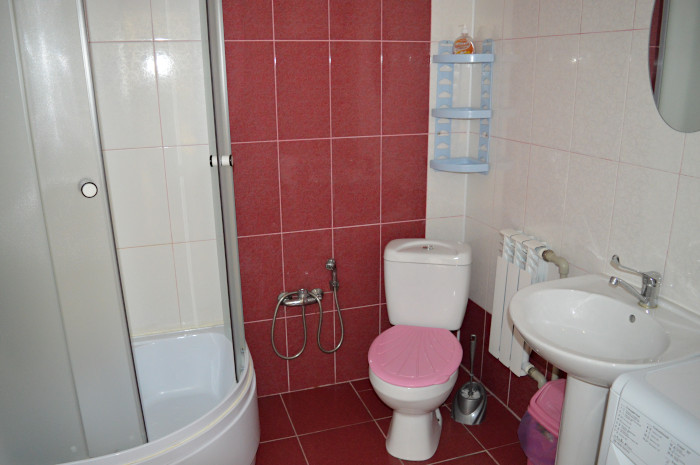
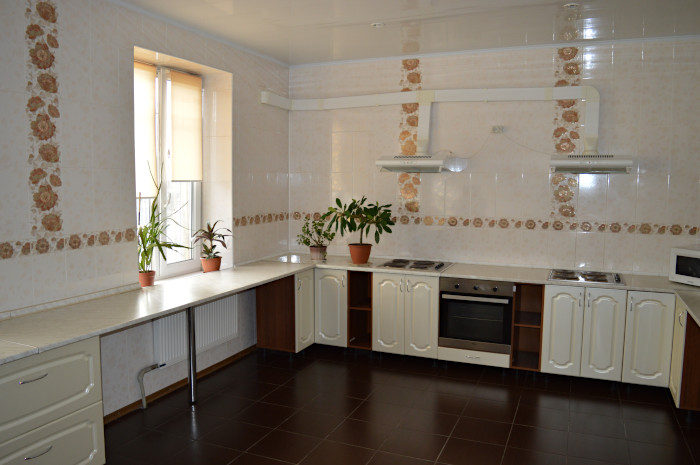
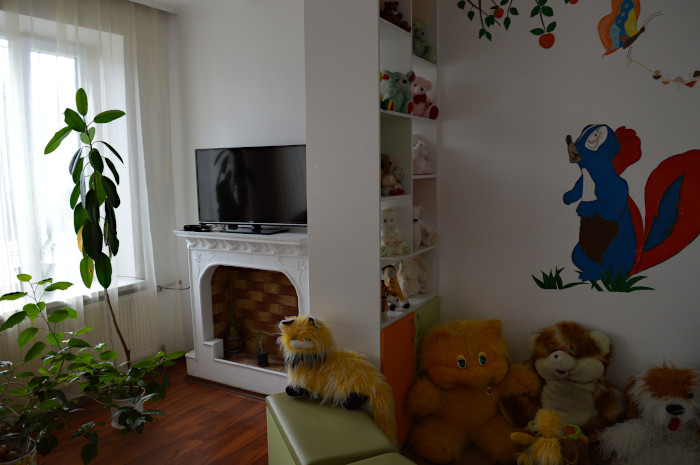
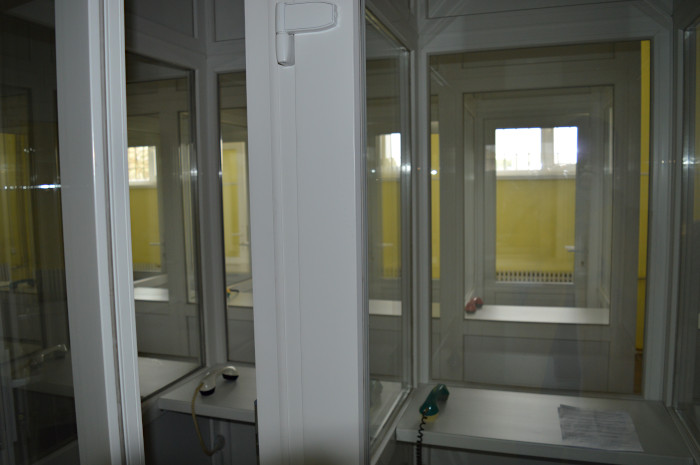
Unfortunately, neither the short-term nor the long-term visitation rooms have been functioning since March 2020 due to quarantine restrictions introduced by the Ministry of Justice. Convicts currently have the opportunity to communicate with visitors through double glazing via telephone.
III. Disciplinary Cell (DIZO) and Arrest House
Since the placement of convicts in a disciplinary cell is rarely used in the colony (only 5 convicts were placed in the DIZO since the beginning of the year), an arrest house has been created on the premises of the DIZO section.
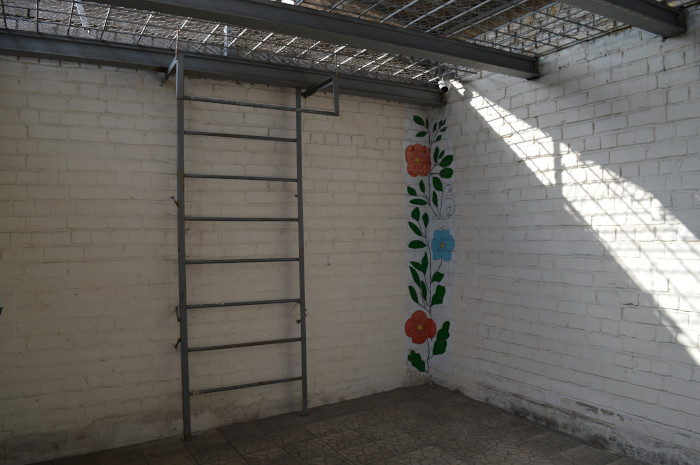
The exercise yards in the section are typical and do not differ from those in other penal institutions.
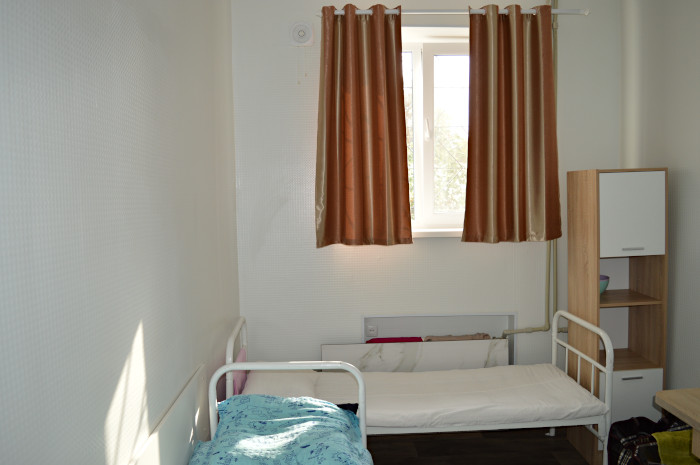
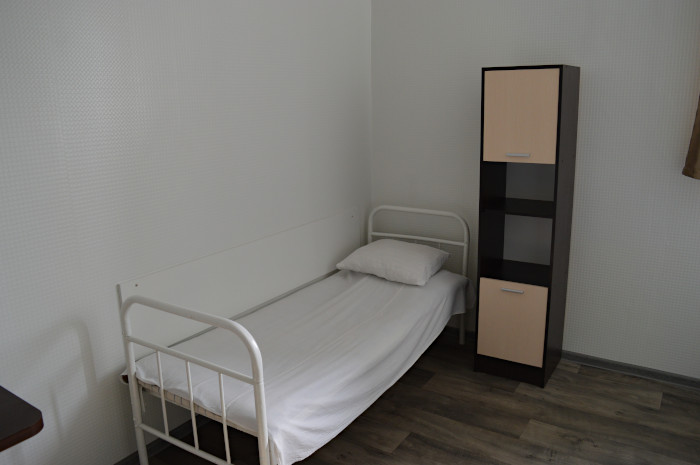
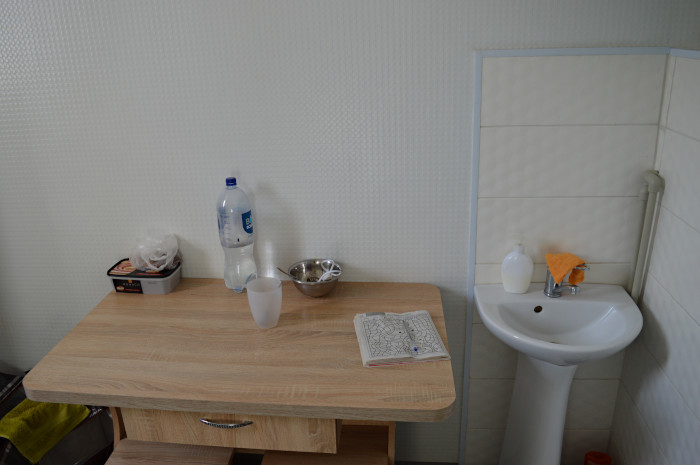
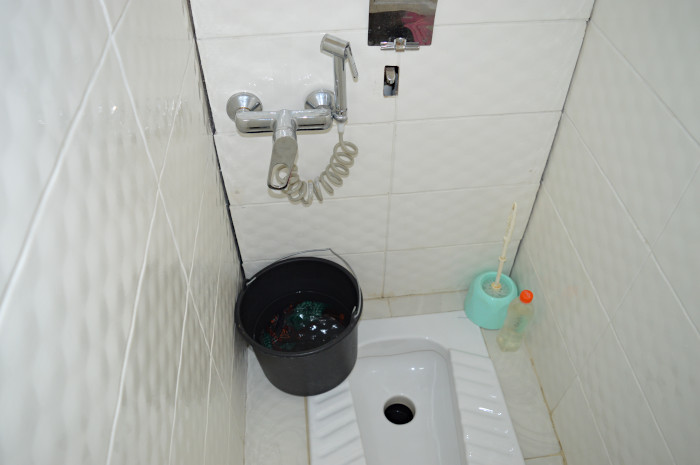
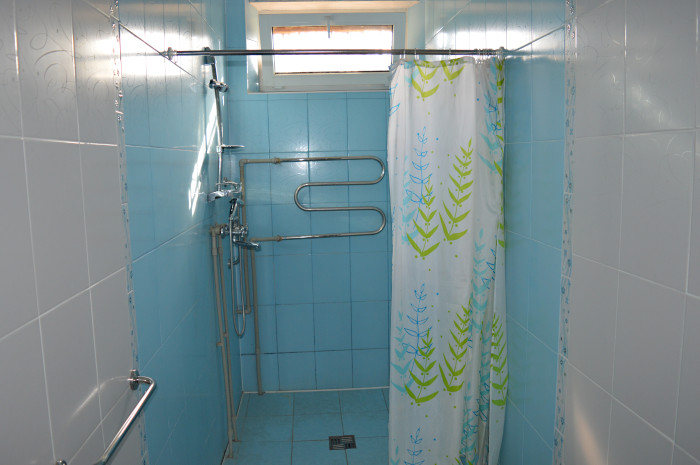
Sufficient sunlight reaches the cells of the arrest house. Convicts have the ability to open the window themselves to ventilate the cells. Each cell has a tank with drinking water. The toilet is separated, which allows convicts to feel a sufficient level of privacy. There is a bidet. The department has a shower with hot water, which is heated by a boiler.
IV. Bath and Laundry Facility
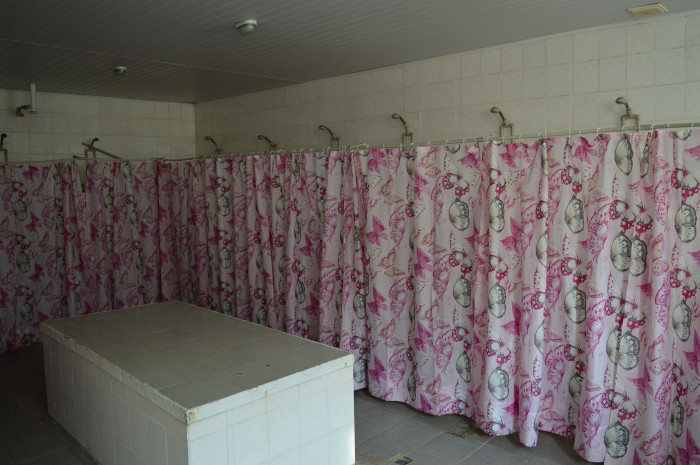
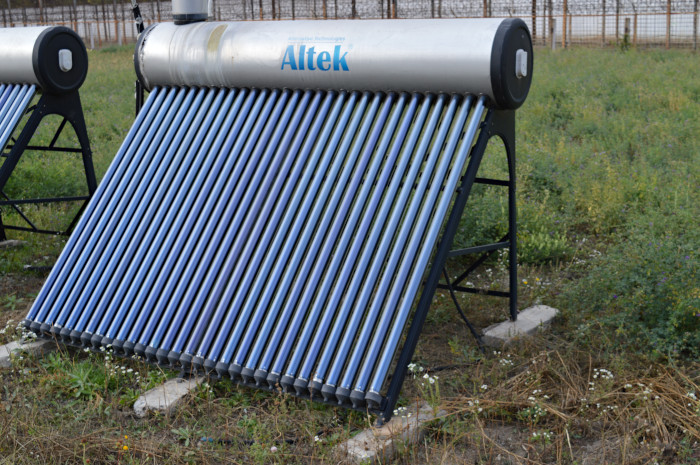
The bathhouse was renovated in 2004, but it is still in a tidy and usable condition. The shower cubicles are equipped with curtains and rubber mats. The water is heated by solar water heaters and a wood-burning stove. In the changing room, there is a space for a general practitioner who conducts examinations for bodily injuries. Convicts have the opportunity to wash once a week.
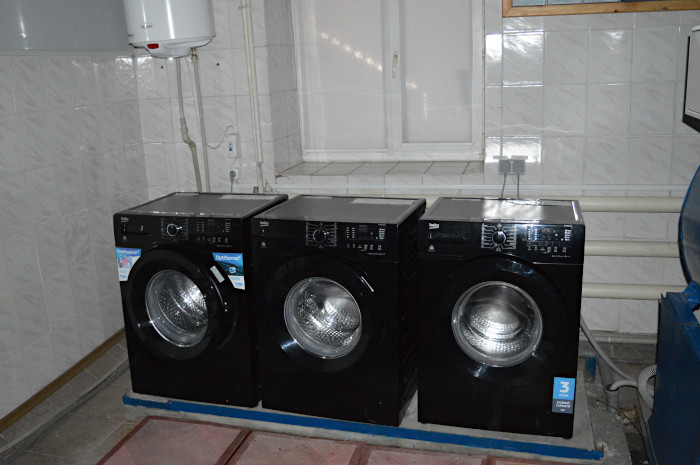
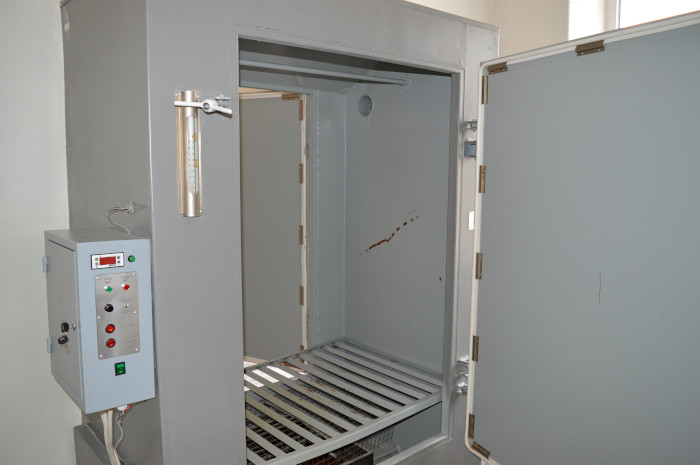
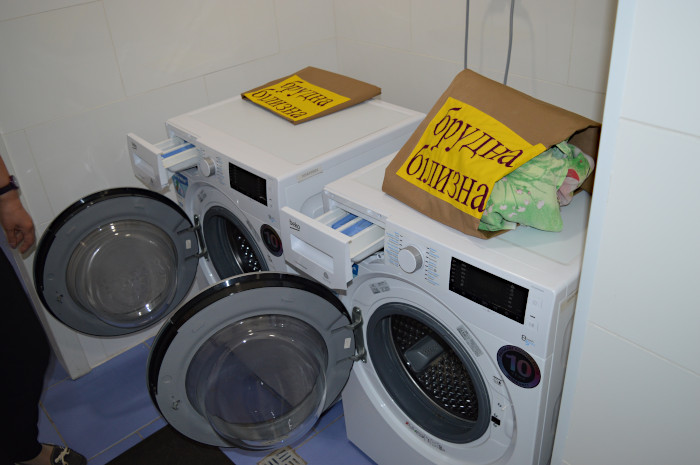
This year, three new washing machines were purchased, which are efficient and economical. A new heating cabinet for disinfection has also been installed.
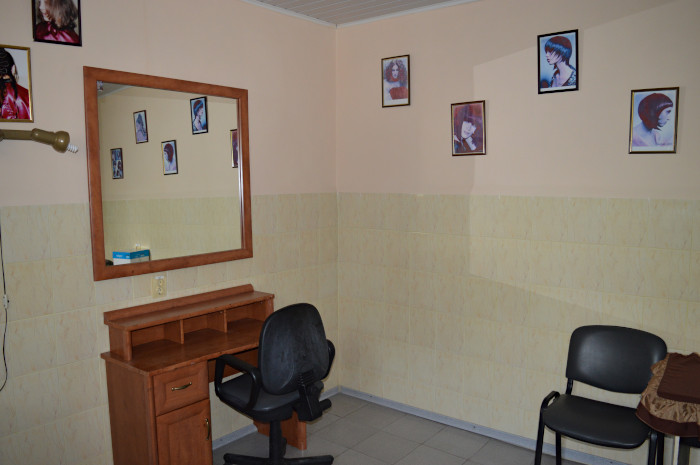
The bath and laundry facility building includes a hairdresser's, where convicts can have their hair styled or dyed for only 25 hryvnias.
V. Sector for Women with Children
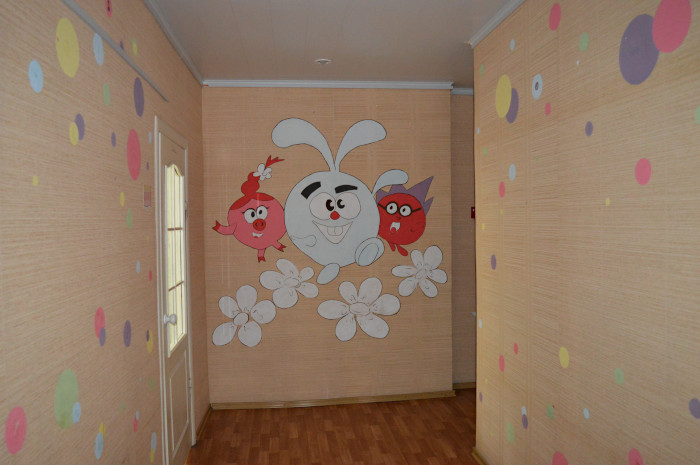
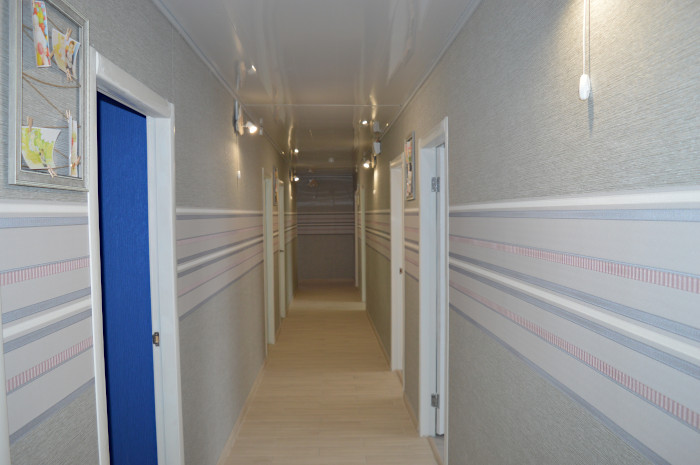
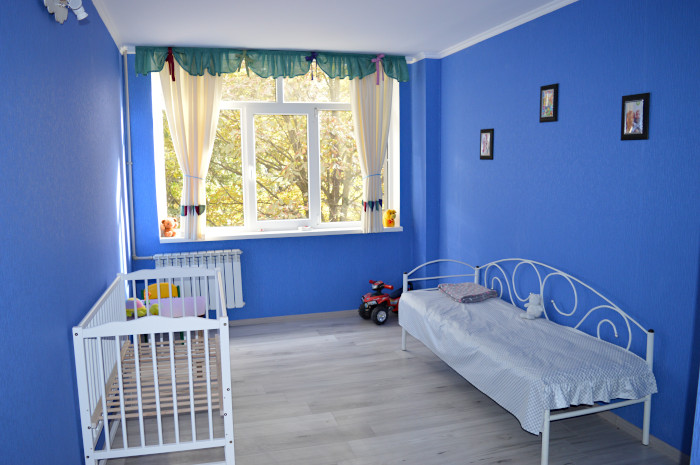
On the territory of the colony, there is a sector for women with children. Women with children who have not reached the age of three are entitled to stay there. At the time of the visit, there were fourteen such women. The sector has a kindergarten with a playground, where a pool for children is installed in the summer. On the ground floor, there is a separate quarantine room in case a child contracts an infectious disease. Nearby is the kindergarten. The kindergarten is equipped with new furniture, toys, and playrooms that even private childcare facilities might envy. Each room is decorated in an individual style.
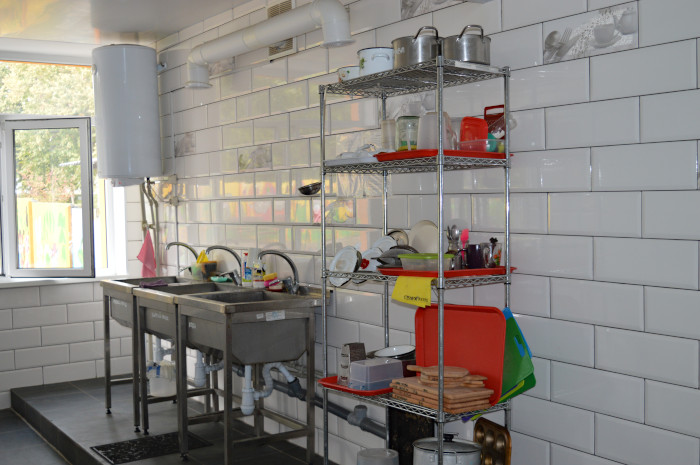
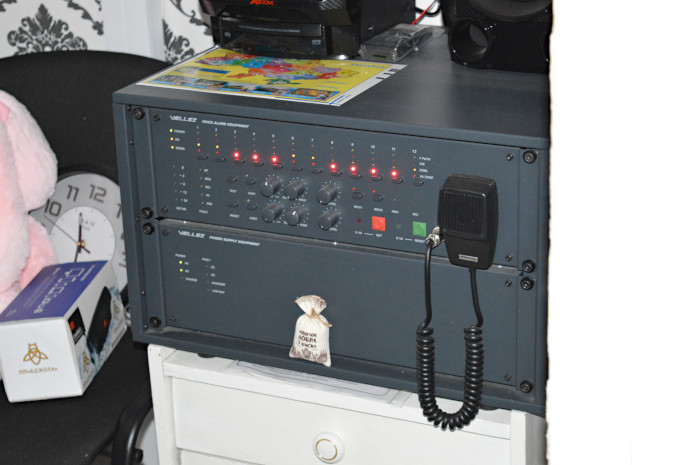
The bathrooms are specially designed for children. Food is prepared in a separate kitchen, where staff members undergo double disinfection. The kitchen has a quartz lamp for disinfection. There is also a separate laundry unit in the sector. The kindergarten is equipped with a separate fire alarm system, which, in the event of a fire emergency, immediately sends a signal directly to the fire station in the city of Kamianske. According to the administration, this fire alarm was installed after the tragic event at an Odessa children's camp.
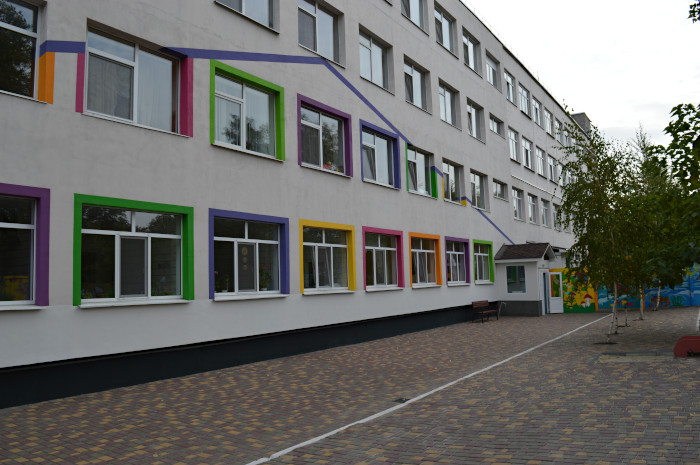
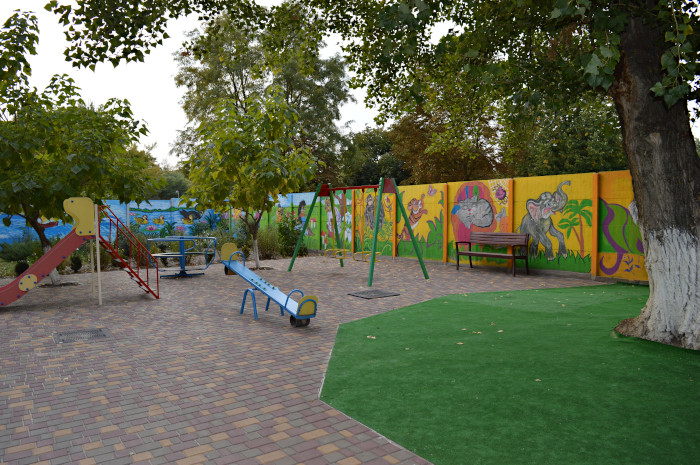
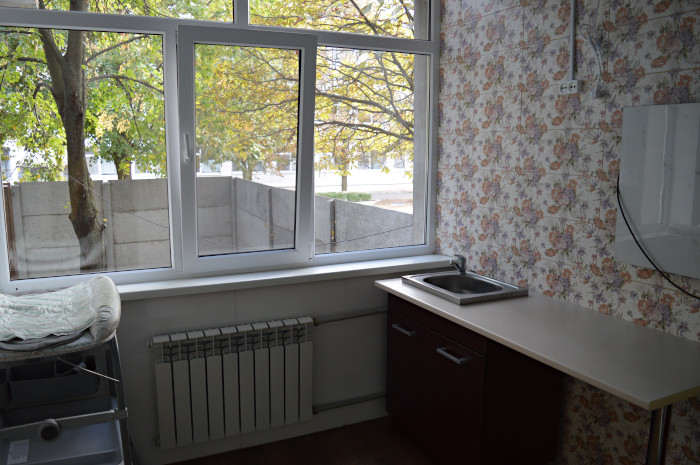
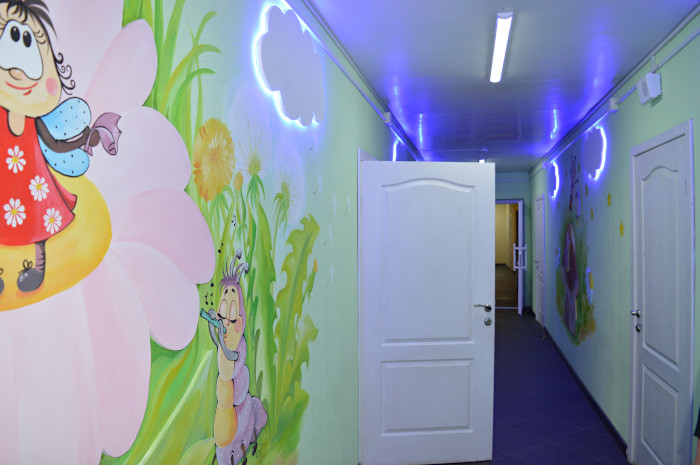
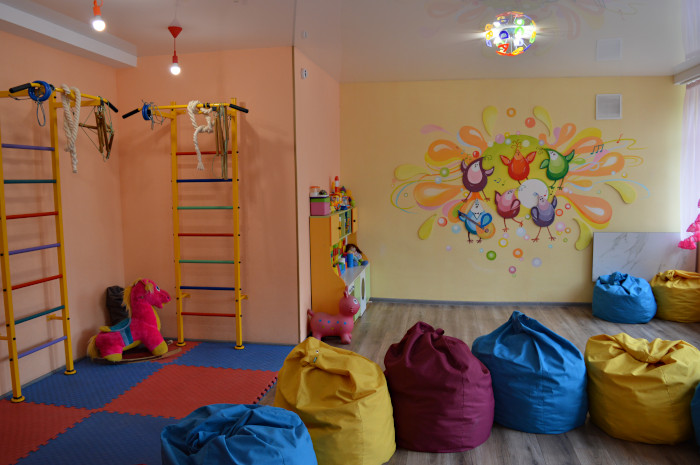
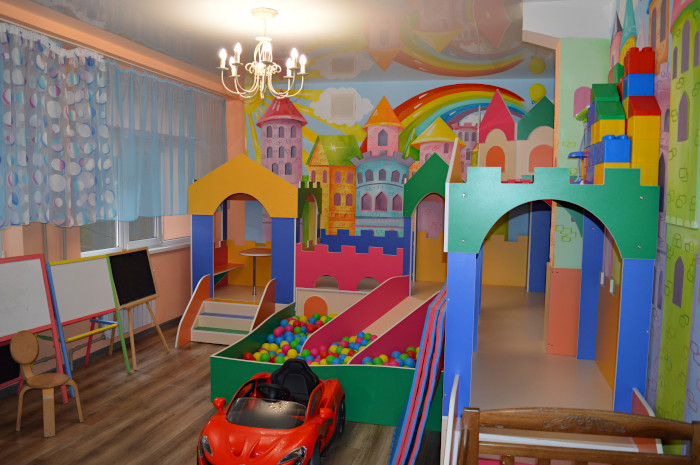
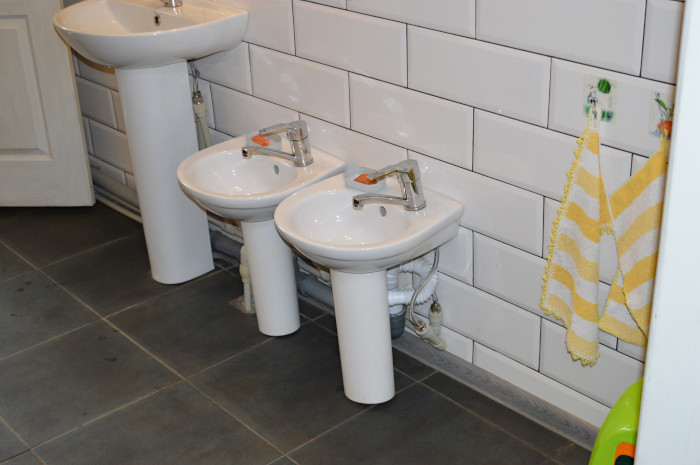
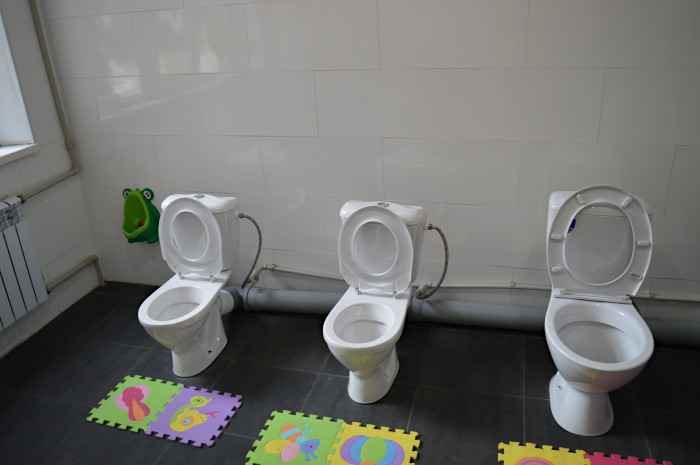
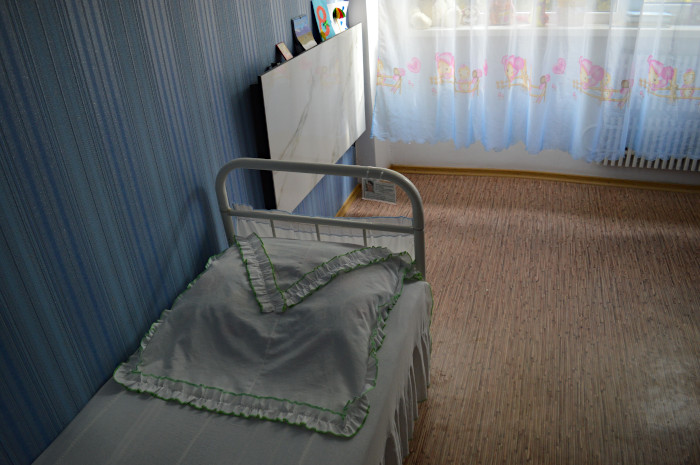
The bedrooms are located on the second floor. Currently, mothers with children reside in an old wing, which is quite decently renovated. In the near future, there are plans to relocate the convicted mothers from the old wing to a new one, which is equipped with modern furniture. In this new wing, there is a bathroom for every two rooms. Each room is decorated in an individual, original style.
VI. Residential Zone
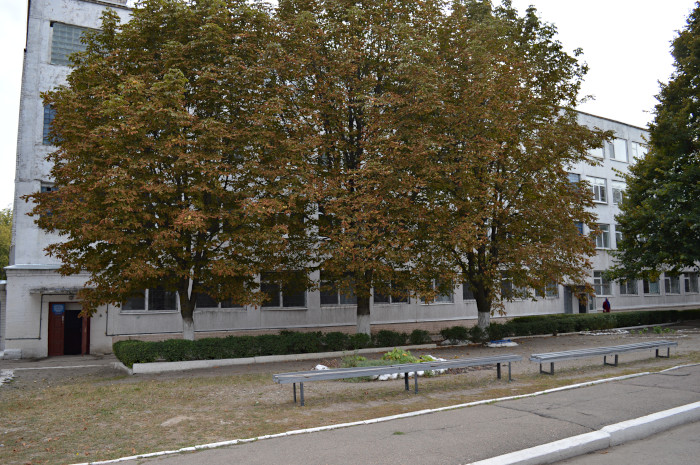
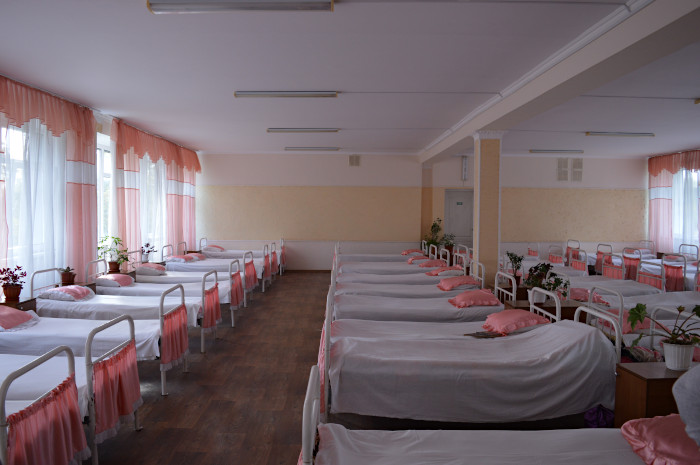
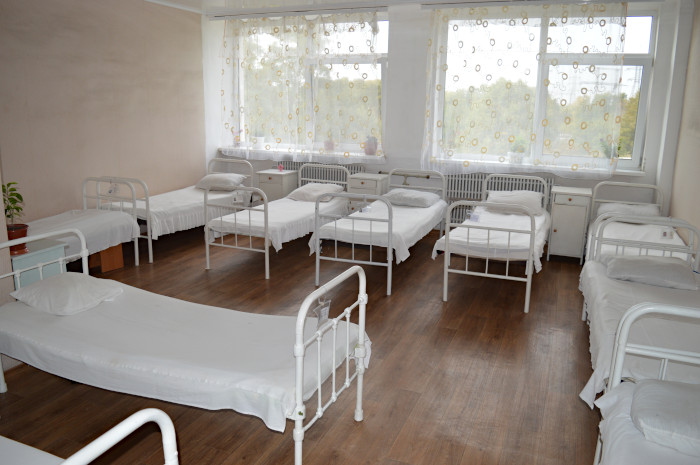
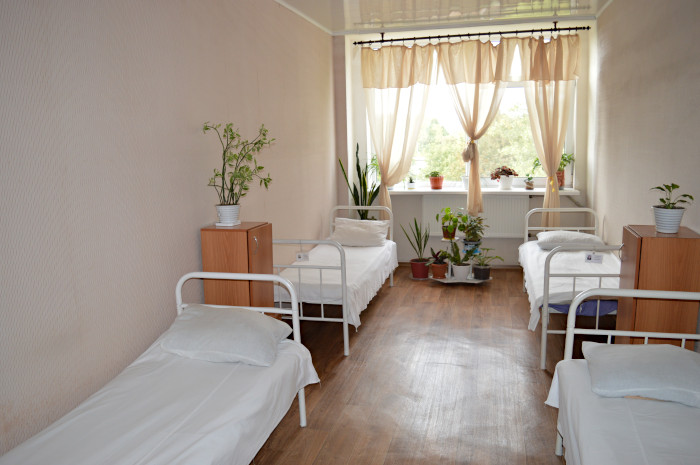
The colony has 11 residential units, four of which are mothballed. Six units are of the barracks type, and one is of the cell type.
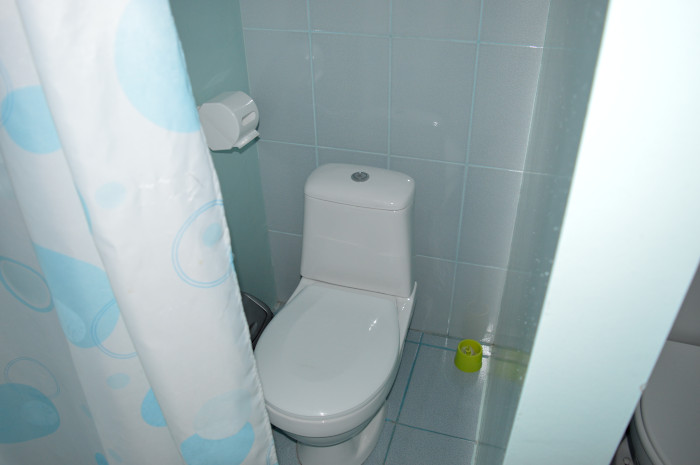
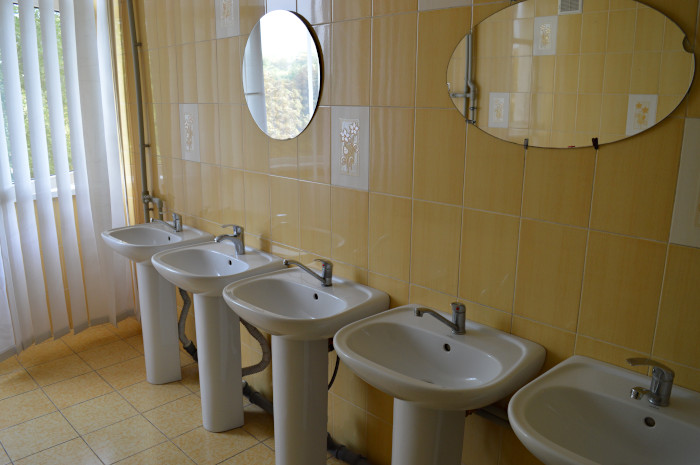
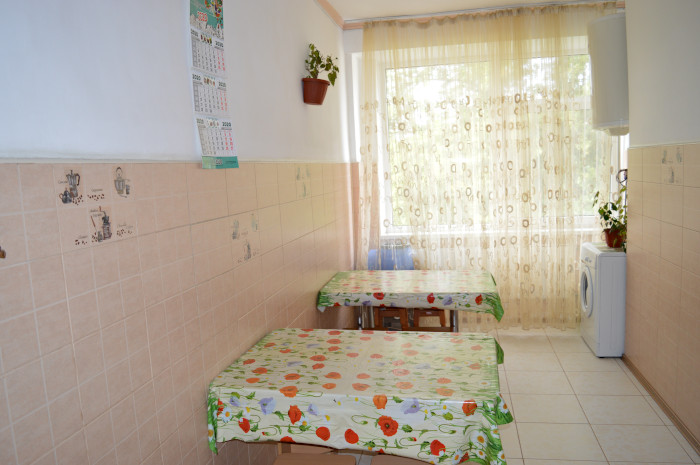
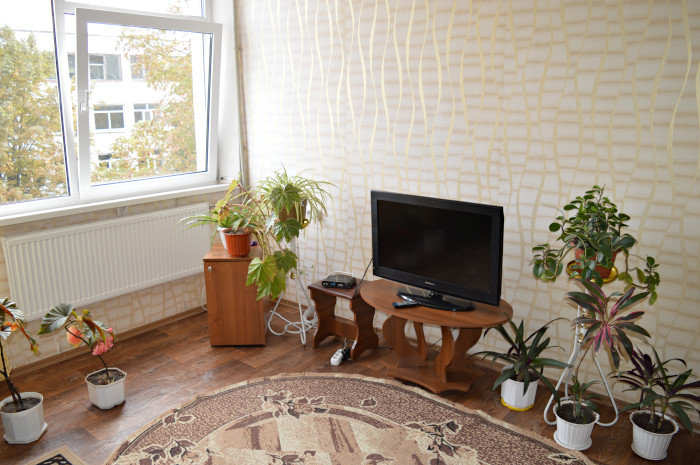
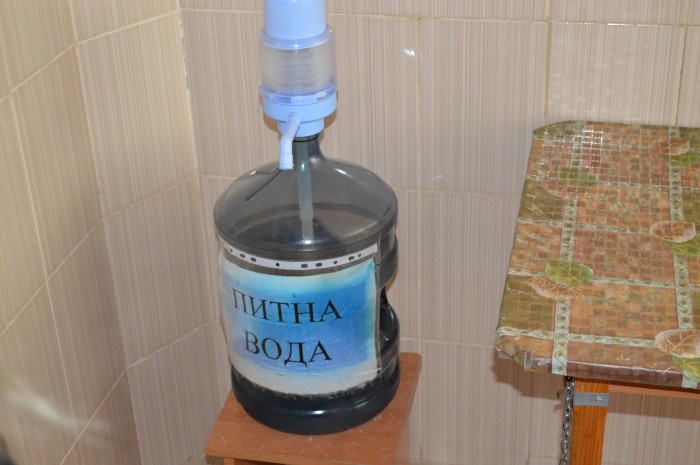
The barracks-type units have one large room designed for approximately seventy people; however, today each unit holds about 40 people serving sentences. The units have one large toilet room, where the toilets are separated by partitions and curtains. There is also a bidet. The units have disinfection rooms with washbasins. All washbasins are functional, with hot water. The cell-type unit has several blocks designed to house between 4 and 10 convicts. Each block has a bathroom. The units have dining rooms and recreation rooms. Convicts have access to drinking water.
VII. Medical Unit
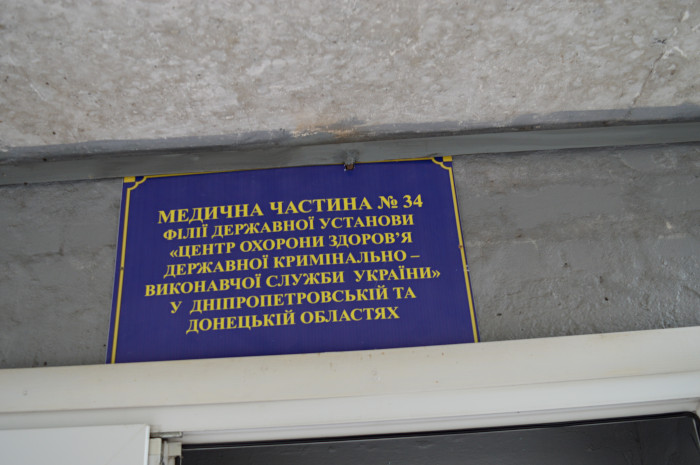
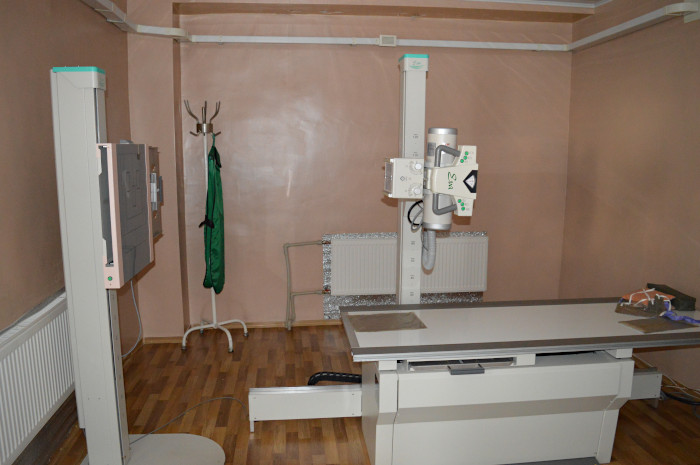
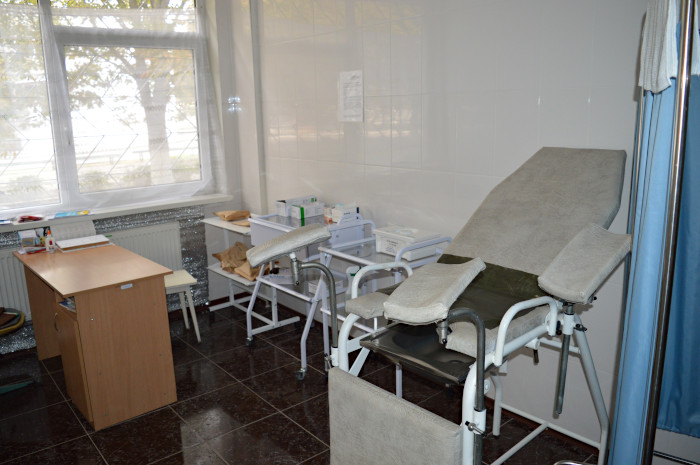
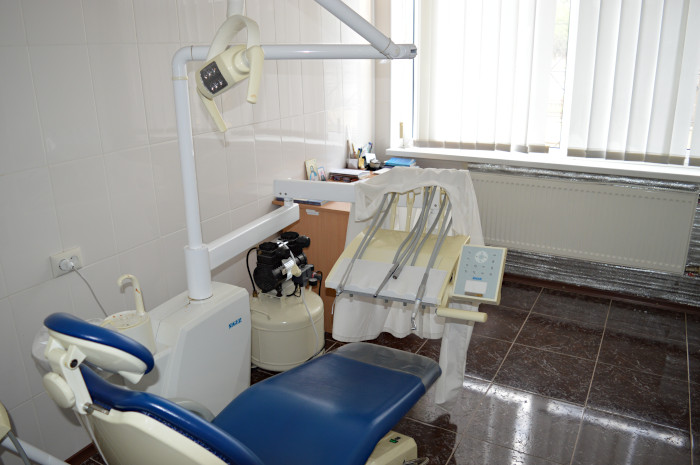
At the time of the visit to the institution, there were no convicts in the medical unit. This surprised the monitors, given the large number of convicts serving sentences in the institution. The acting head of the medical unit assured them that there was sufficient medical personnel and medication. Only 0.5 of an infectious disease specialist position is vacant. The colony has installed a new X-ray machine, which costs 5 million hryvnias, and a well-equipped dental office; however, unfortunately, prosthetics and dental treatment (filling) are not being performed. The medical unit has a gynaecological examination room for women, which contains disposable hygienic sets for examination.
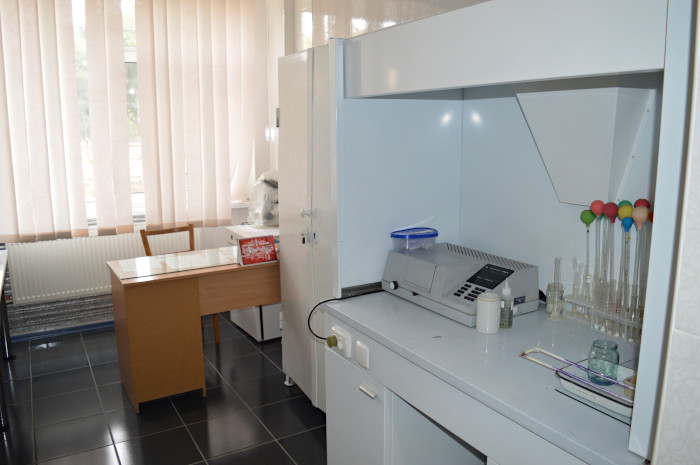
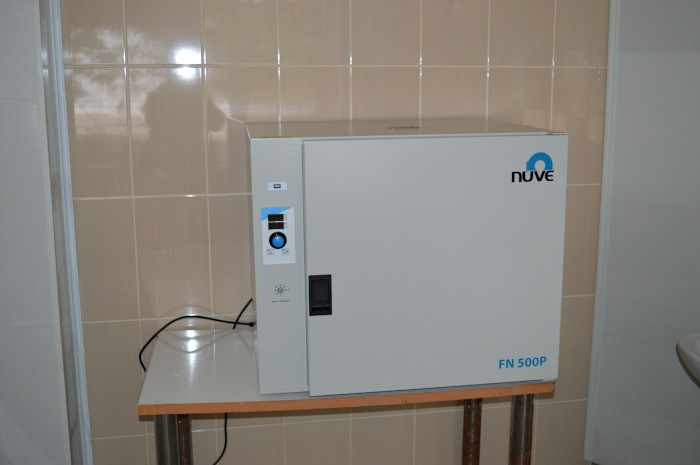
The colony has a laboratory equipped with modern technology for a complete blood count.
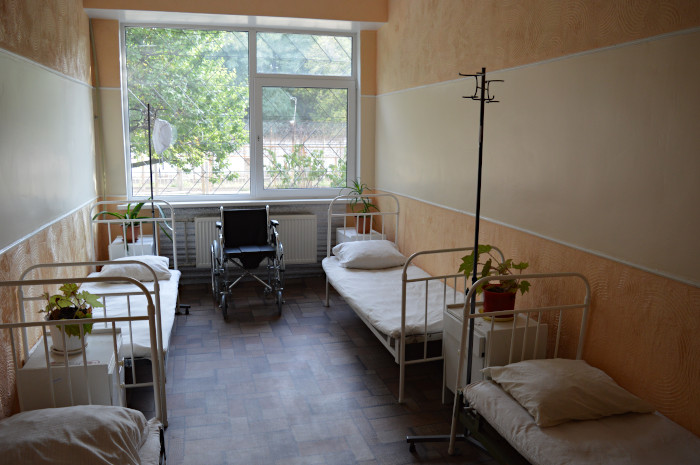
Two wards in the medical unit have been renovated; the others are still awaiting renovation.
Convicts complained about the poor quality of medical care, the lack of diagnostic capabilities in the institution's medical unit, and an unwillingness to transfer them to other healthcare facilities. The convicts reported that transfers to city hospitals occur exclusively at the expense of the convicts themselves.
IX. Dining Hall
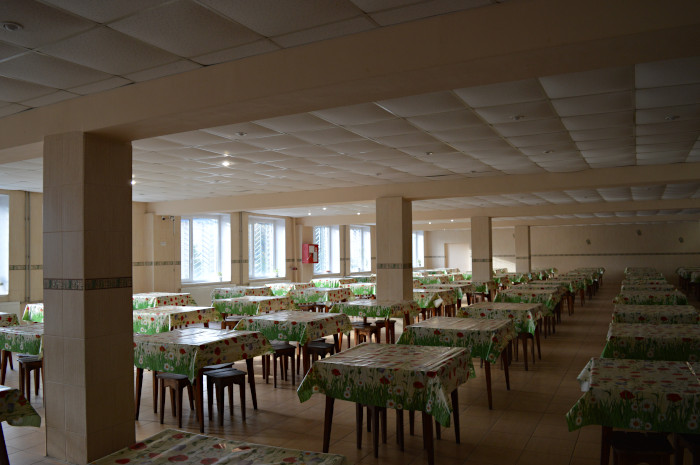
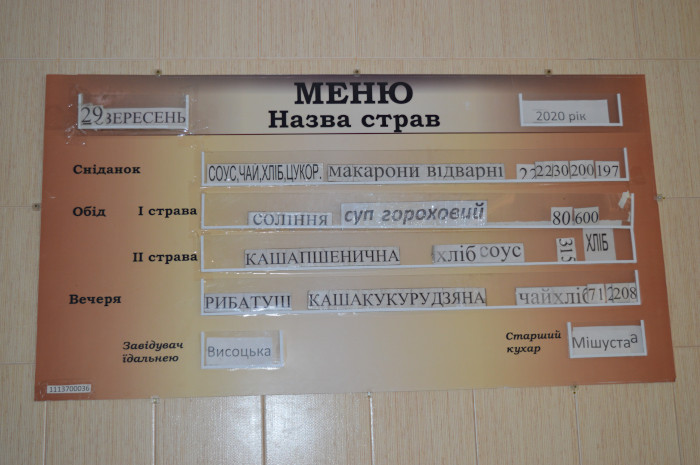
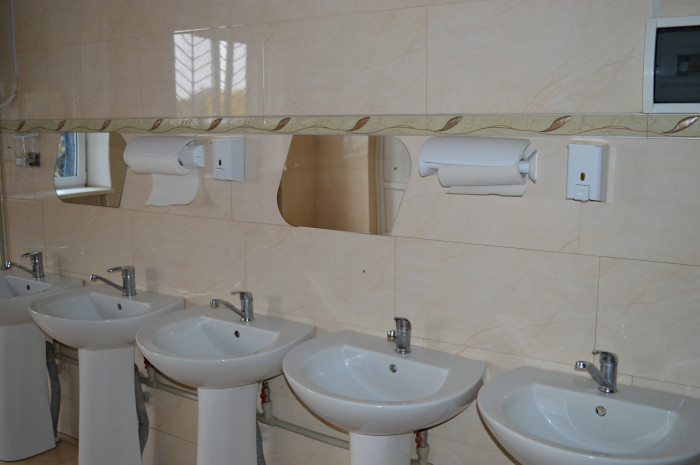
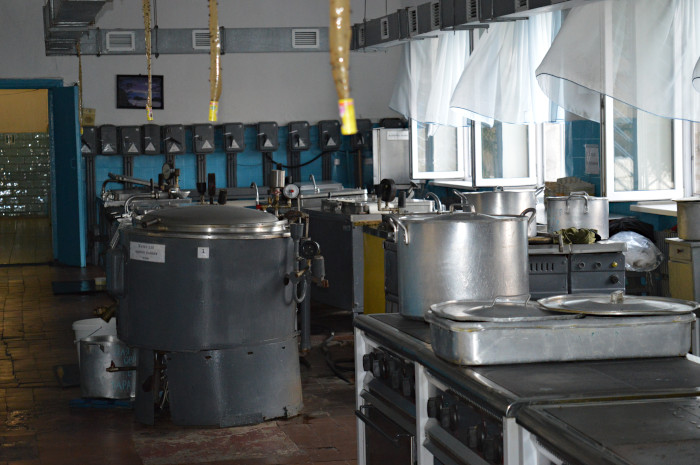
Next, the monitors visited the dining hall. The dining hall is spacious and bright, with tables designed for four people. The washbasins are in working order, and there is soap and paper towels. The dining hall displays a menu of dishes for the day. All premises have been renovated, except for the kitchen – renovation is planned in the near future. The dining hall smells pleasant – like delicious food. Furthermore, the monitors were offered to taste bread of their own production.
X. Production
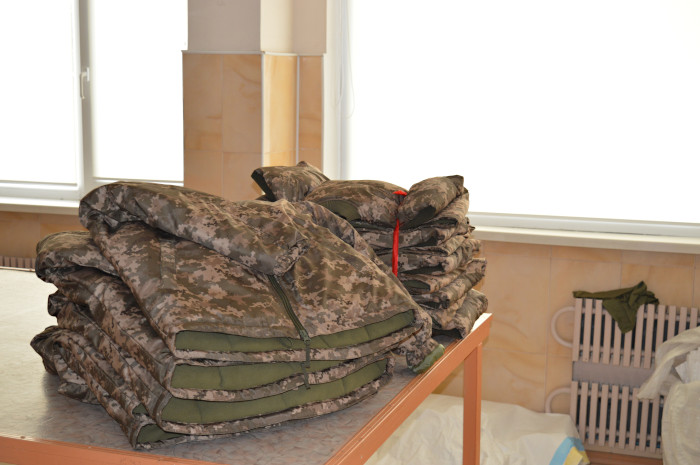
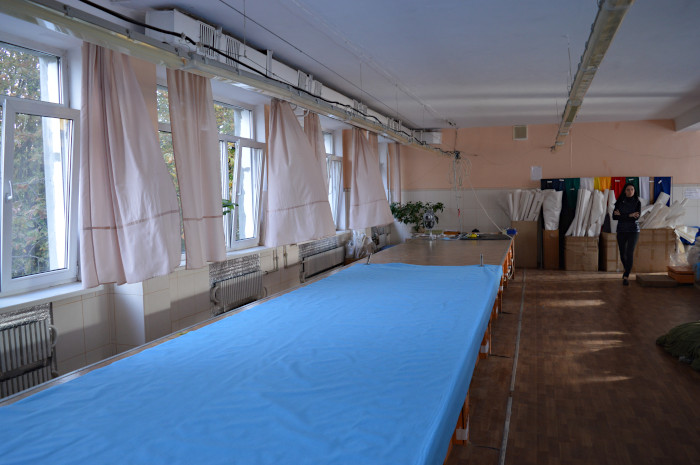
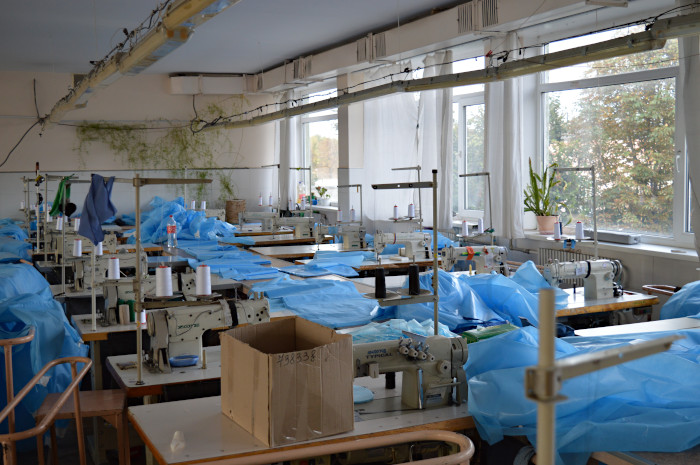
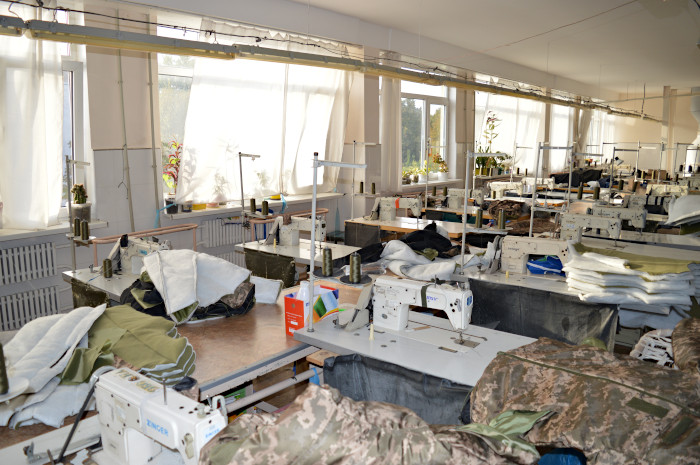
Next, the monitors visited the production facility. Production is represented by a sewing workshop and workshops. At the time of the visit, 268 people were working in production – this is almost 90% of all convicts. The colony produces goods both on orders from state and communal enterprises and for private customers. The enterprise manufactures textile products, textile-sewing products, and epidemiological protection equipment.
The institution has a subsidiary farm where vegetables are grown, and there is livestock – 40 pigs, 5 dairy cows and 12 calves, as well as 140 chickens.
According to the administration, convicts receive different wages depending on the position, the complexity of the work, and the amount of production produced. Convicts informed the monitors of average monthly wages ranging from 170 hryvnias to 7,000 hryvnias. All convicts work a full working day from 7:00 a.m. to 4:00 p.m. However, one convict complained that in reality, the working day lasts from 5:00 a.m. to 7:00 p.m. And indeed, at 5:00 p.m., the monitors noticed a significant group of convicts heading from the residential to the industrial zone, although the administration claimed that they simply had not signed in.
EU Project "Resisting Torture, Cruel Treatment and Impunity in Ukraine"