Monitoring visit to Kamianske Correctional Colony No. 101
I. General information
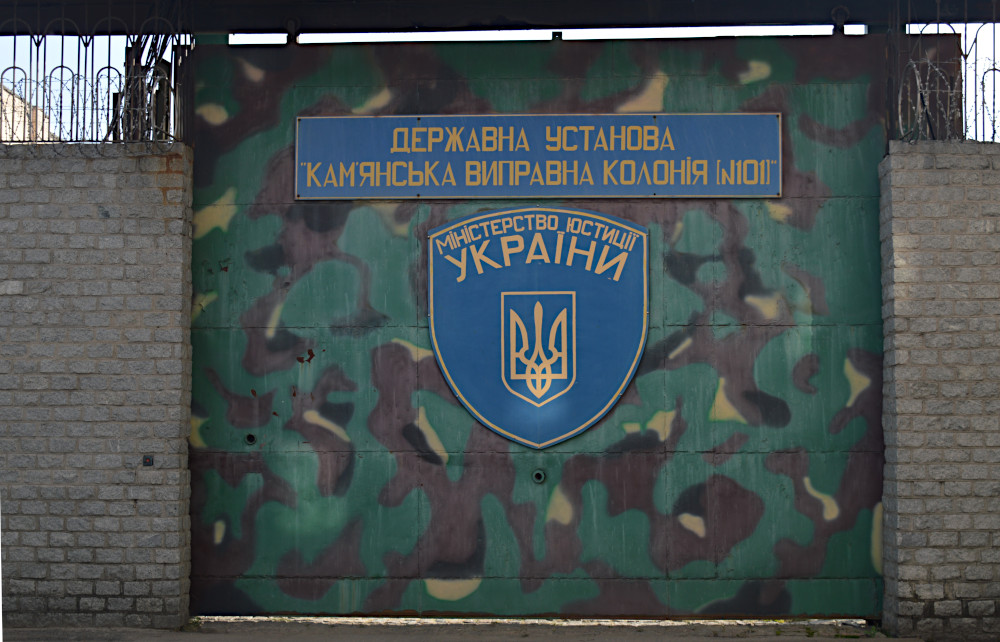
On 23 October 2020, a monitoring group from the KHPG, consisting of assistant to the People’s Deputy Maksym Revyakin and two journalists – Hanna Ovdiienko and Pavlo Shvab – visited the SI ‘Kamianske Correctional Colony No. 101’. This is a medium-security institution for men serving repeat sentences. The planned capacity of the institution is 700 persons. On the day of the visit, 384 persons were serving their sentences at the institution. The administration staff consists of 201 people. Since the beginning of the year, 146 inmates have been released from the institution. The institution was founded in the 60s of the 20th century.
To enter the institution, the monitors had to pass a barrier, a fence, and finally a checkpoint. The monitors waited for the arrival of the administration representatives for approximately half an hour. The administration representatives checked the monitors' documents and conducted temperature screening; moreover, the screening was conducted not by a medical unit employee, but by an institution representative.
II. DIZO/PKT
First, the monitors visited the DIZO/PKT. At the time of the visit, there were 12 regime violators in the DIZO. The PKT cells were empty. In total, since the beginning of the year, 161 inmates have been placed in the DIZO, and 1 in the PKT.
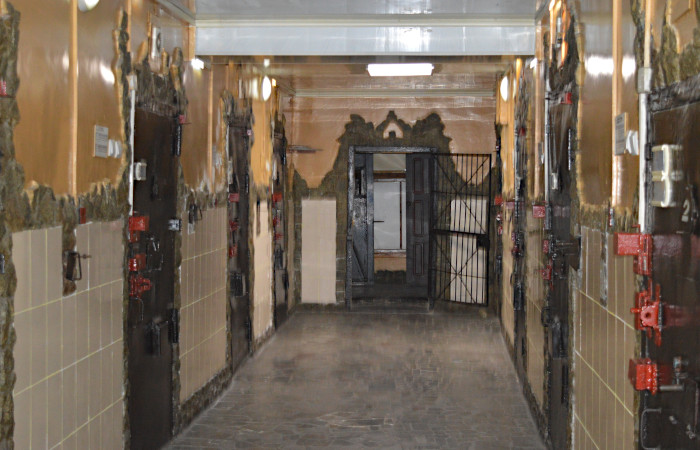
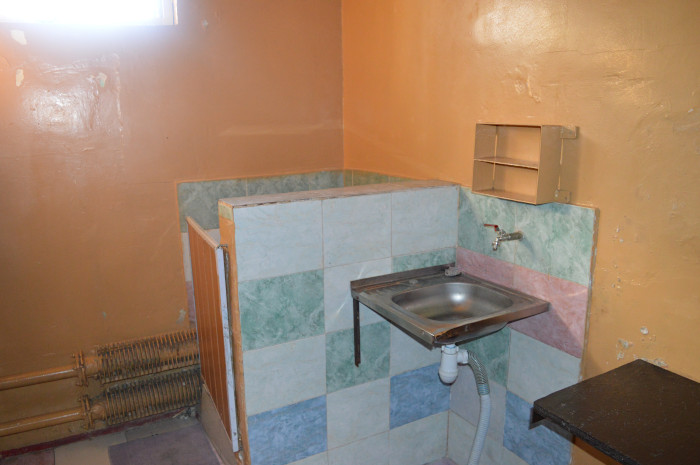
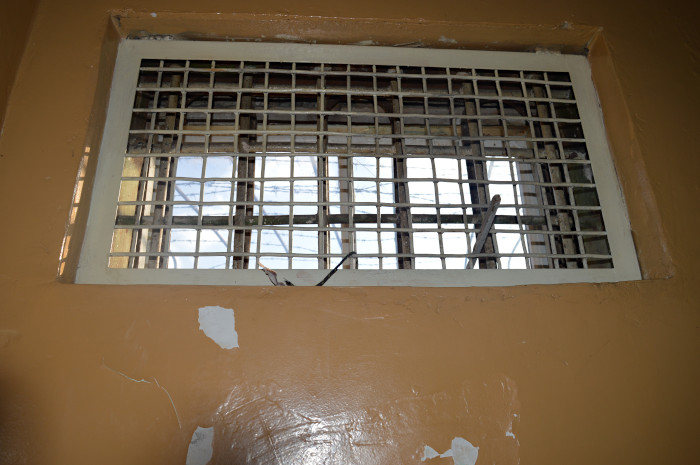
The DIZO cells are in a satisfactory condition. The toilet in the cells is partitioned by a low wall and has a door. This is sufficient to maintain privacy. During the visit, there was water in the DIZO taps, but there was no container with boiled drinking water. When asked by the monitors where the drinking water was, the inmate pointed to the tap.
The monitors spoke with the inmates placed in the DIZO. All inmates agreed with the disciplinary sanctions applied to them.
III. Medical unit
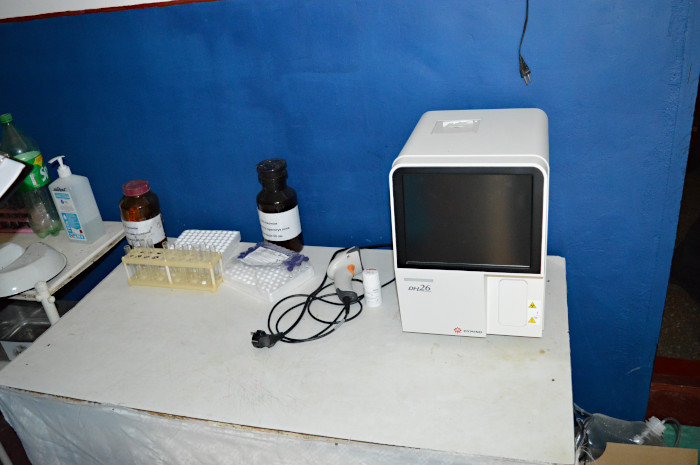
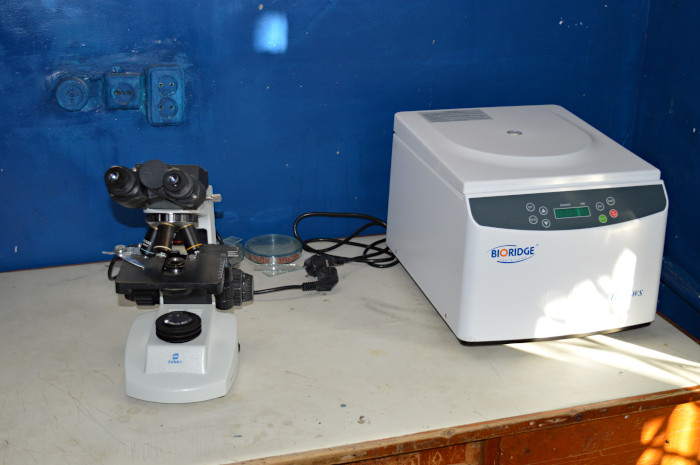
After that, the monitors visited the medical unit. At the time of the visit, five inmates were undergoing inpatient treatment in the medical unit. The monitors received no complaints regarding the quality of treatment. The head of the medical unit assured that the institution was fully provided with the necessary medicines and that there was enough medical staff. Over the year, one person was referred to the medical advisory commission for release from the institution. There are no cancer patients or other seriously ill patients in the institution. Laboratory analyses for HIV-infected persons are carried out in a timely manner thanks to the fact that a specialized hospital of the State Penitentiary Service is located in the neighbouring settlement.
One case of coronavirus disease was recorded in the institution – among the administration representatives. Today, there is no increase in the number of patients with acute respiratory viral infections in the institution.
The wards of the medical unit are in a satisfactory condition – no worse than in Ministry of Health hospitals.
The monitors familiarised themselves with the Bodily Injury Log. In 2020, 14 cases of bodily injuries were recorded. However, the monitors note that there are numbering errors in the log, which should absolutely not be the case.
IV. Living zone
There are ten residential units in the institution, all of them following a block system. Four units have undergone major repairs.
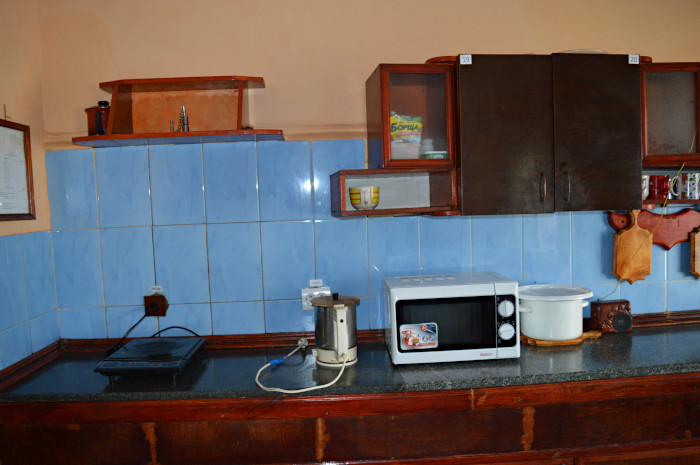
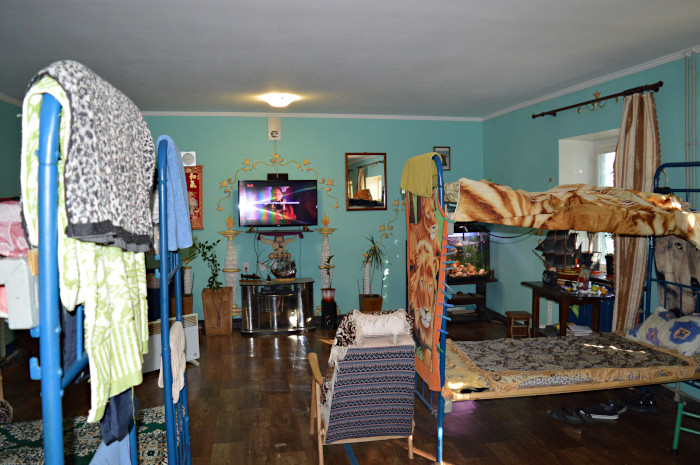
First, the monitors visited a refurbished unit. The unit premises are bright, clean, and tidy. Sleeping rooms are on average designed for ten inmates. uPVC windows are installed in the rooms. The sanitary facilities are renovated but do not look new. There were no unpleasant odours. There were disinfectants in the unit. There was water in the taps. On the wall, the monitors saw a boiler.
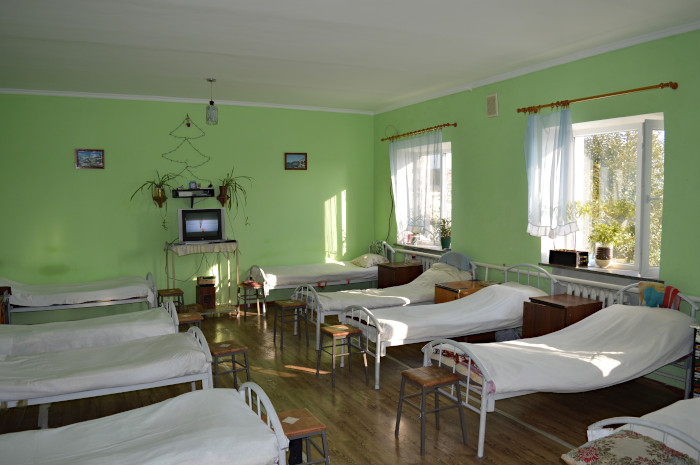
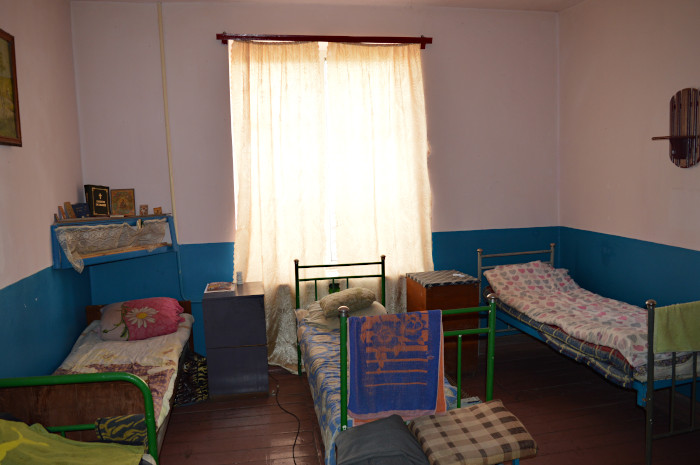
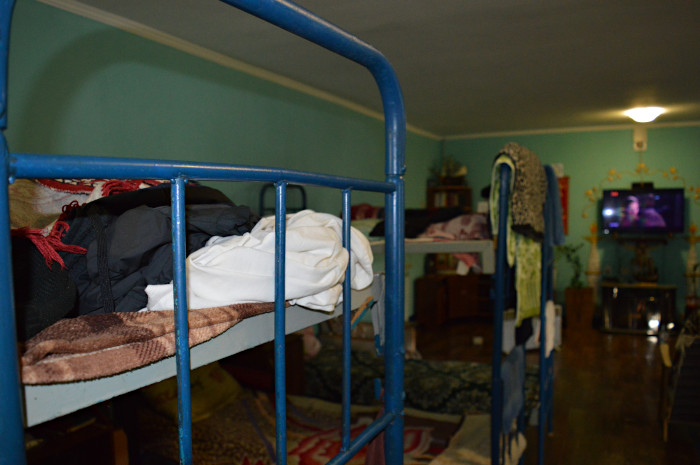
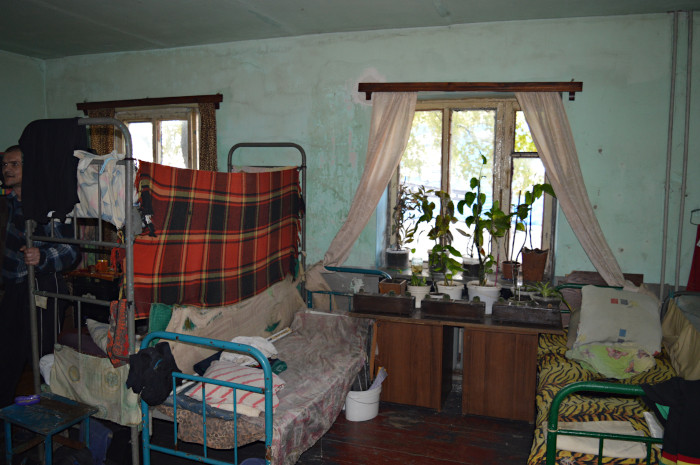
In the non-renovated units, bunk beds are everywhere. The units are neglected, but there is cosmetic repair in some places. In some blocks, it was stuffy and there was an unpleasant odour. The units have wooden windows, curtained with rags.
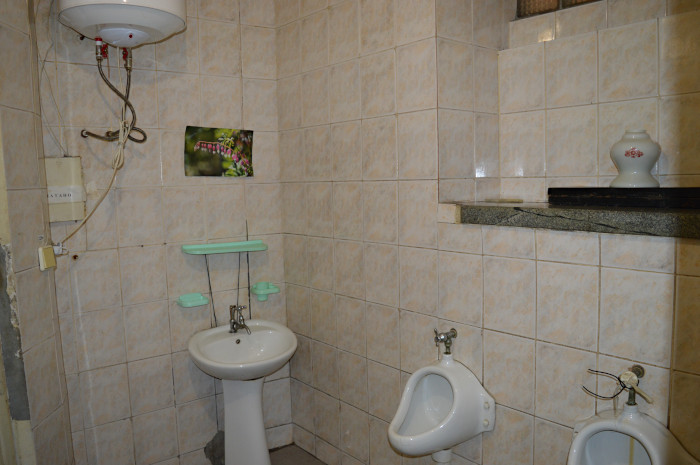
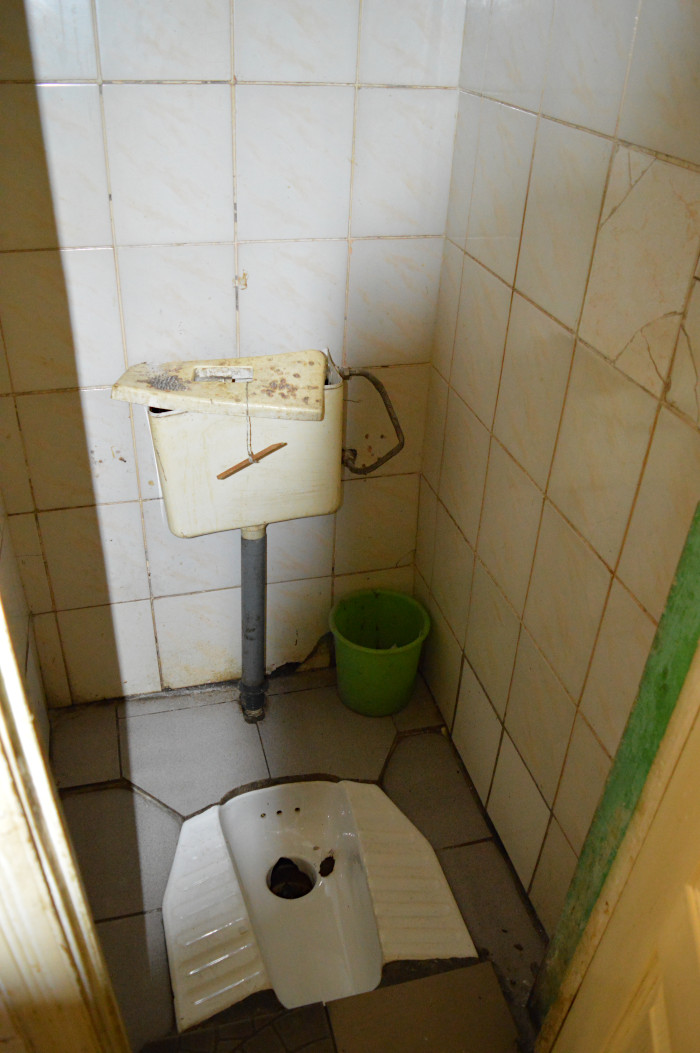
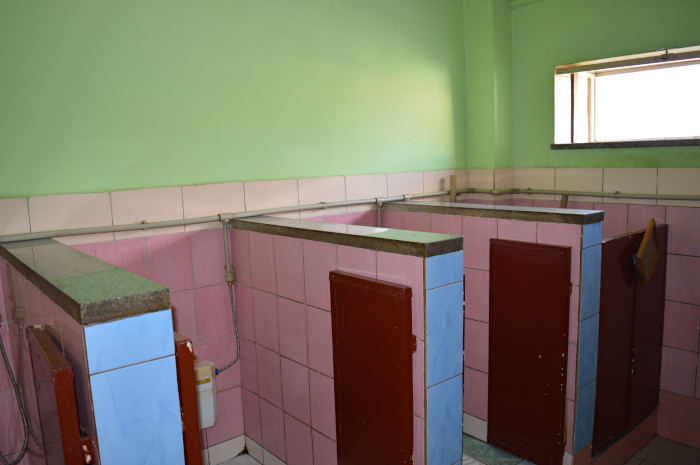
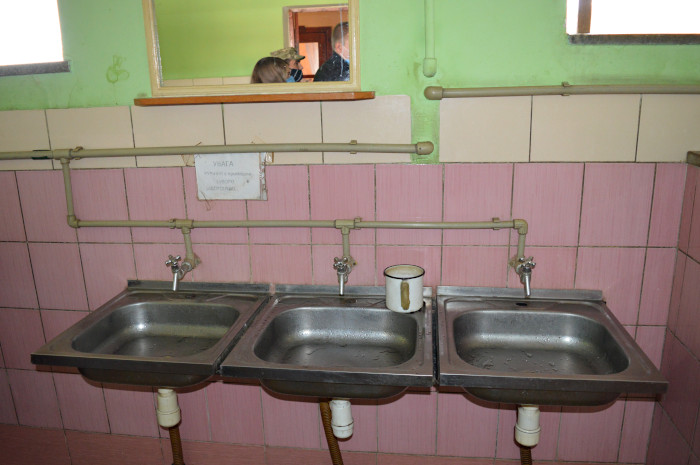
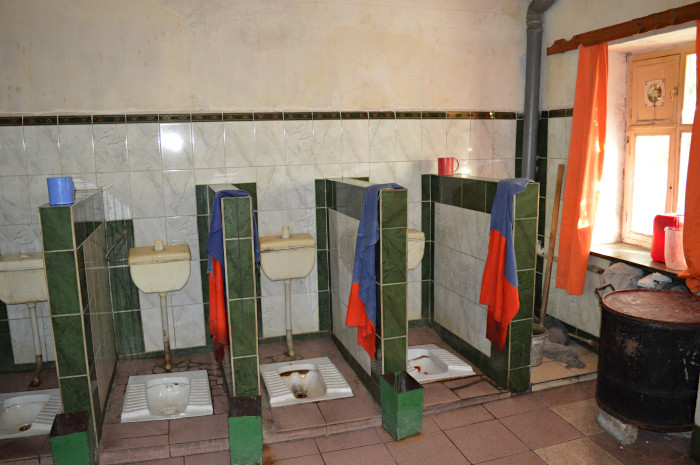
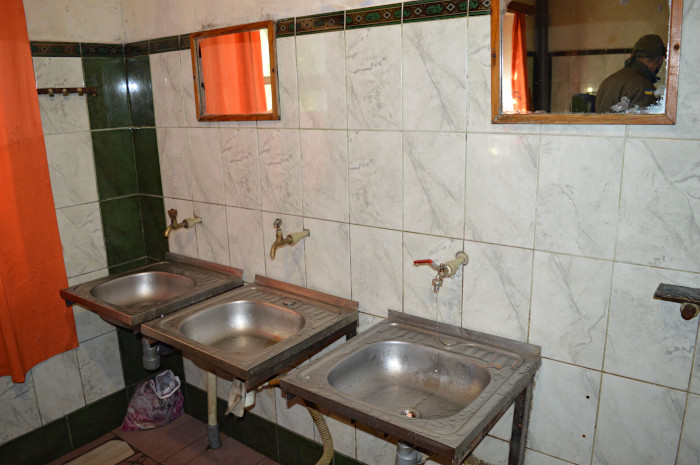
In the sanitary rooms, there is a hand-washing system, which is in a neglected state. The pipes are rusty, and there is mould on the walls and tiles. In some units, there are washbasins. In these units, the sanitary condition is better. The toilet rooms are in a satisfactory condition, however, instead of doors, inmates are forced to achieve privacy with the help of blue-red rags.
V. Bath and laundry complex
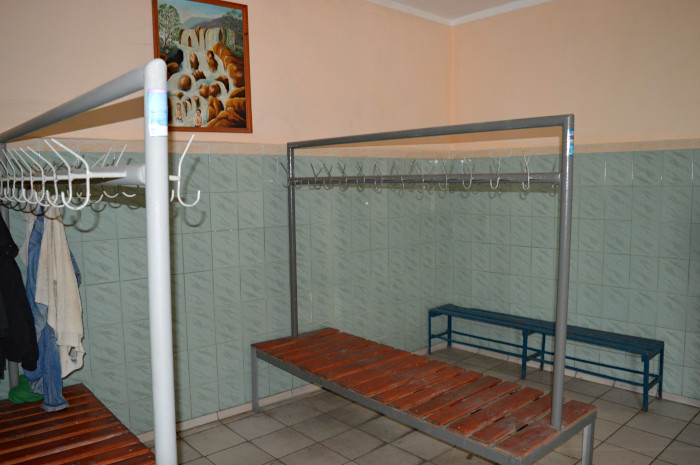
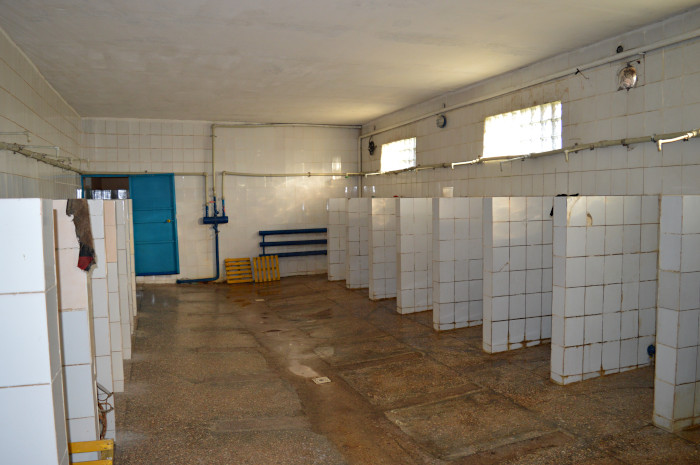
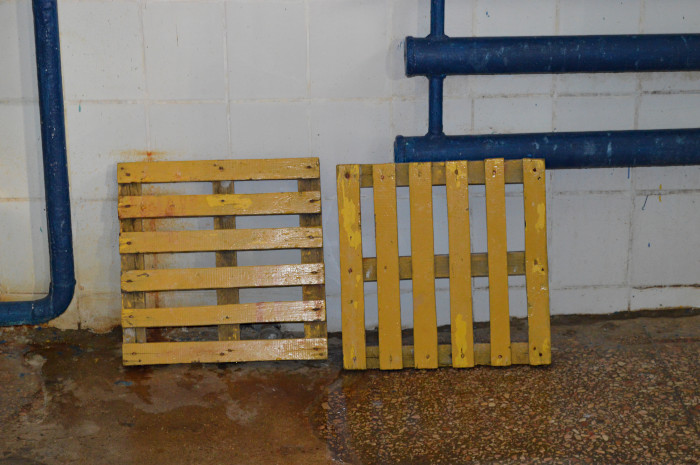
The institution's bathhouse has been renovated. There are partitions between the washing areas, but curtains are missing. Instead of mats, wooden pallets are used, which increase the risk of inmates sustaining injuries.
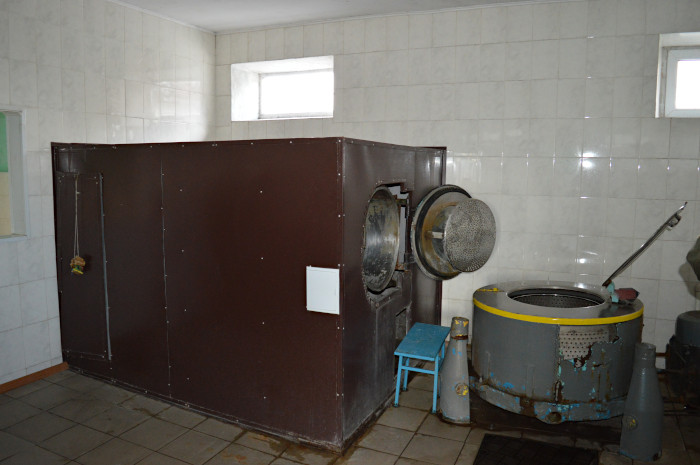
The institution uses old washing machines, but the head of the institution assured that new equipment will be purchased soon.
VI. Kitchen and canteen
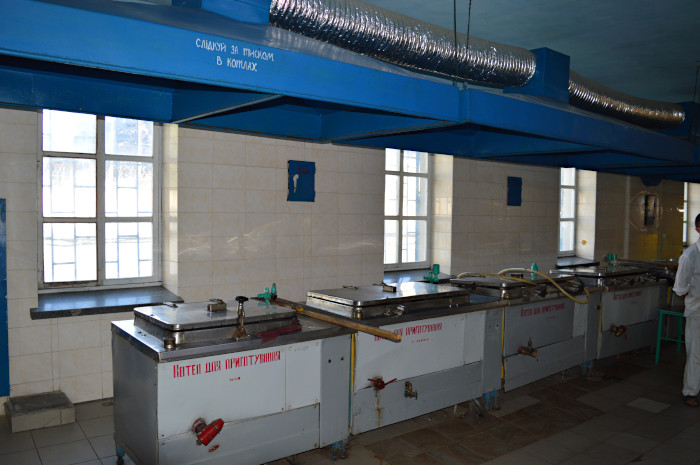
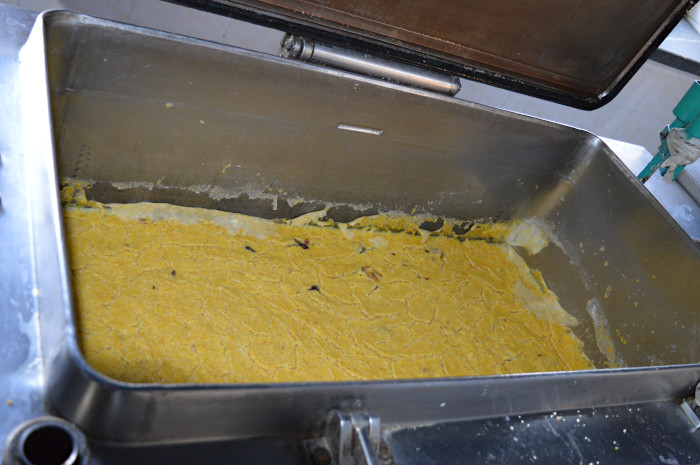
The kitchen is in good condition. During the visit, food was being prepared for the next meal. The food looked satisfactory, but the monitors would not eat it.
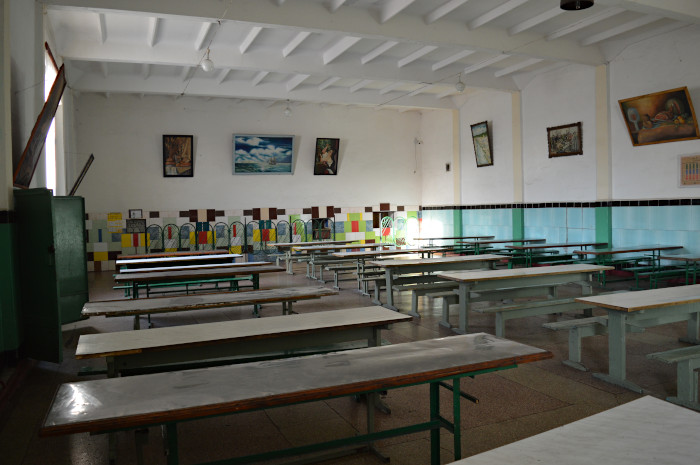
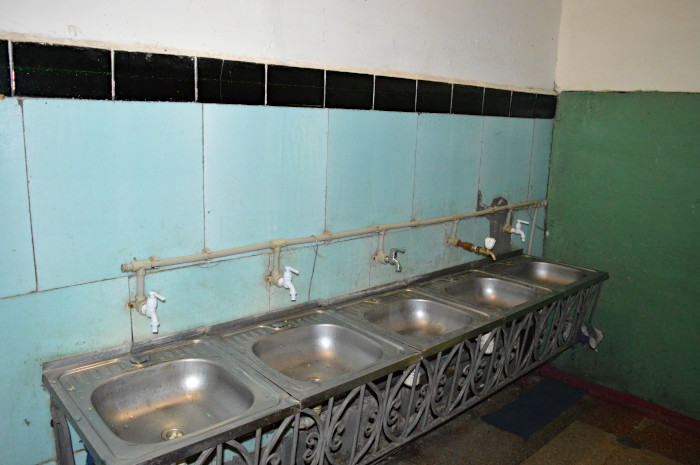
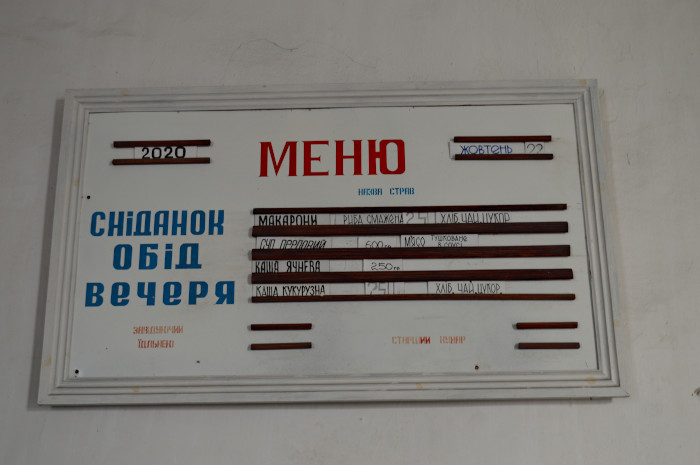
The canteen is spacious and bright. In the canteen hall, works of art are displayed. An administration representative explained that an artist previously served a sentence at the institution. Before entering the canteen, there are washbasins, but there is no soap or towels. The administration assured that every inmate has their own set. On the wall, there is an information menu.
VII. Production
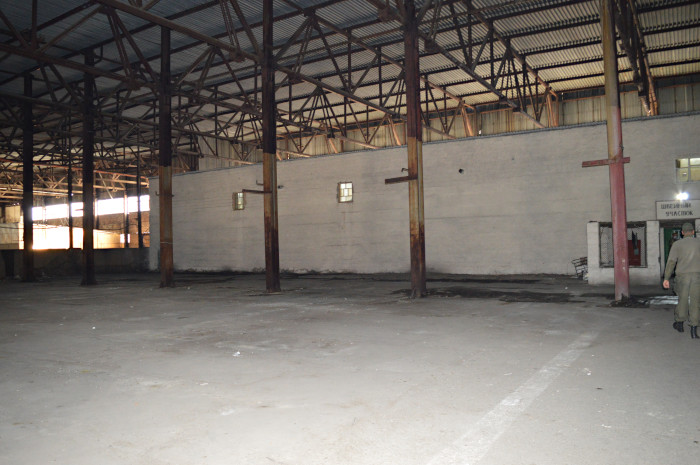
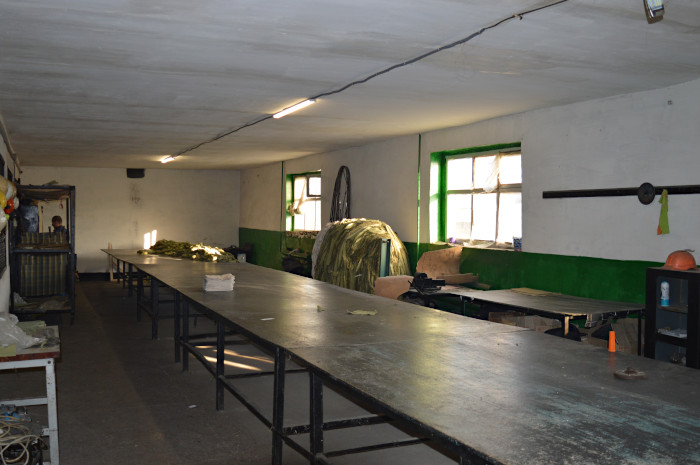
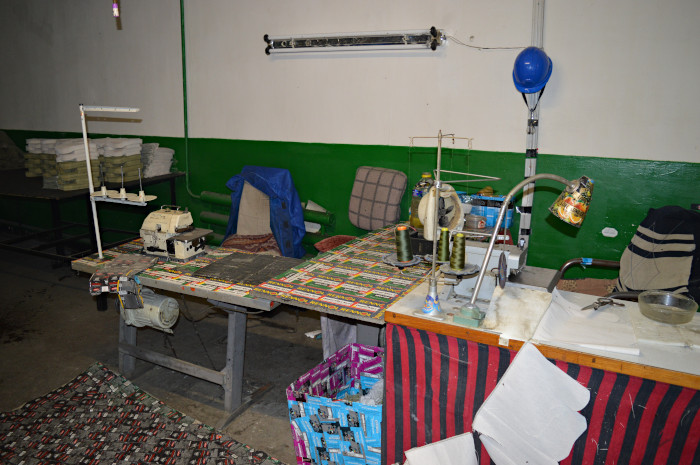
Only the sewing workshop is working in the production area. Previously, the colony processed granite and recycled plastic, but today there are no orders. All inmates work under civil law contracts, which makes the labour rights of inmates less protected.
EU project ‘Resisting torture, ill-treatment and impunity in Ukraine’