Monitoring visit to State Institution “Sofiyivska Correctional Colony No. 55”

I. General information
On 29 October 2020, a monitoring visit was carried out by the Kharkiv Human Rights Protection Group monitoring group, consisting of the assistant to the People's Deputy Maksym Revyakin and journalists Pavlo Shvab and Ihor Sosonskyi, to the State Institution “Sofiyivska Correctional Colony No. 55”.
This is a medium-security penal institution. On the territory of the colony, there is an inter-regional hospital for convicts suffering from tuberculosis. Also in the institution, there is a maximum-security sector for life-sentenced prisoners. The planned capacity of the institution is about 800 people. At the time of the visit, 468 convicts were serving their sentences in the institution. The administrative staff of the colony consists of 185 people.
Convicts in the colony have the opportunity to obtain secondary and vocational education at a school and vocational-technical college. Convicts can perform religious rites. Ten confessions operate in the colony, but according to the administration, convicts do not participate in worship or rites very often.
The monitoring group entered the colony territory quickly and without obstacles. While passing the checkpoint, the monitors underwent temperature screening; a disinfection barrier and disinfection agents were also available.
II. Living quarters of the medium-security sector
The colony has 5 occupied units in the sector of this security level. All units are fitted with double-glazed windows and have had their roofs extensively repaired. In 2 units, major renovation has been carried out; other units are maintained in a suitable state through current repairs.
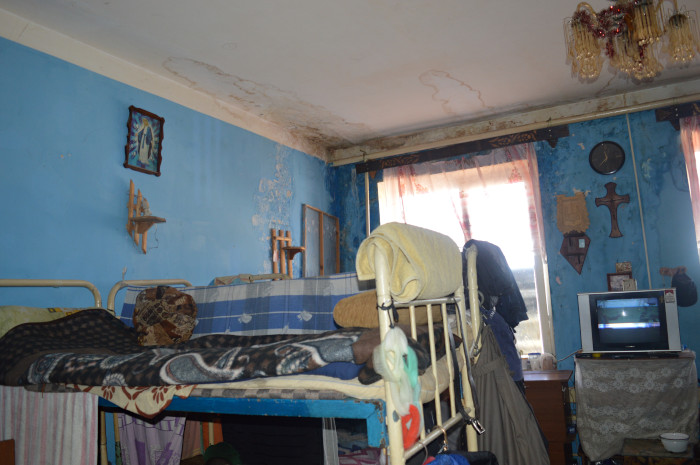
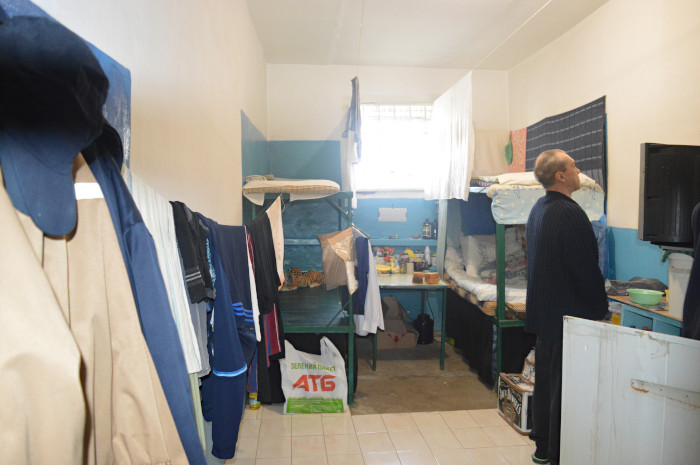
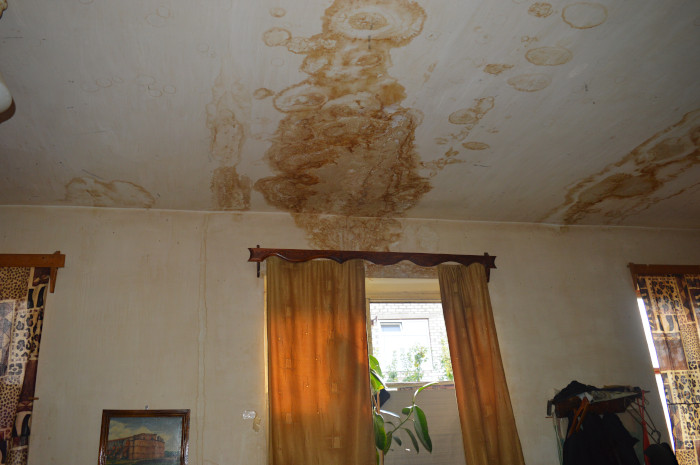
In the unrenovated units, there is a significant lack of residential space per convict. Almost all beds are bunk beds. According to the act of measuring the premises and the actual occupancy of these rooms, the residential space per convict is less than 3 sq. m, which contradicts national standards defining the norm as 4 sq. m per convict, and the European Prison Rules, where 6 sq. m per convict is envisioned. The renovation in the living quarters is very outdated; traces of past water damage are present on the ceiling and walls. In places, there is fungus and mould. Insufficient daylight reaches these rooms due to windows covered with old rags.
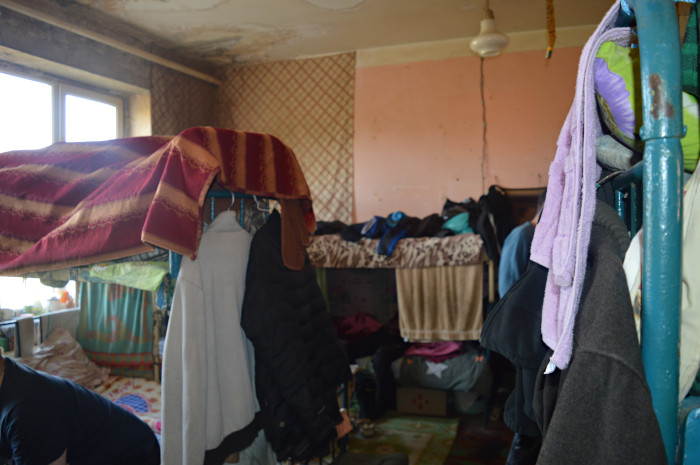
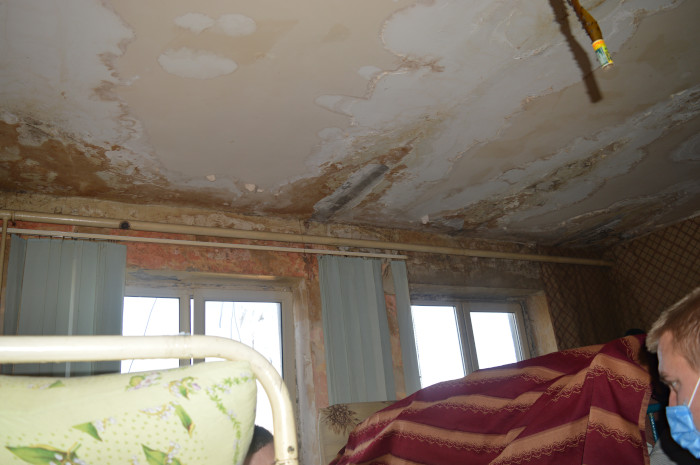
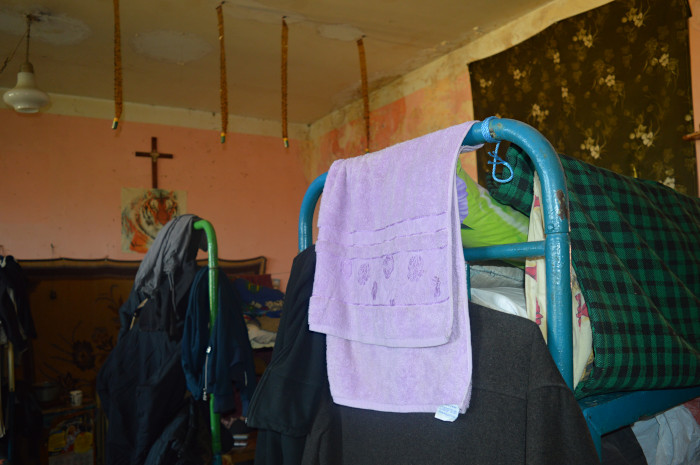
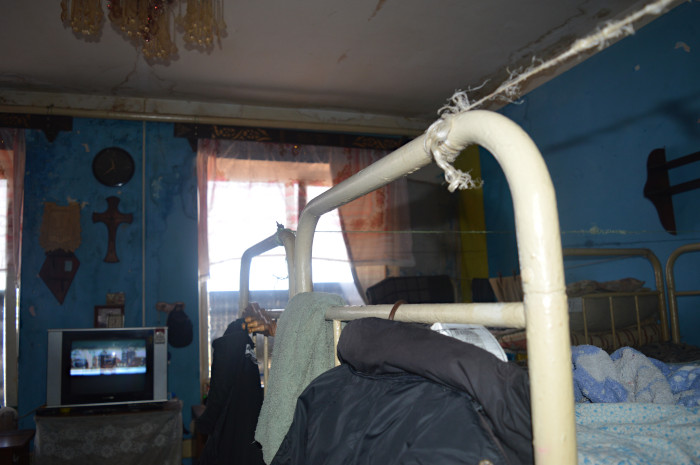
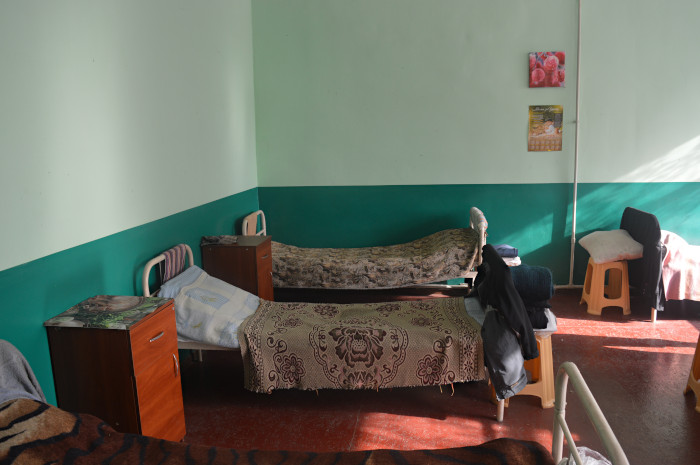
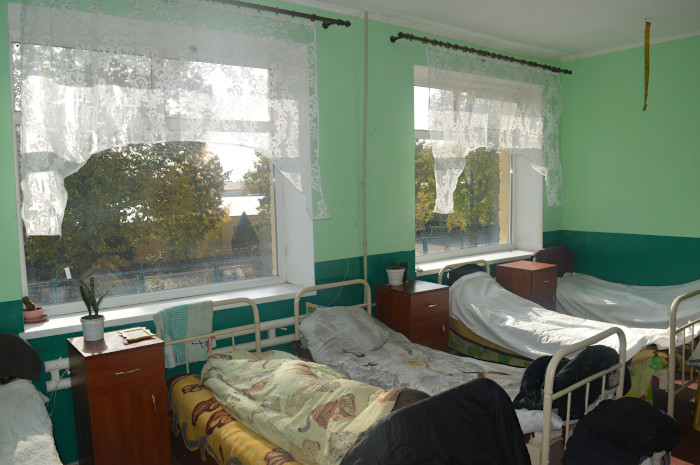
In the renovated units, residential space standards per convict are observed; the premises are sufficiently bright and tidy. Only single-level beds are installed in the sleeping blocks.
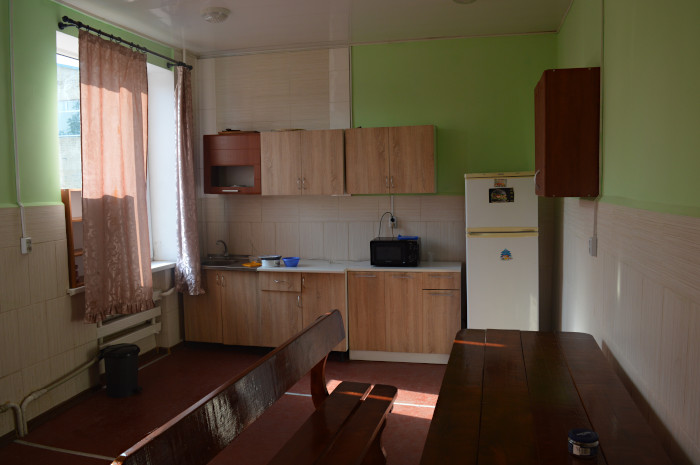
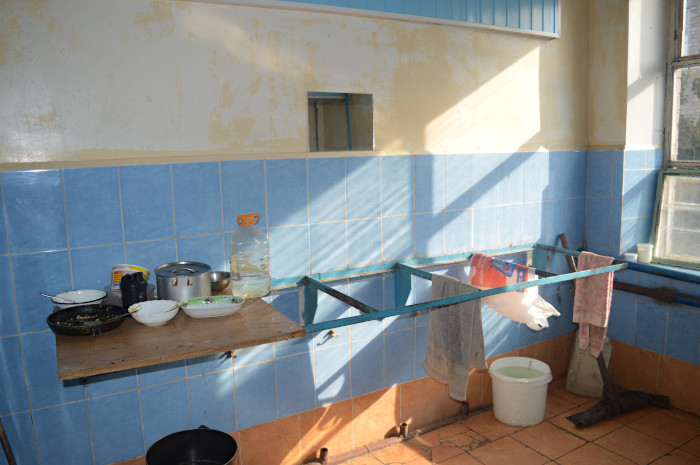
Dining rooms are equipped with kitchen utensils.
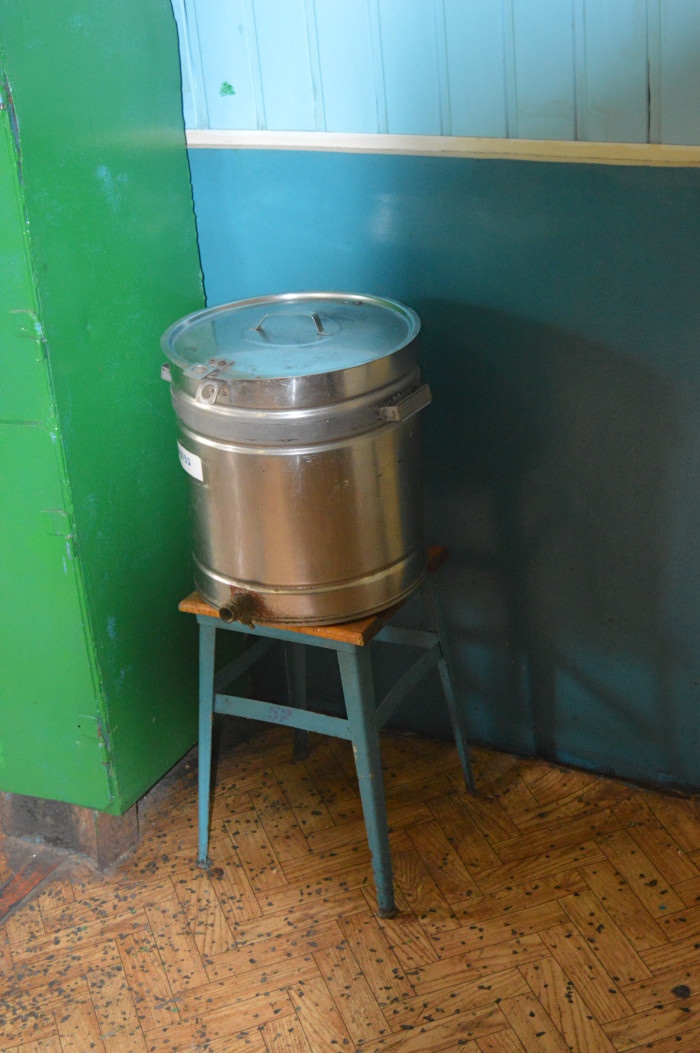
Water supply in the colony is centralised, from the town of Vilnyansk. At the time of the visit, the monitors noticed disruptions in the water supply and an absence of drinking water tanks in the living quarters.
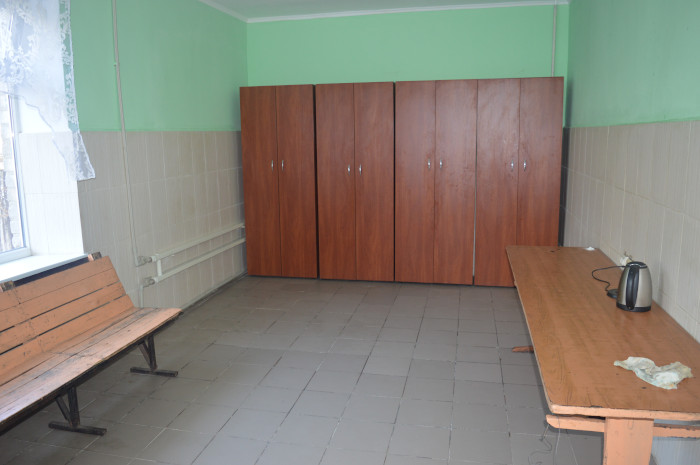
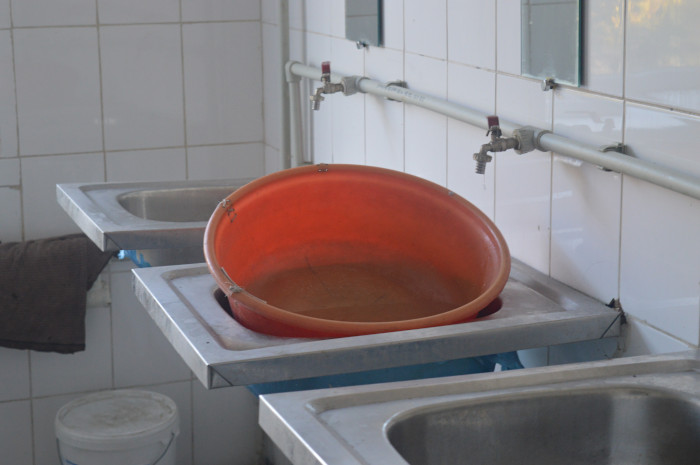
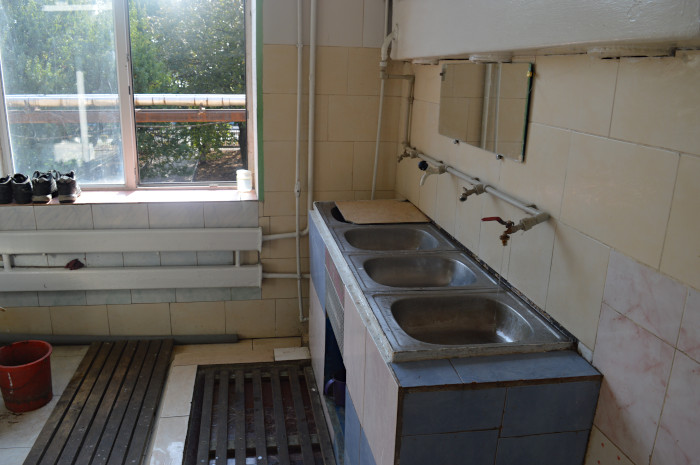
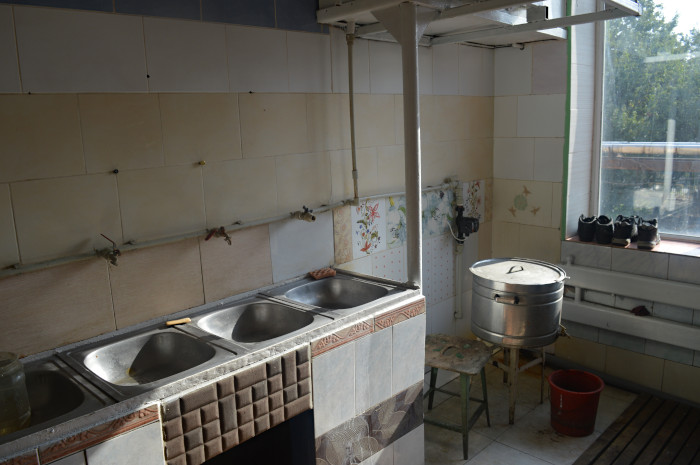
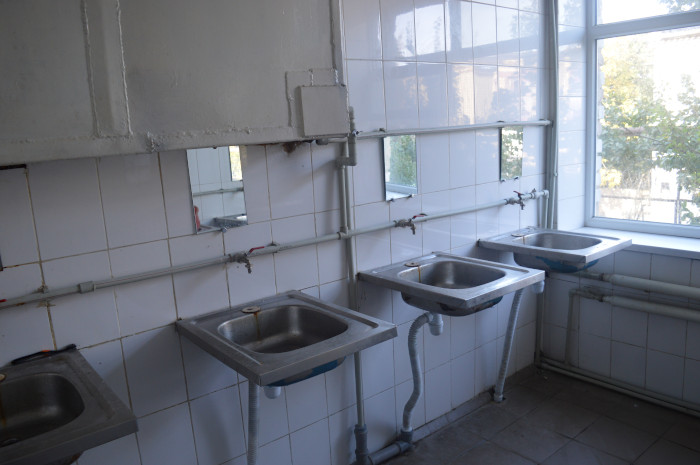
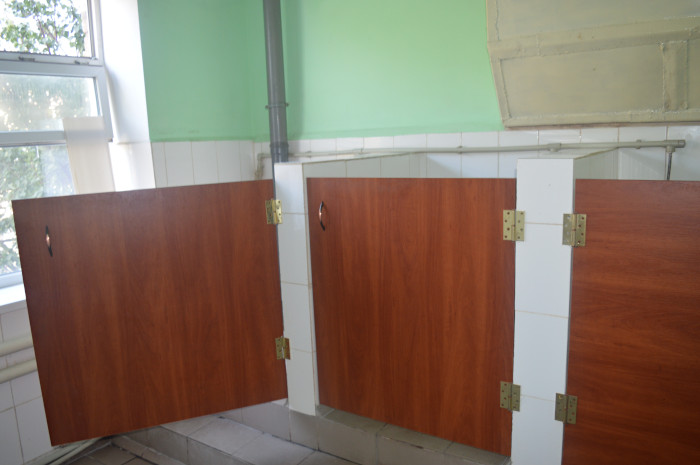
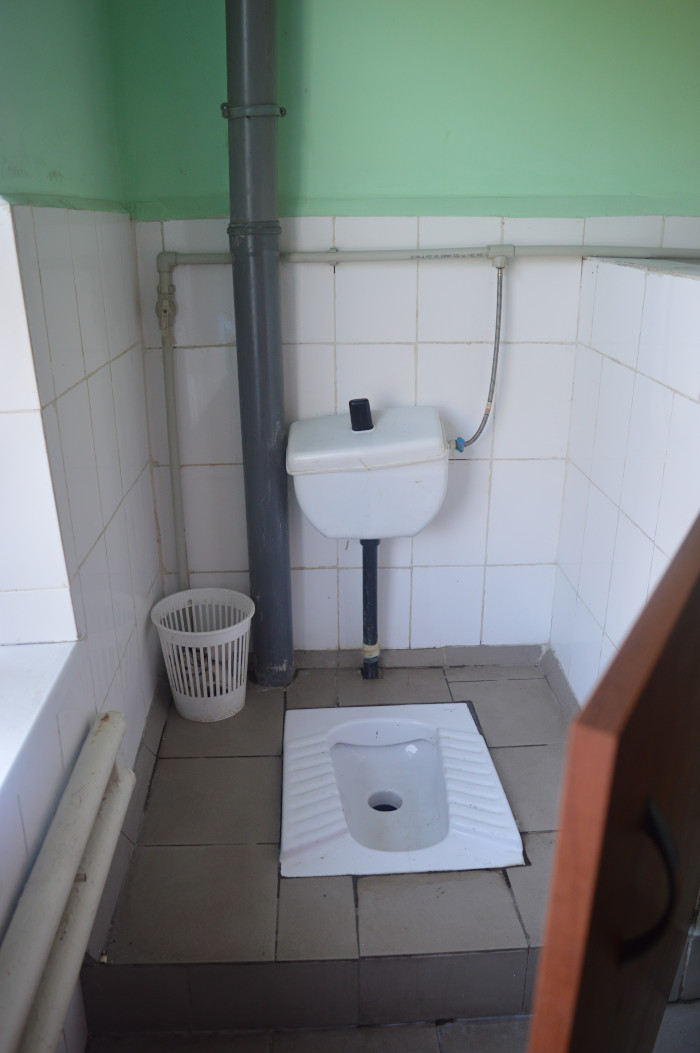
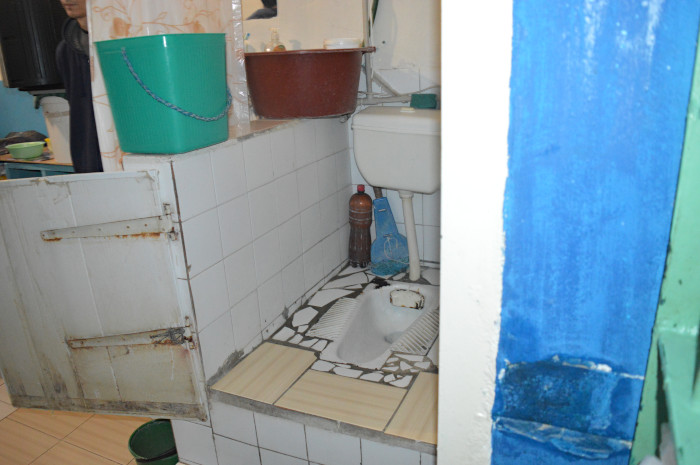
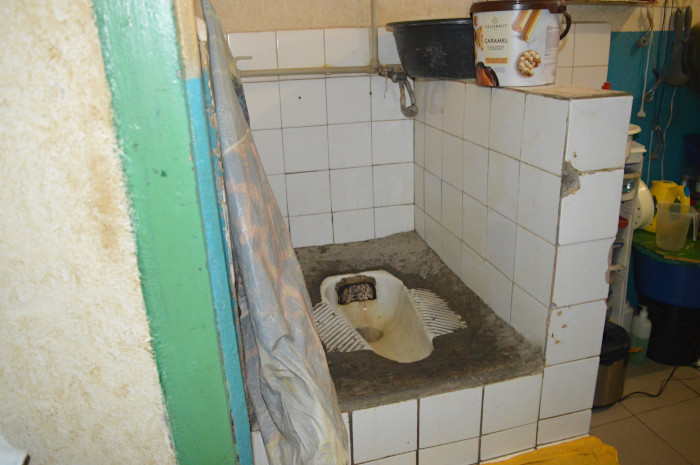
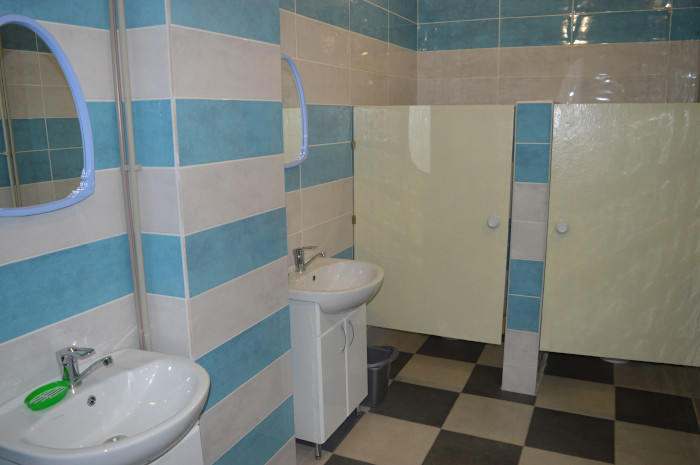
Sanitary facilities are located directly within the residential unit premises. There are separate washbasins. Toilets are separated by partitions and doors more than a metre high.
III. Cells of the maximum-security sector
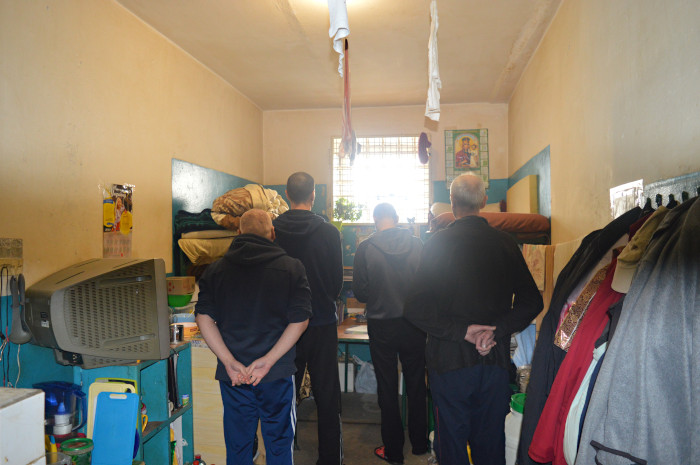
In the maximum-security sector, there are 63 convicts serving life sentences, who are held in cells of two to four people. In some cells, bunk beds are placed and occupied, which contradicts the European Prison Rules. Most cells have undergone current repairs, but it should be noted that the colony administration is carrying out major renovations in some cells. Double-glazed windows are installed in all cells. There is sufficient sunlight, and convicts are able to open the windows independently to ventilate the premises. Toilets in the cells are partitioned off by a small partition and small doors or a curtain, which may hinder the privacy of the convicts in cells where several people are held. At the time of the monitors' visit, water supply in the sector was absent; there were no drinking water tanks in the cells.
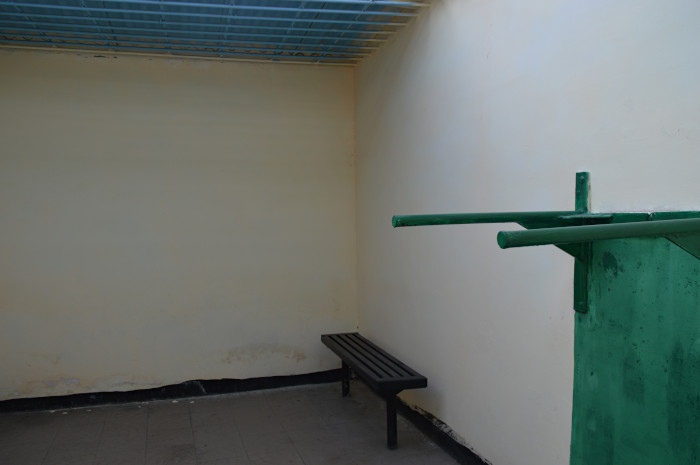
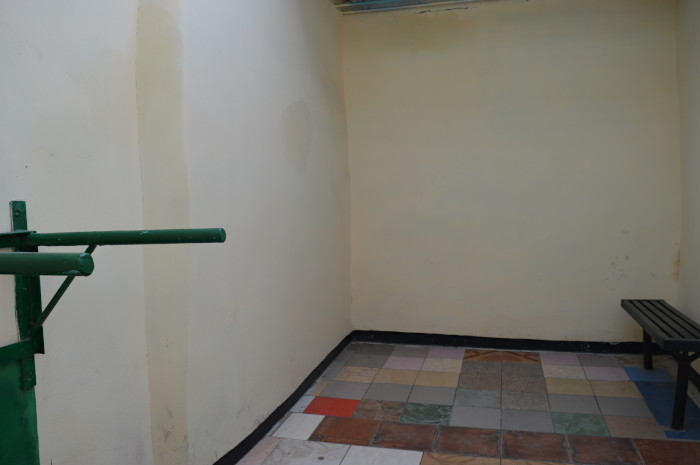
Walking courtyards are small, equipped with a canopy protecting more than half the courtyard area from precipitation. Due to the roof covering, sunlight does not reach the courtyards in sufficient quantities. There are benches for sitting and parallel bars.
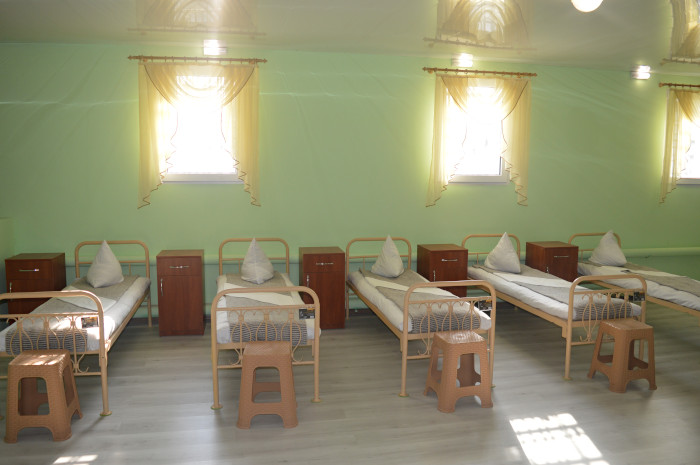
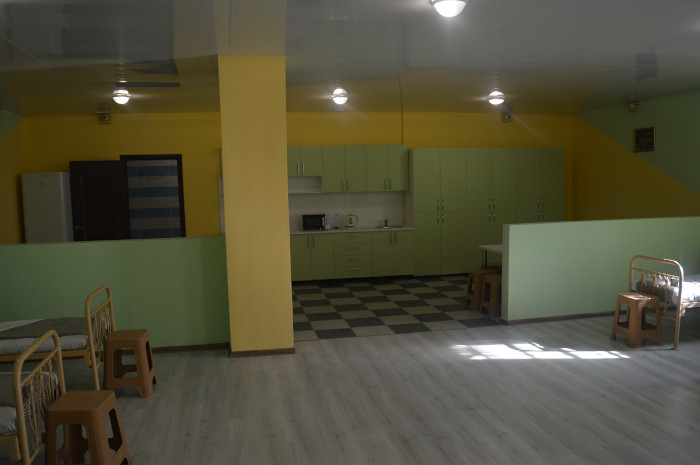
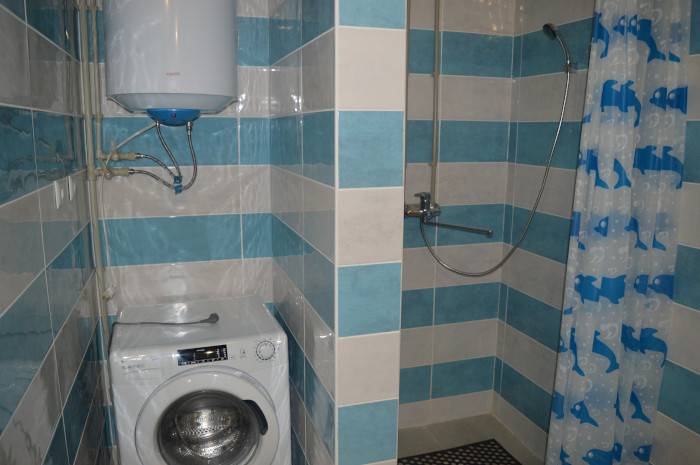
In the colony, there is a multi-occupancy cell for persons serving life sentences. The cell is designed for 10 people, with a total area of 90 sq. m. A major renovation was completed in 2018. In the cell, there is a partitioned kitchen-studio with necessary kitchen utensils; there are cupboards for storing food and dishes. The cell is bright and tidy. There is a modern sanitary room with a washing machine, a shower stall, washbasins, and a toilet. The toilets are separated by quite high partitions and doors, which ensures sufficient privacy.
In addition, according to representatives of the colony administration, life-sentenced prisoners do not show a desire to move into the multi-occupancy cell. Their motives are unclear.
IV. Bath and laundry complex
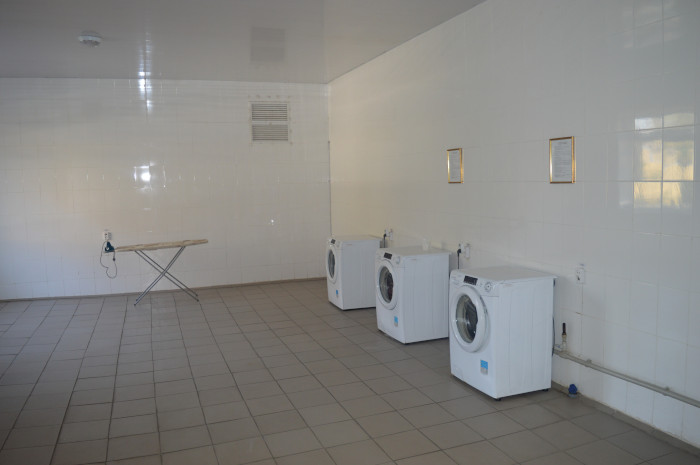
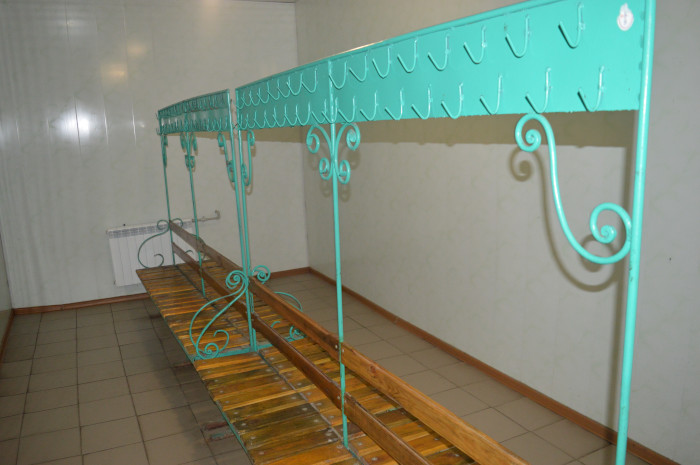
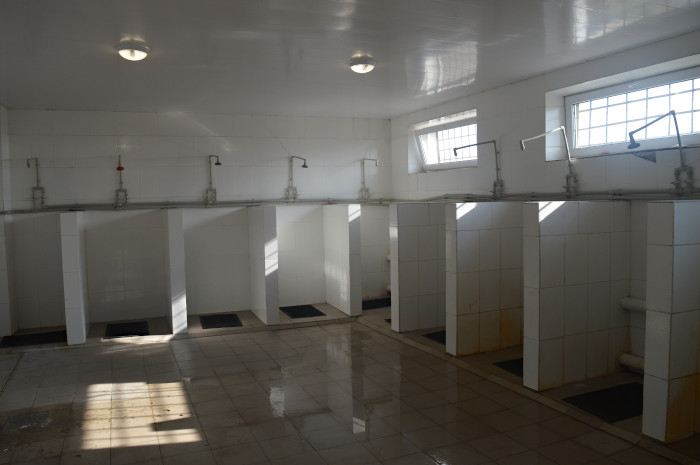
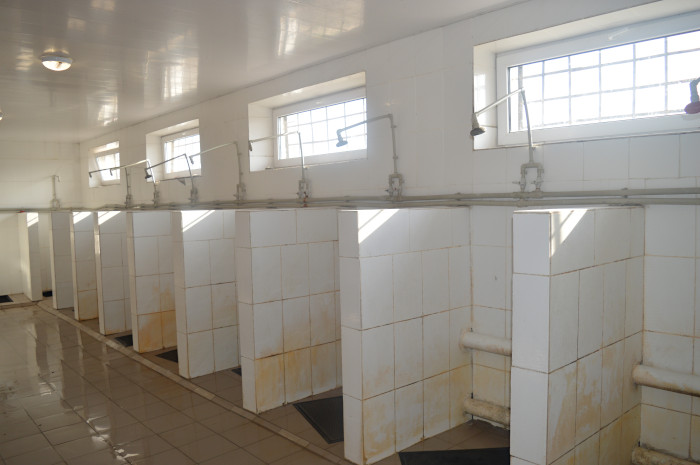
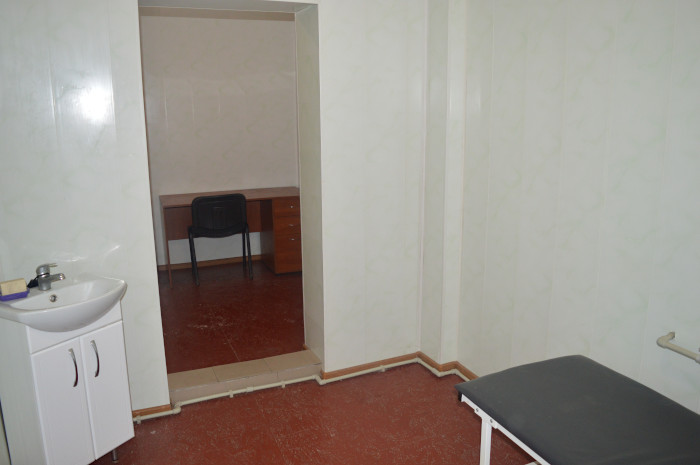
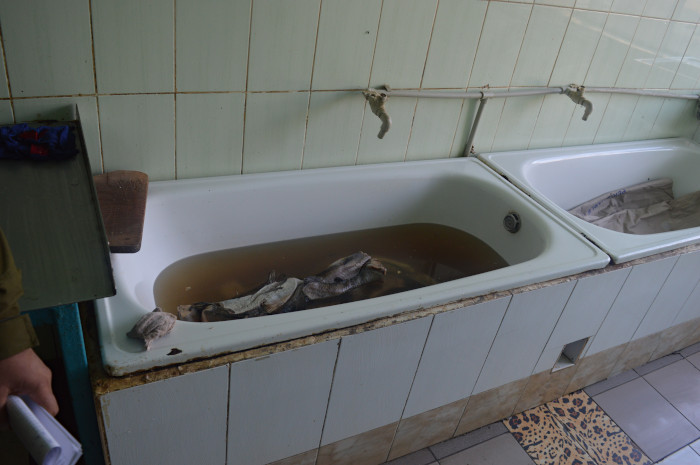
In the complex, there are three domestic washing machines, which led the monitors to doubt the capacity of the bath to meet the needs of all convicts. Shower stalls are separated by partitions; rubber mats are present, but curtains are absent. The monitors positively note the presence of an isolated paramedic room for surface inspection of convicts, which allows for examinations to be conducted separately from other convicts. The complex also has a barbershop, where convicts can get a tidy haircut for free in accordance with internal regulations.
V. Canteen and kitchen
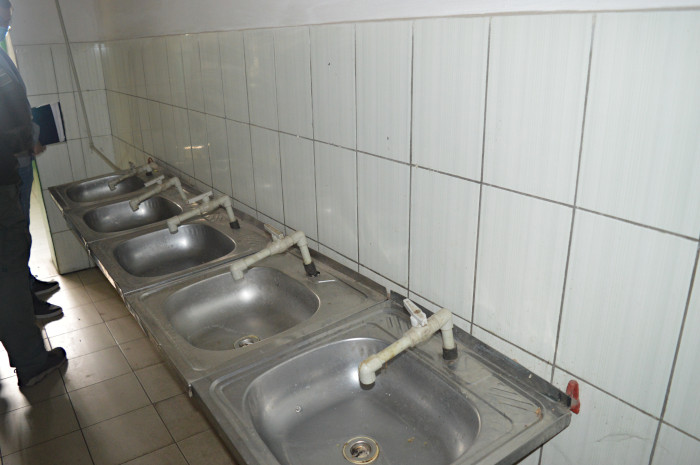
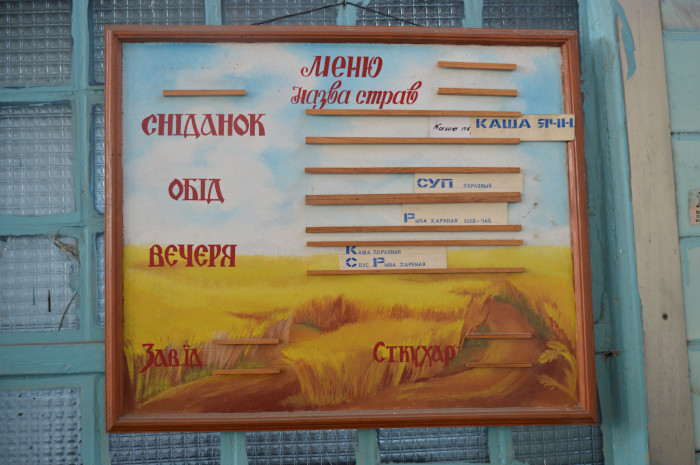
The canteen hall is located on the second floor of the building; it is spacious and bright, but traces of past water damage from precipitation abound on the ceiling. Before the entrance to the hall on the first floor, there are washbasins; soap and towels were absent. Also, a few minutes before lunch, there was no water in the taps. Near the serving window, there is a menu without a date or signatures of the responsible person.
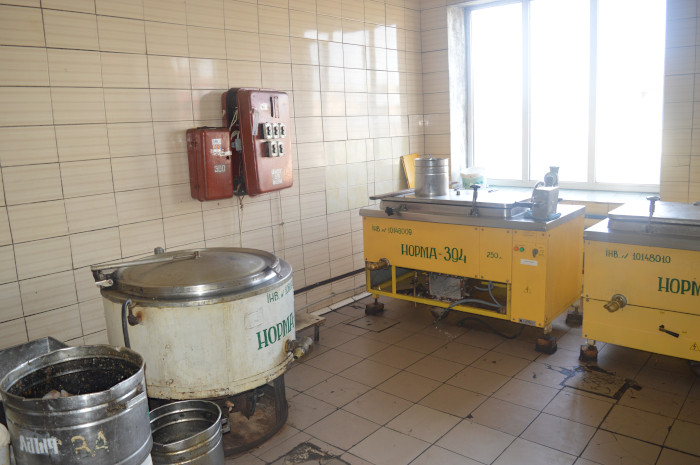
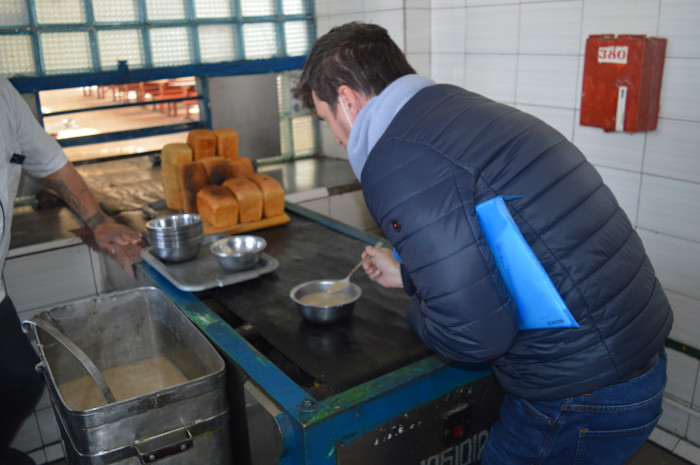
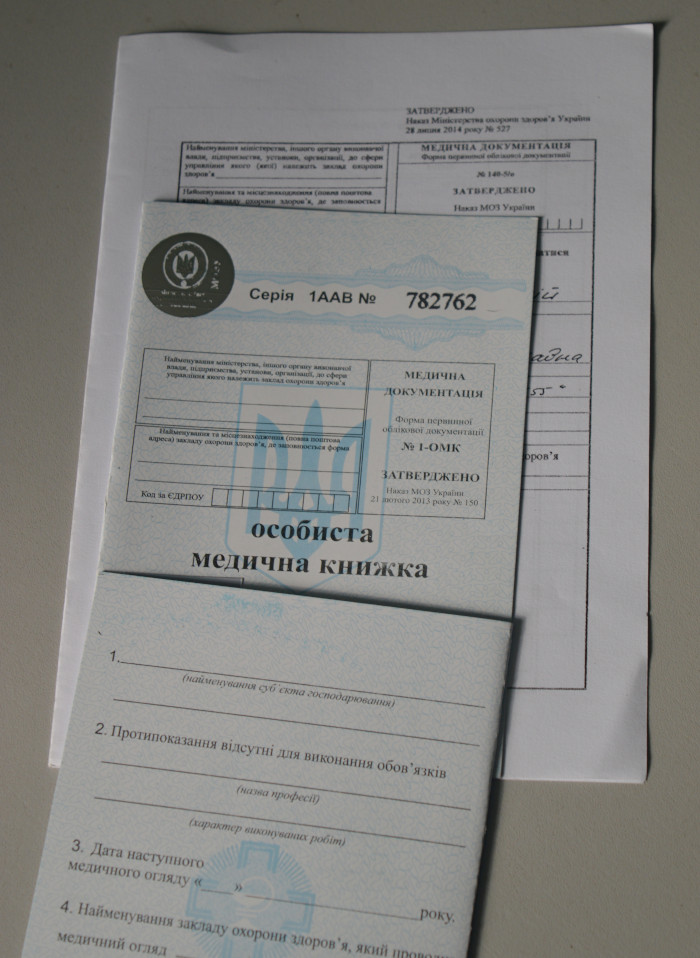
In the kitchen, the smell of freshly fried fish was noticeable; in the fish processing unit, the next batch was defrosting. According to the colony's representatives, fried fish is prepared daily. The kitchen is clean and tidy; the colony's representatives assured that a major kitchen renovation would be carried out if the necessary funding were available. At the entrance to the kitchen, there is a hand sanitiser. Monitor Pavlo Shvab tasted the food that was prepared for the convicts' lunch. Regarding the organoleptic qualities of the food, the monitors had no remarks. The convicts involved in kitchen work have properly completed medical books.

VI. Medical unit and inter-regional hospital for convicts with tuberculosis
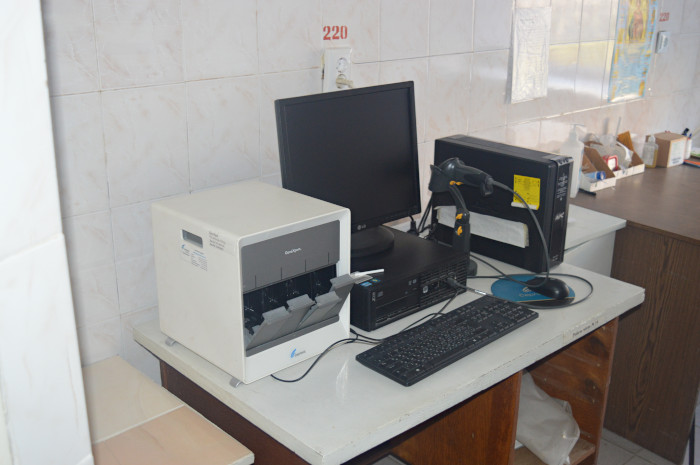
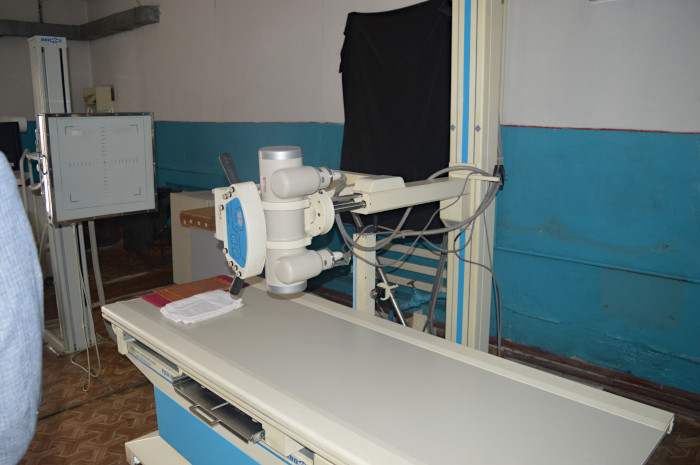
On the territory of the colony, there is an inter-regional hospital for convicts suffering from tuberculosis. According to the head of the hospital, the staff of medical workers is almost 100% complete and consists of 65 people. However, at the moment, there is a vacant position for a dentist. The medical unit/hospital is equipped with an X-ray machine and a fluoroscope. Next year, a complete replacement of this equipment with new, modern X-ray and tomography equipment is planned. A laboratory operates at the hospital, which has modern medical equipment that allows for viral load research for HIV in blood, CD-cell levels, general blood, urine, and stool analysis, PCR tests for hepatitis C, tuberculosis research, and determination of the stage of the disease. Since September of the current year and at the time of the visit, 56 tests have been conducted in the laboratory. The provision of medicines, disinfectants, and protective gear is carried out in full volume.
Also, the monitors note the availability of new ultrasound equipment. An ENT office is in operation.
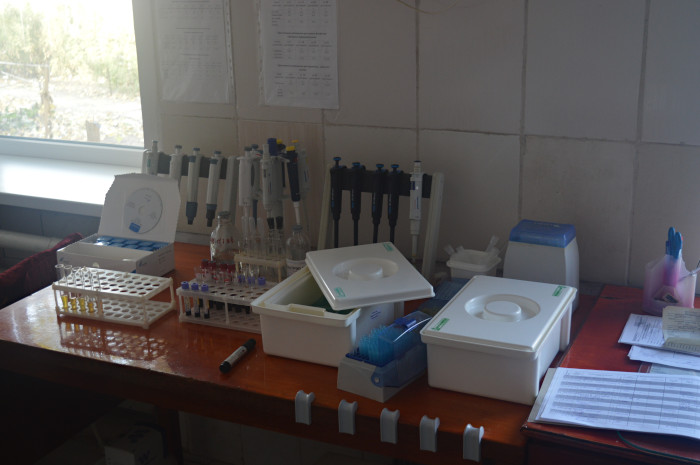
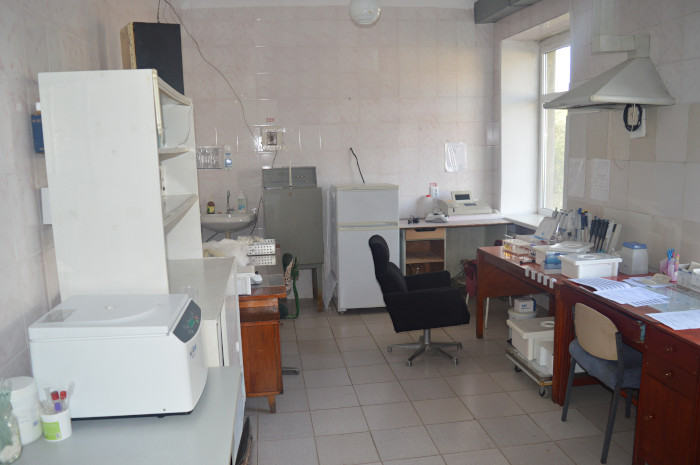
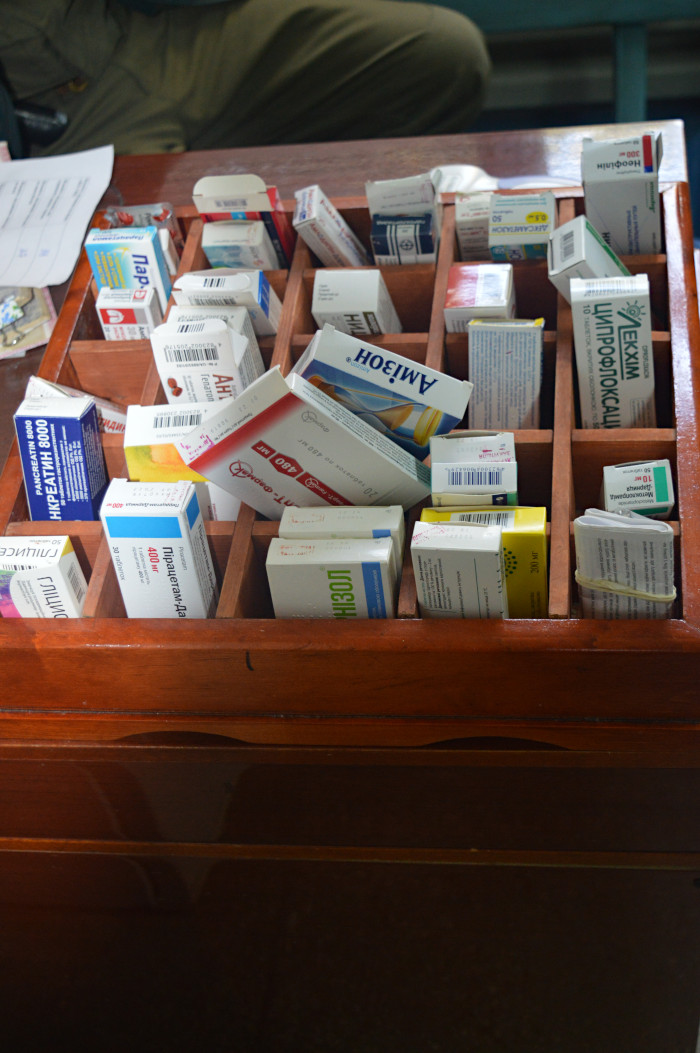
In the medical unit, 2 convicts were in the inpatient ward. Partial cosmetic renovation has been carried out in the inpatient wards; double-glazed windows have been installed; in some wards, there are modern beds, in all others, there are old metal ones. In some wards, there are traces of damage to the walls as a result of precipitation. Sufficient sunlight reaches the wards.
There is a separate room for eating, which is equipped with household appliances.
In the sanitary facilities, there are washbasins; toilets are partitioned off with high partitions and doors.
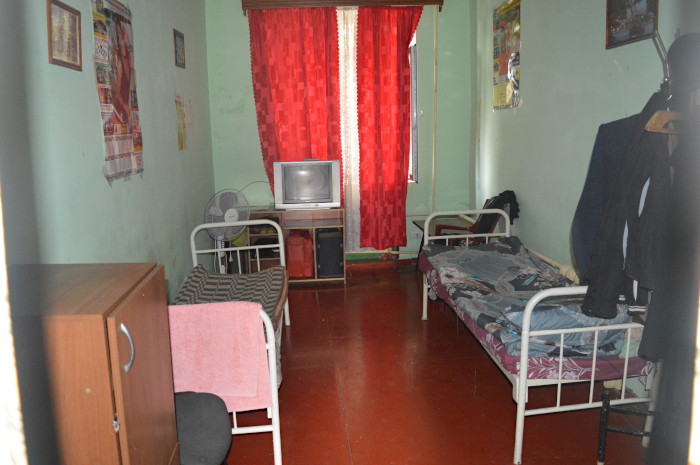
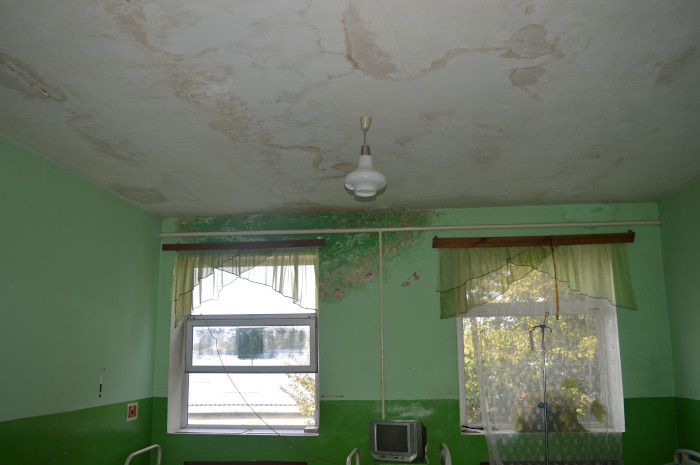
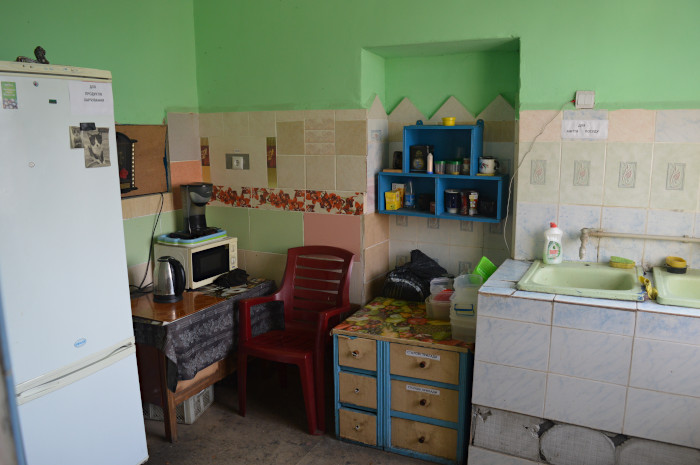
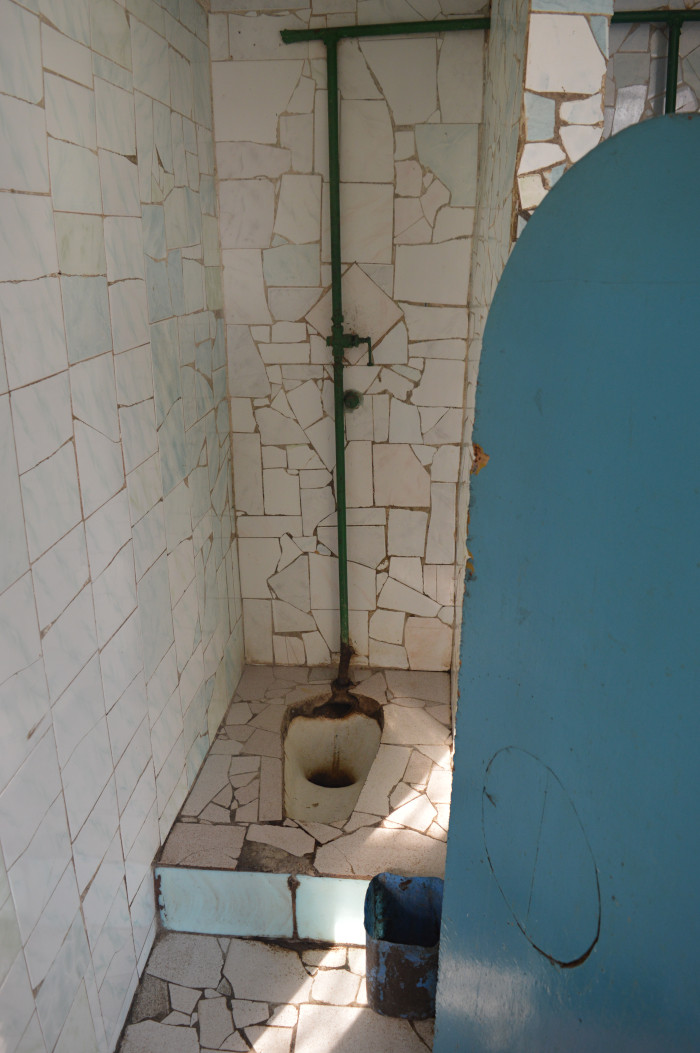
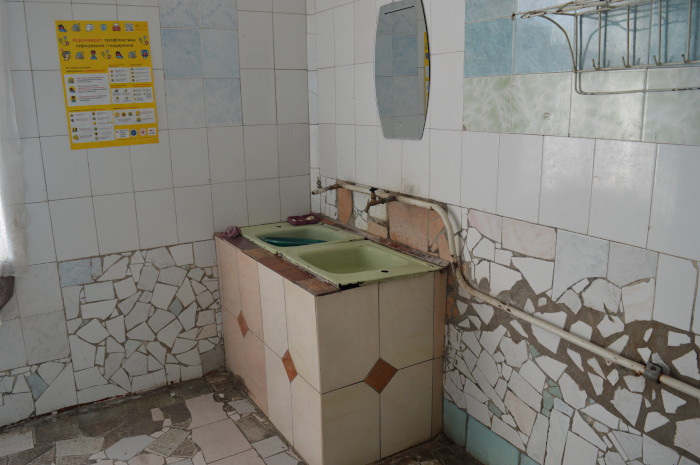
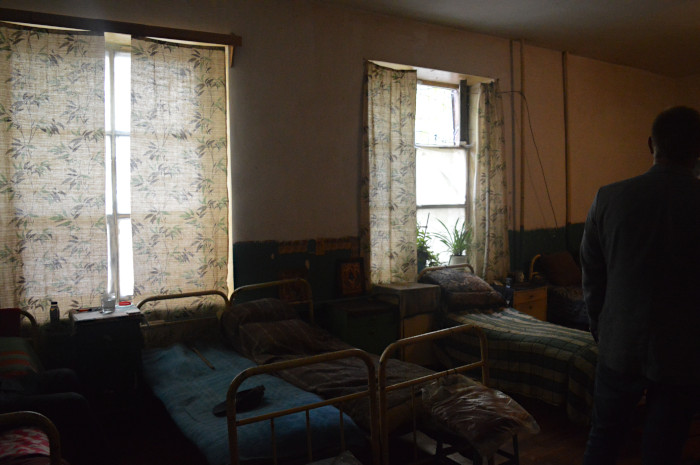
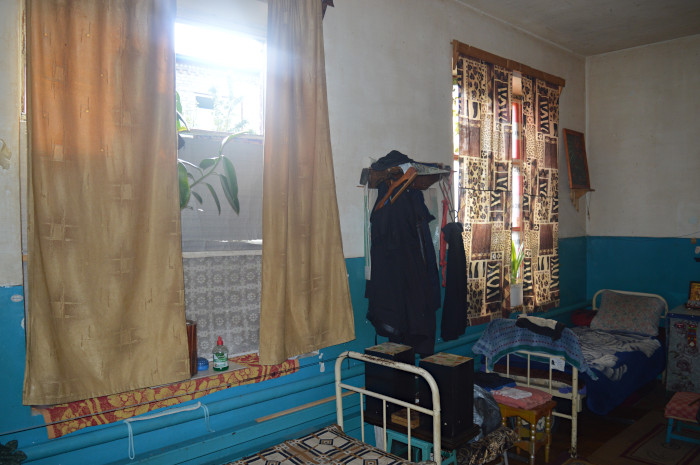
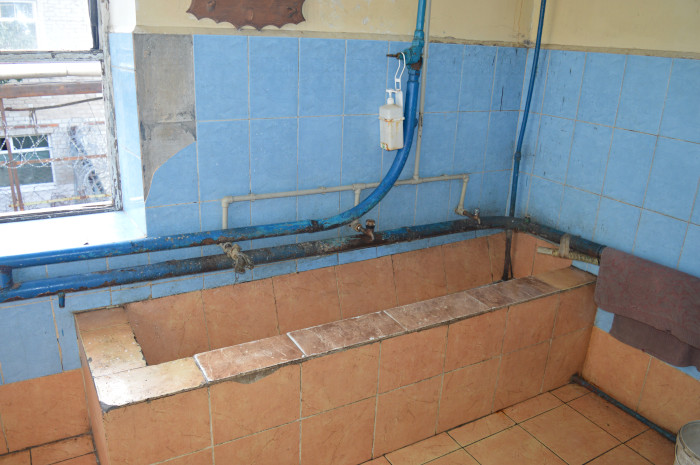
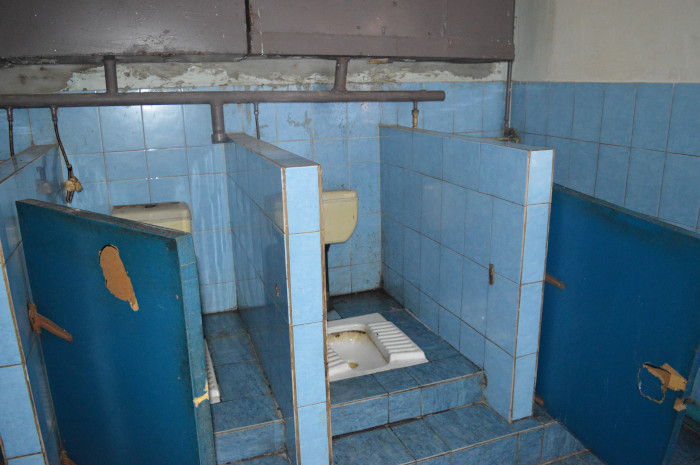
Also, the monitors visited the residential units for convicts suffering from tuberculosis. The indicated unit is located separately from other residential units and has separate exits to the hospital and the medical unit. The monitors noted that these residential units are in a rather neglected state and require renovation. The windows are old and wooden, covered with rags. In the blocks for convicts, it was dark, and a stuffy, unpleasant smell was felt. In the dining rooms, there are tanks for drinking water, but kitchen utensils necessary for preparing and eating food are absent. On the ceiling, there are remnants of traces of past water damage from precipitation in some places. Sanitary rooms are equipped with old washbasin systems; toilet stalls are partitioned off with small partitions and doors that do not provide sufficient privacy to the convicts. A specific smell was felt in the toilet.

VII. Production
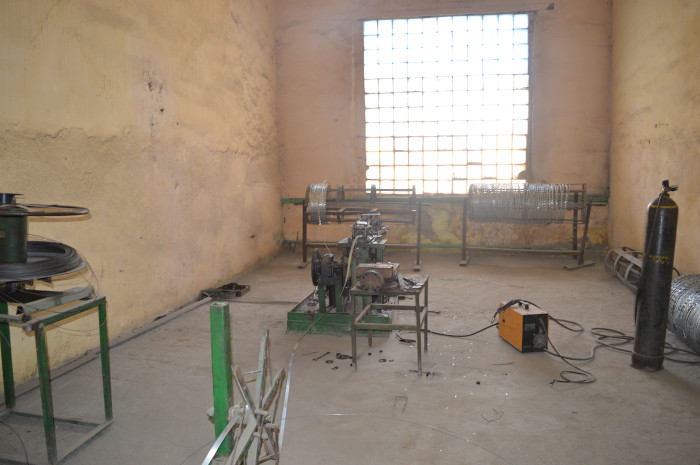
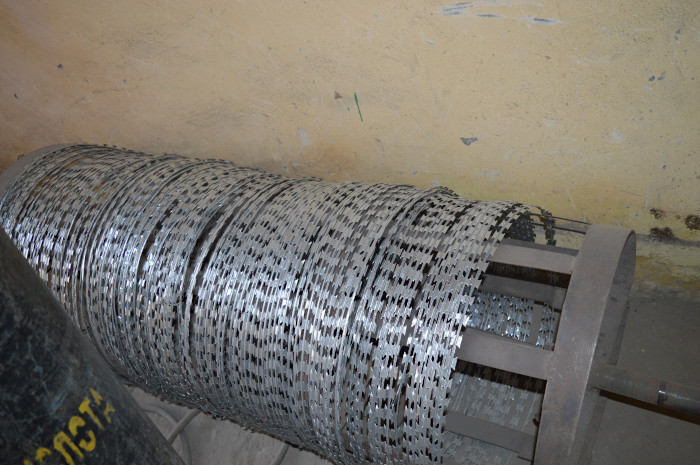
Production in the colony is represented by metal and woodworking, a sewing workshop, and an auxiliary farm. 49 people work in production. Convicts are involved in the production of barbed wire “Yehoza”. From wood, they manufacture pallets and drums for high-voltage wires.
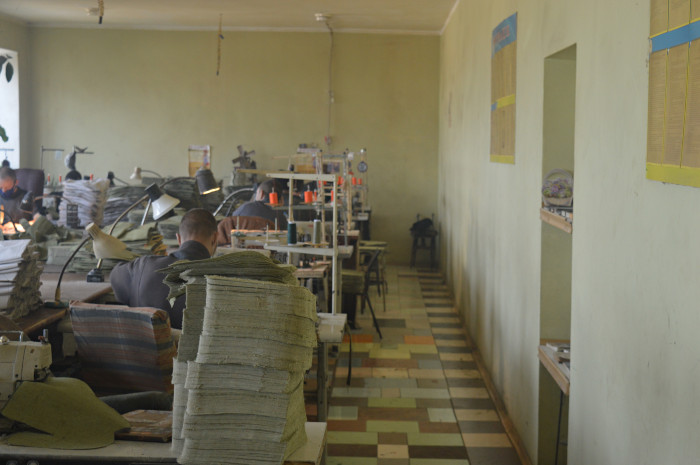
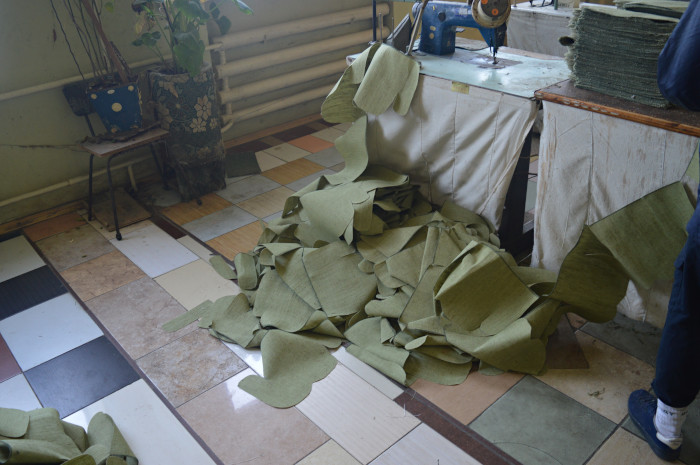
In the sewing workshop, canvas mittens are sewn. On the information board in the sewing workshop, information about the amount of remuneration per unit of manufactured product is available. The monitors spoke with the working convicts, who provided a clear answer regarding the amount of monetary remuneration for the work performed.
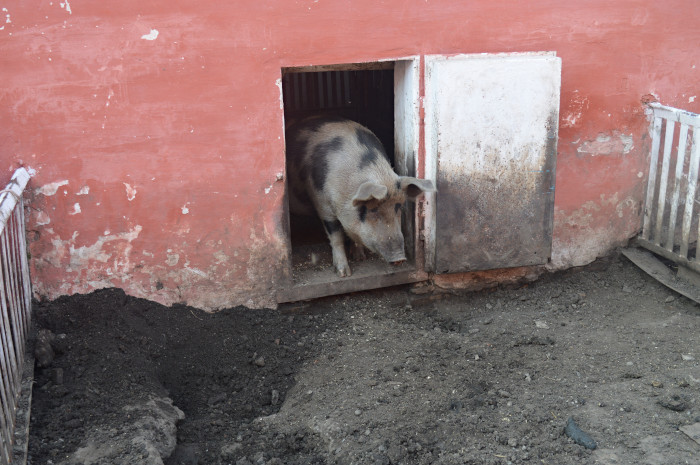
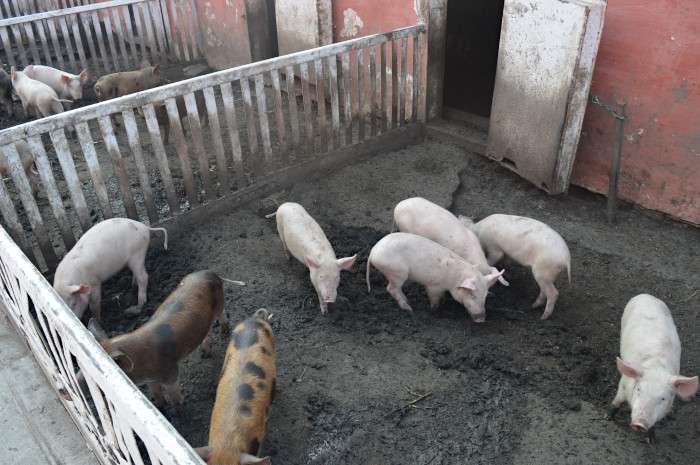
On the auxiliary farm, pigs are raised, the meat of which is sold.
VIII. DIZO
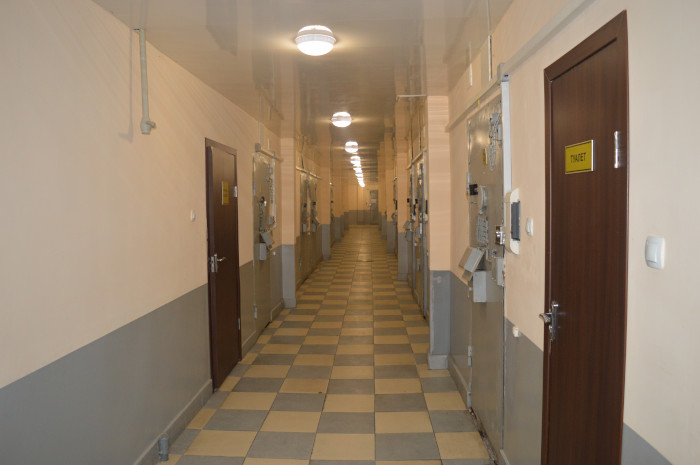
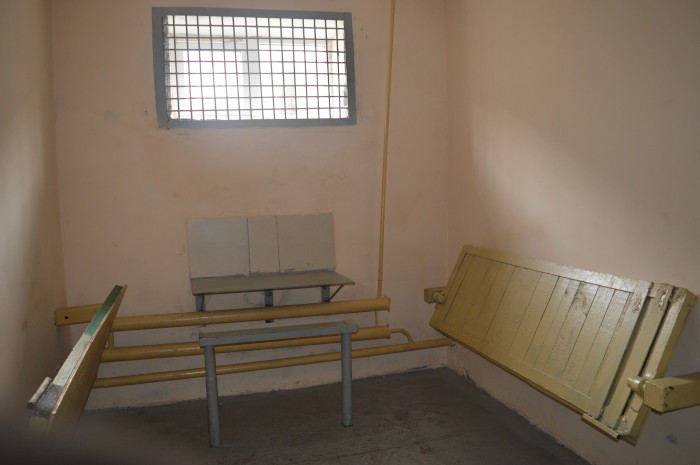
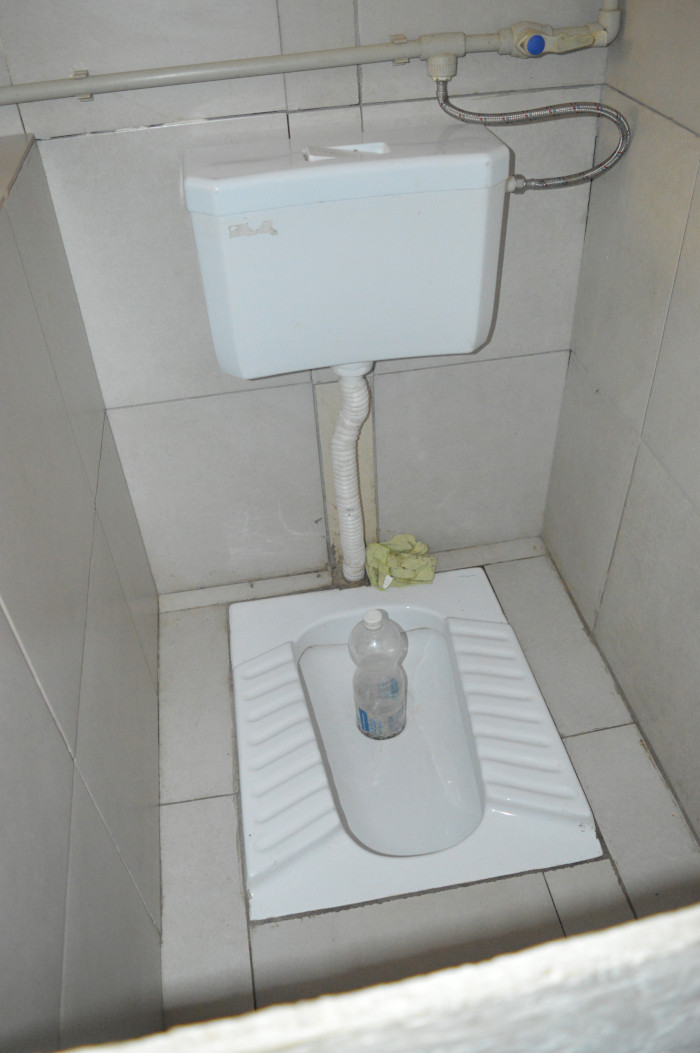
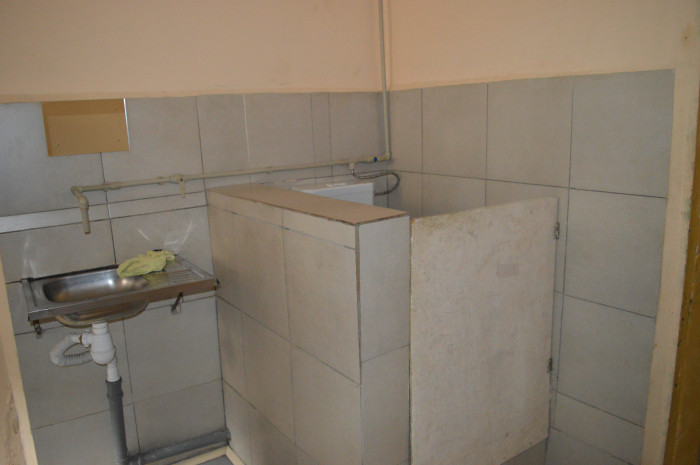
The disciplinary isolation ward is located in a semi-basement room. Major renovations have been carried out in the premises. The cells are designed for two people, have double-glazed windows, but the monitors note that convicts placed in the DIZO sector do not have the opportunity to open the windows on their own when necessary and are forced to ask representatives of the colony to do so. In total, since the beginning of the year, a disciplinary penalty in the form of placement in DIZO has been applied 275 times. In the cells, there is a toilet partitioned off with a wall and an installed washbasin. The monitors spoke with the people who are in the section. The convicts had no complaints; everyone agreed with the fairness of the application of the disciplinary penalty. The monitors note that there are no tanks with drinking water in the cells, and convicts are forced to drink water from the tap or ask the attendant in the section.
Walking courtyards are connected to the courtyards of the maximum-security sector.
EU Project “Combating Torture, Ill-Treatment and Impunity in Ukraine”