Monitoring visit to Holoprystanska Penal Colony No. 7
On 23 November 2020, the KHPG monitoring team, consisting of assistant to the People’s Deputy Maksym Revyakin and two journalists, Hanna Ovdiienko and Pavlo Shvab, visited the State Institution ‘Holoprystanska Penal Colony No. 7’. The institution is located in the village of Stara Zburivka, Holoprystanskyi district, Kherson region. This is a medium-security facility for men. A unique feature of the institution is that it hosts an inter-regional specialized tuberculosis hospital. On the day of the visit, there were 94 people in the institution, of whom 71 were undergoing treatment, and 23 were engaged in domestic maintenance. The planned capacity of the institution is 502 people. The colony has been functioning since 1964.
At the entrance to the territory adjacent to the colony, there is a checkpoint with a barrier. The duty officer refused to allow the monitoring team’s vehicle to enter until permission from the management was obtained. However, at that very moment, the head of security for the institution arrived and ordered the monitors’ vehicle to be allowed into the territory. After this, the monitors underwent temperature screening and were admitted to the territory of the guarded zone without hindrance. At the entrance to the checkpoint, there is a disinfection barrier and hand sanitiser.
Residential units
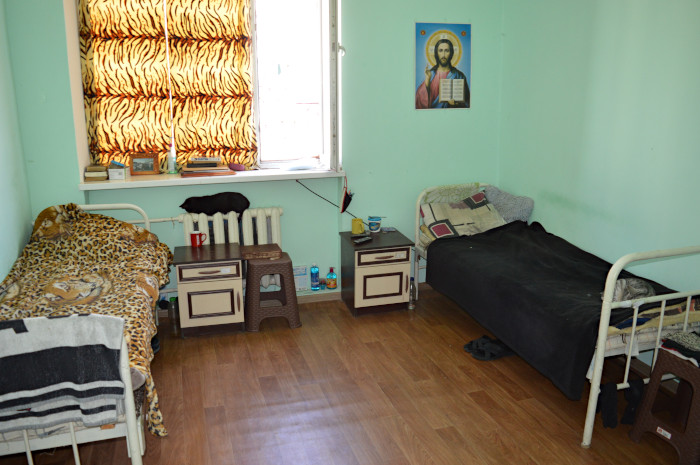
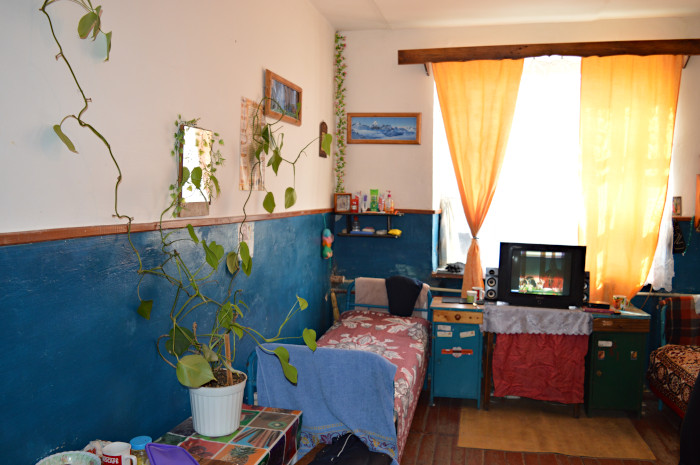
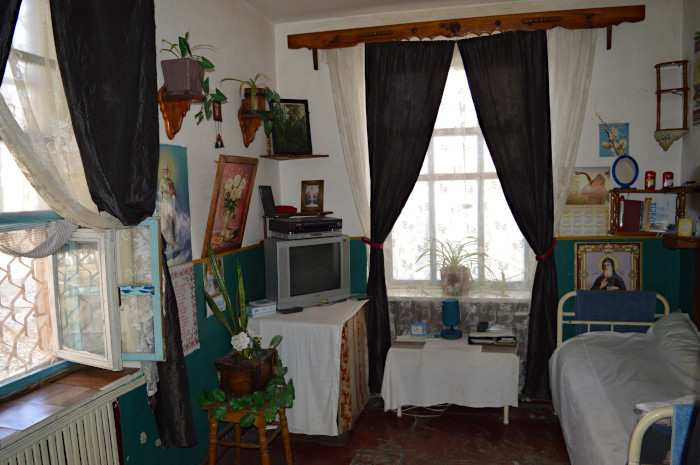
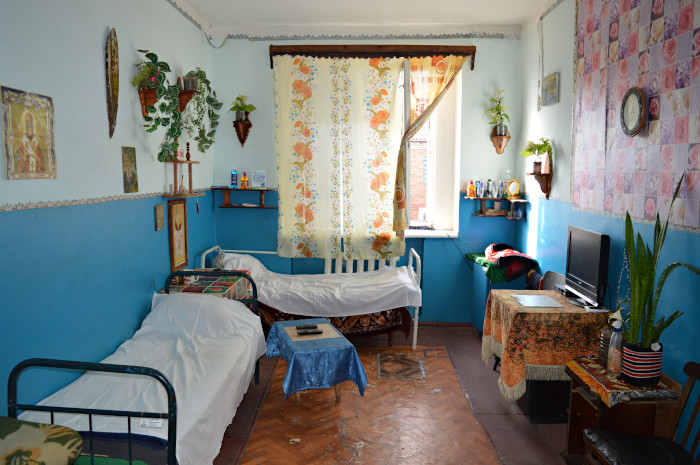
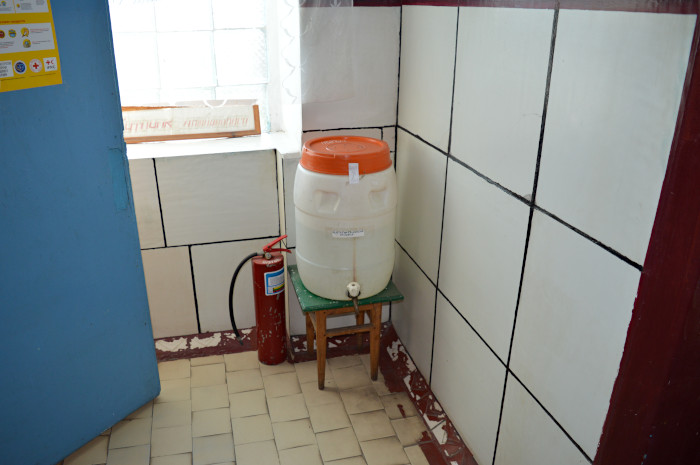
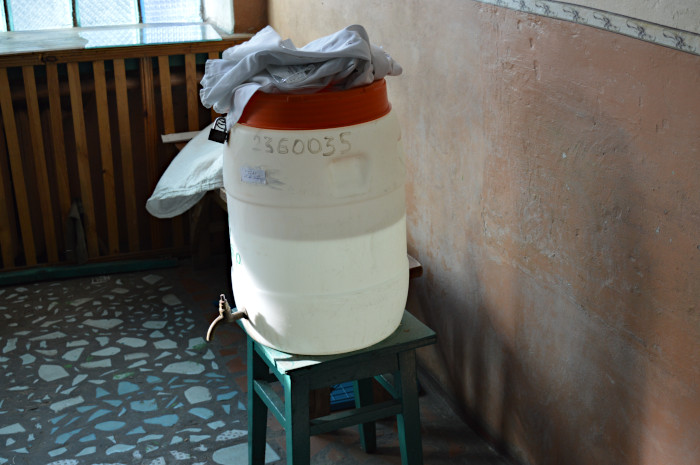
There are six residential units in the institution; three of them are inpatient wards of the specialized tuberculosis hospital. Other units house convicts involved in domestic maintenance and convicts who have recovered from tuberculosis. All units are of a block type. All units have undergone decent cosmetic repairs. Almost all units are equipped with metal-plastic windows. The units are warm – the radiators are hot. The living space per convict is more than sufficient. The living quarters are bright, and sunlight enters in sufficient quantities. In each unit, there is a tank with drinking water. However, in some units, the drinking water tanks were empty. The administration explained that the tanks are filled at lunchtime. In some units, the taps on the drinking tanks were unusable.
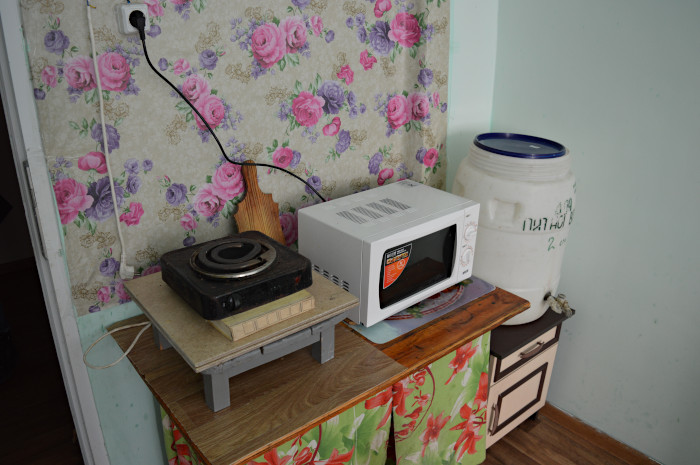
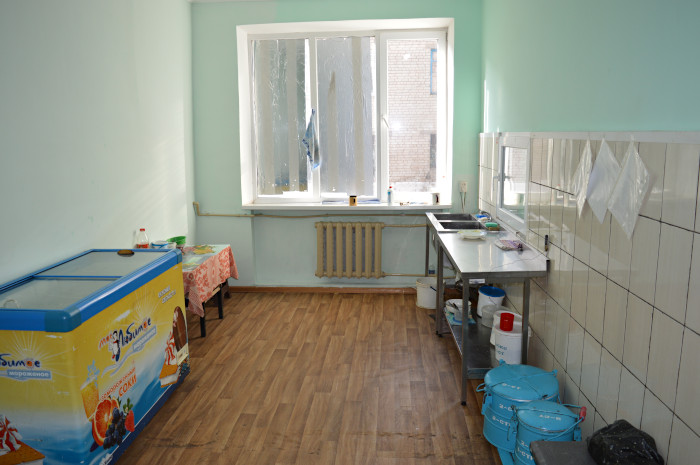
The dining rooms have been renovated. There is a refrigerator, a microwave, and a multicooker. At the time of the visit, the convicts, following doctors’ recommendations, were eating directly in the residential units. Each unit is equipped with a small dining area.
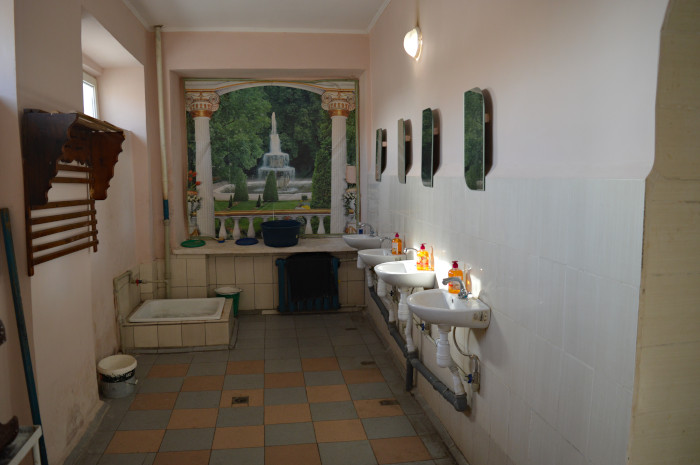
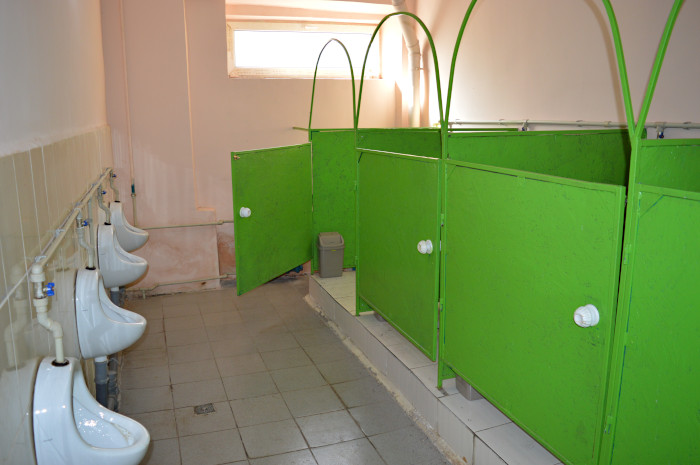
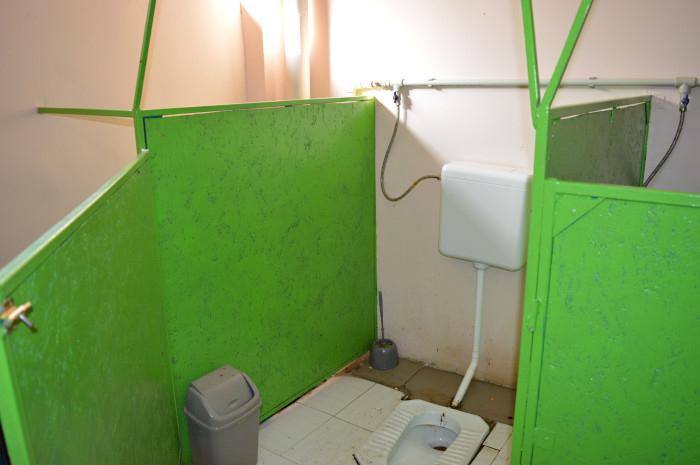
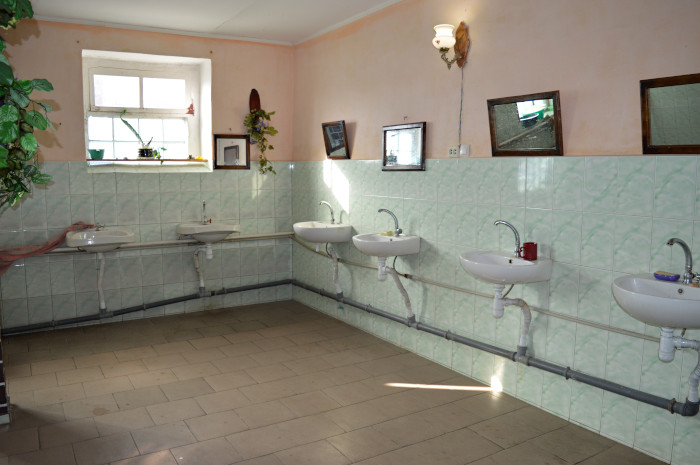
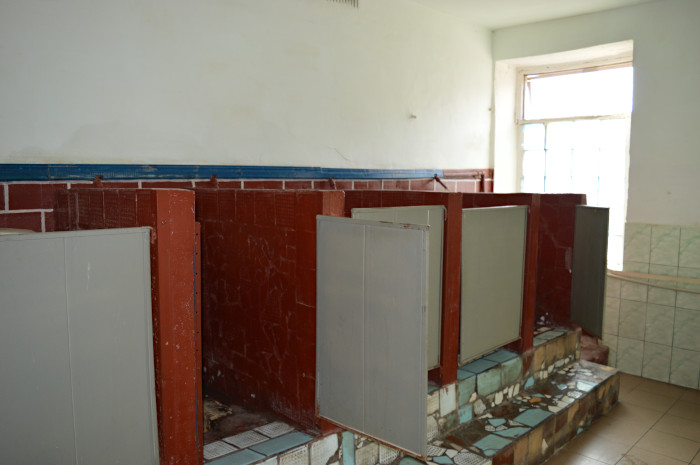
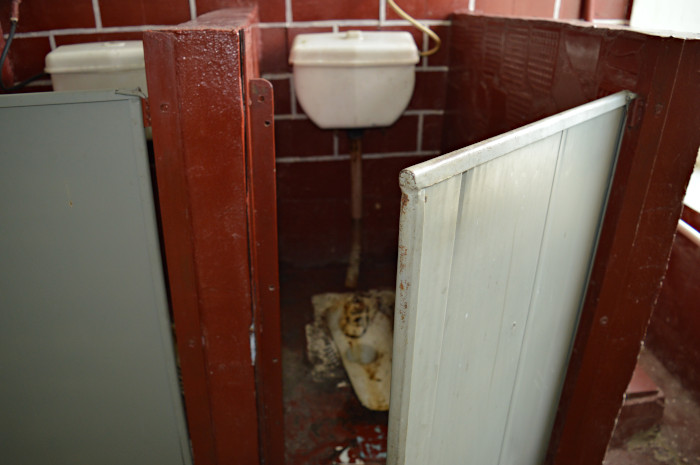
In the sanitary facilities, there are washbasins with liquid soap. Some units have shower stalls. The toilets are equipped with relatively new plumbing. The toilets are separated by small walls and doors, which may not ensure a sufficient level of privacy for the convicts.
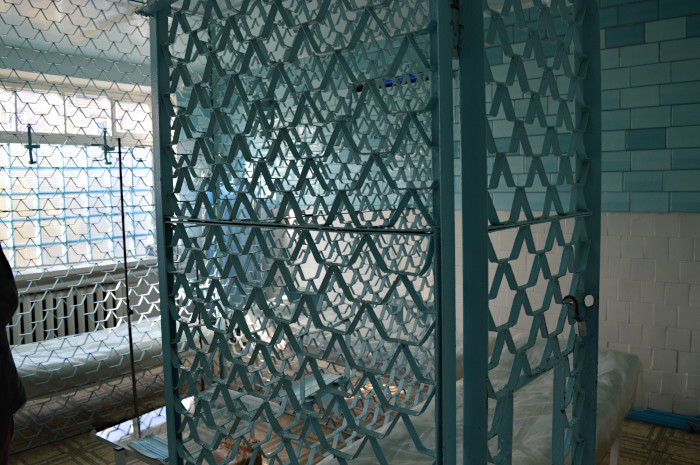
Medical assistance is provided to convicts directly in the residential units. Medical supplies are issued in a specially equipped room. In these units, the treatment areas are equipped with metal cages, which are not provided for by criminal-executive legislation. However, representatives of the administration explained that this is necessary for the safety of medical staff, and the administration cannot ensure the security of junior nurses—women. This is strange, considering that the number of staff members in the institution is almost double the number of convicts.
Directly in each unit, there are Internal Labour Regulations – every convict can familiarise themselves with them without hindrance. However, other regulatory and legal acts are located in the office of the unit head. The latest version of the regulatory act was dated 2015 (not including the Internal Labour Regulations).

Kitchen and canteen
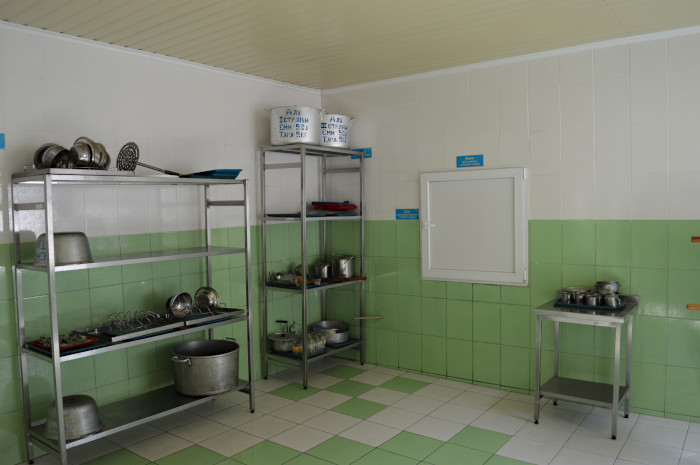
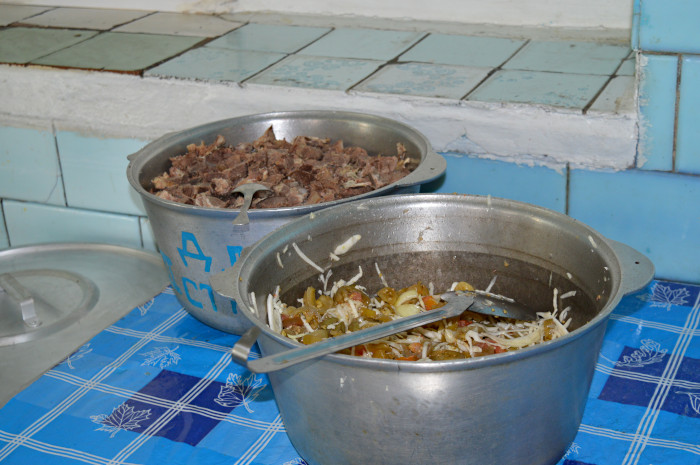
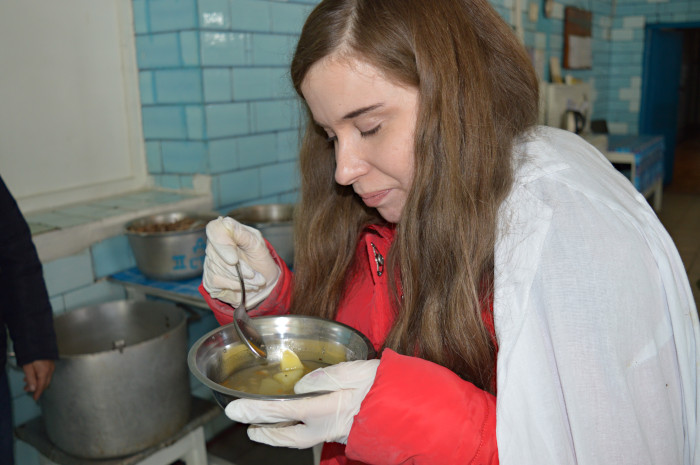
Next, the monitors visited the kitchen and canteen. The kitchen’s washing area was completely renovated in 2018. New furniture was installed, communications were replaced, etc. Renovation is also planned in other kitchen areas, particularly the hot kitchen. Currently, the kitchen is in a satisfactory condition. At the time of the visit, lunch in the institution had just finished. The monitors tasted the food and can describe the first course as very tasty. The second course also turned out to be edible. According to the head of the institution, enough food supplies for the winter have been purchased.
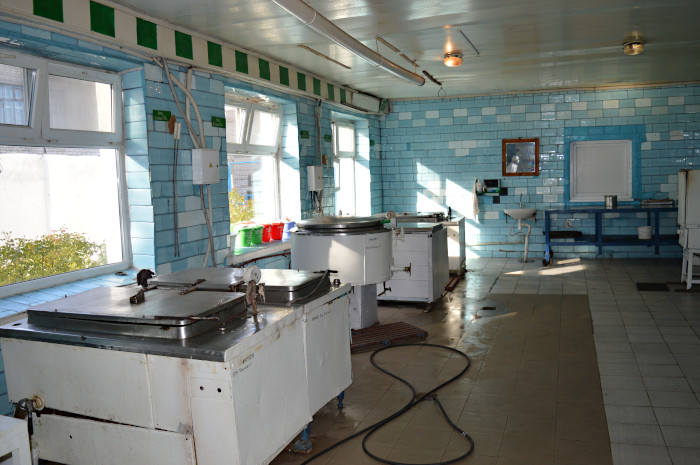

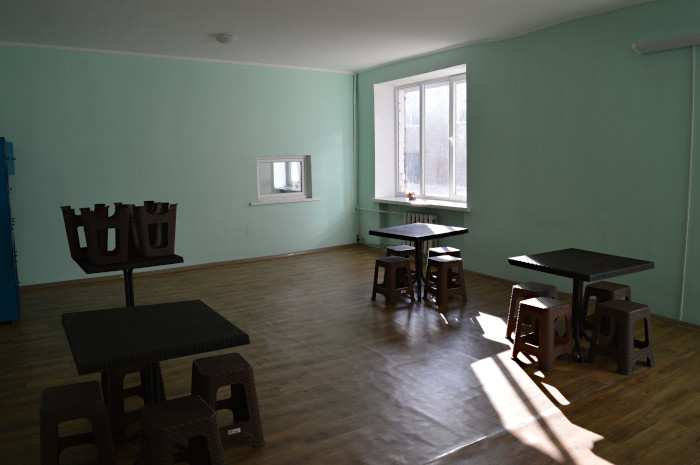
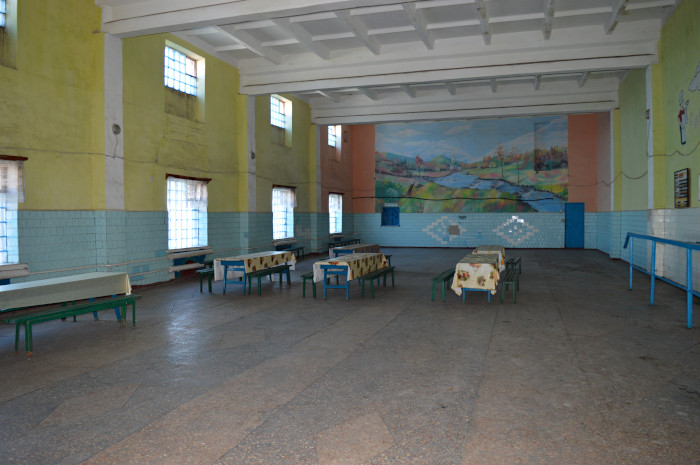
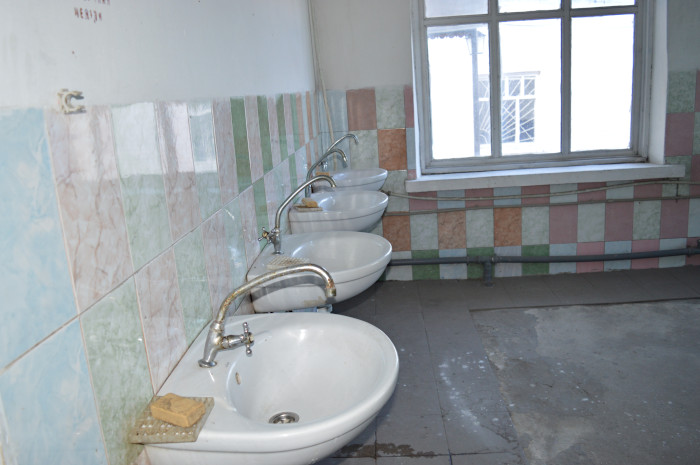
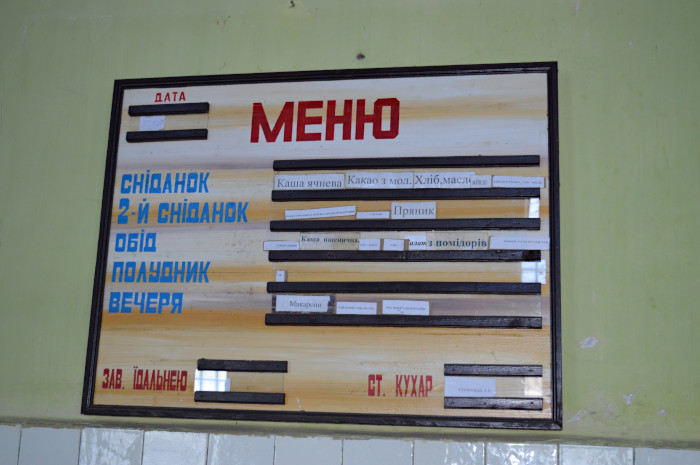
The institution’s canteen is currently not in use. The canteen room is very large; at the entrance to the canteen, there are washbasins with soap, but there were no towels. The canteen has an information menu with relevant information. The institution’s administration reported that renovation of the canteen is planned.
The monitors spoke with kitchen staff, who reported that they receive a ‘net’ salary of 2,100 hryvnias. The convicts assured that they had recently undergone a medical examination.
DIZO (Disciplinary Isolation Unit)
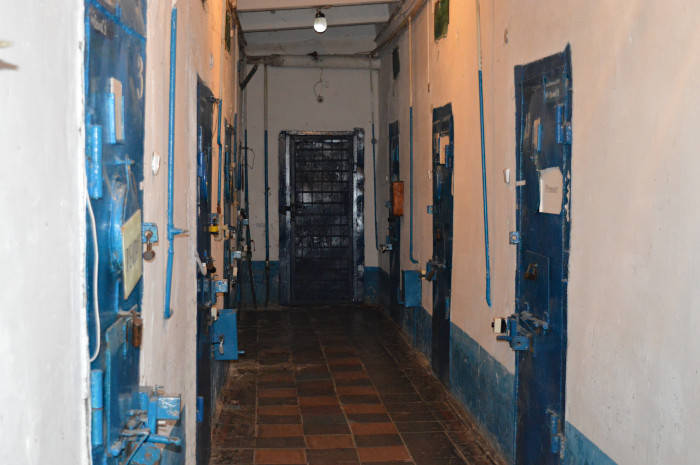
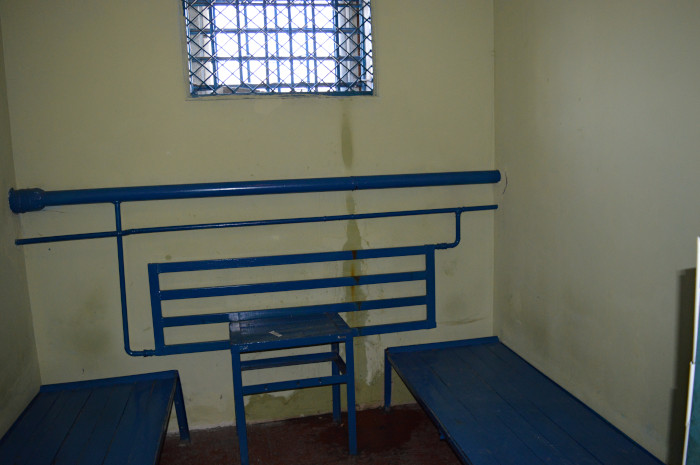
On the day of the visit, there was no one in the institution’s DIZO. One person was in the cell-type premises due to so-called ‘general grounds’ – criminal proceedings had been initiated against them for the fact of an assault on an institution employee.
Since the beginning of the year, disciplinary penalties have been imposed on 44 people.
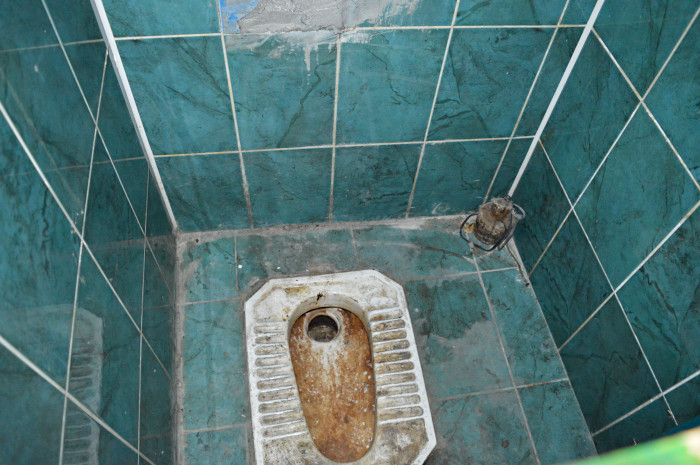
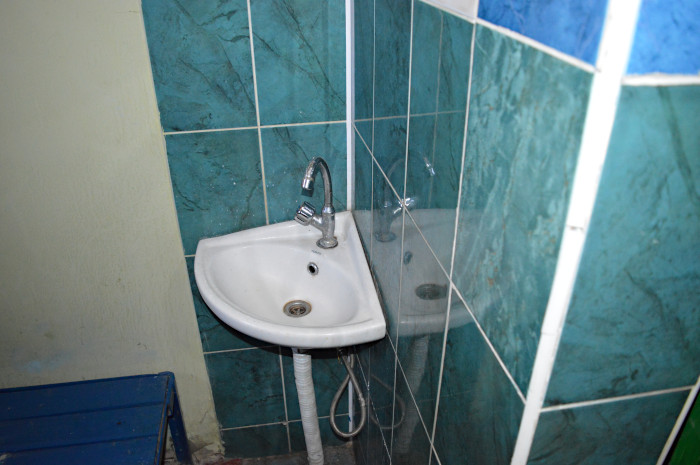
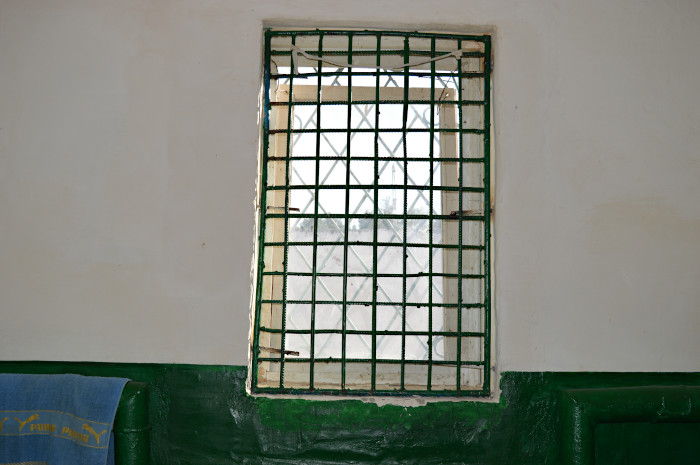
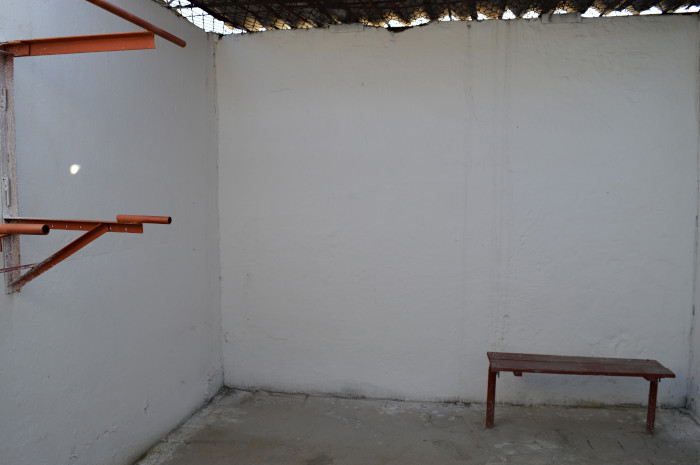
The DIZO cells are in a satisfactory condition. Some cells have undergone cosmetic repairs. Washbasins have been installed. The toilets are partitioned by a sufficiently high wall. Convicts can open the windows themselves. There are two types of exercise yards: large and small. They are equipped with exercise equipment and benches. Renovation is planned for some of the yards. The yards are sufficiently protected from atmospheric precipitation.
Bath and laundry complex
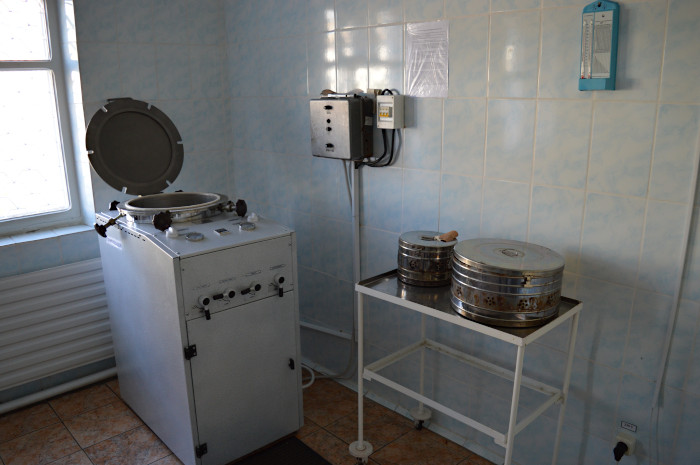
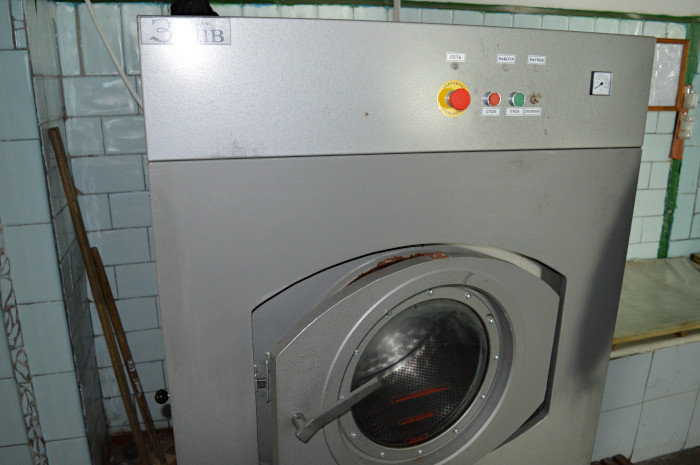
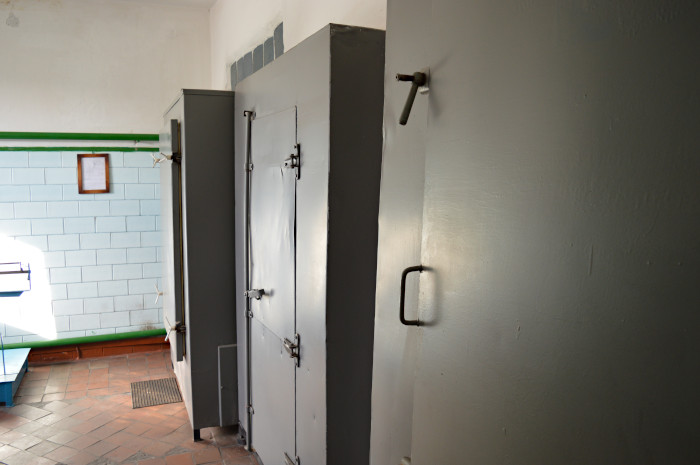
The institution’s laundry is equipped with a recently purchased new washing machine. Other outdated equipment will be replaced in due course. There is an ironing press and disinfection chambers.
Inter-regional specialized tuberculosis hospital
In the inter-regional specialized tuberculosis hospital, 85 staff members of medical personnel work. On the day of the visit, only 5 positions were vacant. In particular, there was no ophthalmologist, neurologist, and 0.5 of a phthisiatrician position was not filled. According to the head of the hospital, there is no shortage of medical supplies in the institution. Recently, the latest fourth-generation drugs for the treatment of tuberculosis were purchased. At the same time, some convicts complained to the monitors about significant side effects from the use of such drugs.
Over the year, 5 convicts died in the institution. The Medical Advisory Commission deemed eight convicts eligible for release due to health conditions. Of these, four were released by the court, one of whom died while awaiting actual release; three were refused by the court, and one died before the court decision was made.
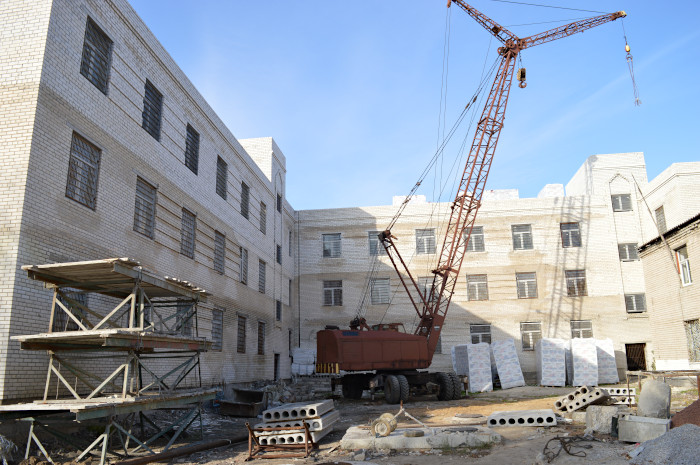
According to the administration, the construction of a new hospital department is ongoing in the institution, which will be equipped with the latest technology.
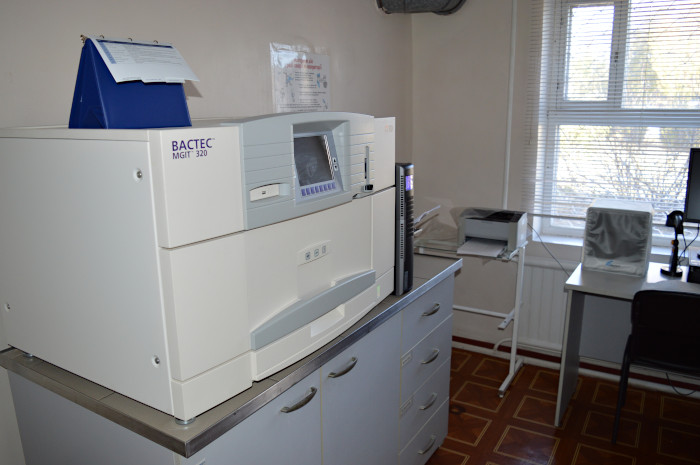
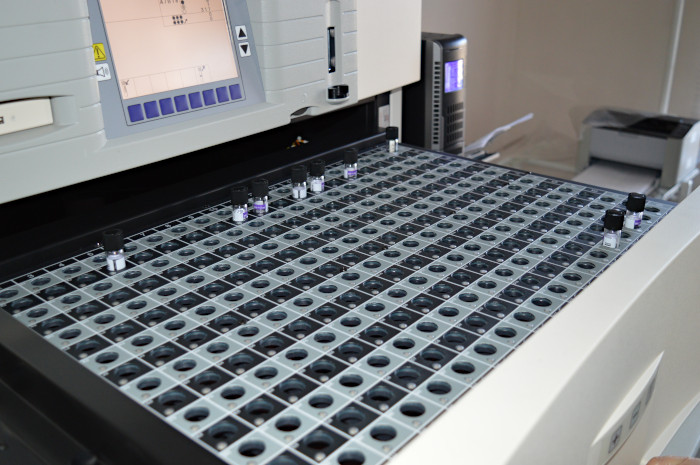
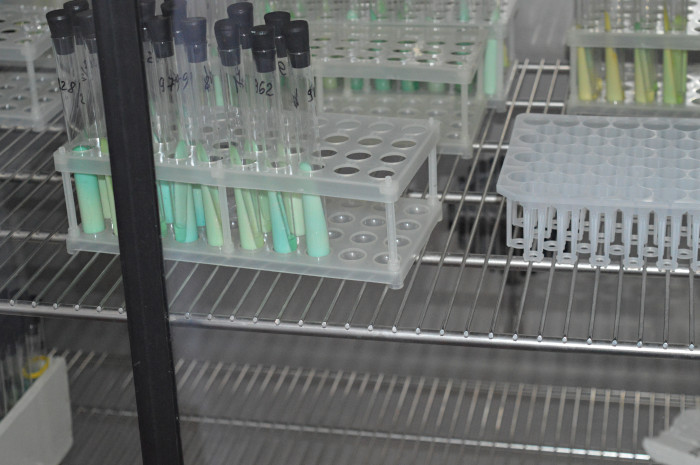
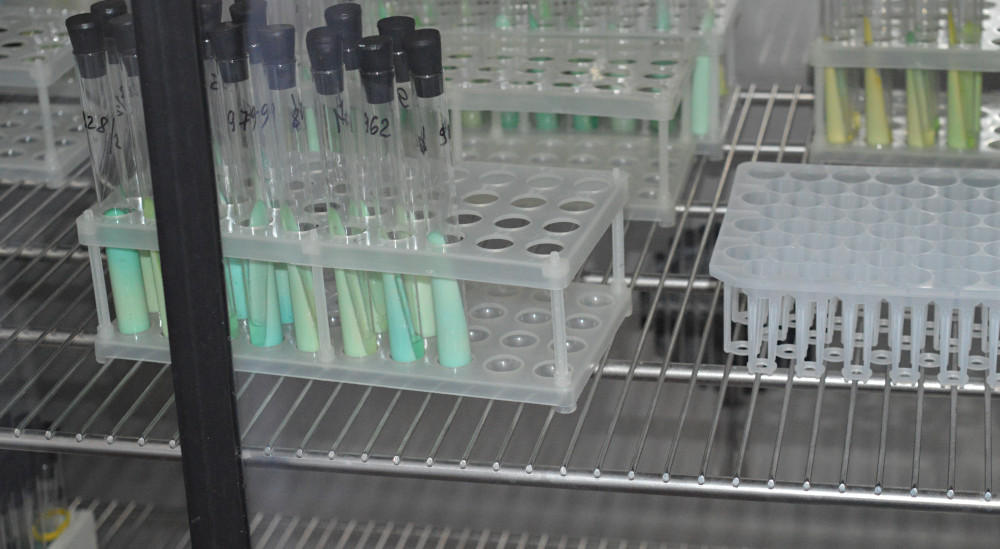
The monitors also visited the laboratory, equipped with modern medical technology. The main task of the laboratory is to determine the type of tuberculosis, its resistance, and the treatment methodology. Clinical analyses of blood, urine, faeces, and cerebrospinal fluid are also conducted. In the laboratory, the full complex of tests for tuberculosis is carried out, including its cultivation to determine the type.