Monitoring visit to the Daryivka Correctional Colony No. 10
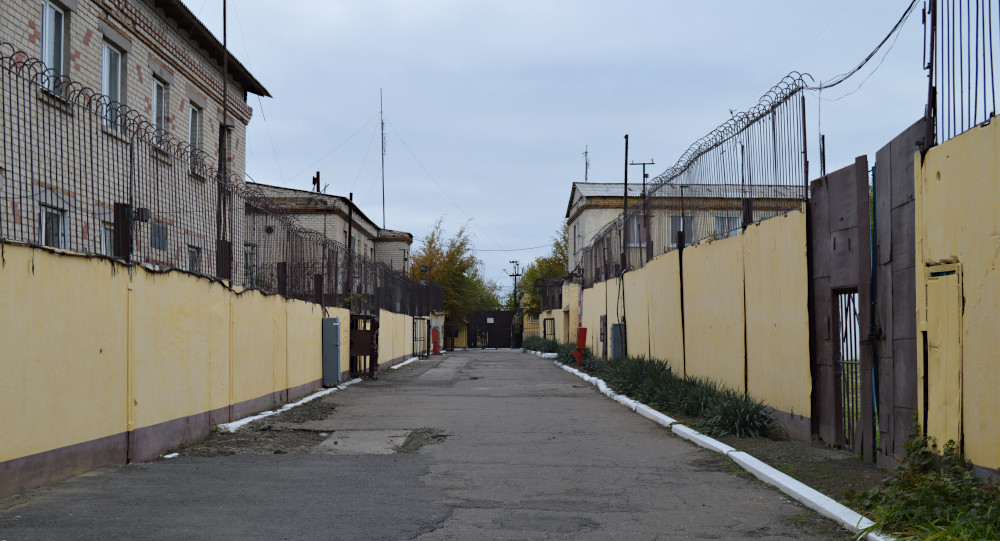
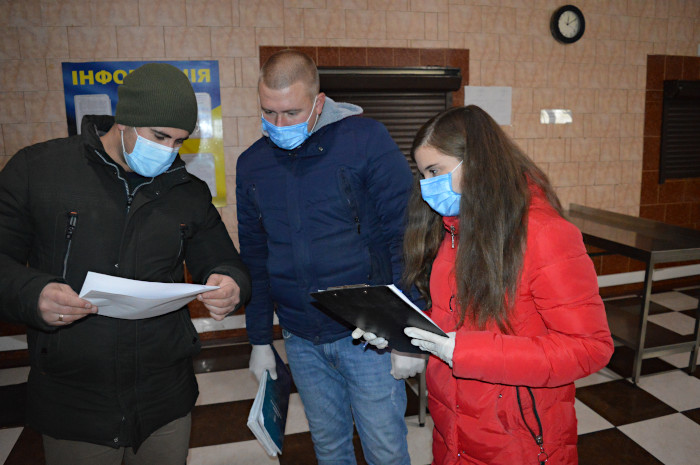
On 22 November 2020, a monitoring group of the KHRG consisting of assistant to the People’s Deputy of Ukraine Maksym Revyakin and two journalists – Hanna Ovdiienko and Pavlo Shvab – visited the SI “Daryivka Correctional Colony No. 10”. The institution is located in the village of Daryivka near the regional centre – the city of Kherson. The planned occupancy of the institution is 1,067 people. At the time of the visit, 573 convicts were serving a sentence in the institution. During the current year, 115 people were released from the institution. A feature of the institution is that a regional multidisciplinary hospital is located there.
At the entrance, the monitors were met by a not very friendly employee who immediately tried to forbid the journalists from photographing the territory of the institution and moving around the territory to the administrative building without permission from the leadership. After approximately fifteen minutes, the first unknown employee of the colony approached the monitors and asked if the visit to the institution had been agreed upon with the head, to which the monitors informed the employee that, in accordance with Art. 24 of the Criminal Executive Code of Ukraine, coordination of monitoring visits is not provided for, and the assistant to the People’s Deputy, together with journalists, has the right to enter the institution at any time without warning and obstacles with the full cooperation of the administration. After this, the employee checked the documents of the assistant to the People’s Deputy and stated that he is not an assistant, but is an assistant-consultant, therefore, he does not have the right to enter the protected zone. The monitors explained to the employee that all assistants to deputies are also consultants. After this, this employee left, and instead, a few minutes later, another employee arrived, who checked the monitors’ documents for the second time and escorted them to the checkpoint. At the entrance to the checkpoint, the monitors underwent temperature screening, however, they did not enter the corresponding temperature indicators into the logbook. The monitors noticed that there were no disinfectant barriers at the entrance. Such barriers were absent throughout the entire territory of the institution.
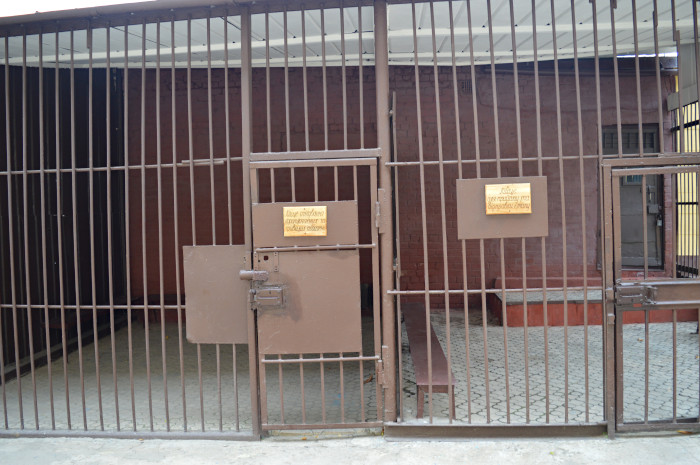
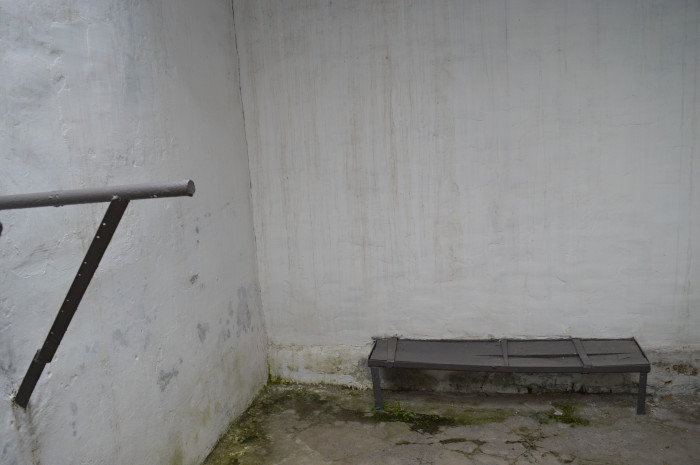
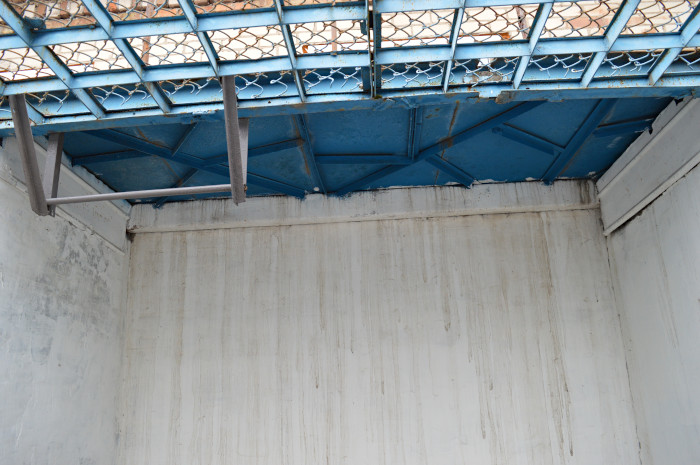
After passing the checkpoint, the monitors noticed a small courtyard for waiting for short-term and long-term visits – a cage, which turned out to be a place for convicts to wait for visits. Such a method of holding convicts while waiting for visits contradicts the criminal-executive legislation of Ukraine and European penitentiary legislation. Especially since in the cold season, convicts, while waiting, are forced to freeze for an indefinite time. Moreover, such a cage is not equipped with a barrier against atmospheric precipitation and excessive sunlight.
Inter-regional multidisciplinary hospital
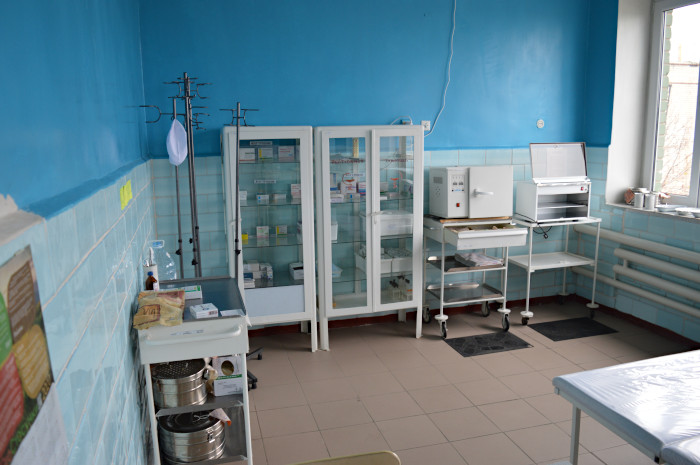
First, the monitors visited the inter-regional multidisciplinary hospital at the institution. The hospital has three departments: infectious, surgical, and therapeutic, in which there are neurological beds. According to the doctor on duty, the surgical department has a licence to perform operative intervention and use anaesthesia. On the day of the visit, there were 94 patients in the hospital, of which 40 were in the surgical, 33 in the therapeutic, and 21 in the infectious departments. Among the patients, there were two seriously ill.
At the hospital, a medical-consultative commission operates, which makes conclusions regarding the presence or absence in a convict of diseases that are grounds for release from further serving of the sentence. During this year, the commission recognised convicts as subject to release approximately nine times. However, only in half of the cases were such persons released by the court.
According to the doctor on duty, there are plenty of medical drugs in the institution, although convicts complained about their absence and the need for relatives to buy expensive medicines. In addition, laboratory research is conducted in the institution, however, research on viral load is not conducted in the institution, and the collected samples are sent to the profile hospital.
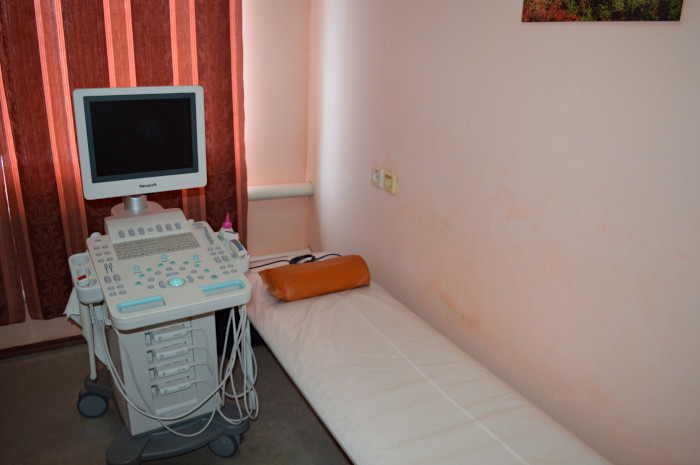
In the institution, there is an ultrasound research device. In the procedure room, there are no bars and barriers, which corresponds to European penitentiary standards.
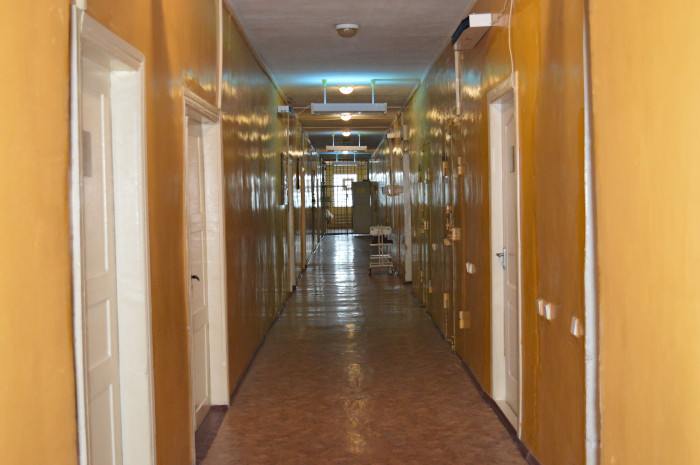
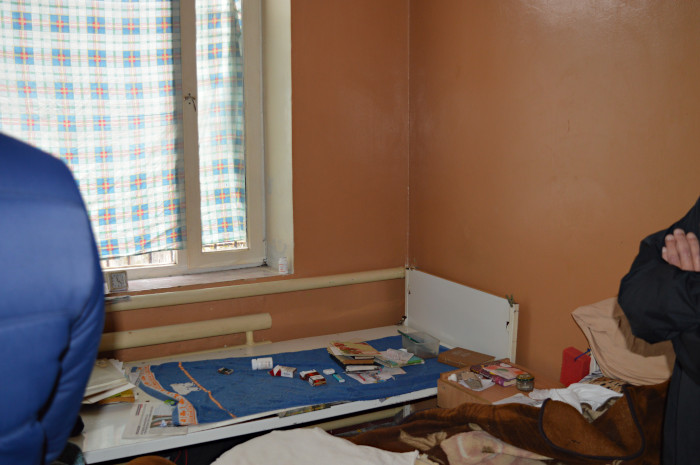
Unlike the inter-regional multidisciplinary hospital at the Dnipro penal institution No. 4, the wards do not have the appearance of cell-type premises. The wards are quite bright and have undergone routine repairs. Toilet rooms in the wards are fenced off by walls.
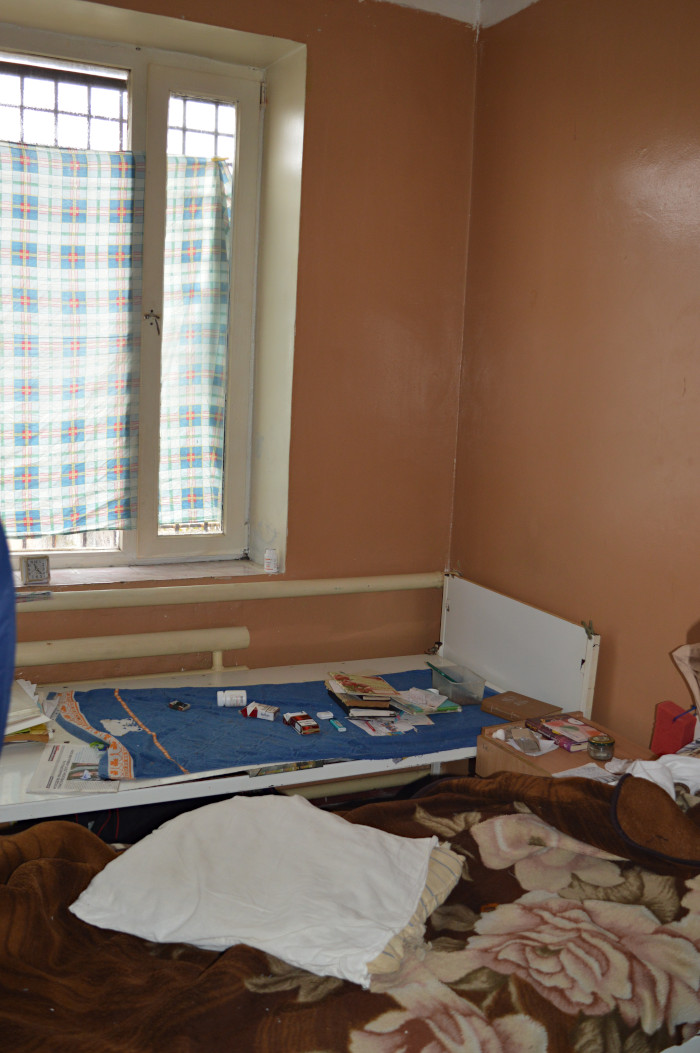
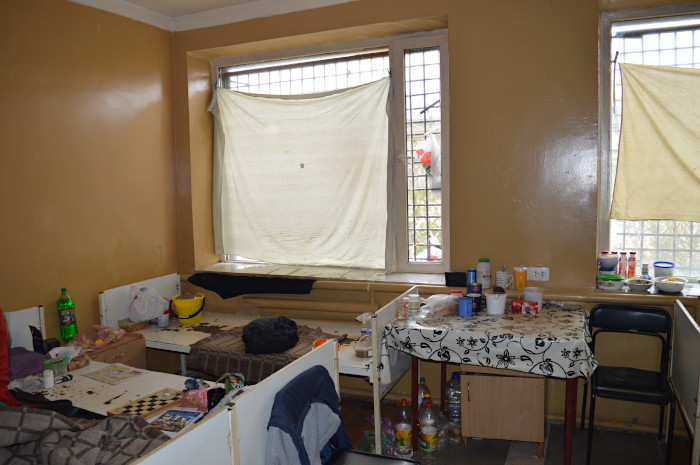
Representatives of the administration refused to provide statistical information regarding the number of convicts who are registered with HIV and receive replacement therapy, citing the prohibition on the distribution of personal data. The monitors’ arguments that they are only requesting statistical information were ignored.
The monitors discovered a convict, in a satisfactory condition according to the doctor, who was partially paralysed, due to which he could not move and had weak speech. The monitors offered the convict free legal aid in the form of lawyer services regarding his release from serving a sentence due to health conditions, to which the doctor on duty asked not to offer this and noted that a motion to the court for release from serving a sentence due to health conditions can only be submitted by a medical-consultative commission. The monitors objected and informed the doctor that the convict or his defender also have the right to submit such a motion to the court, to which the doctor replied that in the event that such a motion is submitted, the commission’s conclusion will be negative. The doctor made such a conclusion without conducting diagnostic procedures and a collegial meeting of the commission, which is provided for by legislation for making an appropriate conclusion, which leads the monitors to the opinion of bias and non-compliance with standards of assessing the health status of convicts who undergo such a commission.
DIZO PKT (Disciplinary Isolation Cell / Cell-Type Facility)
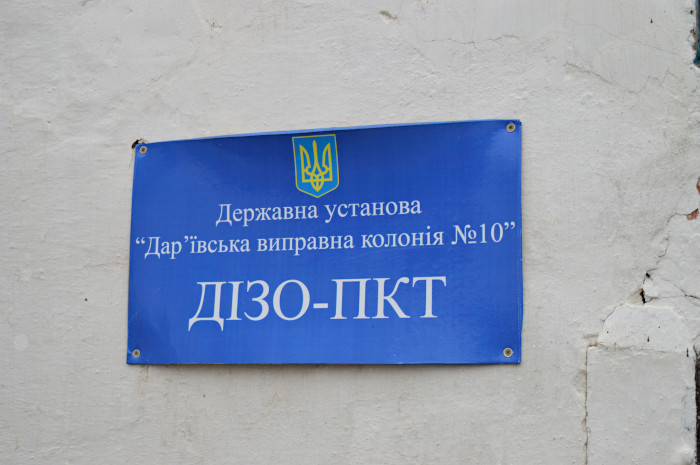
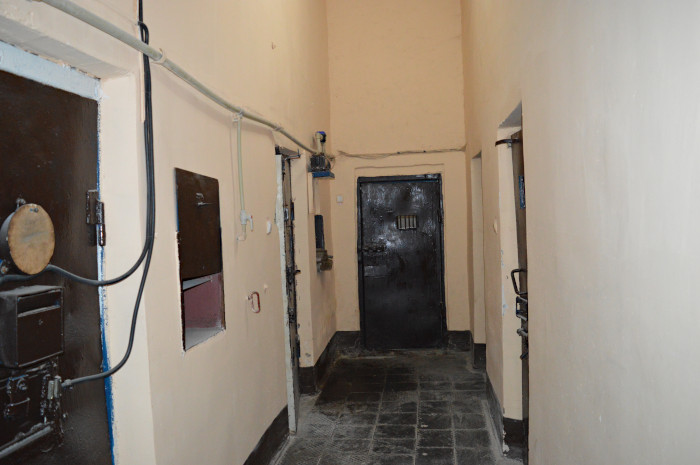
Next, the monitors visited the DIZO PKT unit. At the time of the visit, there were three people in the DIZO, 1 in the PKT, and five in the increased supervision unit. During the year, 147 people were placed in the DIZO, and 16 in the PKT.
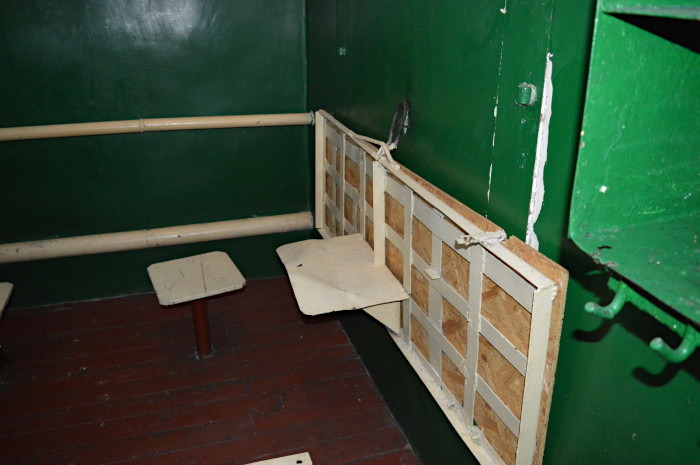
In the DIZO cells, cosmetic repairs have been carried out. Sleeping beds are required to be fastened to the walls during the day. In the cells, there are coolers with drinking water. Toilet rooms are fenced off by low walls. The hole in the toilet bowl is covered with a plastic bottle, which indicates the emergency state of the sewage system. Windows in the cells open from the outside. Convicts are forced to ask the attendant to open them.
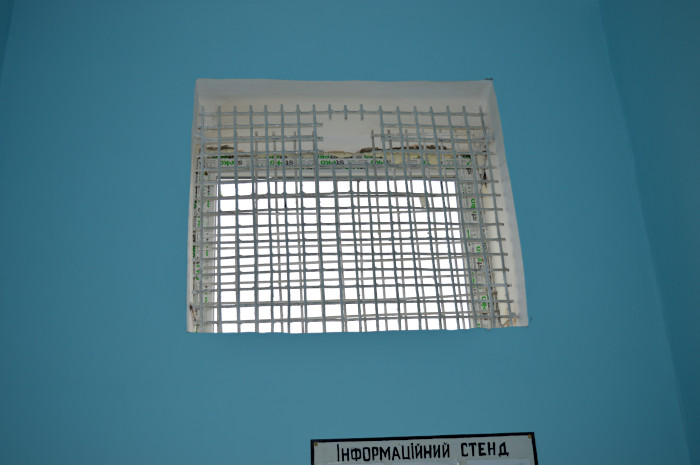
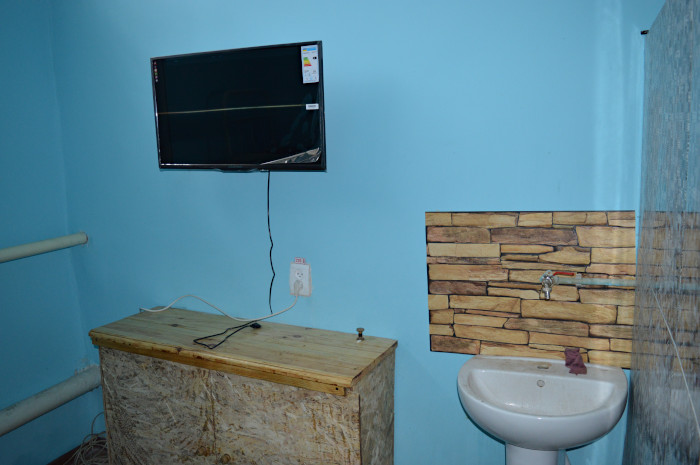
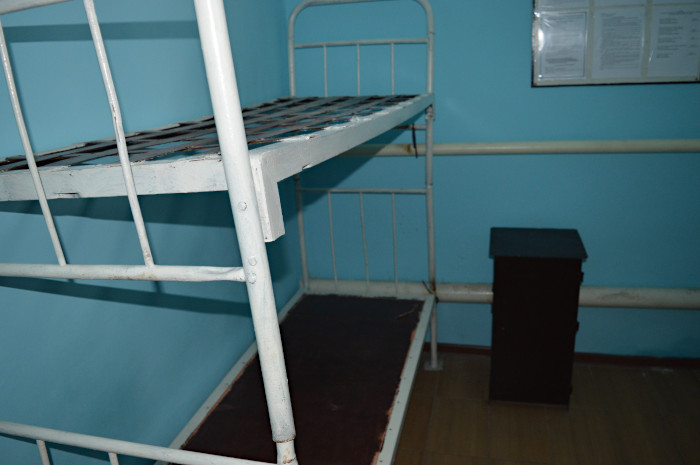
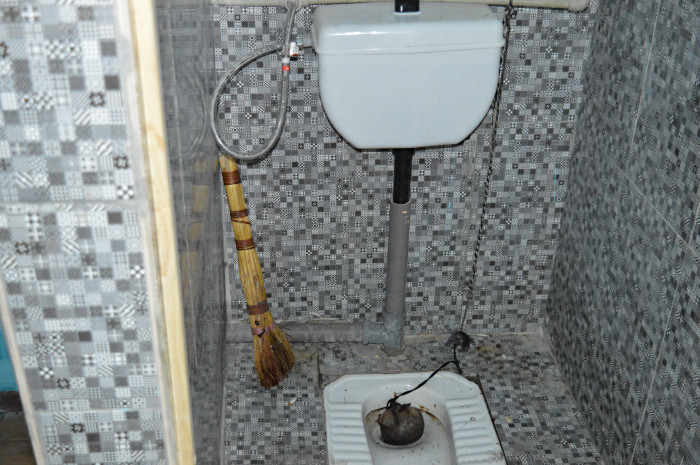
In the cells of the increased supervision unit, fresh cosmetic repairs have been carried out. The cell is designed for two people using a bunk bed. In the cell, there is a TV and an information board. A metal-plastic window is installed, which also opens from the outside. Sanitary facilities are fenced off by a very high wall and doors. New plumbing is installed, but, unfortunately, the toilet bowl hole is covered with a bottle, which again indicates problems with water drainage.
At the time of the visit to the unit, there was no heating, but the administration assured that the boiler rooms start working from 12 o’clock in the afternoon. However, at one o’clock in the afternoon, there was still no heating in the residential units.
Walking courtyards are neglected. In the courtyards, sports equipment and a bench are installed.
Canteen
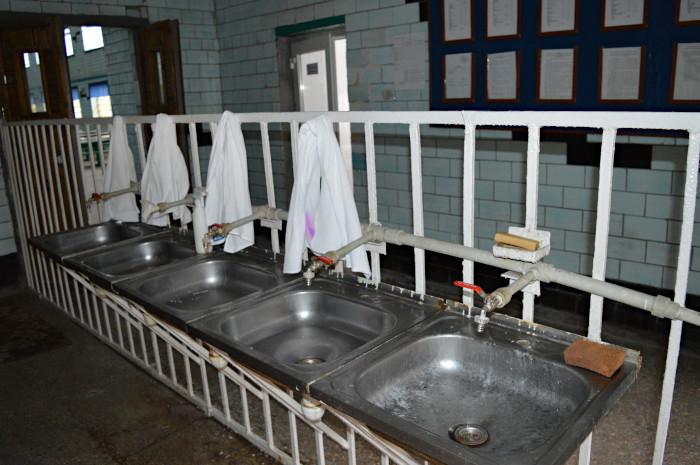
At the entrance to the dining hall, five washbasins with soap and towels are installed. The dining hall is spacious and bright. There is an information menu stand with relevant information for the current day. There is a disinfection schedule. According to the administration, next year, a major renovation is planned in the dining hall. There are plans to divide the room into a club and a dining hall, install metal-plastic windows in the dining hall, and make a suspended ceiling between the first and second levels of windows.
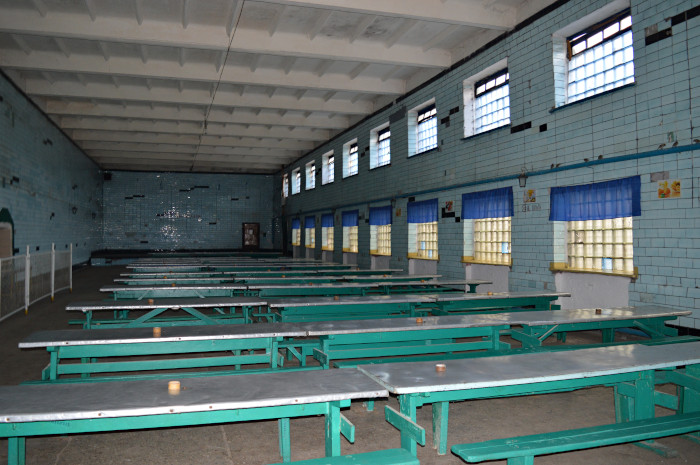
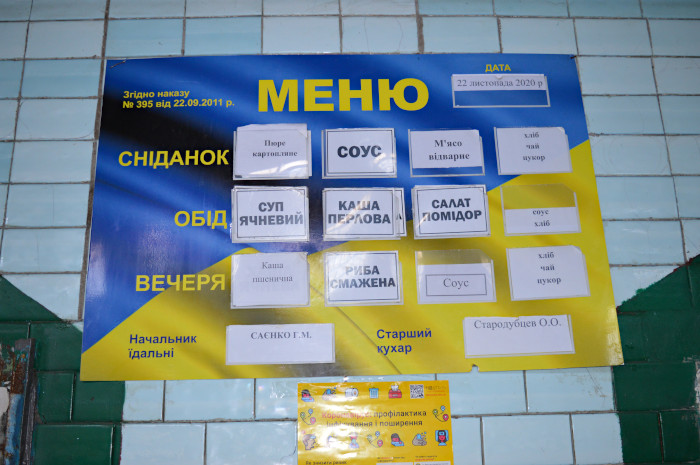
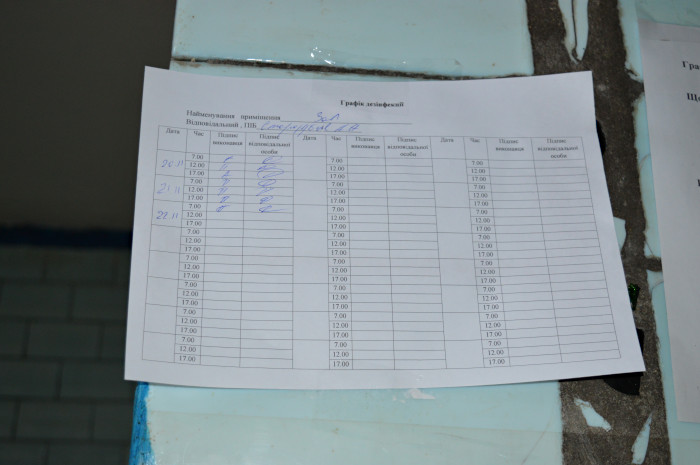
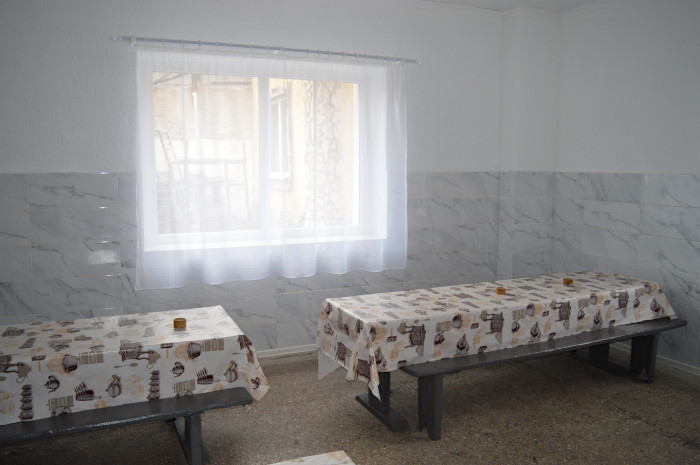
In the canteen, there is also a separate dining hall for persons who are on a dietary diet. In this hall, fresh repairs have been carried out. In the institution, twenty convicts eat on a dietary diet according to the 8-b norm.
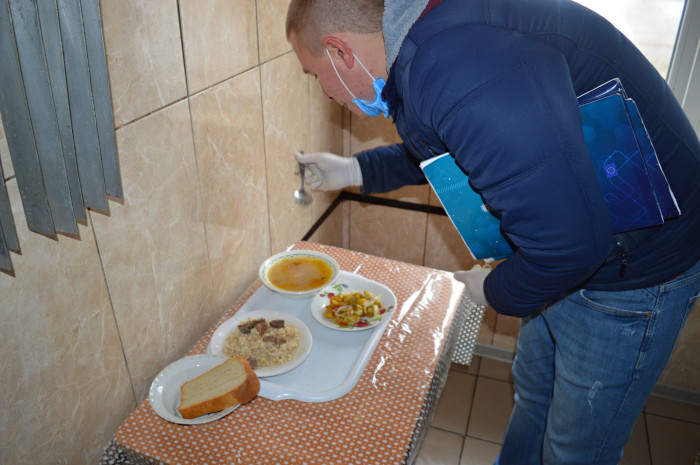
At the time of the visit, lunch was being prepared. The organoleptic qualities of the food, at least the food that was provided to the monitors in the kitchen, are good. The monitors tasted the dishes and can call them edible.
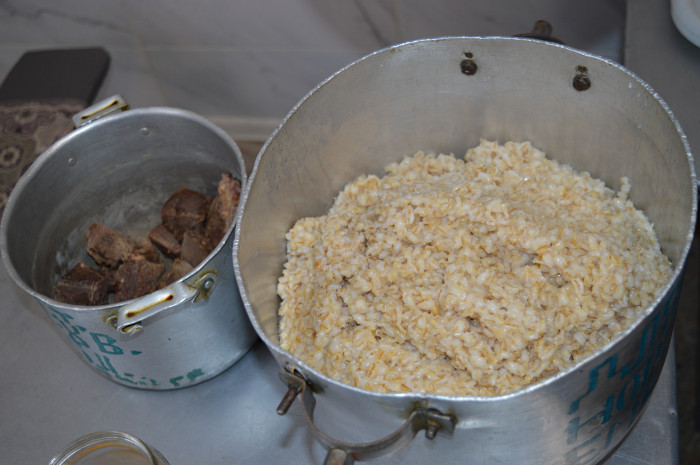
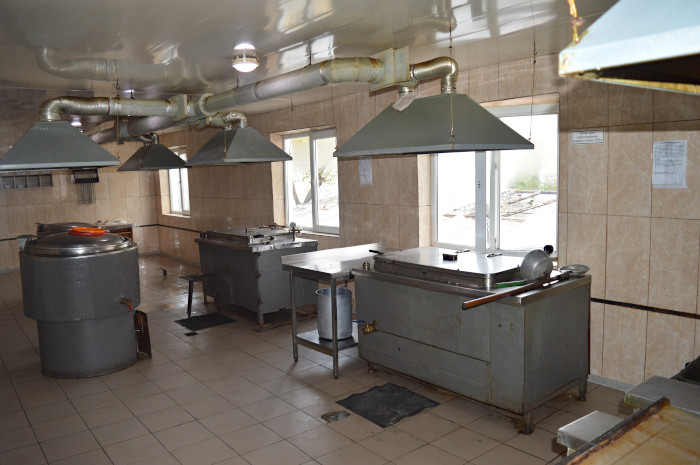
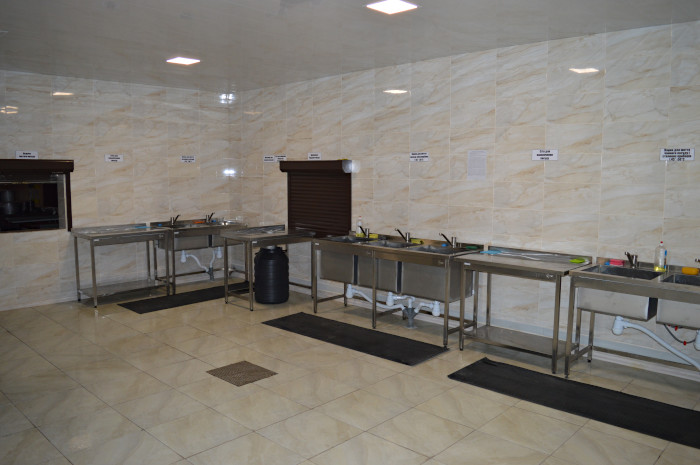
The dishwashing room in the kitchen was majorly renovated two weeks before the monitoring visit. The electrical wiring, water drainage, plumbing, ventilation system, and furniture were replaced. The renovation was entirely carried out at the expense of the institution’s special fund. Funds from the state budget were not allocated. In the colony, there is an own bakery.
Residential premises
In the colony, there are ten residential units. All of them are occupied. Although in most rooms of the residential zone, the standards of living space per one convict are adhered to, however, there is overcrowding in places. In the third and fifth units, bunk beds are installed in places, which contradicts European Penitentiary Rules and Recommendations of the Council of Europe and the European Committee for the Prevention of Torture. The system of distributing convicts between rooms seems strange to the monitors, because sometimes in rooms with approximately the same area, in one case three convicts live, and in another – 12–18 convicts. The institution’s administration could not clearly explain to the monitors the principle of placing convicts. The administration talked about distributing convicts according to the principle of place of residence and date of birth of the convicts.
In the units, cosmetic repairs have been carried out. Metal-plastic windows are installed. The windows are covered with curtains. In some rooms, there is not enough sunlight. In many rooms, it is stuffy and smoky due to smoking in the room.
In some residential units, traces of flooding and fungus are visible in the corners.
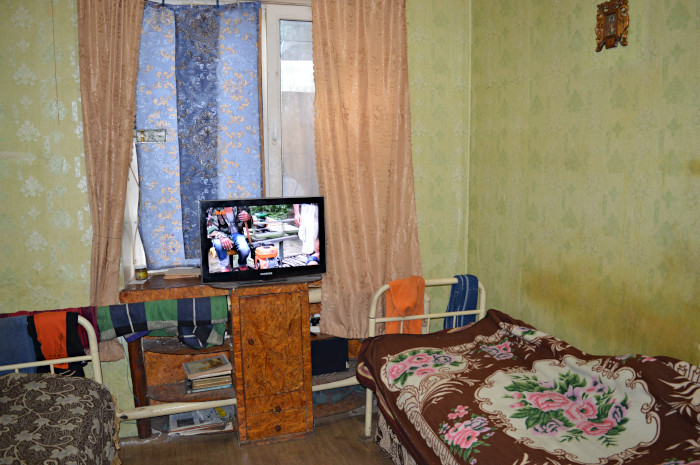
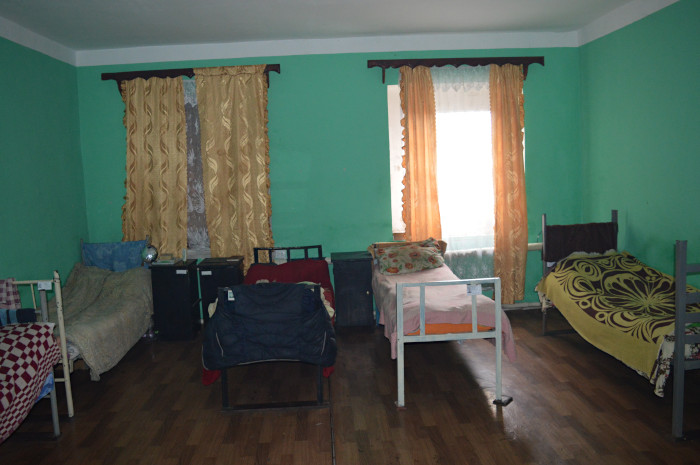
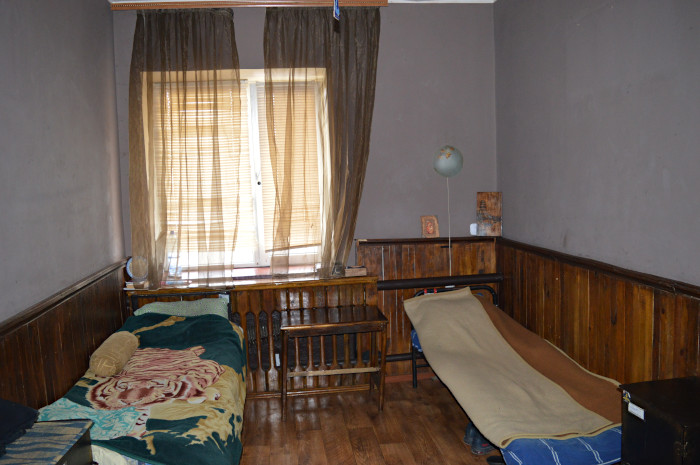
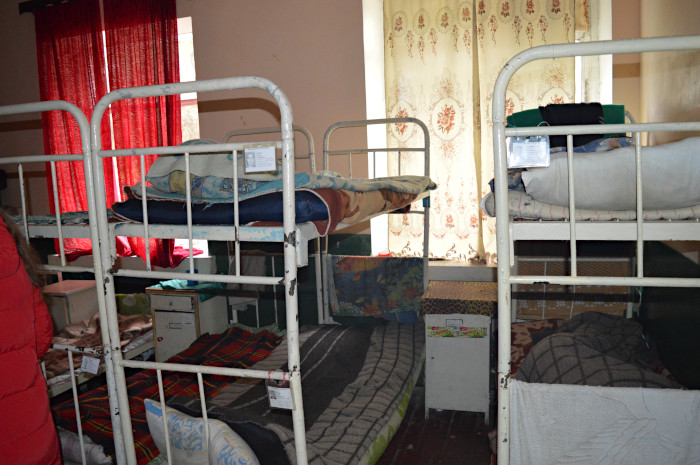
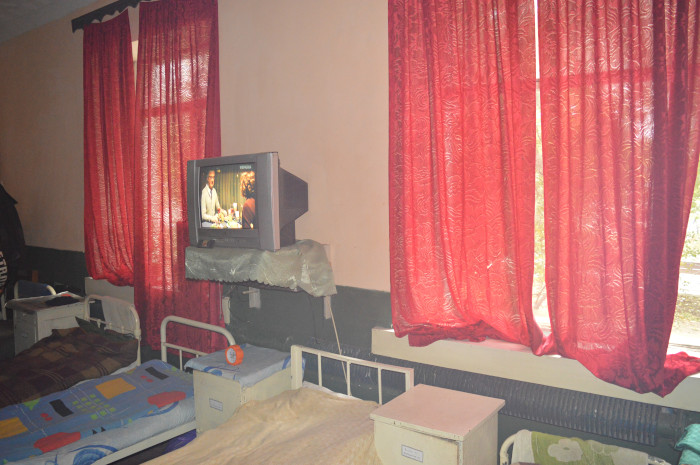
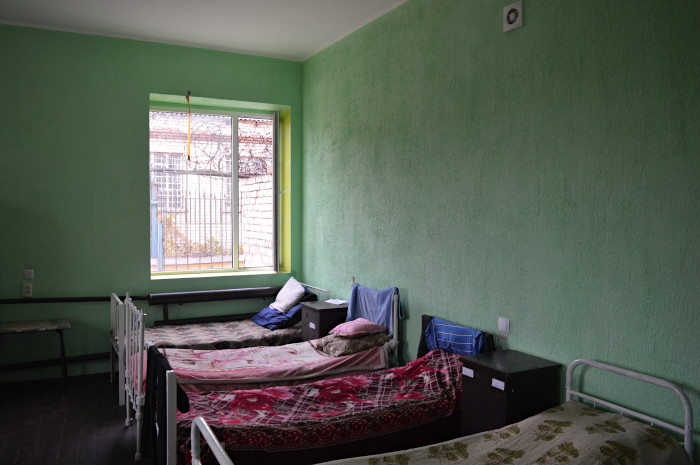
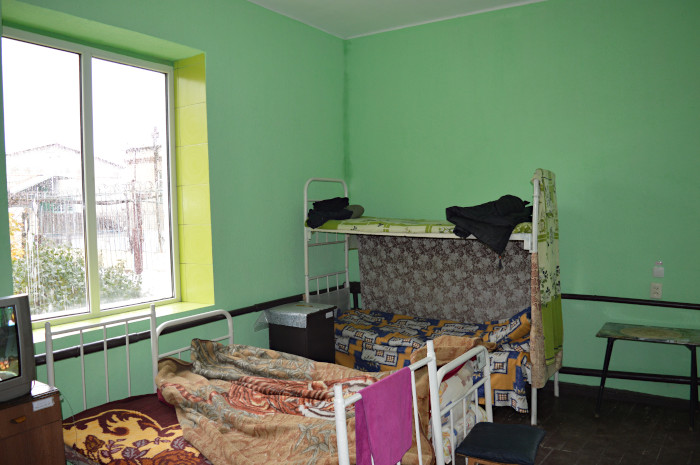
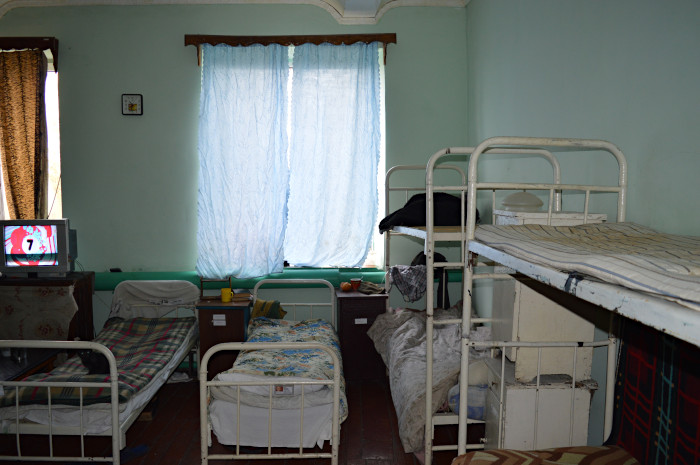
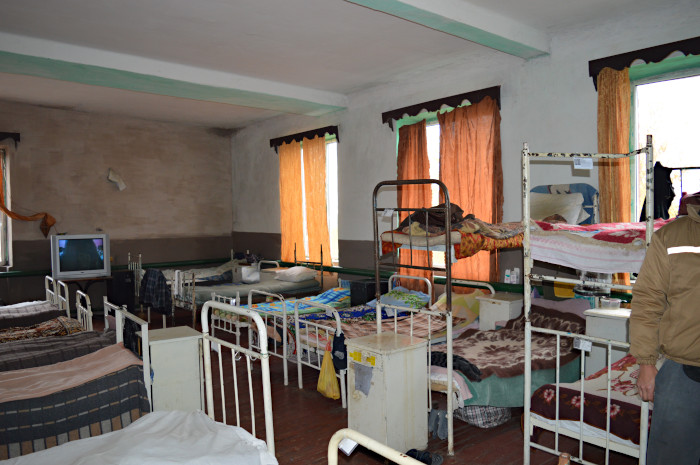
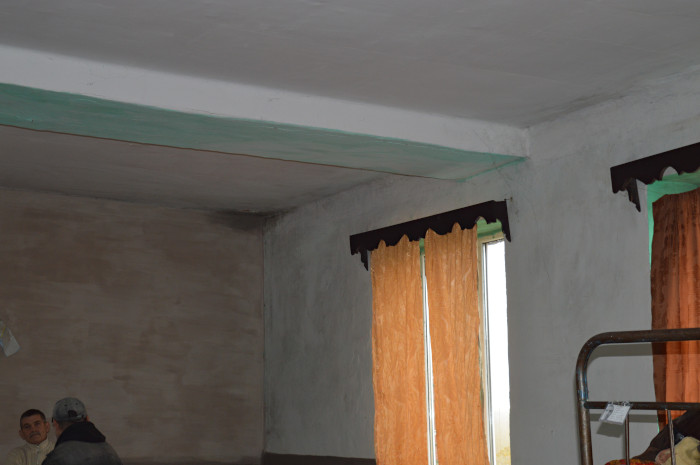
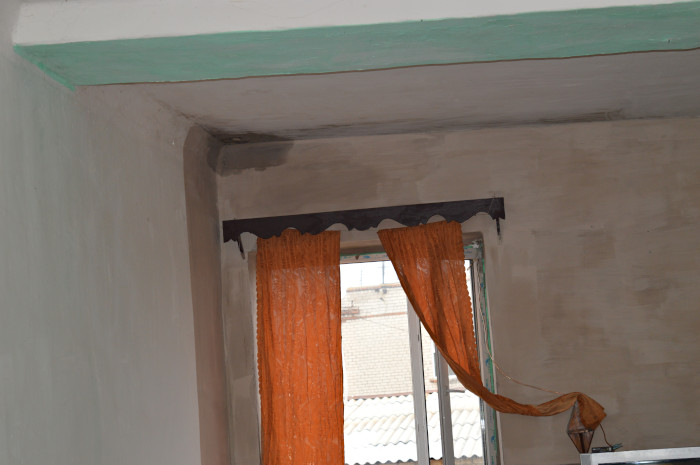
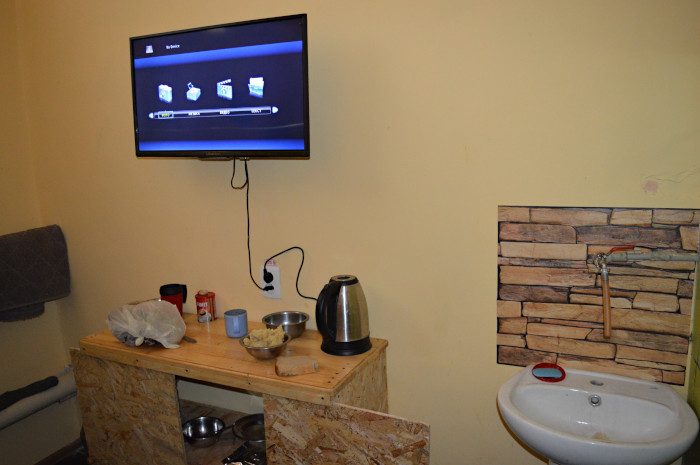
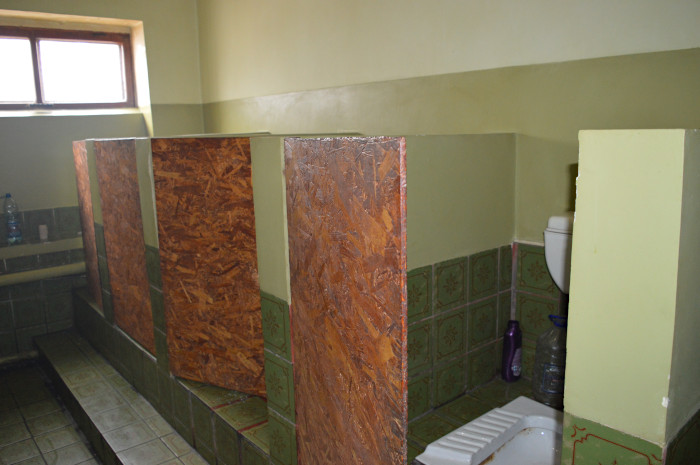
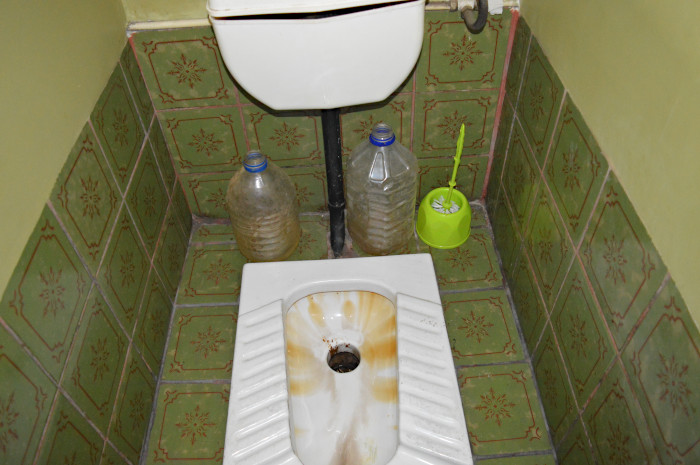
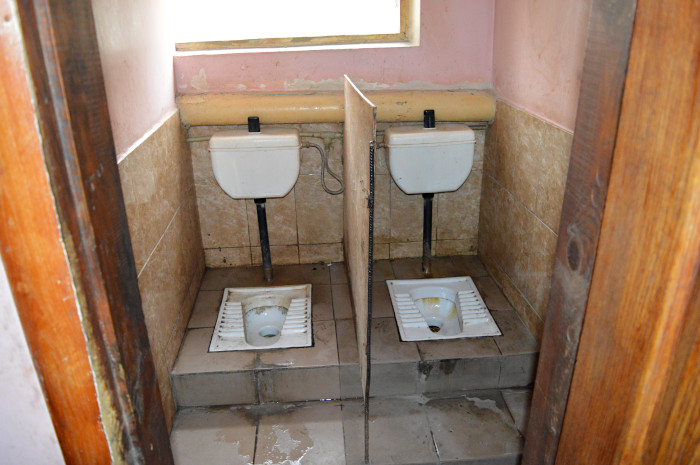
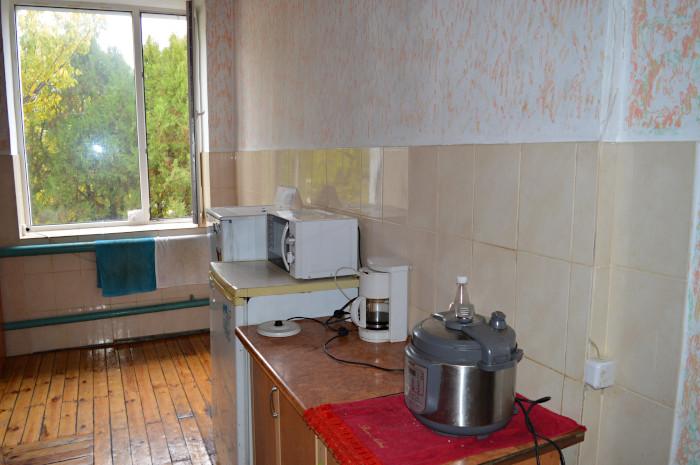
Sanitary facilities are renovated. Washbasins are installed, there is a shower cubicle. Toilets are fenced off by low walls with doors. In the dining rooms, modern kitchen furniture is installed and there are various kitchen utensils. The monitors noticed water filters in the sleeping rooms. Boiled water is in the dining rooms.
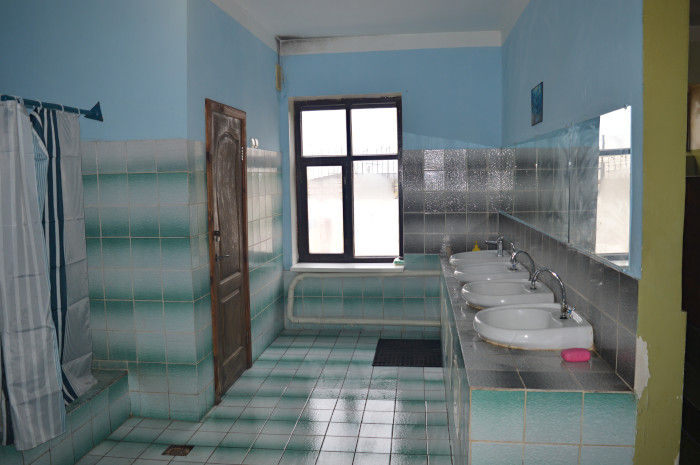
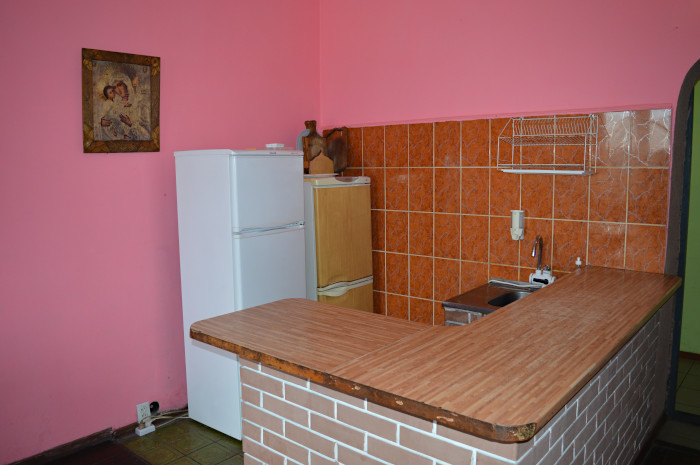
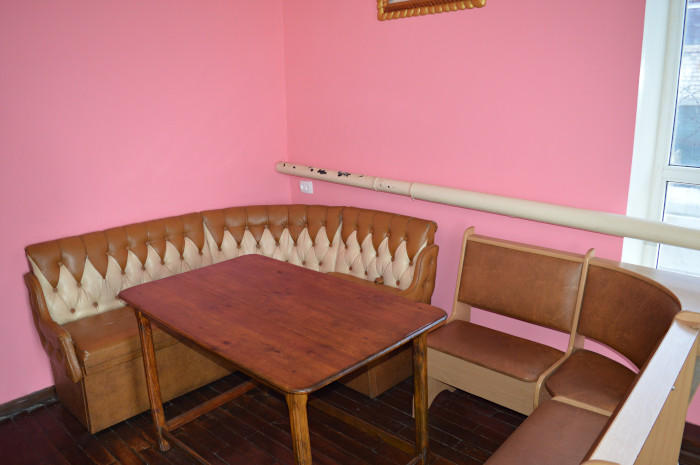
In the units, there are no information boards with relevant normative acts.
Bath and laundry complex
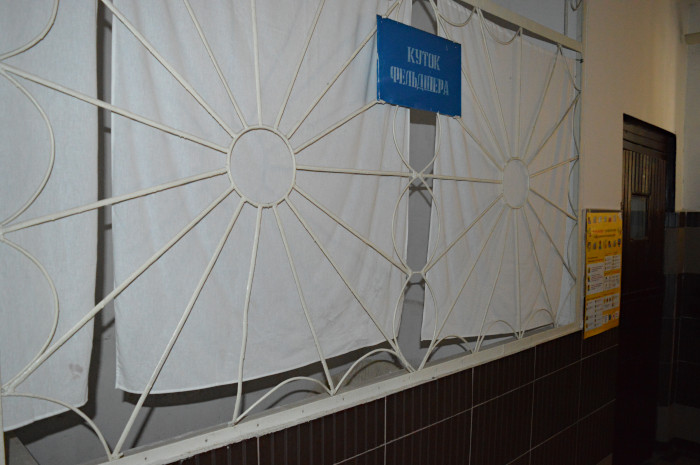
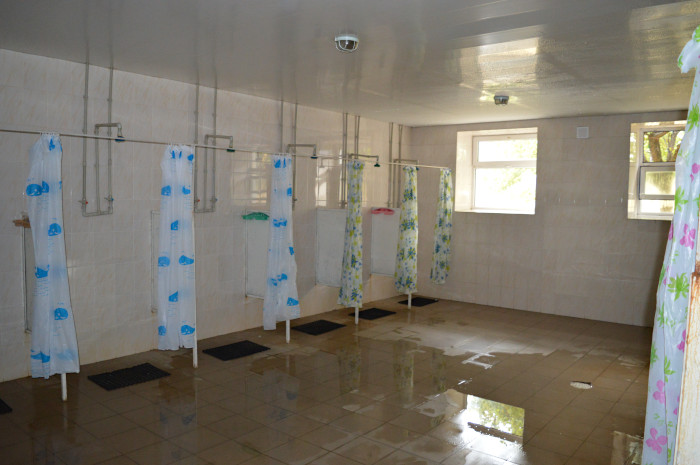
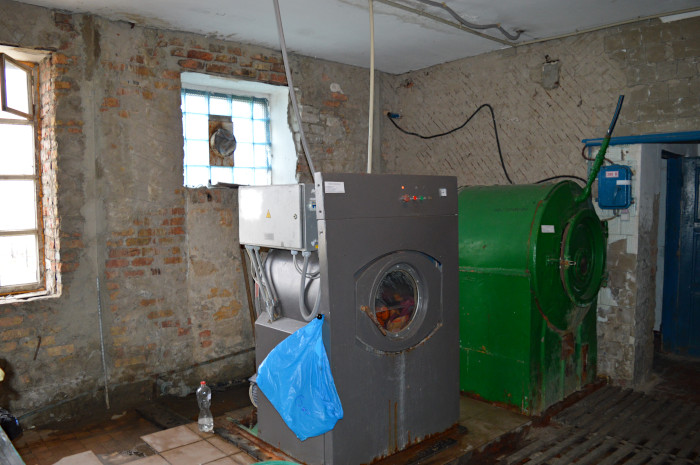
The shower is fenced off by walls, there are curtains and mats. In the dressing room, there is a paramedic’s corner, fenced off by a partition and curtains. In the laundry, a major renovation is being carried out; it is planned to install new washing machines, which, according to the administration representative, have already been purchased by the institution. Currently, only one machine works.
Production and workshops
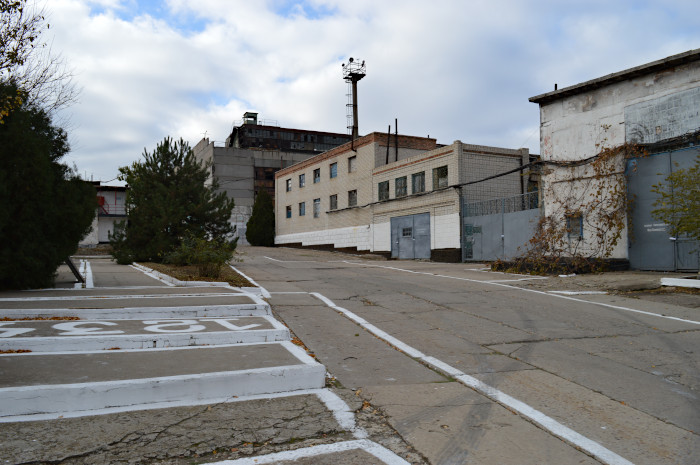
Production in the institution has been liquidated, only workshops work. In the workshops, they provide services for car repair, services for logging, sorting polyethylene and bottles. In the workshops, they also manufacture briquettes. Currently, 21 people are employed in the institution – in the workshops. All persons work under civil-law contracts.
School, vocational school, and library
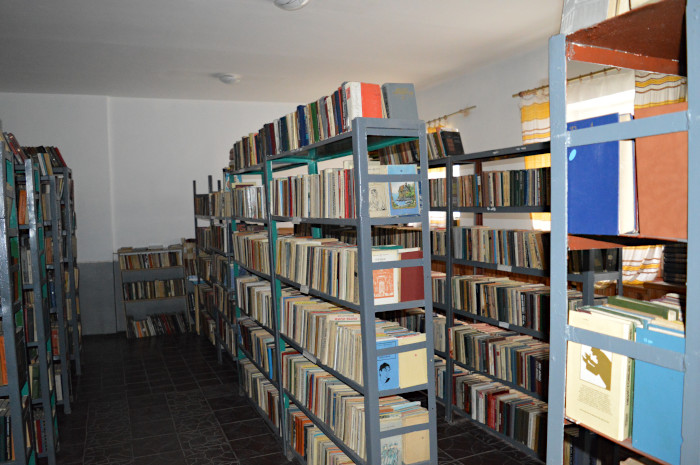
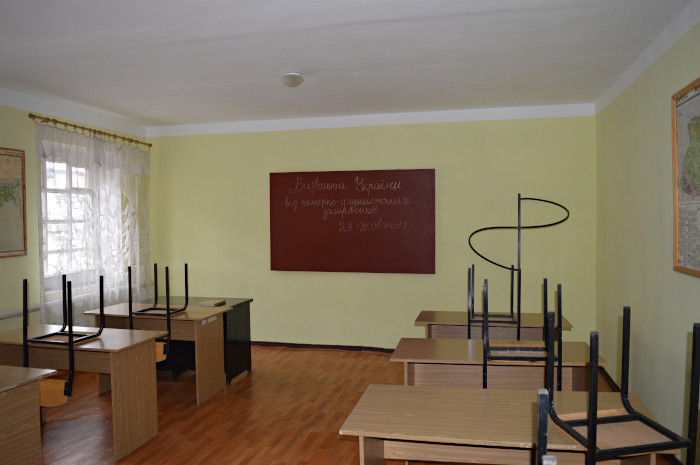
In the school of the institution, 86 convicts are studying. Convicts can also obtain vocational-technical education in specialities: baker, electric welder, locksmith, learn to sew, etc. The library fund consists of 13,000 books, however, the monitors did not see current normative acts among them.
Other
Monitors note that the deputy head of the institution for educational work during monitoring and individual counselling of convicts exerted psychological pressure on the convicts and raised his voice at them.