Monitoring visit to State Institution ‘Lviv Institution for the Execution of Punishments No. 19’
1. General Information
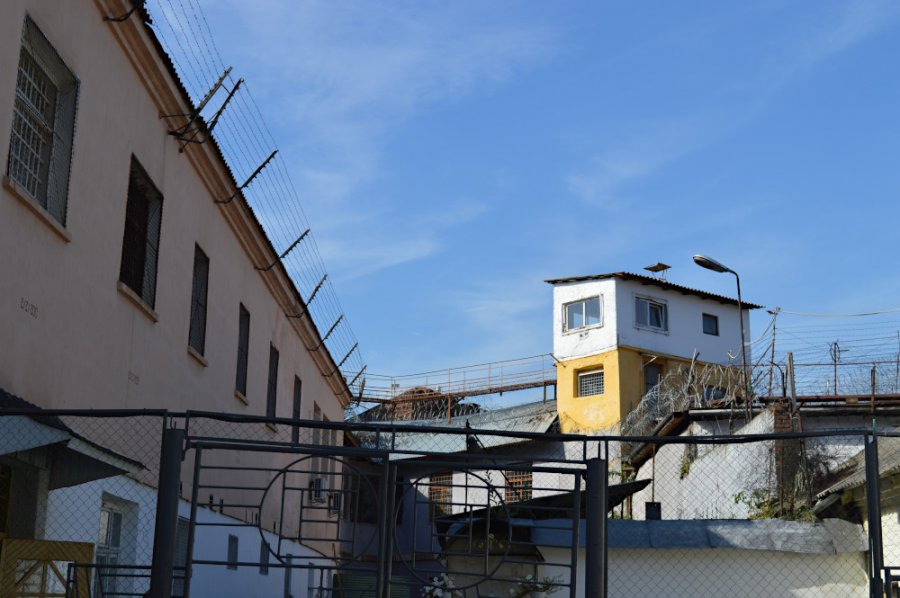
On 13 August 2021, a monitoring group consisting of Maksym Revyakin, an assistant consultant to a Member of Parliament of Ukraine, and two journalists, Hanna Ovdiienko and Vladyslav Dolzhko, visited State Institution ‘Lviv Institution for the Execution of Punishments No. 19’. The planned capacity of the institution is 1,072 people; at the time of the visit, 725 people were being held there. The institution operates a pre-trial detention centre, a maximum-security sector for those sentenced to life imprisonment, and an inter-regional multi-profile hospital. According to the staffing schedule, 290 employees should be working at the institution, but only 257 positions are filled. The administration of the institution noted that there is a shortage of junior staff.
Over the past year, only one convict has been released on parole from the institution. However, this is due to the fact that only a small number of convicts involved in housekeeping services are serving their sentences in this institution.
Funding for 2020 for the improvement of the conditions for holding convicts amounted to only 280,000 hryvnias, while the budget request for this expenditure item for that year was nearly two million hryvnias. Because of this, the administration cannot fundamentally move to resolve the problem of inadequate conditions for the detention of detainees and convicts.
The institution’s administration granted the monitors unimpeded access to the secure zone and provided all possible assistance in conducting the monitoring visit. At the entrance to the institution, the monitors noticed disinfectant agents, but anti-epidemic barriers were absent.
2. Inter-regional Hospital and Medical Unit
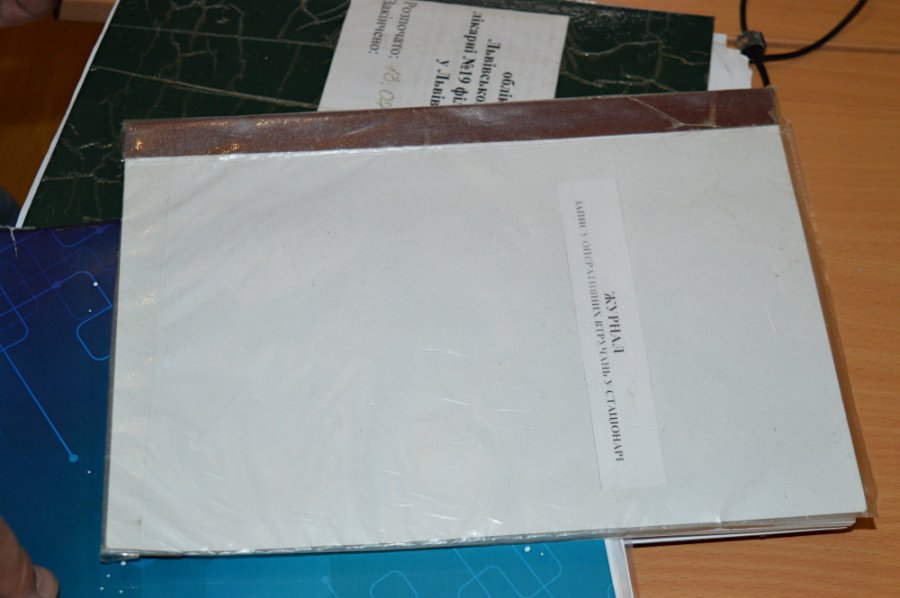
An inter-regional hospital is located at the institution for the execution of punishments, in which three departments operate: oncology, therapy, and surgery. This institution is the only one in Ukraine that has an oncology department. At the time of the visit, 51 convicts were in the hospital. The last time convicts were delivered to the institution was on 12 August 2021. Let us recall that previously, in several correctional colonies, convicts and administration complained that the Lviv inter-regional hospital was not accepting patients due to renovation work. However, this information was not confirmed. Repair work in the corridors and wards of the departments is indeed partially being carried out, but patients are regularly admitted to the hospital, which is confirmed by the relevant logbook.
Over the last year, four convicts were released from the institution due to serious illness. In the opinion of the monitors, for an institution that houses an inter-regional hospital specialising in oncological diseases, this is a very low figure. This leads one to think that the medical-consultative commission at the inter-regional hospital does not study the materials submitted to it carefully enough, or that such materials are not submitted at all.
The hospital staff admitted that the level of medicine provision is satisfactory, although some medicines are occasionally missing. Also, one of the doctors admitted that there is a shortage of medicines necessary for chemotherapy, and the relatives of the convicts are forced to purchase them at their own expense to complete the necessary course of treatment. Furthermore, radiation therapy has not been conducted at the institution since the early 2000s. Although a doctor claimed that treatment is allegedly successful in its absence, this raises doubts among the monitors, as such an approach contradicts approved international clinical protocols.
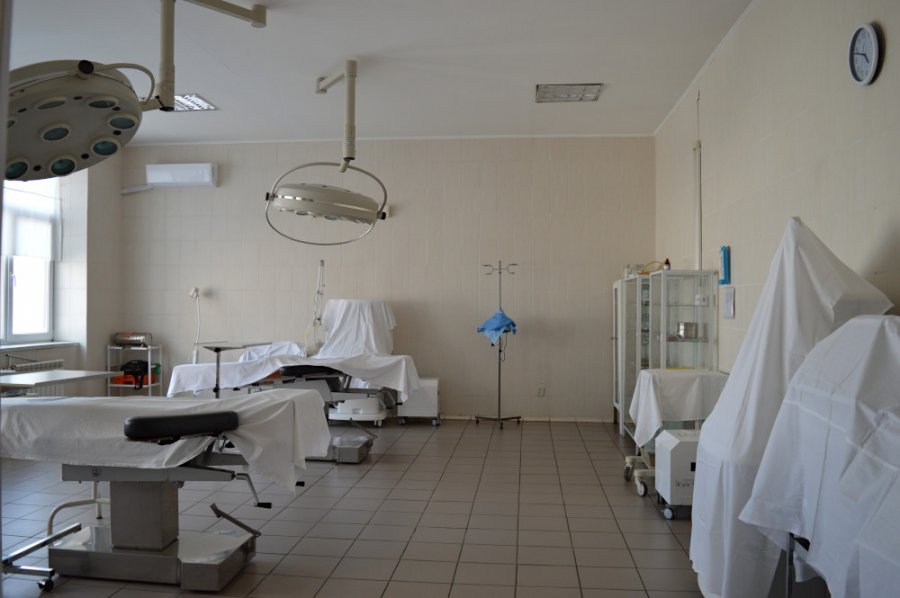
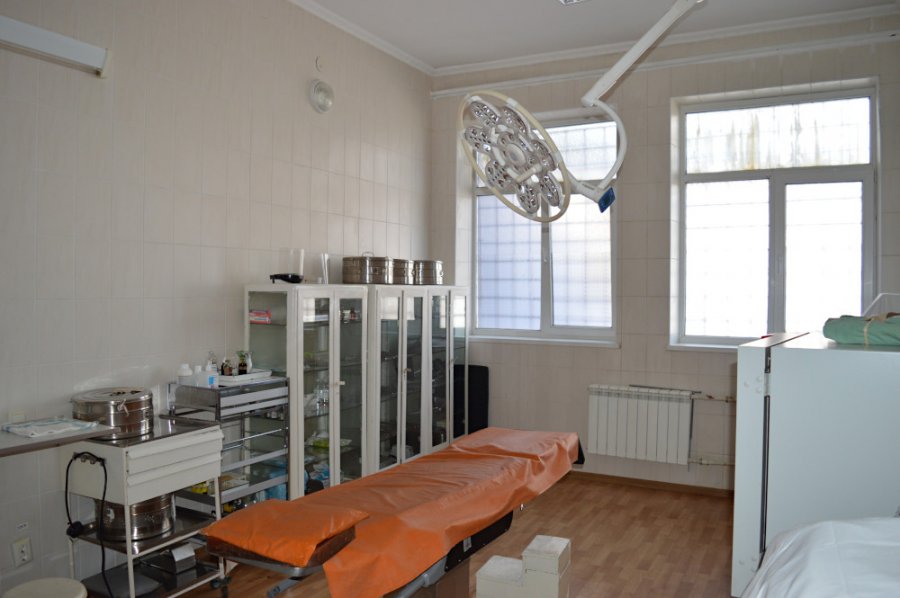
The monitors aimed to check the availability of narcotic painkillers for palliative cancer patients, but initially, the doctor refused to provide access to such information and preparations. Later, he did agree, but it immediately emerged that currently, no palliative care is being provided to anyone, and stocks of such preparations are not stored at the institution. Therefore, there are no preparations available for organising palliative care for convicts, and to obtain them, one must write a request to the Healthcare Centre, which, of course, would take time, during which the patient would be in constant, severe pain.
During the current year, an ambulance has been called to the institution for the execution of punishments ten times.
Operations are actively being performed at the inter-regional hospital, and there is a sufficient number of surgeons (including onco-surgeons); there is also a licence for the use of narcotic anaesthesia. The monitors examined the surgical logs and confirm that operations are performed frequently. Convicts did not complain about the quality of medical care provided by the surgeons.

However, there is a problem with the diagnosis of oncological diseases at the hospital. In particular, the institution does not have its own CT or MRI scanner, and conducting such examinations in Ministry of Health hospitals is complicated due to a lack of funding for it and, at times, the unwillingness of Ministry of Health hospitals to interact with the institution for the execution of punishments.
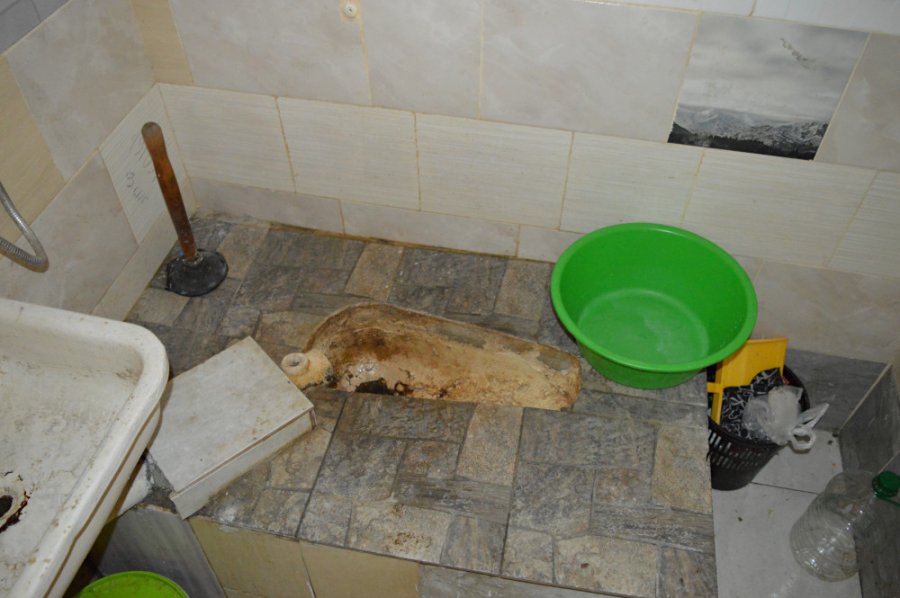
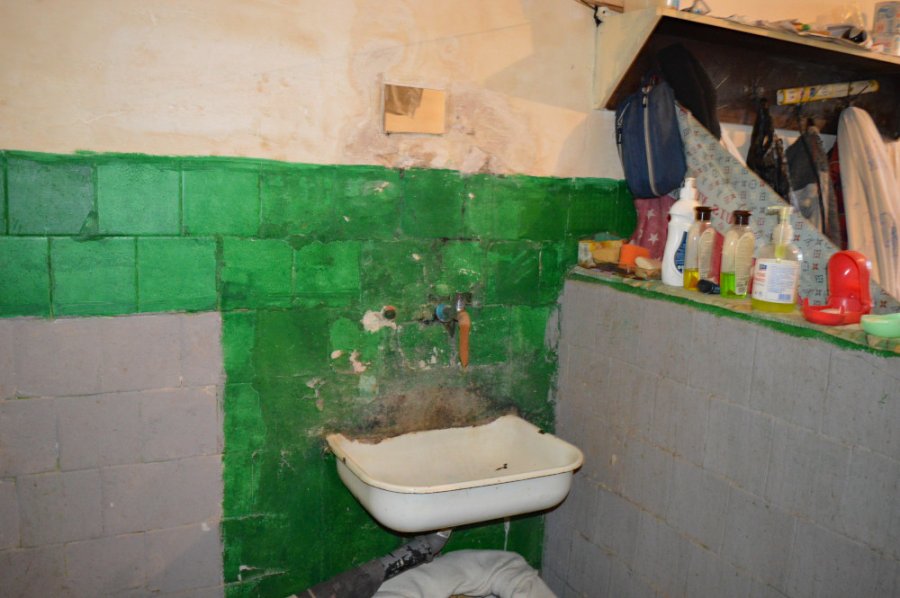
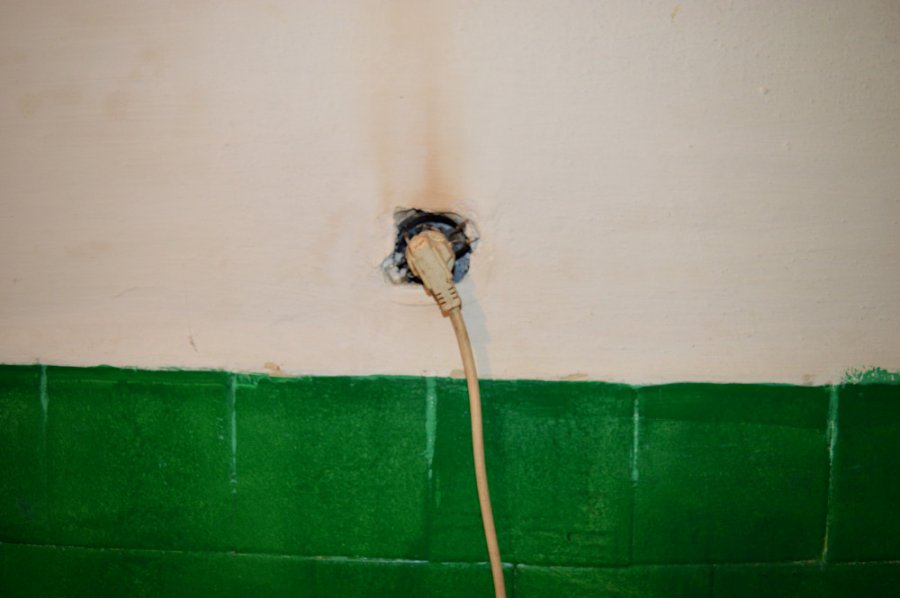
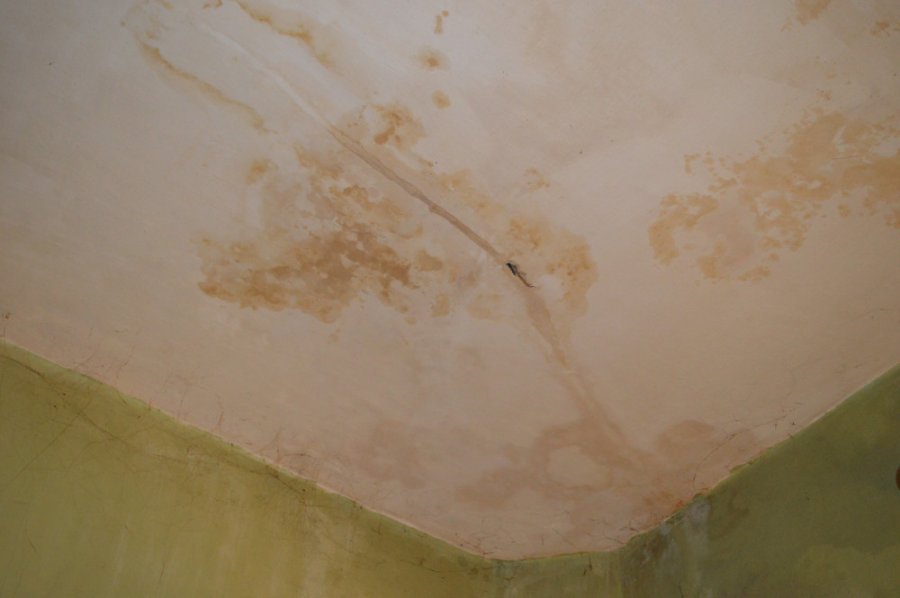
The wards of the inter-regional hospital differ significantly in appearance and equipment. In one of the wards, the toilet and washbasin are in an emergency and unsanitary state. The monitors also discovered an exposed power source (a socket in an emergency state), so the convicts have to plug electrical appliances directly into uninsulated electrical contacts. The premises are infested with cockroaches.

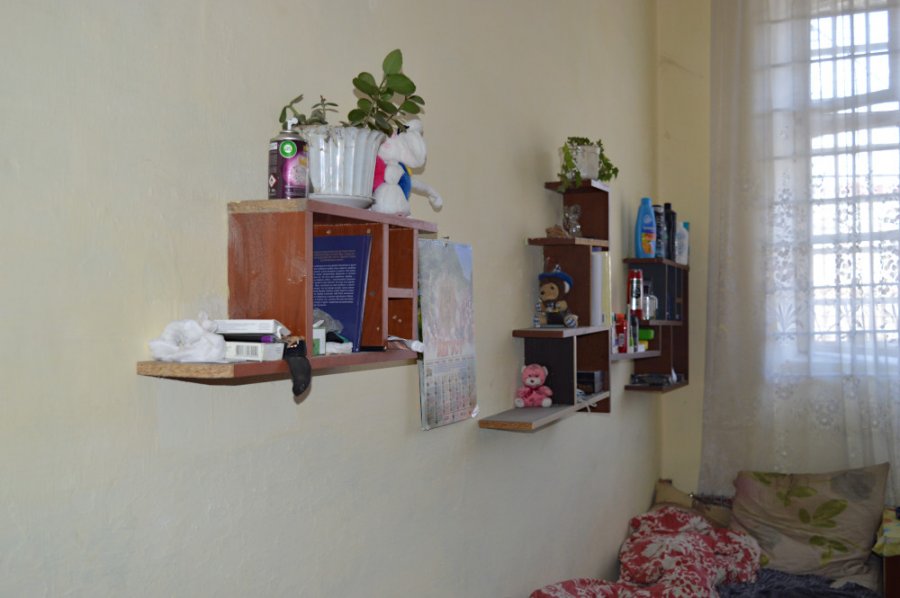
In another ward, the monitors saw young, apparently healthy-looking convicts who were staying in a ward that, in terms of appearance and material equipment, was much better than the others. The monitors are aware of the practice where convicts, through corrupt schemes, stay in the hospital for months or even years without having any actual medical indications for it. The monitors believe that in this instance, it is likely that such a situation was taking place.
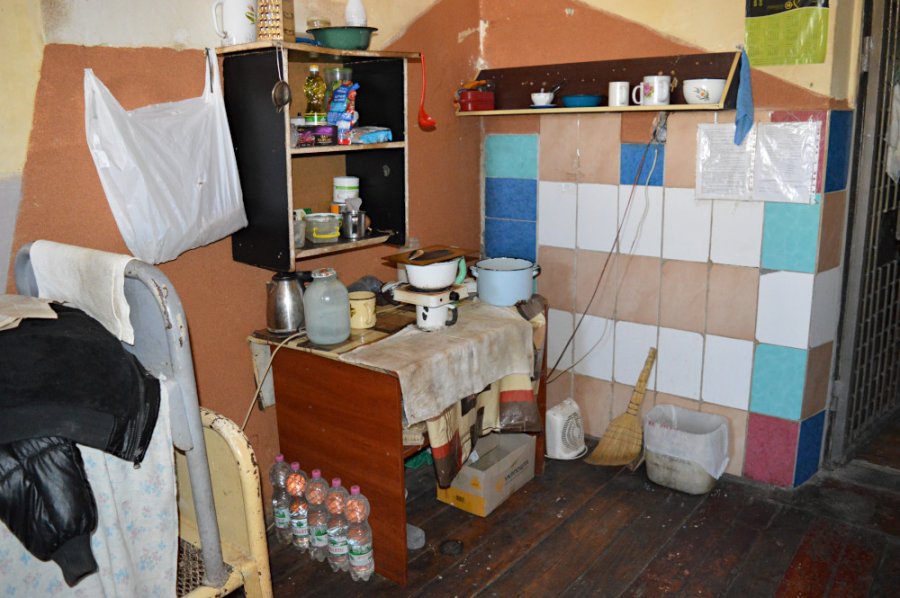
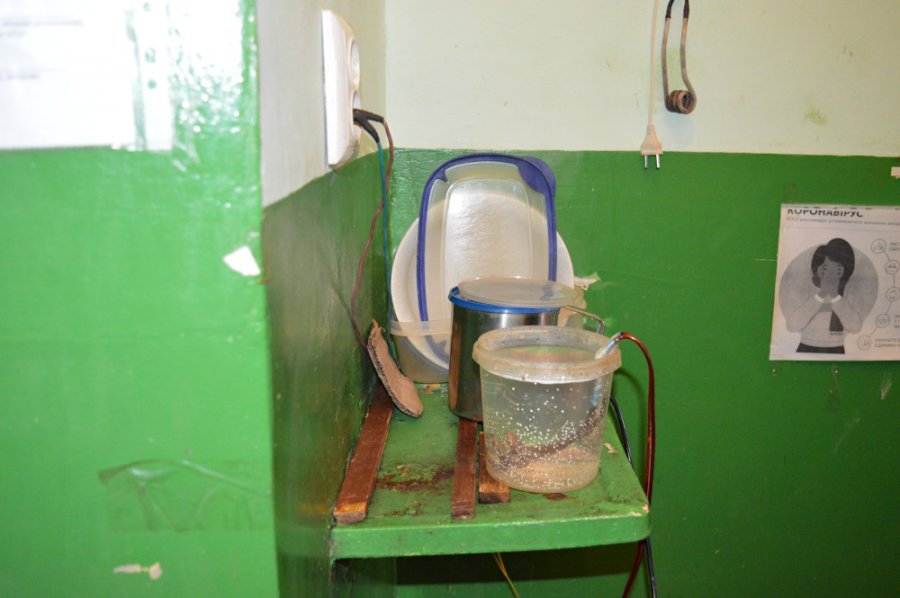
In yet another ward, the monitors found the convicts using an immersion heater that was submerged in a plastic bucket. We draw attention to the fact that the use of immersion heaters, especially in combination with a flammable plastic bucket, is prohibited by fire safety standards. Many premises are also infested with mould.
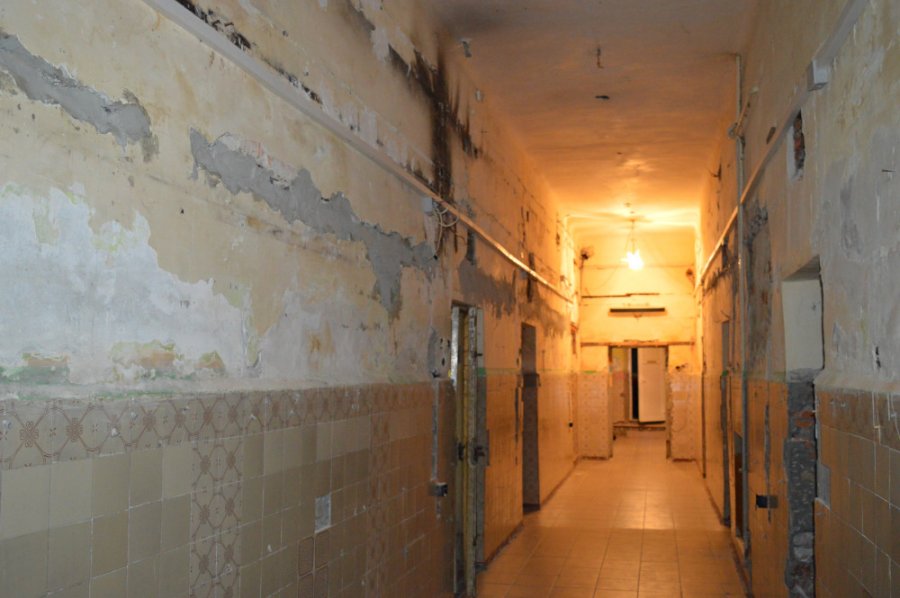
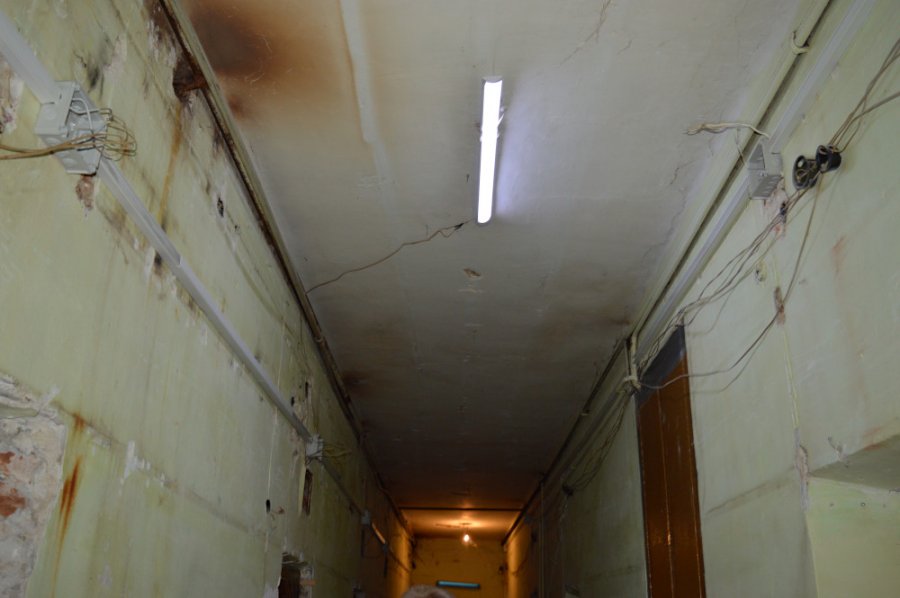
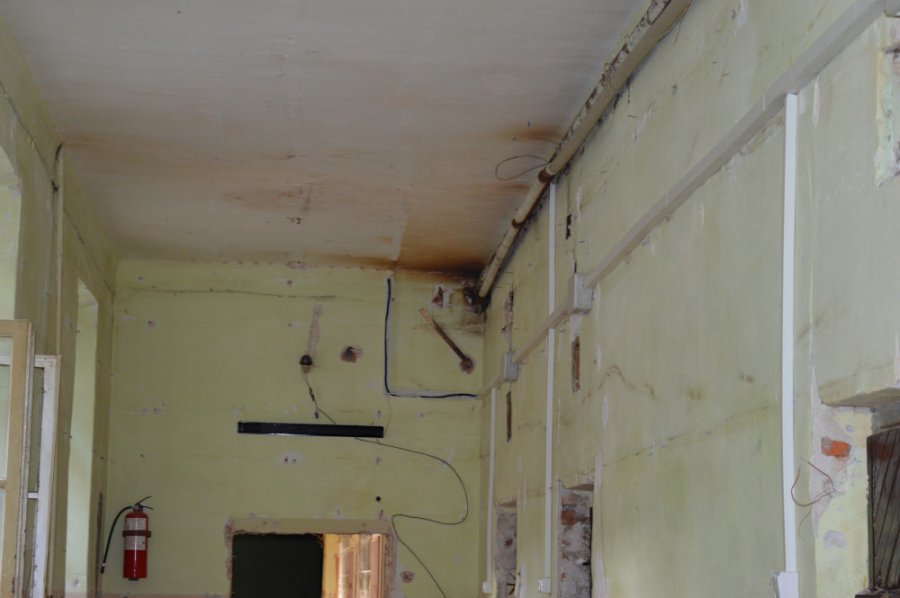
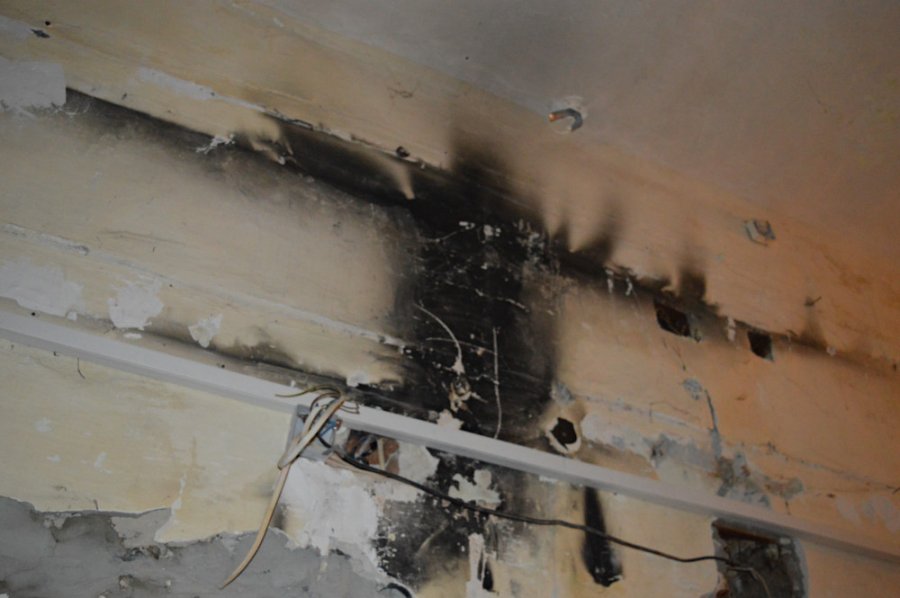
While walking through the corridor of the medical unit, the monitors saw signs of a former fire, possibly related to a malfunction in the electrical network. The monitors assume that the repairs begun in the corridors are taking place to rectify the aftermath of such a fire.
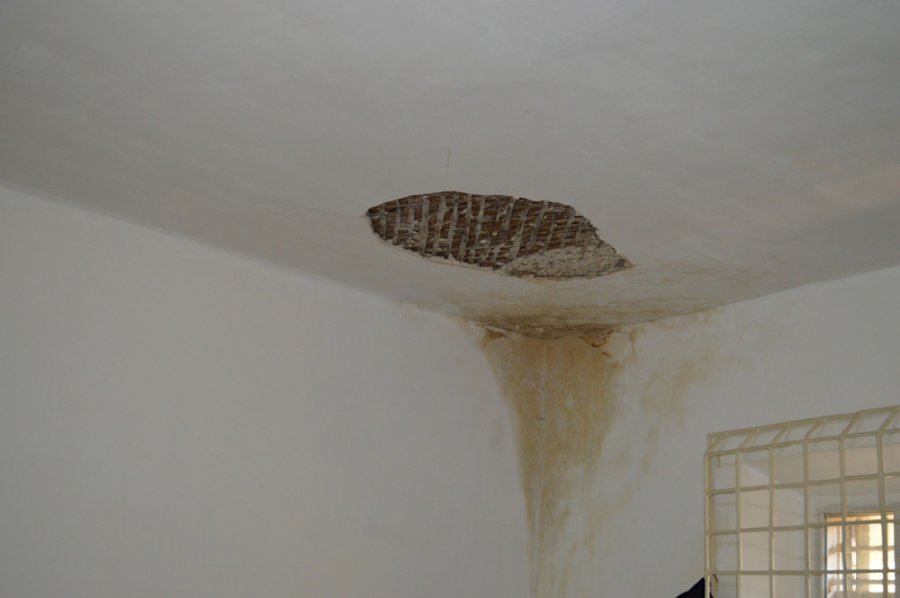
Furthermore, in one of the wards, the monitors saw significant problems with the roof, as well as substantial water stains from the ceiling.
The monitors spoke with the hospital patients, who generally did not express complaints about the quality of medical care.
Afterwards, the monitors visited the medical unit that serves the institution for the execution of punishments, where a convict was staying after a stroke. He complained about the lack of complete medical care.
3. Mother and Child Room
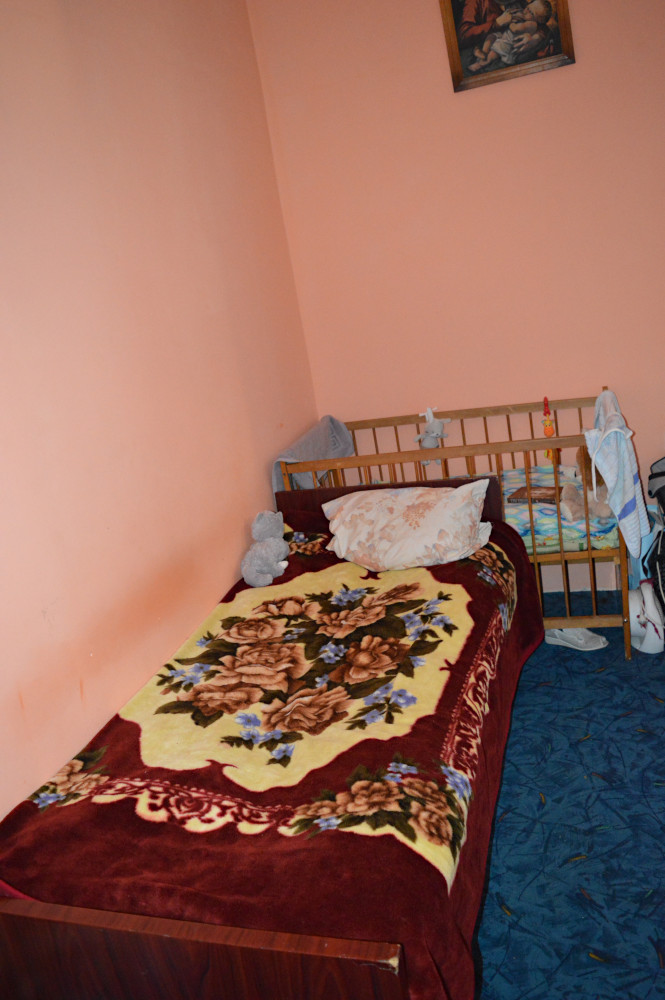
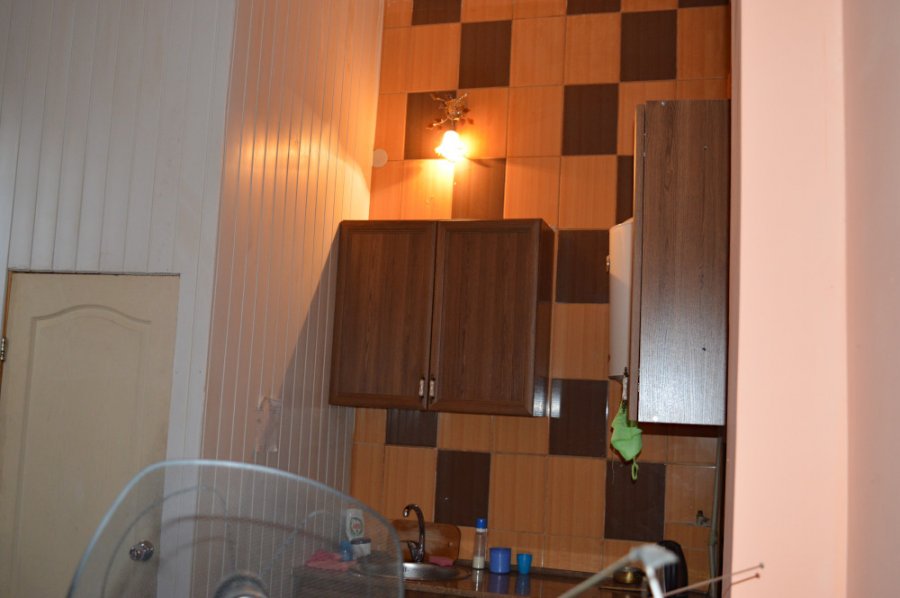
The institution’s administration informed the monitors that one of the convicts had recently given birth. On this occasion, the monitors visited the mother and child room. The conditions in the room are decent. It is evident that it has recently undergone cosmetic repairs, and it contains all the furniture necessary for the comfortable care of a newborn. The mother herself did not complain about the conditions of detention or the treatment she received from the administration.
4. Religion
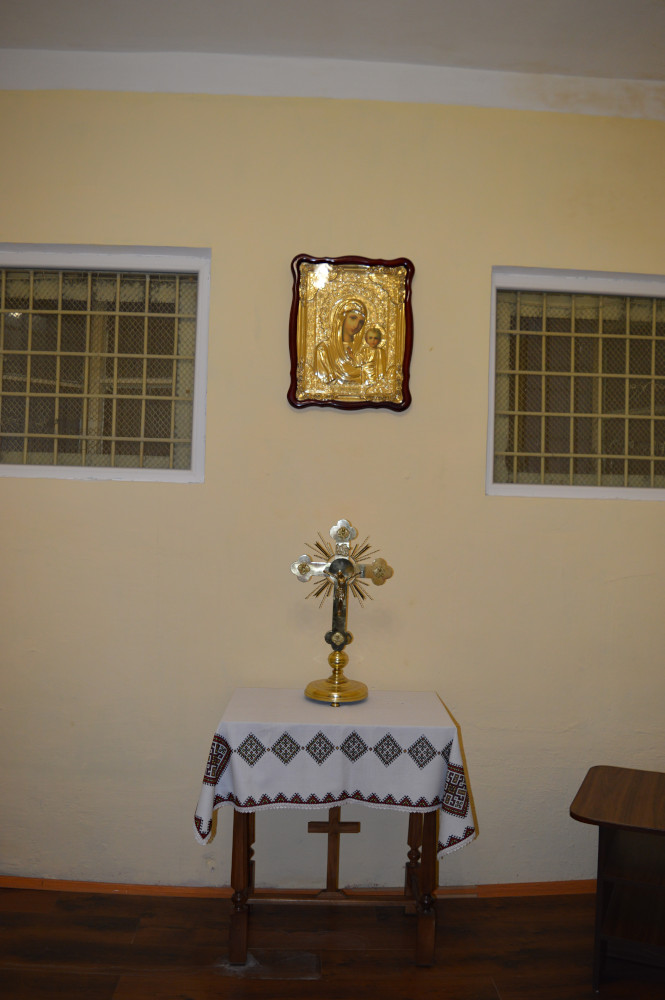
The convicts serving sentences in the institution belong to six religious denominations. Orthodox Christians have a small church on the territory of the institution, and there is a chapel for Greek Catholics inside the institution. According to the administration, during the quarantine, religious services at the institution were conducted online. Later, one of the religious figures was actually hired by the institution as a psychologist and now combines the provision of psychological assistance with religious support.
5. Maximum Security Sector
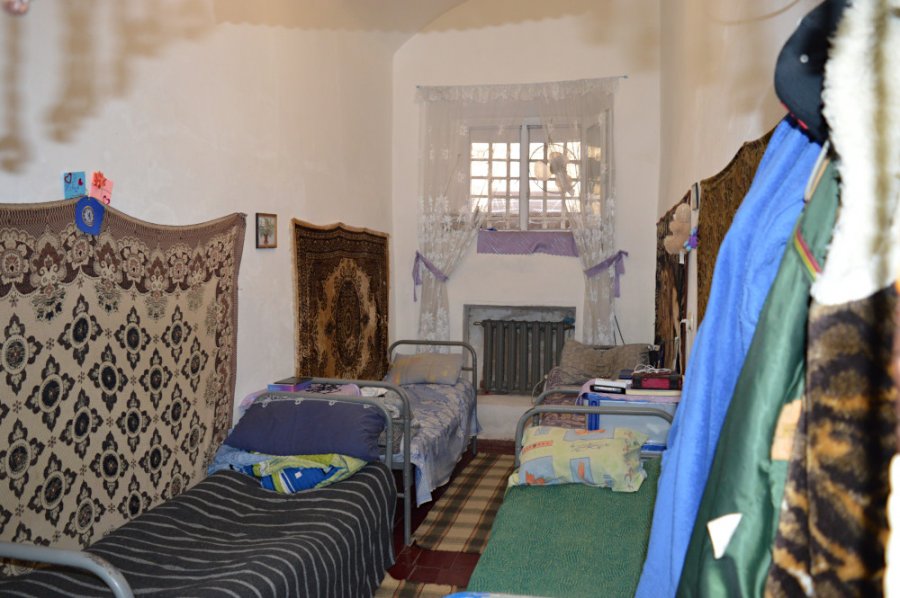
There are 18 life-sentenced individuals serving their sentences at the institution. They are held in double-occupancy cells and one four-occupancy cell. The monitors inspected both types of cells. The double-occupancy cells are in a very neglected state. The rooms did not have sufficient natural lighting.
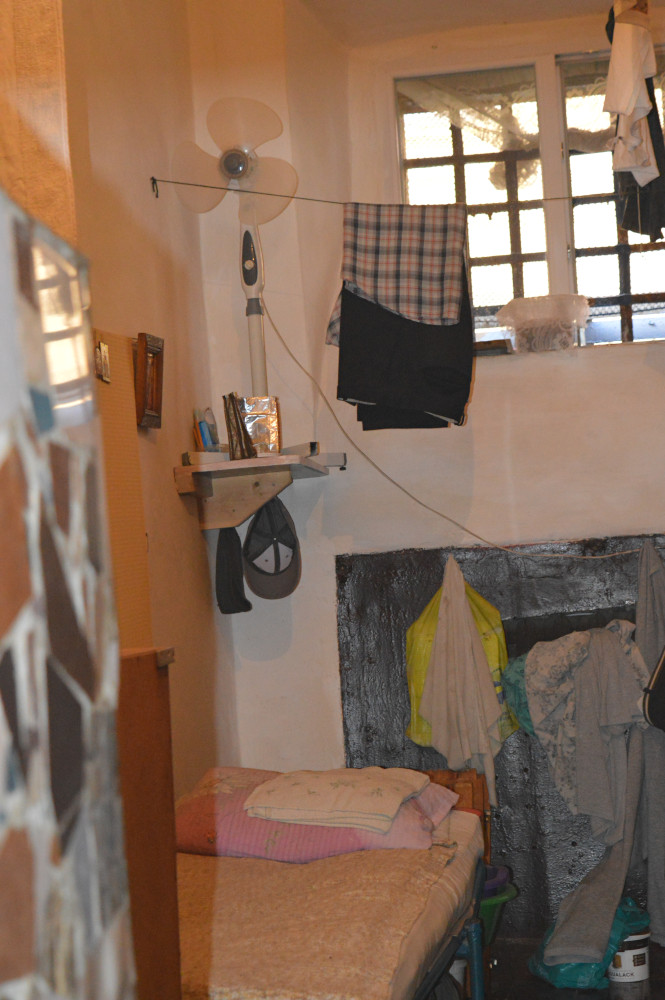
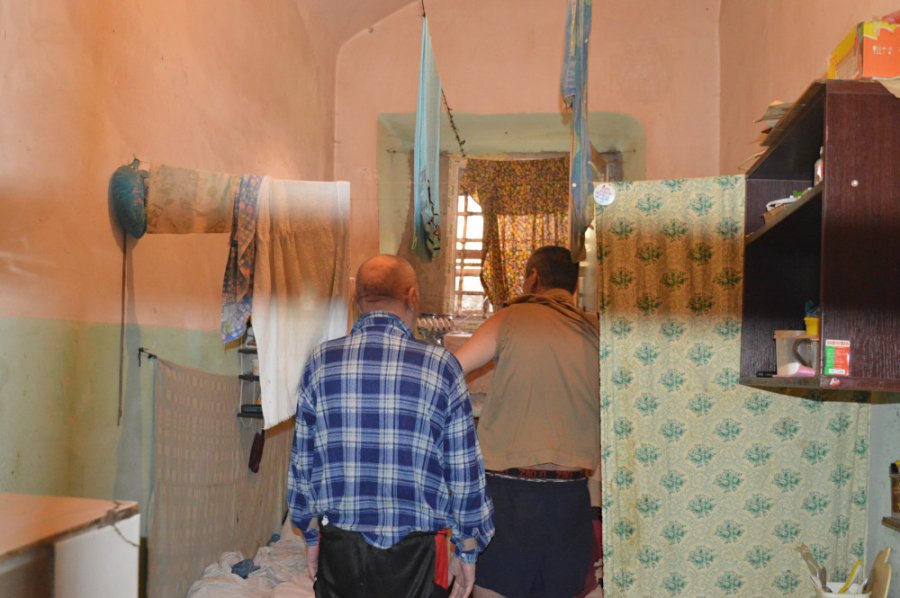
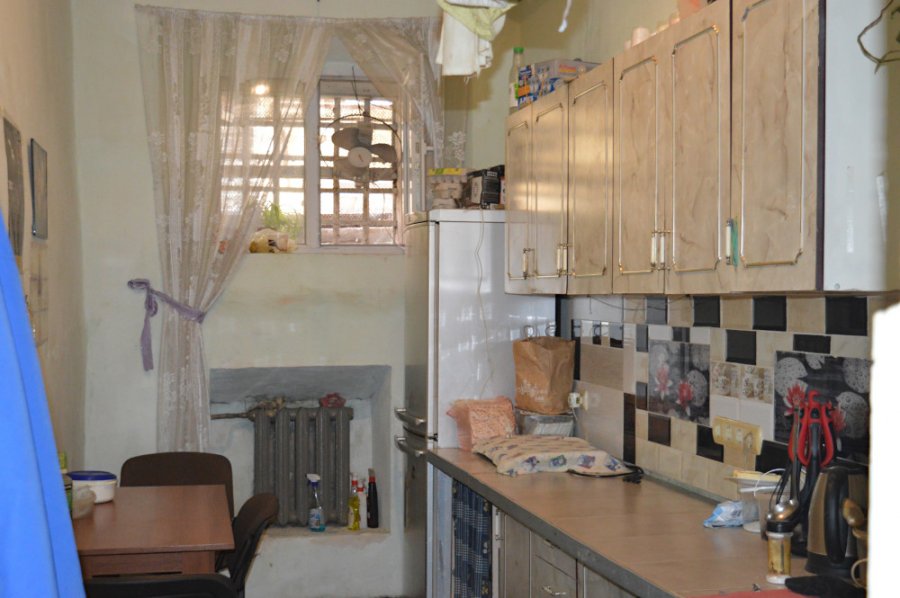
The conditions of detention in the four-occupancy cell are significantly better. The monitors found a kitchen equipped with all necessary household appliances. Compared to the bathrooms in the double-occupancy cells, the bathroom in the four-occupancy cell is in good condition. However, such conditions are created at the expense of the convicts themselves.
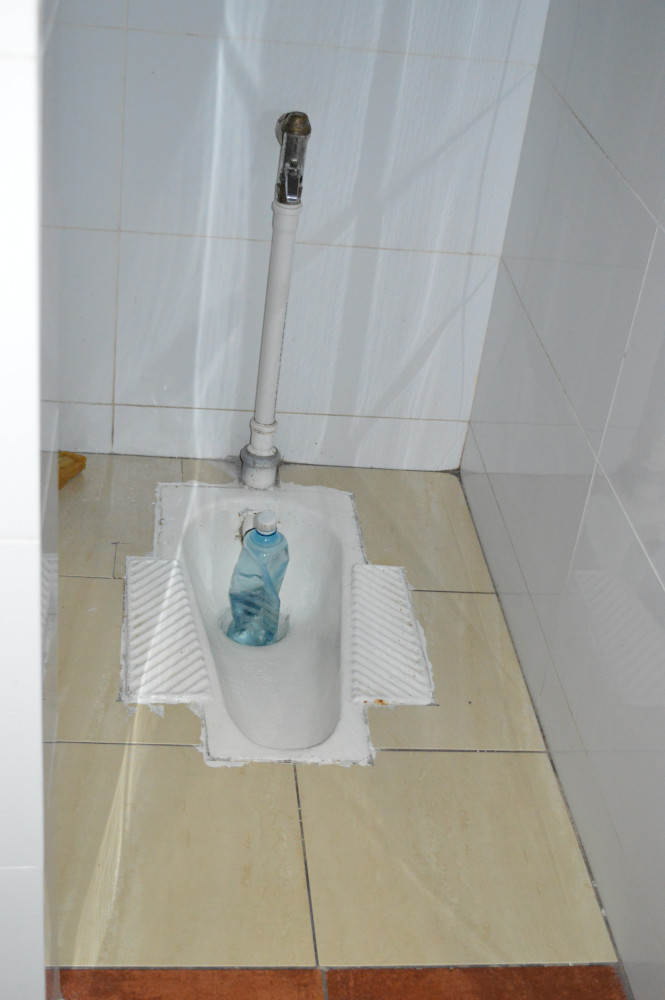
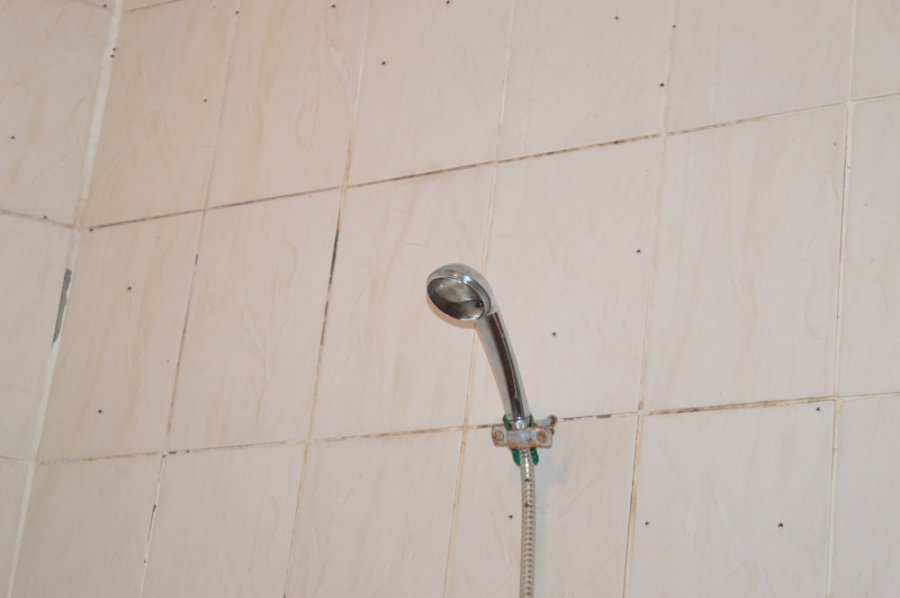
In the bathhouse of the maximum-security sector, there are three washing stations, but only two are functioning. The bathhouse premises are quite small, there are no windows and no forced ventilation, which leads to excessive humidity in the room, which in turn leads to the appearance of mould. There are no floor mats in the shower cabins. The washbasin and other plumbing are in a neglected state; one of the showers lacks a water diffuser.
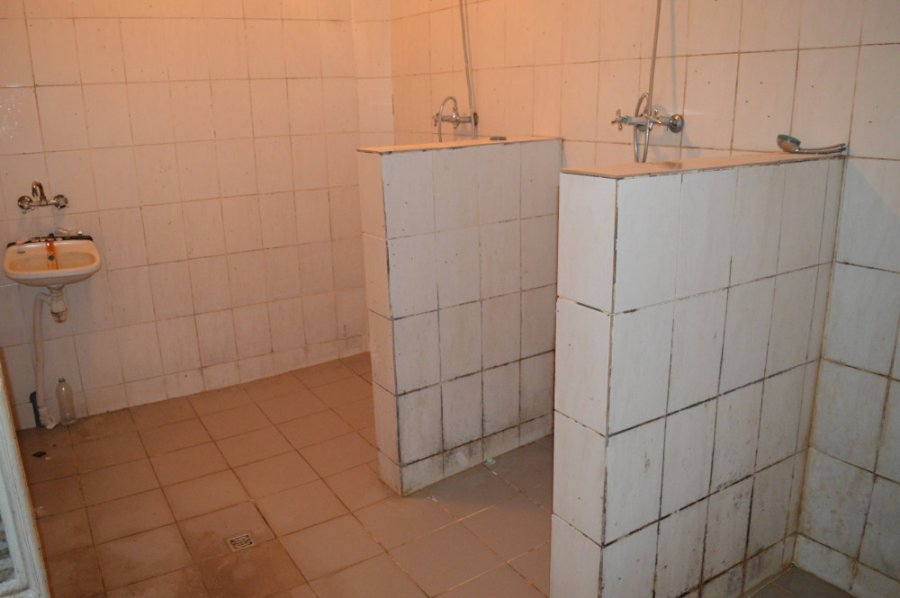
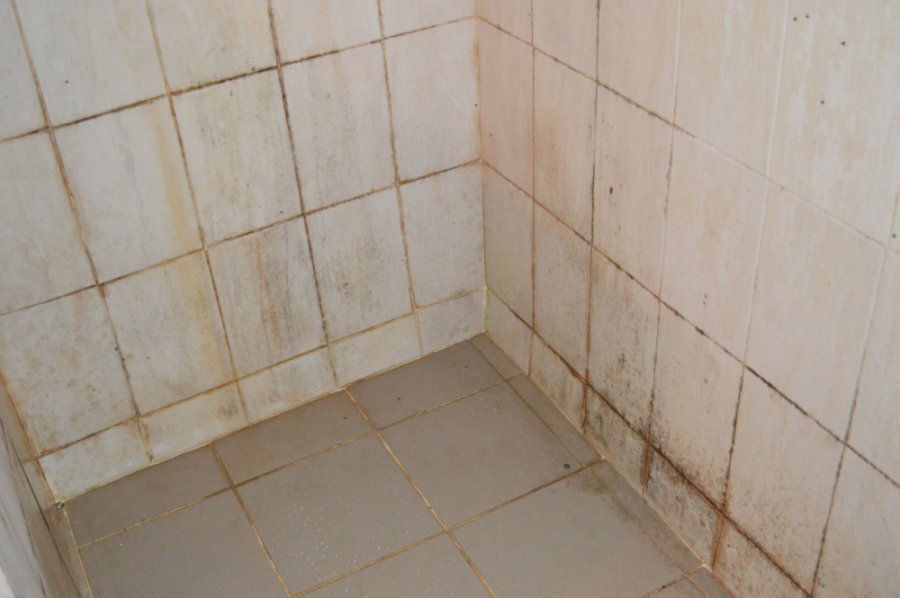
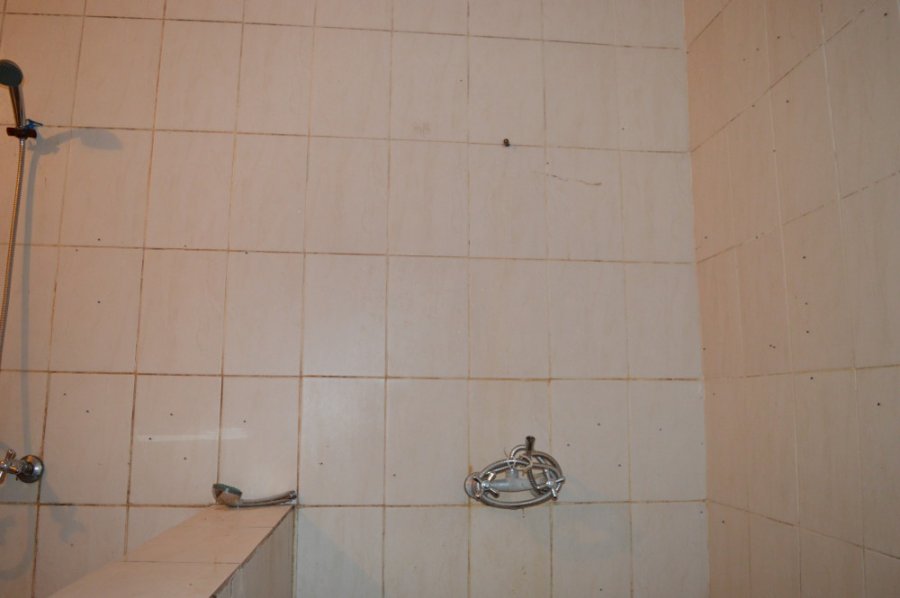
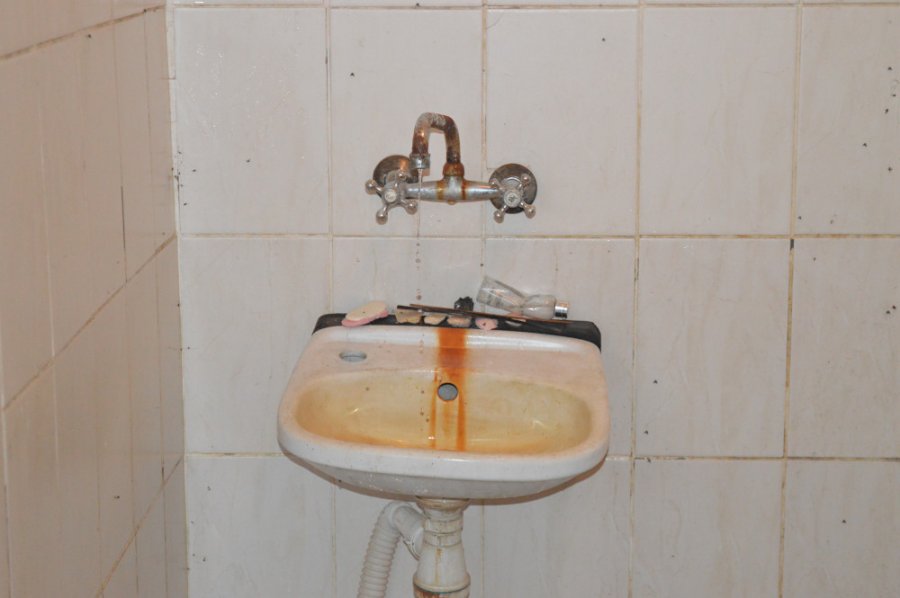
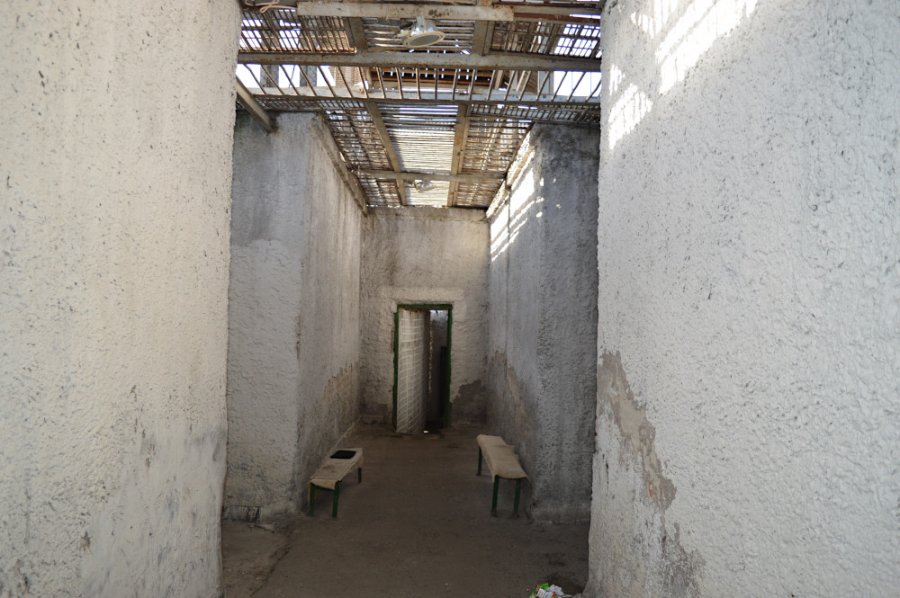
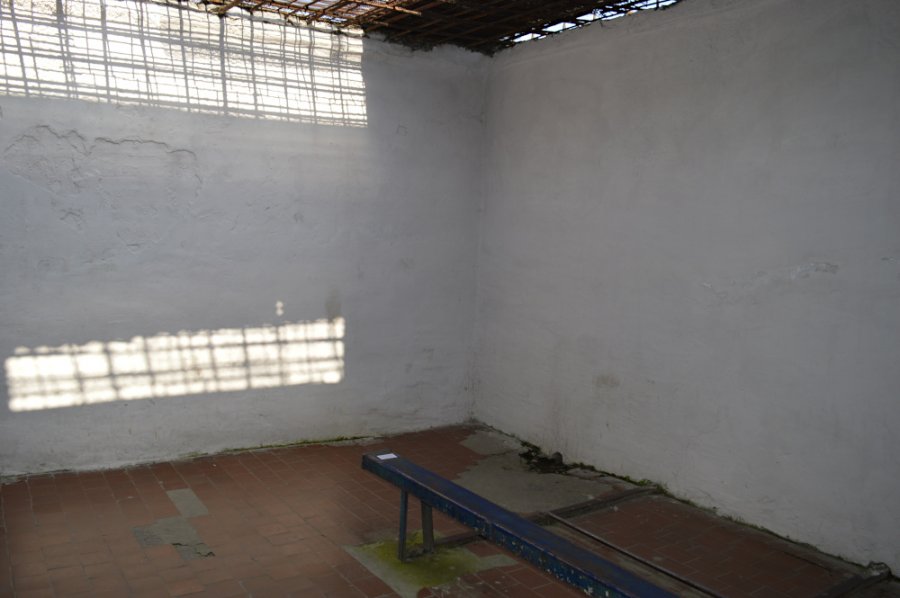
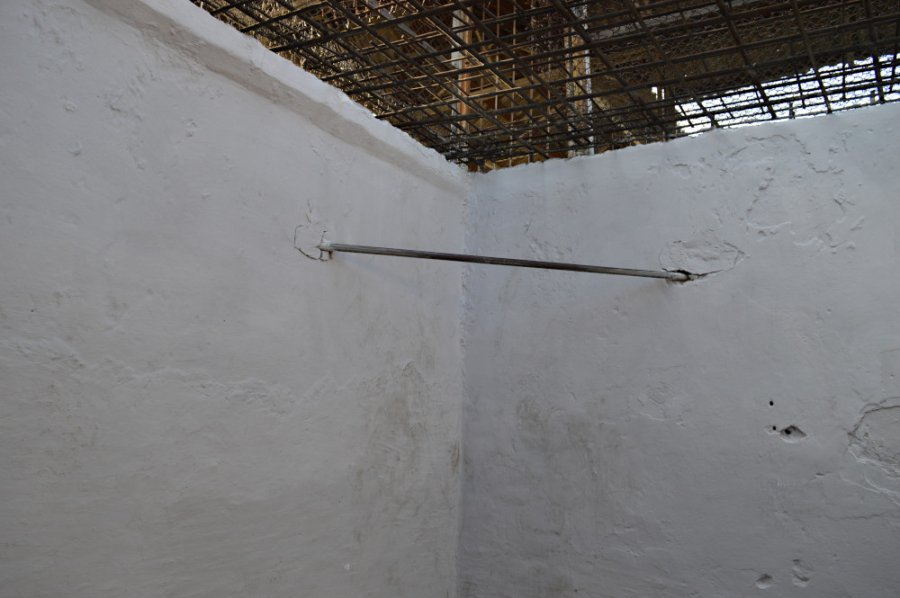
The exercise yards are located on the roof of the building, and the entry of daylight into them is difficult. In the yards, there are sports equipment and benches.
6. Kitchen
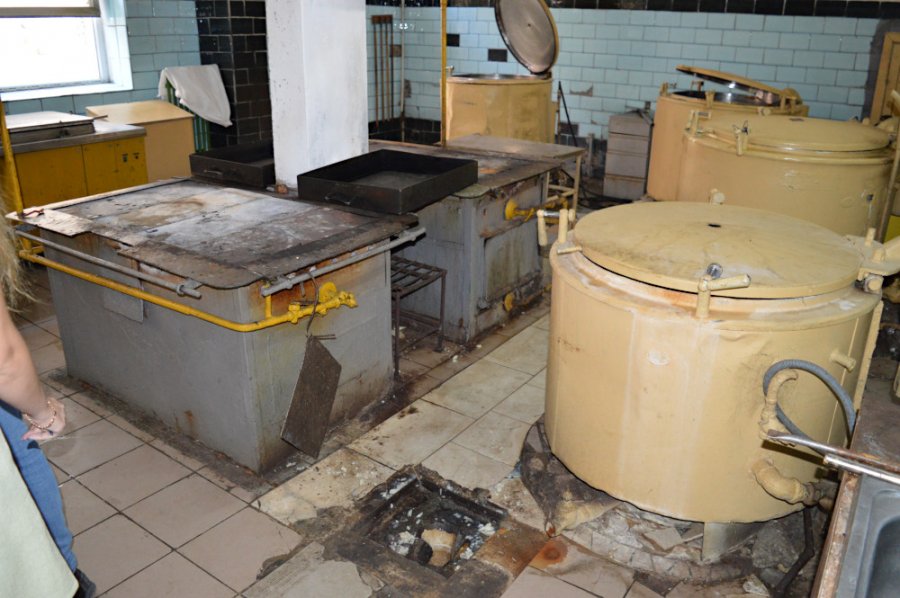
The institution’s kitchen is in a satisfactory condition. However, in the vegetable preparation area (the place for washing peeled vegetables), the monitors saw an unsatisfactory, unsanitary state of the utensils, in particular, the tubs for washing clean vegetables and the floors. In the hot food preparation area, there are also problems with the floor. The kitchen equipment is outdated.
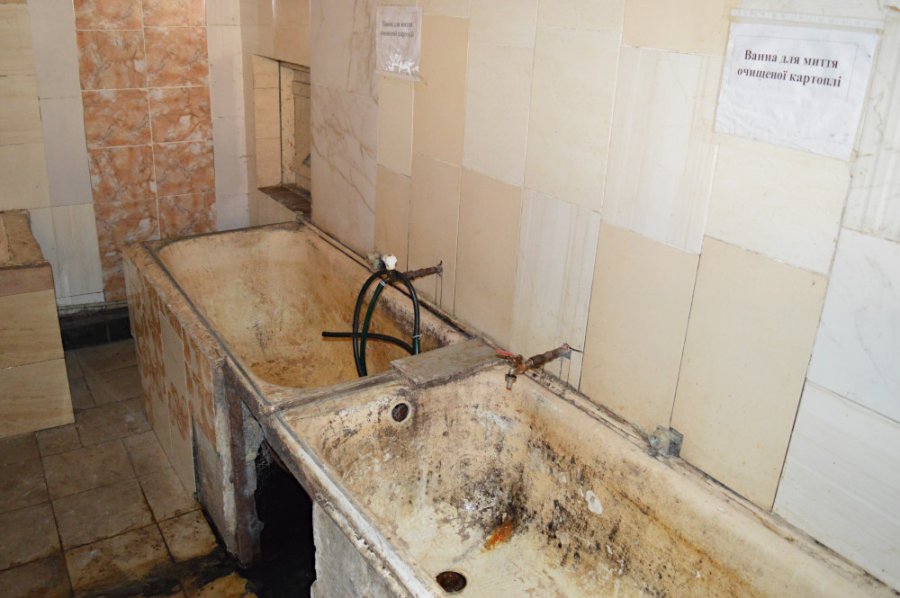
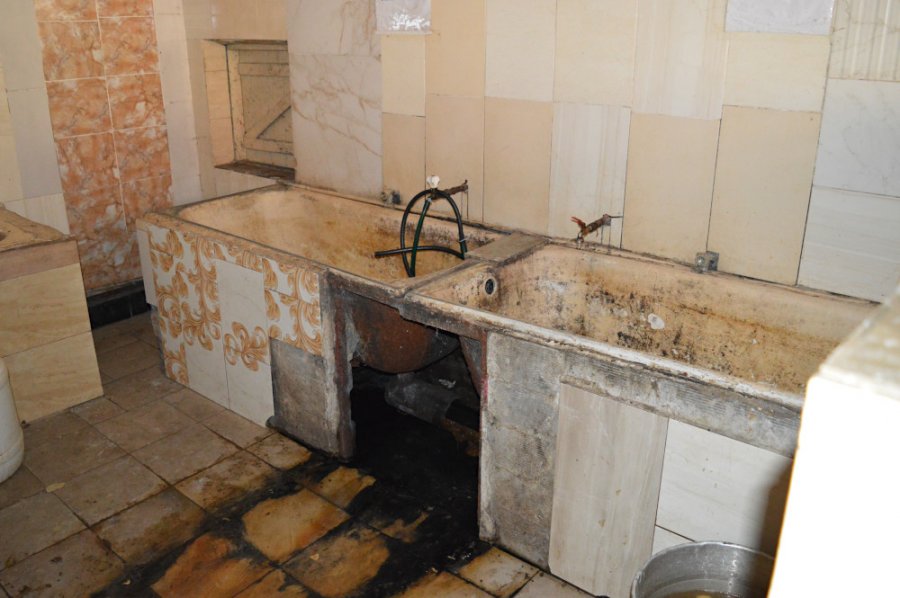
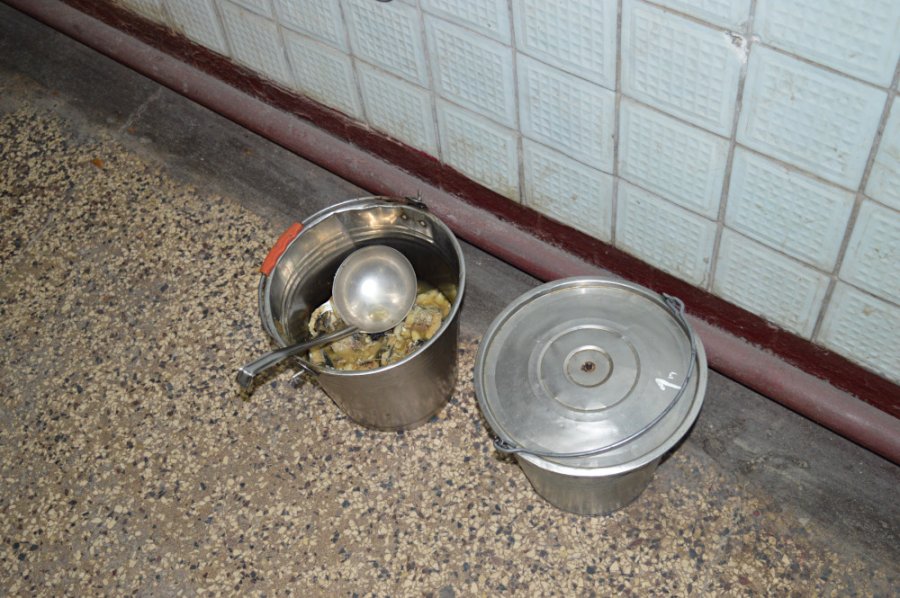
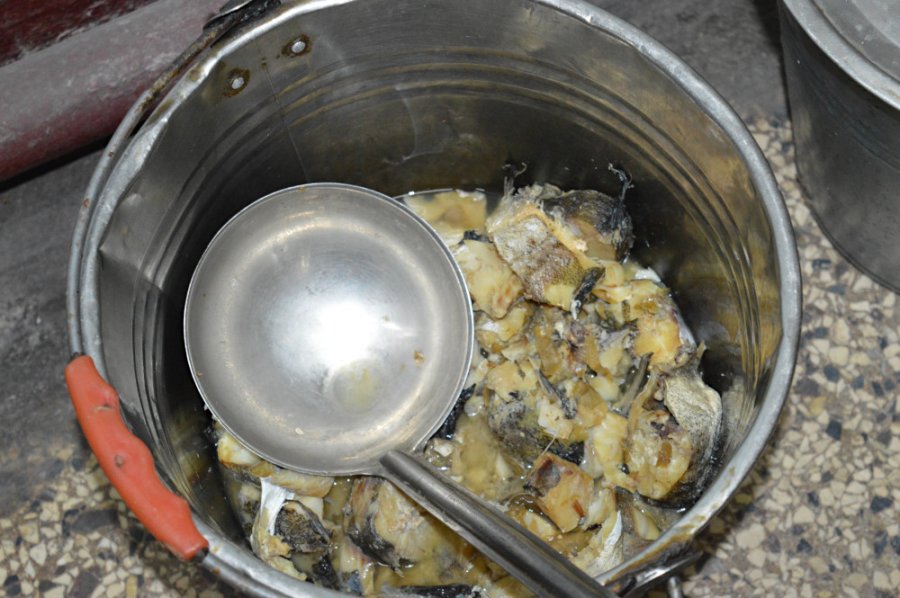
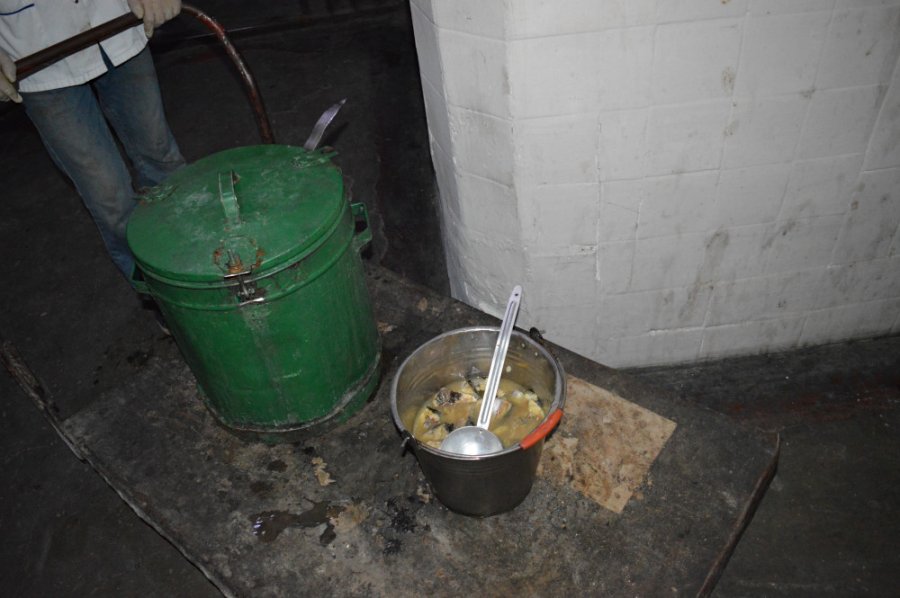
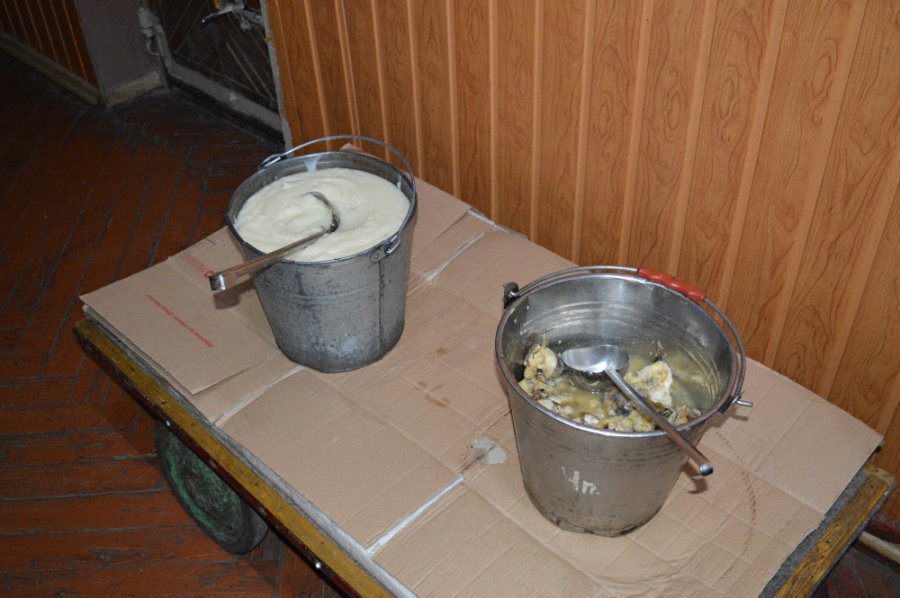
Food is delivered to the cells in iron buckets and iron, rust-covered utensils, which, during the monitors’ visit, were left open on the floor in the corridors of the sectors. The food looks unappealing.
In accordance with the budget request for 2020 for food products (KEKV 2230), the institution required 22 million 338 thousand hryvnias, which amounts to 2,567 hryvnias per month for one convict. But in fact, 1 million 180 thousand hryvnias arrived from the state budget for this expenditure item, which converts to 135 hryvnias per month for one convict.