Monitoring visit to State Institution ‘Lychakivska Correctional Colony No. 30’
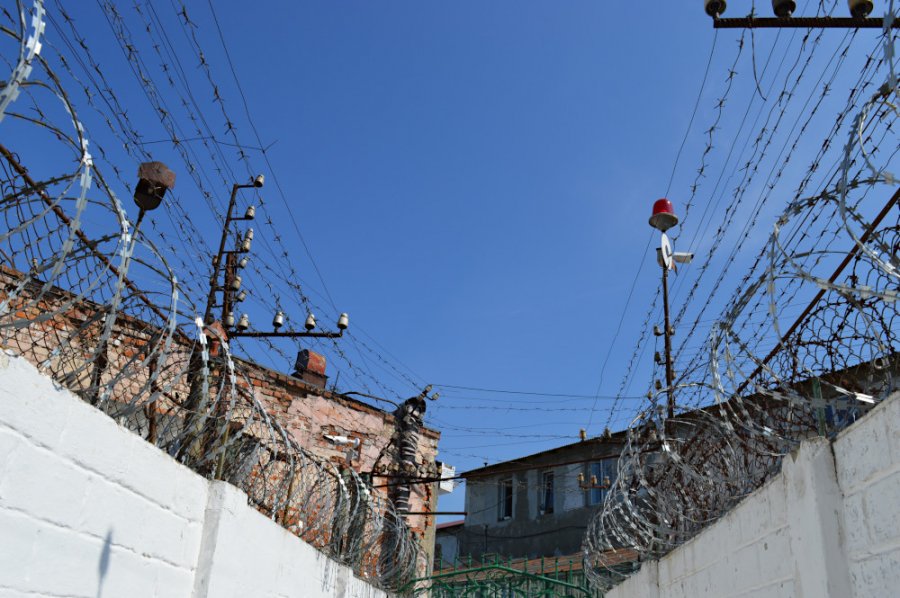
On 14 August 2021, a monitoring group consisting of Maksym Revyakin, an assistant consultant to a Member of Parliament of Ukraine, and two journalists, Hanna Ovdiienko and Vladyslav Dolzhko, visited State Institution ‘Lychakivska Correctional Colony No. 30’. This is a medium-security institution for men who are repeat offenders sentenced to imprisonment. The colony was founded in 1946. Today, 592 individuals are serving sentences in the colony. There are 234 staff members working at the institution, although the junior inspectorate staff is understaffed by more than thirty per cent.
At the entrance to the colony, the monitors were met by the deputy head of the institution. After checking the monitors’ documents, he informed them that the Member of Parliament’s assistant did not have the authority to enter the colony without hindrance and that only the Members of Parliament themselves possessed such powers. After carefully examining the provisions of Article 24 of the Criminal Executive Code of Ukraine together with the monitors, the deputy agreed that the relevant powers did exist, but then began to complain that there was insufficient staff in the colony to accompany a monitoring group of three people, one of whom was a woman. Following this, the deputy head consulted by telephone with several people regarding the content of Article 24 of the Criminal Executive Code of Ukraine and the possibility of admitting the monitors to the institution. Half an hour after their arrival at the institution, the monitors were finally granted access to the guarded territory. It seemed to the monitors that the deputy head had intentionally delayed them so that the colony could be ‘prepared’ for the inspection. Indeed, the monitors later noticed that cleaning had only just been completed in almost all the rooms in the colony.
1. Residential Wards
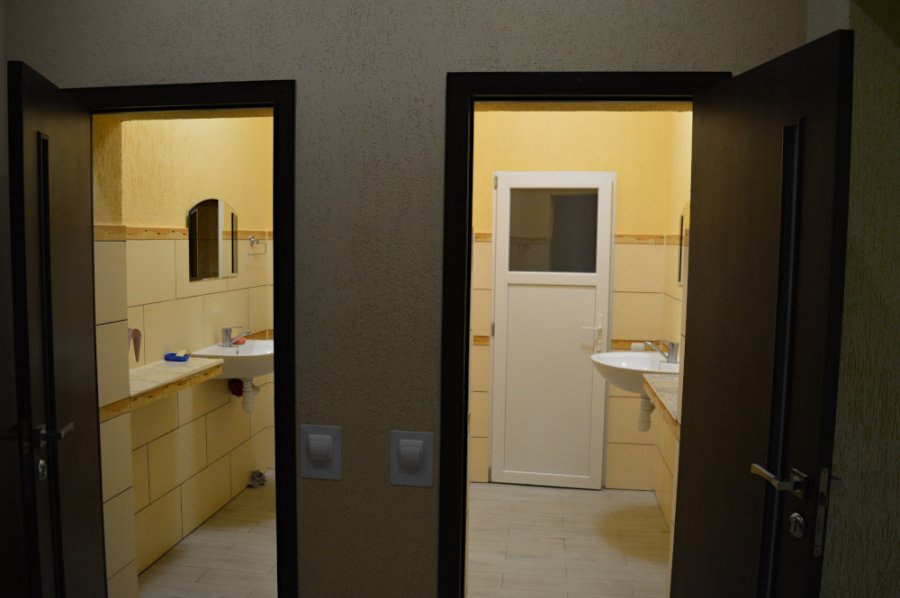
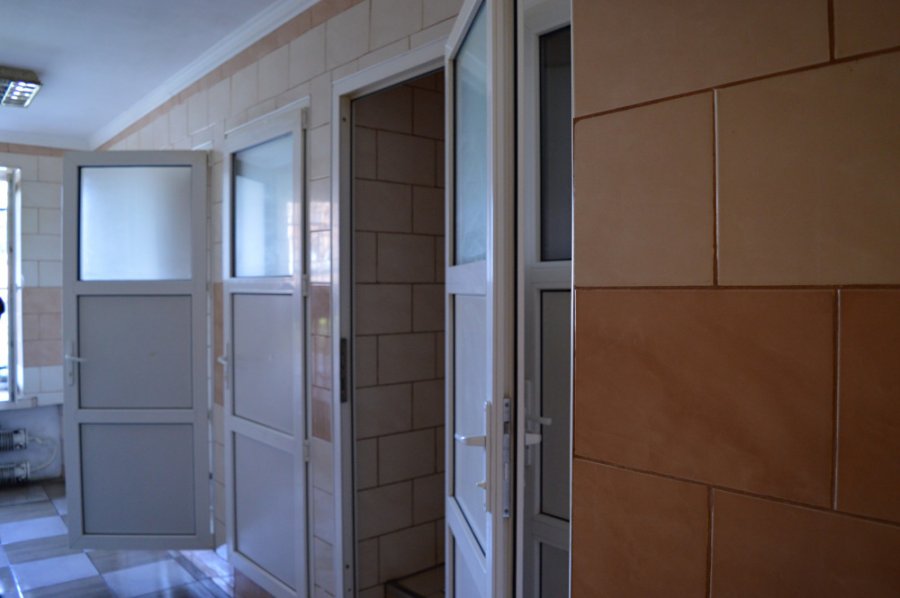
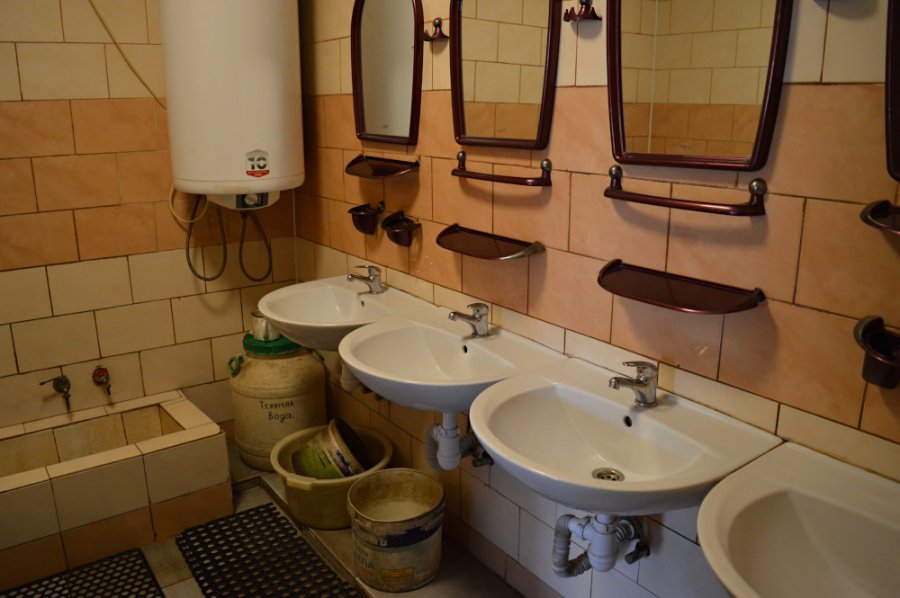
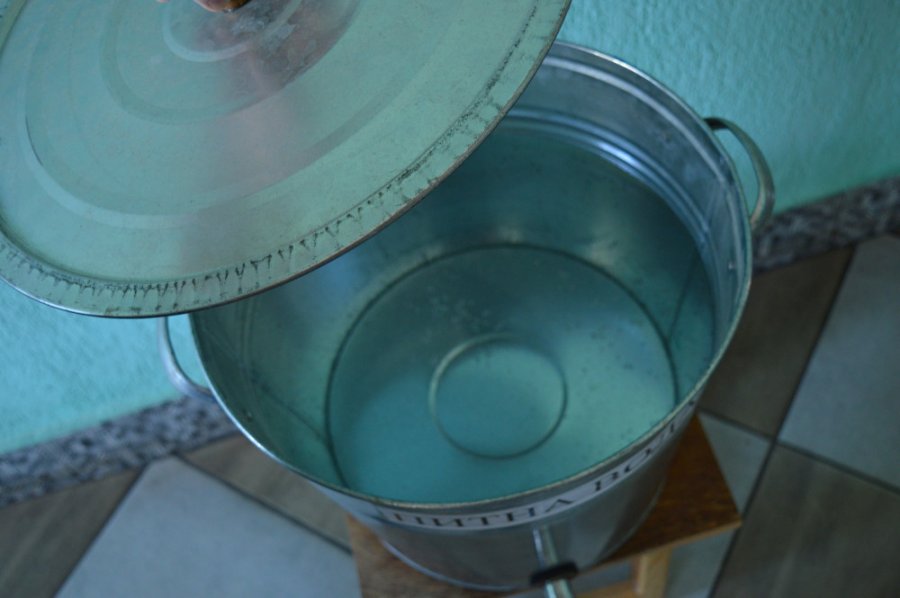
All residential wards are of the barracks type. Only one ward has been completely renovated. In it, the convicts live in separate rooms for four people. There is one bathroom per ward. The sanitary facilities are in a satisfactory condition. The toilet rooms are completely partitioned from one another, which ensures the maximum level of privacy. The plumbing is new. In the dining room of the renovated ward, there is an iron bucket with clean drinking water.
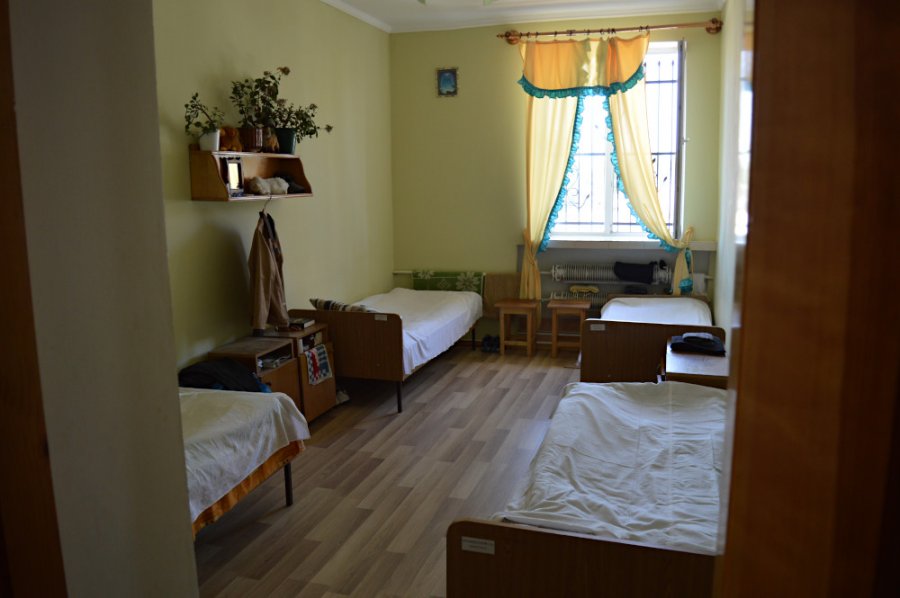
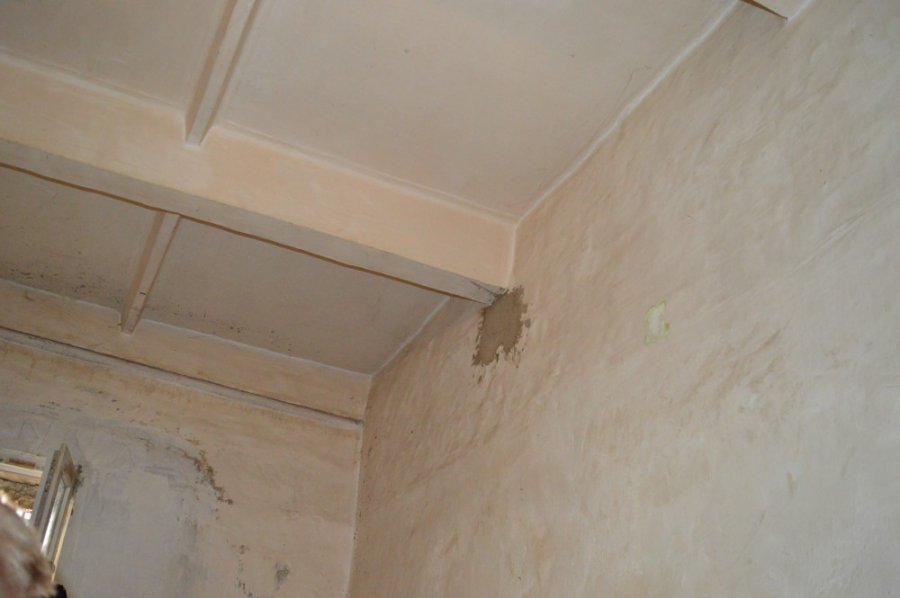
The other 9 wards have not been renovated. The monitors visited two unrenovated wards, as the administration assured them that conditions in all these wards were approximately the same. The visited wards are in a neglected state. Old chain-link beds are installed in the sleeping rooms, some of which are bunk beds, which contradicts the European Prison Rules. Repairs in the residential premises are very outdated; in some places, there are traces of past flooding on the walls and ceilings, and there is fungus and mould. In the vast majority of the residential premises, old wooden windows are installed. In some rooms, daylight barely enters due to the small size of the windows and because the windows are covered with old rags.
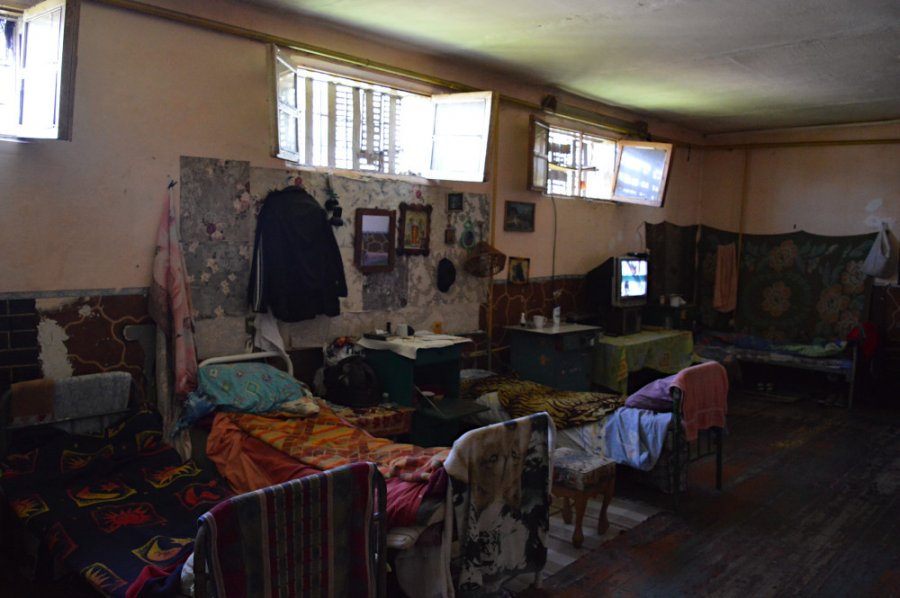
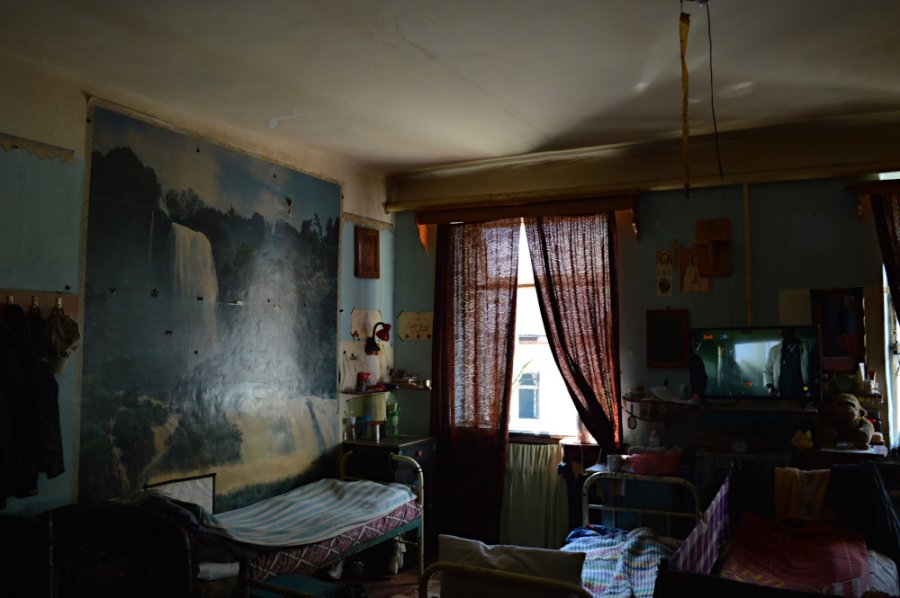
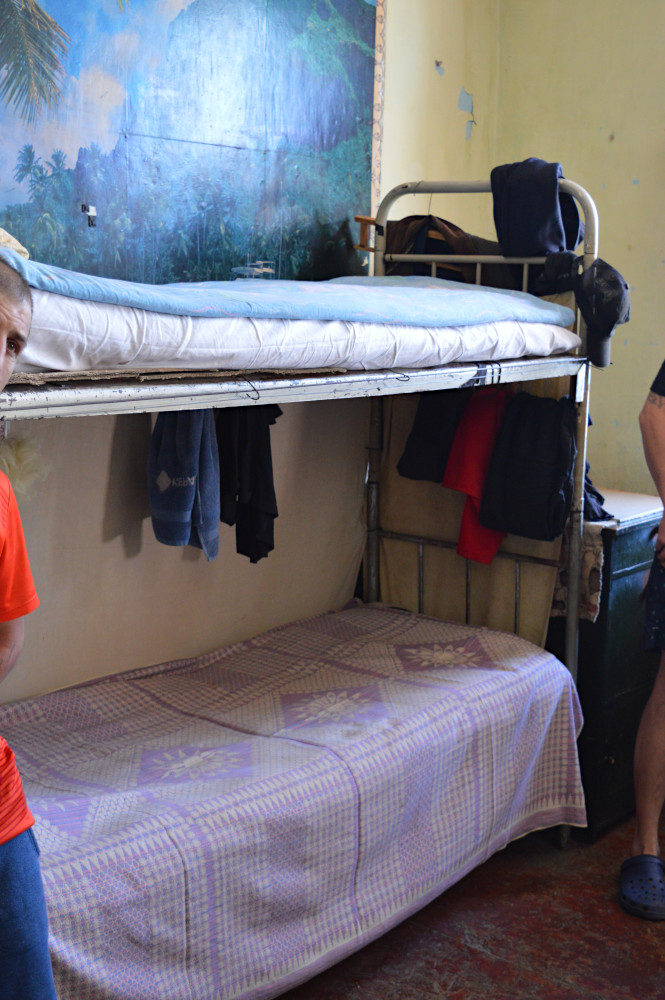
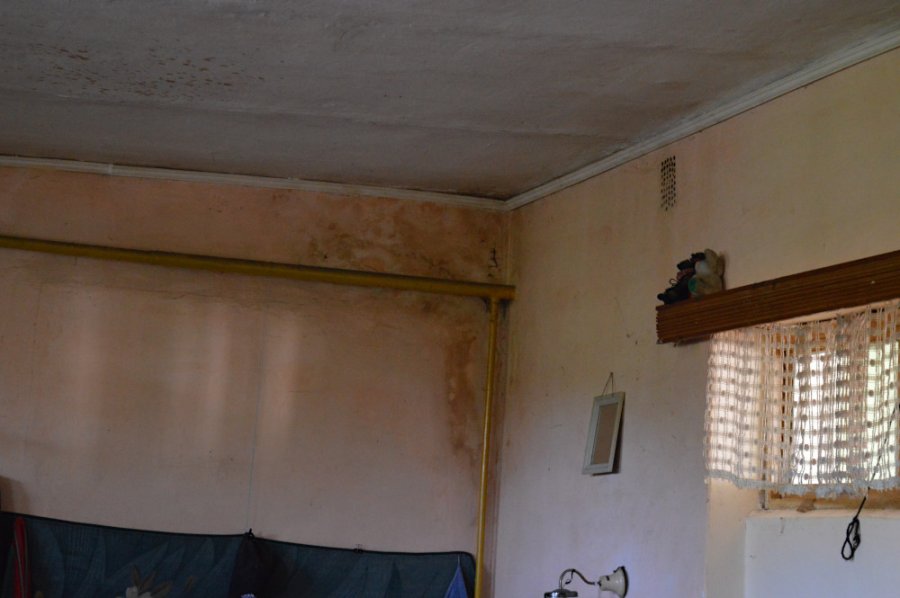
The residential wards of the institution are characterised by uninsulated power sources, which pose a significant threat to the life and health of the convicts.
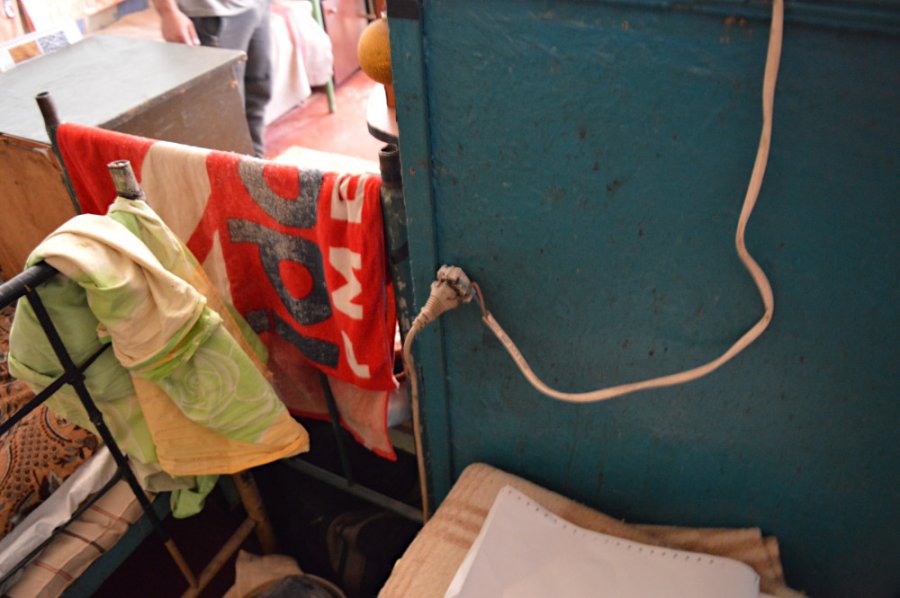
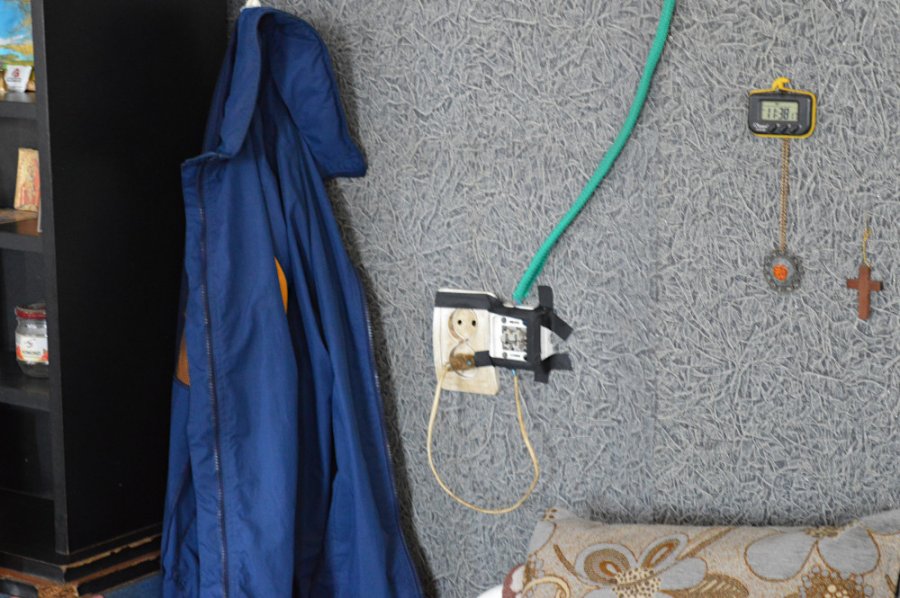
In the dining rooms of the unrenovated wards, there are no drinking water tanks. The institution’s administration stated that tap water is fit for consumption.
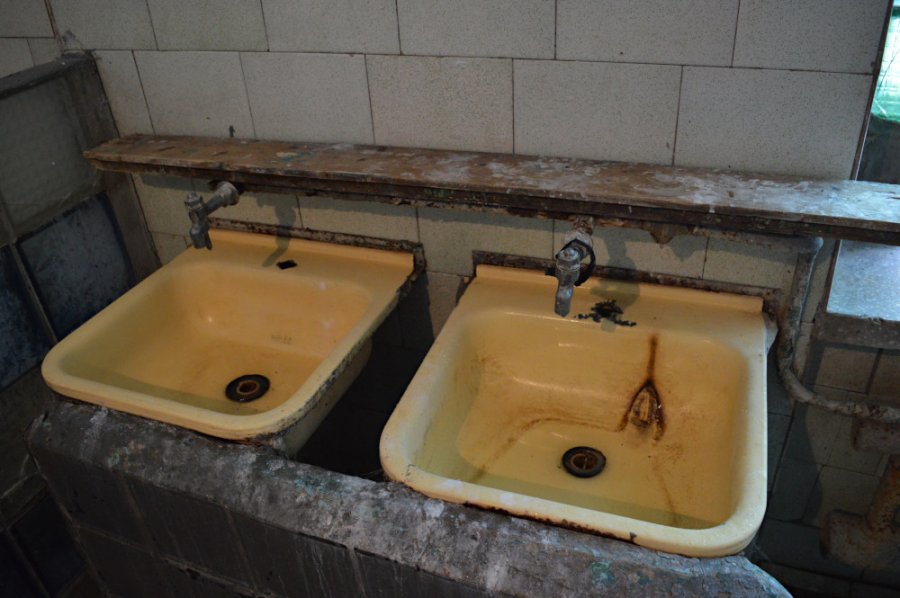
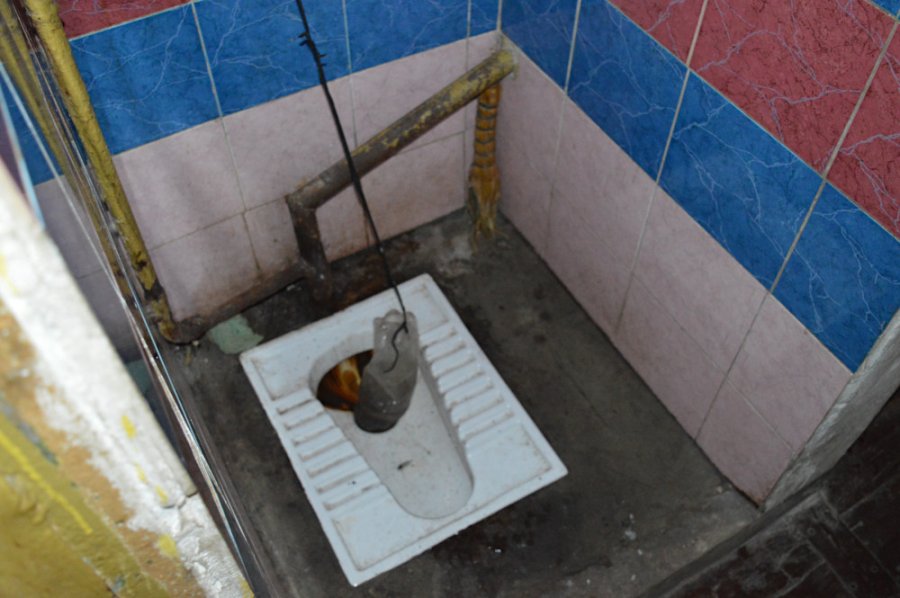
The sanitary facilities in the unrenovated wards deserve special attention. They are not merely in an inadequate state, but in a horrific one. There is an unbearable stench in the rooms, and it is impossible to enter the toilets. The bathrooms are very dark. There are no doors in the toilets, and the partitions are quite low, which does not allow the convicts to have any privacy. The bathrooms are in an emergency state and require immediate major repairs. In the sanitary facilities, as in the residential ones, the walls are covered with fungus, but here it is even more prevalent due to the humidity.
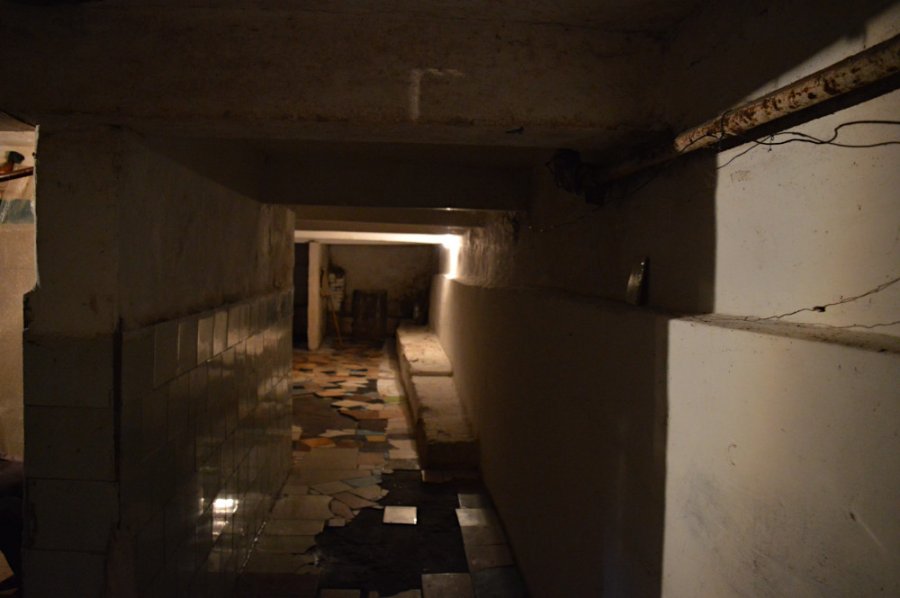
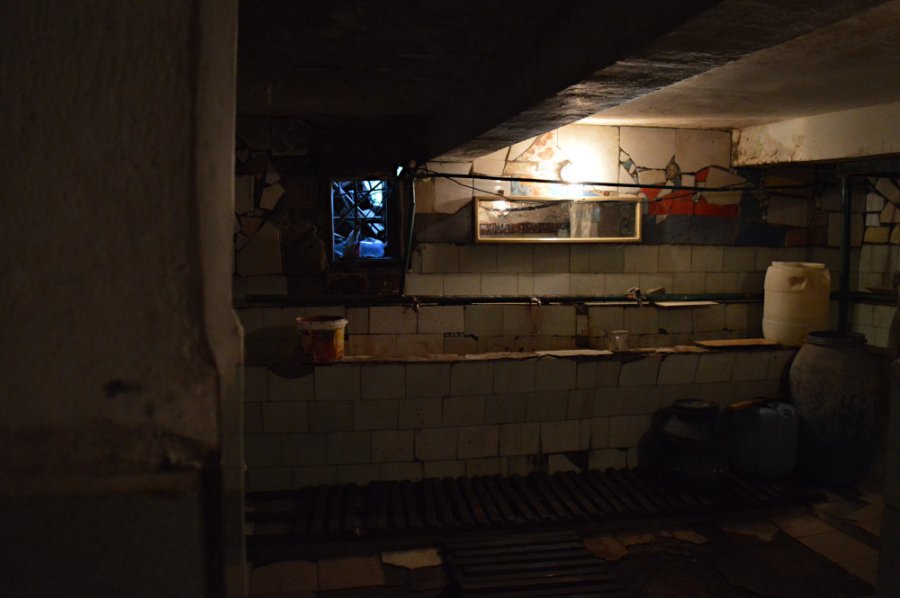
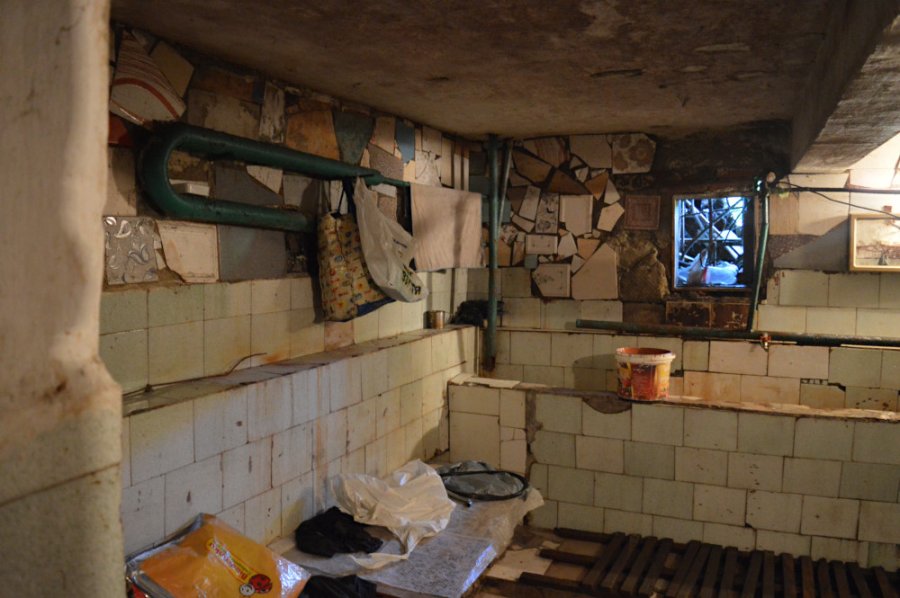
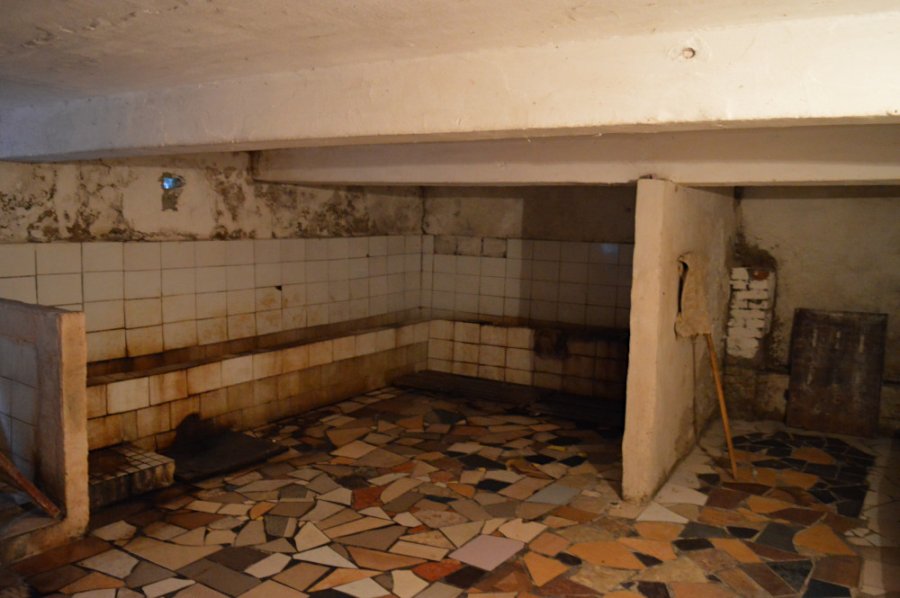
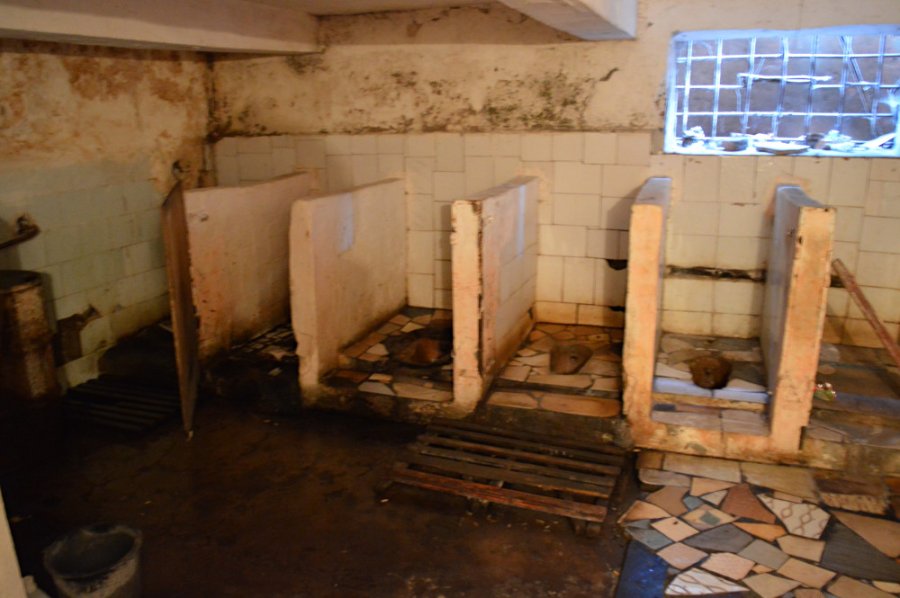
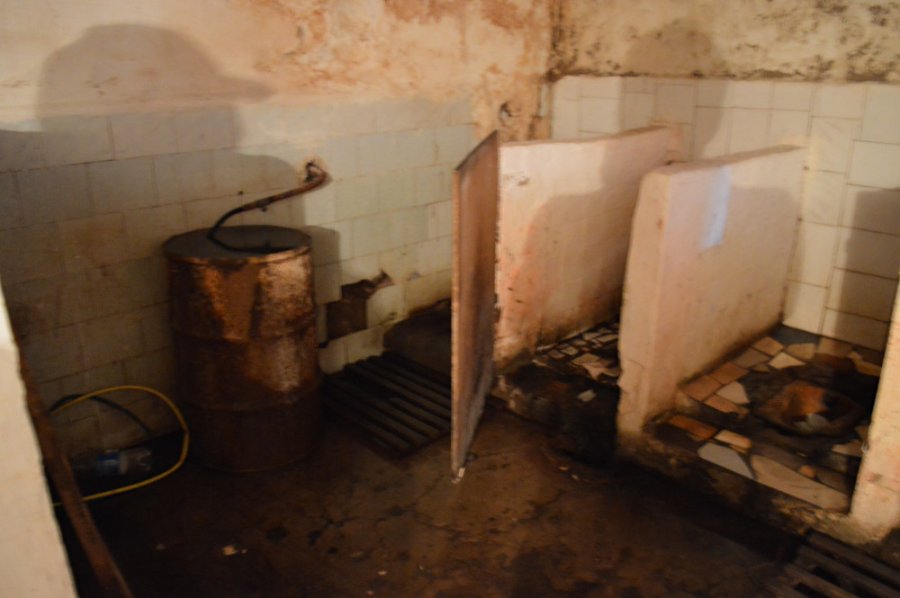
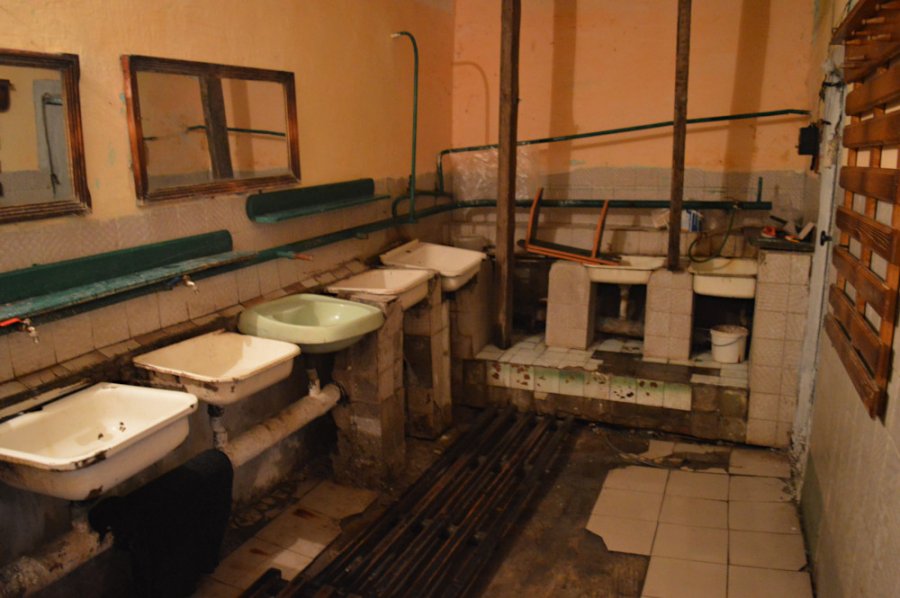
The water supply pipes are in an emergency state, which has caused the sanitary rooms to be flooded with water in some places.
In one of the wards, there was exposed wiring above the washbasins, which creates an even greater danger than the exposed wiring in the residential areas.
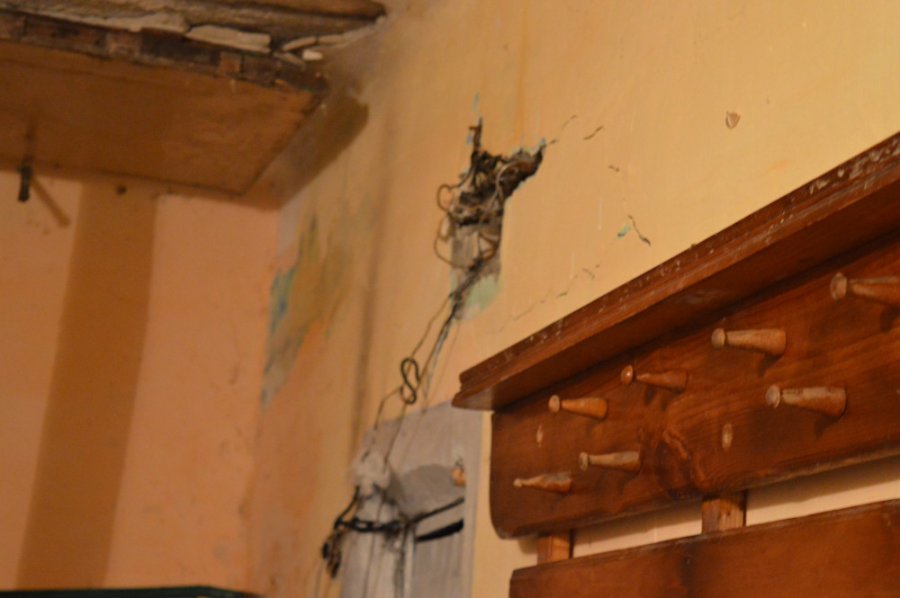
2. Bath and Laundry Complex
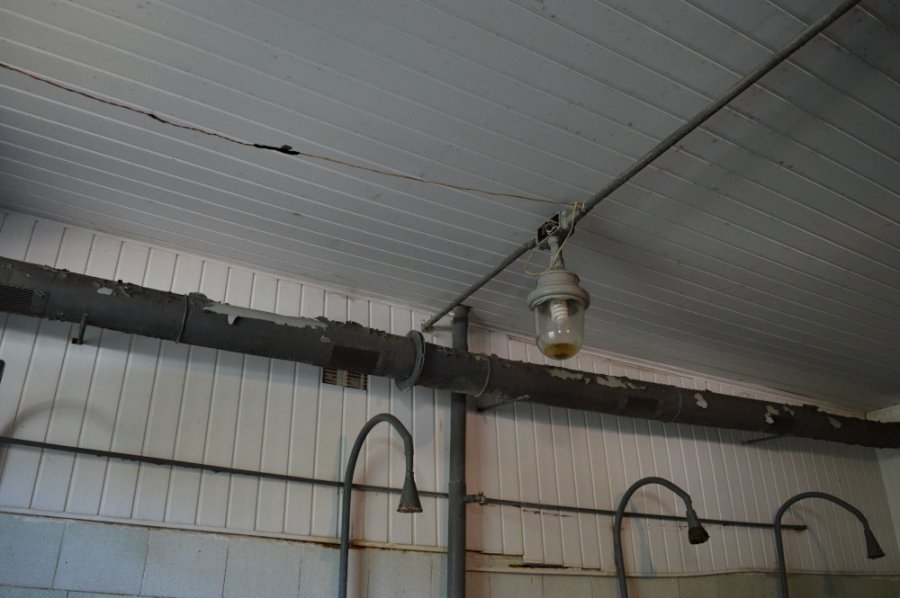
The bathhouse is also in an emergency state and requires repairs. The bathhouse has only six washing stations, which is clearly insufficient for a colony where nearly six hundred people are serving sentences; this causes significant discomfort for the convicts. Moreover, the washing stations are separated by sufficiently low partitions that clearly do not ensure the privacy of the convicts. There are no curtains or floor mats.
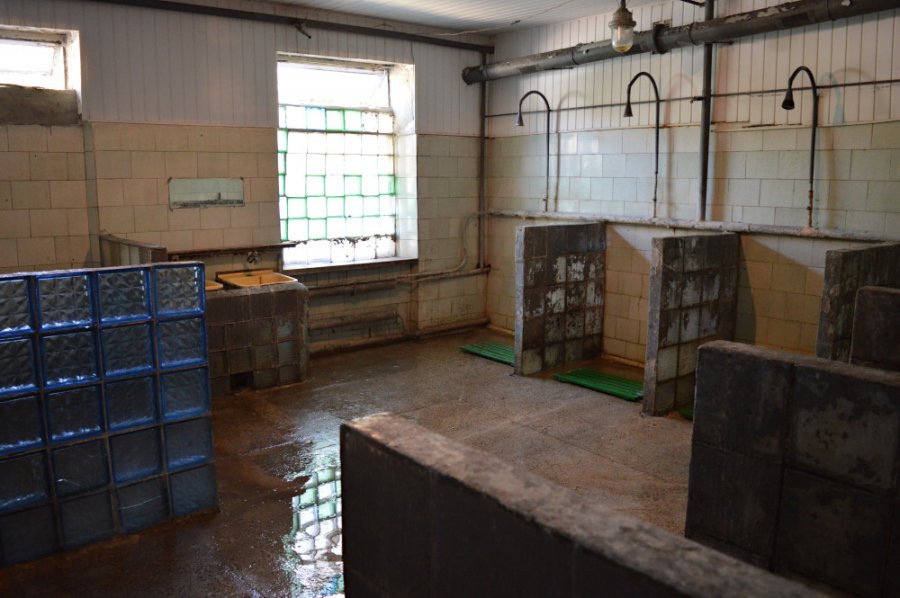
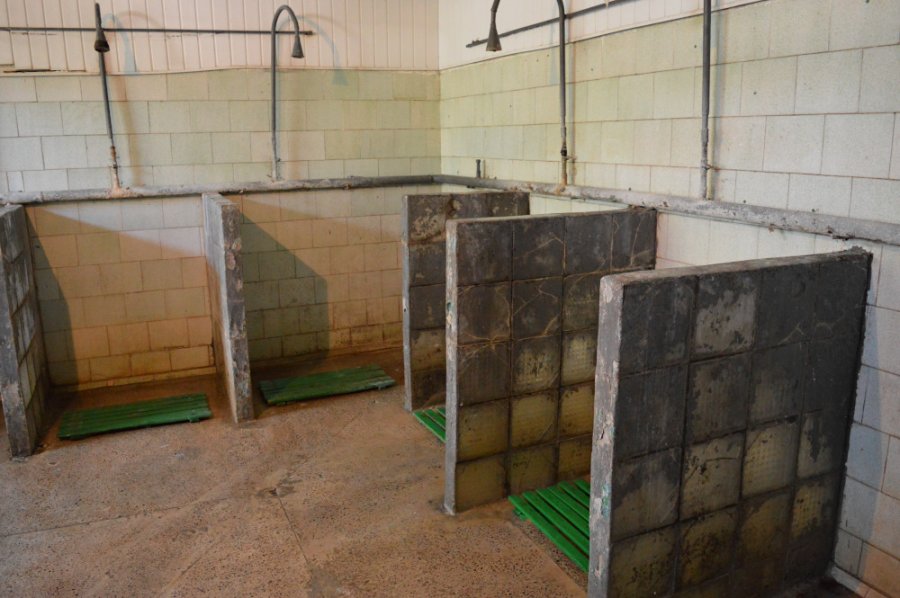
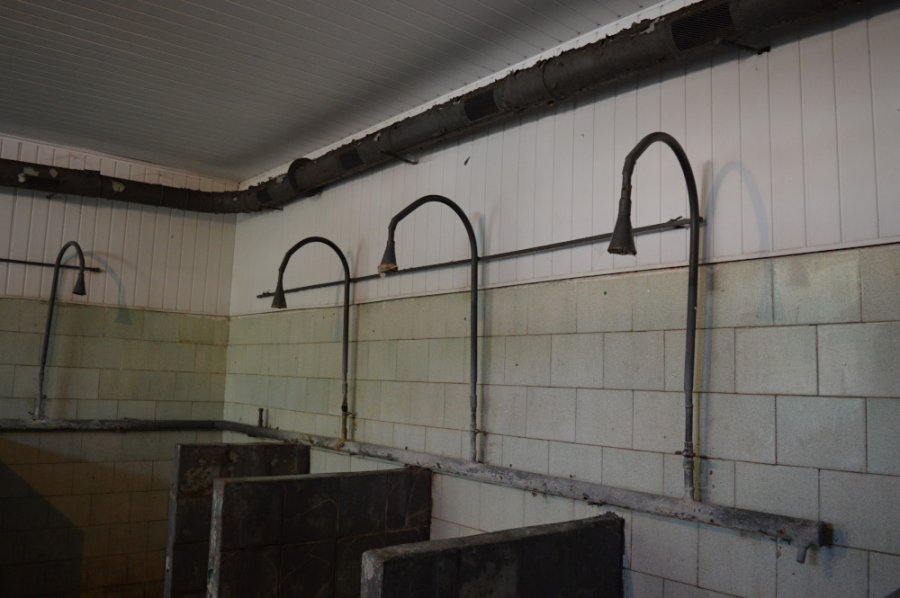
The convicts do not have the ability to independently regulate the water temperature. The temperature is chosen by another convict responsible for this task.
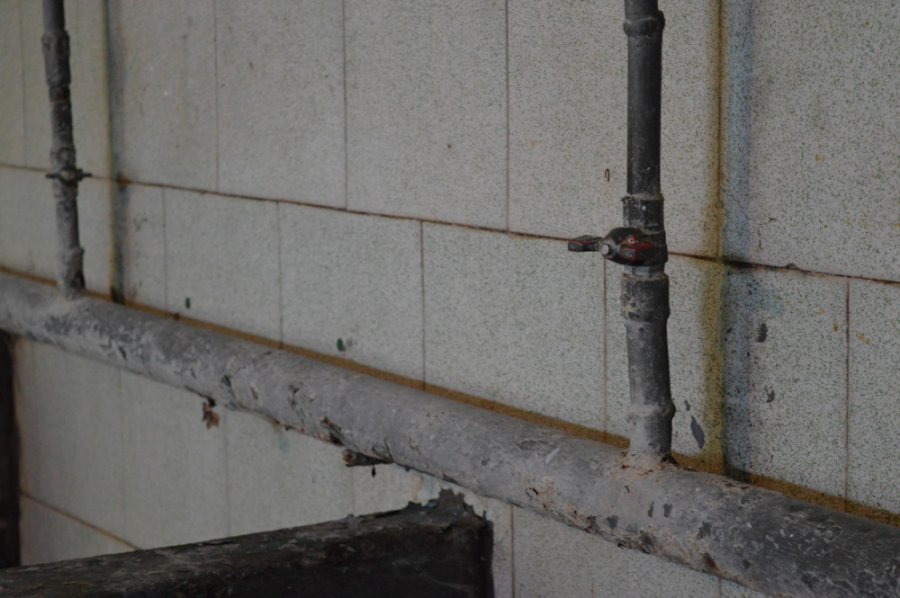
In the bathhouse, as in the residential and sanitary rooms, there is uninsulated wiring.
The monitors note positively that the paramedic’s corner is partitioned with curtains, which ensures sufficient privacy for convicts during medical examinations.
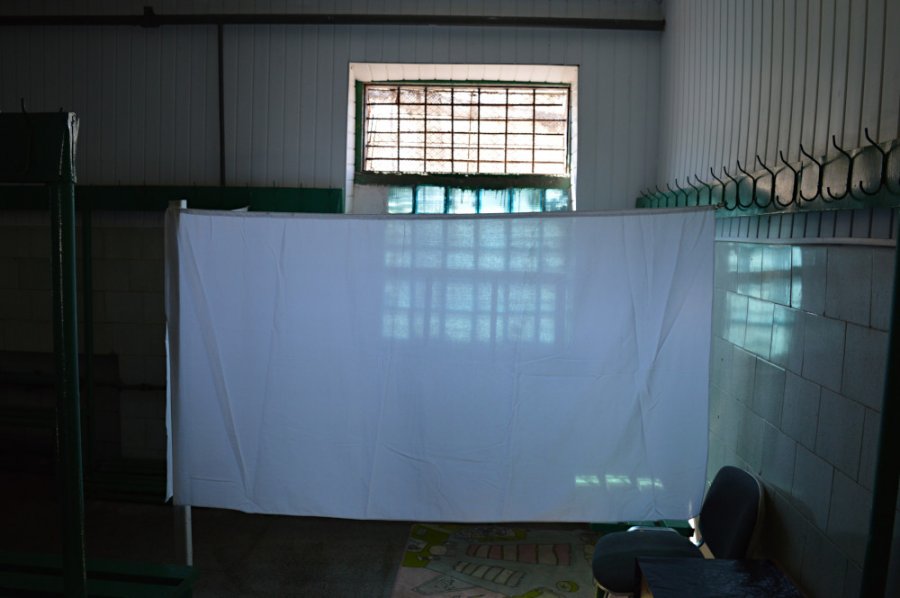
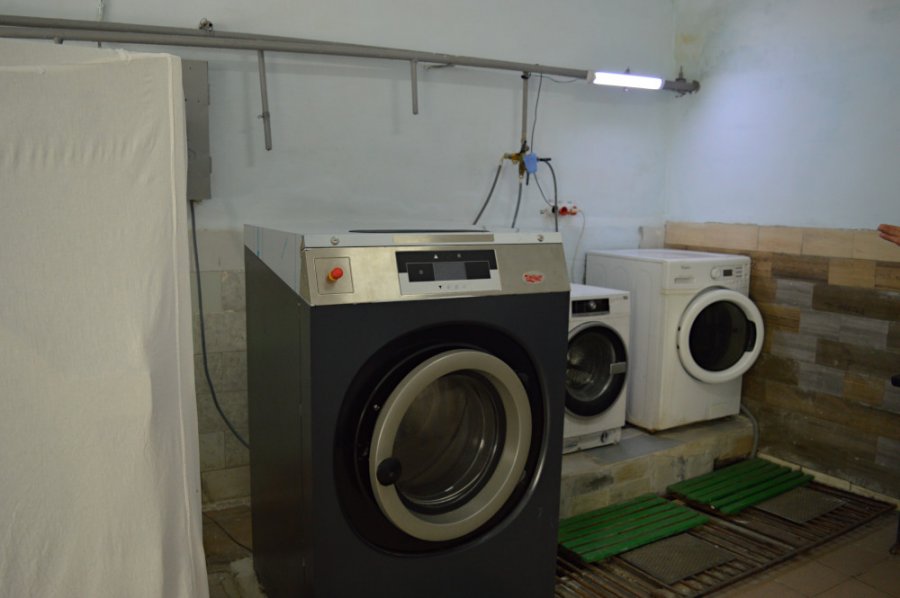
New washing machines are installed in the laundry. Their capacity is sufficient for the institution’s needs. There are places for drying clothes and linen, both indoors and outdoors.
3. Kitchen and Dining Room
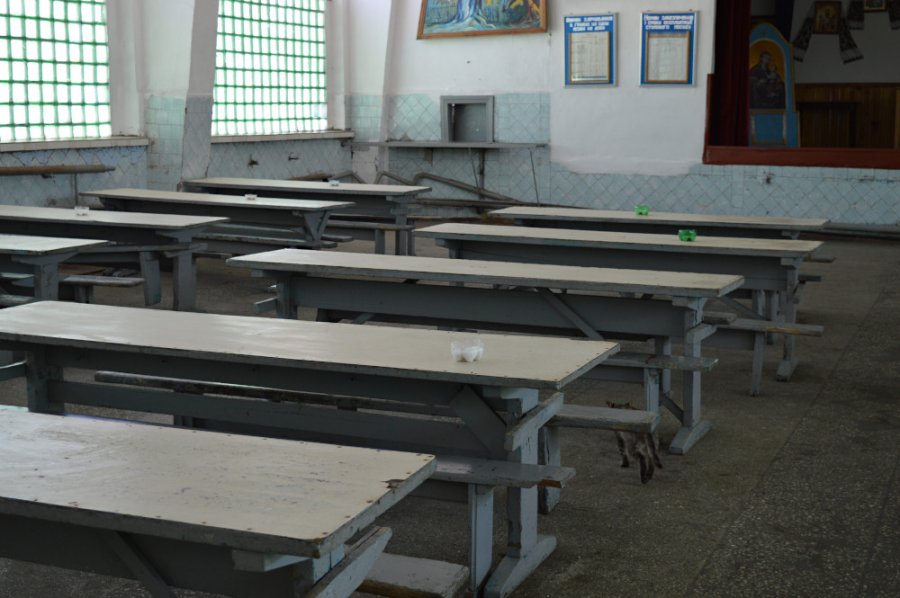
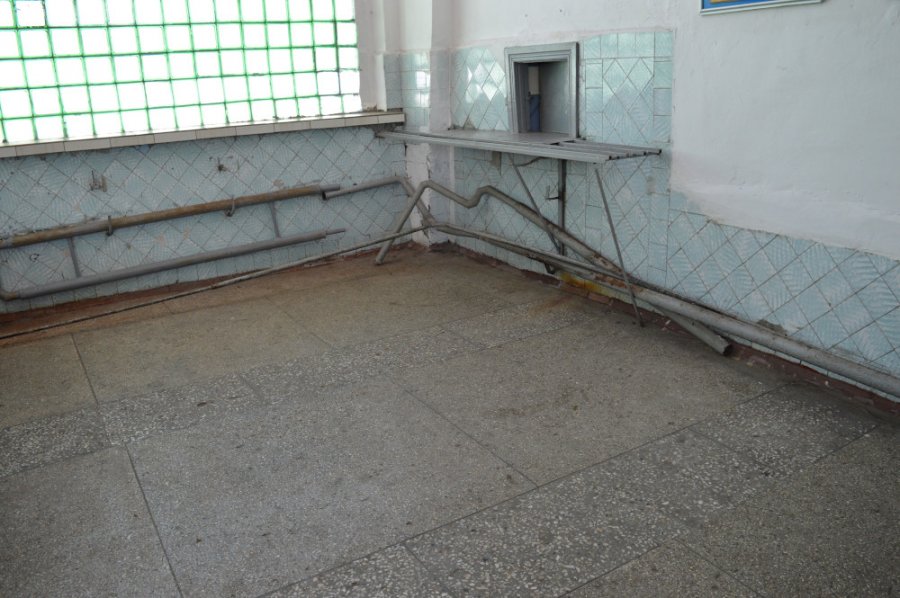
The dining room premises are in a satisfactory condition. In the corner of the dining room, there are pipes lying around that are not connected to any utilities and are covered in rust.
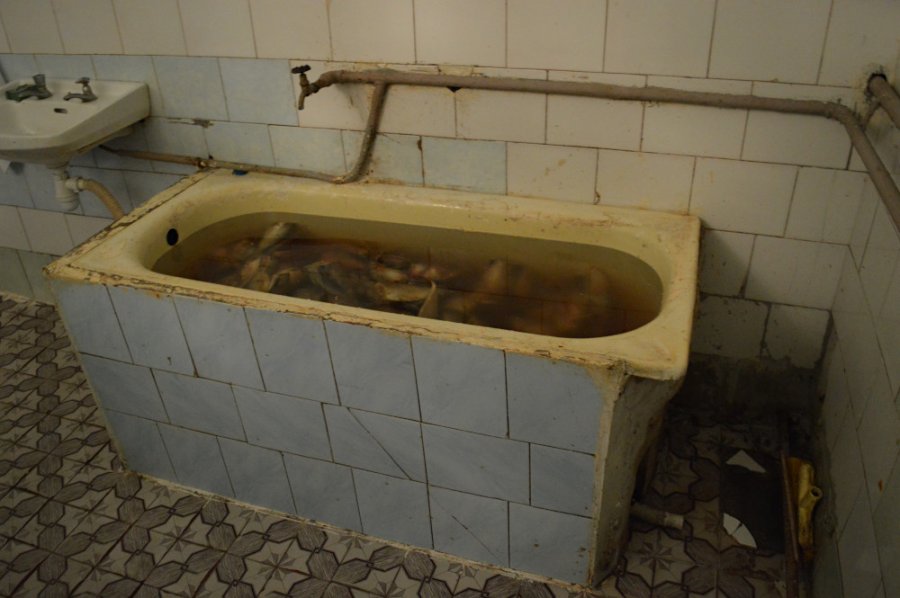
The kitchen was recently renovated. However, the monitors found fungus on one wall. The kitchen equipment is new and in working order. In the fish preparation area, the monitors saw fish being defrosted in a bath covered in rust.
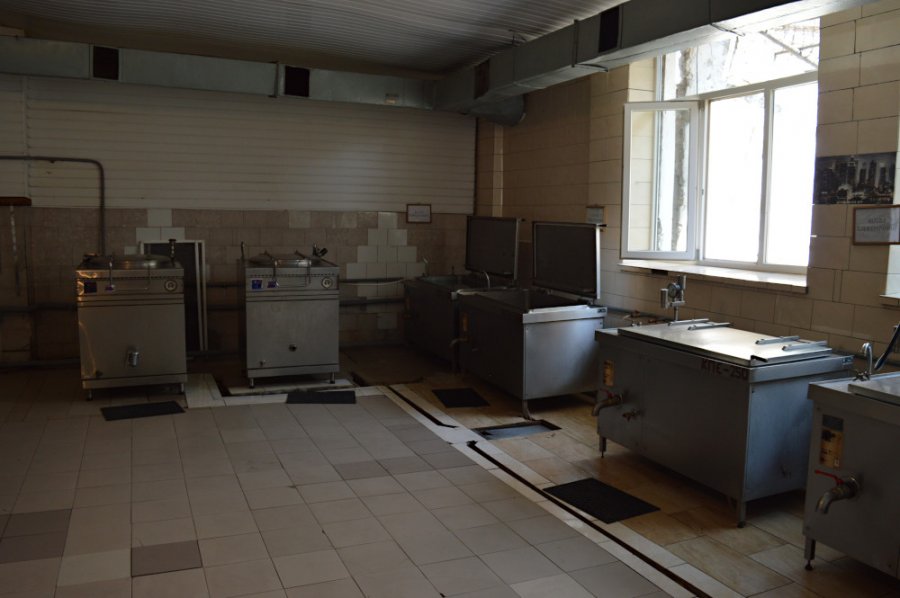
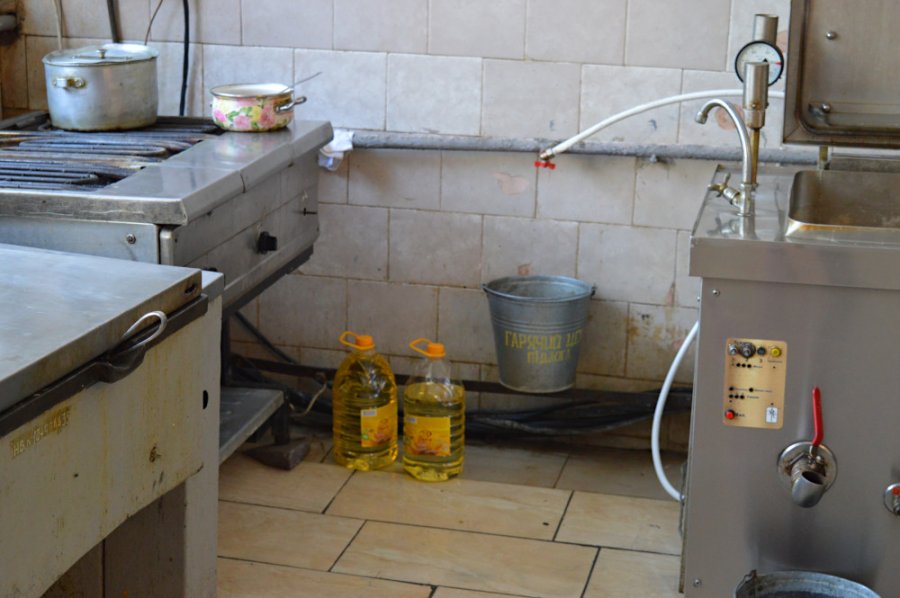
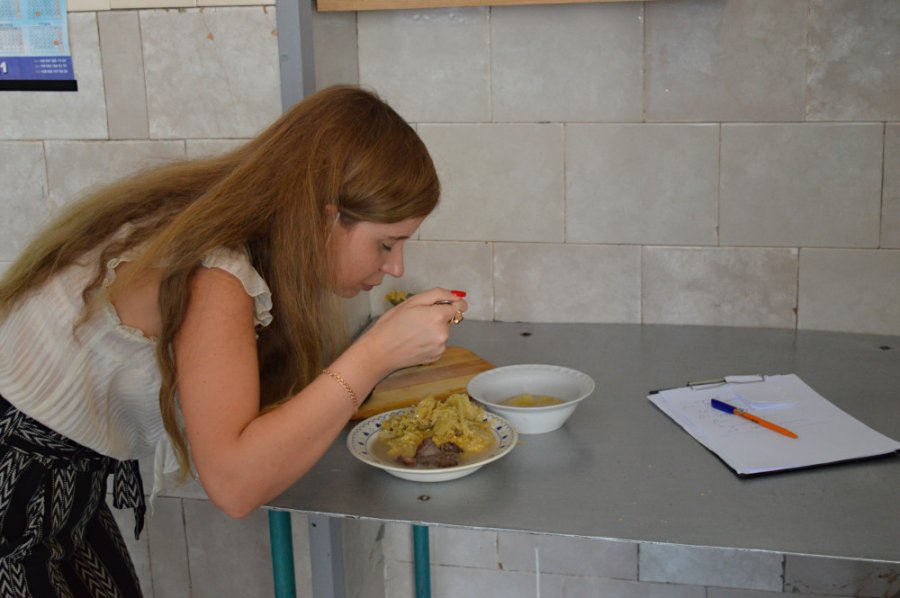
The monitors tasted the lunch prepared for the convicts. The first course turned out to be edible, but it would be difficult to call the second course and the salad edible.
4. Medical Unit
On the day of the visit, there was not a single convict in the medical unit’s inpatient facility. The on-duty paramedic reported that the institution was provided with medicines. During the current year, an ambulance has been called to the institution 14 times. 11 cases have been recorded in the Log of Bodily Injuries for the current year. According to the paramedic, newly arrived convicts undergo PCR testing for the coronavirus in their own laboratory, as well as testing for viral load for HIV and various types of hepatitis.
5. DIS/PKT
On the day of the visit, there were nine people in the Disciplinary Isolation Unit (DIS) and zero in the Prisoner Cell-Type Premises (PKT). The convicts with whom the monitors spoke did not dispute their disciplinary penalties.
Some of the DIS cells have undergone cosmetic repairs. In these, the windows have been replaced with plastic-metal ones, and the walls and beds have been painted.
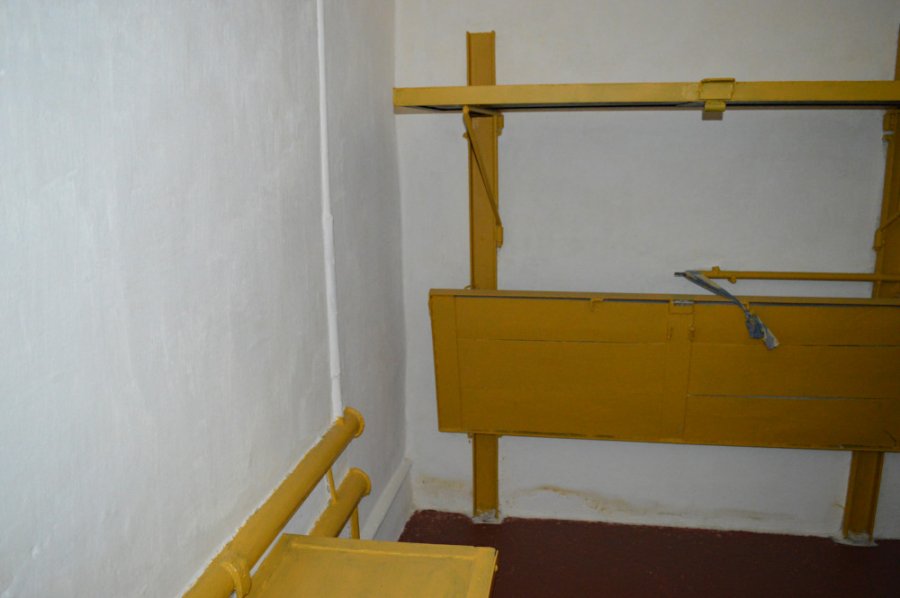
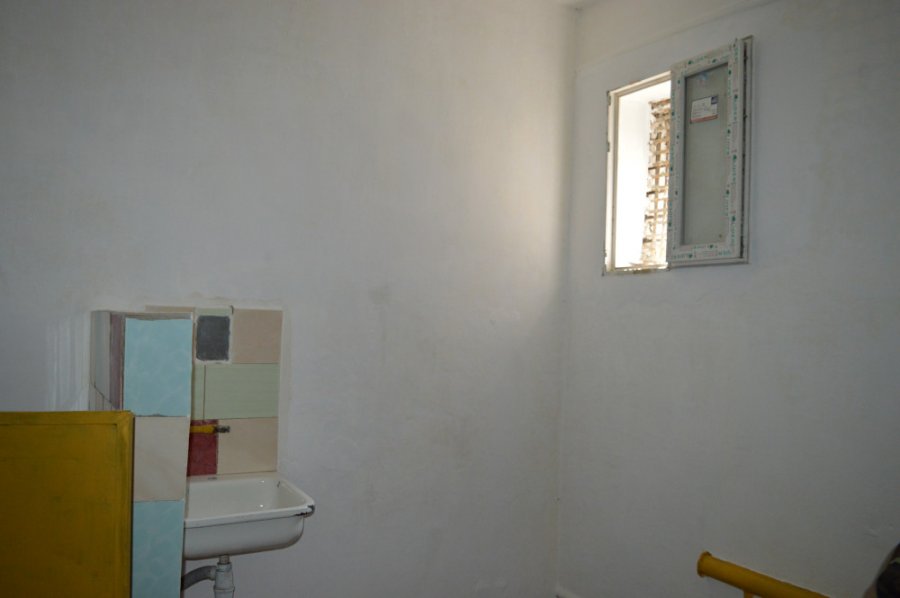
All cells are equipped with two-tier folding beds, which creates discomfort for the convicts serving disciplinary penalties there.
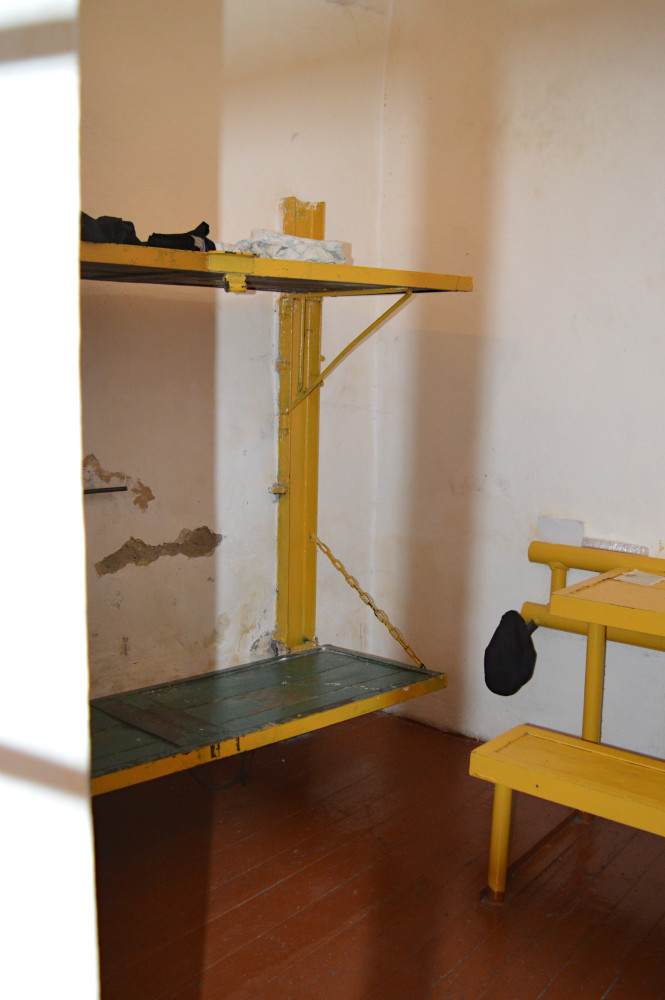
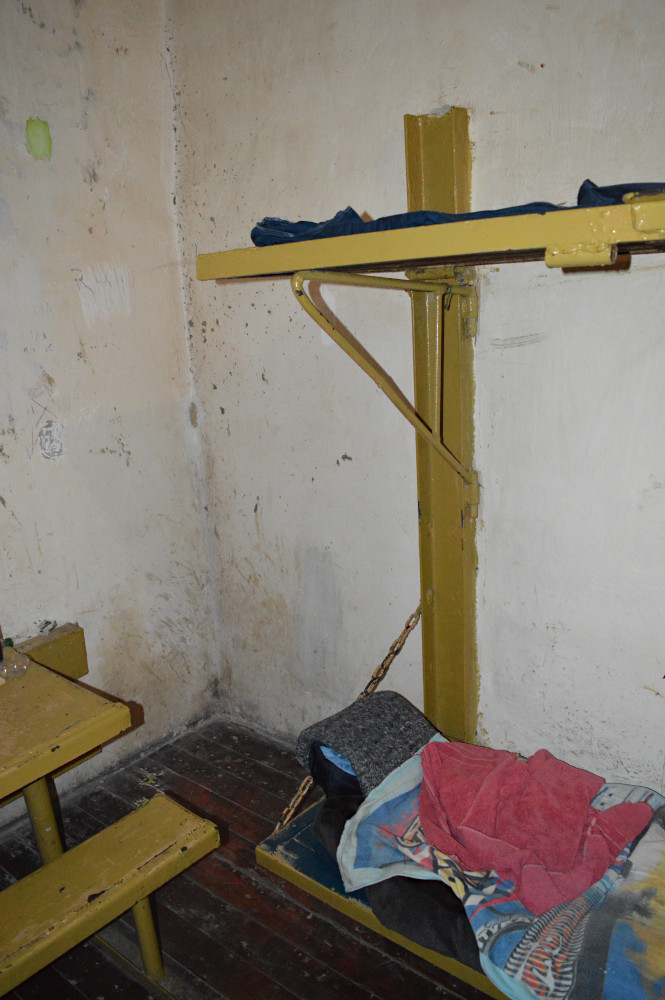
In the unrenovated cells, the walls are very dirty and infected with fungus. The toilets are separated from the living area by a wall.

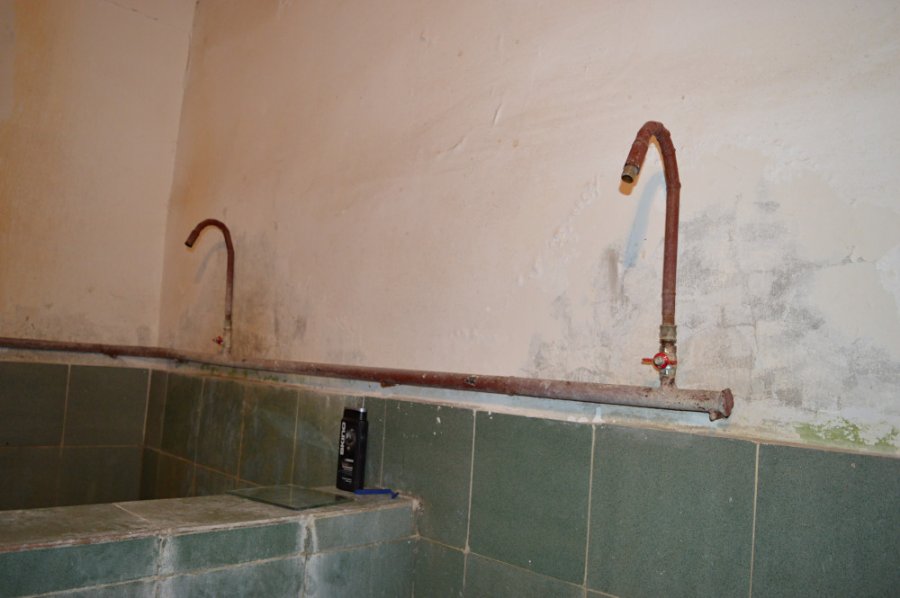
In the bathhouse of the disciplinary isolation unit, there are two washing stations separated by a partition. On the taps, just as in the general bathhouse, there is no way to regulate the water temperature. The taps are covered in rust. As in other rooms, the walls are covered with mould.

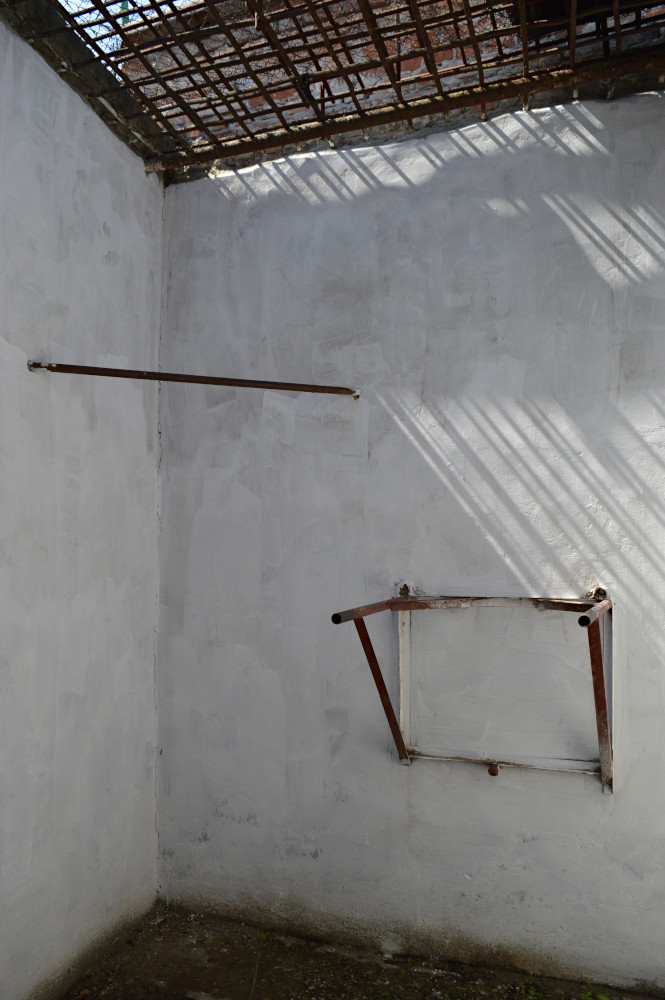
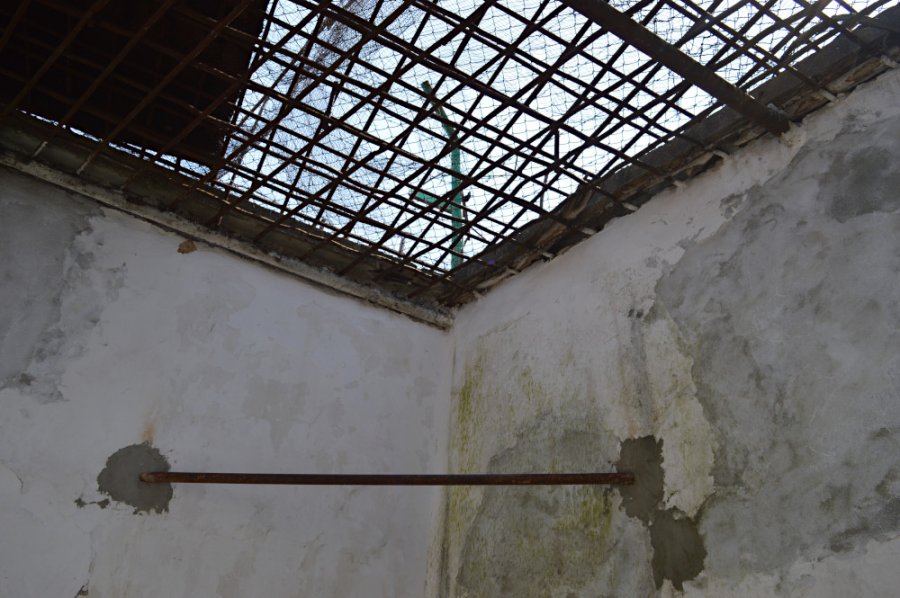
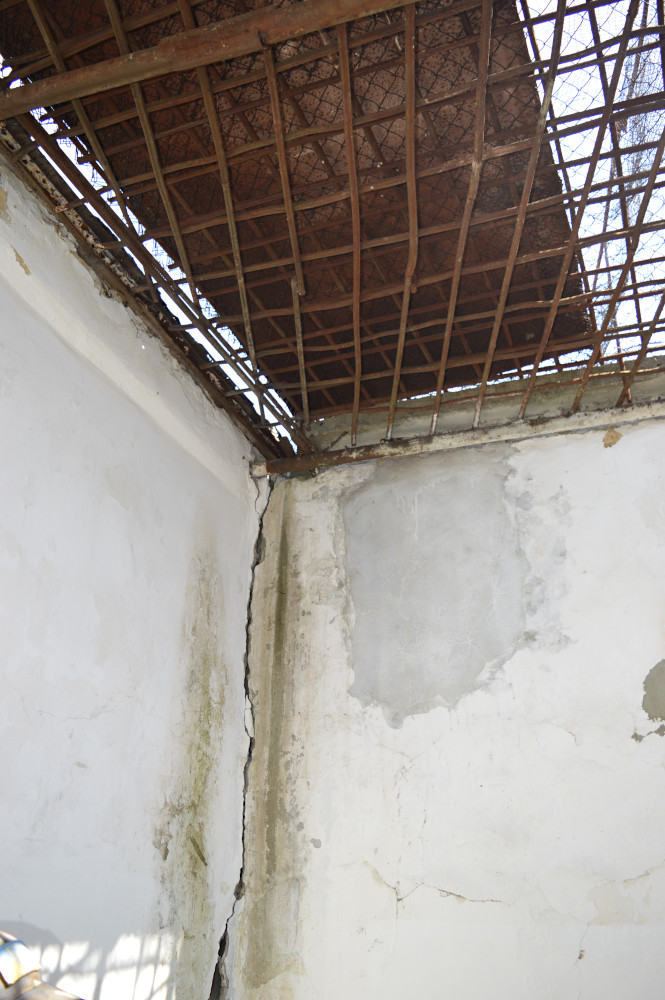
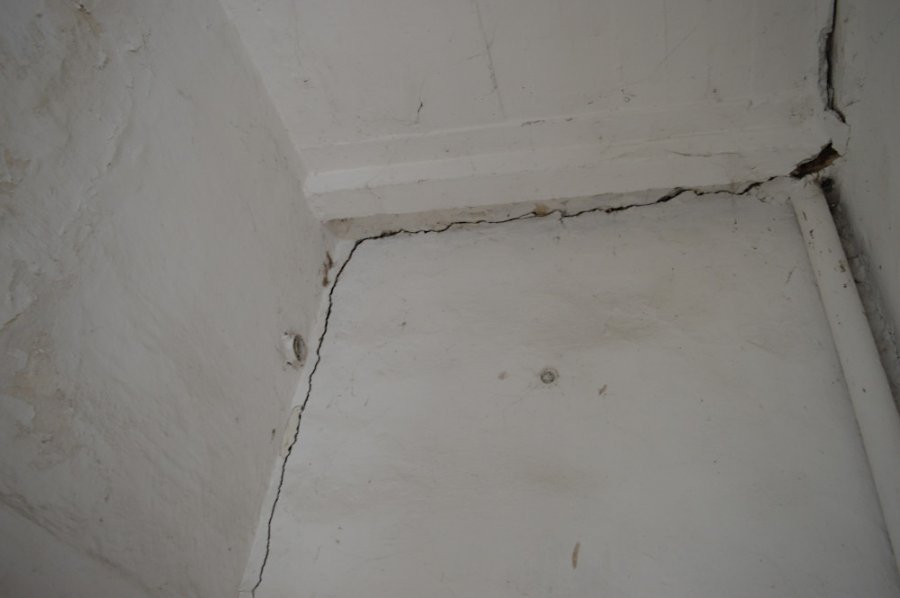
The exercise yards are also in an emergency state. There are huge cracks in the walls. The yards are equipped with rusty sports equipment.
6. Computer Classroom and Social Rehabilitation Room
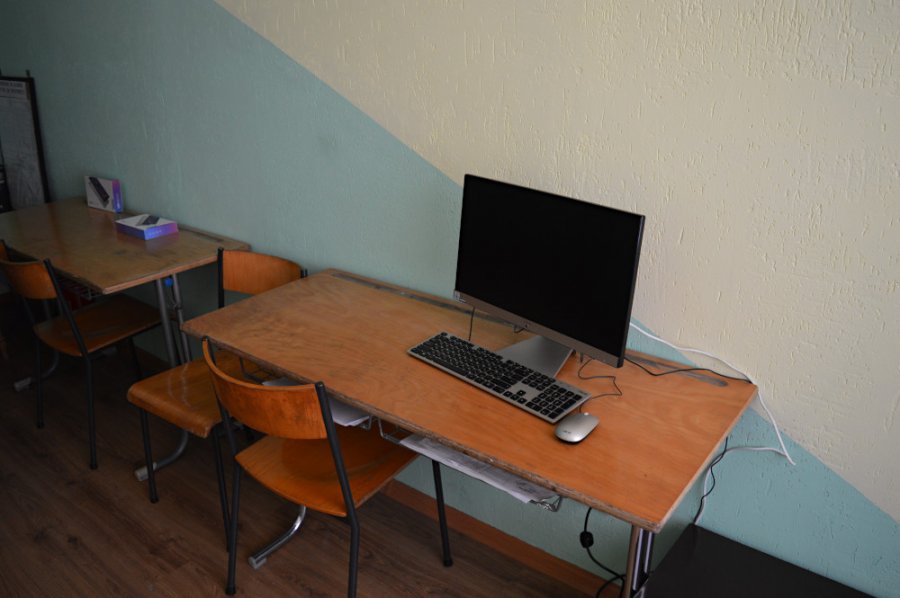
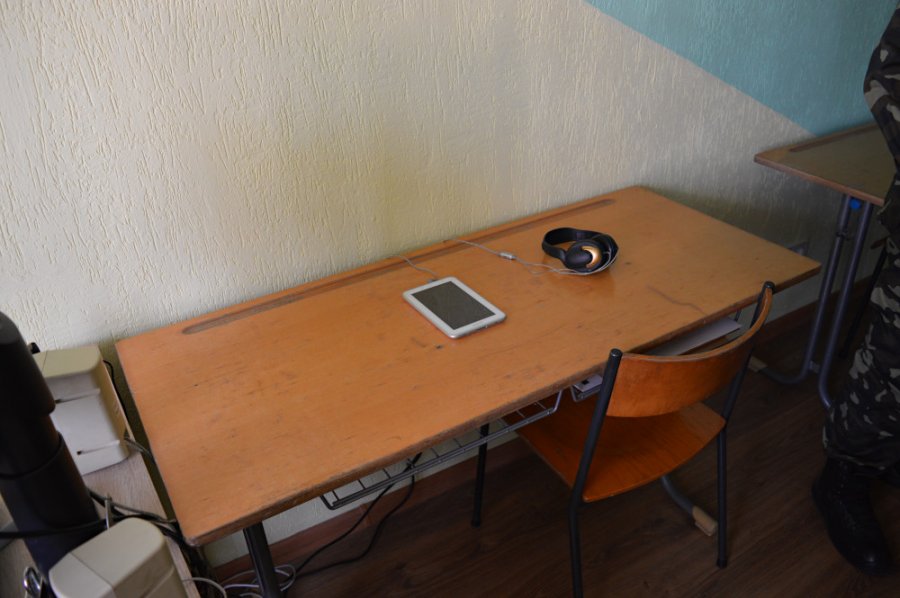
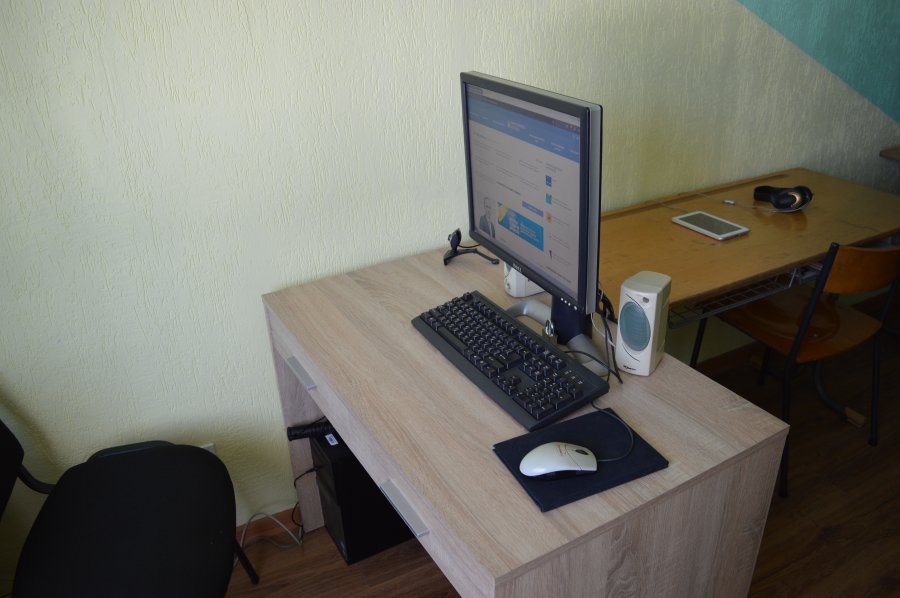
The institution has an equipped, well-renovated computer classroom, which also serves as a room for telephone conversations.
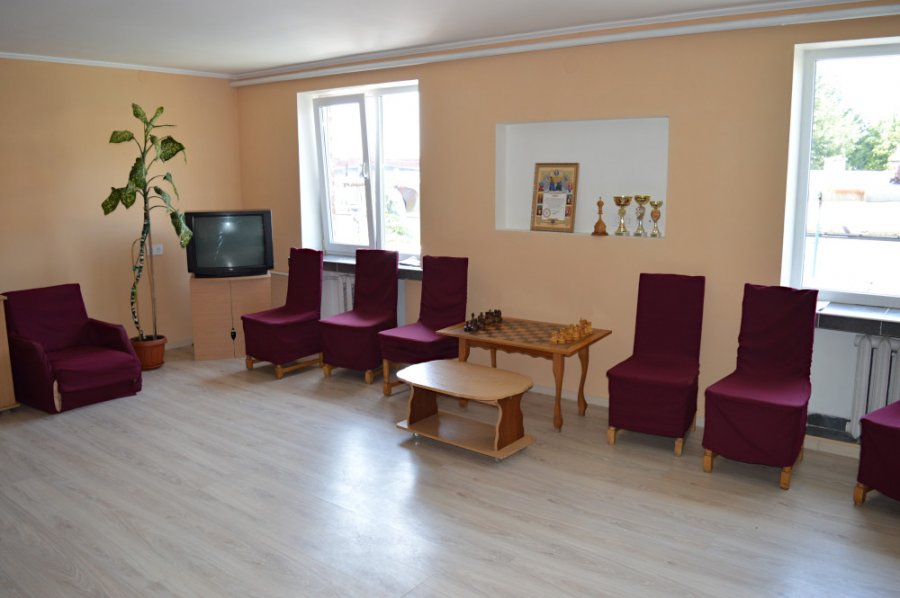
The psychological rehabilitation room is in a good, renovated condition. Two psychologists are on staff.
7. Administrative Premises
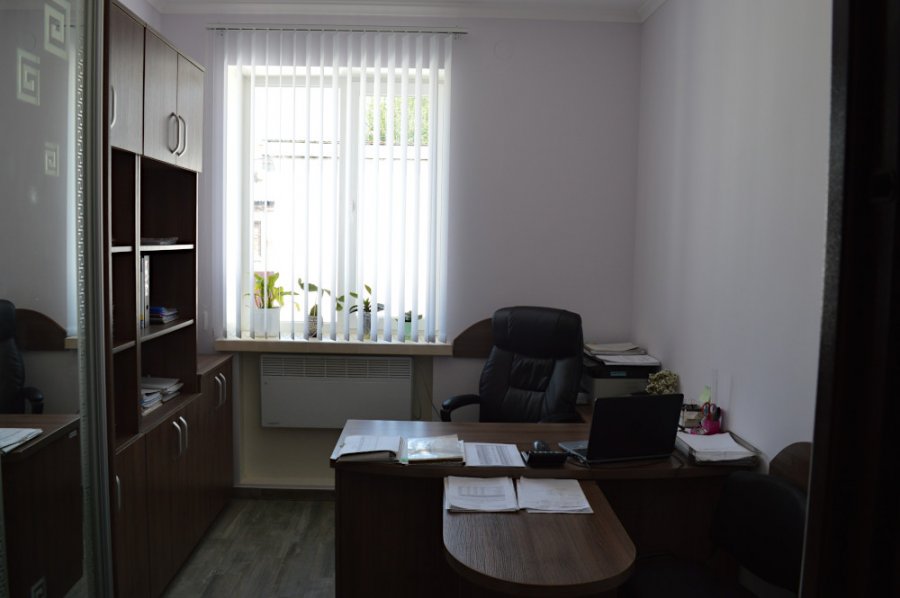
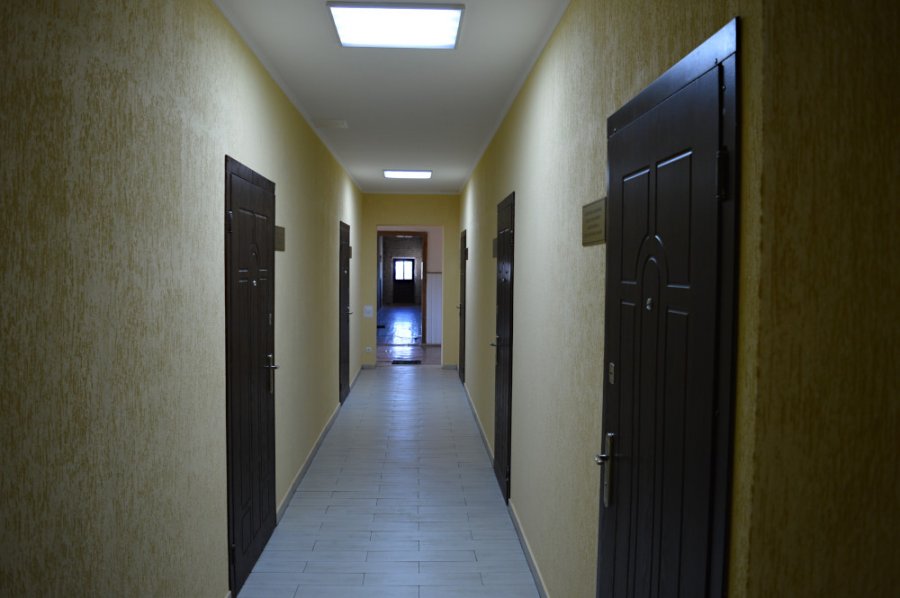
The administrative building has recently been renovated. According to the deputy head of the institution, most of the furniture and doors were made by convicts at the institution’s production facility. The monitors note positively the management’s efforts to improve working conditions for employees, as the reform of the penitentiary system should begin with ensuring decent working conditions for the colony’s staff.