Monitoring visit to the State Institution “Raikivetska Correctional Colony (No. 78)”
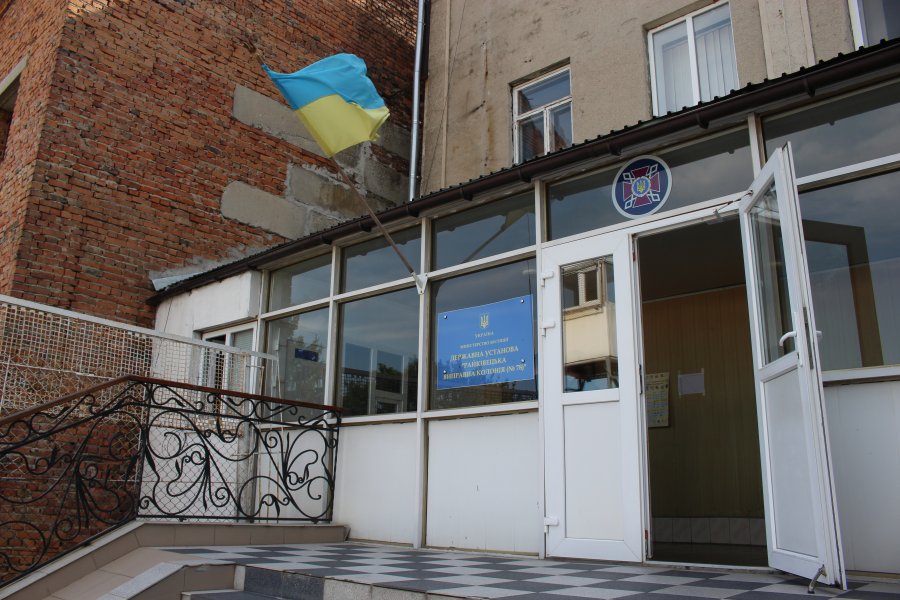
On 9 July 2022, a monitoring group, consisting of an assistant to the People’s Deputy of Ukraine Kostiantyn Kasai, a member of the Public Council under the Ministry of Justice of Ukraine Serhii Zuikov, an assistant to the People’s Deputy of Ukraine Yaroslav Yurchyshyn, a KHPG programme coordinator Andrii Didenko, and a journalist from the “Poruch z vamy” (“Next to You”) News Agency Oleksa Yaroslavtsev, carried out a visit to the State Institution “Raikivetska Correctional Colony (No. 78)”.
The primary objectives of the monitoring visit were to analyse the facility’s operations during wartime and to determine its humanitarian needs.
The monitors had the opportunity to visit any premises, communicate with prisoners under conditions of anonymity, collect and verify information, and access relevant materials.
The head of the facility is Colonel of the Internal Service Viktor Anatoliiovych Turkot. The monitors were accompanied by the Deputy Head of the Social and Psychological Service, Lieutenant Colonel of the Internal Service Dmytro Anatoliiovych Fedak.
GENERAL INFORMATION
Raikivetska Correctional Colony (No. 78) is a medium-security facility for housing prisoners who have previously served sentences in penal institutions.
The ratio of staff members to prisoners is 1 administrator to 1.6 prisoners.
The cost of maintaining one prisoner per day is 56.96 UAH.
During the current year, 273 prisoners have arrived at the institution. In 2021, 4 people died; in 2022, 1 prisoner has died so far.
Ninety prisoners are employed, 27 of whom are under an employment contract. According to the administration, the average monthly salary of prisoners under an employment contract this year is 3,822.22 UAH, and 839.68 UAH under a civil law contract.
There were 13 prisoners in the disciplinary cell (DIZO) and 1 in the disciplinary isolator (PKT).
In the medical facility of the Central Healthcare Department of the State Criminal-Executive Service (DKVS), located on the premises, 14 people are receiving treatment; 42 are registered as HIV/AIDS positive.
20 prisoners are registered as prone to suicide; 17 as prone to self-harm; 3 as prone to escape. 67 people are registered as malicious violators of the detention regime. Between 2021 and 2022, no complaints were registered from prisoners regarding improper detention conditions or inadequate medical care.
In 2021, 33 people were released, including 11 on parole (Art. 81 of the Criminal Code of Ukraine) and 22 transferred to softened detention conditions (Art. 82 of the Criminal Code of Ukraine).
In 2022, 34 people were released: 24 on parole and 10 transferred to softened conditions.
In 2021, there was 1 ambulance call, and none in 2022.
Cases of bodily injuries recorded in 2021: 4 upon arrival and 6 while in the institution. In 2022, as of the time of the monitoring, 4 cases were documented upon arrival, and 6 while in the institution.
Special equipment has not been applied to prisoners this year.
The institution provides a service for virtual visits via the internet. This year, 5 such visits were conducted. The cost of the service is 8.68 UAH per hour. There are 2 workstations with internet access for distance learning. The cost of general internet usage is 2.07 UAH per hour, and 4.34 UAH per hour during the heating season.
In 2021, the institution provided 20 long-term visits, and 3 in 2022. 112 short-term visits were provided in 2021, and 8 in 2022 as of the time of the monitoring visit.
In 2022, 26 prisoners took advantage of the opportunity to sign a contract for internet access.
This year, 19 people recovered from SARS-CoV-2 (IgG, IgM). 223 prisoners were tested. 443 people have been vaccinated.
According to the administration, 75 people applied for release to serve in the Armed Forces of Ukraine; all applications were supported by the administration, and 6 people were released. According to the prisoners, almost every prisoner applied, but these requests were not officially registered.
The state allocates minimal funds for the maintenance of the institution; all major expenses are covered by the special fund.
The administration's attitude towards the prisoners is humane and tolerant.
HUMANITARIAN NEEDS
The institution requires humanitarian aid: 300 mattresses, 300 pillows, 300 blankets, 600 bed sheets, 300 pillowcases; 500 kg of soap, 400 kg of washing powder, 200 litres of dish detergent, 100 litres of disinfectants, 600 hygiene kits; there is also a need for winter clothing and footwear. The needs also include funding for the acquisition/restoration of prisoners’ documents.
LIVING PREMISES
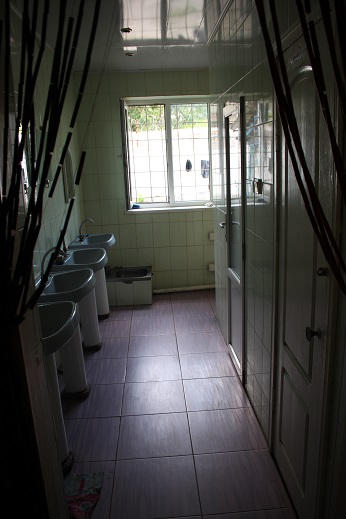
Unit for individuals working in production:
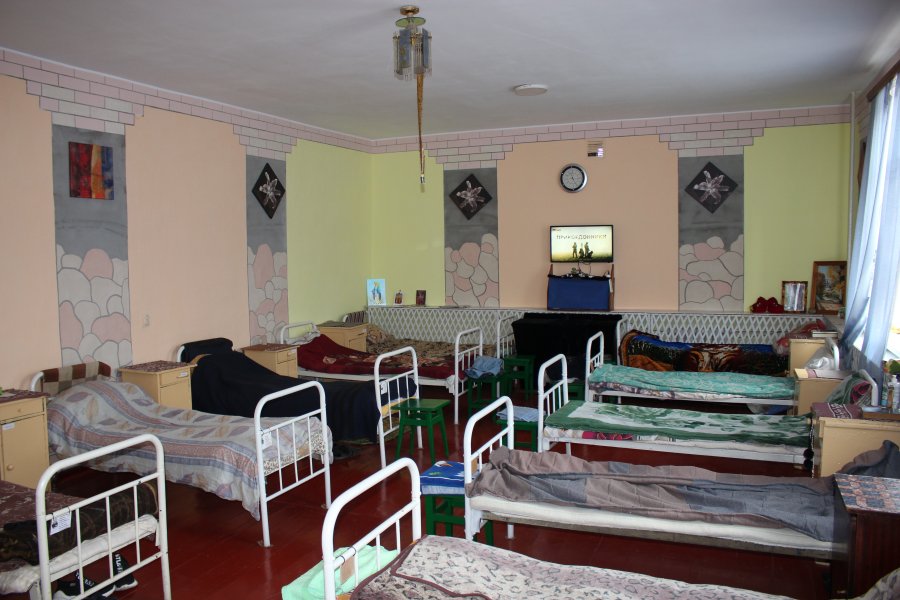
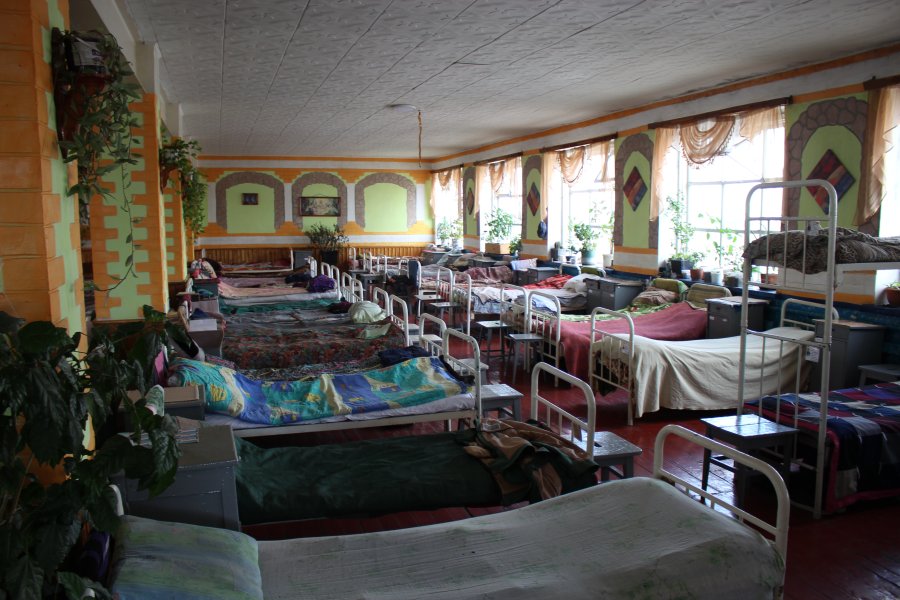
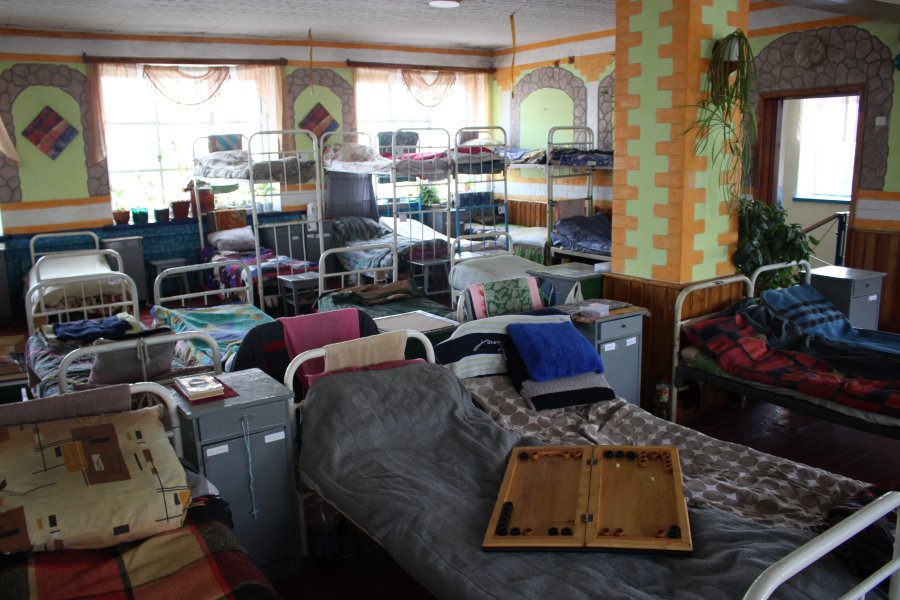
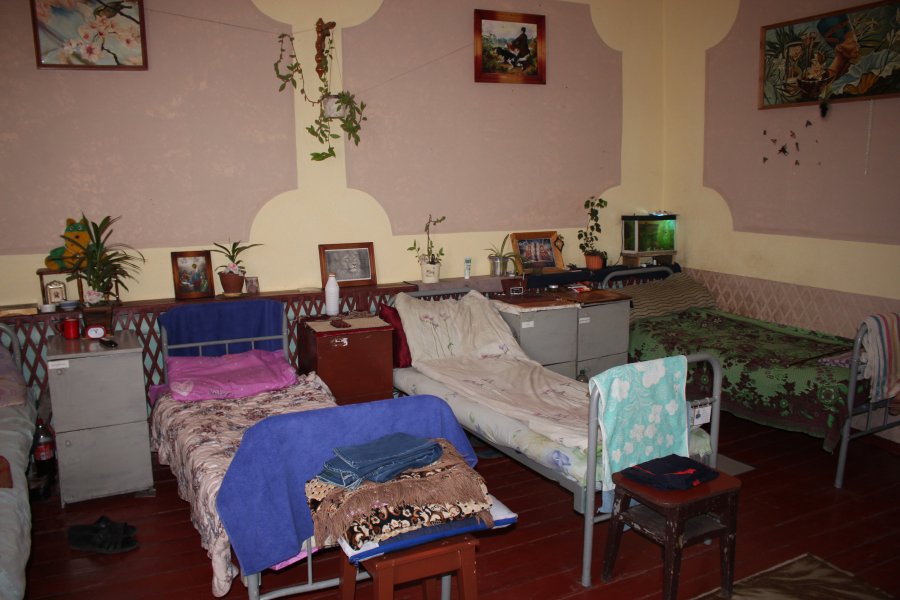
Barrack-type unit for individuals who do not work in production; beds are mostly single-tier, but some two-tier beds remain.

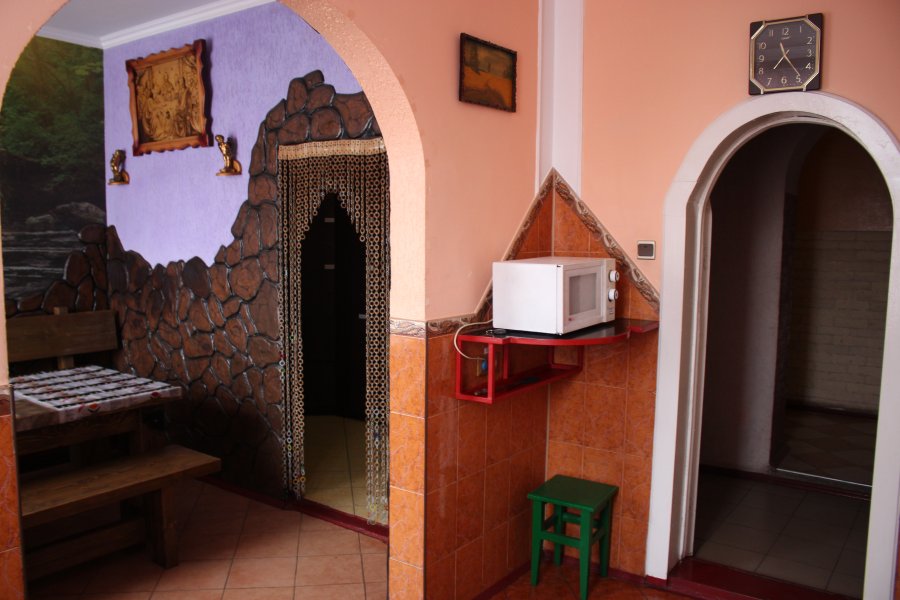
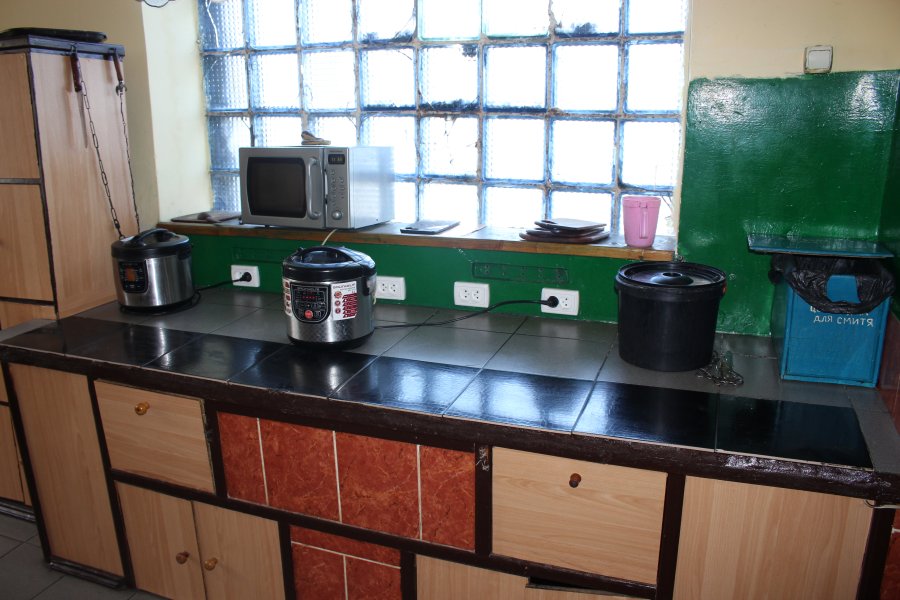
The cooking room has multi-cookers and a microwave; there is also a relaxation room.
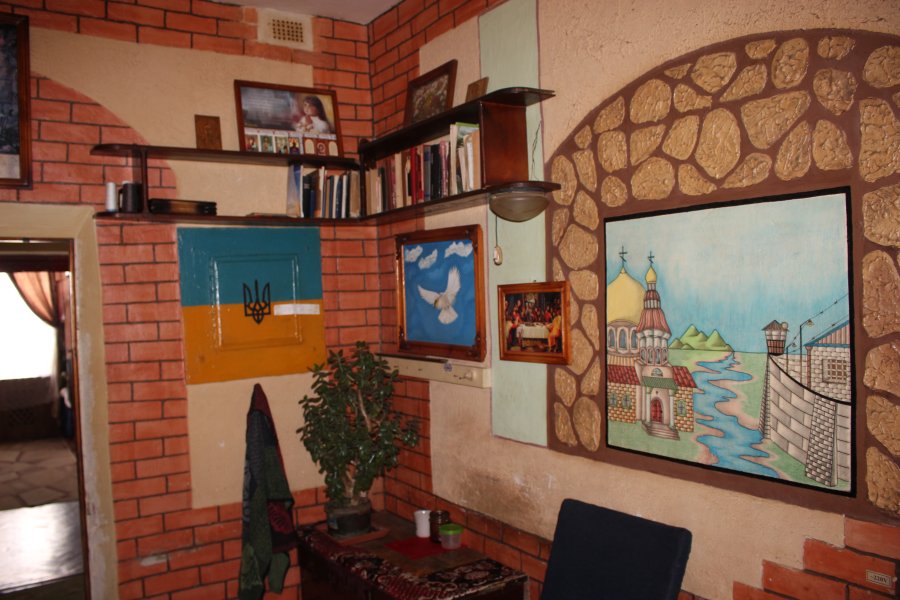
RESERVE ROOM IN CASE OF OVERCROWDING
Legislation does not provide for reserve rooms at all, but the facility's management deems it necessary to prepare for possible unplanned mass transfers.
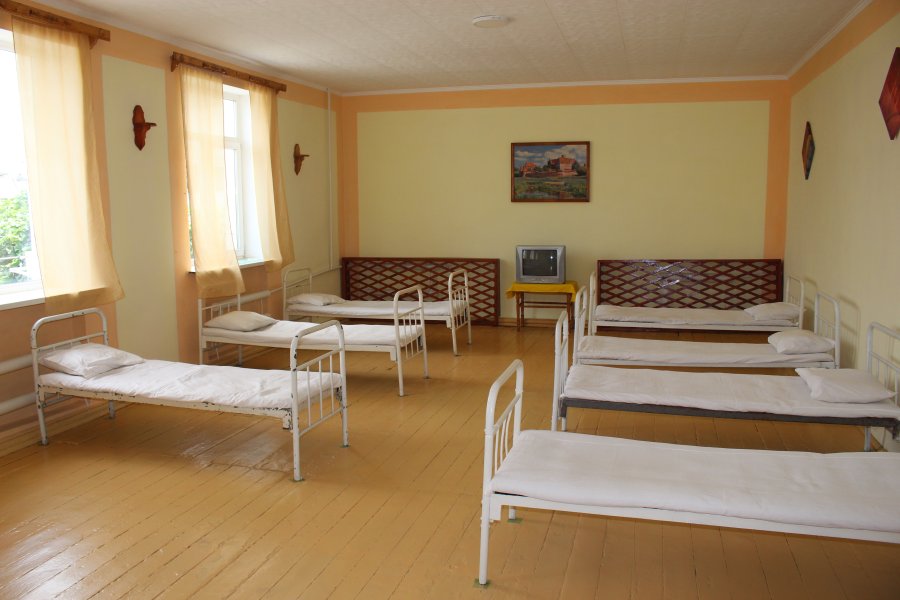
EVACUEES, APPEALS FROM PRISONERS
Prisoners evacuated from the Zaporizhzhia region were transferred to the facility. They have no complaints regarding the National Guard during the transfer.
Prisoner Z., a resident of Crimea, is serving a 13-year sentence, is due to be released soon, and has nowhere to go.
Prisoner P. lived near Kyiv. His house was destroyed, and he also has nowhere to go after his release.
SCHOOL
There is an evening school on the premises. Last academic year, 38 prisoners studied there.
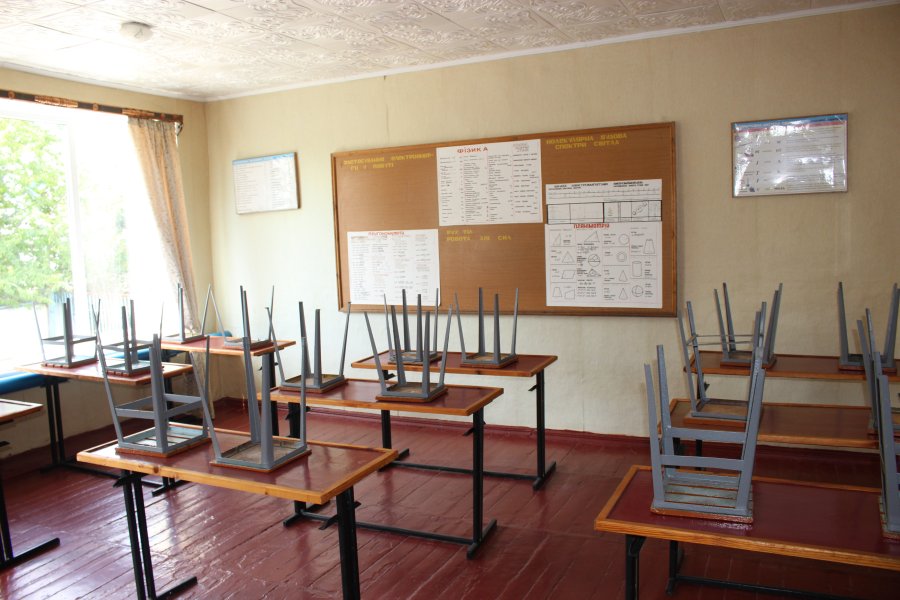
Relaxation room:
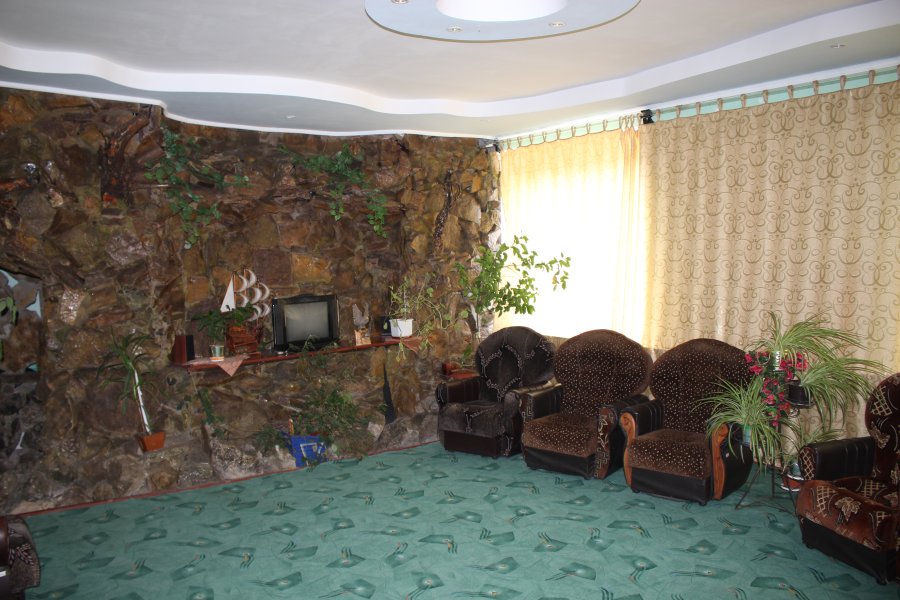
VOCATIONAL TRAINING SCHOOL
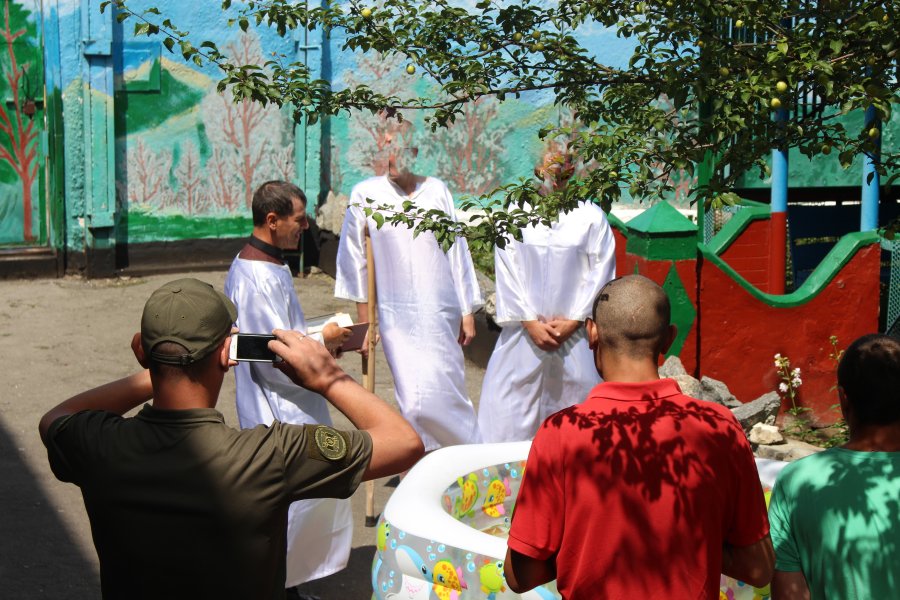
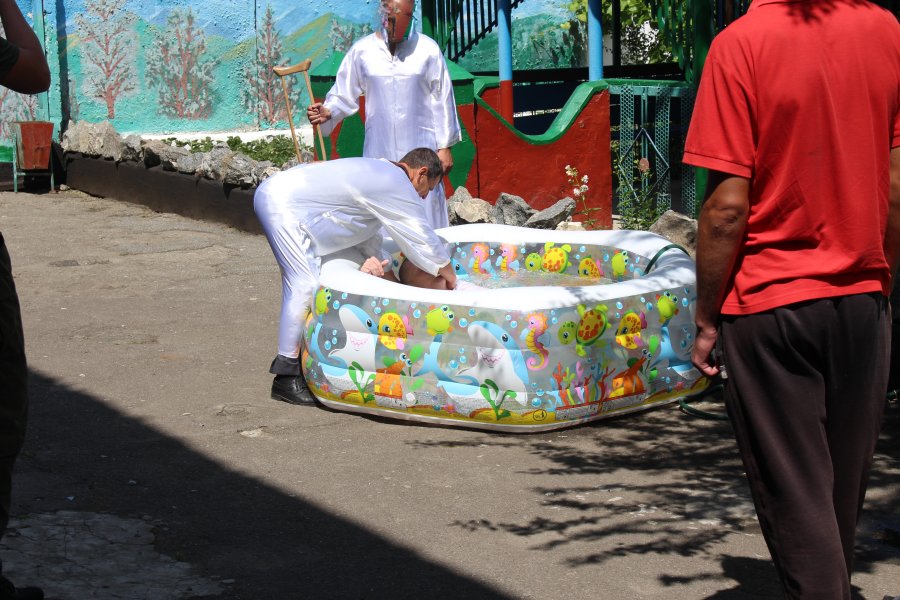
BAPTISM
During the monitoring, a baptism ceremony for believers was taking place in the institution.
SHOP
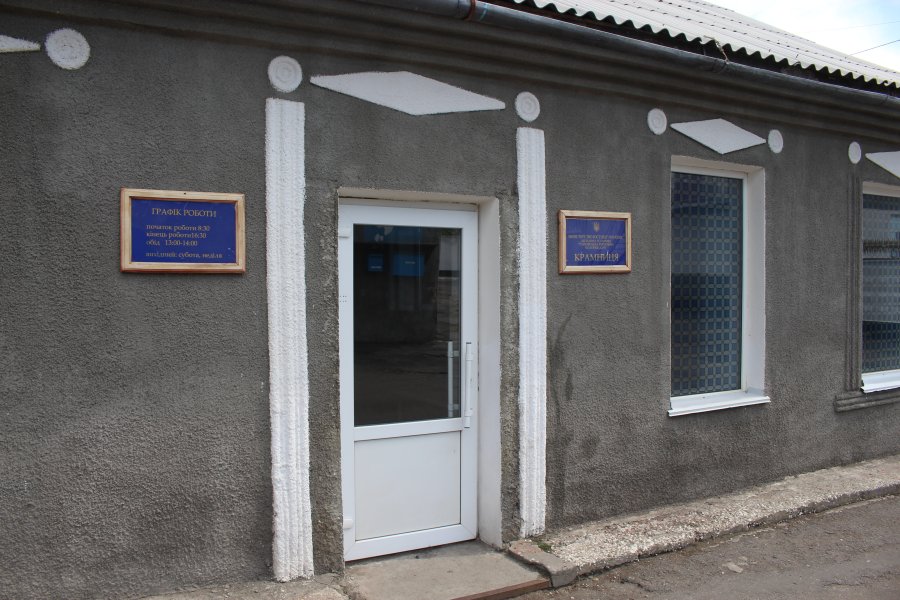
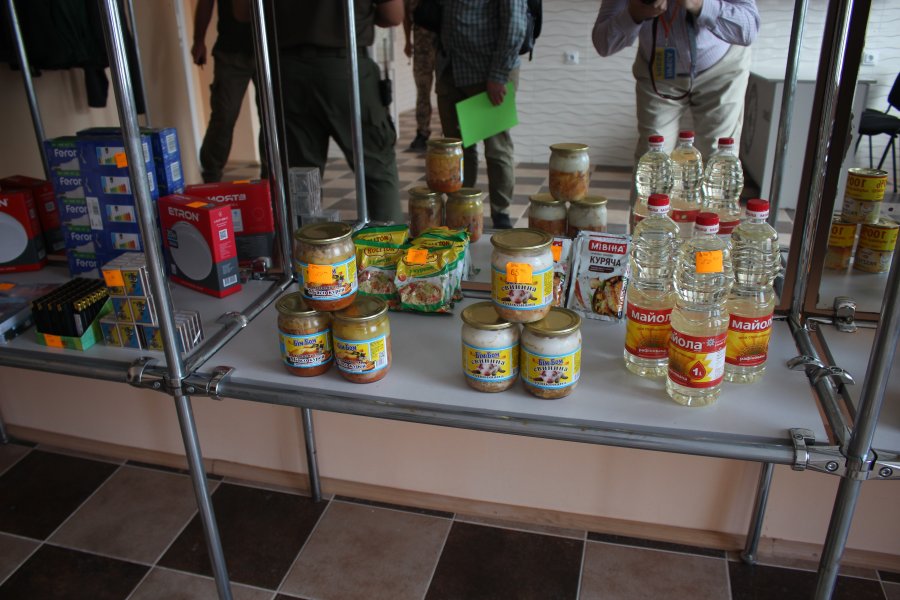
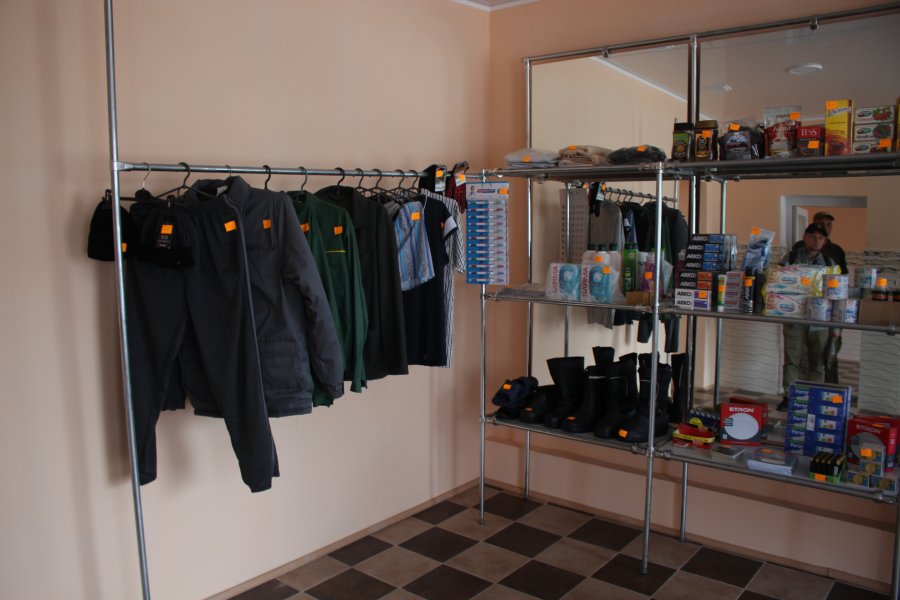
Prices in the shop are significantly lower than in civilian shops. Goods are purchased at a wholesale market. Items that are not in demand are not stocked in the shop.
DIZO/PKT/DPK
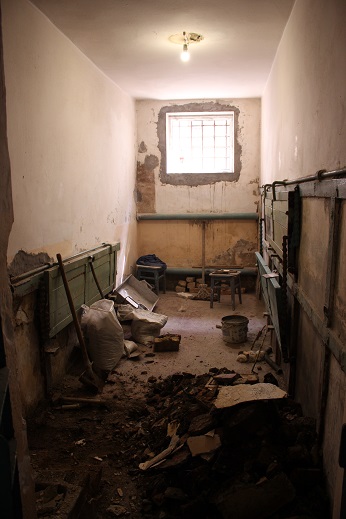
The premises were renovated using funds from the special fund. In terms of square footage per prisoner, the cell premises comply with standards.
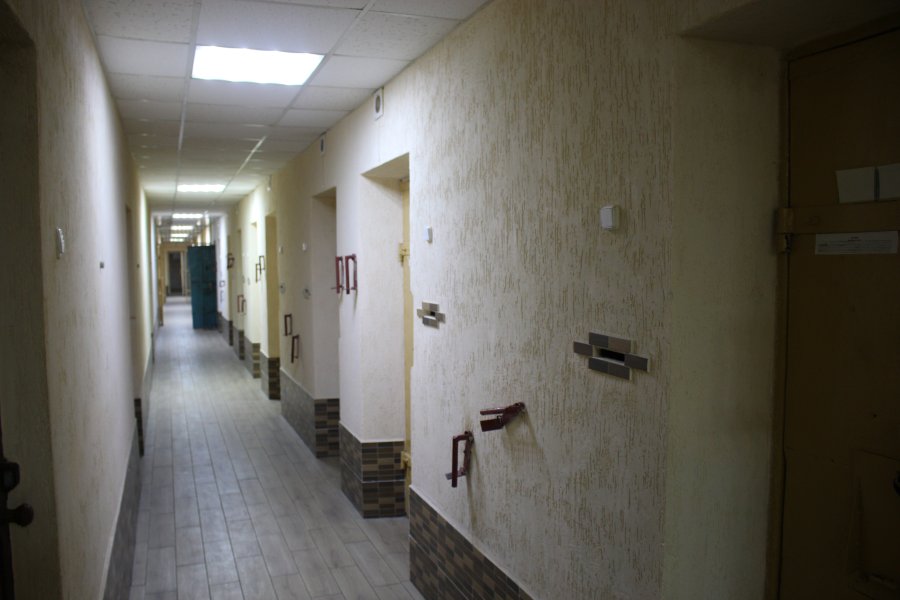
Prisoners V. and S. are in the DIZO for violating the daily schedule—they did not get up on the “wake up” command.
Prisoner K. is serving a disciplinary penalty for refusing to move from the quarantine ward to the unit. He did not attempt to appeal the disciplinary penalty.
The monitors established and documented that during the day, beds in the DIZO are raised (locked). Such actions by the administration are a violation of the law. According to the management, beds in the DIZO are not raised during the day only if there are medical contraindications.
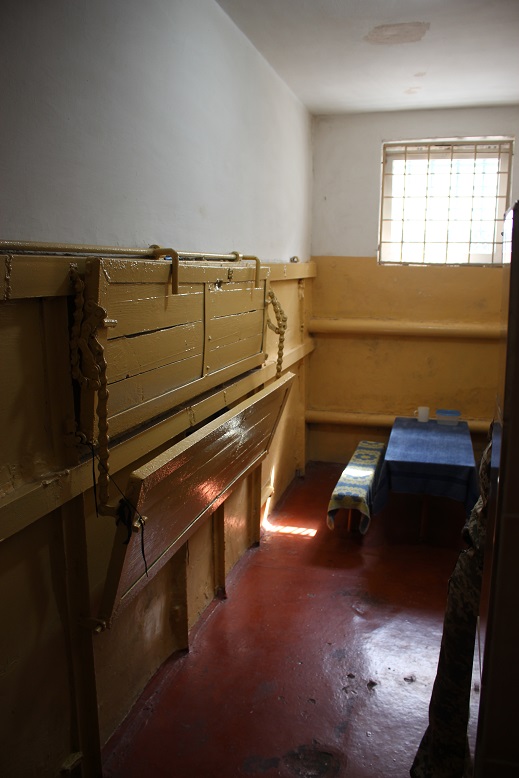
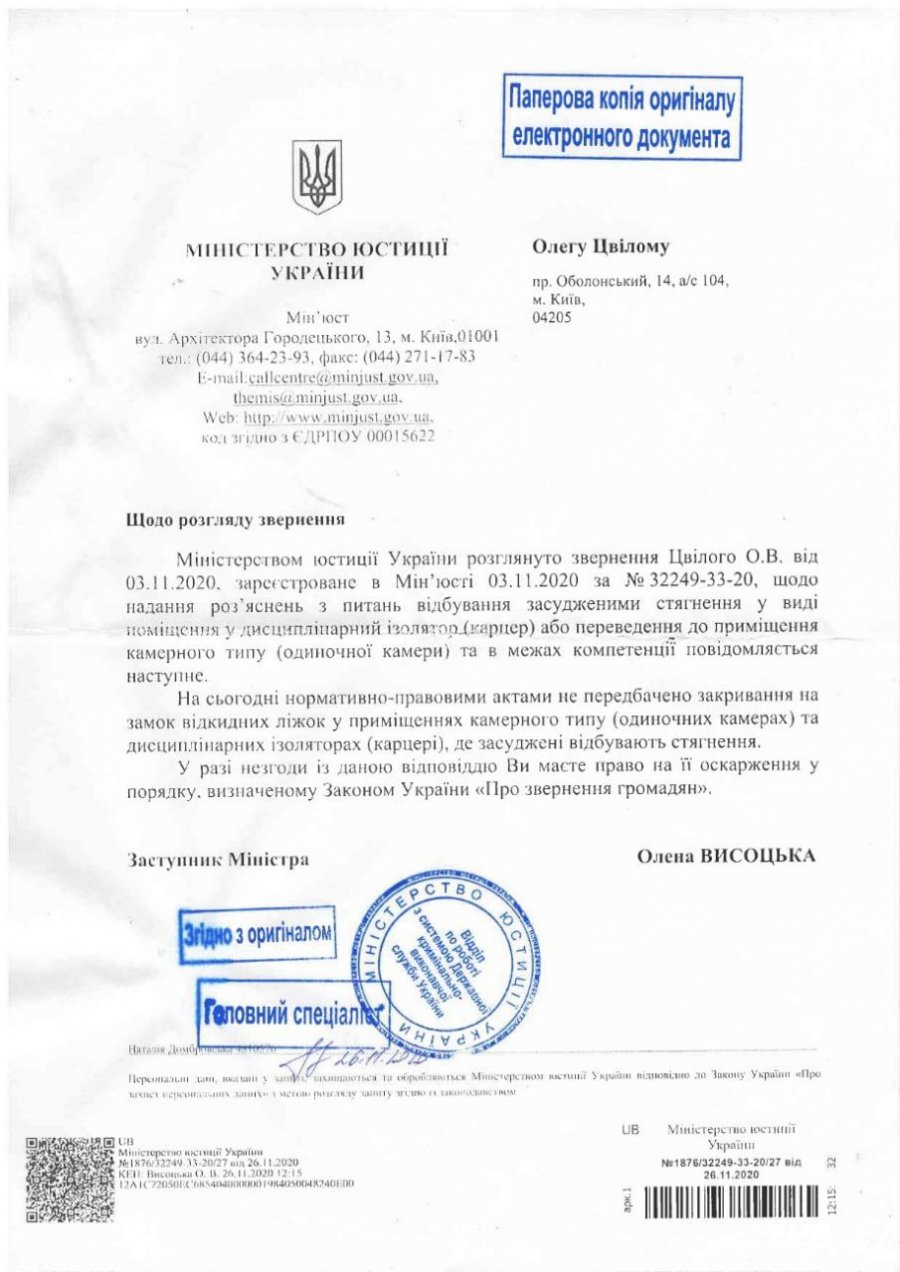
Clarification from Deputy Minister of Justice of Ukraine O. V. Vysotska regarding the locking of folding beds in the disciplinary isolator (PKT) and disciplinary cell (DIZO)
Prisoner V. was in the PKT; he has a court decision regarding his disciplinary penalty and has a lawyer, but he did not appeal the penalty.
Renovation work to restore the premises is ongoing.
MEDICAL UNIT
Head of Medical Unit No. 78 of the Branch of the State Institution “Central Healthcare Department of the State Criminal-Executive Service of Ukraine” in Khmelnytskyi Oblast (hereinafter — the medical unit) Oleh Leonidovych Ostash.
During the current year, 1,031 people underwent a routine preventive medical check-up.
The medical unit’s inpatient ward has 12 wards for somatic patients and 24 beds.
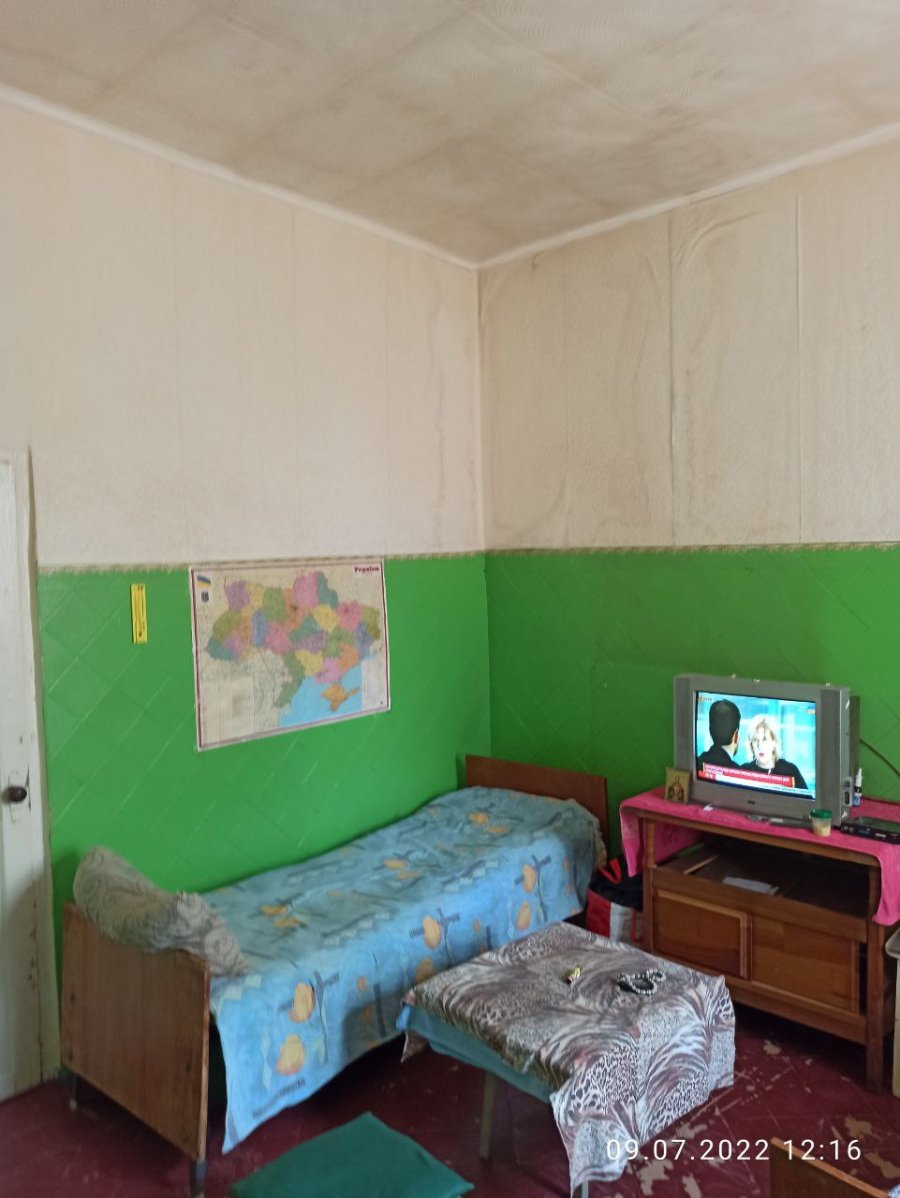
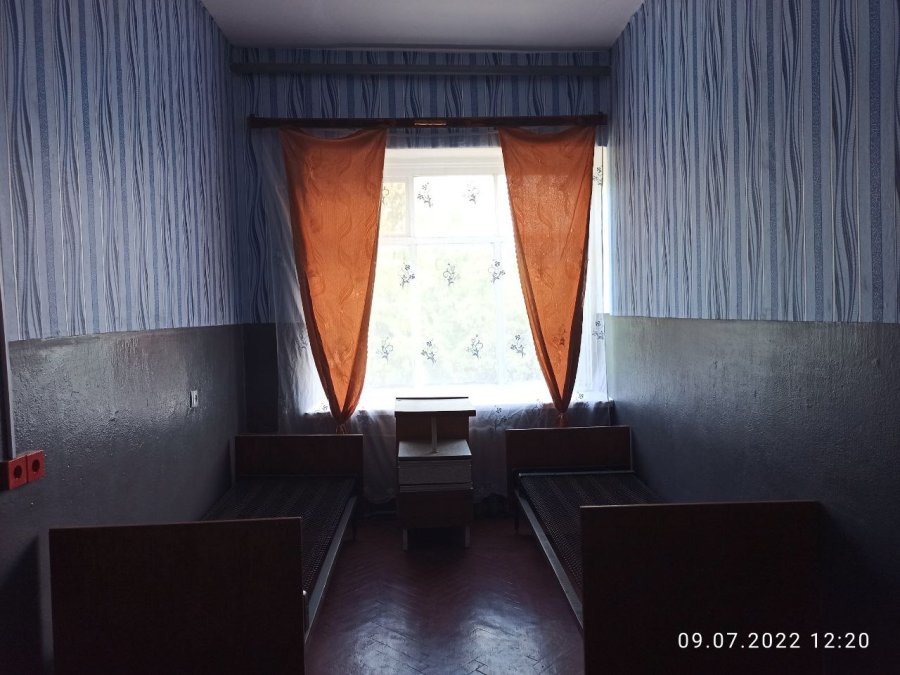
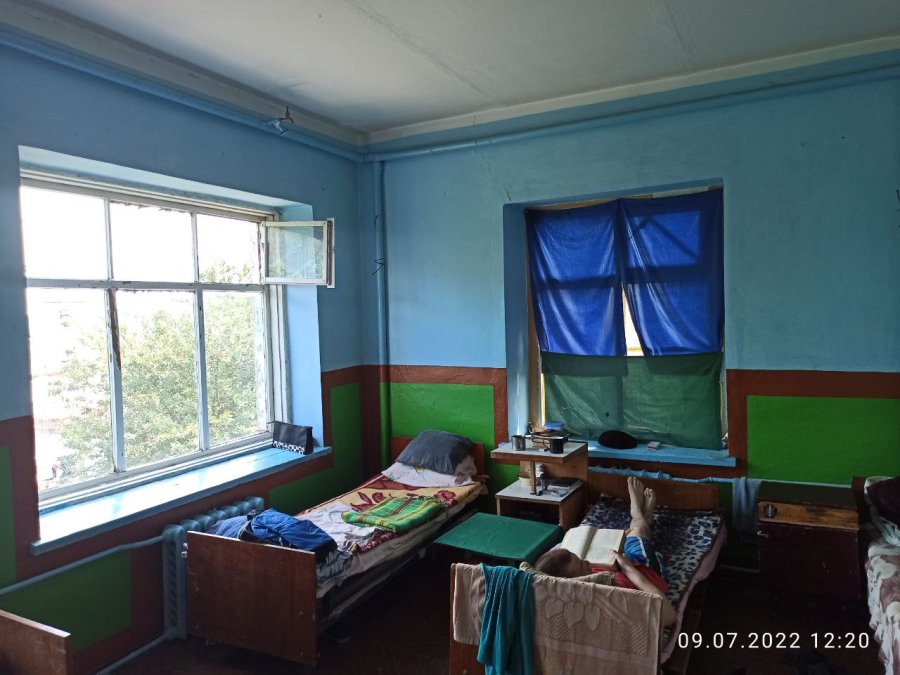
The premises require renovation.
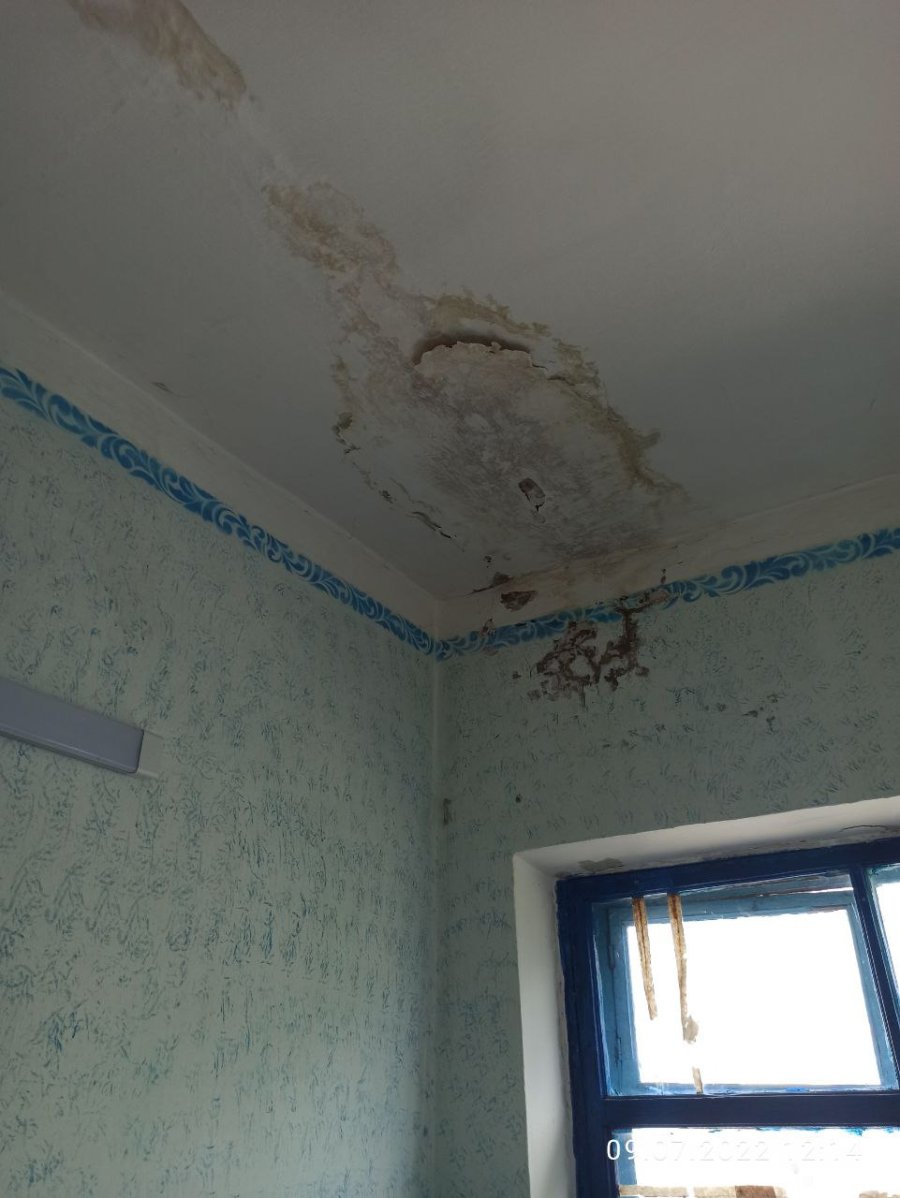
The infectious disease isolation unit has 1 ward designed for 2 beds.
The isolation unit for patients with tuberculosis is designed for 10 beds.
The medical unit contains: an office for the head of the medical unit, an ultrasound diagnostic room, a treatment room, a dental office, a patient reception room, a laboratory, and an X-ray room.
According to the staffing schedule provided to the monitors, the following positions are filled: head of the medical unit – 1 position; general practitioner (therapist) – 1 position; dentist – 0.5 position; psychiatrist – 0.5 position; addiction specialist – 0.5 position; ultrasound diagnostic physician – 0.5 position; radiologist – 0.5 position; senior paramedic – 1 position; paramedic – 4.5 positions; dental nurse – 0.25 position; X-ray technician – 0.5 position; pharmacy assistant – 1 position; laboratory technician – 1 position; junior nurse – 0.5 position. The vacant positions are: general practitioner (therapist) – 0.5 position; dental nurse – 0.25 position; and junior nurse – 0.5 position.
387 people were tested for HIV infection using rapid tests. 42 HIV-positive individuals are registered (42 are receiving ART).
During the current year, 20 immunological examinations (CD-4) and 42 virological examinations (viral load) were conducted. Thus, it can be stated that the monitoring of antiretroviral therapy treatment is not fully implemented in the institution, which should include monitoring of treatment effectiveness, adverse reactions, and adherence to treatment, in accordance with the new clinical protocol on the use of antiretroviral drugs for the treatment and prevention of HIV infection, approved by Order of the Ministry of Health of Ukraine No. 1292 dated 05.06.2019.
Upon arrival at the institution, it is determined through an interview whether a prisoner is drug-dependent.
To prevent the consequences of opioid overdoses, 19 ampoules of naloxone are available in the medical unit; 5 ampoules of this drug have been used this year.
Substitution maintenance therapy (SMT) is absent.
The medical unit operates 24-hour medical staff shifts to provide emergency medical care and ensure prisoners are supplied with medicines. According to the head of the medical unit, information regarding declarations signed by prisoners with family doctors is not collected, but if a declaration has been signed, this is noted in the medical record. No requests from prisoners asking to sign a declaration with a doctor have been received during their stay in the institution.
It should be noted that on the day of the monitoring group's visit, the head of the medical unit was absent due to the day off, so the monitors had limited access to information and medical documentation. In particular, the monitoring group was unable to examine the bodily injury register. According to the medical staff present, the head had left the register locked in a safe for the weekend, thereby making it impossible to properly record bodily injuries and perform their duties.
According to information received from the head of Medical Unit No. 78 after the monitoring visit, 4 such cases were recorded in the bodily injury register this year, all – while in the institution.
During the inspection of the medical unit's premises, the monitors discovered that one prisoner was living in a ward for somatic patients without any grounds for doing so. The prisoner explained that he was performing the duties of an orderly. However, the presence of orderlies in medical institutions of the Central Healthcare Department of the State Criminal-Executive Service is not provided for by any regulatory legal act.
The general bathhouse does not have an appropriately equipped room for a medical professional required for conducting examinations of prisoners; i.e., the medical examination is conducted in the presence of other prisoners.
According to the logbook of medical examinations in the bathhouse, no cases of bodily injuries in prisoners were detected by medical staff this year. The monitors assume that the lack of entries in the examination log regarding the detection of injuries occurred due to a formalistic approach to such examinations in the bathhouse.
The number of mentally ill persons on the register is 56. At the same time, in violation of Clause 8 of Paragraph 5 of Chapter 2 of the Order, there is no isolation unit in the inpatient ward for prisoners with mental disorders who pose a danger to those around them. Consequently, the absence of an isolation unit for persons with mental disorders creates a dangerous environment among prisoners and endangers the facility’s staff.
Sputum microscopy and GeneXpert are not performed at the institution due to the absence of a laboratory, so samples are sent to the laboratory of the Khmelnytskyi City Medical Unit. The sputum collection point is improperly equipped, which creates preconditions for the spread of infectious disease among the prisoners, and also violates the order of the Ministry of Health of Ukraine dated 01.02.2019 No. 287 “On Approval of the Standard of Infection Control for Healthcare Institutions Providing Care to Tuberculosis Patients”.
UNIT FOR HOUSEHOLD SERVICES
The unit houses prisoners who work in the canteen, kitchen, and the bath and laundry complex. In total, 22 prisoners are engaged in the household maintenance of the institution.
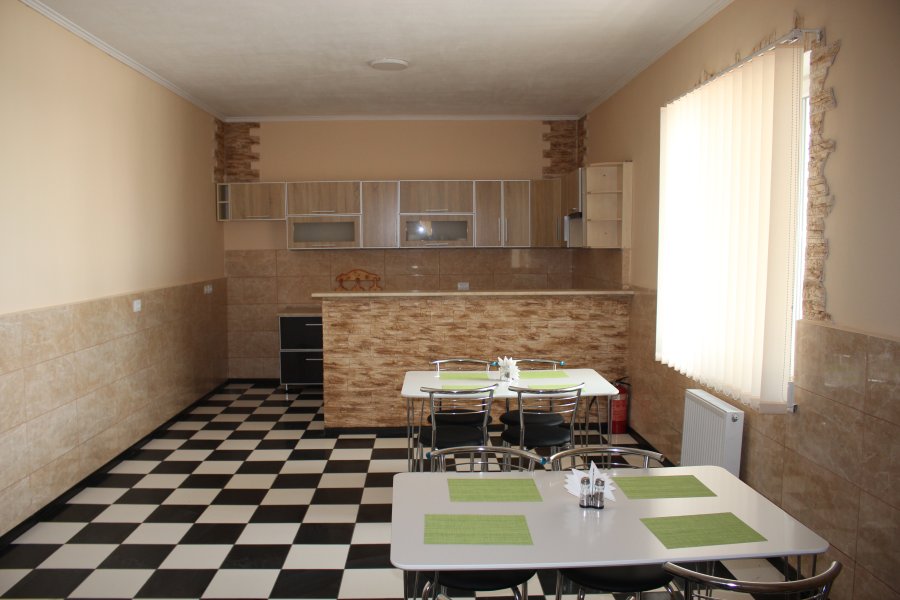
DINING ROOM FOR THE DUTY SHIFT
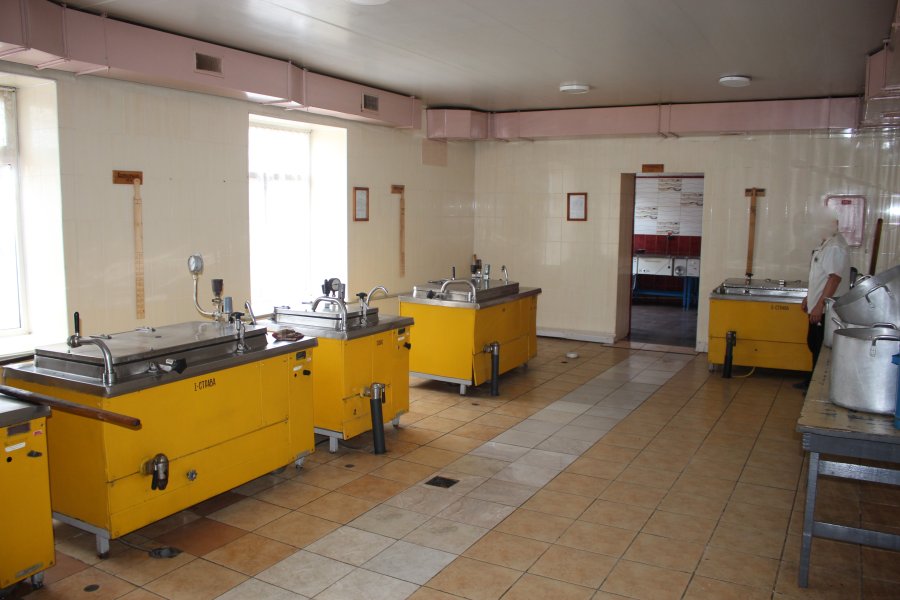
CATERING UNIT
Cooking pots:
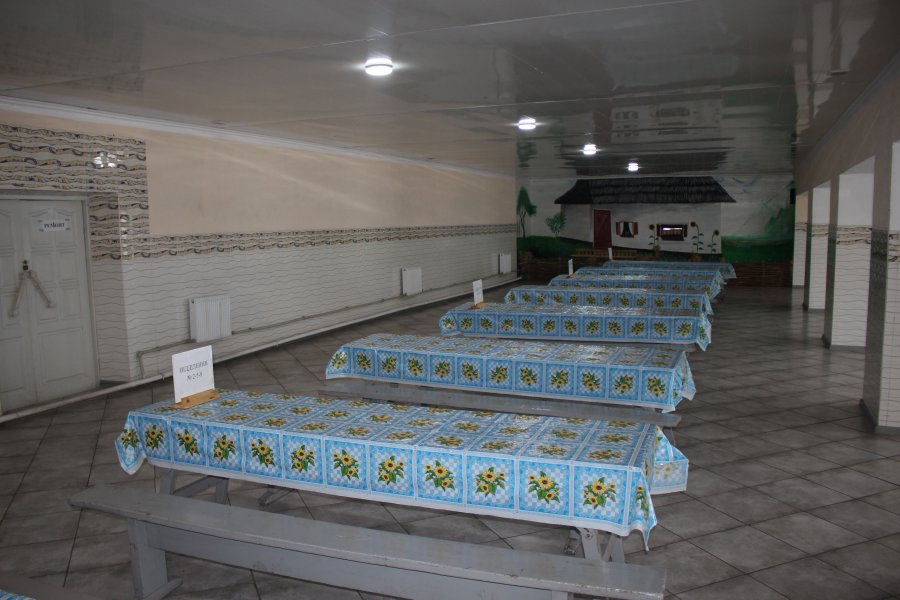
The dining hall is renovated and in a tidy condition.
BAKERY
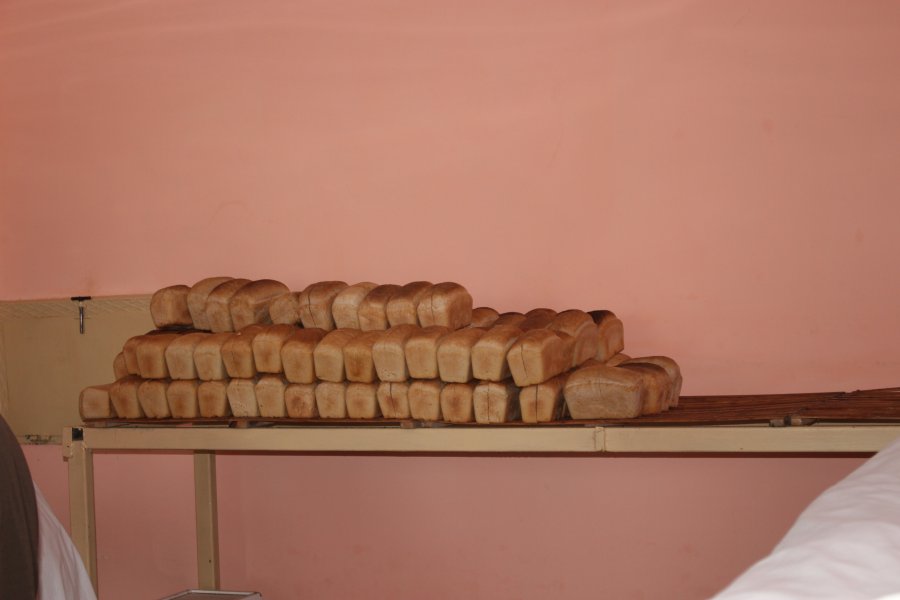
The bakery is in a tidy condition.
Bread baked on-site:
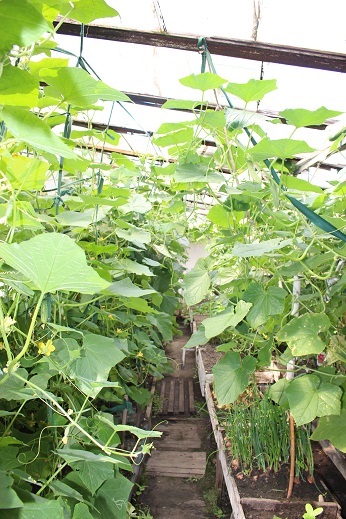
GREENHOUSES
Fresh vegetables are grown for the institution’s needs.
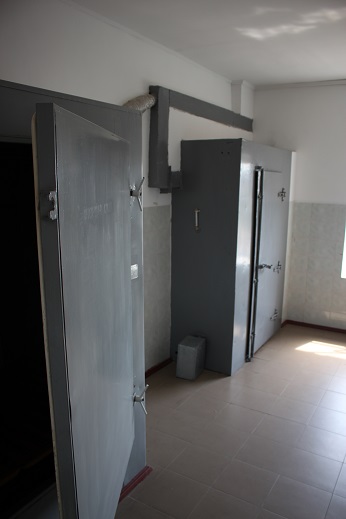
BATH AND LAUNDRY COMPLEX
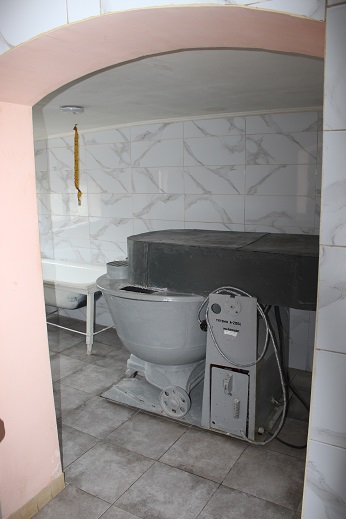
Disinfection chamber:
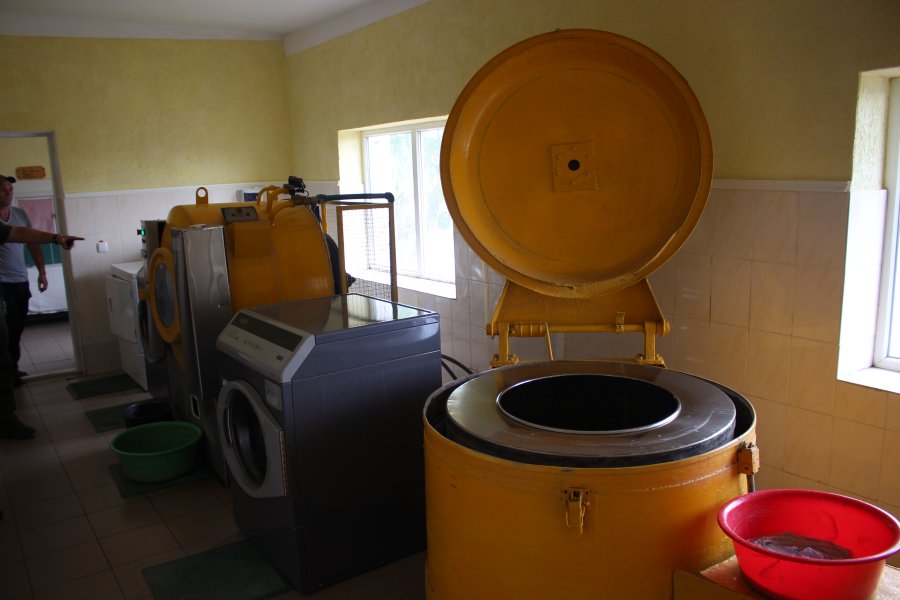
Washing machines:
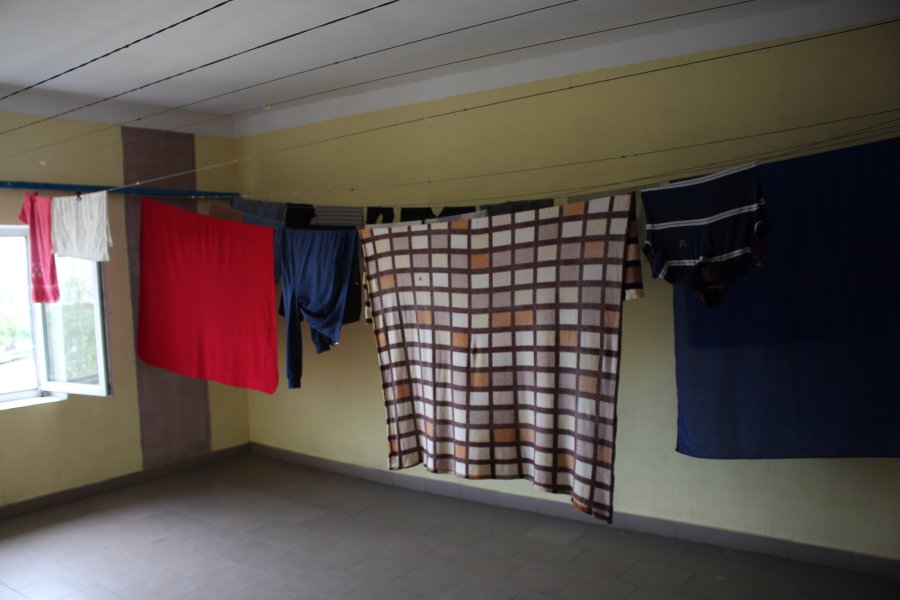
Drying room:
BARBERSHOP
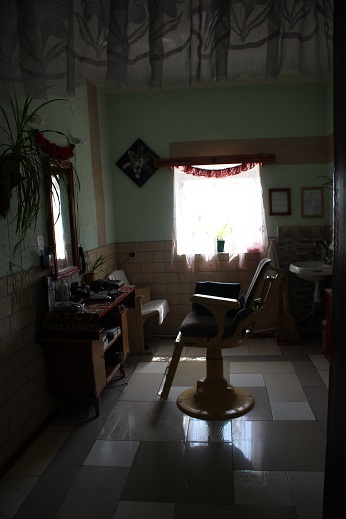
BATHHOUSE
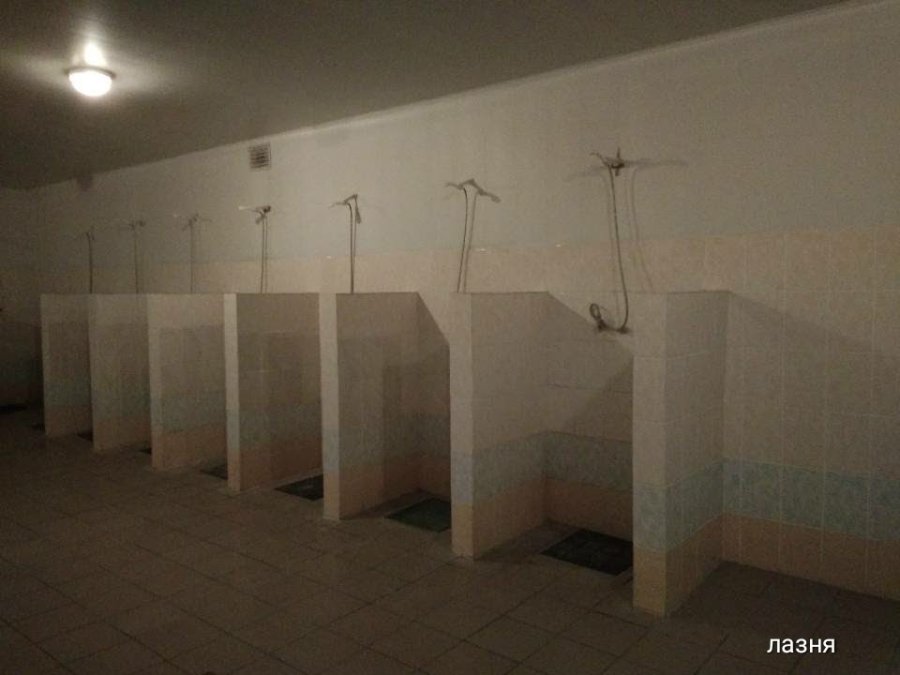
The shower stalls do not have curtains, which violates the right to privacy.
STAFF REST ROOM
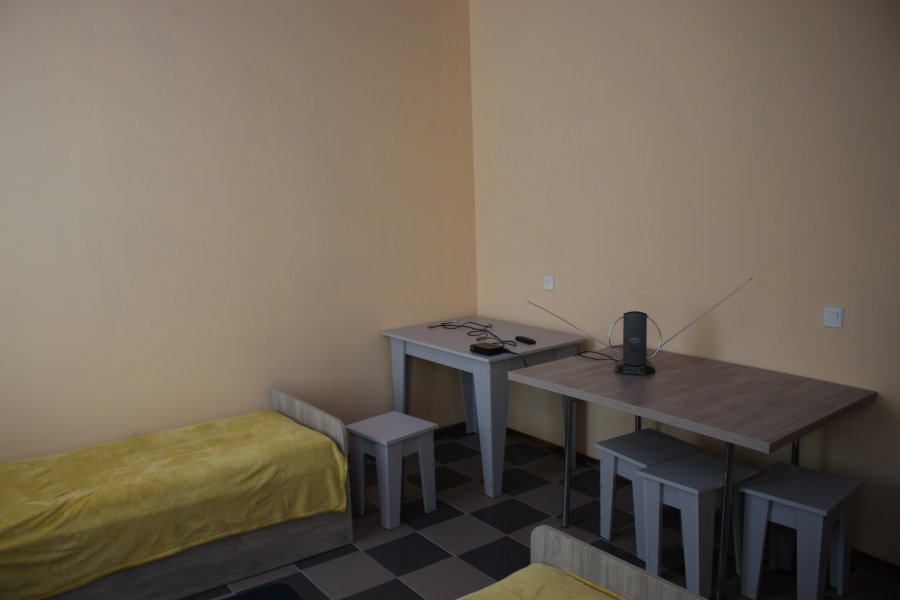
At the beginning of the war, junior inspectors and the facility's management were in a state of high alert; a rest area was organised on the facility’s premises for the psychological relief of staff.
PRODUCTION
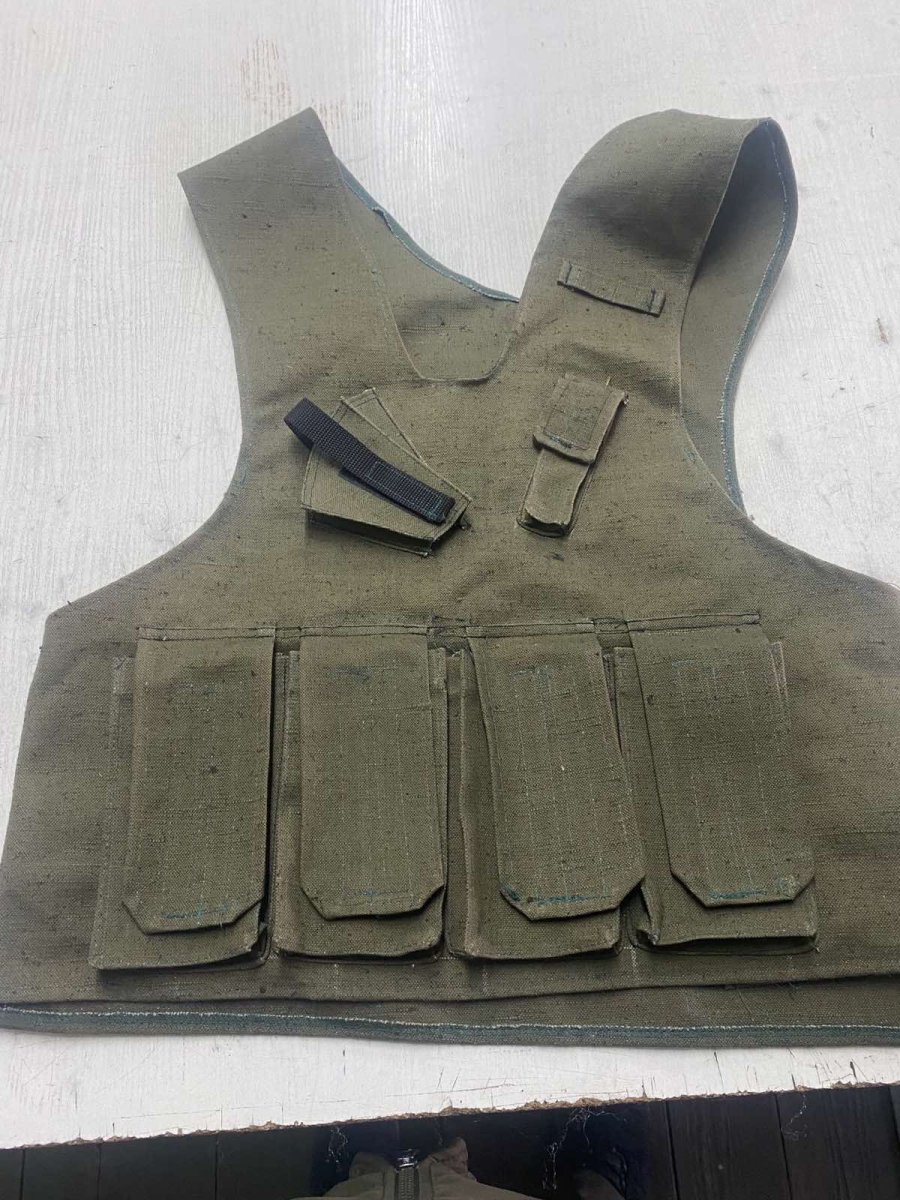
Equipment for plastic processing is available. The sewing workshops manufacture tactical vests, mosquito nets, and other products for the Armed Forces of Ukraine.