Monitoring visit to the State Institution “Shepetivka Correctional Colony (No. 98)”
On 28 July 2022, a monitoring group consisting of an assistant to the People's Deputy of Ukraine Kostiantyn Kasai, a member of the Public Council under the Ministry of Justice of Ukraine Serhiy Zuikov, an assistant to the People's Deputy of Ukraine Yaroslav Yurchyshyn, a KHPG programme coordinator Andriy Didenko, as well as a journalist from the 'Poryad z vamy' Information Agency Oleksa Yaroslavtsev, conducted a regular visit to the State Institution “Shepetivka Correctional Colony (No. 98)”.
The previous visit of the KHPG monitors – via this link.
The main objectives of the monitoring visit were to analyse the institution’s operations during the war and to ascertain its humanitarian needs.
The monitors had the opportunity to visit any premises of the institution, communicate with prisoners, including under conditions of anonymity, collect information, verify it, and had access to relevant documents.
The head of the institution is Colonel of the Internal Service A. A. Horenko. The monitors were accompanied by the deputy head of the institution, Lieutenant Colonel of the Internal Service V. H. Kozlyk.
GENERAL INFORMATION
Shepetivka Correctional Colony No. 98 is a medium-security penal institution for holding individuals who have previously served sentences in places of deprivation of liberty. An inter-regional multi-profile hospital is located on the premises.
The institution's territory is the largest in the country: the total area is over 62 hectares.
The staff-to-convict ratio is 1 staff member per 1.8 convicts. The cost of maintaining one prisoner per day is 27.66 Hryvnia.
The institution employs 2 psychologists.
In the current year, 9 detainees, 63 convicts, and 293 individuals arrived at the medical facility. In 2021, 6 people died, and in 2022 – 6.
There are 118 employed convicts, 35 of whom are employed under a labour agreement, and 83 under a contract. According to the administration, the average monthly earnings of the convicts amount to 3,019.80 Hryvnia.
There were 7 people in the disciplinary ward (DIZO), and no convicts in the cell-type premises (PKT) or enhanced supervision units (DPK).
At the time of the visit, 54 convicts were in the medical facility of the Health Care Centre of the State Criminal-Executive Service on the premises. 13 people are registered as HIV/AIDS positive.
23 people are registered as being prone to suicide. In 2021, one suicide occurred in the institution, and in 2022 – also one suicide.
13 people are prone to self-harm, and 4 are prone to escape. There are no individuals registered as malicious violators of the regime.
In 2021, 4 people were released due to serious illness; as of the 2022 period – none.
Regarding inadequate conditions of detention or improper provision of medical care, 1 complaint was recorded from convicts in 2021; during 2022 – none, which seems unnatural.
In the institution, 28 convicts have a disability: 25 of them are in the third group, and 3 are in the second group.
In 2021, 7 people were released on parole, and 5 people were transferred to more lenient conditions of detention. Since the beginning of 2022, 20 people have been released on parole, and 3 people have been transferred to more lenient conditions of detention.
In 2021, 2 cases of bodily injuries were recorded during the stay in the institution. Since the beginning of 2022: during arrival – 1 case of bodily injuries, and during the stay in the institution – 2 cases. During the current year, no cases of the use of special means have been recorded.
The institution is equipped with 2 workstations for distance learning with access to the Internet. The cost of using the global network per month is 120 UAH.
In 2021, there were 120 long-term visits, and for the 2022 period – 7.
Short-term visits in 2021 – 333, in 2022 (as of the time of the monitoring) – 93.
Due to the war, 200 convicts were evacuated to the institution from the Toretsk Correctional Colony (No. 2). The number of people held has increased significantly, and consequently, the workload on staff has increased, but the number of employees has even decreased because a certain number are serving in the Armed Forces of Ukraine, and the financial provision of employees, according to the colony's management, has remained unchanged.
Many of the transferred individuals do not have documents and cannot receive pensions. The administration is trying to resolve these issues. For some individuals being released, including those who were treated in the hospital and have no relatives, the institution's administration accompanies them to a civilian medical facility.
SHEPETIVKA MULTI-PROFILE HOSPITAL NO. 98
The head of Medical Unit No. 98 of the branch of the State Institution 'Health Care Centre of the State Criminal-Executive Service of Ukraine' in the Khmelnytskyi region (hereinafter – the medical unit) is Oleksiy Mykolaiovych Nyzhniy.
The head of the multi-profile hospital No. 98 of the branch of the State Institution 'Health Care Centre of the State Criminal-Executive Service of Ukraine' in the Khmelnytskyi region is Serhiy Oleksandrovych.
On the day of the visit, 51 patients were held in the multi-profile hospital No. 98.
The hospital has an approved composition of the medical-consultative commission.
Over 6 months of 2022, the medical-consultative commission in the Shepetivka multi-profile hospital No. 98 reviewed 5 individuals for release under Art. 84 of the Criminal Code of Ukraine. The court refused the release of one convict, and one convict was released by court decision. Two convicts died during the court proceedings, and one convict died during the period of appealing the court decision.
The hospital has 32 medical offices and 3 departments (therapeutic: 40 beds, surgical: 40 beds, dermatological: 30 beds).
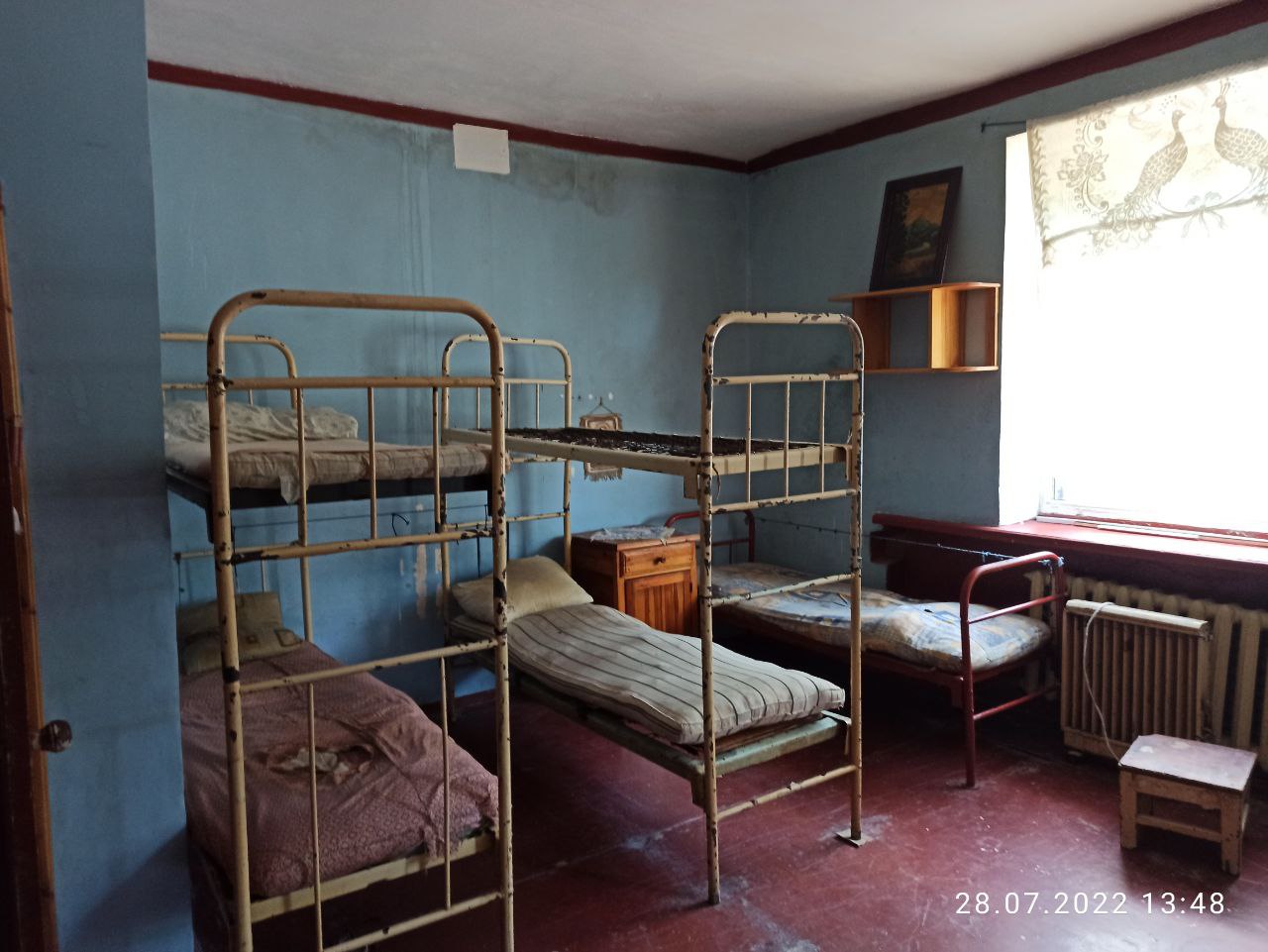
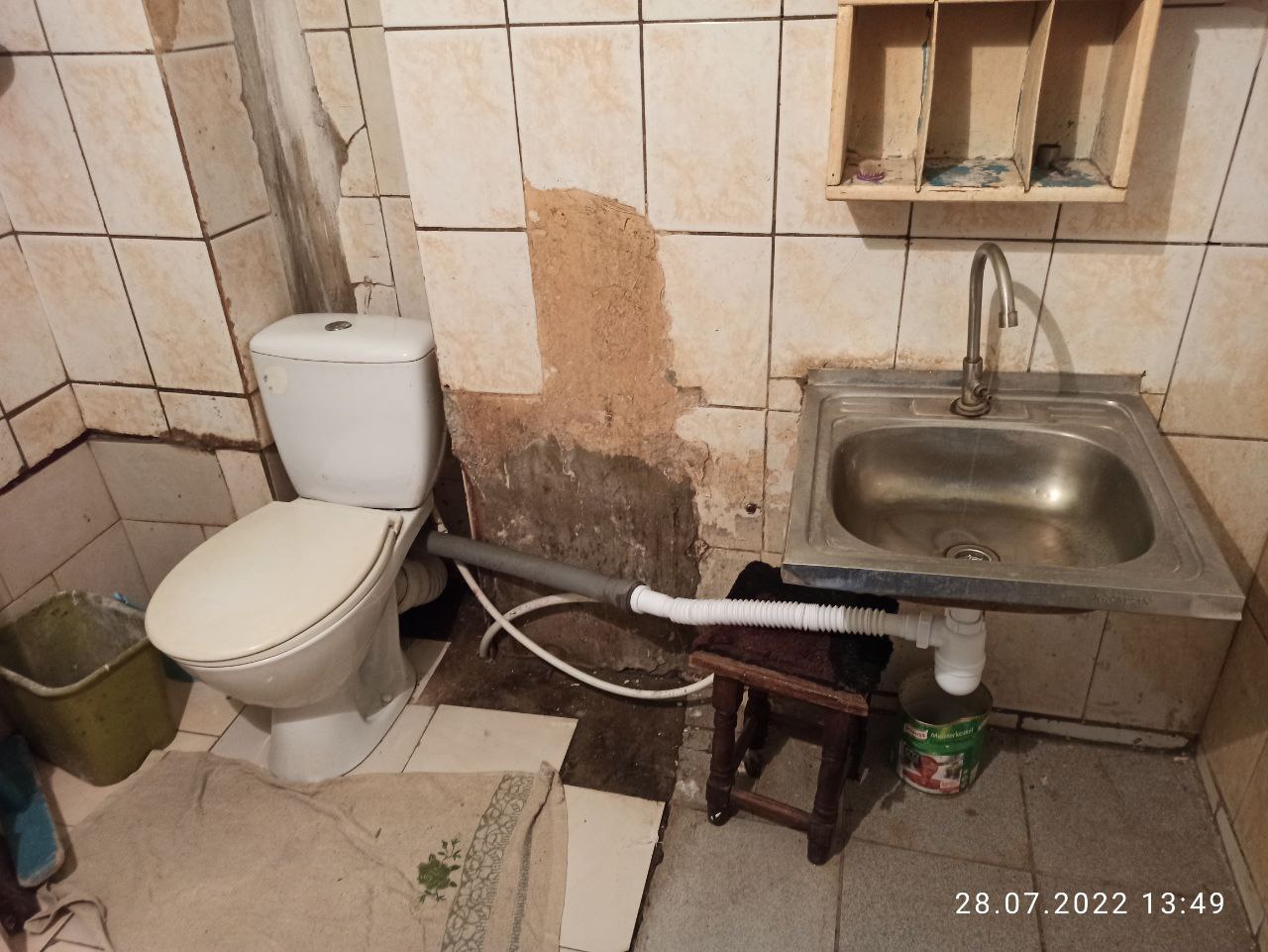
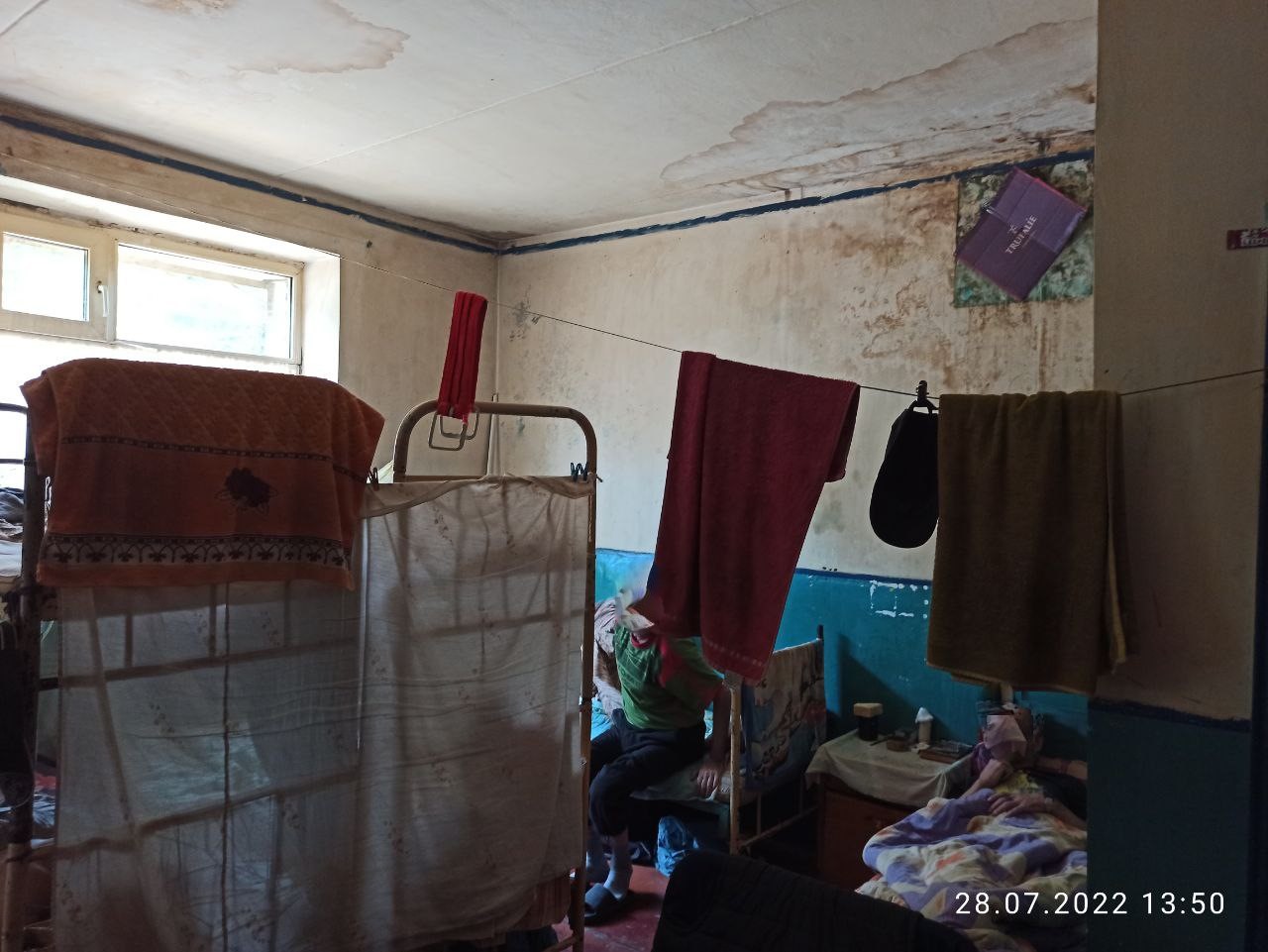
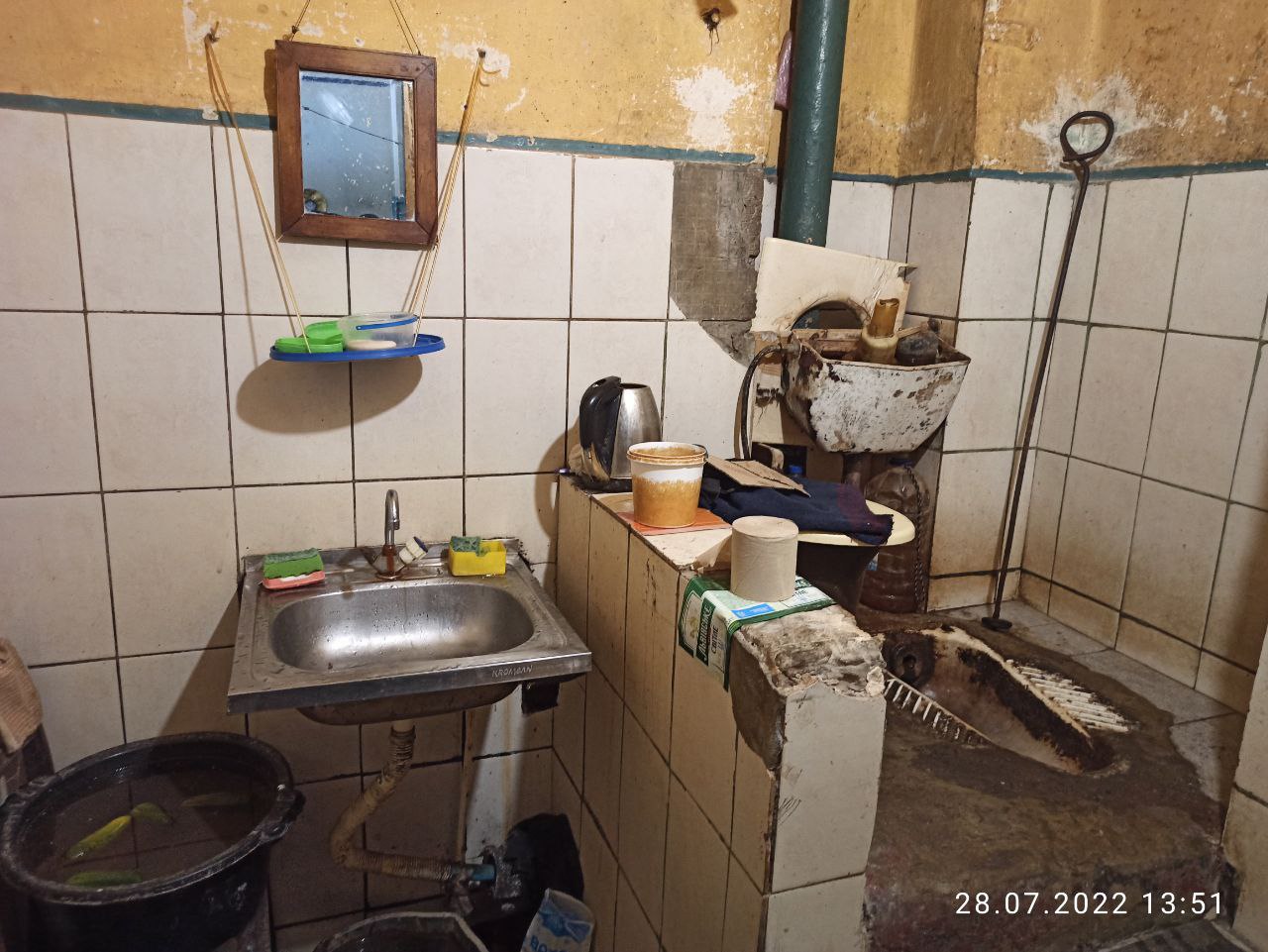
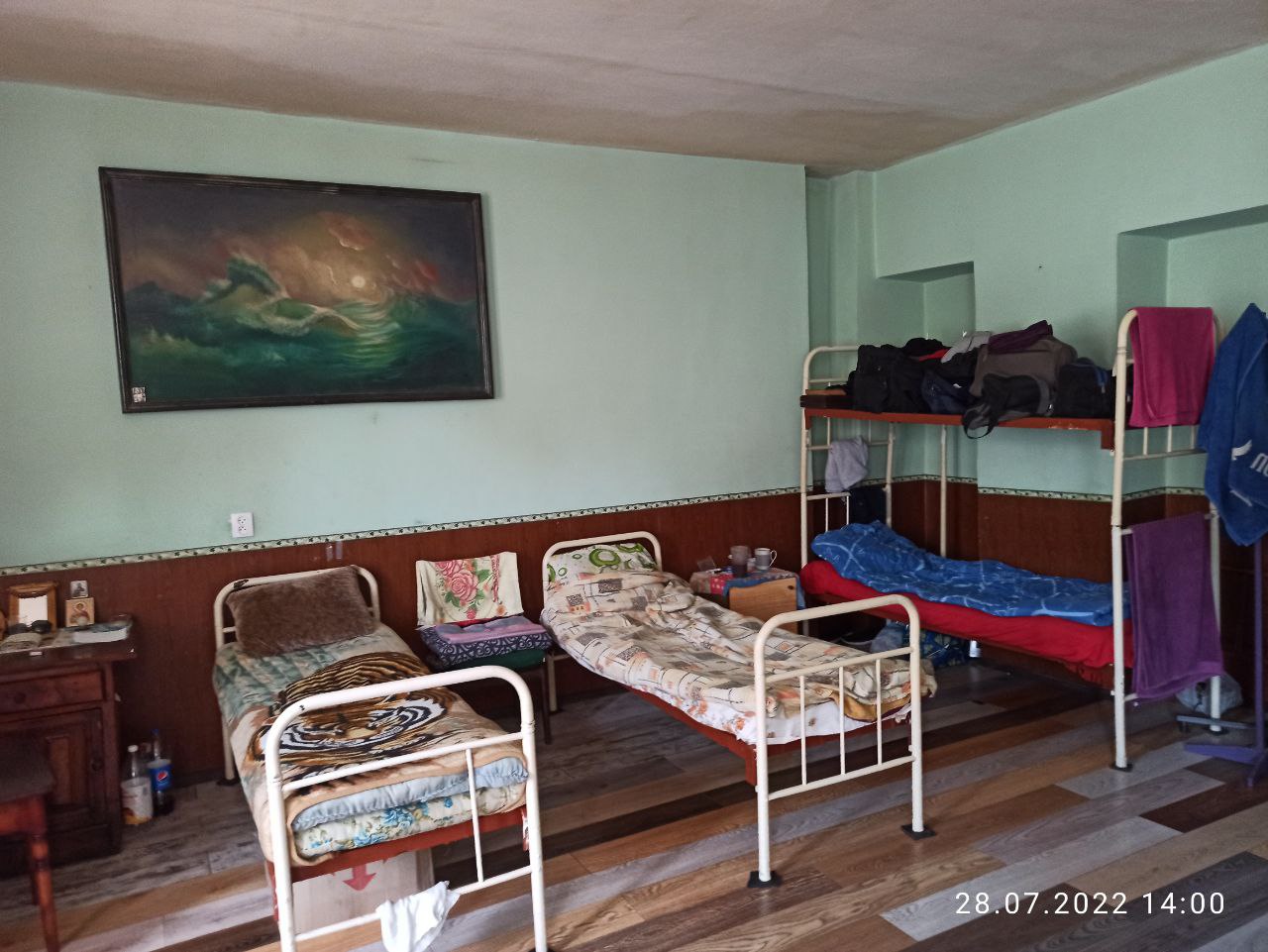
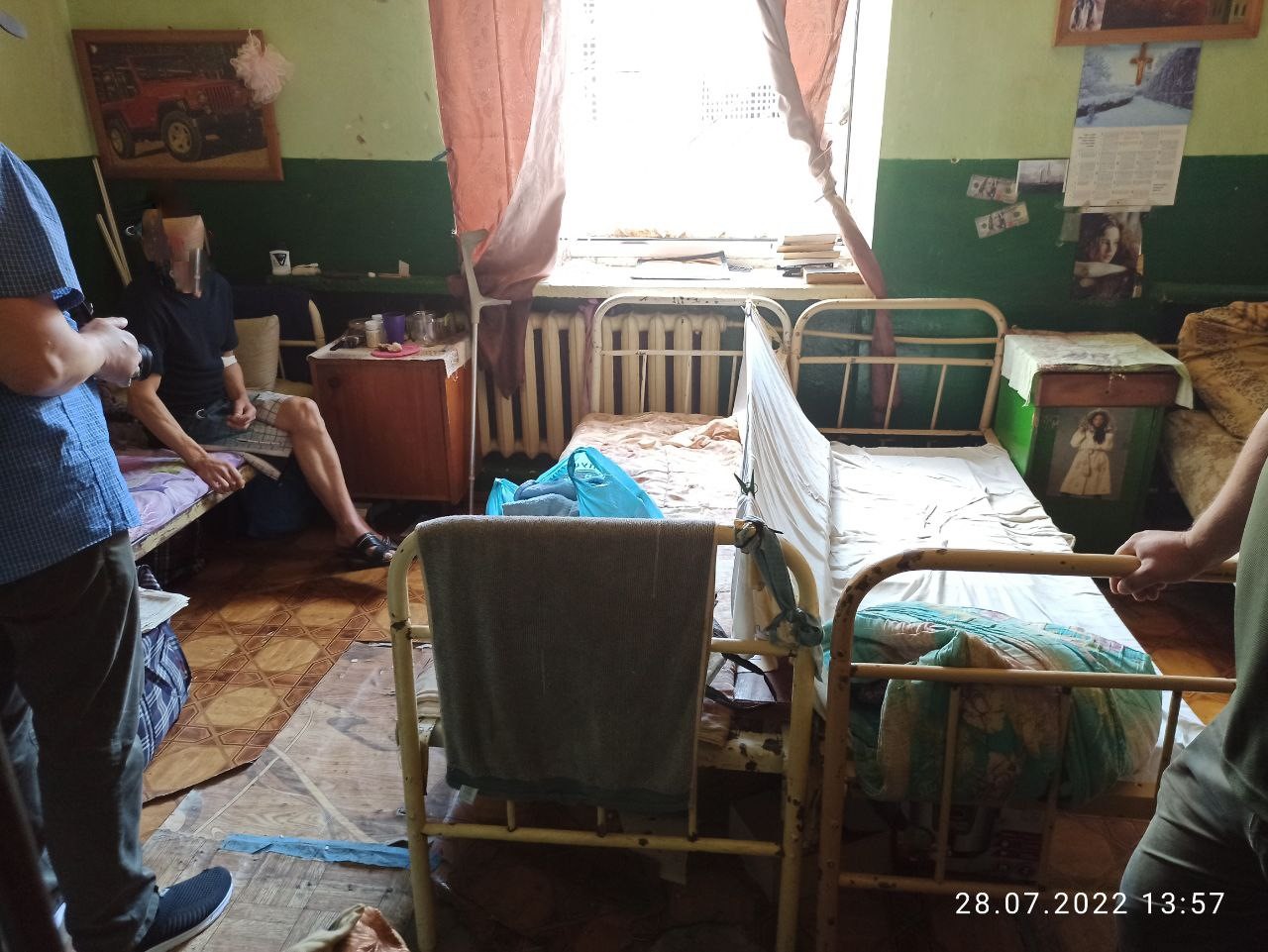
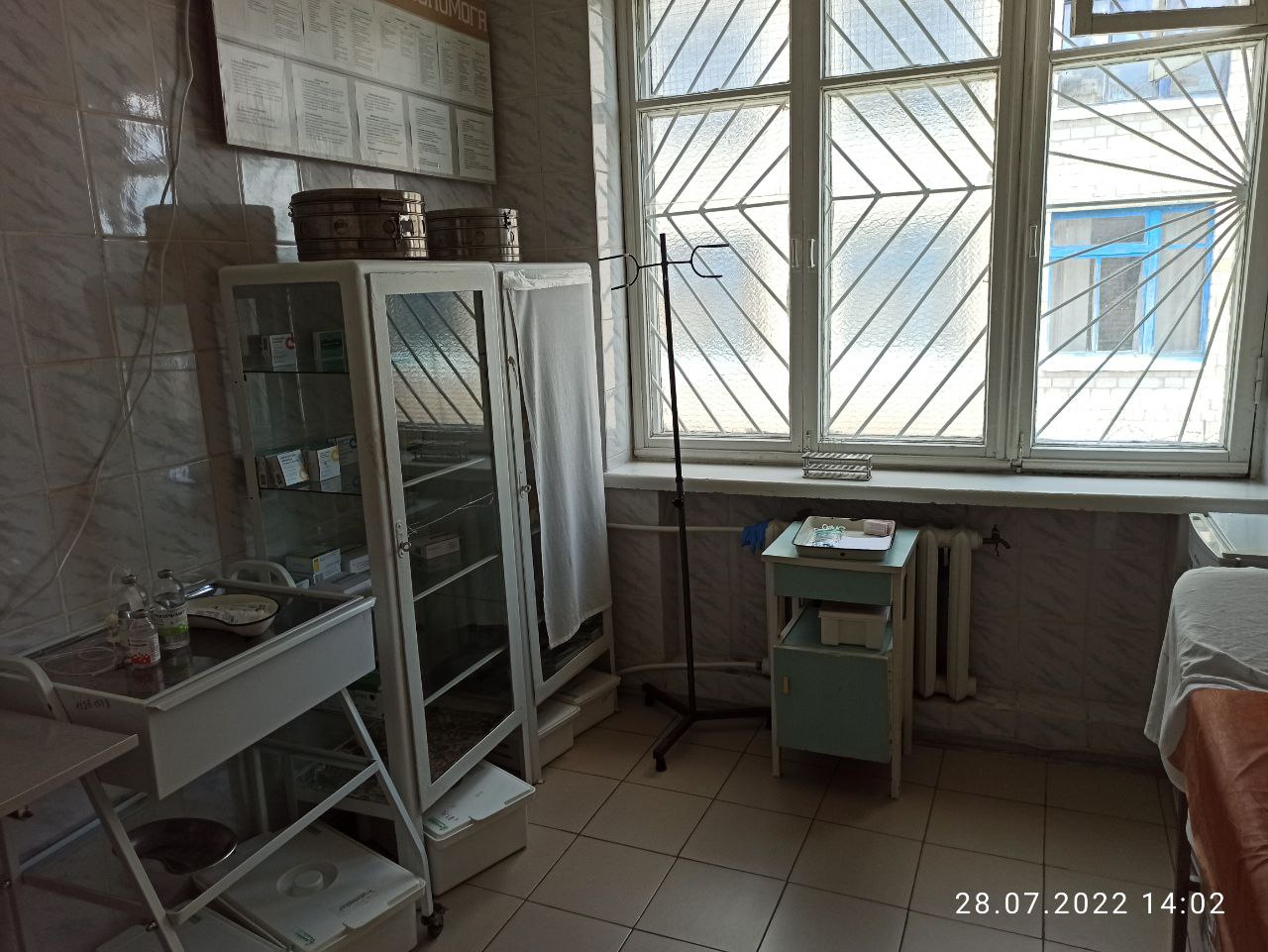
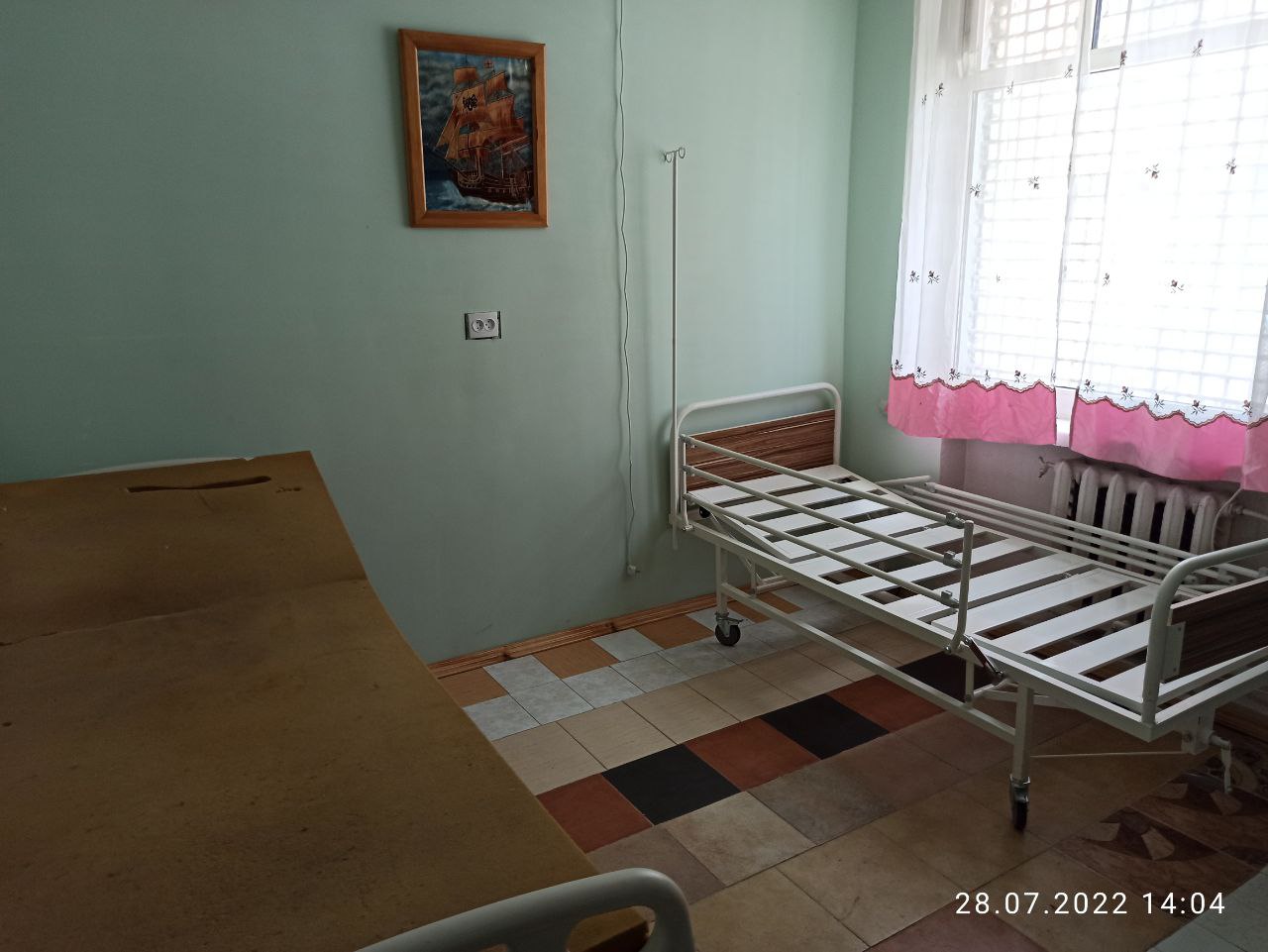
The surgical department is equipped with an operating theatre.
18 wards for somatic patients are designed for 110 beds; an isolation ward for infectious patients is designed for 3 beds.
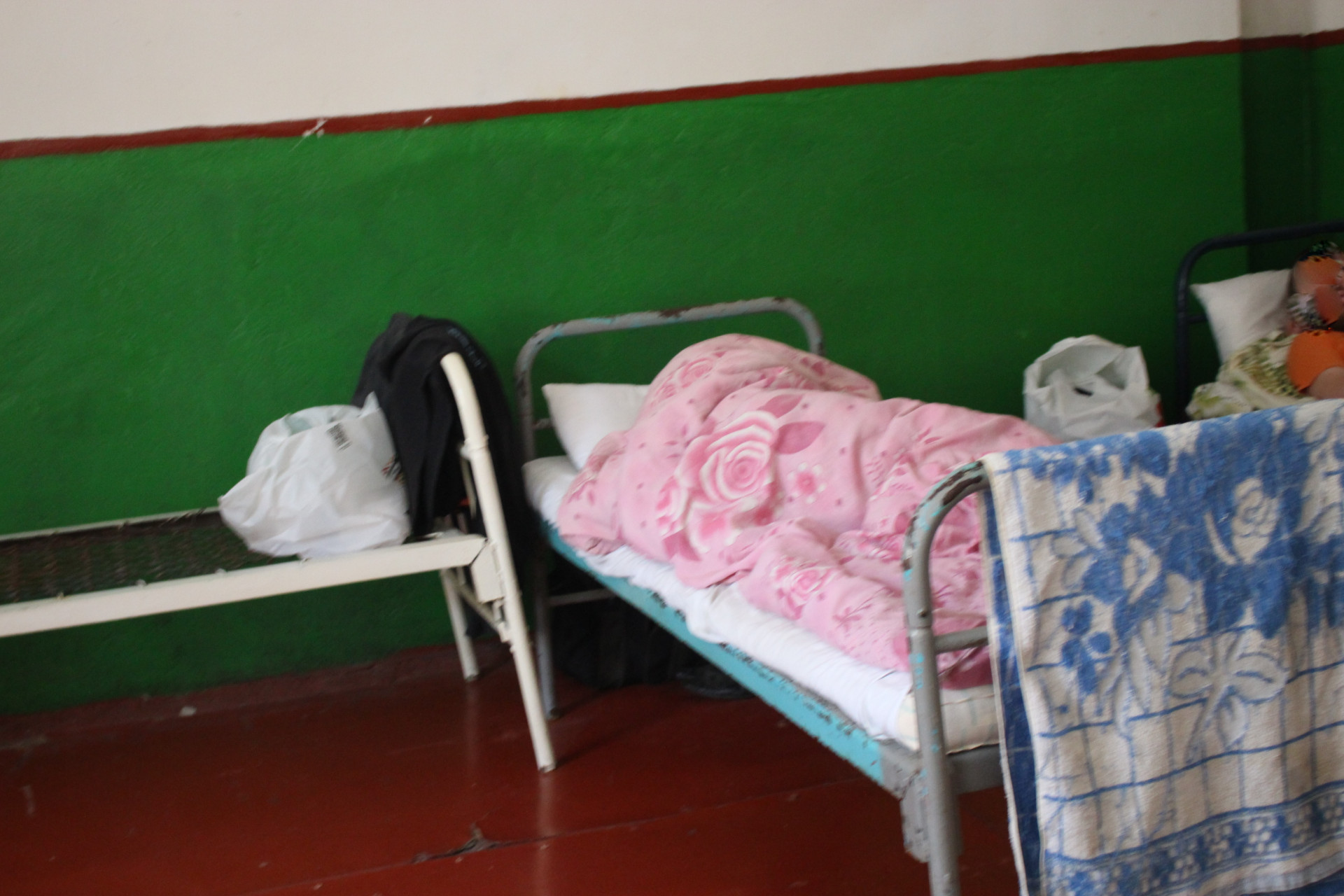
At the time of the visit, 51 people were undergoing treatment in the hospital: 19 in the therapeutic department, 15 in the surgical, and 17 in the dermatological.
According to the staffing table, out of the 44 foreseen positions in the hospital, the following remain vacant: 1 position for a dermatologist; 0.5 position for a radiologist, two positions for a medical nurse-anaesthetist at 0.5 positions each; two positions for a junior medical nurse – 0.5 and 0.25 positions respectively.
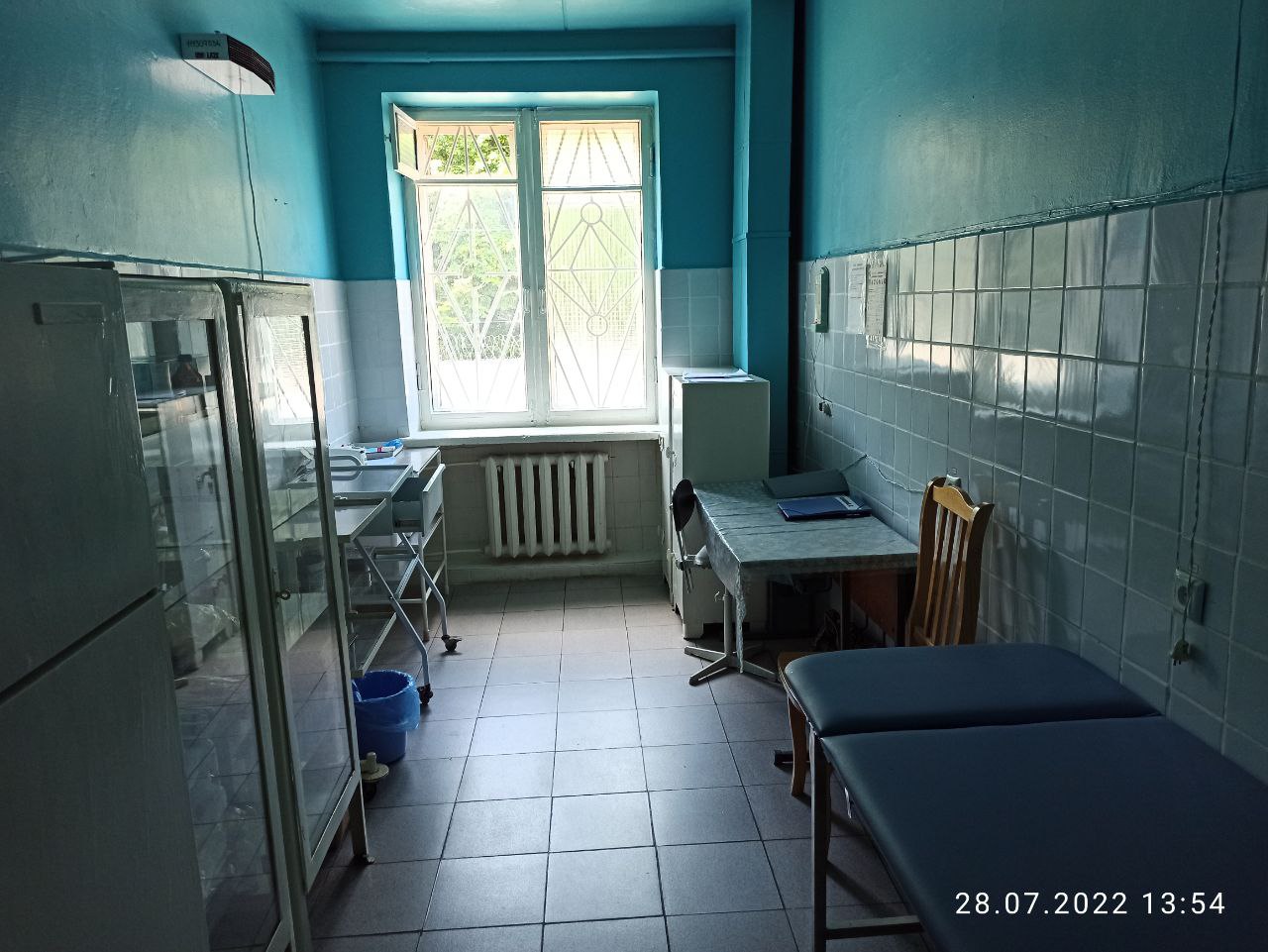
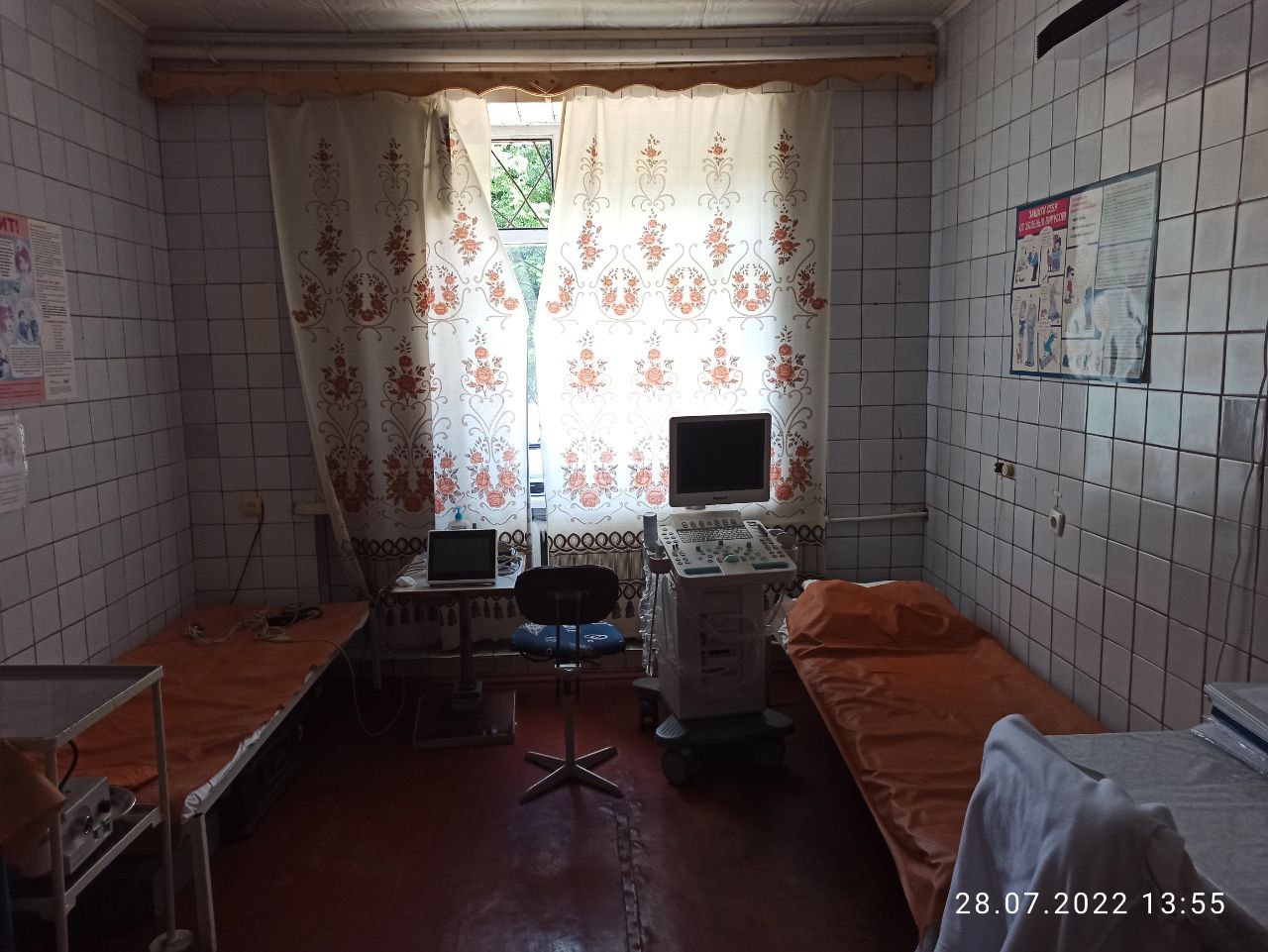
Over 6 months of 2022, 534 convicts were treated in the Shepetivka multi-profile hospital No. 98. 1,942 convicts were treated on an outpatient basis during the specified period. The mortality rate in the institution is 0.75% (4 patients died). 510 medical examinations were conducted. No cases of active tuberculosis were detected in the State Institution 'ShVC (No. 98)' and the Shepetivka multi-profile hospital No. 98.
Since the beginning of the year, 19 patients with COVID-19 have been detected in the Shepetivka multi-profile hospital No. 98 and the State Institution 'ShVC (No. 98)'.
Naloxone was used 28 times; 4 ampoules are in stock.
The hospital carries out round-the-clock medical supervision of the held persons.
In violation of clause 8 of clause 5 of chapter 2 of the Order, there is no isolation ward in the inpatient facility for persons with mental disorders, that is, for convicts who pose a danger to others. The absence of an isolation ward for persons with mental disorders creates an unsafe environment among the convicts and puts the institution's staff at risk.
According to the logbook for recording bodily injuries, 2 cases of bodily injuries were registered in the hospital during the current year. At the same time, the outpatient medical records (form 025/o) lack certificates and attachments in the form of photographs of the existing bodily injuries, as provided for in clause 3 of section 1 of chapter II of the joint Order of the Ministry of Justice of Ukraine and the Ministry of Health of Ukraine dated 15.08.2014 No. 1348/5/572 “On approval of the Procedure for organising the provision of medical care to convicts sentenced to imprisonment”.
Also, the monitoring results showed that the premises do not meet accessibility requirements for the needs of persons with disabilities, in particular, there are no ramps, handrails, or other equipment.
The institution lacks an equipped sputum collection point, which creates prerequisites for the spread of infectious diseases among the held convicts, and also violates the order of the Ministry of Health of Ukraine dated 01.02.2019 No. 287 “On approval of the Standard of infection control for healthcare facilities providing care to patients with tuberculosis”.
According to Article 8 of the Criminal-Executive Code of Ukraine, convicts have the right to humane treatment and respect for their human dignity; convicts shall not be subjected to cruel, inhuman, or degrading treatment. At the same time, violations of the right of convicts to equality and respect for their dignity continue to occur in the institution, namely:
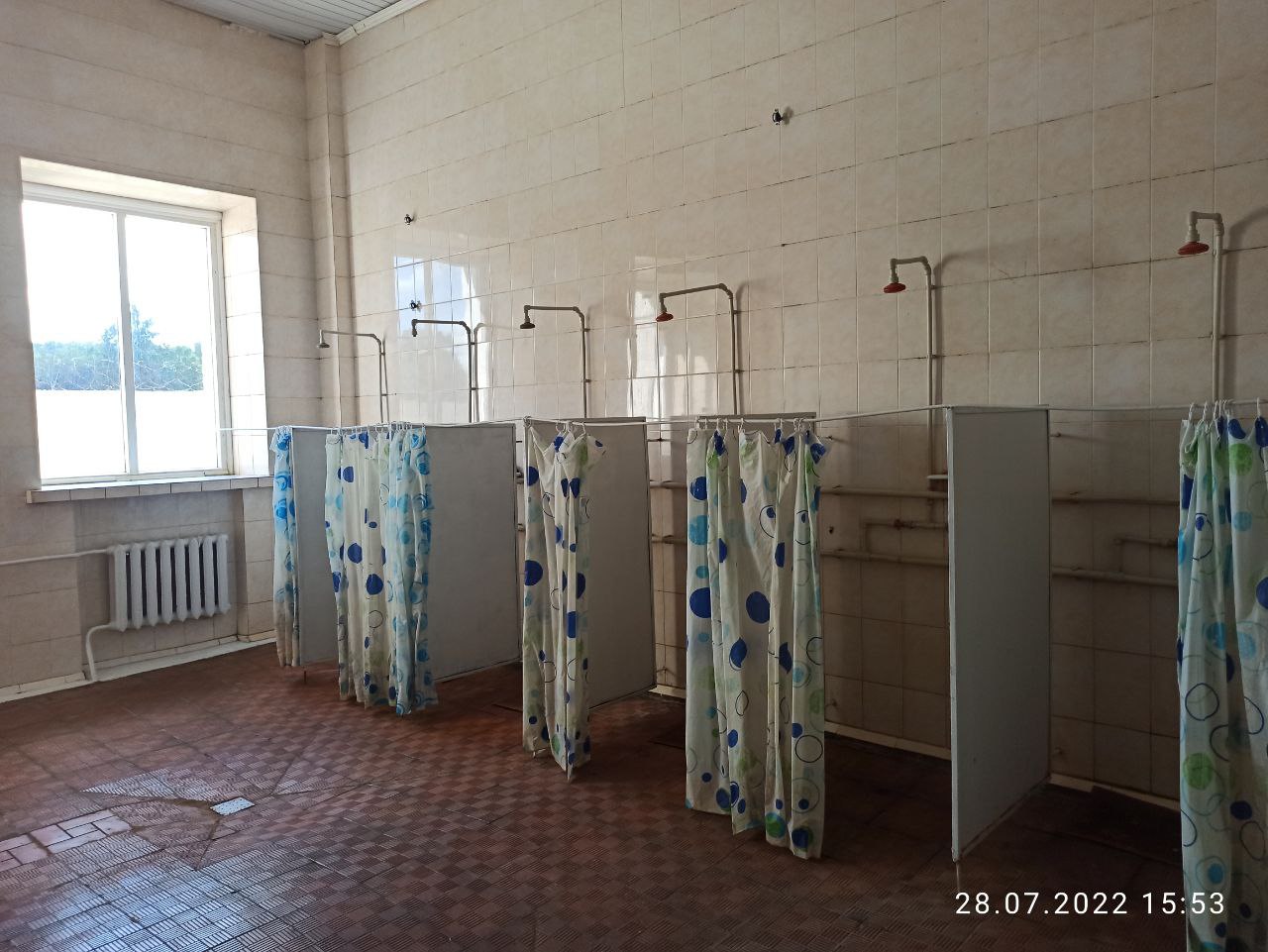
– In the hospital building where the sick are located, there is no bathhouse; the sick are taken to the general bathhouse. Furthermore, the absence of a bathhouse on the hospital premises creates prerequisites for the spread of dermatological diseases among the convicts held in the institution.
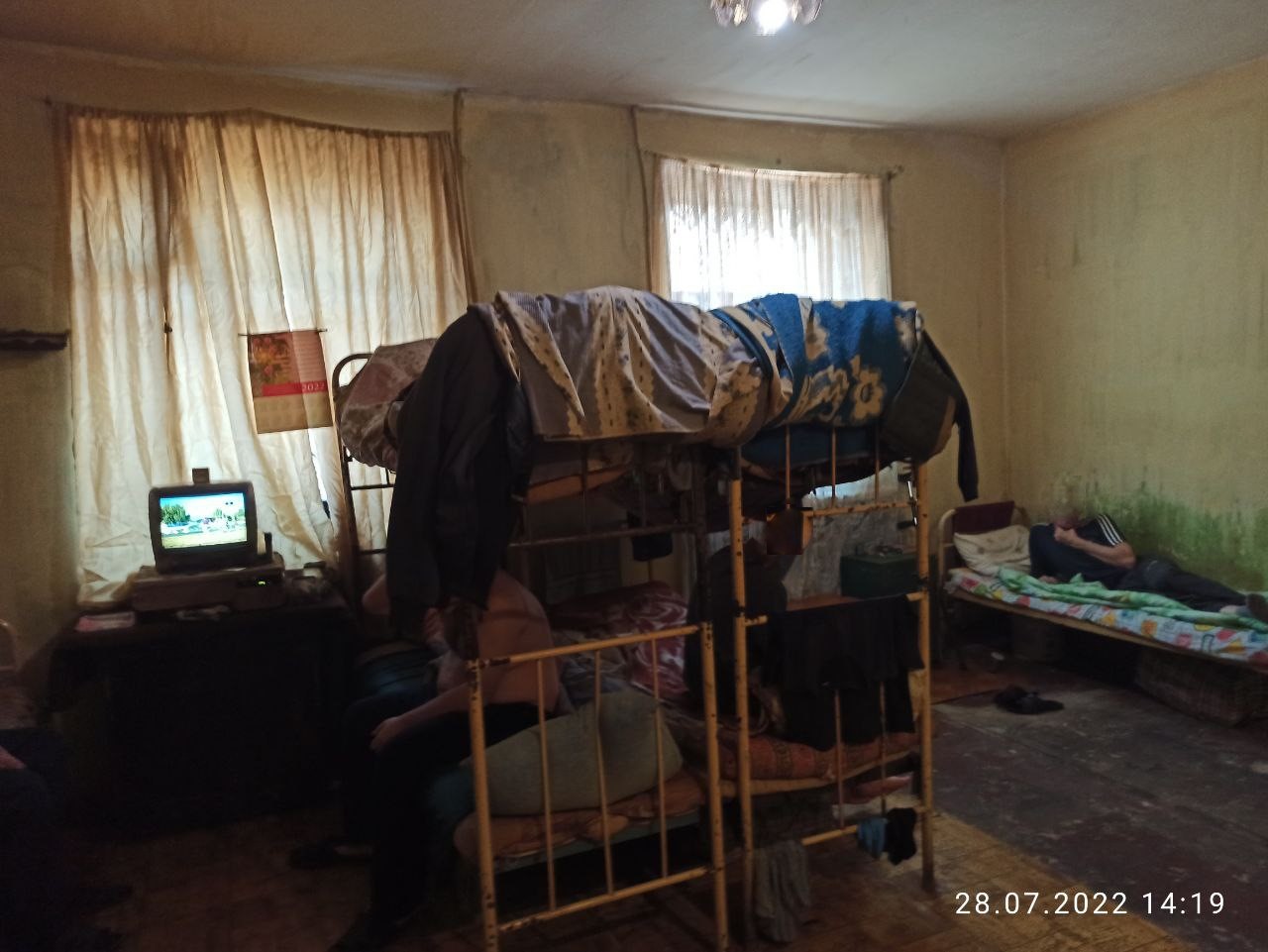
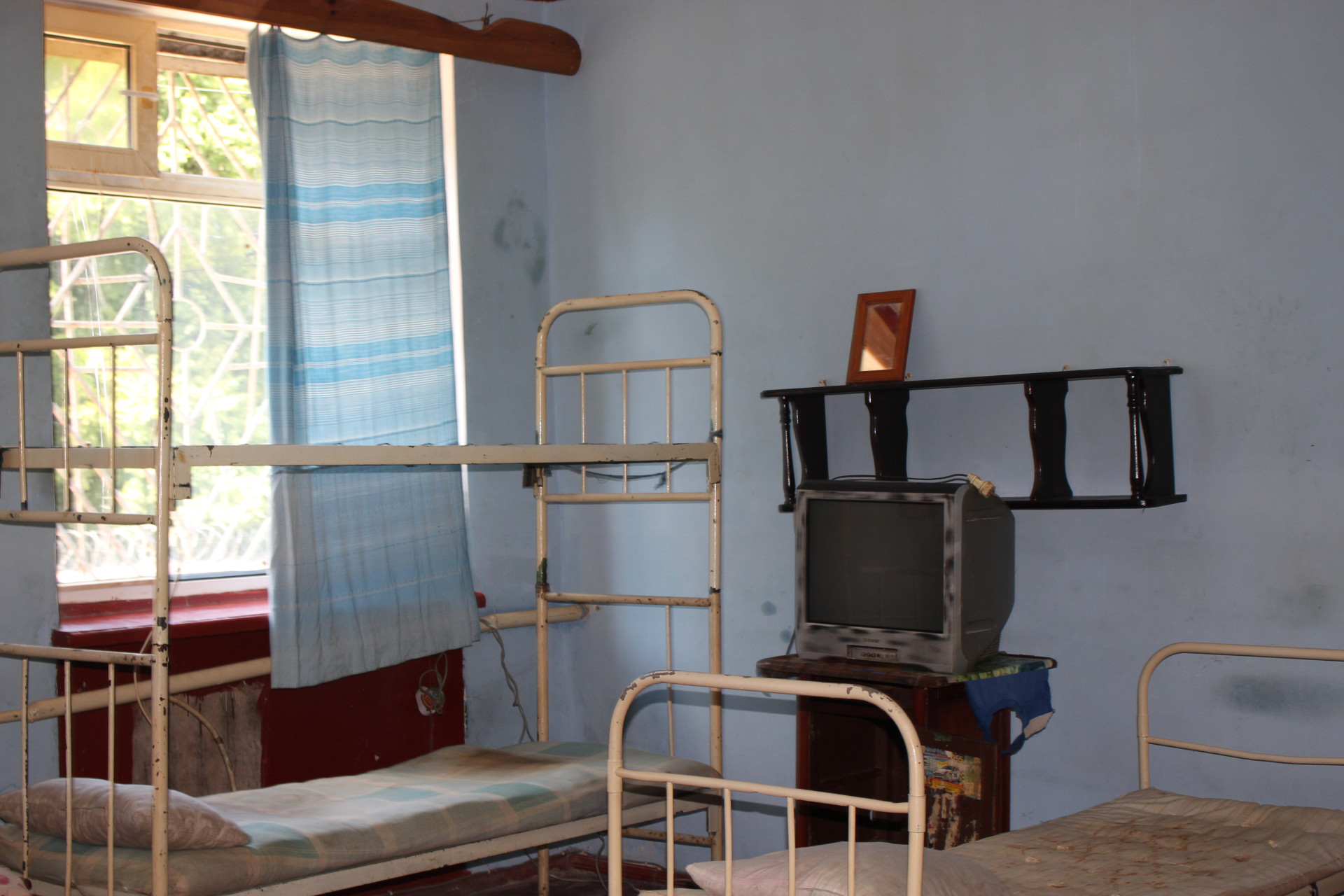
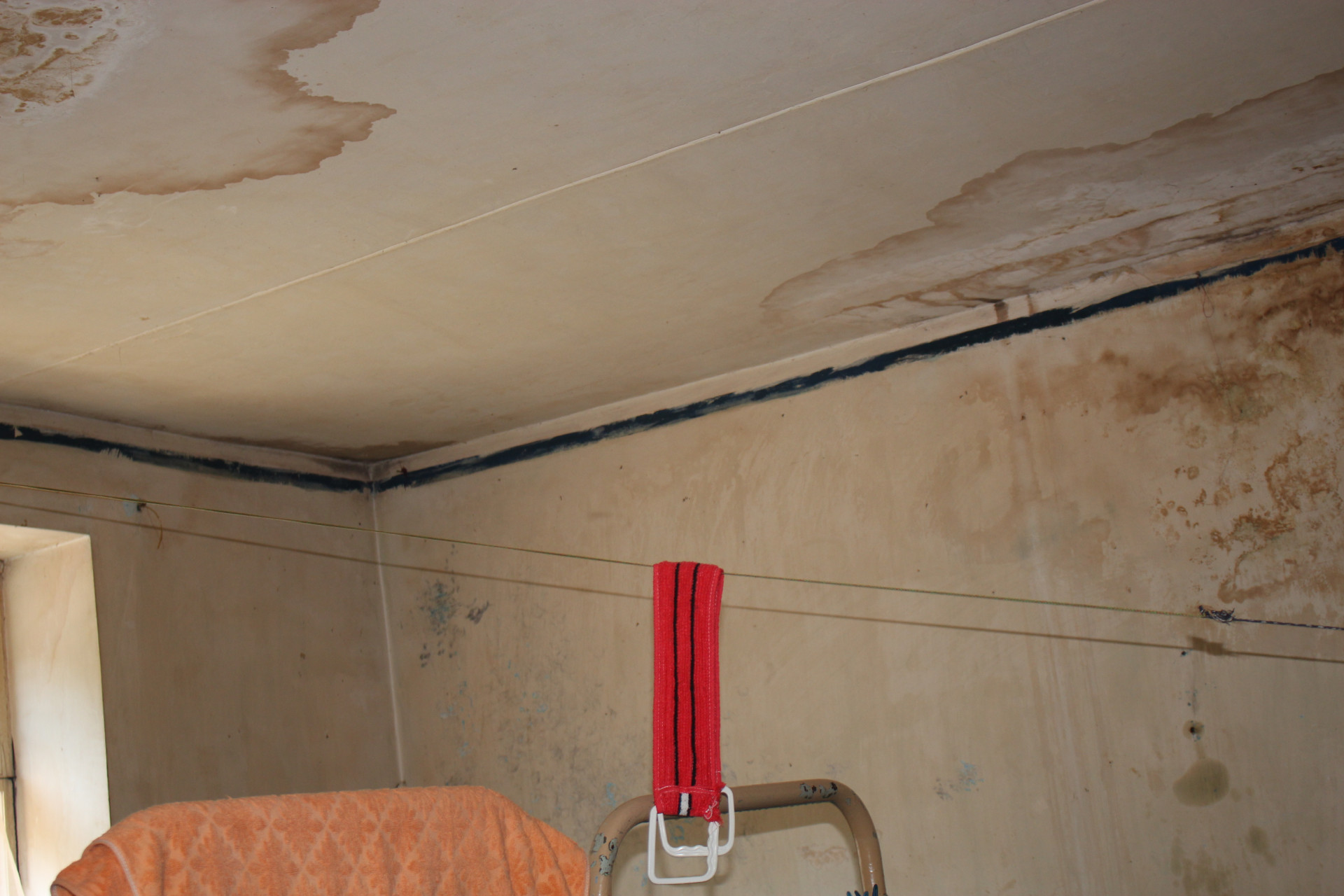
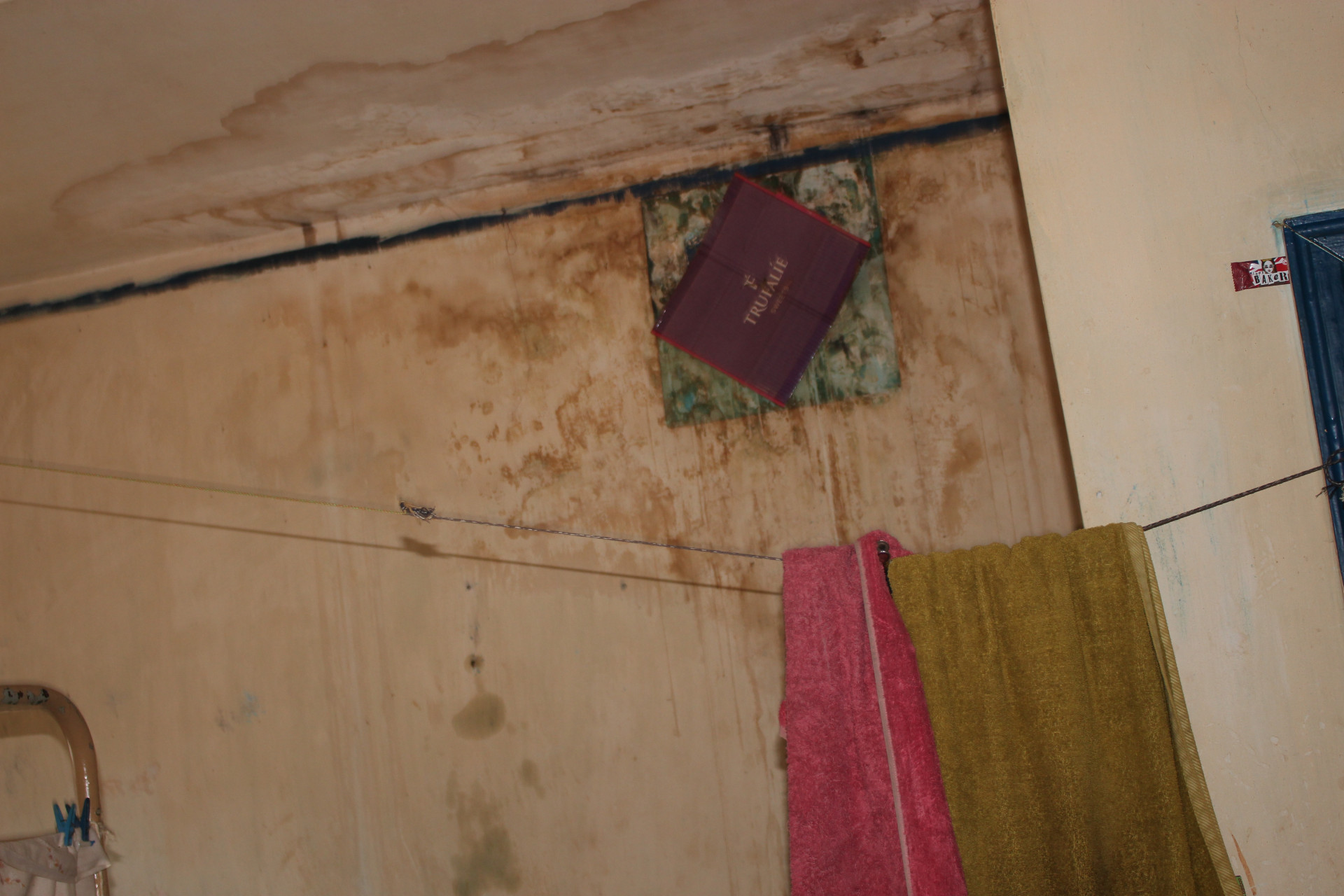
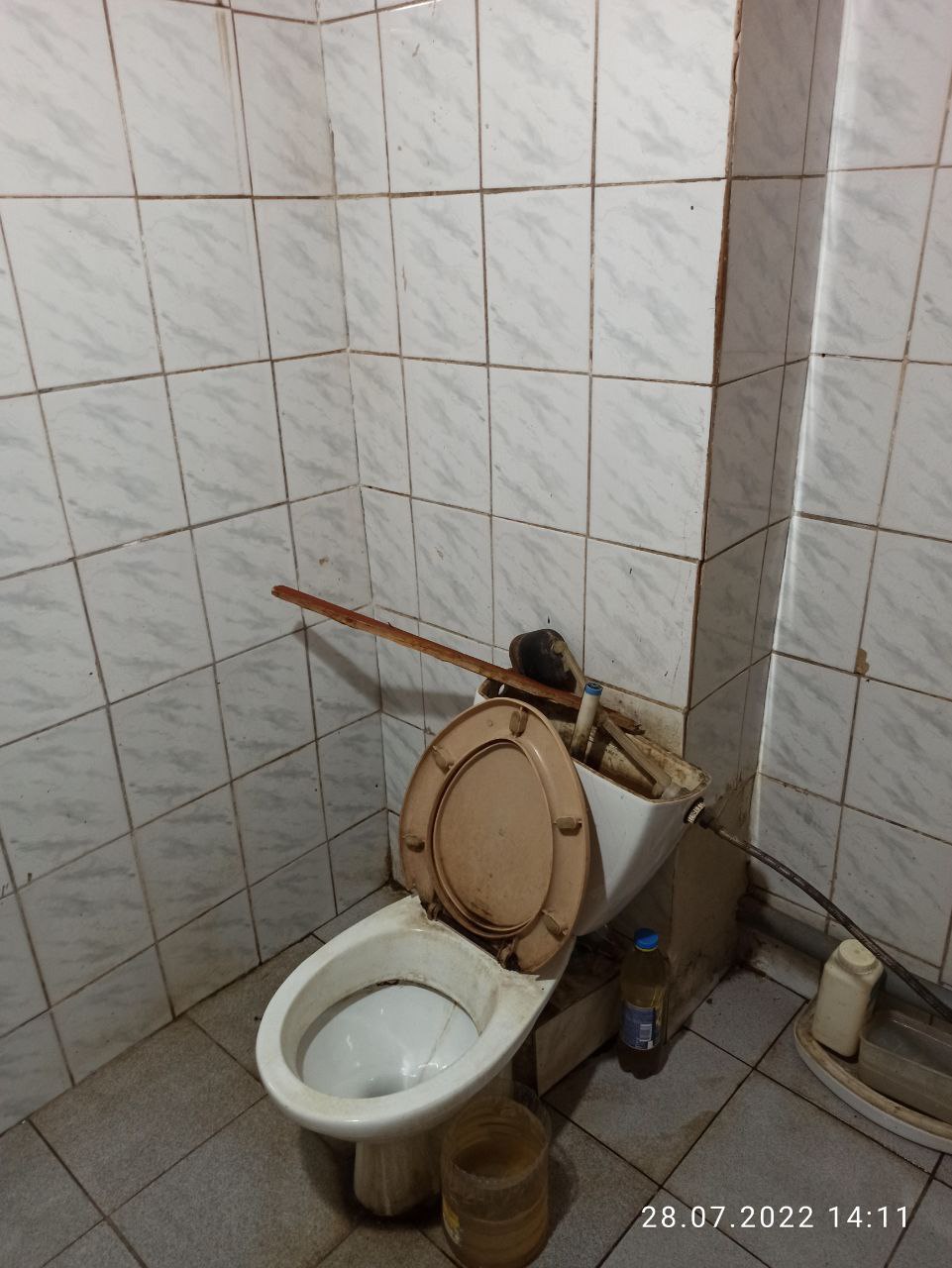
– The wards are in a dilapidated state, with mould on the walls, and the sanitary facilities are in need of a major overhaul. For example, in one of the wards, monitors saw a prisoner who was paralysed after a stroke and could not move on his own. Other convicts help him get to the toilet; moreover, the bathroom is not suitable for such patients.
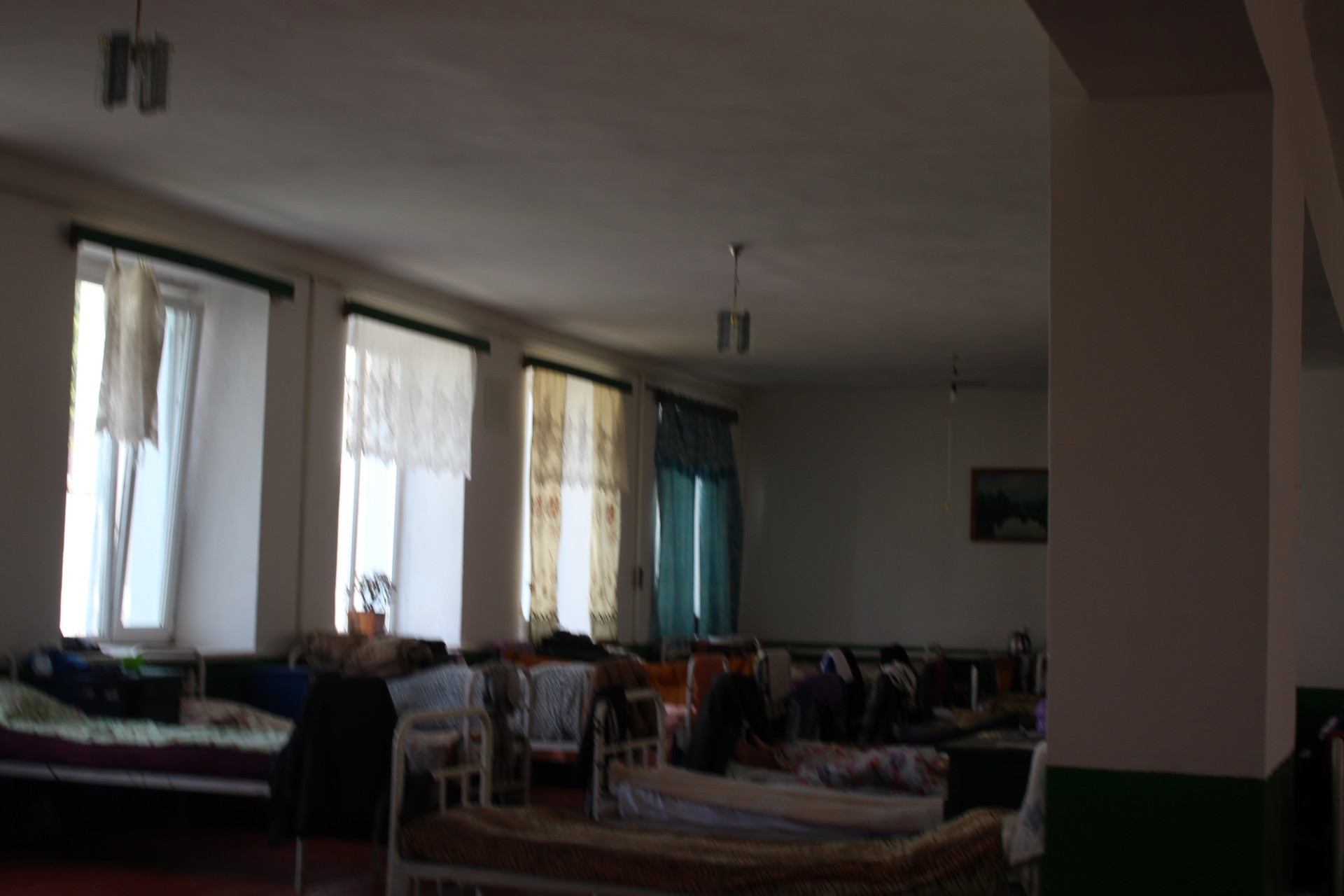
– The beds in the wards are double-tiered and placed close together, which fails to ensure the right to privacy and violates the requirements of clause 8.22 of DBN V.2.2-10-2001;
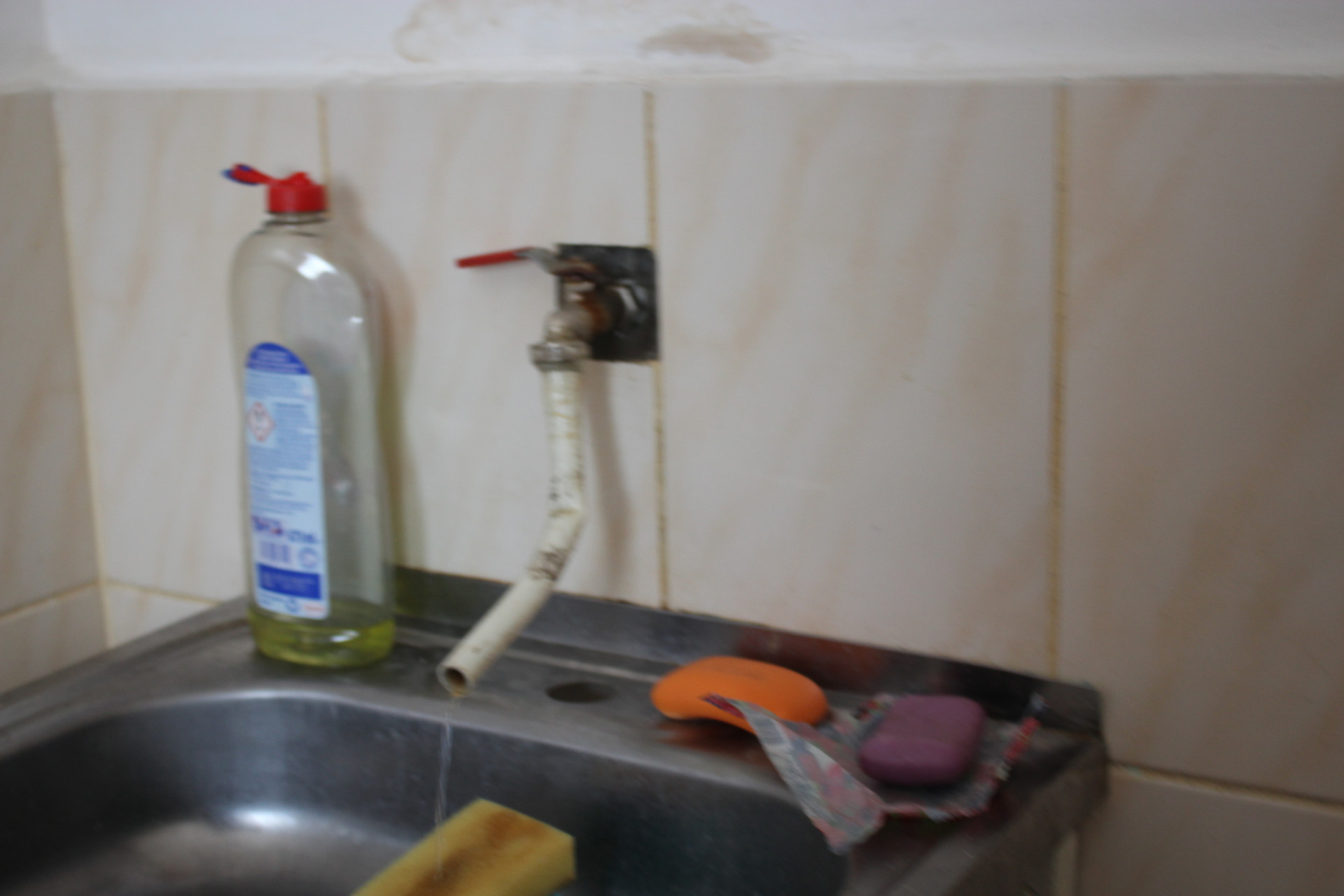
– There is no access to drinking water. There are no drinking water tanks in the wards for patients; as the convicts explained, they drink tap water, which they collect in plastic bottles.
– The wards are unsanitary, and the bed linen needs replacing.
– Most cells are not equipped with supply-and-exhaust ventilation, which does not ensure proper airing of the cells and may lead to the spread of infectious diseases among the held persons.
– The plumbing and sanitary facilities need to be replaced.
– Water is cut off in the hospital.
MEDICAL UNIT
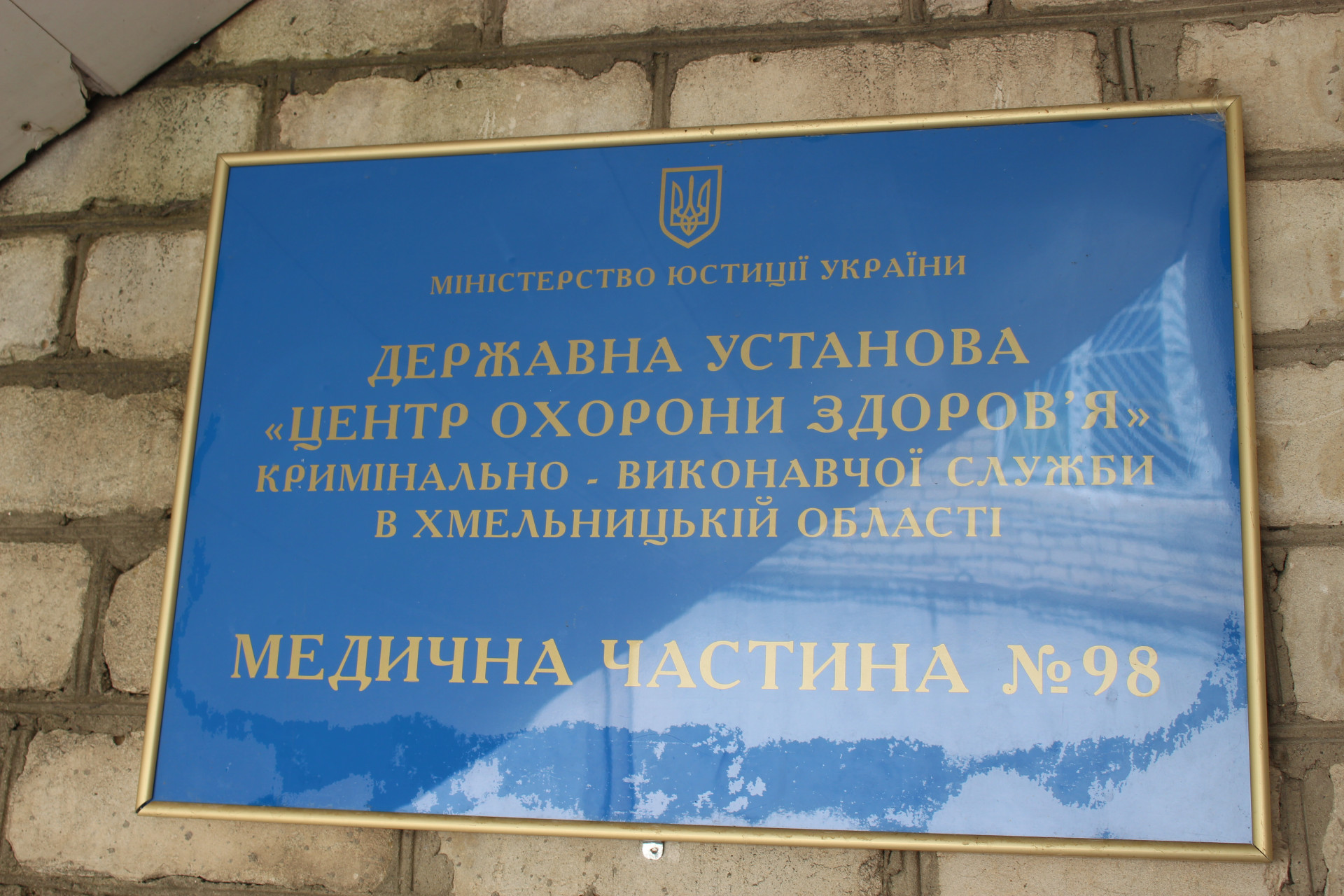
In the medical unit, there is no inpatient facility for somatic patients (patients are treated in the multi-profile hospital No. 98).
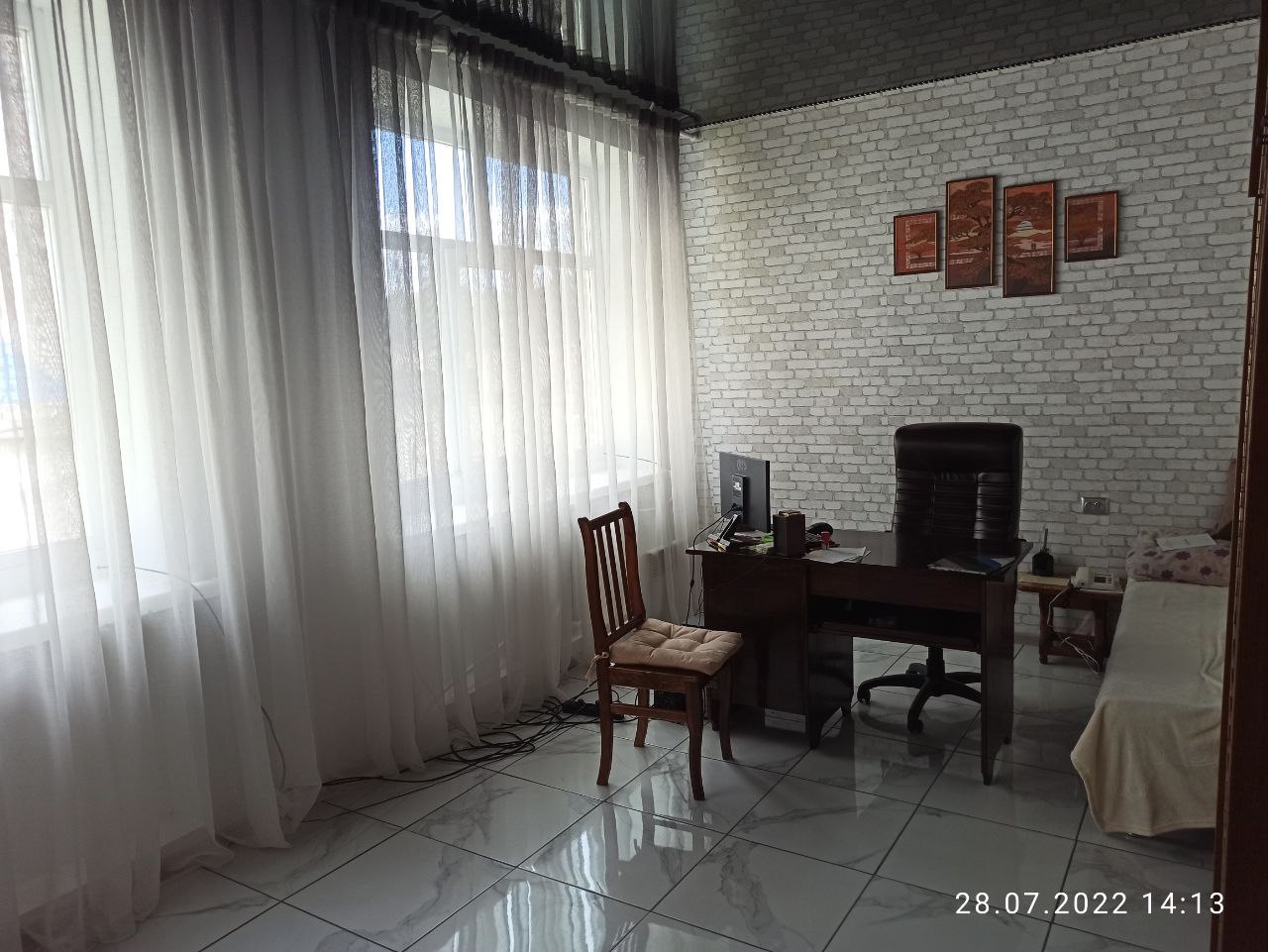
There is an outpatient department: an office for the head of the medical unit, a psychiatrist, an OST (Opioid Substitution Therapy) office, a general practitioner’s office (family doctor), a dental office, and a treatment room.
On the day of the visit, the following positions were staffed in the medical unit: head of the medical unit – 1 position; dentist – 1 position; general practitioner – 0.5 position; psychiatrist – 0.5 position; junior medical nurse – 0.5 position; paramedic – 4.5 positions; dental nurse – 0.5 position; pharmacist – 0.5 position; junior medical nurse – 0.5 position.
The following positions remain vacant: general practitioner – 0.5 position, narcologist – 0.5 position, nurse for the substitution therapy office – 0.5 position.
There are 72 convicts on the dispensary register. 13 individuals are HIV-positive, 13 of whom are receiving ART therapy.
The convicts’ meals are provided according to dietary standards, and 51 individuals receive them.
There are 25 individuals with mental disorders.
28 individuals have a disability, of whom 3 are in the II group and 25 are in the III group.
Upon arrival at the institution, a convict is interviewed to determine if they are a drug-dependent person. Since 27.07.2021, a 'trust office' has been set up in the medical unit, where convicts are given maintenance therapy (OST). On the day of the visit, 14 convicts were receiving OST.
Naloxone is absent in the medical unit; it has not been used a single time during the current year.
In the medical unit, there is a round-the-clock duty medical worker for providing emergency medical care and ensuring convicts are provided with medicines.
The medical unit is equipped with 4 bactericidal irradiators.
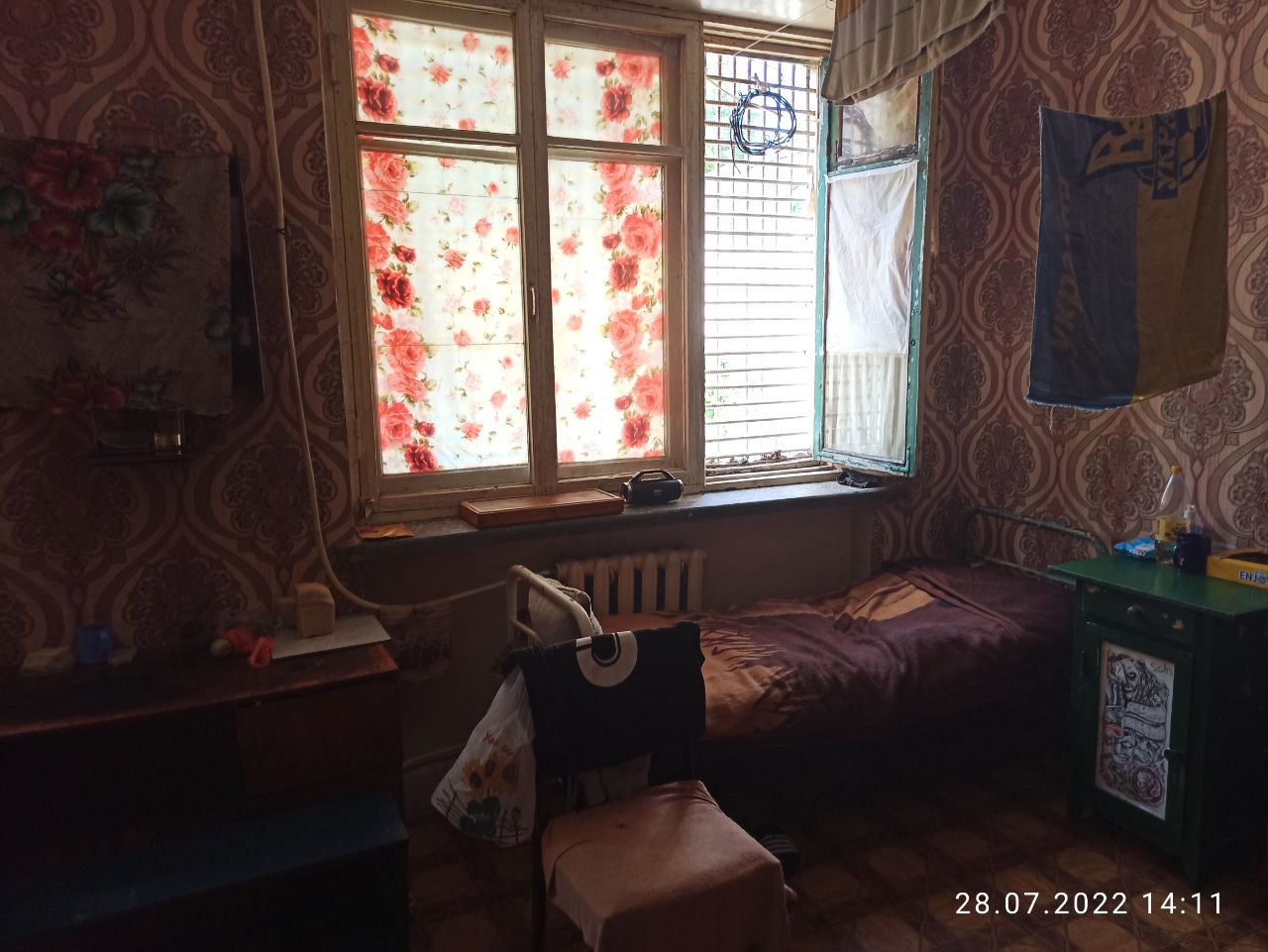
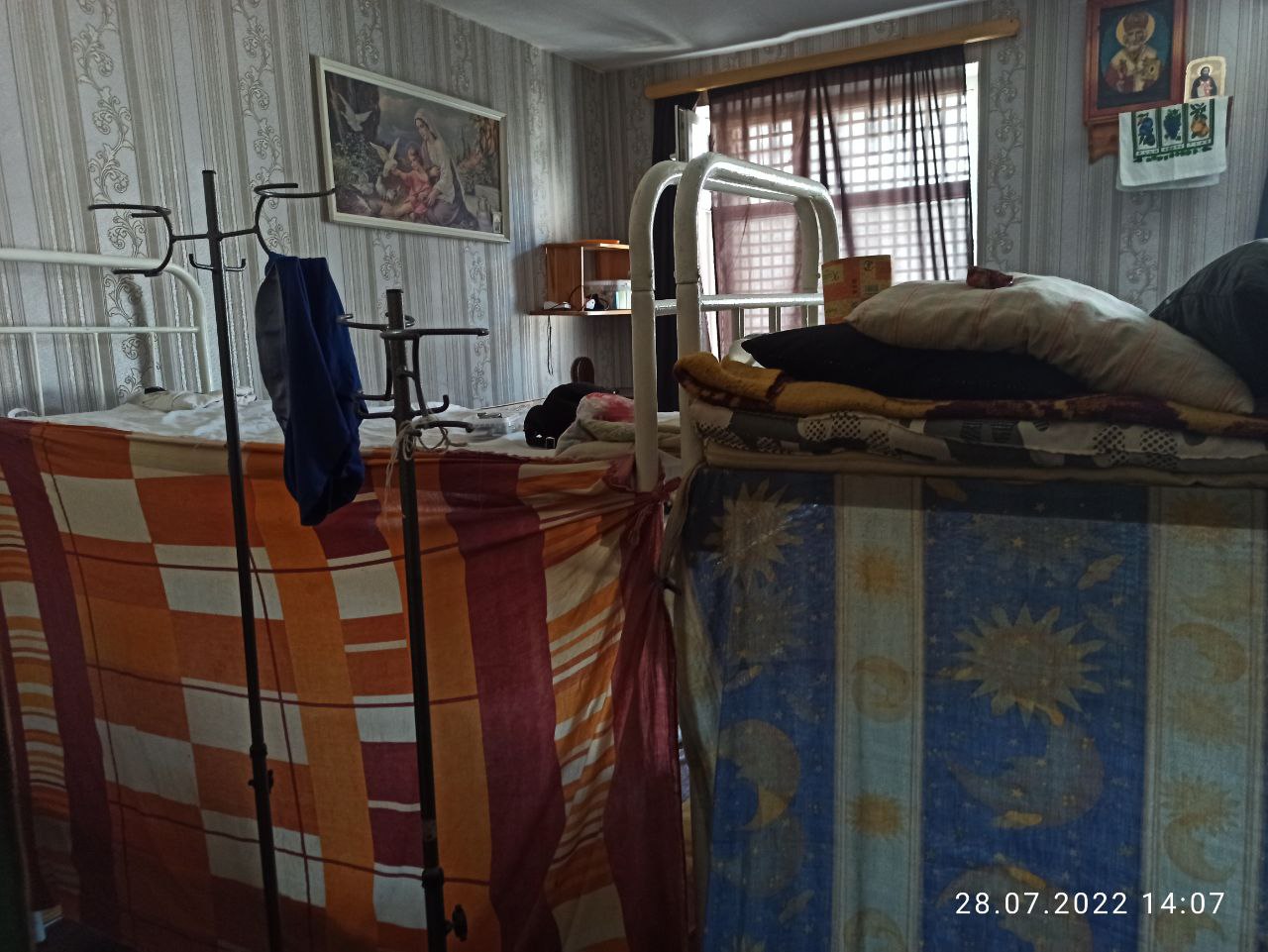
LIVING QUARTERS
Large barracks-type premises.
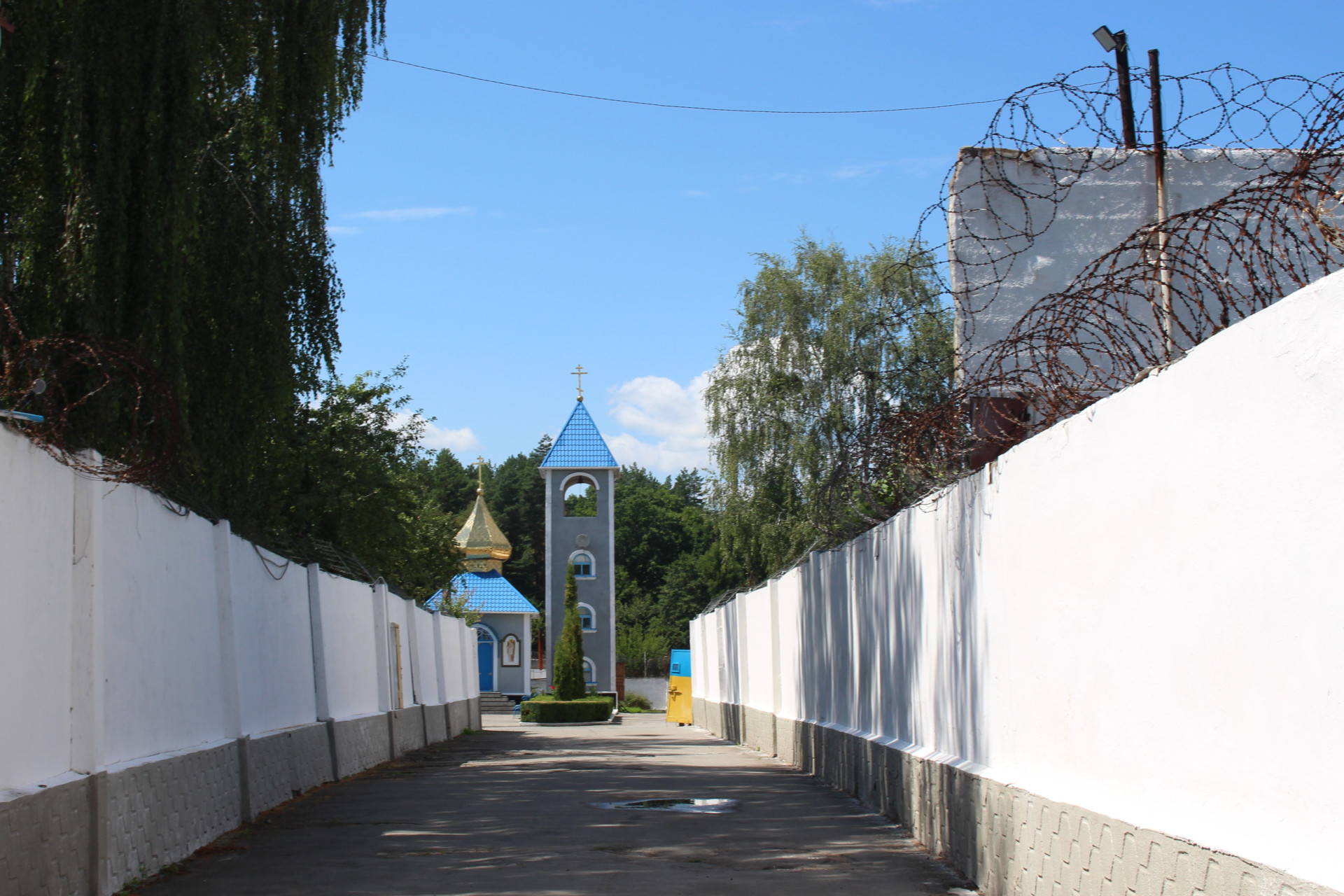
Large-sized areas, sports grounds.

Many convicts from Zaporizhzhia raised the issue that they had lost social ties and were in need of humanitarian aid.
Poor quality of drinking water, and the convicts make improvised filters.
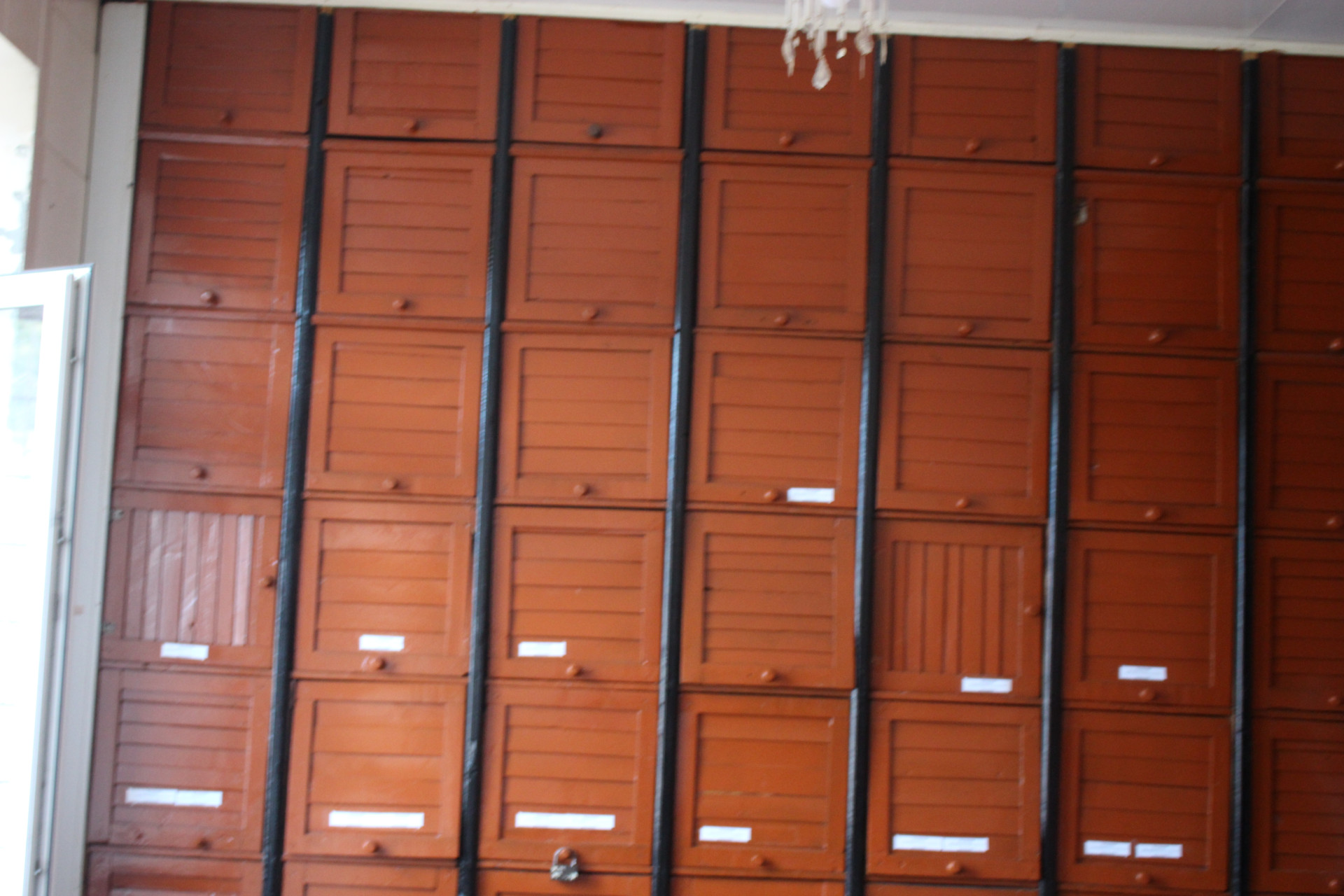
Dining room. Food storage crates:
200 convicts who were evacuated from the Donetsk region are distributed across various units. There are general needs for clothing, food products, funds for telephone calls, and purchasing food and items at the shop.
DIZO, PKT, DPK
The DPK area is not used due to a lack of necessity.
Of the 24 cells, 7 renovated ones are in use.
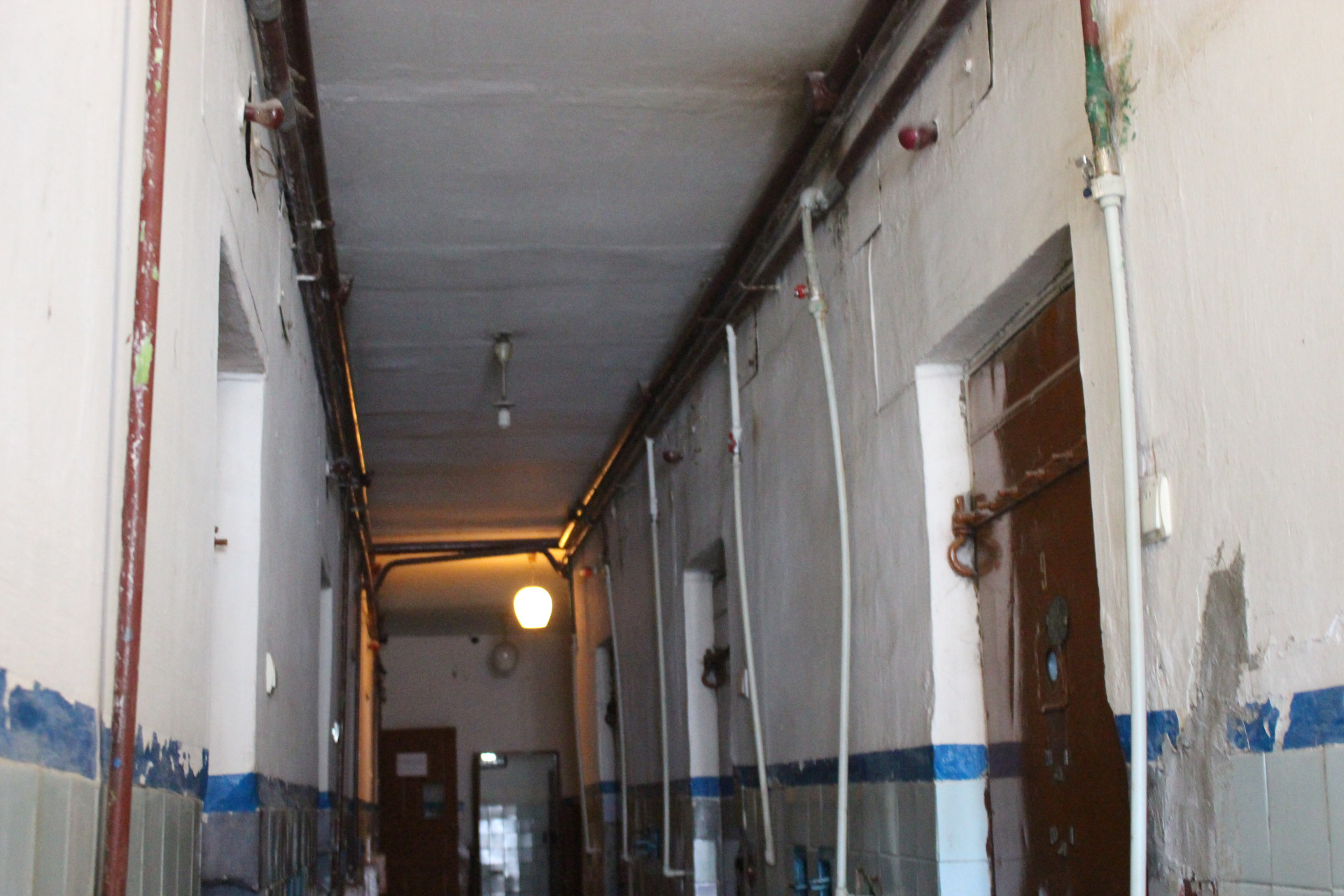
6 people were held in the disciplinary ward (DIZO).
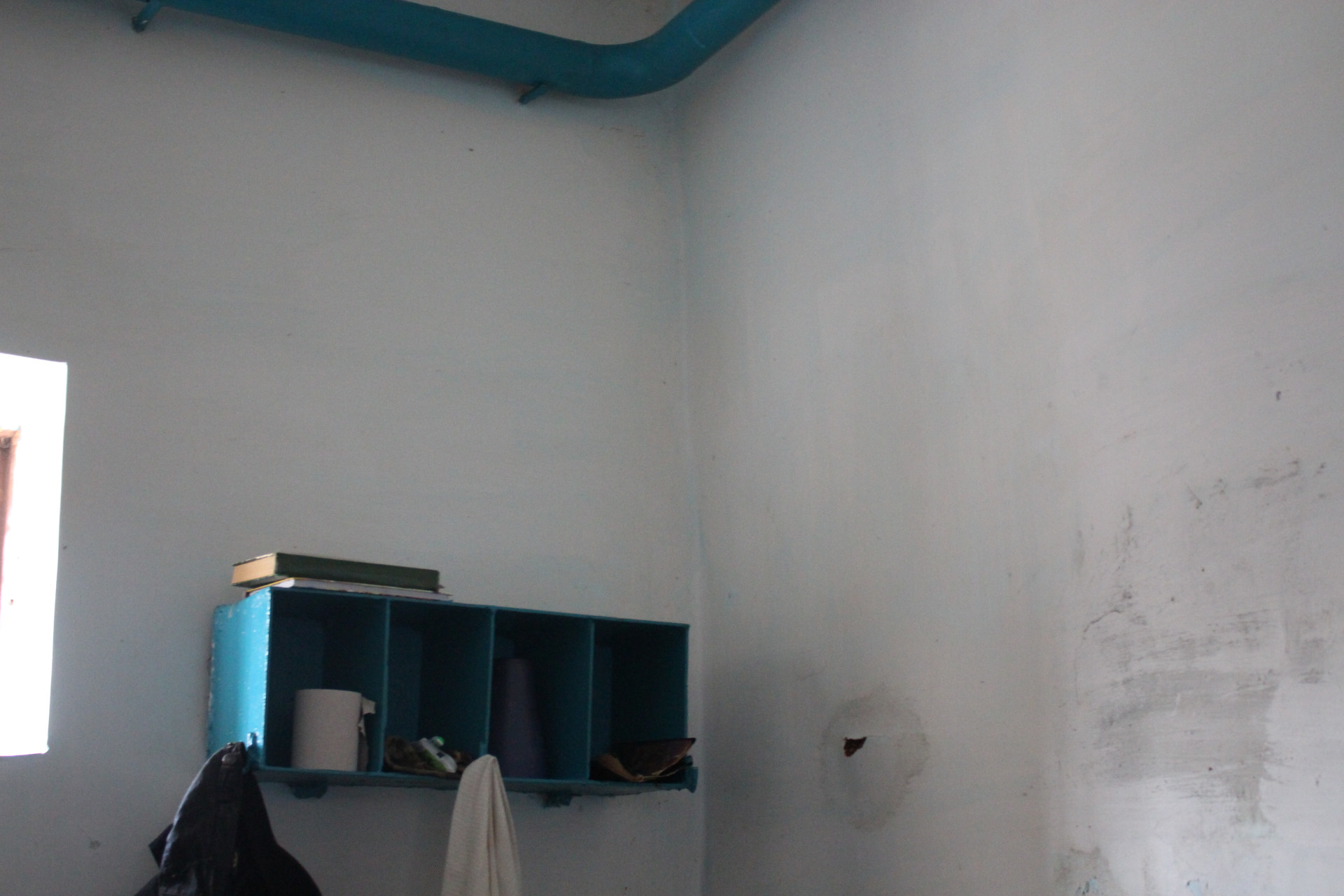
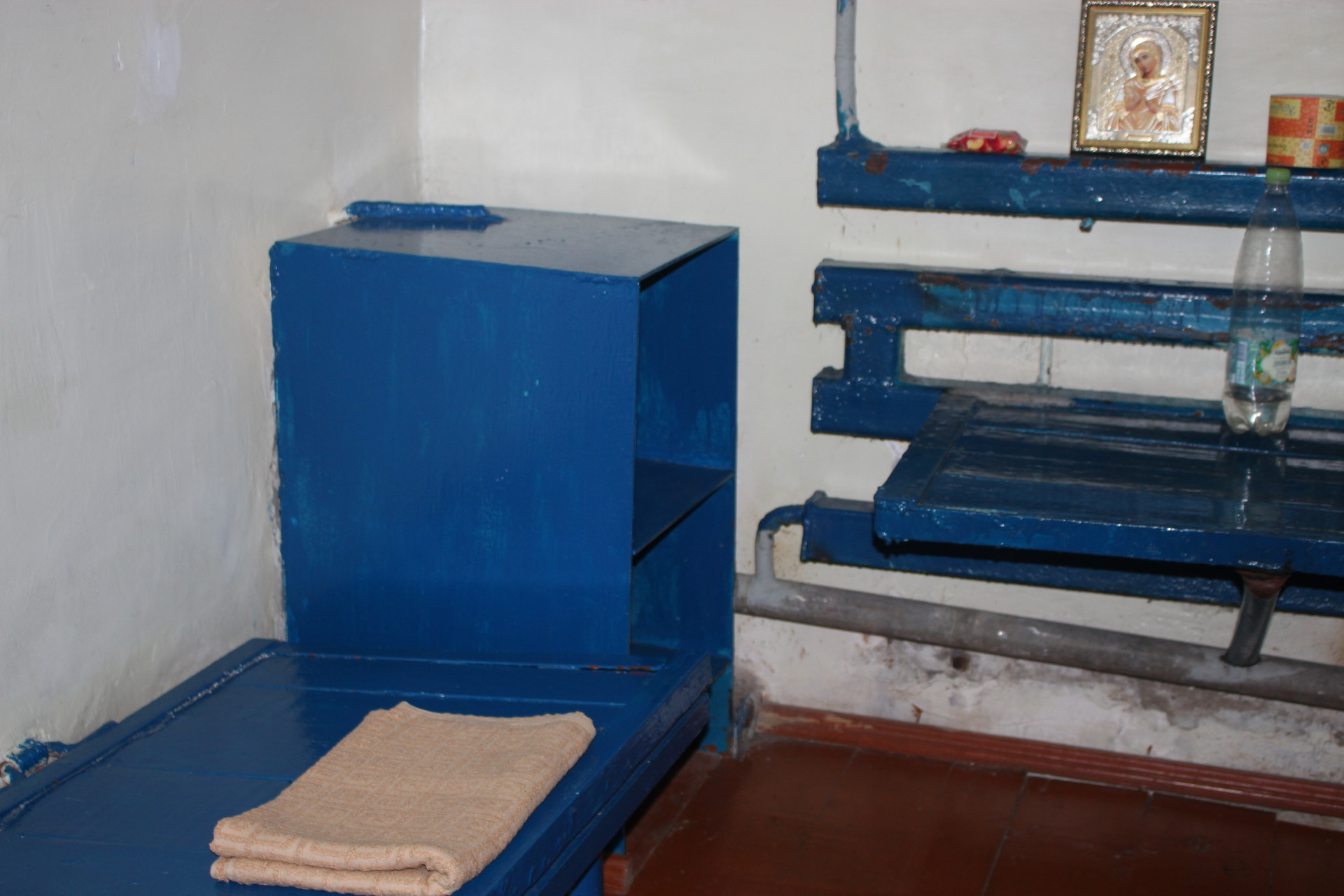
According to the administration, a conflict occurred among the convicts transferred from the Donetsk region. The administration decided to apply disciplinary penalties. No one among the convicts attempted to appeal the penalties, as they considered the punishment fair.
Convict P. lived in Donetsk and cannot obtain a passport. As the institution's staff explained, the problem is real: the system cannot see his data.
The administration attempts to use the penalty of placement in the disciplinary ward only in exceptional cases; the PKT is used very rarely; the DPK cells are not used at all.
As the administration representatives point out, the cells used to be overcrowded; now, the methods for achieving resocialisation and social adaptation are changing conceptually.
BATHHOUSE
A paramedic’s corner is not equipped in the bathhouse premises.
HOUSEHOLD DEPARTMENT
40 people are working.
KITCHEN
Vegetable processing workshop:
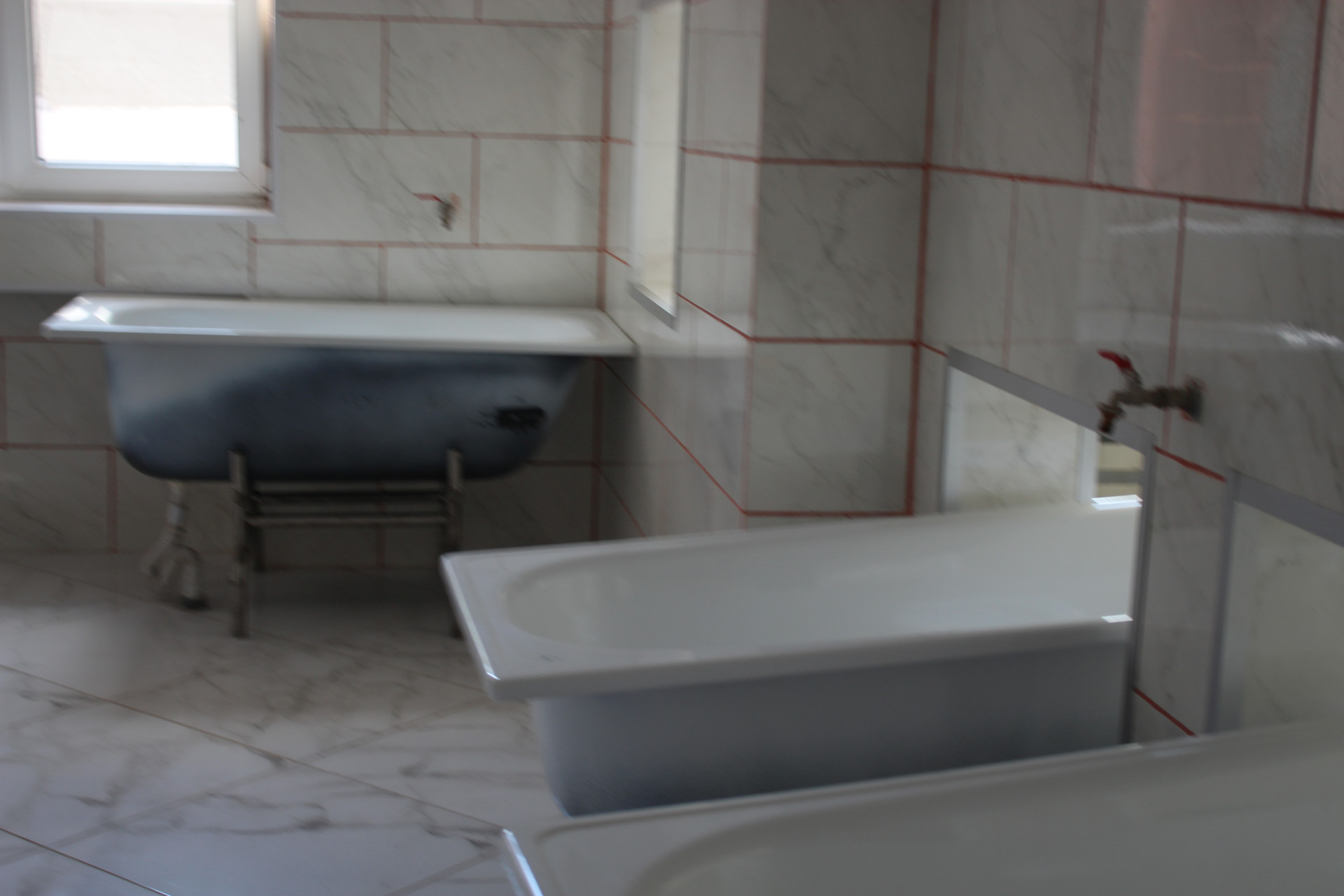
Bread is being baked:
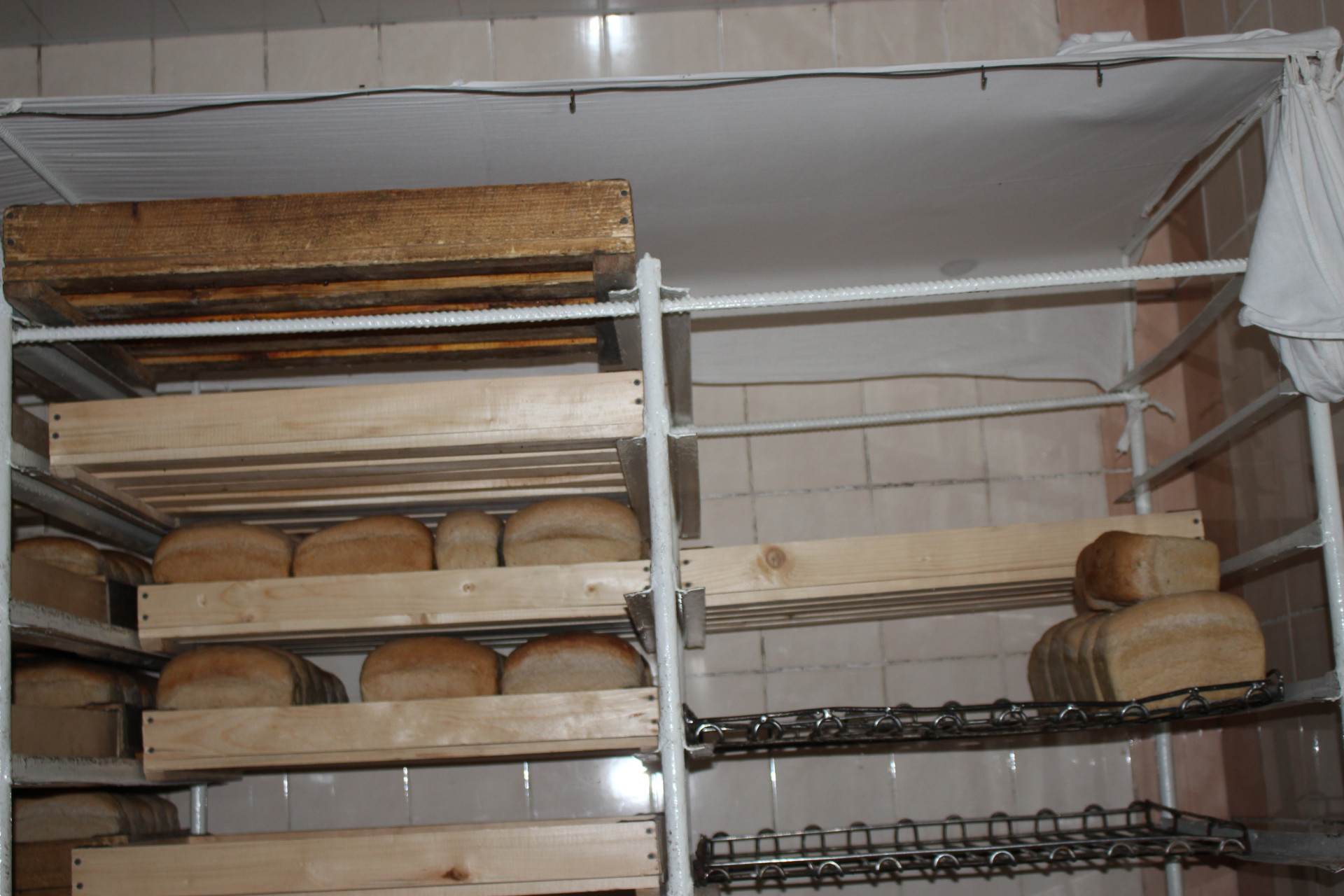
Cooking workshop:

Fish processing workshop:
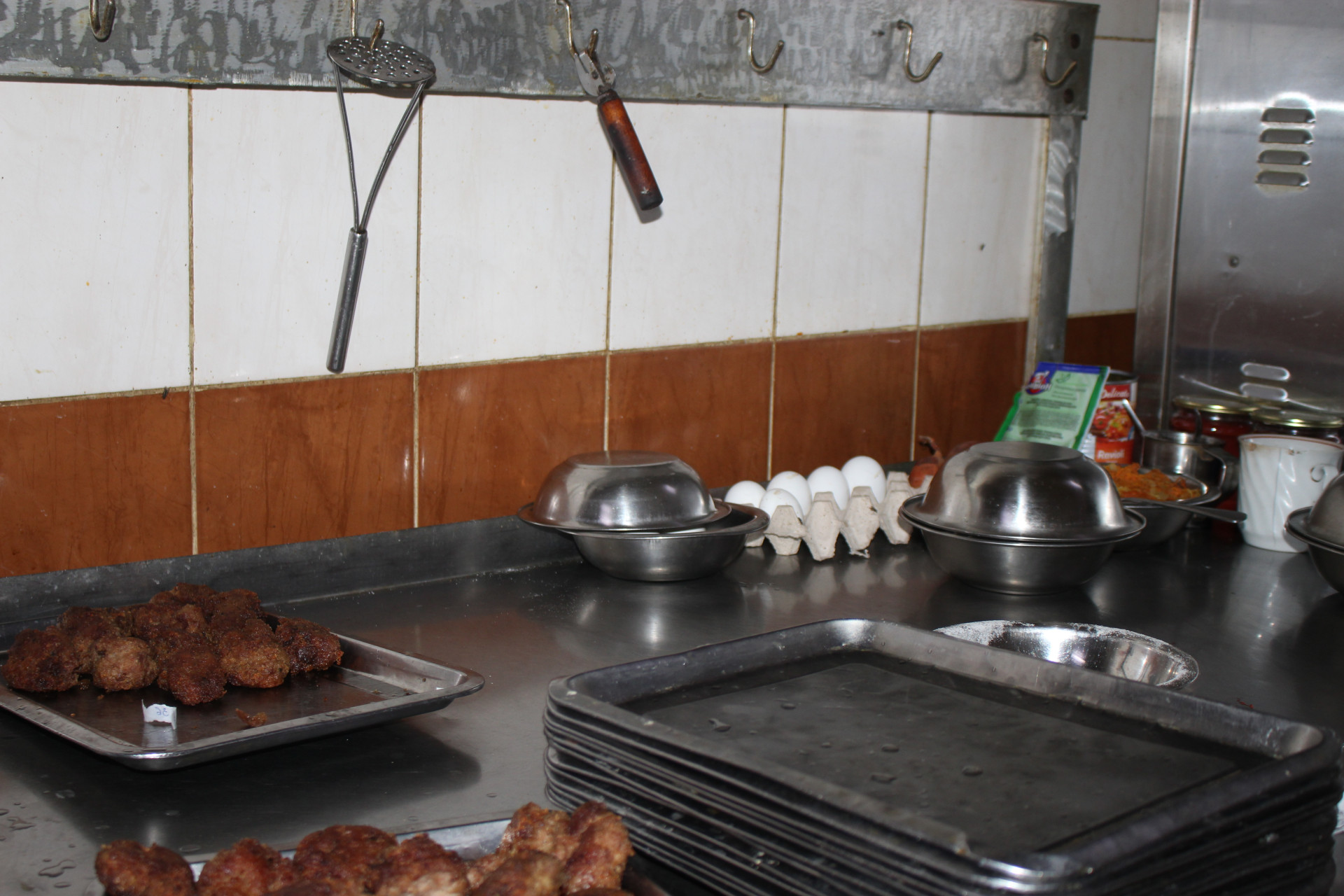
Mashed potatoes and fish were being prepared for dinner.
Dishwashing:
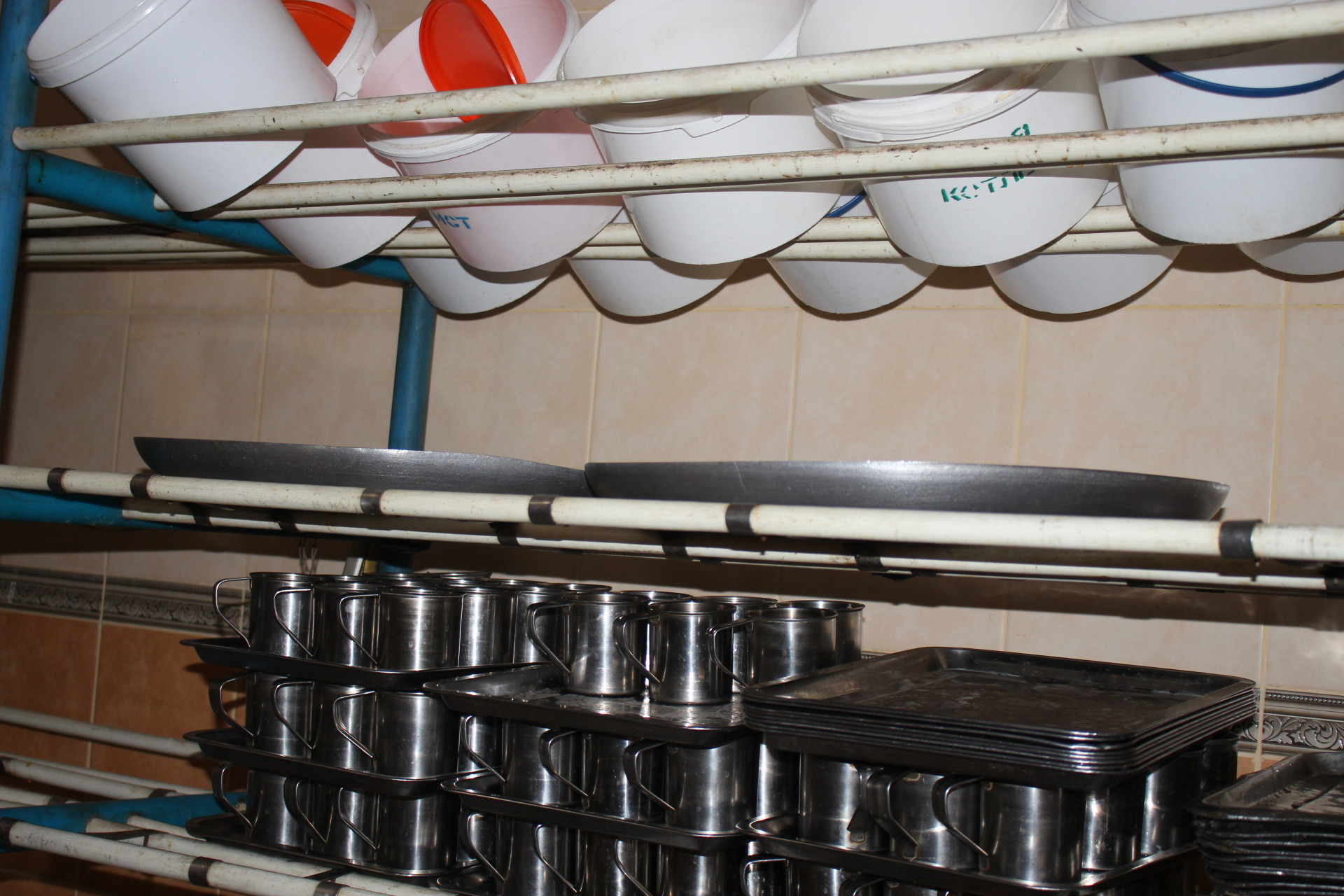
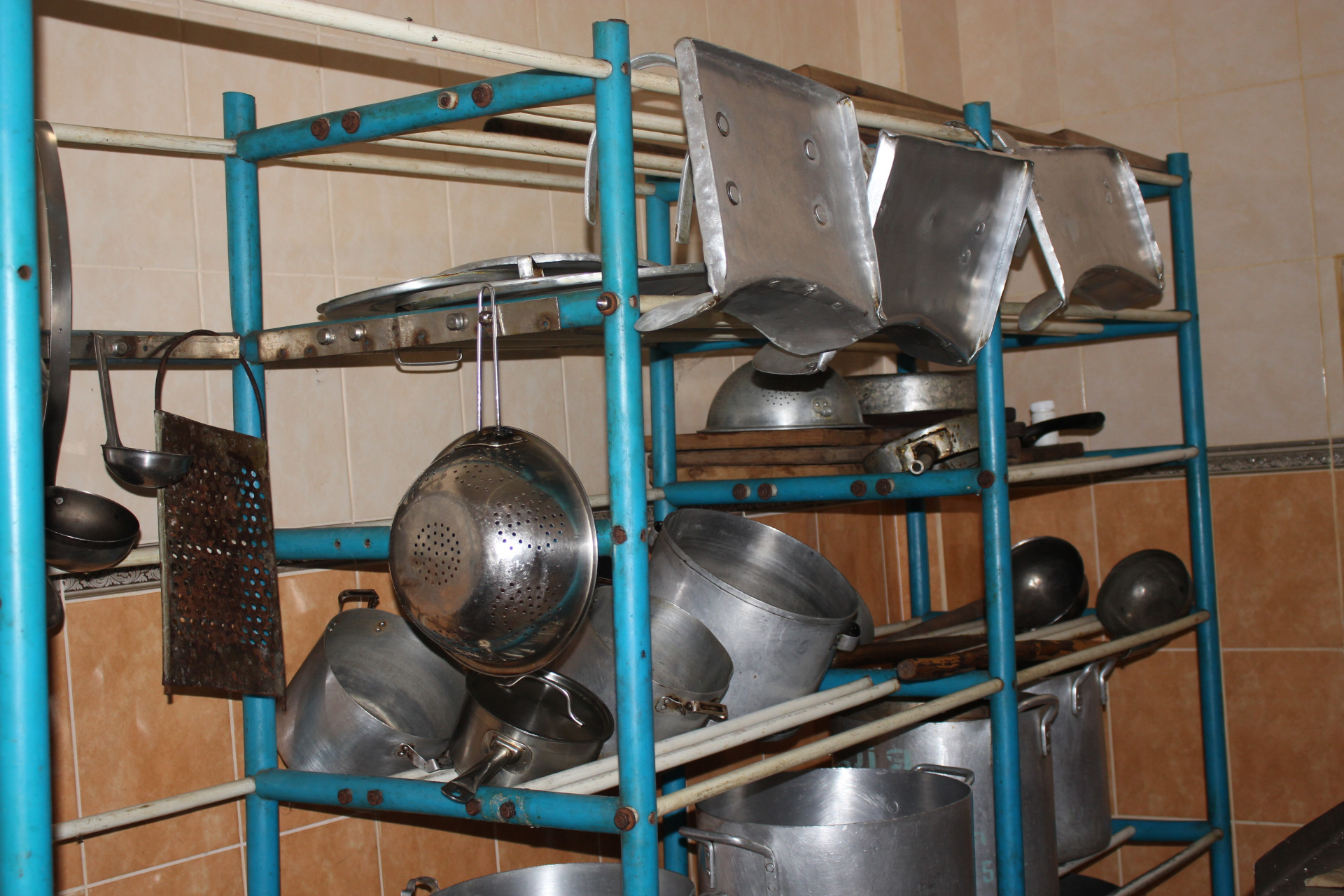
There is no dishwasher; dishes are washed by hand.
PRODUCTION
A large number of transferred individuals express a desire to work, however, a problem exists due to a certain number of individuals lacking documents.
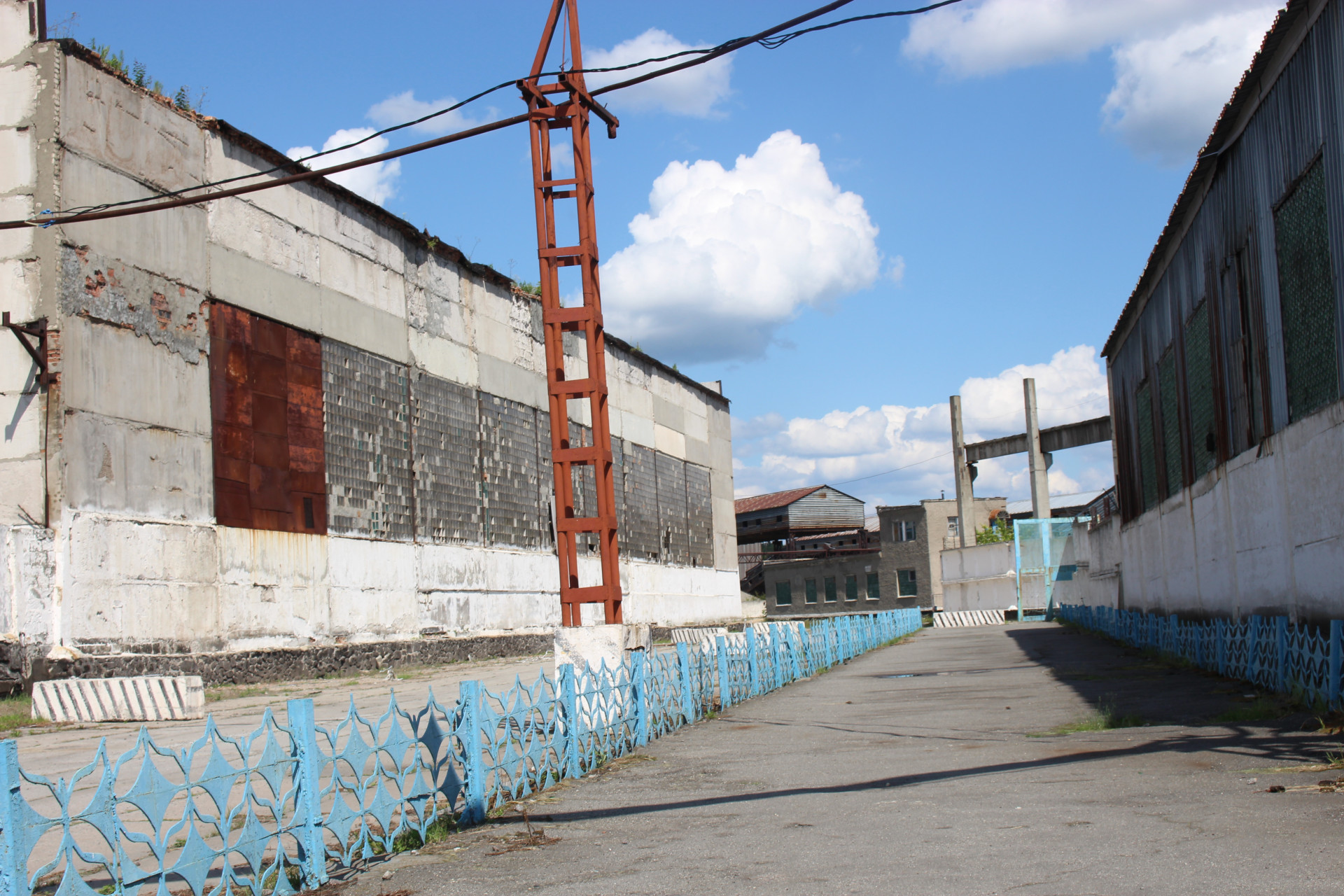
Production of cinder blocks, concrete structures.
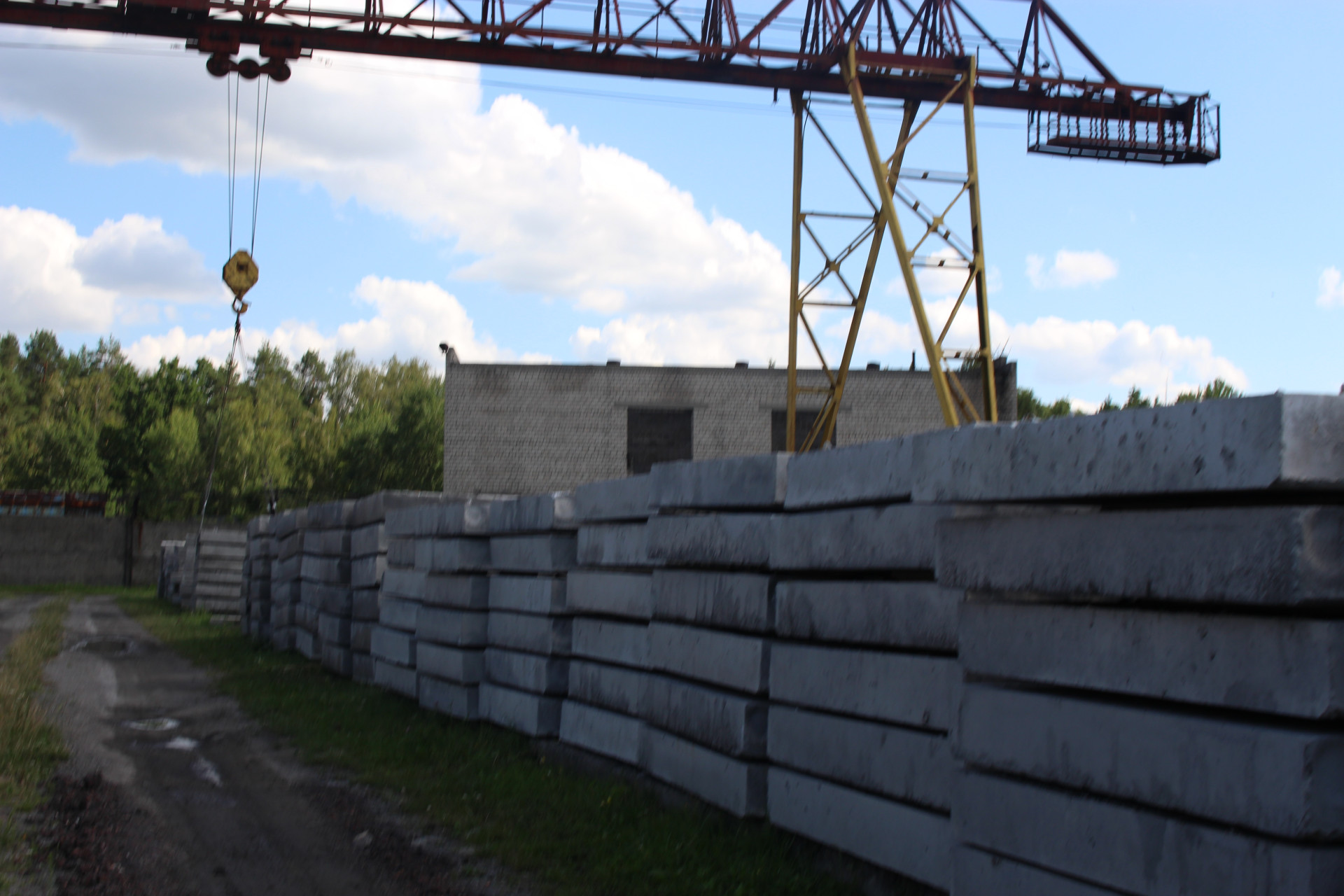
The production area is large, but due to the war and low competitiveness, the workshops have been mothballed, and the quarry is not operating.
Before the war, timber was cut for export to Europe and China; today, due to the lack of a sales market, this production is also not operating.
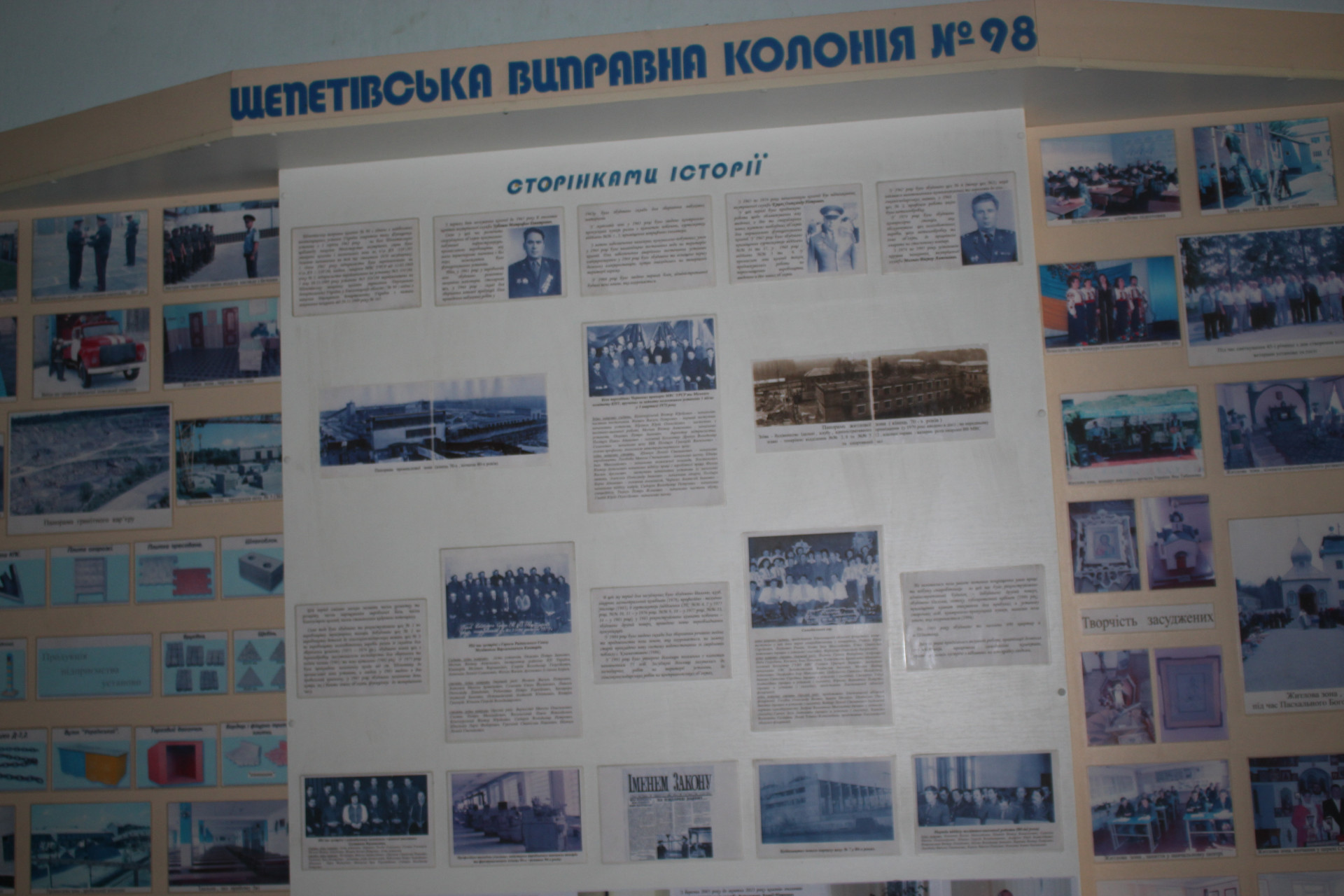
Pages of history: