Monitoring visit to State Institution 'Kazankivska Correctional Colony No. 93'
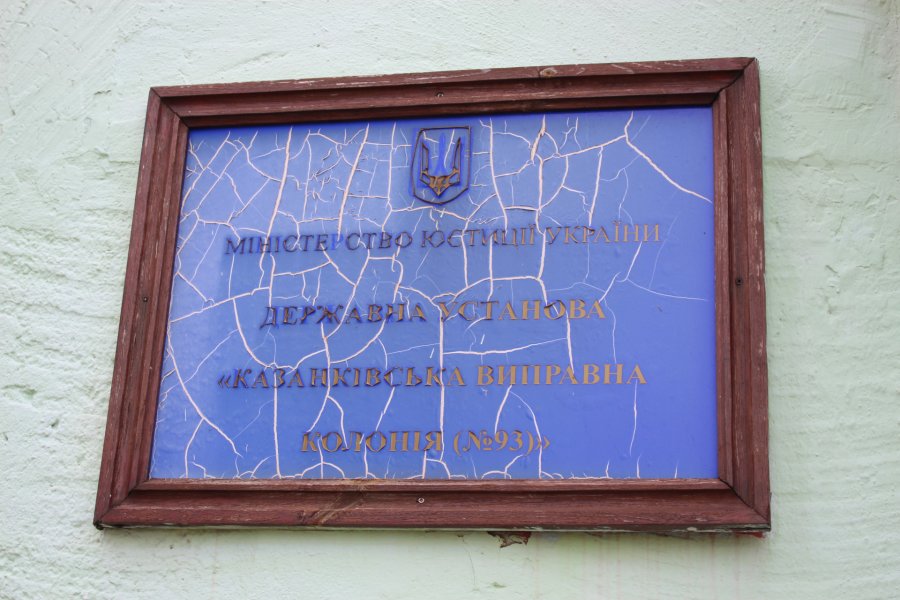
On 16 November 2022, a monitoring group, consisting of an assistant to the People's Deputy of Ukraine Kostiantyn Kasai, a member of the Public Council under the Ministry of Justice of Ukraine Serhiy Zuikov, an assistant to the People's Deputy of Ukraine Yaroslav Yurchyshyn, KHPG programme coordinator Andrii Didenko, and journalist Oleksiy Yaroslavtsev, carried out a visit to the state institution “Kazankivska Correctional Colony No. 93”.
The main task of this preventive monitoring visit was to analyse the institution's operations during the war and the observance of human rights and freedoms. Approaching the institution proved to be very difficult; the road is in an extremely poor condition. Communication with the head of the institution lasted forty minutes before the monitors were allowed onto the premises.
The head of the institution is Colonel of the Internal Service Oleksandr Yuriyovych Savenko. The monitors were accompanied by the Deputy Head for Supervision, Security, Protection, and Operational Work, Major of the Internal Service Yevheniy Mykolayovych Boreiko.
General information
Kazankivska Correctional Colony No. 93 is a medium-security penal institution for holding individuals who have previously served sentences in places of confinement, built in 1964. On the grounds of the colony, there is a maximum-security sector for holding prisoners serving life sentences who have been transferred to multi-person cells. There is an arrest house on the territory of the institution. There is also a pre-trial detention unit on the premises, but at the time of the visit, there was no one in this unit.
Due to the evacuation from the Zaporizhzhia region and Orikhiv, 21 people were transferred to the colony.
There are 9 operating SPS (Social and Psychological Service) departments; one is under repair and 2 are mothballed.
42 prisoners are ostracized from the general population in total.
There are 2.6 prisoners for every staff member.
In 2021, 1 prisoner died; in 2022, 4 died.
35 prisoners are employed, all under labour contracts.
The average monthly salary of employed prisoners is 1,147 hryvnias.
There were 8 people in the DIZO and 6 in the PKT.
In the medical facility of the Health Care Center of the State Penitentiary Service on the premises, there were 5 people, and in the Ministry of Health medical facility, there was 1. There are 56 people registered with HIV/AIDS; 8 are prone to suicide. In 2021, there was 1 suicide.
15 prisoners are prone to self-harm; 4 are prone to escape.
12 people are registered as malicious violators of the detention regime.
Between 2021 and 2022, not a single complaint was registered from prisoners regarding inadequate detention conditions or inadequate medical care.
3 people have a Group II disability, and 4 people have a Group III disability.
In 2021, 281 people were released, 50 of them on parole, and 4 were transferred to improved detention conditions.
In 2022, 210 people were released, 36 of them on parole.
In 2021, 5 cases of bodily injuries were recorded during the stay in the institution; in 2022, there were 4 such cases.
This year, special means—handcuffs—were used 14 times.
In 2021, 14 long-term visits took place; in 2022, 18. There were 84 short-term visits in 2021 and 25 in 2022.
During the current year, 681 people were tested for SARS-CoV-2 (IgG, IgM).
The monitors familiarised themselves with the acts of prosecutorial response for the last six months; journals of reports on violations of the established detention regime and other offences by prisoners; journals of individual educational work among prisoners; logs recording bodily injuries in persons arriving at the penal institution; diaries of socio-educational work with prisoners; acts on the use of special means, straightjackets, and physical force against prisoners; and logs recording hourly checks of presence, among others.
Medical Unit
The head of Medical Unit No. 93 of the branch of the state institution “Health Care Center of the State Penitentiary Service of Ukraine” in the Mykolaiv region (hereinafter — the medical unit) is O.O. Tsymbal.
Medical Unit No. 93 conducts medical examinations of prisoners according to the order of the Ministry of Justice of Ukraine and the Ministry of Health of Ukraine dated 15.08.2014, No. 1348/5/572. Licence No. 2639 dated 21.12.2019.
The medical unit has the following staffing positions:
- head of the medical unit — 1.0 positions;
- general practitioner — 0.75 positions (0.25 vacant);
- dentist — 0.5 positions;
- radiologist — 0.5 positions;
- psychiatrist — 0.5 positions;
- paramedic — 1.5 positions (2.5 vacant);
- dental nurse — 0.5 positions;
- nurse — 1.0 positions;
- X-ray laboratory technician — 0.5 positions;
- clinical laboratory technician — 0.5 positions;
- junior medical nurse — 1.0 positions;
- pharmacist — 0.5 positions.
On the day of the visit, 3 patients were undergoing treatment in the medical unit's inpatient ward, with the following diagnoses: femoral neck fracture; excitable psychopathy; chronic obstructive pulmonary disease.
During the inspection by the monitoring group, it was established that for patients in the inpatient ward, no inpatient medical records (form No. 003/o) were created, in which all data regarding treatment and diagnostics in the medical unit's inpatient ward should be entered—specifically those obtained during the examination of the sick prisoner, along with a prescription sheet. This, in turn, indicates improper maintenance of medical documentation.
The medical unit's inpatient ward has 2 wards for somatic patients, designed for 5 beds; an infectious disease isolation ward, which has 1 room for 4 beds (the room lacks a shower and toilet). There is no isolation ward for the mentally ill.
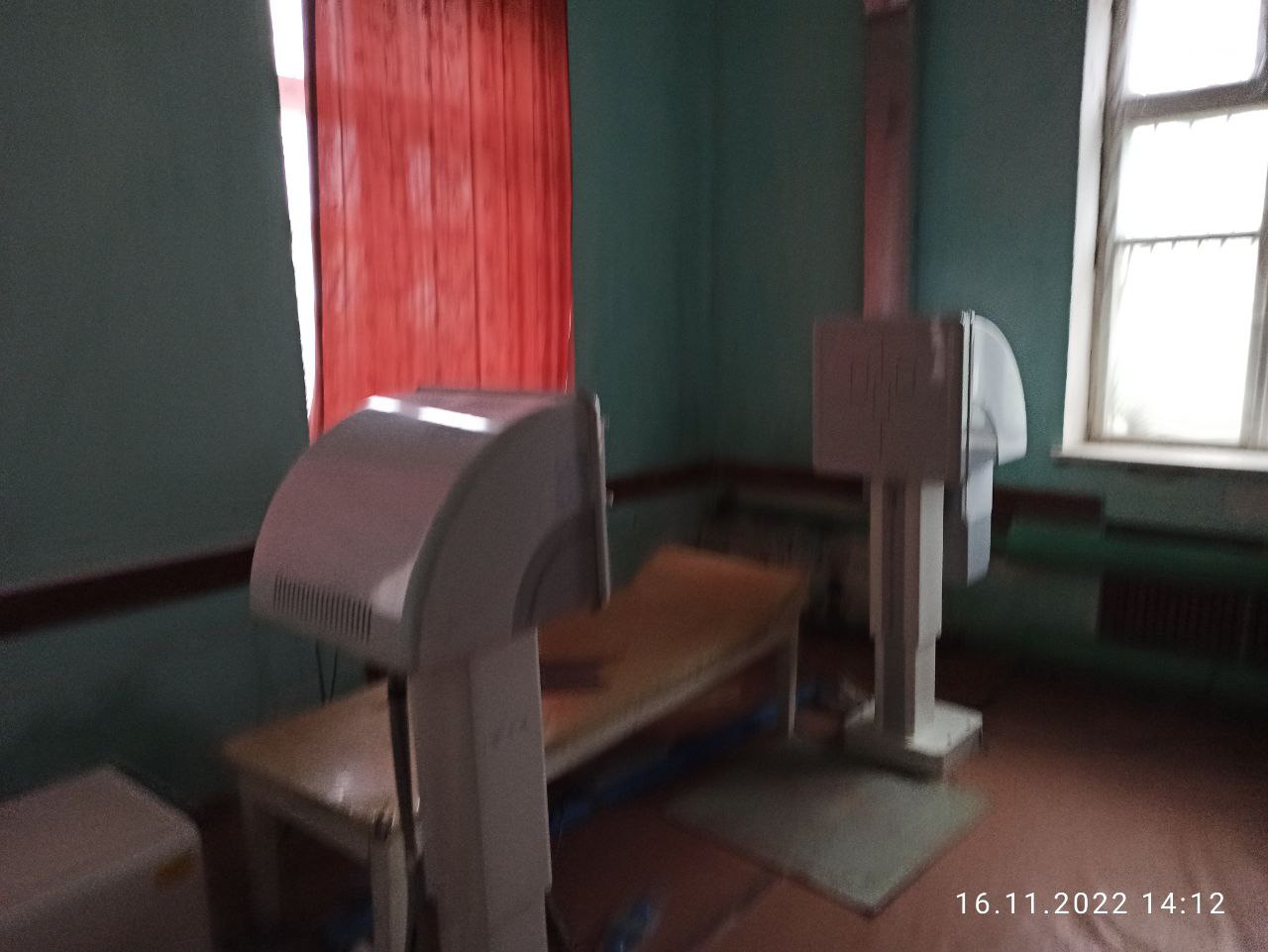
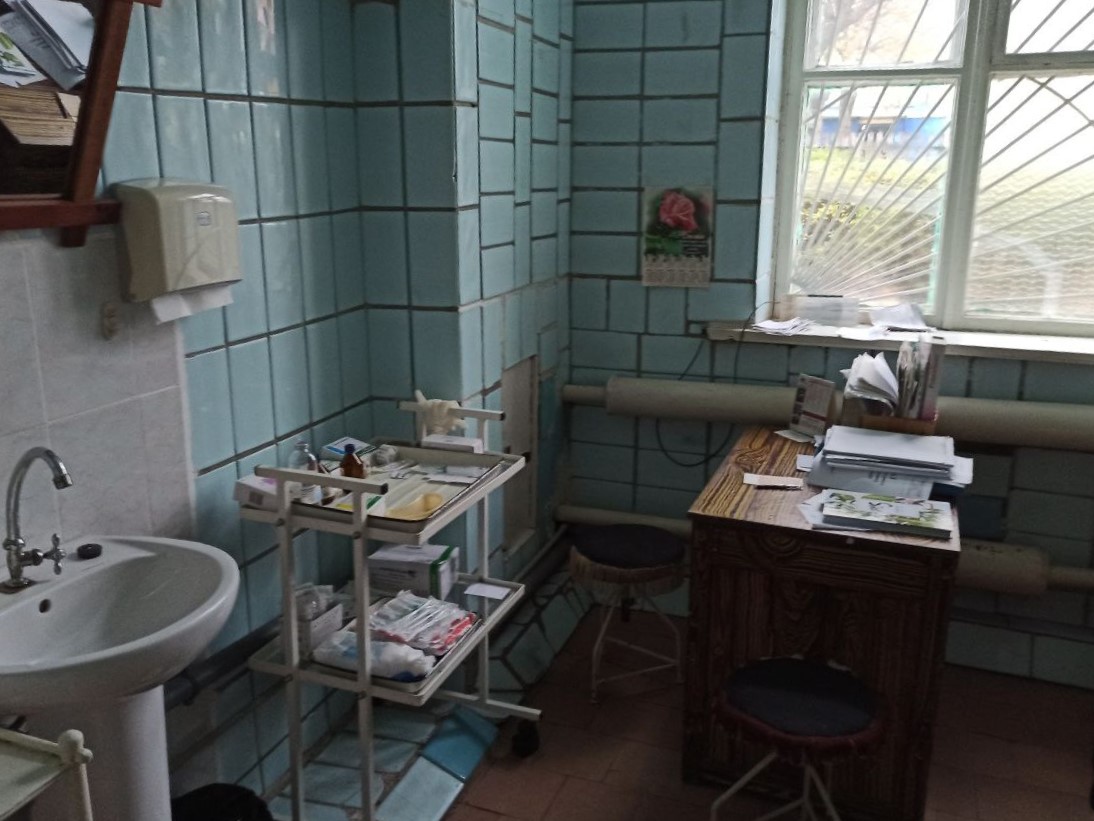
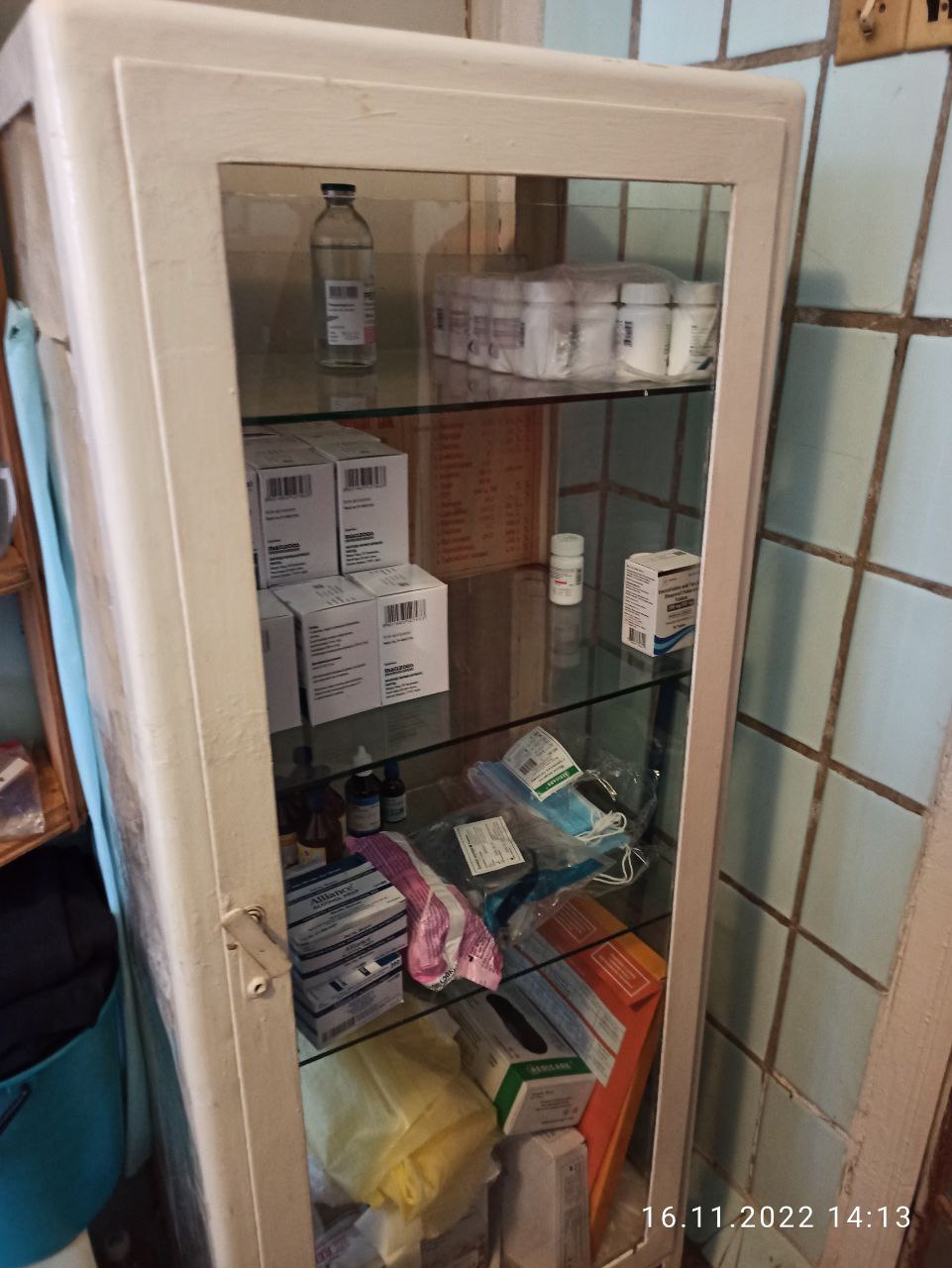
The medical unit includes: the office of the head of the medical unit (general practitioner), a dental office, an X-ray room, a laboratory and procedure room, and an outpatient reception office.
X-ray room:
Laboratory and procedure room:
Outpatient reception office:
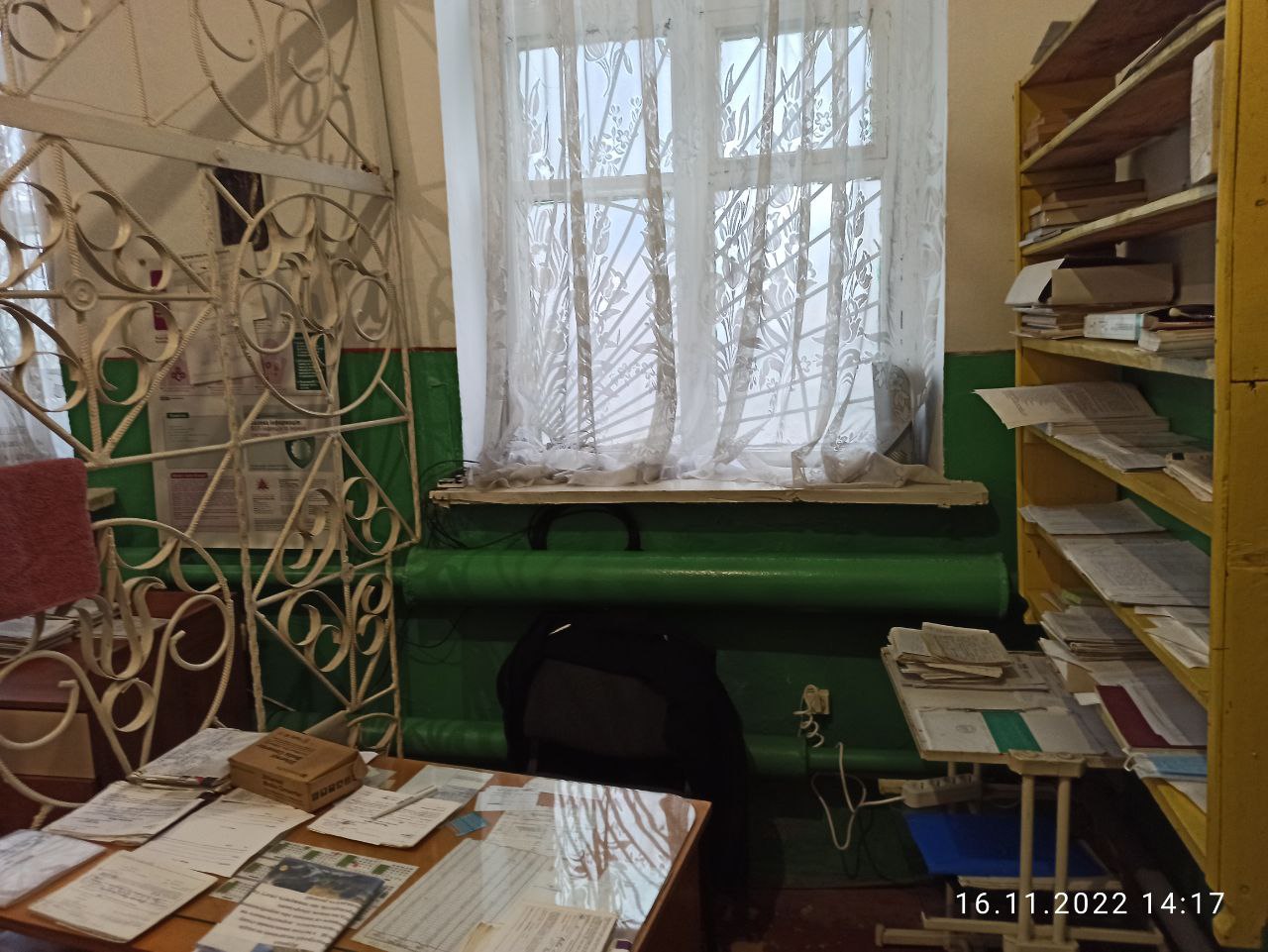
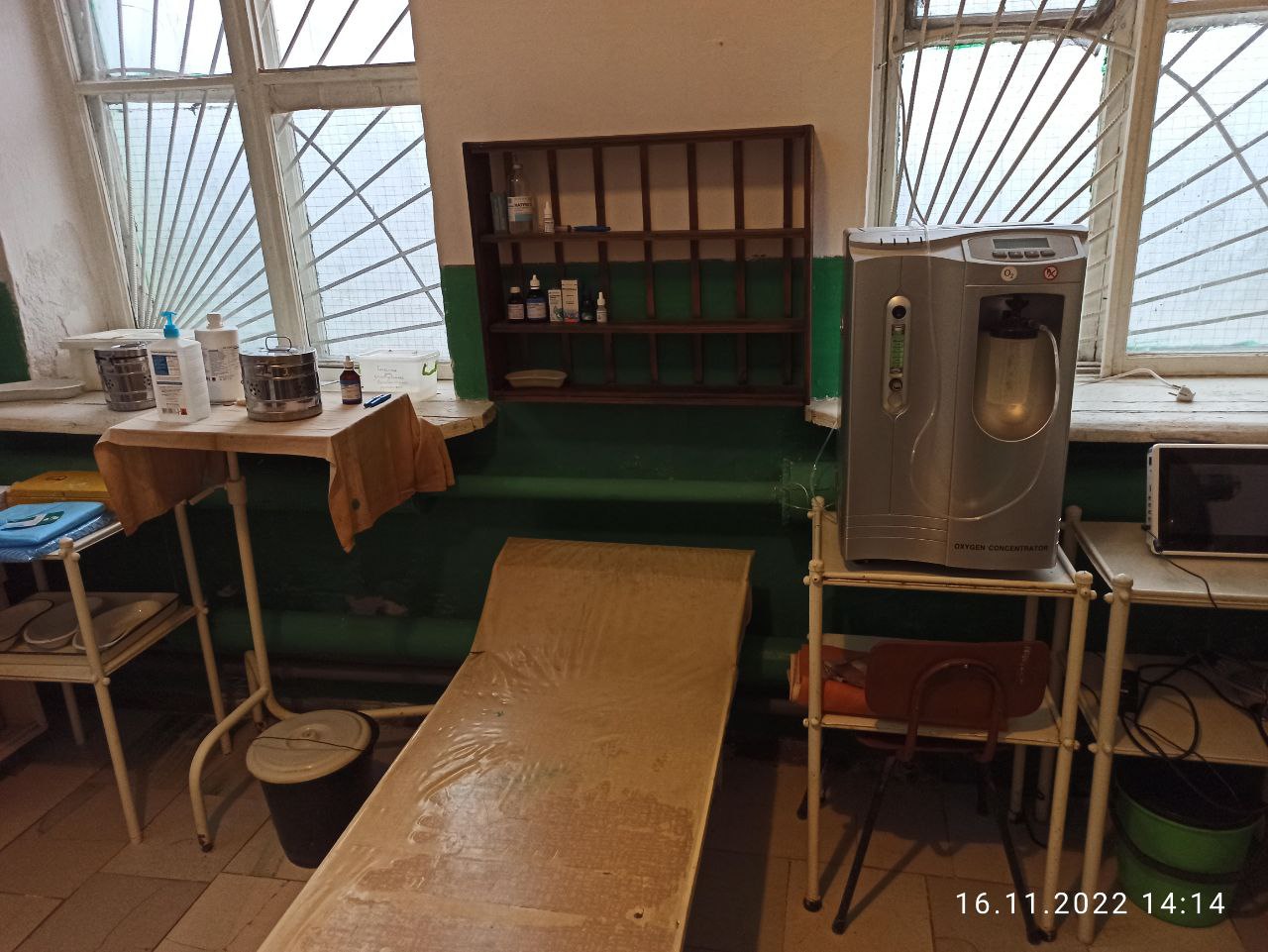
The medical unit's inpatient ward, in violation of the requirements of the “Norms for the provision of bedding, special clothing, and special footwear (inventory property) for prisoners undergoing treatment in medical-preventive institutions, institutions with medical rights, and medical units at penal institutions and pre-trial detention centres,” approved by the order of the Ministry of Justice of Ukraine dated 20.02.2012 No. 280/5, is not provided with hospital property (hospital suit, robe, and shoes) for persons undergoing treatment. Consequently, persons in the inpatient ward are dressed in daily clothing and do not have change-of-footwear, which does not ensure the proper sanitary state of the healthcare facility.
All prisoners arriving at the Kazankivska Correctional Colony No. 93 undergo an initial medical examination within 24 hours (for pediculosis, bodily injuries, and other diseases). During this, their state of health and working capacity are assessed. HIV-infected prisoners, persons who have recovered from tuberculosis, and those with chronic liver or gastrointestinal diseases, etc., are placed under dispensary observation.
Under dispensary observation are: 97 people with somatic diseases; 7 people with disabilities, including 4 with Group III and 3 with Group II; 47 people with tuberculosis (category 5.1); and 16 people with mental disorders.
At the same time, in violation of clause 8, paragraph 5, chapter 2 of the Procedure, the inpatient ward lacks an isolation room for persons with mental disorders for prisoners who pose a danger to others and create a dangerous environment among the prisoner population.
Prisoners with mental and behavioural disorders resulting from the use of psychotropic substances do not receive restorative therapy in the inpatient medical unit using substances that affect metabolic processes, nor sensitising therapy.
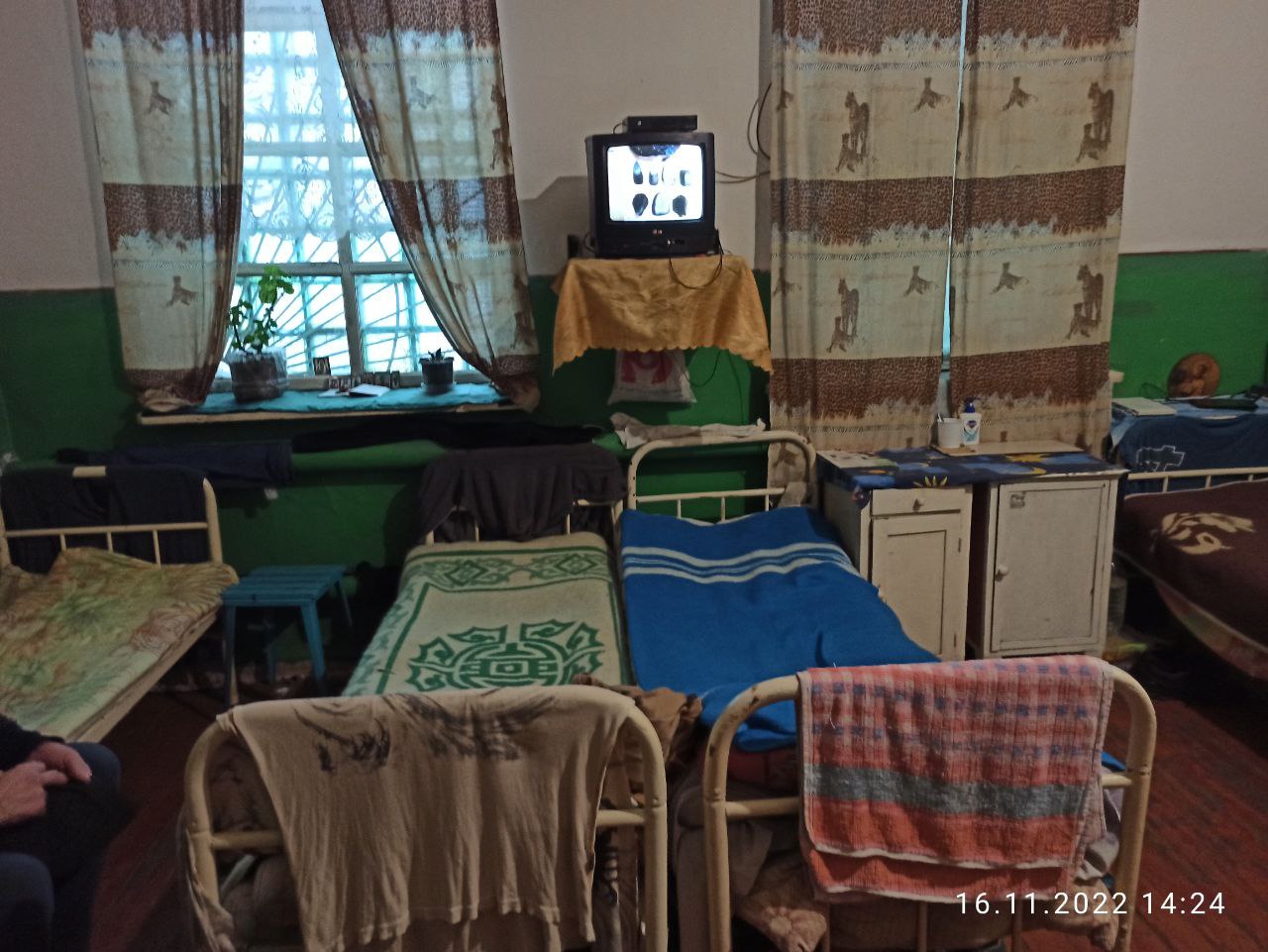
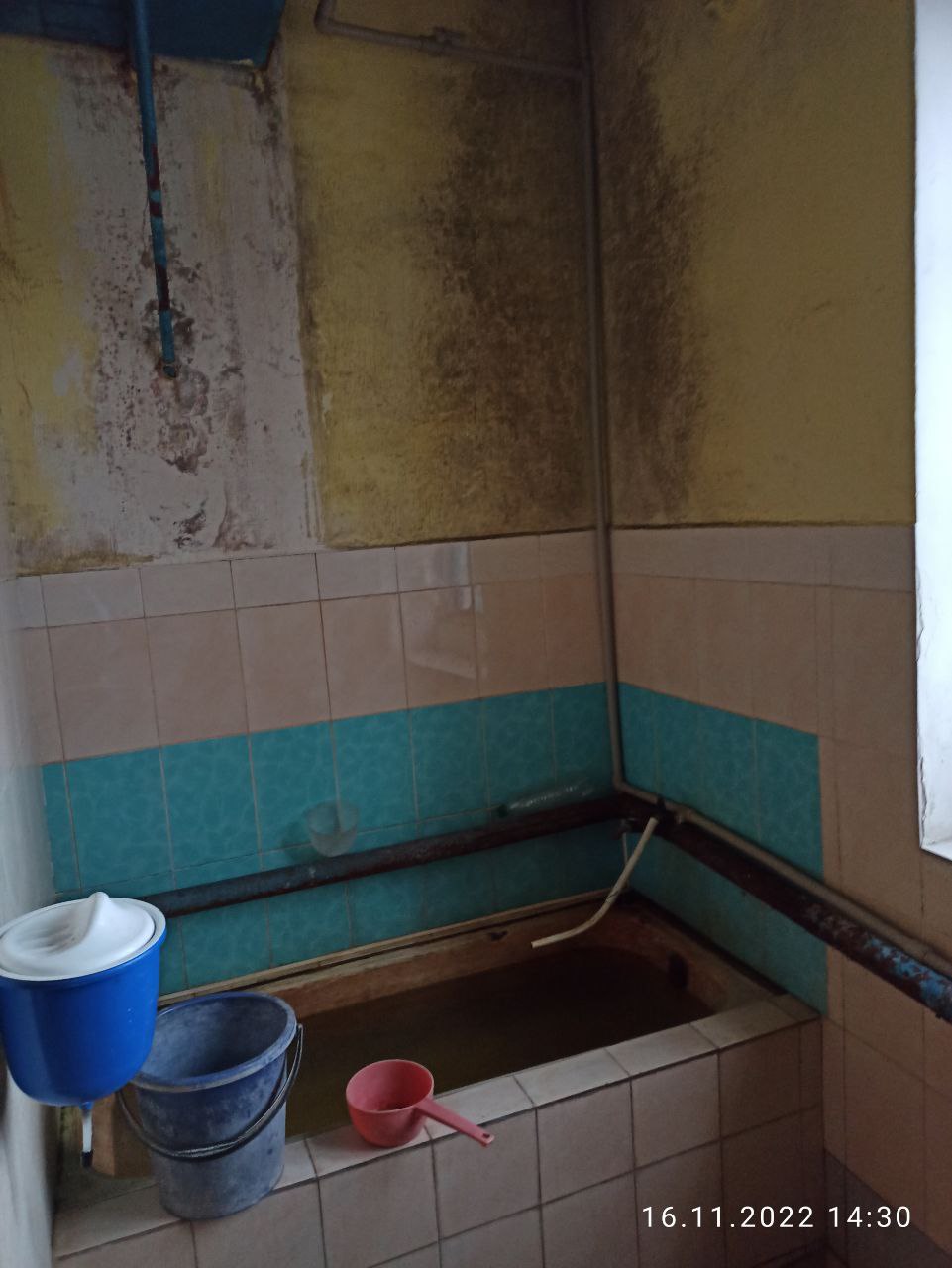
There are 56 HIV-infected persons registered (56 are receiving ART). During the current year, 40 immunological examinations (CD-4) and 37 virological examinations (viral load) were conducted.
The staffing table does not include a position for an infectious disease specialist. As the head of the medical unit explained, consultations are held with an infectious disease specialist from the Mykolaiv City Medical Unit of the state institution “Health Care Center of the State Penitentiary Service of Ukraine” in the Mykolaiv region. However, there is no schedule for the doctor's reception.
At the request of the monitoring group to show the available rapid HIV tests, the medical unit staff showed a package of rapid HIV tests (batch V20190402), the expiration date of which was 10.07.2020. It is worth noting that the results of studies obtained using expired rapid HIV tests cannot be considered valid. At the same time, according to data provided by the medical staff, 371 people were tested with rapid tests over the year, among whom 1 person was newly identified. Thus, the data regarding the number of HIV-infected persons in the institution are likely incorrect and require verification, which indicates that the consistency of dispensary observation for HIV-positive persons, the implementation of clinical-laboratory monitoring of the disease progression, and the conduct of antiretroviral therapy, as approved by the order of the Ministry of Health of Ukraine, the Ministry of Internal Affairs of Ukraine, and the Ministry of Justice of Ukraine dated 05 September 2012 No. 692/775/1311/5, registered in the Ministry of Justice of Ukraine on 19 September 2012 under No. 1615/21927, are not properly ensured.
Outpatient reception is carried out daily by the paramedic and doctors; medications are issued, and procedures are performed.
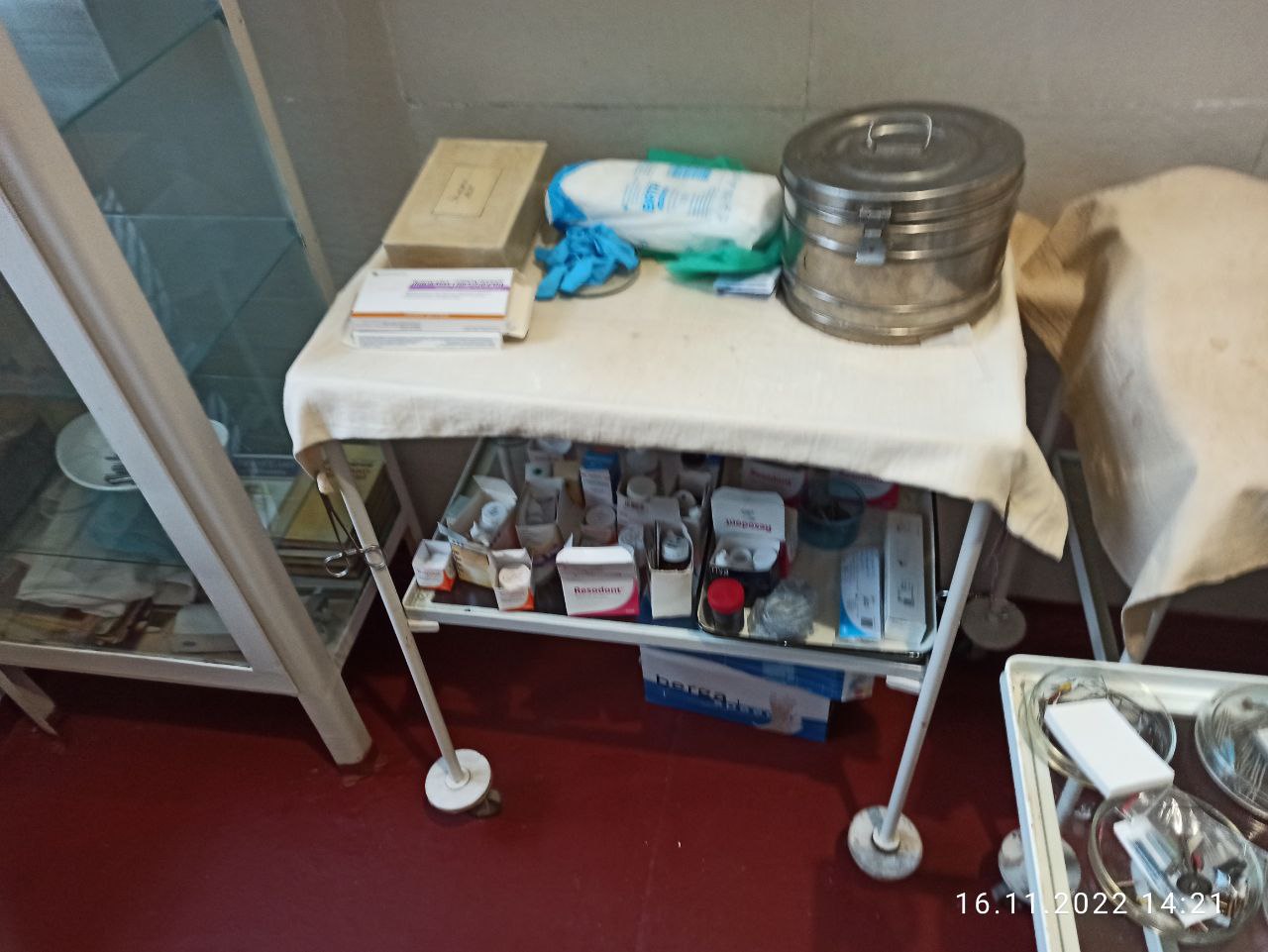
During the inspection of the dental office, the monitoring group discovered a number of medical preparations that had expired.
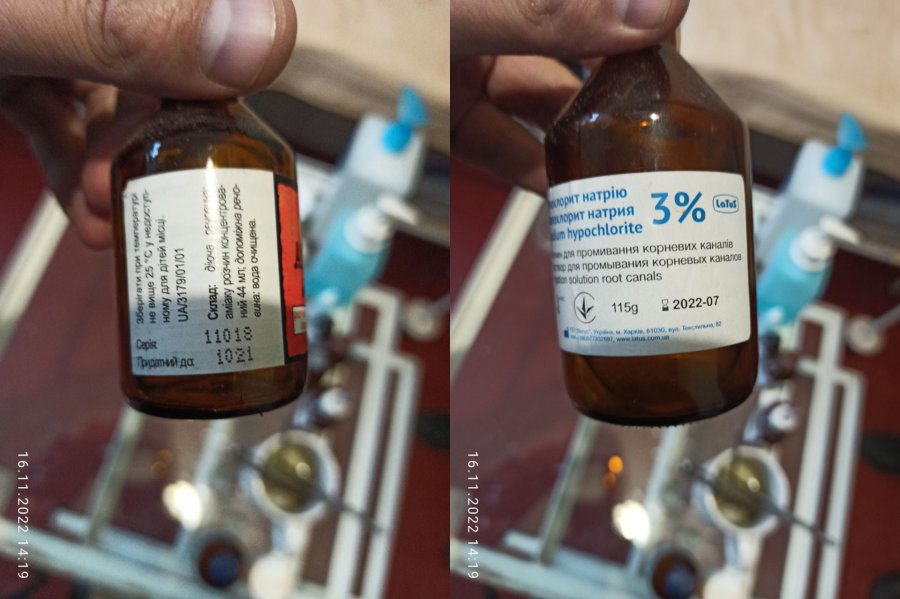
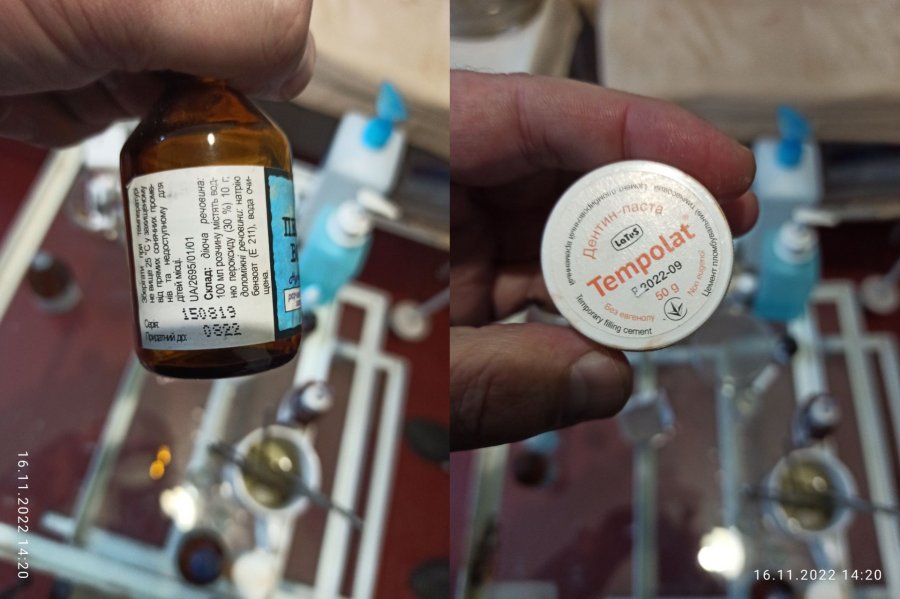
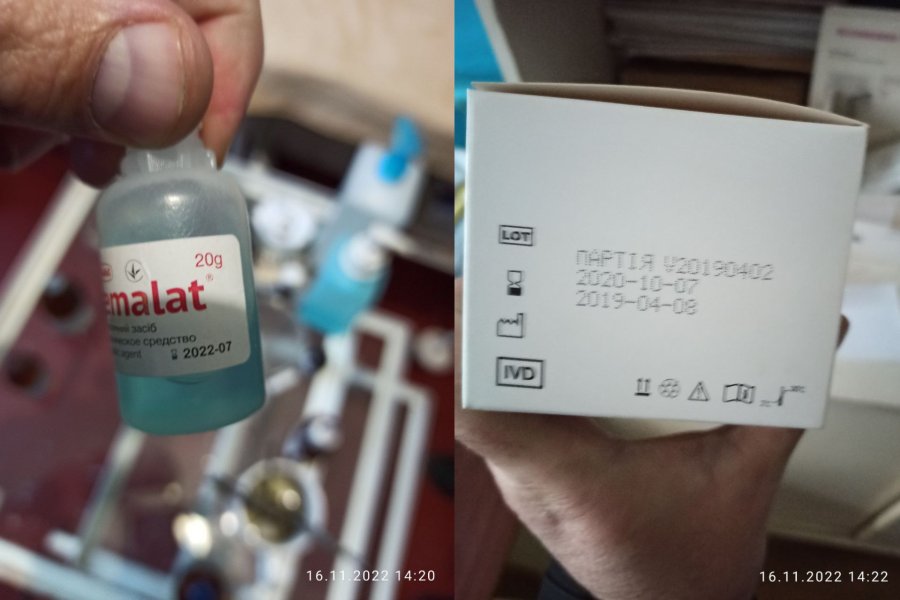
Once a year, a preventive medical examination is conducted to identify and prevent the spread of infectious and parasitic diseases, and to detect general somatic and mental diseases among prisoners. A general practitioner, psychiatrist, dentist, and radiologist participate in this work. In the current year, according to the journal of preventive medical examinations, 510 examinations were conducted.
According to the journal of bodily injuries, 11 cases of bodily injuries were recorded in the current year. In the outpatient medical cards (025/o), certificates regarding such injuries are missing, which should include details (written statement, oral or written explanation from the prisoner regarding the circumstances of receiving the injuries (date, time, place, methods of infliction, information about the person(s) who, in the prisoner's opinion, inflicted them, as well as other information regarding the receipt of injuries); a comprehensive description of medical indicators characterising the prisoner's health status, the nature of the injuries, their size and location; assumptions of the medical worker based on information provided by the prisoner and medical indicators, as well as justification of their correlation). Cards of primary fixation of bodily injuries, approved by the order of the State Institution “Health Care Center of the State Penitentiary Service” dated 29.10.2022 No. 318-OD, are stored separately from the inpatient medical cards (025/o). Also missing are attachments in the form of photographs of the existing bodily injuries, as provided for in clause 3 of section 1, chapter II of the joint Order of the Ministry of Justice of Ukraine and the Ministry of Health of Ukraine dated 15.08.2014 No. 1348/5/572 “On approval of the Procedure for the organisation of providing medical care to prisoners sentenced to imprisonment”.
There were 4 deaths in 2022 (sepsis, liver cirrhosis, non-traumatic haemorrhage into the brain, acute heart failure).
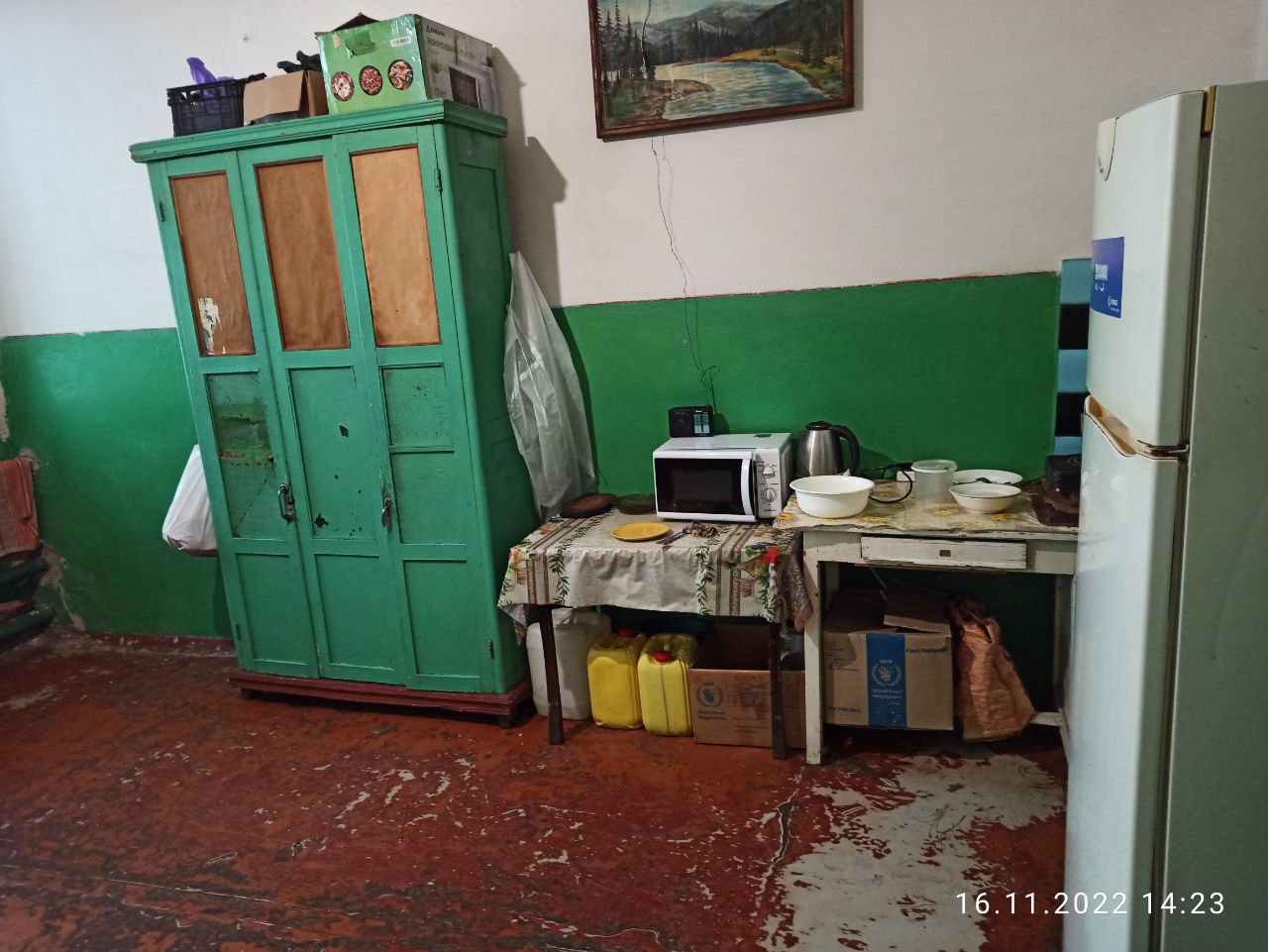
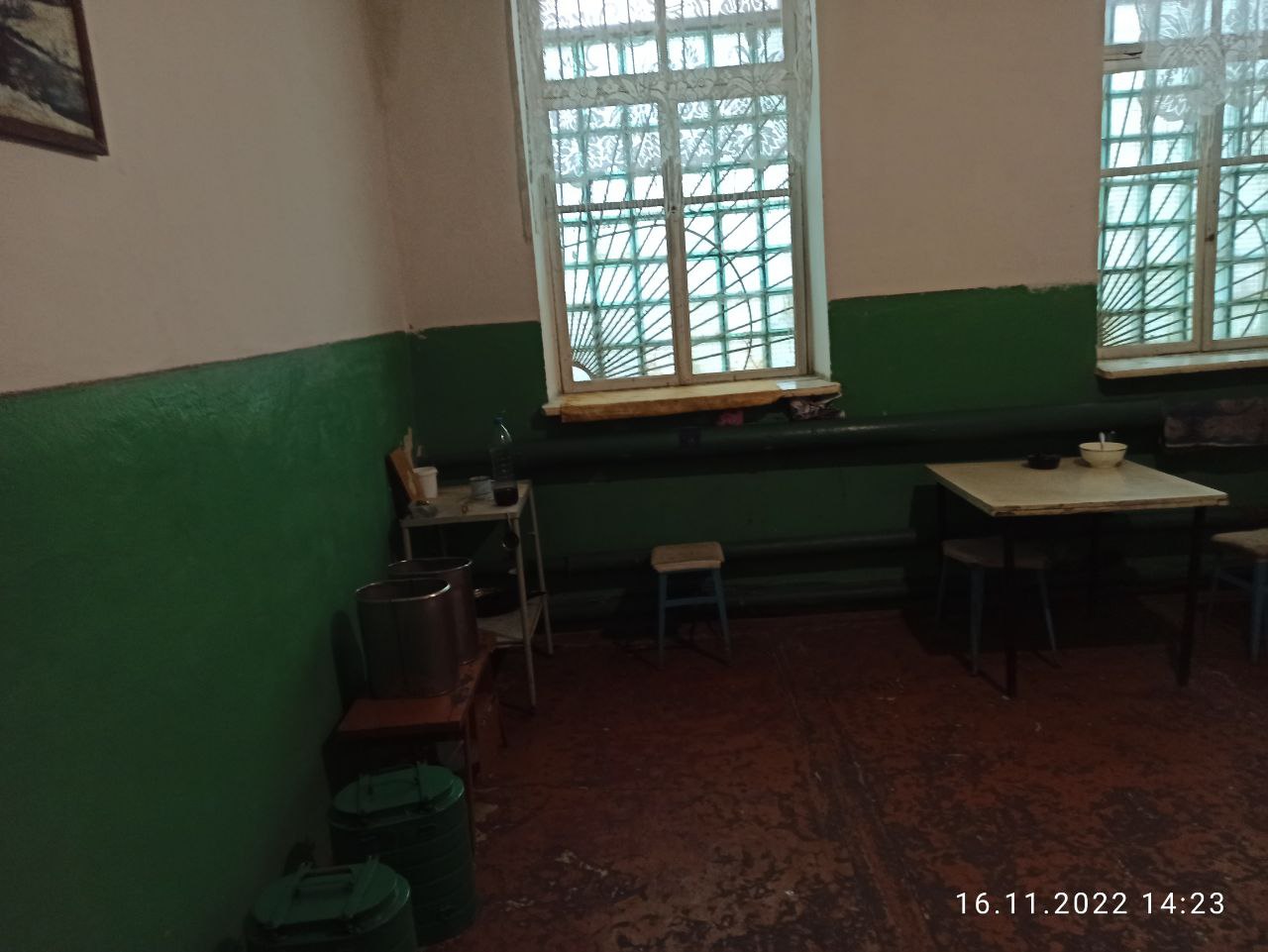
DIZO/PKT/DPK
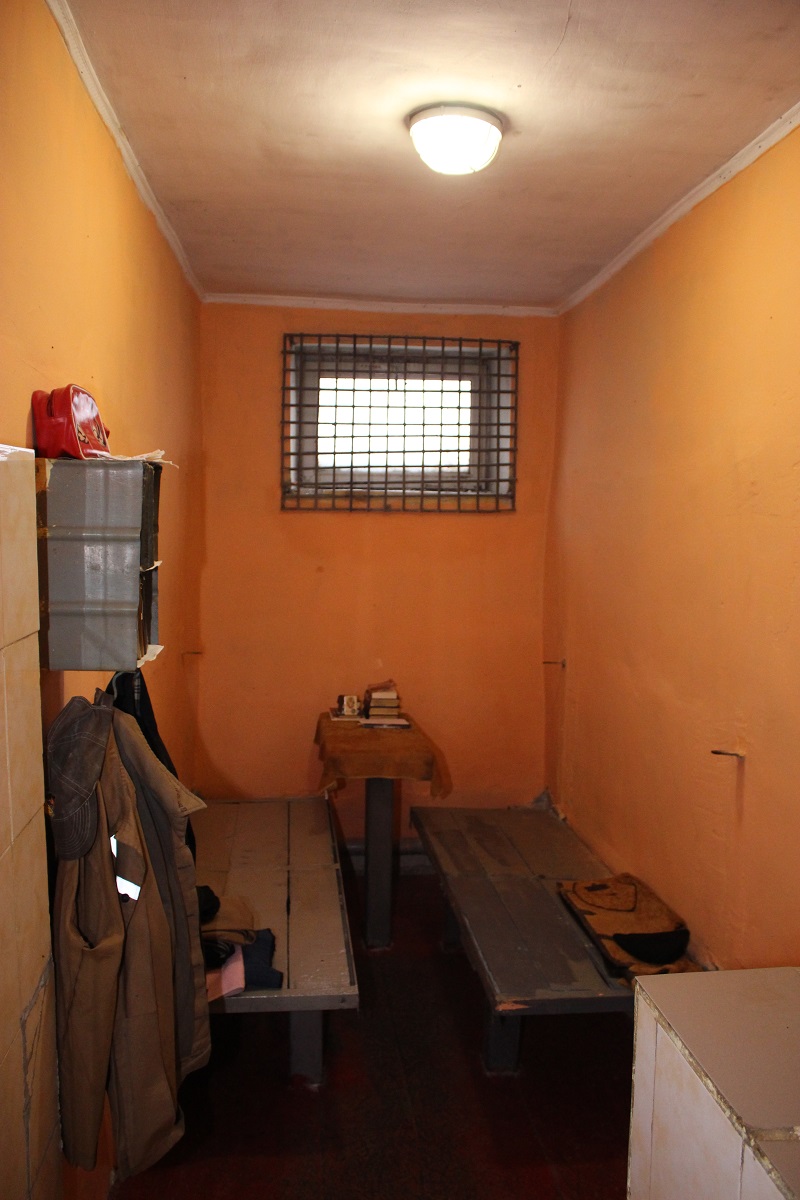
8 people were held in the DIZO, 6 in the PKT. In the department, there is a long corridor containing 20 cells.
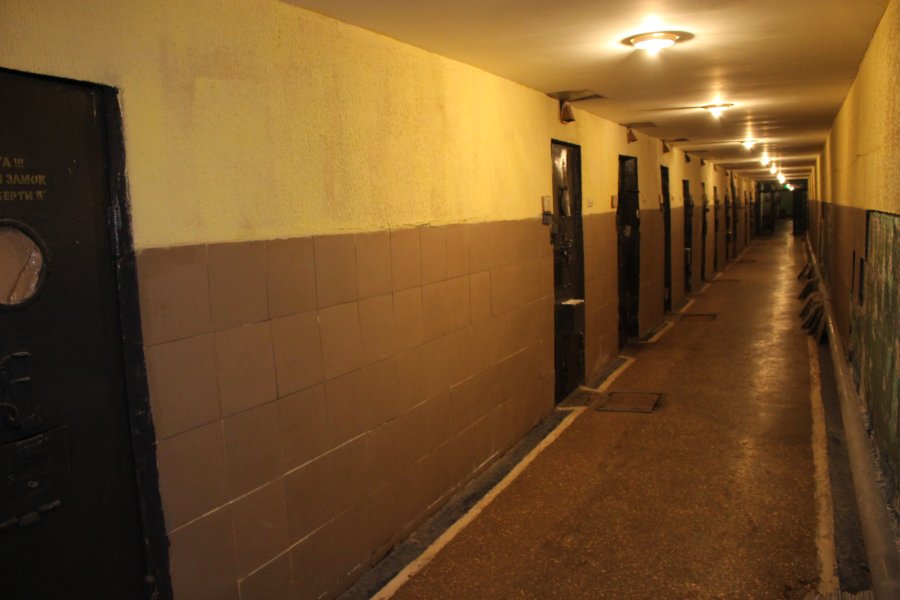
In some cells, prisoners were kept in solitary confinement at their own request. They are currently being checked.
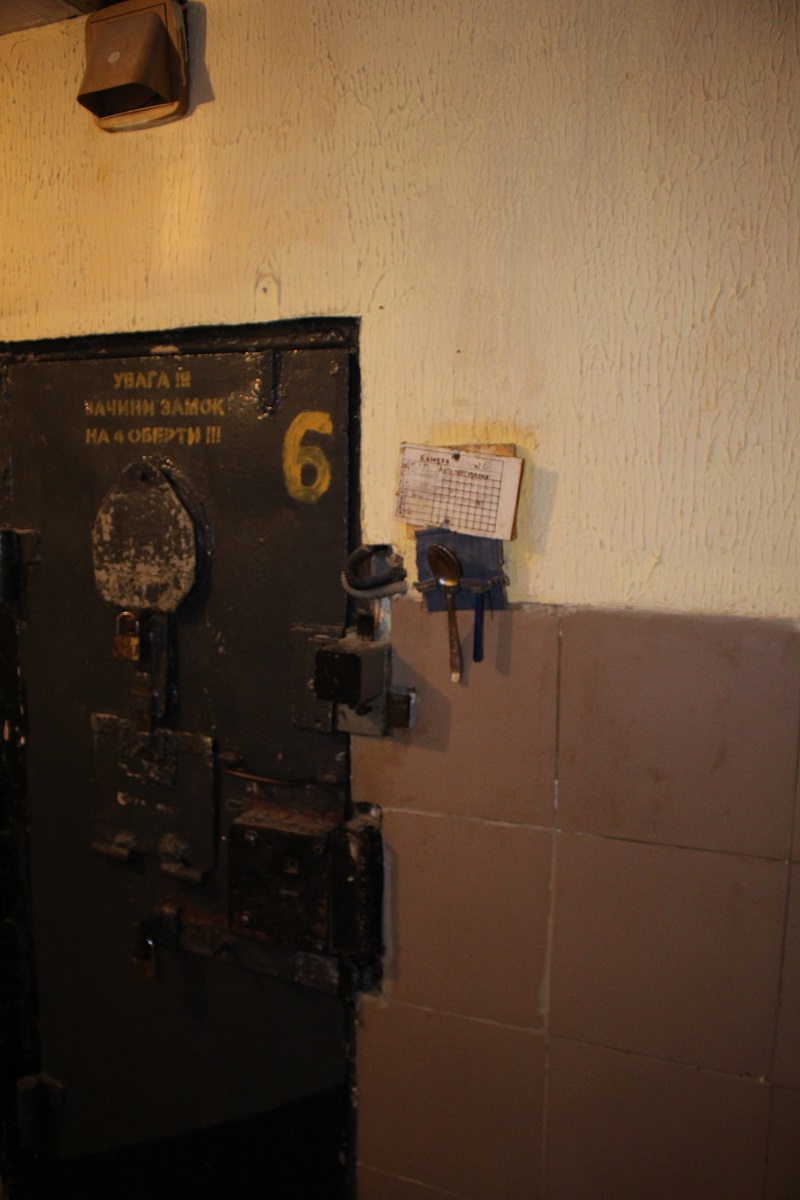
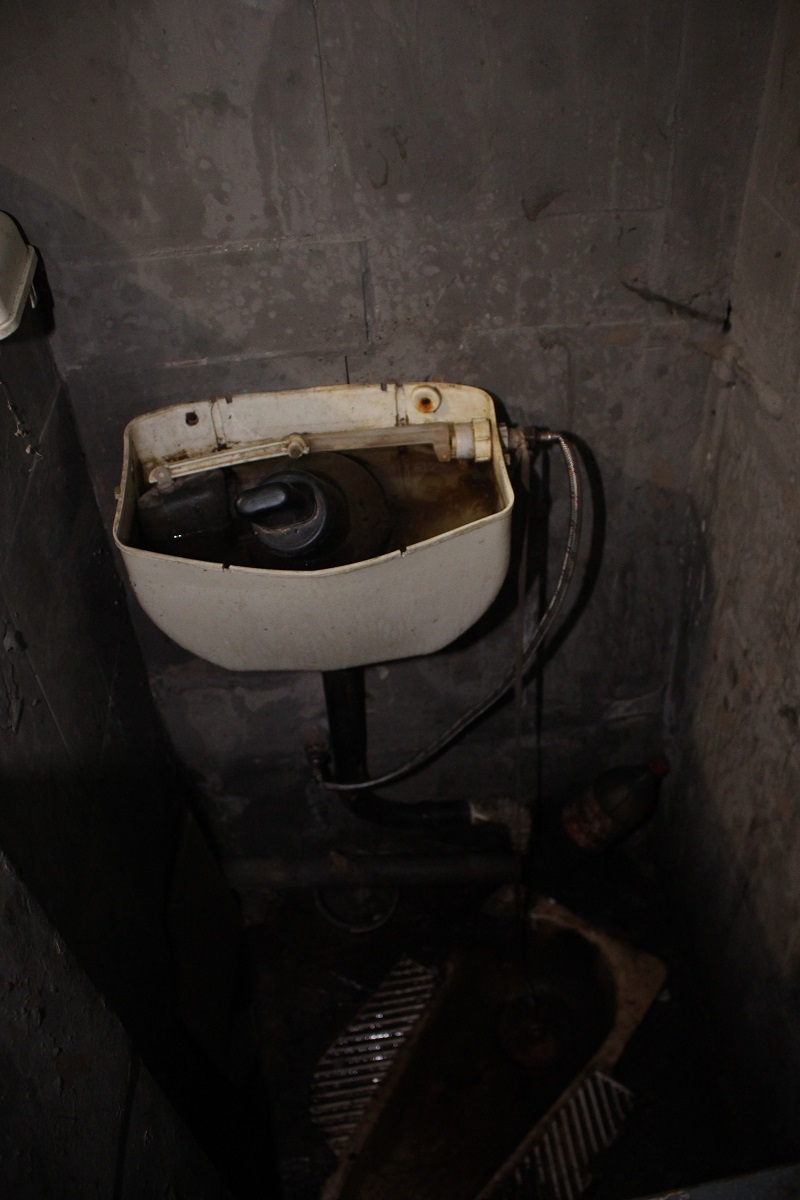
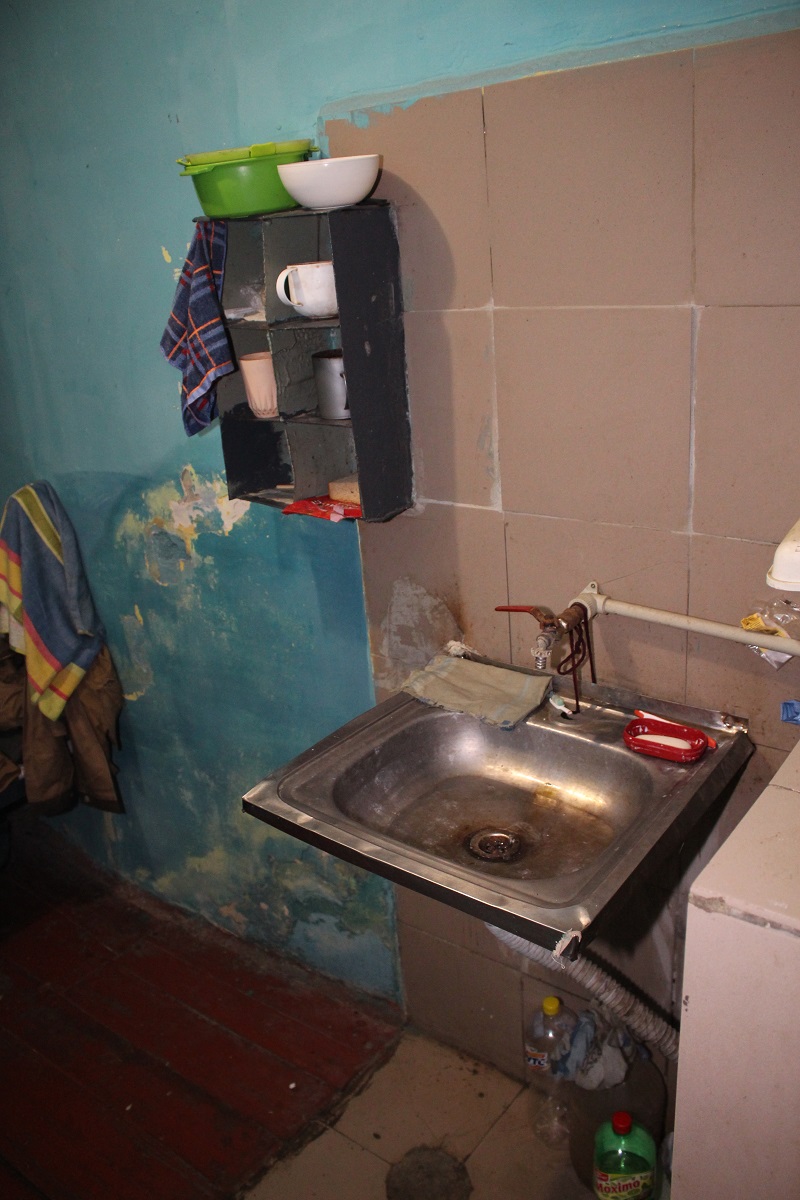
The premises are in the basement; there is dampness and a stench. Next to each cell protrude the prisoners' spoons, which, according to the administration, cannot be kept inside the cell.
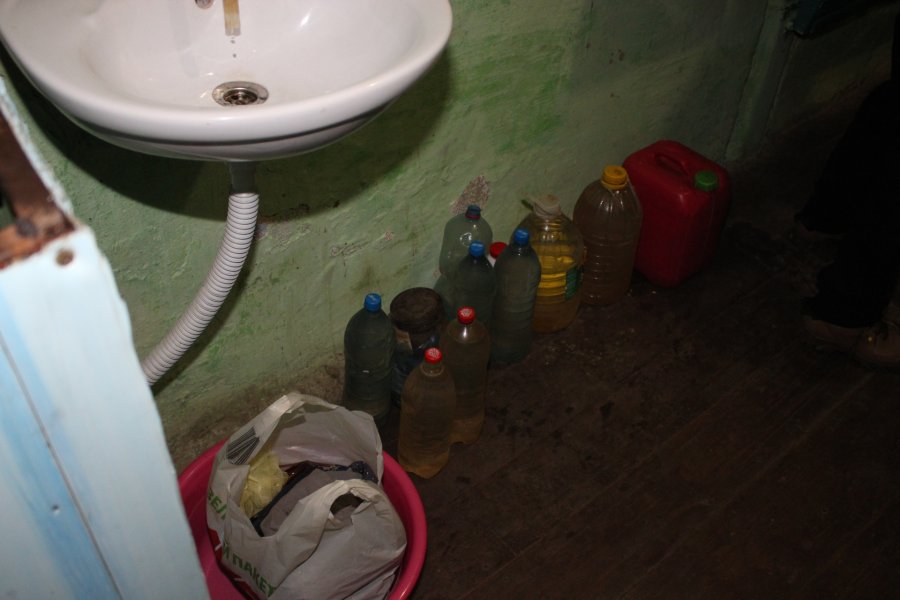
There is a medical room available. There are no tanks for drinking water in the cells; prisoners draw water into bottles directly from the tap, and store it that way. In some bottles, the water is visually yellow in colour.
Prisoner P. claims that he worked using fraudulent schemes at the direction of the colony administration; there were episodes of fraud throughout the territory of Ukraine. The prisoner is alienated from the general population. According to the prisoner, he tried to call the SBI (State Bureau of Investigation), but there were no results. The prisoner is in the PKT and has been held in a cell for about 3 months. The prisoner gave permission for the processing of his personal data and recounted on video the circumstances of the crimes he committed. The video testimony of the prisoner has been sent to the competent authorities.
Prisoner T. is in the PKT because he refuses to stay among the general population; a check has been conducted, and such behaviour of the prisoner is regarded as a failure to comply with the lawful demands of the administration.
Prisoner Ch. was in the PKT for 3 months because of a tablet that was allegedly given to him by representatives of the administration; later it turned out that the video recording device in this tablet had not been removed. The prisoner believes that the disciplinary punishment is illegal and submitted an appeal, but, according to him, he does not even know if this appeal was sent to the court. Representatives of the colony commented on this incident, stating that the prisoner obtained the tablet through illegal means, while passing it off as a tablet obtained in a lawful manner.
Prisoner P. received DIZO for having a fermenting mash; he has no complaints against the administration and does not intend to appeal.
Prisoner Z. asked for assistance with his transfer to another colony due to a conflict situation with the administration.
Prisoner Sh. complained that he cannot remain among the general mass of prisoners due to a conflict with both the administration and the prisoners. The prisoner wishes to petition for a transfer to another institution.
Prisoner T. received a disciplinary penalty for refusing to remain among the general mass. The prisoner himself belongs to the category of those ostracised by the general population.
Prisoners in the DIZO cells do not even have a sheet of paper and a pen. A disciplinary penalty can be imposed for violating the dress code.
Repair work is currently underway.
Canteen
The dining hall is large in size.
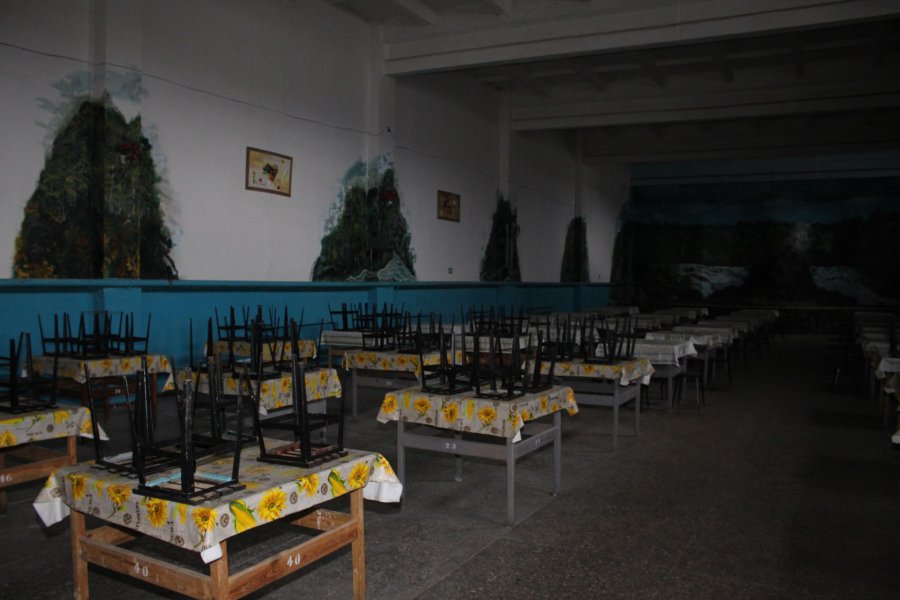
At the entrance to the dining hall, there are separate tables for those ostracised by the general population; there are 44 such prisoners in the institution, and they eat separately.
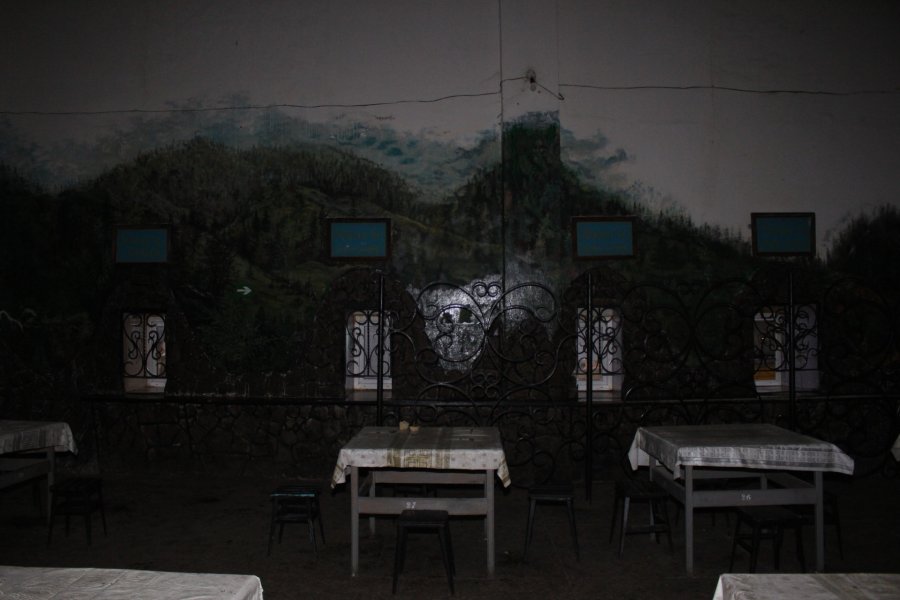
In the dining hall, there are 56 tables in total; together, 4 departments can fit. Menu:
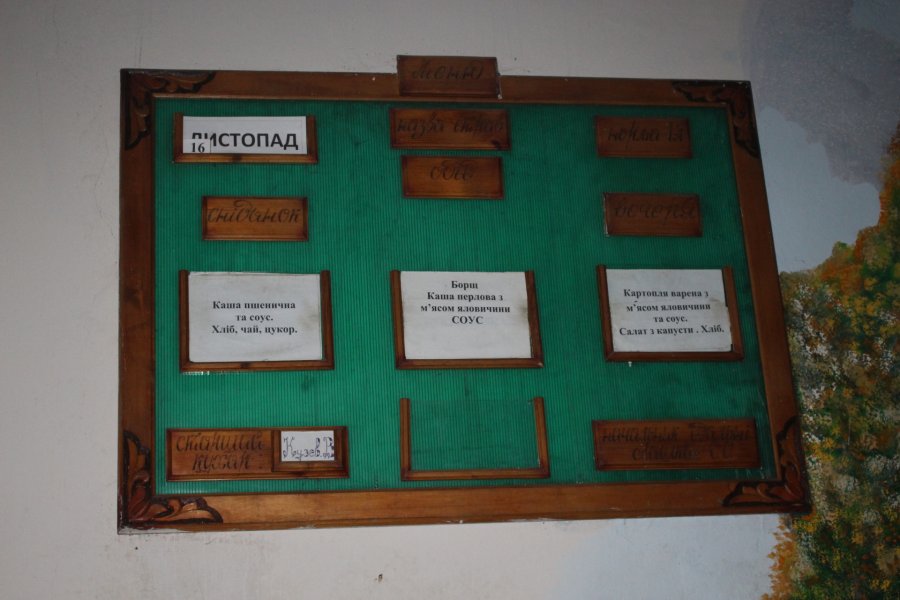
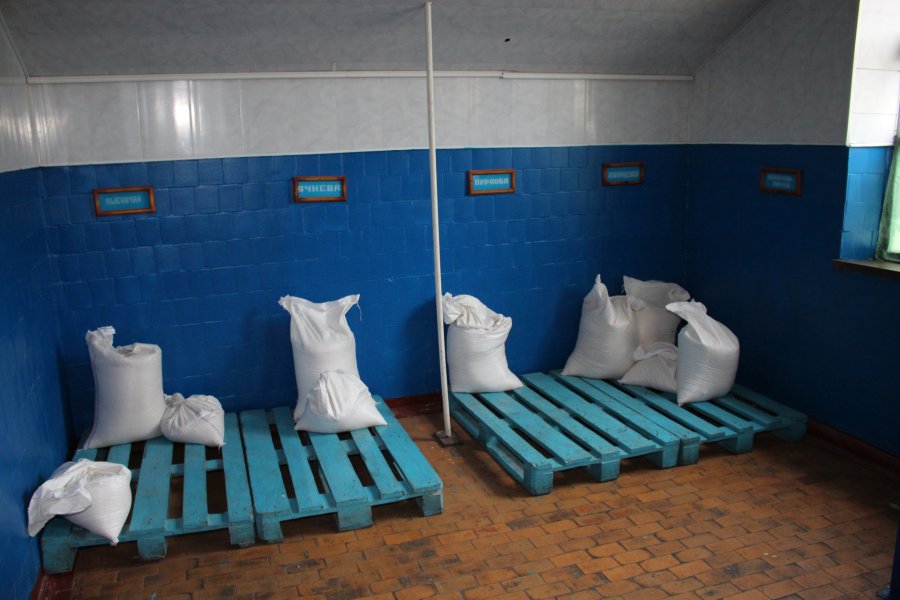
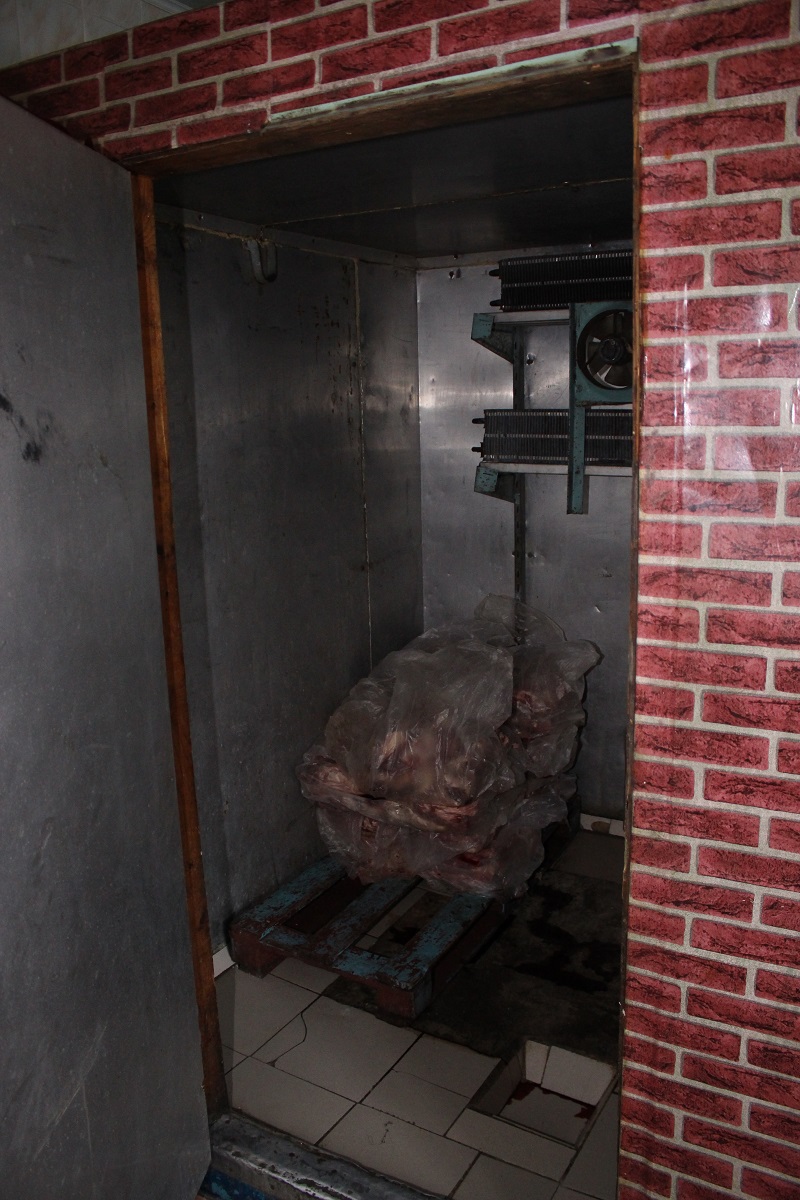
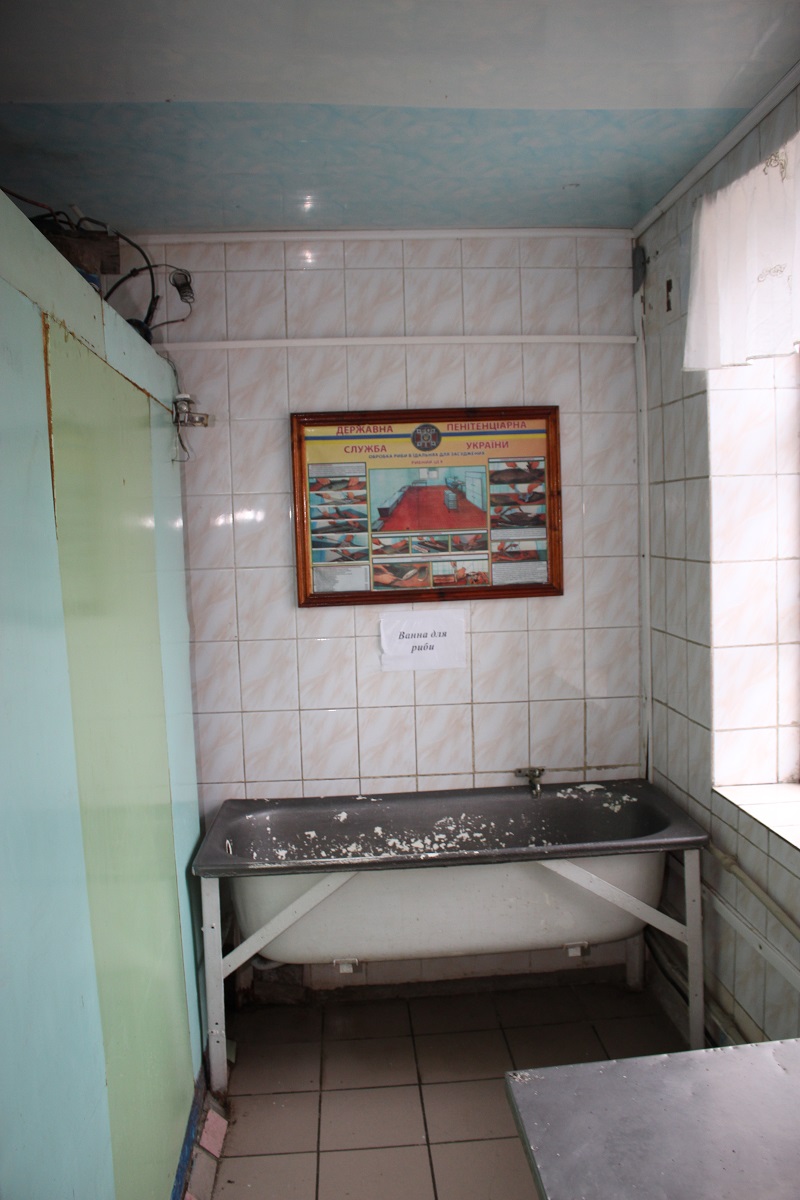
Bread is baked on-site. Prisoners working in the canteen are employed under civil-law contracts: 6 cooks and 2 canteen workers. A canteen worker noted that after deductions, they are paid 500, 700, and even 900 hryvnias per month. There is a grain section, a vegetable section, a meat section, and a fish section. It is clean and tidy; there is almost no smell.
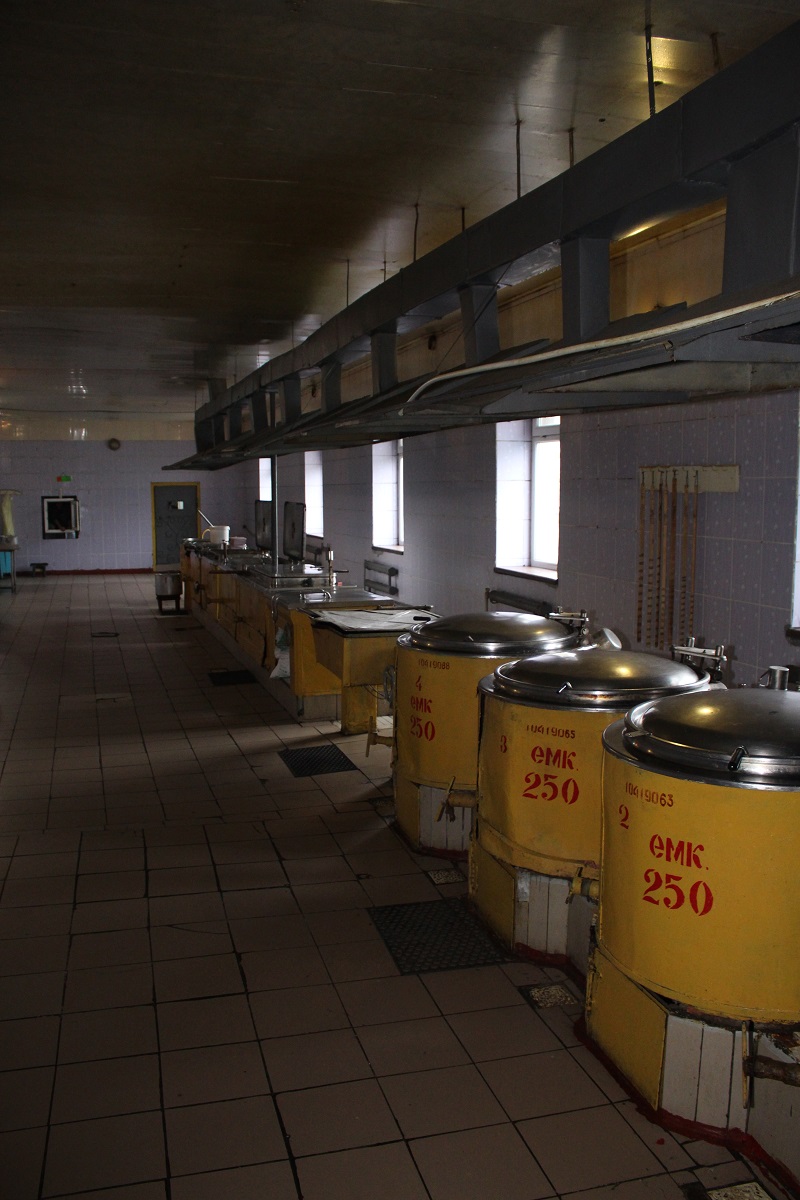
Cooking section:
Prisoners first receive bread and then stand in a queue to receive food on a tray. The prisoners do not wish to communicate with the monitors; with one voice, they all say that they are doing fine, they are fed, and they have no complaints against the administration.
Bath and laundry complex
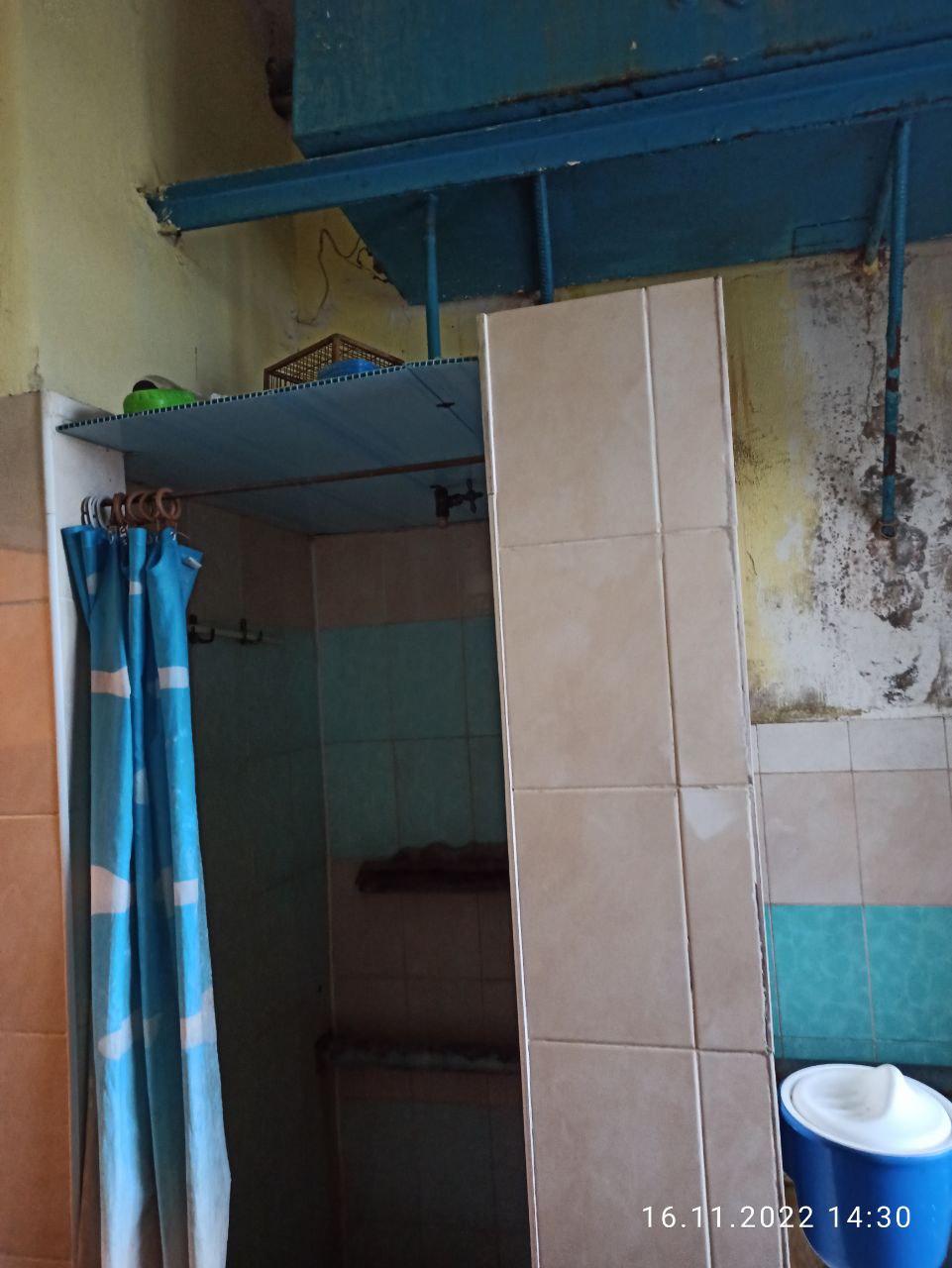
There is a separate room for the paramedic, but it has a large, uncurtained window through which one can see the paramedic examining prisoners. There are no curtains in the shower stalls; there were also no rubber mats in the stalls. Barber room:
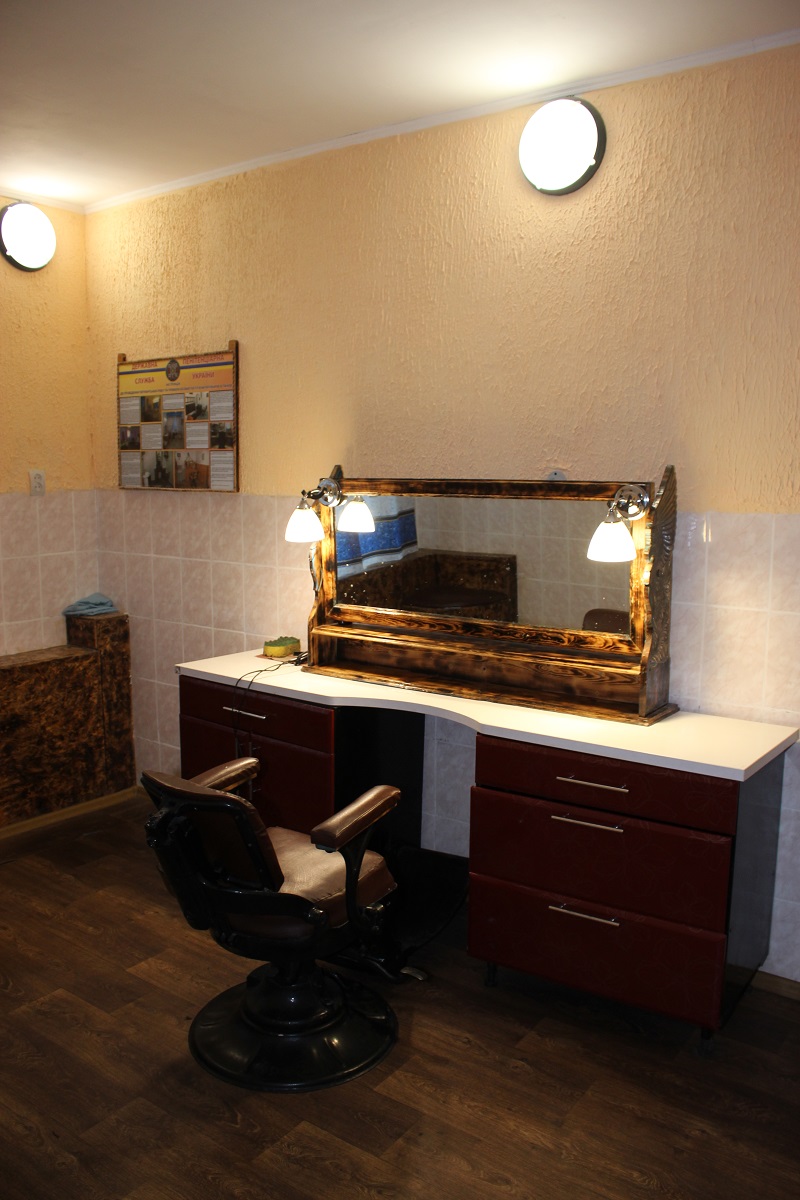
Maximum-security sector
A specially built sector for holding lifers, as well as the DPK.
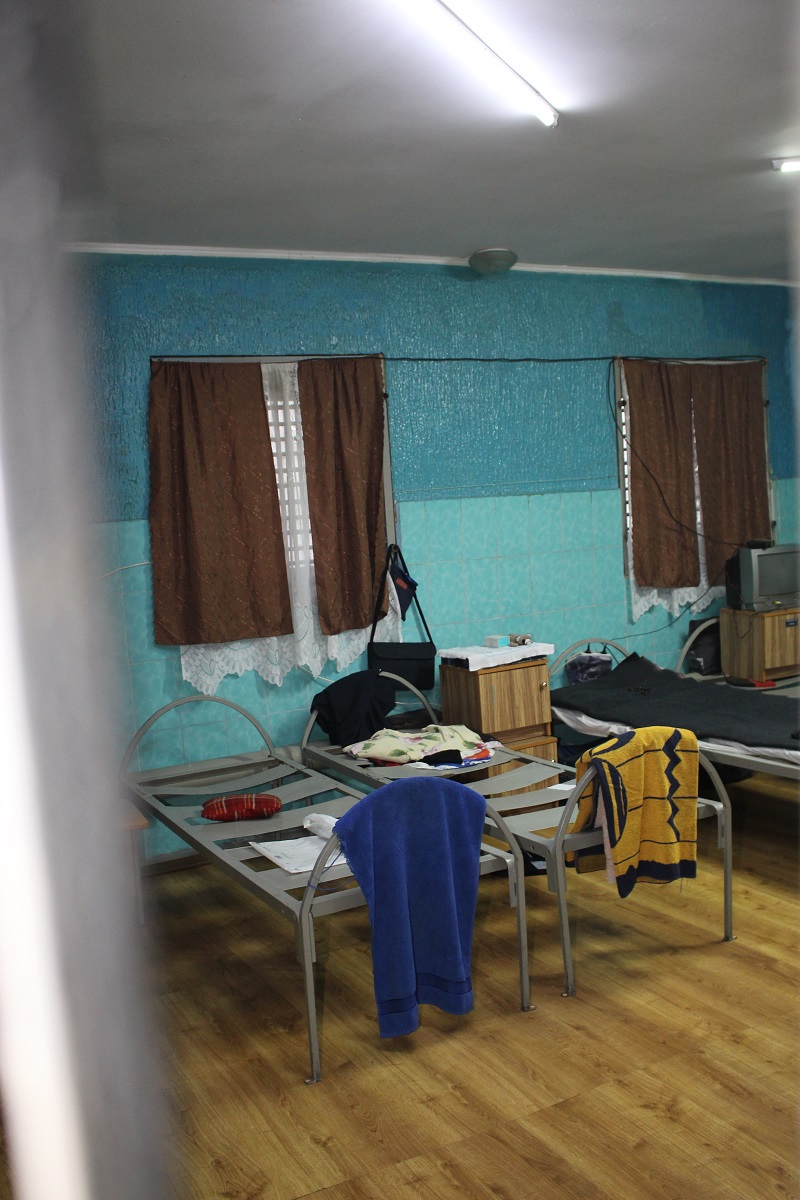
Exercise yards are separate for lifers (pictured below) and for individuals in the enhanced control sector.
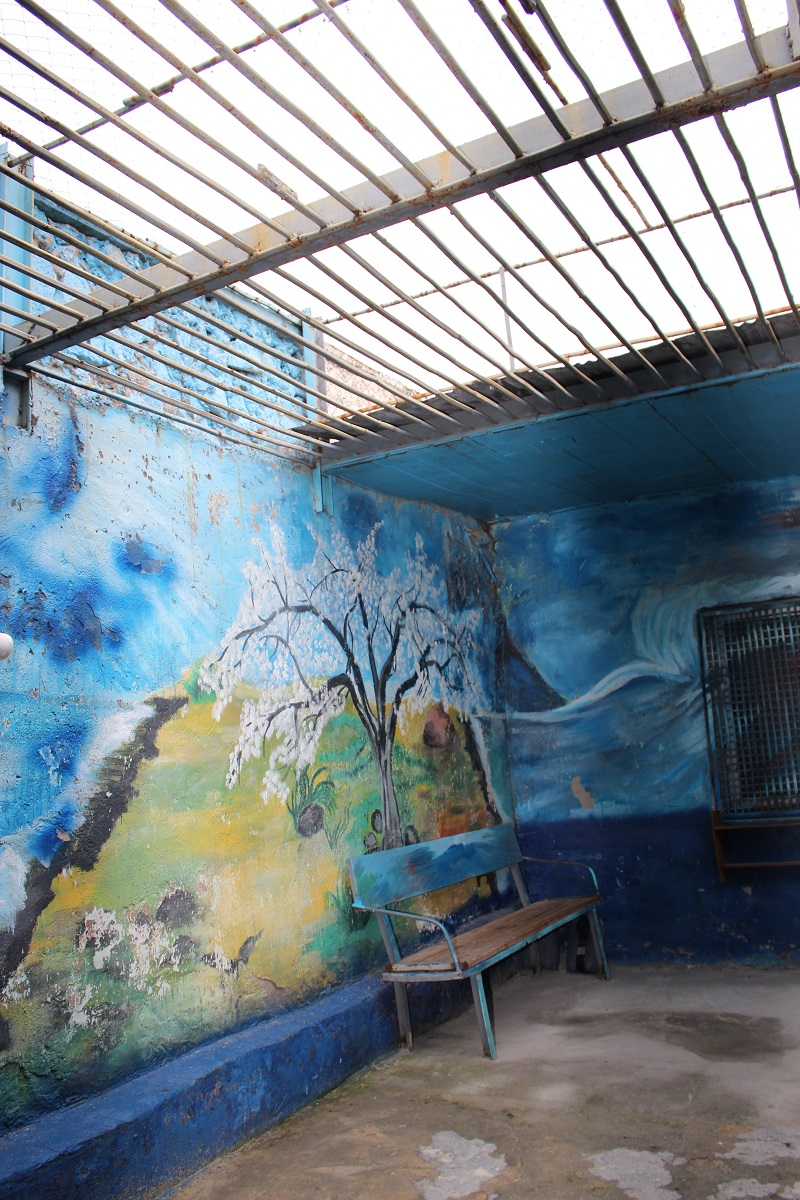
There are 4 lifers.
Prisoner N., serving a life sentence, claimed that his right to a fair trial was violated. He asserts that he was arrested as one person, but in fact, his surname is completely different. Also, N. claimed that he did not commit the crime for which he was accused.
There were 3 prisoners in the DPK. There is no medical room for examinations.
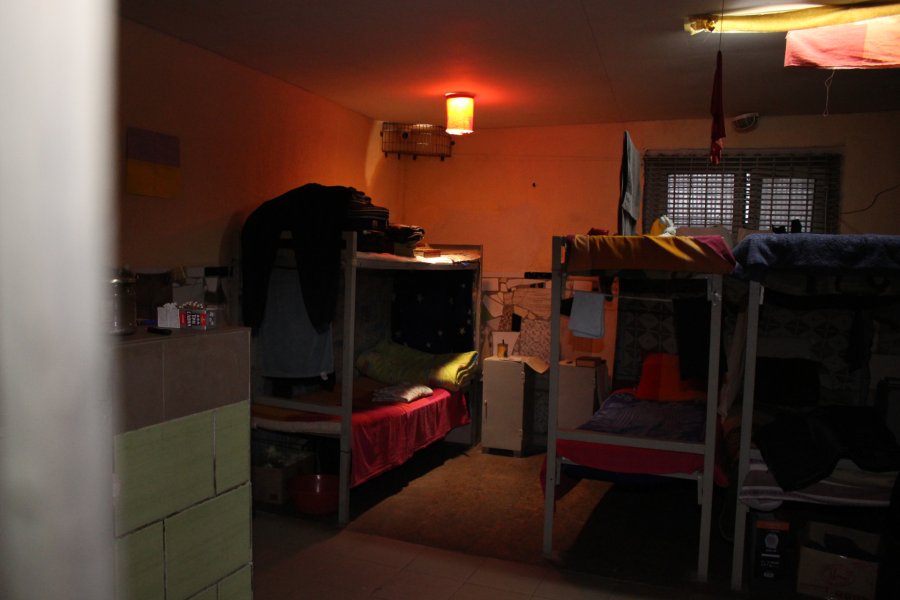
Living premises
The shop was closed.
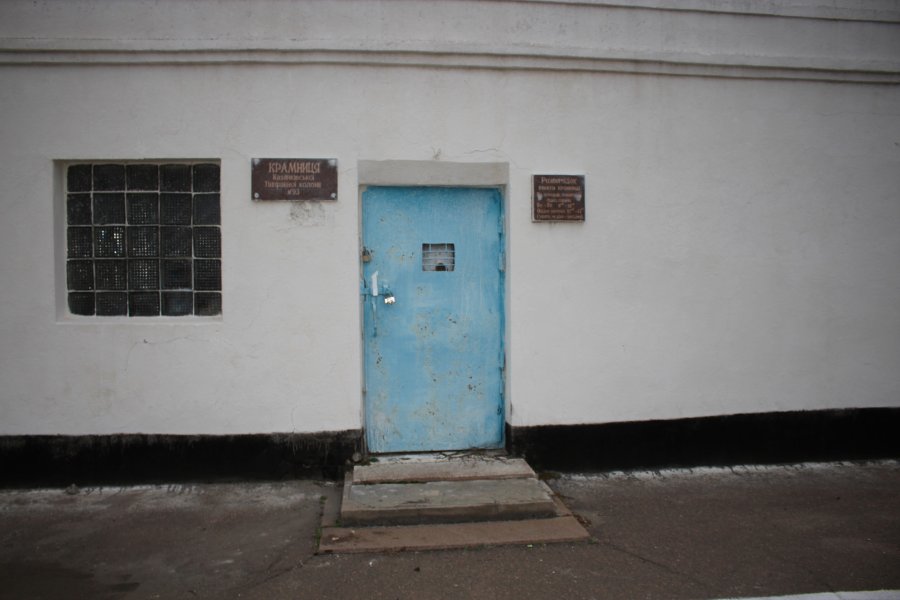
In the department for housing prisoners who work on the colony's farm, 54 people live. Of these, only 10 work according to civil-law contracts. All others do not receive a salary. The interviewed prisoners state that they work “two hours each for the improvement of the colony”.
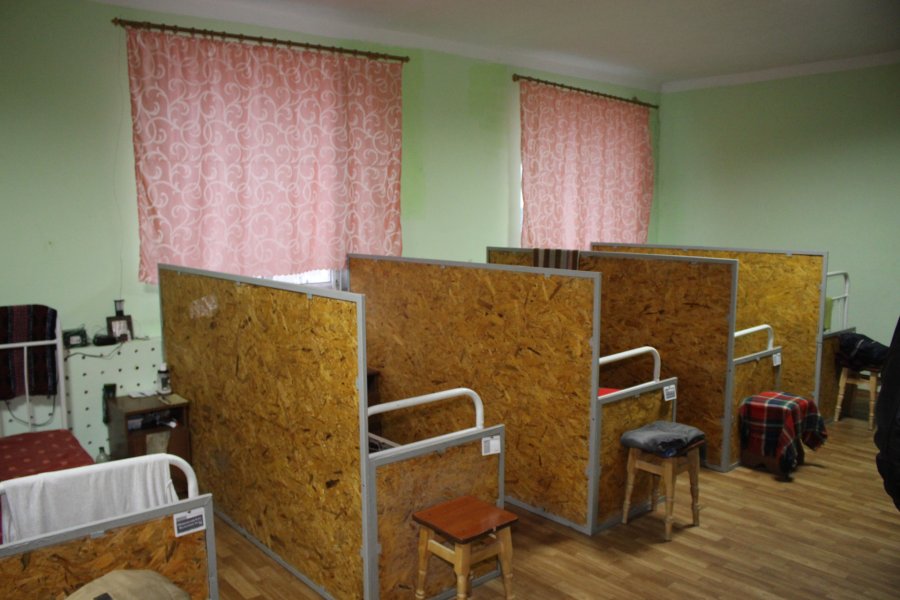
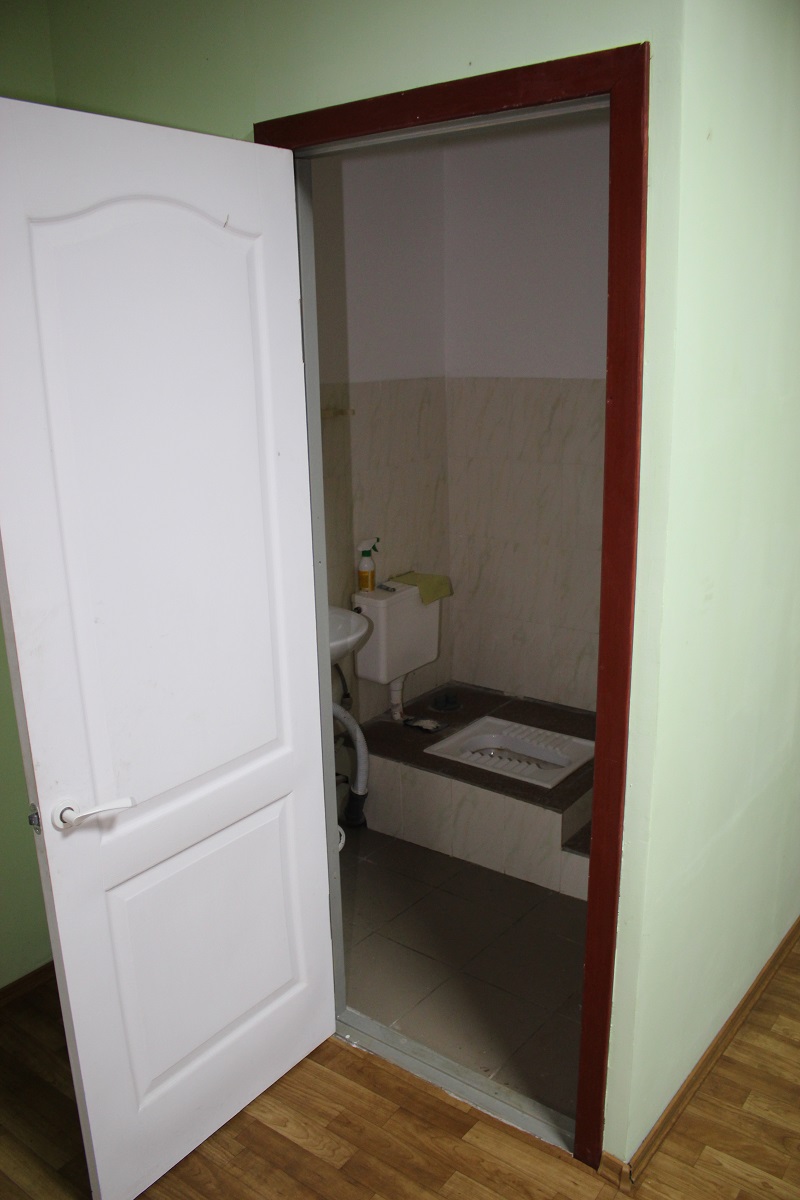
Department where renovation work is being carried out:
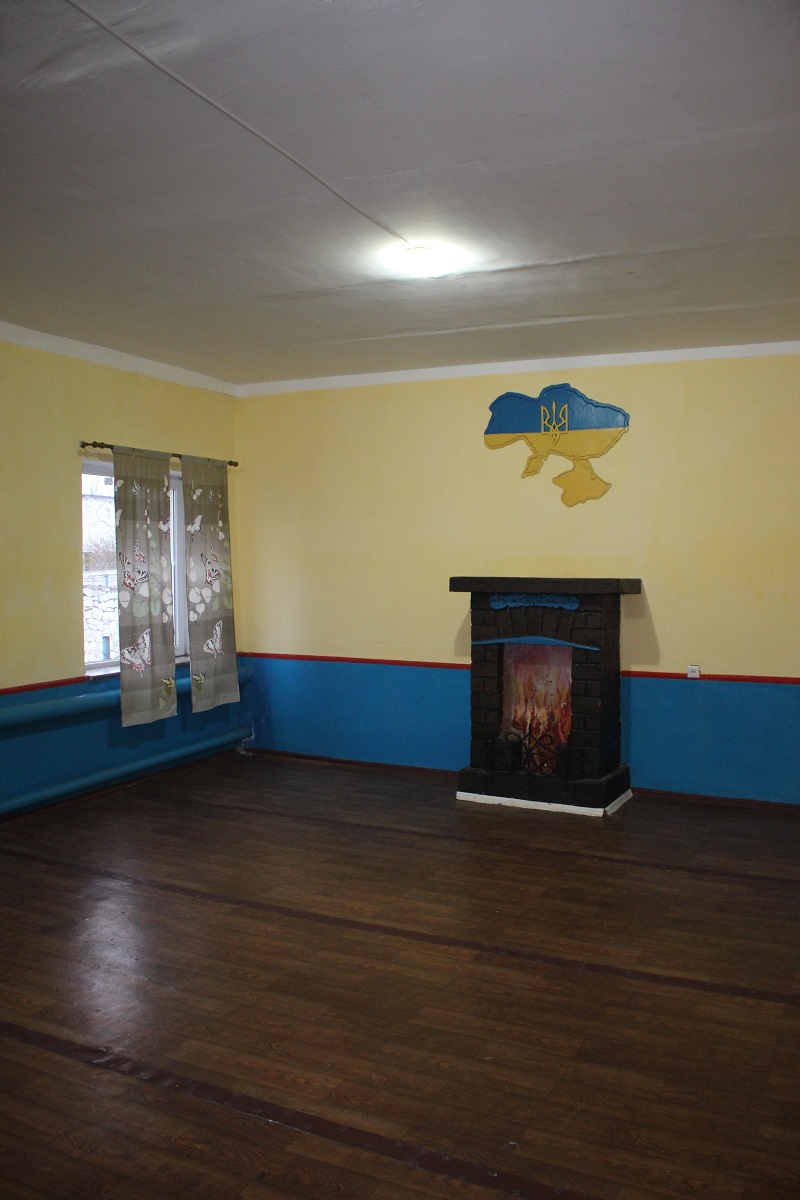
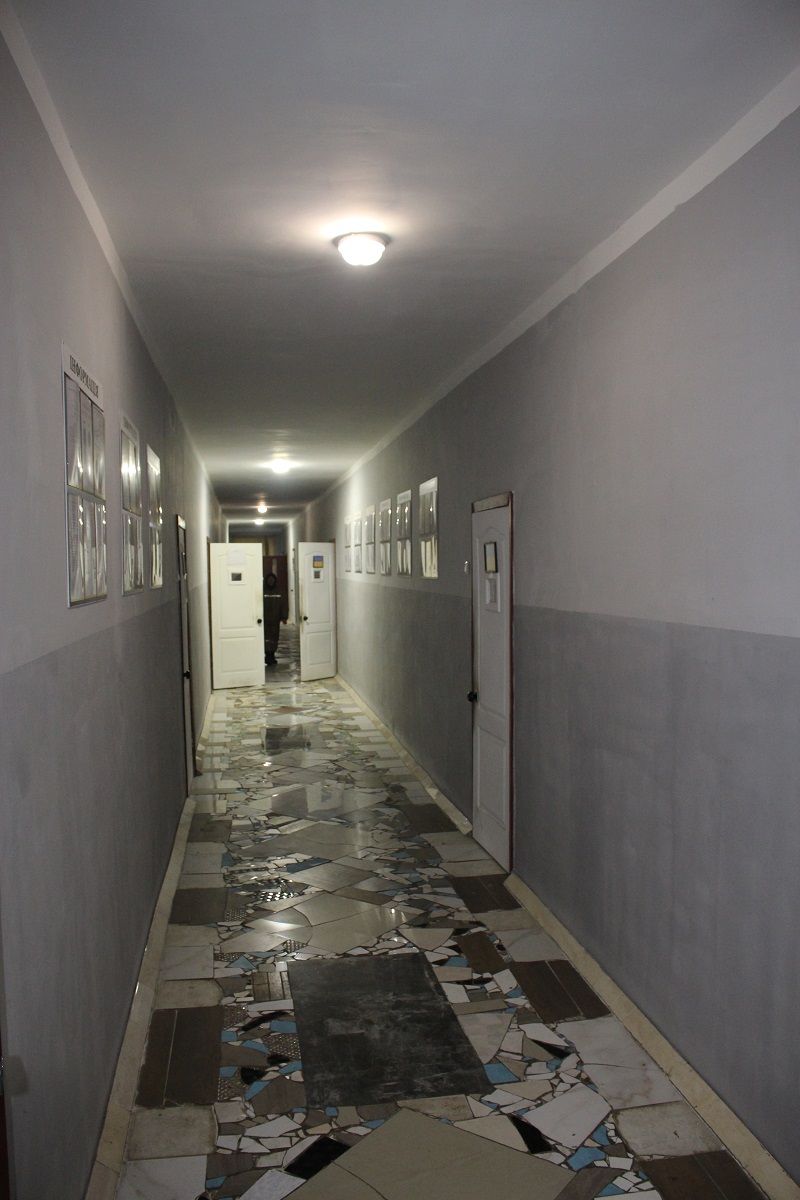
Football pitch:
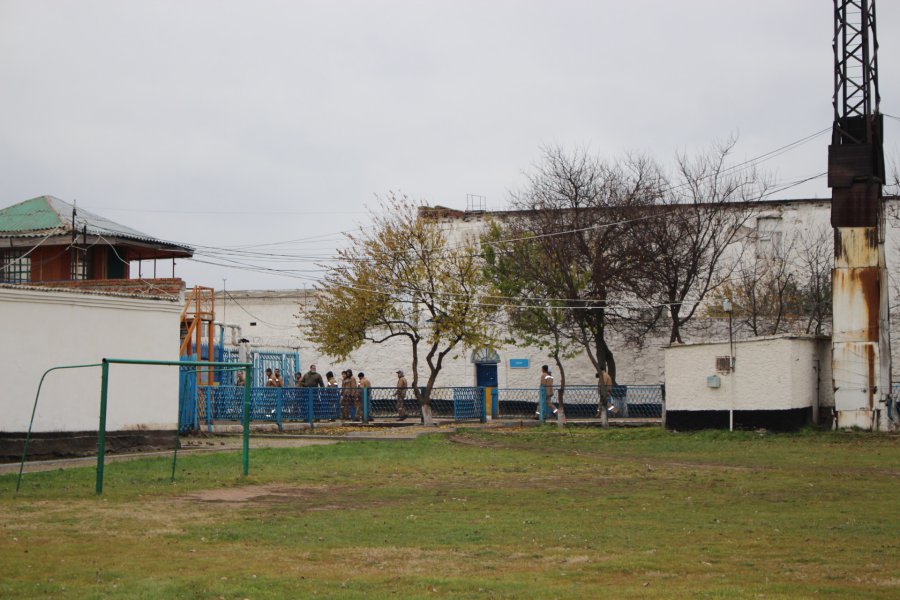
Barrack departments. Not a single prisoner expressed a desire to talk to the monitors, including on the condition of anonymity. The impression was that the prisoners are intimidated.
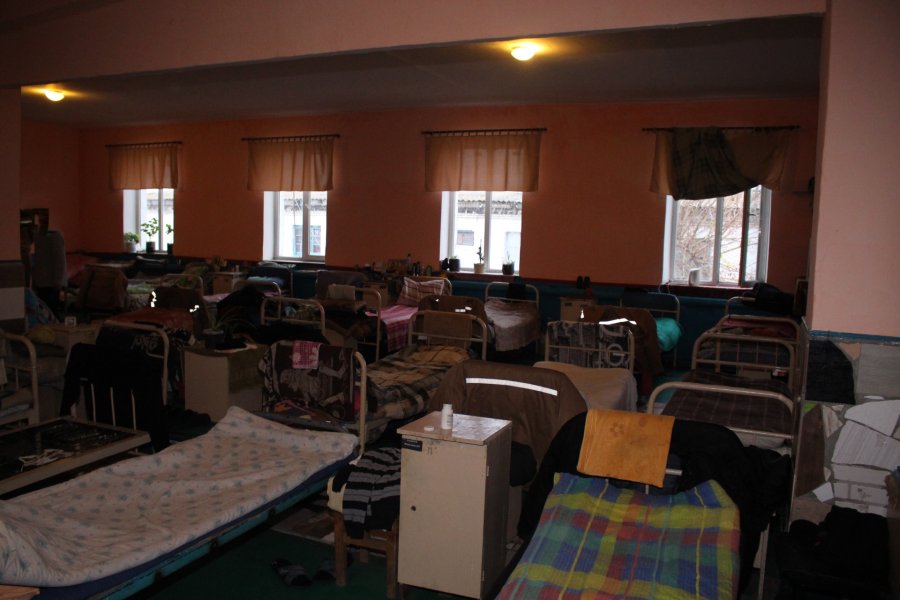
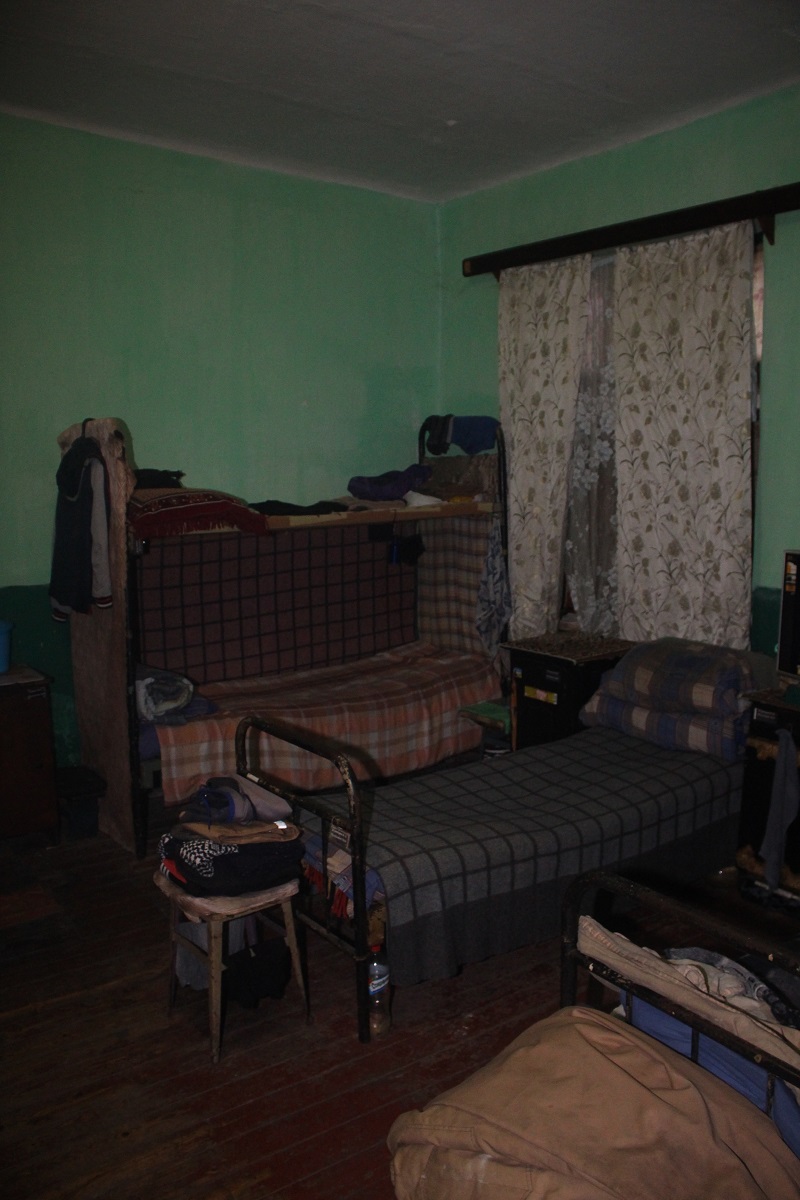
Room for eating:
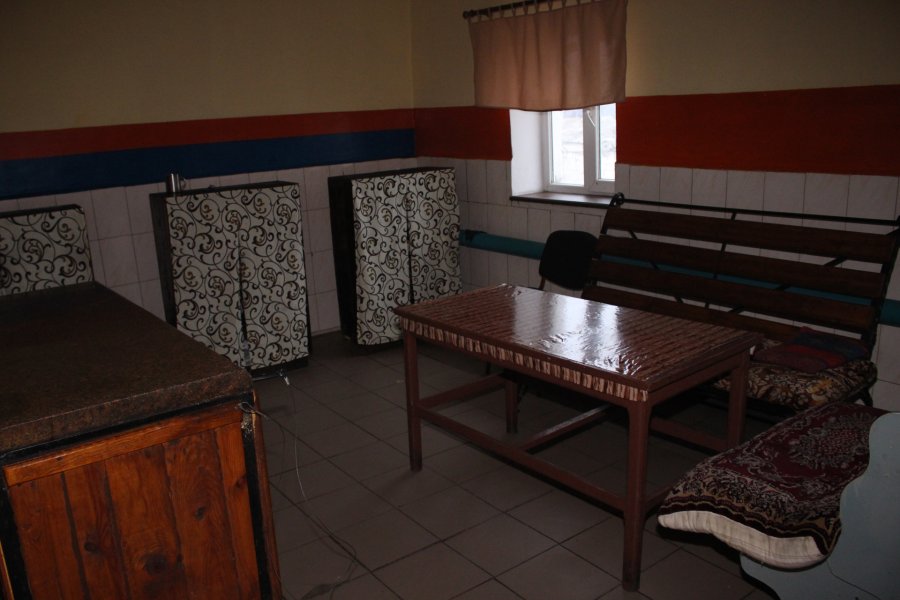
Some premises differ significantly from the barrack premises in terms of the quality of detention conditions.