‘Mass beatings and torture’ — a report on the results of a monitoring visit to the Oleksiivska Penal Colony No. 25
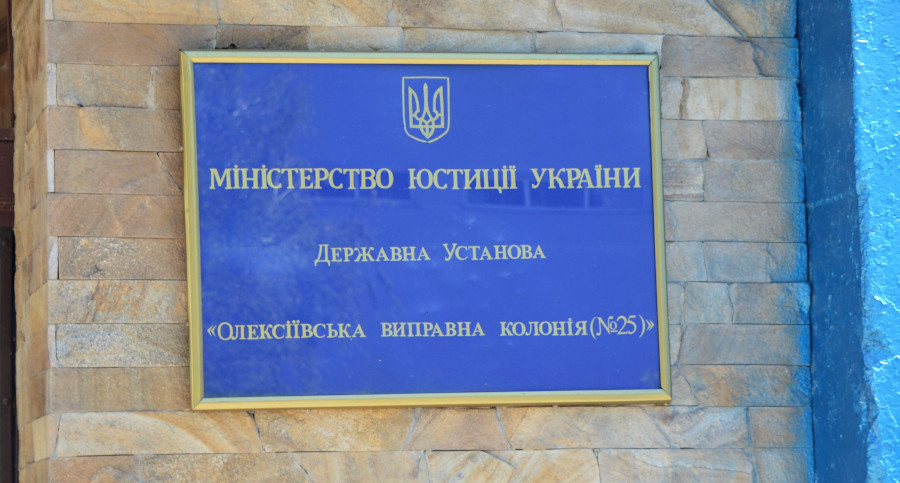
The state institution Oleksiivska Penal Colony No. 25 is a medium-security correctional facility for holding men who have previously served sentences in places of deprivation of liberty. The head of the institution is Colonel of the Internal Service Andrii Mykolaiovych Olkhovskyi. The facility has a long and sad reputation as a human rights violator. Representatives of the KHPG document mass beatings, torture, and cruel treatment in this facility. Criminal proceedings are ongoing, which do not yet have a logical conclusion.
The planned capacity of the institution is 1,112 people. At the time of the visit, 710 convicts and 9 prisoners were serving their sentences in the colony. The monitoring group was accompanied by the deputy head of the colony, Viacheslav Oleksandrovych Zhadan. The monitors gained unimpeded access to the territory and had the opportunity to visit any premises, collect information, verify it, and have access to relevant documents. Logs, medical records, and other materials relating to the operation of the facility were examined. The monitors were able to communicate with convicts and staff, including under conditions of anonymity, and to visit any premises without hindrance. Representatives of the administration fully facilitated the visit.
General Information
According to official data provided by the head of the institution, the staff headcount is 266.5 full-time units, with 229.5 actually filled. Throughout the current year, 232 people have arrived at the institution. There are 13 units of the SPS (Social-Psychological Service) operating on the colony’s territory. During the current year, 10 people have been released on parole. Throughout 2022–2023, not a single case of bodily injury was recorded in the institution, while in the medical unit, monitors met a person with signs of bodily injury. In 2022, 4 people died; in 2023, 0.
In the current year, 21 long-term visits and 129 short-term visits through glass have been conducted. Short-term contact visits with relatives are not practised in the institution. There are 3 psychologists working in the institution. There are 12 people registered as prone to self-harm, 2 as prone to suicide, and 3 as prone to escape. During the period 2022–2023, not a single complaint was received by the institution's management or any other government authority from convicts regarding improper conditions of detention or improper provision of medical care. Among the interviewed convicts, none use internet services, and no convict owns a tablet.
Prior to the visit, a request for public information was sent to the management of the facility with questions regarding: the number of appeals from convicts during 2022–2023 addressed to the Ukrainian Parliament Commissioner for Human Rights, the prosecutor's office (in sealed form), other government bodies, human rights organisations, as well as the number of responses to these appeals. The responses received indicate that appeals from convicts for the protection of their rights and legal interests are not popular in the institution.
For example, during 2022, convicts appealed to the Ukrainian Parliament Commissioner for Human Rights 20 times; in the current year, there were 8 such appeals. There were 9 responses from the Commissioner for Human Rights in 2022, and 2 in 2023. During 2022, convicts appealed to the prosecutor's office 8 times, and 5 times in the current year; responses from the prosecutor's office numbered 8 in 2022 and 5 in 2023. Not a single appeal was sent to human rights organisations, and not a single response was received. The people interviewed during the visit do not possess information regarding their right to unimpeded communication with the Ukrainian Parliament Commissioner for Human Rights, to send and receive correspondence in sealed form, or to make a call to the hotline, which has the status of an appeal.
Production
The institution has powerful production facilities. According to information received from the institution's management, 277 people are brought out to work. Labour contracts are concluded every month, and convicts are assigned to work by order. According to the payroll sheets for May, the minimum accrual for work performed was 128 hryvnias, and the maximum was 2,263.44 hryvnias. Communication with the convicts took place, and information regarding their wages was provided. Convicts who go to production change clothes in special dressing rooms.
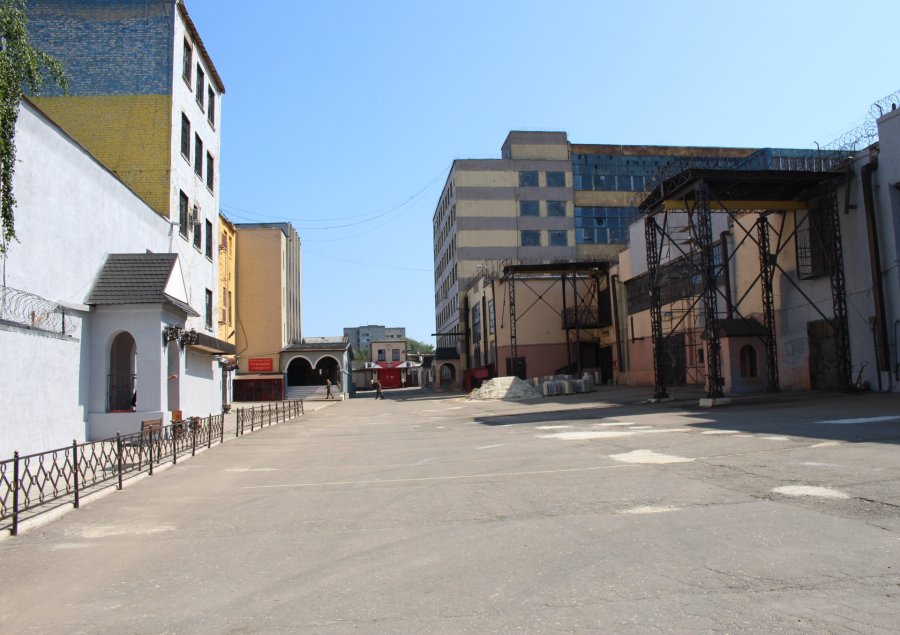
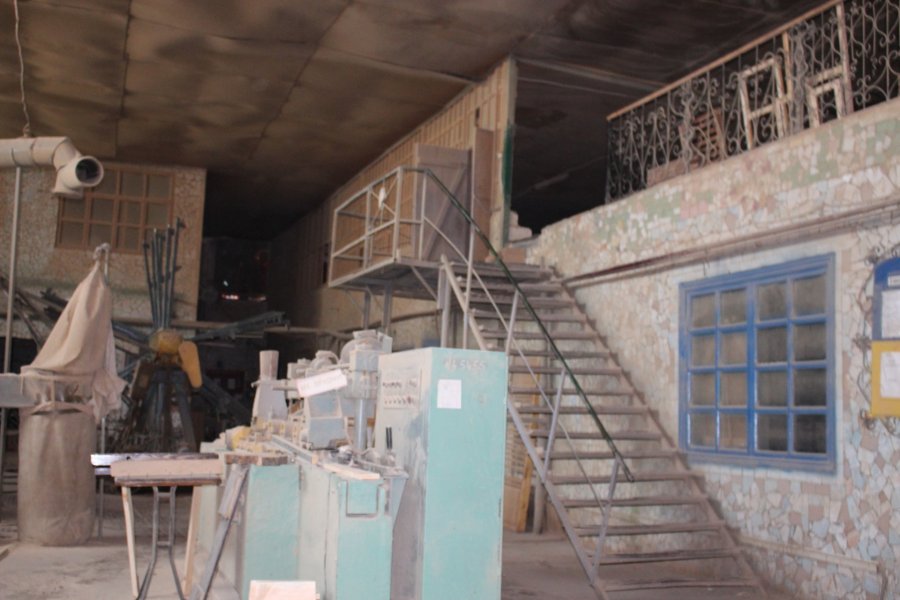
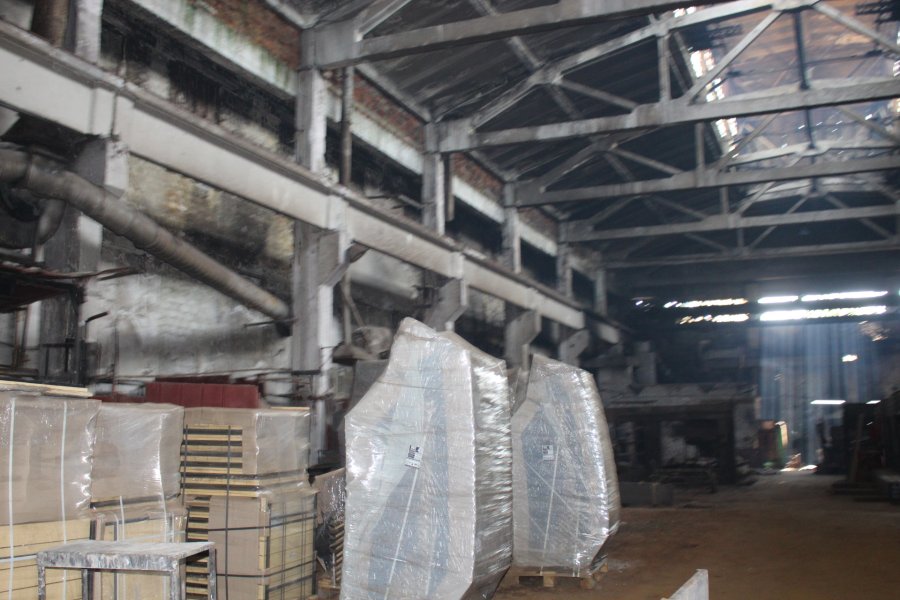
The staff schedule is provided for 9 convicts who work in the economic maintenance of the colony. Kitchen workers receive additional payments for working on weekends but do not receive additional payments for hazardous work. The head of production reported that the enterprise does not have permanent orders.
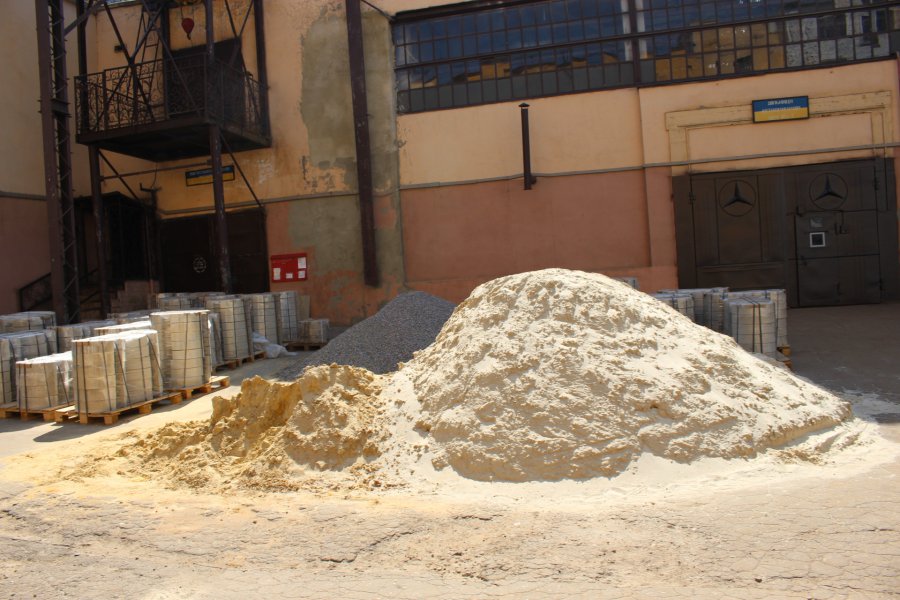
Production of slabs for construction works
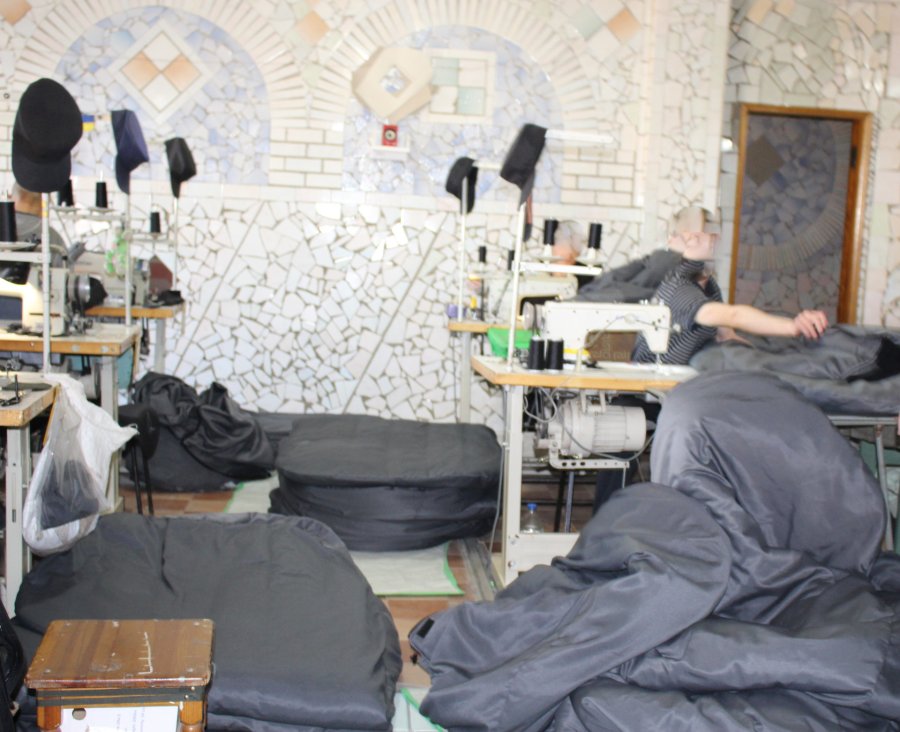
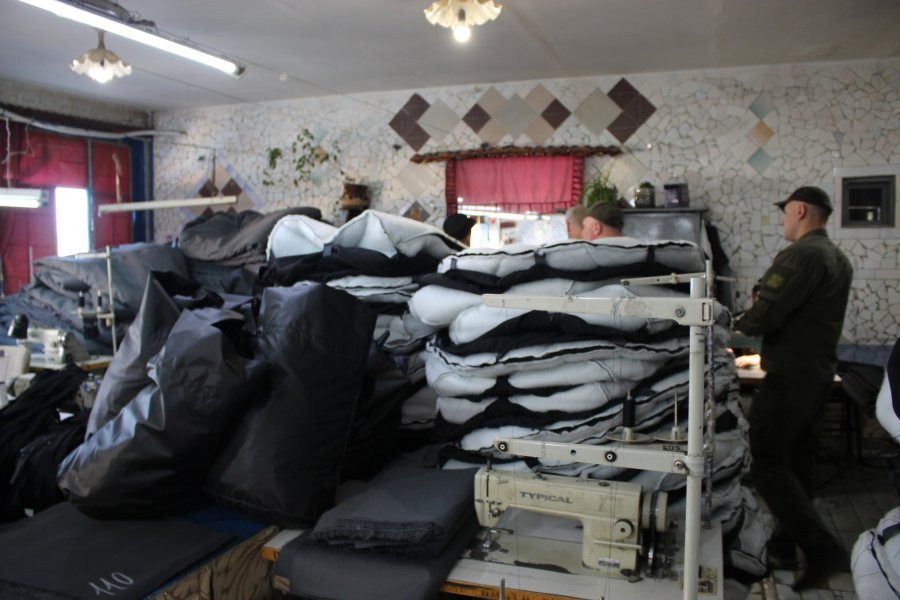
Sewing production
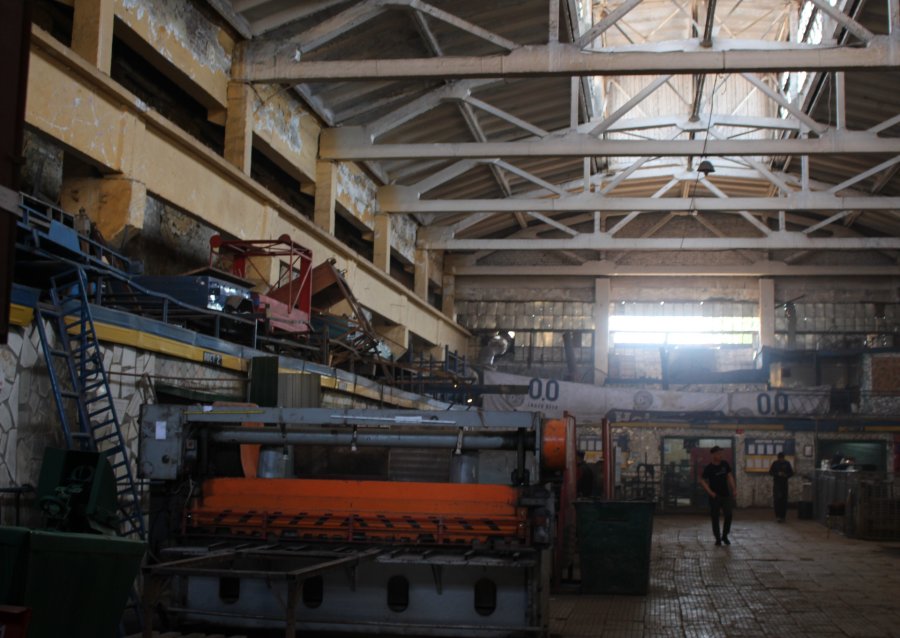
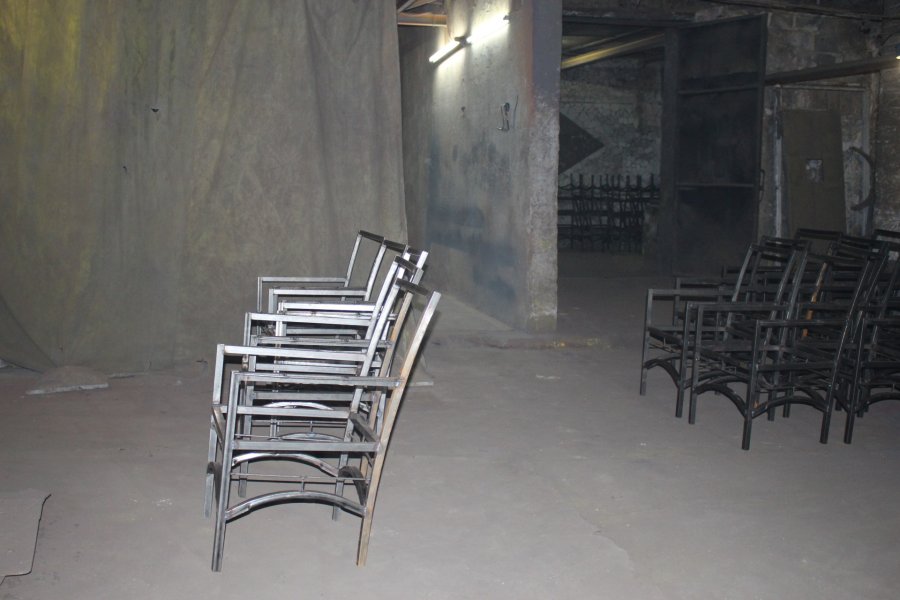
Metal products
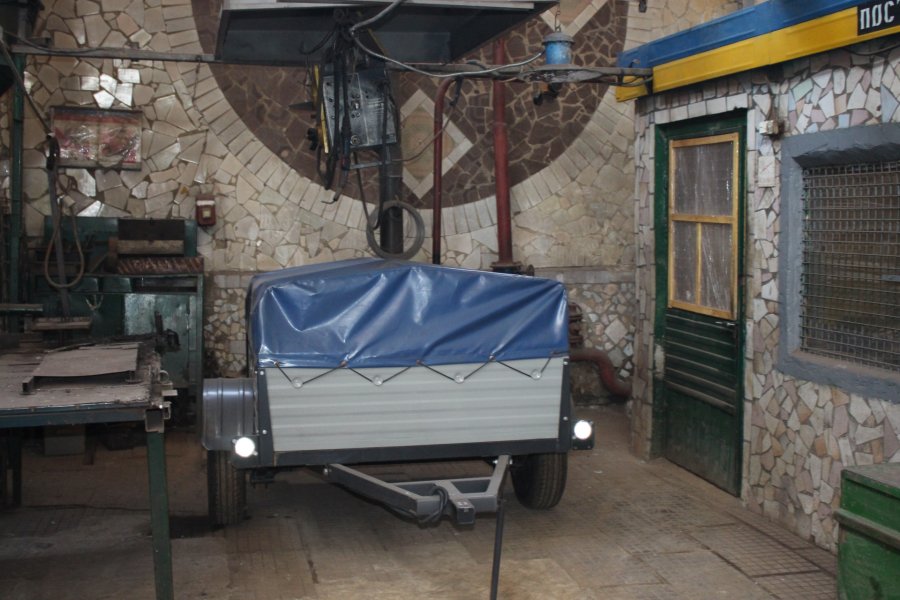
Trailers for passenger cars

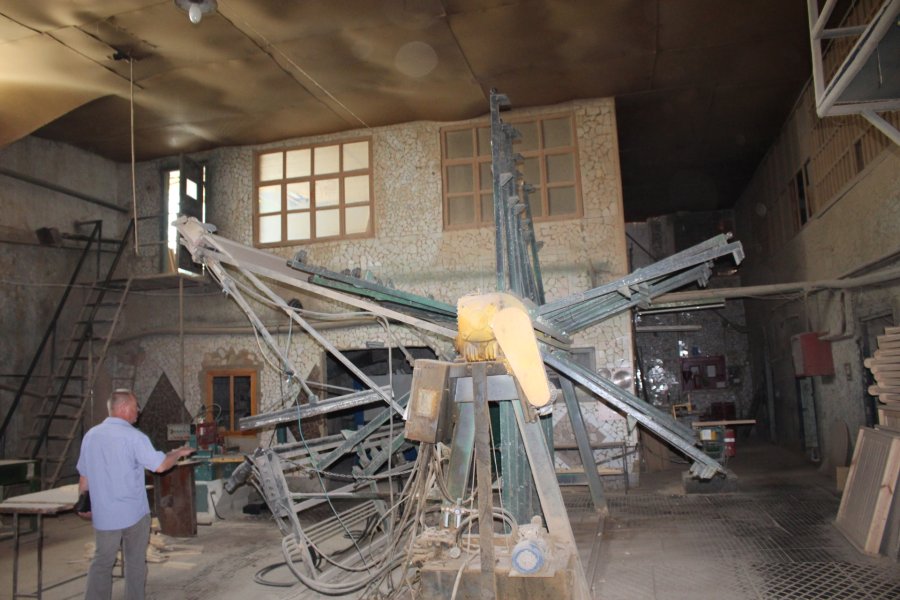
Carpentry production
Welding section
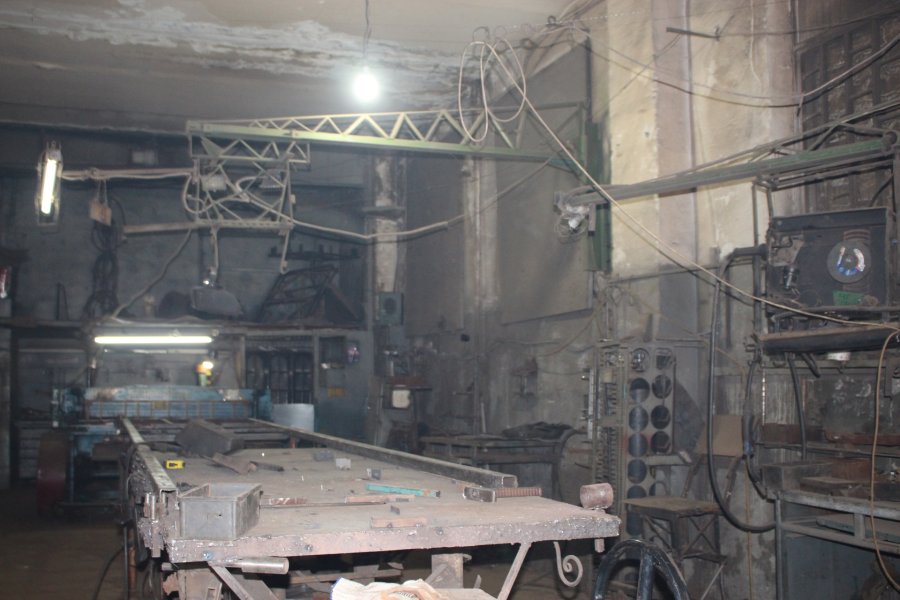
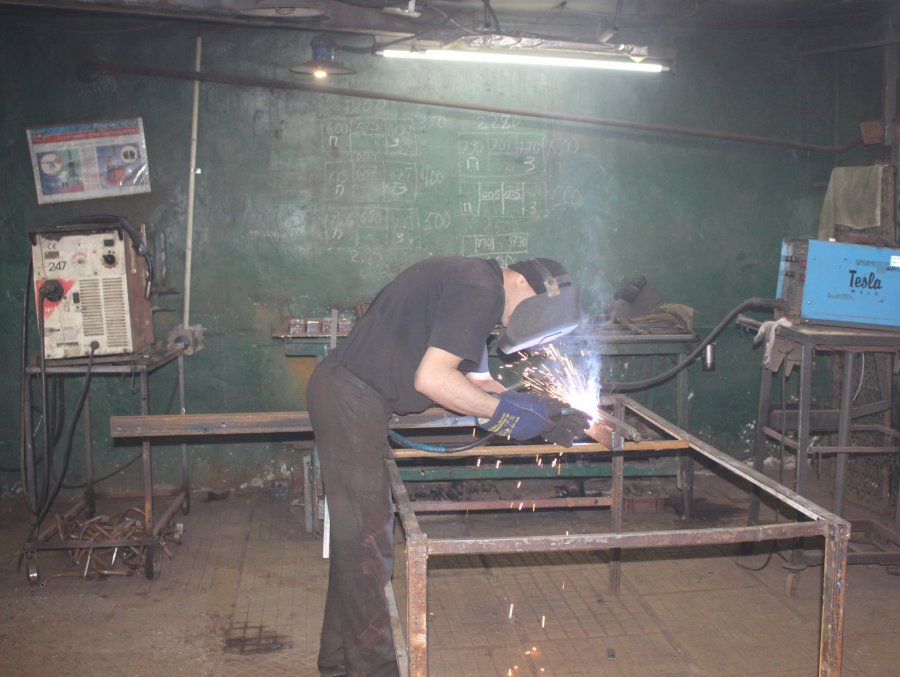
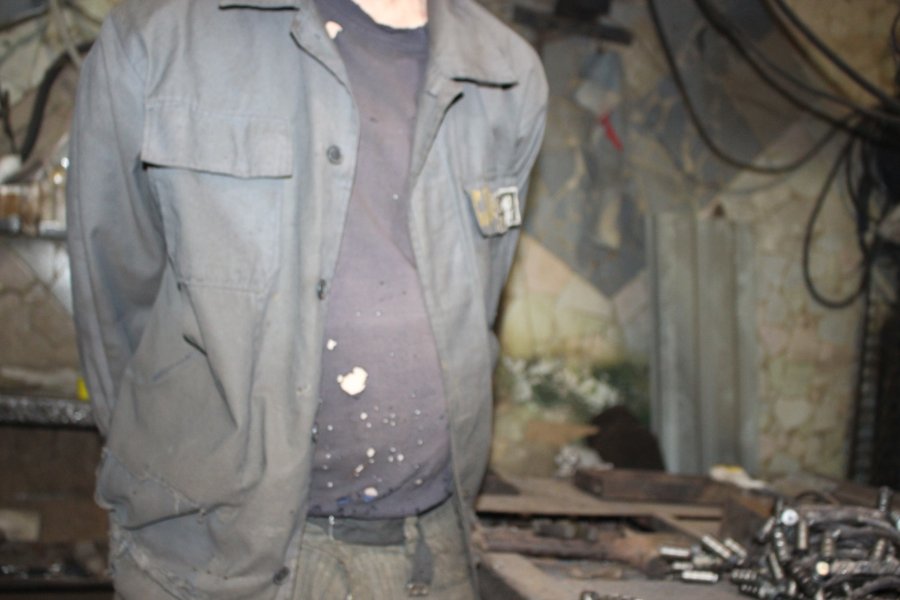
Convict X has been working for two and a half years; he received his overalls before the war. There are no safety measures in place.
Forge
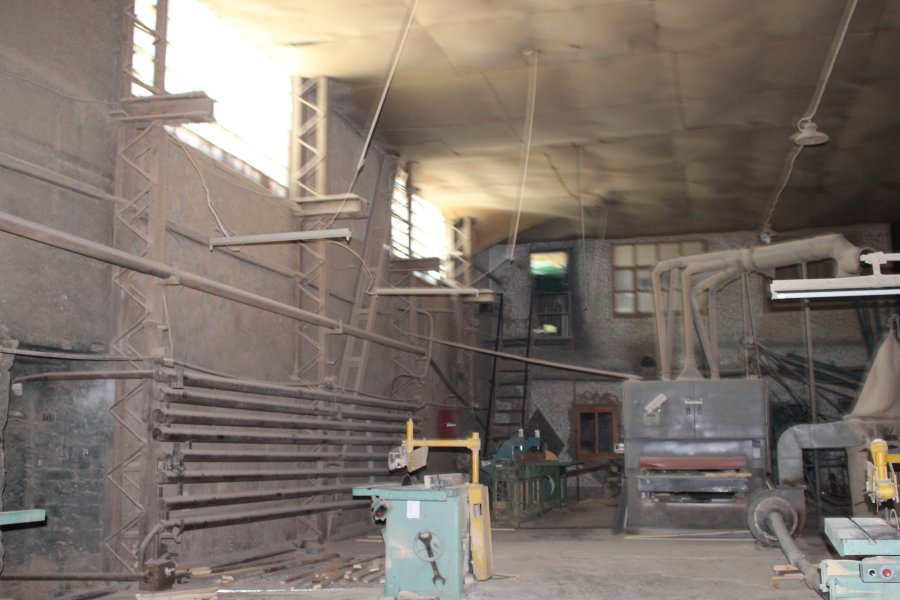
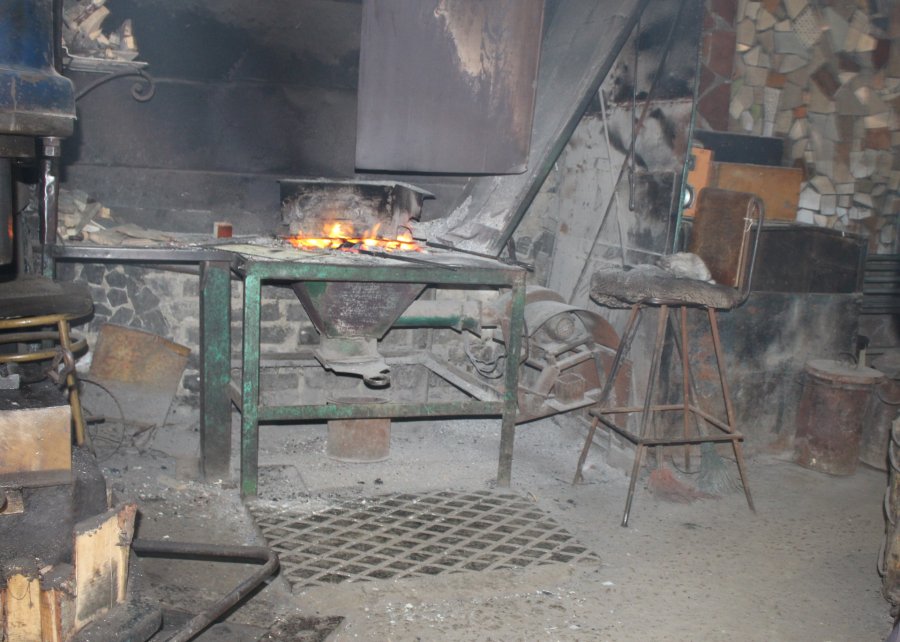
Convict X has been working for 3 years; he refused to speak about working conditions and earnings.
In the furniture workshop, furniture is made to order. Any person, whether legal or physical, can order furniture products, including from the customer's materials. According to the administration, production operates in one shift. Convicts categorically refuse to communicate on this topic.
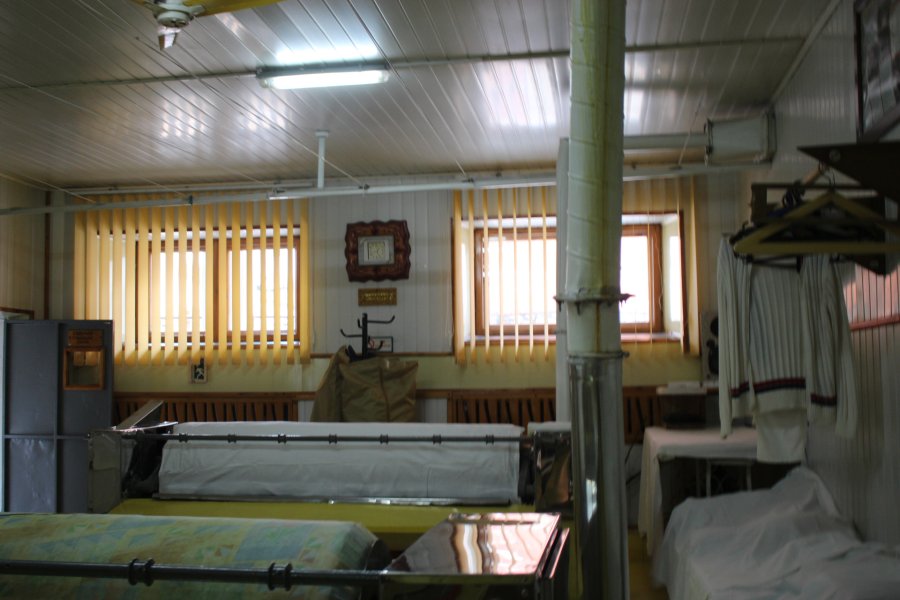
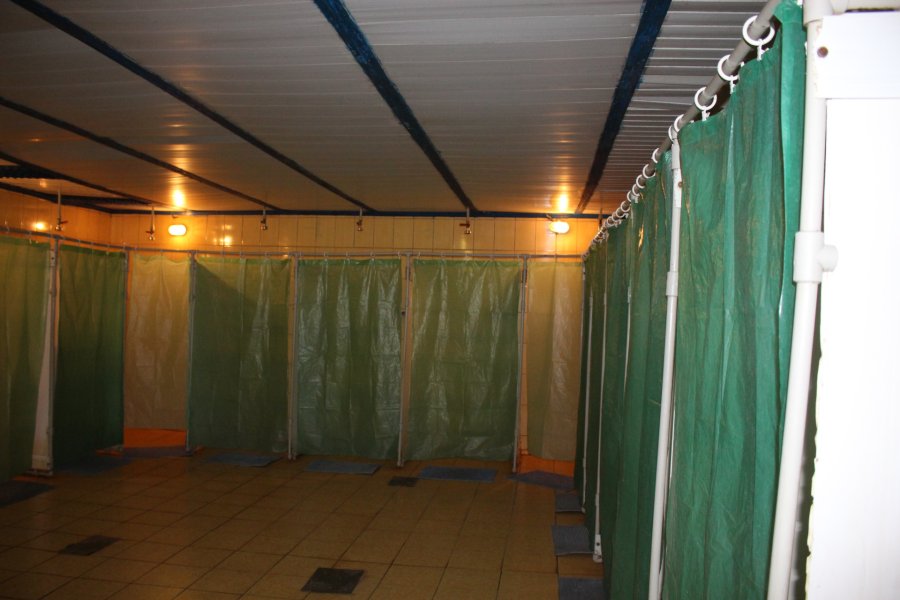
Bath/Laundry
Security
The institution suffered during enemy shelling by the Russian army. Two rockets hit the territory of the institution. The perimeter, the coastal grove, and the garage were damaged. Direct “hits” occurred almost every day.
There is a bomb shelter on the territory in both the industrial and residential zones, where both convicts and staff hid during shelling. The question of evacuating the institution was not raised.
DIZO/PKT/DPK/SIZO
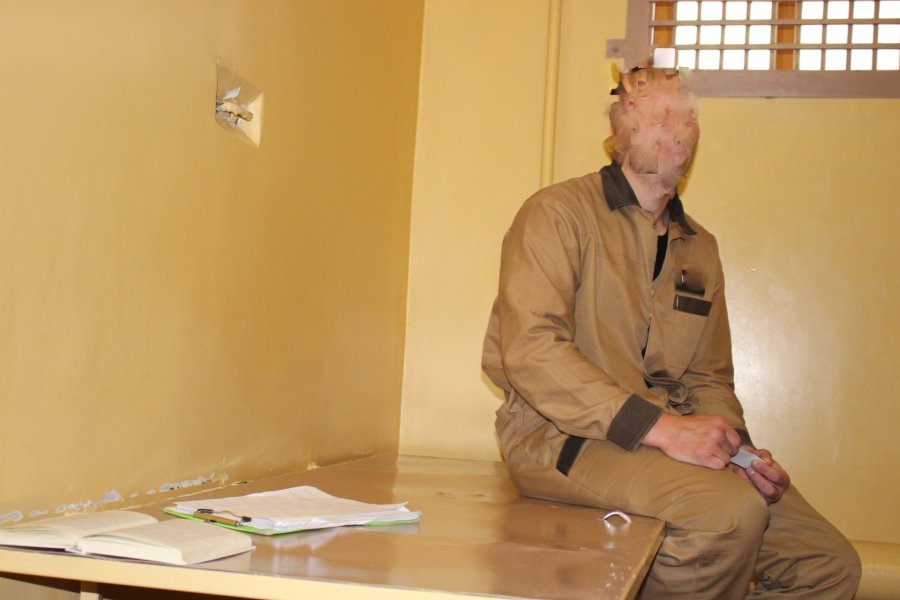
During the visit, 1 convict was being held in the DIZO, 2 in the PKT, and 4 in the DPK.
Loud music is played in the disciplinary premises.
Convict X received a disciplinary penalty of 7 days in the DIZO for obscene language and threats against the administration. The convict knows that he has the right to free legal aid from a lawyer, but does not know how to exercise this right. Convict X, who is serving a penalty of 3 months in the PKT, reported that he cannot contact his lawyer.
In the SIZO section, there are 4 cells. There is no drinking water. For persons in the status of pre-trial detainees, there is no practice of phone calls or visits with relatives. Convict X has been held for almost a year. During this period, he has had no visits or phone calls with relatives. Convict X has been held for 9 months — there is no communication with relatives.
In the DPK cell, Convict X reported that he needs medical and legal assistance.
Another convict looked very frightened and noted that he had a lot to say, but he was afraid. He also indicated that he wanted to be transferred to another institution where he could maintain social ties.

Medical Unit
At the time of the visit, four patients were receiving inpatient treatment.
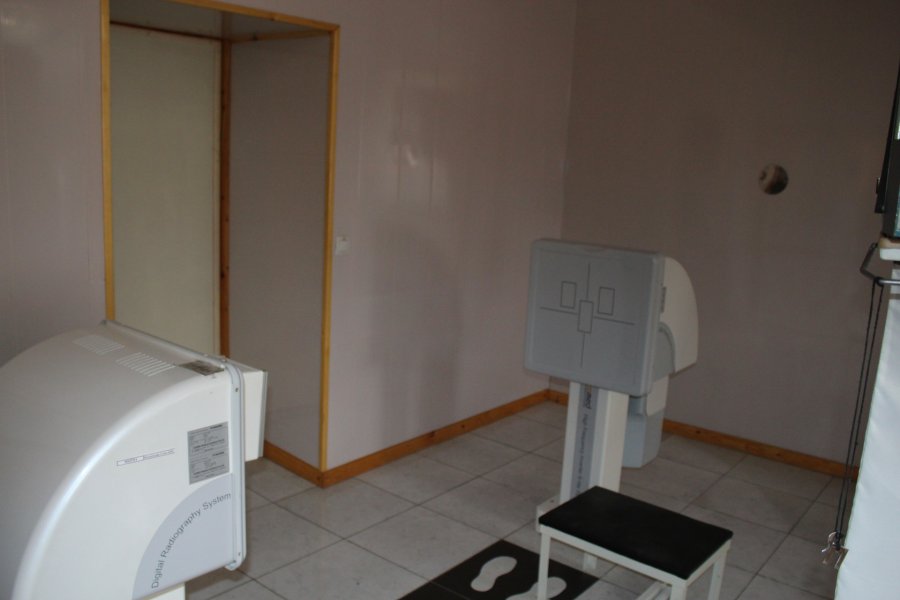
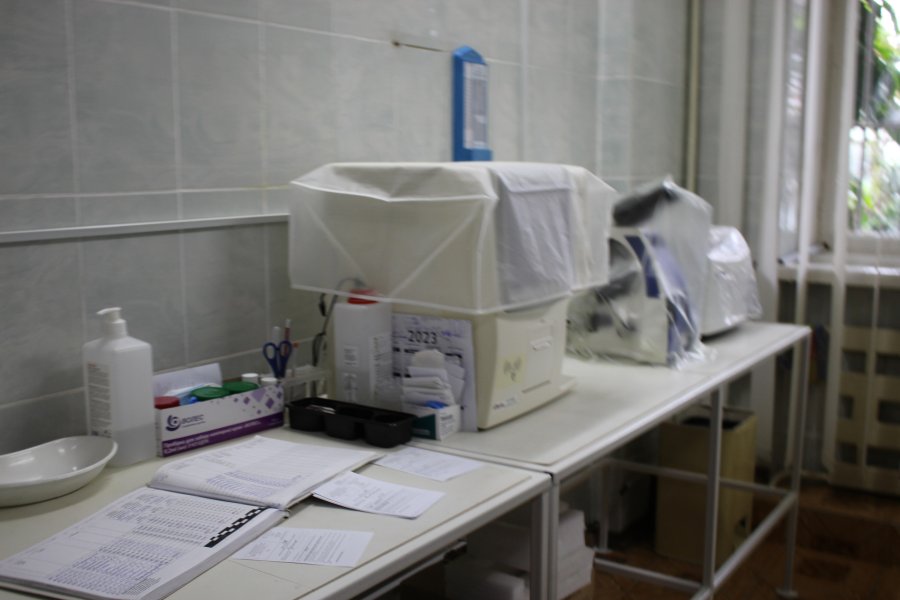
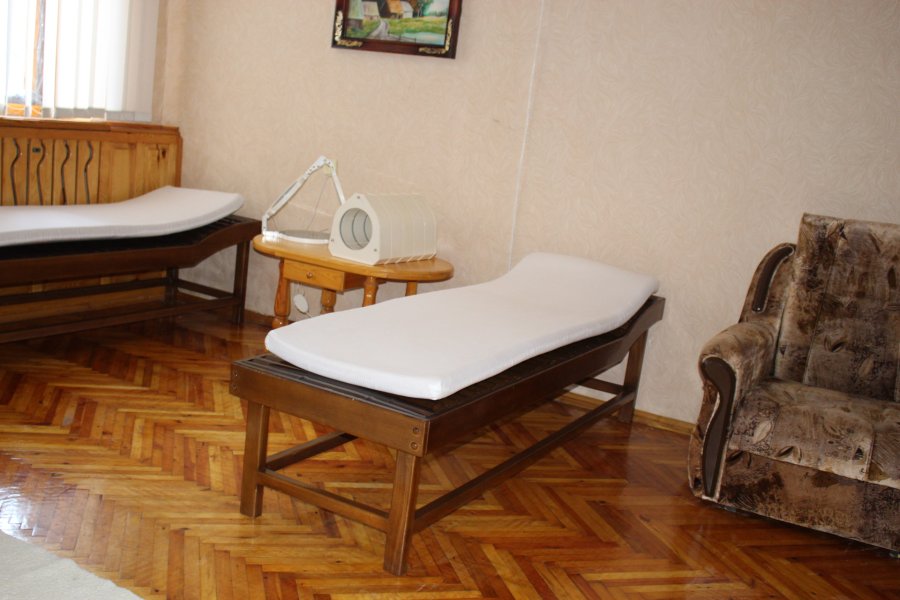
Convict X has bodily injuries on his face. There is no photo of the bodily injury in the patient's medical record. The prosecutor's office and the police have been notified. In the medical unit, there is no practice of issuing medical records about the state of health to patients.
KDiR
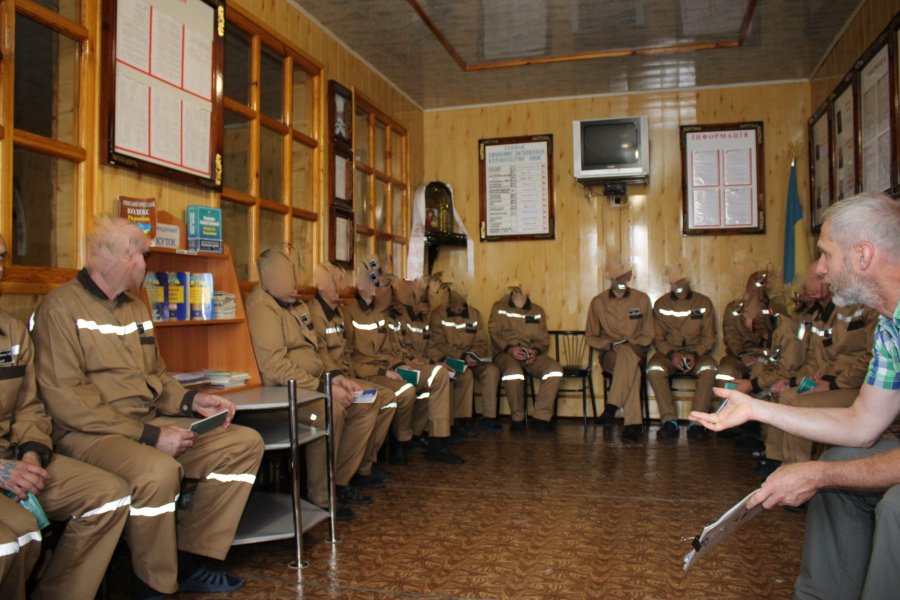
In the quarantine, distribution, and diagnostic unit, communication took place with the newly arrived. A number of convicts requested help in obtaining a passport. The mechanism for sending correspondence and exercising the right to free legal aid was explained to the convicts.
SPP
The practice of empowering assistants to the administration from among the convicts continues in the institution; there is a so-called illegal “law and order section”.
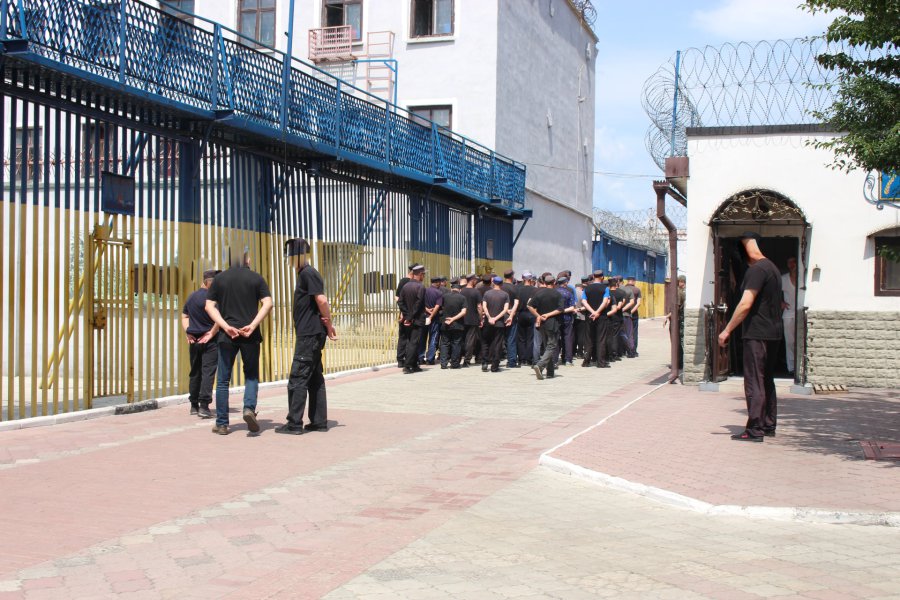
Living Quarters
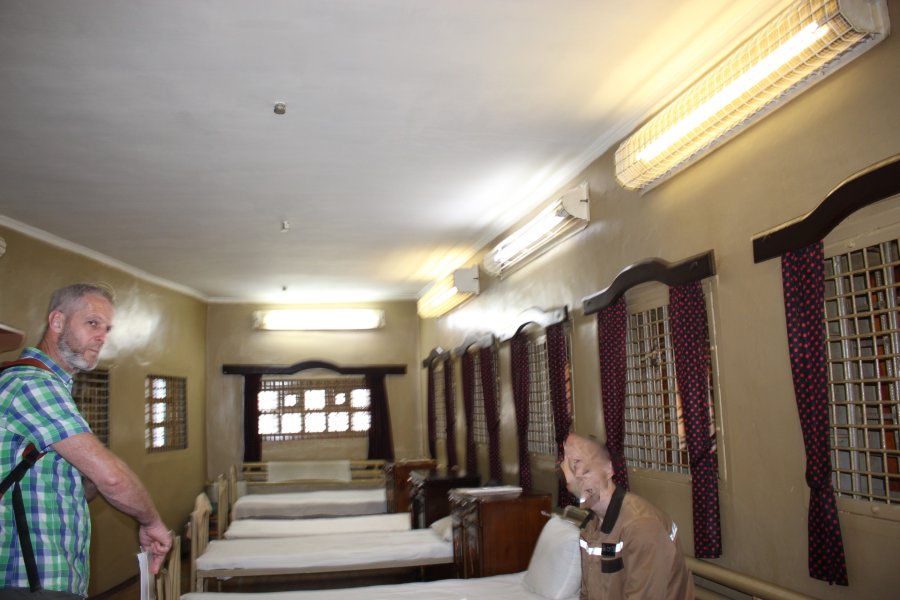
It is forbidden to sit on beds during the day in the living quarters.
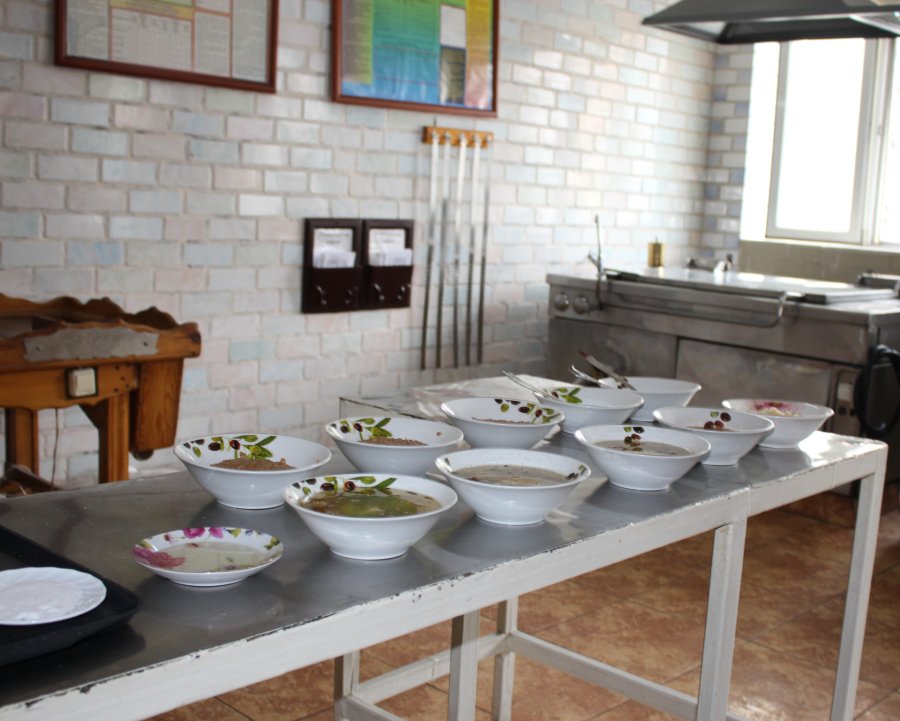
Canteen
After eating, convicts are subjected to a search; their socks are even checked for the presence of food products. Such a practice is a remnant of the “Soviet” era, the punitive GULAG system.

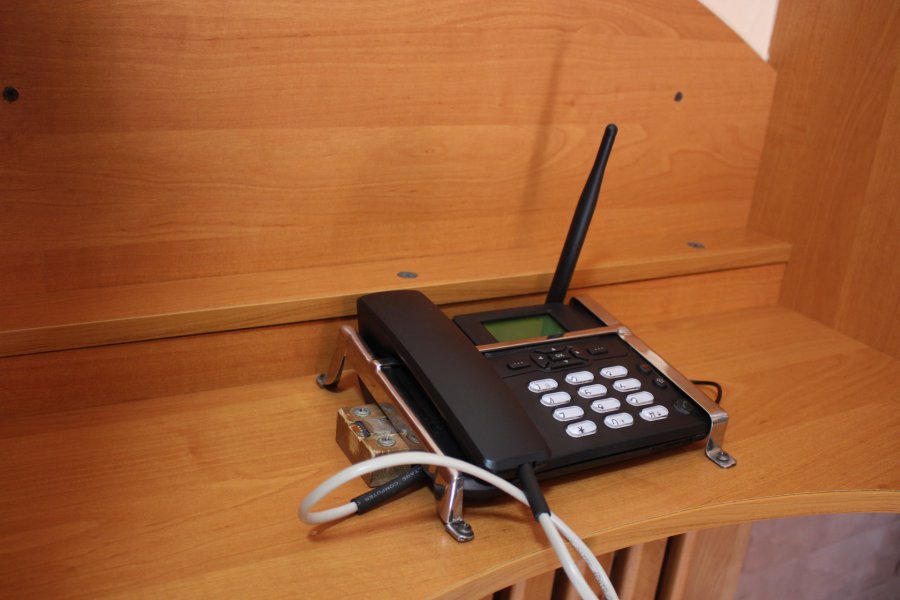
Telephone Call Room
None of the interviewed convicts had experience calling the hotline of the Secretariat of the Ukrainian Parliament Commissioner for Human Rights, the prosecutor's office, the SBI, or human rights organisations.
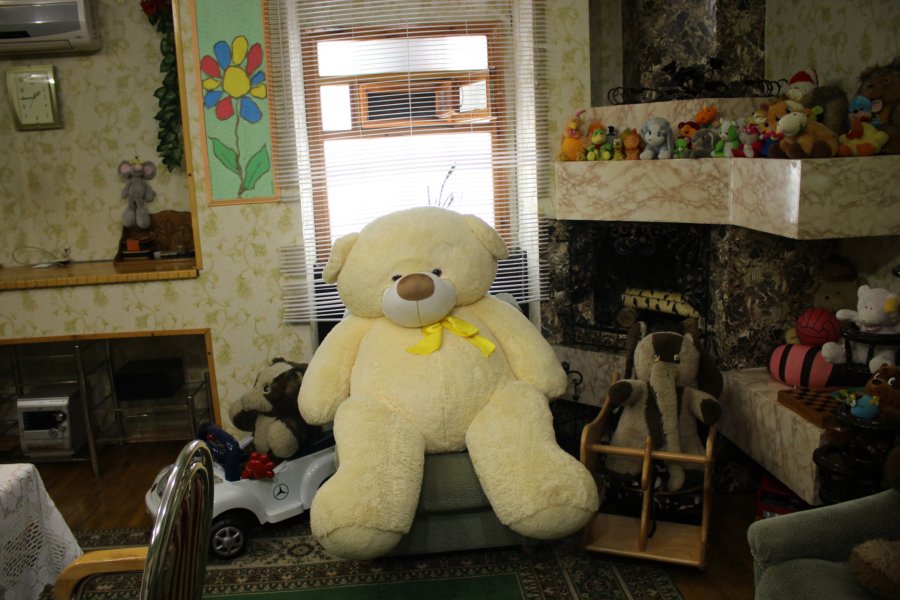
Long and Short-term Visit Rooms
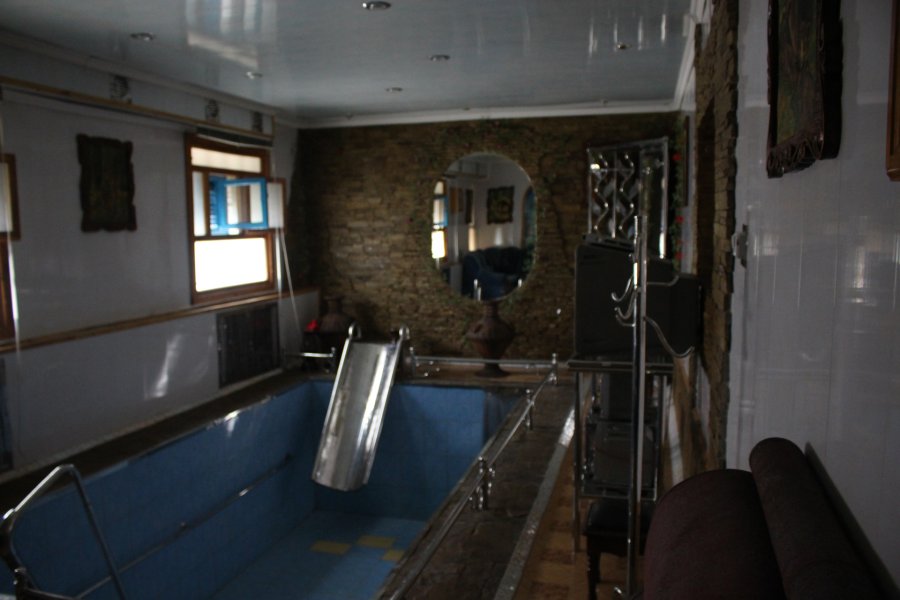
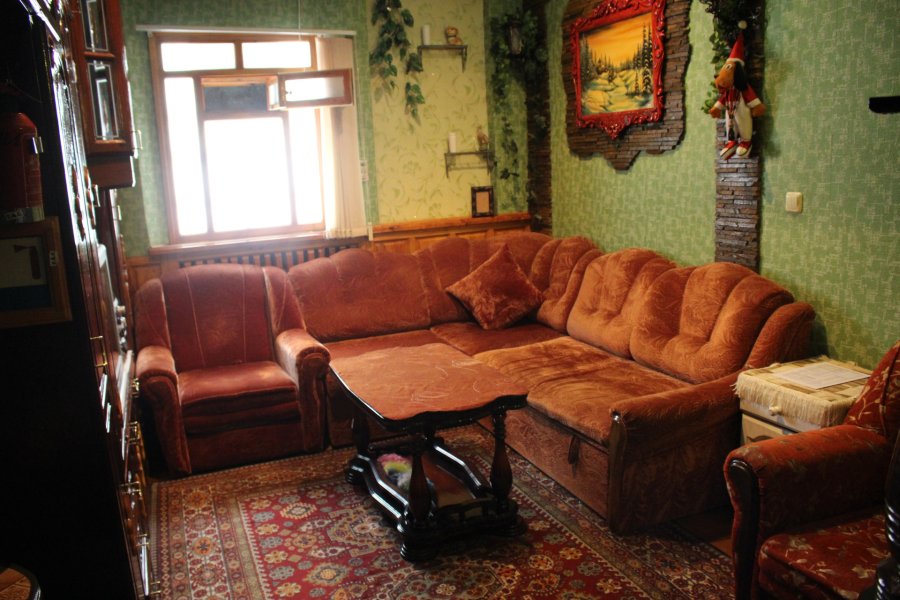
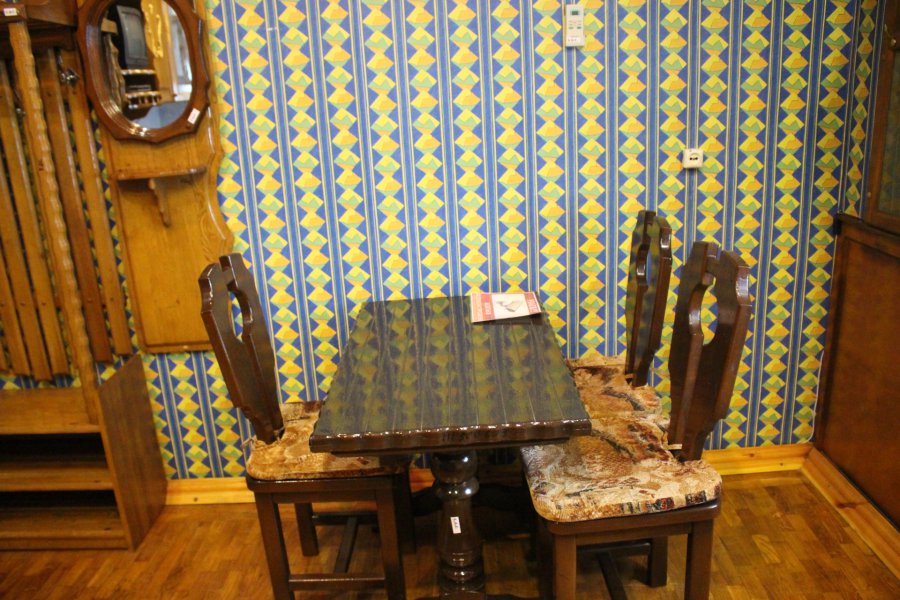
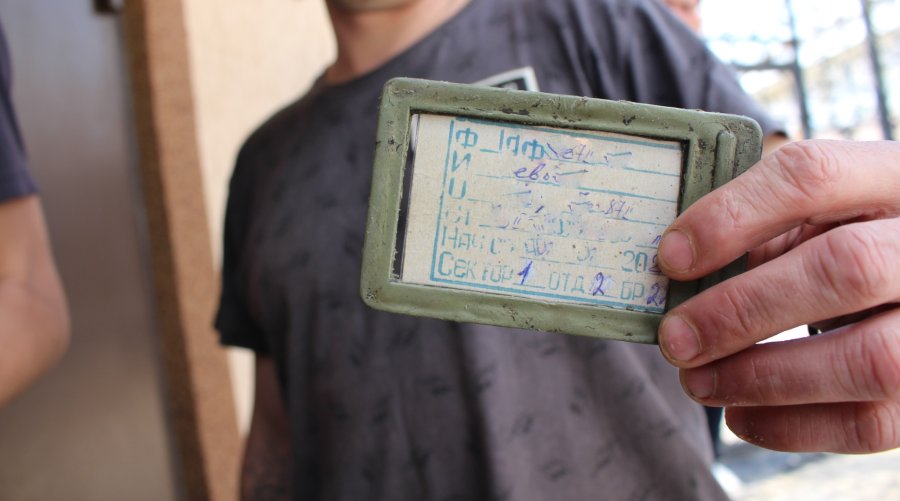
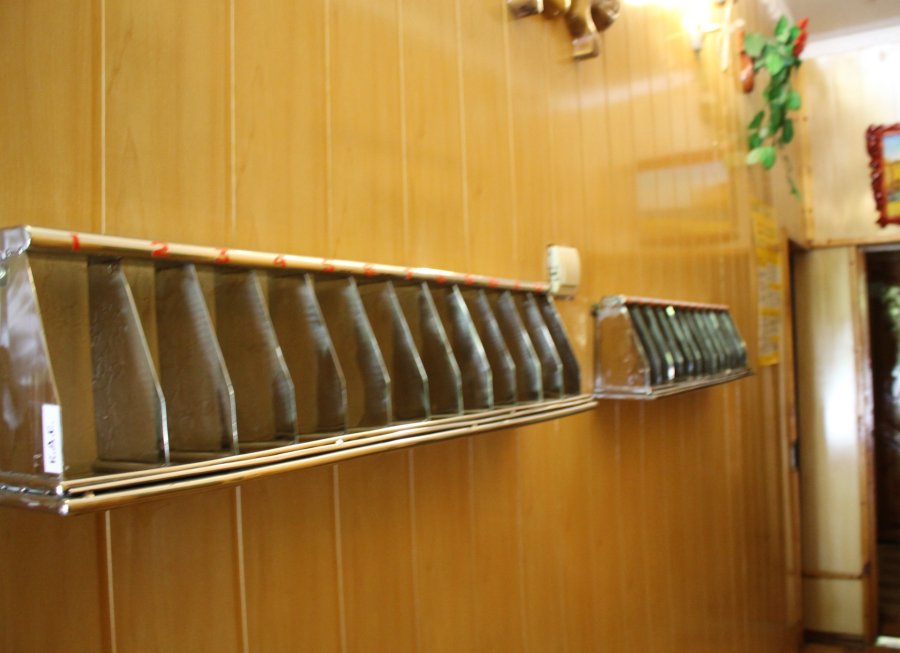
Before being admitted to a visit, convicts leave their so-called “passports” in special lockers. The institution has specially equipped rooms for short-term contact visits that are not used. In the long-term visit section, there is a swimming pool and a children's room.
CONCLUSIONS AND RECOMMENDATIONS
- Cease creating an atmosphere of fear and humiliation in the institution;
- Cease the practice of forbidding sitting on beds in living quarters;
- Cease the practice of forbidding the use of tablet computers and their accessories for personal use;
- Assist convicts in restoring family ties lost due to the war.
A preventive monitoring visit regarding the observance of human rights in the penitentiary system to the SE Oleksiivska Penal Colony No. 25 was carried out by representatives of the NGO “Kharkiv Human Rights Group”, consisting of Andrii Didenko and Mykhailo Romanov. The visit was carried out within the framework of the project “Reducing the suffering of prisoners in the context of the war in Ukraine”, funded by the government of Denmark in partnership with DIGNITY — the Danish Institute Against Torture. The purpose of the visit: analysis of human rights observance in places of detention during the war.
Date of visit: 20 June 2023