Hospital 'The Morgue' — report on the results of a monitoring visit to Sofiivska Multidisciplinary Hospital No. 45
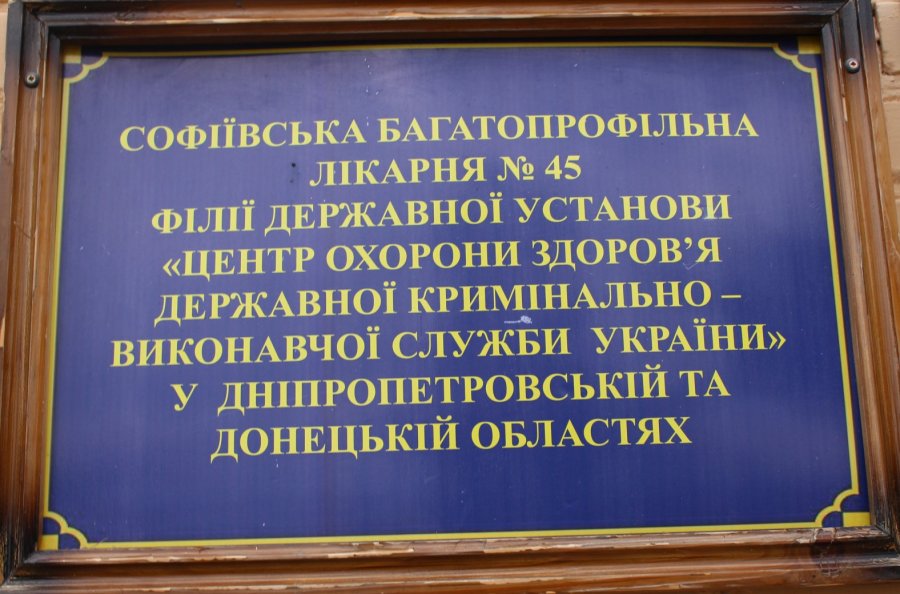
Head of Sofiivska Multidisciplinary Hospital No. 45, a branch of the State Institution 'Health Care Centre of the State Penitentiary Service of Ukraine' in the Dnipropetrovsk and Donetsk regions — V.V. Komisarova.
Sofiivska Multidisciplinary Hospital No. 45 is designed for 90 beds and comprises: a therapeutic department with 60 beds; a neurological department with 30 beds; an outpatient department, a clinical diagnostic laboratory, and a pharmacy. The previous visit took place on 16–17 September 2022.
The hospital has vacancies for the following positions: head of department – three positions; general practitioner – one position; ultrasound specialist – 0.5 position; neurologist – 0.5 position; psychiatrist – 0.5 position; radiologist – 0.5 position; head of pharmacy – one position; paramedic – one position; ward nurse – 0.5 position; nursing assistant – 0.5 position; laboratory technician – 0.5 position.
On the day of the visit, 35 people were undergoing treatment in the hospital's inpatient ward. As of 1 October, 689 convicted patients had received inpatient treatment at Sofiivska Multidisciplinary Hospital No. 45 since the beginning of 2023. During the first nine months of 2023, seven convicted patients died in the hospital, one of whom died at a Ministry of Health medical facility. According to information provided by the head of the hospital, on the day of the visit, there were no convicts in the hospital exhibiting symptoms of diseases that would constitute grounds for submitting materials to the court for their release from further serving their sentence due to a serious illness.
Dispensary surveillance is carried out for: HIV-positive persons – 78 (78 of whom are receiving ART); tuberculosis (cat. 5.1) – 69 persons; mental disorders – 13 persons. Persons with disabilities – 69. Of these, Group I – 26 persons; Group II – 39 persons; Group III – four persons.
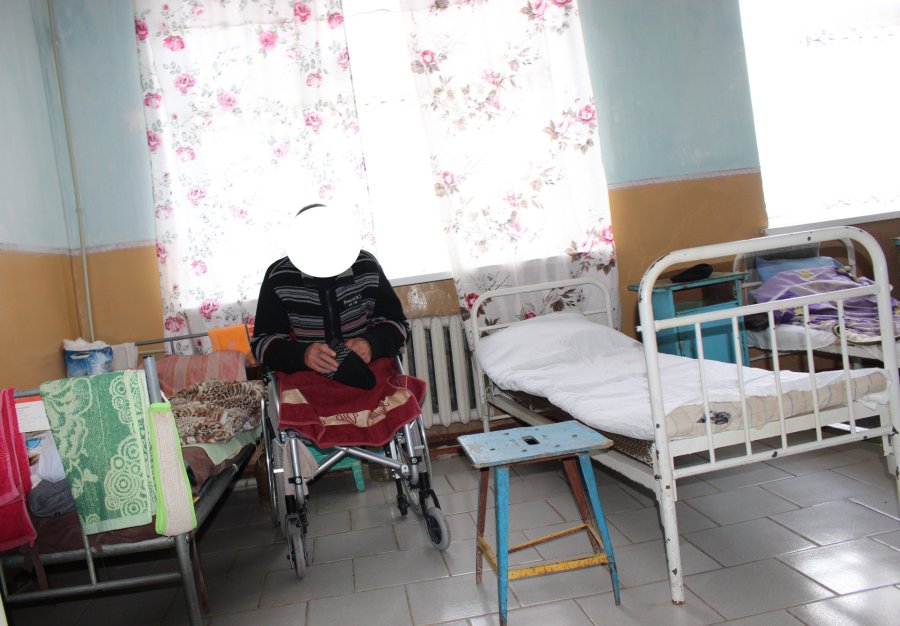
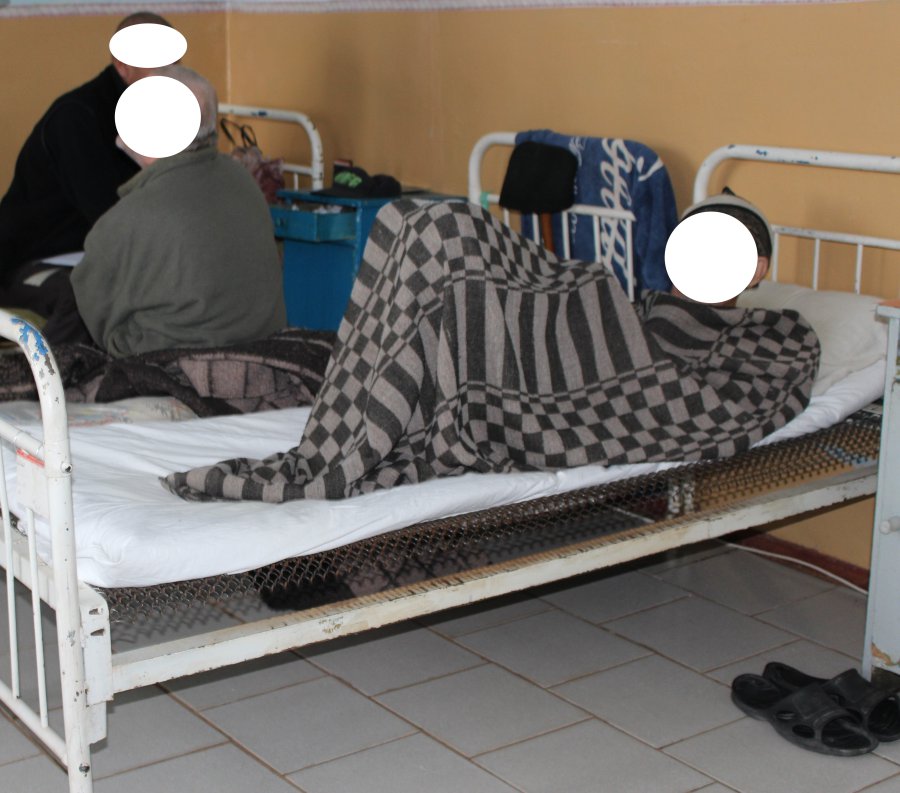
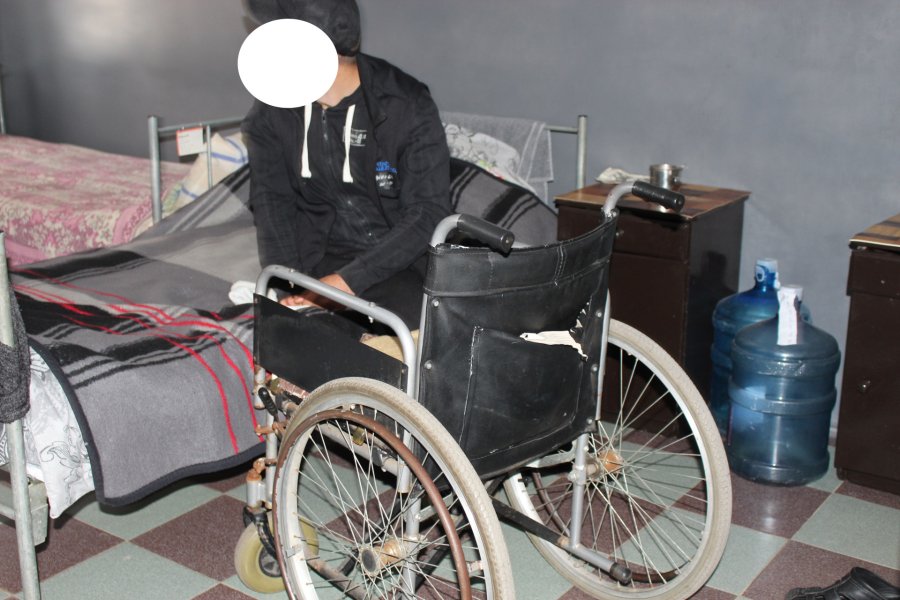
During the visit, shortcomings in the work of Sofiivska Multidisciplinary Hospital No. 45 were identified that lead to violations of the rights of convicts when providing medical care, in particular:
1. Violation of the rights of convicted persons when providing medical care
1.1 Due to a shortage of doctors, proper primary and secondary medical care is not being provided, which includes: provision of qualified and specialised inpatient medical care to convicts; determination of the degree of long-term or permanent disability of convicts; examination and preparation of medical documentation for persons eligible for release from further serving their sentence due to illness.
1.2 A medical advisory commission (hereinafter – MAC) has not been established, which does not comply with the Regulations on the Sofiivska Multidisciplinary Hospital No. 45 of the State Penitentiary Service of Ukraine in the Dnipropetrovsk and Donetsk regions.
1.3 The results of the examination of medical documentation indicate the absence of a diagnostic and treatment process for patients: referrals, clinical diagnoses, and the absence of daily logs and results of diagnostic procedures. Thus, the hospital is not fulfilling its functions as intended.
Violations regarding the provision of appropriate medical care during detention in institutions of the State Penitentiary Service of Ukraine are subject to review by the ECHR. For instance, in the ECHR judgments "Zayarnyuk v. Ukraine" and "Ladan and Gultyaev v. Ukraine", it is stated that the medical care provided in penal institutions must be adequate and correspond to the level of care that state authorities have committed to providing for the general population. The authorities must ensure the promptness and accuracy of diagnosis and treatment, and where the medical condition warrants it, the regularity and systematic nature of supervision and the existence of a therapeutic treatment plan aimed at effective treatment of the prisoner's condition or preventing complications.
2. Violation of the right to life, the right of convicted persons to protection from torture or inhuman or degrading treatment or punishment, and violation of the right to healthcare and medical care
2.1 The penal medical facility does not provide daily 24-hour doctor coverage.
2.2 It was established that the inpatient medical record No. 003/o lacks informed voluntary consent signed by the patient for diagnostics and treatment, which may indicate the absence of patients' voluntary consent for the application of diagnostic, preventive, and treatment methods.
2.3 In the outpatient medical records form 025/o, medical staff do not draft reports on existing bodily injuries. The "care provided" section does not specify the diagnostic measures prescribed and conducted (radiological examinations, etc.), the medical care measures provided (primary wound care, etc.), or the recommendations given to the patient. The accuracy of the information entered is not certified by the signature of the medical professional who performed the examination after completing the chart. The chart does not contain a note regarding the institution to which the information was transmitted, including the phone number, email address, date and time of transmission, and the name of the person who received it. A copy of the chart is not attached to the outpatient medical record form 025/o but is stored separately. These facts of improper documentation of bodily injuries do not ensure the prevention of violence against convicts in this institution, who have repeatedly complained about the practice of violence, threats, and humiliation used against them as a result of the influence of the established informal prison hierarchy.
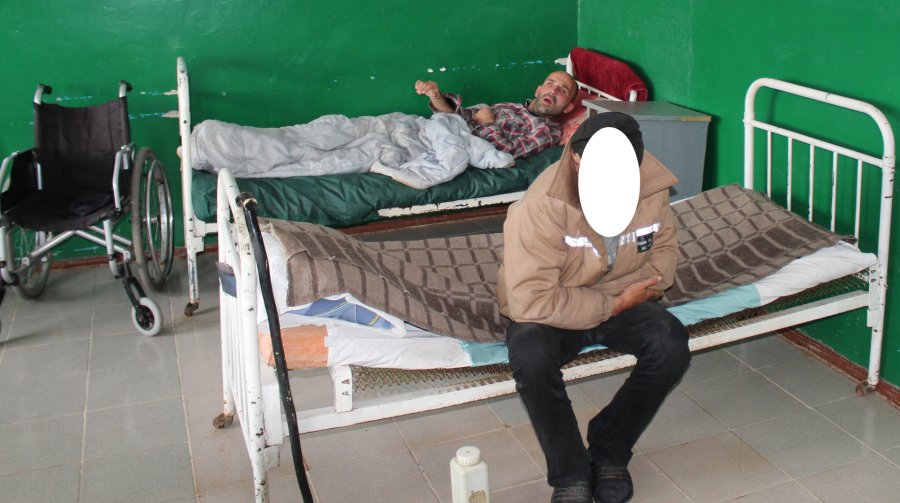
The monitoring group identified an individual — Serhii Volodymyrovych Trotsko, born in 1989, in a grave condition: absence of vision in the right eye, he is bedridden, his speech is significantly impaired, he is difficult to engage with, and he is incapable of self-care. According to medical documentation, S.V. Trotsko was hospitalised on 04.10.2023. He was held in ward No. 4 without proper medical care and attention. External examination revealed a deformation of the right temple and pathological changes to the right eye.
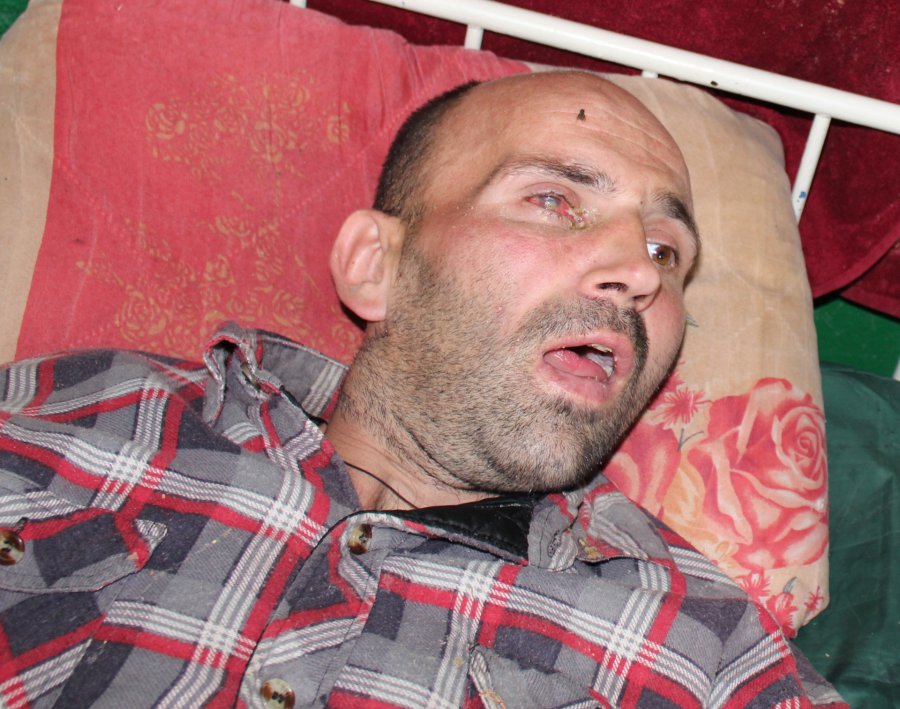
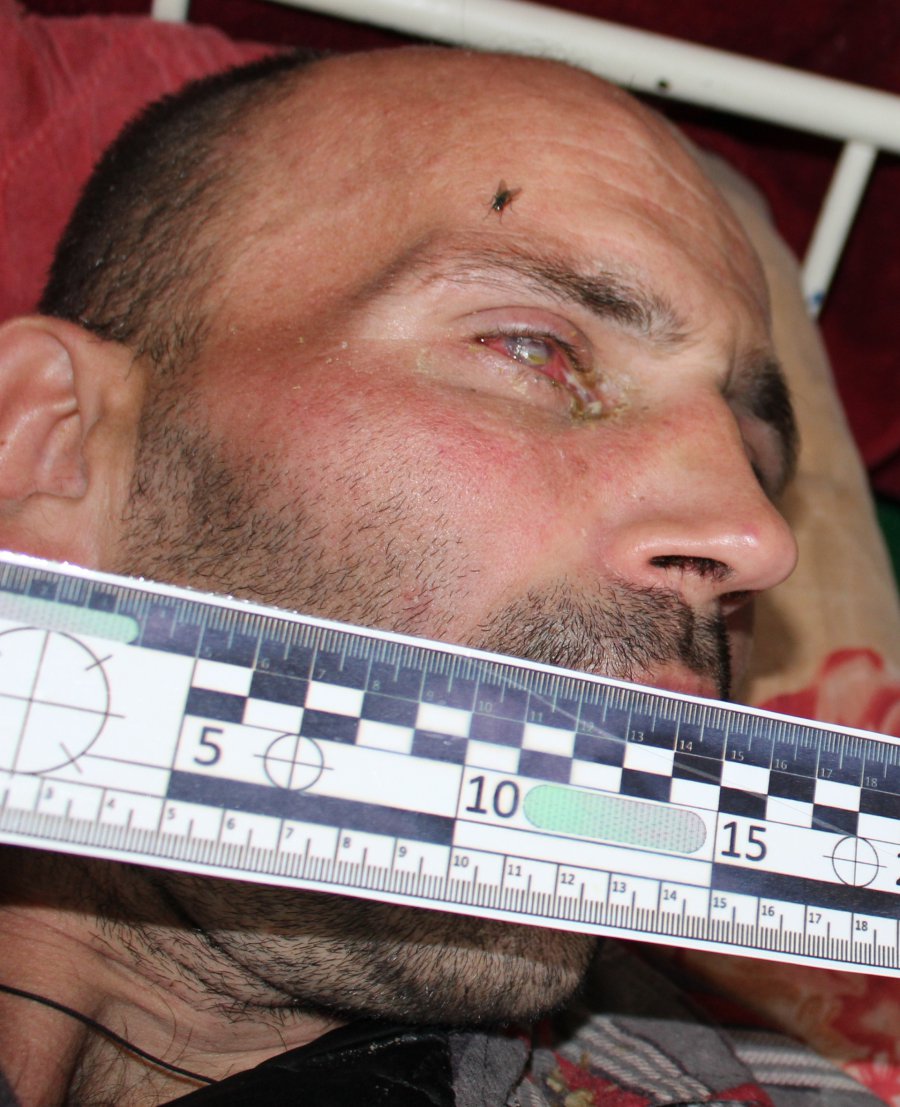
During the examination of the medical documentation, it was established that this person had been hospitalised several times with a diagnosis of the consequences of a severe traumatic brain injury. It was also established that necessary diagnostic and treatment measures were not taken in relation to the traumatic brain injury sustained; the medical documentation lacks the date and circumstances of the diagnosis of the traumatic brain injury, consultations with necessary specialists, and any radiological examinations.
At the time of the visit, the clinical diagnosis in the inpatient medical record was "bronchitis," and the medication administration record contained notes about the execution of medical orders for the day in advance. Daily doctor's notes were absent. Considering the prisoner's serious state of health, his rapid negative progression, and signs of improper medical care, there is significant concern for this person's life.
3. Violation of the rights of persons with disabilities (Article 9 of the UN Convention on the Rights of Persons with Disabilities)
Dispensary surveillance is provided for 69 persons with disabilities. Of these, Group I – 26 persons; Group II – 39 persons; Group III – four persons. Persons with disabilities do not receive appropriate diagnostic, treatment, and rehabilitation measures, despite information confirming persistent impairment of body functions caused by diseases or the consequences of injuries, which restrict normal daily activities.
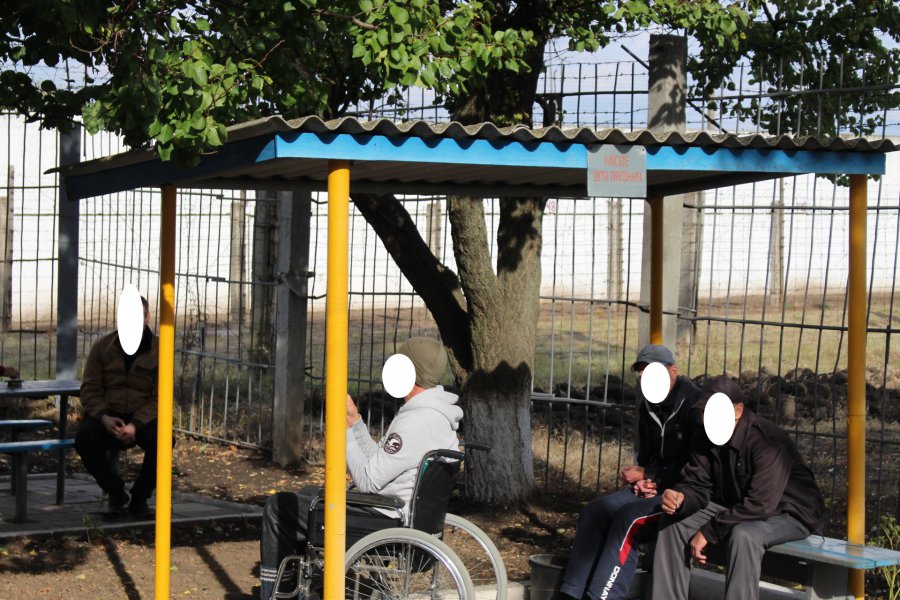
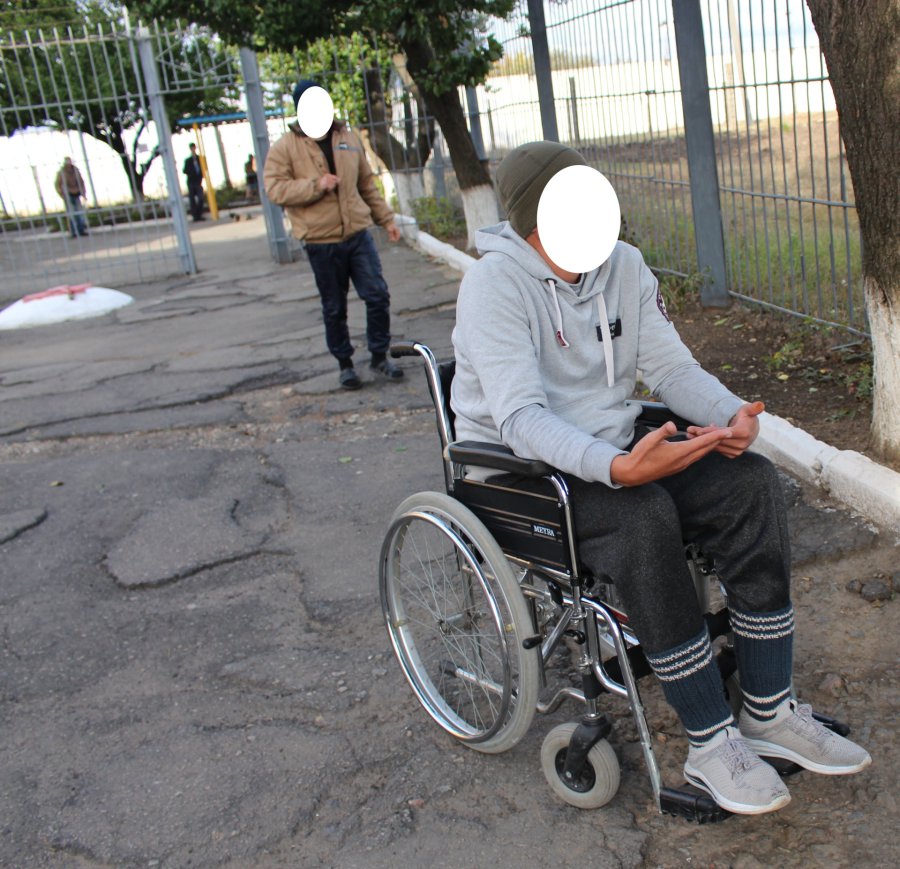
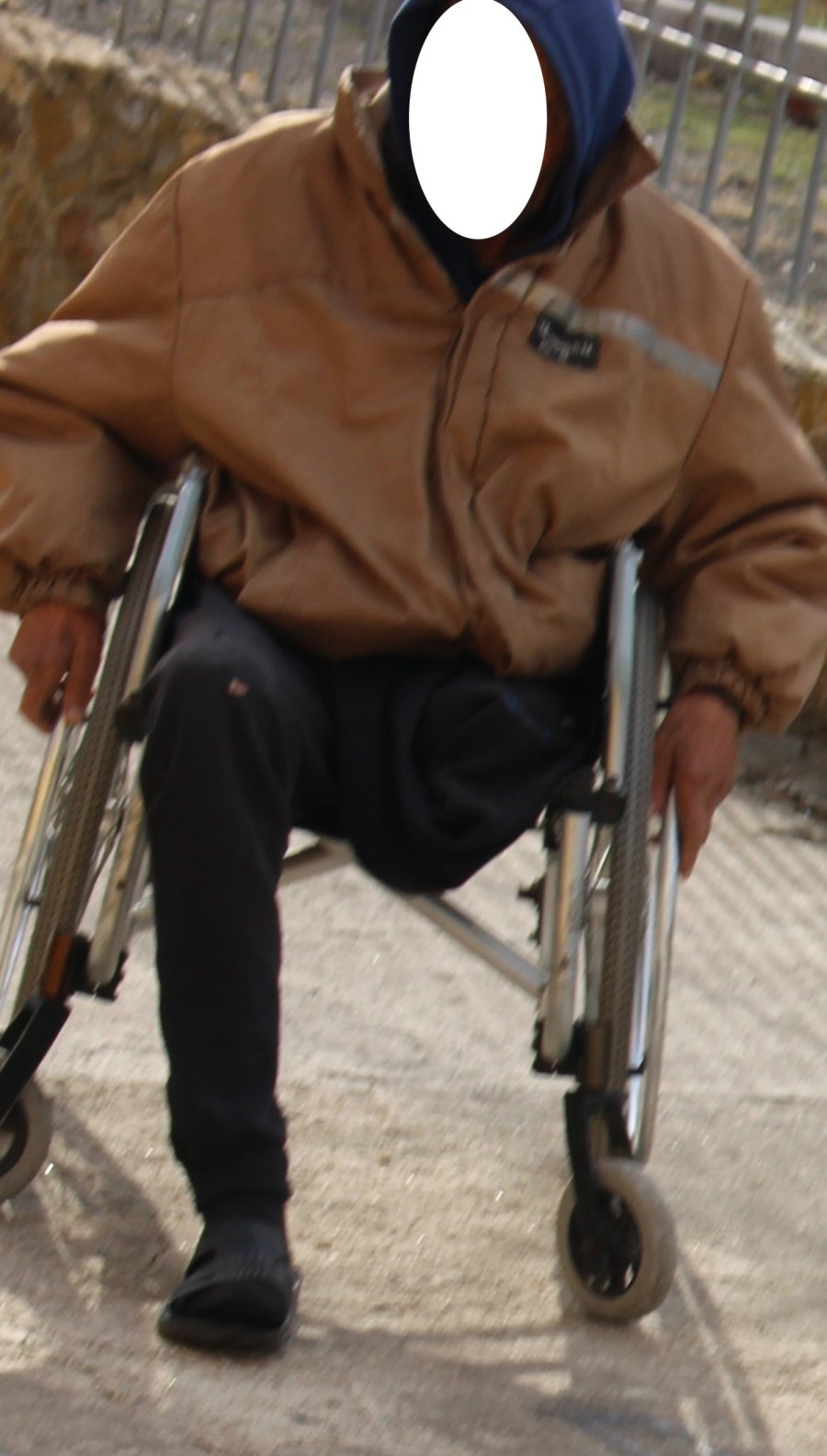
During the study of the convicts' medical documentation, it was established that 10 persons with disabilities lacked an individual rehabilitation programme (hereinafter – IRP). Furthermore, the monitoring group established that the recommendations of the IRP are not being fulfilled, which means the convicts do not receive appropriate diagnostic, treatment, and rehabilitation measures.
4. Violations during preventive medical check-ups and medical examinations. Violation of prisoners' rights to medical care
4.1 According to paragraphs 2 and 3 of Chapter III, Section II of the "Procedure for Organising the Provision of Medical Care to Sentenced Prisoners," a general practitioner (or family doctor), a psychiatrist, and a dentist must participate in the preventive medical examination. At the same time, the vacant positions of general practitioner and psychiatrist indicate that the primary and preventive medical examinations are incomplete.
4.2 There is no logbook for recording the results of preventive medical examinations.
4.3 During the inspection of the personal medical books of convicts working in the canteen, it was established that these employees had not been examined by a general practitioner or a dermatovenereologist.
4.4 The hospital does not maintain a "Control Card for Dispensary Surveillance of an HIV-Infected Person" (No. 030-5/o).
4.5 Due to the lack of signed declarations with a primary care physician, convicts are unable to receive the necessary medical services at the expense of the National Health Service of Ukraine (NHSU), which leads to a violation of the requirements of paragraphs 4 and 5 of Article 4 of the Law of Ukraine "Fundamentals of the Legislation of Ukraine on Healthcare."
5. Lack of equipment, medical supplies, and medicinal products in the medical unit
5.1 The medical unit lacks a dental X-ray machine, which makes it impossible to conduct in-depth dental examinations of convicts and does not ensure the timely provision of proper dental care.
5.2 During the check of the defibrillator's functionality, it was established that the electrodes were missing.
5.3 Furthermore, the monitors established that convicts have not been undergoing preventive medical check-ups using the IDIS telemedicine complex since August 2023, as it is not operational.
5.4 Upon inspection of the medical unit's dental office, expired medicinal products were found.
5.5 The hospital pharmacy is not supplied with medical devices and medicinal products necessary for treatment, in particular, drugs for the treatment of diseases, in accordance with the profile of the medical institution.
6. Failure to comply with infection control and epidemiological surveillance, and inadequate conditions
6.1 The medical unit is equipped with only one isolation ward for infectious patients, which makes it impossible to simultaneously house patients with dangerous infectious diseases separately from each other and from other convicts. The isolation ward is not equipped with supply and exhaust ventilation, there is no possibility to open the window independently, the sanitary facilities are not equipped with doors, and there is no tank with boiled drinking water.
6.2 In violation of the "State Sanitary and Anti-Epidemic Rules and Norms on Medical Waste Management," medical waste is disposed of by burning it in the institution's boiler room by a medical worker.
7. Violation of the right to proper psychiatric care
7.1 According to the staffing schedule, the position of psychiatrist is vacant in the hospital, and as a result, convicts suffering from mental and neurological disorders are not receiving the necessary medical care.
7.2 The isolation ward for persons with mental disorders is not equipped with supply and exhaust ventilation, there is no possibility to open the window independently, the sanitary facilities are not equipped with doors, and there is no tank with boiled drinking water.
8. Improper storage of medicines received from relatives
There is no separate cabinet in the medical unit for storing medicines from relatives. In addition, there are no applications from relatives of convicts or other persons regarding the transfer of medicines or medical devices in the medical documentation (medical record No. 025/o or No. 003/o).
9. Violation of the rights of persons with viral hepatitis C
During 2023, 106 people were tested for viral hepatitis C in the medical unit, 74 of whom were suspected of having the disease. Not all persons suspected of having viral hepatitis C undergo PCR testing; consequently, they do not receive the necessary treatment, which may lead to the deterioration of their health and the spread of this infectious disease among convicts and detainees. Furthermore, the hospital pharmacy is not supplied with drugs for the treatment of viral hepatitis C (HCV).
10. Violation of fire safety rules
10.1 The premises of the medical unit are not equipped with fire extinguishing and fire alarm systems, including the pharmacy, X-ray room, wards, offices, etc.
10.2 Extraneous equipment (old fluorographic equipment) is stored in the X-ray room. This does not ensure safe conditions for patients in the inpatient facility and may pose a threat to their life and health.

The preventive monitoring visit to Sofiivska Multidisciplinary Hospital No. 45 was carried out by the Kharkiv Human Rights Protection Group. The monitoring group consisted of an assistant to the People's Deputy of Ukraine Kostiantyn Kasai, a member of the Public Council under the Ministry of Justice of Ukraine Serhii Zuikov, an assistant to the People's Deputy of Ukraine Yaroslav Yurchyshyn, HRPG programme coordinator Andrii Didenko, member of the Public Council under the Ministry of Justice of Ukraine Oleh Tsvilyi, and a doctor and forensic medical expert, Kostiantyn Zaporozhtsev. The purpose of the visit was to analyse compliance with human rights in places of detention during the war. The visit was carried out as part of the project "Reducing prisoner suffering in the context of the war in Ukraine," funded by the Danish government in partnership with DIGNITY — Danish Institute Against Torture.
Date of visit: 19–20 October 2023
Editor: Emiliya Prytkina