Report on the results of the monitoring visit to the Sumy Pre-trial Detention Centre
The state institution “Sumy Pre-trial Detention Centre” is a closed-type facility that performs law enforcement and legal functions. The pre-trial detention centre holds persons for whom a court has chosen detention as a precautionary measure, or to whom a temporary or extradition arrest has been applied, as well as convicted persons whose sentences have not entered into legal force and for whom detention has been chosen as a precautionary measure. Also held are persons sentenced to imprisonment who have been left to perform facility maintenance work. An arrest house functions at the facility for those sentenced to arrest, as well as a maximum-security sector for men sentenced to life imprisonment.
Historical background
The detention centre has a long history. As early as the time of Tsarina Elizabeth Petrovna, in 1745, in the Slobozhanshchyna region, in the city of Sumy, a three-storey prison with 37 cells for 250 people was built. This structure stood for almost two and a half centuries, but during the Soviet era, it was repurposed into a pre-trial detention centre. In 1979, the detention centre building was in an emergency condition, and in 1985, a new pre-trial detention centre for 540 places was built on the outskirts of the city. The total area of the Sumy Pre-trial Detention Centre is 40,000 m²; including 3,452 m² of residential space, 731 m² of production space, and 11,700 m² of utility space. The main fence is made of stone and is 4.5 metres high. Prisoners are housed in general and small-capacity cells (from 4 to 25 people; 73 cells in total).
During the visit, the monitoring group examined the documentation relating to the institution’s operations, medical records, and inspected the posts of the reception department, cells for those in pre-trial detention and the convicted, those sentenced to life imprisonment, cells for women, utility rooms, the medical unit, and the arrest house to assess their compliance with the legislation of Ukraine and international standards.
The head of the pre-trial detention centre and chief of the arrest house is Colonel of the Internal Service Ihor Serhiyovych Yakovlev. The monitors were accompanied by the Deputy Head of the pre-trial detention centre for SVR and PR, Captain of the Internal Service Vadym Ihorovych Vasin; and the Head of the Regime and Security Department, Captain of the Internal Service Serhii Oleksiiovych Solodovnyk.
Obstruction of the monitors' activities
The practice of demanding additional permitting documents from monitors that are not provided for by legislation, namely Article 24 of the Criminal Executive Code of Ukraine, continues. It states: “Without a special permit (accreditation), at any time and without hindrance, assistants to People's Deputies have the right to visit penal institutions to carry out control and inspections (optionally accompanied by up to three medical professionals for medical examination of the convicted, and up to two representatives of the media).” They certify their authority with a corresponding document issued by the Secretariat of the Verkhovna Rada of Ukraine. No additional permitting documents are required in this context. However, the pre-trial detention centre administration demanded a power of attorney from a People's Deputy for the right to carry out unannounced visits.
General section
According to the institution’s management, at the time of the monitoring visit, there were 535 people being held in the institution. During the current year, 3,644 people have arrived at the pre-trial detention centre. In 2022, one person died in the institution; in 2023, four people died. Two psychologists work at the pre-trial detention centre. 11 people are employed in maintenance work. There were seven people in the medical unit. In the punishment cell, there was one person. The administration’s treatment of prisoners is humane. There are 38 people registered with HIV/AIDS, eight prone to suicide, eight prone to self-harm, three prone to escape, and 23 malicious violators of the detention regime. Two people are registered with Group III disability.
During 2022, two people were released on parole, and in 2023, three people. During 2022, there were 12 emergency medical calls, and in 2023, 12 cases. In 2022, 149 cases of bodily injury were recorded: 137 upon arrival and 12 during their stay in the institution. In 2023, there were 207 cases: 178 upon arrival and 29 during their stay in the institution. There are 24 prisoners in the institution who are completely ostracised. Six convicted persons have tablets for personal use. During 2022, there were 120 long-term visits, and in 2023, 96. Short-term visits: in 2022 — 219; in 2023 — 107 through glass, and 23 contact visits. In the current year, 3,390 telephone calls have been made.
Monitors from the Kharkiv Human Rights Protection Group conducted research on the sending and receiving of correspondence at this facility. During 2022, 40 sealed appeals were sent to the Ukrainian Parliament Commissioner for Human Rights; in 2023, seven. Received: in 2022 — 36 letters, in 2023 — nine. Sent to the prosecutor's office: in 2022 — 106 appeals, in 2023 — 141. Received: in 2022 — 565 letters, and in the current year — 344 letters. 403 appeals were sent to other government bodies during 2022, and 152 during 2023. 44 letters were sent to human rights organisations during 2022, and 26 letters during 2023.
Sumy Municipal Medical Unit
The head of the Sumy Municipal Medical Unit of the branch of the Centre for Health Protection of the State Criminal Executive Service of Ukraine in the Sumy region (hereinafter — the medical unit) is Nataliia Vasylivna Kurilina.
During the visit, the monitoring group studied medical documentation and inspected doctors' offices, the X-ray room, wards, and other premises of the medical unit to assess their compliance with the legislation of Ukraine and international standards.
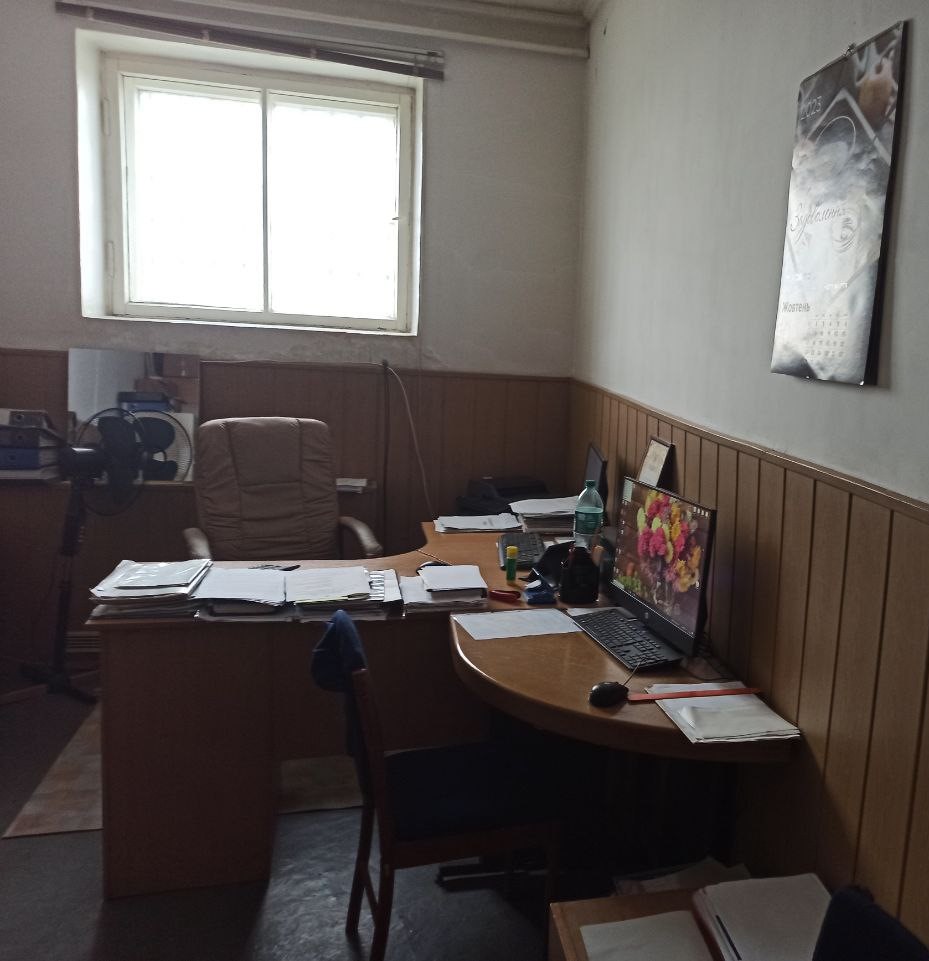
According to information provided by the medical unit staff, the following doctor positions are staffed: head of the medical unit/doctor — 1 post; general practitioner/family doctor — 1 post; dentist — 0.5 post; phthisiologist (TB specialist) — 0.5 post; radiologist — 0.5 post; narcologist — 1 post; dermatovenereologist — 1.5 posts; obstetrician-gynecologist — 0.5 post; psychiatrist — 0.5 post; infectious disease specialist — 0.5 post; ultrasound specialist — 0.5 post; neuropathologist — 0.5 post. The following positions remain vacant: dermatovenereologist — 0.75 post; surgeon — 1 post.
The inpatient department consists of one ward-cell for three beds and two infectious disease isolation cells for two and six beds, in which six people were staying on the day of the visit.
During the visit, shortcomings were found in the work of the Sumy Municipal Medical Unit, which lead to violations of the rights of the convicted and persons held in detention, in particular:
1. Violation of the rights of convicted and detained persons when receiving medical care
Due to the lack of declarations concluded by convicted persons with a primary medical care physician, they do not have the opportunity to receive the necessary medical services at the expense of the NHSU, which leads to a violation of the requirements of paragraphs 4 and 5 of Article 4 of the Law of Ukraine “Fundamentals of Healthcare Legislation of Ukraine”.
2. Failure to observe infection control and epidemiological surveillance
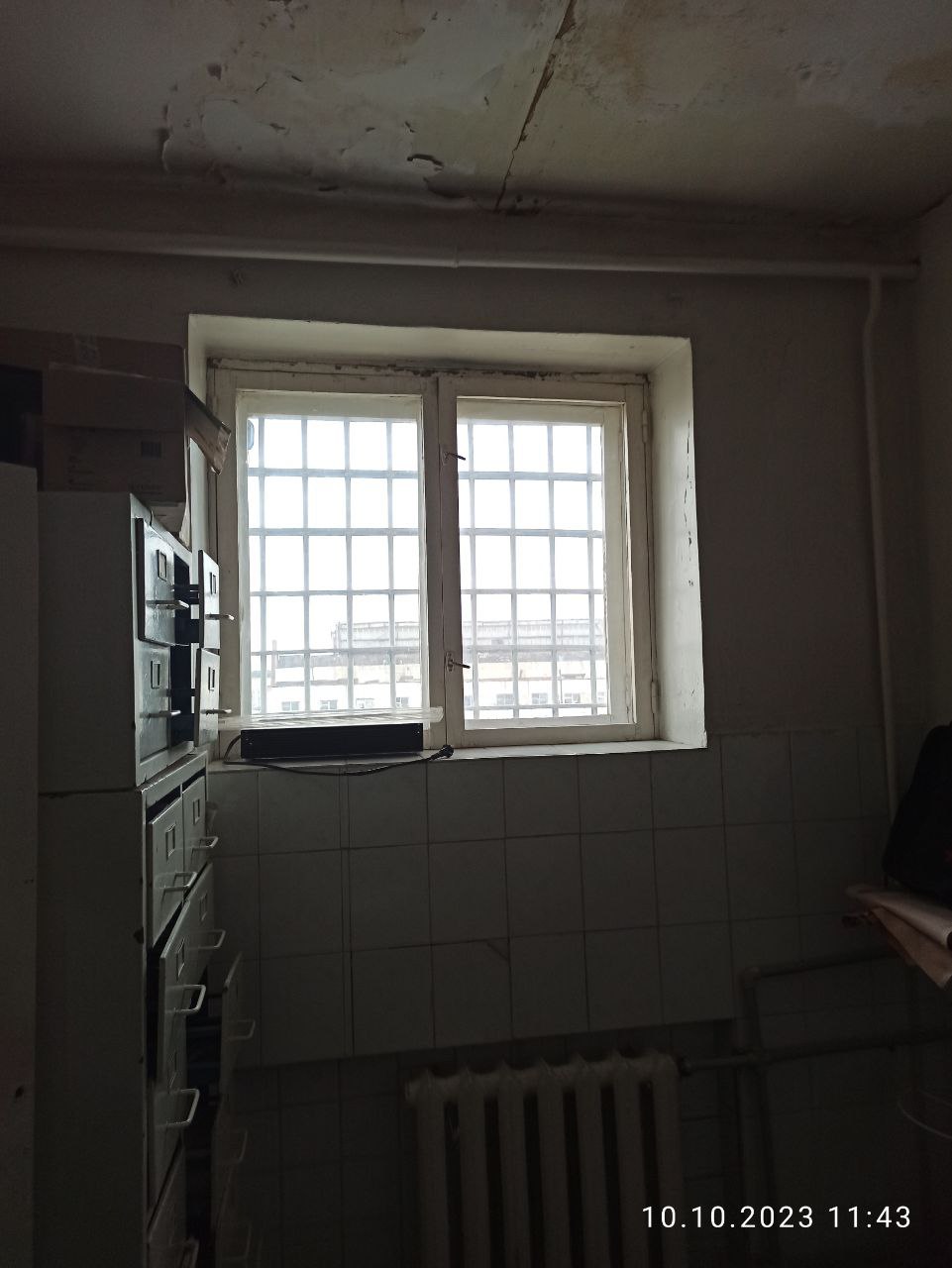
The medical unit does not comply with the requirements for the isolation of persons with tuberculosis; in particular, at the boundaries between clean zones and high-risk zones, there are no partitions with doors or airlocks installed; patient wards are used for more than one or two people (two ward-cells for two and six beds); doors to the ward are not equipped with a sealed threshold or edge seals; the wards are not equipped with supply and exhaust ventilation.
3. Violation of the rights of persons with disabilities (Article 9 of the UN Convention on the Rights of Persons with Disabilities)
Dispensary monitoring is carried out for two people with Group III disability. During the study of the medical documentation of the convicted, it was established that one person with a disability lacks an individual rehabilitation programme (hereinafter — IRP). Furthermore, the monitoring group established that the recommendations of the IRP are not being fulfilled, as a result of which prisoners do not receive appropriate diagnostic, treatment, and rehabilitation measures, despite information confirming persistent impairment of bodily functions caused by diseases and the consequences of injuries, which cause restrictions on normal daily activities. Conditions for accommodating people with disabilities have not been created in the institution (there are no ramps, handrails, etc.).
4. Improper storage of medicines received from relatives
There is a separate cabinet in the medical unit for storing medicines from relatives. At the same time, there are no statements from the relatives of the convicted or other persons regarding the transfer of medicines or medical supplies in the medical documentation (medical card No. 025/o or No. 003/o).
5. Violation of the rights of persons with hepatitis C
Since the beginning of 2023, 568 examinations of persons for the presence of hepatitis C (hereinafter — HCV) have been conducted in the medical unit using rapid tests, 157 of whom were suspected of having the disease. In violation of the requirements of the Standards of Medical Care for HCV in adults, approved by order of the Ministry of Health of Ukraine dated 15.01.2021 No. 51, not all persons with suspected hepatitis C undergo PCR testing, due to which they do not receive necessary treatment, which may lead to a deterioration in their health and the spread of the specified infectious disease among the convicted and detained persons.
6. Improper recording of bodily injuries and improper maintenance of medical documentation
6.1 The number of the medical card of the prisoner who received injuries on 05.10.2023 is missing, which should correspond to the patient registration sequence number indicated in the “Journal for recording detected bodily injuries”.
6.2 In the medical unit, a “Control card for dispensary monitoring of an HIV-infected person” No. 030-5/o has not been created for all HIV-infected persons.
6.3 During the examination of documentation, the monitors established that the Journal for recording the results of preventive medical examinations is maintained improperly; in particular, there is no information about the date of the examination, the diagnosis, recommendations, or the full name of the doctor who conducted the examination.
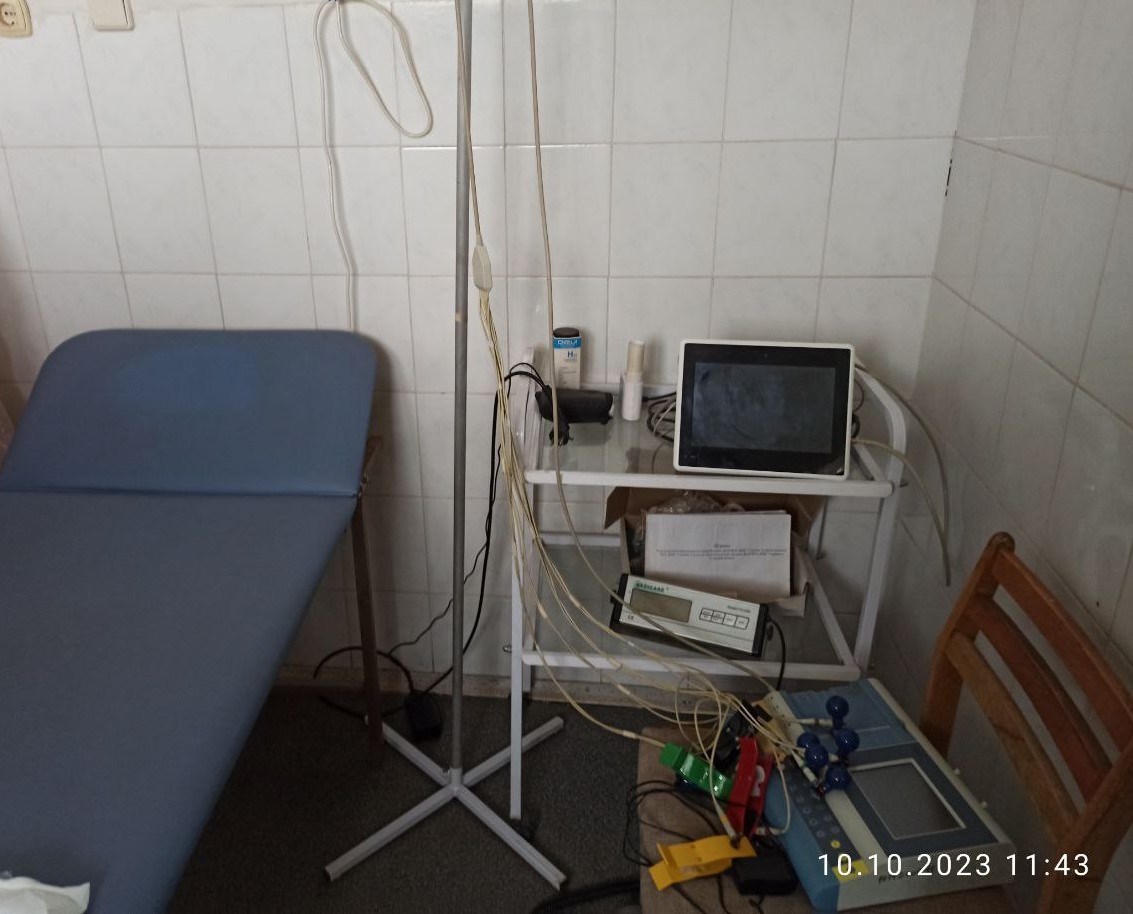
7. Inadequate provision of the medical unit with equipment, medical supplies, and medicinal products
7.1 The medical unit lacks a dental X-ray machine, which makes it impossible to conduct an in-depth dental examination of the convicted and does not ensure the timely provision of appropriate dental care.
7.2 During the check of the defibrillator’s functionality, it was established that the expiration date of the electrodes had passed.
8. Violation of the right to appropriate psychiatric care
In the inpatient department, there is no isolation ward for persons with mental disorders for convicted persons who pose a danger to those around them.
9. Violation of the right of detainees and the convicted to proper sanitary and hygienic conditions in a healthcare facility
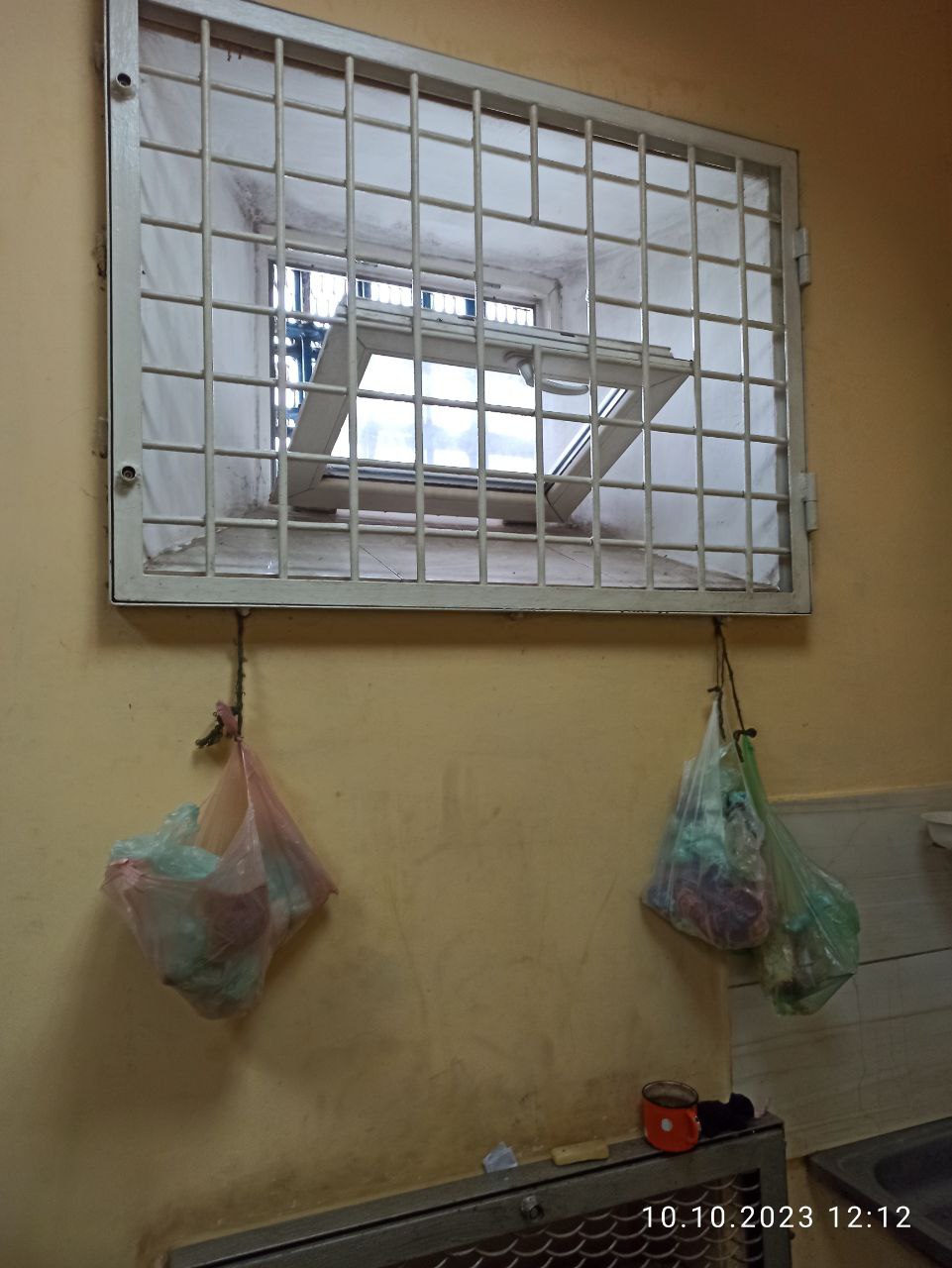
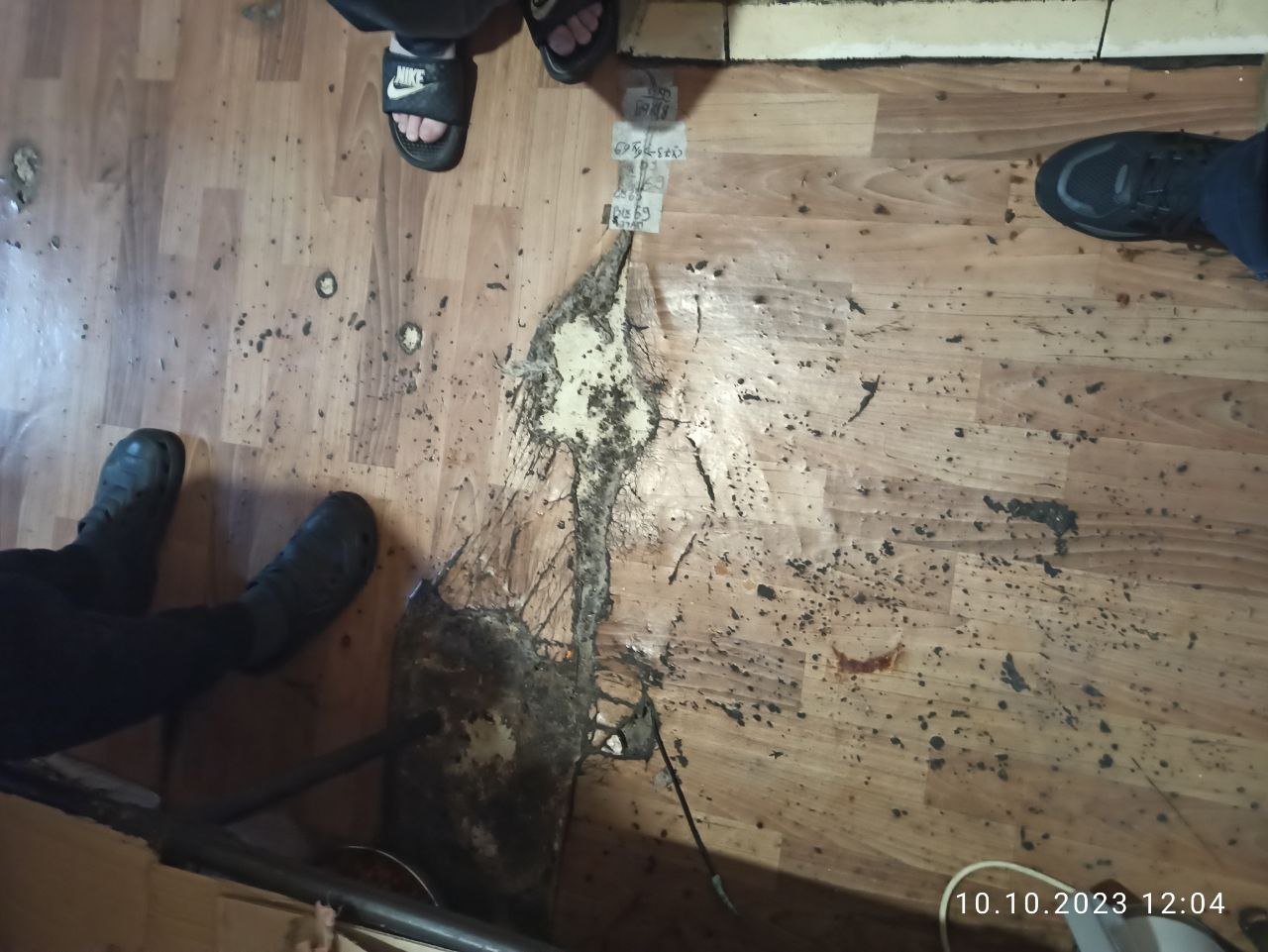
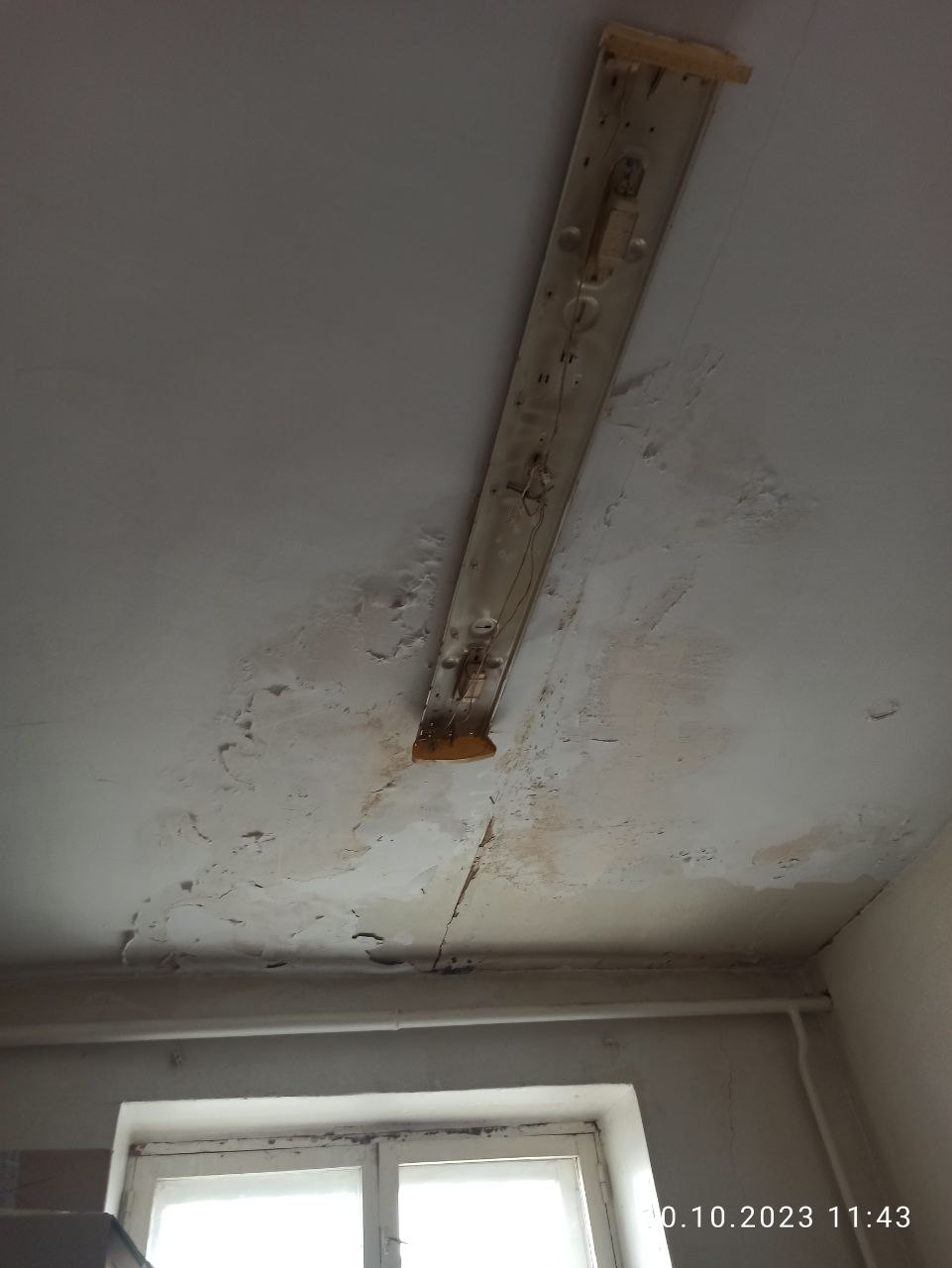
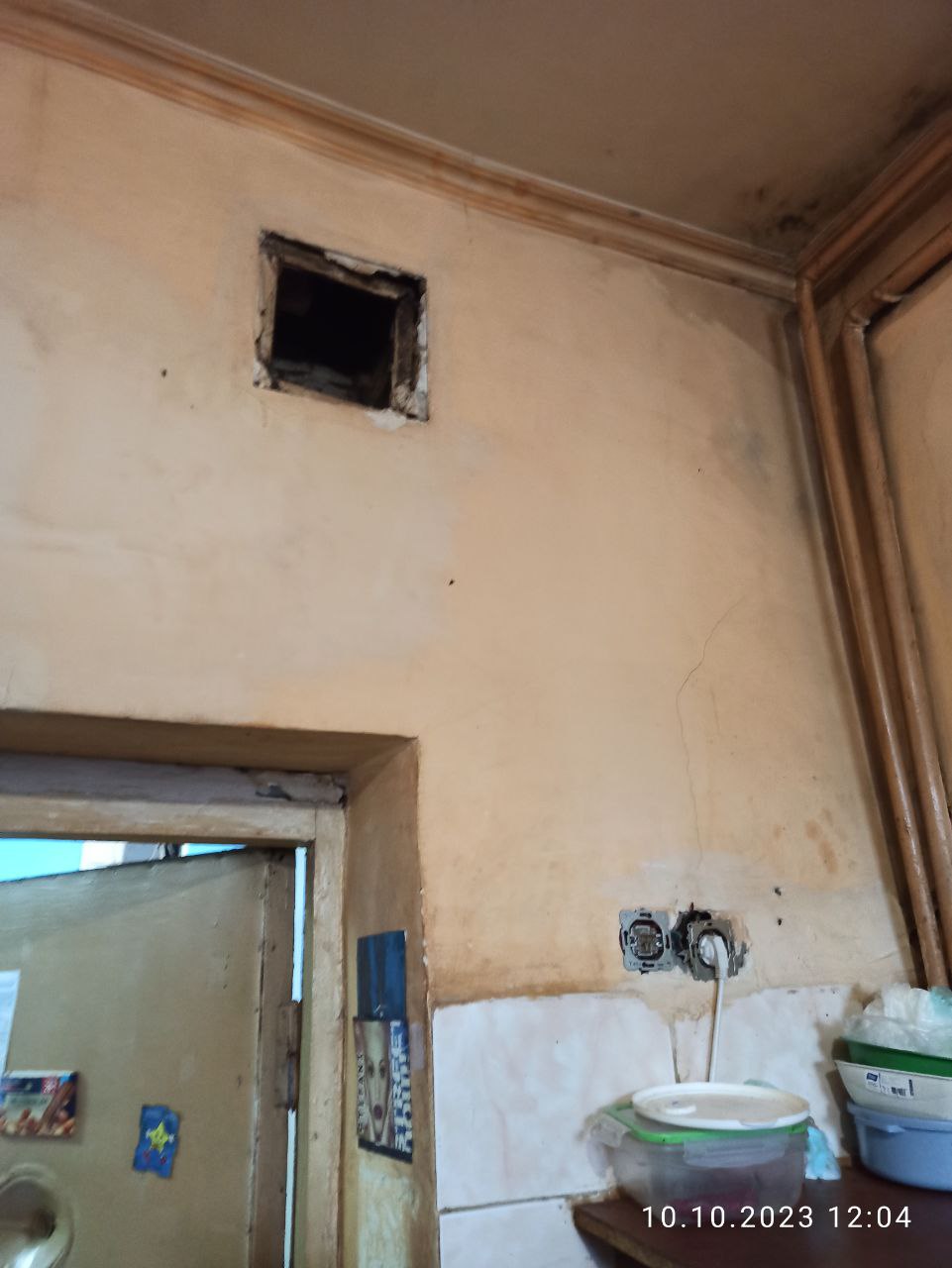
9.1 Some premises of the medical unit, ward-cells, and isolation wards require repair work: the floor and the bathroom need repair. In some places, the walls have peeling paint, broken tiles, and old, damaged linoleum on the floor, which complicates the disinfection of these premises.
9.2 Convicted persons do not receive hospital property (hospital suit, robe, and shoes). Convicted persons stay in the inpatient department in their everyday clothes, sometimes with their own bed linen.
10. Violation of fire safety rules
During the visit to the ward-cells, a dangerous condition of the electrical networks was discovered. In particular, sockets and other devices used by prisoners are in an unsatisfactory condition, wires are exposed, which could lead to prisoners being electrocuted and poses a threat to the life and health of the detained persons. Furthermore, the premises of the medical unit are not equipped with fire extinguishing or fire alarm systems.
Reception department
During the visit, an intake of a transport group of 36 people was taking place.
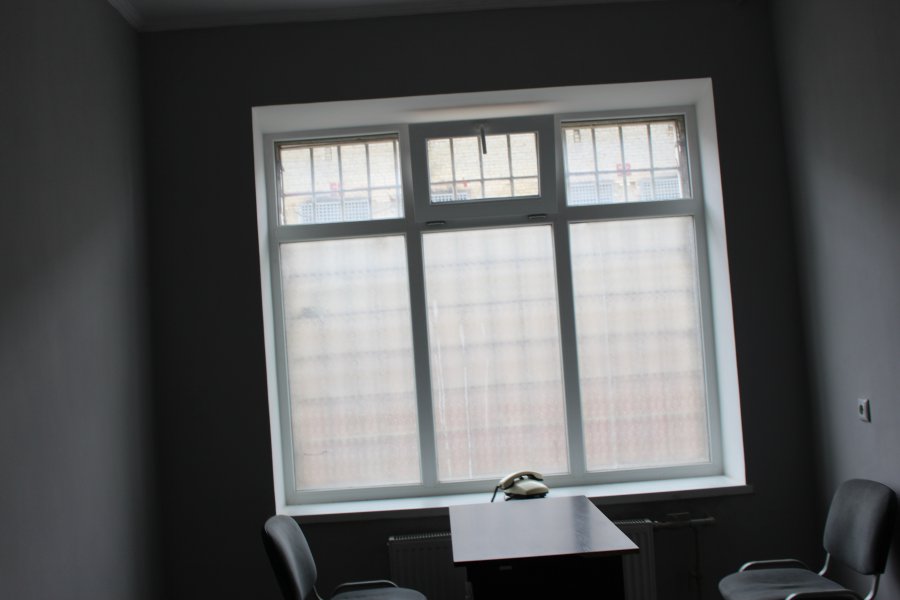
Investigative rooms
The investigative rooms are equipped with a panic button.
Cells
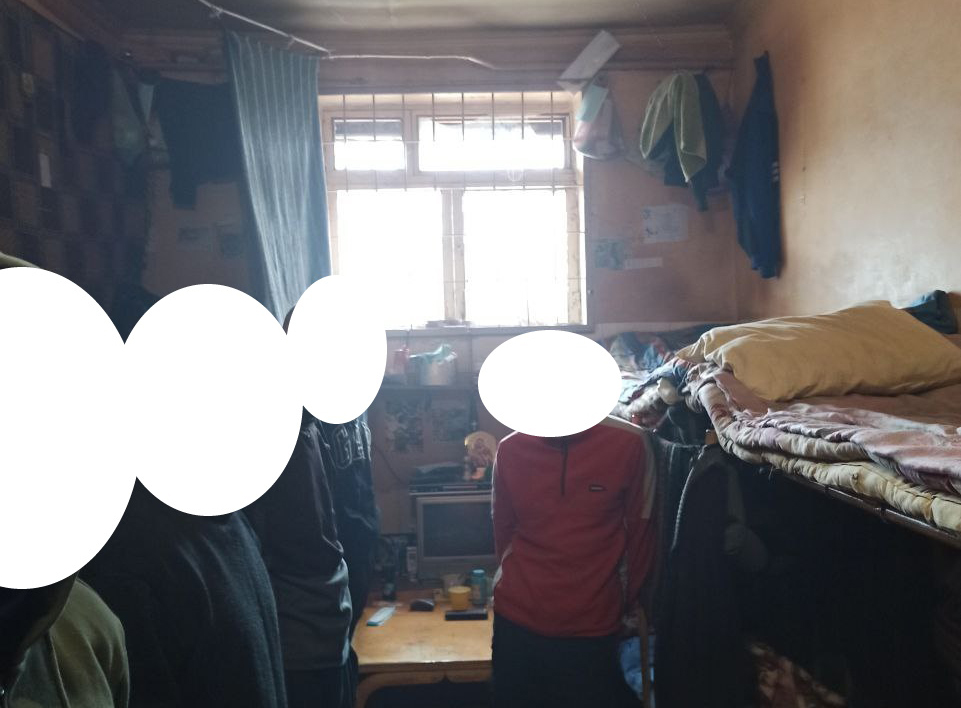
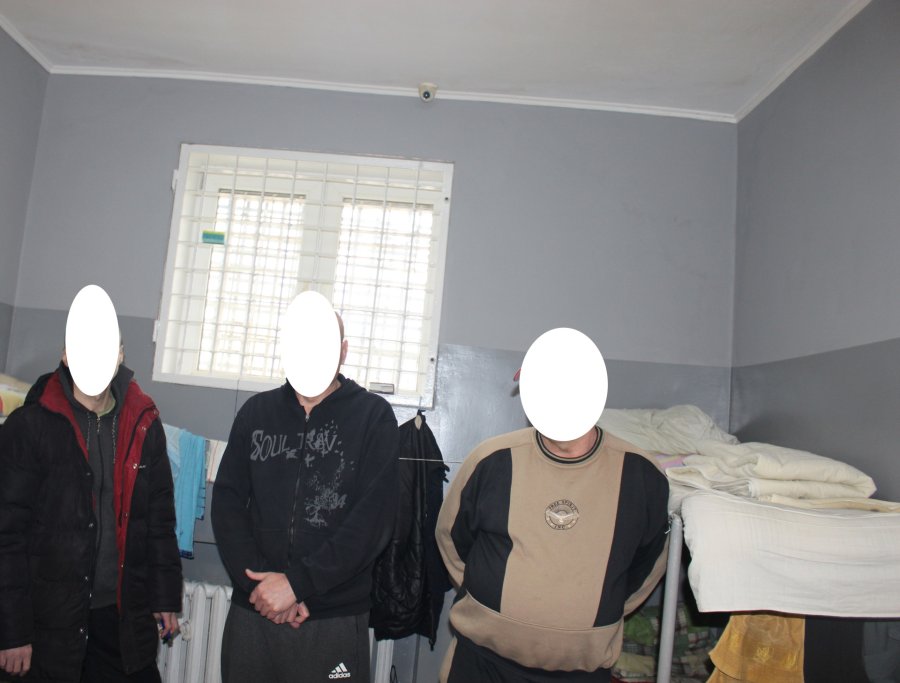
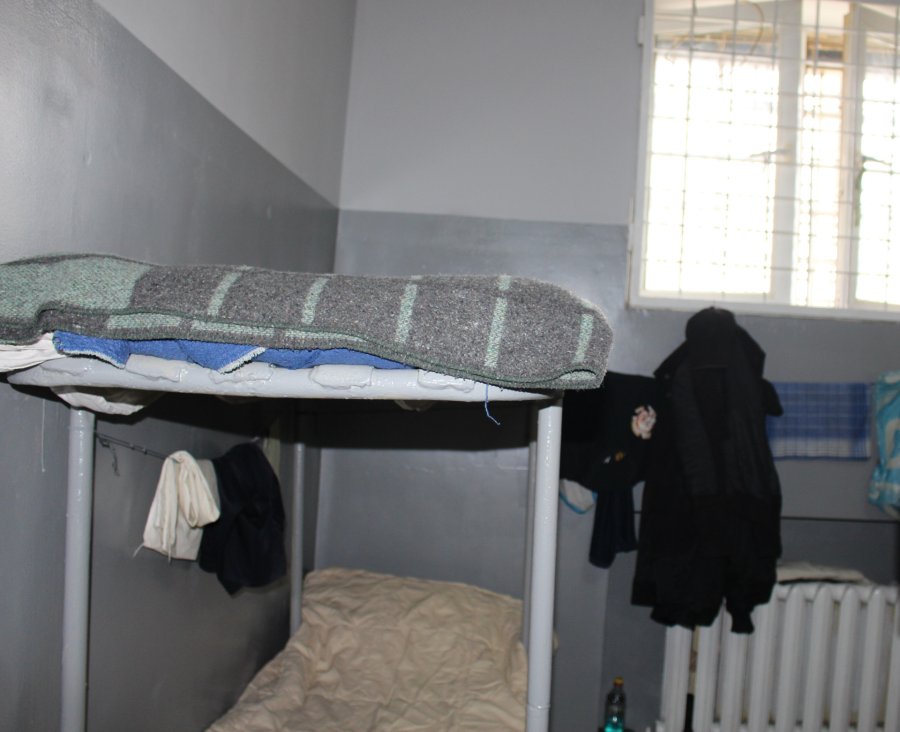
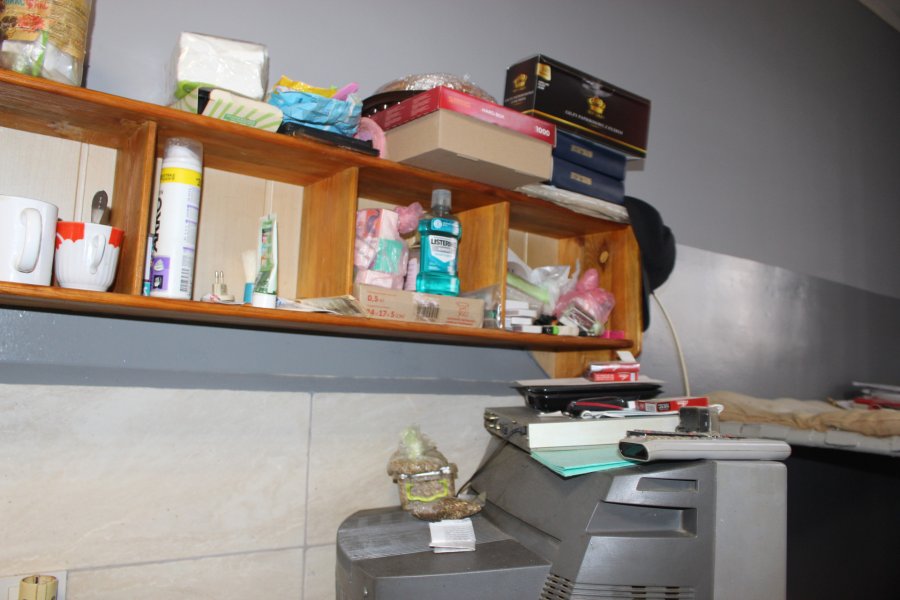
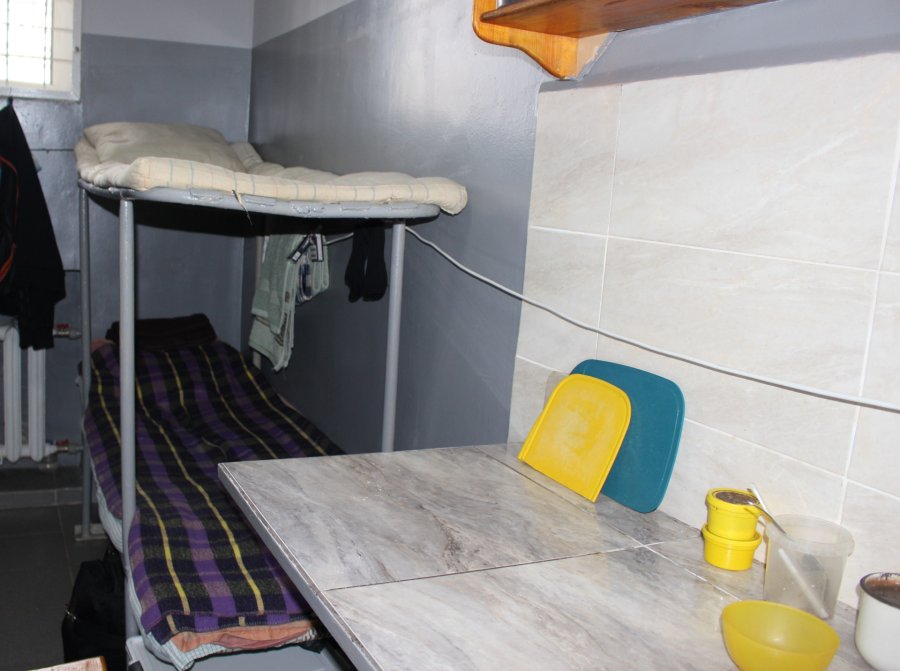
The cells for holding men are small-capacity and multi-capacity. In cell No. 6, there were 20 people. The total area is 39.26 m². That is 1.96 m² per person, which is a violation of living space standards. There are two paid cells for holding persons in pre-trial detention. A third cell, costing 8,440 hryvnias per month, is currently under repair.
For women
The cells for women are multi-capacity. Cell No. 74 for holding women has a total area of 28.66 m², and there were 12 people in it. Accordingly, there is 2.38 m² per woman, which is a violation of living space standards.
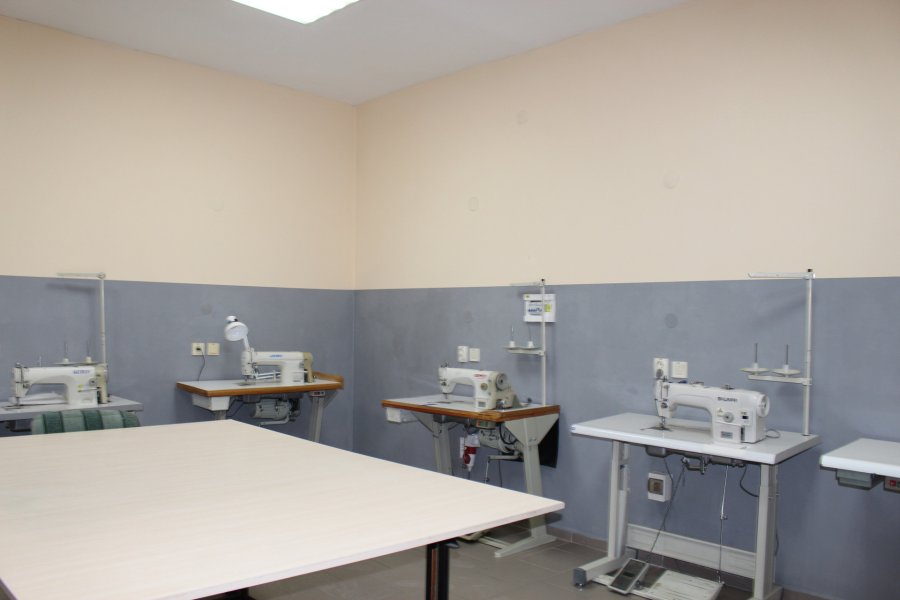
For women who wish to work, a special sewing workshop has been equipped, which is awaiting orders.
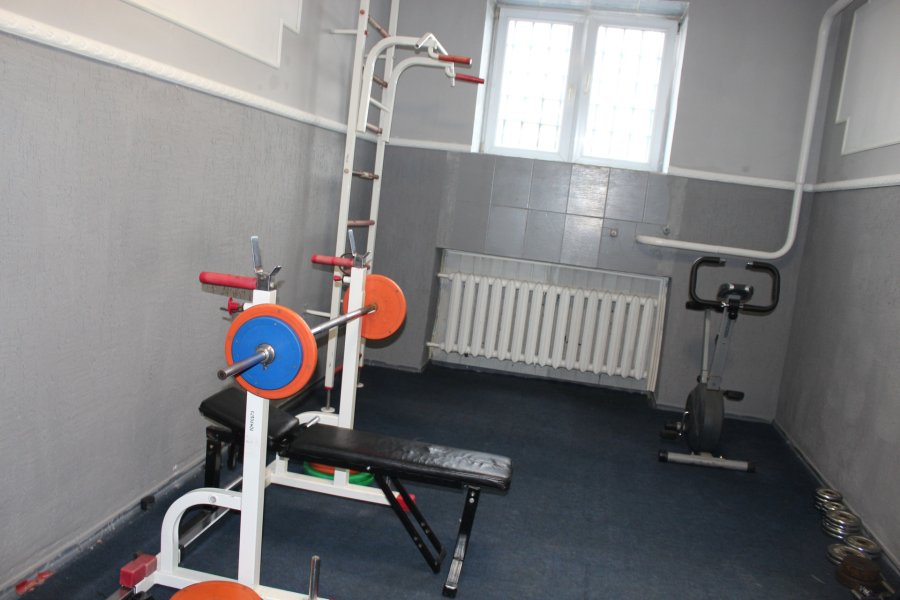
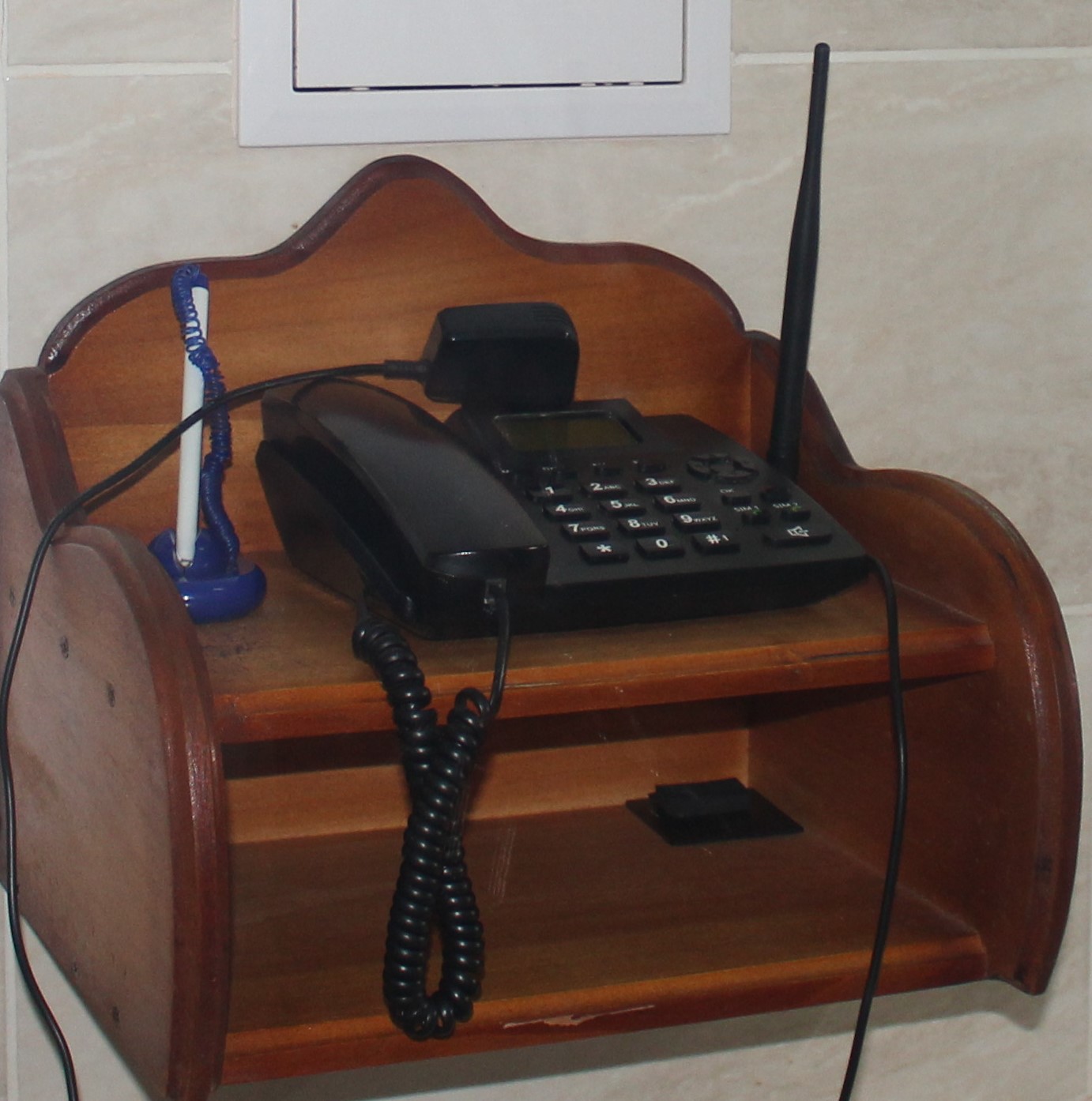
Sports room for minors; IP telephony
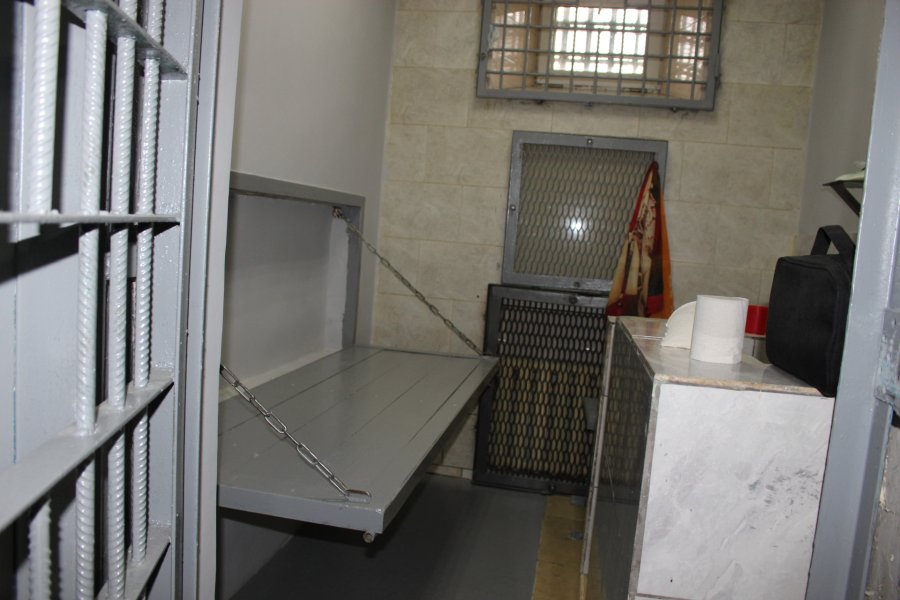
Punishment cell
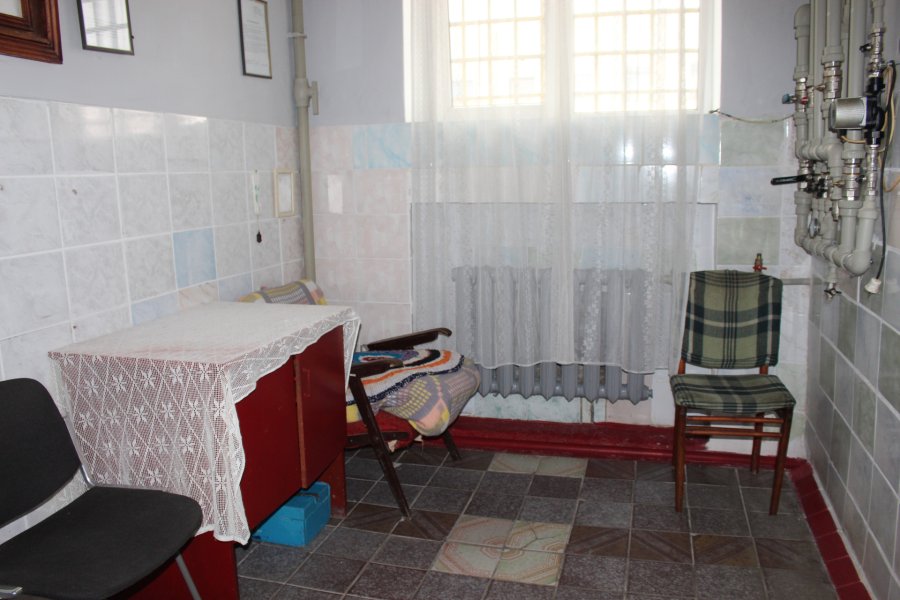
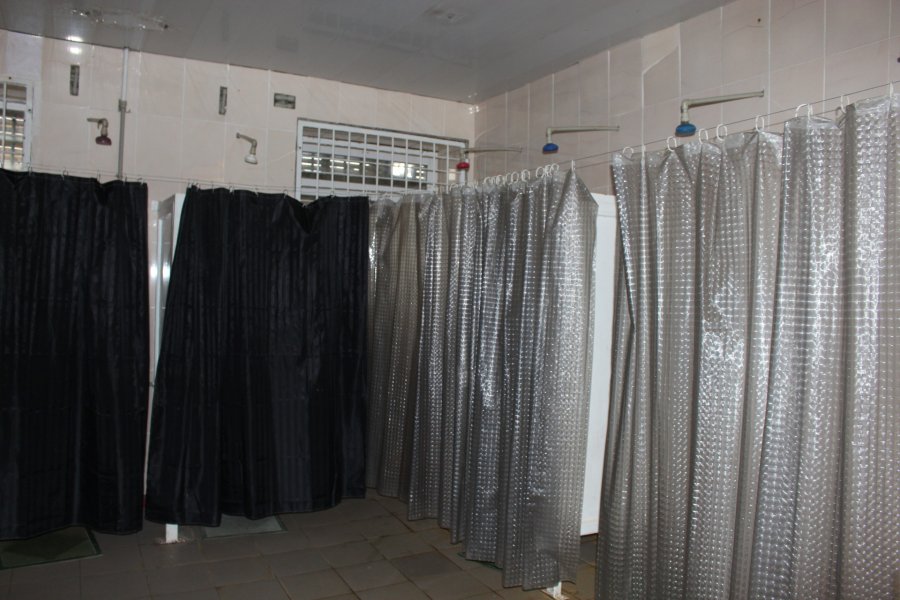
Bath and laundry facility
Cells for holding the life-sentenced
Nine convicted persons are held in three cells; the cells are equipped with a shower in the bathrooms, but without hot water.
Kitchen
Five convicted persons are working there. 15 people receive dietary meals.
Visit rooms
There are rooms for visits through glass and for contact visits.
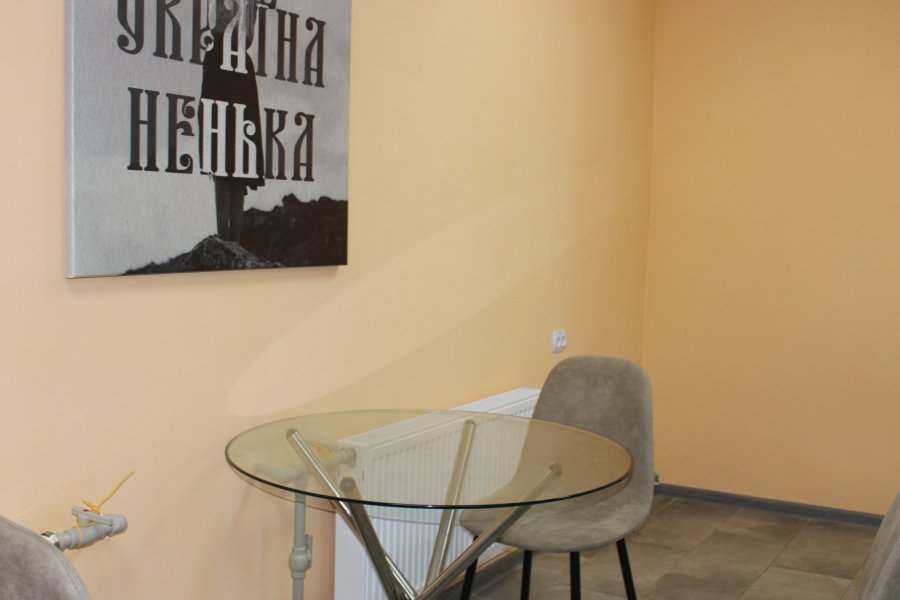
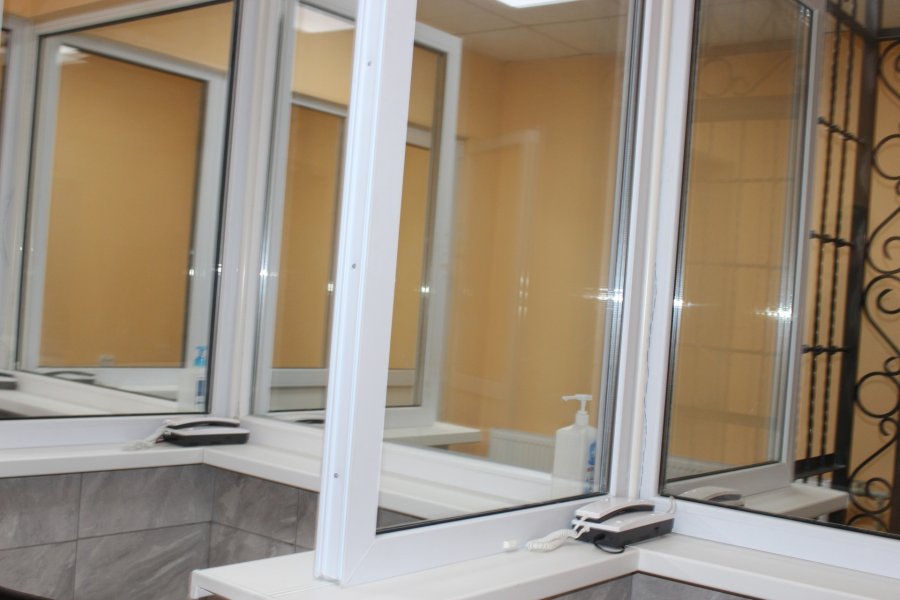
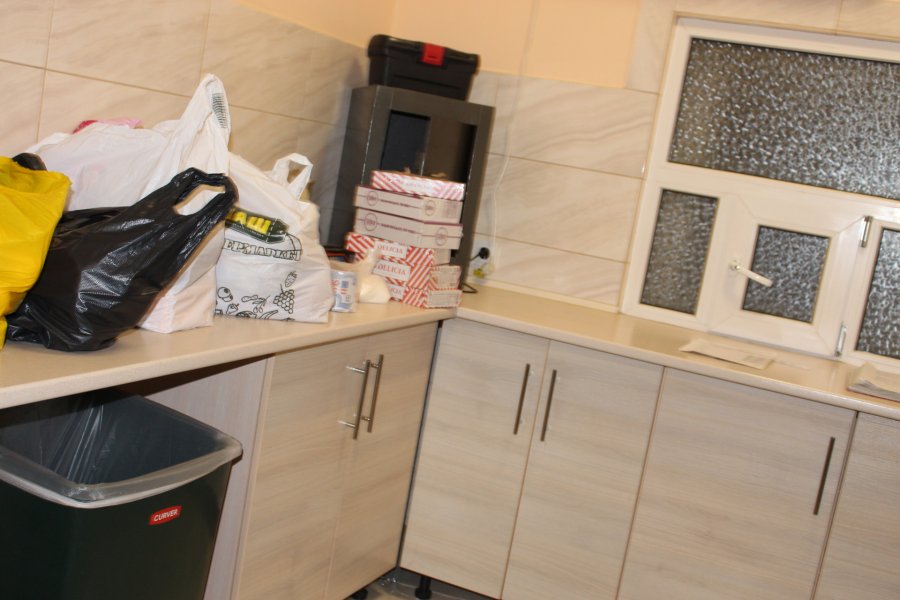
Room for receiving parcels and packages
The visit to the Sumy Pre-trial Detention Centre was carried out by the Kharkiv Human Rights Protection Group together with the Public Institution “Protection of Prisoners of Ukraine”. The monitoring group consisted of an assistant to a People's Deputy of Ukraine, Kostiantyn Kasai; members of the Public Council under the Ministry of Justice of Ukraine, Serhii Zuikov; an assistant to a People's Deputy of Ukraine, Yaroslav Yurchyshyn; KHPG programme coordinator Andrii Didenko, and a member of the Public Council under the Ministry of Justice, Oleh Tsvilyi. The purpose of the visit: analysis of the observance of human rights in places of detention during the war. The visit was carried out within the framework of the project “Reducing the suffering of prisoners in the context of the war in Ukraine”, funded by the government of Denmark in partnership with DIGNITY — The Danish Institute Against Torture.
Date of visit: 10 October 2023
Editor: Emilia Prytkina