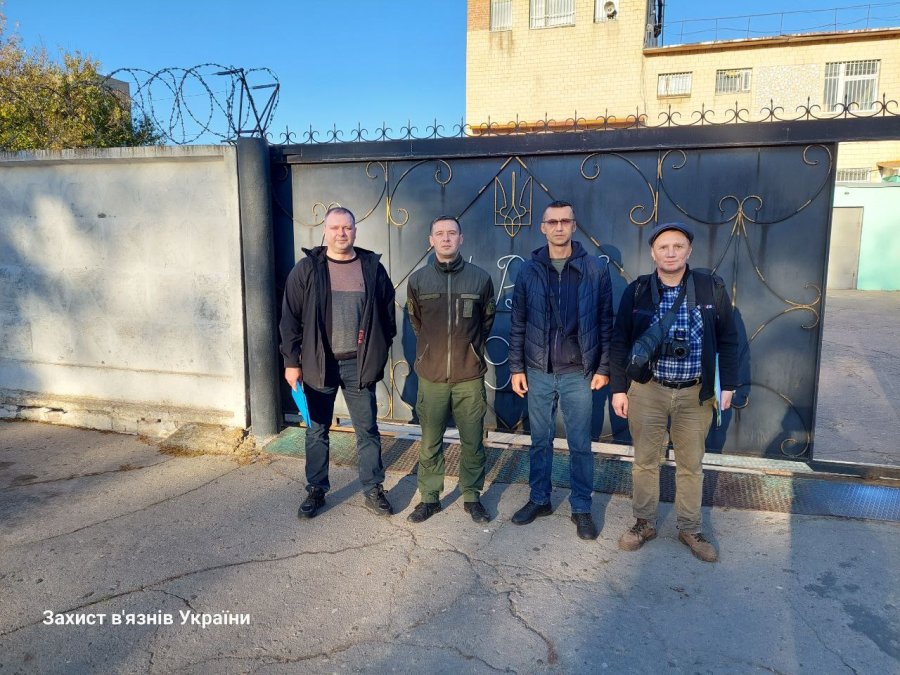
Report on the Results of the Monitoring Visit to Mena Correctional Colony No. 91
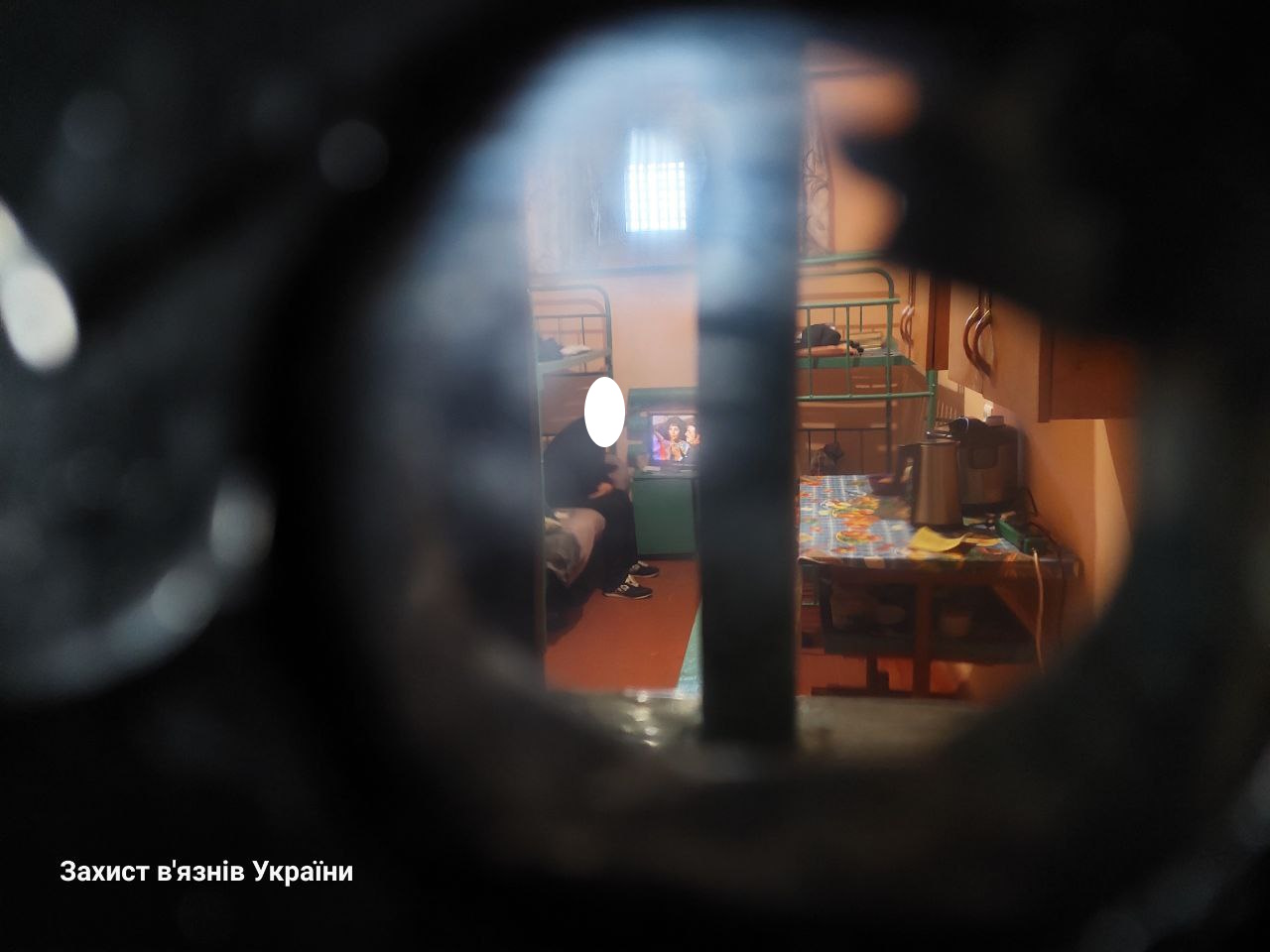
Historical Background
Mena Correctional Colony No. 91 is located in the urban-type settlement of Makoshine, in the Mena district of the Chernihiv region. The establishment of the facility took place during the Soviet era. In April 1982, the Ministry of Internal Affairs of Ukraine issued an order “On the creation of institution CHE 327/91”. It should be recalled that, at that time, penitentiary institutions were subordinated to the Ministry of Internal Affairs. In the same year, a portion of the special contingent from the medical-prophylactic dispensary (LTP) of the city of Novhorod-Siverskyi was urgently sent to the urban-type settlement of Makoshine for the completion of a precast concrete plant. In other words, the construction of the institution was initiated by individuals suffering from alcoholism who were “being treated” in a specialized facility. From 1 July 1982, the colony effectively began to exist. Upon the full completion of the construction of the institution’s main structures—three dormitories, a disciplinary isolation unit (DIZO), a cell-type premises (PKT), a bathhouse, a club-canteen, security facilities, the premises for the emergency and search operations unit (CHPNU), the headquarters building, and military unit facilities—the colony was commissioned by a state commission and was subsequently reorganized into a maximum-security correctional labour colony. Security and supervision of the convicts were entrusted to military units of the Departments of Internal Affairs of the Ukrainian SSR and the Moldavian SSR.
In the spring of 1991, the first convicts—individuals with Group I-II disabilities—arrived at the institution from a correctional labour colony in the Lviv region. Almost a year later, on 27 March 1992, the first convicts from among former employees of Ukrainian law enforcement agencies arrived. In August 1992, in several stages, other convicts from among “former officials” were delivered from Nizhny Tagil. Thus, for some time, the institution held two groups of convicts: former law enforcement officers and individuals with Group I-II disabilities. On 1 December 1999, the institution was renamed the Mena Correctional Colony in the Chernihiv region. From 1 January 2004, the Mena Correctional Colony of the Department of the State Department for the Execution of Punishments in the Chernihiv region was designated as a medium-security institution. In accordance with Article 11 of the Criminal-Executive Code of Ukraine, a minimum-security sector with general living conditions (with a planned capacity of 50 persons) and a maximum-security sector (with a planned capacity of 10 persons) were established at the Mena Correctional Colony of the Department of the State Department for the Execution of Punishments in the Chernihiv region.
General Information
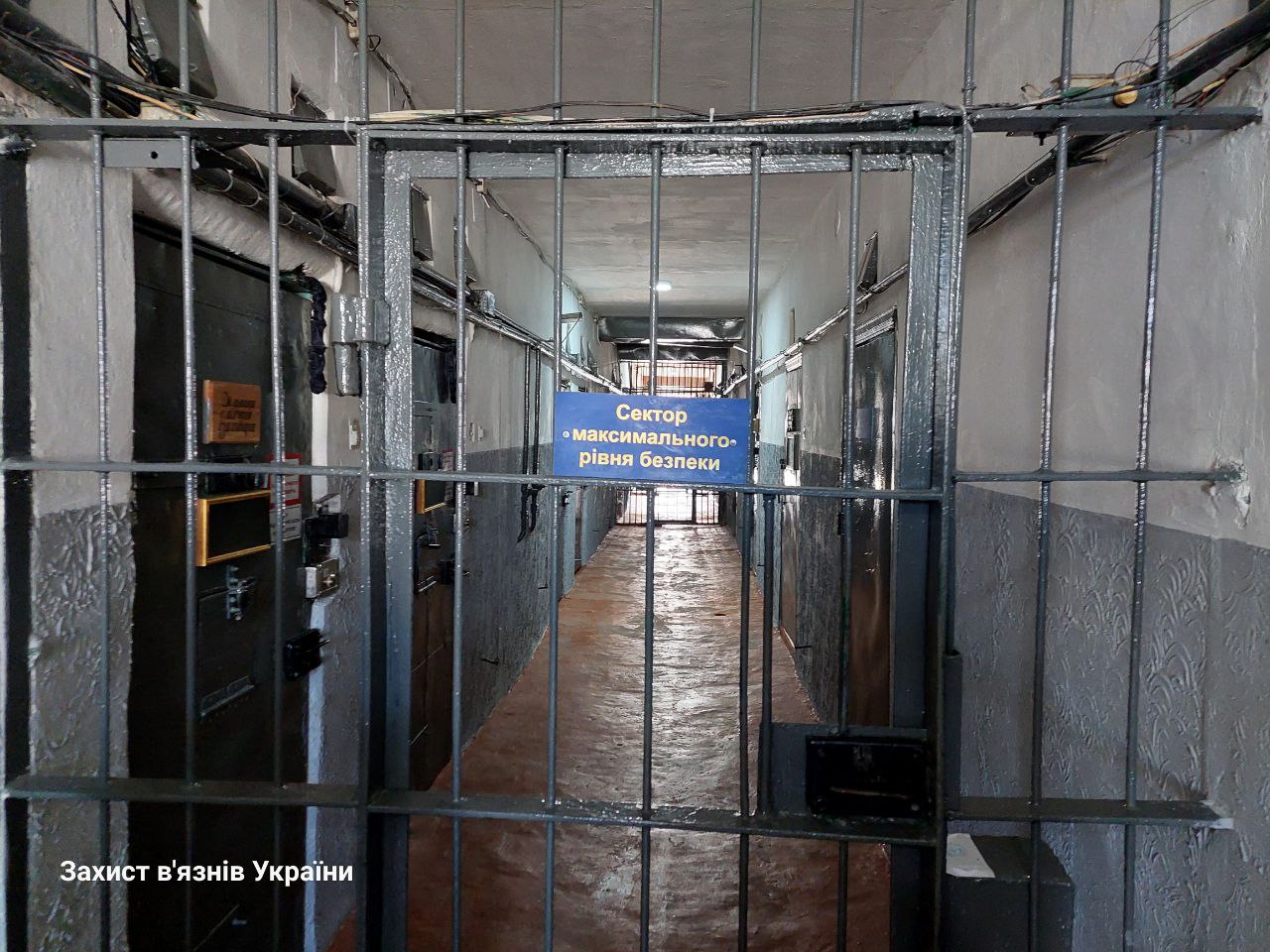
Today, the State Institution “Mena Correctional Colony No. 91” is a correctional facility for the detention of men who previously served in law enforcement agencies and have been sentenced to imprisonment. At the time of the visit, there were 292 individuals in the institution. Of these, 291 were convicted and one was in investigative detention. The institution is a multi-security facility, meaning it holds individuals sentenced to imprisonment with minimum, medium, and maximum security levels (for grave and especially grave crimes, as well as those who have been previously convicted multiple times). Six Social and Psychological Service (SPS) sectors are in operation. During the visit, there were no convicts in the disciplinary isolation unit (DIZO) or cell-type premises (PKT); two convicts were being held in the high-security sector (DPK).
The monitoring team reviewed acts of prosecutorial response, the register of reports on the use of physical force, special equipment, and straitjackets against convicts, the logbook for recording reports on regime violations and other reports of offenses, and the logbooks for recording the work with convicts in the SPS departments. Information regarding the production structure, salary calculation records, work performance sheets, minutes of brigade meetings regarding the distribution of earnings among convicts in accordance with their labour contribution, employment contracts, and hiring orders were verified. Additionally, documentation relating to the provision of medical care was reviewed. The head of the institution is Colonel of the Internal Service Taras Hryhorovych Holub.
According to data received from the institution’s management, 153 individuals arrived at the institution during the current year. In 2022, one person died in the institution; in 2023, there was also one death. The institution employs one psychologist. 65 people are employed. The average monthly salary under an employment contract is 3,804.55 hryvnias, and under a civil law contract, it is 631.25 hryvnias. There were five people in the medical unit; six were registered as having HIV/AIDS, two were prone to suicide, three were prone to self-harm, two were prone to escape, and nine were identified as persistent violators of the detention regime. One person was released in 2022 due to severe illness. During 2022, no complaints regarding inadequate detention conditions or inadequate provision of medical care were received from convicts. There are 11 people registered as having disabilities.
During 2022, 102 people were released: of these, 31 were released on parole and three were transferred to more lenient detention conditions. During 2023, 47 people were released: of these, 21 were released on parole and seven were transferred to more lenient detention conditions. In 2022, there were 10 emergency medical service calls; in 2023, there were 18. During 2022, five cases of bodily injury were recorded, one of which occurred during the stay in the institution and four cases while in the facility. During 2023, nine cases occurred while in the institution. In the current year, one instance of the use of special equipment (handcuffs) was recorded. 185 convicts have personal tablets with internet access. In 2022, there were 20 long-term visits, and in 2023, there were 61. Short-term visits: in 2022, through glass — 36, contact — 23; in 2023, through glass — 29, contact — 28. A total of 9,550 telephone calls were made. There is a staff shortage of 11 employees in the institution.
On the eve of the visit, a request for public information was sent to the management of the facility with the following questions: the number of appeals from convicts during 2022–2023 sent in sealed form to the address of the Ukrainian Parliament Commissioner for Human Rights, the Prosecutor's Office, human rights organizations, and other state bodies, as well as the number of responses to these appeals received by convicts in sealed form.
In the received response to the request, signed by the head of the institution, it is stated that during 2022, 10 appeals were sent by convicts to the Ukrainian Parliament Commissioner for Human Rights in sealed form, and in 2023, two appeals were sent. In 2022, 10 responses were received from the Secretariat of the Ukrainian Parliament Commissioner, and in 2023, 14 responses were received. During 2022, 22 appeals were sent to the Prosecutor's Office in sealed form, and in 2023, four appeals were sent. In 2022, 45 letters were received from the Prosecutor's Office, and in 2023, 25 letters. In 2022, 123 appeals were sent to other state bodies, and in 2023, 70 appeals. 25 appeals were sent to human rights organizations in 2022, and 15 in 2023.
Medical Unit No. 91
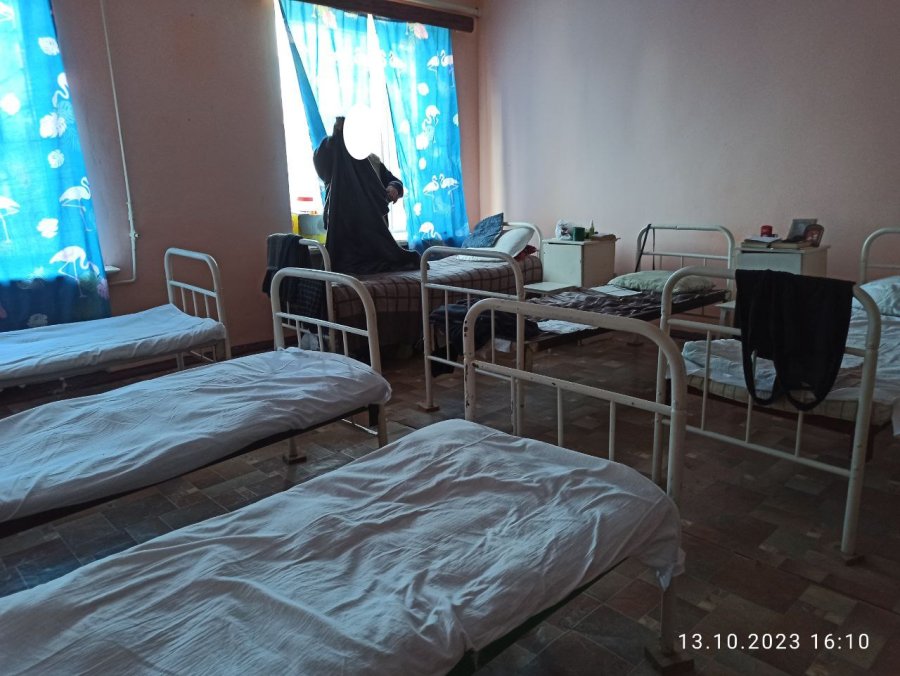
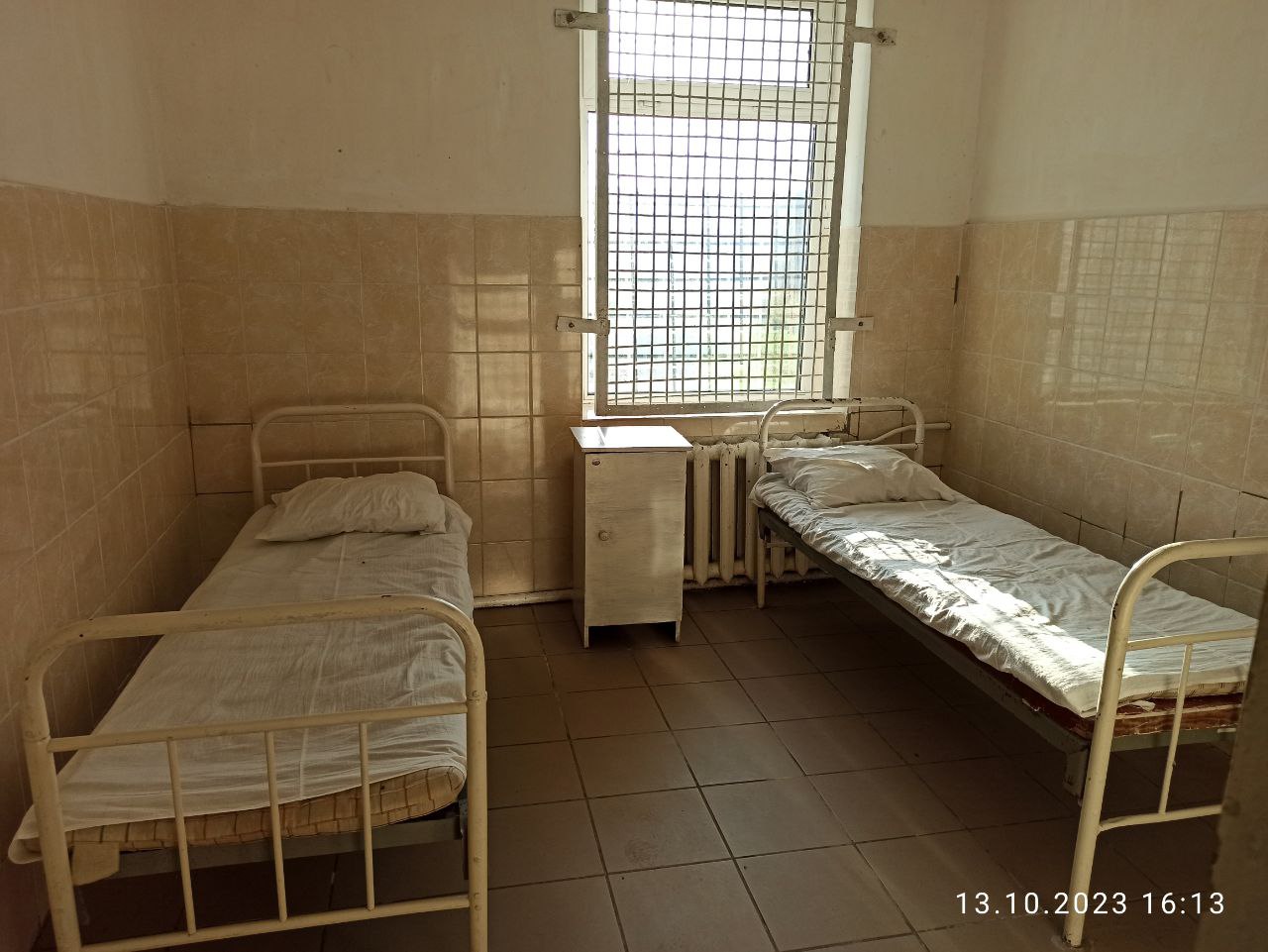
The head of Medical Unit No. 91 of the branch of the Centre for Health Protection of the State Criminal-Executive Service of Ukraine in the Chernihiv region (hereinafter referred to as the medical unit) is Ye. Yu. Havryk.
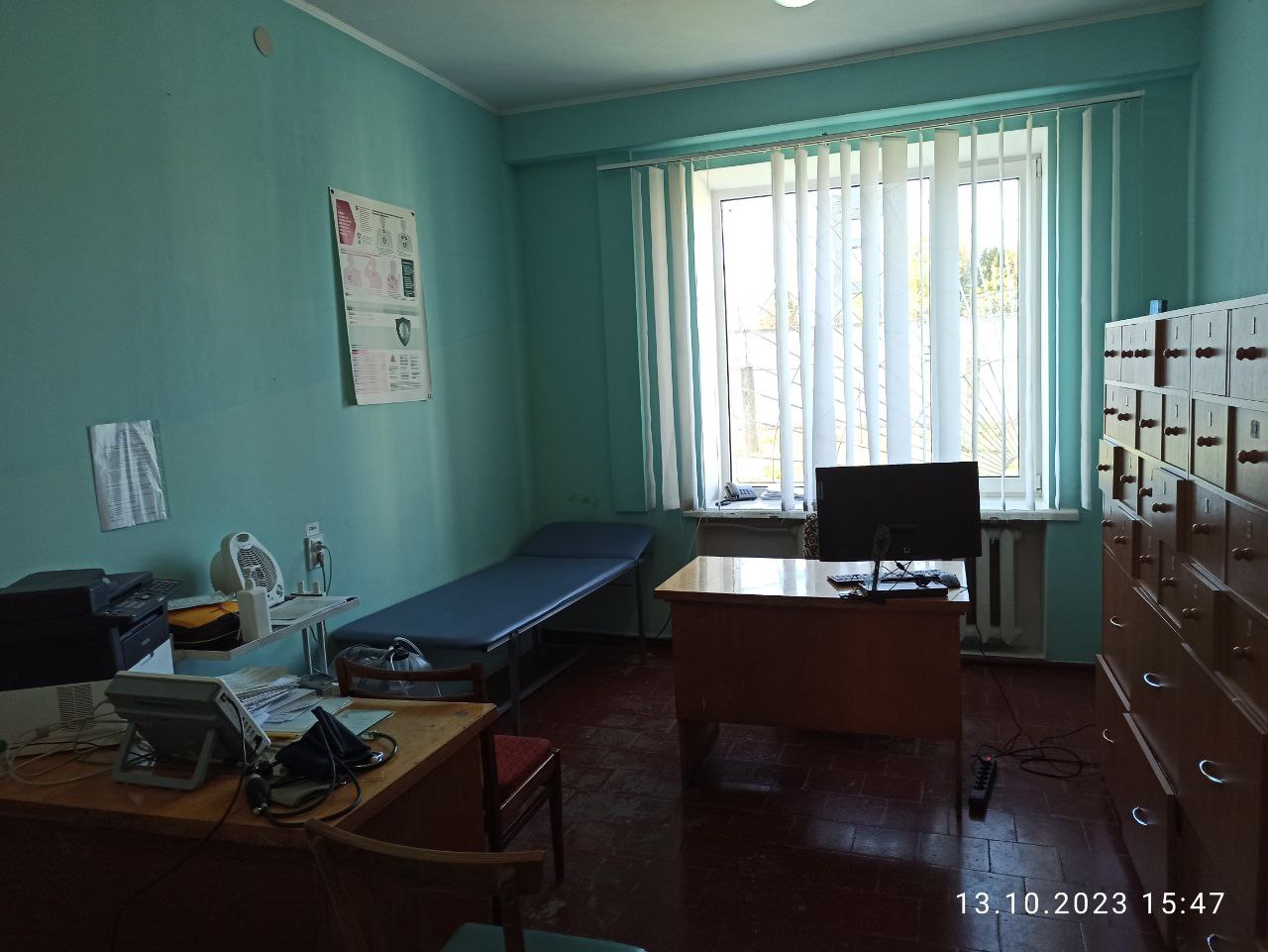
During the visit, the monitoring group studied medical documentation and inspected the premises of the medical unit for their compliance with the requirements of Ukrainian legislation and international standards. Deficiencies in the work of Medical Unit No. 91 were identified that lead to the violation of the rights of convicts and persons held in custody, in particular:
1. Violations in Conducting Preventive Medical Examinations and Medical Screenings. Violation of the Convicts’ Right to Medical Care
According to Clause 2, Clause 3 of Chapter III, Section II of the “Procedure for Organizing the Provision of Medical Care to Convicts Sentenced to Imprisonment”, a general practitioner (or family physician), a psychiatrist, and a dentist must participate in the preventive medical examination. At the same time, the vacant position of general practitioner—family physician and psychiatrist indicates that the primary and preventive medical examination is incomplete. Convicts do not receive appropriate medical care.
2. Violation of the Right of Convicts and Detained Persons to Information Regarding Health Status, Treatment Methods, and Improper Record-Keeping
2.1 It was established that there was no informed voluntary consent from a person who had been in the inpatient unit for diagnostics and treatment.
2.2 The medical unit has not organized opioid agonist treatment (OAT) for individuals with mental and behavioural disorders resulting from opioid use. Drug-dependent persons are not provided with social-psychological support, cognitive-behavioural therapy (CBT), relapse prevention, motivational interviewing, mutual aid groups, etc.
3. Failure to Observe Infection Control and Epidemiological Surveillance
The medical unit is equipped with only one isolation ward for infectious patients, which makes it impossible to simultaneously house patients with dangerous infectious diseases separately from one another and from other convicts.
4. Violation of the Rights of Persons with Disabilities (Article 9 of the UN Convention on the Rights of Persons with Disabilities)
4.1 Dispensary observation is carried out for 11 persons with disabilities. Of these, 4 are Group II, and 7 are Group III. Persons with disabilities do not receive appropriate diagnostic, treatment, and rehabilitation measures, despite information confirming persistent functional impairments caused by illnesses or the consequences of injuries, which lead to limitations in normal daily activities. While studying the medical records of the convicts, it was established that 8 persons with disabilities lacked an Individual Rehabilitation Programme (IRP). Furthermore, the monitoring group established that some IRP recommendations are not being implemented.
4.2 The institution has not created conditions for the accommodation of persons with disabilities (ramps, handrails, etc., are absent).
5. Violation of the Rights of Persons with Hepatitis C
Since the beginning of 2023, the medical unit has conducted 100 rapid tests to detect Hepatitis C (HCV), of which 14 individuals were suspected of having the disease. Individuals suspected of having Hepatitis C do not undergo PCR testing, and as a result, they do not receive the necessary treatment, which may lead to the deterioration of their health and the spread of this infectious disease among convicts and detained persons.
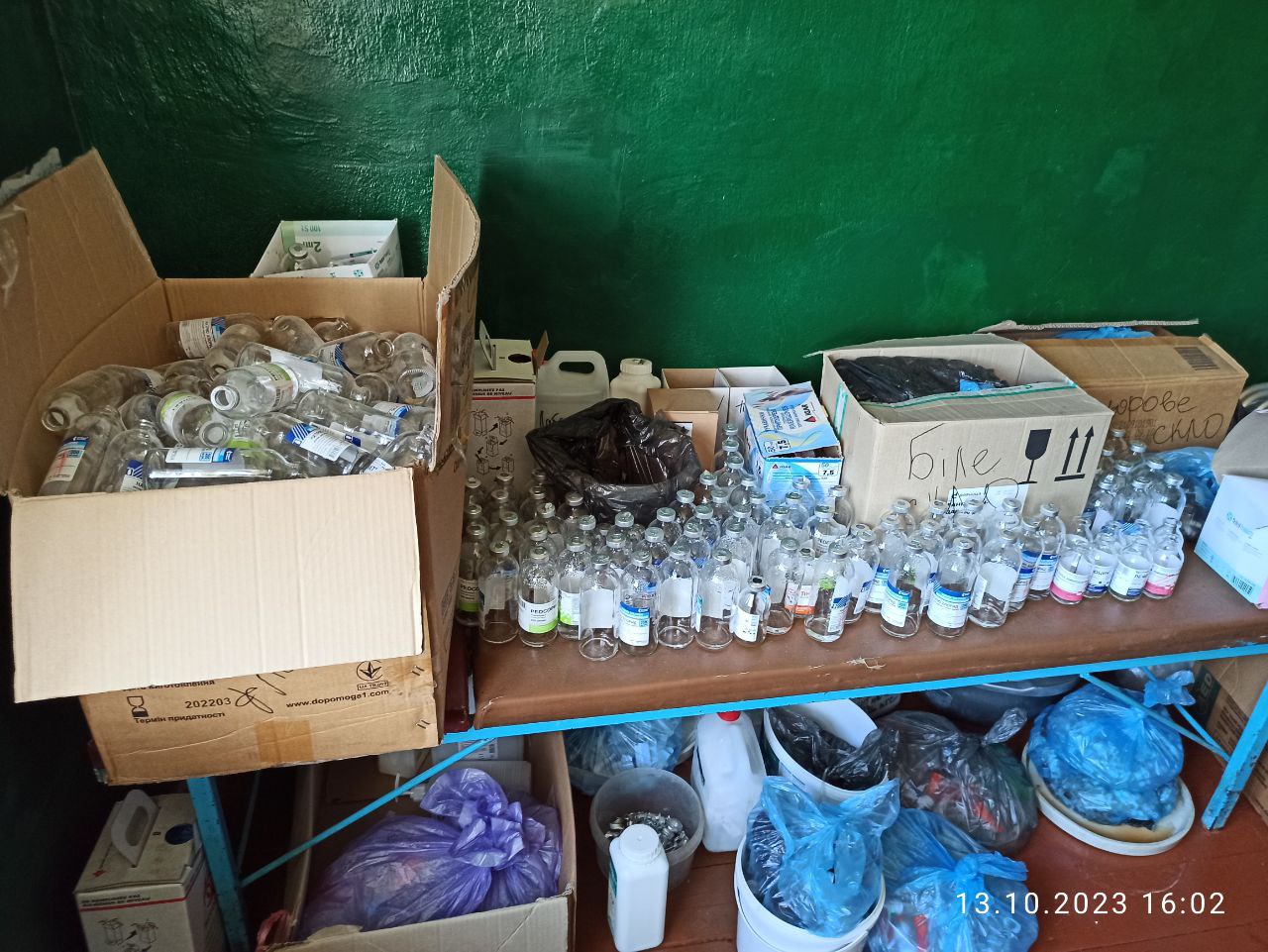
6. Lack of Equipment, Medical Supplies, and Medications in the Medical Unit
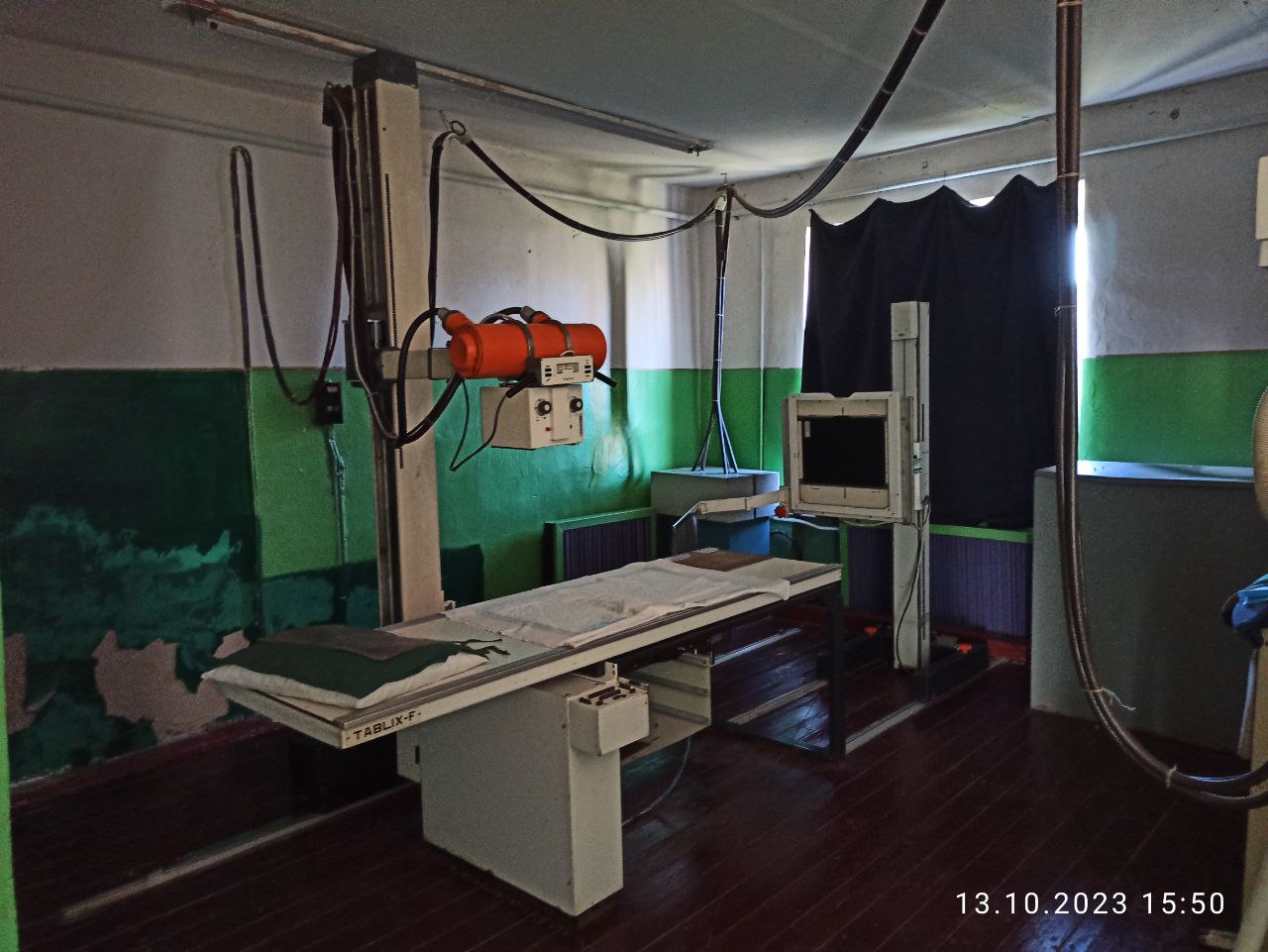
6.1 The medical unit is not equipped with functional fluorographic/X-ray equipment, as a result of which diagnostic chest examinations are not conducted on convicts to ensure the timely detection of respiratory diseases. This may indicate that it is impossible to conduct early diagnosis of tuberculosis in the medical unit.
6.2 During the check of the defibrillator’s functionality, it was established that the electrodes were missing.
6.3 The medical unit does not conduct testing for Hepatitis C antibodies or Hepatitis B surface antigens due to the absence of rapid tests.
7. Violation of the Right to Proper Psychiatric Care
According to the staffing schedule of the medical unit, the position of psychiatrist is vacant, which leads to a violation of the requirements of Article 25 of the Law of Ukraine “On Psychiatric Care”. As a result, convicts suffering from mental and neurological disorders do not receive the necessary medical care.
The isolation room for persons with mental disorders is not equipped with supply-and-exhaust ventilation, there is no possibility to open the window independently, there is no access to water, and there is no tank for boiled drinking water.
8. Violation of Fire Safety Rules
The premises of the medical unit are not equipped with fire extinguishing or fire alarm systems.
Production
The vast majority of convicts working in production are involved in sewing workshops. Interviewed individuals reported low wages. For example, convict P. reported that he received 300 hryvnias for the last month of work. Convict T. also earned 300 hryvnias for the last month, and convict V. earned 776 hryvnias.
Complaints of Convicts
Convict M. complained that although he has a tablet for personal use, he cannot download the books he would like to read or the games he would like to play due to the blocking of relevant websites where books and games can be downloaded.
Convict K. appealed to the monitors with a request for assistance in reviewing his sentence. He was convicted under Article 307 of the Criminal Code of Ukraine, but he believes the court decision is unjust and the case materials were fabricated.
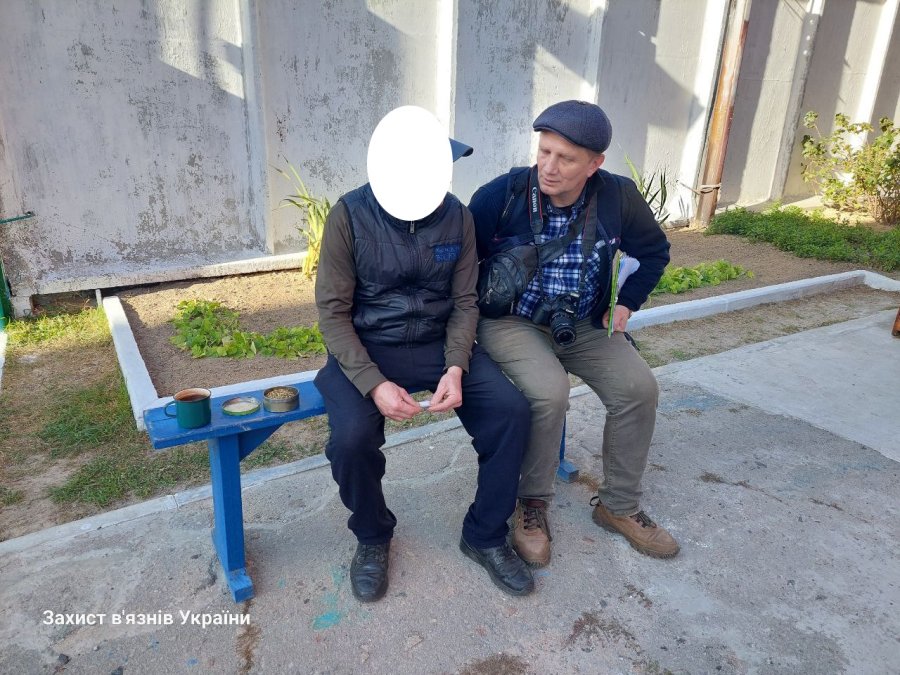
In Department No. 3, numerous complaints were received from convicts stating that due to website blocking, there is no possibility of sending electronic complaints to state agencies such as the Prosecutor's Office, the State Bureau of Investigation (SBI), the State Judicial Administration, etc., and they cannot view the Unified Register of Court Decisions. According to the convicts, the blocking of these resources violates their right to information and their right to lodge appeals.
Convict Z. requested assistance with his release for service in the Armed Forces of Ukraine. The convict noted that he has combat experience and can be useful during military operations in the defence of the Motherland against the Russian invaders.
High-Security Sector (DPK)
Two people were being held in the high-security sector (DPK). Convict K. has been held in the DPK for three years. Convict K. reported that he does not want to go out to the general SPS sectors because former law enforcement officers are held there. He does not identify himself with that category.
There is no drinking water tank in the DPK premises.
Investigative Detention Centre (SIZO) Sector
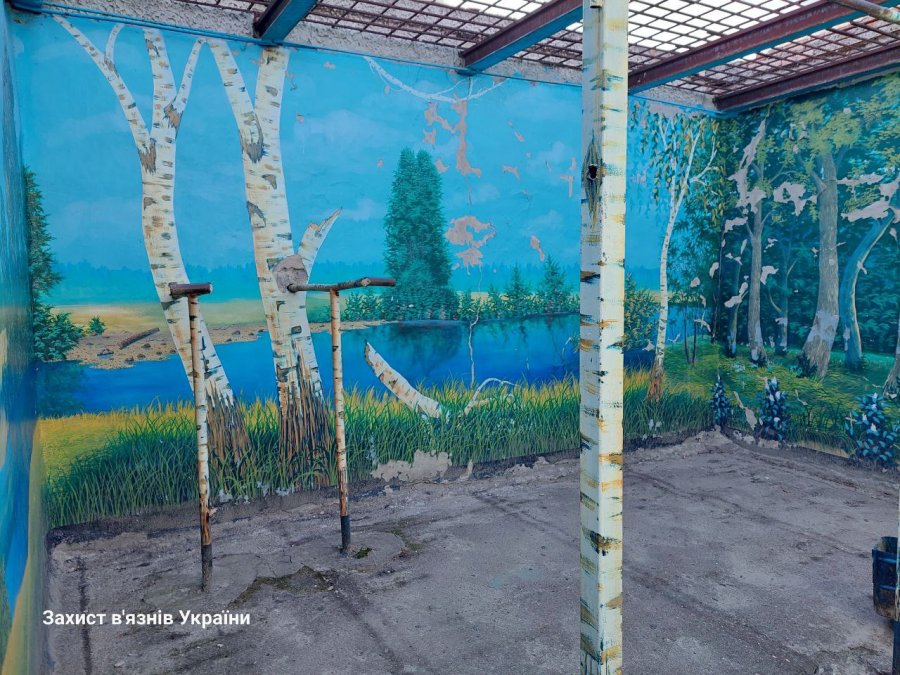
Bathhouse/Laundry
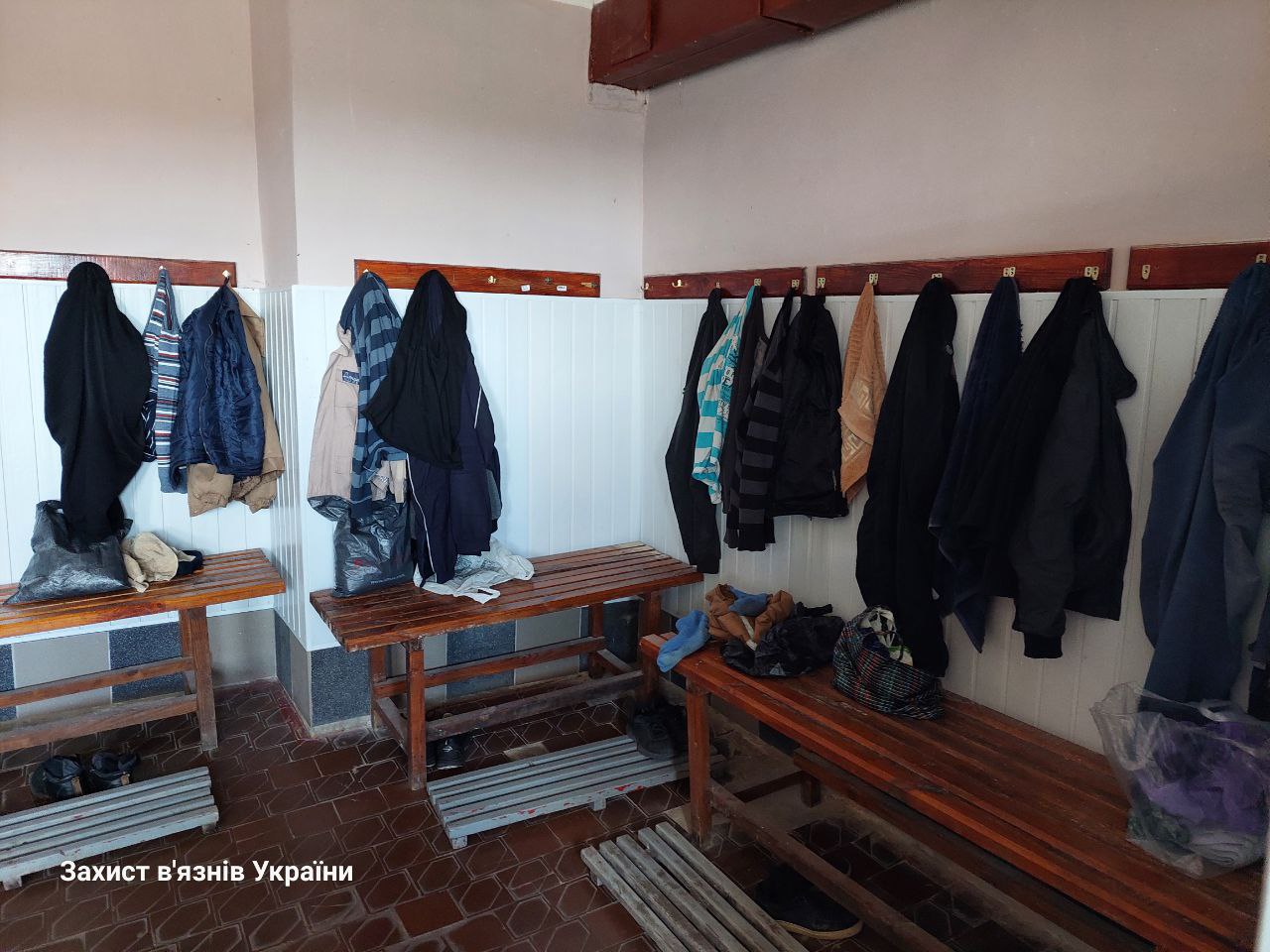
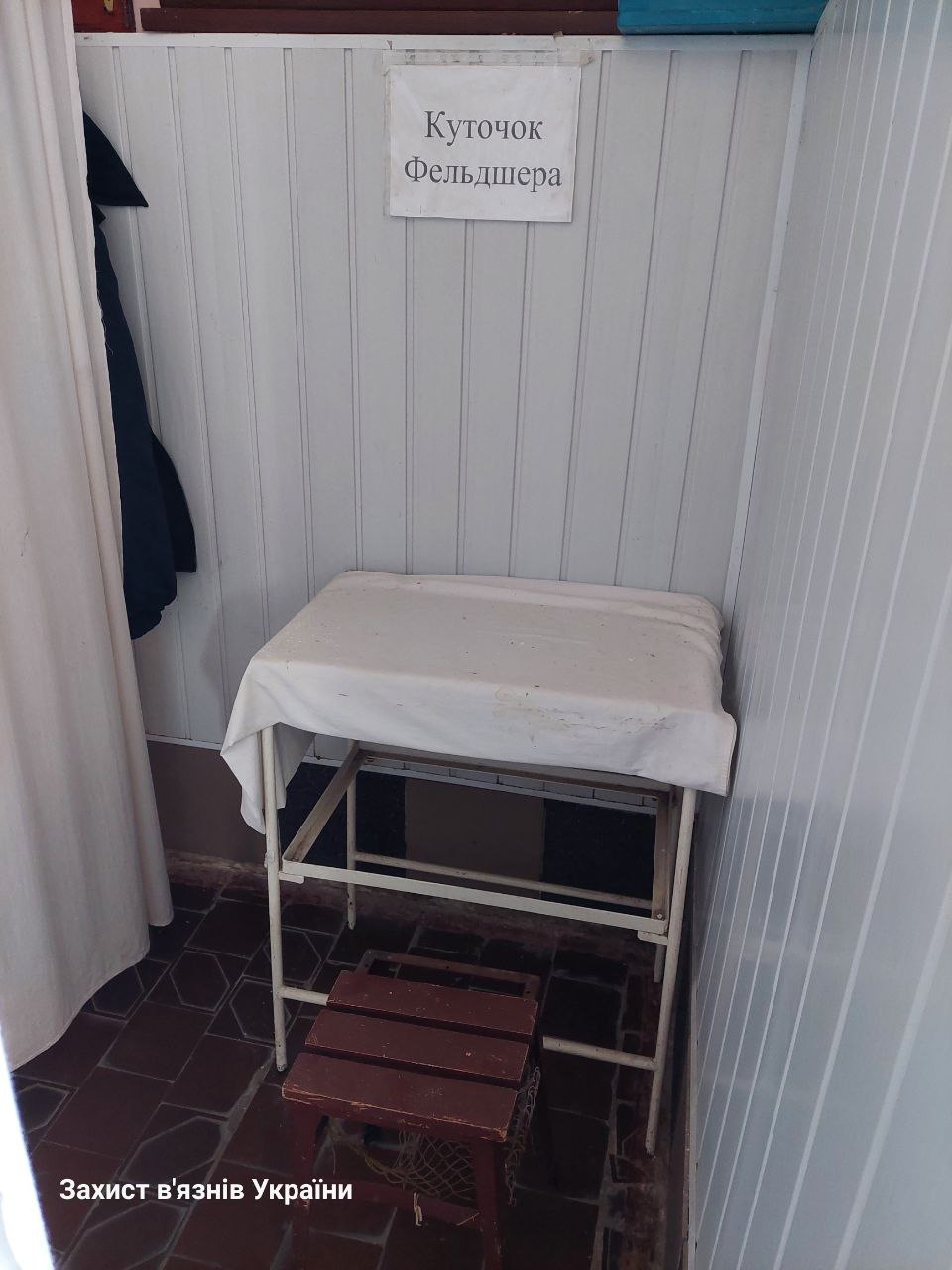
There are no curtains or floor mats in the bathhouse. There is a fenced-off medical assistant’s corner and a changing room.
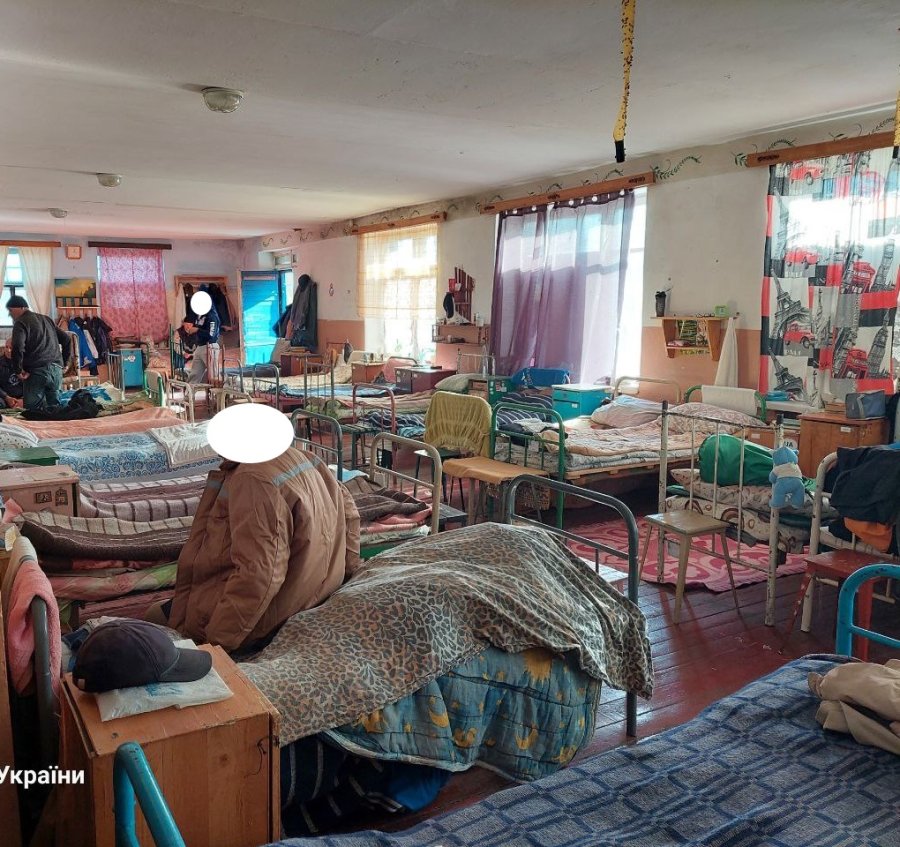
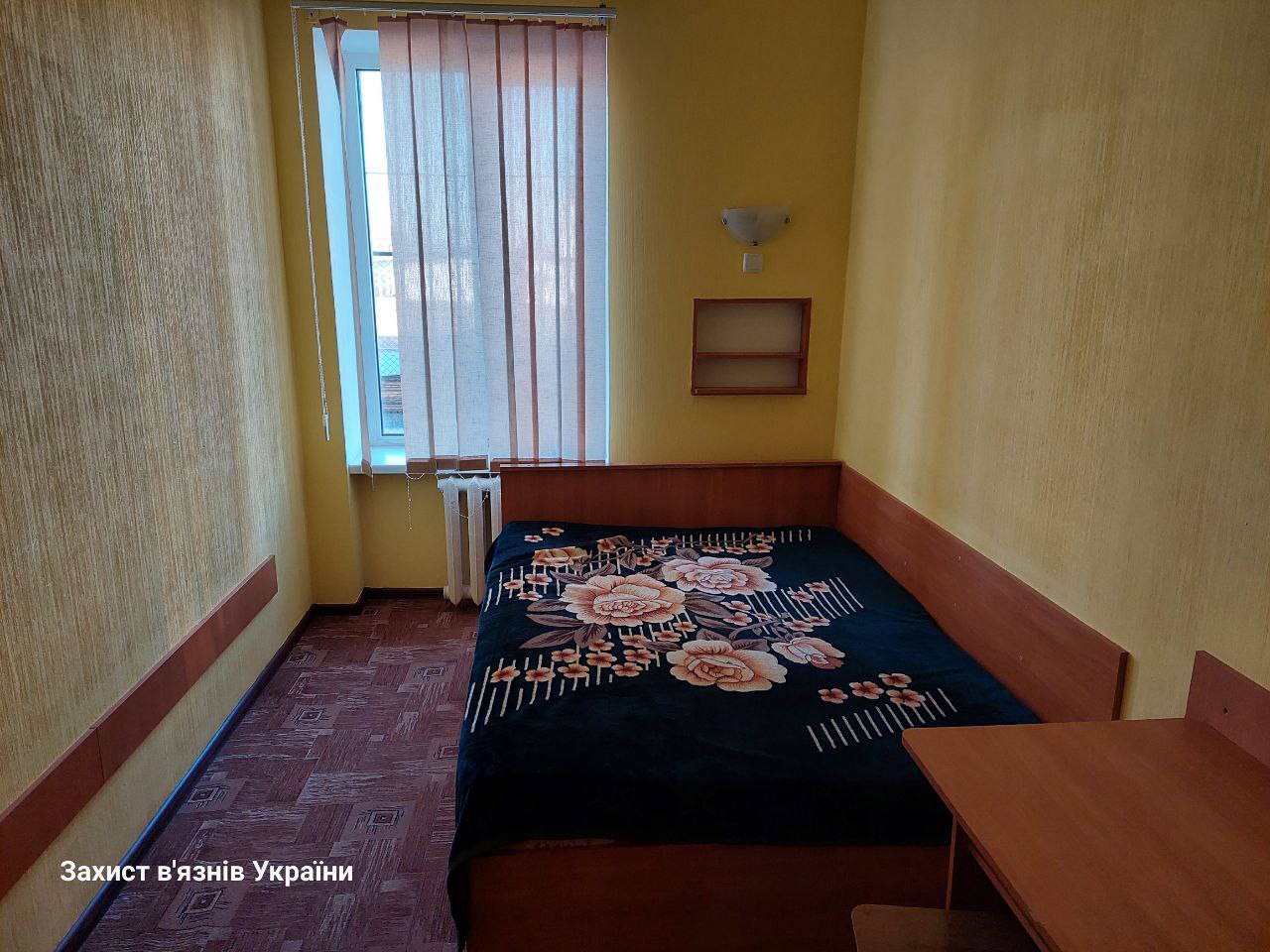
Living Quarters
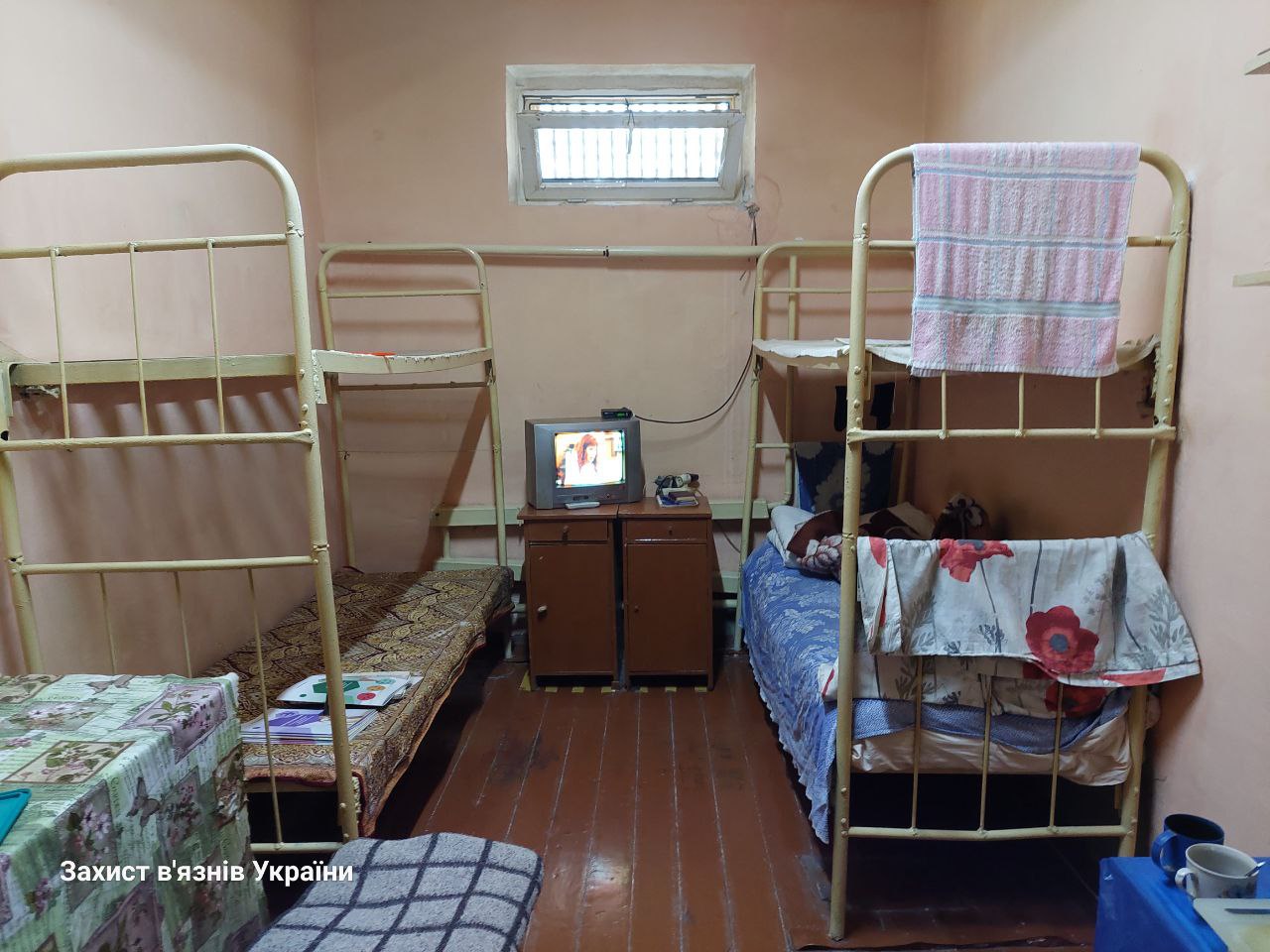
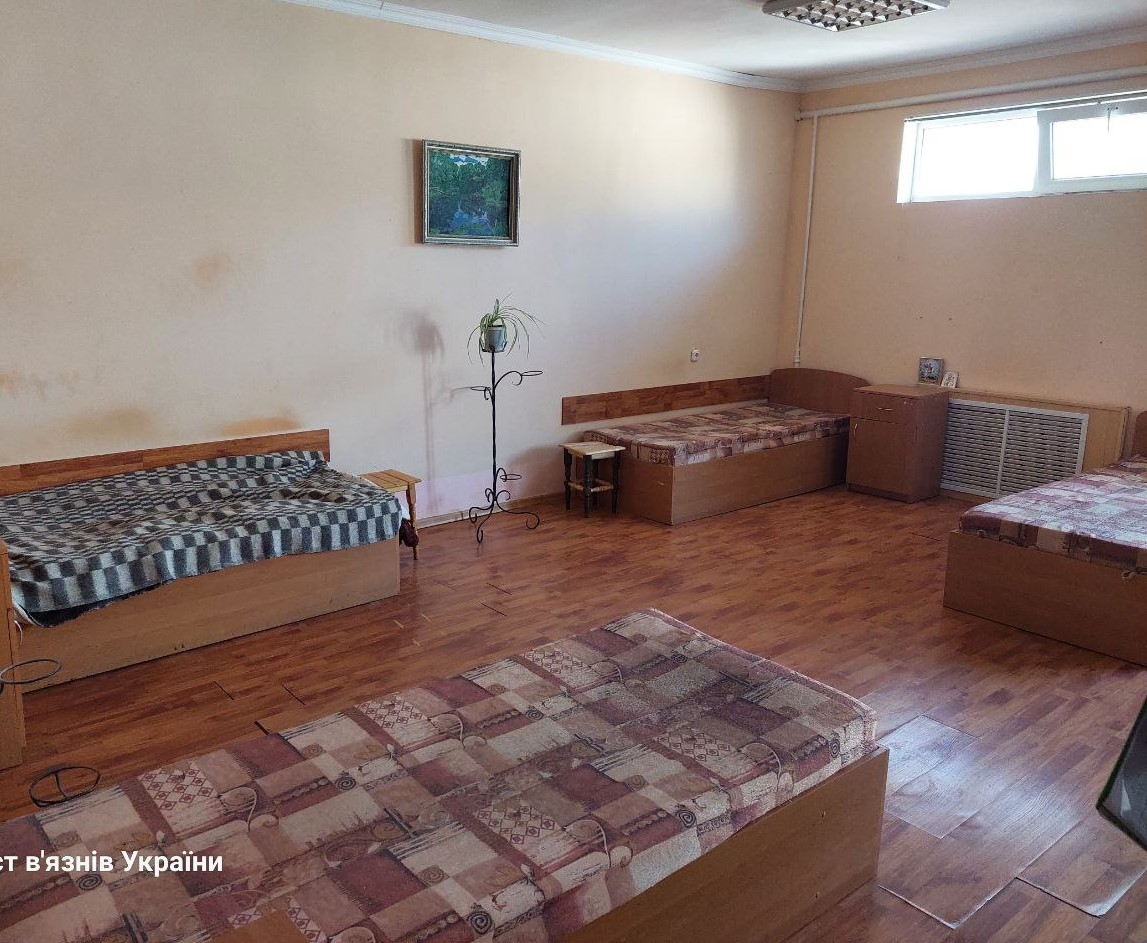
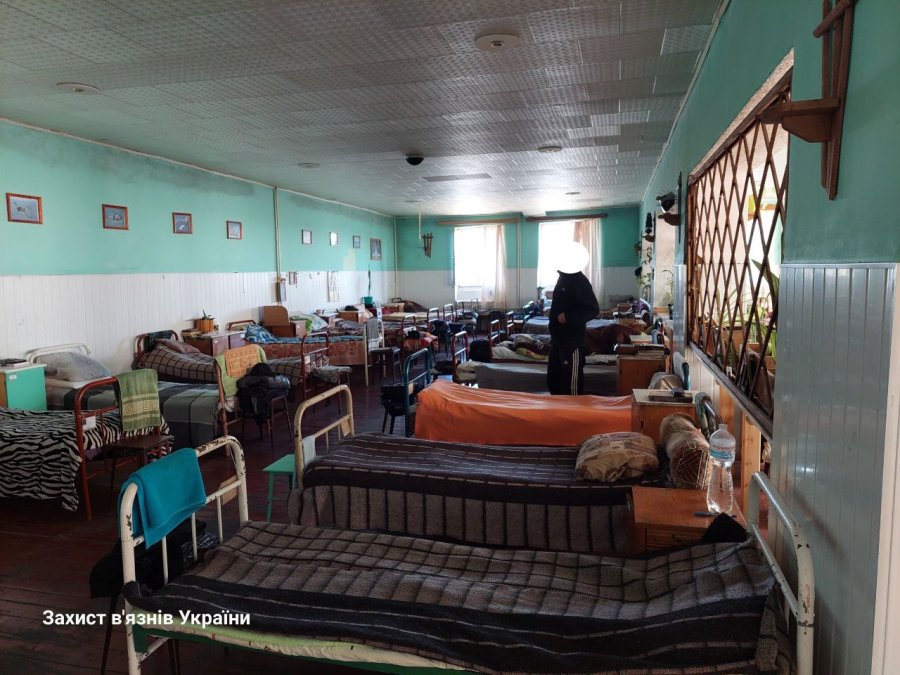
SPS sectors are separated according to the level of security.
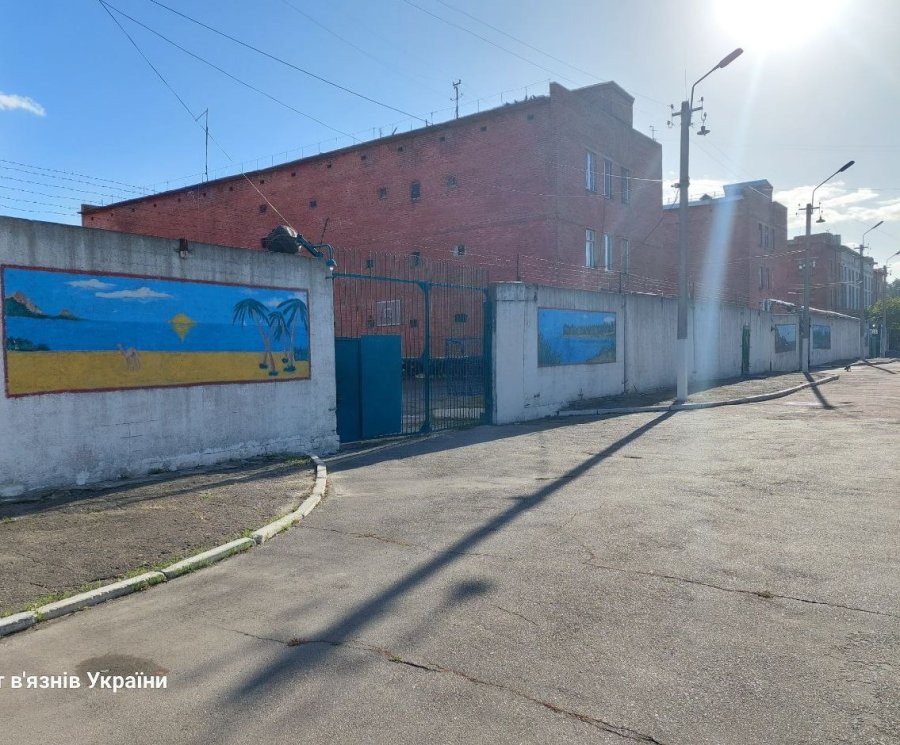
Living conditions in sectors of different security levels do not effectively differ.
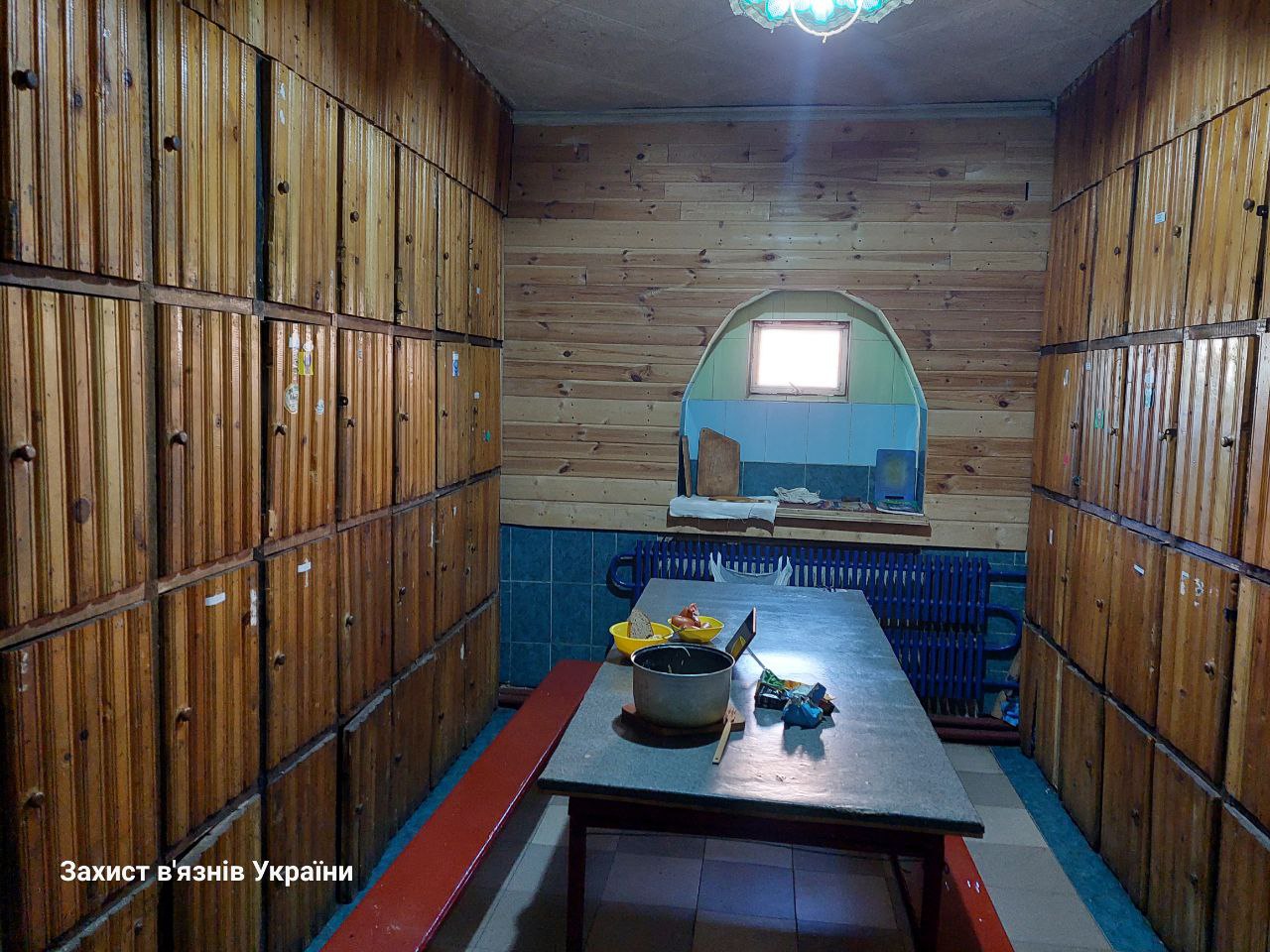
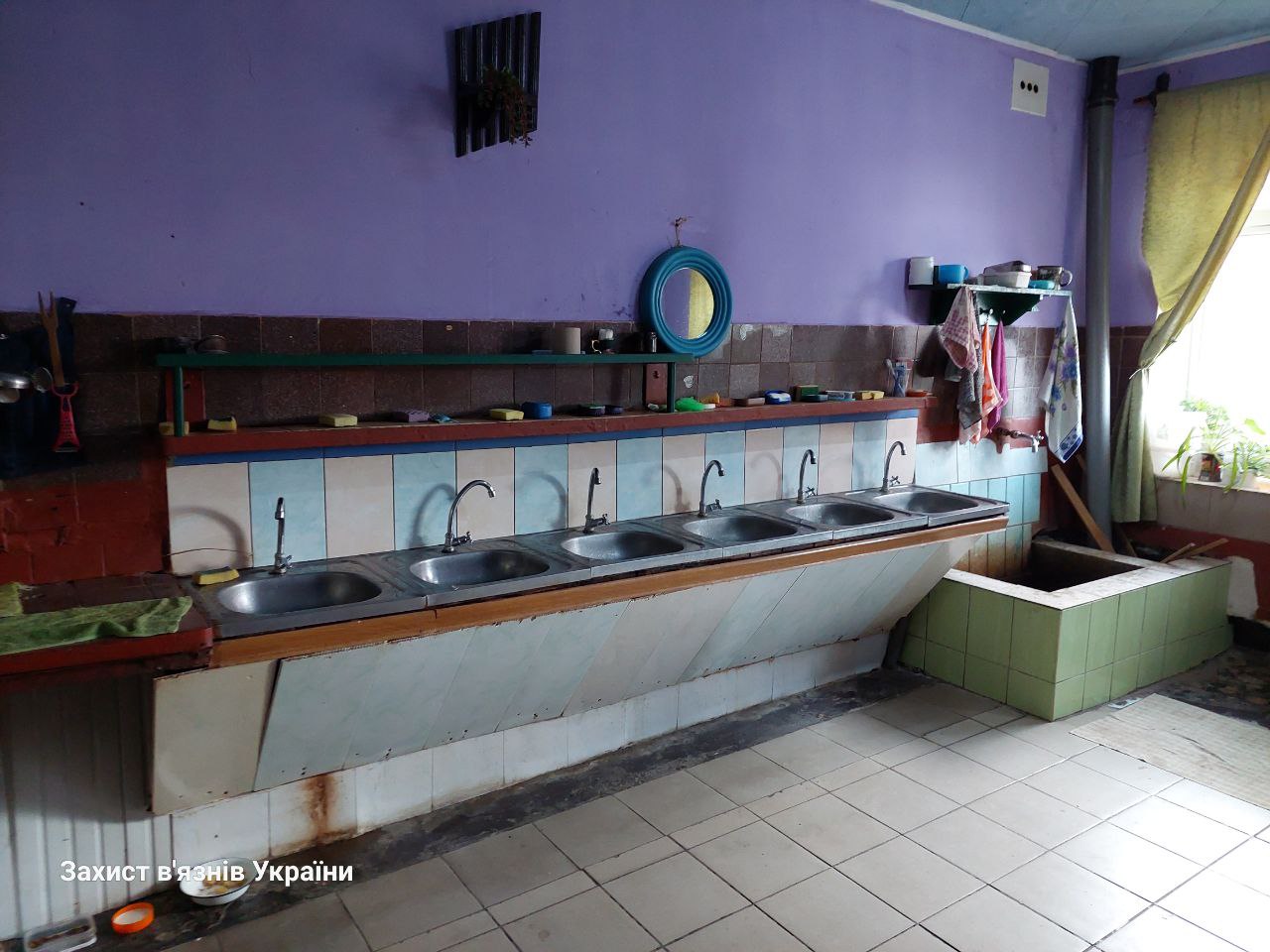
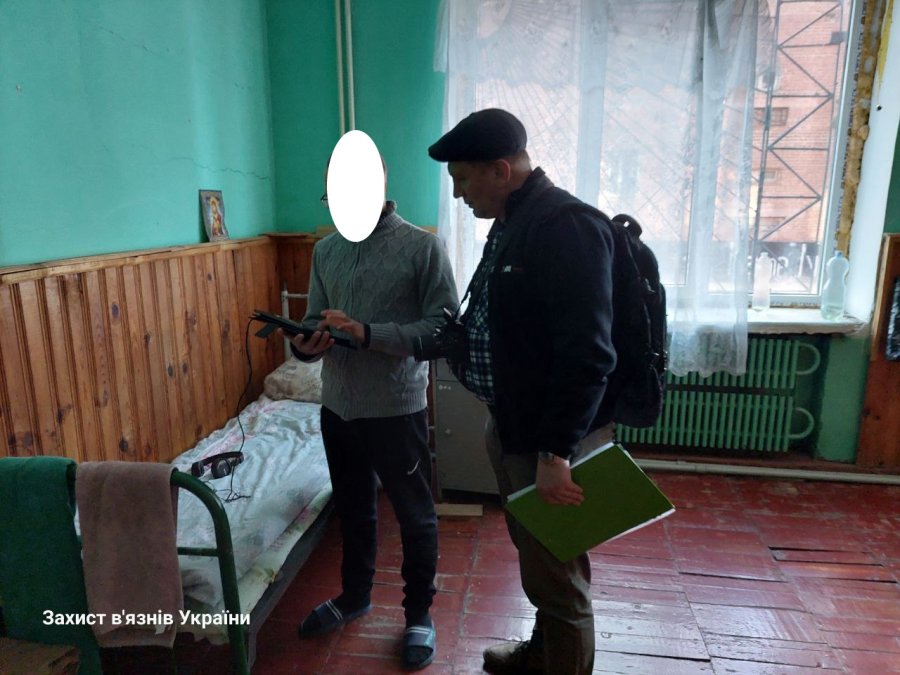
Living quarters include both cabin-style and barrack-style rooms.
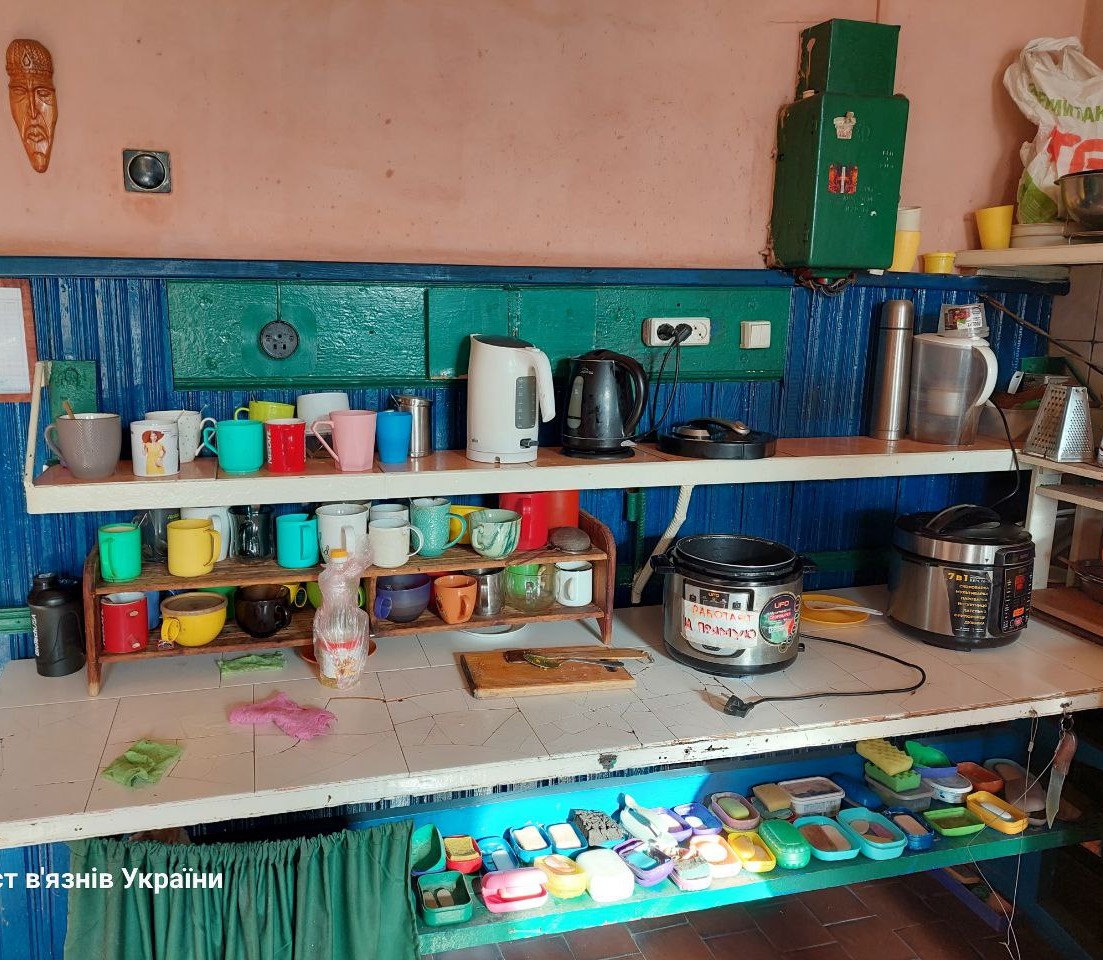
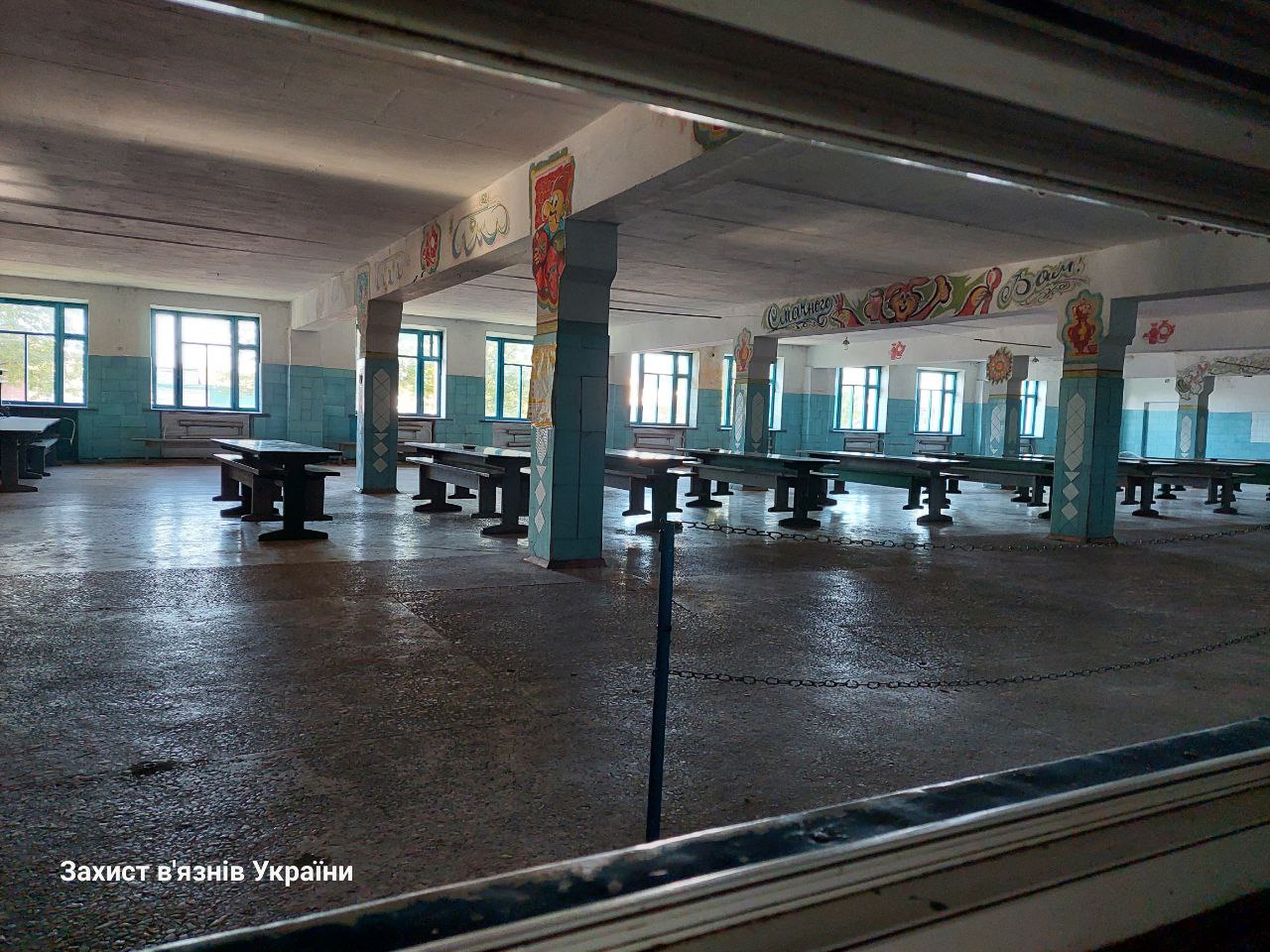
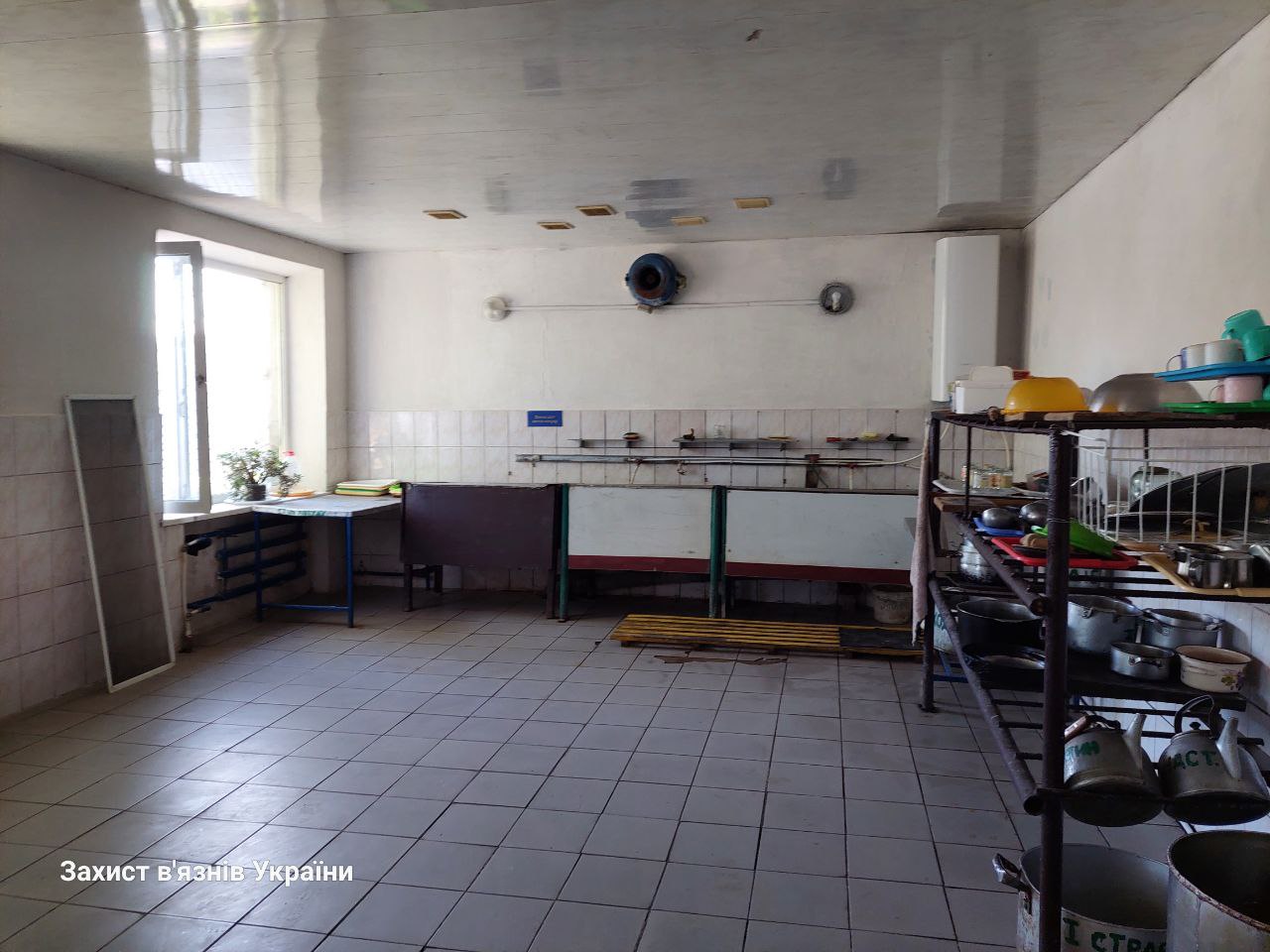
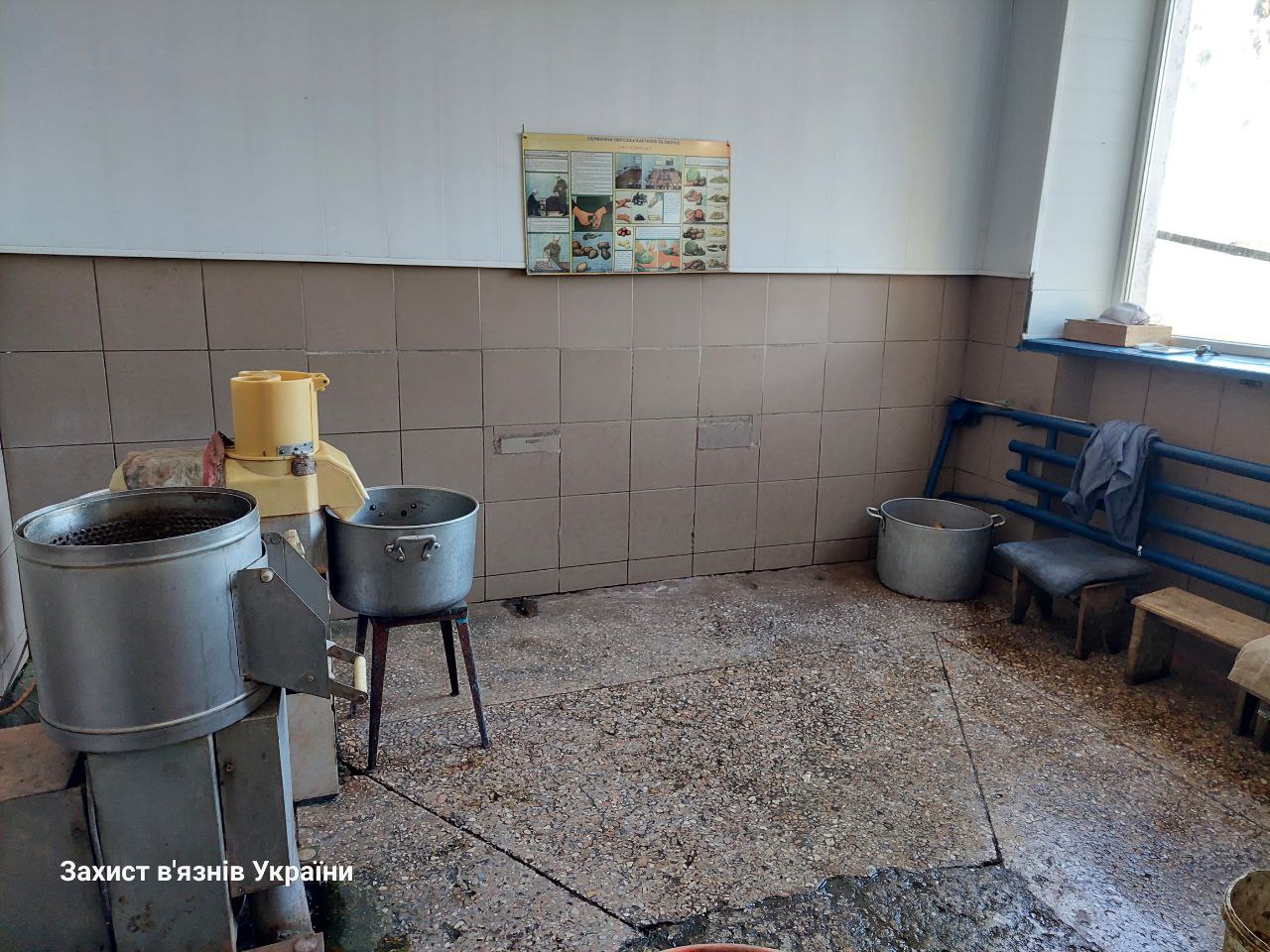
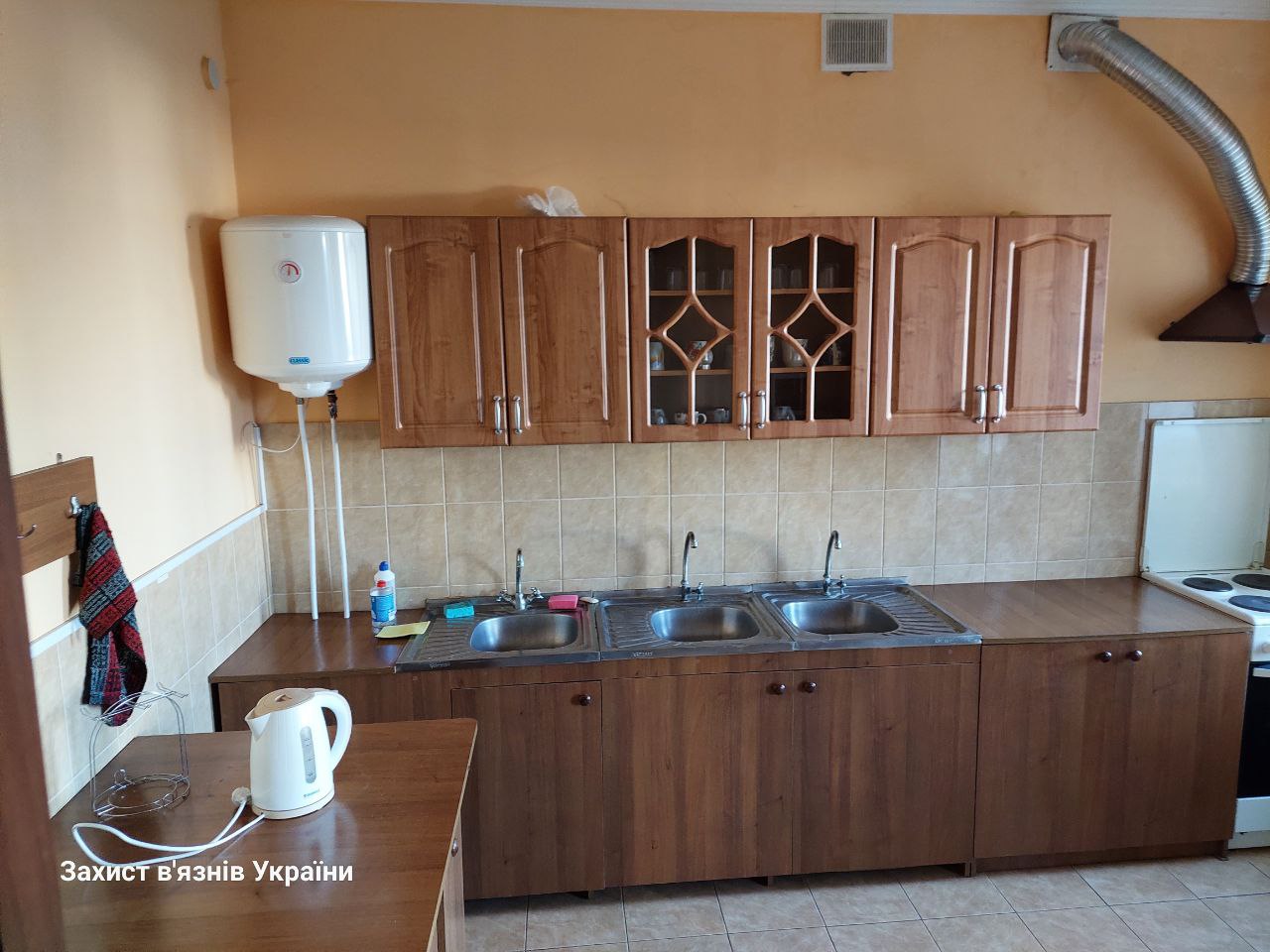
Canteen/Kitchen
Interviewed convicts who work in the canteen reported that they perform their work for free for two hours per day. However, based on experience from visits to penitentiary institutions, it can be assumed that the convicts work a full working day without weekends and do not receive payment for their work. Furthermore, their employment record is not accrued, and they lack social protection in case of injury, etc.
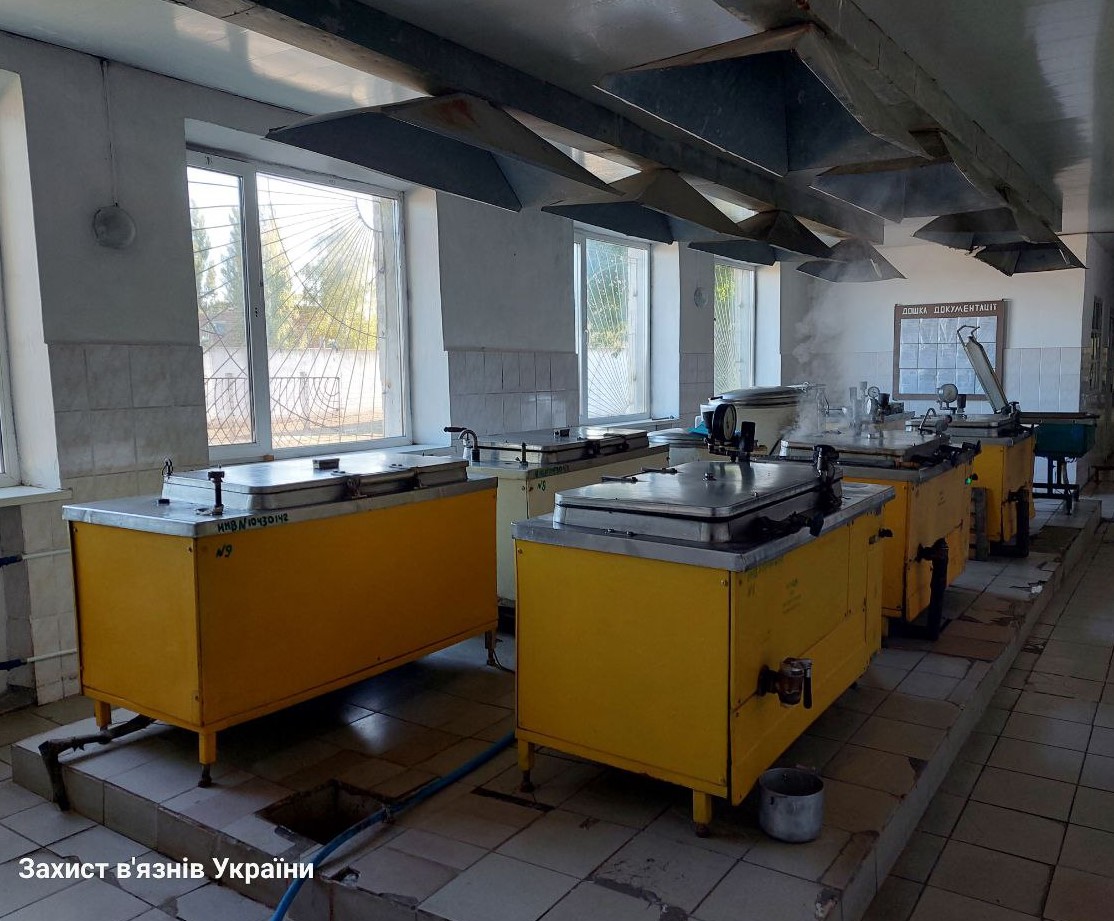
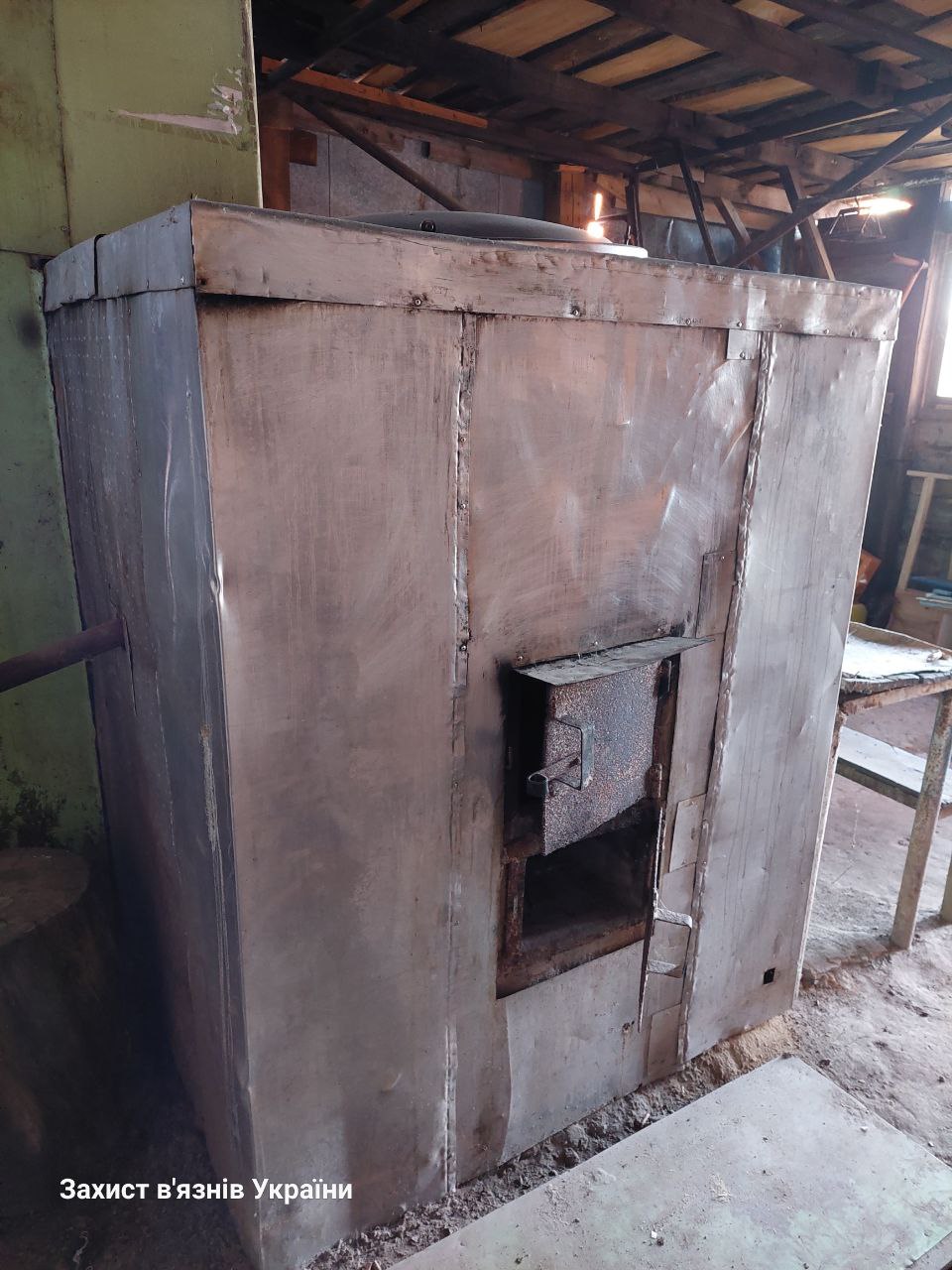
Alternative resources for cooking exist in case of power outages.
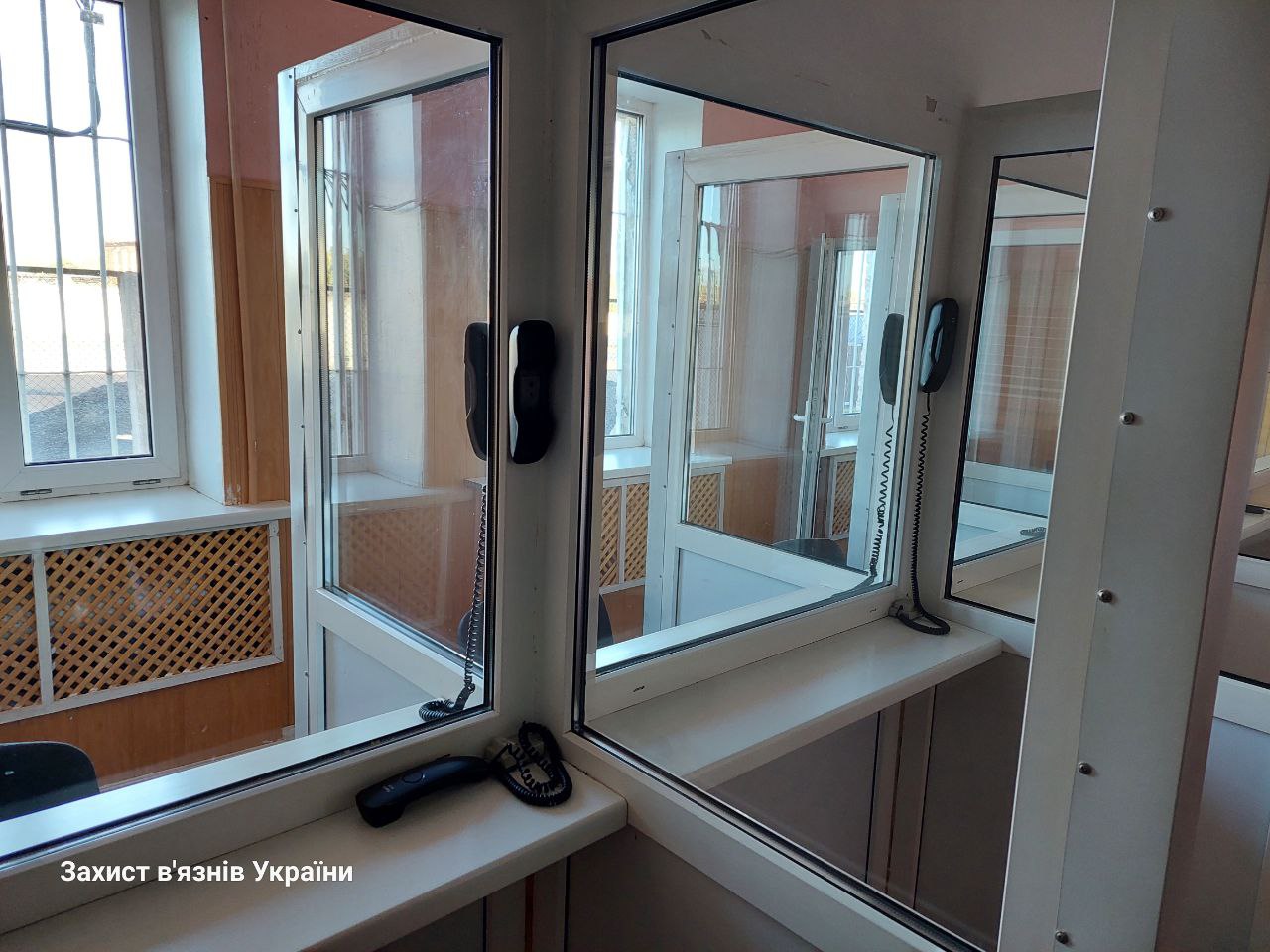
Visitation Rooms
Rooms for short-term contact visits and visits through glass.
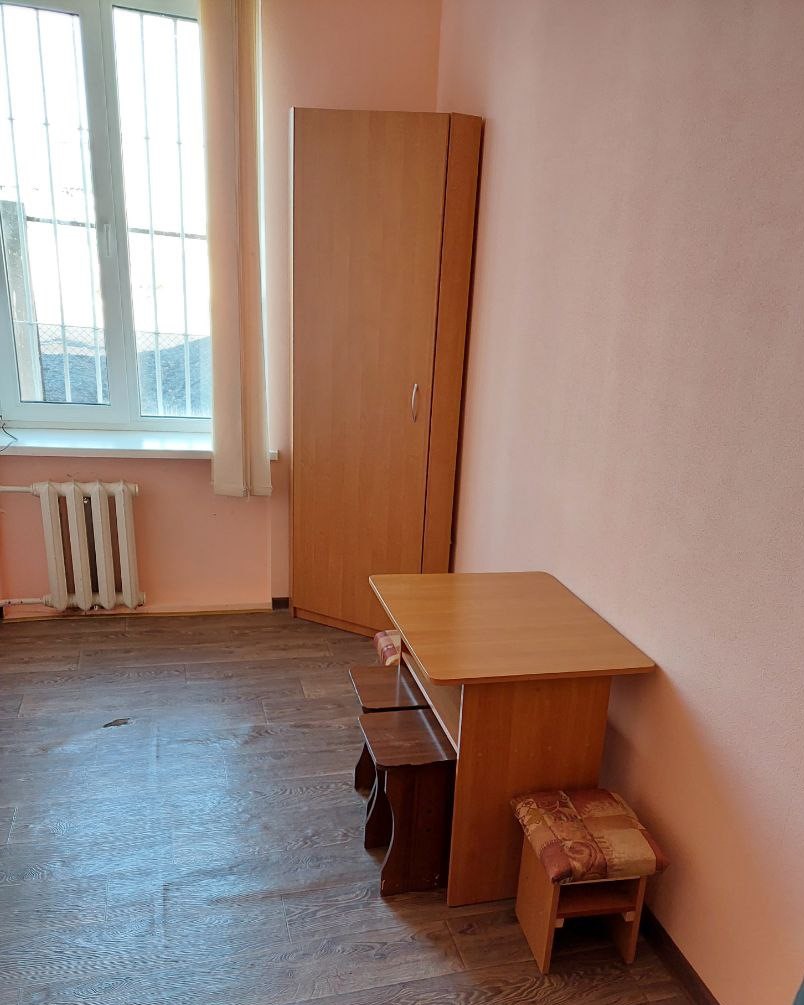
Rooms for long-term visits.
Recommendations:
- Cease the practice of using convicts for work in the canteen for a full working day under the guise of two-hour shifts;
- DPK — install a tank for drinking water;
- Bathhouse — equip cabins with rubber mats and curtains, thereby ensuring the right to privacy.
A preventive monitoring visit regarding the observance of human rights in the penitentiary system to the State Institution “Mena Correctional Colony No. 91” was carried out by the NGO “Kharkiv Human Rights Protection Group” together with the NGO “Protection of Prisoners of Ukraine”, consisting of the assistant to the People's Deputy Konstiantyn Kasai, member of the Public Council under the Ministry of Justice Serhiy Zuikov, member of the Public Council under the Ministry of Justice of Ukraine Oleh Tsvilyi, and assistant to the People's Deputy of Ukraine Yaroslav Yurchyshyn, Andriy Didenko. The visit was conducted within the framework of the project “Reducing Prisoners’ Suffering in the Context of the War in Ukraine”, funded by the government of Denmark in partnership with DIGNITY — Danish Institute Against Torture. The purpose of the visit was to analyse the observance of human rights in places of detention during the war.
Date of visit: 13 October 2023