Report on the results of the monitoring visit to the Kharkiv Pre-Trial Detention Centre
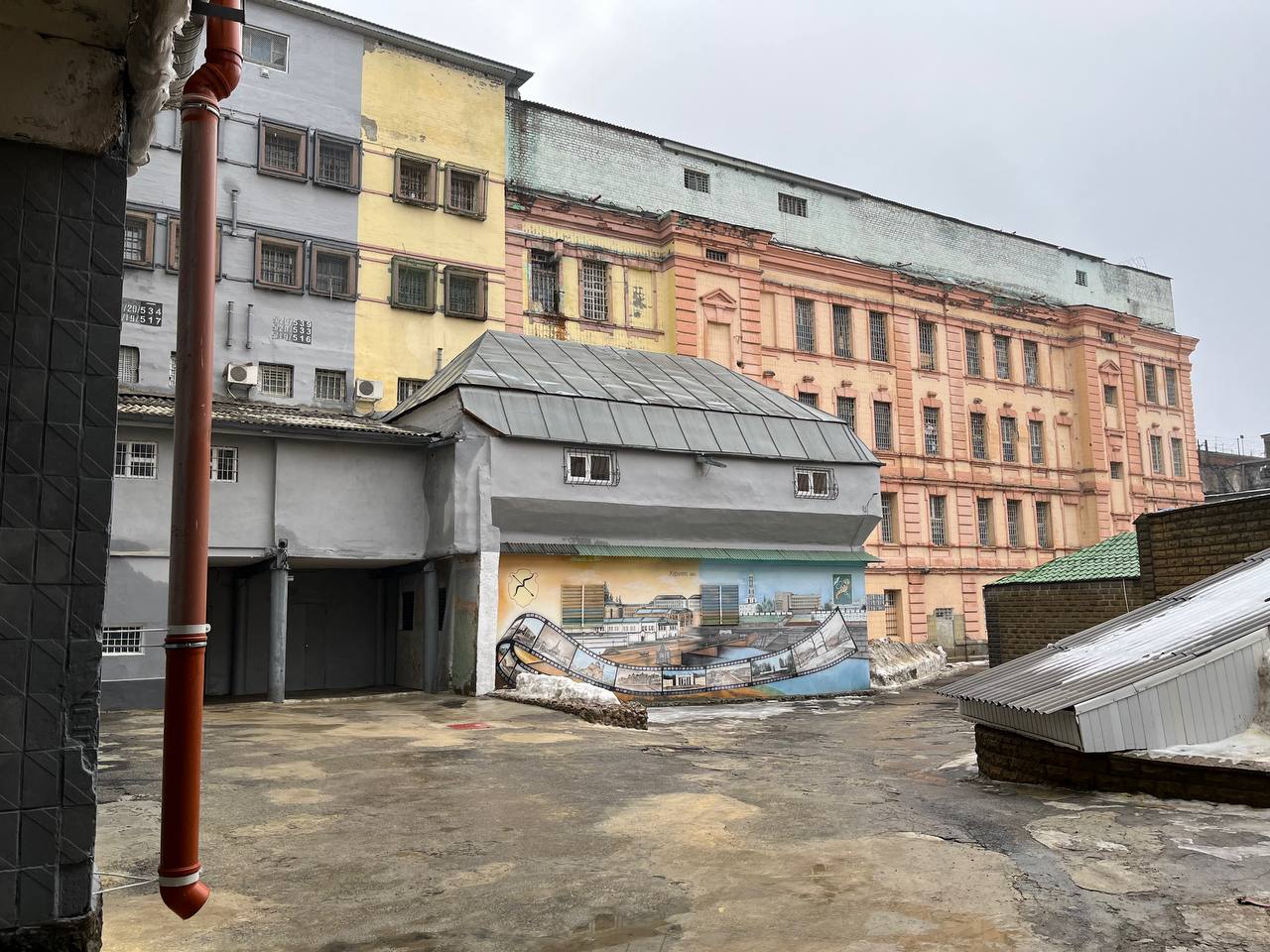
The State Institution “Kharkiv Pre-Trial Detention Centre” is a closed-type facility that carries out law enforcement and investigative functions. The pre-trial detention centre holds:
- Persons for whom the court has chosen detention in custody as a preventive measure, or to whom temporary or extradition arrest has been applied.
- Convicted persons whose sentences have not entered into legal force and for whom detention in custody has been chosen as a preventive measure.
- Persons sentenced to imprisonment who have been left for maintenance work.
- Convicted persons held in transit cells.
- Three life-sentenced prisoners who are challenging court decisions.
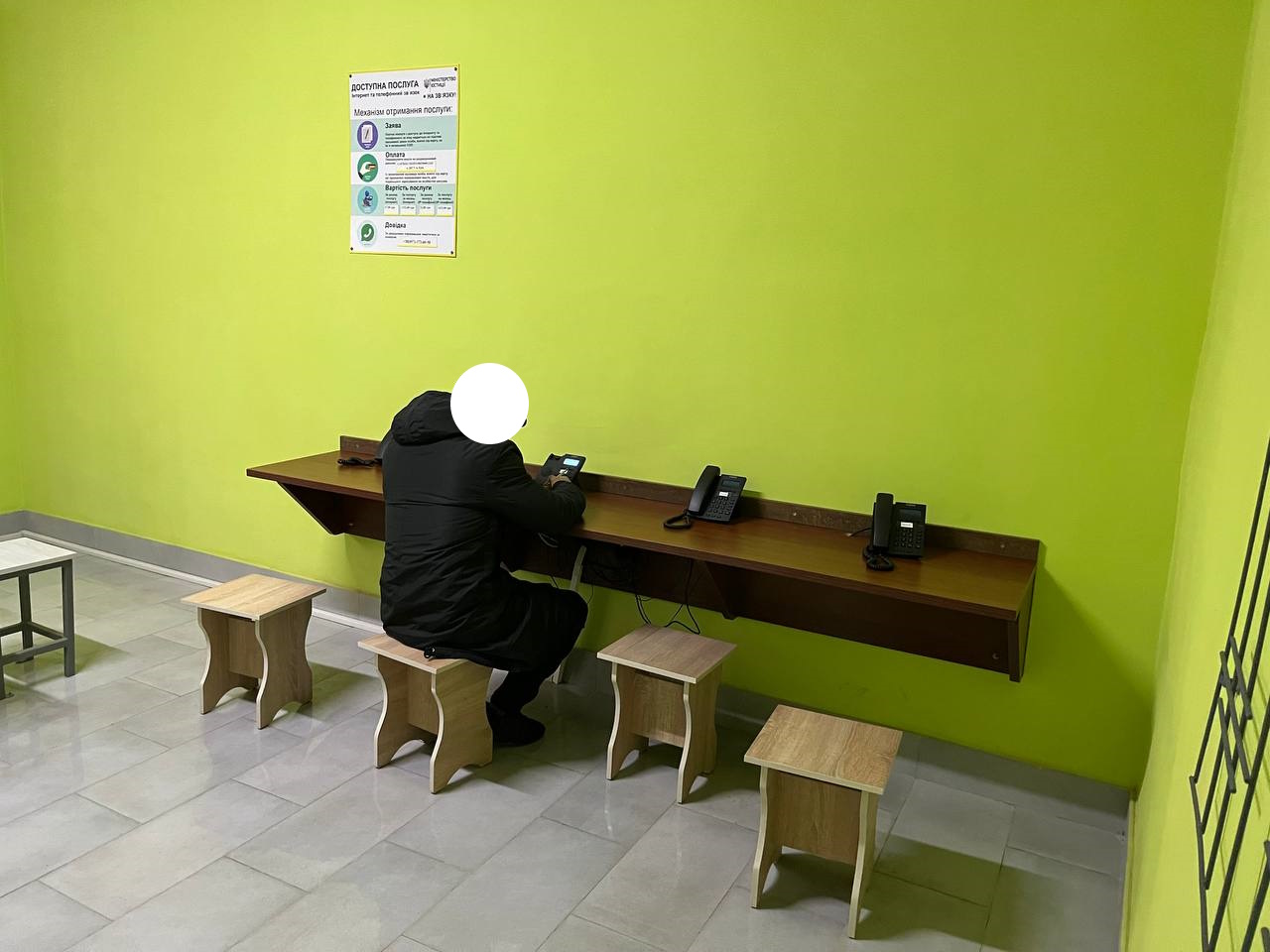
The facility has separate buildings for investigative activities, for holding women and minors, for remand prisoners (men), and for maintenance staff. For three years, the facility has operated a practice of online consultations for prisoners with lawyers from the Centre for Free Legal Aid. During the visit, the monitors interviewed 97 individuals. The facility operates an IP telephony system.
Historical Background
In 1848, a convict company of the civil administration was opened in the city of Kharkiv. In 1903, the majority of the current pre-trial detention centre buildings were constructed. The Kharkiv Correctional-Convict Department operated a school for prisoners. It was established back in 1890, with classes held in one of the cells. The beginning of the 20th century was a time of revolutionary upheaval, which left its mark on the history of the Kholodna Hora Prison of that time.
In December 1905, an armed uprising was prepared in Kharkiv. After its defeat, some of its most active participants were arrested. They served their imprisonment in the Kharkiv Correctional-Convict Department.
From 1941 to 1943, during the period of German occupation in the Second World War, a sinister complex existed here — the city prison of the Kharkiv Gebietskommissariat (regional commissariat) and “Kriegsgefangenen-Stalag 364” (City Prisoner of War Camp No. 364), where the doctors of Professor Oleksandr Mieshchaninov’s team and underground prisoners performed heroic deeds daily. After the Second World War, the Ministry of Internal Affairs investigation prison and “PromVTK-1”, which belonged to the “GlavPromStroy of the GULAG of the USSR”, were located on this territory. In 1949, this territory was divided into local sectors with their own gates, towers, and security means (the modern territory of the Kholodna Hora Penal Colony No. 18 and the pre-trial detention centre).
General Section
According to the facility’s management, at the time of the monitoring visit, 1,686 persons were being held in the institution, accommodated in 202 cells. Of these, 15 cells are for convicted persons, eight are transit cells, and two are for persons working in maintenance. The institution is designed for 2,102 people. During 2023, 16,815 people arrived at the institution.
Twenty-six people are employed in maintenance work with an average monthly salary of 6,700 hryvnias. Eight people were held in the disciplinary cell (punishment cell). During 2022, 15 people died; in 2023, there were nine deaths. Eight people were undergoing treatment in the medical unit. Twenty-seven people are prone to suicide. In 2022, there were five cases of suicide; in 2023, there was one case. Thirty-two prisoners are prone to self-harm, and eight are prone to escape. Three psychologists work at the facility.
During 2022, two complaints were registered regarding inadequate conditions of detention and improper provision of medical care; in 2023, there were four complaints. During 2022, there were 61 calls for medical assistance; in 2023, there were 53 calls. In 2022, 323 cases of bodily injuries were recorded upon arrival at the facility, and 32 cases during detention. In 2023, there were 670 cases upon arrival and 40 cases during detention.
Ten convicted persons have tablets for personal use, three of whom are minors. During 2022, there were 217 short-term contact visits, and in 2023, there were 1,725. The institution has a staff shortage of 20 employees. During 2023, 1,126 telephone calls were made.
On the eve of the visit, a request for public information was sent to the facility’s management asking for: the number of appeals from convicted persons during 2022–2023 sent to the Ukrainian Parliament Commissioner for Human Rights, the prosecutor’s office in a sealed form, other state bodies, and human rights organisations, as well as the number of responses to these appeals. The responses received indicate that there are no obstacles in the facility to sending and receiving correspondence, including in sealed form.
During 2022, 65 appeals were sent by prisoners to the Ukrainian Parliament Commissioner for Human Rights in sealed form; in the first half of 2023, there were 16 such appeals. During 2022, 30 responses were received from the Commissioner for Human Rights; in 2023, there were 15 responses. In 2022, there were 556 appeals to the prosecutor’s office; in 2023, there were 262 appeals. In 2022, 192 letters were received from the prosecutor’s office; in 2023, 143 letters. One appeal was sent to human rights defenders in 2022; zero appeals in 2023.
During the visit, the monitoring group examined the documentation regarding the institution’s operations, inspected the assembly unit posts, cells for holding remand prisoners and convicted persons, persons sentenced to life imprisonment, cells for holding women, minors, transit cells, maintenance premises, exercise yards, and the premises of the medical unit for their compliance with the requirements of the legislation of Ukraine and international standards.
The head of the institution is Colonel of the Internal Service Yevhen Mykolaiovych Bartoshchak. The monitors were accompanied by representatives of the personnel of the regime and security department, as well as the department of social-educational and psychological work.
Kharkiv City Medical Unit No. 27 of the Branch of the State Institution “Health Care Centre of the State Penitentiary Service of Ukraine” in Kharkiv and Luhansk Oblasts
The head of the Kharkiv City Medical Unit No. 27 is Tetiana Solodka.
Kharkiv City Medical Unit No. 27 holds a licence to conduct business activities in medical practice.
The staffing schedule provides for 37.5 positions. 8.5 positions remain vacant.
When necessary, specialists from medical facilities of the Branch of the Health Care Centre of the State Penitentiary Service of Ukraine in Kharkiv and Luhansk Oblasts, as well as specialists from territorial medical facilities of the Ministry of Health, are engaged for additional examinations and consultations. For additional examinations that cannot be conducted within the Kharkiv City Medical Unit No. 27, and for the provision of specialised inpatient medical care, patients are referred to healthcare facilities in the city of Kharkiv according to a scheduled list.
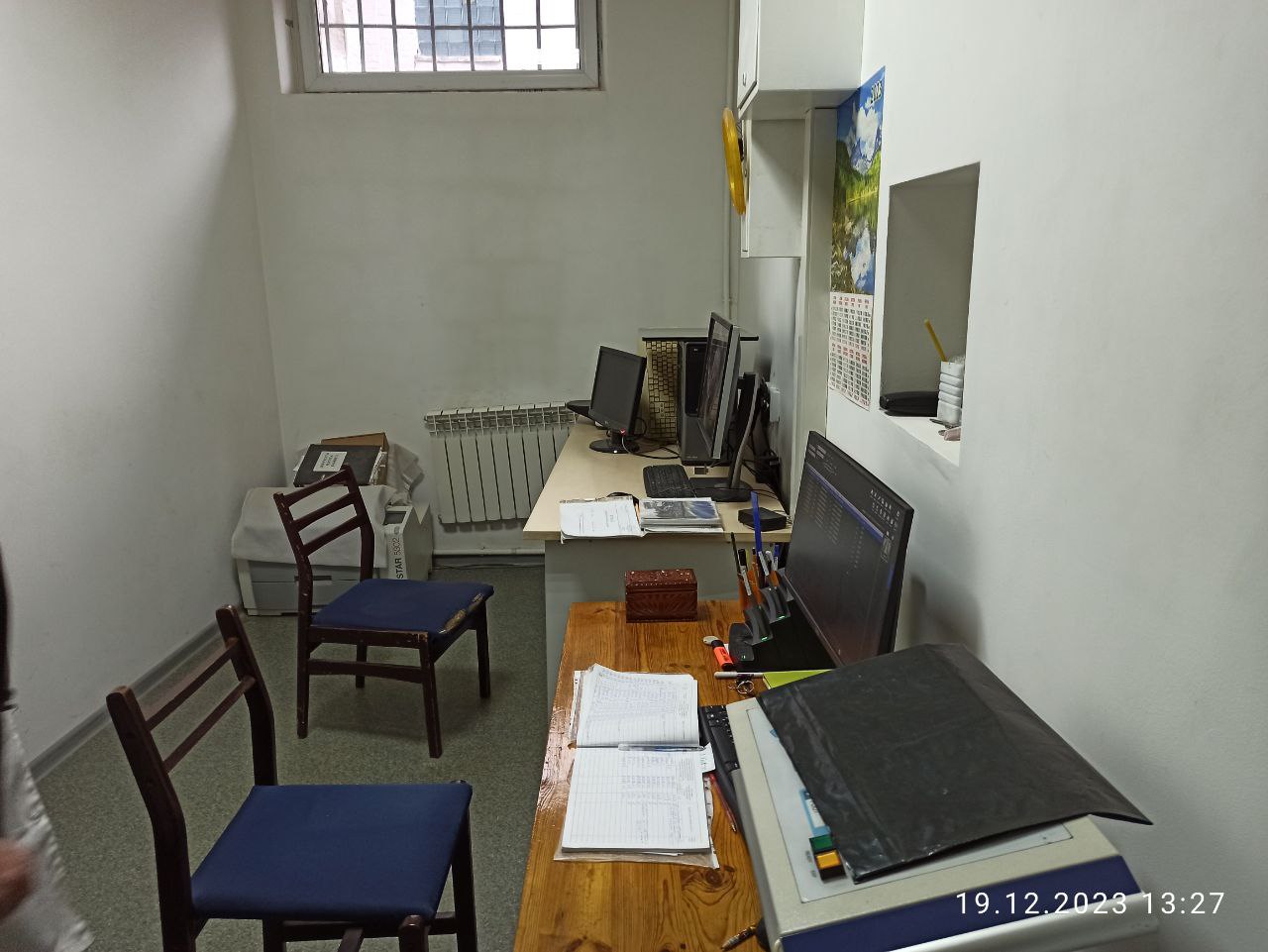
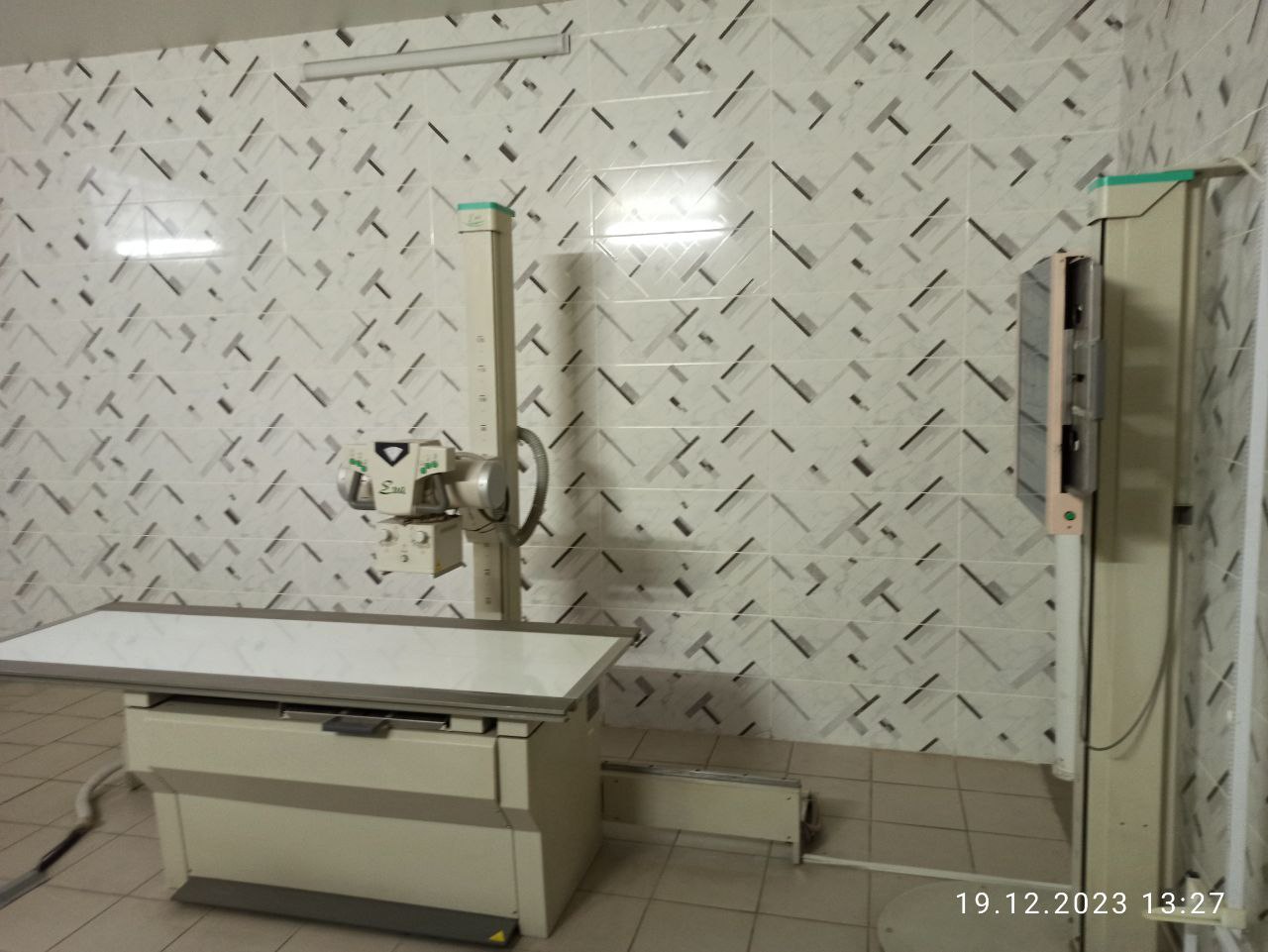
During the visit, the monitoring group identified shortcomings in the work of the Kharkiv City Medical Unit No. 27 that lead to violations of the rights of convicted persons and persons held in custody at the State Institution “Kharkiv Pre-Trial Detention Centre”, in particular:
1. Violation of the rights of convicted persons and prisoners to medical care. Violations in conducting preventive medical examinations and medical check-ups
1.1 The vacant position of a general practitioner indicates that initial and preventive medical examinations are not being conducted fully.
1.2 The monitoring group identified an individual, K., who, according to medical documentation, was hospitalised on 18.12.2023. The man was in a ward lying down, unable to care for himself. He expressed complaints about improper treatment and a lack of nappies. Medical staff noted that the problem with providing this patient with hygiene products had been ongoing for over a week. During a confidential interview, it was established that due to a shortage of medical staff, care for this person is provided by another convicted person who is undergoing inpatient treatment. At the same time, the European Committee for the Prevention of Torture and Inhuman or Degrading Treatment or Punishment has repeatedly recommended ending the practice of using convicted persons as assistants and orderlies in medical units.
1.3 Instead of a diagnosis, recommendations, the doctor’s own name and surname, and their signature, which are registered in the “Logbook of results of preventive medical examination”, a telemedicine code is noted, which indicates that preventive examinations are not being conducted properly.
1.4 Due to the fact that convicted persons have not concluded declarations with a primary care physician, they do not have the opportunity to receive necessary medical services at the expense of the NHSU (National Health Service of Ukraine).
2. Violation of the right to proper psychiatric care
2.1 The monitoring group identified a person with mental disorders who was undergoing inpatient treatment in a ward-cell for somatic patients along with other convicted persons. According to paragraph 43 of the recommendations of the European Committee for the Prevention of Torture and Inhuman or Degrading Treatment or Punishment, a mentally ill prisoner should be held and cared for in a hospital facility with sufficient equipment and properly trained staff. For example, in a standard civilian psychiatric hospital or a specially equipped psychiatric facility within the penitentiary system.
2.2 It was established that the inpatient medical record No. 003/o lacks the patient’s informed consent for a psychiatric examination.
2.3 The isolation ward for persons with mental disorders is not properly equipped: there is no supply and exhaust ventilation; the sanitary facility is not equipped with a door, which violates the right to privacy; there is no container with boiled drinking water.
3. Violation of the right of convicted persons and prisoners to information about their state of health, violation of the right of convicted persons to choose treatment methods, and improper maintenance of documentation
3.1 The medical unit has not organised opioid substitution therapy (hereinafter — OST) for persons with mental and behavioural disorders resulting from opioid use. Drug-dependent persons are not provided with social-psychological support, cognitive-behavioural therapy (CBT), relapse prevention, motivational interviewing, mutual aid groups, etc.
3.2 While studying medical documentation, it was established that in the outpatient medical records 025/o, photographs of existing bodily injuries are not attached to the compiled reports.
3.4 In the medical unit, the “Control card for dispensary monitoring of HIV-infected persons” No. 030-5/0 has not been created for all HIV-positive persons.
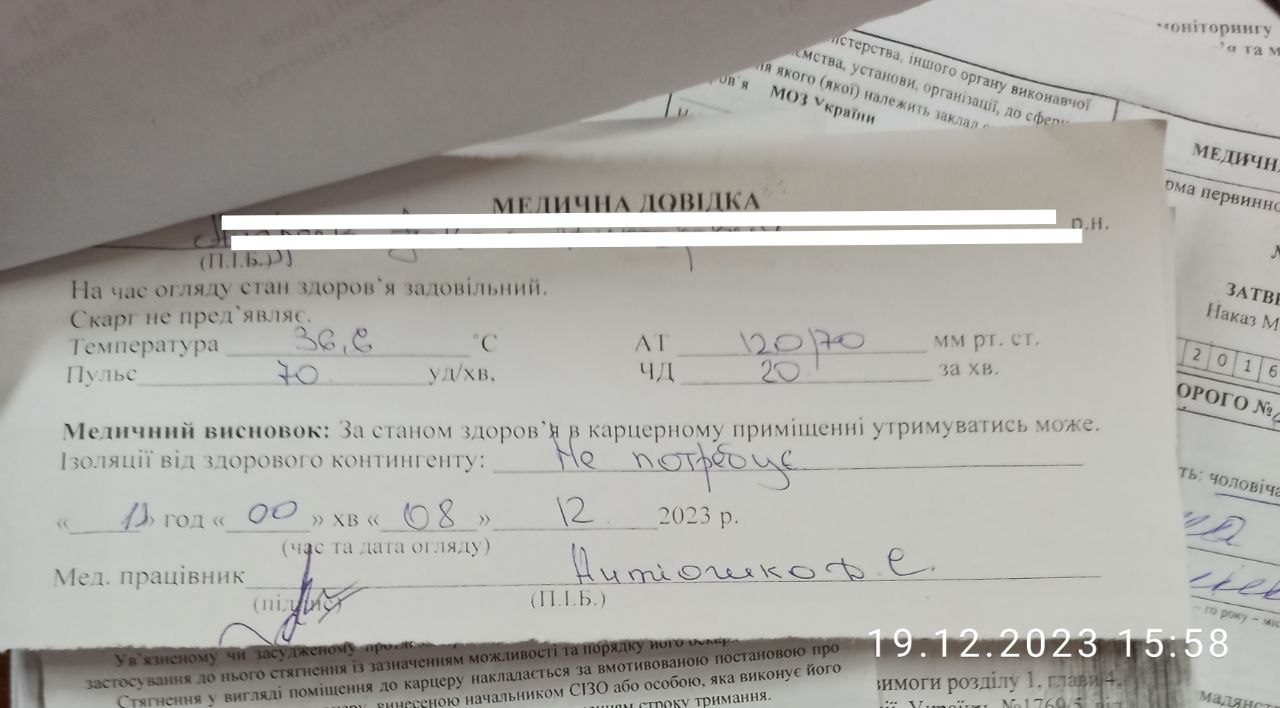
3.5 During the inspection of the punishment cells, the monitors established that when a convicted person is placed in a punishment cell, it is standard practice to attach a medical certificate to the file, according to the conclusion of which the convicted person is fit to be held in the punishment cell due to their health condition. This means that the institution’s staff possess confidential information regarding the health status of convicted persons who are in the punishment cell. This violates the requirements regarding the right of individuals to the confidentiality of their health status.
4. Lack of equipment, medical products, and medicinal products in the medical unit
4.1 The medical unit lacks a dental X-ray machine, which makes it impossible to conduct an in-depth dental examination of convicted persons and does not ensure the timely provision of proper dental care.
4.2 During an inspection of the defibrillator’s functionality, it was established that electrodes were missing.
4.3 Convicted persons do not receive hospital property (hospital suit, robe, and shoes). Convicted persons are in the inpatient ward in their everyday clothes, sometimes with their own bed linen.
4.4 During an inspection of the first aid kit, expired medicinal products were found.
4.5 There is no hot water supply in the doctors’ offices; the workstations of medical staff do not meet the requirements of current legislation.
5. Improper storage of medicines received from relatives
5.1 There is no separate cabinet in the medical unit for storing medicines received from relatives.
5.2 In the medical documentation (medical record No. 025/o or No. 003/o), applications from relatives of convicted persons or other persons regarding the transfer of medicines or medical products are missing or stored separately.
6. Failure to observe infection control and epidemiological surveillance
The medical unit is equipped with only one isolation ward for infectious patients, which makes it impossible to place patients with dangerous infectious diseases separately from each other and from other convicted persons simultaneously.
7. Violation of the rights of persons with disabilities (Article 9 of the UN Convention on the Rights of Persons with Disabilities)
7.1 Dispensary monitoring is carried out for 21 persons with disabilities. Of these, 3 are Group II; 18 are Group III. Persons with disabilities do not receive proper diagnostic, treatment, and rehabilitation measures, despite information confirming persistent impairment of bodily functions caused by illnesses or consequences of injuries that lead to limitations in normal life activities. Not all persons with disabilities have individual rehabilitation programmes (hereinafter — IRP). Moreover, the recommendations of the IRPs are not being fulfilled.
7.2 The institution has not created conditions for holding persons with disabilities (there are no ramps, handrails, etc.).
8. Violation of fire safety rules
8.1 The premises of the medical unit are not equipped with fire extinguishing and fire alarm systems.
8.2 The rooms of the doctors’ office and the X-ray room are not equipped with fire extinguishers.
Assembly Unit
Persons brought to the pre-trial detention centre undergo a search procedure, fingerprinting, photographing, weight and height measurement, as well as a medical examination.
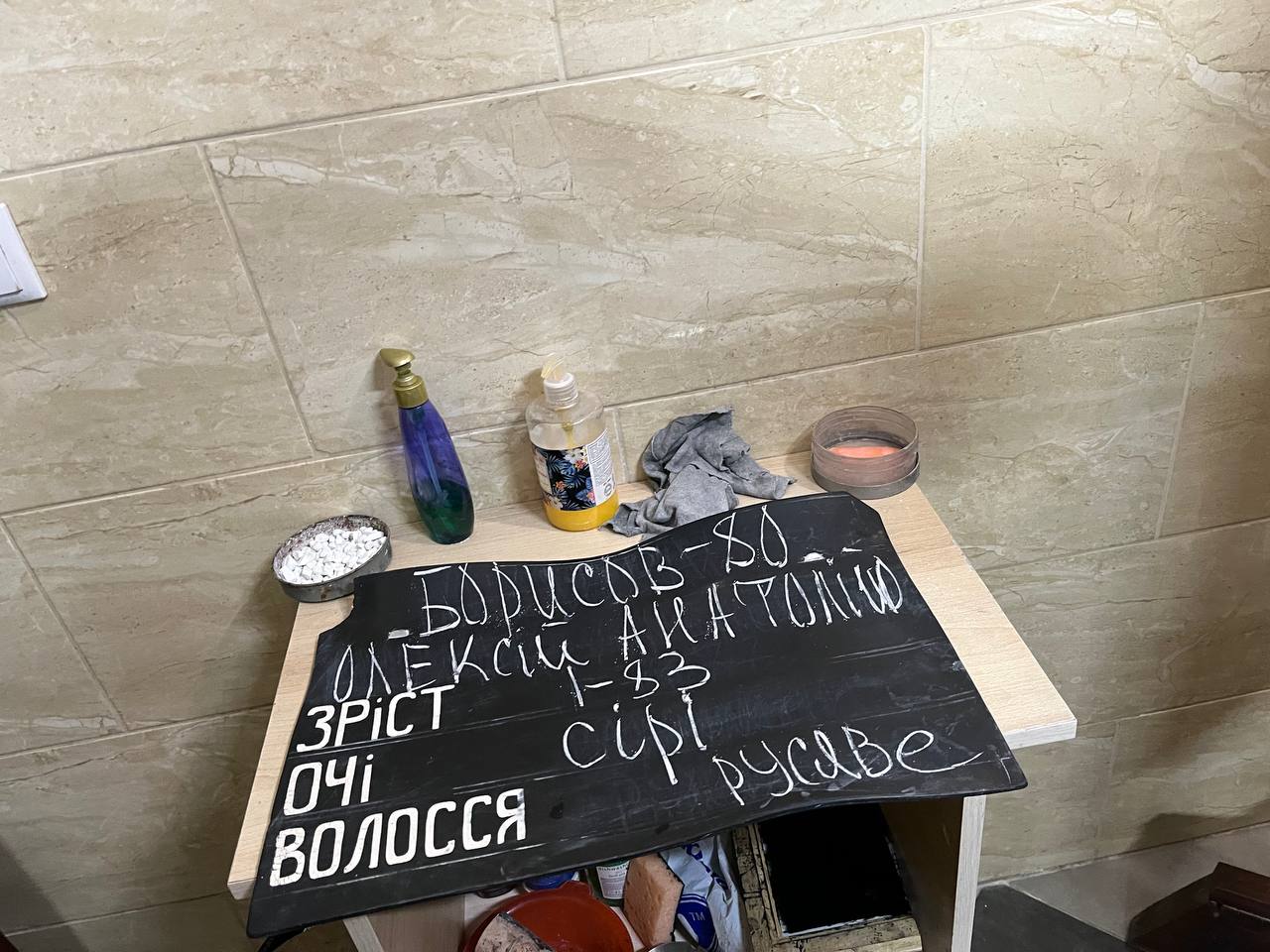
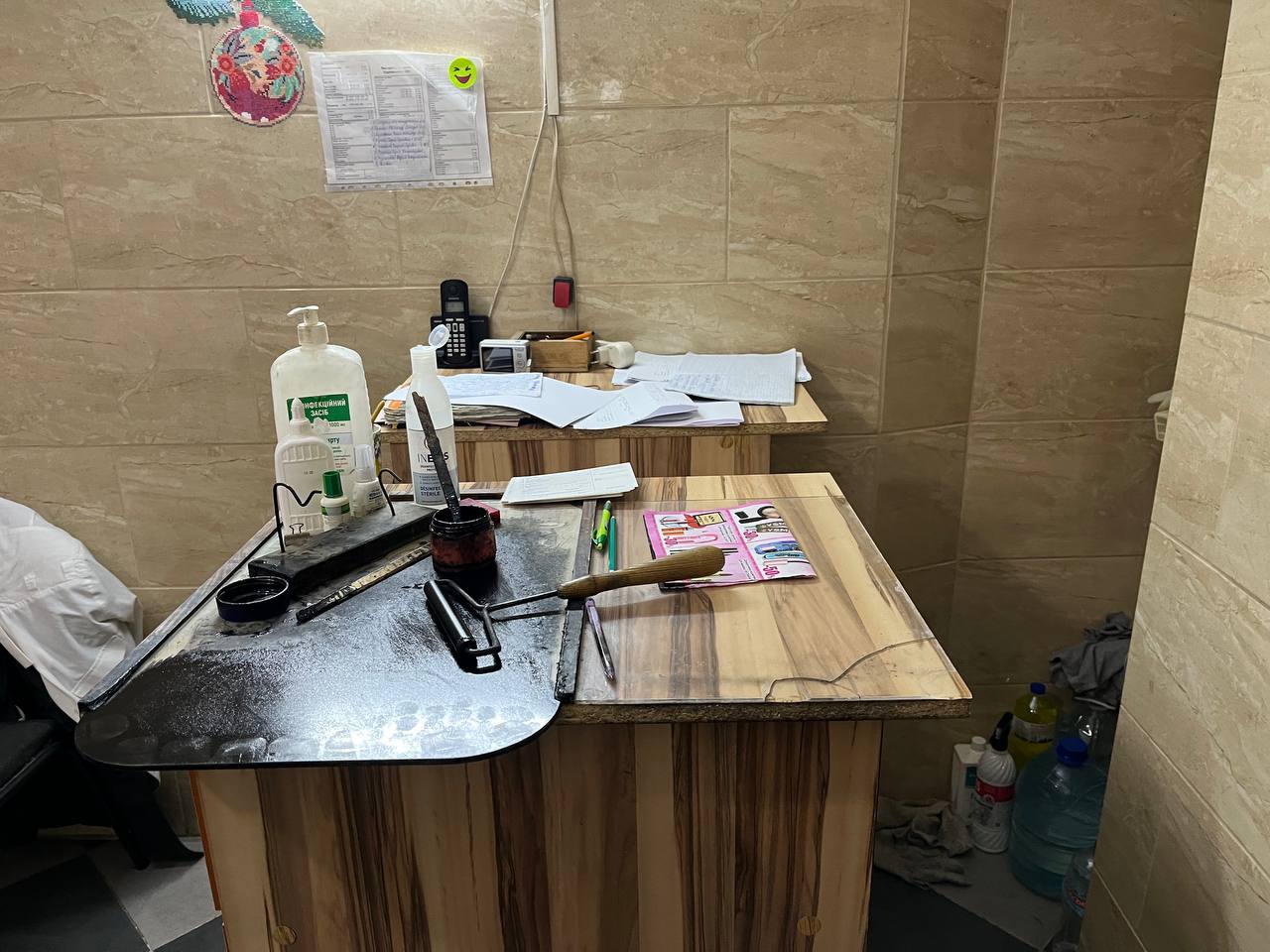
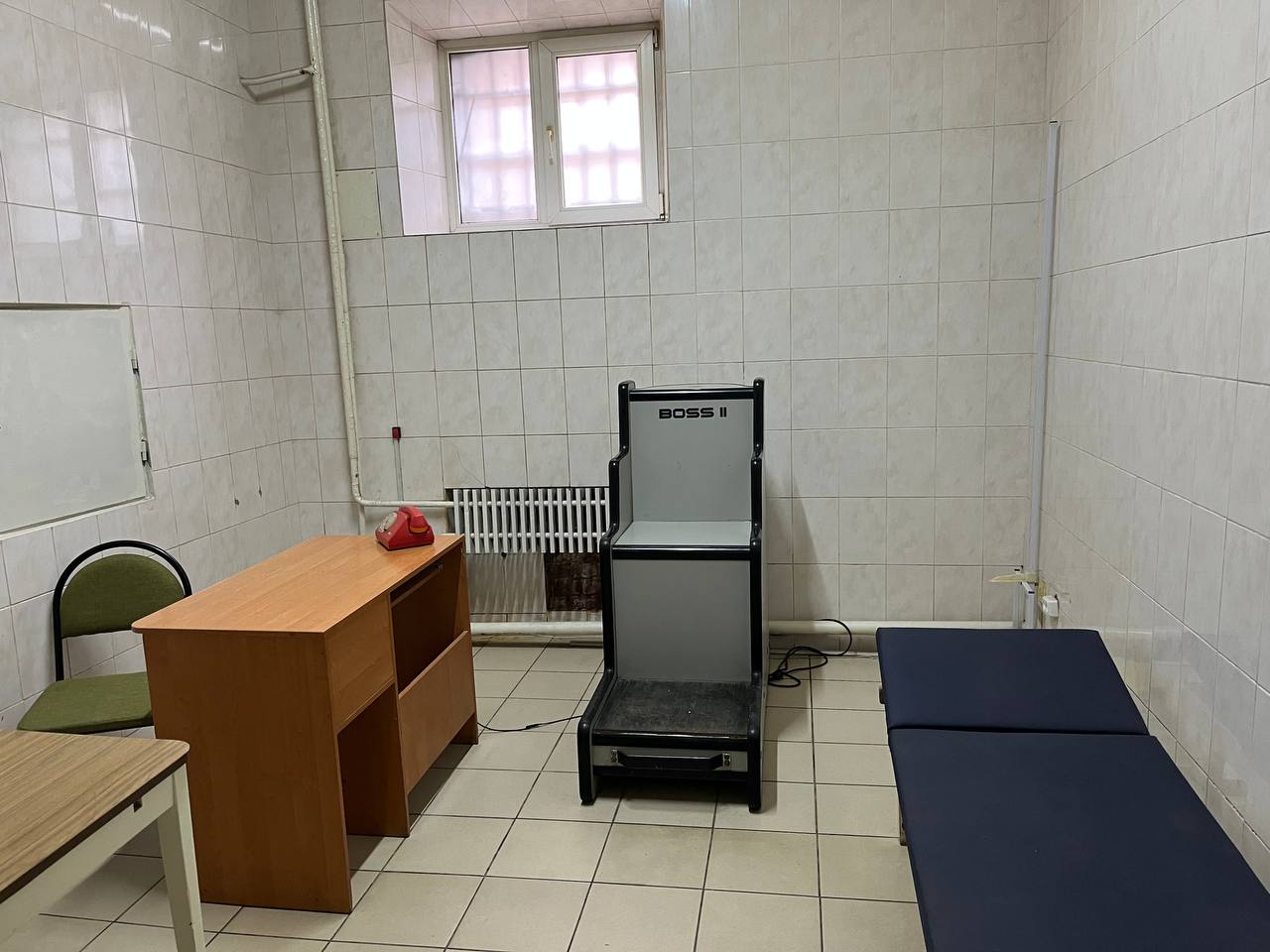
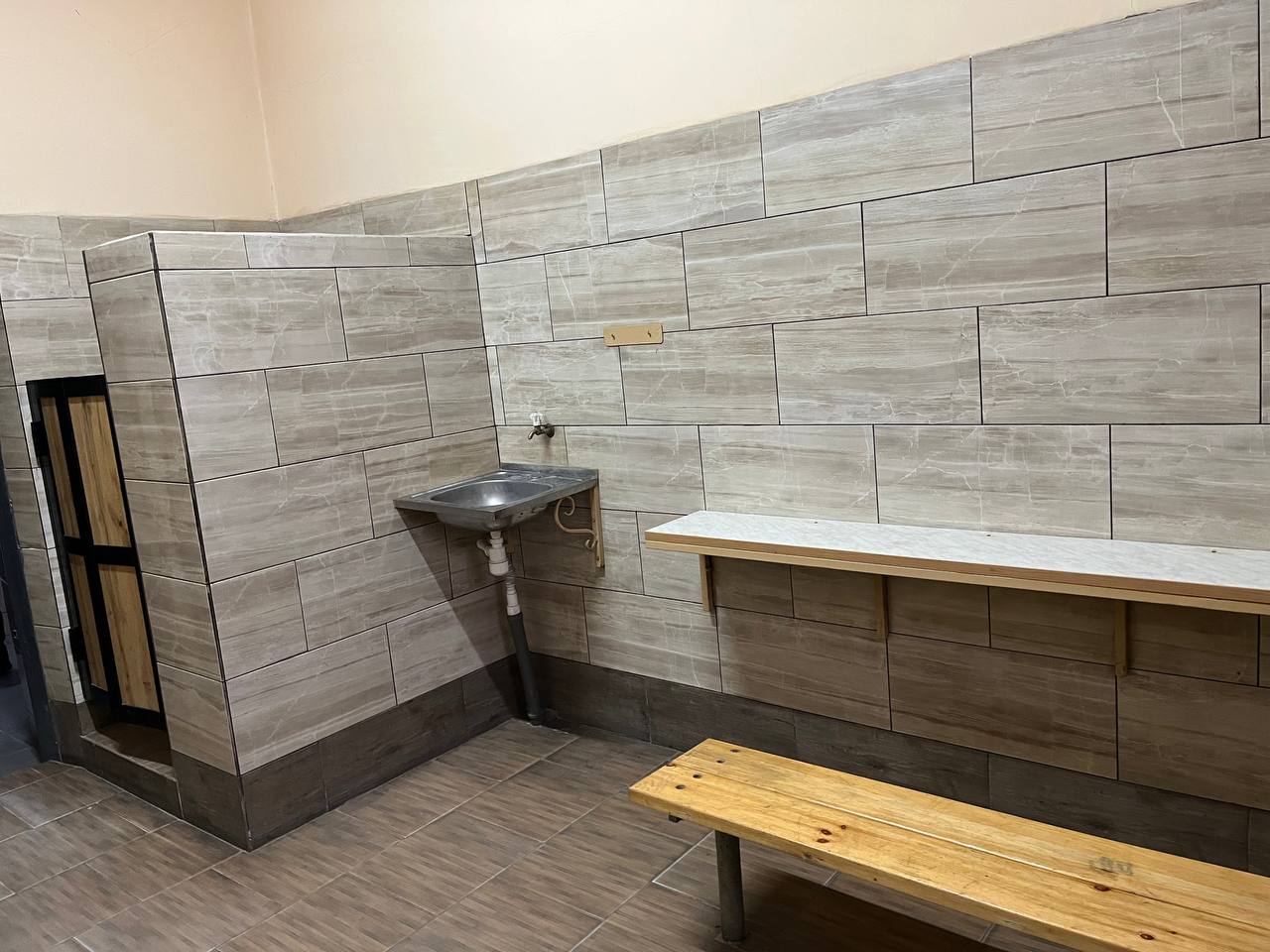
During this period (up to two hours), they are placed in the cells of the assembly unit. There are 11 such cells in the institution, five of which have been renovated. There are containers with drinking water available.
Investigative Offices
Video conferences take place in the investigative offices. The premises are equipped with a panic button.
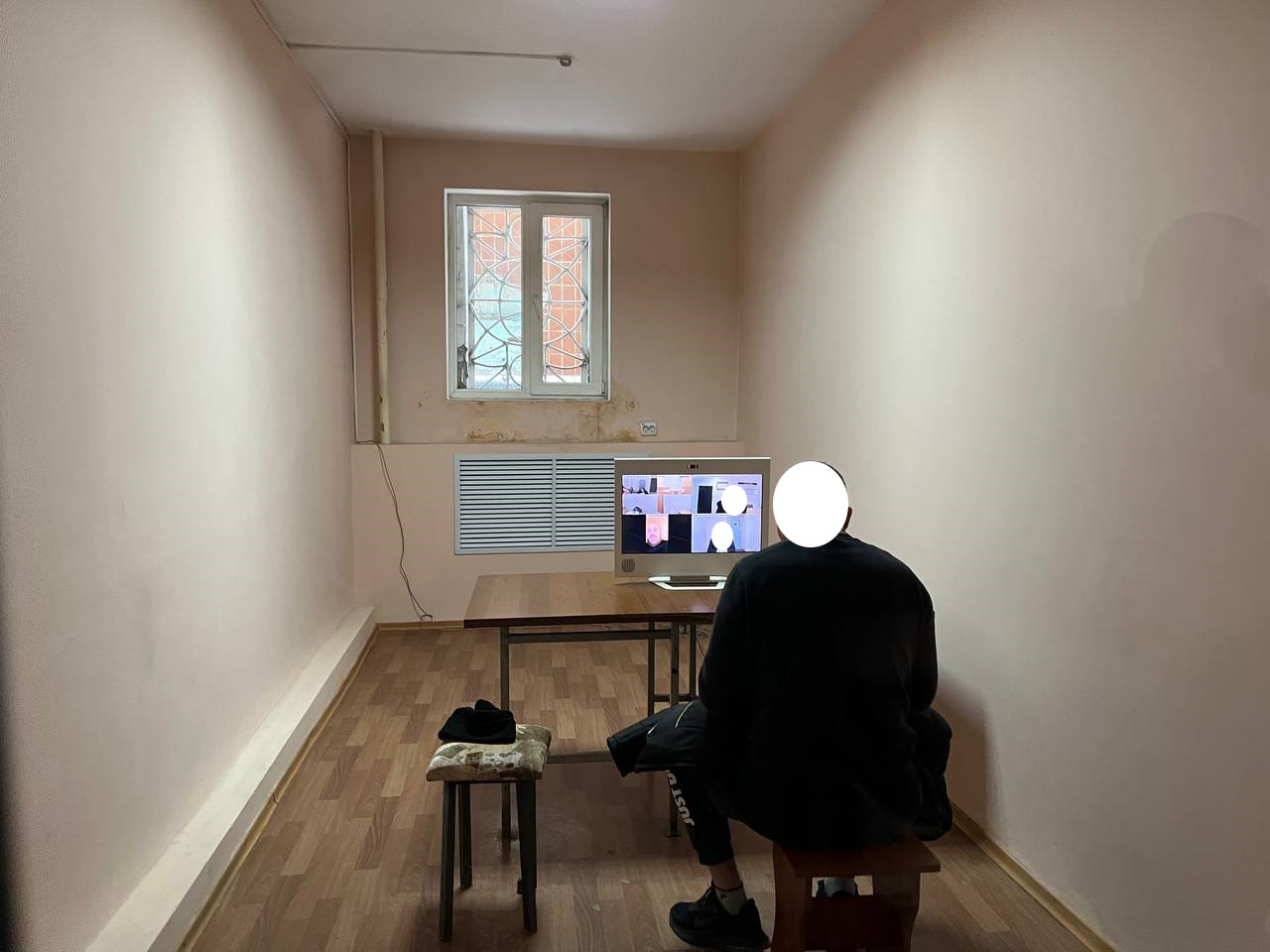
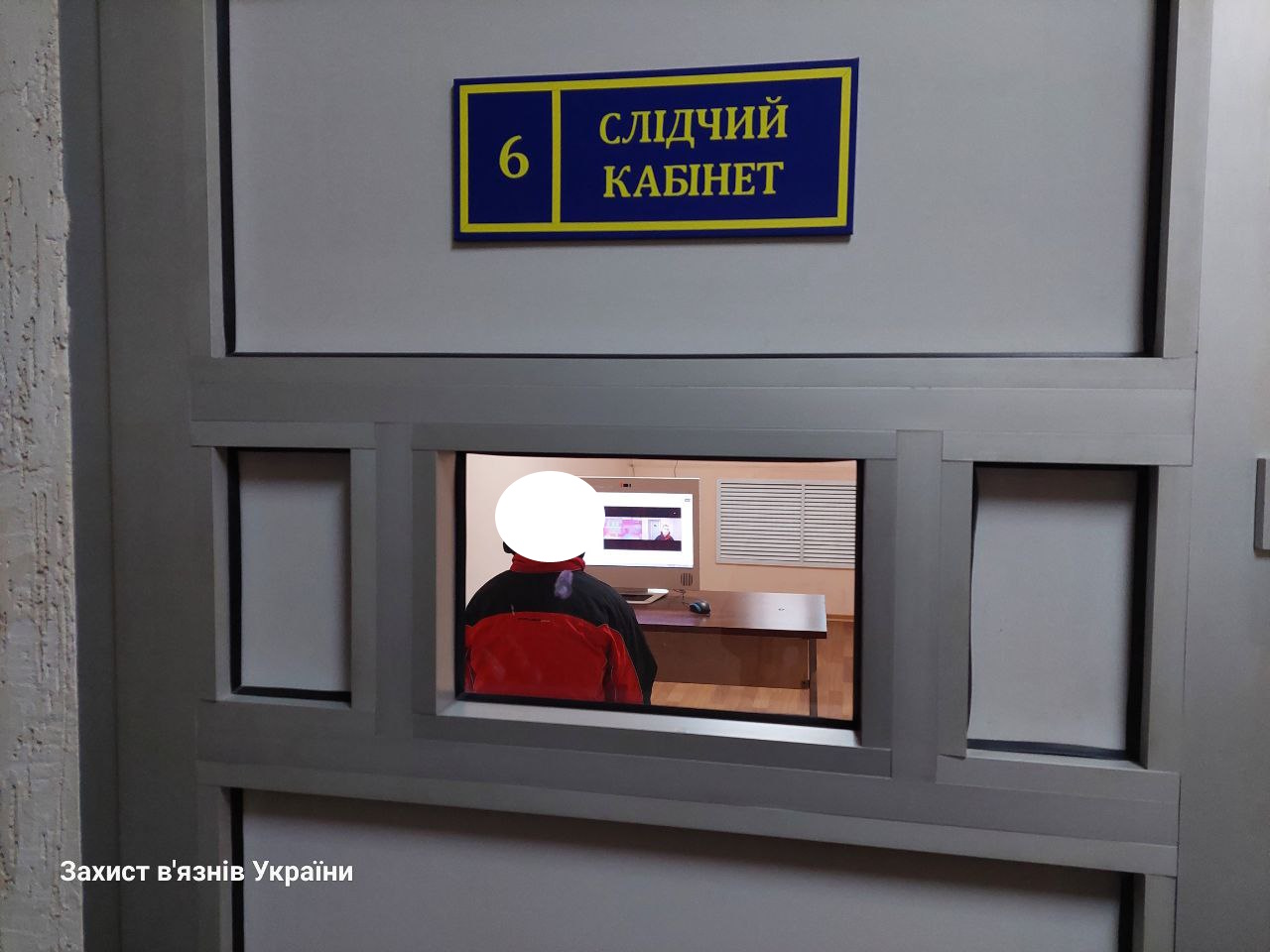
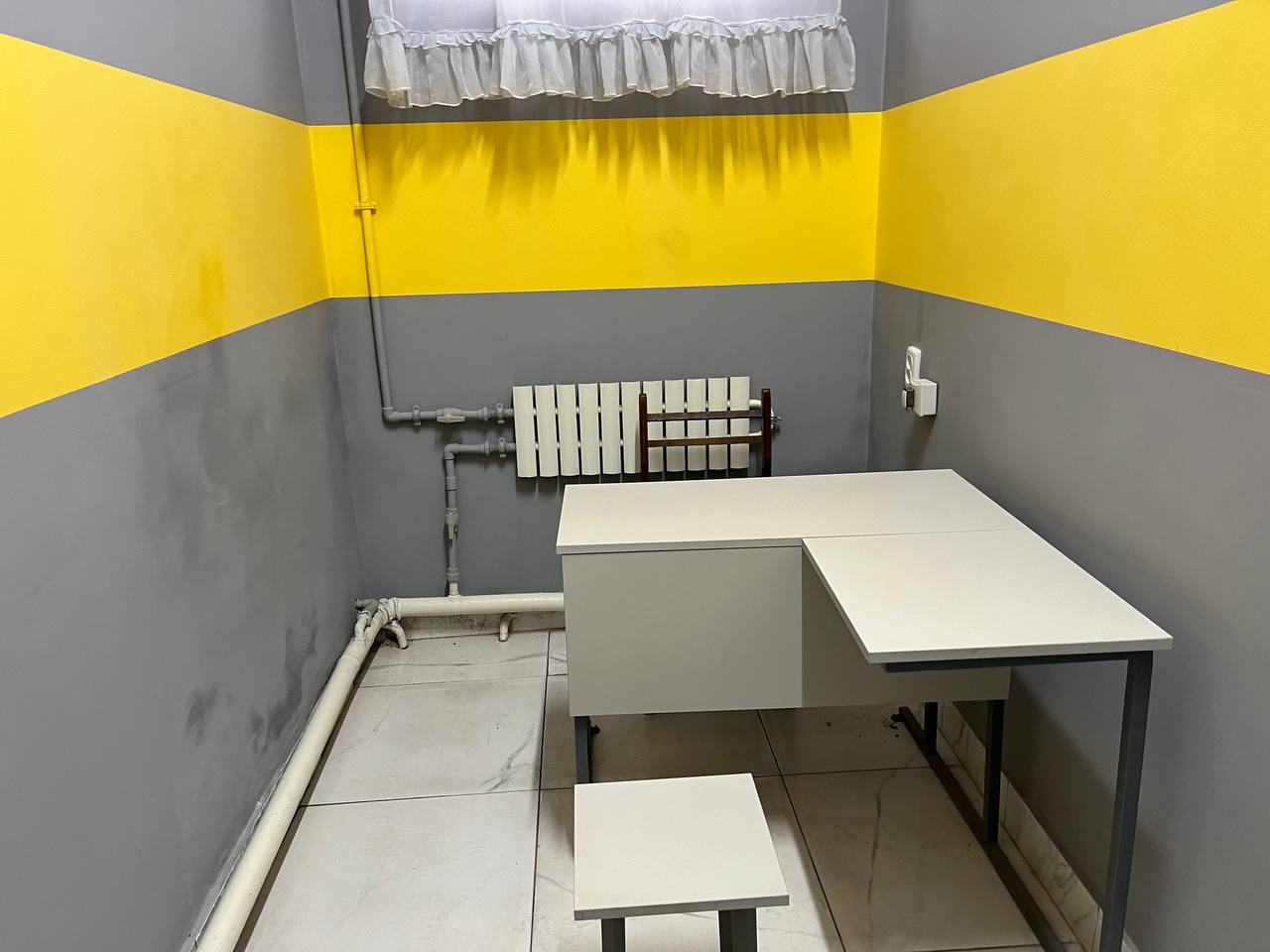
Room for IP telephony
An Orthodox church is located on the territory of the institution.

Cells
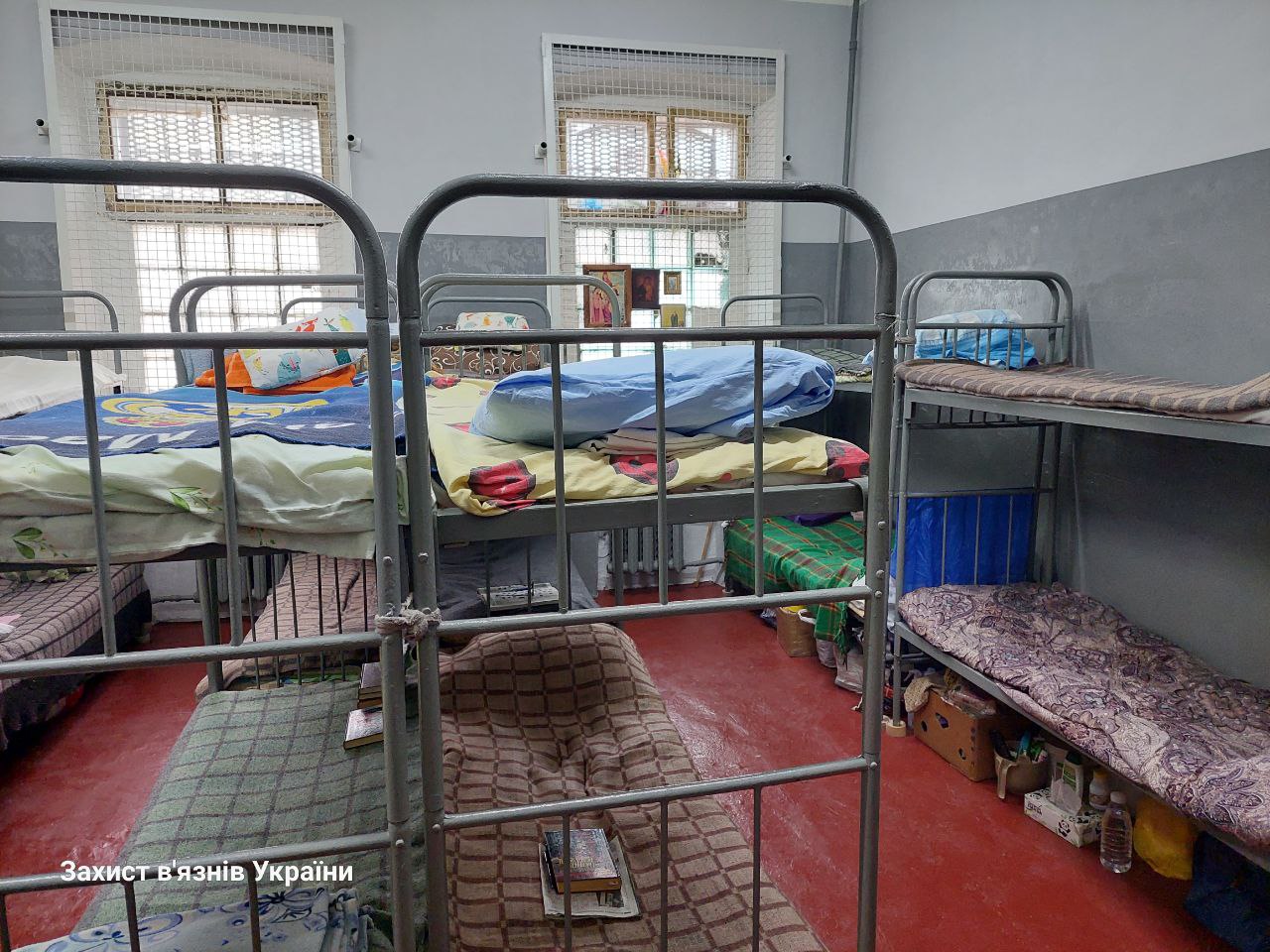
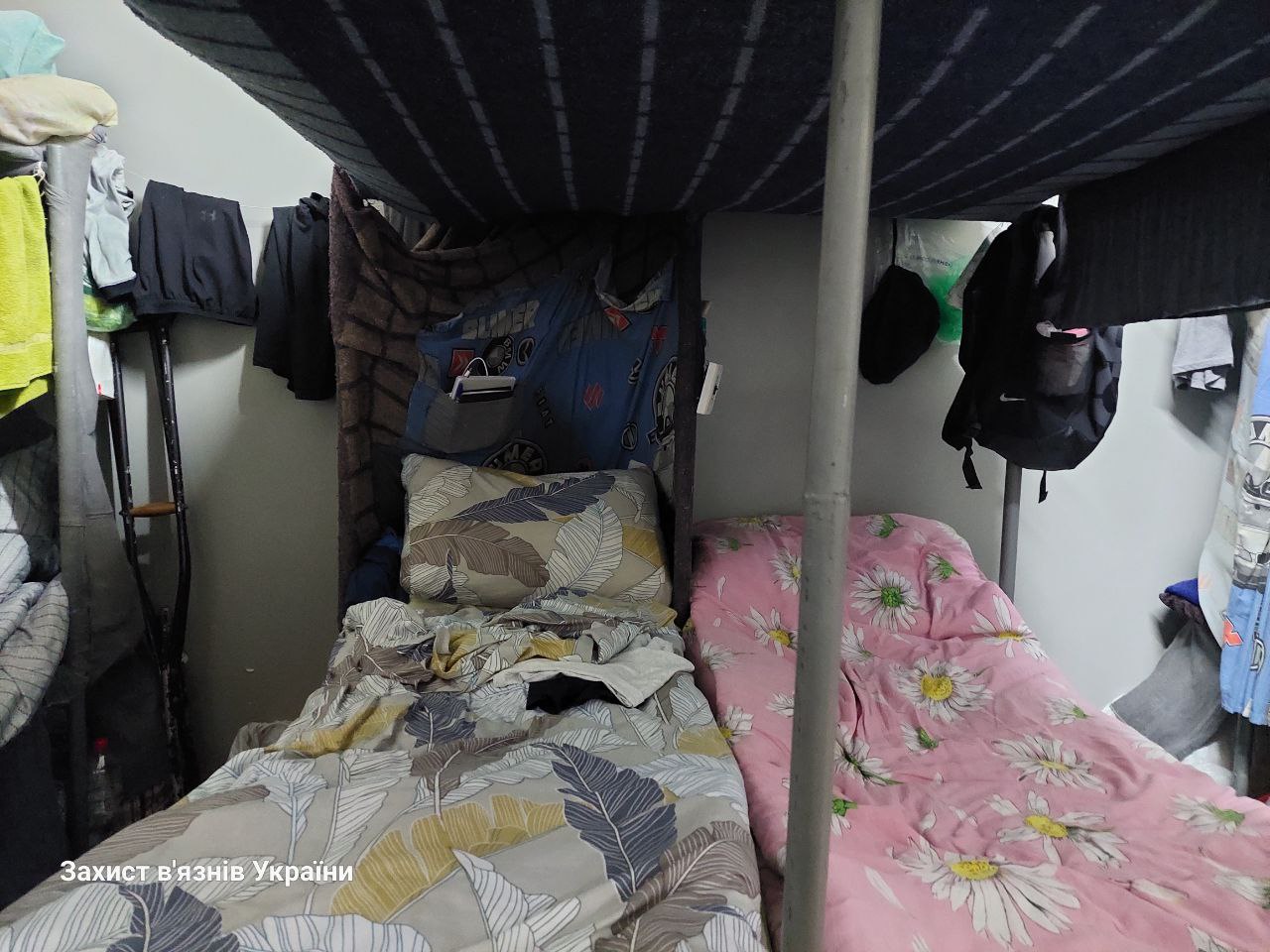
In total, 123 women are held in the institution. There were 14 women in cell No. 419. The cell is equipped with 24-hour video surveillance. The beds in the cell are placed close together, which violates the right to privacy.
In the transit cells for holding women, the convicted persons T., K., and S. lodged complaints about human rights violations in Nederynska Penal Colony No. 65, where they are serving their sentences. During our visits, we recorded human rights violations in that institution, namely the right to communicate with the outside world and the right to challenge the illegal actions of the administration.
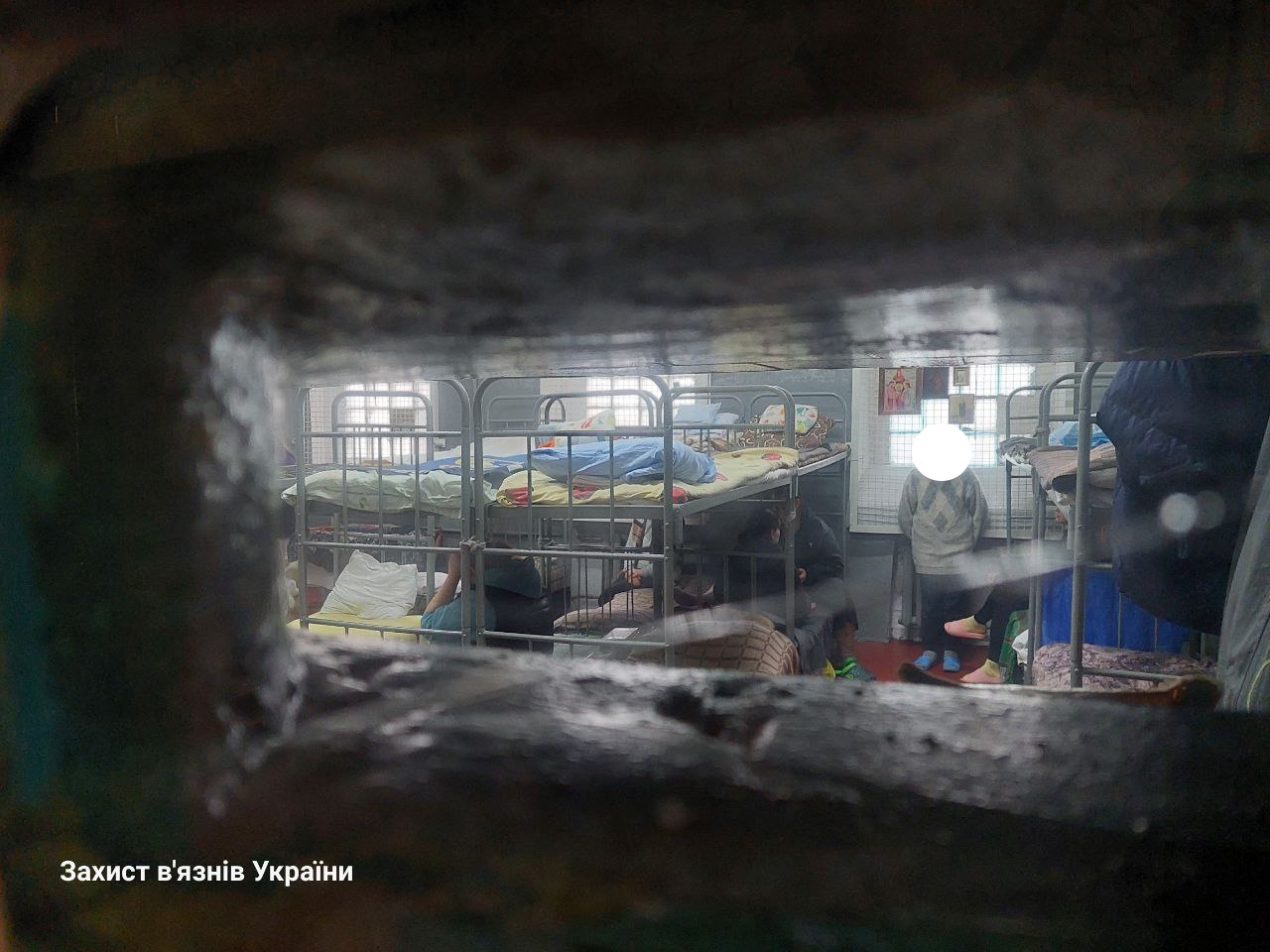
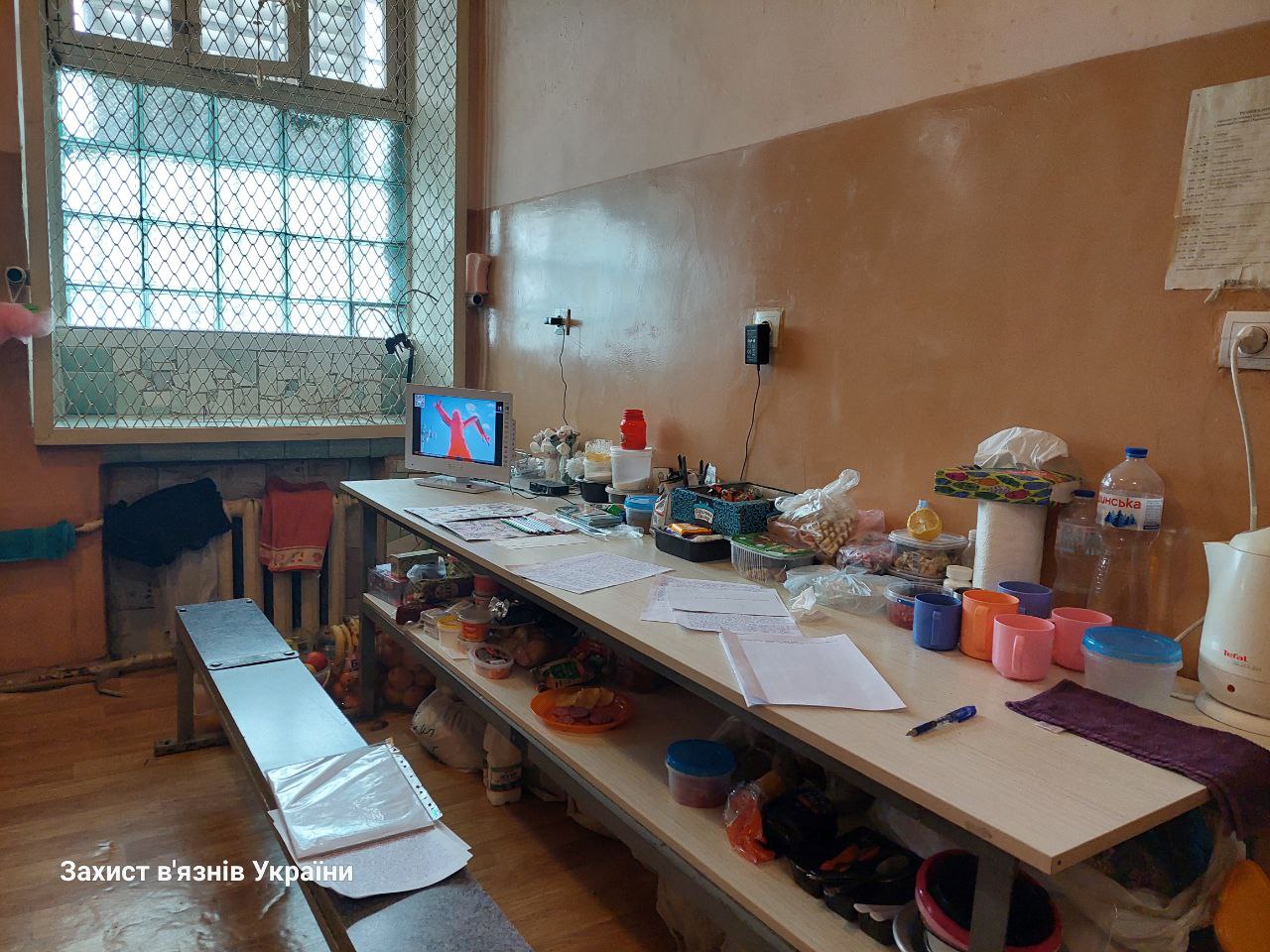
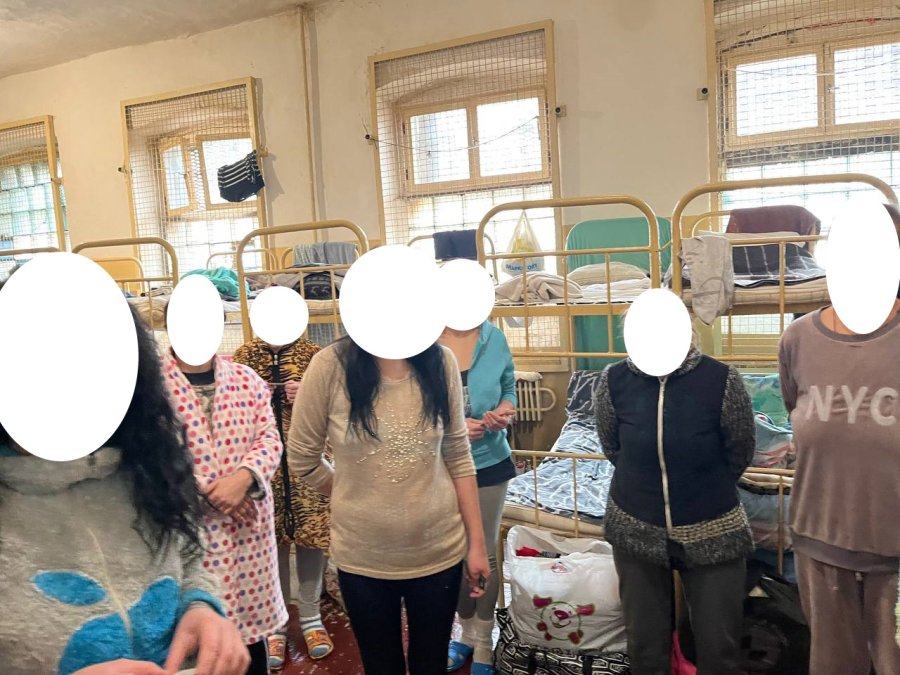
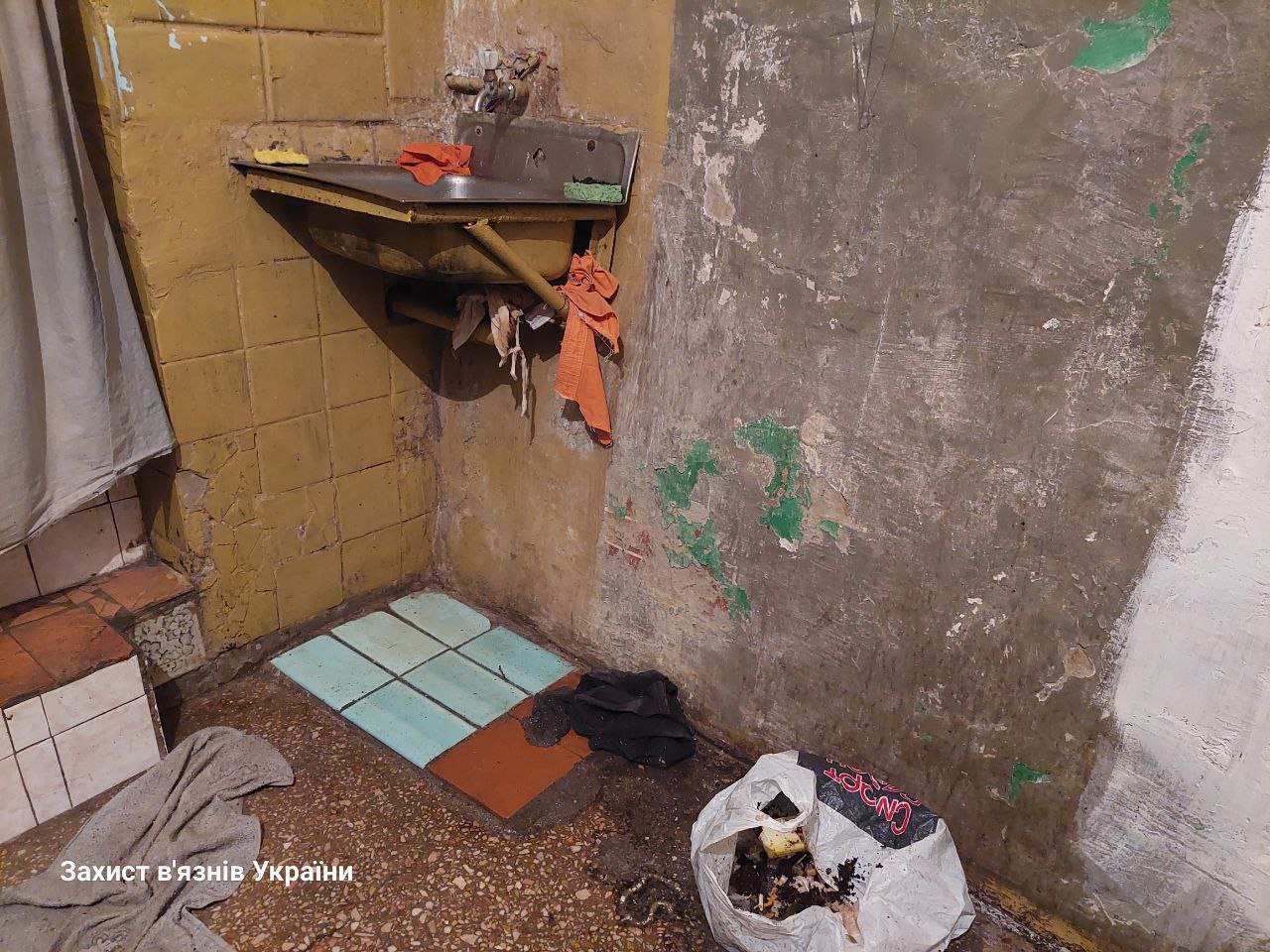
The transit cells are in a dilapidated state and are subject to repair. The cells are damp and have an unpleasant odour. The containers with drinking water are located in the corridor. According to the administration, prisoners can ask for water to be brought to them. Containers with drinking water should be located directly in the cells.
There were 12 people in cell No. 101. The cell lacks natural light. The measurements taken recorded a significant lack of light intensity: 36 Lux compared to the standard of 150 Lux.
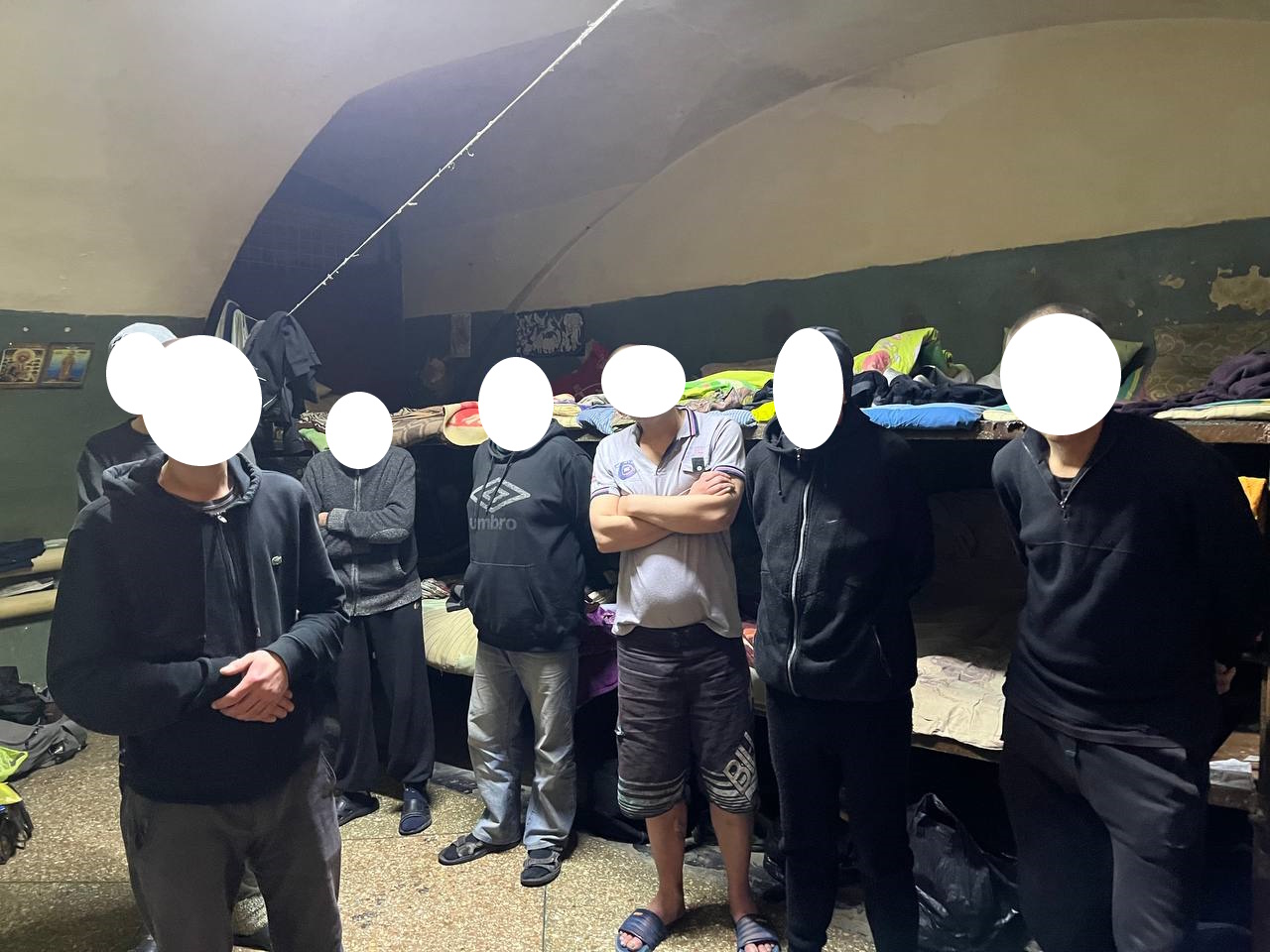
There were 11 people in cell No. 102. The light intensity was 37 Lux. There were 12 people in cell No. 103. The light intensity was 10 Lux.
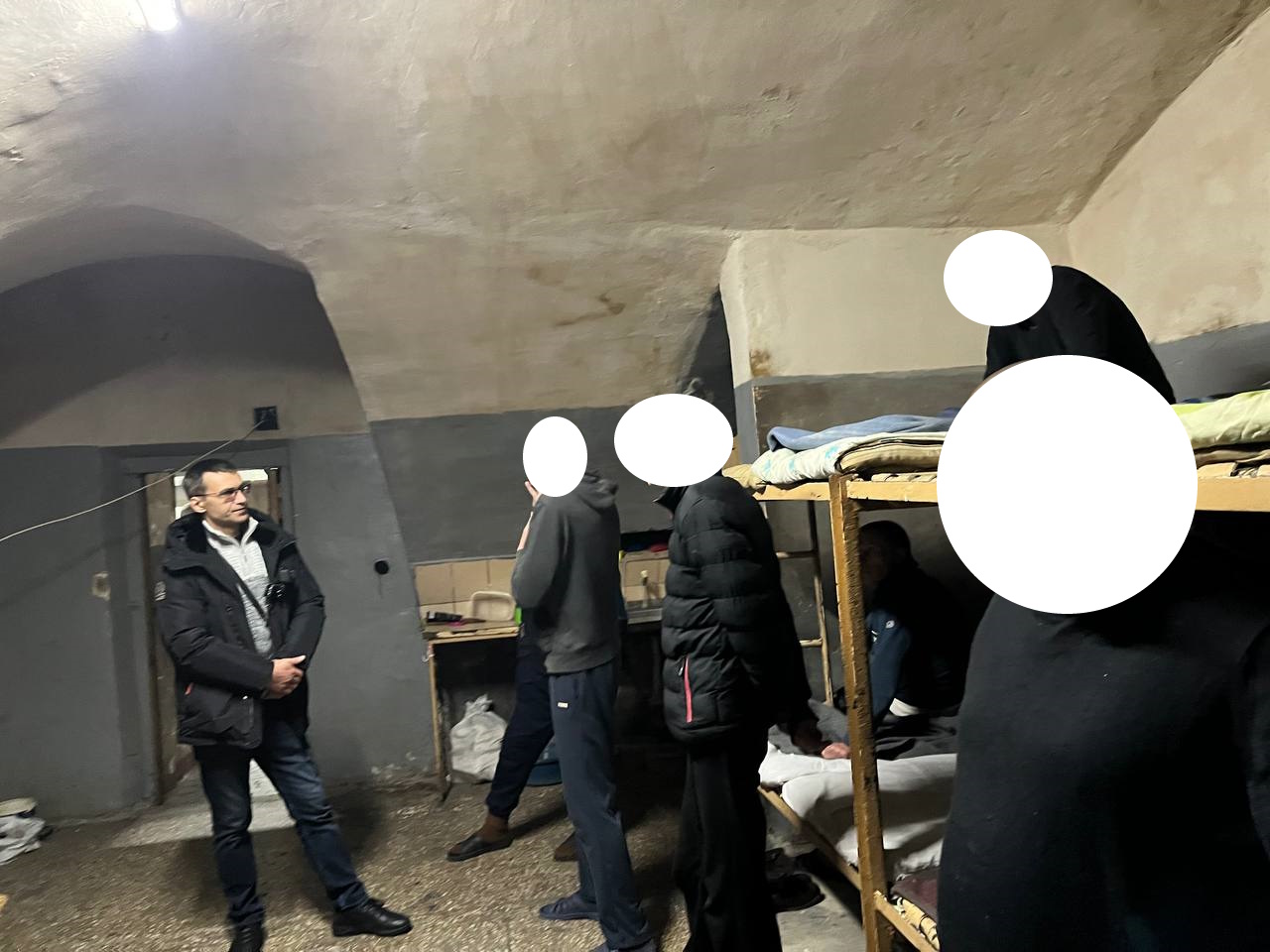
The cells are in a dilapidated state and subject to repair.
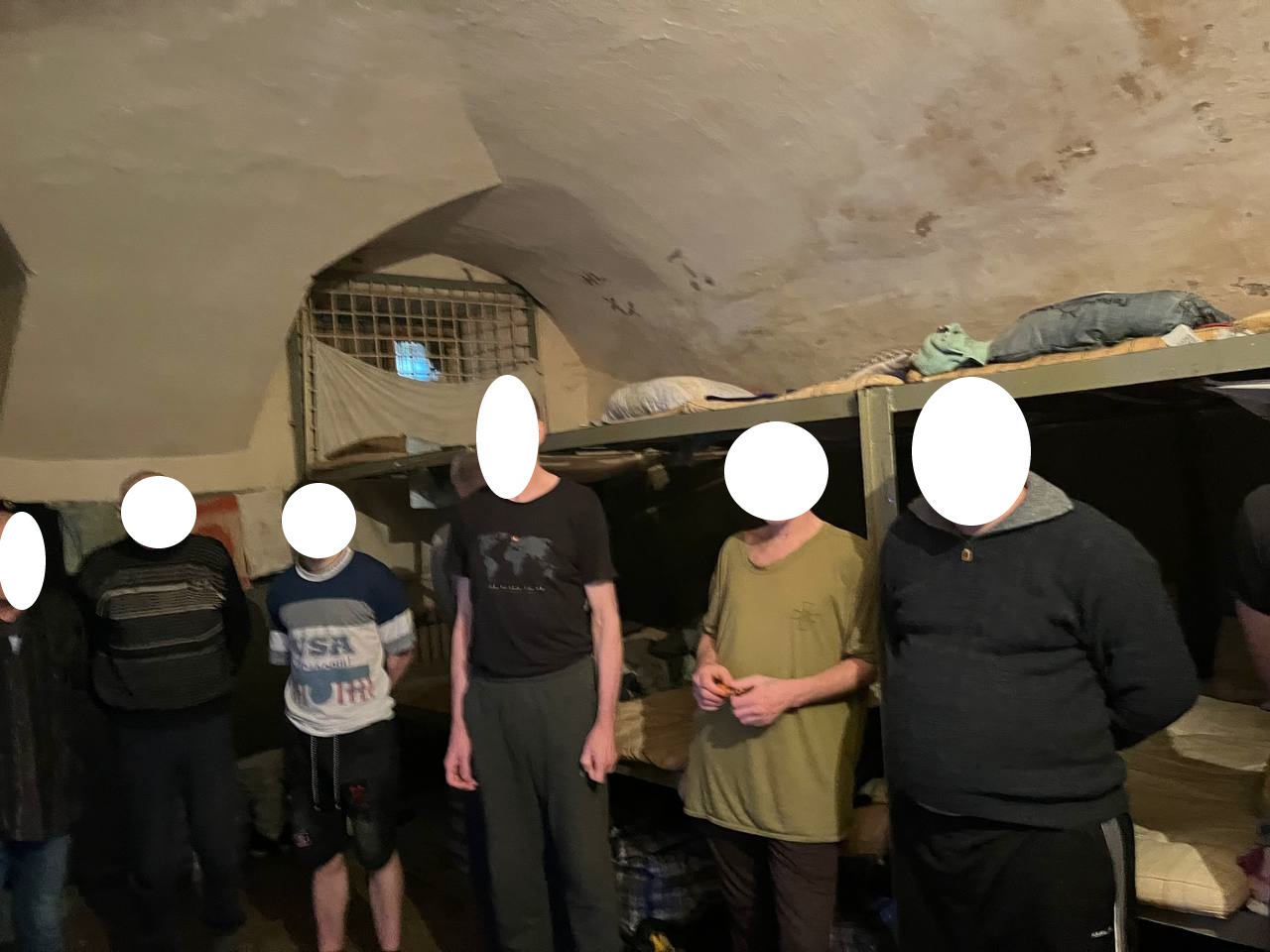
The beds are placed close together, which violates the right to privacy.
Convicted person P. complained that he has been unable to receive the medicines he brought with him for a month.
Convicted person V. complained that he has been awaiting transfer for over a month, and he cannot be taken to his place of sentence service, and his stay in the transit cell creates certain restrictions for him. Representatives of the institution’s administration reported that the issue of working out transfer routes belongs to the management of the State Penitentiary Service of Ukraine.
Convicted person O. complained that he cannot receive his own vitamins and medicines that were confiscated upon his arrival.
Convicted person R. complained that he is a person with a Group II disability and cannot receive proper treatment. At the same time, he is receiving ART therapy.
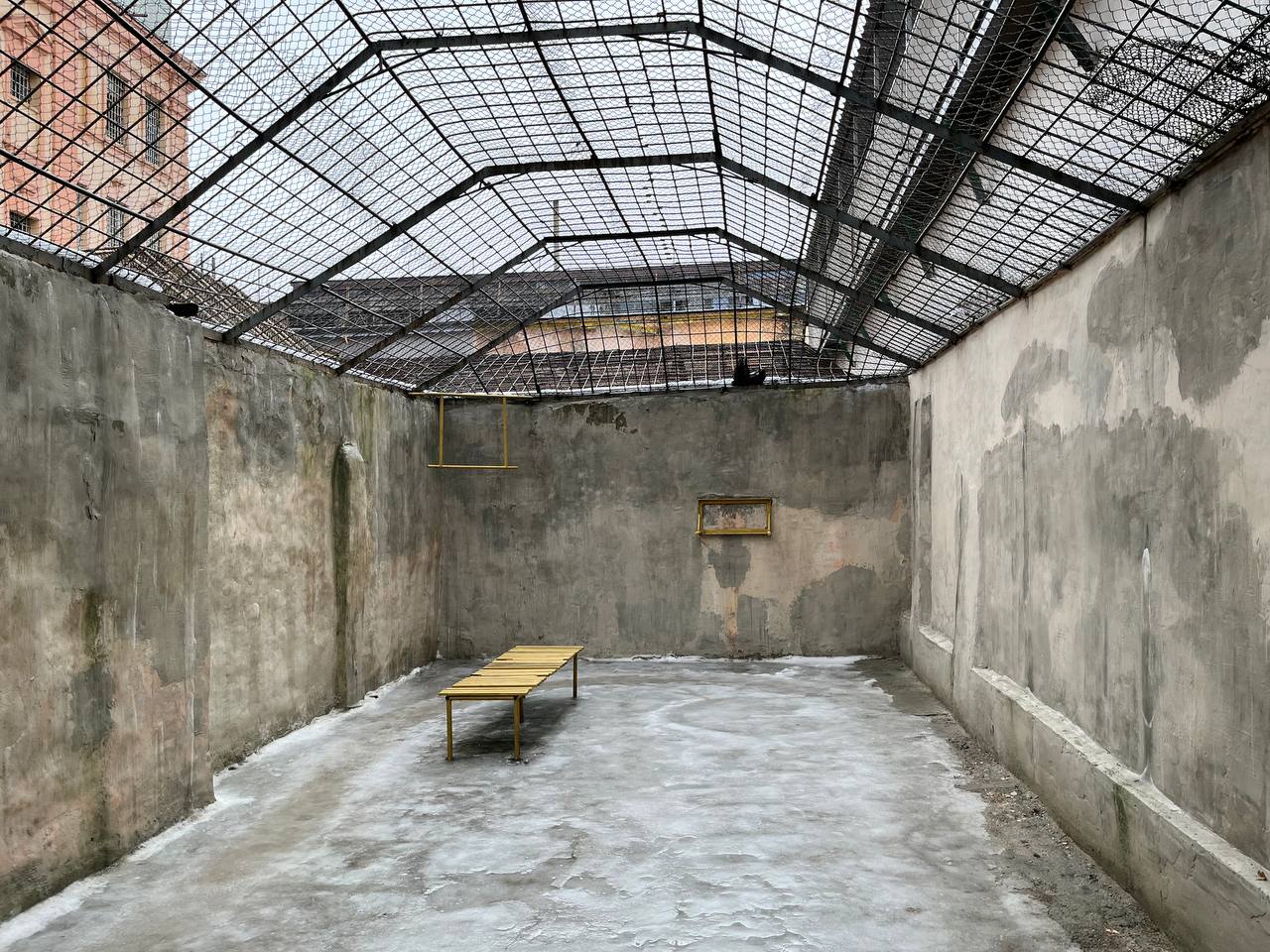
The institution has exercise yards.
Minors
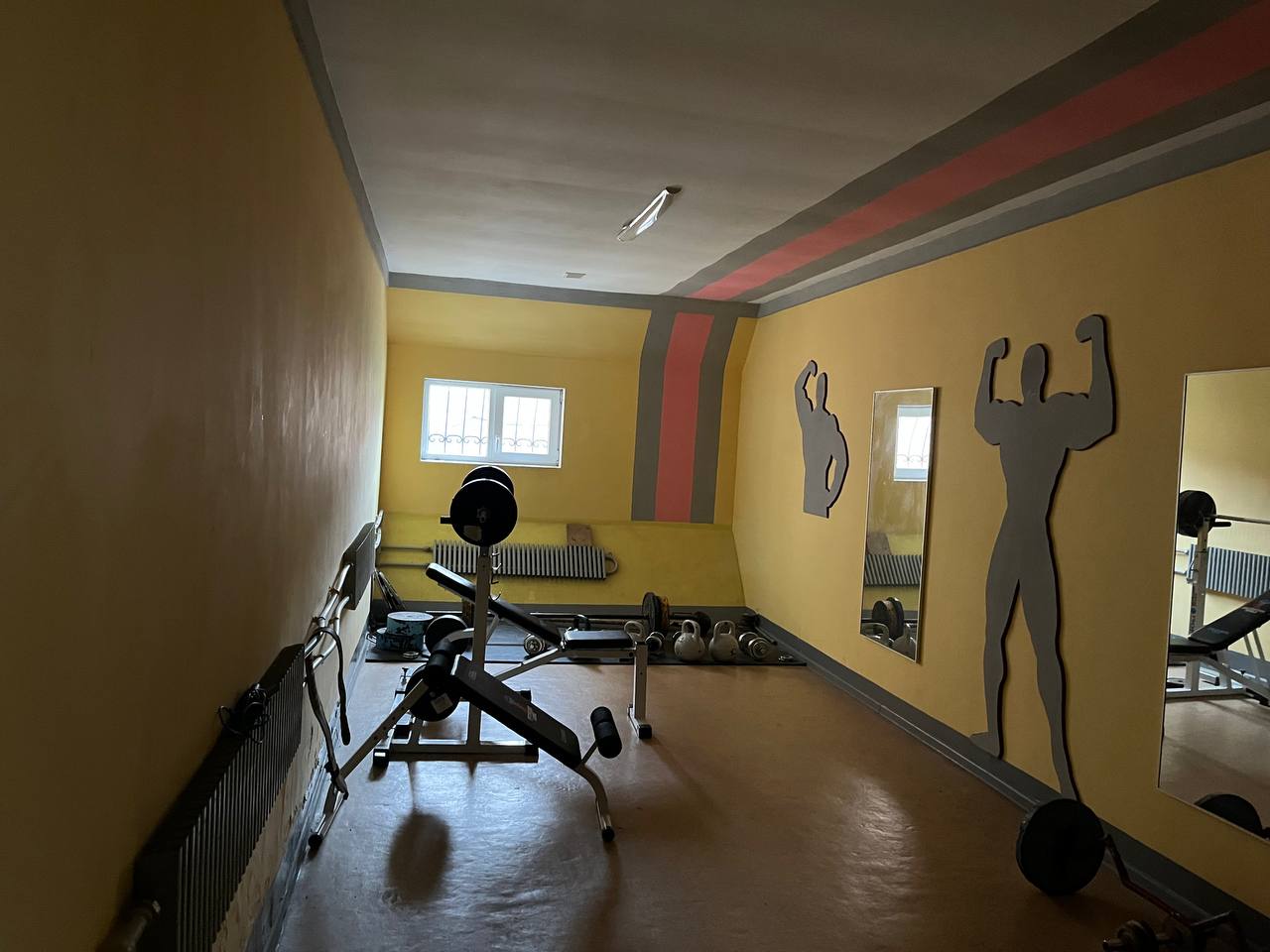
In the cells for holding minors, the monitors spoke with the prisoners about the observance of human rights and their awareness regarding appeals to the Ukrainian Parliament Commissioner for Human Rights and the prosecutor’s office in case of human rights violations. Proper conditions have been created for the minors for psychological work, study, and leisure.
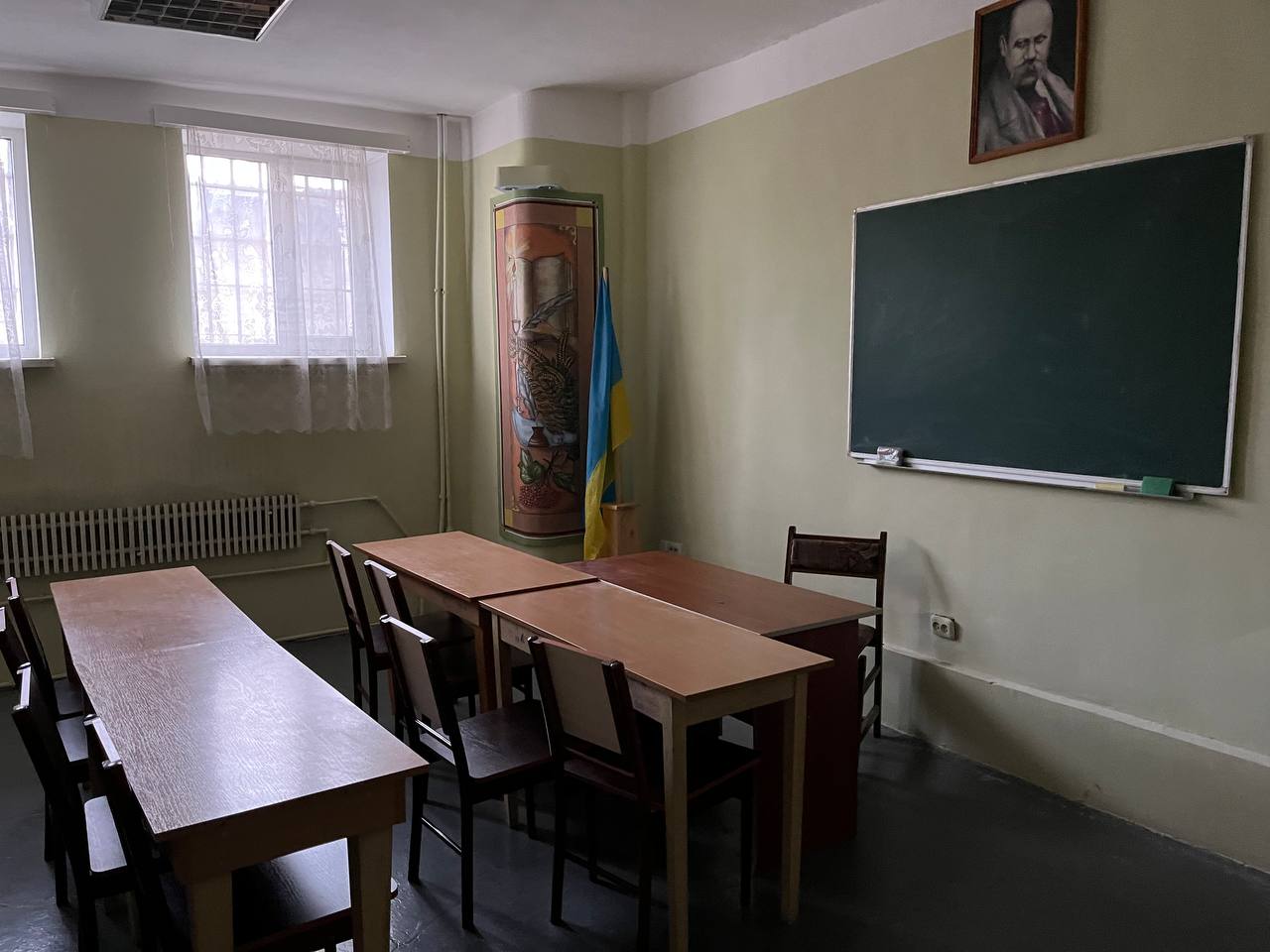
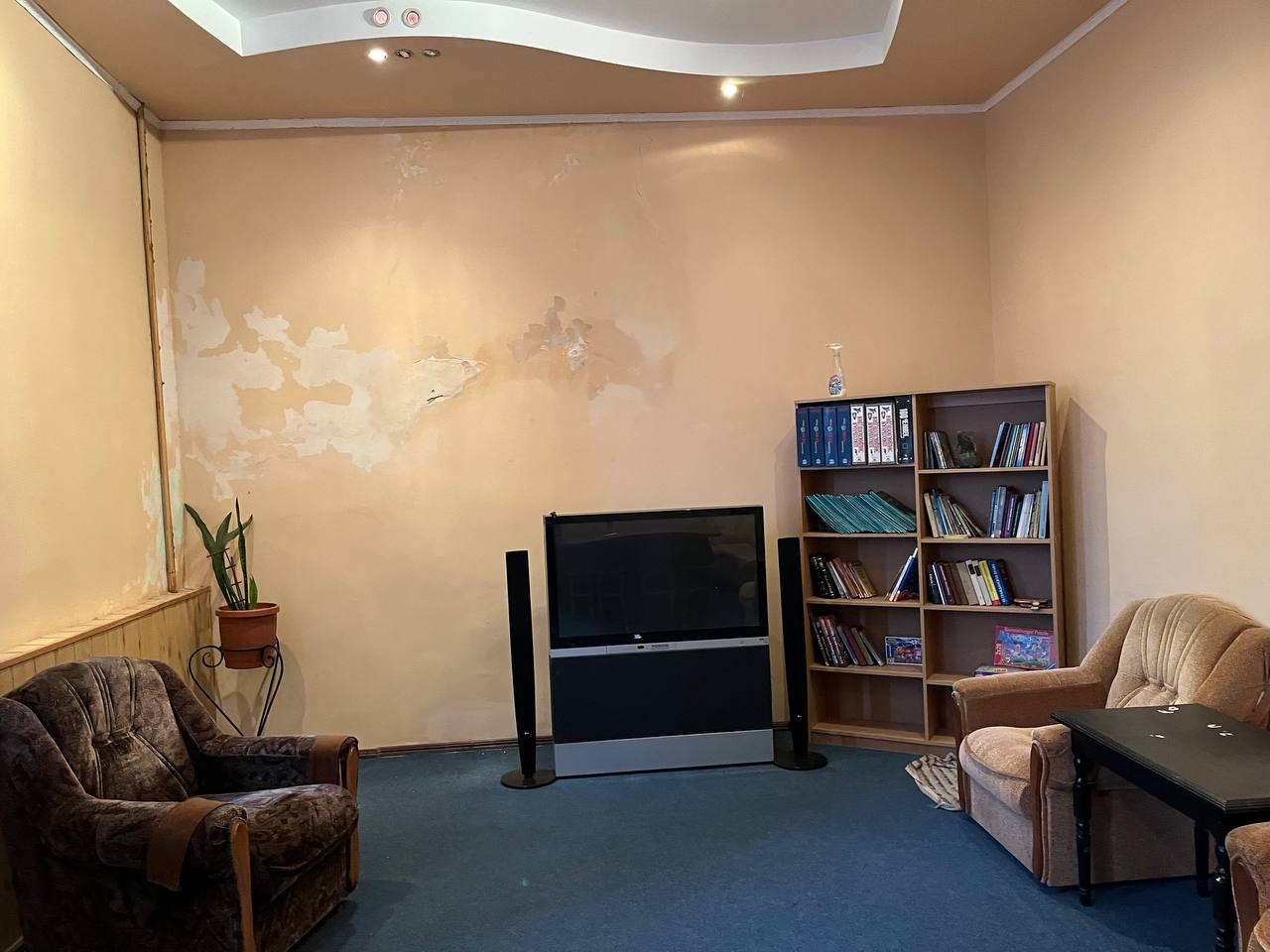
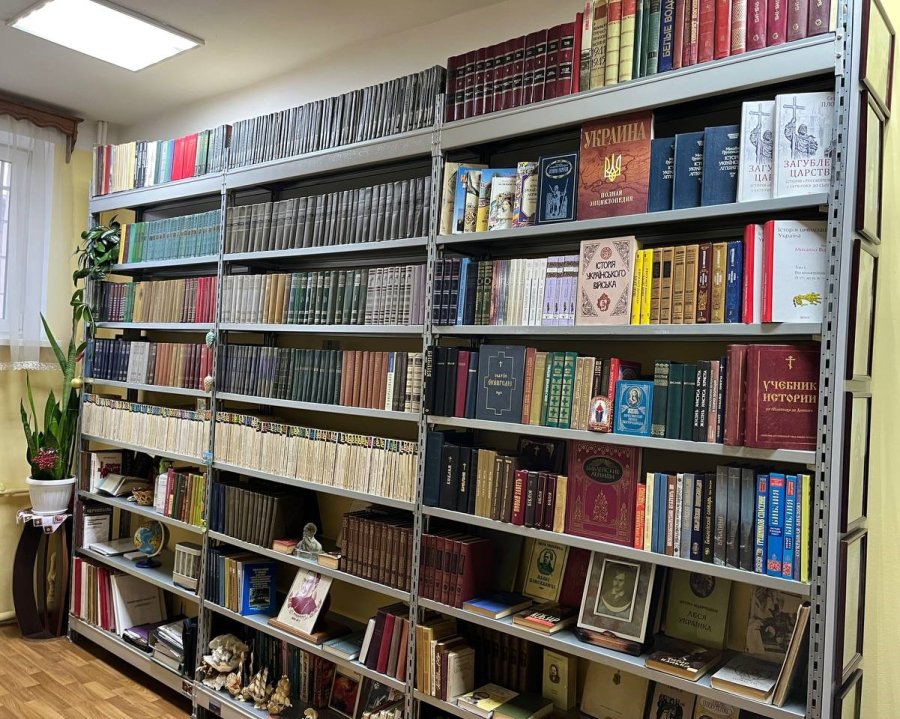
The institution operates a library.
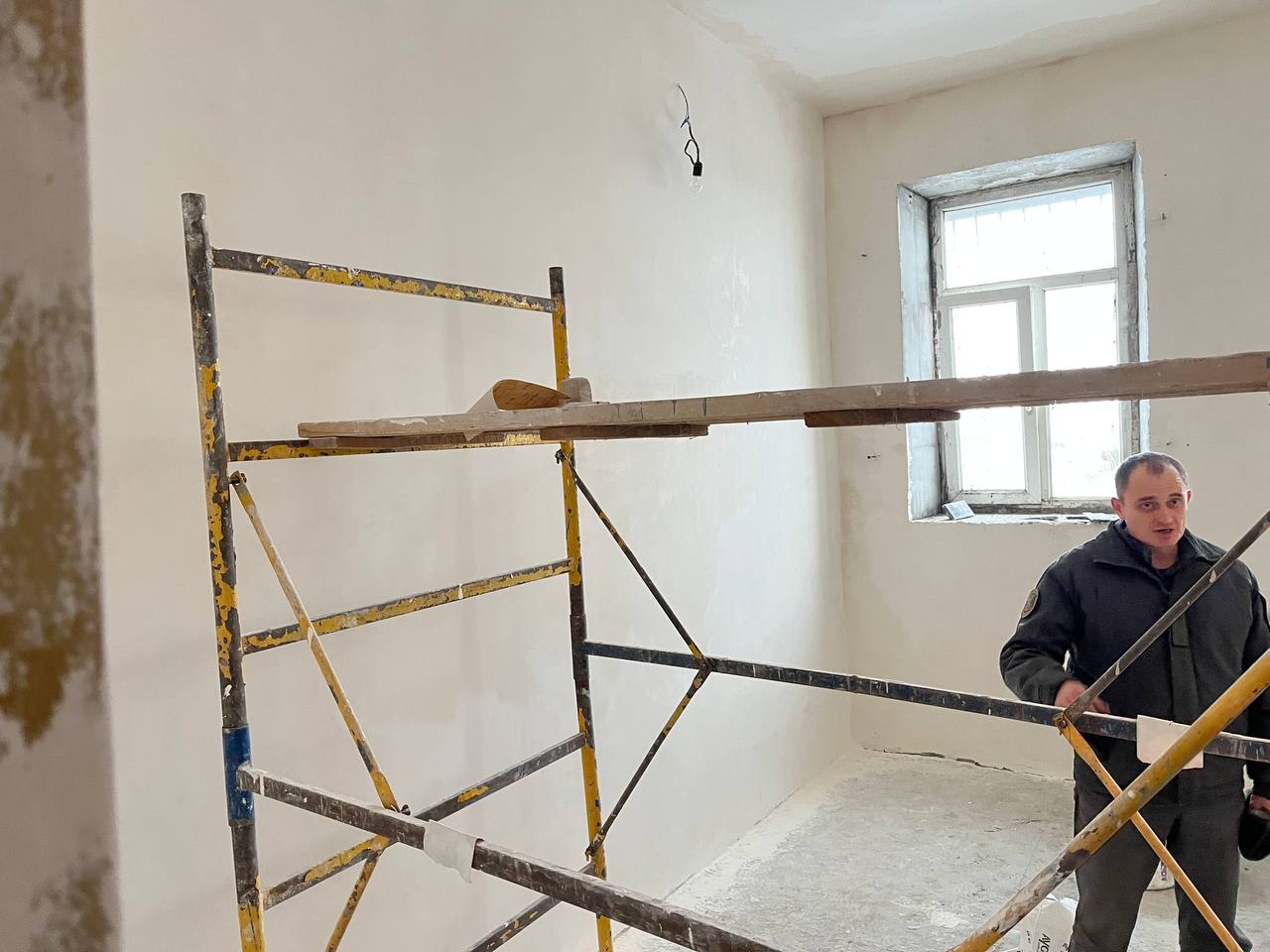
Renovation work is being carried out.
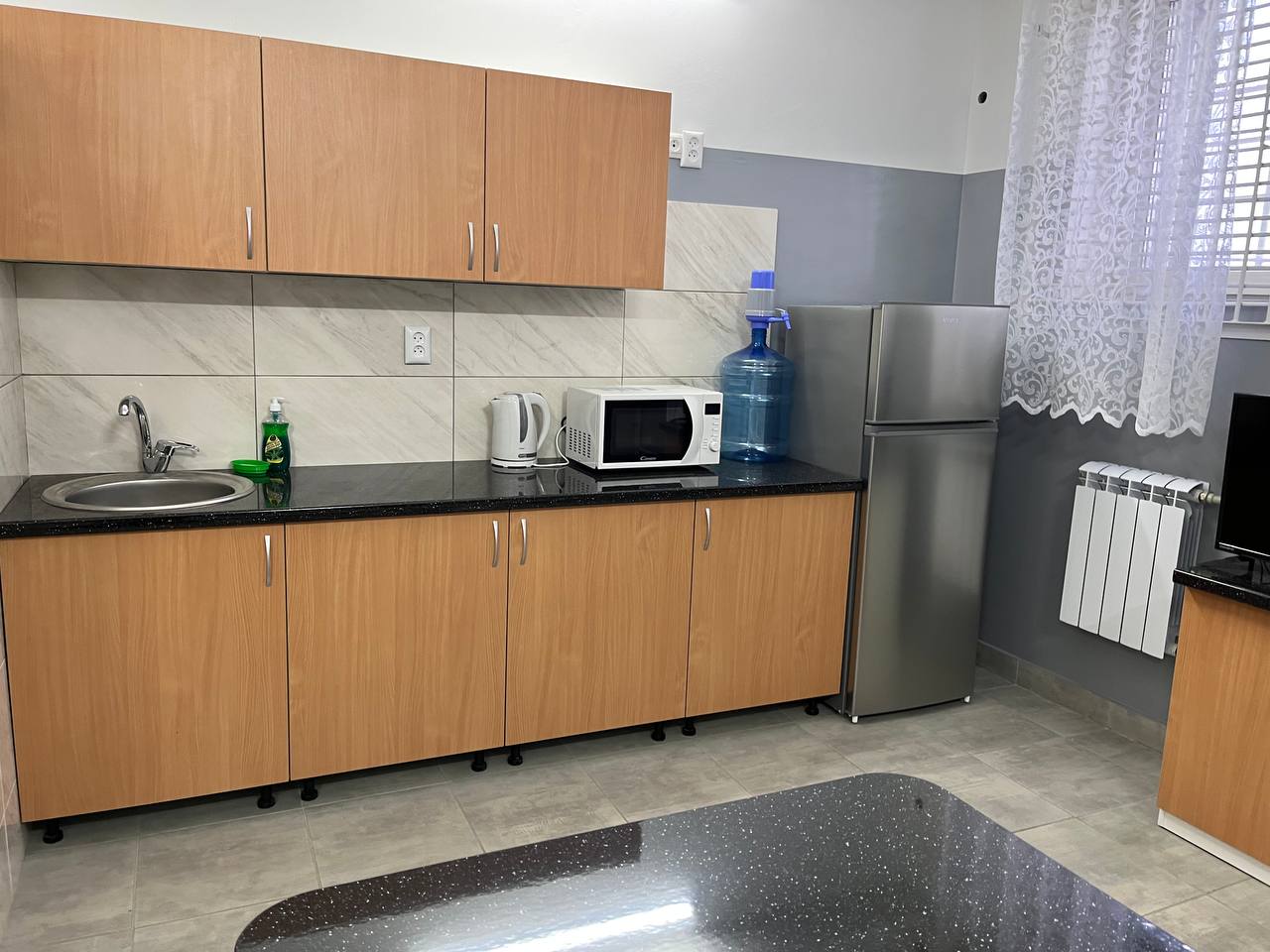
There are paid cells.
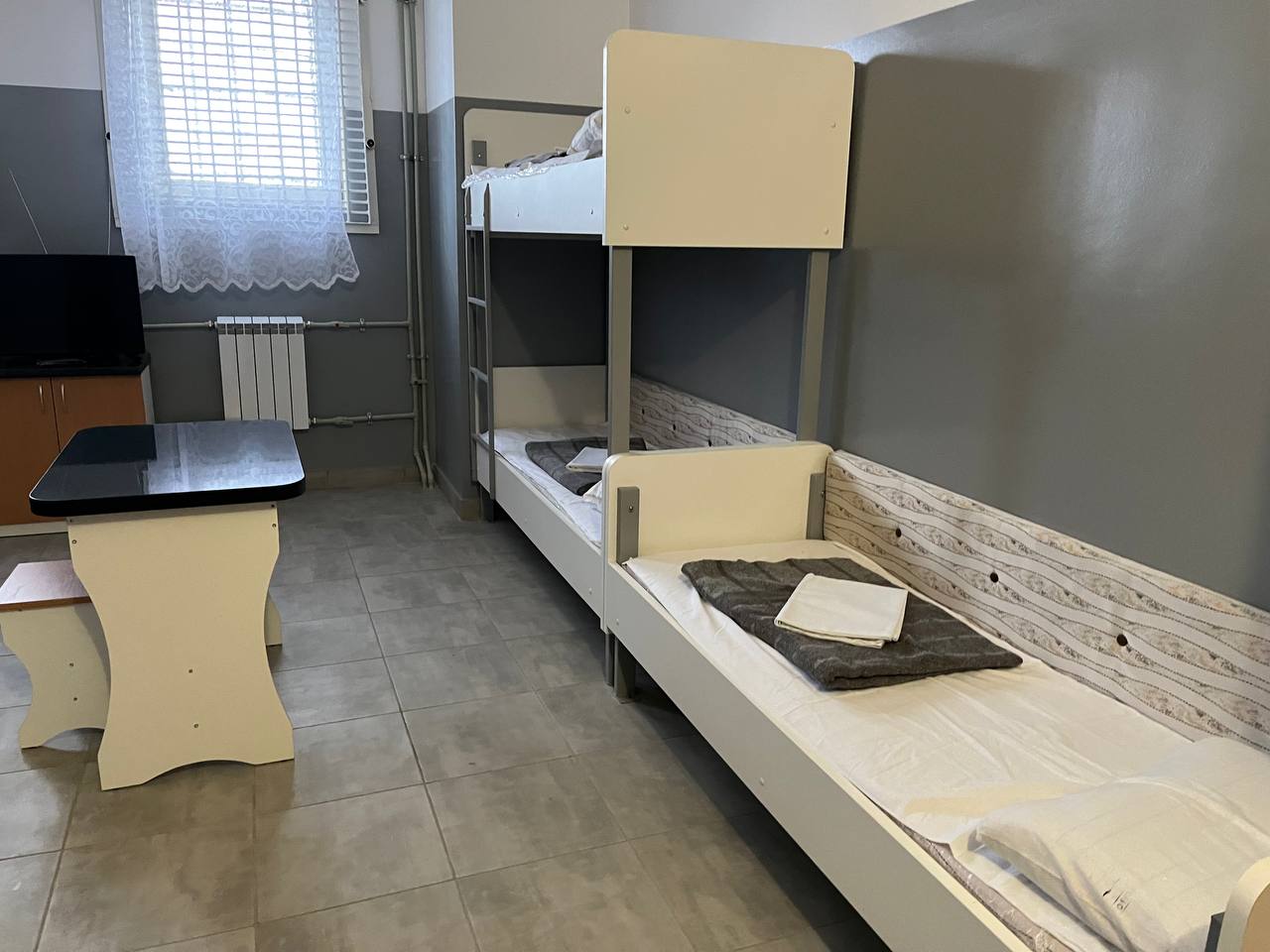
Punishment Cell
The premises where the punishment cells are located are damp and have an unpleasant odour. The medical examination of persons placed in the punishment cell takes place in the duty room. There is no special room for medical examinations.
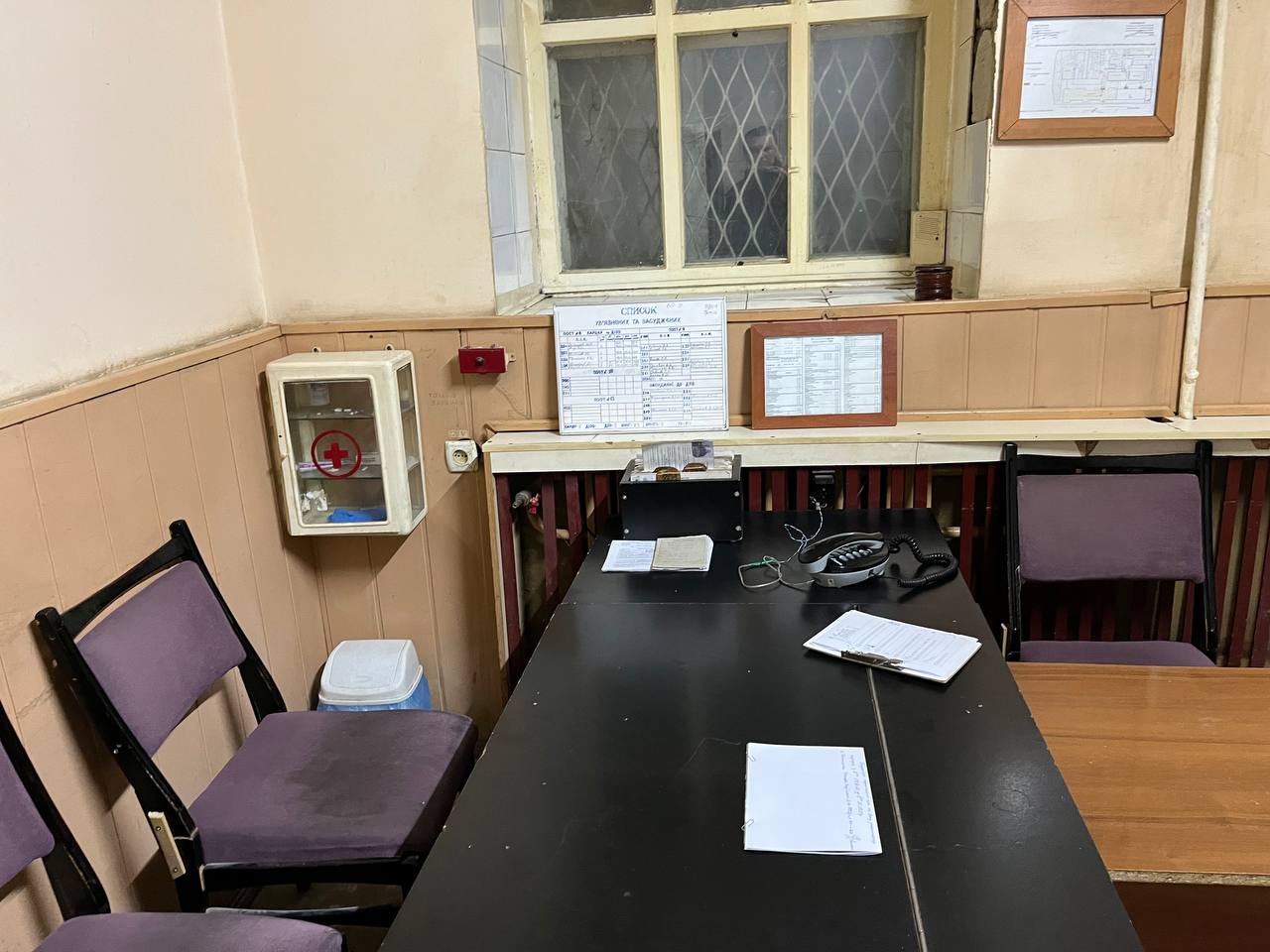
Life-sentenced Prisoners
There are three life-sentenced prisoners in the institution whose cases are in the stage of appealing the court decision. Life-sentenced prisoners do not serve their sentences in the institution. As soon as a court decision enters into legal force, they are transferred to penitentiary facilities of the appropriate level to serve their sentences.
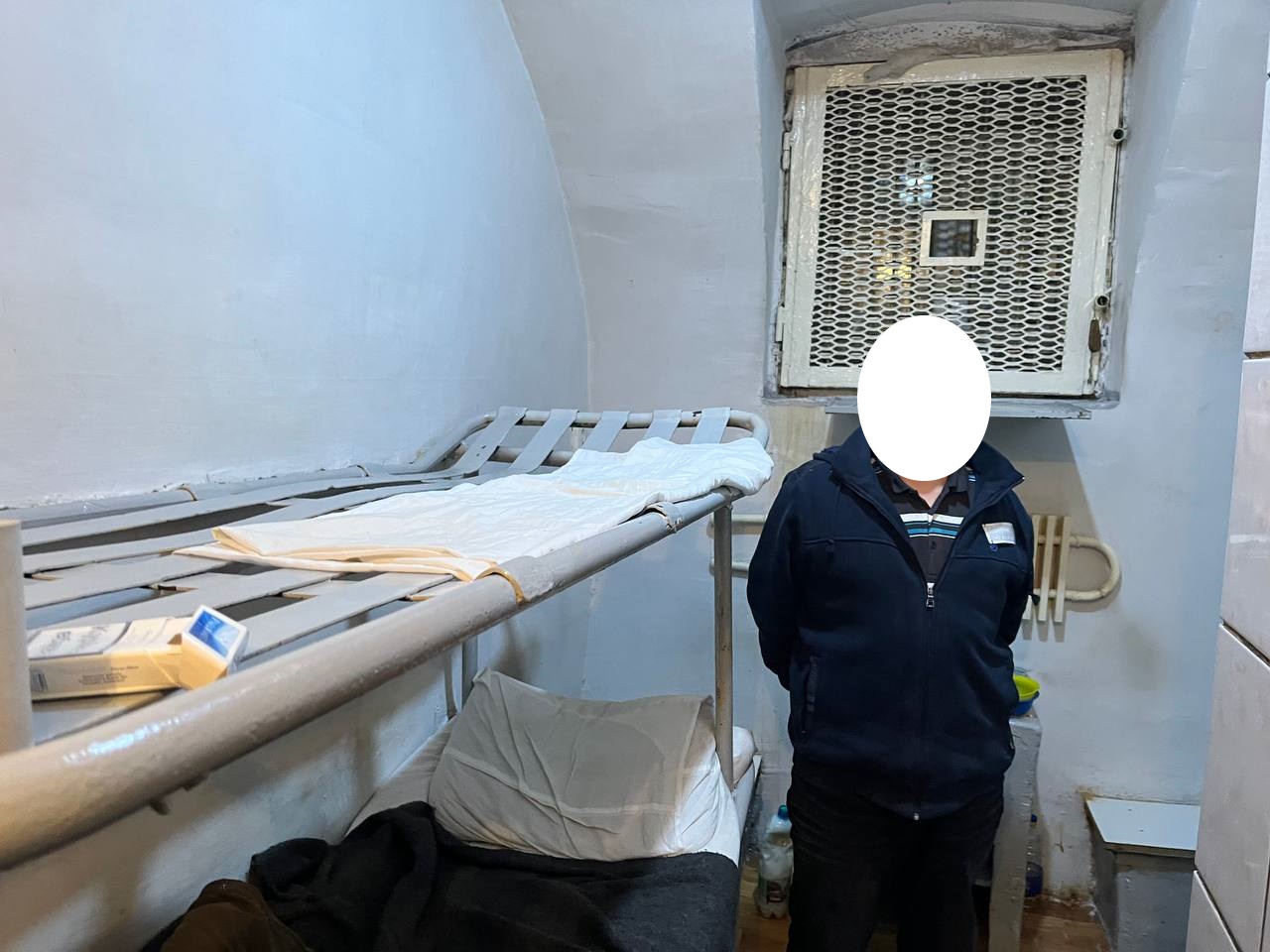
Bath and Laundry Complex
Five washing machines are in operation. In the bathhouse, the stalls are enclosed with curtains. Dirty laundry is collected and, after washing, is dried in a special room. Some laundry is ironed. The paramedic’s corner is cordoned off.
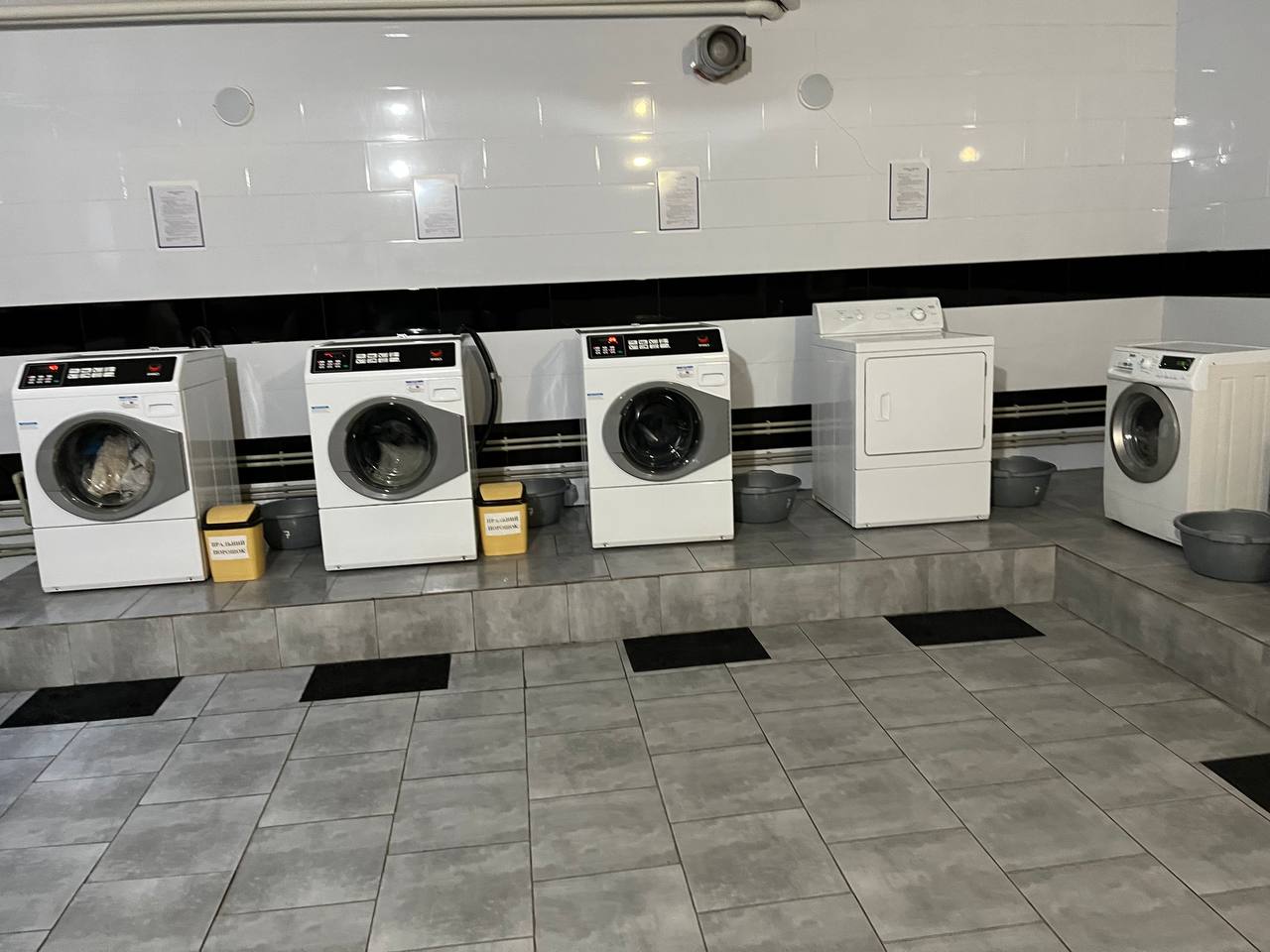
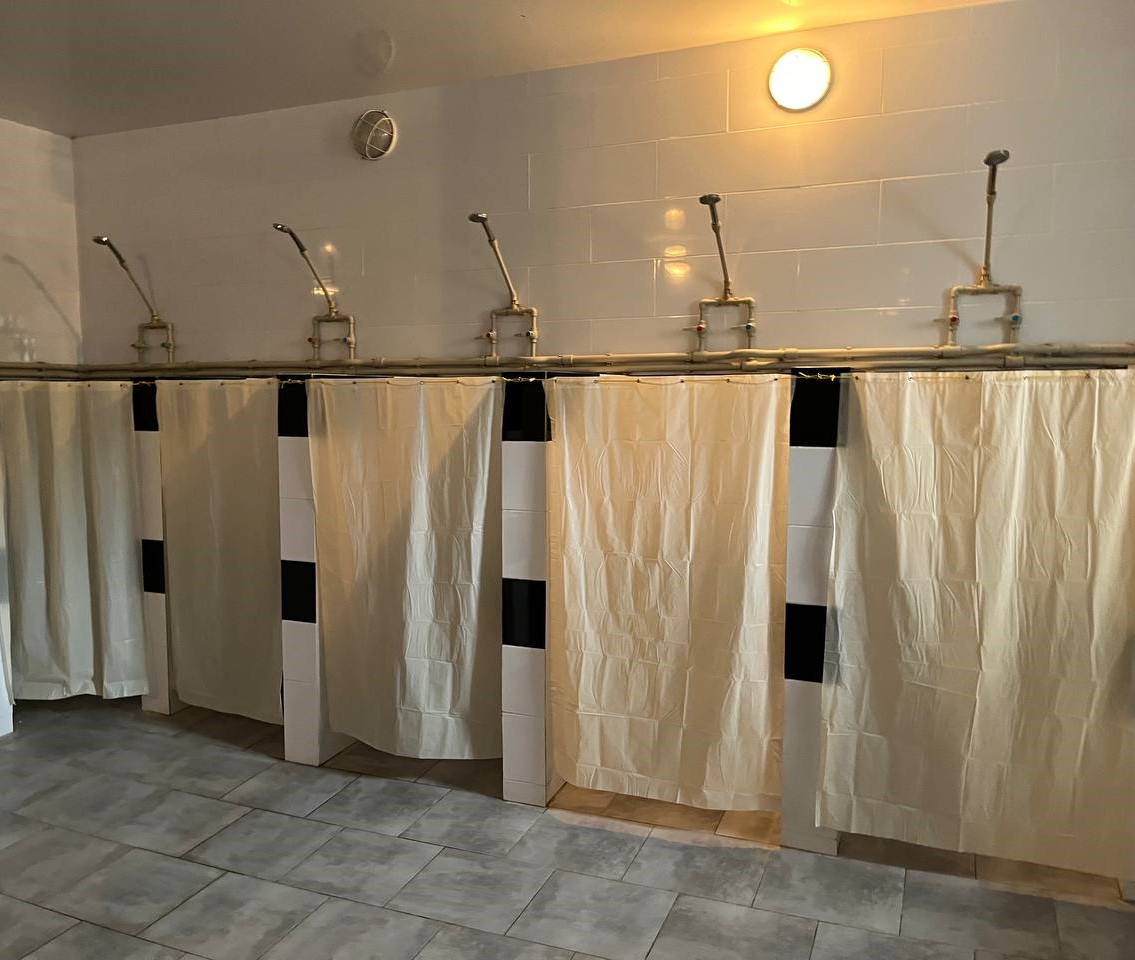
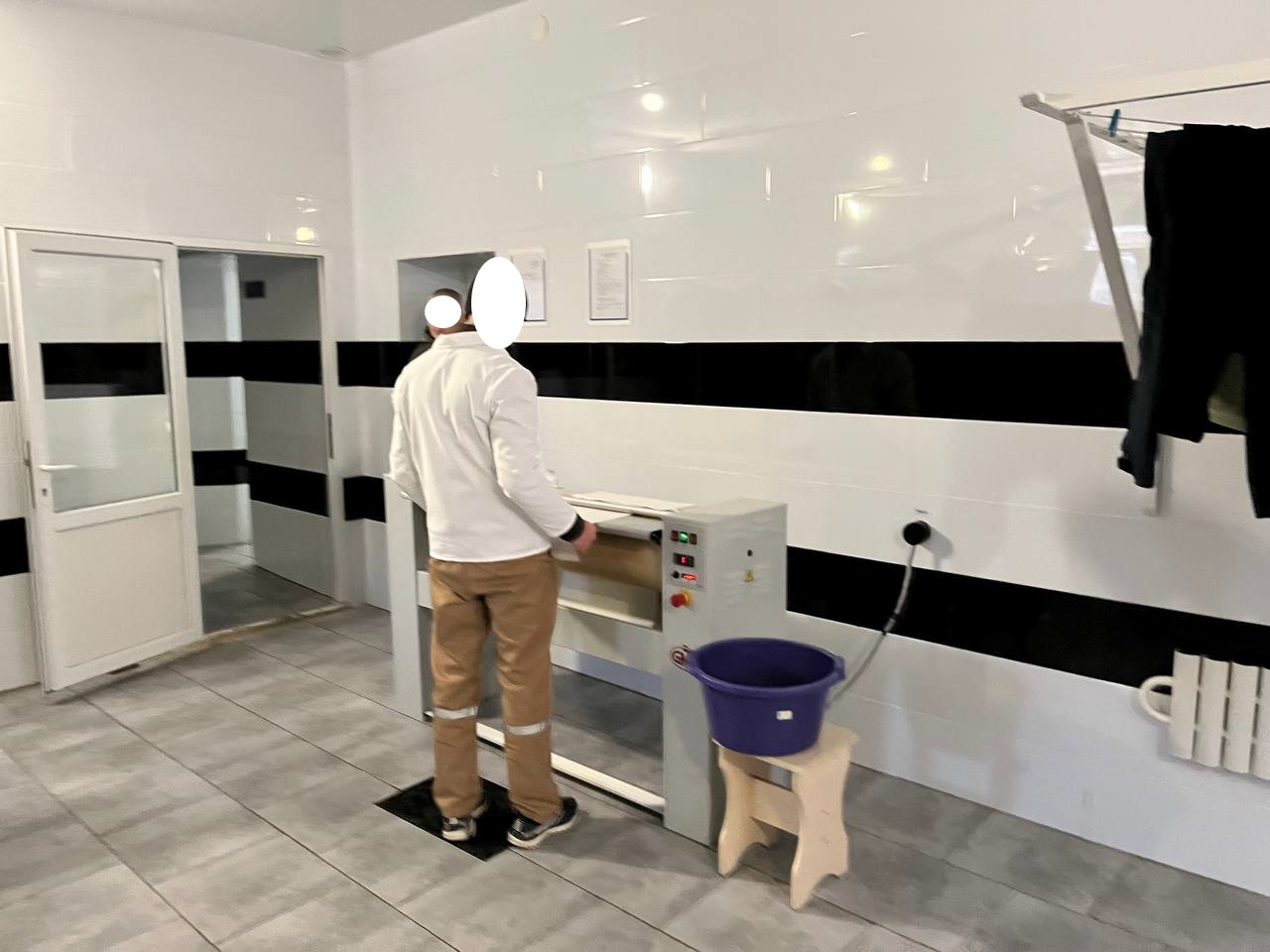
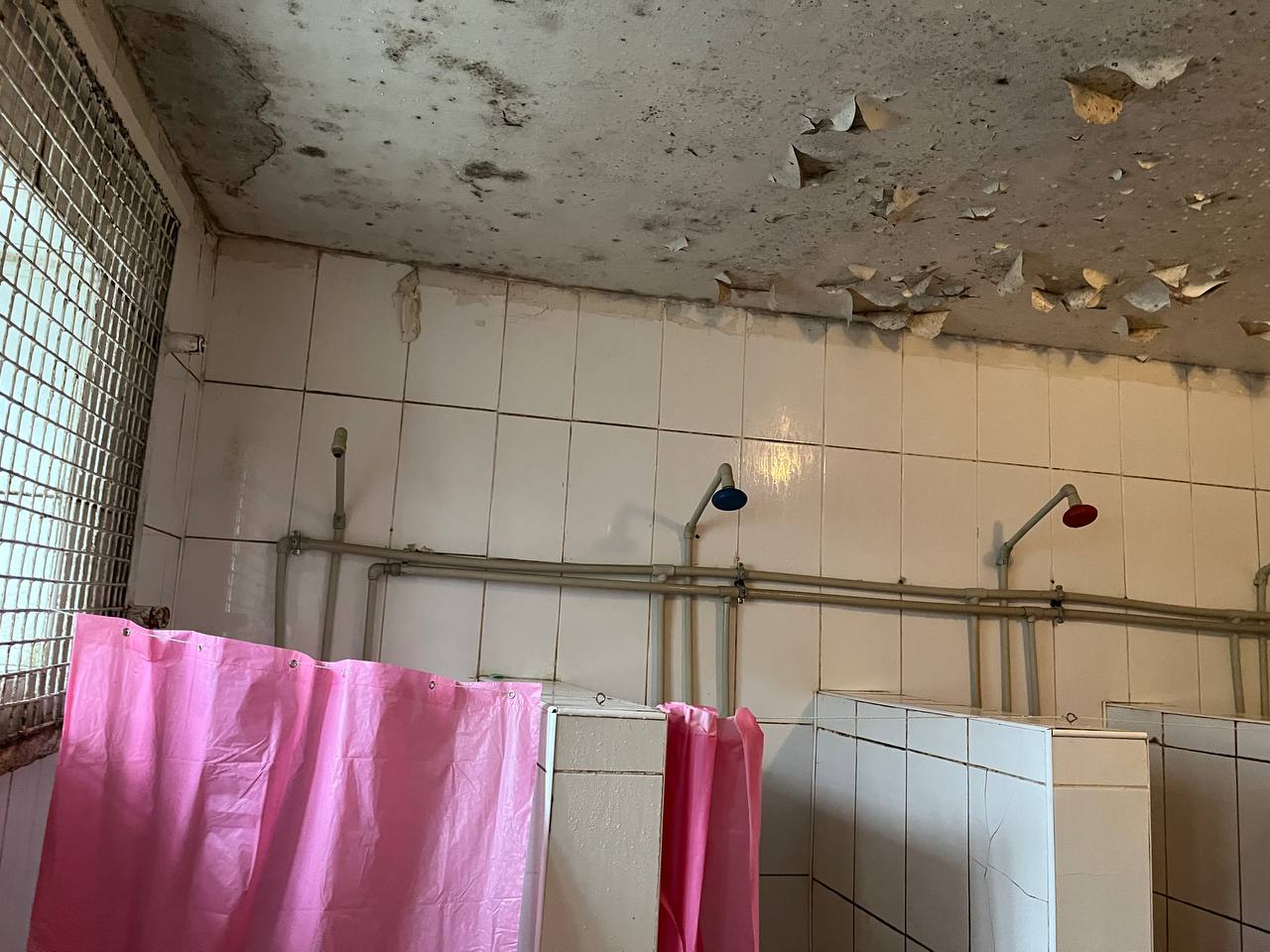
Some premises are in need of repair.
Catering Unit
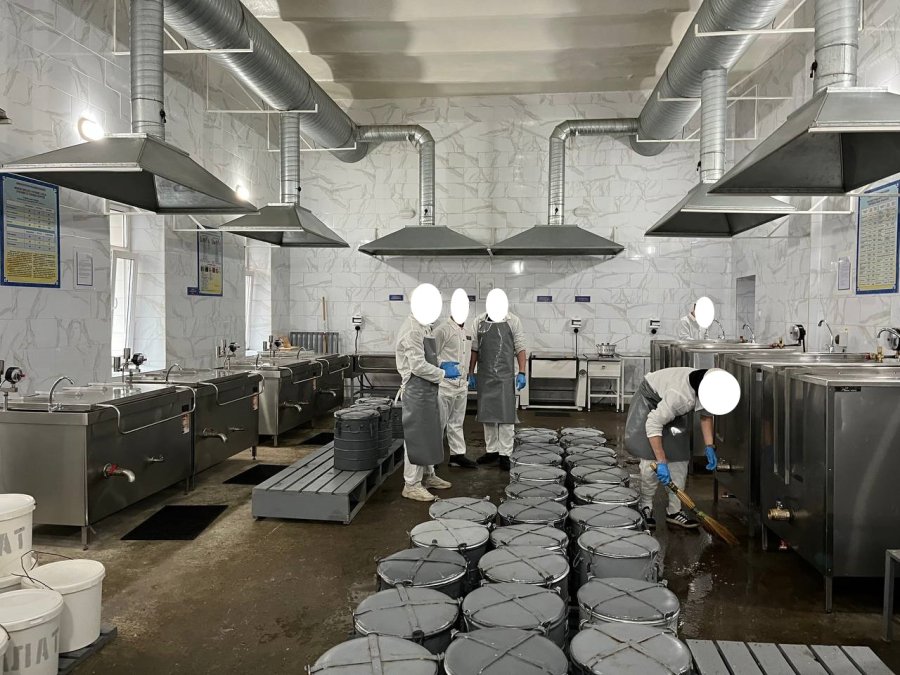
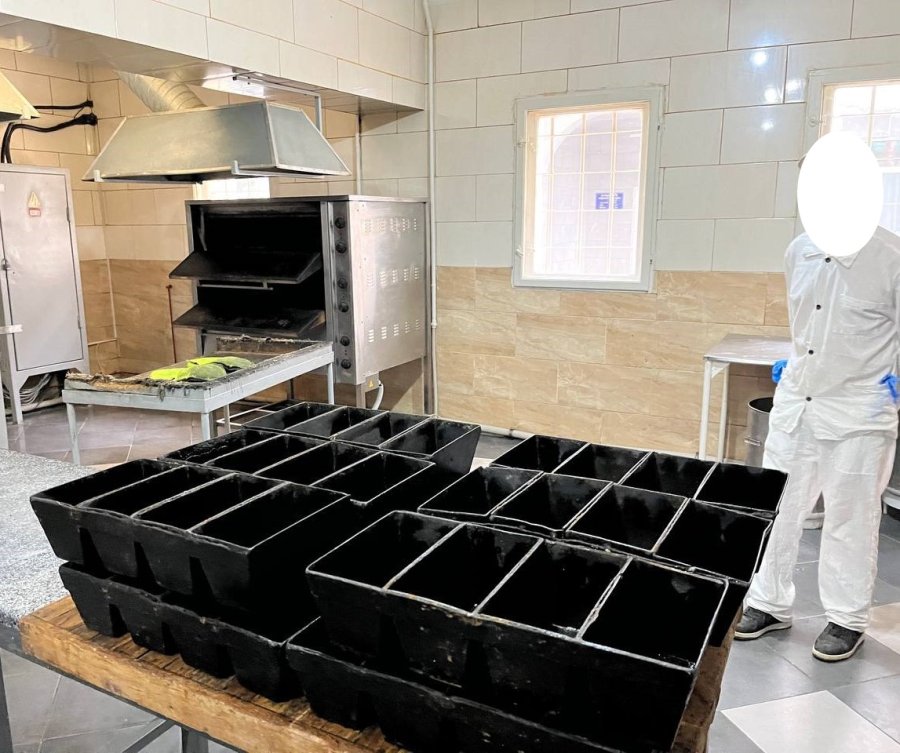
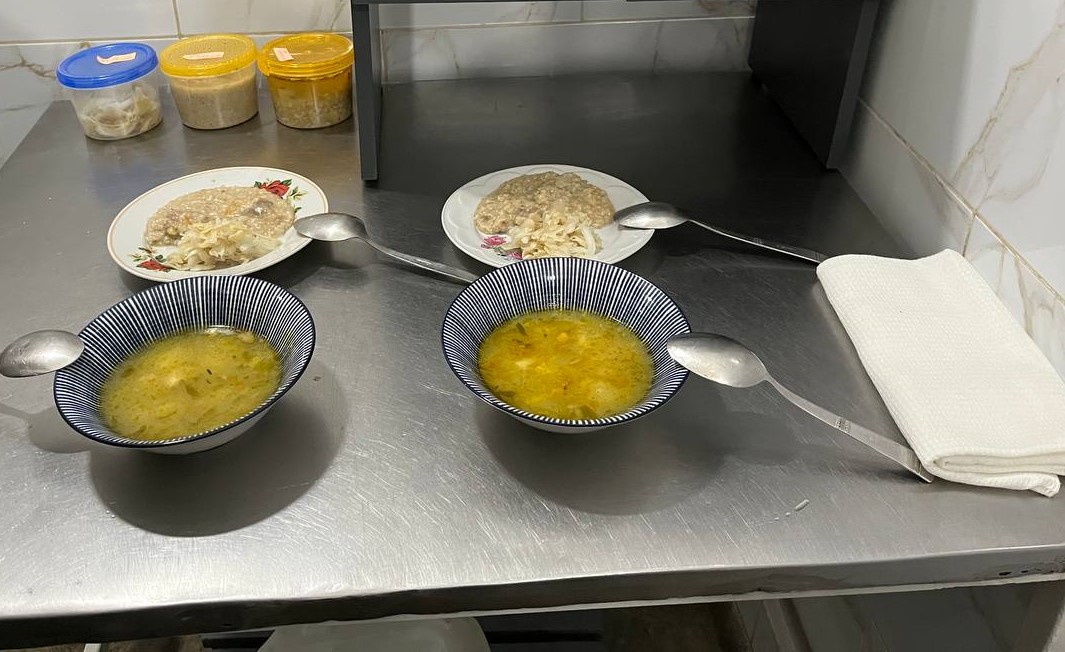
Electrical and steam workshops are equipped. 900 kilograms of bread are baked per day. Lunch consisted of rassolnik and porridge.
Recommendations:
Take measures aimed at eliminating the identified human rights violations and preventing torture, or other cruel, inhuman, or degrading treatment and punishment in the Kharkiv City Medical Unit No. 27 of the Branch of the State Institution “Health Care Centre of the State Penitentiary Service of Ukraine” in Kharkiv and Luhansk Oblasts.
- Ensure control over the proper maintenance of medical documentation in accordance with the Procedure for organising the provision of medical care to persons sentenced to imprisonment, approved by the joint order of the Ministry of Justice of Ukraine and the Ministry of Health of Ukraine dated 15.08.2014, No. 1348/5/572, and other regulatory legal acts.
- Ensure the possibility of receiving opioid substitution therapy based on a diagnosis of mental and behavioural disorders resulting from opioid use.
- Staff the city medical unit No. 27 with medical specialists in accordance with the needs of providing medical care to convicted persons and prisoners.
- Ensure the provision of proper psychiatric medical care in accordance with the Law of Ukraine “On Psychiatric Care”.
- Ensure the provision of proper primary and specialised medical care in accordance with the Law of Ukraine “Fundamentals of Ukrainian Legislation on Healthcare”.
- Ensure proper record-keeping of preventive examinations.
- Equip a fire safety system in accordance with established requirements.
- Dispose of expired medicinal products in accordance with the requirements of current legislation.
- Ensure proper storage of medicines and medical products of convicted persons and prisoners received from relatives or other persons.
- Ensure the accessibility of premises for persons with disabilities and persons with limited mobility (install ramps, handrails, electric lifts).
- Ensure the implementation of individual rehabilitation for those who require it.
- End the practice of doctors certifying the health status of convicted persons and prisoners when they are placed in a punishment cell.
- End the practice of using convicted persons as assistants and orderlies in medical units.
- Ensure medical examinations in the punishment cell premises take place in a special room.
- Ensure that persons in the institution are provided with drinking water.
- The management of the State Penitentiary Service of Ukraine should work out transfer routes to avoid holding persons in transit cells for long periods (a month or more).
- Provide transit cells with proper lighting.
- Ensure prisoners have drinking water in the cells.
- End the practice of placing beds close together, which violates the right to privacy.
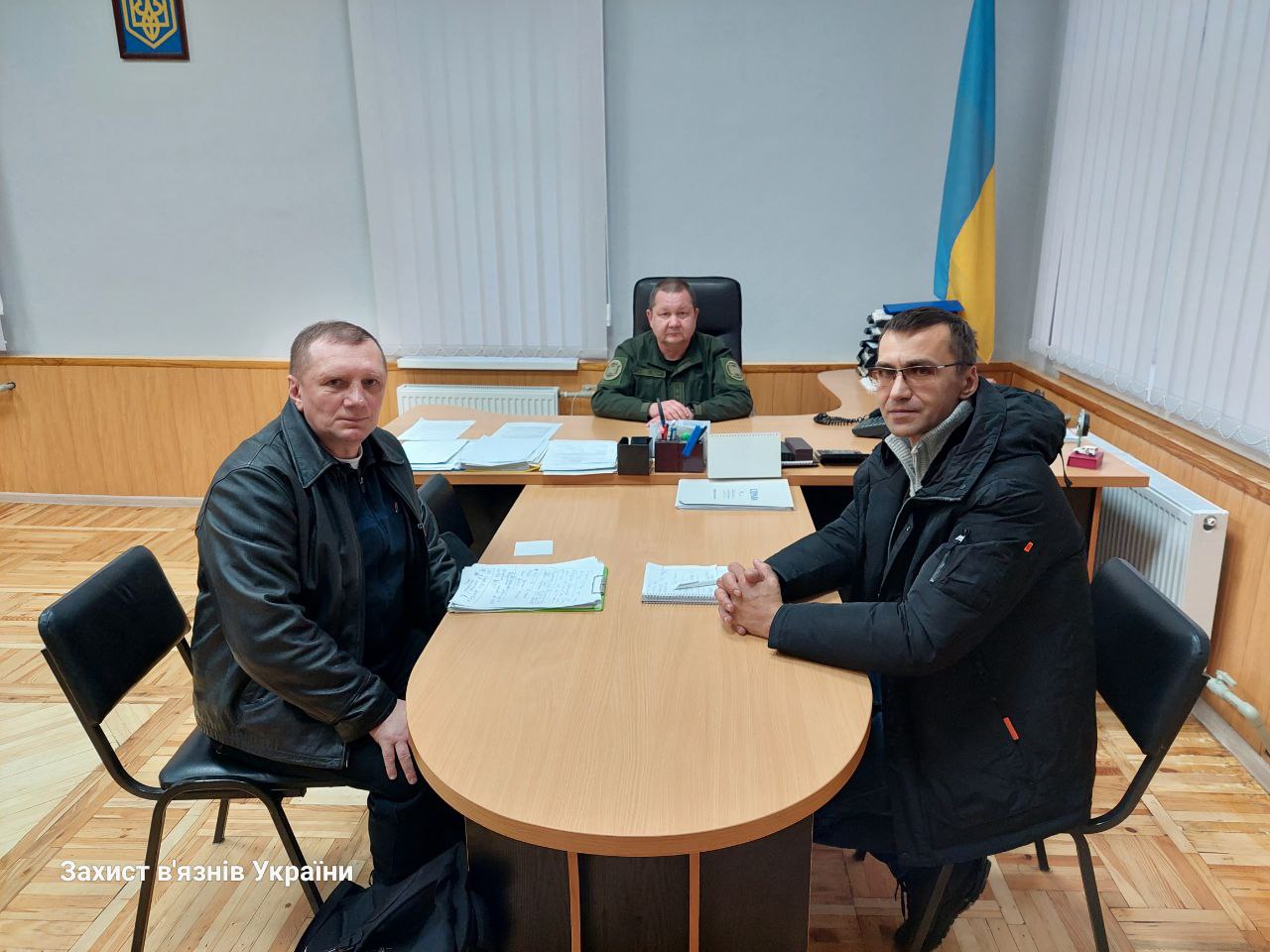
The preventive monitoring visit to the State Institution “Kharkiv Pre-Trial Detention Centre” was carried out by the Kharkiv Human Rights Protection Group and the NGO “Protection of Prisoners of Ukraine”. The monitoring group included: assistant to the People’s Deputy of Ukraine Kostiantyn Kasai, member of the public council under the Ministry of Justice of Ukraine Serhii Zuikov, assistant to the People’s Deputy of Ukraine Yaroslav Yurchyshyn, programme coordinator of the KHPG Andrii Didenko, as well as a member of the public council under the Ministry of Justice Oleh Tsvilyi. Purpose of the visit: analysis of human rights compliance in places of detention during the war. The visit was carried out within the framework of the project “Reducing the Suffering of Prisoners in the Context of the War in Ukraine”, funded by the Government of Denmark in partnership with DIGNITY — The Danish Institute Against Torture.
Date of visit: 19 December 2023
Editor: Emiliia Prytkina