Report on the findings of the monitoring visit to the Polytska Correctional Colony No. 76
On 20 December 2024, in accordance with the Optional Protocol to the Convention against Torture and Other Cruel, Inhuman or Degrading Treatment or Punishment, taking into account the provisions of the United Nations Standard Minimum Rules for the Treatment of Prisoners and the decisions of the European Court of Human Rights, and on the basis of Article 24 of the Criminal Executive Code of Ukraine — Visiting correctional institutions, a group of monitors from the Kharkiv Human Rights Protection Group and the NGO “Protection of Prisoners of Ukraine” conducted a visit to the state institution “Polytska Correctional Colony No. 76” (hereinafter referred to as PCC-76, the institution, or the facility). A repeat general, unannounced, planned visit took place at PCC-76; the previous visit was on 04 July 2022.
When preparing for the visit, the monitors used materials from appeals by convicts and their relatives, materials collected during the previous visit, and the report of the National Preventive Mechanism (NPM) under the Commissioner for Human Rights of the Verkhovna Rada of Ukraine.
The visit was carried out within the framework of the project “Reducing the Suffering of Prisoners in the Context of the War in Ukraine”, funded by the government of Denmark in partnership with DIGNITY — The Danish Institute Against Torture.
The visit was carried out by the following monitors:
- Andriy Didenko — assistant to the People's Deputy of Ukraine Yaroslav Yurchyshyn, programme coordinator of the Kharkiv Human Rights Protection Group, with experience in monitoring visits since 2014;
- Serhiy Zuikov — assistant to the People's Deputy of Ukraine Kostiantyn Kasai, member of the Public Council under the Ministry of Justice of Ukraine, member of the public organisation “Protection of Prisoners of Ukraine”, with many years of experience in monitoring visits;
- Oleh Tsvilyi — member of the Public Council under the Ministry of Justice of Ukraine, head of the public organisation “Protection of Prisoners of Ukraine”, with extensive experience in monitoring visits, specialising in issues of preventing torture and cruel, inhuman treatment.
General Information
PCC-76 is a medium-security penitentiary institution for the detention of men who have previously served sentences of imprisonment. In accordance with the order of the Ministry of Justice of Ukraine dated 30 October 2020, No. 3789/5, a maximum-security sector was established at the institution for serving sentences by men sentenced to life imprisonment in multi-occupancy, cell-type premises.
The facility is located at the following address: 10 Lisova Street, Ivanchi village, Varash District, Rivne Region, 34375.
The head of the facility is Colonel of the Internal Service Serhiy Oleksandrovych Hrabovskyi.
The institution consists of a duty unit, residential and industrial zones, a Dizo/PKT (disciplinary cell/cell-type unit), a medical unit, and a maximum-security sector for the detention of life-sentenced convicts.
According to the institution's administration, the authorised personnel number consists of 211.5 positions. The actual number is 191 positions. The total staff shortage for the institution is 23.25 employees. There are 2 psychologists on staff at the institution.
At the time of the visit, 398 convicts were being held in the institution, 14 of whom were sentenced to life imprisonment. Convicts reside in 7 social-psychological service (SPS) units; 3 SPS units are mothballed. The institution is designed (planned capacity) for 1,421 people.
During 2024, 155 convicts arrived at PCC-76. In 2023, 2 people died in the institution, and in 2024, 2 convicts died. There were no patients undergoing inpatient treatment in the medical unit.
According to data provided by the management, 29 convicts are involved in work under employment contracts, and 185 people work under civil-law contracts.
In the disciplinary cell (Dizo), 2 convicts were held; in the cell-type unit (PKT), 1 person; and in the enhanced supervision unit, 1 person.
Registered on operational records are: 9 people prone to suicide, 7 prone to self-harm, 2 prone to escape, and 17 malicious violators of the detention regime.
Due to severe illness, 2 people were released in 2023. During 2023 and 2024, no one submitted complaints regarding inadequate conditions of detention or inadequate provision of medical care.
Within the framework of research on the sending of correspondence, which KHPG has been conducting throughout 2023–2024 regarding appeals from convicts to the Commissioner for Human Rights of the Verkhovna Rada, the prosecutor's office, and human rights organisations, the institution's management did not provide responses to such requests.
During 2023, 1 case of physical injury upon arrival and 10 cases during stay in the institution were recorded. Throughout 2023, 33 cases of physical injury during stay in the institution were recorded; during 2024, 17 cases of physical injury during stay in the institution were recorded.
The convicts have 328 tablets for personal use, and 8 people have registered email addresses.
Some representatives of the institution's senior management are forced migrants from the temporarily occupied territories who left their property and fled the occupation. Furthermore, they do not have social guarantees from the state or appropriate incentives, including preferential terms for mortgage lending; they are forced to rent housing and travel from remote areas to work.
Positive Practices
Repair work is being carried out in residential and utility rooms; some sleeping areas are equipped with consideration for personal space.
The institution's shop offers an assortment of about 286 items of goods — food, household, personal hygiene items, etc.
Facts Discovered During the Visit
In the course of the monitoring visit, violations of national legislative requirements and non-compliance with international recommendations in the field of prisoner treatment were identified, leading to violations of the rights of convicted persons.
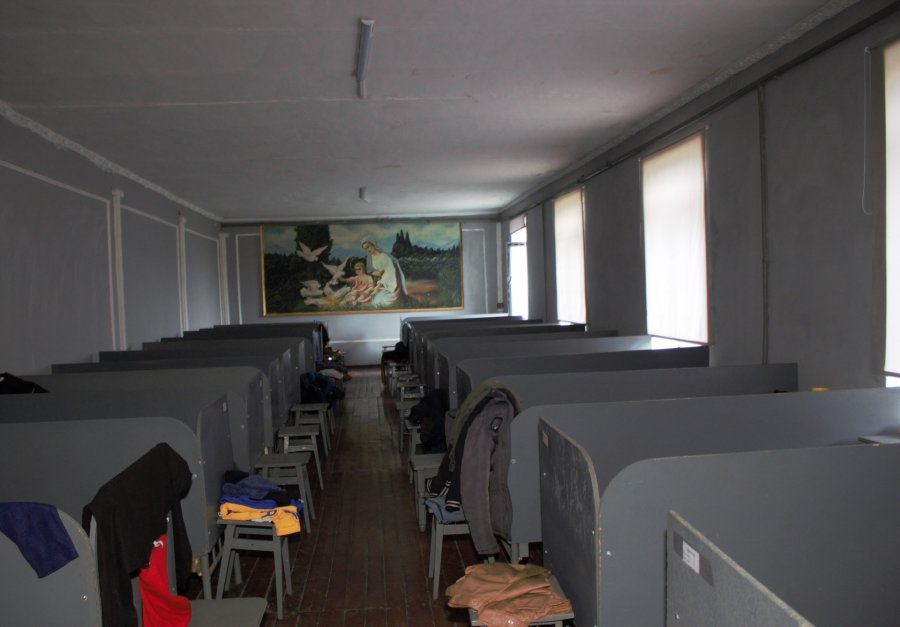
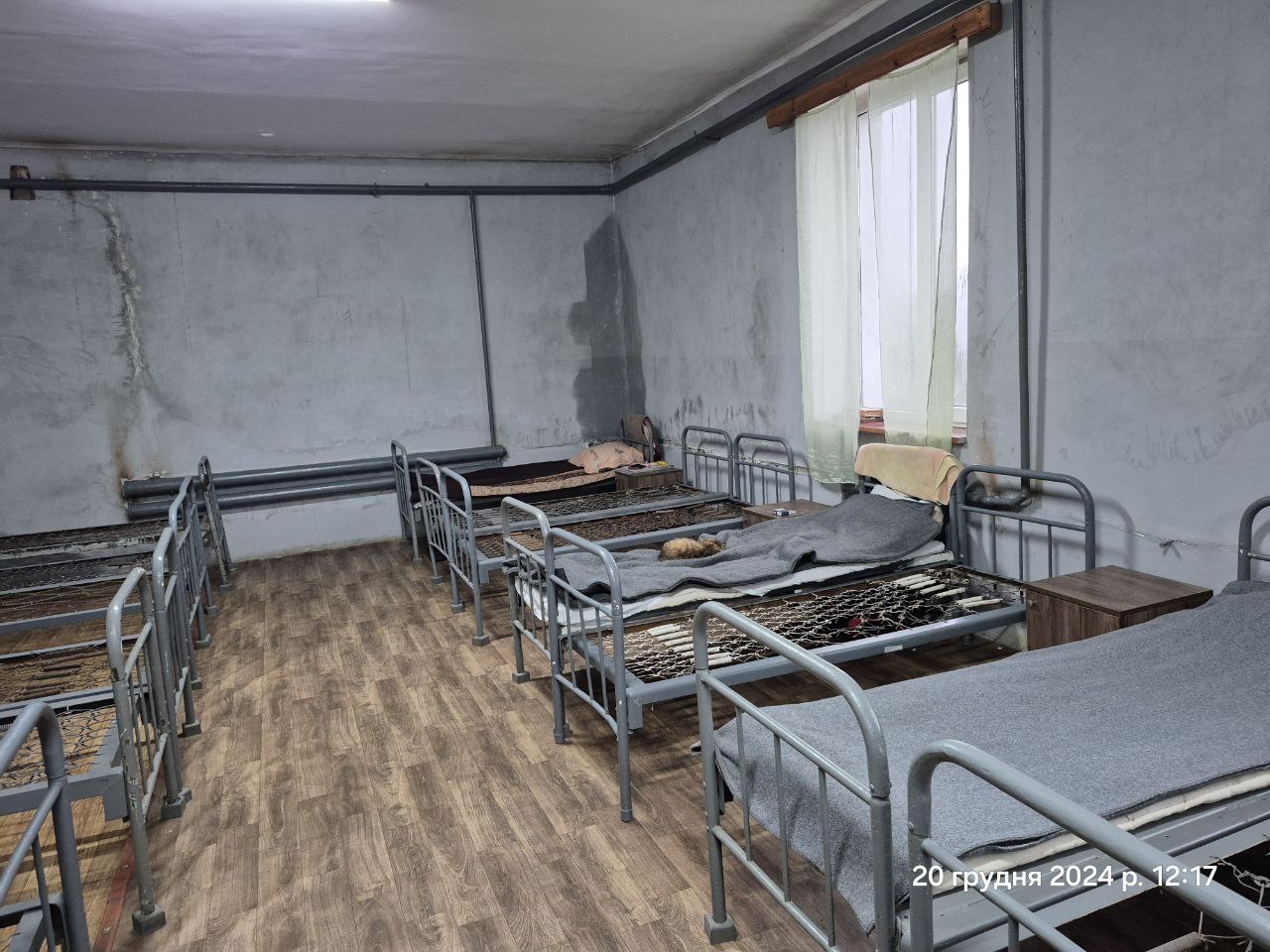
1. In violation of Part 1 of Article 115 of the Criminal Executive Code of Ukraine and Rule 10 of the United Nations Standard Minimum Rules for the Treatment of Prisoners, it was established that in certain residential premises of the social-psychological service (hereinafter — SPS) units of the institution, the living space standard per convict is less than 4 m². Thus, in sleeping room No. 2 of SPS unit No. 1, where 28 people were located, the area of the room is 94.6 m². Consequently, the actual area per convicted person was 3.37 m².
In sleeping room No. 3 of SPS unit No. 1, where 25 people were located, the area of the room is 87.1 m². Consequently, the actual area per convicted person was 3.48 m². A similar violation was established in sleeping room No. 1 of SPS unit No. 1.
Furthermore, it was established that in the sleeping room of the quarantine, diagnostic, and reception (hereinafter — QDR) unit, the actual number of beds exceeds the amount permissible for ensuring the space standard per person provided by legislation. Thus, in sleeping room No. 1 of the QDR unit, where 23 beds are located, the area of the room is 78.1 m². Consequently, the actual area per convicted person was 3.39 m².
This violation creates conditions for possible abuse by the institution's administration and personnel in the context of observing the living space standard per convicted person and does not ensure adequate personal space for the persons held in the sleeping rooms.
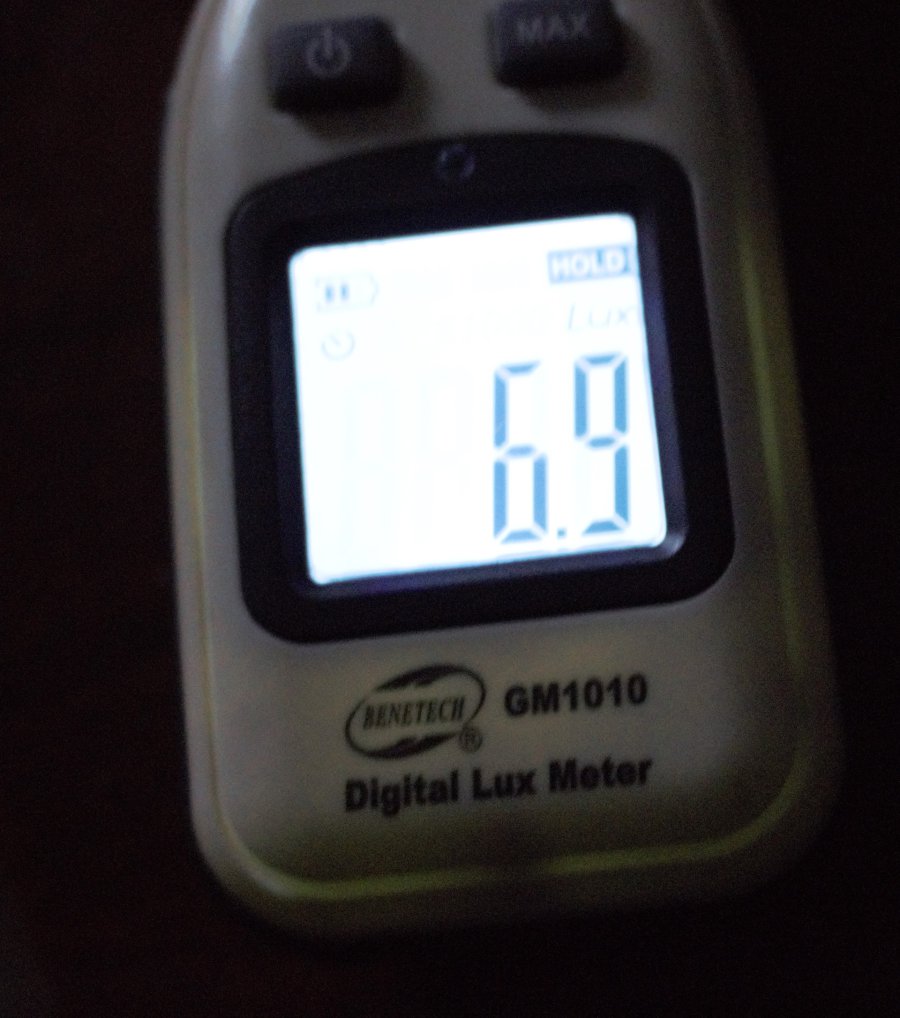
According to Appendix Zh “Normative indicators of lighting for residential buildings premises”, DBN V.2.5-28:2018 “Natural and artificial lighting”, approved by the order of the Ministry of Regional Development, Construction, and Housing and Communal Services of Ukraine dated 03 October 2018, No. 264, the illumination of bedrooms and living rooms must be at least 150 LUX. In sleeping room No. 3 of the SPS unit No. 1, natural lighting was recorded at 6.9 LUX.
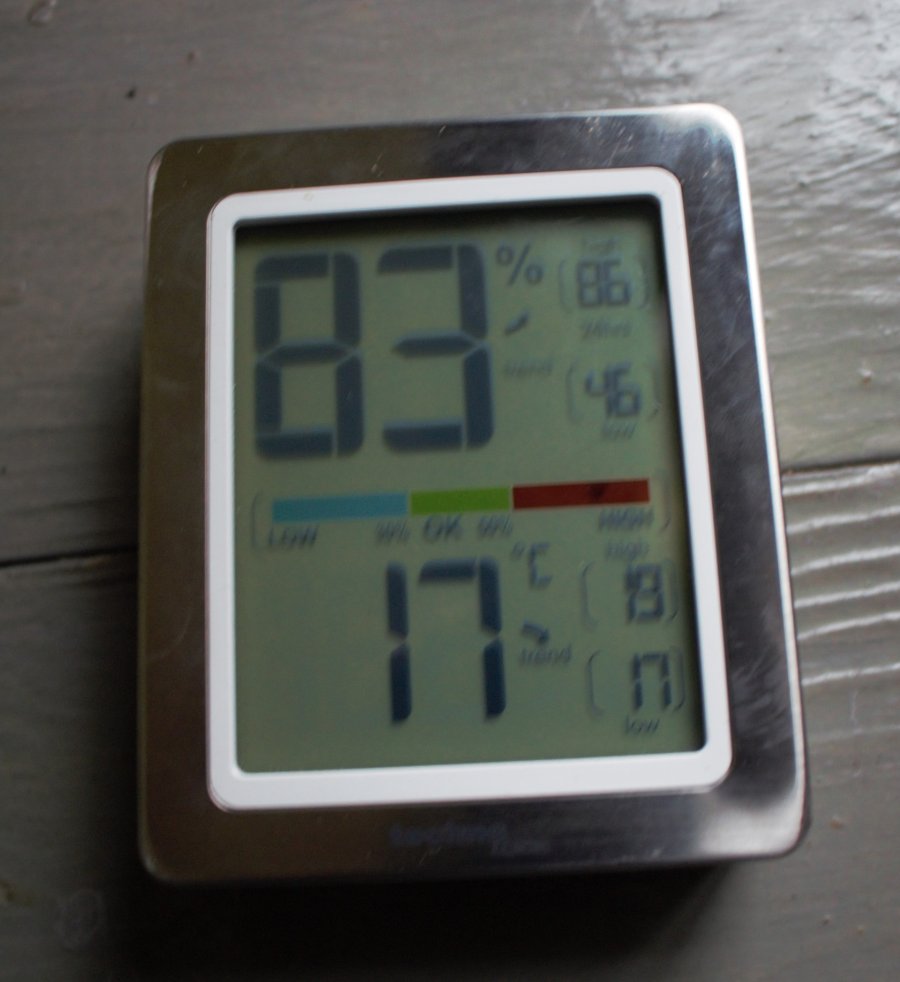
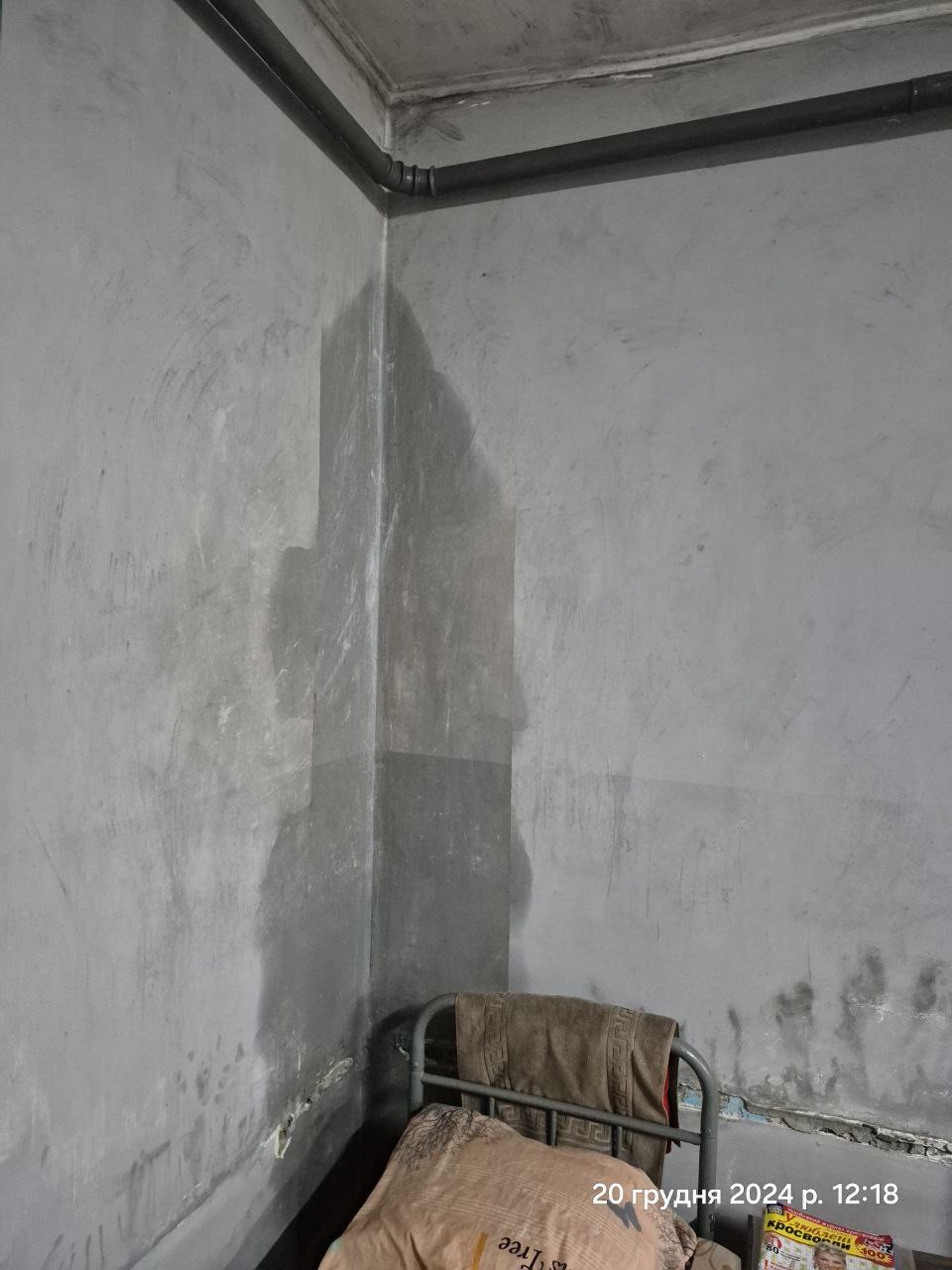
The sleeping rooms have excessive humidity and low air temperature. According to sanitary regulations, the optimal humidity in residential premises during the cold season should be 30–45%. Permissible indicators for these types of premises are up to 60%. During the warm season, the optimal humidity in a residential room is 30–60%. In sleeping room No. 2 of the SPS unit No. 1, humidity was recorded at 83% with an air temperature of 17°C.
At the same time, Paragraph 13 of the Seventh General Report of the European Committee for the Prevention of Torture and Inhuman or Degrading Treatment or Punishment (hereinafter — the Committee) states that the problem with overcrowded cell-type premises leads to unhygienic conditions, a constant lack of privacy, and an overload of medical services and the institution's infrastructure. The Committee concludes that quite often, the negative impact of overcrowding has resulted in inhuman or degrading conditions of detention for prisoners (CPT/Inf (97) 10).
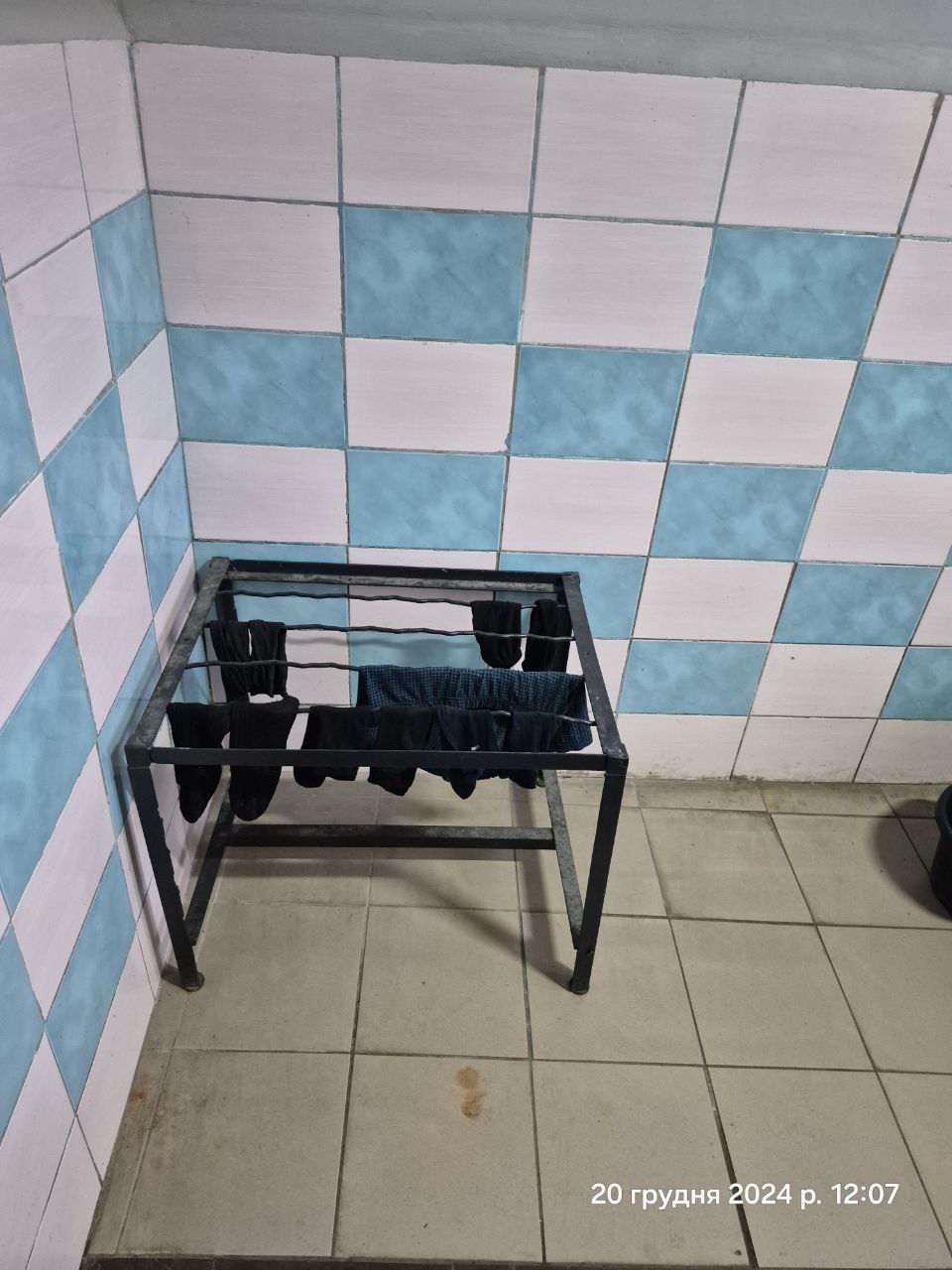
2. The equipment of the quarantine, diagnostic, and reception (hereinafter — QDR) unit does not meet the standards for prisoner treatment and conditions of their detention according to their needs. Thus, in violation of the requirements of the “Norms for Provision with Furniture, Inventory, and Household Items of a Medium-Security Correctional Colony”, approved by the order of the Ministry of Justice of Ukraine dated 27 July 2012, No. 1118/5 (hereinafter — Provision Norms), a number of rooms are missing in the unit, namely: a room for storing the exchange fund of bedding, clothing, and special workwear; a storeroom for the temporary storage of dirty bedding, clothing, and special workwear; a cloakroom; a utility room; and a drying room.
The sleeping room of the unit is not provided with a sufficient number of stools, at a rate of one stool per person. The absence of these premises or their improper arrangement leads to a violation of sanitary and hygienic standards. Thus, the improper organisation of personal item storage makes it difficult to maintain cleanliness and order in the rooms where convicts are held, which worsens the overall sanitary situation in the institution.
Despite recently conducted repairs in the sleeping room, traces of water seepage remained on the walls, which causes increased humidity and creates unfavourable conditions for the stay of newly arrived convicts. In the sleeping rooms of the unit, a violation of Article 8 of the Convention for the Protection of Human Rights and Fundamental Freedoms, which guarantees the right to respect for private life, was discovered. In particular, contrary to Rule 18.1 of the European Prison Rules, beds in some rooms are located right next to each other, which deprives convicts of personal space.
Furthermore, the lack of sufficient partitions and doors in sanitary facilities, which would allow for privacy, violates the requirements of Rule 19.3 of the European Prison Rules. At the same time, in the report of the Government of Ukraine on the results of the visit in 2023, the Committee called upon the Ukrainian authorities to take necessary measures to improve the material conditions of detention, in particular, to reduce the occupancy of cells so that there is at least 4 m² of living space per detainee (excluding the area occupied by in-cell toilets); to keep all places for the accommodation of convicts and detainees, including sanitary facilities, in a proper state of repair and hygiene; to carry out disinsection regularly and frequently; and to ensure sufficient access to natural light and ventilation in cells, and fully equip internal sanitary facilities with partitions (i.e., from floor to ceiling). (CPT/Inf (2024) 20) paragraph 58).
3. The monitoring group established that the institution's administration and personnel do not ensure the proper organisation of work with newly arrived convicts. The position of head of the QDR unit is vacant. In violation of Paragraph 1 of Section II of the “Regulations on the Quarantine, Diagnostic, and Reception Unit for Convicts”, approved by the order of the Ministry of Justice of Ukraine dated 04 November 2013, No. 2300/5, registered with the Ministry of Justice of Ukraine on 04 November 2013 under No. 1864/24396 (hereinafter — QDR Regulations), a medical worker is not included in the composition of the working group for work with newly arrived convicts.
In violation of the ninth paragraph of Part 1 of Article 8 and Part 1 of Article 118 of the Criminal Executive Code of Ukraine (hereinafter — CEC of Ukraine), the monitoring group established that the institution's personnel engage a convict to work in the QDR unit without concluding an employment contract. Specifically, convict V. was engaged to perform the duties of an orderly without remuneration for labour. Furthermore, it was established that convict V. has the opportunity to be in the QDR unit, and to visit the canteen and the SPS unit to which he is assigned on his own.
The aforementioned violates the requirements of Article 96 of the CEC of Ukraine, Paragraph 4 of Section II of the “Internal Regulations of Correctional Institutions”, approved by the order of the Ministry of Justice of Ukraine dated 28 August 2018, No. 2823/5 (hereinafter — IRIU), as well as Paragraph 2 of Section I of the QDR Regulations.
In the report on the results of the visit to Ukraine in 2020, the Committee expressed serious doubts regarding the practice of using some prisoners as “orderlies”, who perform control functions over other prisoners in residential premises and at work, and report to the personnel about any incidents and violations of the regime. Therefore, the Committee noted with concern during this visit that this practice remained.
Furthermore, unfortunately, despite specific recommendations previously given by the Committee, the practice of using “orderlies” is also officially provided for by the Internal Regulations of Correctional Institutions. As previously emphasised, the Committee considers that any partial abdication of responsibility for order and security in prisons, which is borne by the institution's regime staff, is unacceptable.
Such a practice exposes weaker prisoners to the risk of ill-treatment and exploitation by other prisoners. The Committee calls on the authorities of Ukraine to take all necessary steps — including of a legislative nature — in order to put an end to this practice. No prisoner (in any penitentiary institution in the country) should have power over other prisoners. (CPT/Inf (2020) 40) paragraph 27).
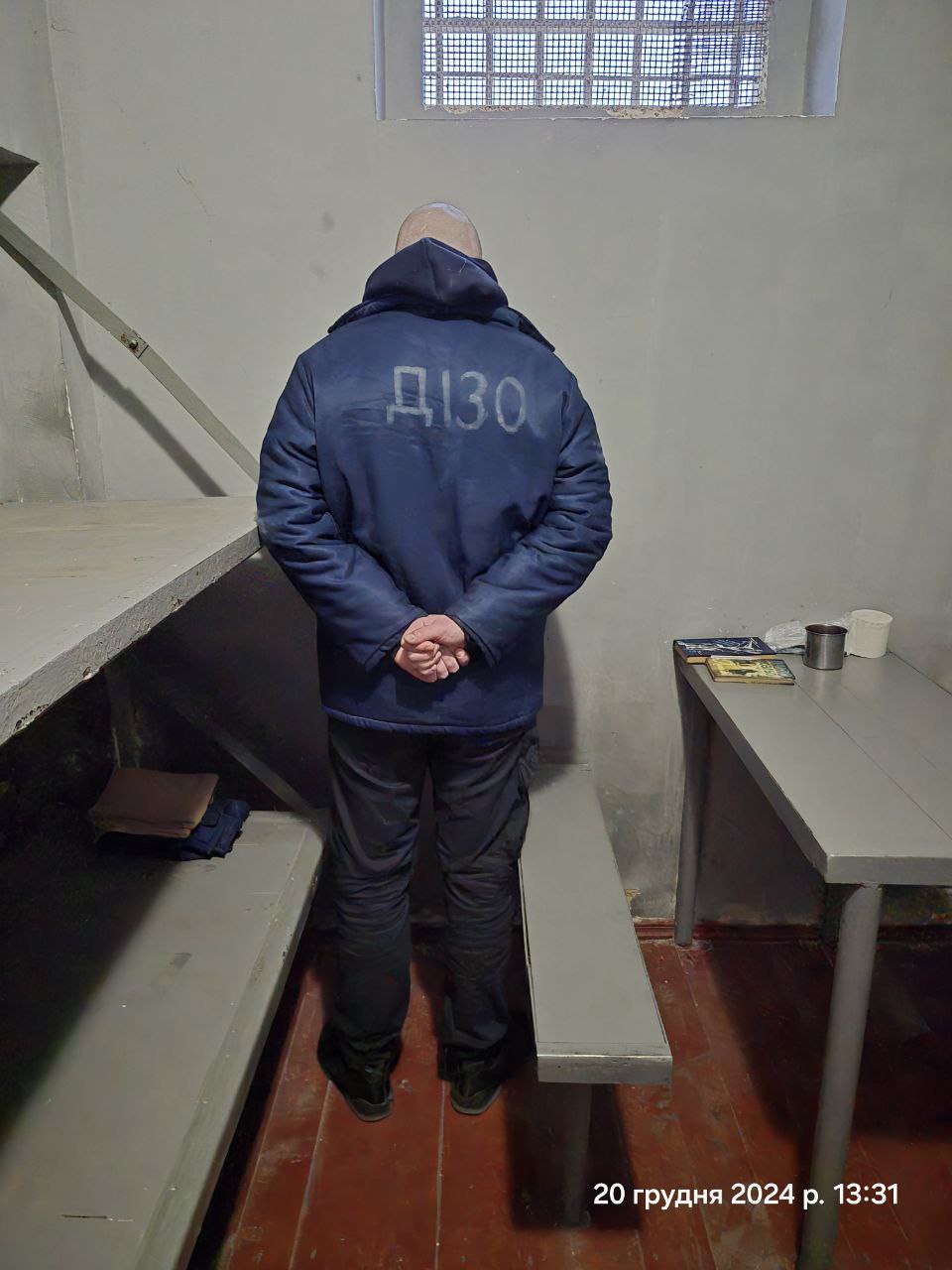
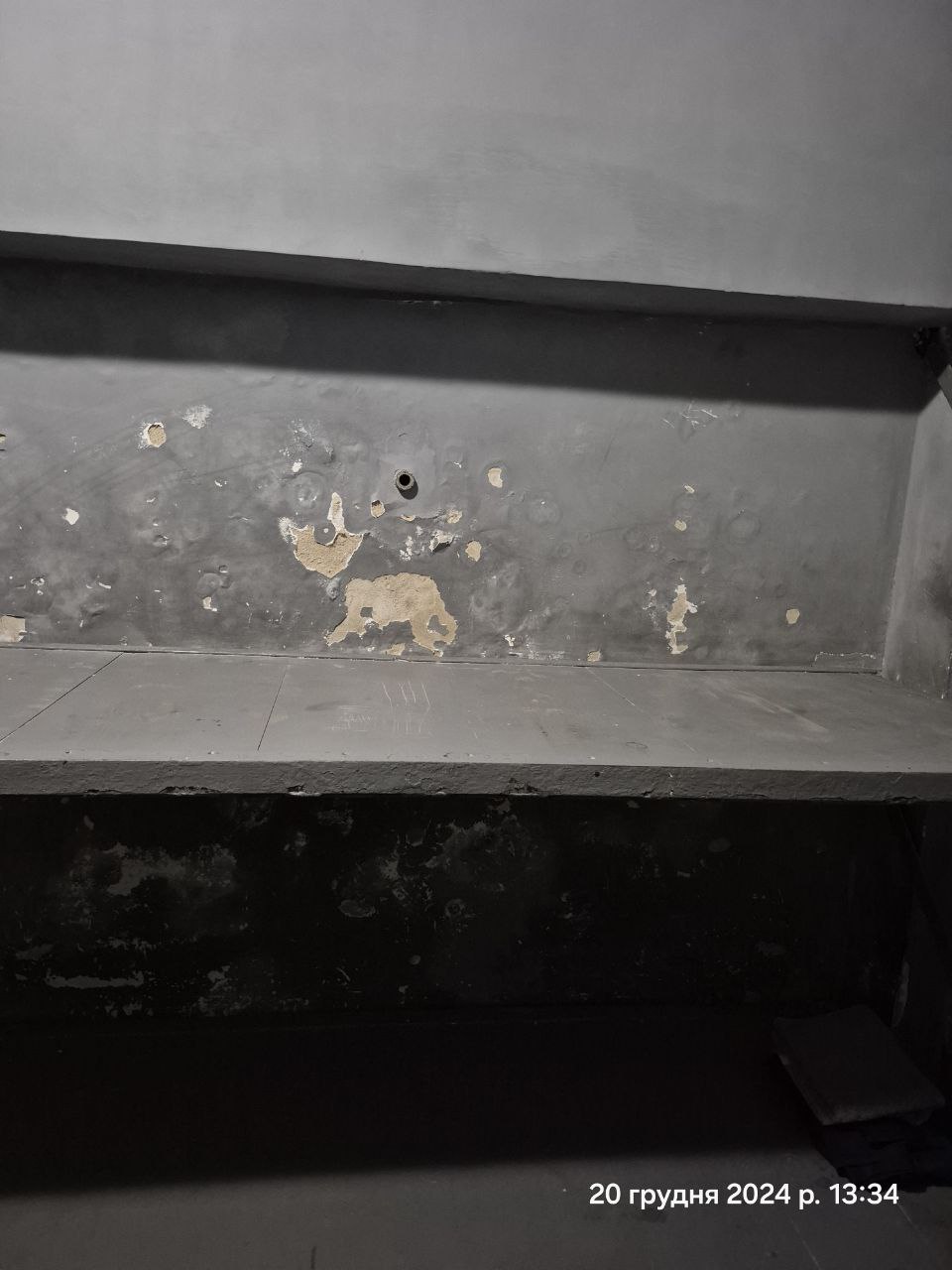
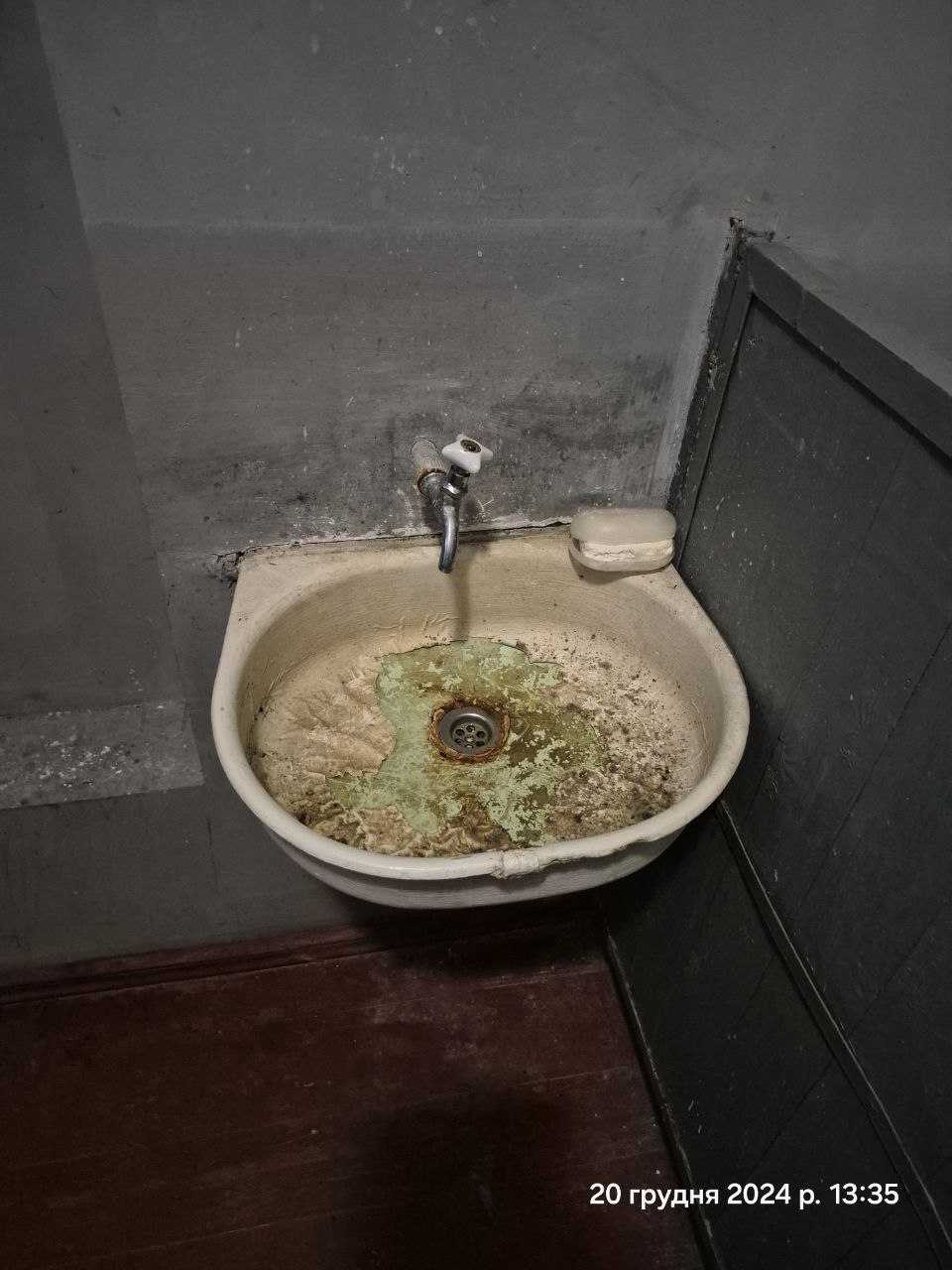
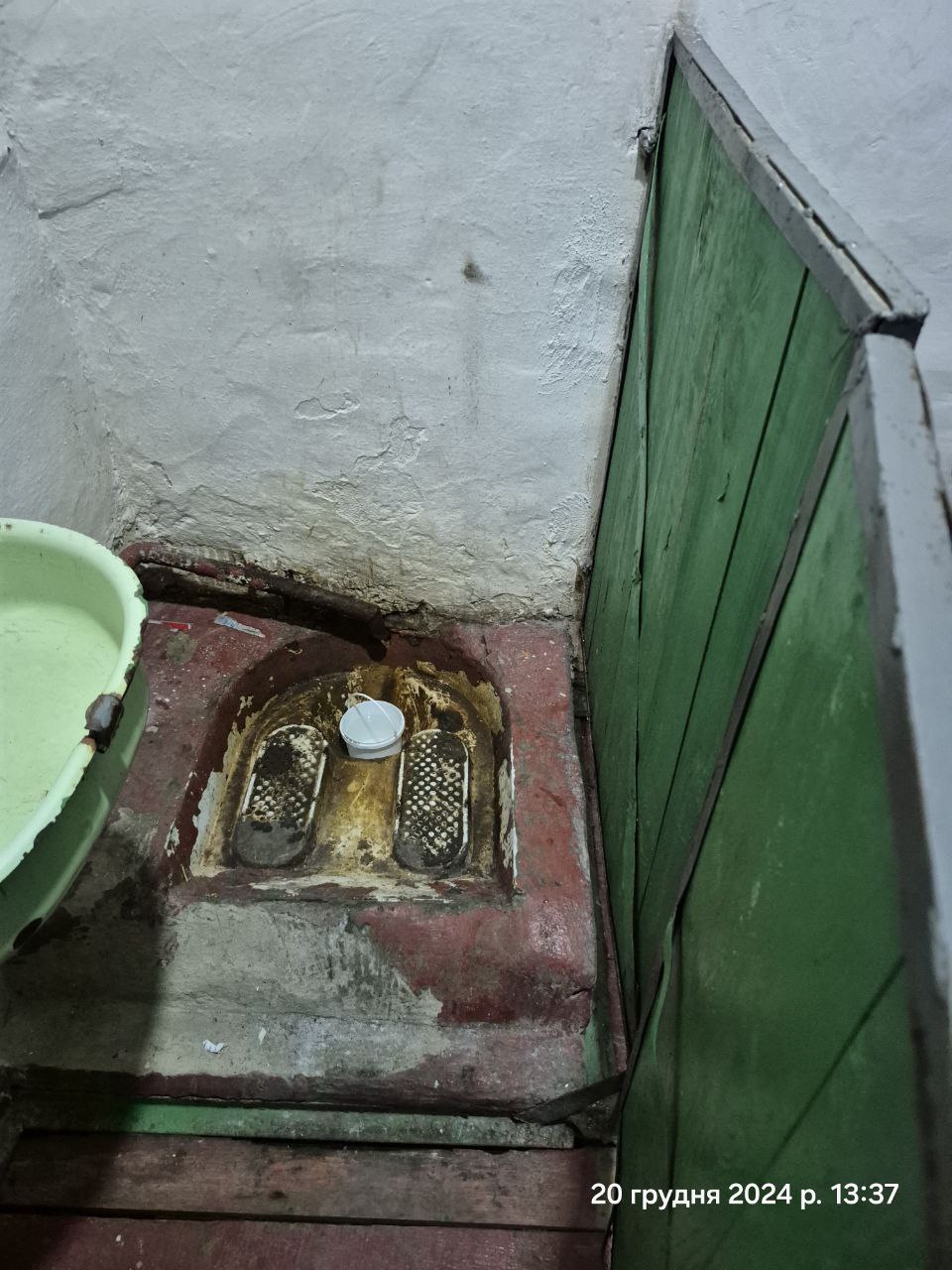
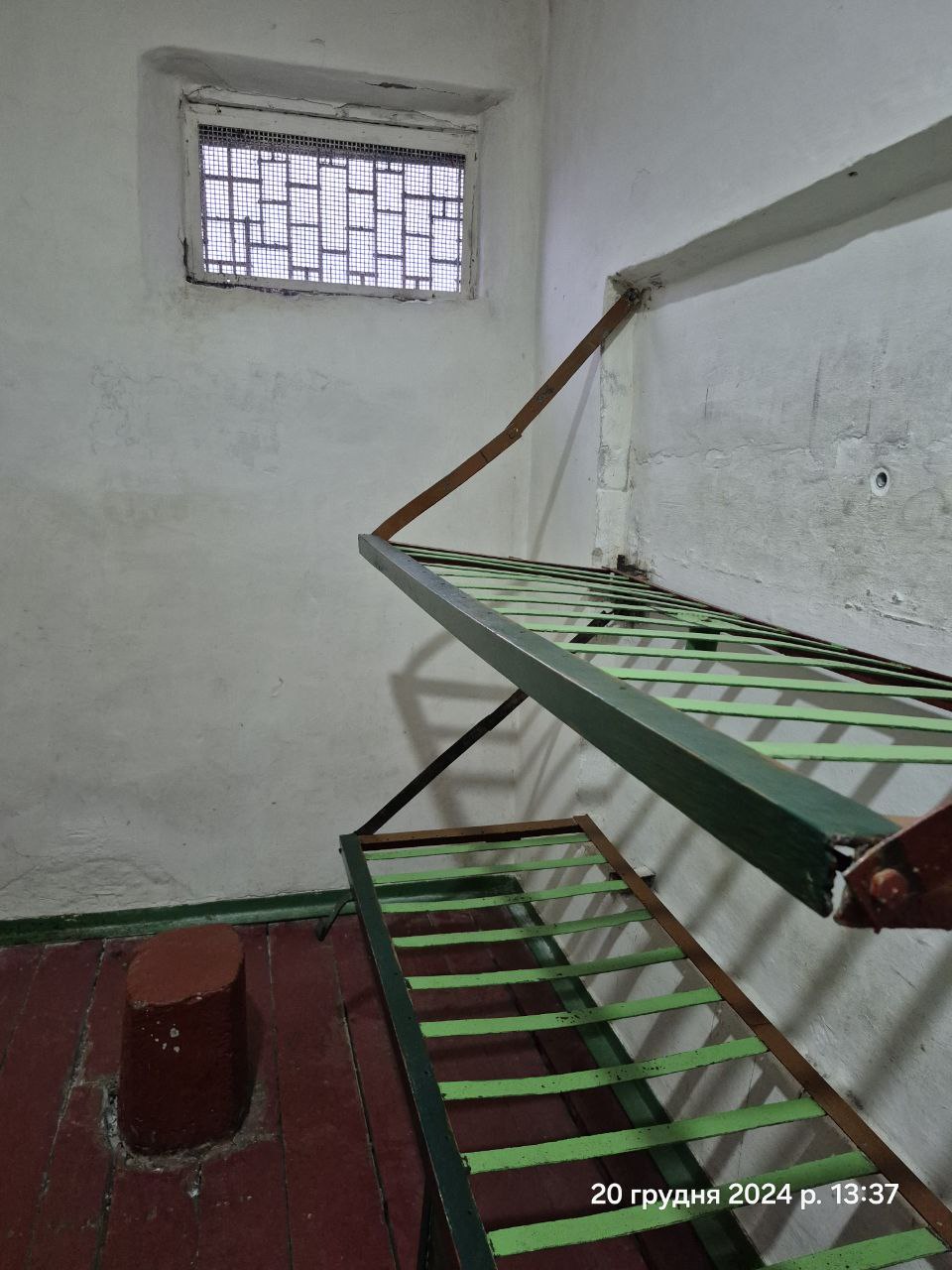
4. During the visit to the institution's disciplinary cell (hereinafter — Dizo), it was established that in violation of Paragraph 3 of Section XX of the IRIU, there is no radio communication in the Dizo cell premises. In violation of Paragraph 4 of Section IV of the “Procedure for the Use of Technical Supervision and Control Means in Correctional and Educational Colonies of the State Criminal-Executive Service of Ukraine”, approved by the order of the Ministry of Justice of Ukraine dated 26 June 2018, No. 2025/5 (hereinafter — Procedure for the Use of Technical Means), it was established that the Dizo/PKT cells are not equipped with personnel call buttons, which makes operational contact between convicts and institution staff difficult.
The premises do not comply with Part 1 of Article 115 of the CEC of Ukraine, Rules 14 and 15 of the UN Standard Minimum Rules for the Treatment of Prisoners (Nelson Mandela Rules), and require repair work.
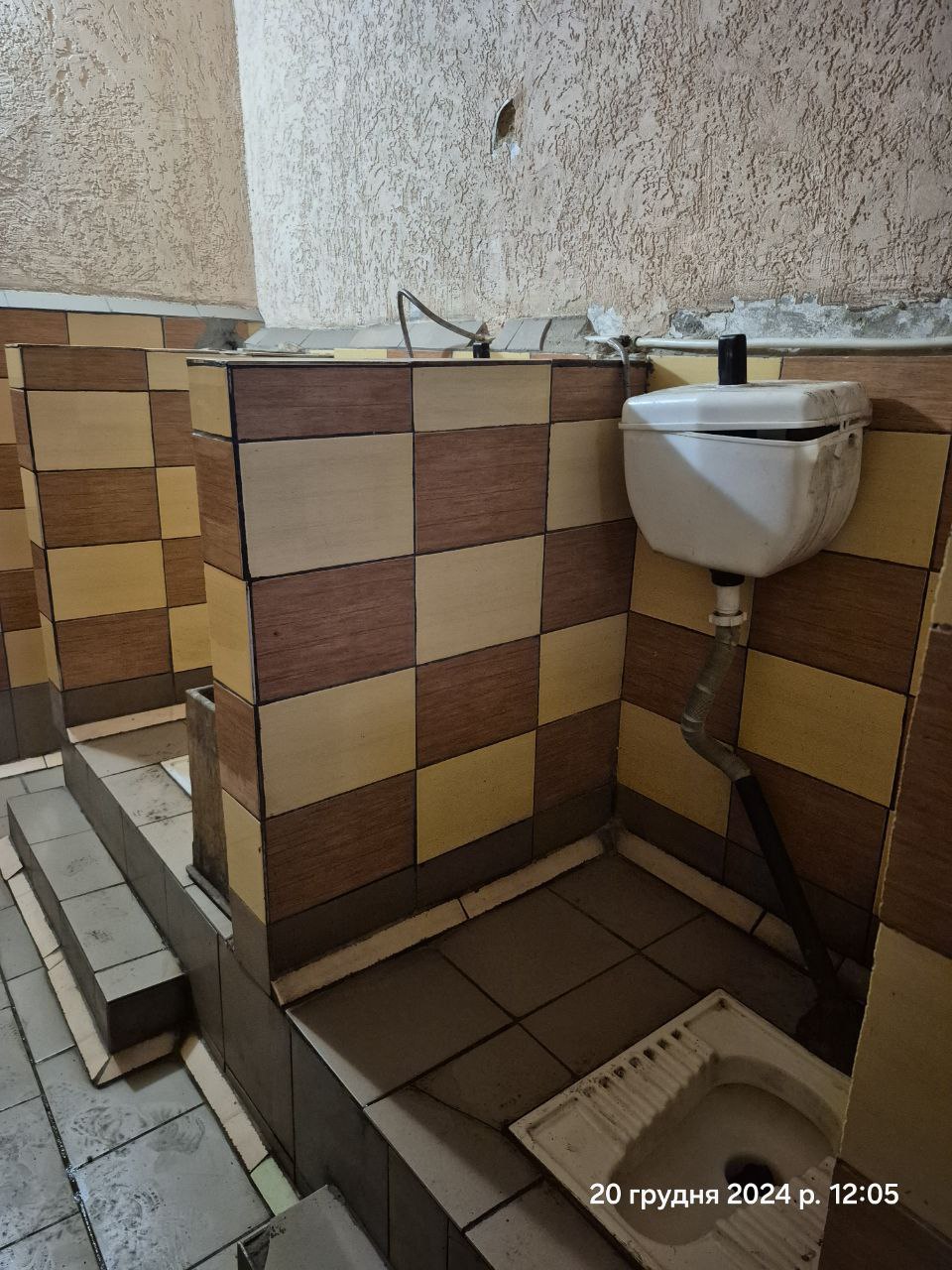
The cell premises do not ensure a sufficient level of natural lighting and ventilation. The sanitary facilities are not equipped with toilets and proper water flushing. They also lack sufficient partitions that ensure the possibility of privacy, which is a violation of Rule 19.3 of the European Prison Rules. In violation of the requirements of Rule 22.5 of the European Prison Rules and the Provision Norms, the cell premises are not equipped with drinking water containers.
5. In violation of Article 119 of the CEC of Ukraine, Article 52 of the Labour Code of Ukraine, and the “Instruction on Working Conditions and Wages for Persons Sentenced to Restriction of Liberty or Imprisonment”, approved by the order of the Ministry of Justice of Ukraine dated 07 March 2013, No. 396/5 (hereinafter — Labour Conditions Instruction), the monitoring group established that the duration of the working day for convicts involved in economic maintenance in the canteen, with whom an employment contract for a 0.25 rate has been concluded, is greater than 8 hours and reaches 10–12 hours per day, i.e., more than 40 hours per week, and the working week consists of six, and in some cases seven, days.
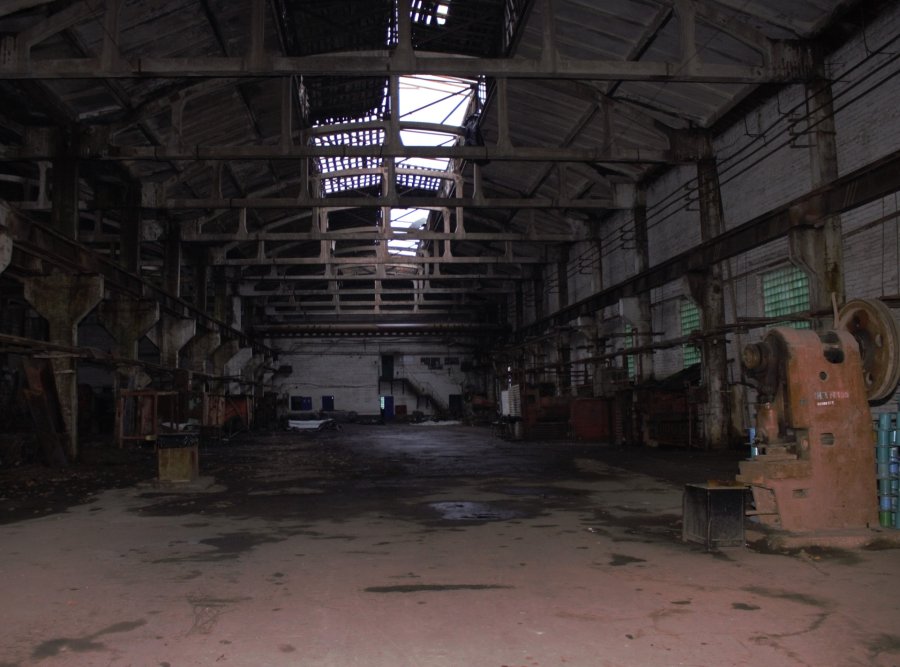
In the industrial zone, Workshop No. 2 is closed because it is in a dilapidated condition — the roof was destroyed by a storm.
During the monitoring visit to PCC-76, facts of violation of labour legislation requirements when engaging convicts in socially useful work were revealed. According to information received from the institution's management, 185 of the institution's convicts work under concluded civil-law contracts (CLC), while performing identical work for a long period. A clear distinction should be made between the possibility of convict work performance under an employment contract and under a civil-law contract.
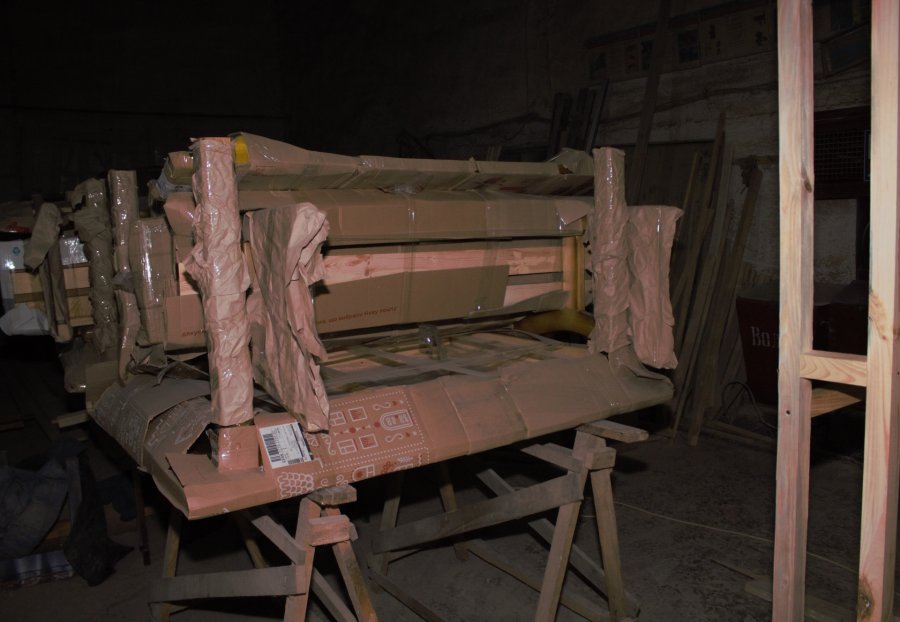
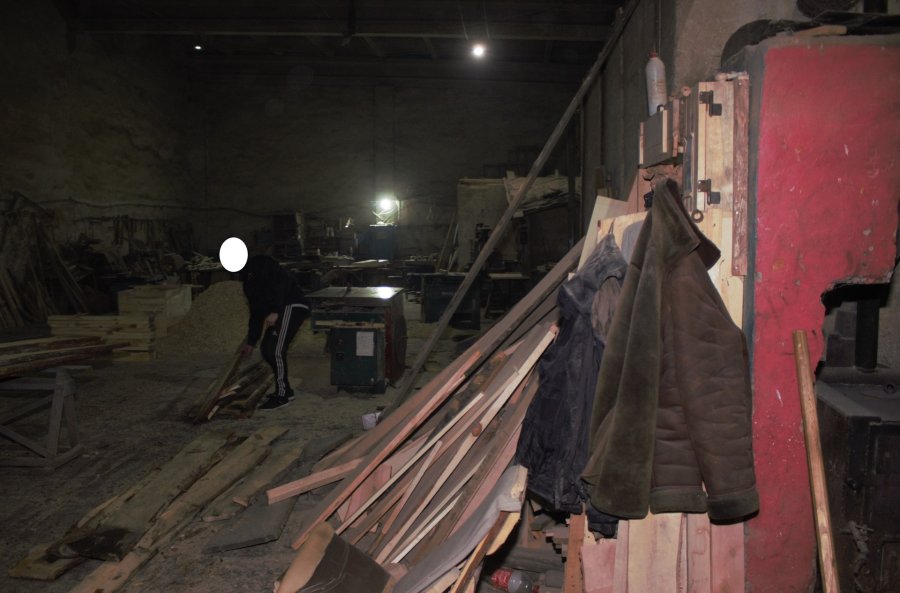
The determining factor in resolving disputed legal relations in the formalisation of convicts' working conditions—whether they are civil or employment—is the presence of signs of an employment relationship between the convict worker and the employer. In this case, workers from among the convicts perform systematically defined labour functions. Civil relations differ from labour relations in that the process of organising labour activity is regulated by labour legislation. Under a civil-law contract, the process of organising labour activity remains outside the scope of the contract; the purpose of the contract is to obtain a specific material result.
Unlike payment for work under an employment contract, remuneration under a CLC is set exclusively by agreement of the parties; work should not have a systematic character; the result is formalised by acts of acceptance and handover of performed work (rendered services), and payment is carried out based on them. In particular, when concluding a CLC, the worker does not submit an application for employment, the enterprise does not issue an order for enrolling them in a certain position, and no entry is made in the labour book.
The conclusion of a civil-law agreement is not regulated by Article 24 of the Labour Code of Ukraine (hereinafter — LC of Ukraine), therefore, notification of the start date of concluded civil-law contracts with workers from among the convicts does not need to be submitted to the State Fiscal Service authorities. Since a contractor under a CLC must organise their work independently, which is inappropriate for the working conditions of convicts in conditions of imprisonment or restriction of liberty, work under a CLC for convicts is mostly a contentious issue.
At the same time, systematic activity should be considered the conclusion of a CLC more than three times within one calendar year, which will be grounds to consider such a contract as an employment one. Thus, a clear distinction must be made between the possibility of work performance under an employment contract and under a civil-law contract.
The Supreme Court, in its resolution of 04 July 2018 (Unified State Register of Court Decisions, reg. No. 751488848), expressed a position regarding the presence of signs of employment relationships when concluding work contracts, so that issues do not subsequently arise regarding such contracts from the State Labour Service.
Such main signs include: 1) natural persons did not organise their work independently, did not perform it at their own risk and discretion, but were subordinate to relevant officials; 2) the contracts concluded did not define the volume of work performed, but recorded an obligation to perform work (render services); 3) the contracts did not specify what exact result of work the executor must hand over to the customer, no list of tasks was provided, etc.; 4) i.e., the subject of the concluded contracts is the labour process, not the final result.
Since 185 people in the institution perform work on a permanent basis under CLCs, they are deprived of the right to the accrual of work experience and, accordingly, social guarantees, including pension provision.
Convicts who work both in production and within the framework of economic maintenance are deprived of the right to social benefits and guarantees, namely: the right to annual leave and social protection in case of an accident at work. Also, sick pay is not provided to those who fall ill due to the lack of coordination with the Ministry of Health regarding the sick leave form for convicts.
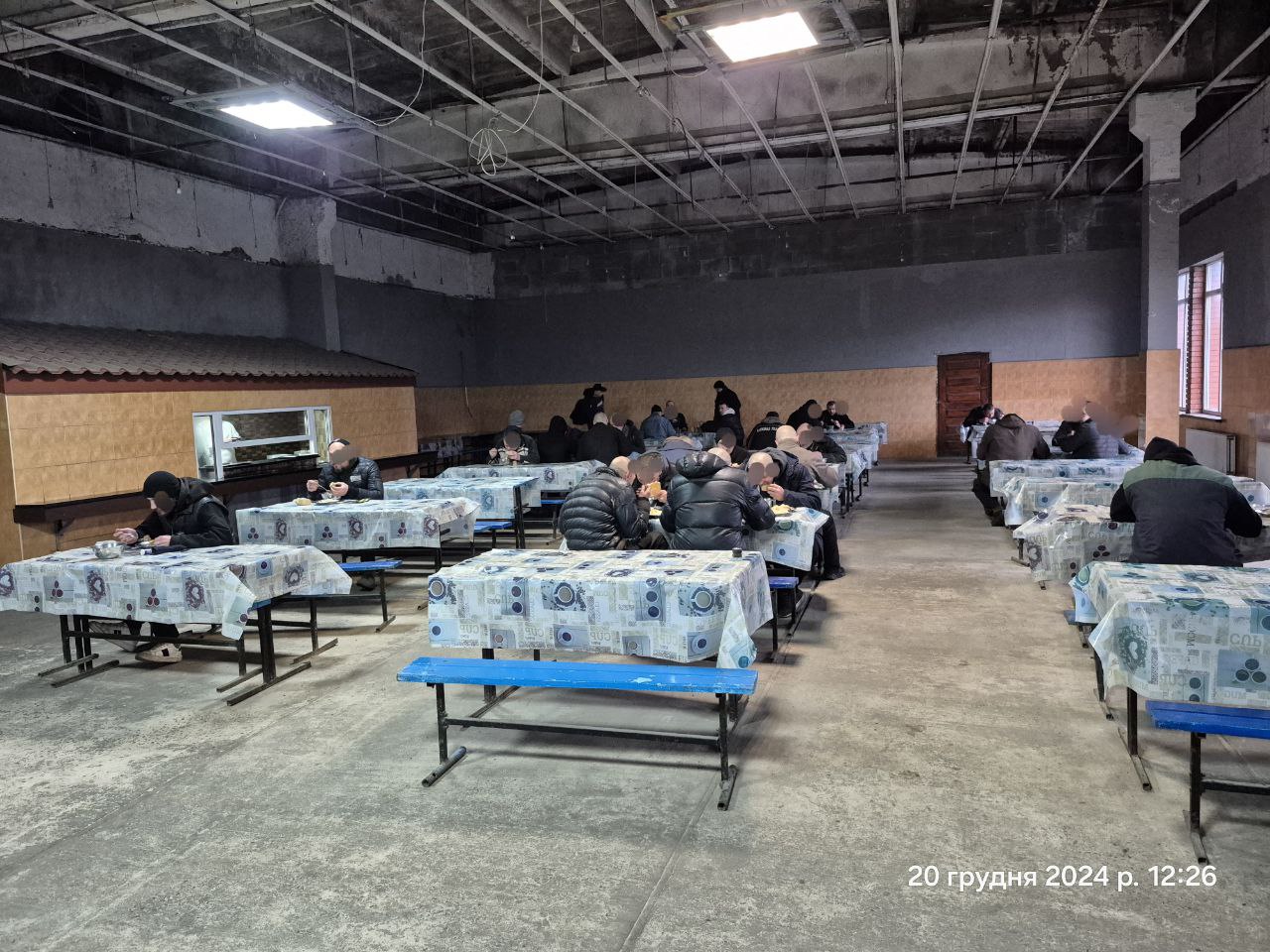
6. In violation of the requirements of the Provision Norms, there is no cloakroom in the institution's canteen, which leads to the fact that convicts are forced to eat in their outer garments.
7. In violation of the requirements of Paragraph 5 of Section IV of the “Regulation on the Organisation of Food Supply in the State Criminal-Executive Service of Ukraine in Peacetime”, approved by the order of the Ministry of Justice of Ukraine dated 15 June 2021, No. 2160/5, the monitoring group established the absence of working refrigeration equipment in sufficient quantity, due to which the placement and storage of food, taking into account commodity neighbourhood, is not ensured.
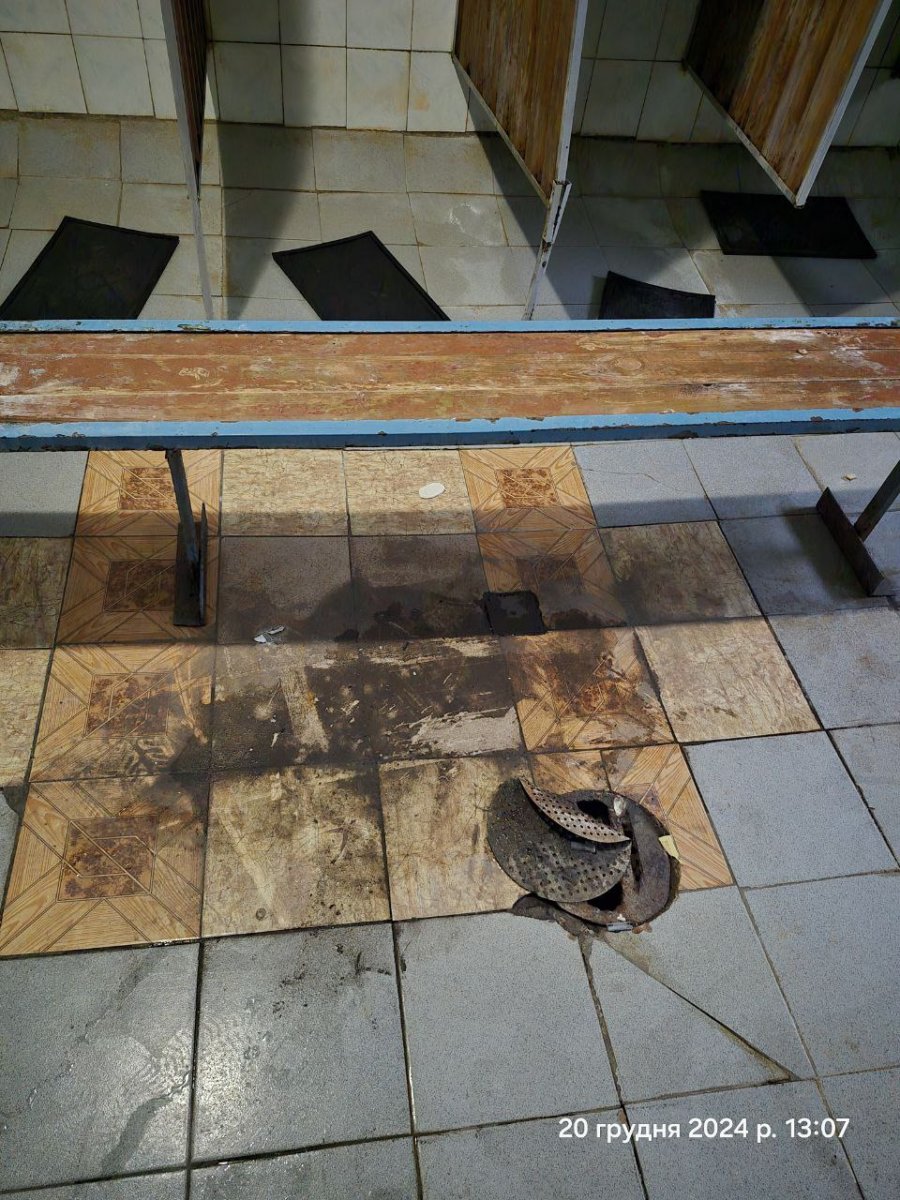
8. The monitoring group established a number of violations in the organisation of laundry and bathing services for convicts and detainees. Thus, in violation of Paragraph 2.14 of Section II of the “Regulation on the Organisation of Laundry and Bathing Services for Persons Held in Correctional Institutions and Pre-trial Detention Centres”, approved by the order of the Ministry of Justice of Ukraine No. 849/5 dated 08 June 2021 (hereinafter — the Regulation), the institution does not ensure the provision of hairdressing services to convicts and detainees.
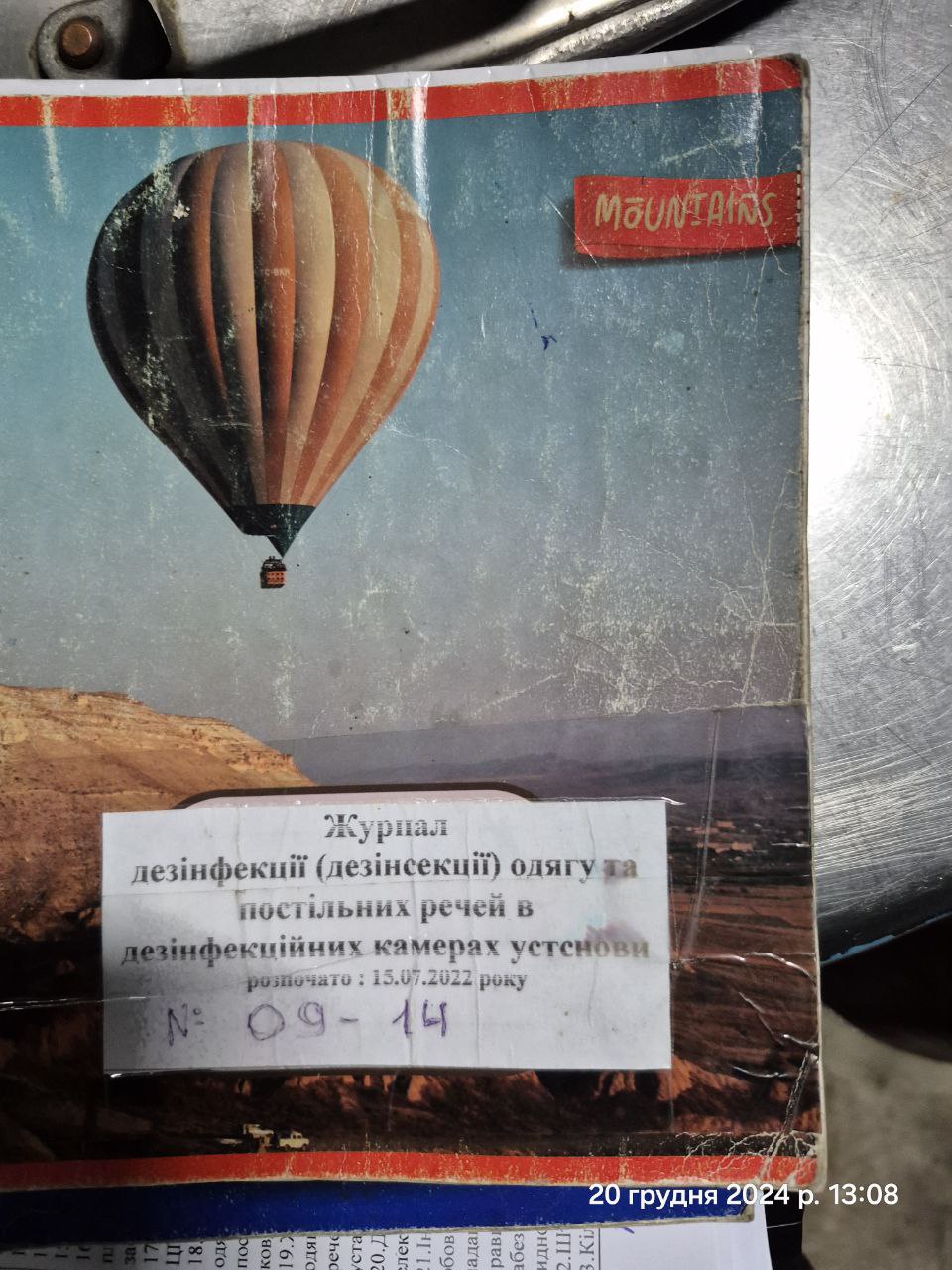
In violation of the requirements of Paragraph 2.11 of Section II of the Regulation, the forced supply-exhaust ventilation system does not work in the laundry and bathhouse premises. During communication with newly arrived persons who were in the QDR unit and checking the Logbook of Disinfection (disinsection) of clothing and bedding in the institution’s disinfection chambers, it was established that in violation of the requirements of Paragraph 4 of Section XXII of the IRIU and Paragraph 3.19 of Section III of the Regulation, the performance of sanitary-hygienic and anti-epidemic rules is not properly ensured.
Sanitary processing of convicts arriving at the institution is not carried out in a timely manner. The premises of the bathhouse and laundry require repair work. In violation of Paragraph 2.6.2 of Section II of the Regulation, shower heads are not equipped with faucets for hot and cold water, due to which convicts do not have the possibility to regulate the water temperature in the shower while washing.
In violation of the requirements of Rule 19.3 of the European Prison Rules, the right to privacy is not observed in the bathhouse premises due to the lack of curtains on the shower partitions.
10. According to official documentation, the staff shortage for the institution is 22.25 positions (10.5%). The shortage of middle and senior command staff is 3 positions. The shortage of rank-and-file and junior command staff is 16 positions. The shortage of employees who do not have special ranks is 3.25 positions.
At the same time, in the report of the Government of Ukraine on the results of the visit in 2023, the Committee emphasises that ensuring a positive climate in a penitentiary institution requires the presence of a professional team of personnel, who must be present in sufficient numbers at any time in places of detention. Insufficient numbers of personnel can only increase the risk of violence and intimidation between convicts. A shortage of personnel working on the front line also undermines the quality and level of measures offered to convicts and puts the prospect of preparation for release and social rehabilitation at risk.
In connection with which, the Committee calls on the authorities of Ukraine to take decisive measures to significantly increase the number of personnel in penitentiary institutions of Ukraine where a low level of personnel staffing is observed, with the aim of strengthening the presence of security and supervision service personnel inside institutions. It is also necessary to take measures to put an end to 24-hour shifts for personnel on duty. (CPT/Inf (2024) 20) paragraph 93).
11. During the visit, the monitoring group recorded that the institution's personnel who are in direct contact with convicts openly carry special means, in particular, rubber batons. At the same time, according to the eighth paragraph of Paragraph 1 of Section XXVI of the IRIU, the carrying by personnel of correctional institutions of special means within the territory of the correctional institution under guard must, if possible, be maximally concealed from the surroundings.
At the same time, the Committee recommends that penitentiary staff working in direct contact with prisoners should not carry special means (such as rubber batons, handcuffs, and canisters equipped with tear gas) openly before prisoners. Such carrying hinders the establishment of normal relationships between personnel and prisoners (para. 85 (CPT/Inf (2011) 29), para. 23 (CPT/Inf (2013) 23), para. 166 (CPT/Inf (2014) 15)).
Medical Unit No. 76 of the Branch of the State Institution “Centre for Health Care of the State Criminal-Executive Service of Ukraine” in the Volyn and Rivne Regions
Head of Medical Unit No. 76 of the branch of the state institution “Centre for Health Care of the State Criminal-Executive Service of Ukraine” in the Volyn and Rivne Regions (hereinafter — the medical unit) — Garkusha O.V.
During the visit, the monitoring group studied medical documentation, inspected the premises of the medical unit for their compliance with the requirements of the legislation of Ukraine and international standards, and identified shortcomings in the work of the medical unit.
According to Paragraph 2, Paragraph 3 of Chapter III, Section II of the “Procedure for Organising the Provision of Medical Care to Persons Sentenced to Imprisonment”, approved by the joint order of the Ministry of Justice of Ukraine and the Ministry of Health of Ukraine dated 15 August 2014, No. 1348/5/572 (hereinafter — the Procedure), a therapist (or general practitioner — family doctor), psychiatrist, and dentist necessarily participate in the preventive medical examination.
At the same time, in the medical unit, positions for a psychiatrist are vacant, which indicates incompleteness in conducting primary and preventive medical examinations, due to which convicts and detainees do not receive proper medical care.
The aforementioned violates Paragraph 38 of the recommendations of the European Committee for the Prevention of Torture and Inhuman or Degrading Treatment or Punishment (CPT/Inf(93)12-part) (hereinafter — the Committee), where it is stated that medical services in places of detention must be able to provide medical care and treatment, as well as an appropriate diet, physiotherapy, rehabilitation, or any other special care at the same level that is offered to patients in civilian medical institutions. Provisions should be made for the availability of medical, auxiliary medical, and technical personnel, as well as the provision of appropriate premises, equipment, and facilities.
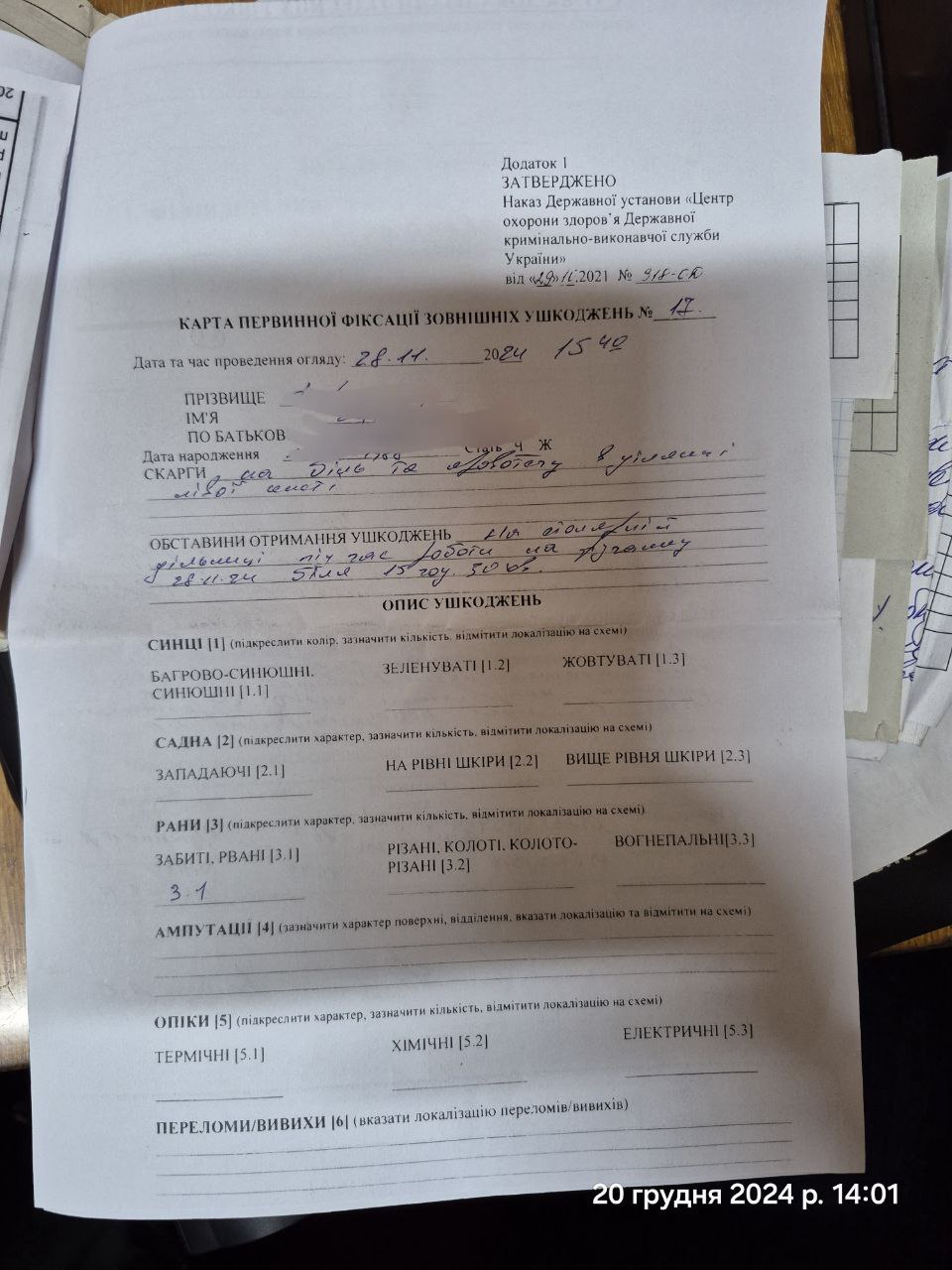
2. In violation of the requirements of Paragraph 3 of Section 1, Chapter II of the Procedure, medical personnel do not properly draw up certificates in which the nature of physical injuries, their size, and location are described in detail.
In particular, in violation of the requirements of the “Instruction on Filling Out Form of Primary Accounting Documentation No. 511/o ‘Certificate on Fixing Physical Injuries’”, approved by the order of the Ministry of Health of Ukraine dated 02 February 2024, No. 186, medical personnel fill out form No. 318-OD “On approval of the card of primary fixation of external injuries, instructions on its filling, and the form of the logbook of accounting of discovered physical injuries”, which as of 19.12.2024 has expired.
The absence of proper fixation of physical injuries does not comply with Paragraph 60 of the Committee's recommendations (CPT/Inf(93)12-part), where it is stated that medical services in places of detention can contribute to the prevention of violence against persons held in custody through the systematic registration of physical injuries, as well as, if necessary, through informing relevant authorities.
3. During the study of medical documentation, it was established that in outpatient medical cards 025/o, photographs of existing physical injuries are not attached to the drawn-up certificates, as is provided for in Paragraph 3 of Section I, Chapter II of the Procedure.
At the same time, the Committee, in the report on the results of the visit to Ukraine in 2023, notes that any traumatic injuries detected during a medical examination should be photographed in detail, and the photographs, together with body diagrams, should be stored in the individual medical card of the person. (CPT/Inf (2024) 20) paragraph 82).
4. The monitoring group established that two convicts who perform the function of orderlies are in the medical unit around the clock. Thus, the institution's management and medical personnel delegated to the convicts the right to organise constant supervision over convicts in the inpatient facility and control over their compliance with the internal daily schedule.
At the same time, the Committee has repeatedly recommended ending the practice of using convicts as assistants in medical units and as orderlies. (Committee report on the results of the visit to Ukraine in 2005 (paragraph 132, CPT/Inf (2007) 22), in 2013 (paragraph 151, CPT/Inf (2014) 15), in 2017 (paragraph 86, CPT/Inf (2018) 41)).
5. In the medical unit, the conduct of opioid substitution therapy (hereinafter — OST) for persons with mental and behavioural disorders due to opioid use has not been organised, in accordance with the “Procedure for Conducting Opioid Substitution Therapy for Persons with Mental and Behavioural Disorders due to Opioid Use”, approved by the order of the Ministry of Health of Ukraine dated 27 March 2012, No. 200.
Drug-dependent persons are not provided with social-psychological support, cognitive-behavioural therapy (CBT), relapse prevention, motivational interviewing, mutual aid groups, etc.
Thus, these persons are deprived of the opportunity to receive OST, which violates their right to choose methods of treatment in accordance with Article 38 of the Law of Ukraine “Foundations of the Legislation of Ukraine on Health Care”.
At the same time, the Committee, in the report on the results of the visit to Ukraine in 2023, notes that entering a penitentiary institution is an opportunity to solve the problem associated with drugs, and therefore it is important that appropriate assistance be offered to all interested persons; consequently, appropriate medical care must be available in all institutions.
The help offered to such persons should be diverse; substitution therapy programmes for persons with drug dependence should be combined with real psychosocial and educational programmes for persons with opioid dependence who are unable to stop drug use. Furthermore, access to OST programmes in institutions should be easily accessible, and they should also be managed by penitentiary doctors who must undergo special training on issues related to drug use. (CPT/Inf (2024) 20) paragraph 86).
6. The medical unit is not equipped with working fluorography/X-ray equipment, as a result of which convicts and detainees do not undergo diagnostic examinations of the chest cavity for the purpose of timely detection of respiratory diseases, which indicates the impossibility of early diagnosis of tuberculosis in the medical facility. The aforementioned contradicts Paragraph 1 and Paragraph 2 of Chapter 2, Section II of the Procedure.
In violation of the requirements of the “Standards of Medical Care for Hepatitis C in Adults”, approved by the order of the Ministry of Health of Ukraine dated 15 January 2021, No. 51, not all persons (10 people as of 20.12.2024) with suspected viral hepatitis C undergo PCR testing, due to which they do not receive necessary treatment, which can lead to a deterioration of their health and the spread of the aforementioned infectious disease among convicts and detainees.
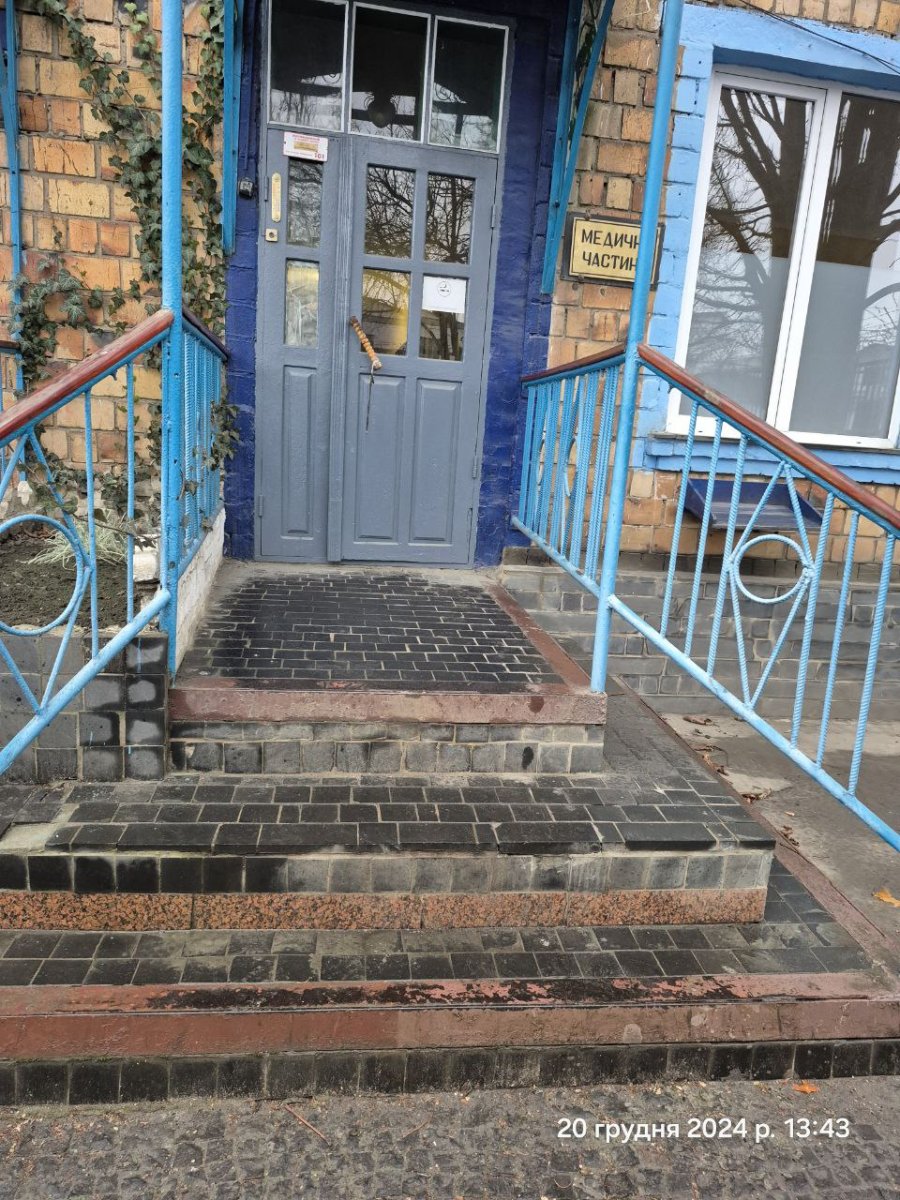
7. In violation of the requirements of the State Building Norms of Ukraine V.2.2-17:2006 “Buildings and Structures. Accessibility of buildings and structures for persons with reduced mobility”, conditions for accommodating people with disabilities have not been created in the medical unit.
8. Dispensary observation is carried out for 18 people with disabilities. Of them, group I — 2 people, group II — 4 people, group III — 12 people. At the same time, in violation of the requirements of the Law of Ukraine “On the Rehabilitation of Persons with Disabilities in Ukraine”, persons with disabilities do not receive proper diagnostic, treatment, and rehabilitation measures given the information confirming a persistent impairment of body functions caused by diseases, consequences of injuries, which cause restrictions on normal daily life.
Thus, during the study of the medical documentation of convicts, it was established that for 1 person who has a disability, an individual rehabilitation programme (hereinafter — IRP) is missing. Furthermore, the recommendations of the IRP are not being fulfilled, due to which they do not receive proper diagnostic, treatment, and rehabilitation measures given the information confirming a persistent impairment of body functions caused by diseases and consequences of injuries, which cause restrictions on normal daily life.
9. In violation of Paragraph 37 of the Resolution of the Cabinet of Ministers of Ukraine No. 285 dated 02 March 2016 “On Approval of Licensing Conditions for Conducting Economic Activity in Medical Practice”, the document confirming free access to buildings and premises of the medical facility for groups with reduced mobility, the receipt of which is mandatory, is missing in the medical unit.
10. In violation of the “Procedure for Organising Medical Care at the Primary, Secondary (specialised), Tertiary (highly specialised) Levels Using Telemedicine”, approved by the order of the Ministry of Health of Ukraine dated 19 October 2015, No. 681, the personnel of the medical unit are deprived of the opportunity to make requests for telemedicine consultation and receive consultation for providing medical care to detainees and convicts for technical reasons.
11. In violation of Paragraph 8 of Part 5, Chapter 2 of the Procedure, there is no isolation ward in the inpatient facility for persons with mental disorders for convicts who pose a danger to others.
12. In violation of the requirements of the “Norms of Belonging of Bedding, Special Clothing, and Special Footwear (inventory property) for Convicts Undergoing Treatment in Treatment-and-Prevention Institutions, Institutions with Rights of Treatment Facilities, and Medical Units at Penitentiary Institutions and Pre-trial Detention Centres”, approved by the order of the MoJ of Ukraine dated 20 February 2012, No. 280/5, convicts in the inpatient facility do not receive hospital property (hospital suit, robe, and shoes).
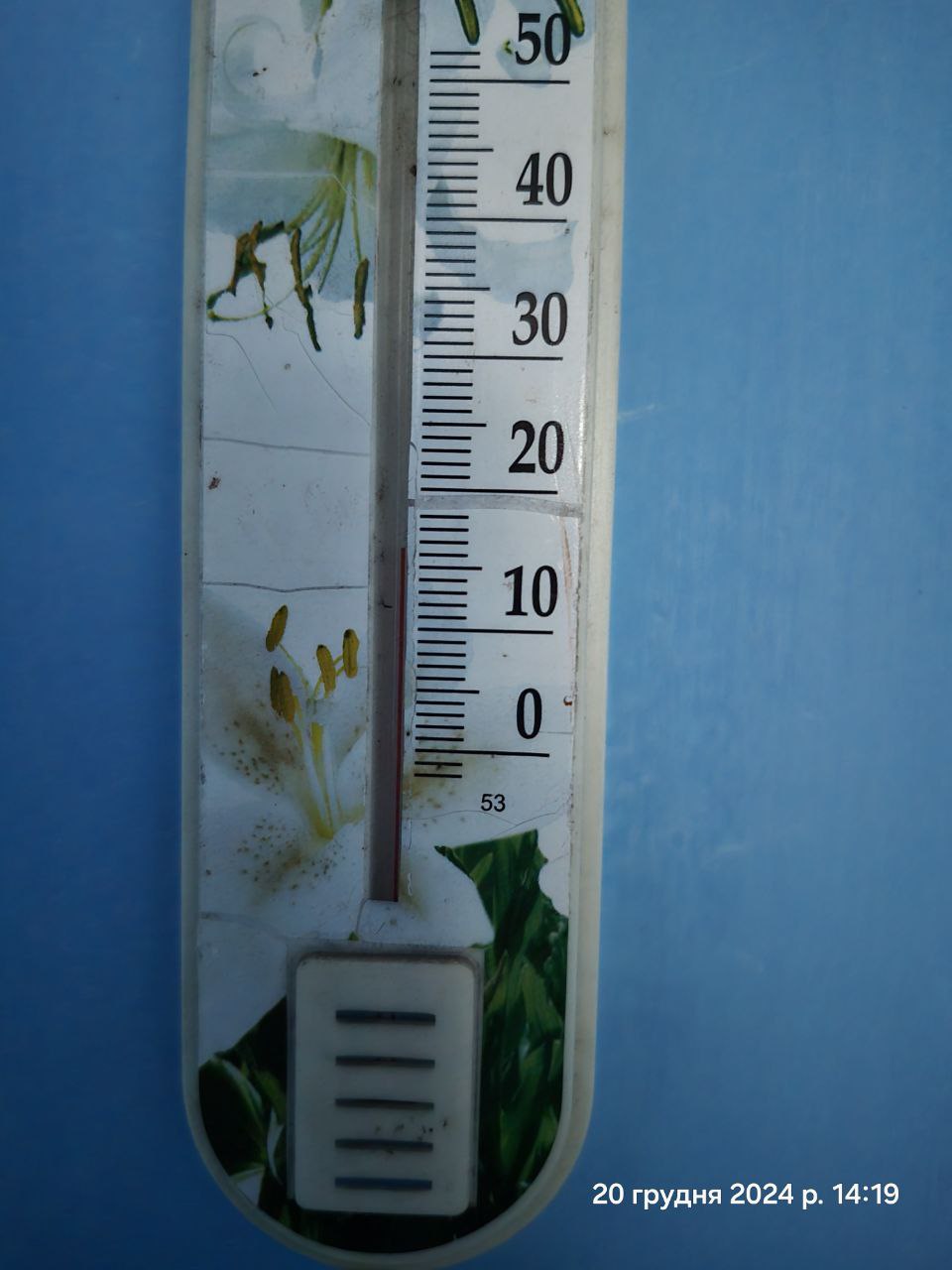
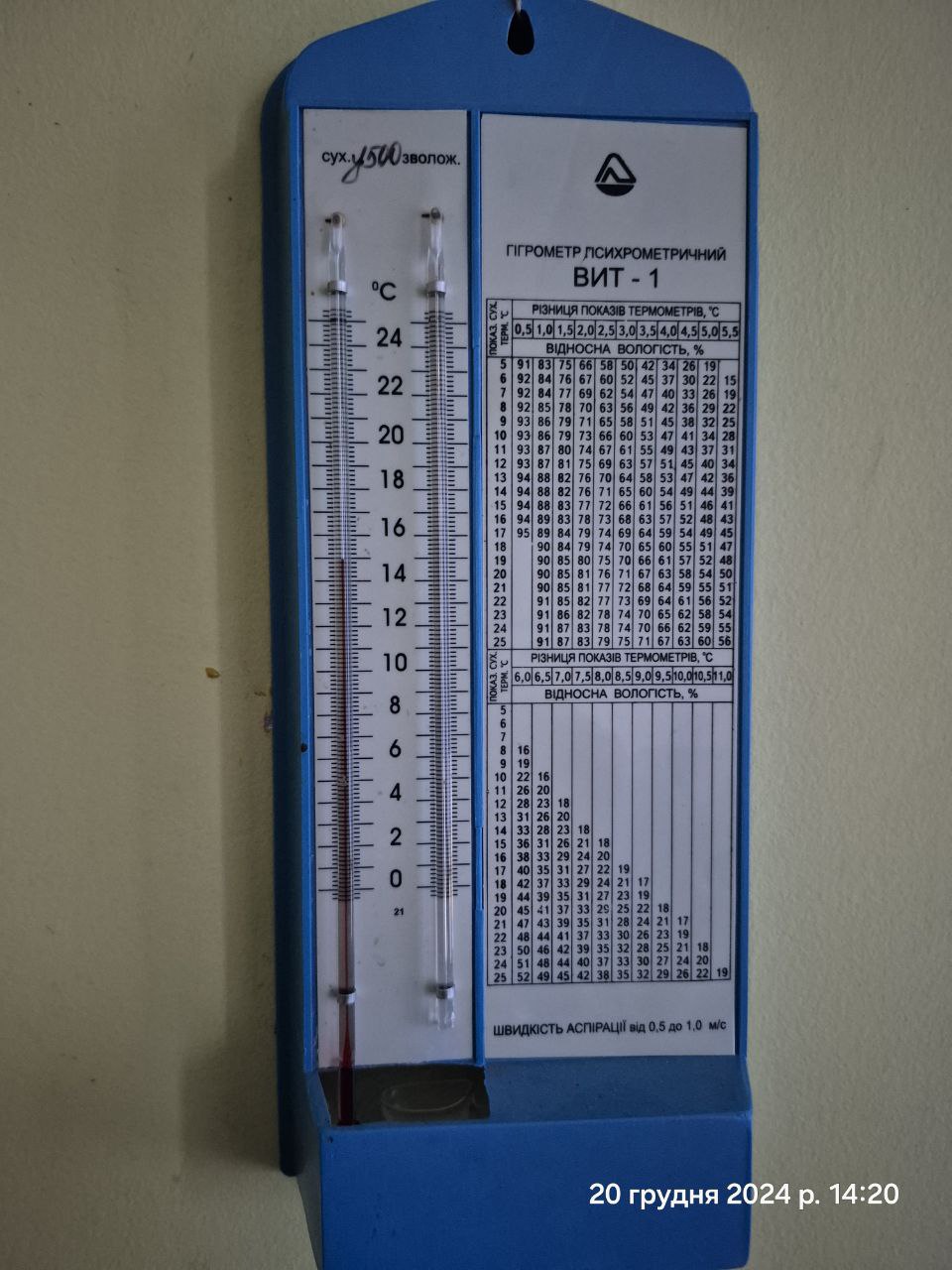
13. In the medical unit, in particular in the wards and the procedural room, the monitoring group recorded a violation of the temperature regime. Thus, at the time of the inspection, the air temperature in the premises was plus 15°C and 16°C, which does not meet the requirements of Section VI of the State Sanitary Norms and Rules approved by the order of the Ministry of Health of Ukraine dated 02 April 2013, No. 259, and Paragraph 1 of Section XXII of the IRIU: in the cold season, the temperature in residential premises of correctional institutions must be maintained at a level no lower than plus 18°C.
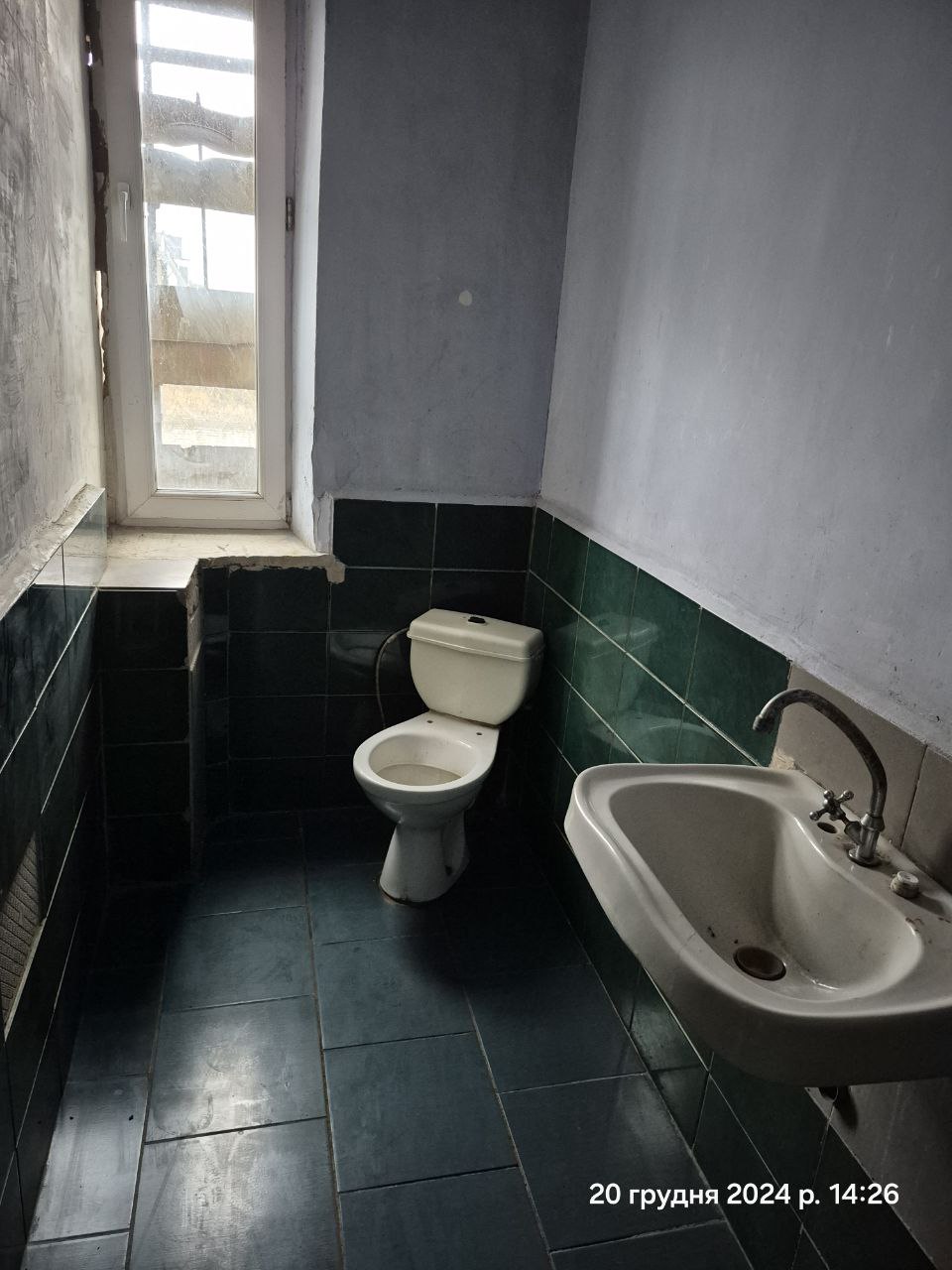
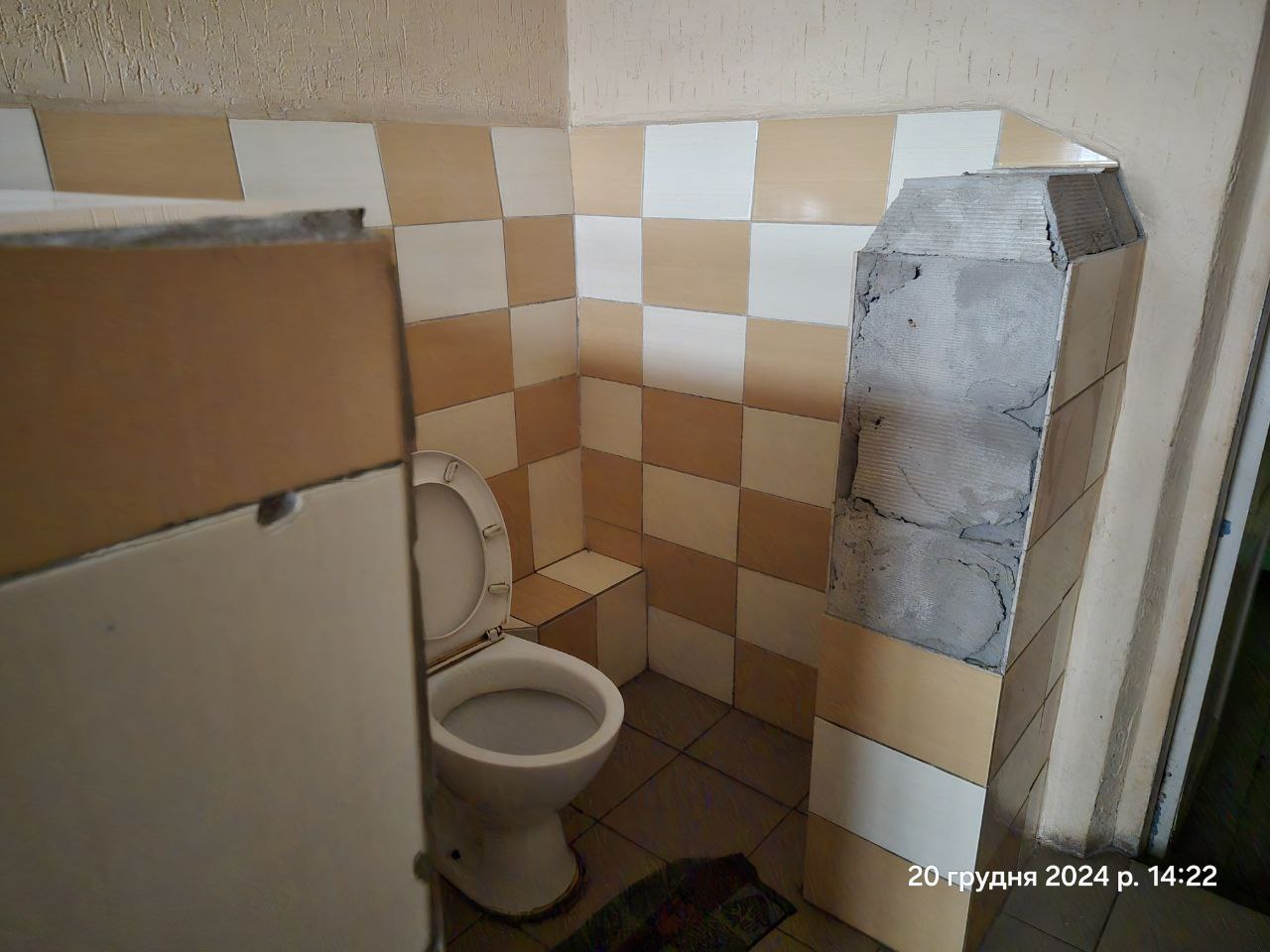
14. In violation of the requirements of Rule 19.3 of the European Prison Rules, the sanitary facility in the medical unit is not equipped with a door, due to which the right of convicts to privacy is not observed.
15. In violation of the “Fire Safety Rules in Ukraine”, approved by the Ministry of Internal Affairs of Ukraine dated 30 December 2014, No. 1417 (hereinafter — Rules), the premises of the medical unit are not equipped with fire extinguishing and fire alarm systems.
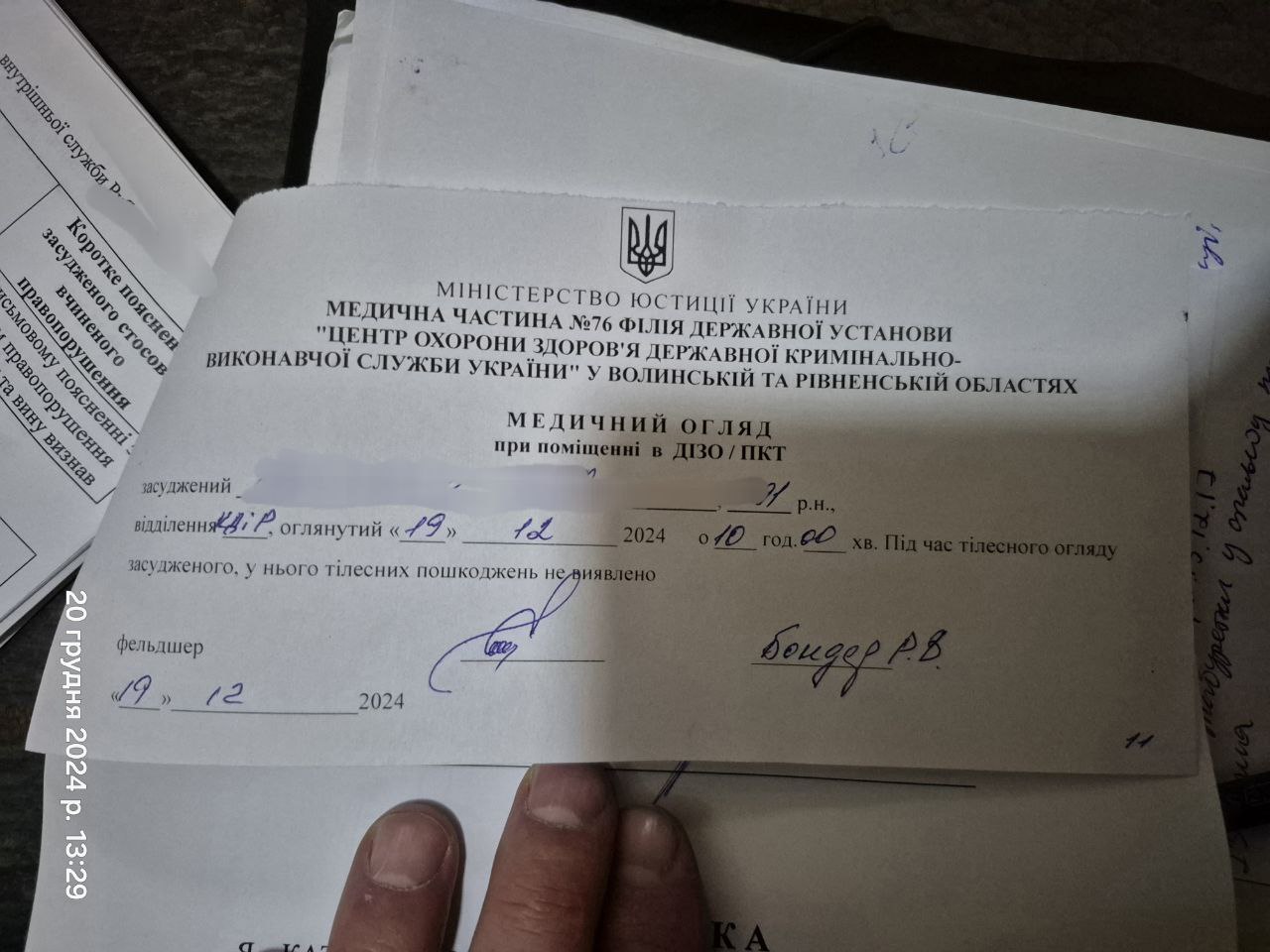
16. During the check of the Dizo unit, the monitors established that when placing a convict in a disciplinary cell, it is practised to attach a medical certificate to the file. At the same time, the Committee has repeatedly emphasised that the obligation of penitentiary doctors to certify the fitness of convicts for serving a disciplinary penalty is unlikely to contribute to the development of positive relations between doctor and patient.
In principle, medical personnel should never participate in any part of the decision-making process regarding the application of any kind of solitary confinement, except in cases where this measure is applied for medical reasons. On the other hand, medical personnel must be very attentive to the condition of convicts who are in solitary confinement.
Medical personnel must be immediately informed about every such placement and must visit the convict immediately after placement, and then regularly, no less than once a day, and provide them with prompt medical care and treatment if needed. Medical personnel must inform the institution's administration if the convict's health is under serious threat due to solitary confinement. (CPT/Inf (2024) 20) paragraph 104).
Recommendations:
- Ensure compliance with minimum living space standards per convict in the sleeping rooms of the SPS and QDR units;
- Ensure the availability of appropriate premises for the QDR unit, in accordance with the Provision Norms;
- Properly staff the working group for work with newly arrived convicts;
- End the practice of using orderlies from among convicts who are not newly arrived in the QDR unit;
- Install radio communication in Dizo premises;
- Equip Dizo cells with personnel call buttons;
- Provide Dizo cells with proper lighting, toilets with proper flushing, as well as sufficient partitions;
- End the practice of violating the right to work, specifically, exceeding the length of the working day for convicts working in economic maintenance with whom employment contracts for a 0.25 rate have been concluded;
- Install a cloakroom in the canteen;
- Ensure the proper provision of laundry-bathing and hairdressing services; ensure the premises of the laundry-bathing complex with a forced supply-exhaust ventilation system;
- End the practice of open carrying of special means by personnel;
- Ensure sleeping rooms of SPS units with proper lighting and heating; take measures to ensure humidity standards;
- Formalise employment relations for convicts working in production and performing routine work for a long time, instead of civil-law contracts;
- Take measures aimed at eliminating the identified human rights violations and preventing torture, other cruel, inhuman, or degrading treatment and punishment in Medical Unit No. 76 of the branch of the state institution “Centre for Health Care of the State Criminal-Executive Service of Ukraine” in the Volyn and Rivne Regions;
- Ensure control over the proper maintenance of medical documentation in accordance with the “Procedure for Organising the Provision of Medical Care to Persons Sentenced to Imprisonment”, approved by the joint order of the Ministry of Justice of Ukraine and the Ministry of Health of Ukraine dated 15 August 2014, No. 1348/5/572, and other regulatory legal acts;
- Staff the medical unit with specialist doctors in accordance with needs;
- Ensure the equipment of an isolation ward for persons with mental and behavioural disorders in accordance with requirements;
- Fulfil the requirements of Paragraph 37 of the Resolution of the Cabinet of Ministers of Ukraine No. 285 dated 02 March 2016 “On Approval of Licensing Conditions for Conducting Economic Activity in Medical Practice”;
- Ensure the accessibility of the institution's buildings in accordance with the State Building Norms of Ukraine V.2.2-17:2006 “Buildings and Structures. Accessibility of buildings and structures for persons with reduced mobility”;
- Ensure the possibility of receiving substitution maintenance therapy based on a diagnosis of mental and behavioural disorders due to opioid use;
- Ensure the conduct of individual rehabilitation for persons who need it;
- Ensure the provision of proper psychiatric medical care in accordance with the Law of Ukraine “On Psychiatric Care”;
- Ensure timely and proper fixation of physical injuries in convicts;
- End the practice of doctors certifying the health condition of convicts and detainees when placing them in the Dizo/PKT unit;
- Equip the medical unit with necessary diagnostic equipment, including an X-ray machine;
- Ensure proper medical care for persons suffering from viral hepatitis C;
- Ensure the conduct of proper accounting of preventive examinations;
- Equip the fire protection system in accordance with established requirements.