Report on the results of the monitoring visit to Vinnytsia Correctional Colony No. 86
In accordance with the Optional Protocol to the Convention against Torture and Other Cruel, Inhuman or Degrading Treatment or Punishment, taking into account the provisions of the United Nations Standard Minimum Rules for the Treatment of Prisoners and the decisions of the European Court of Human Rights, and on the basis of Article 24 of the Penitentiary Code of Ukraine — Visiting Penitentiary Establishments — a group of monitors from the Kharkiv Human Rights Protection Group and the NGO “Protection of Prisoners of Ukraine” conducted a follow-up visit to the state institution “Vinnytsia Correctional Colony No. 86” (hereinafter — VCC-86, the institution, the facility).
The previous visit took place on 07 November 2020.
A planned, regular, full-scale unannounced visit was implemented, and all facilities were examined.
The visit was conducted on 05 June 2025. In preparation, the monitors utilised materials from appeals by convicted persons and their relatives, materials from previous reports, as well as the report of the monitors of the National Preventive Mechanism (NPM) under the Ukrainian Parliament Commissioner for Human Rights. Complaints from convicted persons were received via hotlines and at the addresses of the public reception offices of the KHPG and the PPU.
The visit was carried out within the framework of the project “Reducing the suffering of prisoners in the context of the war in Ukraine”, funded by the government of Denmark in partnership with DIGNITY — Danish Institute Against Torture.
The visit was conducted by the following monitors:
- Andrii Didenko — assistant to the People's Deputy of Ukraine Yaroslav Yurchyshyn, programme coordinator of the Kharkiv Human Rights Protection Group, experienced in monitoring visits since 2014;
- Serhii Zuikov — assistant to the People's Deputy of Ukraine Kostiantyn Kasai, member of the public council under the Ministry of Justice of Ukraine, member of the non-governmental organisation “Protection of Prisoners of Ukraine”, possesses many years of experience in monitoring visits.
During the visit, the monitoring group identified violations of the rights of convicted persons, particularly in the areas of conditions of detention, the organisation of disciplinary premises, labour rights, and medical and sanitary provision. The premises of the disciplinary isolation unit (DIU), the enhanced supervision unit (ESU), and the quarantine, diagnosis, and distribution unit (QDDU) do not meet established standards, which leads to violations of hygiene, privacy, confidentiality of medical information, and safety standards.
An insufficient level of natural lighting, ventilation, and sanitary conditions, as well as the absence of proper equipment in exercise yards and video surveillance without individual justification, indicate violations of both national legislation and the requirements of the European Prison Rules and the Mandela Rules.
The organisation of labour in the institution is characterised by gross violations of labour legislation: the widespread conclusion of fixed-term employment contracts without justification, the substitution of employment relationships with civil law contracts, the use of labour without the formalisation of contracts, and an inadequate level of remuneration that does not meet legislatively established minimum standards.
Numerous instances of discriminatory practice regarding working conditions and remuneration were recorded, along with an absence of proper accounting and personnel records.
The open carrying of special means by personnel is a cause for particular concern, as it contradicts both the Internal Regulations of Penitentiary Establishments and the recommendations of the European Committee for the Prevention of Torture.
A significant understaffing of personnel, recorded at the time of the visit, directly affects the effectiveness of control, security, and the realisation of the rights of convicted persons, in particular, access to social, educational, and medical assistance.
During the monitoring visit to Medical Unit No. 86 of the branch of the State Institution “Centre for Health Care of the State Penitentiary Service of Ukraine” in the Vinnytsia region, violations of the standards for providing medical care to convicted persons were identified, which testifies to systemic problems in the organisation of health care in places of detention. Specifically, the impermissible use of a convicted person as a orderly for the care of the seriously ill, the cleaning of wards, and the performance of other sanitary functions was recorded, which directly contradicts the position of the European Committee for the Prevention of Torture.
Inadequate documentation of cases of bodily injuries, the absence of informed consent from patients for treatment, the inaccessibility of substitution maintenance therapy and psychosocial support for drug-dependent persons, and the lack of proper documentation of psychiatric examinations — all of these constitute a serious violation of the rights of convicted persons to medical care, the protection of privacy, and the informed and voluntary nature of medical interventions in accordance with current national legislation and international standards.
General information
VCC-86 is a penitentiary institution under the jurisdiction of the Ministry of Justice of Ukraine. It is a medium-security correctional facility for holding men who have previously served sentences in places of deprivation of liberty.
The facility is located at the following address: 21100, Vinnytsia, Pryvokzalna Street, 26.
The head of the institution is Dmytro Mykhailovych Petryk.
The facility consists of a duty unit, Socio-Psychological Service (SPS) sections, a catering unit, a DIU (disciplinary isolation unit), a cell-type premise (CTP), an ESU (enhanced supervision unit), a medical unit, a bath and laundry complex, visitation rooms, a shop, a library, a room for receiving parcels, and administrative premises.
According to the institution's administration, the authorised staff size consists of 261.5 positions. The actual number of personnel is 186.75 positions. The total understaffing at the institution is 74.75 employees, namely: junior commanding staff — 14, middle and senior commanding staff — 4, and employees without special ranks — 2.
The planned capacity of the facility is 749 persons. The actual number of convicted persons is 226. There are 4 SPS sections in the facility. One psychologist works at the institution. In 2024, 2 convicted persons died, and during 2025 — 1. A total of 83 convicted persons are employed: 71 under employment contracts, and 12 under civil law contracts (CLC).
In the DIU section, 2 persons were held. The following were registered under operative-preventive observation: prone to suicide — 3 persons (in 2024, 1 suicide; in 2025, also 1), prone to self-harm — 15, prone to escape — 5, malicious violators of the detention regime — 12 convicted persons.
During 2024-2025, no person submitted complaints regarding inadequate conditions of detention or inadequate provision of medical care. 1 person has a group II disability, and 2 convicted persons have group III disabilities. 16 persons are deemed ostracised. In their own possession, the convicted persons have 15 tablets; 3 persons have an email address.
Over the last six months, there have been 18 acts of prosecutorial response. During 2024, 13 cases of bodily injury sustained while in the facility were recorded, and during 2025 — 5 cases of bodily injury sustained while in the institution.
The monitoring group surveyed about 104 convicted persons during the visit to the industrial zone, SPS sections, catering unit, and disciplinary premises, conducting general conversations with the provision of consultations, answers to questions, and surveying regarding human rights violations, as well as individual communication with persons, including on the condition of anonymity.
Positive experience
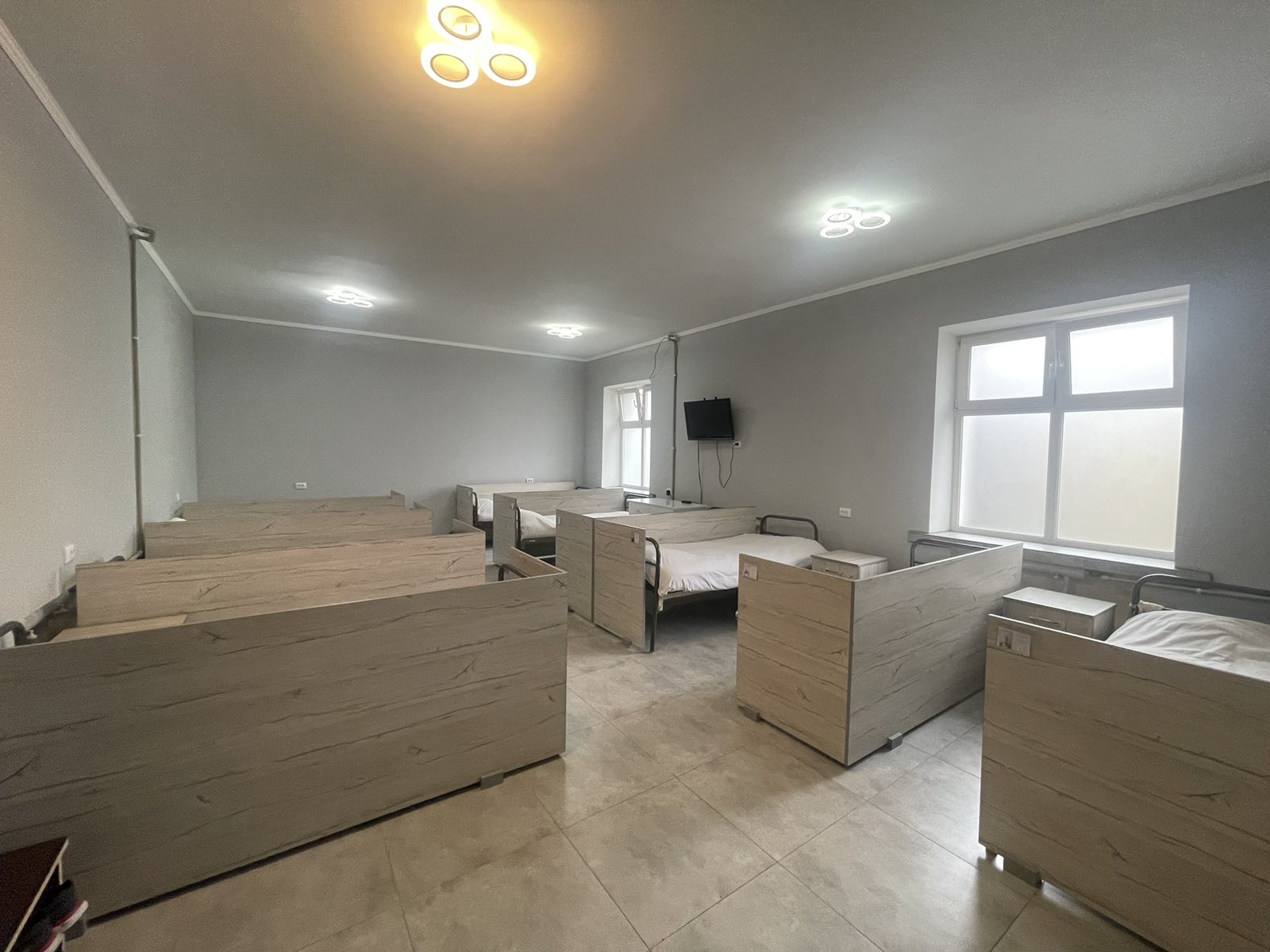
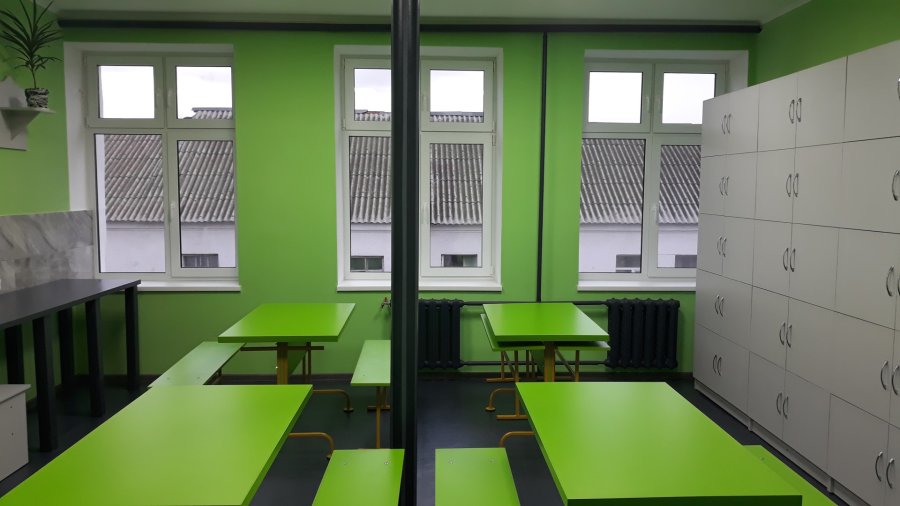
During 2024, the institution took measures to improve communal and utility facilities, specifically: cosmetic repairs were carried out in the living sections of the SPS units, sleeping places with individual space were installed, and cosmetic repairs were performed in the unit corridors and dining rooms.
During 2025, measures were taken to improve communal and utility facilities, specifically: cosmetic repairs in the SPS units, repairs to corridors, restrooms, personal belongings storage rooms, and repairs to the Internet classroom for convicted persons.
Facts identified during the visit
During the monitoring visit, violations of the requirements of national legislation and non-compliance with international recommendations in the field of the treatment of prisoners were identified, which lead to violations of the rights of convicted persons:
1. The equipment of the institution's disciplinary isolation unit (hereinafter — DIU) does not meet the standards for the treatment of prisoners and the conditions of their detention according to their needs. Thus, in violation of the requirements of the “Norms for the provision of furniture, inventory, and household items to a medium-security correctional colony with general conditions of detention”, approved by Order of the Ministry of Justice of Ukraine dated 27.07.2012 No. 1118/5 (hereinafter — Provision Norms), the DIU/CTP lacks a number of premises, namely: a room for the reception of convicted persons by the administration and medical staff, a room for the storage of the exchange fund of bedding, clothing, and special workwear; a storeroom for the temporary storage of soiled bedding, clothing, and special workwear; premises for undressing and dressing, a barber shop, rooms for the distribution of food, the storage of food products, and the washing of tableware.
The absence of these premises or their improper equipment leads to a violation of sanitary and hygienic standards. Thus, the improper organisation of the storage of personal belongings makes it difficult to maintain cleanliness and order in the premises where convicted persons are held, which worsens the overall sanitary situation in the institution. Furthermore, the absence of a room for medical staff to receive convicted persons in the DIU/CTP, resulting in medical examinations of convicted persons being conducted in the duty shift room or in the cell itself, indicates that the institution’s employees and other convicted persons obtain confidential information regarding the health status of the convicted persons during medical examinations, manipulations, and procedures.
This violates the requirements of Article 39-1 of the Law of Ukraine “Fundamentals of Legislation of Ukraine on Health Care” regarding the right of persons to confidentiality concerning their state of health and item 9 of Section I of the “Procedure for the organisation of medical care for persons sentenced to deprivation of liberty”, approved by the joint order of the Ministry of Justice of Ukraine and the Ministry of Health of Ukraine dated 15.08.2014 No. 1348/5/572 (hereinafter — The Procedure).
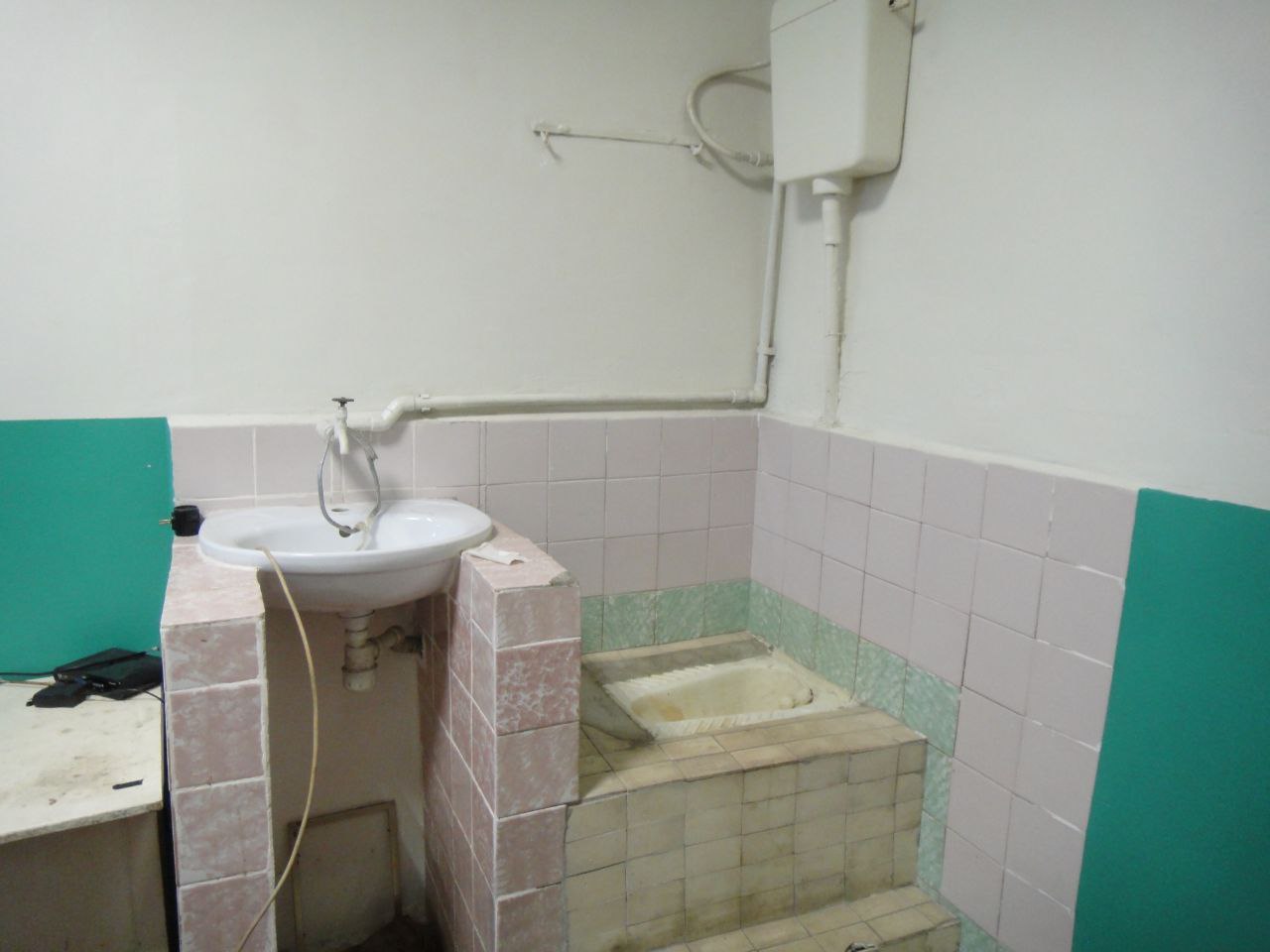
2. Restrooms in the cell-type premises of the DIU/CTP (Nos. 3, 4, 6, 7, etc.) are not equipped with doors and sufficient partitions that ensure the possibility of privacy, which violates Rule 19.3 of the European Prison Rules.
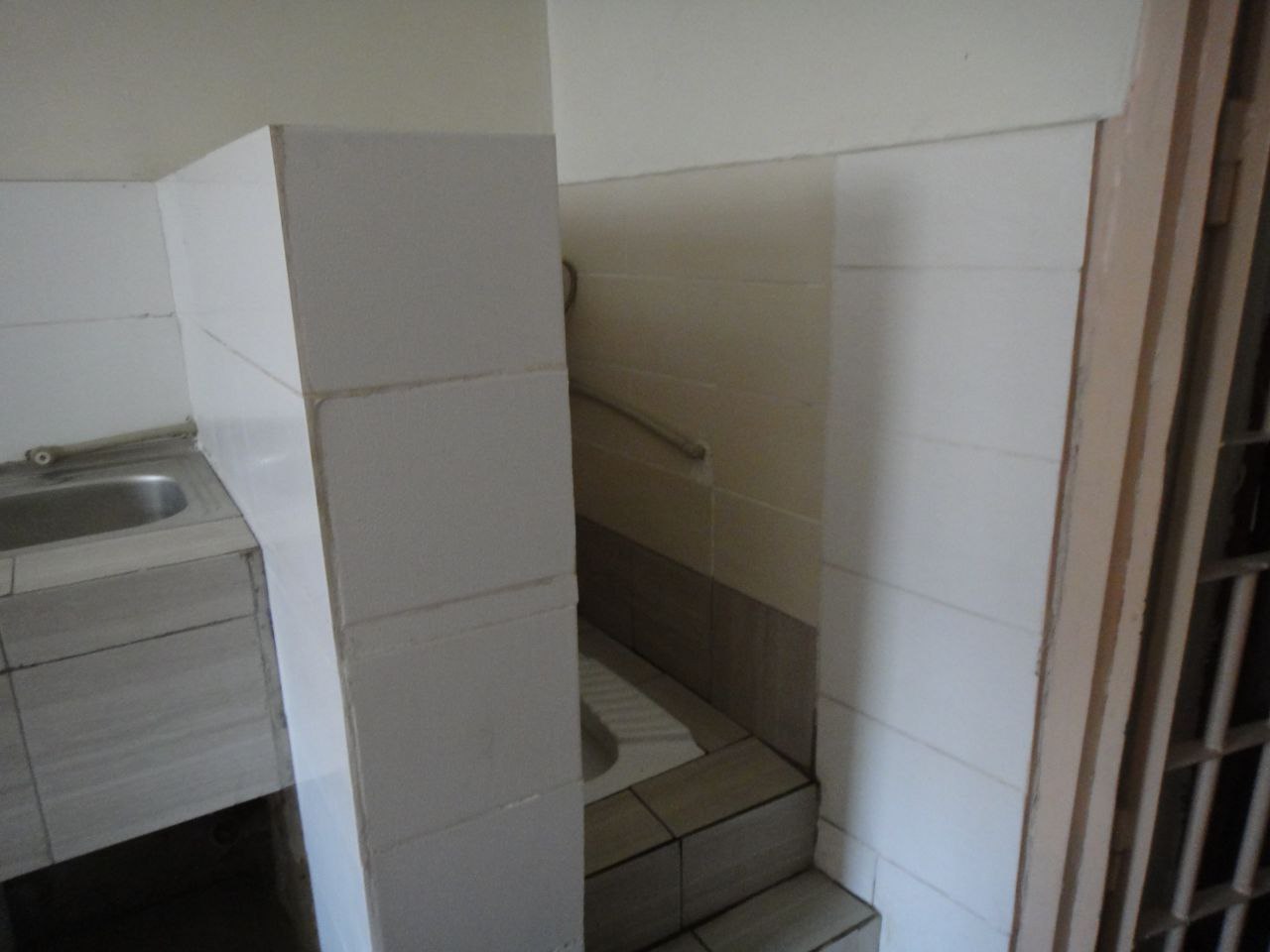
At the same time, in the Report of the Government of Ukraine on the results of the 2023 visit, the European Committee for the Prevention of Torture and Inhuman or Degrading Treatment or Punishment (hereinafter — the Committee) called on the Ukrainian authorities to take necessary measures to improve material conditions of detention, in particular, to keep all places where convicted and detained persons are accommodated, including sanitary facilities, in a proper state of repair and hygiene, to carry out disinsection regularly and frequently; to ensure sufficient access to natural light and ventilation in the cells, and to fully equip internal sanitary facilities with partitions (i.e., from floor to ceiling). (CPT/Inf (2024) 20) paragraph 58).
3. There is no radio service in the DIU cell premises, which contradicts the requirements of item 3 of Section XX of the “Internal Regulations of Penitentiary Establishments”, approved by Order of the Ministry of Justice of Ukraine dated 28 August 2018 No. 2823/5, registered with the Ministry of Justice of Ukraine on 5 September 2018 under No. 1010/32462 (hereinafter — IRPE) and item 63 of the UN Standard Minimum Rules for the Treatment of Prisoners.
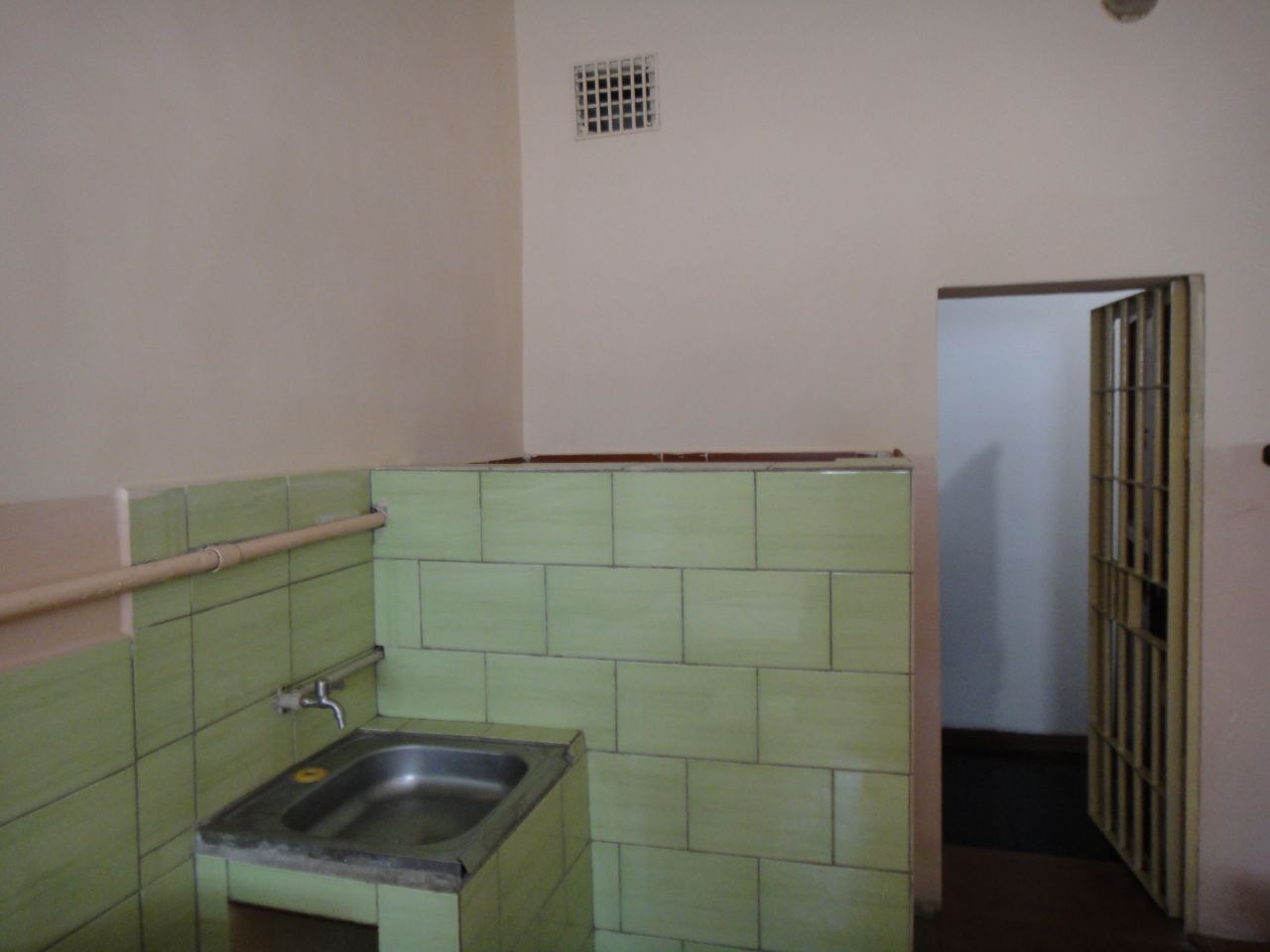
4. Item 1 of Section XXIII of the IRPE defines that the supervision of convicted persons is a system of measures aimed at ensuring the serving and execution of criminal sentences in the form of restriction and deprivation of liberty, life imprisonment, and arrest through round-the-clock and constant control over the behaviour of convicted persons at their places of residence and work, the prevention and cessation of unlawful actions on their part, and the ensuring of the requirements for the isolation of convicted persons and the safety of the personnel of penitentiary establishments. Thus, during the inspection of the DIU/CTP cell premises, installed video surveillance cameras were recorded.
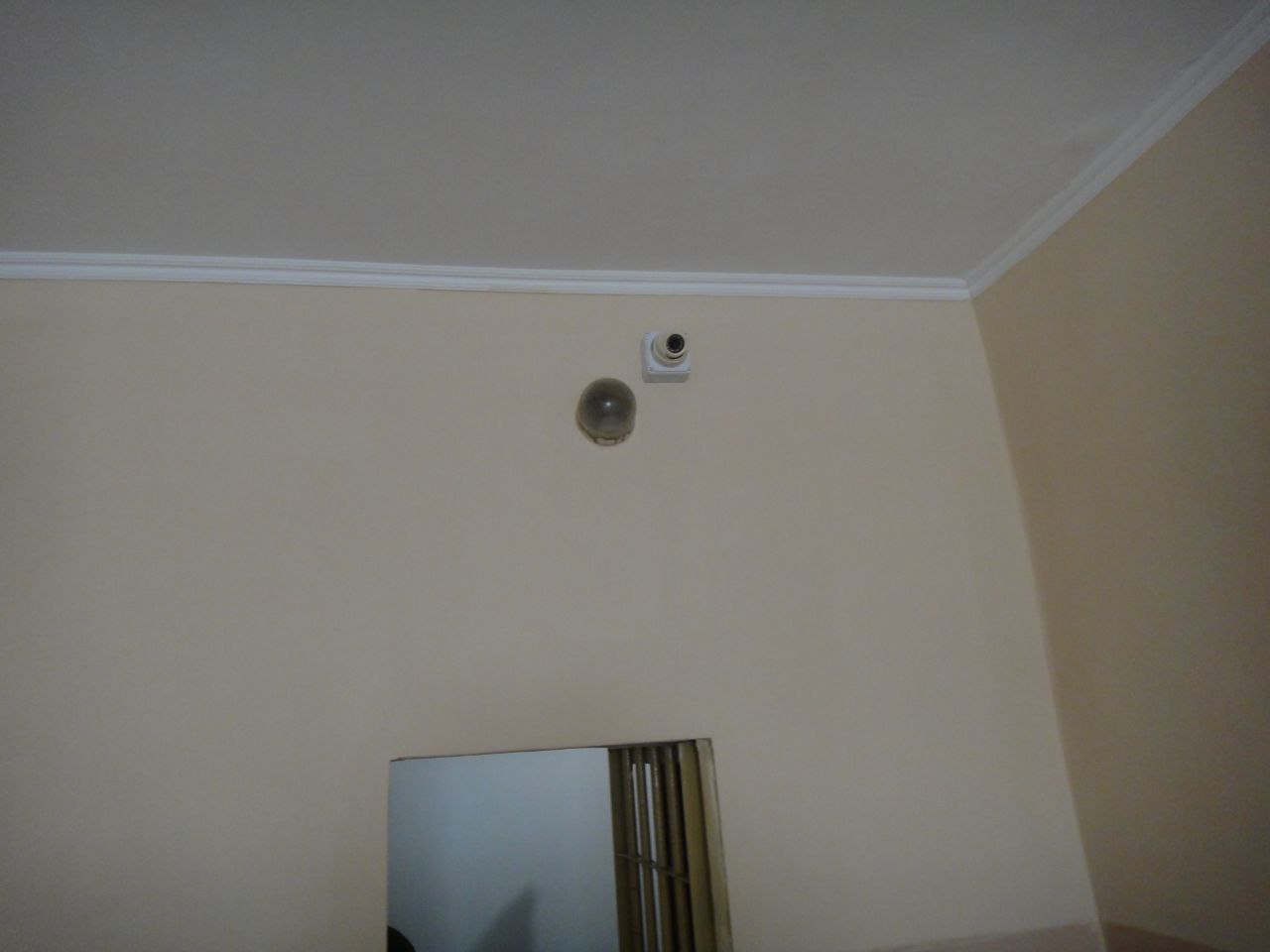
At the same time, in its 2012 report, the Committee criticised excessive interference with privacy through the installation of video cameras in the living quarters of convicted persons: “The CPT agrees that video surveillance in cells can be a useful safeguard in specific cases, for example, when a person is considered a cause for concern regarding the risk of self-harm or suicide, or if there are specific suspicions that a convicted person is engaging in certain actions in the cell that could jeopardise security.”
“However, any decision to apply video surveillance to a specific convicted person must always be based on an individual assessment of actual risks and must be reviewed on a regular basis. Video surveillance is a serious interference with the private life of prisoners and makes the regime even more repressive, in particular, when applied over a long period of time. (CPT/Inf (2013) 23) paragraph 52).
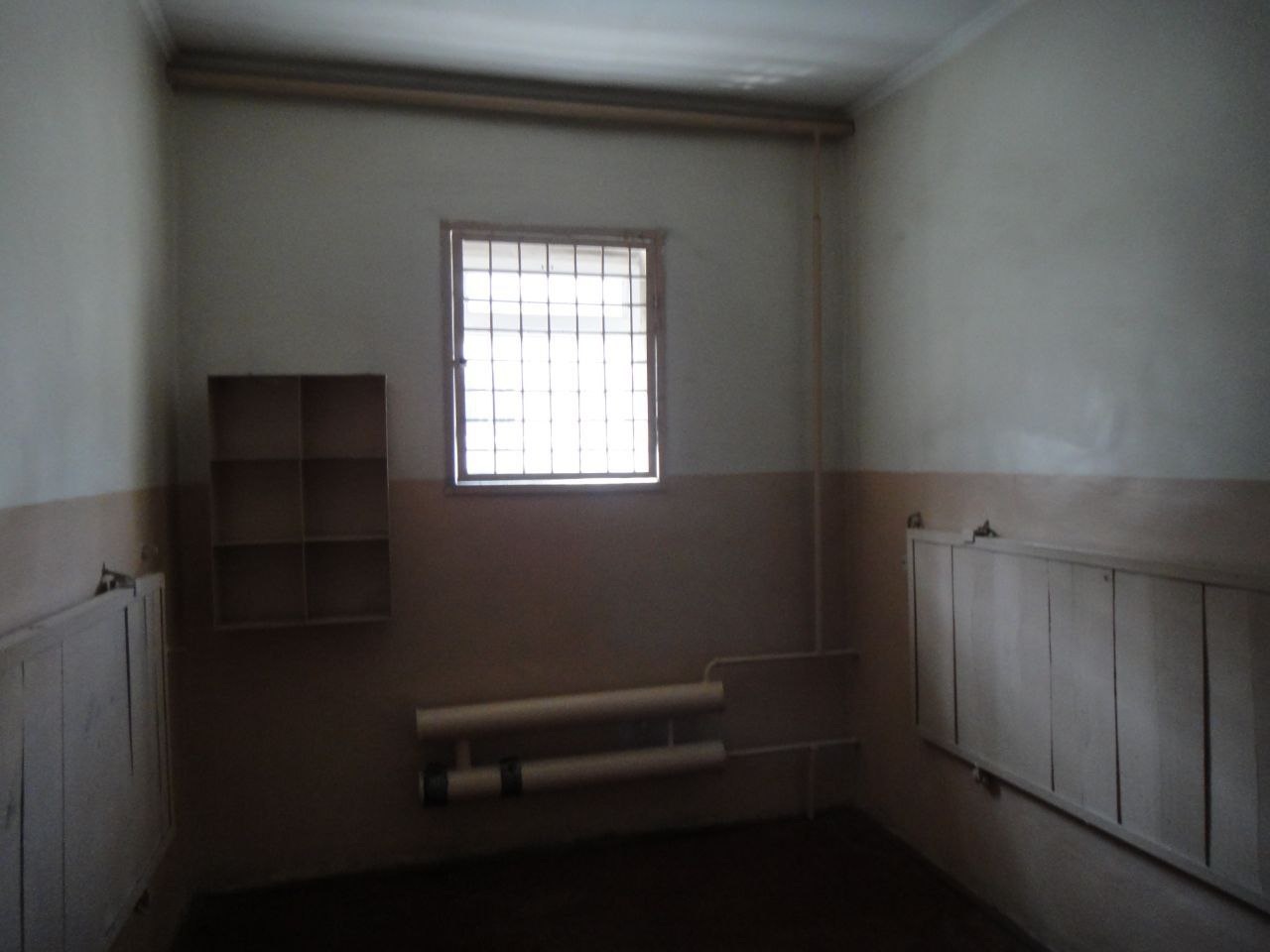
5. In the DIU cell premises, a sufficient level of natural lighting and ventilation is not ensured, and the windows cannot be opened independently, which does not comply with Rule 18.2a of the European Prison Rules and Rule 14 of the UN Standard Minimum Rules for the Treatment of Prisoners (Mandela Rules).
6. Exercise yards are not equipped with proper shelter for protection against atmospheric precipitation, and the area of individual yards is insufficient to ensure full physical activity for the convicted persons.
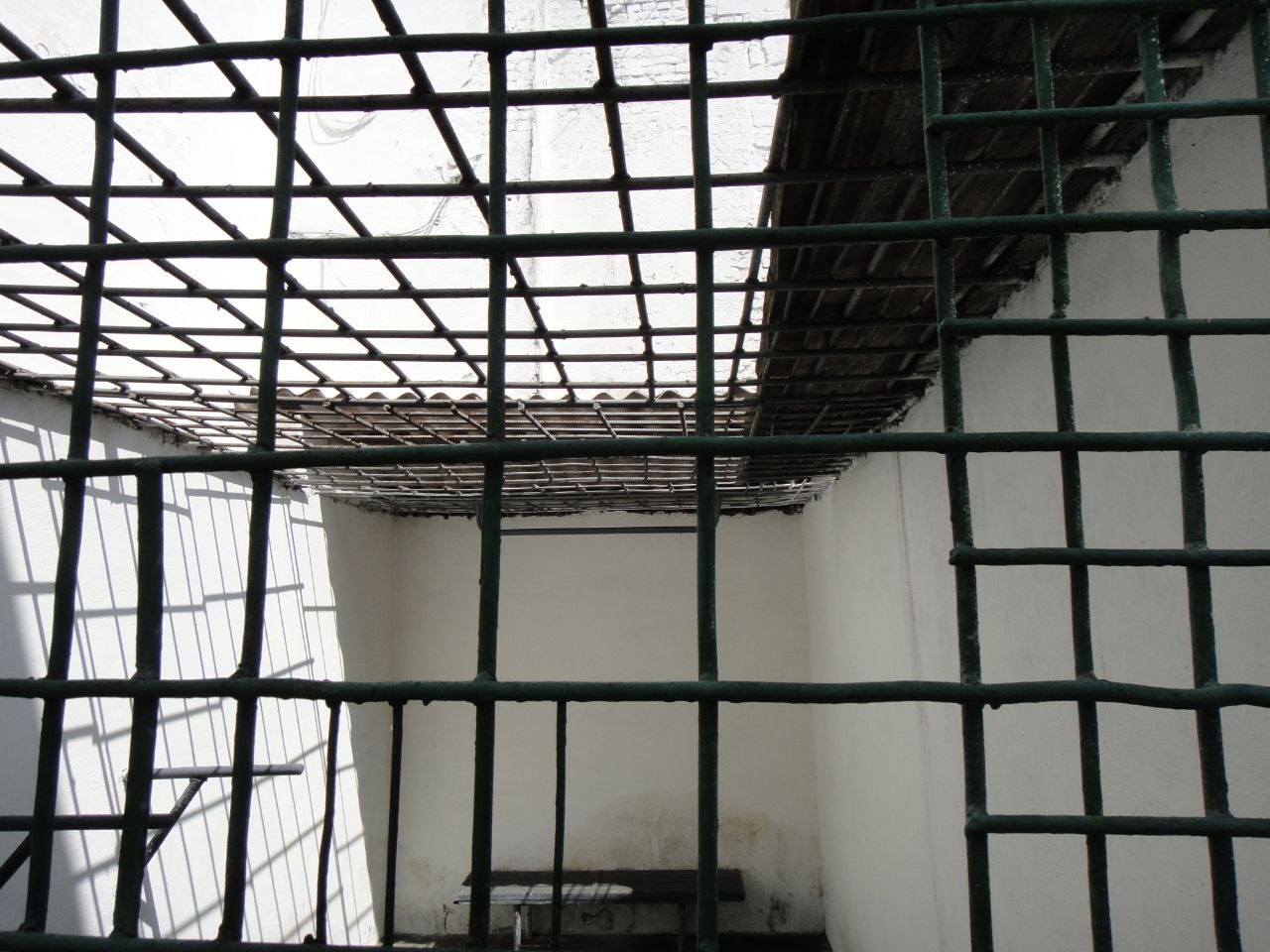
At the same time, the Committee, in its second General Report, emphasises that the daily stay of persons in the fresh air should take place in an area of sufficient size, and the exercise zones themselves should, as far as possible, be equipped with shelter in case of adverse weather conditions. (CPT/Inf (92) 3) paragraph 48).
7. There is no functioning enhanced supervision unit (hereinafter — ESU) in the institution. At the same time, the ESU is a structural unit of a medium-security correctional colony, and the procedure for holding convicted persons in such a unit is provided for by Article 97 of the Penitentiary Code of Ukraine (hereinafter — PC of Ukraine) and other normative legal acts.
8. The monitoring group established that there is no separate disciplinary isolation unit (DIU) for persons sentenced to restriction of liberty, which makes it impossible to apply to this category of convicted persons the disciplinary sanction in the form of placement in a DIU for a term of up to 10 days, provided for by Part 1 of Article 68 of the PC of Ukraine.
In the current situation, it is impossible to ensure the necessary regime of isolation and avoid contact between those sentenced to deprivation of liberty and those sentenced to restriction of liberty, which is a violation of the requirements regarding the separate detention of these categories of persons.
9. The equipment of the quarantine, diagnosis, and distribution unit (hereinafter — QDDU) does not meet the standards for the treatment of prisoners and the conditions of their detention according to their needs.
Thus, in violation of the requirements of item 2 of Section 1 of the “Regulations on the quarantine, diagnosis, and distribution unit”, approved by Order of the Ministry of Justice of Ukraine dated 04.11.2013 No. 2300/5, the QDDU and the medical unit are located in the same local zone, which does not ensure the isolated detention of newly arrived convicted persons with the aim of preventing their communication with other convicted persons.
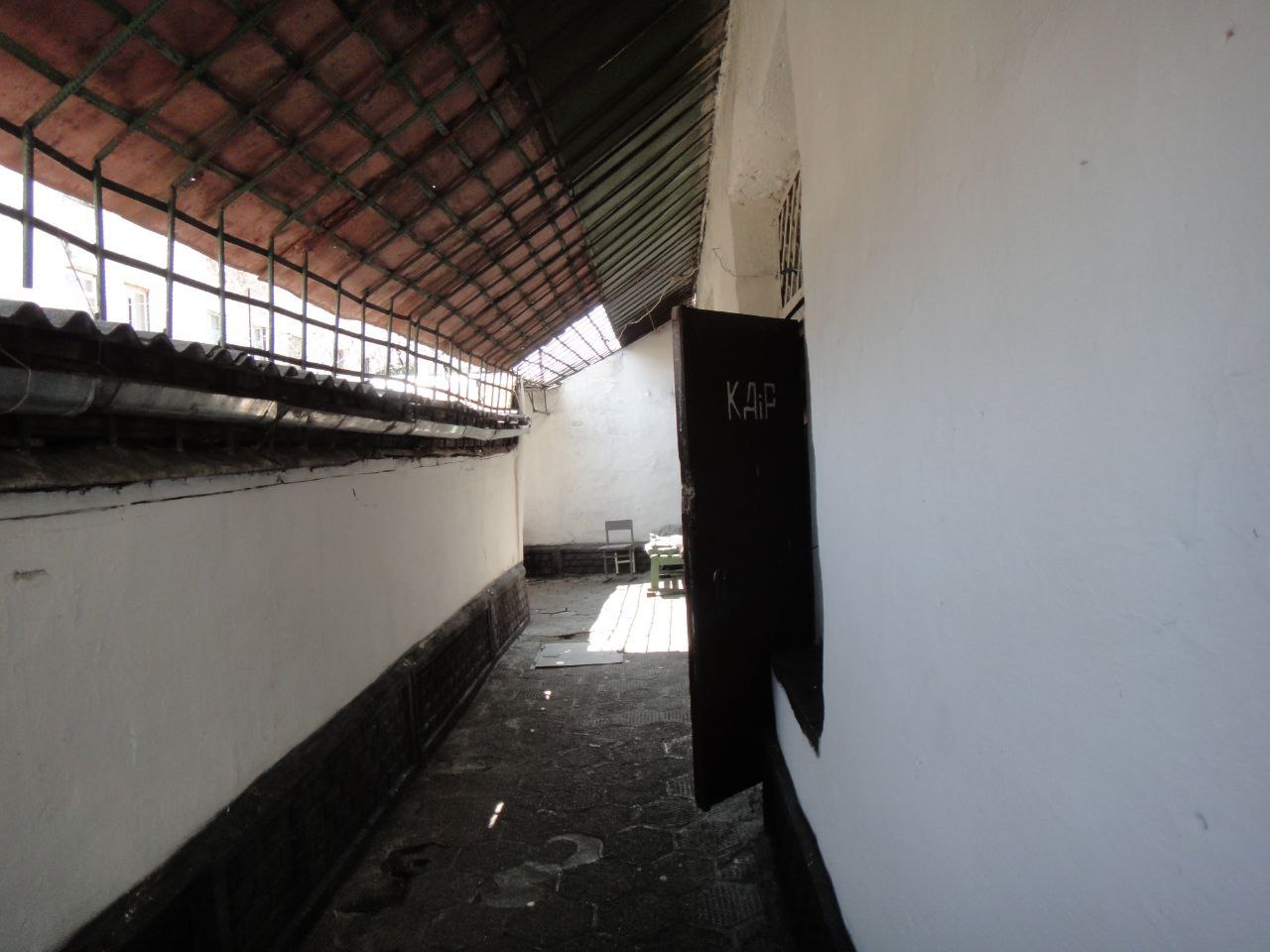
10. In violation of the requirements of the Provision Norms, the QDDU lacks a number of premises, namely: a room for storing the exchange fund of bedding, clothing, and special workwear; a storeroom for the temporary storage of soiled bedding, clothing, and special workwear; a cloakroom; a washroom; a room for food storage, a utility room; and a drying room.
The absence of these premises leads to a violation of sanitary and hygienic standards. Consequently, food products may be stored at improper temperatures, in damp or contaminated premises, which contributes to their rapid spoilage, the development of mould, and the reproduction of pathogenic bacteria, while the improper organisation of the storage of personal belongings makes it difficult to maintain cleanliness and order in the premises where convicted persons are held, which worsens the overall sanitary situation in the institution. Furthermore, there is no room for educational work in the QDDU, which makes it impossible to properly conduct social-educational measures with newly arrived convicted persons.
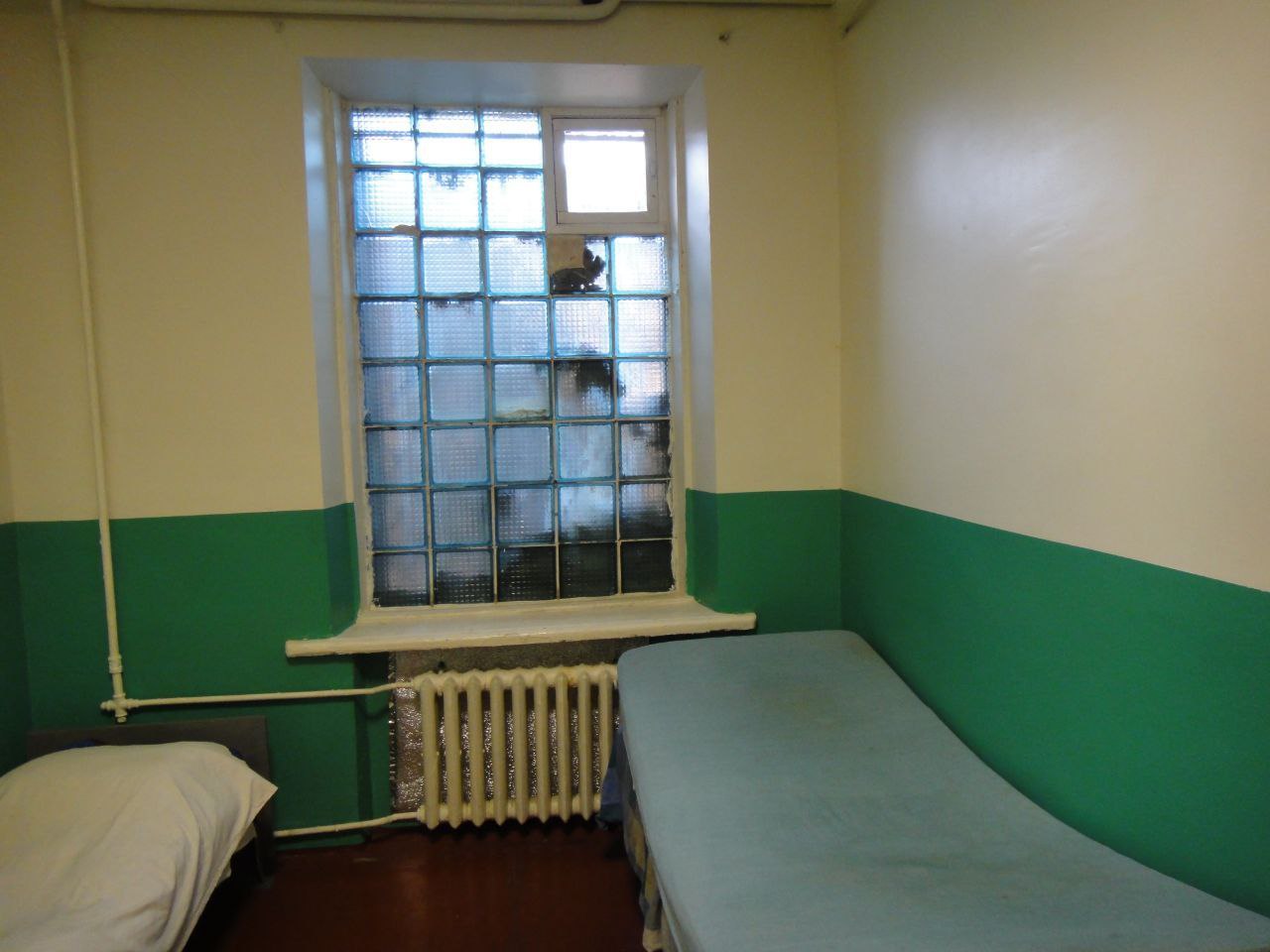
11. In the living premises of the QDDU, the monitoring group identified the presence of windows that were equipped with darkened glass made of glass blocks, due to which natural light practically does not penetrate the premises.
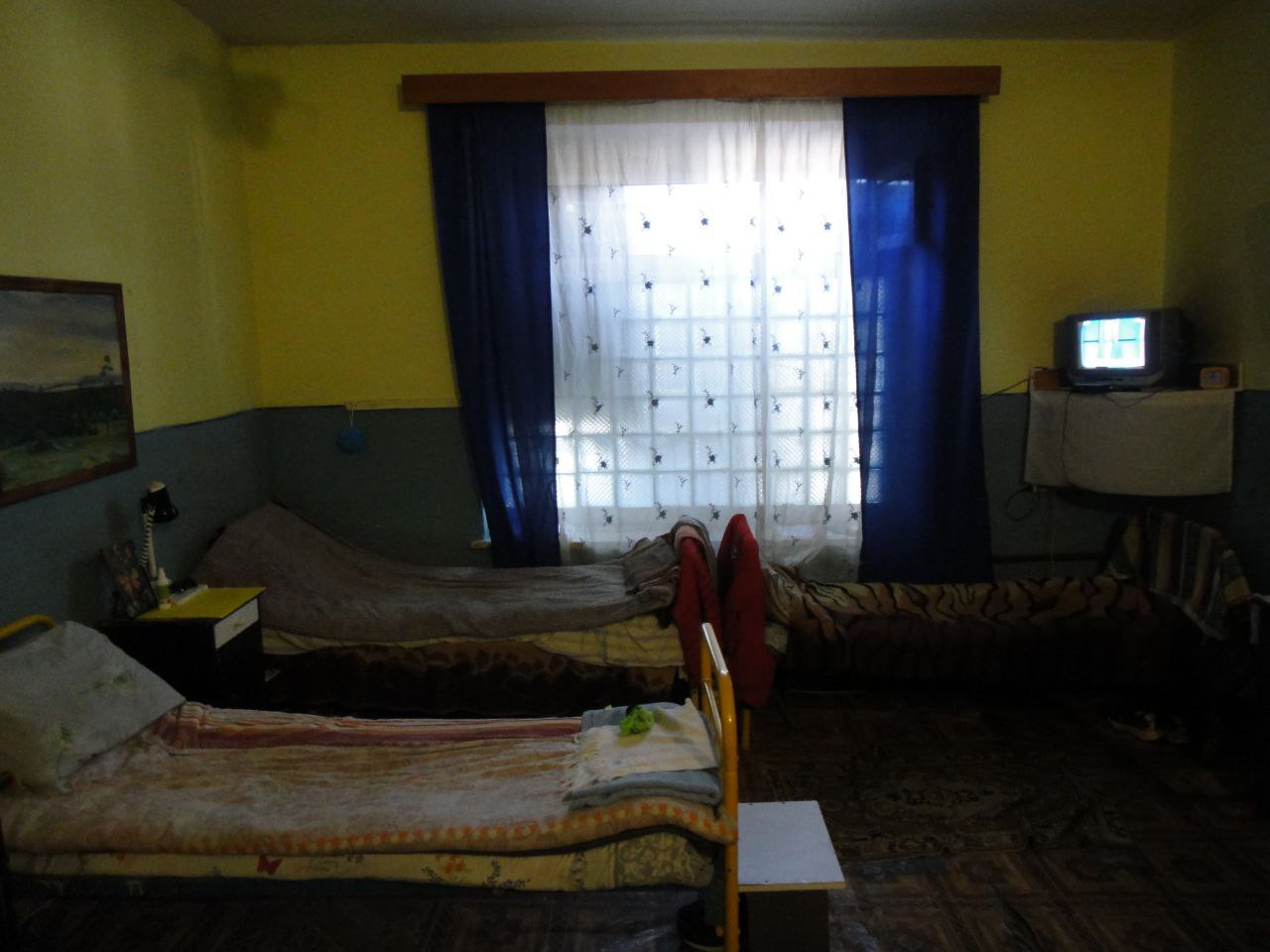
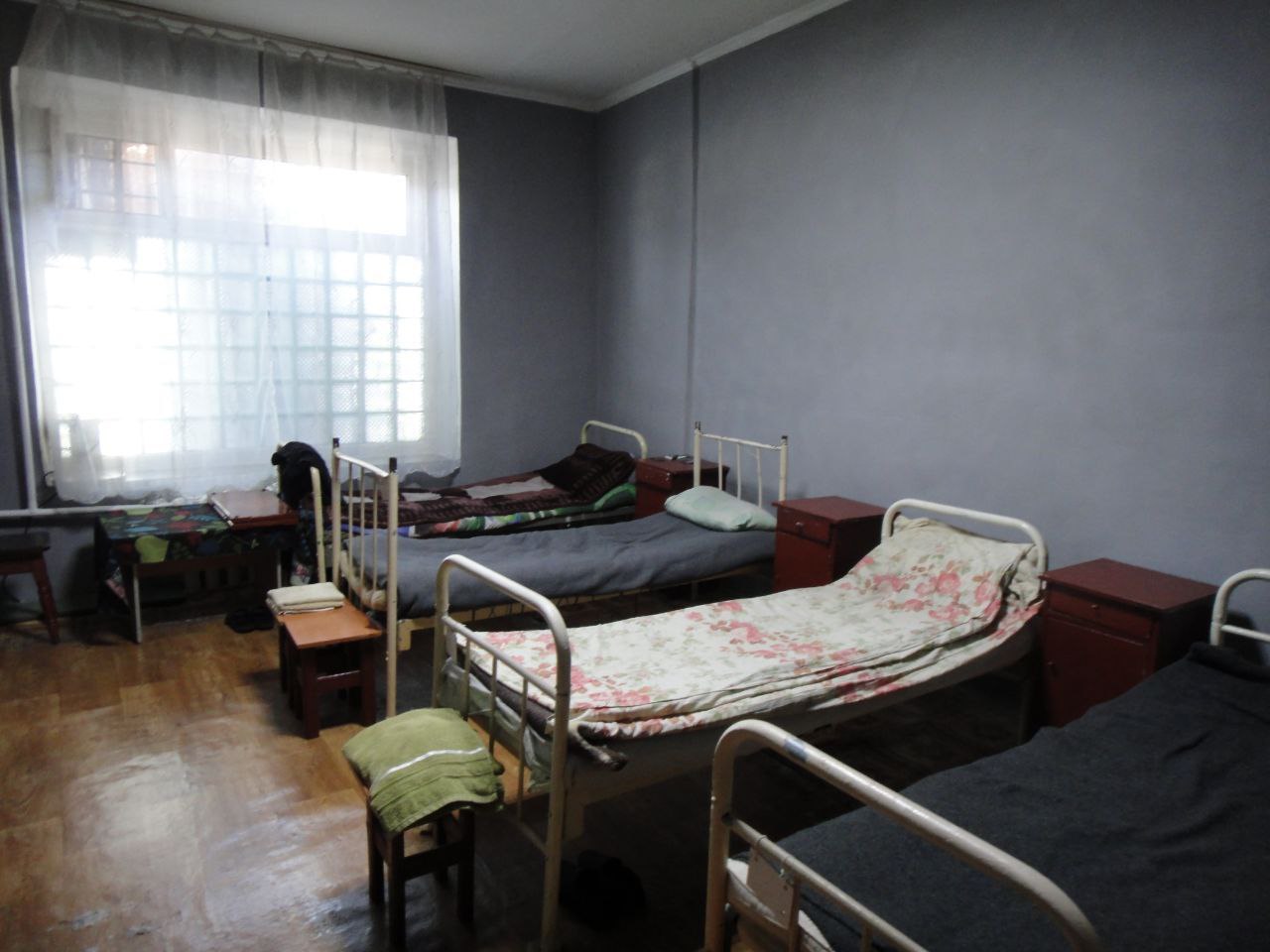
In its report on the results of the 2020 visit to Ukraine, the Committee, under similar circumstances, already drew attention to this and recommended taking measures to revise the design of the windows in the cells in order to allow prisoners to see what is outside the cell. (CPT/Inf (2020) 40) paragraph 48).
12. Contrary to the requirements of Rule 22.5 of the European Prison Rules and the Provision Norms, the living quarters of the QDDU and the SPS units are not equipped with drinking water containers.
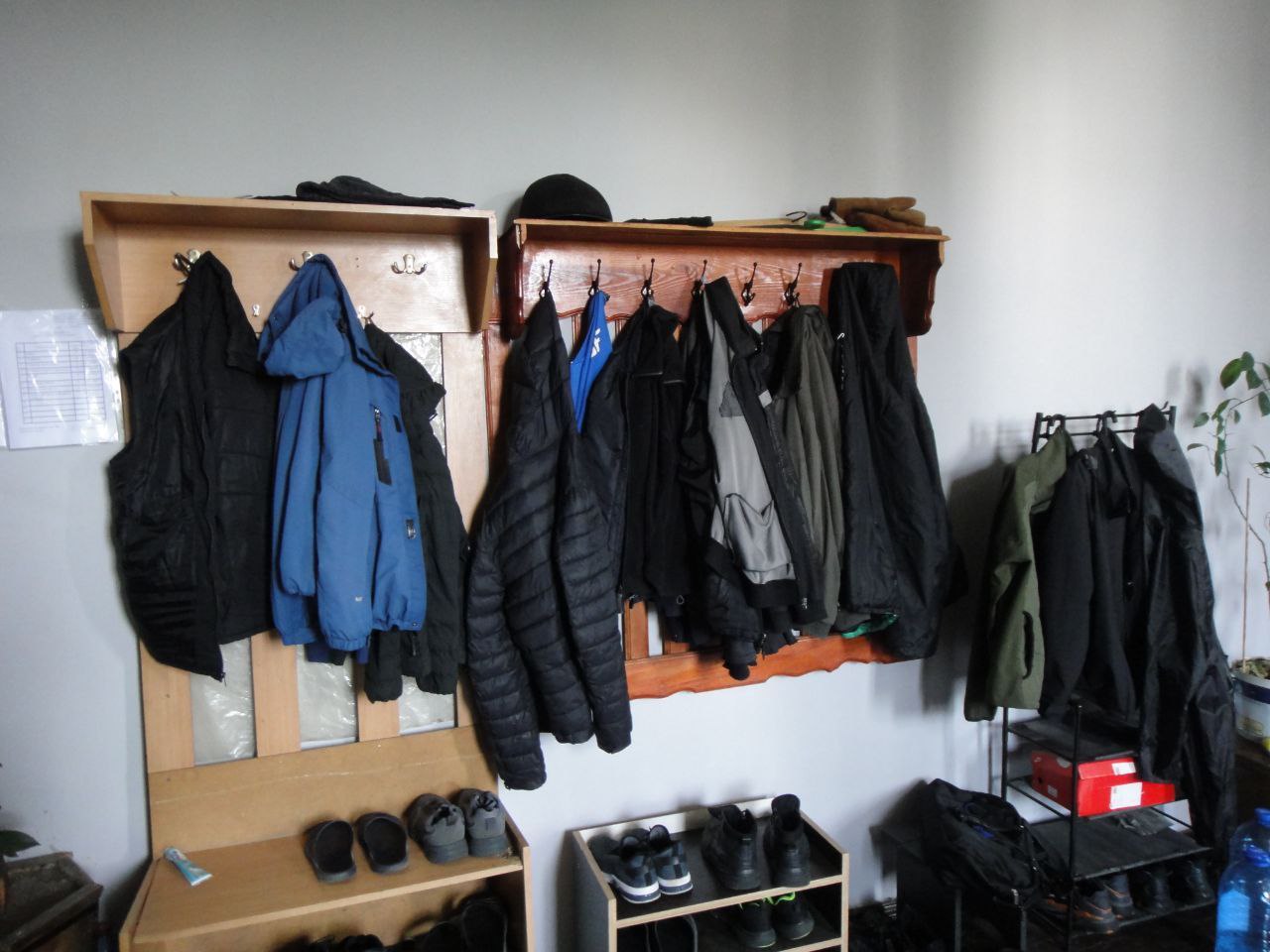
13. The monitoring group established that there is a systematic violation in the institution regarding the order of organisation for the storage of personal belongings of convicted persons in terms of the absence of premises provided for by the Provision Norms, such as cloakrooms, utility rooms, drying rooms, etc.
Thus, in all visited SPS units, including those where capital repairs had recently been carried out, the monitoring group recorded the storage of outerwear and footwear of convicted persons in the sleeping quarters.
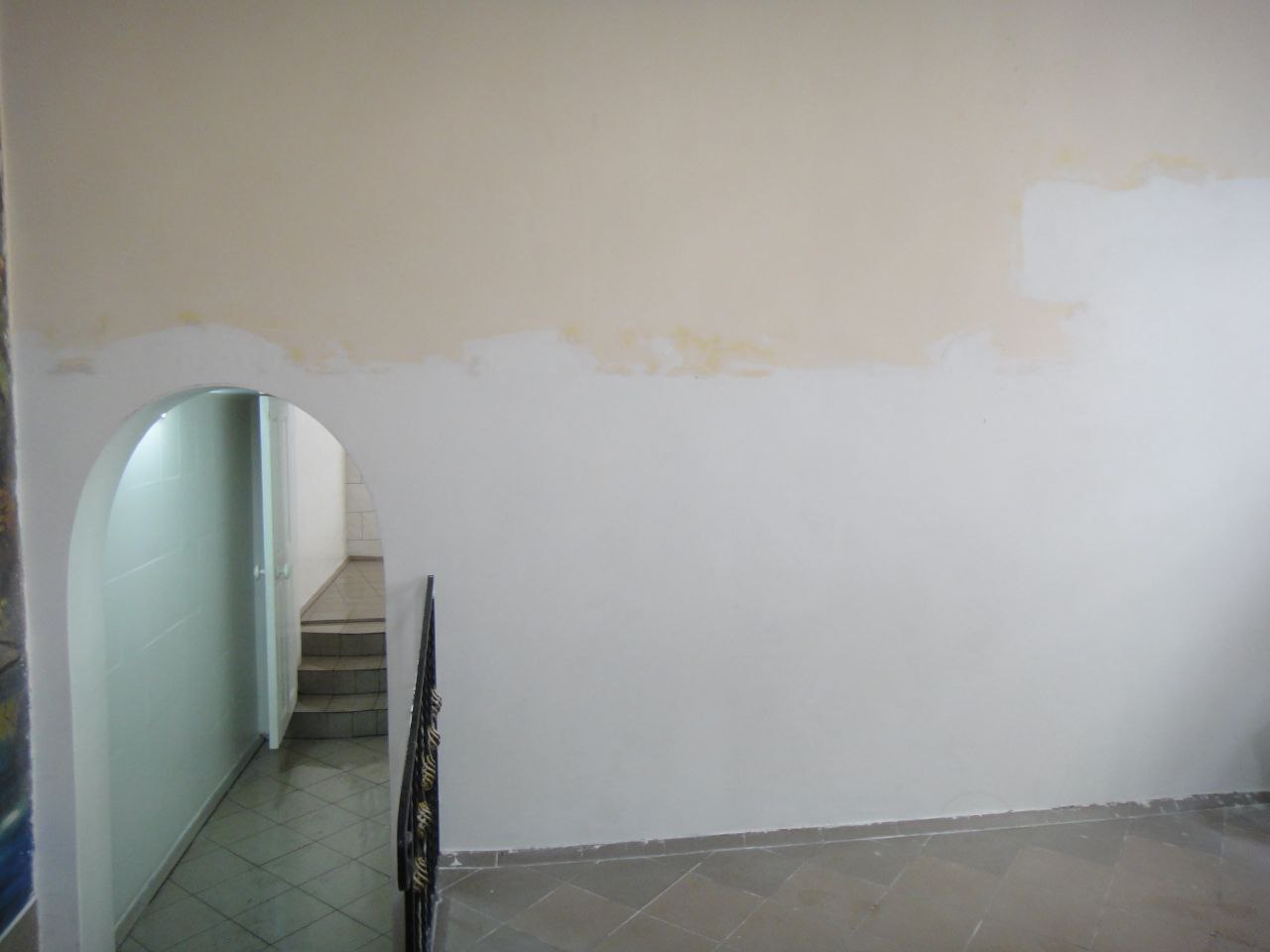
14. The monitoring group established a number of violations in the organisation of laundry and bath services for convicted persons and detainees. Thus, in violation of item 2.14 of Section II of the “Regulations on the organisation of bath and laundry services for persons held in penitentiary establishments and remand prisons”, approved by Order of the Ministry of Justice of Ukraine No. 849/5 dated 08.06.2021 (hereinafter — The Regulations), the institution does not ensure the provision of barber services to convicted persons and detainees.
Contrary to the requirements of item 3.11 of Section III of the Regulations, the place (corner) for the medical unit paramedic, which must be equipped with a desk and a chair, is not properly equipped in the room for undressing (dressing), conducting body searches, and providing medical assistance to convicted persons (persons taken into custody).
Supervision of compliance with the order during the washing of convicted persons and detainees in the bathhouse, as well as control over the cleaning and disinfection of premises and the performance of medical examinations, as provided for by items 3.10 and 3.11 of the Regulations, is not actually provided by the duty medical staff. In violation of the requirements of the Provision Norms, the laundry lacks a restroom for employees.
15. In violation of the requirements of item 5 of Section IV of the “Regulations on the organisation of food provision in the State Penitentiary Service of Ukraine during peacetime”, approved by Order of the Ministry of Justice of Ukraine dated 15.06.2021 No. 2160/5 (hereinafter — Regulations on the organisation of food provision), the monitoring group established an absence of refrigeration equipment in sufficient quantity, due to which the placement and storage of food products, taking into account commodity compatibility, is not ensured.
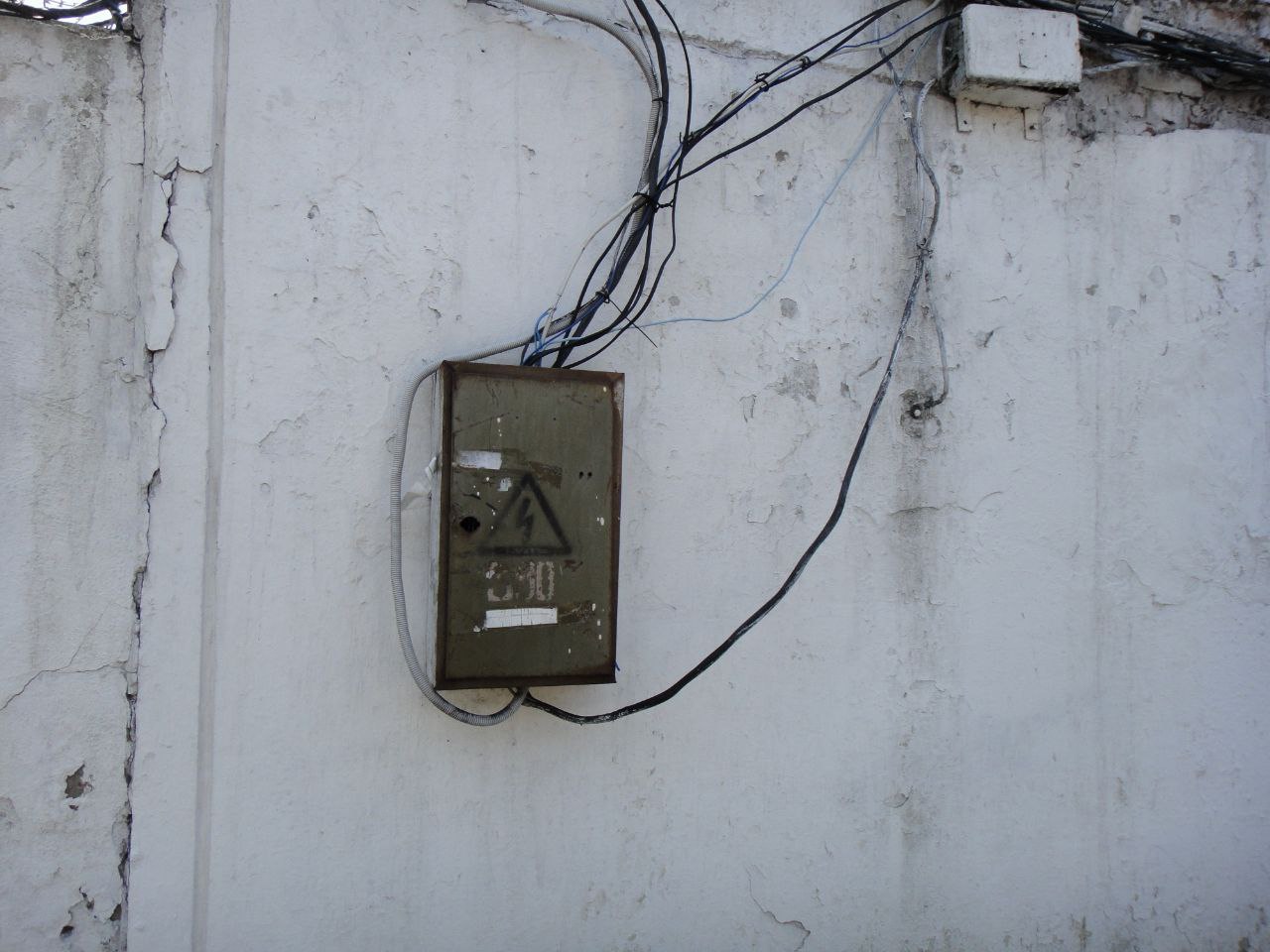
16. The monitoring group established violations of the requirements of the “Fire Safety Rules”, approved by Order of the Ministry of Internal Affairs of Ukraine dated 30.12.2014 No. 1417, registered with the Ministry of Justice of Ukraine on 05.03.2015 under No. 252/26697 (hereinafter — Fire Safety Rules), in particular, open doors of electrical switchboards, which could lead to electric shock for convicted persons or institution personnel and other negative consequences.
17. During the visit, the monitoring group recorded that the institution's personnel who have direct contact with convicted persons openly carry special means, in particular, rubber batons. At the same time, according to paragraph 8 of item 1 of Section XXVI of the IRPE, the carrying of special means by personnel of penitentiary establishments within the guarded territory of the institution should be, as far as possible, maximally concealed from the environment.
At the same time, the Committee recommends that penitentiary staff working in direct contact with prisoners should not carry special means (such as rubber batons, handcuffs, and canisters equipped with tear gas) openly in front of prisoners. Such carrying prevents the establishment of normal relations between staff and prisoners (paragraph 85 (CPT/Inf (2011) 29), paragraph 23 (CPT/Inf (2013) 23), paragraph 166 (CPT/Inf (2014) 15)).
18. According to official documentation, the understaffing of personnel at the institution as of 05.06.2025 amounts to 74 authorised positions. At the same time, in the Report of the Government of Ukraine on the results of the 2023 visit, the Committee emphasises that ensuring a positive climate in a penitentiary institution requires a professional team of staff who must be present in sufficient numbers at any moment in time in places of detention.
An insufficient number of personnel can only increase the risk of violence and intimidation between convicted persons. The shortage of frontline personnel also undermines the quality and level of measures offered to convicted persons and jeopardises the prospect of preparation for release and social rehabilitation.
In this regard, the Committee calls on the Ukrainian authorities to take decisive measures to substantially increase the number of staff in penitentiary institutions of Ukraine where there is a low level of staffing, with the aim of strengthening the presence of security and supervision service personnel inside the institutions. It is also necessary to take measures to put an end to 24-hour shifts for personnel on duty. (CPT/Inf (2024) 20) paragraph 93).
19. At VCC-86, as of 05.06.2025, the following economic-production activities are functioning: a wooden product manufacturing section — joinery workshop, a metal processing section — turning, welding, and locksmith operations, a Service Station — vehicle repair and maintenance, a souvenir production section — manual work by convicted persons (products from wood, gypsum, etc.), coal and firewood packing — physical labour, mainly for internal needs or under contracts, waste sorting — packaging, sorting, and processing of secondary raw materials.
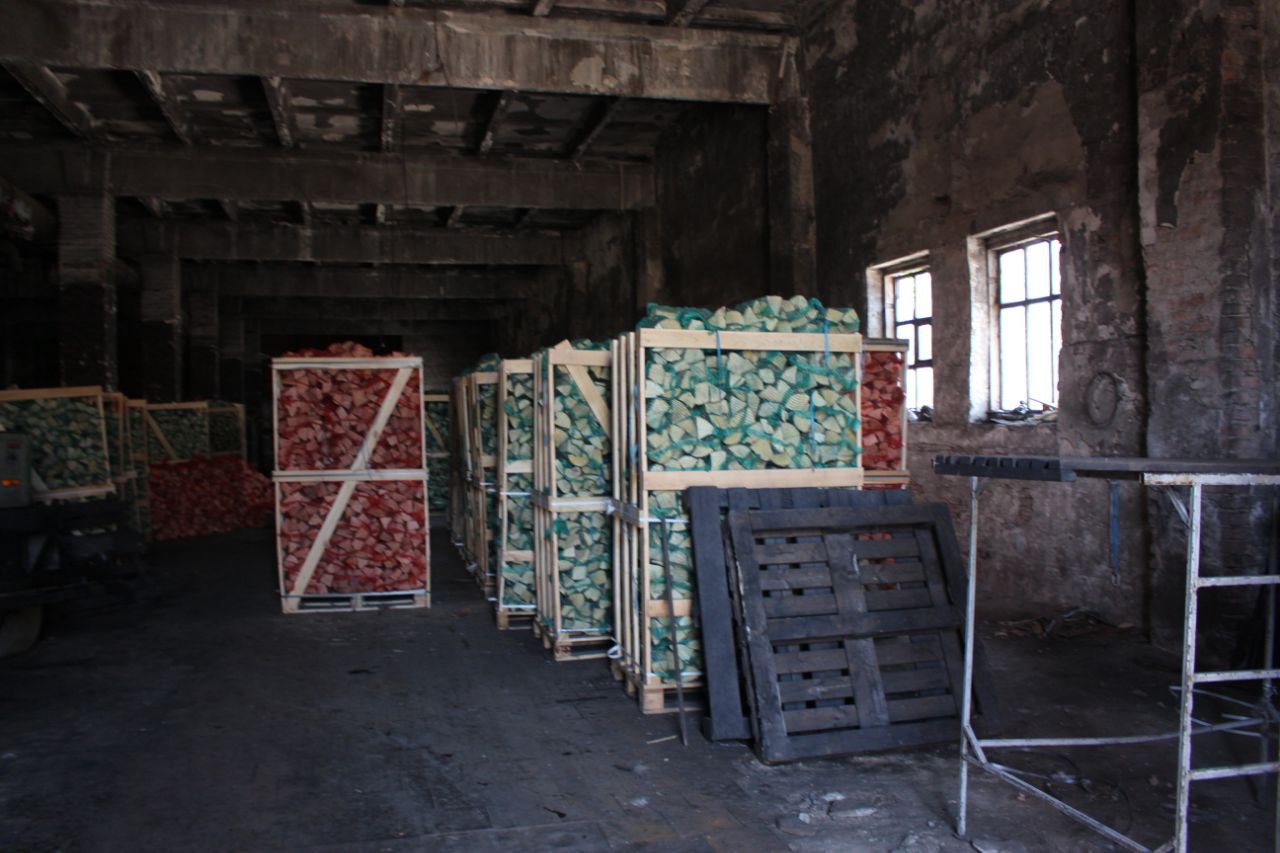
The institution's workshops — internal production based on the institution using the labour of convicted persons under civil law contracts.
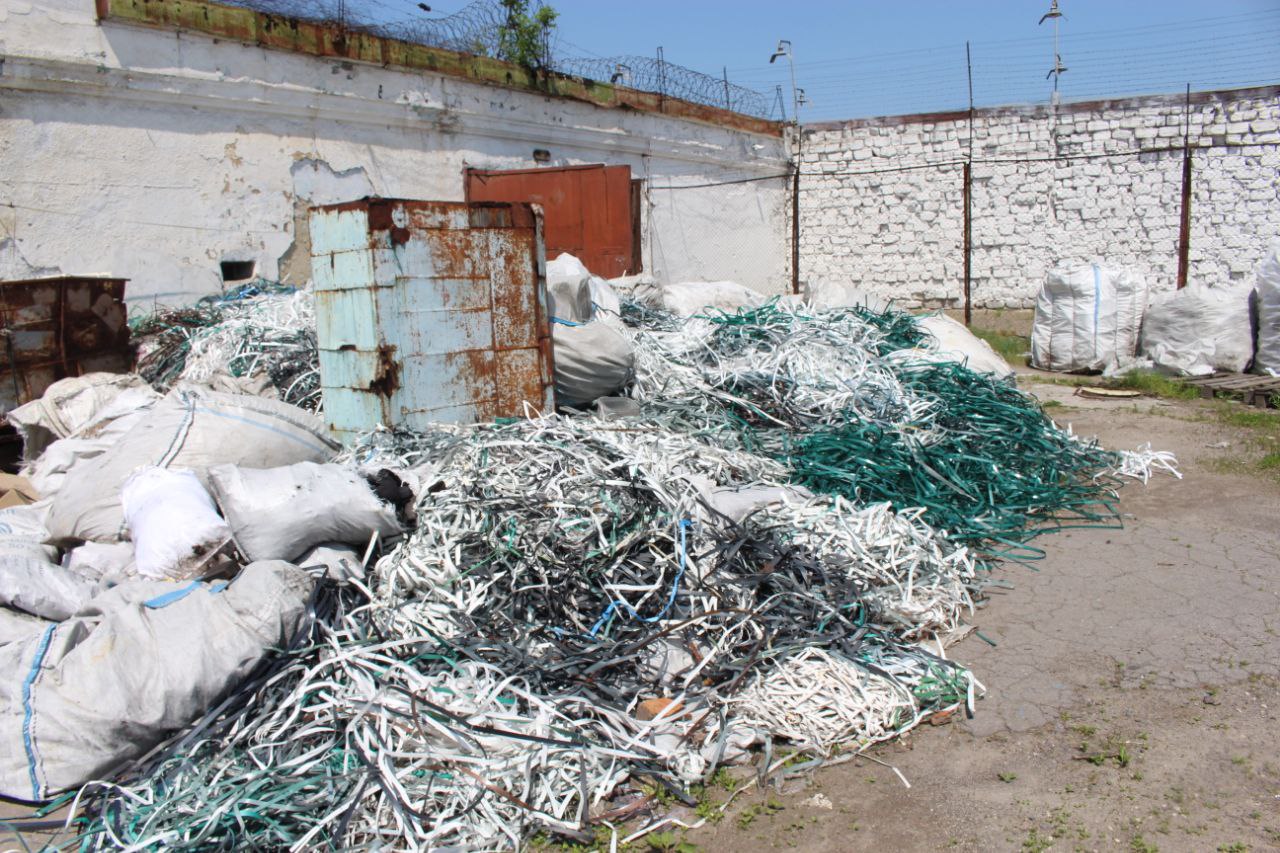
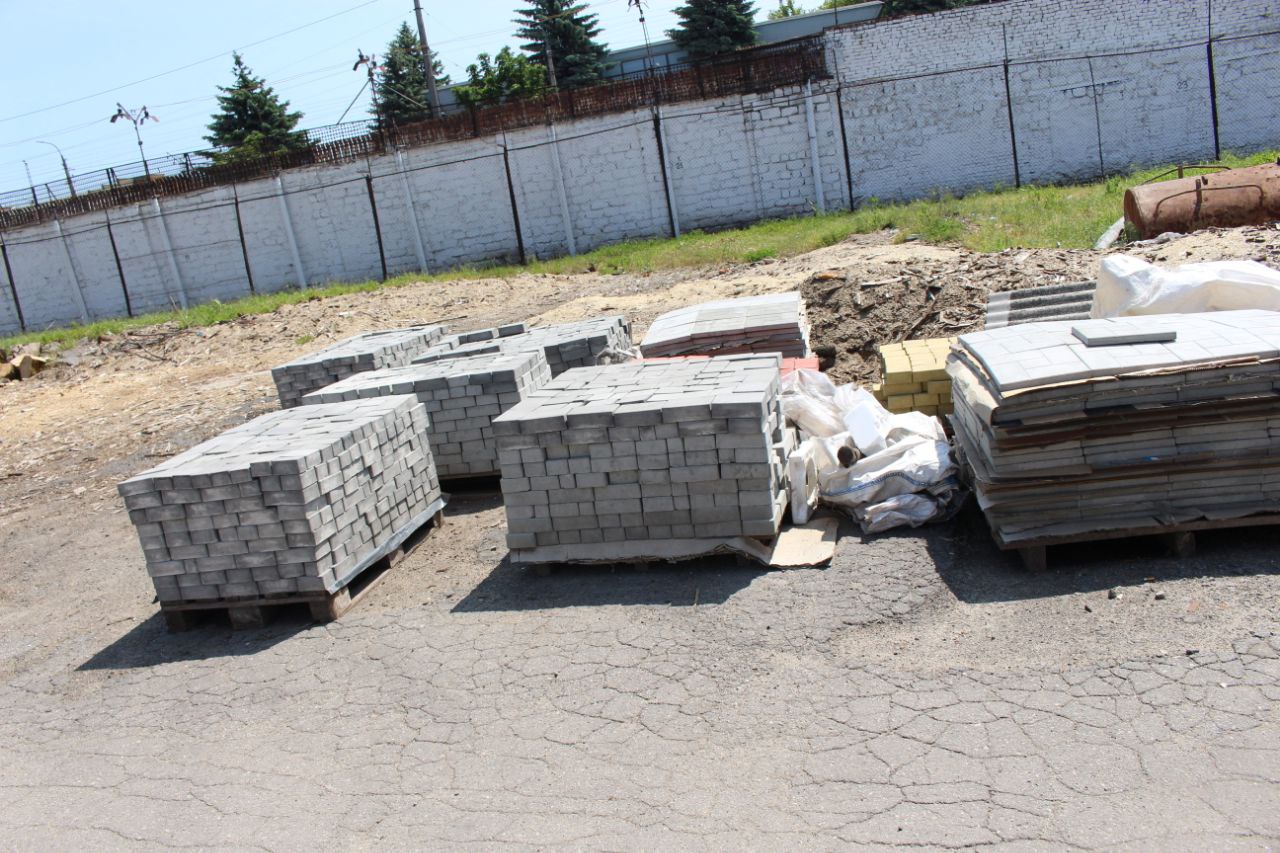
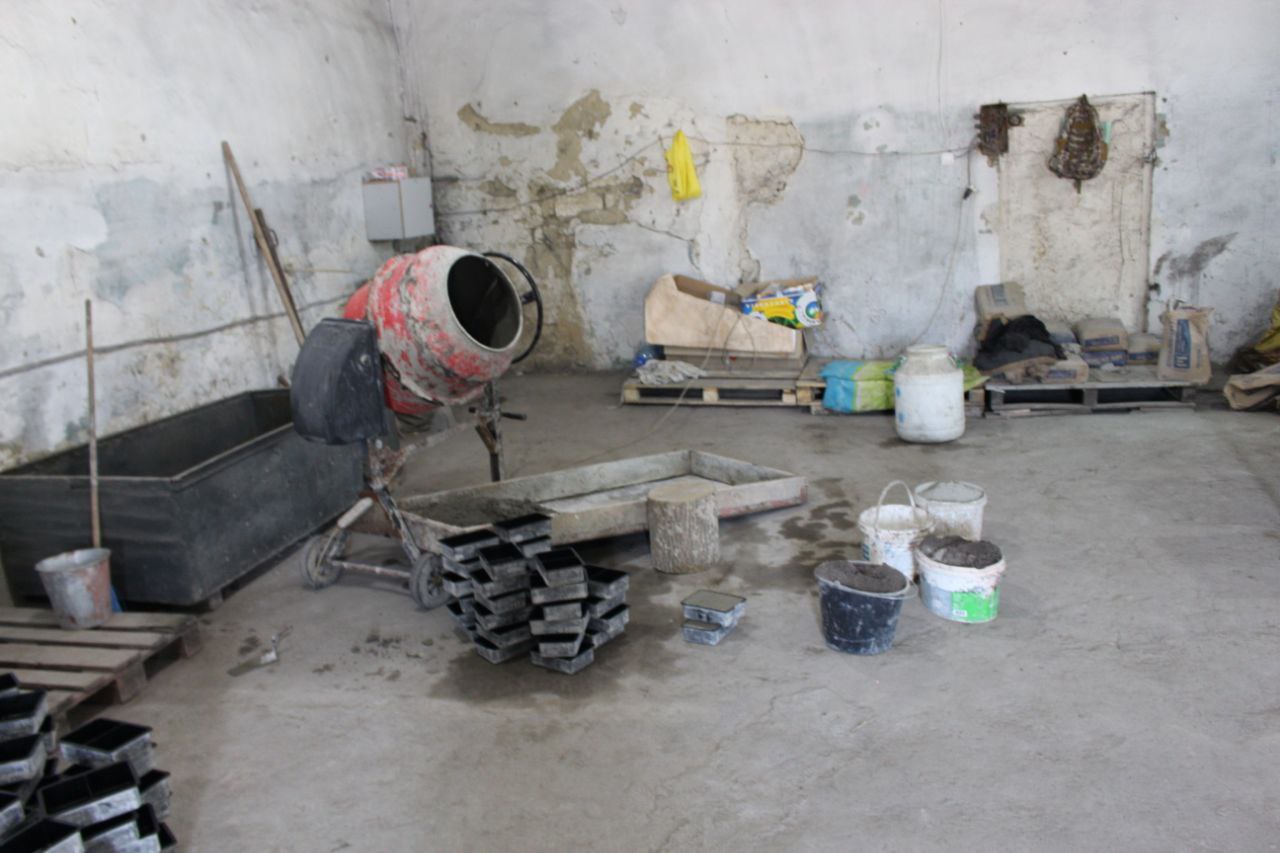
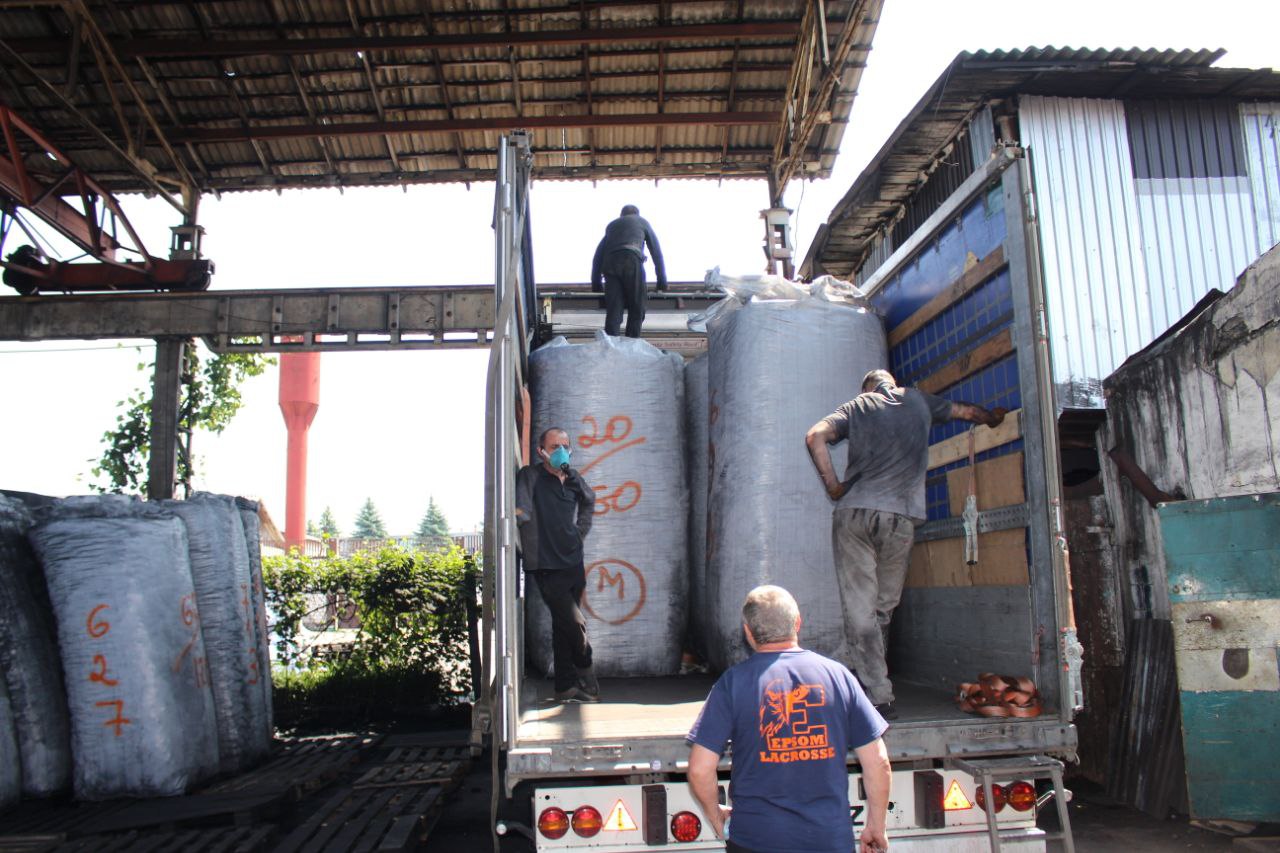
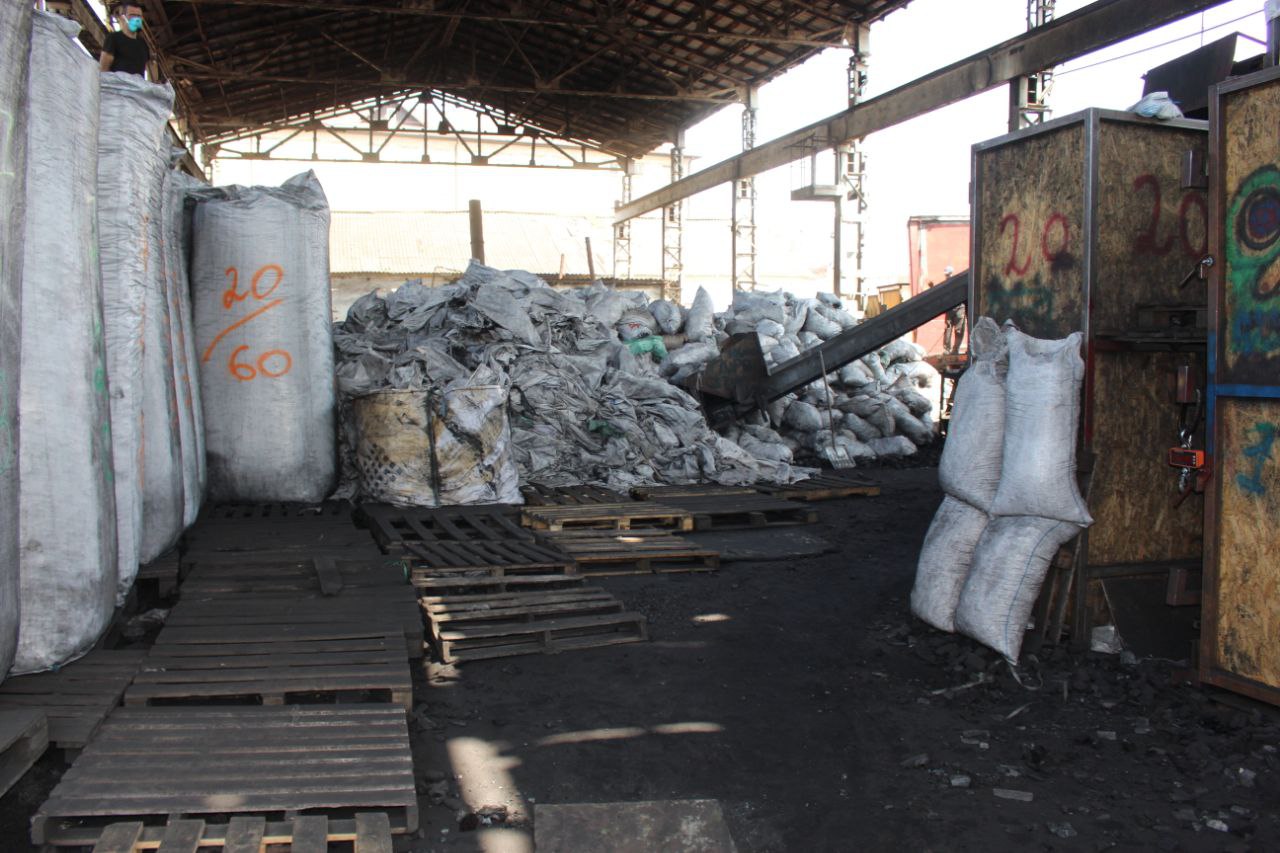
Economic maintenance — kitchen, bakery, laundry, maintenance of infrastructure facilities.
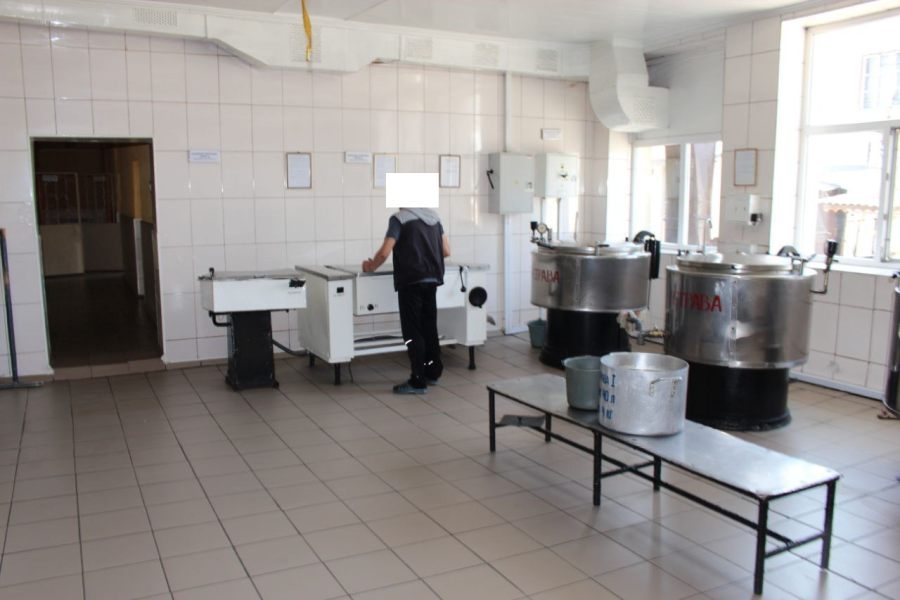
In total, 83 convicted persons were involved in these facilities at the time of the visit, of which: 40 — in the branch of the State Enterprise “Enterprise of the State Penitentiary Service of Ukraine (No. 86)”, 17 — in economic maintenance (canteen, bakery, laundry), 12 — in works at LLC “Vinnytsia Poultry Farm”, 2 — at LLC “Tertius”, and 12 — in the institution's workshops under civil law contracts (CLC).
The institution systematically uses monthly fixed-term employment contracts to formalise the employment of convicted persons in production. This practice is widespread both in the branch of the State Enterprise and in the catering unit, the bakery, and the laundry. The three most recent contracts were analysed; they were concluded for 1 month, without justification for the fixed term, which contradicts Part 3 of Article 23 of the Labour Code of Ukraine.
Also analysed were the three most recent employment contracts for persons working in the catering unit. The work is of a permanent nature (e.g., cooks, cleaners, bakers), which requires the conclusion of indefinite employment contracts. A dependency of the convicted person on the administration in exchange for the renewal of the contract was established, which is a sign of the instability of employment relations.
12 convicted persons work in the workshops under CLCs, but the actual working conditions have signs of employment relations, in particular: regularity and systematic nature of work performance, a fixed workplace, the use of the institution's property, and subordination to internal labour regulations.
This indicates the substitution of employment relations with CLCs, which violates Articles 21 and 24 of the Labour Code of Ukraine, Article 118 of the PC, and the position of the Supreme Court (Case No. 761/6576/17).
During communication with convicted persons and the examination of documentation, the following violations were recorded: a convicted person, E., worked in the carpentry shop, but his surname is absent from the work rosters, in the wage calculation sheets, and in the lists of persons who have employment contracts.
A convicted person, K., works at the service station under a CLC; his work has signs of employment relations, and yet the amount of the advance payment of remuneration for May 2025 is 221 hryvnias, which is significantly less than the minimum wage.
A convicted person, K., works in the catering unit and is hired under a fixed-term employment contract as a canteen worker. According to the convicted person, he works from 6:30 a.m. to 7:00 p.m. every day without weekends or holidays. Such a practice is a violation of Articles 50, 52, and 67 of the Labour Code of Ukraine regarding the duration of working time, weekends, and the right to rest.
An analysis of the payroll sheets for May 2025 indicates an extremely low level of remuneration: 200 to 500 UAH per month is the typical amount, which does not provide for the subsistence minimum.
Even in the catering unit, where convicted persons are officially registered, the remuneration does not exceed 2,346 UAH. For example: convicted persons D., N., G., I., K. — canteen workers — were each credited with 1,106 hryvnias for May; convicted person S., who works as a cook, was credited with 895 hryvnias; and convicted person K., a bread slicer, only 553 hryvnias.
The accrual of such amounts with a full work schedule violates Article 43 of the Constitution of Ukraine, Article 3-1 of the Law “On Remuneration of Labour”, as well as item 103 of the Mandela Rules.
Violations in documentation were established, namely: the absence of a unified system for accounting for labour involvement, discrepancies between work rosters, time sheets, and wage calculations, and cases of involving convicted persons in work before the conclusion of contracts. These violations contradict Articles 118-120 of the PC of Ukraine and violate the principles of accountability and transparency.
The organisation of labour in VCC-86 has signs of violation of the labour rights of convicted persons, which consists of the formalisation of employment relations through fixed-term contracts without justification, the substitution of employment relations with CLCs, a low level of remuneration even with full employment, improper documentation and accounting of labour, and the use of labour without a contract, as in the case of convicted person E.
Such actions contradict the Constitution of Ukraine, the Penitentiary Code, the Labour Code of Ukraine, and international standards (Mandela Rules, ILO Conventions No. 29 and No. 95).
Medical Unit No. 86 of the branch of the State Institution “Centre for Health Care of the State Penitentiary Service of Ukraine” in the Vinnytsia region
The acting head of Medical Unit No. 86 of the branch of the State Institution “Centre for Health Care of the State Penitentiary Service of Ukraine” in the Vinnytsia region — S.V. Siomkin.
During the monitoring visit, violations of the requirements of national legislation and non-compliance with international recommendations in the field of the treatment of prisoners were identified, which lead to violations of the rights of convicted persons:
1. The monitoring group established that a convicted person who performs the function of a ward orderly is present in the medical unit. During confidential communication with convicted persons who were receiving inpatient treatment, it was established that the said convicted person is involved by the medical staff in performing work related to the care of seriously ill patients, as well as the cleaning of wards and corridors of the medical unit, including the dirtiest types of work.
At the same time, it should be noted that the Committee has repeatedly emphasised the inadmissibility of using convicted persons as assistants to medical personnel or orderlies in medical institutions of the penitentiary system. In particular, relevant recommendations were expressed following visits to Ukraine in 2005 (paragraph 132, CPT/Inf (2007) 22), in 2013 (paragraph 151, CPT/Inf (2014) 15), and in 2017 (paragraph 86, CPT/Inf (2018) 41).
2. In violation of the requirements of item 3 of Chapter 1 of Section II of the “Procedure for the organisation of medical care for persons sentenced to deprivation of liberty”, approved by the joint order of the Ministry of Justice of Ukraine and the Ministry of Health of Ukraine dated 15.08.2014 No. 1348/5/572 (hereinafter — The Procedure) and the “Instructions for filling out the primary accounting documentation form No. 511/o ‘Certificate of recording bodily injuries’”, medical staff do not properly compile the certificates.
In particular, in most cases, item 8 of the form, which provides for the determination of the circumstances of receiving bodily injuries, is filled out formally, without specificity, which does not allow for identifying the actual circumstances of the event.
The absence of complete documentation of the circumstances of the injury and improper recording of bodily injuries does not comply with item 60 of the Committee's recommendations (CPT/Inf(93)12-part), where it is stated that medical services in places of detention can contribute to the prevention of violence against persons held in custody through the systematic registration of bodily injuries, as well as, if necessary, through informing the relevant authorities.
3. In violation of the requirements of the “Instructions for filling out the primary accounting documentation form No. 003-6/o ‘Informed voluntary consent of the patient for the conduct of diagnostics, treatment, and for the conduct of an operation and anaesthesia and for the presence or participation of participants in the educational process’”, approved by the Order of the Ministry of Health of Ukraine dated 14.02.2012 No. 110, an absence of informed voluntary consent signed by a patient who was in the inpatient medical unit for diagnostics and treatment was established.
The aforementioned may indicate the absence of voluntary consent of the patient for the application of diagnostic, preventive, and treatment methods, which is a violation of Article 43 of the Law of Ukraine “Fundamentals of Legislation of Ukraine on Health Care” and item 47 of the Committee's recommendations (CPT/Inf(93)12-part).
4. The medical unit has not organised the provision of substitution maintenance therapy (hereinafter — SMT) for persons with mental and behavioural disorders resulting from opioid use, in accordance with the “Procedure for conducting substitution maintenance therapy for persons with mental and behavioural disorders resulting from opioid use”, approved by the Order of the Ministry of Health of Ukraine dated 27.03.2012 No. 200.
Drug-dependent persons are not provided with social-psychological support, cognitive-behavioural therapy (CBT), relapse prevention, motivational interviewing, self-help groups, etc.
Thus, these persons are deprived of the opportunity to receive SMT, which violates their right to choose methods of treatment in accordance with Article 38 of the Law of Ukraine “Fundamentals of Legislation of Ukraine on Health Care”.
At the same time, the Committee in its report on the results of the visit to Ukraine in 2023 notes that entering a penitentiary institution is an opportunity to solve the problem related to drugs, and therefore it is important that appropriate assistance is offered to all interested persons; therefore, appropriate medical services must be available in all institutions.
The assistance offered to such persons must be diverse; substitution therapy programmes for persons with drug dependence must be combined with genuine psycho-social and educational programmes for persons with opioid dependence who are unable to stop drug use. Furthermore, access to SMT programmes in institutions must be easily accessible, and they should also be managed by penitentiary doctors who must undergo special training on issues related to drug use. (CPT/Inf(2024) 20) paragraph 86).
5. The monitoring group established that the psychiatrist conducts psychiatric examinations of patients without proper formalisation of written informed consent. In particular, contrary to the requirements of the “Instructions for filling out the primary accounting documentation form No. 003-7/o ‘Informed consent of a person for the conduct of a psychiatric examination’”, approved by the Order of the Ministry of Health of Ukraine dated 15 September 2016 No. 970, it was established that in the medical documentation (in particular, in the outpatient medical record form No. 025/o and the inpatient medical record form No. 003/o), there is no informed consent signed by the patient for the conduct of a psychiatric examination.
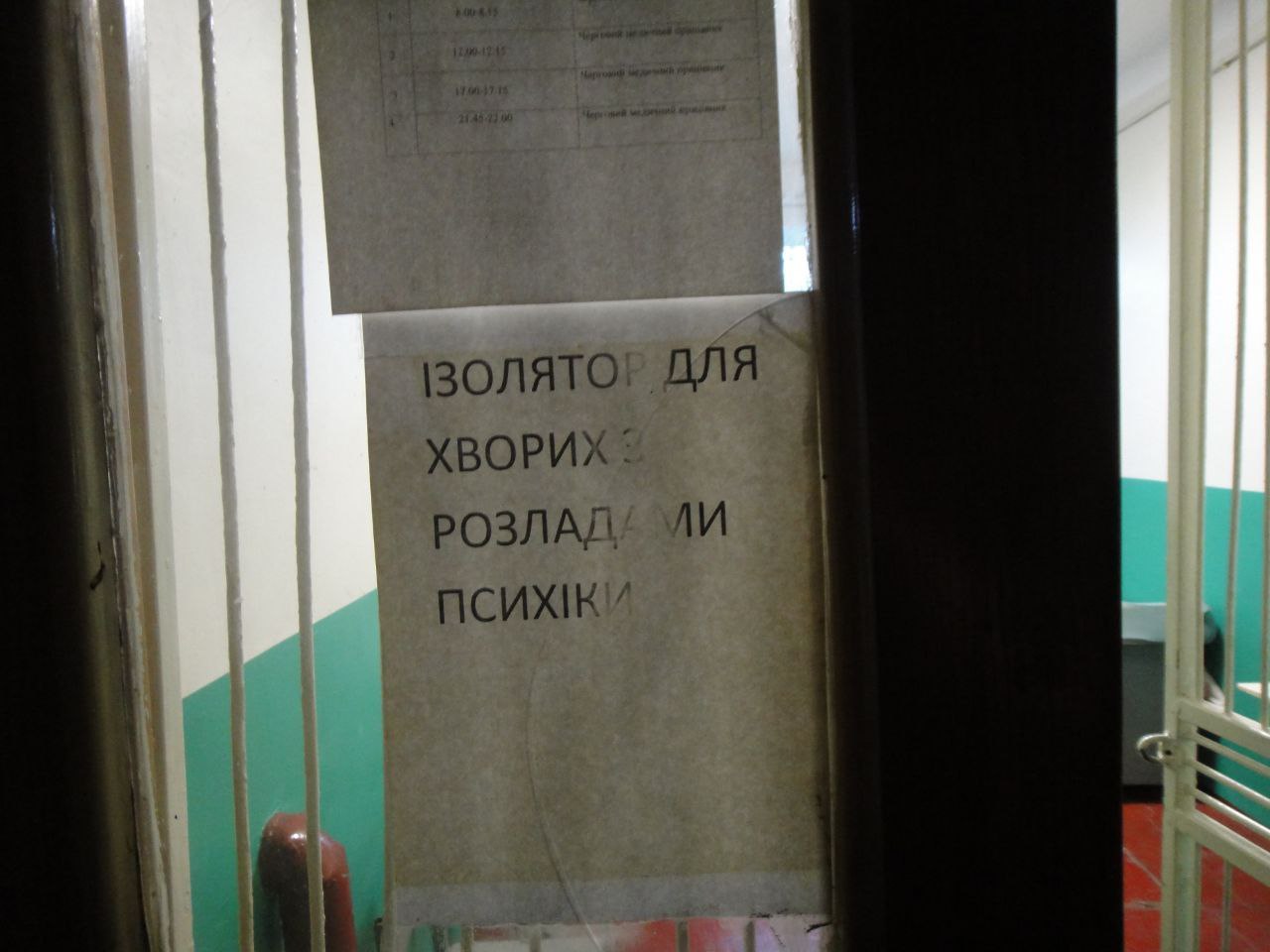
6. In violation of item 9 of the “Rules for the application of physical restraint and (or) isolation when providing psychiatric care to persons suffering from mental disorders”, approved by the Order of the Ministry of Health of Ukraine dated 24 March 2016 No. 240, registered with the Ministry of Justice of Ukraine on 15 April 2016 under No. 570/28700, and item 8.3.4 of the State Building Norms of Ukraine V.2.2-10:2022 “Health care institutions”, the isolation ward for persons with mental disorders does not meet the established requirements.
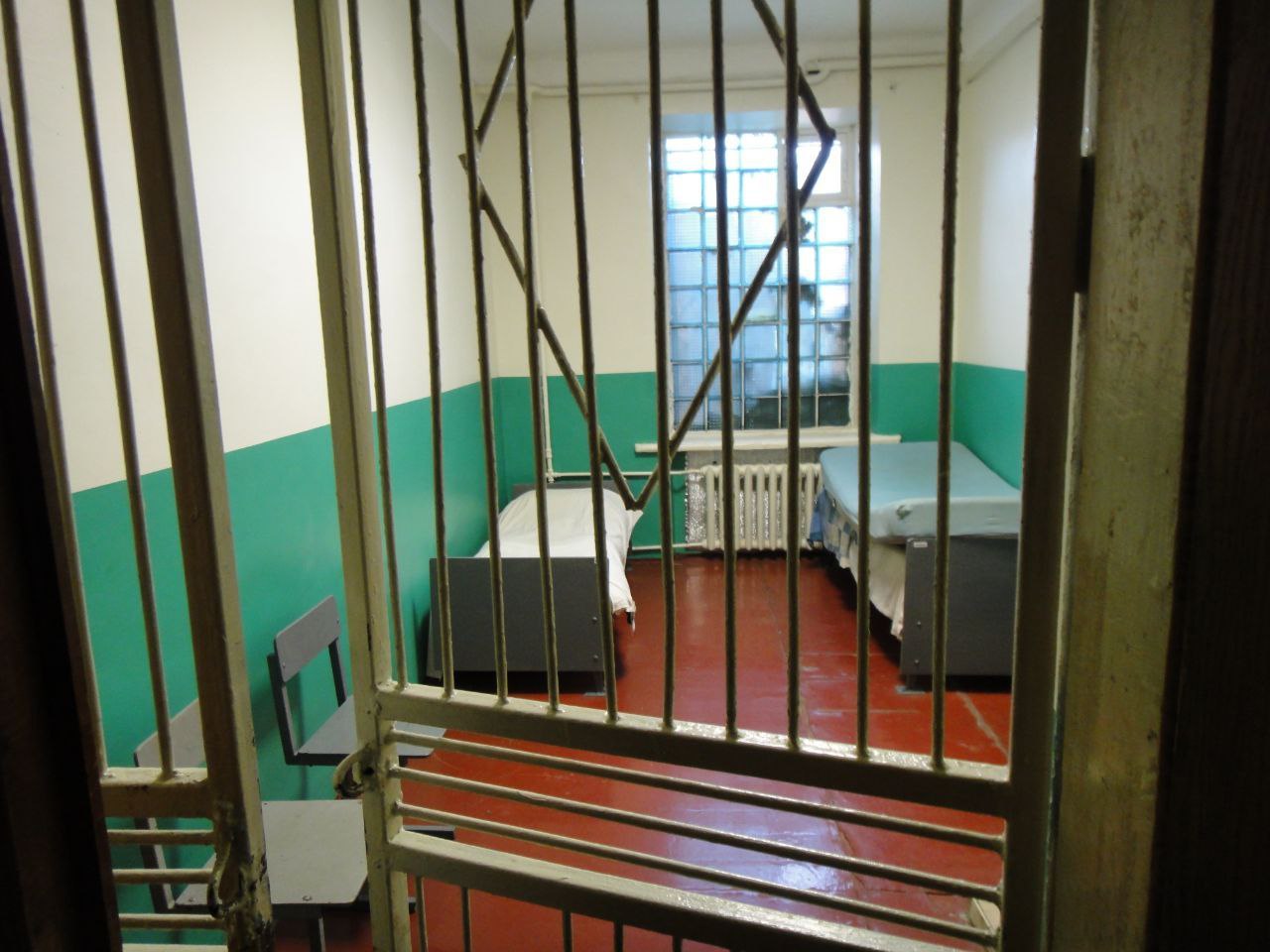
The premises are designed for the stay of more than one person (for 2 persons), which contradicts the principles of isolation. The equipment of the isolation ward has sharp corners, which constitutes a potential danger to patients. The sanitary unit is not equipped with doors and sufficient partitions, which makes privacy impossible. There is no tank with boiled drinking water. Furthermore, the window in the isolation ward is equipped with glass blocks, due to which natural light practically does not penetrate the premises, which may create additional psychological pressure on patients due to the absence of any, even visual, connection with the outside world.
In its report on the results of the visit to Ukraine in 2020, the Committee, under similar circumstances, already drew attention to this and recommended taking measures to revise the design of the windows in the cells in order to allow prisoners to see what is outside the cell. (CPT/Inf (2020) 40) paragraph 48).
7. The position of clinical psychologist is vacant in the medical institution's staff, which hinders the effective provision of medical care to convicted persons in the field of mental health. At the same time, the Committee in its report on the results of the visit to Ukraine in 2023 reiterates its recommendation to further strengthen the provision of psychological assistance in institutions, as well as to develop the training and role of penitentiary psychologists, especially in terms of therapeutic clinical work with convicted persons.
In this context, efforts must be made to recruit clinically trained psychologists, who must be part of the medical team and, in their work, should not combine two different roles, i.e., risk assessment and therapeutic clinical work. (CPT/Inf (2024) 20) paragraph 85).
8. In violation of the “Measures and Means for preventing infection during the care of patients”, approved by the Order of the Ministry of Health of Ukraine dated 03.08.2020 No. 1777, the medical unit is equipped with only one isolation ward for infectious patients, which makes it impossible to simultaneously place patients with dangerous infectious diseases separately from each other and from other convicted persons.
Furthermore, the isolation ward for persons with infectious diseases does not meet sanitary-hygienic standards and the requirements of the “State Building Norms V.2.2-10:2022 ‘Health care institutions. Basic provisions’”. Thus, the ward intended for holding such patients is not equipped with a shower cabin, which forces infectious patients to use shared sanitary facilities together with other detainees who are receiving treatment in the inpatient medical unit.
The absence of proper conditions makes effective isolation of patients impossible, contributes to the spread of infectious diseases, and creates a threat to the health of both the convicted persons and the institution's personnel.
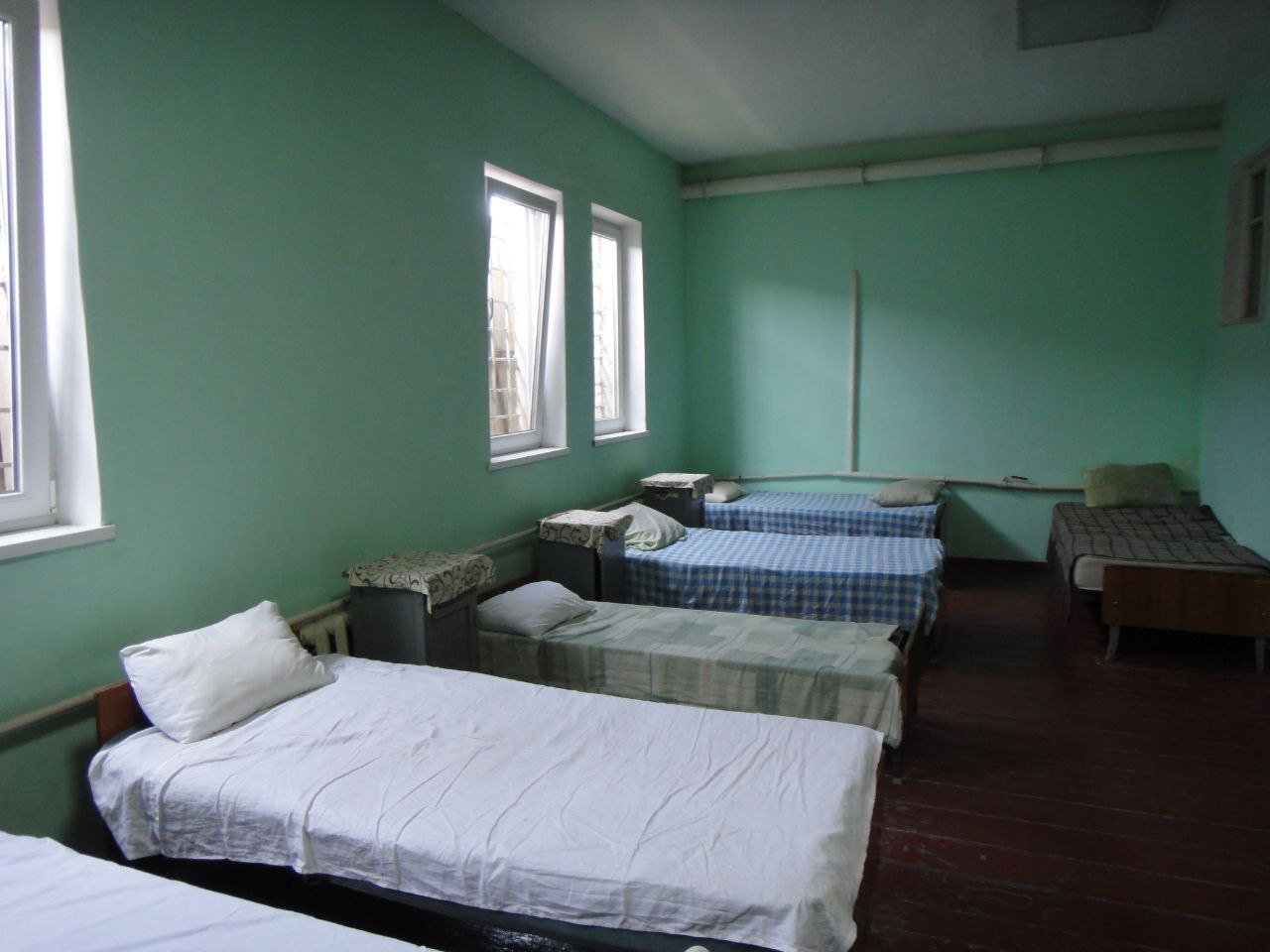
9. In violation of the requirements of the “Norms for the sufficiency of bedding, special clothing, and special footwear (inventory property) for convicted persons who are undergoing treatment in medical-preventive institutions, institutions with the status of treatment facilities, and in medical units at penitentiary establishments and remand prisons”, approved by the Order of the Ministry of Justice of Ukraine dated 20.02.2012 No. 280/5, convicted persons do not receive hospital property (hospital suit, robe, and slippers). The convicted persons stay in the inpatient ward in everyday clothing, sometimes with their own bedding.
10. In violation of the requirements of the State Building Norms of Ukraine V.2.2-17:2006 “Buildings and structures. Accessibility of buildings and structures for persons with limited mobility”, conditions for holding persons with disabilities have not been created in the medical unit.
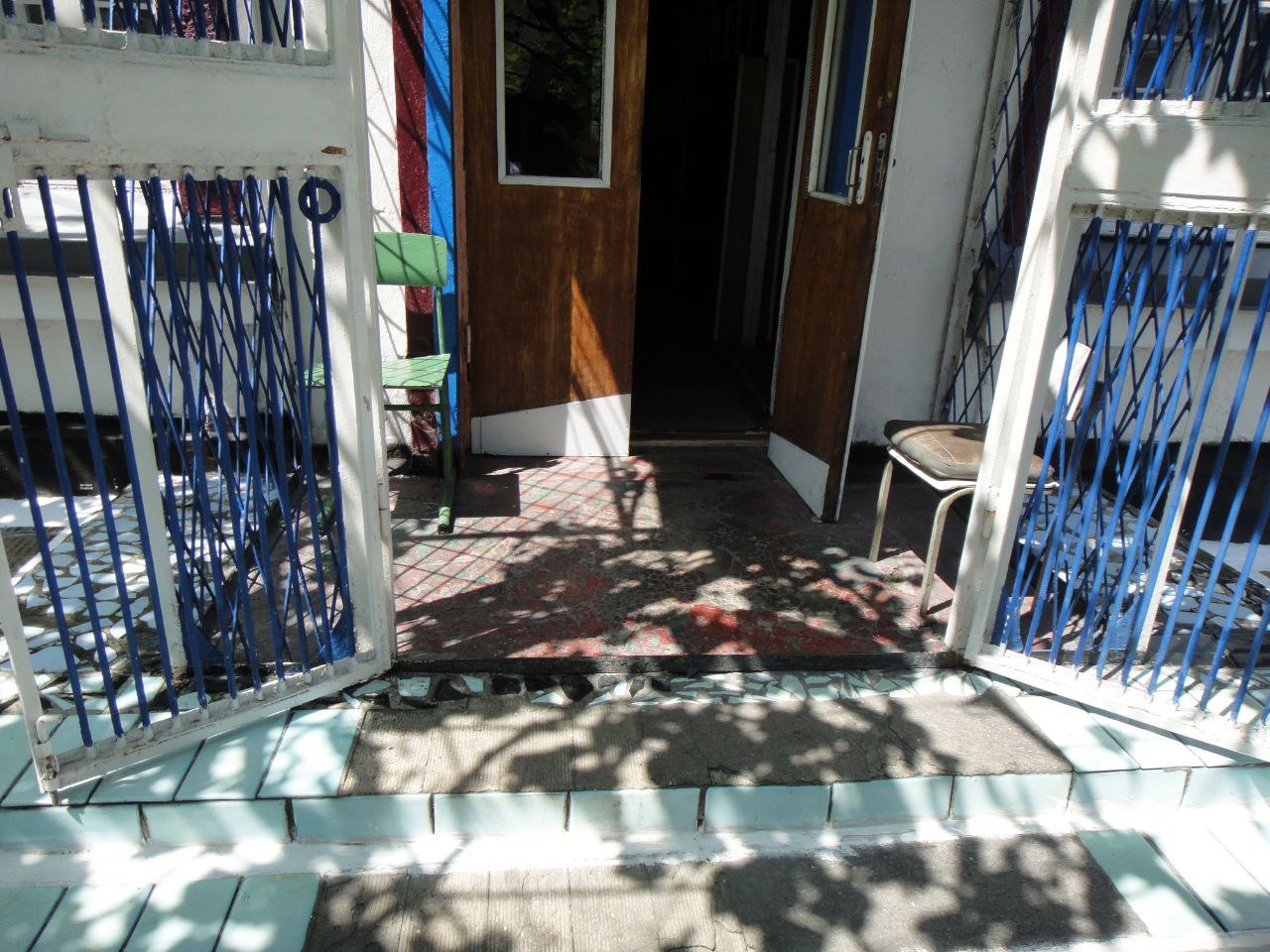
11. In violation of item 37 of the Resolution of the Cabinet of Ministers of Ukraine No. 285 dated 2 March 2016 “On approval of Licensing conditions for the conduct of business activities in medical practice”, the medical unit lacks a conclusion confirming free access to the buildings and premises of the medical institution for persons with limited mobility, the obtaining of which is mandatory.
12. In violation of the requirements of the “Standards of medical care for HCV in adults”, approved by the Order of the Ministry of Health of Ukraine dated 15.01.2021 No. 51, not all persons (4 persons as of 05.06.2025) with suspected viral hepatitis C are undergoing PCR testing, due to which they are not receiving the necessary treatment, which may lead to the deterioration of their state of health and the spread of the said infectious disease among convicted persons and detainees.
13. In violation of the “Procedure for the organisation of medical care at primary, secondary (specialised), and tertiary (highly specialised) levels using telemedicine”, approved by the Order of the Ministry of Health of Ukraine dated 19.10.2015 No. 681, the personnel of the medical unit are deprived of the possibility of sending requests for telemedicine consultations and receiving professional assistance for the provision of medical services to convicted persons due to technical limitations.
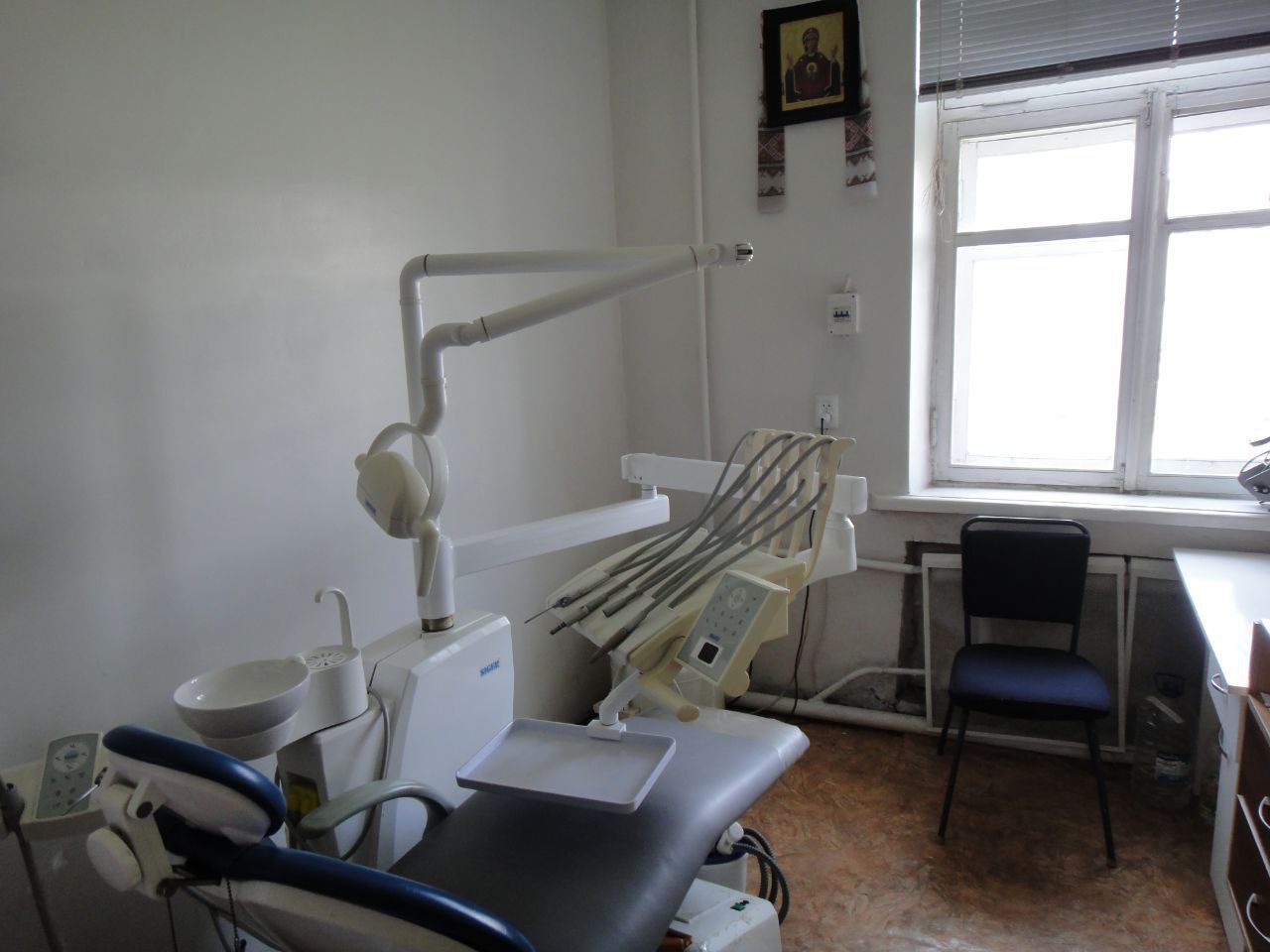
14. In violation of the requirements of the “Table of equipping a single workplace for a dentist and dental technician”, approved by the Order of the Ministry of Health of Ukraine dated 11.04.2005 No. 158, the medical unit lacks a dental X-ray apparatus, which makes it impossible to conduct an in-depth dental examination of convicted persons and does not ensure the timely provision of proper dental care.
It was also established that the dental office is not supplied with the necessary filling materials. According to information provided by the medical unit staff, among the types of dental care available, the extraction of teeth predominates, whereas fillings are performed extremely rarely, which significantly limits the right of convicted persons to receive proper dental care.
15. In violation of item 7 of Chapter III of Section II of The Procedure, the monitoring group recorded the absence of a personal medical record for a canteen employee and the absence of results of examinations in the medical documentation conducted by specialist doctors (including laboratory, clinical, and other examinations), which are necessary for admission to work at food facilities.
16. In the doctors' offices, there is no hot water supply; the workplaces of medical staff do not meet the requirements of current legislation and violate Article 19 of the Law of Ukraine “Fundamentals of Legislation of Ukraine on Health Care” and Article 13 of the Law of Ukraine “On Occupational Safety”.
17. In violation of the Fire Safety Rules in Ukraine, approved by the Ministry of Internal Affairs of Ukraine dated 30.12.2014 No. 1417 (hereinafter — The Rules), the premises of the medical unit are not equipped with fire extinguishing and fire alarm systems.
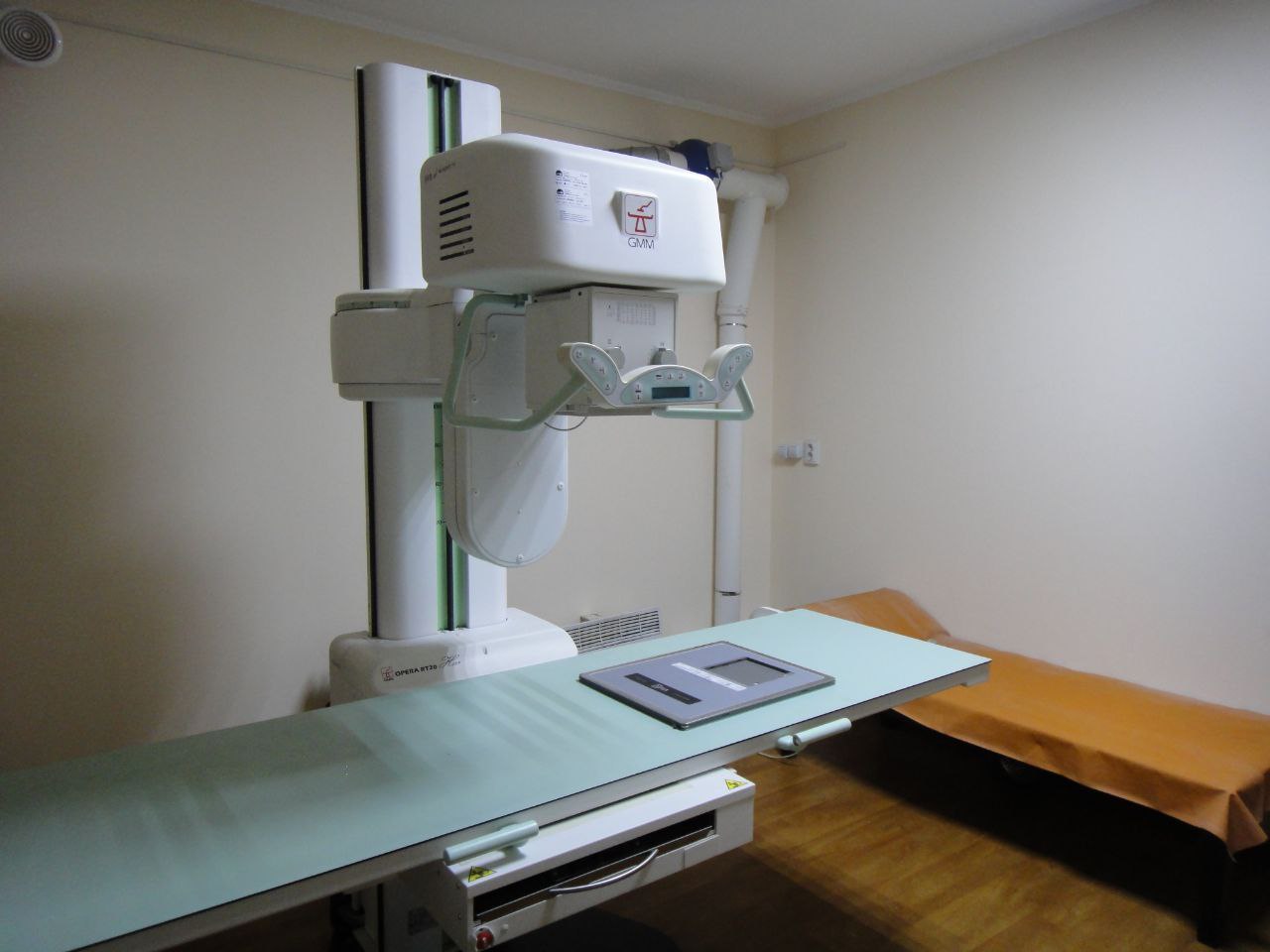
18. The premises of the doctors' office and the X-ray room are not equipped with fire extinguishers, which is a violation of the requirements of item 3.6 of Chapter 3 of Section V of The Rules and a violation of item 10.18 of Chapter 10 of the “State Sanitary Rules and Norms ‘Hygienic requirements for the arrangement and operation of X-ray rooms and the conduct of radiological procedures’”, approved by the Order of the Ministry of Health of Ukraine dated 04.06.2007 No. 294, registered with the Ministry of Justice of Ukraine on 07 November 2007 under No. 1256/14523.
19. In violation of Part 5 of Article 110 of the Penitentiary Code of Ukraine, convicted persons are not ensured the right to use the global Internet network while staying in the inpatient medical unit. The absence of access to the Internet limits their ability to receive information, realise the right to education, self-education, and maintain social ties, which contradicts item 63 of the Committee's recommendations (CPT/Inf (93) 12-part).
Recommendations:
1. Ensure the equipping of the DIU and QDDU in accordance with the Provision Norms according to Ministry of Justice Order No. 1118/5 and No. 2300/5: equip premises for the reception of convicted persons, storage of belongings, undressing rooms, a barber shop, rooms for food distribution, dishwashing, etc.; ensure the isolated placement of the medical unit from the QDDU; restore the missing utility premises in the QDDU (cloakroom, washroom, drying room, etc.). Ensure conditions for the storage of food products in compliance with sanitary standards and temperature regimes. Equip a room for educational work in the QDDU for conducting primary social-educational measures.
2. Equip DIU/CTP restrooms with full partitions or doors in accordance with Rule 19.3 of the European Prison Rules. Install ventilation systems and ensure natural lighting in the cells of the DIU/CTP, QDDU, and SPS. Replace darkened windows with transparent ones, while maintaining security. Install drinking water containers in all living quarters according to the EPR (Rule 22.5) and the Provision Norms.
3. Reconstruct exercise yards, taking into account: increasing the area to a sufficient size for physical activity; installing shelters from precipitation according to CPT requirements (CPT/Inf (92) 3, paragraph 48).
4. The installation of video surveillance must be based exclusively on an individual risk assessment. Cease the practice of systematic video surveillance in DIU/CTP living cells without justified grounds.
5. Ensure the installation of radio service in DIU cells.
6. Ensure the provision of barber services and supervision by a duty medical worker during bath and laundry procedures. Equip the undressing room with a place for a paramedic (desk and chair). Equip the laundry with a restroom for personnel in accordance with the Provision Norms.
7. Take measures to ensure the concealed carrying of special means by personnel who have contact with convicted persons.
8. Eliminate violations of the Fire Safety Rules, in particular, ensure the closing of electrical switchboard doors.
9. Develop a plan for the phased elimination of understaffing (74 authorised positions), taking into account security risks and the quality of function execution. Ensure the transition to shift work instead of 24-hour duties, as required by the CPT (CPT/Inf (2024) 20, paragraph 93).
10. The conclusion of fixed-term employment contracts must be justified in accordance with Part 3 of Article 23 of the Labour Code of Ukraine. For permanent positions (cooks, cleaners, etc.), conclude indefinite contracts. In the presence of signs of employment relations, conclude employment contracts, not civil law contracts. Avoid the use of CLCs in cases of systematic, regular employment under the control of the administration (Articles 21, 24 of the Labour Code, Case No. 761/6576/17). Ensure compliance with the requirements of Article 3-1 of the Law “On Remuneration of Labour” and the minimum wage level. Guarantee payment for work performed at not less than the subsistence minimum (Article 43 of the Constitution, item 103 of the Mandela Rules). Cease the practice of involving convicted persons in labour before the conclusion of a contract.
11. Take measures aimed at eliminating identified human rights violations and preventing torture, other cruel, inhuman or degrading treatment or punishment in Medical Unit No. 86 of the branch of the State Institution “Centre for Health Care of the State Penitentiary Service of Ukraine” in the Vinnytsia region.
12. Provide the medical unit's staff with specialist doctors according to needs.
13. Ensure control over the proper maintenance of medical documentation in accordance with the “Procedure for the organisation of medical care for persons sentenced to deprivation of liberty”, approved by the joint order of the Ministry of Justice of Ukraine and the Ministry of Health of Ukraine dated 15.08.2014 No. 1348/5/572, and other normative legal acts.
14. Ensure the possibility of receiving substitution maintenance therapy based on a diagnosis of mental and behavioural disorders resulting from opioid use.
15. Fulfill the requirements of item 37 of the Resolution of the Cabinet of Ministers of Ukraine No. 285 dated 2 March 2016 “On approval of Licensing conditions for the conduct of business activities in medical practice”.
16. Ensure proper medical care for persons suffering from viral hepatitis C.
17. Ensure the accessibility of the institution's buildings in accordance with the State Building Norms of Ukraine V.2.2-17:2006 “Buildings and structures. Accessibility of buildings and structures for persons with limited mobility”.
18. Ensure the proper operation of the telemedicine complex for the submission of requests by doctors for telemedicine consultation.
19. Ensure the equipping of the isolation ward for persons with mental and behavioural disorders in accordance with the requirements.
20. Ensure the provision of proper psychiatric medical care.
21. Ensure the obtaining of informed consent from patients for examination and treatment in the established form.
22. Ensure timely and proper recording of bodily injuries in convicted persons.
23. Cease the practice of using convicted persons as assistants in medical units and the institution.
24. Provide the medical unit with hospital property (hospital suit, robe, and hospital slippers).
25. Equip the medical unit with the necessary diagnostic equipment, including a dental X-ray apparatus.
26. Equip the fire protection system in accordance with established requirements.