Report on the findings of a monitoring visit to the Cherkasy Pre-trial Detention Centre
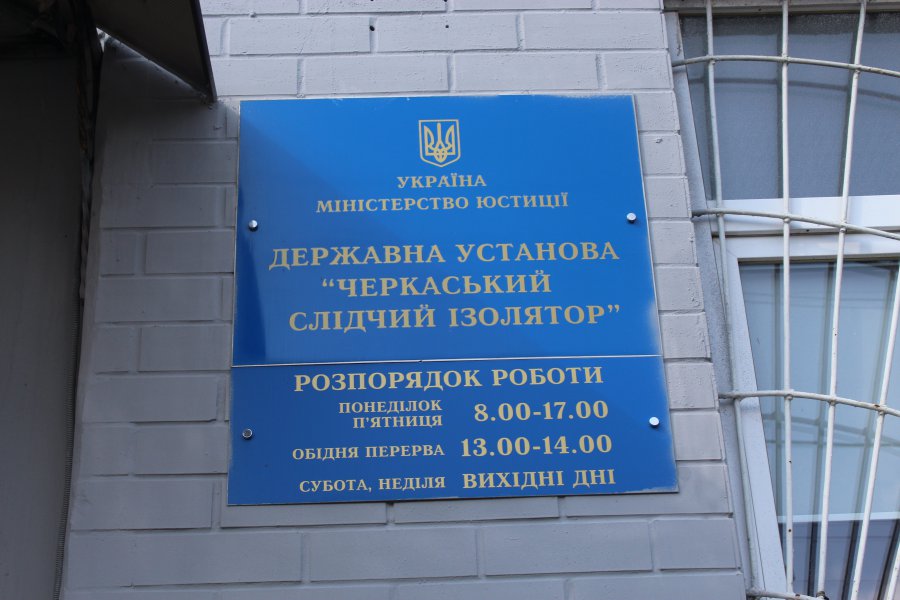
On 20 June 2025, in accordance with the Optional Protocol to the Convention against Torture and Other Cruel, Inhuman or Degrading Treatment or Punishment, taking into account the provisions of the Standard Minimum Rules for the Treatment of Prisoners and the rulings of the European Court of Human Rights, as well as on the basis of Article 24 of the Penitentiary Code of Ukraine — “Visiting Institutions for the Execution of Sentences”, a group of monitors from the Kharkiv Human Rights Protection Group and the NGO “Protection of Prisoners of Ukraine” conducted a visit to the state institution “Cherkasy Pre-trial Detention Centre” (SIZO, institution, facility).
The visit was planned and conducted unannounced, during which all parts of the facility were examined.
In preparation for the visit, the monitors used materials from appeals submitted by prisoners/convicts and their relatives, as well as the report by monitors of the National Preventive Mechanism under the Commissioner for Human Rights of the Verkhovna Rada of Ukraine (NPM).
The visit was carried out within the framework of the project “Reducing prisoners’ suffering in the context of the war in Ukraine”, funded by the government of Denmark in partnership with DIGNITY (Danish Institute Against Torture).
The visit was conducted by the following monitors:
- Andriy Didenko — assistant to the People's Deputy of Ukraine Yaroslav Yurchyshyn, programme coordinator for the Kharkiv Human Rights Protection Group, NPM monitor, member of the NPM coordination council, with experience in monitoring visits since 2014;
- Serhiy Zuykov — assistant to the People's Deputy of Ukraine Kostiantyn Kasai, member of the public council under the Ministry of Justice of Ukraine, NPM monitor, member of the public organisation “Protection of Prisoners of Ukraine”, with many years of experience in monitoring visits;
- Oleh Tsvilyi — member of the public council under the Ministry of Justice of Ukraine, head of the public organisation “Protection of Prisoners of Ukraine”, with significant experience in monitoring visits, specialising in issues of torture, cruel and inhuman treatment.
The monitoring visit documented systemic violations of national legislation and international standards: overcrowding of cells and a lack of living space per person, violations of the principle of separate detention, a lack of adequate living and medical conditions (in particular, the confidentiality of examinations and the isolation of sick prisoners), as well as understaffing.
Additionally, gross violations in the sphere of labour were identified: the de facto exploitation of convicted persons and the involvement of untried prisoners in labour without contracts, proper recording of working hours, or adequate remuneration (actual payments amounted to only a few hundred hryvnias instead of the guaranteed minimum).
The combination of these factors creates a risk of inhuman or degrading treatment and punishment of a systemic nature.
General information
The institution functions as a pre-trial detention centre. The facility holds persons accused of committing criminal offences for whom a preventive measure in the form of detention has been selected by a court decision.
The facility is located at: 234 Blahovisna Street, Cherkasy, Cherkasy Oblast, 18015.
The head of the institution is Roman Anatoliiovych Diachenko.
The facility consists of a duty unit, an intake ward, a catering unit, cells for male, female, and juvenile detainees, a maximum-security sector for those sentenced to life imprisonment, transit cells, a facility maintenance unit, disciplinary cells, a medical unit, a bath and laundry complex, visitation rooms, a shop, a library, a room for receiving parcels, and administrative premises.
According to the institution’s administration, the authorised staff number is 226 positions, with an actual number of 150. The total staff shortage for the institution is 76 employees.
The planned capacity of the facility is 473 persons, and the actual number of people held in the institution is 375, of whom 299 are remand prisoners, 76 are convicted persons, and 1 is an extradited person. There are 76 cell units in the facility, 74 of which are in use and 2 are under repair. The institution employs 2 psychologists.
During 2024, 1,215 people arrived at the facility, and 448 in 2025. In 2024, 2 people died, and 1 in 2025. 11 people are employed under labour contracts. There are 22 persons registered as HIV/AIDS positive. The operational-preventive register of the institution included: 3 persons prone to suicide (1 suicide incident was recorded during 2024), 10 persons prone to self-harm, and 1 person prone to escape. There are 5 malicious violators of the detention regime.
During 2024—2025, no one submitted complaints regarding inadequate detention conditions or inadequate medical care.
Seven persons have a disability: group II — 4 persons, group III — 3 persons. Convicts have 15 tablets in their personal use; 19 persons are socially ostracised from the collective. During 2024, 55 cases of bodily injuries upon arrival and 30 cases during the stay in the institution were recorded; during the current year — 28 cases of bodily injuries upon arrival and 15 during their stay.
The monitoring group interviewed about 168 persons among the remand prisoners and convicts during the visit to the cells and through general conversation, provision of consultations, answering questions, as well as individual interviews, including those conducted under conditions of anonymity.
It is worth noting that the institution’s administration responds adequately to complaints from prisoners and convicts regarding actions or inactions by the administration. Furthermore, the administration does not conceal cases of human rights violations, which can be considered signs of openness, transparency, and proper responsiveness.
Positive experience
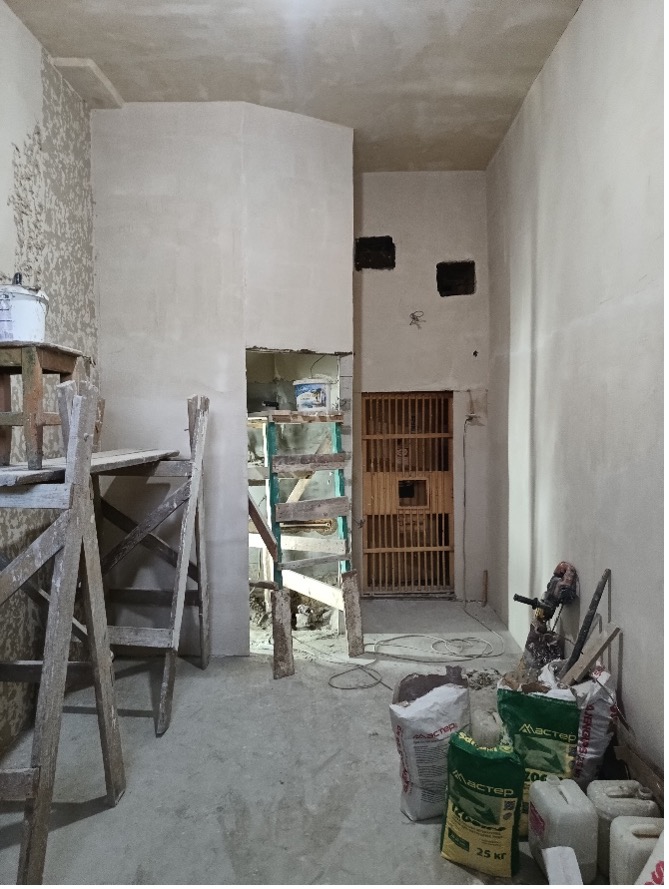
As of the day of the visit, current repairs had been carried out in the institution: in the search rooms, the corridor of the intake ward, the classroom for juveniles, disciplinary cells, and cell units, including the mother and child cell.
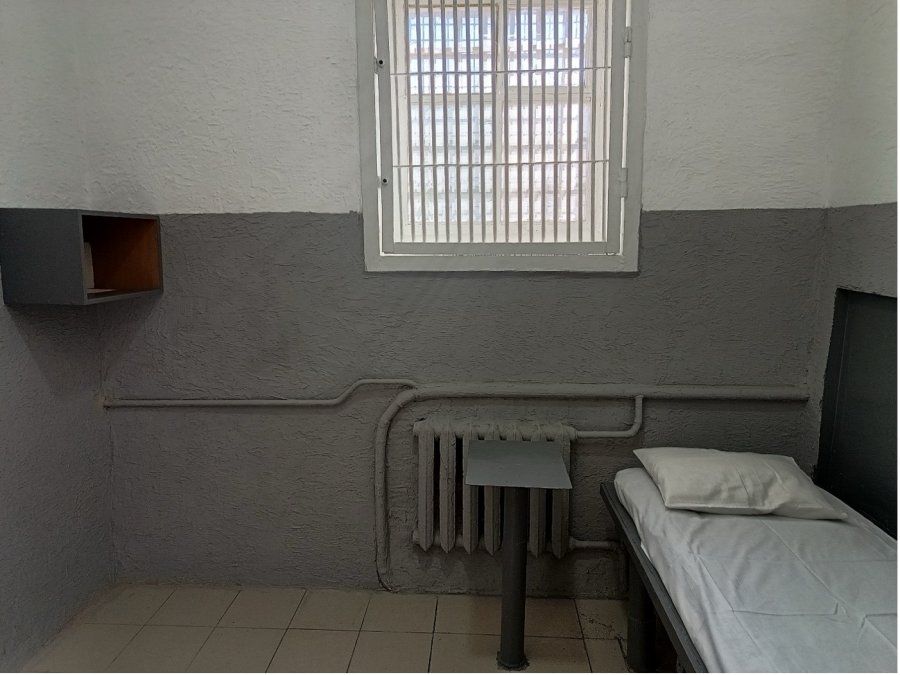
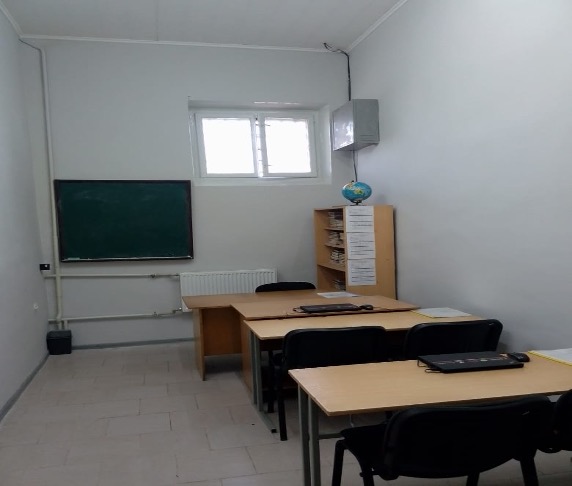
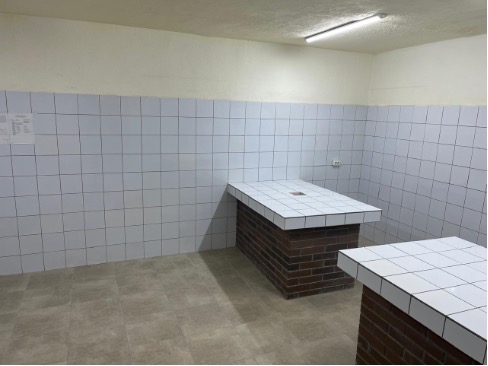
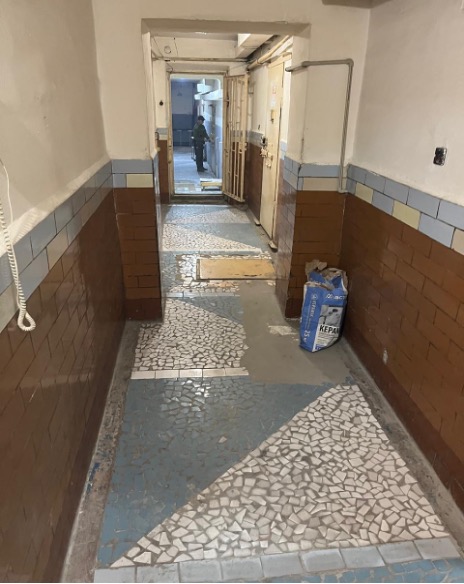
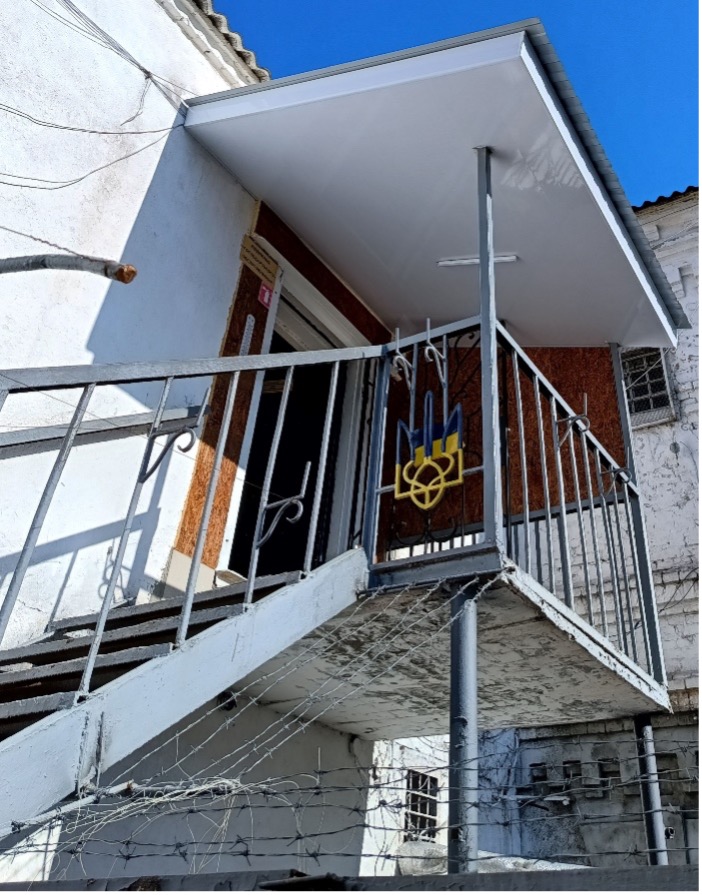
Cosmetic repairs were carried out on the porch of the facility maintenance unit. To expand opportunities for providing prisoners with access to IP telephony, a room for making phone calls was set up. Cosmetic repairs of cell units have been initiated.
Facts identified during the visit
During the monitoring visit, violations of the requirements of national legislation and a failure to comply with international recommendations in the sphere of the treatment of prisoners were identified, which lead to violations of the rights of remand prisoners and convicted persons:
1. In violation of paragraph 2 of Article 11 of the Law of Ukraine “On Pre-trial Detention” and point 10 of the Standard Minimum Rules for the Treatment of Prisoners, the living space per person taken into custody in certain cell units is less than 2.5 m².
Thus, during a selective check, it was established that in cell unit No. 67, where 7 male prisoners were held, the area of the cell according to the living space measurement report is 13.99 m². Therefore, the actual area per person taken into custody was 1.99 m². Similar violations were identified in cell units Nos. 66, 72, 51, 44, etc.
In addition, in violation of point 1 of Chapter 2 of Section III of the Internal Regulations of Pre-trial Detention Centres of the State Penitentiary Service of Ukraine, approved by the Order of the Ministry of Justice of Ukraine dated 14.06.2019 No. 1769/5 (hereinafter — SIZO Regulations), it was established that in a number of cells, the actual number of sleeping places exceeds the permissible norm for ensuring the legally required living space per person. Specifically, violations were recorded in cells Nos. 41, 44, 45, 51, 64, 66, 67, 72, etc.
The mentioned violation creates conditions for potential abuse by the administration and staff of the institution in the context of complying with the standard of living space per person and does not ensure adequate personal space for persons held in cell units.
In point 13 of the 7th General Report of the European Committee for the Prevention of Torture, it is noted that the problem of overcrowded cells leads to unhygienic conditions, a constant lack of privacy, and the overloading of medical services and the institution’s infrastructure, and it is concluded that quite often the negative impact of overcrowding resulted in inhuman or degrading conditions of detention for prisoners (CPT/Inf (97) 10).
In addition, in the report on the results of the 2023 visit to Ukraine, the Committee once again calls on the Ukrainian authorities to take measures, in accordance with its long-standing recommendation, to review the legal norms regarding living space for persons taken into custody, with the aim of guaranteeing at least 4 m² per person in multi-occupancy cells (excluding the area occupied by toilets) (CPT/Inf (2024) 20, point 38).
2. In violation of Article 8 of the Law of Ukraine “On Pre-trial Detention” and point 17.2 of the European Prison Rules, the monitoring group established facts of non-compliance with the requirements regarding the separate detention of prisoners.
In particular, in cell units Nos. 2, 4, 15, 16, 29, 31, 32, 34, 35, 42, 49, 50, 54, 56, 57, 59, 63, 64, 65, 68, 69, 72, 74, and 75, the joint detention of persons suspected or accused of committing criminal offences provided for by part five of Article 255, Articles 255-1 and 255-2 of the Criminal Code of Ukraine, with other persons held in custody was recorded. Furthermore, in cells Nos. 11, 12, and 13, persons who had previously served sentences in places of deprivation of liberty were held together with those being held criminally liable for the first time.
Such facts indicate a systemic failure by the institution's administration to comply with the requirements for proper control over the placement of prisoners, which does not meet the principles of dynamic security and leads to a violation of prisoners’ rights to personal safety. This contradicts both national legislation and international standards, in particular Article 3 of the Convention for the Protection of Human Rights and Fundamental Freedoms.
3. During the visit to the premises of the intake ward, it was established that their equipment does not fully comply with the requirements of the Procedure for Providing, Accounting for, and Using Furniture, Inventory, and Household Items and the Norms of their Provision and Operation in Institutions for the Execution of Sentences and Pre-trial Detention Centres of the State Penitentiary Service of Ukraine, approved by the Order of the Ministry of Justice of Ukraine dated 27.07.2012 No. 1118/5, registered with the Ministry of Justice of Ukraine on 30.07.2012 under No. 1274/21586 (hereinafter — Provision Norms).
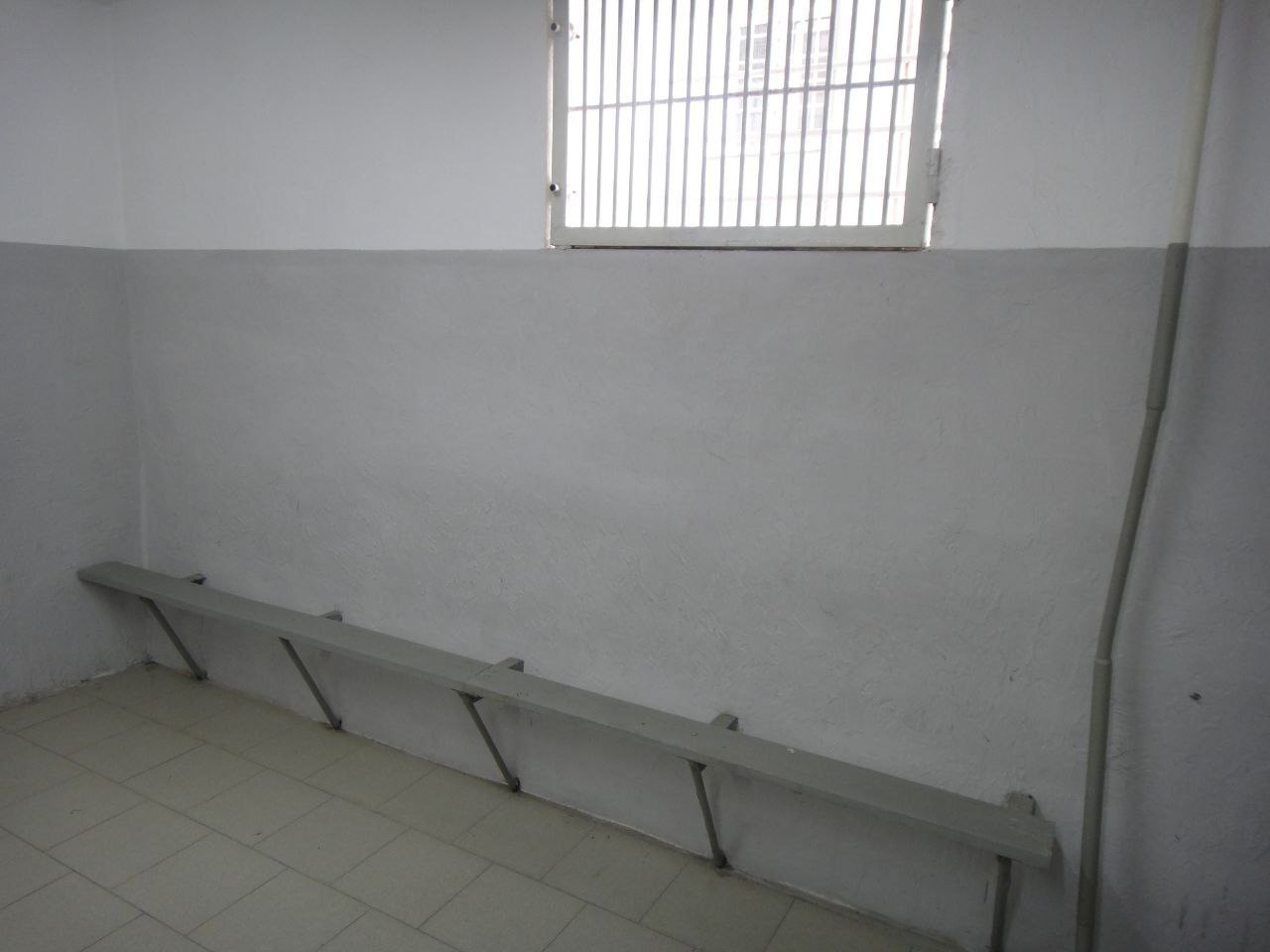
In the intake ward, necessary premises are absent: a doctor’s office, a treatment room, a barbershop, a storage room for personal belongings, a quarantine cell, a cell for sick persons (isolation cell), and rooms for distributing food, storing food products, and washing tableware.
There is only one room for holding persons arriving at or departing from the institution, which makes it impossible to comply with the requirements for the isolation of remand prisoners and convicts. This is a violation of point 10 of Chapter 2 of Section II of the SIZO Regulations and Article 8 of the Law of Ukraine “On Pre-trial Detention”.
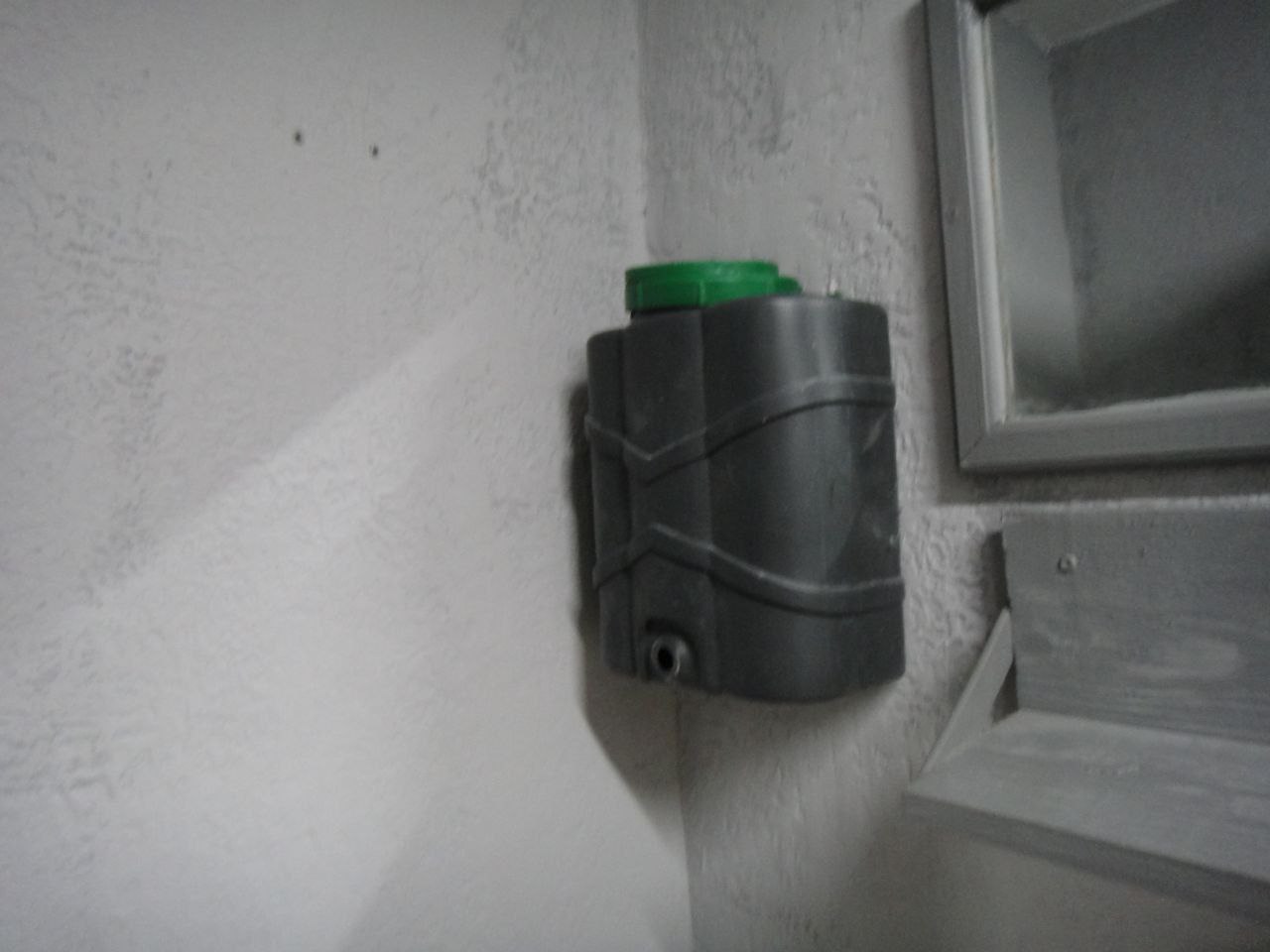
The cell unit is not equipped with a table, as provided for by the Provision Norms. The supply and exhaust ventilation is not working. The drinking water tank is dismantled and not filled, which contradicts the requirements of rule 22.5 of the European Prison Rules.
Due to the absence of an equipped doctor’s office in the intake ward, the medical examination of new arrivals is conducted in the search room or in another room, that is, in conditions that do not ensure privacy and confidentiality. This leads to staff and other remand prisoners and convicts obtaining confidential information about the health status of new arrivals during the medical examination.
The mentioned facts violate the requirements of point 7 of Chapter 2 of Section X of the SIZO Regulations, Article 39-1 of the Law of Ukraine “Fundamentals of Legislation of Ukraine on Healthcare” regarding the right of persons to medical confidentiality, and point 9 of Section I of the “Procedure for Organising the Provision of Medical Care to Persons Sentenced to Deprivation of Liberty”, approved by the joint order of the Ministry of Justice of Ukraine and the Ministry of Health of Ukraine dated 15.08.2014 No. 1348/5/572 (hereinafter — Procedure).
The absence of a quarantine cell and a cell for sick persons (isolation cell) in the SIZO intake ward creates conditions for the spread of infectious diseases among new arrivals, increases the risk of epidemiological outbreaks, and complicates the timely detection and isolation of the sick. This poses a threat to both the persons held and the staff of the institution.
4. Due to the absence of cells for newly arrived persons in the institution (hereinafter — quarantine cells), remand prisoners and convicts from the intake ward are immediately transferred to the cells of the pre-trial detention centre, which contradicts point 13 of Chapter 2 of Section II of the SIZO Regulations.
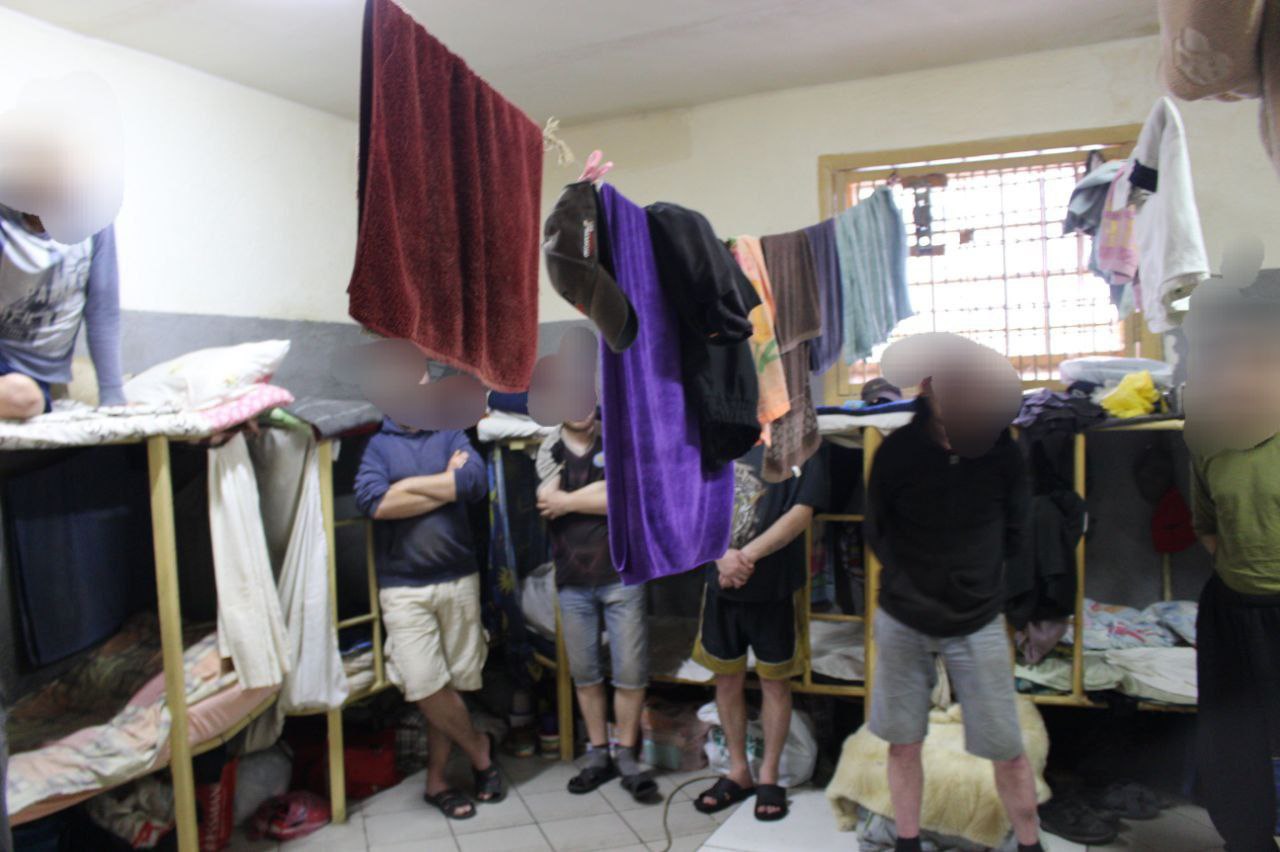
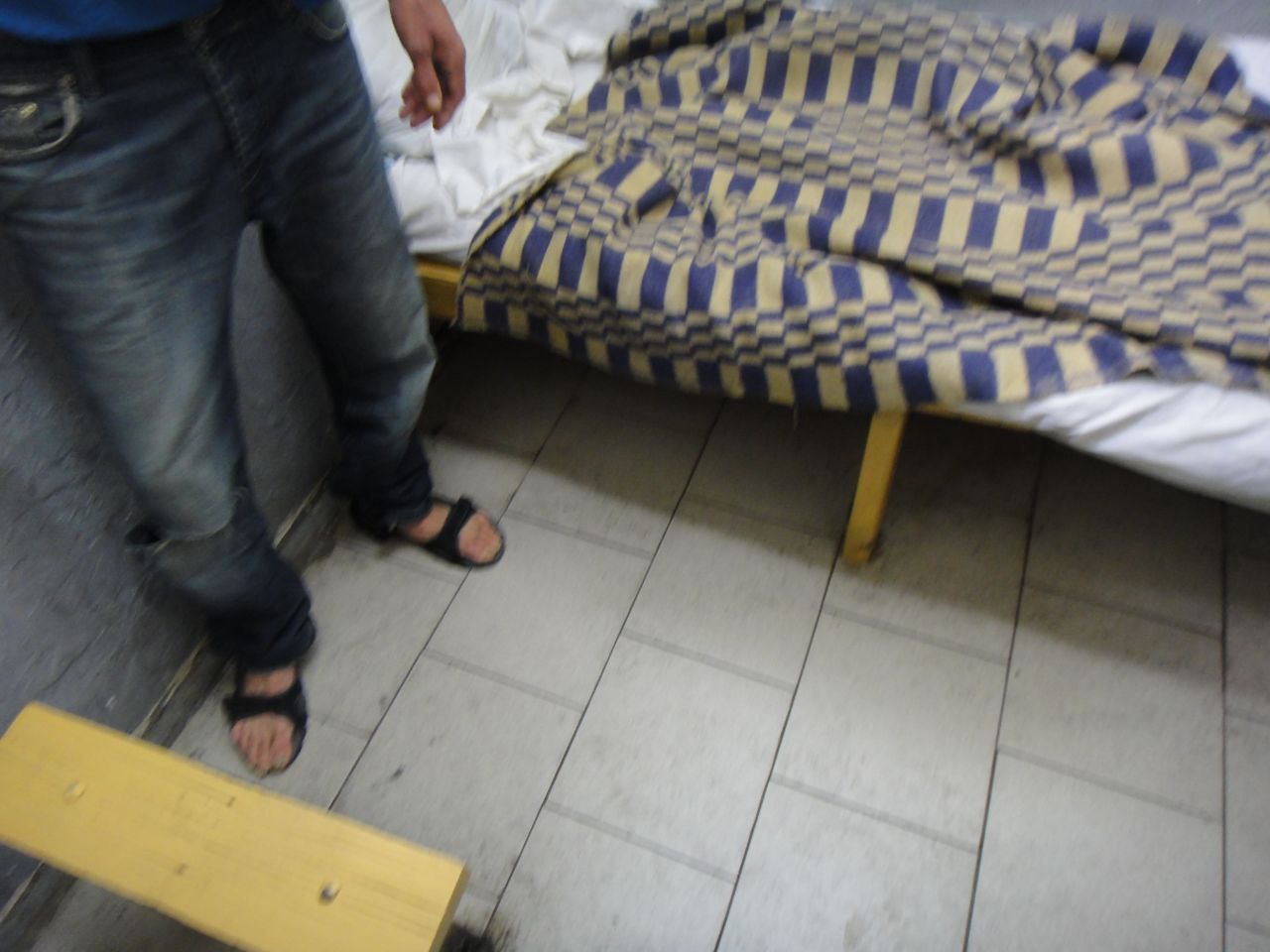
5. In the cell units, violations of Article 8 of the Convention for the Protection of Human Rights and Fundamental Freedoms, which guarantees the right to respect for private life, were identified. In particular, contrary to rule 18.1 of the European Prison Rules, in some cell units, beds are placed immediately next to each other, which deprives prisoners of personal space.
The toilets in certain cells (Nos. 19, 41, 44, 51, 64, 66, 67, 72, etc.) are not equipped with sufficient partitions and/or doors that provide the possibility of privacy, which violates rule 19.3 of the European Prison Rules.
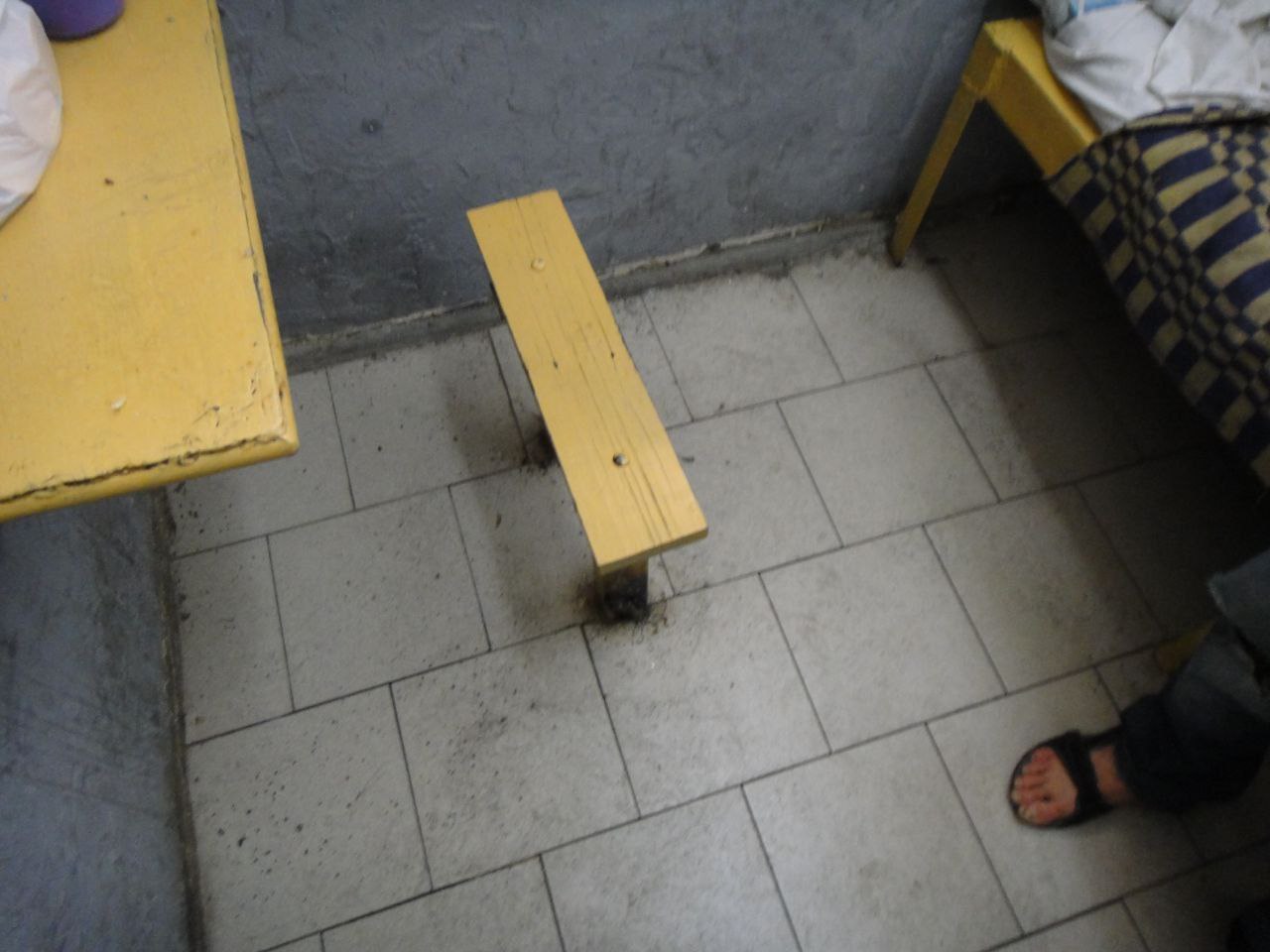
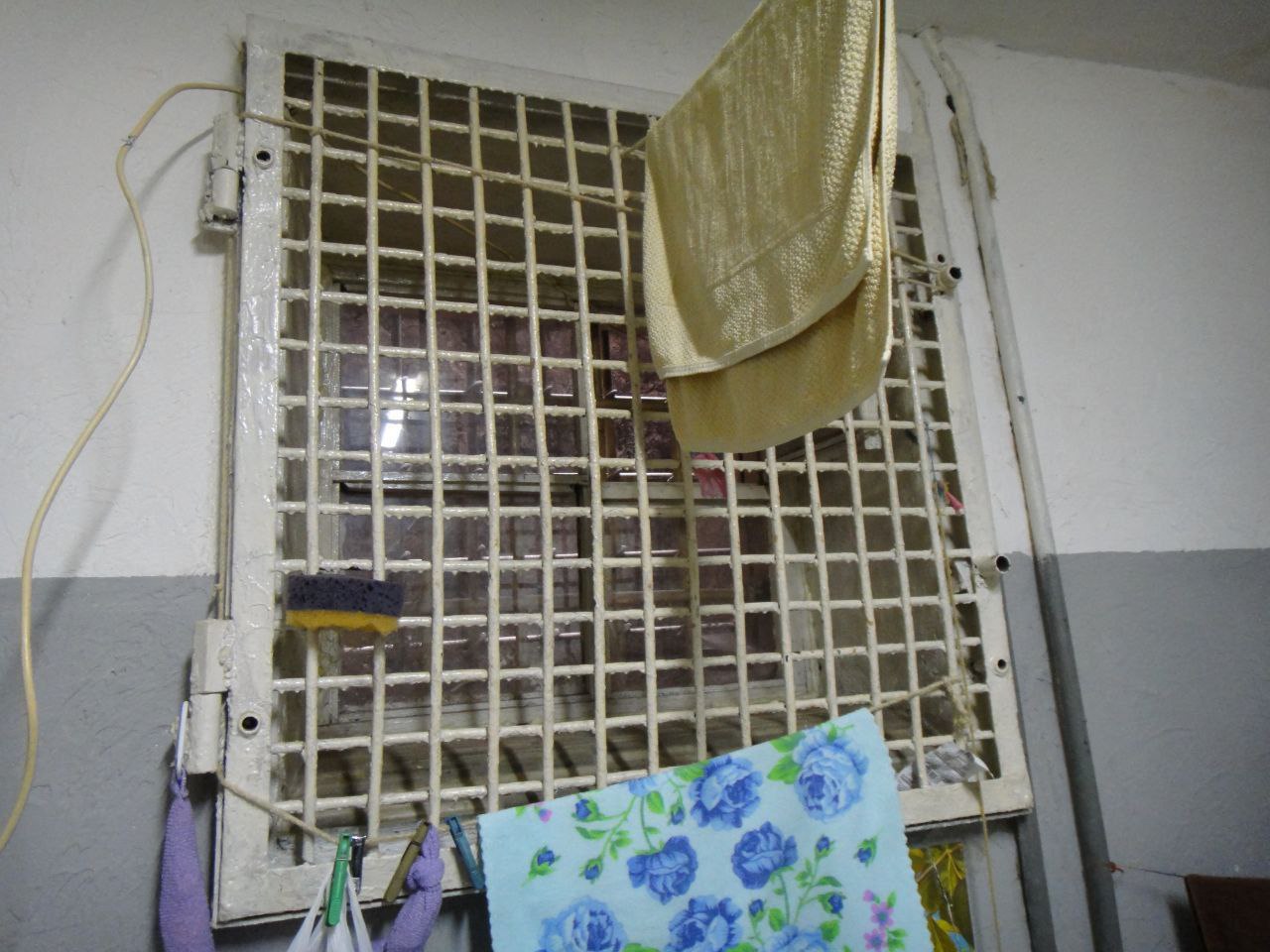
Contrary to the requirements of Article 11 of the Law of Ukraine “On Pre-trial Detention” and point 2 of Chapter 3 of Section IX of the SIZO Regulations, remand prisoners are not provided with adequate material and living conditions that comply with sanitation and hygiene rules. In particular, in cell units, prisoners are forced to wash and dry clothes, which indicates improper organisation of bath and laundry services.
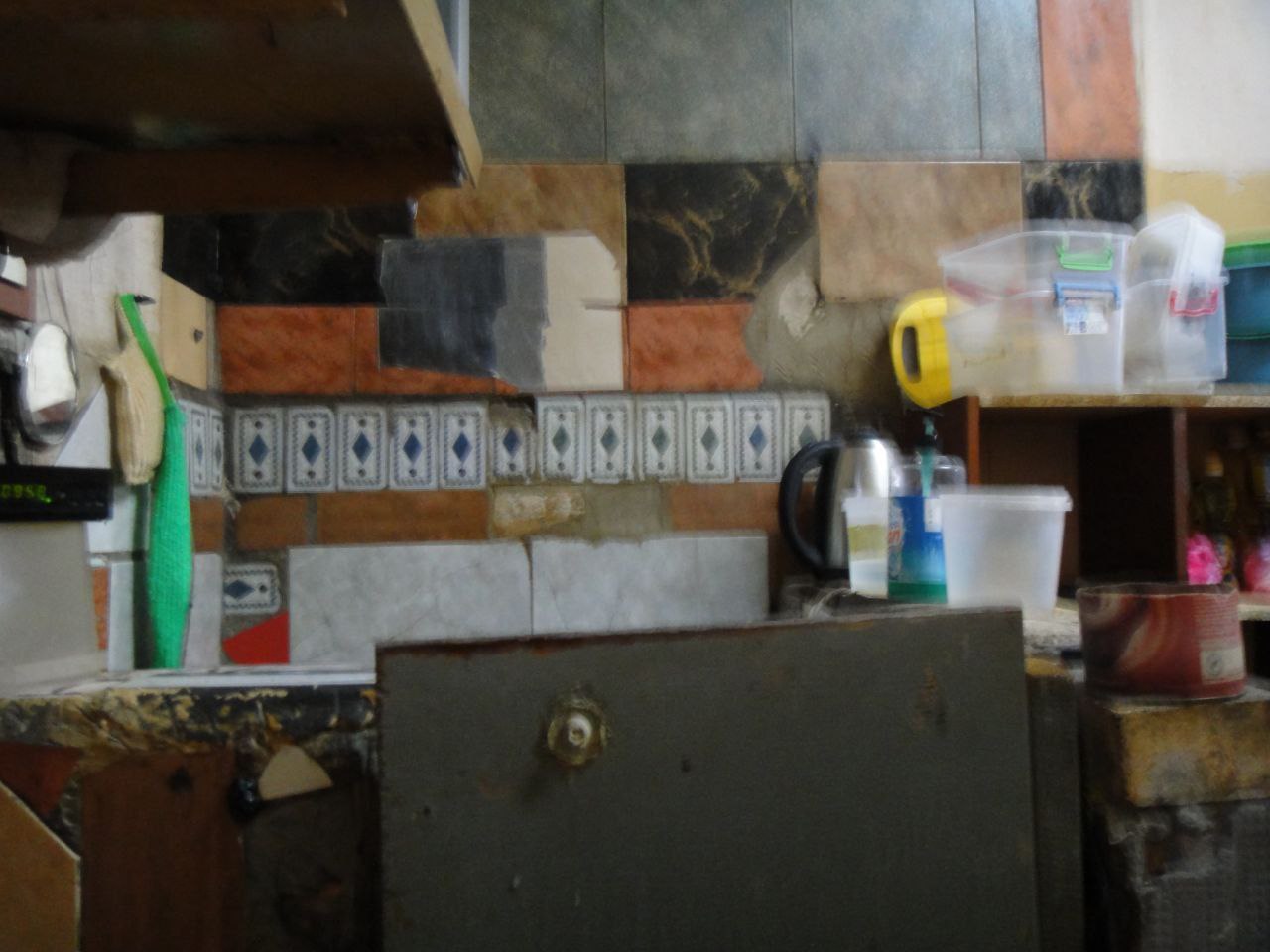
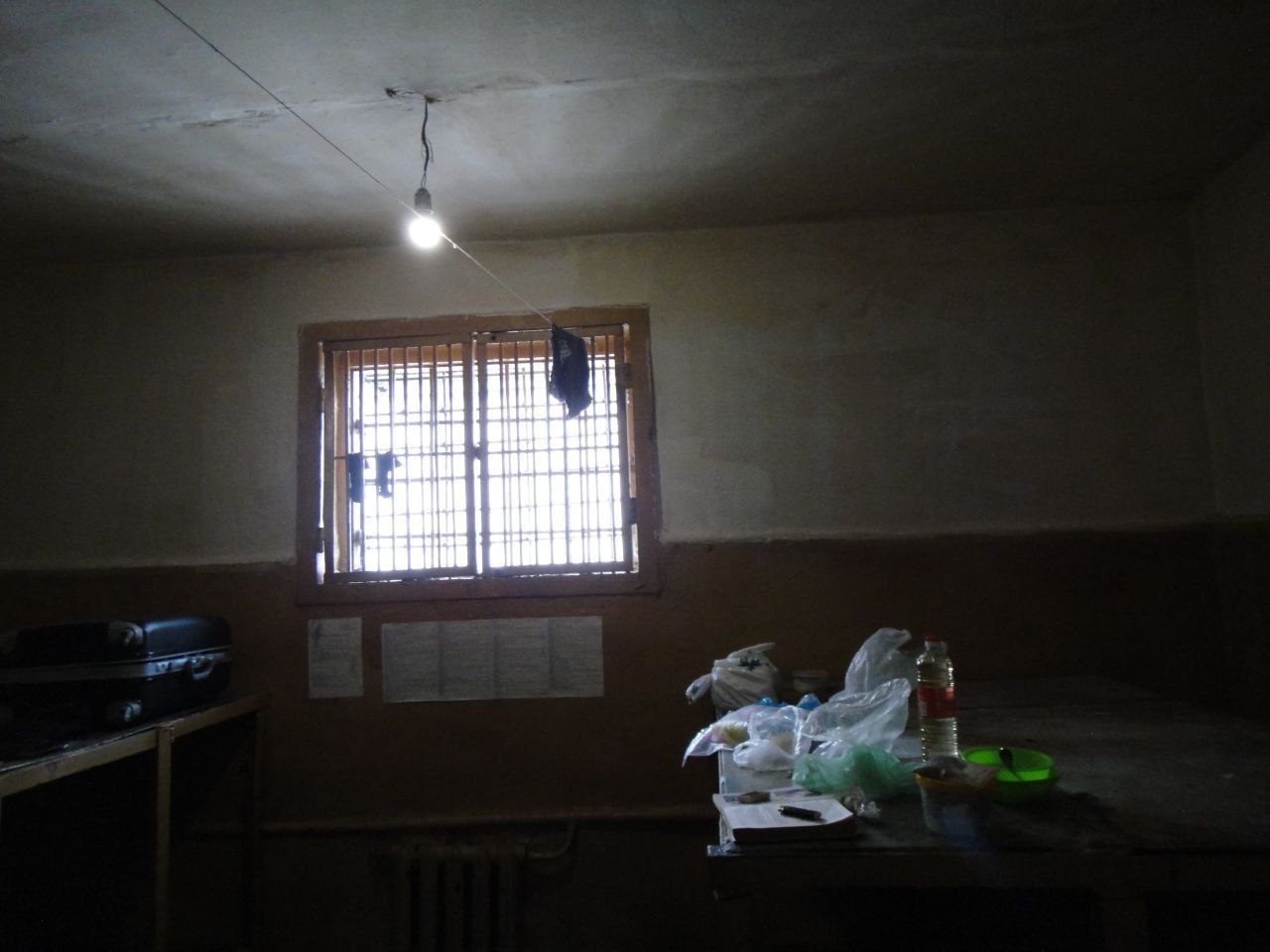
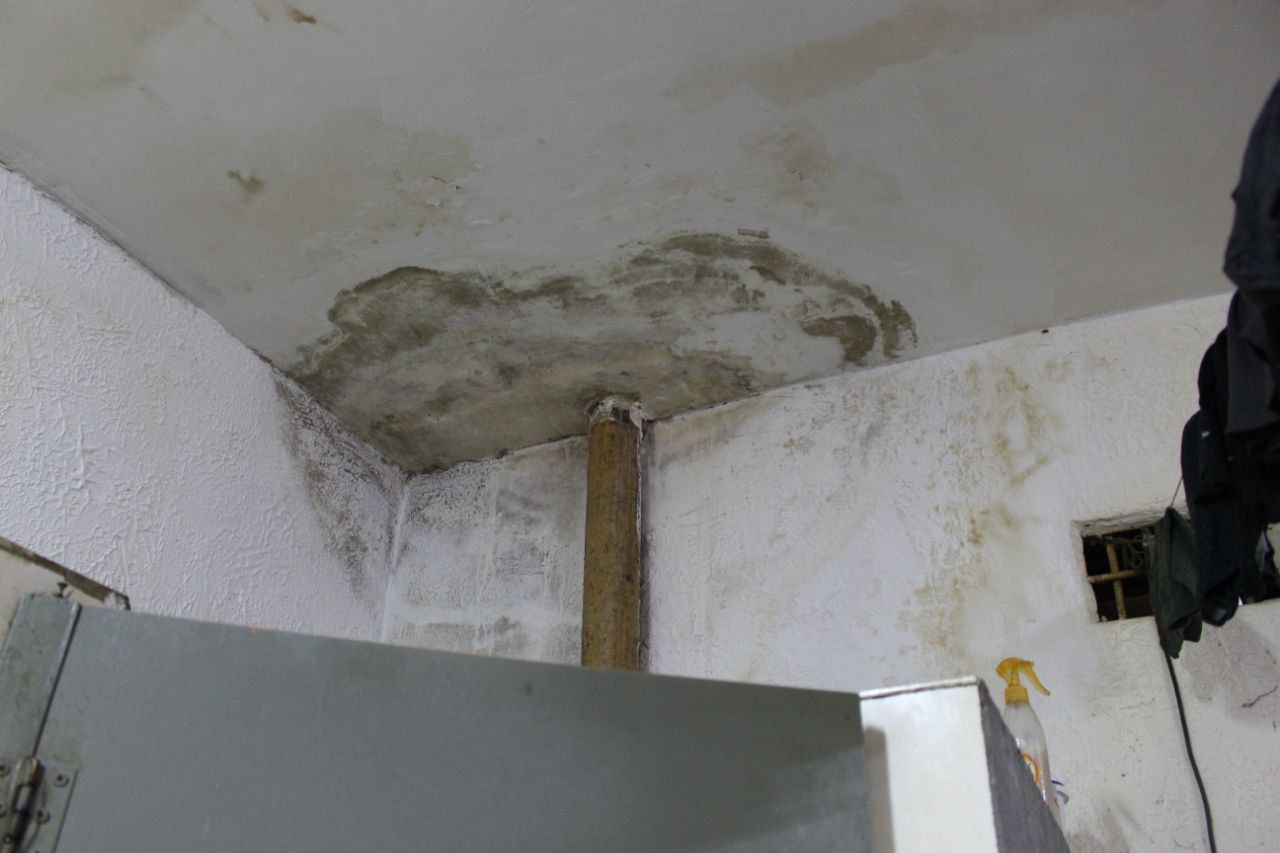
Certain cells require repairs, including the replacement of sanitary and technical equipment and the electrical network. In the rooms, there is an unpleasant odour, unsanitary conditions; on the ceilings and walls of certain cells, excessive dampness and mould can be observed due to water leakage; there is significant clutter with personal belongings, and bed linen and mattresses require replacement.
At the same time, in the report of the Government of Ukraine following the 2023 visit, the Committee called on the Ukrainian authorities to take necessary measures to improve material conditions of detention, in particular: to reduce cell occupancy so that at least 4 m² of living space per person taken into custody is provided (excluding the area occupied by in-cell toilets); to maintain all places where convicts and persons taken into custody are housed, including sanitary facilities, in a proper state of repair and hygiene; to carry out disinsection regularly and frequently; to ensure sufficient access to natural light and ventilation in cells; to fully equip internal sanitary facilities with partitions (from floor to ceiling). (CPT/Inf (2024) 20, point 58).
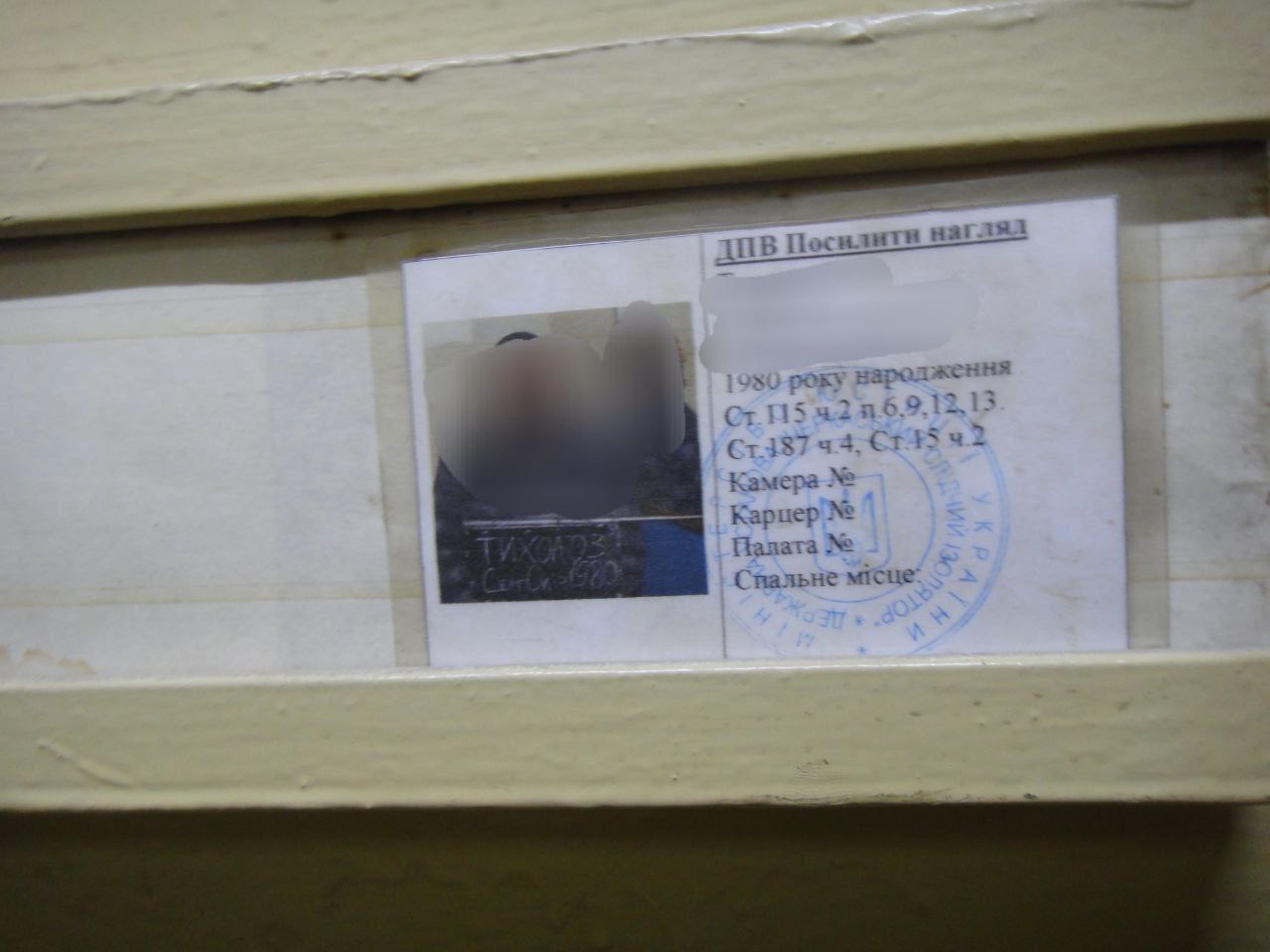
6. During the visit to the maximum-security sector, it was established that index cards with a short description of the crimes committed by the persons held in the cells were placed near the outer doors of the cells for those sentenced to life imprisonment.
In its report on the results of the 2020 visit to Ukraine, the Committee noted that such a practice should be discontinued, as it serves no reasonable purpose and, in addition to stigmatisation, results in the deterioration of relationships between prisoners and prison staff (CPT/Inf (2020) 40, point 52).
7. In the maximum-security sector, a doctor’s office for the outpatient reception of patients is not provided, which contradicts the requirements of the Provision Norms and creates obstacles for providing timely medical assistance to the persons held there. Furthermore, the unit lacks a room for performing religious rites, which violates the requirements of point 3 of Chapter 5 of Section VIII of the SIZO Regulations and the Provision Norms.
8. The premises of the unit for convicts left to perform maintenance work do not fully comply with the requirements of the Provision Norms. In particular, there are no: a room for performing religious rites; a room for storing food products; a room for storing the exchange fund of bed linen, clothing, and special protective clothing; a storeroom for the temporary storage of dirty bed linen, clothing, and special protective clothing; a domestic utility room; a drying room.
The absence of necessary premises leads to a violation of sanitary and hygienic norms. Thus, the improper organisation of personal belongings storage makes it difficult to maintain cleanliness and order in the premises where convicts are held, which worsens the overall sanitary situation in the institution.
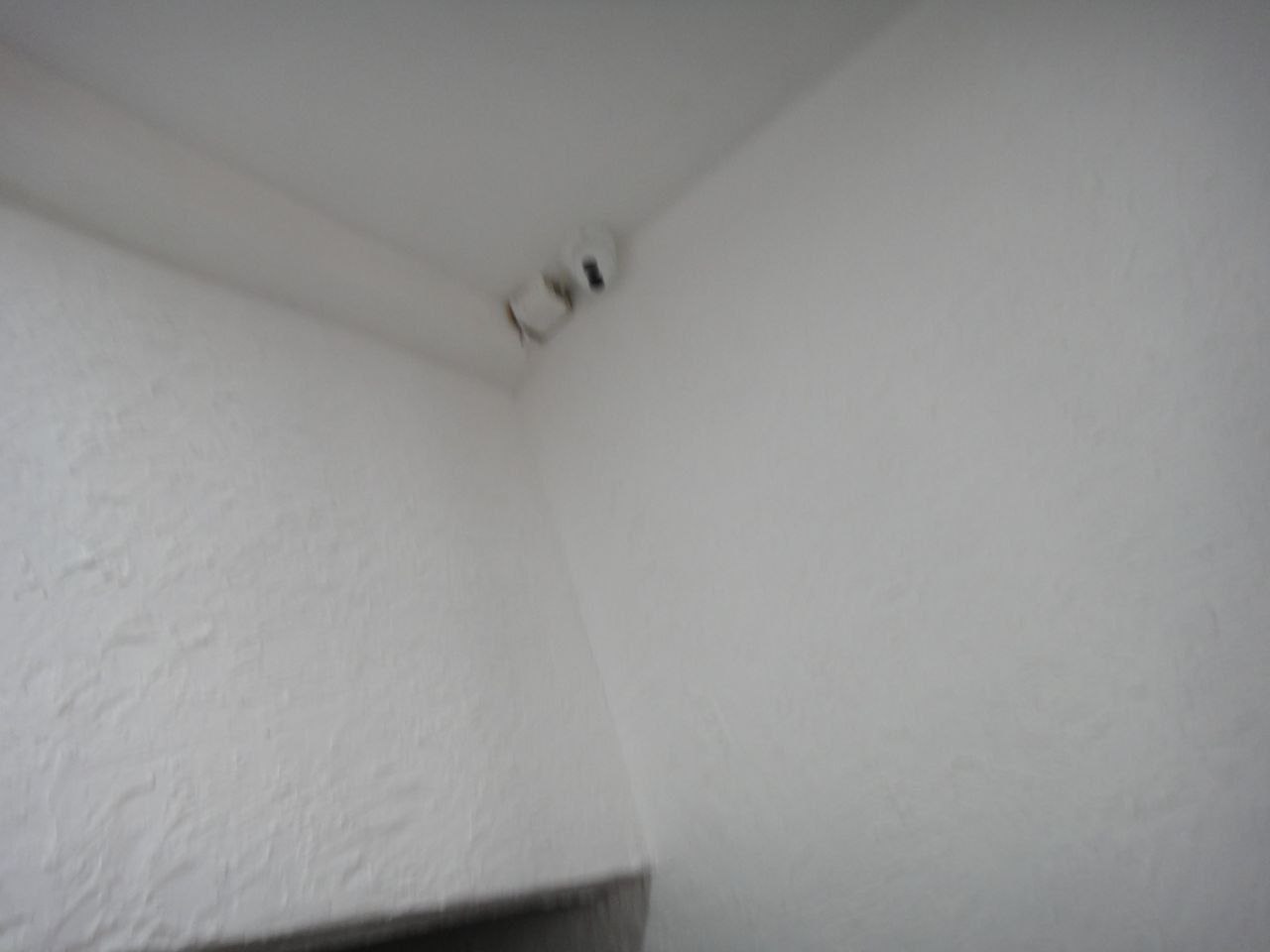
9. Point 4 of Chapter 2 of Section III of the Internal Regulations of Pre-trial Detention Centres of the State Penitentiary Service of Ukraine, approved by the Order of the Ministry of Justice of Ukraine dated 14.06.2019 No. 1769/5 (hereinafter — SIZO Regulations), stipulates that to prevent escapes and the commission of criminal offences, violations of the legally established order of detention and serving sentences, as well as to ensure the safety of remand prisoners, convicts, SIZO staff, and other persons present on the SIZO premises, audiovisual, electronic, and other technical means are used. During the inspection of disciplinary cells, installed video surveillance cameras were recorded.
At the same time, in its 2012 report, the Committee criticised excessive interference with privacy through the installation of video cameras in the living quarters of convicts: “The CPT agrees that video surveillance in cells can be a useful safeguard in certain cases, for example, when a person is considered to be of concern regarding the risk of self-harm or suicide, or if there are specific suspicions that a convict is committing certain acts in the cell that may jeopardise safety.
However, any decision to apply video surveillance to a specific convict must always be based on an individual assessment of real risks and must be regularly reviewed. Video surveillance is a serious interference with the private life of prisoners and makes the regime even more repressive, particularly when used for a long period.” (CPT/Inf (2013) 23, point 52).
10. The monitoring group identified a number of violations in the organisation of bath and laundry services for convicts and remand prisoners.
In violation of the requirements of rule 19.3 of the European Prison Rules, the right to privacy in the shower room is not ensured due to the absence of curtains on shower partitions in the intake ward. In violation of point 3.19.1 of Section III of the Regulation on the Organisation of Bath and Laundry Services for Persons Held in Institutions for the Execution of Sentences and Pre-trial Detention Centres, approved by the Order of the Ministry of Justice of Ukraine dated 08.06.2021 No. 849/5 (hereinafter — Regulation), the sanitary processing of remand prisoners and convicts is not carried out in full.
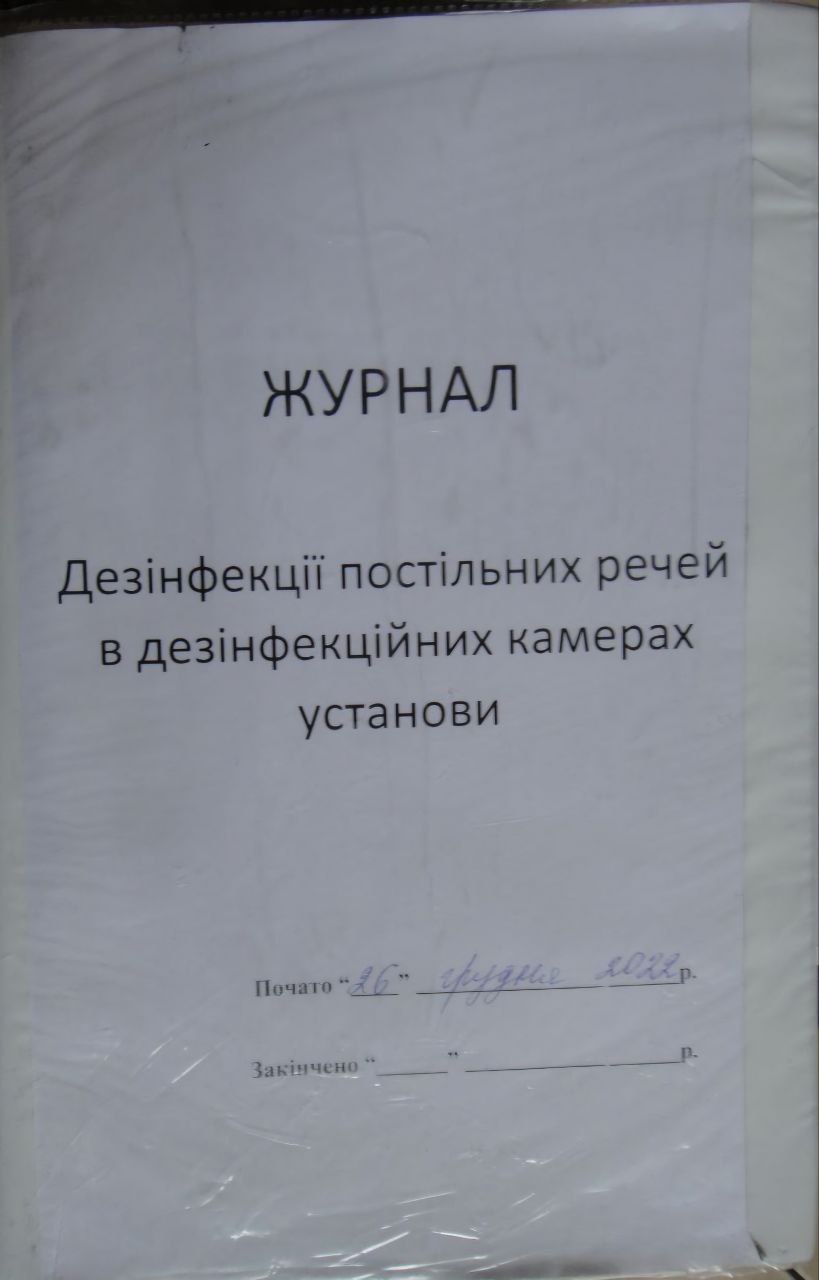
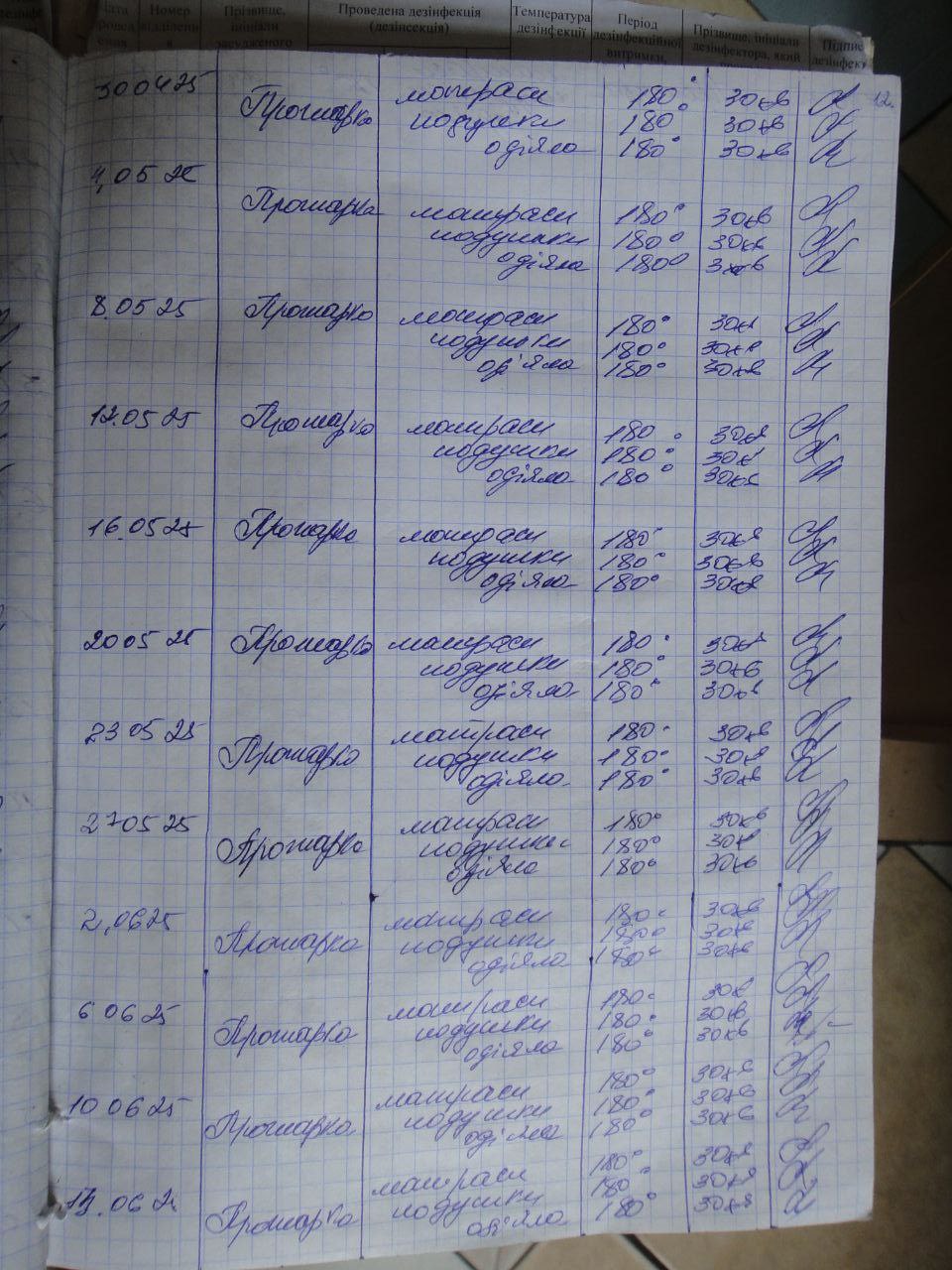
In particular, disinfection (destruction of pathogenic microorganisms) and disinsection (destruction of insects and ticks that are vectors of infectious diseases) of bed sheets, pillowcases, towels, and personal clothing are not carried out in the disinfection chamber. Only pillows, mattresses, and blankets are subject to processing, which is confirmed by corresponding records in the Logbook for Disinfection (Disinsection) of Clothing and Bedding in the Disinfection Chamber.
The keeping of the Logbook for Disinfection (Disinsection) is carried out in violation of the requirements of the form approved by Appendix 8 to the Regulation. Specifically, columns 2 and 3 do not indicate the numbers of units (cells) or the surnames and initials of the convicts (persons taken into custody) whose items were disinfected; columns 5 and 6 do not specify the quantity and weight of the clothing or bedding that was actually processed.
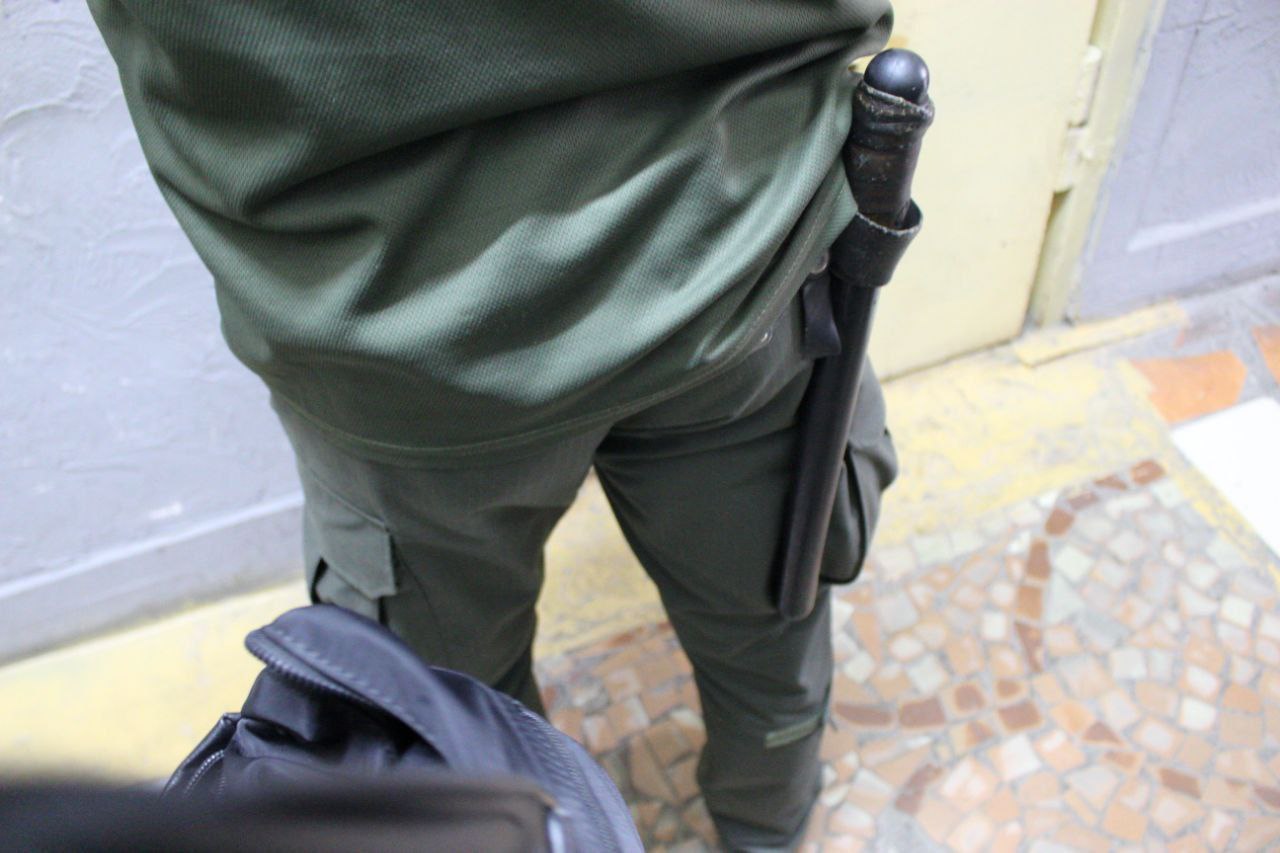
11. During the visit, the monitoring group recorded that the institution’s staff who are in direct contact with convicts openly carry special means, in particular rubber batons. However, according to the eighth paragraph of point 8 of Chapter 1 of Section V of the SIZO Regulations, the carrying of special means by SIZO staff within the protected territory of the SIZO should, if possible, be as hidden from the surroundings as possible.
The Committee recommends that penitentiary staff working in direct contact with prisoners should not carry special means (such as rubber batons, handcuffs, and tear gas canisters) openly before prisoners. Openly carrying special means hinders the establishment of normal relations between staff and prisoners (CPT/Inf (2011) 29, point 85; CPT/Inf (2013) 23, point 23; CPT/Inf (2014) 15, point 166).
12. According to service documentation, the staff shortage for the institution as of 19.06.2025 is 76 positions. At the same time, in the report of the Government of Ukraine following the 2023 visit, the Committee emphasises that ensuring a positive climate in a penitentiary institution requires a professional team of staff, who must be present in sufficient numbers at any moment in time in the places of detention.
An insufficient number of staff increases the risk of violence and intimidation between convicts. A shortage of staff on the front line undermines the quality and level of activities offered to convicts, and also jeopardises the prospect of preparation for release and social rehabilitation.
In this regard, the Committee calls on the Ukrainian authorities to take decisive measures to substantially increase the number of staff in penitentiary institutions of Ukraine, where low staffing levels are observed, with the aim of strengthening the presence of security and supervision staff inside the institutions. It is also necessary to take measures to end the practice of 24-hour shifts for staff on duty. (CPT/Inf (2024) 20, point 93).
13. Three models of engaging convicts and remand prisoners in labour are applied in the SIZO: facility maintenance, work in workshops, and landscaping work for up to two hours without remuneration. Convicts working on maintenance jobs are registered under fixed-term labour contracts. However, such contracts are concluded selectively and are mostly formal: with unclear payment conditions, without social insurance, sick leave, or holidays.
The de facto labour of remand prisoners, for whom the sentence has not yet entered into force, is of a systemic nature, but it is carried out without the conclusion of labour contracts and without payment. By order of the administration and under fixed-term contracts, convicts work in the kitchen, laundry, bathhouse, and workshops, while remand prisoners perform landscaping work for up to two hours without the formalisation of labour relations. Labour contracts are only concluded with selected individuals, and these contracts do not effectively guarantee social protection, holidays, or sick leave, but are rather a formality.
The minimum wage in Ukraine in 2025 is 8,000 UAH per month. However, for the majority of positions for convicts working on maintenance jobs (labourers, cooks, bakers, barbers), a salary of only 3,195 UAH is set in the SIZO. Thus, convicts work full-time but are registered on a 0.5 rate and receive, after deductions, about 1,597 UAH gross, and sometimes even less — approximately 799 UAH.
Cases were recorded where, after all taxes and fees, persons actually received only between 175 and 587 UAH per month. For example, convict O., who has worked as a baker for over 4 years, officially registered on a half-rate, receives about 587 UAH/month, which is only 7% of the minimum wage; convict O., a labourer with 2.5 years of experience in the maintenance unit, receives from 370 to 587 UAH/month, i.e., 5-7% of the minimum wage; convict F., a labourer, received only 175 UAH for a month and a half of work, which is 2.19% of the minimum wage; convict K., a labourer, received 175-370 UAH for 1 month of work.
The Constitution of Ukraine (Article 43) guarantees the right to payment for labour not lower than the minimum. According to the Labour Code of Ukraine (Article 95), the minimum wage is a state guarantee. The Law of Ukraine “On Remuneration of Labour” (Article 3-1) defines the minimum wage as a mandatory guarantee. The Penitentiary Code of Ukraine (Article 118) provides that the remuneration of convicts’ labour should be carried out according to the rules of labour legislation in compliance with state guarantees.
Thus, the actual payments to convicts in the SIZO amount to only 2-8% of the minimum wage, which indicates a failure to comply with the state guarantee. At the same time, the concluded contracts provide for unclear payment and do not ensure social guarantees. According to Article 24 of the Labour Code, a labour contract must contain defined essential conditions of labour, and Article 116 of the Labour Code provides for full settlement and guarantees.
The Mandela Rules (points 96-103) require fair payment and social guarantees. The European Prison Rules (point 26.10) determine that prisoners’ labour must comply with general labour norms. In this case, in the SIZO, persons actually work but do not have standard employee guarantees (sick leave, holidays, insurance), which is a deficient labour relationship in contradiction to legislation.
At the same time, a certain group of working persons do not receive any material remuneration at all. Convict T. is formally listed as a barber but actually carries food to the cells. His salary is absent in the payroll sheets. Convict L. works in the laundry, but there are no payments for him in the sheets either. Convict Sh. is enrolled in facility maintenance but receives no salary.
Furthermore, a certain number of remand prisoners who are in the investigation stage and are not yet convicted (e.g., V., S., K., Z.) were engaged in landscaping or workshop work (washing glass bottles).
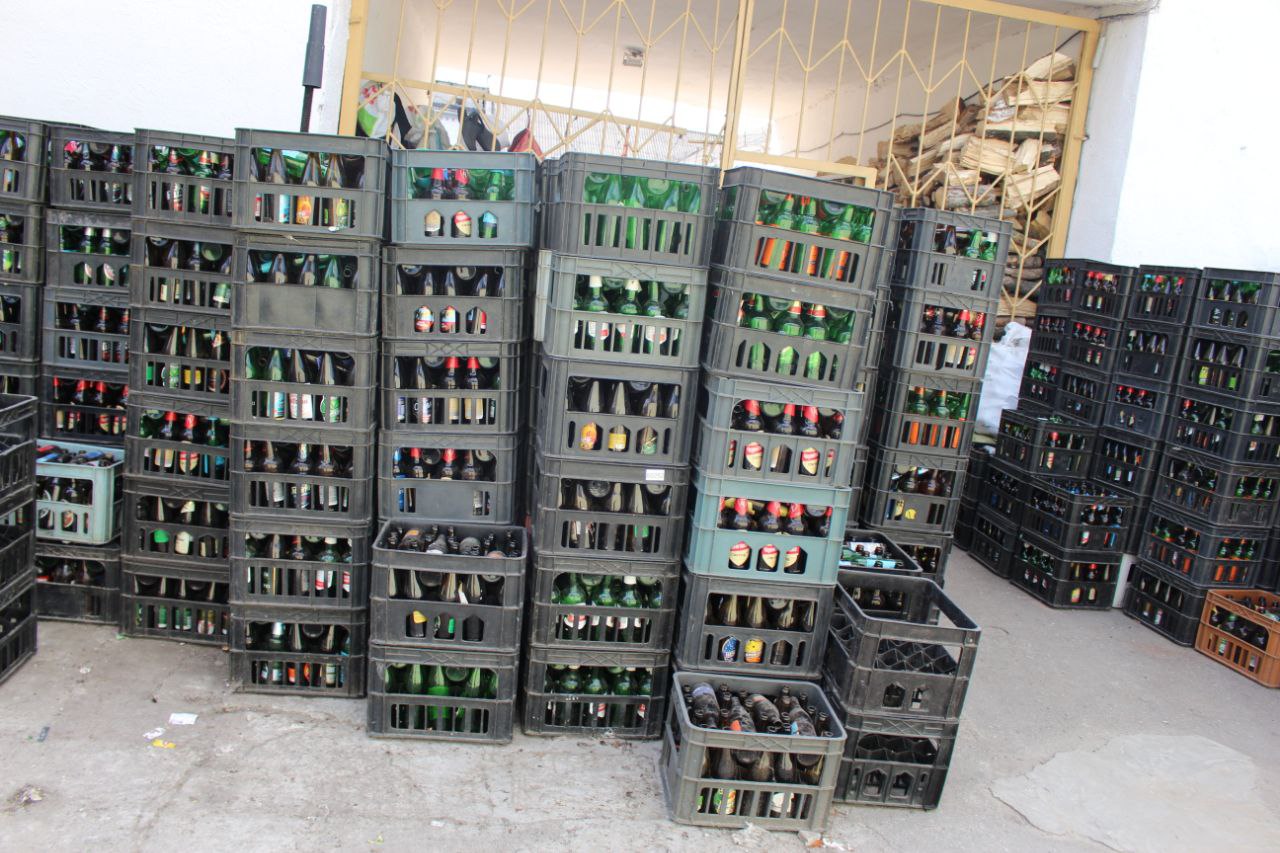
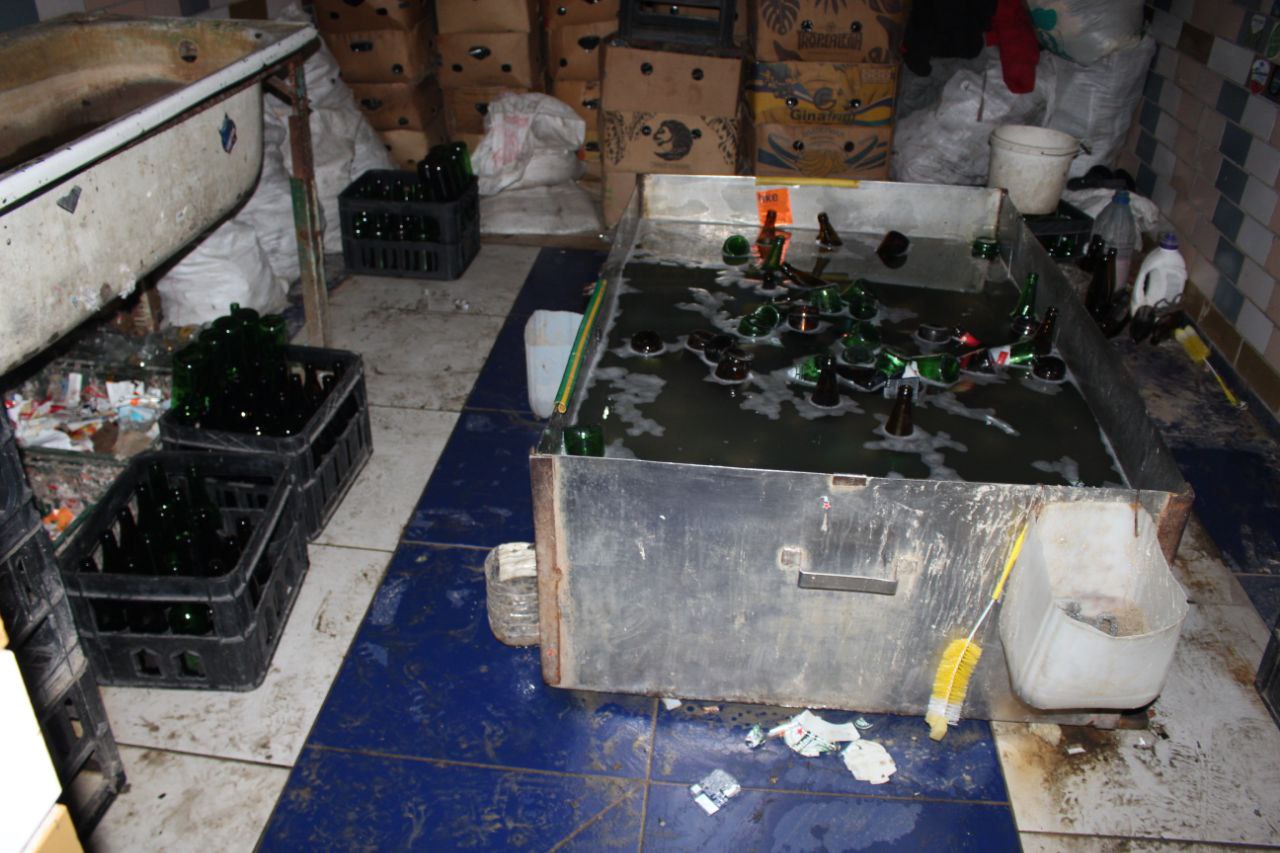
They do not have concluded contracts, do not receive a salary, and their exits from cells are not even recorded. The administration claims that prisoners work “two hours for the landscaping of the institution”. However, this cannot be verified: in the SIZO, there are no vouchers for exiting cells, where the time of exit and return, as well as the place of work, should be recorded.
Because of this, there is no official confirmation of the actual duration of the work. Formally, it may be “2 hours”, but without proper recording, prisoners can be kept at work for longer than claimed, which creates risks of abuse and hidden forced labour.
Thus, it was documented that part of the individuals perform work without any contracts and without remuneration. According to Articles 21, 24, and 29 of the Labour Code of Ukraine, work must be performed on the basis of a labour contract with proper formalisation and familiarisation with the working conditions.
The Law of Ukraine “On Pre-trial Detention” provides that remand prisoners may be engaged in work only with their consent, in clearly defined types of activities, with the keeping of time records, and also prohibits the substitution of regular staff functions. ILO Conventions No. 29 and No. 105 guarantee the prohibition of forced labour.
The institution’s administration explains the work of remand prisoners without formalising labour relations and without payment as “two hours for landscaping”. At the same time, the monitoring group was not provided with exit/entry vouchers for these persons, logs are kept chaotically, and timesheets are not prepared. According to Articles 30—31 of the Labour Code, mandatory recording of working hours (timesheets) must be carried out as a basis for calculating wages.
The Mandela Rules and the European Prison Rules (point 26.10) require the transparent organisation of labour and proper documentation of time and conditions. In the absence of vouchers and timesheets, it is impossible to establish the real duration of the work, which gives grounds to believe that prisoners may be engaged in work without payment beyond the defined period, which creates a risk of hidden forced labour.
Thus, labour in the SIZO has signs of systemic exploitation: convicts receive meagre sums within a few hundred hryvnias instead of the guaranteed minimum wage; remand prisoners without a sentence are engaged in work without payment and without the formalisation of labour relations; there is no proper control over the actual duration of their work, nor are there social guarantees and insurance records. Such a practice grossly contradicts the legislation of Ukraine and international standards, deprives persons of the right to fair payment and social protection, and has all the signs of forced labour.
Cherkasy City Medical Unit of the branch of the State Institution “Centre for Health Care of the State Penitentiary Service of Ukraine” in Cherkasy and Kirovohrad Oblasts
The head of the Cherkasy City Medical Unit of the branch of the State Institution “Centre for Health Care of the State Penitentiary Service of Ukraine” in Cherkasy and Kirovohrad Oblasts is Nataliia Smolinova.
During the monitoring visit, violations of the requirements of national legislation and a failure to comply with international recommendations in the sphere of the treatment of prisoners were identified, which lead to violations of the rights of convicted persons:
1. During the study of medical documentation, it was established that photographs of existing bodily injuries are not added to the medical outpatient cards (form No. 025/o) and to the primary accounting documentation form No. 511/o “Certificate on the fixation of bodily injuries”, approved by the Order of the Ministry of Health of Ukraine dated 02.02.2024 No. 186, as provided for by point 2.11 of Section II of the Procedure for Interaction between Health Care Institutions of the SPS of Ukraine and health care institutions regarding the provision of medical assistance to persons taken into custody, approved by the joint order of the Ministry of Justice of Ukraine and the Ministry of Health of Ukraine dated 10.02.2012 No. 239/5/104 (hereinafter — Procedure for interaction of health care institutions).
At the same time, in its report on the results of the 2023 visit to Ukraine, the Committee noted that any traumatic injuries discovered during a medical examination must be photographed in detail, and the photographs, along with body charts, must be kept in the individual medical card of the person (CPT/Inf (2024) 20, point 82).
2. In violation of the requirements of point 2.11 of Section II of the Procedure for Interaction of Health Care Institutions and the Instruction on filling out the primary accounting documentation form No. 511/o “Certificate on the fixation of bodily injuries”, medical staff do not properly draw up the corresponding certificates. In particular, in most cases, point 8 of the form, which provides for specifying the circumstances of obtaining bodily injuries, is filled out formally, without detailing.
For example: “fell through own negligence”, which does not allow for identifying the actual circumstances of the incident. The lack of full documentation of the circumstances of the injury and the improper fixation of bodily injuries do not comply with point 60 of the Committee’s recommendations (CPT/Inf (93) 12-part), which states that medical services in places of deprivation of liberty can contribute to the prevention of violence against persons held in custody through the systematic registration of bodily injuries, as well as, if necessary, by informing the relevant authorities.
3. The monitoring group established that the psychiatrist conducts psychiatric examinations of patients without proper formalisation of written informed consent. Specifically, contrary to the requirements of the Instruction on filling out the primary accounting documentation form No. 003-7/o “Informed consent of a person for conducting a psychiatric examination”, approved by the Order of the Ministry of Health of Ukraine dated 15.09.2016 No. 970, it was established that in the medical documentation (for example, in the medical outpatient card form No. 025/o and medical inpatient card form No. 003/o), the informed consent for conducting a psychiatric examination signed by the patient is absent.
In violation of point 9 of the Rules for the Application of Physical Restraint and (or) Isolation when Providing Psychiatric Care to Persons Suffering from Mental Disorders, approved by the Order of the Ministry of Health of Ukraine dated 24.03.2016 No. 240, registered with the Ministry of Justice of Ukraine on 15.04.2016 under No. 570/28700, as well as point 8.3.4 of the State Building Norms of Ukraine V.2.2-10:2022 “Health Care Institutions”, it was established that the isolation ward for persons with mental disorders does not comply with the established requirements.
In particular, the size and the barred windows do not ensure a sufficient level of natural light; furniture has sharp corners, which poses a potential danger to patients; the sanitary facility is not equipped with a door, which makes privacy impossible; there is no tank with boiled drinking water.
5. Dispensary observation is carried out for 13 persons with disabilities. Of them, group II — 4 persons, group III — 9 persons. At the same time, in violation of the requirements of the Law of Ukraine “On the Rehabilitation of Persons with Disabilities in Ukraine”, persons with disabilities do not receive proper diagnostic, treatment, and rehabilitation measures in the presence of information confirming a persistent impairment of body functions caused by diseases or the consequences of injuries that cause limitations in normal life activities.
Thus, during the study of the medical documentation of convicts, it was established that for 4 persons with disabilities, an individual rehabilitation programme (hereinafter — IRP) is absent. Furthermore, IRP recommendations are not implemented, due to which they do not receive proper diagnostic, treatment, and rehabilitation measures in the presence of information confirming a persistent impairment of body functions caused by diseases and the consequences of injuries that cause limitations in normal life activities.
6. In violation of the requirements of the State Building Norms of Ukraine V.2.2-17:2006 “Buildings and structures. Accessibility of buildings and structures for low-mobility groups of the population”, in the medical unit, conditions for accommodating people with disabilities have not been created.
7. In violation of point 37 of the Resolution of the Cabinet of Ministers of Ukraine No. 285 dated 02.03.2016 “On approval of Licensing conditions for carrying out economic activities in medical practice”, in the medical unit, there is no conclusion confirming free access to buildings and premises of the medical institution for low-mobility groups of the population, which is mandatory.
8. In violation of the requirements of the Standards of Medical Care for HCV in adults, approved by the Order of the Ministry of Health of Ukraine dated 15.01.2021 No. 51, not all persons with suspected viral hepatitis C undergo PCR testing (5 persons as of 19.06.2025), due to which they do not receive the necessary treatment, which may lead to a deterioration of their health and the spread of the mentioned infectious disease among convicted persons.
9. In violation of the Procedure for organising medical care at the primary, secondary (specialised), tertiary (highly specialised) levels using telemedicine, approved by the Order of the Ministry of Health of Ukraine dated 19.10.2015 No. 681, the staff of the medical unit is deprived of the possibility to make requests for telemedicine consultation and receive consultation for providing medical assistance to remand prisoners and convicted persons due to technical reasons.
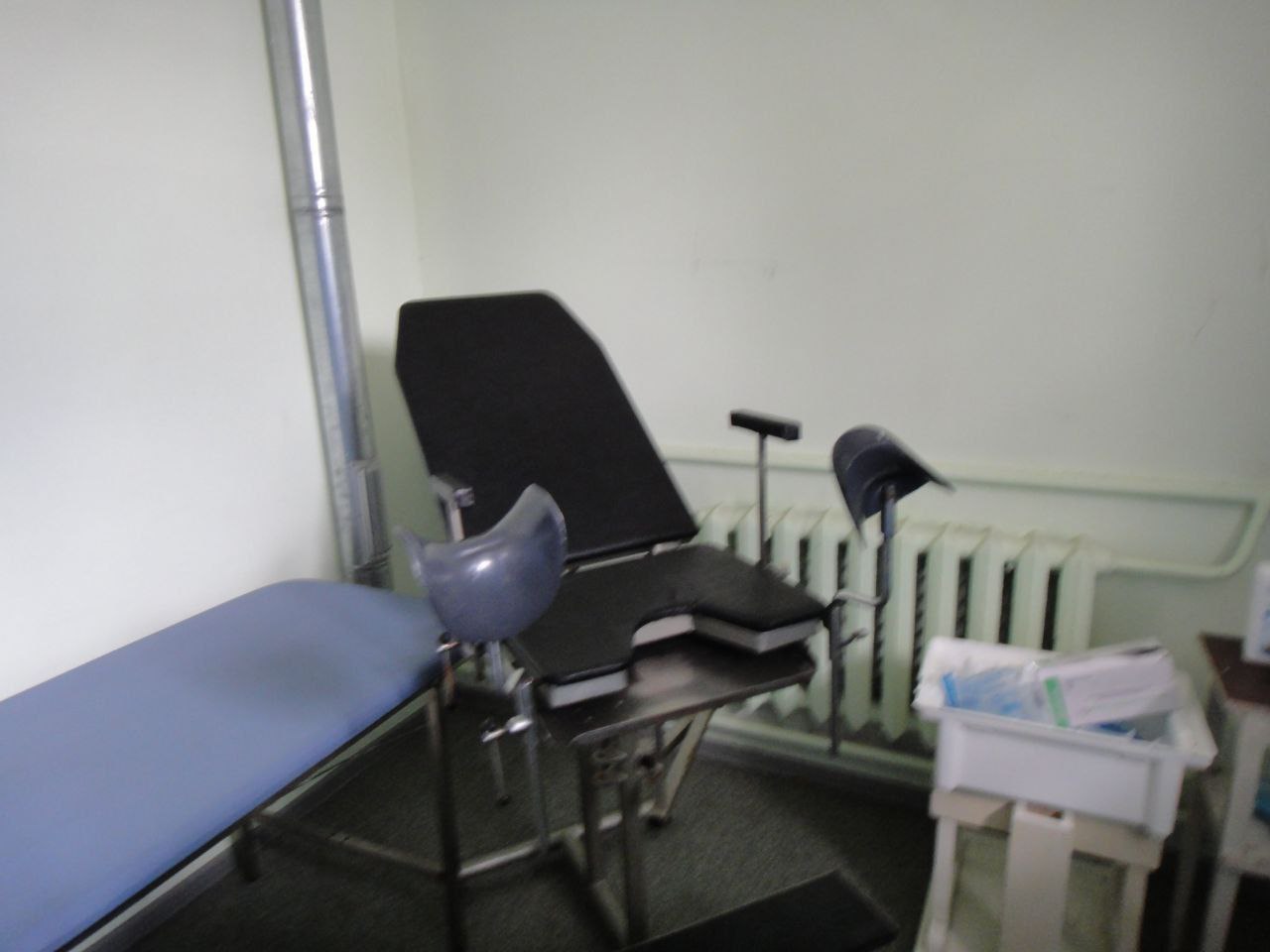
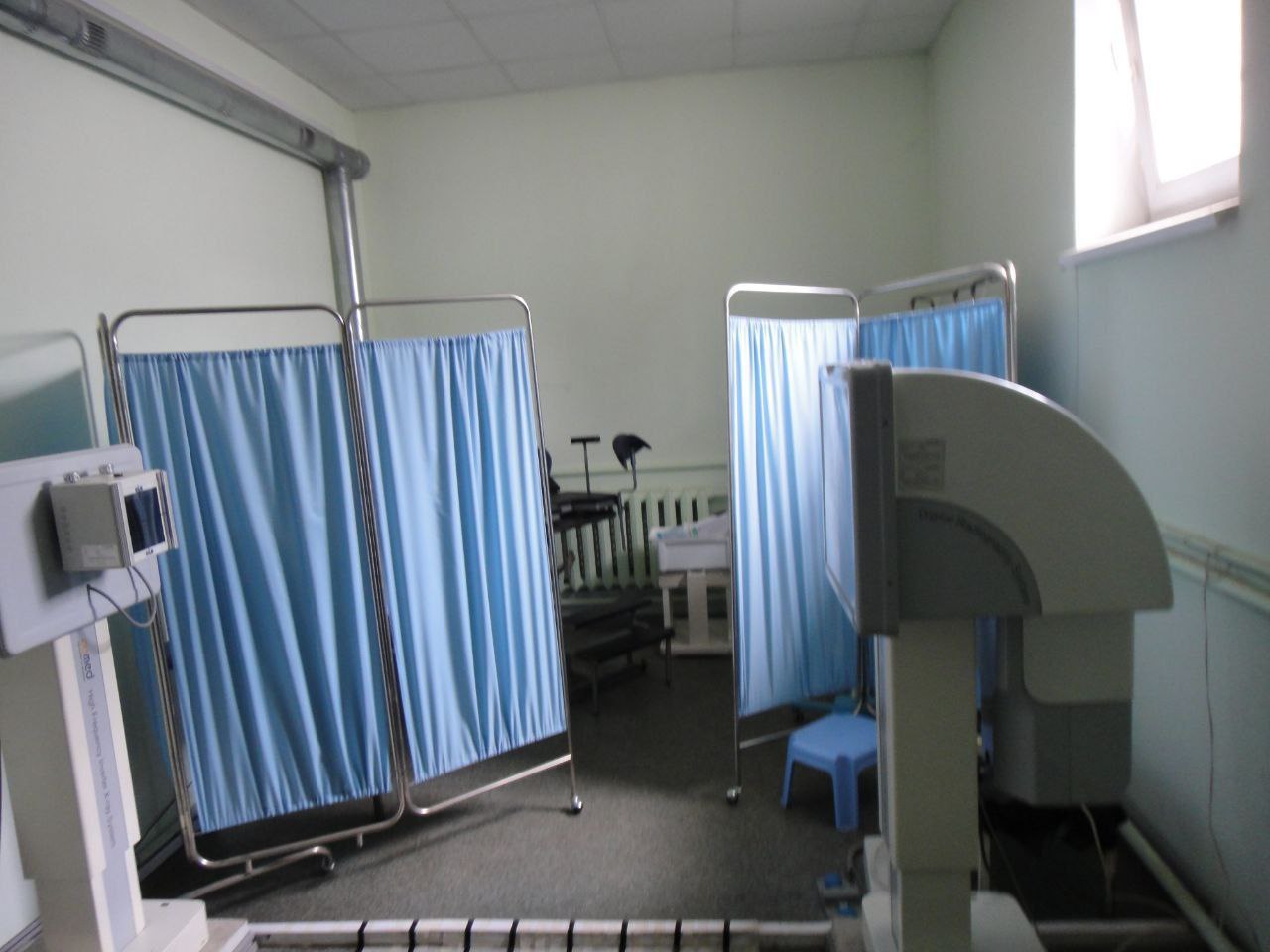
10. In the medical unit, there is no separate office for a gynaecologist. The reception of sick convicts and remand prisoners is conducted in the X-ray department’s treatment room. Such organisation of work likely does not ensure the necessary level of confidentiality and may violate the patients’ right to privacy during medical examinations.
11. In violation of the requirements of point 1 of Section II of the Standard for Infection Control for Health Care Institutions providing assistance to patients with tuberculosis, approved by the Order of the Ministry of Health dated 01.02.2019 No. 287, in the medical unit, the requirements for the isolation of tuberculosis patients are not met: the ward is used for more than one or two persons (1 isolation-cell for 3-4 bed-places); the door to the ward is not equipped with a sealed threshold and seals along the edges; there is no mechanical exhaust ventilation system.
12. In violation of the requirements of point 2.23 of Chapter 2 of the State Sanitary Rules and Norms “Hygienic requirements for the arrangement and operation of X-ray rooms and the conduct of X-ray procedures”, approved by the Order of the Ministry of Health of Ukraine dated 04.06.2007 No. 294, registered with the Ministry of Justice of Ukraine on 07.11.2007 under No. 1256/14523, the presence of extraneous equipment not intended for use in this room was discovered in the treatment room.
13. According to point 10 of Chapter 2 of Section IX of the SIZO Regulations, convicts left in the SIZO to perform maintenance work are subject to a mandatory preventive medical examination in accordance with the requirements of the Resolution of the Cabinet of Ministers of Ukraine dated 23.05.2001 No. 559 “On approval of the list of professions, productions, and organisations whose employees are subject to mandatory preventive medical examinations, the procedure for conducting these examinations, and the issuance of personal medical books”.
For each convict of the specified category, primary accounting documentation form No. 1-OMK “Personal medical book”, approved by the Order of the Ministry of Health of Ukraine dated 21.02.2013 No. 150, registered with the Ministry of Justice of Ukraine on 23.04.2013 under No. 662/23194, is opened.
At the same time, the monitoring group recorded the absence of such books for two catering staff members and the absence of examination results in the medical documentation conducted by medical specialists (including laboratory, clinical, and other tests), which are necessary for admission to work at food facilities.
14. In violation of the Fire Safety Rules in Ukraine, approved by the Order of the Ministry of Internal Affairs of Ukraine dated 30.12.2014 No. 1417, the premises of the medical unit are not equipped with fire extinguishing and fire alarm systems (except for the OST office).
Recommendations:
1. Reduce cell occupancy to a level of at least 2.5 m² per person (minimum for one remand prisoner) and gradually move towards ensuring 4 m² per person (CPT recommendation).
2. Prohibit the installation of additional beds that reduce the area norm; remove “extra” sleeping places.
3. Carry out a redistribution of persons held in custody between cells and/or institutions, prioritising those premises where violations of the area norms and detention conditions were recorded.
4. Ensure separate placement of different categories of prisoners, in particular: those suspected and accused under Articles 255, 255-1, 255-2 of the Criminal Code of Ukraine — from other categories of persons; those being held criminally liable for the first time — separately from those who have already served sentences (with the aim of adhering to the principle of dynamic security). Introduce the practice of a daily control report on the actual placement of prisoners by category.
5. Bring the conditions of the intake ward into compliance with the Provision Norms by retrofitting it with the necessary premises and equipment (doctor’s office, treatment room, barbershop, storage for belongings, quarantine cell, isolation cell for the sick, rooms for food distribution, food storage and dishwashing, tables in cells, supply and exhaust ventilation, tanks for drinking water), restoring the drinking water supply system and ensuring the sanitary regime, as well as conducting medical examinations of new arrivals exclusively in a properly equipped medical office with adherence to privacy and confidentiality.
6. Open (refit) a quarantine cell for new arrivals, approve the route for their placement, and issue an order on the procedure for quarantine and medical examination.
7. Ensure privacy in toilets by installing solid partitions and doors, organise the placement of beds to ensure minimum personal space, and organise the washing and drying of clothes outside living cells.
8. In the maximum-security sector, eliminate the practice of placing index cards indicating crimes on cell doors, set up a doctor’s office for outpatient reception, and provide a room for performing religious rites.
9. Conduct an individual risk assessment regarding video surveillance in living quarters and, in the absence of grounds, dismantle it; approve the procedure for applying surveillance cameras exclusively for medical-safety indications, based on a written decision with regular review.
10. Ensure privacy in showers by installing partitions/curtains, restore the full cycle of disinfection and disinsection of all textile products in accordance with the requirements of the Regulation, and keep the Disinfection Logbook using a unified form indicating cell numbers/full names, quantity, and weight of items.
11. Prohibit the open carrying of special means (rubber batons, handcuffs, tear gas canisters) during contact with prisoners, allowing only hidden carrying if necessary; conduct staff briefings and introduce quarterly control.
12. Approve a staffing plan with priority for security, supervision, medical services, and the maintenance unit, providing incentives (bonuses, provision of dormitory accommodation, transport organisation), and end the practice of 24-hour shifts, moving to safe work schedules.
13. Introduce voucher recording of the exit and entry of prisoners from cells (indicating full name, grounds, place of work, responsible persons, time), providing for daily reconciliation with duty logs and timesheets.
14. Review labour relations with prisoners, concluding or updating labour contracts with the definition of payment conditions, social insurance, holidays, and sick leave; ensure the payment of a salary not lower than the minimum in proportion to actually worked time, cancel the practice of symbolic accruals, and keep personalised records of the ESV (Unified Social Contribution), in particular in the bakery, laundry, and kitchen.
15. Introduce standard timesheets for each workplace with a link between vouchers and timesheets and payroll sheets; conduct a monthly internal audit of compliance of worked hours and payments with subsequent reporting to the management and the Ministry of Justice of Ukraine.
16. Take measures aimed at eliminating identified human rights violations and preventing torture, other cruel, inhuman, or degrading treatment and punishment in the City Medical Unit of the branch of the State Institution “Centre for Health Care of the State Penitentiary Service of Ukraine” in Cherkasy and Kirovohrad Oblasts.
17. Ensure control over the proper keeping of medical documentation in accordance with the Procedure for Interaction between Health Care Institutions of the SPS of Ukraine and health care institutions regarding the provision of medical assistance to persons taken into custody, approved by the joint order of the Ministry of Justice of Ukraine and the Ministry of Health of Ukraine dated 10.02.2012 No. 239/5/104, the Procedure for organising the provision of medical care to persons sentenced to deprivation of liberty, approved by the joint order of the Ministry of Justice of Ukraine and the Ministry of Health of Ukraine dated 15.08.2014 No. 1348/5/572, and other regulatory legal acts.
18. Ensure timely and proper fixation of bodily injuries in convicted and remand prisoners.
19. Ensure access to PCR testing for all persons with suspected HCV in the shortest possible time and organise necessary antiviral treatment for persons with a confirmed diagnosis.
20. Fulfil the requirements of point 37 of the Resolution of the Cabinet of Ministers of Ukraine No. 285 dated 02.03.2016 “On approval of Licensing conditions for carrying out economic activities in medical practice”.
21. Ensure the implementation of individual rehabilitation for persons who need it.
22. Ensure the accessibility of the institution’s buildings in accordance with the State Building Norms of Ukraine V.2.2-17:2006 “Buildings and structures. Accessibility of buildings and structures for low-mobility groups of the population”.
23. Ensure the proper operation of the telemedicine complex for making requests by doctors for telemedicine consultation.
24. Ensure that the isolation ward for persons with mental and behavioural disorders is equipped in accordance with established requirements.
25. Ensure that informed consent of patients for examination and treatment is obtained in the established form.
26. Ensure compliance with infection control measures in the medical unit.
27. Ensure the conduct of a proper medical examination of persons working with food products and the issuance of personal medical books.
28. Set up a separate office for a gynaecologist with adherence to confidentiality requirements and the patients’ right to privacy during medical examinations.
29. Equip a fire protection system in accordance with established requirements.