Report on the results of the monitoring visit to Snihurivka Correctional Colony No. 5
On 08-09 September 2025, in accordance with the Optional Protocol to the Convention against Torture and Other Cruel, Inhuman or Degrading Treatment or Punishment, taking into account the provisions of the Standard Minimum Rules for the Treatment of Prisoners and the decisions of the European Court of Human Rights, and based on Article 24 of the Penitentiary Code of Ukraine — “Visiting correctional institutions”, a group of monitors from the Kharkiv Human Rights Protection Group and the NGO “Protection for Prisoners of Ukraine” carried out a routine visit to the state institution Snihurivka Correctional Colony No. 5 (SVK-5, the institution, the facility).
The previous visit took place on 22 November 2020.
A planned unannounced visit was conducted, during which all facilities of the institution were inspected.
In preparing for the visit, the monitors utilised materials from appeals by prisoners/convicts and their relatives, as well as materials from previous reports.
The visit was carried out within the framework of the project “Reducing prisoners’ suffering in the context of the war in Ukraine”, funded by the Government of Denmark in partnership with DIGNITY — The Danish Institute Against Torture.
The visit was carried out by the following monitors:
- Andrii Didenko — assistant to People’s Deputy of Ukraine Yaroslav Yurchyshyn, programme coordinator of the Kharkiv Human Rights Protection Group, experienced in monitoring visits since 2014, NPM (National Preventive Mechanism) monitor, member of the NPM advisory board;
- Serhii Zuikov — assistant to People’s Deputy of Ukraine Kostiantyn Kasai, member of the public council under the Ministry of Justice of Ukraine, member of the non-governmental organisation “Protection for Prisoners of Ukraine”, NPM monitor, with many years of experience in monitoring visits;
- Artemii Shumnyi — journalist of the information agency “Protection for Prisoners of Ukraine / PROTECTION FOR PRISONERS OF UKRAINE”, lawyer for the Kharkiv Human Rights Protection Group, NPM monitor.
Monitoring at SVK-5 revealed significant violations in the areas of medical care, the right to work, and safety. The hospital lacks 24-hour medical coverage, palliative care licensing has not been ensured, physical injuries are not properly recorded, and opioid substitution therapy is not provided.
Proper isolation of patients with tuberculosis and non-tuberculous infections has not been organised, there is no treatment for hepatitis C, and dental care is limited to tooth extraction. Furthermore, norms regarding the confidentiality of medical data, privacy in sanitary facilities, and fire safety are violated.
The right to work is implemented formally: despite the operation of wire production, only five individuals are officially employed, and their employment contracts do not contain essential conditions for the protection of the right to work or social guarantees. Actual payments do not correspond to official accruals, which indicates risks of fictitious labour accounting.
The shelter on the colony premises does not meet civil protection requirements — it lacks a second exit, ventilation, and sewage, and the convicts do not have the ability to reach it independently in case of danger. In aggregate, the recorded violations pose a threat to the life, health, and dignity of the convicts.
General Information
SVK-5 is a medium-security correctional institution for holding men sentenced to imprisonment. The Snihurivka Specialized Tuberculosis Hospital No. 5, a branch of the state institution “Health Care Centre of the State Penitentiary Service of Ukraine” in the Mykolaiv and Odesa regions (hereinafter — the Hospital), operates on the premises of the institution.
SVK-5 was founded on 20 March 1964 as a settlement colony based on a Decree of the Presidium of the Supreme Soviet of the USSR. Since 1983, the colony has functioned as a specialised facility for housing convicts in need of medical supervision and currently holds the status of the state institution “Snihurivka Correctional Colony No. 5”.
During the Russian occupation of the Snihurivka community in 2022, the Russian military occupied the colony territory, transported prisoners to Kherson, and mined the site before retreating.
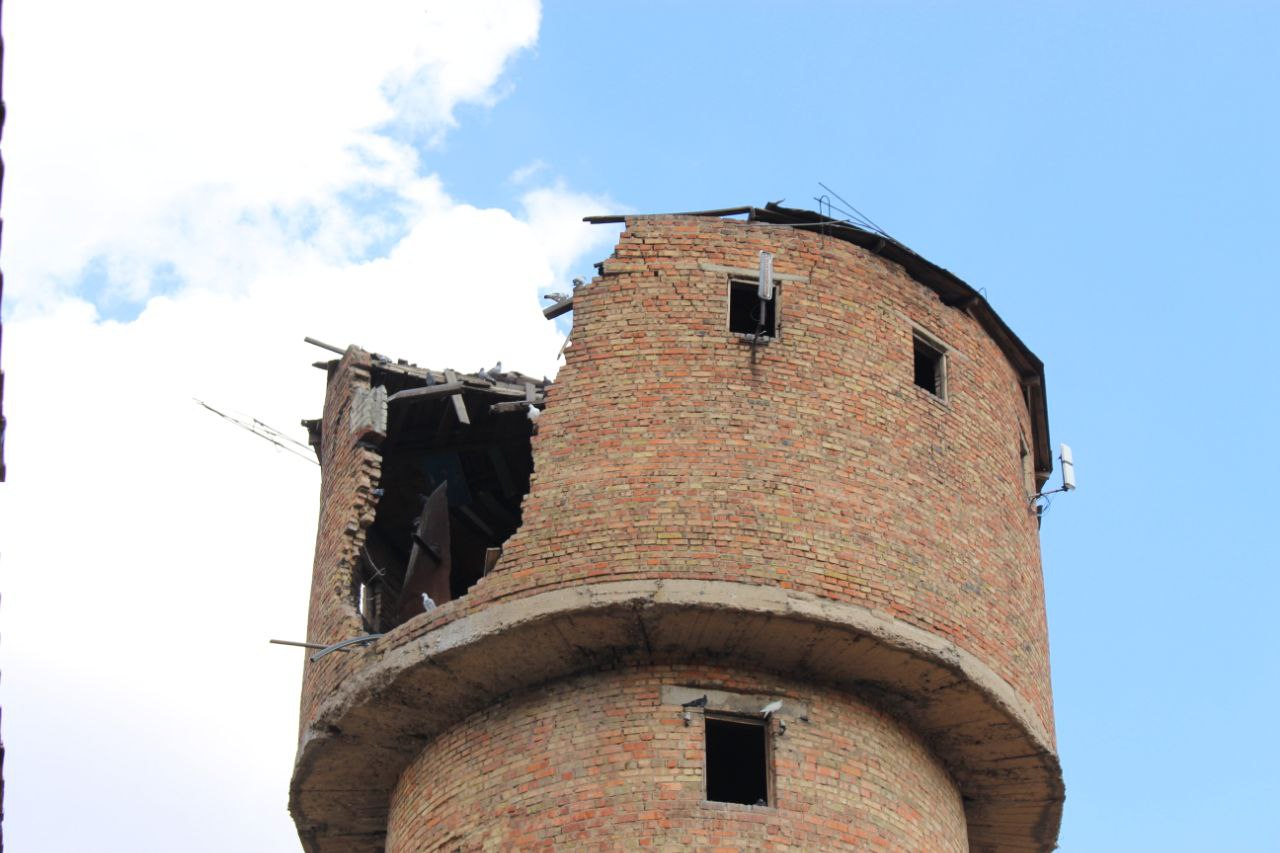
Additionally, the abduction of convicts from the colony on 28 May 2022 and the subsequent displacement/deportation of prisoners from Snihurivka were recorded.
At the time of the visit, the head of the institution was Colonel of the Internal Service Volodymyr Ostapchuk. The head of the Snihurivka Specialized Tuberculosis Hospital No. 5 was Ivan Yushchuk.
The facility consists of a duty unit, a KDiR department (quarantine, diagnostic, and distribution ward), SPS departments (socio-psychological service), a food unit, DIZO premises (disciplinary isolation unit), a pre-trial detention unit (SIZO), a bath and laundry complex, visitation rooms, a shop, a library, a parcel reception room, and administrative premises.
According to the institution’s administration, the established staffing level is 175 positions, with an actual level of 152. The total staff shortage for the institution is 23 employees. The planned capacity of the facility is 485 persons. At the time of the visit, 52 people were actually held in the institution.
There are six SPS departments functioning in the facility. One psychologist also works at SVK-5. During 2024, 77 people arrived at the institution, and in 2025 — 60 people. One person was in the DIZO, and eight were in the pre-trial detention unit.
On operational and preventive registration, there were: prone to suicide — 6 persons, prone to self-harm — 6 persons, prone to escape — 1 person, malicious violators of the detention regime — 3 persons.
In 2024, two persons were released due to severe illness, and two more were released during the current year. During 2024-2025, no one filed a complaint regarding improper conditions of detention or improper provision of medical care. Two persons have Group III disability.
Convicts have 18 tablets in their own possession; no email addresses have been registered. Four persons are generally rejected.
During 2024, two cases of physical injury while in the institution were recorded; during the current year — one.
The hospital is designed for 357 beds and includes the following departments:
- Tuberculosis Department No. 1 — for patients with drug-sensitive TB who are awaiting transfer to a colony for healthy persons after treatment, 20 beds;
- Tuberculosis Department No. 2 — for patients with active TB with MBT, 7 beds;
- Tuberculosis Department No. 3 — for patients with drug-resistant TB with MBT who are receiving palliative care, 65 beds;
- Tuberculosis Department No. 4 — for patients with drug-resistant TB with MBT+ (with sensitivity — 2nd floor) and resistance to fluoroquinolones (1st floor), 35 and 30 beds;
- Department No. 5 — for patients with drug-resistant TB with MBT, 75 beds;
- Department No. 5X — for patients with drug-resistant TB with MBT+ who are receiving palliative care, 75 beds;
- Quarantine, diagnostic, and distribution department (KDiR) for 25 beds; maximum-security sector (SMRB), for 12 beds.
According to information provided by hospital staff, the following positions are vacant: deputy head of the hospital-physician (1 position); phthisiatrician — 1 position; therapist — 0.5 position; laboratory physician — 1 position; ultrasound diagnostics physician — 0.25 position; pharmacy assistant — 0.5 position.
The facility is designed for 357 people. On the day of the visit, there were 36 patients in the hospital, one of whom was receiving palliative care. Since the beginning of the year, 43 patients have been treated. 3 persons died: one case — cardiopulmonary failure, two cases — multiple organ failure. Three meetings of the medical consultative commission (hereinafter — LKK) and 55 meetings of the CLKK were held. 2 persons were released due to health conditions; one more person died before consideration by the court.
Laboratory tests: bacteriological — 414; bacterioscopic — 434; BACTEC tests — 187; MT (Mycobacterium tuberculosis test) — 46; viral load — 47; GeneXpert XDR — 37; GeneXpert MTB Ultra — 229; GeneXpert (hepatitis C) — 91; general clinical — 383; haematological — 432; biochemical — 259; ion determination — 177.
The monitoring group surveyed about 40 convicts during their visit to the hospital, workshops, SPS departments, disciplinary and utility premises, during general conversations, where consultations were provided, questions were answered, and surveys on human rights violations and individual interviews were conducted, including on an anonymous basis.
Positive Experience
After the de-occupation of the administrative institution, a complex of measures aimed at restoring damaged infrastructure is being carried out to ensure its full functionality. The main focus is on creating proper conditions for ensuring the rights of convicts to health protection and treatment of severe diseases, in particular tuberculosis.
In addition, work is underway to bring the pre-trial detention centre into compliance with international standards, including the requirements of the European Court of Human Rights. This involves retrofitting premises for housing prisoners in cells that meet modern safety standards, sanitary and hygienic requirements, and ensure a minimum necessary level of comfort and humane treatment.
Thus, the measures being taken are aimed not only at restoring destroyed facilities but also at creating proper conditions for the functioning of the institution in accordance with national legislation and international standards. This will subsequently allow for ensuring the full operation of the administration and the protection of the rights of persons serving sentences or held in custody.
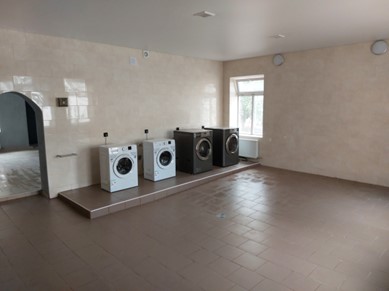
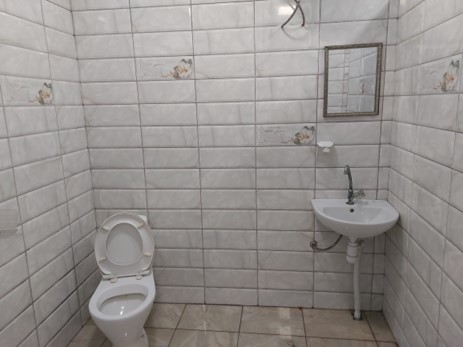
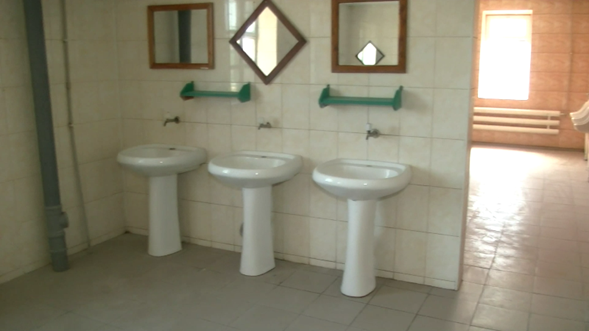
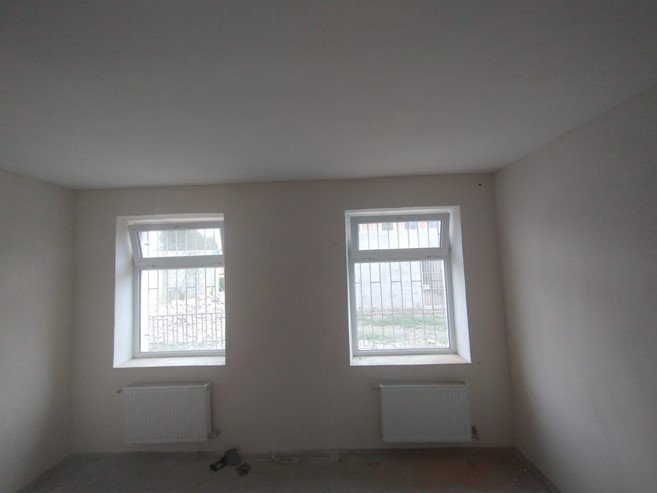
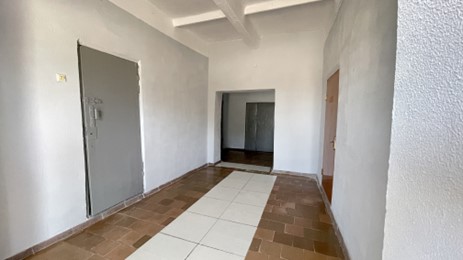
With the aim of improving living conditions, organising a proper educational process, and creating a safe environment in the institution, a complex of repair and restoration measures has been carried out: in the SPS departments, KDiR, and the medical unit, particularly in the corridors, residential sections have been updated, restrooms have been repaired in accordance with hygienic standards, as have the premises of the bath-laundry complex.
Identified Violations of National and International Legislation
During the monitoring visit, violations of national legislation requirements and non-compliance with international standards in the field of prisoner treatment were identified, leading to a violation of the rights of convicted persons:
1. The monitoring group established that 24-hour medical duty is not ensured in the hospital. 24-hour monitoring of patients is carried out only by junior medical personnel, which contradicts the requirements of paragraph 4 of Chapter 3 of Section III of the “Procedure for Organising Medical Care for Persons Sentenced to Imprisonment”, approved by the joint order of the Ministry of Justice of Ukraine and the Ministry of Health of Ukraine dated 15.08.2014 No. 1348/5/572 (hereinafter — the Procedure).
2. In the hospital’s structure, there are two departments for providing palliative care. In accordance with paragraph 2 of Section I of the order of the Ministry of Health of Ukraine dated 4 June 2020 No. 1308 “On Improvement of the Organisation of Palliative Care in Ukraine”, palliative care is provided by health care facilities regardless of the form of ownership and subordination. At the same time, for the provision of palliative care in inpatient conditions, the possession of a licence for conducting business activities related to the circulation of narcotic drugs, psychotropic substances, and precursors is mandatory. However, the hospital lacks such a licence.
3. In violation of the requirements of paragraph 3 of Section I of Chapter II of the Procedure, medical staff do not draw up certificates that describe in detail the nature of physical injuries, their size, and location. Thus, the absence of a completed primary accounting documentation form No. 511/o “Certificate on Recording Physical Injuries”, approved by the order of the Ministry of Health of Ukraine dated 2 February 2024 No. 186, was established regarding convict B., who sustained physical injuries on 15.01.2025, according to information entered in the Register of Facts of Detection of Physical Injuries in Convicts.
The lack of proper recording of physical injuries does not comply with paragraph 60 of the Recommendations of the European Committee for the Prevention of Torture and Inhuman or Degrading Treatment or Punishment (hereinafter — the Committee), which states that medical services in places of detention can contribute to the prevention of violence against persons held in custody by systematically registering physical injuries, and also, if necessary, by informing the relevant authorities (CPT/Inf(93)12-part).
Furthermore, the Committee, in its report on the results of the visit to Ukraine in 2023, notes that any traumatic injuries discovered during a medical examination should be photographed in detail, and the photographs, together with body diagrams, should be kept in the individual medical record of the person (CPT/Inf(2024)20, paragraph 82).
4. The hospital has not organised opioid substitution therapy (hereinafter — OST) for persons with mental and behavioural disorders due to opioid use, in accordance with the Procedure for conducting opioid substitution therapy for persons with mental and behavioural disorders due to opioid use, approved by the order of the Ministry of Health of Ukraine dated 27.03.2012 No. 200.
Drug-dependent persons are not provided with socio-psychological support, cognitive-behavioural therapy (CBT), relapse prevention, motivational interviewing, self-help groups, etc.
Thus, these persons are deprived of the opportunity to receive OST, which violates their right to choose methods of treatment in accordance with Article 38 of the Law of Ukraine “Fundamentals of Ukrainian Legislation on Health Care”.
At the same time, the Committee, in its report on the results of the visit to Ukraine in 2023, notes that being in a penitentiary institution can be an opportunity for solving problems related to drug dependence, and therefore it is important that appropriate help be provided to all who wish to receive it. Appropriate medical care should be available in all institutions.
The help offered to such persons must be multifaceted: substitution therapy programmes for persons with drug dependence must be combined with genuine psychosocial and educational programmes for those who are unable to stop using drugs. Furthermore, access to OST programmes in institutions should be easy, and their management should be carried out by penitentiary doctors who have undergone special training on issues of drug dependence (CPT/Inf(2024)20, paragraph 86).
5. In violation of the requirements of paragraph 1 of Section II of the “Infection Control Standard for Health Care Facilities Providing Care to Patients with Tuberculosis”, approved by the order of the Ministry of Health of Ukraine dated 01.02.2019 No. 287, proper isolation of tuberculosis patients is not ensured in the hospital: wards are used to accommodate more than one or two persons.
Furthermore, the facility lacks infection isolation wards equipped in accordance with the requirements of the State Building Norms V.2.2-10:2022 “Health care facilities. Basic provisions”. This makes effective isolation of patients impossible, contributes to the spread of infectious diseases, and creates risks for the health of both convicts and institution staff.
6. In violation of the requirements of the order of the Ministry of Health of Ukraine dated 03.08.2020 No. 1777 “Measures and means for preventing infection when providing care to patients”, the hospital is not equipped with isolation wards for infectious patients for convicts with diseases of non-tuberculous aetiology. This makes it impossible to isolate patients with dangerous infectious diseases from other patients and convicts.
7. It was established that there are seven patients with chronic hepatitis C (hereinafter — HCV) registered at the hospital. As of the day of the visit, antiviral drugs for the treatment of HCV were absent in the hospital pharmacy, which contradicts the requirements of the Standards of Medical Care for HCV in adults, approved by the order of the Ministry of Health of Ukraine dated 23 July 2025 No. 1178.
The absence of timely treatment increases the risk of disease progression, the development of liver complications, and creates a threat of infection spreading among other patients, violating their right to proper medical care.
8. During the inspection of the defibrillator's functionality, it was established that the expiration date of the electrodes had passed. At the same time, the Committee, in its report on the results of the visit to Ukraine in 2017, recommended that medical services in all visited prisons (and other penitentiary institutions of Ukraine) be equipped with equipment for providing emergency assistance and life-saving (CPT/Inf (2018) 41, paragraph 87).
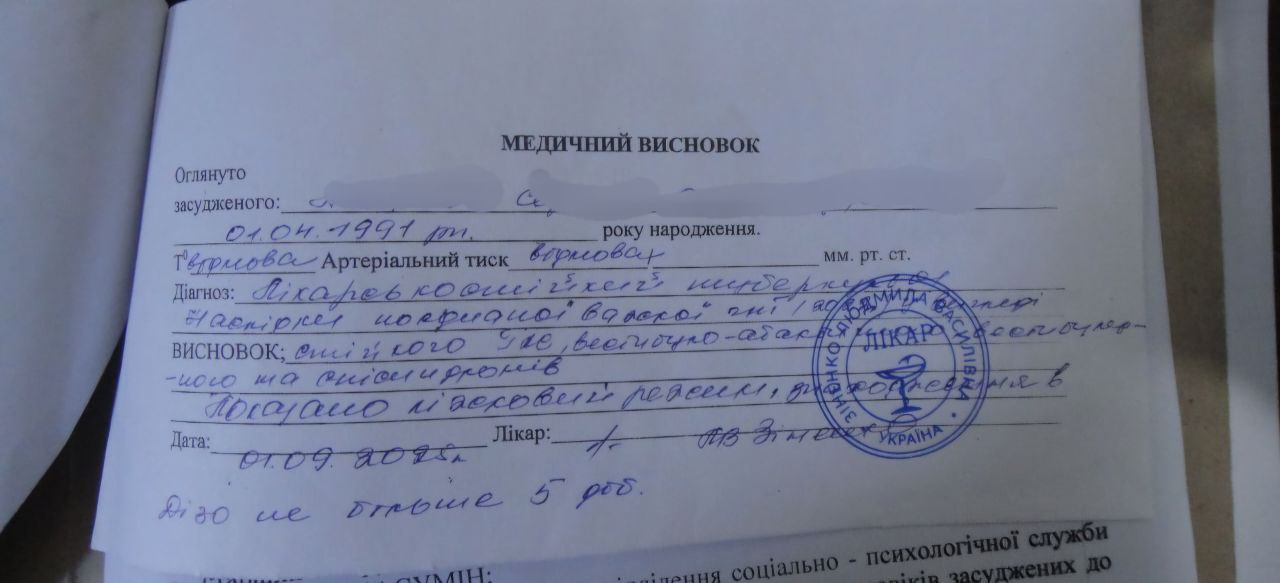
9. During the inspection of the DIZO, monitors established that when a convict is placed in a disciplinary isolation unit, it is common practice to include a medical certificate or conclusion in the case file, which contains information about the health status of the convict and confirms the possibility of their stay in the DIZO/PKT.
The identified facts indicate that the institution’s staff have access to confidential information regarding the health status of convicts who are in the DIZO ward. This violates the requirements of Article 39¹ of the Law of Ukraine “Fundamentals of Ukrainian Legislation on Health Care” regarding the right of individuals to secrecy regarding their health status.
At the same time, the Committee has repeatedly emphasised that the obligation of penitentiary doctors to confirm the fitness of convicts to serve a disciplinary penalty hardly contributes to the development of trusting relationships between doctor and patient. In principle, medical personnel should never participate in any part of the decision-making process regarding the application of solitary confinement, except in cases where this measure is applied for medical indications.
On the other hand, medical personnel must be particularly attentive to the condition of convicts who are in solitary confinement: they must be immediately informed about each such placement, visit the convict immediately after placement, and then regularly, no less than once a day, provide necessary medical assistance and treatment. Medical personnel must inform the institution’s administration if the health of the convict is under serious threat due to the conditions of solitary confinement (CPT/Inf (2024) 20, paragraph 104).
10. During the visit to the DIZO/PKT, it was established that for a convict who was serving a disciplinary penalty for the third day in cell premise No. 4, the institution’s administration did not issue a copy of the decision on the application of the penalty with an indication of the possibility and procedure for its appeal, which contradicts Article 135 of the Penitentiary Code of Ukraine.
At the same time, in the Committee’s report on the results of the visit to Ukraine in 2023, it was recommended to ensure that all convicts to whom disciplinary penalties have been applied systematically receive a copy of the relevant decision. Furthermore, convicts should be informed about their right to access a lawyer in the context of disciplinary proceedings (CPT/Inf (2024) 20, paragraph 103).
11. During the visit to the SMRB, in particular the wards for the treatment of persons sentenced to life imprisonment, monitors established that medical personnel continue to systematically conduct medical examinations and procedures in the presence of non-medical personnel, namely — institution employees.
This violates the requirements of Article 39¹ of the Law of Ukraine “Fundamentals of Ukrainian Legislation on Health Care” regarding the right of individuals to secrecy regarding their health status, as well as paragraph 9 of Section I of the Procedure for organising the provision of medical care to persons sentenced to imprisonment.
At the same time, the Committee criticises excessive security measures and considers such practices unacceptable, as they humiliate the dignity of prisoners, hinder the development of trusting relationships between medical personnel and patients, and may affect the objectivity of medical conclusions. (Committee Report on the results of the visit to Ukraine in 2012, paragraph 50, CPT/Inf (2013) 23).
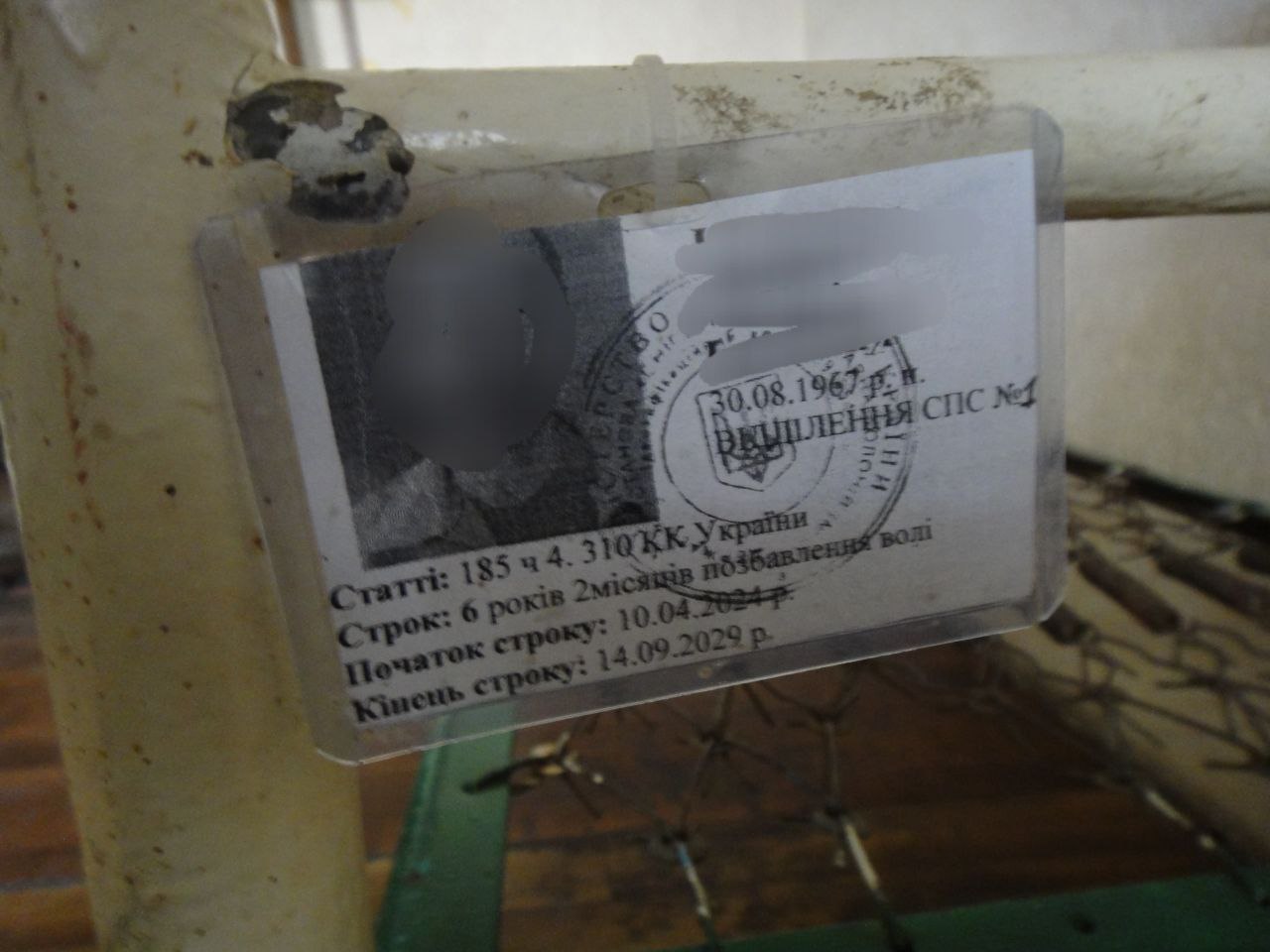
12. During the visit to the maximum-security sector, near the exterior doors of the wards for the treatment of persons sentenced to life imprisonment, it was established that nominal cards with brief information about the crimes committed by these persons were placed. Similar cases were detected in the residential premises of the departments — on beds and bedside tables.
In its report on the results of the visit to Ukraine in 2020, the Committee noted that such a practice should be stopped immediately, as it has no reasonable purpose and, besides stigmatisation, worsens the relationships between prisoners and institution personnel. (CPT/Inf (2020) 40, paragraph 52).
13. In violation of paragraph 8 of Chapter 5 of Section II of the Procedure, there is no equipped isolation ward for persons with mental disorders among the convicts in the hospital ward who pose a danger to those around them.
14. In violation of the requirements of the “Norms for possession of bedding, special clothing, and special footwear (inventory property) for convicts undergoing treatment in medical and preventive institutions...”, approved by the order of the Ministry of Justice of Ukraine dated 20.02.2012 No. 280/5, convicts do not receive hospital property (suit, robe, and hospital slippers). Convicts remain in the ward in their everyday clothing, sometimes with their own bedding.
15. In violation of the requirements of the State Building Norms of Ukraine V.2.2-17:2006 “Buildings and structures. Accessibility of buildings and structures for persons with limited mobility”, no conditions have been created in the hospital for the stay of persons with disabilities.
16. In violation of paragraph 37 of the Resolution of the Cabinet of Ministers of Ukraine No. 285 dated 2 March 2016 “On approval of Licensing conditions for conducting business activities in medical practice”, the hospital lacks a document confirming free access to the buildings and premises of the medical facility for persons with limited mobility, the receipt of which is mandatory.
17. In violation of the Procedure for organising medical care at primary, secondary (specialised), and tertiary (highly specialised) levels using telemedicine, approved by the order of the Ministry of Health of Ukraine dated 19.10.2015 No. 681, hospital staff are deprived of the ability to make requests for telemedicine consultations and receive them due to technical limitations.
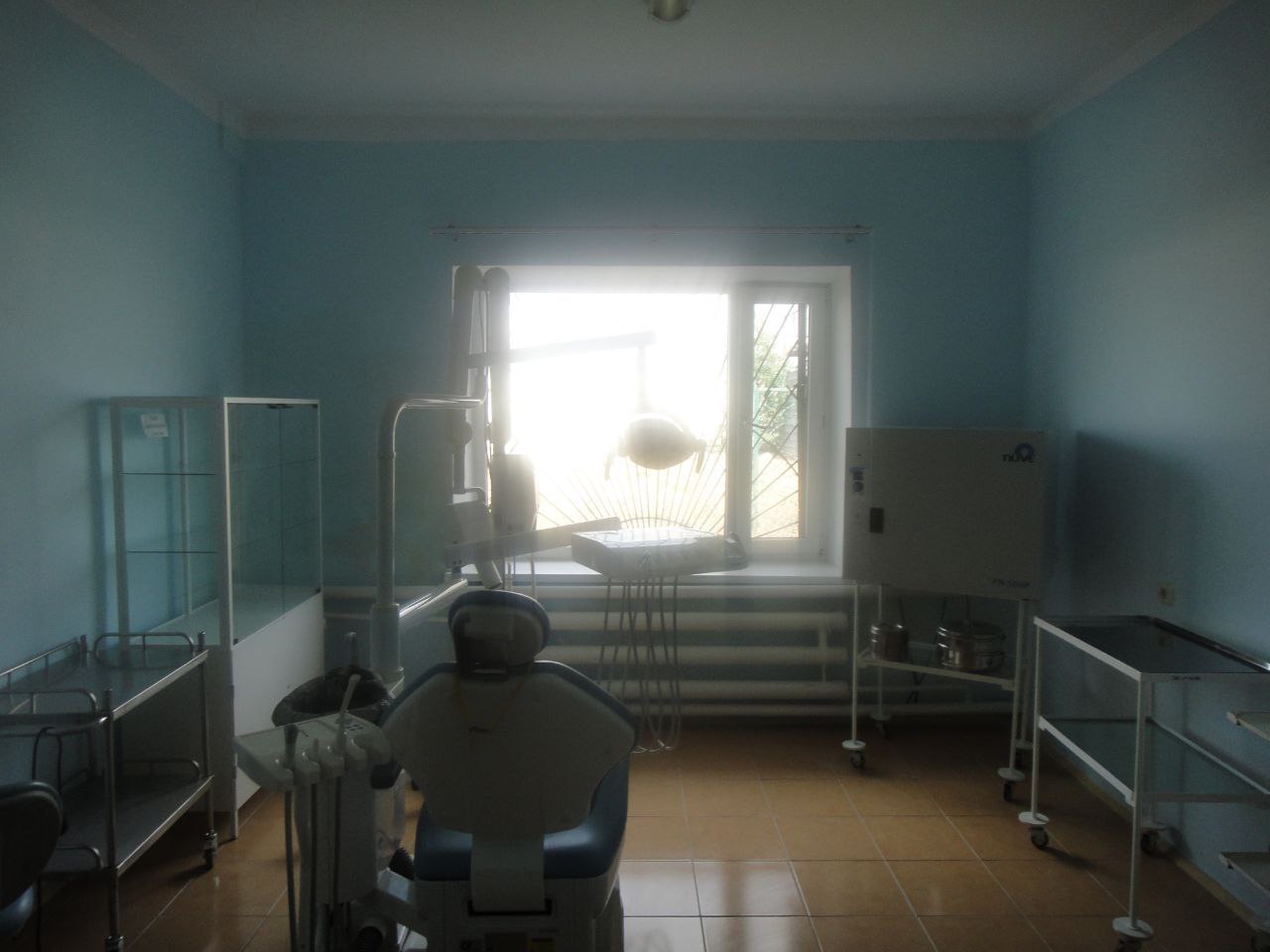
18. In violation of the requirements of the Equipment Table for one workplace of a dentist and dental technician, approved by the order of the Ministry of Health of Ukraine dated 11.04.2005 No. 158, the hospital lacks a working dental X-ray machine, which makes it impossible to conduct an in-depth dental examination of convicts and does not ensure the timely provision of proper dental care.
According to information provided by medical unit staff, tooth extraction prevails among available types of dental care, whereas filling is carried out extremely rarely, which significantly limits the right of convicts to proper medical care.
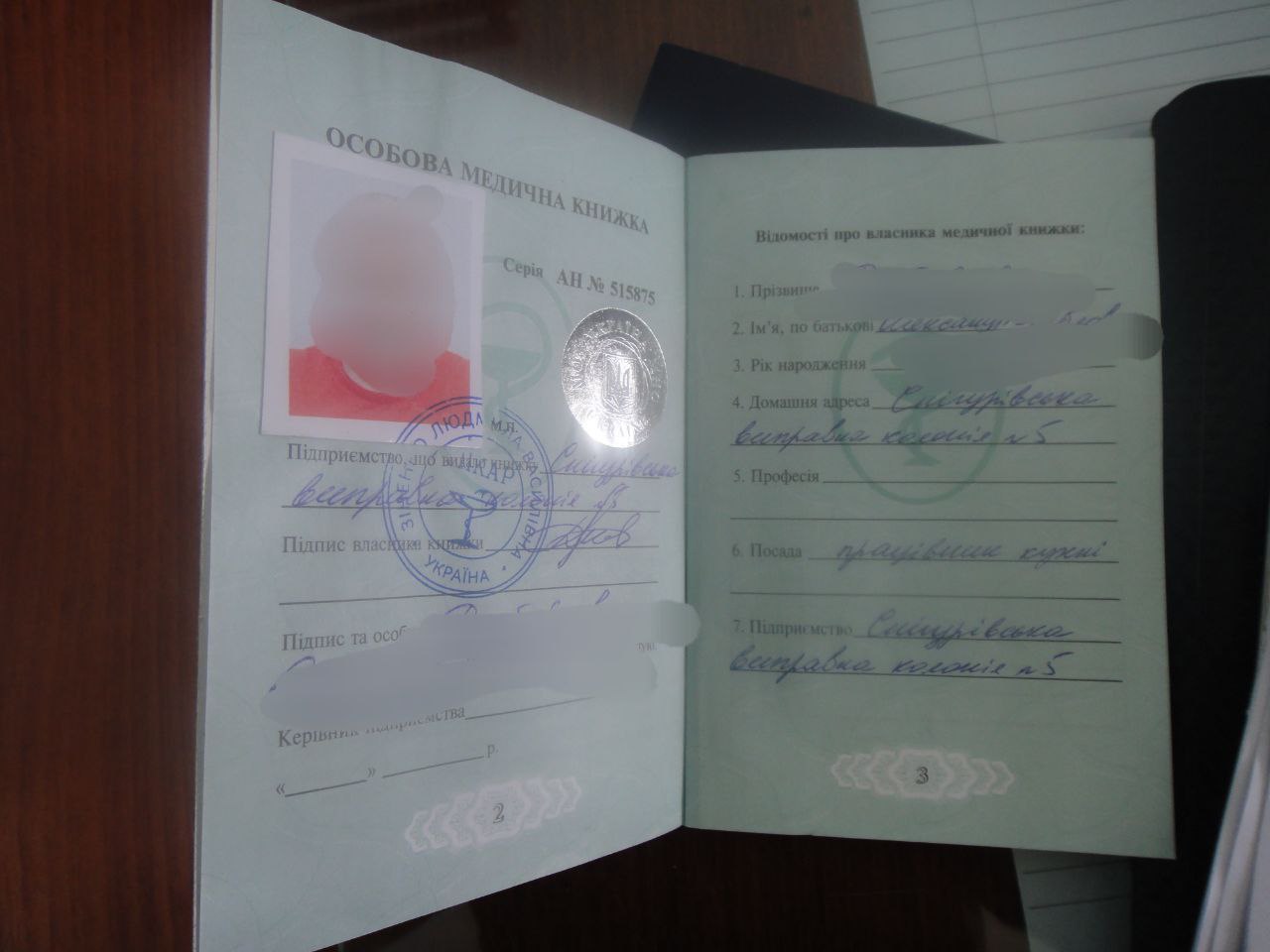
19. In accordance with paragraph 7 of Chapter III of Section II of the Procedure, convicts working at food facilities, in the processing industry, children’s homes, educational institutions, medical units, baths, laundries, dormitories, clubs, as well as at water supply and sewage facilities, must undergo mandatory preliminary and periodic medical examinations in accordance with the resolution of the Cabinet of Ministers of Ukraine dated 23 May 2001 No. 559 “On approval of the list of professions, productions, and organisations whose employees are subject to mandatory preventive medical examinations, the procedure for conducting these examinations and issuing personal medical books”.
For each convict of the specified category, primary accounting documentation form No. 1-OMK “Personal medical book” is opened, approved by the order of the Ministry of Health of Ukraine dated 21.02.2013 No. 150, registered with the Ministry of Justice of Ukraine on 23.04.2013 under No. 662/23194.
At the same time, during the inspection of personal medical books of convicts working in the canteen, it was established that these employees had not undergone examinations by an otolaryngologist and a dermatovenereologist, which violates the requirements of paragraph 6 of the Rules for conducting mandatory preventive medical examinations of employees of certain professions, productions, and organisations whose activities are related to serving the population and may lead to the spread of infectious diseases, approved by the order of the Ministry of Health of Ukraine dated 23.07.2002 No. 280 (as amended by the order of the Ministry of Health of Ukraine dated 21.02.2013 No. 150).
20. In violation of paragraph 6 of Chapter 3 of Section II of the Procedure, the Register of results of preventive medical examinations, the form of which is given in Appendix 4 to the Procedure, is not kept in the hospital.
21. In accordance with paragraph 3.19.1 of Section III of the Regulation on the organisation of bath and laundry services for persons held in correctional institutions and pre-trial detention centres, approved by the order of the Ministry of Justice of Ukraine No. 849/5 dated 08.06.2021 (hereinafter — the Regulation), sanitary processing involves washing convicts in the bath using soap and a washcloth, mandatory replacement of bedding and underwear, as well as disinfection and disinsection of personal clothing and bedding in a disinfection chamber.
However, as established by the monitoring group, the disinfection chamber in the institution is not working, which makes proper sanitary processing of bedding and clothing impossible, increases the risk of the spread of infectious diseases among convicts and staff, and contradicts established sanitary and hygienic norms.
22. In violation of paragraph 2.14 of Section II of the Regulation, the provision of hairdressing services to convicts and prisoners is not ensured in the institution.
23. The monitoring group established facts of violation of Article 8 of the Convention and paragraph 19.3 of the European Prison Rules regarding the right of convicts to privacy, in particular — the absence of sufficient partitions in bathrooms that would allow convicts to be alone.
In the quarantine, diagnostic, and distribution department, cases were recorded where beds in the wards are located close to each other, which does not provide convicts with personal space and contradicts the requirements of the State Building Norms of Ukraine V.2.2-10:2022 “Health care facilities”.
Furthermore, in the shower room of the SMRB and department No. 3 for patients with drug-resistant TB with MBT—, a violation of the right to privacy was established due to the absence of curtains on the shower partitions, which also contradicts paragraph 19.3 of the European Prison Rules.

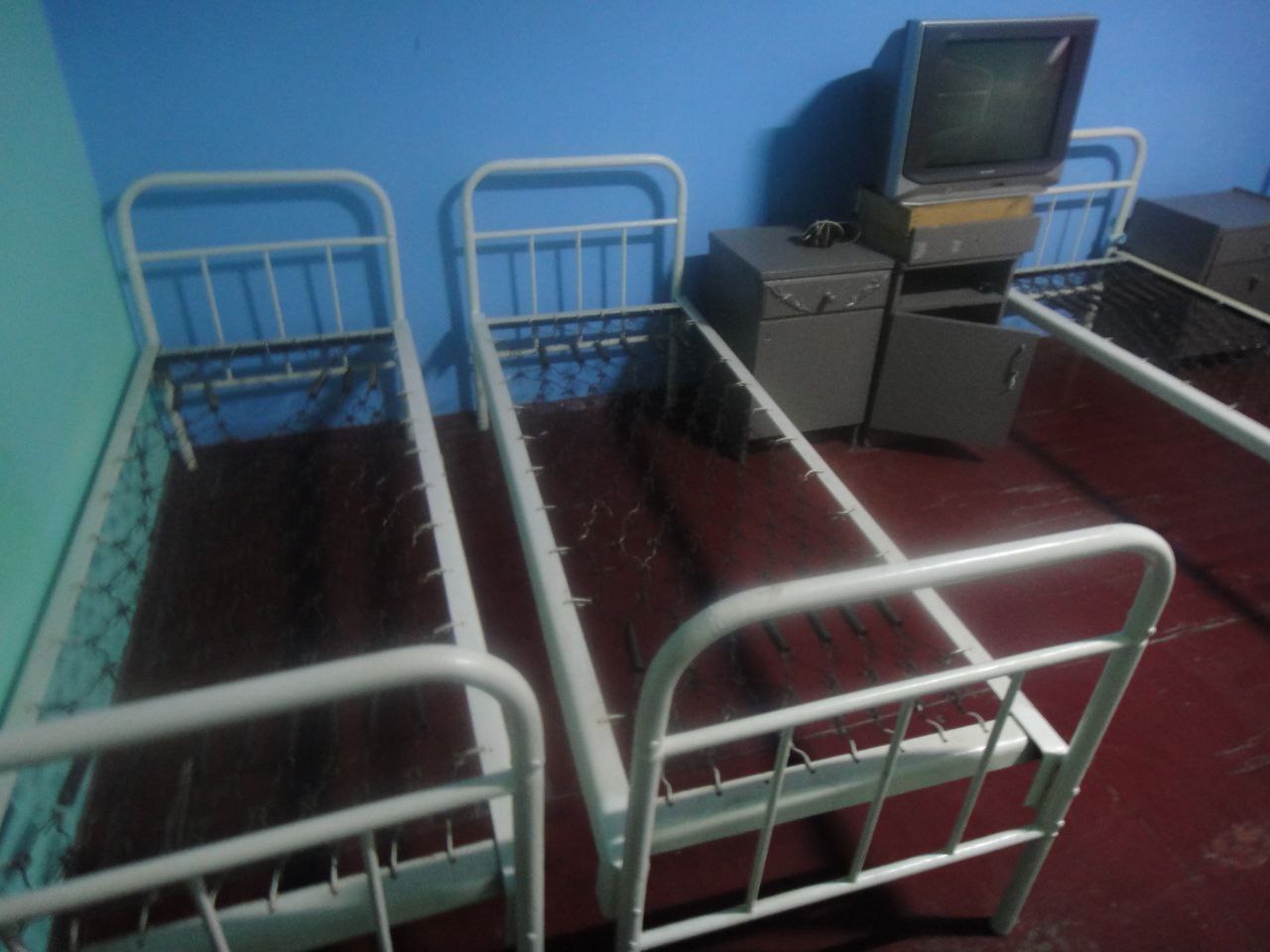
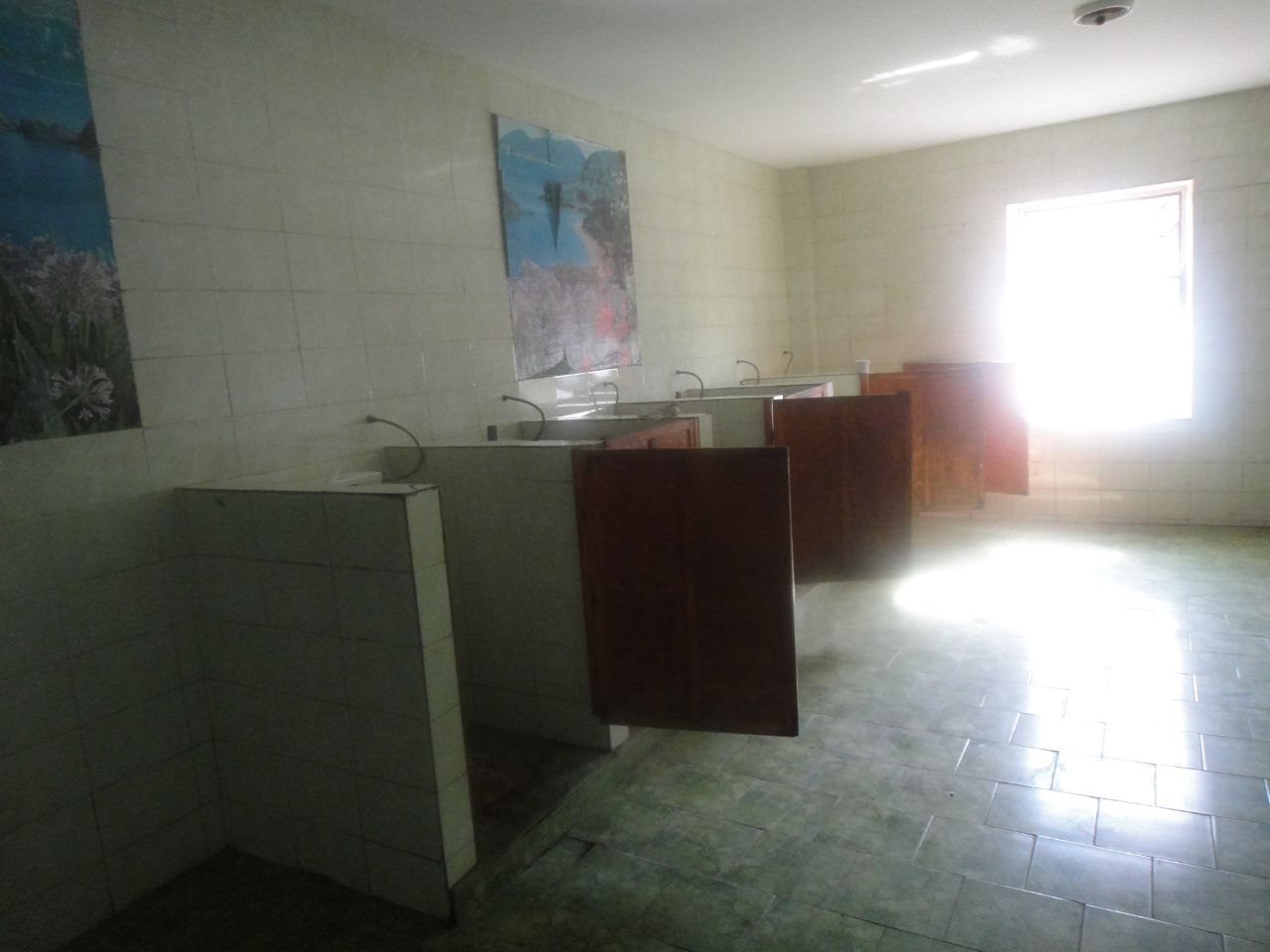
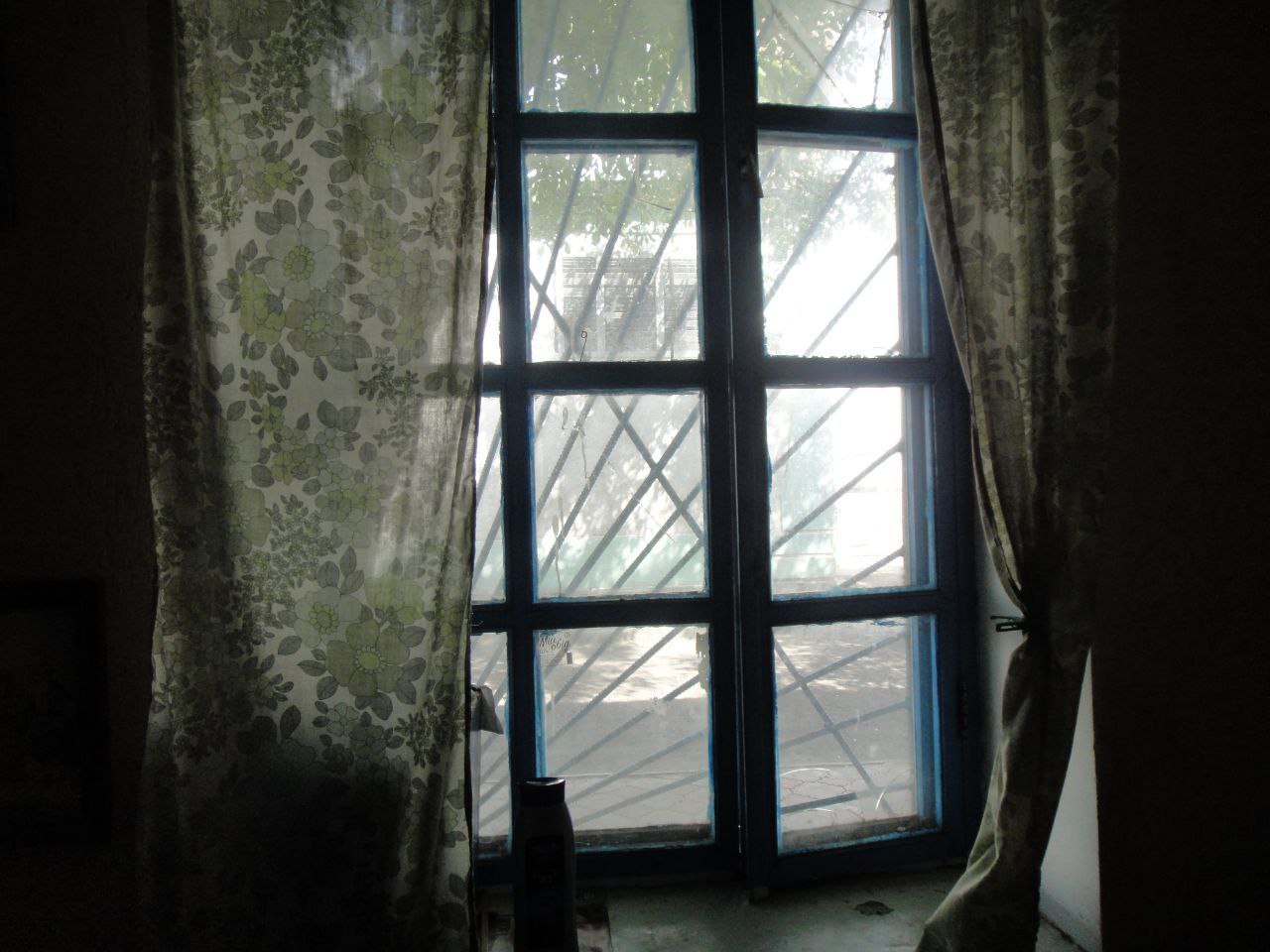
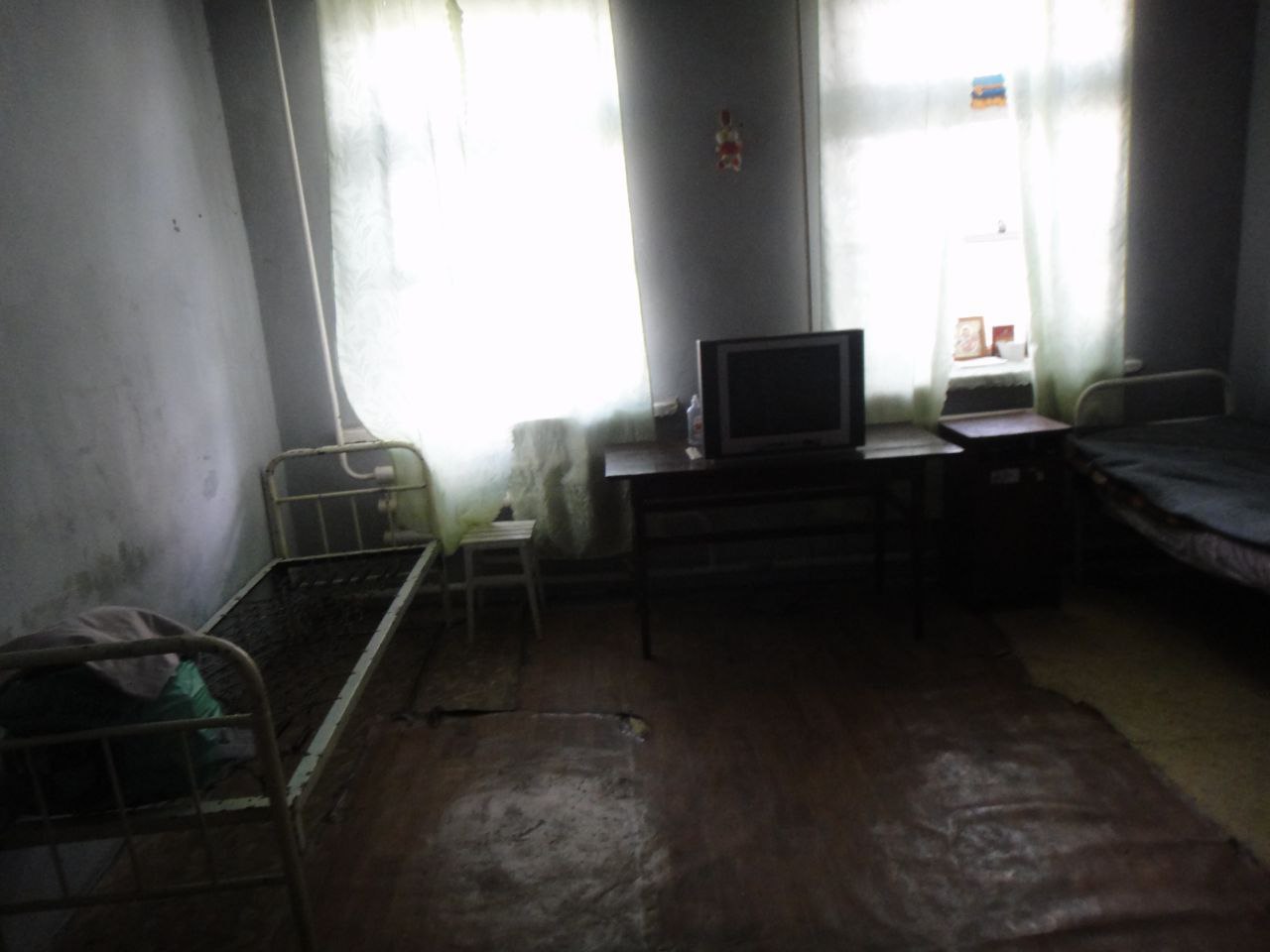
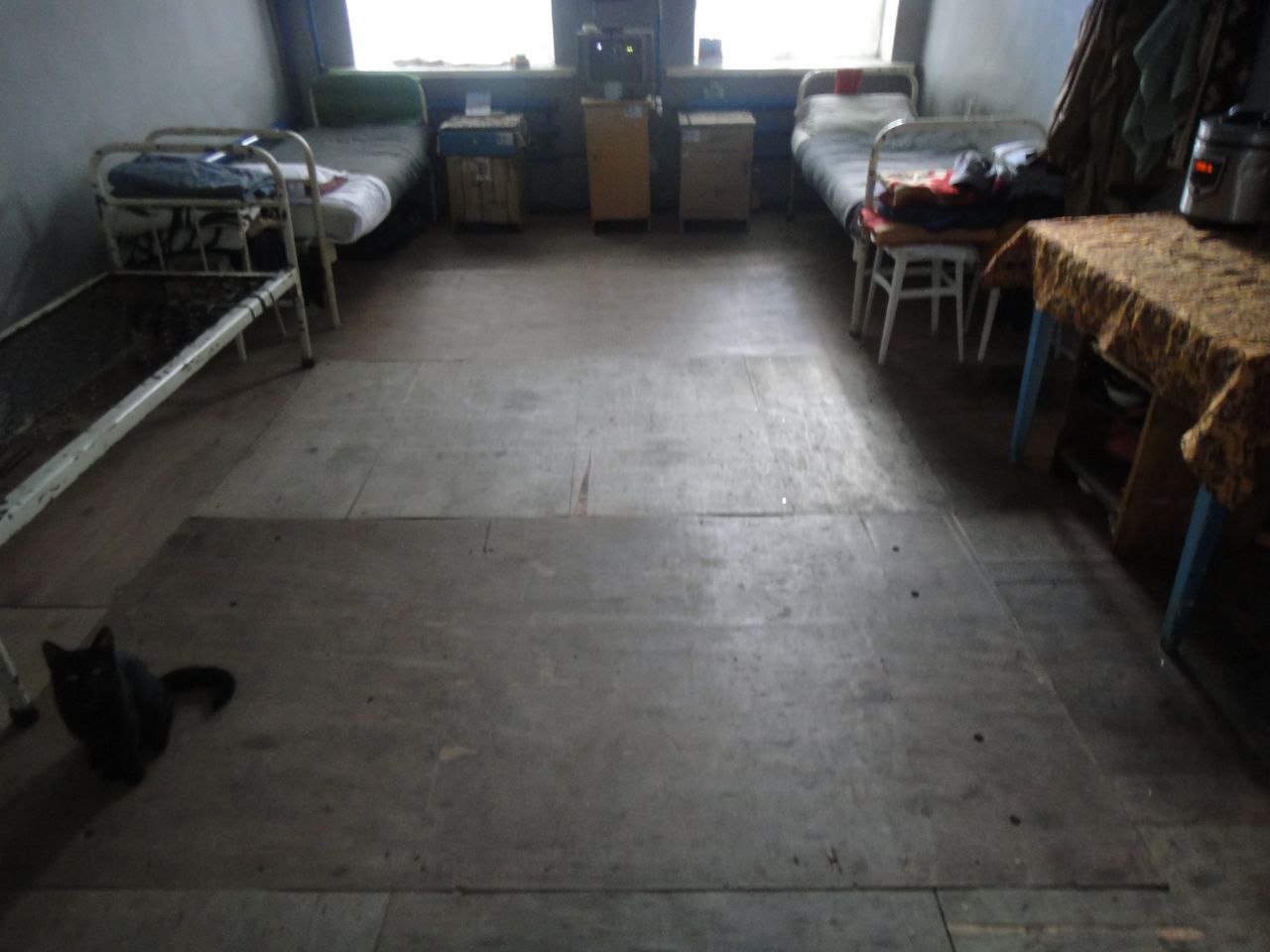
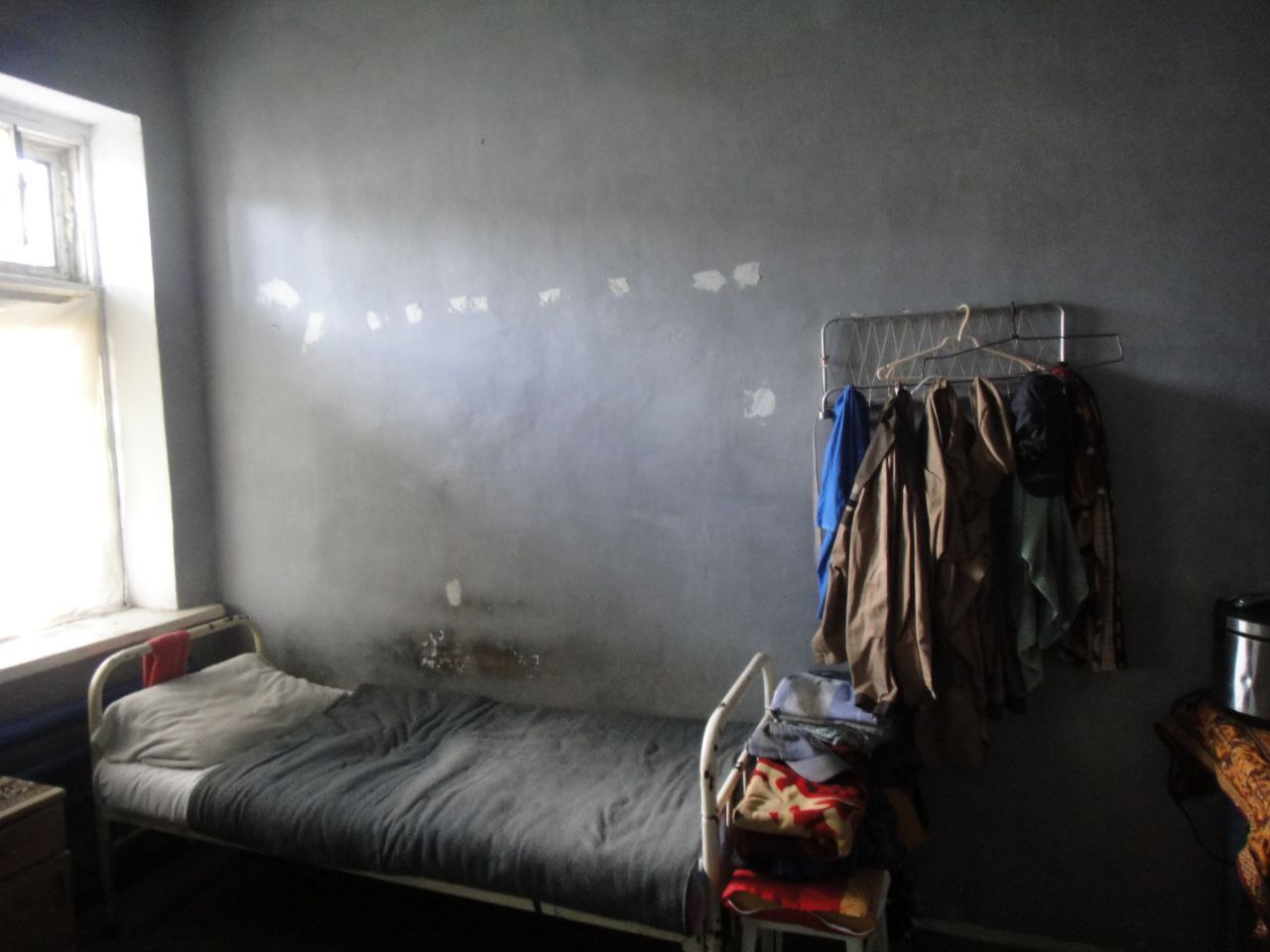
24. In violation of the requirements of parts one and two of Article 115 of the Penitentiary Code of Ukraine, most of the inspected ward premises require repair work, in particular the installation of new plastic windows, flooring, replacement of sanitary-technical equipment, and updating the electrical network.
25. In violation of the Fire Safety Rules in Ukraine, approved by the order of the Ministry of Internal Affairs of Ukraine dated 30.12.2014 No. 1417 (hereinafter — the Rules), the hospital premises are not equipped with fire extinguishing and fire alarm systems.
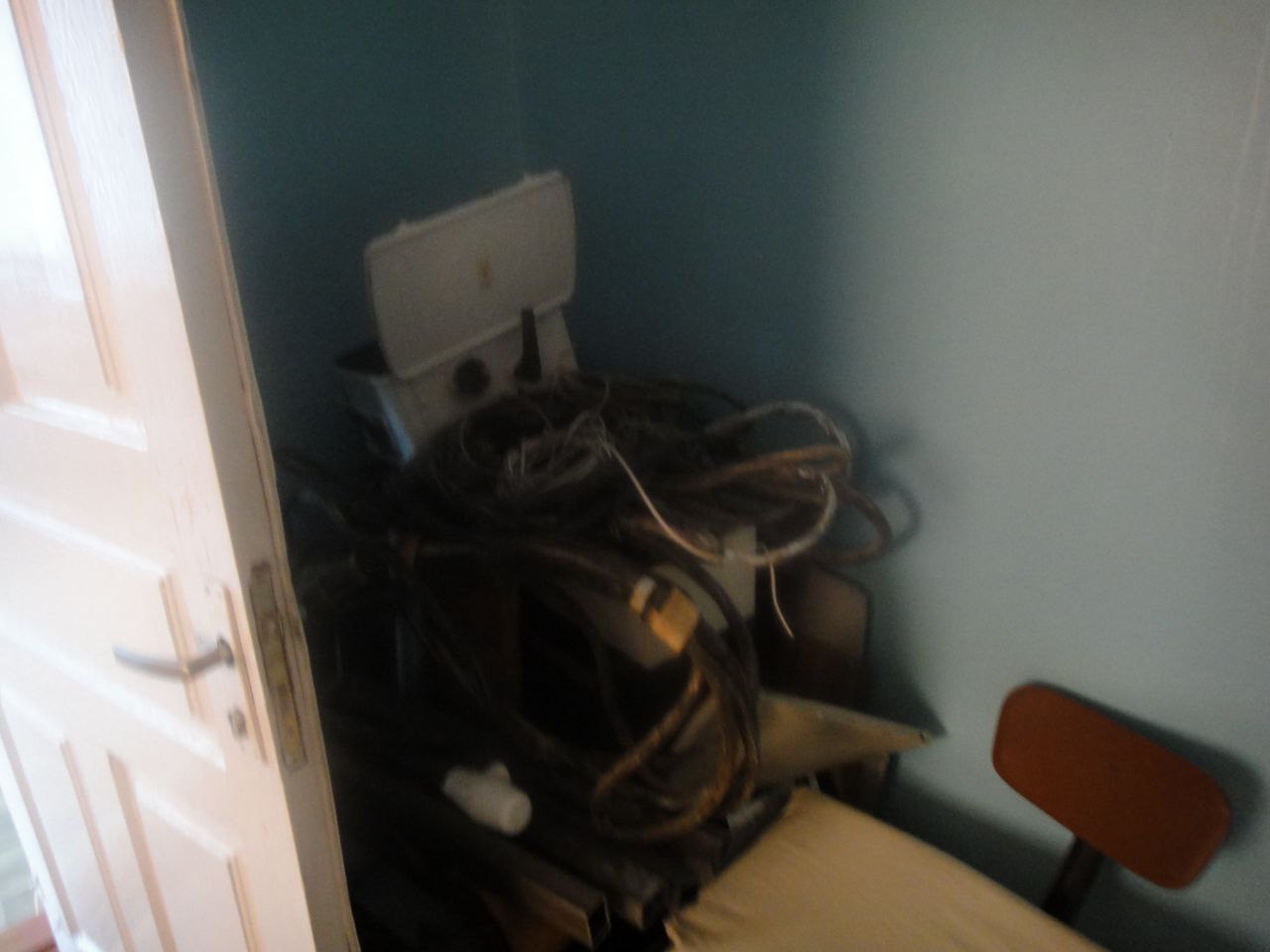
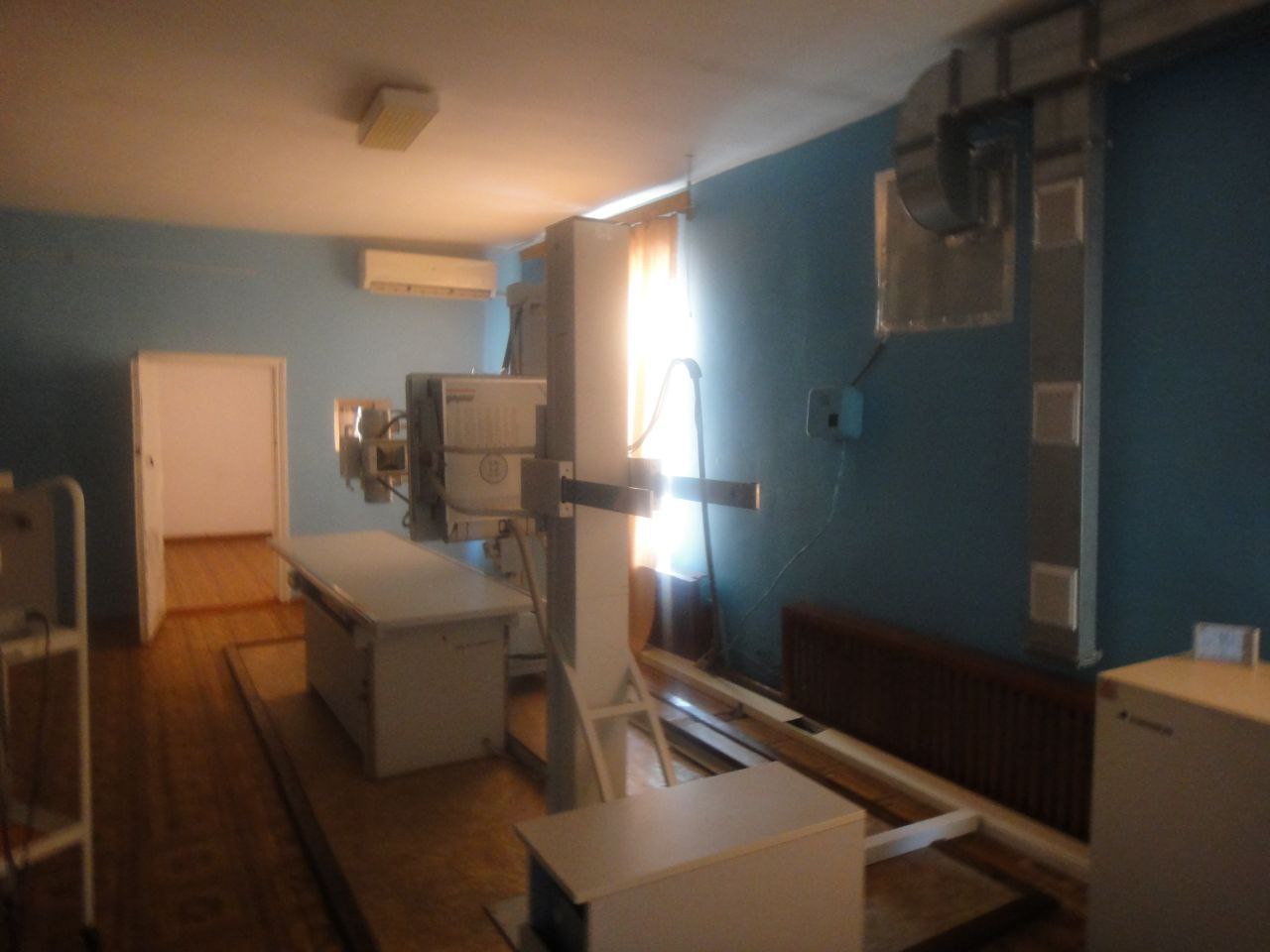
26. The doctor’s office and the X-ray room premises are not equipped with fire extinguishers, which is a violation of paragraph 3.6 of Chapter 3 of Section V of the Rules and paragraph 10.18 of Chapter 10 of the State Sanitary Rules and Norms “Hygienic requirements for the arrangement and operation of X-ray rooms and conducting radiological procedures”, approved by the order of the Ministry of Health of Ukraine dated 04.06.2007 No. 294, registered with the Ministry of Justice of Ukraine on 07.11.2007 under No. 1256/14523.
Furthermore, in violation of paragraph 2.23 of Chapter 2, storing extraneous items (boxes) in the procedure room is permitted.
27. In violation of part 5 of Article 110 of the Penitentiary Code of Ukraine, convicts during their stay in the hospital are not provided with the right to use the global Internet network. The lack of access to the Internet limits their ability to receive information, realise the right to education, self-education, and maintain social connections, which contradicts paragraph 63 of the Committee’s Recommendations (CPT/Inf(93)12-part).
28. On the territory of SVK-5, wire product manufacturing operates. As of 08.09.2025, five convicts are officially engaged in work, employed under fixed-term employment contracts (H., H., Ya., A., Shch.). During interviews, testimonies were obtained about a likely higher actual number of those involved than indicated in reports, which may indicate unofficial or contract-free labour engagement.
Part 1 of Article 118 of the Penitentiary Code of Ukraine guarantees the right of convicts to work and to be involved in socially useful labour, taking into account capacity, gender, age, ability to work, health status, and specialisation.
According to information provided by the administration and copies of payrolls: in July 2025, 7 convicts worked; in August 2025 — 5 convicts; amounts for payment (after deductions) — from 4,050 to 6,300 UAH per month. At the same time, according to the interviewed convicts, the funds actually received amounted to about 450 UAH per month.
The gap between official records and actual payments indicates a risk of fictitious accruals or excessive deductions and requires a financial audit of the movement of funds on personal accounts, in particular, confirmation of the payment of the Single Social Contribution (ESV).
The analysed fixed-term contracts with convicts do not meet the requirements of Article 49⁶ of the Labour Code of Ukraine regarding the mandatory content of an employment contract. It was revealed that essential conditions are missing: specific terms of remuneration (rate amount, bonuses, night-time, overtime, holiday pay), work schedule, rest duration, leave, working conditions, notice periods for termination, communication procedure, employer’s liability for delay in payments, etc. (paragraphs 1-16 of the list of essential conditions).
Individual provisions contradict labour legislation. In particular, contract No. 34-T dated 03.07.2025 (paragraph 4.2) established material liability of the convict-employee for damages to the employer, which contradicts paragraph 1.3 of the Instruction on conditions of work and wages of convicts (Ministry of Justice order dated 11.03.2013), which prohibits the use of convict labour in positions related to material liability.
Also, the amount of wages is not stated, which violates Article 21 of the Labour Code of Ukraine (establishing mutual rights and obligations of parties, in particular regarding remuneration).
The identified facts indicate systemic violations of the guarantees of the right to work and social protection of convicts, namely:
- improper registration of labour relations (Labour Code, Art. 49⁶, Art. 21);
- unfair remuneration and non-transparent deductions (Constitution, Art. 43; Penitentiary Code, Art. 118, 119);
- violation of social insurance norms (payment of ESV, inclusion in length of service);
- inadmissibility of material liability of convicts in jobs with such liability (Ministry of Justice Instruction dated 11.03.2013).
Despite the existence of wire production and the formal employment of at least five convicts, the right to work is not fully realised: contracts do not contain essential conditions, contain contradictory provisions regarding liability, and the gap between accrued and actually received payment indicates a risk of violating labour rights and requires additional verification.
29. During the monitoring visit to SVK-5, the premises that the institution’s administration designates as a shelter (protective structure) for persons held in custody were inspected. 31-32
Based on the results of the inspection, it was established that the shelter does not meet the basic requirements for civil protection shelters, defined by:
- Resolution of the Cabinet of Ministers of Ukraine dated 10 March 2017 No. 138 “On approval of Requirements for the maintenance and operation of civil protection shelters”;
- order of the Ministry of Internal Affairs of Ukraine dated 09.07.2018 No. 579 “On approval of Requirements for the maintenance of civil protection shelters and accounting of the fund of such structures”;
- articles 3, 5, 7 of the Law of Ukraine “On civil protection of the population”;
- paragraphs 47-52 of the European Prison Rules, which oblige the state to ensure safe detention conditions for all categories of persons deprived of liberty.
In the specified premise, there is no second (emergency) exit. The shelter has only one entrance/exit, which creates a real threat to human life in the event of a collapse or fire. This violates the requirements of paragraph 6.8 of the Requirements for shelter maintenance (Ministry of Internal Affairs order No. 579), which provide for the availability of at least two evacuation routes.
The only exit is equipped with a massive metal door that locks from the outside, without the possibility of opening from the inside; therefore, the shelter cannot perform its function as a safe place during a missile or artillery attack. There is also no sewage system and no sanitary-technical conditions: there is no toilet, water supply, or drainage system. This makes prolonged stays by people impossible, even for a few hours.
The absence of sewage contradicts the requirements of DBN V.2.2-5:2023 “Civil protection shelters” and paragraph 9 of the Requirements for shelter maintenance, which oblige the premises to be equipped with a bathroom or containers for sanitary needs with the possibility of subsequent disinfection. The absence of ventilation and an air extraction system (exhaust hood) was also recorded. The premises do not have a single exhaust or supply-exhaust system, which violates the norms of permissible air exchange.
In the absence of ventilation, while dozens of people are staying, a rapid decrease in oxygen concentration and an increase in carbon dioxide levels and humidity is possible, which poses a direct threat to the life and health of people even during a short-term stay. Furthermore, the monitors recorded the absence of autonomous access for convicts to the shelter. Convicts do not have the ability to use the shelter independently in the event of an air raid alarm or other danger. Movement to the shelter is carried out exclusively with the permission and under the control of staff, which may cause a delay in evacuation in a critical situation. Such an order contradicts Article 3 of the European Convention on Human Rights, as it makes the realisation of the right to life and protection from inhuman treatment in conditions of military danger impossible.
The aggregate of identified violations indicates that the available shelter:
- does not perform the function of a safe shelter, as it does not guarantee evacuation, proper air exchange, or sanitary conditions;
- violates the requirements of national legislation and international standards that oblige the state to guarantee the physical safety of persons deprived of liberty;
- creates a real risk of death or severe consequences in the event of a missile strike, fire, shelling, or smoke.
The unsuitability of the shelter for use has also been recorded in several other institutions of the State Penitentiary Service of Ukraine, which indicates a systemic problem in the organisation of the safety of convicts during martial law. The actual condition of the shelter at SVK-5 does not meet the requirements for safety and suitability for human habitation. The protective structure does not provide minimum conditions for life support and cannot be considered an effective element of the institution’s civil protection system. Given the absence of a second exit, sewage, ventilation, and the impossibility of independent access by convicts to the shelter, its actual functioning is purely formal in nature.
Recommendations:
1. Take measures aimed at eliminating identified human rights violations and preventing torture, cruel, inhuman, or degrading treatment and punishment at the Snihurivka Specialized Tuberculosis Hospital No. 5 of the branch of the State Institution “Health Care Centre of the State Penitentiary Service of Ukraine” in the Mykolaiv and Odesa regions.
2. Ensure control over the proper maintenance of medical documentation in accordance with the Procedure for organising the provision of medical care to persons sentenced to imprisonment (order of the Ministry of Justice and Ministry of Health dated 15.08.2014 No. 1348/5/572) and other regulatory legal acts.
3. Staff the hospital facility with medical specialists according to needs.
4. Ensure 24-hour duty of a physician to supervise patients.
5. Obtain a licence for activities related to the circulation of narcotic drugs, psychotropic substances, and precursors for the proper provision of palliative care.
6. Ensure the possibility of receiving opioid substitution therapy (OST) for persons with mental and behavioural disorders.
7. Ensure timely recording of physical injuries in convicts.
8. Stop the practice of including medical certificates in disciplinary cases; guarantee the confidentiality of medical information.
9. Ensure proper isolation of tuberculosis patients in accordance with the Infection Control Standard.
10. Equip isolation wards for patients with dangerous infectious diseases.
11. Ensure the availability of antiviral therapy for the treatment of HCV.
12. Check the functionality of the defibrillator and replace the electrodes.
13. Equip the isolation ward for persons with mental disorders in accordance with requirements.
14. Send copies of decisions on disciplinary penalties with information about the appeal procedure to convicts.
15. Conduct medical examinations only in the presence of medical personnel.
16. Stop placing nominal cards with data on crimes of convicts in residential premises.
17. Provide hospital clothing and footwear to convicts during treatment.
18. Create conditions for persons with disabilities in accordance with DBN V.2.2-17:2006.
19. Establish the operation of the telemedicine complex for remote consultations.
20. Provide the hospital with hospital property (suit, robe, slippers).
21. Install a working dental X-ray machine.
22. Conduct preventive medical examinations of all employees in accordance with the requirements of the Procedure.
23. Keep a log of medical examinations in the form of Appendix 4 to the Procedure.
24. Restore the operation of the disinfection chamber.
25. Provide hairdressing services to convicts in accordance with Regulation No. 849/5.
26. Conduct repair work in the wards (windows, flooring, plumbing, electrical network).
27. Equip the hospital with fire extinguishing and alarm systems.
28. Ensure the availability of fire extinguishers and compliance with safety rules.
29. Provide convicts with access to the Internet.
30. Bring employment contracts into compliance with Art. 49⁶ and Art. 21 of the Labour Code.
31. Remove provisions on material liability of convicts from contracts.
32. Conduct a financial audit of the movement of funds and provide the results to convicts for signature.
33. Ensure transparent time-sheet accounting of working hours.
34. Conduct a technical inspection of the shelter with the involvement of State Emergency Service specialists.
35. Equip a second evacuation exit and ensure the possibility of opening the door from the inside.
36. Install a ventilation system, lighting, and sanitary conditions.
37. Develop a procedure for immediate access of convicts to the shelter in case of an alarm.
38. Conduct training for staff and convicts regarding actions during an air raid alarm.