Report on the Results of a Monitoring Visit to Pivdennoukrainska Correctional Colony No. 83
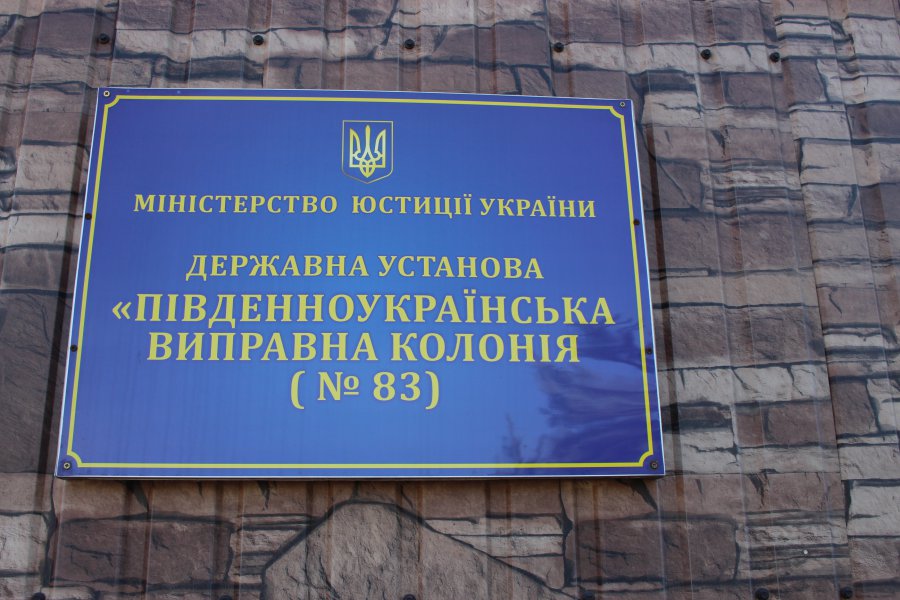
On 11 September 2025, in accordance with the Optional Protocol to the Convention against Torture and Other Cruel, Inhuman or Degrading Treatment or Punishment, taking into account the provisions of the Standard Minimum Rules for the Treatment of Prisoners and the judgments of the European Court of Human Rights, and on the basis of Article 24 of the Criminal Executive Code of Ukraine, "Visits to Penal Institutions," a group of monitors from the Kharkiv Human Rights Protection Group and the civic organisation "Protection for Prisoners of Ukraine" carried out a visit to the state institution "Pivdennoukrainska Correctional Colony (No. 83)" (PCC-83, the institution, the facility, the colony). The visit was unannounced and all areas of the institution were inspected.
In preparing for the visit, the monitors made use of correspondence received from convicted persons and their relatives.
The visit was conducted within the framework of the project "Reducing the Suffering of Prisoners in the Context of the War in Ukraine," funded by the Government of Denmark in partnership with DIGNITY (the Danish Institute Against Torture).
The visit was conducted by the following monitors:
- Andrii Didenko — assistant to Yaroslav Yurchyshyn, Member of the Verkhovna Rada of Ukraine; coordinator of programmes at the Kharkiv Human Rights Protection Group; has experience of monitoring visits since 2014; NPM (National Preventive Mechanism) monitor; member of the NPM Advisory Council;
- Serhii Zuikov — assistant to Kostiantyn Kasai, Member of the Verkhovna Rada of Ukraine; member of the Public Council of the Ministry of Justice of Ukraine; member of the civic organisation "Protection for Prisoners of Ukraine"; NPM monitor; has many years of experience conducting monitoring visits;
- Artemii Shumnyi — journalist for the news agency "Protection for Prisoners of Ukraine / PROTECTION FOR PRISONERS OF UKRAINE"; lawyer at the Kharkiv Human Rights Protection Group; NPM monitor.
The institution is taking gradual steps to improve the material and living conditions for convicted persons as part of the implementation of the Strategy for Reforming the Penitentiary System up to 2026. Repair works have been carried out in the residential premises of the Social and Psychological Service (SPS) units, including the provision of individual space; dining and hygiene rooms have been fitted out; and storage areas for personal belongings have been organised.
A Quarantine, Diagnostic and Distribution Unit (QDD Unit) has been established, in which certain residential premises have been refurbished. A cosmetic renovation of the prison shop has been carried out and the necessary equipment has been provided. Additional lighting has been installed in the local sections, and rest and smoking areas have been set up, which has had a positive effect on the general organisation of daily life.
At the same time, the monitoring group recorded a number of issues requiring further regulation and improvement. In particular, attention is required regarding the conditions of accommodation and the programme of the QDD Unit, the provision of privacy and adequate living space, the improvement of the physical condition of certain DISC/PCT (Disciplinary Isolation Cell/Cell-Type Accommodation) premises, and the improvement of the organisation of labour for convicted persons so as to bring it into conformity with legislative requirements.
Certain aspects of healthcare and sanitary and hygienic conditions require additional resources and planned remediation. The monitoring findings are intended to support the institution's administration in implementing further measures that will contribute to improving the quality of detention conditions and ensuring guarantees of the rights of convicted persons.
General Information
PCC-83 is a medium-security penal institution for the detention of men convicted for the first time to imprisonment for serious and particularly serious crimes.
The institution is located at: 55000, Mykolaiv Region, Pivdennoukrainsk, 1 Promyslova Street.
The institution was established as a facility within the penitentiary system in the second half of the twentieth century and became part of the network of colonies operating on the territory of the then Ukrainian Soviet Socialist Republic. Following Ukraine's declaration of independence, the institution continued its activities as part of the State Department of Ukraine for the Execution of Sentences.
The territory encompasses residential units, production sections, and infrastructure to meet the basic needs of convicted persons. The colony's production activities have historically been directed towards providing employment for convicted persons and maintaining the institution's internal operations. At various times, workshops, woodworking facilities, and other production sections have operated here, performing work both for the institution's own needs and on the basis of cooperation with commercial entities.
For many years, the colony has played a stable role in the regional penitentiary system, fulfilling functions of isolation, social and material maintenance of convicted persons, and the implementation of educational measures in accordance with the requirements of national legislation.
At the time of the visit, the head of the institution was Colonel of the Internal Service Dmytro Mykolaiovych Shamshura.
The facility comprises a duty section, a QDD Unit (Quarantine, Diagnostic and Distribution Unit), SPS units (Social and Psychological Service), a catering block, DISC premises (Disciplinary Isolation Cell), PCT premises (Cell-Type Accommodation), an ECS unit (Enhanced Control Section), a SIZO unit (Pre-Trial Detention Unit), a medical unit, a bathhouse and laundry facility, visiting rooms, a shop, a library, a parcel-reception room, and administrative premises.
According to the institution's administration, the authorised staff complement is 227 posts, with 204 posts actually filled. The total staffing deficit is 23 employees. The planned capacity of the institution (pursuant to Order No. 80/OD-20 of the Department for the Execution of Criminal Sentences, dated 13 April 2020) is 843 persons. The number of places calculated according to floor space standards (in accordance with the measurement report) is 604 persons. The actual number of persons held in the institution is 450.
PCC-83 has 10 SPS units, of which 4 are mothballed (within the secure perimeter), 1 social rehabilitation unit, and 1 unit for holding persons sentenced to restriction of liberty. The institution employs 2 psychologists.
During 2024, 321 persons arrived at the colony. During 2024, 2 persons died; during the current year, none. The following persons are on the operational and preventive register: prone to suicide — 16 persons; prone to self-harm — 18 persons; prone to escape — 6 persons; persistent violators of the detention regime — 13 persons.
During 2024–2025, no person lodged a complaint regarding inadequate conditions of detention or inadequate provision of medical care. Eight persons have disabilities: 1 person with a Group I disability, 2 persons with a Group II disability, and 5 persons with a Group III disability.
In their personal use, convicted persons have 19 tablets and 19 registered e-mail addresses. Twenty-six persons are socially isolated altogether.
During 2024, 9 cases of bodily injury sustained whilst in the institution were recorded; during the current year, 1 case of bodily injury has been recorded.
The group of monitors interviewed approximately 211 convicted persons during visits to production premises, workshops, SPS units, disciplinary and utility premises — in the course of general conversations, the provision of consultations, answering questions, as well as through surveys concerning human rights violations and individual interviews, including those conducted on an anonymous basis.
Positive Practices
In implementation of Strategic Goal 1, "Creating Proper Conditions of Detention for Convicted Persons and Persons Held in Custody," of the Strategy for Reforming the Penitentiary System for the period up to 2026, repair works have been carried out in the SPS units, including the provision of individual space.
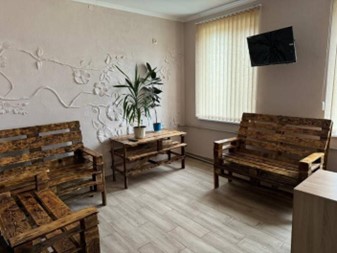
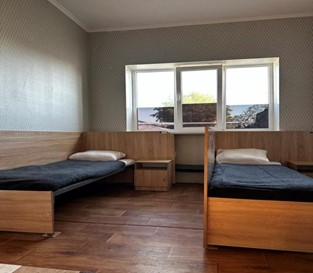
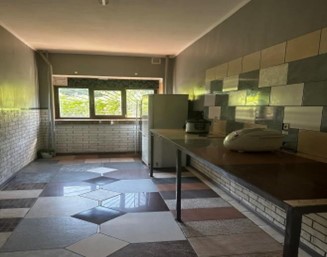
The storage room for convicted persons' belongings has been renovated; dining rooms, shower facilities, a hygiene room, and administrative offices have been fitted out.
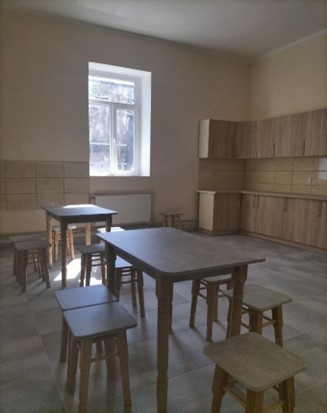
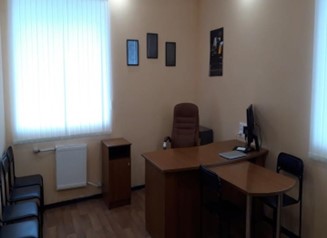
A new Quarantine, Diagnostic and Distribution Unit has been established on the basis of a Social and Psychological Service unit, including residential sections of the QDD Unit.
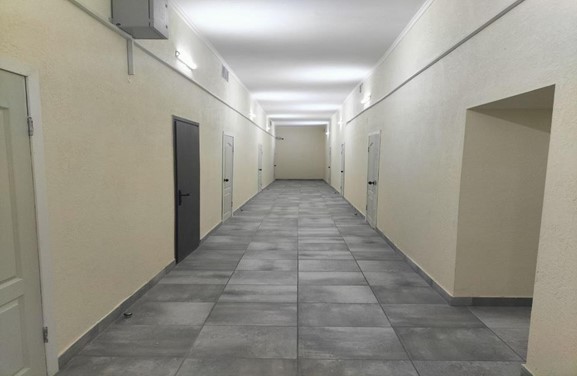
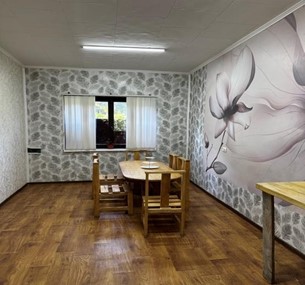
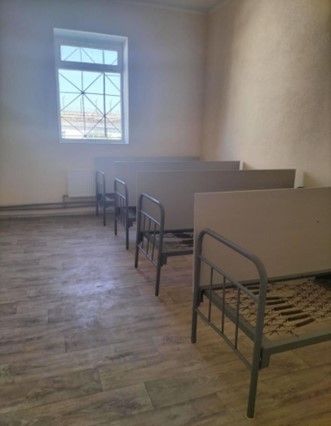
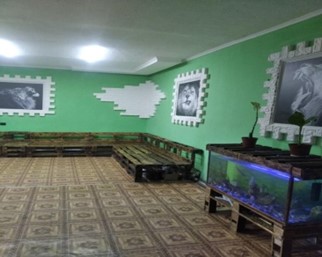
With a view to conducting social and educational work with convicted persons in the residential blocks of the SPS units, current repairs have been carried out to the educational work rooms.
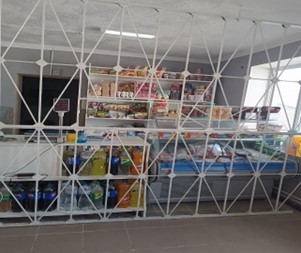
A cosmetic renovation of the prison shop has been carried out. A payment terminal, display cases, technical equipment, refrigerators, and freezers have been installed; a licence for the sale of tobacco products has been obtained.
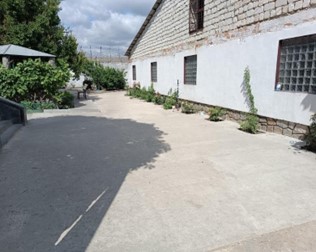
The local sections of the SPS units have been brought into conformity with the requirements of regulatory and legal acts: floors have been concreted, benches installed, smoking areas fitted out, and additional lighting installed.
Violations of National and International Legislation Identified
During the monitoring visit, violations of the requirements of national legislation and non-compliance with international recommendations in the field of the treatment of prisoners were identified, resulting in violations of the rights of convicted persons:
1. The facilities of the Quarantine, Diagnostic and Distribution Unit (hereinafter — the QDD Unit) do not meet the standards for the treatment and accommodation of prisoners in accordance with their needs. Specifically, in breach of Part 1 of Article 115 of the Criminal Executive Code of Ukraine (hereinafter — the CEC of Ukraine) and Rule 13 of the Standard Minimum Rules for the Treatment of Prisoners, it was established that the living space per convicted person in the residential premises of the institution's QDD Unit is less than 4 m².
In residential room No. 1 of the QDD Unit, which contains 20 beds and held 11 persons at the time of the visit, the floor area according to the living space measurement report is 40 m². Thus, the actual space per person amounted to 3.6 m².
Paragraph 13 of the Seventh General Report of the European Committee for the Prevention of Torture and Inhuman or Degrading Treatment or Punishment (hereinafter — the Committee) states that the problem of overcrowded cell accommodation leads to insanitary conditions, a constant lack of privacy, and an overloading of the institution's medical services and infrastructure. The Committee concludes that the negative impact of overcrowding very frequently results in inhuman or degrading conditions of detention (CPT/Inf (97) 10).
2. The monitoring group established that the administration and staff of the institution do not ensure the proper organisation of work with newly arrived convicted persons. During the visit to the QDD Unit, violations of the requirements of Article 95 of the Criminal Executive Code of Ukraine and paragraph 3 of Section I of the "Regulations on the QDD Unit," approved by Order of the Ministry of Justice of Ukraine No. 2300/5 of 4 November 2013, registered with the Ministry of Justice of Ukraine on 4 November 2013 under No. 1864/24396 (hereinafter — the QDD Unit Regulations), were recorded.
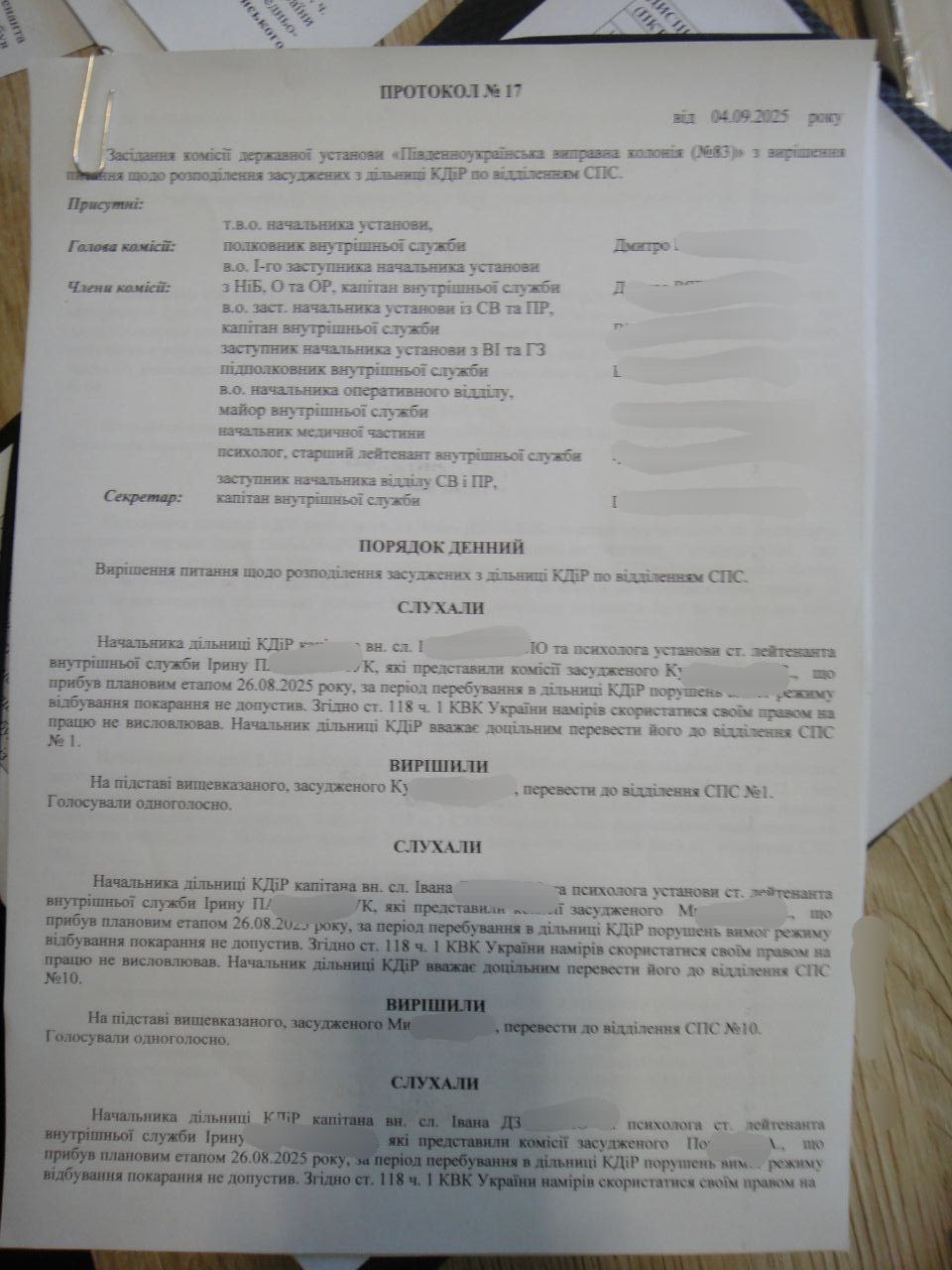
Specifically, on 26 August 2025, 6 convicted persons (K., M., P., T., T., Sh.) arrived at the institution, as confirmed by Protocol No. 16 of 26 August 2025 of the admissions and allocation commission of the state institution "Pivdennoukrainska Correctional Colony (No. 83)." In accordance with current legislation, newly arrived persons placed in the QDD Unit must, within 14 days, undergo a full medical examination for the purpose of detecting infectious, somatic, and psychiatric disorders, as well as an initial psychological, pedagogical, and other assessment.
Accordingly, the allocation of these persons among the institution's units should not have taken place before 9 September 2025 (following the completion of the 14-day period). However, according to Protocol No. 17 of 4 September 2025 of the institution's commission, the decision to allocate them among the Social and Psychological Service (SPS) units was taken as early as 4 September 2025.
This indicates that the convicted persons were actually held in the QDD Unit for 10 days instead of the prescribed 14, which constitutes a violation of the established time limit and indicates an insufficient volume of measures carried out under the programme for familiarising newly arrived convicted persons with the order and conditions of serving their sentences.
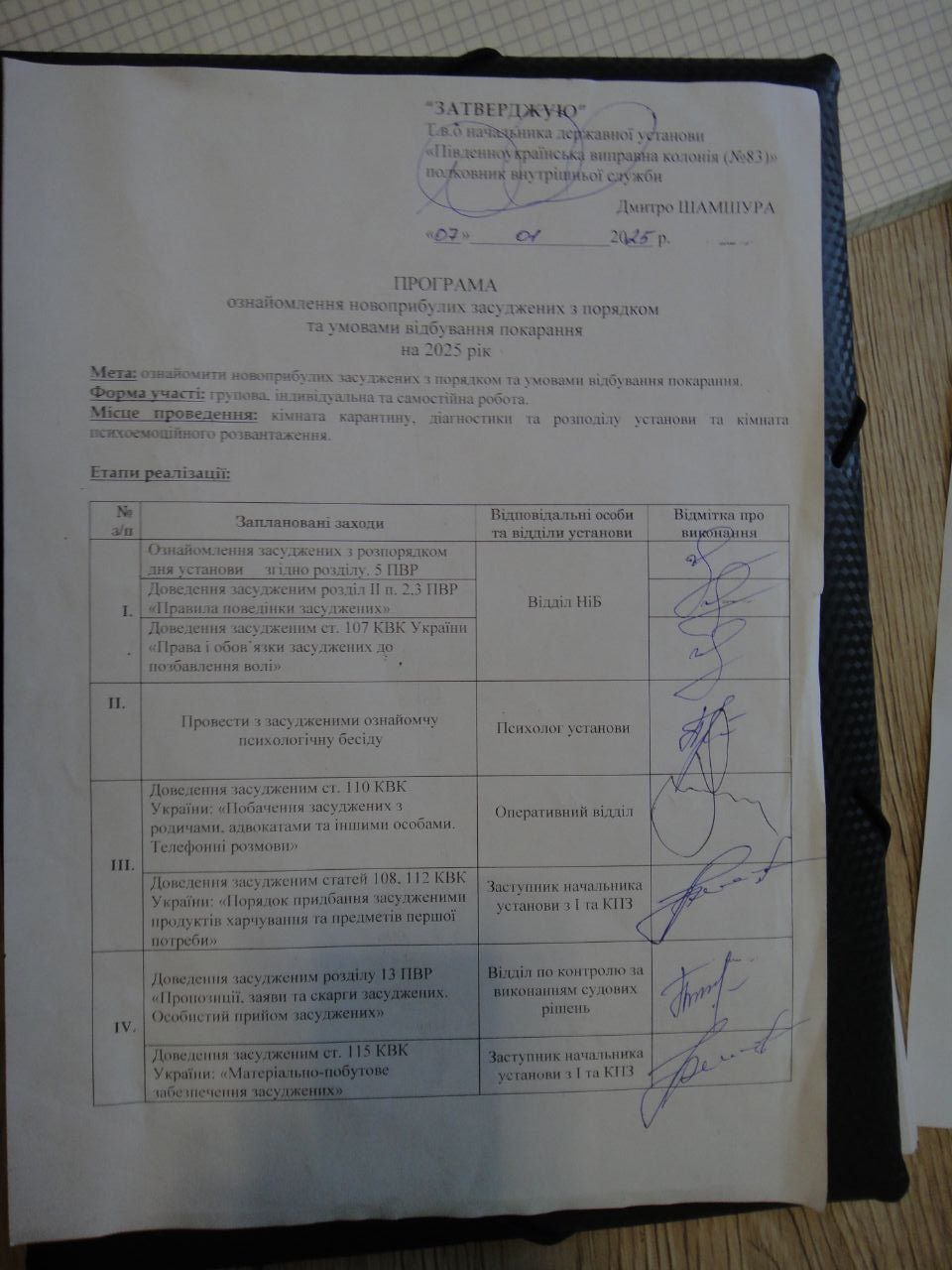
3. The programme for familiarising newly arrived convicted persons with the order and conditions of serving their sentences, as provided by the institution's staff, did not contain measures aimed at informing convicted persons regarding the procedure for obtaining a full general secondary and vocational (vocational-technical) education, the procedure for obtaining free legal assistance, or the procedure for granting convicted persons access to the Internet, which is not in conformity with the requirements of paragraph 3 of Section II of the "QDD Unit Regulations."
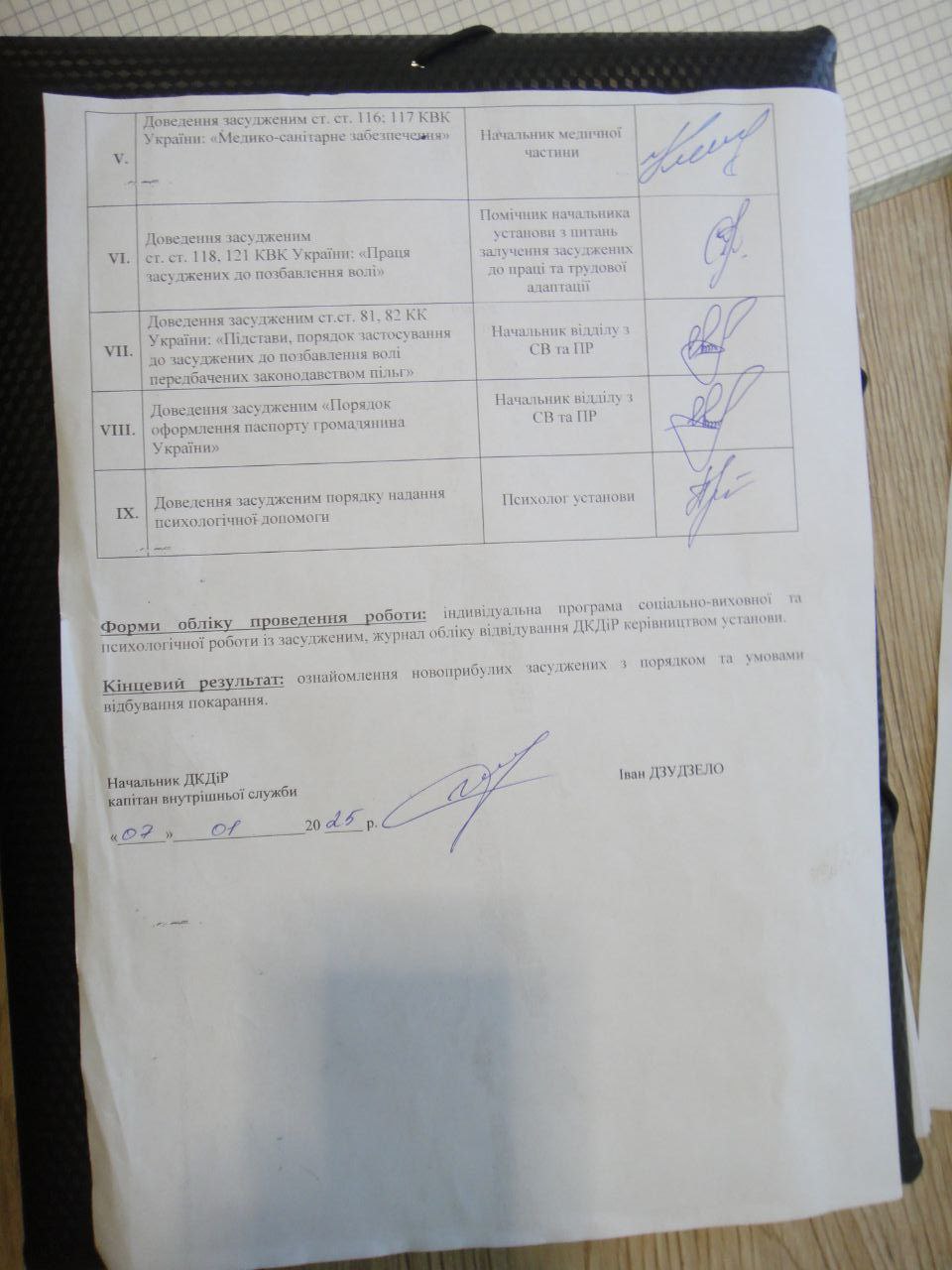
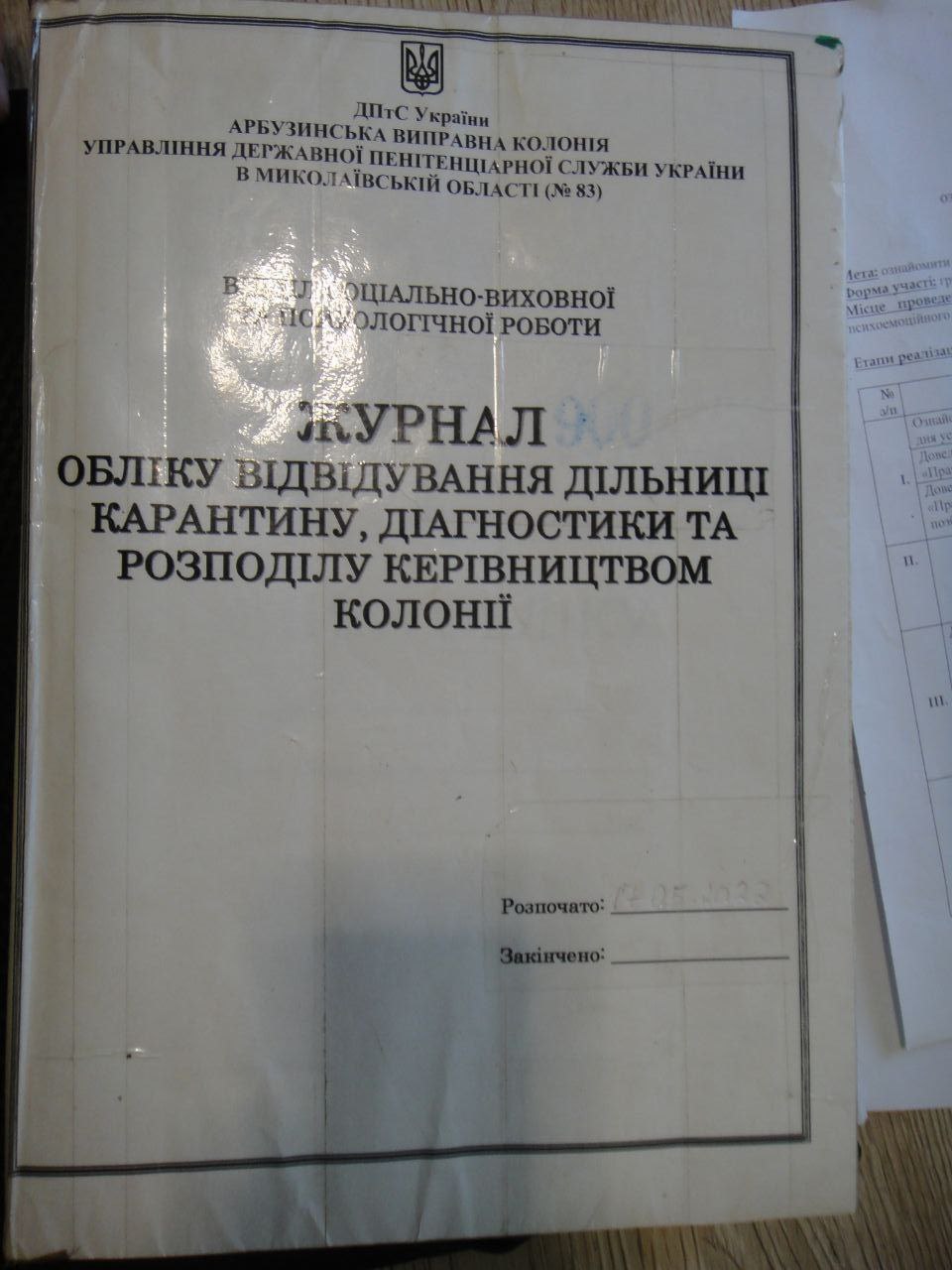
4. The planning of activities under the programme for familiarising newly arrived convicted persons is carried out in violation of the requirements regarding the frequency (at least once per week) with which each member of the working group is to visit the QDD Unit. Specifically, during the period from 8 to 12 September 2025, according to the log of visits to the QDD Unit by administration representatives, it was established that activities with newly arrived convicted persons were conducted by only 4 of the 9 members of the working group, which is not in conformity with the requirements of paragraph 5 of Section II of the "QDD Unit Regulations."
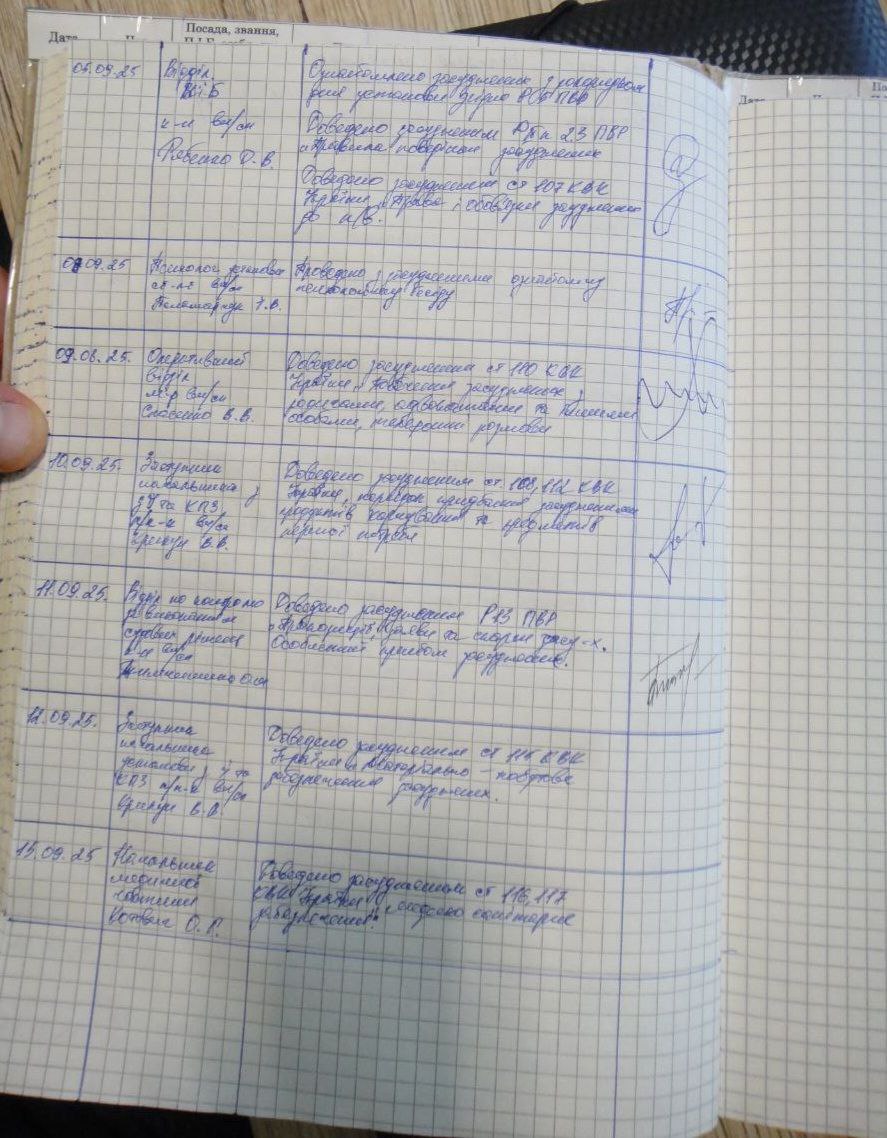
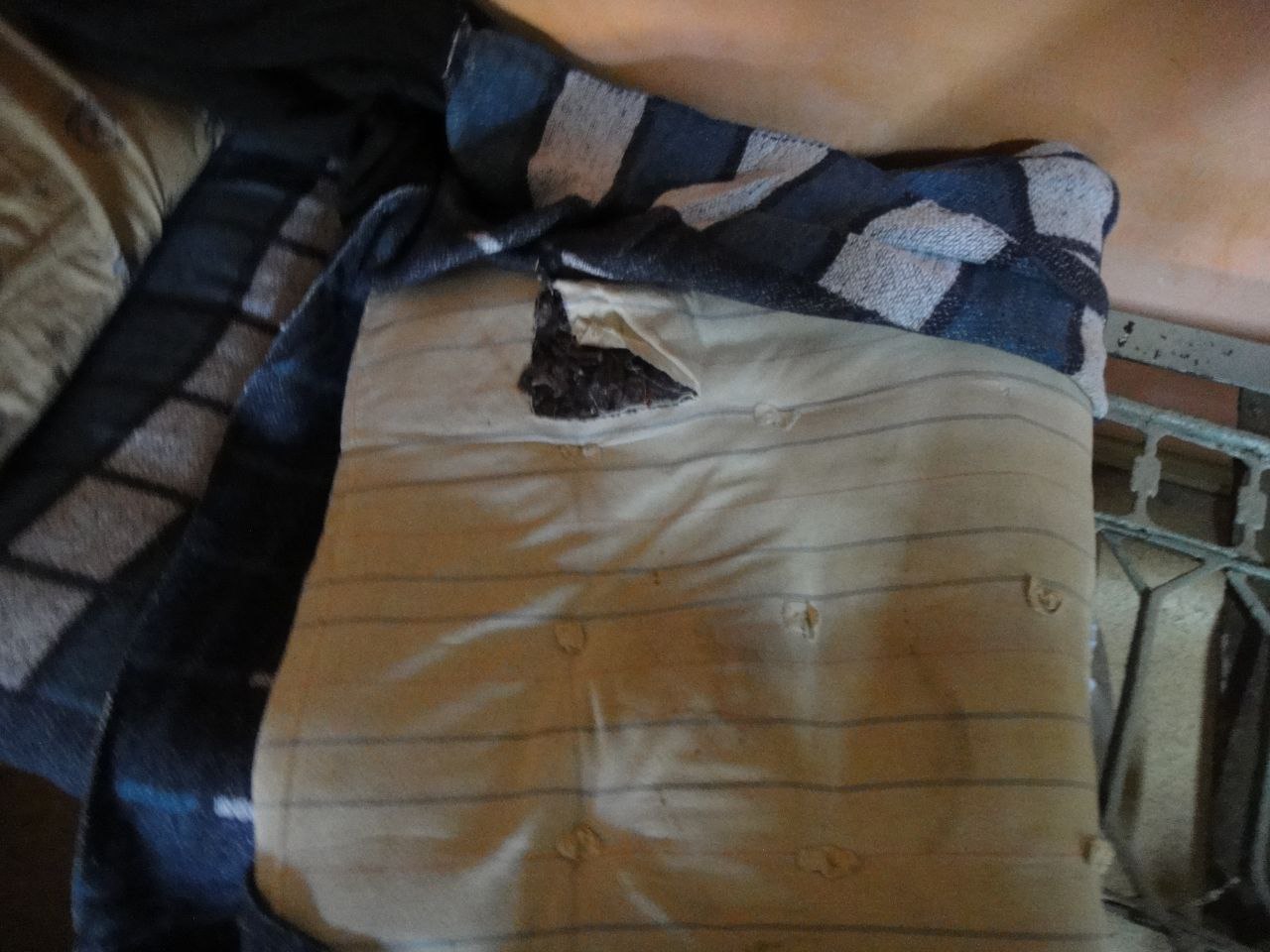
5. The monitoring group established that the material and welfare provision of the QDD Unit does not meet the established regulatory requirements. Specifically, in breach of the requirements of the "Standards for the Provision of Furniture, Equipment and Household Items to a Medium-Security Correctional Colony," approved by Order of the Ministry of Justice of Ukraine No. 1118/5 of 27 July 2012 (hereinafter — the Provision Standards), the unit lacks a number of rooms, namely: an educational work room; a room for storing foodstuffs; a room for storing convicted persons' personal belongings; a room for storing the exchange fund of bedding, clothing, and workwear; a storeroom for the temporary storage of soiled bedding, clothing, and workwear; a cloakroom; a utility room; and a drying room.
Furthermore, the residential premises are not adequately equipped with bedside lockers and stools in accordance with the established standards. The mattresses are worn and require replacement.
The absence of the aforementioned rooms and the inadequate furnishing of the residential premises create conditions that fail to meet domestic standards, make it impossible to ensure proper compliance with sanitary and hygienic requirements, and complicate the maintenance of cleanliness and order in the living areas of convicted persons. This state of living arrangements has a negative impact on the general sanitary condition of the institution and may pose a risk to the health of those held there.
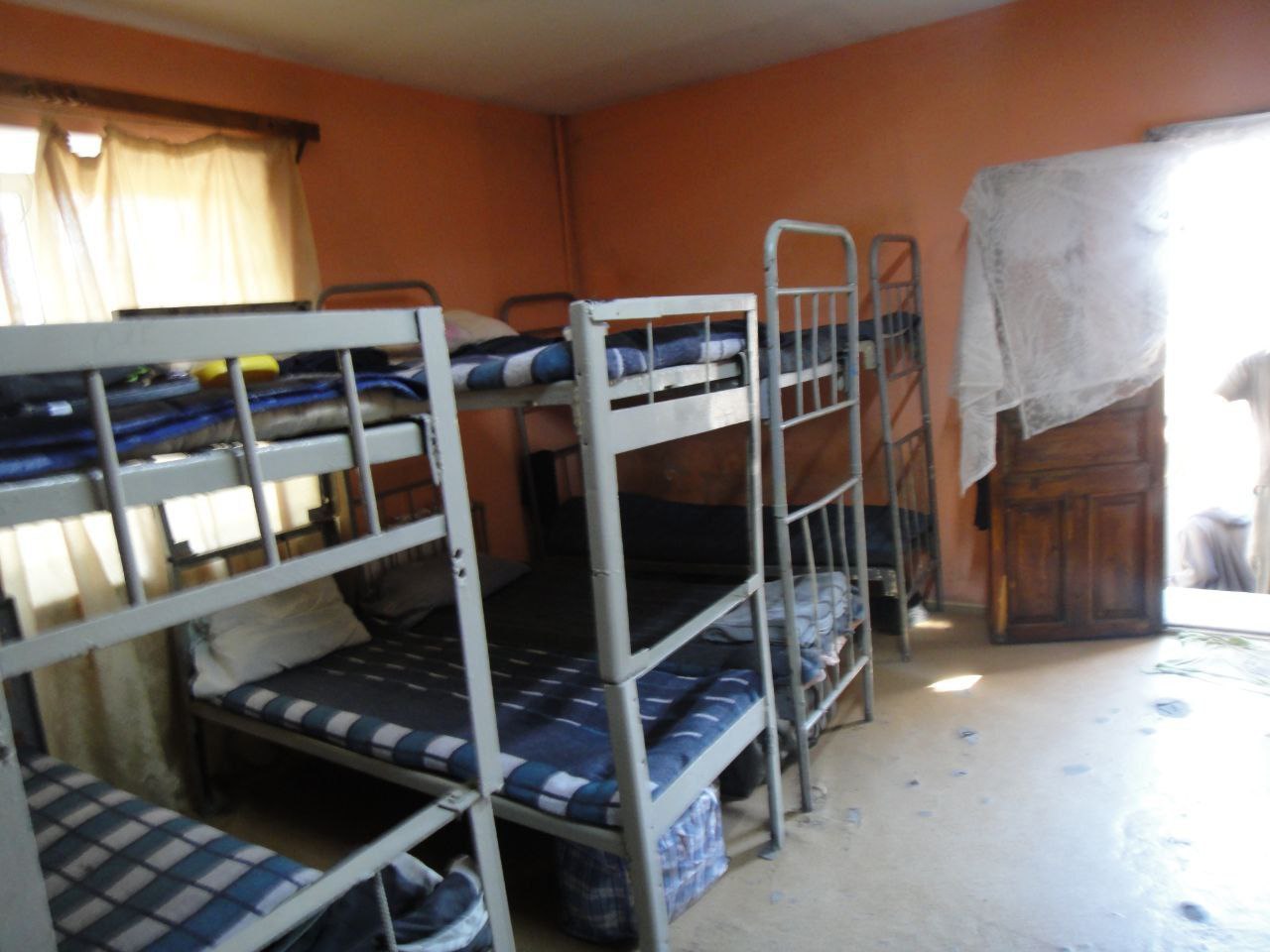
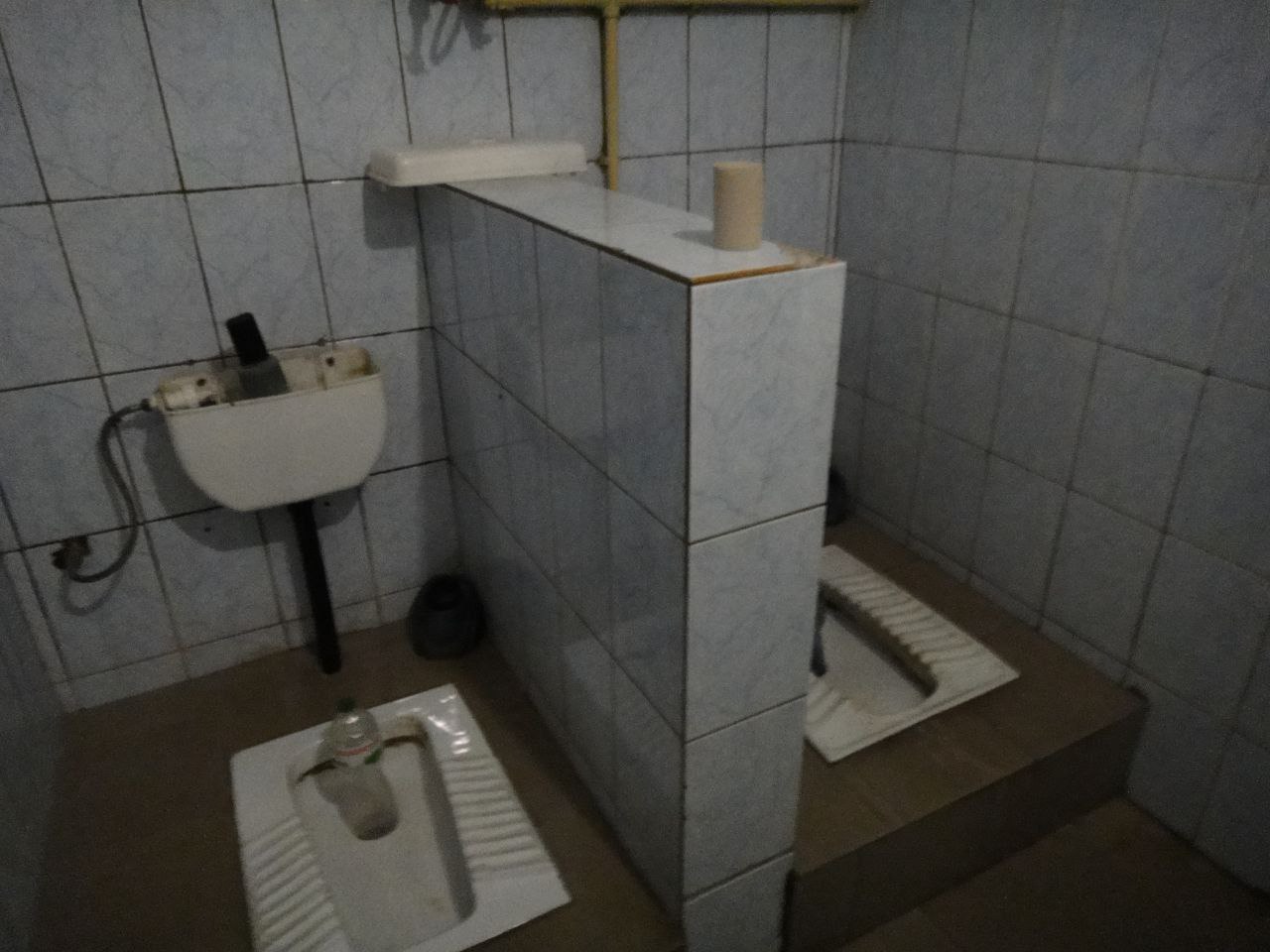
6. In the QDD Unit, a violation of Article 8 of the Convention for the Protection of Human Rights and Fundamental Freedoms, which guarantees the right to respect for private life, has been established. Specifically, in breach of Rule 18.1 of the European Prison Rules, beds in the residential premises are placed directly adjacent to one another, which does not provide convicted persons with personal space. The sanitary facilities are not equipped with adequate partitions and doors that would allow for privacy, which is contrary to the requirements of Rule 19.3 of the European Prison Rules.
7. The facilities of the institution's Disciplinary Isolation Cell (hereinafter — DISC/PCT) do not fully meet the established standards for the treatment of prisoners and do not ensure adequate conditions of detention in accordance with their needs. Specifically, due to the small size of the windows and their excessive barring, the cell premises of the DISC do not receive an adequate level of natural light; as a result, natural light barely penetrates the premises. This situation creates additional psychological pressure on convicted persons and intensifies the sense of isolation.
The sanitary facilities in the cell premises of the DISC are not equipped with doors and adequate partitions that provide the possibility of privacy. This is not in conformity with the requirements of Rules 18.2(a) and 19.3 of the European Prison Rules and Rules 14 and 15 of the United Nations Standard Minimum Rules for the Treatment of Prisoners (the Nelson Mandela Rules).
Beds in the cell premises of the DISC are positioned at a height of approximately 1.5 metres, which does not ensure ease of use and may create a risk of falling during sleep or when climbing down. The cell premises require current repairs: flaking paint has been recorded on the walls, and traces of damp and soiling are present.
Furthermore, in its report to the Government of Ukraine following the 2023 visit, the Committee called upon the Ukrainian authorities to take the necessary steps to improve the material conditions of detention, in particular: to ensure that all accommodation for convicted and detained persons, including sanitary facilities, is maintained in a proper state of repair and hygiene; to ensure regular and frequent pest control; to ensure adequate access to natural light and ventilation in cells; and to equip internal sanitary facilities with full-height partitions (i.e. from floor to ceiling) (CPT/Inf (2024) 20, paragraph 58).
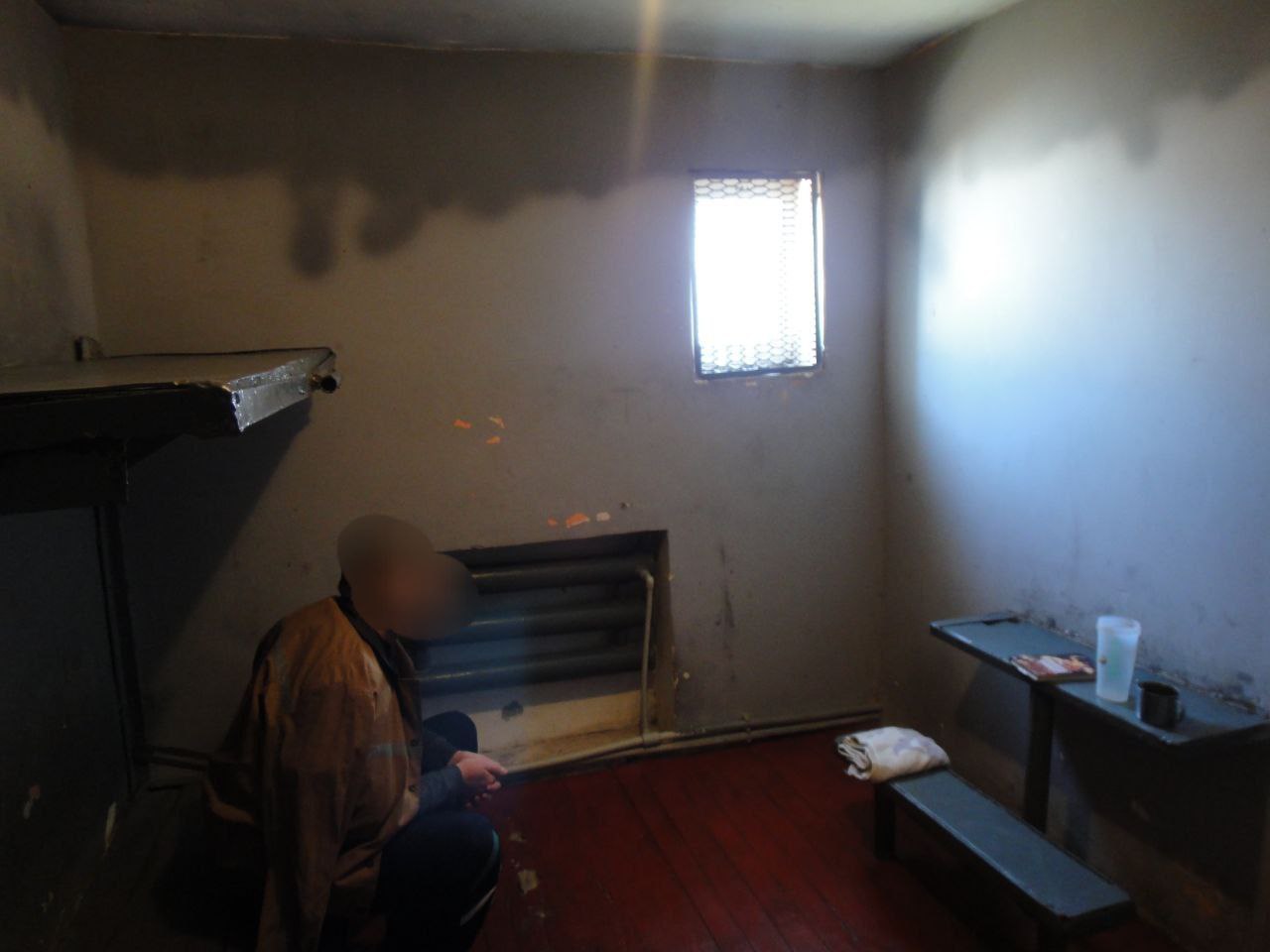
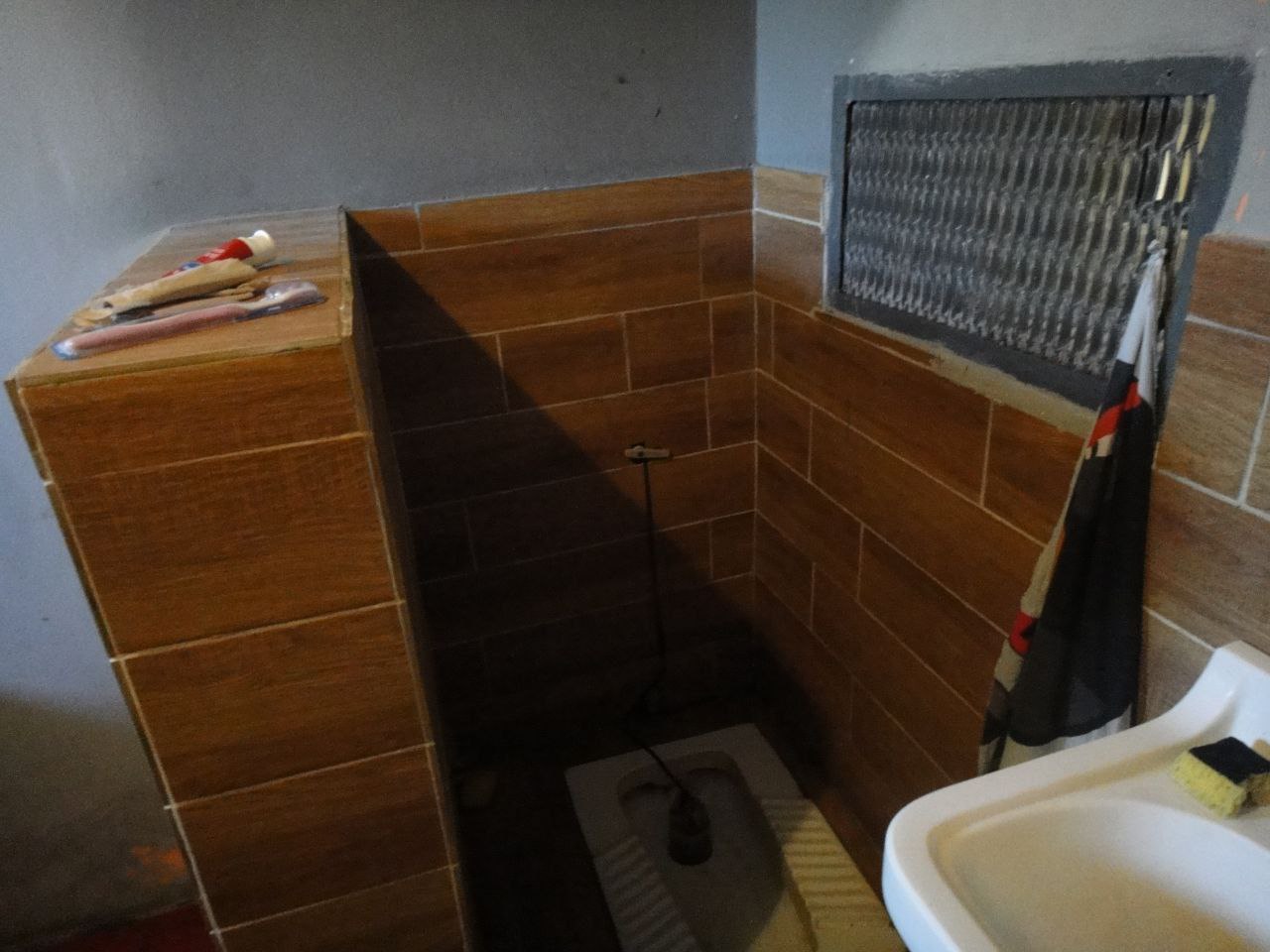
8. During the visit to the DISC/PCT, it was established that convicted persons serving a disciplinary sanction in cell premises No. 5 were not provided by the institution's administration with a copy of the decision on the imposition of the sanction, specifying the possibility and procedure for appealing it, which is contrary to Article 135 of the Criminal Executive Code of Ukraine.
At the same time, in its report to the Government of Ukraine following the 2023 visit, the Committee recommends that measures be taken in Ukraine's penitentiary institutions to ensure that convicted persons subject to a disciplinary sanction systematically receive a copy of the relevant decision and are informed of their right of access to a lawyer in the context of disciplinary proceedings (CPT/Inf (2024) 20, paragraph 103).
9. There is no radio broadcasting in the cell premises of the DISC, which is contrary to the requirements of paragraph 3 of Section XX of the Internal Rules of Penal Institutions (IR PI) and paragraph 63 of the United Nations Standard Minimum Rules for the Treatment of Prisoners.
10. In breach of paragraph 4 of Section IV of the "Procedure for the Use of Technical Surveillance and Control Means in Correctional and Educational Colonies of the State Criminal Executive Service of Ukraine," approved by Order of the Ministry of Justice of Ukraine No. 2025/5 of 26 June 2018 (hereinafter — the Procedure for the Use of Technical Means), the DISC cells are not equipped with staff call buttons, which impedes the swift communication of convicted persons with institution staff.
11. The monitoring group established that the institution's psychologist does not attach a psychological assessment to the case files relating to the placement of convicted persons in the disciplinary isolation cell, which indicates that the relevant psychological examination of such persons is not being carried out. This constitutes a violation of the requirements of paragraph 5 of Section V of the "Standard Job Responsibilities of the Psychologist of a Penal Institution and a Remand Prison," approved by Order of the Ministry of Justice of Ukraine No. 2300/5 of 4 November 2013, which provides for the obligation of the psychologist to participate in the review of case materials relating to the placement of convicted persons in the disciplinary isolation cell and to provide relevant conclusions.
12. Paragraph 1 of Section XXIII of the IR PI defines supervision of convicted persons as a system of measures aimed at ensuring the serving and execution of criminal sentences in the form of restriction of liberty, deprivation of liberty, life imprisonment, and arrest by means of round-the-clock and continuous monitoring of the behaviour of convicted persons in their places of residence and work, the prevention and suppression of unlawful actions on their part, the maintenance of the isolation of convicted persons, and the safety of staff of penal institutions.
During the inspection of DISC cell premises No. 5, an installed video surveillance camera was recorded. At the same time, in its 2012 report the Committee criticised the excessive intrusion into privacy through the installation of video cameras in the residential premises of convicted persons: "The CPT accepts that video surveillance in cells can be a useful safeguard in specific situations, for example, when a person is considered to be of concern with regard to the risk of self-harm or suicide, or when there are specific suspicions that a prisoner is engaged in certain activities in his cell which might jeopardise security.
However, any decision to apply video surveillance in respect of a specific prisoner should always be based on an individual assessment of the actual risks and should be reviewed frequently on a regular basis. Video surveillance represents a serious intrusion into the private life of prisoners and renders the regime even more repressive, particularly when applied over a lengthy period of time." (CPT/Inf (2013) 23, paragraph 52).
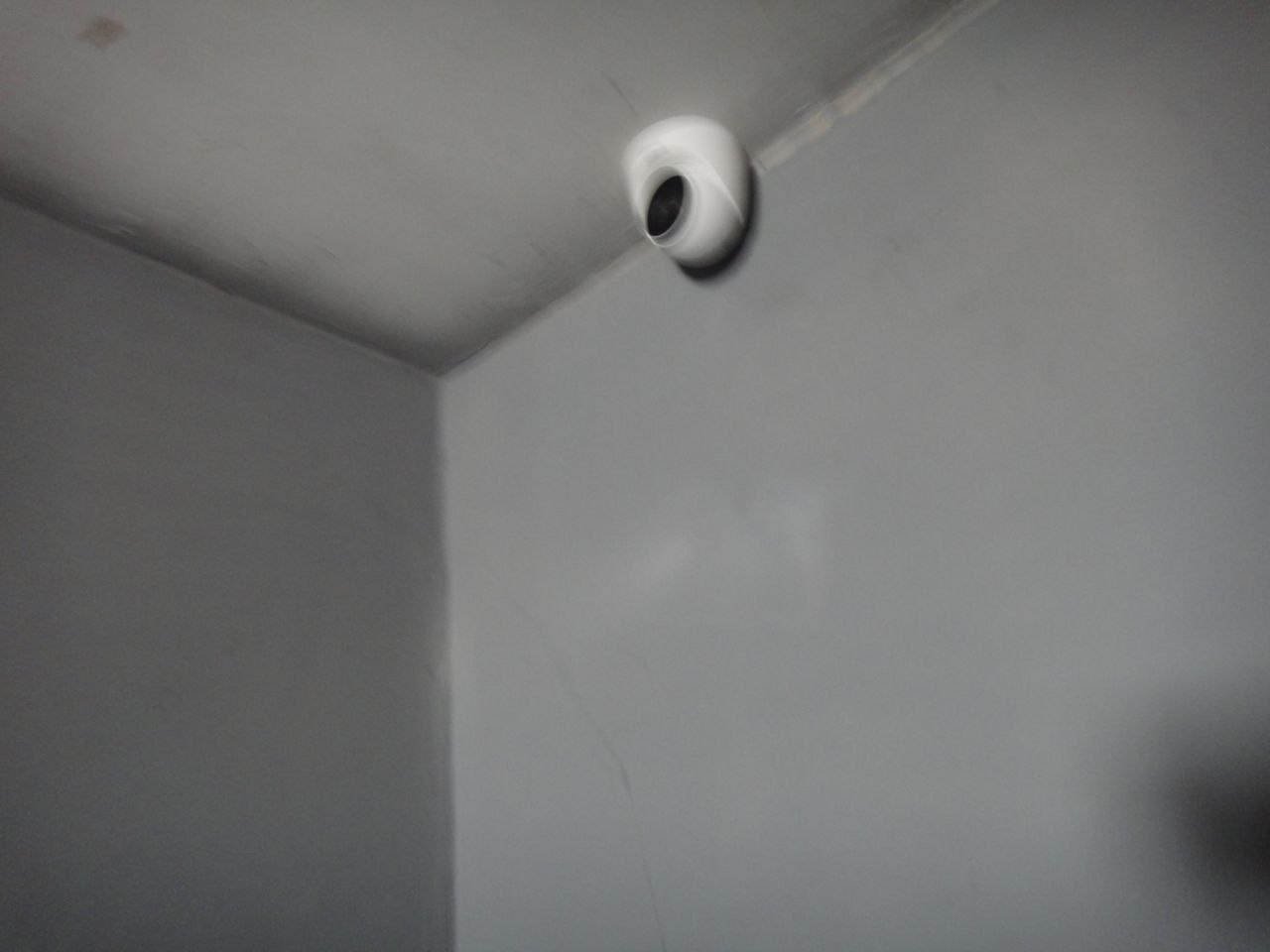
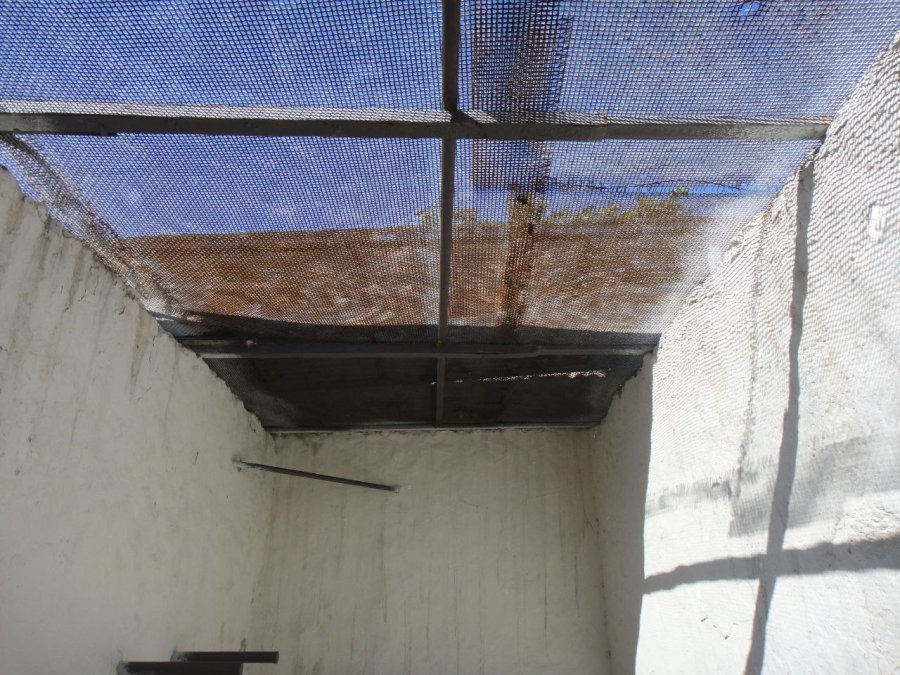
13. The area of certain exercise yards is insufficient to ensure adequate physical activity for convicted persons. Furthermore, the yards require repair works. They are covered with bars or metal mesh, which creates psychological pressure and restricts the sense of space. At the same time, the Committee has on several occasions recommended a review of the design and size of exercise yards "which at best offer a view of the sky" (paragraphs 122, 127, CPT/Inf (2014) 15).
14. During the visit to the SPS unit, it was observed that named cards bearing brief information about the offences committed by the persons occupying them had been placed on the beds of convicted persons in the dormitory. In its report on the results of a visit to Ukraine in 2020 in analogous circumstances, the Committee stated that this practice should be discontinued, as it serves no reasonable purpose and, beyond stigmatisation, has the effect of damaging relations between prisoners and prison staff (CPT/Inf (2020) 40, paragraph 52).
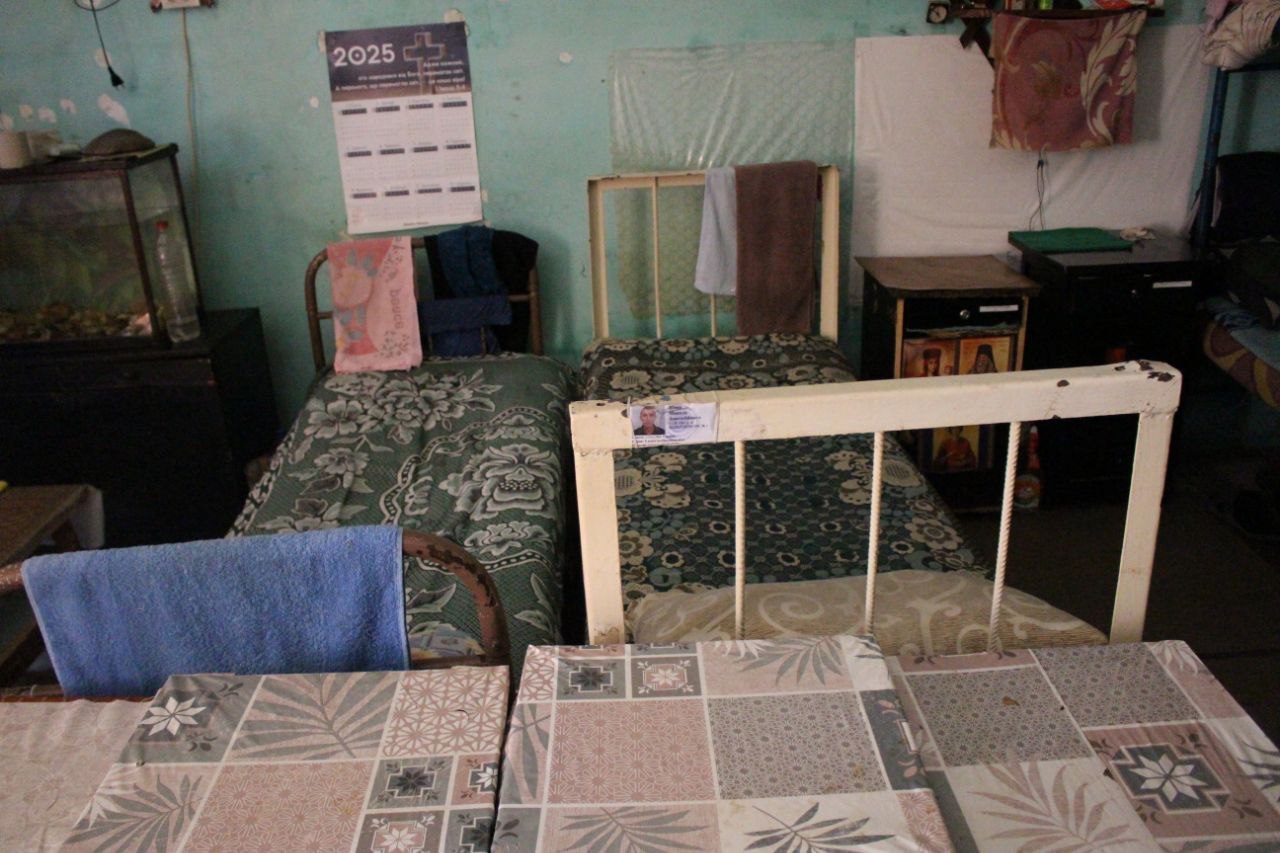
15. In breach of paragraph 5 of Section V of the "Regulations on the Organisation of Food Supply in the State Criminal Executive Service of Ukraine in Peacetime," approved by Order of the Ministry of Justice of Ukraine No. 2160/5 of 15 June 2021 (hereinafter — the Regulations on the Organisation of Food Supply), the dishes served at dinner on 10 September 2025 did not correspond to the approved menu schedule.
In particular, instead of the prescribed dish "fried fish with boiled potatoes and sauce," a sample dish of porridge was served. These changes were made without the written authorisation of the head of the institution and without the submission of a corresponding report by the deputy head of the institution for quartermaster and communal-welfare provision, which constitutes a violation of the established procedure for organising catering at the institution.
16. In breach of the requirements of paragraph 5 of Section IV of the "Regulations on the Organisation of Food Supply," the monitoring group established an absence of a sufficient number of functioning refrigeration units, as a result of which proper placement and storage of foodstuffs in compliance with the rules of food compatibility is not ensured.
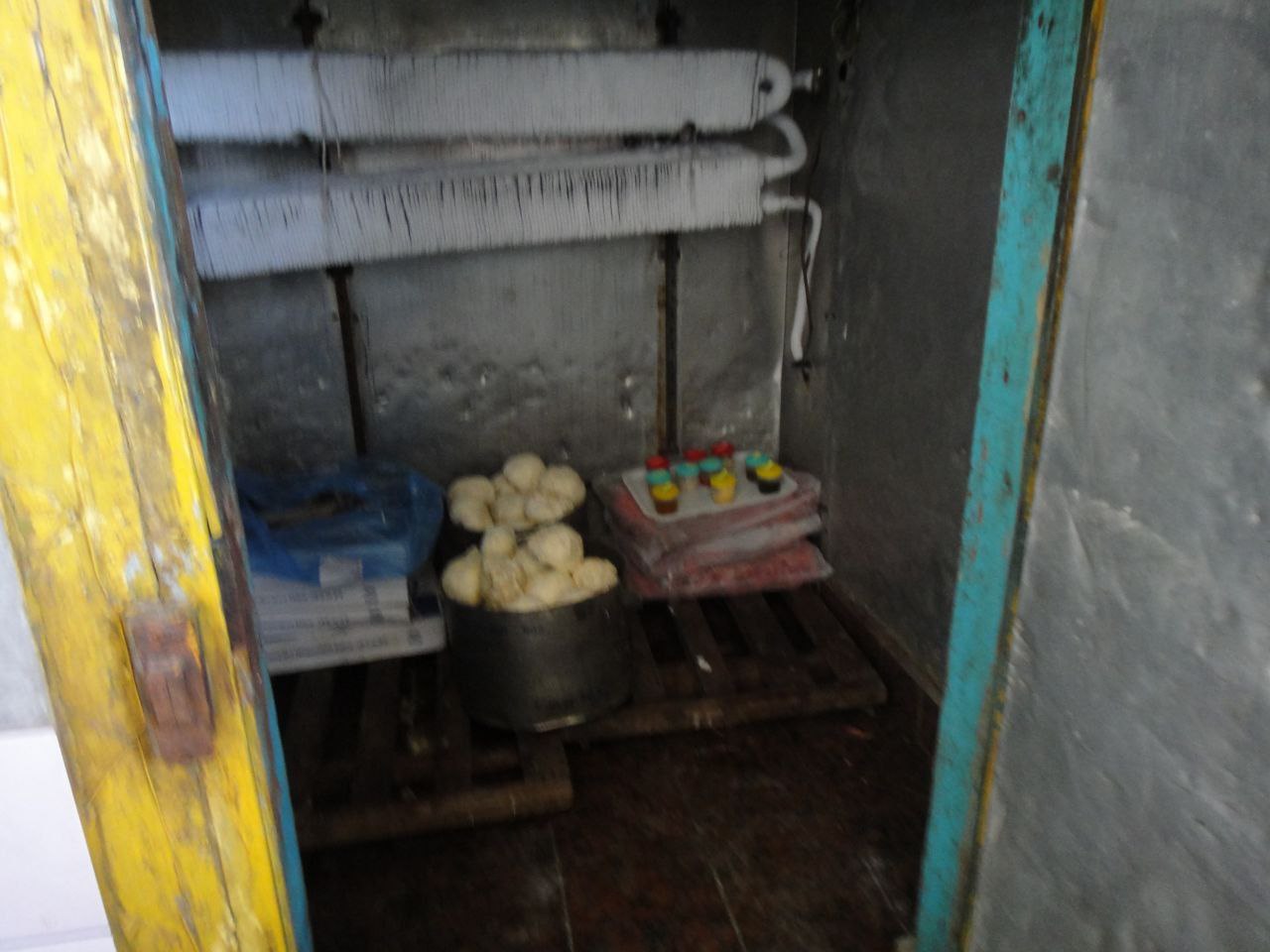
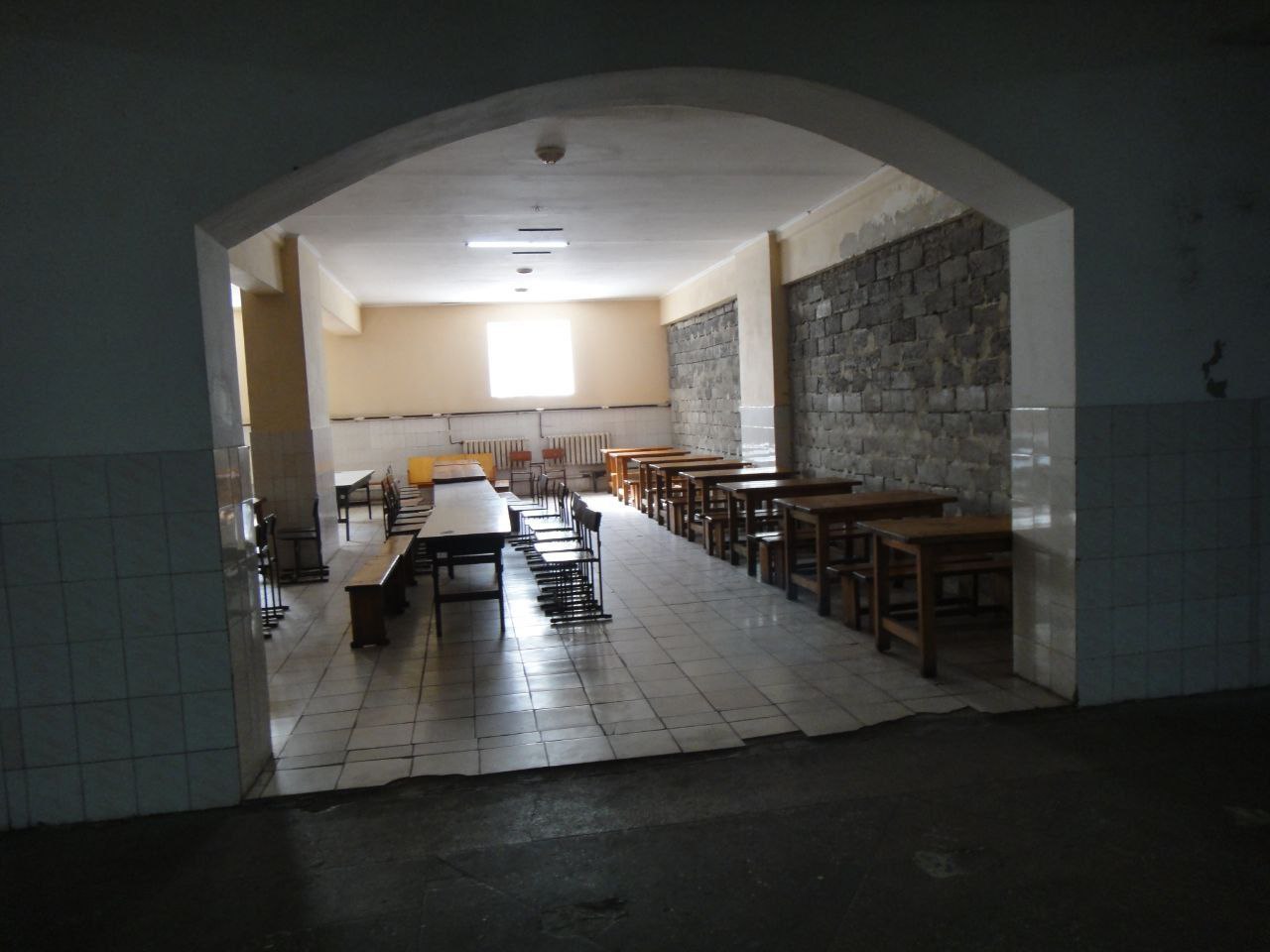
17. In breach of the requirements of the "Provision Standards," the institution's dining hall lacks a cloakroom, with the result that convicted persons are forced to eat in their outer clothing.
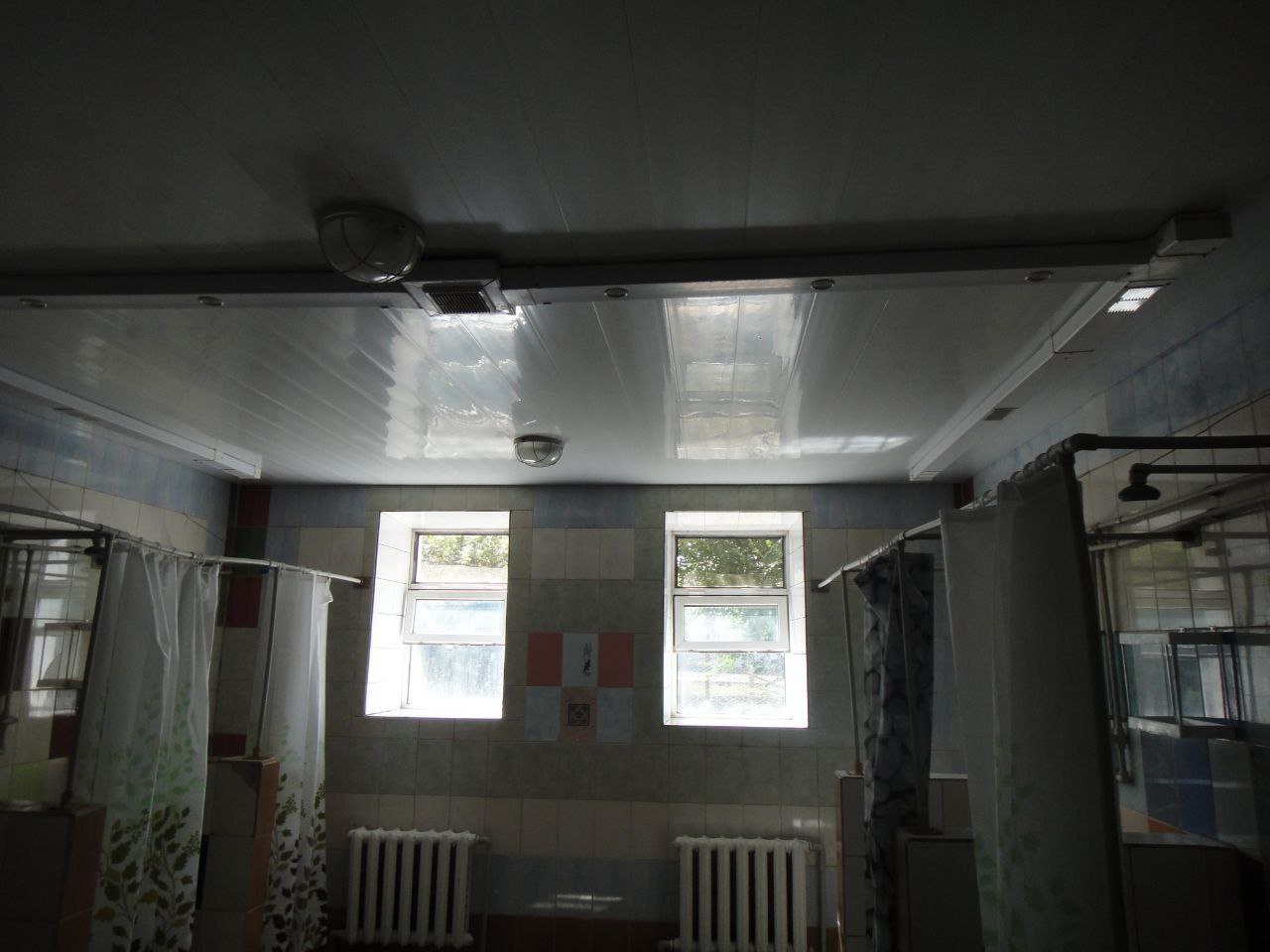
18. The monitoring group established a number of violations in the organisation of bathhouse and laundry services for convicted and detained persons. In accordance with paragraph 3.19.1 of Section III of the "Regulations on the Organisation of Bathhouse and Laundry Services for Persons Held in Penal Institutions and Remand Prisons," approved by Order of the Ministry of Justice of Ukraine No. 849/5 of 8 June 2021 (hereinafter — the Regulations), sanitary processing involves the washing of convicted persons (persons held in custody) in the bathhouse with the use of soap and a washcloth, the mandatory replacement of bed linen and undergarments, and the disinfection (destruction of pathogenic micro-organisms) and disinfestation (destruction of insects and mites that are vectors of infectious diseases) of personal clothing and bedding (pillows, mattresses, blankets) in a disinfection chamber.
However, as established by the monitoring group, the disinfection chamber in the institution is not functioning, which makes it impossible to carry out proper sanitary processing of bedding and clothing, increases the risk of the spread of infectious diseases among convicted persons and staff, and is contrary to the established sanitary and hygienic standards. In breach of paragraph 2.14 of Section II of the Regulations, the institution does not ensure the provision of hairdressing services to convicted and detained persons. In breach of paragraph 2.11 of Section II of the Regulations, the forced supply and exhaust ventilation system in the bathhouse premises is not functioning.
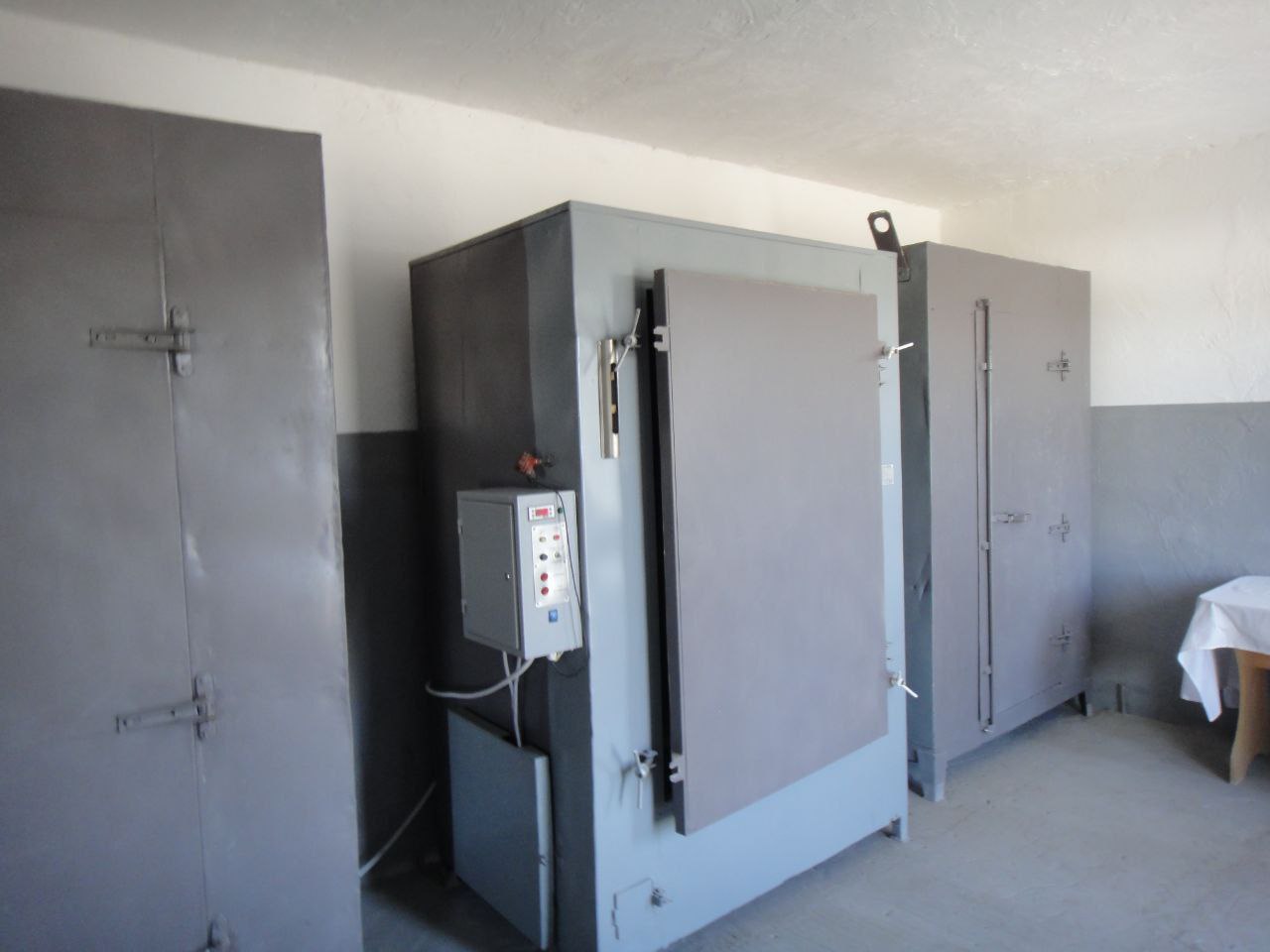
19. According to information provided by the administration, during the period from July to August 2025 (as of 7 October 2025), 80 short-term visits were granted to convicted persons at the state institution "Pivdennoukrainska Correctional Colony (No. 83)," all of which took place in a contact-free manner — through solid separating glass with the use of an intercom device.
At the same time, in its report to the Government of Ukraine following the 2023 visit, the European Committee for the Prevention of Torture emphasises that, for all categories of convicted persons, open visits (for example, at a table) should be the rule, and closed visits the exception, to be permitted only on the basis of reasoned and substantiated decisions following an individual assessment of the potential risk posed by the specific convicted person.
In this connection, the Committee calls upon the Ukrainian authorities to review the procedure for conducting short-term visits in penitentiary institutions with a view to ensuring that they take place, as a rule, in open conditions (CPT/Inf (2024) 20, paragraph 99).
20. During the visit, the monitoring group observed that institution staff who are in direct contact with convicted persons openly carry special means, including rubber batons. At the same time, in accordance with paragraph eight of paragraph 1 of Section XXVI of the IR PI, the carrying of special means by staff of penal institutions within the secure perimeter of a penal institution should, wherever possible, be as inconspicuous as possible.
At the same time, the Committee recommends that penitentiary staff working in direct contact with prisoners should not openly carry special means (such as rubber batons, handcuffs, and tear-gas sprays) in front of prisoners. Such open carrying hinders the establishment of normal relations between staff and prisoners (paragraph 85, CPT/Inf (2011) 29; paragraph 23, CPT/Inf (2013) 23; paragraph 166, CPT/Inf (2014) 15).
21. According to official documentation, the staffing deficit of the institution as of 10 September 2025 amounts to 23 posts. At the same time, in its report to the Government of Ukraine following the 2023 visit, the Committee emphasises that ensuring a positive climate in a penitentiary institution requires a professional team of staff who must be present in sufficient numbers at all times in places of detention.
An insufficient number of staff can only increase the risk of violence and intimidation among convicted persons. A shortage of front-line staff also undermines the quality and level of activities offered to convicted persons and jeopardises the prospect of preparation for release and social rehabilitation. In this connection, the Committee calls upon the Ukrainian authorities to take resolute steps to substantially increase the number of staff in Ukrainian penitentiary institutions where staffing levels are low, with a view to strengthening the presence of custodial and supervisory staff within institutions. Measures must also be taken to put an end to 24-hour duty shifts for staff (CPT/Inf (2024) 20, paragraph 93).
22. On the territory of PCC-83, there are two basement premises designated by the administration as shelters for convicted persons and staff during air-raid alerts and other threats (photo 41). The premises have basic facilities for temporary use and are used in accordance with the institution's internal administrative documents. However, during the monitoring visit, it was established that both shelters do not comply with the safety and civil protection requirements set out in State Building Regulations of Ukraine B.2.2-5:2023 "Buildings and Structures. Civil Protection Protective Structures," as well as orders of the State Emergency Service of Ukraine.
Specifically:
- The first shelter (basement premises in the main part of the institution): there is no second (emergency) evacuation exit, which does not allow for safe evacuation in the event of collapse or blockage of the main entrance; there is no ventilation system, which makes proper air exchange impossible and creates a risk of deterioration in the wellbeing of persons in the premises during a prolonged alert; no sewerage system has been installed, and there are no sanitary and hygienic facilities (portable toilet, waste disposal area).
- The second shelter (basement premises in SPS unit No. 7): there is no emergency exit, creating analogous risks of inability to evacuate; there is no ventilation system, which makes it impossible to remain in the premises during a prolonged air-raid alert without detriment to health; there are no sanitary facilities or sewerage.
The absence of emergency exits, ventilation systems, and sanitary provisions makes it impossible to provide full protection to convicted persons and staff under martial law conditions, creates risks of mass poisoning due to oxygen deficiency and the absence of carbon dioxide extraction, and poses a potential threat to life and health in the event of a direct strike or structural collapse. Given the combat operations and systematic shelling of the Mykolaiv region, ensuring a safe and functional shelter is an urgent requirement from the perspective of international standards for the protection of the lives of persons deprived of their liberty (the Nelson Mandela Rules, the European Prison Rules, Article 3 of the Convention for the Protection of Human Rights and Fundamental Freedoms).
23. On the territory of PCC-83, the structural subdivision "Workshops" operates, carrying out the following types of activity: manufacture of vibro-cast products (paving and façade tiles, kerbs); manufacture of slag blocks; sorting and loading of secondary raw materials; manufacture of metal and wire products; performance of welding and painting works; and operation of a subsidiary farm.

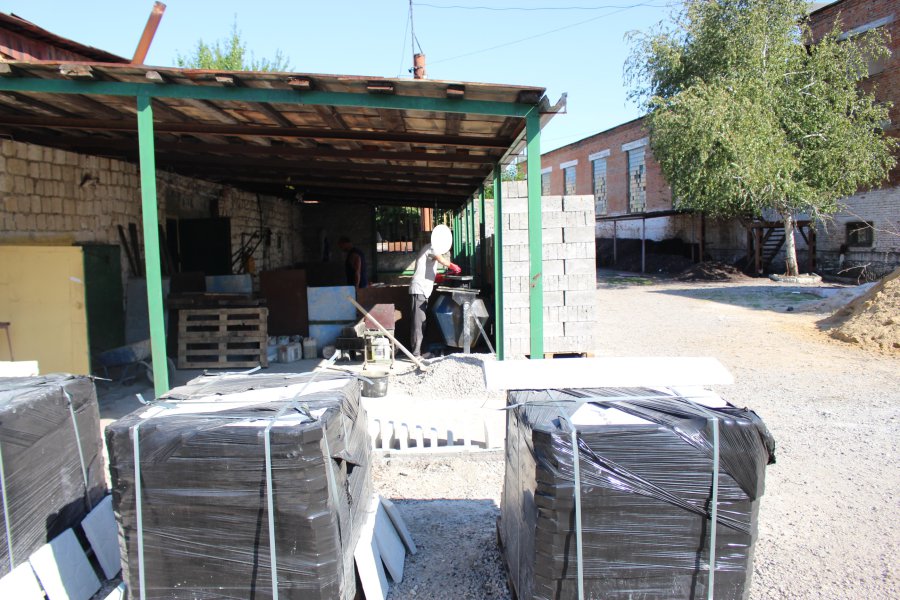
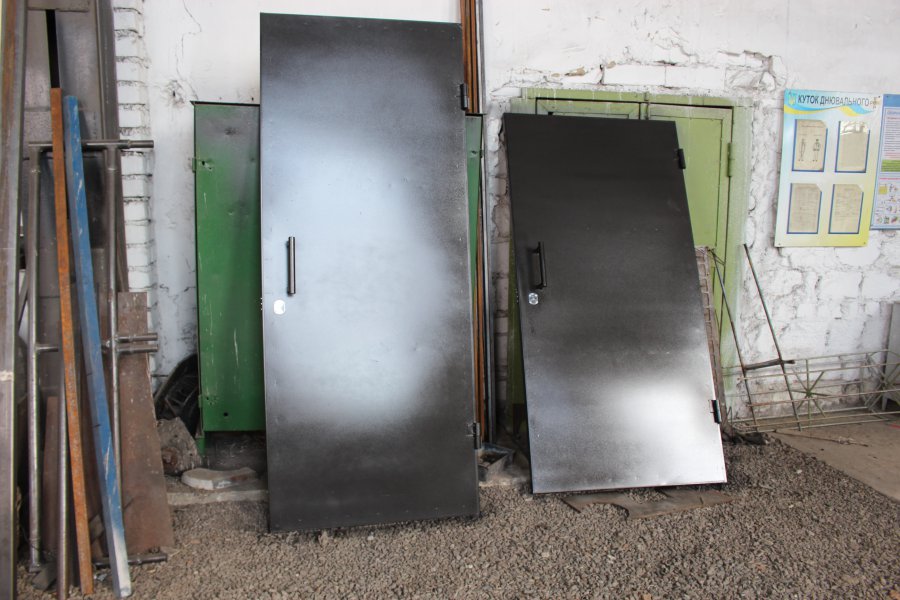
All convicted persons engaged in work in the workshops are registered under civil law contracts (CLC). At the same time, the conditions under which convicted persons perform their work exhibit the characteristics of an employment relationship as defined by Article 21 of the Labour Code of Ukraine (LC of Ukraine), given that the work: is carried out on a permanent basis, during strictly defined hours; is performed within the institution's territory in compliance with regime requirements and the daily schedule; is conducted under the supervision and at the direction of the institution's staff; and is performed using production premises, equipment, tools, and raw materials belonging to the state institution.
Thus, the conclusion of civil law contracts does not reflect the actual nature of the employment relationship, but is used as a formal mechanism to circumvent legislation with the aim of avoiding: the conclusion of employment contracts; the payment of the unified social contribution (USC) and the accrual of pension entitlements; compliance with occupational health and safety requirements; and the provision of minimum social and labour guarantees.
An analysis of the acts of completed works for July–August 2025 (contracts Nos. 19, 26, 28, 29, 33, 34, 35, 36, 37, 38, 41, and others) indicates that this practice is systemic and has been approved at the level of the institution's administration (endorsed by commissions and management).
In accordance with Article 8 of the Criminal Executive Code of Ukraine (CEC of Ukraine) and Articles 50 and 52 of the LC of Ukraine, convicted persons have the right to remuneration for their labour and to compliance with working time and rest standards. However, during the monitoring, numerous violations of these norms were established. The actual organisation of labour in the catering block is characterised by: systematic exceeding of working hours (up to 12 hours per day, 7 days per week); the registration of convicted persons at 0.25 of a rate whilst actually working full-time; and the use of unpaid labour, including the performance of functions without any formal registration.
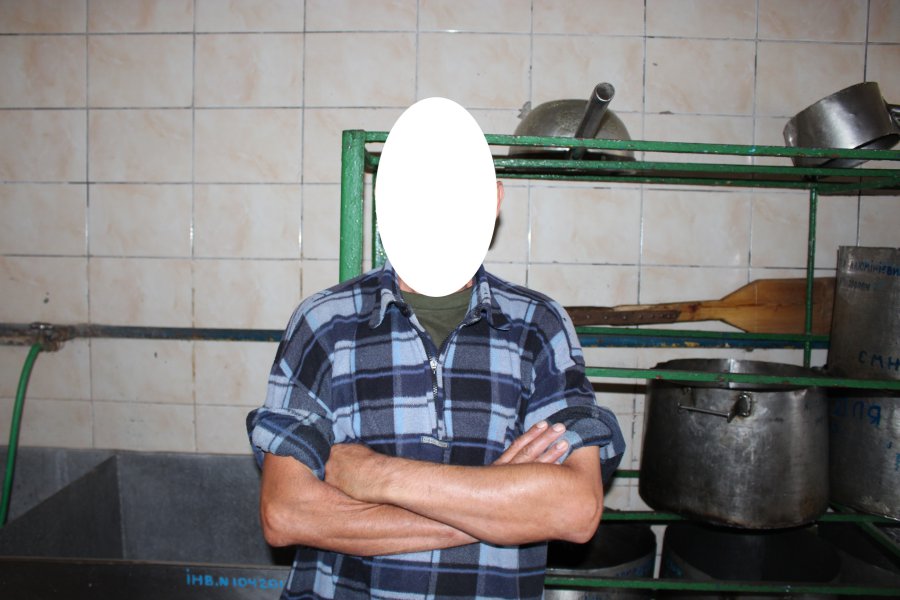
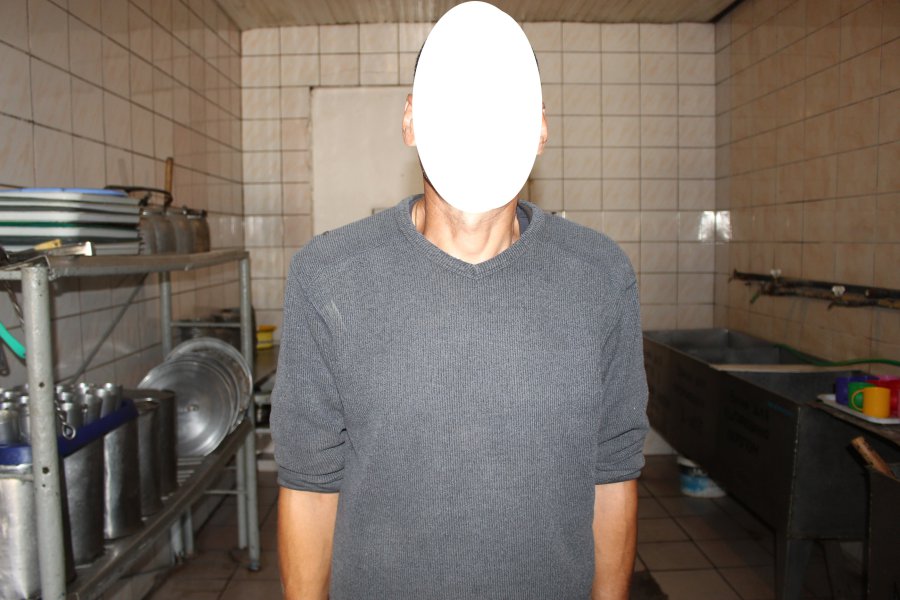
The monitoring group established that no daily medical examination log for catering block workers is maintained at the institution's catering block. In accordance with paragraphs 1.7 and 2.10 of the "Regulations on the Organisation of Food Supply in the SCES" and sanitary and epidemiological requirements, persons involved in the preparation and distribution of food must, prior to being admitted to work, undergo a medical examination with a corresponding entry in the log of the established form.
The absence of such records makes it impossible to monitor the health of persons who come into contact with foodstuffs, increases the risk of transmission of infectious diseases, and does not comply with the sanitary and hygienic food safety requirements for convicted persons.
During confidential interviews, convicted persons reported: B. works in the kitchen every day from 07:00 until the evening, without days off; B., registered at 0.25 of a rate, actually works from 07:00 to 21:00 every day; H. has been working since February without any remuneration; D. performs the functions of bread-cutter and food distributor — without pay; F. washes dishes — without pay; R. is registered at 0.25 of a rate and works from 08:00 to 21:00 without days off; P. has been working in the catering block without receiving any remuneration for four months. An analysis of timesheets for August 2025 confirmed significant discrepancies between the hours actually worked and the recorded data, where convicted persons are shown to have worked 20–42 hours per month against an actual figure of over 300 hours.
The facts identified indicate violations of: Articles 8, 118–120 of the CEC of Ukraine (the right to work and the guarantees of its organisation); Articles 21, 50, and 52 of the LC of Ukraine (employment relations and working hours); Article 30 of the Law of Ukraine "On Remuneration of Labour" (working time records); ILO Convention No. 29 on the prohibition of forced and unpaid labour; and paragraphs 97–99 of the "Nelson Mandela Rules" regarding guarantees of fair remuneration for the labour of convicted persons.
The nature of the violations identified indicates the presence of signs of labour exploitation, which may be regarded as a violation of Article 3 of the European Convention on Human Rights in respect of ill-treatment.
Medical Unit No. 83 of the Branch of the State Institution "Health Care Centre of the State Criminal Executive Service of Ukraine" in Mykolaiv and Odesa Regions
The Acting Head of Medical Unit No. 83 of the Branch of the State Institution "Health Care Centre of the State Criminal Executive Service of Ukraine" in Mykolaiv and Odesa Regions is Oleh Hryhorovych Kotovych. The post of dentist (0.5 of a staffing unit) remains vacant in the medical unit.
During the monitoring visit, violations of the requirements of national legislation and non-compliance with international recommendations in the field of the treatment of prisoners were identified, resulting in violations of the rights of convicted persons:
1. In accordance with paragraphs 2 and 3 of Chapter III of Section II of the "Procedure for Organising the Provision of Medical Care to Persons Sentenced to Imprisonment," approved by the joint Order of the Ministry of Justice of Ukraine and the Ministry of Health of Ukraine No. 1348/5/572 of 15 August 2014 (hereinafter — the Procedure), a preventive medical examination must obligatorily involve a general practitioner (or a general practice/family physician), a psychiatrist, and a dentist.
However, the post of dentist is vacant in the medical unit, which indicates the incomplete conduct of initial and preventive medical examinations, as a result of which convicted and detained persons do not receive proper medical care.
This violates paragraph 38 of the recommendations of the European Committee for the Prevention of Torture and Inhuman or Degrading Treatment or Punishment (CPT/Inf(93)12-part) (hereinafter — the Committee), which states that medical services in places of deprivation of liberty should be capable of providing medical assistance and treatment, as well as an appropriate diet, physiotherapy, rehabilitation, or any other special care, at the same level as that offered to patients in civilian medical establishments. The necessary medical, paramedical, and technical staff must be ensured, and appropriate premises, equipment, and facilities provided.
2. In breach of the requirements of the Instructions on Completing Primary Accounting Documentation Form No. 003-6/о "Informed Voluntary Consent of the Patient for Diagnosis, Treatment, and for Surgery and Anaesthesia, and for the Presence or Participation of Participants in the Educational Process," approved by Order of the Ministry of Health of Ukraine No. 110 of 14 February 2012, it was established that patients in the inpatient ward of the medical unit had not signed informed voluntary consent forms for diagnosis and treatment.
This may indicate the absence of voluntary consent on the part of the patient to the application of diagnostic, preventive, and treatment methods, which constitutes a violation of Article 43 of the Law of Ukraine "Fundamentals of the Health Care Legislation of Ukraine" and paragraph 47 of the Committee's recommendations (CPT/Inf (93) 12-part).
3. In breach of the requirements of paragraph 3 of Section I of Chapter II of the Procedure, medical staff do not compile reports providing a detailed description of the nature, size, and location of bodily injuries. Specifically, the absence was established of a completed primary accounting documentation form No. 511/о "Certificate of Recording of Bodily Injuries," approved by Order of the Ministry of Health of Ukraine No. 186 of 2 February 2024, in respect of convicted person N., who sustained bodily injuries on 9 December 2024, according to information entered in the Log of Records of Instances of Detection of Bodily Injuries in Convicted Persons.
The absence of proper recording of bodily injuries is not in conformity with paragraph 60 of the Committee's recommendations, which states that medical services in places of deprivation of liberty can contribute to the prevention of violence against persons in custody through the systematic recording of bodily injuries and, where necessary, by informing the relevant authorities (CPT/Inf (93) 12-part).
4. During the examination of medical documentation, it was established that photographs of existing bodily injuries are not appended to the compiled reports in the outpatient medical records of form No. 025/о, as provided for by paragraph 3 of Section I of Chapter II of the Procedure. At the same time, the Committee, in its report on the results of the visit to Ukraine in 2023, states that any traumatic injuries identified during a medical examination should be photographed in detail, and the photographs, together with body diagrams, retained in the individual medical record of the person concerned (CPT/Inf (2024) 20, paragraph 82).
5. The medical unit does not organise the provision of opioid substitution maintenance therapy (hereinafter — SMT) for persons with mental and behavioural disorders due to opioid use, in accordance with the "Procedure for Conducting Substitution Maintenance Therapy for Persons with Mental and Behavioural Disorders Due to Opioid Use," approved by Order of the Ministry of Health of Ukraine No. 200 of 27 March 2012.
Drug-dependent persons are not provided with social and psychological support, cognitive behavioural therapy (CBT), relapse prevention, motivational interviewing, mutual aid groups, or similar. Accordingly, these persons are deprived of the opportunity to receive SMT, which violates their right to choose treatment methods under Article 38 of the Law of Ukraine "Fundamentals of the Health Care Legislation of Ukraine." At the same time, the Committee, in its report on the results of the visit to Ukraine in 2023, notes that placement in a penitentiary institution represents an opportunity to address drug-related problems. It is therefore important that appropriate assistance be offered to all persons concerned.
All institutions must ensure an adequate level of healthcare. The assistance provided to such persons should be varied: substitution therapy programmes for persons with drug dependency should be combined with genuine psychosocial and educational programmes for persons with opioid dependency who are unable to cease drug use. In addition, access to SMT programmes in institutions should be straightforward, and their management should be carried out by penitentiary physicians who have received specialist training on drug-related issues (CPT/Inf (2024) 20, paragraph 86).
6. In breach of paragraph 8 of Chapter 5 of Section II of the Procedure, the inpatient ward of the medical unit lacks a purpose-fitted isolation room for persons with psychiatric disorders — convicted persons who pose a danger to those around them.
7. The monitoring group established that the psychiatrist conducts psychiatric examinations of patients without obtaining proper written informed consent. In particular, contrary to the requirements of the Instructions on Completing Primary Accounting Documentation Form No. 003-7/о "Informed Consent of the Person to a Psychiatric Examination," approved by Order of the Ministry of Health of Ukraine No. 970 of 15 September 2016, it was established that the medical documentation (specifically, the outpatient medical record of form No. 025/о and the inpatient medical record of form No. 003/о) does not contain the patient's signed informed consent to a psychiatric examination.
8. In breach of paragraph 2 of Chapter 2 of Section II of the Procedure, the medical unit does not have functioning fluorographic/radiological equipment, as a result of which convicted and detained persons are not subjected to diagnostic examinations of the chest cavity for the purpose of the timely detection of respiratory diseases, indicating the impossibility of conducting early tuberculosis diagnostics in the medical facility.
9. In breach of the requirements of the "Measures and Means for the Prevention of Infection in the Provision of Patient Care," approved by Order of the Ministry of Health of Ukraine No. 1777 of 3 August 2020, the medical unit has only one isolation room for patients with infectious diseases, which makes it impossible to simultaneously accommodate patients with dangerous infectious diseases separately from one another and from other convicted persons.
10. In breach of the requirements of the "Standards of Medical Care for HCV in Adults," approved by Order of the Ministry of Health of Ukraine No. 51 of 15 January 2021, not all persons (3 persons as of 11 September 2025) suspected of having hepatitis C undergo PCR testing; consequently, they are not receiving the necessary treatment, which may lead to a deterioration in their health and the spread of this infectious disease among convicted and detained persons.
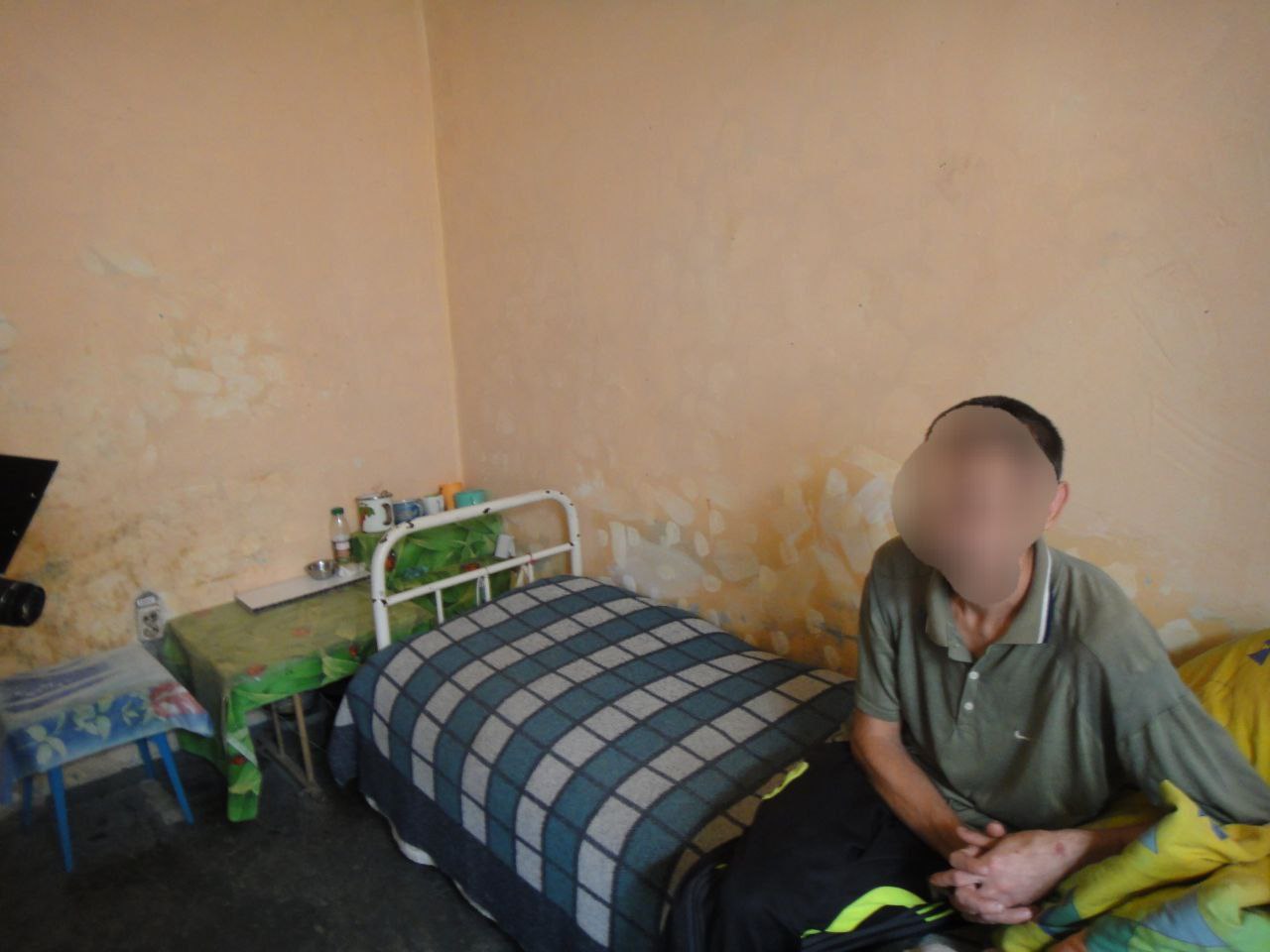
11. In breach of the requirements of paragraph ten of paragraph 2 of Section XVII of the "Internal Rules of Penal Institutions" (IR PI), a convicted person, B., is permanently present in the inpatient ward of the medical unit, performing the functions of a ward orderly. During confidential conversations with convicted persons receiving treatment in the inpatient ward, the monitoring group established that he is assigned various duties, including the care of seriously ill patients and the cleaning of premises, and that he occupies a sleeping place in one of the inpatient ward rooms.
This violates Article 96 of the Criminal Executive Code of Ukraine. At the same time, the Committee has on several occasions recommended the discontinuation of the practice of using convicted persons as assistants in medical units and as medical orderlies (the Committee's report on the results of the visit to Ukraine in 2005 (paragraph 132, CPT/Inf (2007) 22), in 2013 (paragraph 151, CPT/Inf (2014) 15), and in 2017 (paragraph 86, CPT/Inf (2018) 41)).
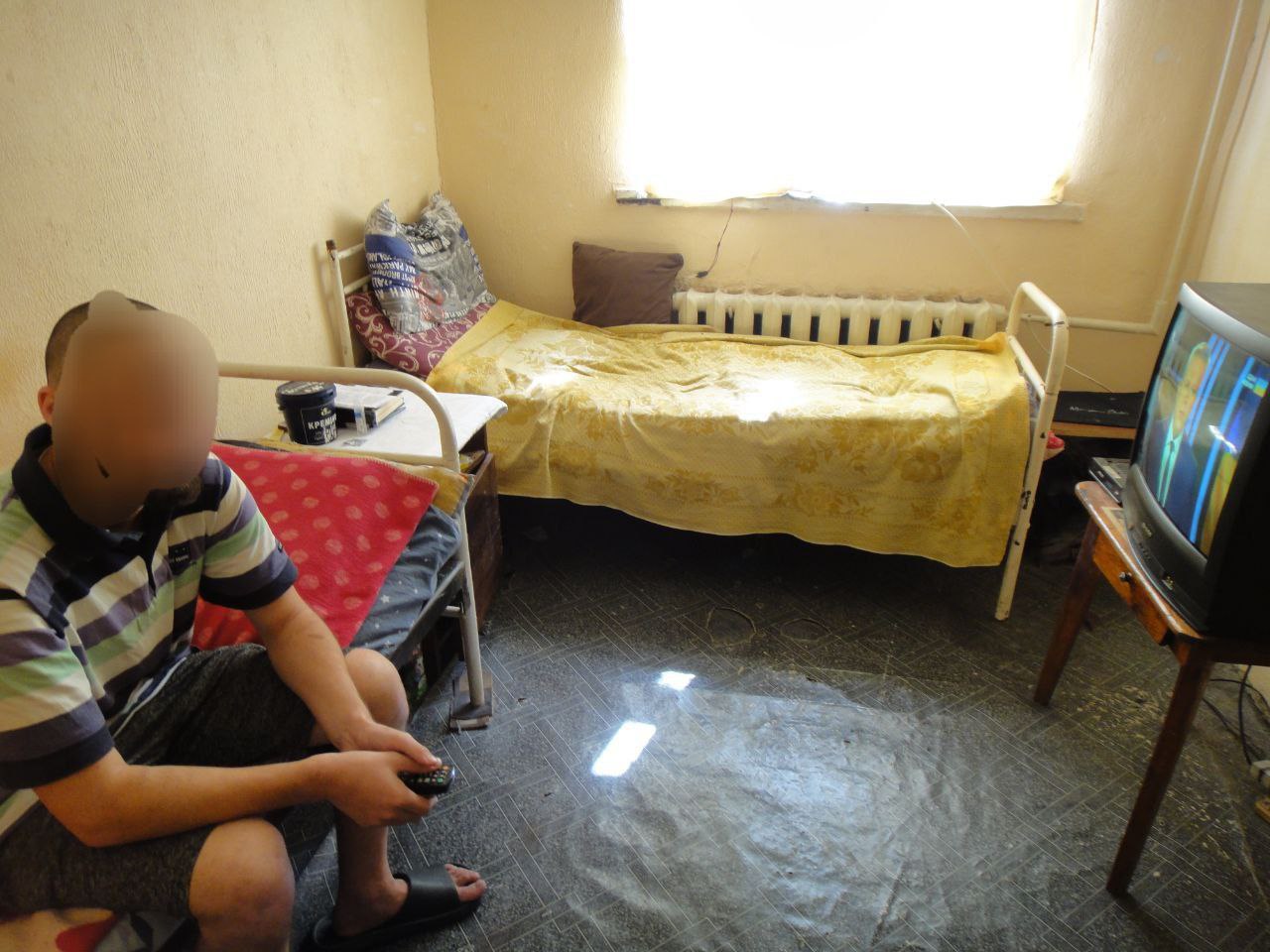
12. In breach of the requirements of the "Standards for the Provision of Bedding, Special Clothing, and Special Footwear (Inventory Items) for Convicted Persons Receiving Treatment in Medical and Preventive Care Facilities, Facilities with the Status of Medical Institutions, and Medical Units of Penal Institutions and Remand Prisons," approved by Order of the Ministry of Justice of Ukraine No. 280/5 of 20 February 2012, convicted persons do not receive hospital items (a suit, a dressing gown, and hospital slippers). Convicted persons remain in the inpatient ward in their everyday clothing, sometimes with their own bed linen.
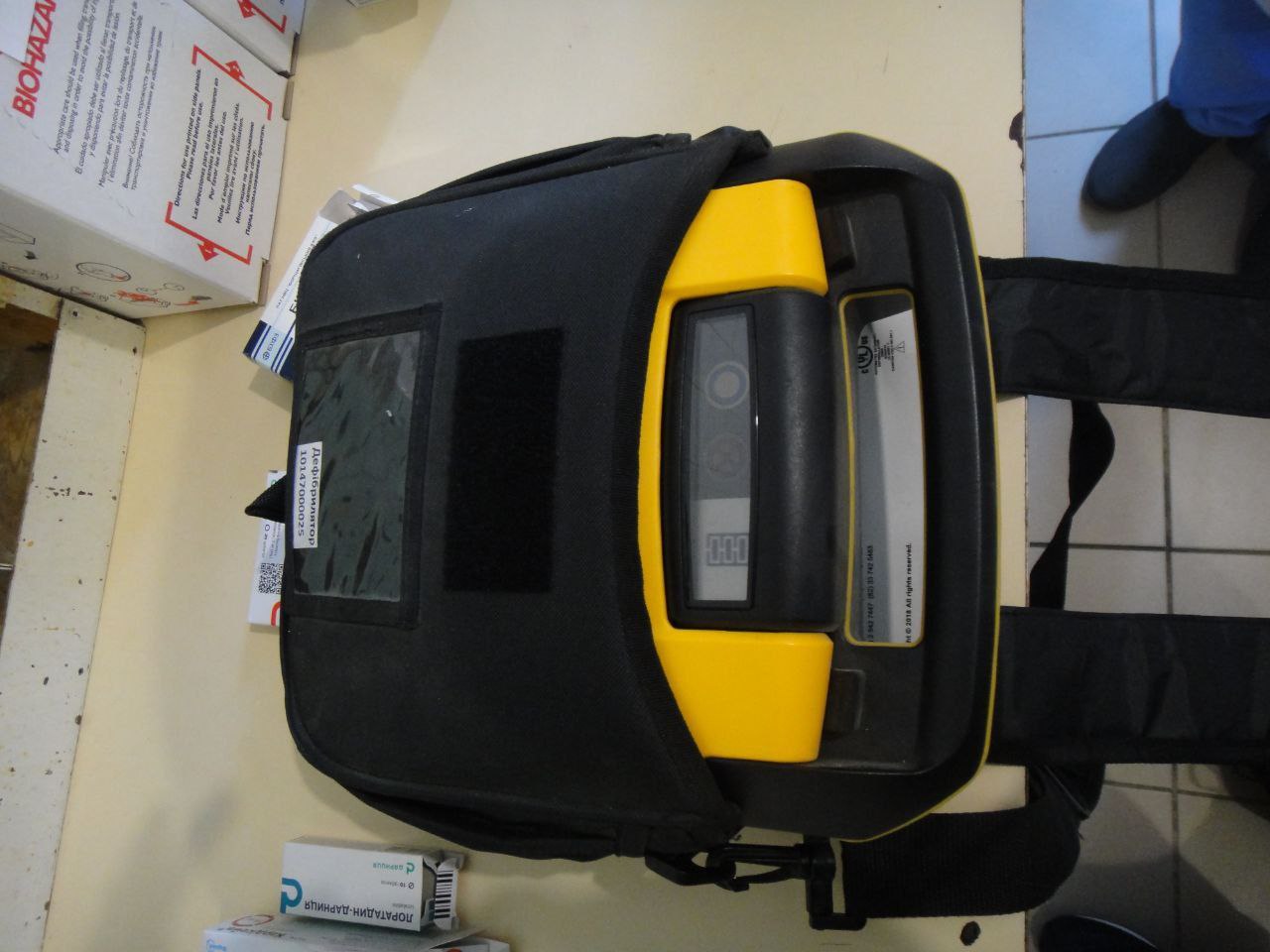
13. During the inspection of the defibrillator, the absence of electrodes was established. At the same time, the European Committee for the Prevention of Torture and Inhuman or Degrading Treatment or Punishment recommended that medical services in all the prisons visited (and all other penitentiary institutions in Ukraine) be equipped by doctors with life-saving equipment (the Committee's report on the results of the visit to Ukraine in 2017 (CPT/Inf (2018) 41), paragraph 87).
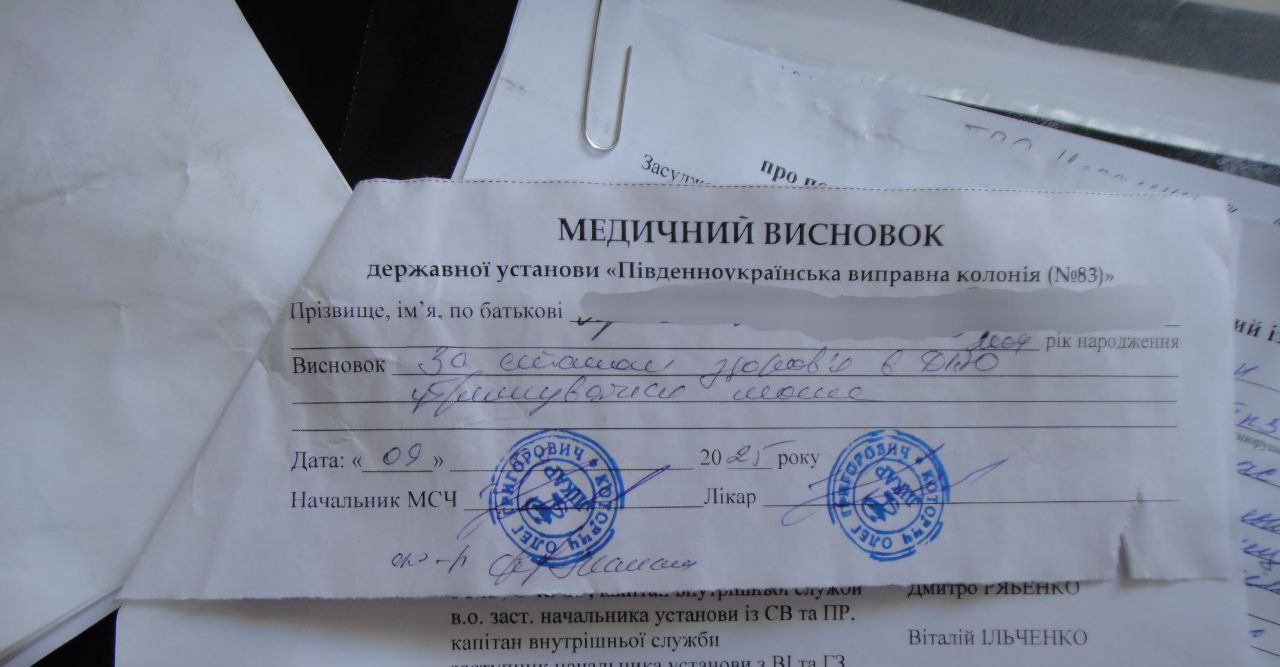
14. During the inspection of the DISC/PCT by monitors, it was established that when a convicted person is placed in the disciplinary isolation cell, a medical certificate containing information about the state of his health is appended to the case file, and in accordance with the conclusions of that certificate, the convicted person is deemed, on health grounds, fit to be held in the DISC/PCT. This indicates that institution staff have access to confidential information about the health of convicted persons held in the DISC.
This violates the requirements of Article 39¹ of the Law of Ukraine "Fundamentals of the Health Care Legislation of Ukraine" concerning a person's right to medical confidentiality. At the same time, the Committee has on several occasions emphasised that the obligation on prison doctors to certify a convicted person's fitness to serve a disciplinary sanction is unlikely to promote positive relations between doctor and patient.
Medical staff should not participate in any part of the decision-making process concerning the imposition of solitary confinement, except in cases where such a measure is applied on medical grounds. At the same time, medical staff must pay very careful attention to the condition of convicted persons held in solitary confinement, and must be immediately informed of each such placement.
They should visit the convicted person without delay following placement, and thereafter regularly, no less than once a day, and provide prompt medical assistance and treatment where required. Medical staff are obliged to inform the institution's administration if the health of a convicted person is placed under serious threat as a result of solitary confinement (CPT/Inf (2024) 20, paragraph 104).
15. Dispensary supervision is carried out in respect of seven persons with disabilities: Group I — 1 person, Group II — 2 persons, Group III — 4 persons. However, in breach of the requirements of the Law of Ukraine "On the Rehabilitation of Persons with Disabilities in Ukraine," persons with disabilities are not receiving the proper diagnostic, treatment, and rehabilitation measures in the presence of evidence confirming persistent impairment of bodily functions caused by diseases or the consequences of injuries that result in limitations on normal life activities.
During the examination of the medical documentation of convicted persons, it was established that two persons with disabilities do not have an individual rehabilitation programme (hereinafter — IRP). Furthermore, the recommendations of the IRP are not being implemented, as a result of which these persons are not receiving proper diagnostic, treatment, and rehabilitation measures.
16. In breach of the requirements of State Building Regulations of Ukraine B.2.2-17:2006 "Buildings and Structures. Accessibility of Buildings and Structures for Persons with Reduced Mobility," the medical unit has not created conditions for the accommodation of persons with disabilities.
17. In breach of paragraph 37 of the Resolution of the Cabinet of Ministers of Ukraine No. 285 of 2 March 2016 "On Approval of the Licensing Conditions for Conducting Business Activities in Medical Practice," the medical unit does not have a conclusion confirming unobstructed access to the buildings and premises of the medical facility for persons with reduced mobility, the obtaining of which is mandatory.
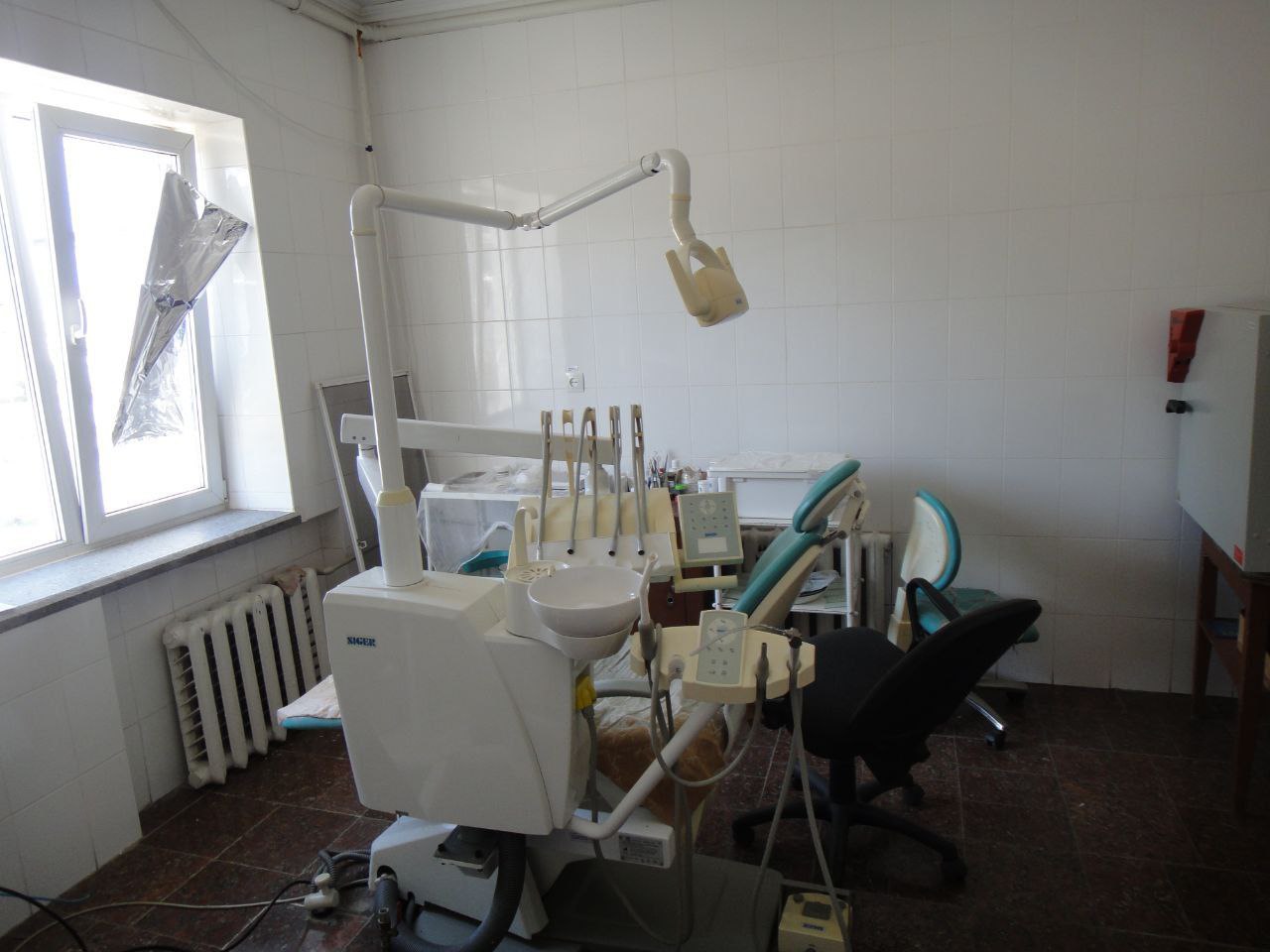
18. In breach of the requirements of the "Schedule of Equipment for One Dental Surgeon's and Dental Technician's Workplace," approved by Order of the Ministry of Health of Ukraine No. 158 of 11 April 2005, the medical unit does not have a dental X-ray unit, which makes it impossible to conduct in-depth dental examinations of convicted persons and does not ensure the timely provision of proper dental care.
19. In breach of the "Procedure for Organising Medical Care at the Primary, Secondary (Specialised), and Tertiary (Highly Specialised) Levels Using Telemedicine," approved by Order of the Ministry of Health of Ukraine No. 681 of 19 October 2015, the medical unit's staff are, due to technical limitations, unable to submit requests for telemedicine consultations or receive specialist assistance in the provision of medical services to convicted persons.
20. In accordance with paragraph 7 of Chapter III of Section II of the Procedure, convicted persons working at catering facilities (except for work related to the posts of sales assistants, heads of food and clothing warehouses, and storekeepers), in the processing industry, children's homes, general secondary education institutions, vocational training subdivisions in special educational colonies, medical units (first-aid posts) and hospital facilities of the SCES (except for work related to the provision of medical care), laundries, bathhouses, long-term visit rooms, dormitories, clubs, water supply and sewerage facilities, livestock breeding and rearing sections, must undergo mandatory preliminary and preventive medical examinations in accordance with the Resolution of the Cabinet of Ministers of Ukraine No. 559 of 23 May 2001 "On the Approval of the List of Professions, Industries, and Organisations Whose Workers Are Subject to Mandatory Preventive Medical Examinations, the Procedure for Conducting Such Examinations, and the Issuance of Personal Medical Record Books."
For each convicted person in the said category, a primary accounting documentation form No. 1-OMK "Personal Medical Record Book" is to be opened, as approved by Order of the Ministry of Health of Ukraine No. 150 of 21 February 2013, registered with the Ministry of Justice of Ukraine on 23 April 2013 under No. 662/23194.
However, during the inspection of the personal medical record books of convicted persons working in the dining hall, it was established that these workers had not undergone examinations by a general practitioner, dentist, otolaryngologist, or dermatovenereologist, which violates the requirements of paragraph 6 of the "Rules for Conducting Mandatory Preventive Medical Examinations of Workers in Certain Professions, Industries, and Organisations Whose Activities Are Related to the Servicing of the Public and May Lead to the Spread of Infectious Diseases," approved by Order of the Ministry of Health of Ukraine No. 280 of 23 July 2002 (as amended by Order of the Ministry of Health of Ukraine No. 150 of 21 February 2013).
21. The doctors' consulting rooms have no hot water supply. The workplaces of medical staff do not comply with the requirements of current legislation, which violates Article 19 of the Law of Ukraine "Fundamentals of the Health Care Legislation of Ukraine" and Article 13 of the Law of Ukraine "On Occupational Safety."
22. In breach of paragraph 6 of Chapter 3 of Section II of the Procedure, the log for recording the results of preventive medical examinations, the form for which is set out in Annex 4 to the Procedure, is not maintained in the medical unit.
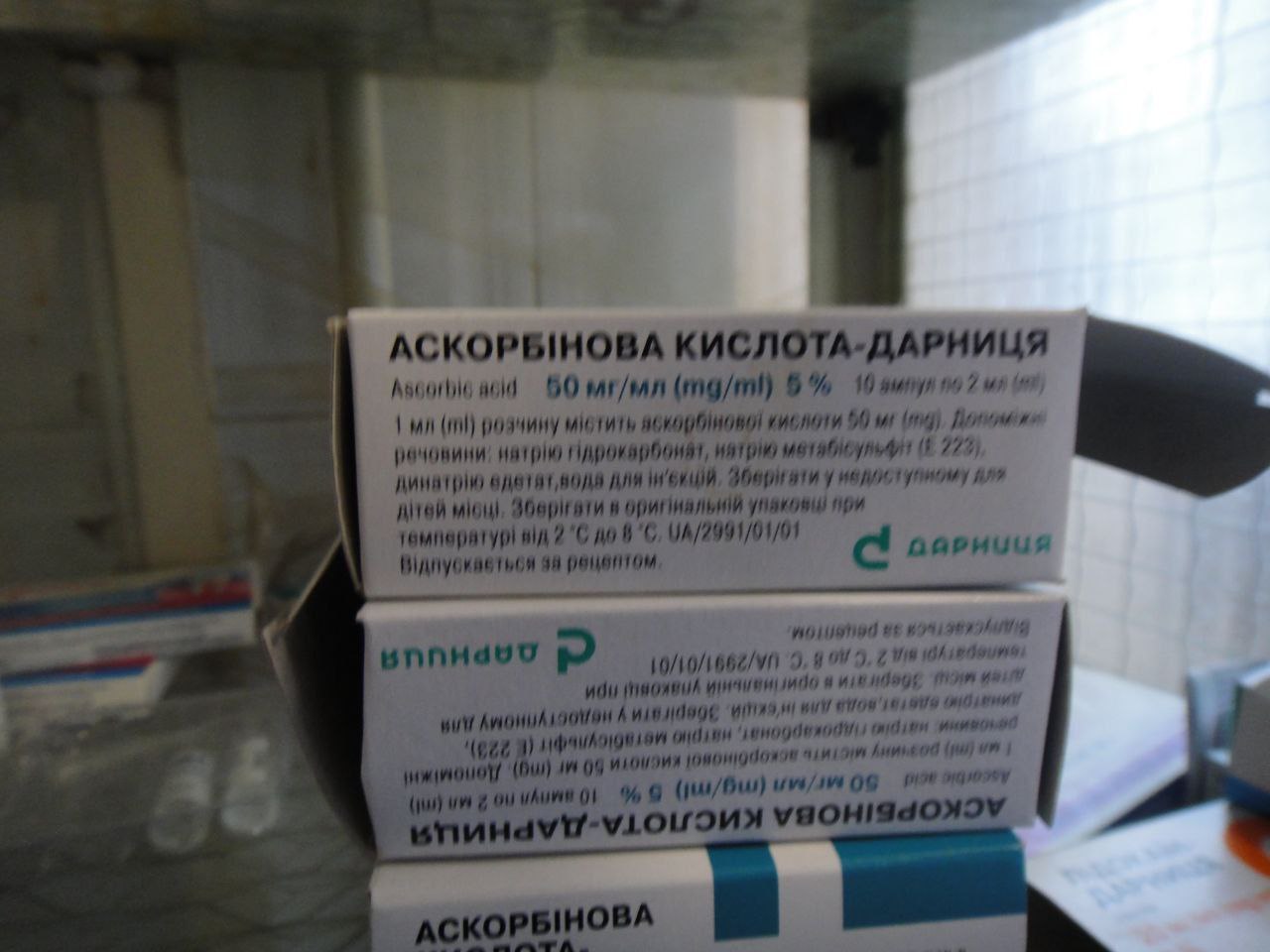
23. In breach of the requirements of Order of the Ministry of Health of Ukraine No. 584 of 16 December 2003 "On Approval of the Rules for the Storage and Quality Control of Medicinal Products in Medical and Preventive Care Facilities," medicinal products are stored without compliance with the temperature conditions established by manufacturers.
In particular, in the treatment room, one pack of the medicinal product "Ascorbic Acid" was found in a cupboard, for which a maximum storage temperature of no higher than 8 °C has been set. Failure to observe the relevant storage conditions may result in the loss of efficacy of medicinal products, posing a risk to the life and health of patients.
24. In breach of the requirements of paragraph 5 of Section I of the "Rules for the Storage and Quality Control of Medicinal Products in Medical and Preventive Care Facilities," approved by Order of the Ministry of Health of Ukraine No. 584 of 16 December 2003, medicinal products whose shelf life had expired were found during the inspection of the dental surgeon's consulting room.




25. In breach of the "Fire Safety Rules in Ukraine," approved by Order of the Ministry of Internal Affairs of Ukraine No. 1417 of 30 December 2014 (hereinafter — the Fire Safety Rules), the premises of the medical unit are not equipped with fire suppression systems or fire alarms.
Recommendations:
1. Ensure compliance with the living space standard of not less than 4 m² per person in the premises of the QDD Unit; where necessary, review the arrangement and number of beds.
2. Ensure that newly arrived convicted persons remain in the QDD Unit for the full 14-day period prescribed by legislation, with a full medical and psychological-pedagogical examination conducted.
3. Include in the programme for familiarising newly arrived convicted persons information blocks on the procedure for obtaining education, free legal assistance, and access to the Internet.
4. Ensure that the QDD Unit is visited by all members of the working group at least once per week, with confirmation recorded in the relevant log.
5. Complete the QDD Unit with the rooms and equipment required under the provision standards (an educational work room, a utility room, a storage room for belongings, a drying room, a cloakroom, etc.), and ensure the replacement of worn mattresses and furniture.
6. Ensure privacy in the residential premises and sanitary facilities of the QDD Unit by installing partitions and arranging beds rationally.
7. In the DISC/PCT premises, ensure adequate natural lighting and ventilation; carry out current repairs to the cells and install partitions in the sanitary facilities.
8. Ensure that convicted persons are provided with copies of decisions on the imposition of disciplinary sanctions, specifying the procedure for appealing them.
9. Equip the DISC/PCT cell premises with staff call devices.
10. Ensure that psychological assessments are appended to case files relating to placement in the DISC/PCT, in accordance with the job responsibilities of the psychologist.
11. Ensure that video surveillance in cell premises is used on the basis of an individual risk assessment, with regular review of its necessity.
12. Review the layout of exercise yards with a view to ensuring adequate space and access to light.
13. Discontinue the practice of placing named cards bearing information about offences in the dormitory premises of the SPS units.
14. Adhere to the approved menu schedule; in cases of deviation, complete the relevant documentation in accordance with the established procedure.
15. Ensure adequate refrigeration equipment for food storage in compliance with the rules of food compatibility.
16. Install a cloakroom in the dining hall for the storage of convicted persons' outer clothing.
17. Restore the operation of the disinfection chamber or ensure the disinfection of bedding and clothing using alternative facilities, and restore the operation of the ventilation in the bathhouse and organise the provision of hairdressing services.
18. Ensure that short-term visits take place predominantly in open conditions; a closed format should be applied only on the basis of individually substantiated decisions.
19. Ensure that special means are carried by staff who are in contact with convicted persons in a manner that is not visible to convicted persons, except in cases of genuine necessity.
20. Take steps to reduce the staffing deficit and ensure adequate staff presence in the units.
21. Ensure that shelters are equipped with an emergency evacuation exit, ventilation, and sanitary facilities in accordance with civil protection requirements.
22. Following an analysis of the organisation of labour in the workshops, transition from civil law contracts to employment contracts in cases where the work exhibits the characteristics of an employment relationship.
23. Ensure accurate recording of hours worked and remuneration of convicted persons' labour in accordance with legislative requirements; discontinue the practice of unpaid labour and the performance of functions without formal registration.
24. Ensure the maintenance of a daily medical examination log for catering block workers, with entries by a medical worker prior to admission to work, in accordance with the requirements of the Regulations on the Organisation of Food Supply and sanitary and epidemiological standards.
25. Take measures aimed at eliminating the identified human rights violations and preventing torture, other cruel, inhuman, or degrading treatment and punishment in Medical Unit No. 83 of the Branch of the State Institution "Health Care Centre of the State Criminal Executive Service of Ukraine" in Mykolaiv and Odesa Regions.
26. Ensure that the medical unit is staffed with specialist physicians in accordance with the needs of the institution.
27. Ensure oversight of the proper maintenance of medical documentation in accordance with the "Procedure for Organising the Provision of Medical Care to Persons Sentenced to Imprisonment," approved by the joint Order of the Ministry of Justice of Ukraine and the Ministry of Health of Ukraine No. 1348/5/572 of 15 August 2014, and other regulatory and legal acts.
28. Ensure the timely and proper recording of bodily injuries sustained by convicted persons.
29. Equip an isolation room for persons with psychiatric and behavioural disorders in accordance with the established requirements.
30. Ensure that patients' informed consent to examination and treatment is obtained in the prescribed form.
31. Comply with the requirements of paragraph 37 of the Resolution of the Cabinet of Ministers of Ukraine No. 285 of 2 March 2016 "On Approval of the Licensing Conditions for Conducting Business Activities in Medical Practice."
32. Provide the medical unit with hospital items (a suit, a dressing gown, and hospital slippers).
33. Ensure the availability of substitution maintenance therapy on the basis of a diagnosis of mental and behavioural disorders due to opioid use.
34. Ensure the proper recording of preventive medical examinations.
35. Ensure the proper functioning of the telemedicine system to enable physicians to submit requests for telemedicine consultations.
36. Provide the medical unit with the necessary diagnostic equipment, including an X-ray unit.
37. Ensure that all persons suspected of having hepatitis C have access to PCR testing as expeditiously as possible, and organise the necessary antiviral treatment for persons with a confirmed diagnosis.
38. Ensure the provision of individual rehabilitation to persons who require it.
39. Equip the medical unit with a dental X-ray unit and the necessary equipment for conducting full dental examinations and treatment.
40. Install the necessary number of isolation rooms for patients with infectious diseases, each to be equipped with a separate sanitary facility and shower cabin, so as to ensure the effective isolation of patients and the prevention of the spread of infectious diseases.
41. Verify the serviceability of the defibrillator and replace the electrodes, ensuring proper life-saving equipment is in place.
42. Ensure the maintenance of the log for recording the results of preventive medical examinations in accordance with the form set out in Annex 4 to the Procedure.
43. Equip the medical unit premises with fire suppression systems and fire alarms in accordance with the "Fire Safety Rules in Ukraine."
44. Discontinue the practice of using convicted persons as assistants in medical units.
45. Discontinue the practice of certifying the fitness of convicted and detained persons by physicians prior to their placement in disciplinary isolation.
46. Ensure the proper storage of medicinal products.