Report on the results of the monitoring visit to the Transcarpathian Penitentiary Facility No. 9
On 29 October 2025, in accordance with the Optional Protocol to the Convention against Torture and Other Cruel, Inhuman or Degrading Treatment or Punishment, taking into account the provisions of the Standard Minimum Rules for the Treatment of Prisoners and the rulings of the European Court of Human Rights, and pursuant to Article 24 of the Criminal Executive Code of Ukraine, 'Visiting Penitentiary Facilities', a group of monitors from the Kharkiv Human Rights Protection Group and the non-governmental organisation 'Protection of Prisoners of Ukraine' visited the state institution 'Transcarpathian Penitentiary Facility No. 9' (hereinafter — TPF-9, the institution, the facility). A routine, unannounced visit was conducted.
The previous visit took place on 10 February 2023.
During the visit, all areas of the institution were examined. In preparation for the visit, the monitors reviewed materials from complaints submitted by prisoners, convicts, and their relatives, materials from previous visits, and the report of the monitors of the National Preventive Mechanism (NPM) under the Commissioner for Human Rights of the Verkhovna Rada of Ukraine.
The visit was conducted within the framework of the project 'Reducing prisoner suffering in the context of the war in Ukraine', funded by the government of Denmark in partnership with DIGNITY (Danish Institute Against Torture).
The visit was carried out by the following monitors:
- Andrii Didenko — Assistant to the People's Deputy of Ukraine Yaroslav Yurchyshyn, programme coordinator of the Kharkiv Human Rights Protection Group, NPM monitor, member of the NPM coordinating council, with experience in conducting monitoring visits since 2014;
- Serhii Zuikov — Assistant to the People's Deputy of Ukraine Kostiantyn Kasai, member of the public council under the Ministry of Justice of Ukraine, NPM monitor, member of the non-governmental organisation 'Protection of Prisoners of Ukraine', with many years of experience in monitoring visits;
- Julia Krikorian — Journalist for the news agency 'Protection of Prisoners of Ukraine / PROTECTION FOR PRISONERS OF UKRAINE'.
During the monitoring visit, both certain positive developments regarding the improvement of material and living conditions and the environment of detention in 2024-2025, and a significant number of systemic violations of national and international standards for the treatment of persons in places of detention, were recorded.
The identified shortcomings primarily concern cell overcrowding and non-compliance with minimum living space standards, violations of requirements regarding separate detention, the formalistic provision of the right to information for foreigners, inadequate conditions in the reception ward, as well as violations of the right to privacy, sanitary and hygienic requirements, the organisation of outdoor exercise, and access to drinking water.
Practices requiring urgent response were also identified, including video recording of strip searches, the absence of proper staff-call systems in disciplinary cells, the use of stigmatising name tags near the cells of life-sentenced prisoners, problems with catering (delivery of food in buckets, absence of daily samples, non-issuance of food rations upon departure), violations in laundry and bath services, as well as deficiencies in security and personnel management (improper identification of special equipment, open carrying of special equipment, staff shortages, and a preference for non-contact visits).
The monitoring also revealed significant problems in the healthcare sector, including inadequate documentation of physical injuries, breaches of confidentiality during medical examinations, a shortage of specialists, and inadequate conditions for providing medical care, as well as gaps in access to diagnostics and treatment, particularly regarding HCV, dental care, psychiatric care, and opioid agonist therapy (OAT).
Additionally, it was established that the existing shelter has basic engineering elements but requires retrofitting and proper organisational arrangements for effective use during air raids.
In the sphere of labour, a practice of systematically involving individuals in full-time work without proper legal employment, remuneration, or social guarantees has emerged, which contradicts the requirements of national labour legislation and international standards regarding the prohibition of forced labour.
General information
The institution functions as a pre-trial detention centre. The facility holds persons accused of committing criminal offences for whom a preventive measure in the form of detention has been chosen by court decision.
The facility is located at the following address: 88000, Ukraine, Zakarpattia region, Uzhhorod, Dovzhenka street, building 8-a.
The head of the institution is Lieutenant Colonel of the Internal Service, Vasyl Vasylovych Antalovsky.
TPF-9 is located in Uzhhorod and is one of the oldest detention facilities in the Zakarpattia region. The building was constructed in 1926, during the period when the region was part of Czechoslovakia. Since its inception, it has been used as a place for the detention of persons deprived of liberty and has gone through several historical stages — the interwar period, the Soviet penal system, and subsequent integration into the national penitentiary system of independent Ukraine. The historical origin and significant physical deterioration of the buildings directly affect the current state of the material and living conditions and the institution's infrastructure.
In the contemporary period, the institution functions as a multi-profile closed-type penitentiary facility, combining the functions of a pre-trial detention centre and a place for serving sentences for specific categories of convicts, including persons sentenced to life imprisonment. The institution is regularly in the focus of the National Preventive Mechanism due to its special detention regime, the significant duration of isolation for certain individuals, and the use of historical premises that do not meet modern standards for the treatment of prisoners. The institution plays a key role in the region's penitentiary system, while simultaneously remaining an example of the systemic challenges characteristic of institutions housed in outdated buildings.
The facility consists of a duty unit, a reception ward, a food block, cells for detaining male, female, and juvenile pre-trial detainees, a maximum-security sector for housing persons sentenced to life imprisonment, transit cells, a facility maintenance unit, disciplinary cells, a medical unit, a bath and laundry complex, rooms for visits, a shop, a library, a parcel reception room, and administrative offices.
According to the institution's administration, the authorised staff size is 163 positions, with an actual strength of 120 positions. The total staff shortage in the institution is 42 employees. The planned capacity of the facility is 504 persons. There are 85 cell-type premises in the facility, with 2 additional cell-type premises currently undergoing repairs. The institution employs 1 psychologist.
During 2025, 2,399 persons arrived at the facility. In 2024, 3 persons died; in 2025, 2 persons died. 9 persons were employed. The institution's records showed the following on operative-preventive watch: persons prone to suicide — 7; prone to self-harm — 18; prone to escape — 3; malicious violators of the detention regime — 3; persons registered with HIV/AIDS — 12.
During 2024, no complaints regarding inadequate detention conditions or improper provision of medical care were received. During 2025, 1 complaint regarding inadequate detention conditions was recorded.
There are 24 tablets in the convicts' personal use. The total number of persons with the status of 'rejected' (socially ostracised) is 22.
During 2024, 4 cases of physical injuries were recorded, 1 of which occurred upon arrival at the institution and 3 during detention at the institution. In 2025, 16 cases of physical injuries were recorded during detention at the institution.
The monitoring group interviewed approximately 122 individuals among the prisoners and convicts during cell visits and general conversations, providing consultations, answering questions, and surveying them regarding possible human rights violations, as well as conducting individual communications with convicts, including under conditions of anonymity.
It is worth noting that the institution's administration generally reacts adequately to appeals from prisoners and convicts regarding the actions or inactions of staff. The administration does not conceal identified cases of human rights violations, which indicates signs of openness and transparency, as well as proper and timely responses.
Positive experience

In fulfilment of the strategic goal 'Creating proper conditions for the detention of convicts and persons taken into custody', defined by the Strategy for Reforming the Penitentiary System for the period up to 2026, a number of measures were carried out in the institution in 2024-2025 aimed at improving material and living conditions and the general environment of detention.
The repair work carried out was aimed at renovating premises, eliminating infrastructural wear and tear, and creating a more orderly and safe space for those held in the institution, as well as for the staff.
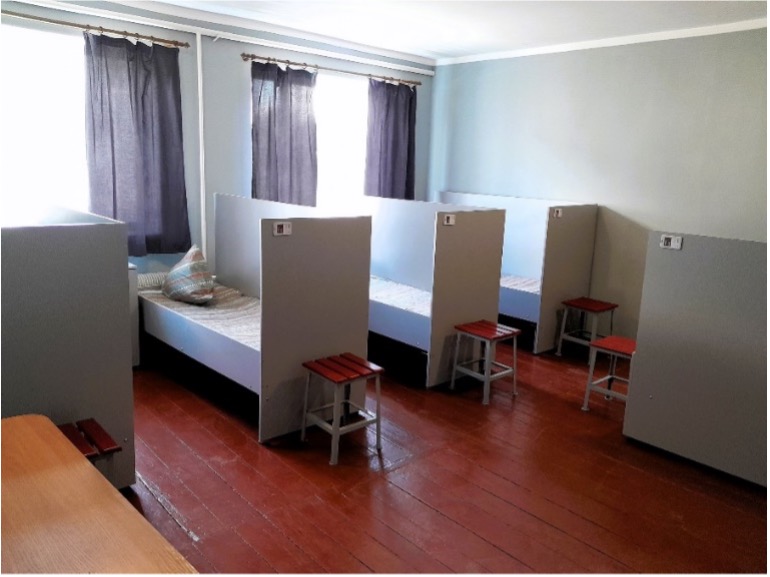
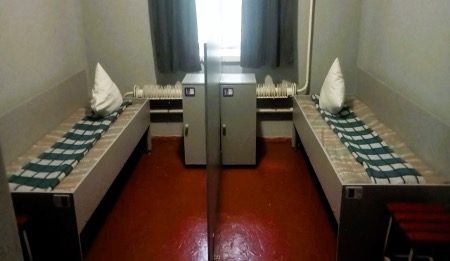
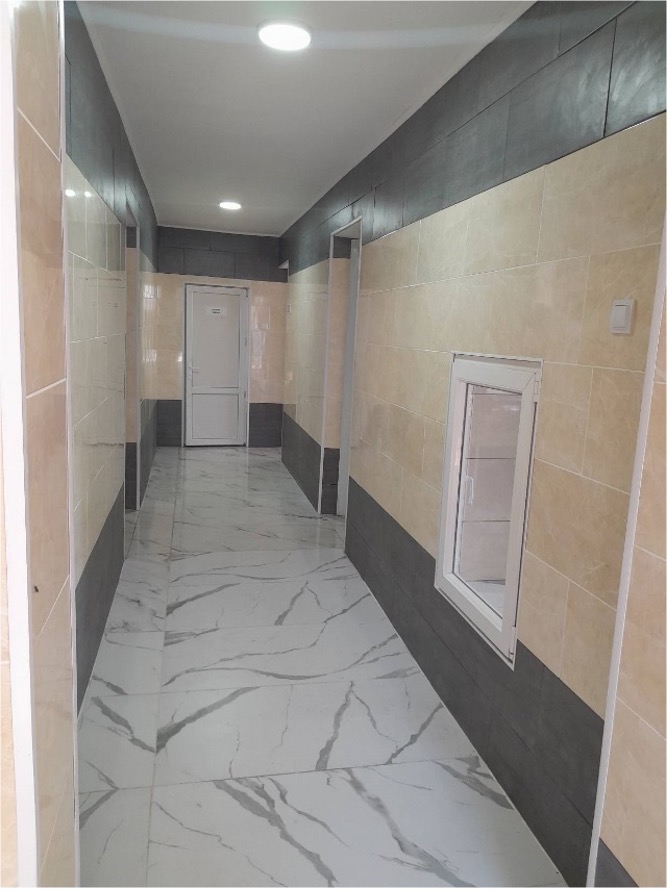
In particular, work was completed on arranging premises with consideration for the need to maintain personal space; cosmetic and routine repairs to corridors and office premises were carried out, and certain elements of engineering and household equipment were updated.
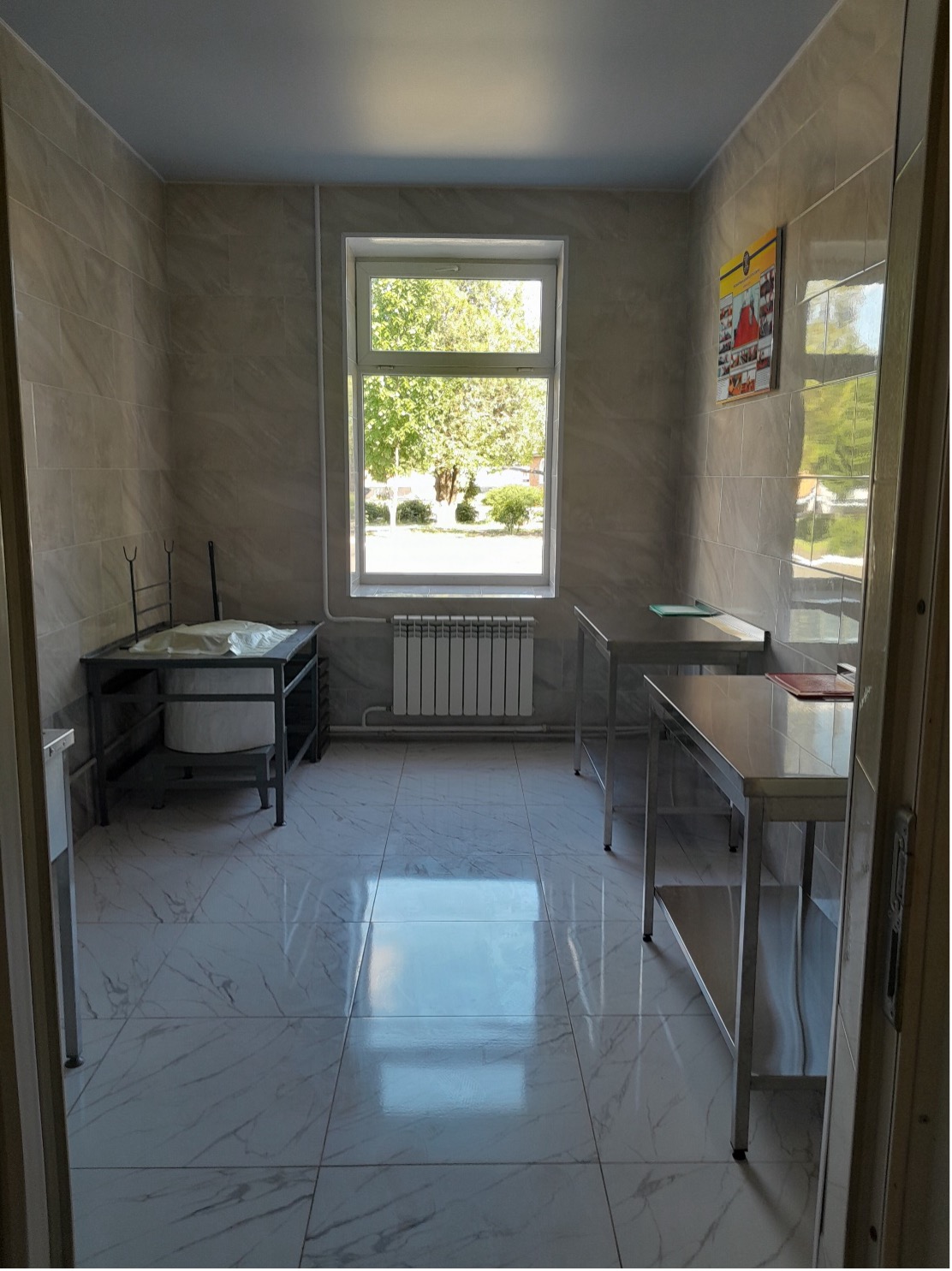
These measures have positively influenced the sanitary condition of the premises, the level of lighting, and the general perception of the institution's interior space, and have contributed to a more appropriate organisation of the daily life of those held there. Special attention was paid to improving conditions in rooms related to the organisation of meals and rest, which is significant for compliance with sanitary and hygienic requirements and maintaining a proper level of safety.
In aggregate, these measures can be classified as positive practices, as they demonstrate a commitment to the gradual improvement of detention conditions, while simultaneously requiring further development and integration with systemic measures aimed at the full realisation of human rights in places of detention.
Identified violations of national and international legislation
During the monitoring visit, violations of national legislation requirements and non-compliance with international recommendations in the field of prisoner treatment were identified, which lead to violations of the rights of prisoners and convicts.
1. During the monitoring visit to the institution, a number of systemic violations were recorded, including non-compliance with legislative norms regarding the living space provided for the detention of persons taken into custody in cell-type premises, as well as other violations indicating inadequate conditions of detention. Such conditions may be regarded as inhuman or degrading treatment and could lead to the filing of new applications against Ukraine to the European Court of Human Rights in connection with a violation of Article 3 of the Convention for the Protection of Human Rights and Fundamental Freedoms.
Thus, in violation of Article 11 of the Law of Ukraine 'On Pre-trial Detention' and Rule 13 of the UN Standard Minimum Rules for the Treatment of Prisoners (the Nelson Mandela Rules), cell No. 2 held 14 persons, whereas according to the act of measuring the area of the structural units of the institution, the specified room is designed to hold only 10 persons (area according to the act — 25.77 m²). Thus, the actual area per prisoner was only 1.84 m², which does not meet the minimum standard of 2.5 m² determined for persons taken into custody. Similar violations were found in cell premises Nos. 3, 8, 11, 12, 13, 32, 33, 34, 35, 36, 37, 38, 41, 45, 46, 48, 75, 82, etc.
Furthermore, in violation of point 1, Chapter 2, Section III of the Internal Regulations of Pre-trial Detention Centres of the State Penitentiary Service of Ukraine, approved by the order of the Ministry of Justice of Ukraine dated 14.06.2019 No. 1769/5 (hereinafter — IR PDC), it was established that in a number of cell premises, the actual number of sleeping places exceeds the permissible limit for ensuring the living space norm per person prescribed by law.
In particular, violations were recorded in cells Nos. 2, 3, 7, 8, 9, 11, 12, 13, 32, 33, 34, 35, 36, 37, 38, 39, 41, 43, 45, 46, 48, 75, 78, 80, 82, etc. This violation creates conditions for potential abuse by the administration and staff of the institution in the context of formal compliance with the living space norm per person and does not ensure proper personal space for the persons held in the cell premises.
In point 13 of the Seventh General Report of the European Committee for the Prevention of Torture and Inhuman or Degrading Treatment or Punishment (hereinafter — the Committee), it is stated that the problem of overcrowded cell premises leads to unhygienic conditions, a constant lack of privacy, and the overloading of medical services and institutional infrastructure, and provides grounds for the conclusion that the negative impact of overcrowding often results in inhuman or degrading conditions of detention (CPT/Inf (1997) 10).
Furthermore, in the report on the results of the 2023 visit to Ukraine, the Committee once again calls upon the Ukrainian authorities to take measures in accordance with the Committee's long-standing recommendation to review the current legal norms regulating the minimum living space for persons taken into custody, with the aim of guaranteeing at least 4 m² per person in multi-occupancy cells (excluding the area occupied by sanitary facilities) (CPT/Inf (2024) 20, point 38).
2. In violation of Article 8 of the Law of Ukraine 'On Pre-trial Detention' and point 17.2 of the European Prison Rules, the monitors identified cases of non-compliance with the requirements regarding the separate detention of prisoners. Thus, during a random check, it was found that in cell premises Nos. 3, 4, 9, individuals who had previously served sentences in places of deprivation of liberty were being held together with a person or persons being held criminally liable for the first time.
Furthermore, facts were established regarding the detention of individuals accused or suspected of committing serious crimes involving violence or which resulted in bodily injuries or death to the victim, as well as especially serious crimes, together with other persons held in custody. Specifically, in cell No. 17, a person being held criminally liable for a crime under Part 1 of Article 115 of the Criminal Code of Ukraine was held together with a person being held criminally liable for a crime under Part 2 of Article 307 of the Criminal Code of Ukraine.
A similar violation was established in cell No. 33. This indicates a systemic failure by the institution's administration to comply with requirements for ensuring proper control over the placement of prisoners, does not correspond to the principles of dynamic security, and leads to a violation of prisoners' right to personal safety, which contradicts the requirements of national legislation and international standards, in particular Article 3 of the Convention for the Protection of Human Rights and Fundamental Freedoms.
3. As of the day of the monitoring visit, 7 foreigners were held in the institution — citizens of Turkey, the Kingdom of the Netherlands, Azerbaijan, the Republic of Moldova, and the Russian Federation, who do not speak Ukrainian. In accordance with point 14, Chapter 2, Section II of the Internal Regulations of Pre-trial Detention Centres of the State Penitentiary Service of Ukraine (IR PDC), such persons were provided with copies of the Rules of Conduct for prisoners and convicts in pre-trial detention centres in one of the official languages of the United Nations. However, during a confidential conversation, the citizens of Turkey and the Kingdom of the Netherlands reported that they did not speak the languages in which the specified materials were provided, as a result of which their familiarisation with the relevant information was purely formal.
In accordance with Rule 54 of the UN Standard Minimum Rules for the Treatment of Prisoners (the Nelson Mandela Rules), every prisoner upon arrival at a penitentiary institution must be promptly provided with written information regarding: a) penitentiary legislation and the internal regulations of the institution; b) their rights, including the procedure for obtaining information, access to legal advice, and the procedures for submitting requests or complaints; c) their duties and possible disciplinary sanctions; d) other information necessary for adaptation to the conditions of detention.
According to Rule 55.1, such information must be provided in languages most frequently used, taking into account the needs of the institution's population, and in case of non-understanding, an oral or written translation must be provided. Failure to comply with these requirements indicates a violation of the prisoners' right to information, guaranteed by Articles 34 and 57 of the Constitution of Ukraine.
4. During the visit to the reception ward premises, it was established that their outfitting does not fully meet the requirements of the Standards for Provision of Furniture, Inventory, and Household Items for Pre-trial Detention Centres, approved by the order of the Ministry of Justice of Ukraine dated 27.07.2012 No. 1118/5 (hereinafter — Provision Standards), as well as Rules 13, 14, 15, and 22.2 of the UN Standard Minimum Rules for the Treatment of Prisoners (the Nelson Mandela Rules).
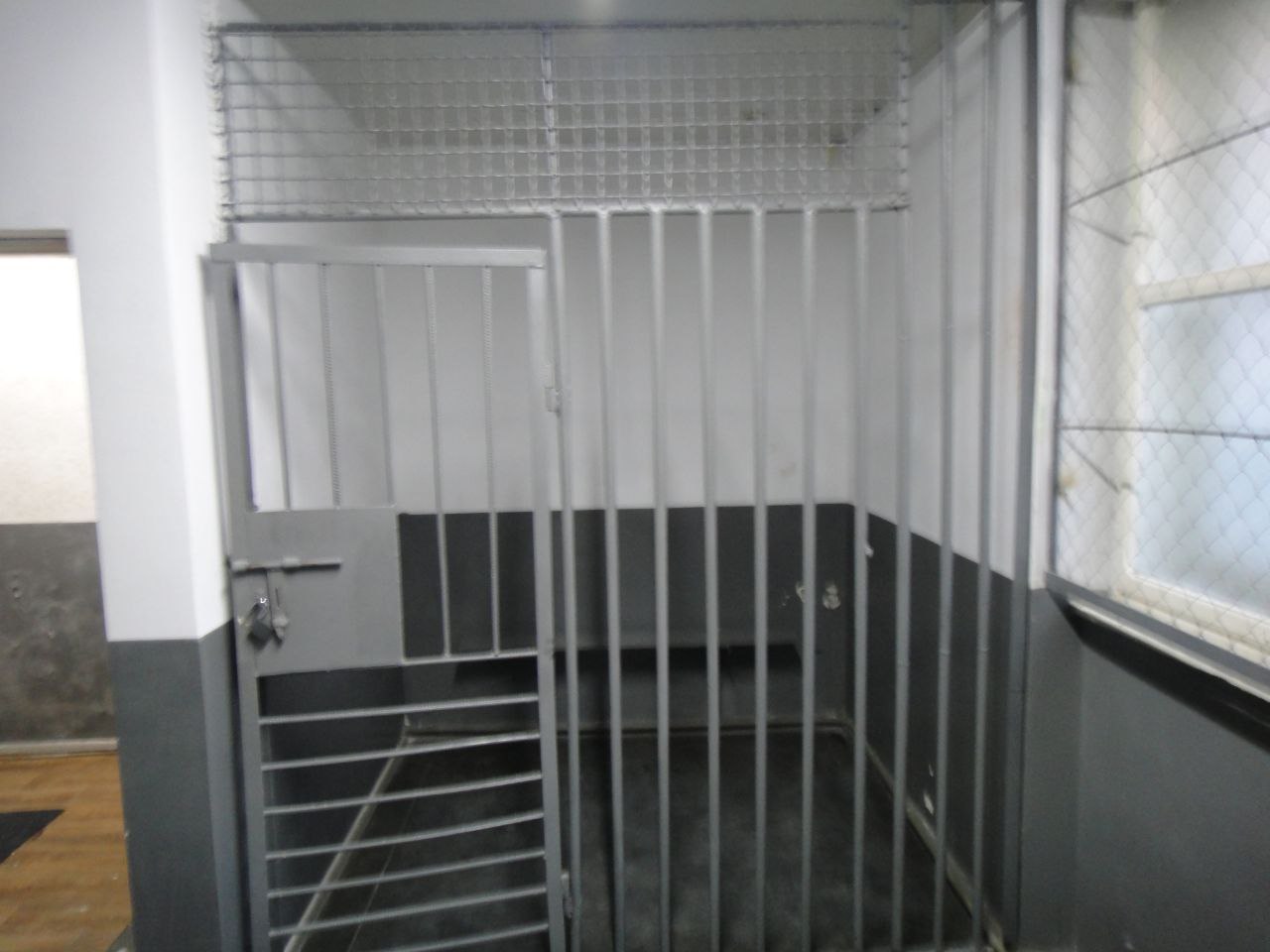
In particular, the reception ward lacks the following premises: a room for the security and regime department; a document processing room; a photo laboratory; a procedural room; a room for storing exchangeable bed linen and property; a storeroom for the temporary storage of soiled bed linen and property; a barbershop; a shower room; a changing room; an undressing room; quarantine cells; a room for the sick (isolation cell).
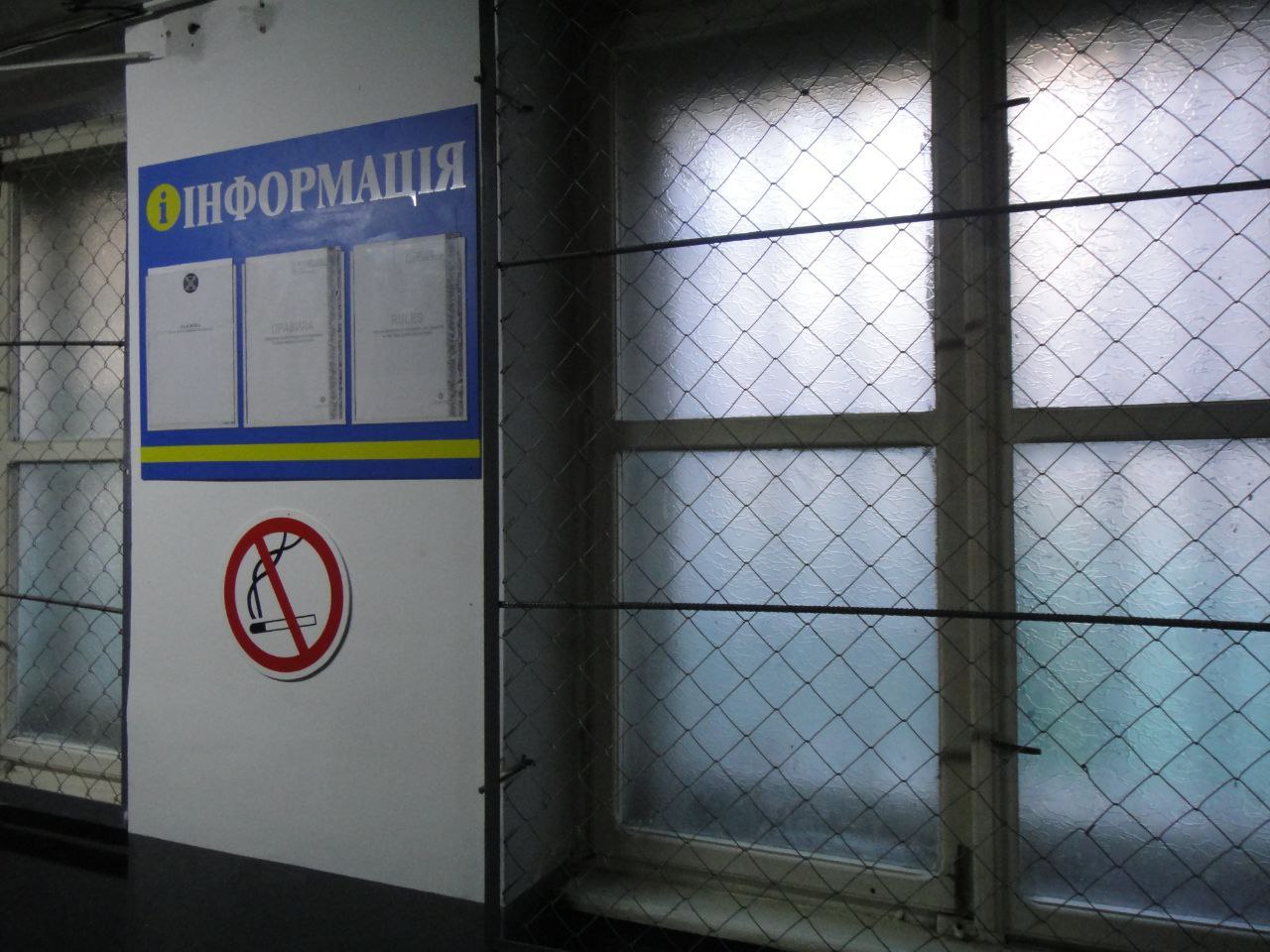
The absence of quarantine cells and rooms for the sick (isolation cells) in the reception ward creates conditions for the spread of infectious diseases among new arrivals, increases the risk of epidemiological outbreaks, and complicates the timely detection and isolation of the sick, which poses a threat to both the detainees and the institution's staff. Natural light practically does not enter the rooms for temporary stay of persons taken into custody due to the windows being fitted with tinted (darkened) glass, which may cause additional psychological pressure due to the absence of any, even visual, contact with the external environment.
The air supply and exhaust ventilation system is not functioning in the premises. Contrary to the requirements of Rule 22.5 of the European Prison Rules and the Provision Standards, the cell premises are not equipped with tanks for drinking water. Due to the lack of water supply and sewage systems, the premises are also not equipped with sanitary facilities and washbasins, which makes it impossible to maintain proper sanitary and hygienic conditions. This indicates a violation of the prisoners' rights to humane treatment and respect for their human dignity, guaranteed by Part 3 of Article 1 of the Law of Ukraine 'On Pre-trial Detention'.
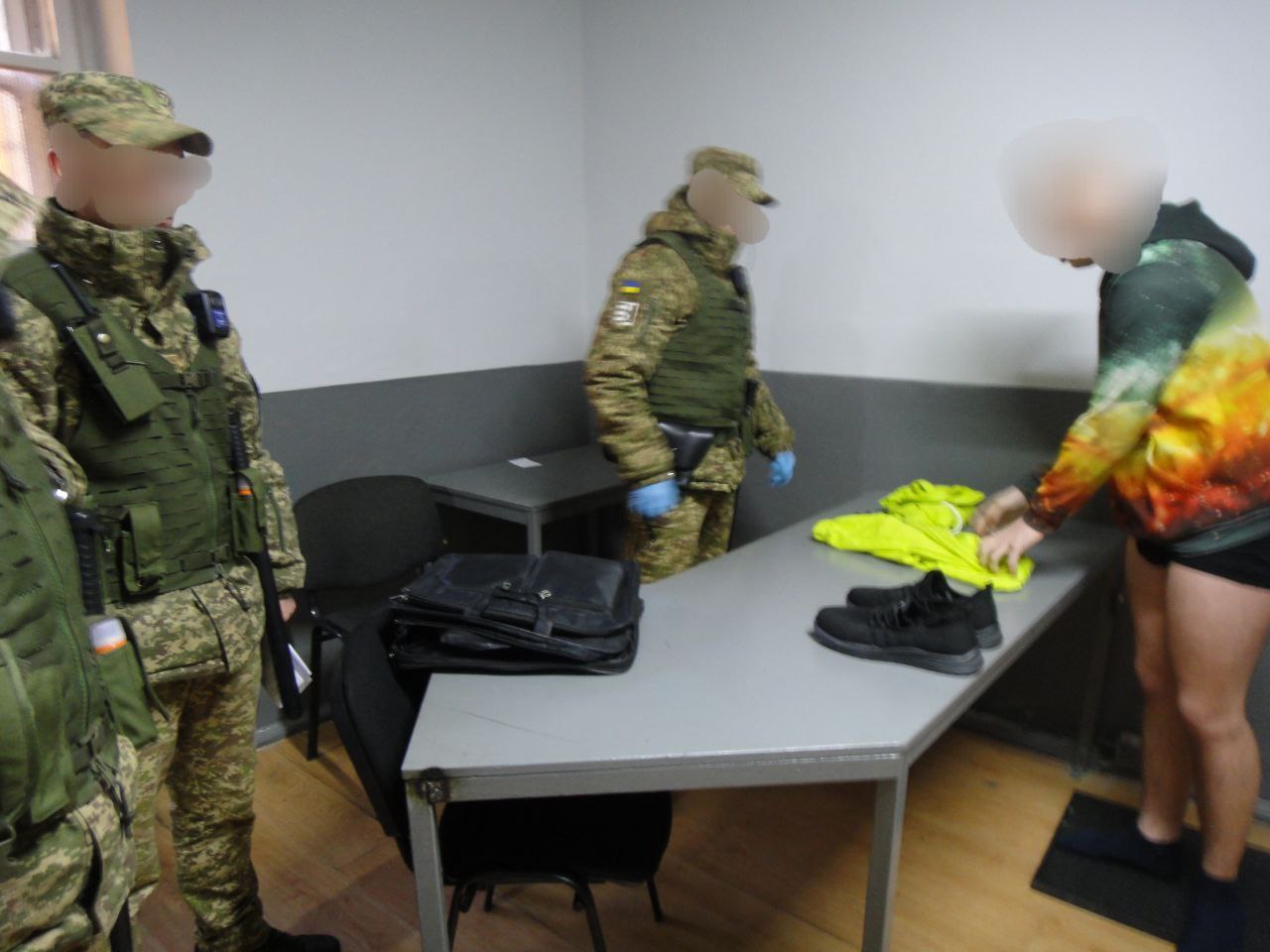
5. During the visit, the monitoring group established that during personal strip searches of prisoners in the search room of the reception ward, representatives of the National Guard of Ukraine carry out video recording using body-worn cameras.
At the same time, according to point 8, Section VII of the Procedure for the Use of Technical Supervision and Control Means in Pre-trial Detention Centres, Corrective and Educational Colonies of the State Penitentiary Service of Ukraine, approved by the order of the Ministry of Justice of Ukraine dated 26.06.2018 No. 2025/5, as well as the third paragraph of point 4, Chapter 2, Section III of the IR PDC, the use of video cameras and portable video recorders in premises where medical examinations or personal strip searches are conducted is prohibited.
6. In the cell premises, violations of Rules 13, 14, 15, 17, 21, and 22.2 of the UN Standard Minimum Rules for the Treatment of Prisoners (the Nelson Mandela Rules) were detected, as well as Article 8 of the Convention for the Protection of Human Rights and Fundamental Freedoms, which guarantees the right to respect for private life. Specifically, sanitary facilities in some cells are not equipped with sufficient partitions or doors providing privacy, which violates Rule 19.3 of the European Prison Rules (cell premises Nos. 2, 3, 8, 9, 11, 12, 15, 81, etc.).
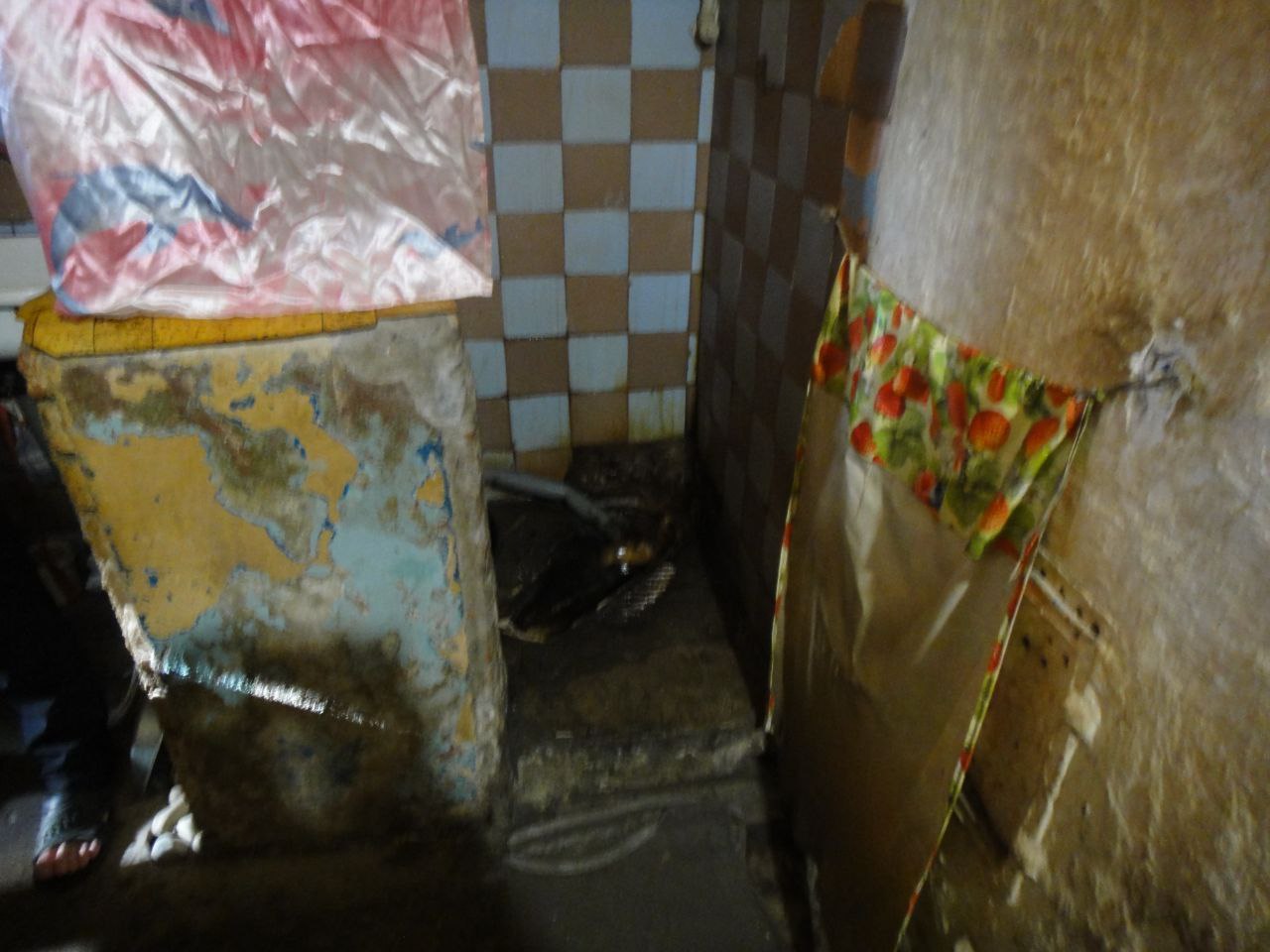
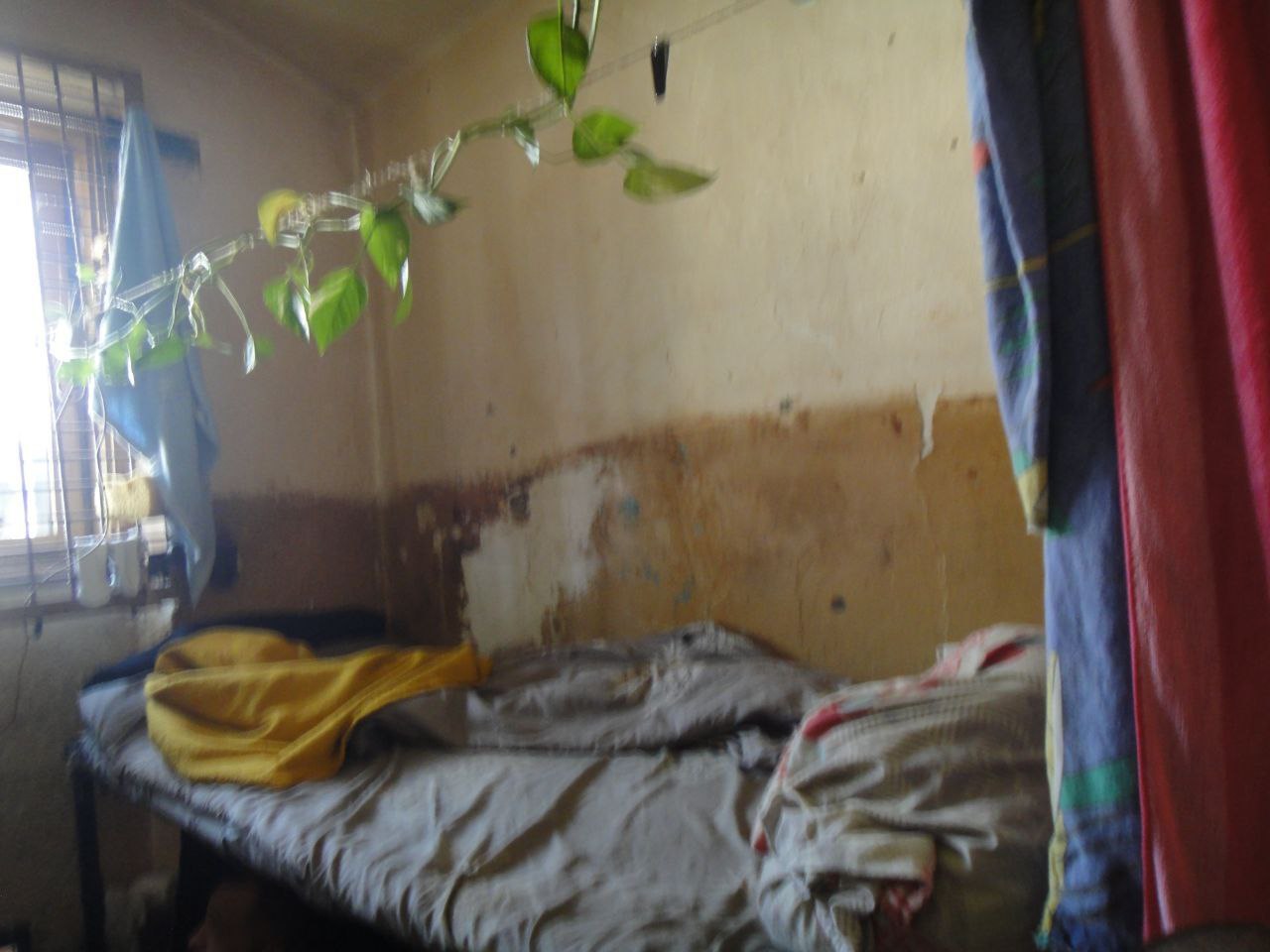
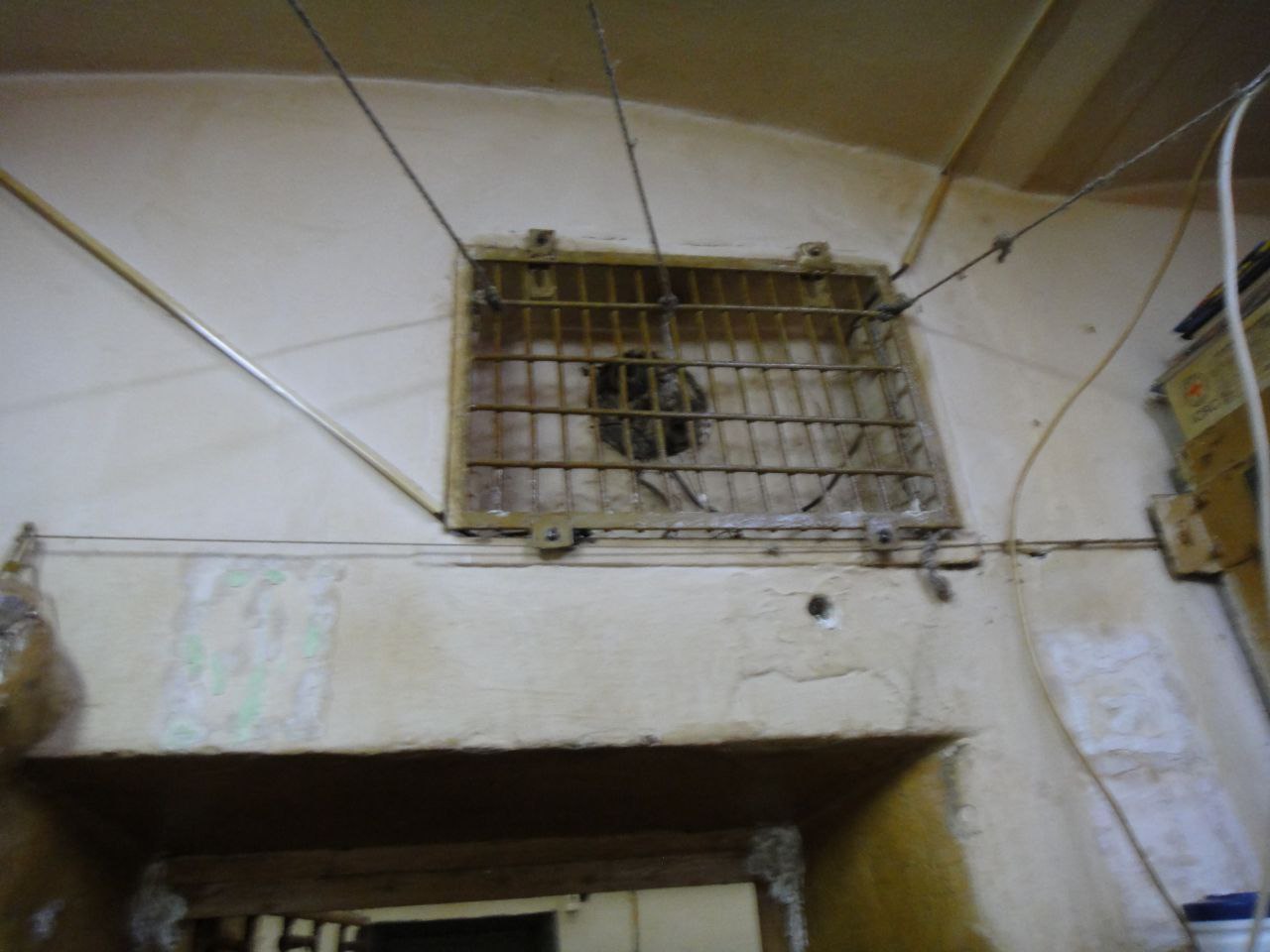
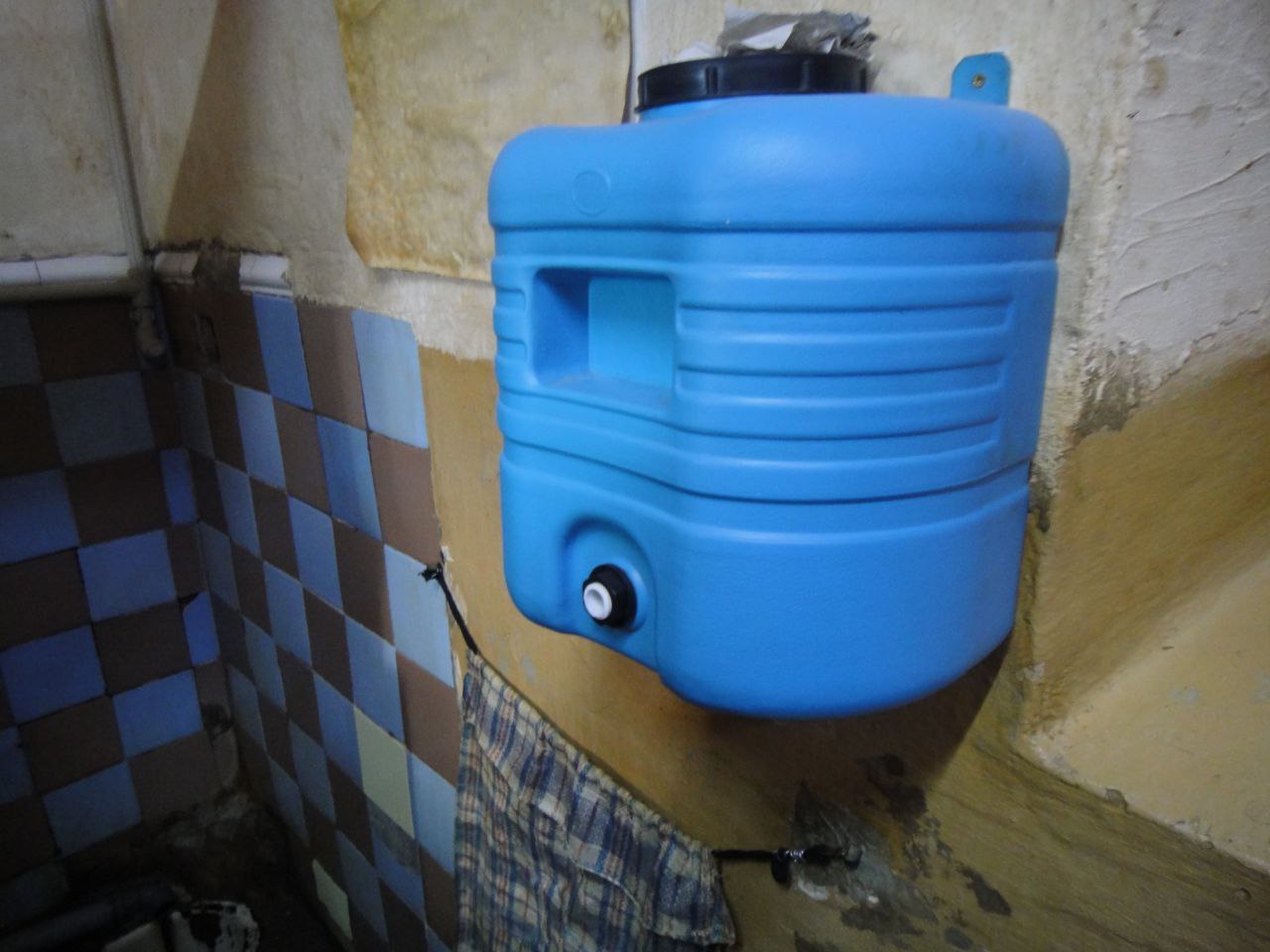
Contrary to Rule 18.1 of the European Prison Rules, in a number of cell premises (Nos. 2, 3, 8, 9, 11, 12, etc.), beds are placed close to each other, which deprives prisoners of adequate personal space. Due to excessive window grilles, cell premises are not provided with an adequate level of natural light. Furthermore, contrary to Rule 22.5 of the European Prison Rules and the requirements of the Provision Standards, cell premises are not equipped with drinking water tanks, or such tanks are not filled, as a result of which prisoners are forced to use technical water from the central water supply system.
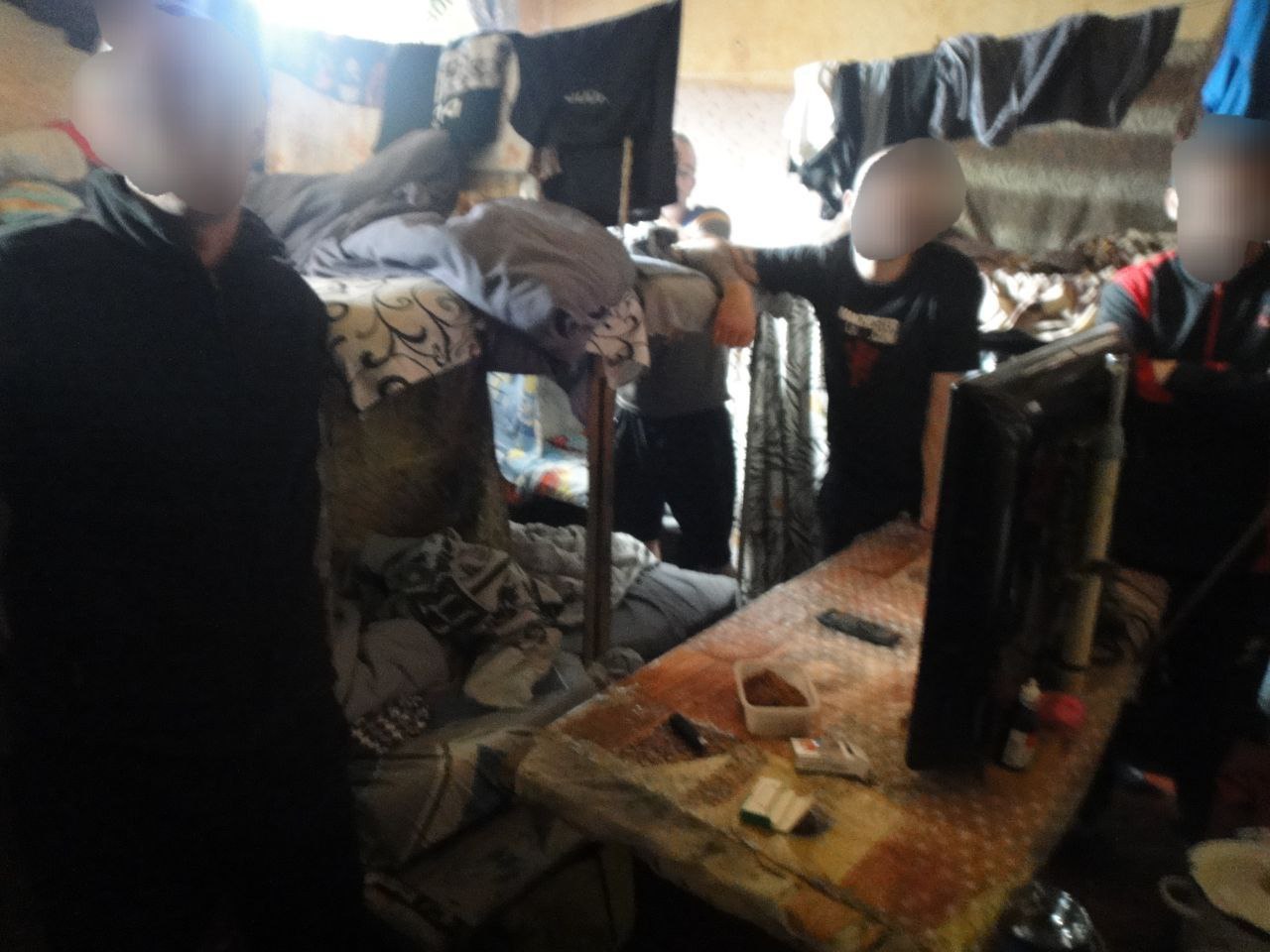
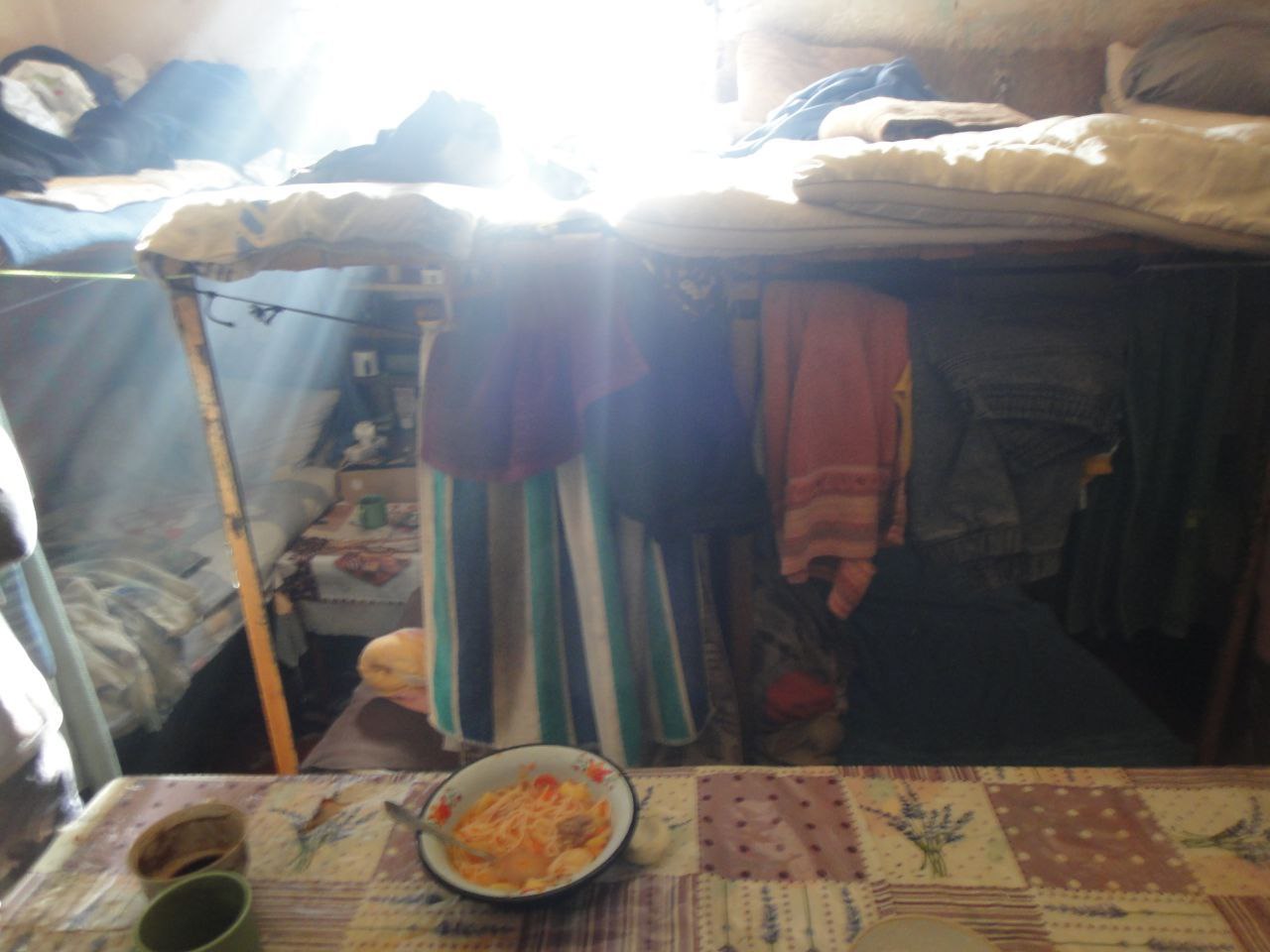
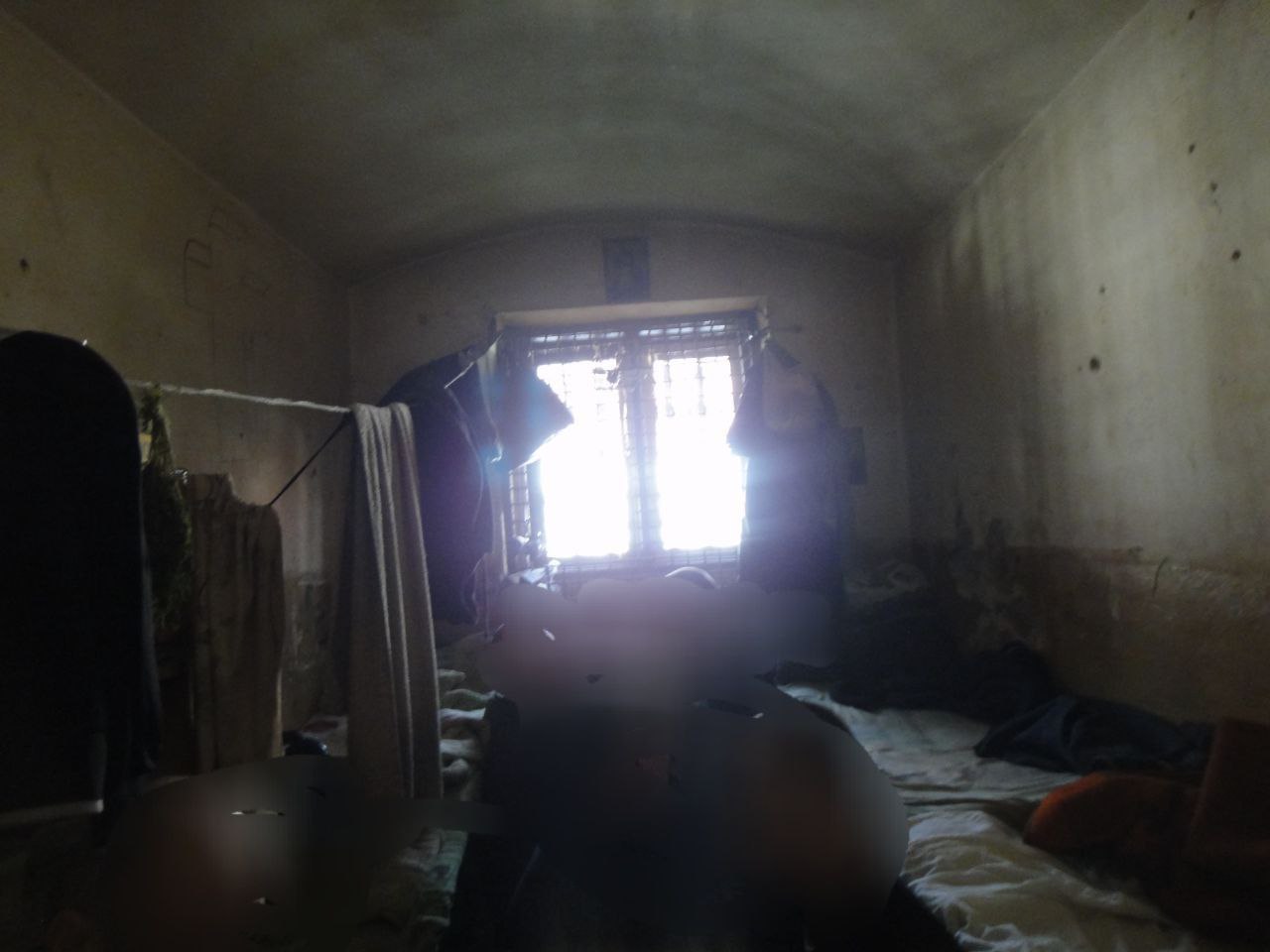
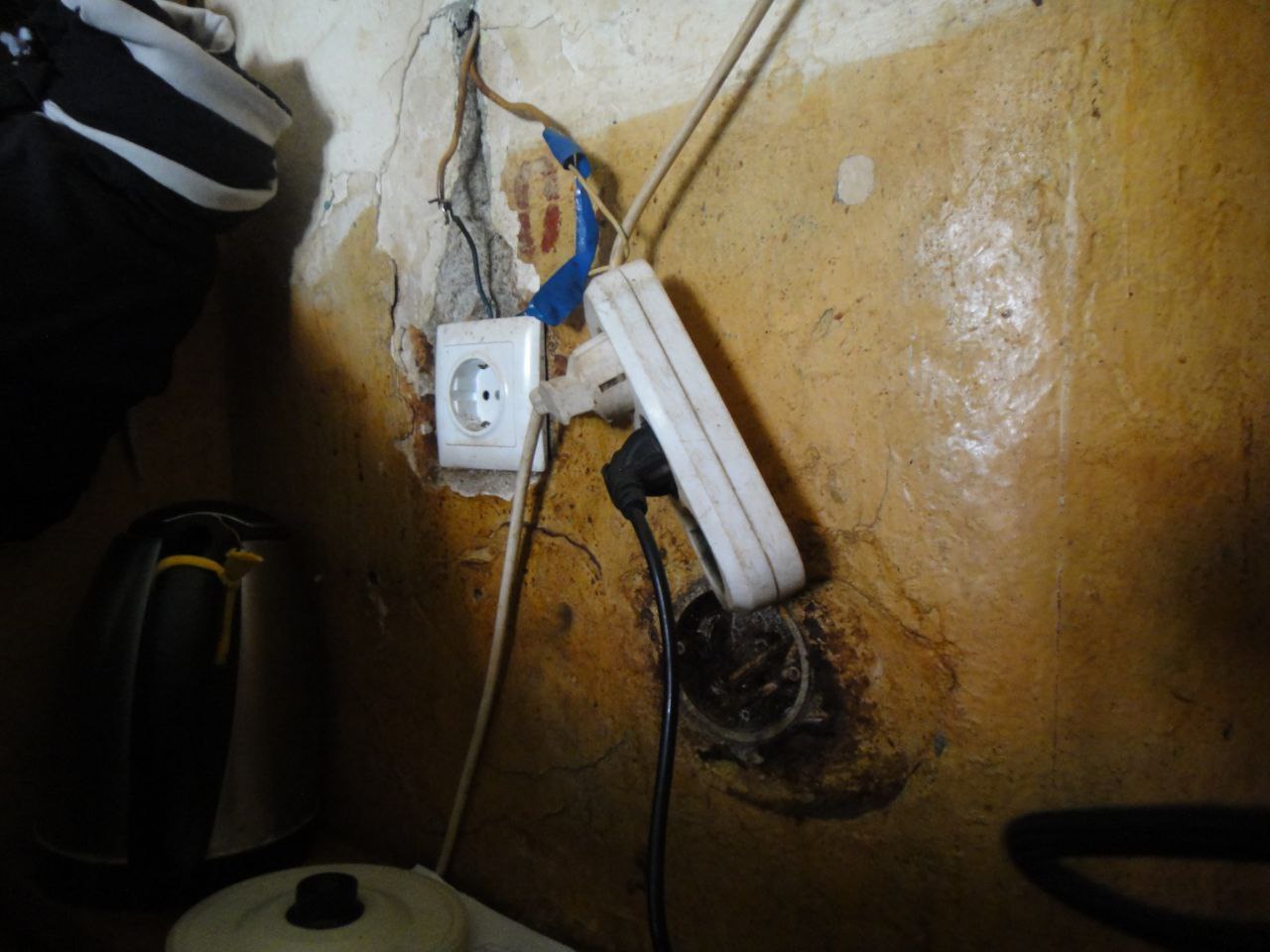
Contrary to the requirements of Article 11 of the Law of Ukraine 'On Pre-trial Detention' and point 1, Chapter 4, Section IX of the IR PDC, prisoners are not provided with adequate material and living conditions that meet sanitation and hygiene rules. In particular, prisoners are forced to wash and dry clothes in cell premises, which indicates the improper organisation of laundry and bath services. Some cells require repairs with the replacement of sanitary and technical equipment and electrical networks.
In the premises, a persistent unpleasant odour is perceptible; an unsanitary state is observed, and on the ceilings and walls of some cells, there are traces of excessive dampness and mould due to water leakage, with significant cluttering from personal belongings. Bedding and mattresses require replacement. Disinsection measures taken by the institution's administration are insufficient. Prisoners complained about the presence of bedbugs and cockroaches in the cells.
Furthermore, the radio system in the cell premises is not functioning, which contradicts the requirements of point 2, Chapter 3, Section VIII of the IR PDC. At the same time, in the Committee's report on the results of the 2023 visit to Ukraine, the Ukrainian authorities were called upon to take necessary measures to improve material conditions of detention, in particular: to reduce cell occupancy so that there is at least 4 m² of living space per person taken into custody (excluding the area of in-cell sanitary facilities); to maintain all areas used by persons in a proper state of repair and hygiene; to ensure regular and effective disinsection; to guarantee sufficient access to natural light and ventilation; and to equip in-cell sanitary facilities with proper partitions (from floor to ceiling) (CPT/Inf (2024) 20, point 58).
7. Exercise yards Nos. 6, 7, 8, 9 are not equipped with adequate shelter from atmospheric precipitation and require repair work. On the door of the exercise yard for persons suffering from infectious diseases, including tuberculosis, the sign 'For those suffering from infectious diseases' is absent, which does not meet the requirements of point 3, Chapter 2, Section III of the IR PDC.
At the same time, in the Second General Report of the European Committee for the Prevention of Torture, it is noted that daily time in the fresh air should take place in an area of sufficient size, which, as far as possible, should be equipped with shelter in case of unfavourable weather conditions (CPT/Inf (1992) 3, point 48).
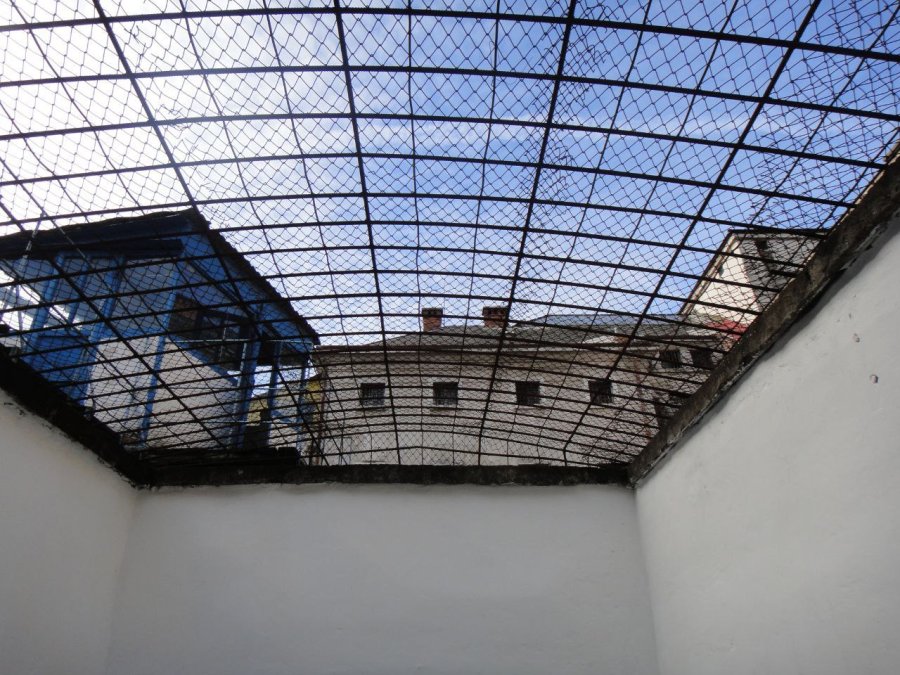
8. In the maximum-security sector, no doctor's office is provided for the outpatient reception of patients, which contradicts the requirements of the Provision Standards and creates obstacles to the provision of timely medical care to persons held there. Furthermore, the sector lacks a room for performing religious rites, which is a violation of point 3, Chapter 5, Section VIII of the IR PDC and the Provision Standards.
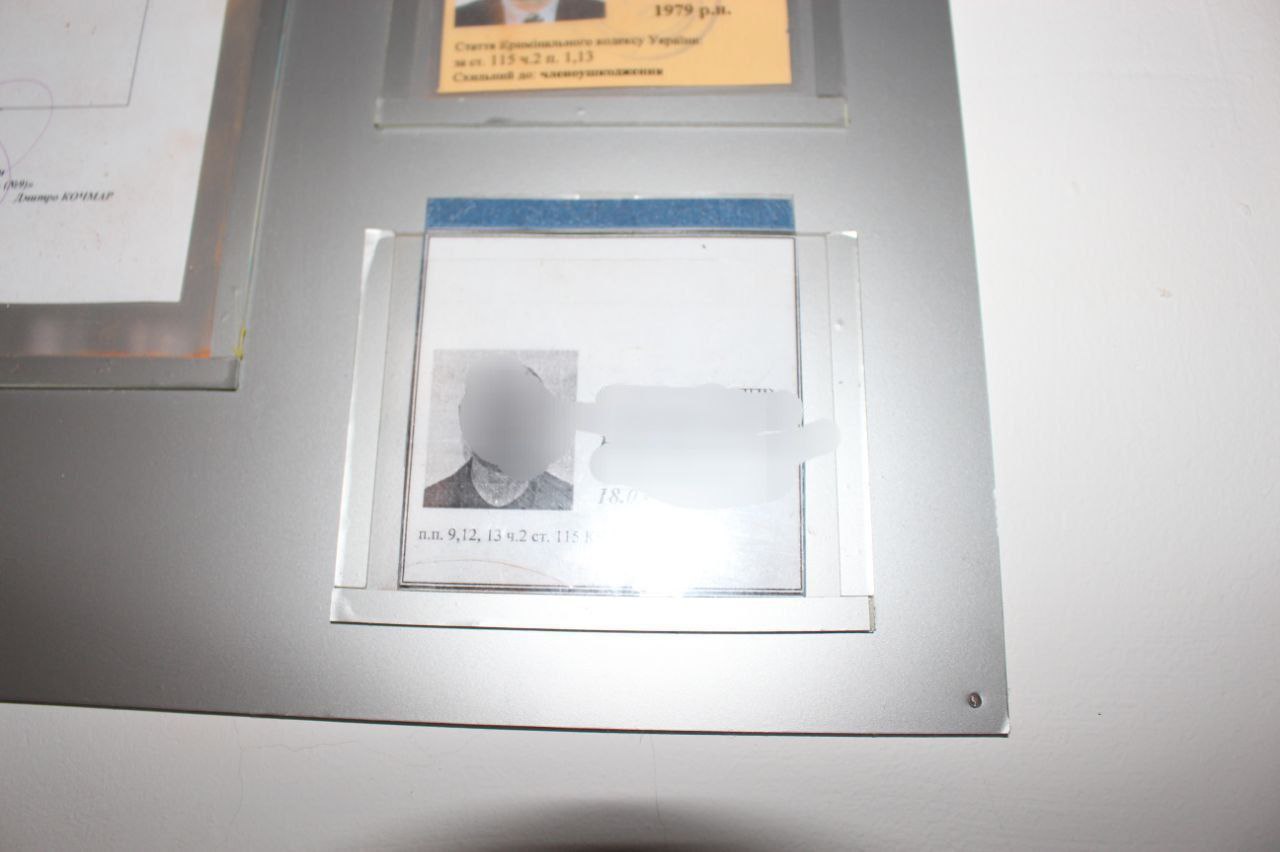
9. During the visit to the maximum-security sector, it was found that name tags were placed near the outer doors of the cells for persons sentenced to life imprisonment, containing information with a brief description of the crimes committed by the individuals held in these cells. In the report on the results of the 2020 visit to Ukraine, the Committee noted that such a practice should be stopped, as it serves no legitimate or reasonable purpose and, in addition to stigmatisation, negatively affects the relationship between prisoners and the institution's staff (CPT/Inf (2020) 40, point 52).
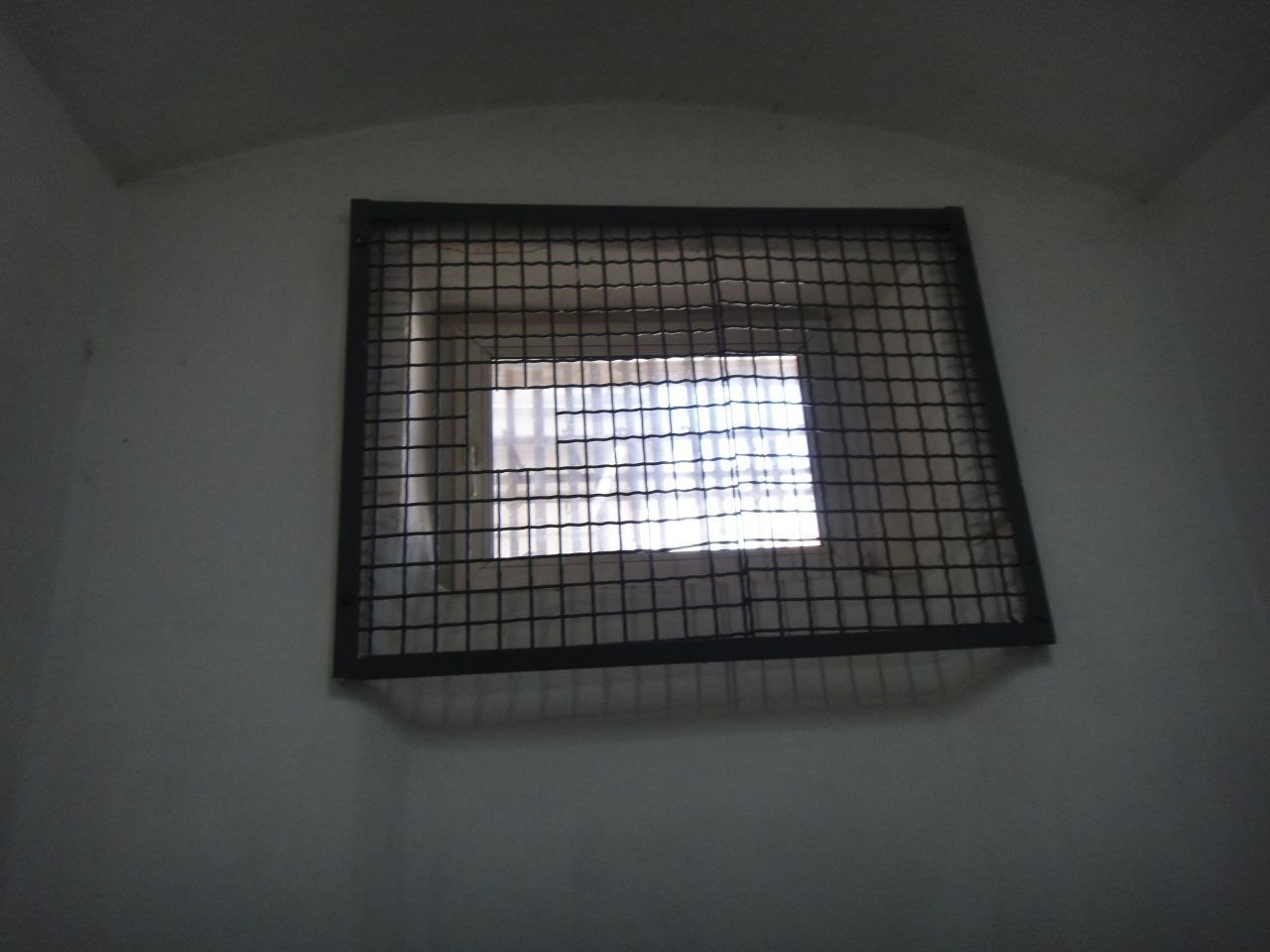
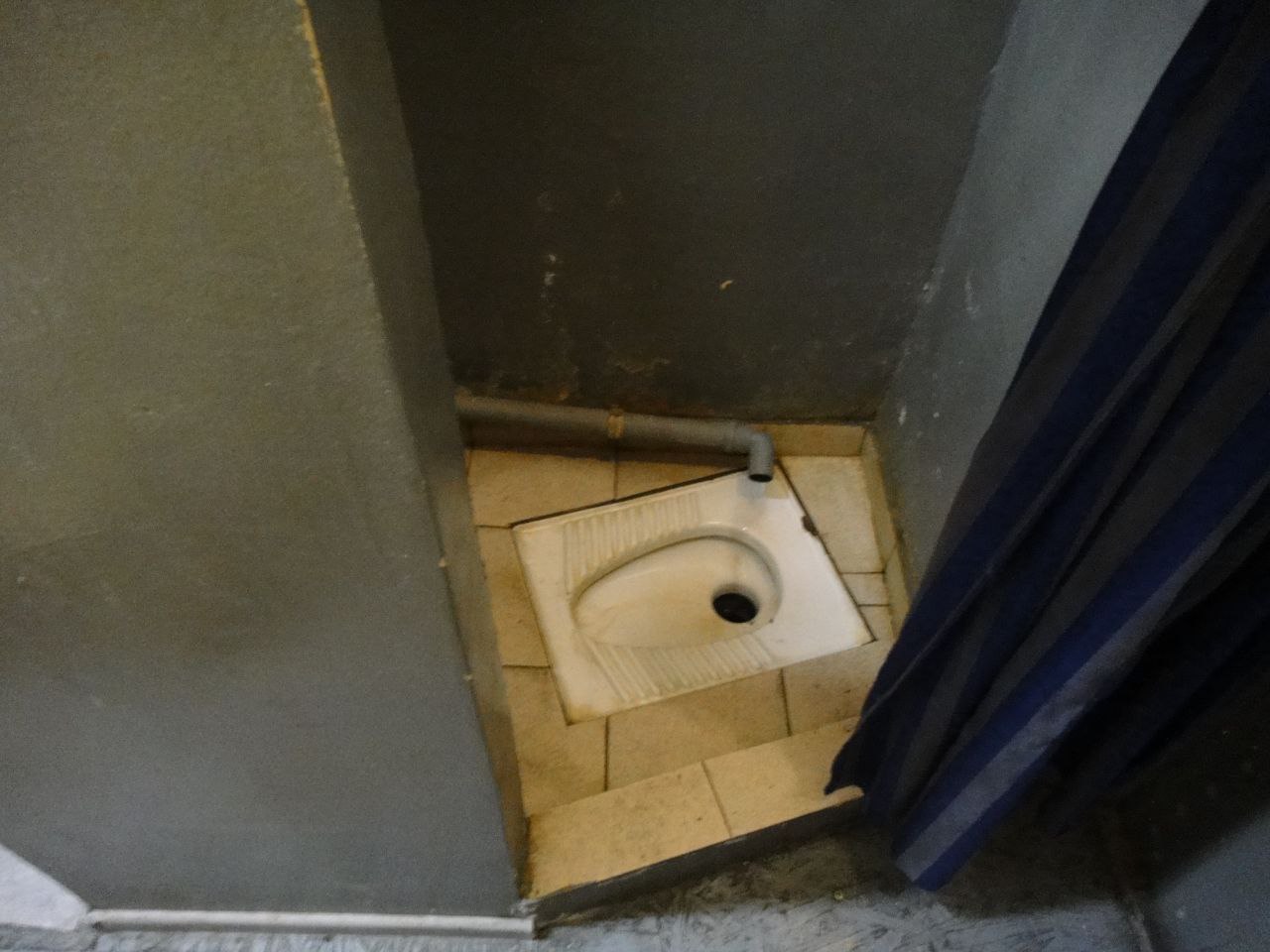
10. During the visit to the disciplinary cells, it was established that contrary to point 4, Section IV of the Procedure for the Use of Technical Supervision and Control Means, these premises are not equipped with staff-call buttons, which makes operational contact between detainees and institution staff impossible. Furthermore, in the disciplinary cell premises, a proper level of natural lighting is not provided. Sanitary facilities are not equipped with doors or sufficient partitions that guarantee privacy, which is a violation of Rule 19.3 of the European Prison Rules.
11. The premises of the socio-psychological service unit for convicts left to perform maintenance work do not fully meet the requirements of the Provision Standards.
In particular, the unit lacks the following premises: a room for storing food products; rooms for storing exchangeable bed linen, property, and workwear; a storeroom for the temporary storage of soiled bed linen, property, and workwear; a cloakroom; a utility room; a physical exercise room; a library.
The absence of these premises leads to a violation of sanitary and hygienic requirements. Specifically, the improper organisation of personal item storage complicates the maintenance of cleanliness and order in the premises where convicts are held, which negatively affects the general sanitary state of the institution. Furthermore, the unit lacks a room for performing religious rites, which contradicts the requirements of point 3, Chapter 5, Section VIII of the IR PDC and the Provision Standards.
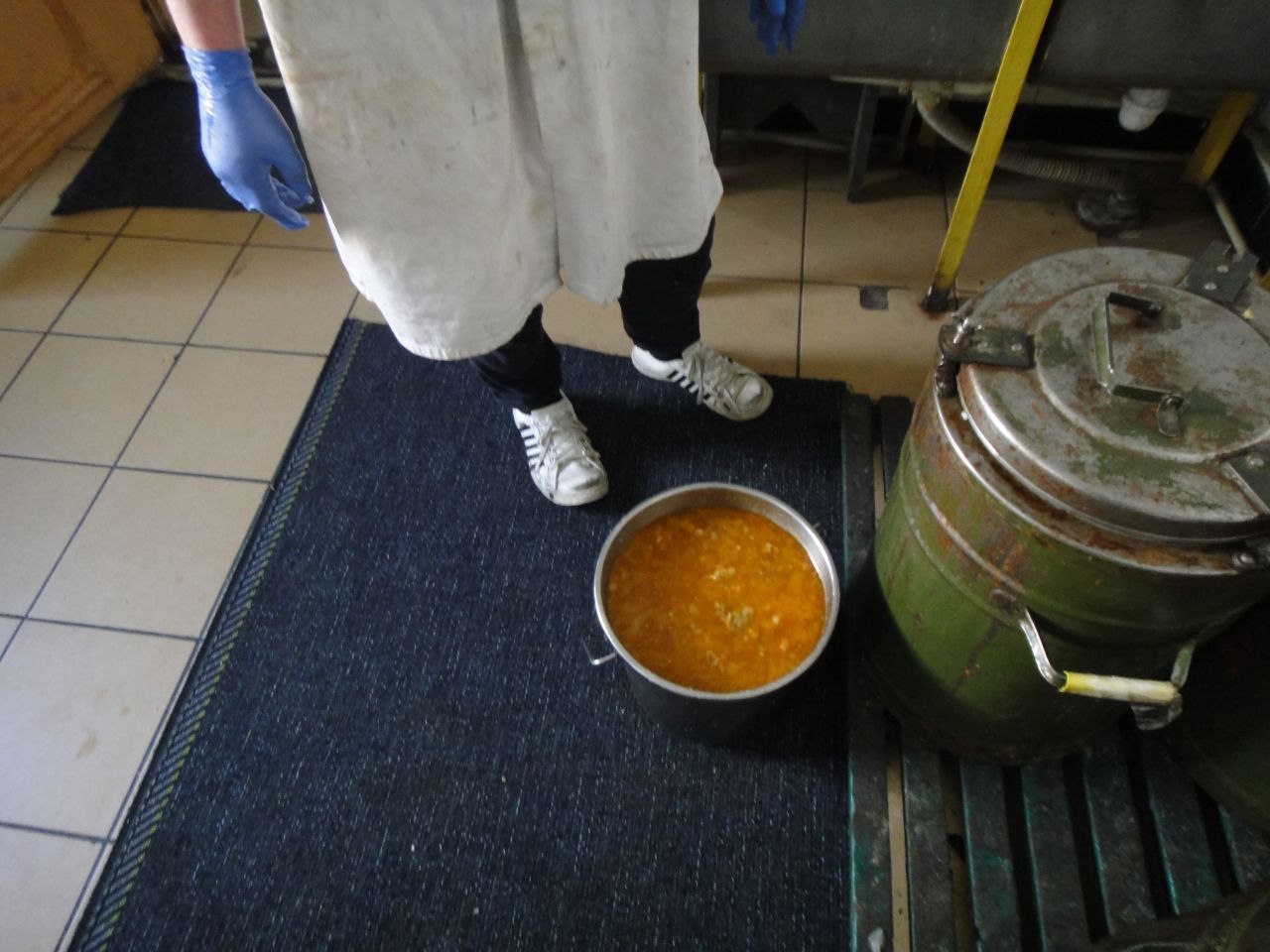
12. In violation of the requirements of point 14, Section V of the Regulation on the Organisation of Food Provision in the State Penitentiary Service of Ukraine in Peacetime, approved by the order of the Ministry of Justice of Ukraine dated 15.06.2021 No. 2160/5 (hereinafter — Regulation on Food Provision Organisation), food for prisoners and convicts from the institution's canteen is delivered in buckets rather than marked thermoses.
13. According to point 7, Section III of the Regulation on Food Provision Organisation, during the transfer of persons provided with food in institutions, such persons are to be issued a set of dry rations. In particular, this applies to convicts and prisoners transferred from one pre-trial detention centre to another, from a pre-trial detention centre to a place of serving a sentence, from one place of serving a sentence to another, as well as persons released from serving a sentence who are heading to their place of residence, and cases where the preparation of hot food is impossible.
In accordance with point 6, Chapter 4, Section IV of the IR PDC, prisoners and convicts, before being sent to participate in criminal proceedings outside the pre-trial detention centre, must receive a food ration. However, based on the analysis of official documentation and prisoner interviews, the monitoring group established that in most cases, the issuance of food rations to individuals leaving the institution is not actually carried out.
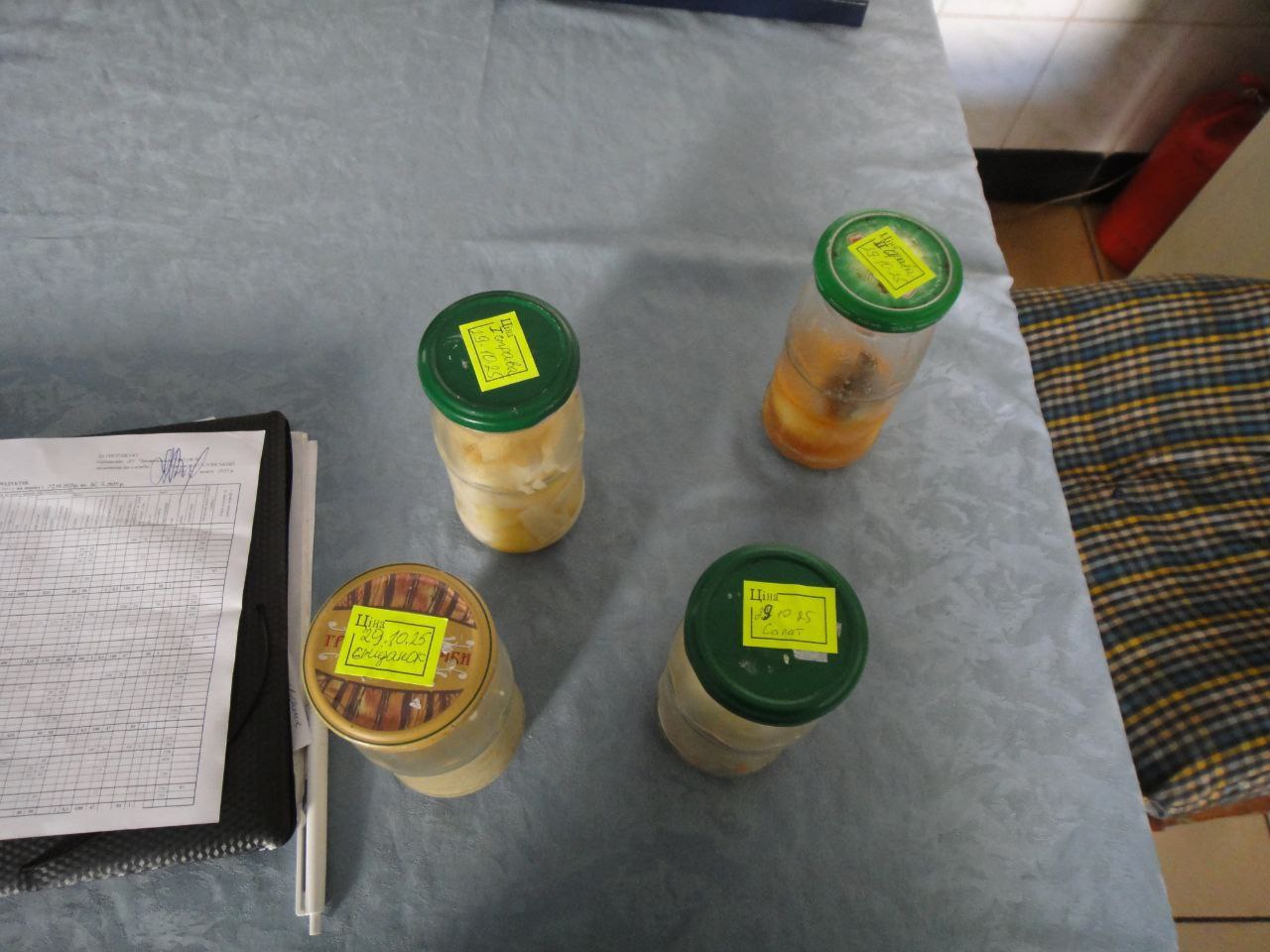
14. According to point 17, Section V of the Regulation on Food Provision Organisation, daily samples of each dish on the menu must be taken and stored in the institution's canteen. The sampling is performed by the cook from the pot in the presence of a medical worker of the healthcare facility before the food is distributed, into a clean container with a lid (previously washed and boiled).
Daily samples must be stored in the canteen refrigerator at a temperature from +4°C to +8°C for 24 hours until the end of the similar meal the following day. However, in violation of these requirements, during the inspection of the canteen refrigerator, the monitoring group established the absence of daily samples of the dinner dishes for 28.10.2025.
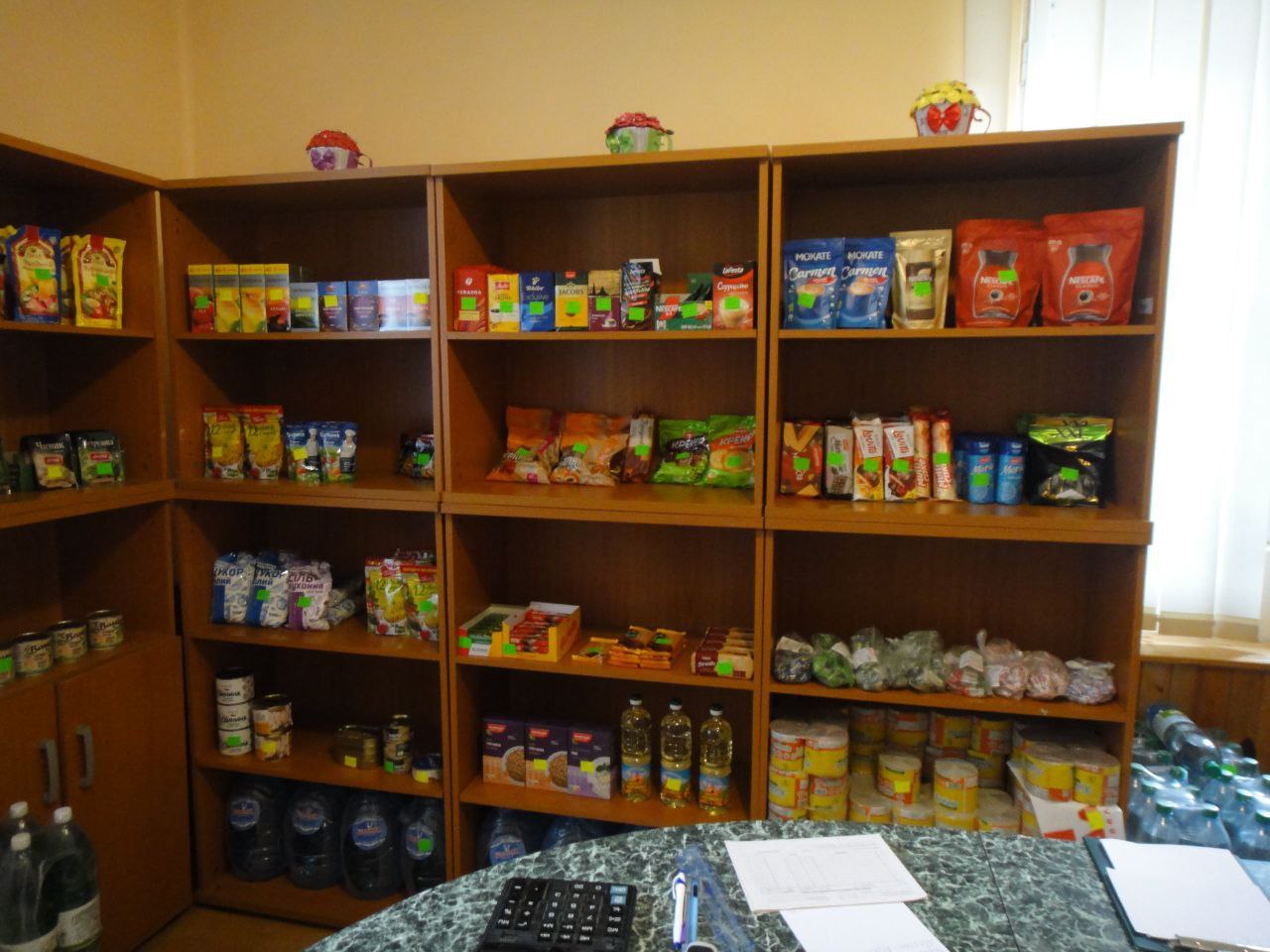
15. During the visit to the institution, the monitoring group established that the institution's shop lacks tobacco products, the availability of which is provided for by Annex 5 to the Internal Regulations of Penitentiary Institutions.
16. The monitoring group established a number of violations in the organisation of laundry and bath services for prisoners and convicts. Specifically, during communication with persons taken into custody and convicts, it was established that female persons taken into custody have the opportunity to take a shower only once a week, which violates the requirements of point 19.4 of the European Prison Rules and point 3.2 of the Regulation on the Organisation of Laundry and Bath Services for Persons Held in Penitentiary Institutions and Pre-trial Detention Centres, approved by the order of the Ministry of Justice of Ukraine dated 08.06.2021 No. 849/5 (hereinafter — the Regulation).
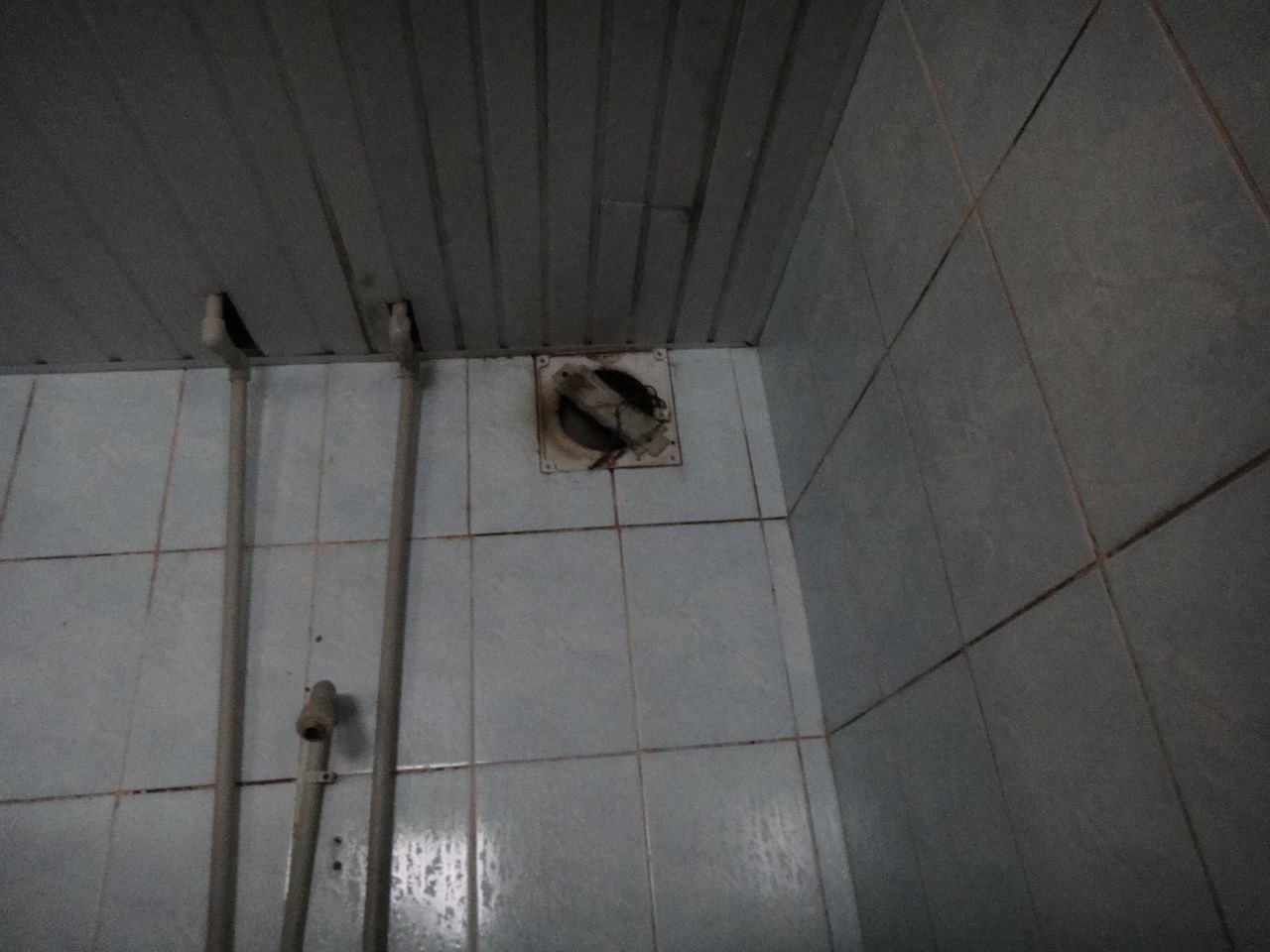
Furthermore, the mechanical ventilation system in the bathhouse requires repair and/or proper maintenance, as it does not actually provide proper air exchange, which does not meet the requirements of point 2.11, Section II of the Regulation. The laundry room requires major repairs, and the air supply and exhaust ventilation system in it is not functioning.
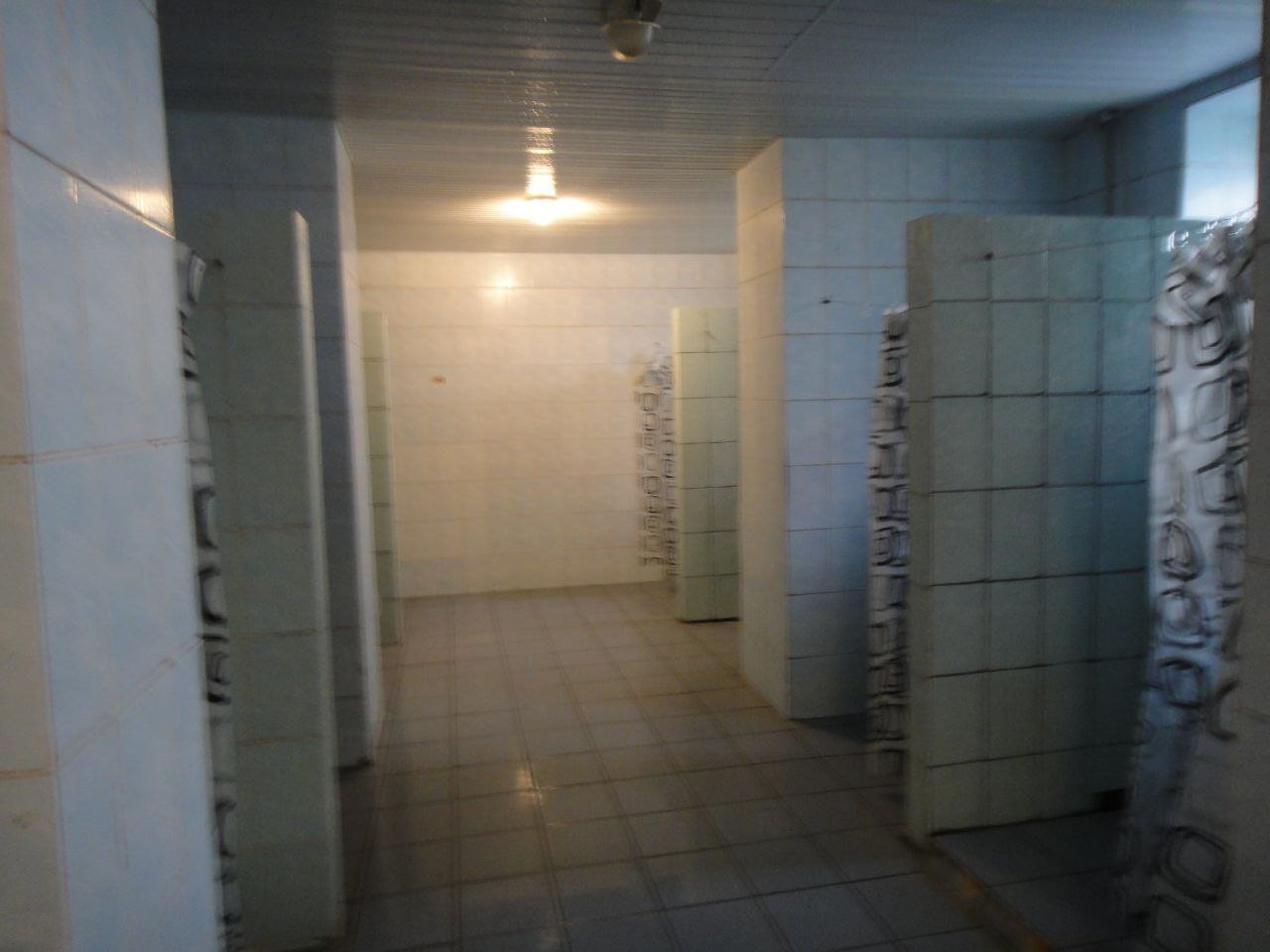
In violation of the requirements of Annex 3 to the Regulation, the laundry facility lacks the prescribed premises, namely: a room for receiving soiled laundry; a room for repairing and storing clean laundry; a room for issuing clean laundry; a laundry staff room; a shower room for employees; and a toilet for employees. Due to the absence of these premises, contact between clean and soiled items is permitted. Furthermore, in violation of point 3.11, Section III of the Regulation, the laundry facility is not equipped with a paramedic's corner.

17. The monitoring group established that the special means available in the institution, specifically protective helmets and body armour, are not equipped with proper individual numbering. Under such conditions, in the event of the use of physical force by staff, establishing the identity of the person who used the corresponding special equipment is effectively impossible. At the same time, the Committee, in the report on the results of the 2012 visit to Ukraine, drew attention to the problem of personnel identification during interventions in institutions and recommended ensuring that every piece of clothing or protective helmet has a clear identification number that would allow for the identification of the relevant employee if necessary (CPT/Inf (2013) 230, point 21).
18. During the visit, the monitoring group recorded that the institution's staff, who are in direct contact with prisoners and convicts, openly carry special equipment, including rubber batons. However, according to the eighth paragraph of point 8, Chapter 1, Section V of the IR PDC, the carrying of special equipment by pre-trial detention centre personnel within the guarded territory of the centre should, if possible, be as concealed from the surroundings as possible.
Furthermore, the Committee recommends that penitentiary staff working in direct contact with prisoners should not carry special equipment (specifically rubber batons, handcuffs, and aerosol canisters with tear gas) openly in front of prisoners, as such a practice hinders the establishment of normal professional relations between staff and held persons (CPT/Inf (2011) 29, point 85; CPT/Inf (2013) 23, point 23; CPT/Inf (2014) 15, point 166).
19. According to the information provided by the institution's administration, from the beginning of 2025 as of 29.10.2025, 368 short-term visits were granted to prisoners and convicts in the State Institution 'Transcarpathian Penitentiary Facility No. 9', of which 319 took place in a non-contact manner — through a solid partition glass using an intercom device.
At the same time, in the Government of Ukraine's report on the results of the 2023 visit, the Committee emphasises that for all categories of convicts, open visits (e.g., at a table) should be the rule, whereas closed visits should be the exception, permissible only on the basis of justified and reasoned decisions following an individual assessment of the specific person's potential risk. In this regard, the Committee calls upon the Ukrainian authorities to review the procedure for short-term visits in penitentiary institutions with the aim of ensuring they are conducted, as a rule, in open conditions (CPT/Inf (2024) 20, point 99).
20. According to official documentation, the staff shortage in the institution as of 29.10.2025 is 36 full-time positions. At the same time, in the Government of Ukraine's report on the results of the 2023 visit, the Committee notes that ensuring a positive climate in a penitentiary institution requires the presence of a professional team of staff who should be present in sufficient numbers at any given time in places of detention.
Insufficient staff numbers increase the risks of violence and intimidation between held persons, reduce the quality of activities offered to convicts, and negatively affect the process of preparation for release and social rehabilitation. In this regard, the Committee calls upon the Ukrainian authorities to take decisive measures for a significant increase in the number of staff in penitentiary institutions of Ukraine with low staffing levels, as well as to put an end to the practice of 24-hour shifts for staff on duty (CPT/Inf (2024) 20, point 93).
21. During the monitoring visit, it was established that the civil defence protective structure (shelter No. 1701) is equipped with main and emergency exits, which are accessible and not obstructed, complying with basic safety requirements. In the shelter, there are ventilation and sewage systems provided for by the design documentation, which ensure the possibility of using the shelter for its intended purpose. The overall technical condition of the premises is satisfactory; no signs of flooding or emergency conditions were recorded during the inspection.
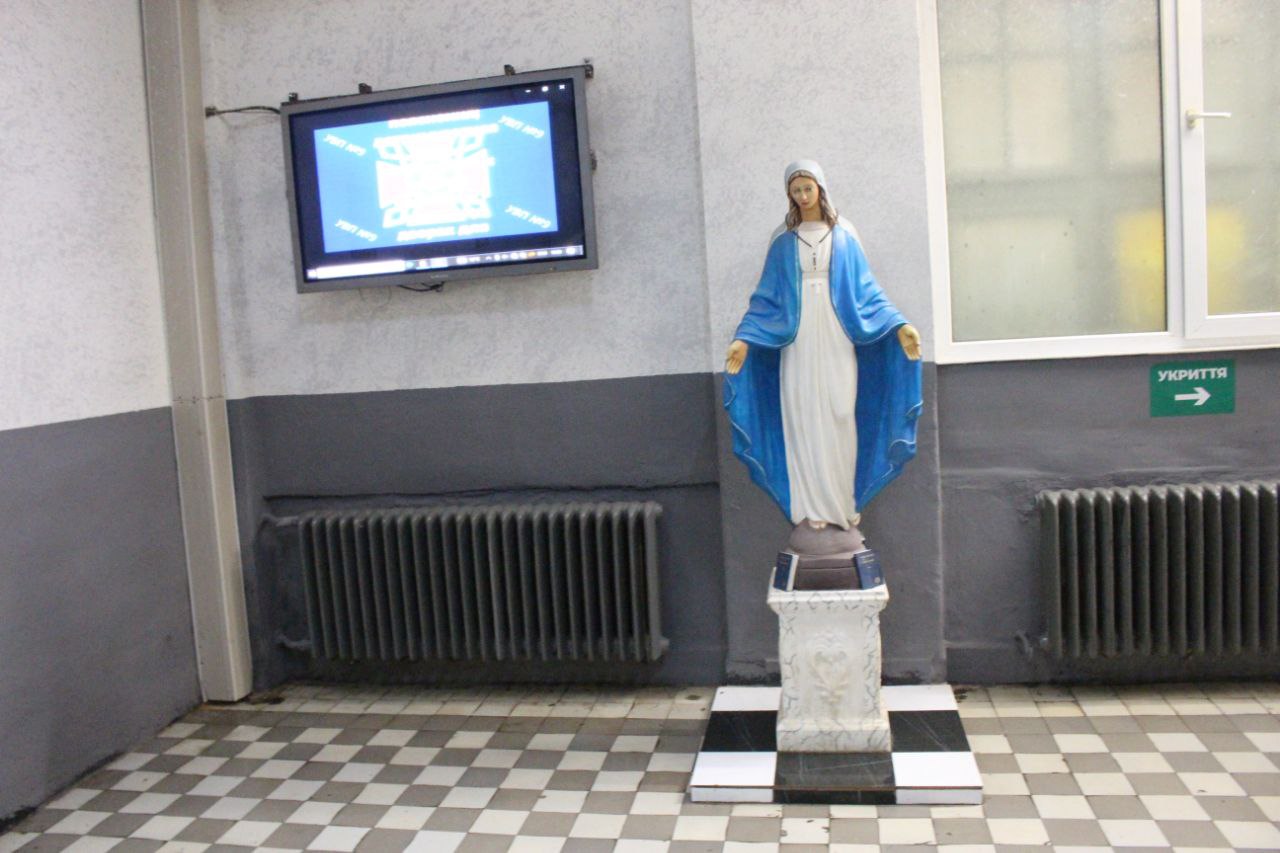
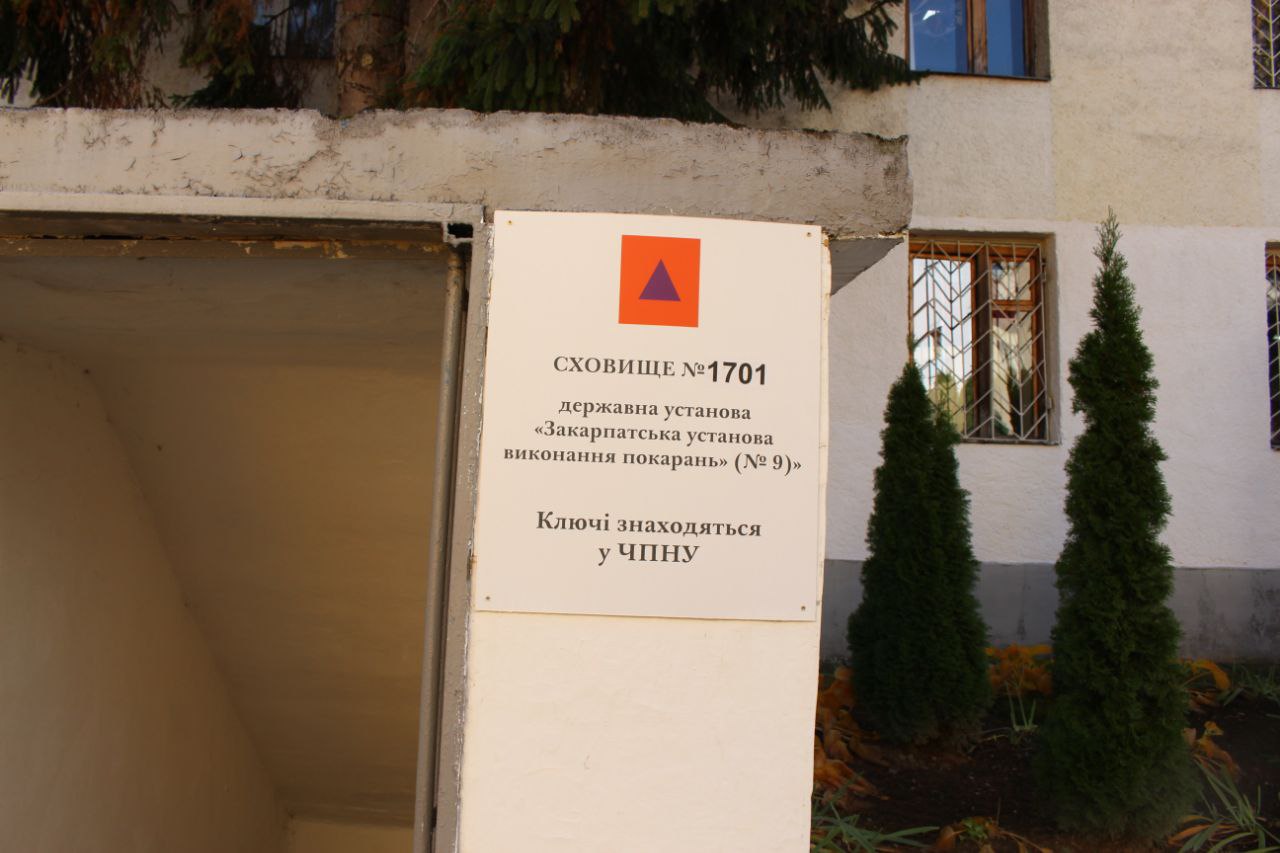
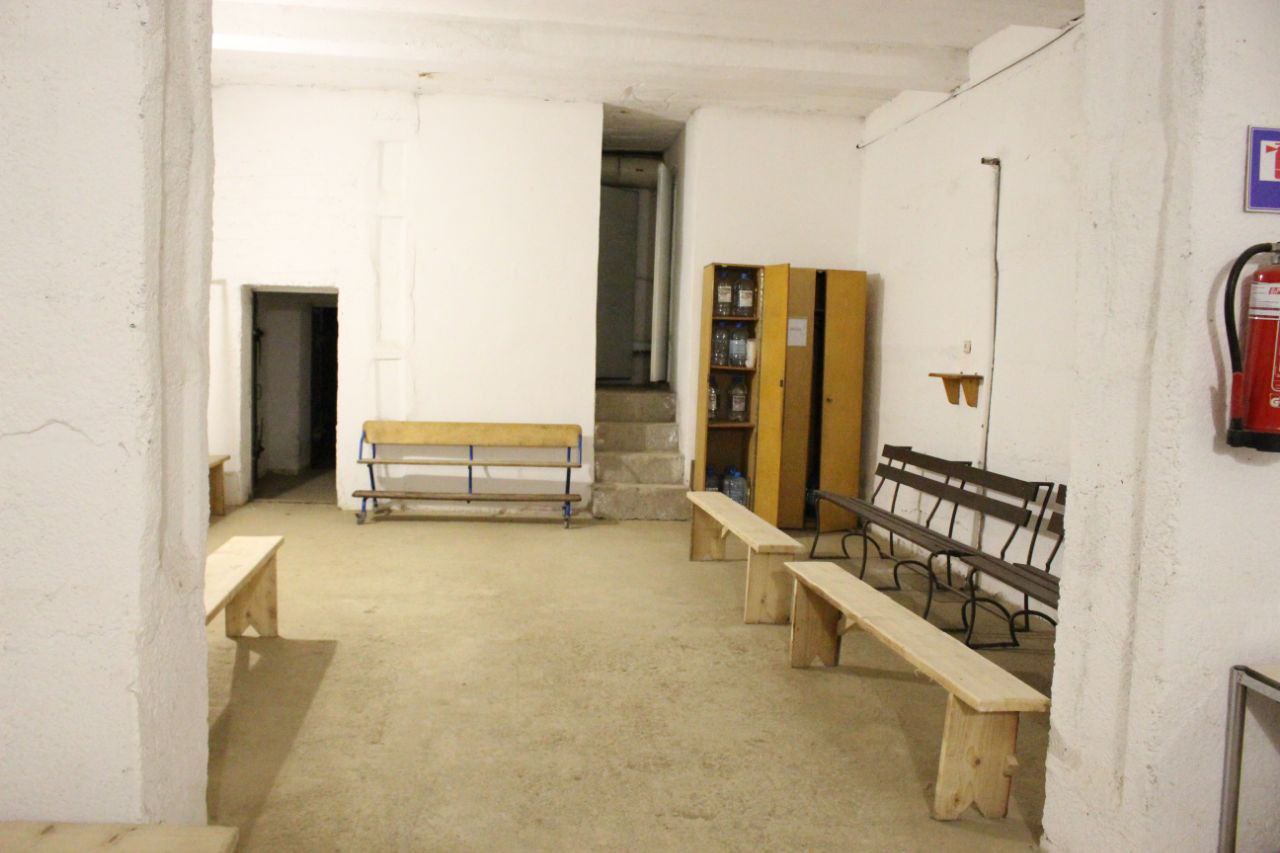
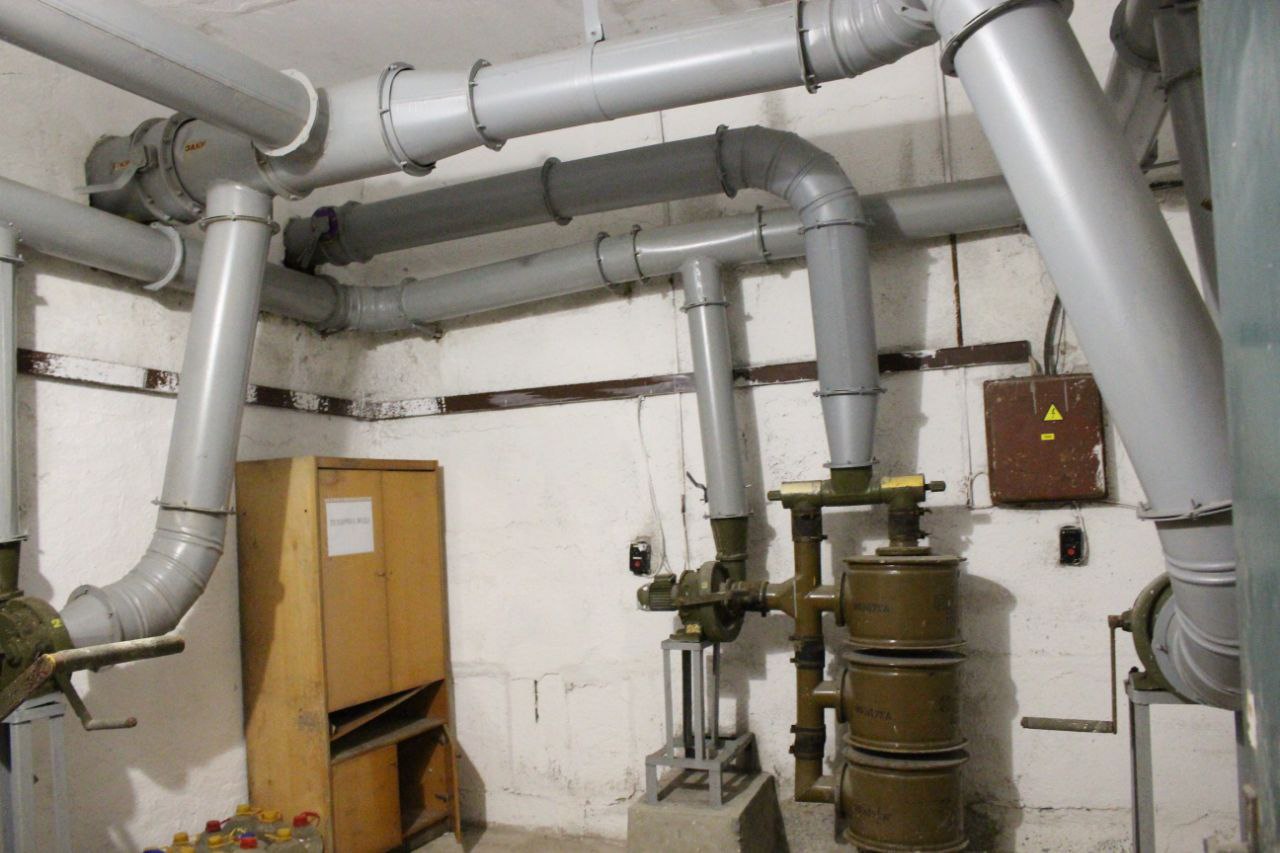
At the same time, despite the presence of basic engineering elements, the shelter's actual readiness for prolonged stays by people remains limited. The ventilation and sewage systems are not complemented by proper organisation of space, supplies of drinking water, a sufficient number of places for housing persons, and a clearly developed algorithm for accessing the shelter during an air raid.
In aggregate, this indicates that the protective structure requires not just formal accounting, but practical retrofitting and organisational regulation with the aim of ensuring the real protection of human life and safety.
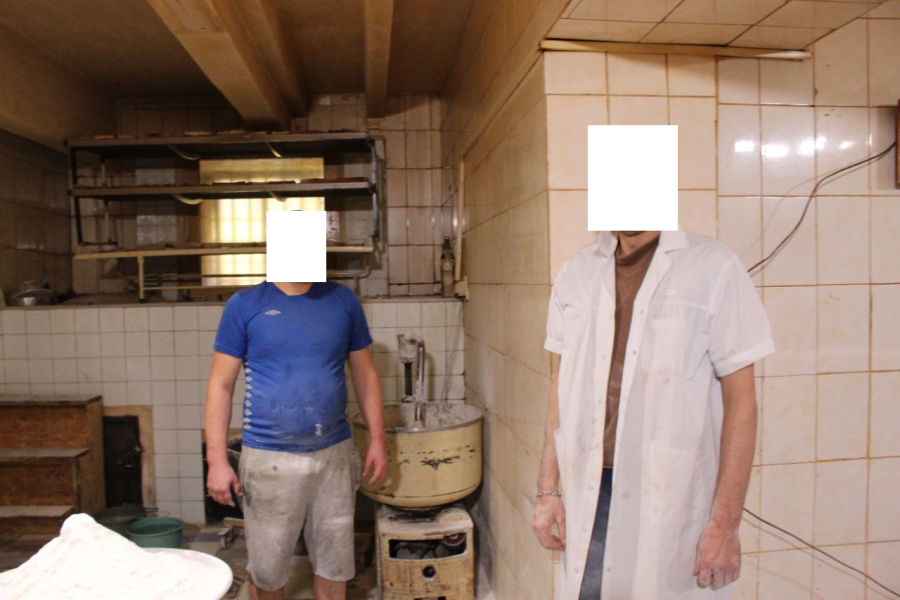
22. During the monitoring visit, it was established that the state institution has organised a significant volume of maintenance work necessary for the daily functioning of the institution. Specifically, convicts and prisoners are engaged in work in the food block, bakery, vegetable shop, cleaning of premises, execution of support and auxiliary work, as well as specific technical functions. These tasks are of a permanent nature, performed daily, and ensure the continuous operation of key life-support objects of the institution.
The actual organisation of work, by its characteristics, corresponds to full-time employment with a fixed working day and the systematic performance of the same job functions. However, during the visit, a number of violations in the sphere of the right to work and social protection were recorded. It was established that at least six convicts work in the food block, who are engaged in work without days off and with long working hours. For example, convict M. works in the vegetable shop daily from 6:00 to 17:00 without days off, and convict R. has effectively been performing the duties of a cook for over one year, working from 5:00 to 17:00 daily without days off.
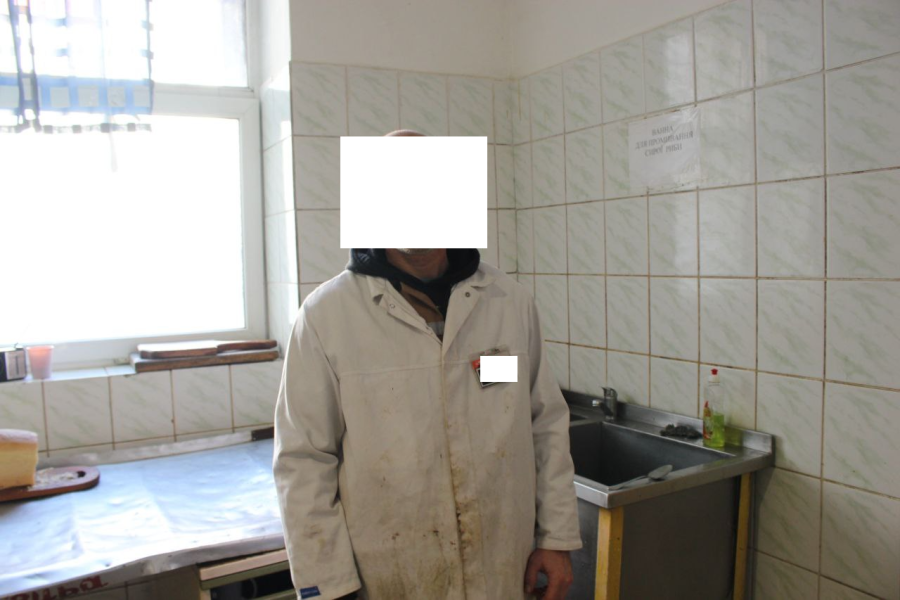
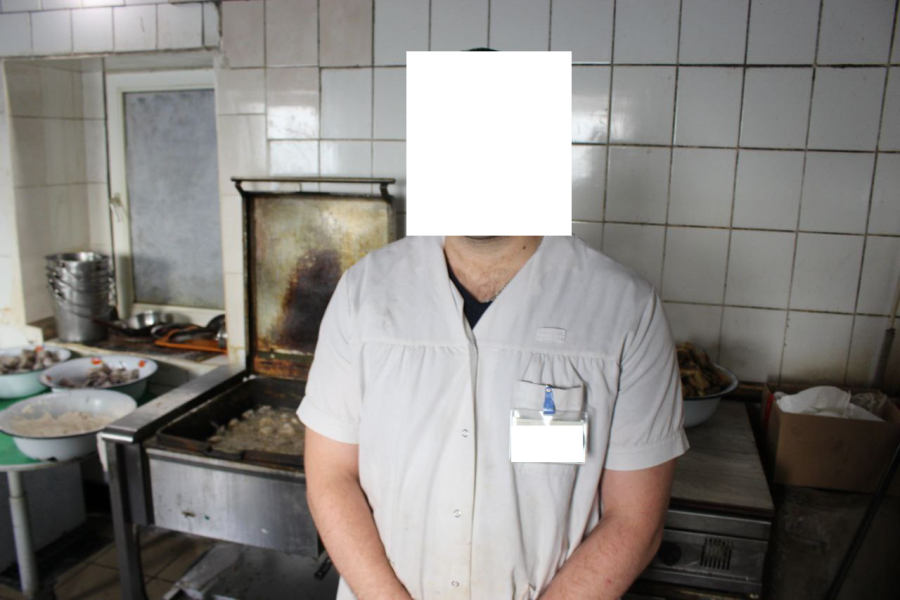
Convict K. has been working as a support worker from 7:00 to 17:00 daily for about eight months.
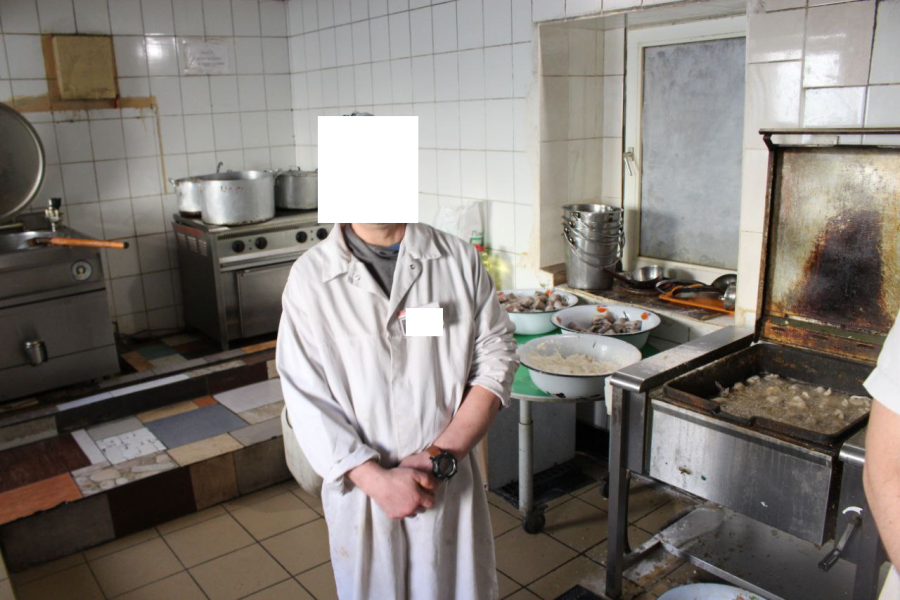
Similar signs of permanent employment are confirmed by inventory issuance logs, from which it is evident that certain convicts receive work equipment daily without the recording of days off or a shift schedule. Separately, it was established that prisoner G. works daily as a cleaner from morning to evening without any remuneration and without the formalisation of labour or civil-law relations. In the bakery, prisoner P. performs work without a contract and without conditions of work defined.
Furthermore, the log for the medical examination of food block workers for pustular skin diseases is maintained formally: it does not record the names of individuals actually examined by the medical worker, which makes it impossible to verify that mandatory medical examinations have been undergone by specific individuals and creates risks for health and food safety. These facts indicate the absence of proper legal formalisation of labour. Employment contracts or civil-law agreements with individuals who effectively perform the work are not concluded, the working hours are not documented, days off are not granted, and questions of remuneration and social insurance are not regulated.
Such a practice contradicts the requirements of the Labour Code of Ukraine, which provides for the mandatory formalisation of labour relations, compliance with working hours, the granting of days off, and guarantees of remuneration. It also does not comply with the provisions of the Criminal Executive Code of Ukraine and the Law of Ukraine 'On Pre-trial Detention', which are based on the principle of voluntary labour and the necessity of ensuring social guarantees for persons deprived of liberty.
Furthermore, the recorded practices are incompatible with international standards, in particular the International Labour Organization Conventions No. 29 and No. 105 on the prohibition of forced labour, the European Prison Rules, and the UN Standard Minimum Rules for the Treatment of Prisoners (the Nelson Mandela Rules), which require that the work of persons in places of detention must not be of a punitive or exploitative nature and must be carried out on a legal basis with compliance with requirements for safety, remuneration, and social protection.
The practice of the European Court of Human Rights also proceeds from the premise that the state bears an increased duty to protect the labour and social rights of persons under its complete control. In summary, it was established that a systemic model of using the labour of convicts and prisoners has been formed in the institution to ensure the functioning of the food block, bakery, and other maintenance objects without proper legal formalisation and social guarantees. Actual labour relations are masked as internal 'engagement in work', which allows for the avoidance of compliance with labour legislation and international standards. Such a practice violates the right to work and social protection of persons deprived of liberty.
Transcarpathian City Medical Unit No. 9 of the branch of the State Institution 'Health Centre of the State Penitentiary Service of Ukraine' in Chernivtsi, Ivano-Frankivsk, Zakarpattia, and Ternopil regions
The Head of the Transcarpathian City Medical Unit No. 9 of the branch of the State Institution 'Health Centre of the State Penitentiary Service of Ukraine' in Chernivtsi, Ivano-Frankivsk, Zakarpattia, and Ternopil regions is Nataliia Volodymyrivna Spitsyna.
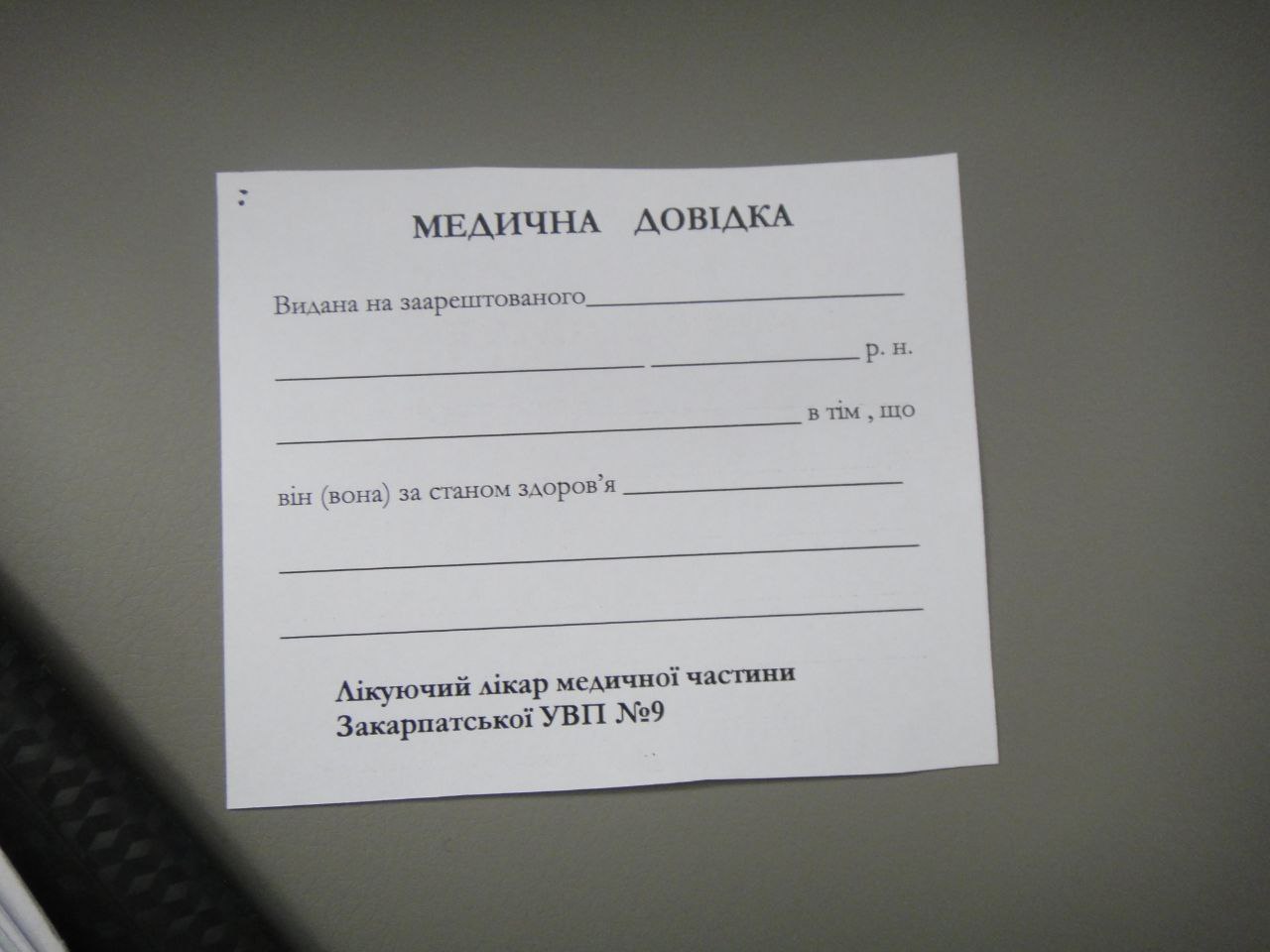
As of 28.10.2025, the following staff positions in the medical unit remain vacant: narcologist — 0.5 units, radiologist — 0.5 units, X-ray technician — 0.5 units, clinical psychologist — 0.5 units. During the monitoring visit, violations of national legislation requirements and non-compliance with international recommendations in the field of prisoner treatment were identified, which lead to violations of the rights of prisoners and convicts:
1. During the study of medical documentation, it was established that photographs of existing physical injuries are not attached to outpatient medical records (Form No. 025/o) to the primary registration document form No. 511/o 'Certificate on documentation of physical injuries', approved by the order of the Ministry of Health of Ukraine dated 02.02.2024 No. 186, as provided for by point 2.11, Section II of the Procedure for Interaction of Healthcare Facilities of the State Penitentiary Service of Ukraine with Healthcare Facilities regarding the provision of medical care to persons taken into custody, approved by the joint order of the Ministry of Justice of Ukraine and the Ministry of Health of Ukraine dated 10.02.2012 No. 239/5/104 (hereinafter — Procedure for Interaction of Healthcare Facilities).
At the same time, the Committee, in the report on the results of the 2023 visit to Ukraine, notes that any traumatic injuries detected during a medical examination must be photographed in detail, and the photographs, together with body diagrams, must be kept in the individual's medical record (CPT/Inf (2024) 20, point 82).
2. Contrary to the requirements of point 2.11, Section II of the Procedure for Interaction of Healthcare Facilities and the Instruction on filling out the primary registration document form No. 511/o 'Certificate on documentation of physical injuries', medical staff do not draw up certificates properly. In particular, in most cases, point 8 of the form, which provides for specifying the circumstances of receiving physical injuries, is not filled out or is filled out formally, without specificity, for example: 'by own carelessness', which makes it impossible to identify the actual circumstances of the event.
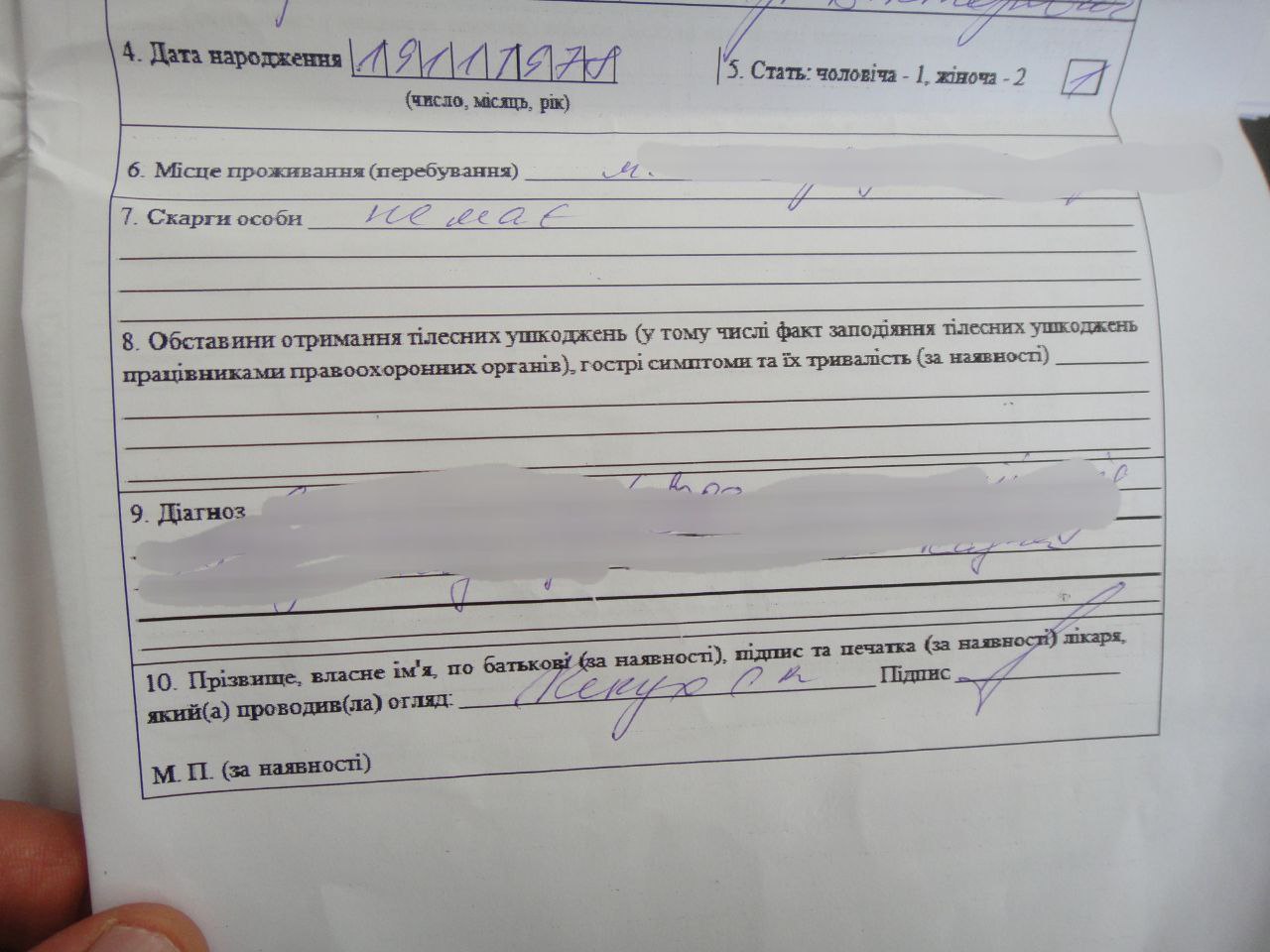
The absence of complete documentation of the circumstances of injury and inadequate documentation of physical injuries do not correspond to point 60 of the Committee's recommendations (CPT/Inf (93) 12-part), which states that medical services in places of deprivation of liberty can contribute to preventing violence against persons held in custody through the systematic registration of physical injuries, as well as, if necessary, through informing the relevant public authorities.
3. During communication with the institution's staff and prisoners, it was established that the medical staff carries out a systematic practice of conducting medical examinations of persons upon their arrival at the institution in the presence of non-medical staff, specifically institution employees. This violates the requirements of Article 39¹ of the Law of Ukraine 'Fundamentals of Legislation of Ukraine on Healthcare' regarding the right of a person to confidentiality of information about their state of health, as well as point 2.4, Section II of the Procedure for Interaction of Healthcare Facilities.
At the same time, the Committee criticises excessive security measures and considers such practices unacceptable, as they infringe upon the dignity of prisoners, hinder the formation of proper relations between medical staff and the patient, and may complicate the establishment of an objective medical conclusion (Report of the Committee on the results of the 2012 visit to Ukraine, point 50, CPT/Inf (2013) 23).
4. The monitoring group established that when a prisoner is placed in a disciplinary cell, it is standard practice to attach to the personal file a medical certificate containing information about the person's state of health, according to which the prisoner is fit to be held in the conditions of a disciplinary cell. These identified facts indicate that the institution's staff possess confidential information regarding the state of health of prisoners held in the disciplinary cell.
This violates the requirements of Article 39¹ of the Law of Ukraine 'Fundamentals of Legislation of Ukraine on Healthcare' regarding the right of a person to confidentiality of information about their state of health. At the same time, the Committee has repeatedly emphasised that placing on penitentiary doctors the duty to certify the fitness of convicts to serve a disciplinary sanction hardly contributes to the development of trusting and positive relations between doctor and patient (CPT/Inf (2024) 20, point 104).
5. Contrary to the requirements of point 4, Chapter 1, Section X of the Internal Regulations of Pre-trial Detention Centres, there is no equipped isolation cell in the medical unit for housing persons with mental disorders.
6. During the analysis of medical documentation, it was established that individuals receiving outpatient treatment from a psychiatrist did not sign the primary registration document form No. 003-8/o 'Informed consent of the person to outpatient psychiatric care'.
The absence of signed consent makes it impossible to properly confirm the voluntary nature of the psychiatric care received by patients and the application of corresponding diagnostic, preventive, and treatment methods to them, which indicates a violation of the requirements of the Law of Ukraine 'On Psychiatric Care', the Instructions on filling out primary registration forms, approved by the order of the Ministry of Health of Ukraine dated 15.09.2016 No. 970, as well as Rule 32(b) of the UN Standard Minimum Rules for the Treatment of Prisoners.
7. The medical unit has not organised the provision of opioid agonist therapy (OAT) for persons with mental and behavioural disorders due to opioid use in accordance with the Procedure for conducting opioid agonist therapy for persons with mental and behavioural disorders due to opioid use, approved by the order of the Ministry of Health of Ukraine dated 27.03.2012 No. 200.
Drug-dependent individuals are not provided with socio-psychological support, cognitive-behavioural therapy (CBT), relapse prevention, motivational interviewing, participation in mutual aid groups, etc. Thus, these individuals are deprived of the opportunity to receive OAT, which violates their right to choose methods of treatment in accordance with Article 38 of the Law of Ukraine 'Fundamentals of Legislation of Ukraine on Healthcare'.
At the same time, the Committee, in the report on the results of the 2023 visit to Ukraine, notes that entry into a penitentiary institution is an opportunity to solve the problem associated with drug use, in connection with which it is important that corresponding help be offered to all interested individuals. Accordingly, access to proper medical service must be ensured in all institutions. The assistance offered to such individuals must be comprehensive; substitution therapy programmes for individuals with drug addiction must be combined with full-fledged psychosocial and educational programmes for individuals with opioid dependence who are unable to stop using drugs.
Furthermore, access to OAT programmes in facilities must be easily available, and their implementation should be carried out, in particular, by penitentiary doctors who have undergone special training on issues related to drug use (CPT/Inf (2024) 20, point 86).
8. Dispensary monitoring is carried out for 12 persons with disabilities, of whom: 2 are in group I, 5 in group II, and 5 in group III. However, contrary to the requirements of the Law of Ukraine 'On the Rehabilitation of Persons with Disabilities in Ukraine', persons with disabilities do not receive proper diagnostic, therapeutic, and rehabilitation measures, despite the existence of data confirming persistent impairments of bodily functions caused by diseases and the consequences of injuries that lead to limitations in normal daily activities.
During a random check of the prisoners' medical documentation, it was established that 10 persons with disabilities lack an Individual Rehabilitation Programme (hereinafter — IRP). Furthermore, the recommendations of the IRP are not being fulfilled, as a result of which these persons are not receiving proper diagnostic, therapeutic, and rehabilitation measures.
9. Contrary to the requirements of the State Building Norms of Ukraine V.2.2-17:2006 'Buildings and structures. Accessibility of buildings and structures for persons with limited mobility', proper conditions for the stay of persons with disabilities have not been created in the medical unit.
10. Contrary to the requirements of point 37 of the Cabinet of Ministers of Ukraine resolution No. 285 dated 02.03.2016, 'On the approval of licensing conditions for the conduct of medical practice', the medical unit lacks a certificate confirming that free access to the buildings and premises of the healthcare facility is ensured for persons with limited mobility, which is a mandatory requirement.
11. Contrary to the requirements of the Standards for Medical Care for Hepatitis C in adults, approved by the Ministry of Health of Ukraine order No. 1178 dated 23.07.2025, 17 individuals suspected of having hepatitis C are not undergoing PCR testing and, as a result, are not receiving the necessary treatment, which could lead to a deterioration in their health status and the spread of this infectious disease among the convicted persons.
12. Contrary to the requirements of the Procedure for the organisation of medical care at the primary, secondary (specialised), and tertiary (highly specialised) levels using telemedicine, approved by the Ministry of Health of Ukraine order No. 681 dated 19.10.2015, the medical unit staff are unable to submit requests for telemedicine consultations and receive the corresponding conclusions for providing medical care to prisoners and convicts due to technical reasons.
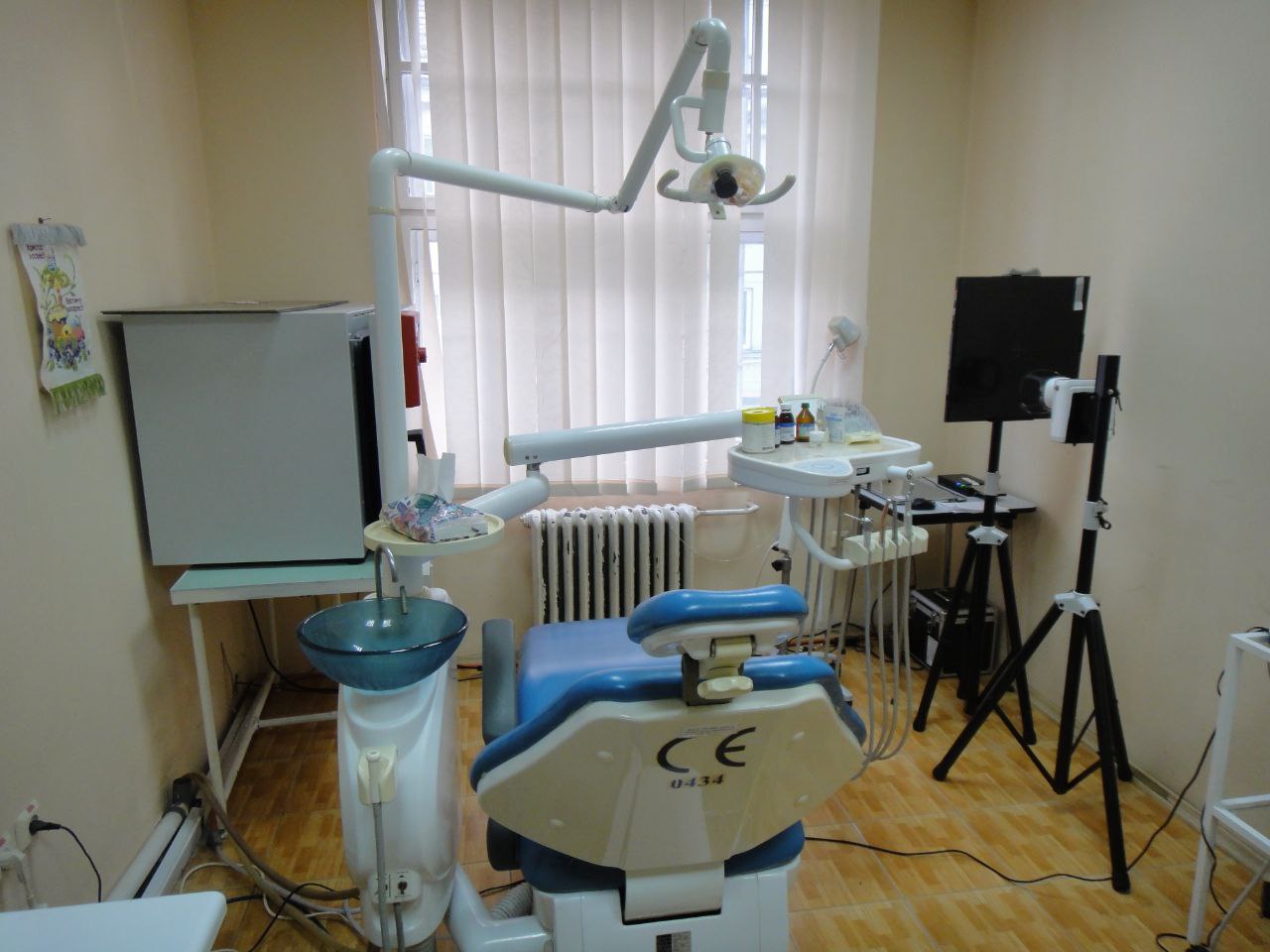
13. Contrary to the requirements of the Equipment provision scale for a single workplace of a dentist and a dental technician, approved by the Ministry of Health of Ukraine order No. 158 dated 11.04.2005, the medical unit lacks a dental X-ray machine, which makes it impossible to conduct in-depth dental examinations of convicts and does not ensure the timely provision of proper dental care.
14. Due to the absence of a gynaecologist on the medical unit staff, women held in the institution do not undergo planned medical examinations by this specialist. This deprives them of the opportunity to receive qualified medical care in a timely manner, which is a violation of the right to health protection and medical care guaranteed by Article 49 of the Constitution of Ukraine.
This also does not comply with point 38 of the Committee's recommendations (CPT/Inf (93) 12-part), which states that medical services in places of deprivation of liberty must provide medical care, treatment, appropriate diet, physiotherapy, rehabilitation, or other special care at a level no lower than that offered to patients in civilian healthcare institutions, and must be staffed by medical, auxiliary, and technical personnel, and provided with appropriate premises and equipment.
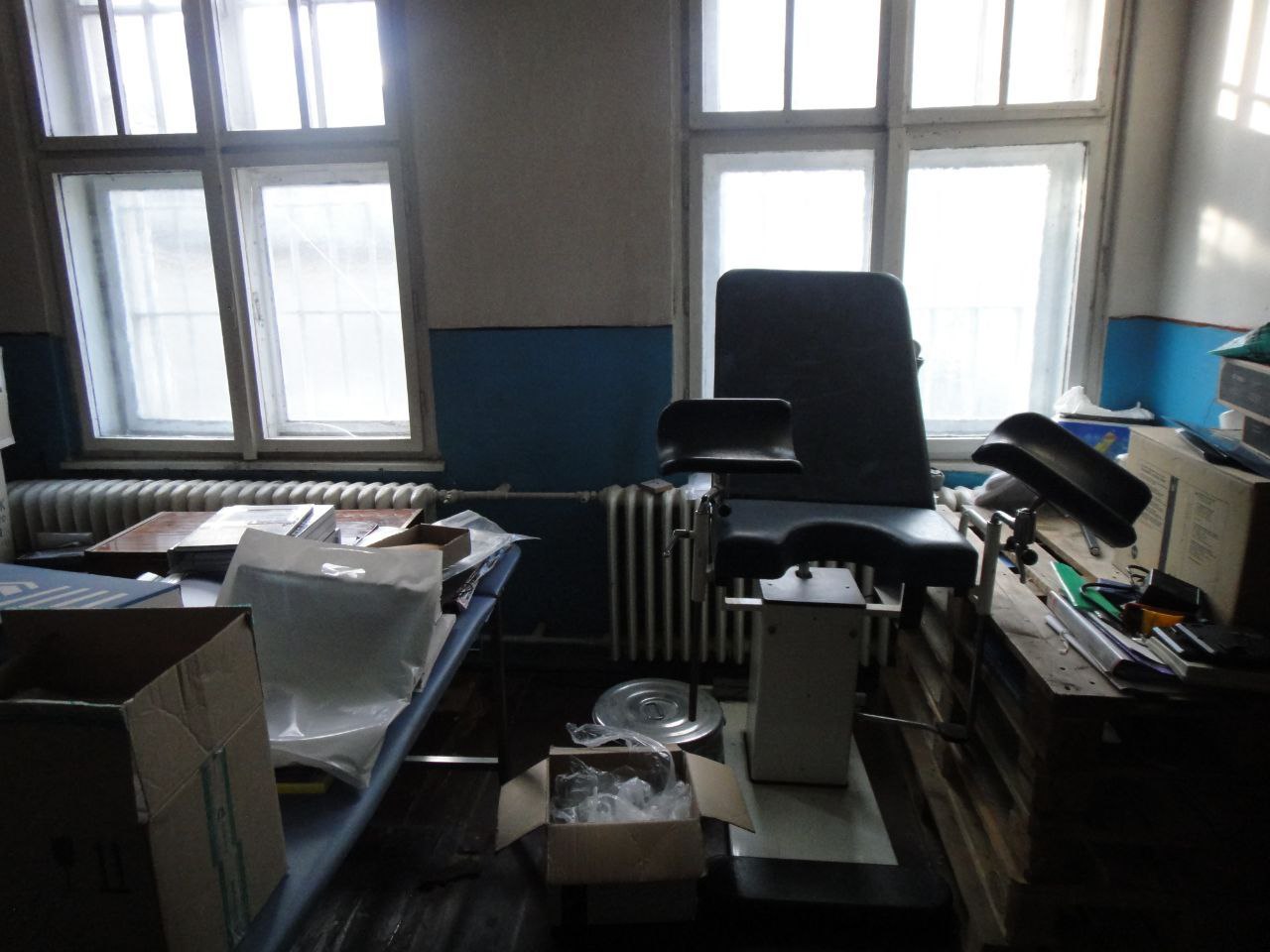
15. The medical unit lacks separate offices for the general practitioner, psychiatrist, infectious disease specialist, narcologist, and other specialists. Consultations for prisoners and convicts by these doctors are carried out in the treatment room, which does not ensure confidentiality and may lead to a violation of the right to privacy during medical examinations.
16. In accordance with point 10, Chapter 2, Section IX of the Internal Regulations of Pre-trial Detention Centres, convicts left in the pre-trial detention centre to perform maintenance work are subject to a mandatory preventive medical examination in accordance with the requirements of the Cabinet of Ministers of Ukraine resolution No. 559 dated 23.05.2001, 'On the approval of the list of professions, production facilities, and organisations whose employees are subject to mandatory preventive medical examinations, the procedure for conducting these examinations, and the issuance of personal medical books'.
For each convict of this category, a primary registration document form No. 1-OMK, 'Personal medical book', approved by the Ministry of Health of Ukraine order No. 150 dated 21.02.2013, registered with the Ministry of Justice of Ukraine on 23.04.2013 under No. 662/23194, is opened. However, during an inspection of the personal medical books of convicts engaged in work in the food block, it was established that these individuals had not undergone mandatory preventive medical examinations within the established deadlines.
17. Contrary to the requirements of the Fire Safety Rules in Ukraine, approved by the Ministry of Internal Affairs of Ukraine order No. 1417 dated 30.12.2014, the medical unit premises are not equipped with fire alarm and fire extinguishing systems.
Recommendations:
1. Within 6 months, bring the actual occupancy of cells into compliance with the living space standards defined by legislation by reducing the number of persons in cells or redistributing the population, ensuring no less than the minimum established area per person. Result: in no cell should the number of persons exceed the limit permissible according to its area.
2. Immediately, but no later than within 1 month, introduce mandatory control over compliance with the requirements for the separate detention of prisoners, with the grounds for the placement of each person being recorded. Result: the cessation of joint detention of persons of different categories incompatible according to legislation and international standards.
3. Within 2 months, ensure that foreigners are provided with information about detention rules, rights, and complaint procedures in languages they actually speak, or through the involvement of an interpreter. Result: confirmation by each foreigner of actual familiarisation with the information in a language they understand.
4. Within 6 months, bring the reception ward premises into compliance with provision standards by restoring ventilation, ensuring access to drinking water, and creating conditions for quarantine and the isolation of the sick. Result: holding newly arrived persons in sanitary-safe conditions without the risk of spreading infectious diseases.
5. Immediately cease the video recording of personal strip searches in prohibited premises and, within 1 month, provide appropriate staff training. Result: the absence of cases of illegal video recording that violate the right to privacy.
6. Within 9 months, ensure privacy in cell premises by installing partitions in sanitary facilities, optimising bed placement, restoring ventilation and lighting, and organising access to drinking water. Result: compliance of detention conditions with basic requirements of hygiene and respect for human dignity.
7. Within 6 months, bring exercise yards into compliance with established requirements by installing shelters against atmospheric precipitation and providing proper signage. Result: the ability to exercise daily, regardless of weather conditions, without degrading human dignity.
8. Within 3 months, ensure the possibility of outpatient medical consultations in the maximum-security sector, and create a room for performing religious rites. Result: ensuring access to medical care and the realisation of freedom of religion.
9. Immediately cease the practice of placing name tags with descriptions of crimes near the cells of life-sentenced prisoners. Result: the elimination of stigmatising practices that violate human dignity.
10. Within 3 months, equip disciplinary cells with staff-call buttons and ensure a minimum level of natural light and privacy. Result: the ability to make operational contact with staff and basic safety conditions.
11. Within 6 months, bring the conditions of detention for persons engaged in maintenance work into compliance with provision standards, ensuring proper storage of personal belongings and hygienic conditions. Result: the elimination of unsanitary conditions and violations of living rights.
12. Within 2 months, ensure food delivery in marked thermoses, the systematic issuance of food rations upon departure, and daily sampling of food. Result: compliance of catering with sanitary and safety requirements.
13. Within 1 month, bring the shop's assortment into compliance with the established list of goods. Result: ensuring equal access to permitted goods.
14. Within 9 months, eliminate violations in the organisation of laundry and bath services by repairing ventilation and laundry premises and ensuring the proper frequency of showers. Result: ensuring compliance with sanitary and hygienic standards.
15. Within 3 months, introduce individual numbering for special equipment. Result: ensuring personnel identification in cases of physical force application.
16. Immediately cease the practice of open carrying of special equipment by staff who are in direct contact with prisoners. Result: a reduction in the level of psychological tension and intimidation.
17. Within 6 months, review the procedure for organising short-term visits to ensure an open format as a general rule. Result: the use of non-contact visits exclusively on the basis of an individual and reasoned risk assessment.
18. Within 12 months, take measures to eliminate staff shortages and discontinue 24-hour shifts. Result: ensuring the constant presence of staff and an increased level of safety.
19. Within 3 months, refit the shelter with water supplies and seating areas, and approve an access algorithm for use during air raids. Result: the actual readiness of the shelter for use to protect life.
20. Immediately, but no later than within 2 months, cease the practice of involving convicts and prisoners in work without the formalisation of labour or civil-law relations. Result: the conclusion of a contract with each person, the definition of working hours, days off, remuneration, and social guarantees, and the implementation of personalised medical control in the food block.
21. Take measures aimed at eliminating identified human rights violations and preventing torture, and other cruel, inhuman, or degrading treatment or punishment in the Transcarpathian City Medical Unit No. 9 of the branch of the State Institution 'Health Centre of the State Penitentiary Service of Ukraine' in the Chernivtsi, Ivano-Frankivsk, Zakarpattia, and Ternopil regions.
22. Ensure supervision over the proper maintenance of medical documentation in accordance with the Procedure for the interaction of healthcare facilities of the State Penitentiary Service of Ukraine with healthcare facilities regarding the provision of medical care to persons taken into custody, approved by the joint order of the Ministry of Justice of Ukraine and the Ministry of Health of Ukraine No. 239/5/104 dated 10.02.2012, and other legal acts; the Procedure for the organisation of medical care provision to convicts sentenced to imprisonment, approved by the joint order of the Ministry of Justice of Ukraine and the Ministry of Health of Ukraine No. 1348/5/572 dated 15.08.2014, and other legal acts.
23. Ensure the medical unit staff is augmented with specialist doctors according to needs.
24. Ensure the timely and proper documentation of physical injuries in convicts and prisoners.
25. Ensure that patients sign primary registration document form No. 003-8/o to confirm the voluntary nature of receiving outpatient psychiatric care.
26. Ensure that medical examinations of newly arrived persons are conducted without the presence of non-medical staff in order to uphold the right to medical confidentiality, preserve the dignity of prisoners, and prevent interference with the independence of medical conclusions.
27. Ensure that all persons suspected of hepatitis C have access to PCR testing in the shortest possible time, and organise necessary antiviral treatment for individuals with a confirmed diagnosis.
28. Fulfil the requirements of point 37 of the Cabinet of Ministers of Ukraine resolution No. 285 dated 02.03.2016, 'On the approval of licensing conditions for the conduct of medical practice'.
29. Ensure the conduct of individual rehabilitation for persons who require it.
30. Ensure the accessibility of the institution's buildings in accordance with the State Building Norms of Ukraine V.2.2-17:2006 'Buildings and structures. Accessibility of buildings and structures for persons with limited mobility'.
31. Ensure the proper operation of the telemedicine complex to enable doctors to submit requests for telemedicine consultations.
32. Ensure the isolation ward for persons with mental and behavioural disorders is equipped in accordance with established requirements.
33. Equip isolation wards for persons suffering from dangerous infectious diseases to prevent their spread among other prisoners.
34. Cease the practice of doctors certifying the health status of convicts and prisoners during their placement in a disciplinary cell.
35. Ensure the possibility of receiving opioid agonist therapy based on a diagnosis of mental and behavioural disorders due to opioid use.