Report on the findings of the monitoring visit to Korosten Correctional Colony No. 71
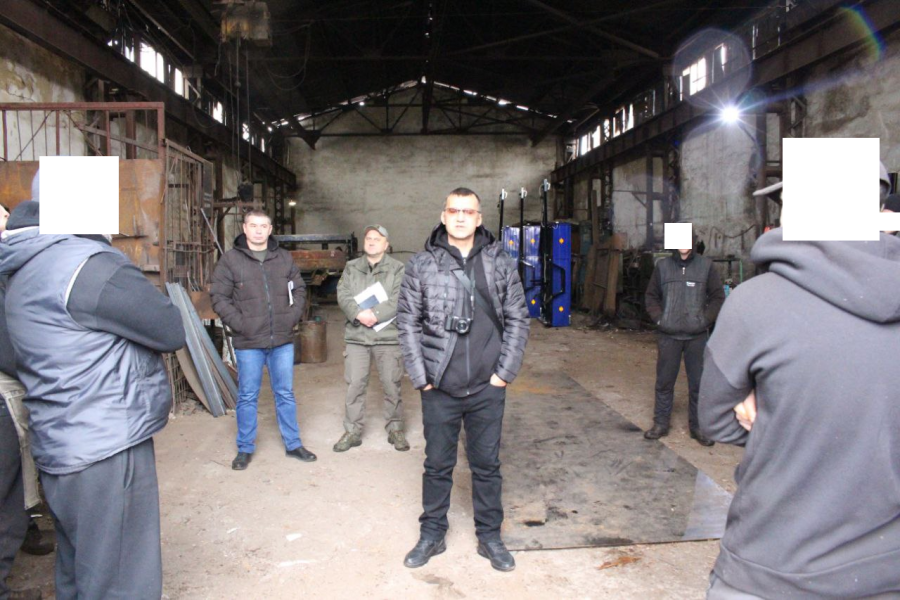
On 11 November 2025, in accordance with the Optional Protocol to the Convention against Torture and Other Cruel, Inhuman or Degrading Treatment or Punishment, taking into account the provisions of the Standard Minimum Rules for the Treatment of Prisoners and the rulings of the European Court of Human Rights, and on the basis of Article 24 of the Criminal Executive Code of Ukraine, “Visiting penal institutions”, a group of monitors from the Kharkiv Human Rights Protection Group and the non-governmental organisation “Protection of Prisoners of Ukraine” conducted a visit to the state institution “Korosten Correctional Colony (No. 71)” (KVK-71, the institution, the facility, the colony).
A further planned unannounced visit was carried out, during which all parts of the institution were examined. The previous visit took place on 20 June 2022.
In preparation for the visit, the monitors used materials from complaints filed by prisoners and their relatives, materials from previous reports, and reports from monitors of the National Preventive Mechanism (NPM) under the Commissioner for Human Rights of the Verkhovna Rada of Ukraine.
The visit was conducted within the framework of the project “Reducing the suffering of prisoners in the context of the war in Ukraine”, funded by the government of Denmark in partnership with DIGNITY (Danish Institute Against Torture).
The visit was carried out by the following monitors:
- Andrii Didenko — assistant to People's Deputy of Ukraine Yaroslav Yurchyshyn, programme coordinator of the Kharkiv Human Rights Protection Group, experienced in monitoring visits since 2014, NPM monitor, member of the NPM advisory council;
- Serhii Zuikov — assistant to People's Deputy of Ukraine Kostiantyn Kasai, member of the public council under the Ministry of Justice of Ukraine, member of the non-governmental organisation “Protection of Prisoners of Ukraine”, NPM monitor, with many years of experience in monitoring visits;
- Oleh Tsvilyi — member of the public council under the Ministry of Justice of Ukraine, head of the non-governmental organisation “Protection of Prisoners of Ukraine”, has significant experience in monitoring visits, specialising in issues of torture, cruel and inhuman treatment.
The monitoring visit to the state institution “Korosten Correctional Colony (No. 71)” demonstrated both positive developments regarding the improvement of material and living conditions for prisoners and the presence of a number of problematic issues in the institution’s operations.
Alongside the repair work carried out and the creation of additional places that meet established standards, shortcomings were identified in the organisation of certain processes. In particular, problematic aspects were recorded in the area of realising prisoners’ rights to work and social protection, relating to the methods of engagement in work, the conditions under which it is organised, and the scope of labour and social guarantees. Furthermore, shortcomings were established in the work with newly arrived prisoners, in the sphere of medical care, disciplinary practice, and the provision of an appropriate level of safety.
The circumstances identified indicate a need for further improvement of management decisions and practices with the aim of consistently and effectively ensuring the rights of persons who are under the complete control of the state.
General Information
KVK-71 is a medium-security penal institution for the detention of men who have previously served sentences in places of deprivation of liberty.
The institution is located at: 4 Bilokorovychske Shose Street, Korosten, Zhytomyr Oblast, 11500, Ukraine.
Korosten Correctional Colony No. 71 is one of the penal institutions created in the post-war period as part of the formation of the Soviet system of corrective labour facilities. The institution was founded in 1947, and the main facilities of the colony were built and put into operation in the 1950s. Its creation was linked to post-war economic reconstruction and the state’s need to utilise the labour of prisoners, particularly in the production sphere characteristic of the Polissya region, including woodworking and auxiliary industrial work.
In the following decades, the colony functioned within the framework of the transformation of the penitentiary system — from the Soviet corrective labour model to the modern system of execution of criminal penalties in Ukraine. After the declaration of Ukraine’s independence, the institution was integrated into the structure of the State Criminal-Executive Service of Ukraine, while retaining its general functional purpose.
For a long period, the colony’s activities combined regime, residential, and production zones, which is typical for institutions created in the mid-20th century and largely determines its infrastructural features and the current state of material and living conditions.
At the time of the visit, the head of the institution was Colonel of the Internal Service Oleksandr Oleksandrovych Nikitchuk.
The facility consists of a duty unit, a Quarantining, Diagnostic and Distribution (QDD) ward, Socio-Psychological Service (SPS) wards, a food service unit, Disciplinary Isolation Ward (DIW) cells, cell-type premises, an Enhanced Supervision Ward (ESW), a pre-trial detention unit, a medical unit, a bath and laundry complex, visitation rooms, a shop, a library, a parcel reception room, and administrative premises.
According to the institution’s administration, the authorised staff size is 244.5 positions. The actual number is 208.5 positions. The total staff shortage for the institution is 37 employees. The planned capacity of the facility is 964 people. The actual number of persons held in the institution is 534 prisoners.
In KVK-71, there are 12 active SPS wards, and 1 SPS ward is mothballed. The facility employs 2 psychologists.
During 2025, 447 people arrived at the colony. During 2024, 3 people died; during the current year, 4 people have died. The following were on operational-preventive records: 27 persons prone to suicide, 17 persons prone to self-harm, 1 person prone to escape, and 35 malicious violators of the detention regime.
During 2024–2025, no person submitted complaints regarding inadequate detention conditions or inadequate medical care. There are 13 persons with disabilities: 3 persons with category II and 10 persons with category III. Prisoners have 130 tablets in their personal use, and 43 email addresses have been registered. The total number of rejected persons is 30.
During 2024, 29 cases of bodily injury were recorded: 1 upon arrival and 28 while in the institution; during the current year, 14 cases of bodily injury have been recorded: 2 upon arrival and 12 while in the institution.
The monitoring group conducted interviews with approximately 212 prisoners while visiting production facilities, workshops, SPS wards, disciplinary and utility rooms, in the course of general conversations providing consultations and answers to questions, surveying regarding possible human rights violations, and individual communication with persons, including on the condition of anonymity.
Positive Experience
In fulfilling the strategic goal of “Creating proper conditions for the detention of prisoners and persons taken into custody”, defined by the Strategy for Reform of the Penitentiary System for the period until 2026, the institution implemented a number of measures in 2024–2025 aimed at improving the material and living conditions and the general environment of prisoner detention.
252 places were created with detention conditions that meet national and international standards (no less than 4 m² per person).
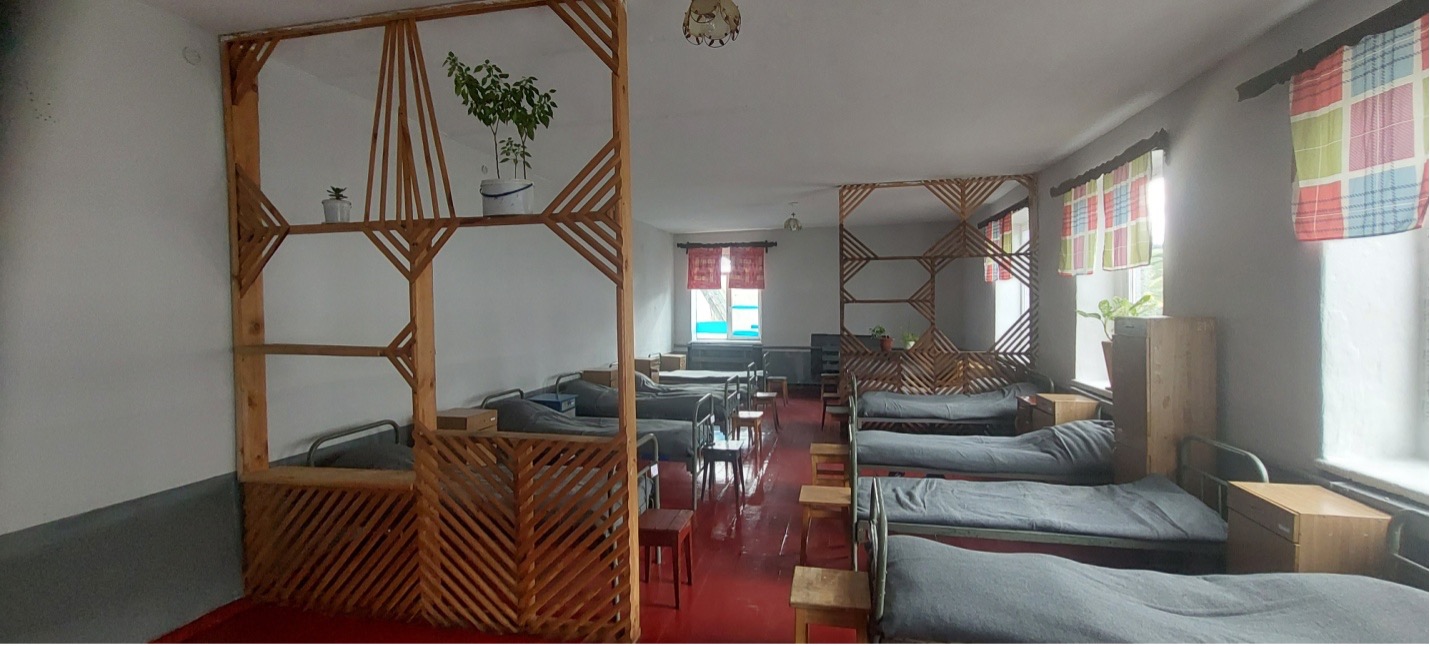
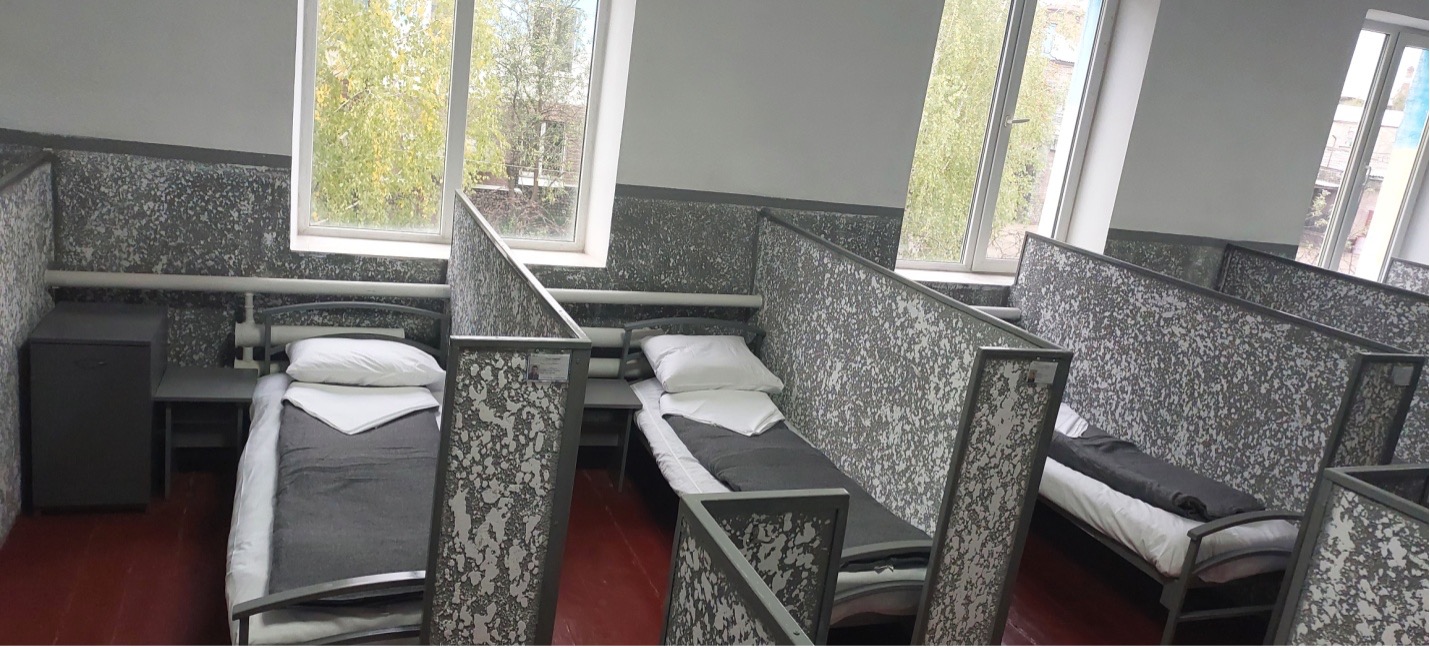
Repair work was carried out in the dormitories of the Socio-Psychological Service units, with the provision of individual space for prisoners for 37 sleeping places.
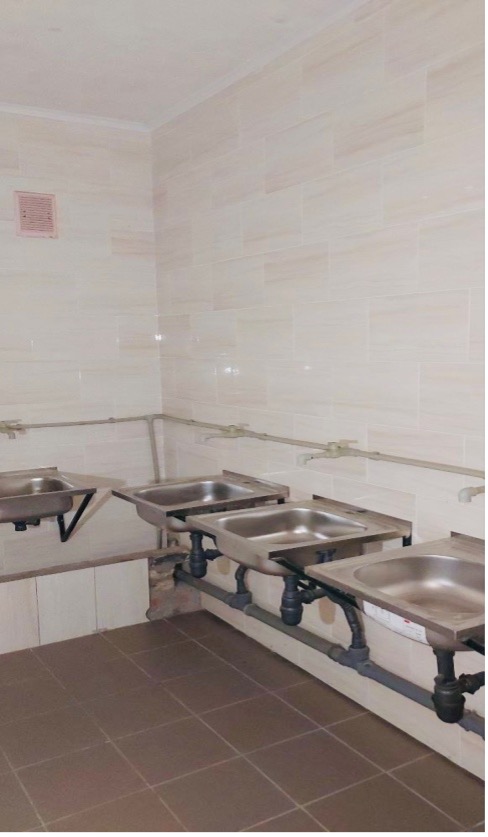
Capital repairs were carried out in the sanitary facilities of the SPS units.
Current repairs were carried out on the DIW cells, as well as capital repairs of the canteen, taking into account international norms and standards.
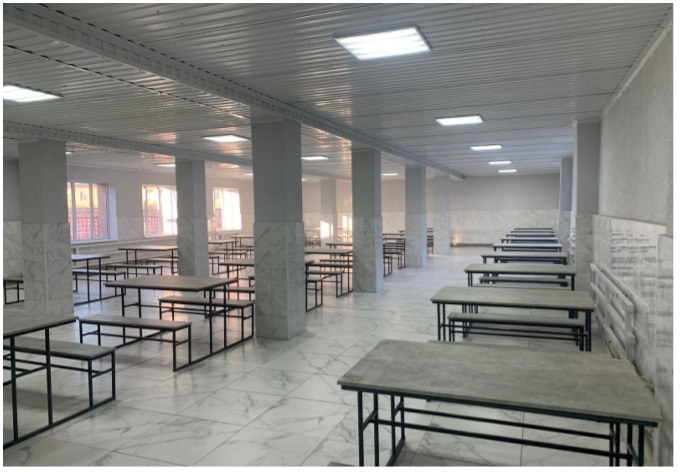
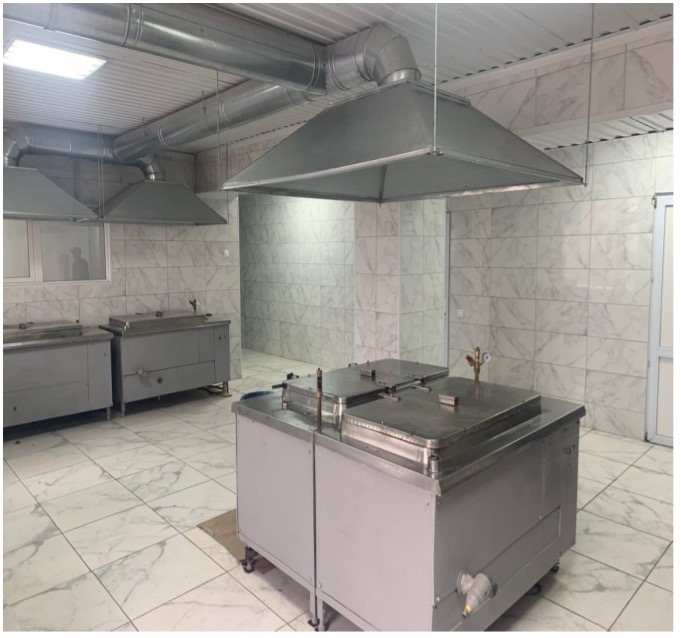
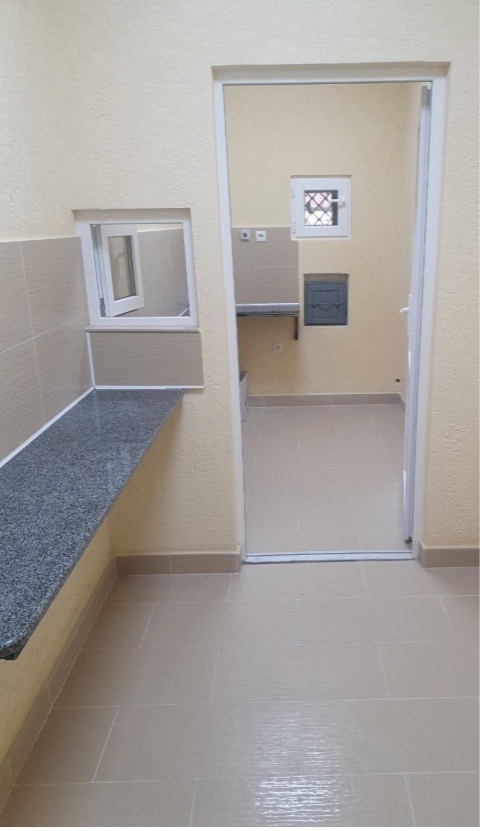
The parcel reception and distribution room was repaired.
Identified Violations of National and International Legislation
During the monitoring visit, violations of the requirements of national legislation and non-compliance with international recommendations in the sphere of the treatment of prisoners were identified, which lead to the violation of the rights of prisoners:
1. The monitoring group established that the institution’s administration and staff do not ensure the proper organisation of work with newly arrived prisoners. In violation of the ninth paragraph of part one of Article 8 and part one of Article 118 of the Criminal Executive Code of Ukraine (hereinafter — the CEC of Ukraine), facts of staff engaging prisoners to perform work in the Quarantining, Diagnostic and Distribution (QDD) ward without the conclusion of an employment contract were established.
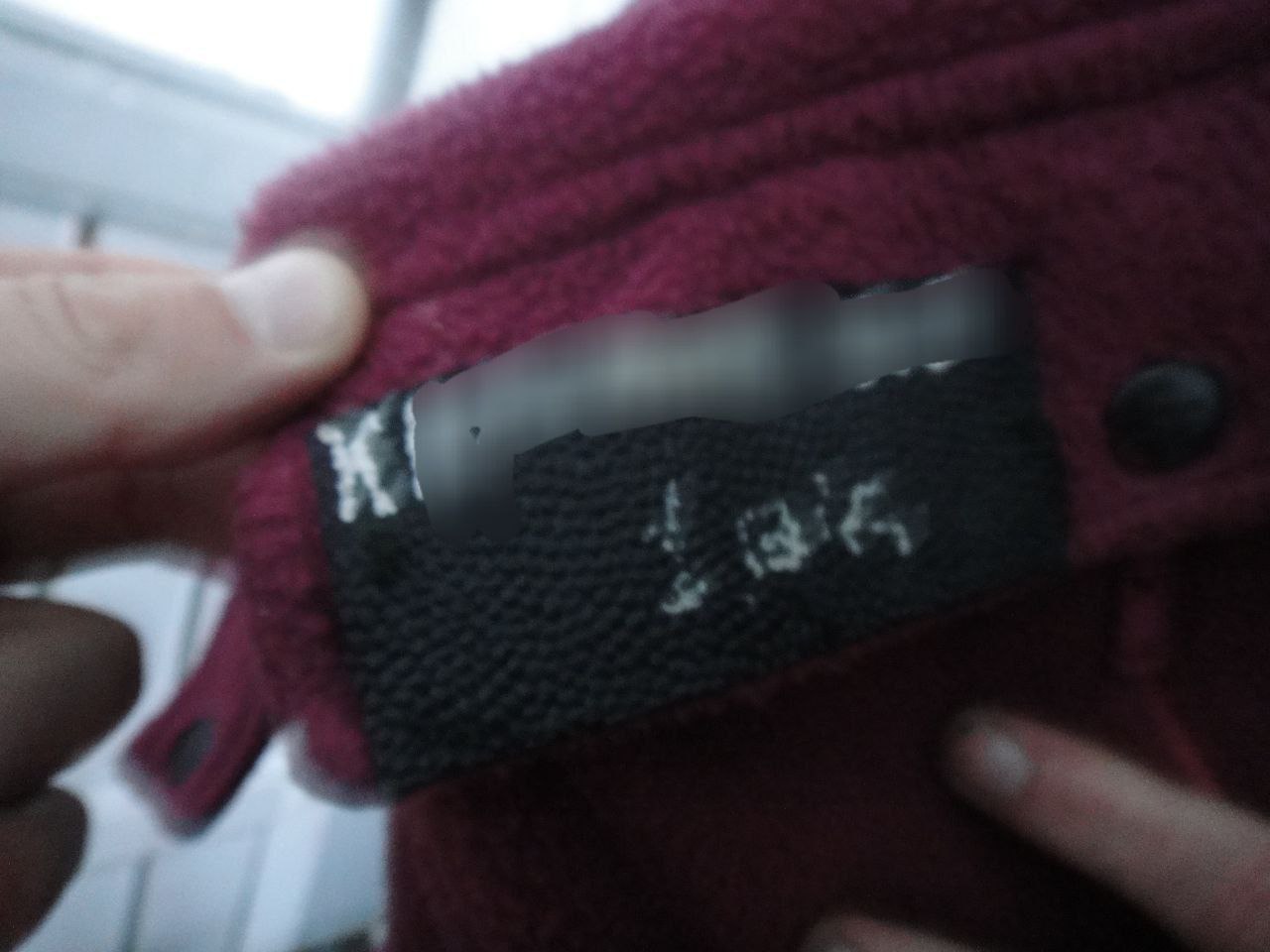
The monitoring group established that prisoners of Socio-Psychological Service (SPS) unit No. 1 were engaged on a rotational basis to perform the duties of “orderlies” without pay. Confirming this, on the day of the visit, prisoner K. was present in the ward. Thus, the institution’s administration and staff effectively delegated to the orderlies functions of permanent supervision over newly arrived prisoners placed in the QDD ward, as well as control over their compliance with the daily routine, which is inadmissible.
Furthermore, it was established that the mentioned prisoners have the opportunity to remain in the QDD ward around the clock, use sleeping places, and independently visit the canteen and the SPS units to which they are effectively assigned. Such actions contradict the requirements of Article 96 of the CEC of Ukraine, clause 4 of section II of the Internal Regulations of Penal Institutions, approved by Order of the Ministry of Justice of Ukraine No. 2823/5 dated 28 August 2018 (hereinafter — IRPI), as well as clause 2 of section I of the Regulation on the QDD ward, approved by Order of the Ministry of Justice of Ukraine No. 2300/5 dated 4 November 2013, registered with the Ministry of Justice of Ukraine under No. 1864/24396 (hereinafter — Regulation on the QDD ward).
In the report on the results of its 2020 visit to Ukraine, the European Committee for the Prevention of Torture and Inhuman or Degrading Treatment or Punishment (hereinafter — the Committee) expressed serious doubts regarding the practice of using certain prisoners as “orderlies” who perform control functions over other prisoners in residential premises and at production sites and report to staff about any incidents and violations of the regime.
As emphasised previously, the Committee considers that any partial abdication of responsibility for order and security in prisons, which is borne by the institution’s regime staff, is unacceptable. Such a practice exposes more vulnerable prisoners to the risk of ill-treatment and exploitation by other prisoners. The Committee calls on the Ukrainian authorities to take all necessary steps, including of a legislative nature, to put an end to this practice. No prisoner (in any penitentiary institution of the country) should have power over other prisoners (CPT/Inf (2020) 40, paragraph 27).
2. In accordance with clauses 1 and 2 of section II of the Regulation on the QDD ward, a working group is created by order of the head of the institution to organise work with newly arrived prisoners, which includes the institution’s deputy heads, heads of structural units, a psychologist, and a medical worker. To plan this work, a programme is drawn up annually for familiarising newly arrived prisoners with the procedure and conditions of serving their sentences, which is approved by the head of the institution.
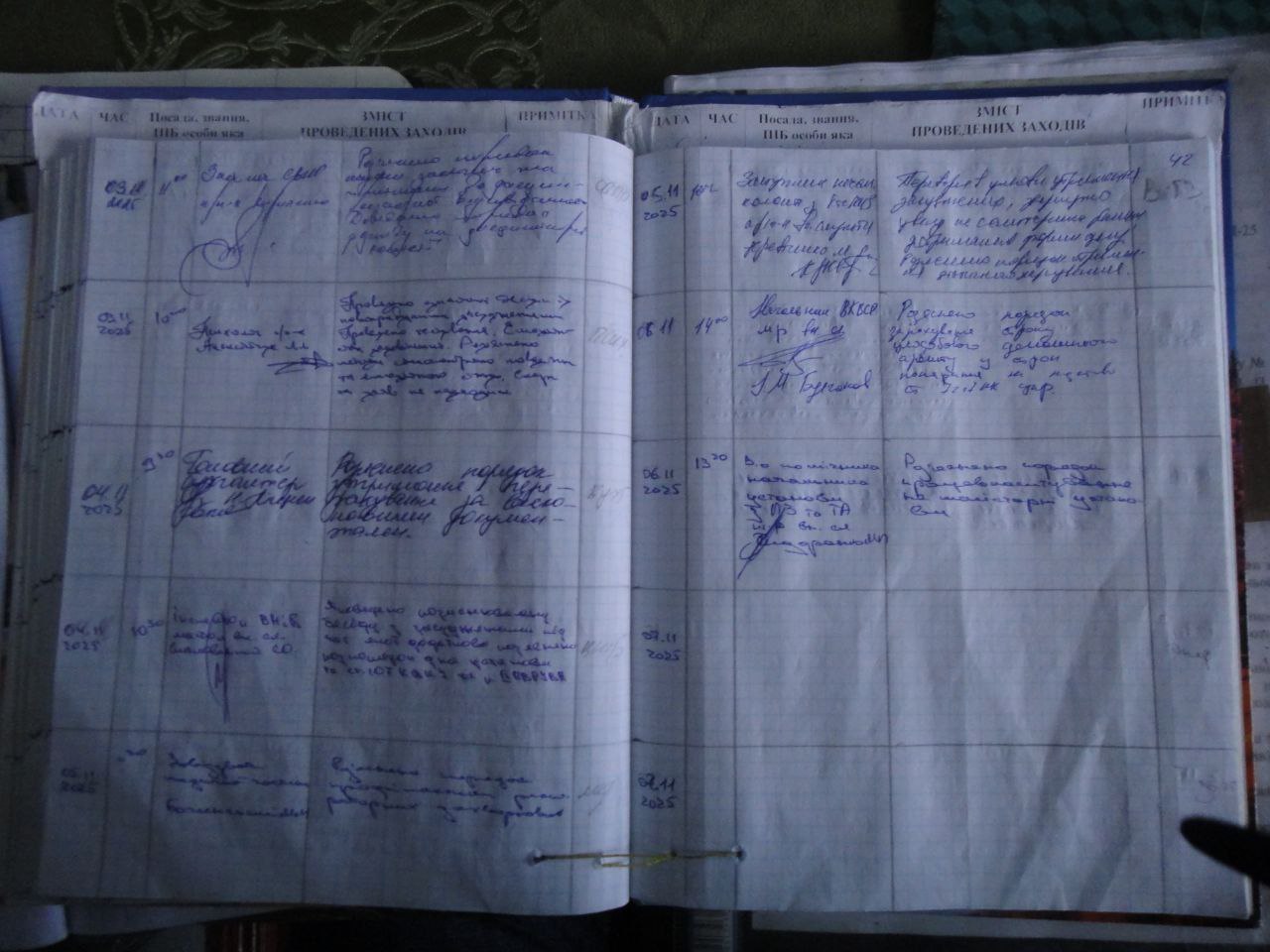
At the same time, during confidential communication with prisoners and analysis of official documentation, the monitoring group established that members of the working group do not fully carry out the measures provided for by the relevant programme. This is confirmed, in particular, by the absence of entries in the register of visits to the QDD ward by representatives of the administration.
According to information provided by the institution’s administration, in the period from 1 November 2025 to 11 November 2025, 11 prisoners arrived at the institution. According to the schedule of visits and activities provided for by the programme for familiarising newly arrived prisoners with the procedure and conditions of serving sentences, on Fridays, sessions with newly arrived prisoners are to be conducted by the head of the department for control over the execution of court decisions, Major of the Internal Service Illia Bulgakov, and the first deputy head of the institution — deputy head of the institution for supervision and security, protection and operational work, Colonel of the Internal Service Serhii Kovalchuk.
Instead, the register of visits to the QDD ward by administration representatives contains no entries regarding the conducting of relevant activities on 7 November 2025 (Friday). Thus, the measures provided for by the programme were not carried out, which was also confirmed by prisoners during confidential communication.
3. The monitoring group established that the material and living conditions of the QDD ward do not meet established regulatory requirements. Thus, in violation of the requirements of the Standards for the provision of furniture, inventory, and household items for medium-security correctional colonies, approved by Order of the Ministry of Justice of Ukraine No. 1118/5 dated 27 July 2012 (hereinafter — Standards of provision), the ward lacks a number of premises, namely: a room for storing food; a room for storing prisoners’ personal belongings; a room for storing the exchange fund of bedding, clothing, and workwear; a storeroom for the temporary storage of dirty bedding, clothing, and workwear; a cloakroom; and a utility room.
The absence of these premises creates conditions that do not meet household standards, makes it impossible to properly maintain sanitary and hygienic requirements, and complicates the maintenance of cleanliness and order in the places where prisoners live. Such a state of household organisation negatively affects the general sanitary condition of the institution and may pose a risk to the health of the persons held there.
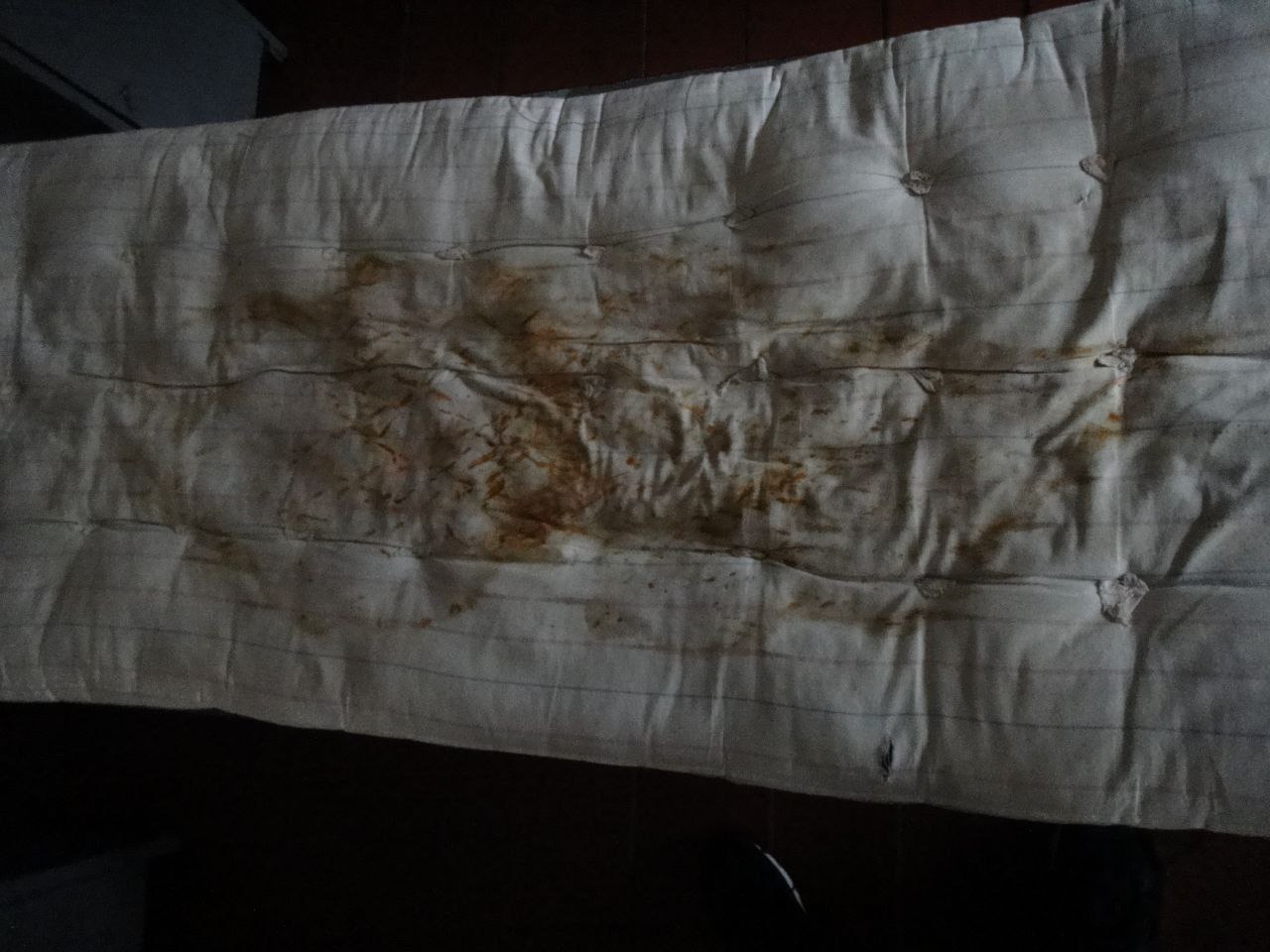
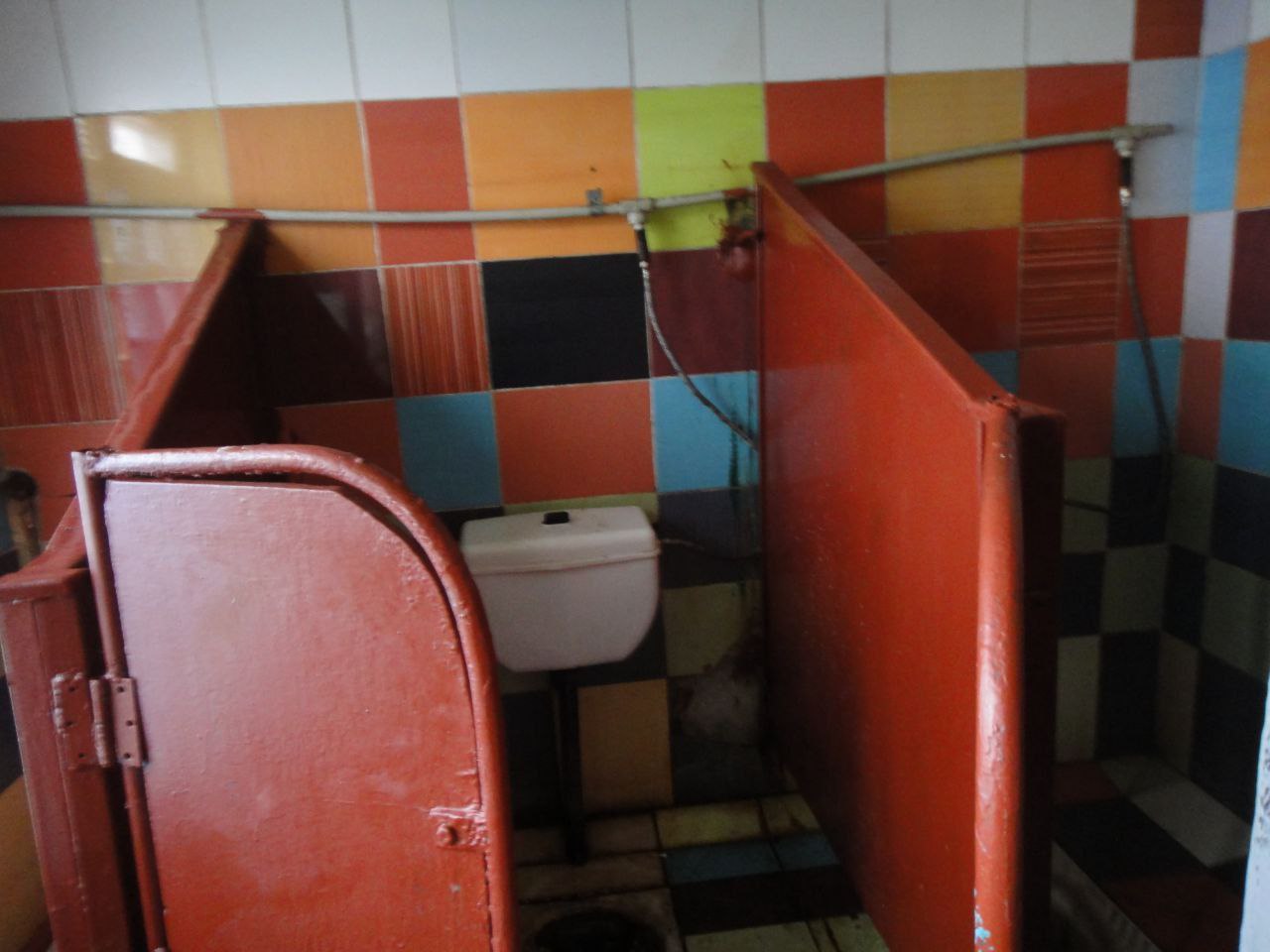
4. Certain premises of the QDD ward are in need of repair work. In violation of the requirements of rule 22.5 of the European Prison Rules and the Standards of provision, the ward’s residential premises are not equipped with 15-litre drinking water containers with a tap, lid, mug, and basin. Some mattresses and pillows require replacement, which contradicts the requirements of the Procedure for the provision of clothing and the norms of entitlement to clothing for prisoners serving sentences in penal institutions and pre-trial detention centres, approved by Order of the Ministry of Justice of Ukraine No. 280/5 dated 20 February 2012. The bathroom is not equipped with sufficient partitions to ensure the possibility of privacy, which violates rule 19.3 of the European Prison Rules.
At the same time, in the government of Ukraine's report on the results of the 2023 visit, the Committee called on the Ukrainian authorities to take necessary measures to improve material conditions of detention, in particular to keep all places of accommodation for prisoners and persons taken into custody, including sanitary facilities, in a proper state of repair and hygiene; to ensure regular and frequent disinfestation; to ensure sufficient access to natural light and ventilation in cells; and to fully equip internal sanitary facilities with partitions (i.e., from floor to ceiling) (CPT/Inf (2024) 20, paragraph 58).
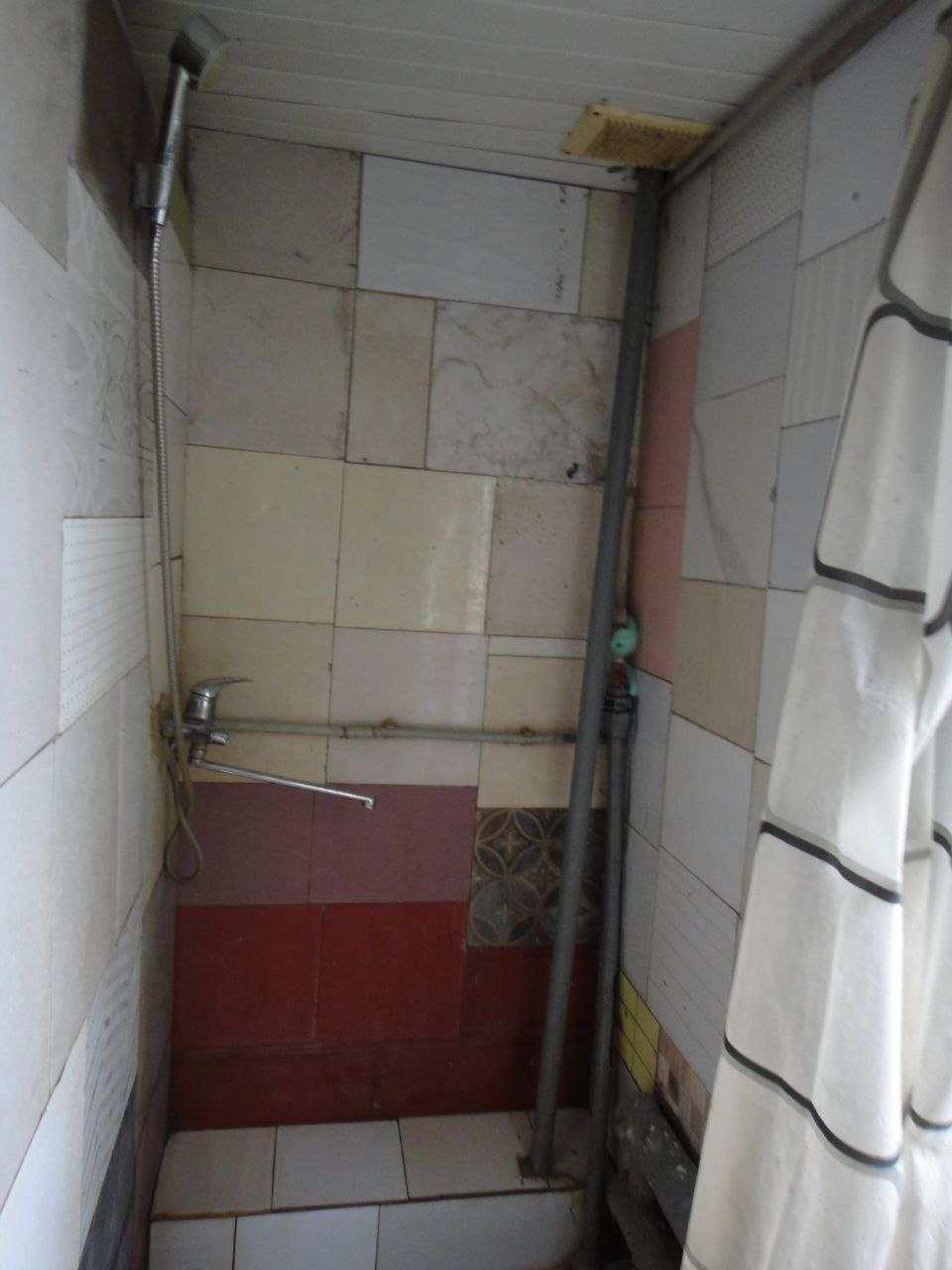
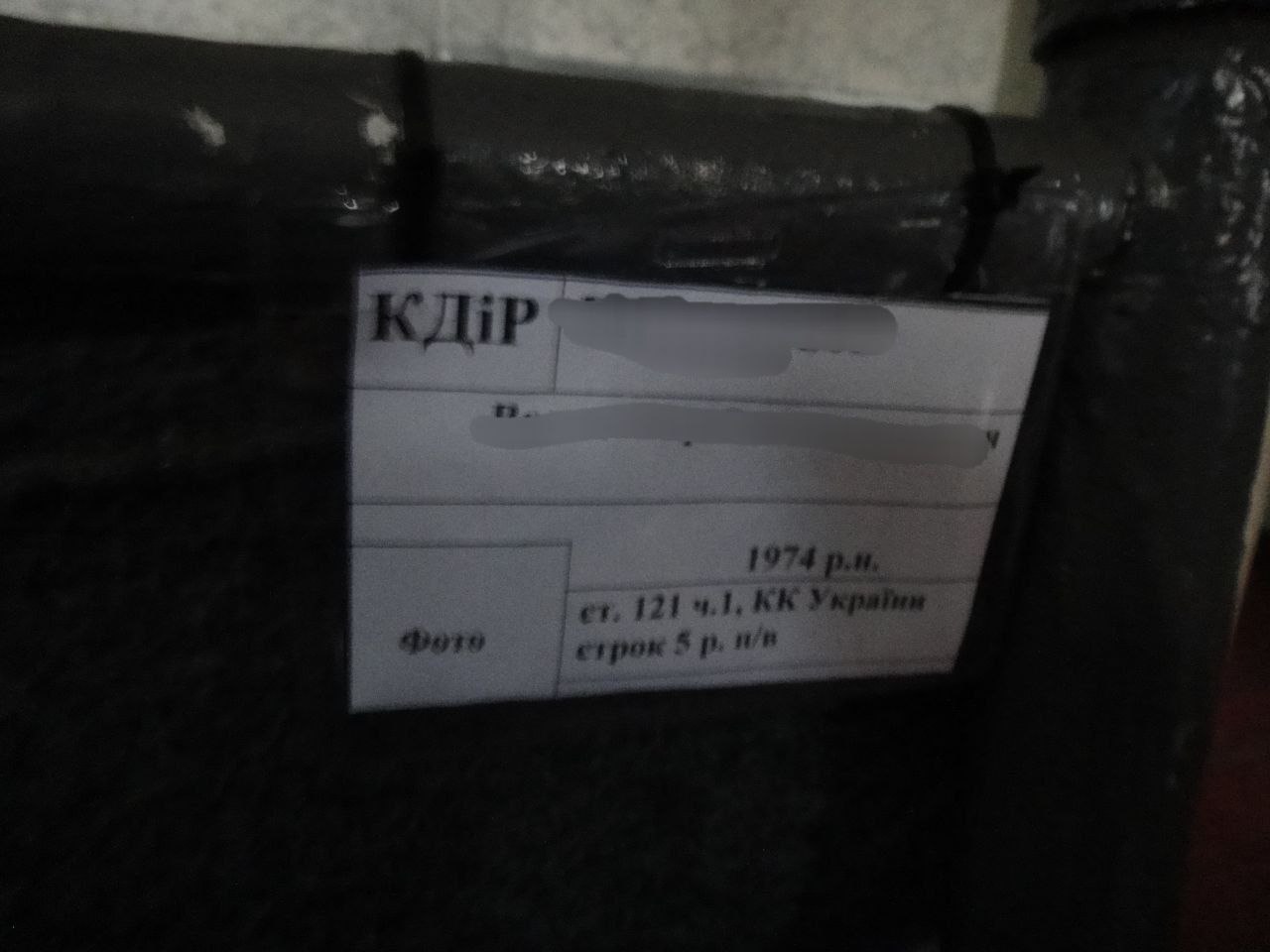
5. During the visit to the QDD ward, nominal cards were found on the beds in the sleeping area, providing information in the form of a brief description of the crimes committed by the persons occupying those beds. In its report on the results of the 2020 visit to Ukraine, under similar circumstances, the Committee noted that this practice should be discontinued, as it serves no reasonable purpose and, in addition to stigmatisation, results in the deterioration of relations between prisoners and prison staff (CPT/Inf (2020) 40, paragraph 52).
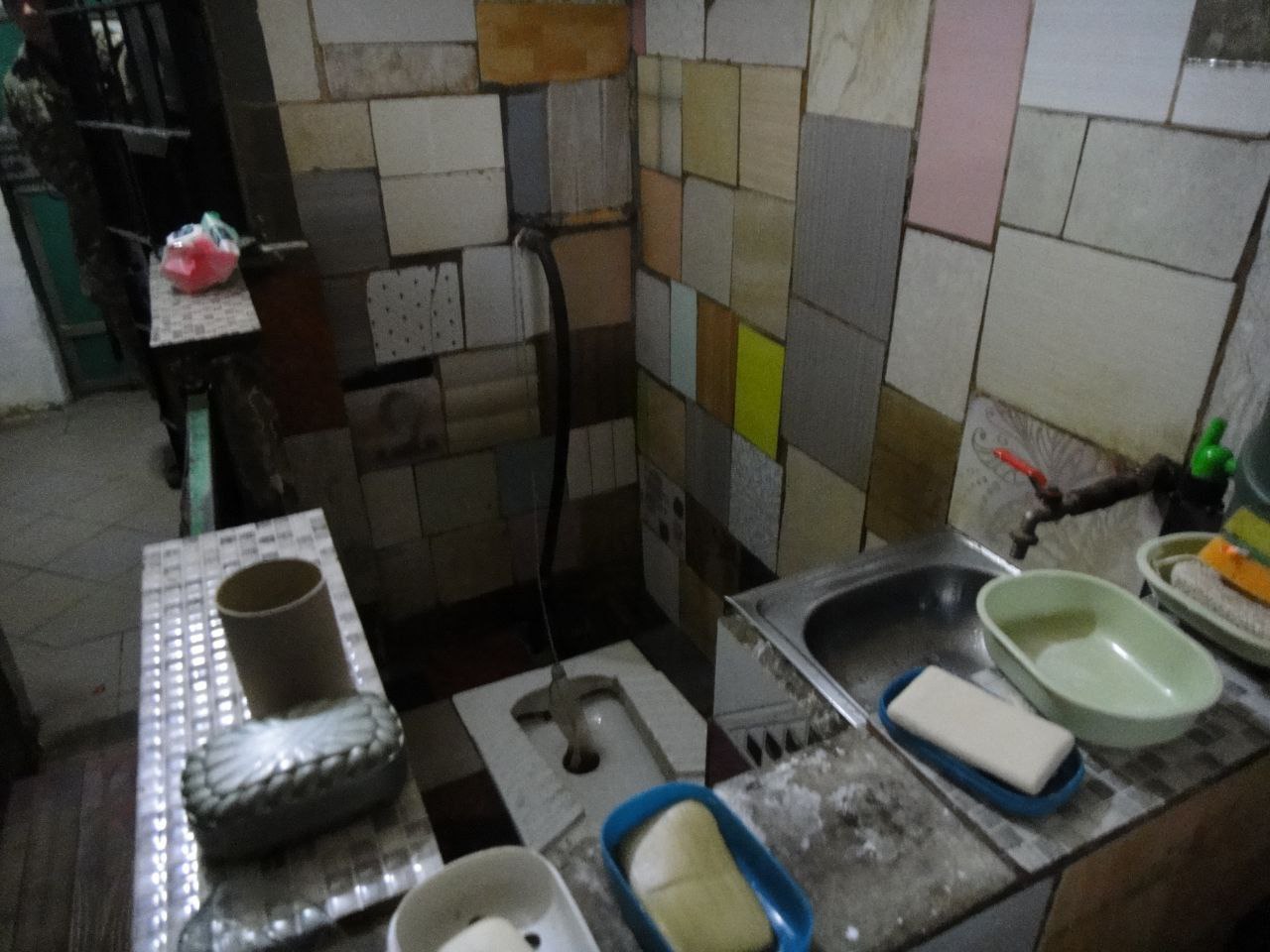
6. The state of the premises of the institution’s Disciplinary Isolation Ward (hereinafter — DIW/cell-type premises) does not fully meet the established standards for the treatment of prisoners and does not ensure proper conditions for the detention of prisoners taking into account their needs. Thus, in violation of the requirements of the Standards of provision, the DIW/cell-type premises lack a number of necessary rooms, in particular: rooms for the reception of prisoners by the administration and medical staff; a storeroom for the temporary storage of dirty bedding, clothing, and workwear; and a barbershop.
The absence of such premises or their improper layout leads to a violation of sanitary and hygienic standards. Due to the absence of a room for the reception of prisoners by medical staff in the DIW/cell-type premises, the medical examination of prisoners is conducted in inappropriate conditions, which creates a risk of disclosing confidential information regarding the state of health of persons during examinations, manipulations, or procedures to institution staff and other prisoners.
This violates the requirements of Article 39-1 of the Law of Ukraine “Fundamentals of Ukrainian Legislation on Healthcare” regarding the right of persons to confidentiality concerning the state of their health, as well as clause 9 of section I of the Procedure for organising the provision of medical care to prisoners sentenced to deprivation of liberty, approved by joint order of the Ministry of Justice of Ukraine and the Ministry of Health of Ukraine No. 1348/5/572 dated 15 August 2014.
7. Due to the small size of the windows in the DIW cell premises, a sufficient level of natural lighting is not ensured, as a result of which natural light practically does not penetrate into the premises. Such a state creates additional psychological pressure on prisoners due to the lack of visual contact with the outside world. This does not meet the requirements of rule 18.2 (a) of the European Prison Rules and rule 14 of the UN Standard Minimum Rules for the Treatment of Prisoners (the Mandela Rules).
The bathrooms in the DIW cell premises are not equipped with sufficient partitions to ensure the possibility of privacy, which violates rule 19.3 of the European Prison Rules. Some cell premises require repair work, which contradicts Article 115 of the Criminal Executive Code of Ukraine.
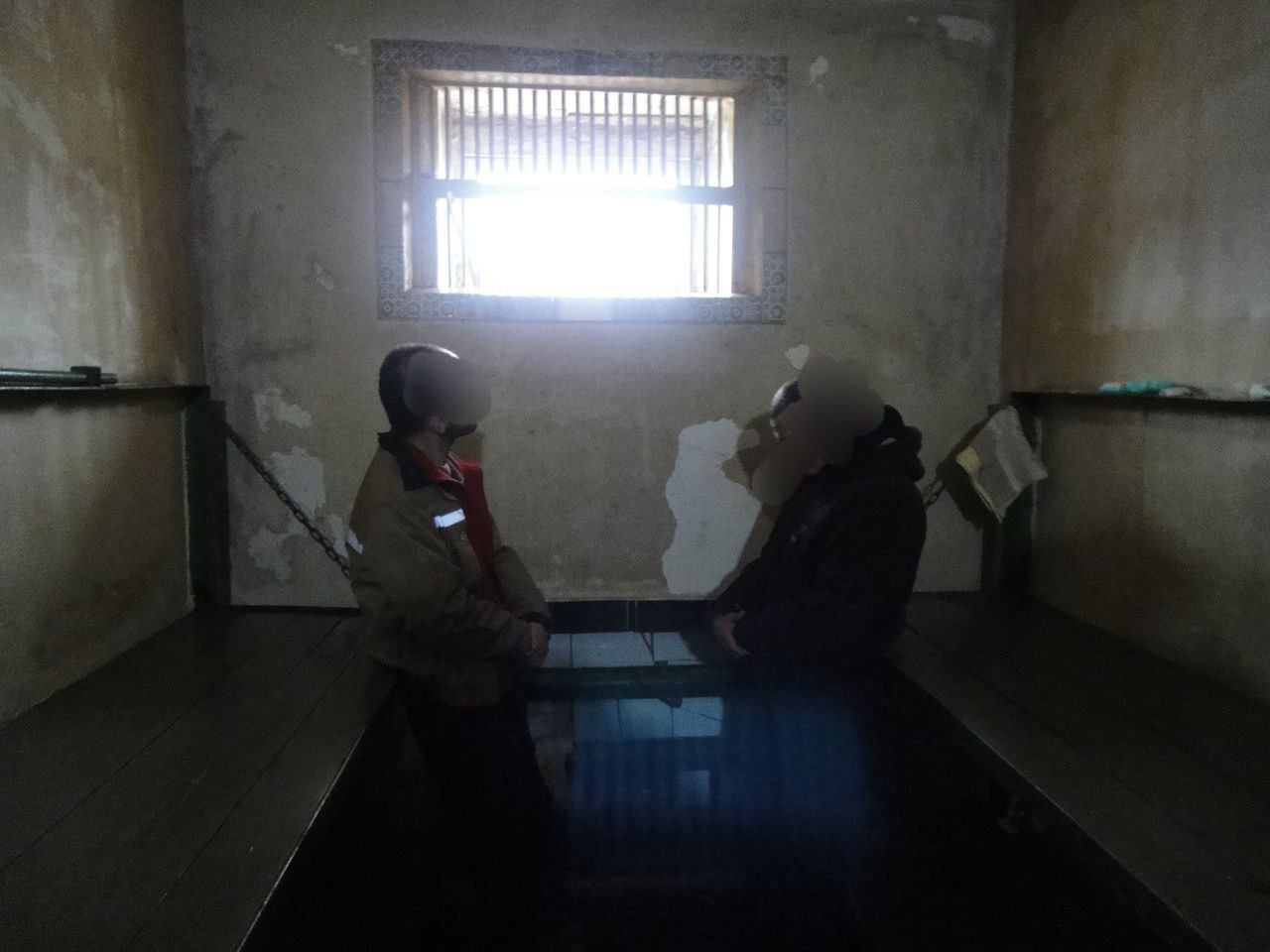
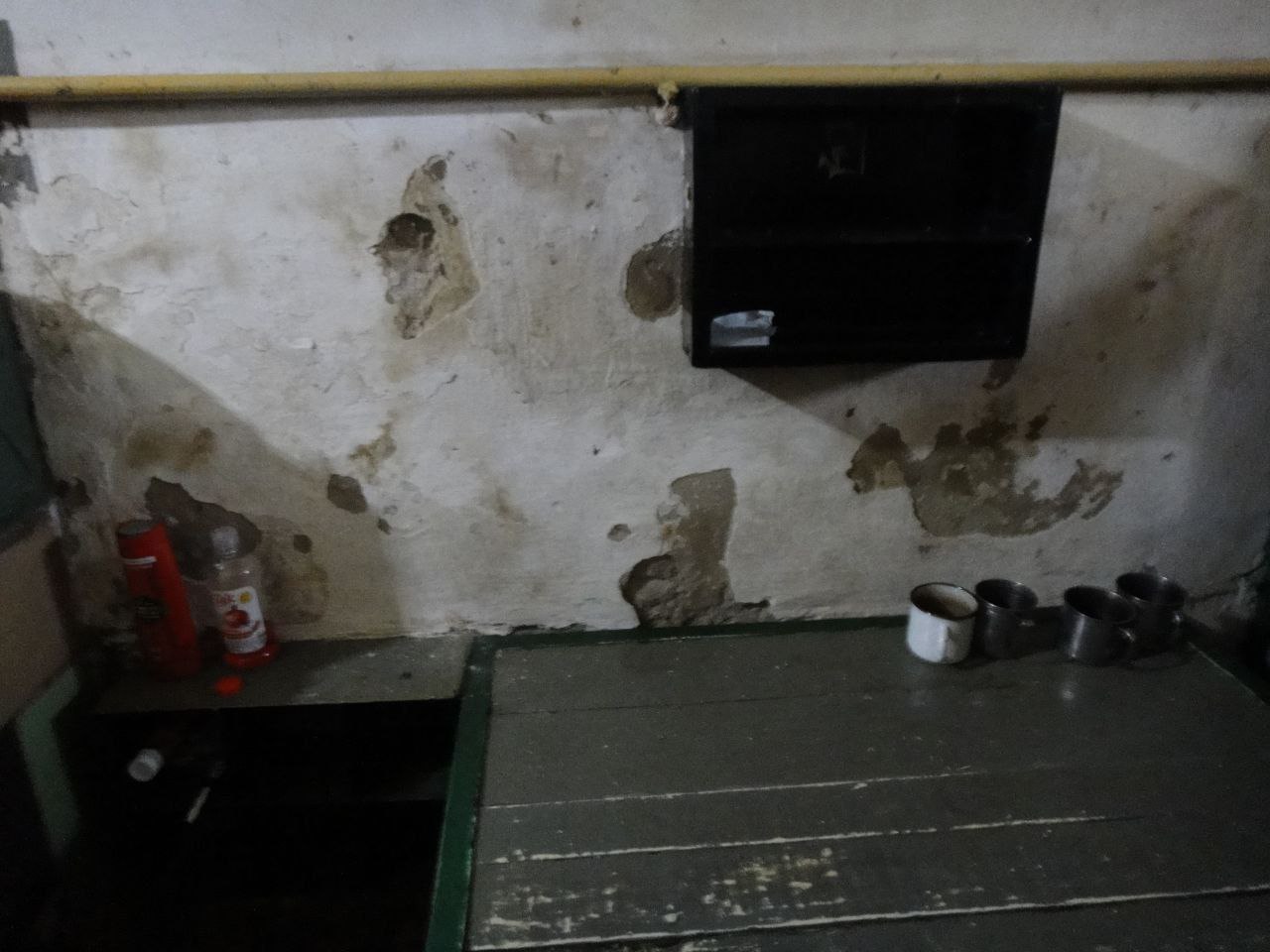
8. During the visit to the DIW/cell-type premises, it was established that prisoners serving a disciplinary penalty had not been issued a copy of the decision on the imposition of the penalty with an indication of the possibility and procedure for appealing it, which contradicts Article 135 of the Criminal Executive Code of Ukraine.
At the same time, in the government of Ukraine's report on the results of the 2023 visit, the Committee recommends that measures be taken in Ukraine’s penitentiary institutions to ensure that prisoners to whom a disciplinary penalty has been applied systematically receive a copy of the relevant decision. Furthermore, prisoners should be informed of their right to access a lawyer in the context of disciplinary proceedings (CPT/Inf (2024) 20, paragraph 103).
9. There is no radio connection in the DIW cell premises, which contradicts the requirements of clause 3 of section XX of the IRPI and rule 63 of the UN Standard Minimum Rules for the Treatment of Prisoners.
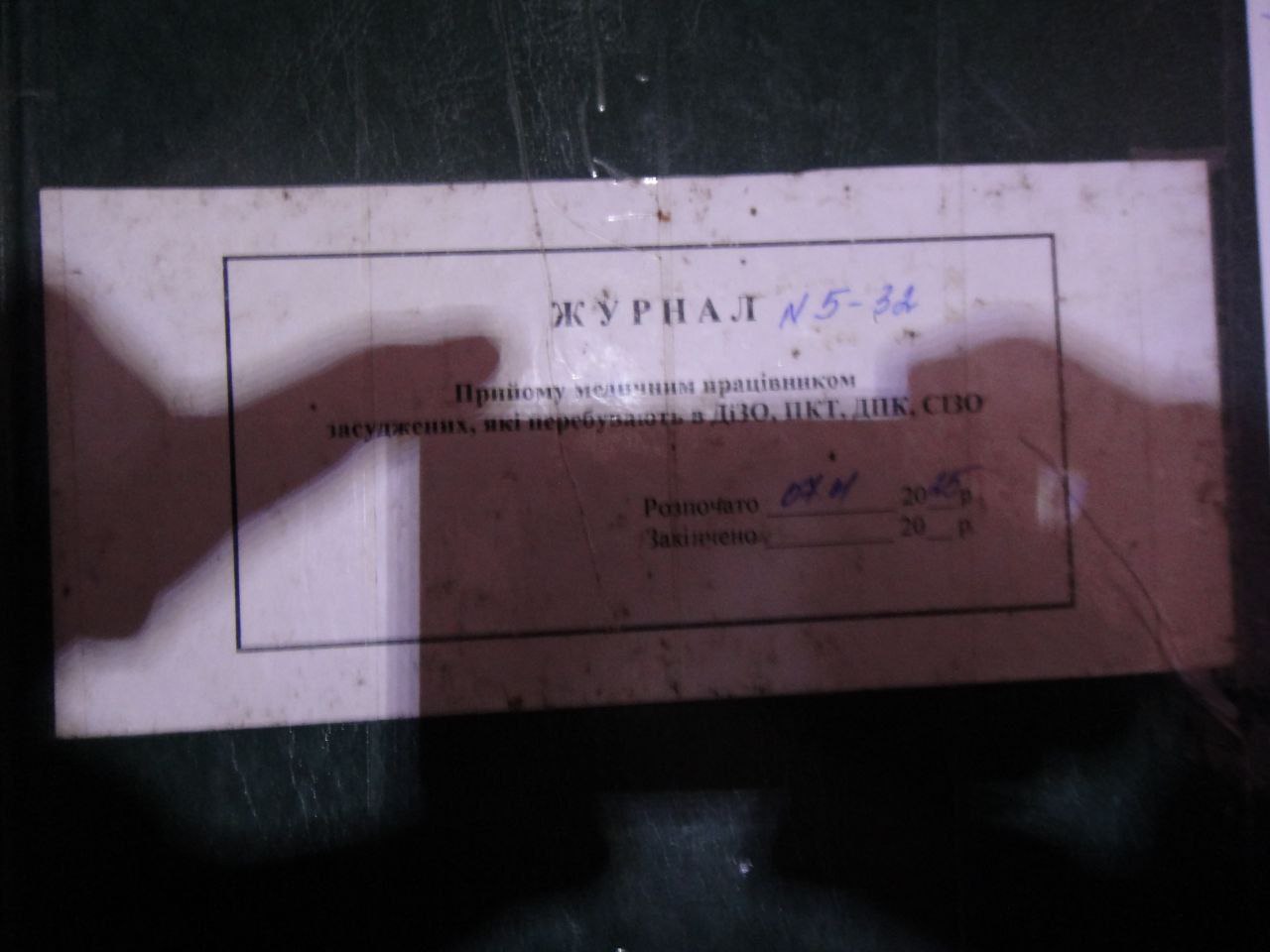
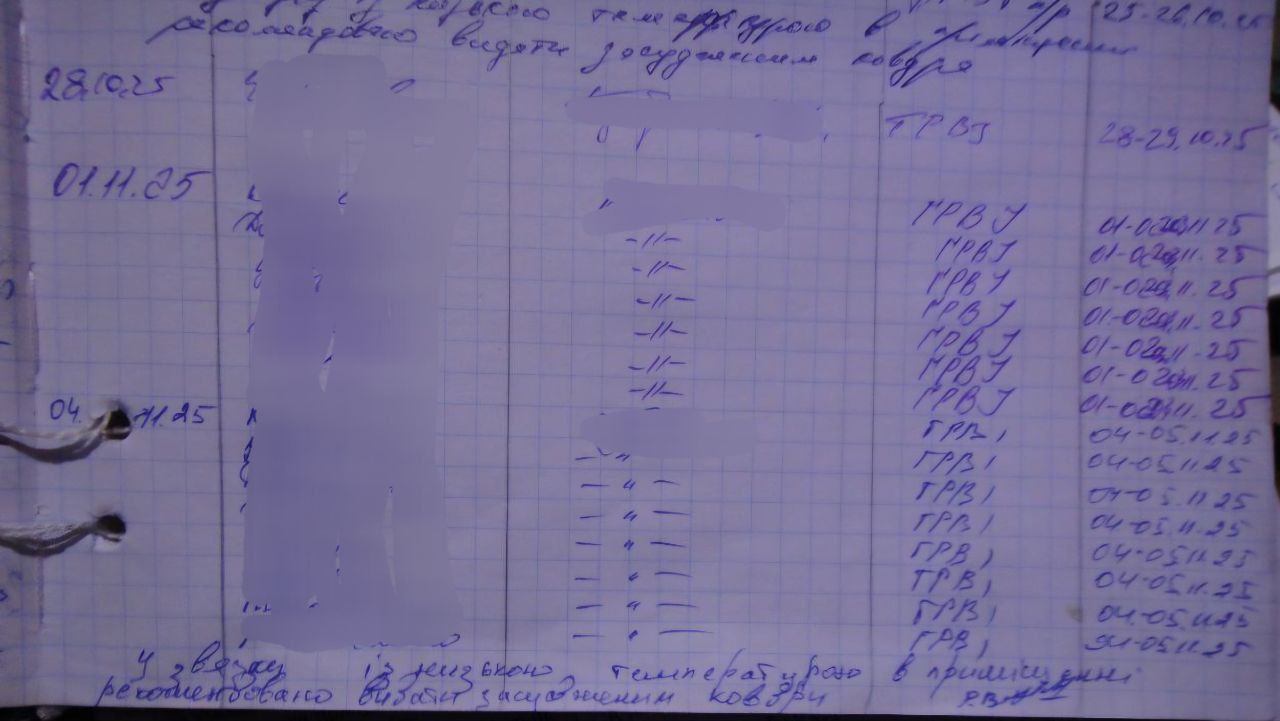
10. According to the twenty-third paragraph of clause 6 of section XXI of the IRPI, for the provision of medical care, the head of the medical unit (the doctor on duty) visits the DIW, punishment cells, and cell-type premises (special-regime cells) daily and, if necessary, conducts the reception of prisoners. Based on the results of the visit to the DIW, punishment cells, and cell-type premises (special-regime cells), they are required to make the appropriate entries in the register of visits to the disciplinary isolation ward, cell-type premises, solitary confinement cells, and punishment cells by the administration of the penal institution.
At the same time, during the inspection of the register of visits to the disciplinary isolation ward (DIW), the absence of entries that should have been made by the medical worker on 2 November 2025, 3 November 2025, 5 November 2025, and 6 November 2025 in accordance with current regulatory requirements was established. The aforementioned violation may indicate the actual failure of the medical worker to perform their duty regarding the daily visit to the disciplinary isolation ward, as well as the absence of proper medical control over the state of health of prisoners held in disciplinary premises.
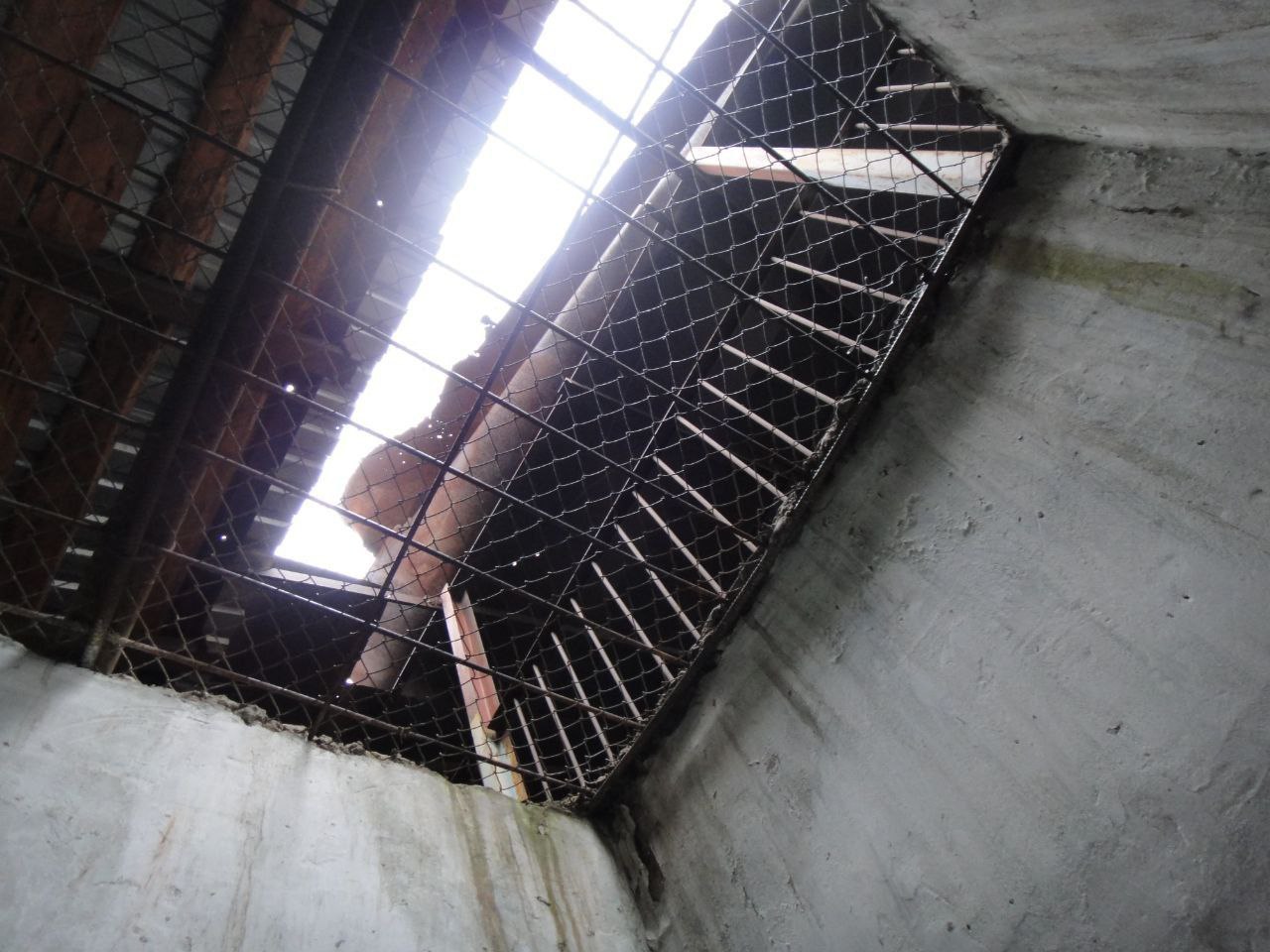
11. The area of certain exercise yards is insufficient to ensure full physical activity for prisoners. The exercise yards are in need of repair work. There are no waste bins. At the same time, the exercise yards are fitted with canopies that almost completely block access to natural light, which results in persons being held in semi-darkness. The Committee has repeatedly recommended that the design and size of exercise yards be reviewed, “from where, at best, a view of the sky is offered” (paragraph 122, paragraph 127 (CPT/Inf (2014) 15)).

12. Clause 1 of section XXIII of the IRPI stipulates that supervision of prisoners is a system of measures aimed at ensuring the serving and execution of criminal penalties in the form of restriction and deprivation of liberty, life imprisonment, and arrest through round-the-clock and constant control over the behaviour of prisoners in their places of residence and work, preventing and stopping illegal actions on their part, and ensuring the requirements for the isolation of prisoners and the safety of the staff of penal institutions.
Thus, during the inspection of cell premise No. 20 of the DIW, the installation of a video surveillance camera was recorded. At the same time, in its 2012 report, the Committee criticised excessive interference with privacy through the installation of video cameras in prisoners' living quarters: “The CPT agrees that video surveillance in cells can be a useful safeguard in certain cases, for example, when a person is considered to be of concern regarding the risk of self-harm or suicide, or if there are specific suspicions that a prisoner is engaging in certain actions in the cell that could jeopardise security.
However, any decision to apply video surveillance to a specific prisoner should always be based on an individual assessment of real risks and must be reviewed on a regular basis. Video surveillance is a serious interference with the private life of prisoners and makes the regime even more repressive, particularly when applied over a long period of time” (CPT/Inf (2013) 23, paragraph 52).
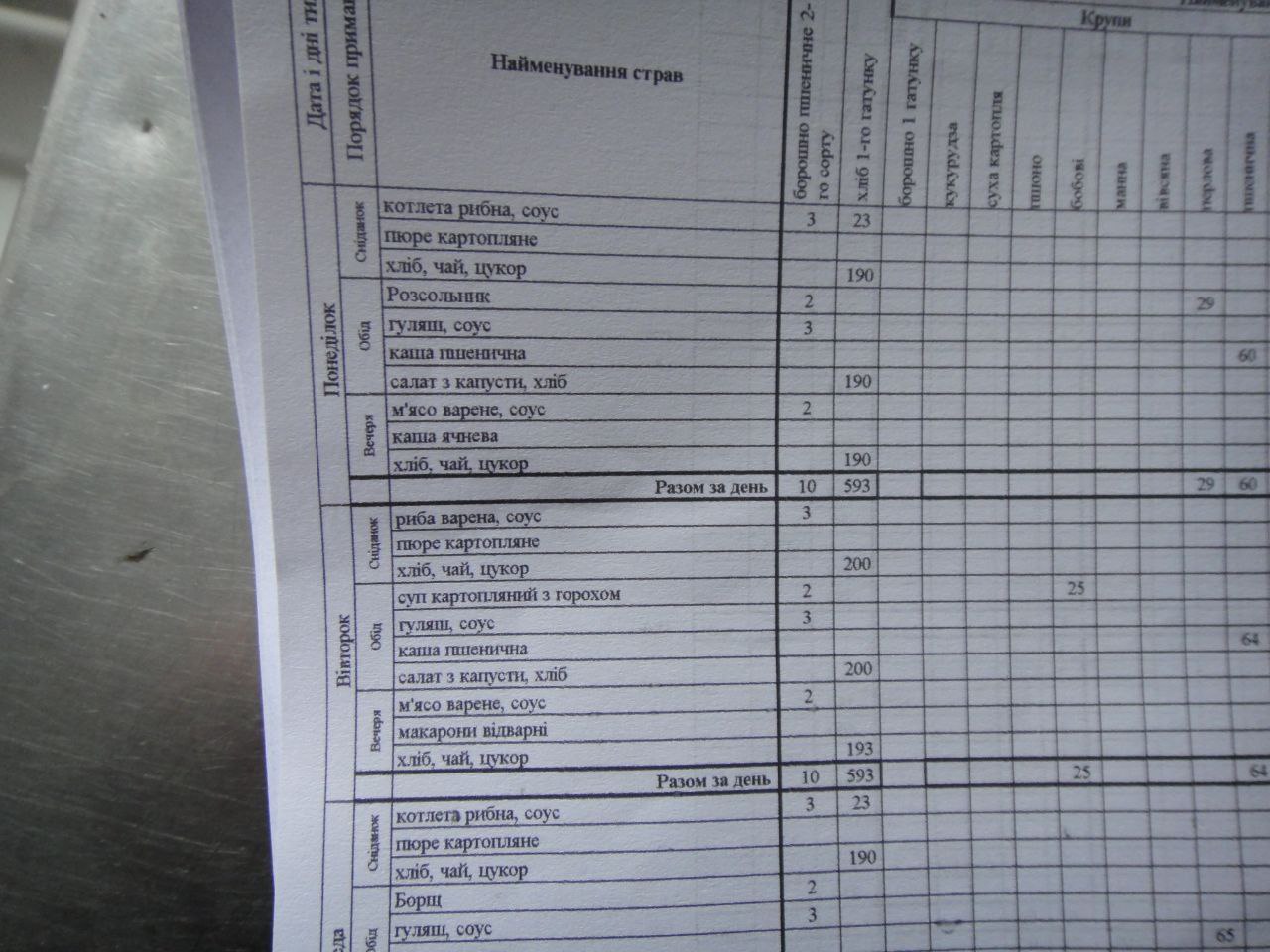
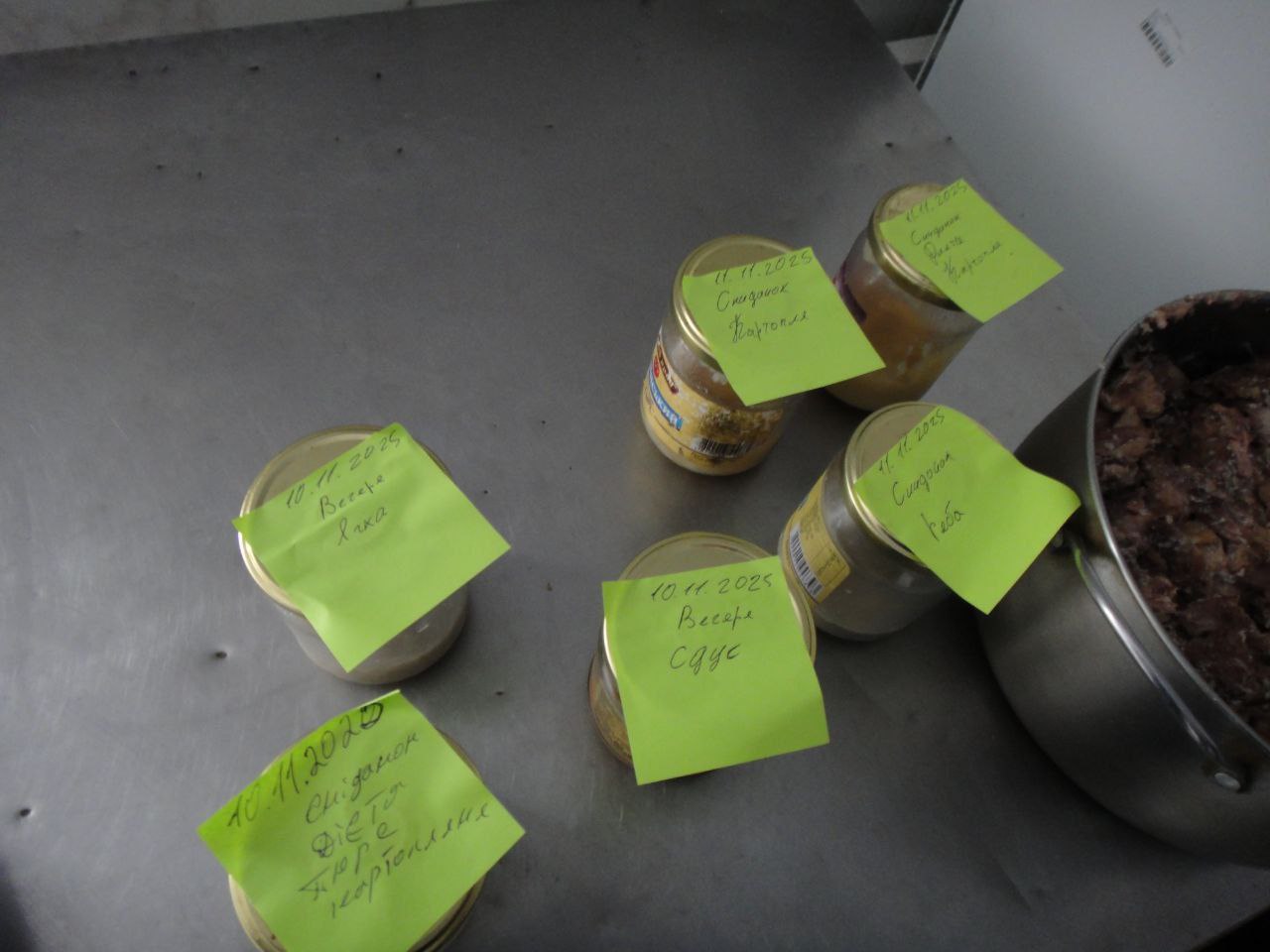
13. According to clause 17 of section V of the Regulation on the organisation of food supply, daily samples of each dish of the ration must remain in the institution’s canteen. The sampling is carried out by the cook from the cauldron in the presence of a medical worker of the healthcare facility in a clean container with a lid (previously washed and boiled) before the food is served. Daily samples are stored in the canteen refrigerator at a temperature of +4°C to +8°C and must be kept for a day until the end of the similar meal the next day.
At the same time, in violation of the aforementioned requirements, during the inspection of the canteen refrigerator, the monitoring group established the absence of a meat sample from the dinner dishes for 10 November 2025.
14. The monitoring group established a number of violations in the organisation of bath and laundry services for prisoners and detained persons. In accordance with clause 3.19.1 of section III of the Regulation on the organisation of bath and laundry services for persons held in penal institutions and pre-trial detention centres, approved by Order of the Ministry of Justice of Ukraine No. 849/5 dated 8 June 2021 (hereinafter — the Regulation), sanitary processing involves the washing of prisoners (persons taken into custody) in the bathhouse using soap and a washcloth, the mandatory replacement of bedding and underwear, as well as the carrying out of disinfection (destruction of pathogenic microorganisms) and disinfestation (destruction of insects and mites that are carriers of infectious diseases) of personal clothing and bedding (pillows, mattresses, blankets) in a disinfection chamber.
However, as established by the monitoring group, the disinfection chamber in the institution is not working, which makes proper sanitary processing of bedding and clothing impossible, increases the risk of spreading infectious diseases among prisoners and staff, and contradicts established sanitary and hygienic norms.
In violation of the requirements of clause 2.11 of section II of the Regulation, the forced supply and exhaust ventilation system in the laundry room is not working. In violation of the requirements of appendix 3 to the Regulation, the laundry lacks the required premises, namely: a room for receiving dirty laundry; a room for mending and storing clean laundry; a room for issuing clean laundry; a shower room for staff; and a toilet for staff.
15. In the residential premises of the Socio-Psychological Service (SPS) units, the monitoring group recorded a violation of the temperature regime. Thus, at the time of the inspection, the air temperature in the residential premises was +15°C, whereas in accordance with clause 1 of section XXII of the Internal Regulations of Penal Institutions, approved by Order of the Ministry of Justice of Ukraine No. 2823/5 dated 28 August 2018 (hereinafter — IRPI), in the cold season, the temperature in the residential premises of penal institutions must be maintained at a level no lower than +18°C.
16. During the visit to the institution, the monitoring group established that the institution’s shop lacks tobacco products, the presence of which is provided for by appendix 5 to the IRPI.
17. During the visit, the monitoring group recorded that institution staff who are in direct contact with prisoners openly carry special means, including rubber batons. At the same time, according to the eighth paragraph of clause 1 of section XXVI of the IRPI, the carrying of special means by staff of penal institutions within the guarded territory of the penal institution must, if possible, be as concealed as possible from those around them.
Meanwhile, the Committee recommends that penitentiary staff working in direct contact with prisoners not carry special means (including rubber batons, handcuffs, and canisters filled with tear gas) openly in front of prisoners. Such carrying prevents the establishment of normal relations between staff and prisoners (CPT/Inf (2011) 29, paragraph 85), (CPT/Inf (2013) 23, paragraph 23), (CPT/Inf (2014) 15, paragraph 166).
18. In accordance with subclause 5 of clause 2 of section IV of the Regulation on the programme of differentiated educational influence on prisoners “Preparation for release”, approved by Order of the Ministry of Justice of Ukraine No. 1418/5 dated 16 May 2016, registered with the Ministry of Justice of Ukraine on 17 May 2016 under No. 735/28865, the staff of the institution’s socio-psychological service who directly organise and carry out measures for the implementation of the “Preparation for release” programme are required to provide assistance to prisoners in obtaining (renewing) a passport of a citizen of Ukraine, a registration number of the taxpayer’s record card (RNTRO), other personal documents, and also in applying for pensions.
At the same time, 81 prisoners require the production of a passport of a citizen of Ukraine, and 234 require obtaining an RNTRO, which indicates insufficient work conducted by the department of social-educational and psychological work regarding ensuring the processing of necessary documents for prisoners who do not have them.
19. According to the information provided by the administration, since the beginning of 2025 (as of 11 November 2025), 127 short-term visits were granted to prisoners in the state institution “Korosten Correctional Colony (No. 71)”, of which 59 took place in a non-contact manner — through a continuous partition glass using an intercom device. At the same time, in the government of Ukraine's report on the results of the 2023 visit, the European Committee for the Prevention of Torture emphasises that for all categories of prisoners, open visits (e.g., at a table) should be the rule, and closed visits the exception, the application of which is permitted only on the basis of justified and reasoned decisions following an individual assessment of the potential risk of the specific prisoner.
In this regard, the Committee calls on the Ukrainian authorities to review the procedure for conducting short-term visits in penitentiary institutions with the aim of ensuring their conduct, as a rule, in open conditions (CPT/Inf (2024) 20, paragraph 99).
20. According to official documentation, the staff shortage in the institution as of 11 November 2025 is 37 authorised positions. At the same time, in the government of Ukraine's report on the results of the 2023 visit, the Committee emphasises that ensuring a positive climate in a penitentiary institution requires the presence of a professional team of staff, who must be present in sufficient numbers at any moment in time in places of detention. An insufficient number of staff can only increase the risk of violence and intimidation between prisoners.
A shortage of staff on the front line also undermines the quality and level of measures offered to prisoners and puts at risk the prospects for preparation for release and social rehabilitation. In this regard, the Committee calls on the Ukrainian authorities to take decisive measures to significantly increase the number of staff in Ukraine’s penitentiary institutions where a low level of staffing is observed, with the aim of strengthening the presence of security and supervision service staff inside the institutions. Measures must also be taken to put an end to 24-hour shifts for staff on duty (CPT/Inf (2024) 20, paragraph 93).
21. In the course of the monitoring visit to KVK-71, it was established that the institution lacks an equipped shelter intended for the protection of prisoners and staff during air raids and possible shelling. According to explanations from the administration, the issue of creating a shelter is at the development stage; however, project documentation, implementation timelines, or temporary compensatory solutions were not provided to the monitoring group. The actual absence of a shelter under martial law conditions indicates the institution’s inability to ensure a minimum level of safety for persons who are under the complete control of the state.
Prisoners are deprived of the opportunity to independently choose a safe place to stay or take measures to protect their lives and health, which places an increased duty on the state to ensure their safety. The absence of a shelter or other properly adapted protective structures means that during air raids, prisoners and staff remain in residential and production premises that are not intended for protection against missile strikes, blast waves, or shrapnel.
Such a situation creates a real and foreseeable risk to life and health and does not comply with the state’s positive obligations regarding persons deprived of liberty. The administration’s reference to the shelter being only at the development stage cannot be considered proper performance of the duty to protect persons held in the institution. Under martial law conditions, the state is obliged to ensure not declarative intentions, but actual, accessible, and effective security measures, in particular through the fitting out of shelters, the adaptation of available basement or underground premises, or the implementation of other temporary solutions capable of reducing the risk to life.
The absence of a shelter in a penal institution does not comply with the state’s duty to guarantee the right to life and safety of persons who are under its complete control and indicates the systemic vulnerability of the institution in the conditions of ongoing armed aggression. This state of affairs requires an urgent response from the authorities managing the penitentiary system with the aim of eliminating the risks to the life and health of prisoners and staff.
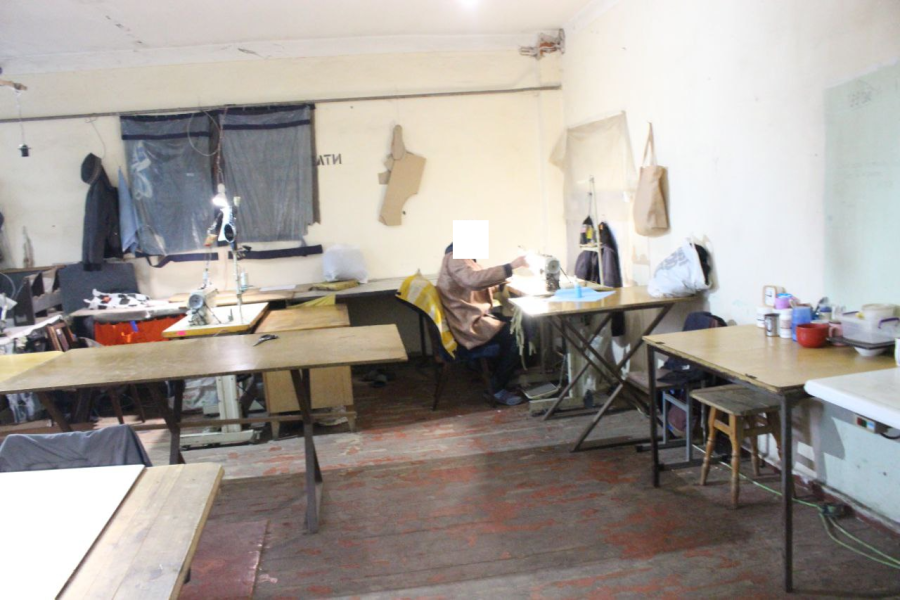
22. Analysis of the documentation provided by the administration of KVK-71, as well as factual data recorded during the monitoring visit, indicates the functioning in the institution of a broad system of utilising the labour of prisoners, which encompasses a branch of the State Criminal-Executive Service (SCES) state enterprise, the institution’s production workshops, the food service unit, and auxiliary farming. According to official information from the administration, 240 persons are engaged in work, of whom 31 persons work under employment contracts, 172 under fixed-term employment contracts, and 37 on the basis of civil-law contracts (CLC).
Such a ratio of forms of employment indicates the dominance of fixed-term contracts and CLCs as mechanisms for engaging in work, which significantly limit the stability of labour rights and social guarantees of prisoners.
The examined labour and fixed-term employment contracts are typical in nature and formally meet the requirements of Article 118 of the Criminal Executive Code of Ukraine. At the same time, their content does not reflect the real conditions of labour organisation. The contracts, as a rule, lack specification of the actual duration of the working day, do not regulate the procedure for engagement in night work, overtime work, and work on weekends, nor the mechanism for their payment. Thus, the contracts do not perform the function of full-fledged legal regulation of labour relations and do not ensure the predictability and security of the legal position of prisoners.
Mass application of fixed-term employment contracts covers more than two-thirds of working persons and is used to ensure the continuous production activity of the branch of the state enterprise and the workshops. Analysis of the documentation does not contain any justifications for the temporary nature of such work or the impossibility of concluding indefinite-term employment contracts.
Instead, prisoners work in the relevant units for six months, one year, or more, performing identical functions at permanent workplaces. Such a practice does not comply with the requirements of Article 23 of the Labour Code of Ukraine and indicates the use of fixed-term contracts as a tool to limit the stability of labour rights.
Particular attention is drawn to the use of CLCs, under which, according to the administration, 37 persons work. Analysis of such contracts in combination with other materials indicates that in their actual essence, the relevant legal relations have the characteristics of labour relations. Prisoners work according to a schedule established by the administration, are under constant regime and production control, perform work as part of brigades, use the institution’s tools and equipment, and the results of their work are an integral part of the continuous production process.
Under such conditions, the application of CLCs is incompatible with their legal nature and results in the actual deprivation of prisoners of the guarantees provided by labour legislation, in particular regarding the limitation of working hours, increased payment for night and overtime work, and social insurance.
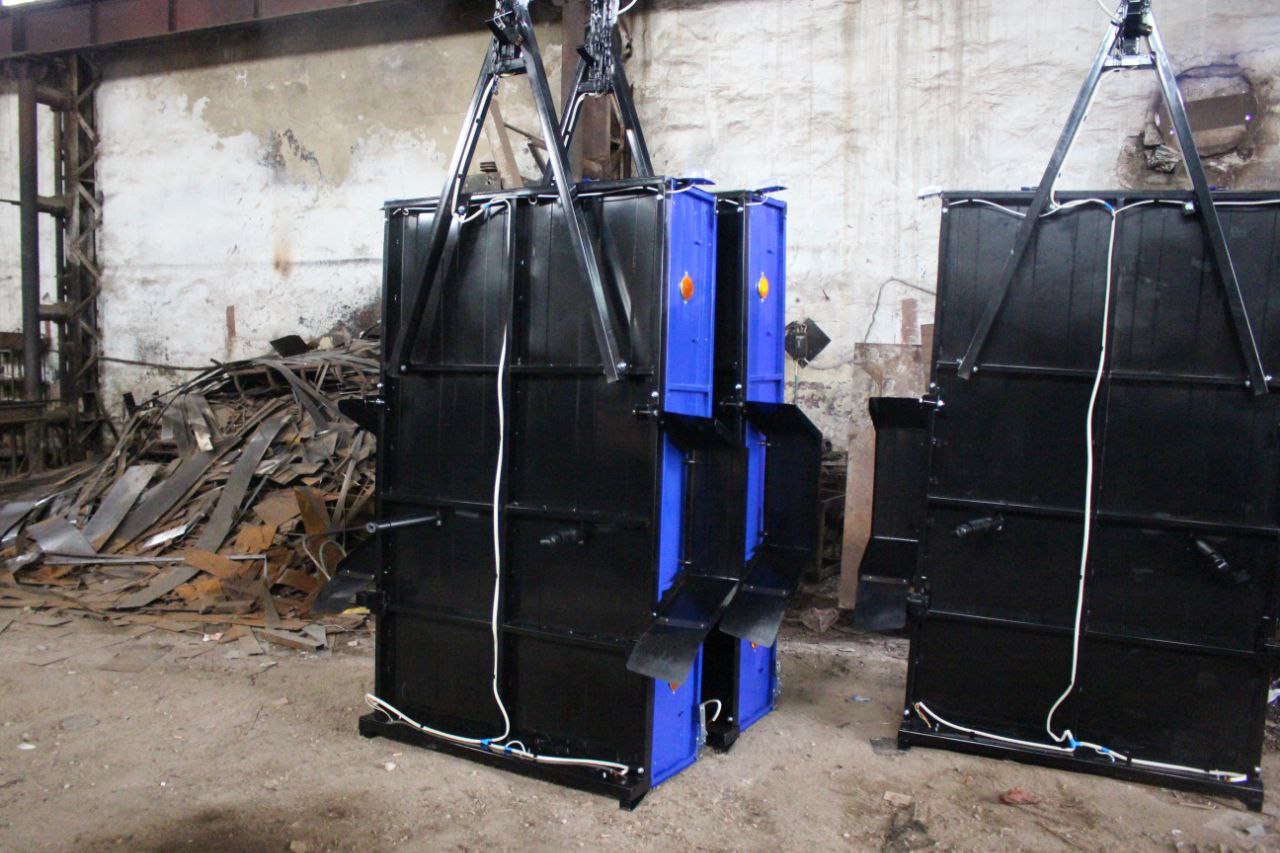
In the branch of the SCES state enterprise, the labour of prisoners has the nature of intensive and systemic production employment. The actual working time in a number of units is from 08:00 to 21:00; work on Saturdays was recorded, as well as the engagement of brigades Nos. 81, 51, and 41 in night shifts from 00:00 to 08:00. At the same time, the documentation does not contain confirmation of proper accounting of night and overtime hours and their payment at an increased rate in accordance with Articles 54, 106, and 108 of the Labour Code of Ukraine.
Certain prisoners work in the branch for a long time, in particular for more than one year, which indicates the sustained nature of the employment. In the RBD workshop and the tool workshop, violations of sanitary and hygienic norms were recorded, in particular, air temperature at the level of +12-13°C and humidity of over 80%, which does not meet the requirements of legislation on labour protection and creates risks for the health of workers.
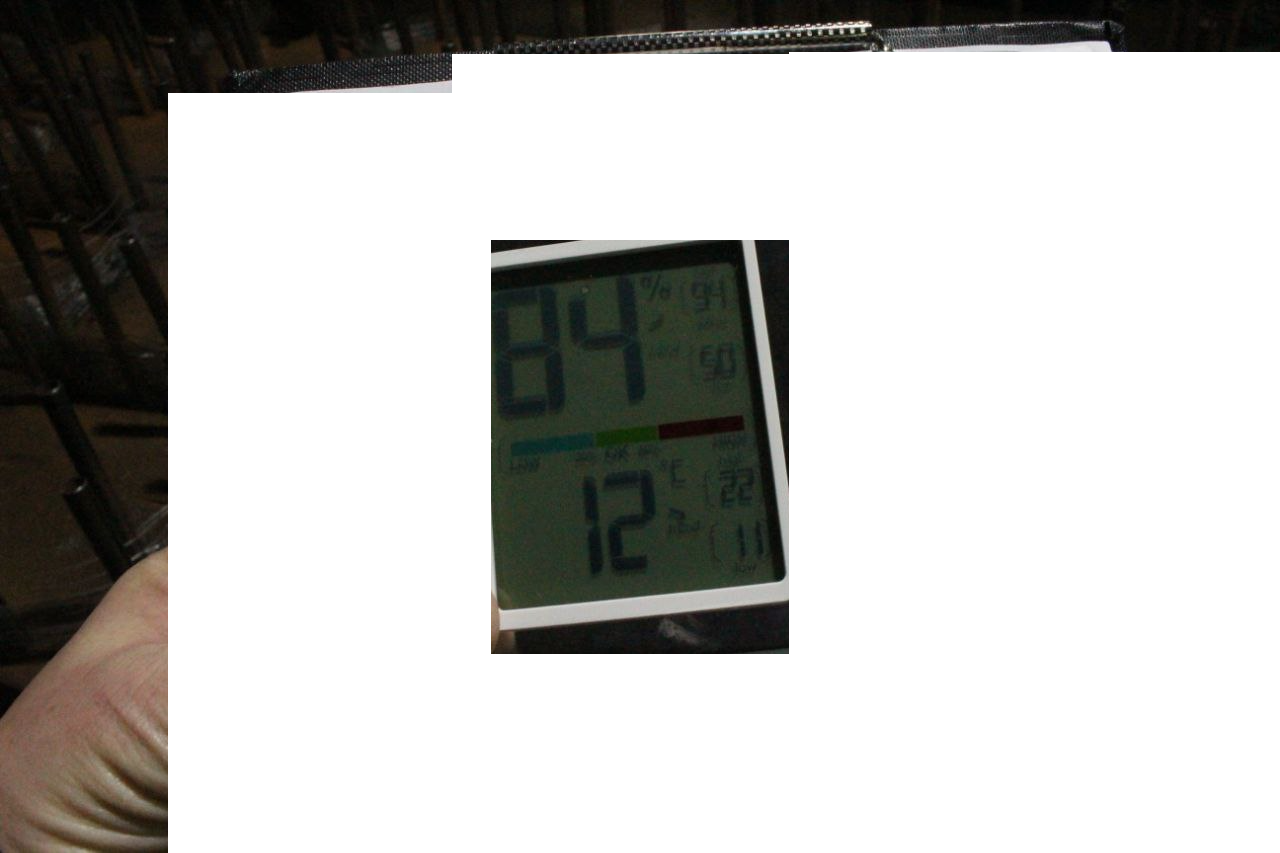
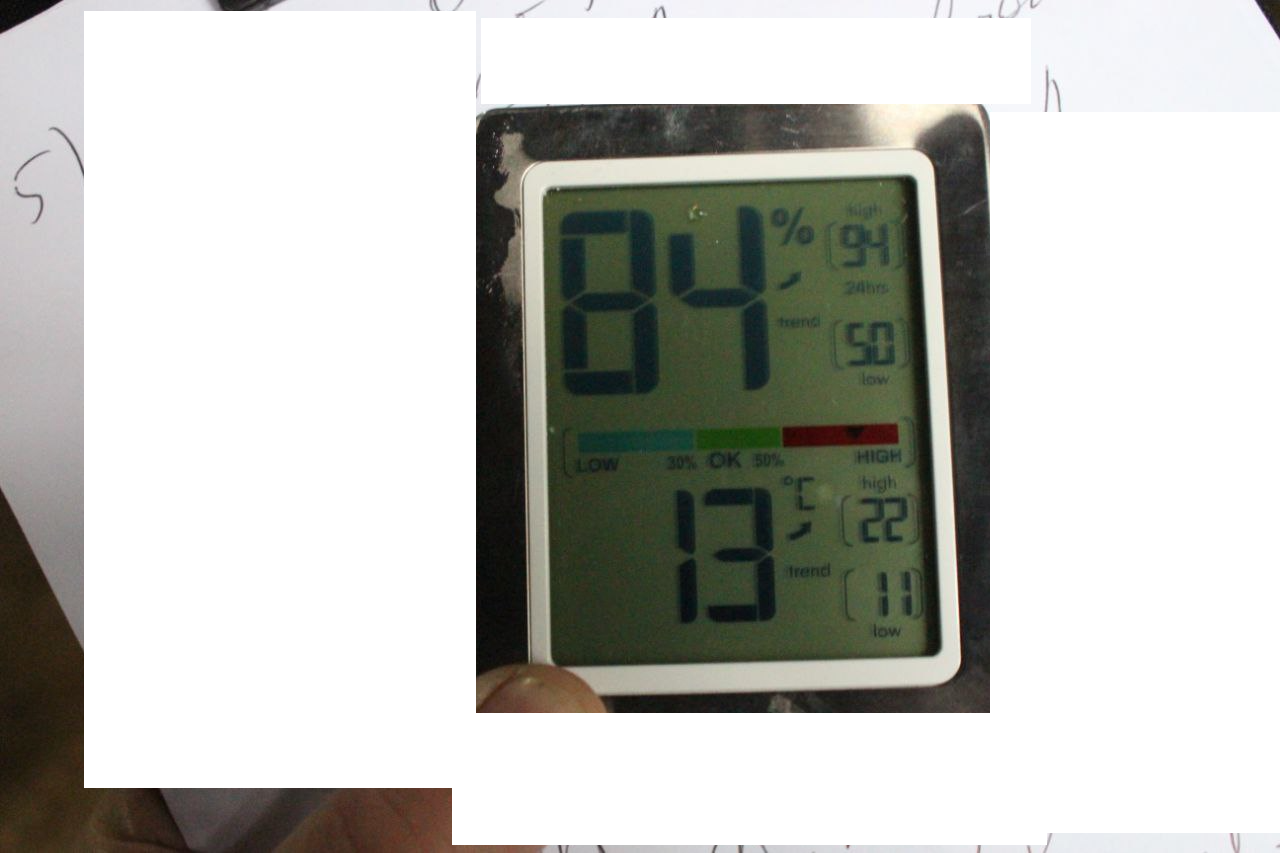
The institution’s production workshops function in a mode of continuous production and, in terms of the nature of labour organisation, do not effectively differ from the state enterprise branch. Prisoners perform specialised work, including welding, turning, sewing, and repair, over a long period. Analysis of payroll information indicates the absence of a transparent mechanism for relating actual hours worked to the amounts of accruals, and the level of actual pay for certain persons does not meet the requirements of Articles 94 and 95 of the Labour Code of Ukraine regarding fair and minimum wages.
Particularly problematic is the organisation of work in the food service unit. It was established that the food service unit is a permanent structural unit of the institution; however, the staff schedule of the food service unit is absent, and the administration did not provide any documents that would define staff positions, standard number of personnel, work regime, and official salaries. All persons working in the food service unit are engaged exclusively under CLCs, despite the permanent and continuous nature of the work performed. Prisoners effectively perform the duties of cooks, bakers, assistant cooks, dishwashers, and bread slicers in a fixed time regime from morning until late evening, often without days off or holidays. Such a nature of work is incompatible with the civil-law form.
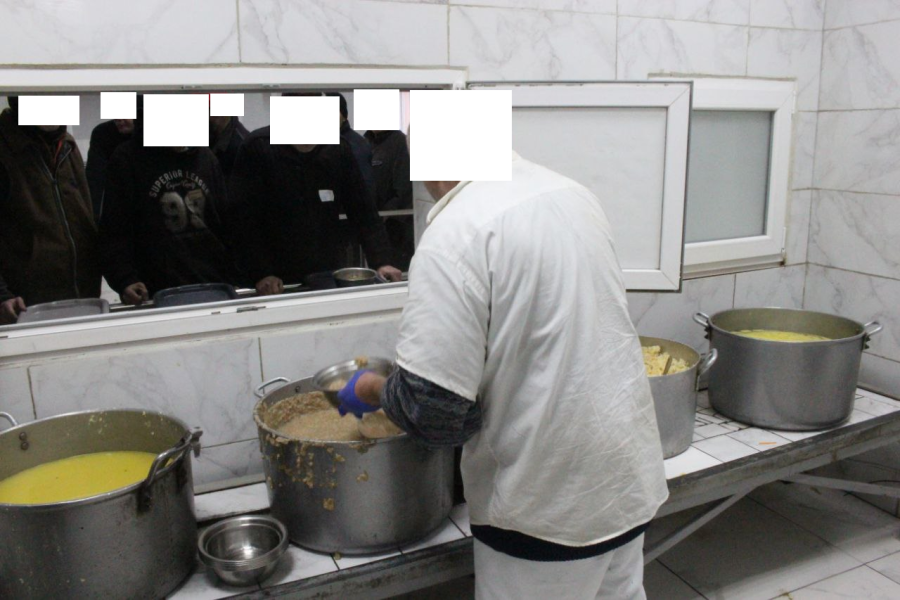
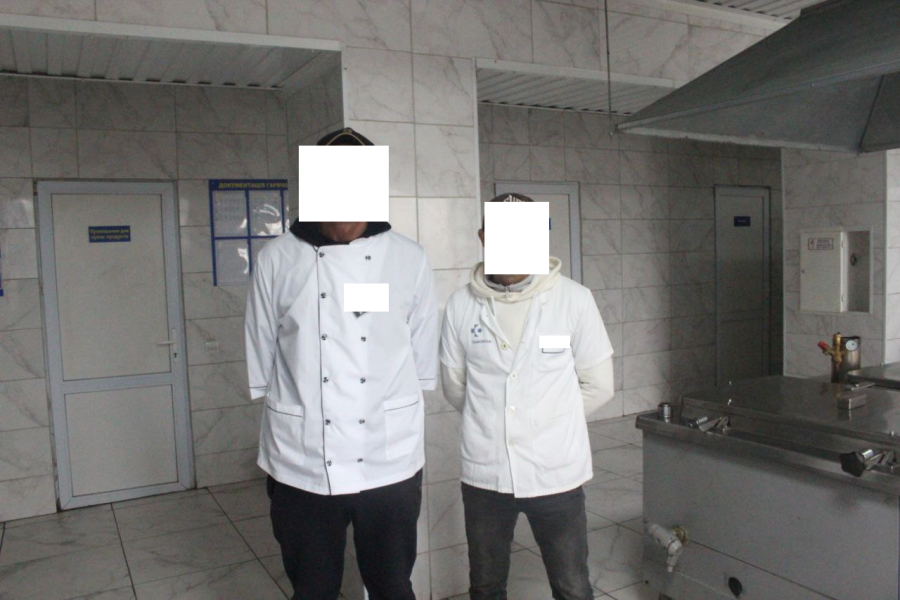
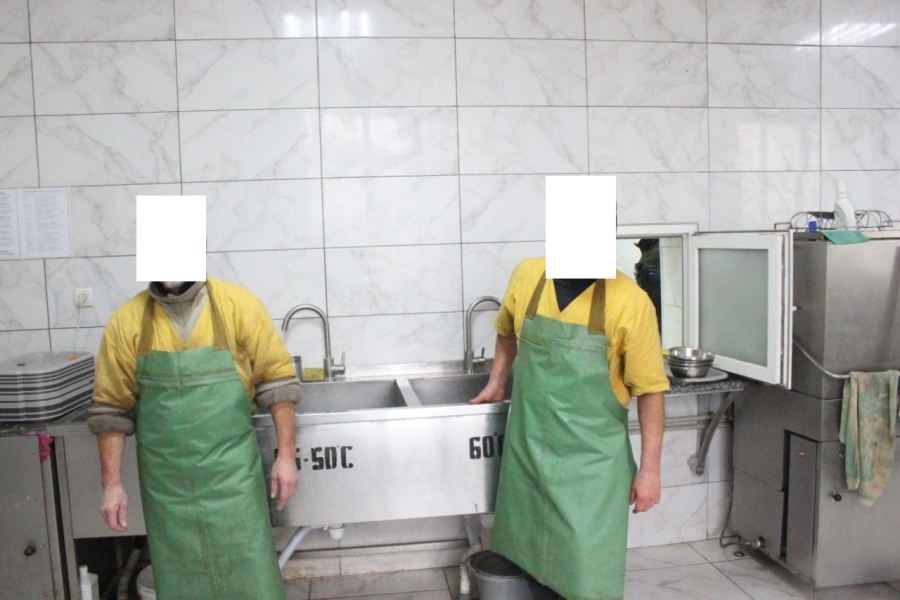
An additional significant violation is that no register of hourly checks and a register of medical examinations of workers by a doctor are maintained in the food service unit. Given the specifics of food production, the absence of medical control contradicts the requirements of sanitary legislation and creates risks both for the health of the working prisoners and for the safety of food in the institution as a whole. Prisoners P. and B. work in the food service unit without pay and without the formalisation of labour relations.
Particular attention should be paid to the auxiliary farming operating on the territory of the institution. According to available information, the farm keeps 89 pigs, and prisoner K. works there daily from 07:00 to 20:00 without days off. Such a work regime has all the signs of full-time labour employment with increased physical load. At the same time, there is no confirmation of his official employment and regular accrual of wages, which indicates the possible use of labour without proper legal formalisation and social guarantees.
In total, analysis of labour contracts, fixed-term employment contracts, CLCs, payroll information, and actual working conditions allows one to conclude that a practice has formed in KVK-71 of using the labour of prisoners that formally relies on different legal instruments but is factually characterised by a single model of labour organisation with excessive working hours, improper accounting and payment of labour, unsatisfactory working conditions, and unequal social protection.
Such a practice does not comply with the requirements of Article 43 of the Constitution of Ukraine, the Labour Code of Ukraine, Article 118 of the Criminal Executive Code of Ukraine, and international standards in the sphere of human rights and creates a high risk of hidden forced labour.
Medical Unit No. 71 of the branch of the State Institution “Centre for Healthcare of the State Criminal-Executive Service of Ukraine” in Zhytomyr Oblast
Head of Medical Unit No. 71 of the branch of the State Institution “Centre for Healthcare of the State Criminal-Executive Service of Ukraine” in Zhytomyr Oblast (hereinafter — the medical unit) — Mykola Mykolaiovych Bahynskyi.
At the time of the visit, the positions of therapist — 0.5 authorised position, clinical psychologist — 1 authorised position, and medical assistant — 2 authorised positions were vacant. During the monitoring visit, violations of the requirements of national legislation and non-compliance with international recommendations in the sphere of the treatment of prisoners were identified, which lead to the violation of the rights of prisoners:
1. During the visit, the monitoring group established that medical staff do not ensure proper recording and documentation of bodily injuries of persons deprived of liberty. In accordance with clause 3 of chapter 1 of section II of the Procedure for organising the provision of medical care to prisoners sentenced to deprivation of liberty, approved by Order of the Ministry of Justice of Ukraine and the Ministry of Health of Ukraine No. 1348/5/572 dated 15 August 2014 (hereinafter — the Procedure), in case of the detection of bodily injuries in a prisoner, the medical worker who discovered such injuries draws up a report in three copies, in which the following are detailed: information (written statement, oral or written explanation of the prisoner concerning the circumstances of receiving bodily injuries (date, time, place of receiving, methods of causing injuries, information about the person(s) who, in the prisoner’s opinion, caused them), as well as other information regarding the receipt of bodily injuries); an exhaustive description of medical indicators characterising the state of health of the prisoner, the nature of the injuries, their size and location; the medical worker’s assumption based on the information provided by the prisoner and medical indicators, as well as the justification of their correlation.
Attached to the report by the medical worker are primary accounting document form No. 511/o “Report on the recording of bodily injuries”, approved by Order of the Ministry of Health of Ukraine No. 110 dated 14 February 2012, registered with the Ministry of Justice of Ukraine on 28 April 2012 under No. 661/20974, and photographs of the prisoner’s existing bodily injuries. Two copies of the report and attachments to it are added to the materials of the personal file and the medical card of an outpatient patient (form No. 025/o); the third copy is issued personally to the prisoner who underwent the examination.
Instead, as established during the monitoring visit, in cases of discovering bodily injuries, medical staff effectively fill out only primary accounting document form No. 511/o without drawing up the report in three copies and without performing the full set of actions provided for by the Procedure. This indicates a systemic violation of the requirements of clause 3 of chapter 1 of section II of the Procedure and improper organisation of medical recording of bodily injuries.
2. The monitoring group established that the preventive medical examination of prisoners is not carried out in full as provided for by the Procedure. In particular, the examination was not conducted by a psychiatrist and a dentist, whose participation in the preventive medical examination of prisoners is mandatory. This is evidenced by the absence of entered results of the preventive medical examination in the medical card of an outpatient patient (form No. 025/o). The aforementioned contradicts clause 2 of chapter 3 of section II of the Procedure.
3. In the medical unit, the conduct of opioid substitution maintenance therapy (hereinafter — SMT) for persons with mental and behavioural disorders resulting from opioid use has not been organised in accordance with the Procedure for conducting opioid substitution maintenance therapy for persons with mental and behavioural disorders resulting from opioid use, approved by Order of the Ministry of Health of Ukraine No. 200 dated 27 March 2012.
Drug-dependent persons are not provided with socio-psychological support, cognitive-behavioural therapy, relapse prevention, motivational interviewing, mutual aid groups, etc. Thus, these persons are deprived of the opportunity to receive SMT, which violates their right to choose methods of treatment in accordance with Article 38 of the Law of Ukraine “Fundamentals of Ukrainian Legislation on Healthcare”.
At the same time, the Committee in the report on the results of the 2023 visit to Ukraine notes that entering a penitentiary institution is an opportunity to solve the problem associated with drugs, and therefore it is important that relevant help be offered to all interested persons. Thus, relevant medical care must be accessible in all institutions. The help offered to such persons must be diverse; substitution therapy programmes for persons with drug dependence must be combined with full-fledged psychosocial and educational programmes for persons with opioid dependence who are unable to stop drug use.
Furthermore, access to SMT programmes in institutions must be easily accessible, and they must be managed by penitentiary doctors who have undergone special training on issues related to drug use (CPT/Inf (2024) 20, paragraph 86).
4. In violation of clause 8 of chapter 5 of section II of the Procedure, there is no equipped isolation ward for persons with mental disorders who pose a danger to others in the medical unit’s inpatient ward.
5. During the analysis of medical documentation, it was established that persons undergoing outpatient treatment with a psychiatrist did not sign primary accounting document form No. 003-8/o “Informed consent of a person to outpatient psychiatric care”. The absence of signed consent makes it impossible to properly confirm the voluntariness of patients receiving psychiatric care and the application to them of relevant methods of diagnosis, prevention, and treatment.
This indicates non-compliance with the requirements of the Law of Ukraine “On Psychiatric Care”, as well as the Instructions on filling out primary accounting document forms, approved by Order of the Ministry of Health of Ukraine No. 970 dated 15 September 2016, and rule 32(b) of the UN Standard Minimum Rules for the Treatment of Prisoners (the Nelson Mandela Rules). Furthermore, in violation of the requirements of the Instruction on filling out primary accounting document form No. 003-7/o “Informed consent of a person to undergo a psychiatric examination”, approved by Order of the Ministry of Health of Ukraine No. 970 dated 15 September 2016, the absence in the medical documentation (medical card form No. 025/o or No. 003/o) of informed consent signed by the patient to undergo a psychiatric examination was established.
6. In violation of the requirements of the Standards of medical care for viral hepatitis C in adults, approved by Order of the Ministry of Health of Ukraine No. 51 dated 15 January 2021, not all persons (30 persons as of 11 November 2025) with suspected viral hepatitis C undergo PCR testing, due to which they do not receive the necessary treatment, which may lead to a deterioration of their health and the spread of the aforementioned infectious disease among prisoners and detained persons. Furthermore, on the day of the visit, there were no medicinal products for the treatment of viral hepatitis C in the medical unit’s pharmacy.
7. Dispensary supervision is carried out for 14 persons with disabilities, of whom: category I — 0 persons, category II — 2 persons, category III — 12 persons. At the same time, in violation of the requirements of the Law of Ukraine “On Rehabilitation of Persons with Disabilities in Ukraine”, persons with disabilities do not receive proper diagnostic, treatment, and rehabilitation measures in the presence of information confirming sustained impairment of body functions caused by illnesses and consequences of injuries, which cause restriction of normal life activity.
Thus, during the study of the medical documentation of prisoners, it was established that one person with a disability lacks an individual rehabilitation programme (hereinafter — IRP). Furthermore, the recommendations of the IRP are not fulfilled, due to which this person does not receive proper diagnostic, treatment, and rehabilitation measures in the presence of information confirming sustained impairment of body functions caused by illnesses and consequences of injuries, which cause restriction of normal life activity.
8. In violation of the requirements of the Standards of entitlement to bedding, special clothing, and special footwear (inventory property) for prisoners undergoing treatment in medical-preventive facilities, facilities with the status of medical facilities, and medical units at penal institutions and pre-trial detention centres, approved by Order of the Ministry of Justice of Ukraine No. 280/5 dated 20 February 2012, prisoners are not provided with hospital property (suit, robe, hospital slippers). Prisoners remain in the inpatient ward in everyday clothing, sometimes with their own bedding. Some mattresses require replacement.
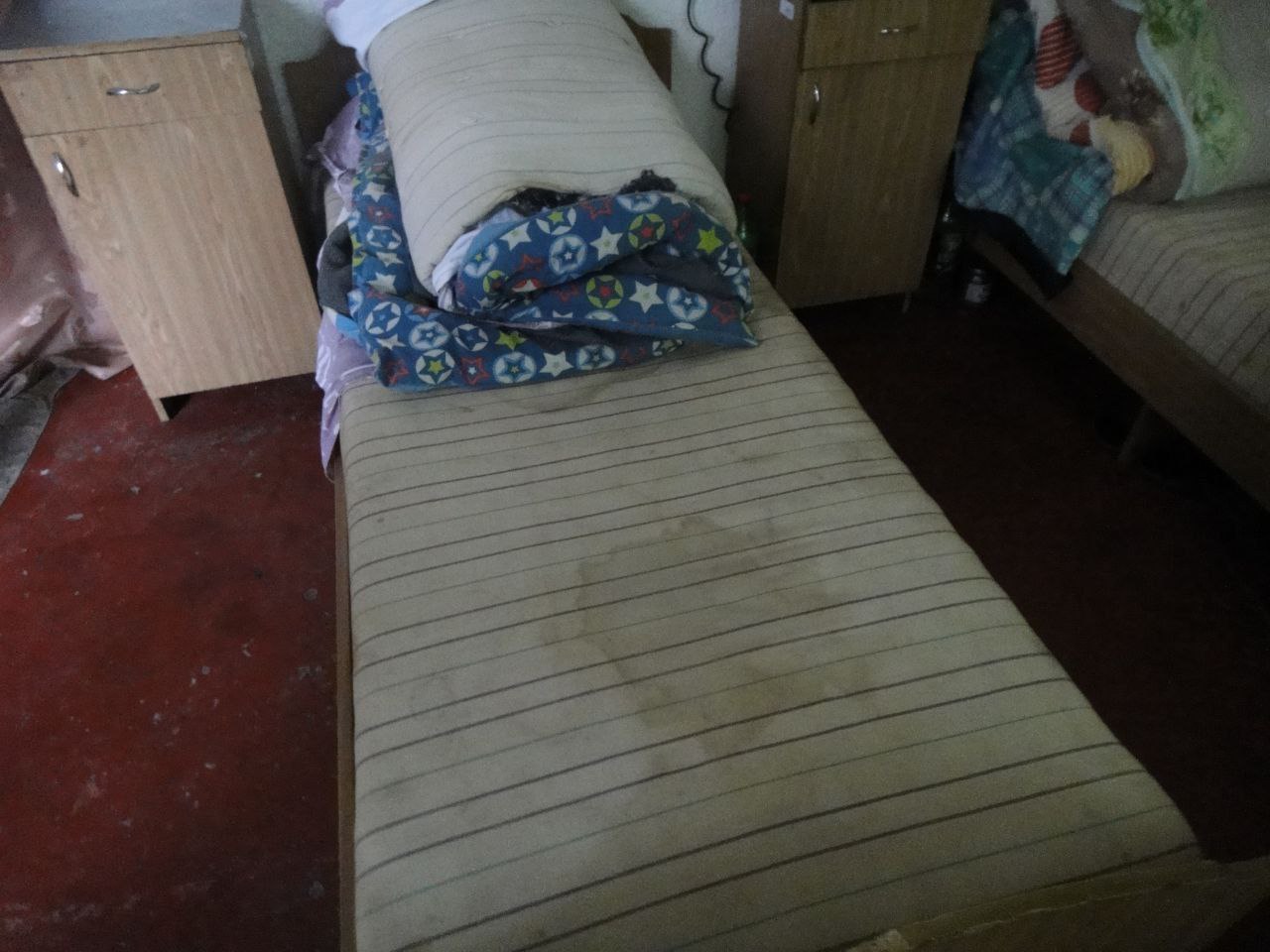
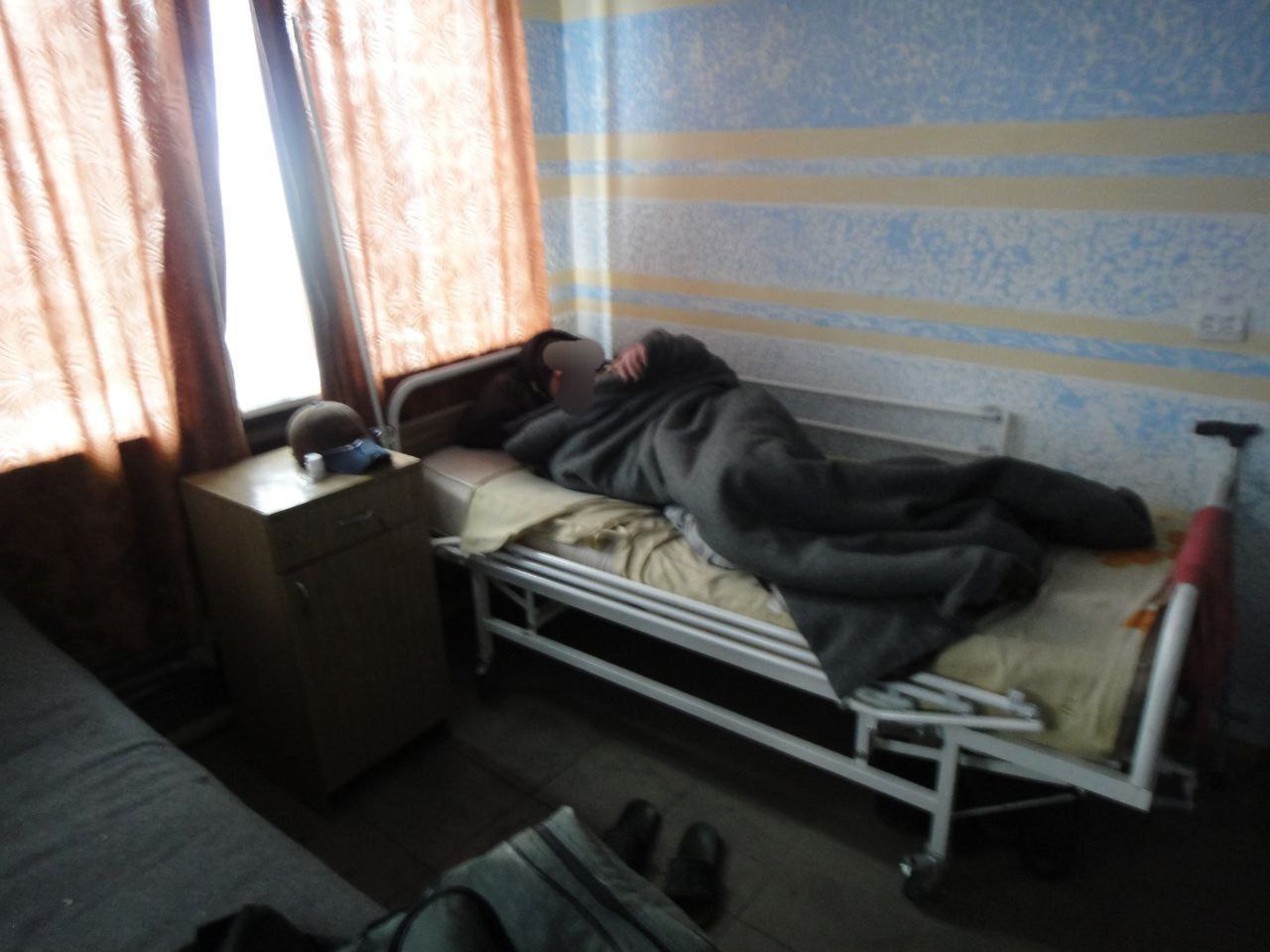
9. In violation of the requirements of the State Building Norms of Ukraine V.2.2-40:2018 “Inclusivity of buildings and structures. Basic provisions”, appropriate conditions for persons with disabilities have not been created in the medical unit.
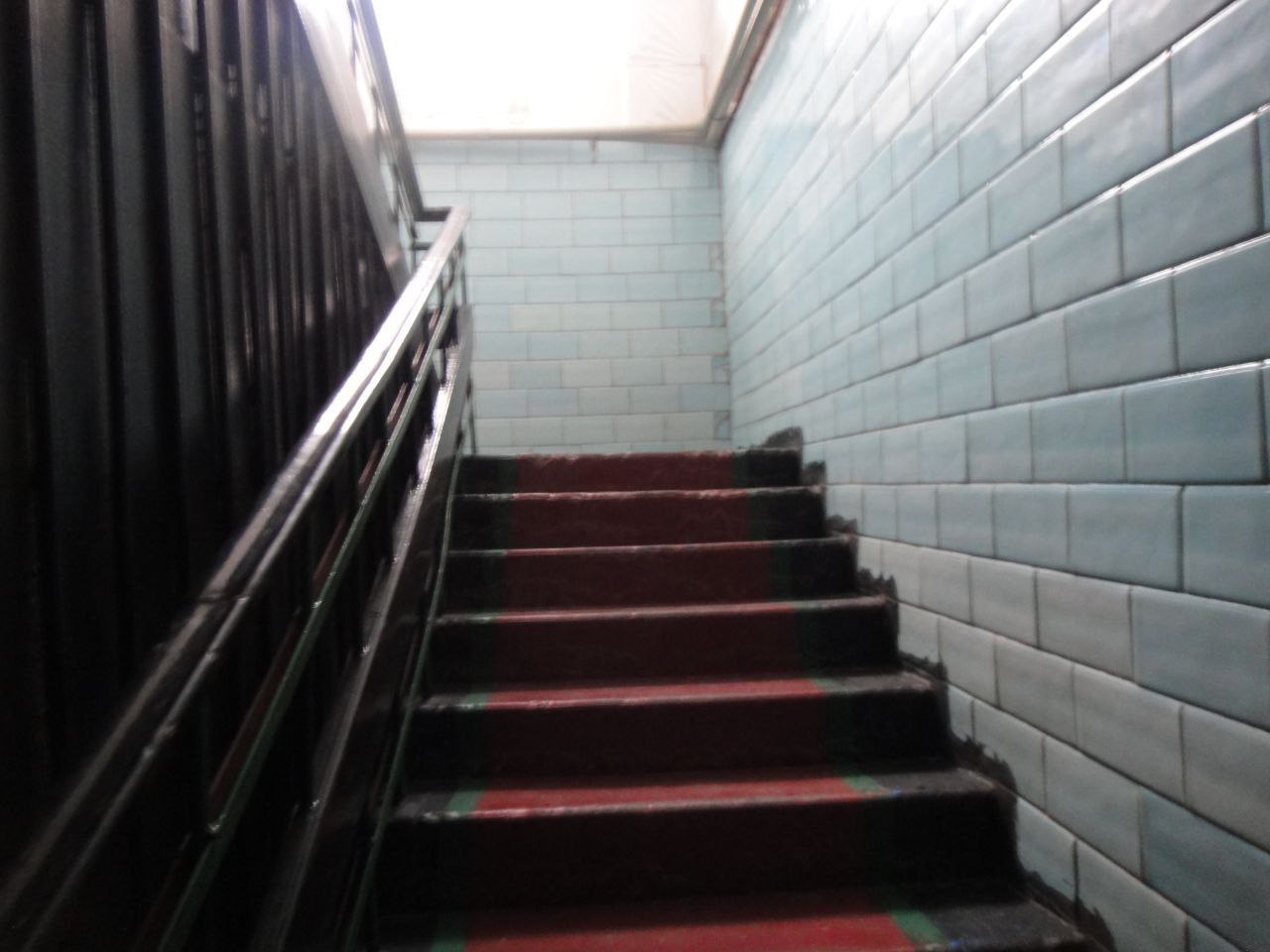
10. In violation of clause 37 of the Resolution of the Cabinet of Ministers of Ukraine No. 285 dated 2 March 2016 “On approval of License conditions for conducting economic activities in medical practice”, the medical unit lacks a conclusion confirming free access to the buildings and premises of the healthcare facility for persons with reduced mobility, which is mandatory to obtain.
11. In violation of the requirements of the Equipment supply schedule for a workplace of a dentist and dental technician, approved by Order of the Ministry of Health of Ukraine No. 158 dated 11 April 2005, the medical unit lacks a dental X-ray machine, which makes it impossible to conduct an in-depth dental examination of prisoners and does not ensure the timely provision of proper dental care.
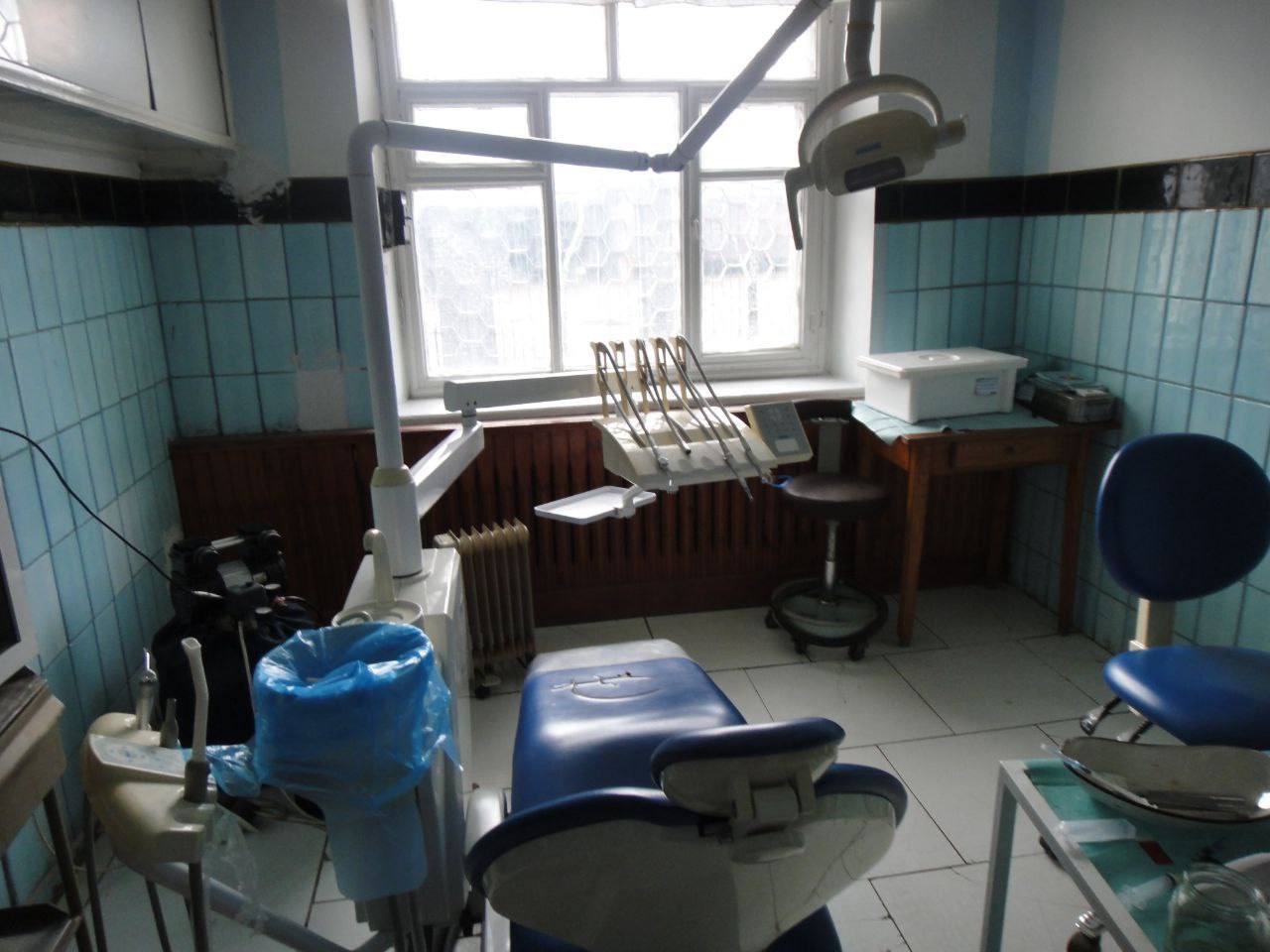
12. In violation of the Procedure for organising the provision of medical care at the primary, secondary (specialised) and tertiary (highly specialised) levels using telemedicine, approved by Order of the Ministry of Health of Ukraine No. 681 dated 19 October 2015, the medical unit staff are deprived of the opportunity to send requests for telemedicine consultations and receive professional assistance for the provision of medical services to prisoners due to technical limitations.
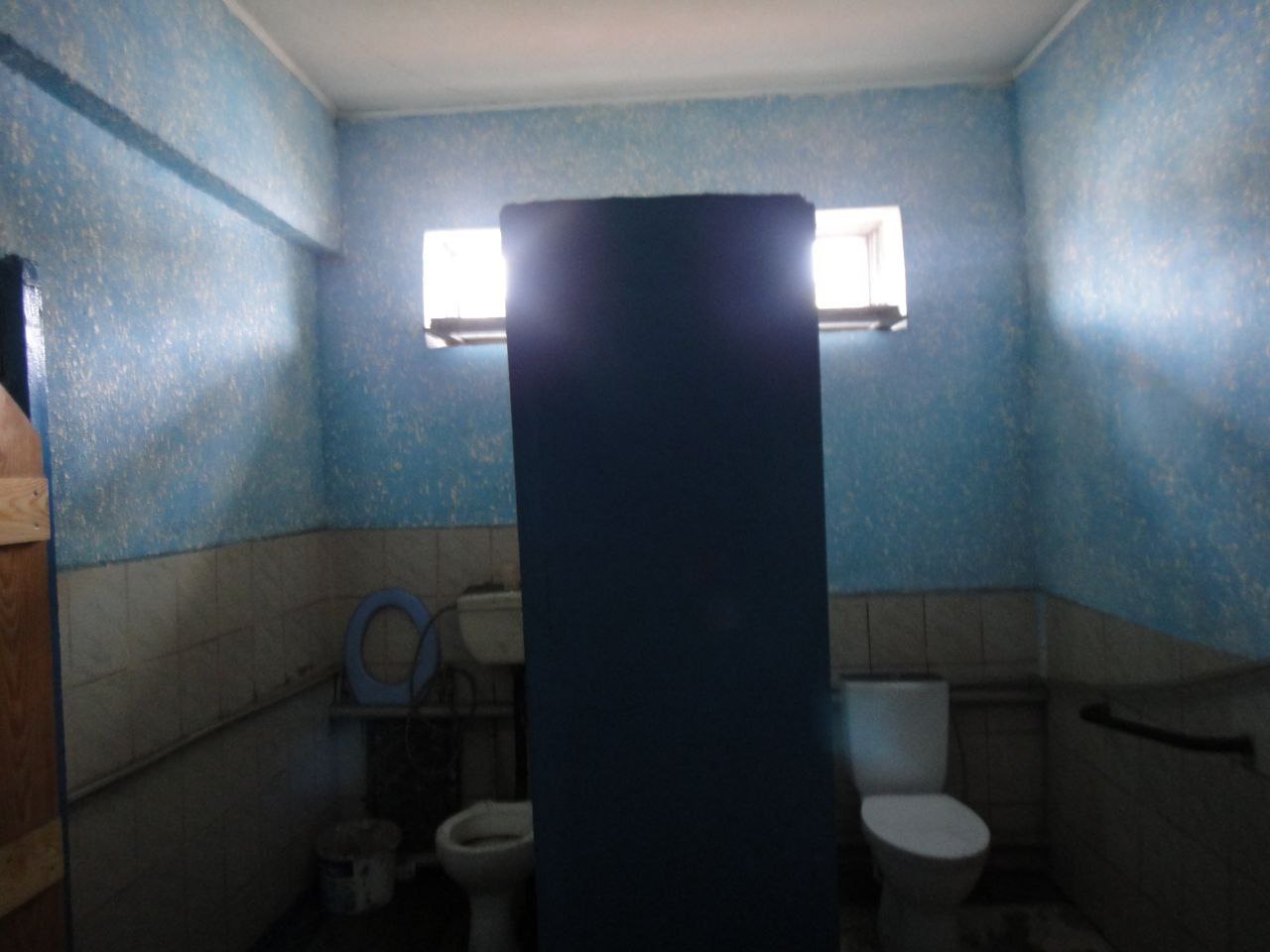
13. In violation of the requirements of rule 19.3 of the European Prison Rules, the sanitary-hygienic unit in the medical unit is not equipped with a door, as a result of which the prisoners’ right to privacy is not ensured.
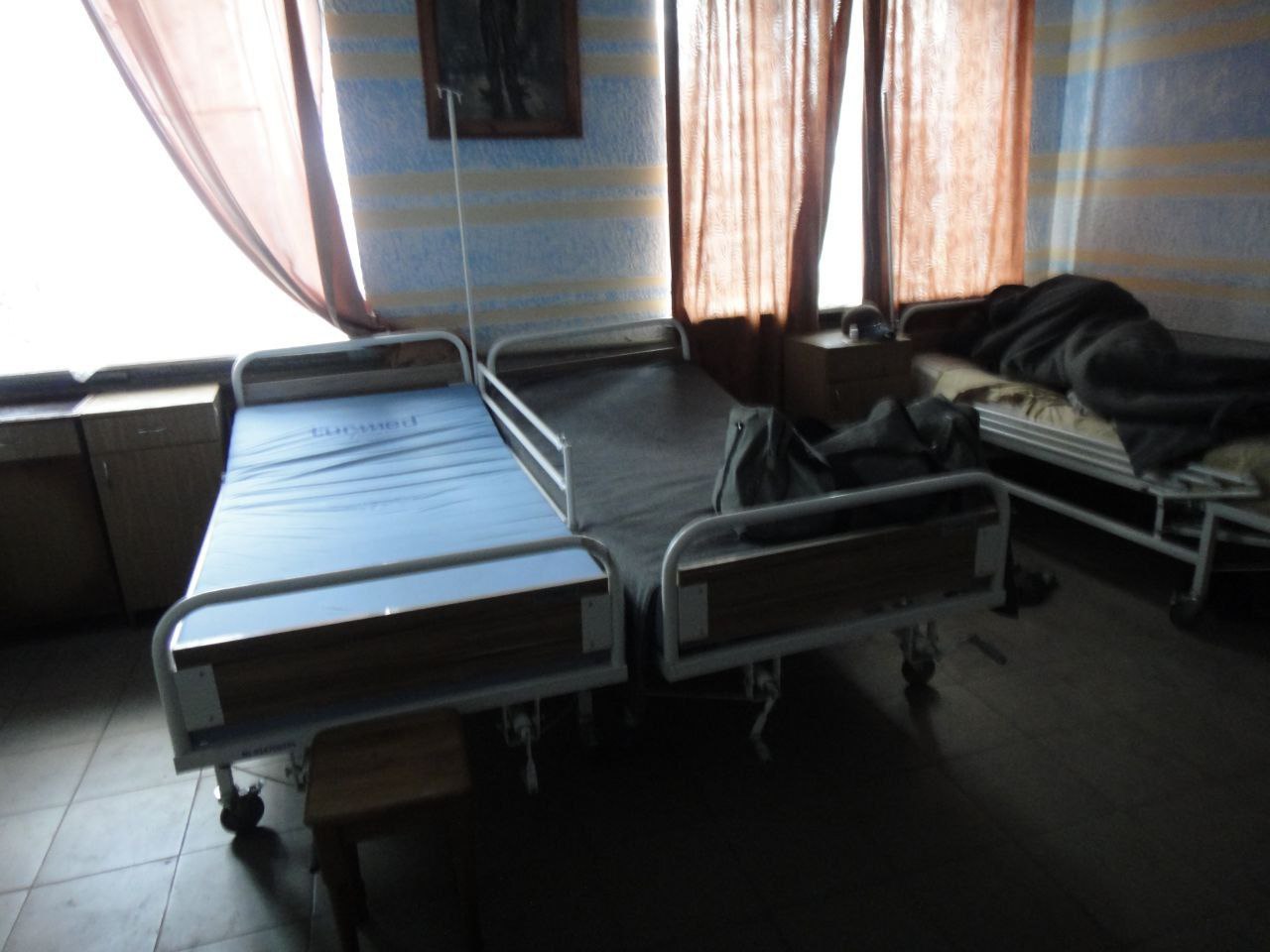
14. In some wards, beds are placed right next to each other, which does not provide prisoners with personal space and contradicts the requirements of the State Building Norms of Ukraine V.2.2-10:2022 “Healthcare facilities”, and also violates rule 18.1 of the European Prison Rules.
15. The doctors' office and X-ray room are not provided with fire extinguishers, which is a violation of clause 3.6 of chapter 3 of section V of the Rules, as well as clause 10.18 of chapter 10 of the State Sanitary Rules and Norms “Hygienic requirements for the arrangement and operation of X-ray rooms and the conduct of radiological procedures”, approved by Order of the Ministry of Health of Ukraine No. 294 dated 4 June 2007, registered with the Ministry of Justice of Ukraine on 7 November 2007 under No. 1256/14523.
16. In violation of the Fire Safety Rules in Ukraine, approved by Order of the Ministry of Internal Affairs of Ukraine No. 1417 dated 30 December 2014 (hereinafter — the Rules), the premises of the medical unit are not equipped with fire extinguishing and fire alarm systems.
Recommendations:
1. Ensure the cessation of the practice of engaging prisoners to perform work in the QDD ward without concluding an employment contract and without defining the terms of remuneration in accordance with the requirements of the CEC of Ukraine and labour legislation.
2. Immediately cease the use of prisoners as “orderlies” with the delegation to them of functions of supervision, control, and influence over other prisoners; ensure that supervision functions are performed solely by the institution's staff.
3. Implement an effective system for organising work with newly arrived prisoners: ensure the actual functioning of the working group, the regular conduct of activities under the familiarisation programme, and mandatory documentation of visits to the QDD ward by administration representatives.
4. Bring the material and living conditions of the QDD ward into compliance with the Standards of provision: ensure the availability of the provided premises for storing food, personal belongings, the exchange fund of bedding/clothing, temporary storage of dirty laundry, a cloakroom, and a utility room.
5. Ensure compliance with hygiene and privacy standards in the QDD ward: install drinking water containers with proper equipment, replace worn-out mattresses and pillows, and fit out bathrooms with partitions that guarantee privacy.
6. Discontinue the practice of placing nominal cards with a brief description of the crime on prisoners' beds in the QDD ward, as it is stigmatising and contradicts international recommendations.
7. Bring the DIW/cell-type premises into compliance with established standards: ensure the availability of necessary premises (in particular for the reception of prisoners by the administration and medical staff, for temporary storage of dirty laundry, a barbershop) and proper sanitary and hygienic conditions.
8. Ensure proper conditions for medical examinations in the DIW/cell-type premises while maintaining the confidentiality of medical information, including through the fitting out of a separate room for reception by medical staff.
9. Improve detention conditions in the DIW cell premises: ensure sufficient access to natural light and ventilation, carry out repairs to the premises, and equip bathrooms with partitions to ensure privacy.
10. Ensure compliance with disciplinary proceedings guarantees: systematically issue copies of decisions on the application of disciplinary penalties to prisoners with an explanation of the procedure for appealing them and the right to access a lawyer.
11. Restore or ensure radio connection in the DIW cell premises in accordance with the requirements of the IRPI and minimum international standards.
12. Ensure daily visits to the DIW by a medical worker and the proper maintenance of the visit register with entries made for all days provided for by regulatory requirements.
13. Improve walking conditions in the DIW/cell-type premises: bring exercise yards into a proper state, ensure they are equipped with waste bins, and review the designs of canopies/covers with the aim of ensuring access to natural light and the possibility of an “open sky”.
14. Ensure that the use of video surveillance in cell premises is applied only on the basis of an individual risk assessment, with the determination of timeframes and regular review of the necessity of such a measure, and with proper documentation of the relevant decisions.
15. Ensure compliance with food supply requirements: organise the sampling, storage, and control of the availability of daily samples of all dishes of the daily ration in accordance with the established procedure.
16. Restore the proper operation of the bath and laundry complex: ensure the functioning of the disinfection chamber, restore forced supply and exhaust ventilation in the laundry, and ensure the availability of all required premises (receiving dirty laundry, mending and storing clean laundry, issuing clean laundry, and a shower and toilet for staff).
17. Ensure compliance with the temperature regime in SPS residential premises during the cold season at a level no lower than +18°C and establish control over its maintenance.
18. Ensure the institution’s shop has an assortment in accordance with the requirements of the IRPI, including the availability of items provided for by appendix 5.
19. Ensure that staff who are in direct contact with prisoners do not carry special means openly; bring the practice of carrying special means into compliance with the IRPI and international recommendations.
20. Strengthen the work of the social-educational and psychological service regarding preparation for release: ensure systemic assistance in obtaining passports, RNTROs, and other documents; determine the priority and timeframes for resolving the needs of persons who do not have documents.
21. Review the practice of short-term visits with the aim of ensuring the conduct of open visits as a general rule; apply the non-contact format only as an exception on the basis of individually motivated decisions following a risk assessment.
22. Take measures to staff the institution, in particular the supervision and security services, with the aim of ensuring sufficient staff presence in residential zones; cease the practice of 24-hour shifts.
23. Ensure a real and accessible level of safety under martial law conditions: organise the fitting out of a shelter or the adaptation of available underground premises as a temporary solution; define clear timeframes, responsible persons, and the procedure for the evacuation or movement of prisoners and staff during air raids.
24. Bring practices of engaging prisoners in work into compliance with legislative requirements: minimise the use of fixed-term employment contracts and civil-law contracts for work of a permanent nature; ensure the proper formalisation of labour relations, clear definition of working conditions, duration of working hours, and the procedure for engagement in night and overtime work and their payment.
25. Ensure proper accounting of working hours and remuneration in accordance with the requirements of the Labour Code of Ukraine, including increased payment for night and overtime work and work on weekends; introduce a transparent mechanism for relating hours worked to accruals.
26. Eliminate violations in the organisation of work in the food service unit: approve the staff schedule, define positions, standard personnel numbers, work regime, and official salaries; cease the engagement of permanent work solely under civil-law contracts; ensure the maintenance of registers of hourly checks and medical examinations of workers.
27. Conduct an inspection of facts concerning the engagement of prisoners in work without pay and without the formalisation of labour relations (in particular in the food service unit) and ensure the restoration of violated rights, including through proper formalisation and accrual of wages.
28. Ensure proper legal formalisation and social guarantees for persons engaged in work in auxiliary farming, taking into account the actual duration of working hours, working conditions, and the necessity of payment and social insurance.
29. Take measures aimed at eliminating identified human rights violations and preventing torture, other cruel, inhuman or degrading treatment or punishment in Medical Unit No. 71 of the branch of the State Institution “Centre for Healthcare of the State Criminal-Executive Service of Ukraine” in Zhytomyr Oblast.
30. Ensure the staffing of the medical unit with medical specialists in accordance with needs.
31. Ensure control over the proper maintenance of medical documentation in accordance with the Procedure for organising the provision of medical care to prisoners sentenced to deprivation of liberty, approved by joint order of the Ministry of Justice of Ukraine and the Ministry of Health of Ukraine No. 1348/5/572 dated 15 August 2014, and other regulatory legal acts.
32. Ensure timely and proper recording of bodily injuries in prisoners.
33. Ensure the conduct of preventive medical examinations of prisoners in full in accordance with the requirements of the Procedure, with the mandatory involvement of a psychiatrist and a dentist and proper entry of examination results into the medical card (form No. 025/o).
34. Ensure the possibility of receiving substitution maintenance therapy on the basis of a diagnosis of mental and behavioural disorders resulting from opioid use.
35. Ensure the equipment of an isolation ward for persons with mental and behavioural disorders in accordance with established requirements.
36. Ensure the obtaining of informed consent from patients for examination and treatment in the prescribed form.
37. Fulfil the requirements of clause 37 of the Resolution of the Cabinet of Ministers of Ukraine No. 285 dated 2 March 2016 “On approval of License conditions for conducting economic activities in medical practice”.
38. Provide the medical unit with hospital property (hospital suits, robes, and slippers).
39. Ensure the proper operation of the telemedicine complex for the making of requests by doctors for telemedicine consultation.
40. Ensure all persons with suspected HCV have access to PCR testing in the shortest possible time and organise necessary antiviral treatment for persons with a confirmed diagnosis.
41. Ensure the conduct of individual rehabilitation for persons who require it.
42. Provide the medical unit with a dental X-ray machine and necessary equipment for conducting a full-fledged dental examination and treatment.
43. Ensure the accessibility of the institution’s buildings in accordance with DBN V.2.2-40:2018 “Inclusivity of buildings and structures. Basic provisions”.
44. Ensure the placement of beds in wards in compliance with the requirements of DBN V.2.2-10:2022 and rule 18.1 of the European Prison Rules, which will guarantee proper personal space for prisoners.
45. Equip the bathroom in the medical unit with a door with the aim of ensuring the prisoners’ right to privacy in accordance with rule 19.3 of the European Prison Rules.
46. Eliminate violations of fire safety requirements.