Report on the Results of the Monitoring Visit to Kamyanske Correctional Colony No. 34
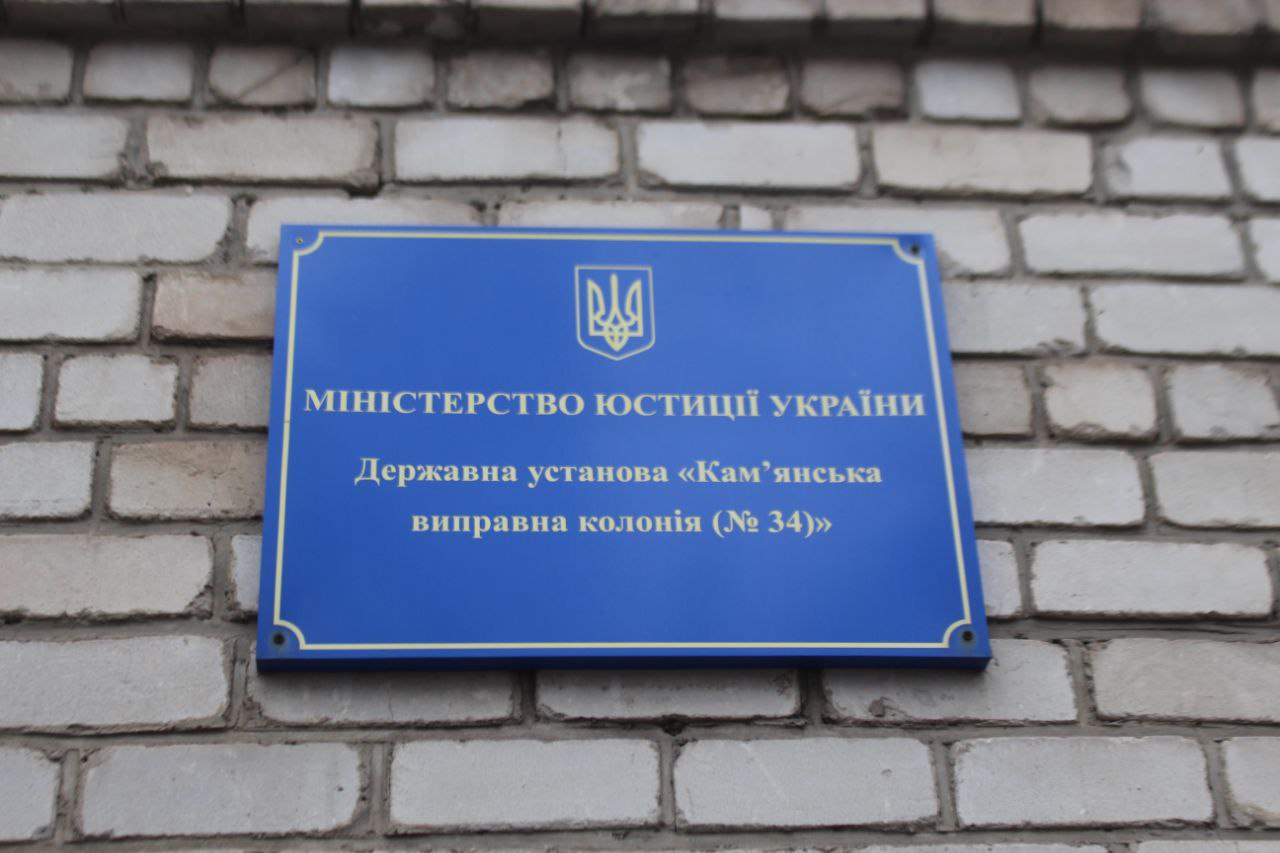
On 16 December 2025, in accordance with the Optional Protocol to the Convention against Torture and Other Cruel, Inhuman or Degrading Treatment or Punishment, and taking into account the provisions of the Standard Minimum Rules for the Treatment of Prisoners and the case law of the European Court of Human Rights, on the basis of Article 24 of the Criminal Executive Code of Ukraine “Visiting correctional facilities”, a group of monitors from the Kharkiv Human Rights Protection Group and the NGO “Prisoners’ Rights of Ukraine” carried out a visit to the state institution “Kamyanske Correctional Colony (No. 34)” (hereinafter — KCK-34, the institution, the facility, the colony).
A routine, unannounced visit was carried out, during which all the institution’s facilities were examined. The previous visit took place on 19 November 2022.
In preparation for the visit, the monitors used materials from complaints filed by convicted persons and their relatives, materials from previous reports, and reports from monitors of the National Preventive Mechanism under the Commissioner for Human Rights of the Verkhovna Rada of Ukraine (NPM).
The visit was conducted within the framework of the project “Reducing the Suffering of Prisoners in the Context of the War in Ukraine”, funded by the government of Denmark in partnership with DIGNITY (Danish Institute Against Torture).
The visit was carried out by the following monitors:
- Andriy Didenko — Assistant to the People’s Deputy of Ukraine Yaroslav Yurchyshyn, programme coordinator of the Kharkiv Human Rights Protection Group, has experience with monitoring visits since 2014, an NPM monitor, and a member of the NPM advisory council;
- Serhiy Zuikov — Assistant to the People’s Deputy of Ukraine Kostyantyn Kasai, member of the Public Council under the Ministry of Justice of Ukraine, member of the NGO “Prisoners’ Rights of Ukraine”, NPM monitor, with many years of experience in monitoring visits;
- Oleh Tsvilyi — Member of the Public Council under the Ministry of Justice of Ukraine, head of the NGO “Prisoners’ Rights of Ukraine”, has significant experience in monitoring visits, specialising in issues of torture, cruel and inhuman treatment.
KCK-34 operates under conditions of gradual adaptation to modern approaches in the field of penal enforcement and is focused on compliance with national and international standards for the treatment of convicted persons. During the monitoring visit, the institution’s administration fully facilitated the work of the monitoring group, provided access to premises and documentation, and provided necessary explanations, which allowed for a comprehensive assessment of human rights compliance and the practices of the institution’s operation.
The results of the visit confirm the existence of organisational decisions aimed at ensuring the basic rights of convicted persons, as well as specific aspects requiring further systemic improvement. In particular, additional attention is required regarding issues of the reception and initial placement of new arrivals, the provision of separate accommodation and the consistent implementation of adaptation measures, certain elements of material and household support, food services, healthcare, and regime conditions.
In the sphere of convict labour, the employment form is applied; however, the content of employment contracts and the practice of their implementation require clarification in order to increase the transparency of remuneration and ensure proper social guarantees. Overall, the results of the monitoring visit indicate the advisability of strengthening management coherence, internal control, and further orientation towards the practical implementation of standards that directly affect the dignity, safety, and social rights of persons serving sentences.
General Information
KCK-34 is a minimum-security penal institution for holding women who are serving a sentence of deprivation of liberty for the first time.
The institution is located at the following address: 214 Mykhailo Hrushevsky Street, Kamyanske, Dnipropetrovsk Region, 51912.
KCK-34 is one of the penal institutions of the Soviet period, created in the mid-20th century as part of the formation of an industry-oriented penitentiary system in the Dnipropetrovsk region. The institution functioned as a correctional labour colony, the main purpose of which was to involve convicted persons in work at production facilities linked to the region’s industrial complex.
After Ukraine gained independence, the colony was integrated into the system of the State Department of Ukraine for the Execution of Sentences, and later into the structure of the State Penitentiary Service of Ukraine. At various stages of its operation, the institution underwent organisational changes associated with the reform of the penitentiary system, changes in the contingent of convicted persons, and the requirements of national legislation and international standards in the field of treatment of persons deprived of liberty.
As of the time of the visit, the head of the institution is Colonel of the Internal Service Karina Oleksandrivna Abramovych.
The facility consists of a duty unit, a quarantine, diagnostics, and distribution (QDD) department, social-psychological service (SPS) sections, a canteen, disciplinary isolation (DIU) premises, chamber-type premises (CTP), a medical unit, a bath and laundry complex, visitation rooms, a shop, a library, a parcel reception room, and administrative premises.
According to the institution’s administration, the authorised staff number is 188.5 positions, with an actual number of 159.5 positions. The total staff shortage in the institution is 29 persons.
The actual number of persons held in the institution is 390. Two psychologists work at the facility. During 2025, 180 convicted persons arrived at the colony.
During 2024, 1 person died, and in 2025, 2 persons died. On operational-preventive registration were: 24 persons prone to suicide, of whom 5 are prone to both suicide and self-harm; 11 persons prone to self-mutilation; 3 persons prone to escape; 1 malicious violator of the custodial regime.
During 2024-2025, no person submitted complaints regarding inadequate conditions of detention or inadequate provision of medical care. 17 persons have a disability, of whom 3 are Group I and II, and 14 are Group III.
Convicted persons have 72 tablets in their personal use, and 42 email addresses are registered. During 2024, 15 cases of bodily injury during stay in the institution were recorded, and during 2025, 11 such cases.
The monitoring group interviewed about 160 persons from among the convicted persons during visits to production facilities, workshops, SPS sections, and utility rooms in the format of general conversations, providing consultations, answering questions, conducting surveys regarding possible human rights violations, as well as individual communication with specific persons, including on an anonymous basis.
Positive Experience
In implementation of the strategic goal “Creating proper conditions for the detention of convicted persons and persons taken into custody”, defined by the Strategy for Reforming the Penitentiary System for the period until 2026, KCK-34 continues its course towards the humanisation of detention conditions.
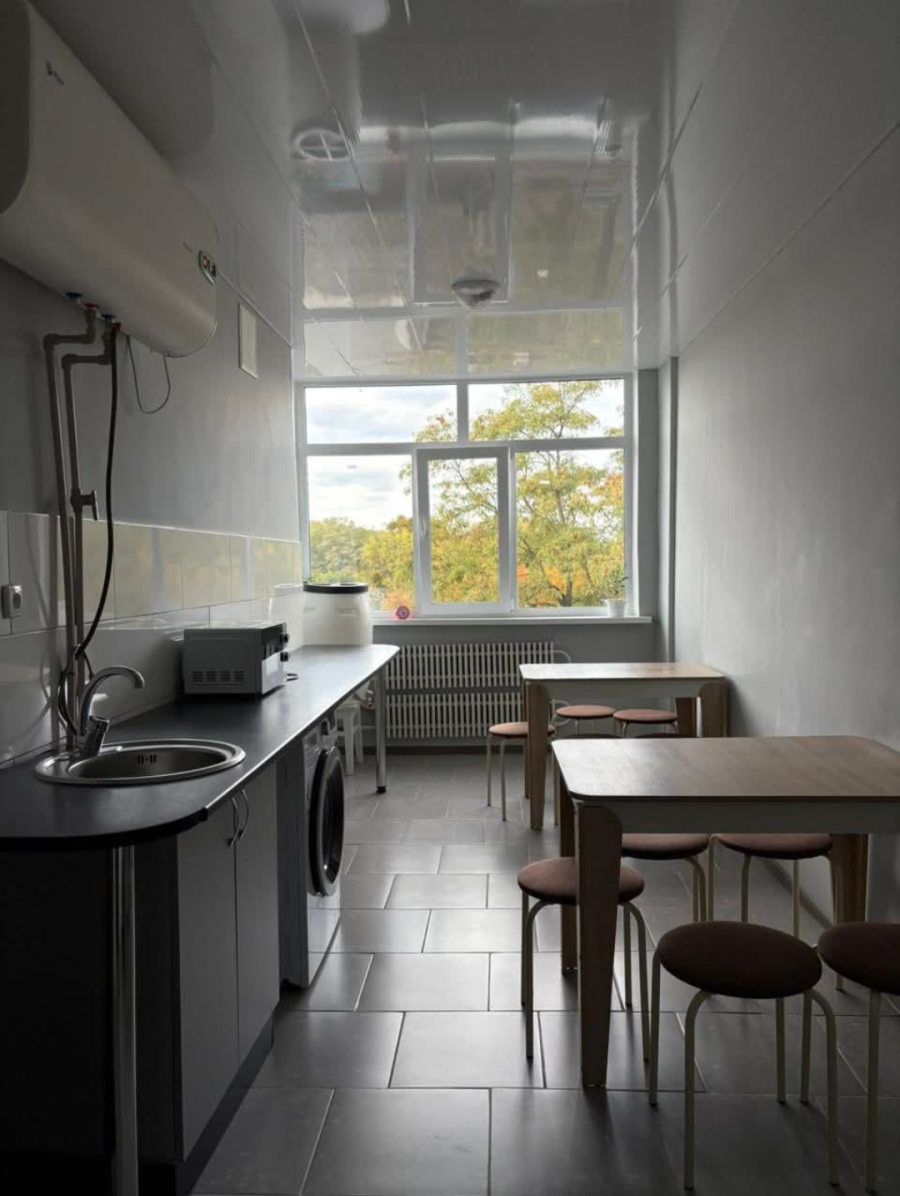
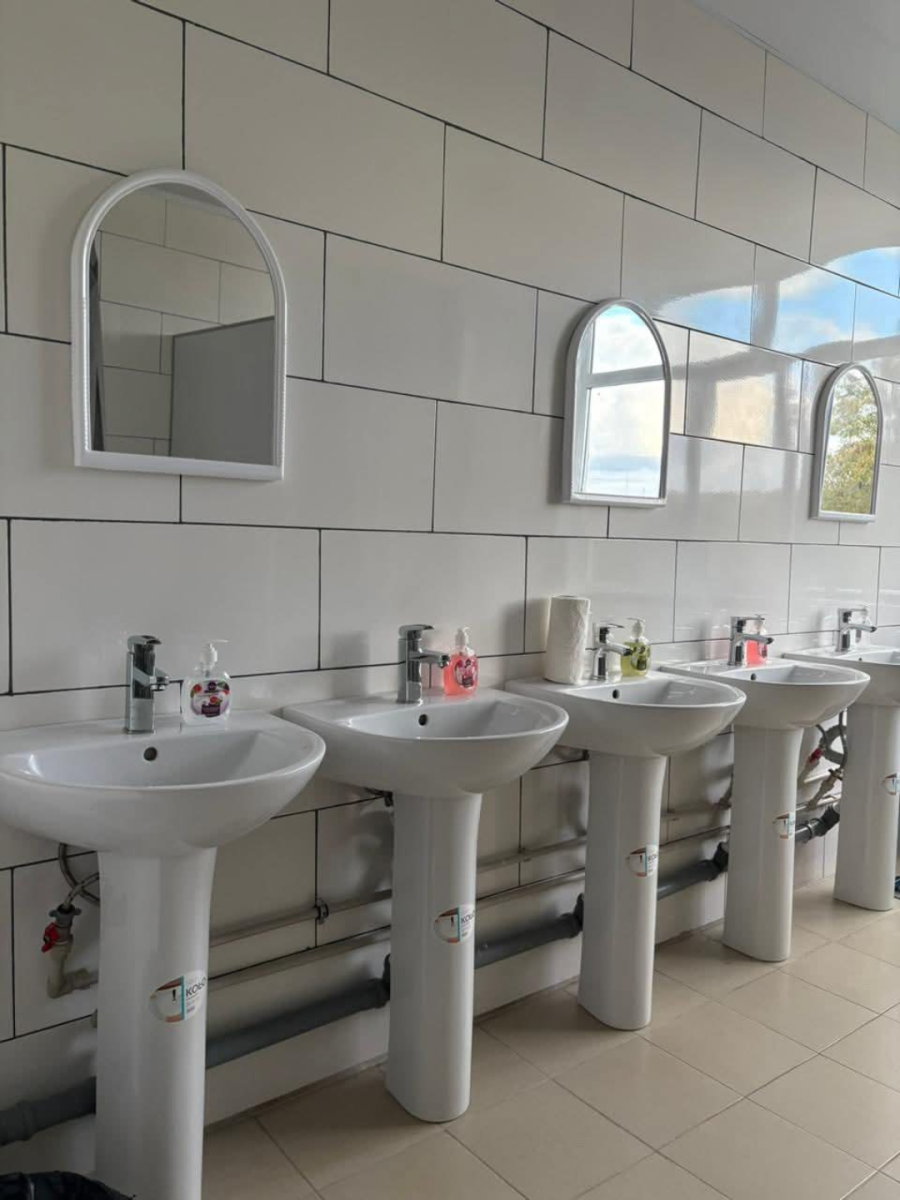
To ensure proper conditions for serving sentences by convicted persons with special needs, one of the SPS departments was refitted. Modern renovation of the premises was carried out, and the department was equipped with the necessary technical means to ensure the convenient movement of convicted persons. A ramp was installed near the living quarters, allowing convicted persons with disabilities to exit the department independently. The renovation work was carried out using funds from the special fund.
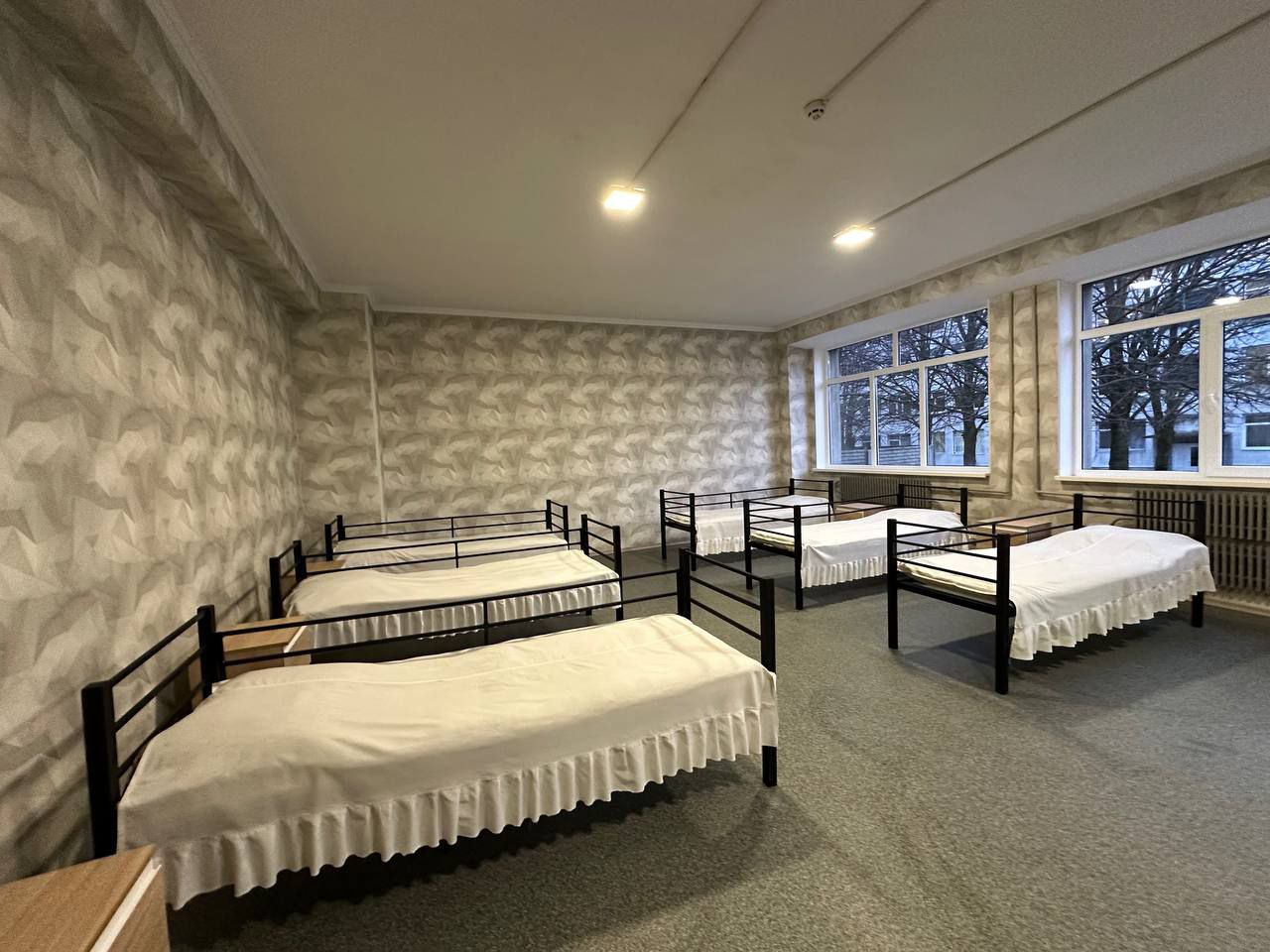
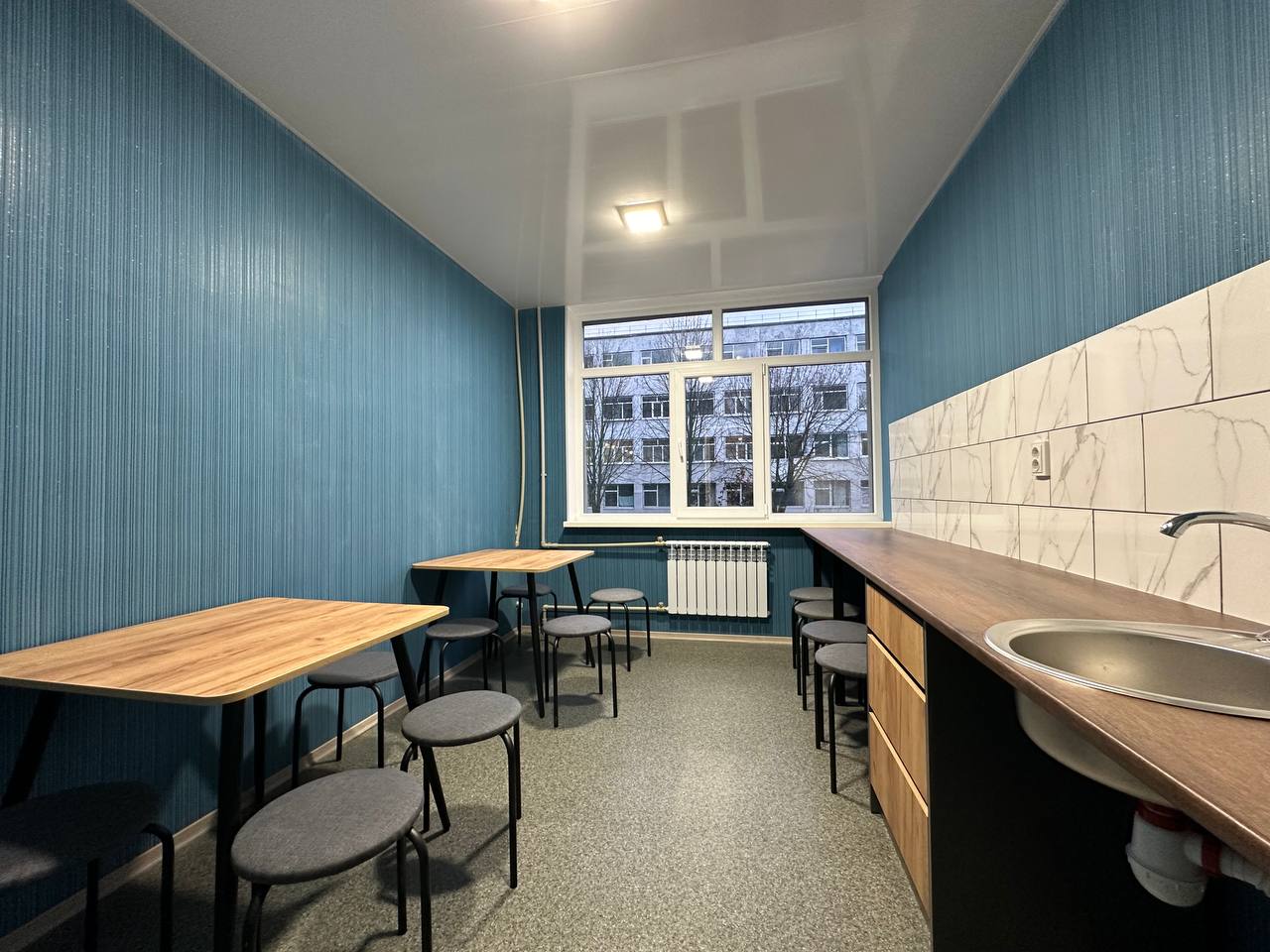
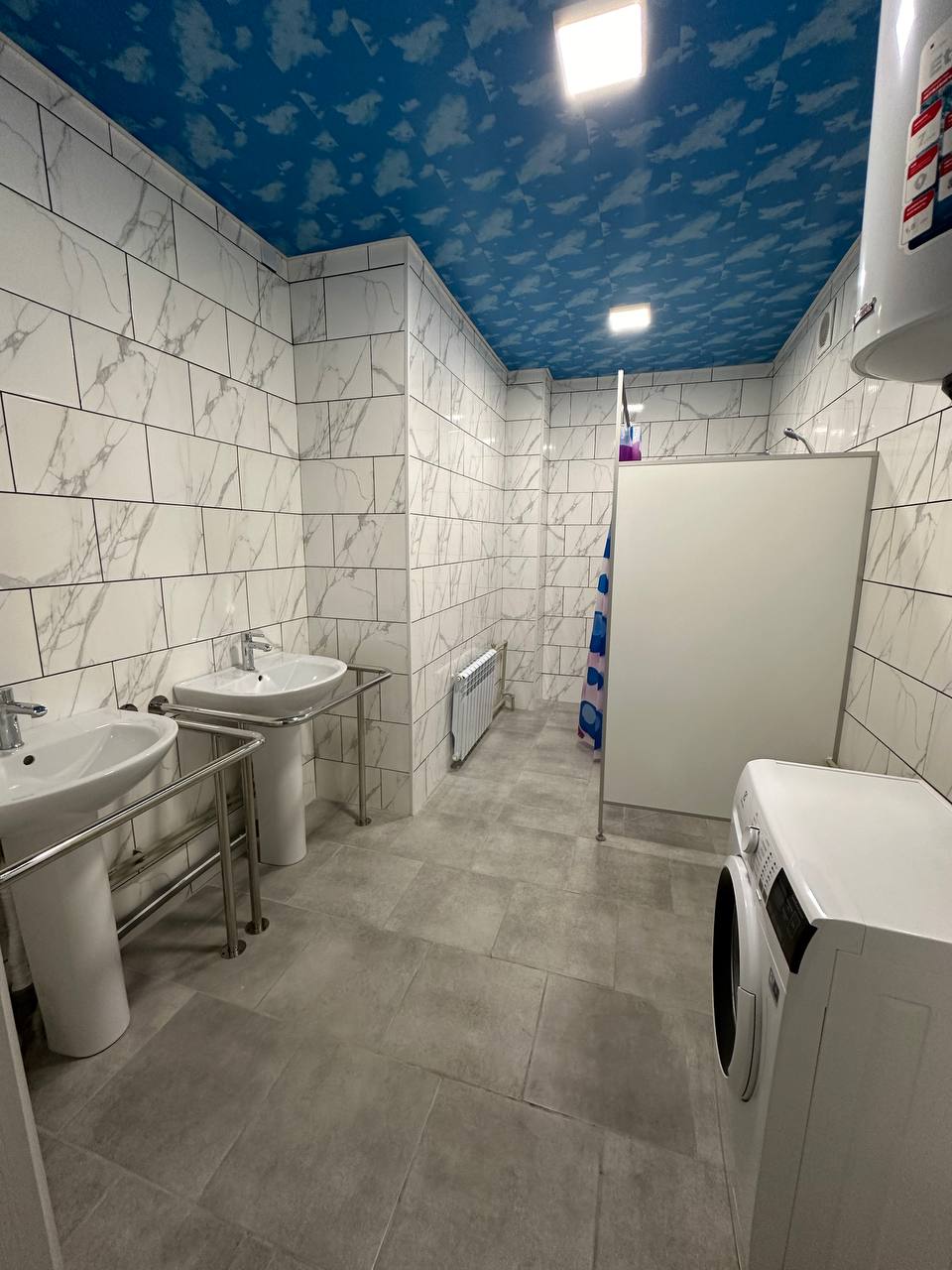
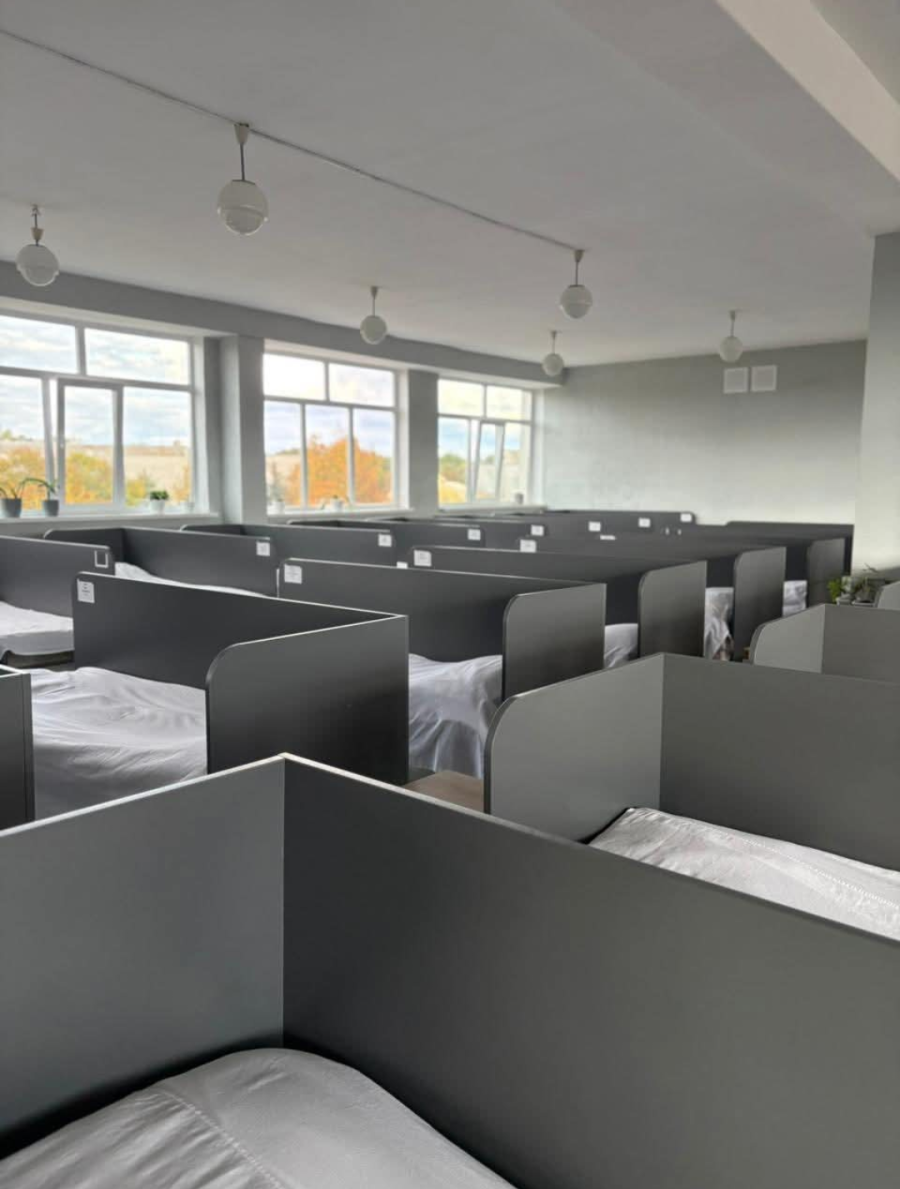
In accordance with the requirements of legislation regarding the compliance with living space standards per convicted person, in connection with the increase in the number of persons held in the institution, a current repair of a previously mothballed department was carried out at the beginning of 2025. The new SPS department No. 10 is equipped for 50 places with compliance with conditions of private space and is furnished with modern furniture.
As of the time of the visit, repair work is being carried out on the QDD section in the premises of the second dormitory, which had not been used for a long time and was in a mothballed state. The QDD section is planned to be designed for 20 persons.
In two exercise yards of the DIU/CTP premises, repair work was carried out in December 2025 (whitewashing, painting, floor pouring, installation of new benches). Repair work is being completed in the premises of the security checkpoint for the transit of persons.
Identified Violations of National and International Legislation
During the monitoring visit, violations of national legislation requirements and non-compliance with international recommendations in the sphere of treatment of prisoners were identified, leading to the infringement of the rights of convicted persons.
1. The procedure and conditions for the reception of convicted persons to the institution do not fully comply with the requirements of current Ukrainian legislation and international standards for the treatment of prisoners. KCK-34 is a minimum-security institution with general detention conditions for women convicted for the first time for non-grave crimes.
By the Order of the Ministry of Justice of Ukraine dated 23.12.2022 No. 5805/5 “On the creation of a sector in the state institution ‘Kamyanske Correctional Colony (No. 34)’”, a minimum-security sector with general detention conditions was created in the institution for women convicted for the first time to deprivation of liberty for a certain term who previously worked in the court, prosecutor’s office, judiciary, or law enforcement agencies.
Furthermore, by the Order of the Ministry of Justice of Ukraine dated 11.10.2024 No. 2933/5 “On the liquidation and creation of sectors in the state institution ‘Kamyanske Correctional Colony (No. 34)’”, a minimum-security sector with general detention conditions was created in the institution for women convicted for the first time to deprivation of liberty for a certain term who previously worked in the court, prosecutor’s office, judiciary, and law enforcement agencies and were convicted for specific crimes against the foundations of national security, peace, the security of mankind, and international legal order.
At the same time, despite the operation of a QDD section in the institution, the institution’s administration has not created proper conditions for the separate detention of different categories of convicted persons during their stay in said section. Such an order violates the requirements regarding the separate detention of convicted persons, contradicts the principles of dynamic security, and does not meet established standards for the treatment of prisoners.
The aforementioned, in particular, is not in line with the requirements of part five of Article 92 of the Criminal Executive Code of Ukraine, which provides for the separate detention of convicted persons who previously worked in the court, prosecutor’s office, judiciary, or law enforcement agencies.
2. In accordance with paragraphs 1 and 2 of Section II of the Regulation on the Quarantine, Diagnostics and Distribution Section for Convicted Persons, approved by the Order of the Ministry of Justice of Ukraine dated 04.11.2013 No. 2300/5 (hereinafter — Regulation on QDD), with the aim of organising work with newly arrived convicted persons, a working group is created by the order of the institution’s head, composed of the deputy heads of the institution, heads of structural subdivisions, a psychologist, and a medical worker.
For the purpose of planning this work, a programme of familiarisation of newly arrived convicted persons with the procedure and conditions of serving the sentence is drawn up annually, which is approved by the head of the institution. At the same time, the monitoring group established that the members of the working group do not fully execute the measures provided for by the said programme regarding newly arrived convicted persons held in the medium-security sector for women convicted to life imprisonment (hereinafter — MSS).
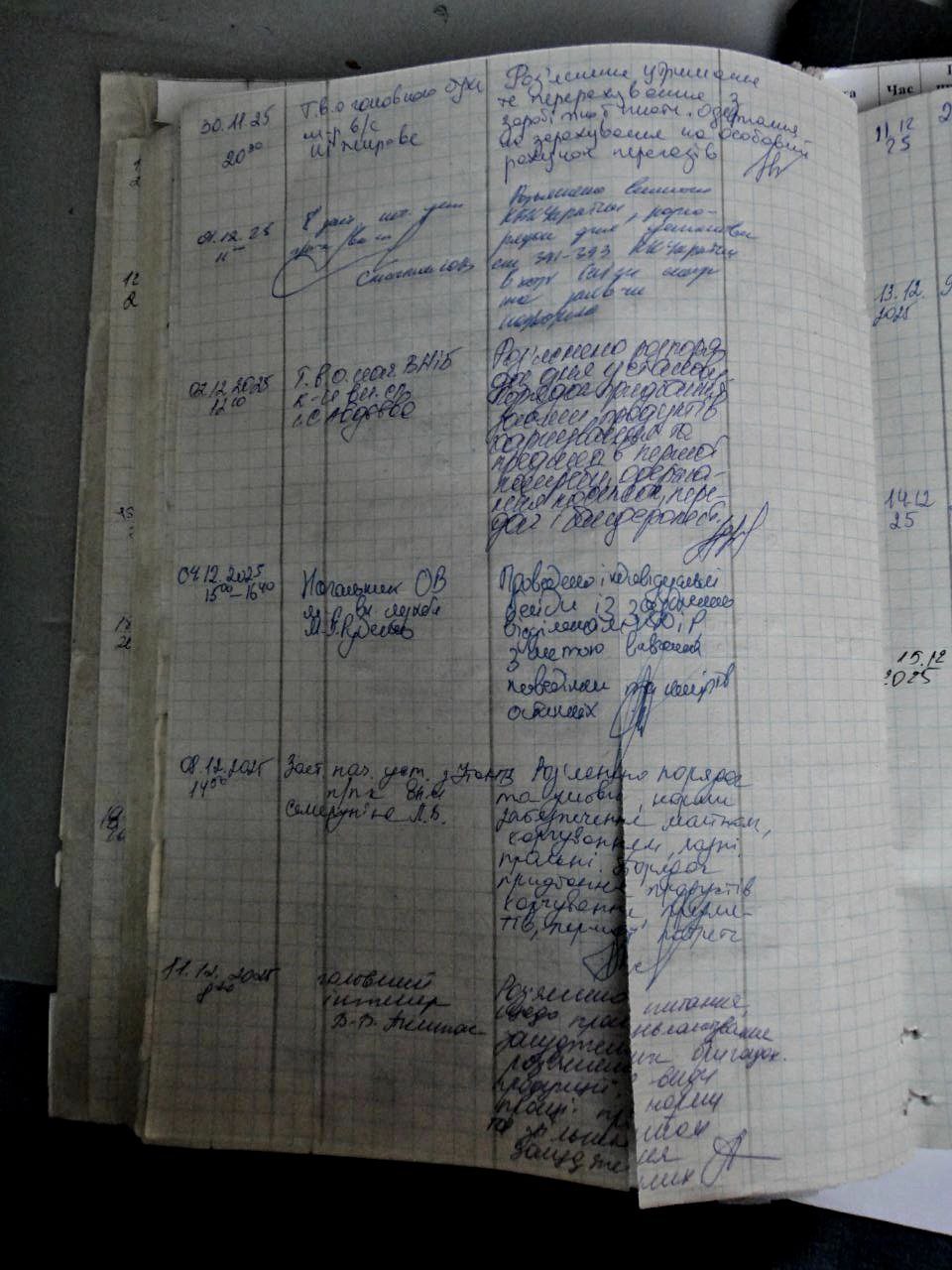
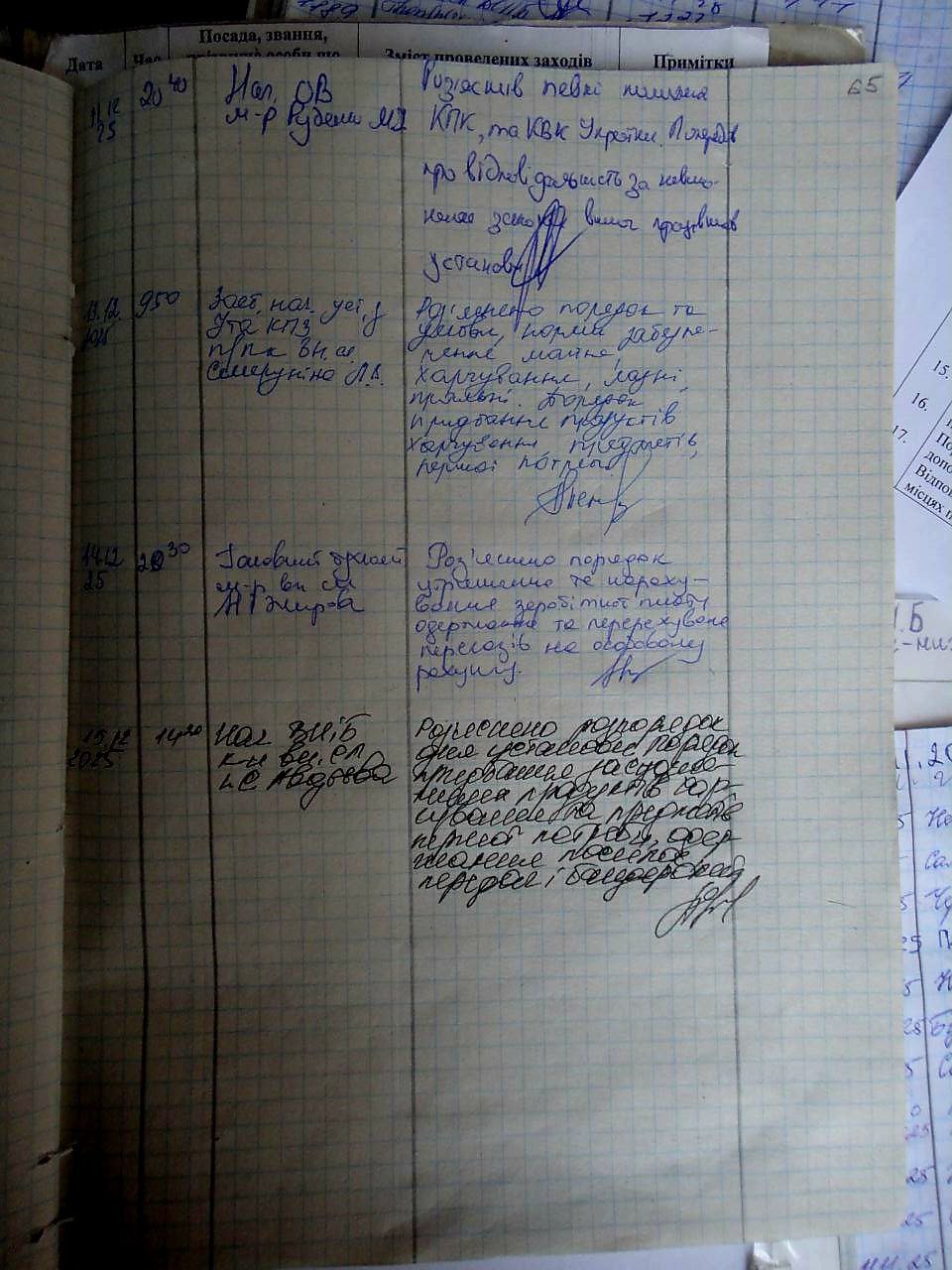
3. The conduct of measures provided for by the programme of familiarisation of newly arrived convicted persons with the procedure and conditions of serving the sentence is carried out in violation of the requirements regarding their periodicity, specifically — the mandatory attendance of the QDD section by each member of the working group at least once a week.
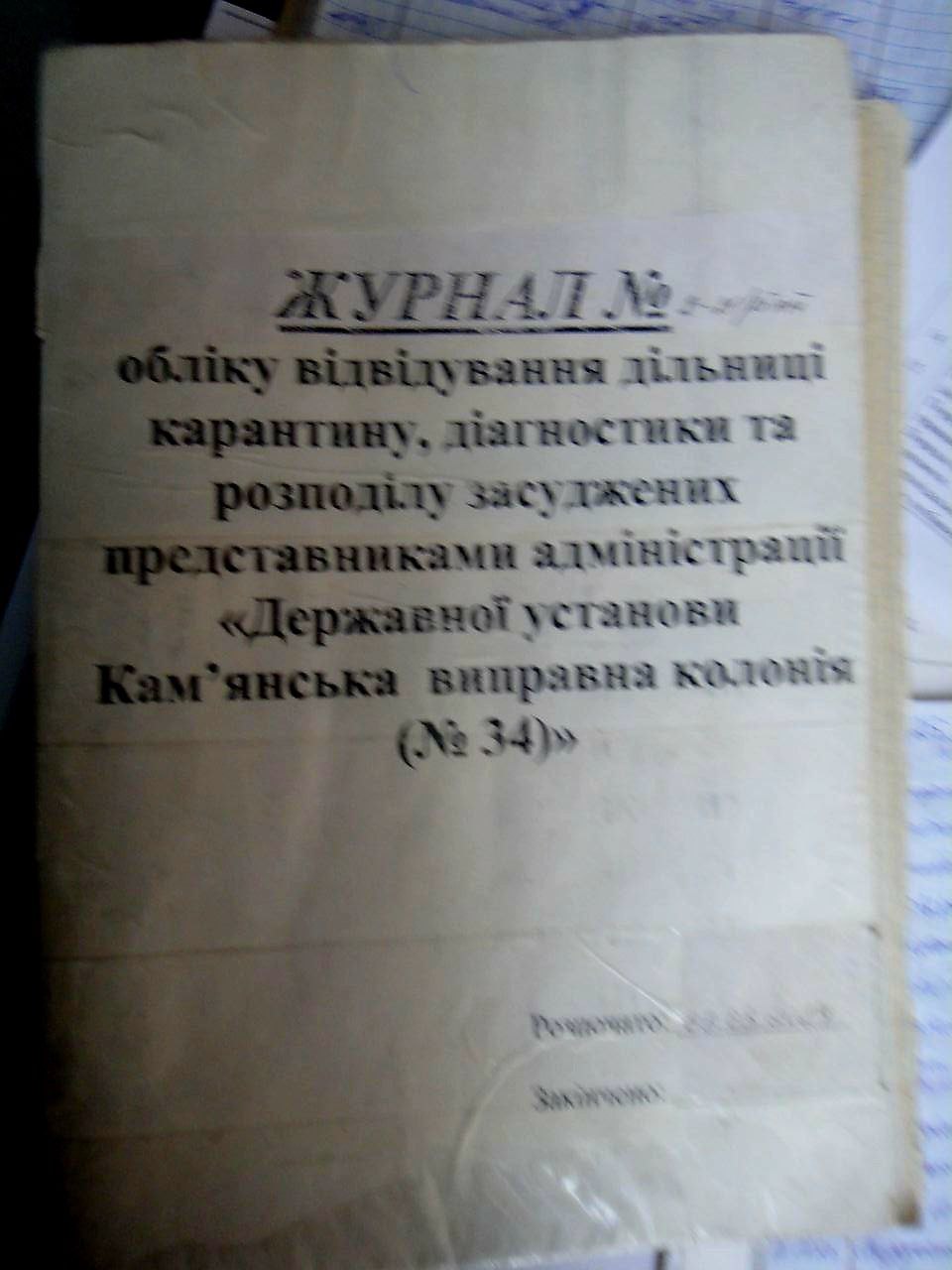
Thus, in the period from 01 to 15.12.2025, according to the logbook of visits to the QDD section by administration representatives, it was established that measures with newly arrived convicted persons were conducted by only five of the ten members of the working group, which does not meet the requirements of paragraph 5 of Section II of the Regulation on QDD.
4. In accordance with paragraph 2 of Section I of the Regulation on QDD, newly arrived convicted persons are placed in the QDD section with the aim of preventing uncontrolled communication with other convicted persons. At the same time, the monitoring group established that newly arrived convicted persons visit the canteen, where they have the opportunity to contact other convicted persons of the institution, which violates the requirements regarding their isolation during their stay in the QDD section.
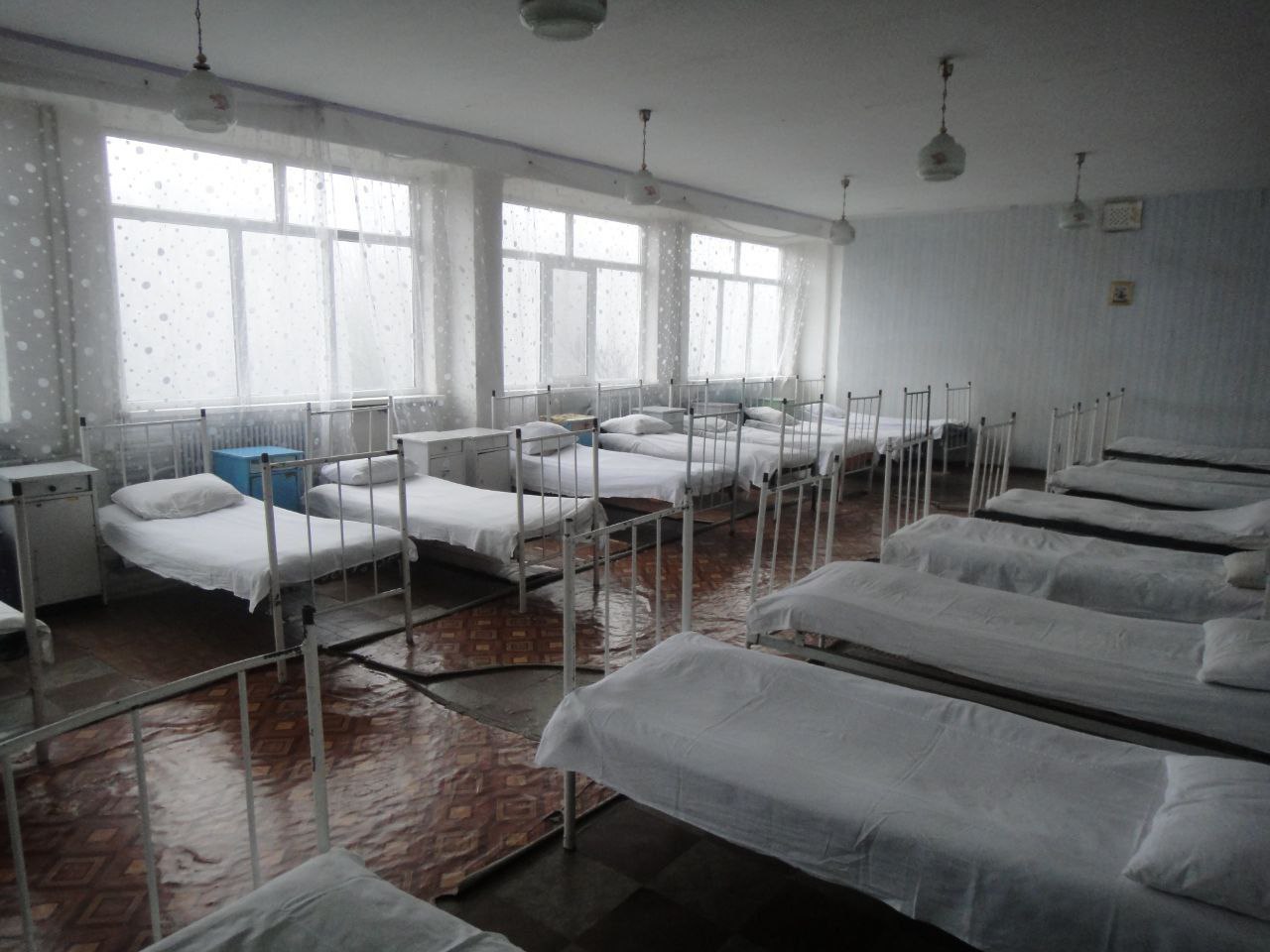
5. The monitoring group established that the material and household support of the QDD section does not fully comply with established regulatory requirements.
Thus, in violation of the requirements of the Norms of provision with furniture, inventory, and household items for a minimum-security correctional colony with general detention conditions, approved by the Order of the Ministry of Justice of Ukraine dated 27.07.2012 No. 1118/5 (hereinafter — Provision Norms), the section lacks the following premises: a room for educational work; a room for storing food products; a room for storing the exchange fund of bedding, clothing, and special clothing; a storage room for the temporary storage of dirty bedding, clothing, and special clothing; a dressing room; a domestic room.
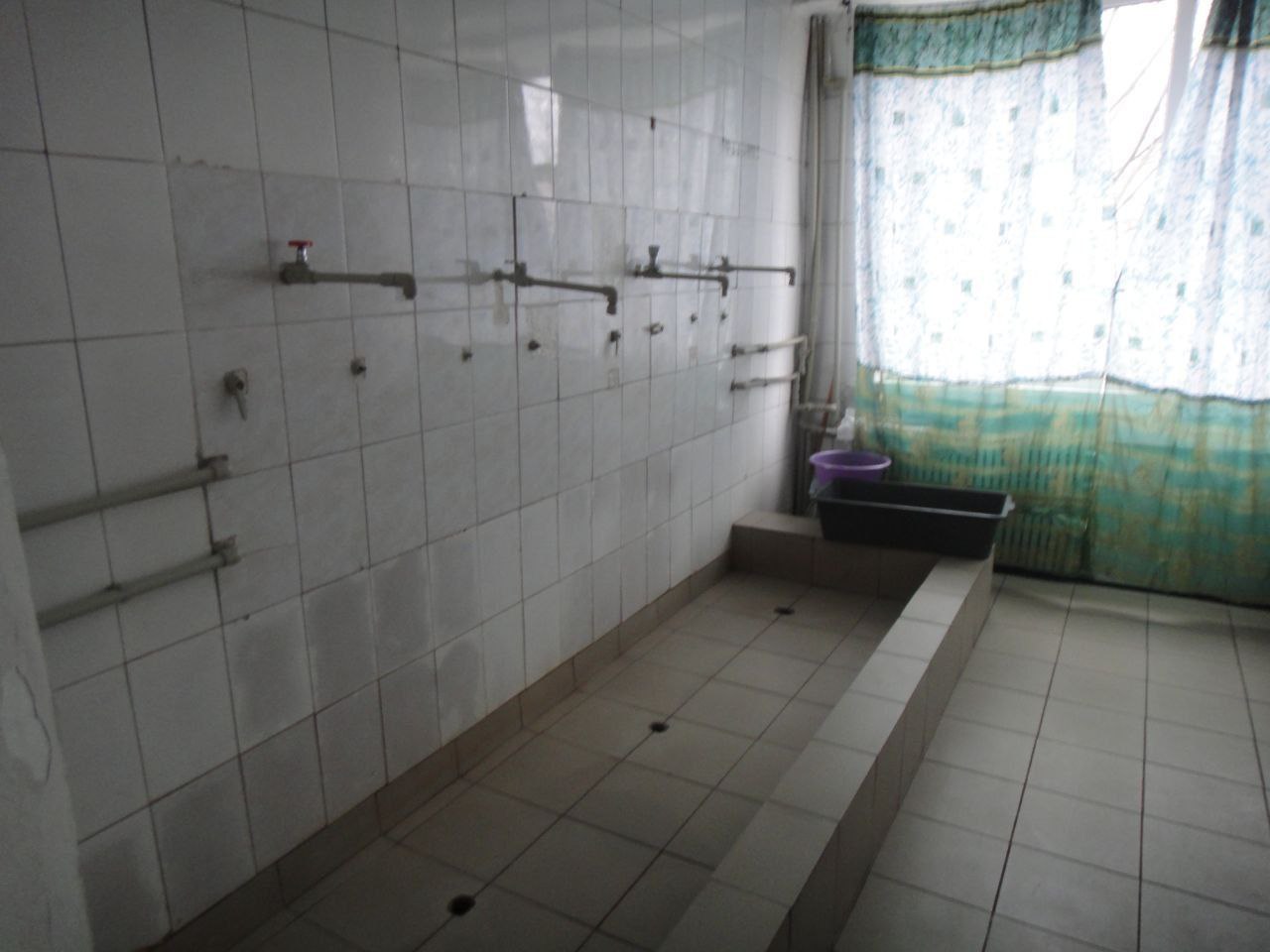
The washing room is not equipped in accordance with the requirements of the Provision Norms, in particular, with a shower cabin with a mixer and a shower head on a flexible hose, due to which proper conditions for maintaining the personal hygiene of convicted persons are not ensured.
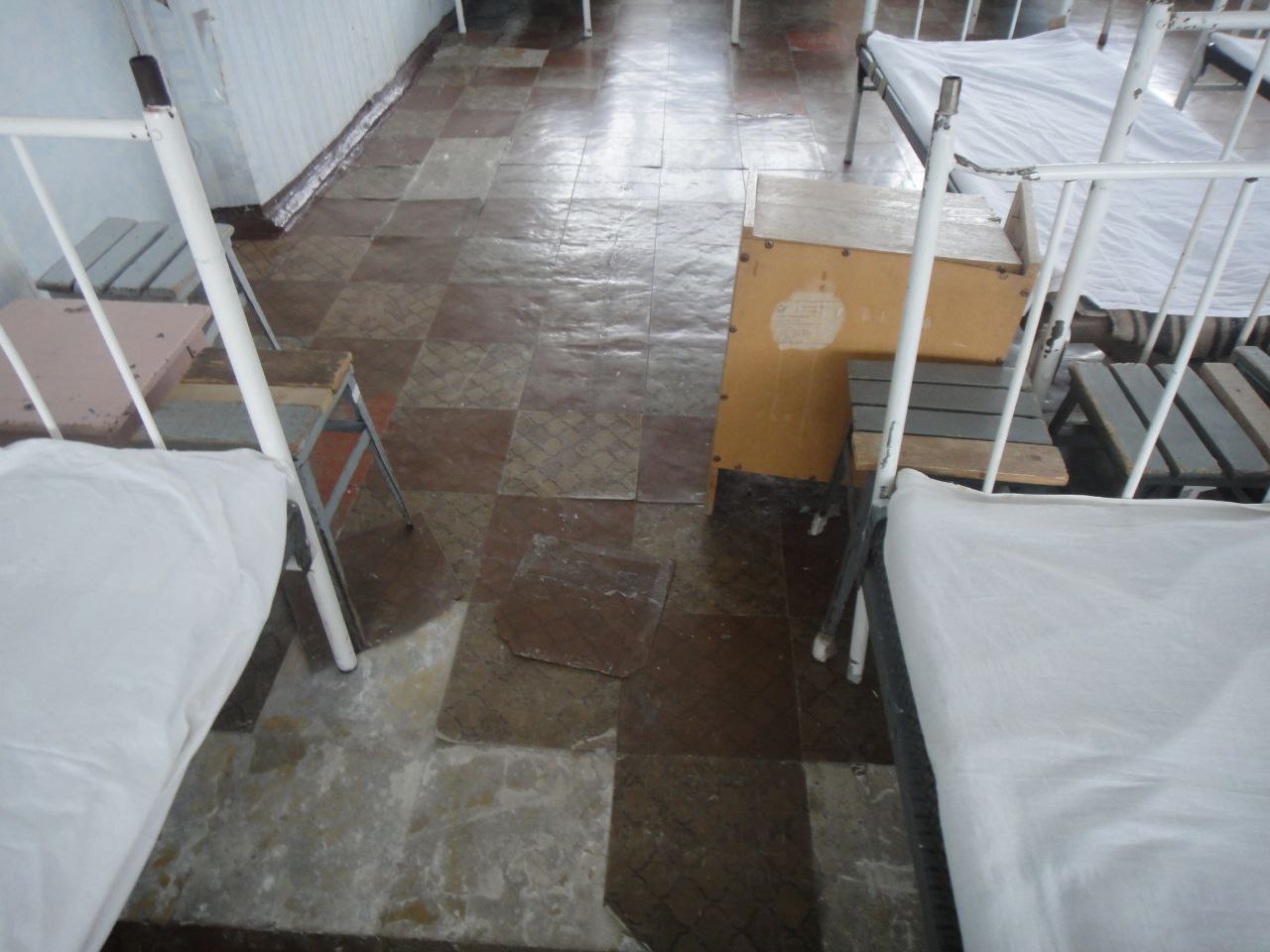
Individual premises of the section, in particular the floor in the living quarters, are in an unsatisfactory technical condition and require repair work. The absence of said premises or their improper arrangement creates conditions that do not meet household standards, makes it impossible to properly observe sanitary-hygienic requirements, and complicates the maintenance of cleanliness and order in the places of residence of convicted persons.
Such a state of organisation of domestic life does not meet the requirements of part one of Article 115 of the Criminal Executive Code of Ukraine.
6. Contrary to the requirements of Rule 22.5 of the European Prison Rules and the Provision Norms, the living quarters of the QDD section are not equipped with a drinking water tank.
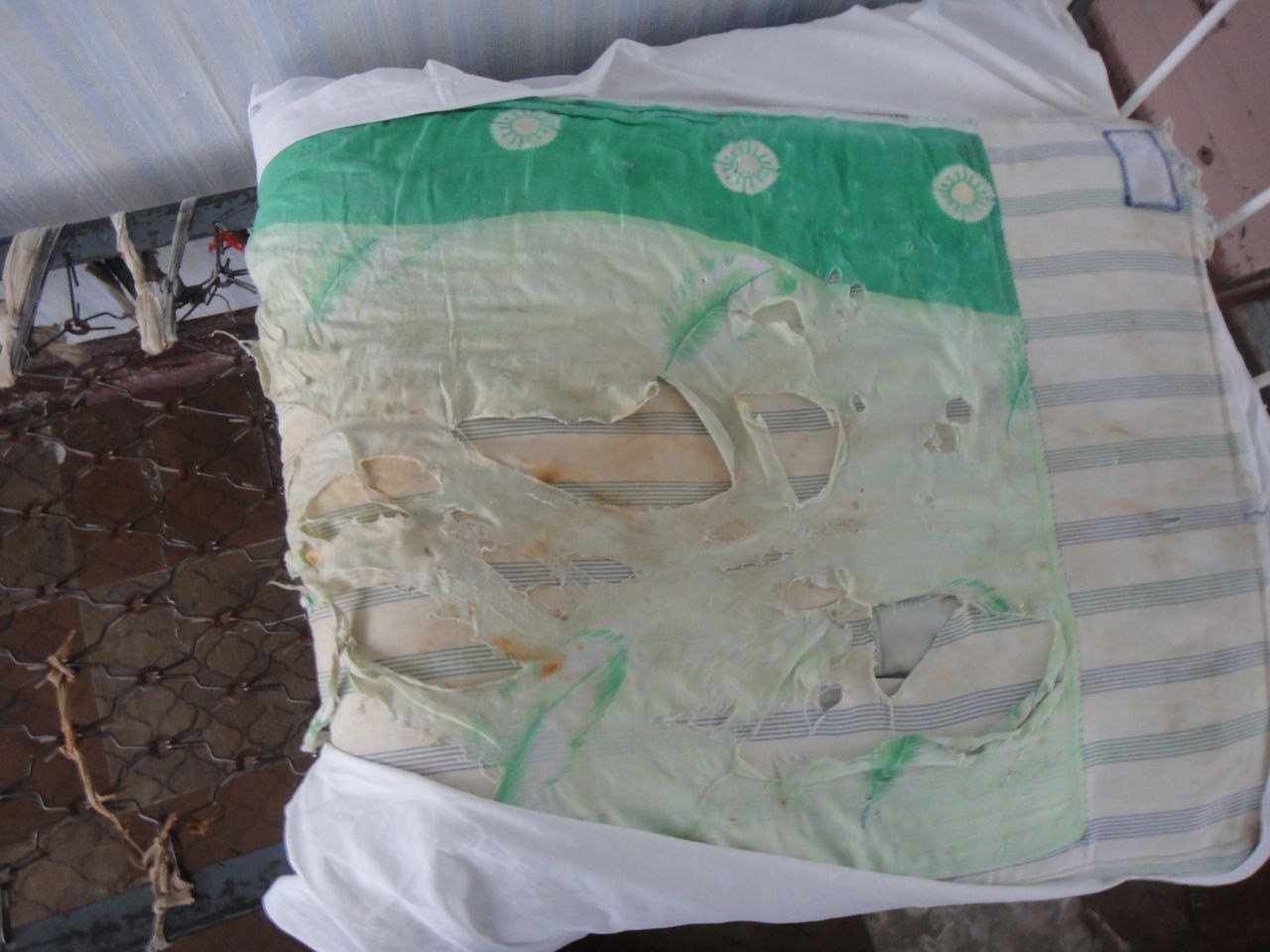
7. Some mattresses and pillows in the QDD section are in an unsatisfactory condition and require replacement, which contradicts the requirements of the Procedure for provision with clothing and the norms of entitlement to clothing for convicted persons, approved by the Order of the Ministry of Justice of Ukraine dated 20.02.2012 No. 280/5.
8. The arrangement of the DIU/CTP premises does not meet the standards for the treatment of prisoners and the conditions of their detention, taking into account individual needs.
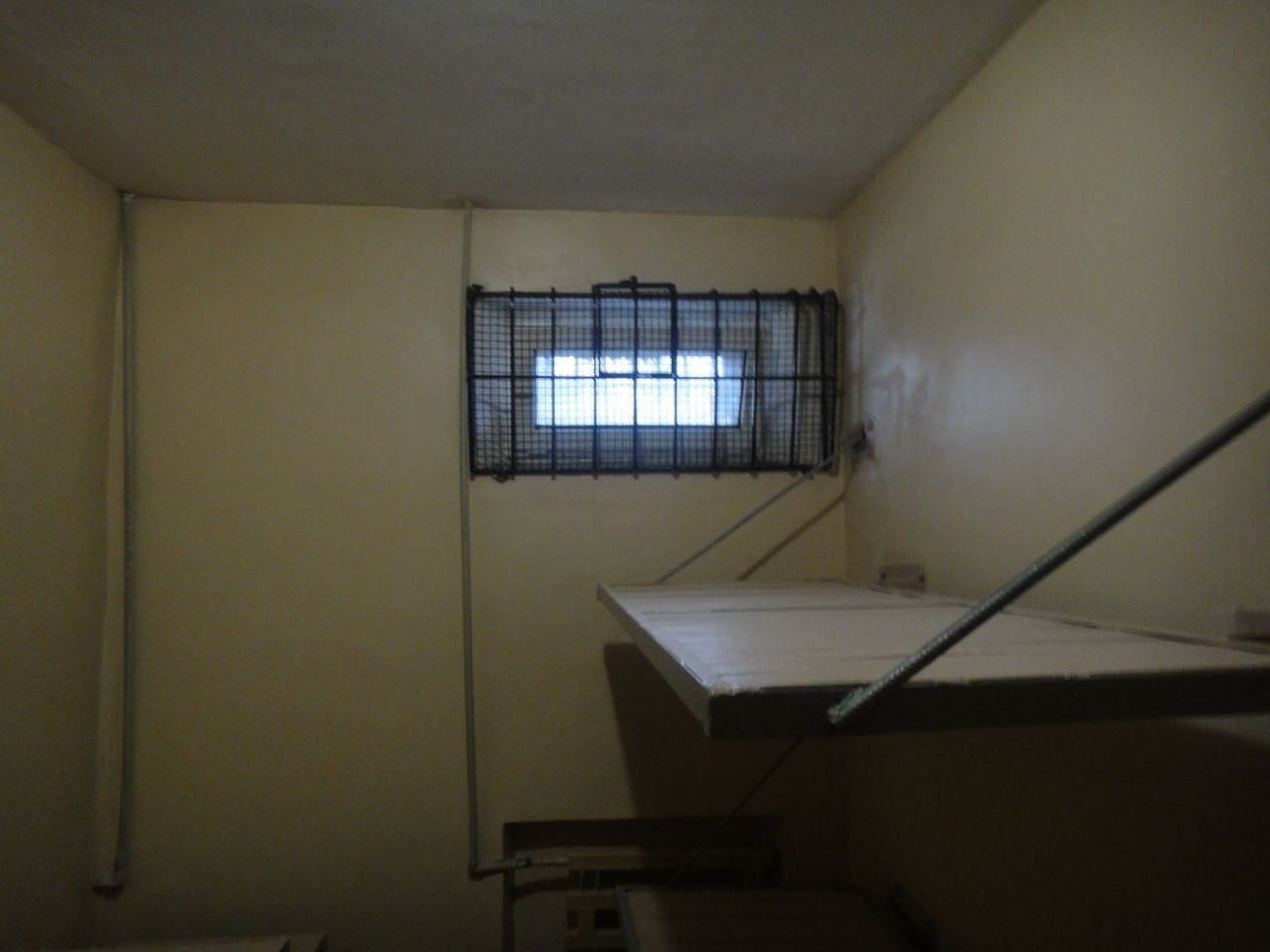
Thus, in the cell premises of the DIU/CTP, a proper level of natural lighting is not ensured, as the cell windows are located at a significant height, are small in size, and have excessive bars, as a result of which natural light practically does not penetrate into the premises. The aforementioned conditions can create additional psychological pressure on convicted persons due to the absence of any contact, including visual contact, with the external environment.
Furthermore, the beds in the DIU/CTP cell premises are located at a height of over 1.5 metres, which does not ensure convenience of use and can create a danger of falling during sleep or descent. Cell premises are not provided with drinking water tanks.
The aforementioned does not meet the requirements of Rules 18.2(a) and 22.5 of the European Prison Rules and Rules 14(a) and 22.2 of the UN Standard Minimum Rules for the Treatment of Prisoners (the Nelson Mandela Rules).
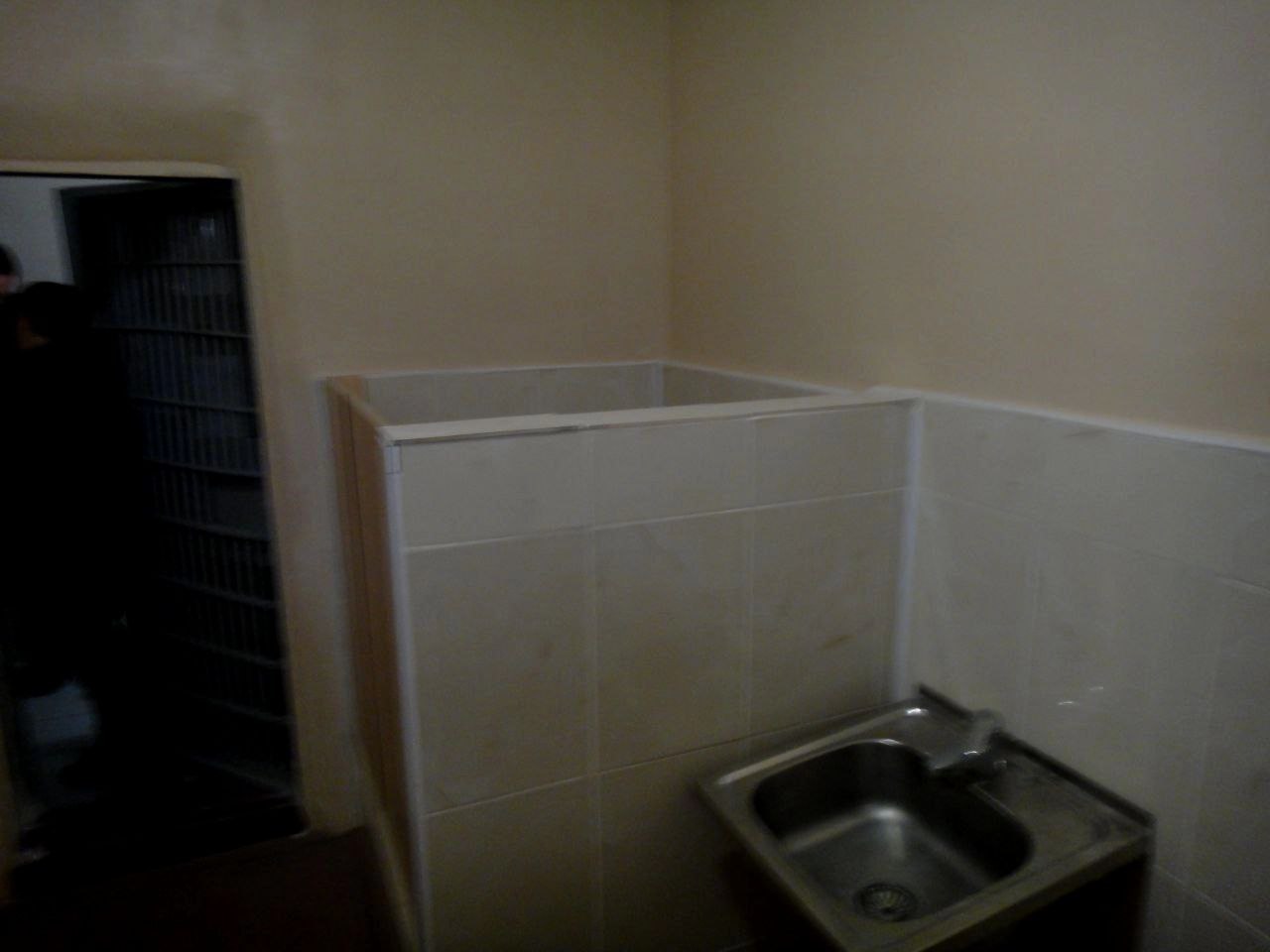
9. Sanitary facilities in the DIU/CTP cell premises are not equipped with sufficient partitions that ensure the possibility of privacy, which violates the requirements of Rule 19.3 of the European Prison Rules.
At the same time, in the Report of the Government of Ukraine on the results of the visit in 2023, the European Committee for the Prevention of Torture and Inhuman or Degrading Treatment or Punishment (hereinafter — the Committee) called on the Ukrainian authorities to take necessary measures to improve material conditions of detention, in particular: to keep all places where convicted and detained persons are held, including sanitary facilities, in a proper state of repair and hygiene; to ensure regular and frequent disinfestation; to ensure sufficient access to natural light and ventilation in cells; to fully equip internal sanitary facilities with partitions (i.e., from floor to ceiling). (CPT/Inf (2024) 20, paragraph 58).
10. Radio-fication in the DIU/CTP cell premises is not working, which contradicts the requirements of paragraph 3 of Section XX of the Internal Regulations of Penal Institutions and Rule 63 of the UN Standard Minimum Rules for the Treatment of Prisoners.
11. In violation of the requirements of paragraph 4 of Section IV of the Procedure for the use of technical supervision and control means in correctional and educational colonies of the State Penitentiary Service of Ukraine, approved by the Order of the Ministry of Justice of Ukraine dated 26.06.2018 No. 2025/5 (hereinafter — Procedure for the use of technical means), it was established that the DIU/CTP cells are not equipped with staff call buttons, which complicates the operational contact of convicted persons with facility staff.
12. During the visit to the DIU/CTP and the analysis of official documentation, the monitoring group established that the psychologist does not visit convicted persons serving disciplinary sanctions in the DIU, as provided for by the twenty-third paragraph of paragraph 6 of Section XXI of the Internal Regulations of Penal Institutions.
The aforementioned is confirmed by the absence of relevant markings in the logbook of visits to the disciplinary isolation unit and chamber-type premises by representatives of the penal institution’s administration in the period from 24.04.2025 to 29.04.2025 during the stay of the convicted person in the DIU.
13. Paragraph 1 of Section XXIII of the Internal Regulations of Penal Institutions defines that supervision over convicted persons is a system of measures aimed at ensuring the serving and execution of criminal sentences in the form of restriction of liberty, deprivation of liberty, life imprisonment, and arrest through round-the-clock and constant control over the behaviour of convicted persons in their places of residence and work, the prevention and suppression of unlawful actions on their part, and the ensuring of requirements for the isolation of convicted persons and the safety of the staff of penal institutions.
Thus, during the inspection of the DIU cell premises, a surveillance camera was observed. At the same time, in its report on the results of the visit to Ukraine in 2012, the Committee critically assessed the practice of excessive interference in the private life of convicted persons through the installation of video cameras in living premises. In particular, it was noted that any decision regarding the use of video surveillance in relation to a specific convicted person must be based on an individual assessment of real risks and be subject to regular review. The Committee emphasised that video surveillance constitutes a serious interference in the private life of prisoners and makes the detention regime even more repressive, especially in the case of its prolonged use (CPT/Inf (2013) 23, paragraph 52).
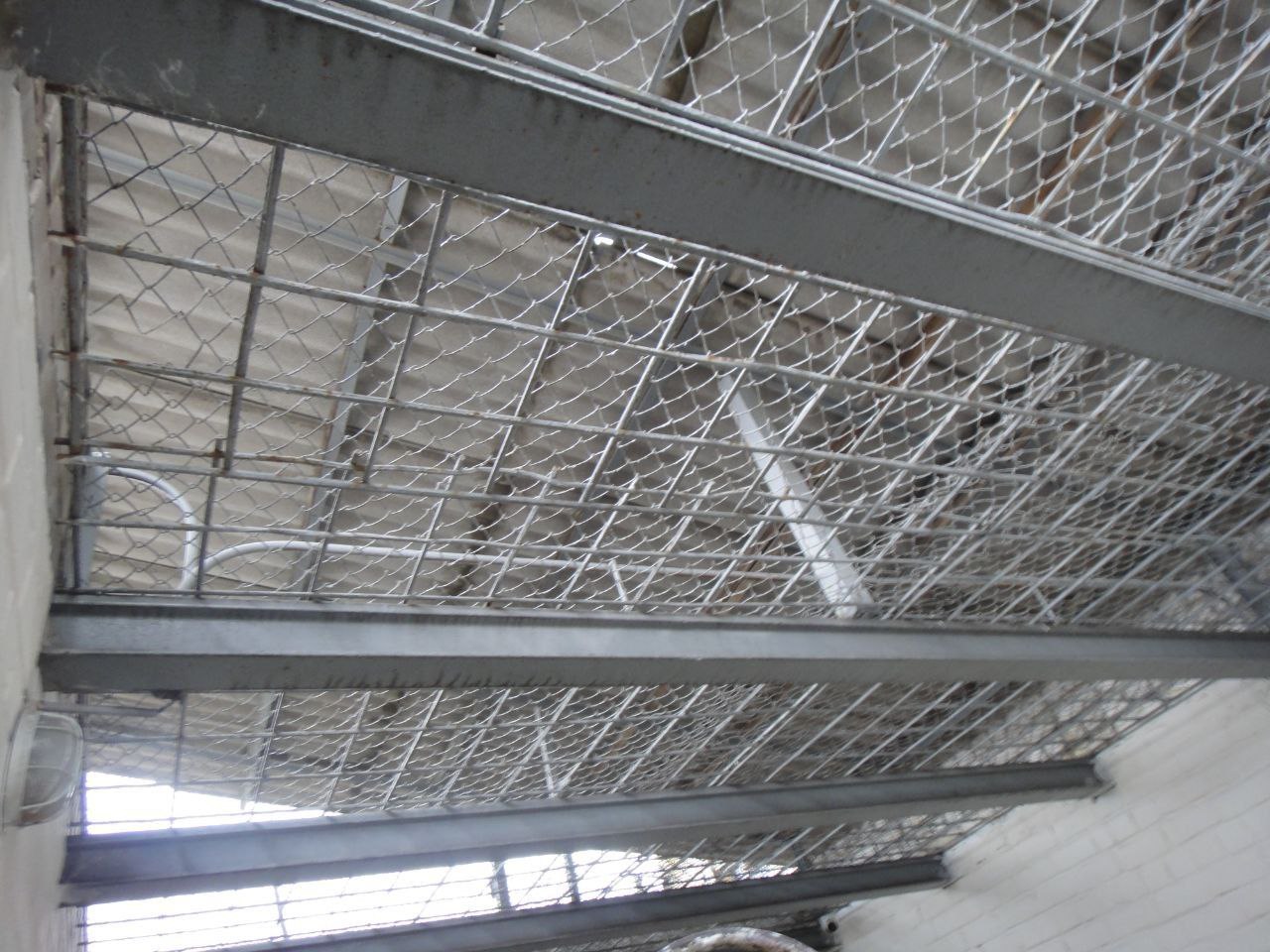
14. In individual exercise yards, canopies have been installed that almost completely block access to natural light, which leads to convicted persons being held in semi-darkness. At the same time, the Committee has repeatedly recommended reviewing the design and size of exercise yards, “from which at best there is a view of the sky” (CPT/Inf (2014) 15, paragraph 122, paragraph 127).
15. During the visit to the institution, the monitoring group established that there are no tobacco products in the institution’s shop, the presence of which is provided for by Appendix 5 to the Internal Regulations of Penal Institutions.

16. According to paragraph 17 of Section V of the Regulation on the organisation of food supply in the State Penitentiary Service of Ukraine for peacetime, approved by the Order of the Ministry of Justice of Ukraine dated 15.06.2021 No. 2160/5 (hereinafter — Regulation on the organisation of food supply), daily samples of each dish of the ration must be kept in the institution’s canteen. Sampling is carried out by the cook from the pot in the presence of a medical worker of the healthcare facility into clean dishes with a lid (previously washed and boiled) before food is served. Daily samples are stored in the canteen refrigerator at a temperature from +4 to +8°C and must be kept for 24 hours until the end of the similar meal the next day.
At the same time, in violation of said requirements, during the inspection of the canteen refrigerator, the monitoring group established the absence of dinner samples for 15.12.2025, as well as breakfast and lunch for 16.12.2025 according to norms Nos. 8B, 8V, 9A.
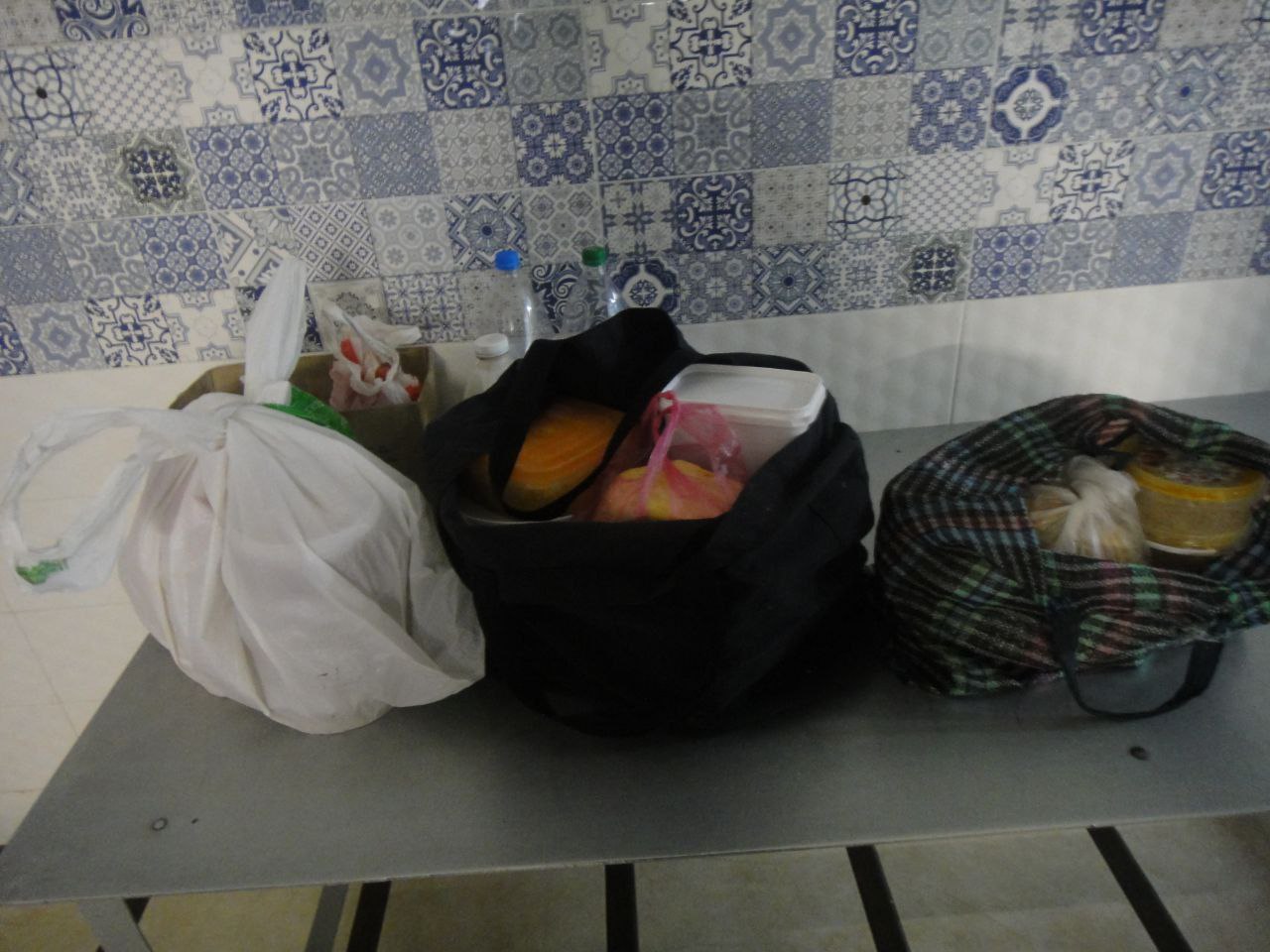
17. In violation of the requirements of paragraph 14 of Section V of the Regulation on the organisation of food supply, food is delivered to convicted persons from the institution’s canteen in plastic trays, rather than in marked thermoses.
18. The monitoring group established a number of violations in the organisation of bath and laundry services for convicted persons and detainees. Thus, it was established that female convicted persons have the opportunity to visit the bathhouse only once a week. This violates the requirements of paragraph 19.4 of the European Prison Rules and paragraph 3.2 of the Regulation on the organisation of bath and laundry services for persons held in penal institutions and pre-trial detention centres, approved by the Order of the Ministry of Justice of Ukraine dated 08.06.2021 No. 849/5 (hereinafter — Regulation).
Furthermore, in violation of the requirements of paragraph 2.11 of Section II of the Regulation, the forced supply and exhaust ventilation system does not work properly in the laundry and bathhouse premises.
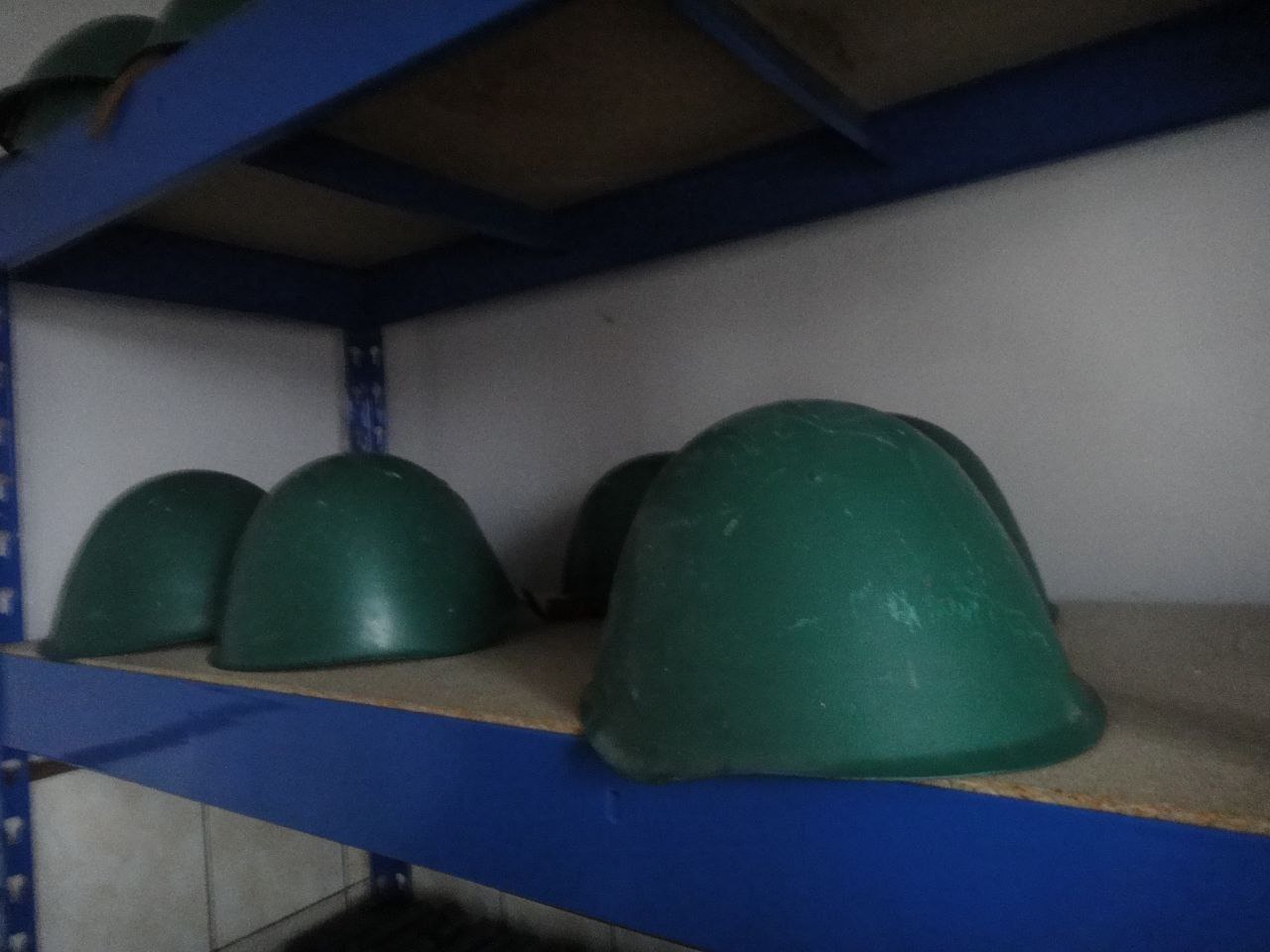
19. The monitoring group established that the special means available in the institution, in particular protective helmets and bulletproof vests, are not equipped with proper individual numbering. Under such conditions, in the case of the use of physical force by staff, it is practically impossible to identify the person who used the respective special means. The aforementioned contradicts the requirements of paragraph 1 of Section XXVI of the Internal Regulations of Penal Institutions.
At the same time, the Committee, in its report on the results of the visit to Ukraine in 2012, drew attention to the problem of personnel identification during interventions in institutions and recommended ensuring that each item of clothing or protective helmet has a clear identification number, which would allow the identification of a specific officer if necessary (CPT/Inf (2013) 23, paragraph 21).
20. During the visit, the monitoring group recorded that the institution’s personnel who are in direct contact with convicted persons openly carry special means, in particular rubber batons. At the same time, according to the eighth paragraph of paragraph 1 of Section XXVI of the Internal Regulations of Penal Institutions, the carrying of special means by the personnel of penal institutions within the guarded territory of the penal institution should be as hidden from the surroundings as possible.
Furthermore, the Committee recommends that penitentiary staff working in direct contact with prisoners should not openly carry special means (such as rubber batons, handcuffs, and spray canisters filled with tear gas) in front of prisoners, as such carrying hinders the establishment of normal relationships between staff and prisoners (CPT/Inf (2011) 29, paragraph 85; CPT/Inf (2013) 23, paragraph 23; CPT/Inf (2014) 15, paragraph 166).
21. In accordance with subparagraph 5 of paragraph 2 of Section IV of the Regulation on the programme of differentiated educational influence on convicted persons “Preparation for release”, approved by the Order of the Ministry of Justice of Ukraine dated 16.05.2016 No. 1418/5, registered with the Ministry of Justice of Ukraine on 17.05.2016 under No. 735/28865, the personnel of the institution’s social-psychological service, who directly organise and carry out measures to implement the “Preparation for release” programme, are obliged to provide convicted persons with assistance in obtaining (renewing) a passport of a citizen of Ukraine, a registration number of the taxpayer’s account card (RNTK), other personal documents, and in processing pensions.
At the same time, 14 convicted persons require the issuance of a passport of a citizen of Ukraine, and for 41 convicted persons, their passport is located at their place of residence, which indicates an insufficient level of work by the department of social-educational and psychological work regarding ensuring the processing of necessary documents for convicted persons who do not have them.
22. According to information provided by the institution’s administration, since the beginning of 2025 (as of 16.12.2025), 214 short-term visits have been granted to convicted persons in KCK-34, of which 191 visits took place in a non-contact manner — through continuous dividing glass using an intercom device.
At the same time, in the Report of the Government of Ukraine on the results of the visit in 2023, the European Committee for the Prevention of Torture emphasises that for all categories of convicted persons, open visits (e.g., at a table) should be the rule, and closed visits the exception, the application of which is allowed only on the basis of reasoned and motivated decisions after an individual assessment of the potential risk of a specific convicted person. In this regard, the Committee calls on the Ukrainian authorities to review the procedure for conducting short-term visits in penitentiary institutions with the aim of ensuring they are conducted, as a rule, in open conditions (CPT/Inf (2024) 20, paragraph 99).
23. According to official documentation, the staff shortage in the institution as of 16.12.2025 is 29 full-time equivalent positions. At the same time, in the Report of the Government of Ukraine on the results of the visit in 2023, the Committee emphasises that ensuring a positive climate in a penitentiary institution requires the presence of a professional team of staff, which must be present in sufficient numbers at any moment in time in places of detention.
An insufficient number of staff can lead to an increased risk of violence and intimidation between convicted persons. A shortage of staff working directly with convicted persons also negatively affects the quality and level of measures offered to convicted persons and jeopardises prospects for preparation for release and social rehabilitation. In this regard, the Committee calls on the Ukrainian authorities to take decisive measures to significantly increase the number of personnel in penitentiary institutions of Ukraine, where a low level of staffing is observed, with the aim of strengthening the presence of security and supervision service staff inside institutions, and also to take measures to end the practice of 24-hour shifts for staff on duty (CPT/Inf (2024) 20, paragraph 93).
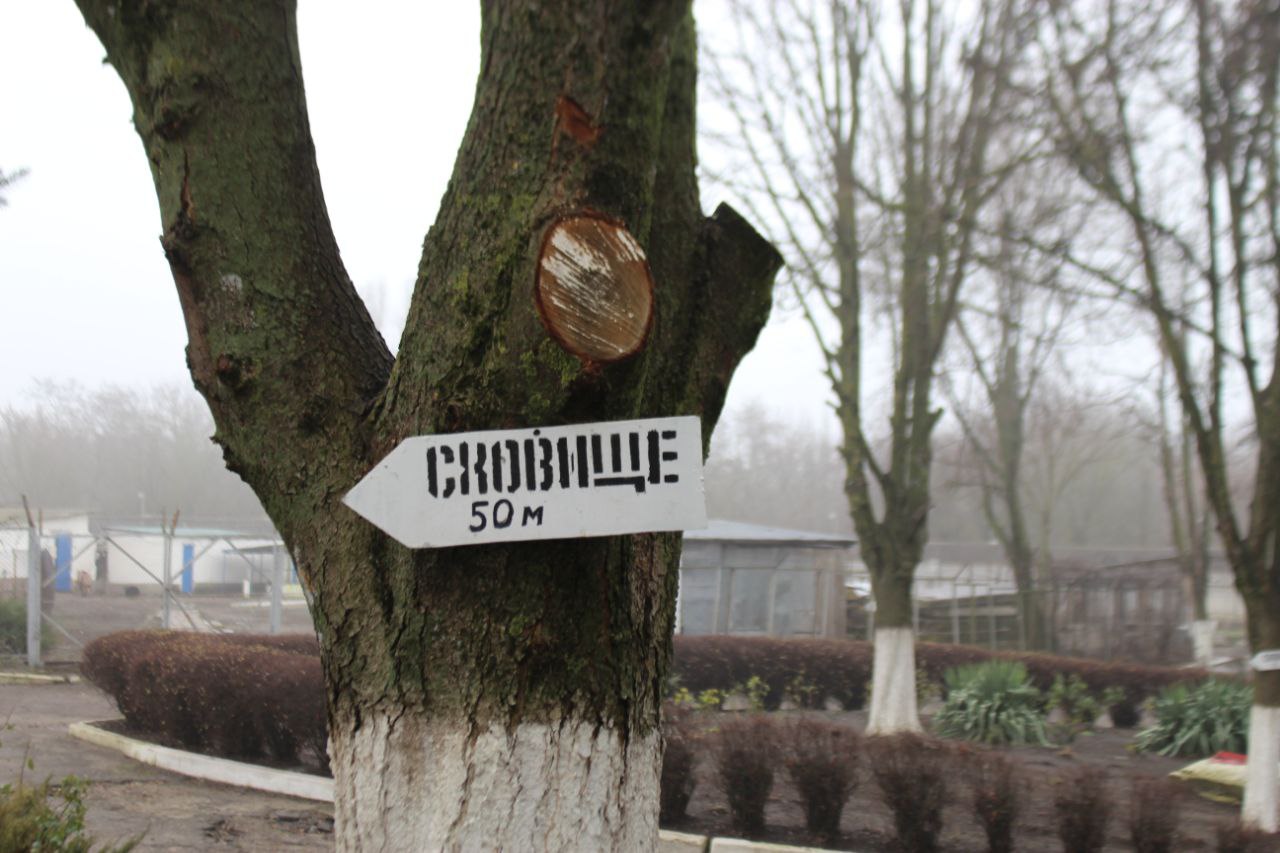
24. During the monitoring visit, it was established that on the territory of KCK-34, there is a civil protection shelter (bunker) that is used, which is identified by a relevant information plate indicating the facility number, the balance holder, and the responsible person. Navigation signs pointing the way to the shelter with distance indications (50 m and 120 m) are also placed on the territory of the institution, which complies with requirements regarding informing persons about the location of protective structures.

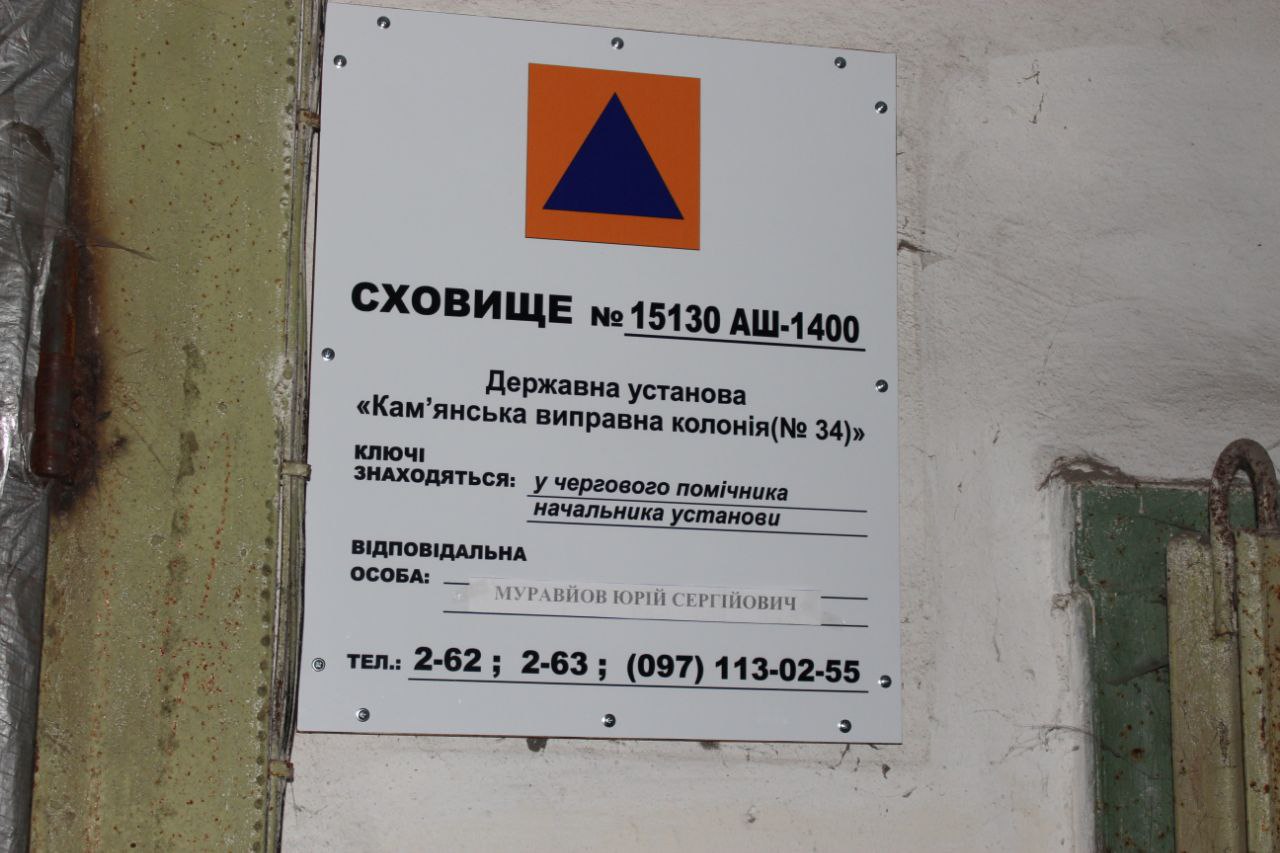
During the inspection, it was established that the shelter has two exits, which is consistent with the requirements of Article 32 of the Civil Protection Code of Ukraine and the provisions of DBN V.2.2-5:2023 “Protective structures of civil protection”, according to which protective structures must have no less than two evacuation exits. A ventilation system operates in the premises, and there is also sewage, which creates basic conditions for people to stay for a certain time in the event of an emergency.
Furthermore, the presence of containers with water supplies was recorded in the shelter, which complies with requirements regarding ensuring the life activity of persons in protective structures, provided for by Articles 20 and 32 of the Civil Protection Code of Ukraine. It was visually confirmed that the shelter premises are equipped with sleeping places in the form of metal beds, including the presence of a separate baby cot.
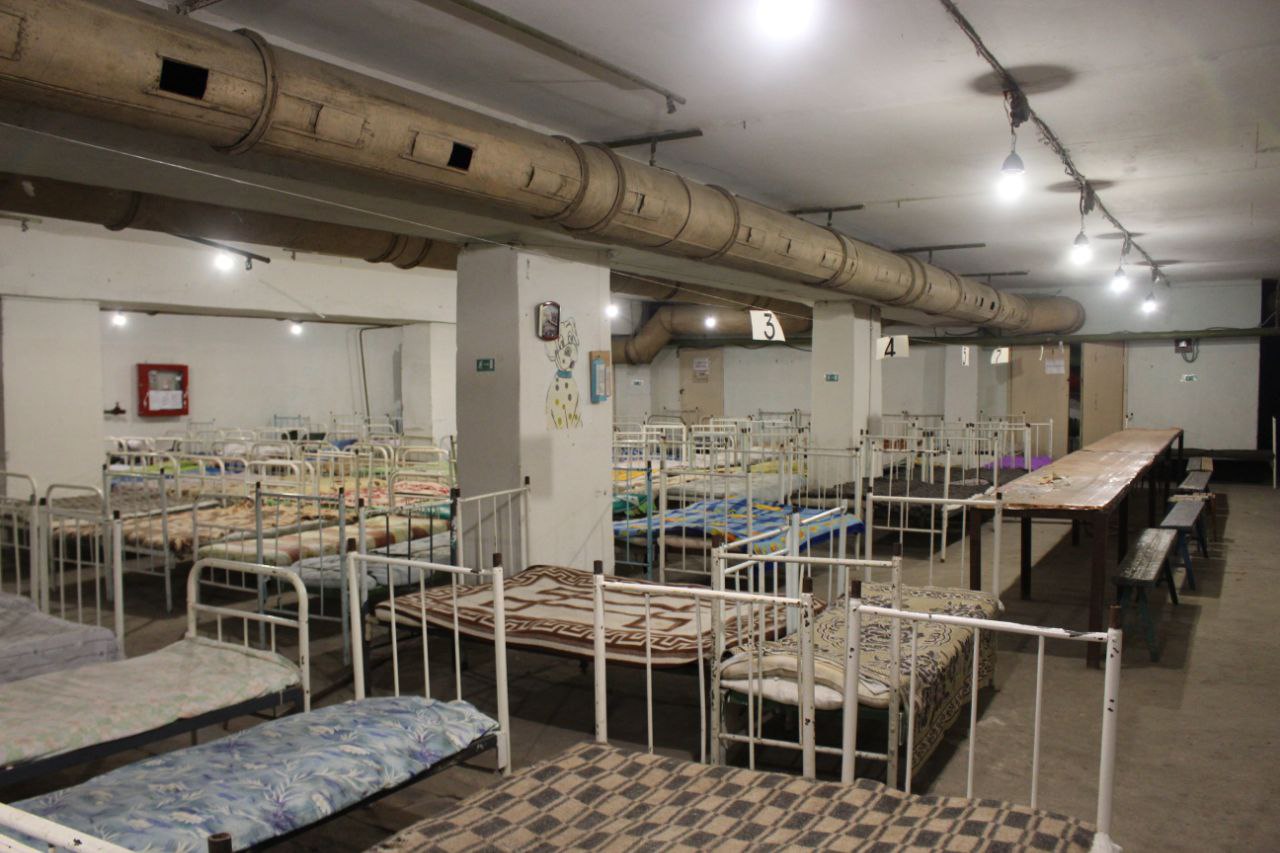
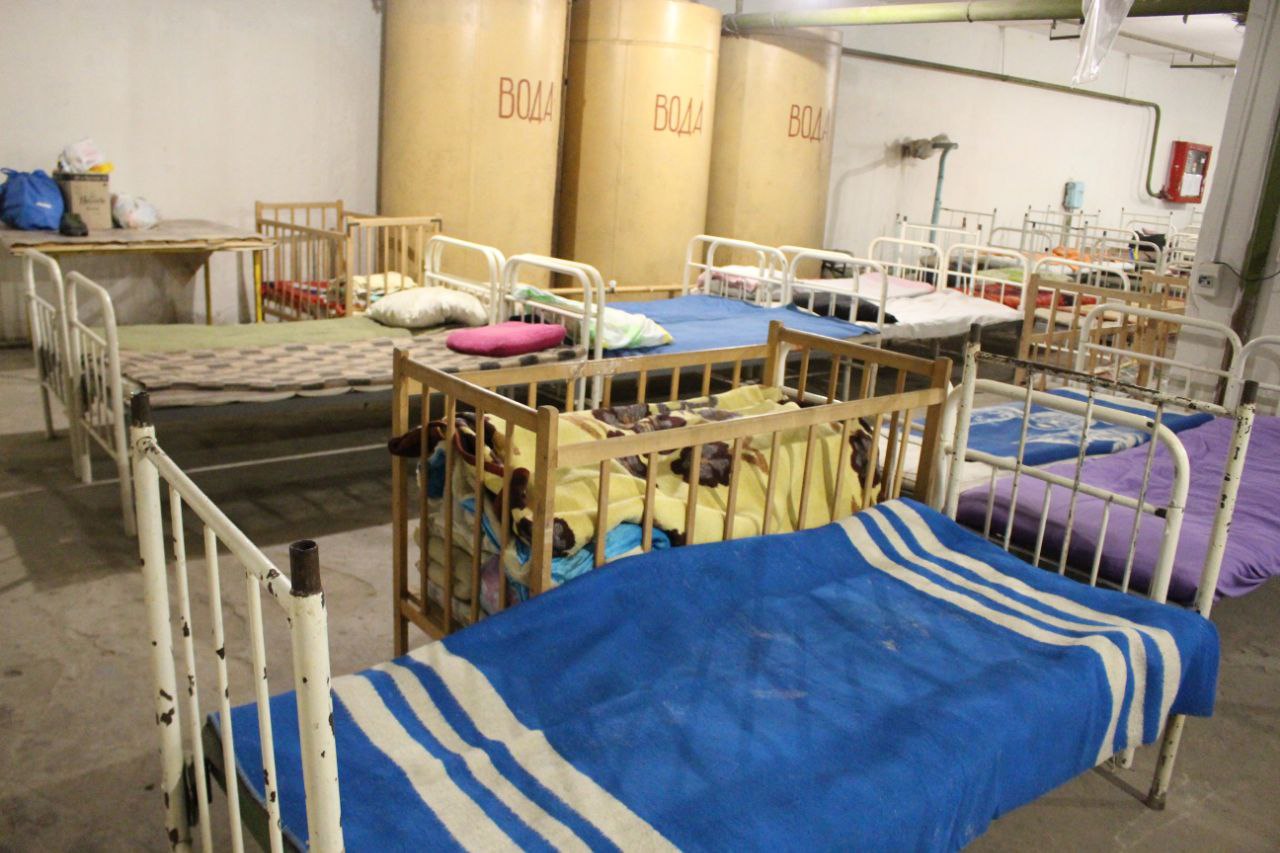
At the same time, the beds are placed densely, without clear zoning of the space and sufficient aisles, which in the event of mass simultaneous use of the shelter could complicate the safe movement of persons, access to exits and sanitary facilities, and does not fully comply with the requirements of DBN V.2.2-5:2023 regarding the organisation of the internal space of protective structures. During the inspection, it was also established that the structural elements of the premises, internal arrangement, and engineering networks show signs of long-term use without systemic renewal.
Lighting is provided by stationary light sources; however, no autonomous or backup power supply sources were recorded during the visit, which is an important element of the readiness of protective structures in accordance with the requirements of the Civil Protection Code of Ukraine and subsidiary regulatory legal acts in the sphere of civil protection.
Taking into account the above, it can be concluded that the civil protection shelter at KCK-34 is formally functional and has a second exit, ventilation, sewage, and minimal engineering equipment. At the same time, the actual state of the premises, the level of engineering readiness, and the organisation of the internal space require additional assessment for full compliance with the requirements of the Civil Protection Code of Ukraine, state building codes, and with consideration of the real number of convicted persons who may simultaneously be in the shelter in the event of an emergency or a military threat.
25. During the monitoring visit, it was established that the labour of convicted persons in KCK-34 is organised in the form of production activities (sewing and haberdashery work, work in the workshop), as well as work on the economic maintenance of the institution, primarily in the canteen. According to information from the administration, on the day of the visit, 257 convicted persons were involved in labour, all of whom were registered on the basis of employment contracts. Such an approach generally complies with the requirements of Article 118 of the Criminal Executive Code of Ukraine, which provides for the involvement of convicted persons in paid labour within the framework of employment or civil law relations.

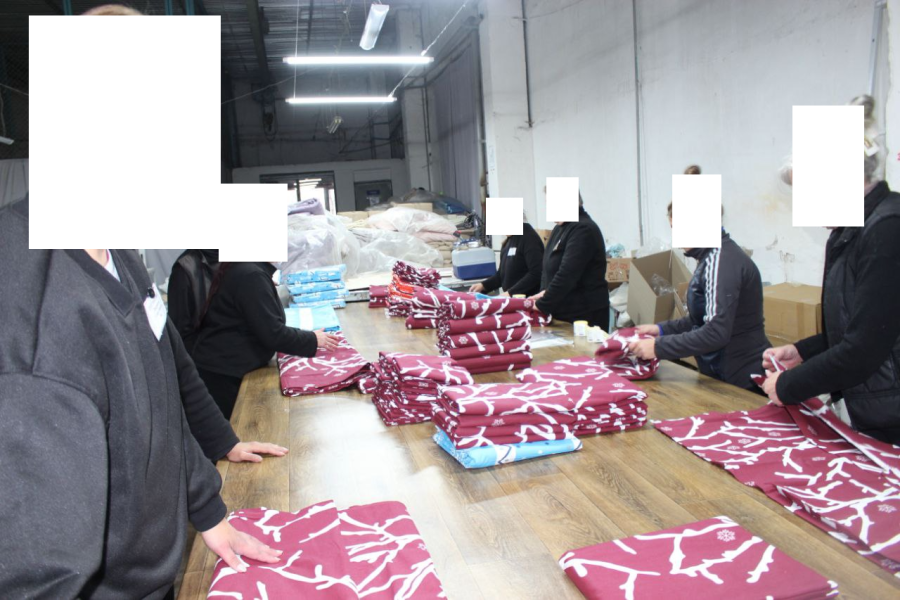
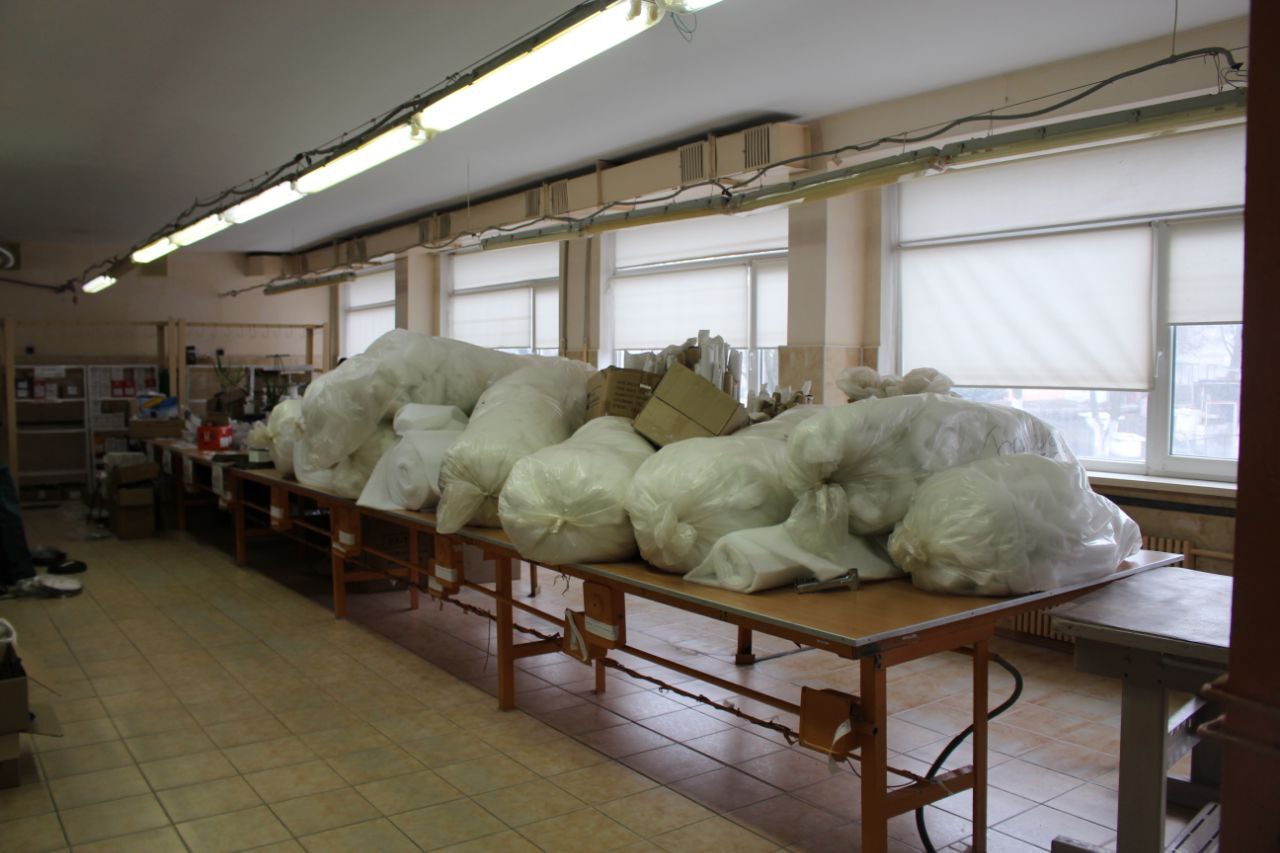
At the same time, an analysis of samples of employment contracts and accounting documentation indicates that the formal conclusion of employment contracts is not always accompanied by proper provision of full employment and social guarantees. The provided employment contracts contain basic details (parties, position, start date, working hours regime), but the terms of remuneration are stated in a generalised manner, without a clear definition of the remuneration system (hourly or piecework), the size of the tariff rate or base salary, production norms, rates, the procedure for calculating surcharges and bonuses, or surcharges for work on weekends or overtime.
Under such conditions, the convicted person is objectively deprived of the opportunity to verify how their salary is calculated, which does not meet the requirements of Articles 94-97, 115 of the Labour Code of Ukraine and the principle of predictability of remuneration as a component of the right to work, guaranteed by Article 43 of the Constitution of Ukraine.
A verification of salary calculation records for November 2025 allows this to be illustrated with specific examples. Thus, in the production unit (haberdashery), convicted person Ch. was calculated a salary in the amount of 1,069.68 UAH for November 2025, from which 481.36 UAH of utility-household expenses and 53.48 UAH of military tax were deducted, as a result of which 534.84 UAH remained for actual payment. The employment contract on the basis of which she works lacks specific indicators that would allow this sum to be correlated with time worked or production volume, which makes it impossible for the worker to independently check the correctness of the calculations.
Another example from the production section: according to the payroll for November 2025, convicted person K. was calculated a salary in the amount of 658.10 UAH, while the actual amount for payment after deductions was less than 400 UAH. Such indicators correlate with the convicted person’s explanations regarding the low actual income, but the key issue is that, again, there are no clear contractual parameters that would allow an assessment of the compliance of the calculated sum with minimum state guarantees in remuneration, taking into account time worked.
In the canteen, the situation appears more formalised, but it also reveals significant shortcomings in the aspect of social protection. Thus, for convicted person Z., for November 2025, a base salary in the amount of 8,213.87 UAH was set, indexation — 133.23 UAH, the total amount of accruals was 8,347.10 UAH. From this amount, 1,502.48 UAH of personal income tax, 417.36 UAH of military tax, 513.50 UAH of utility-household expenses, and 1,669.42 UAH per executive documents were deducted, as a result of which 4,244.34 UAH remained for payment.
For convicted person K. for the same period, 8,305.54 UAH was calculated (base salary — 8,172.31 UAH, indexation — 133.23 UAH), while a significant part of the deductions was child support in the amount of 3,197.63 UAH, which reduced the amount of actual payment to 2,684.13 UAH. The provided examples confirm that salary in the canteen is calculated officially, but the level of actual income essentially depends on deductions and, as in the production units, is not supported in the employment contracts by a clear and understandable calculation mechanism.
The issue of social insurance requires separate attention. An analysis of the payroll and payment sheets for November 2025 indicates that they contain information about deductions from the salary (personal income tax, military tax, child support, other deductions), but contain no data on the accrual and payment of the Unified Social Contribution (USC) on general mandatory state social insurance. Given that the USC is an obligation of the employer and is not deducted from the employee’s salary, in the absence of supporting documents (USC reporting, payment orders), it is impossible to make a documentarily substantiated conclusion regarding compliance with the requirements of Article 120 of the Criminal Executive Code of Ukraine and the ensuring of insurance tenure for convicted persons.
Furthermore, during the monitoring visit, during communication with convicted persons and the institution’s personnel, it was established that alongside the formalised paid work in the canteen, there is a practice of systematic involvement of convicted persons in the performance of work on a permanent basis under the guise of unpaid beautification work in the form of two-hour tasks in accordance with part five of Article 118 of the Criminal Executive Code of Ukraine. Such a practice indicates the use of the said provision not as an exceptional measure, but as a stable mechanism for ensuring the functioning of the canteen without proper remuneration, which contradicts the content and goal of the legal regulation of the labour of convicted persons.
Collectively, the collected and analysed documents, as well as interviews with convicted persons and the institution’s personnel, give grounds to conclude that in KCK-34, the labour of convicted persons is formally organised in accordance with the requirements of the Criminal Executive Code of Ukraine through the conclusion of employment contracts and the calculation of salaries. At the same time, the content of such contracts does not ensure sufficient certainty of remuneration terms, which makes it impossible to realise the right of convicted persons to fair and predictable remuneration.
An analysis of specific calculations for November 2025, both in production units and in the canteen, demonstrates a low level of actual payments and the absence of a transparent link between time worked, production volume, and the amount of earnings. The issue of ensuring social guarantees for working convicted persons, in particular the accrual and payment of the unified social contribution and the formation of insurance tenure, is not confirmed by any of the documents provided by the institution.
In the absence of data on the payment of USC, it is impossible to consider it proven that the involvement of convicted persons in labour is accompanied by real social protection, as required by Articles 118-120 of the Criminal Executive Code of Ukraine and legislation in the sphere of general mandatory state social insurance. At the same time, the legal position of the Supreme Court of Ukraine, set out, in particular, in the resolution of 05.02.2025, proceeds from the fact that an institution that uses the labour of convicted persons is an employer and a tax agent and is obliged to calculate and pay personal income tax, military tax, and the unified social contribution regardless of the fact of concluding an employment contract. Under such conditions, the absence of documentary confirmation of USC payment indicates not a formal accounting shortcoming, but a systemic risk of depriving working convicted persons of insurance tenure and associated social rights.
Medical Unit No. 34 of the Branch of the State Institution “Centre for Healthcare of the State Penitentiary Service of Ukraine” in Dnipropetrovsk and Donetsk Regions
Head of the Medical Unit No. 34 of the Branch of the State Institution “Centre for Healthcare of the State Penitentiary Service of Ukraine” in Dnipropetrovsk and Donetsk Regions — Olena Borysivna Morozova.
At the time of the visit, the following positions were vacant: psychiatrist — 0.5 full-time equivalent position, clinical psychologist — 0.5 full-time equivalent position, medical nurse — 0.5 full-time equivalent position, radiologist — 0.5 full-time equivalent position.
During the monitoring visit, violations of national legislation requirements and non-compliance with international recommendations in the sphere of treatment of prisoners were identified, leading to the infringement of the rights of convicted persons:
1. During the visit, the monitoring group established that medical personnel do not ensure proper recording and documentation of bodily injuries of persons deprived of liberty.
In accordance with paragraph 3 of Chapter 1 of Section II of the Procedure for organising the provision of medical care to persons sentenced to deprivation of liberty, approved by the Order of the Ministry of Justice of Ukraine and the Ministry of Health of Ukraine dated 15.08.2014 No. 1348/5/572 (hereinafter — Procedure), in the event of detecting bodily injuries in a convicted person, the medical worker who detected such injuries draws up a report in three copies, which details: information (written statement, oral or written explanation of the convicted person) regarding the circumstances of obtaining the bodily injuries (date, time, place of obtaining, method of inflicting injuries, information about the person(s) who, in the opinion of the convicted person, inflicted them), as well as other information regarding the obtaining of bodily injuries; an exhaustive description of medical indicators characterising the state of health of the convicted person, the nature of injuries, their size and location; the assumption of the medical worker based on information provided by the convicted person and medical indicators, as well as justification of their correlation.
To the report, the medical worker attaches the form of primary accounting documentation No. 511/o “Report on recording bodily injuries”, approved by the Order of the Ministry of Health of Ukraine dated 14.02.2012 No. 110, registered with the Ministry of Justice of Ukraine on 28.04.2012 under No. 661/20974, and photographs of the existing bodily injuries of the convicted person. Two copies of the report and attachments to it are attached to the materials of the personal file and the medical card of the outpatient patient No. 025/o, and the third copy is issued personally to the convicted person who underwent the examination.
Instead, as established during the monitoring visit, in cases of detecting bodily injuries, the medical personnel actually fill out only the form of primary accounting documentation No. 511/o without drawing up a report in three copies and without carrying out the full complex of actions provided for by the Procedure. This indicates a systemic violation of the requirements of paragraph 3 of Chapter 1 of Section II of the Procedure and improper organisation of medical recording of bodily injuries.
2. According to paragraphs 2 and 3 of Chapter 3 of Section II of the Procedure, a general practitioner (or general practice physician — family doctor), a psychiatrist, and a dentist must necessarily participate in the preventive medical examination. At the same time, the position of psychiatrist is vacant in the medical unit, which indicates the incompleteness of conducting primary and preventive medical examinations, due to which convicted persons and detainees do not receive proper medical care.
The aforementioned is not in line with the recommendations of the Committee, where it is stated that medical services in places of detention must be able to ensure medical care and treatment, as well as an appropriate diet, physiotherapy, rehabilitation, or any other special care at the same level as that offered to patients in civilian medical facilities. Provision must be made for the availability of medical, auxiliary medical, and technical personnel, and appropriate premises, equipment, and apparatus must be provided (CPT/Inf (93) 12-part, paragraph 38).
3. The position of clinical psychologist is vacant in the staff of the healthcare facility, which complicates the timely and effective provision of medical care in the sphere of mental health to convicted persons.
The Committee, in the report on the results of the visit to Ukraine in 2023, recommends continuing to strengthen the provision of psychological assistance in institutions, as well as developing the training and role of penitentiary psychologists, especially in the part of therapeutic clinical work with convicted persons. In this context, it is necessary to make efforts to recruit clinically trained psychologists, who should be part of the medical team and in their work should not combine two different roles, i.e., risk assessment and therapeutic clinical work (CPT/Inf (2024) 20, paragraph 85).
4. In violation of the requirements of paragraph 8 of Chapter 5 of Section II of the Procedure, there is no equipped isolation ward for persons with mental disorders who pose a danger to others in the inpatient department of the medical unit.
5. In the medical unit, the provision of substitution maintenance therapy (hereinafter — SMT) for persons with mental and behavioural disorders as a result of opioid use is not organised in accordance with the “Procedure for conducting substitution maintenance therapy for persons with mental and behavioural disorders as a result of opioid use”, approved by the Order of the Ministry of Health of Ukraine dated 27.03.2012 No. 200.
Drug-dependent persons are not provided with social-psychological support, cognitive-behavioural therapy (CBT), relapse prevention, motivational interviewing, self-help groups, etc. Thus, said persons are deprived of the opportunity to receive SMT, which violates their right to choose methods of treatment in accordance with Article 38 of the Law of Ukraine “Fundamentals of Ukrainian legislation on healthcare”.
At the same time, the Committee, in the report on the results of the visit to Ukraine in 2023, notes that admission to a penitentiary institution is an opportunity to solve the problem associated with drugs, and therefore it is important that appropriate assistance be offered to all interested persons; therefore, appropriate medical care should be available in all institutions. Furthermore, access to SMT programmes in institutions should be easily accessible, and they should also be managed by penitentiary doctors who have undergone special training on issues related to drug use (CPT/Inf (2024) 20, paragraph 86).
6. In violation of the requirements of the Instruction on filling out the form of primary accounting documentation No. 003/o “Medical card of an inpatient”, approved by the Order of the Ministry of Health of Ukraine dated 14.02.2012 No. 110, which provides for the mandatory entry into said form of all data regarding treatment and diagnosis in the inpatient department, including information obtained during the examination of the patient and the doctor’s prescriptions, the monitoring group established the fact of the absence of an executed medical card of an inpatient (form No. 003/o) for one of the three persons who were in the wards for inpatient treatment of the medical unit at the time of the visit.
7. In violation of the requirements of the Instruction on filling out the form of primary accounting documentation No. 003-6/o “Informed voluntary consent of the patient to the conduct of diagnostics, treatment, and to the conduct of an operation and anaesthesia and to the presence or participation of participants of the educational process”, approved by the Order of the Ministry of Health of Ukraine dated 14.02.2012 No. 110, the absence of signed informed voluntary consent for the conduct of diagnostics and treatment by the patient who was in the inpatient department of the medical unit was established.
The aforementioned may indicate the absence of the patient’s voluntary consent to the application of diagnostic, preventive, and treatment methods in relation to them, which is a violation of Article 43 of the Law of Ukraine “Fundamentals of Ukrainian legislation on healthcare” and paragraph 47 of the Committee’s recommendations (CPT/Inf (93) 12-part).
8. In violation of the requirements of paragraph 2 of Chapter 2 of Section II of the Procedure, the medical unit is not provided with functioning fluorographic/radiological equipment, as a result of which diagnostic examinations of the thoracic cavity organs are not conducted for convicted persons and detainees for the purpose of timely detection of respiratory organ diseases, which indicates the impossibility of conducting early diagnosis of tuberculosis in the healthcare facility.
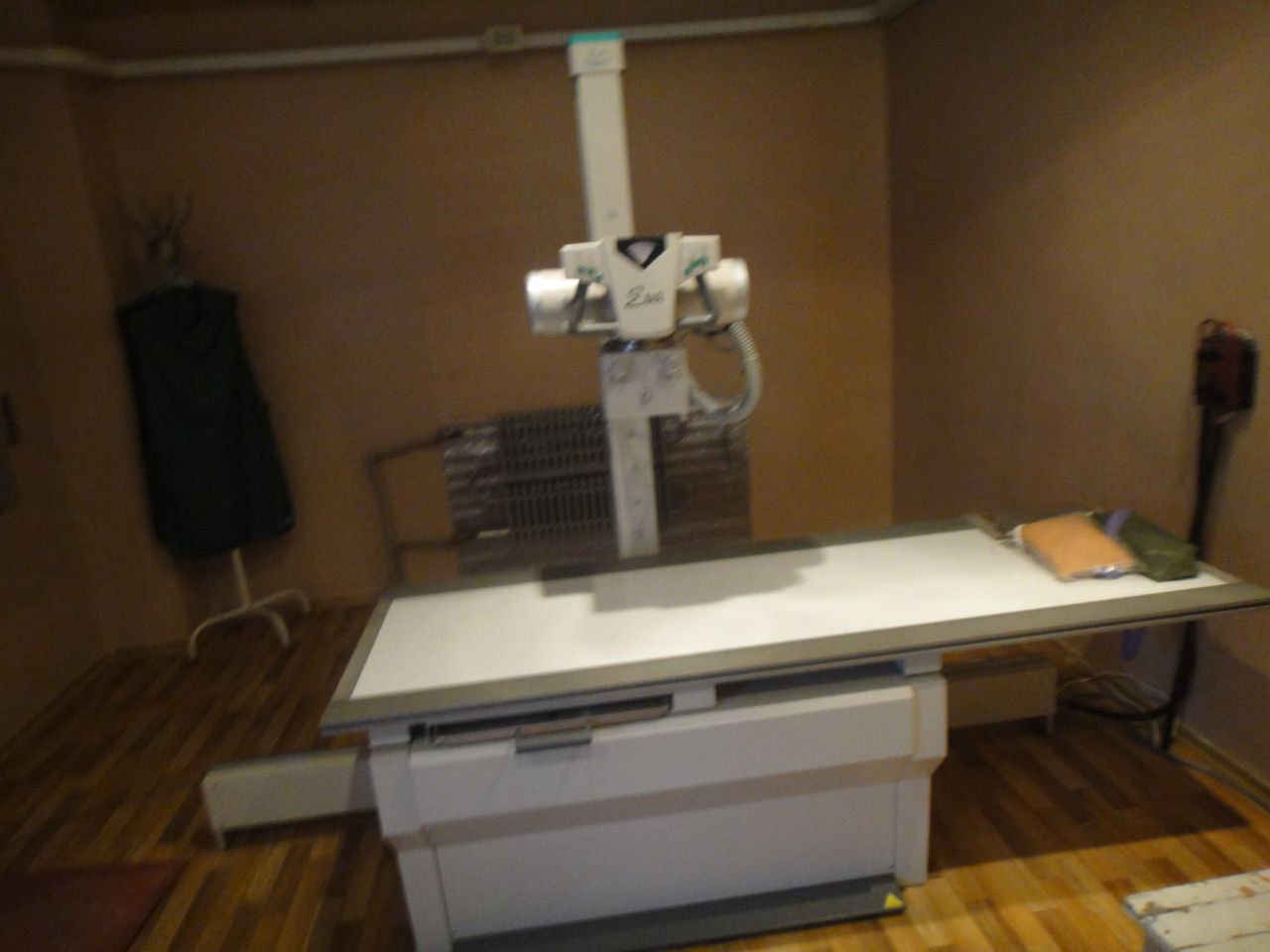
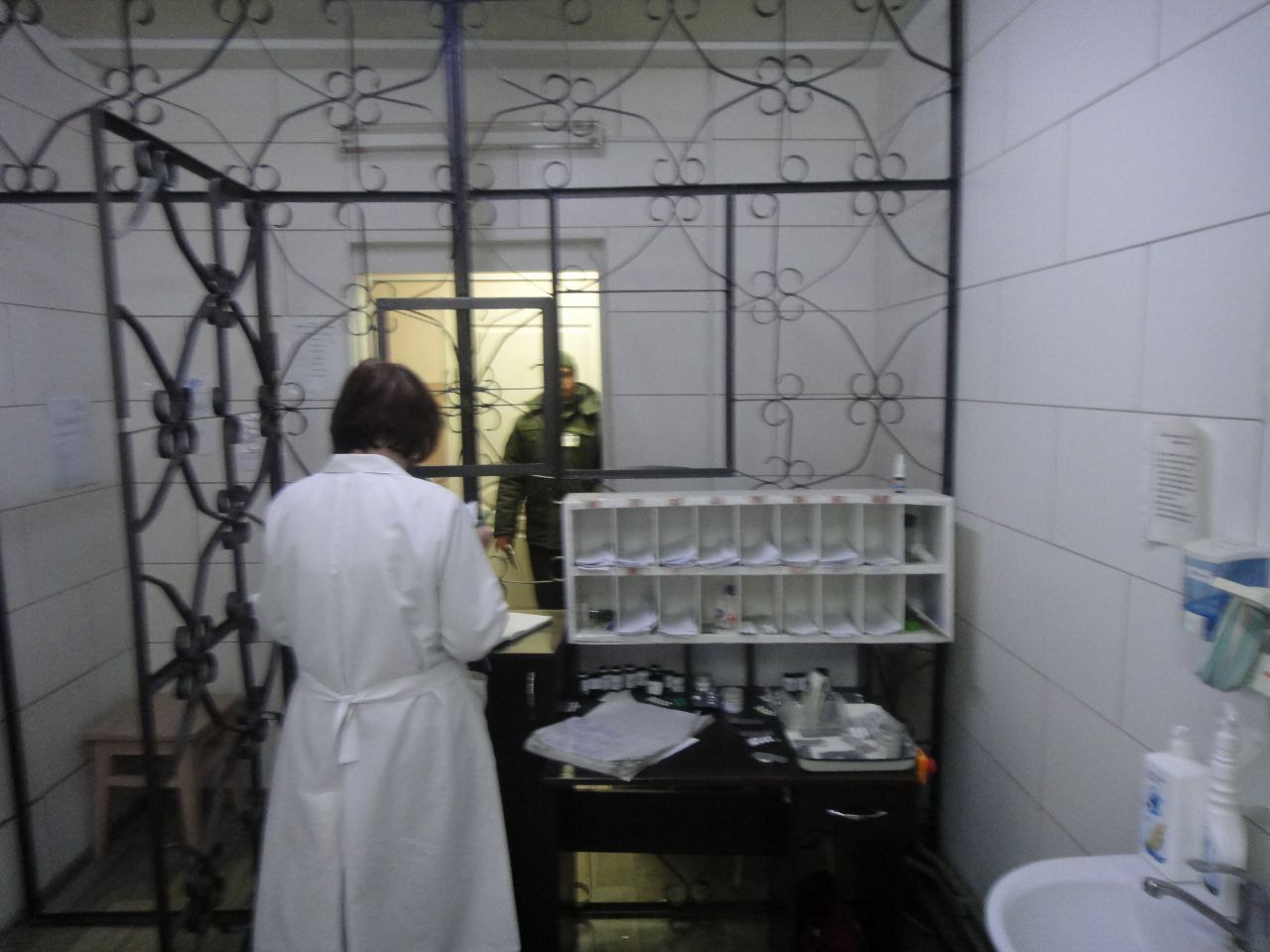
9. During the visit to the institution’s medical unit, the monitoring group detected the presence of a metal cage in the procedure room, which is used to ensure the safety of medical personnel during the provision of medical care to convicted persons and detainees.
It should be noted that in its report on the results of the visit to Ukraine in 2020, the Committee expressed concern about the practice of installing cages or metal barriers in medical offices where prisoners usually stayed during medical consultations or procedures, in particular for administering injections. The Committee emphasised that although the use of additional security measures can be justified in isolated cases, the systemic practice of placing prisoners in cages while receiving medical care grossly violates human dignity, hinders the formation of trusting relationships between patient and doctor, and can impede the objectivity of a medical conclusion. The Committee strongly recommends that the Ukrainian authorities immediately dismantle cages and barred constructions from the medical units of institutions and completely end such a practice in all penal institutions (CPT/Inf (2020) 40, paragraph 60).
10. In violation of the requirements of DBN V.2.2-40:2018 “Inclusivity of buildings and structures. Basic provisions”, proper conditions for receiving medical care by persons with disabilities have not been created in the medical unit.
11. In violation of the requirements of paragraph 37 of the Resolution of the Cabinet of Ministers of Ukraine dated 02.03.2016 No. 285 “On approval of Licensing conditions for carrying out economic activity in medical practice”, there is no conclusion in the medical unit confirming free access to buildings and premises of the healthcare facility for persons with limited mobility, the receipt of which is mandatory.
12. In violation of the requirements of Standards of medical care for HCV in adults, approved by the Order of the Ministry of Health of Ukraine dated 15.01.2021 No. 51, not all persons (48 persons as of 16.12.2025) with suspected viral hepatitis C undergo PCR testing, due to which they do not receive necessary treatment, which can lead to a deterioration in the state of their health and the spread of said infectious disease among convicted persons and detainees. Furthermore, on the day of the visit, there were no medicinal products for the treatment of viral hepatitis C in the medical unit’s pharmacy.
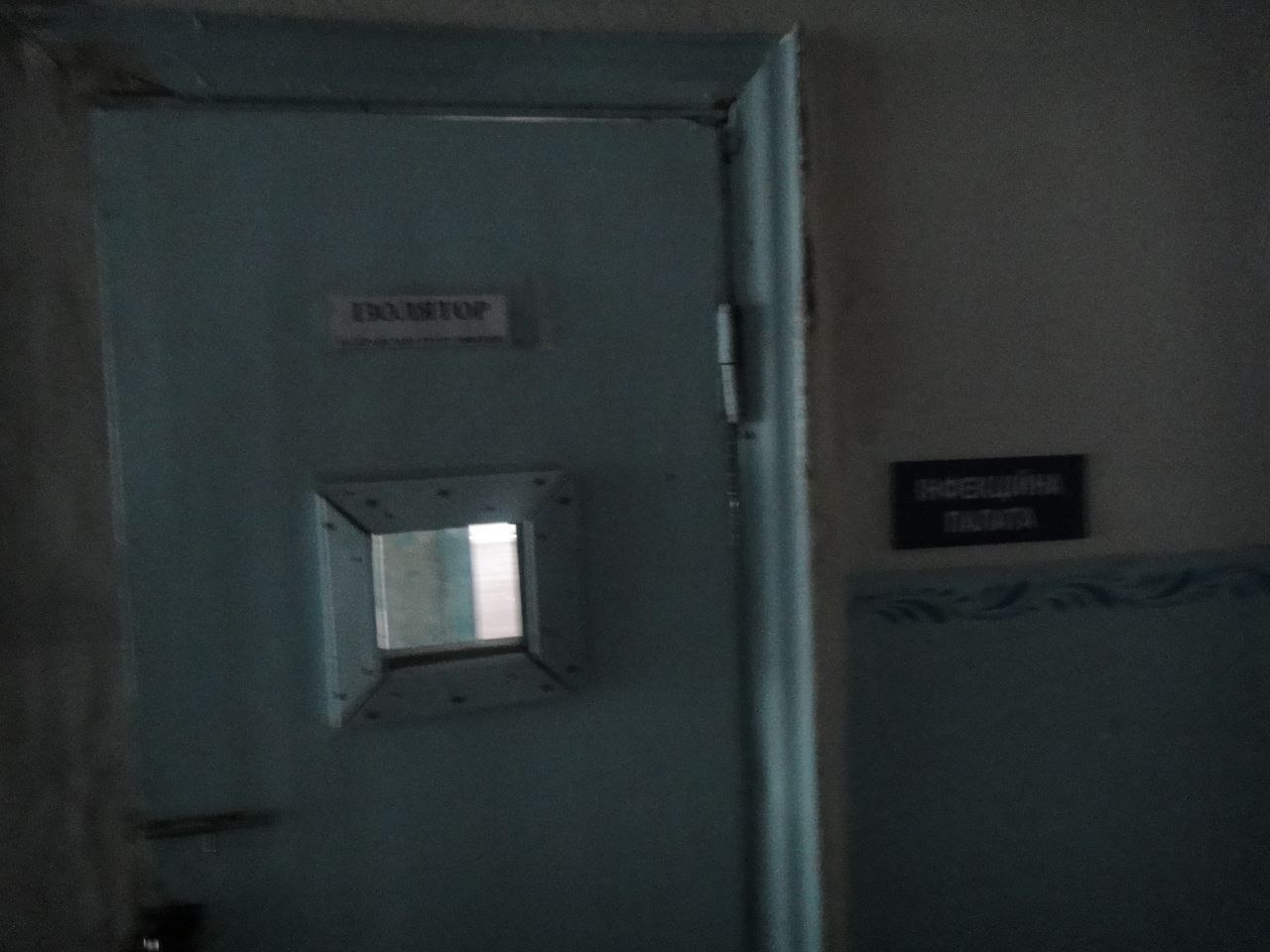
13. In violation of the requirements of the “Measures and means for preventing infection during patient care”, approved by Order of the Ministry of Health of Ukraine No. 1777 dated 03/08/2020, the medical unit is equipped with only one isolation ward for infectious patients, rendering it impossible to simultaneously accommodate persons with dangerous infectious diseases separately from one another and separately from other convicted persons.
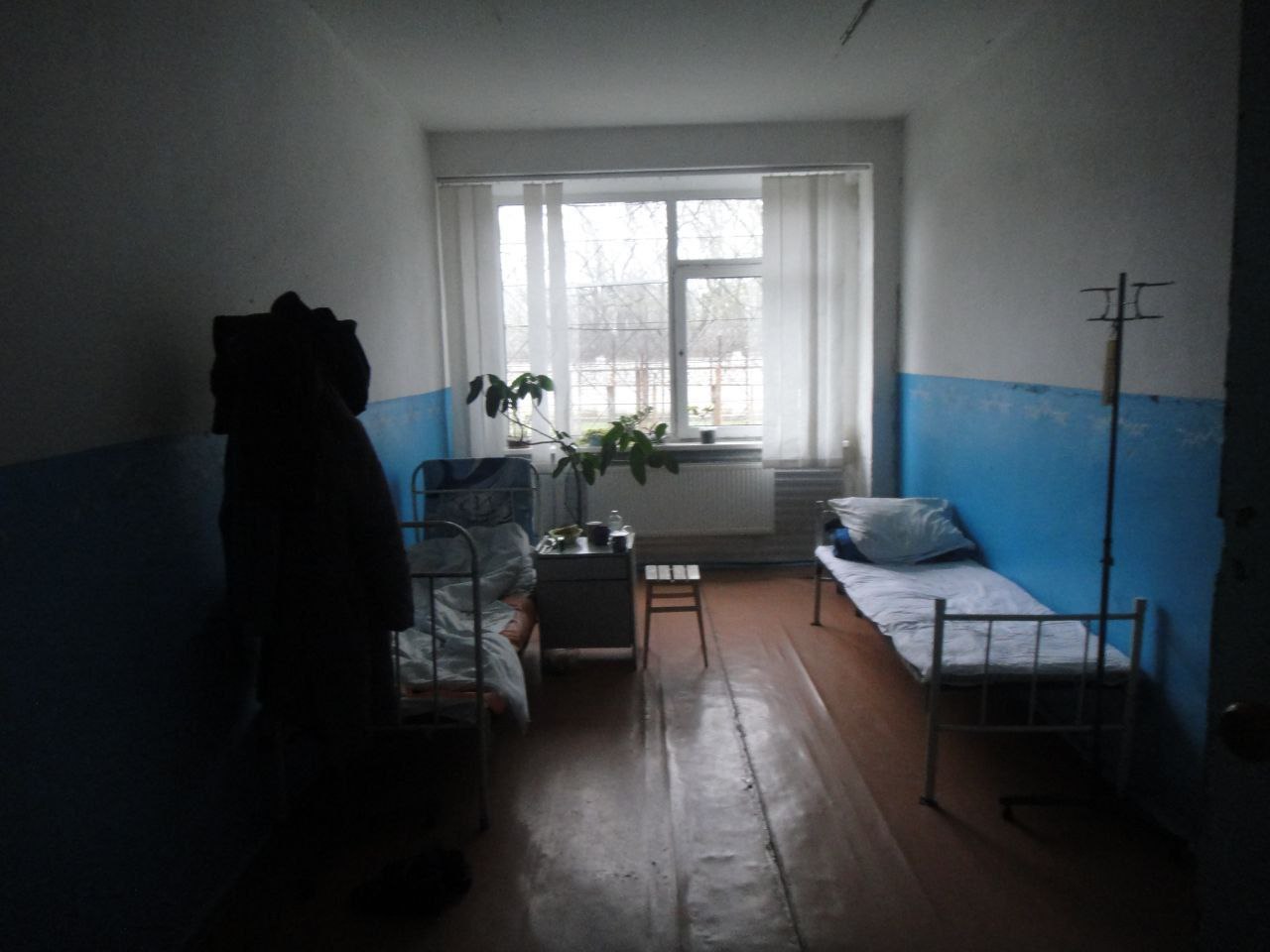
14. In violation of the requirements of the “Procedure for organising medical care at primary, secondary (specialised) and tertiary (highly specialised) levels using telemedicine”, approved by Order of the Ministry of Health of Ukraine No. 681 dated 19/10/2015, the medical unit personnel are deprived of the ability to send requests for telemedicine consultations and obtain professional assistance for the provision of medical services to convicted persons due to technical limitations.
15. In violation of the requirements of the “Equipment table for a dentist and dental technician's workplace”, approved by Order of the Ministry of Health of Ukraine No. 158 dated 11/04/2005, the medical unit lacks a dental X-ray machine, which makes it impossible to conduct an in-depth dental examination of convicted persons and fails to ensure the timely provision of proper dental care.
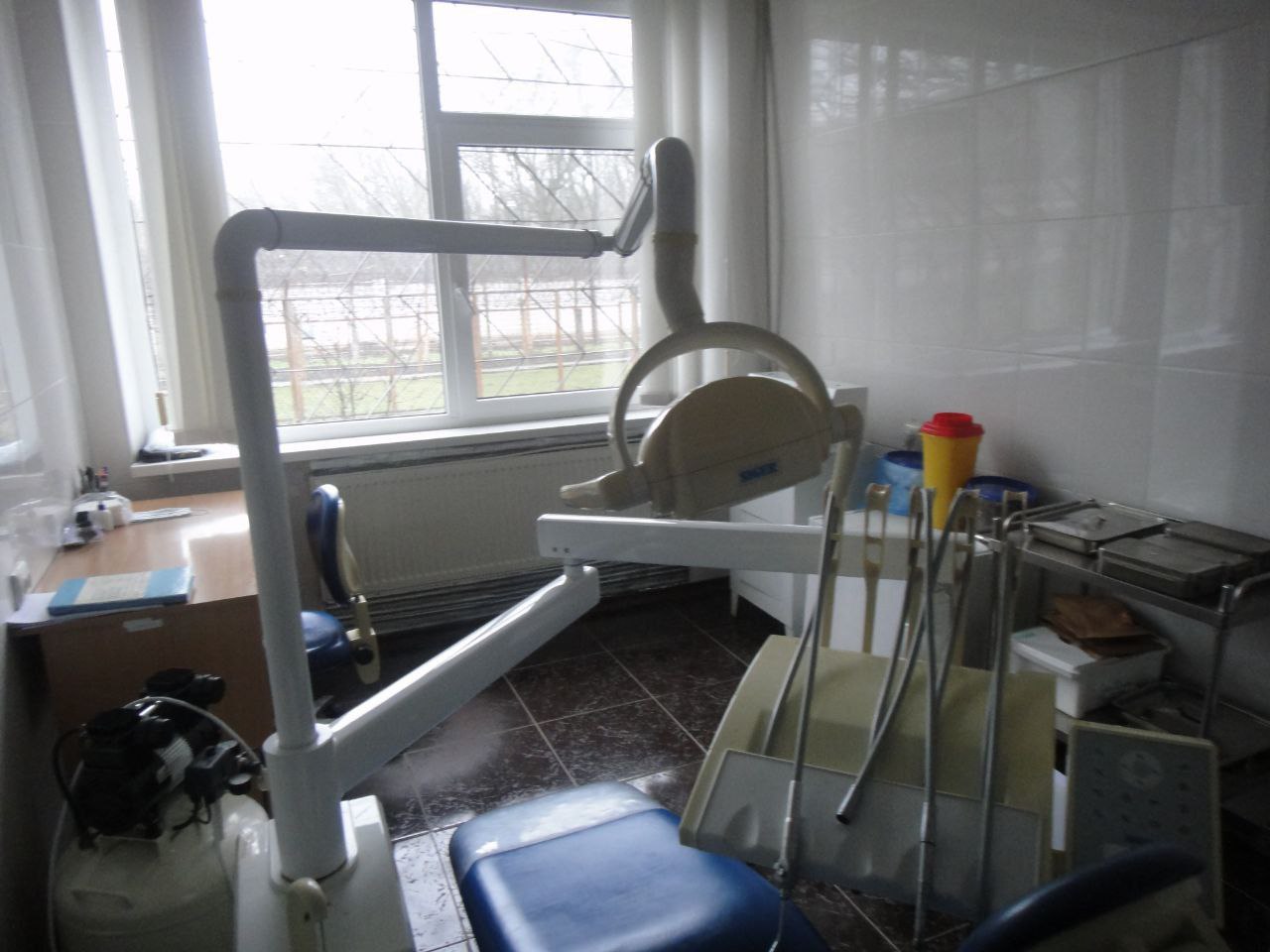
16. In violation of the requirements of Rule 19.3 of the European Prison Rules, the right to privacy in the shower room is not ensured due to the lack of curtains on the shower partitions.
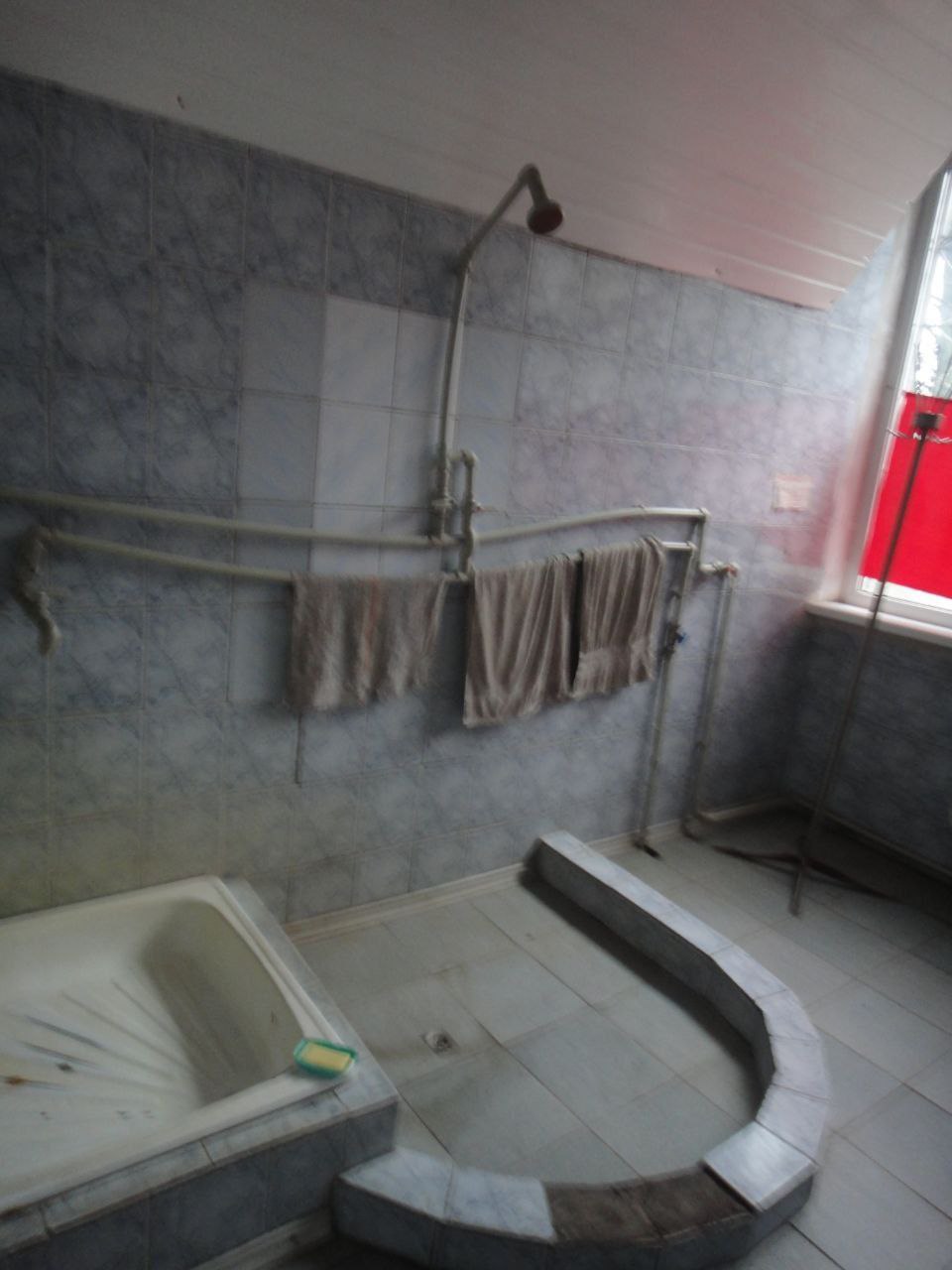
17. In violation of the requirements of the “Fire Safety Rules in Ukraine”, approved by Order of the Ministry of Internal Affairs of Ukraine No. 1417 dated 30/12/2014 (hereinafter — the Rules), the medical unit premises are not equipped with fire extinguishing and fire alarm systems.
Recommendations:
1. Ensure actual separate detention in the quarantine, diagnostics, and distribution section for different categories of convicted persons, primarily those who previously worked in the court, prosecutor’s office, judiciary, or law enforcement agencies, by allocating separate premises or local sectors, introducing separate movement routes, and establishing a separate regime of household support in accordance with the requirements of Part 5 of Article 92 of the Criminal Executive Code of Ukraine.
2. Review and ensure the actual implementation of the programme for familiarising newly arrived convicted persons with the procedure and conditions for serving sentences: establish the personal responsibility of each member of the working group, approve a weekly schedule for visiting the QDD section, ensure the logging of completed measures in registers, and introduce internal control over the completeness of the programme’s execution in accordance with the Regulation on the QDD section.
3. Cease the practice of allowing newly arrived convicted persons into the canteen with other convicted persons during their stay in the QDD section, and organise their meals in a manner that prevents uncontrolled communication and contact with other categories of convicted persons, in accordance with the requirements of the Regulation on the QDD section.
4. Remedy the shortcomings in the material and household support of the QDD section: equip or restore the necessary premises (for educational work, food storage, exchange fund, temporary storage of soiled linen, a dressing room, a utility room), bring the flooring and other structural elements into a proper state, and equip the washroom with a shower cabin and proper sanitary and hygienic equipment in accordance with the Provision Norms and Part 1 of Article 115 of the Criminal Executive Code of Ukraine.
5. Ensure the availability of drinking water tanks in the living quarters of the QDD section and guaranteed access to drinking water for convicted persons in accordance with Rule 22.5 of the European Prison Rules.
6. Replace worn-out mattresses and pillows in the QDD section and establish a system of regular monitoring of the condition of clothing and its timely renewal in accordance with the norms for the provision of clothing to convicted persons.
7. Bring detention conditions in the DIU/CTP into compliance with standards: ensure an adequate level of natural lighting and daylight access, minimise excessive use of bars, equip cell premises with drinking water tanks, and eliminate hazardous conditions for bed use (reduce the height or install safe steps or railings) in accordance with the European Prison Rules and the UN Standard Minimum Rules for the Treatment of Prisoners (the Nelson Mandela Rules).
8. Restore the radio system in the DIU/CTP cell premises as an element of information and communication in accordance with the requirements of the Internal Regulations of Penal Institutions and the UN Standard Minimum Rules.
9. Equip DIU/CTP cells with staff call buttons and ensure their proper functionality in accordance with the Procedure for the use of technical supervision and control means, with the aim of ensuring guaranteed access for convicted persons to staff in the event of an emergency.
10. Ensure mandatory visits by a psychologist to convicted persons serving disciplinary sanctions in the DIU/CTP, with the logging of such visits in the relevant registers in accordance with the requirements of the Internal Regulations.
11. Review the practice of using video surveillance in DIU/CTP cell premises to minimise interference in the private life of convicted persons: apply video surveillance only based on the results of an individual risk assessment, with proper documentation of the grounds, duration, and regular review of the necessity for its application, taking into account the standards of the Committee for the Prevention of Torture.
12. Dismantle or structurally modify the canopies in the exercise yards that block access to natural light, in order to ensure real access to daylight during exercise and compliance with the Committee’s recommendations regarding proper conditions for convicted persons to stay in the fresh air.
13. Ensure the shop in the institution stocks the full list of goods provided for by the Internal Regulations, including tobacco products, or officially regulate an alternative mechanism for their purchase within the current legal framework to prevent discriminatory restrictions on access to permitted goods.
14. Ensure unconditional compliance with the requirements for the sampling and storage of daily samples of each dish by introducing daily control by the responsible officer and recording the availability of samples in the relevant register.
15. Cease the delivery of food to convicted persons in plastic trays; ensure the transport of food in marked thermoses or other containers that meet food supply requirements, and introduce sanitary control over the state of the inventory.
16. Ensure female convicted persons are able to visit the bathhouse with a frequency that meets international standards and national rules for bath and laundry services; review operating schedules, increase capacity, and improve resource support for the bathhouse.
17. Restore the proper operation of forced supply and exhaust ventilation in the laundry and bathhouse premises, conduct a technical inspection of the ventilation system, and organise its planned maintenance in accordance with the requirements of the relevant Regulation.
18. Introduce mandatory individual numbering for special means (protective helmets, bulletproof vests, etc.) and maintain their records in such a way that in every case of the use of force or special means, it is possible to identify the specific officer in accordance with the Internal Regulations and the Committee’s recommendations.
19. Cease the practice of personnel openly carrying special means in areas of direct contact with convicted persons; organise the carrying of such means to be as hidden as possible and only when there is a justified necessity, taking into account the requirements of the Internal Regulations and the Committee’s recommendations.
20. Strengthen the work of the social-educational and psychological service regarding the documentation of convicted persons: create and implement a plan for processing or renewing passports and other personal documents, identify responsible persons and deadlines for completion, and ensure support for convicted persons in interaction with competent authorities in accordance with the requirements of the pre-release preparation programme.
21. Review the practice of conducting short-term visits so that open visits are the rule, and non-contact visits are applied as an exception based on an individual risk assessment and a reasoned decision, taking into account the Committee’s recommendations.
22. Take measures to reduce staff shortages and strengthen the presence of staff in living and production areas, and cease the practice of excessively long shifts, ensuring a safer and more stable working regime in accordance with standards for the proper management of institutions and the Committee’s recommendations.
23. Conduct a comprehensive assessment of the shelter’s readiness, taking into account the actual number of persons subject to sheltering, and bring the organisation of the internal space into compliance with state building codes: ensure passageways, zoning, access to emergency exits and sanitary facilities, and provide backup or autonomous lighting and power supply sources in accordance with legislation in the sphere of civil protection.
24. Ensure that the involvement of convicted persons in labour is carried out exclusively on conditions that realistically guarantee remuneration and social rights: review standard employment contracts to clearly define the remuneration system, terms of salary calculation, its dependence on time worked or output, guarantees of minimum standards, and transparency of deductions in accordance with Article 43 of the Constitution of Ukraine, Articles 21 and 94–97 of the Labour Code of Ukraine, the Law of Ukraine “On Remuneration of Labour”, and Articles 118–121 of the Criminal Executive Code of Ukraine.
25. Conduct a documentary audit of salary calculations and payments for specific employees and production sections, ensure correlation between timesheets, output records, and payroll sheets, and eliminate practices that lead to unreasonably low or unstable remuneration.
26. Rationalise the organisation of labour in the canteen: ensure that all persons who actually work with food products are covered by employment contracts, receive remuneration, undergo mandatory medical examinations, and are properly reflected in personnel and accounting documentation.
27. Introduce personalised accounting for the issuance of tools, inventory, and cutting/stabbing implements, with the logging of the specific person, time of issuance and return, responsible staff, and control as an element of safety and occupational health in accordance with the requirements of the Labour Code of Ukraine.
28. Cease the systematic involvement of convicted persons in unpaid work on the basis of Part 5 of Article 118 of the Criminal Executive Code of Ukraine in a manner that is permanent and effectively replaces paid labour; apply such work exclusively as an exception, within the framework of the law, with clear accounting, proper justification, and the prevention of the substitution of labour relations.
29. Take measures aimed at eliminating identified human rights violations and preventing torture, and other cruel, inhuman, or degrading treatment or punishment in Medical Unit No. 34 of the Branch of the State Institution “Centre for Healthcare of the State Penitentiary Service of Ukraine” in Dnipropetrovsk and Donetsk regions.
30. Ensure control over the proper maintenance of medical documentation in accordance with the “Procedure for organising the provision of medical care to persons sentenced to deprivation of liberty”, approved by the joint Order of the Ministry of Justice of Ukraine and the Ministry of Health of Ukraine No. 1348/5/572 dated 15/08/2014, as well as other regulatory legal acts.
31. Ensure the staffing of the medical unit with specialist doctors in accordance with actual needs.
32. Ensure the timely and proper recording of bodily injuries in convicted persons in accordance with the established procedure.
33. Ensure the equipment of an isolation ward for persons with mental disorders in accordance with the requirements of Paragraph 8 of Chapter 5 of Section II of the Procedure.
34. Ensure the maintenance of Form No. 003/o “Medical card of an inpatient” for all patients undergoing inpatient treatment, in accordance with the requirements of the Procedure.
35. Ensure the obtaining of informed voluntary consent from patients for examination and treatment in the prescribed form.
36. Ensure the availability of substitution maintenance therapy for persons diagnosed with mental and behavioural disorders as a result of opioid use.
37. Dismantle the metal cage in the institution’s medical unit and bring the conditions for the provision of medical care into compliance with the recommendations of the European Committee for the Prevention of Torture, ensuring dignified treatment of prisoners.
38. Supply the medical unit with necessary diagnostic equipment, including an X-ray machine.
39. Supply the medical unit with a dental X-ray machine and the necessary equipment for conducting a full dental examination and treatment.
40. Ensure the accessibility of the institution’s buildings in accordance with DBN V.2.2-40:2018 “Inclusivity of buildings and structures. Basic provisions”.
41. Fulfil the requirements of Paragraph 37 of the Resolution of the Cabinet of Ministers of Ukraine No. 285 dated 02/03/2016 “On approval of Licensing conditions for carrying out economic activity in medical practice”.
42. Ensure the equipment of the necessary number of isolation wards for infectious patients.
43. Ensure that all persons with suspected viral hepatitis C have access to PCR testing in the shortest possible time and organise the necessary antiviral treatment for persons with a confirmed diagnosis.
44. Ensure the proper operation of the telemedicine complex to enable doctors to submit requests for telemedicine consultations.
45. Eliminate fire safety violations in the institution’s premises.