Report on the Results of the Monitoring Visit to Lityn Correctional Colony No. 123
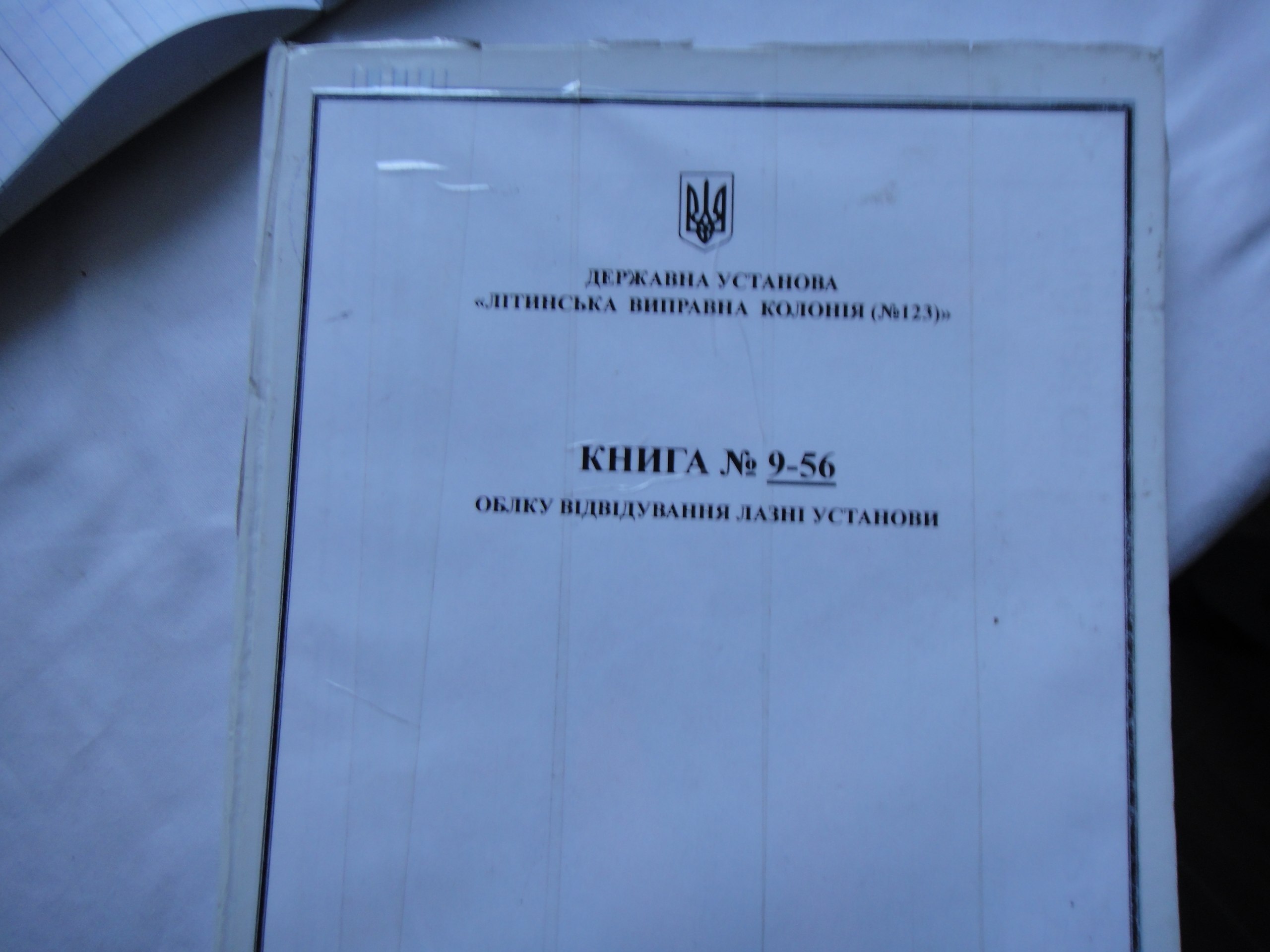
On 11 June 2026, in accordance with the Optional Protocol to the Convention against Torture and Other Cruel, Inhuman or Degrading Treatment or Punishment, taking into account the provisions of the UN Standard Minimum Rules for the Treatment of Prisoners (the Mandela Rules) and the case law of the European Court of Human Rights, pursuant to Article 24 of the Criminal Executive Code of Ukraine, ‘Visits to Penitentiary Institutions’, a monitoring team from the Kharkiv Human Rights Protection Group and the NGO ‘Protection of Prisoners of Ukraine’ carried out a visit to the State Institution ‘Lityn Correctional Colony (No. 123)’ (LCC-123, the institution, facility, colony). The visit was conducted on a planned basis without prior notice; all facilities of the institution were inspected. The previous visit took place on 6 November 2020.
In preparing for the visit, the monitors used materials from appeals by convicts and their relatives, previous reports, as well as reports by monitors of the National Preventive Mechanism under the Parliament Commissioner for Human Rights (NPM).
The visit was carried out as part of the project ‘Reducing Prisoners’ Suffering in the Context of the War in Ukraine’, funded by the Government of Denmark in partnership with DIGNITY — Danish Institute Against Torture.
The visit was carried out by the following monitors:
- Andrii Didenko — assistant to People’s Deputy of Ukraine Yaroslav Yurchyshyn, programme coordinator at the Kharkiv Human Rights Protection Group, monitoring visit experience since 2014, NPM (National Preventive Mechanism) monitor, member of the NPM Advisory Council;
- Serhii Zuikov — assistant to People’s Deputy of Ukraine Kostiantyn Kasai, member of the Public Council under the Ministry of Justice of Ukraine, member of the public organisation ‘Protection of Prisoners of Ukraine’, NPM monitor with extensive experience in monitoring visits;
- Oleh Tsvilyi — member of the Public Council under the Ministry of Justice of Ukraine, head of the public organisation ‘Protection of Prisoners of Ukraine’, extensive experience in monitoring visits, specialising in issues of torture, cruel and inhuman treatment.
During the monitoring visit to the institution, a case of prolonged solitary confinement in the DISO of a convict with a mental disorder was revealed, along with inadequate material and living conditions in the DISO/PKT. Insufficient natural light, lack of mechanical ventilation and radio broadcasting, inadequate privacy of sanitary facilities, and video surveillance covering the sanitary facility were established. Furthermore, instances of failing to serve copies of decisions on the application of disciplinary sanctions were recorded, as well as the posting of information on committed crimes on cell doors, and the absence of information about hotlines and an educational work room in the DPK.
Shortcomings were identified in the organisation of the reception of newly arrived convicts and the operation of the KDiR unit, inadequate equipment of sanitary and exercise premises, an incomplete range of goods in the prison shop, violations in the organisation of laundry and bathing services, and the absence of hairdressing services. The institution’s staff openly carry special equipment, and a portion of short-term visits are conducted in a non-contact manner without proper justification.
Inadequate work on issuing passports and RNTRCs to convicts, staff shortages, and the virtual unavailability of the Internet, video communication, and email to convicts were also established. The institution lacks an adequate shelter.
Furthermore, inaccuracies were identified in the accounting of employed convicts, working hours, and completed work. At the same time, it proved impossible to fully verify night-work pay, the validity of wage deductions, and the completeness of Unified Social Contribution (USC) payments.
In the medical unit, inadequate documentation of bodily injuries and the results of physical examinations was established. The absence of working fluorographic or X-ray equipment, unavailability of opioid substitution therapy, lack of an isolation ward for persons with mental disorders, and a vacant position of clinical psychologist were also revealed.
Inadequate provision of rehabilitation for persons with disabilities and the inaccessibility of premises for mobility-impaired persons were established. The isolation ward for patients with intestinal infections does not meet sanitary requirements, and telemedicine consultations are technically unavailable.
In addition, the medical unit lacks a dental X-ray machine. Information on criminal offences committed by convicts is entered into medical records, and dining hall staff do not undergo the full set of mandatory medical examinations.
Furthermore, fire alarm and fire extinguishing systems are absent in the medical unit.
General Information
The State Institution ‘Lityn Correctional Colony (No. 123)’ is a medium-security correctional colony for holding men sentenced to imprisonment for a fixed term for the first time.
The institution is located at: 9-A Bohdana Khmelnytskoho Lane II, Lityn Settlement, Vinnitsia District, Vinnitsia Region, 22300.
Since 21 May 2026, the duties of the head of the institution have been performed by Major of Internal Service Yurii Romanenko.
LCC-123 traces its history back to the Lityn Medical and Labour Preventorium, established in 1967 on the grounds of a ruined military compound in the urban-type settlement of Lityn, transferred from the Prykarpatskyi Military District. During the initial years, the grounds were developed, a fence was erected, two dormitories for 500 persons were built, alongside temporary production premises. From the 1980s, the institution’s industrial base expanded actively, particularly metalworking production, and the profits generated funded the construction of dormitories, a dining hall, a bath and laundry complex, a hospital, utility premises, and housing for staff.
By Order No. 22 of the State Department of Ukraine for the Execution of Punishments dated 3 February 2001, the repurposing of the medical and labour preventorium into a strict-regime correctional colony began. As part of the repurposing, large-scale reconstruction of the residential and production zones was carried out, local sectors were established, observation towers and a guardhouse were constructed, and the checkpoint, disciplinary isolator, cell-type premises, and medical unit were converted. On 18 February 2002, the act on commissioning Lityn Correctional Colony was approved.
Since 1 January 2004, the institution has functioned as a medium-security correctional colony for holding men sentenced to imprisonment for a fixed term for the first time. Subsequently, a social rehabilitation sector and an educational and advisory centre were created, the development of a dog breeding service began, and gasification was completed.
According to information provided by the institution’s administration as of 11 June 2026, its sanctioned staffing level is 207.5 posts, while the actual staffing level is 194.75 posts. The staff shortage amounts to 12.75 posts. The staffing schedule provides for six psychologist posts; however, one psychologist is on parental leave.
The planned capacity of the colony is 363 inmates. On the day of the monitoring visit, 306 convicts were held in the institution. The institution’s structure includes seven social-educational and psychological work units; there are no mothballed units or units under repair. During 2026, 101 convicts arrived at the institution.
In 2025, one convict died in the institution. During 2026, one death was also recorded. According to administrative data, one suicide was recorded in 2025 and one in 2026.
In the institution, 110 convicts are employed — all under fixed-term employment contracts. Of these, two persons work in the institution’s workshops, 12 are engaged in facility maintenance work, and 96 work at contractors’ sites. There are no convicts employed under civil-law contracts.
At the time of the visit, three convicts were held in the disciplinary isolator. There were no convicts in the cell-type premises or the enhanced control sector. One more person was held in the pre-trial detention section.
On operational and preventive registration, there are 13 convicts prone to suicide, 16 prone to self-harm, and nine persistent violators of the established procedure for serving sentences. No individuals prone to escape are registered.
During 2025–2026, there were no cases of convicts being released due to serious illness. According to the administration, during the specified period, no complaints were received from convicts regarding inadequate detention conditions or inadequate medical care.
Fourteen convicts with disabilities are held in the institution: one person with Group I disability, four with Group II, and nine with Group III.
In 2025, four cases of bodily injury sustained by convicts during their stay in the institution were recorded; no injuries were detected upon arrival. In 2026, one case of bodily injury was recorded upon a convict’s arrival and one during their stay in the institution. No cases of the use of special equipment against convicts were recorded during 2026.
Positive Practices
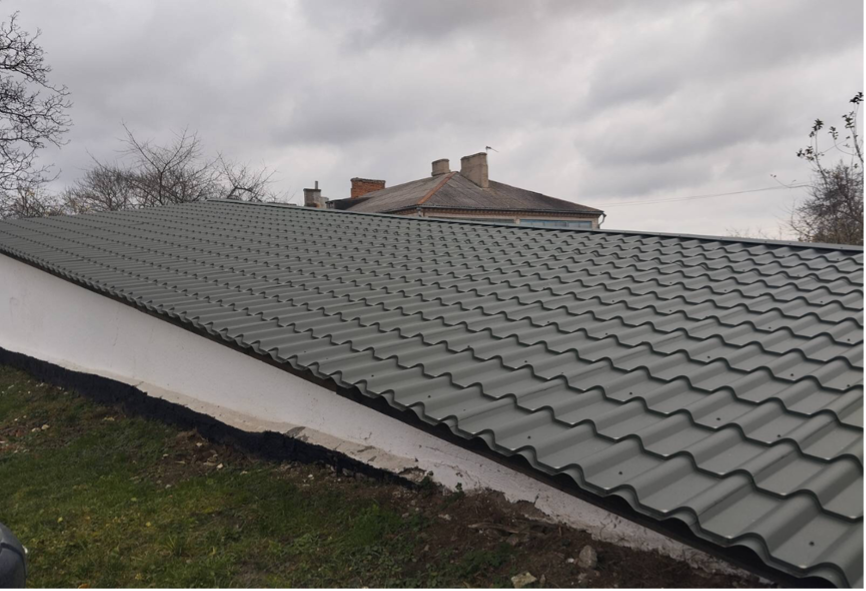
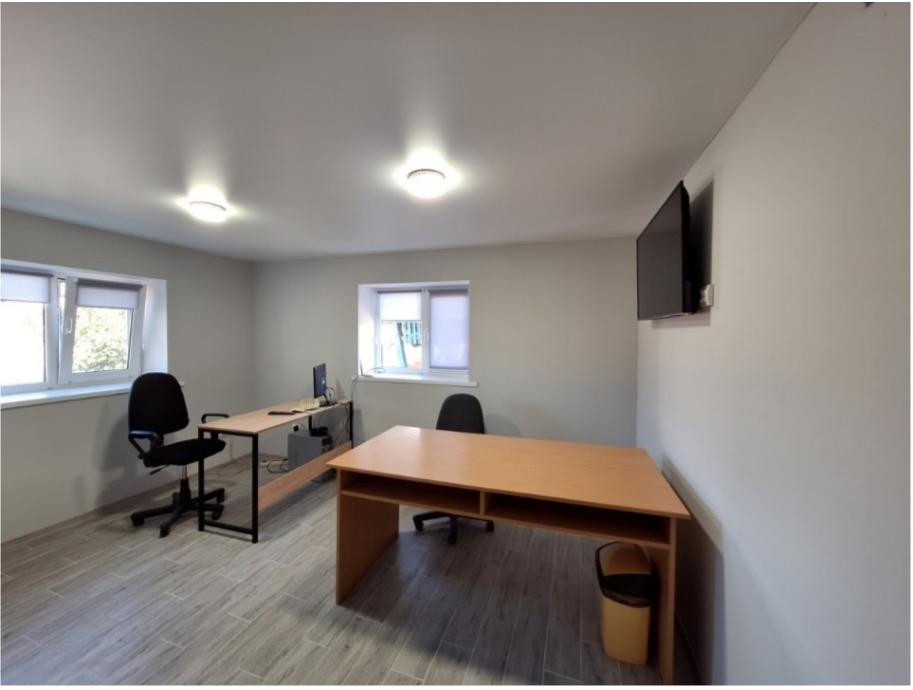
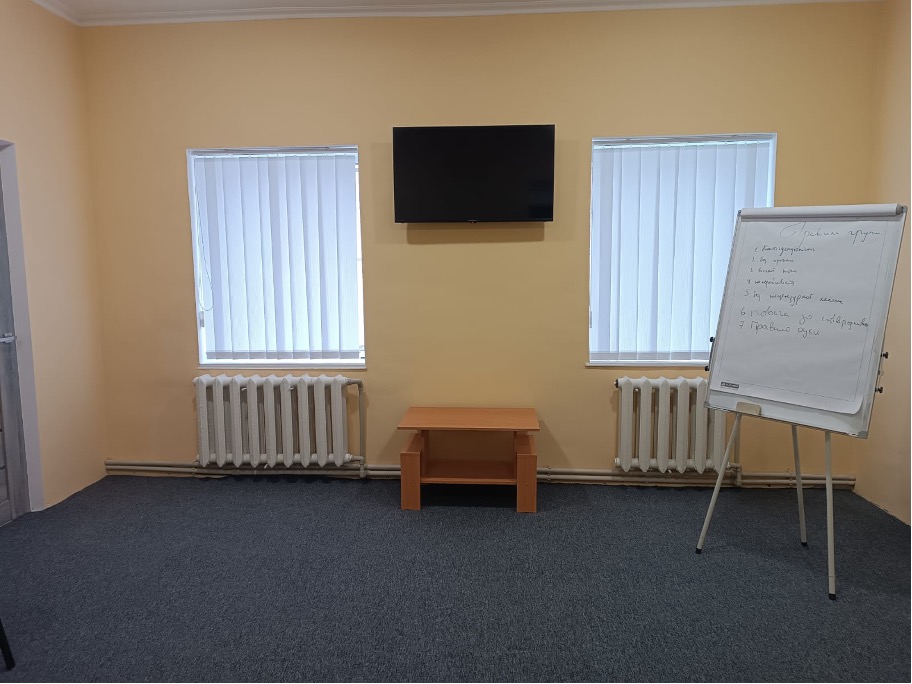
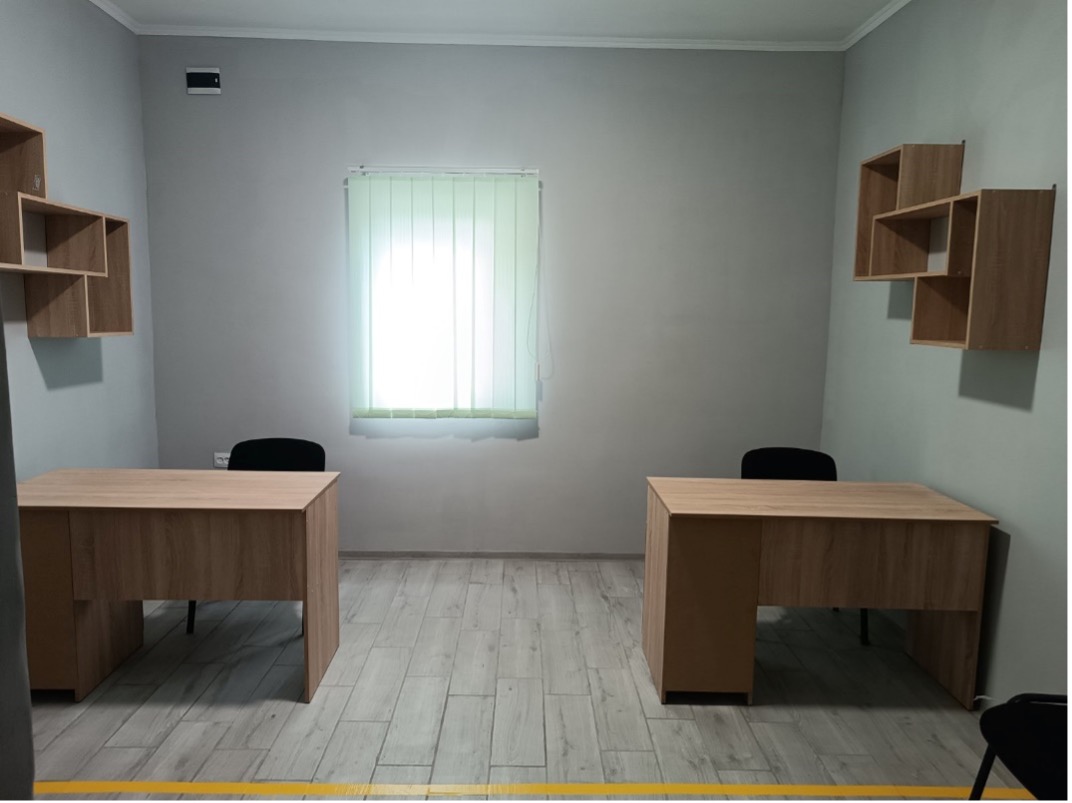
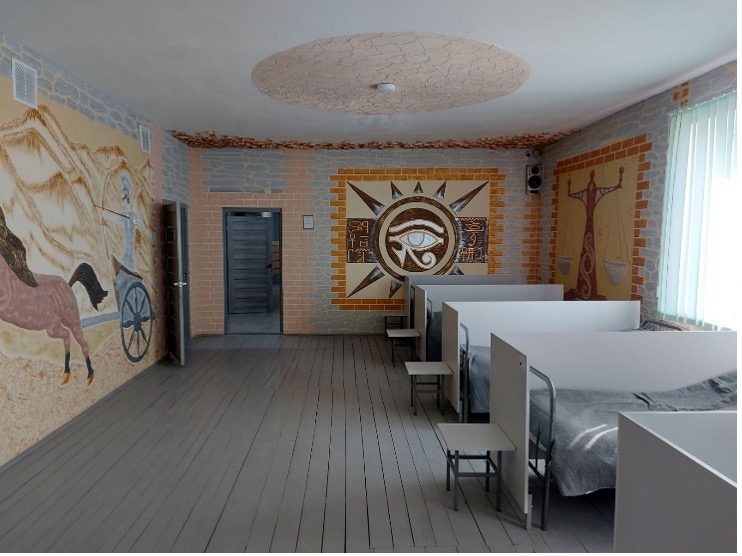
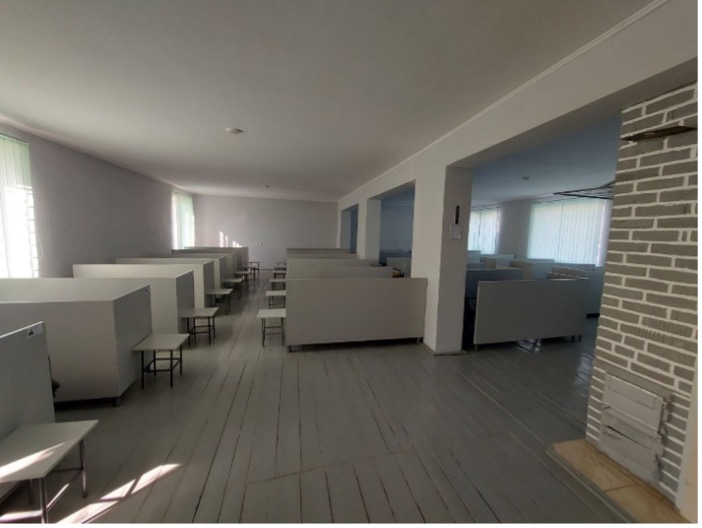
The monitoring team notes with satisfaction the repair work and refurbishments carried out by the institution’s administration during 2024–2026, aimed at improving detention conditions for convicts and organising their leisure time, education, and psychological support.
During 2024, routine repairs were carried out in the sleeping premises of the social-educational and psychological work units, as well as the social rehabilitation sector. In these premises, 114 sleeping spaces with individual personal space for convicts were set up. A modern multi-purpose sports field was created in local sector No. 3. A psychologists’ room and a prayer room were also set up.
In 2025, two classrooms and a teachers’ room were renovated, contributing to proper conditions for convicts’ education. Special mention should be made of the creation of a psycho-emotional relief room and the renovation of the psychologist’s office in the social-educational and psychological work department.
Two long-term visit rooms were renovated, improving conditions for maintaining convicts’ family and social ties. The laundry room in the bath and laundry complex was also renovated.
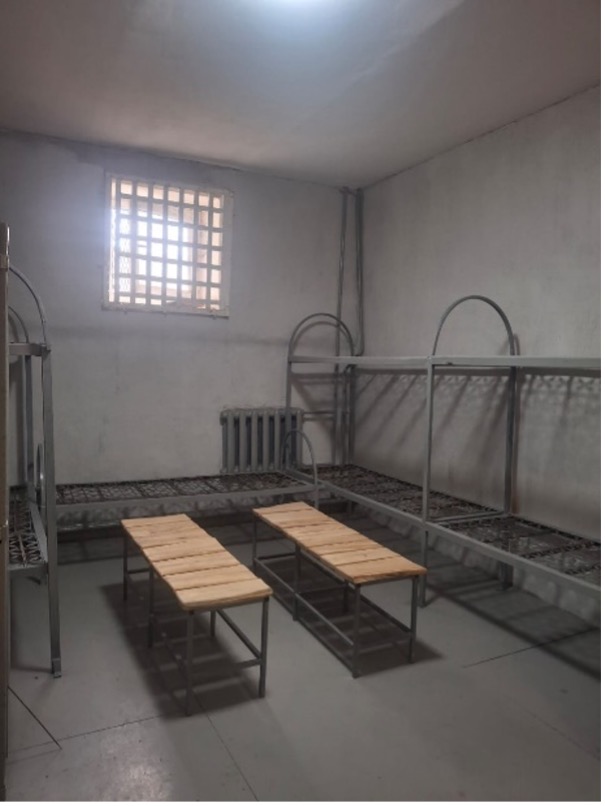
The execution of repair work in the disciplinary isolator and cell-type premises is positive. In particular, in 2025, the corridor of the DISO and PKT was renovated, and during 2026, their auxiliary premises were repaired.
In 2026, a pre-trial detention section was established in the institution, designed to hold seven remanded persons. Its arrangement as a separate sector should facilitate compliance with the requirements for the separate confinement of different categories of persons.
Identified Violations of Domestic and International Law
During the monitoring visit, violations of domestic legislation requirements and non-compliance with international recommendations in the field of treatment of prisoners were identified, resulting in violations of convicts’ rights:
1. During the visit to the institution’s disciplinary isolator (hereinafter — DISO/PKT), facts were established that may indicate cruel, inhuman, or degrading treatment of convicts.
Under Rule 39.3 of the United Nations Standard Minimum Rules for the Treatment of Prisoners (the Mandela Rules), before imposing disciplinary sanctions, the prison administration must consider whether and how a prisoner’s mental illness or developmental disability may have contributed to the conduct and the offence giving rise to the sanction. The prison administration shall not sanction any conduct of a prisoner that is the direct result of their mental illness or intellectual disability.
Pursuant to Rule 45.2 of the United Nations Standard Minimum Rules for the Treatment of Prisoners (the Mandela Rules), the imposition of solitary confinement is prohibited in the case of prisoners with mental or physical disabilities when their conditions would be exacerbated by such measures. Furthermore, in accordance with UN international standards in criminal justice, the imposition of solitary confinement is prohibited for women and children.
At the same time, during the visit to DISO cell No. 1, a convict was found being held alone in the cell who has a diagnosed mental disorder. According to the entries in the register of convicts placed in the DISO, the convict was held in the disciplinary isolator from 15 April 2026 to 15 May 2026, and on 15 May 2026 he was re-placed in the DISO for a period of 30 days. Thus, the actual duration of his continuous solitary confinement amounts to two months.
However, according to paragraph 43 of the 3rd General Report of the European Committee for the Prevention of Torture and Inhuman or Degrading Treatment or Punishment (hereinafter — the Committee), a mentally ill prisoner should be kept and cared for in a hospital facility which is adequately equipped and possesses appropriately trained staff. That facility could be a civil psychiatric hospital or a specially equipped psychiatric facility within the prison system.
In accordance with paragraph 44 of the 3rd General Report of the Committee, the care of mentally disturbed and violent patients requires close medical supervision, proper nursing care, and, where appropriate, medication (CPT/Inf (93) 12-part).
Attention should also be drawn to the virtually continuous isolation of the convict from other inmates through his placement in the DISO for a term of two months. In this context, the Committee notes that the prolonged placement of persons with mental disorders in solitary confinement conditions may be considered a failure to provide adequate medical care. Where indicated on medical grounds, such persons should be transferred to specialised medical facilities (CPT/Inf (2011) 29, paragraph 96).
2. During the visit to the DISO/PKT cell premises, it was established that the detention conditions of convicts do not comply with established standards for the treatment of prisoners, fail to provide adequate material, living, and sanitary-hygiene conditions, and lead to violations of their rights.
In the report on the visit to Ukraine in 2012, the Committee states that single cells should have a living space of no less than 6 m² excluding the sanitary facility, and the distance between walls should be at least 2 metres (CPT/Inf (2013) 23, paragraph 45).
At the same time, the monitoring team established the use of DISO/PKT premises that do not meet these requirements. Specifically, when measuring cell premises Nos. 1, 2, 4, and 5, it was established that the distance between walls is less than 2 metres, which does not comply with the Committee’s recommendations. 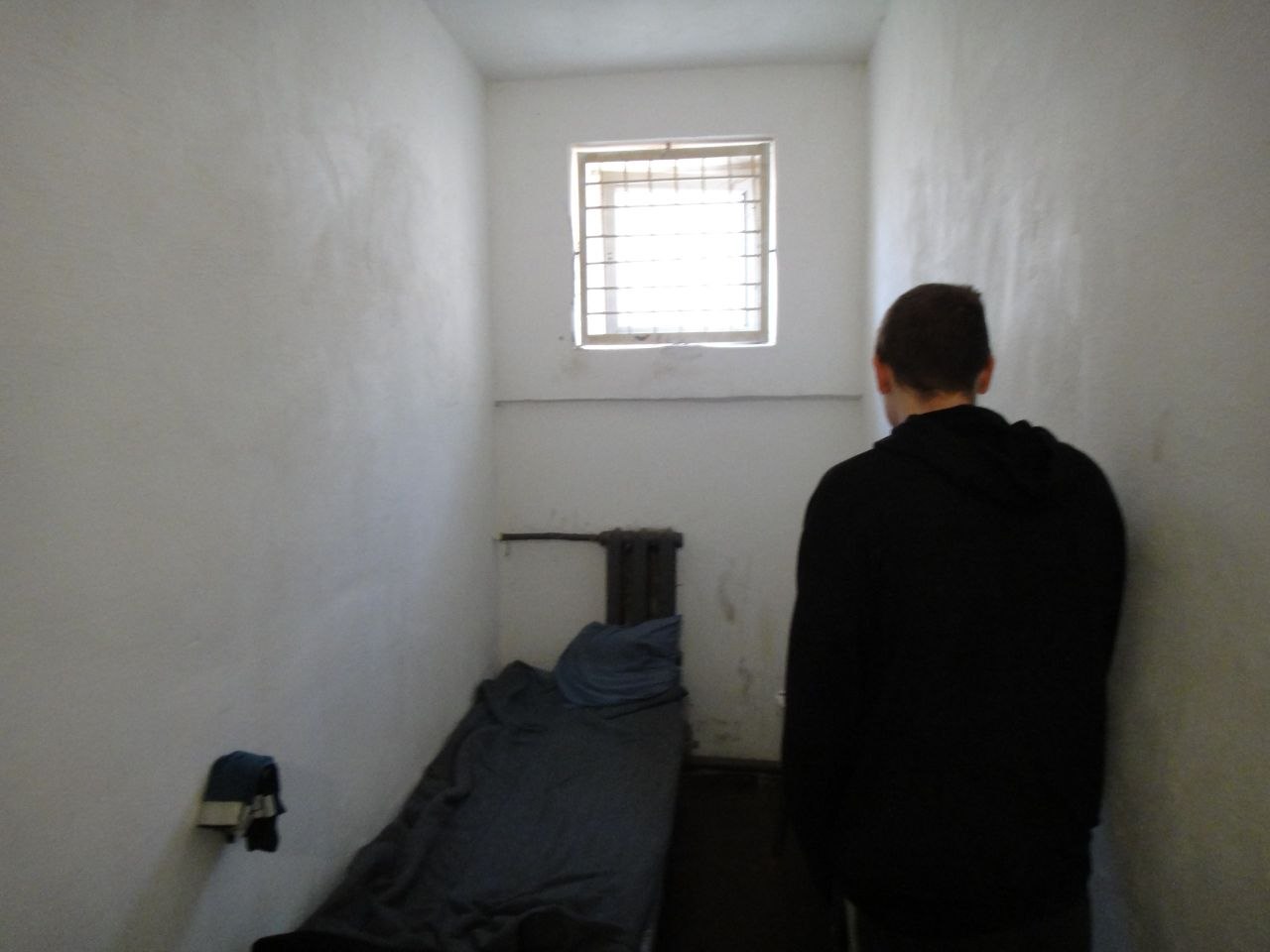
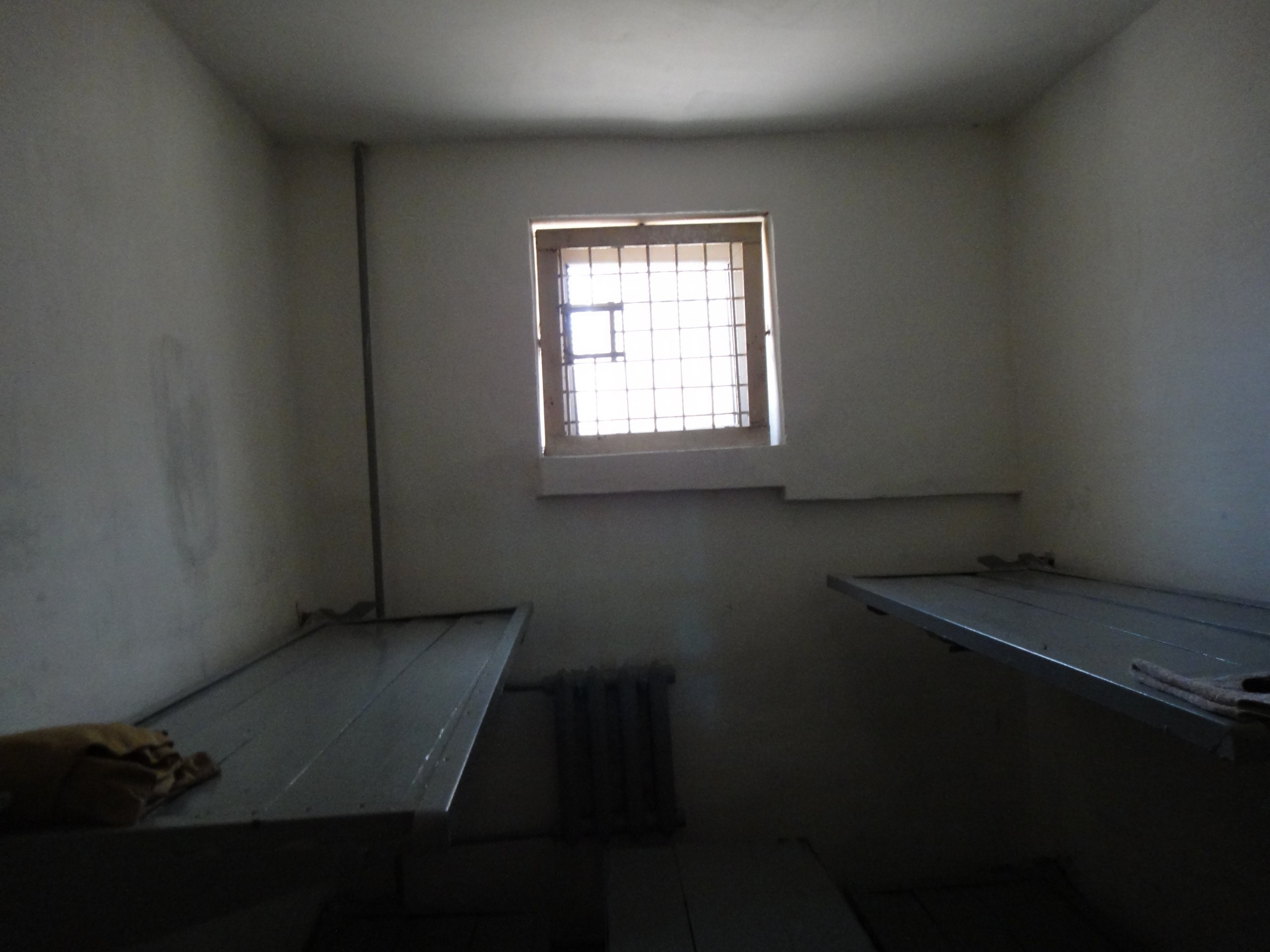
3. In the DISO/PKT cell premises, an adequate level of natural light is not provided, as cell windows are situated at a significant height, are small in size, and are excessively barred, as a result of which natural light hardly penetrates the premises. These conditions may create additional psychological pressure on convicts due to restricted visual contact with the outside environment.
This does not comply with the requirements of Rule 18.2 (a) of the European Prison Rules and Rule 14 of the UN Standard Minimum Rules for the Treatment of Prisoners (the Mandela Rules).
4. In the DISO/PKT cell premises, the operation of mechanical ventilation is not ensured, which fails to comply with Rule 13 of the UN Standard Minimum Rules for the Treatment of Prisoners (the Mandela Rules). 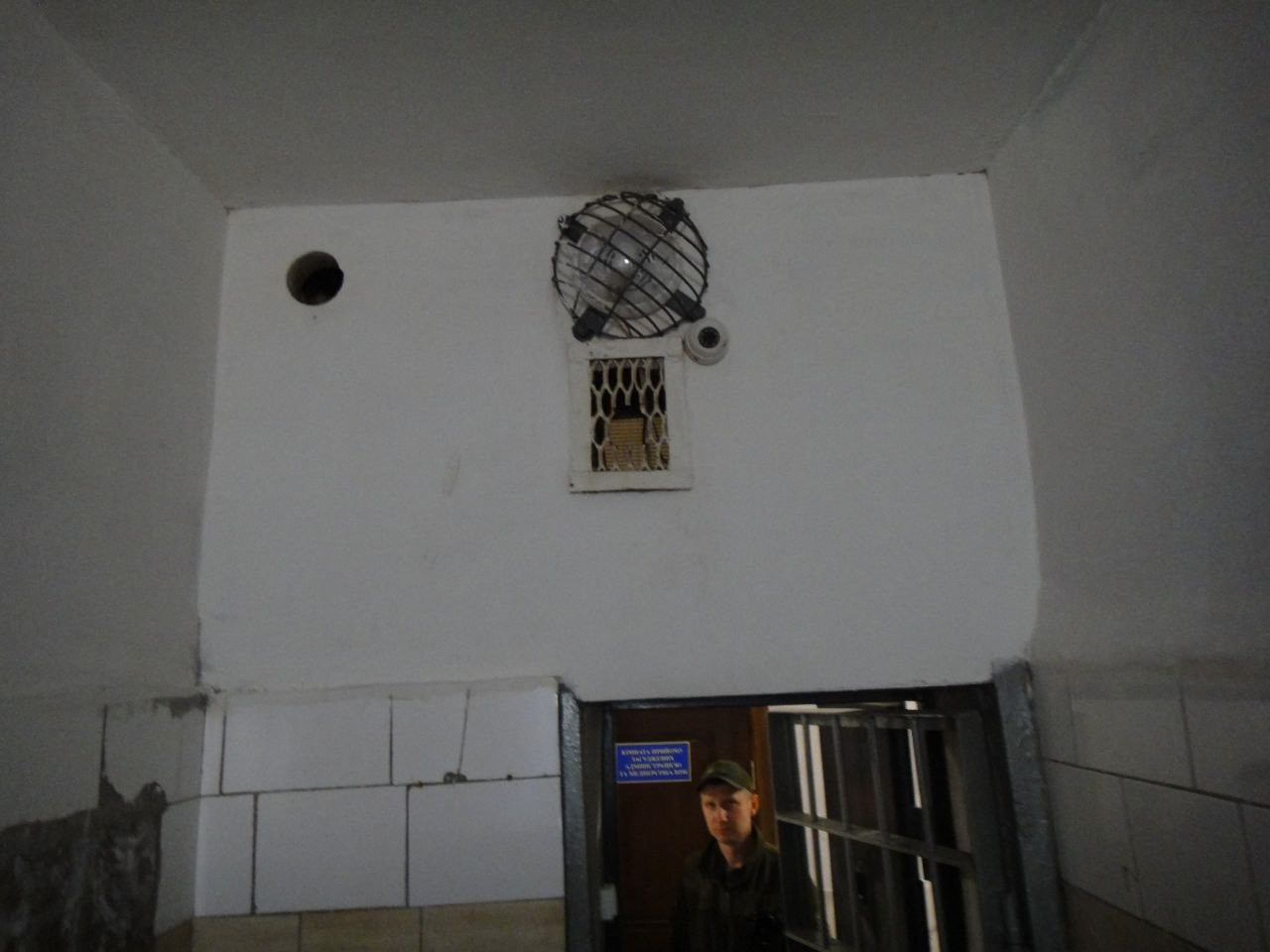
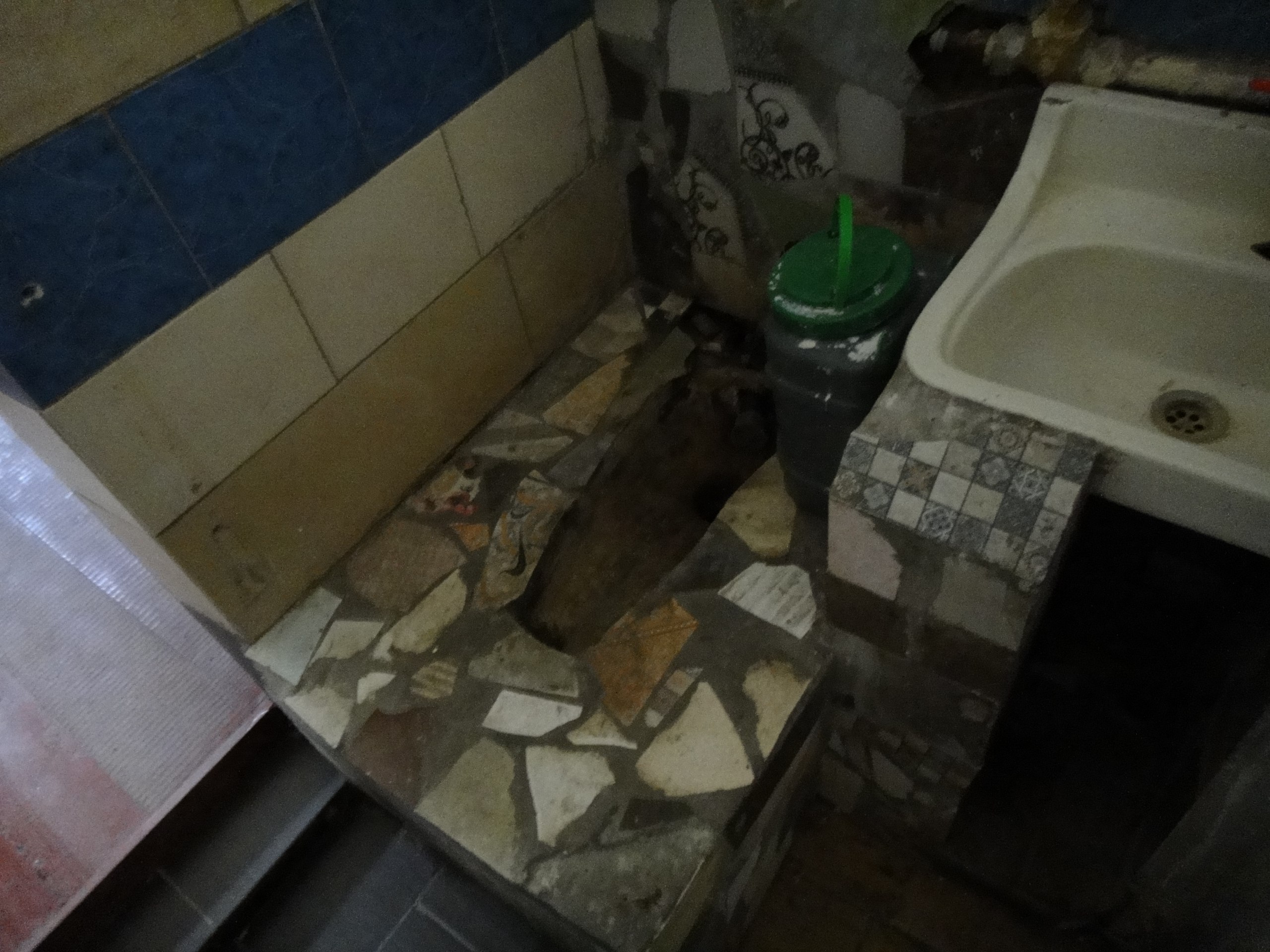
5. Sanitary facilities in the DISO/PKT cell premises are not equipped with adequate partitions providing privacy, which constitutes a violation of Rule 19.3 of the European Prison Rules, as well as Rule 15 of the UN Standard Minimum Rules for the Treatment of Prisoners (the Mandela Rules).
Furthermore, in the report to the Ukrainian Government following the 2023 visit, the Committee called upon the Ukrainian authorities to take the necessary steps to improve material detention conditions, in particular: to keep all accommodation facilities for convicts and remanded persons, including sanitary facilities, in a proper state of repair and hygiene; to ensure regular and frequent pest control; to ensure sufficient access to natural light and ventilation in cells; and to fully screen in-cell sanitary facilities, i.e., from floor to ceiling (CPT/Inf (2024) 20, paragraph 58).
6. Radio broadcasting is absent in the DISO/PKT cell premises, which contradicts Paragraph 3 of Section XX of the Internal Rules of Penitentiary Institutions, approved by Order No. 2823/5 of the Ministry of Justice of Ukraine dated 28 August 2018 (hereinafter — IR PI), as well as Rule 63 of the UN Standard Minimum Rules for the Treatment of Prisoners (the Mandela Rules).
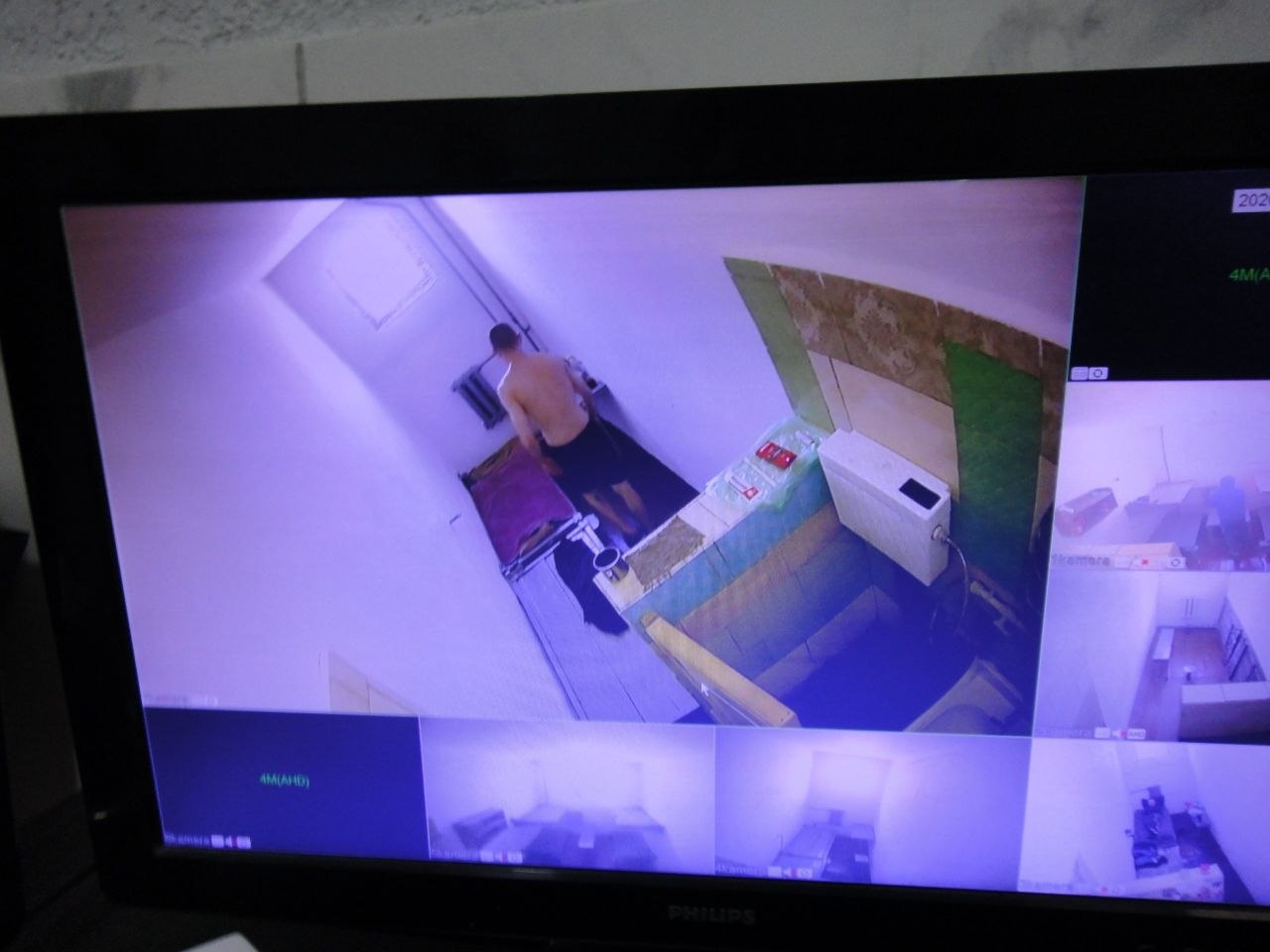
7. In a cell room of the disciplinary isolator, the monitoring team established a violation of Article 8 of the Convention for the Protection of Human Rights and Fundamental Freedoms, which guarantees the right to respect for private life.
Thus, contrary to paragraph 3 of Point 1 of Section XXIII of the IR PI, according to which the field of view of video cameras installed in residential premises and cells must not encompass sanitary facilities and showers, video surveillance covering the sanitary facility was being conducted in the specified cell. Consequently, the convict’s privacy while using the toilet was violated.
8. During the visit to the DISO/PKT, it was established that the institution’s administration failed to issue convicts serving disciplinary sanctions with copies of decisions on applying such sanctions specifying the possibility and procedure for appealing them, which contradicts Article 135 of the Criminal Executive Code of Ukraine.
At the same time, in the report to the Ukrainian Government following the 2023 visit, the Committee recommends taking measures in Ukrainian penitentiary institutions to ensure that convicts subject to disciplinary sanctions systematically receive a copy of the relevant decision. Furthermore, convicts should be informed of their right of access to a lawyer in the context of disciplinary proceedings (CPT/Inf (2024) 20, paragraph 103).
9. Point 1 of Section XXIII of the IR PI defines supervision of convicts as a system of measures aimed at ensuring the serving and execution of criminal sentences in the form of restriction of liberty, imprisonment, life imprisonment, and arrest through round-the-clock and continuous monitoring of convicts’ behaviour in their living and working quarters, preventing and stopping unlawful acts on their part, and ensuring isolation requirements for convicts and the safety of penitentiary staff.
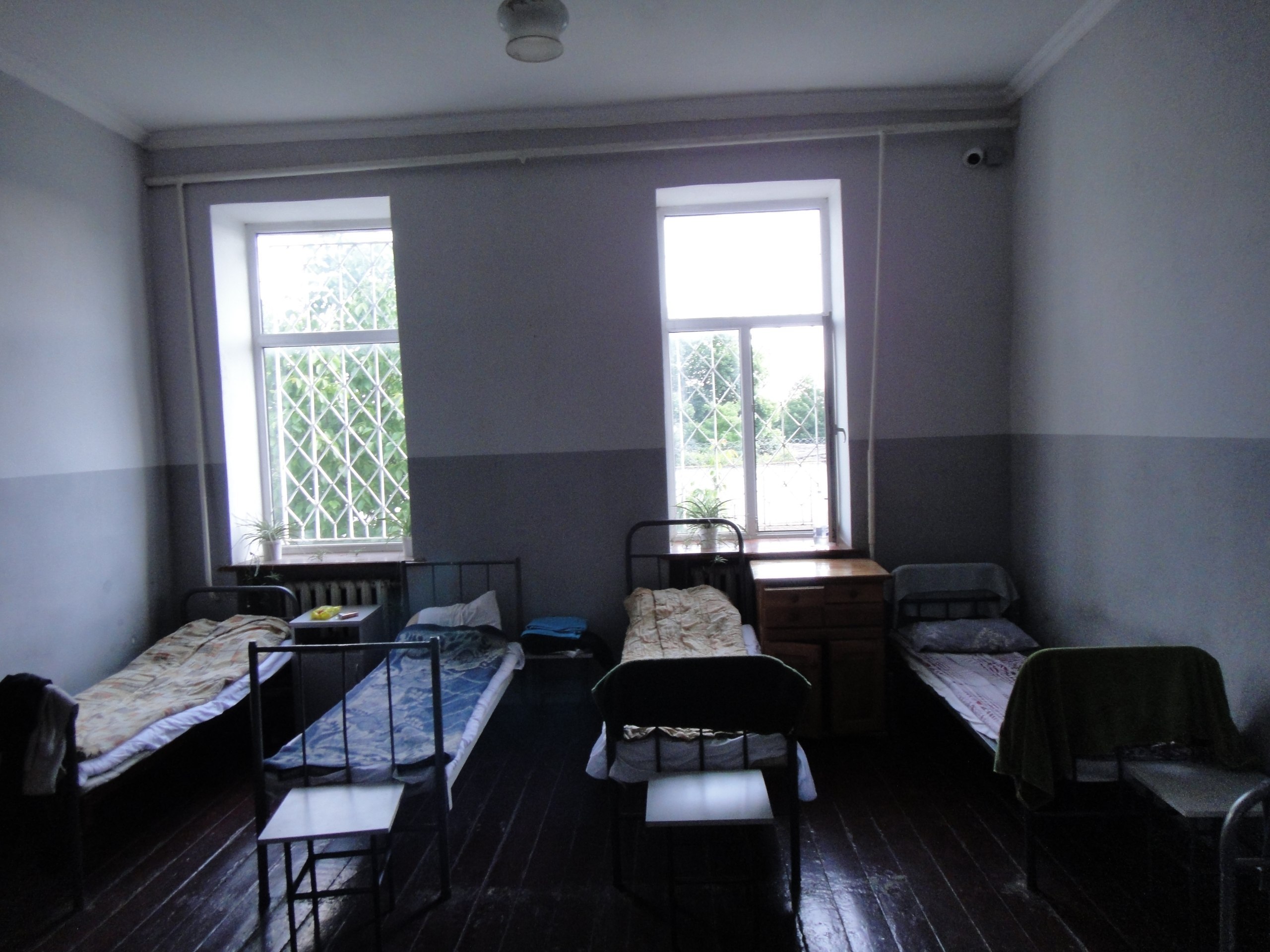
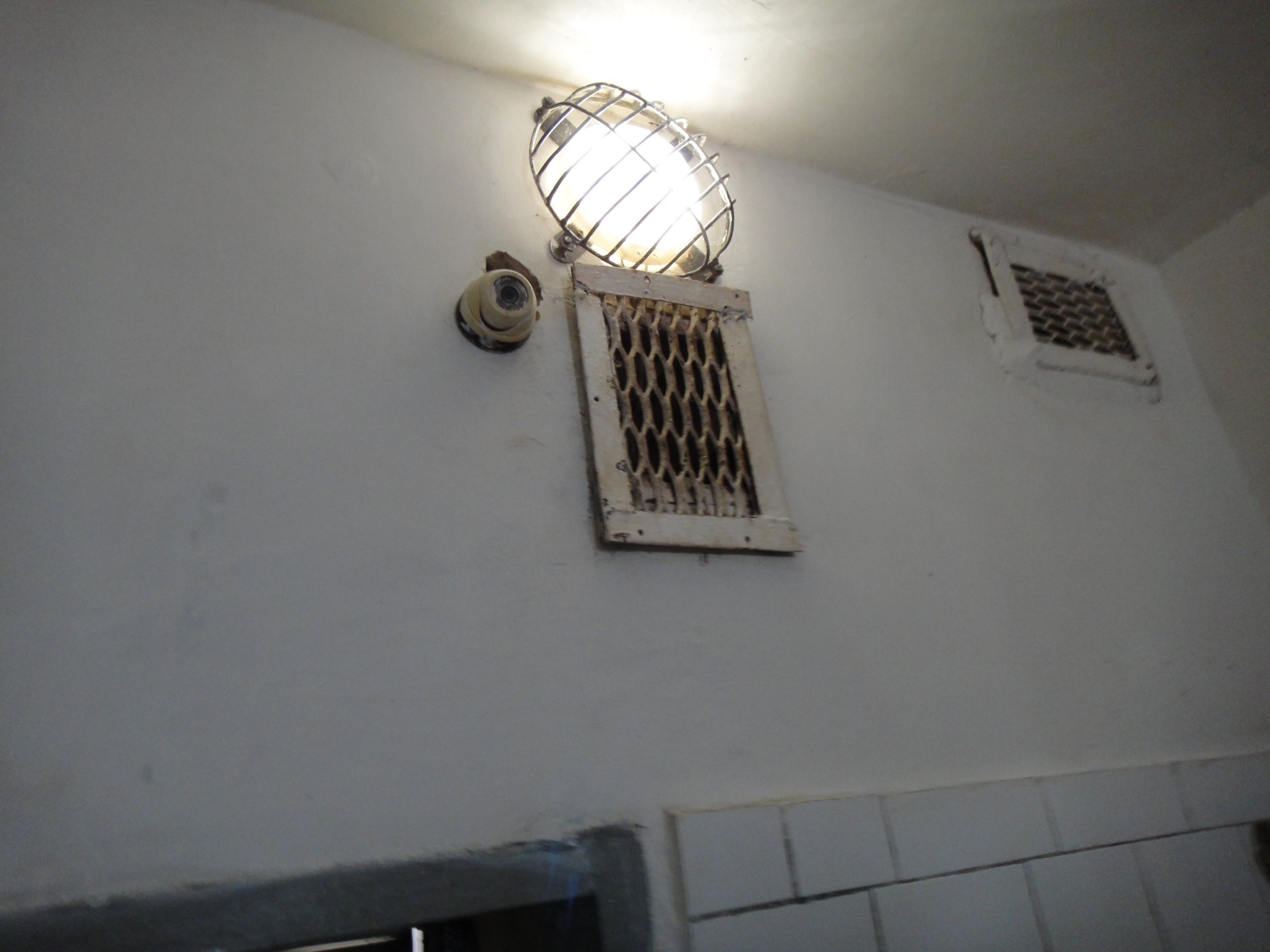
During the inspection of the DISO cell premises and the residential quarters of the quarantine, diagnostics, and distribution unit (hereinafter — KDiR), installed video surveillance cameras were observed.
However, in the report on the visit to Ukraine in 2012, the Committee criticized excessive intrusion into privacy through the installation of video cameras in convicts’ living quarters. The Committee noted that any decision to apply video surveillance to a specific convict must always be based on an individual assessment of real risks and regularly reviewed.
Video surveillance is a serious intrusion into prisoners’ private life and makes the regime even more oppressive, particularly when applied over a prolonged period (CPT/Inf (2013) 23, paragraph 52).
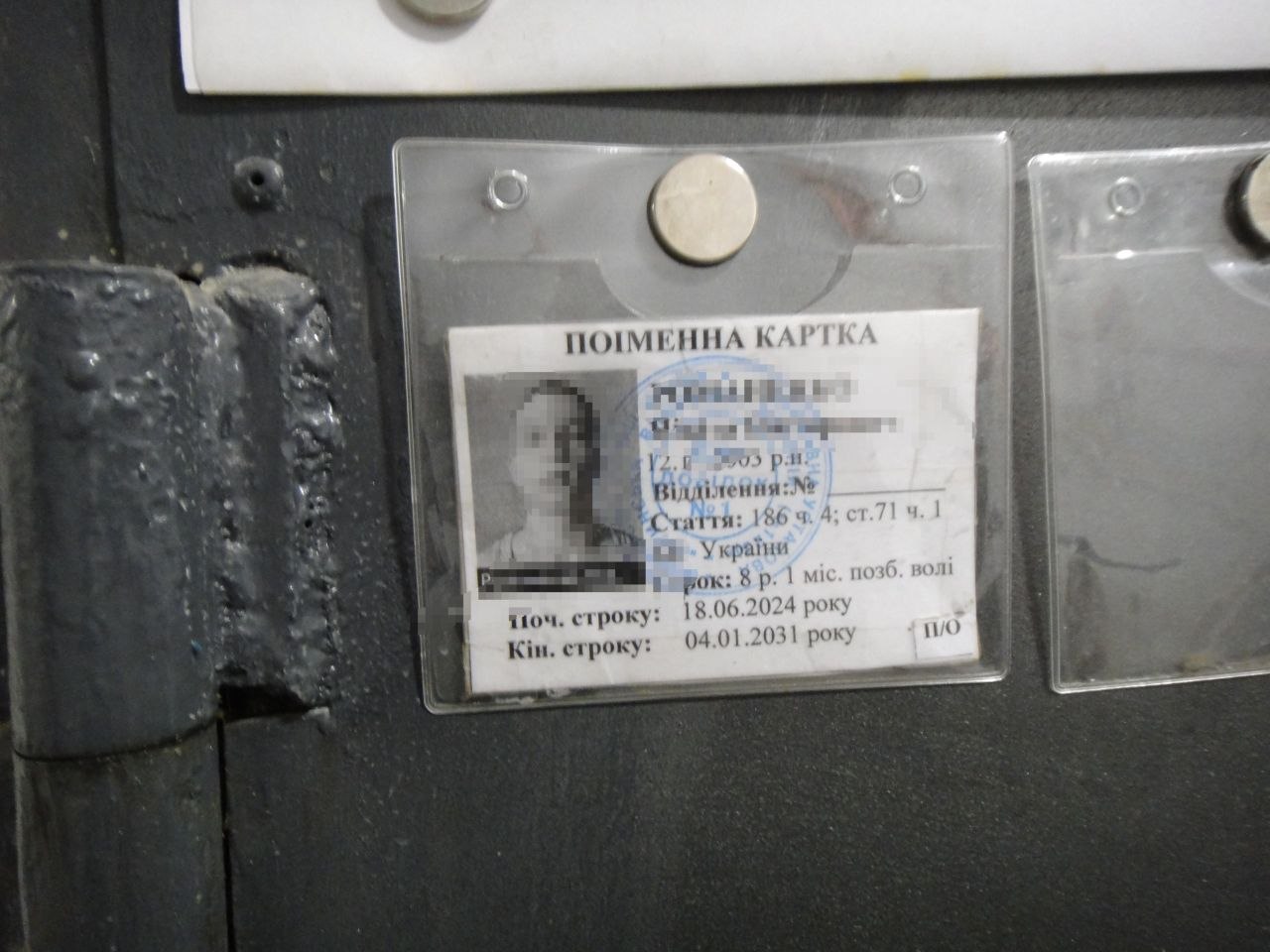
10. During the visit to the DISO/PKT, it was established that name cards containing a brief description of the crimes committed by the occupants were posted on the outer doors of the cell premises.
In the report on the visit to Ukraine in 2020, the Committee noted that this practice should be discontinued, as it serves no reasonable purpose and, besides stigmatization, leads to deterioration of relations between prisoners and staff (CPT/Inf (2020) 40, paragraph 52).
11. During the visit to the enhanced control unit (hereinafter — DPK), the absence in the unit’s premises of visual information displaying telephone hotline numbers, as well as postal and email addresses of the Ministry of Justice of Ukraine, the Parliament Commissioner for Human Rights, the European Court of Human Rights, the State Bureau of Investigation, the Office of the Prosecutor General, regional and district prosecutor’s offices, the interregional department, the Department, the Commission for the Consideration of Complaints regarding Inadequate Conditions of Confinement in Pre-Trial Detention Facilities and Penitentiary Institutions, and the regional free legal aid centre was established. This contradicts Point 6 of Section II of the IR PI.
12. In violation of the requirements of the Standards for Provision of Furniture, Inventory, and Household Items of a Medium-Security Correctional Colony, approved by Order No. 1118/5 of the Ministry of Justice of Ukraine dated 27 July 2012 (hereinafter — Standards of Provision), there is no educational work room in the DPK.
13. The procedure and conditions for admitting convicts to the institution do not fully comply with the requirements of current Ukrainian legislation and international standards for the treatment of prisoners.
Pursuant to Points 1 and 2 of Section II of the Regulations on the Quarantine, Diagnostics, and Distribution Unit, approved by Order No. 2300/5 of the Ministry of Justice of Ukraine dated 4 November 2013 (hereinafter — Regulations on the KDiR Unit), to organise work with newly arrived convicts, a working group is created by order of the head of the institution, comprising deputy heads of the institution, heads of structural units, a psychologist, and a medical worker.
To plan the said work, an annual programme for familiarising newly arrived convicts with the procedure and conditions for serving their sentence is drawn up and approved by the head of the institution.
Pursuant to Point 8 of Section II of the Regulations on the KDiR Unit, keeping convicts in conditions of isolation (quarantine) involves, inter alia, the implementation of the programme for familiarising convicts with the conditions and procedure for serving their sentence.
However, during confidential interviews with convicts and analysis of official documentation, the monitoring team established that working group members do not fully execute the measures stipulated by the said programme.
The lack of proper work organisation is confirmed, in particular, by entries in the visit logbook for the KDiR unit by representatives of the institution’s administration. Thus, the head of the medical unit does not conduct measures with newly arrived convicts. This fails to comply with the requirements of Point 5 of Section II of the Regulations on the KDiR Unit.
14. In violation of Point 1 of Section II of the Regulations on the KDiR Unit, the head of the financial support and accounting department — chief accountant is not included in the working group for work with newly arrived convicts.
15. The monitoring team established that the material and living provision of the KDiR unit does not fully meet regulatory requirements. Thus, in violation of the Standards of Provision, a number of premises are missing in the unit, namely: a food storage room; a room for storing the exchange stock of bedding, clothing, and workwear; a storeroom for temporary storage of dirty bedding, clothing, and workwear; a cloakroom; a utility room; and a drying room.
The absence of these premises leads to violations of sanitary and hygiene norms and complicates the maintenance of proper cleanliness and order in convict detention areas, which, in turn, negatively affects the overall sanitary condition of the institution.
Furthermore, the KDiR unit is designed to accommodate over 12 newly arrived individuals, yet it is equipped with only one toilet cubicle. This does not comply with the Standards of Provision, which provide for one toilet cubicle per 12 persons. Such a quantity of sanitary equipment is insufficient to meet the needs of newly arrived convicts, creates a risk of unsanitary conditions, fails to provide an adequate level of privacy when using the sanitary facility, and may lead to a violation of convicts’ right to respect for human dignity.
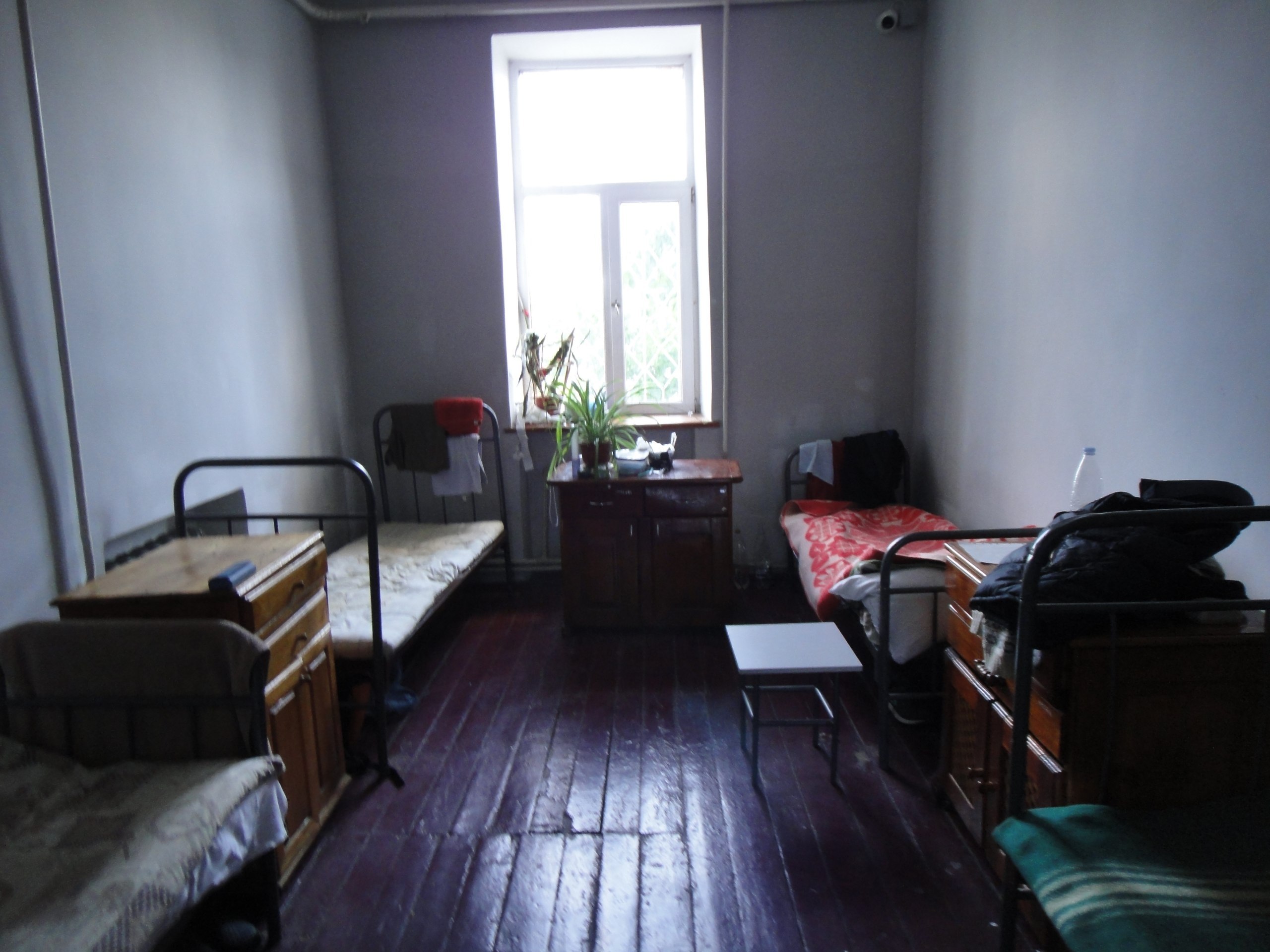
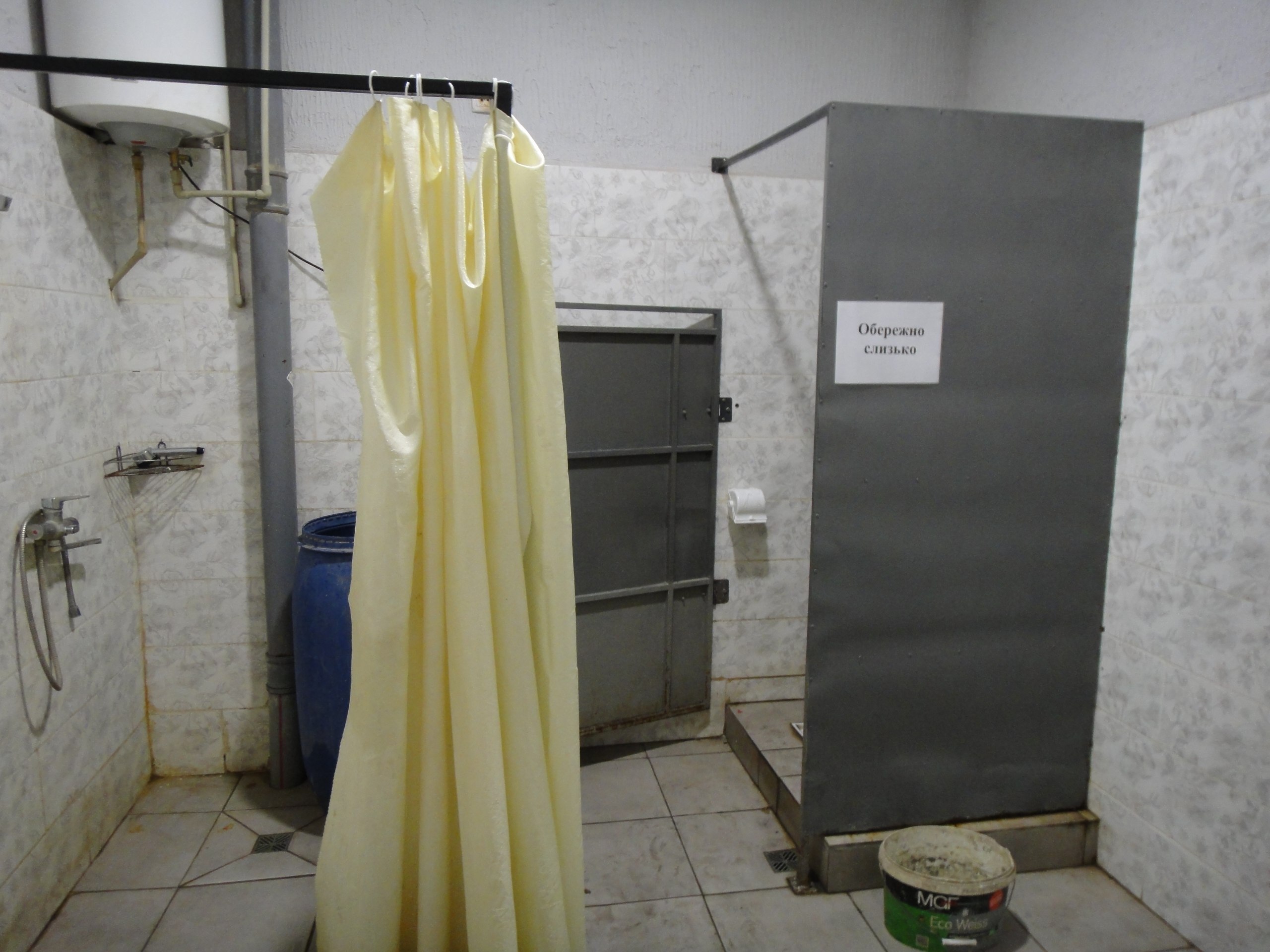
16. In violation of Rule 22.5 of the European Prison Rules, Rule 22.2 of the UN Standard Minimum Rules for the Treatment of Prisoners (the Mandela Rules), and the Standards of Provision, the living quarters of the KDiR unit are not provided with a 15-litre drinking water container equipped with a tap, cover, mug, and basin.
17. The area of certain exercise yards is insufficient to ensure full physical activity for convicts. Furthermore, the Committee has repeatedly recommended reviewing the design and dimensions of exercise yards, ‘which offer at best a view of the sky’ (CPT/Inf (2014) 15, paragraph 122, paragraph 127). 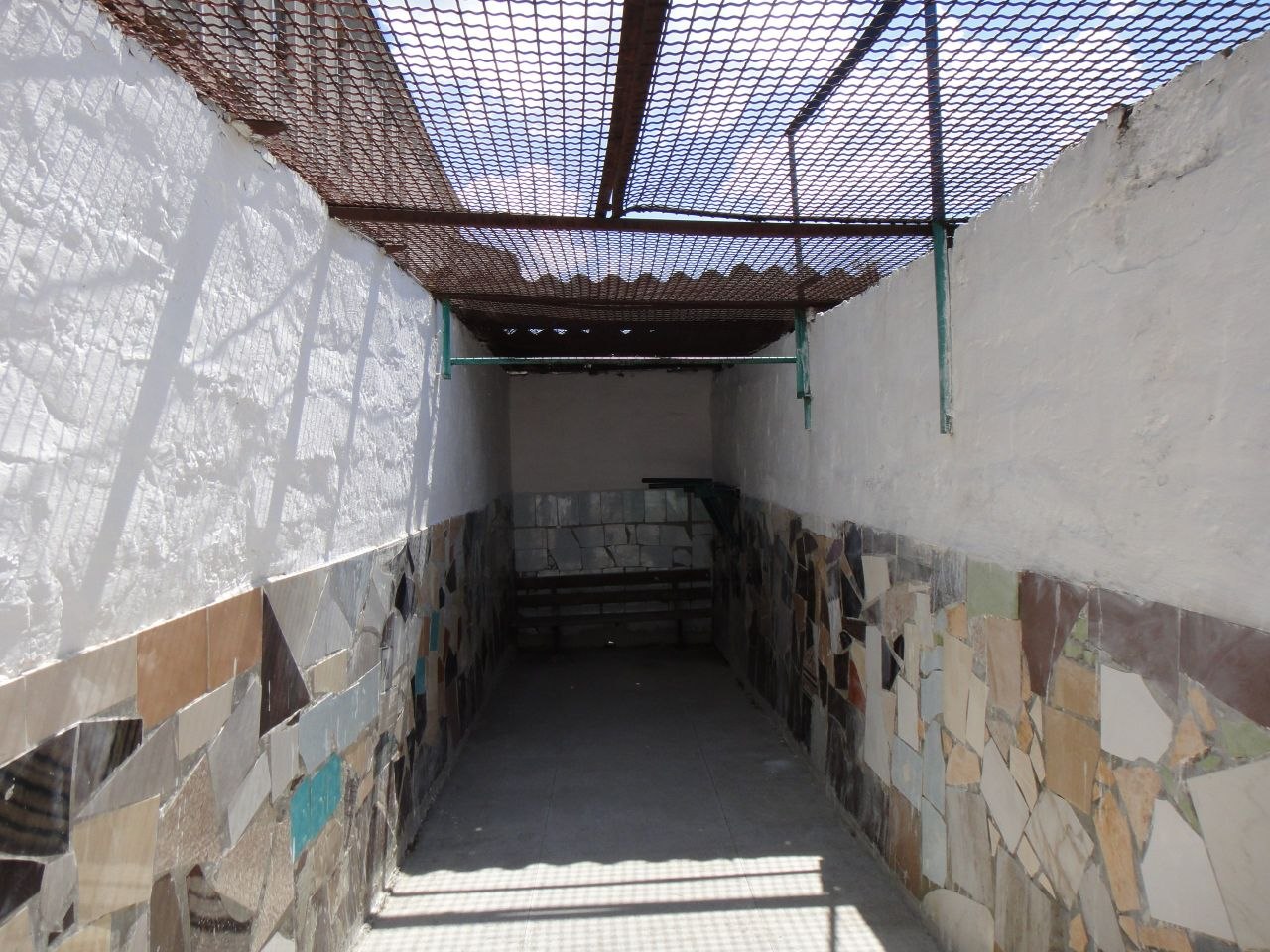
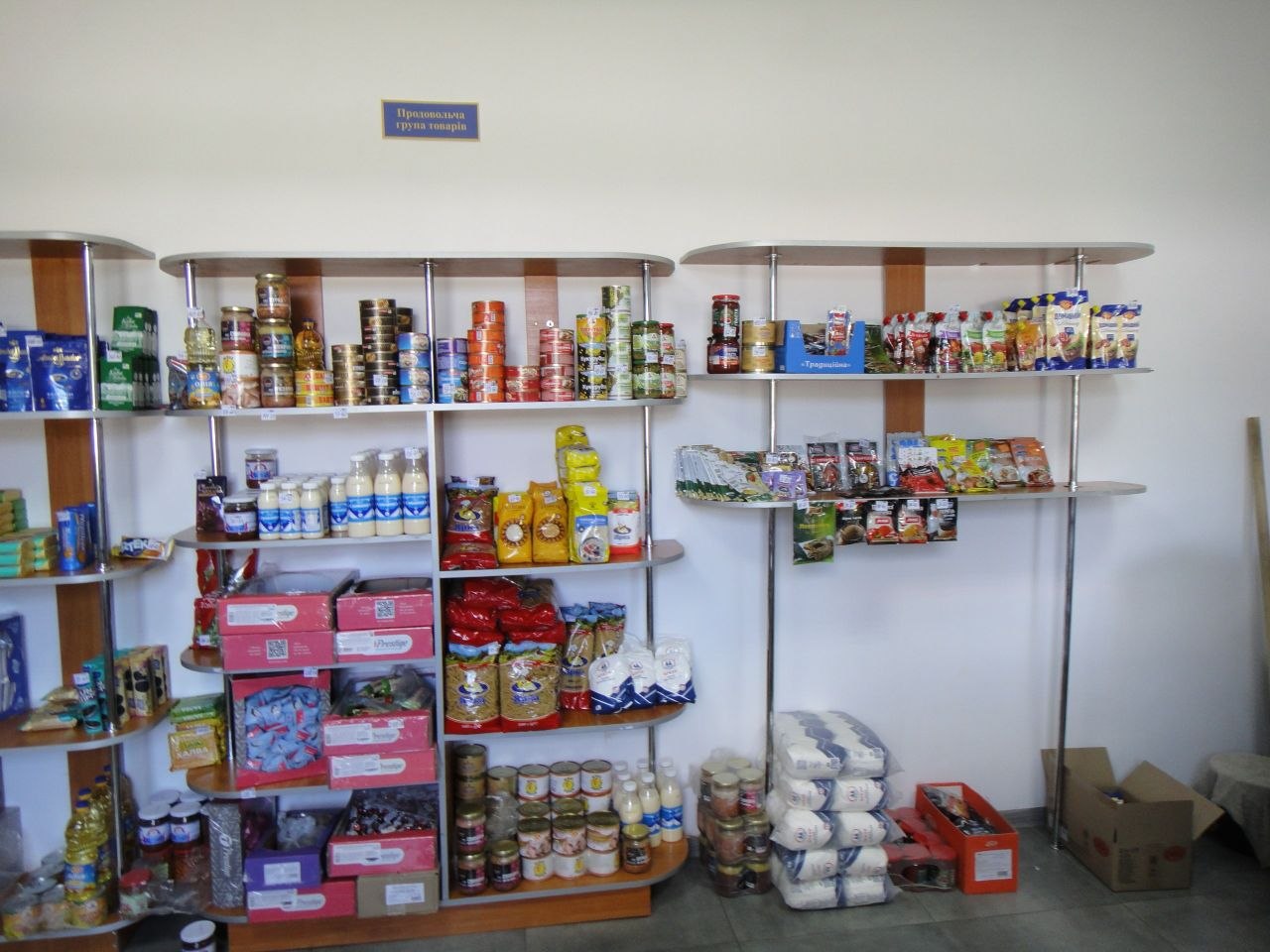
18. During the visit, the monitoring team established that the institution’s shop lacked socks, slippers, mirrors, writing paper, notebooks, pencils, envelopes, stamps, devices for consuming tobacco products and inhaling aerosols (vapour) without combustion, as well as chargers for them, the availability of which is stipulated by Annex 5 to the IR PI.
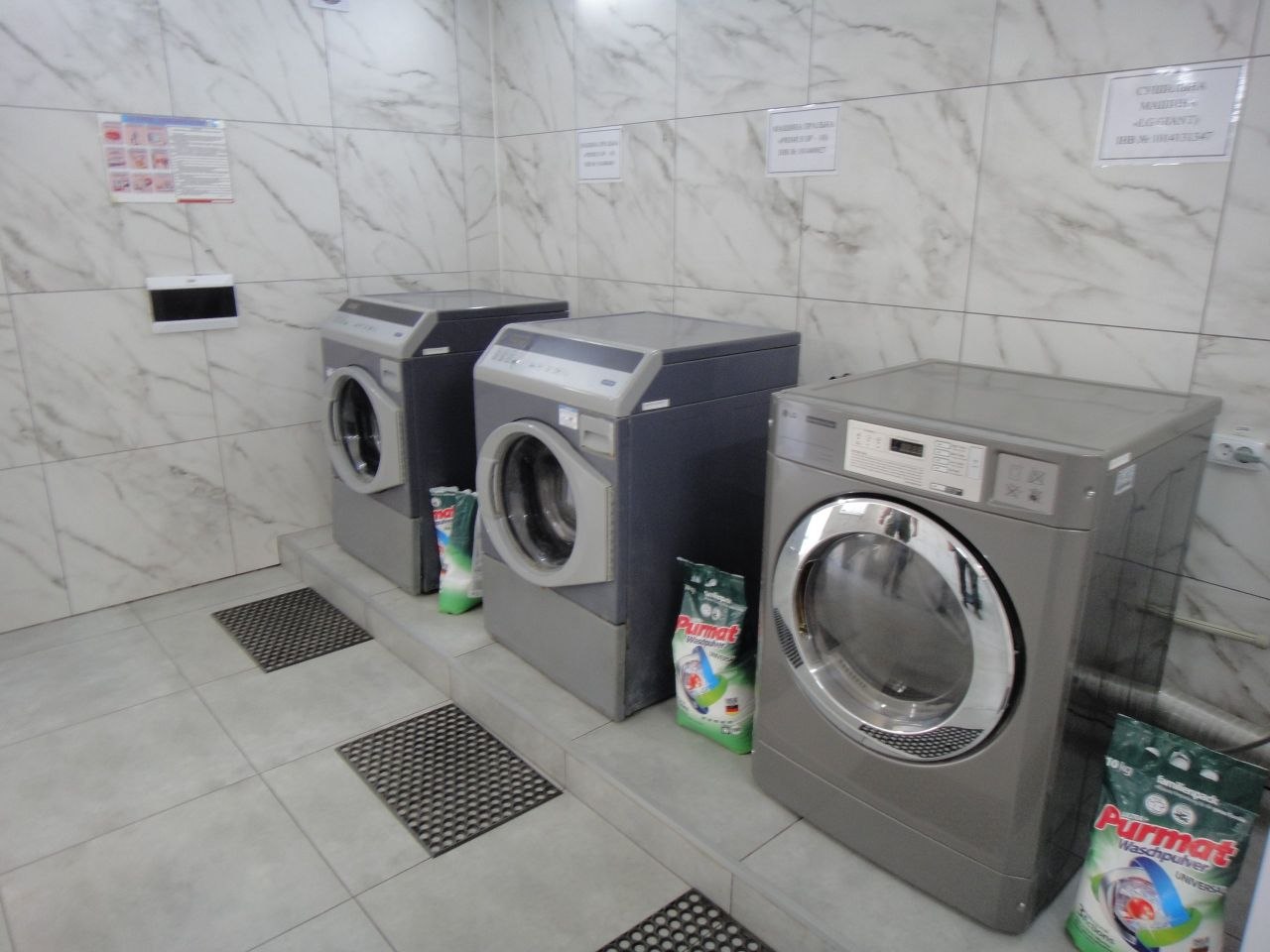
19. The monitoring team established a number of violations in the organisation of laundry and bathing services for convicts and detained persons.
In violation of Point 4 of Section XXII of the IR PI and Point 3.19 of Section III of the Regulations on the Organisation of Bathing and Laundry Provision for Persons Held in Penitentiary Institutions and Remand Prisons, approved by Order No. 849/5 of the Ministry of Justice of Ukraine dated 8 June 2021 (hereinafter — the Regulations), compliance with sanitary, hygienic, and anti-epidemic requirements is not ensured in the institution.
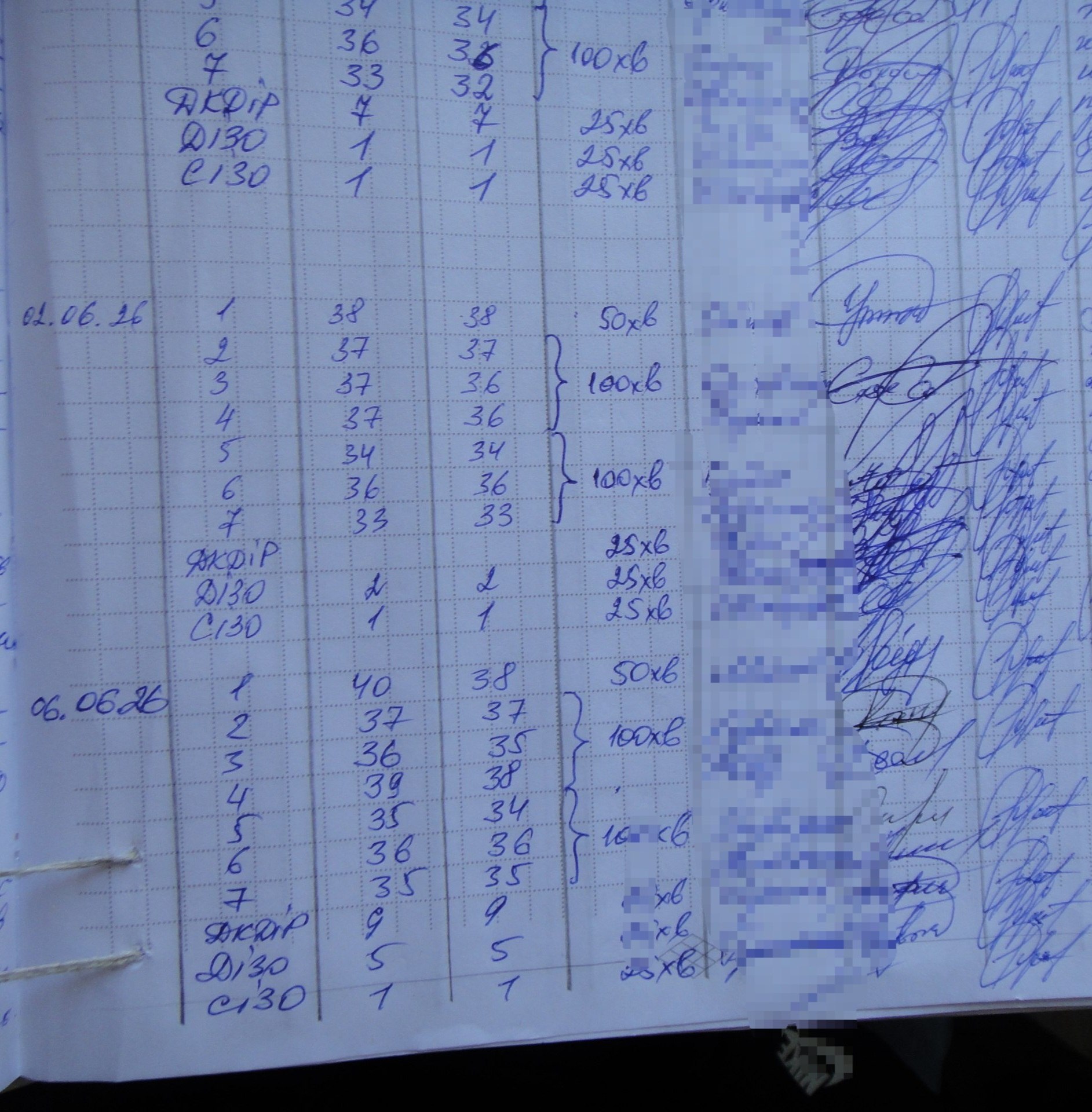
Specifically, sanitary treatment of convicts arriving at the institution is not conducted. For instance, on 2 June 2026, convicts arrived at the institution, yet entries regarding their bathing are absent in the bath attendance register.
20. In violation of Point 2.14 of Section II of the Regulations on the Organisation of Bathing and Laundry Provision, the provision of hairdressing services to convicts and detainees is not ensured in the institution.
21. In violation of Annex 3 to the Regulations on the Organisation of Bathing and Laundry Provision, the laundry lacks a staff room, while the toilet and shower for workers are out of service due to repair work.
22. During the visit, the monitoring team observed that institution staff in direct contact with convicts openly carry special equipment, including rubber truncheons.
At the same time, according to paragraph 8 of Point 1 of Section XXVI of the IR PI, the carrying of special equipment by penitentiary staff within the secured grounds of the penitentiary institution should, as far as possible, be concealed from view.
Furthermore, the Committee recommends that prison staff in direct contact with prisoners should not carry special equipment, such as rubber truncheons, handcuffs, and tear gas canisters, openly in front of them. Such practice hinders the establishment of normal relations between staff and prisoners (CPT/Inf (2011) 29, paragraph 85; CPT/Inf (2013) 23, paragraph 23; CPT/Inf (2014) 15, paragraph 166).
23. According to information provided by the administration, during 2026, 96 short-term visits were granted to convicts at LCC-123, of which 23 took place in a non-contact manner — behind a continuous glass partition using an intercom system.
However, in the report to the Ukrainian Government on the 2023 visit, the European Committee for the Prevention of Torture emphasizes that for all categories of prisoners, open visits (such as seated at a table) should be the rule, and closed visits the exception, permissible only on the basis of substantiated and reasoned decisions following an individual assessment of the potential risk posed by a specific convict.
In this regard, the Committee calls upon the Ukrainian authorities to review the arrangements for short-term visits in penitentiary institutions to ensure that they are, as a rule, conducted under open conditions (CPT/Inf (2024) 20, paragraph 99).
24. Pursuant to Sub-point 5 of Point 2 of Section IV of the Regulations on the Programme of Differentiated Educational Influence on Convicts ‘Preparation for Release’, approved by Order No. 1418/5 of the Ministry of Justice of Ukraine dated 16 May 2016 and registered with the Ministry of Justice of Ukraine on 17 May 2016 under No. 735/28865, staff of the institution’s social-psychological service directly organising and implementing measures under the ‘Preparation for Release’ programme are obliged to assist convicts in obtaining or renewing a passport of a citizen of Ukraine, a Registration Number of the Taxpayer’s Account Card (RNTRC), other personal documents, as well as applying for pensions.
However, two convicts require a passport of a citizen of Ukraine to be issued, and 12 require an RNTRC, indicating insufficient work by the social-educational and psychological work department in securing necessary documents for convicts lacking them.
25. According to official documentation, the staff shortage at the institution as of 11 June 2026 stands at 12.75 posts.
At the same time, in the report to the Ukrainian Government following the 2023 visit, the Committee stresses that ensuring a positive climate in a penitentiary institution requires a professional team of staff present in adequate numbers at all times in detention areas. Staff shortages can only increase the risk of violence and intimidation among prisoners.
A shortage of frontline staff also undermines the quality and level of activities offered to convicts, jeopardising prospects for preparation for release and social rehabilitation.
In this regard, the Committee calls upon the Ukrainian authorities to take decisive steps to significantly increase staffing levels in Ukrainian penitentiary institutions experiencing low staffing levels, in order to reinforce the presence of custodial and supervisory staff inside the facilities. Measures must also be taken to put an end to 24-hour shifts for duty personnel (CPT/Inf (2024) 20, paragraph 93).
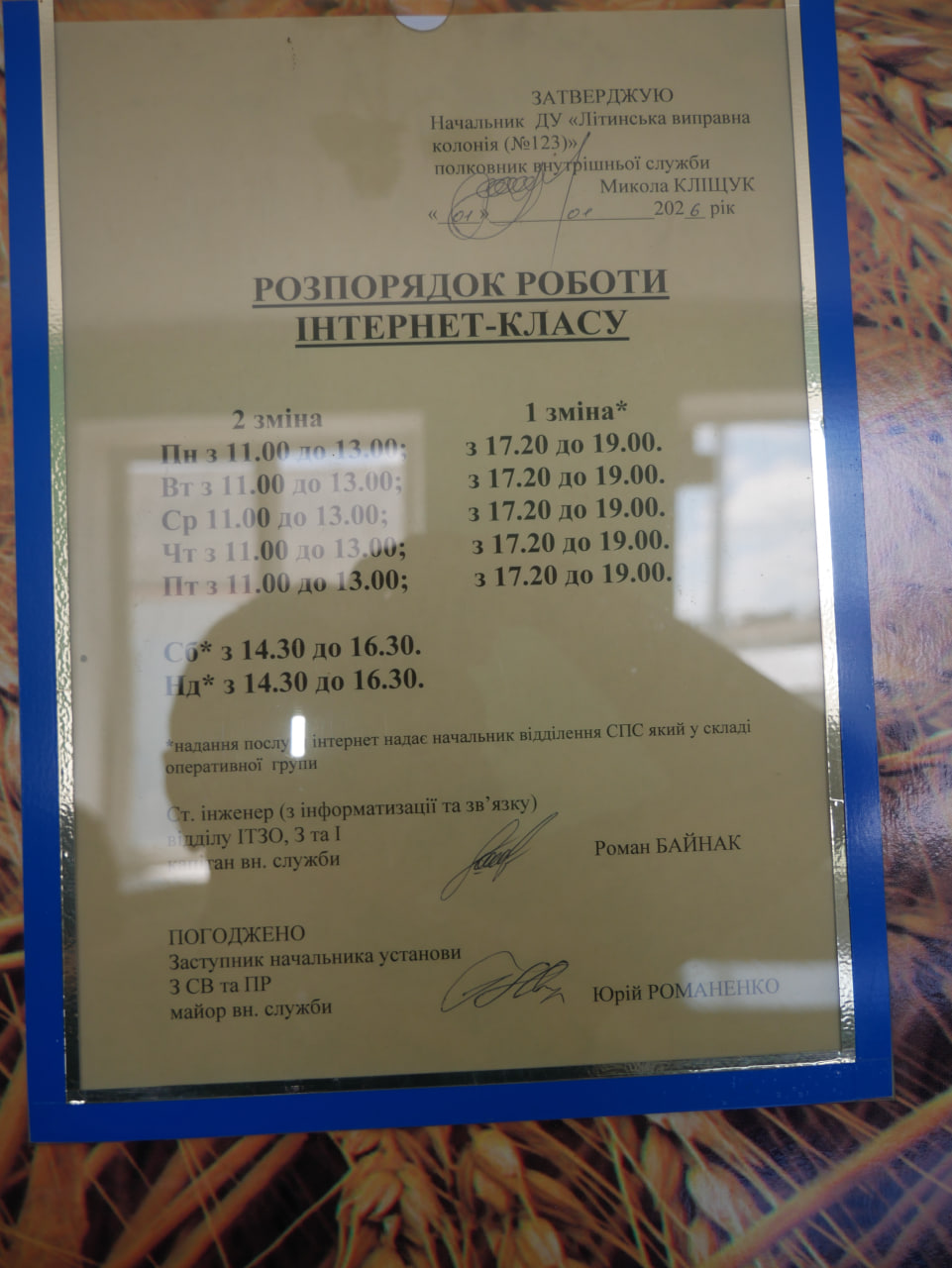
26. During the monitoring visit, it was established that an IT room is set up in the institution, equipped with a computer workstation with a webcam and access to a list of approved information resources. The head of the institution approved a timetable for the IT room for 2026, which provides for daily access by convicts during designated hours.
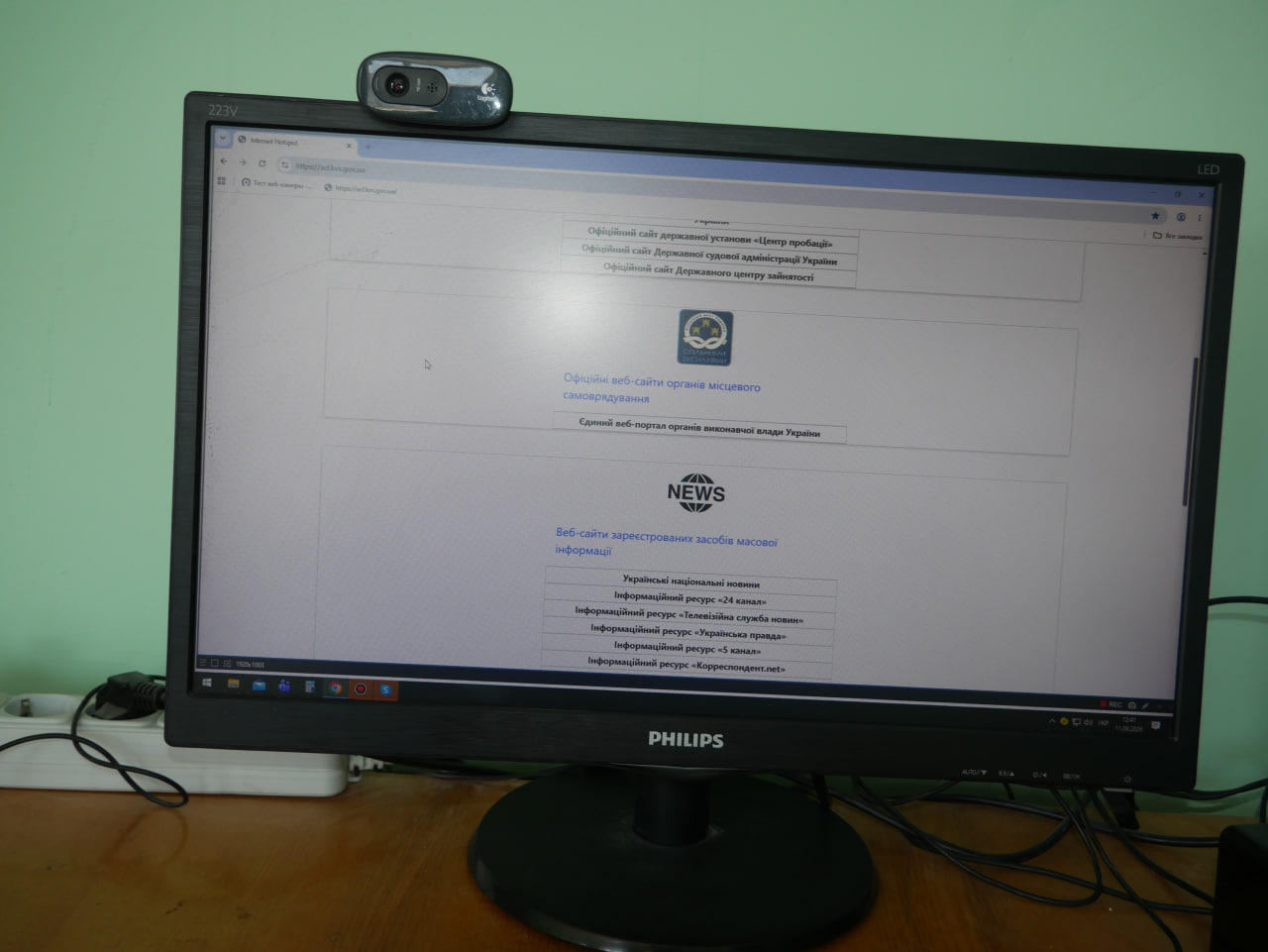
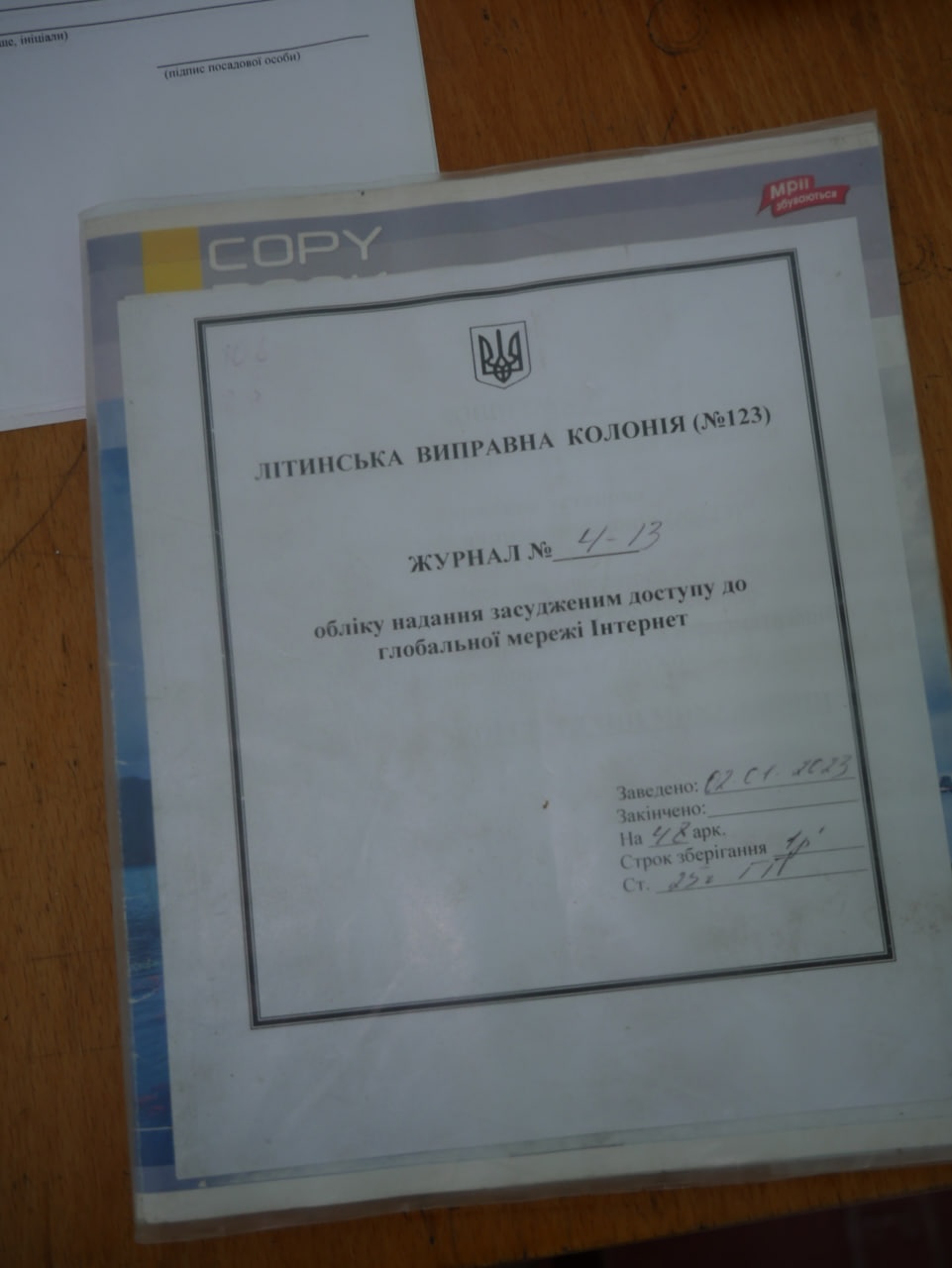
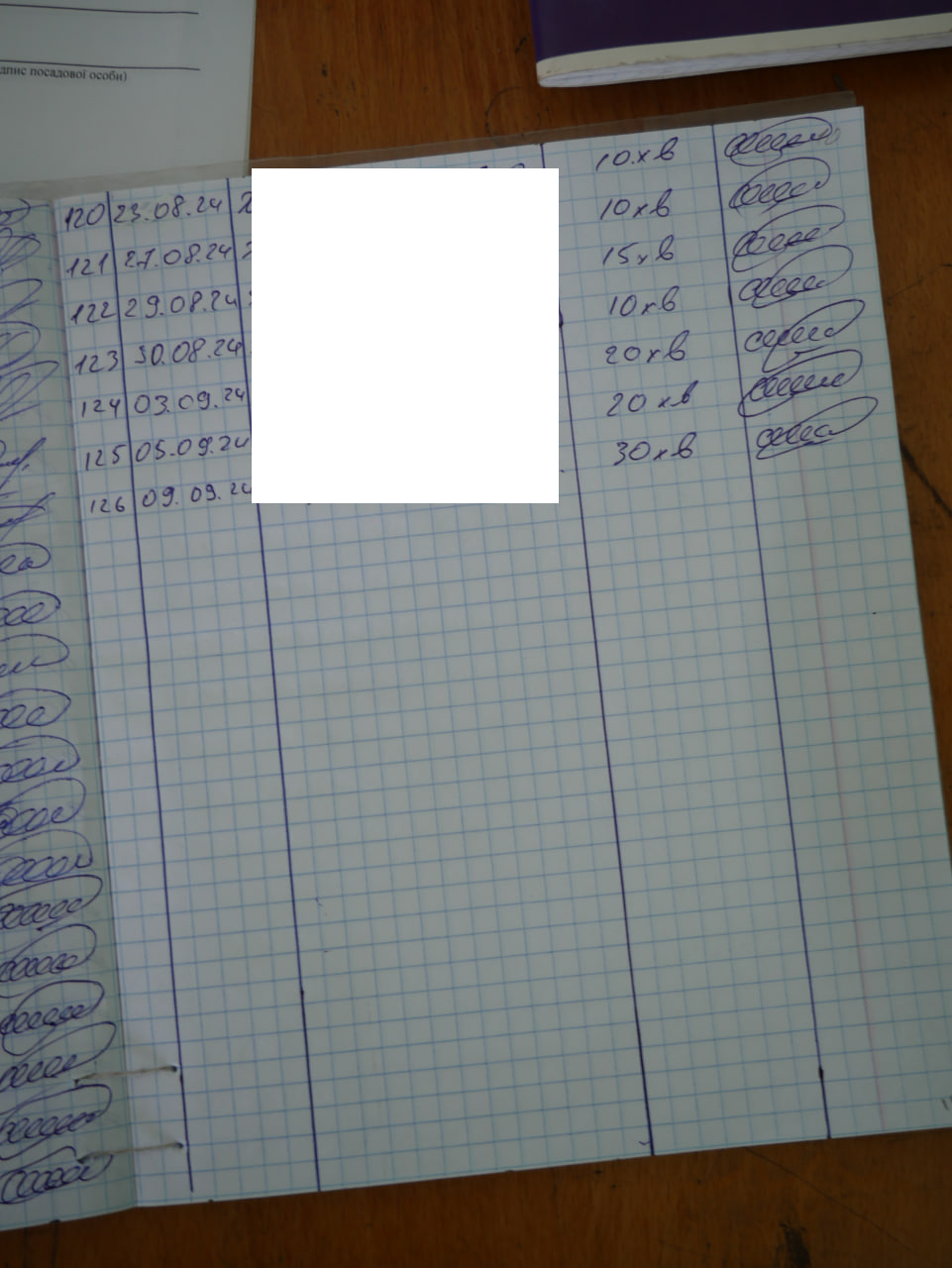
However, examination of record-keeping documentation indicates that actual access of convicts to the Internet is not properly ensured. The last entry in the logbook recording provision of access to the global Internet to convicts is dated 9 September 2024.
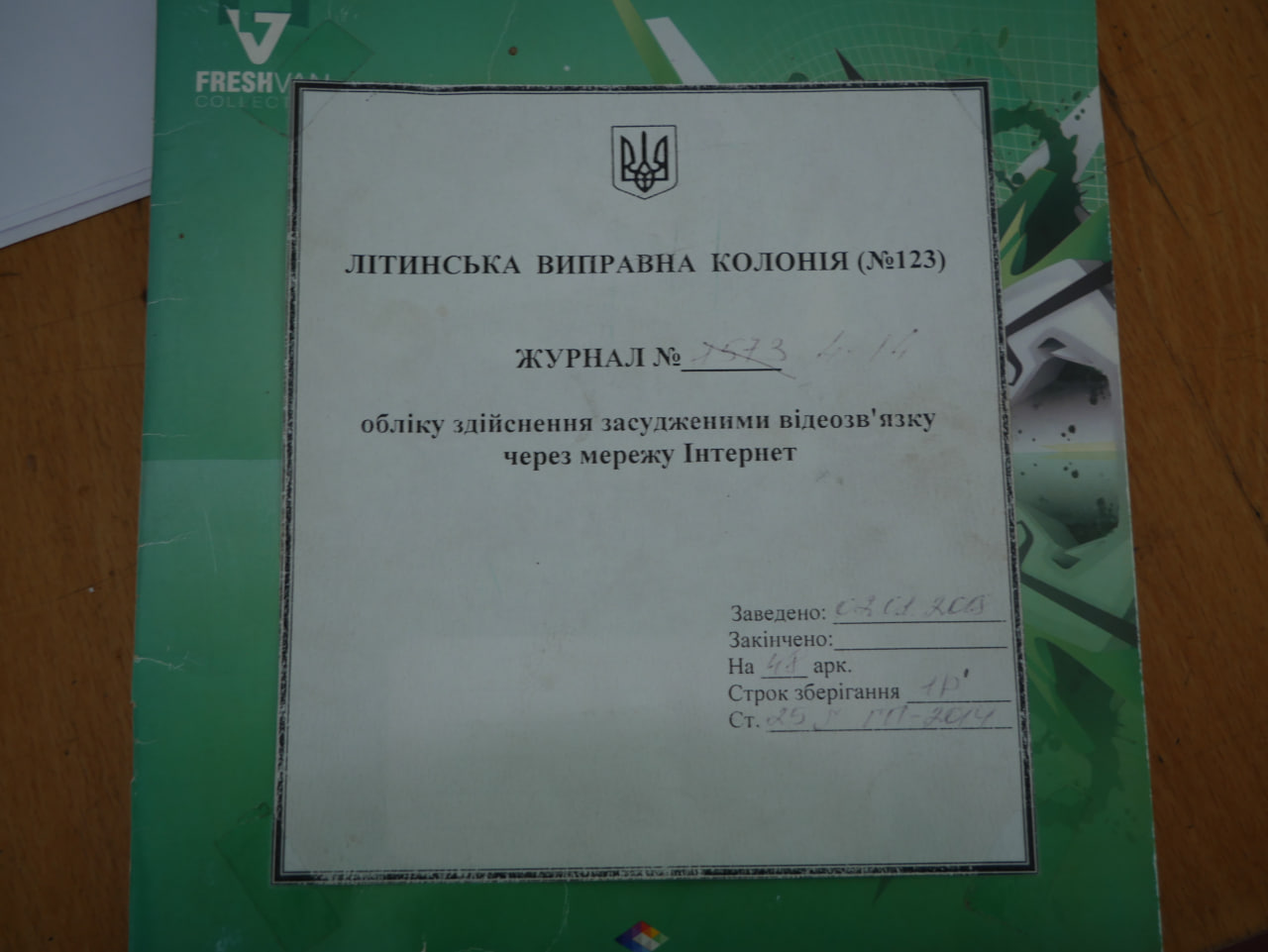
In the logbook recording convicts’ use of video communication via the Internet, the last entry is dated 9 December 2025.

In the registration log for convicts’ email account logins and passwords, there are no entries whatsoever.
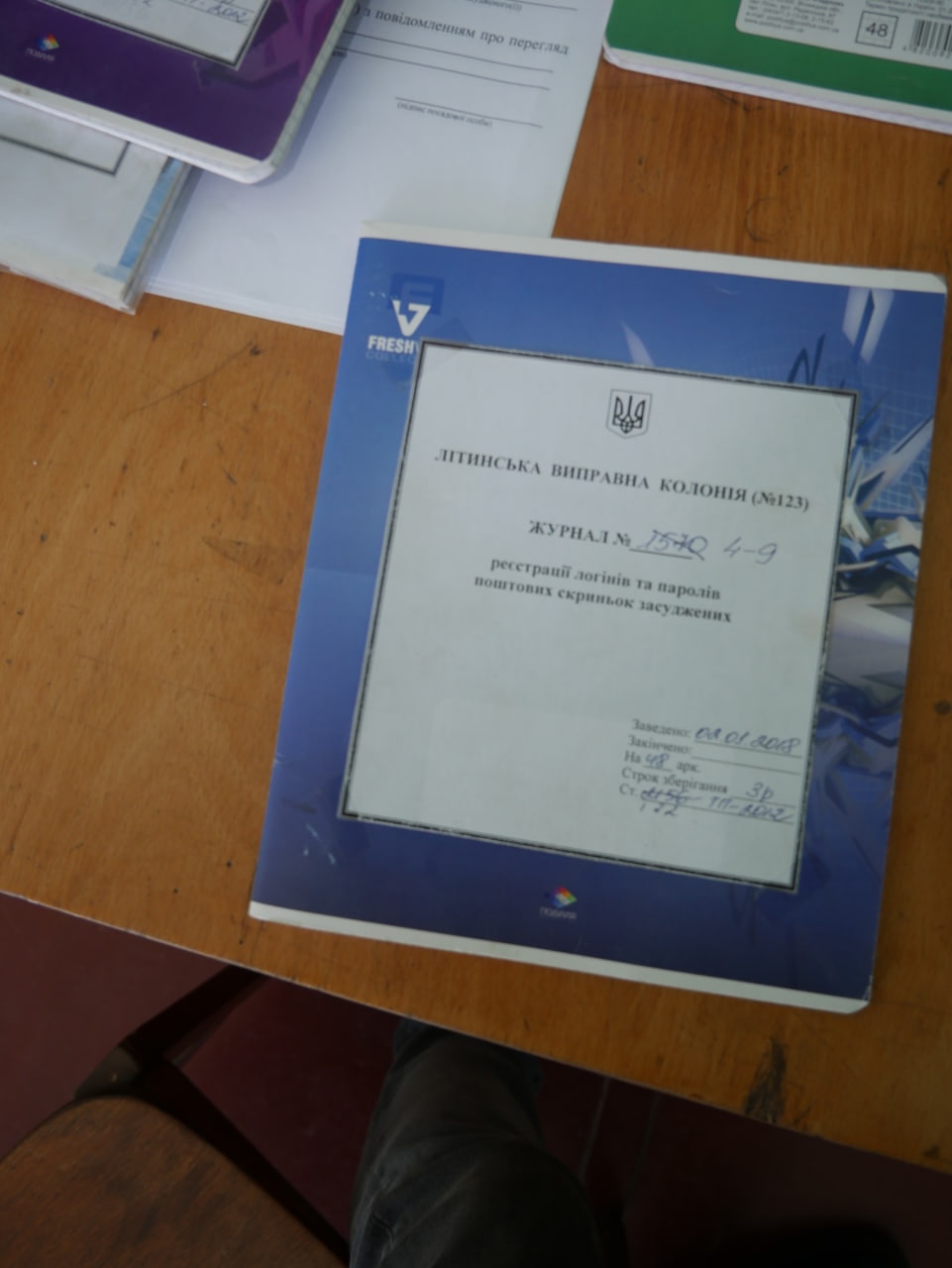

Thus, during 2026, not a single instance of convicts using the Internet, video communication, or email was recorded, despite the presence of equipment and an approved timetable for the IT room.
Pursuant to Parts 5 and 7 of Article 110 of the Criminal Executive Code of Ukraine, convicts are granted the right to use the global Internet under administrative control, and to create and use email accounts. The procedure for exercising this right is set out in Order No. 3233/5 of the Ministry of Justice of Ukraine dated 19 October 2017 ‘On Approval of the Procedure for Organising the Provision of Access to the Global Internet to Convicts’, which provides for keeping a logbook for access to the Internet and a registration log for convicts’ email logins and passwords.
The prolonged absence of entries in the relevant logbooks, despite an approved IT room timetable, demonstrates the superficial nature of this work’s organisation and the actual unavailability of the service to convicts. Consequently, convicts are deprived of the opportunity to use the Internet regularly, maintain social contacts via video communication, create email accounts, receive socially important information, and use permitted online resources to contact public authorities and prepare for release.
27. During the monitoring visit, it was established that there is no civil defence protective shelter on the territory of LCC-123 intended to shelter convicts and staff during an Air Raid warning. The dining hall of the catering block is used as the location for convicts during an air raid.
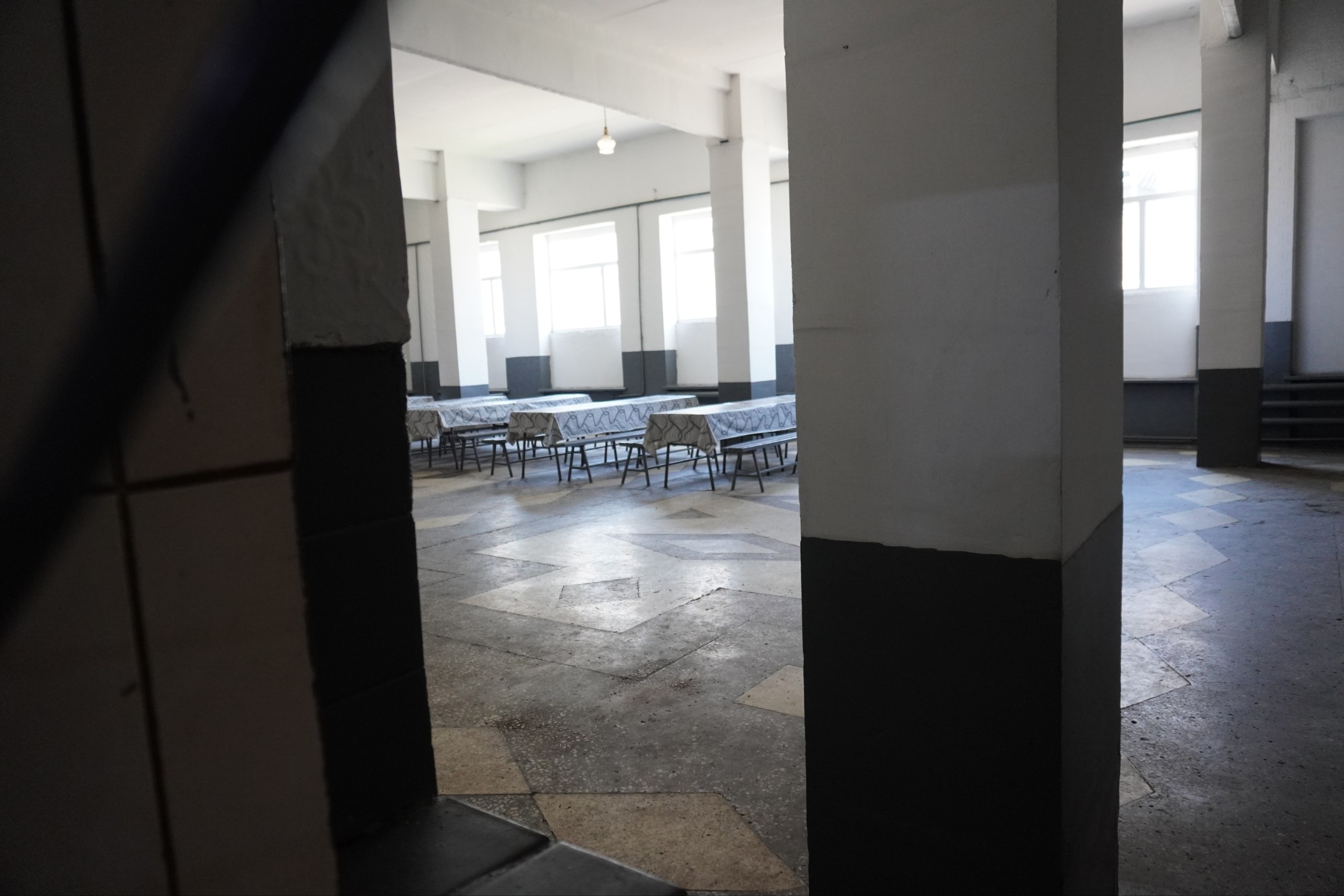
The dining hall of the catering block is functionally intended for eating meals and does not provide the level of protection required for fallout shelters, radiation shelters, dual-purpose facilities, or basic shelters. In effect, during an air raid, convicts are moved from one above-ground facility of the institution to another above-ground facility, which fails to afford adequate protection against blast waves, shrapnel, structural collapses, and other effects of weapons of destruction.
Pursuant to Article 32 of the Code of Civil Protection of Ukraine, sheltering must take place in facilities belonging to the civil protection shelter stock. Requirements for equipping, maintaining, and operating such facilities are specified in Order No. 579 of the Ministry of Internal Affairs of Ukraine dated 9 July 2018. These requirements apply, inter alia, to sheltering penitentiary staff and convicts held within them.
The lack of a proper shelter in the institution poses a real threat to the lives and health of 306 convicts, as well as institutional staff, amid systematic missile attacks and strikes involving unmanned aerial vehicles. Unlike other individuals, convicts cannot independently leave the facility grounds or choose a safer location, meaning the administration bears a heightened duty to ensure their safety.
Using the dining hall as a location during air raids cannot be regarded as proper fulfilment of this duty and fails to ensure the effective exercise of convicts’ right to life and protection against dangers associated with armed aggression.
28. During the monitoring visit, it was established that as of 11 June 2026, 306 convicts were held in the institution. According to the administration, 110 persons are engaged in paid labour, representing approximately 36% of the total convict population. All employed persons work under fixed-term employment contracts. There are no individuals engaged under civil-law contracts. Ninety-six convicts work at contractors’ sites, 12 are engaged in facility maintenance, and two work in the production workshop.
However, examination of the nominal list provided by the administration revealed only 109 filled entries, with ordinal number 15 missing. According to the list, 17 convicts work at LLC ‘V.’, 21 at the ‘L.’ branch of State Enterprise ‘P.’, three at Sole Trader Ch., four at Sole Trader P., 27 at V., 23 at LLC ‘L.’, 12 are engaged in facility maintenance, and two work in the production workshop.
Thus, the nominal list confirms the employment of 95 convicts at contractors’ sites instead of the 96 indicated in the statistical summary, and 109 persons in total instead of 110. The institution’s administration provided no explanation for these discrepancies.
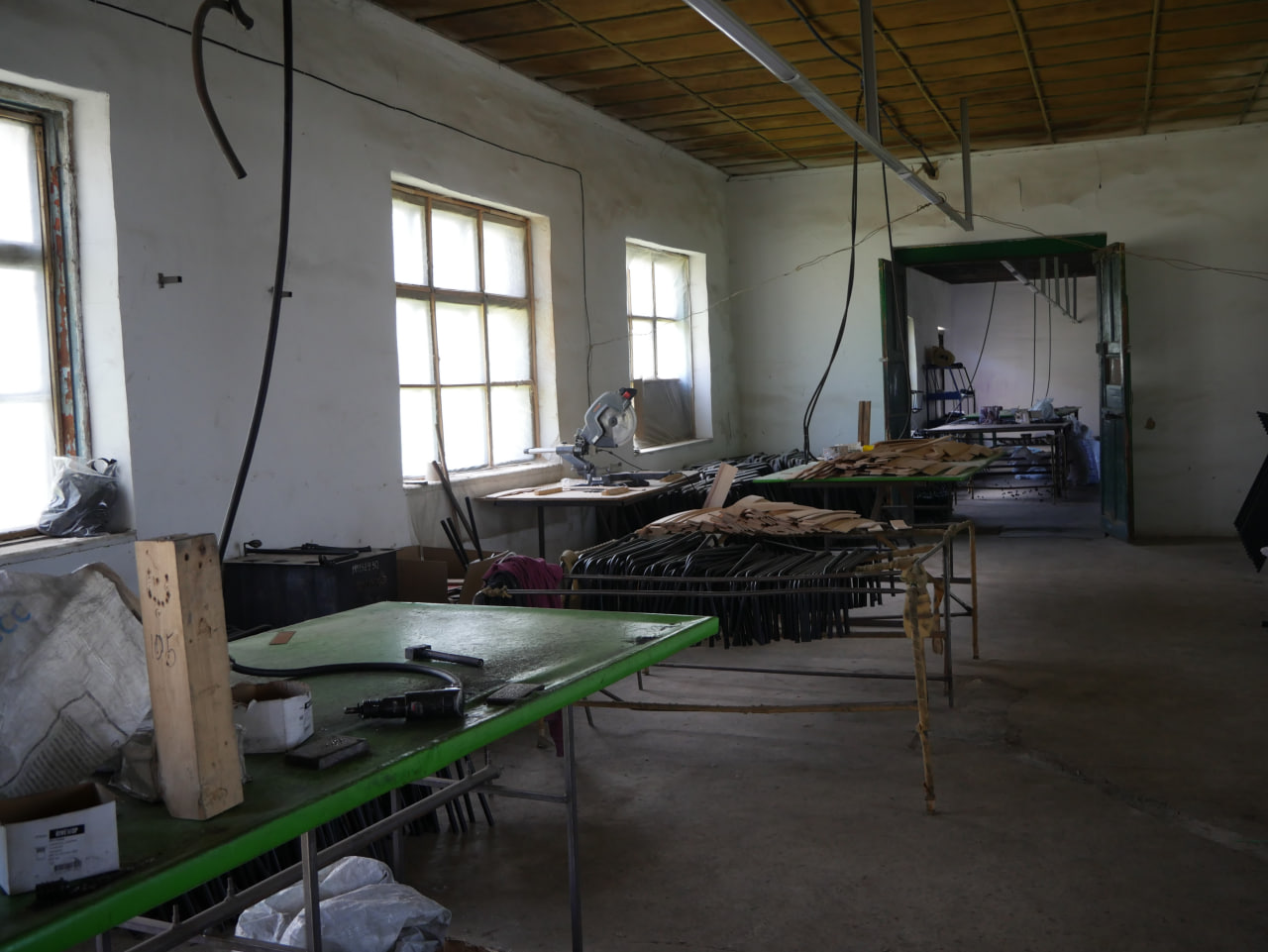
The main areas of production activity include manufacturing wooden pallets ordered by LLC ‘L.’, performing work for LLC ‘V.’, producing fuel pellets from wood waste in the production workshop, and carrying out work at other contractors’ sites. Convicts engaged in facility maintenance work in the catering block, dining hall, and laundry, clean premises, and perform other tasks necessary for the institution’s operation.
During the inspection of the woodworking facility, administration representatives reported that the hourly check logs for production sectors and the shift assignment log had burned. No other primary documents enabling the verification of convicts’ actual time at workplaces, the nature of assigned tasks, and the volume of completed work were provided to the monitoring team.
In the absence of this documentation, it is impossible to reconcile time sheets with actual work performed and verify the accuracy of wage calculations.
In the seven social-psychological service units, schedules for assigning convicts to clean residential premises and institutional grounds were drawn up. The schedules do not state the start and end times of work or its overall duration.
Pursuant to Part 5 of Article 118 of the Criminal Executive Code of Ukraine, convicts may be engaged without remuneration only in land improvement work for the colony and adjacent territories, improving living conditions, or auxiliary work in supplying food to the institution. Such work must be performed on a rotational basis, during non-working hours, and last no more than two hours per day.
The lack of records detailing actual work duration prevents verification of compliance with statutory limits and creates a risk of using unpaid labour beyond the scope permitted by law.
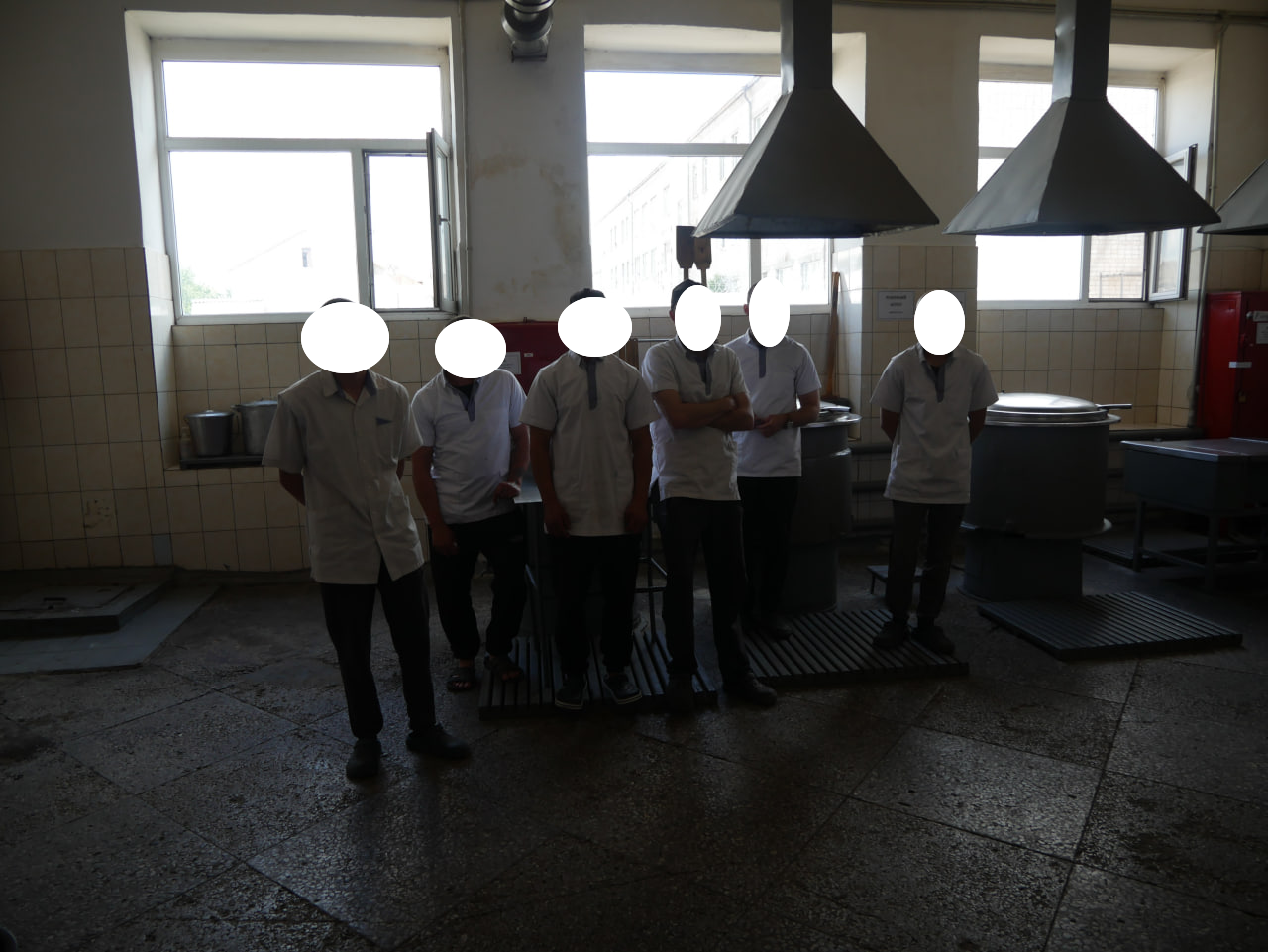
The organisation of convict labour in the catering block was examined separately. According to the staffing roster and shift schedules, nine convicts officially work there: K. and S. as full-time cooks; A. as a 0.5-full-time equivalent (FTE) cook; B. and N. as 0.5-FTE bakers; S. as a 0.25-FTE dining hall worker; another S. as a 0.5-FTE dining hall worker; and T. and D. as 0.25-FTE bread cutters.
The schedules provide for work in separate time blocks throughout the day, including work commencing at 04:30 or 06:00 and individual operations ending around 20:00. Part of the work performed between 04:30 and 06:00 falls during nighttime hours.
Pursuant to Articles 54 and 108 of the Labour Code of Ukraine, nighttime is defined as the period from 22:00 to 06:00, and work during this period must be paid at an increased rate, not lower than 20% of the hourly rate or salary for each hour of night work.
In the payroll statement for May 2026, additional night-work pay was calculated for K. in the amount of UAH 126.98, S. — UAH 138.53, and A. — UAH 92.35. The total additional pay amounted to UAH 357.86.
At the same time, due to discrepancies between schedules, work orders, and the hourly check log, it is impossible to determine whether all hours actually worked at night were accounted for and whether all convicts engaged in night work received the corresponding additional pay.
According to the dining hall hourly check log, one person works the night shift. Moreover, on 10 June 2026 at 17:30, the log recorded the presence of ten convicts in the catering block, whereas the work order for that day listed only eight persons. The official shift schedule contains nine names in total.
Thus, at least two individuals actually present in the catering block on 10 June 2026 were not listed in the work order. Based on the documents provided, it is impossible to establish their names, the legal basis for engaging them in work, the duration of work, and whether they were paid.
Entries in the medical examination log for catering block workers also fail to correspond to other labour record documents. It lists eight persons daily, whereas the shift schedule contains nine workers’ names, and the hourly check log confirms the simultaneous presence of ten convicts. These discrepancies further demonstrate the absence of reliable records of the actual catering block staff.
The monitoring team examined time sheets and the payroll statement for May 2026 regarding 12 convicts engaged in facility maintenance. The total gross wages calculated for them amounted to UAH 52,692.32.
From this sum, UAH 9,484.64 was withheld in personal income tax, UAH 2,634.65 in military levy, UAH 16,307.24 for reimbursement of utility and communal services, and UAH 3,051.90 under writs of execution. Total deductions amounted to UAH 31,478.43, or 59.74% of gross wages. A total of UAH 21,213.89, or 40.26% of the gross calculated amount, was credited to the convicts’ personal accounts (taking into account advance payments).
K. was credited UAH 8,170.70 gross for 160 hours of work, including UAH 126.98 in night-work pay; UAH 4,415.15 was transferred to his personal account. S. was credited UAH 8,785.53 gross for 172 hours of work, including UAH 138.53 in night-work pay; UAH 2,196.38 was transferred to his personal account.
A. was credited UAH 4,415.85 for 86 hours of work, including UAH 92.35 for night work; UAH 1,103.96 was transferred to his personal account. B. and N. were credited UAH 4,323.50 each for 86 hours of work. S., T., and D. were credited UAH 2,161.75 each for 43 hours of work. Another S. was credited UAH 3,669.95 for 73 hours of work.
The minimum wage in 2026 is UAH 8,647 per month or UAH 52 per hour. Earnings calculated for convicts working part-time generally correspond to a proportional share of the minimum wage. Direct evidence of failure to observe minimum state pay guarantees for the 12 individuals examined was not established from the payroll statement itself.
Pursuant to Article 120 of the Criminal Executive Code of Ukraine, no less than 50% of monthly gross earnings must be credited to a convict’s personal account, and no less than 25% for convicts with debts under writs of execution. In the calculations examined, these minimum shares were respected.
However, detailed justifications of individual utility reimbursement amounts and copies of writs of execution were not attached to the payroll statement, making it impossible to verify the legal grounds and accuracy of each specific deduction.
The total Unified Social Contribution (USC) accrued for the 12 convicts amounted to UAH 21,763.61. For ten individuals, UAH 1,902.34 each was indicated, corresponding to the minimum insurance contribution in 2026; for S., UAH 1,932.82; and for the other S., UAH 807.39.
The contribution amount for S. represents 22% of his actual gross wage. The time sheet shows that he worked a partial month in May; however, the order of employment and details regarding the exact date employment commenced were not provided to the monitoring team. Therefore, it is impossible to determine whether an obligation existed to adjust his USC to the minimum insurance contribution level.
In confirmation of USC payment, the administration provided payment instructions dated 14 May 2026 for the amount of UAH 2,200 and dated 28 May 2026 for UAH 20,414.75. In total, UAH 22,614.75 was transferred, which exceeds the USC amount reflected in the payroll statement for facility maintenance workers by UAH 851.14.
Since the payment documents are aggregated and lack an itemised breakdown by individual, it is impossible to reconcile paid amounts with accruals for each employed convict. Consequently, the documents provided do not allow verification of the completeness of USC payments for all 110 convicts who, according to the administration, are in employment relationships.
Thus, discrepancies exist within the institution between statistical data, nominal lists, work orders, time sheets, and logs of convicts’ actual presence at workplaces. The absence of primary production documentation prevents reliable determination of work duration and the volume of completed tasks, as well as verification of wage calculation accuracy.
The recorded presence in the catering block of persons not included in the relevant work order creates a risk of engaging convicts in labour without proper record-keeping or remuneration. Furthermore, the financial documents provided do not permit full verification of payment for all night-work hours, the justification of deductions made, and the completeness of USC payments for each employed convict.
Medical Unit No. 123 of the Branch of the State Institution ‘Healthcare Centre of the State Penitentiary Service of Ukraine’ in Vinnitsia Region
The head of Medical Unit No. 123 is Tetiana Ivanik, a doctor at the branch of the State Institution ‘Healthcare Centre of the State Penitentiary Service of Ukraine’ in Vinnitsia Region (hereinafter — medical unit).
At the time of the visit, the post of clinical psychologist remains vacant — 0.5 FTE.
During the monitoring visit, the monitoring team reviewed medical documentation, inspected the premises of the medical unit, and conducted individual interviews with convicts, establishing shortcomings in the organisation of medical provision that lead to violations of the rights of these persons:
1. During the visit, the monitoring team established that medical staff do not ensure proper recording and documentation of bodily injuries sustained by persons deprived of liberty.
Pursuant to Point 3 of Chapter 1 of Section II of the Procedure for the Organisation of Medical Care for Convicts Sentenced to Imprisonment, approved by Joint Order No. 1348/5/572 of the Ministry of Justice of Ukraine and the Ministry of Health of Ukraine dated 15 August 2014 (hereinafter — the Procedure), in the event that bodily injuries are detected on a convict, the medical worker who detected such injuries draws up a certificate in triplicate, detailing:
- information (a written statement, or oral or written explanation of the convict concerning the circumstances under which the bodily injuries were sustained (date, time, place of infliction, methods of inflicting injuries, information about the person(s) who, in the convict’s opinion, inflicted them), as well as other information regarding the infliction of bodily injuries);
- an exhaustive description of medical indicators characterising the convict’s health state, the nature of injuries, their dimensions and location;
- the medical worker’s opinion in light of the information provided by the convict and the medical indicators, as well as the justification of their correlation.
The medical worker attaches to the certificate primary record form No. 511/o ‘Certificate of Recording Bodily Injuries’, approved by Order No. 110 of the Ministry of Health of Ukraine dated 14 February 2012 and registered with the Ministry of Justice of Ukraine on 28 April 2012 under No. 661/20974, as well as photographs of the convict’s existing bodily injuries. Two copies of the certificate and its annexes are attached to the personal file and the outpatient medical record No. 025/o, and the third copy is handed directly to the convict who underwent the examination.
Instead, as established during the monitoring visit, when bodily injuries are detected, medical staff actually fill out only primary record form No. 511/o without drawing up a certificate in triplicate and without carrying out the full set of actions required by the Procedure. This demonstrates a systemic violation of the requirements of Point 3 of Chapter 1 of Section II of the Procedure and inadequate organisation of medical recording of bodily injuries.
The absence of proper recording of bodily injuries fails to comply with paragraph 60 of the Committee’s recommendations, according to which medical services in places of detention should contribute to the prevention of violence through systematic registration of bodily injuries and, where appropriate, informing the competent authorities (CPT/Inf (93) 12).
2. Pursuant to Point 3.11 of the Regulations on the Organisation of Bathing and Laundry Provision for Persons Held in Penitentiary Institutions and Remand Prisons, approved by Order No. 849/5 of the Ministry of Justice of Ukraine dated 8 June 2021 (hereinafter — Regulations on Bathing and Laundry Provision), a paramedic workstation (corner) of the medical unit (paramedic station) of the State Institution ‘Healthcare Centre of the State Penitentiary Service of Ukraine’ is to be set up in the changing rooms of the bathhouse to conduct physical examinations and provide medical care to convicts and remanded persons. The specified station must be provided with a desk, an armchair, and a register of physical examinations conducted in the bathhouse, kept according to the form set out in Annex 6 to these Regulations.
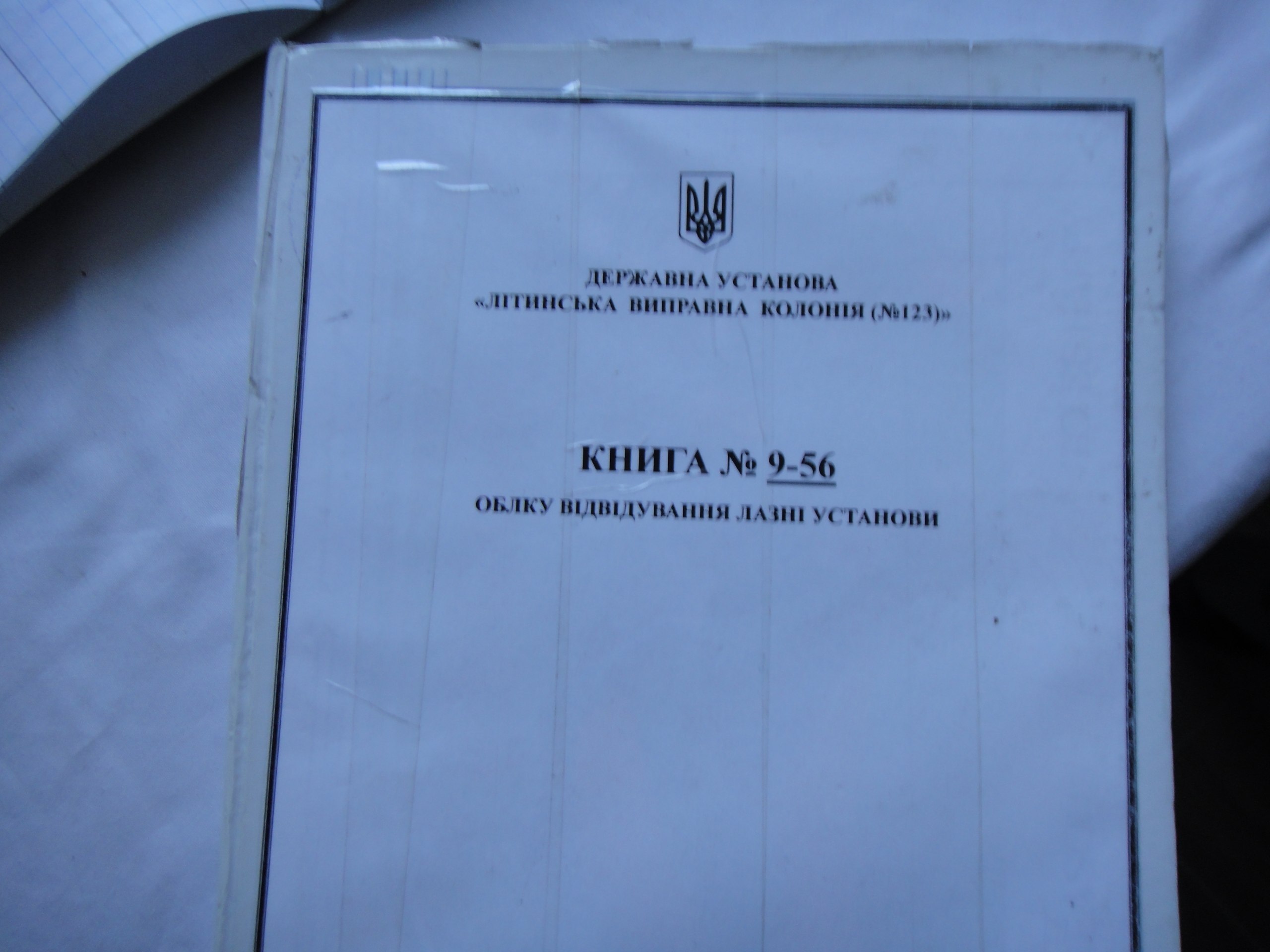
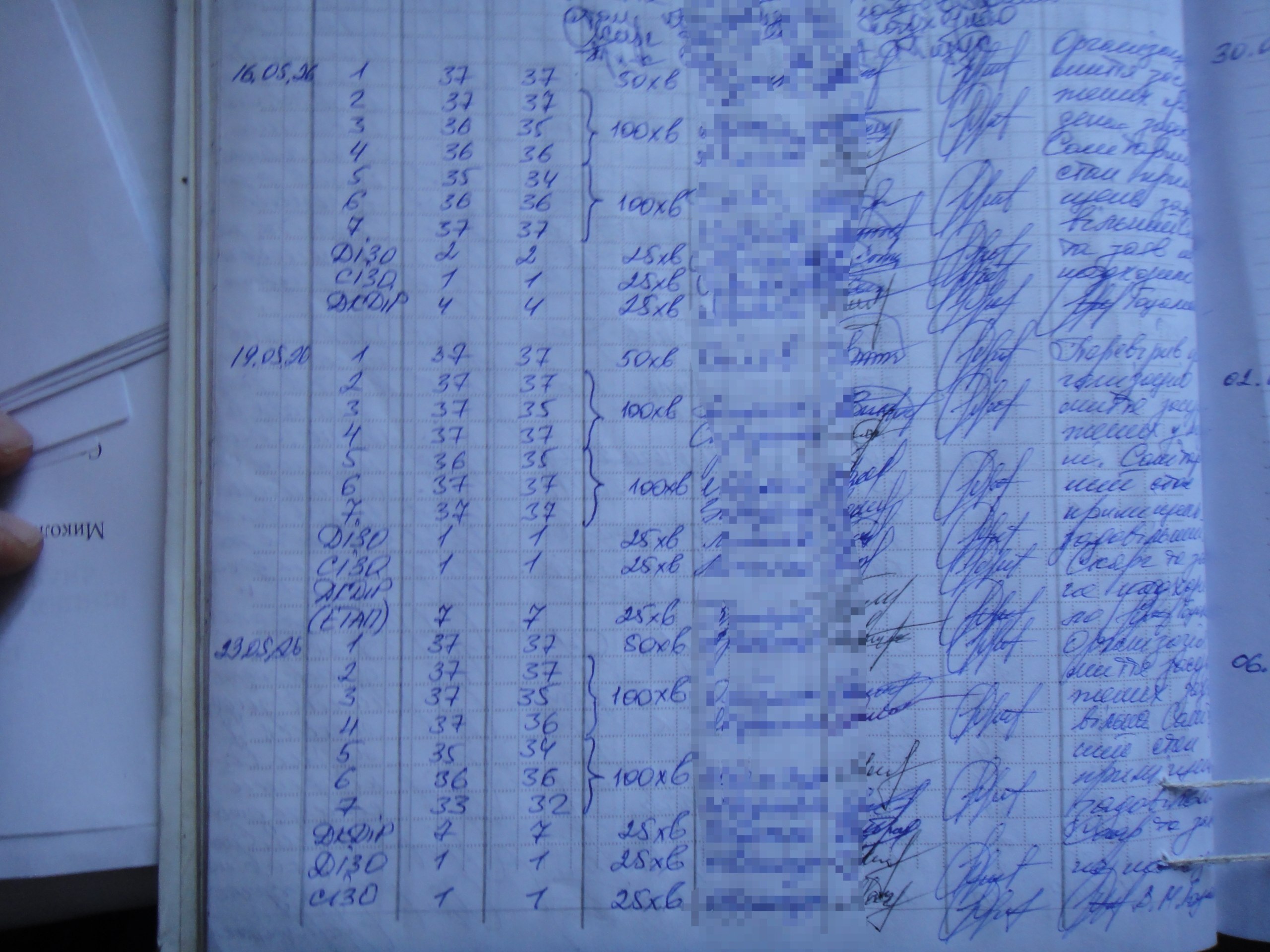
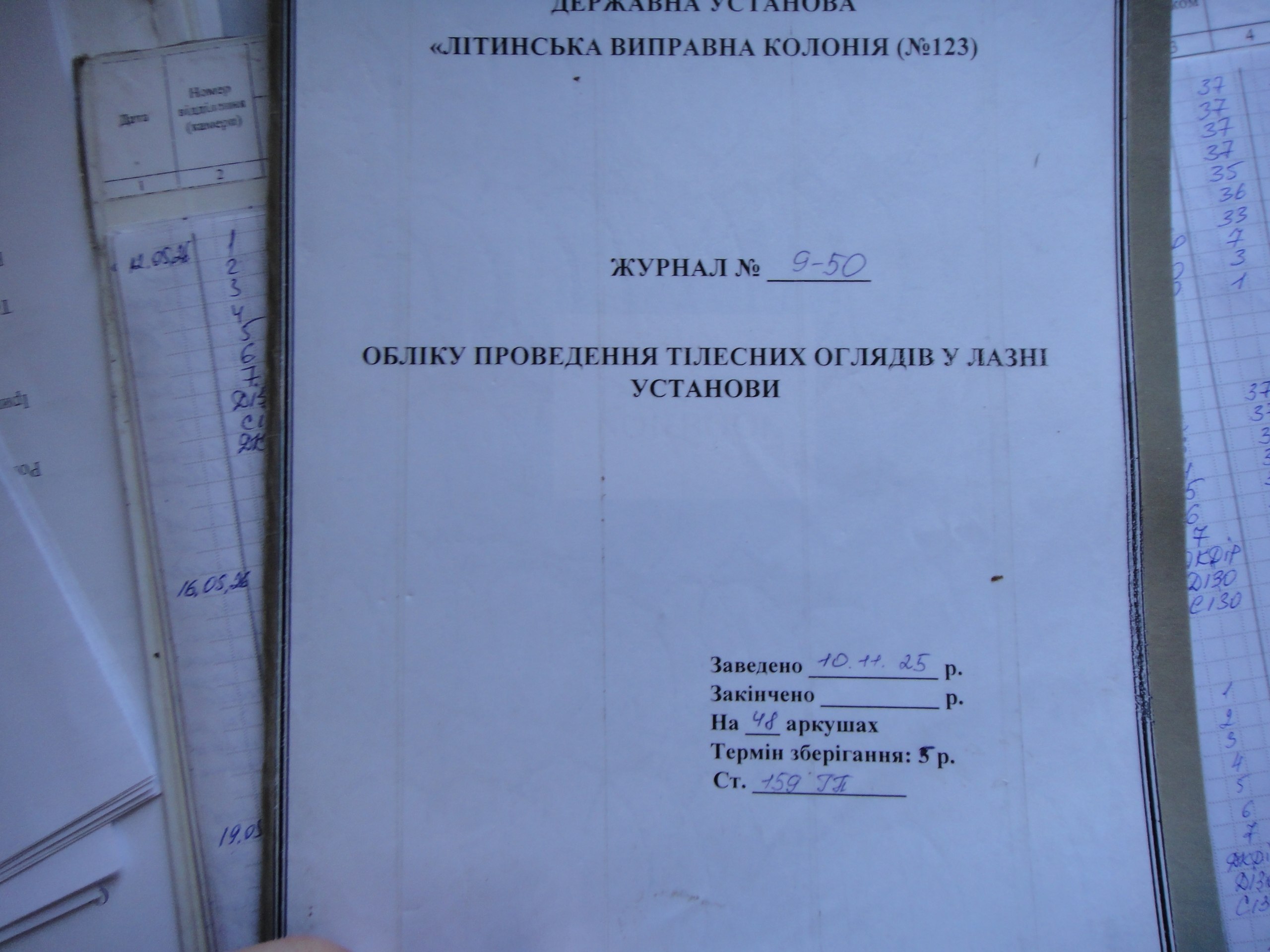
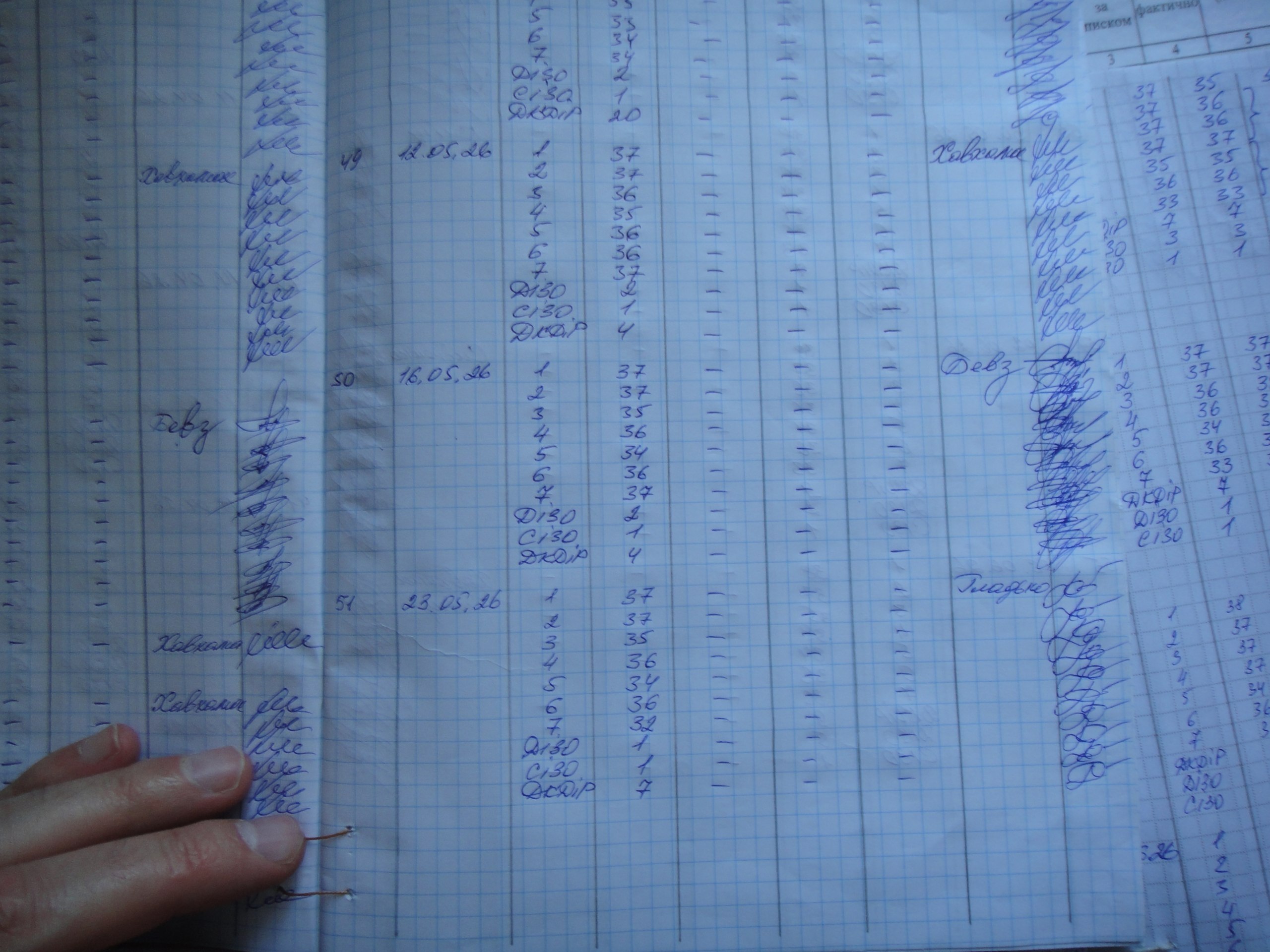
However, during the examination of the register of physical examinations conducted in the bathhouse, cases were identified where entries on physical examinations by medical staff were missing. For instance, according to the bath attendance logbook, on 19 May 2026, 264 convicts from social-psychological service (hereinafter — SPS) units Nos. 1, 2, 3, 4, 5, 6, and 7, as well as persons held in the DISO, SIZO (remand facility), and the KDiR unit, underwent bathing. By contrast, no entries whatsoever appear in the register of physical examinations in the bathhouse for that date, indicating proper medical documentation is lacking and failing to confirm that physical examinations of these individuals took place.
The absence of proper documentation of physical examination results makes it impossible to detect and record bodily injuries in a timely manner, hinders effective medical monitoring of convicts’ health status, and reduces the effectiveness of preventing ill-treatment and violence.
3. In violation of Point 2 of Chapter 2 of Section II of the Procedure, the medical unit is not equipped with working fluorographic or X-ray equipment. Consequently, convicts and detainees do not undergo diagnostic examinations of chest organs for timely detection of respiratory diseases, indicating that early diagnosis of tuberculosis cannot be conducted in the medical unit.
4. In the medical unit, opioid substitution therapy (hereinafter — OST) is not organised for persons with mental and behavioural disorders due to opioid use, in accordance with the Procedure for Conducting Opioid Substitution Therapy for Persons with Mental and Behavioural Disorders Due to Opioid Use, approved by Order No. 200 of the Ministry of Health of Ukraine dated 27 March 2012.
Drug-dependent individuals are not provided with social-psychological support, cognitive behavioural therapy (CBT), relapse prevention, motivational interviewing, participation in self-help groups, etc.
Thus, these individuals are deprived of the opportunity to receive OST, violating their right to choose treatment methods under Article 38 of the Law of Ukraine ‘Fundamentals of Ukrainian Legislation on Healthcare’.
Furthermore, in the report on the 2023 visit to Ukraine, the Committee notes that admission to a penitentiary institution presents an opportunity to address drug-related problems; hence, it is essential that appropriate assistance be offered to all interested individuals. Consequently, adequate medical care should be accessible in all facilities.
The help offered to such persons should be varied. Substitution therapy programmes for drug-dependent individuals should be combined with genuine psychosocial and educational programmes for opioid-dependent persons who are unable to stop drug use.
In addition, access to OST programmes in facilities should be easy, and they should also be managed by prison doctors who have undergone specialised training in drug-related matters (CPT/Inf (2024) 20, paragraph 86).
5. In violation of Point 8 of Chapter 5 of Chapter 2 of the Procedure, the medical unit inpatient ward lacks an equipped isolation room for convicts with mental disorders who pose a danger to others.
6. The post of clinical psychologist on the medical unit staff is vacant, which complicates the timely and effective provision of mental healthcare to convicts.
In the report on the 2023 visit to Ukraine, the Committee recommends further strengthening the provision of psychological assistance in institutions and developing the training and role of prison psychologists, particularly regarding therapeutic clinical work with convicts. In this context, efforts should be made to recruit clinically trained psychologists, who should form part of the medical team and should not combine two distinct roles in their work, namely risk assessment and therapeutic clinical work (CPT/Inf (2024) 20, paragraph 85).
7. Dispensary supervision is maintained over 14 persons with disabilities. Of these, one person has Group I disability, four have Group II, and nine have Group III.
At the same time, in violation of the requirements of the Law of Ukraine ‘On Rehabilitation of Persons with Disabilities in Ukraine’, persons with disabilities do not receive proper diagnostic, treatment, and rehabilitation measures, despite information confirming persistent bodily dysfunction caused by diseases and injuries resulting in limitations of normal daily living.
Specifically, during the examination of convicts’ medical records, it was established that three persons with disabilities lacked Individual Rehabilitation Programmes (hereinafter — IRPs). Furthermore, IRP recommendations are not being implemented, as a result of which these persons do not receive proper diagnostic, treatment, and rehabilitation measures despite findings confirming persistent bodily dysfunction caused by diseases and injuries resulting in limitations of normal daily living.
8. In violation of the requirements of the State Building Codes of Ukraine V.2.2-40:2018 ‘Inclusivity of Buildings and Structures. Basic Provisions’, proper conditions for accommodating persons with disabilities have not been created in the medical unit.
9. In violation of Point 37 of Resolution No. 285 of the Cabinet of Ministers of Ukraine dated 2 March 2016 ‘On Approval of Licensing Conditions for Conducting Business Activity in Medical Practice’, the medical unit lacks a report confirming barrier-free access for low-mobility population groups to the buildings and premises of the medical facility, the acquisition of which is mandatory.
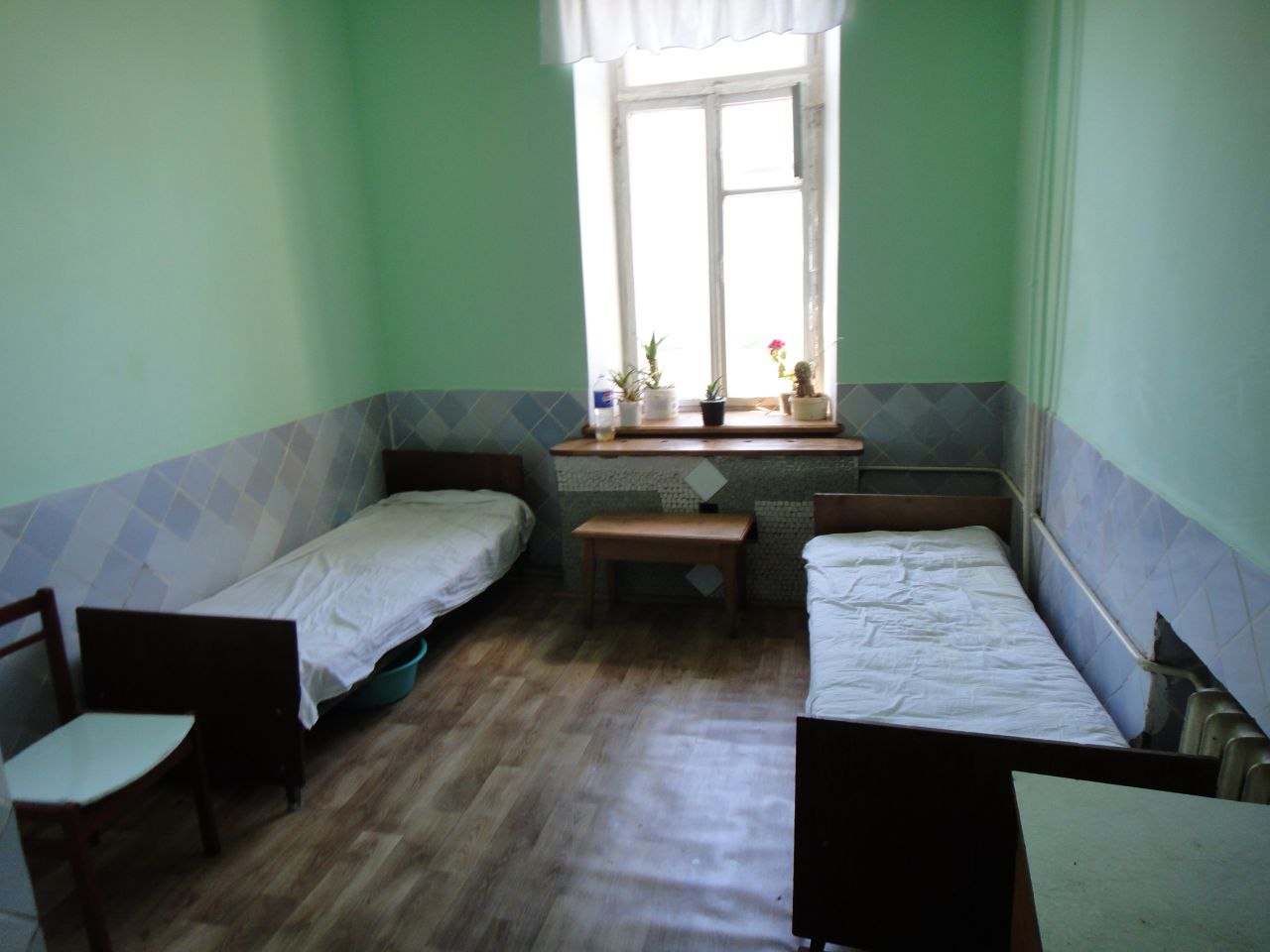
10. Two isolation rooms for infectious patients are equipped in the medical unit inpatient ward. However, the isolation room for patients with intestinal infections does not comply with sanitary-hygiene requirements and the requirements of State Building Codes of Ukraine V.2.2-10:2022 ‘Healthcare Facilities. Basic Provisions’.
Thus, the ward designated for isolating patients with intestinal infections is not equipped with a shower cubicle, forcing such patients to use shared sanitary facilities alongside other individuals undergoing treatment in the medical unit inpatient ward.
These circumstances make it impossible to ensure a proper anti-epidemic regime and effective isolation of infectious patients, creating a risk of spreading infectious diseases and posing a threat to the health of both patients and medical staff.
11. In violation of the Procedure for the Organisation of Medical Care at Primary, Secondary (Specialised), and Tertiary (Highly Specialised) Levels using Telemedicine, approved by Order No. 681 of the Ministry of Health of Ukraine dated 19 October 2015, medical unit staff are deprived due to technical constraints of the ability to submit requests for telemedicine consultations and receive expert assistance for providing medical services to convicts.
12. In violation of the requirements of the Equipment Roster for a Dentist and Dental Technician Workstation, approved by Order No. 158 of the Ministry of Health of Ukraine dated 11 April 2005, the medical unit lacks a dental X-ray machine, rendering in-depth dental examination of convicts impossible and failing to ensure the timely provision of proper dental care.
13. During the visit, it was established that medical staff enter information into primary record form No. 025/o ‘Outpatient Medical Record’ containing a brief description of criminal offences committed by convicts, specifying the articles under which they were convicted. The entry of such information is not provided for by any normative legal act.
This practice lacks legal justification, pursues no legitimate aim in healthcare provision, and leads to the stigmatisation of patients. Furthermore, entering such information negatively impacts the relationship of trust between patient and medical worker, which is a necessary prerequisite for the proper provision of medical care.
14. Pursuant to Point 7 of Chapter III of Section II of the Procedure, convicts working at catering facilities (except jobs associated with positions of shop assistants, heads of food and clothing warehouses, storekeepers), in processing industries, infant homes, general secondary education institutions, vocational training units in special educational colonies, medical units (paramedic stations) and hospital facilities of the SPSU (except jobs associated with medical care provision), laundries, bathhouses, long-term visit rooms, dormitories, clubs, water supply and sewerage facilities, animal breeding and rearing sectors undergo mandatory preliminary and preventive medical examinations in accordance with Resolution No. 559 of the Cabinet of Ministers of Ukraine dated 23 May 2001 ‘On Approval of the List of Professions, Industries, and Organisations Whose Employees Are Subject to Mandatory Preventive Medical Examinations, the Procedure for Conducting These Examinations, and the Issuance of Personal Medical Records’.
For each convict in this category, primary record form No. 1-OMK ‘Personal Medical Record’ is opened, approved by Order No. 150 of the Ministry of Health of Ukraine dated 21 February 2013 and registered with the Ministry of Justice of Ukraine on 23 April 2013 under No. 662/23194.
At the same time, during the inspection of personal medical records of convicts working in the dining hall, it was established that these workers had not undergone general examinations by specialist doctors, including a physician, dermatovenereologist, otolaryngologist, dentist, and other specialists as required, as well as laboratory and functional examinations.
These examinations are stipulated by the List of Required Specialist Doctor Examinations, Types of Clinical, Laboratory, and Other Investigations Necessary for Mandatory Medical Examinations, and Their Frequency, approved by Order No. 280 of the Ministry of Health of Ukraine dated 23 July 2002 and registered with the Ministry of Justice of Ukraine on 8 September 2002 under No. 639/6927.
15. In violation of the Fire Safety Rules in Ukraine, approved by Order No. 1417 of the Ministry of Internal Affairs of Ukraine dated 30 December 2014, the premises of the medical unit are not equipped with fire extinguishing and fire alarm systems.
Recommendations
1. Cease the prolonged solitary confinement of the convict with a mental disorder and ensure he receives adequate psychiatric care.
2. Cease the use of DISO/PKT cells that do not meet minimum requirements regarding floor area and distance between walls until the identified shortcomings are rectified.
3. Ensure an adequate level of natural light in DISO/PKT cells.
4. Ensure the proper operation of mechanical ventilation in DISO/PKT cells.
5. Equip sanitary facilities in cells with partitions that ensure full privacy.
6. Ensure radio broadcasting in DISO/PKT cell premises.
7. Exclude sanitary facilities from the field of view of video surveillance cameras.
8. Issue convicts with copies of decisions on the application of disciplinary sanctions, explaining the procedure for appealing them and the right to legal assistance.
9. Apply video surveillance in living premises only on the basis of an individual risk assessment with regular review of the necessity of its further application.
10. Cease posting information on crimes committed by convicts on cell doors.
11. Post up-to-date information on hotlines, as well as postal and email addresses of competent authorities, in the DPK.
12. Equip an educational work room in the DPK.
13. Ensure proper work with newly arrived convicts in the KDiR unit involving all responsible staff members.
14. Include the head of the financial support and accounting department — chief accountant in the KDiR working group.
15. Equip the KDiR unit with utility, storage, and sanitary premises stipulated by standards, as well as an adequate number of toilet cubicles.
16. Provide the living quarters of the KDiR unit with a properly equipped drinking water container.
17. Bring the dimensions and equipment of exercise yards into line with established standards.
18. Ensure the range of goods provided for by law is available in the institution’s shop.
19. Ensure timely sanitary treatment of newly arrived convicts and proper record-keeping of bath visits.
20. Organise the provision of hairdressing services to convicts.
21. Equip a staff room in the laundry and ensure access to a working toilet and shower.
22. Ensure that special equipment is carried as inconspicuously as possible by staff in direct contact with convicts.
23. Conduct short-term visits predominantly in a contact manner, and in a non-contact manner only on the basis of a reasoned decision taken following an individual risk assessment.
24. Ensure the issuance of Ukrainian passports, RNTRCs, and other necessary documents to convicts.
25. Take measures to fill vacant posts and ensure an adequate staff presence in the institution.
26. Ensure actual and regular access of convicts to the Internet, video communication, and email, as well as proper maintenance of the relevant logbooks.
27. Ensure the creation of a proper shelter for all convicts and staff of the institution.
28. Eliminate discrepancies in the accounting of employed convicts, restore proper recording of working hours and completed work, ensure full pay for night work, ensure the validity of wage deductions, and maintain itemised control over USC payments.
29. Take measures aimed at eliminating identified human rights violations and preventing torture, cruel, inhuman, or degrading treatment and punishment in Medical Unit No. 123 of the Branch of the State Institution ‘Healthcare Centre of the State Penitentiary Service of Ukraine’ in Vinnitsia Region.
30. Ensure supervision over the proper maintenance of medical records in accordance with the Procedure for the Organisation of Medical Care for Convicts Sentenced to Imprisonment, approved by Joint Order No. 1348/5/572 of the Ministry of Justice of Ukraine and the Ministry of Health of Ukraine dated 15 August 2014, and other normative legal acts.
31. Ensure the medical unit staff is fully recruited with specialist doctors according to needs.
32. Ensure timely and proper recording of bodily injuries in convicts.
33. Ensure systematic physical examinations of convicts in the bathhouse and the recording of their results in the register in accordance with Point 3.11 of the Regulations on the Organisation of Bathing and Laundry Provision.
34. Ensure that persons with mental and behavioural disorders due to opioid use have the opportunity to receive opioid substitution therapy.
35. Provide the medical unit with necessary diagnostic equipment, specifically an X-ray machine.
36. Ensure the equipping of an isolation room for persons with mental and behavioural disorders in accordance with established requirements.
37. Ensure the accessibility of institutional buildings in accordance with State Building Codes of Ukraine V.2.2-40:2018 ‘Inclusivity of Buildings and Structures. Basic Provisions’.
38. Comply with the requirements of Point 37 of Resolution No. 285 of the Cabinet of Ministers of Ukraine dated 2 March 2016 ‘On Approval of Licensing Conditions for Conducting Business Activity in Medical Practice’.
39. Ensure individual rehabilitation is conducted for persons in need of it.
40. Bring the isolation room for patients with intestinal infections into compliance with sanitary-hygiene requirements and the requirements of SBC V.2.2-10:2022 ‘Healthcare Facilities. Basic Provisions’.
41. Ensure the proper operation of the telemedicine suite to enable doctors to submit requests for telemedicine consultations.
42. Provide the medical unit with a dental X-ray machine and necessary equipment for comprehensive dental examination and treatment.
43. Ensure that all dining hall workers possess personal medical records and undergo the full set of prescribed medical examinations required for authorisation to work at catering facilities.
44. Discontinue the practice of entering information on crimes committed by convicts into primary record form No. 025/o ‘Outpatient Medical Record’ as being unprovided for by normative legal acts, unrelated to medical care, and leading to the stigmatisation of patients.
45. Eliminate violations of fire safety requirements.