The Ombudsman must protect the rights of the arbitrarily convicted
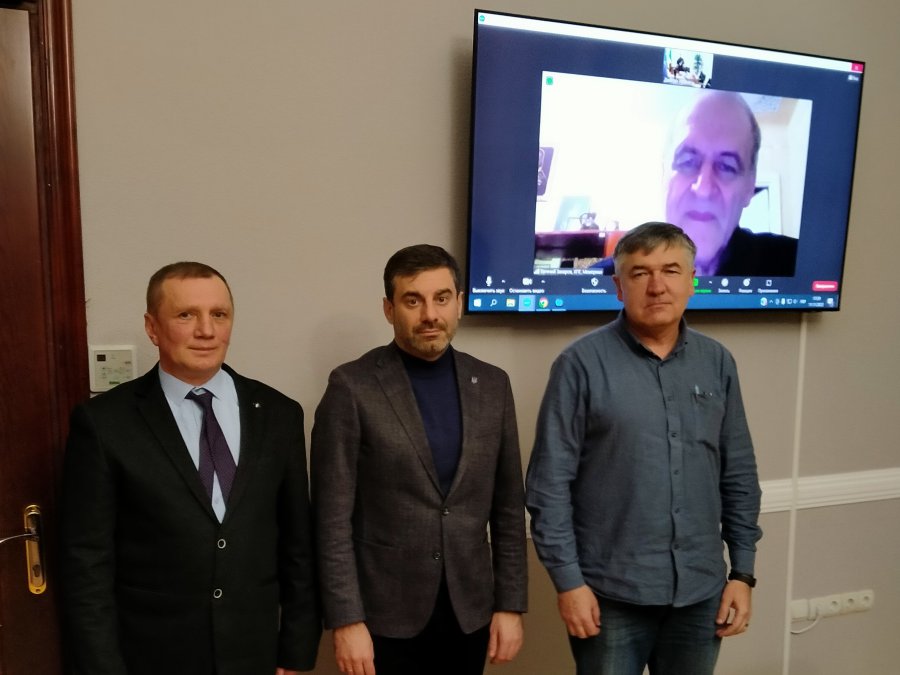 Ukraine's path to the EU and NATO requires overcoming lawlessness, with an effective judiciary being a key priority. Human rights advocates stress that reforming the system is impossible without correcting judicial errors and reviewing the verdicts of the arbitrarily convicted. To this end, civil society representatives proposed to Ombudsman Dmytro Lubinets that a mechanism for reviewing such cases be introduced.
On 11 November, the first working meeting between the Commissioner and human rights defenders took place. Yevhen Zakharov, Director of the KhPG, noted that since 2010 the Supreme Court has been deprived of the right to review final decisions by way of exceptional proceedings. The KhPG proposes to expand the powers of the Ukrainian Ombudsman along Polish lines, granting him the right to petition the Supreme Court for a review of questionable verdicts, including those relating to persons sentenced to life imprisonment.
Andrii Didenko, a KhPG programme coordinator, observed that in Ukraine the acquittal rate stands at under 1% (compared with 15–20% in Europe), yet the Ombudsman currently lacks the powers to protect the right to a fair trial. Lawyer Oleh Levytskyi cited as an example the case of Volodymyr Panasenko: even where unlawfulness is manifest, no state institution is presently capable of rectifying the injustice suffered by a person sentenced to life imprisonment.
Dmytro Lubinets expressed his readiness for dialogue and his support for legislative initiatives that would make it possible to initiate a review of decisions concerning the arbitrarily convicted. At present, these individuals have no legal prospects whatsoever for obtaining justice under the existing legislation.