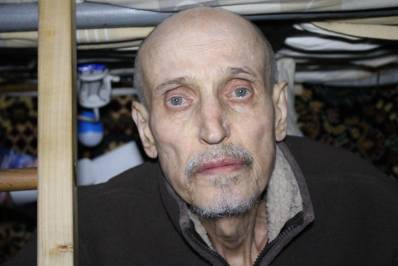
When pain is a sentence: the story of Viktor Sleptsov, who is dying in a Vinnytsia prison without the right to relief
The right to mercy, restricted by the ‘List’
In accordance with Article 84 of the Criminal Code of Ukraine, a person suffering from a severe illness that precludes the serving of a sentence may be released by a court decision. However, in practice, this humane provision only functions if the convict’s illness falls under the ‘List of Diseases’ approved by the Order of the Ministry of Justice and the Ministry of Health No. 1348/5/572 of 15 August 2014 (as amended). This document, which ought to protect the right to life, has turned into a bureaucratic filter: if a diagnosis is not specified in this list, it is impossible to release even an obviously critically ill person.
The ‘List’ includes only the most severe, incurable diagnoses. These are predominantly terminal oncological diseases (this is the final, fourth stage of cancer, where a malignant tumour has spread to other organs, metastasised, and treatment can no longer halt the progression of the disease). At this stage, the body gradually loses its vital functions, pain becomes unbearable, and survival is measured in weeks or months. Terminal cancer is often accompanied by ascites (fluid in the abdominal cavity), cachexia (wasting), haemorrhaging, and pain that becomes torture without narcotic analgesics. A person needs constant medical and palliative care, not a locked cell.
Read the full publication