Report on the findings of a monitoring visit to Chernihiv Pre-Trial Detention Centre
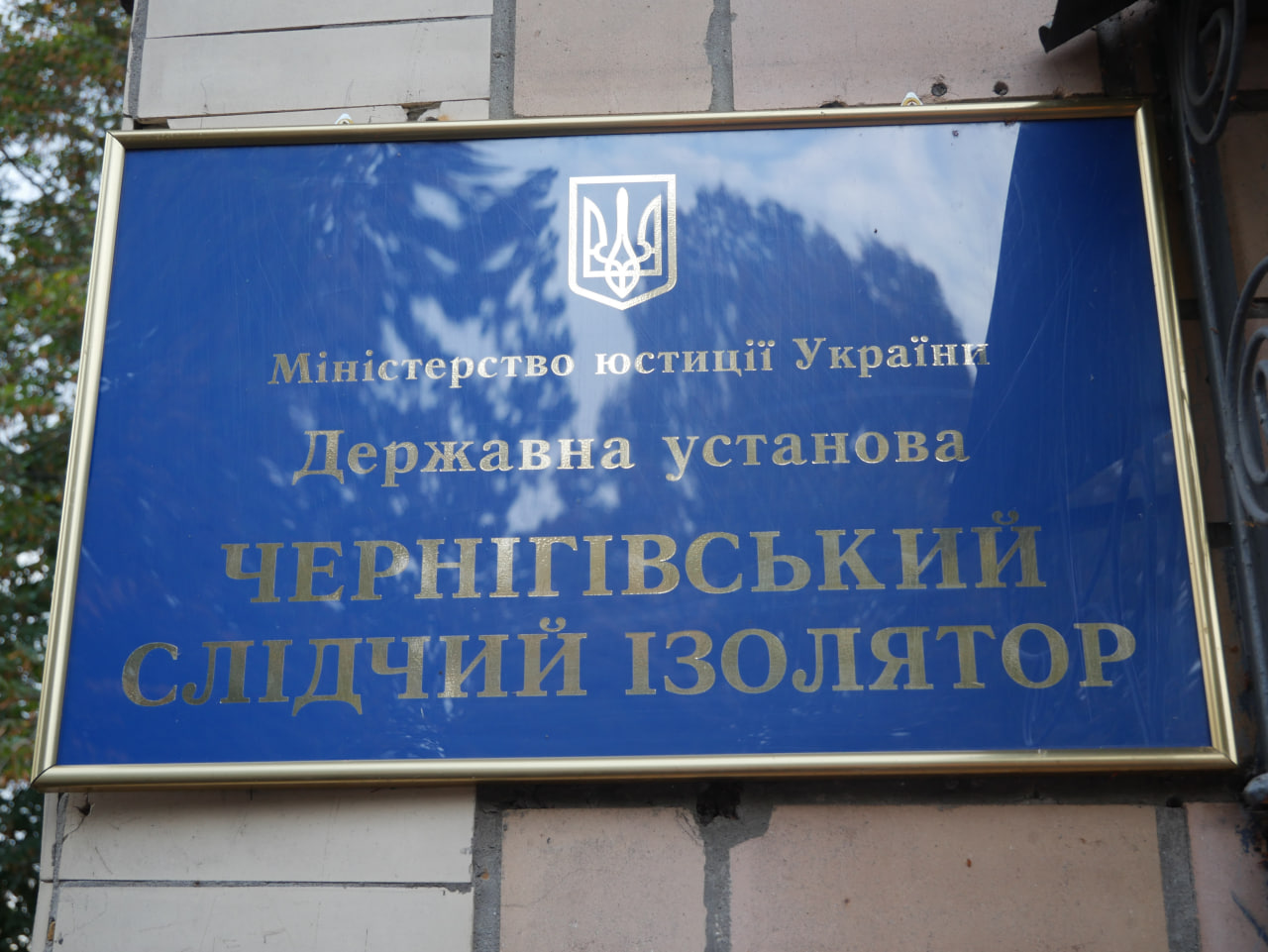
On 13 October 2026, in accordance with the Optional Protocol to the Convention against Torture and Other Cruel, Inhuman or Degrading Treatment or Punishment, taking into account the provisions of the UN Standard Minimum Rules for the Treatment of Prisoners and judgments of the European Court of Human Rights, and pursuant to Article 24 of the Criminal Executive Code of Ukraine, ‘Visits to Penal Institutions’, a group of monitors from the NGO ‘Kharkiv Human Rights Protection Group’ carried out a visit to the State Institution ‘Chernihiv Pre-Trial Detention Centre’ (hereinafter: the SIZO, institution, or facility).
A regular unannounced planned visit was conducted, during which all facilities of the institution were inspected. The previous visit took place on 13 October 2023.
When preparing for the visit, the monitors drew on submissions and appeals from detainees, convicted prisoners, and their relatives, materials from previous reports, as well as reports by monitors of the National Preventive Mechanism under the Ukrainian Parliament Commissioner for Human Rights (NPM).
The visit was carried out as part of the project ‘Improving Humane Conditions in Places of Detention by Strengthening the National Preventive System in Ukraine’, implemented with the financial support of the United Nations Democracy Fund (UNDEF).
The visit was carried out by the following monitors:
- Andriy Didenko — assistant to Yaroslav Yurchyshyn, Member of the Parliament of Ukraine; programme coordinator at the Kharkiv Human Rights Protection Group; conducting monitoring visits since 2014; National Preventive Mechanism (NPM) monitor; member of the NPM Advisory Council;
- Artemiy Shumnyi — journalist with the news agency ‘Protection for Prisoners of Ukraine / Захист в’язнів України’; lawyer at the Kharkiv Human Rights Protection Group; NPM monitor.
During the monitoring visit to the SIZO, positive changes were noted in material and living conditions, the carrying out of refurbishment works, improvements in detention conditions, the development of telephone communication infrastructure, the refurbishment of exercise yards, and the creation of conditions for physical exercise and leisure for detainees and convicted prisoners.
At the same time, a number of violations of national legislation and inconsistencies with international standards on the treatment of persons deprived of their liberty were identified.
Cells and disciplinary punishment cells were found whose surface area and spatial dimensions fail to meet minimum CPT standards. Insufficient natural light, excessive window bars, inadequate partitioning of sanitary facilities, an unsatisfactory condition of plumbing fixtures, the absence of containers for storing drinking water, and the presence of domestic insects were recorded. Non-compliance of the reception and transit unit’s layout with regulatory requirements was also identified. The practice of round-the-clock video surveillance in certain cells was noted, which, in the absence of sound individual justification, creates risks of disproportionate interference with the private life of detainees and convicted prisoners. Discrepancies were established between the actual working hours of certain convicted prisoners, the terms of their employment contracts, and their accrued wages. Reports were received of daily, long hours of work without rest days, notably where prisoners were formally hired on a part-time basis. Risks of failure to comply with guarantees regarding remuneration, rest periods, and social insurance were identified, as well as a failure to respect the required intervals for mandatory medical examinations of a canteen worker.
Overall, the findings of the visit indicate that, despite positive changes, substantial shortcomings remain in the institution regarding the provision of adequate detention conditions, compliance with sanitary and hygienic requirements, protection of privacy, and the realisation of labour and social rights of prisoners, which creates risks of violations of human rights guaranteed by national legislation and international standards.
General information
The State Institution ‘Chernihiv Pre-Trial Detention Centre’ is part of the State Criminal-Executive Service of Ukraine and is designated for the remand in custody of persons detained pending trial, as well as certain categories of convicted prisoners, in accordance with the requirements of current Ukrainian legislation.
The head of the institution is Lieutenant Colonel of the Internal Service Yevhen Mykolayovych Pochepnya.
The institution is situated in the historic part of Chernihiv, on the grounds of a former prison fortress dating back to the early 19th century. Construction of the prison complex was completed in 1806. In 1849, it underwent significant reconstruction with the erection of a two-storey stone building, and in 1910 a third floor was added. Over the subsequent decades, the facility repeatedly changed its name and departmental subordination, and has operated as a pre-trial detention centre since 1980. Despite past renovations and modernisation, the complex retains the features of its historical architecture and layout, which poses challenges to meeting modern standards regarding cell floor space, natural lighting, sanitary and living conditions, security, and the respect for the rights of detainees and prisoners.
During the monitoring visit, the monitoring group inspected cells for detainees and convicted prisoners, including individuals sentenced to life imprisonment, disciplinary punishment cells, the reception and transit unit, exercise yards, the kitchen and food preparation facilities, maintenance premises, as well as social and domestic facilities and spaces for leisure and maintaining social ties.
As part of the visit, interviews were conducted with approximately 160 detainees and convicted prisoners regarding the observance of their rights, conditions of detention, treatment by staff, access to medical care, the provision of adequate sanitary and living conditions, and the exercise of the right to work, social protection, and other rights guaranteed by law. Communication was conducted both individually and through general interviews, including on an anonymous and confidential basis with prisoners, without the presence of the institution’s administration, thereby ensuring the opportunity to report freely on potential human rights violations.
According to the administration, the design capacity of the SIZO is 375 persons. On the day of the monitoring visit, 291 persons were actually held in the institution, which corresponds to 77.6% of the set capacity. Of these, 245 were pre-trial detainees and 45 were convicted prisoners, including 13 individuals serving life sentences.
The institution’s cell stock comprises 72 cells, of which 71 are in operation and one is under renovation. Of the total number of cells in use, five are designated for persons sentenced to life imprisonment.
The authorised staff complement of the institution is 165 posts, with an actual staffing level of 159 persons. Staff vacancies therefore stand at six posts, or 3.6% of the authorised complement. One psychologist works at the facility.
During 2026, 1,962 detainees and convicted prisoners arrived at the institution. In 2025, two deaths of detainees were recorded; in 2026, no deaths were recorded. Twelve convicted prisoners are engaged in paid work at the facility.
Fifteen individuals are registered under the category ‘HIV/AIDS’. Six persons with disabilities are held in the institution. One prisoner prone to suicide and eight persons prone to self-harm are on the preventive register. Eight prisoners have tablet computers for personal use. In total, eight ‘rejected’ (ostracised) individuals are held in the institution.
Positive developments
During the monitoring visit to the SIZO, positive changes were noted in the outfitting of certain premises, improvements in the material and living conditions of detainees and convicted prisoners, and the development of infrastructure for maintaining social ties, leisure, and physical exercise.
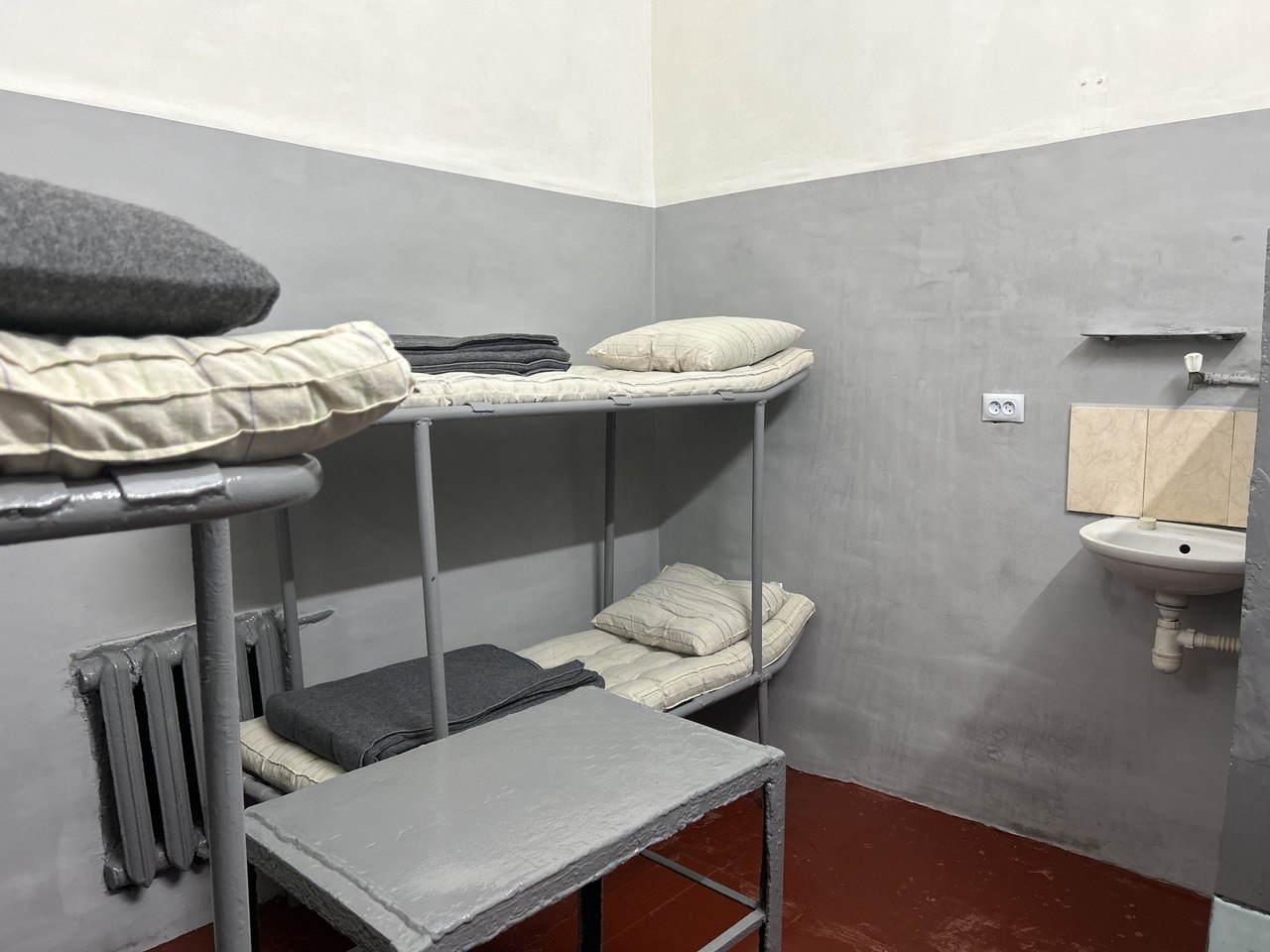
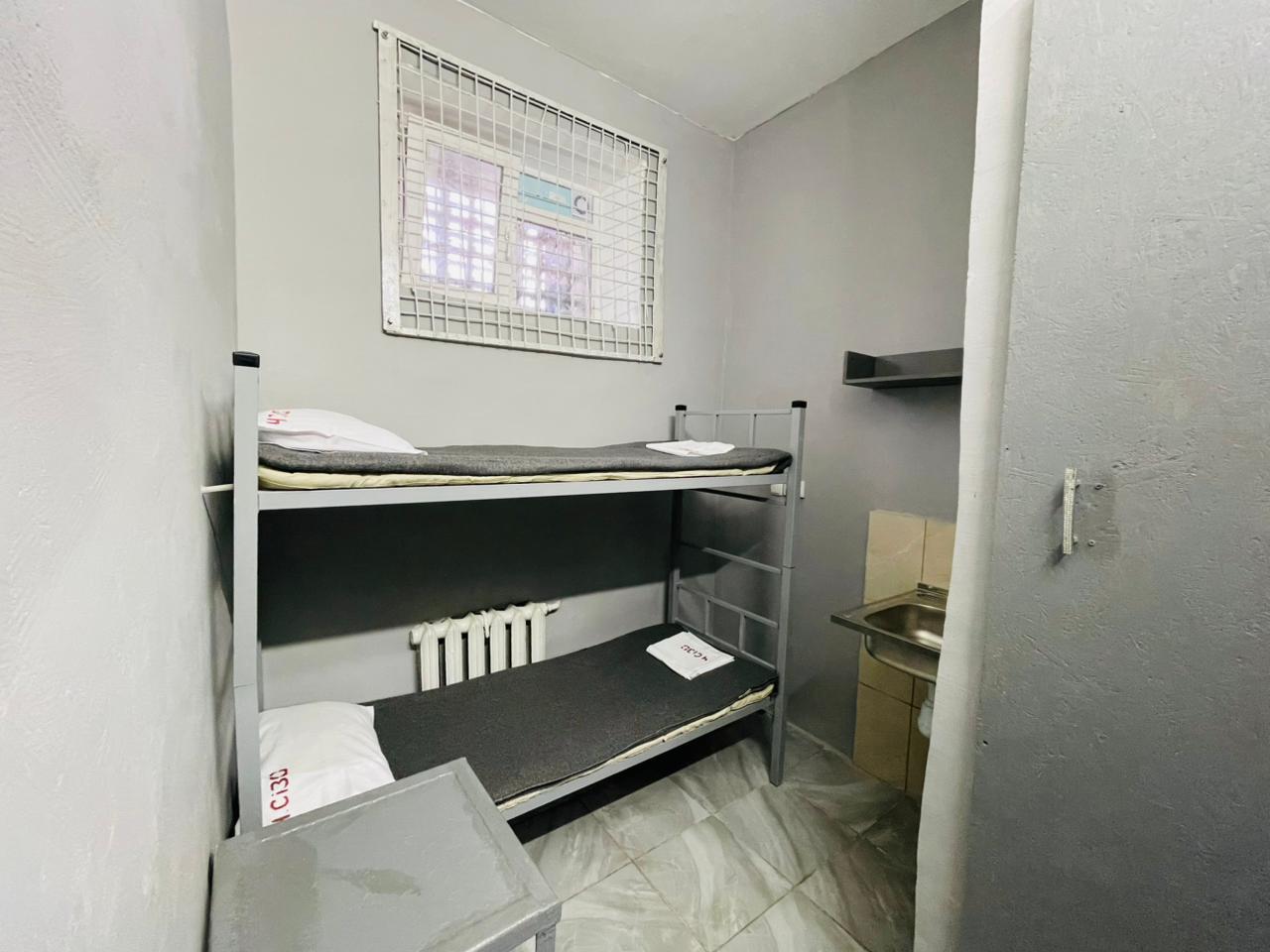
Refurbishment works have been carried out in certain cells, updating interior finishes, furniture, and domestic equipment. Cells with improved living conditions have been equipped with the requisite furniture and household appliances.
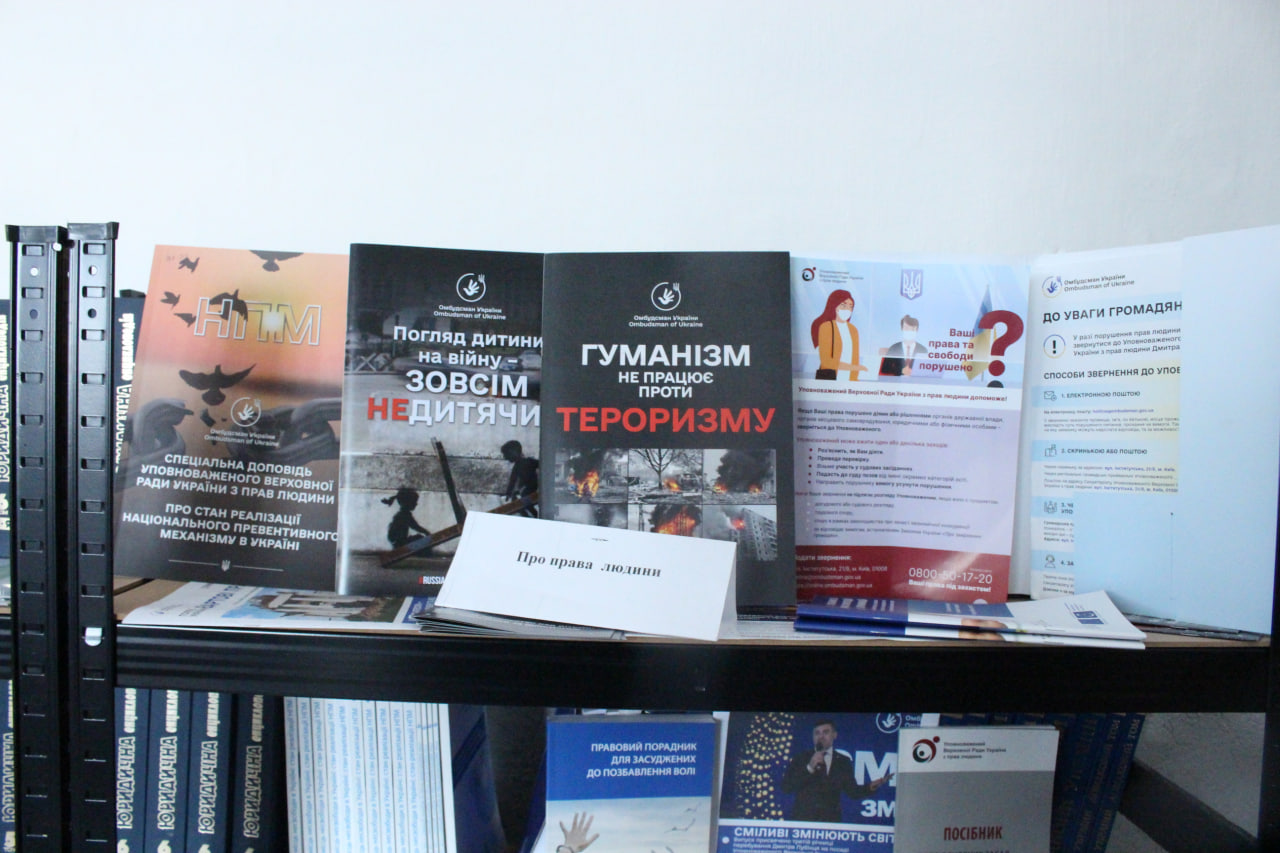
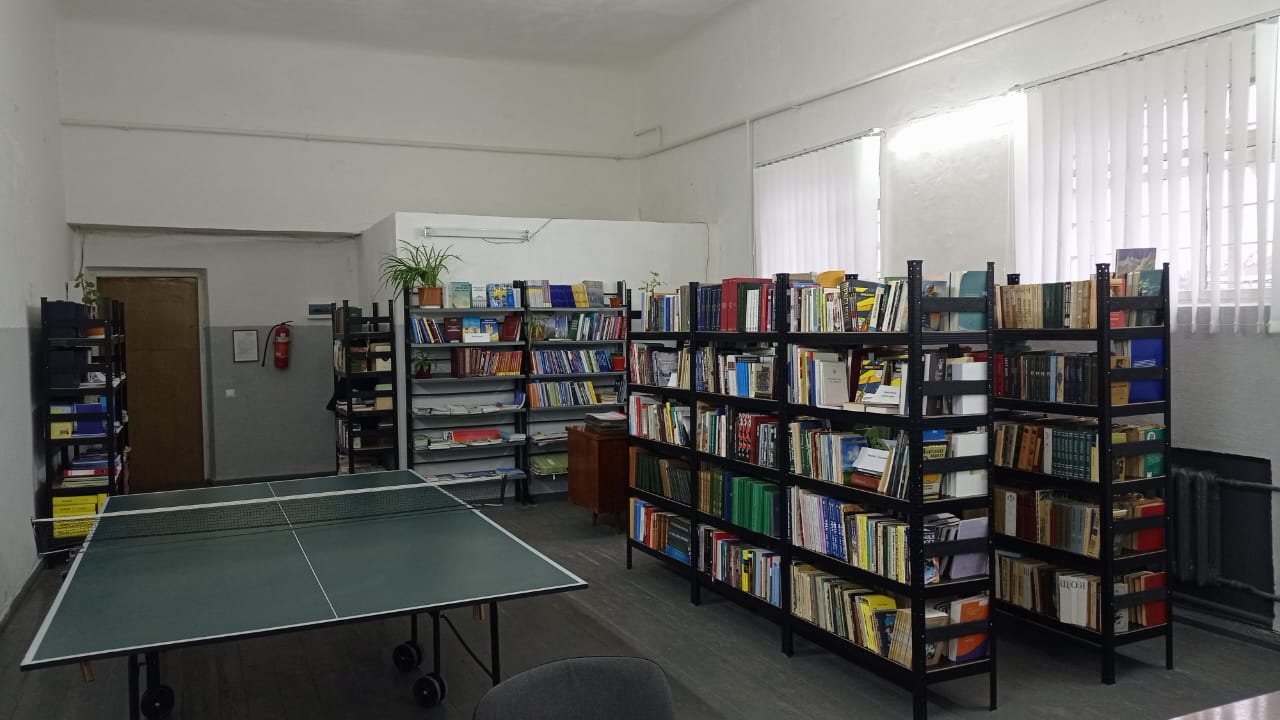
A library operates with a collection of fiction, educational, reference, and legal literature. In particular, information materials are available on human rights protection, the work of the Ukrainian Parliament Commissioner for Human Rights, the functioning of the National Preventive Mechanism, and the rights of persons in places of detention.
Individual IP telephony booths have been installed to provide telephone access. The presence of this infrastructure provides additional opportunities for detainees and convicted prisoners to maintain contact with relatives and others.
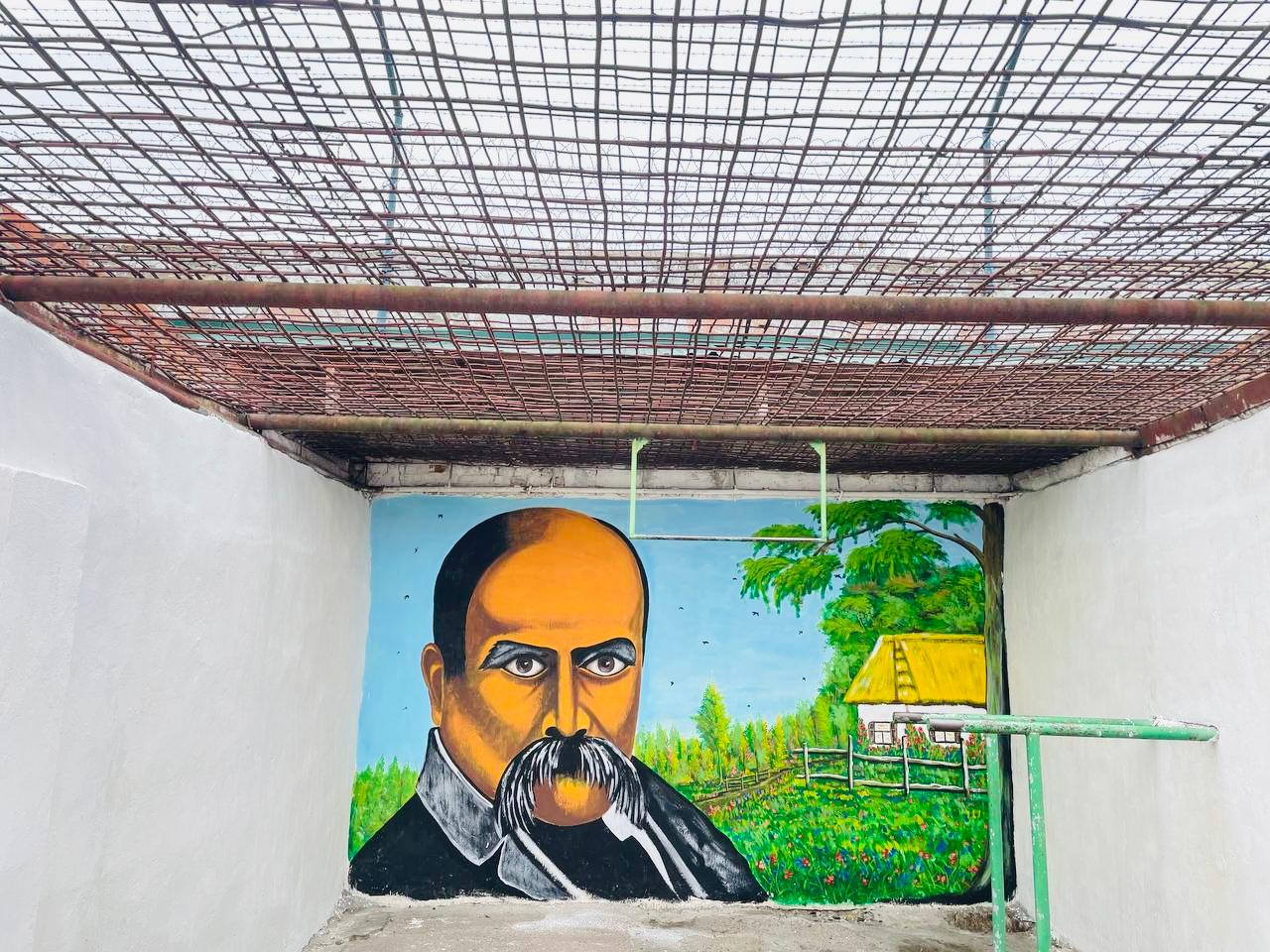
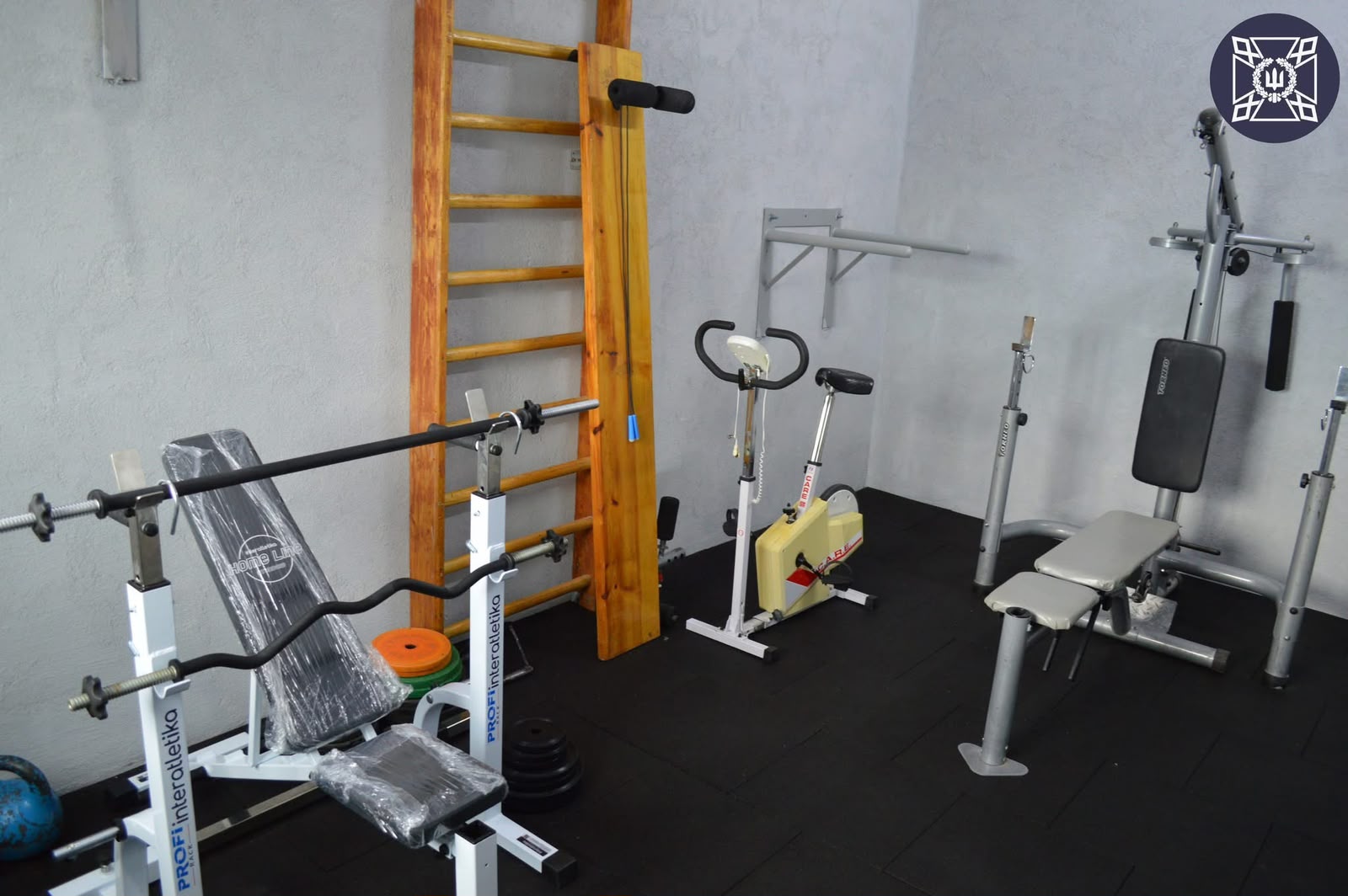
Improvement works have been carried out in some of the exercise yards, including updated décor and the use of murals. Rooms for physical fitness have also been fitted out, with refurbishment works completed, gym equipment installed, and exercise gear provided. Facilities for table tennis have been made available for leisure activities.
Overall, the institution was found to have implemented measures to upgrade its material and living infrastructure, improve detention conditions, ensure access to legal information, expand communication facilities, and create opportunities for physical activity and meaningful leisure for detainees and convicted prisoners.
Identified violations of national and international legislation
During the monitoring visit, violations of national legislative requirements and failures to comply with international recommendations regarding the treatment of prisoners were identified, resulting in infringements of the rights of detainees and convicted persons:
1. It was established that certain cell and disciplinary punishment cell premises do not meet the minimum standards of the European Committee for the Prevention of Torture (CPT) regarding living space and spatial dimensions.
According to the living space measurement record, the area of cell No. 10 is 4.60 m², and cell No. 55, where a person sentenced to life imprisonment is held, measures 5.82 m². Both figures fall short of the minimum standard of 6 m² for single-occupancy cells, excluding the sanitary annex.
Similar violations were identified in the punishment cells. Specifically, the area of punishment cell No. 3 is approximately 5.64 m² (1.92 × 2.94 m), and punishment cell No. 4 is 5.71 m² (1.93 × 2.96 m). Thus, the area of each of these cells is less than 6 m², and the distance between opposite walls does not reach the recommended minimum of 2 m.
Pursuant to paragraph 45 of the CPT report on its visit to Ukraine in 2012 (CPT/Inf (2013) 23) and the document ‘Living space per prisoner in prison establishments: CPT standards’ (CPT/Inf (2015) 44), the minimum living space for a single-occupancy cell should be 6 m², and in multi-occupancy cells, 4 m² per person, excluding the sanitary facility, with the distance between opposing walls being at least 2 m. In paragraph 59 of the 21st General Report (CPT/Inf (2011) 28), the CPT also stressed that cells that are too small to be used for accommodating prisoners should be withdrawn from service.
Furthermore, in punishment cell No. 4, the sanitary annex is not partitioned off from the living area of the cell, which contravenes Rule 19.3 of the European Prison Rules and CPT recommendations (CPT/Inf (2024) 20, paragraph 58) regarding privacy when using the toilet. Instrumental measurements showed a light level of only 7.3 lx, raising serious concern in light of the requirements of Rule 18.2 of the European Prison Rules and Rule 14 of the Mandela Rules regarding adequate lighting.
Of particular concern are the detention conditions of a prisoner serving a life sentence in cell No. 55, with an area of 5.82 m², which falls below minimum CPT standards. In addition to the cramped living space, the sanitary and plumbing condition of the cell was found to be unsatisfactory: the toilet is not partitioned from the living area, is clogged and unfit for proper use, the tap does not work, and the sanitary area is heavily soiled, displaying signs of prolonged neglect.
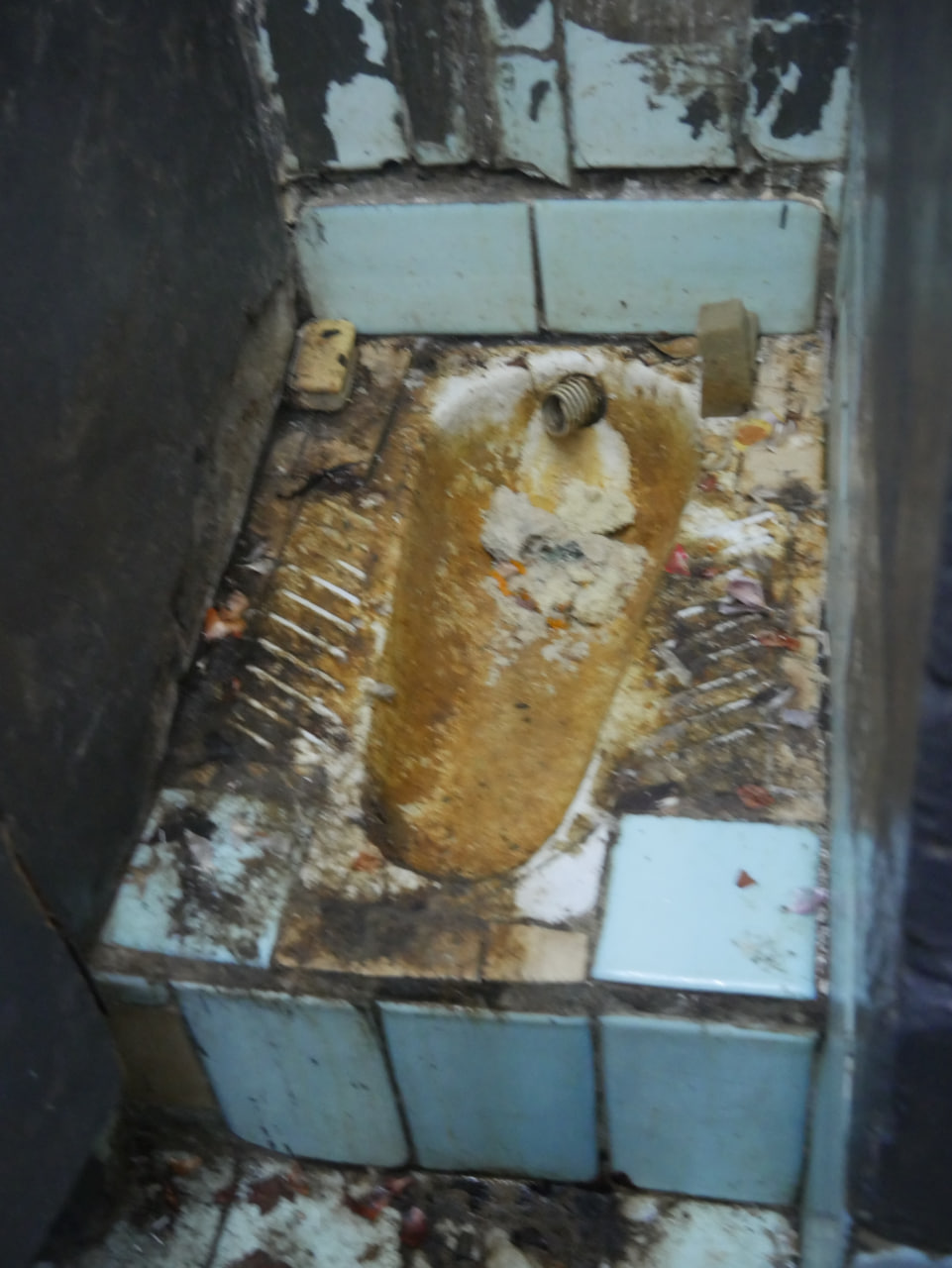
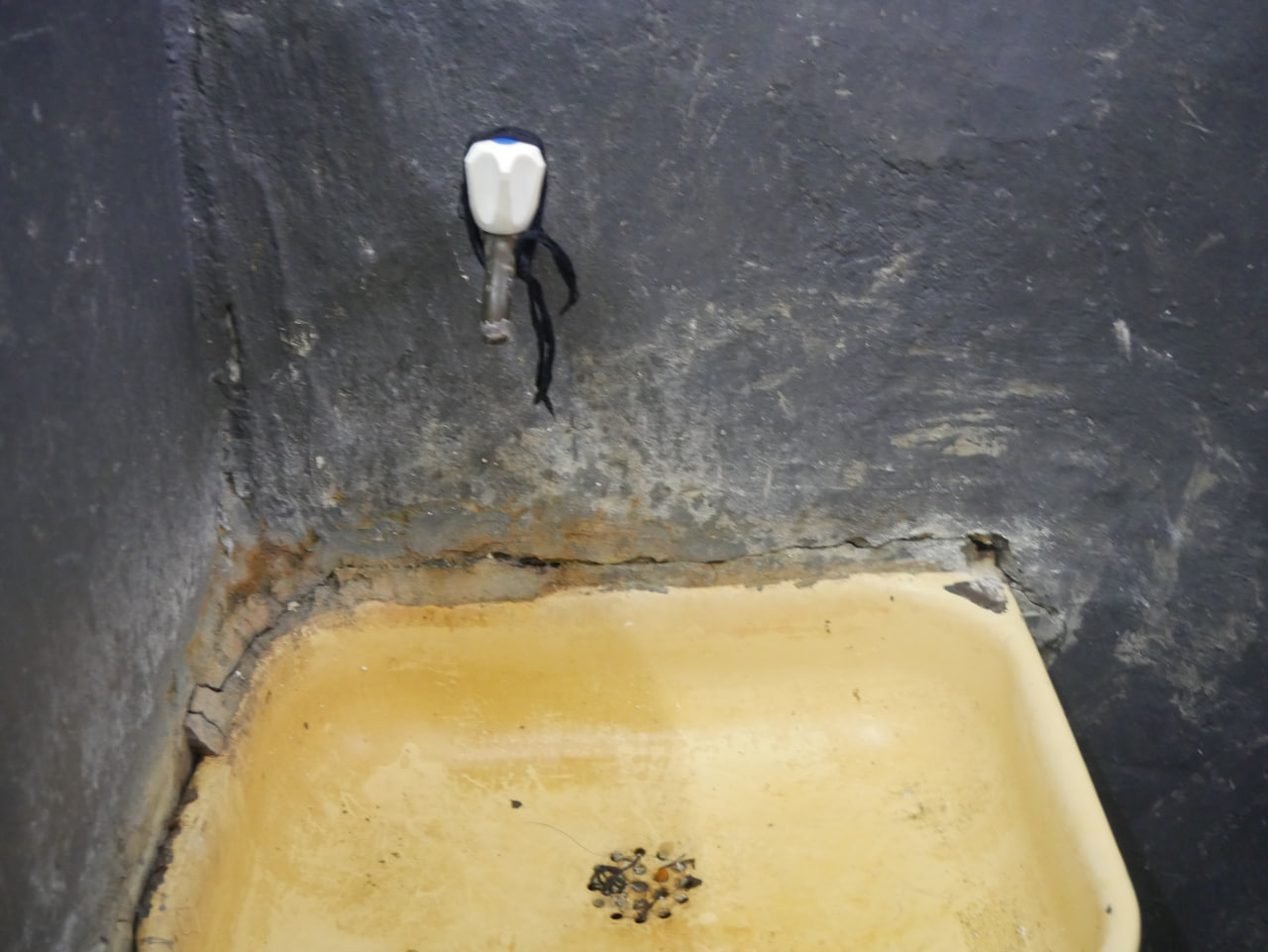
The combination of these circumstances, particularly given the indefinite nature of serving a life sentence, demonstrates substandard sanitary and living conditions and creates risks of a violation of the right to respect for human dignity.
Thus, the identified non-compliance of the surface area and dimensions of individual cells and punishment cells with minimum CPT standards, coupled with insufficient lighting, lack of adequate partitioning of sanitary facilities, their unsatisfactory sanitary state, and defective plumbing, demonstrates substandard detention conditions for detainees and prisoners. The concentration of these deficiencies in the cell holding a life-sentenced prisoner is of particular concern. The circumstances established create risks of violations of the right to respect for human dignity and the prohibition of inhuman or degrading treatment guaranteed by Article 3 of the European Convention on Human Rights.
2. During the monitoring visit, it was found that the institution’s reception and transit unit lacks the facilities prescribed by the Norms of Provision of Furniture, Inventory, and Household Items for Pre-Trial Detention Centres, approved by Order of the Ministry of Justice of Ukraine No. 1118/5 dated 27 July 2012, registered with the Ministry of Justice of Ukraine on 30 July 2012 under No. 1275/21587 (hereinafter: the Norms of Provision), namely: a doctor’s consulting room (paragraph 6.7), a storage room for the reserve bedding and clothing stock (paragraph 6.9), a storeroom for the temporary storage of soiled bedding and clothing (paragraph 6.10), a barber’s room (paragraph 6.11), a reception room for the disinfection chamber (paragraph 6.13), a shower room (paragraph 6.14), a dressing room (paragraph 6.15), a personal effects storeroom (paragraph 6.16), a quarantine cell (paragraph 6.17), and a medical isolation cell for sick prisoners (paragraph 6.18).
The lack of these facilities demonstrates that the layout of the reception and transit unit does not meet statutory requirements and creates risks of violations of the rights of individuals held therein, particularly regarding proper medical examinations, personal hygiene, sanitary treatment, storage of personal belongings, and medical isolation on clinical grounds.
3. During the monitoring visit, a number of deficiencies were identified regarding the material, living, and sanitary conditions in the institution’s cells.
In cells Nos. 37, 39, and 64, the sanitary annexes are not adequately partitioned off from the living area of the cells, failing to ensure privacy when using the toilet.
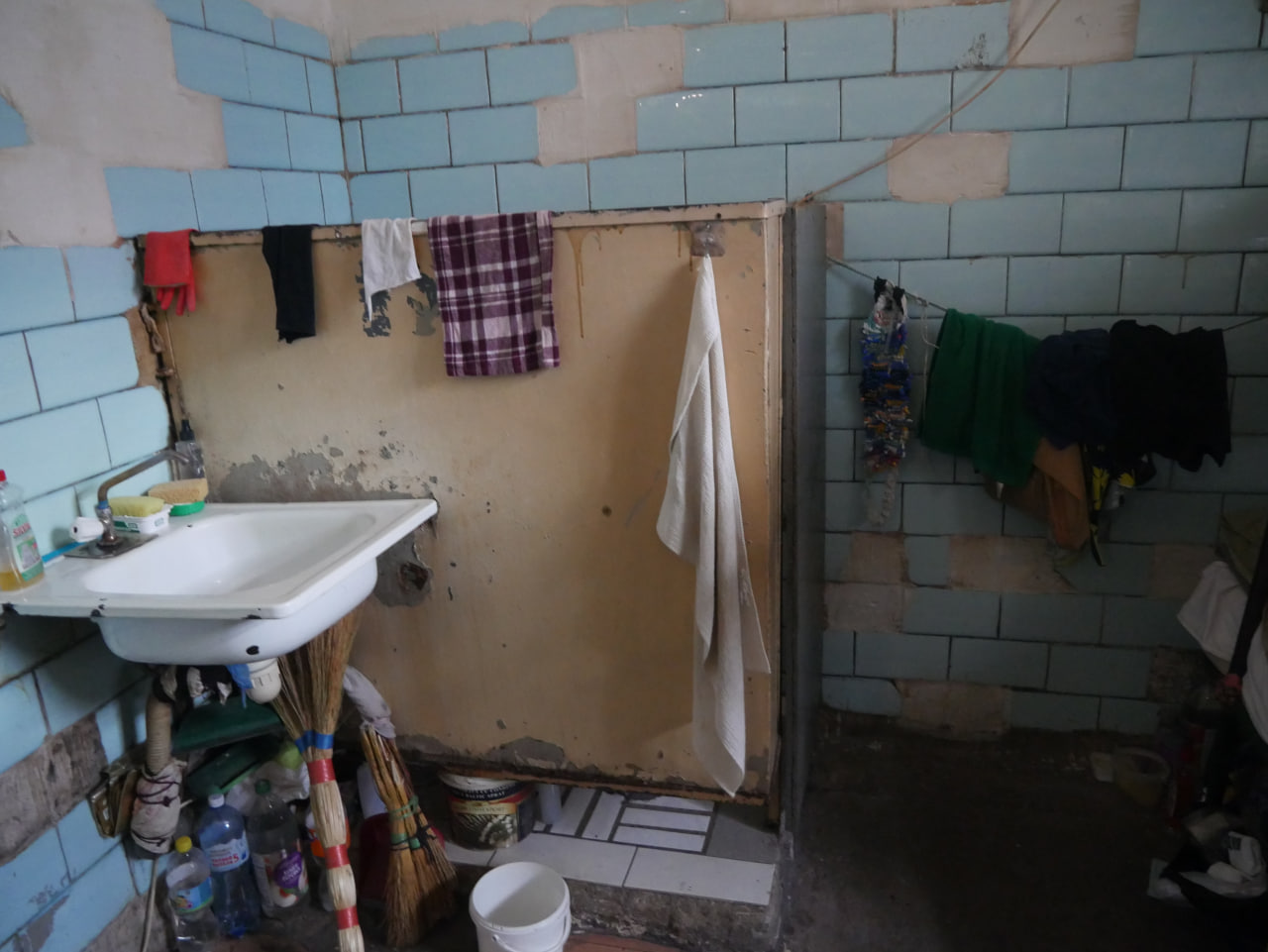
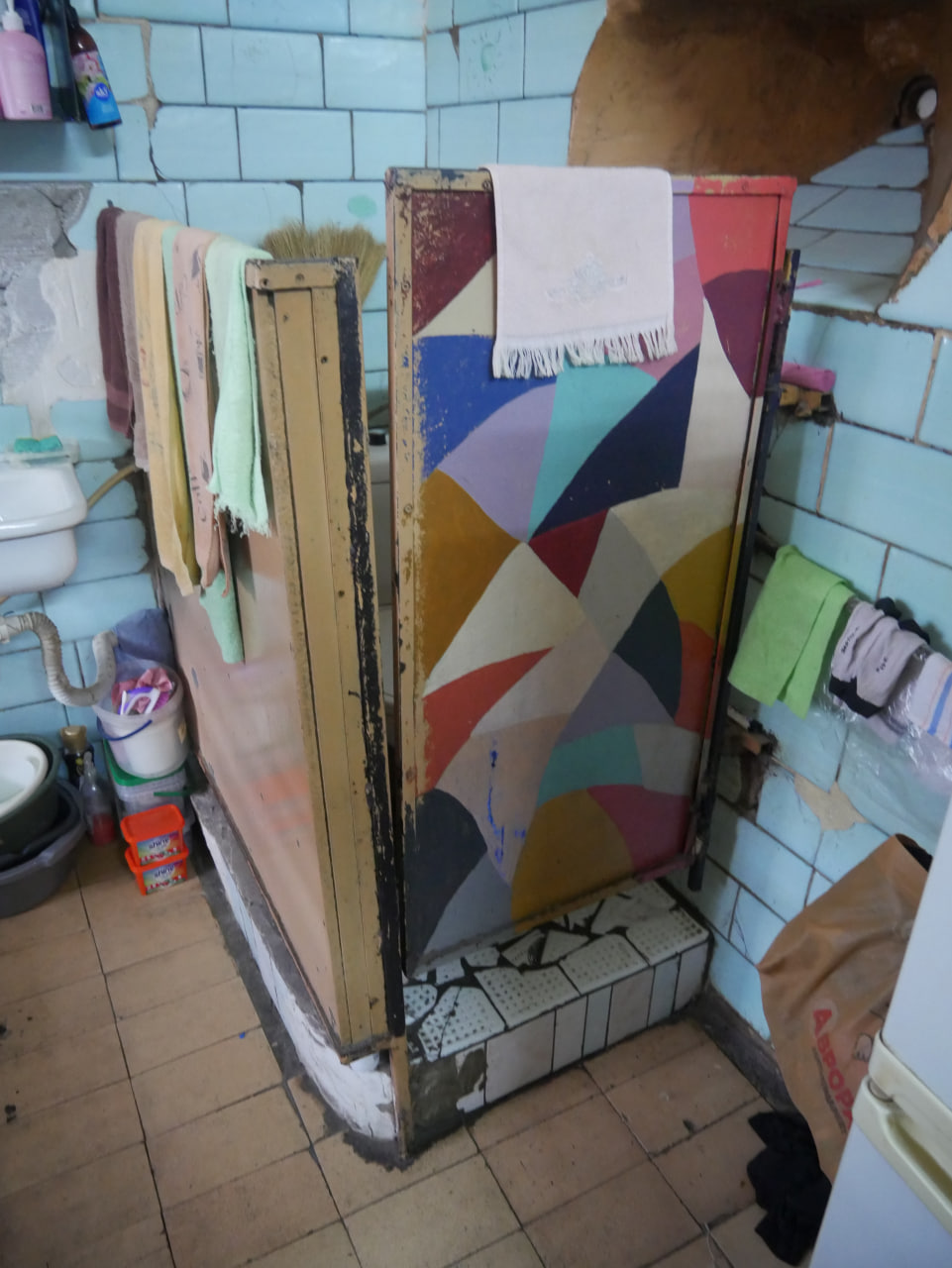
This fails to comply with Rule 19.3 of the European Prison Rules and CPT recommendations (CPT/Inf (2024) 20, paragraph 58) regarding the full partitioning of sanitary annexes from floor to ceiling.
In cell No. 31, bunk beds are placed directly adjacent to one another, restricting personal space and impeding movement. In cell No. 35, the living space was found to be cluttered with personal belongings due to an insufficient amount of storage space.
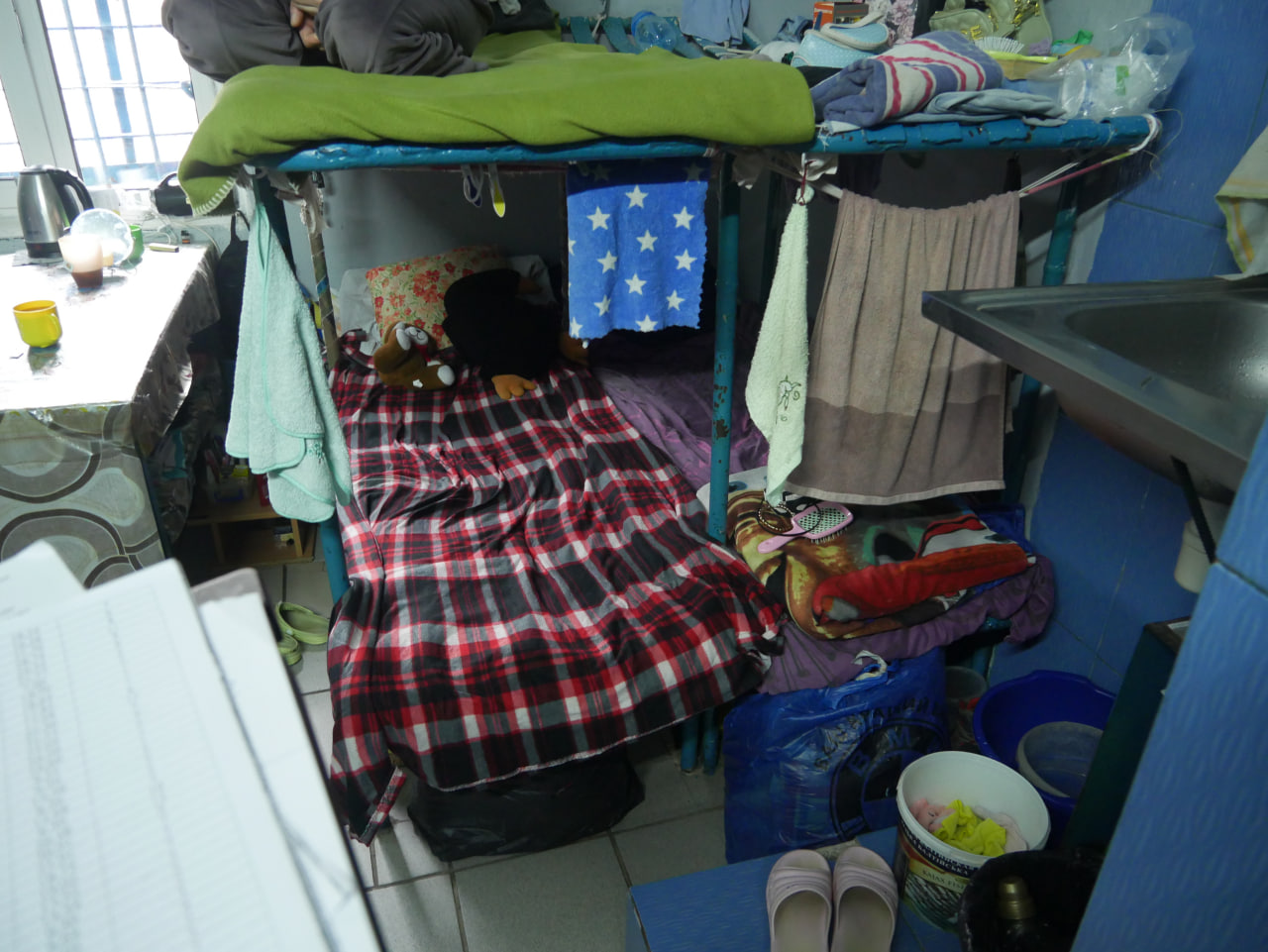
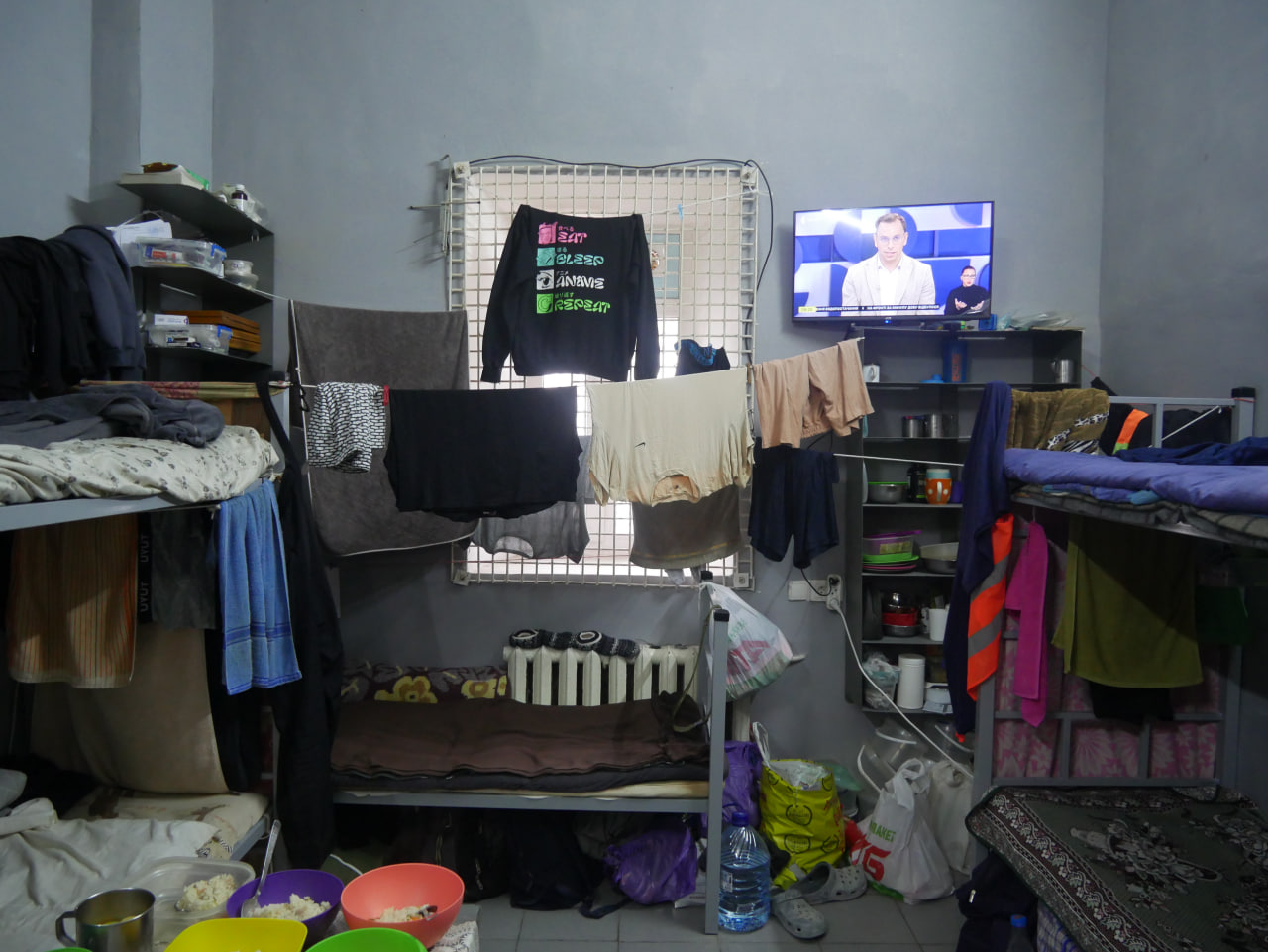
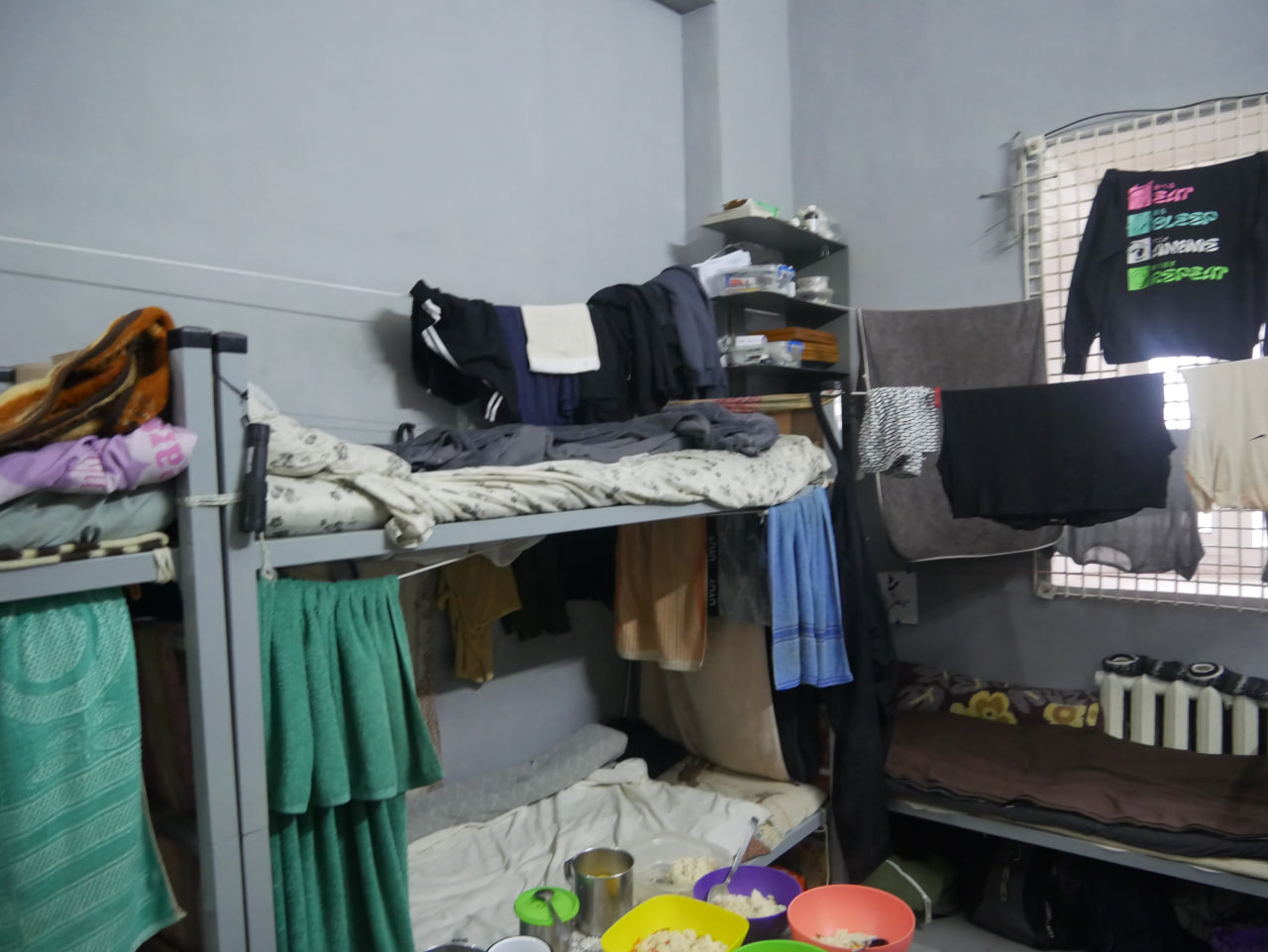
These conditions are inconsistent with Rule 18.1 of the European Prison Rules.
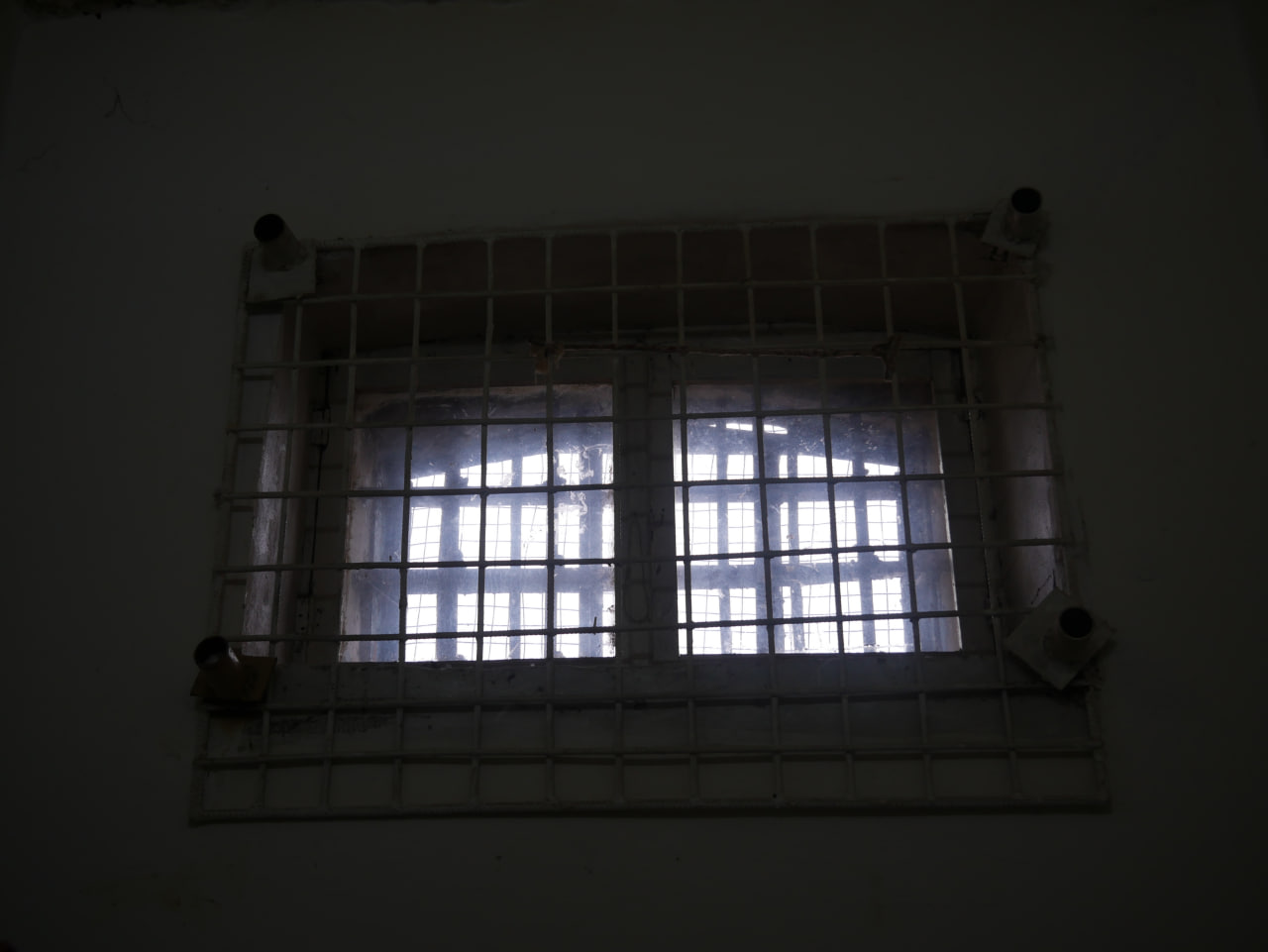
Instrumental measurements indicated that in cell No. 37, the level of natural lighting was 11.0 lx, and artificial lighting was 29.1 lx, while in cell No. 64, natural lighting was merely 2.8 lx. In cells Nos. 55 and 63, designated for life-sentenced prisoners, excessive window bars were observed, severely restricting the ingress of daylight.
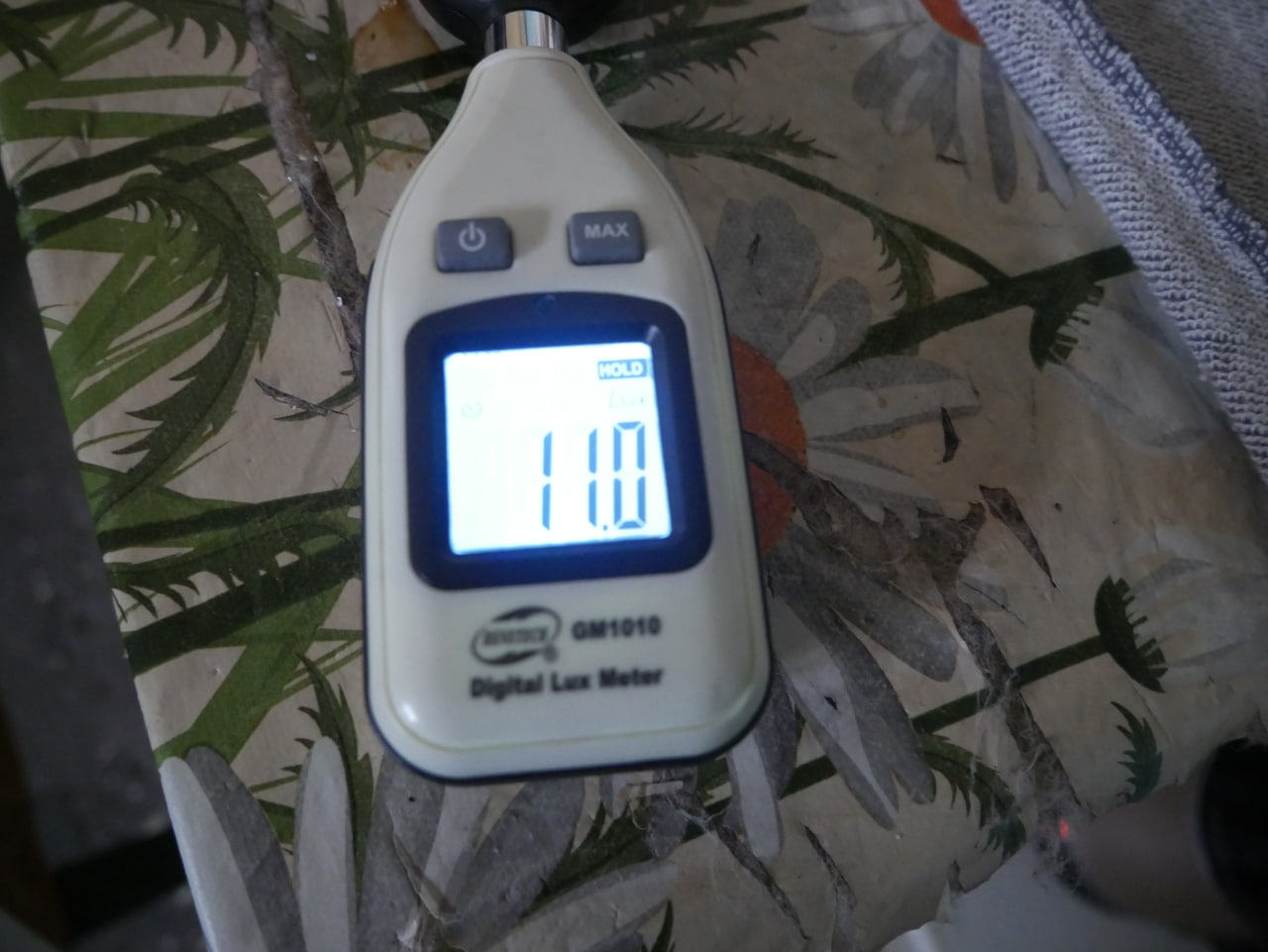
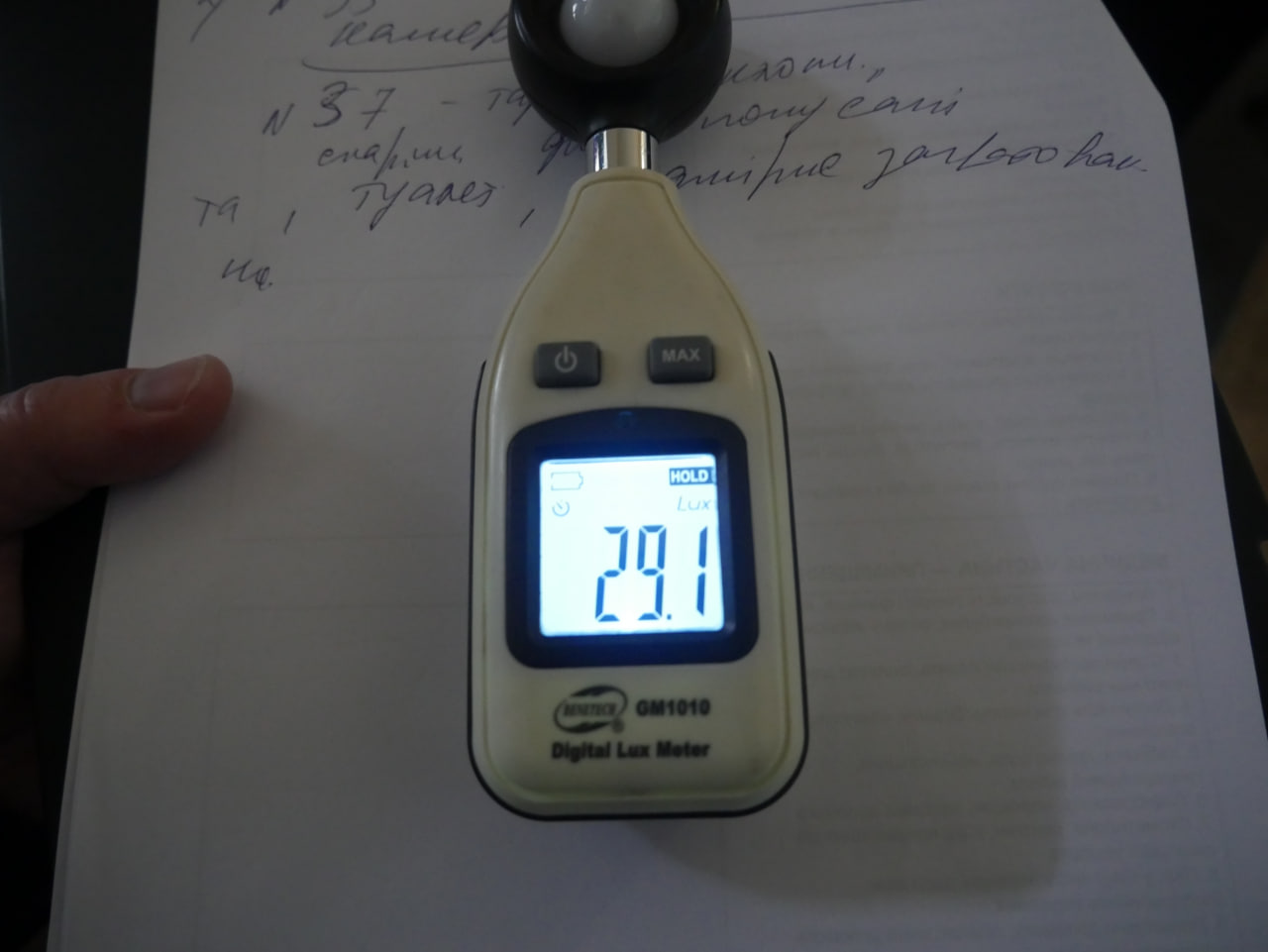
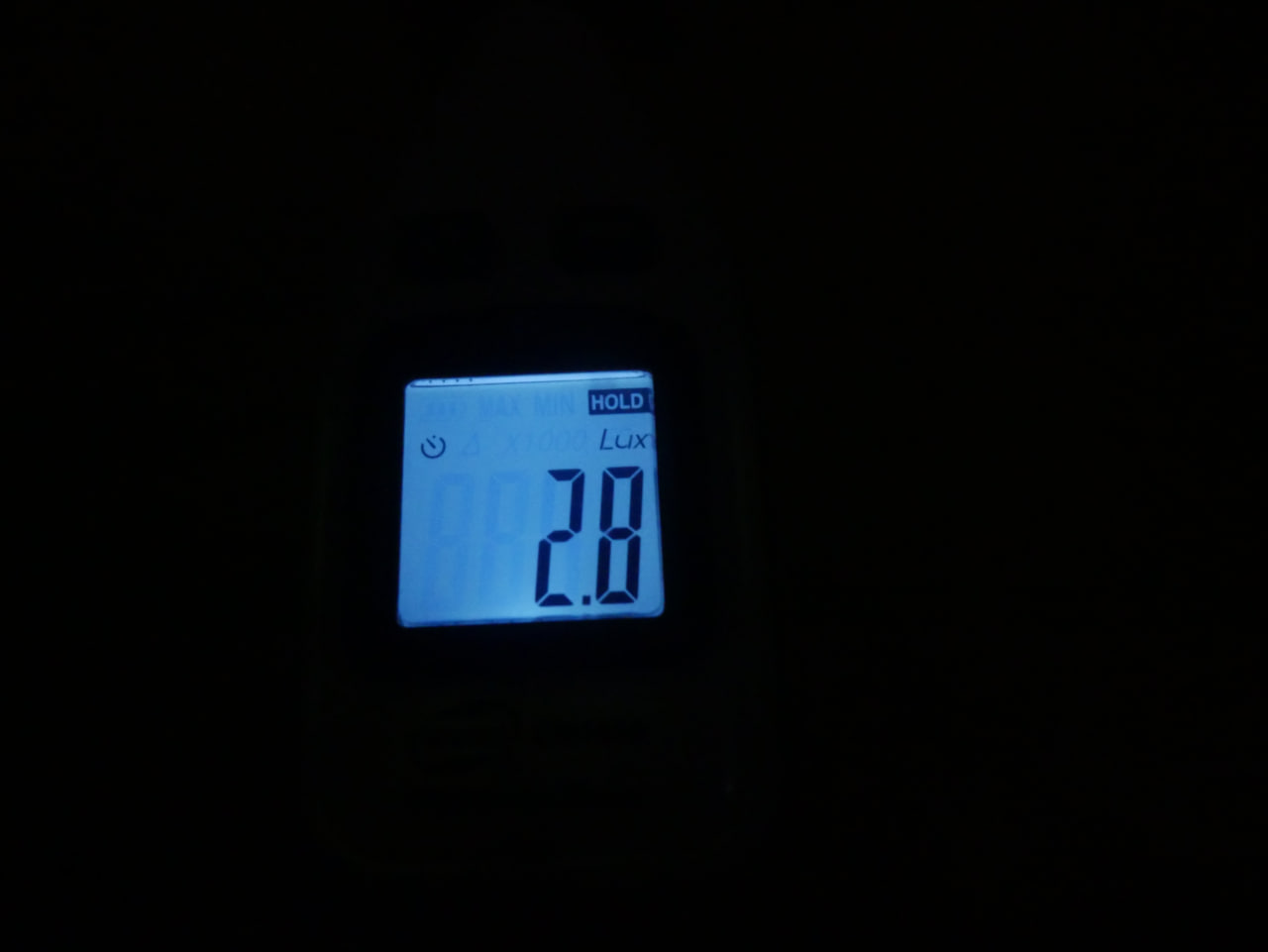
Such conditions do not comply with Rule 18.2 of the European Prison Rules and Rule 14 of the Mandela Rules.
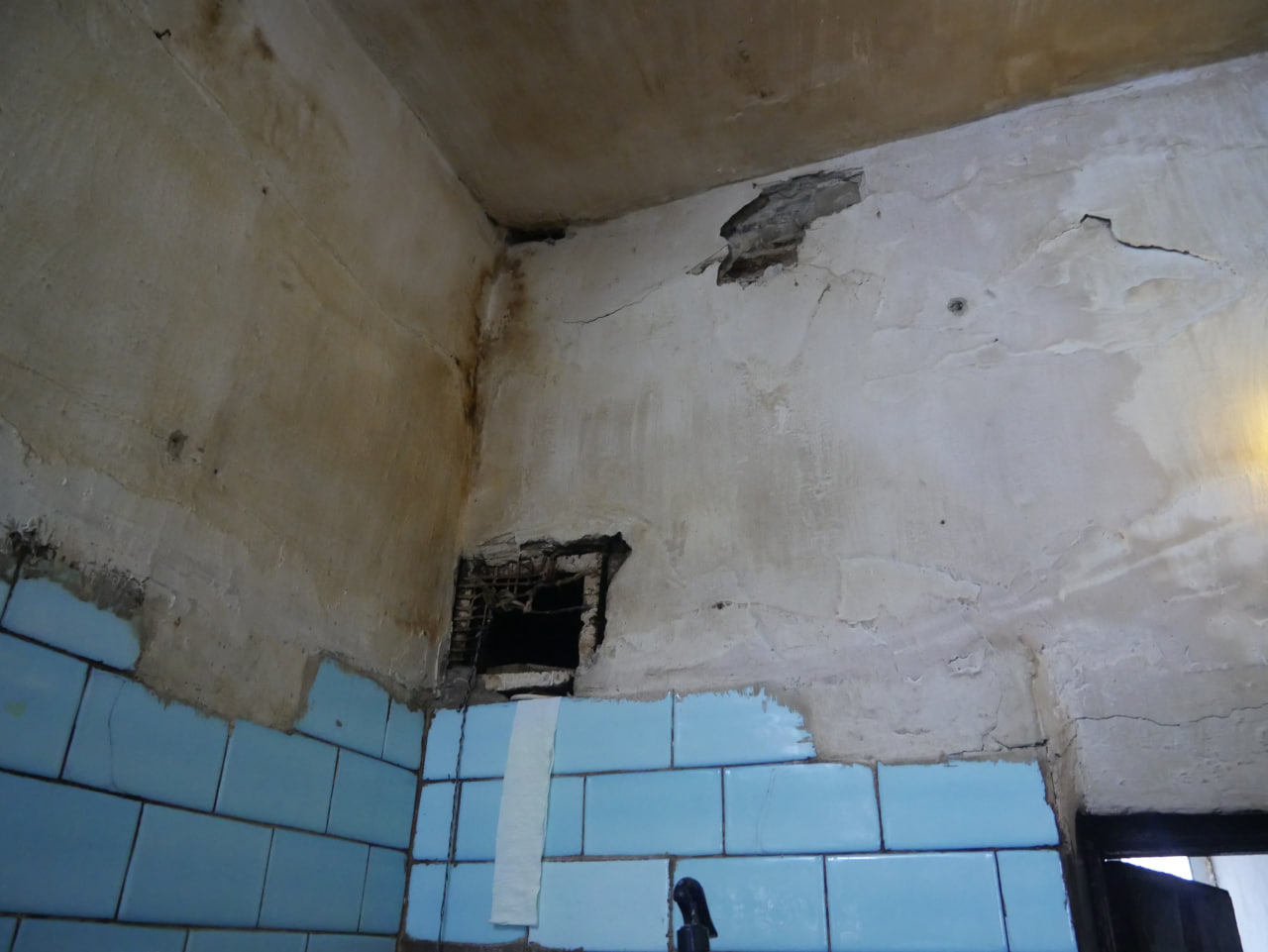
In certain cells, damaged wall and ceiling finishes, dampness, and peeling plaster were recorded, which is contrary to the requirements of Rules 19.1 and 19.2 of the European Prison Rules regarding the proper maintenance and cleanliness of premises.
Furthermore, cells lack storage tanks for drinking water, complicating the accumulation of an emergency reserve in the event of disruptions to the municipal water supply. Rule 22.2 of the Mandela Rules and Rule 22.5 of the European Prison Rules provide that prisoners must have access to clean drinking water at all times.
Thus, the totality of the deficiencies identified demonstrates substandard material, living, and hygienic conditions of detention, creating risks of violations of the right of detainees and prisoners to respect for human dignity, as guaranteed by Article 3 of the European Convention on Human Rights.
4. During the monitoring visit to the SIZO, it was established that round-the-clock video surveillance is conducted over inmates held in cells Nos. 35, 64, 65, and 66. Employing this form of surveillance in premises where detainees and convicted prisoners spend most of their day constitutes a substantial interference with their private life and requires proper justification in terms of necessity and proportionality.
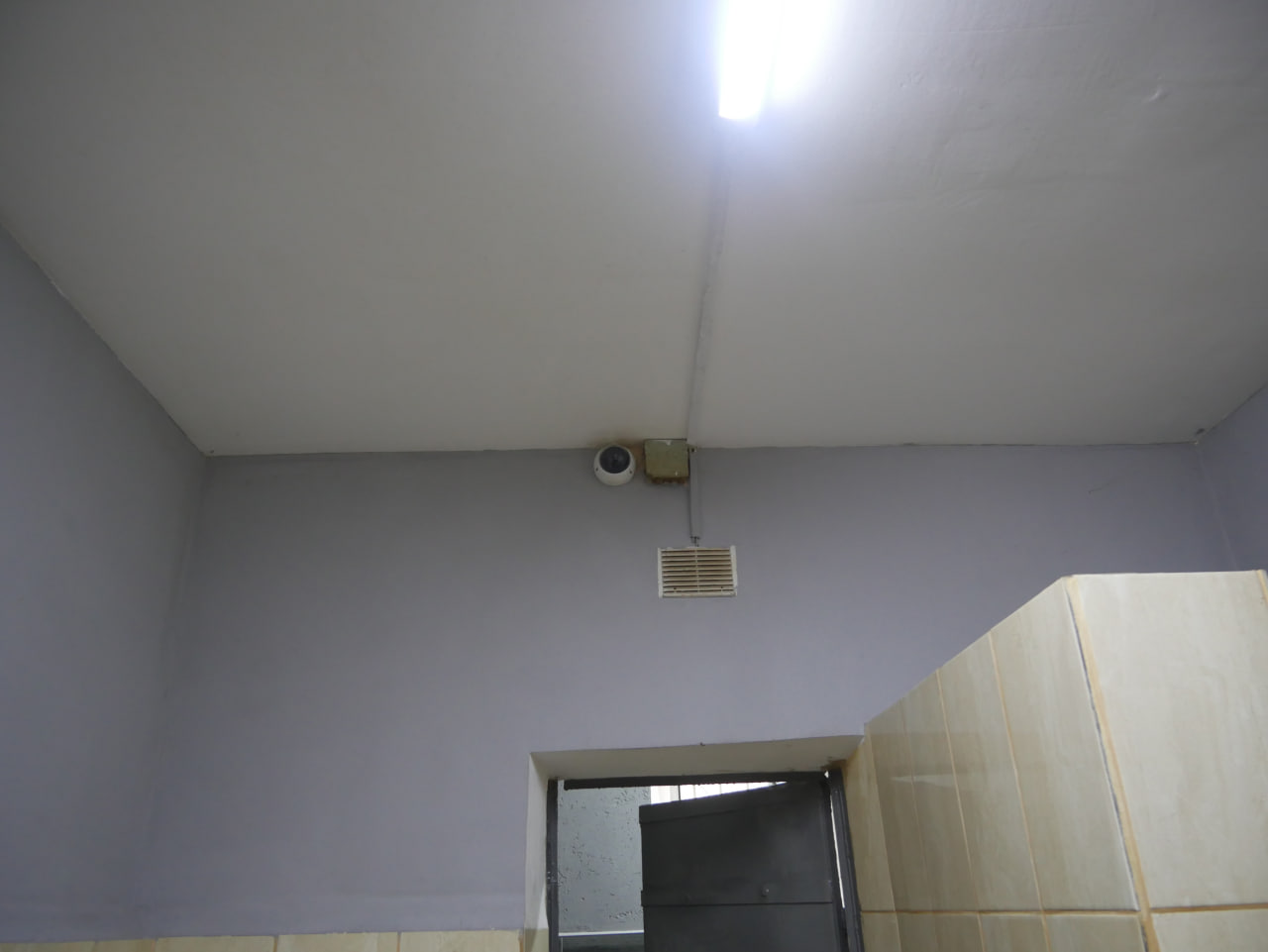
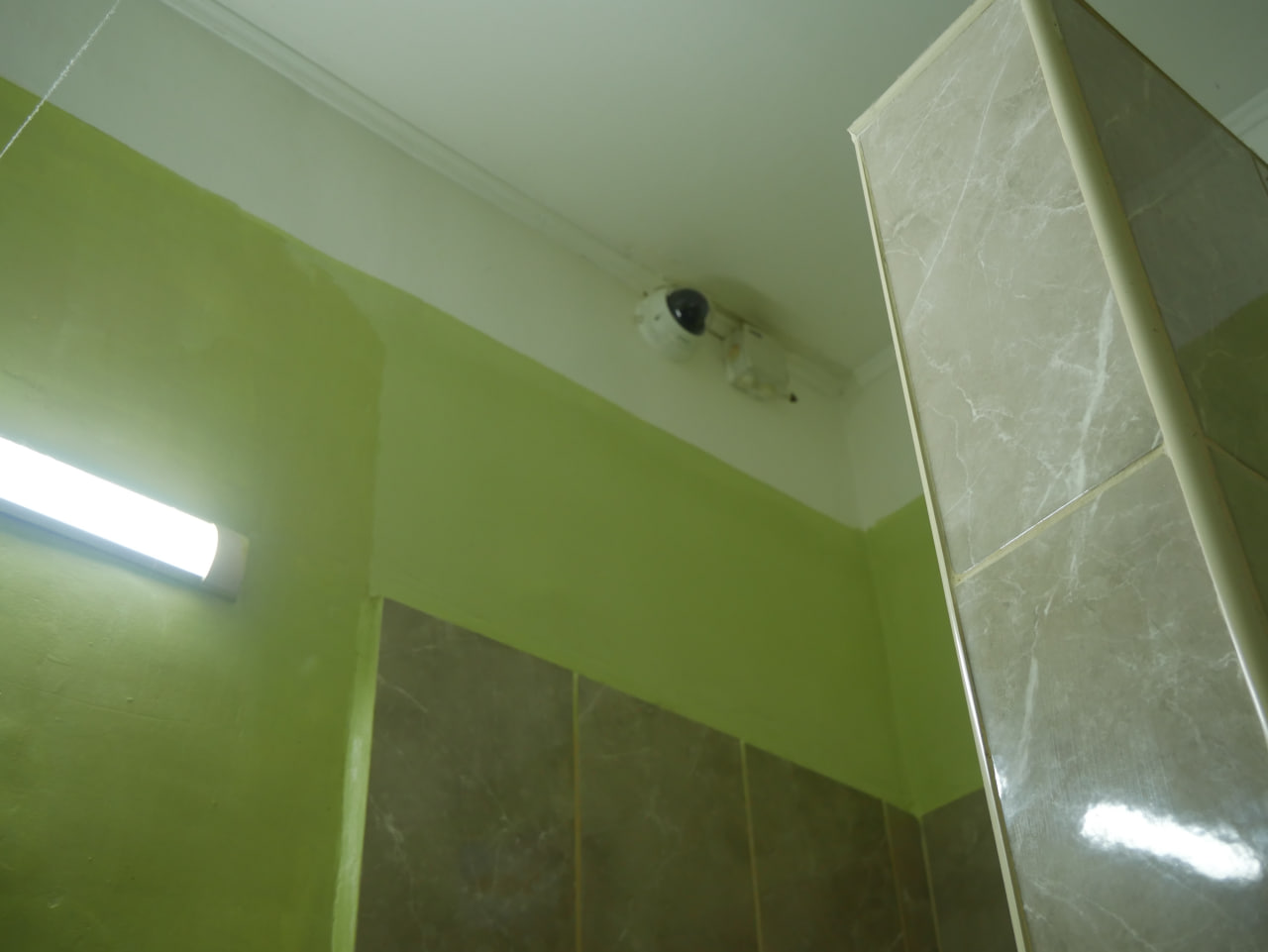
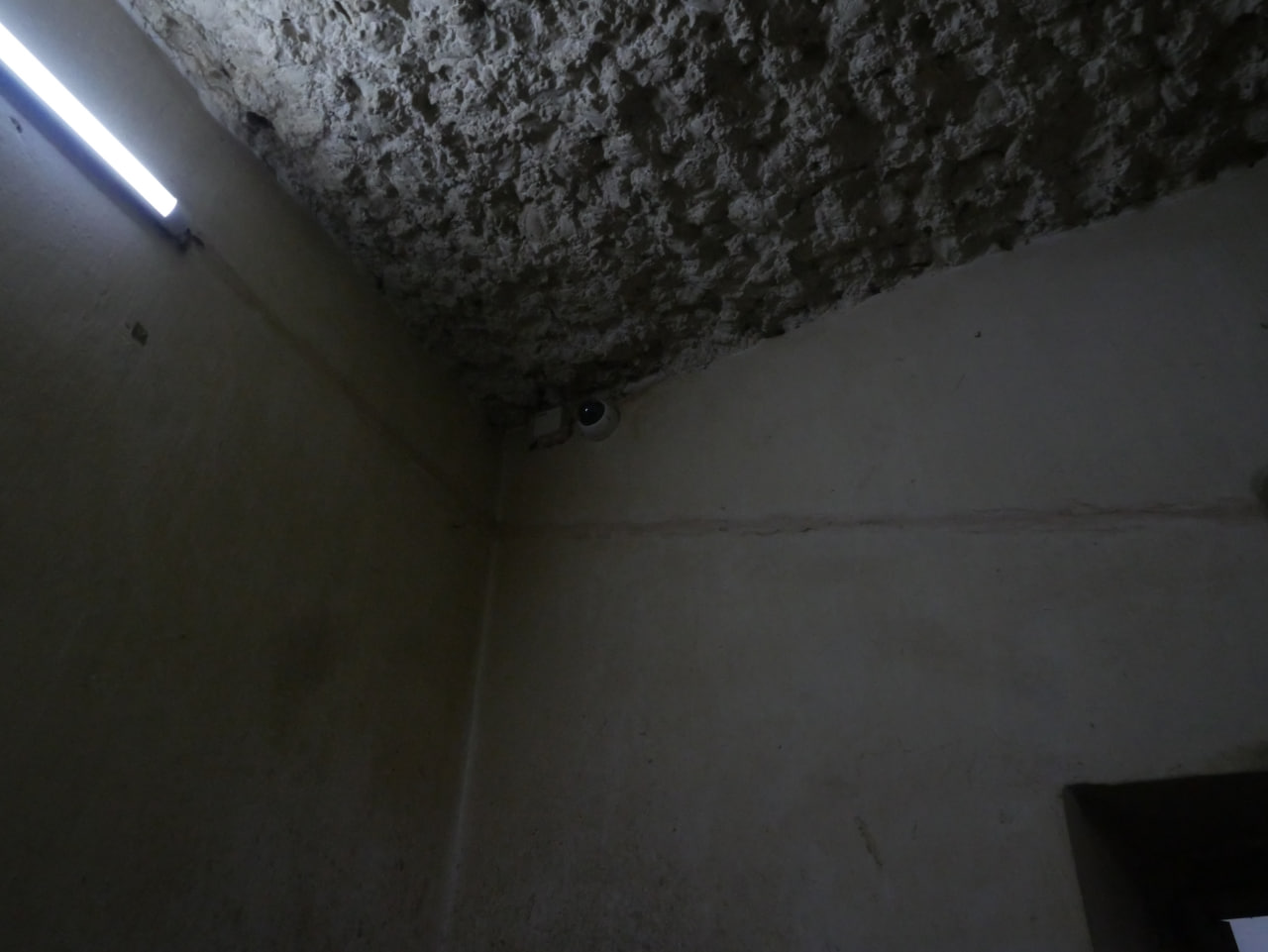
Under Article 8 of the European Convention on Human Rights, everyone has the right to respect for their private life. Restrictions on this right are permissible only under the conditions set out in the Convention, namely where such interference is in accordance with the law, pursues a legitimate aim, and is necessary in a democratic society.
In paragraph 52 of the report of the European Committee for the Prevention of Torture (CPT) on its visit to Ukraine in 2012 (CPT/Inf (2013) 23), it was highlighted that video surveillance within cells represents a serious invasion of the privacy of persons deprived of their liberty. The Committee noted that the use of such a measure can be justified only by specific risks, such as the danger of suicide, self-harm, or other security-related circumstances. Furthermore, any decision to impose video surveillance must be grounded in an individual risk assessment, and the need for its continued application should be regularly reviewed.
The use of technical means of supervision and control in correctional institutions and pre-trial detention facilities is governed by the Procedure approved by Order of the Ministry of Justice of Ukraine No. 2025/5 dated 26 June 2018. However, the existence of regulatory provisions for video surveillance does not exempt the institution’s administration from the obligation to ensure compliance with the principles of necessity, proportionality, and respect for the private life of persons in custody.
The duration of such surveillance is of particular significance. Continuous video recording of an individual’s daily life, including during periods of rest and sleep, in the absence of an individually established necessity, can induce a feeling of constant surveillance, adversely affect their psychological state, and deprive the individual of even a minimal degree of privacy.
Accordingly, the practice of round-the-clock video surveillance in cells Nos. 35, 64, 65, and 66 observed during the monitoring visit requires review in terms of its compatibility with the principles of necessity and proportionality established by international standards. The application of continuous video monitoring without proper individual justification and regular review of its expediency creates risks of disproportionate interference with the private life of detainees and prisoners and infringements of the guarantees under Article 8 of the European Convention on Human Rights.
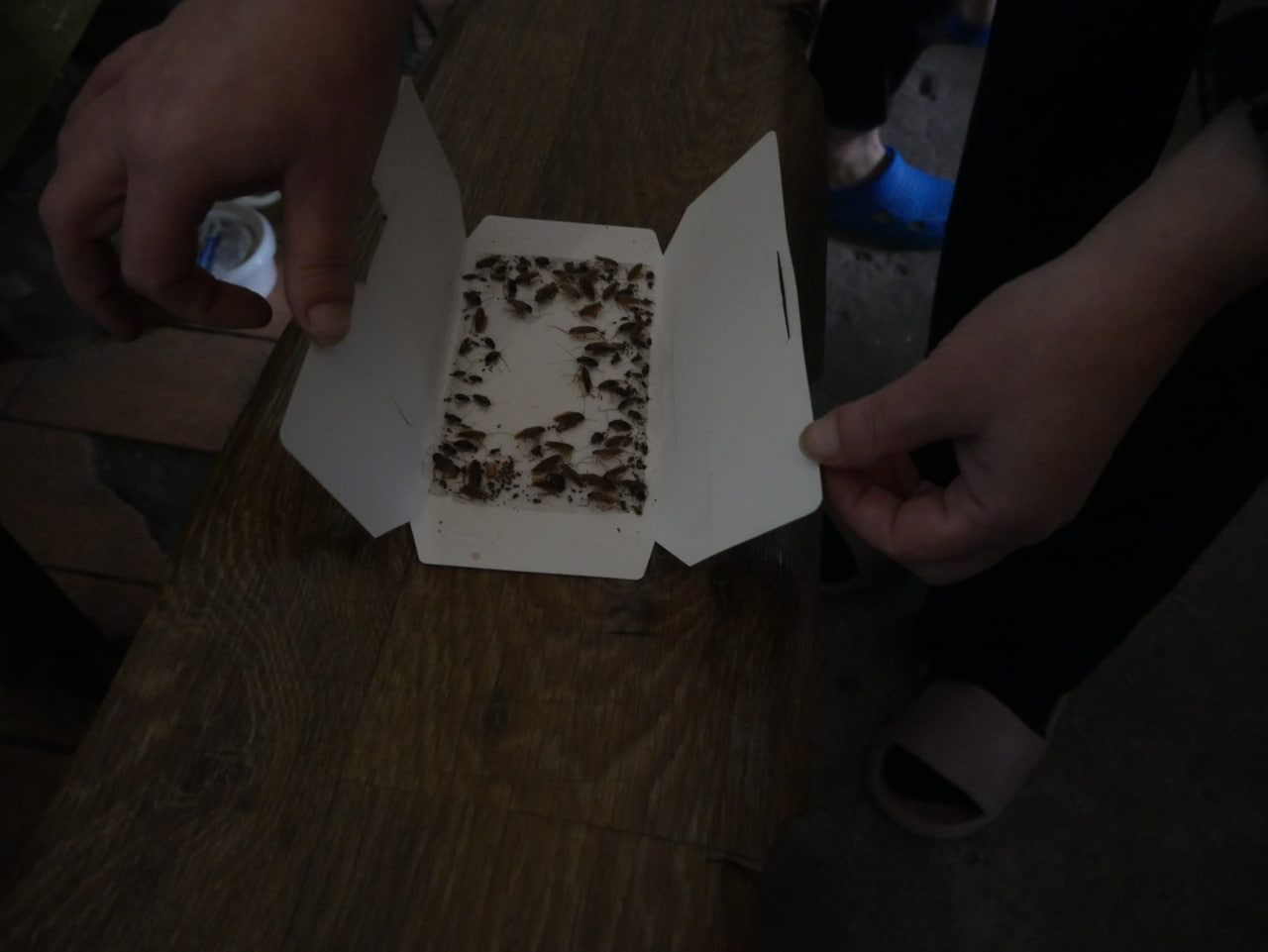
5. During the monitoring visit to the State Institution ‘Chernihiv Pre-Trial Detention Centre’, unsatisfactory sanitary and hygienic conditions due to the presence of domestic insect pests were identified in cell No. 37, designated for holding women.
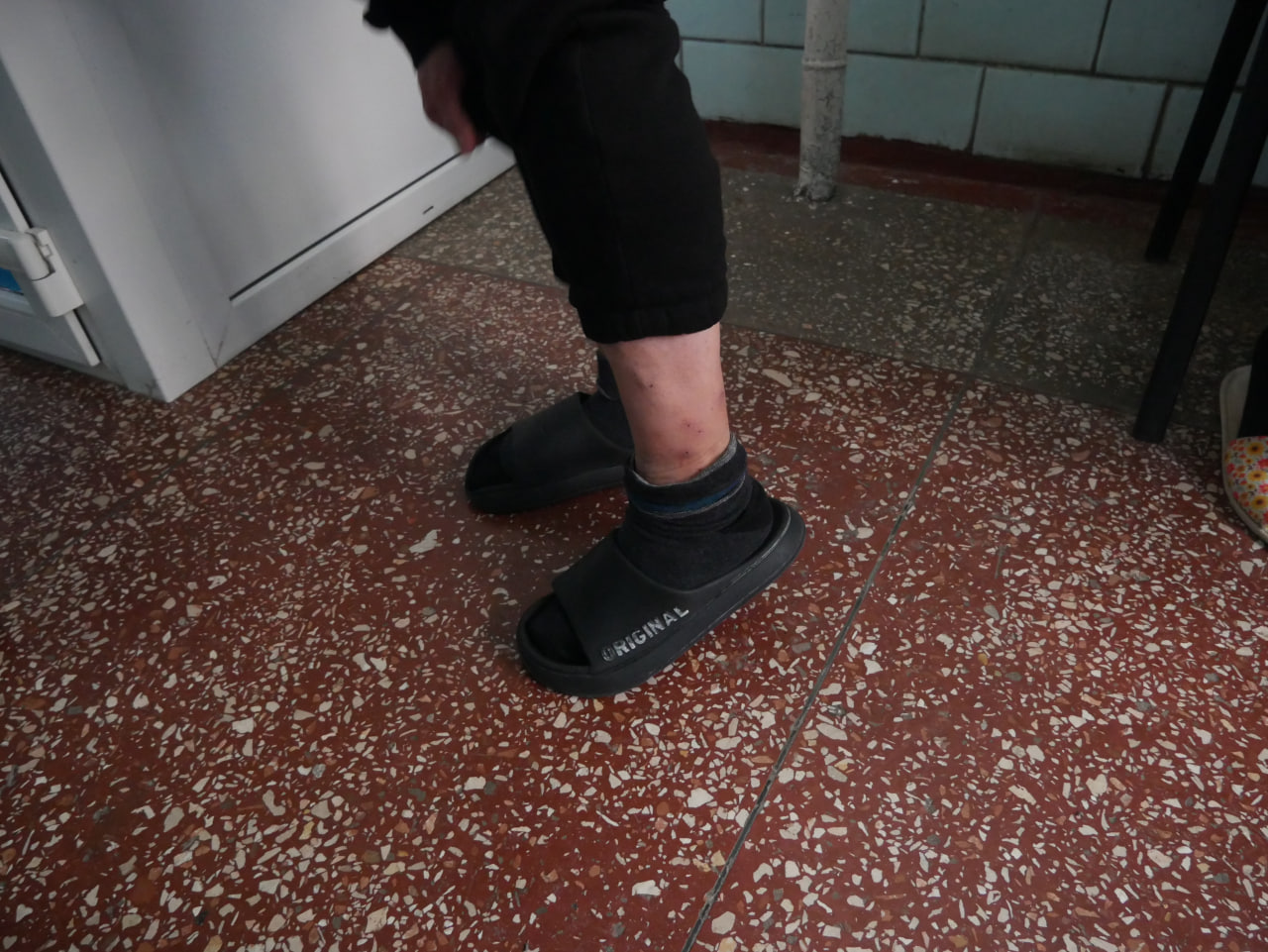
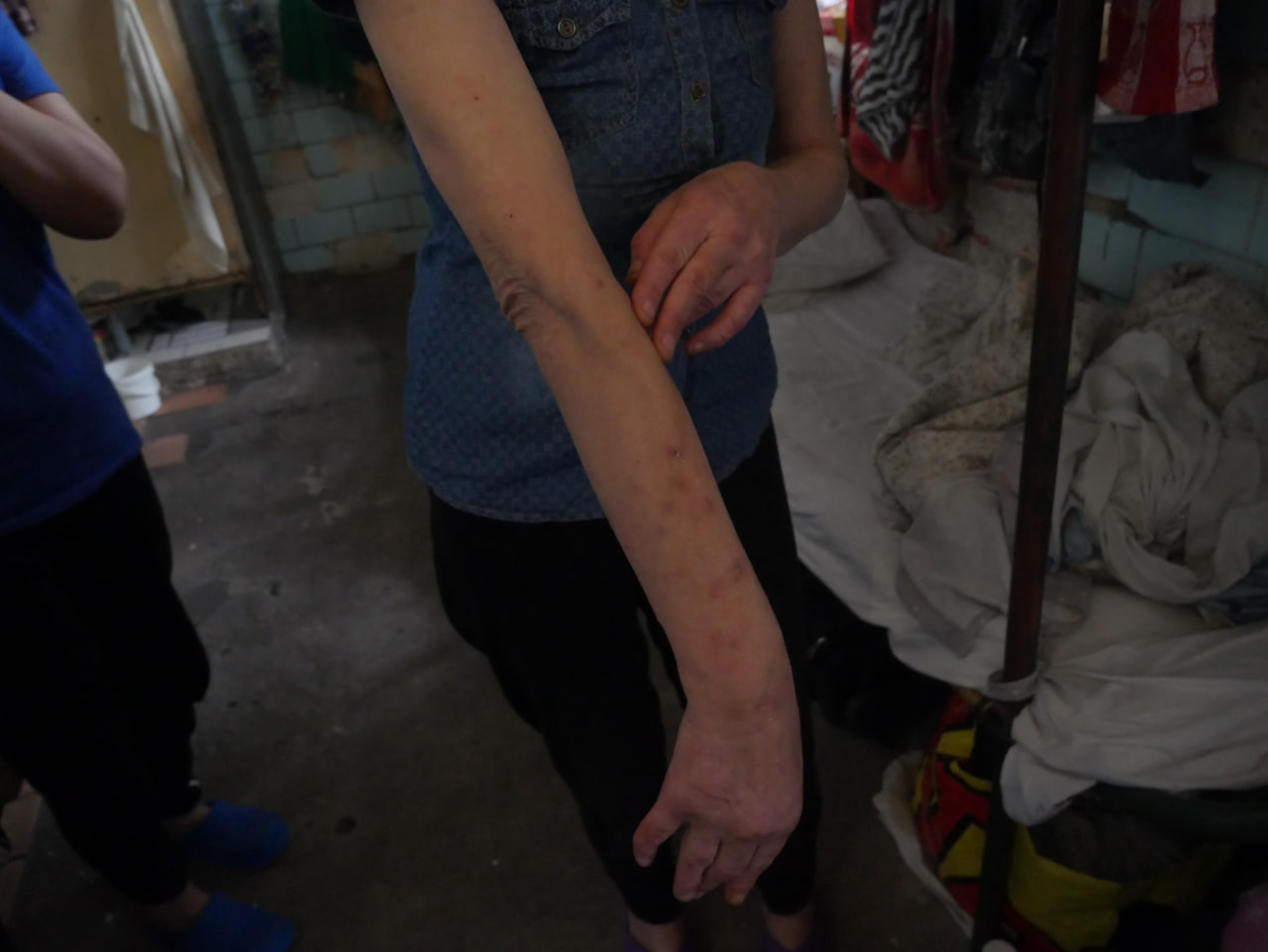
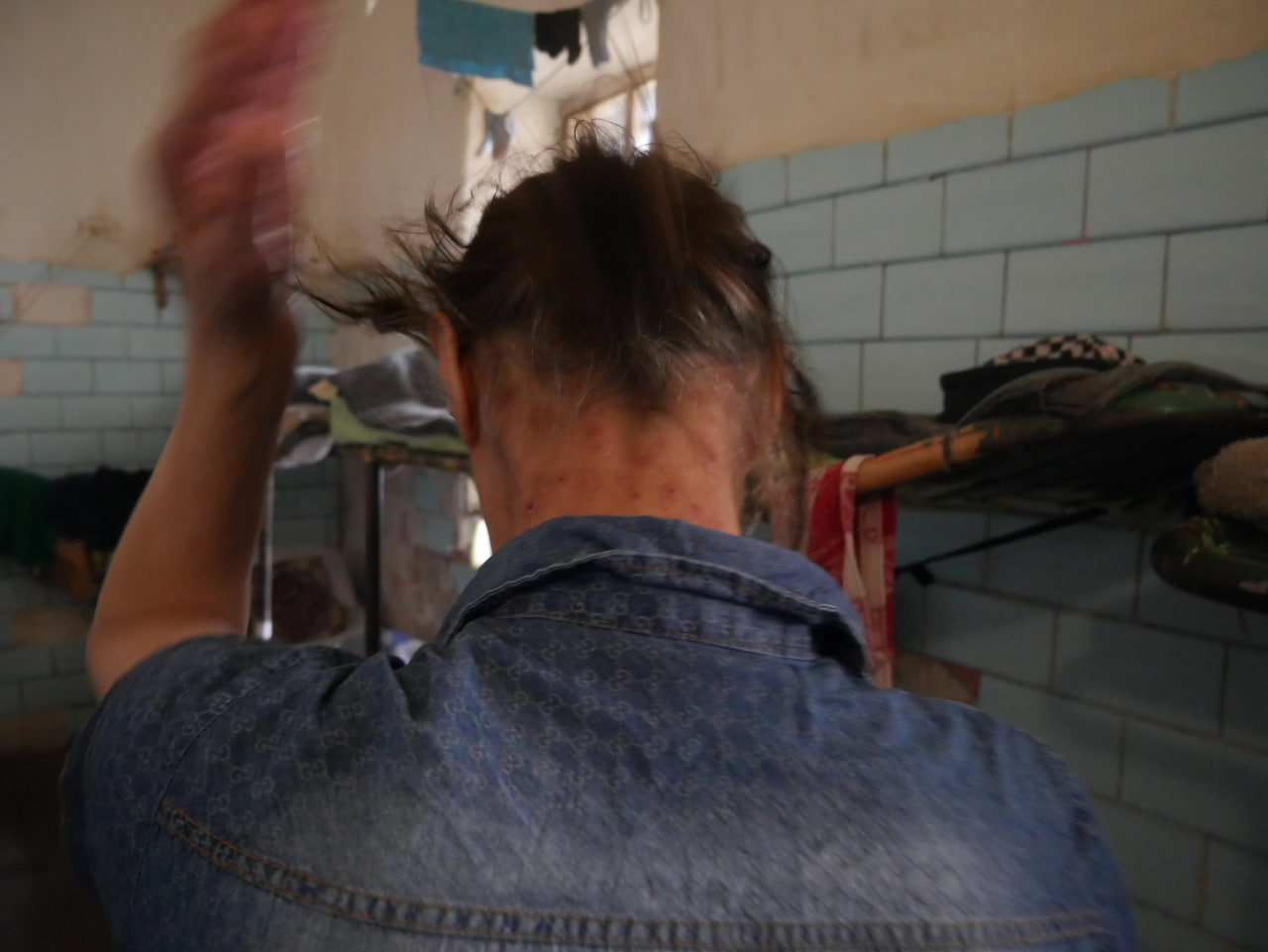
During discussions, women held in the cell reported the presence of cockroaches, bedbugs, and other insects that make living conditions intolerable. In confirmation of their reports, the detainees showed the monitoring group insects collected in a trap, as well as numerous skin lesions on their arms, legs, and necks, which, according to them, were caused by insect bites.
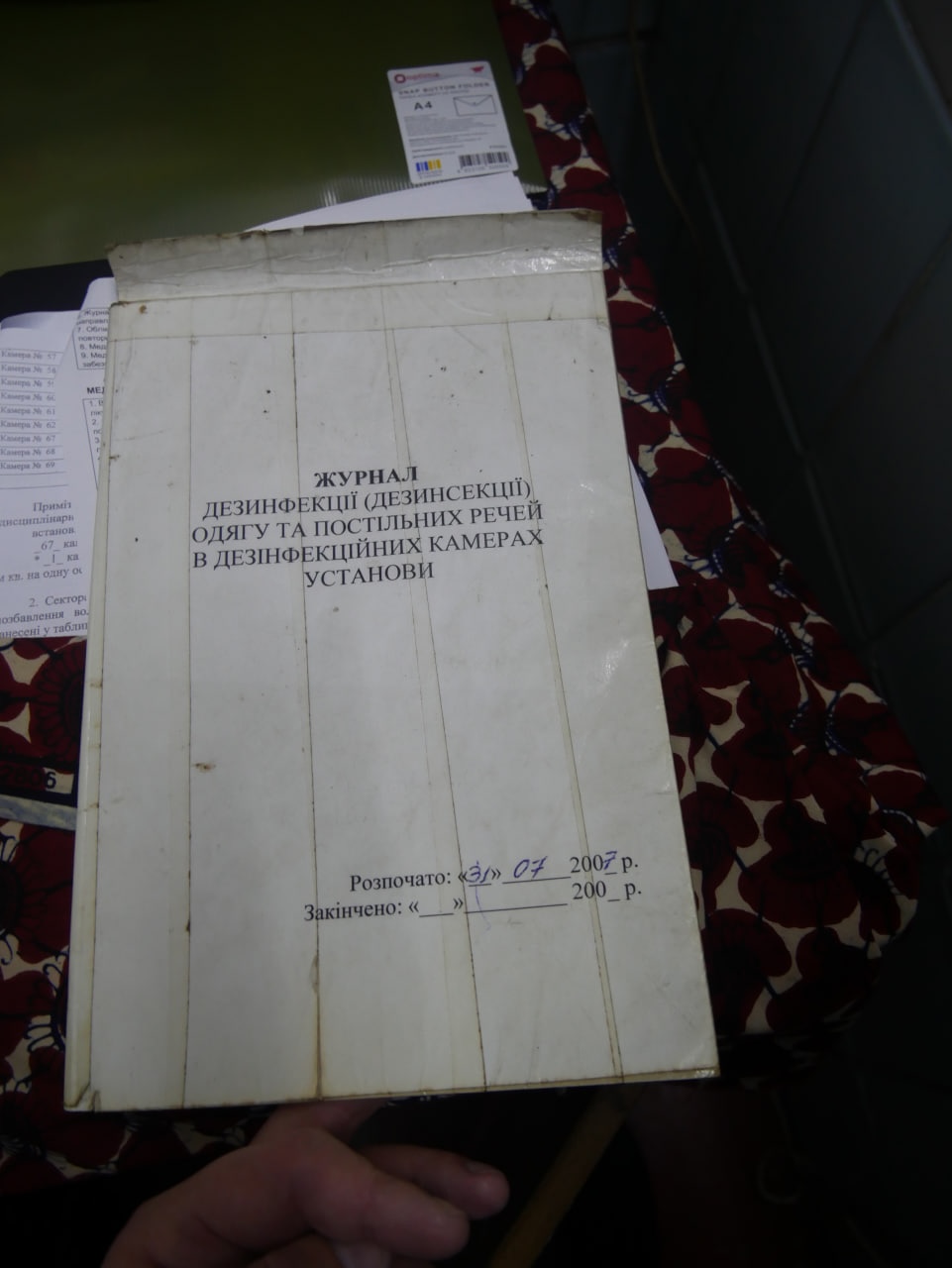
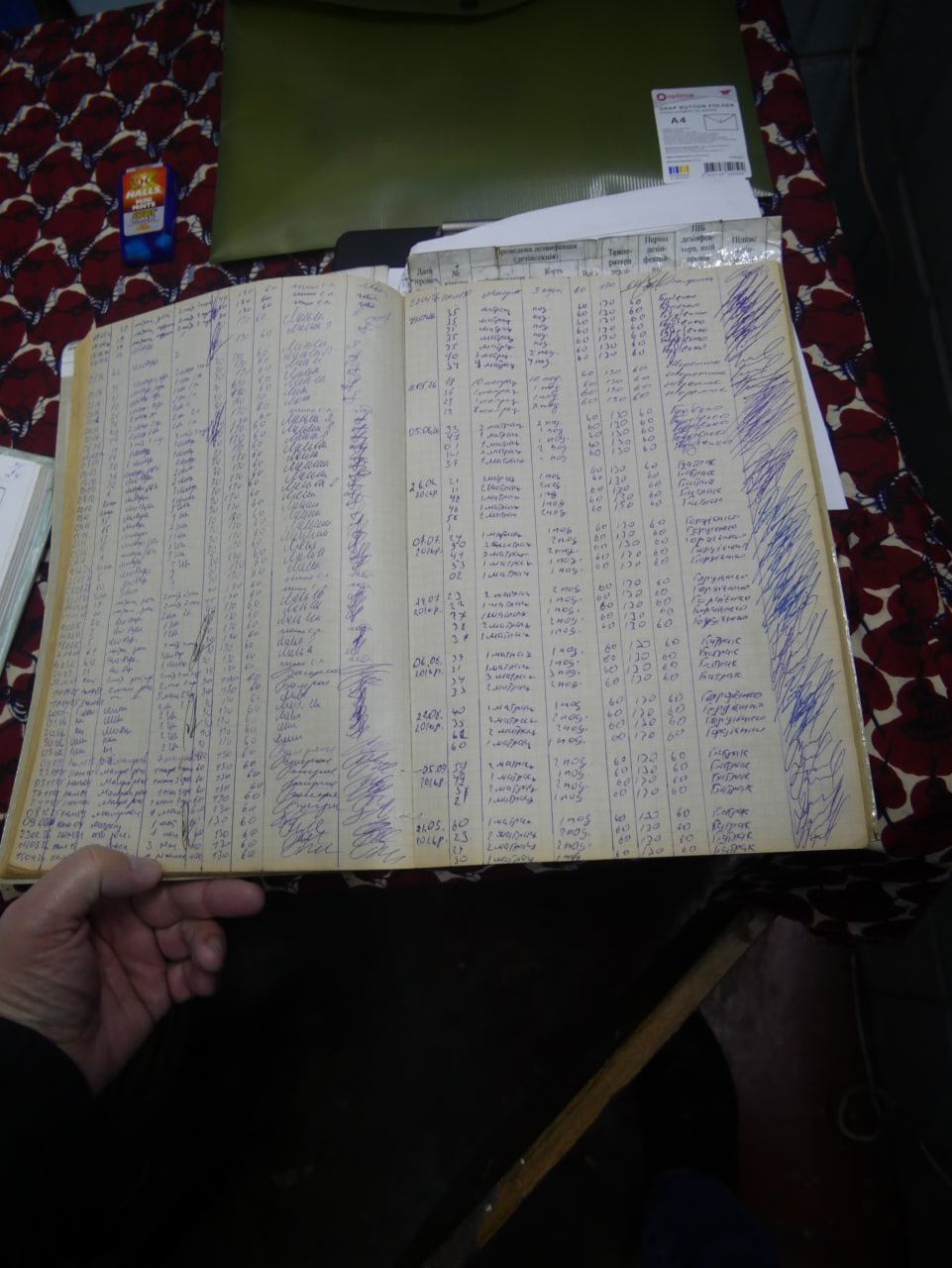
An examination of the logbook for disinfection (disinsection) of clothing and bedding in the institution’s disinfection chambers revealed that the last recorded entry regarding the treatment of cell No. 37 was dated 24 July 2026. However, the presence of insects demonstrated during the monitoring visit indicates that the infestation remains unresolved.
Under Rules 19.1 and 19.2 of the European Prison Rules, all accommodation provided for the use of prisoners and in particular all sleeping accommodation shall be properly maintained and kept clean. Rule 17 of the United Nations Standard Minimum Rules for the Treatment of Prisoners (the Nelson Mandela Rules) likewise requires that all parts of a prison regularly used by prisoners shall be properly maintained and kept scrupulously clean at all times.
The presence of domestic pests in living quarters, particularly during prolonged confinement, degrades sanitary and living standards, poses health risks, and can cause physical discomfort, sleep disruption, and psychological distress.
Thus, the findings of the monitoring visit confirmed the presence of domestic insect pests in cell No. 37. The detainees’ reports of numerous bites are corroborated by documented visible skin lesions. The combination of these circumstances demonstrates substandard sanitary and hygienic detention conditions and the inadequacy of measures taken to prevent pest infestations, which is inconsistent with international standards on ensuring decent conditions for persons deprived of their liberty.
6. During the monitoring visit to the SIZO, the organisation of labour of convicted prisoners assigned to maintenance and catering duties, their employment terms, working hours, remuneration, and social security guarantees were examined.
Pursuant to Articles 8 and 119 of the Criminal Executive Code of Ukraine (CEC of Ukraine), convicted prisoners have the right to paid labour in accordance with labour legislation. Article 50 of the Labour Code of Ukraine establishes that standard working hours shall not exceed 40 hours per week.
An examination of documents revealed that prisoners work under fixed-term employment contracts, specifically on a part-time basis—0.25 or 0.5 of a full-time post. At the same time, information was obtained regarding potential discrepancies between the actual duration of work and the terms of the contracts concluded.
During confidential interviews with prisoners, the following circumstances were established.
Prisoner B. has been working as a cook for 2 years and 4 months. According to him, his working day lasts from 08:00 to 18:00 every day, without days off, and his salary is around UAH 3,000. This reported schedule amounts to 70 hours spent at work each week, excluding any breaks. Prisoner Ye. has been working as a cook for 1 year and 4 months. He reported working every day without days off for a salary of approximately UAH 3,000. Prisoner Sh. has been working for 2 years. According to information received, he is formally employed on a 0.25 post, but actually works full-time. The reported wage was approximately UAH 800.
The information obtained is partially consistent with records in the canteen work-tool issue register and the staff health inspection register. However, these documents do not allow the actual duration of the working day to be determined definitively.
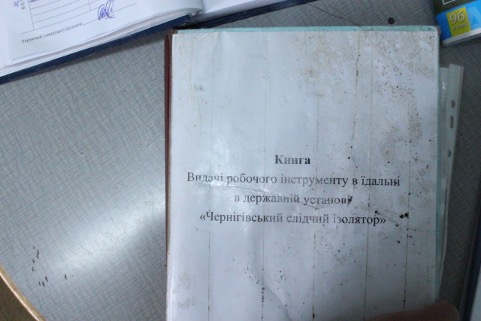
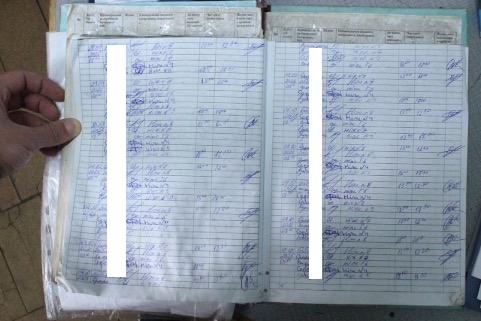
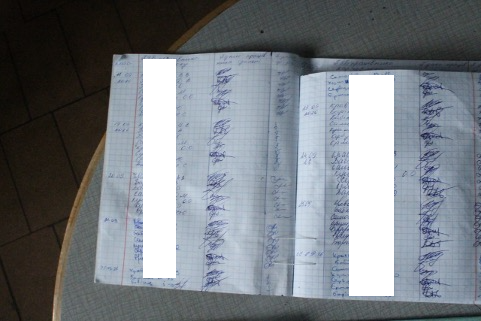
An analysis of payroll records showed that in August 2026, the total wages accrued for 14 convicted prisoners amounted to UAH 43,784.00, whereas in September the figure was UAH 10,410.00. Accruals thus decreased by UAH 33,374.00, or by 76.2% compared to August. The September payroll mainly reflects amounts of UAH 520.50 and UAH 1,041.00 per person. The reasons for this reduction cannot be conclusively established without cross-referencing actual hours worked, contract terms, and wage components.
Under Article 56 of the Labour Code of Ukraine, part-time work is remunerated in proportion to the time worked or based on output. However, reports of long daily working hours, including on weekends, while formally employed on fractional posts, create risks of non-compliance with Articles 50, 66, 67, 72, 106, and 107 of the Labour Code of Ukraine regarding working time, rest periods, and remuneration. The legal classification of these hours depends on the actual work schedule.
An examination of records confirmed the existence of payment instructions for the transfer of the single social contribution and tax reporting. However, aggregate payments do not prove the proper accrual of insurance qualifying periods for each individual prisoner in the absence of personalised data on earnings and contributions paid. Under Article 24 of the Law of Ukraine ‘On Compulsory State Pension Insurance’, crediting a full month of insurance qualifying period depends on the payment of contributions at the statutory rate, subject to the prescribed conditions.
Furthermore, it was established that one of the prisoners assigned to work in the canteen had not undergone a mandatory medical examination within the prescribed time limit, indicating non-compliance with the required periodicity for such examinations.
Thus, the findings of the visit demonstrated substantial discrepancies between the reported actual working hours of prisoners, the terms of their employment contracts, and the payroll records. The combination of these circumstances creates risks of violations of prisoners’ rights to fair remuneration, accurate recording of working time, weekly rest, and social protection.
Recommendations:
1. Ensure that the floor space and spatial dimensions of cells and disciplinary punishment cells are brought into line with the minimum standards of the European Committee for the Prevention of Torture (CPT), discontinuing the detention of individuals in cells that fail to meet statutory minimum requirements.
2. Ensure that the reception and transit unit is equipped in accordance with regulatory requirements, specifically with regard to rooms for medical examinations, sanitary processing, personal hygiene, clothing storage, quarantine, and medical isolation.
3. Ensure adequate material, living, and sanitary conditions of detention, including full floor-to-ceiling partitioning of sanitary facilities, functioning plumbing, properly equipped sleeping berths, and sufficient storage space for personal belongings.
4. Ensure adequate natural and artificial lighting in cells and punishment cells, and eliminate excessive window grilles and bars that obstruct daylight.
5. Ensure that detainees and convicted prisoners have uninterrupted access to drinking water, in particular by providing cells with suitable drinking water storage containers.
6. Ensure effective pest control (disinsection) measures in cells, the eradication of domestic insect pests, proper monitoring of the effectiveness of such measures, and the timely provision of medical assistance to individuals presenting complaints of insect bites.
7. Ensure that round-the-clock video surveillance in cells is deployed solely on the basis of sound individual justification, in compliance with the principles of necessity, proportionality, and respect for private life, and subject to regular reviews of the grounds for its application.
8. Ensure that the actual working hours of convicted prisoners correspond to the terms of their employment contracts, statutory limits on working time, and legal requirements regarding daily and weekly rest periods.
9. Ensure full and accurate recording of the actual hours worked by convicted prisoners, including overtime, weekend, and public holiday work, as well as the proper calculation and payment of wages based on actual hours worked. In the event of underpayments, ensure prompt recalculation and payment of all outstanding sums.
10. Ensure the proper, personalised assessment and payment of the single social contribution for each employed prisoner in accordance with the law, as well as the accurate reporting of data necessary for recording insurance qualifying periods.
11. Ensure that all prisoners assigned to food handling undergo mandatory medical examinations in a timely manner, and prevent any individuals who have not undergone the mandatory medical check within the prescribed timeframe from performing such work.