Report on the results of a monitoring visit to the State Institution ‘Mena Medical Unit No. 91’
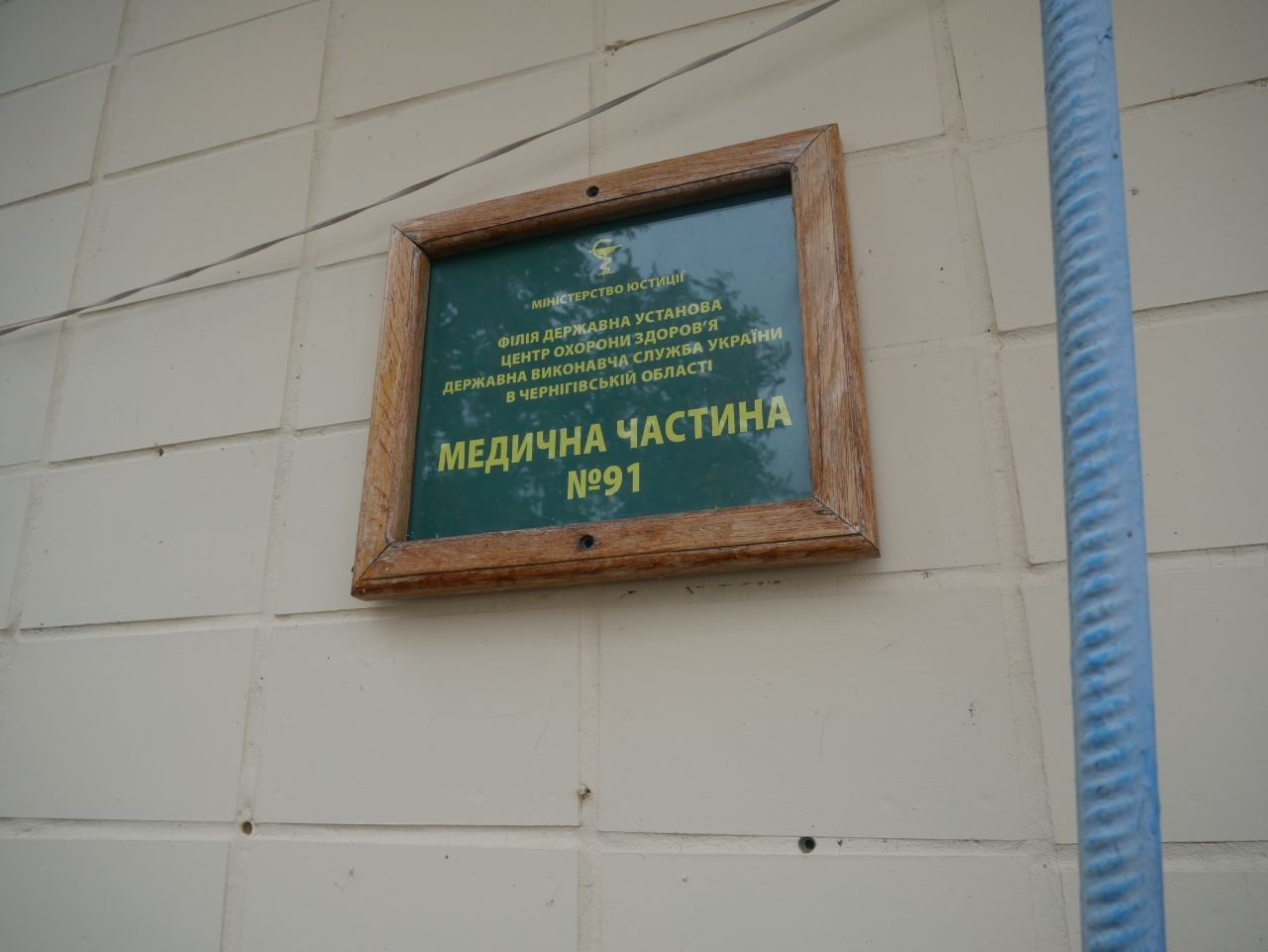
On 12 October 2026, pursuant to the Optional Protocol to the Convention against Torture and Other Cruel, Inhuman or Degrading Treatment or Punishment, taking into account the provisions of the UN Standard Minimum Rules for the Treatment of Prisoners (the Nelson Mandela Rules) and the case law of the European Court of Human Rights, and on the basis of Article 24 of the Criminal-Executive Code of Ukraine (‘Visits to Penal Institutions’), a monitoring group from the NGO ‘Kharkiv Human Rights Protection Group’ carried out a visit to the State Institution ‘Mena Medical Unit No. 91’ of the Branch of the State Institution ‘Healthcare Centre of the State Criminal-Executive Service of Ukraine’ in Chernihiv Region (hereinafter ‘the medical unit’, ‘the institution’, or ‘the facility’). A regular scheduled unannounced visit was conducted. The previous visit took place on 13 October 2023.
Whilst preparing for the visit, the monitors used materials from appeals lodged by convicted individuals and their relatives, previous reports, as well as reports by monitors of the National Preventive Mechanism under the Ukrainian Parliament Commissioner for Human Rights (NPM).
The visit was conducted as part of the project ‘Improving Humane Conditions in Places of Deprivation of Liberty by Strengthening the National Preventive System in Ukraine’, implemented with the financial support of the United Nations Democracy Fund (UNDEF).
The visit was carried out by the following monitors:
- Andrii Didenko — Assistant to Yaroslav Yurchyshyn, People’s Deputy of Ukraine; Programme Coordinator at the Kharkiv Human Rights Protection Group; monitoring visit experience since 2014; NPM (National Preventive Mechanism) monitor; member of the NPM Advisory Council;
- Artemii Shumnyi — Journalist for the news agency ‘Protection for Prisoners of Ukraine’, lawyer at the Kharkiv Human Rights Protection Group, NPM monitor.
Following the monitoring visit to the medical unit, which serves 427 convicted persons, violations of the requirements of national legislation and international standards governing the provision of medical care, the documentation of bodily injuries, and sanitary and epidemiological safety were identified.
In particular, the medical reception room is fitted with a permanent metal barred partition, which is contrary to the principles of respect for human dignity and the recommendations of the European Committee for the Prevention of Torture. The medical file of a prisoner whose bodily injuries were recorded on 23 September 2026 lacked the mandatory photographic evidence. Furthermore, the disinfection of prisoners’ clothing and bedding had not been carried out for the last two scheduled incoming prisoner transfers.
An understaffing of medical personnel was established, notably the vacancy of psychiatric posts totalling 1.0 full-time equivalent (FTE), despite 58 prisoners with mental disorders being under medical supervision. At the same time, no specific instances of a refusal or failure to provide psychiatric care were identified.
The recurrence of certain shortcomings identified during the previous visit in October 2023 demonstrates their systemic, persistent nature and the insufficient effectiveness of measures taken to rectify previously established violations.
General Information
Mena Medical Unit No. 91 of the Branch of the State Institution ‘Healthcare Centre of the State Criminal-Executive Service of Ukraine’ in Chernihiv Region provides medical care to prisoners serving sentences at the State Institution ‘Mena Correctional Colony (No. 91)’. At the time of the monitoring visit, the head of the medical unit was Yehor Yuriiovych Havryk.
According to the statistical data provided, there were 427 prisoners in the institution at the time of the monitoring visit. The medical unit provides initial and routine preventive medical examinations, outpatient and emergency medical care, active dynamic supervision of individuals with chronic diseases, and arranges consultations with medical specialists and hospital admissions for prisoners to healthcare facilities.
According to the information provided, 305 initial medical examinations of prisoners were carried out upon arrival at the facility in 2025, and 288 in 2026. The number of requests for medical assistance was 8,760 and 7,496 respectively, whilst preventive examinations numbered 455 and 350. In 2025, 53 individuals were referred for consultations with external medical specialists outside the institution, and 68 in 2026. At the time of the visit, four prisoners were awaiting scheduled consultations or medical examinations.
According to medical unit records, 117 prisoners with cardiovascular diseases, 58 with mental disorders, and 10 with diabetes mellitus (including one insulin-dependent patient) were under medical supervision. Five prisoners were receiving antiretroviral therapy. According to the administration, no individuals with active tuberculosis were identified. Three prisoners required personal care or mobility aids.
Medical care is provided to prisoners directly within the medical unit, and where appropriate medical indications exist, referrals to specialised healthcare institutions are arranged. According to the data provided, 10 calls for emergency medical services were recorded in 2025, and 13 in 2026. No registered cases of refusal of hospitalisation were noted. At the time of the monitoring visit, no prisoners were awaiting hospitalisation.
Two deaths of prisoners were registered in 2025, and three in 2026. The statistical data provided also recorded one suicide attempt in each of these years. In 2026, two prisoners were released from further serving their sentences on the grounds of severe illness.
The medical unit maintains logbooks and records regarding prisoner requests for medical assistance, calls for emergency medical services, detected bodily injuries, and hospital referrals.
Identified Violations of National and International Law
During the monitoring visit to the institution’s medical unit, violations of Ukrainian national legislation and international standards in the field of healthcare and the treatment of persons deprived of their liberty were identified. These shortcomings in the organisation of healthcare provision create risks of substandard medical care, infringe upon the right to health, and, under certain circumstances, compromise the right to protection against inhuman or degrading treatment guaranteed by Article 3 of the Convention for the Protection of Human Rights and Fundamental Freedoms, namely:
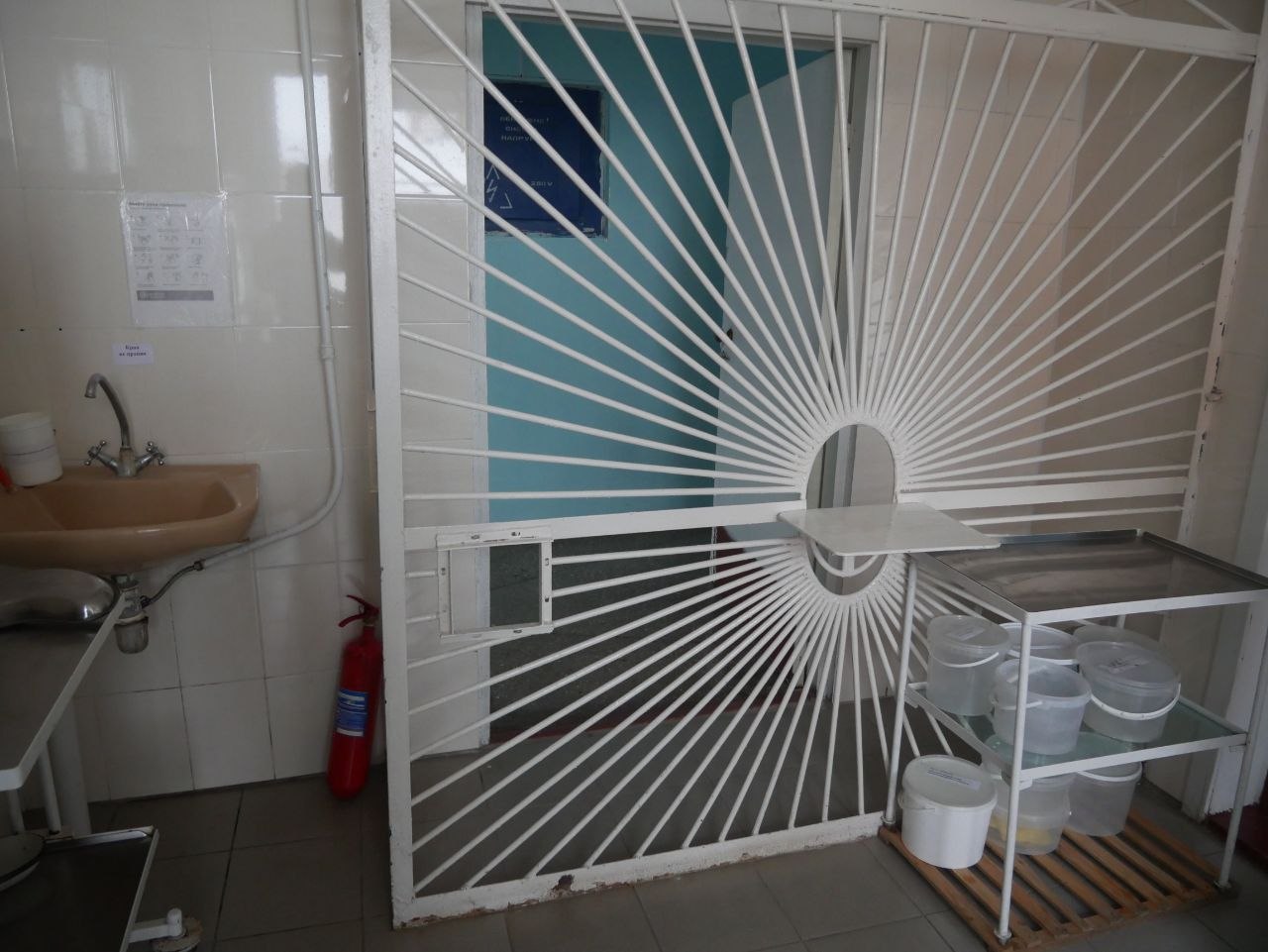
1. During the visit to Medical Unit No. 91, it was established that the room designated for the medical reception of prisoners is fitted with a permanent metal barred partition that physically separates the patient from the healthcare professional. The structure consists of metal bars, an aperture, and a horizontal shelf for passing documents or other items. In effect, the examination area is arranged on the principle of a cage, which does not correspond to the nature of the relationship between a healthcare professional and a patient, nor to international standards for the provision of medical care to persons deprived of their liberty.
The presence of this partition creates physical barriers to direct contact between the doctor and the prisoner, impedes a comprehensive clinical examination and general health assessment, and hinders the establishment of a relationship of trust between the medical professional and the patient. Placing a prisoner behind metal bars when seeking medical assistance lends an unjustifiably custodial and isolating character to the medical reception, which is incompatible with the principles of medical ethics, humane treatment, and respect for human dignity.
Pursuant to Article 28 of the Constitution of Ukraine, everyone has the right to respect for their dignity. Article 49 of the Constitution of Ukraine guarantees the right to healthcare and medical assistance. In accordance with Article 8 of the Criminal-Executive Code of Ukraine, prisoners have the right to humane treatment, respect for human dignity, and healthcare. Article 116 of this Code defines the principles of medical and sanitary provision for persons sentenced to imprisonment.
Furthermore, Article 39-1 of the Fundamentals of Legislation of Ukraine on Healthcare guarantees a patient the right to confidentiality concerning their state of health, the fact of seeking medical assistance, their diagnosis, and information obtained during medical examination. The proper organisation of a medical examination requires the creation of conditions conducive to confidential communication between doctor and patient, the unimpeded conduct of necessary examinations, and adherence to professional standards of medical care. The use of permanent barred structures does not facilitate the provision of such conditions.
The European Committee for the Prevention of Torture and Inhuman or Degrading Treatment or Punishment (CPT) has drawn particular attention to the inadmissibility of such practices. Specifically, in paragraph 60 of the report CPT/Inf (2020) 40 on its visit to Ukraine, the Committee criticised the practice of using cages and metal barred partitions in medical examination rooms in penitentiary institutions. The CPT stressed that the systematic physical separation of prisoners from healthcare staff during consultations and procedures is degrading, undermines the development of a proper doctor-patient relationship, and can adversely affect the quality of medical examinations. The Committee recommended that the Ukrainian authorities dismantle cages and barred structures in the medical facilities of penitentiary establishments and put an end to this practice.
These requirements are consistent with the provisions of the European Prison Rules, adopted by Recommendation Rec(2006)2 of the Committee of Ministers of the Council of Europe as revised in 2020. In particular, Rule 40.3 provides that prisoners shall have access to healthcare services without discrimination on the grounds of their legal status; Rule 42 governs medical examinations, with Rule 42.3(a) obliging doctors to adhere to normal rules of medical confidentiality; and Rule 43 sets out the duties of medical personnel regarding the safeguarding of the physical and mental health of persons detained in correctional institutions.
According to Rule 1 of the UN Standard Minimum Rules for the Treatment of Prisoners (the Nelson Mandela Rules), all prisoners shall be treated with the respect due to their inherent dignity and value as human beings. Rule 24 provides that the provision of healthcare for prisoners is a State responsibility, and that prisoners should enjoy the same standards of healthcare that are available in the community. Rule 31 enshrines the requirement that medical examinations must be conducted in full confidentiality, and Rule 32 establishes that the relationship between healthcare personnel and prisoners shall be governed by the same ethical and professional standards as those applicable to patients in the wider community.
Security measures during the provision of medical care to prisoners must be justified, proportionate to specific risks, and must not be applied in such a manner as to restrict the possibility of medical examination without genuine necessity or degrade the patient’s human dignity. Ensuring the safety of medical personnel must not be achieved by routinely and systematically separating all prisoners from the physician by physical barriers, regardless of individual risk assessments.
Thus, fitting the medical reception room with a permanent metal barred partition fails to comply with international standards on healthcare provision for persons deprived of their liberty and directly contradicts the CPT’s recommendations regarding the dismantling of cages and barred structures in penitentiary medical rooms. Such an arrangement creates unjustified physical barriers between medical staff and patients, impedes proper medical examination, and breaches the principle of respect for prisoners’ human dignity.
2. During the monitoring visit to Mena Medical Unit No. 91, a violation of the requirements regarding the proper documentation of bodily injuries sustained by prisoners was established.
Specifically, an examination of the register for recording bodily injuries revealed that on 23 September 2026, bodily injuries were recorded on prisoner S. However, during the examination of his outpatient medical record (primary recording documentation Form No. 025/o), the photographs of the detected injuries were found to be missing. Under the established procedure, such photographs must be appended to the certificate recording the injuries and incorporated into the medical record.
Pursuant to paragraph 3 of Chapter 1 of Section II of the Procedure for the Organisation of Medical Care for Persons Sentenced to Imprisonment, approved by Joint Order of the Ministry of Justice of Ukraine and the Ministry of Health of Ukraine No. 1348/5/572 of 15 August 2014, when bodily injuries are detected on a prisoner, the healthcare professional must draw up a certificate detailing the circumstances under which they were sustained, clinical indicators, and the nature, dimensions, and location of the injuries. Photographs of the injuries must be attached to the certificate, and the relevant documentation must be filed in the outpatient medical card.
The proper documentation of bodily injuries sustained by persons deprived of their liberty represents one of the fundamental safeguards against torture and other forms of ill-treatment. The thorough and objective medical recording of such injuries is vital for determining the circumstances under which they occurred, ensuring the possibility of an independent subsequent medical assessment, and facilitating the effective investigation of potential instances of violence.
Photographic documentation of bodily injuries is of paramount importance, as it preserves their objective external characteristics, including localisation, dimensions, shape, and appearance, which may alter or disappear over time. The absence of such photographic evidence in medical records restricts the possibility of subsequently verifying the completeness and reliability of the initial medical examination, as well as comparing the recorded injuries with the reported circumstances of their infliction.
These requirements are consistent with international standards for documenting potential cases of torture and other ill-treatment, in particular the Istanbul Protocol, which requires thorough medical examinations, detailed descriptions of detected injuries, and their photographic recording in order to secure a robust evidentiary base.
Accordingly, the established absence of photographs of the bodily injuries in the outpatient medical record of prisoner S. demonstrates non-compliance with the statutory procedure for their medical documentation. This violation impedes a subsequent objective assessment of the nature and origin of the injuries and weakens the safeguards for the timely detection and effective investigation of potential ill-treatment of prisoners.
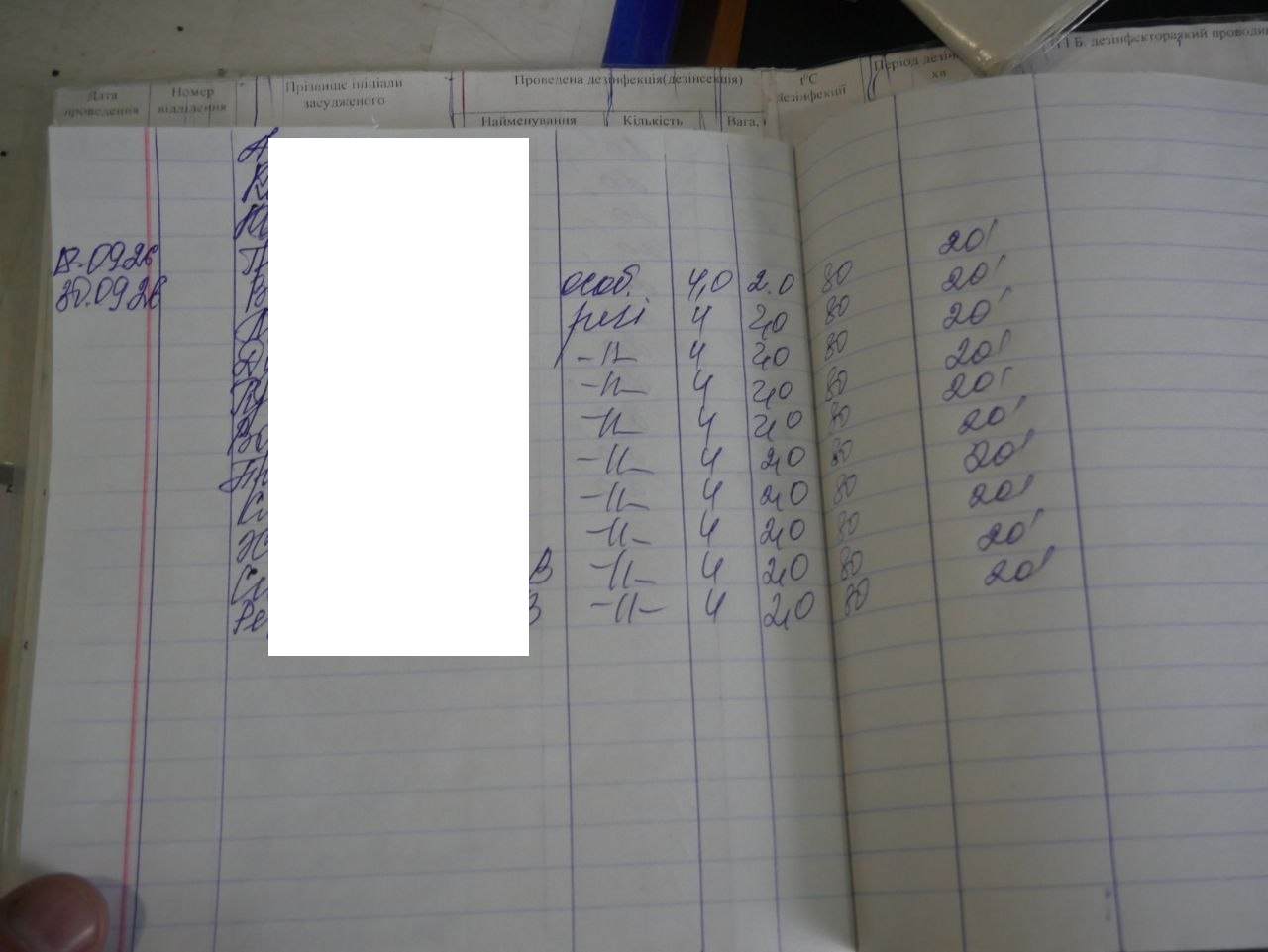
3. During the monitoring visit to Mena Medical Unit No. 91, the sanitary and epidemiological monitoring of the disinfection of prisoners’ clothing and bedding was examined. In particular, an examination of the logbook for the disinfection of clothing and bedding established that disinfection measures had not been carried out for the last two scheduled incoming prisoner transfers. The last entry in the logbook was dated 30 September 2026, whereas two transfers had arrived after that date.
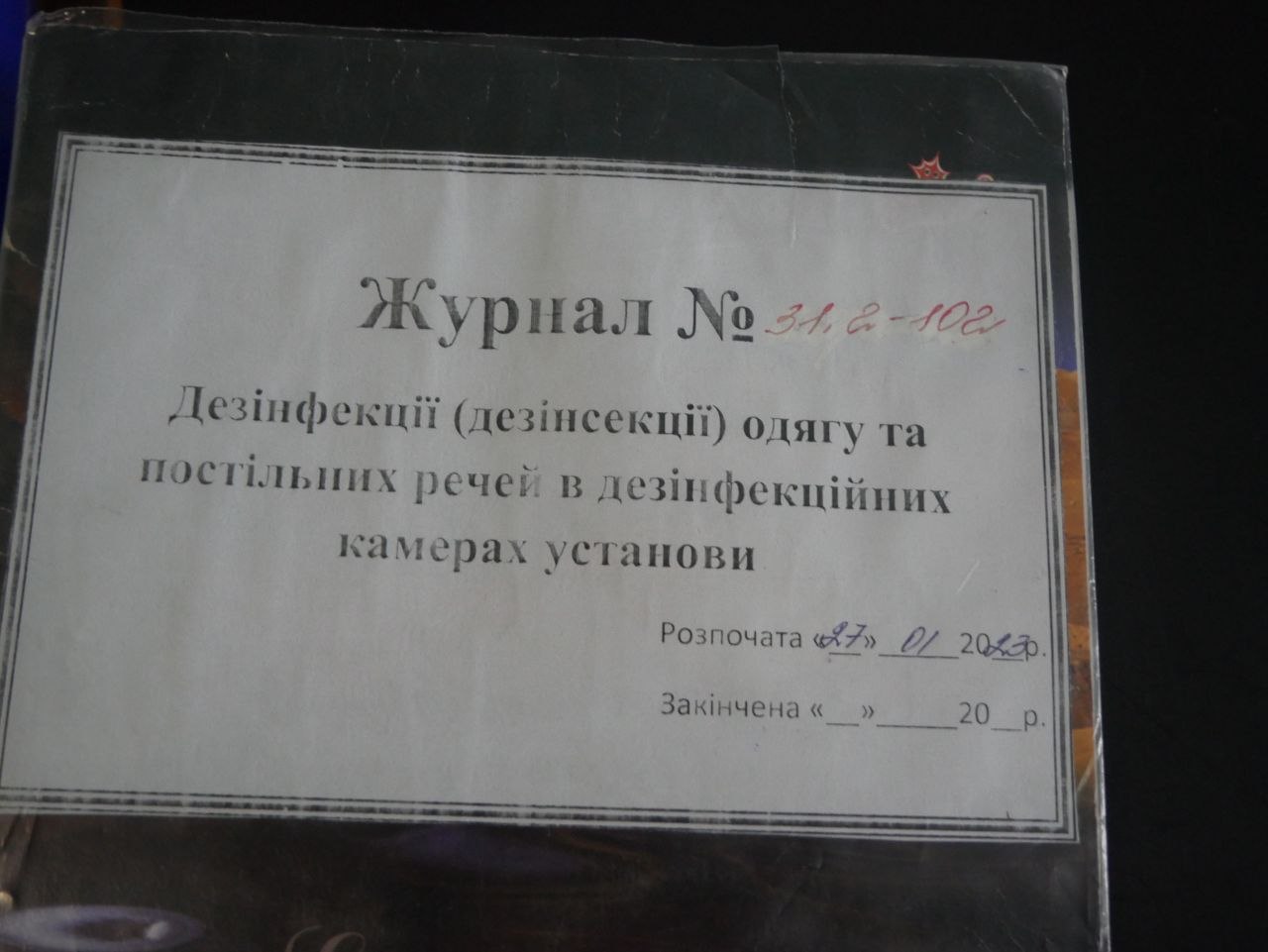
Pursuant to Article 116 of the Criminal-Executive Code of Ukraine, necessary curative, preventive, and sanitary-epidemiological work must be organised in places of detention. Article 115 of this Code provides that prisoners must be provided with living conditions that meet the rules of sanitation and hygiene.
The procedure for organising disinfection measures is set out in the Regulations on the Organisation of Bath and Laundry Services for Persons Held in Penal Institutions and Pre-trial Detention Centres, approved by Order of the Ministry of Justice of Ukraine No. 849/5 of 8 June 2012. In particular, paragraph 3.19 of Section III provides for the organisation of the disinfection of clothing and linen and the monitoring of its implementation. Annex 8 to the aforementioned Regulations establishes the template for the logbook for recording the disinfection of clothing and bedding, which is used to document these measures.
At the same time, a distinction must be drawn between the direct organisation and execution of disinfection, which falls within the remit of the correctional institution’s logistical administration, and the sanitary-epidemiological supervisory functions of the medical unit. The latter include the participation of medical staff in the prevention of infectious and parasitic diseases, the assessment of corresponding risks, and the exercise of oversight within the limits of their defined powers.
The failure to carry out disinfection for the last two scheduled incoming prisoner transfers is a significant factor in assessing the adequacy of the sanitary and epidemiological protection provided to prisoners. In conditions of communal living, prolonged use of bedding, and limited opportunities for prisoners to sanitise personal belongings independently, such shortcomings create heightened risks of the spread of infectious and parasitic diseases, notably pediculosis and scabies.
This issue is also inextricably linked to compliance with international standards for the treatment of persons deprived of their liberty. Rules 19 and 21 of the UN Standard Minimum Rules for the Treatment of Prisoners (the Nelson Mandela Rules) require that clothing and bedding be kept clean, regularly washed, changed, and maintained in a proper hygienic condition.
Consequently, the established failure to disinfect clothing and bedding for the last two scheduled prisoner intakes points to deficiencies in the institution’s overall sanitary and epidemiological system. At the same time, this fact alone does not provide sufficient grounds to conclude that medical unit staff have failed in their official duties without examining the supervisory measures they undertook, the documentation of identified deficiencies, and whether the institution’s administration was duly informed. Nevertheless, these circumstances are directly relevant to evaluating the efficacy of preventive healthcare and the safeguarding of prisoners’ right to health.
4. During the monitoring visit to Mena Medical Unit No. 91, information regarding the authorised staffing levels of medical personnel, actual post occupancy, and the engagement of external specialists to provide medical care to prisoners was examined.
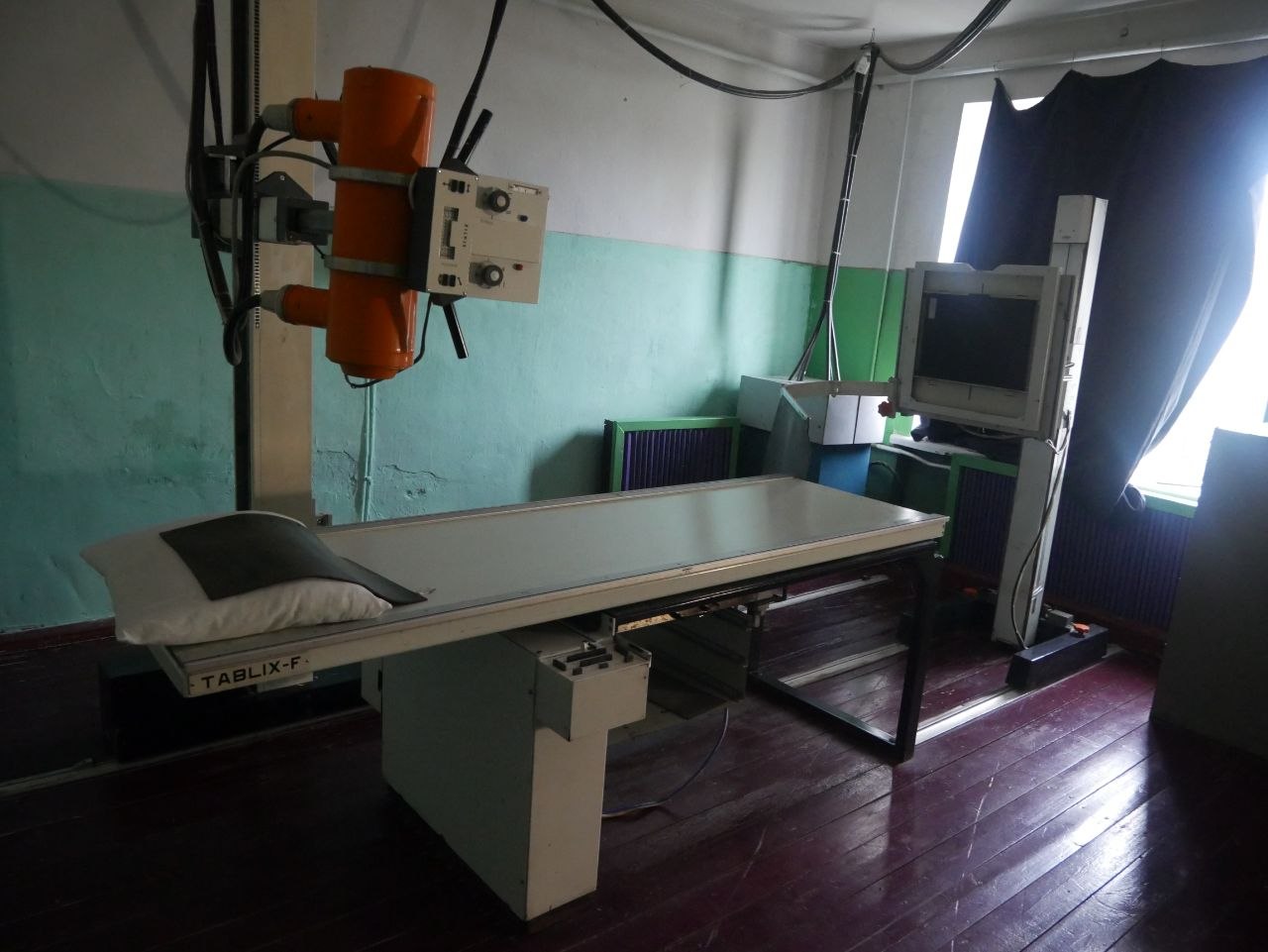
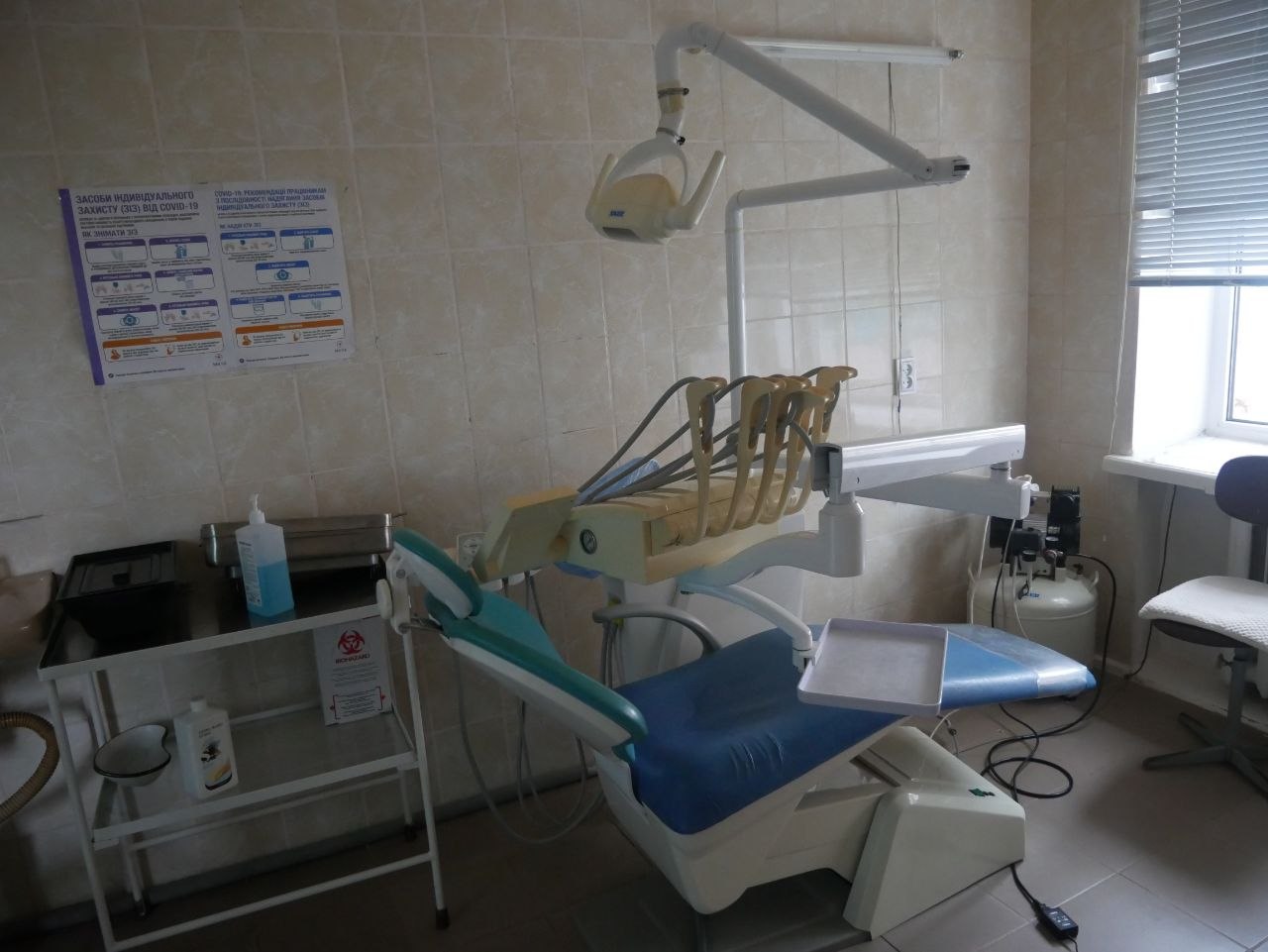
According to the statistical data provided, the medical unit’s staffing table provides for 3.5 FTE physician posts, 8.5 FTE intermediate medical personnel (nursing staff), and 0.5 FTE junior medical personnel. The aggregated figures indicate that 2.75, 8.0, and 0.5 FTE posts are actually filled, respectively.
According to the detailed information regarding medical staff, the medical unit employs a surgeon, a dentist, a general practitioner / family physician, and a radiologist, each working at 0.5 FTE. At the same time, 0.5 FTE for a psychiatrist, 0.5 FTE for another psychiatric post, 0.25 FTE for a general practitioner / family physician, and 0.5 FTE for a dental nurse were listed as vacant.
Separately, the information provided regarding the provision of medical care by in-house staff or engaged external specialists noted the presence of a dentist among in-house staff at 0.5 FTE and the engagement of a general practitioner / family physician at 0.25 FTE. No information was provided regarding the presence of an in-house or external psychiatrist or phthisiologist.
The staffing of psychiatric care warrants particular attention. According to the statistics provided, 58 prisoners with mental disorders are under medical supervision. Nevertheless, the staffing records list two vacant psychiatric posts totalling 1.0 FTE.
Pursuant to Articles 8 and 116 of the Criminal-Executive Code of Ukraine, prisoners have the right to healthcare and medical assistance. The Procedure for the Organisation of Medical Care for Persons Sentenced to Imprisonment, approved by Joint Order of the Ministry of Justice of Ukraine and the Ministry of Health of Ukraine No. 1348/5/572 of 15 August 2014, regulates the provision of medical services to prisoners, including access to necessary specialised healthcare.
Under Rule 40.5 of the European Prison Rules, prisoners shall have access to all necessary medical, surgical, and psychiatric services, including those available in the community. Rule 25 of the UN Standard Minimum Rules for the Treatment of Prisoners (the Nelson Mandela Rules) provides for the organisation of a healthcare service capable of evaluating, promoting, protecting, and improving the physical and mental health of prisoners, ensuring an adequate number of qualified staff and access to specialised care.
Consequently, the findings revealed an understaffing of healthcare personnel in the medical unit, notably the vacancy of psychiatric posts. This circumstance is of particular gravity given that 58 prisoners with mental disorders remain under active medical supervision.
Given the complete absence of a psychiatrist within the medical unit and the presence of 58 prisoners with mental disorders under supervision, there are reasonable grounds to presume risks to the provision of timely, accessible, and continuous psychiatric care to these individuals. At the same time, the data provided does not allow for specific instances of medical neglect or denial of psychiatric care to be substantiated.
Recommendations:
1. Ensure proper conditions for conducting medical examinations of prisoners by dismantling the permanent metal barred partition in the medical reception room. Organise the delivery of healthcare in adherence to the principles of respect for human dignity, medical confidentiality, and professional ethics in accordance with the European Prison Rules, the UN Standard Minimum Rules for the Treatment of Prisoners (the Nelson Mandela Rules), and the recommendations of the European Committee for the Prevention of Torture set out in paragraph 60 of report CPT/Inf (2020) 40.
2. Ensure strict compliance with the established procedure for documenting bodily injuries sustained by prisoners, including mandatory photographic recording of detected injuries, the proper compilation of medical certificates, and the inclusion of photographic materials in outpatient medical records, pursuant to the requirements of paragraph 3 of Chapter 1 of Section II of the Procedure for the Organisation of Medical Care for Persons Sentenced to Imprisonment, approved by Joint Order of the Ministry of Justice of Ukraine and the Ministry of Health of Ukraine No. 1348/5/572 of 15 August 2014.
3. Ensure the timely and systematic disinfection of prisoners’ clothing and bedding in accordance with the requirements of the Regulations on the Organisation of Bath and Laundry Services for Persons Held in Penal Institutions and Pre-trial Detention Centres, approved by Order of the Ministry of Justice of Ukraine No. 849/5 of 8 June 2012. Ensure accurate record-keeping of disinfection measures carried out, as well as the exercise of sanitary and epidemiological oversight by medical personnel within the scope of their defined authority.
4. Ensure adequate staffing of Mena Medical Unit No. 91 with medical personnel, primarily psychiatric specialists, taking into account prisoners’ specialised healthcare needs. Pending the filling of vacant posts, ensure prisoners have access to consultations with a psychiatrist and necessary psychiatric care based on clinical indications.
5. Ensure the completeness, accuracy, and consistency of the medical unit’s personnel records, in particular data concerning established posts, actual post occupancy, vacancies, and engaged external specialists, maintaining a clear distinction between in-house staff and contracted specialists.