Report on the results of the monitoring visit on 04.04.2017 to Zhytomyr Penal Institution No. 8
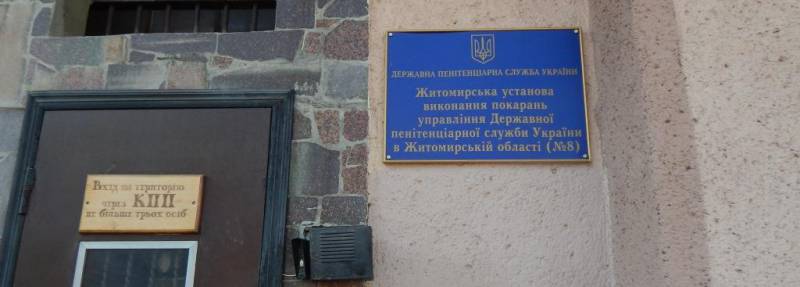
On 04.04.2017, monitors from the Kharkiv Human Rights Protection Group, Vasyl Melnychuk, Ruslan Horovyi, and Oleksandr Pavlichenko, in accordance with Art. 24 of the Criminal Executive Code of Ukraine, visited Zhytomyr Penal Institution No. 8, in which individuals sentenced to life imprisonment are serving their sentences.
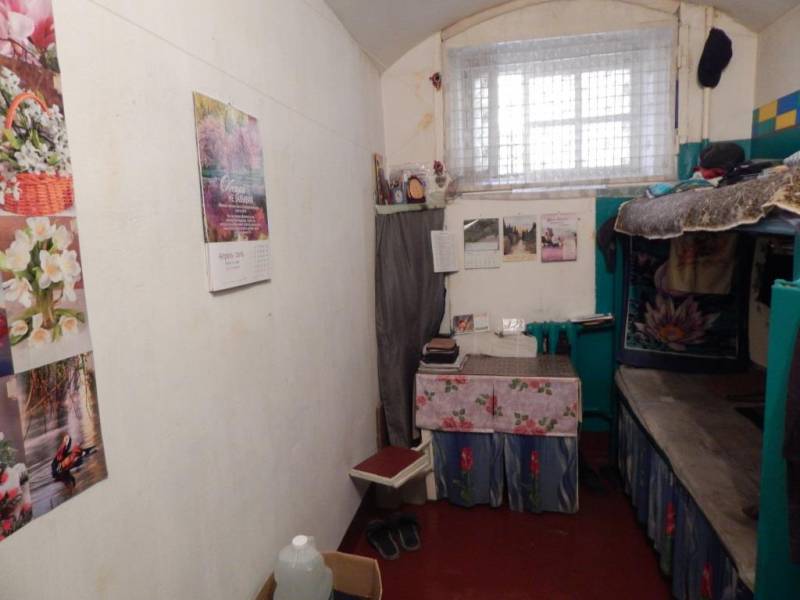
The institution is located in a building that was built back in the days of tsarist Russia. A separate block, allocated as a maximum-security sector, is specifically designated for housing this very category of convicts, who are accommodated in 88 cells, one or two to a cell, with the installation of bunks on the second tier. In total, 180 convicts serving life imprisonment are held in the institution. The sizes of the cells, built over a century ago, do not allow for more than two people to be placed in one room; the total area of the cell is about 7.5 sq. m.
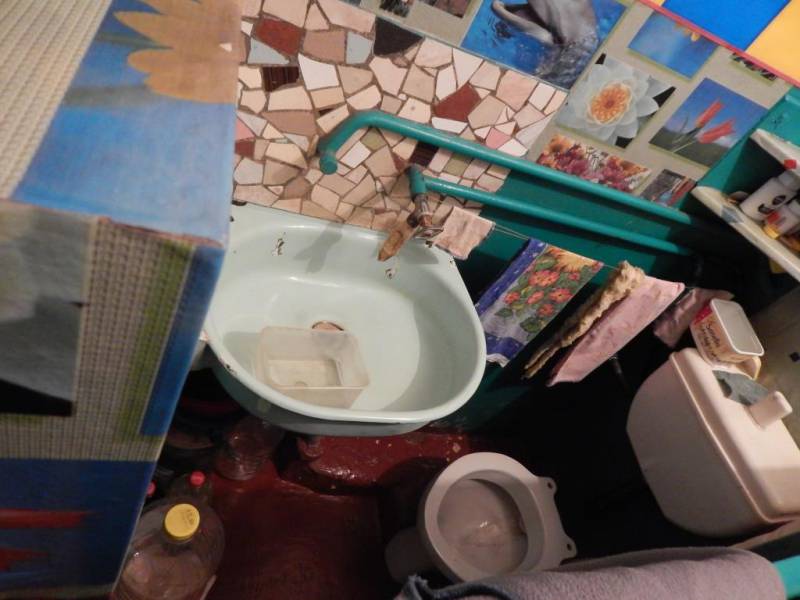
All sanitary facilities in the cells are equipped with flush toilets and a sink with running water; however, taps are sometimes missing. No devices for filtering water were visible in the visited cells, and the convicts with whom we managed to speak did not express complaints about the quality of the water either.
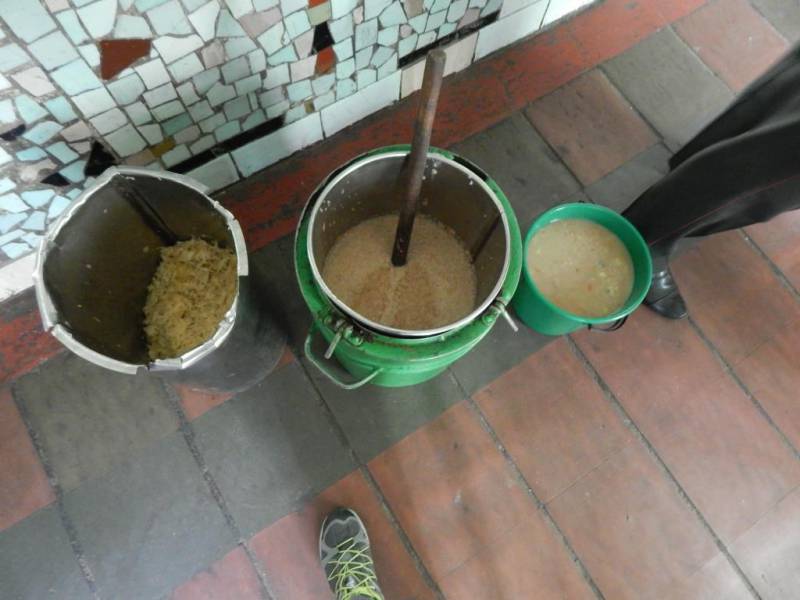
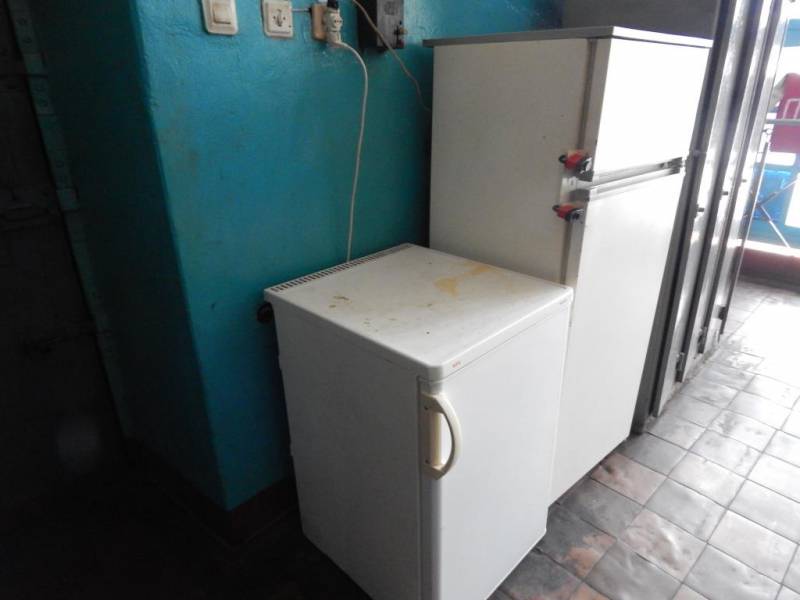
In the corridor near the cells, food was ready for distribution, which is typical in quality and composition for the feeding of convicts – salad, porridge, soup (in the photo from left to right). However, the practice of delivering food to the cells in ordinary open plastic buckets and other containers should be reviewed by the administration, and personnel should be provided with proper containers for food delivery. Notably, in the corridor near the cells, there were refrigerators in which the convicts' food is stored and, at their request, is issued by the duty officer.
The monitors managed to speak with several convicts who were in the cells at that time, among them was a disabled person without one leg, which he had lost after an operation while already serving his sentence. This convict complained that he could not register his disability and receive any pension.
There were no complaints about the conditions of detention from the convicts; the only thing that the lifers approached the monitors about was the question of the possibility of reviewing the verdict in their case; they live with the hope of the possibility of gaining their freedom.
The monitors noted that not one of the cells is equipped with video surveillance for the convicts, and this was confirmed by the deputy head of the colony who accompanied the monitors. The reason for not installing video cameras to monitor those sentenced to life imprisonment is banal – the lack of resources, which the colony was not provided with, being one of the first in Ukraine to start accepting 'lifers' back in the second half of the 90s. This situation, at the same time, allows one to assess how necessary a video surveillance system is for monitoring each of those sentenced to life imprisonment, or whether, which is likely, it should be applied selectively.
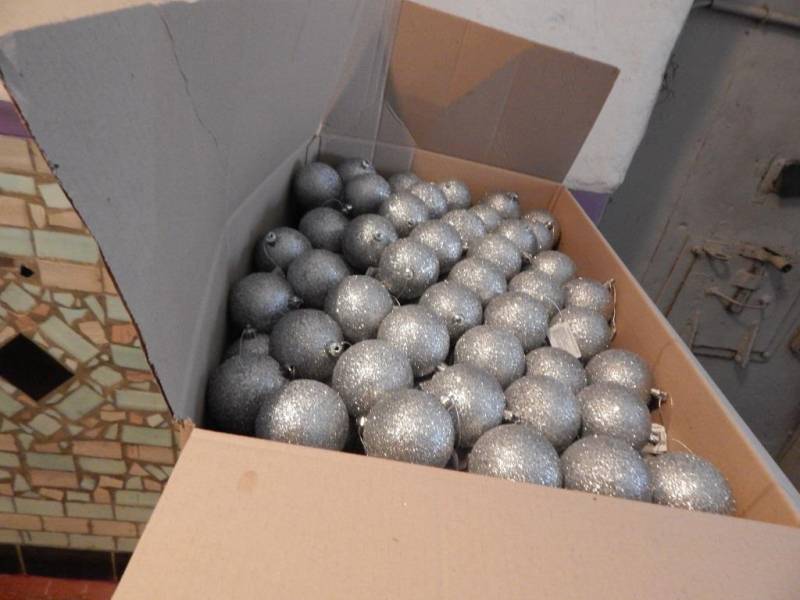
In Zhytomyr Penal Institution No. 8, those sentenced to life imprisonment have the opportunity to work; the convicts (up to 40 people) are in one large room, converted into a production workshop. Here there are sewing machines on which the convicts sew sleeves. There is also an area where the convicts produce leather components for footwear. At the time of the visit, the convicts who were in this production room were making Christmas decorations; they demonstrated the entire simple process of applying glitter to plastic baubles.
In a conversation with the head of production, it turned out that it is possible to obtain orders, among other things, thanks to the 'Prozorro' website, although the regime deters customers, as not all customers want to overcome the complications associated with the restriction on entry to the territory where convicts serving life imprisonment work. However, if customers do decide to take this step, they remain satisfied with the products manufactured by the convicts, as they approach the work very attentively and responsibly, since this is the only way to pass the long term of their punishment.
The convicts who were in the production area did not express any comments or suggestions. For them, work is an opportunity to be occupied, to be outside the small cell, to be, albeit in a limited, but collective (up to 15 people), and to earn money that they can spend on themselves.
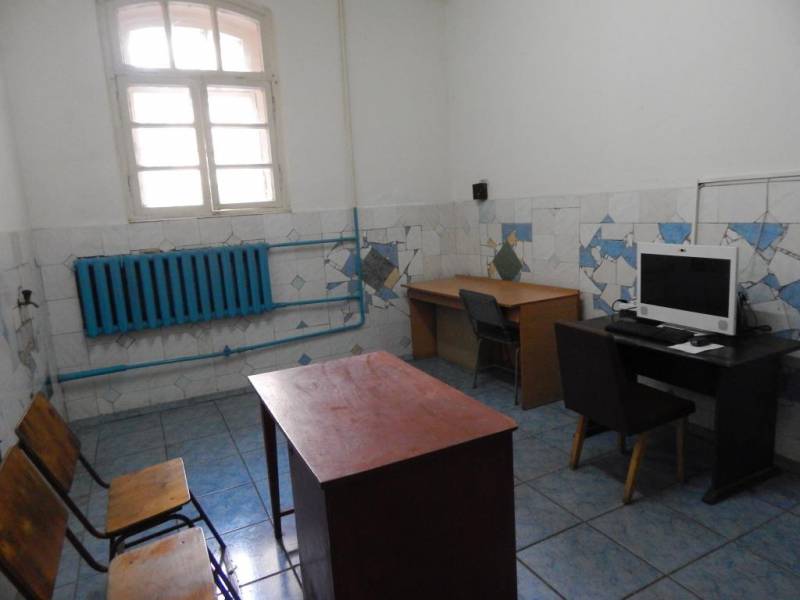
Those sentenced to life imprisonment have the opportunity to communicate by phone with relatives for 15 minutes every day, for which they need to submit a corresponding application to the administration of the penal institution. The institution also operates a room equipped for video communication with relatives and loved ones, which the convicts are already using.
A separate meeting took place with a convict sentenced to life imprisonment, Oleksandr Mykhailov, who was transferred from territory not controlled by Ukraine (he served his sentence in Penal Colony No. 52 in Yenakiieve until 2015). Mykhailov agreed to tell us about what happened during the hostilities when Penal Colony No. 52 found itself at the epicentre of the fighting in 2015 and was shelled. Mykhailov also requested legal assistance in his case, and the HHRG is currently considering the possibility of providing consultations based on the materials of his case.
The conditions of detention of convicts in Zhytomyr Penal Institution No. 8 and the possibility of communicating with them testified to the properly organised work with such a difficult category of convicts as those sentenced to life imprisonment.