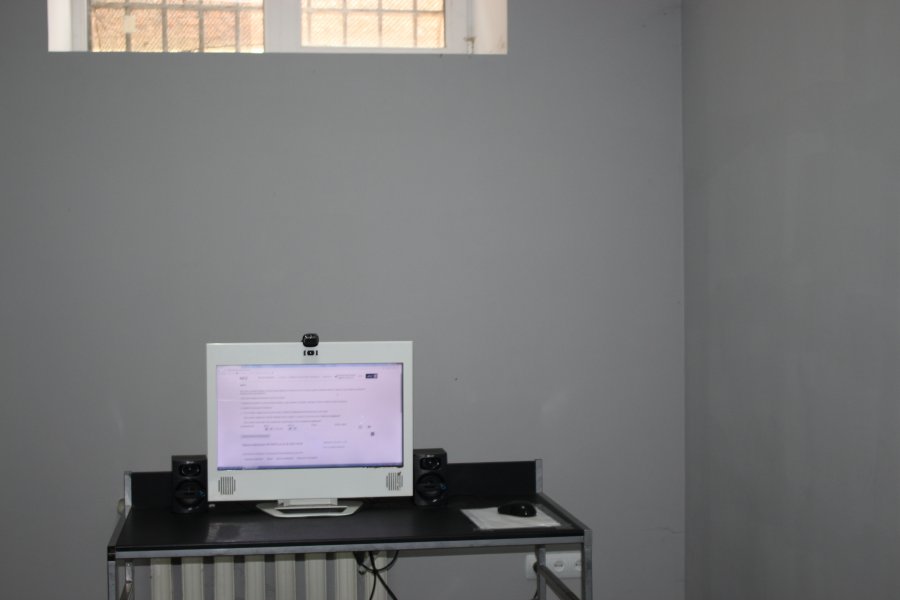
Monitoring visit to the State Institution “Zhytomyr Remand Prison (No. 8)”
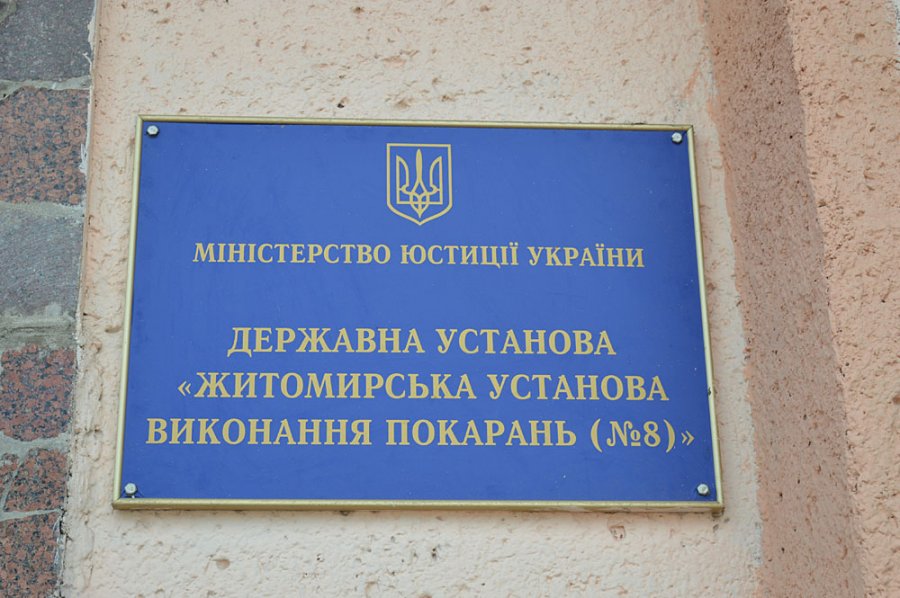
On 22 June 2022, a monitoring group consisting of an assistant to the People’s Deputy of Ukraine, Kostiantyn Kasai, and member of the Public Council under the Ministry of Justice of Ukraine Serhii Zuikov, an assistant to the People’s Deputy of Ukraine, Yaroslav Yurchyshyn, KHPG programme coordinator Andrii Didenko, and a journalist from the “Poriad z vamy” (“Beside You”) Information Agency Oleksa Yaroslavtsev, carried out a follow-up visit to the State Institution “Zhytomyr Remand Prison (No. 8)”.
The previous visit by KHPG monitors can be found at this link.
The main objectives of the monitoring visit were to compare current indicators with those of previous visits, to contrast the operations of penitentiary institutions of varying security levels, to analyse the facility’s performance during the war, and to identify humanitarian needs.
The head of the institution is Andrii Viktorovych Kvasnyi.
The facility’s administration was cooperative with the monitors. The monitors had the opportunity to visit any premises and communicate with inmates on the condition of anonymity.
GENERAL INFORMATION
The facility houses individuals convicted of intentional, particularly grave crimes; persons transferred from medium-security colonies for malicious violations of the detention regime; and those sentenced to life imprisonment.
The institution consists of a remand prison, a residential block for fixed-term convicts, and a maximum-security sector for life-term prisoners.
The staff-to-inmate ratio is one staff member per three inmates. Three psychologists are employed: two for working with inmates and one for working with staff.
In 2021, nine inmates died, and in 2022, six died. Sixty-five inmates are employed, with an average monthly salary of 2,232 hryvnias. A shop operates within the institution. At the time of the visit, no inmates were serving disciplinary penalties.
In the health care unit of the State Penitentiary Service located on the facility’s premises, 19 people are receiving treatment. There are 61 HIV/AIDS-positive individuals registered, and 74 inmates are prone to suicide. In 2021, there was one suicide, and in 2022, there were two such cases. Fourteen inmates are prone to self-harm, nine are prone to escape, and seven are considered malicious violators of the detention regime.
No one was released due to illness in 2021 or 2022. Two inmates have a first-degree disability, six have a second-degree, and 11 have a third-degree disability. In 2021, 371 people were released from the institution, seven of whom were released on parole (Article 81 of the Criminal Code of Ukraine). In 2022, the total number of released persons was 90, of which three were released on parole (Article 81 of the Criminal Code of Ukraine).
In 2021, there were 35 emergency medical calls, compared to six calls during 2022. In 2021, bodily injuries were recorded as follows: 40 upon arrival at the institution and 27 during their stay. In 2022, there were 24 injuries recorded upon arrival and five during their stay. Special means (handcuffs) were used twice in 2021, and zero times in the current year.
In 2021, there were 204 video calls conducted via the internet. Internet services are provided free of charge; in 2022, 31 video calls were facilitated. The institution has two workstations with internet access. In 2021, there were 79 long-term visits, and 17 in the current year. There were 322 short-term visits in 2021, and 53 in the current year. The living space standard in the institution is 2.5 square metres for remand prisoners and 4 square metres for convicts.
Since the beginning of the current year, 977 inmates have been tested for SARS-CoV-2 (IgG, IgM). In 2021, 125 inmates contracted SARS-CoV-2 (IgG, IgM), and 12 did so in 2022. A total of 202 inmates/convicts have been vaccinated.
The institution’s management does not record the number of persons who have petitioned for a presidential pardon to serve in the Armed Forces of Ukraine. Officially, five motions for release were submitted, all of which were denied.
Humanitarian needs of the institution
The institution requires personal hygiene products (toothbrushes, toothpaste, toilet paper, disposable razors, shampoo) and cleaning supplies (soap, laundry detergent, dishwashing liquid, etc.). There is also a need for clothing and essential items for persons evacuated from combat zones.
The facility’s management receives financial aid from charitable organisations.
DISCIPLINARY CELL
The disciplinary cell is located in such a way that one floor is out of use due to flooding. The disciplinary cell is used for the disciplinary punishment of remand prisoners. Lighting meets the required standards.
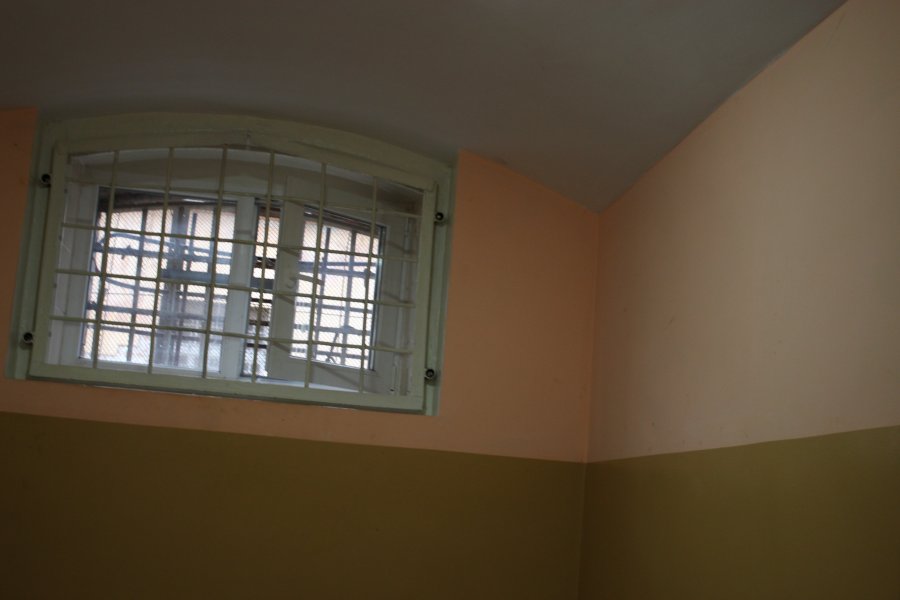
Last year, all cells were renovated.
However, due to the dampness, fungus is appearing on the walls even after the repairs.
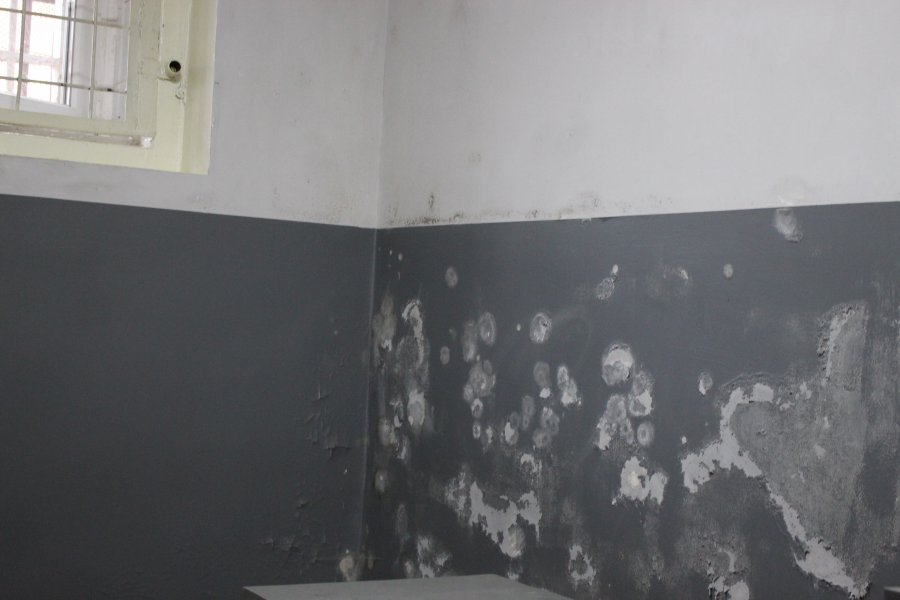
The institution’s management has repeatedly appealed to the Administration to allocate funds for repair work in this specific area, but funding has not yet been received.
There were no inmates serving disciplinary punishment in the cells at the time. In fact, it is very rare for anyone to be punished in the disciplinary cell.
Life-sentenced prisoners are kept in solitary confinement cells.
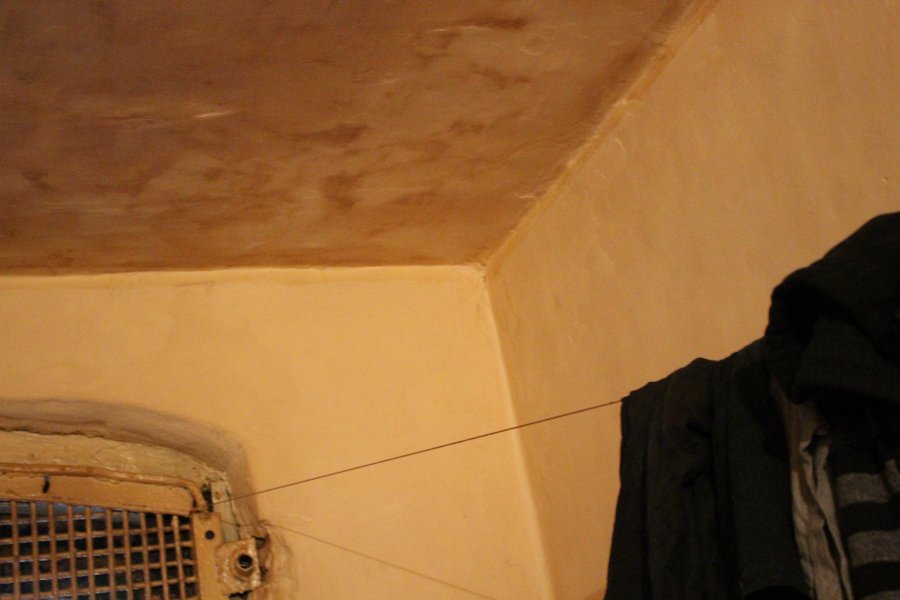
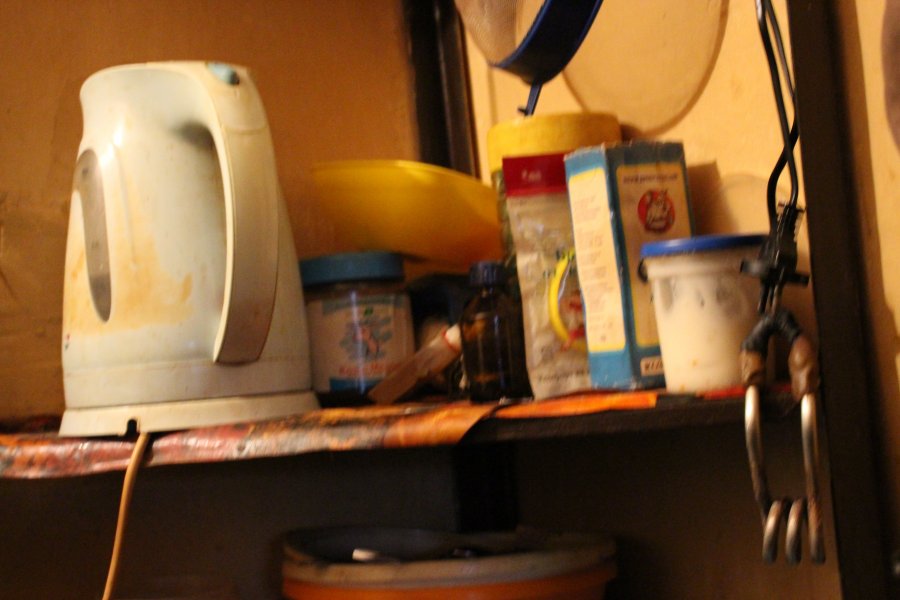
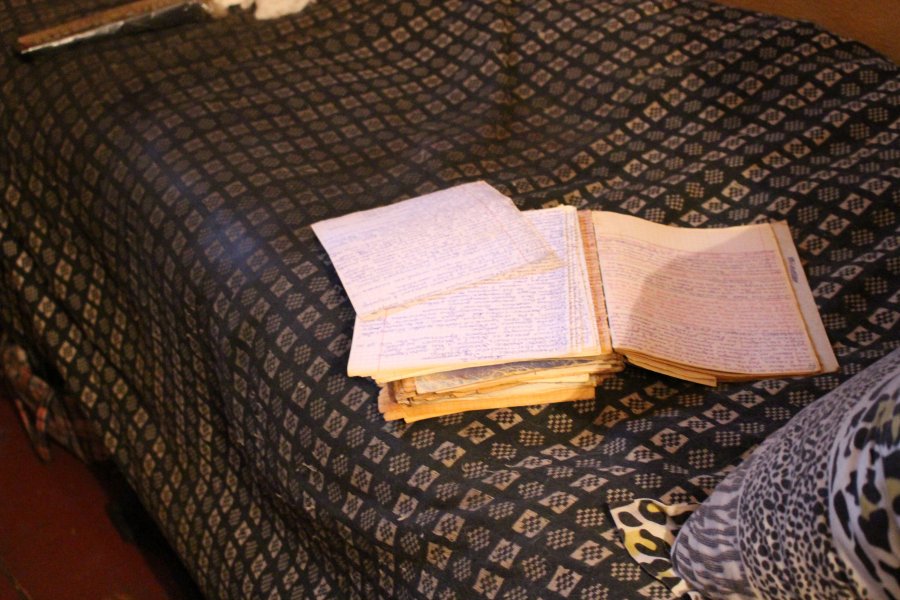
As the head of the institution explained, these cells house individuals who prefer solitary confinement of their own volition or who cannot get along with the general inmate population. Some of them were sentenced during the era of the death penalty and survived due to the moratorium introduced at the time. At the time of the visit, seven life-sentenced prisoners were held in solitary confinement cells.
Although the cells seem to meet the space standard of 4 square metres per person, the very fact of prolonged stay in such a cell can have extremely destructive consequences for a person’s psychological, somatic, and social health. One of the interviewed inmates reported that he had been in this solitary cell for ten years. He explained that he felt comfortable in solitary confinement and was occupied with poetry. The convict has a wife and had appealed to the President for a pardon but was refused. At the same time, the facility’s management cannot forcibly place the convict in another cell due to the risk of conflict with other inmates.
LIFE-SENTENCED PRISONERS
There are 166 life-sentenced prisoners in the institution. There are no multi-occupancy cells for life-sentenced prisoners; everyone is held in cells for two. All cells are identical in size.
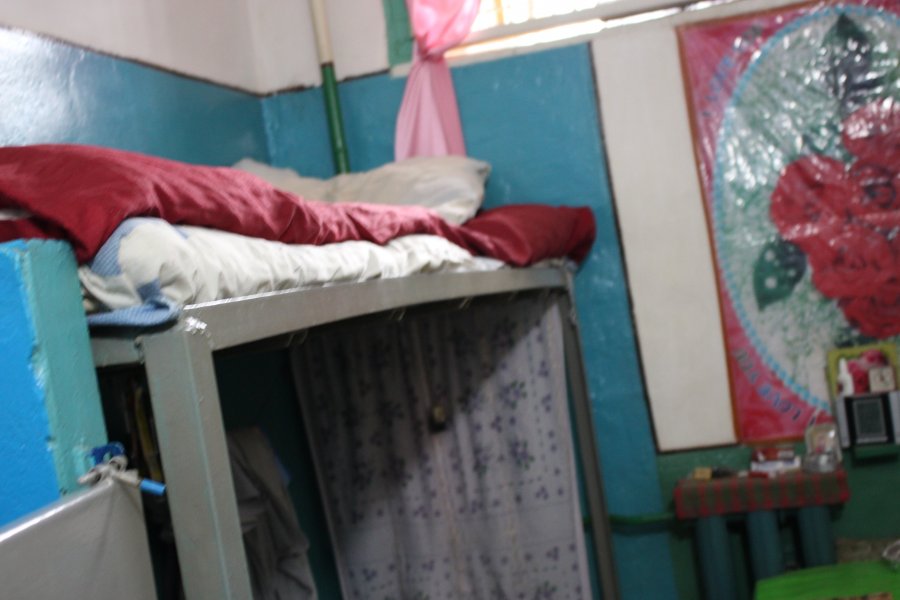
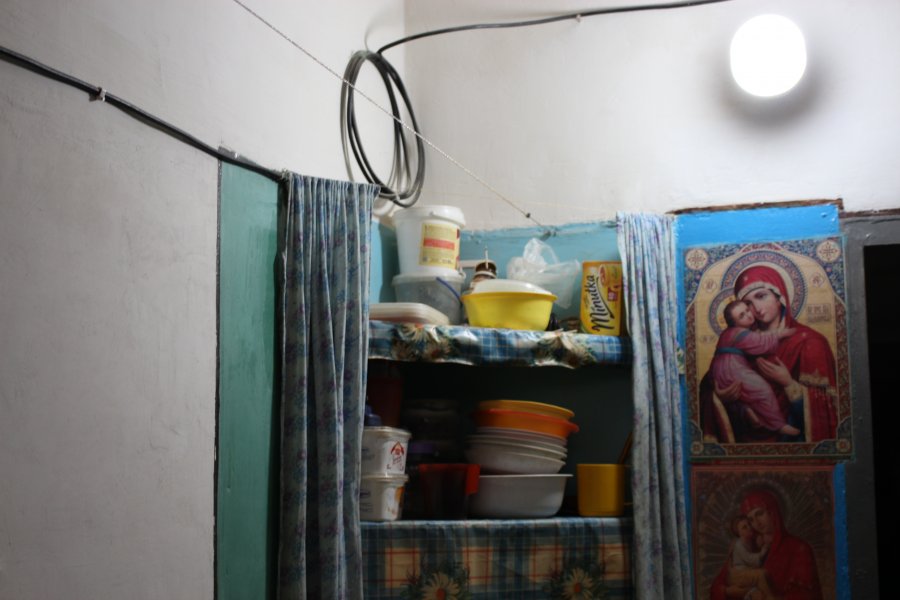
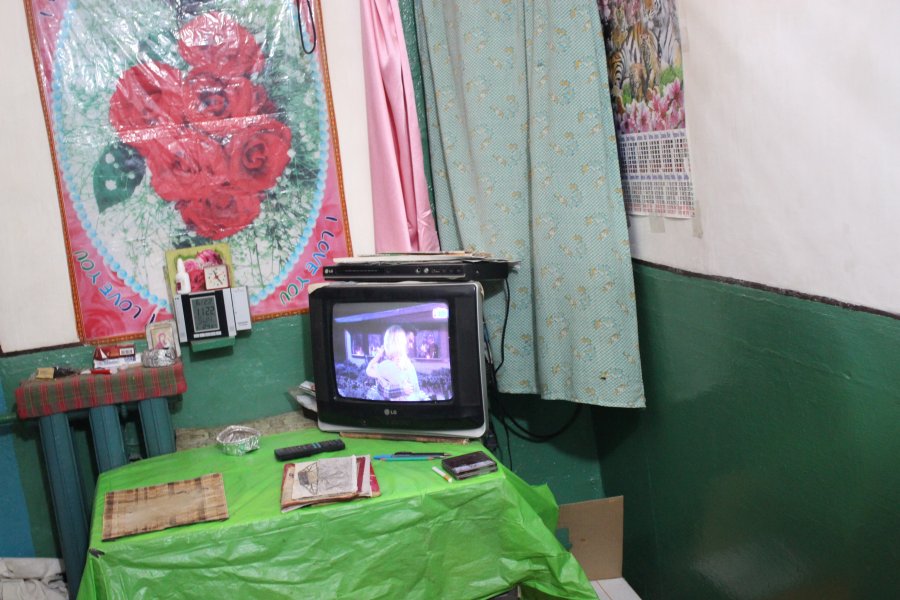
Reconstruction is not planned due to a lack of funds.
Life-sentenced prisoner R.
Life-sentenced prisoner R. complained that human rights are being violated with regard to him and all inmates sentenced after the Constitution of Ukraine entered into force. He claims that the court could not have applied the life sentence to him. At the time the Constitution entered into force, this norm (the death penalty) was, in the convict’s opinion, invalid. The death penalty as a type of punishment creates a contradiction from the moment the Constitution of Ukraine entered into force. “I am talking about the fact that this norm was not in effect at the moment the Constitution entered into force; it had no legal force and was not subject to application. The highest legal force of the Constitution lies in the fact that any legal norms that contradict the Constitution have no legal force, are not subject to application, and are subject to cancellation through legislative procedure. Thus, persons who committed acts after the Constitution entered into force were in the status of the accused at that time. And courts, understanding these nuances, in violation of the law, impose the death penalty on them.”
For many years, prisoner R. has appealed to all kinds of authorities, but he has not managed to get his sentence reviewed. He appealed to the Supreme Court of Ukraine, but there was no response; the prosecutor’s office also failed to provide an adequate response. The prisoner says that “at the time the death penalty was abolished, there were 450 people like me who had been sentenced to death, whose sentences were commuted to life imprisonment”. Prisoner R. claims that for him and all these persons, the life sentence should be commuted to 15 years. Prisoner R. intends to appeal to the ECHR specifically on the grounds of the illegality of the life imprisonment imposed upon him.
Life-sentenced prisoner Shanta
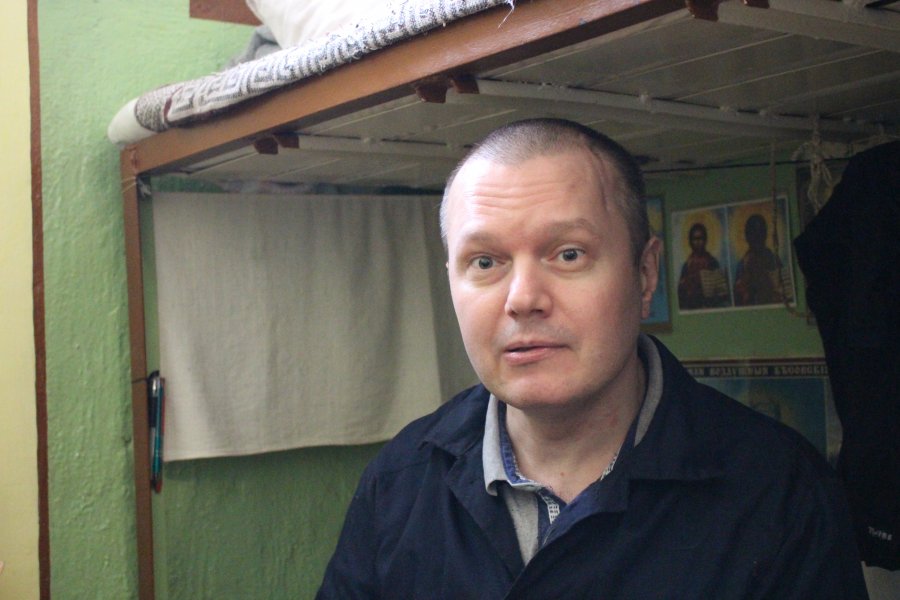
Prisoner Shanta suffered a stroke; his arm does not function. He understands everything and remembers everything, but he is constantly in a lethargic state. “I, Mykola Vasylovych Shanta, am serving a life sentence; I had a stroke five years ago. My organs simply do not work.” The prisoner has been serving his sentence for 24 years, and his entire right side is paralysed. He asks for a pardon, but receives refusals.
KHPG lawyers have taken up the defence of prisoner Shanta. The institution’s administration does not object to the prisoner’s release due to health reasons. Shanta was convicted of the murder of one person. The crime was not even committed on the territory of Ukraine. The prisoner is a former police officer.
ROOM FOR TELEPHONE CALLS
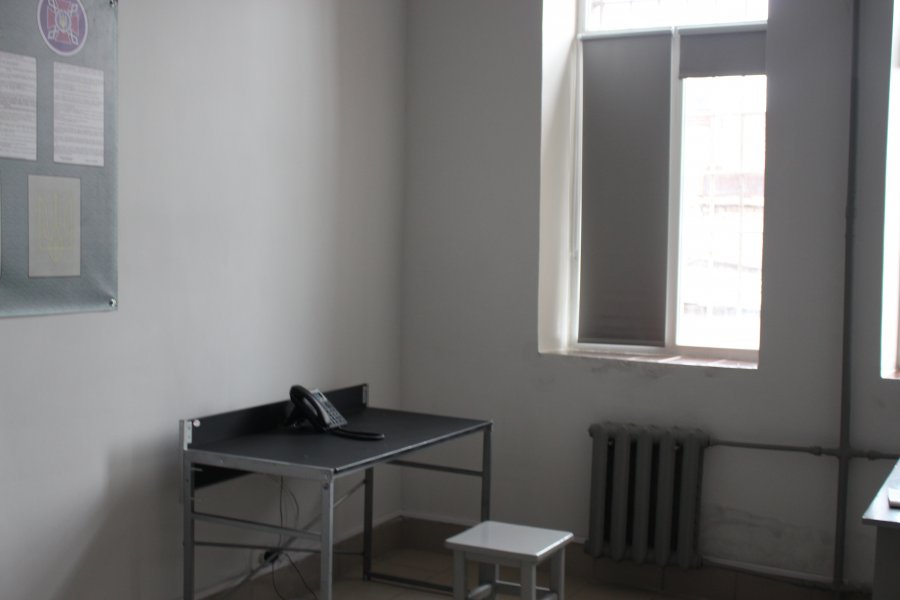
There is an equipped room for convicts and inmates where they can call their relatives.
After the service is provided, the administration notifies the judge about the fact of the service and the contact number the prisoner called. In other words, accused persons are granted the opportunity to make phone calls not by prior permission, but post-factum, and it is only after the fact that the telephone communication is reported.
MEDICAL UNIT
According to the staffing table, the following positions are filled: Head of the Medical Unit – 1 post; General Practitioner – 0.5 post; Radiologist – 0.75 post; Dentist – 0.5 post; Phthisiatrician (Tuberculosis specialist) – 0.5 post; Surgeon – 0.25 post; Psychiatrist – 0.5 post; Family Medicine Practitioner – 0.5 post; Paramedic – 4 posts; Senior Paramedic – 1 post; Nurse – 0.5 post; X-ray technician – 1 post; Pharmacy Assistant – 0.5 post; Laboratory technician – 1 post.
The following positions remain understaffed: Dermatovenereologist – 0.25 post; Ultrasound Diagnostics Physician – 0.25 post; Laboratory technician – 0.25 post.
The following positions remain vacant: Infectious Disease Specialist – 0.5 post; Disinfector – 0.5 post. The understaffing of medical personnel negatively affects the quality of medical care provided.
The medical unit’s inpatient facility has 4 wards for somatic patients, designed for 10 beds, and an infectious isolation ward containing 2 rooms, designed for 4 beds.
During the visit, the monitoring group inspected the medical unit premises without hindrance, familiarised themselves with the organisation of medical care for inmates, and studied the medical documentation. The head of the medical unit provided the medical records of inmates and the convict, for which written consent for review had been obtained.
The medical unit provides 24-hour medical staff duty to provide emergency medical assistance and ensure inmates (convicts) have access to medication.
In the current year, 870 people have been treated, of which 44 were in the inpatient unit, 814 were treated as outpatients, and 12 were treated for tuberculosis (two of whom are currently undergoing examination).
Since the beginning of the year, 977 people have been tested for SARS-CoV-2 using rapid tests. The number of people who have had SARS-CoV-2 since the beginning of the year is 12. There are 202 vaccinated inmates/convicts.
For the current year, the log of bodily injuries in the institution records 29 cases, 24 of which were upon arrival at the institution and 5 occurred within the institution.
During the study of medical documentation, it was established that the outpatient medical records (form 025/o) lack photographs of existing bodily injuries, as required by Chapter II, Clause 9 of the Order of the Ministry of Justice of Ukraine dated 14.06.2019 No. 1769/5 “On Approval of the Internal Rules for Remand Prisons of the State Penitentiary Service of Ukraine”.
The primary medical examination of new arrivals is conducted within 24 hours by the head of the medical unit. The provision of medical care to patients using telemedicine has been implemented, with the appropriate documentation being maintained.
The medical unit is supplied with drugs for antiretroviral therapy (ART).
PAID REMAND CELL
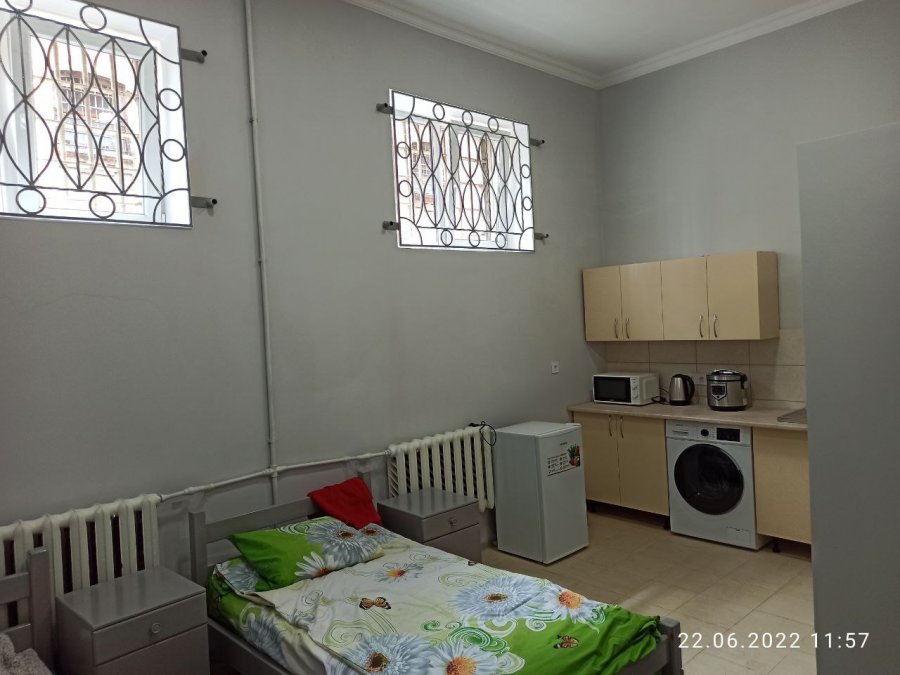
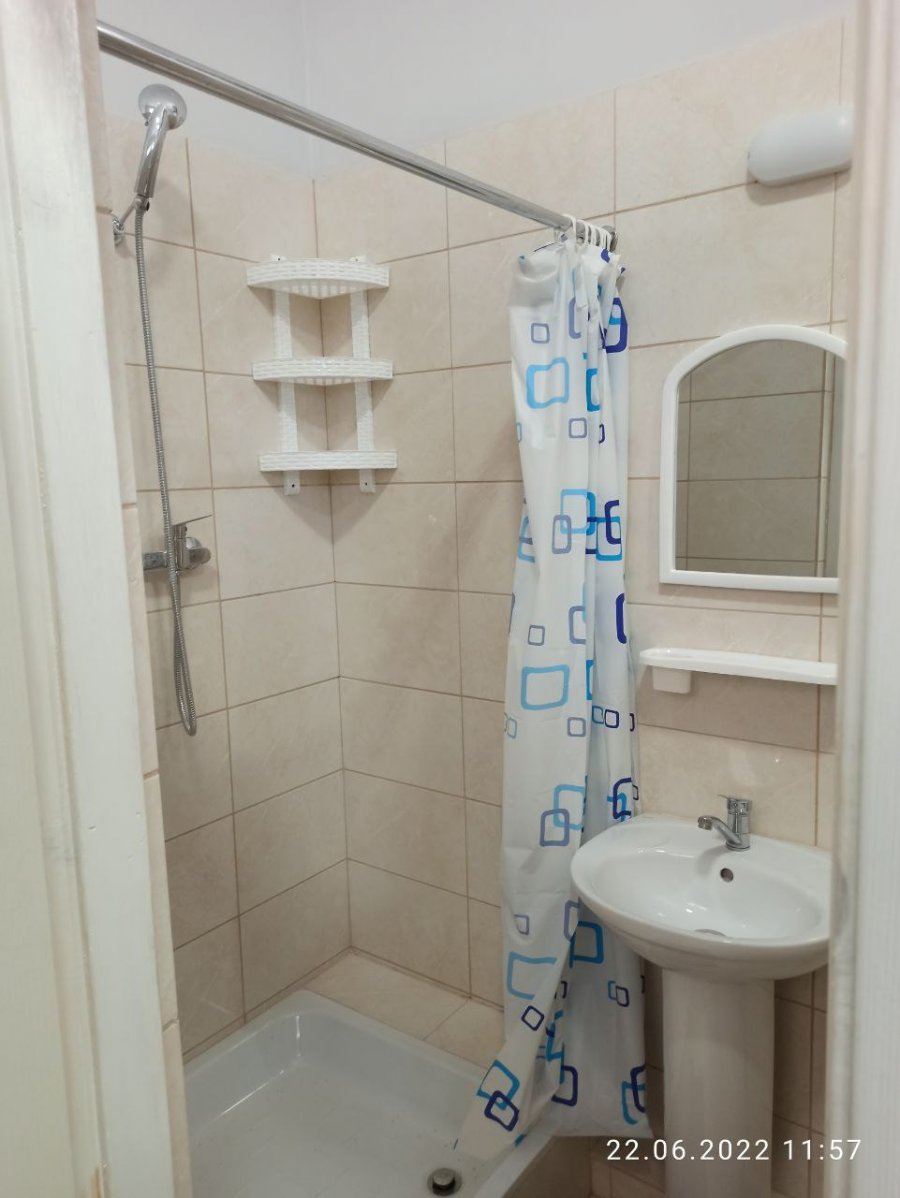
A paid cell has been set up for remand prisoners. The cost of such a cell is 2,399 hryvnias per month. Any inmate with the necessary funds can use these services.
The funds obtained from the use of paid cells are directed towards repair work.
REMAND PRISON CELLS
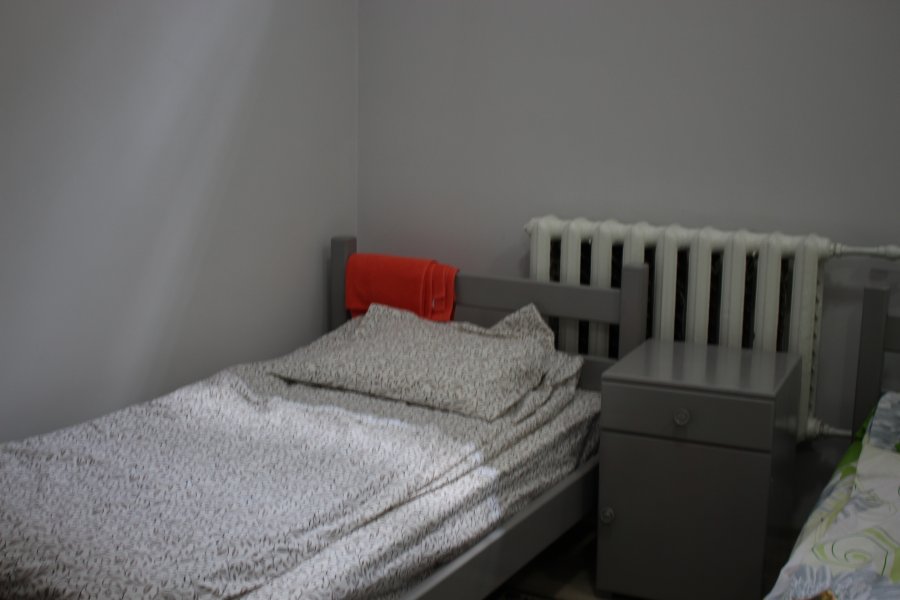
Remand prison cells were inspected for human rights compliance and adequate detention conditions.
A renovated cell for female inmates was inspected. The renovation was funded by proceeds from the paid cell.
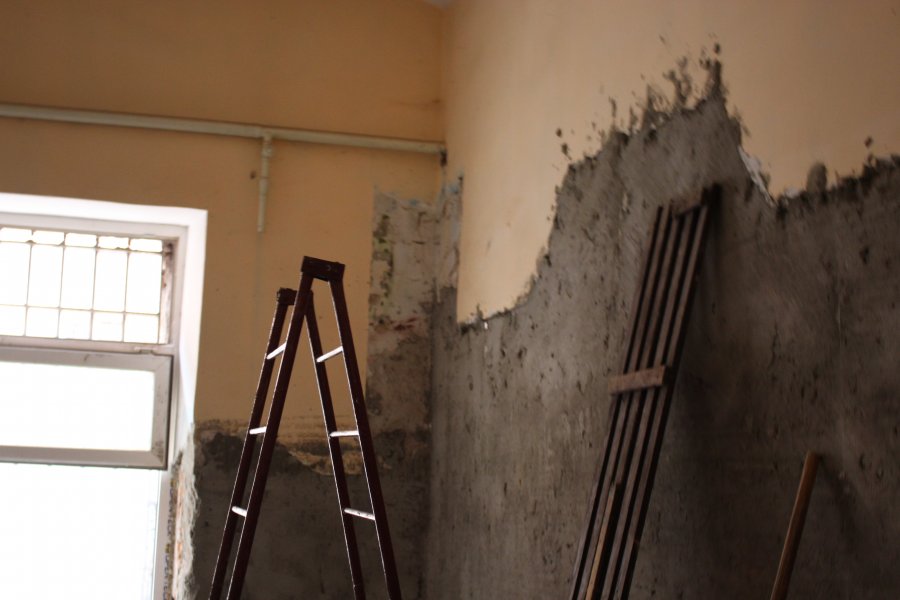
We visited various cells—some multi-occupancy cells that require repairs, and others that have been renovated.
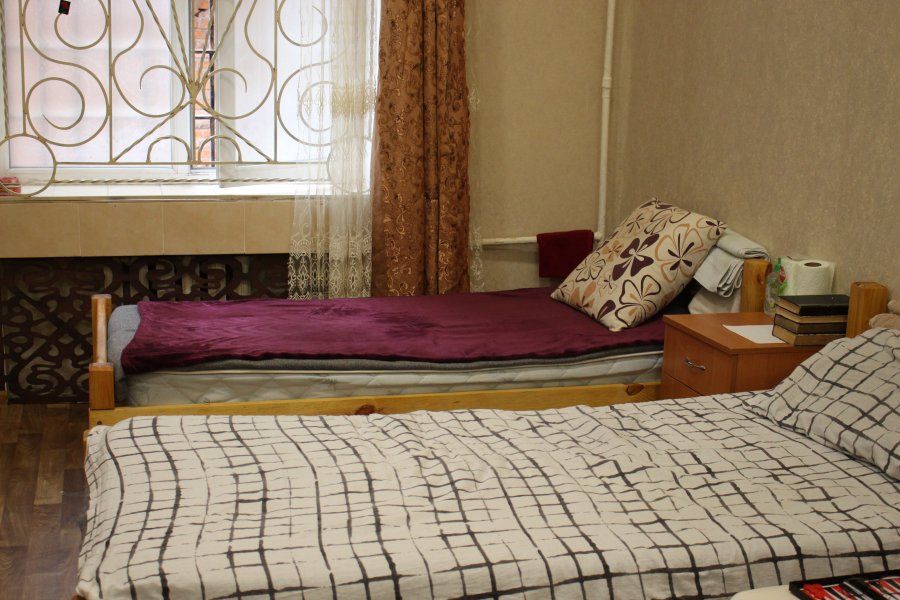
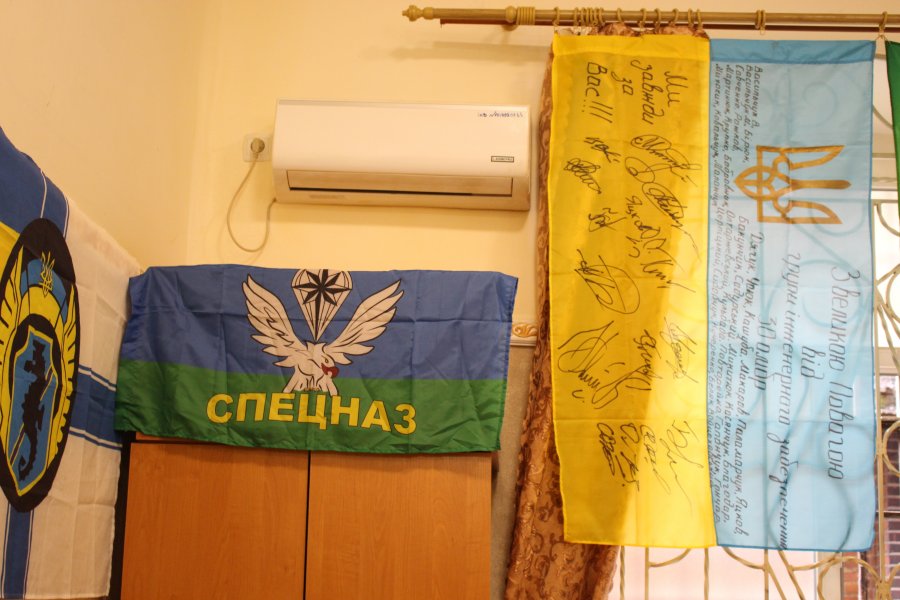

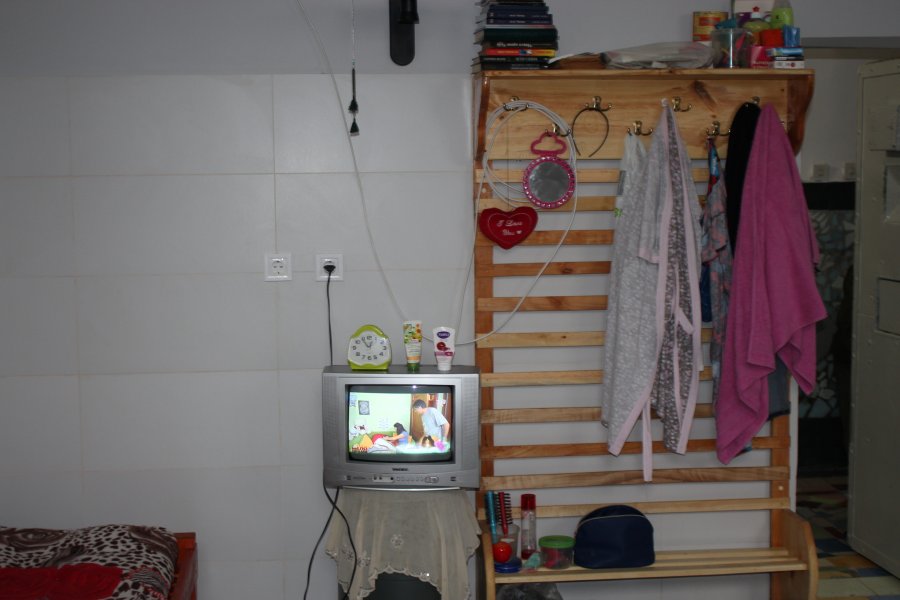
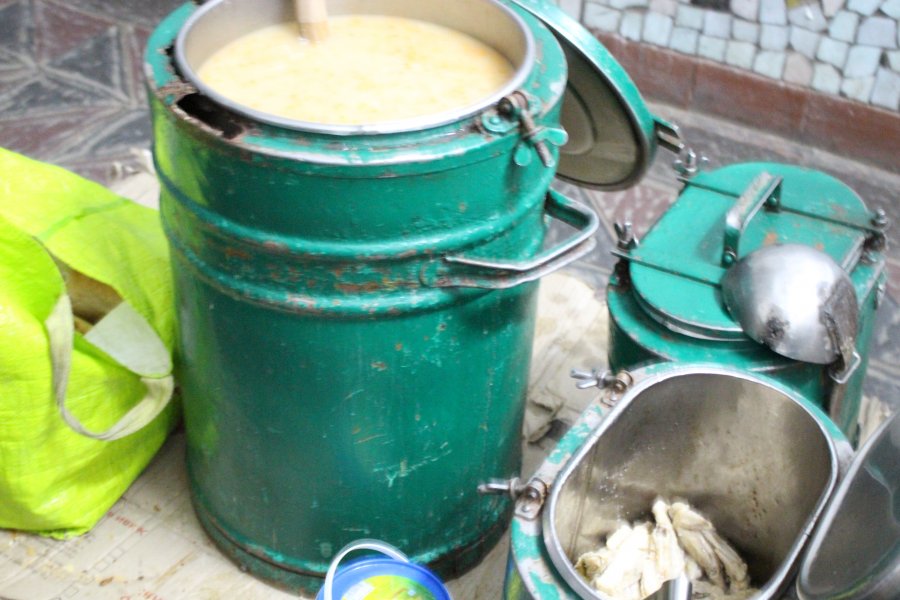
Lunch on that day consisted of soup, porridge, and chicken wings. Meat is served separately.
INTERNET CLASS
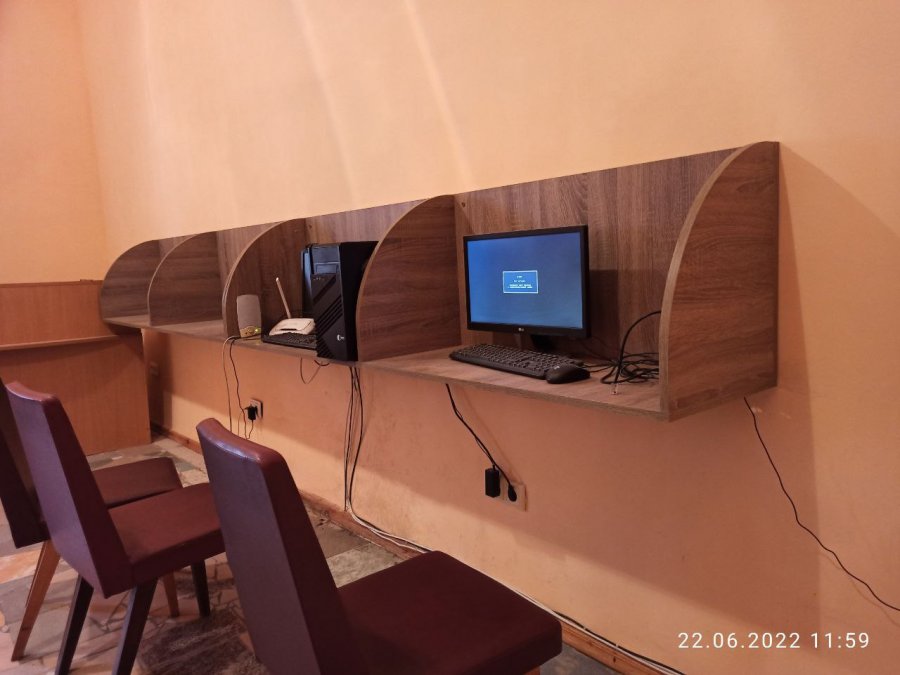
The internet class is used mainly by life-sentenced prisoners. Two work tablets are available. In this way, the prisoners resolve issues of communication with relatives, especially those located abroad or who have been forced to relocate due to the military aggression of Russia.
EVACUEES
We inspected the cells housing inmates transferred from the Bakhmut Remand Prison. A total of 140 people were transferred.
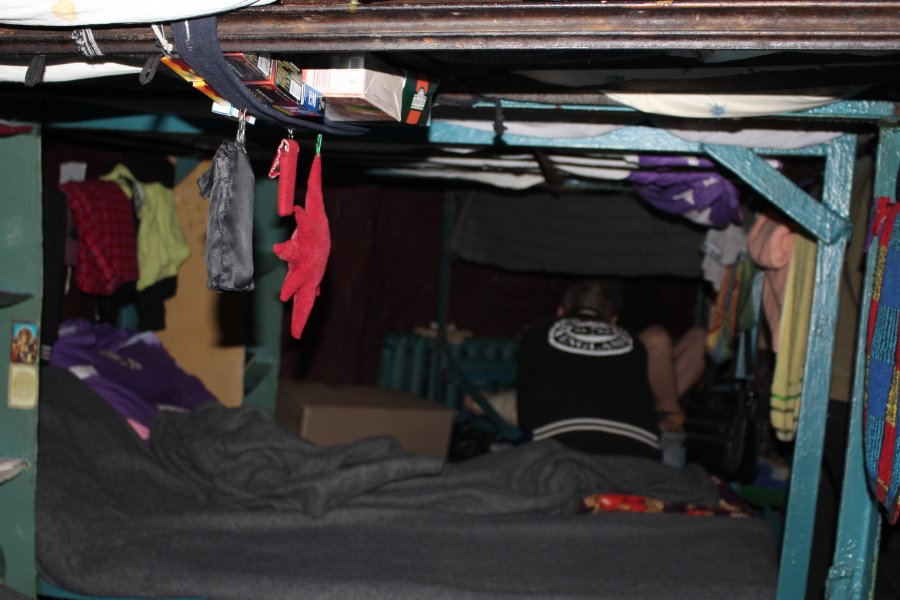
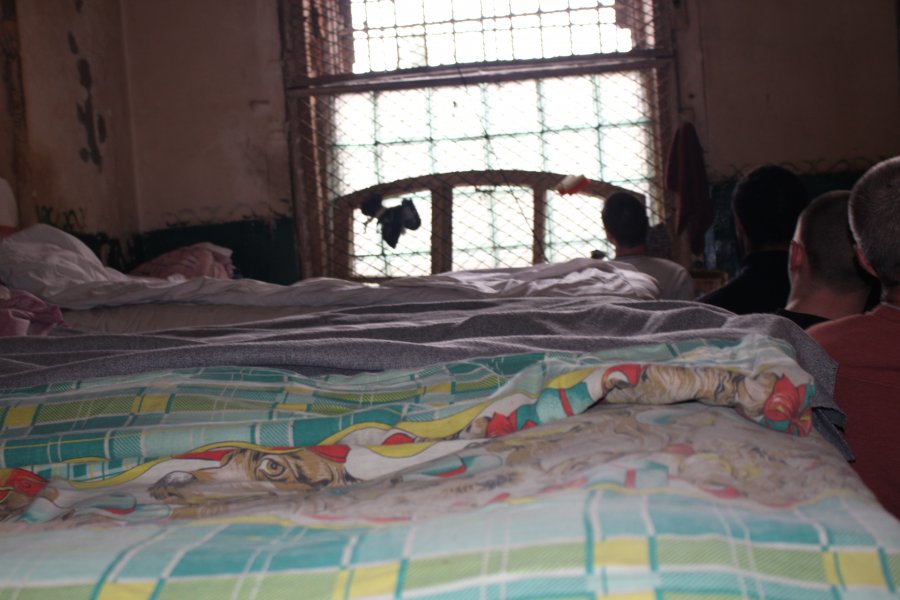
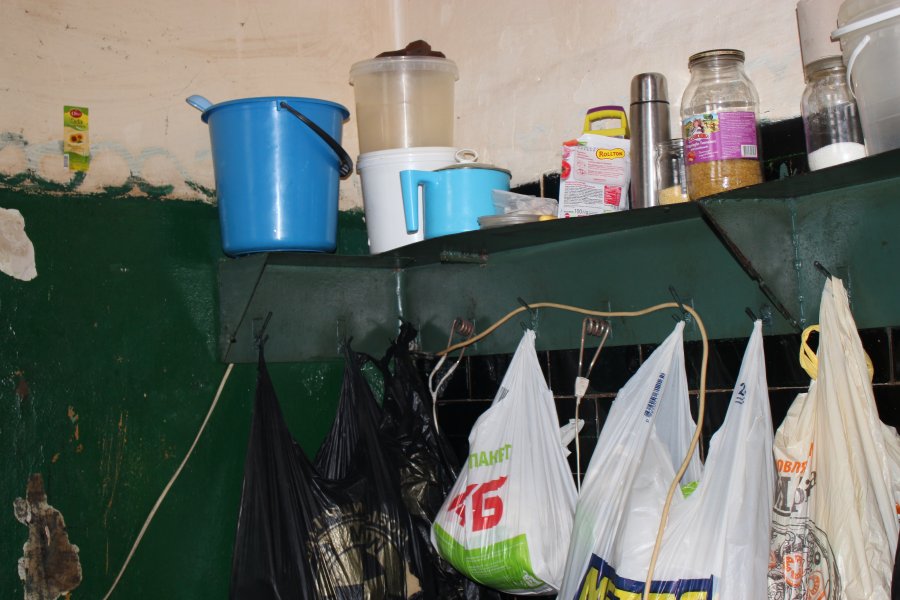
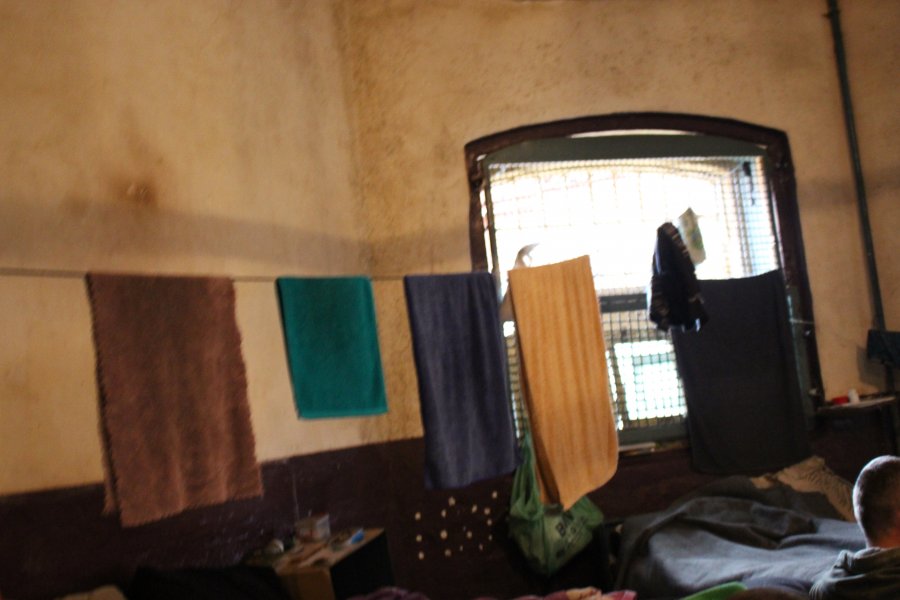
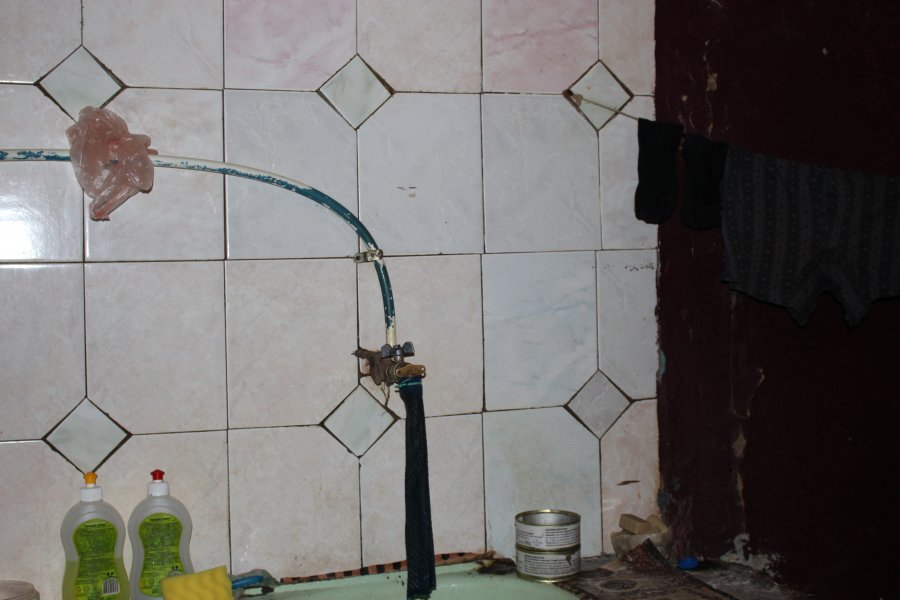
The inmates arrived at the institution in the second half of April; they had the opportunity to pack quickly, but most of their belongings had to be left behind. During transport, National Guard soldiers did not use physical force, the prisoners were not humiliated, and the staff behaved correctly. There were between 7 and 12 people in each compartment of the special train carriage.
It is impossible for them to receive parcels and packages, and telephone communication is difficult. They also cannot use the internet, as they are still at the investigation stage.
The prisoners complain about the lack of legal aid and the fact that the investigation has been prolonged for a long time because the territorial jurisdiction of the case has changed due to hostilities, while they (the prisoners) continue to be held in custody, with the preventive measure of detention being extended by the prosecutor’s office without their participation.
An inmate complained that he had been refused legal aid by the Free Legal Aid Centre.
According to the inmates, the conditions of detention at the Zhytomyr Remand Prison are better than in Bakhmut.
Appeal of inmate V.
Inmate V. appealed to us. He is from Sievierodonetsk, has cirrhosis of the liver, and gave his consent for his medical record to be reviewed and for photo and video recording. The inmate complained that he has a third-degree disability, hepatitis, HIV, and cirrhosis of the liver. All these illnesses combined are life-threatening and hazardous to the inmate’s health. In the Bakhmut Remand Prison, no medical aid was provided; according to the inmate, he has been suffering from cirrhosis for seven years.
KHPG lawyers have begun to investigate the circumstances of this case.
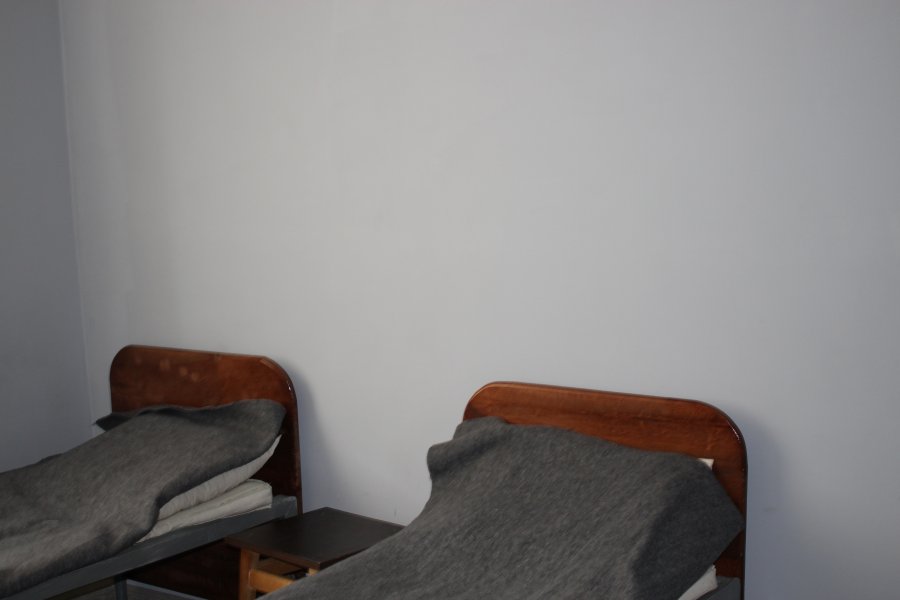
REST ROOM FOR JUNIOR INSPECTORS
The renovation of the room took place thanks to charitable aid from a non-governmental organisation.
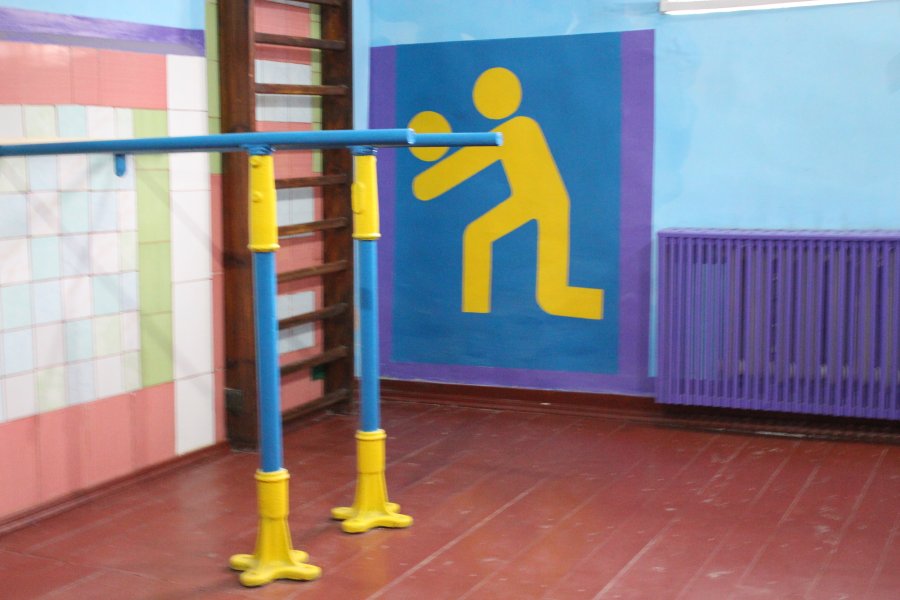
SPORTS HALL FOR MINORS
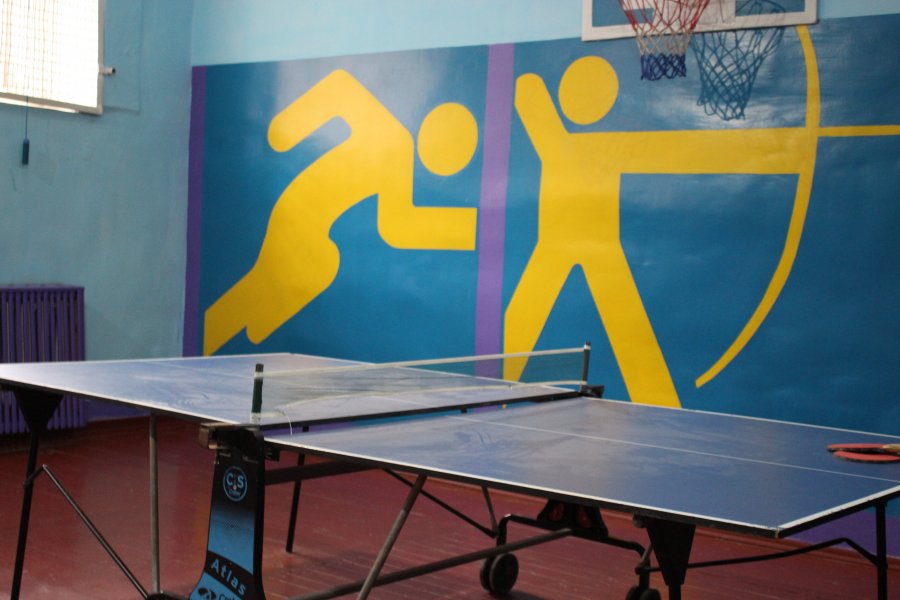
The hall is equipped with tables for table tennis. According to the management, minors can visit the sports hall every day, but they are held in separate groups, so it is difficult to understand how the boys can play table tennis while alone.
CLASSROOM (SCHOOL)
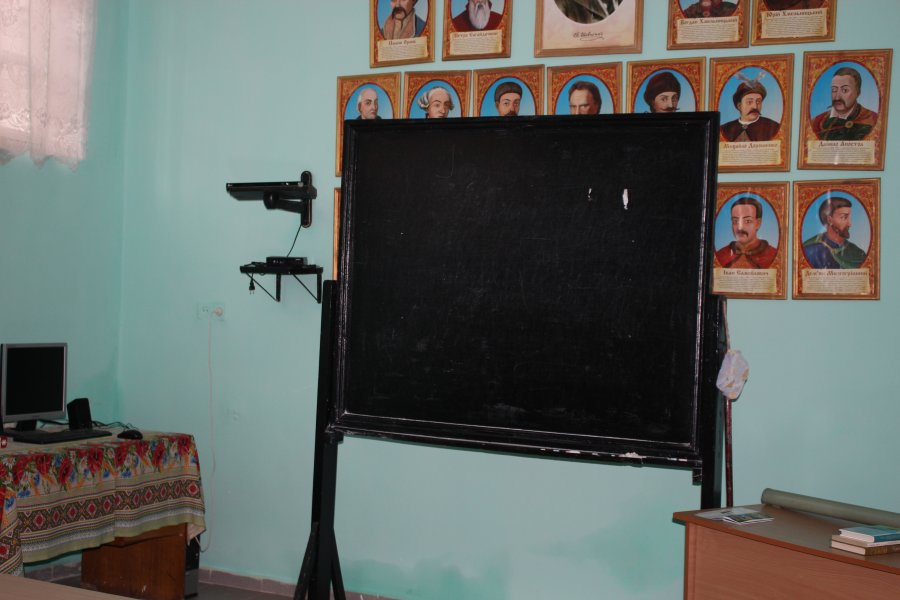
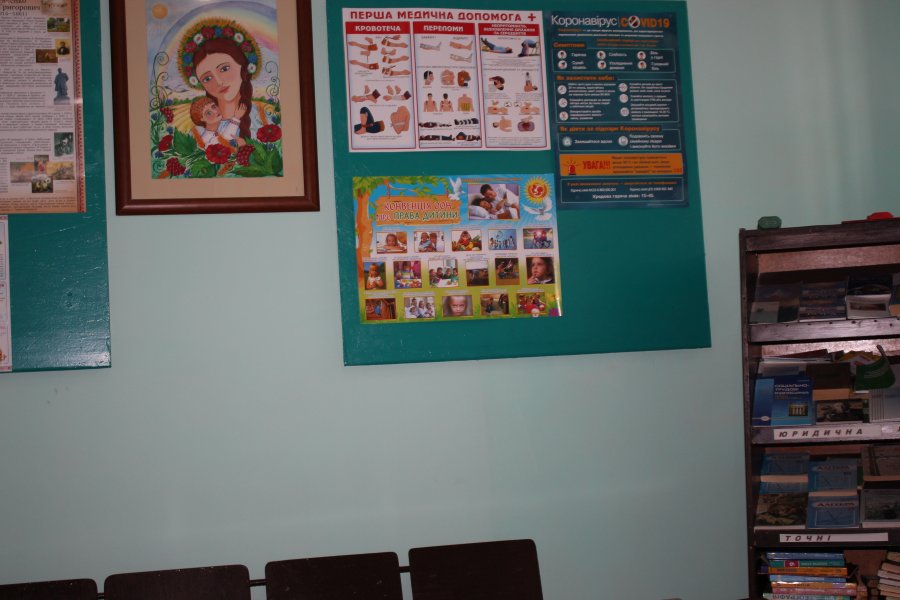
There are 17 people studying at the school.
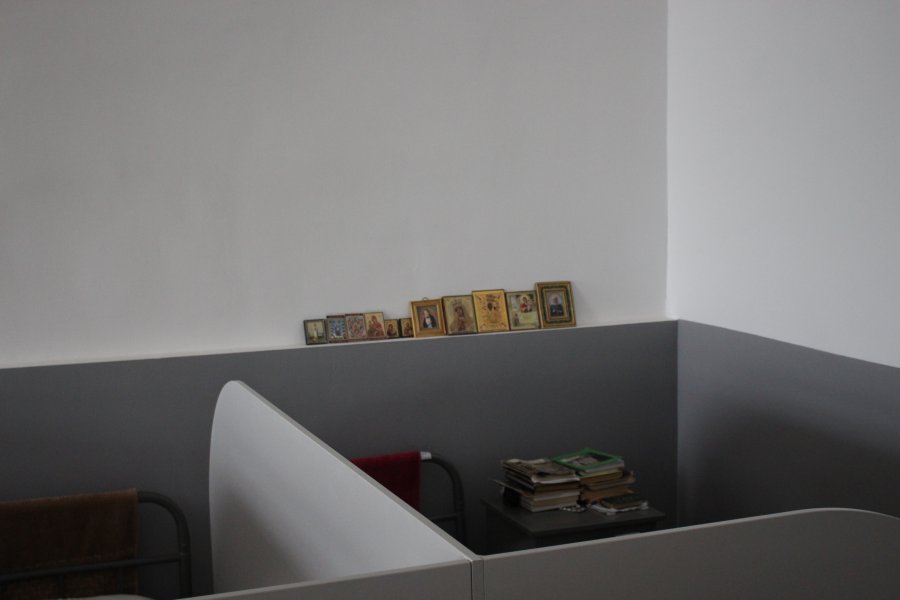
LIVING PREMISES FOR CONVICTS WORKING ON DOMESTIC DUTIES
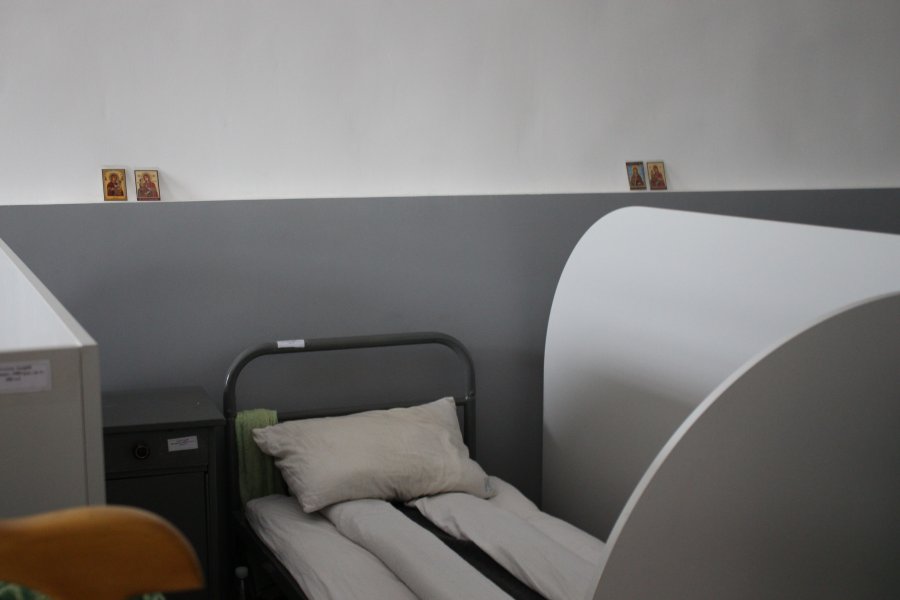
A total of 33 convicts work on domestic duties. In the living quarters, beds are separated, and each convict can have some privacy, with minimal funding. Civil law contracts have been concluded for the work.
REPAIR WORK IN REMAND CELLS
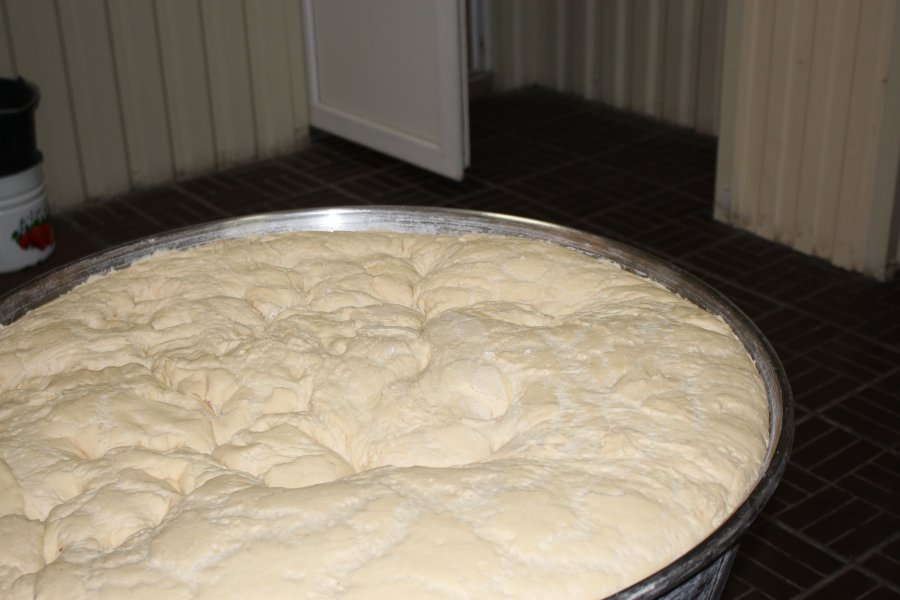
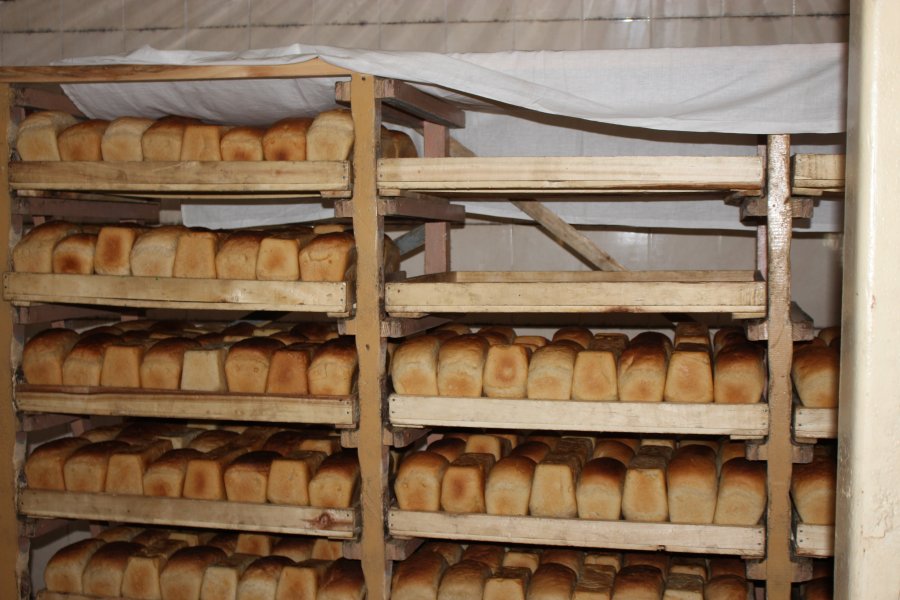
BAKERY
The institution bakes its own bread.
ROOM FOR VIDEO CONFERENCES
The room is designed for the participation of individuals in court proceedings via video conference.