Report on the Results of a Monitoring Visit to the Kremenchuk Juvenile Correctional Colony
General Information
The Kremenchuk Juvenile Correctional Colony is a facility for minors located almost in the centre of Kremenchuk. The colony can accommodate over 300 inmates; however, at the time of the visit, it held 50, 12 of whom were employed. The administration consists of four senior managers, supported by a staff of 135.
During the current year, 12 boys have been released from the institution, 11 of them on parole.
There are nine religious denominations active within the colony; furthermore, the inmates are regularly visited by international and local non-governmental organisations. In particular, with the support of the Council of Europe, the adolescents are provided with legal and social literature, and films from Docudays UA are shown to them as part of the Human Rights Media Literacy Film Club. Such screenings take place with the participation of a psychologist, who then discusses the material with the boys.
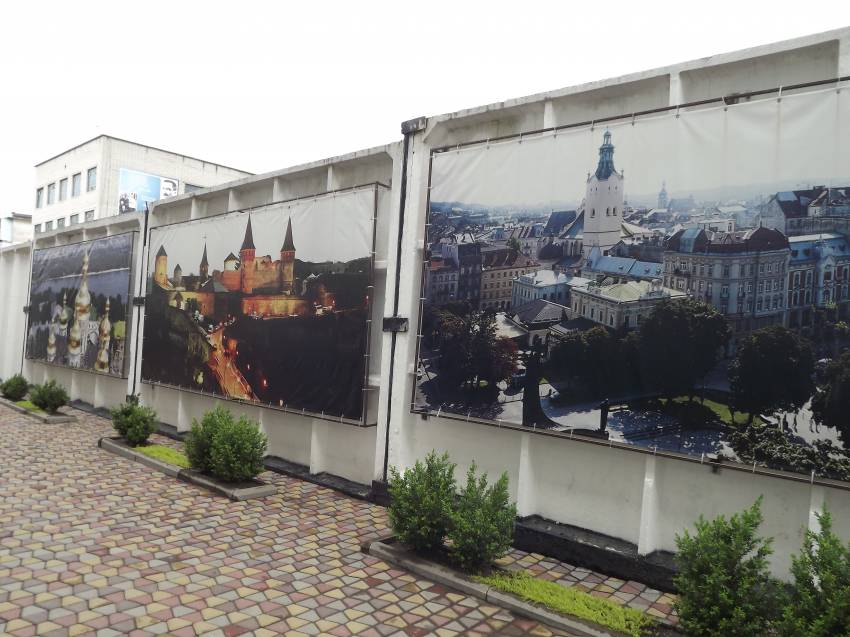
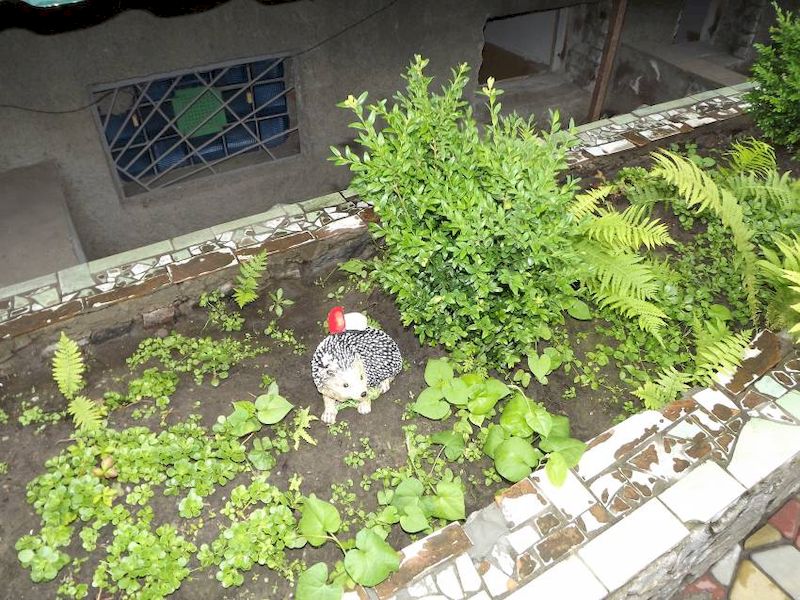
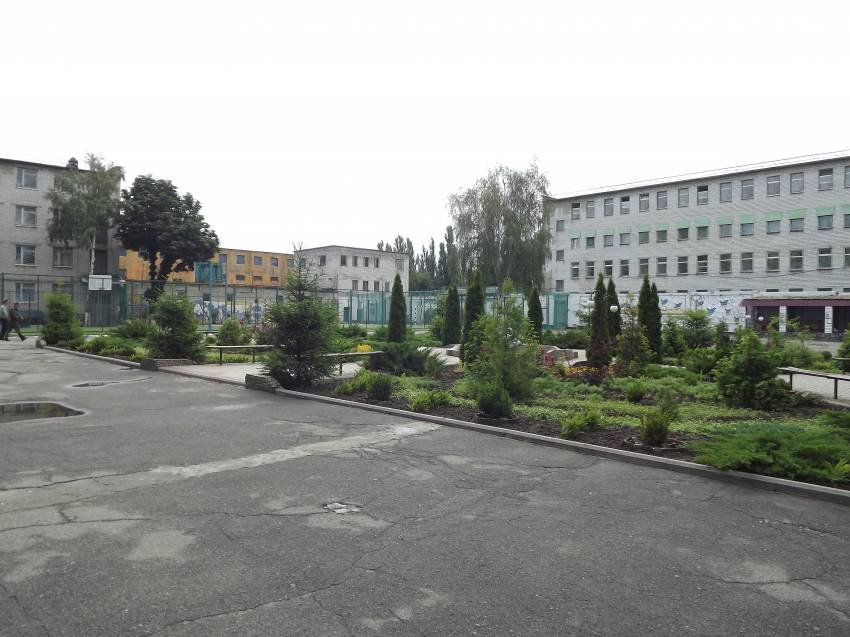
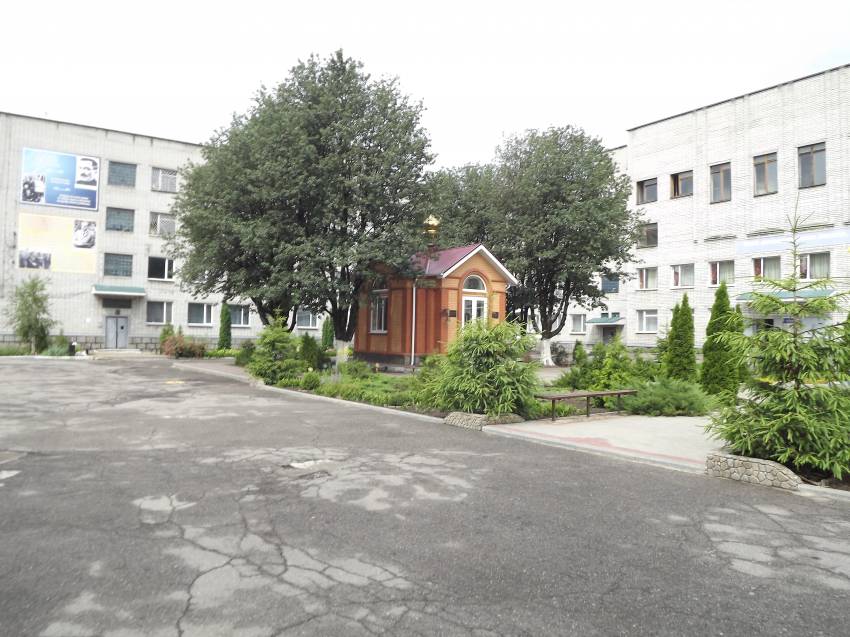
The institution’s grounds are tidy and include a chapel, a football pitch, gym equipment, and tennis courts. Furthermore, the inmates take the initiative in designing the flowerbeds and caring for the plants. The colony walls are decorated with banners.
On the day of the visit, there was no one in the disciplinary isolation unit (DIZO). According to the administration, no one has been held disciplinarily liable since the beginning of the year, which clearly indicates a lenient attitude on the part of the administration towards the convicts.
Quarantine, Diagnostic, and Placement Unit.
Initially, the monitoring group visited the quarantine, diagnostic, and placement unit, where one inmate was being held at the time.
As the administration representative explained to the monitors, transfers usually take place at night; upon arrival, the boys are able to have a hot shower and undergo a medical examination. During the examination, all necessary samples are collected.
Inmates remain in the quarantine unit for two weeks. During this time, they work with a psychologist, a tutor, and the head of the institution.
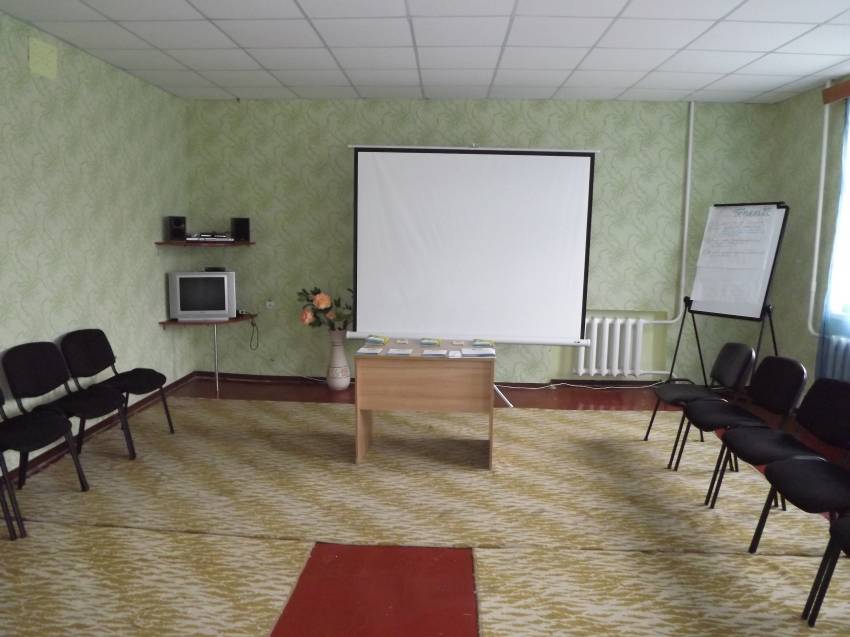
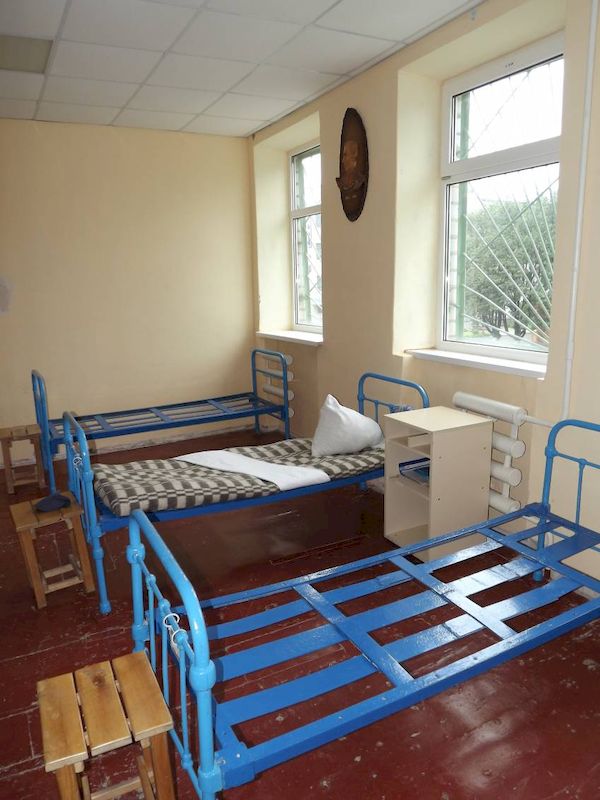
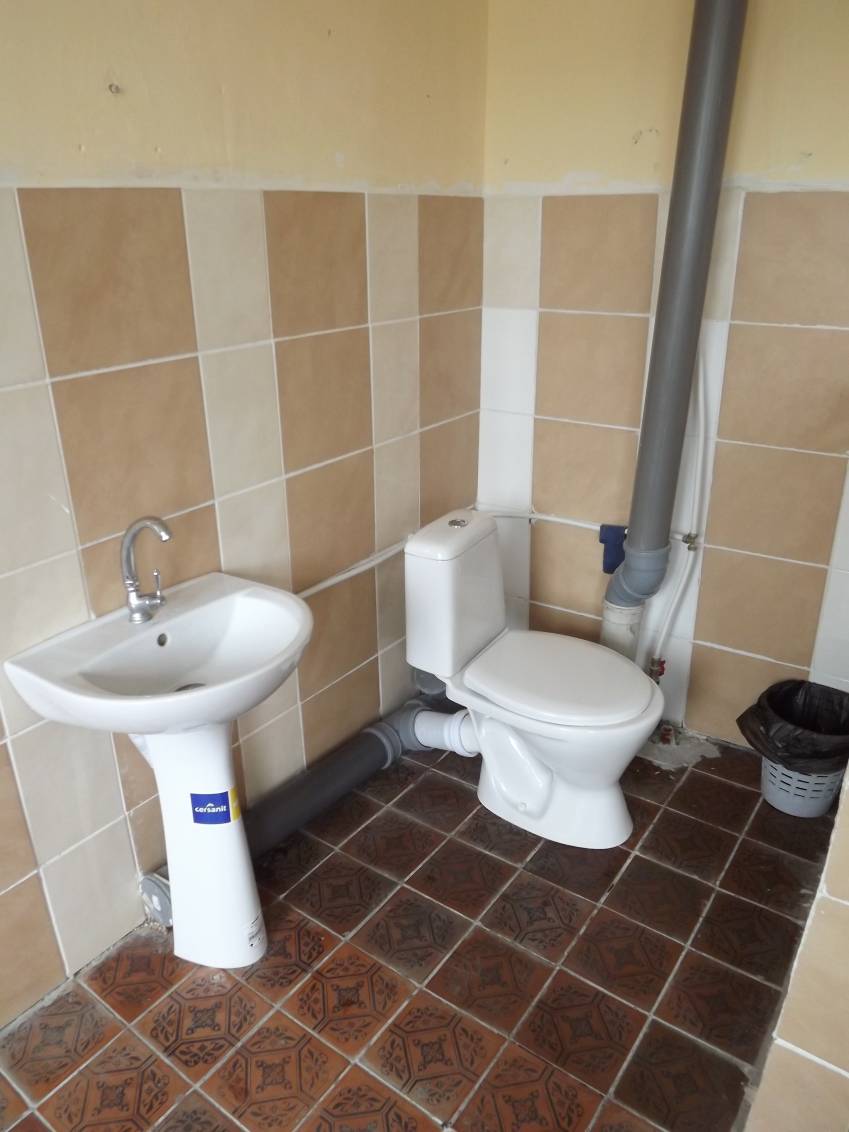
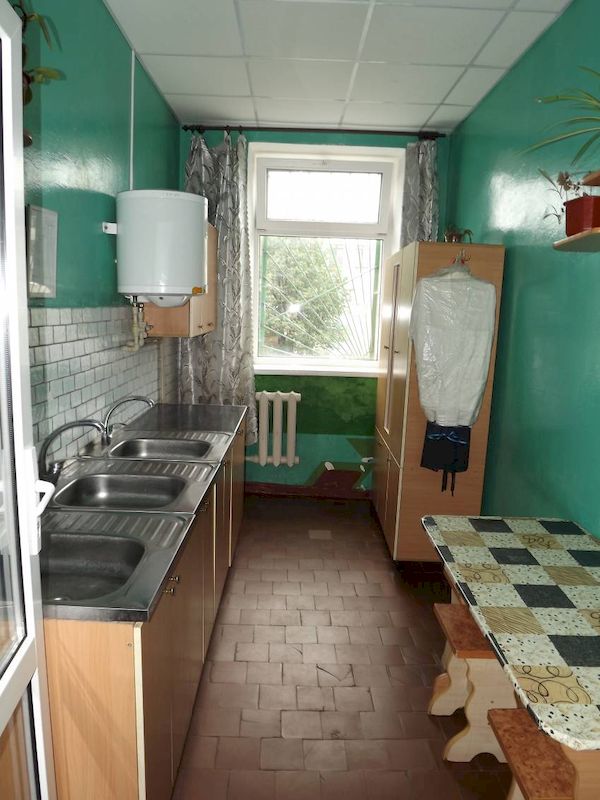
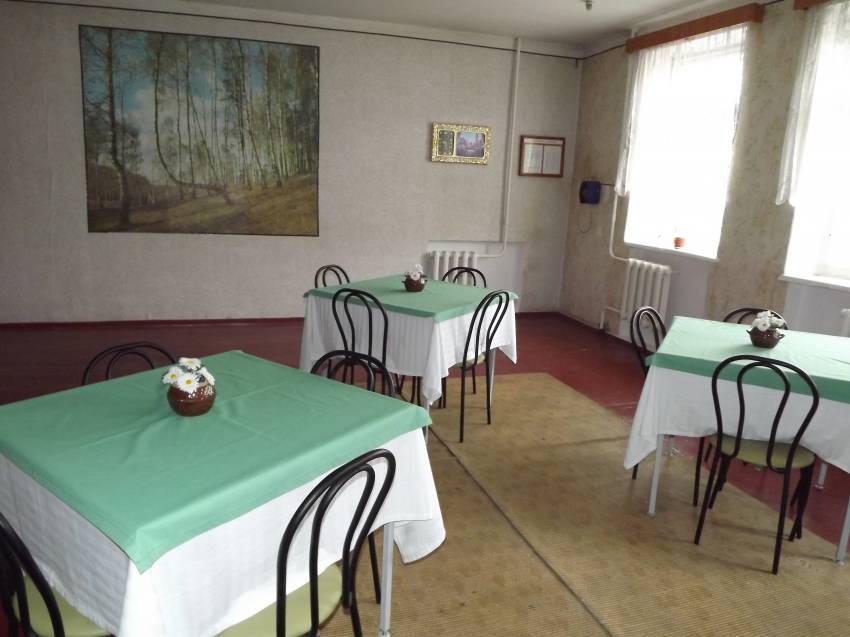
Conditions in the unit meet established standards, and the area is sufficiently spacious. There is access to showers, and the toilets are equipped with new sanitary fittings. A separate room is provided for dining, along with a psychological diagnostic room where a newly arrived boy can read legal and social literature, watch films, and speak with a psychologist.
Among the shortcomings, the monitoring group noted that the inmates are unable to open the windows themselves; as the administration representatives indicated, the window handle is kept by the duty officer, who can open or close the window upon request.
School and Vocational School
Kremenchuk Secondary School No. 32 functions on the premises of the colony for students in grades 9, 10, and 11. Upon graduating from the educational institution, the students receive a state-recognised certificate that does not mention that they completed their education at a facility within a correctional colony. This is undoubtedly a positive aspect, as it prevents bias against graduates in the future when they apply for jobs or enter higher education institutions.
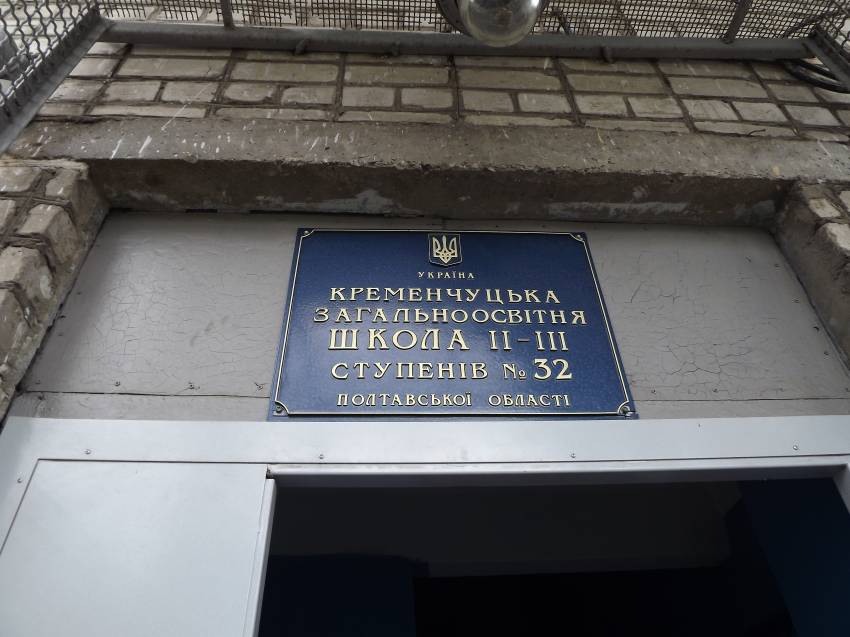
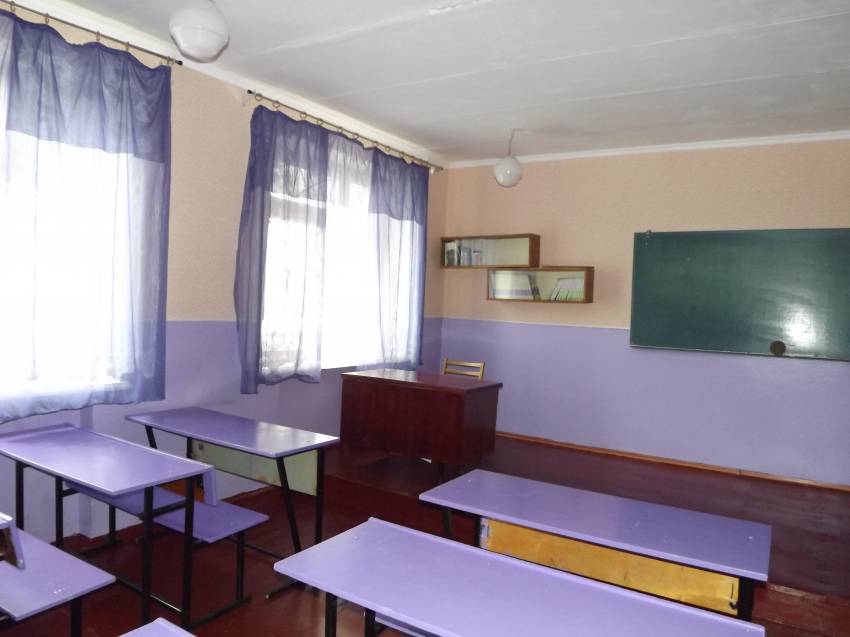
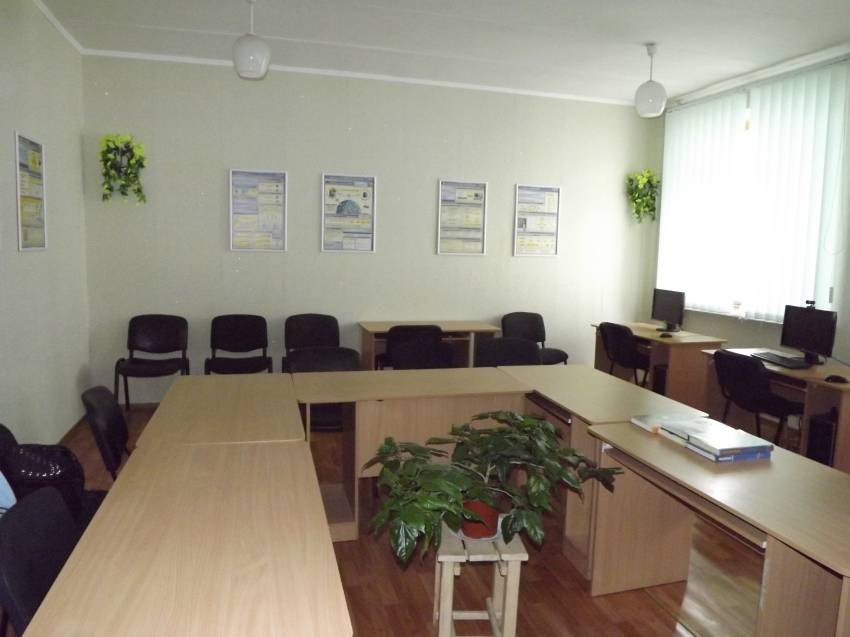
The school is a three-storey building with classrooms equipped for all subjects. According to the administration, the convicts have just completed their state final examinations. Some of them are preparing for the External Independent Evaluation. Two of the convicts are studying at a university by correspondence. All classrooms are equipped with everything necessary for learning. The rooms and corridors have been freshly renovated. In general, a positive trend is evident: renovations are being carried out in many of the colony's premises.
Unfortunately, the average academic performance of the children is not high, but it must be taken into account that most of the convicts come from disadvantaged families.
There is a library at the school within the colony. The administration claims that the convicts are active readers. Out of 50 convicts, 48 read books and are registered at the library. The library contains many new books, including works by contemporary Ukrainian writers.
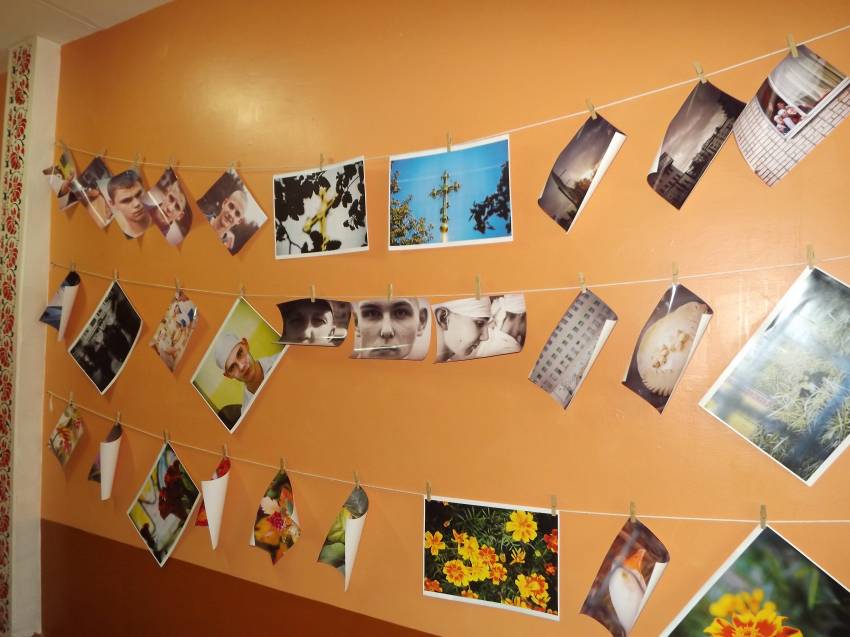
An exhibition of paintings by a local artist is permanently on display within the school. In summer, the convicts participate in special courses created with the support of international donors. They can learn photography, programming, and cookery. Upon completion of a course, they receive a certificate. At the school, the monitors saw an exhibition of photographs taken by the convicts themselves.
A vocational school operates on the premises of the colony. It has 28 accredited specialisations; however, due to the small number of inmates, only one is currently active: carpentry. On the day of the visit, only one group of 13 people was functioning, as another had just graduated. The monitors saw the carpenters’ work, which is impressive in its beauty and craftsmanship. The vocational school building has been renovated, but most of it is currently empty. According to the administration, the interior finishing was previously carried out by the vocational students themselves.
Catering Unit
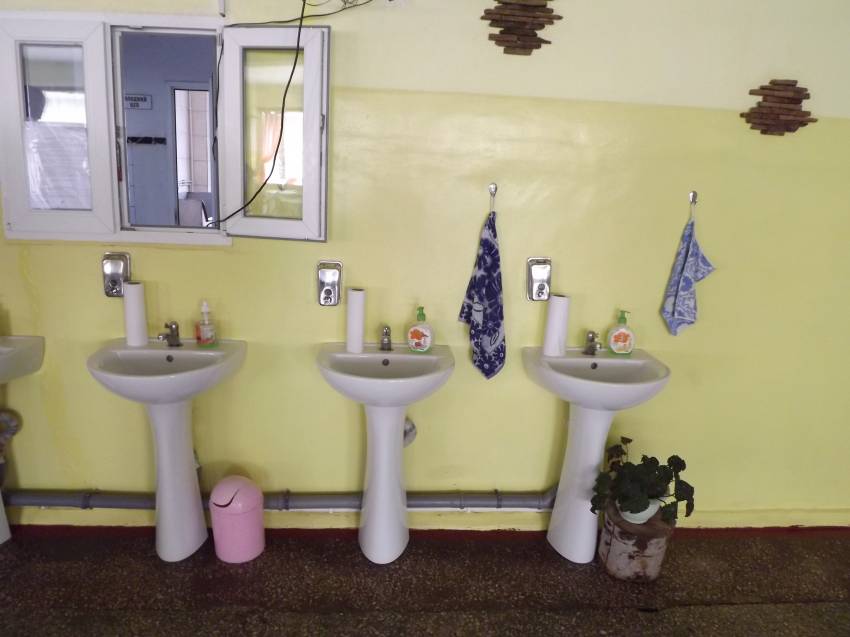
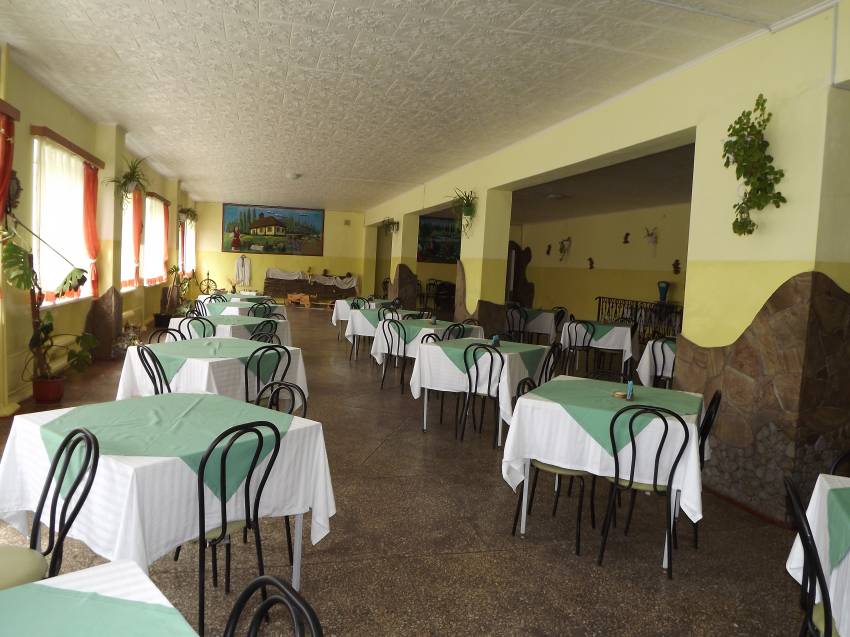
There is a large canteen on the territory of the correctional colony. It is clean. All tables are covered with tablecloths, and there is water available in the washbasins, with soap and towels provided nearby. Four cooks work in the kitchen, along with several colony inmates. One of the inmates working as a baker did not hesitate to disclose his salary: 1,200 hryvnias.
The kitchen is clean, almost sterile. All staff wear clean, special clothing. The premises smell pleasant. The food storage area is equipped with all necessary appliances. The refrigerator contains eggs and milk. The meat defrosting room is clean, and there is no unpleasant odour.
Bath and Laundry Unit
The convicts have the opportunity to visit the bathhouse according to a schedule. The shower stalls are equipped with partitions and curtains. There is an anti-slip mat in every cubicle. Overall, the bath complex is clean, and there are no unpleasant odours.
Shop
A shop operates on the territory of the colony. In total, 1,200 items are available there, but at the time of the monitors’ visit, the shelves were almost empty. Only unpopular cleaning products and other goods that children rarely buy remained. According to the administration, a delivery of goods is expected tomorrow, at which point the convicts will be able to visit the shop and purchase products using the funds in their personal accounts.
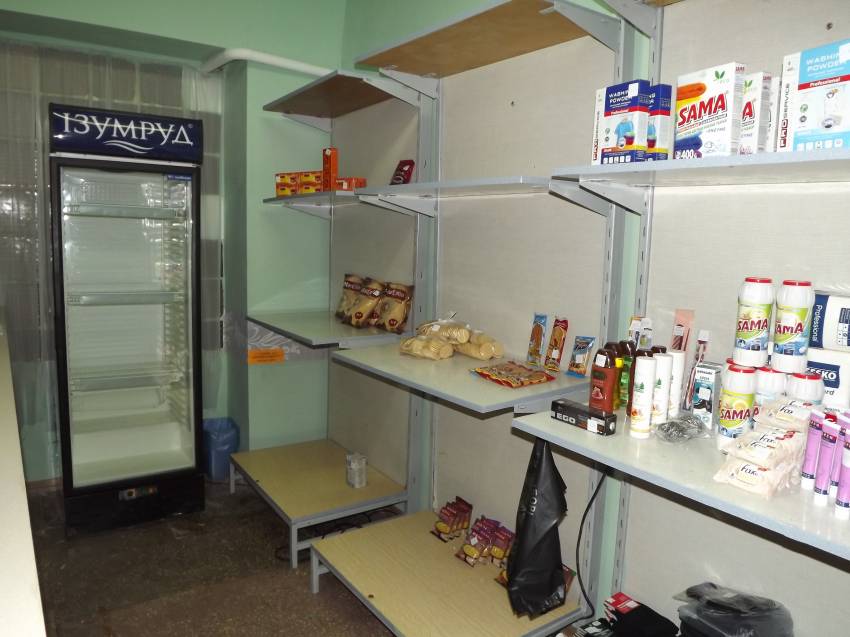
Prices in the shop are in line with market rates, which is an unequivocally positive point. However, the monitors are not convinced that the convicts have the means to purchase food, as their food storage lockers were almost all empty.
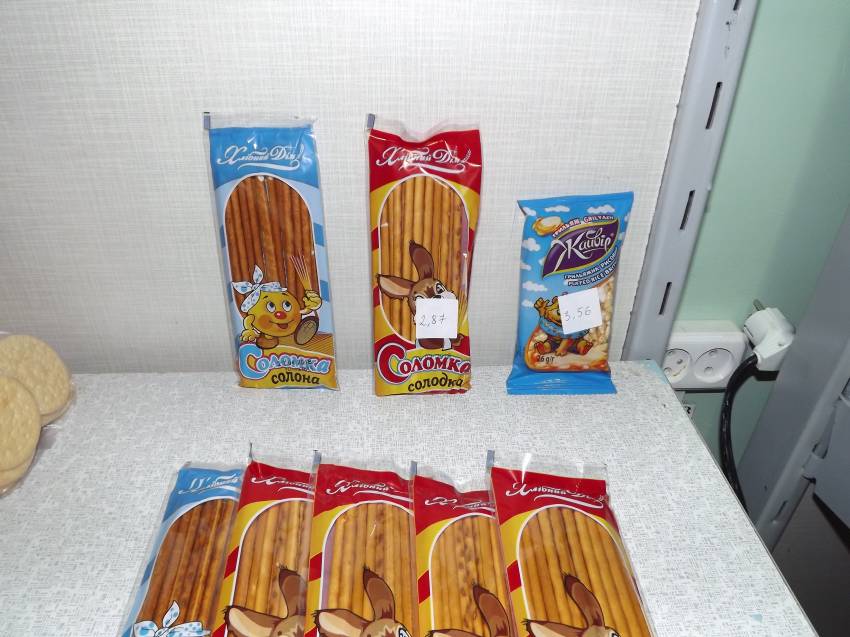
The shop has several tables and chairs where the minors can spend time if they wish. According to the administration, it is possible to have products delivered by order; in summer, the convicts often order ice cream.
Medical Unit
The colony’s medical unit is fully equipped with the necessary apparatus. There is a laboratory where analyses are performed on-site. Unfortunately, the colony is short of a few doctors, but the administration is making every effort to find them. On the day of the visit, candidates for the vacant positions were actually visiting the institution.
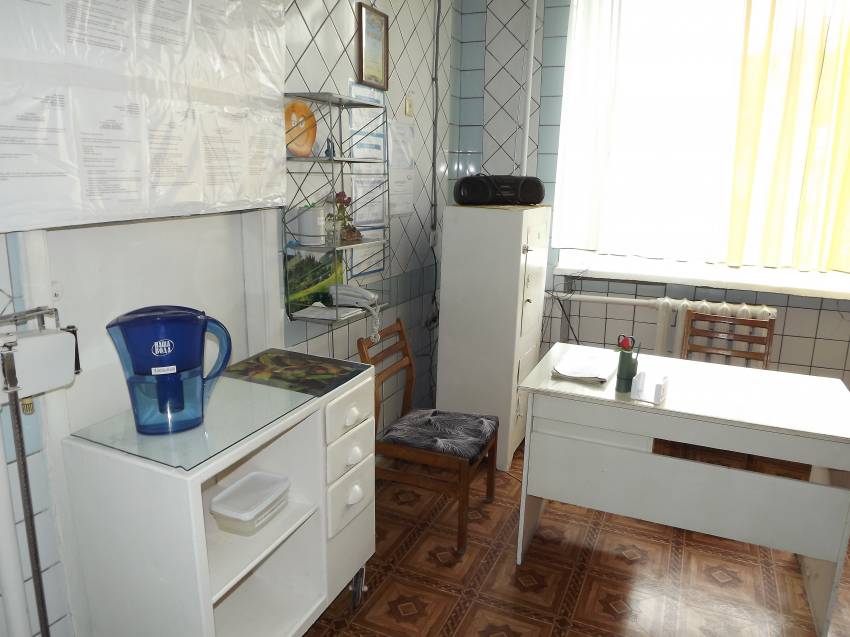
On the day of the visit, there were no patients in the medical unit. The medical unit itself was undergoing renovations; repairs were being carried out in all offices and wards. In the opinion of the monitors, the administration should have left at least one reserve ward available for emergencies. Otherwise, the medical unit is currently not prepared to receive convicts in the event of illness.
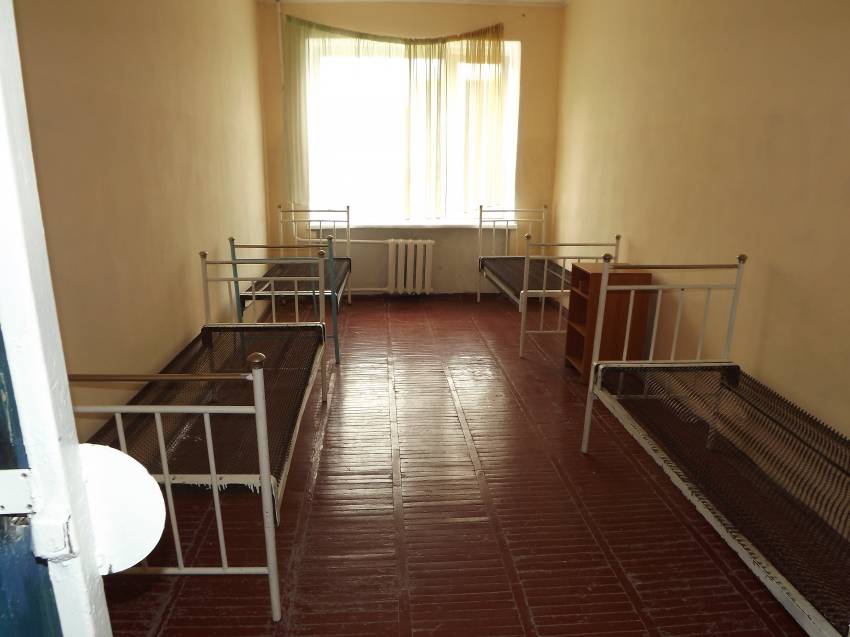
Nevertheless, the widespread renovation in the colony is an unequivocally positive development.
Living Zone.
The convicts are accommodated in two units. Both units are almost identical in terms of layout and living conditions. There are few convicts in the colony, so there is plenty of space for each one; the bedrooms are almost empty.
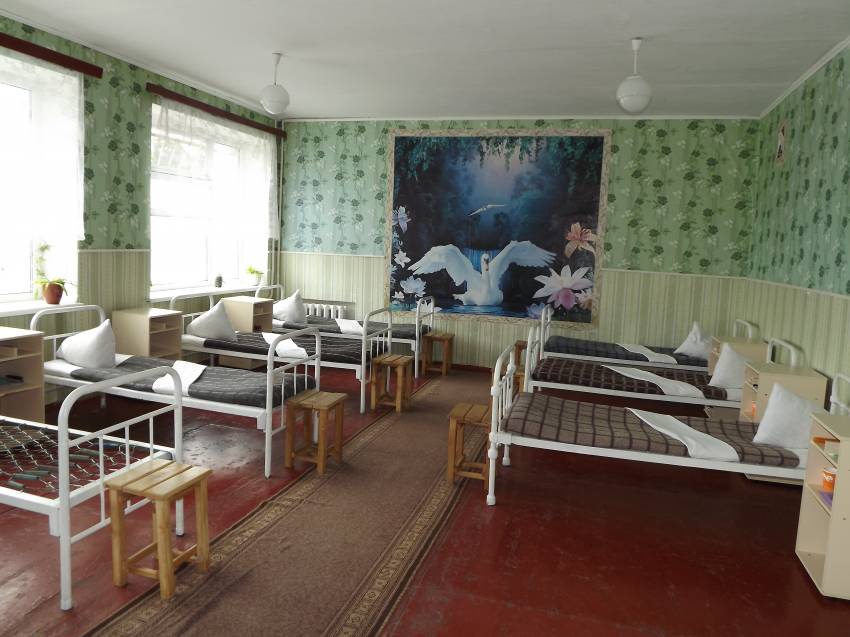
Each unit has its own sports room, personal storage room, kitchen, and so on. The convicts gladly spend their free time in the common room. On the day of the visit, they were watching a film together with a psychologist. The convicts themselves did not express any complaints about the living conditions; they looked the monitors in the eye openly and behaved in a friendly manner. The convicts can also play sports in the designated sports rooms.
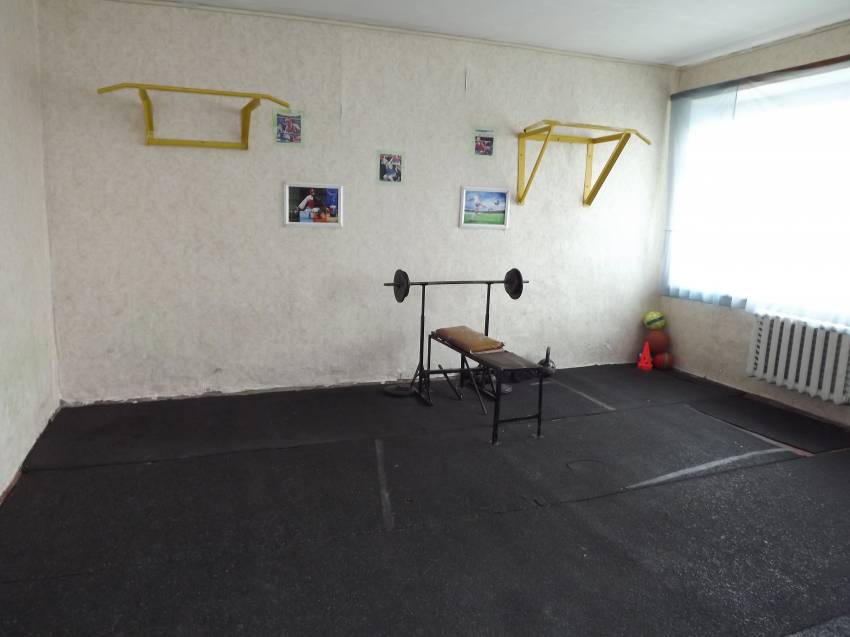
The kitchens in the living zone are equipped with refrigerators, microwave ovens, and electric kettles. Everything is clean and, although not new, is well-maintained. At the time of the monitors’ visit, renovations were continuing in many areas of the living zone.
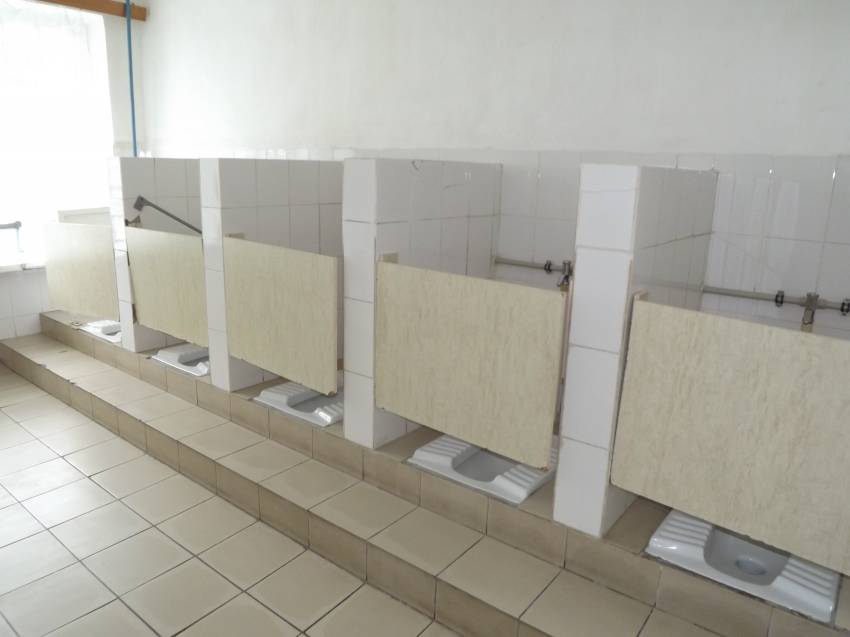
The toilets are in good condition—tiled, clean, and well-maintained. The convicts have the opportunity to take a shower, as shower stalls are provided. The toilets are equipped with new sanitary ware and individual cubicles; however, the height of the doors in these cubicles is insufficient.
The bedrooms in the living quarters are quite spacious. Each room houses 10–12 people, so there is approximately 6–7 square metres of space per person, which is even higher than European standards. The rooms are clean, and all beds are single-level. Next to each bed is a bedside table for personal belongings. There is sufficient light in the rooms, and drinking water is available.
Visiting Rooms
The institution has equipped rooms for short-term visits, where the inmates can meet not only with relatives but also with friends.
In accordance with the current Criminal Executive Code of Ukraine, minors have the right to long-term and short-term visits with relatives and other persons. The administration noted that, in addition to relatives, friends and acquaintances of the minors are permitted to attend short-term visits, provided these individuals do not have ‘criminal inclinations’. In particular, as a general rule, persons who have previously served sentences in this or other penal institutions are not permitted to visit. Nevertheless, from time to time, special round-table discussions are held between the convicts and individuals who have previously served time in the juvenile correctional colony. These individuals are happy to share with the convicts how they found work and housing after release, how they built families, and became parents.
Short-term visits are held in a specially designated room according to a schedule. Convicts have the right to such a visit every day. Visits are conducted according to new European standards—without restrictions on contact or separation. Convicts and visitors have the opportunity to sit at the same table and talk, which creates a favourable, friendly atmosphere. A colony employee monitors the visit.
Relatives visit the convicts from time to time. Most visit once every few months, and some visit every month. The visiting rooms are classified as ‘standard’, ‘semi-deluxe’, and ‘deluxe’. There is a special room for relatives who arrive with small children. This room is equipped with a cot. The cost of one day in a ‘standard’ room is 64 hryvnias, 75 hryvnias for ‘semi-deluxe’, and 155 hryvnias for ‘deluxe’. In winter, prices are slightly higher due to the cost of heating. Nevertheless, the monitoring group notes that the prices are quite moderate and are not artificially inflated.
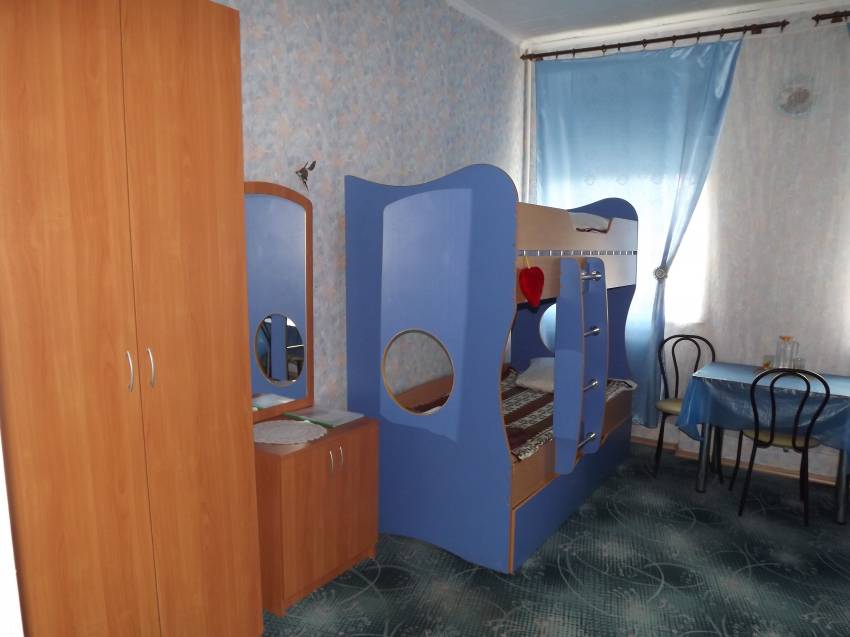
The rooms for long-term visits are tidy and renovated. Both shared and individual sanitary rooms are clean.
Leisure
There are two psychologist positions in the colony’s staffing table. They work regularly with the adolescent convicts, preparing them for their future release. Six months before release, active work begins with the convicts, who are assisted in finding work and housing. The institution cooperates with local authorities, who also assist in employing the convicts. Some of the inmates have to be taught everything literally ‘from scratch’—how to communicate, how to use a knife and fork, etc. Children from disadvantaged families often end up in the institution. They are treated with special attention here, with attempts made to provide what they were not given at home. The monitoring group cannot help but note that the colony staff spoke about the inmates with care.
The institution is supplied with legal literature, and the children are told about their rights and obligations. There is a room for film screenings, including films about human rights. The colony has a ‘living corner’ where a long-term resident reigns—a goose. It has lived in the colony for 12 years. Minors also engage in landscape design, creating their work directly on the premises of the institution. They are involved in gardening and planting flowers on the grounds.
The colony administration is actively fighting smoking among the convicts. Smoking on the territory of the institution is strictly prohibited for both inmates and staff. Indeed, the monitors did not smell cigarettes anywhere.
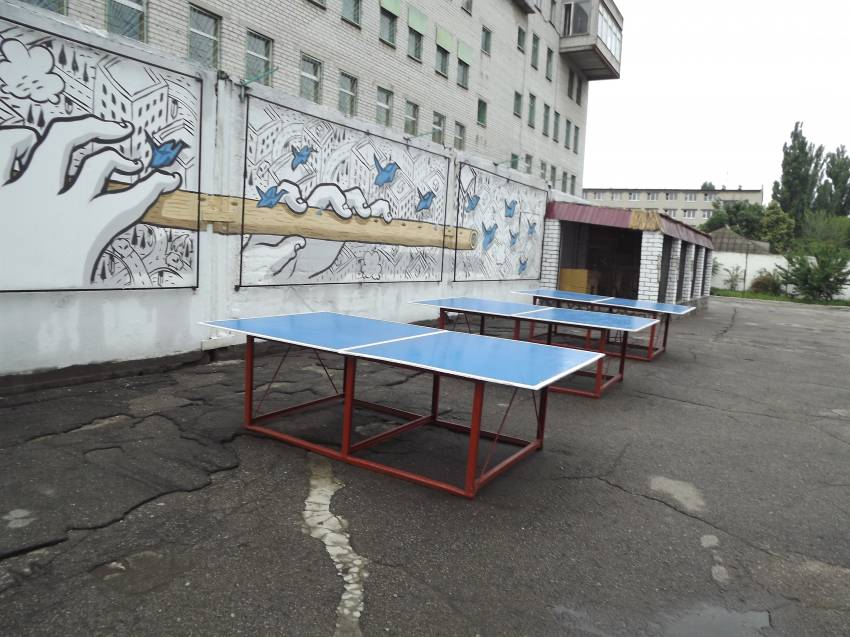
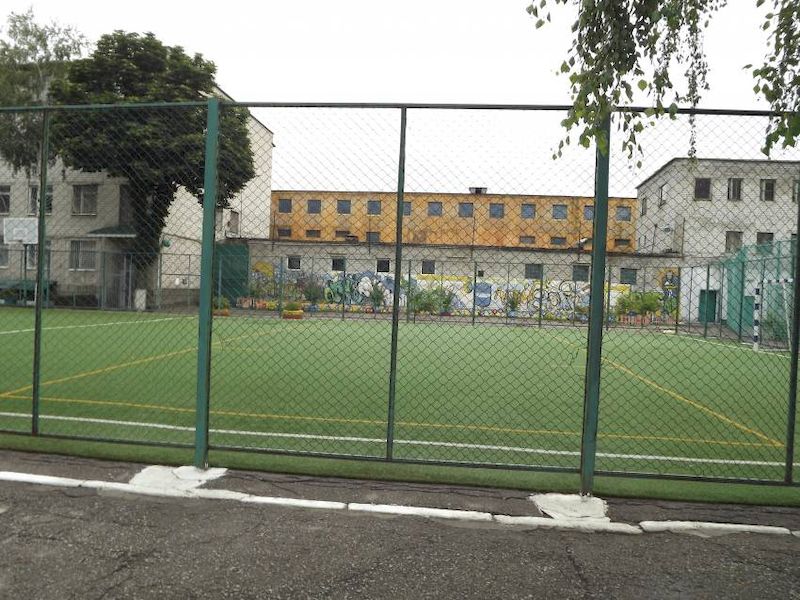
On the territory of the institution, there is an outdoor sports ground with exercise equipment, as well as a large football pitch with tidy artificial turf, and it is evident from the condition of the surface that the inmates really do play football regularly. According to the administration, teenagers who are not held in the institution also come to play on this pitch. They play matches together with the colony inmates. The pitch was renovated in 2010 using money from humanitarian grant aid. In bad weather and during the winter, the children can play sports in the living zone—there is billiards, table tennis, and gym equipment. The monitoring group saw certificates and diplomas that the children had received.
There are nine religions represented in the colony. The monitoring group spoke with a representative of one of them—a minor who, at his age, has already become interested in religious study and is now teaching it to his peers. In the residential sector, there are special rooms where the convicts can communicate with representatives of religious organisations.
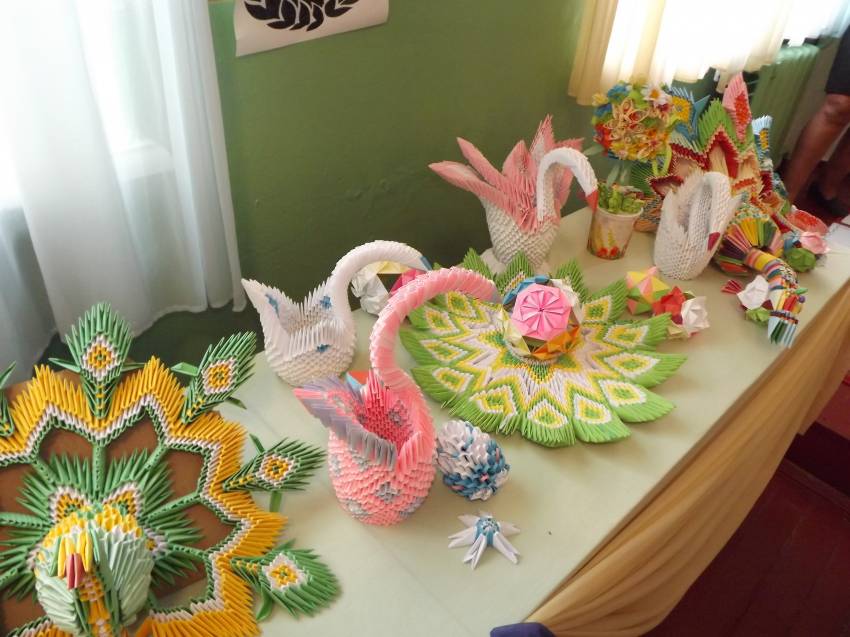
At the school in the colony, there are many workshops where the convicts learn to embroider, knit, draw, bead, wood-carve, and practise other applied arts. The monitoring group saw a room with the convicts’ work, most of which is impressive not only for its meticulousness but also for its craftsmanship. The convicts are frequent winners of various competitions, for which they hold certificates. They also take part in various singing and theatrical contests, such as ‘Chervona Kalyna’ (Red Guelder Rose). The children and staff gladly participate in such competitions.
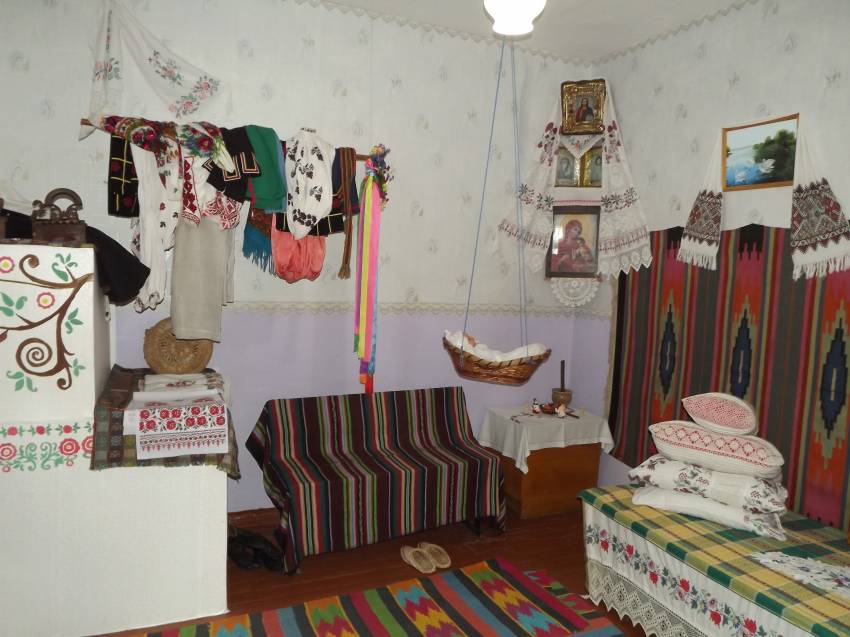
The convicts themselves arranged a special room at the school in the colony—a corner of ethnography. There is a painted Ukrainian stove, a cradle with a baby, a table, wildflowers, and hand-woven towels (rushnyky) that are one hundred years old. The convicts did everything in this room themselves. It is precisely through such installations that the adolescents are instilled with family values, which they were often deprived of from childhood.
In accordance with the Criminal Executive Code of Ukraine, convicts have the right to leave the colony. Therefore, in recent years, the minors have visited the circus, a local spiritual seminary, and have been to the cinema. According to the administration, picnics for the convicts are held regularly on the grounds of the institution. The colony is regularly visited by representatives of 10 public organisations with which cooperation agreements have been concluded. Lectures by law enforcement officers are also held, and a Christian camp is organised every summer.