Report on the Results of the Monitoring Visit to Pokrovska Correctional Colony No. 17
General Information
At the present time, the State Institution “Pokrovska Correctional Colony (No. 17) – Specialized Tuberculosis Hospital” is a medical institution of medium security (for holding men sentenced to imprisonment for a certain term who have tuberculosis), with a planned capacity of 711 people. At the time of the visit, 317 people were being held in the colony, of whom 219 require specialized treatment.
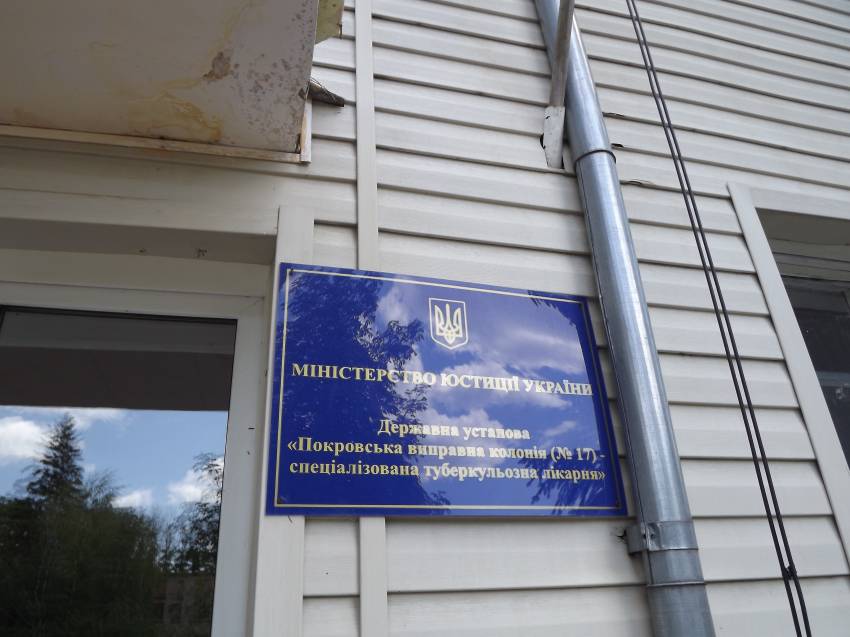
It is necessary to note that since Pokrovska Correctional Colony is, first and foremost, a specialized medical institution, in the case of detecting signs of tuberculosis, convicts from all over Ukraine are sent there. Members of the monitoring group spoke with convicts who had been transferred from the Zhytomyr, Lviv, and Volyn regions.
The number of colony staff is more than 400 people; the number of medical staff is 124 people.
A feature of the institution is that it is not connected to the central water supply; it has its own well at a depth of more than 800 meters with drinking water. In addition to its own needs, the institution provides water to the nearest settlements. According to the administration, several pumps have already broken down this year, but employees try to quickly eliminate the “accident” and ensure a normal water supply.
During the inspection of the institution, the monitoring group saw reservoirs with stored water in some places.
Location
Pokrovska Correctional Colony is located in the picturesque village of Pokrovske (until 2016—Zhovtneve), in the Balakliia district of the Kharkiv region. The distance to the district center is about 20 kilometers and passes through local roads. The condition of the roads is extremely unsatisfactory; in places, the road is literally non-existent. There is no direct transport connection even from Balakliia to the institution, which causes certain difficulties both for the institution's staff and for the convicts themselves.
Due to the remoteness and the lack of transport to the institution, problems arise with the recruitment of personnel, in particular, doctors and medical staff, and inspectors. According to the administration and the convicts themselves, relatives visit them very rarely; there are similar problems with transfers and parcels.
This year, an ambulance was called to the institution 13 times, since a separate ward for serving convicts is equipped at the Balakliia Central Clinical District Hospital, and medical assistance comes from there. Taking into account the remoteness of the institution and the condition of the roads, the monitoring group cannot fail to note the negative aspect of the speed and urgency of providing medical assistance to the convicts.
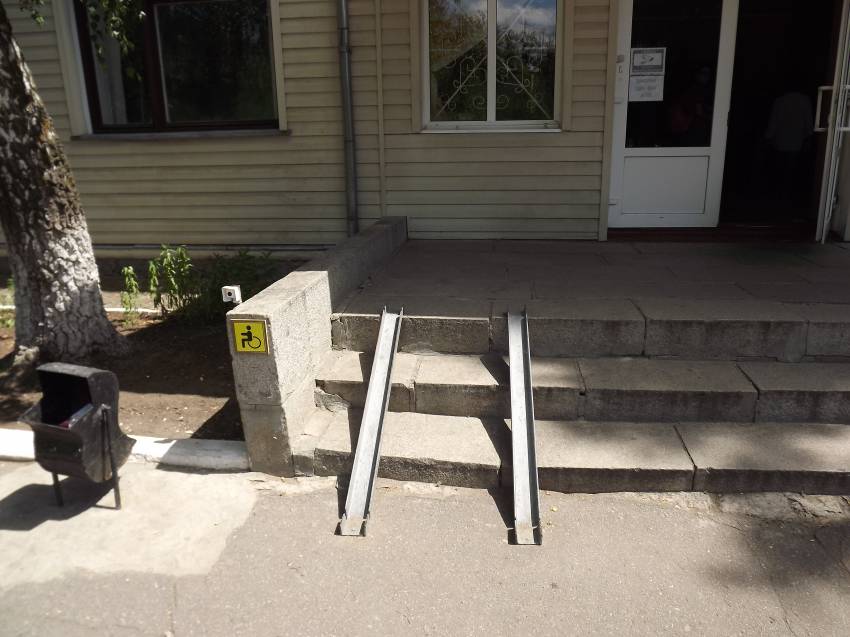
The monitoring group notes that a ramp for people with disabilities is provided at the entrance to the administrative building, and information about the institution is duplicated in Braille.
To ensure safety rules, members of the monitoring group were provided with special capes and disposable respirators.
Residential Zone
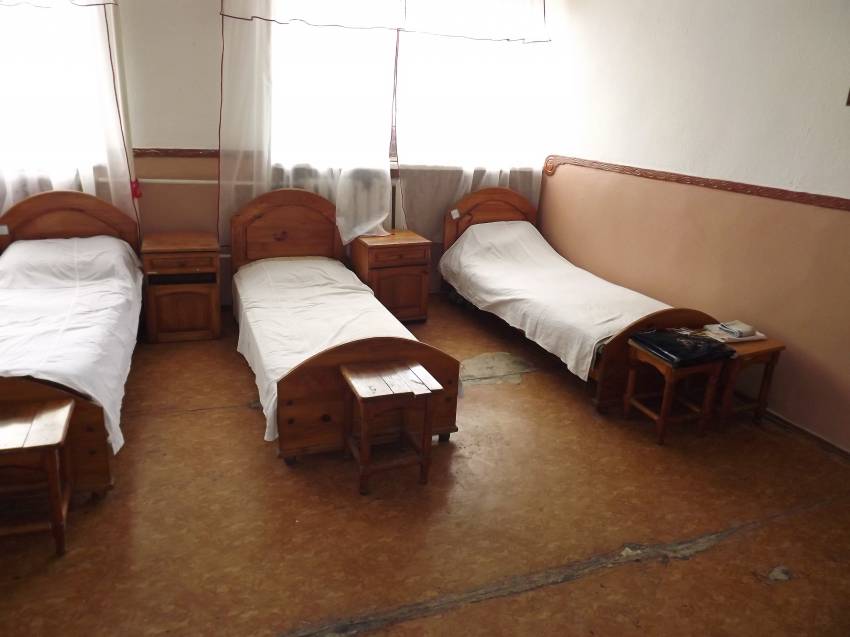
The monitoring group also checked the conditions of detention of the convicts in the resocialization sections. The rooms are clean, have natural lighting, and the windows open.
The beds are single-level, wooden, and the area standards per convict are observed.
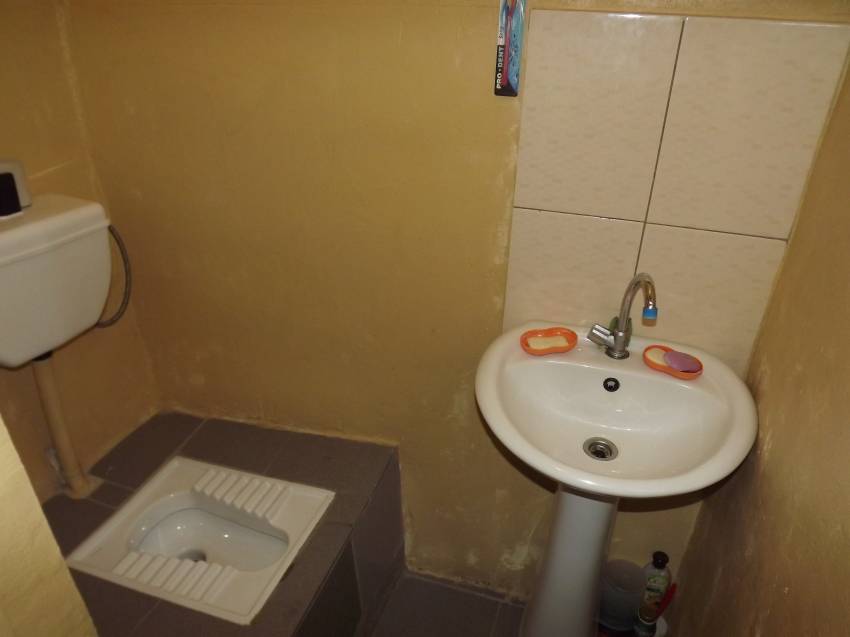
The plumbing is new, there is no unpleasant odor, but the monitoring group noticed buckets filled with water next to the restroom, which may also indicate interruptions in the water supply.
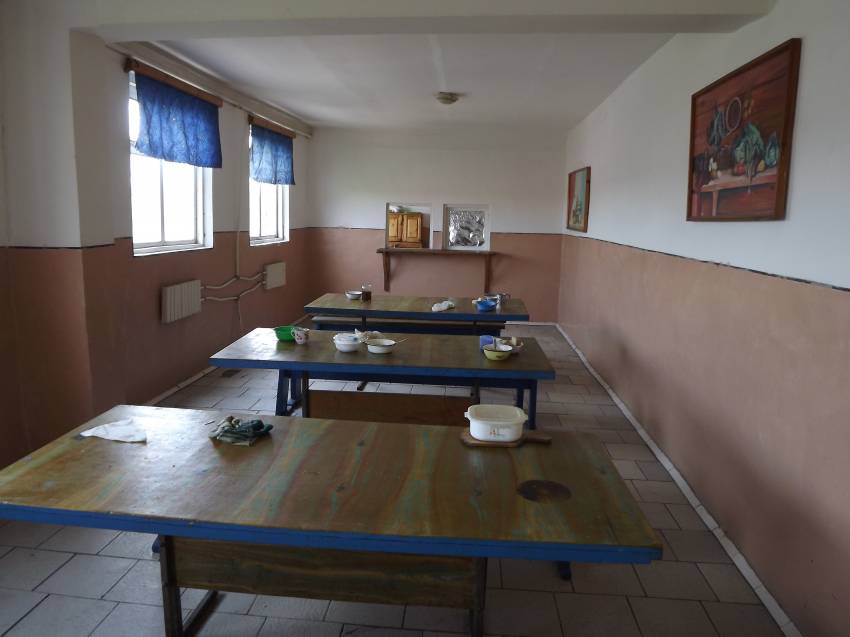
The dining room is bright, and a separate small locker is allocated for each convict. In such lockers, in most cases, tableware was stored; food products or just tea were absent, and the situation is the same with the refrigerator, which confirms the administration's words about the lack of transfers and parcels from the convicts' relatives.
In each section, there is a separately designated medical point where convicts receive the necessary medicines, which they take in the presence of medical staff. In case of need, convicts can apply directly to a medical worker, which is a positive practice.
The convicts themselves, in personal communication, speak positively about both the living conditions and the quality of food and medical care. No complaints about the administration and medical personnel were received from the convicts. Individuals who are ill with an active form of tuberculosis (MBT+) are in a separate premise, do not use the general dining hall or bathhouse, and have a separate area for walking. In the building where the room is located, sanitary-epidemiological safety measures have been strengthened. Medical workers are constantly present in the room.
The room is equipped with a separate dining area, from which dishes are brought from the general kitchen. In the dining area, there are separate lockers for each patient with his tableware. The air in the room is fresh: for this, the window panes in the kitchen have been removed. The room where the patients are located is clean, the windows open, there is a toilet room and a washbasin, and there are no odors from the toilet. But there are containers with water, which confirms the lack of water during interruptions. The convicts did not make complaints; in a private conversation, they said that they are fed normally, and also did not complain about the attitude on the part of the personnel. In the walking yard, there are some opportunities to engage in physical exercise. It would be nice to have exercise machines for tuberculosis patients.
SIZO (Pre-trial Detention Center)
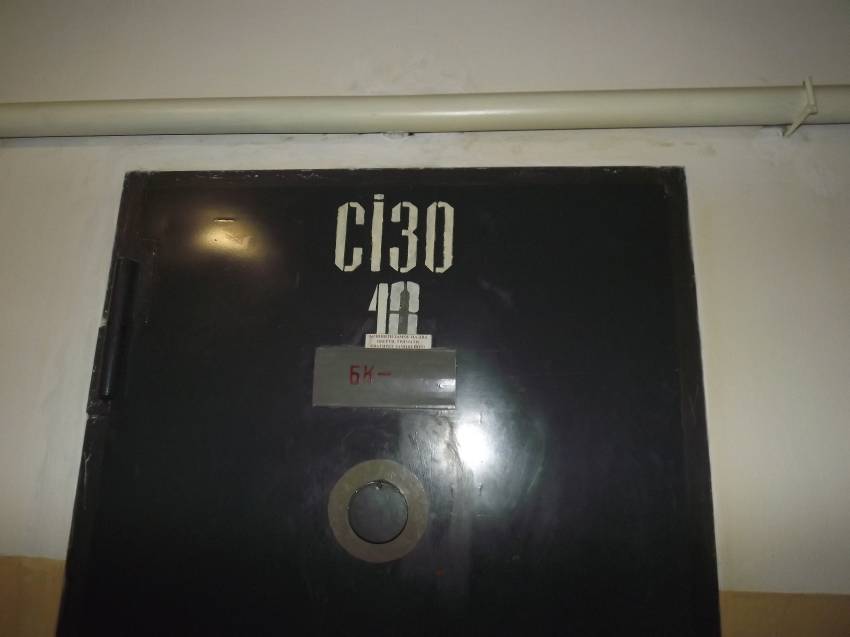
In the case of detecting signs of tuberculosis in individuals whose sentence has not yet entered into legal force or is absent altogether, such individuals are placed in the SIZO section at the Pokrovska Correctional Colony. The conditions of detention in the SIZO are identical to the conditions of detention in the resocialization sections. The rooms are spacious, the beds are single-level, the plumbing is new, and there are no unpleasant odors.
DIZO (Disciplinary Isolation Ward)
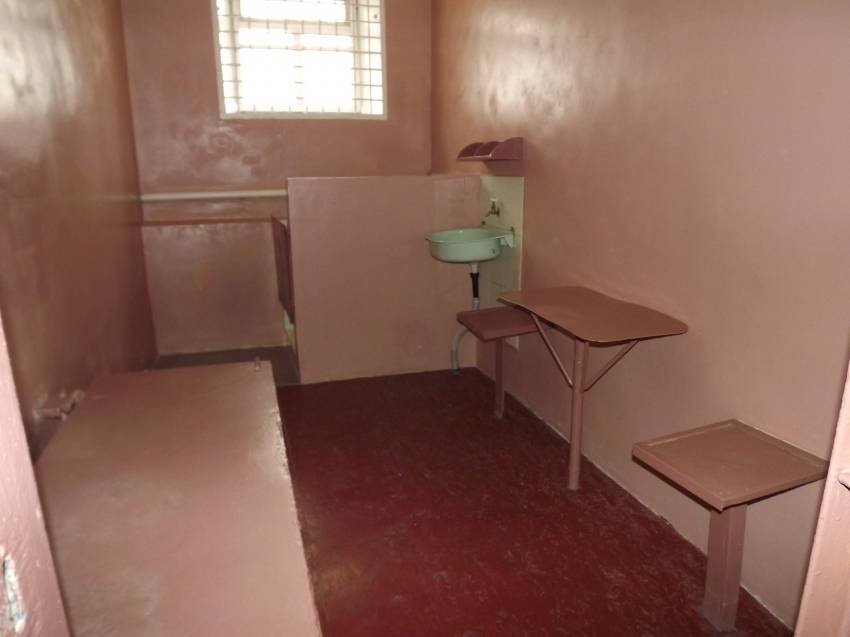
At the time of the group's visit, one person was being held in the DIZO. The cell has natural lighting, and the window opens. The plumbing is new, and there is no unpleasant odor. In addition, at the time of the visit, repairs were underway in some of the DIZO cells.
Medicine
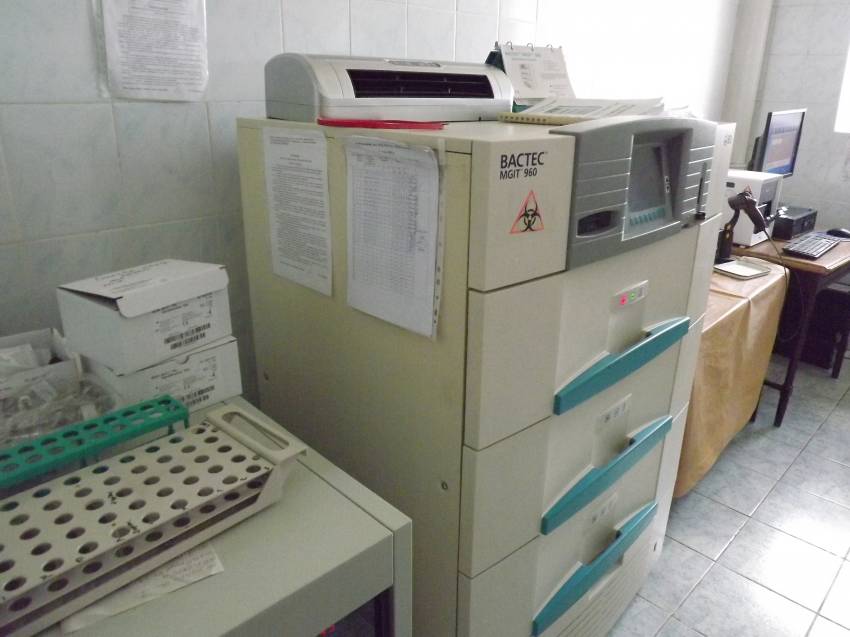
The medical laboratory on the territory of the colony is equipped with modern Bactec and Genexpert equipment, capable of diagnosing tuberculosis in a little over an hour and a half, and along with diagnosing, this apparatus is capable of also determining the resistance of the disease to certain medicines. Such equipment was purchased by international funds, and currently, all necessary equipment and reagents for it are supplied by these same organizations.
The institution is fully supplied with medicines with the help of the same international organizations. Medicines are ordered for six months; upon the depletion of certain medicines, the medical staff orders the necessary preparations, thus replenishing the stocks. At the time of the visit, the laboratory lacked consumables for checking the number of CD4 cells.
On average, one convict stays in the hospital and undergoes treatment for 6 months; in the event that the form of the disease is multi-resistant (this is the most dangerous form of tuberculosis, in which mycobacterium tuberculosis becomes resistant (impervious) to at least the two most important anti-tuberculosis drugs: isoniazid and rifampicin), the term of his treatment can be extended up to 20 months; poly-resistant patients are treated for no less than 12 months.
The laboratory is clean, almost sterile; the modern equipment is computerized, all data obtained based on the results of the analyses are automatically encoded and stored in a computer. Each convict is entered into an electronic system where the dynamics of the disease progression can be tracked.
Specialists in the laboratory constantly improve their qualifications, mastering new equipment and new methods of diagnosis.
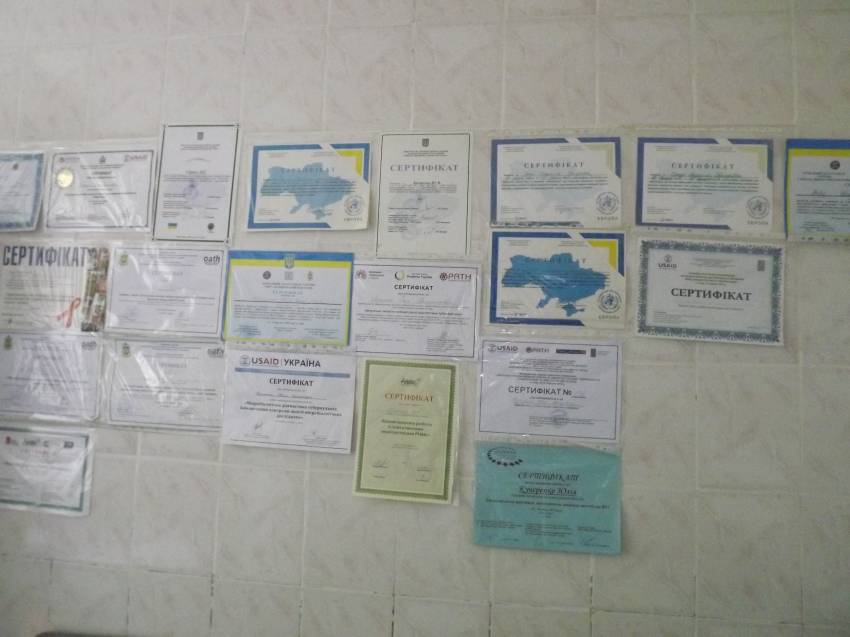
Besides the analysis for detecting tuberculosis, in the laboratory, it is possible to perform analyses of other human biological fluids, in particular, clinical and detailed analyses of blood and urine.
The total number of medical personnel is 124 people; the staff is predominantly female. The hospital has 9 departments, in which 9 phthisiologists (TB specialists) work. According to the administration, they need at least 4 more phthisiologists. A general practitioner (therapist) is on duty at the colony, and a dental office functions. In the event that convicts need other specialized treatment, they are sent for such treatment to a specially equipped ward in the Balakliia Central Clinical District Hospital.
During 2017, 5 people died in the institution, and in the current period—one more person. The administration tries to send all seriously ill patients to the hospital. In connection with recovery, 51 convicts were transferred from the Pokrovska Correctional Colony last year, and 37 this year.
Dining Hall, Bakery, Food Preservation Area, Subsidiary Farm
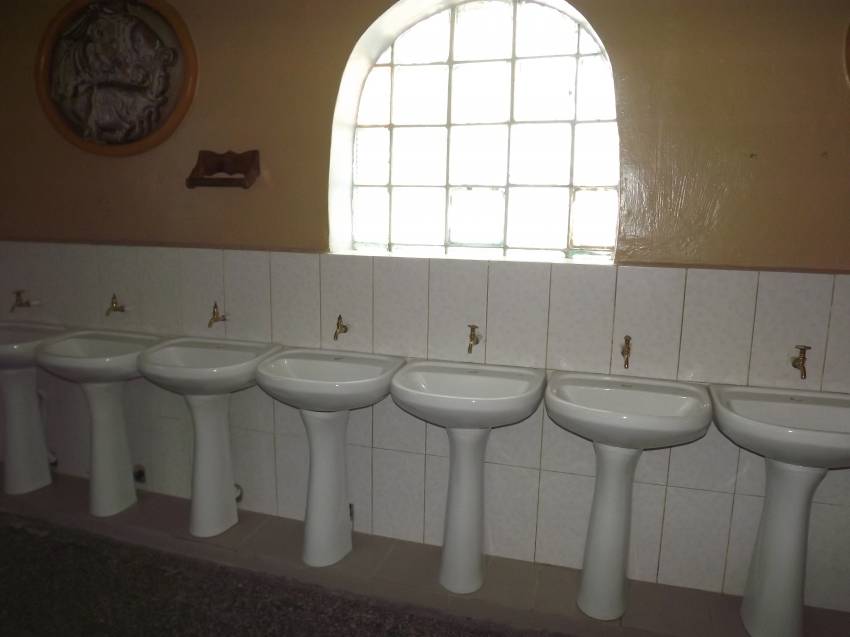
The dining hall building is quite clean and spacious; the tables for eating, although old, are repaired and painted. There are sinks for washing hands, however, soap and towels are absent. Let us recall that the institution is a specialized anti-tuberculosis hospital, and therefore such a minimal thing as soap (preferably liquid), disposable towels or hand dryers, as well as a disinfectant, is a necessary condition.
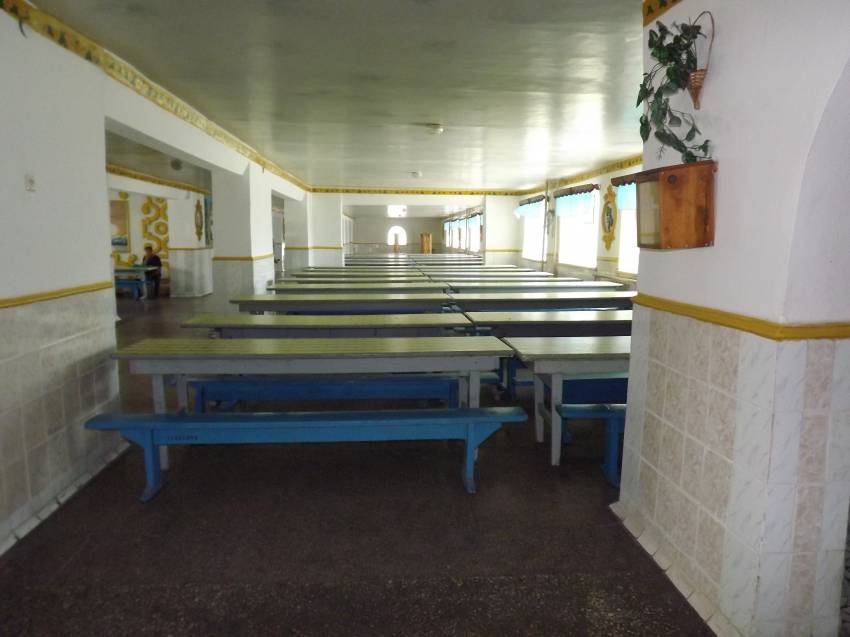
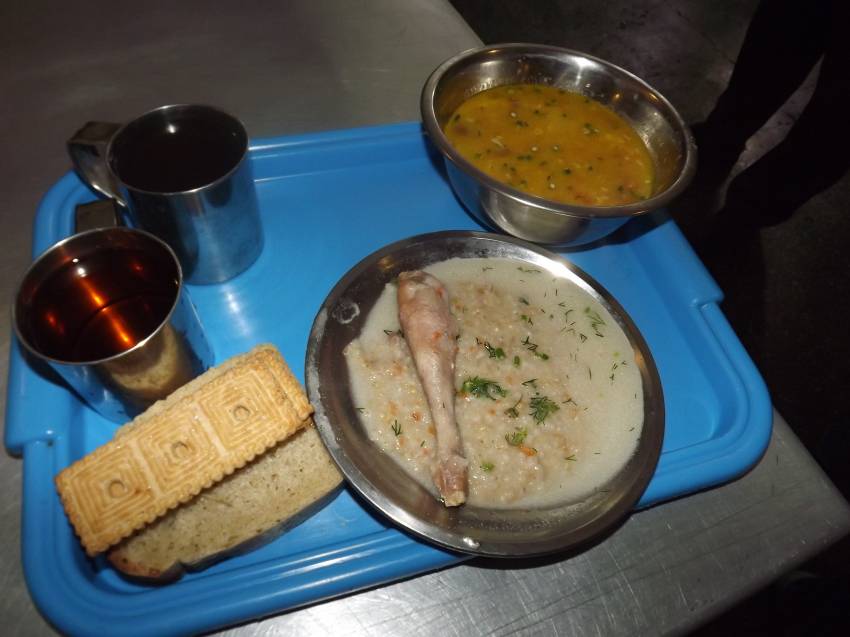
The kitchen is clean, there are no unpleasant odors, the equipment, although outdated, works properly and is maintained in working condition. The portions given to the convicts are sufficient, and the food looks and smells appetizing. The convicts are fed according to standards; more than 70 hryvnias are budgeted for one convict's nutrition per day. For lunch, they had soup, porridge with poultry, bread, tea, and cookies. For dinner, the convicts will enjoy a cottage cheese casserole, which was cooling in the kitchen.
Convicts working in the kitchen have health records and regularly undergo medical examinations. In addition, convicts also undergo training-instruction regarding the rules of cooking, for which a special room is equipped in the dining hall.
Separately, the monitoring group notes the bakery workshop, which also combines a backup kitchen. The workshop is clean, and the convicts are dressed in special uniforms. 113 kilograms of bread are baked in the colony per day.
All the usable area of the colony is occupied by the growing of vegetables and greens. The monitoring group saw plots of tomatoes, cucumbers, zucchini, lettuce leaves, and greens. The grown produce is preserved in a special workshop, and in winter, it is provided to the convicts as a supplement to the ration. Currently, the workshop is almost empty, only jars for preservation are prepared.
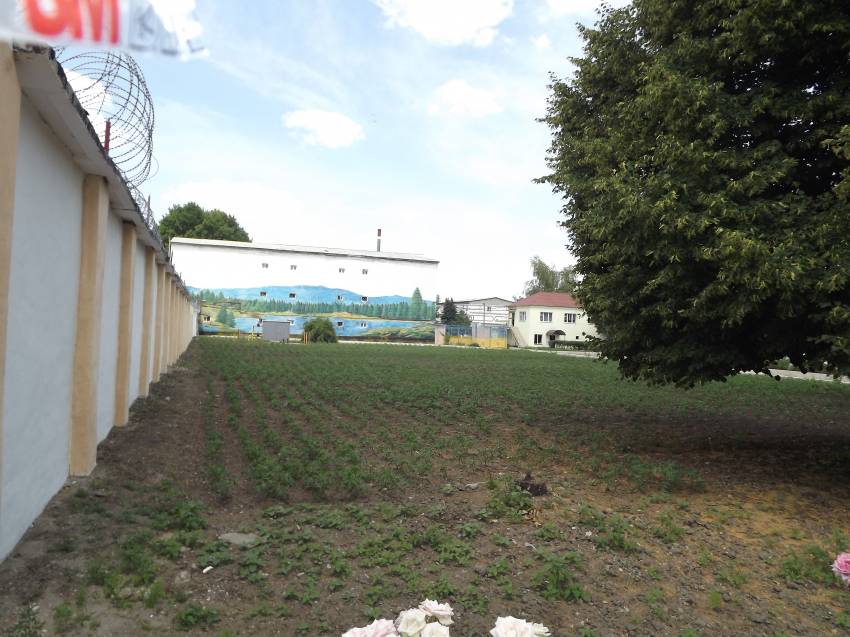
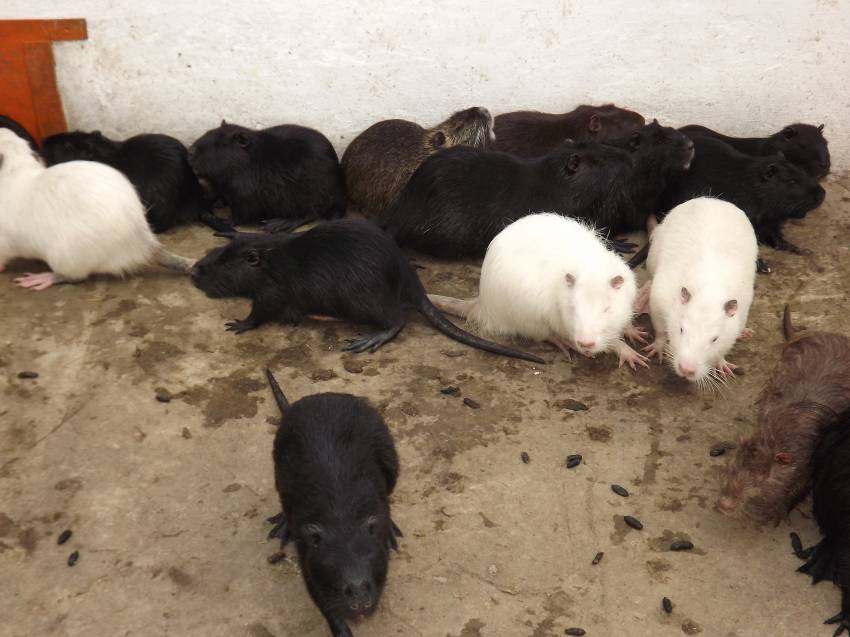
The monitoring group also visited the subsidiary farm. On the territory of the institution, they breed and raise pigs, nutria, rabbits, and poultry: chickens and ducks. Three convicts work there, with whom employment contracts have been concluded.
Bathhouse
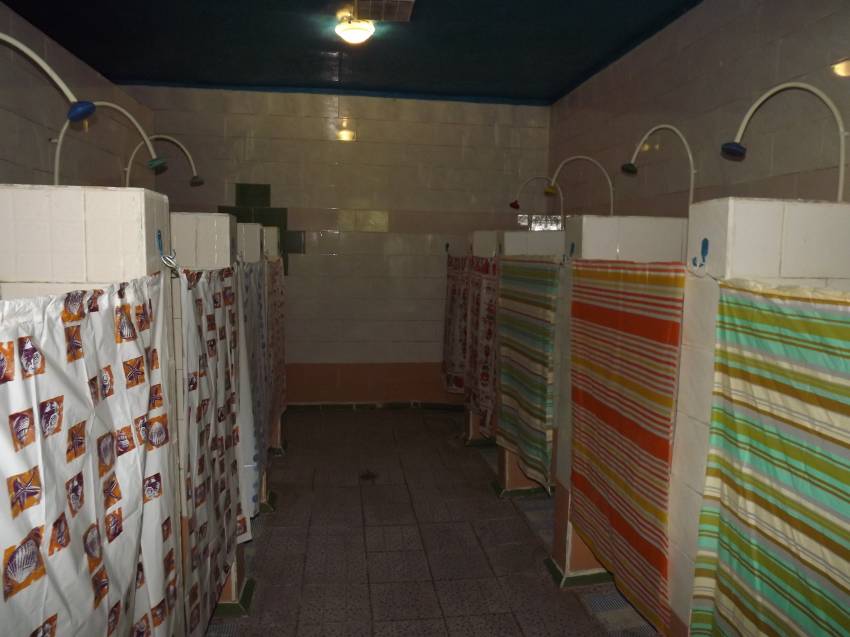
Convicts have the opportunity to take a bath according to a schedule; in addition, a hairdresser's operates at the bathhouse. The bathhouse premises are clean, and at the entrance, the smell of disinfectant can be felt. Shower cubicles are separated by sufficiently high partitions and curtains. An anti-slip mat is placed underfoot. At the time of the monitoring group's visit, only cold water was available in the showers, but the administration assured that the water is heated using boilers, which they plan to modernize in the near future.
Conclusions
On the whole, the institution makes a positive impression. The administration did not attempt to interfere with the monitoring; upon request, they demonstrated all the premises. When communicating with the convicts, they exited the room.
Also, the administration does not create obstacles to the release of convicts from serving their sentences due to their state of health, in accordance with Article 84 of the Criminal Code of Ukraine; 29 people were released according to such criteria last year, and 17 more this year. According to the administration, cases concerning the release of convicts from serving sentences due to illness sometimes occur even on the day of filing the corresponding application to the court, that is, there are no delays with the consideration of the case. As the head of the medical unit indicated, they try to send released individuals for further treatment to specialized institutions.
The monitoring group had a question regarding the water supply. At the time of the visit, the water would come and then be shut off. The water containers that the group saw in each department indicate that the problem with water supply is systemic.
In addition, in the bathhouse, not only was there no hot water, but the second tap for hot water was also missing. This may indicate that there is either no hot water at all, or it is fully released into the system, and therefore the convicts do not have the ability to regulate its temperature.