Report on the results of the monitoring visit to Pokrovska Correctional Colony No. 17
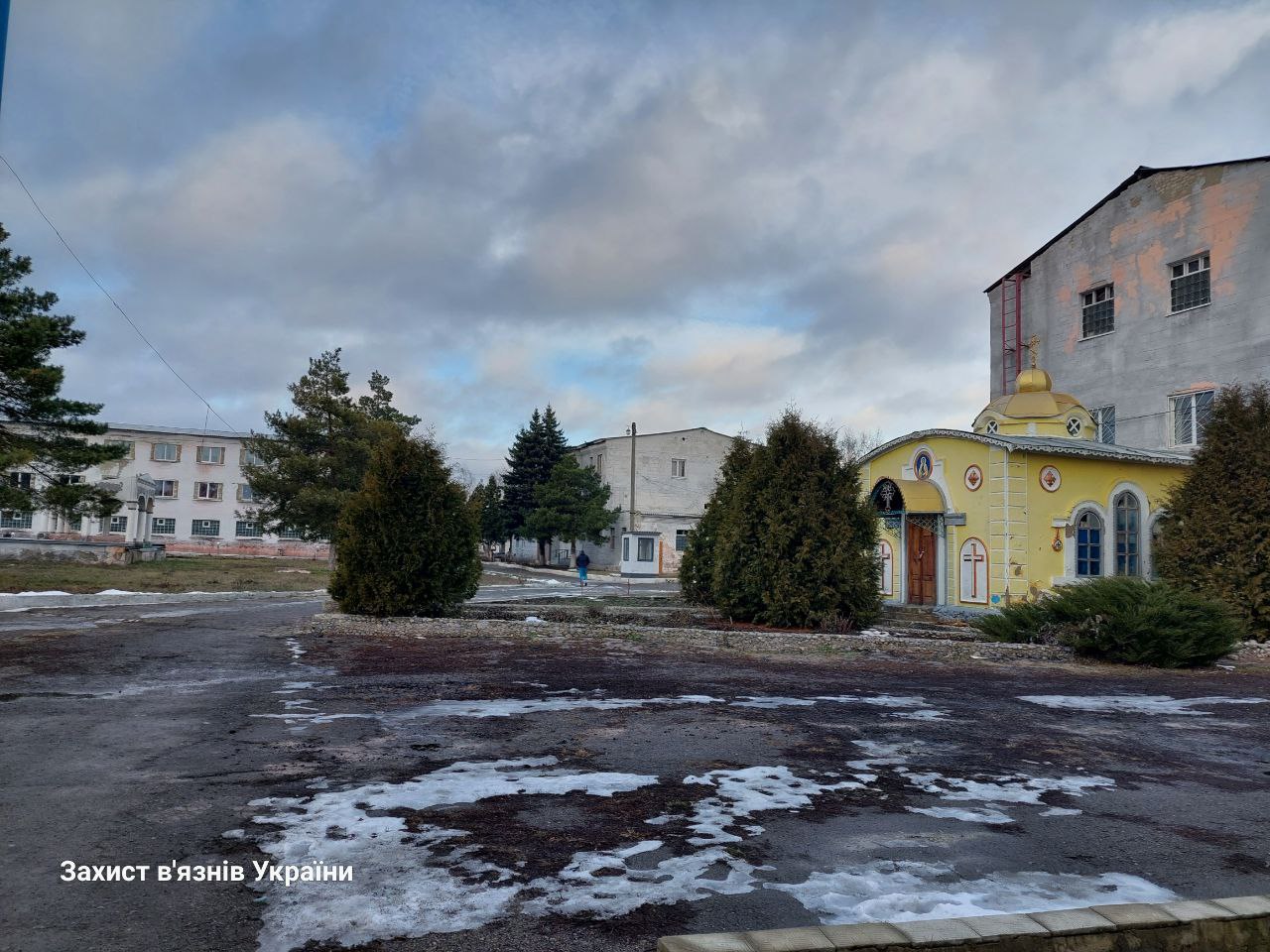
Historical background
In accordance with Order No. 0165 of the Ministry of Internal Affairs of the Ukrainian SSR dated 23 June 1961 and Order No. 071 of the Internal Affairs Directorate of Kharkiv Region dated 1 July 1961, Correctional Labour Colony No. 17 was organised on the basis of the ‘Balakliiskyi’ state farm of the Kharkiv Directorate of State Farms. It is located 80 km from Kharkiv and 20 km from Balakliia. From September 1961, the colony adopted an agricultural focus and was named the Agricultural Correctional Colony No. 17 of the Internal Affairs Directorate of Kharkiv Region. Beginning in 1970, the number of prisoners serving long-term sentences gradually increased in the institution, which was designated as P/O (Post Office box) YuZh 313/17.
Due to prisoners escaping from work sites, a decision was made to close the open-air sites and employ prisoners at counter-agent facilities. In 1995, a tuberculosis ward was opened in the colony for the first time to treat prisoners suffering from tuberculosis. Subsequently, this facility grew into an Inter-regional Tuberculosis Hospital, to which prisoners are sent for treatment from almost all regions of Ukraine. Currently, Pokrovska Correctional Colony No. 17 is a medium-security medical institution for the detention of male prisoners with tuberculosis who have been sentenced to imprisonment for a specific term.
General information
The institution is located in a place that is very difficult to reach by motor vehicle, especially during periods of rain. The road is eroded and dangerous.
The institution was damaged during the war: there were seven rocket strikes on the territory. Buildings were damaged and destroyed, which have since been repaired by the institution’s personnel.
According to official data provided by the head of the institution, the authorised staff number is 272.5 full-time units, with the actual number being 225.5. During the current year, 129 individuals arrived at the facility. At the time of the visit, 108 people were being held in the institution. There are two Social and Psychological Service (SPS) units in the institution, and four are mothballed. In 2022, one prisoner died. Twelve people are employed, working in the economic maintenance zone. Since the institution is specialised for persons with tuberculosis, all individuals are under medical supervision, and the SPS units are considered medical units. Accordingly, there were 108 people in the medical unit, 87 of whom were undergoing treatment. There are 27 people registered with HIV/AIDS, six prone to suicide, and 12 are persistent violators of the regime.
In 2022, five people were released due to serious illness, and in 2023, two people were released. Throughout 2022 and 2023, no complaints were recorded from convicted persons regarding inappropriate conditions of detention or improper provision of medical care. Such a practice causes concern. Twenty-nine people have disabilities: 19 with Group II, and 10 with Group III. During 2022, 27 people were released, seven of whom were released on parole. In 2023, 12 people were released, one of whom was on parole. In 2023, two ambulance calls were recorded. In 2022, one case of bodily injury was recorded during their stay at the institution. In 2023, there was also one such case during their stay at the institution. During 2023, special means (handcuffs) were used once. Thirteen people have tablets for their own use without internet access. Thirteen people are generally rejected.
In 2023, four short-term contact visits took place. During 2023, there was one short-term exit outside the institution due to exceptional circumstances. Two psychologists work at the institution. There is a staff shortage of 47 employees. During 2023, 3,978 telephone calls were made. The institution has a water well. Water is sold to the local population. A medical office operates in every SPS unit. As part of the monitoring visit, 63 people were interviewed.
On the eve of the visit, a request for public information was sent to the management of the facility with the following questions: the number of appeals from prisoners during 2022–2023 sent to the Ukrainian Parliament Commissioner for Human Rights, the prosecutor’s office in sealed envelopes, other state bodies, and human rights organisations, as well as the number of responses to these appeals. The received response stated that during 2022 and 2023, no appeals were sent by prisoners to the Ukrainian Parliament Commissioner for Human Rights, the prosecutor’s office, other state bodies, or human rights organisations, and none were received.
We consider such a practice unacceptable. A complete lack of communication with state bodies and human rights organisations indicates a lack of awareness among the prisoners, distrust of such communication, or a lack of opportunity.
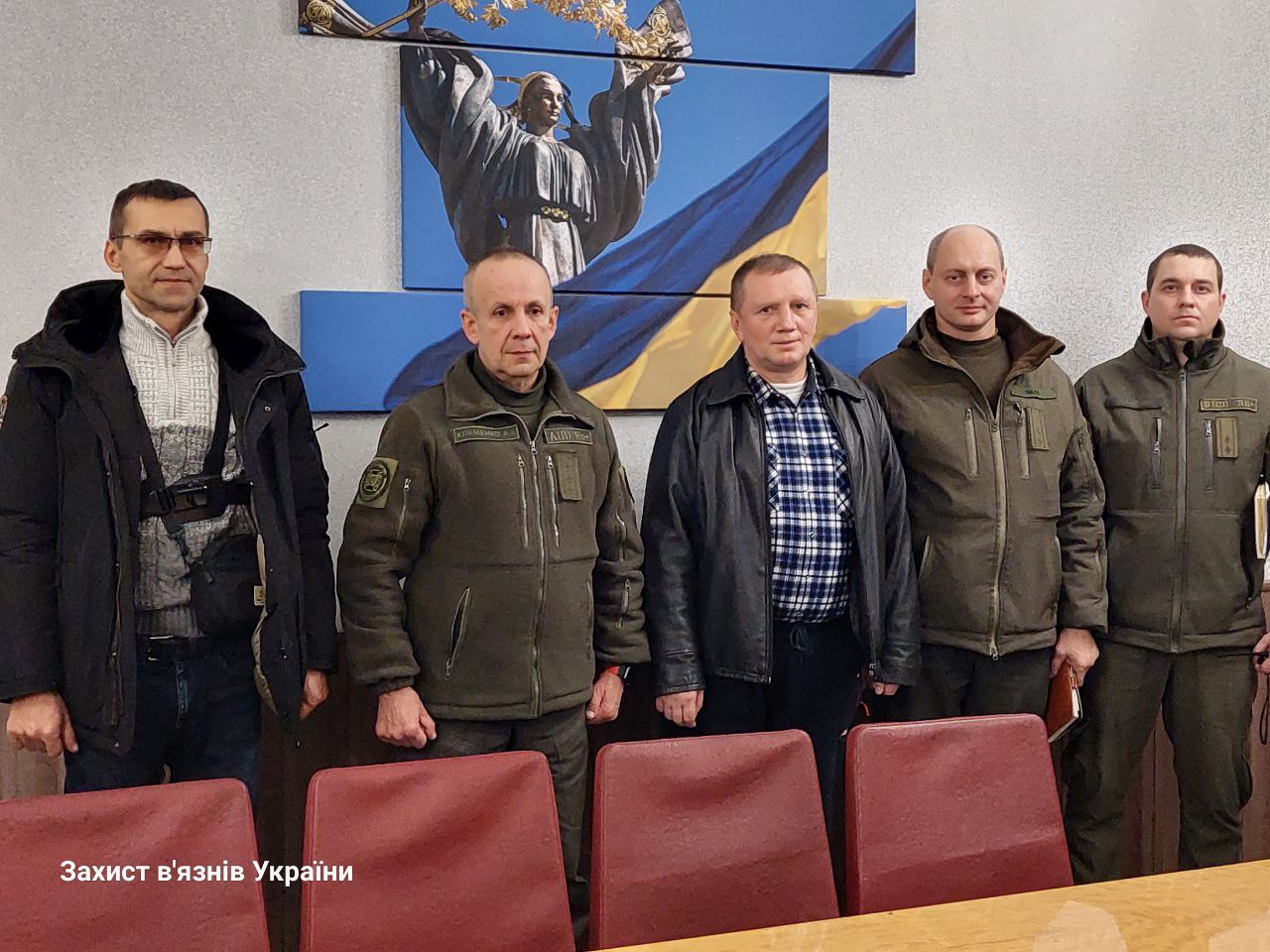
During the visit, the monitoring group examined the documentation relating to the life of the colony and inspected the economic, medical, and residential premises to ensure their compliance with the requirements of Ukrainian legislation and international standards. The head of the institution is Colonel of the Internal Service Andriy Klymenko. The monitoring group was accompanied by the head of the institution and Lieutenant Colonel of the Internal Service Viktor Hadiatskyi.
Pokrovska Specialized Tuberculosis Hospital No. 17 of the branch of the State Institution ‘Centre for Health Care of the State Criminal-Executive Service of Ukraine’ in Kharkiv and Luhansk regions
The head of the Pokrovska Specialized Tuberculosis Hospital No. 17 is Tetiana Petrenko. Men are undergoing treatment in the institution, including those with mental and behavioural disorders, who are suffering from active tuberculosis with resistance of Mycobacterium tuberculosis (MBT) to rifampicin (rifampicin-resistant TB), multidrug-resistant TB, pre-extensively drug-resistant TB, extensively drug-resistant TB, and those with a risk of multidrug-resistant TB.
As of 20 December 2023, there are 108 people in the Pokrovska Specialized Tuberculosis Hospital No. 17. Of these, 21 are in category 5.1, and 87 are receiving treatment. According to the staffing schedule, the hospital has the following structure:
- Ward for the severely ill with a 24-hour medical post (for patients with drug-resistant tuberculosis with bacterial shedding) with 26 beds.
- Pre-trial detention centre unit and arrest house (ward for patients with infectious forms of tuberculosis) with 43 beds.
- Ward for patients with drug-resistant tuberculosis with bacterial shedding with preserved sensitivity to fluoroquinolones with 43 beds.
- Ward for patients with drug-resistant tuberculosis without bacterial shedding with preserved sensitivity to fluoroquinolones with 127 beds.
- Ward for patients with drug-resistant tuberculosis without bacterial shedding with 81 beds.
- Ward for patients with drug-resistant tuberculosis with bacterial shedding with resistance to fluoroquinolones with 48 beds.
- Ward for patients with drug-resistant tuberculosis with bacterial shedding receiving palliative care, with 42 beds.
- Admission ward (ward for differential diagnosis for patients with infectious forms of tuberculosis) with 14 beds.
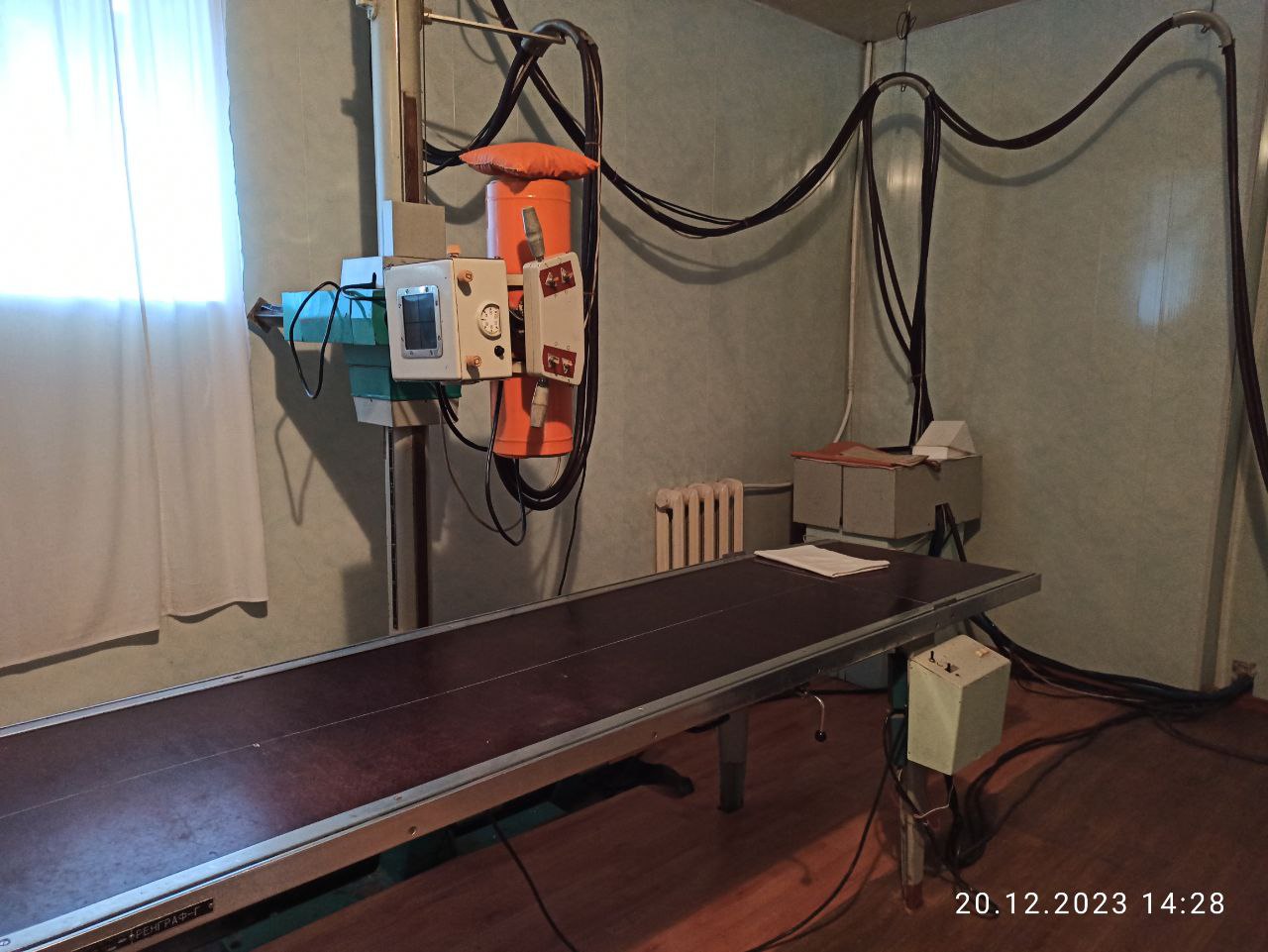
The hospital has an infectious diseases office, a dental office, an ultrasound diagnostics office, an X-ray room for patients with infectious forms of tuberculosis (patients with tuberculosis with bacterial shedding, chemoresistant tuberculosis with bacterial shedding), a clinical diagnostic laboratory (infectious form), and a pharmacy.

As of 20 December 2023, 10.5 doctor positions remain vacant: deputy head of the hospital — 1.0 unit; head of the department — 5.0 units; phthisiatrician — 2.0 units; therapist — 0.5 units; endoscopist — 0.5 units; epidemiologist — 1.0 unit; surgeon — 0.5 units.
A medical-consultative commission (MCC) has been established at the Pokrovska Specialized Tuberculosis Hospital No. 17. All prisoners who were released from further serving their sentences due to illness were examined in a timely and full manner; based on the results of the examination, a final diagnosis was established, and the submissions of the patients were considered at the MCC meeting.
In the period from 17 May 2023 to 20 December 2023, the MCC was in operation, and at its meetings, it considered the submissions of three people to resolve the issue of releasing prisoners from further serving their sentences due to illness. Based on the results of the review, the commission provided conclusions that the diagnosis of two patients is included in the ‘List of diseases which are the basis for submitting materials to the court on the release of prisoners from further serving their sentences’. The diagnosis of one patient is not included in the List.
Two submissions for the release of prisoners were sent to the court, and as a result of the court’s consideration, two prisoners were released.
In the period from 17 May 2023 to 20 December 2023, there were no deaths of prisoners or convicted persons at the Pokrovska Specialized Tuberculosis Hospital.
During the visit, shortcomings in the work of the Pokrovska Specialized Tuberculosis Hospital No. 17 were identified, which lead to a violation of the rights of prisoners and detainees during the provision of medical care in the hospital, in particular:
1. Violation of the right of convicted persons to protection against torture or inhuman or degrading treatment or punishment (Article 3 of the Convention for the Protection of Human Rights and Fundamental Freedoms) and violation of the right to health care and medical assistance (Article 49 of the Constitution of Ukraine). Violation of the right of prisoners and detainees to palliative care
1.1 There is no palliative ward in the hospital for the provision of palliative care in inpatient conditions. Such care is provided in the wards of the department for patients with drug-resistant tuberculosis with bacterial shedding.
1.2 Due to the hospital’s lack of a license to carry out activities related to the circulation of narcotic drugs, psychotropic substances, and precursors, there is no access to narcotic painkillers to alleviate the suffering, pain, and reduction of symptoms of the palliative patient’s illness. According to the ‘Procedure for the provision of palliative care’, the main components of palliative care are medical, social, spiritual, and psychological support for the patient. At the same time, the hospital lacks a license for carrying out economic activities in medical practice for the specialties of medical psychology and psychotherapy. The aforementioned indicates the absence of proper conditions for providing palliative care in inpatient conditions to those who need it, is a violation of the right to health care and medical assistance, and can be regarded as cruel, inappropriate, or degrading treatment.
1.2 The hospital does not organise substitution maintenance therapy (hereinafter — SMT) for persons with mental and behavioural disorders as a result of opioid use. Drug-addicted individuals are not provided with social-psychological support, cognitive-behavioural therapy (CBT), relapse prevention, motivational interviewing, mutual aid groups, etc.
1.3 In the hospital, the ‘Control card for dispensary observation of an HIV-infected person No. 030-5/0’ has not been created for four individuals.
1.4 Due to the absence of signed declarations with a primary care physician by the convicted persons, they do not have the opportunity to receive necessary medical services at the expense of the NHSU (National Health Service of Ukraine), which leads to a violation of the requirements of paragraphs 4 and 5 of Article 4 of the Law of Ukraine ‘Fundamentals of the legislation of Ukraine on health care’.
1.5 At the Pokrovska Specialized Tuberculosis Hospital No. 17, there is no register for recording the results of preventive medical examinations.
1.6 During the study of medical documentation, it was established that in the outpatient medical record 025/o, there are no certificates or photographs of existing bodily injuries. The time of the examination is missing from the file of prisoner M., who received an injury on 4 December 2023. The lack of proper documentation of bodily injuries does not comply with paragraph 60 of the recommendations of the European Committee for the Prevention of Torture and Inhuman or Degrading Treatment or Punishment (CPT/Inf(93)12-part), which states that medical services in places of detention can contribute to the prevention of violence against persons held in custody by systematically registering bodily injuries and, if necessary, by informing the appropriate authorities.
1.7 It was established that the inpatient medical record No. 003/o lacks the patient-signed informed consent for a psychiatric examination.
1.8 During the inspection of the DIZO (disciplinary isolation ward) unit, monitors established that when a prisoner is placed in the disciplinary isolation ward, it is common practice to attach a medical certificate to the case, which contains information about the state of health, diagnosis, and a conclusion stating that the prisoner can be held in the DIZO, PKT (cell-type premises), or punishment cell due to their health status. The identified facts indicate that the institution’s employees possess confidential information regarding the health status of the prisoners being held in the DIZO unit. This violates the requirements of Article 39-1 of the Law of Ukraine ‘Fundamentals of the legislation of Ukraine on health care’ regarding the right of individuals to confidentiality of information about their health. Furthermore, the European Committee for the Prevention of Torture and Inhuman or Degrading Treatment or Punishment has repeatedly recommended that doctors should not certify that the health of prisoners allows for placement in the DIZO/PKT. Medical personnel working in penitentiary institutions are the personal doctors of the prisoners, which ensures the existence of a positive doctor-patient relationship. The above undermines the positive relationship between prisoners and doctors. In addition, it contradicts paragraph 43.3 of the European Prison Rules.
1.9 During the visit, monitors established that there are three prisoners in the ward around the clock who perform the functions of ‘duty orderlies’. During confidential communication, they reported that only one of them has an employment contract. Thus, the management of the facility and the medical staff have delegated to these orderlies the rights to exercise constant supervision over the prisoners in the ward, monitor their compliance with the internal daily routine, and perform work related to the provision of medical care. At the same time, the European Committee for the Prevention of Torture and Inhuman or Degrading Treatment or Punishment has repeatedly recommended stopping the practice of using prisoners as assistants and orderlies in medical units.
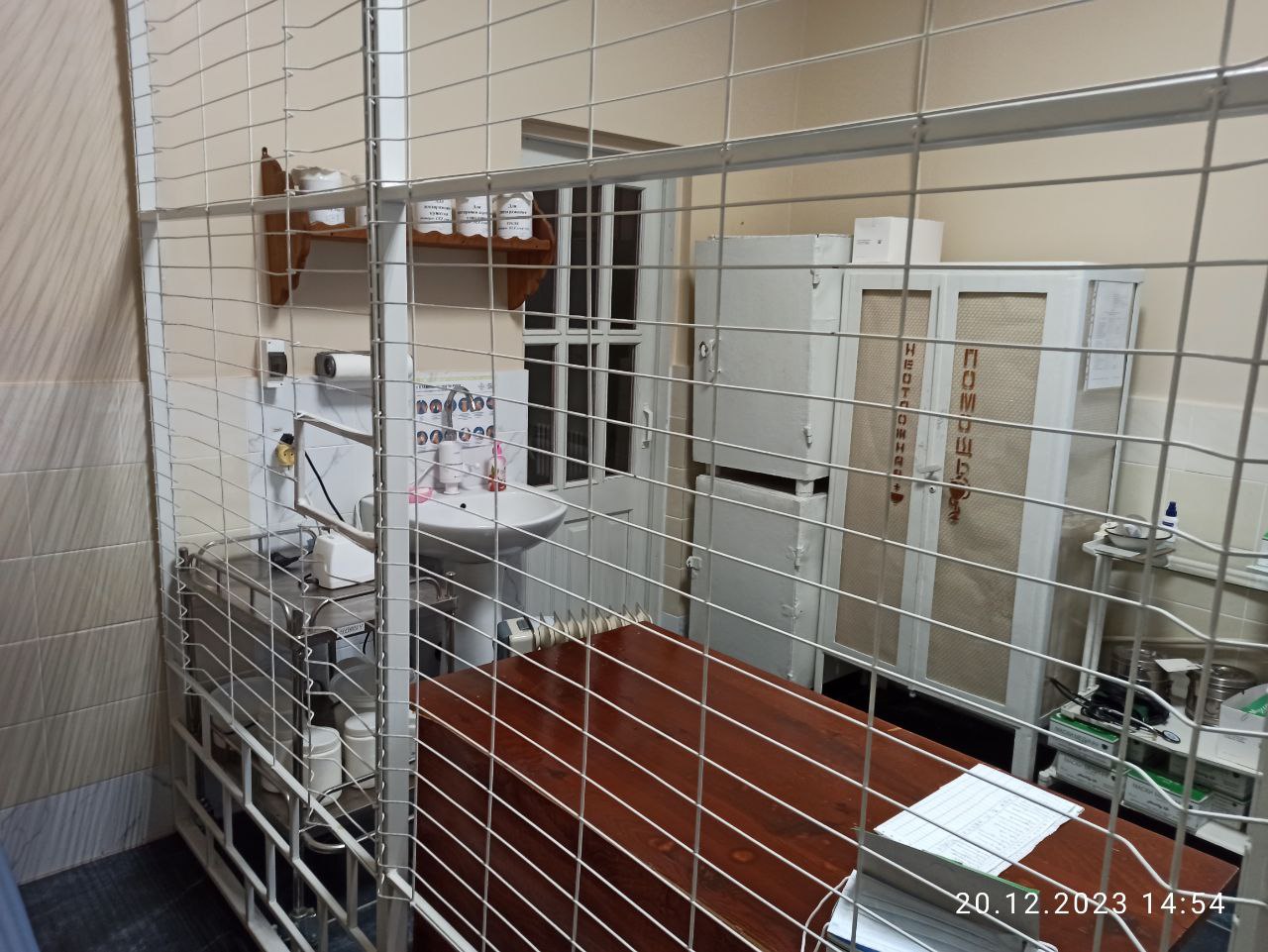
1.10 During the inspection of the medical office premises, monitors established that medical examinations and manipulations, in particular the administration of intramuscular injections to prisoners, are carried out through bars. Meanwhile, the European Committee for the Prevention of Torture and Inhuman or Degrading Treatment or Punishment notes that such an approach can be considered degrading to both the prisoners and the prison staff. The Committee acknowledges that special security measures may be necessary in individual cases; however, the systematic placement of prisoners in prohibited zones during injections is clearly unjustified. The CPT recommends that the Ukrainian authorities put an end to this practice.
2. Lack of medical equipment, medical products, and medicines in the medical unit
2.1 The medical unit lacks a dental X-ray machine, which makes it impossible to conduct an in-depth dental examination of prisoners and does not ensure the timely provision of appropriate dental care.
2.2 During the check of the defibrillator’s functionality, the absence of electrodes was established.
2.3 Convicted persons do not receive hospital property (hospital suits, robes, and slippers). Prisoners are in the inpatient ward wearing their everyday clothes, sometimes with their own bed linen.
2.4 During the inspection of the medical unit, expired medicines were discovered.
2.5 There is no hot water supply in the doctors' offices, and the workplaces of medical staff do not meet the requirements of current legislation, violating Article 19 of the Law of Ukraine ‘Fundamentals of the legislation of Ukraine on health care’ and Article 13 of the Law of Ukraine ‘On Occupational Safety’.
These violations do not comply with paragraph 38 of the recommendations of the CPT Standards, which states that medical services in places of detention must be able to provide medical care and treatment, as well as an appropriate diet, physiotherapy, rehabilitation, or any other special care at the same level as that offered to patients in civilian medical institutions. Provision should be made for medical, auxiliary, and technical staff, as well as appropriate premises, equipment, and facilities.
3. Improper storage of medicines received from relatives
There is no separate cupboard in the hospital for storing medicines from relatives. Furthermore, in the medical documentation (medical record No. 025/o or No. 003/o), there are no statements from the relatives of the prisoners or other persons regarding the transfer of medicines or medical products, or they are stored separately, which violates paragraph 23 of the General Provisions of the ‘Procedure for organising the provision of medical care to persons sentenced to imprisonment’.
4. Non-compliance with infection control and epidemiological surveillance
The requirements for the isolation of patients with tuberculosis are not met in the infectious isolation wards. The wards for patients are used for more than one or two people (two wards for six beds), the doors to the wards are not equipped with sealed thresholds or edge seals, air recirculation via mechanical ventilation is not ensured, and there is unhygienic conditions and a lack of artificial lighting in one of the wards. There is no strict control over compliance with the mask regime among prisoners on the territory of the institution.
5. Violation of the right to appropriate psychiatric care
The isolation ward for persons with mental disorders is not properly equipped: there is no sanitary unit or access to water.
6. Violation of fire safety rules
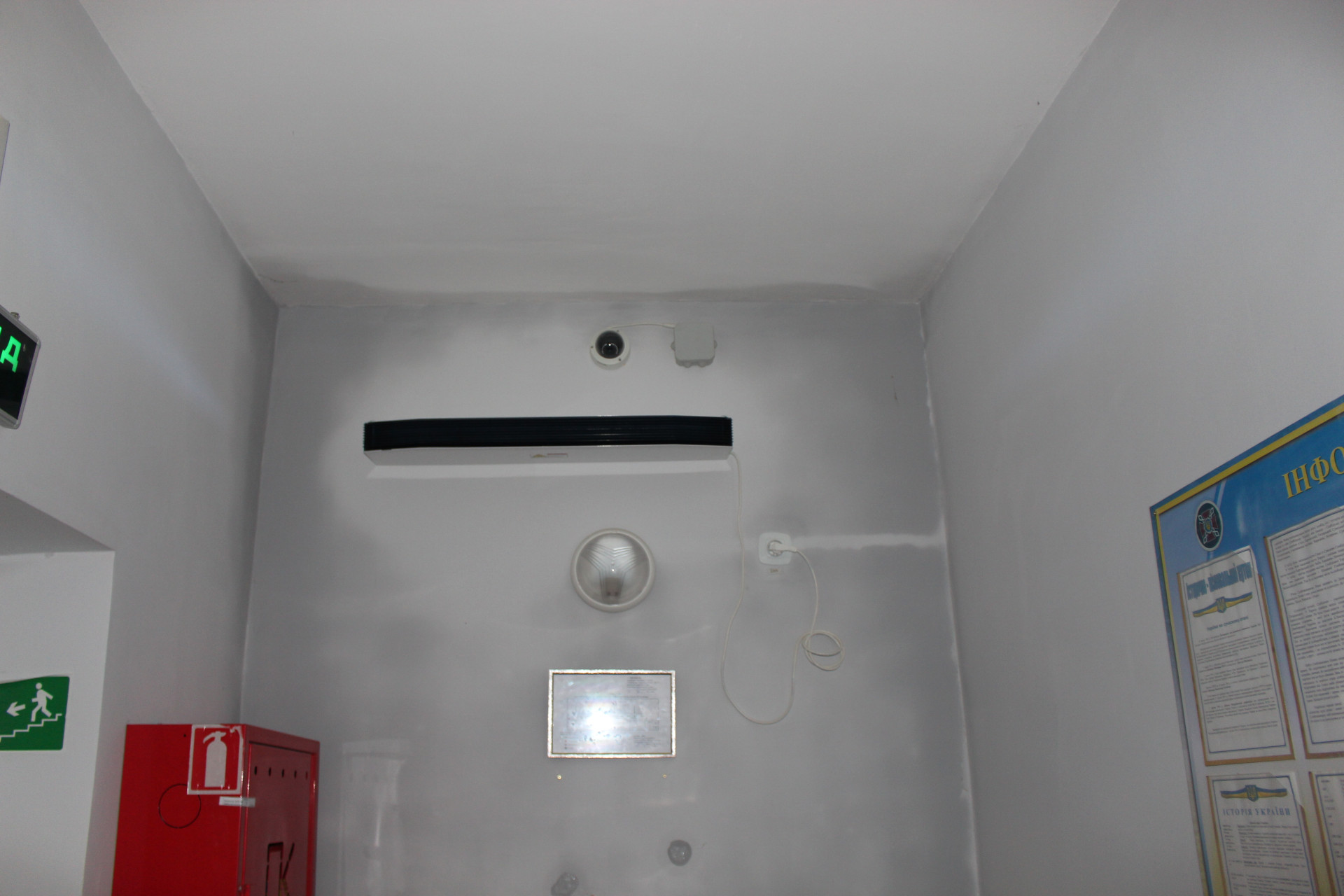
6.1 The hospital premises are not equipped with fire extinguishing or fire alarm systems.
6.2 The premises of the doctors' office and the X-ray room are not provided with fire extinguishers.
7. Violation of the rights of persons with disabilities (Article 9 of the UN Convention on the Rights of Persons with Disabilities)
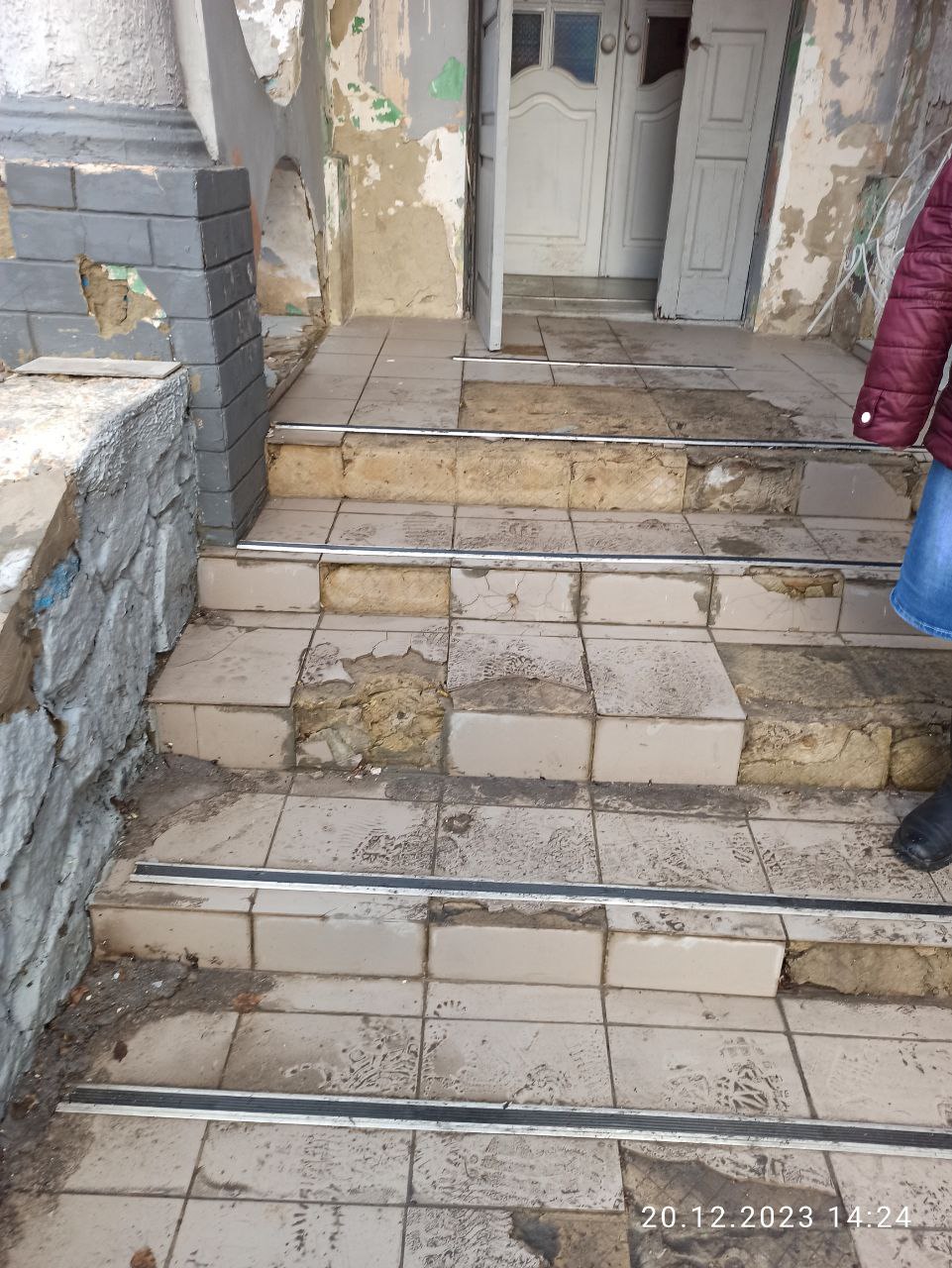
Conditions for holding people with disabilities have not been created in the hospital: there are no ramps, handrails, etc.
Residential premises
A medical unit operates in each SPS unit, and quartz lamps are in use.
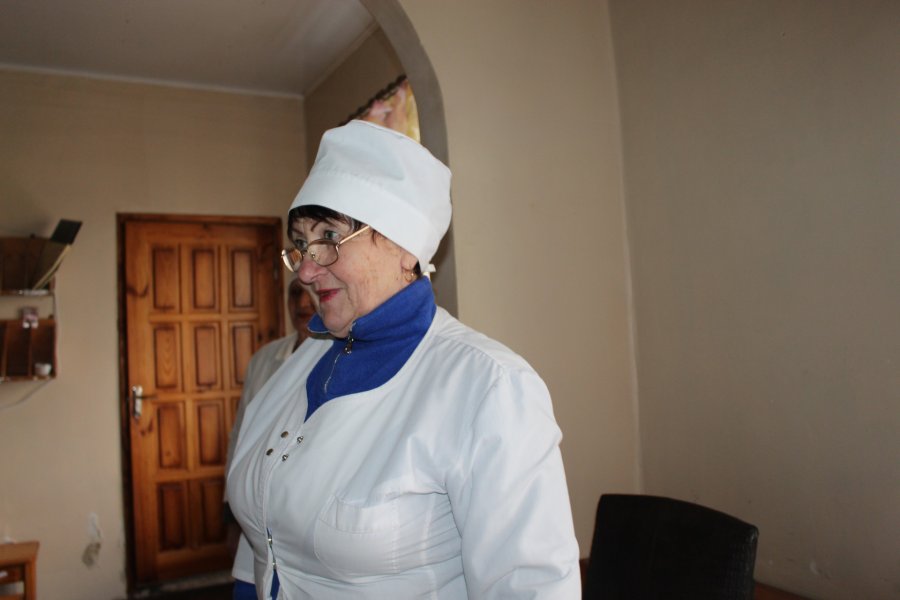
A duty doctor and a duty paramedic are present around the clock.
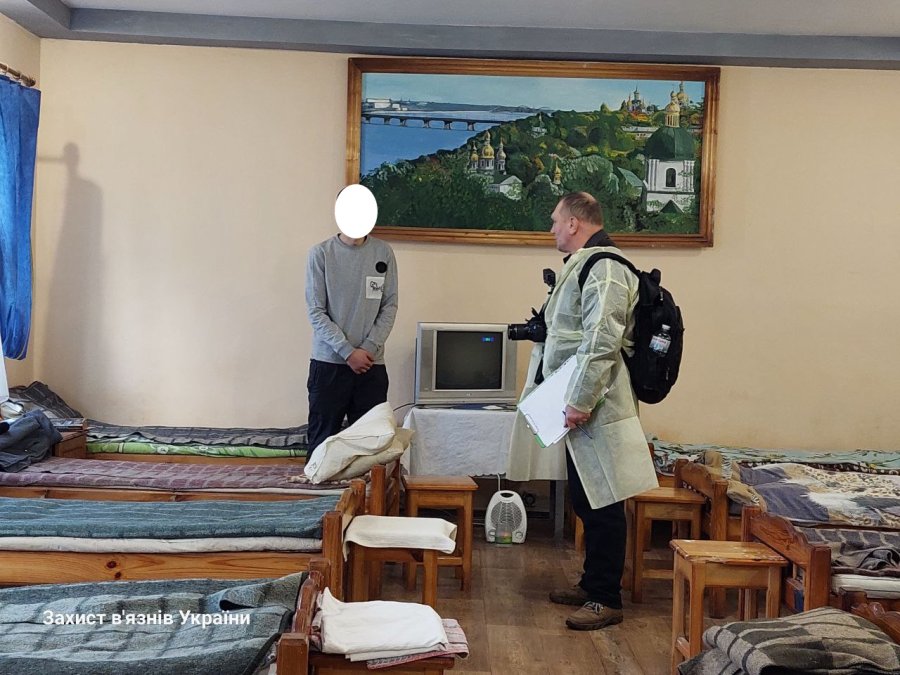
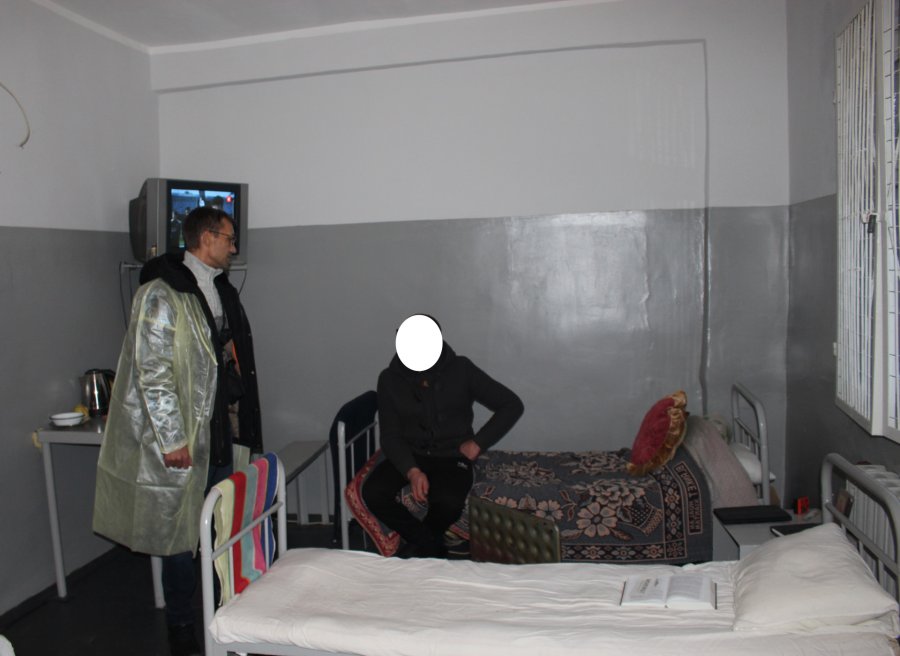
The wards are bright, and the beds are positioned with consideration for personal space.
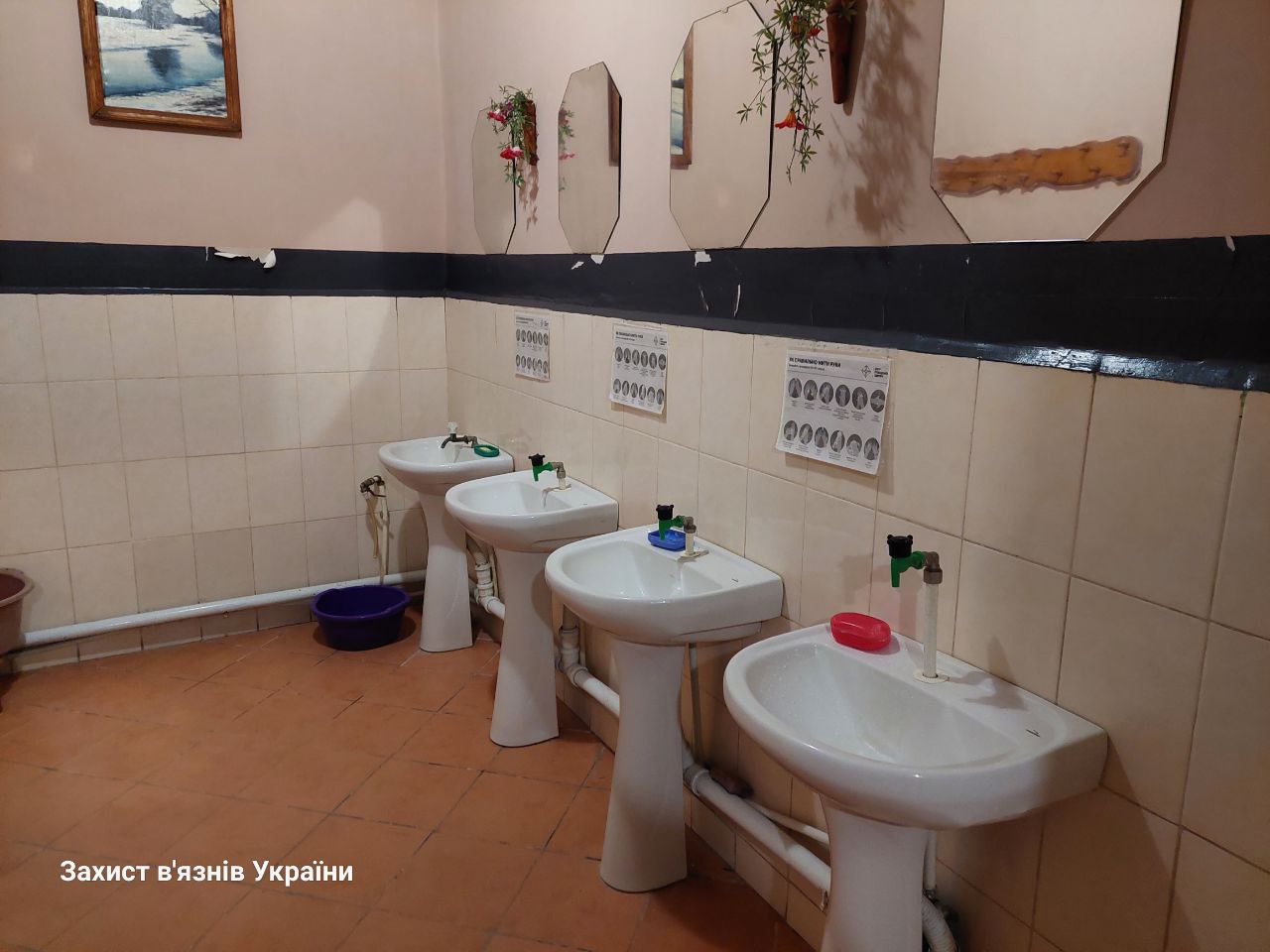
The sanitary facilities are in proper condition.
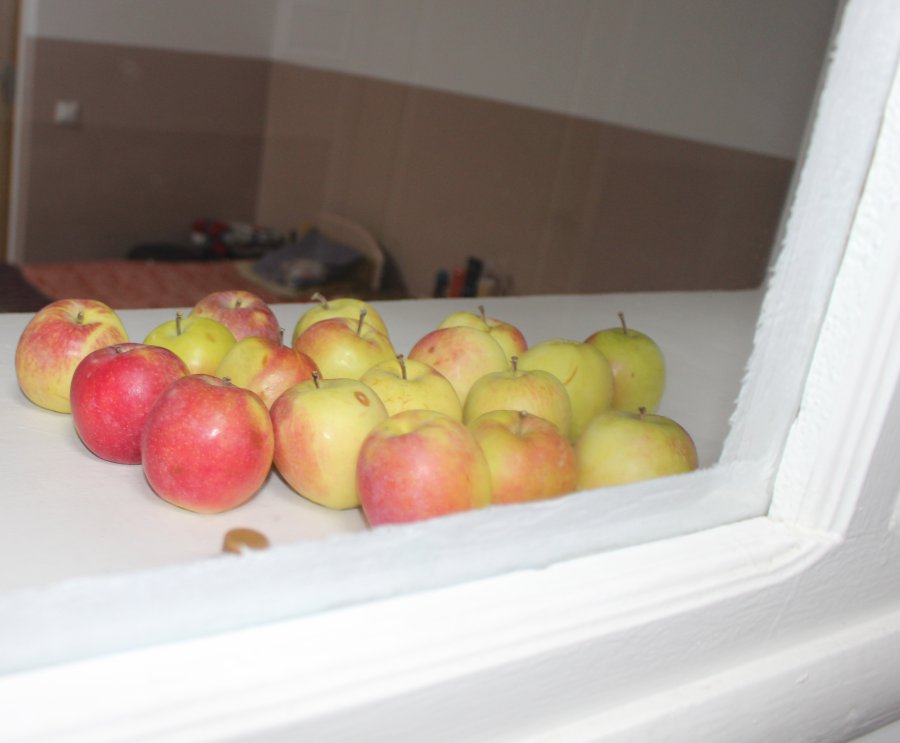
Convicted patients receive fruit.
In ward No. 6, prisoner Ts. performs the functions of a duty orderly. When asked if he receives a salary, the prisoner replied that he receives 1,000 hryvnias for his work. At the same time, no confirmation of the accrual of salary to the prisoner was found.
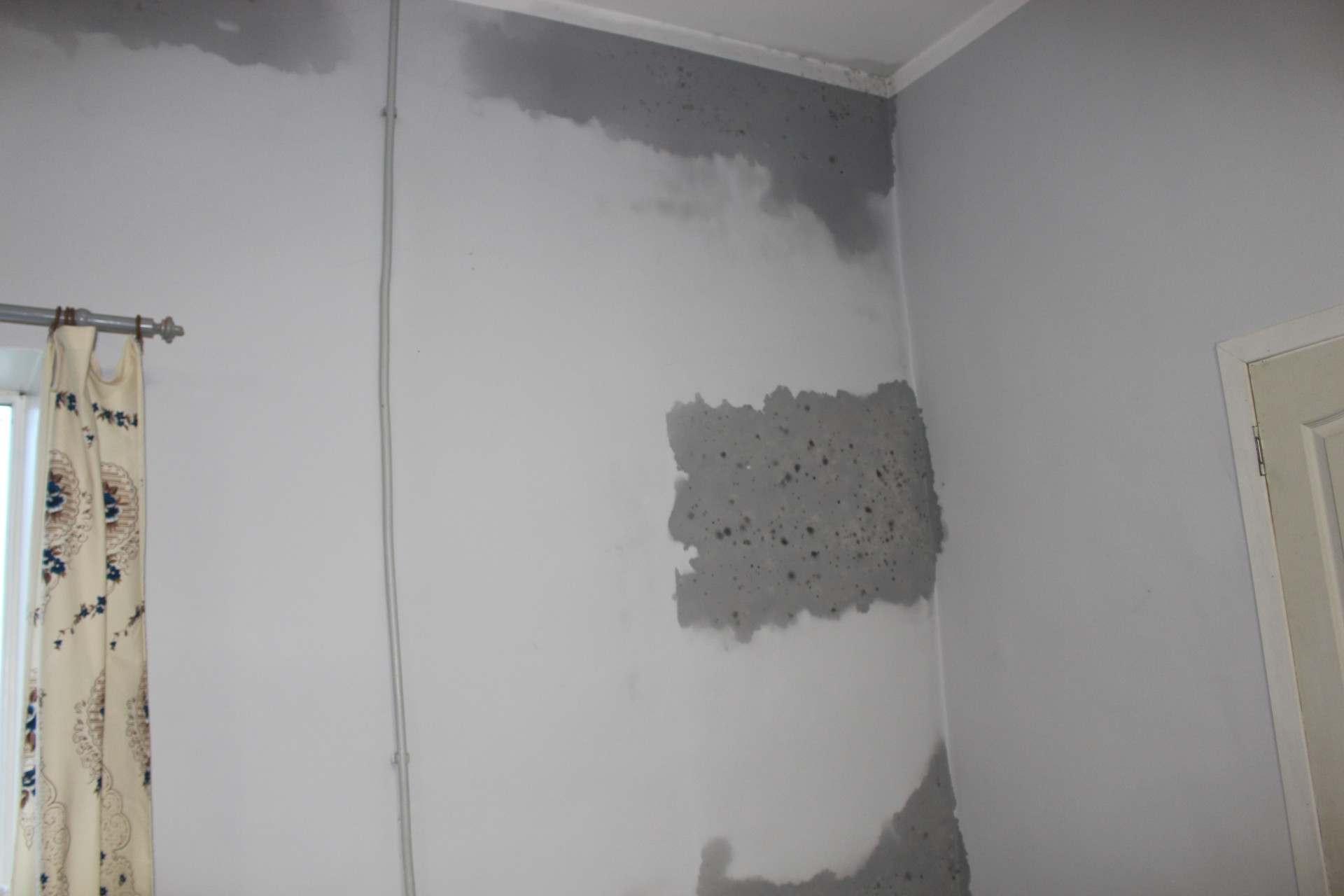
In ward No. 7, there is moisture condensation on the walls on the stairs and in the living area, which does not contribute to improving the health of tuberculosis patients.
Prisoner K. works as a duty orderly and reported that he earns 1,500 hryvnias per month.
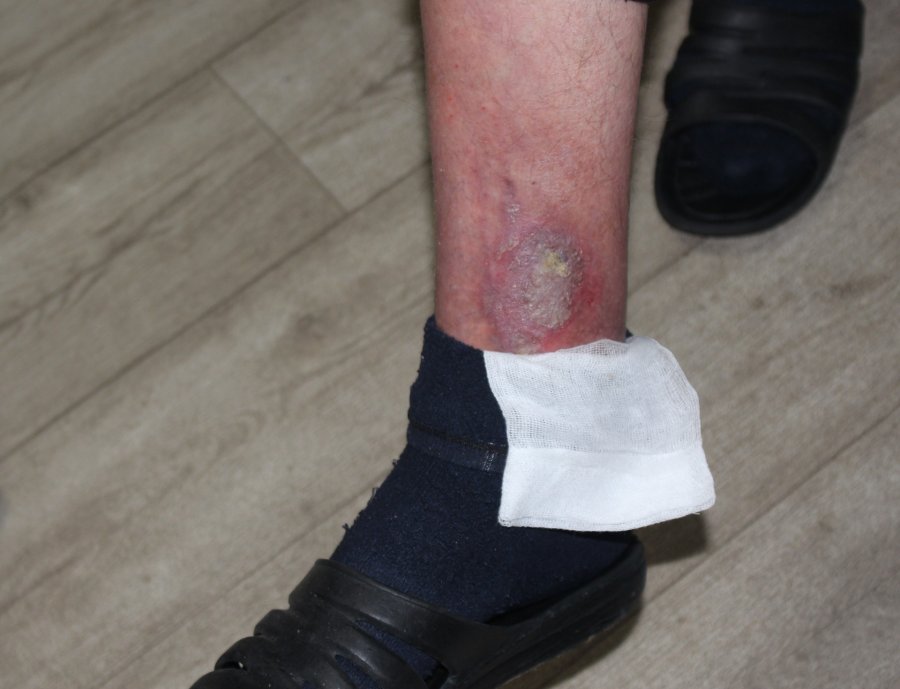
Prisoner L. was evacuated from Selydove Correctional Colony No. 82 to Bila Tserkva Correctional Colony No. 35. Then, as a tuberculosis patient, he was transferred to PKK-17. The prisoner complained of stomach pain and feeling unwell. Prisoner L. has a purulent fistula on his leg and a plate. He complained about the lack of treatment. The head of the medical unit commented on this situation and explained that the patient had been examined by a surgeon, and surgical intervention is possible only after the tumour reduces. The doctor explained that she is keeping the situation with this patient under control.
Prisoner K. from ward No. 1 asked a question, saying that he will soon be released but has no funds for travel to the Kirovohrad region. The head of the institution stated that every prisoner who is released is given funds for tickets and food.
Prisoner V. complained that he has hepatitis but is not being registered. The head of the medical unit explained that this patient had been examined and no hepatitis disease was detected.
Prisoner S. has his own tablet but no access to the internet.
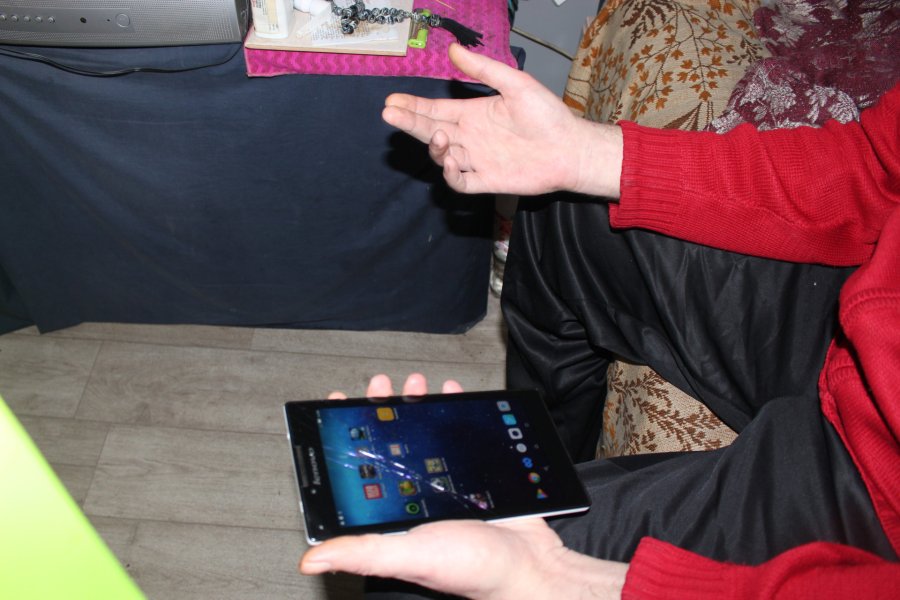
Prisoner K. appealed for help in obtaining Ukrainian citizenship. The prisoner reported that he is a citizen of the Russian Federation. Such appeals reach human rights defenders with some regularity, but to renounce Russian citizenship, one must at the very least apply to the Russian representation in Ukraine. During the war, unfortunately, this is impossible. This issue is not isolated and requires regulation so that individuals who are on the territory of Ukraine can voluntarily renounce the citizenship of the aggressor country.
In the DPK (Chamber-Type Premises) room, there was one prisoner. He has his own tablet without access to the internet.
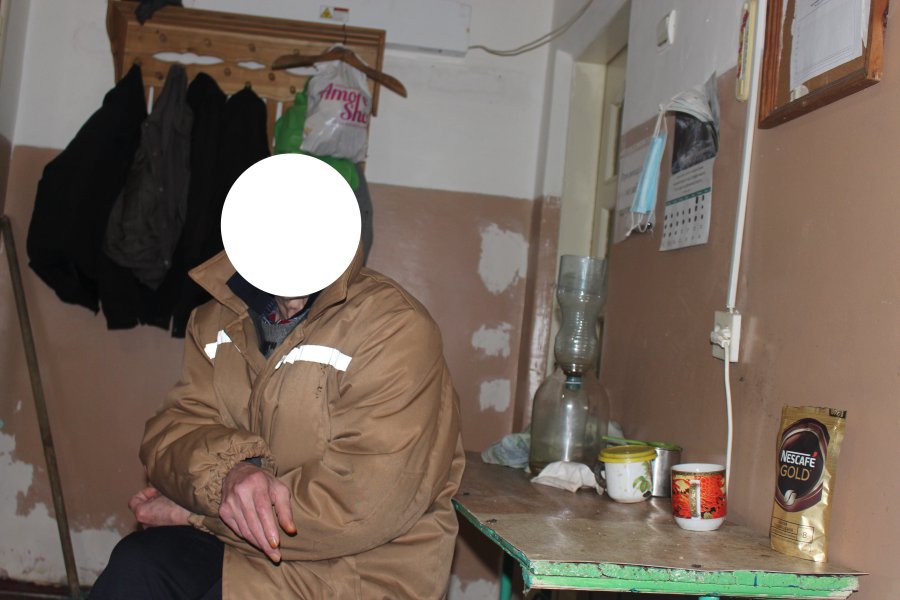
In the pre-trial detention centre premises, there was one detainee with tuberculosis.
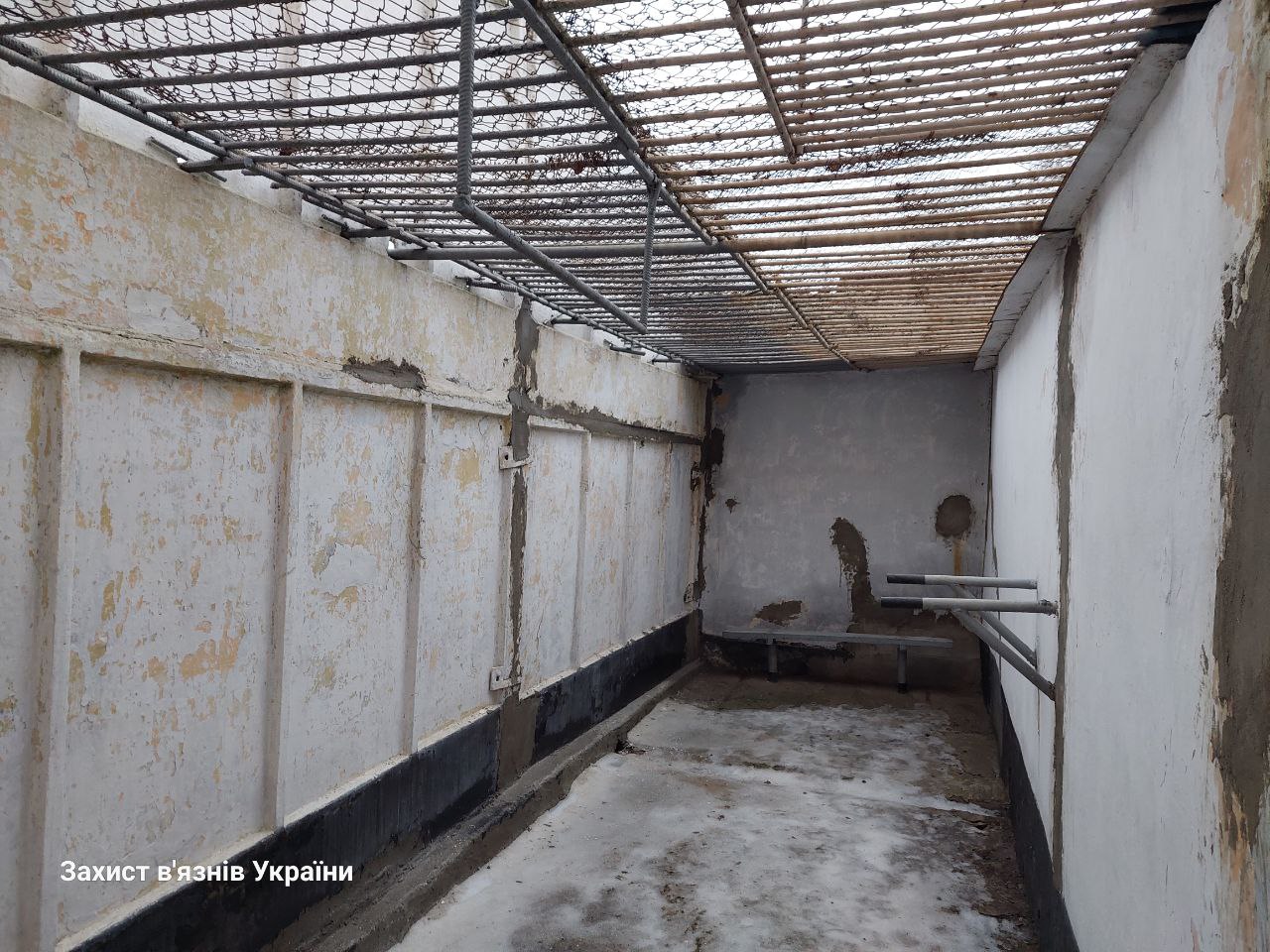
In the DIZO/PKT/DPK/pre-trial detention centre units, there are separate courtyards for patients with BK+ and BK- tuberculosis.
In the KDiR (Convicts on long-term sentences) ward, prisoner P. reported that he cleans the premises for two hours daily without pay for his work.
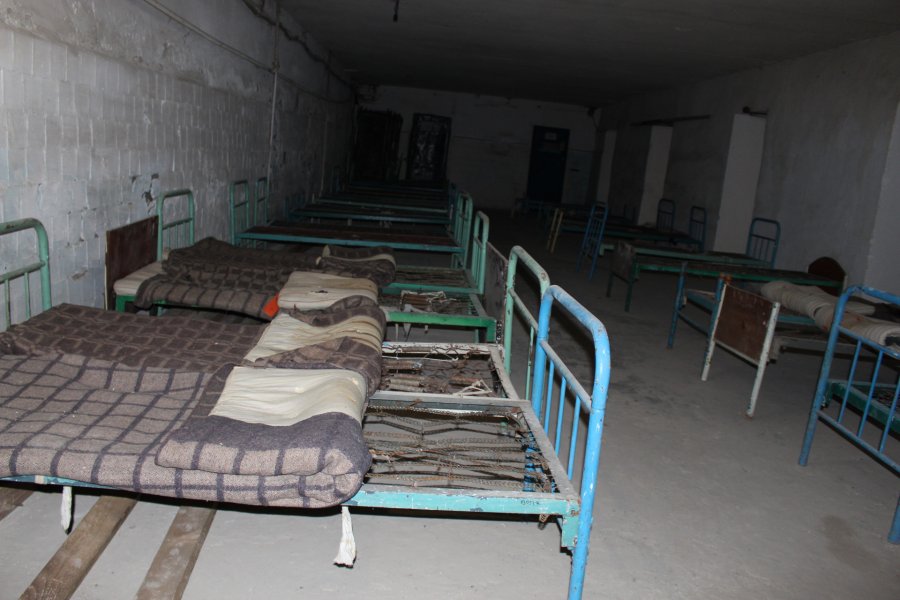
Shelter area
There is a tank with drinking water, and medicines are brought as needed. The layout of the beds makes it possible to stay in the shelter for a long time.
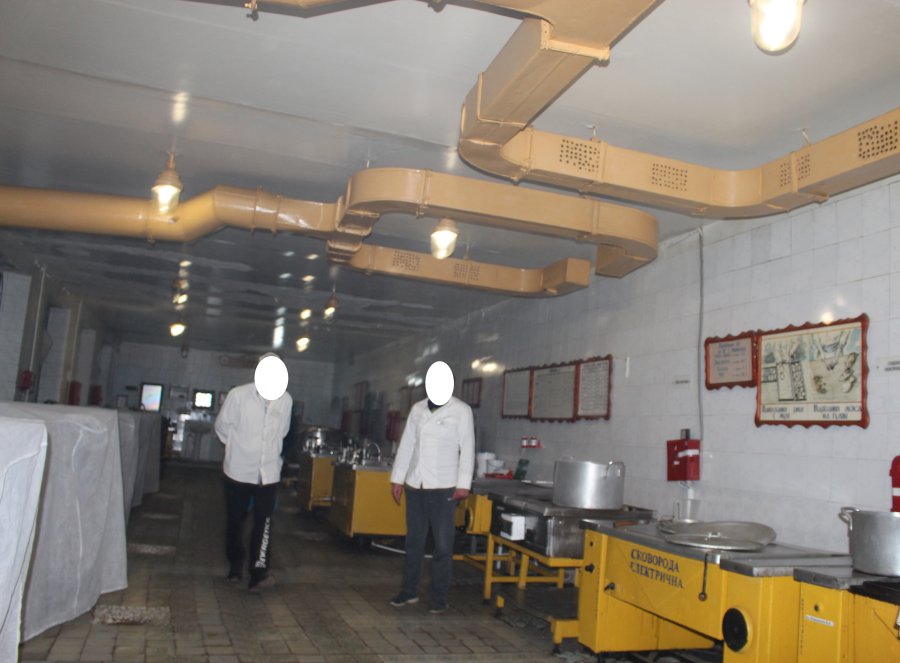
Catering unit
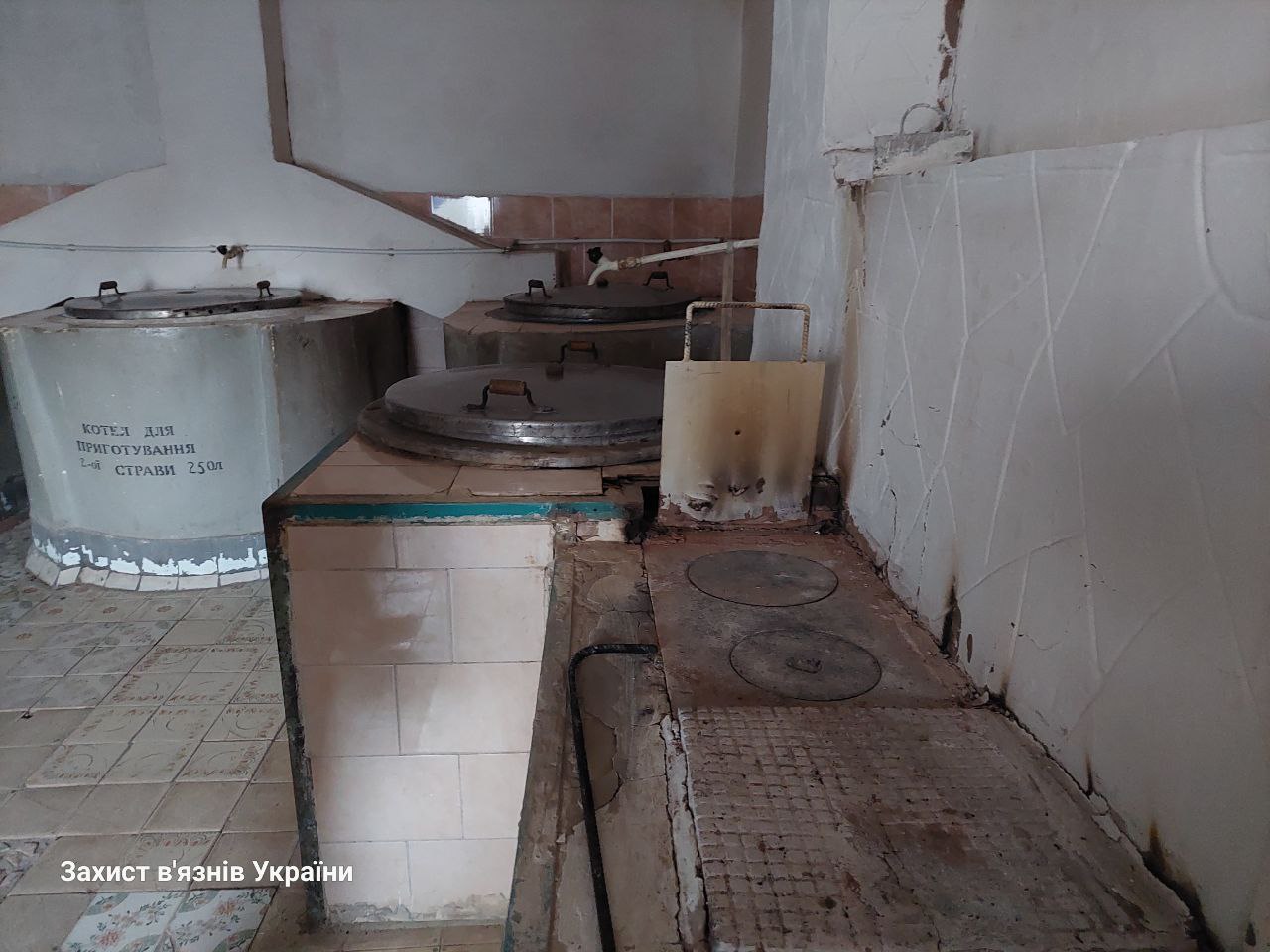
Three boilers are working, two are under repair.
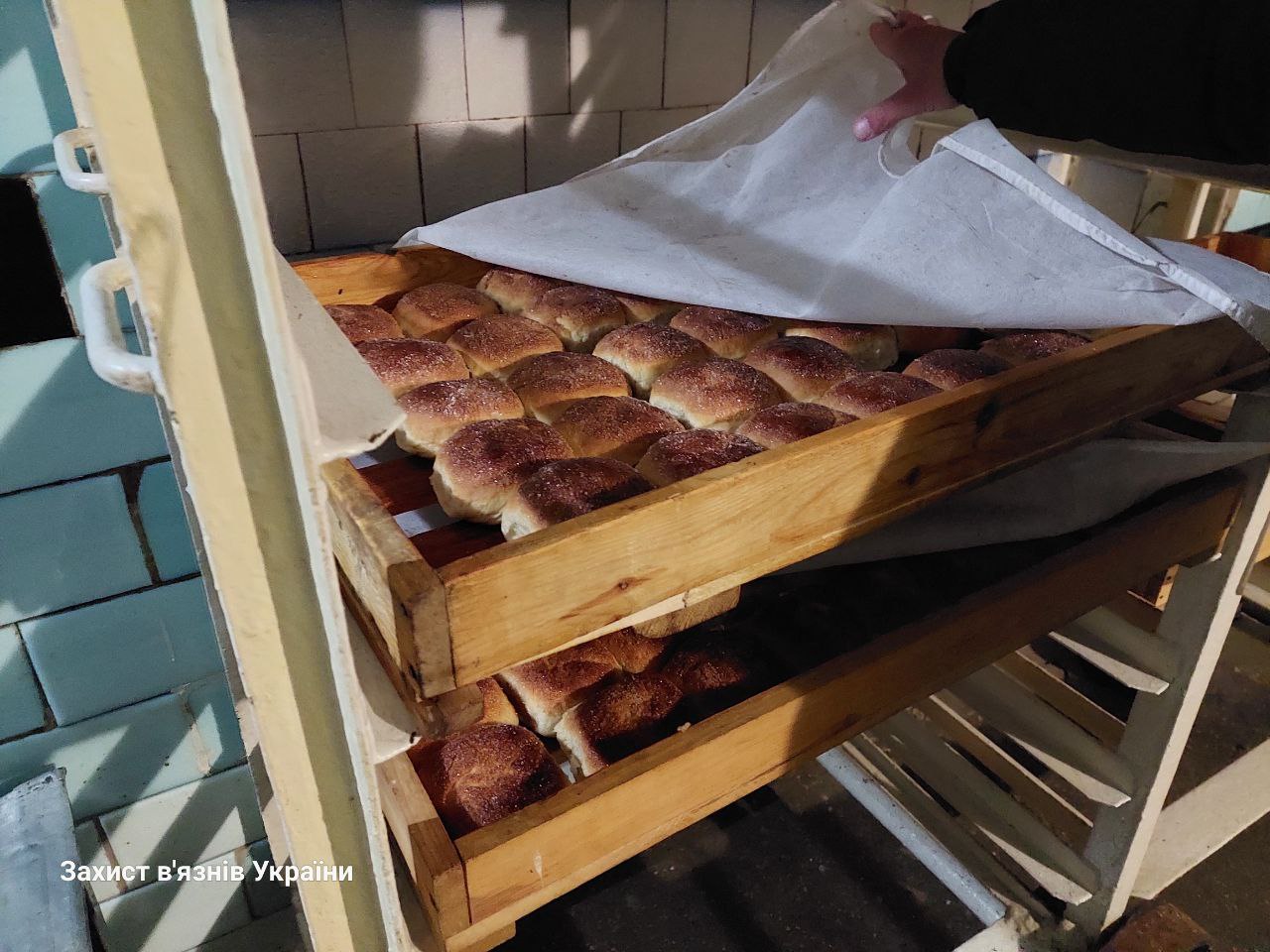
They bake their own bread and buns.
In the event of a power outage, alternative resources for cooking are available.
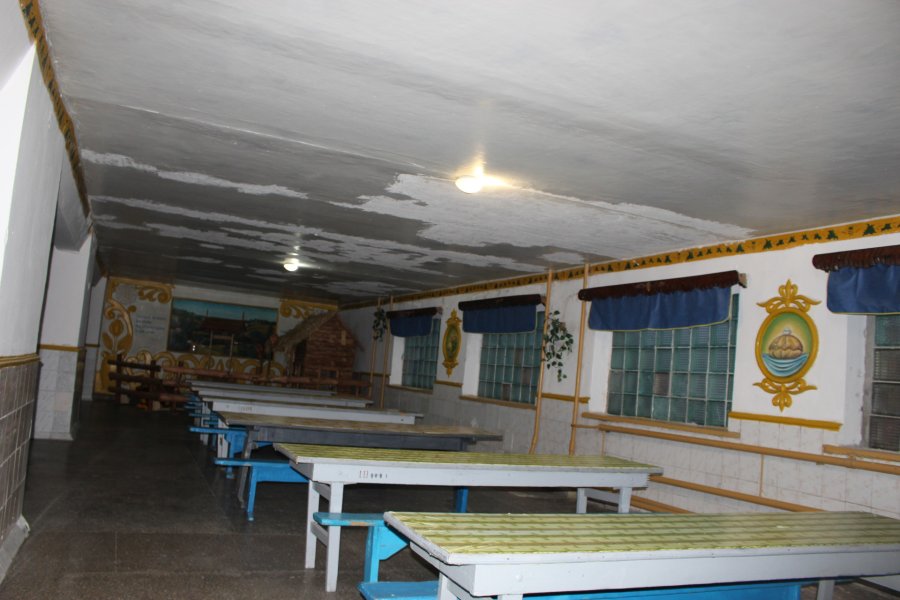
The dining hall is spacious.
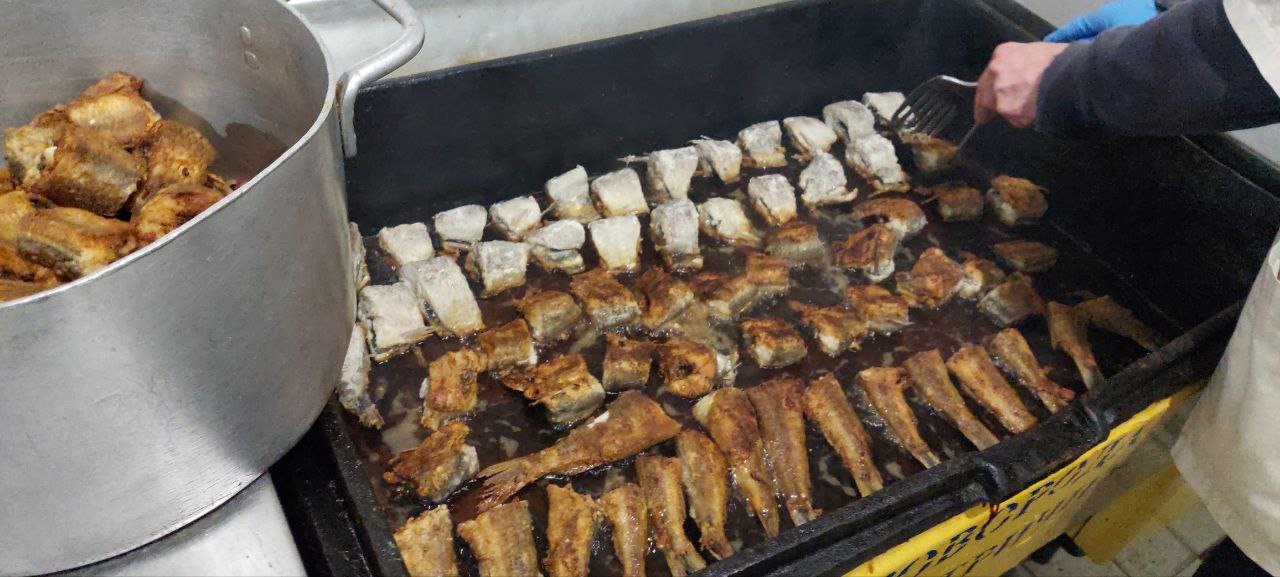
All prisoners receive dietary nutrition.
Observations and recommendations:
- Ensure the organisation of the work of a palliative ward in the health care institutions of the SCES (State Criminal-Executive Service) of Ukraine in accordance with the ‘Procedure for the provision of palliative care’.
- Ensure the receipt of a license to carry out activities related to the circulation of narcotic drugs, psychotropic substances, and precursors.
- Ensure control over the proper maintenance of medical documentation in accordance with the ‘Procedure for organising the provision of medical care to persons sentenced to imprisonment’, approved by the joint order of the Ministry of Justice of Ukraine and the Ministry of Health of Ukraine dated 15 August 2014, No. 1348/5/572, and other regulatory legal acts.
- Ensure the possibility of receiving substitution maintenance therapy based on a diagnosis of mental and behavioural disorders resulting from opioid use.
- Staff the hospital with medical specialists according to the need to provide medical care to prisoners and detainees.
- Ensure the accessibility of the institution’s buildings in accordance with the State Building Norms of Ukraine V. 2.2-17:2006 ‘Buildings and structures. Accessibility of buildings and structures for low-mobility groups of the population’.
- Ensure that prisoners have agreements with doctors who provide primary medical care in health care institutions of the Ministry of Health of Ukraine.
- Provide the medical unit with hospital property (hospital suits, robes, and slippers).
- Replace the pads for the external automatic defibrillator.
- Ensure compliance with fire safety requirements in the hospital.
- Ensure control over the observance of proper sanitary and hygienic conditions in the inpatient ward.
- Ensure the equipment of the isolation ward for persons with mental and behavioural disorders in accordance with requirements.
- Ensure compliance with social distancing measures for convicted persons under quarantine restrictions.
- Provide the hospital with necessary diagnostic equipment, including a dental X-ray machine.
- Ensure the proper storage of medicines and medical products of prisoners and detainees received from relatives or other persons.
- Dispose of expired medicines in accordance with the requirements of current legislation.
- Stop the practice of medical personnel conducting medical examinations and manipulations on prisoners through bars.
- Stop the practice of using prisoners as assistants and orderlies in medical units.
- Stop the practice of doctors certifying the health status of prisoners and detainees when placing them in the DIZO/PKT unit.
- Promote awareness among detainees regarding their right to appeal to the Ukrainian Parliament Commissioner for Human Rights, the prosecutor’s office, other state bodies, and human rights organisations.
- Ensure the right of prisoners to free use of the internet.
A preventive monitoring visit to the State Institution ‘Pokrovska Correctional Colony No. 17’ was carried out by representatives of the NGO ‘Kharkiv Human Rights Protection Group’ and NGO ‘Prisoners’ Rights Protection of Ukraine’. The monitoring group consisted of an assistant to a Member of Parliament of Ukraine, Yaroslav Yurchyshyn, programme coordinator of the KHRPG, Andriy Didenko, an assistant to a Member of Parliament of Ukraine, Kostiantyn Kasai, a member of the Public Council under the Ministry of Justice of Ukraine, Serhiy Zuikov, and a member of the Public Council under the Ministry of Justice, Oleh Tsvilyi. The visit was carried out within the framework of the project ‘Reducing suffering of prisoners in the context of the war in Ukraine’, funded by the government of Denmark in partnership with DIGNITY — Danish Institute Against Torture. The purpose of the visit: analysis of the observance of human rights in places of detention during the war.
Date of visit: 20 December 2023