Monitoring Visit to Kachanivska Correctional Colony No. 54
GENERAL INFORMATION
Kachanivska Correctional Colony No. 54 is a minimum-security penal institution for women serving their first custodial sentence. A monitoring group from the KHPG, consisting of Volodymyr Hlushchenko, Hanna Ovdiienko, and Olena Richko, visited the institution on 17 August 2018 to monitor conditions of detention.
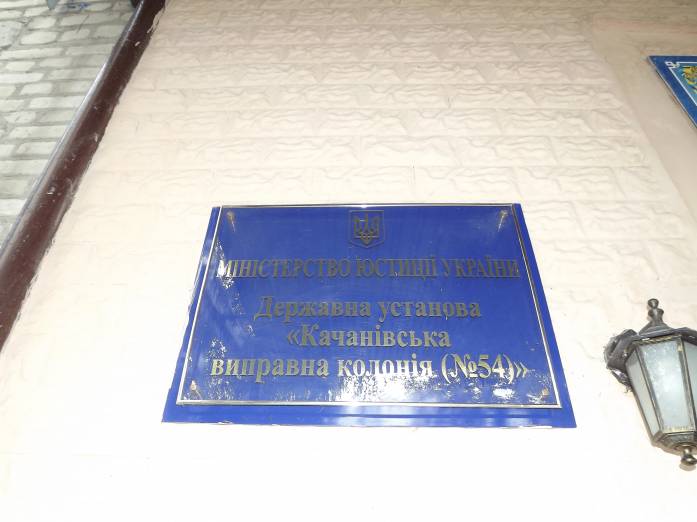
At the time of the visit, 270 women were serving sentences in the colony, nineteen of whom were serving life imprisonment. According to the administration, 80–90% of the convicts are employed in the colony's workshops.
PRODUCTION
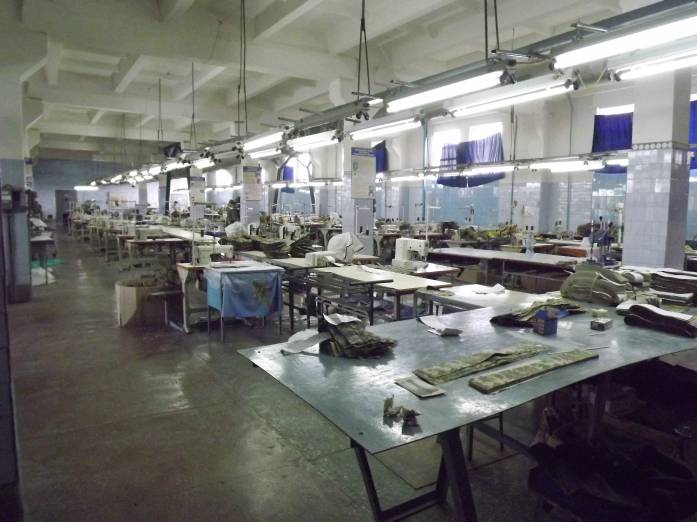
Kachanivska Correctional Colony No. 54 is known among penal institutions for its garment production. At the time of the visit, 99 convicts were working in the garment factory; others were employed in housekeeping tasks within the colony.
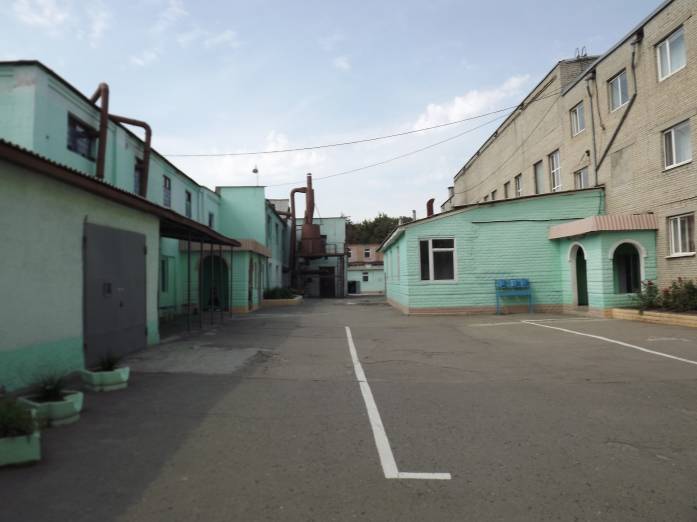
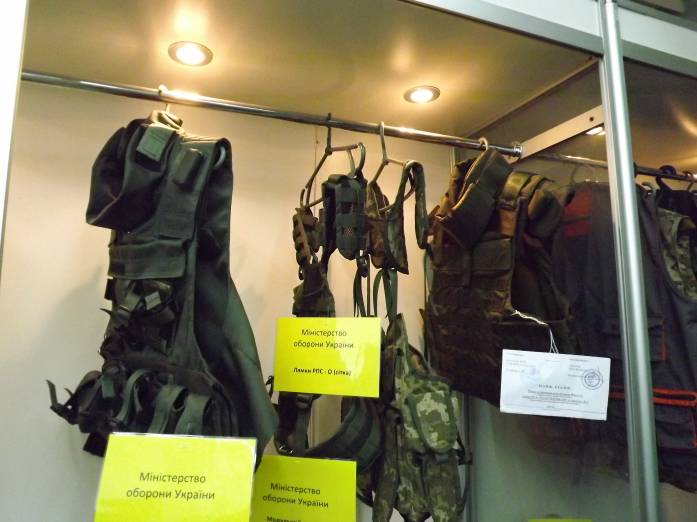
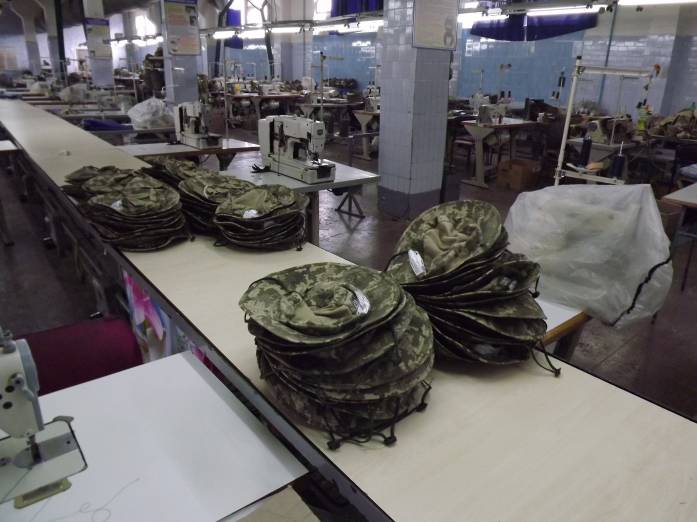
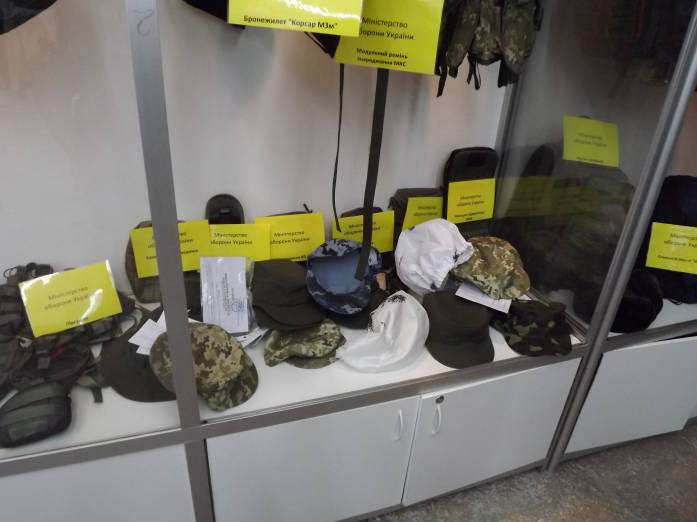
The garment factory spans several floors of workshops. The colony receives various orders from state and local government bodies for the sewing of uniforms for the police, the military, the State Emergency Service, and municipal services. It also produces workwear, bulletproof vests, and backpacks for the military. The monitors were shown samples of all the aforementioned items.
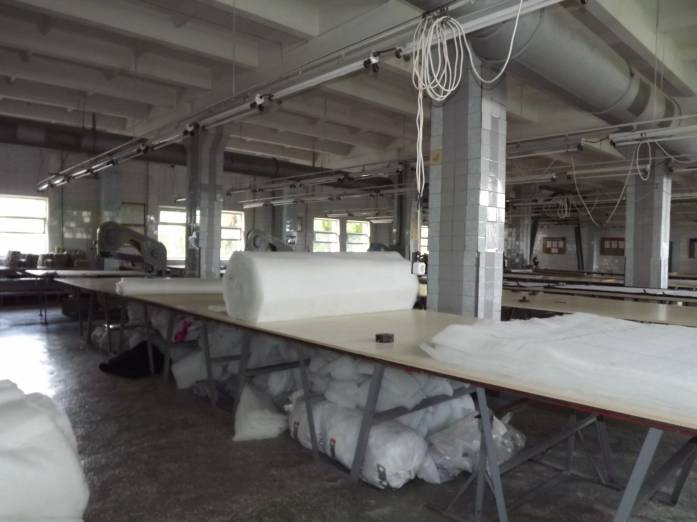
The equipment in the garment factory is not new, but it is in working order. The workshops are equipped with forced-air ventilation. Although this ventilation was not operating at the time of the visit, the convicts themselves assured us that it is functional and that they can turn it on if necessary.
According to the administration, the average monthly salary at the institution is 3,600–4,000 hryvnias. However, the convicts themselves cited quite different figures. Some had a salary of 1,200 hryvnias (convicts working in housekeeping), while others earned 100–400 hryvnias (convicts working in the garment factory). The salary amount depends on the time a convict spends working and their production output.
At the same time, the monitors learned from the convicts that they work 12–14 hours per day in the workshops. Those who do not wish to work such long hours and demand an eight-hour working day usually receive a very low salary (100 hryvnias or less). They may be subjected to so-called “punishments”—constant transfers from room to room and between departments, and the turning of other convicts against such an individual. For example, a convict who does not want to work overtime may be moved from one room to another, and then the staff may conduct constant searches in that room, explicitly stating that it is happening because of the “newcomer.”
If a convict begins to complain about this treatment, she is invited for consultations with a psychologist. Such consultations can take place every day for many hours. The convicts are threatened that if they complain about the administration again, they may be transferred to psychiatric institutions. Other colony staff members also conduct “educational conversations”—constantly and systematically.
Some convicts point out that despite having chronic illnesses, they are forced to work long hours each day. Painkillers are provided only if one is working. If, for some reason, one does not work, one will not receive painkillers.
Subsidiary Farming
The institution has a well-developed subsidiary farming operation on its premises. The convicts themselves work with rabbits, birds (pheasants, peacocks, and poultry), and otters. Furthermore, pigsties and facilities for keeping goats are located outside the secure zone.
LIFE IMPRISONMENT SECTOR
The life imprisonment sector in the institution is designed for 12 people, but at the time of the monitors' visit, it housed 19 convicts. The administration reported that Kachanivska Correctional Colony No. 54 is the only institution in Ukraine for women serving life sentences. The head of the institution has repeatedly appealed to the Ministry of Justice of Ukraine regarding overcrowding in the life imprisonment sector. He even made specific proposals for occupying a building that is currently mothballed, but funds were never allocated for this purpose.
The monitors consider such overcrowding unacceptable, as some cells are objectively cramped. Nevertheless, this is not a shortcoming arising from the administration's fault, but rather one caused by a general lack of budget funding.
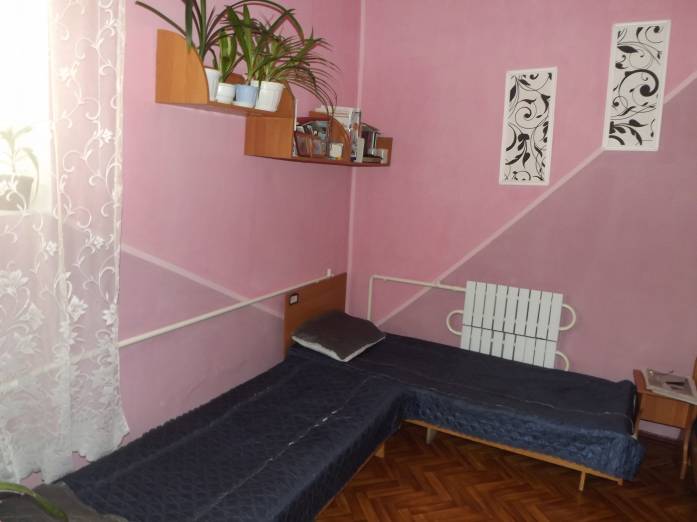
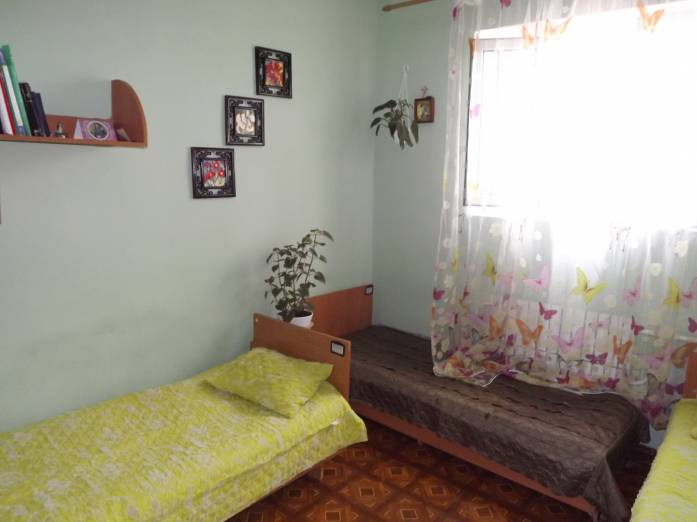
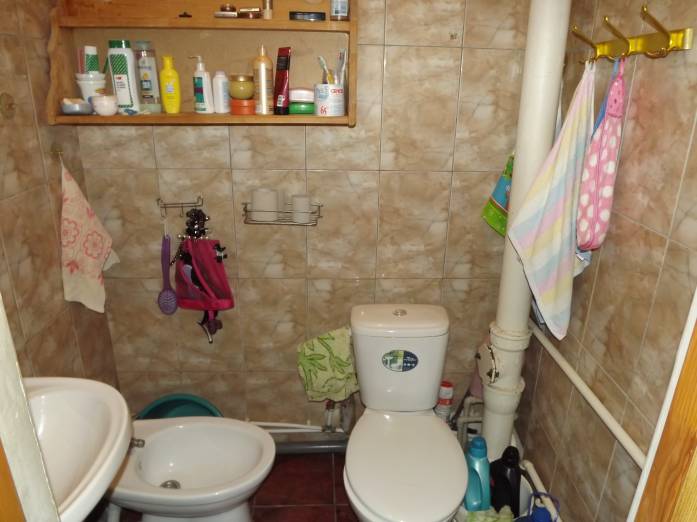
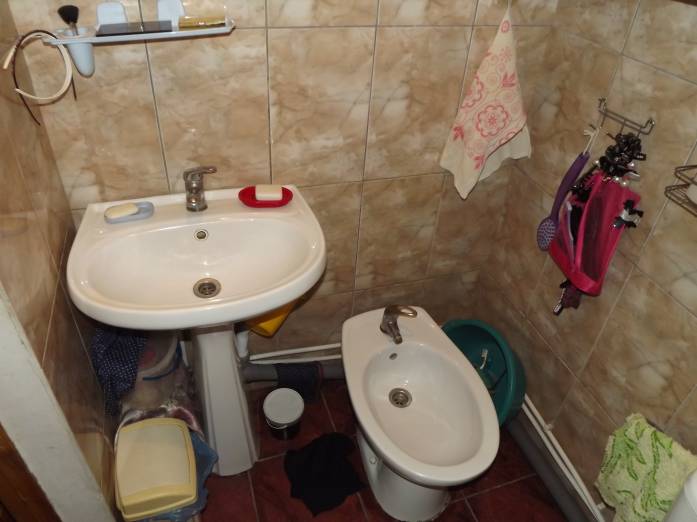
Previously, the life imprisonment sector was equipped with a separate gym and a room for educational work. Now, all these premises have been converted into cells due to overcrowding. Nevertheless, all the cells are clean and tidy. Cosmetic repairs have been carried out. Each cell has a separate toilet room equipped with new plumbing (a toilet, a washbasin, and a bidet). Additionally, every cell has a separate room used as a wardrobe.
Most of the beds in the cells are single-level, but the monitors saw bunk beds in a few. At the time of the visit, no one was sleeping in them, but according to the administration, if new convicts are assigned to the colony, they will be placed in these beds, as there is nowhere else.
The monitors note that the presence of bunk beds in the sector is definitively a negative factor that contradicts European practice.
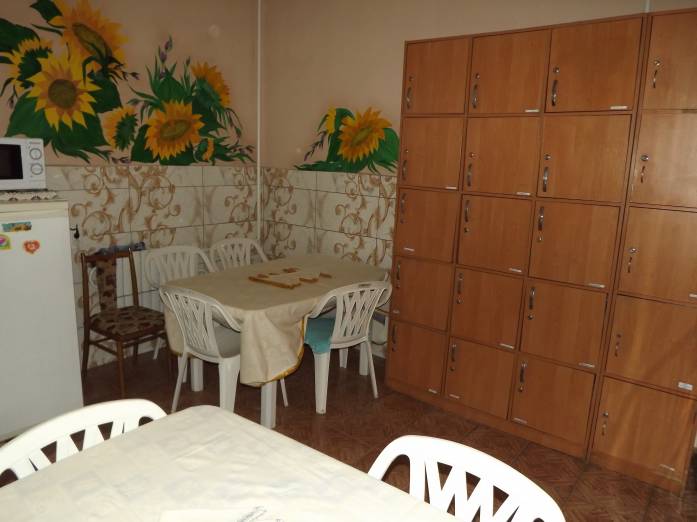
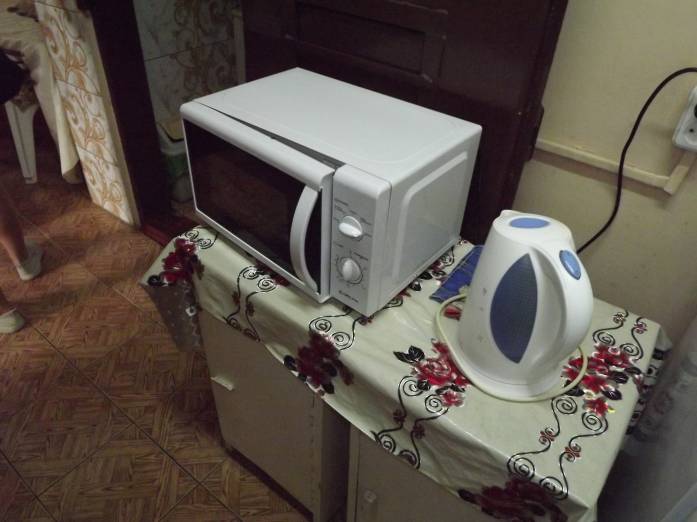
Within the life imprisonment sector, there is also a dining room equipped with all necessary supplies. Convicts can use refrigerators, and almost every cell has an electric kettle and a television.
According to the administration, three women serving life sentences have gotten married in the last year.
RESIDENTIAL ZONE
Next, the monitors inspected the residential zone. At the institution, it is divided into six departments (there were nine as recently as winter), but a large number of convicts have been released recently. Therefore, one residential building is completely mothballed and requires repairs.
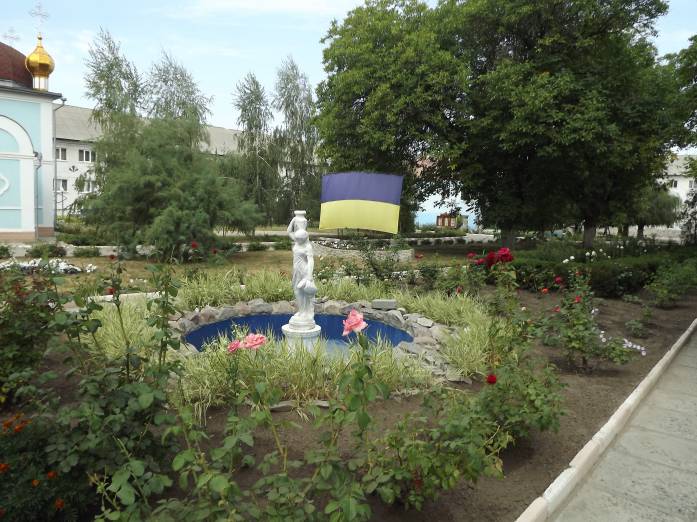
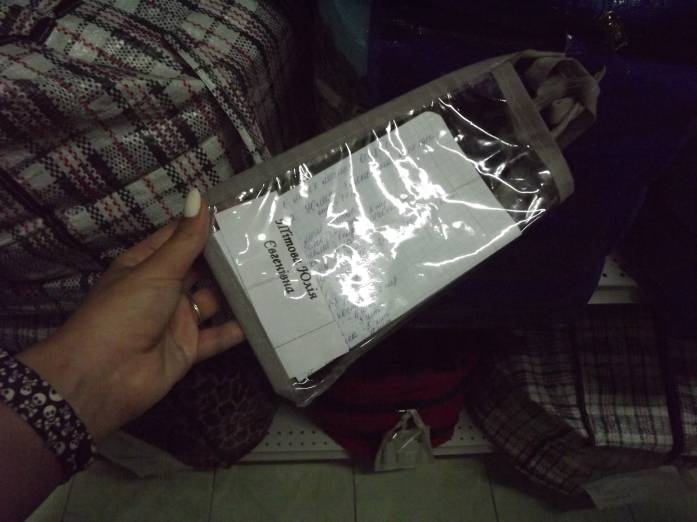
The other buildings are clean and renovated. Each department has a spacious wardrobe for belongings and a separate room for storing food products belonging to the convicts. An inventory is attached to every package of belongings to prevent theft.
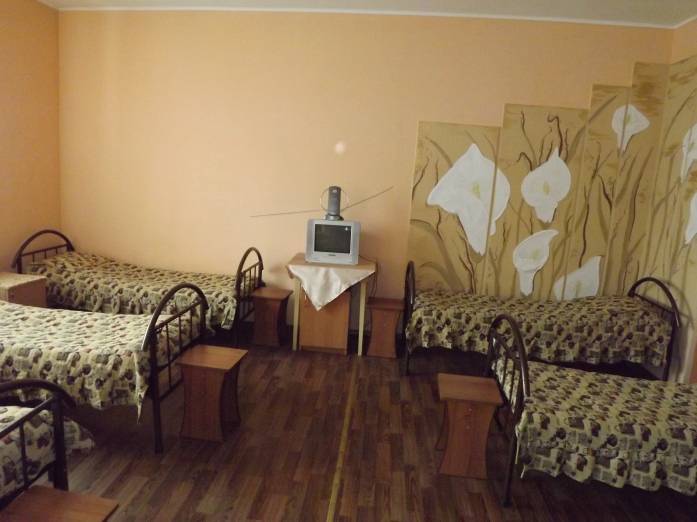
All beds in the rooms are labeled. Each room has a separate shower cubicle and a toilet. The rooms are all clean, tidy, and decoratively furnished. The windows are made of metal-plastic.
Kitchens are equipped with microwave ovens and refrigerators. There are water coolers with drinking water.
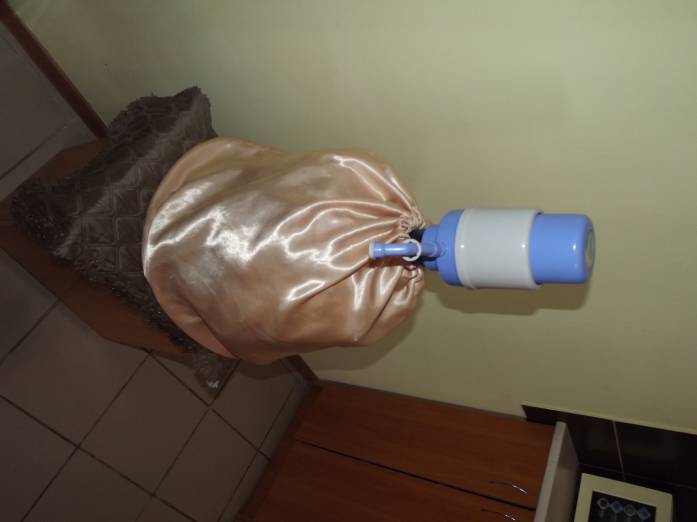
According to the administration, all renovations of the premises were carried out by the colony using its own resources. There has been no state funding for at least five years—which is exactly how long the current head of the colony has been in the position.
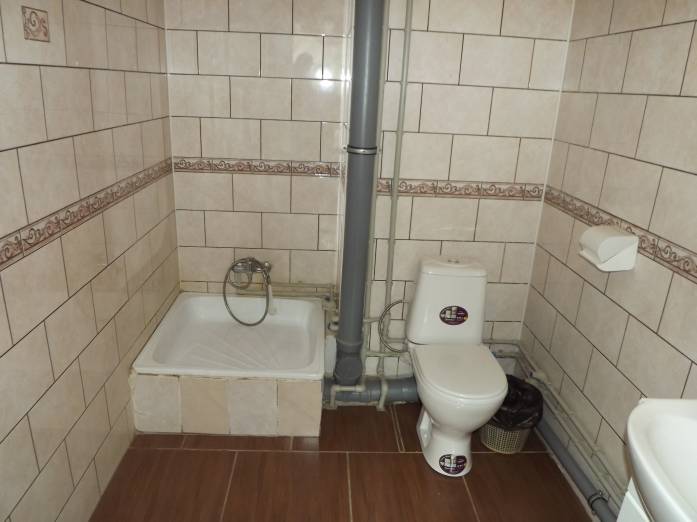
The quarantine section is almost indistinguishable from the residential zone; all beds are single-level, and each room has a toilet room equipped with a shower cubicle.
MEDICAL UNIT
On the day of the monitors' visit, the medical unit of the institution was undergoing repairs.
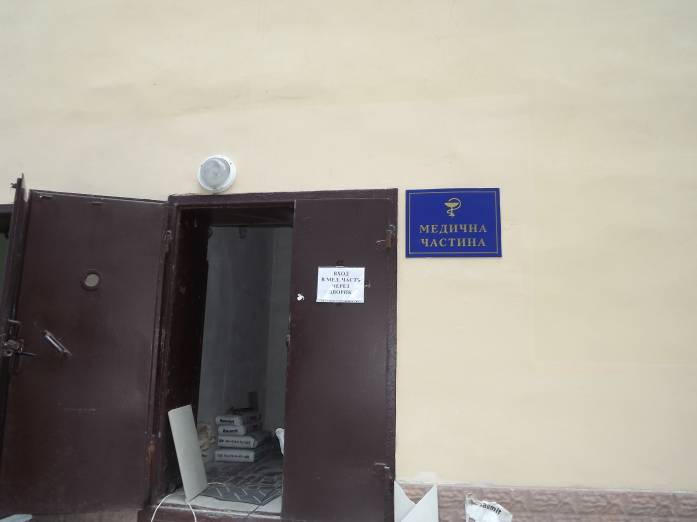
According to the convicts, due to the repairs, not all doctors are at their posts. Some are absent, and others rotate. Therefore, one may come for an appointment and not find the specific specialist.
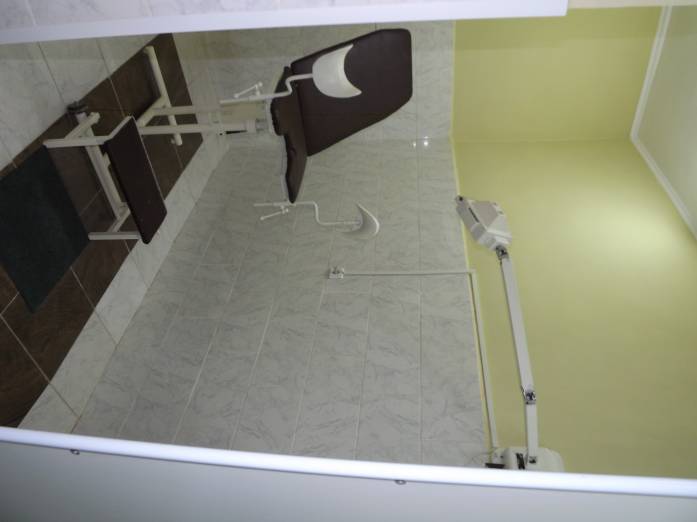
The staff positions include a psychiatrist, a dentist, a gynecologist, and a general practitioner (therapist).
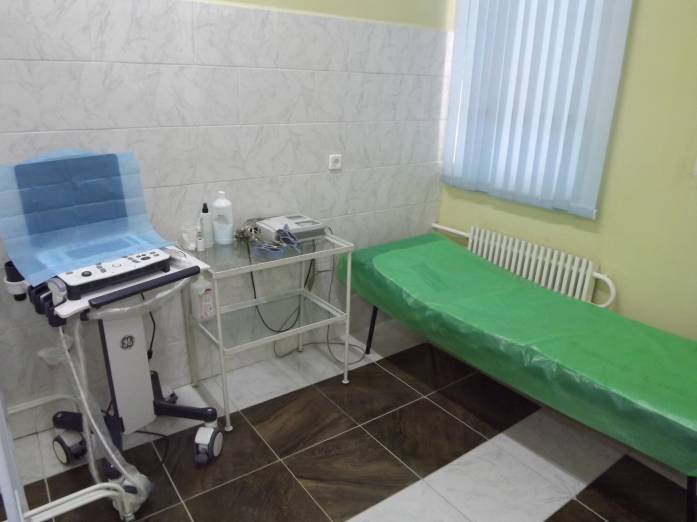
The wards of the department are clean, tidy, and renovated. In some wards, the repairs have not yet been completed.
There is also a significant problem with medicines. Due to the reform of the system for providing medical assistance to convicts, there have been no supplies of medicines or funding for their purchase in the institution since March 2018. Because of this, medical stocks have almost run out. The administration is forced to write letters requesting medicines as charitable aid. Such letters have been sent to pharmaceutical companies, as well as to local government bodies. Unfortunately, there have been no results from this correspondence yet. Meanwhile, the medicines are running out.
According to the convicts themselves, medicine at the institution is non-existent. It is very difficult to get a doctor's consultation, even if you have a fever. The general practitioner, according to the convicts, does not see patients. Medicines are also not provided.
FOOD SERVICE UNIT
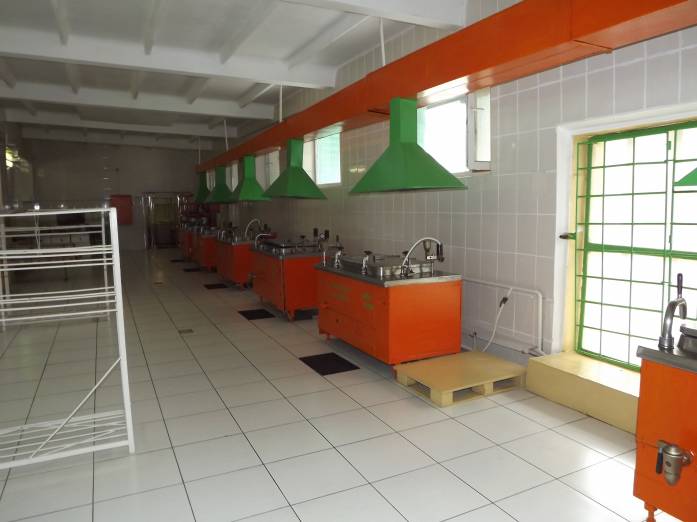
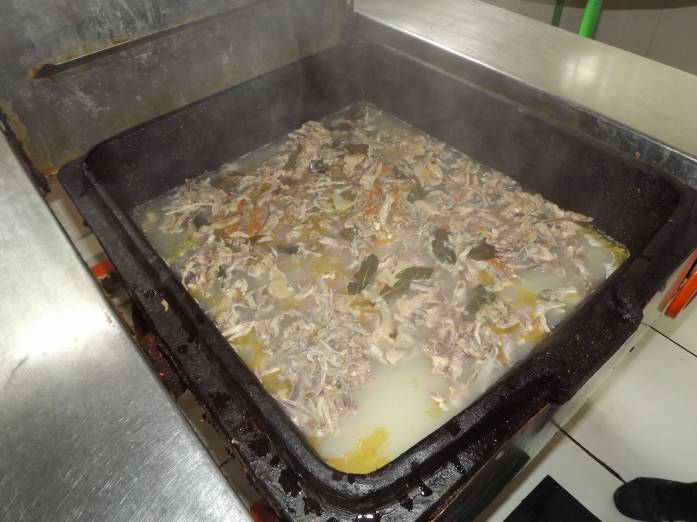
The premises of the food service unit in the colony are clean and tidy. At the time of the monitors' visit, lunch was just being prepared. The food service unit smelled pleasantly of chicken soup. The dishes that the monitors saw looked edible.
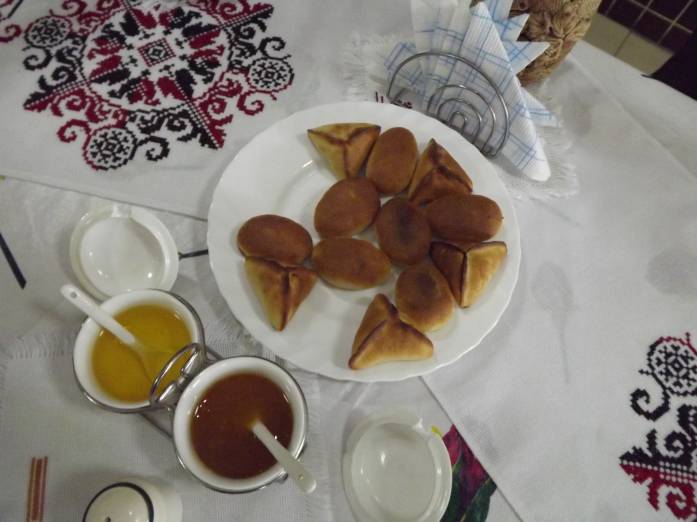
Every day, 96 loaves of bread are baked in the colony. In the morning, small pies (pyrizhky) are also baked. The taste of the pies and bread is fresh and delicious.
The meat and fish processing workshops are fresh and clean. The fish is kept in a special refrigerator—frozen. The monitors were shown stocks of sardinella. All food products are brought to the institution every few days. The cereals stored in sacks at the time of the visit were clean—without bugs, stones, etc.
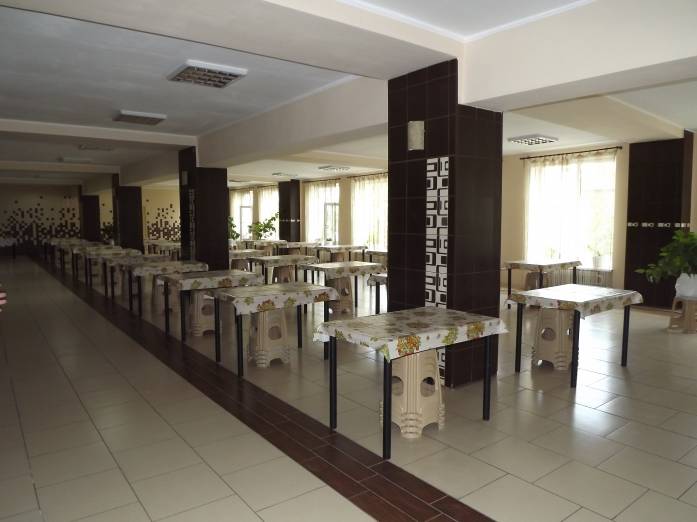
For lunch, convicts enter the dining hall from two sides—one door opens onto the industrial zone, the other onto the residential zone. This significantly saves time for both the convicts themselves and the administration.
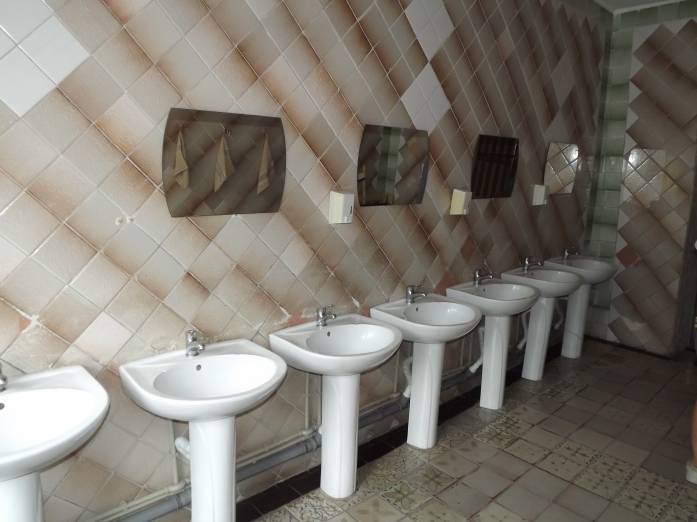
The dining hall is equipped with washbasins, towels, and liquid soap. All washbasin taps are functional, and there is water in the taps.
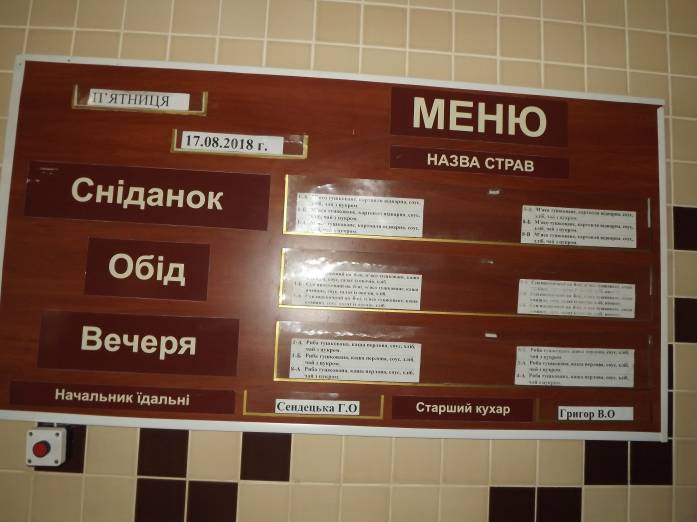
At the entrance to the dining hall, there is a menu with all necessary details—the date for which it was prepared, a list of dishes, and a list and content of the dietary tables. The dining hall is spacious, and the tables are clean. According to the administration, a staff member from the medical unit is always present during mealtimes.
BATH AND LAUNDRY COMPLEX
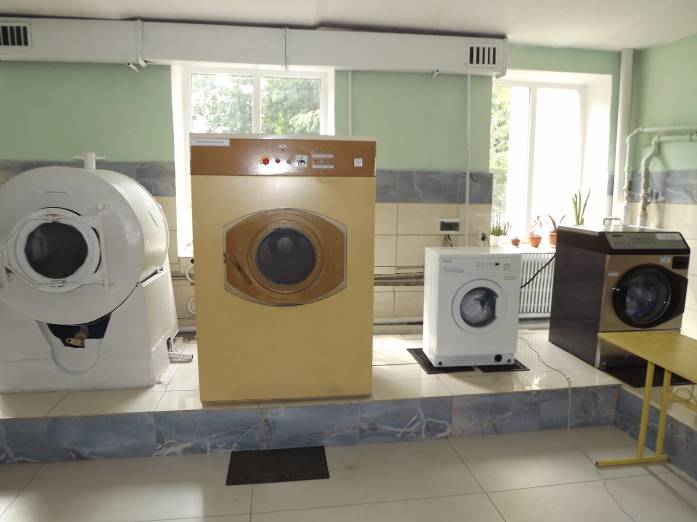
The bath and laundry complex was completely renovated a few years ago. There are both new and old washing machines available. All machines are in working order. The maximum load of the largest washing machine is 20 kilograms.
Laundry is dried outside or in a special room.
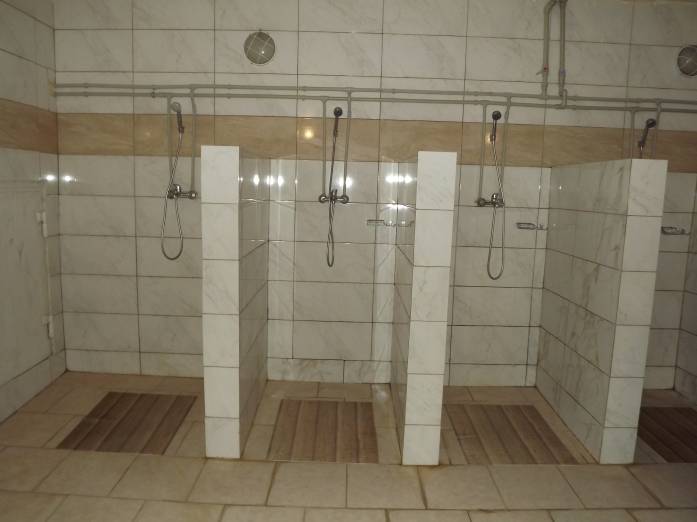
The colony has a changing room. The shower cubicles are separated from each other by high partitions. There are also mats in each cubicle, but there are no curtains. The cubicles are located opposite one another, so the lack of curtains significantly violates the convicts' right to privacy.
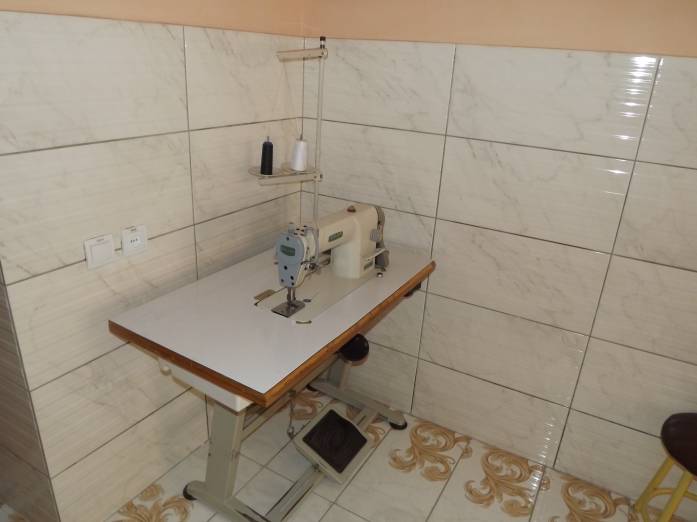
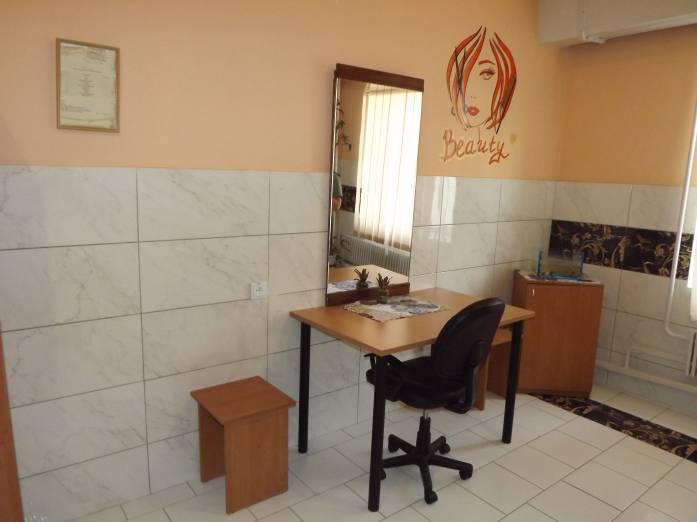
The bath and laundry complex has a workshop for repairing clothing, where convicts can mend their own clothes. There is also a hairdresser's room where convicts can get a haircut. A styled haircut costs 50 hryvnias. One of the convicts works as the hairdresser.
CONNECTION WITH THE OUTSIDE WORLD
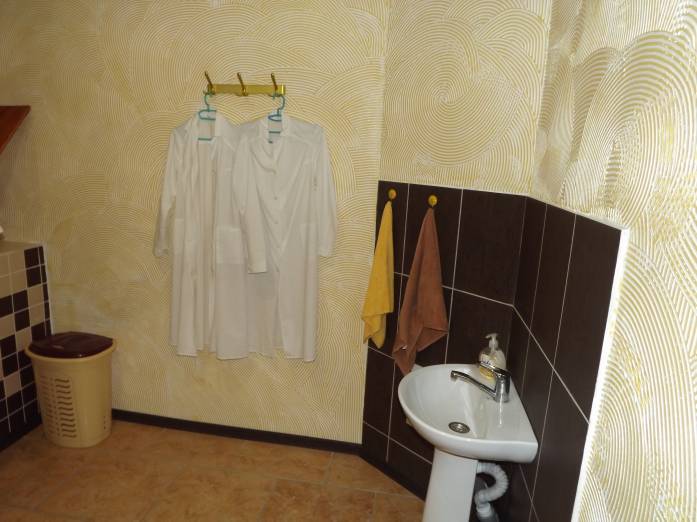
Parcels and packages are issued in a specially equipped room. Constant video surveillance is maintained there, which excludes the possibility of theft from parcels. The staff member working in this room wears a special uniform. Here, as in other parts of the institution, it is clean and well-renovated.
A room for telephone conversations also functions on the institution's premises. Convicts can use both mobile phones and public payphones. The room is equipped with special stools for those convicts who cannot stand for long periods due to advanced age or illness.
According to the administration, since the beginning of the year, 4,700 calls have been made by the convicts.
Convicts can also use the Internet. The minimum cost of usage per month is 20 hryvnias.
SHOP
The institution's shop is somewhat similar to a supermarket. Convicts have the opportunity to move freely around the sales floor, choose products, and place them in baskets.
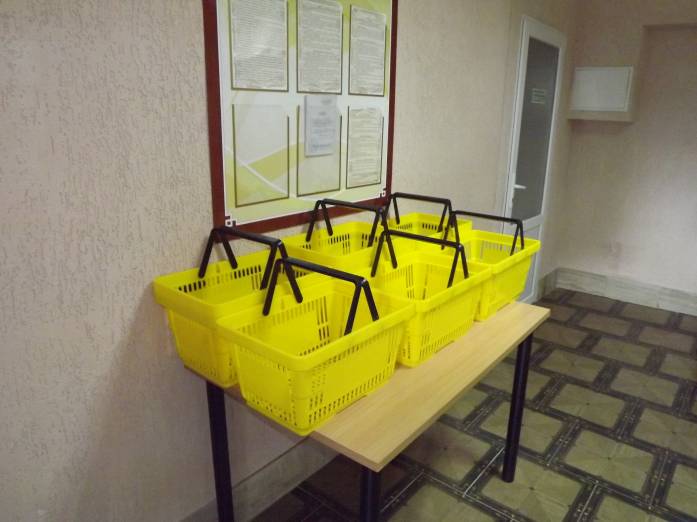
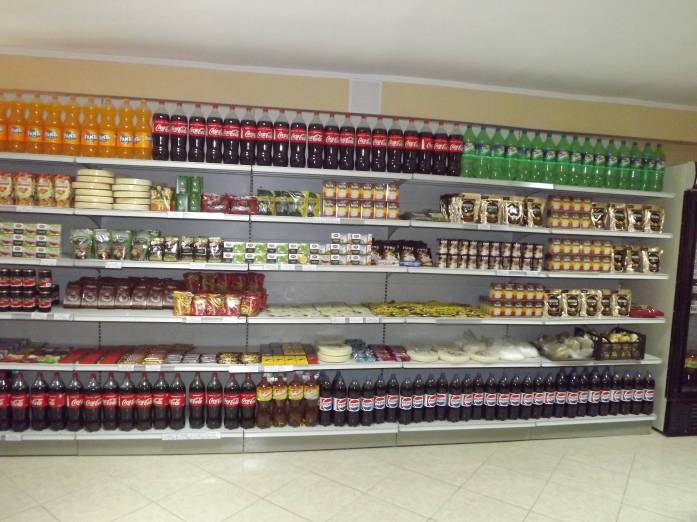
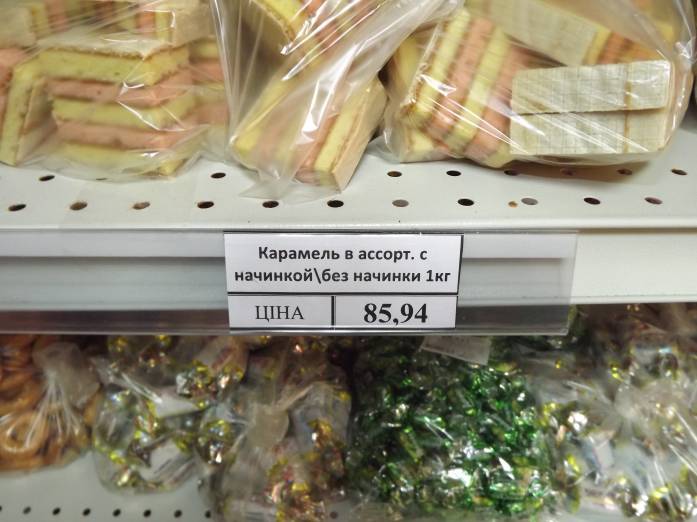
The shop's assortment is quite wide. Prices are slightly higher than market prices. If they wish, convicts can order other goods that are not usually in stock. They also have the opportunity to order fresh meat, which the administration sells from the institution's own farm.
Payment for goods is carried out electronically—using bank cards. Each convict has such a personal card. When she comes to the checkout, she chooses it among others, enters her PIN code, and thereby pays for the goods.
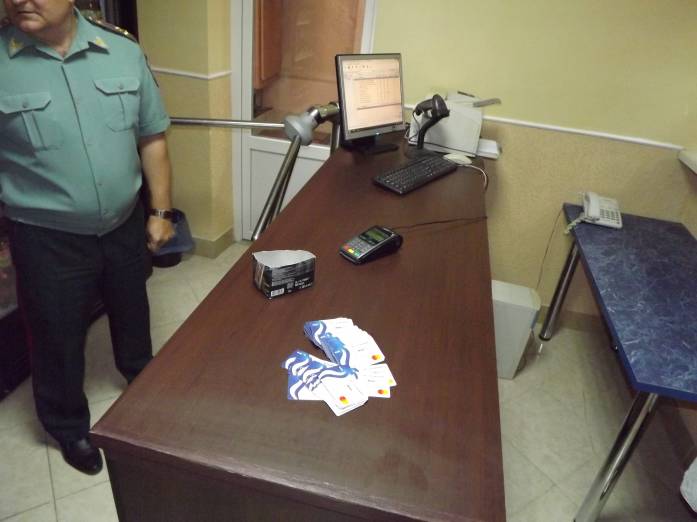
Such an advanced system is an unequivocally positive step towards progress.
According to the convicts, they can also order goods from online stores, and they will be delivered via parcels.
LEISURE
A winter garden functions on the territory of the colony. The convicts themselves willingly take care of it. In winter, its premises are covered with film so that the plants do not freeze. The average temperature in the garden is 16–20 degrees Celsius.
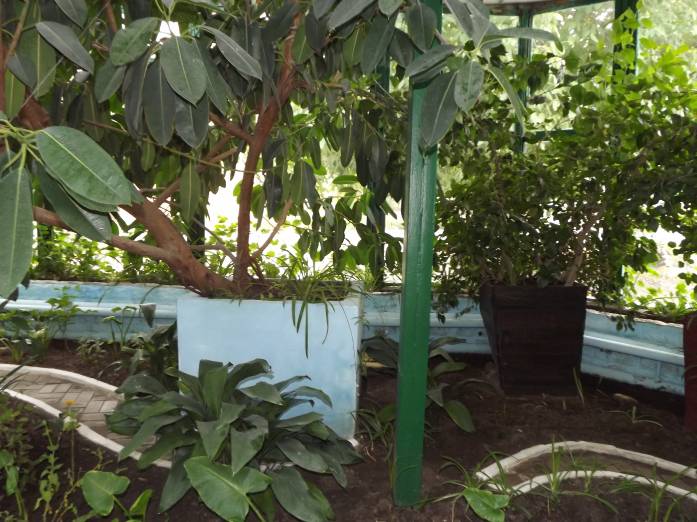
According to the administration, the winter garden is the convicts' favorite place for meetings with relatives. They love to take photos there. The monitors note that the garden is indeed very beautiful and tidy.
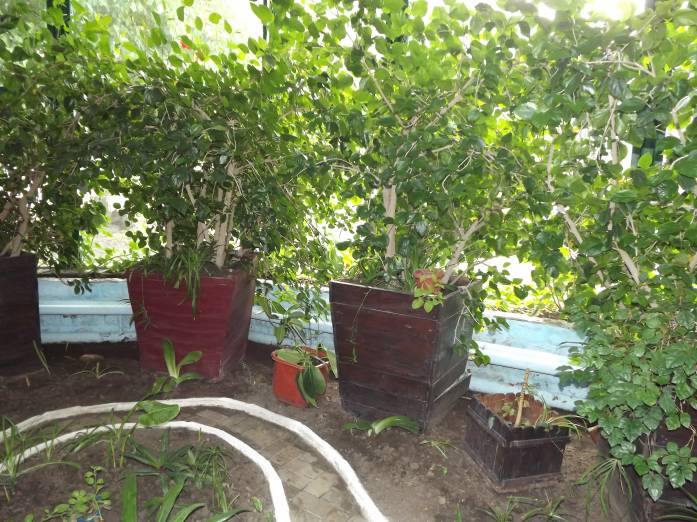
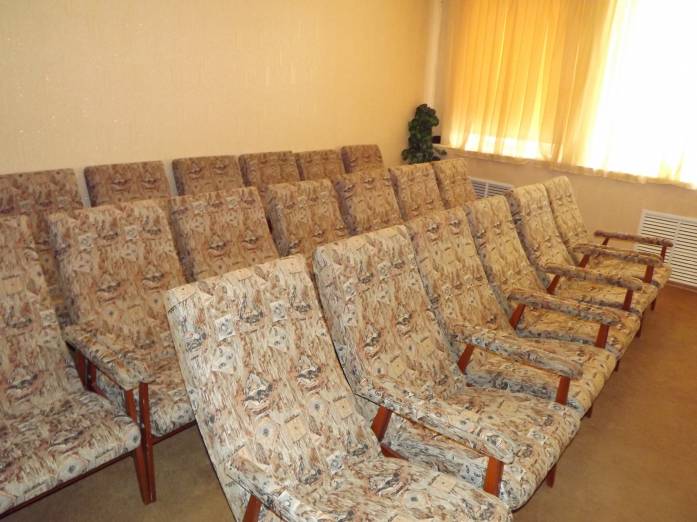
Also on the institution's premises are a large and a small assembly hall. The small assembly hall is used for showing Docudays films, religious films, etc. Mass events are held in the large assembly hall. Recently, the colony was also gifted a 3D cinema, which will be installed shortly.
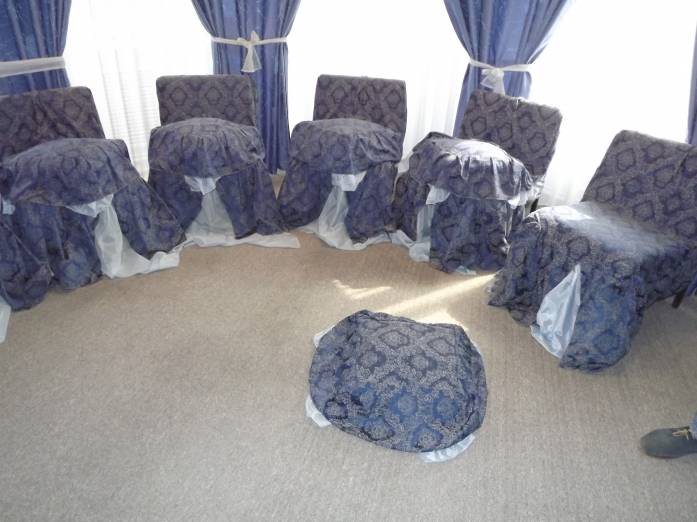
The institution has several rooms for psychological relief. There, the convicts work in groups and individually, communicating with a psychologist on various topics and preparing for their release from the institution. For psychological work, a staff member of the institution is assigned to each convict, who establishes a more trusting contact with her. Such a practice is unequivocally positive, as it allows for finding the right approach to each convict individually, as well as ensuring the absence of conflicts among convicts, a high level of rehabilitation, etc.
In the probation section, convicts have the opportunity to engage in hobby groups, for example, sewing soft toys and embroidery, or taking care of tortoises and chinchillas.
Convicts have the opportunity to study at school. In the last academic year, 64 convicts expressed such a desire. This year, 3 of them took the External Independent Evaluation (ZNO). Next year, two more convicts wish to take the External Independent Evaluation because they dream of enrolling in the Faculty of Law. As of today, one convict is already studying at a higher educational institution in the Faculty of Sociology.
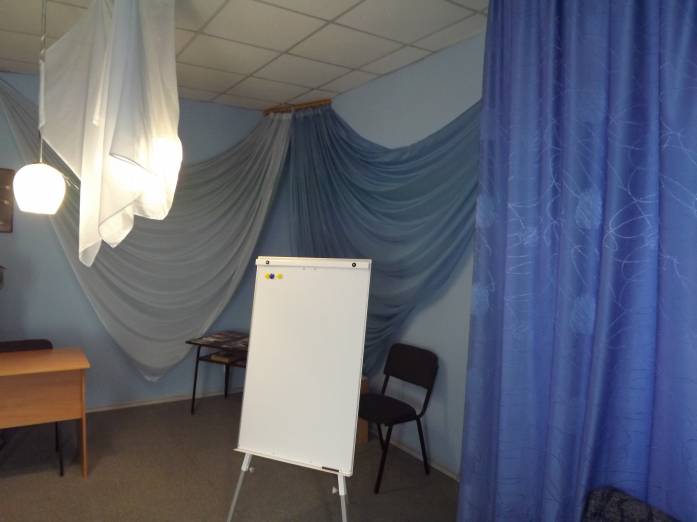
The school premises are tidy and equipped with all necessary inventory.
Every Sunday, discos are organized in the institution.
A library also operates, with more than nineteen thousand books. Approximately 80% of the convicts are registered in the library. Also, some convicts who are not registered read spiritual literature. According to the librarian, all convicts read willingly and actively, especially romance novels.
As for legal literature, it is available, although not always new. If a new edition of a document is released and there is no possibility of buying it, the administration prints it on a printer.
The colony has a gym. In it, convicts can exercise on fitness machines, and also organize classes with a fitness trainer—there is a special mirror. For work in the fitness room, there is a video player for watching videos. Also, trainers are sometimes invited to the institution to conduct masterclasses.
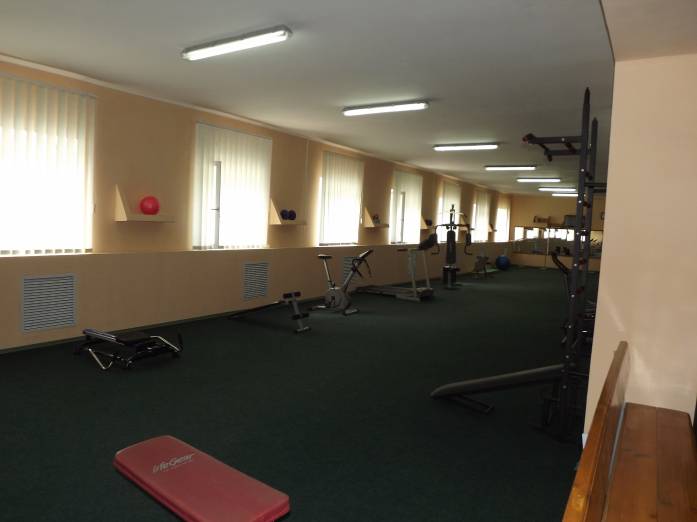
One of the convicts expressed a desire to conduct twerking classes. 10 women have already signed up for the dance group.