Report on the results of the monitoring visit to Kachanivska Penal Colony No. 54
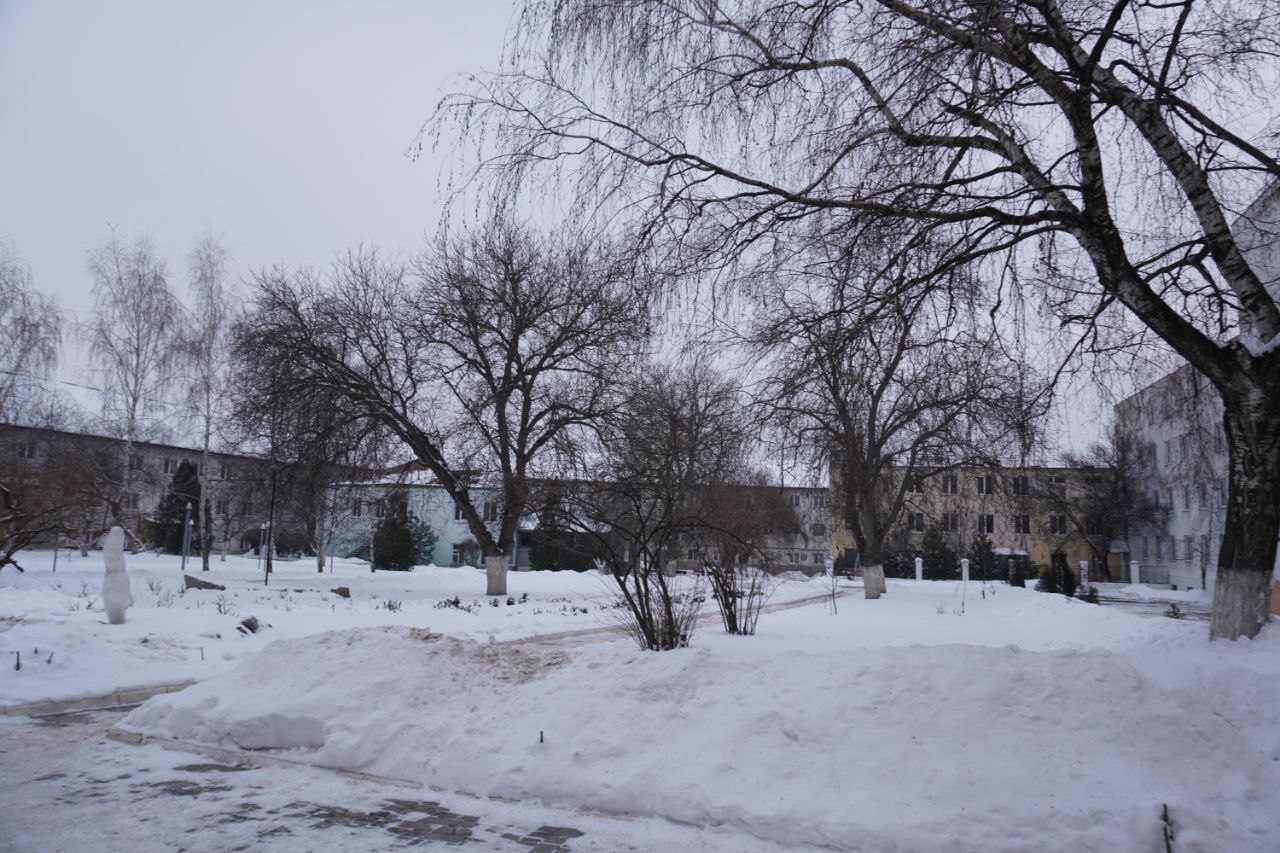
On 21 January 2026, in accordance with the Optional Protocol to the Convention against Torture and Other Cruel, Inhuman or Degrading Treatment or Punishment, taking into account the provisions of the UN Standard Minimum Rules for the Treatment of Prisoners (the Mandela Rules) and the decisions of the European Court of Human Rights, and on the basis of Article 24 of the Penal Code of Ukraine — Visiting Penal Institutions, a group of monitors from the Kharkiv Human Rights Protection Group and the NGO “Defence of Prisoners of Ukraine” visited the state institution “Kachanivska Penal Colony (No. 54)” (hereinafter — KPC-54, the institution, the facility, the colony).
A routine planned visit was carried out without prior notice, and all objects of the institution were examined. The previous visit took place on 15 June 2023.
During the preparation for the visit, the monitors used materials from appeals of convicts and their relatives, materials from previous reports, as well as reports from monitors of the National Preventive Mechanism under the Commissioner for Human Rights of the Verkhovna Rada of Ukraine (NPM).
The visit was conducted within the framework of the project “Reducing the Suffering of Prisoners in the Context of the War in Ukraine”, funded by the Government of Denmark in partnership with DIGNITY — Danish Institute Against Torture.
The visit was carried out by the following monitors:
- Andrii Didenko — Assistant to the People’s Deputy of Ukraine Yaroslav Yurchyshyn, programme coordinator of the Kharkiv Human Rights Protection Group, with experience in monitoring visits since 2014, NPM (National Preventive Mechanism) monitor, member of the NPM advisory board;
- Serhii Zuikov — Assistant to the People’s Deputy of Ukraine Kostiantyn Kasai, member of the public council under the Ministry of Justice of Ukraine, member of the non-governmental organisation “Defence of Prisoners of Ukraine”, NPM monitor, with many years of experience in monitoring visits;
- Oleh Tsvilyi — member of the public council under the Ministry of Justice of Ukraine, head of the non-governmental organisation “Defence of Prisoners of Ukraine”, with extensive experience in monitoring visits, specialising in issues of torture, cruel, inhuman or degrading treatment and punishment.
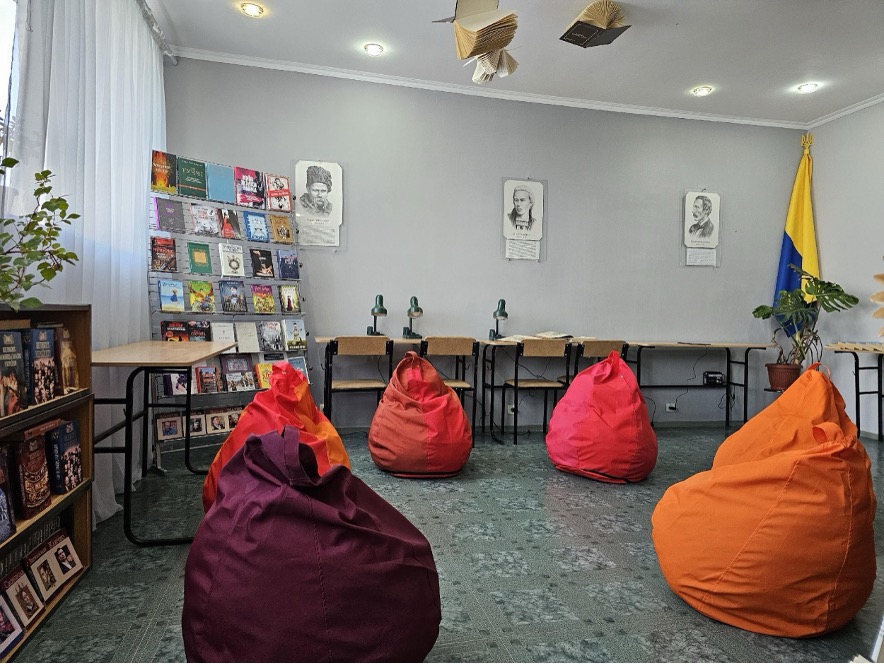
In the operations of KPC-54, positive developments are observed, aimed at improving material and living conditions, developing the educational environment, and implementing modern approaches to resocialisation. Over the last few years, living quarters have been refurbished to ensure standard floor space and individual space, the library collection has been expanded and the library renovated, a correctional programme has been introduced for women sentenced to life imprisonment, rooms for long-term visits and telephone calls have been furnished, an internet room has been repaired, and additional places have been created in the medium-security sector.
Autonomous heating and water supply systems have been introduced, and generators have been purchased, which increases the engineering resilience of the institution under martial law conditions. In general, these measures indicate the administration's efforts to improve detention conditions and meet the basic needs of convicts.
At the same time, during the monitoring visit, systemic violations of national legislation and international standards were identified regarding the procedure for the admission and segregation of convicts, the illegal use of medical premises for the initial placement of life-sentenced prisoners, the actual use of the labour of new arrivals without proper registration and payment, and non-compliance with sanitary and hygienic requirements, temperature regimes, and fire safety rules.
Limited and predominantly formal access to the Internet was established, as well as shortcomings in the arrangement of shelters, and problems with accurate recording of working hours and wage payments, which affect the realisation of the right to work and social protection. In the healthcare sector, violations were recorded regarding the documentation of bodily injuries, access to substitution therapy, treatment of viral hepatitis, conditions of detention in isolation wards, provision for persons with disabilities, and compliance with sanitary and construction standards.
The combination of these circumstances indicates the need for a systemic alignment of the institution's activities with the requirements of the Constitution of Ukraine, the Penal Code, sectoral regulations, and the recommendations of the European Committee for the Prevention of Torture.
General Information
KPC-54 is a minimum-security penal colony with general detention conditions for women sentenced to imprisonment for the first time. On the territory of the institution, there is a medium-security section for women sentenced to life imprisonment.
The institution is located at the following address: 16 Vyshnevyi Lane, Kharkiv, Kharkiv Region, Ukraine, 61124.
KPC-54 is located on the territory of the former estate of the landowner Kachanov. The origins of the institution are linked to 1927, when a branch of the Kharkiv “House of Forced Labour” (BUPR) was organised on this site; its operations were interrupted during the Second World War due to occupation and evacuation. After the liberation of Kharkiv, by order of the Ministry of Internal Affairs of the Ukrainian SSR in October 1943, the colony’s operations were restored as an industrial labour colony, and the first convicts were admitted in February 1944.
Subsequently, the institution changed its profile several times: in particular, in 1948 it was reorganised into a colony for juveniles, and from 1957 into a women’s labour colony (which determined its specialisation for a long period). In modern history, the colony gained widespread public notoriety in connection with the detention of former Prime Minister of Ukraine Yulia Tymoshenko there in 2011—2014; this fact is reflected, in particular, in the materials of the ECHR.
At the time of the visit, the head of the institution was Colonel of the Internal Service Dmytro Oleksandrovych Shomakhov.
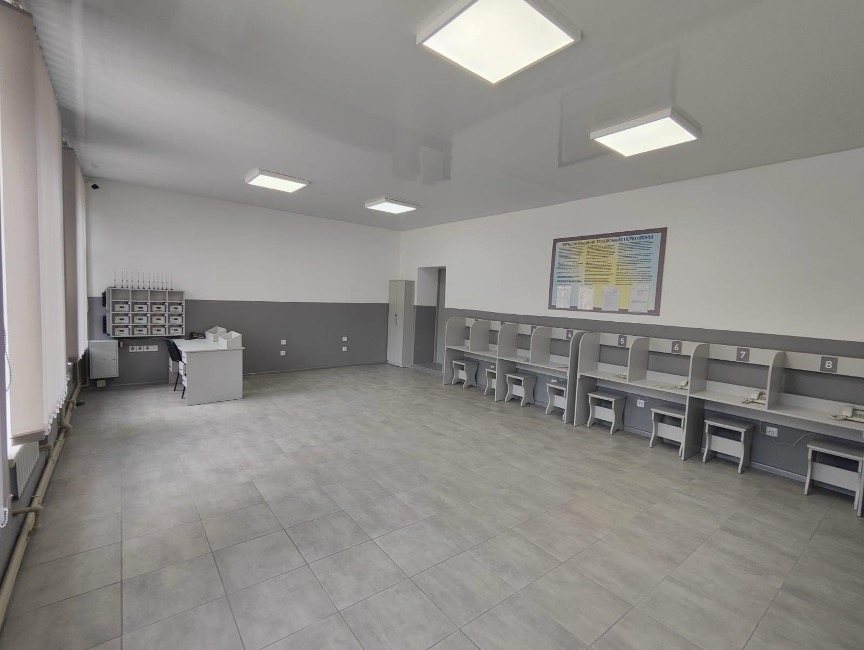
The facility consists of a duty unit, a QDD department (Quarantine, Diagnostics, and Distribution ward), SPS sections (socio-psychological service), a canteen, DISO (disciplinary isolation ward) premises, CTP (cell-type premises), a medium-security sector for life-sentenced prisoners, a medical unit, a bath and laundry complex, visitation rooms, a shop, a library, a room for receiving parcels, and administrative premises.
According to the administration of the institution, the authorised staff number is 201.5 positions. The actual number is 168.5 positions. The total staff shortage in the institution is 29 employees. The actual number of persons held in the institution is 262. The facility employs 2 psychologists for convicts and 1 for staff.
During 2025, 222 convicts arrived at the colony. On operational and preventive record were: 17 persons prone to suicide, 5 persons prone to self-harm, and 2 persons prone to escape. During 2024, no person filed a complaint regarding improper detention conditions, and 1 person complained about improper medical care; during 2025, no person filed a complaint regarding improper detention conditions, and 6 persons complained about improper medical care.
7 persons have disabilities: 2 persons have Group II disabilities and 6 persons have Group III. Convicts have 11 tablets for their own use, and 19 email addresses have been registered. During 2025, 1 case of bodily injury upon arrival was recorded.
The group of monitors interviewed about 135 persons among the convicts during visits to production facilities, workshops, SPS sections, utility rooms, the medium-security sector for life-sentenced convicts, during general conversations providing consultations, answering questions, and polling regarding human rights violations, as well as during individual communication with persons, including on an anonymous basis.
Positive Experience
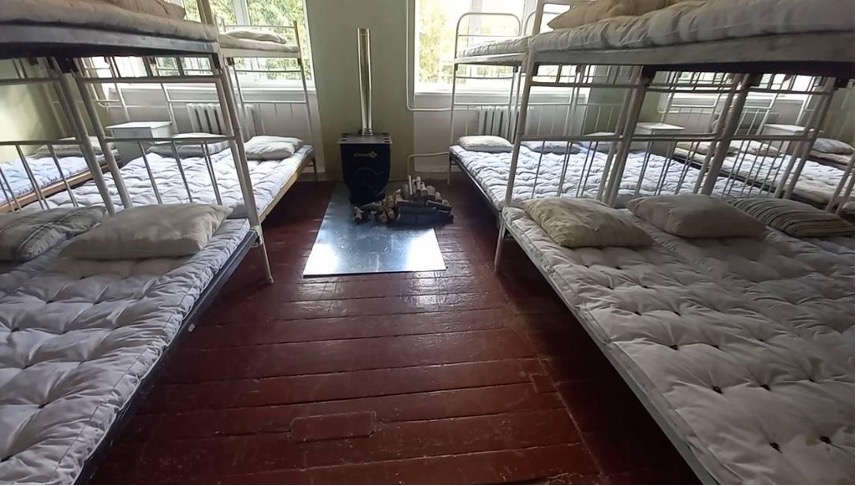
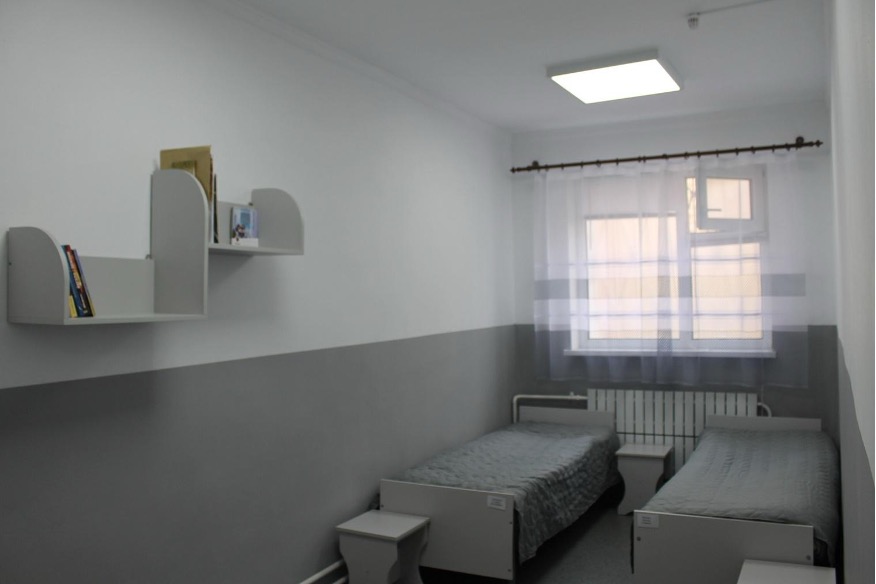
In the activities of KPC-54, positive changes are observed, aimed at improving detention conditions, expanding educational opportunities, and improving approaches to the correction and resocialisation of convicts. In the sphere of ensuring proper detention conditions, in 2025, one more room of the SPS department was refurbished, ensuring individual space by equipping separate sleeping places.
In the direction of developing the educational process in 2025, the institution’s library collection was replenished with new Ukrainian publications thanks to the support of the Central Children’s Library of the Slobidskyi District of Kharkiv and the “Library Country” Charitable Foundation. Current repairs of the library premises were also carried out, which contributes to creating more favourable conditions for reading and self-education.
The institution is improving methods and tools for correction and resocialisation. In 2025, a pilot of the “Paths to Hope” correctional programme, developed for persons sentenced to life imprisonment, was conducted. The programme is aimed at forming a positive identity, developing internal resilience, and strengthening skills for constructive behaviour, which corresponds to modern approaches to psychological support and preparation for social integration.
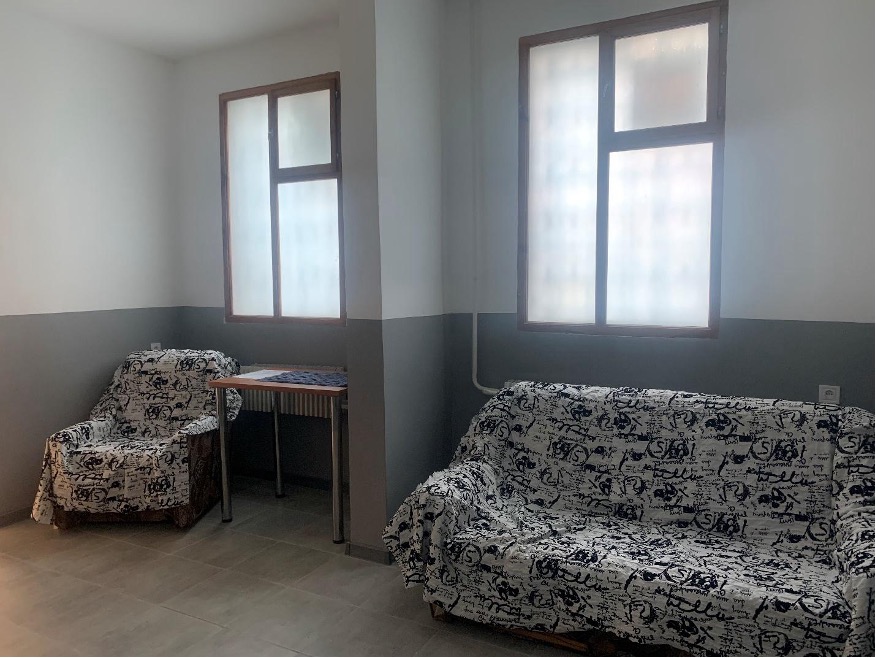
In order to realise the right of convicts to telephone calls, a separate room for telephone conversations has been equipped with modern telephone sets. This facilitates the maintenance of social ties and family contacts.
In the medium-security sector for women sentenced to life imprisonment, an additional room for four people has been furnished. The institution has equipped a room for long-term visits for those sentenced to life imprisonment, which contributes to maintaining family ties and humanising the conditions of serving a sentence.
Regarding engineering support, autonomous heating system operation has been introduced in the SPS department and the social rehabilitation section. Autonomous water supply has also been ensured by drilling a well, which allows for water supply to the entire institution. Power generators have been purchased, making it possible to maintain the proper functioning of electricity, heating, and water supply systems during emergency power cuts.
These measures indicate a gradual improvement in material and living conditions, the development of educational and psychological programmes, and the strengthening of the institution’s engineering autonomy, which positively affects the ensuring of the rights and legitimate interests of the persons held there.
Identified Violations of National and International Legislation
During the monitoring visit, violations of national legislation requirements and non-compliance with international recommendations in the field of prisoner treatment were identified, leading to violations of the rights of convicted persons:
1. The procedure and conditions for admitting convicted persons to the institution do not fully comply with the requirements of the current legislation of Ukraine and international standards for the treatment of prisoners. KPC-54 is a minimum-security institution with general detention conditions for women sentenced to imprisonment for the first time. The convicts are distributed across 5 departments of the resocialisation section, a sector for persons in custody, a medium-security sector, a minimum-security sector, and a social rehabilitation section.
Based on the order of the Ministry of Justice of Ukraine dated 17 November 2023 No. 3956/5 “On the creation of sectors in the state institution ‘Kachanivska Penal Colony (No. 54)’”, a minimum-security sector with general detention conditions was created for women sentenced to imprisonment for the first time for committing a crime provided for by Article 111, parts three to eight of Article 111/1, Articles 111/2, 113, 114, 114/1, 114/2, 436/2 of the Criminal Code of Ukraine, with a planned capacity of 50 persons.
At the same time, despite the functioning of the QDD section in the institution, the institution’s administration has not created proper conditions for the separate detention of different categories of convicts during their stay in the said section. Such a procedure violates the requirements for the separate detention of convicts, contradicts the principles of dynamic security, and does not comply with established standards for the treatment of prisoners.
The aforementioned, in particular, is not in line with the requirements of part five of Article 92 of the Penal Code of Ukraine, which provides for the separate detention of persons sentenced for committing a crime provided for by Article 111, parts three to eight of Article 111/1, Articles 111/2, 113, 114, 114/1, 114/2, 436/2 of the Criminal Code of Ukraine.
2. Based on the order of the Department for the Execution of Sentences dated 27 December 2003 No. 277 “On the organisation of maximum-security sectors at medium-security penal colonies”, a medium-security sector for women sentenced to life imprisonment, designed for 12 persons, functions at KPC-54.
At the same time, it was established that due to the lack of proper conditions for the separate detention of this category of convicts in the QDD section, the institution’s administration places them for a period of up to 14 days in an isolation ward for persons with mental disorders, located in the institution’s medical unit. This practice is not provided for by any regulatory legal act, effectively replaces the procedure established by legislation for the initial placement of convicts, and indicates the use of medical premises for non-functional purposes.
Such placement does not ensure proper isolation and safety of the convicts, creates additional risks to their life and health due to cohabitation with persons undergoing inpatient treatment, and also violates the requirements for the separate detention of different categories of convicts. These circumstances contradict the principles of dynamic security and do not comply with national and international standards for the treatment of convicts.
This practice is not consistent with the requirements of points 1 and 2 of Article 94 and Article 95 of the Penal Code of Ukraine, point 1 of Section V of the Internal Regulations of Penal Institutions, approved by the order of the Ministry of Justice of Ukraine dated 28 August 2018 No. 2823/5 (hereinafter — IR PI), Section I of the Regulation on the Quarantine, Diagnostics, and Distribution Ward, approved by the order of the Ministry of Justice of Ukraine dated 4 November 2013 No. 2300/5 (hereinafter — Regulation on the QDD section), as well as point 1 of Chapter 5 of Section II of the Procedure for organising the provision of medical care to convicts sentenced to imprisonment, approved by the order of the Ministry of Justice of Ukraine and the Ministry of Health of Ukraine dated 15 August 2014 No. 1348/5/572 (hereinafter — Procedure).
3. In accordance with points 1 and 2 of Section II of the Regulation on the QDD, to organise work with newly arrived convicts, the head of the institution creates a working group, which includes deputy heads of the institution, heads of structural units, a psychologist, and a medical worker. To plan this work, a programme for familiarising newly arrived convicts with the procedure and conditions of serving their sentence is drawn up annually and approved by the head of the institution.
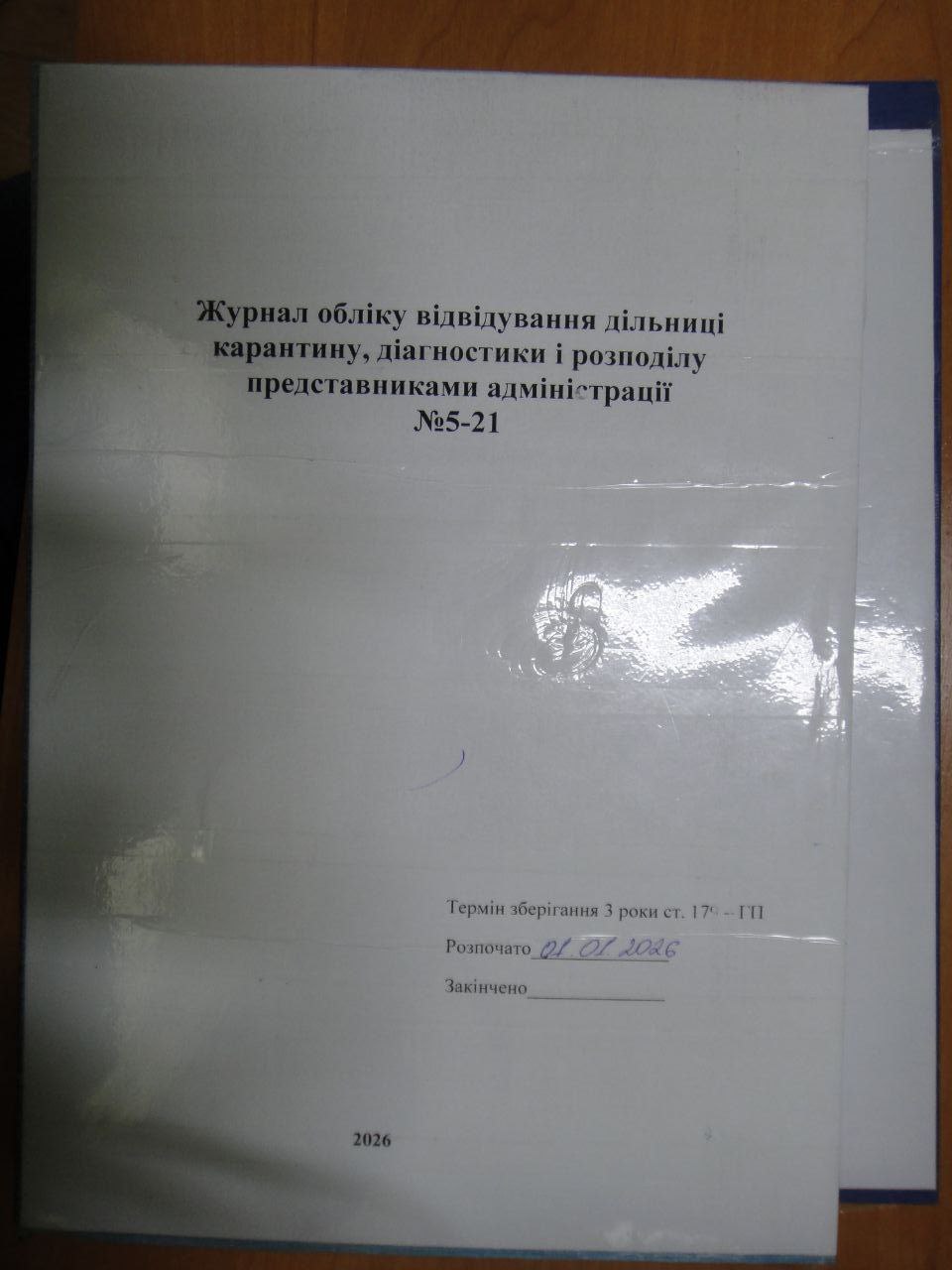
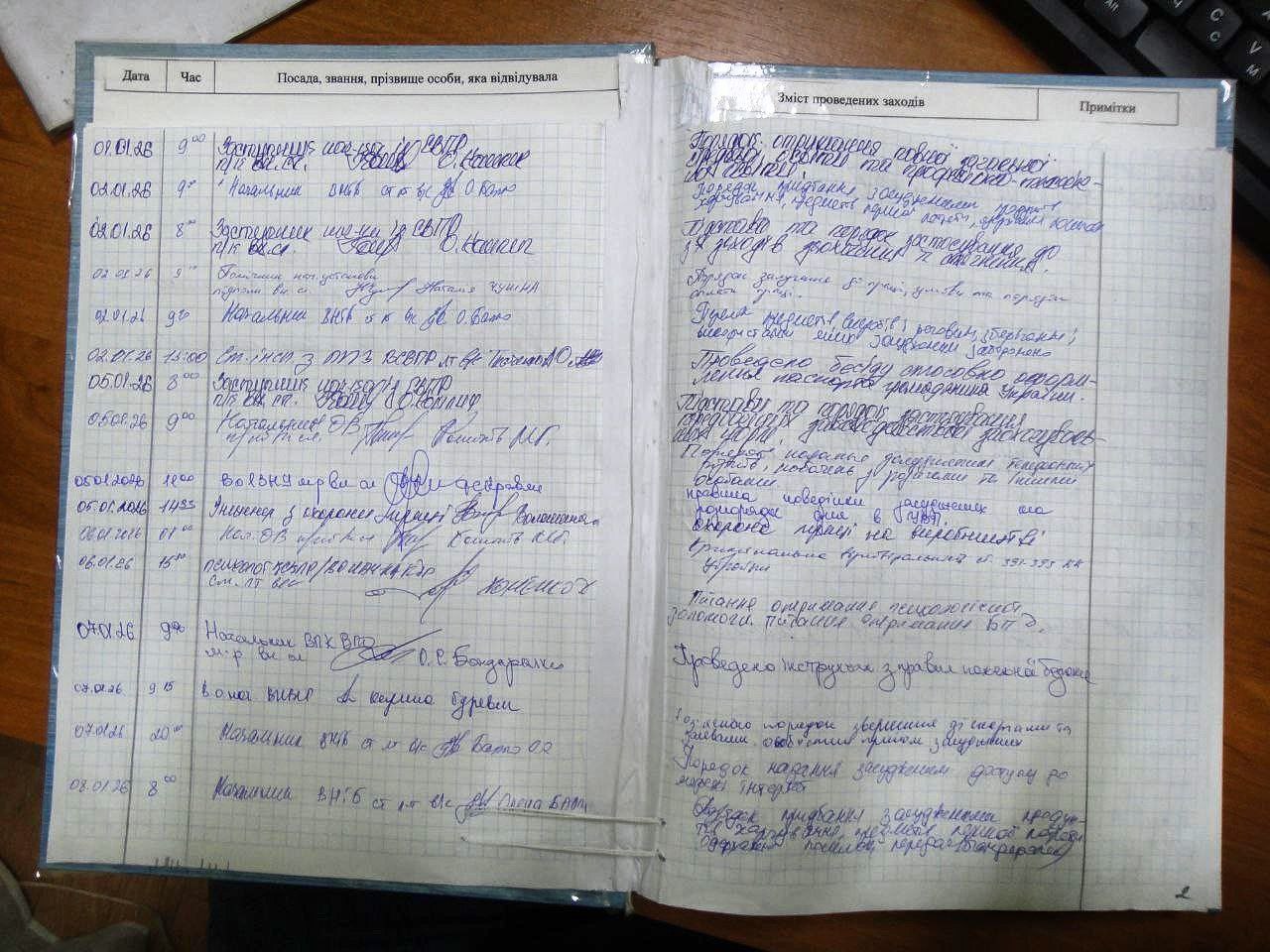
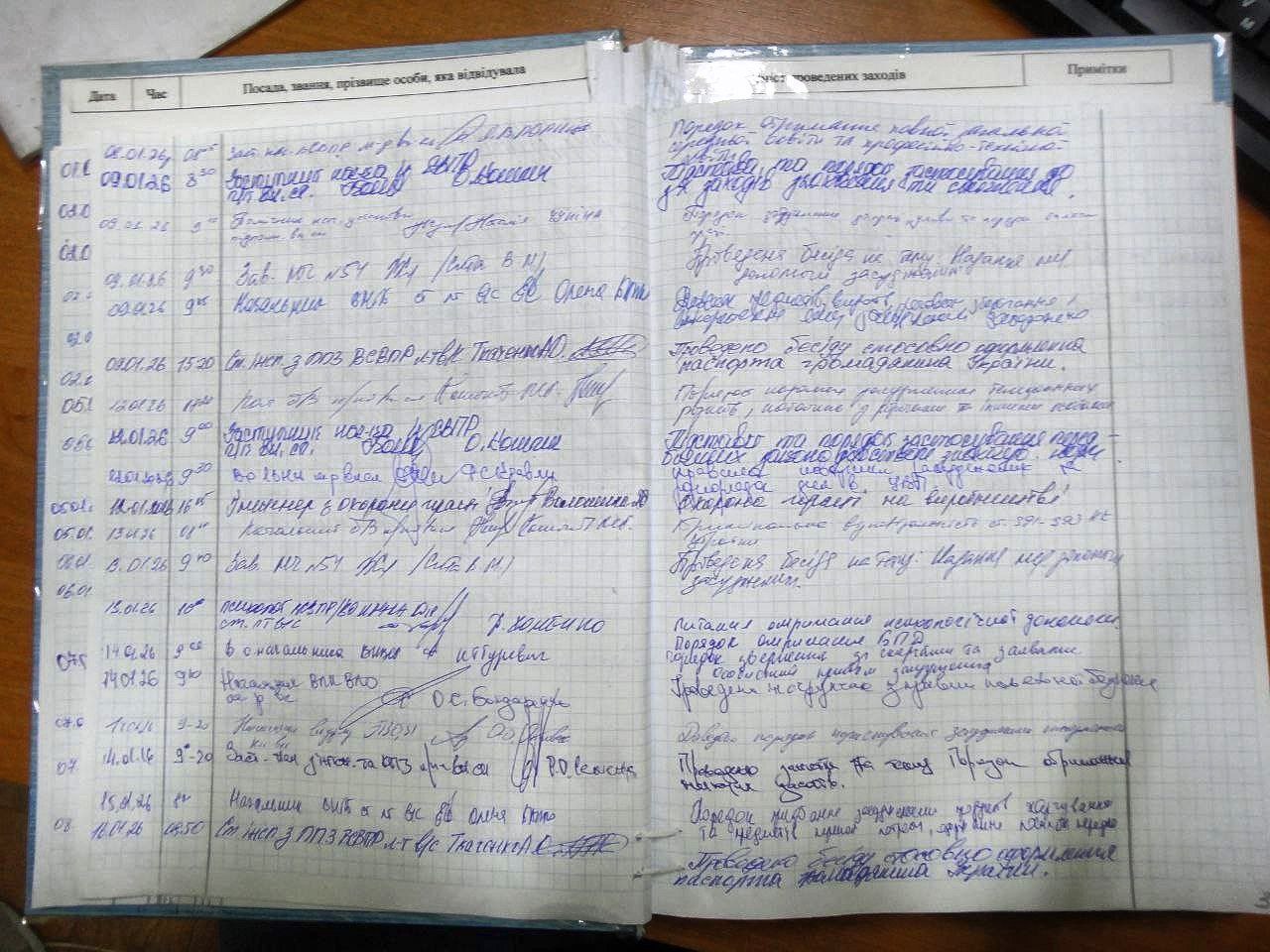
At the same time, it was established that the measures provided for by the programme for familiarising newly arrived convicts with the procedure and conditions of serving the sentence are carried out in violation of the requirements regarding their frequency, in particular the duty of each member of the working group to visit the QDD section at least once a week. Thus, in the period from 5 to 9 January 2026, according to the logbook of visits to the QDD section by administration representatives, measures with newly arrived convicts were conducted by only eight of the ten members of the working group, which does not meet the requirements of point 5 of Section II of the Regulation on the QDD section.
In particular, Ruslan Oleksandrovych Semencha, Deputy Head of the Institution for Intendant and Utility Provision, and Ihor Mykolaiovych Kolpashchikov, Director of the “Kachanivska (No. 54)” branch of the State Enterprise “Enterprise of the State Penitentiary Service of Ukraine (No. 100)”, did not take part in conducting the said measures.
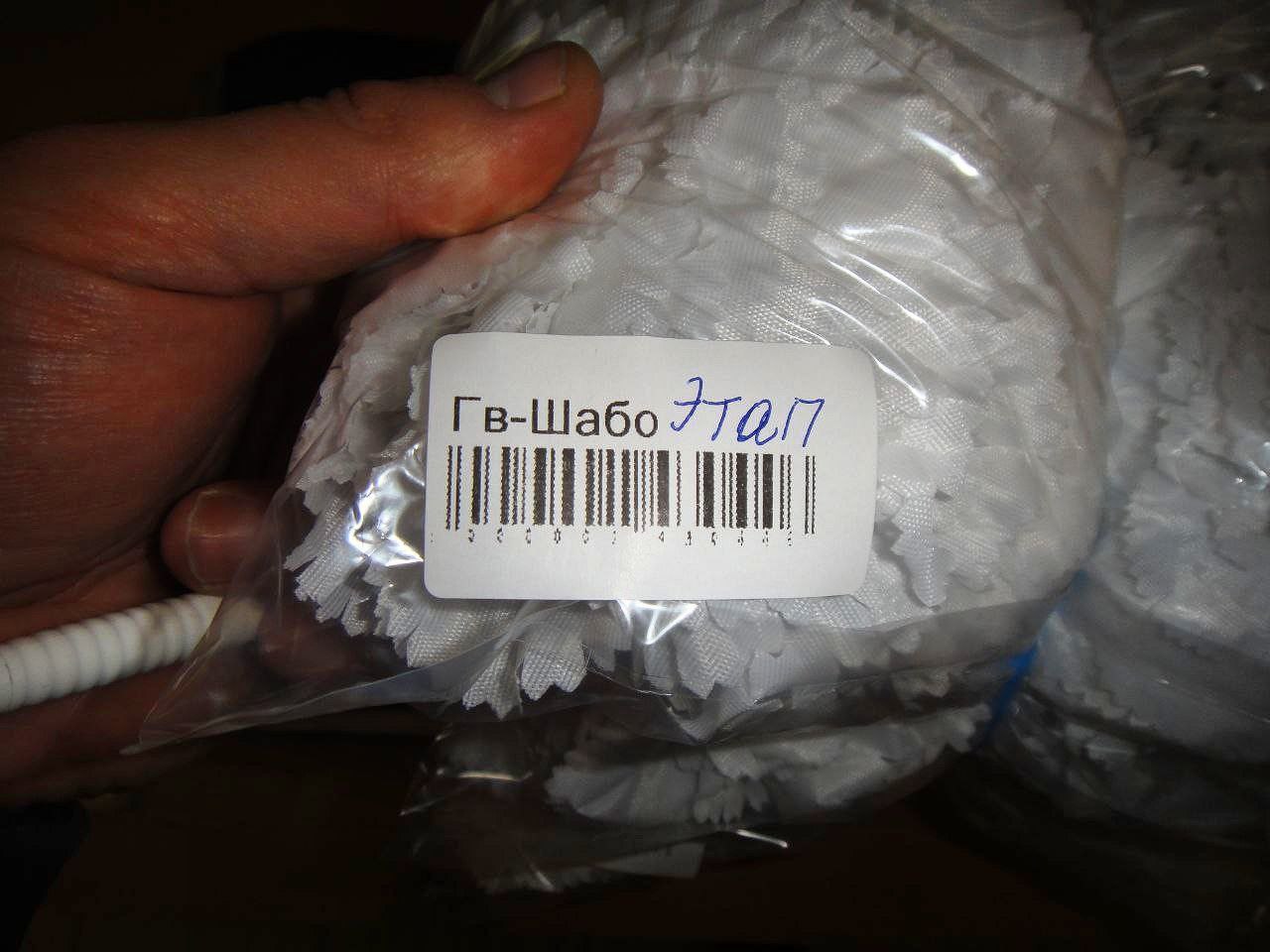
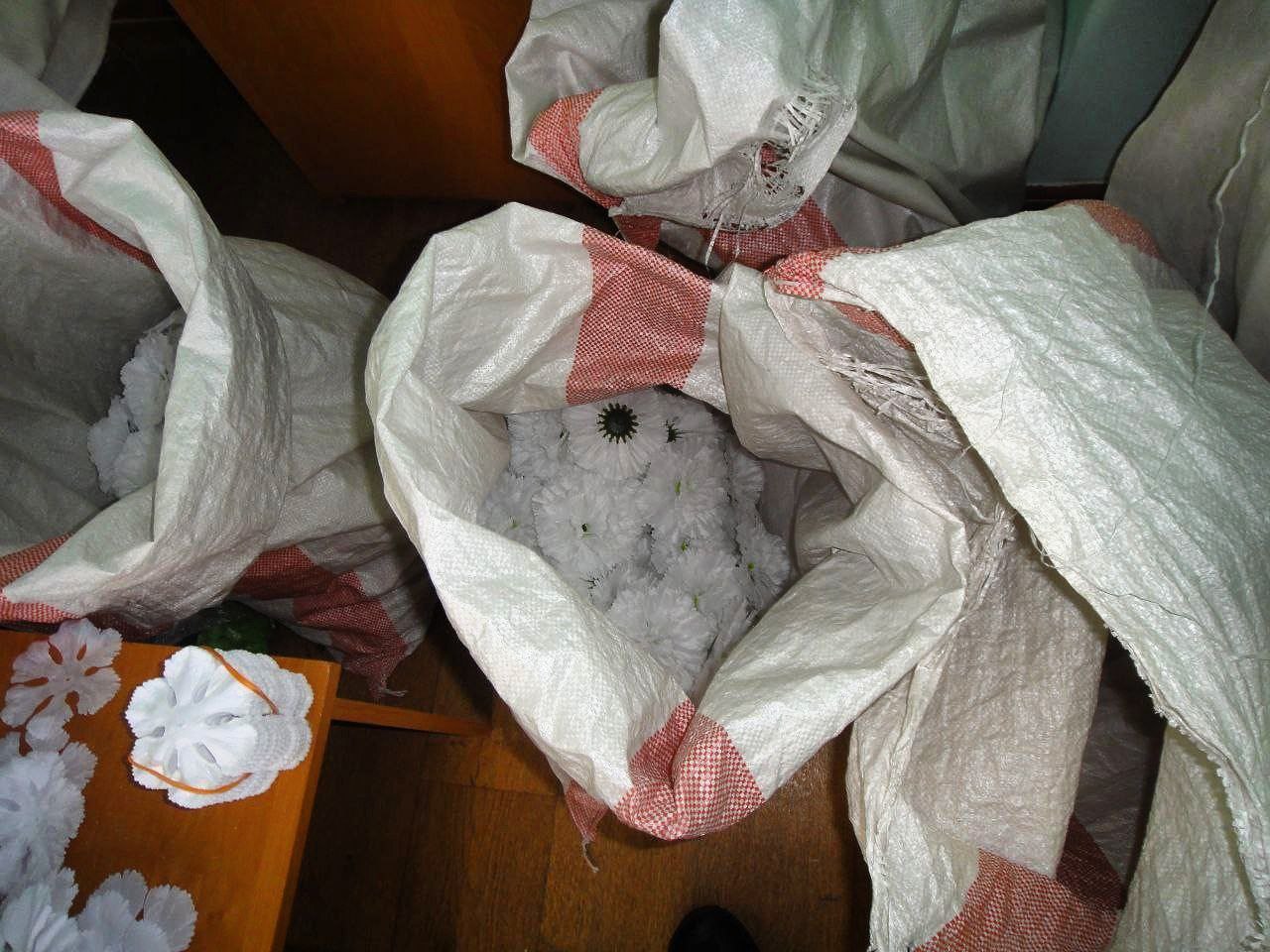
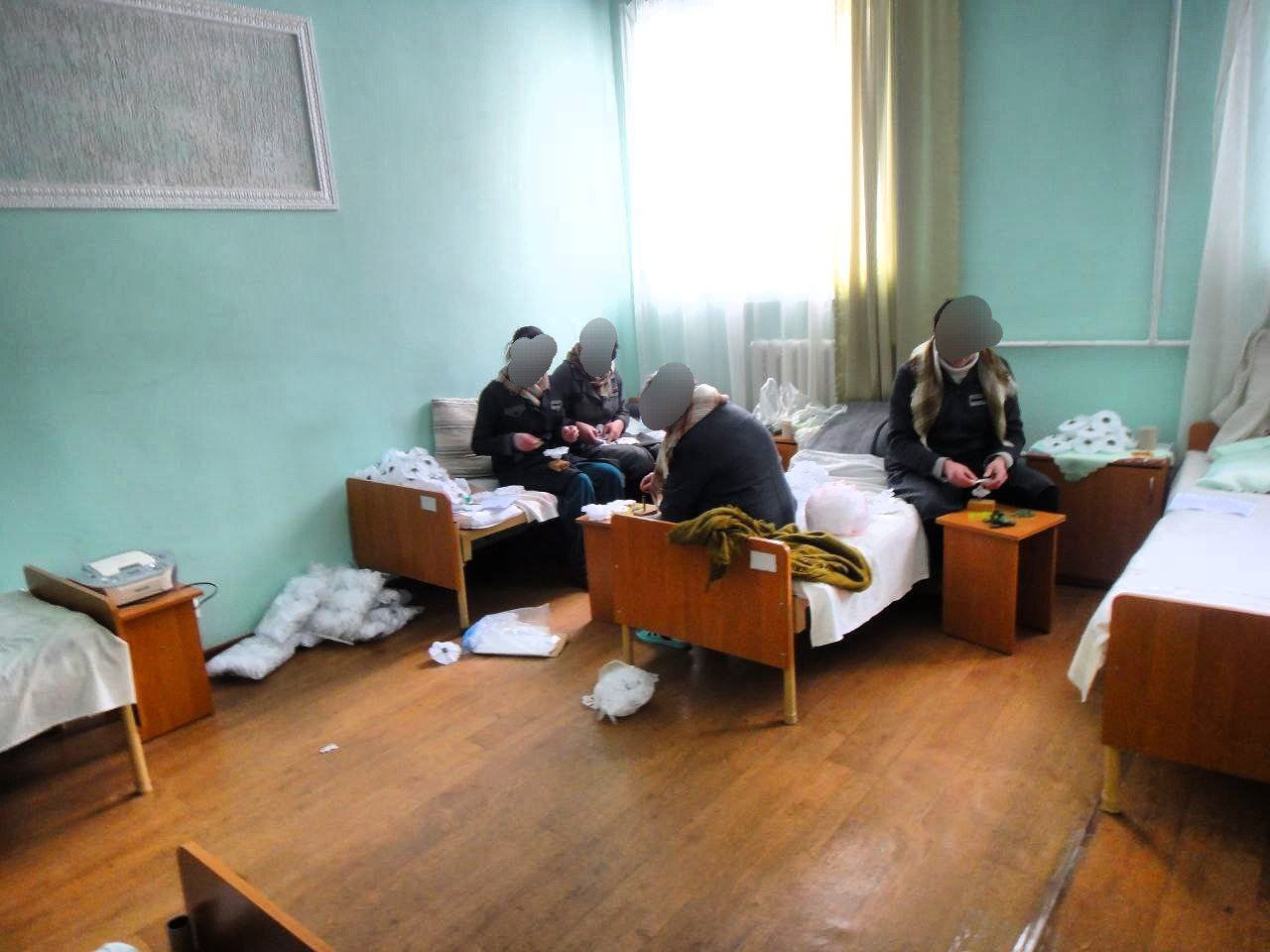
4. During the visit to the QDD section, the monitoring group established that the institution’s administration had organised the work of a production section for assembling artificial flowers in living quarters No. 1, and newly arrived convicts were systematically involved in performing work there during the entire 14-day period of their stay in the section. The actual performance of work was confirmed by direct observation during the visit, as well as by the presence of production blanks and packed finished products stored in the educational work room. Based on confidential interviews with convicts who arrived at the institution on 16 January 2026 and were held in the QDD section, it was established that they perform the said work supposedly in the order provided for by part five of Article 118 of the Penal Code of Ukraine.
The monitoring group established the systemic nature of this practice: according to reports from convicts, it has been applied for over a year. The duration and volume of their working hours actually correspond to the working hours of employees of workshop No. 2, where similar products are manufactured, and are from 08:00 to 17:00, six days a week, which indicates the performance of work on a permanent basis. At the same time, the accounting of performed work has not been organised, and production and accounting documentation is not maintained, which is a violation of the requirements of the Procedure for organising production activities and involving convicts in socially useful labour, approved by the order of the Ministry of Justice of Ukraine dated 3 January 2013 No. 26/5.
These circumstances indicate the actual use of convicts’ labour without proper legal registration of employment relations, without concluding labour or civil law contracts, and without payment for labour, which has signs of violating the requirements of part one of Article 118 and part one of Article 120 of the Penal Code of Ukraine. At the same time, such a practice does not correspond to the functional purpose of the QDD section, defined by point 1 of Section I of the Regulation on the QDD section, according to which the section is created for the initial psychological and pedagogical study of the personality of newly arrived convicts and for conducting their full medical examination, and not for organising production activities.
5. The monitoring group established that the material and living provision of the QDD section does not fully meet the established regulatory requirements. Thus, in violation of the requirements of the Standards for Provision with Furniture, Inventory, and Household Items of a Minimum-Security Penal Colony with General Detention Conditions, approved by the order of the Ministry of Justice of Ukraine dated 27 July 2012 No. 1118/5 (hereinafter — Provision Standards), a number of premises are missing in the section, namely: a room for storing food products; a room for storing the exchange fund of bedding, clothing, and special clothing; a storeroom for temporary storage of dirty bedding, clothing, and special clothing. The absence of these premises creates conditions that do not meet living standards, makes proper adherence to sanitary and hygienic requirements impossible, and complicates maintaining cleanliness and order in the places where convicts reside.
6. In violation of the requirements of rule 22.5 of the European Prison Rules, rule 22.2 of the UN Standard Minimum Rules for the Treatment of Prisoners, and the Provision Standards, the living quarters of the section are not equipped with drinking water tanks with a capacity of 15 litres equipped with a tap, a lid, a mug, and a basin.
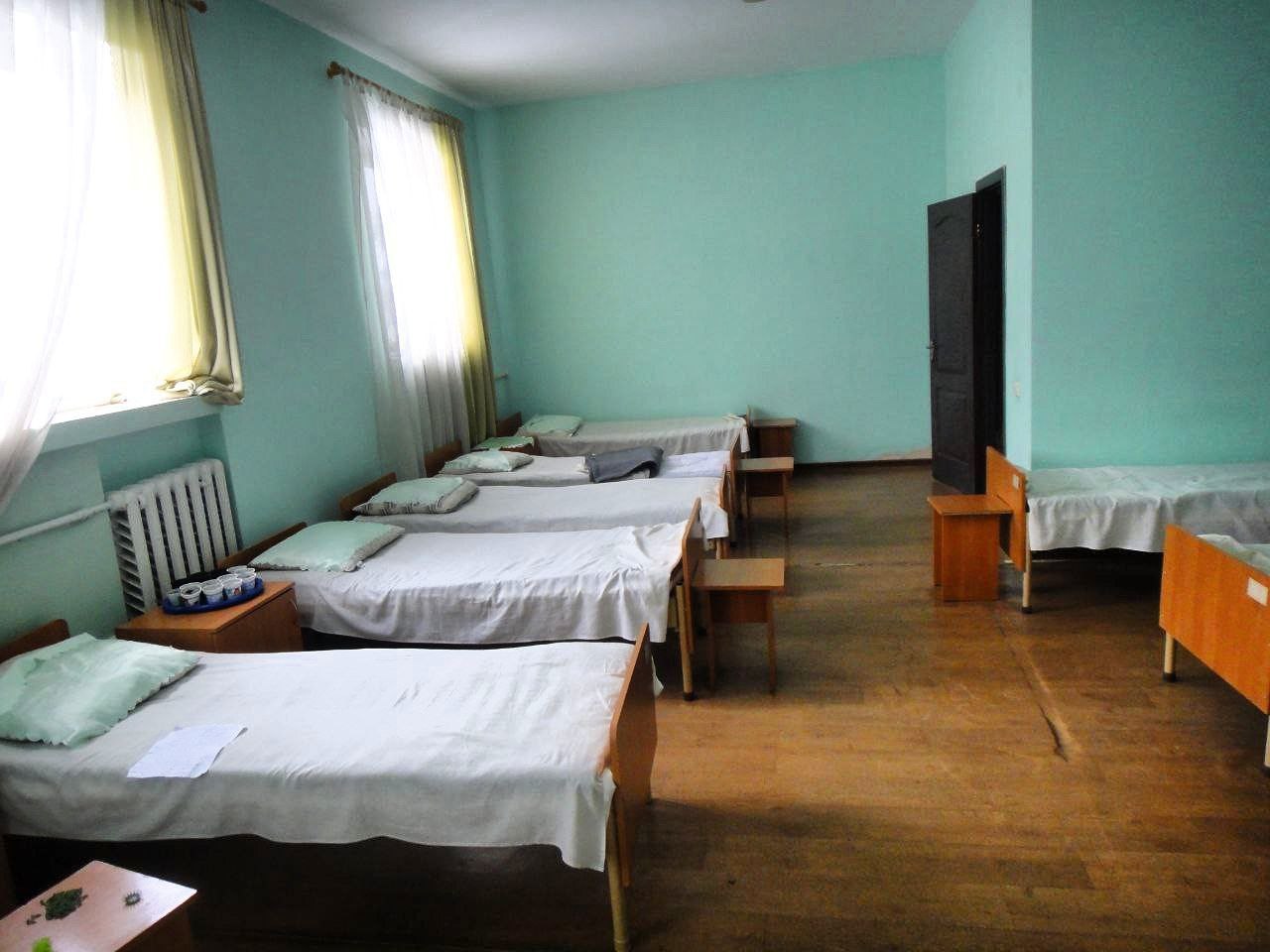
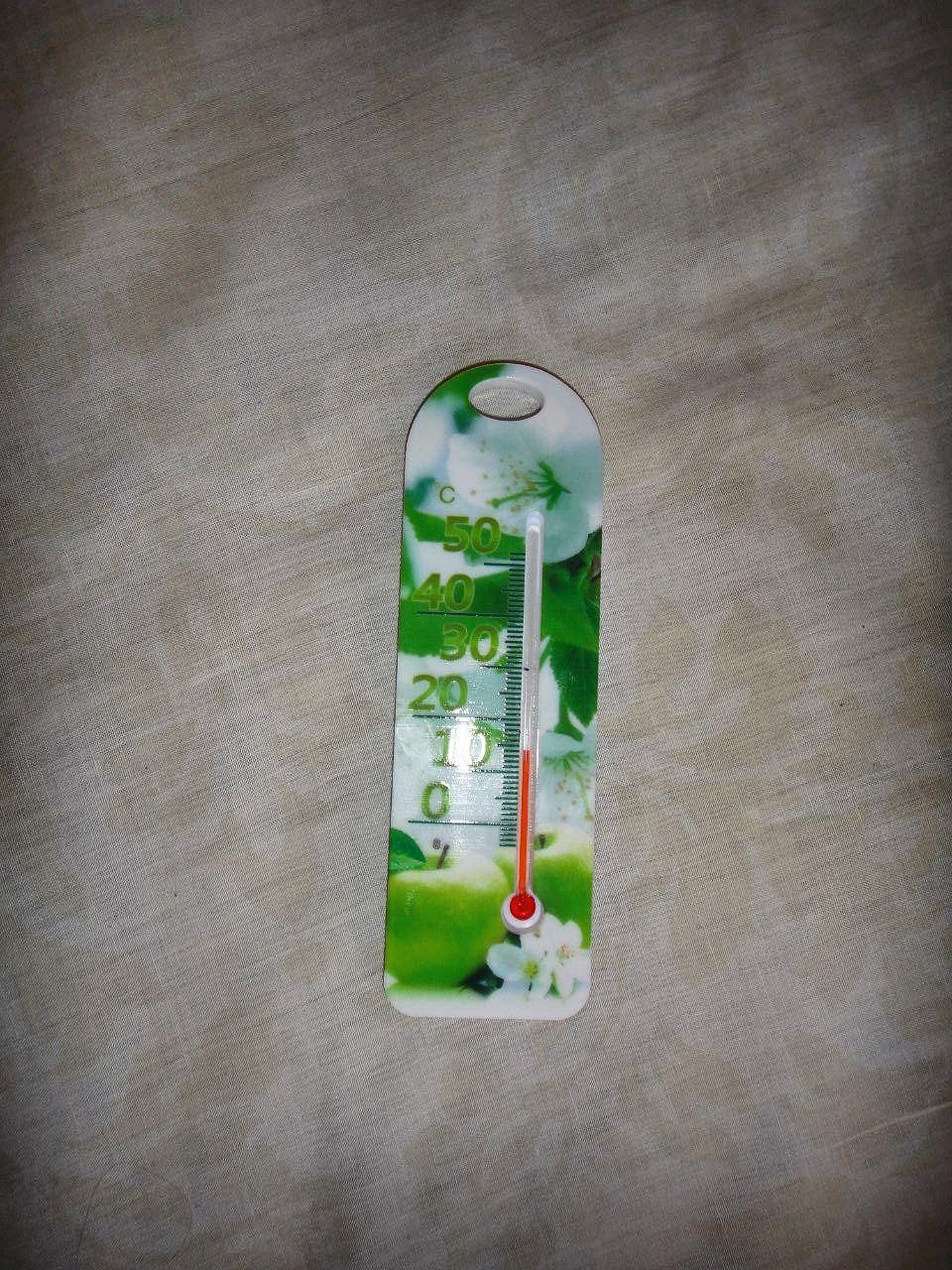
7. In the living quarters of the QDD section, the monitoring group recorded a violation of the temperature regime. Thus, at the time of the inspection, the air temperature in the premises was +14°C, whereas in accordance with point 1 of Section XXII of the IR PI, in the cold season, the temperature in the living quarters of penal institutions must be maintained at a level of at least +18°C.
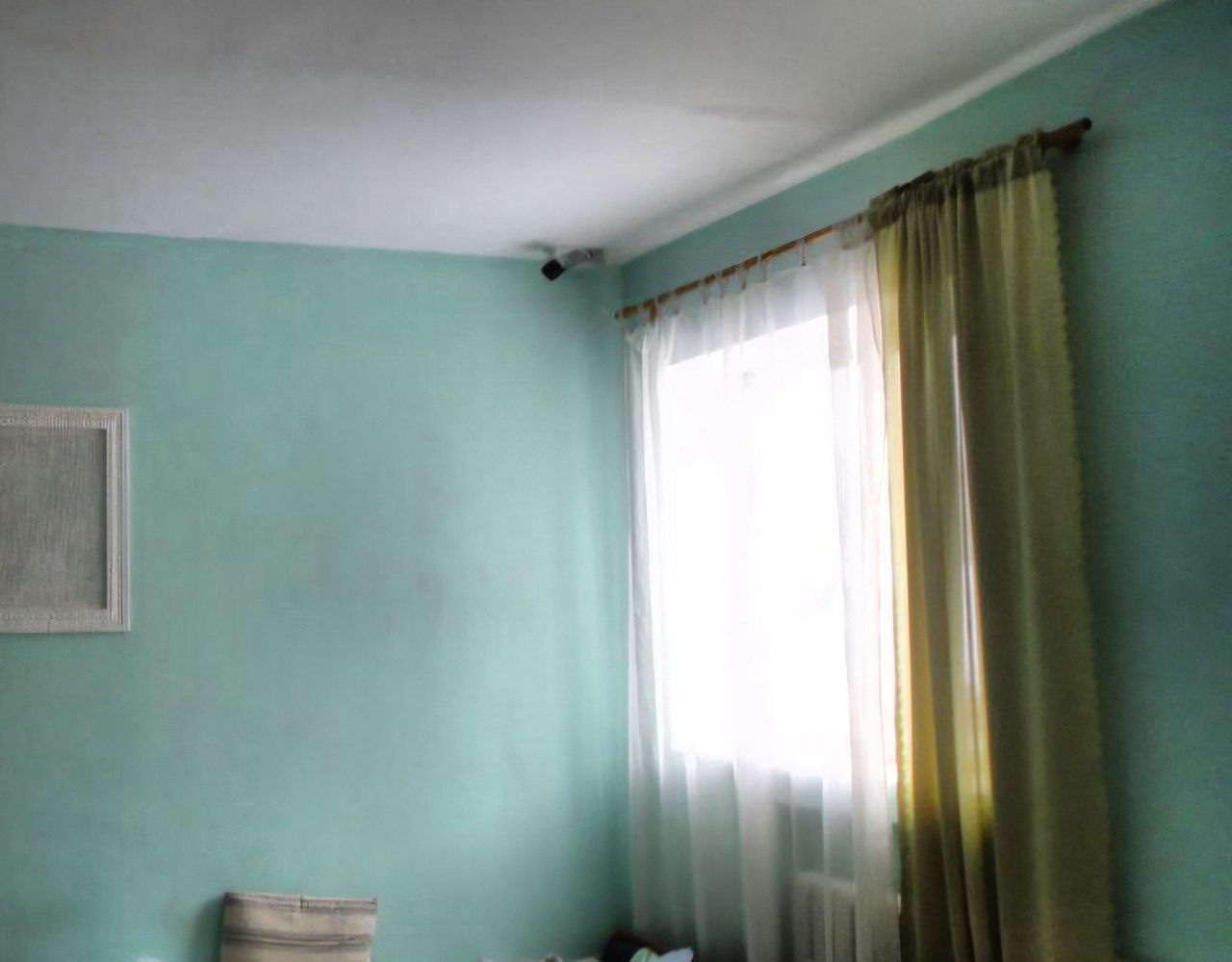
8. Point 1 of Section XXIII of the IR PI defines that the supervision of convicts is a system of measures aimed at ensuring the serving and execution of criminal penalties in the form of restriction and imprisonment, life imprisonment, and arrest through round-the-clock and constant control over the behaviour of convicts in places of their residence and work, the prevention and suppression of unlawful actions on their part, and the ensuring of the requirements for the isolation of convicts and the safety of the personnel of penal institutions. Thus, during the inspection of the living quarters of the QDD section, installed video surveillance cameras were recorded.
At the same time, in its 2012 report, the Committee criticised excessive interference in privacy through the installation of video cameras in the living quarters of convicts: “The Committee agrees that video surveillance in cells can be a useful safeguard in certain cases, for example, when a person is considered to be of concern regarding the risk of self-harm or suicide, or if there are specific suspicions that a prisoner is carrying out certain actions in the cell that could jeopardise safety. However, any decision to apply video surveillance to a specific prisoner must always be based on an individual assessment of the real risks and must be frequently reviewed on a regular basis. Video surveillance is a serious interference in the private life of prisoners and makes the regime even more repressive, in particular when applied over a long period of time” (CPT/Inf (2013) 23) point 52).
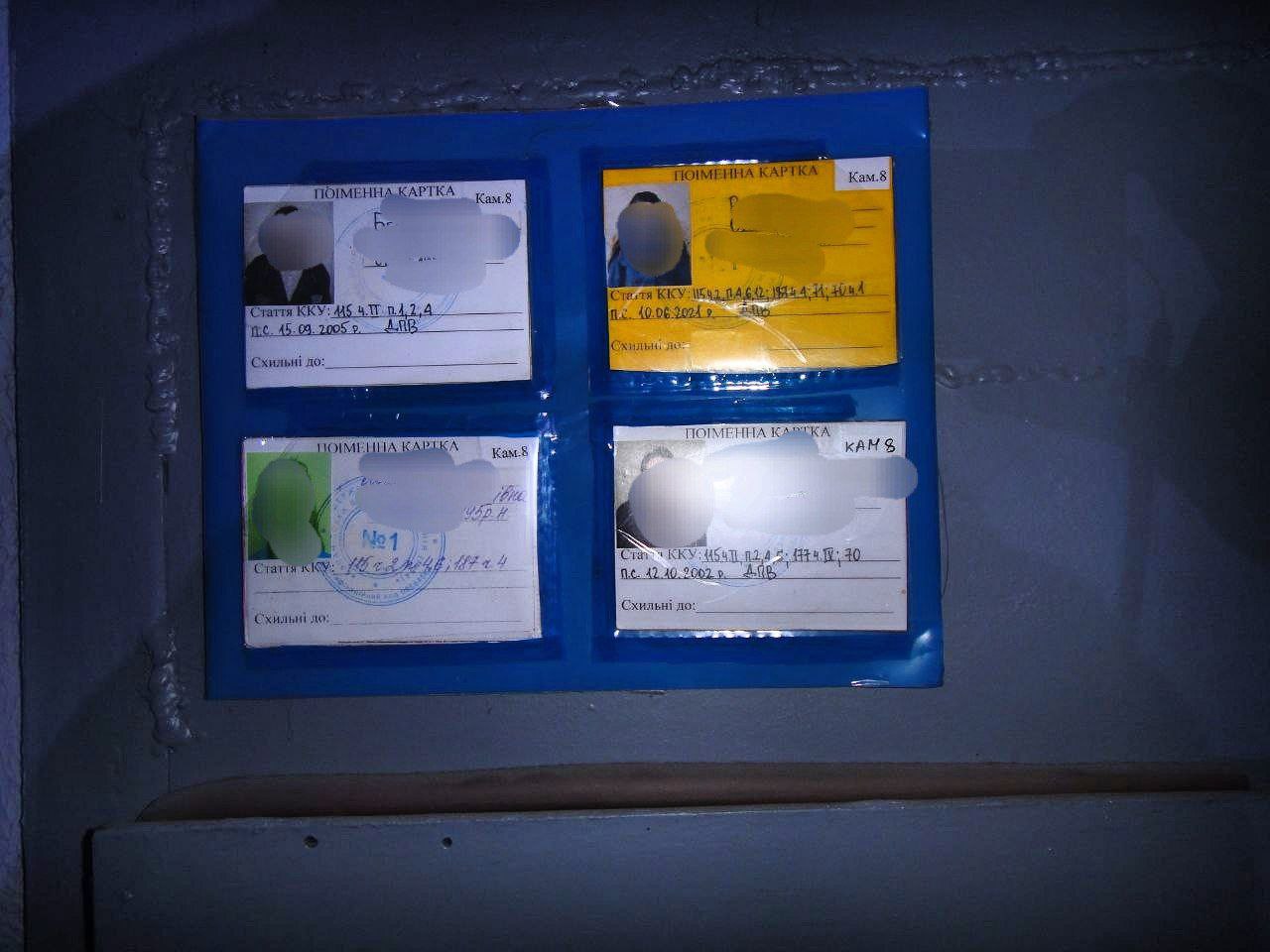
9. During the visit to the medium-security sector (hereinafter — MSS), it was established that name cards with information containing a brief description of the crimes committed by the persons held in these cells were placed next to the external doors of the cells for holding those sentenced to life imprisonment. In its report on the results of the visit to Ukraine in 2020, the Committee emphasised the need to stop this practice, as it serves no justifiable purpose and, in addition to a stigmatising effect, negatively affects the relationship between prisoners and institution staff (CPT/Inf (2020) 40) point 52).
10. The arrangement of the DISO/CTP premises does not meet the standards for the treatment of prisoners and the conditions of their detention, taking into account individual needs. Thus, the cell premises of the DISO/CTP are not provided with a proper level of natural lighting, as the cell windows are located at a considerable height, are small, and face a wall, as a result of which natural light practically does not penetrate the premises. These conditions may create additional psychological pressure on convicts due to the absence of any, including visual, contact with the external environment. This does not meet the requirements of rule 18.2 (a) of the European Prison Rules and rule 14 of the UN Standard Minimum Rules for the Treatment of Prisoners (the Mandela Rules).
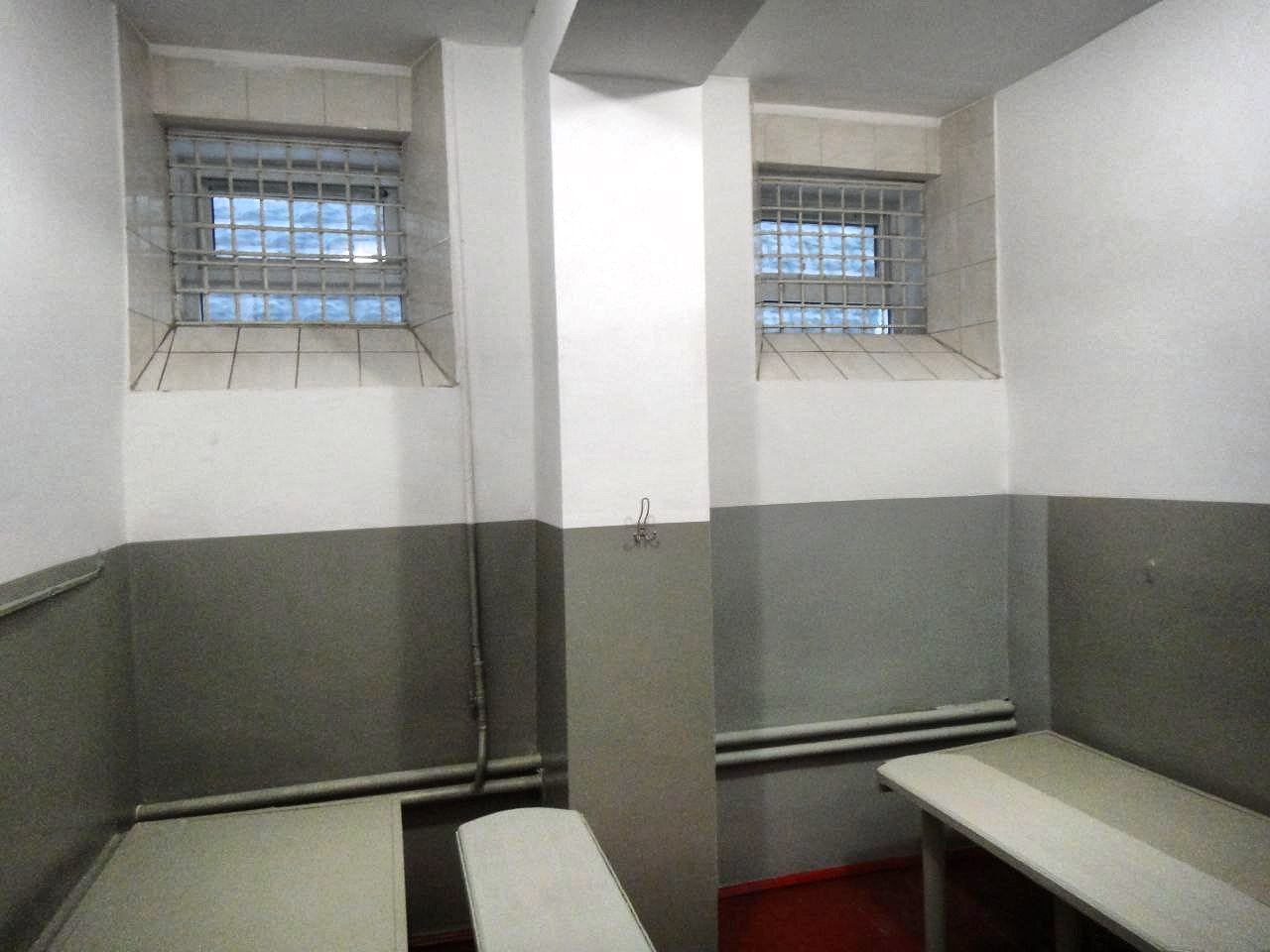
11. The sanitary facilities in the DISO/CTP cell premises are not equipped with sufficient partitions that ensure the possibility of privacy, which violates rule 19.3 of the European Prison Rules. At the same time, in the report to the Government of Ukraine on the results of the visit in 2023, the European Committee for the Prevention of Torture and Inhuman or Degrading Treatment or Punishment (hereinafter — the Committee) called on the Ukrainian authorities to take necessary measures to improve material conditions of detention, in particular: all places of accommodation for convicts and persons in custody, including sanitary facilities, must be kept in proper repair and hygienic condition; ensure regular and frequent disinfestation; ensure sufficient access to natural light and ventilation in cells; and fully equip internal sanitary facilities with partitions (i.e., from floor to ceiling) (CPT/Inf (2024) 20) point 58).
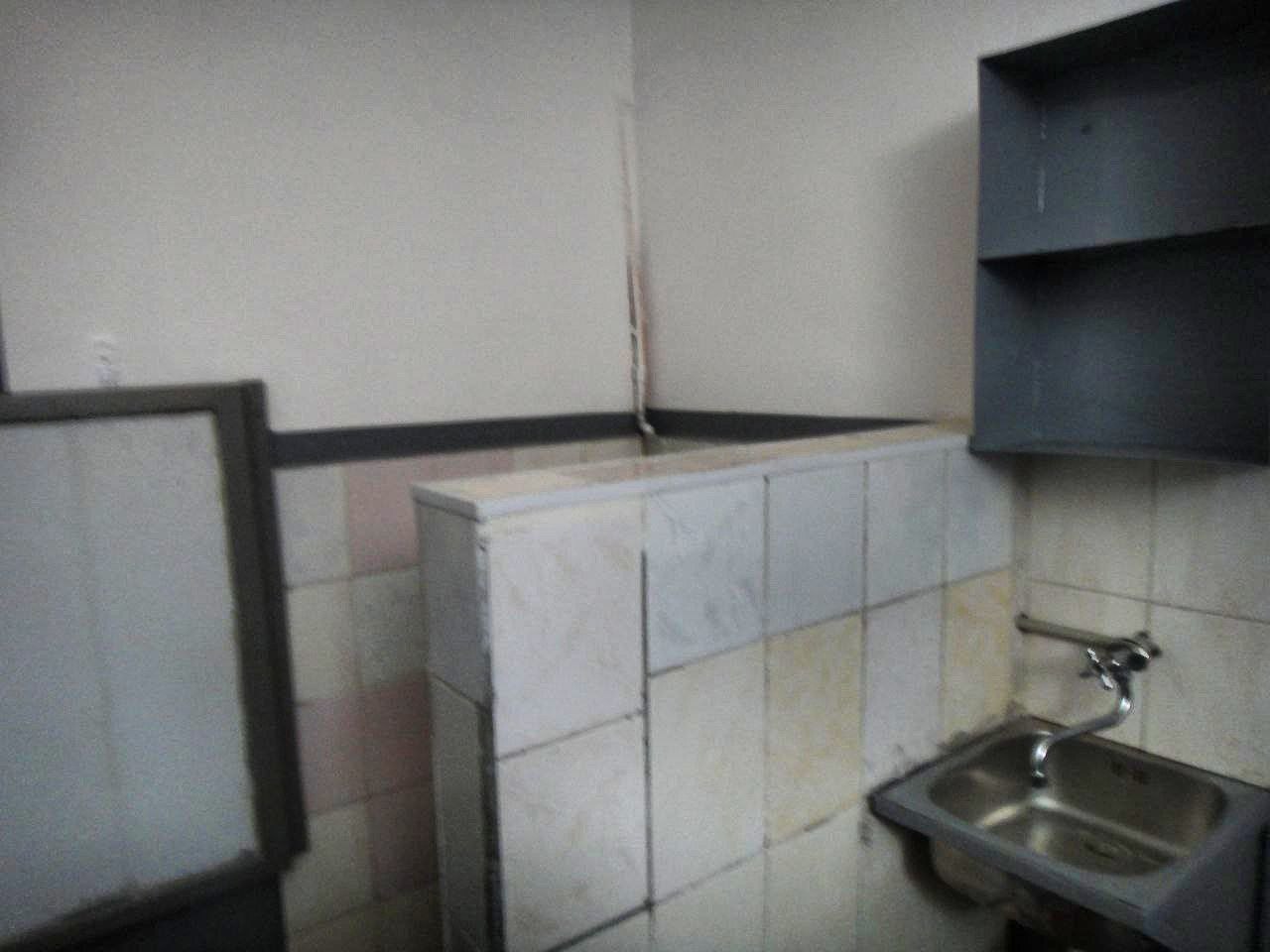
12. Radio equipment in the DISO/CTP cell premises does not work, which contradicts the requirements of point 3 of Section XX of the IR PI and point 63 of the UN Standard Minimum Rules for the Treatment of Prisoners.
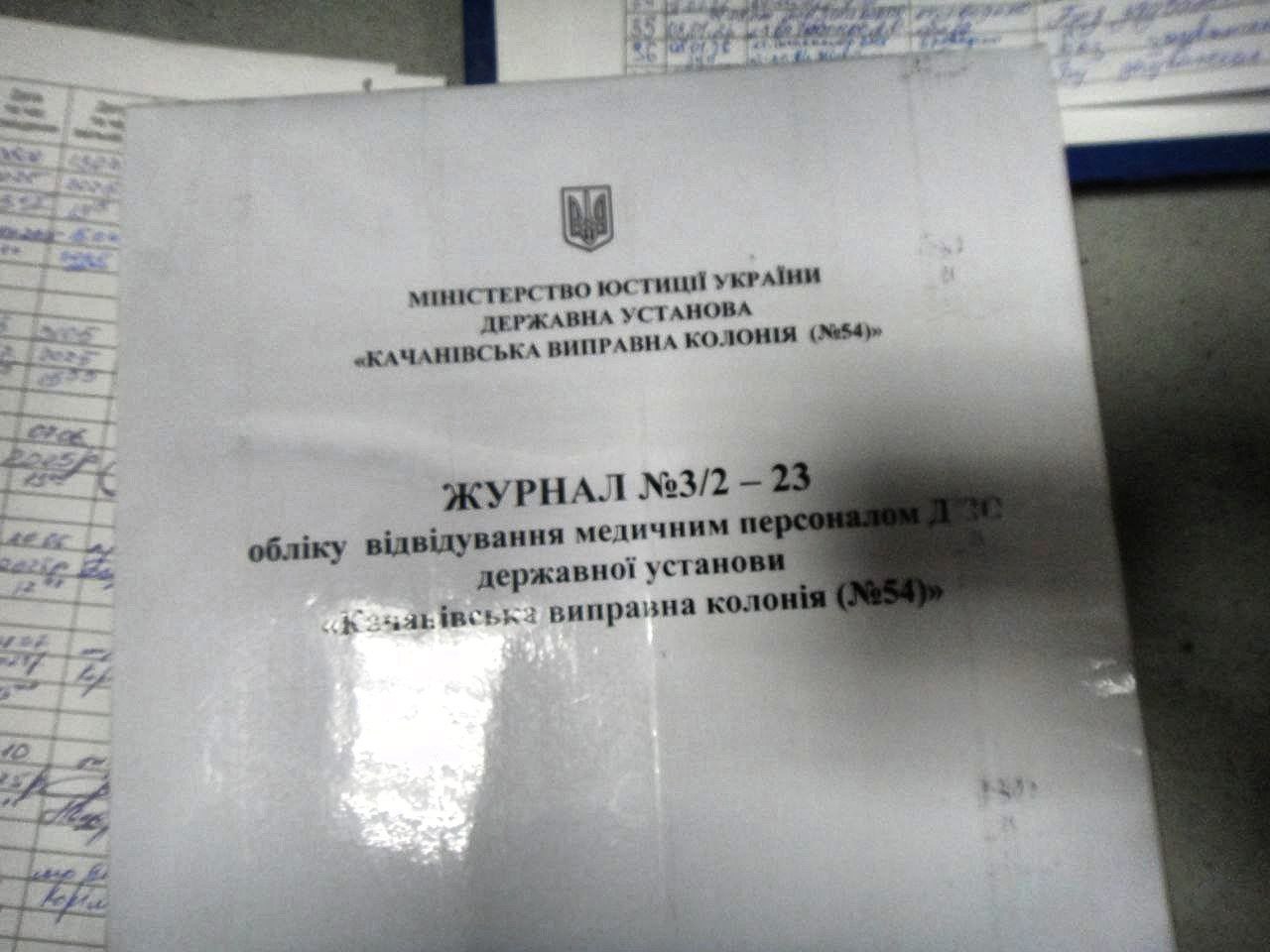
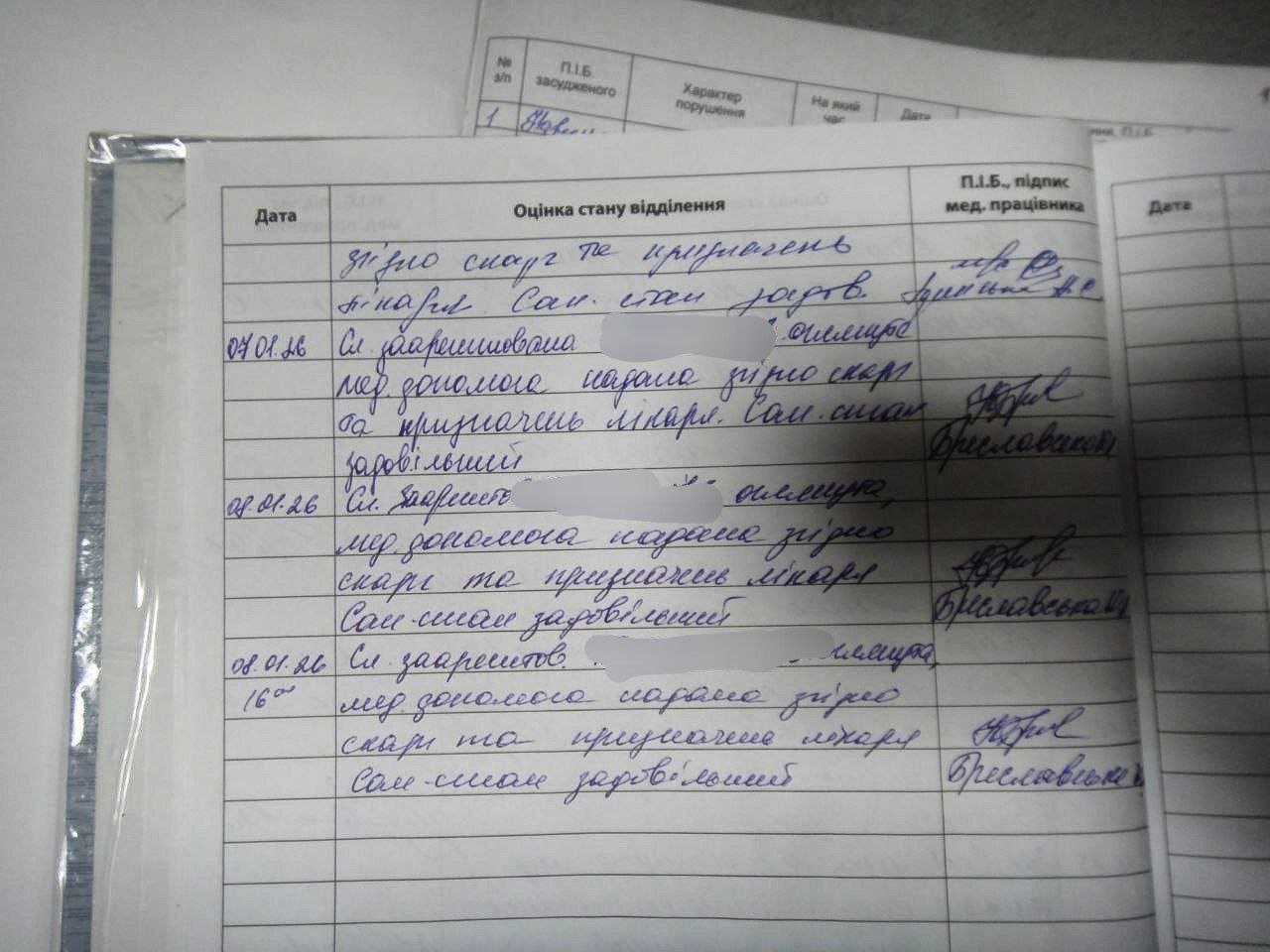
13. According to the twenty-third paragraph of point 6 of Section XXI of the IR PI, for the provision of medical care, the head of the medical unit (the doctor on duty) visits the DISO, punishment cells, CTP (OC) daily and, if necessary, conducts examinations of convicts. Based on the results of the visit to the DISO, punishment cells, CTP (OC), they are obliged to make appropriate notes in the logbook of visits to the disciplinary isolation ward, cell-type premises, single cells, and the punishment cell by the administration of the penal institution.
At the same time, during the inspection of the said logbook, the absence of corresponding entries by the medical worker for 9 January 2026 was established, despite the fact that a convicted person was serving a disciplinary penalty in the DISO during this period. This violation may indicate the actual failure of the medical worker to fulfil the duty of daily visiting the disciplinary isolation ward, as well as the lack of proper medical control over the health status of convicts who are in disciplinary premises.
14. The area of some exercise yards is insufficient to ensure full physical activity for convicts. The yards require repairs. At the same time, the Committee has repeatedly recommended reviewing the design and size of exercise yards “which at best offer a view of the sky” (point 122, point 127, CPT/Inf (2014) 15).
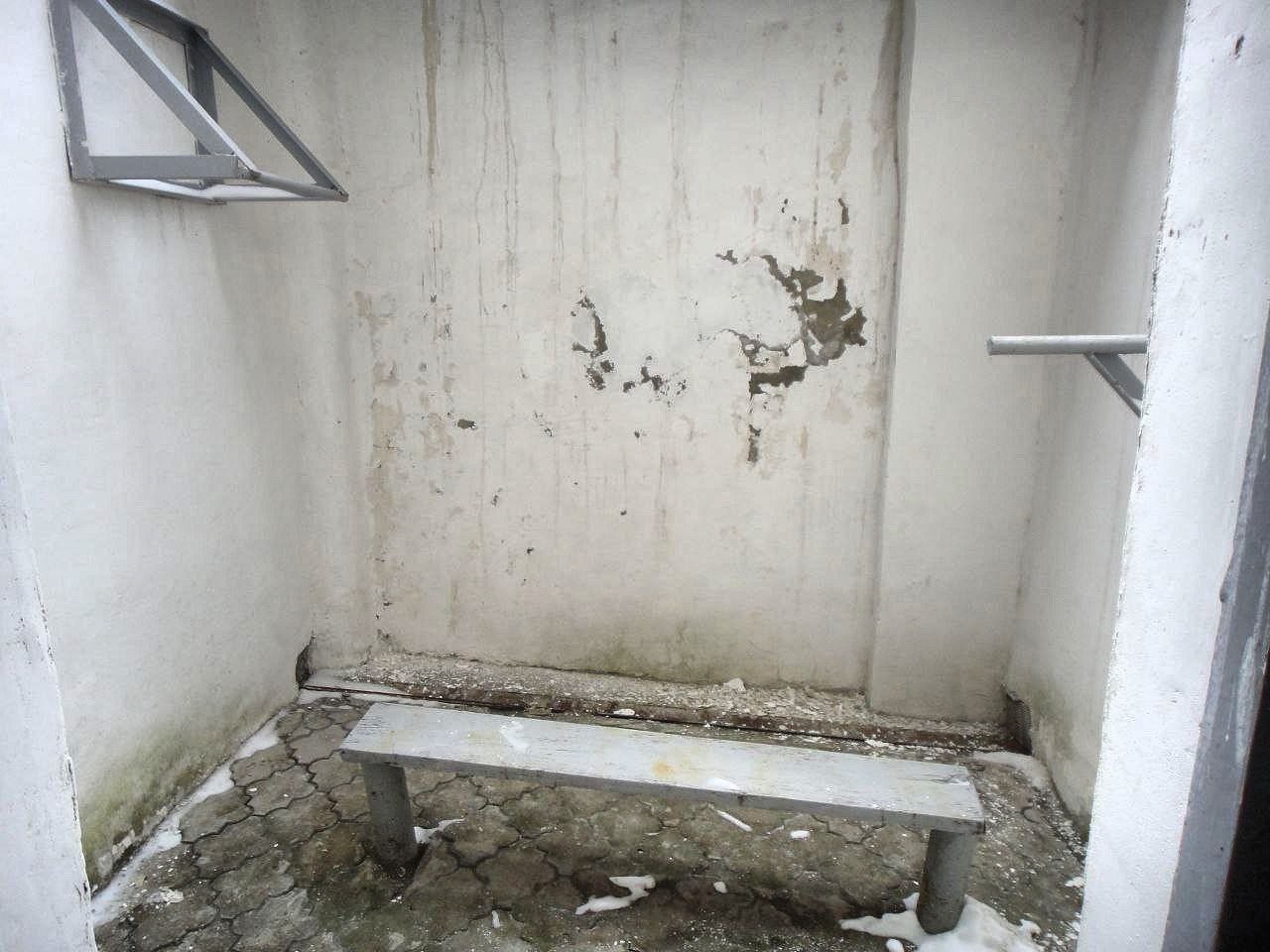
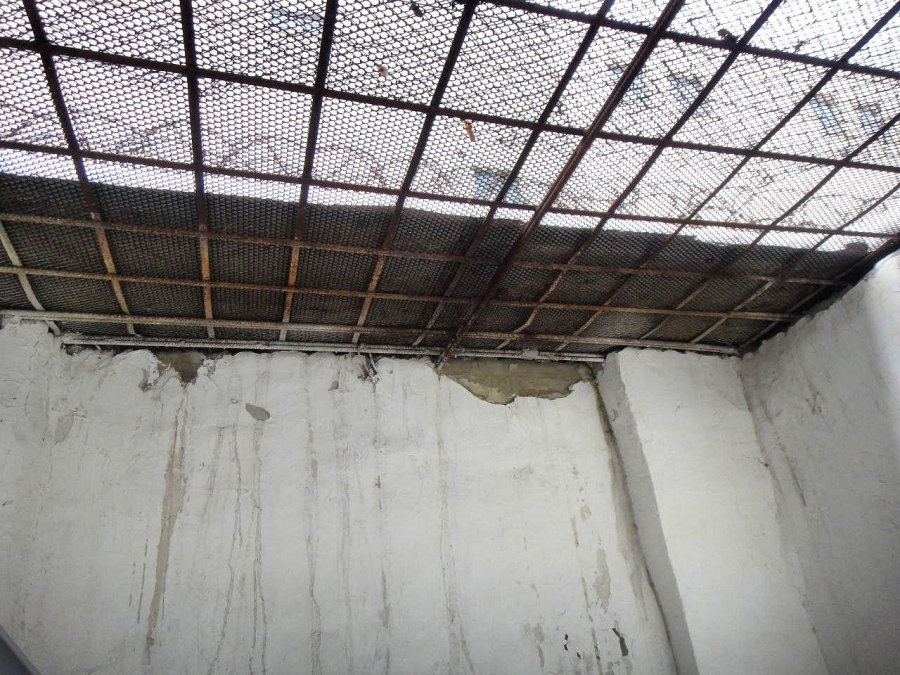
15. According to point 17 of Section V of the Regulation on the Organisation of Food Provision in the State Penitentiary Service of Ukraine in peacetime, approved by the order of the Ministry of Justice of Ukraine dated 15 June 2021 No. 2160/5 (hereinafter — Regulation on the Organisation of Food Provision), daily samples of each dish of the ration must remain in the institution’s canteen. Sampling is carried out by the cook from the pot in the presence of a medical worker of the healthcare facility in a clean container with a lid (previously washed and boiled) before the food is served. Daily samples are stored in the canteen refrigerator at a temperature of +4°C to +8°C and must be kept for 24 hours until the end of the similar meal the next day.
At the same time, in violation of the specified requirements, during the inspection of the canteen refrigerator, the monitoring group established the absence of samples of dinner dishes for 20 January 2026, as well as breakfast and lunch for 21 February 2026 according to standard Nos. 3A, 8A, 8B, 8B, 50.
16. During the visit to the institution, the monitoring group established that the institution’s shop lacks dresses, headwear, belts, slippers, and a mirror, the presence of which is provided for by Appendix 5 to the IR PI.
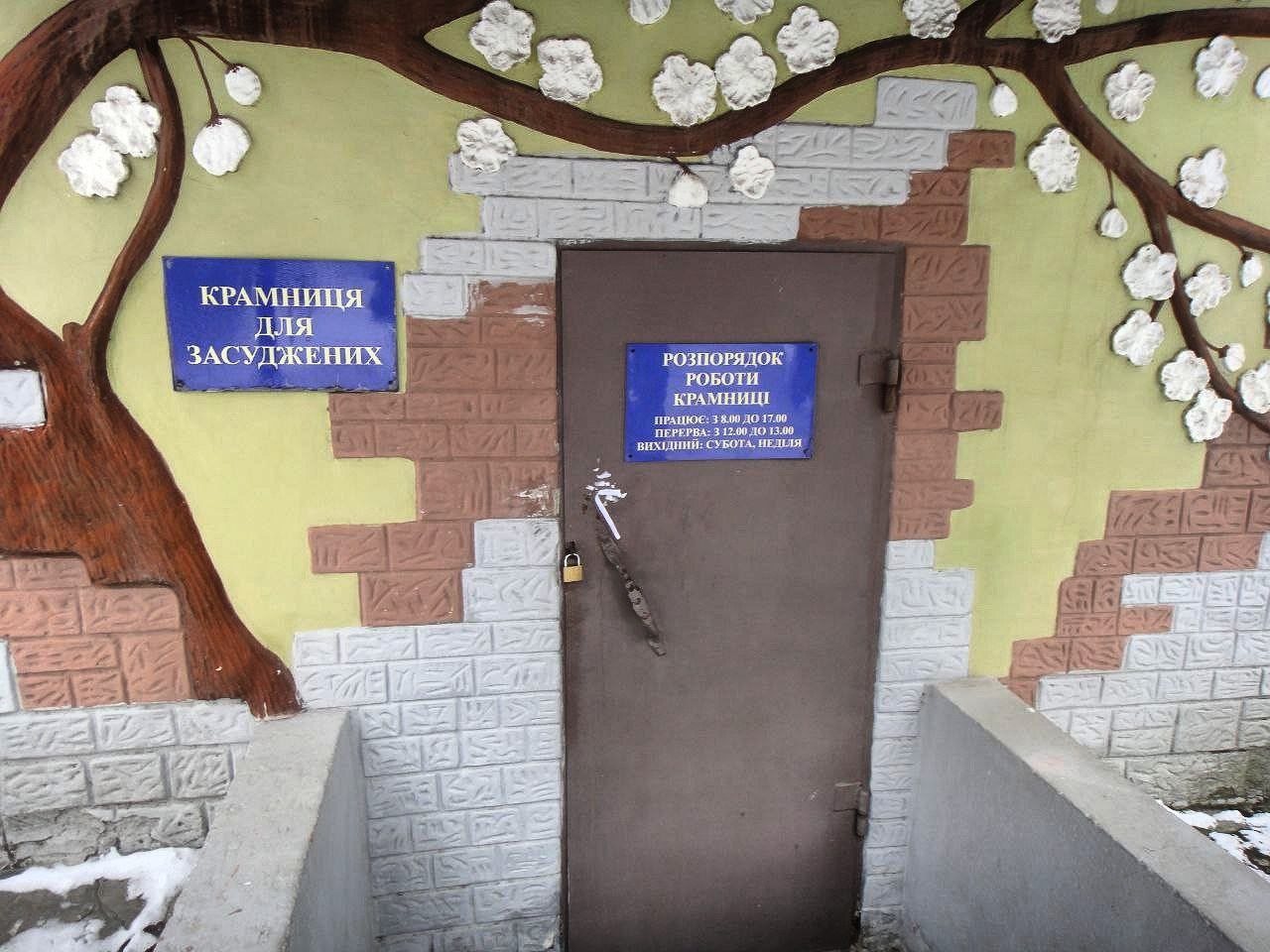
17. During the visit, the monitoring group established that when carrying out personal searches of convicts with disrobing in the search room, the institution’s personnel carry out video recording using wearable video recorders. At the same time, in accordance with point 8 of Section VII of the Procedure for the Use of Technical Means of Supervision and Control in Penal and Correctional Colonies of the State Penitentiary Service of Ukraine, approved by the order of the Ministry of Justice of Ukraine dated 26 June 2018 No. 2025/5 (hereinafter — Procedure), the use of video cameras and portable video recorders is prohibited in premises (cells) where medical examinations (checks) of convicts are conducted, personal searches with disrobing, as well as in wards of medical units.
18. The monitoring group established a number of violations in the organisation of bath and laundry services for convicts and persons in custody. In accordance with point 3.19.1 of Section III of the Regulation on the Organisation of Bath and Laundry Services for Persons Held in Penal Institutions and Pre-trial Detention Centres, approved by the order of the Ministry of Justice of Ukraine dated 8 June 2021 No. 849/5 (hereinafter — Regulation), sanitary treatment includes washing convicts (persons in custody) in the bathhouse using soap and a washcloth, the mandatory replacement of bedding and underwear, as well as disinfection (destruction of pathogenic microorganisms) and disinfestation (destruction of insects and ticks that are carriers of infectious diseases) of personal clothing and bedding (pillows, mattresses, blankets) in a disinfection chamber. However, as established by the monitoring group, the disinfection chamber in the institution is not working, which makes proper sanitary treatment of bedding and clothing impossible, increases the risk of spreading infectious diseases among convicts and personnel, and contradicts established sanitary and hygienic norms.
19. In violation of the requirements of point 4 of Section XXII of the IR PI and point 3.19 of Section III of the Regulation, the fulfilment of sanitary and hygienic and anti-epidemic requirements is not properly ensured. In particular, the sanitary treatment of convicts arriving at the institution is not carried out. Thus, during the inspection of the institution’s bathhouse visit logbook, it was established that for the convicts who arrived at the institution on 16 January 2026 (5 persons), sanitary treatment was not conducted. 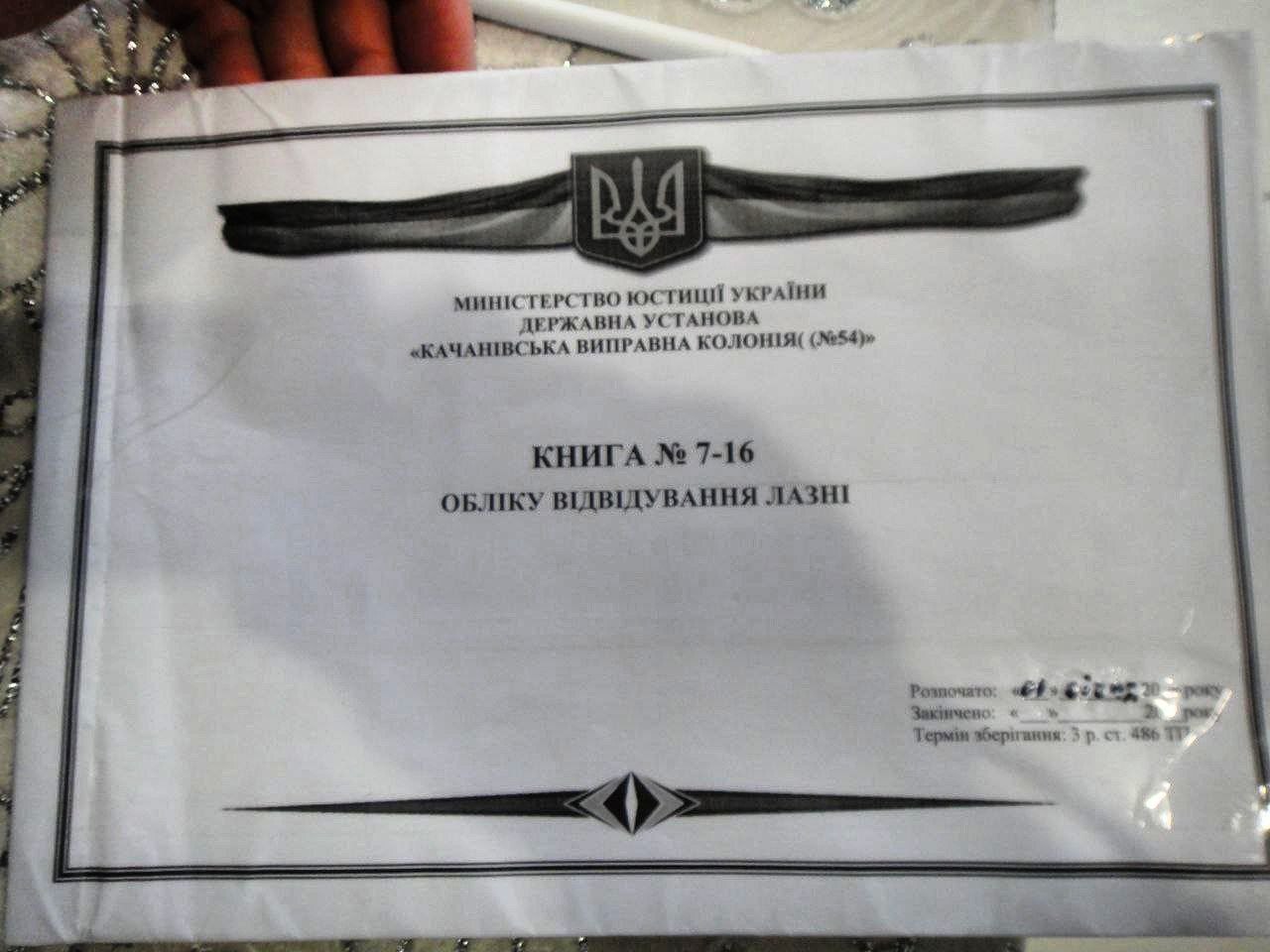
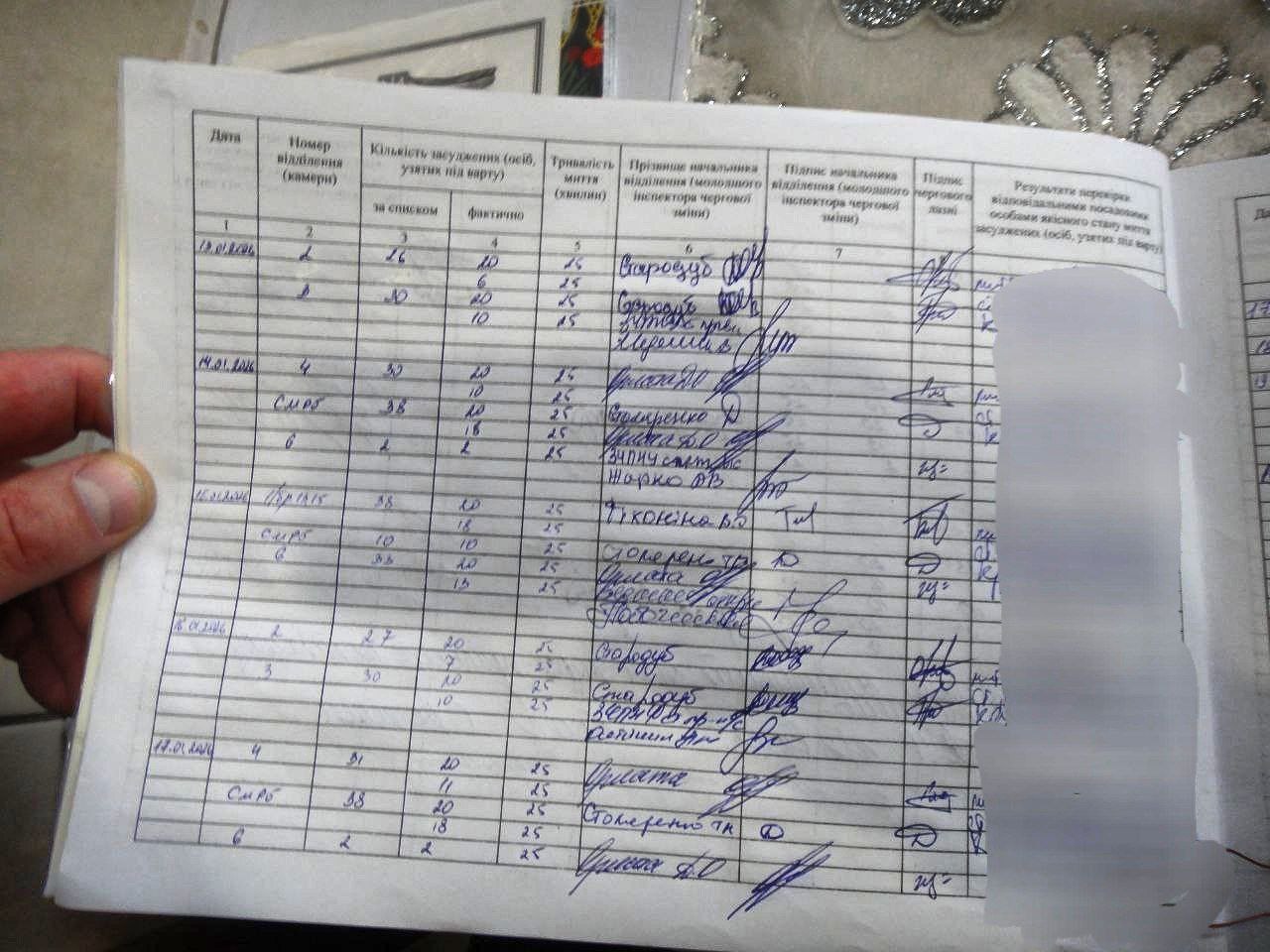
20. In violation of the requirements of point 2.11 of Section II of the Regulation, the forced supply-and-exhaust ventilation system in the laundry room is not working.
21. During the visit, the monitoring group recorded that the institution’s personnel who directly contact the convicts openly carry special means, in particular rubber batons. At the same time, according to the eighth paragraph of point 1 of Section XXVI of the IR PI, the carrying of special means by personnel of penal institutions within the guarded territory of the penal institution must, if possible, be maximally hidden from the surroundings.
At the same time, the Committee recommends that prison officers working in direct contact with prisoners should not carry special means (such as rubber batons, handcuffs, and tear gas canisters) openly in front of prisoners, as such carrying hinders the establishment of normal relations between staff and prisoners (CPT/Inf (2011) 29) point 85; CPT/Inf (2013) 23) point 23; CPT/Inf (2014) 15) point 166).
22. In accordance with sub-point 5 of point 2 of Section IV of the Regulation on the Programme of Differentiated Educational Influence on Convicts “Preparation for Release”, approved by the order of the Ministry of Justice of Ukraine dated 16 May 2016 No. 1418/5, registered with the Ministry of Justice of Ukraine on 17 May 2016 under No. 735/28865, the personnel of the institution’s socio-psychological service, who directly organise and carry out measures to implement the “Preparation for Release” programme, are obliged to provide assistance to convicts in obtaining (renewing) a passport of a citizen of Ukraine, a taxpayer registration card number (RNTRC), other personal documents, as well as in processing pensions. At the same time, 11 convicts need to have a passport of a citizen of Ukraine made, and 10 need to obtain an RNTRC, which indicates insufficient work by the department of social-educational and psychological work regarding ensuring the processing of necessary documents for convicts who do not have them.
23. According to information provided by the administration, in 2025, 442 short-term visits were granted to convicts at KPC-54, of which 314 took place in a contactless manner — through solid separating glass using an intercom device. At the same time, in the report to the Government of Ukraine on the results of the visit in 2023, the European Committee for the Prevention of Torture emphasises that for all categories of convicts, open visits (e.g., at a table) should be the rule, and closed visits the exception, the application of which is allowed only on the basis of reasoned and motivated decisions after an individual assessment of the potential risk of a specific convict. In this regard, the Committee calls on the Ukrainian authorities to review the procedure for conducting short-term visits in penal institutions with the aim of ensuring they are held, as a rule, in open conditions (CPT/Inf (2024) 20) point 99).
24. According to official documentation, the staff shortage in the institution as of 21 January 2026 is 29 authorised units. At the same time, in the report to the Government of Ukraine on the results of the visit in 2023, the Committee emphasises that ensuring a positive climate in a penal institution requires a professional team of staff who must be present in sufficient numbers at any moment in time in places of detention. Insufficient staff numbers can only increase the risk of violence and intimidation between convicts. A shortage of front-line staff also undermines the quality and level of measures offered to convicts and compromises the prospect of preparation for release and social rehabilitation.
In this regard, the Committee calls on the Ukrainian authorities to take decisive measures to substantially increase the number of staff in penal institutions of Ukraine where a low level of staffing is observed, with the aim of strengthening the presence of security and supervision service personnel inside the institutions. Measures must also be taken to put an end to 24-hour shifts for personnel on duty (CPT/Inf (2024) 20) point 93).
25. According to information from the institution’s administration, 11 convicts have tablet devices for their own use, and 19 persons have registered email accounts. At the same time, during direct communication with convicts and visits to the SPS sections, the monitoring group did not record a single tablet device in actual use. In the premises of the minimum-security SPS sections, there is no Internet connection, which makes it impossible to use any personal devices to access online resources.
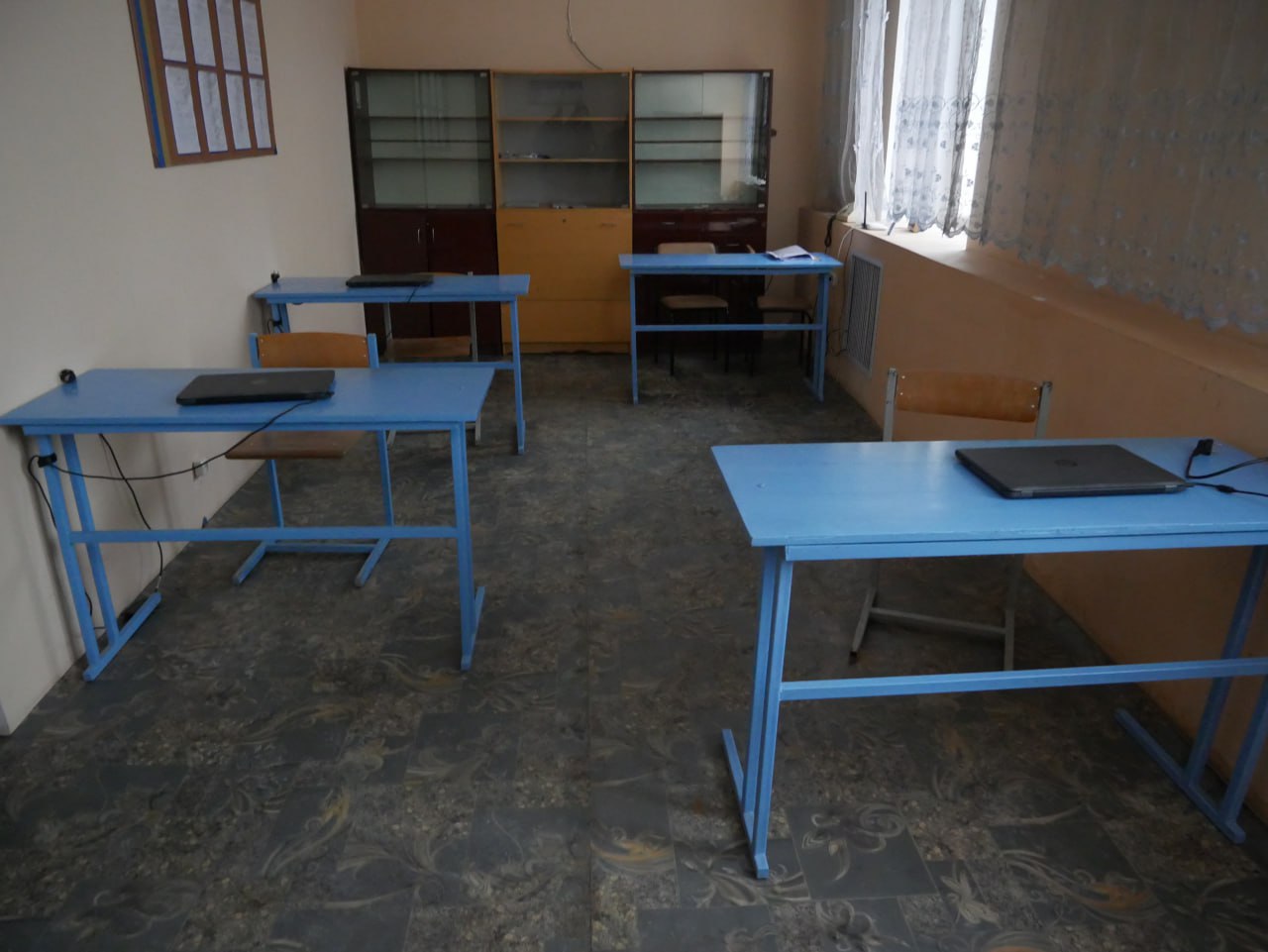
Actual access to the Internet is carried out exclusively in a separately designated internet room. This room is equipped with only three computers, which objectively limits the number of persons who can use the network simultaneously. From an analysis of the logbook of video calls made by convicts via the Internet and the schedule for granting access to the network, it is evident that Internet use is effectively reduced to conducting video calls with relatives and close ones. These documents do not contain information about convicts’ access to other information resources, educational platforms, state services, or official electronic sources of legal information. A separate logbook for Internet usage is not maintained in the institution.
The absence of systemic accounting of access, time spent on the network, the list of permitted resources, and the actual number of users makes it impossible to objectively assess the real volume and content of the realisation of convicts’ right to receive information. This situation makes it difficult to verify the compliance of the capabilities declared by the administration with the actual state of ensuring access to digital resources. The actual conditions indicate that access to the Internet is limited in nature and is realised primarily as a service for video calls with family, rather than as a tool for obtaining information, education, or maintaining social ties in a broader sense. In the absence of a connection in the SPS sections and actual use of tablets, the declared possibility of individual access to the network is not confirmed during the monitoring.
In accordance with Article 34 of the Constitution of Ukraine, everyone is guaranteed the right to freedom of thought and speech and to the free receipt of information. Article 107 of the Penal Code of Ukraine provides for the right of convicts to use permitted technical means and receive information in the order established by law. The European Prison Rules and the practice of the European Court of Human Rights proceed from the necessity of ensuring convicts have real, not declarative, access to information, taking into account security requirements. Limiting access to the network to only three computers in one room, in the absence of the possibility of use in living quarters or SPS sections, effectively reduces the realisation of this right to a minimum level. Such an approach does not fully comply with modern standards of digital accessibility and the principle of promoting resocialisation, as access to information resources is an important element of preparation for returning to society, obtaining an education, and maintaining social ties.
Thus, the actual organisation of Internet access in the institution is limited, does not confirm the declared individual use of tablets, and requires improvement with the aim of ensuring the real realisation of the convicts’ right to access information within limits that do not contradict the requirements of the regime and safety.
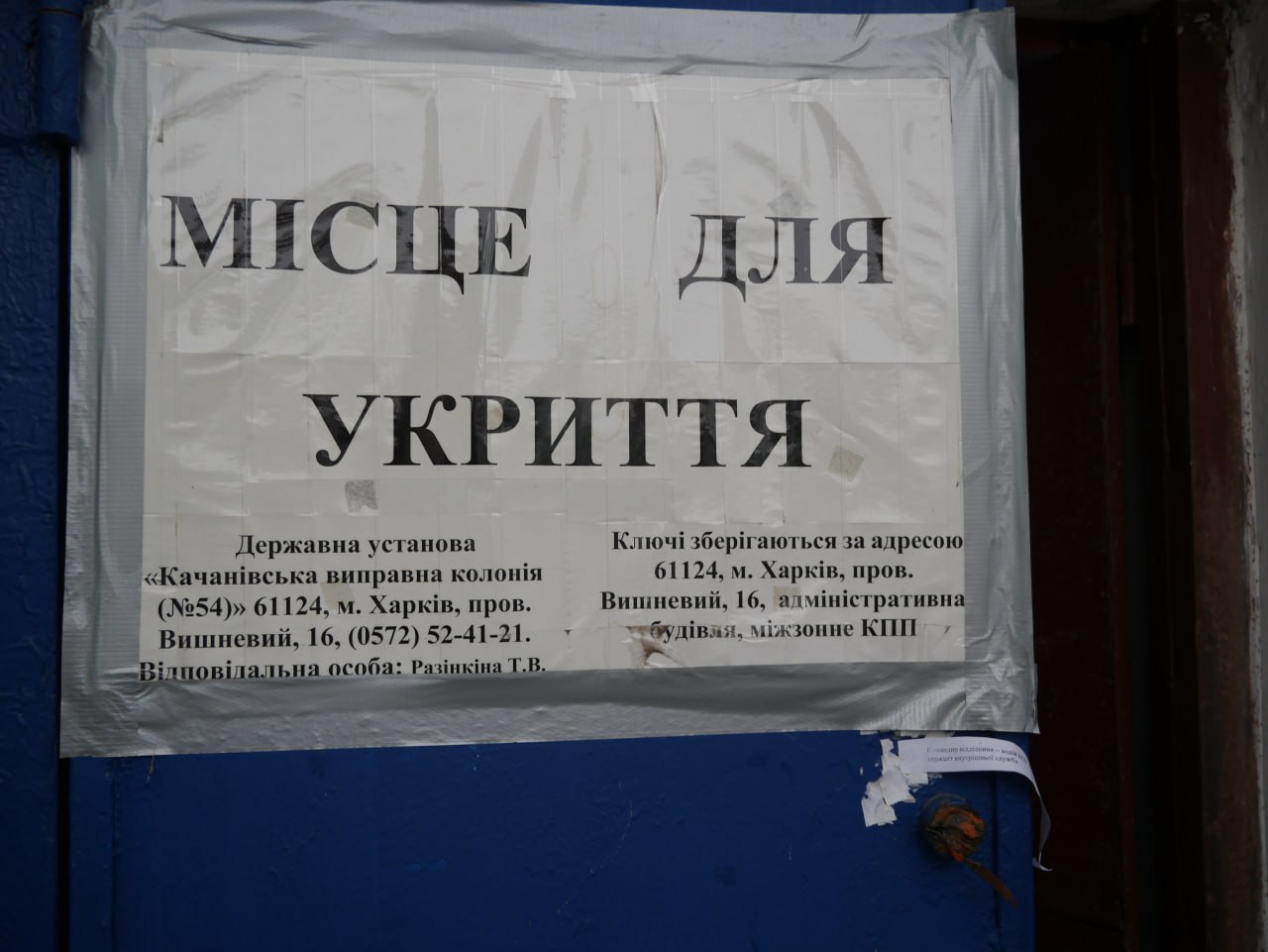
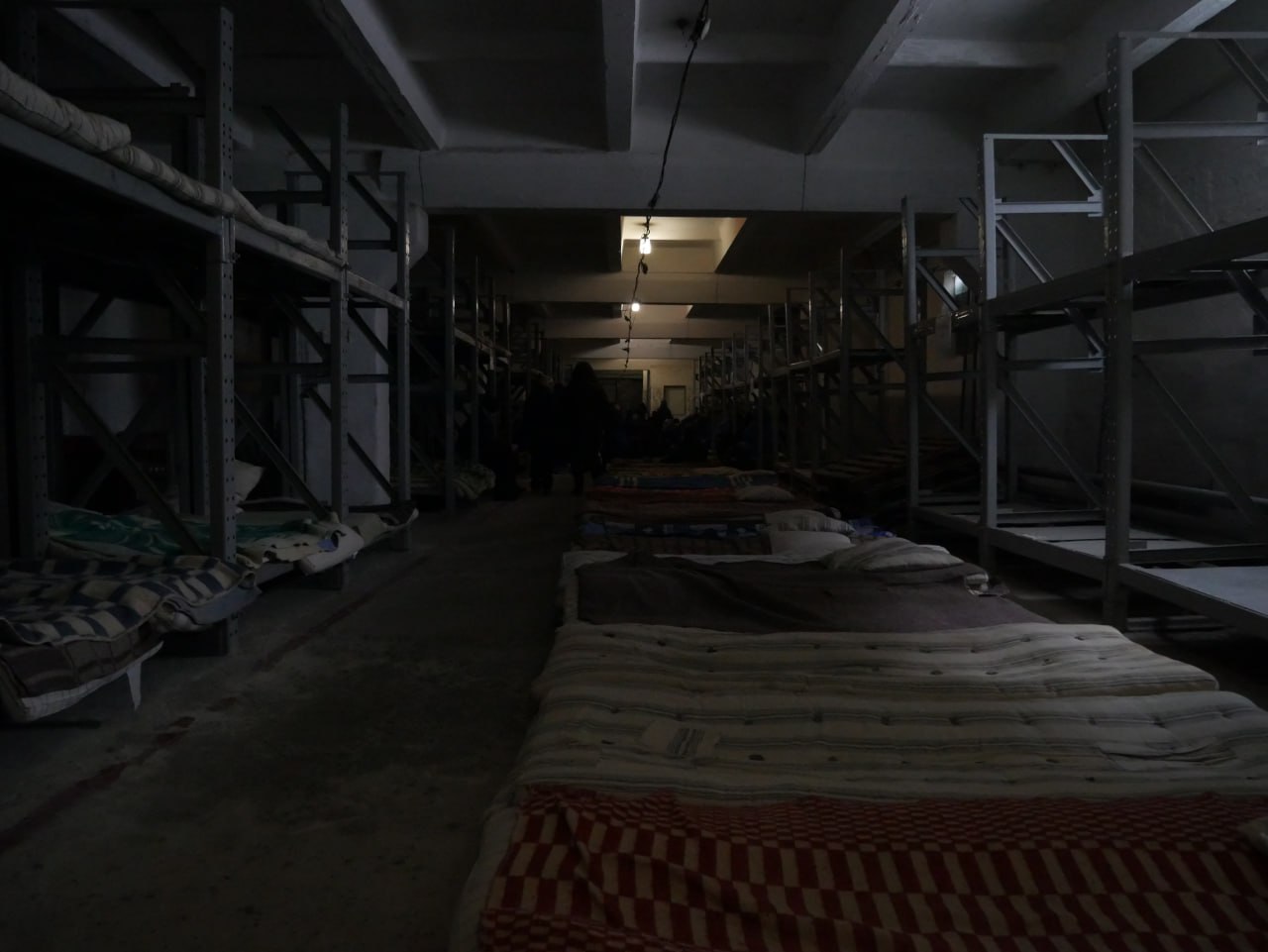
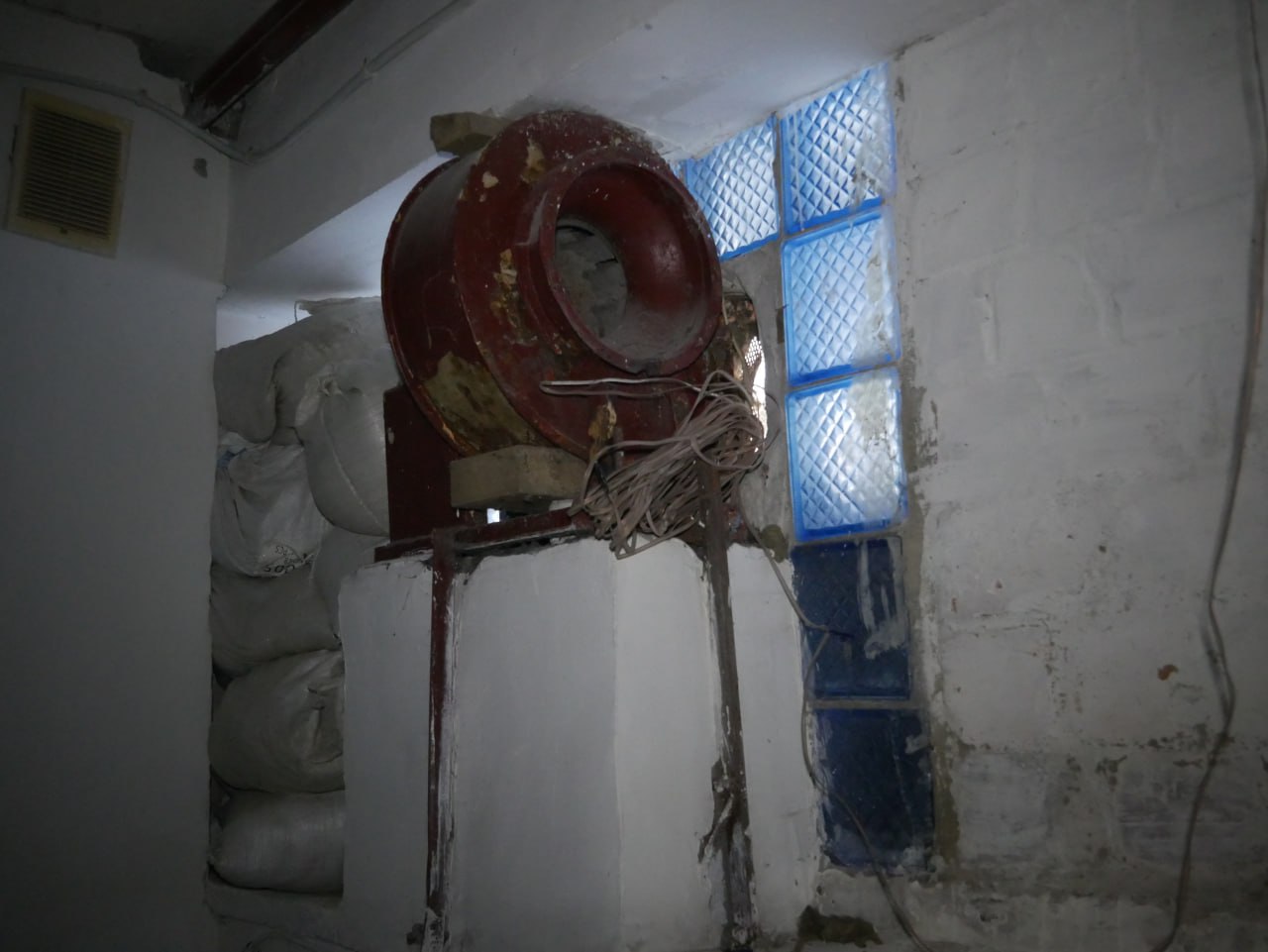
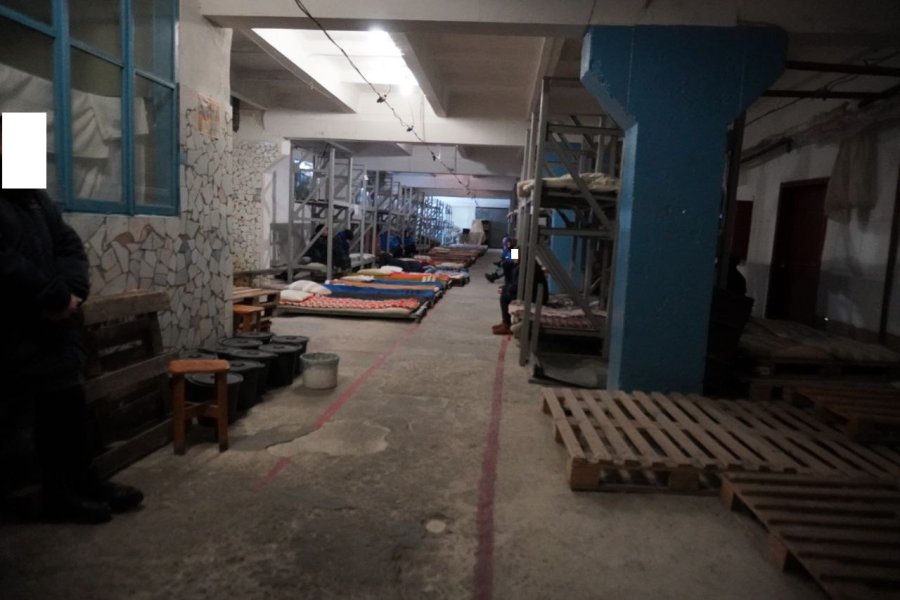
26. There are two shelters functioning in the institution — one is located in the industrial zone, the other in the residential part. The presence of shelters in a place of detention is a critically important element of ensuring the right to life and safety of convicts and personnel under martial law conditions. At the same time, during the inspection, a number of significant shortcomings in their technical condition were established.
The shelter located in the industrial zone is equipped with a second exit, which meets basic safety requirements regarding evacuation in the event of the main entrance being blocked. At the same time, it lacks a ventilation and sewage system. The lack of ventilation in a closed underground or semi-underground premise creates a risk of carbon dioxide accumulation, a decrease in oxygen levels, and the deterioration of the well-being of persons staying in the shelter, especially in the case of a prolonged stay.
In the absence of a sewage system, it is impossible to ensure proper sanitary and hygienic conditions, which could lead to a violation of the requirements regarding minimum standards for the treatment of persons held in custody. Such a state does not fully ensure safe conditions for staying in the shelter for the time necessary to respond to a threat.
The shelter located in the residential zone is equipped with a sewage system, which positively affects the possibility of maintaining sanitary conditions. At the same time, it does not have a second evacuation exit, which contradicts the main safety requirements for civil defence protective structures. In the event of damage to or blockage of the only entrance, the persons inside the shelter could find themselves in a situation of actual isolation without the possibility of evacuation. In addition, the ventilation system is in an unsatisfactory technical condition, showing signs of corrosion and physical wear, which casts doubt on its functionality and effectiveness in the event of a need for people to stay in the premise for a long time.
In accordance with Article 27 of the Constitution of Ukraine, the state is obliged to protect human life. Article 28 of the Constitution of Ukraine guarantees the right to respect for dignity and prohibits treatment that humiliates dignity. In the context of places of detention, these provisions mean the administration’s duty to ensure real, not formal, safety conditions during an air raid alert or other emergency situations. The Law of Ukraine “On the Legal Regime of Martial Law” and legislation in the field of civil defence provide for the duty of business entities and institutions to ensure the proper state of protective structures.
Under conditions of military threat, technical shortcomings of shelters, in particular the absence of ventilation, a second evacuation exit, or proper sanitary equipment, create a potential danger to the life and health of convicts. Particularly vulnerable is the situation in places of detention, where persons do not have the possibility to independently choose another way of protection or leave the territory.
Thus, the presence of two shelters formally ensures the possibility of responding to air raid alerts; however, their technical condition does not fully meet safety requirements and sanitary standards. It is necessary to bring both shelters into compliance with civil defence requirements, in particular by installing full ventilation, ensuring a second evacuation exit in the residential zone, and creating proper sanitary and hygienic conditions that will guarantee real protection of the life and health of persons held in the institution.
27. In the institution, the organisation of convicts’ labour is carried out through a branch of the state enterprise, production workshops, and economic maintenance services. According to information from the administration, at the time of the visit, 216 persons were involved in labour, all registered on the basis of fixed-term labour contracts. The largest number of workers is involved in the branch’s production facilities, where production-type work is performed. In the workshops, work is carried out on manufacturing products, which is confirmed by shift tasks, logbooks, and working time sheets. Economic maintenance services ensure the functioning of the institution itself, including cleaning, repair work, maintenance of premises, and other types of internal activity. The canteen functions separately, where 12 persons work, registered on a part-time basis (0.25 of a position).
At the same time, from the time sheets, work orders, and the actual work regime, it was established that individual canteen workers, in particular P., B., Sh., B., actually work a full working day from early morning until the afternoon or evening, six days a week. Such a work regime corresponds in duration to full-time employment, which does not align with registration on a part-time basis. Similar discrepancies between the actual performance of work and documentation are observed when comparing lists of those involved in labour, work orders, time sheets, and payrolls in different structural units.
Analysis of the texts of fixed-term labour contracts indicates their typical, formalised character. The contracts define the position, duration, and general duties, but there is a lack of proper specification of the working time regime, the duration of daily work, conditions for changing the schedule, the procedure for paying for overtime work, guarantees regarding the full accounting of worked time, and ensuring a minimum level of remuneration. The fixed-term nature of the contracts is applied universally to all workers without providing objective grounds that would make it impossible to establish labour relations for an indefinite period. Such an approach indicates the use of a fixed-term form as a general rule, which does not correspond to the content of labour legislation and narrows the guarantees of stability of labour rights.
The working time sheets provided for analysis are maintained manually and are characterised by the uniformity of the reflection of hours worked. In most cases, the same number of hours is recorded daily, without reflecting shift work, deviations, downtime, or overtime work. Some pages do not contain final calculations for the month, and the nature of the entries indicates a formal approach to accounting. When comparing time sheets with work orders and lists of those involved in labour, discrepancies were found in the reflection of actual employment.
Such a state of documentation does not ensure accurate accounting of actually worked time and does not allow for objectively verifying the correspondence of accrued wages to the real volume of work performed. Payrolls and payment instructions confirm that the accrual of wages is carried out based on the documented rate and the number of hours recorded in the time sheets. From the accrued amounts, personal income tax, military levy, and other deductions provided for by law are withheld.
At the same time, in cases of registration on a part-time basis with an actual full workload, the wage accrual base is understated. This directly affects the amount of the single social contribution paid from the declared income amount and the formation of insurance length of service. According to the data provided regarding the payment of the Single Social Contribution (SSC), the contribution is calculated in proportion to the actually declared wage, which, in the case of part-time employment, means the formation of an incomplete insurance month or a reduced amount of future social payments.
Specific examples established during the analysis of canteen documents demonstrate a systemic discrepancy between the real work regime and registered employment. Workers who actually work a full day with a six-day working week are accounted for as being employed on a part-time basis. The time sheets do not reflect the full duration of work, and the payrolls contain accruals corresponding to part-time employment. As a result, both the amount of wages and the base for the accrual of the SSC are understated, which affects the scope of social rights.
The combination of established circumstances indicates the presence of signs of a violation of the right to fair remuneration and the right to social protection. Formalised application of fixed-term contracts without proper justification, the discrepancy between actual employment and documented rate, inaccurate accounting of working time, and the understatement of the base for the accrual of the single social contribution indicate systemic risks of narrowing the labour guarantees of convicts.
These practices are not consistent with the provisions of Article 43 of the Constitution of Ukraine regarding the right to proper working conditions and remuneration, Article 46 of the Constitution of Ukraine regarding the right to social protection, Articles 21, 23, 56, 95 of the Labour Code of Ukraine, Article 3 of the Law of Ukraine “On Remuneration of Labour”, the Law of Ukraine “On Compulsory State Social Insurance”, as well as Articles 118—120 of the Penal Code of Ukraine, which provide for the organisation of convicts’ labour in compliance with labour legislation and the ensuring of their social guarantees.
Thus, the analysis of the provided documents indicates the need for bringing the organisation of labour in the institution into compliance with the requirements of labour and social legislation, ensuring accurate accounting of actually worked time, the correspondence of the rate to actual employment, full accrual of wages, and the formation of a full insurance service record for persons involved in labour.
Medical Unit No. 54 of the Branch of the State Institution “Centre for Healthcare of the State Penitentiary Service of Ukraine” in the Kharkiv and Luhansk Regions
Head of the Medical Unit (No. 54) of the branch of the State Institution “Centre for Healthcare of the State Penitentiary Service of Ukraine” in the Kharkiv and Luhansk Regions — Vita Mykhailivna Syta.
As of the day of the visit, there were no vacant positions in the medical unit’s staff. 3 persons were undergoing inpatient treatment.
During the monitoring visit, violations of national legislation requirements and non-compliance with international recommendations in the field of prisoner treatment were identified, leading to violations of the rights of convicted persons:
1. During the visit, the monitoring group established that the medical staff does not ensure the proper recording and documentation of bodily injuries of persons deprived of liberty. During the study of medical documentation, it was established that in the outpatient medical record 025/o, photographs of existing bodily injuries are not attached to the prepared medical reports, as provided for by point 3 of Section I of Chapter II of the Procedure for organising the provision of medical care to convicts sentenced to imprisonment, approved by the order of the Ministry of Justice of Ukraine, Ministry of Health of Ukraine dated 15 August 2014 No. 1348/5/572 (hereinafter — Procedure).
The language of the following text is Ukrainian. Make the most accurate translation of the text into literary British English. Correct grammatical and syntactical errors. Remove extra spaces before punctuation marks, and add a space after punctuation marks (if it's not there). Replace inverted commas with those used in typography specific to that language. Save all HTML markup as it is. If there are long passages of poetry, they should be highlighted with italics. If prohibited content is encountered in the text, it is possible to moderate the content to the point where the content is no longer prohibited.The poems are not to be translated, but left in the original. The output should be HTML text without adding any HTML tags missing in the source, so that when copying the result you can replace the source text without any edits:
Водночас Комітет у доповіді за наслідками візиту до України у 2023 році зазначає, що будь-які травматичні ушкодження, виявлені під час медичного огляду, мають бути детально сфотографовані, а фотографії разом зі схемами тіла — зберігатися в індивідуальній медичній картці особи (CPT/Inf (2024) 20) пункт 82).
2. У медичній частині не організовано проведення замісної підтримувальної терапії (далі — ЗПТ) осіб із психічними та поведінковими розладами внаслідок вживання опіоїдів відповідно до Порядку проведення замісної підтримувальної терапії осіб з психічними та поведінковими розладами внаслідок вживання опіоїдів, затвердженого наказом Міністерства охорони здоров’я України від 27.03.2012 року №200. Наркозалежним особам не забезпечується соціально-психологічний супровід, когнітивно-поведінкова терапія (КПТ), профілактика рецидивів, мотиваційне інтерв’ю, групи взаємодопомоги тощо.
Таким чином зазначені особи позбавлені можливості отримувати ЗПТ, що порушує їх право на вибір методів лікування відповідно до статті 38 Закону України “Основи законодавства України про охорону здоров’я”. Разом із тим Комітет у доповіді за наслідками візиту до України у 2023 році зазначає, що потрапляння до пенітенціарної установи є можливістю розвʼязати проблему, пов’язану з наркотиками, і тому важливо, щоб відповідна допомога була запропонована всім зацікавленим особам; отже, в усіх установах має бути доступне відповідне медичне обслуговування. Крім того, доступ до програм ЗПТ в установах повинен бути легкодоступним, а керувати ними повинні також пенітенціарні лікарі, які мають пройти спеціальну підготовку з питань, пов’язаних із вживанням наркотиків (CPT/Inf (2024) 20) пункт 86).
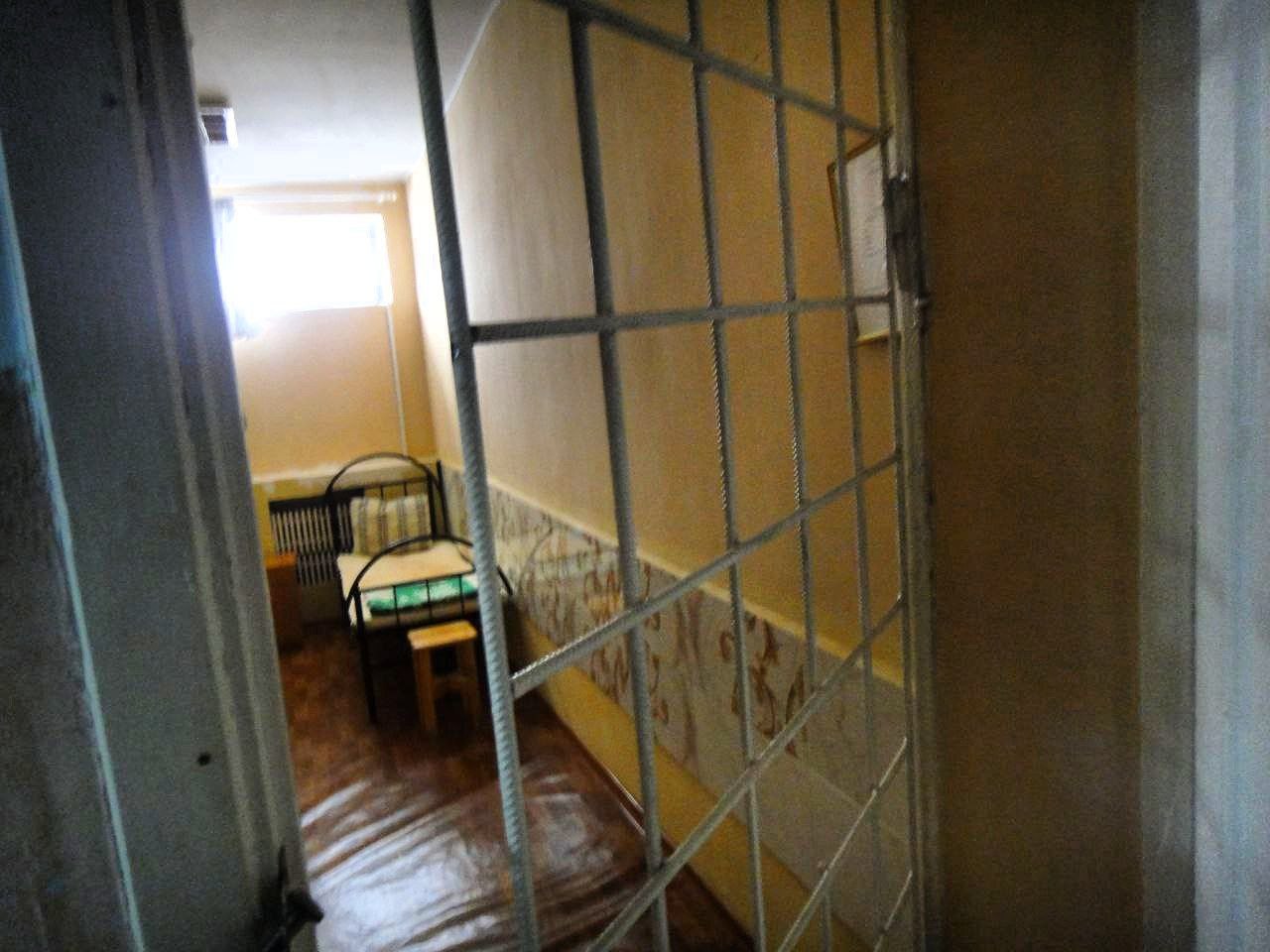
3. У порушення вимог пункту 9 Правил застосування фізичного обмеження та (або) ізоляції при наданні психіатричної допомоги особам, які страждають на психічні розлади, затверджених наказом Міністерства охорони здоров’я України від 24.03.2016 року №240, зареєстрованих у Міністерстві юстиції України 15.04.2016 року за №570/28700, пункту 8.3.4 Державних будівельних норм України В.2.2-10:2022 “Заклади охорони здоров’я” палата-ізолятор для осіб із розладами психіки не відповідає встановленим вимогам. Приміщення розраховане на перебування більш ніж однієї особи (на 2 особи), що суперечить принципам ізоляції. Вікна розташовані на значній висоті, є невеликого розміру, унаслідок чого природне світло практично не проникає до приміщення. Меблі мають гострі кути, що становить потенційну небезпеку для пацієнтів. Санітарний вузол не обладнаний достатніми перегородками, що унеможливлює приватність. Відсутній бак із питною кип’яченою водою.
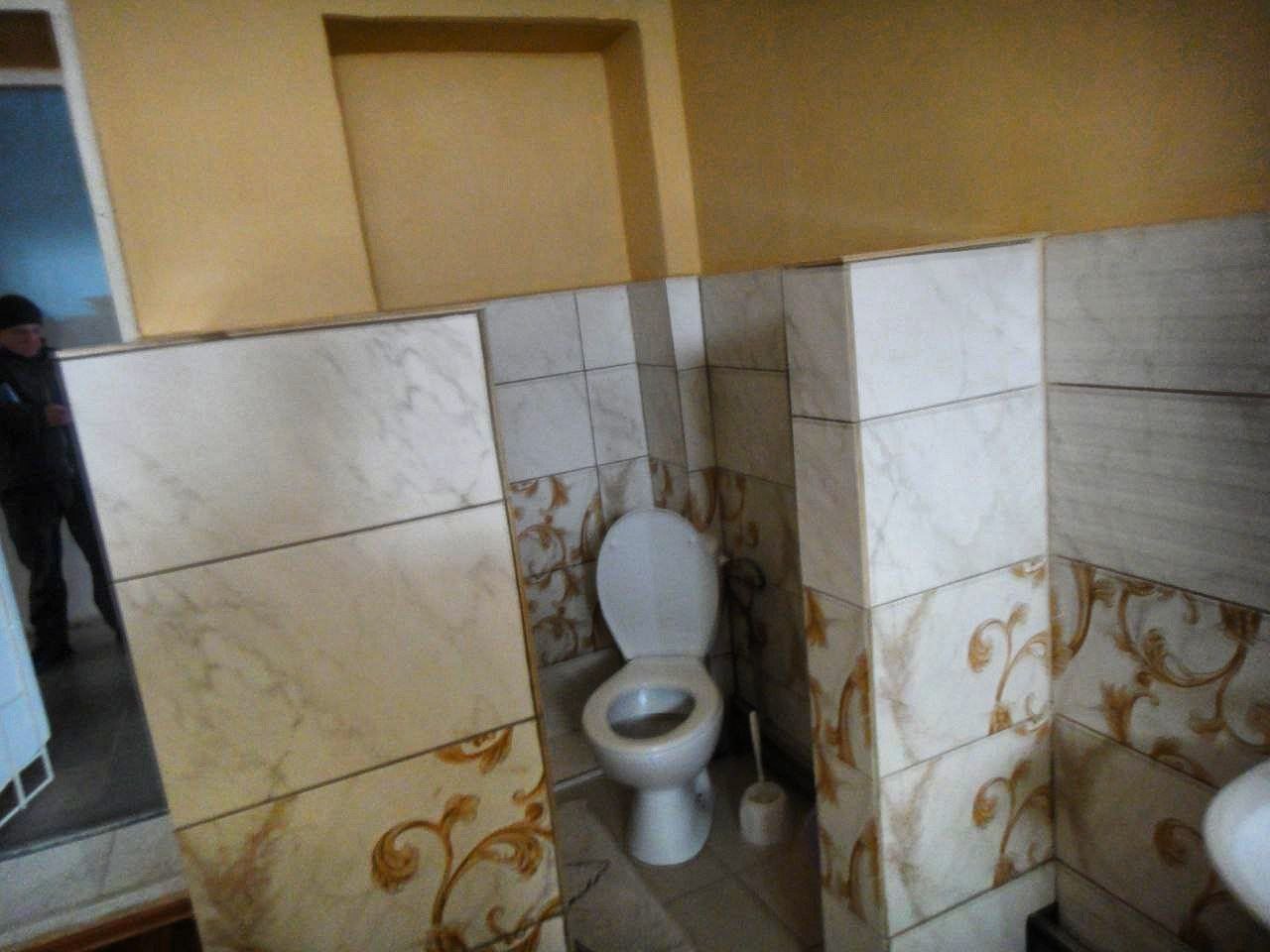
4. У порушення вимог Заходів та засобів щодо запобігання інфікування під час надання медичної допомоги пацієнтам, затверджених наказом Міністерства охорони здоров’я України від 03.08.2020 року №1777, у медичній частині установи обладнано лише один ізолятор для інфекційних хворих, що унеможливлює одночасне роздільне розміщення осіб із небезпечними інфекційними захворюваннями окремо одна від одної та від інших засуджених. Крім того, приміщення ізолятора не обладнане припливно-витяжною вентиляцією. Вікно має невеликий розмір, що не забезпечує достатнього рівня природного освітлення. Санітарний вузол не забезпечений достатніми перегородками, що не гарантує дотримання приватності. Також відсутній бак із кип’яченою питною водою.
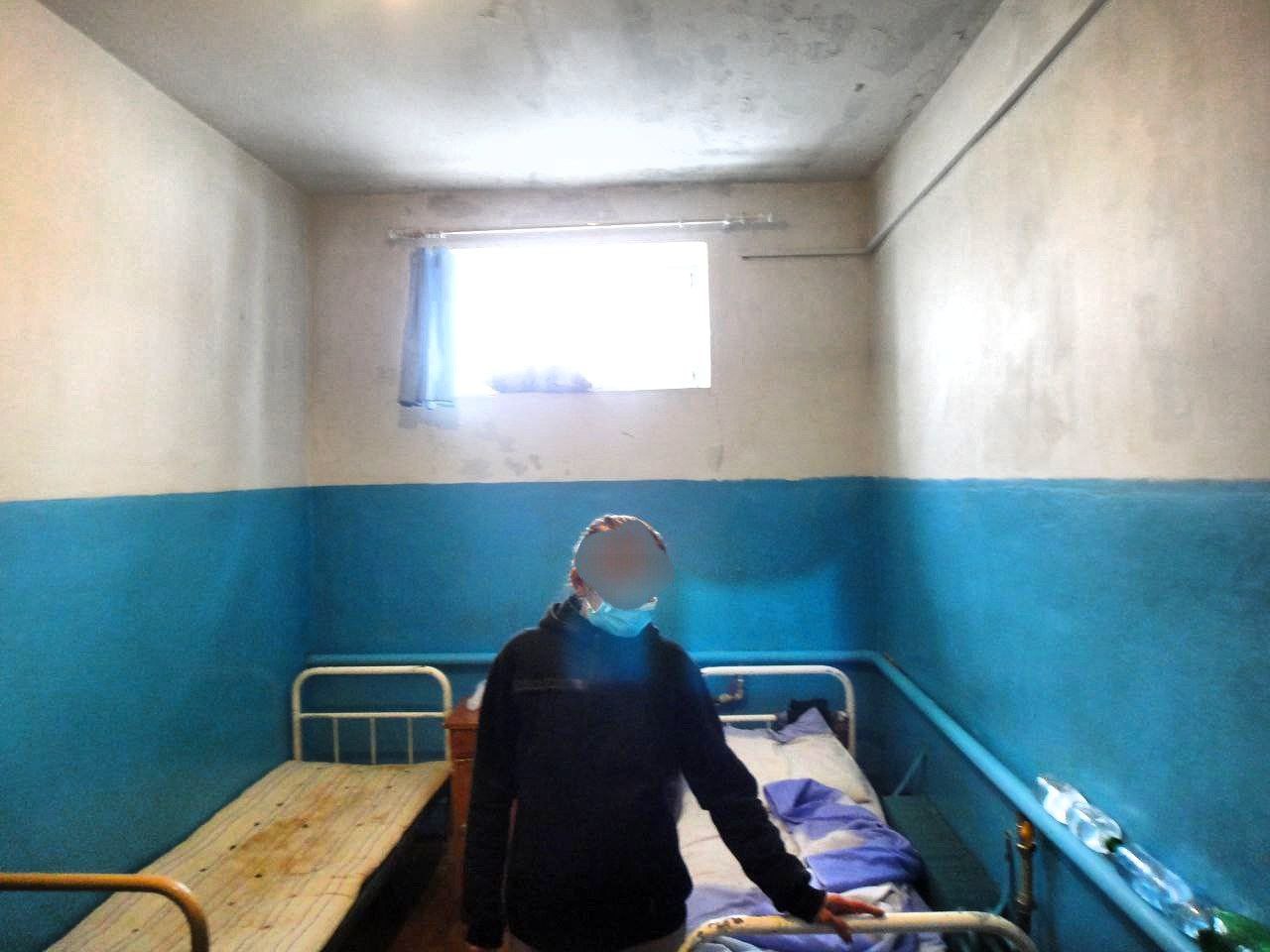
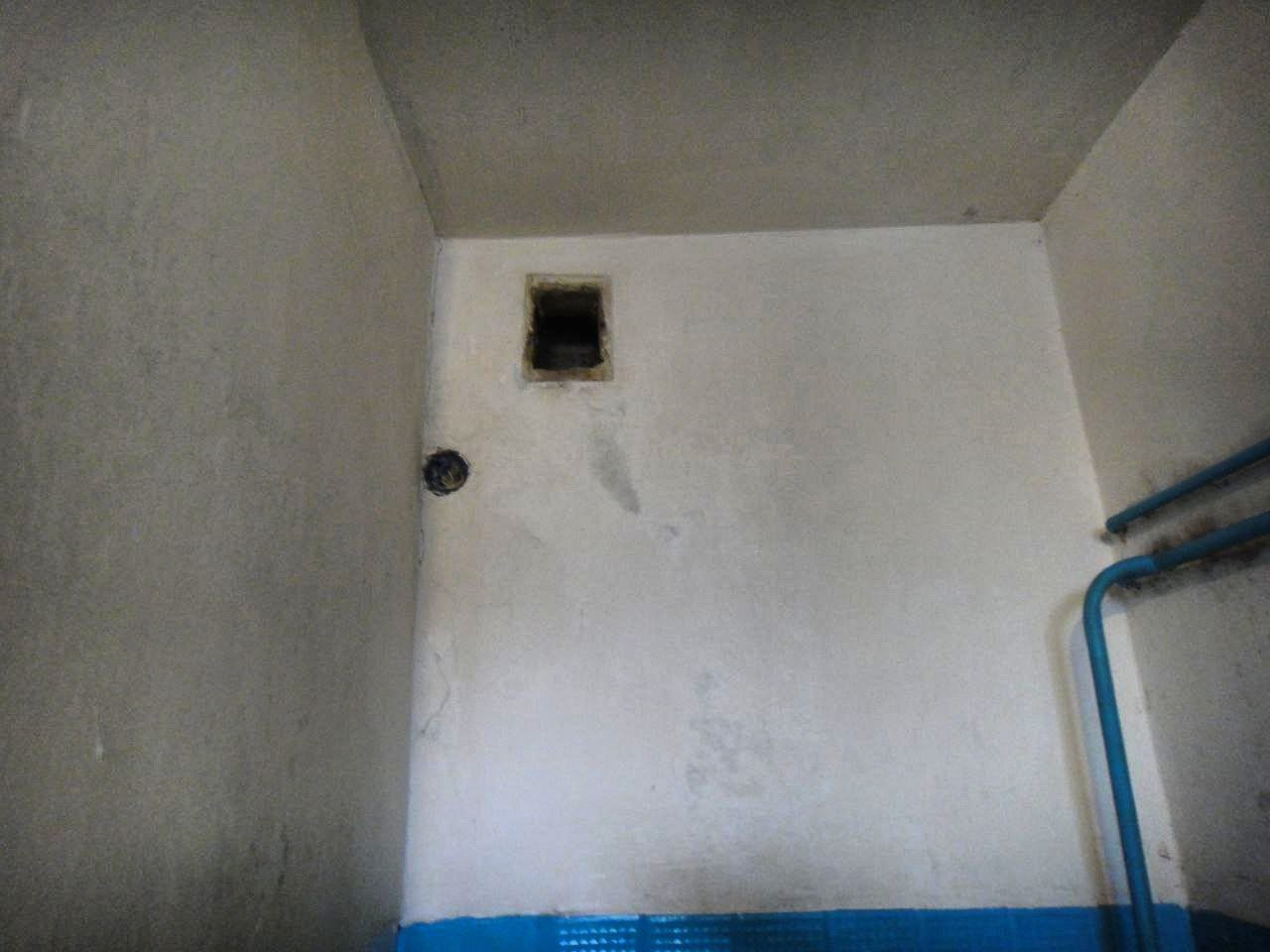
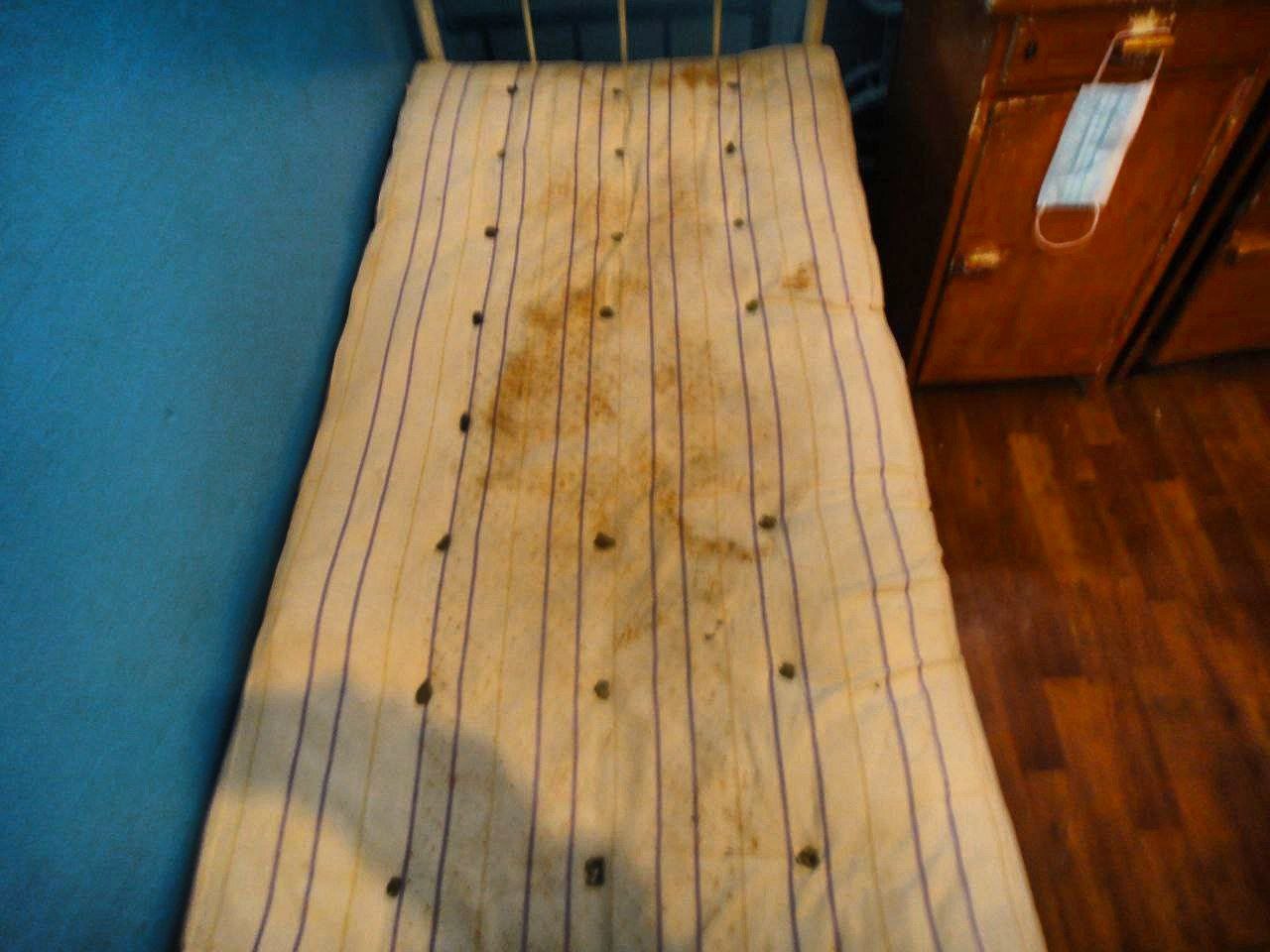
5. У порушення вимог Норми належності постільних речей, спеціального одягу та спеціального взуття (інвентарне майно) для засуджених, які проходять лікування у лікувально-профілактичних закладах, закладах на правах лікувальних та в медичних частинах при установах виконання покарань та слідчих ізоляторах, затверджених наказом Міністерства юстиції України від 20.02.2012 року №280/5, засуджені особи не отримують госпітальне майно (костюм, халат і капці госпітальні). Засуджені перебувають у стаціонарі у повсякденному одязі, іноді зі своєю постільною білизною. Окремі матраци потребують заміни.
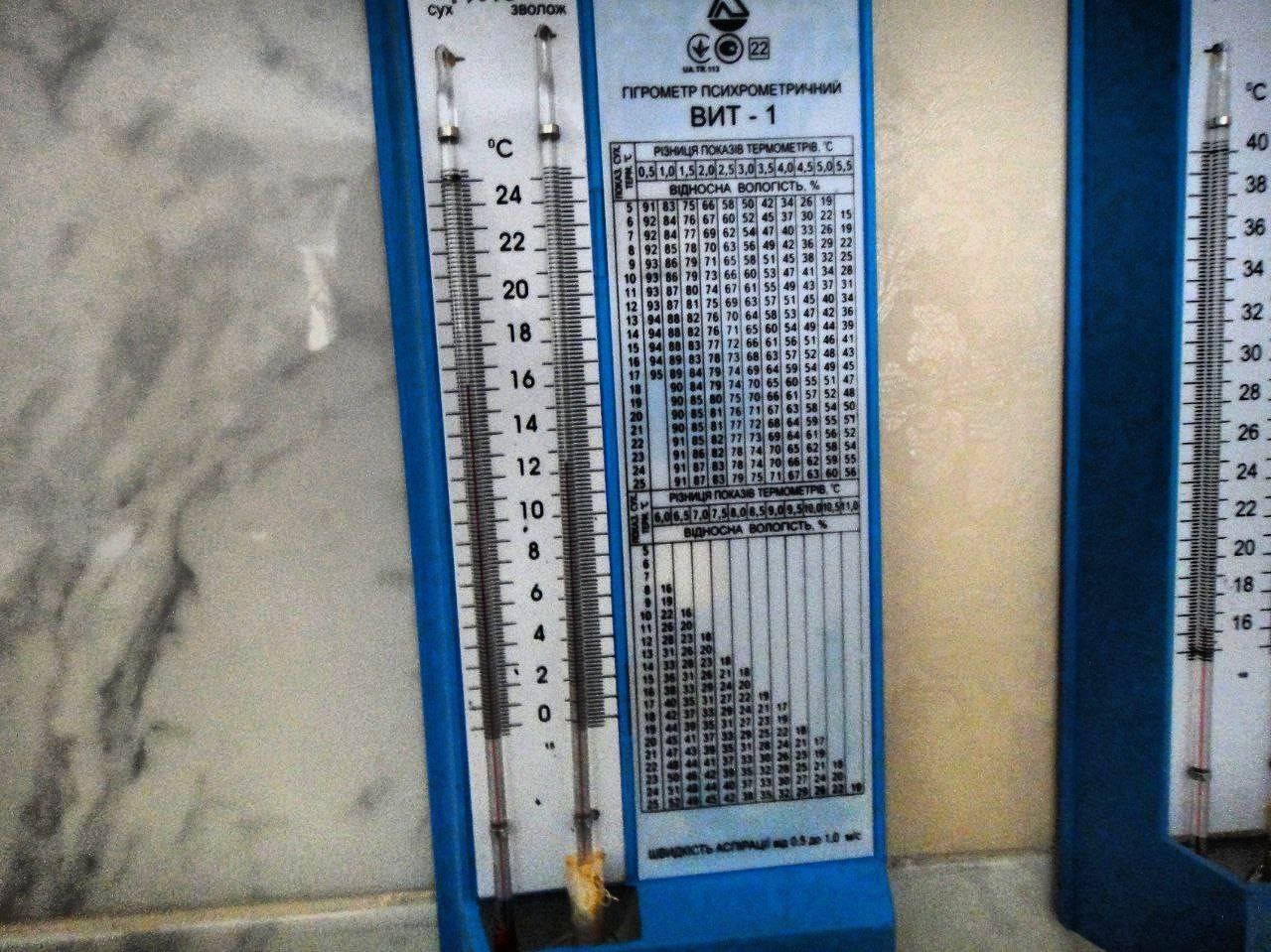
6. У медичній частині, зокрема у палатах та кабінетах лікарів, моніторинговою групою зафіксовано порушення температурного режиму. Так, на час перевірки температура повітря в окремих приміщеннях становила +16°C, що не відповідає вимогам розділу VI Державних санітарних норм і правил, затверджених наказом Міністерства охорони здоров’я України від 02.04.2013 року №259, та пункту 1 розділу XXII ПВР УВП, відповідно до якого у холодну пору року температура в жилих приміщеннях установ виконання покарань має підтримуватися на рівні не нижче +18°C.
7. У порушення вимог Стандартів медичної допомоги при ВГС у дорослих, затверджених наказом Міністерства охорони здоров’я України від 23.07.2025 року №1178, не всі особи (15 осіб станом на 21.01.2026 року) з підозрою на вірусний гепатит C проходять ПЛР-тестування, у зв’язку з чим вони не отримують необхідного лікування, що може призвести до погіршення стану їх здоров’я та поширення зазначеного інфекційного захворювання серед засуджених та ув’язнених осіб. Крім того, на день візиту в аптеці медичної частини були відсутні препарати для лікування вірусного гепатиту C.
8. Диспансерний нагляд здійснюється за 36 особами, які мають інвалідність. З них І групи — 0 осіб, II групи — 1 особа, III групи — 6 осіб. Разом із тим у порушення вимог Закону України “Про реабілітацію осіб з інвалідністю в Україні” особи з інвалідністю не отримують належних діагностичних, лікувальних і реабілітаційних заходів за наявності відомостей, що підтверджують стійке порушення функцій організму, обумовлених захворюваннями, наслідками травм, що спричиняють обмеження нормальної життєдіяльності.
Так, під час вивчення медичної документації засуджених встановлено, що у 1 особи, яка має інвалідність, відсутня індивідуальна програма реабілітації (далі — ІПР). Крім того, не виконуються рекомендації ІПР, у зв’язку з чим вона не отримує належних діагностичних, лікувальних і реабілітаційних заходів за наявності відомостей, що підтверджують стійке порушення функцій організму, обумовлених захворюваннями та наслідками травм, які спричиняють обмеження нормальної життєдіяльності.
9. У порушення вимог Державних будівельних норм України В.2.2-40:2018 “Інклюзивність будівель і споруд. Основні положення” у медичній частині не створено умов щодо утримання людей з інвалідністю.
10. У порушення пункту 37 постанови Кабінету Міністрів України від 02.03.2016 року №285 “Про затвердження Ліцензійних умов провадження господарської діяльності з медичної практики” у медичній частині відсутній висновок, що підтверджує вільний доступ до будівель та приміщень медичного закладу маломобільних груп населення, отримання якого є обов’язковим.
11. У порушення Порядку організації медичної допомоги на первинному, вторинному (спеціалізованому) та третинному (високоспеціалізованому) рівнях із застосуванням телемедицини, затвердженого наказом Міністерства охорони здоров’я України від 19.10.2015 року №681, персонал медичної частини через технічні обмеження позбавлений можливості надсилати запити на телемедичні консультації та отримувати фахову допомогу для надання медичних послуг засудженим.
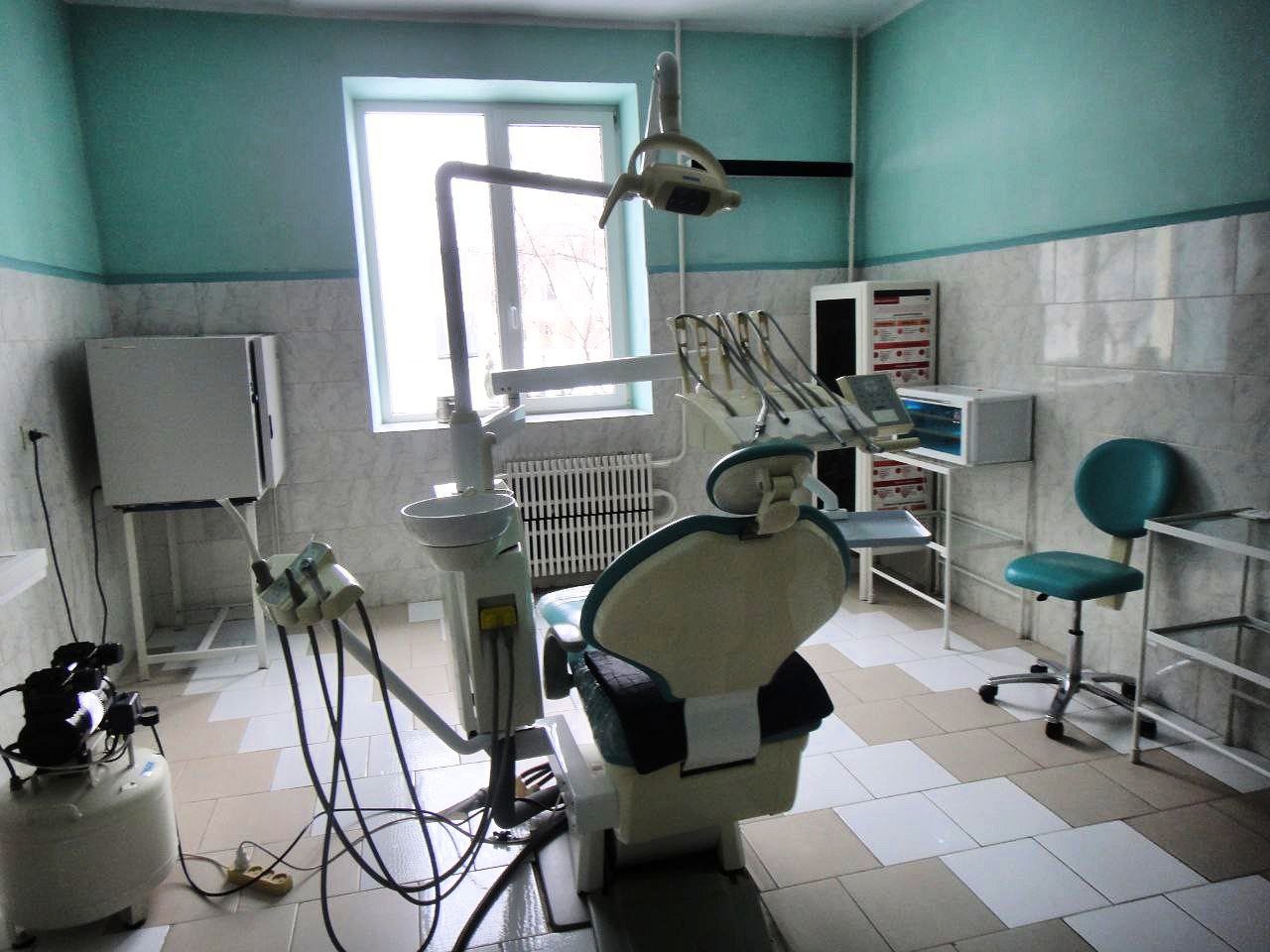
12. У порушення вимог Табеля оснащення обладнанням одного робочого місця лікаря-стоматолога та зубного техніка, затвердженого наказом Міністерства охорони здоров’я України від 11.04.2005 року №158, у медичній частині відсутній дентальний рентгенапарат, що унеможливлює проведення поглибленого стоматологічного обстеження засуджених та не забезпечує своєчасного надання належної стоматологічної допомоги.
13. Згідно з пунктом 7 глави III розділу II Порядку засуджені, які працюють на об’єктах харчування (крім робіт, пов’язаних із посадами продавців, завідувачів продовольчих та речових складів, комірників), переробної промисловості, у будинках дитини, закладах загальної середньої освіти, підрозділах професійної підготовки у спеціальних виховних колоніях, медичних частинах (фельдшерських пунктах) та лікарняних закладах ДКВС (крім робіт, пов’язаних із наданням медичної допомоги), пральнях, лазнях, кімнатах для тривалих побачень, гуртожитках, клубах, на об’єктах водозабезпечення та каналізації, дільницях розведення і вирощування тварин проходять обов’язкові попередні та профілактичні медичні огляди відповідно до постанови Кабінету Міністрів України від 23.05.2001 року №559 “Про затвердження переліку професій, виробництв та організацій, працівники яких підлягають обов’язковим профілактичним медичним оглядам, порядку проведення цих оглядів та видачі особистих медичних книжок”.
На кожного засудженого зазначеної категорії заводиться форма первинної облікової документації №1-ОМК “Особиста медична книжка”, затверджена наказом Міністерства охорони здоров’я України від 21.02.2013 року №150, зареєстрованим у Міністерстві юстиції України 23.04.2013 року за №662/23194.
Разом із тим під час перевірки особистих медичних книжок у засуджених, які працюють в їдальні, було встановлено, що цим працівникам не проводився огляд лікарем-отоларингологом, що порушує вимоги пункту 6 Правил проведення обов’язкових профілактичних медичних оглядів працівників окремих професій, виробництв та організацій, діяльність яких пов’язана з обслуговуванням населення і може призвести до поширення інфекційних хвороб, затверджених наказом Міністерства охорони здоров’я України від 23.07.2002 року №280 (у редакції наказу Міністерства охорони здоров’я України від 21.02.2013 року №150).
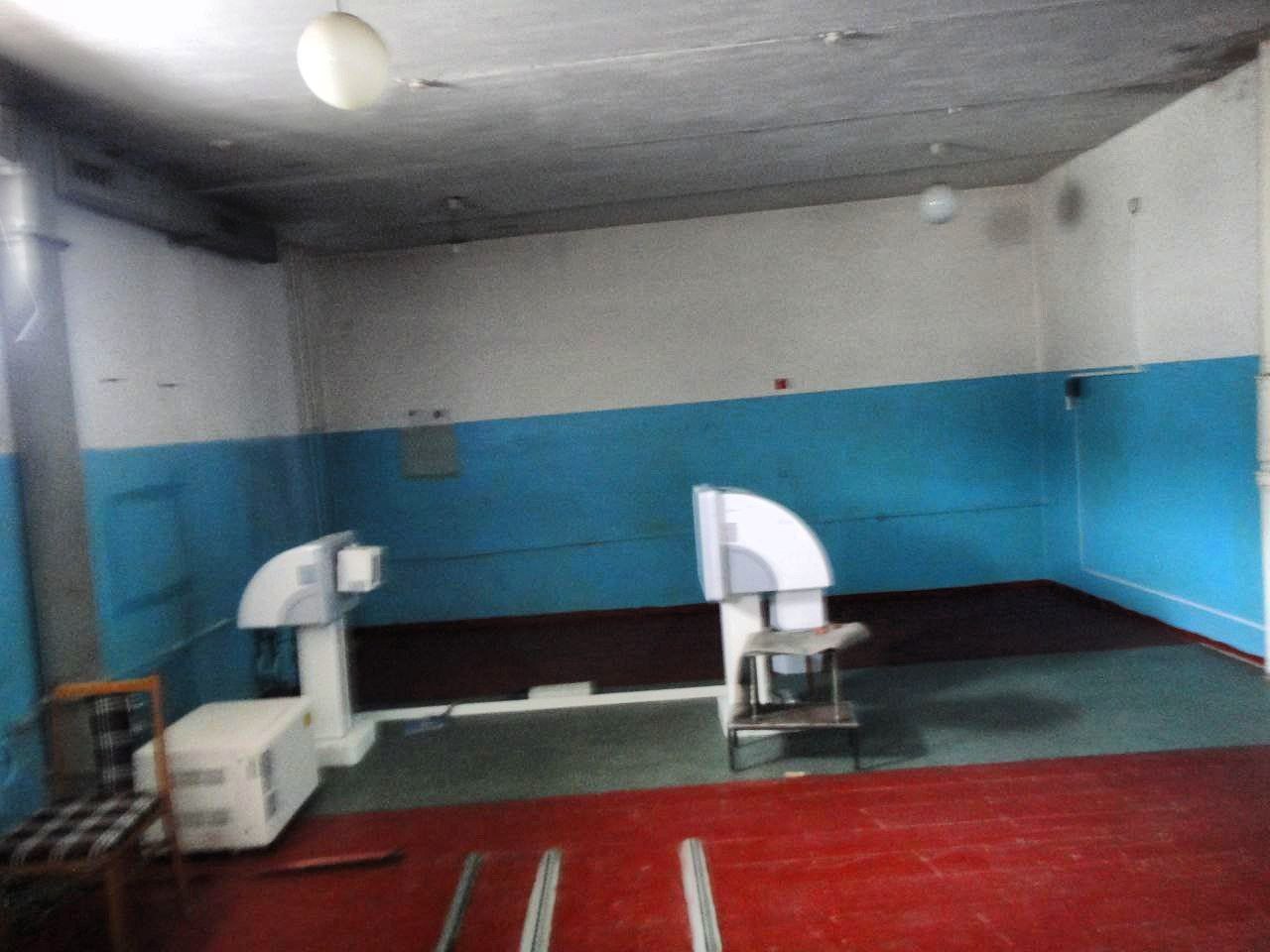
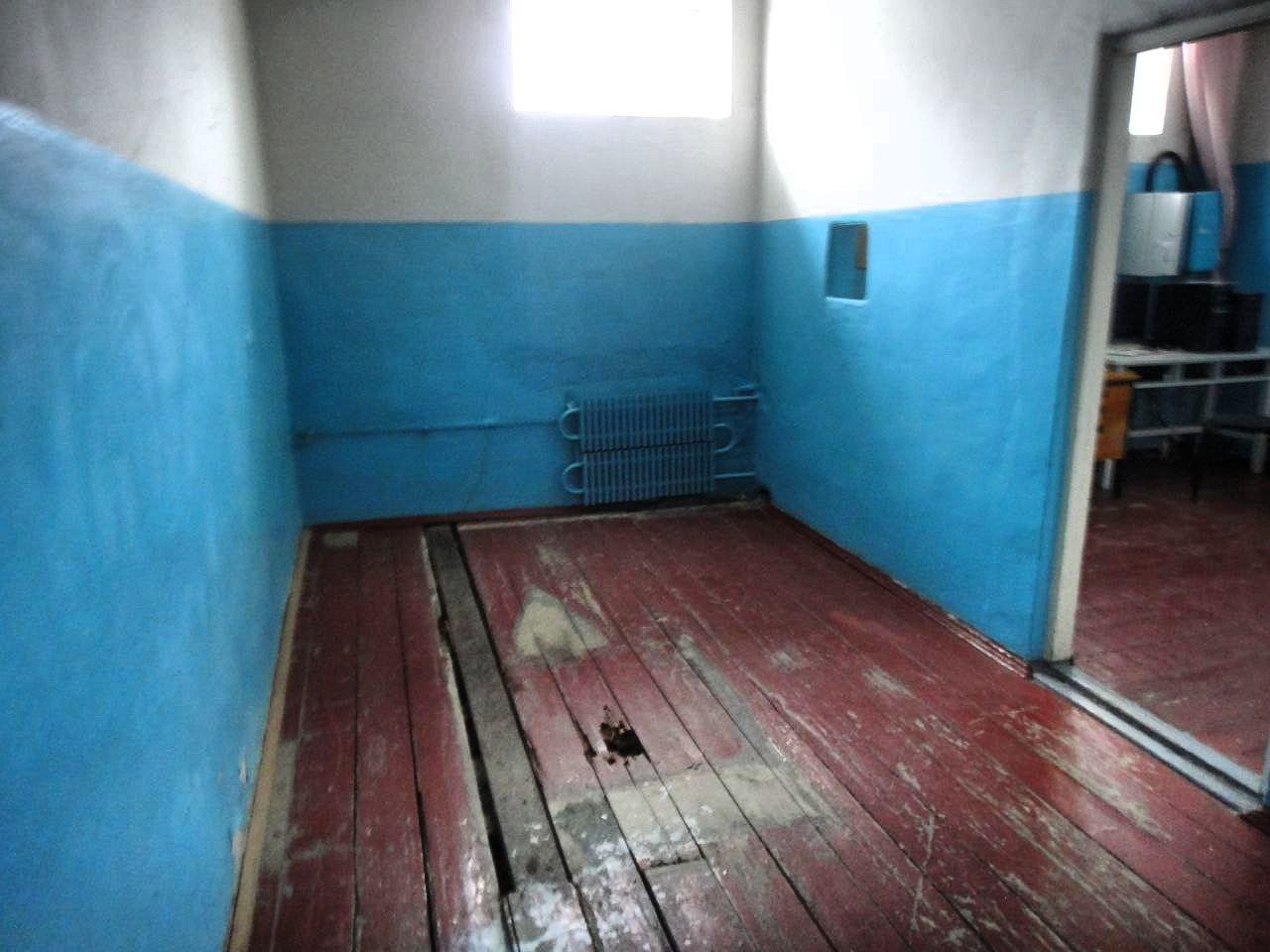
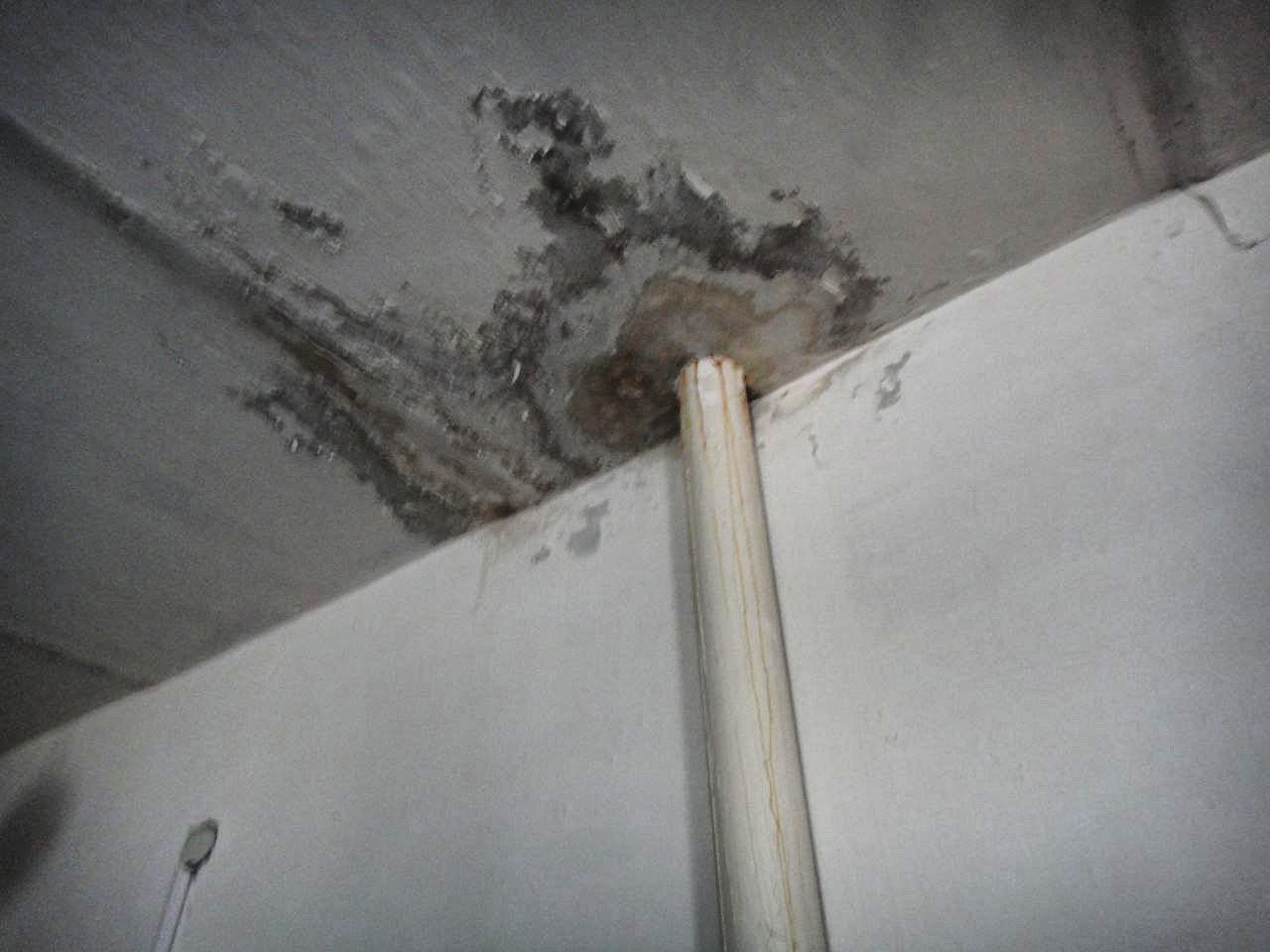
14. Приміщення для проведення рентгенологічних досліджень не відповідає вимогам розділу 2 Державних санітарних правил і норм “Гігієнічні вимоги до влаштування та експлуатації рентгенівських кабінетів і проведення рентгенологічних процедур”, затверджених наказом Міністерства охорони здоров’я України від 04.06.2007 року №294. Зокрема, приміщення перебуває у незадовільному технічному стані: на стелі наявні сліди протікань, на стінах — відшарування та осипання штукатурного покриття, дерев’яна підлога прогнила та місцями має наскрізні пошкодження (отвори).
Крім того, виявлено пошкоджену електричну розетку, а електропроводка експлуатується з порушенням вимог Правил пожежної безпеки в Україні, затверджених наказом Міністерства внутрішніх справ України від 30.12.2014 року №1417 (далі — Правила пожежної безпеки), — електродроти належним чином не ізольовані. Зазначені порушення створюють небезпечні умови експлуатації приміщення та можуть призвести до ураження осіб електричним струмом, виникнення пожежі й інших негативних наслідків, що становить загрозу життю та здоров’ю пацієнтів і персоналу медичної частини.
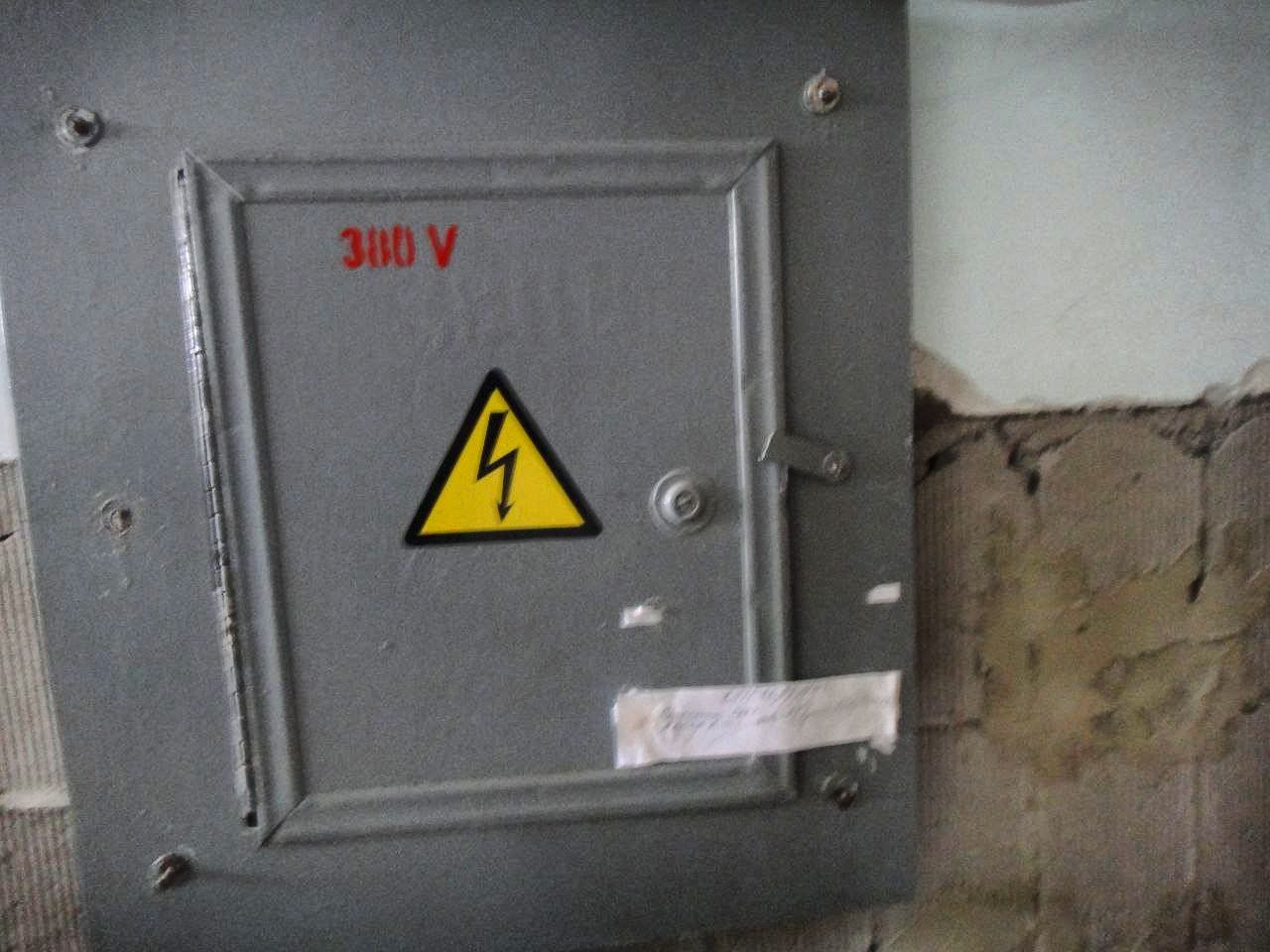
15. У порушення вимог підпункту 2.12 пункту 2 розділу III Правил пожежної безпеки двері електрощитової у холі медичної частини були не зачинені.
16. У порушення вимог Правил пожежної безпеки приміщення медичної частини не обладнані системами пожежогасіння та пожежної сигналізації.
Рекомендації:
1. Забезпечити роздільне тримання різних категорій засуджених у дільниці КДіР відповідно до ч. 5 ст. 92 КВК України, виключити змішування категорій під час первинного розміщення та переміщень.
2. Розробити і затвердити внутрішній алгоритм приймання новоприбулих із чіткою фіксацією всіх етапів розміщення, медичного огляду, психологічної оцінки, санітарної обробки та інформування про права і правила.
3. Припинити практику поміщення довічно засуджених до ізолятора для осіб із психічними розладами в медичній частині як форми первинного розміщення, забезпечити їх розміщення виключно у передбаченому законом порядку і приміщеннях.
4. Забезпечити належну роботу робочої групи КДіР, виконання вимоги щодо щотижневого відвідування КДіР кожним членом групи та обов’язкове внесення записів до журналу.
5. Припинити організацію виробничої діяльності у приміщеннях КДіР та систематичне залучення новоприбулих до робіт протягом 14 діб, забезпечити відповідність перебування у КДіР його функціональному призначенню.
6. Облаштувати у КДіР відсутні приміщення, передбачені Нормами забезпечення, зокрема кімнату для зберігання харчових продуктів, кімнату обмінного фонду, комору для тимчасового зберігання брудних речей.
7. Забезпечити житлові приміщення КДіР баками для питної води встановленої ємності та комплектації і організувати регулярне поповнення питної води.
8. Усунути порушення температурного режиму у КДіР, забезпечити підтримання температури не нижче +18°C у холодну пору року, організувати щоденний контроль температури з фіксацією.
9. Переглянути практику відеоспостереження у житлових приміщеннях, застосовувати його лише за наявності індивідуальної оцінки ризиків, з визначенням строків та регулярним переглядом підстав, оформлювати рішення письмово.
10. Припинити розміщення поіменних карток з описом злочинів на дверях камер довічно засуджених, усунути стигматизуючу інформацію.
11. Поліпшити умови тримання у ДІЗО/ПКТ, забезпечити належний рівень природного освітлення та заходи, що мінімізують ізоляцію від зовнішнього середовища.
12. Обладнати санвузли у ДІЗО/ПКТ перегородками, які забезпечують приватність, та забезпечити належний санітарний стан і регулярні заходи дезінсекції.
13. Відновити роботу радіофікації у камерних приміщеннях ДІЗО/ПКТ і забезпечити її стабільне функціонування.
14. Забезпечити щоденне відвідування ДІЗО/ПКТ медичним працівником з обов’язковими відмітками у журналі, у разі пропусків запровадити контроль і заміщення для недопущення повторення.
15. Привести прогулянкові дворики у відповідність до потреб фізичної активності, збільшити корисну площу там, де це можливо, та провести ремонт двориків і покриття.
16. Забезпечити щоденний відбір і зберігання добових проб усіх страв із дотриманням температурного режиму та веденням належного обліку, організувати внутрішній контроль за наявністю проб.
17. Забезпечити наявність у крамниці установи предметів першої необхідності згідно з додатком 5 до ПВР УВП та запровадити контроль за асортиментом і поповненням.
18. Припинити відеофіксацію нагрудними реєстраторами під час особистих обшуків із роздяганням, провести інструктаж персоналу та забезпечити контроль за дотриманням заборони.
19. Відновити роботу дезінфекційної камери або забезпечити альтернативний механізм дезінфекції і дезінсекції постільних речей та одягу з належним документуванням.
20. Забезпечити проведення санітарної обробки всіх новоприбулих з обов’язковою фіксацією у книзі відвідування лазні та контролем відповідальних посадових осіб.
21. Відновити роботу примусової припливно-витяжної вентиляції у пральні, провести ремонт і технічний контроль її функціонування.
22. Забезпечити приховане носіння спеціальних засобів персоналом під час прямого контакту із засудженими та провести інструктаж щодо стандартів динамічної безпеки і деескалації.
23. Організувати системну роботу з оформлення документів засуджених, які їх не мають, скласти план-графік оформлення паспортів та РНОКПП із визначенням відповідальних осіб і строків, забезпечити індивідуальний супровід.
24. Переглянути практику короткострокових побачень, забезпечити проведення відкритих побачень як правила, а безконтактних — як винятку лише за вмотивованими рішеннями після індивідуальної оцінки ризиків, забезпечити облік таких рішень.
25. Вжити заходів для укомплектування штату та посилення присутності персоналу в житлових зонах, переглянути графіки служби з метою поетапного припинення 24-годинних змін.
26. Забезпечити реальність і доступність користування планшетами та електронною поштою, усунути розрив між задекларованими можливостями і фактичним станом, забезпечити підключення в дільницях СПС або інше реальне рішення для індивідуального доступу.
27. Розширити доступ до Інтернету, збільшити кількість робочих місць та забезпечити використання мережі не лише для відеодзвінків, а й для доступу до дозволених інформаційних, освітніх і державних онлайн-ресурсів.
28. Запровадити окремий журнал обліку користування Інтернетом із фіксацією часу, тривалості.
29. Привести обидва укриття у відповідність до вимог безпеки: в укритті промислової зони забезпечити вентиляцію і санітарні умови, в укритті житлової зони забезпечити другий евакуаційний вихід та відновити справну вентиляцію.
30. Розробити і відпрацювати план реагування на повітряні тривоги із визначенням маршрутів, місткості укриттів, порядку евакуації та відповідальних осіб, провести навчання персоналу і засуджених.
31. Привести організацію праці у відповідність до фактичної зайнятості, не допускати оформлення на неповну ставку при фактичній повній зайнятості, забезпечити коректний облік робочого часу.
32. Переглянути практику універсального застосування строкових трудових договорів, застосовувати строковість лише за наявності обґрунтованих підстав, у договорах конкретизувати режим праці, оплату, надурочні роботи та гарантії обліку.
33. Забезпечити повноцінне нарахування заробітної плати та ЄСВ відповідно до фактично відпрацьованого часу і реальної зайнятості, щоб не занижувався страховий стаж і соціальні права засуджених.
34. Вжити заходів, спрямованих на усунення виявлених порушень прав людини та недопущення катувань, інших жорстоких, нелюдських або таких, що принижують гідність, видів поводження та покарання у медичній частині №54 філії Державної установи “Центр охорони здоров’я Державної кримінально-виконавчої служби України” у Харківській та Луганській областях.
35. Забезпечити контроль за належним веденням медичної документації відповідно до Порядку організації надання медичної допомоги засудженим до позбавлення волі, затвердженого спільним наказом Міністерства юстиції України та Міністерства охорони здоров’я України від 15.08.2014 року №1348/5/572, та інших нормативно-правових актів.
36. Забезпечити своєчасну та належну фіксацію тілесних ушкоджень у засуджених.
37. Забезпечити можливість отримання замісної підтримувальної терапії на підставі діагнозу психічних та поведінкових розладів внаслідок вживання опіоїдів.
38. Забезпечити обладнання необхідної кількості ізоляторів для інфекційних хворих.
39. Забезпечити обладнання ізолятора для осіб із розладами психіки та поведінки відповідно до вимог.
40. Забезпечити медичну частину госпітальним майном (костюм, халат та капці госпітальні).
41. Привести умови праці медичних працівників у відповідність до вимог законодавства у сфері охорони здоров’я та охорони праці.
42. Забезпечити всім особам з підозрою на ВГС доступ до ПЛР-тестування у найкоротші терміни та організувати необхідне противірусне лікування для осіб із підтвердженим діагнозом.
43. Забезпечити проведення індивідуальної реабілітації осіб, які її потребують.
44. Забезпечити доступність будівель установи відповідно до Державних будівельних норм України В.2.2-40:2018 “Інклюзивність будівель і споруд. Основні положення”.
45. Забезпечити належну роботу телемедичного комплексу для здійснення запитів лікарями на телемедичне консультування.
46. Забезпечити медичну частину дентальним рентгенапаратом та необхідним обладнанням для проведення повноцінного стоматологічного обстеження і лікування.
47. Виконати вимоги пункту 37 постанови Кабінету Міністрів України від 02.03.2016 року №285 “Про затвердження Ліцензійних умов провадження господарської діяльності з медичної практики”.
48. Забезпечити наявність у всіх працівників їдальні особистих медичних книжок та повного комплексу передбачених Порядком медичних обстежень, необхідних для їх допуску до роботи на об’єктах харчування.
49. Усунути виявлені недоліки приміщення для рентгенологічних досліджень.
50. Усунути порушення вимог пожежної безпеки.