Report on the findings of a monitoring visit to State Institution “Dikaniivska Penal Colony (No. 12)”
On 21 February 2019, a monitoring group of the Kharkiv Human Rights Protection Group, consisting of lawyers Maksym Reviakin and Olena Richko, visited the residential zone and the canteen premises of the State Institution “Dikaniivska Penal Colony (No. 12)”.
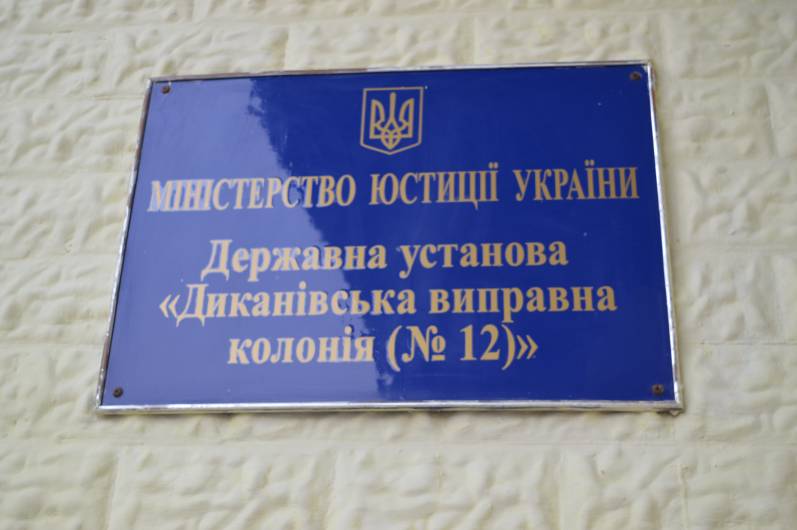
At present, the State Institution “Dikaniivska Penal Colony (No. 12)” is a medium-security correctional facility (for holding men convicted for the first time for a fixed term of imprisonment), with a planned capacity of 1,482 persons.
At the time of the visit, 613 inmates were being held in the institution, about half of whom work under employment contracts in the industrial zone of the institution. 45 people have already been released from the institution during the current year (2019).
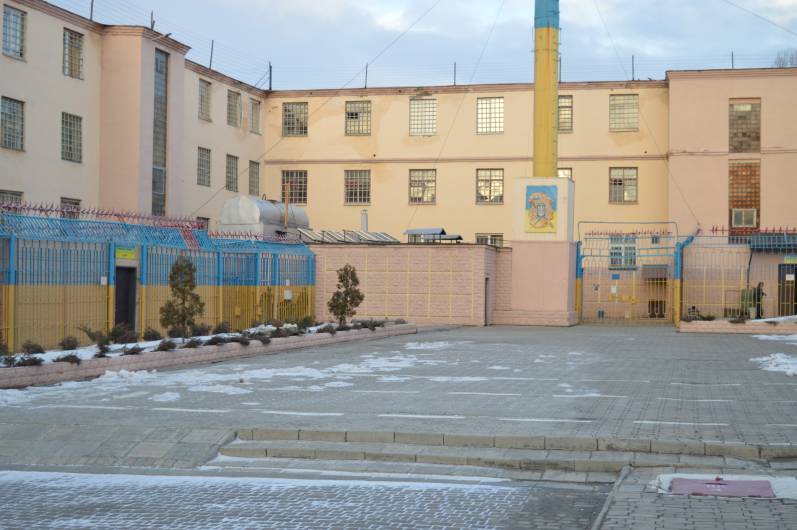
Location
The institution is located in the city of Kharkiv, at 1 Leliukivska Street. It is built in a marshy area, and access to the institution is difficult. There is no asphalt road. The road is broken up by vehicles transporting metal structures from the metal warehouses located nearby.
Residential Zone
Members of the monitoring group visited the units where the inmates are held. At the time of the visit, it was warm in all the units. The air temperature exceeded 20 degrees Celsius.
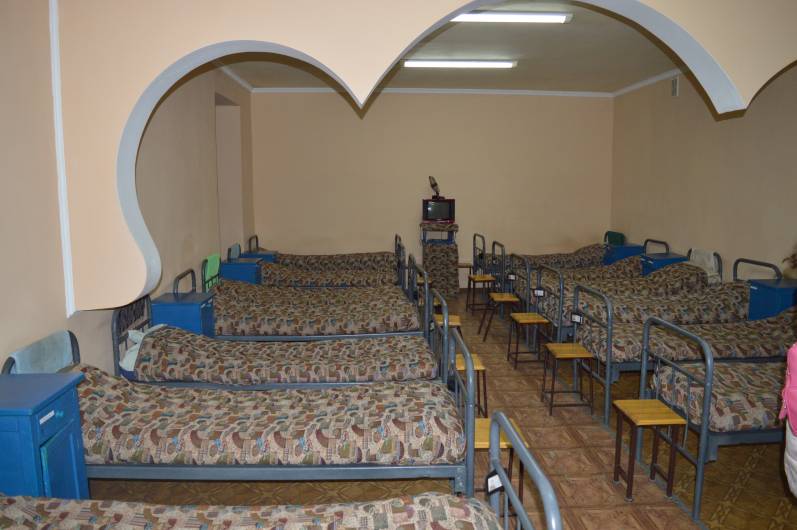
The living quarters are renovated, the beds are single-tier, the bedrooms are clean, and the inmates have the opportunity to ventilate the rooms themselves.
The bathrooms are also clean, there is no unpleasant odour, and the plumbing is new and white. The squat toilets are separated by sufficiently high partitions.
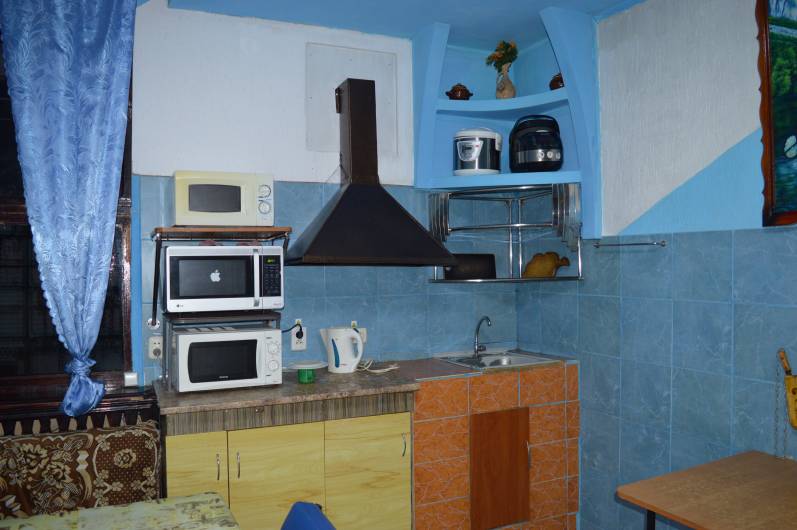
The eating rooms are also clean and warm. There are tanks with boiled drinking water, microwave ovens, multicookers, and exhaust hoods. Each inmate has a separate small locker for storing their own dishes and food products.
Kitchen and Canteen
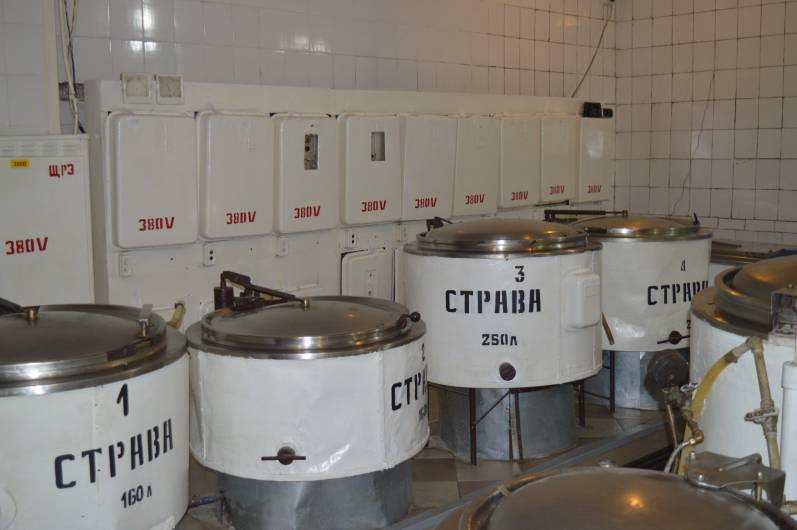
The monitors also visited the institution's canteen and inspected the kitchen premises. The kitchen is clean; dinner was being prepared at the time of the visit. For dinner—fried fish and vegetable stew. The stew had an edible smell, and in taste—it was not raw, slightly undersalted, which is the norm for penal institutions. In the auxiliary kitchen premises—warehouses and workshops—it is clean, and there are no foreign unpleasant odours. In one of the rooms, several inmates were voluntarily cleaning vegetables.
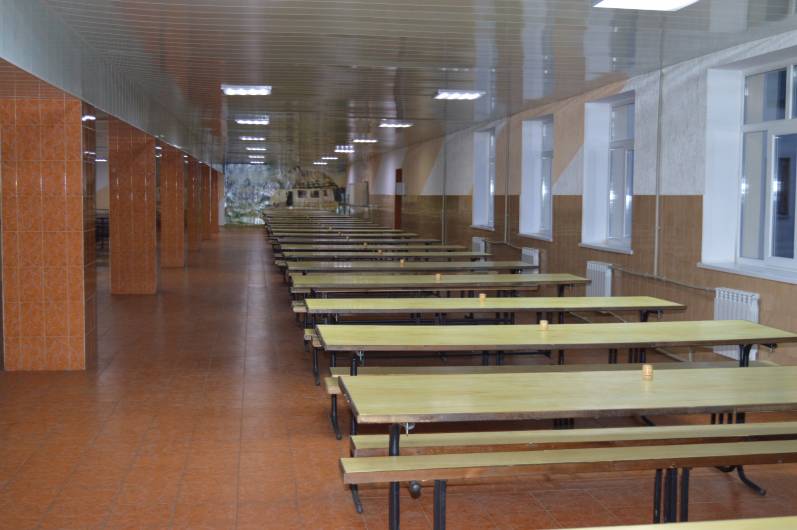
The canteen premises are simple and spacious; there are check scales on the distribution line, the menu was empty at the time of the visit, and the administration assured that they display the menu immediately before dinner. There was no salt in all the salt shakers.
The washbasins in the canteen are working, and there is only cold water. There was also soap.
Shop
The monitors had the opportunity to visit the shop, which is set up like a mini-market where inmates can choose goods themselves. Prices are at market level, and the range is quite wide. Inmates have the opportunity to pay for goods with a bank card or deduct money from their personal account.
Visits
The rooms for long-term visits look better than the rooms in some hotels. The rooms are divided into 3 categories depending on comfort and cost between 50 and 100 UAH. In the 2nd and 3rd category rooms (“semi-suite” and “suite”), there is a TV, bathroom, and kitchen with modern appliances. In the 1st category rooms (“standard”), there is no TV, and the bathroom and kitchen are shared and located on the floor. Also, in the institution, there is a room for short-term visits with an area of about 3x2 m² with a pleasant interior and a comfortable sofa.