Report on the results of a monitoring visit to the State Institution ‘Dykanska Correctional Colony (No. 12)’
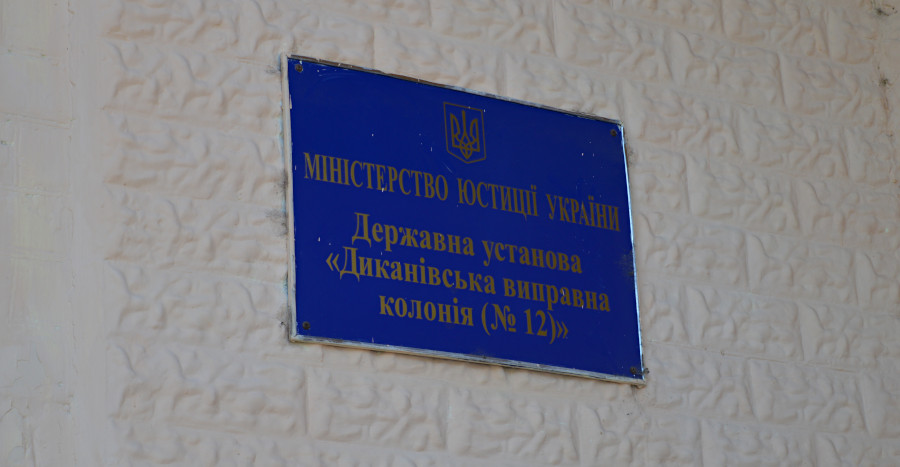
On 5 July 2019, a monitoring team from the Kharkiv Human Rights Protection Group, consisting of Volodymyr Hlushchenko, Hanna Ovdiienko, and Maksym Reviakin, visited the State Institution ‘Dykanska Correctional Colony (No. 12)’.
At the time of the visit, 645 convicted persons were being held in the institution, 403 of whom were working under employment contracts. During 2019, 156 people were released from the institution.
During the visit to the institution, the monitoring team inspected the DIZO/PKT sector, the high-security ward, the quarantine, diagnostic and distribution ward, the medical unit, and the colony administration offices.
DIZO/PKT Sector
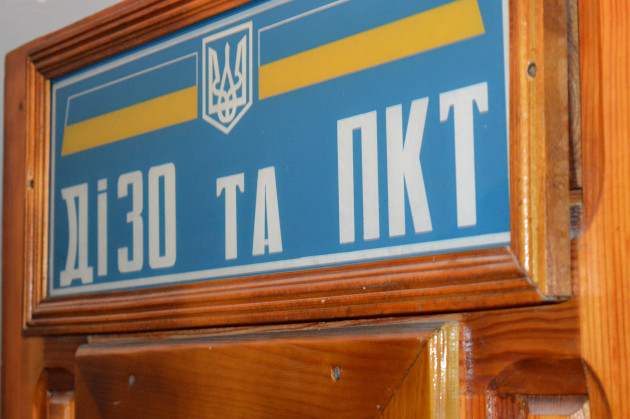
Initially, the monitors visited the DIZO/PKT sector, where four convicted persons were being held.
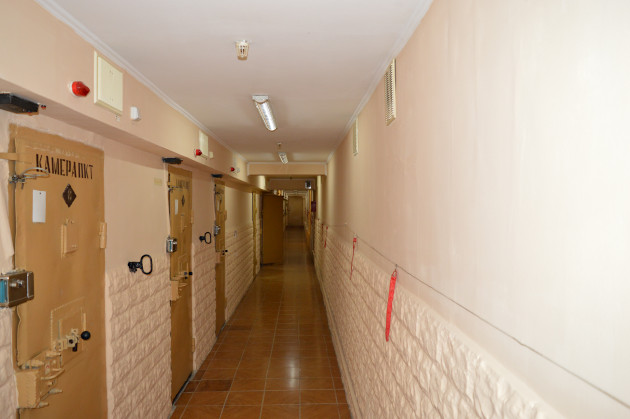
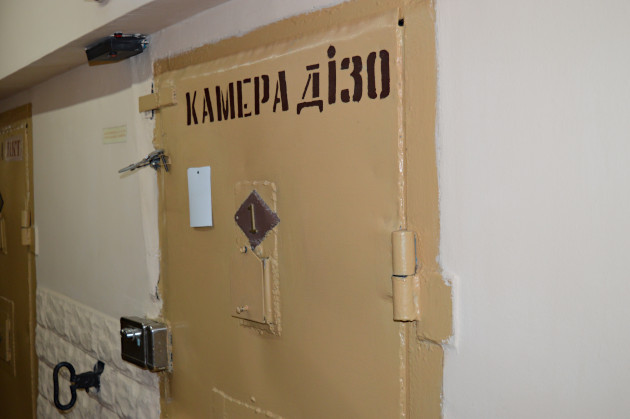
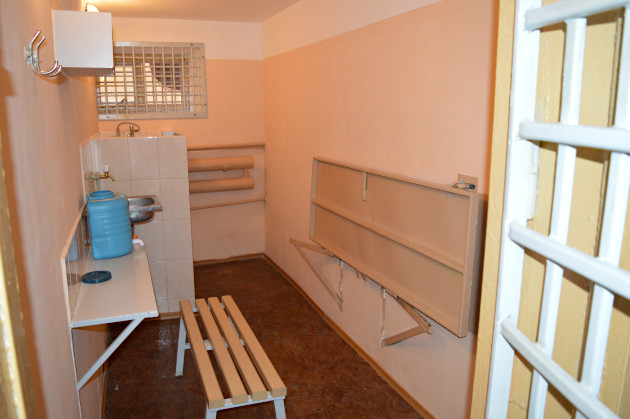
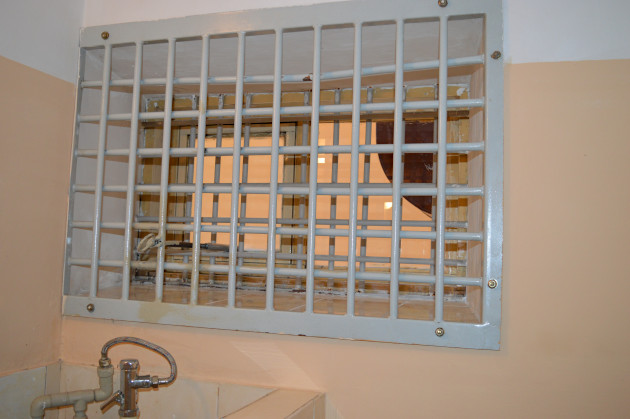
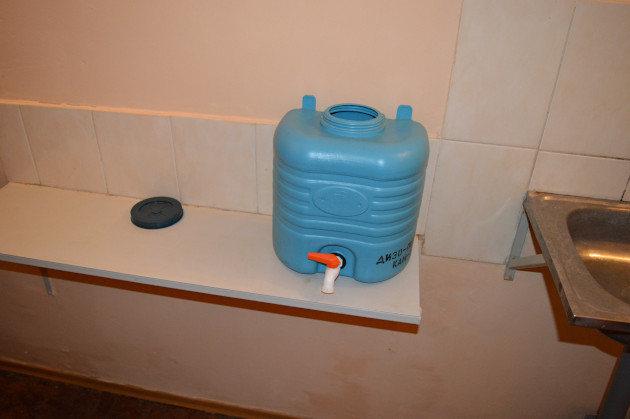
The cells in the sector were clean, with a sufficient level of daylight and artificial lighting, and featured a small window that the convicted person could open themselves. Forced ventilation was working in the cells, and drinking water was available.
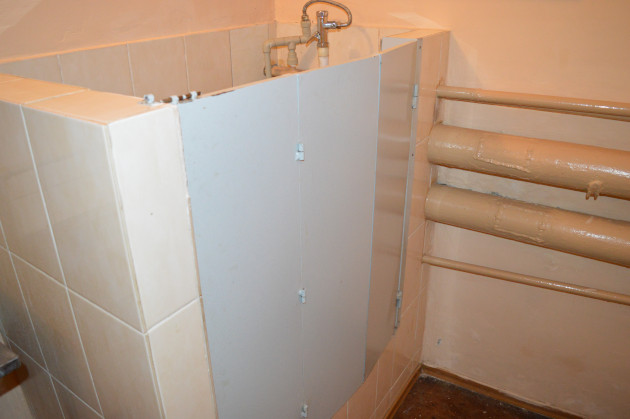
The bathroom is clean and partitioned by a small door.
Once a day, the convicted persons visit the exercise yard for an hour, which is equipped with a bench and sports equipment.
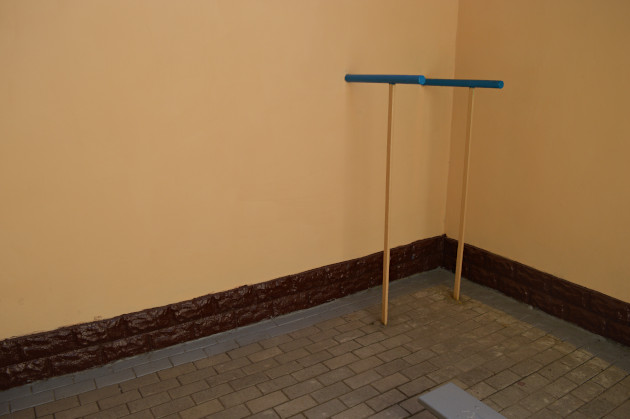
None of the interviewed convicted persons contested their placement in the DIZO/PKT.
High-Security Ward (DPK)
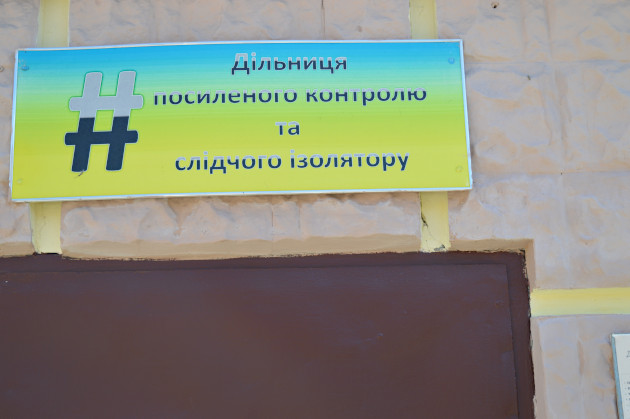
The high-security ward is separated from the DIZO/PKT sector. The DPK premises are tidy and spacious. The rooms have large windows that allow sufficient natural light to enter. The ward has a bathroom with standard sanitary ware, and the toilets are separated by partitions of sufficient height. During the visit, there was water in the taps. The dining rooms in the ward are also clean. There are tanks with drinking water, microwave ovens, multicookers, and exhaust hoods.
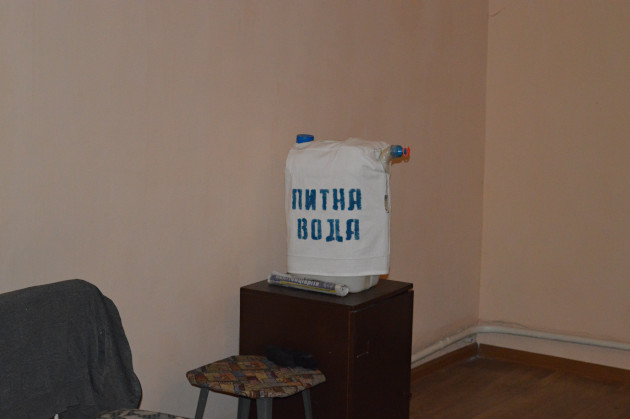
Quarantine, Diagnostic and Distribution Ward
Next, the monitors visited the quarantine, diagnostic and distribution ward.
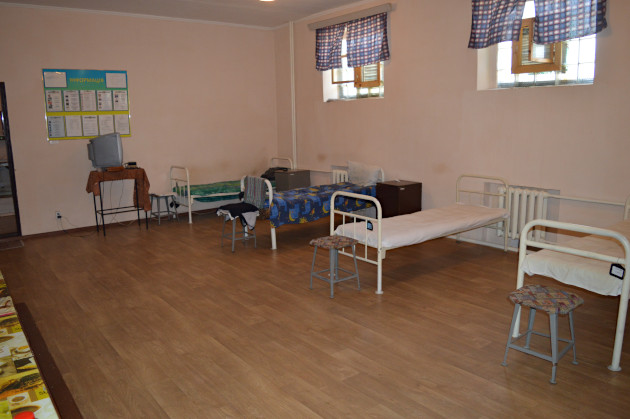
Most of the beds in the ward are single-level, but the monitors saw three bunk beds, which is a negative factor and contradicts European practice. The monitoring team recommends replacing such beds.
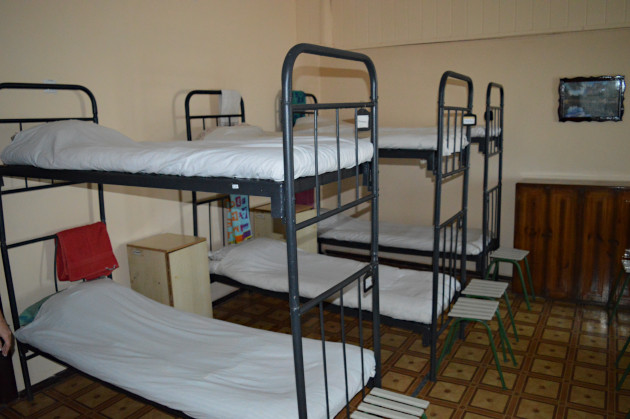
On the day of the visit, there was no overcrowding in the ward, and no one was sleeping in the bunk beds.
On the premises of the ward, there is a dining room equipped with all necessary appliances.
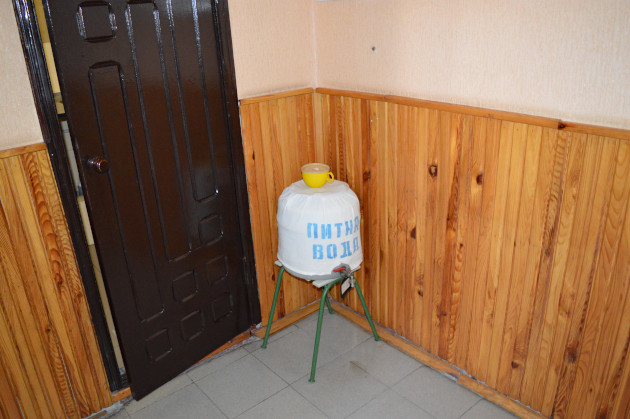
Drinking water is available in the ward.
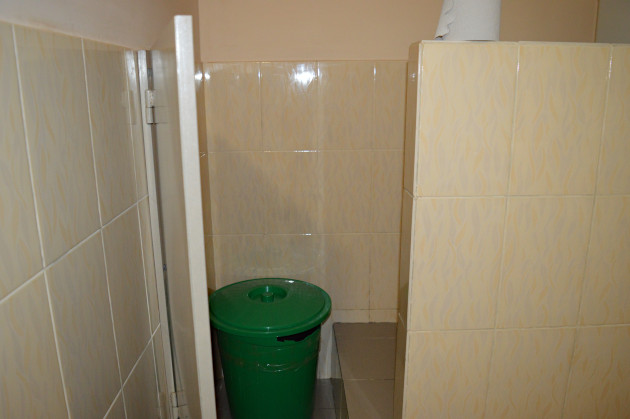
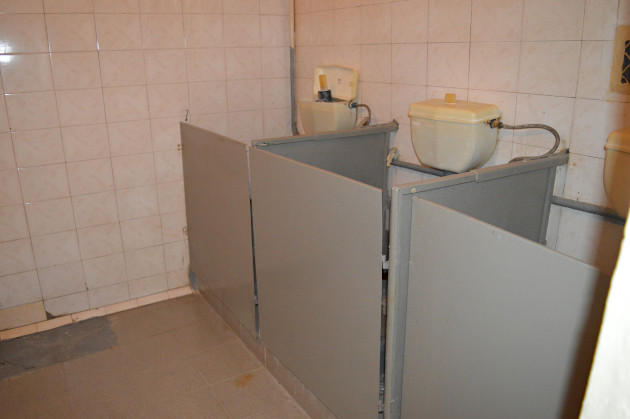
The bathroom is also clean, there is no unpleasant odour, and the sanitary ware is new and white.
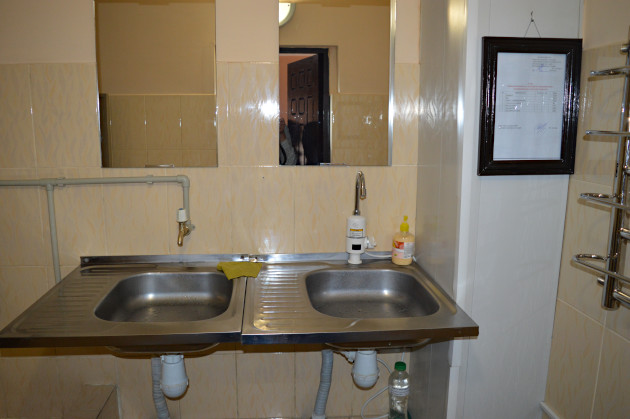
The convicted persons have the opportunity to ventilate the premises themselves.
Medical Unit
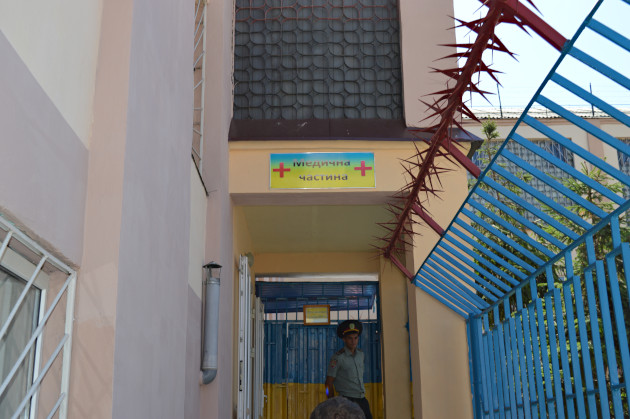
The medical unit has a neat, renovated appearance; the wards are spacious and bright.
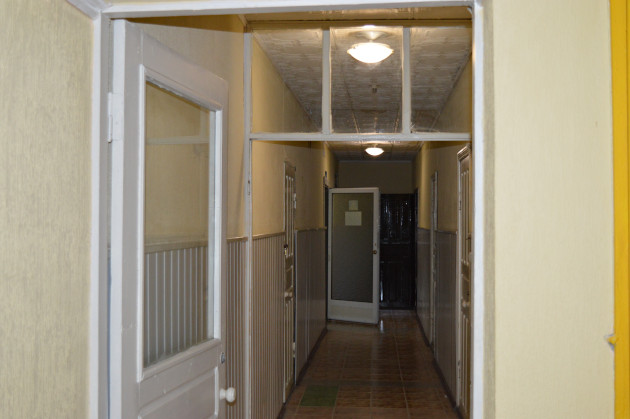
At the time of the visit, 12 convicted persons were undergoing treatment in the medical unit.
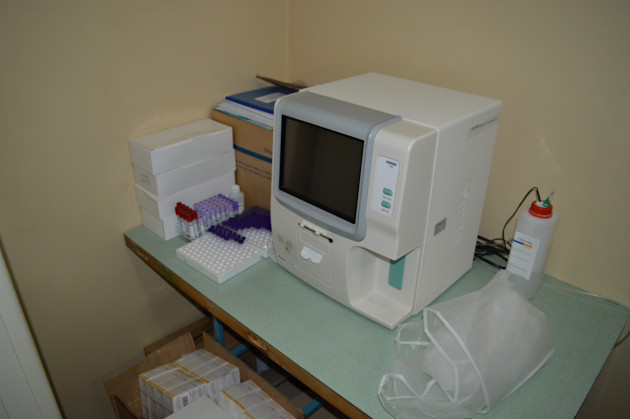
The medical unit has a dental office, an X-ray room, and a laboratory. The medical unit is equipped with a modern device for rapid blood analysis, an electrocardiograph, an X-ray machine, an ultrasound scanner, and other digital equipment (for example, a non-contact thermometer, a digital blood pressure monitor). The following specialists work in the medical unit: a dentist, a general practitioner, a phthisiologist, and a psychiatrist-narcologist. The colony also participates in a telemedicine programme and has the appropriate equipment, which allows for quick measurements of all basic vital signs.
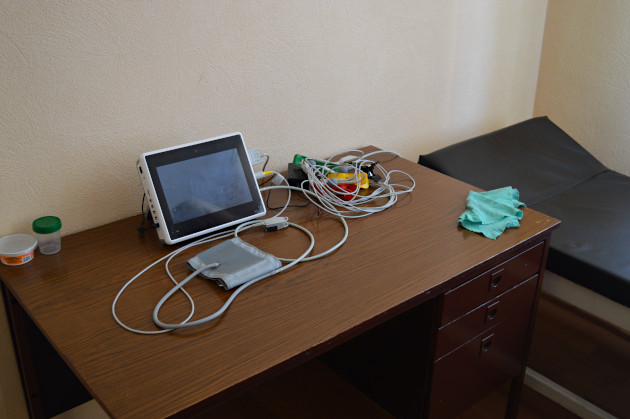
During the visit, the dentist was providing assistance to a convicted person. The individuals receiving treatment in the medical facility did not complain about the quality of treatment or the living conditions.
According to the head of the medical unit, the staffing level is sufficient, and there are no vacancies. If necessary, the convicted persons are also taken to a specialised inter-regional hospital, and in extreme cases, to civilian medical facilities. The head also reported that the colony has specially equipped wards in a civilian hospital where security measures are in place.
On the day of the visit, there were twelve patients in the medical unit. None of them complained about the level of treatment. According to the head of the medical unit, the institution is sufficiently supplied with medicines.
EU Project ‘Fight against torture, ill-treatment and impunity in Ukraine’