Report on the results of a monitoring visit to Solonianska Correctional Colony No. 21
On 6 June 2019, a monitoring group consisting of Dmytro Reva, Maryna Davydova, and Oleksandr Kadiievskyi visited the Solonianska Correctional Colony No. 21. This is a medium-security institution for the confinement of men serving a second or subsequent sentence.
At the entrance, the monitors were met by the head of the institution, O. V. Pustovit, the acting deputy for social and psychological work, Yu. Holovatyuk, the enterprise director, I. O. Kniazhentsev, the acting deputy for supervision and safety, M. V. Tretyak and M. Yu. Chernobryvets, and the assistants to the head for employment, V. V. Boiko, M. V. Oleshevskyi, and V. I. Khontvynskyi.
Statistics
According to the administration, Colony No. 21 is one of the largest and oldest in Ukraine.
Currently, 841 people are serving sentences in the colony, cared for by 222 administration staff. The number of persons convicted under Article 391 of the Criminal Code of Ukraine is 4; those convicted under Article 345 is 0; those prone to suicide is 2; those prone to self-harm is 27; those prone to escape is 15; those classified as malicious offenders is 69; those who are frequent complainers is 16; 150 people have been released in the current year. There are 9 religions represented in the colony.
Industrial Zone
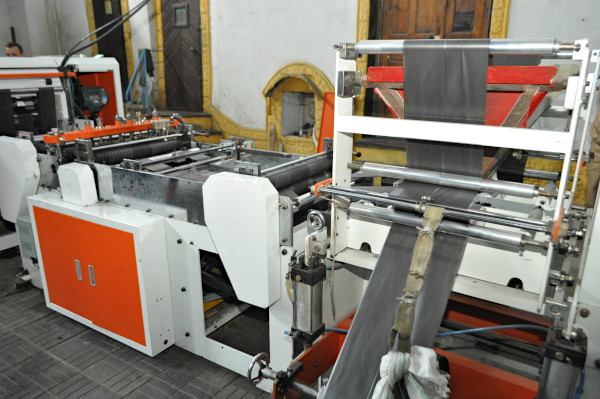

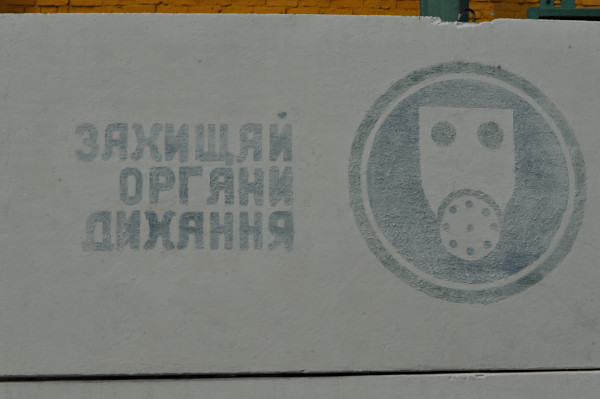
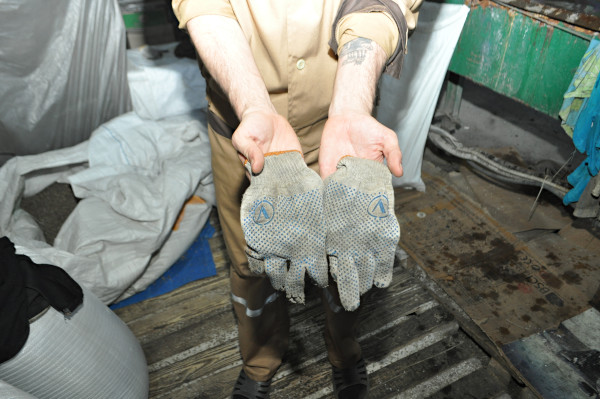
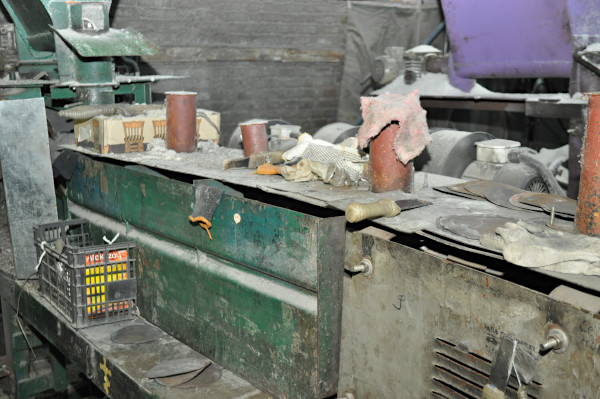
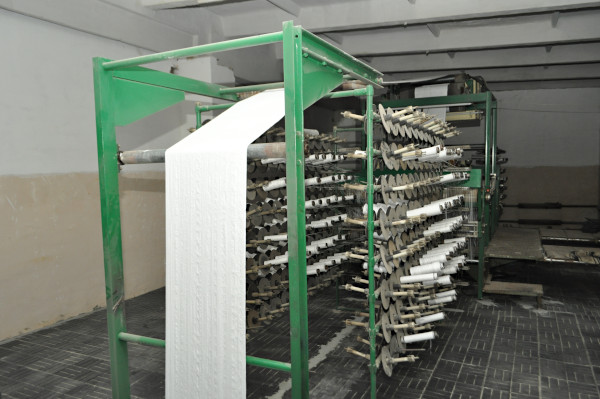
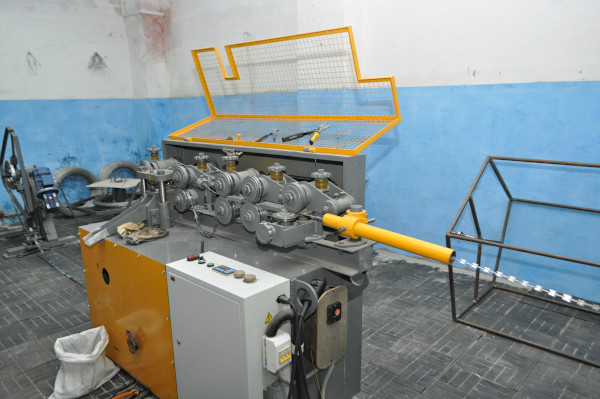
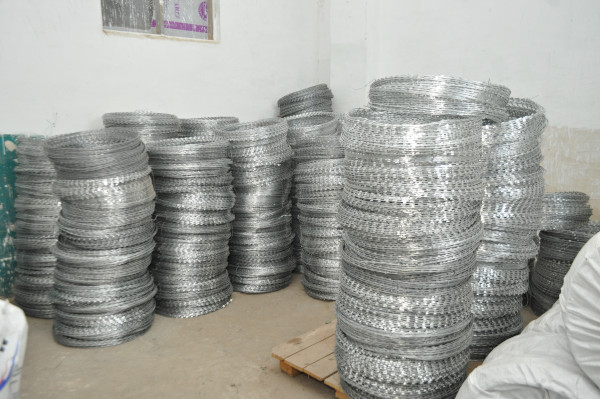
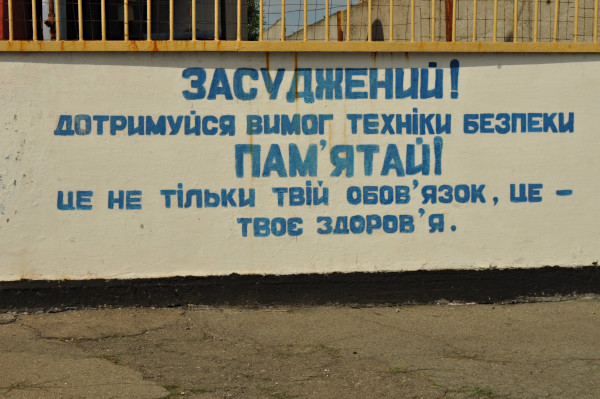
The industrial zone of Correctional Colony No. 21 is divided into several workshops of various orientations. In total, 124 people work here out of more than eight hundred convicted persons. The monitors visited a workshop for the production of plastic garbage bags, a plastic recycling workshop, a workshop where ‘Ehoza’ barbed wire is manufactured, and a workshop for weaving polyethylene bags. All industrial premises are quite clean. Even where plastic (mainly bags) is sorted and shredded, a certain amount of waste is observed only at the workstations; the rest of the room is cleaned and swept. In all workshops, there are posters reminding about work safety. During the visit, the monitors did not see any protective equipment (gloves, respirators, goggles) on the convicted persons, but an inspection of the workstations confirmed that the equipment exists, but the workers do not wear it because of the heat. The administration admits that this is not correct, but cannot force the convicted persons to work in gloves and goggles.
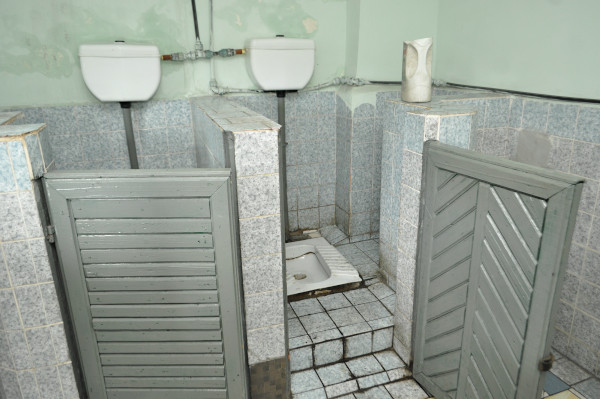
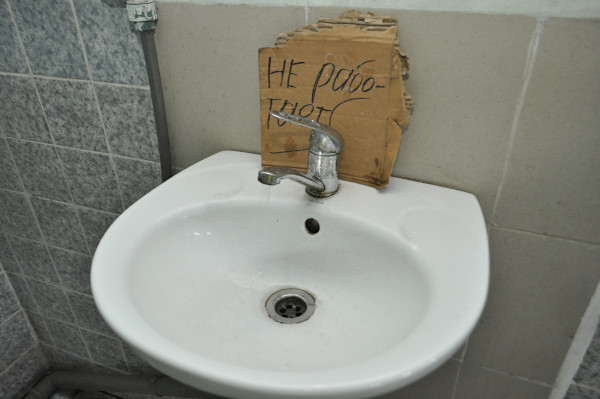
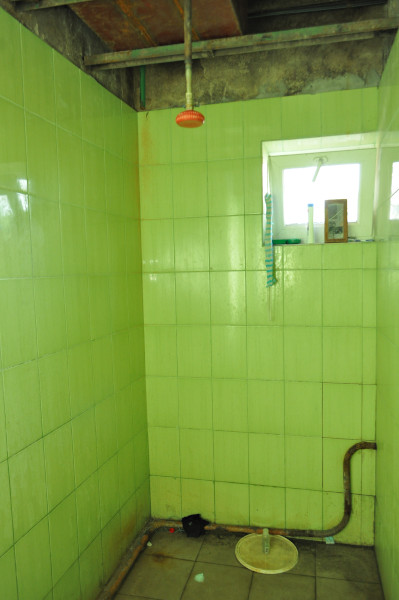
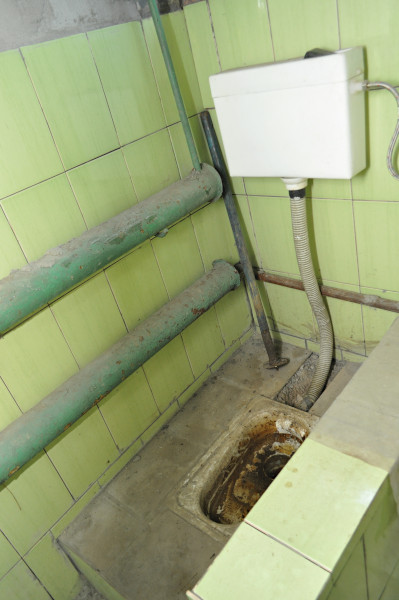
The workshops are well ventilated, there are no sharp odours in the premises, workstations are well lit by LED lights, and there are shower rooms and toilets. In one of the workshops, near a sink, there was a notice stating that it was not working, but after the monitors turned the tap, water flowed. The administration explained this by stating that water is supplied to the colony on a schedule and should not have been available during the monitors’ visit, but the disconnection did not happen for unknown reasons.
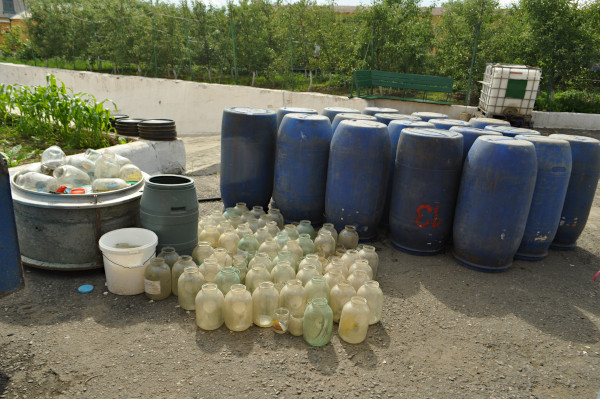
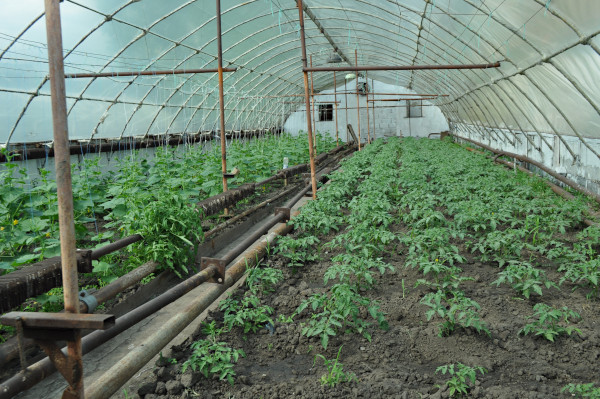
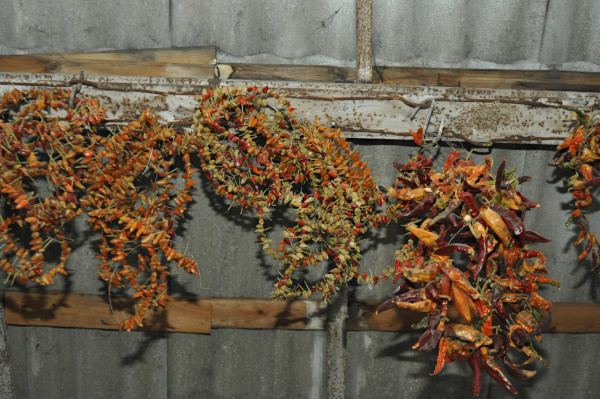
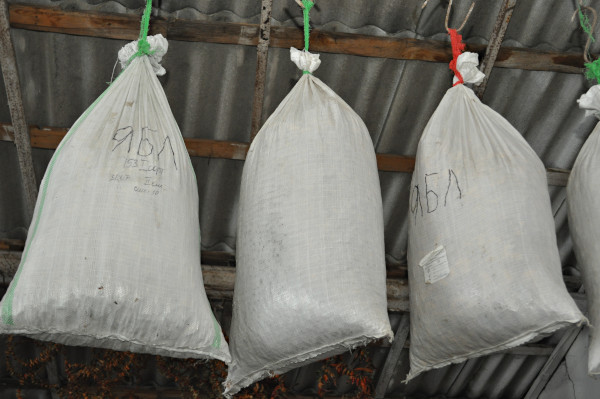
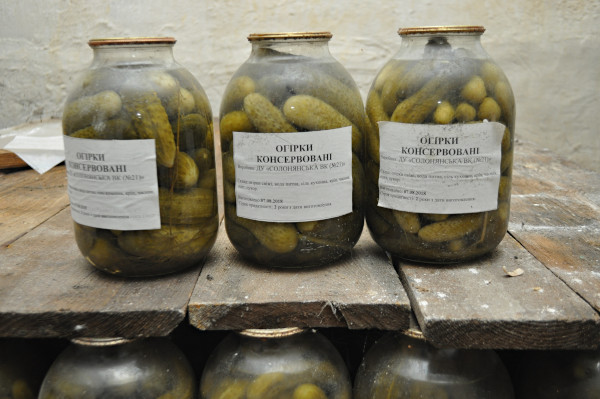
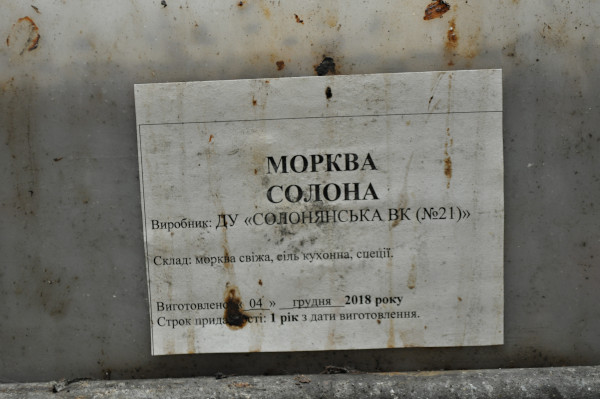
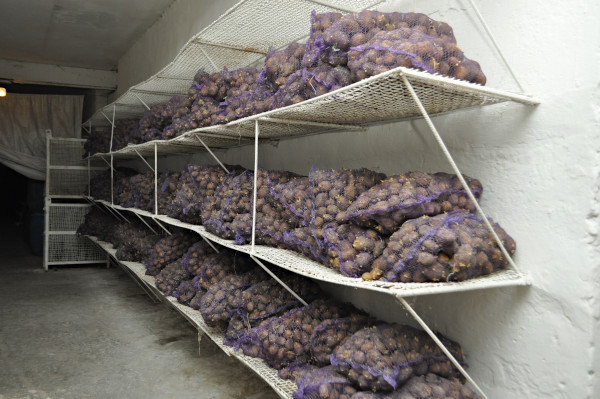
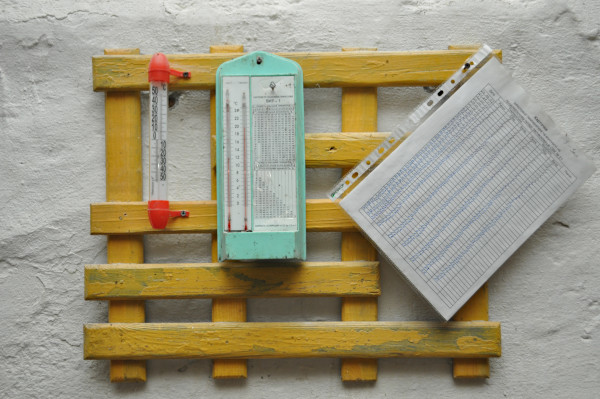
The institution has 400 square metres of greenhouse space, where vegetables are grown for its own needs. The produce is stored in canned, dried, or fresh form in the basement. Temperature and humidity are constantly monitored, and every jar of preserves contains information about the ingredients, date of manufacture, and shelf life.

Out of 124 people working in the zone, 15 have employment contracts, and the activities of 109 people are regulated by civil law contracts.
Dining Hall
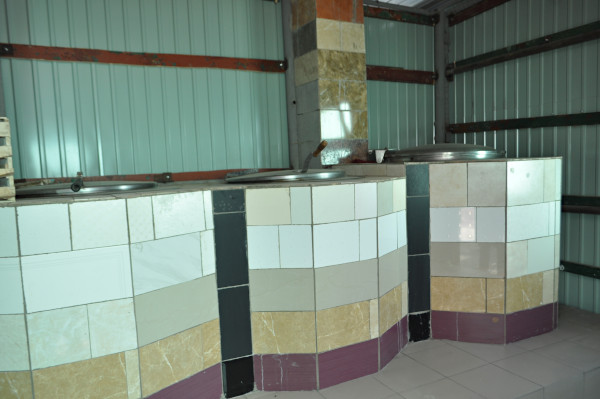
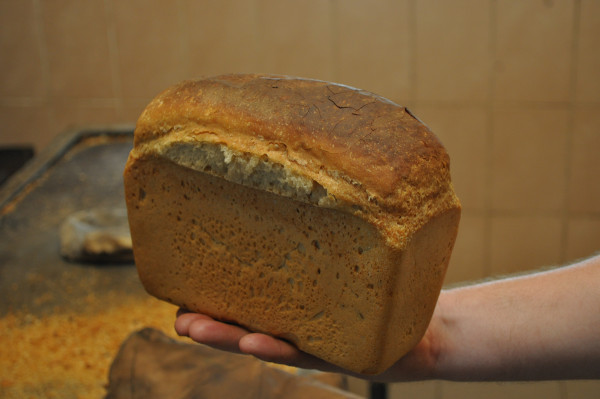
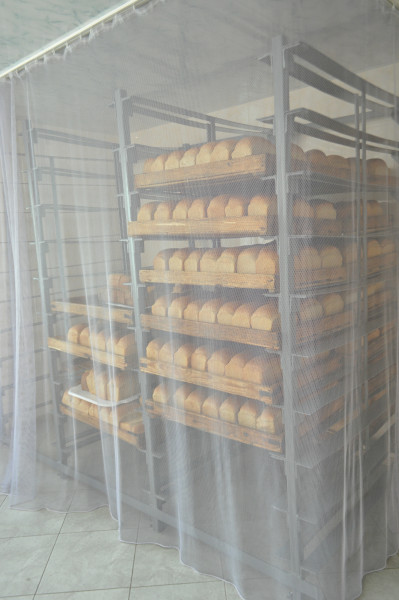
The dining hall of Correctional Colony No. 21 is located in a separate building next to the bakery, where, considering the extreme heat, convicted persons work at an abnormally high temperature. The premises have been recently renovated, the food preparation areas appear clean, and the equipment is modern. The staff are dressed in work clothes, but are wearing rubber flip-flops rather than closed footwear. The kitchen smells pleasant, and there are instructions on proper handwashing for cooks and disinfectant cleaning agents. The food storage areas are logically organised, clean, ventilated, and dry. Near the fish gutting workshop, the monitors felt a characteristic odour, for which they received the explanation that the fish had been cleaned recently and they probably had not yet had time to clean the premises.



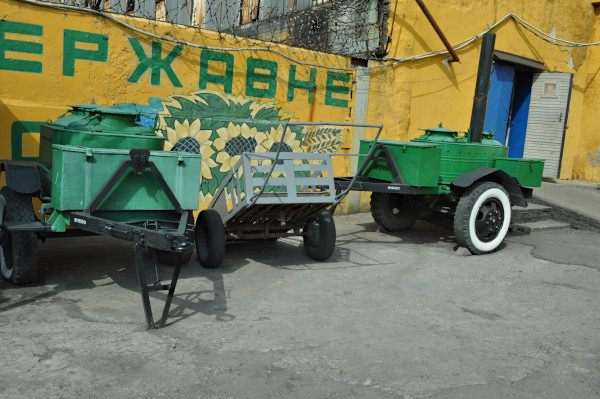
Outside, near the storage facilities, there is a complex with solid-fuel boilers for cooking. It has not yet been put into operation, but testing was successful, according to the administration.

Residential Premises
The monitors visited three wards – one renovated, one under renovation, and one where renovations had not yet begun.
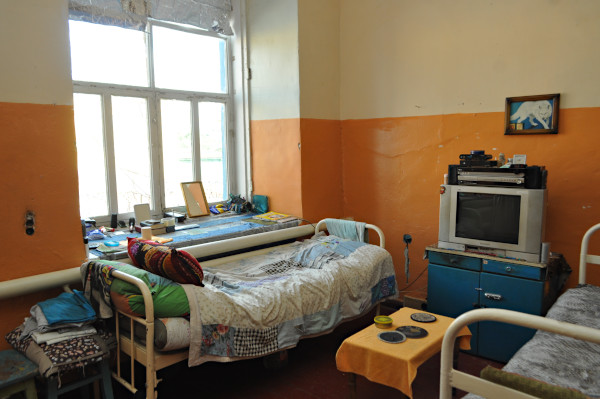
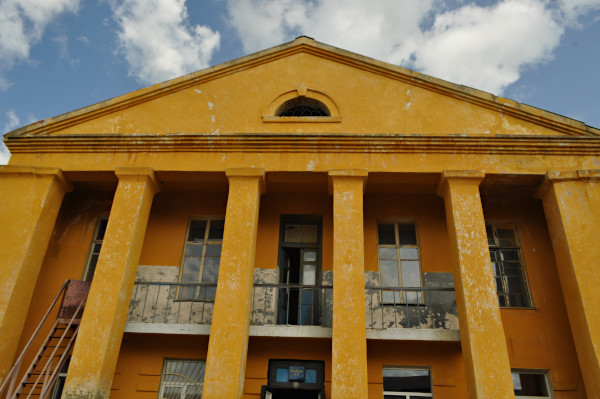
Most of the buildings on the colony territory are of a very respectable age. Their functioning in the penitentiary system dates back to pre-war times, when a colony for juvenile orphans was located here. During the war, the colony served as a hospital for Soviet and German military personnel in turns. Despite their venerable age, the old buildings are in relatively good condition.
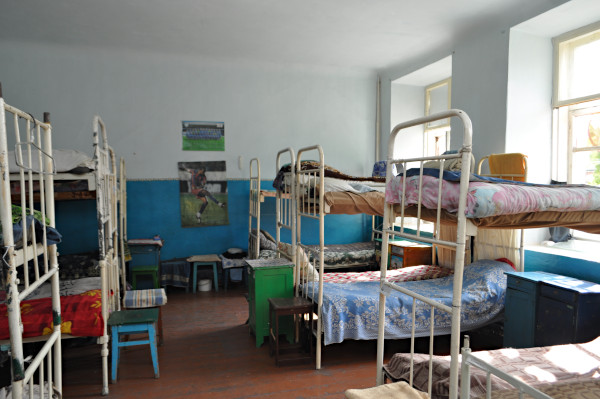
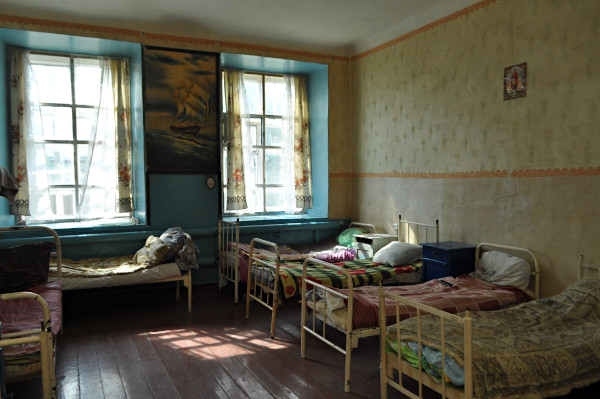
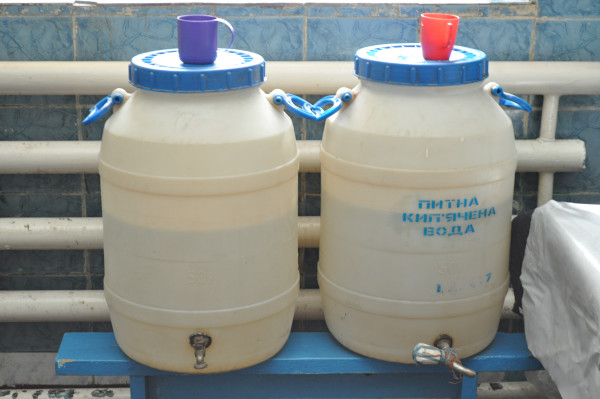
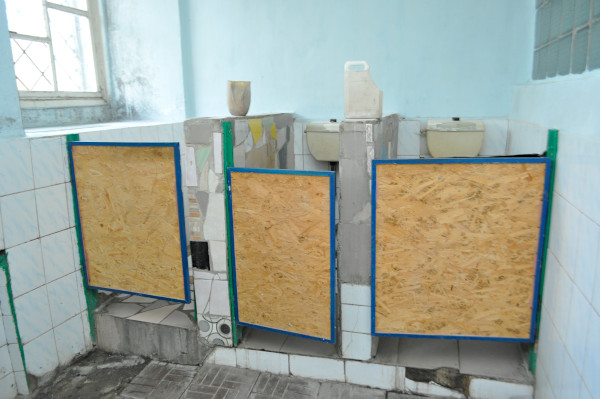
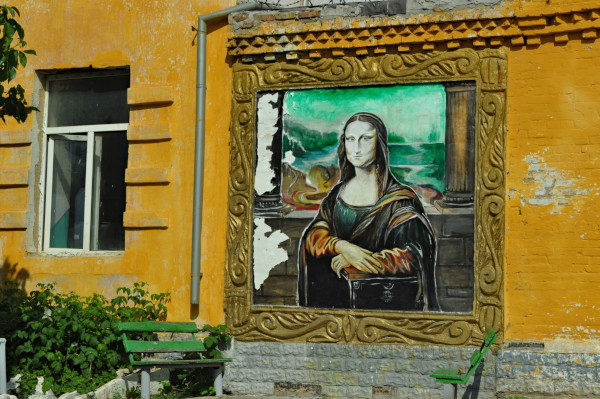
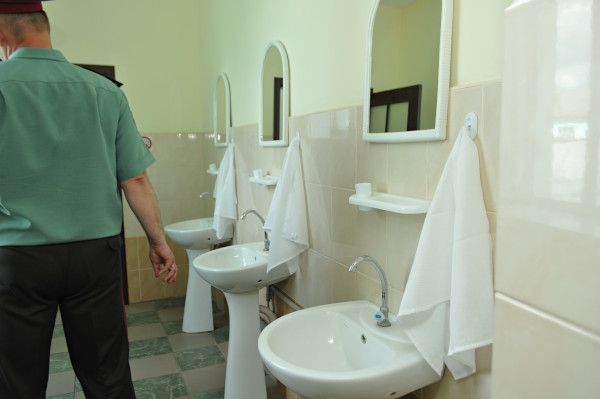
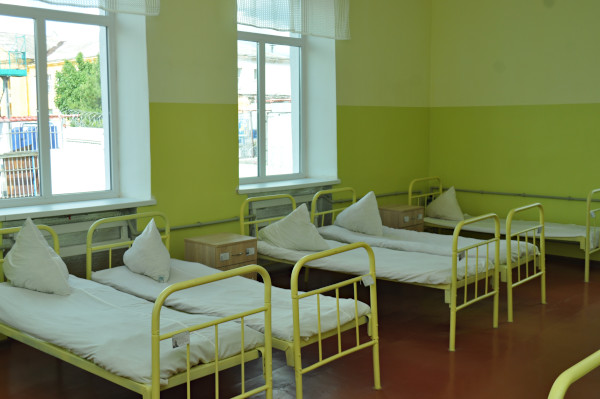
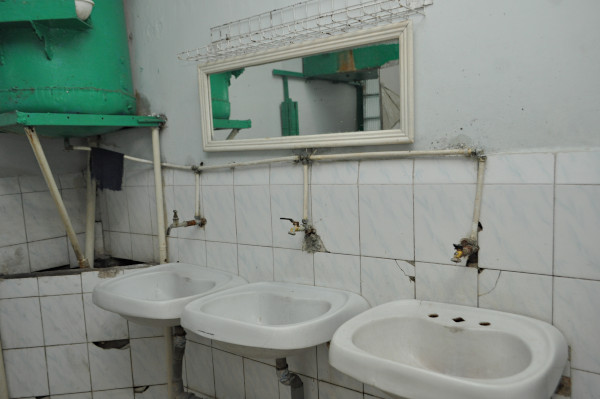
The ward, renovated about a year and a half ago, looks very fresh and clean. Thanks to waterproofing, special drywall, and anti-fungal agents, it was possible to get rid of mould on the walls; mirror-reflective elements were inserted under the radiators so that heat would not escape to the outside; all rooms have new windows, and the sanitary ware and household appliances (a refrigerator and kettle in the dining room) also look new. The equipment and sanitary ware are in working order. There are no foreign odours in the premises. According to the administration, the residents of the renovated wards agreed among themselves not to smoke inside, and they adhere to these agreements. Smoking areas are equipped outside, but the monitors did not see any canopies over any of them that would protect against rain or snow.
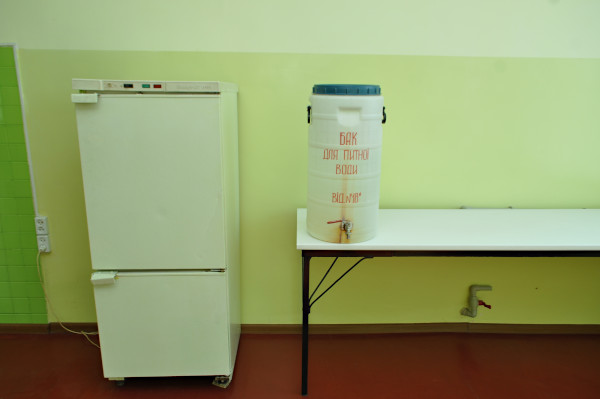
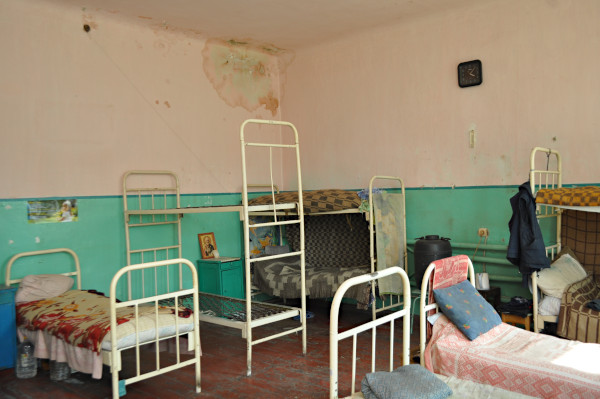
The building currently under renovation was once a nobleman’s estate and has a fairly solid structure. There are no cracks on the walls, and there are few signs of leaks or mould. Currently, it is inhabited exclusively by people involved in the renovation. The residential rooms are untidy, the bedding is dirty, and in some places, things are just lying in a heap.
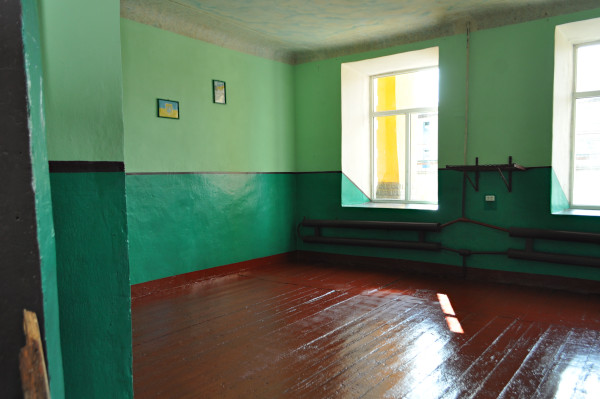
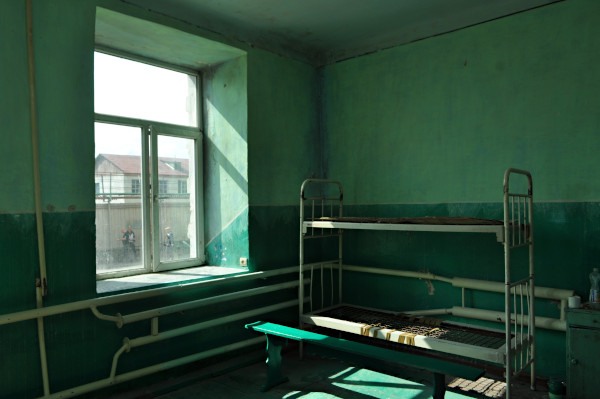
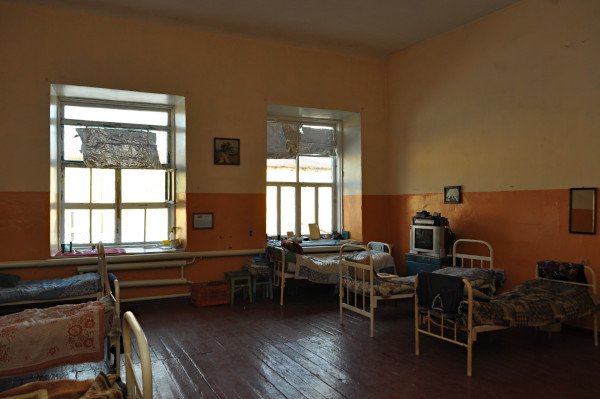
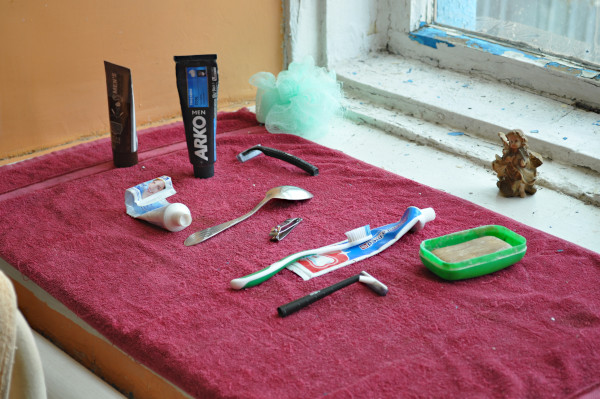
In the unrenovated building, there are wooden window frames and fairly old but functional sanitary ware; the ward is clean, dry, and has no foreign odours. The inmates’ bedding is not uniform; it is obviously domestic, not new, but bright. There is round-the-clock access to boiled drinking water, there are places for hygiene procedures, and a post box. In the barracks, there are paintings, leisure corners, and information boards with notices and useful references from legislation. The daily routine is standard: wake-up at 6:00, lights out at 22:00.
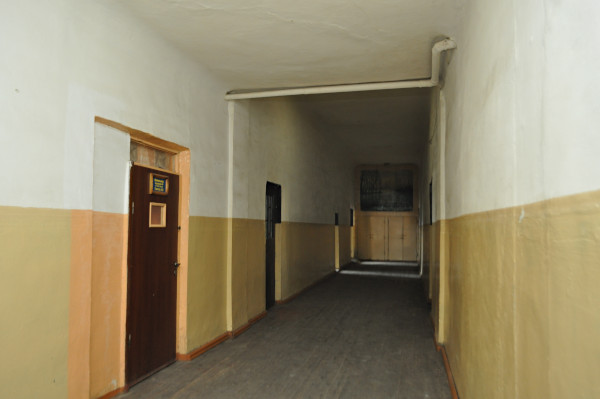
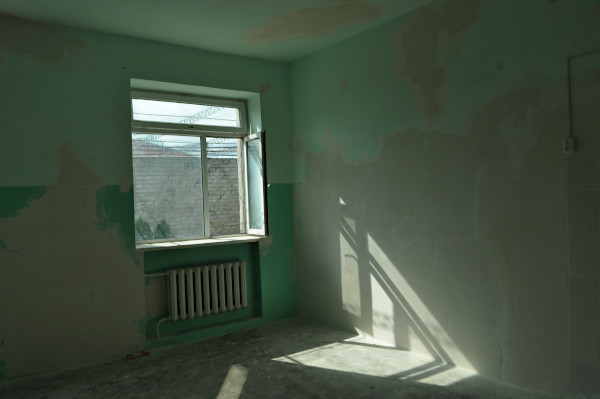
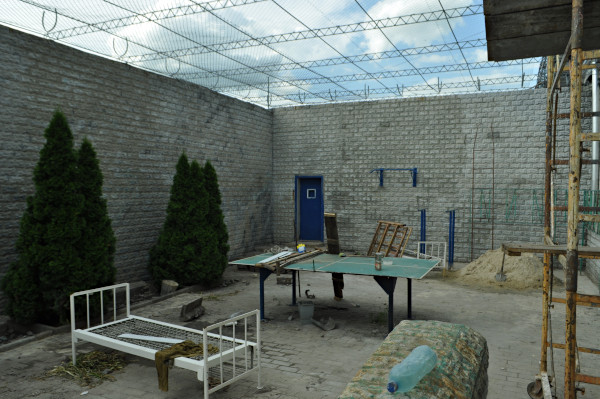
Currently, renovation is underway in the quarantine zone. LED lights have already been installed, the walls are covered with drywall, and plants are being planted in the exercise yard. During the renovation, the DIZO/PKT section is being used as a quarantine zone, which causes delays and inconvenience.
Medical Unit
The medical unit of the correctional colony No. 21 is located in a separate building. At the time of monitoring, there were 13 people in the medical unit, including one preparing for transfer to a specialised colony for people with tuberculosis.

The head of the medical unit is generally satisfied with the current state of affairs. The staff includes a general practitioner, a paramedic, a radiologist, and a laboratory assistant; a dentist, a psychiatrist, and a phthisiologist visit regularly, and an infectious disease specialist visits upon invitation. According to the staff, there are currently 149 people with a diagnosis of HIV in the colony, 121 of whom are receiving antiretroviral therapy. Work is constantly being conducted with those who have the infection but are not receiving therapy, including by representatives of charitable organisations; however, they have not yet managed to convince them. According to the head, the medical unit has a supply of antiretroviral therapy for all prisoners; in case of transfer, a one-month course is issued to take with them, and for testing, blood is sent to the city hospital in vacuum tubes with the help of social workers from charitable organisations.
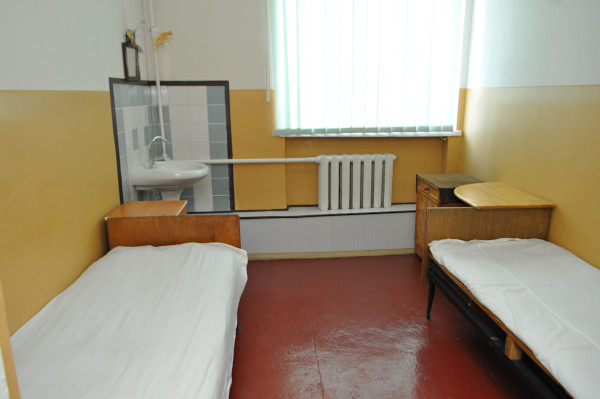
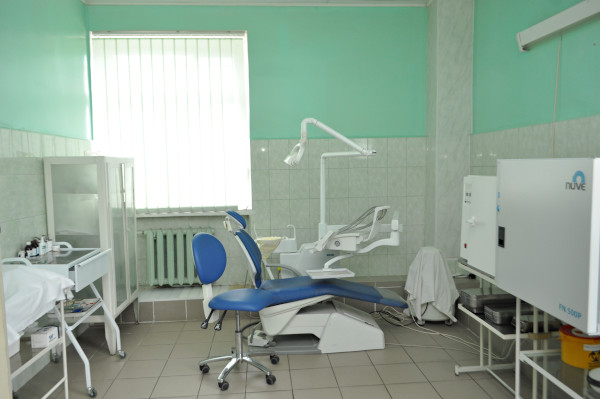
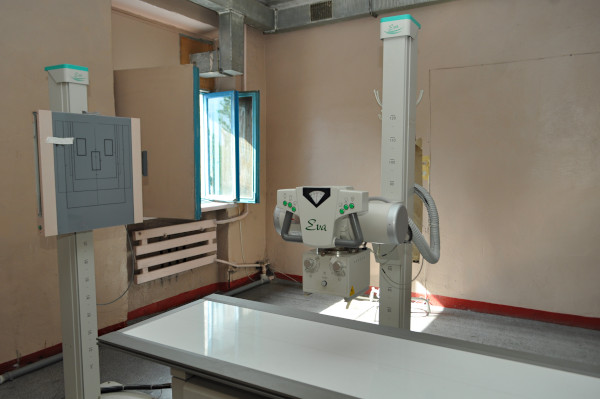
The medical unit is equipped with a modern X-ray machine, a fluorograph, an electrocardiograph, a dental office, telemedicine, and a laboratory, and they plan to receive a defibrillator soon.
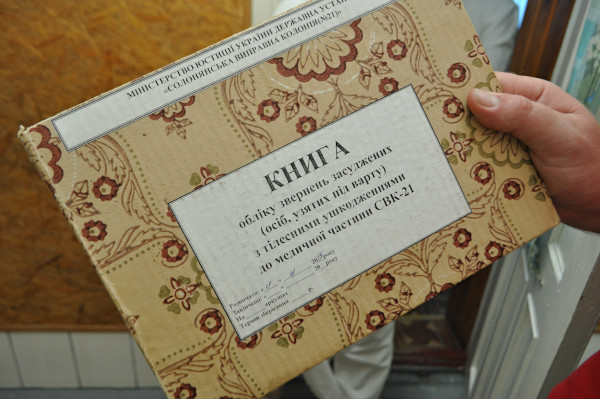
DIZO/PKT
At the time of the monitors’ visit, there were 4 people in the DIZO and 1 in the PKT. The reasons for their presence vary: violation of the rules of movement between sectors; participation in a conflict with another convicted person; systematic disobedience to the administration’s demands due to their status in the criminal hierarchy. The number of people in the cells is determined by the standards for the confinement of prisoners and the area of the cells. The stay is standard; the cots are raised during the day, and one can only sit on a stool or bench. The monitors had the opportunity to talk to everyone present in the DIZO/PKT section; there were no complaints regarding confinement or rights violations.
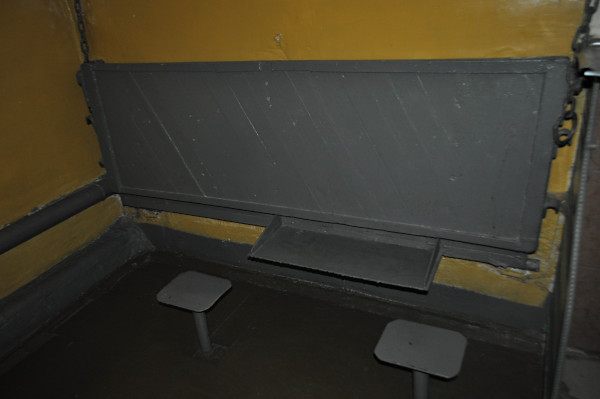
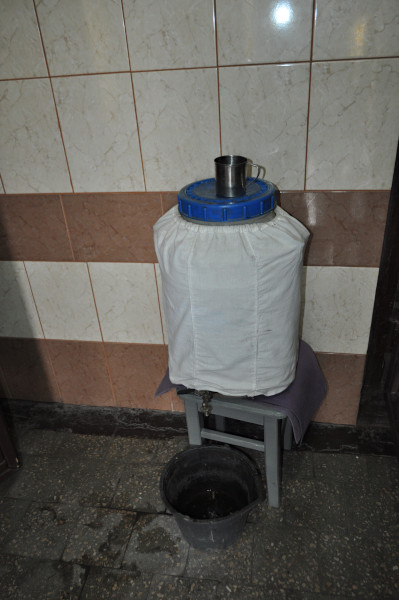
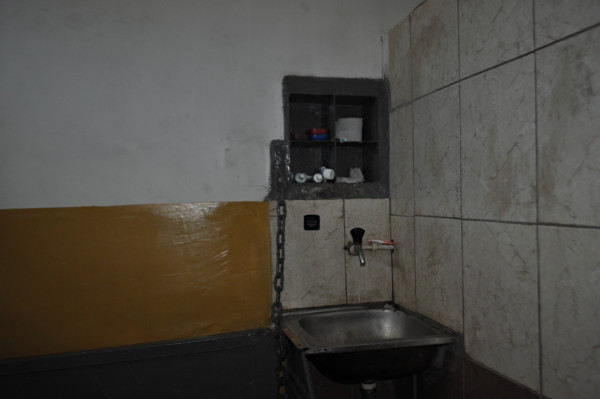
On the door of each cell, there is a sign with the number and the total square footage; also, near the door, there are cards with the names of the individuals currently in the DIZO. The cells are clean, with a relatively recent renovation, there are no unpleasant odours, and it is not smoky.
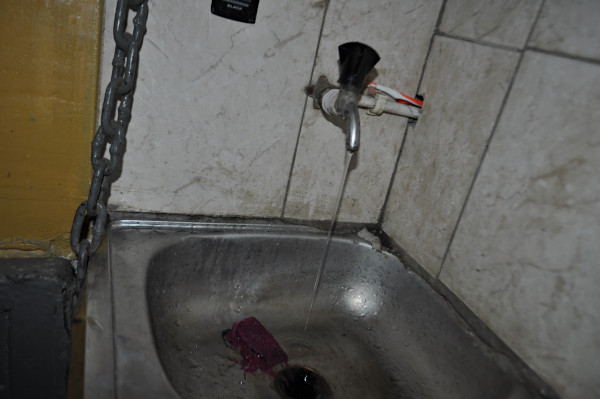
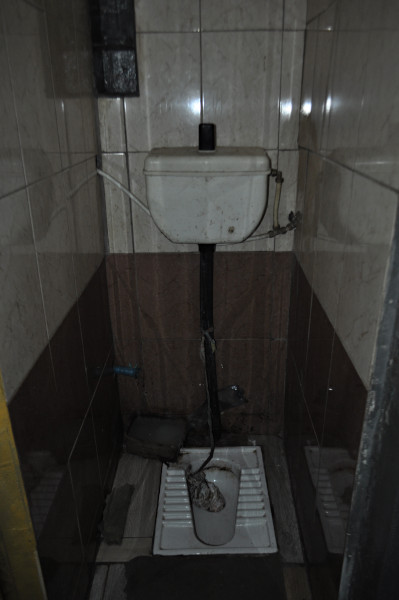
Convicted persons in the DIZO have the opportunity to go out for a 1-hour walk in the yard every day; the exercise area is equipped with bars, and the convicted persons also have the opportunity to use a complaint box. The daily routine for the convicted is: wake-up at 5:00, lights out at 21:00. After lights out, the convicted persons go to the storage room, take their personal linen and mattresses, and make their beds.
Visiting Rooms
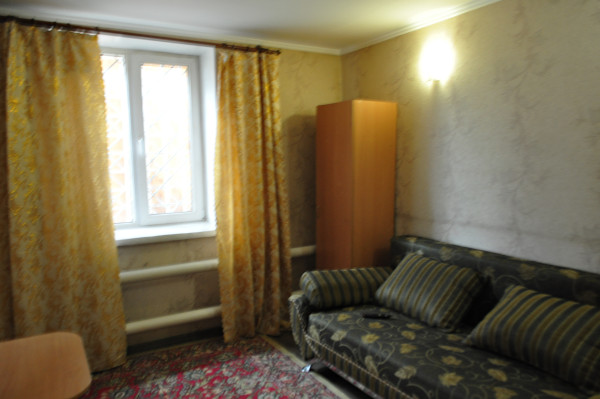
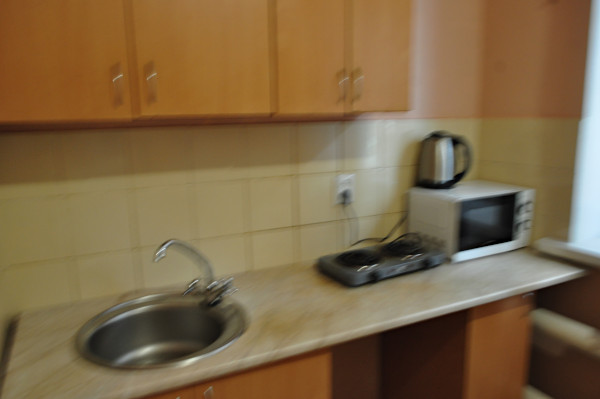
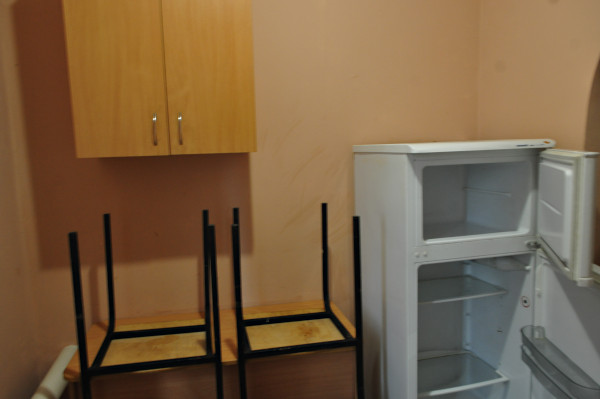
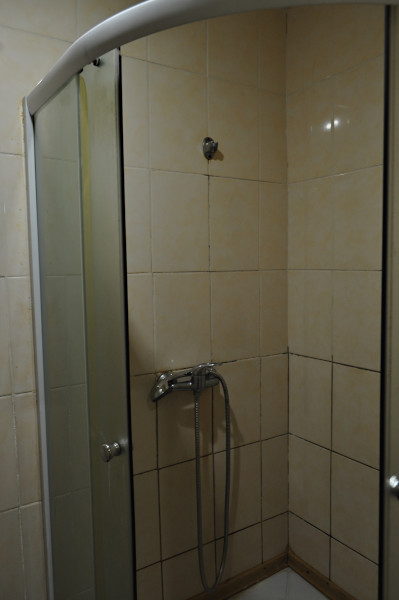
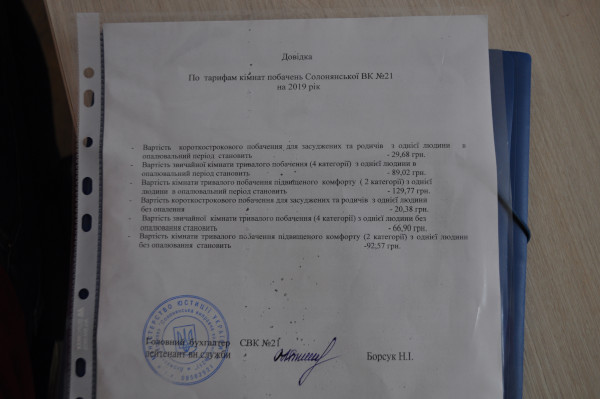
Convicted persons use the rooms in the manner prescribed by law; there were no complaints from the convicted persons regarding this. The cost of a short-term visit in the non-heating season is 20.38 UAH, a long-term visit is 66.90 UAH per person per day, and a long-term visit in a high-comfort room is 92.57 UAH. There is a room for contactless visits. At the time of the monitors’ visit, visits were taking place in some rooms. According to the administration, this is a great rarity. In general, the colony’s contingent consists of approximately 70% people who have lost stable social ties and are not cared for by anyone, but even those who have families have started visiting much less frequently after 2013. The administration explains this by a lack of funds.
Recreational Zone
In the colony, prisoners can receive both secondary and vocational secondary education. Currently, 78 people attend school, 18 of whom will receive certificates this year. In the vocational educational institution, 120 people are acquiring knowledge in three specialities. The institution hosts representatives of 9 religious denominations, with whom the convicted persons have the opportunity to satisfy their spiritual needs. For the Orthodox, a church functions on the territory, and religious volunteer organisations visit constantly.
Complaints
The convicted persons did not complain about the actions or inaction of the administration. They feel quite free in the presence of representatives of the administration and the head of the institution, they joke, and they clearly do not feel threatened.
As in many institutions of the Dnipropetrovsk region, the administration complained about problems with prisoners being granted parole and the related motivation to work – even with positive character references and the submission of the administration, the court leaves the person behind bars in 90% of cases. They explain this by the fact that the convicted persons held in the correctional colony No. 21 are not serving their first term of imprisonment and the court doubts their rehabilitation. But this is not the last question for the judicial system. Currently, the Solonianskyi District Court is not working; there are no judges, and cases are transferred for hearing to the district courts of the regional centre, which greatly slows down the processes.
EU Project ‘Fight against torture, ill-treatment and impunity in Ukraine’