Report on the results of the monitoring visit to Solonyanska Correctional Colony No. 21
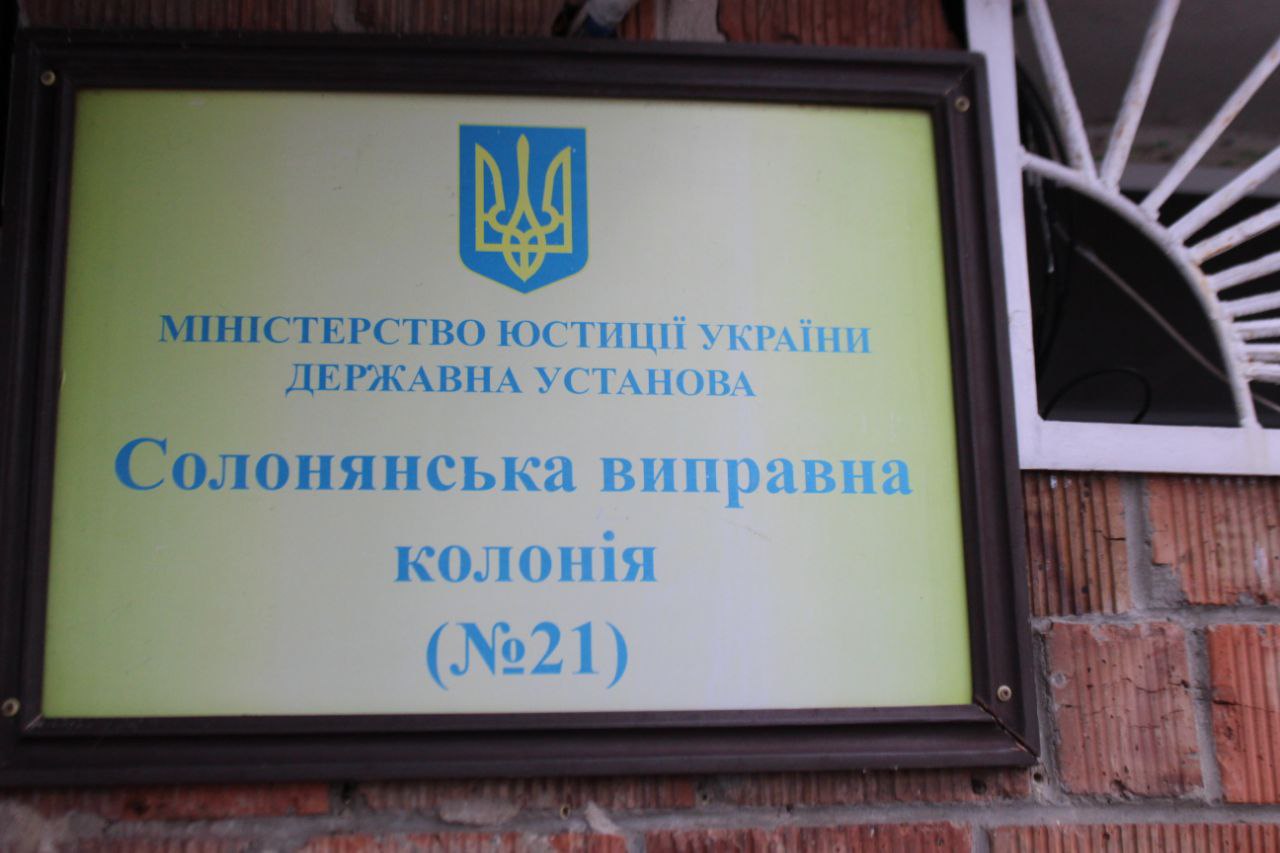
On 17.12.2025, in accordance with the Optional Protocol to the Convention against Torture and other Cruel, Inhuman or Degrading Treatment or Punishment, taking into account the provisions of the Standard Minimum Rules for the Treatment of Prisoners and the practice of the European Court of Human Rights, on the basis of Article 24 of the Criminal Executive Code of Ukraine “Visiting correctional institutions”, a group of monitors from the Kharkiv Human Rights Protection Group and the non-governmental organisation “Defending Prisoners of Ukraine” carried out a visit to the state institution “Solonyanska Correctional Colony (No. 21)” (hereinafter — SCC-21).
A routine unannounced visit was carried out, during which all facilities of the institution were examined. The previous visit took place on 25.12.2024.
During the preparation for the visit, the monitors used materials from appeals by convicts and their relatives, materials from previous reports, as well as reports by monitors of the National Preventive Mechanism under the Ukrainian Parliament Commissioner for Human Rights (NPM).
The visit was conducted within the framework of the project “Reducing the suffering of prisoners in the context of the war in Ukraine”, funded by the government of Denmark in partnership with DIGNITY (Danish Institute Against Torture).
The visit was carried out by the following monitors:
- Andriy Didenko — Assistant to People’s Deputy of Ukraine Yaroslav Yurchyshyn, Programme Coordinator of the Kharkiv Human Rights Protection Group, has experience with monitoring visits since 2014, NPM monitor (National Preventive Mechanism), member of the NPM advisory board;
- Serhiy Zuikov — Assistant to People’s Deputy of Ukraine Kostiantyn Kasai, member of the public council under the Ministry of Justice of Ukraine, member of the non-governmental organisation “Defending Prisoners of Ukraine”, NPM monitor, has many years of experience with monitoring visits;
- Oleh Tsvilyi — member of the public council under the Ministry of Justice of Ukraine, head of the non-governmental organisation “Defending Prisoners of Ukraine”, has significant experience with monitoring visits, specialises in issues of torture, cruel and inhuman treatment.
During the monitoring visit to SCC-21, it was noted that against the backdrop of repair works and re-equipment of certain premises of the institution carried out by the administration, numerous violations of the rights of convicts and non-compliance of detention conditions with the requirements of national legislation and international standards were revealed. The report details the following main problems: violations of the procedure for admission and distribution of newly arrived convicts in the KDD (Quarantine, Diagnostics, and Distribution unit) and non-compliance with the 14-day stay period; improper organisation of work with newly arrived convicts; overcrowding and non-compliance with living space standards; unsatisfactory sanitary and hygienic conditions of certain premises and a shortage of material and living provisions; improper conditions of detention in the DISO/KTP, in particular regarding the size of cells, lighting, ventilation, absence of staff call buttons, as well as violations of procedural guarantees during the application of disciplinary penalties; problems with ensuring privacy and the organisation of video surveillance in residential premises; violations in the organisation of catering and food supply; shortcomings in laundry and bath services; lack of proper identification of special equipment and open carrying of special equipment by staff; insufficient work on processing convicts’ documents; restrictive practice of short-term visits; staff shortages; inadequate state of shelters; violations in the sphere of organisation of convicts’ labour, in particular the substitution of employment relationships with civil law contracts, engagement in work on weekends and night shifts, unpaid labour, as well as problems with remuneration and social protection; numerous violations in the sphere of medical provision, in particular regarding the documentation of bodily injuries, staffing of medical personnel, access to psychiatric and psychological assistance, maintenance of medical records, conditions of detention in medical premises, treatment of infectious diseases, and compliance with patient rights.
General Information
SCC-21 is a medium-security correctional colony for holding men who have previously served sentences in places of deprivation of liberty.
The institution is located at the following address: Apolonivka village, military town, building 37, Solonyanskyi district, Dnipropetrovsk region, 52406.
Historically, the site has had a penitentiary purpose since the Soviet period. Before the Second World War, a Children’s Labour Education Colony for orphaned minors operated on the territory where the colony is currently located. During the Second World War, the children were evacuated to unoccupied territory, and the colony’s premises housed a hospital: initially for wounded Soviet servicemen, and during the occupation — for German soldiers.
After the war, the work of the Children’s Labour Education Colony was resumed; on its basis, agricultural specialists were trained — drivers, tractor operators, combine operators, etc. The institution was allocated land plots. By 1961, the problem of child homelessness had been overcome, and the number of children on the colony’s territory gradually decreased.
On 01.05.1961, in accordance with a joint decision of the Council of Ministers of the USSR and the Ministry of Internal Affairs of the USSR, the state institution “Solonyanska Correctional Colony (No. 21)” was created on the basis of the Children’s Labour Education Colony. The convicts held in the colony were mainly involved in agricultural production: cultivation of grain crops and work on farms. The colony actively developed. By 1972, an industrial base had been created, the territory had been landscaped, residential buildings had been built for the institution’s staff, and proper communal and living conditions had been created.
In 1972, the general regime colony was disbanded, and a strict regime colony was created on its basis, in connection with which the capacity limit was increased. The colony’s production activities were completely reoriented to the manufacture of industrial products. Today, the institution functions as the state institution “Solonyanska Correctional Colony (No. 21)”, a medium-security facility for holding men who have previously served sentences of deprivation of liberty. The current status and operating conditions of the institution have been the subject of monitoring visits by human rights organisations on numerous occasions, as well as by the Office of the Ukrainian Parliament Commissioner for Human Rights within the framework of the National Preventive Mechanism.
At the time of the visit, the head of the institution is Colonel of the Internal Service Oleksandr Volodymyrovych Pustovit.
The institution consists of a duty unit, a KDD (Quarantine, Diagnostics, and Distribution) unit, SPS (Social and Psychological Service) units, a canteen, DISO (disciplinary isolation unit) premises, KTP (chamber-type premises), an enhanced supervision unit, a pre-trial detention unit (SIZO), a medical unit, a bath and laundry complex, rooms for visits, a shop, a library, a room for receiving parcels, as well as administrative premises. The institution is divided into seven sectors, which contain twenty-four SPS units.
Communal and living facilities located outside the zone include: a food warehouse for storing convicts’ foodstuffs, a clothing warehouse for convicts, headquarters, headquarters with visit rooms, a fire station, a guard room, a kennel for service dogs, and garages for service vehicles.
According to the institution’s administration, the authorised staff number is 262.5 positions, and the actual number is 221 positions. The total staff shortage for the institution is 42 people. The planned capacity of the institution is 1,271 people. The actual number of persons held in the institution is 2 prisoners and 722 convicts. In SCC-21, 23 operating SPS units and 1 mothballed unit function. There are 3 psychologists working in the institution.
In 2025, 637 people arrived at the colony. In 2024, 1 person died; in 2025, 4 people died. Persons registered for operational-preventive control included: individuals prone to suicide — 2; in 2025, 1 act of suicide was recorded. Individuals prone to self-harm — 29; prone to escape — 2; malicious violators of the detention regime — 11 people. In 2024-2025, no complaints regarding improper detention conditions or improper provision of medical care were recorded.
30 people have disabilities, of which 5 are in group II and 25 in group III. Convicts have 375 tablets in their own use, and 372 email addresses have been registered. During 2024, 29 cases of bodily injuries were recorded while in the institution; in 2025, 27 such cases were recorded.
The group of monitors interviewed about 350 people from among the convicts during visits to production premises, workshops, SPS units, disciplinary and utility premises, in the format of general conversations with the provision of consultations and answers to questions, as well as individual communication, including on conditions of anonymity, with the aim of identifying potential human rights violations.
Positive experience
In implementation of the strategic goal “Creating proper conditions of detention for convicts and persons taken into custody”, defined by the Strategy for Reforming the Penitentiary System for the period up to 2026, SCC-21 continues its course towards the humanisation of detention conditions.
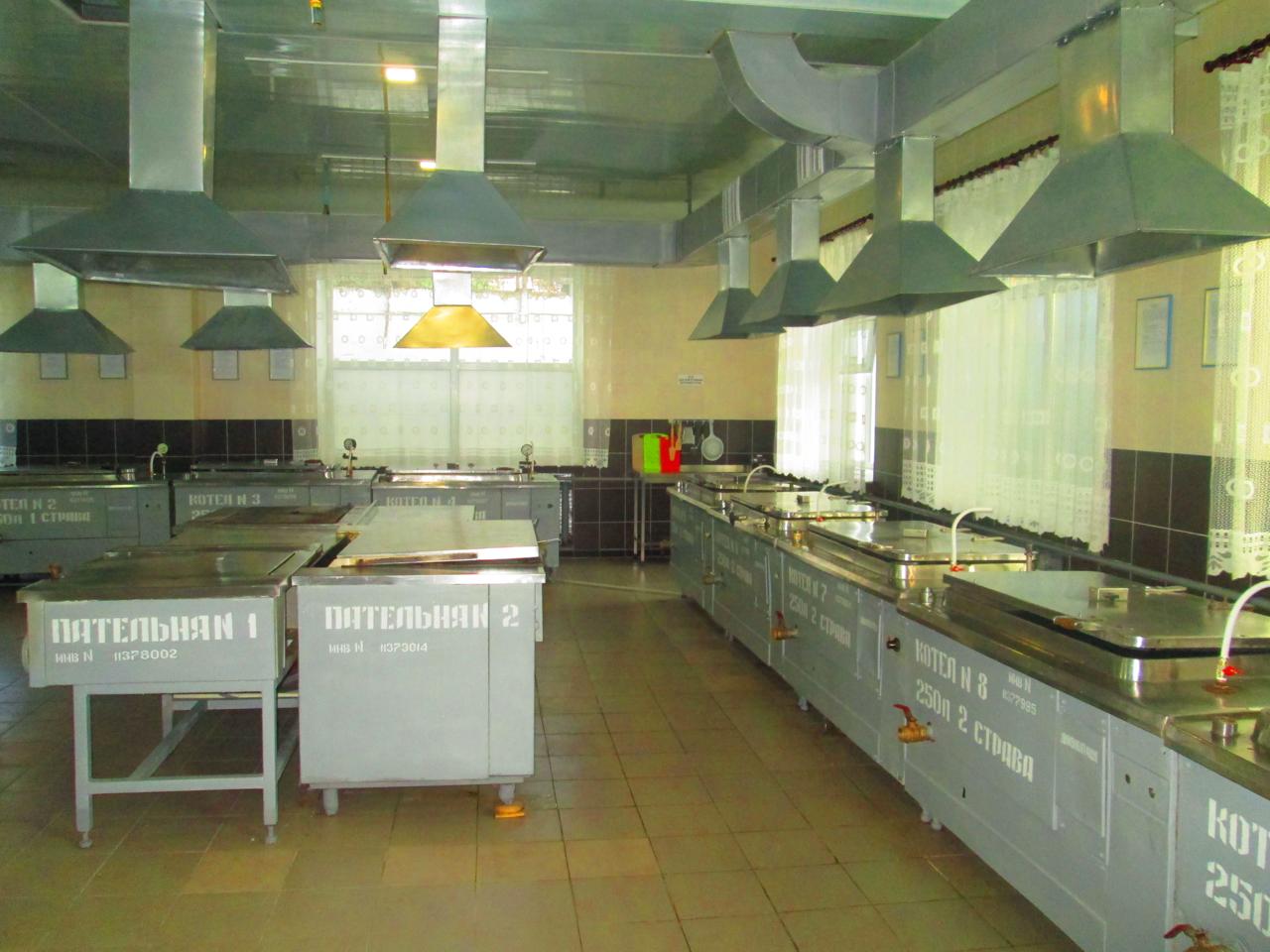
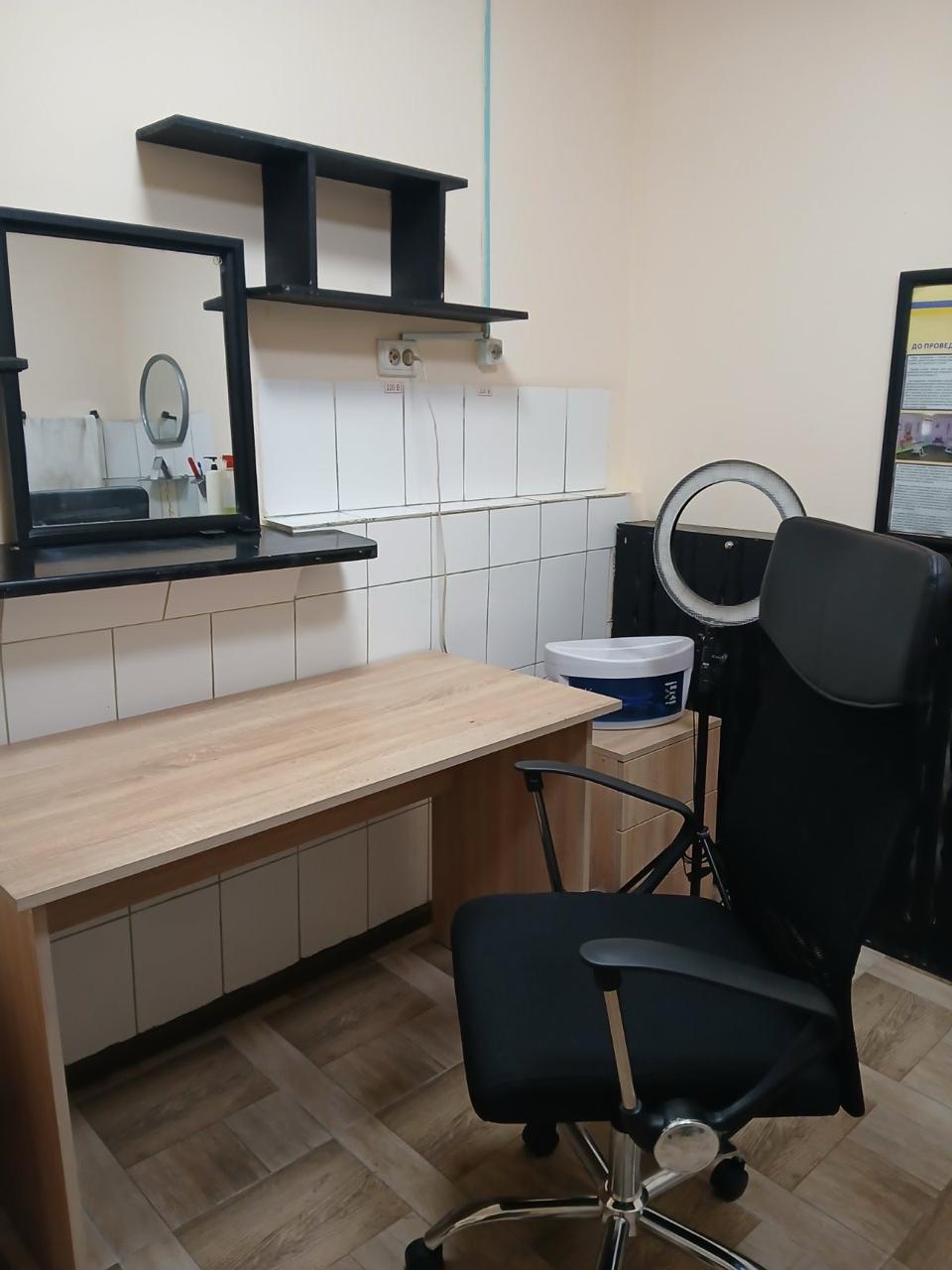
With the aim of ensuring proper conditions for serving sentences by convicts, the SPS units have been re-equipped, namely: premises for educational work, sleeping quarters taking into account personal space, rooms for psychological relief, rooms for eating, and offices for junior inspectors. The premises of the canteen, shop, and hairdresser’s have been renovated. The general alley of the institution has a tidy appearance. A Christian church and a library operate on the territory of the institution.
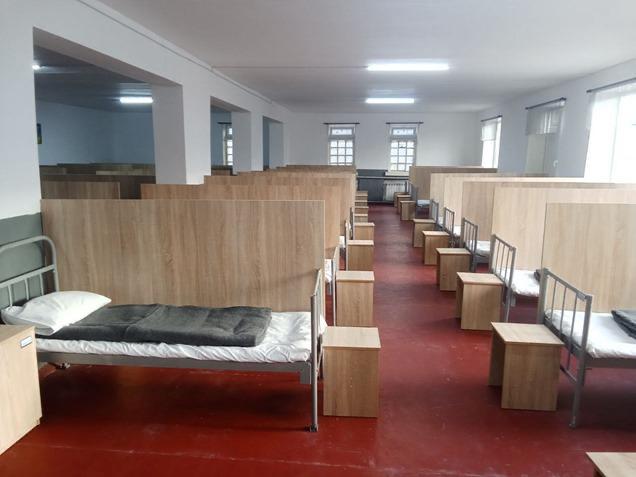
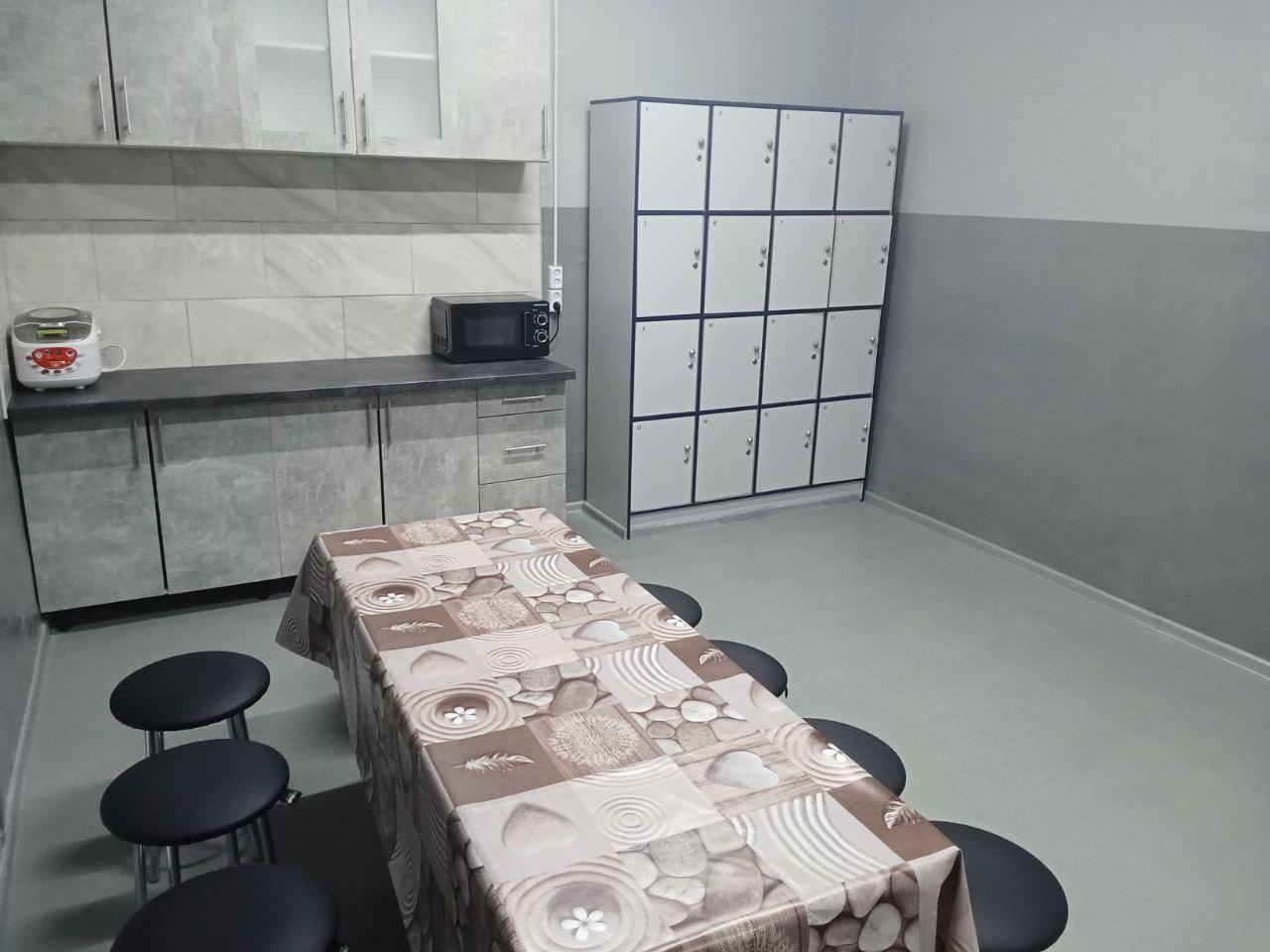
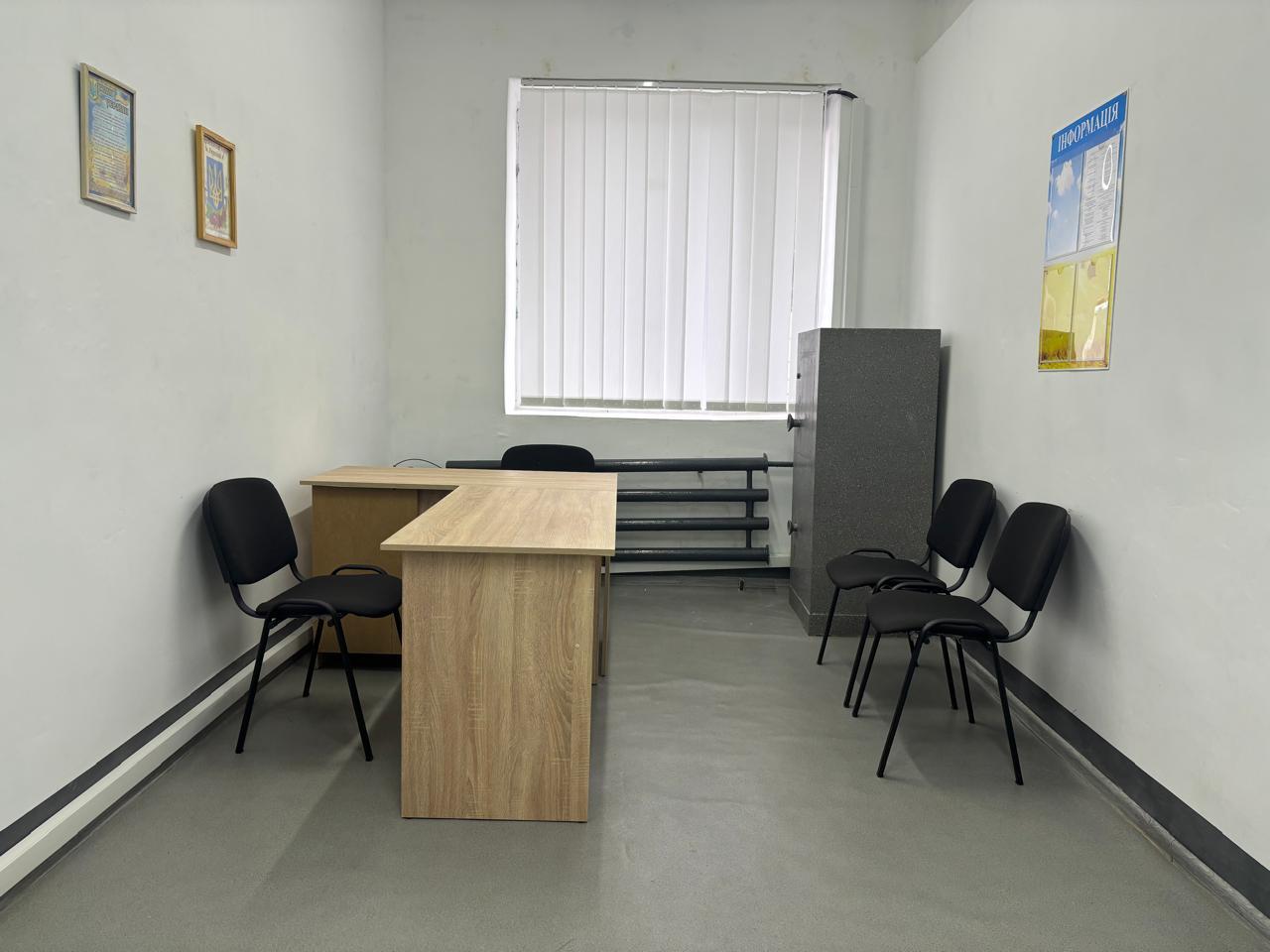

Violations of national and international legislation identified
During the monitoring visit, violations of the requirements of national legislation and non-compliance with international recommendations in the sphere of the treatment of prisoners were identified, which lead to violations of the rights of convicted persons:
1. The procedure and conditions for admitting convicted persons to the institution do not fully comply with the requirements of the current legislation of Ukraine and international standards for the treatment of prisoners.
During the visit to the KDD unit, violations of the requirements of Article 95 of the Criminal Executive Code of Ukraine and clause 3 of section I of the Regulations on the Quarantine, Diagnostics, and Distribution Unit, approved by the order of the Ministry of Justice of Ukraine dated 04.11.2013 No. 2300/5, registered with the Ministry of Justice of Ukraine on 04.11.2013 under No. 1864/24396 (hereinafter — Regulations on the KDD unit), were revealed. Thus, on 11.12.2025, 24 convicts arrived at the institution from the State Institution “Dnipro Institution for the Execution of Sentences (No. 4)”, and on 12.12.2025, 40 convicted persons arrived from the State Institution “Synelnykove Correctional Colony (No. 94)”.
In accordance with the requirements of the current legislation, newly arrived convicts placed in the KDD unit must undergo a full medical examination within 14 days in order to identify infectious, somatic, and mental diseases, as well as a primary psychological-pedagogical and other study. Thus, the distribution of these persons between the institution’s units should have taken place no earlier than 24.12.2025 and 25.12.2025, respectively, after the completion of the established 14-day period.
At the same time, as of the day of the visit — 17.12.2025 — there were only 12 newly arrived convicts in the KDD unit. Furthermore, 9 convicts had not been distributed between the SPS units, of whom 3 newly arrived convicts were placed in the DISO/KTP, and 6 convicts were undergoing inpatient treatment in the medical unit of the institution.
This indicates that the decision on the distribution of 43 newly arrived convicts between the SPS units was made before the expiration of the 14-day period provided for by legislation, which is a violation of the established procedure and indicates an insufficient volume of measures taken, including measures provided for by the programme for familiarising newly arrived convicts with the order and conditions of serving sentences.
2. The monitoring group established that the administration and staff of the institution do not ensure proper organisation of work with newly arrived convicts. The implementation of measures provided for by the programme for familiarising newly arrived convicts with the order and conditions of serving sentences is carried out in violation of the requirements regarding their periodicity, namely the mandatory nature of visiting the Quarantine, Diagnostics, and Distribution unit (hereinafter — KDD) by each member of the working group at least once a week.
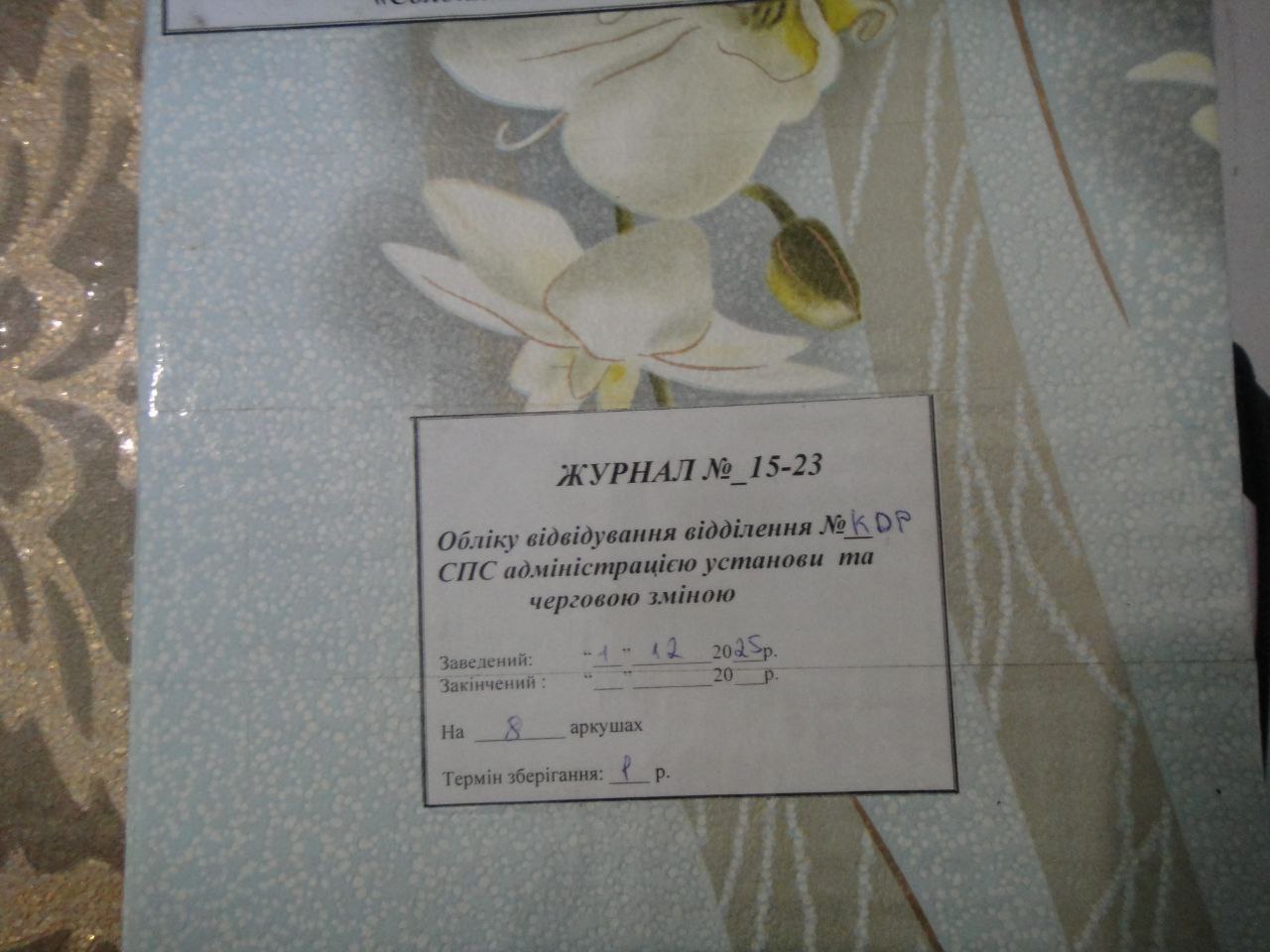
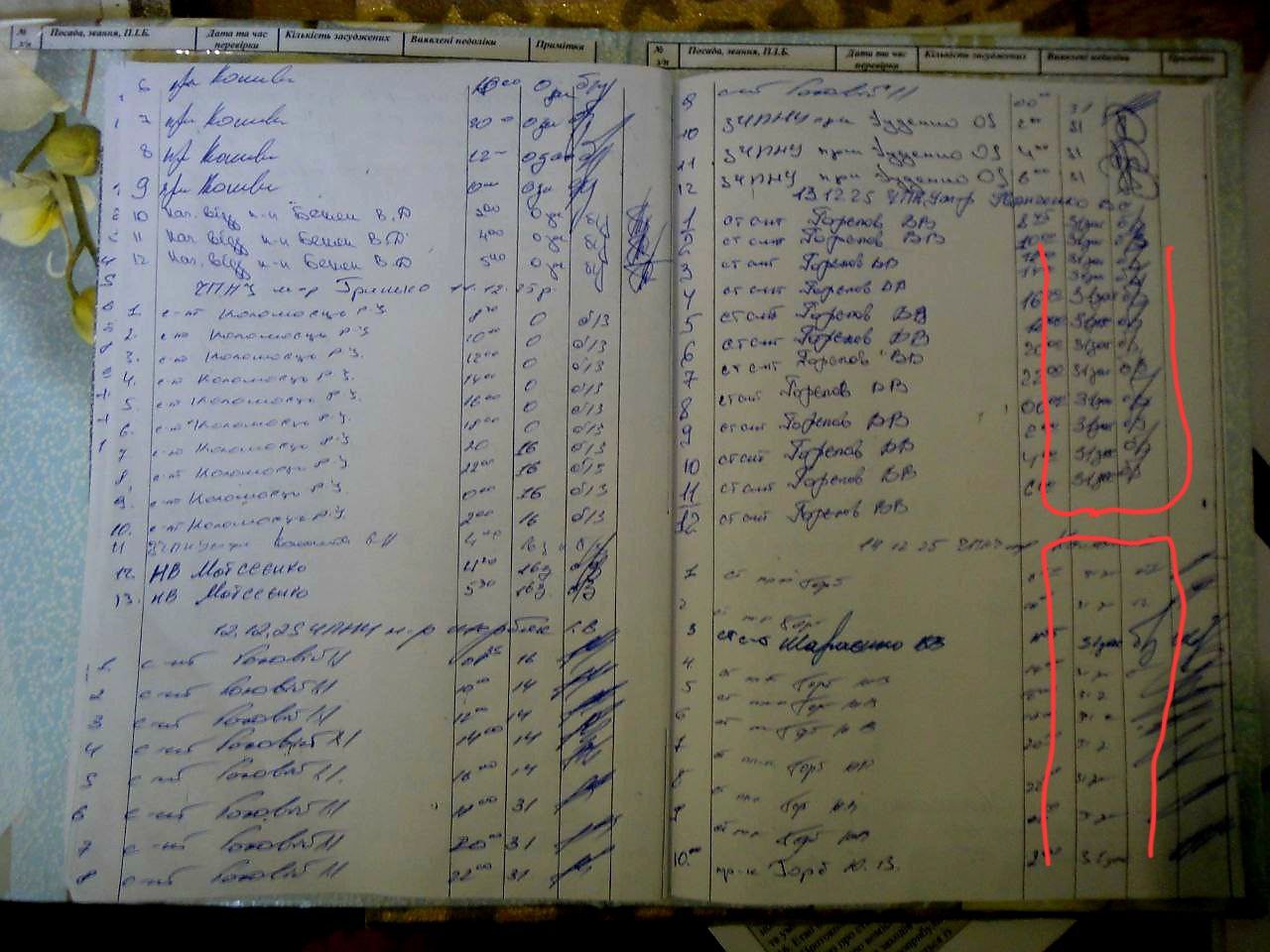
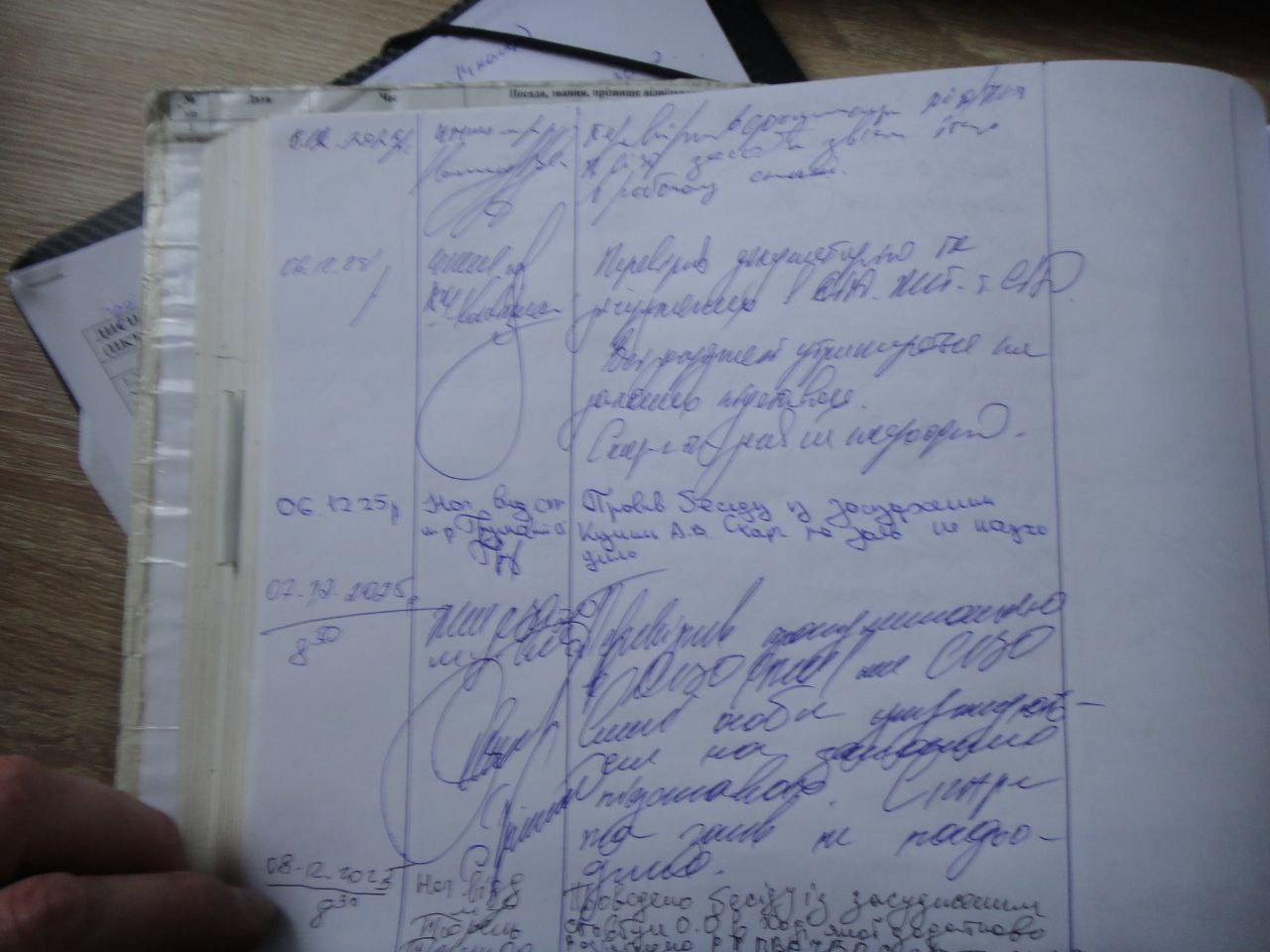
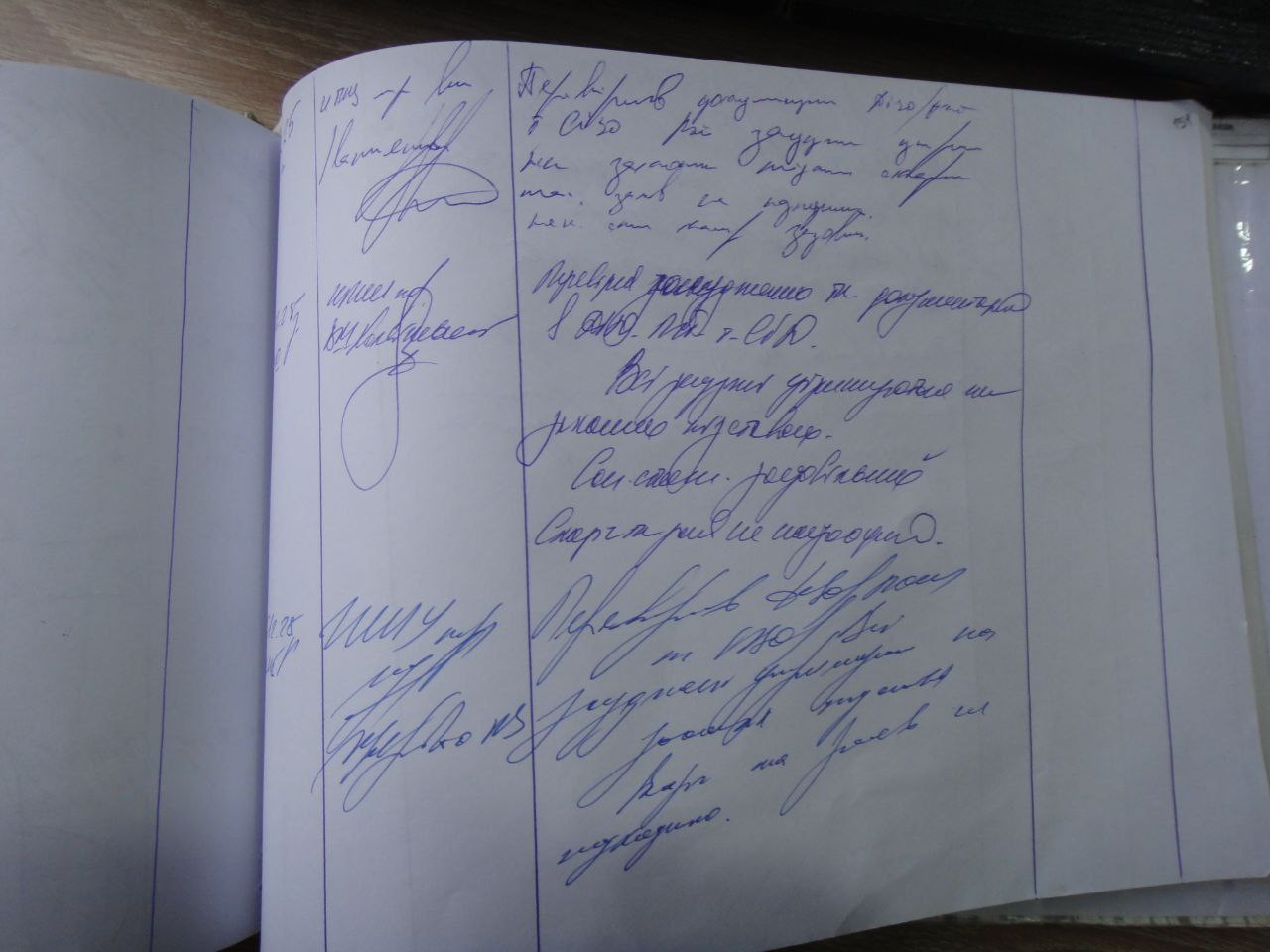
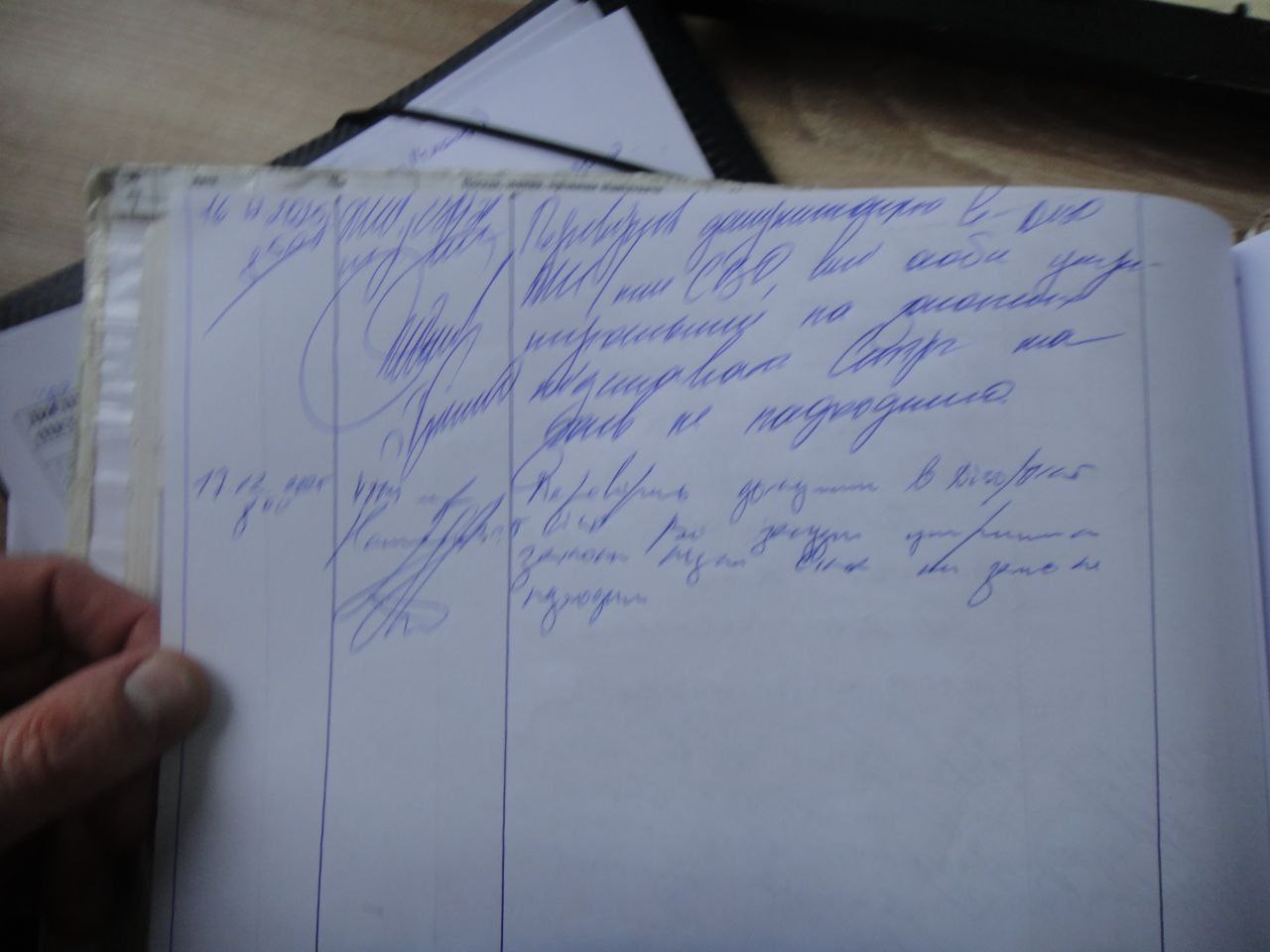
Thus, in the period from 08.12.2025 to 14.12.2025, according to the logbook of visits to the KDD unit by representatives of the institution’s administration, it was established that measures with newly arrived convicts were carried out by only ten of the twelve members of the working group, which does not comply with the requirements of clause 5 of section II of the Regulations on the KDD unit. In particular, during the specified period, such measures were not carried out by the First Deputy Head of the institution M. A. Olishevskyi and the acting Head of the Operational Department Ye. P. Prodan.
3. In violation of clause 1 of section II of the Regulations on the KDD unit, the Head of the Financial Provision and Accounting Department — Chief Accountant is not a member of the working group for work with newly arrived convicts.
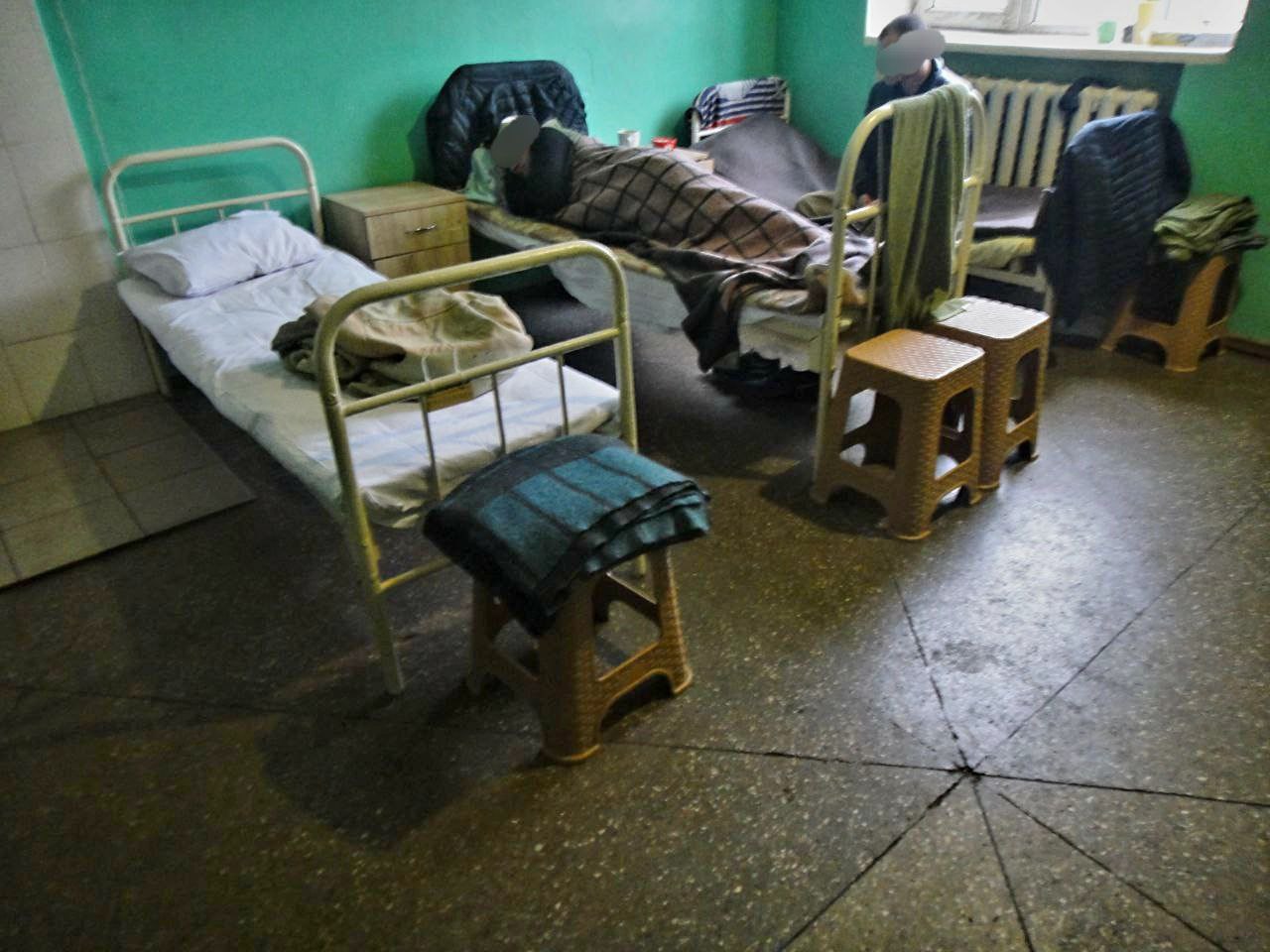
4. During the visit to the KDD unit, it was established that the conditions of detention of convicts do not comply with the requirements of part one of Article 115 of the Criminal Executive Code of Ukraine and clause 1 of section XXII of the Internal Regulations of Execution of Sentences Institutions, approved by the order of the Ministry of Justice of Ukraine dated 28.08.2018 No. 2823/5 (hereinafter — IRESI). In particular, in the residential premises of the KDD unit, the actual number of sleeping places exceeds the permissible limit, which makes it impossible to ensure the living space standard provided by legislation of at least 4 m² per person.
Thus, residential premises No. 3, which, according to the living space measurement certificate, is designed for 7 sleeping places with a total area of 30.5 m², is actually equipped with 8 beds. These circumstances create conditions for possible abuses on the part of the institution’s administration and staff regarding compliance with the living space standard per convicted person and do not ensure a proper level of personal space for persons held in the residential premises of the KDD unit.
In addition, according to the certificate of measurement of the area of the premises of the structural units, the KDD unit is designed for 29 places based on 4 m² per person. At the same time, during the inspection of the Logbook of visits to the KDD unit by the institution’s administration and the duty shift, it was established that on 12.12.2025, 13.12.2025, and 14.12.2025, 31 convicted persons were actually being held in the unit. This indicates non-compliance by the administration and staff of the institution with the requirements of the legislation of Ukraine regarding the minimum living space standard per person.
At the same time, paragraph 13 of the 7th General Report of the European Committee for the Prevention of Torture and Inhuman or Degrading Treatment or Punishment (hereinafter — the Committee) states that the problem of overcrowded cell-type premises leads to unhygienic conditions, a constant lack of privacy, overloading of medical services and the institution’s infrastructure, and to the conclusion that the negative impact of overcrowding often results in inhuman or degrading conditions of detention for prisoners (CPT/Inf (97) 10).
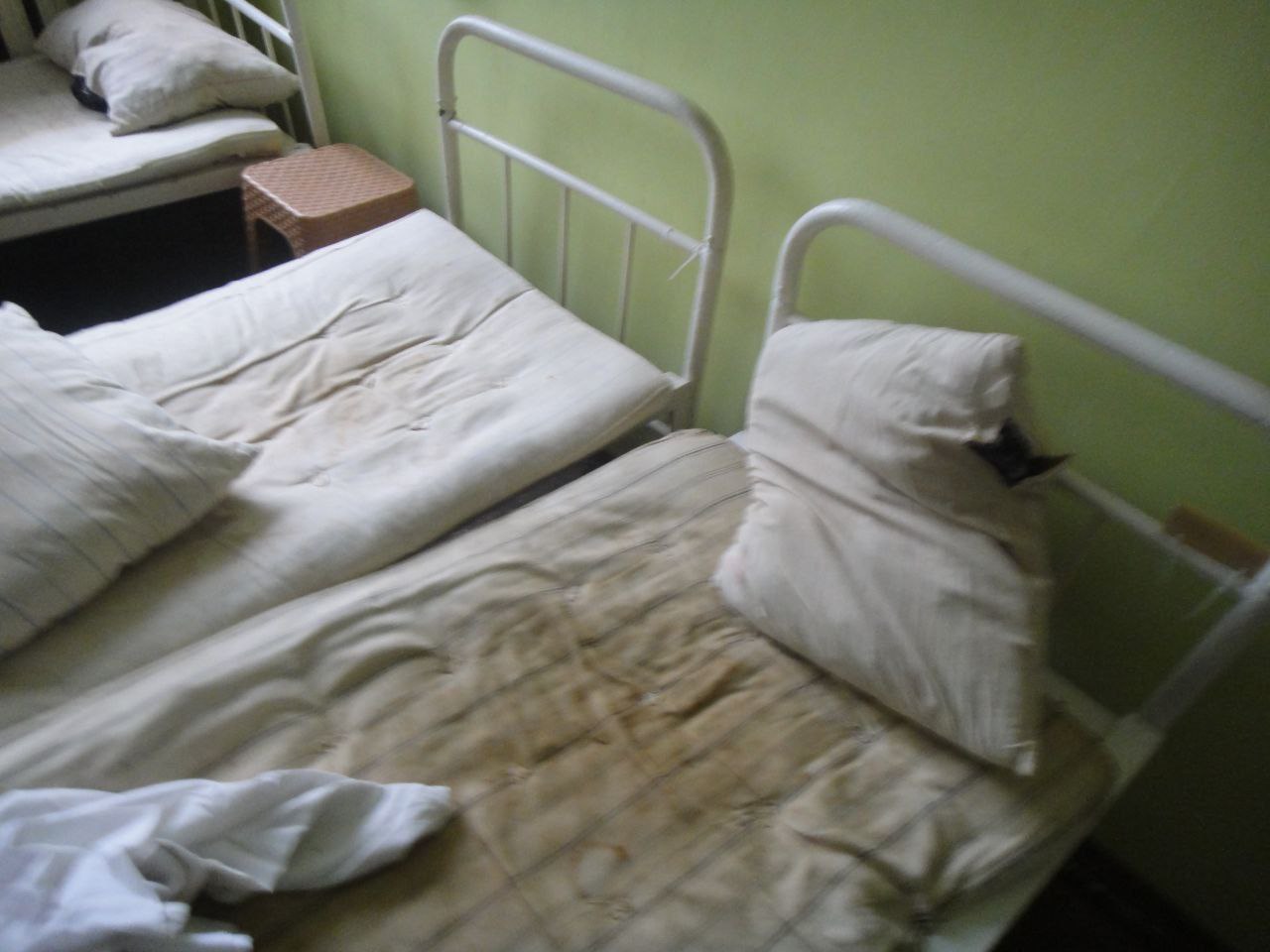
5. The monitoring group established that the material and living provision of the KDD unit does not fully comply with the established regulatory requirements. Thus, in violation of the requirements of rule 22.5 of the European Prison Rules, rule 22.2 of the UN Standard Minimum Rules for the Treatment of Prisoners, and the Provision Norms, the residential premises of the unit are not provided with drinking water tanks with a capacity of 15 litres with a dispensing tap, a lid, a mug, and a basin.
The sanitary facility is not equipped with sufficient partitions that ensure the possibility of privacy, which violates rule 19.3 of the European Prison Rules and rule 15 of the UN Standard Minimum Rules for the Treatment of Prisoners. Some mattresses and pillows are damp, are in an unsatisfactory condition, and need to be replaced, which contradicts the requirements of the Procedure for Providing Clothing Property and the norms of belonging of clothing property for convicts, approved by the order of the Ministry of Justice of Ukraine dated 20.02.2012 No. 280/5.
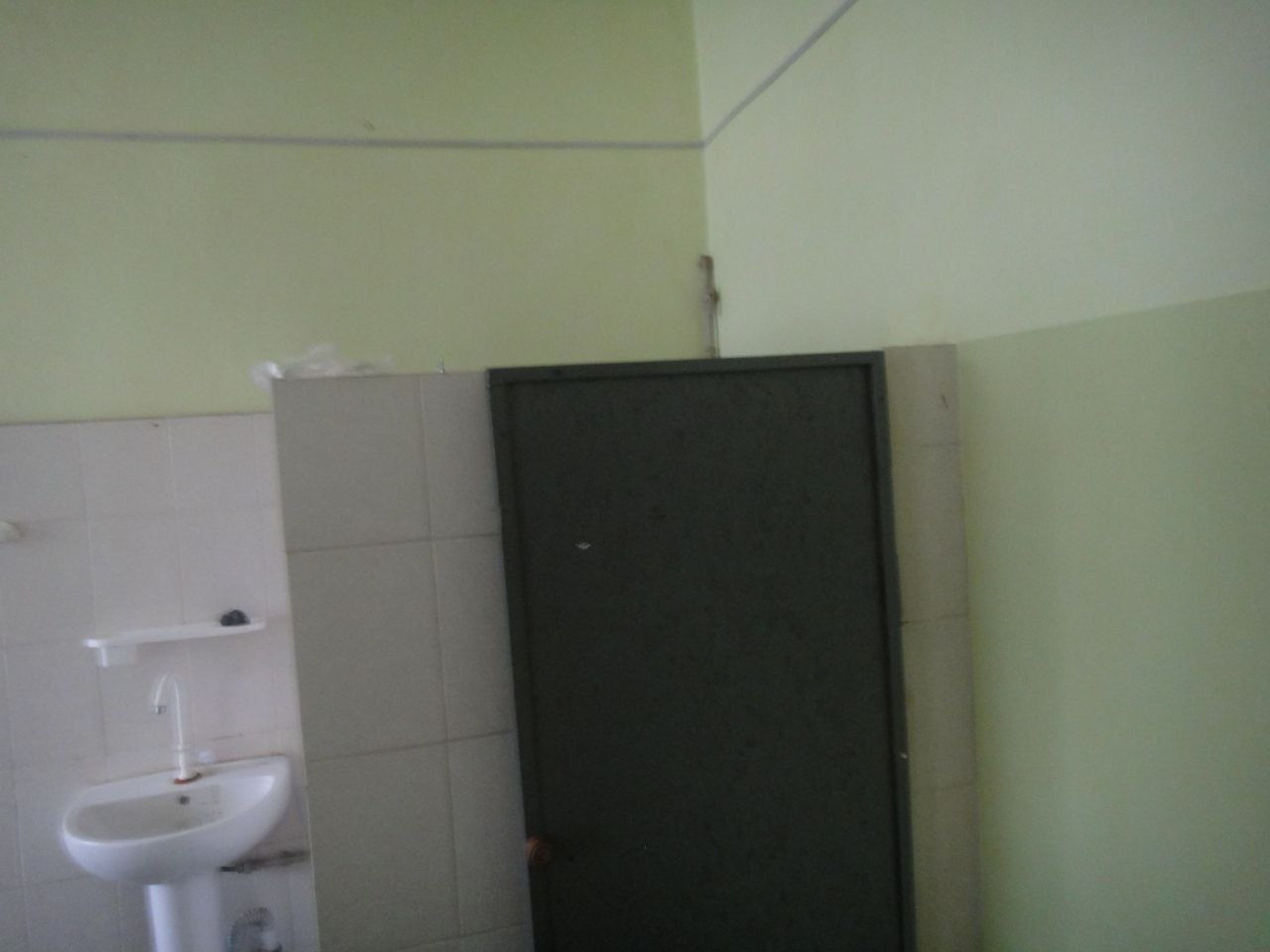
6. In violation of the requirements of the Norms for providing furniture, inventory, and household items of a medium-security correctional colony, approved by the order of the Ministry of Justice of Ukraine dated 27.07.2012 No. 1118/5 (hereinafter — Provision Norms), a number of premises are missing in the unit, namely: a room for storing convicts’ personal belongings; a storeroom for the temporary storage of dirty bedding, clothing, and special clothing; a cloakroom; a utility room; a drying room. The absence of these premises creates conditions that do not meet living standards, makes it impossible to properly comply with sanitary and hygienic requirements, and complicates the maintenance of cleanliness and order in the places where convicts live. Such a state of organisation of everyday life negatively affects the general sanitary state of the institution and may pose a risk to the health of the persons held in it.
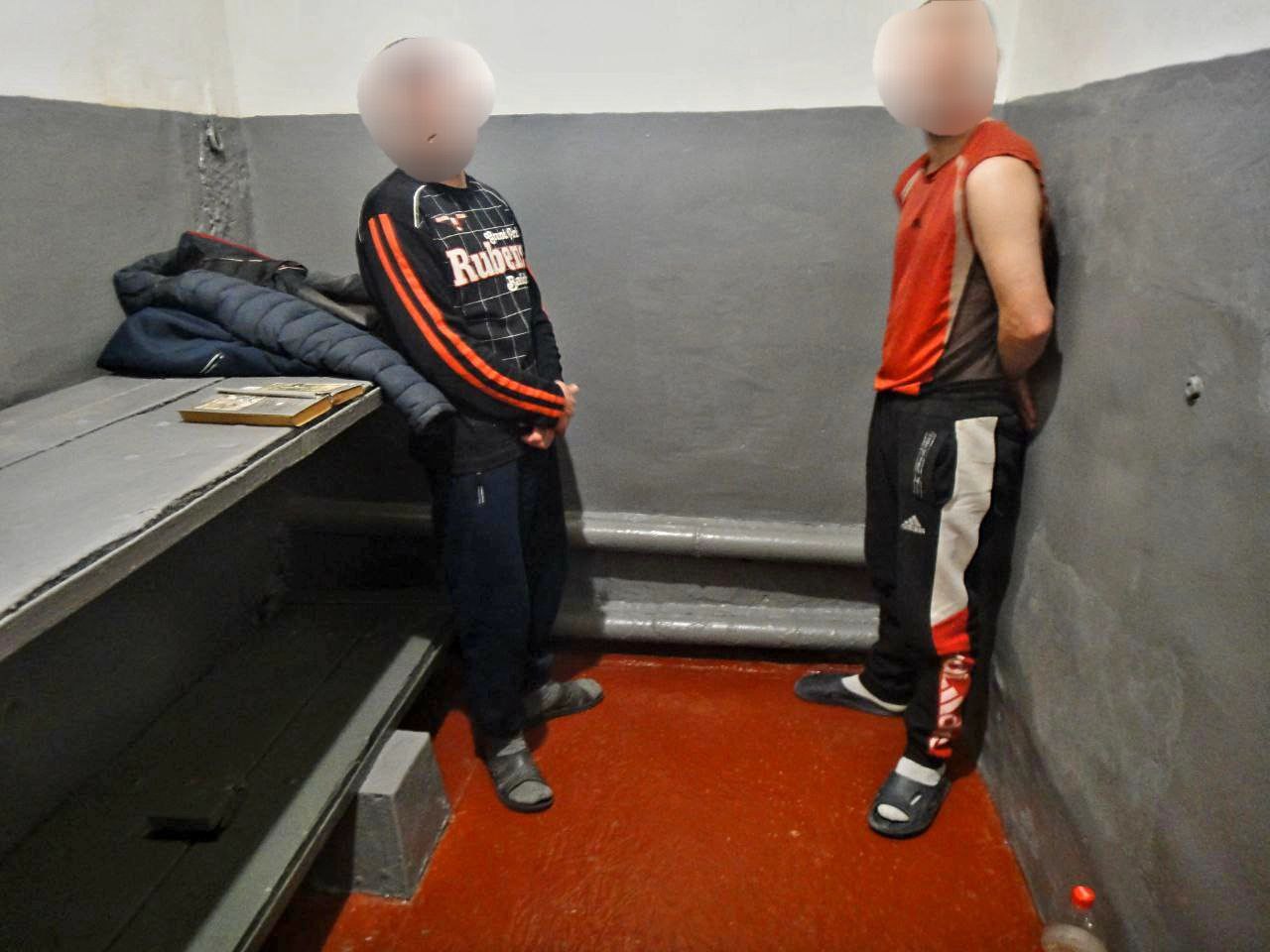
7. The state of the furnishing of the institution’s disciplinary isolation unit premises (hereinafter — DISO/KTP) does not fully comply with the established standards for the treatment of prisoners and does not ensure proper conditions of detention of convicts, taking into account their individual needs. In the Report to the Government of Ukraine on the results of the visit to Ukraine in 2012, the Committee notes that any solitary confinement cells must have a living space of at least 6 m² (excluding the built-in sanitary unit), and the distance between the walls of the cell must be at least 2 m (CPT/Inf (2013) 23) paragraph 45).
At the same time, the monitoring group established the use of premises for holding convicted persons that do not meet these recommendations. In particular, in DISO cell premises Nos. 10, 11, 12, 13, 14, the distance between the walls is less than 2 m. Due to the lack of free space in these cell premises, there are no benches and tables, which deprives convicts serving disciplinary penalties of the opportunity to eat in proper conditions, read, write, etc.
In violation of the requirements of the Provision Norms, there is no room for storing convicts’ personal belongings in the DISO. Furthermore, the DISO cell premises are not provided with a proper level of natural lighting, as the windows are located at a considerable height and are small, as a result of which natural light practically does not penetrate into the premises. Such conditions may cause additional psychological pressure on convicts due to the lack of any, including visual, contact with the external environment.
In violation of the requirements of rule 22.5 of the European Prison Rules, some cell premises are not provided with drinking water tanks. Also, some cells require repair work, in particular the replacement of sanitary equipment. The sanitary facilities in some cell premises are not equipped with sufficient partitions that ensure the possibility of privacy, which is a violation of the requirements of rule 19.3 of the European Prison Rules.
Thus, these conditions do not meet the requirements of part one of Article 115 of the Criminal Executive Code of Ukraine, clauses 13, 14, 15, and 22.2 of the UN Standard Minimum Rules for the Treatment of Prisoners (Nelson Mandela Rules). The sum of these circumstances may be regarded as degrading to human dignity and contrary to Article 3 of the Convention for the Protection of Human Rights and Fundamental Freedoms.
At the same time, in the Report to the Government of Ukraine on the results of the visit in 2023, the Committee called on the Ukrainian authorities to take the necessary measures to improve the material conditions of detention, in particular, to maintain all places of accommodation for convicts and persons in custody, including sanitary premises, in a proper state of repair and hygiene, to ensure regular and frequent disinfestation, sufficient access to natural light and ventilation in cells, as well as full equipment of internal sanitary premises with floor-to-ceiling partitions (CPT/Inf (2024) 20) paragraph 58).
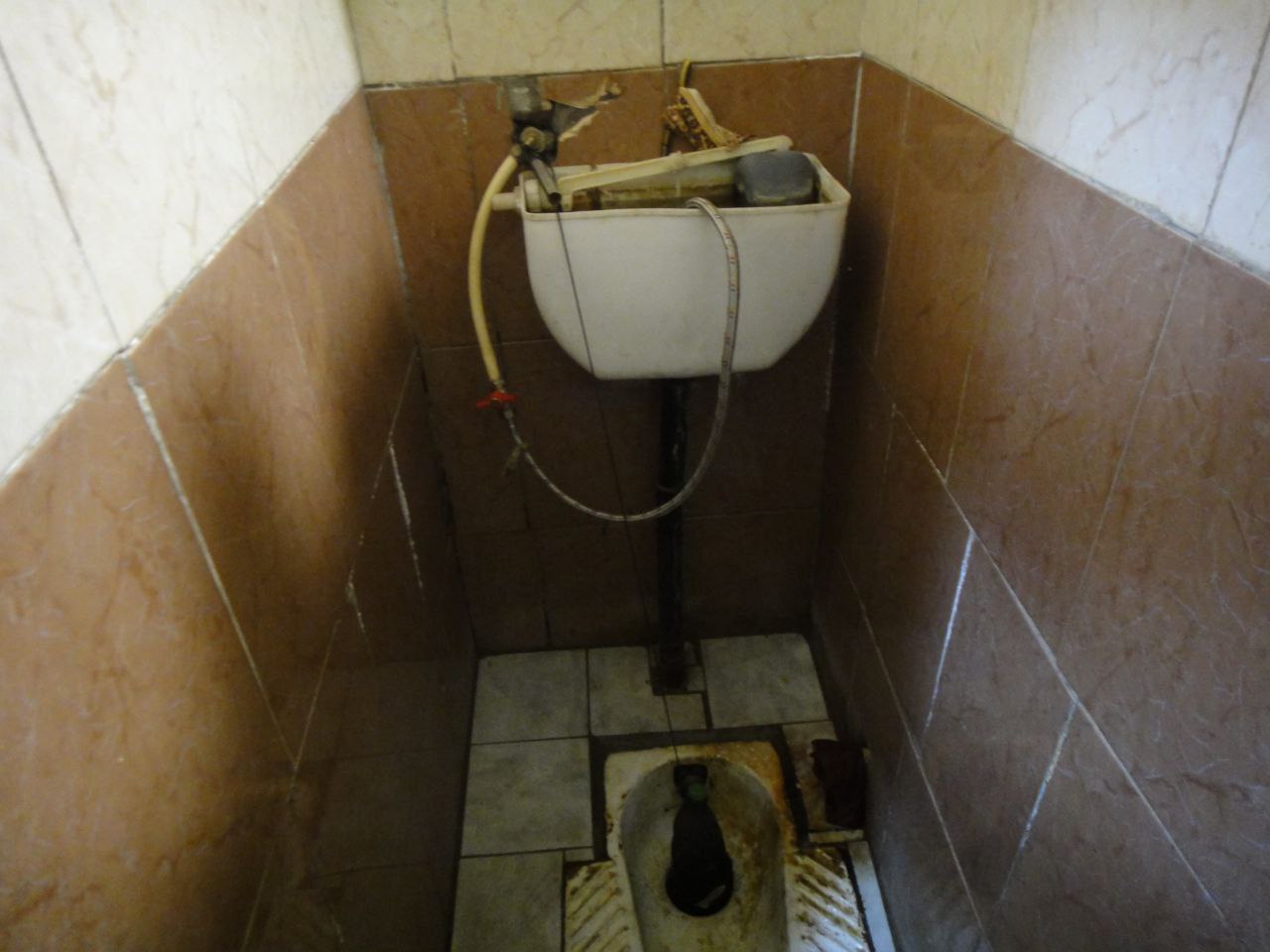
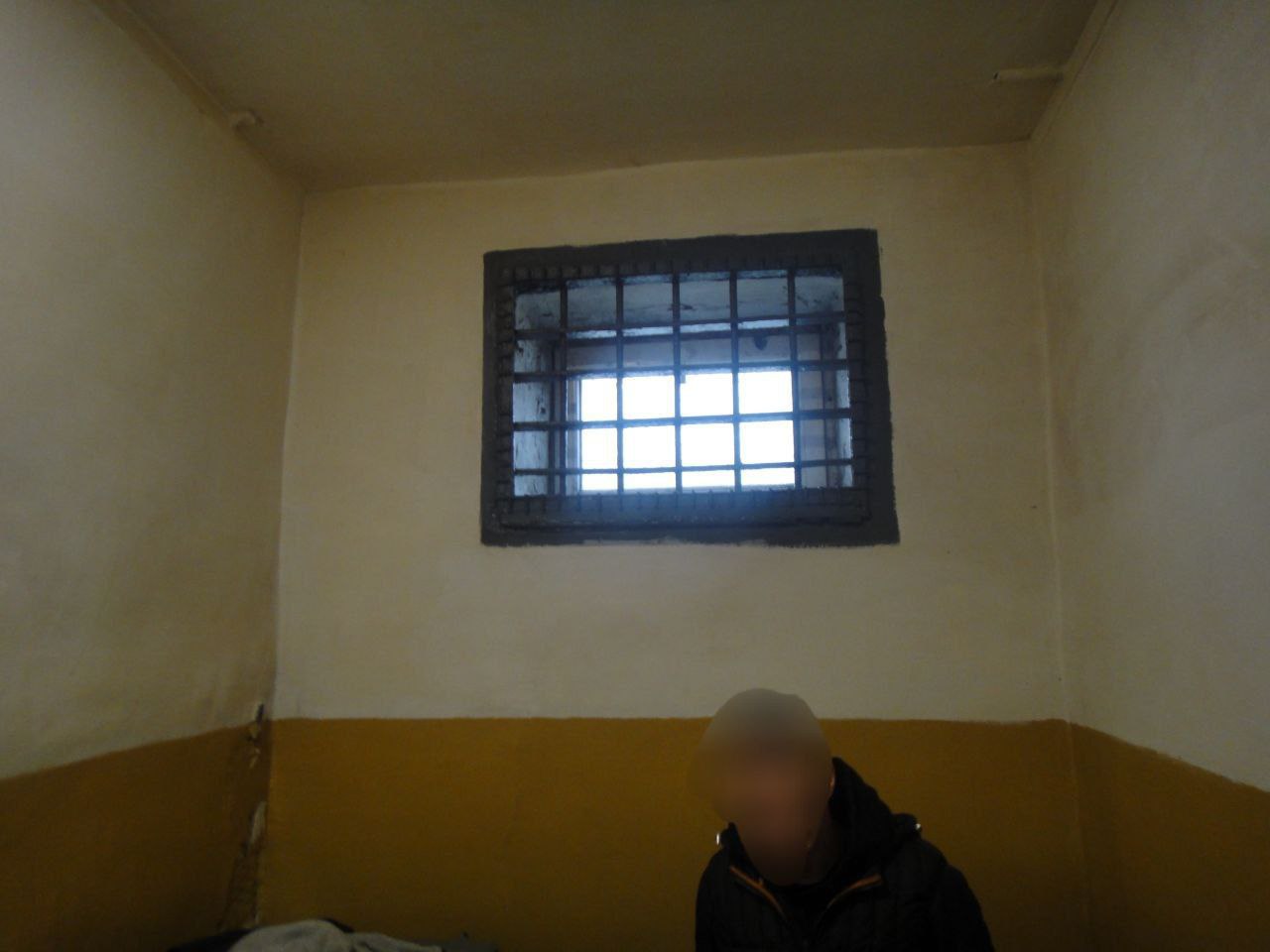
8. In violation of clause 4 of section IV of the Procedure for the Use of Technical Means of Supervision and Control in Correctional and Educational Colonies of the State Criminal Executive Service of Ukraine, approved by the order of the Ministry of Justice of Ukraine dated 26.06.2018 No. 2025/5 (hereinafter — Procedure for the Use of Technical Means), it was established that the DISO/KTP cells are not equipped with staff call buttons, which complicates the operational contact of convicts with the institution’s staff.
9. During the visit to the DISO/KTP, it was established that convicts who were serving disciplinary penalties were not issued a copy of the decision on the application of a disciplinary penalty to them by the institution’s administration, specifying the procedure and possibility of appealing it, which contradicts the requirements of Article 135 of the Criminal Executive Code of Ukraine. At the same time, in the Report to the Government of Ukraine on the results of the visit in 2023, the Committee recommends taking measures to ensure the systematic delivery to convicts of copies of the relevant decisions, as well as informing them of the right of access to a lawyer in the context of disciplinary proceedings (CPT/Inf (2024) 20) paragraph 103).
10. The monitoring group established three cases where a psychological profile was not attached to the case files regarding the placement of convicts in the disciplinary isolation unit by the institution’s psychologist, which indicates that no corresponding psychological examination of these persons was conducted. This is a violation of the requirements of clause 5 of section V of the Typical Job Duties of a Psychologist of an Institution for the Execution of Sentences and a Pre-Trial Detention Centre, approved by the order of the Ministry of Justice of Ukraine dated 04.11.2013 No. 2300/5, which provide for the psychologist’s duty to participate in the consideration of materials regarding the placement of convicts in the disciplinary isolation unit and to provide relevant conclusions.
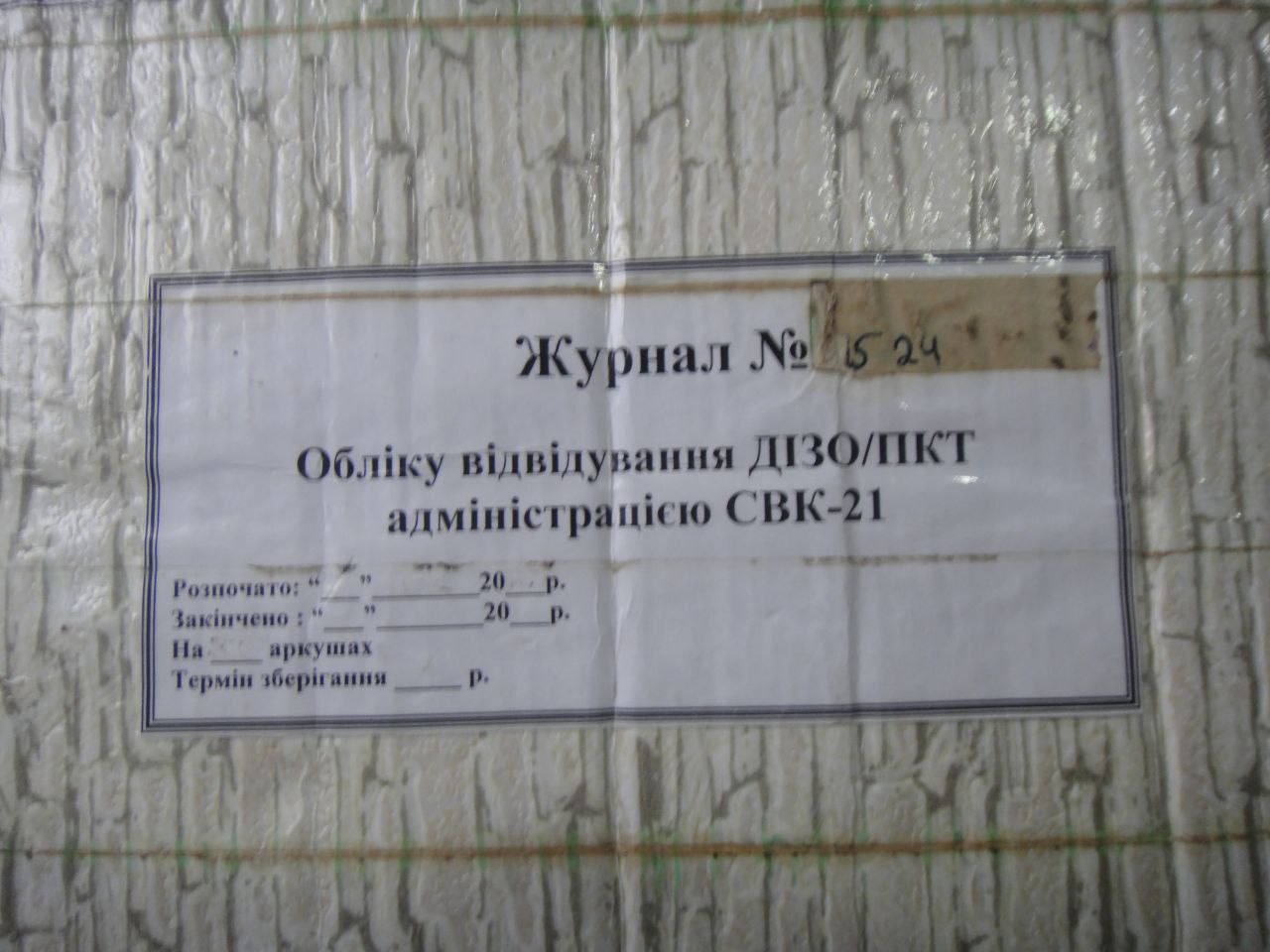
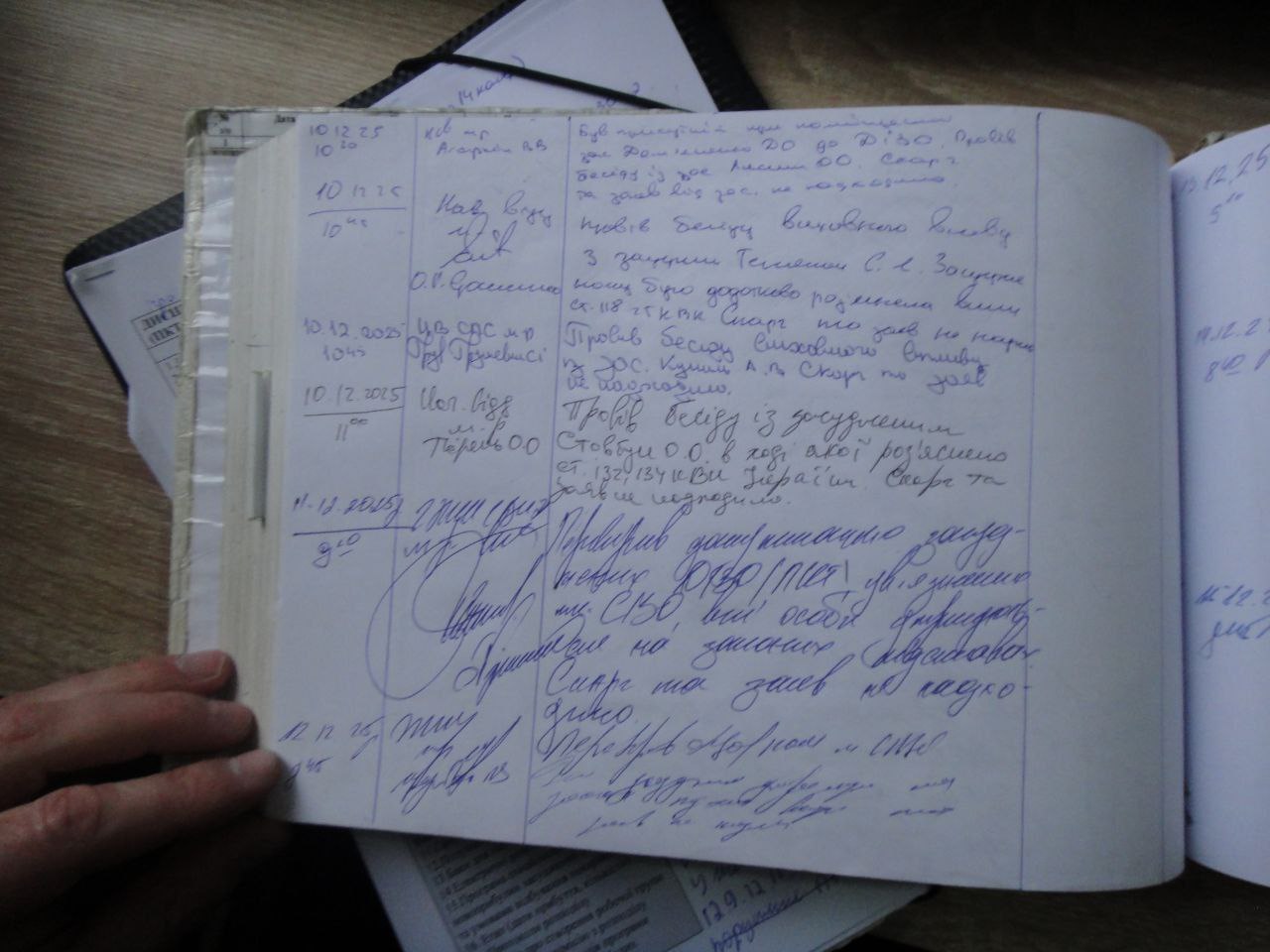
11. During the visit to the DISO/KTP and the analysis of service documentation, the monitoring group established that the psychologist does not visit convicts who are serving disciplinary penalties in the DISO, as provided for by the twenty-third paragraph of clause 6 of section XXI of the IRESI. This is confirmed by the absence of relevant markings in the logbook of visits to the disciplinary isolation unit and chamber-type premises by representatives of the institution’s administration.
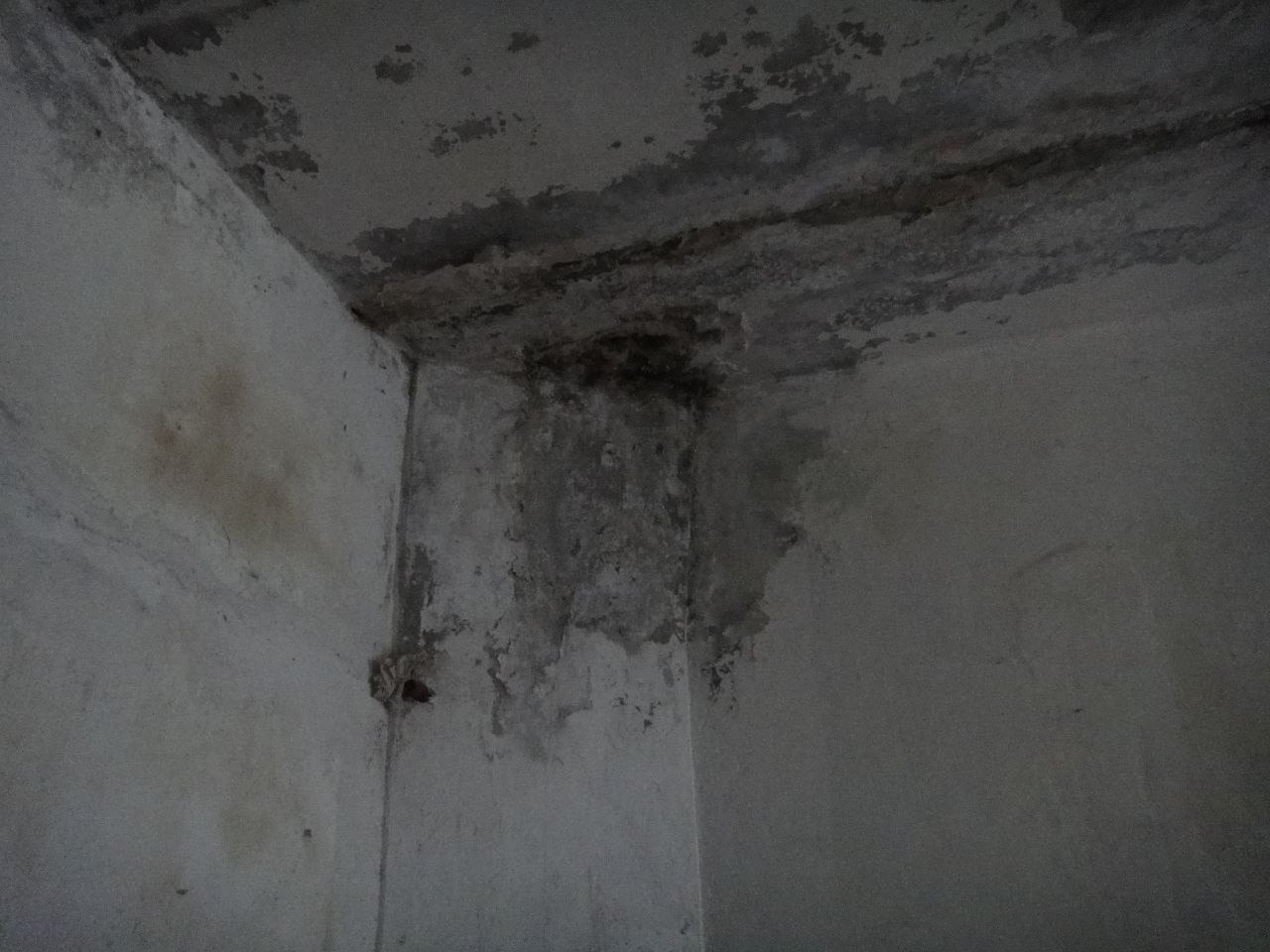
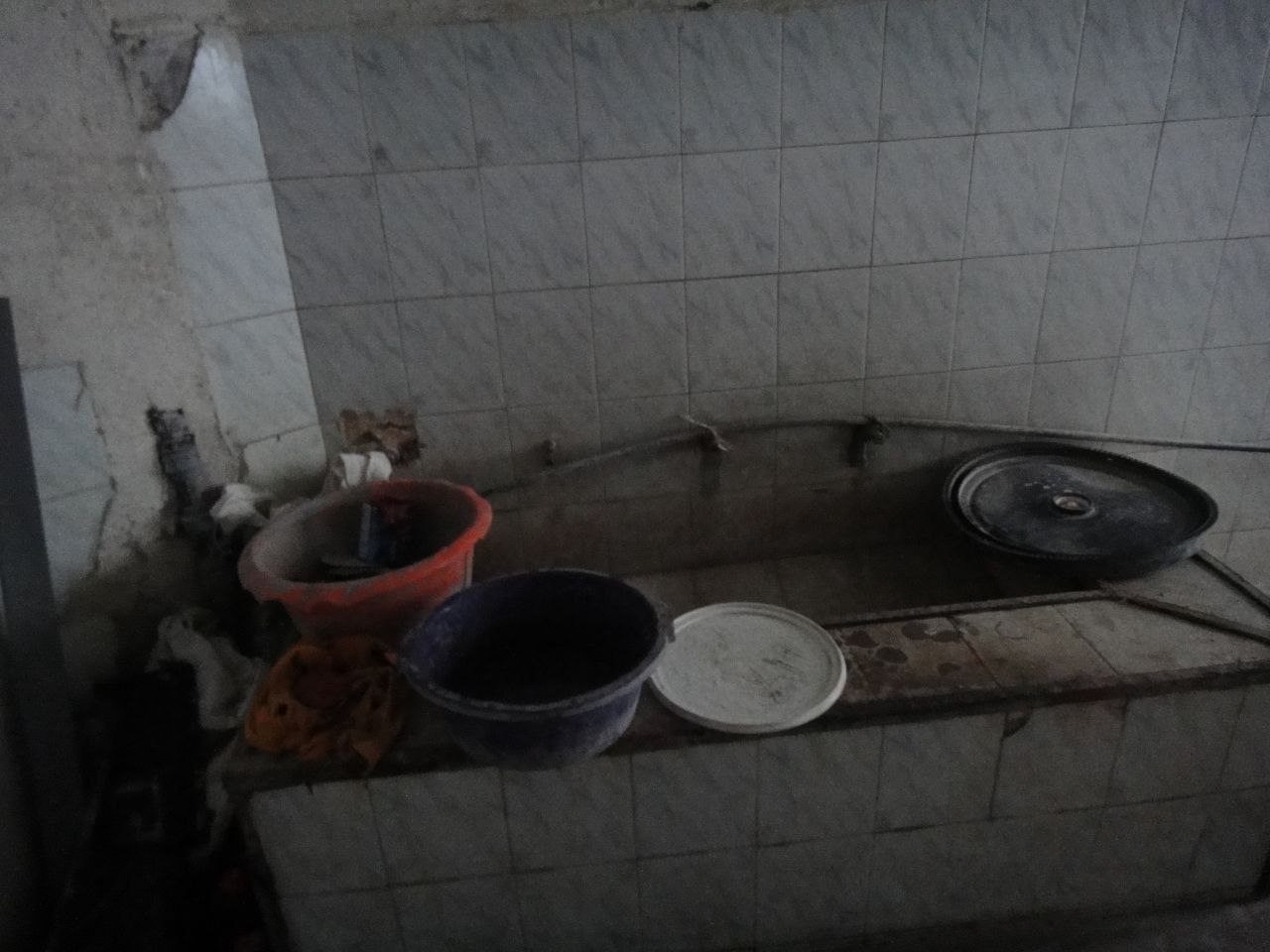
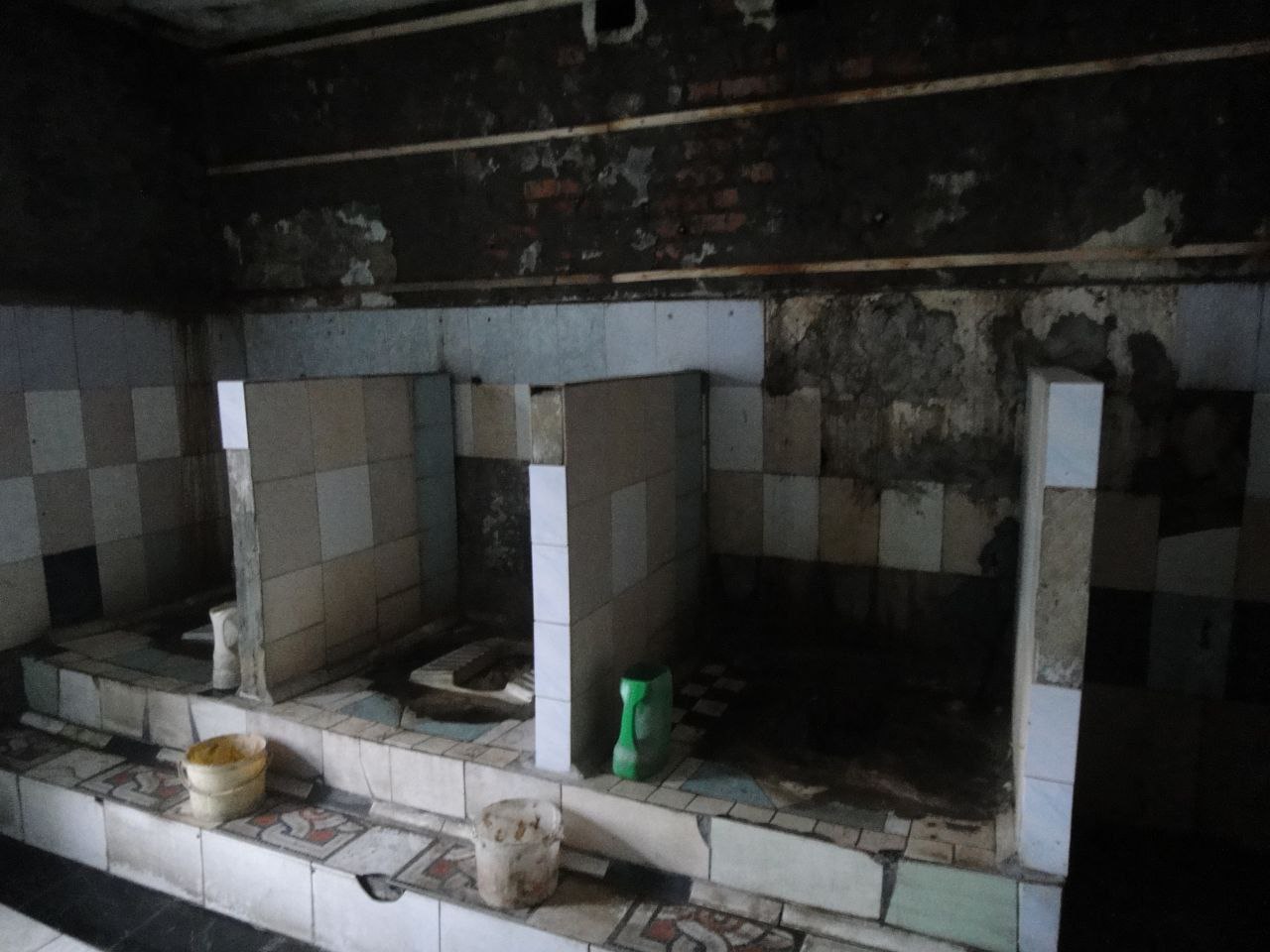
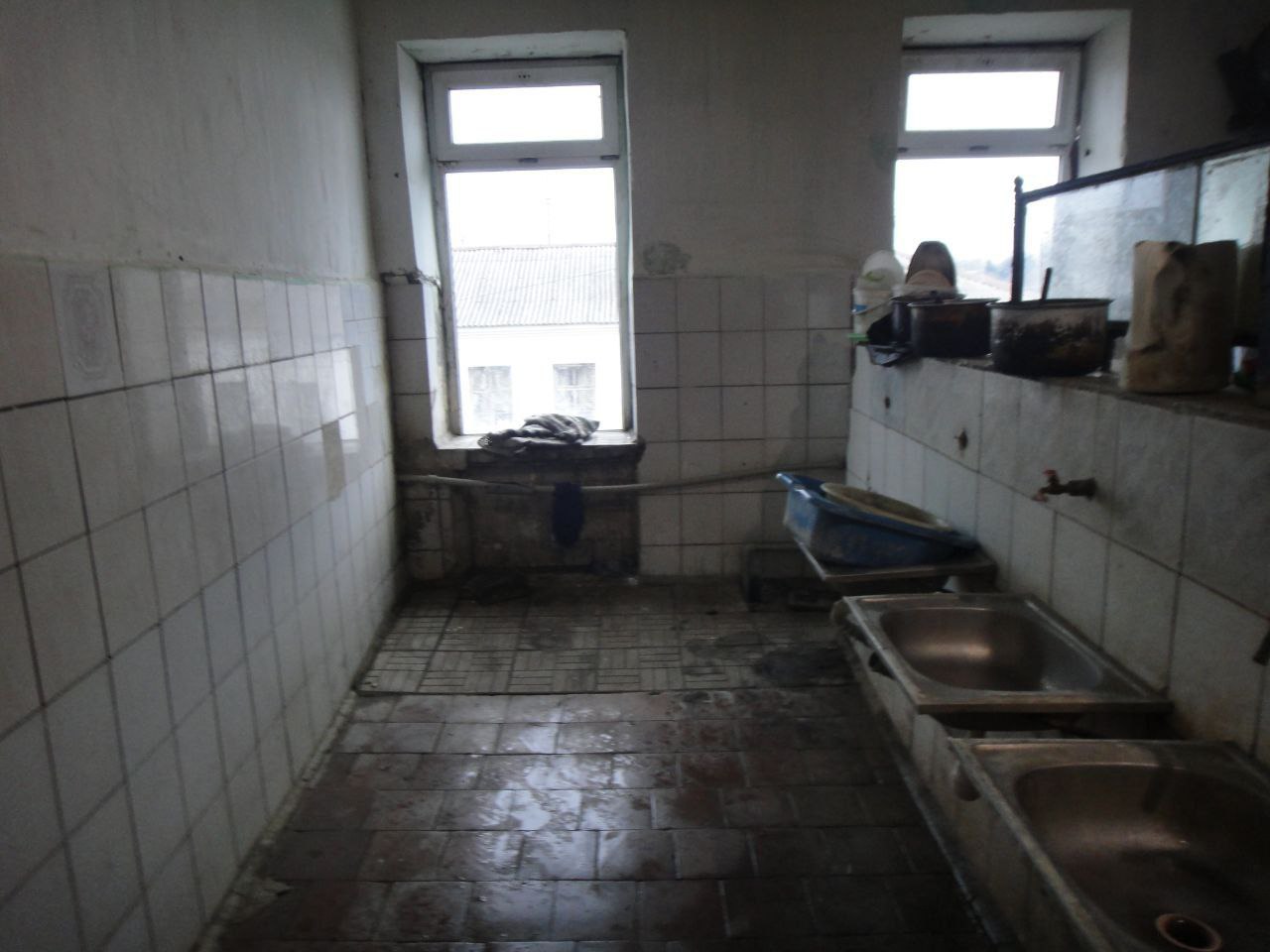
12. During the visit to the dormitories of the SPS units, it was established that the living conditions of convicts in some of them are unsatisfactory, violate their right to decent conditions of detention, and do not comply with the requirements of part one of Article 115 of the Criminal Executive Code of Ukraine, clauses 14 and 15 of the UN Standard Minimum Rules for the Treatment of Prisoners (Nelson Mandela Rules). Thus, in SPS units Nos. 7, 8, 9, the premises of the washrooms and sanitary facilities are in an unsatisfactory state, do not meet sanitary and hygiene requirements, and require capital repairs with the replacement of sanitary equipment.
In these premises, there is a persistent unpleasant odour, there are signs of unsanitary conditions, and the walls are covered with mould due to significant leaking. The sanitary facilities are not equipped with toilet bowls and proper water flushing systems, and also lack sufficient doors and partitions that ensure the possibility of privacy, which is a violation of the requirements of rule 19.3 of the European Prison Rules.
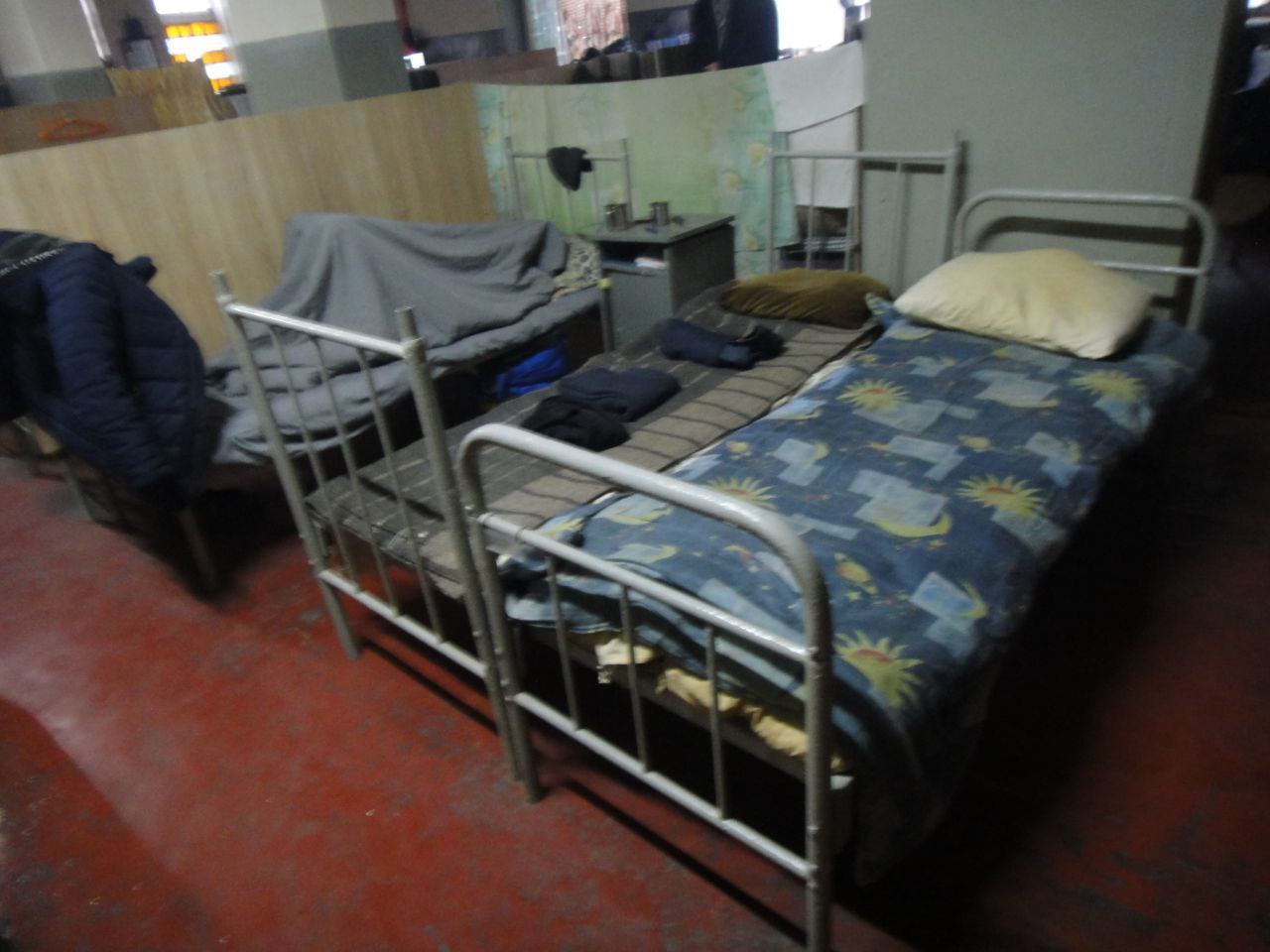
In the sleeping quarters of the unit, a sufficient number of stools is not provided based on one stool per person. The level of natural and artificial lighting is insufficient. There is significant cluttering with bags and personal belongings of convicts. In violation of the requirements of rule 18.1 of the European Prison Rules, the beds in the sleeping quarter of SPS unit No. 9 are located close to one another, which makes it impossible to ensure proper personal space for the convicts.
13. Clause 1 of section XXIII of the IRESI defines that the supervision of convicts is a system of measures aimed at ensuring the serving and execution of criminal penalties in the form of restriction and deprivation of liberty, life imprisonment, and arrest through 24-hour and continuous monitoring of the behaviour of convicts in their places of residence and work, preventing and stopping illegal actions on their part, ensuring the requirements of isolation of convicts and the safety of the staff of the institutions for the execution of sentences.
At the same time, during the inspection of the sleeping quarters of SPS unit No. 7, the installation of video surveillance cameras was recorded. Meanwhile, in the report on the results of the visit to Ukraine in 2012, the Committee critically assessed the practice of excessive interference in the private life of convicts through the installation of video cameras in residential premises. In particular, it was noted that any decision regarding the use of video surveillance in relation to a specific convict must be based on an individual assessment of actual risks and be subject to regular review. The Committee emphasised that video surveillance is a serious interference in the private life of prisoners and makes the detention regime more repressive, especially in the case of its long-term application (CPT/Inf (2013) 23) paragraph 52).
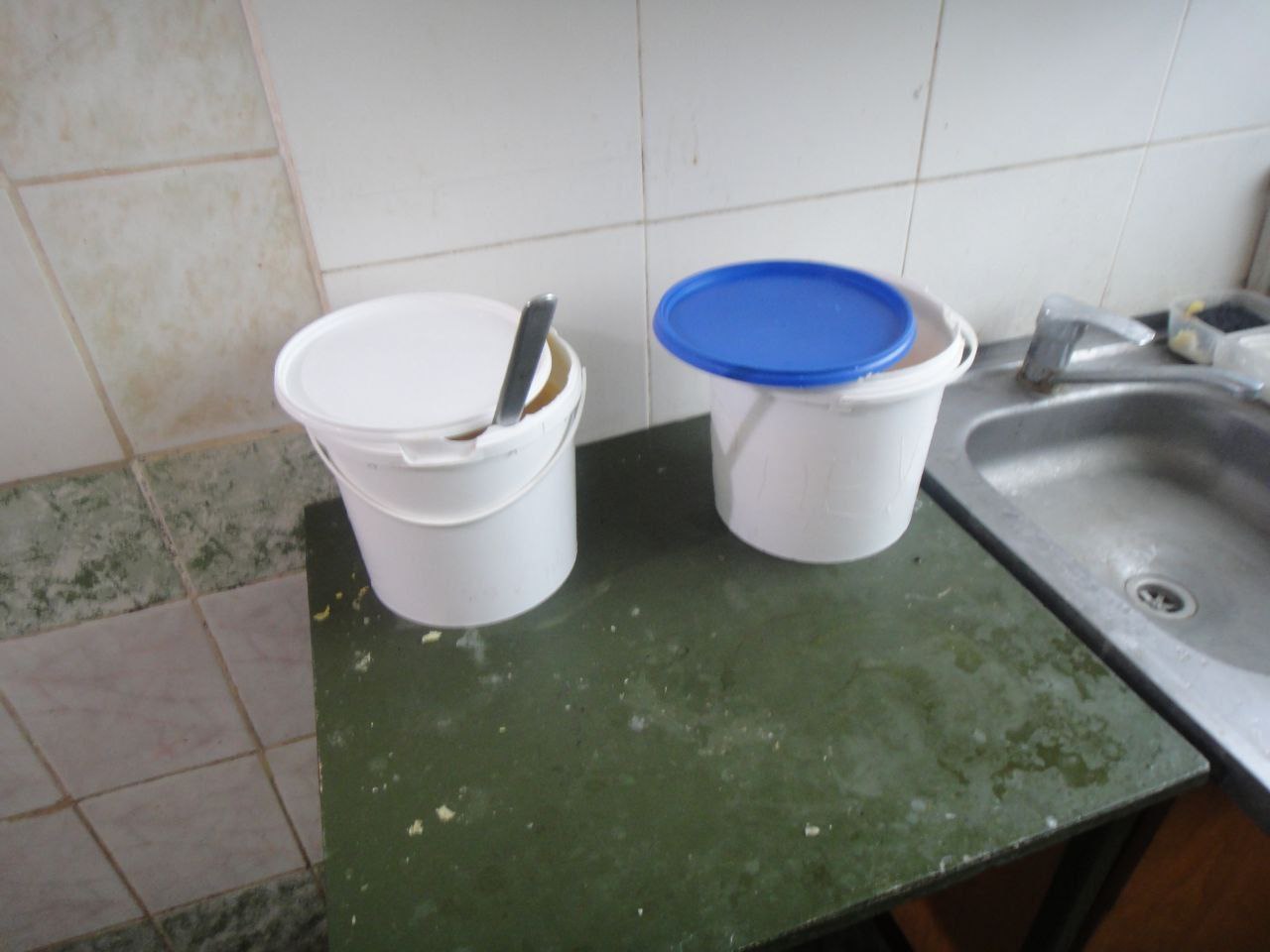
14. In violation of the requirements of clause 14 of section V of the Regulation on the Organisation of Food Provision in the State Criminal Executive Service of Ukraine for peacetime, approved by the order of the Ministry of Justice of Ukraine dated 15.06.2021 No. 2160/5 (hereinafter — Regulation on the Organisation of Food Provision), food is delivered to convicts from the institution’s canteen in buckets, and not in marked thermos containers.
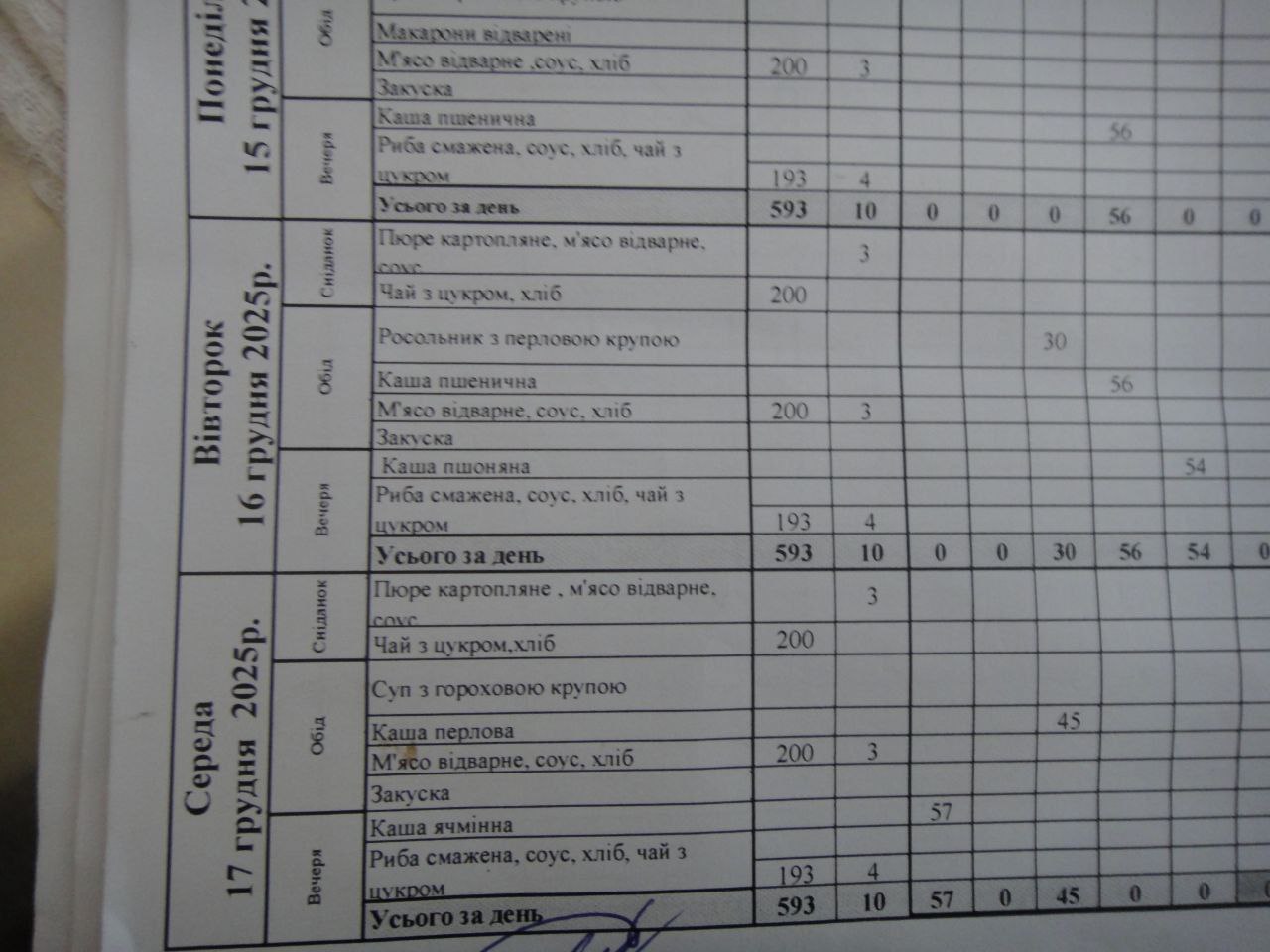
15. In violation of clause 5 of section V of the Regulation on the Organisation of Food Provision, the dishes according to norm No. 1A, served for dinner on 16.12.2025, did not correspond to the approved menu schedule. In particular, instead of a portion of the provided dish “fried fish”, a portion of the dish “cutlets” was provided. These changes were made without the written permission of the head of the institution and without the submission of a corresponding report by the deputy head of the institution for logistics and communal living support, which is a violation of the established order of catering organisation in the institution.

16. During the visit to the institution, the monitoring group established that the institution’s shop lacks tobacco products, underwear, and writing paper, the availability of which is provided for by Appendix 5 to the IRESI.
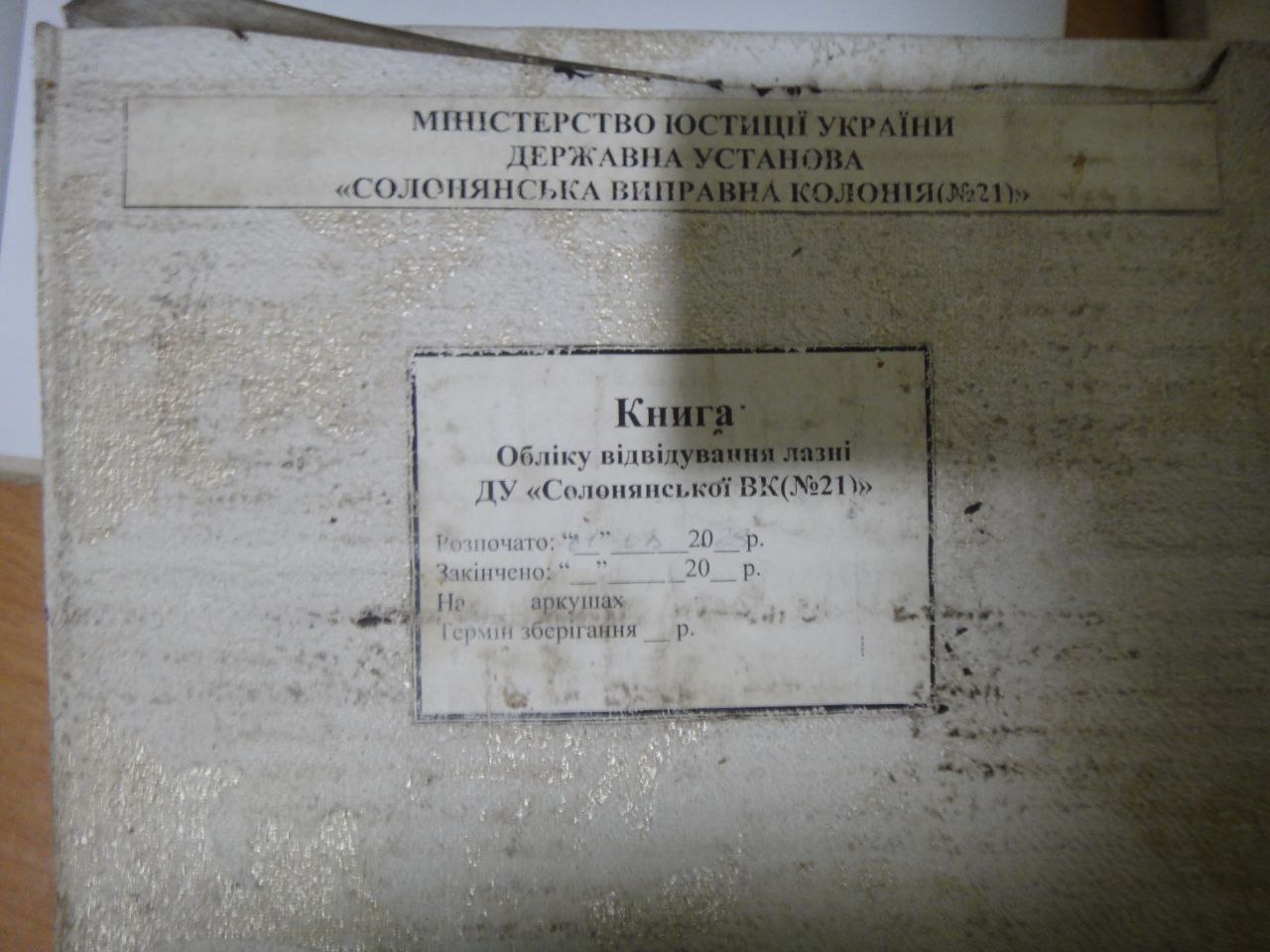
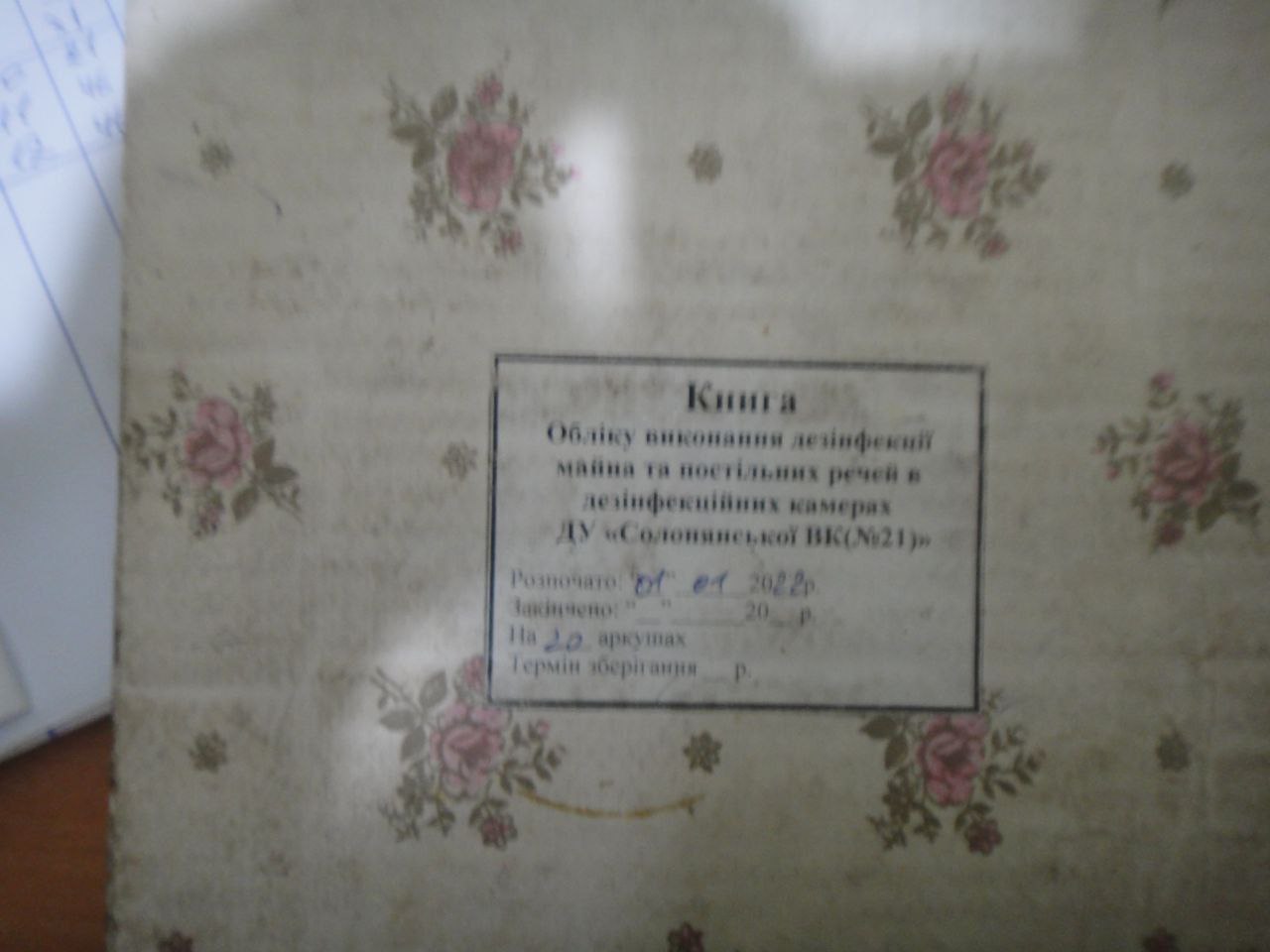
17. The monitoring group established a number of violations in the organisation of laundry and bath services for convicts and persons in custody. Thus, in violation of the requirements of clause 4 of section XXII of the IRESI and clause 3.19 of section III of the Regulation on the Organisation of Laundry and Bath Services for Persons Held in Institutions for the Execution of Sentences and Pre-Trial Detention Centres, approved by the order of the Ministry of Justice of Ukraine dated 08.06.2021 No. 849/5 (hereinafter — Regulation), the implementation of sanitary-hygienic and anti-epidemic requirements is not properly ensured.
In particular, the sanitary processing of convicts arriving at the institution is not carried out. Thus, during the inspection of the logbook of visits to the bathhouse and the logbook of disinfection (disinfestation) of personal clothing and bedding in the institution’s disinfection chambers, it was established that for the convicts who arrived at the institution on 11.12.2025 and 12.12.2025, sanitary processing was not conducted.
In violation of the requirements of clause 2.11 of section II of the Regulation, the forced supply-and-exhaust ventilation system does not function properly in the premises of the laundry, bathhouse, and KDD and DISO/KTP shower rooms. In violation of the requirements of rule 19.3 of the European Prison Rules, the right to privacy is not ensured in the shower rooms of the KDD and DISO/KTP due to the absence of curtains on the shower partitions. In violation of the requirements of Appendix 3 to the Regulation, the laundry lacks a toilet, a shower room for employees, and a staff room for the laundry.

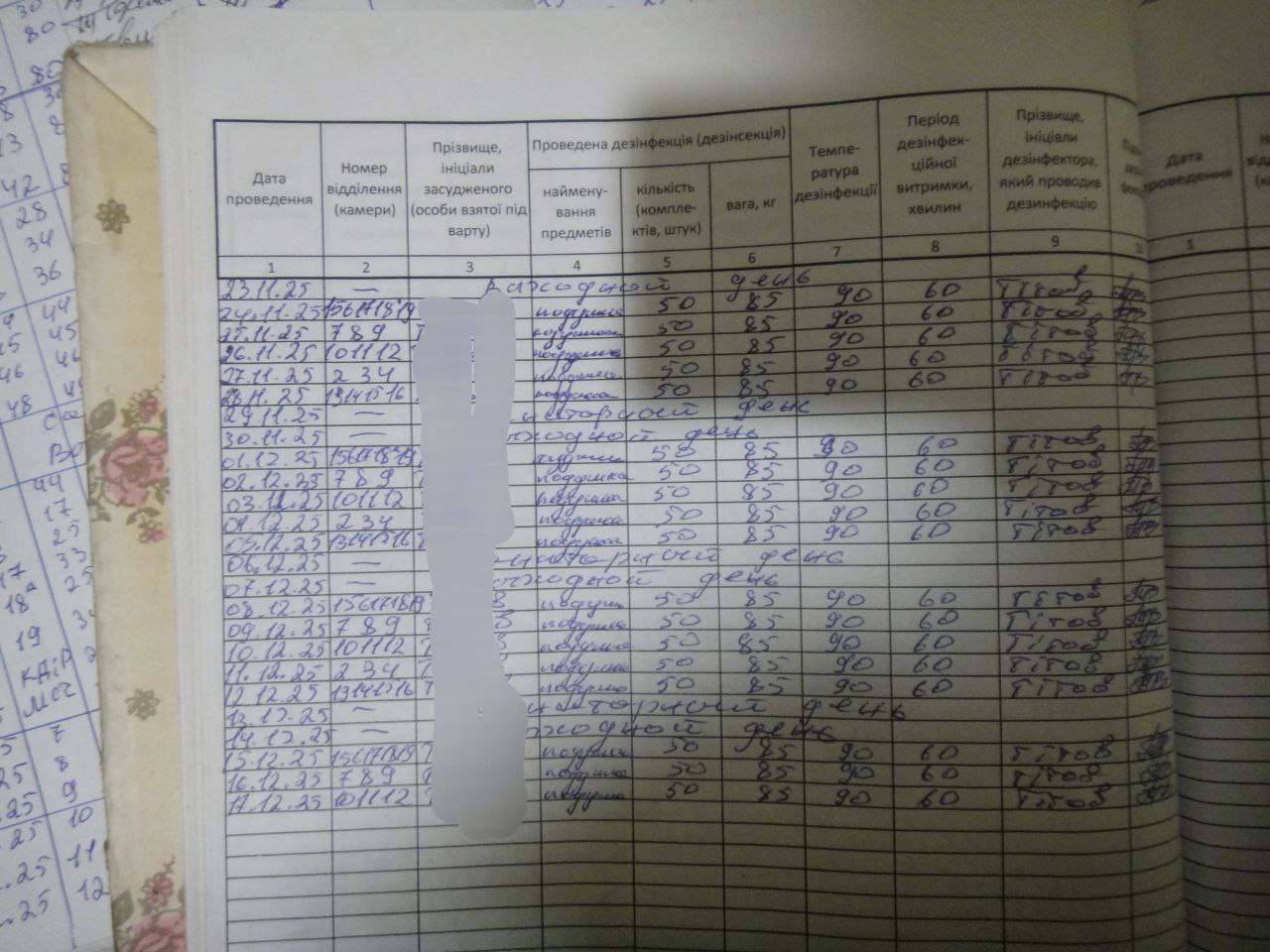
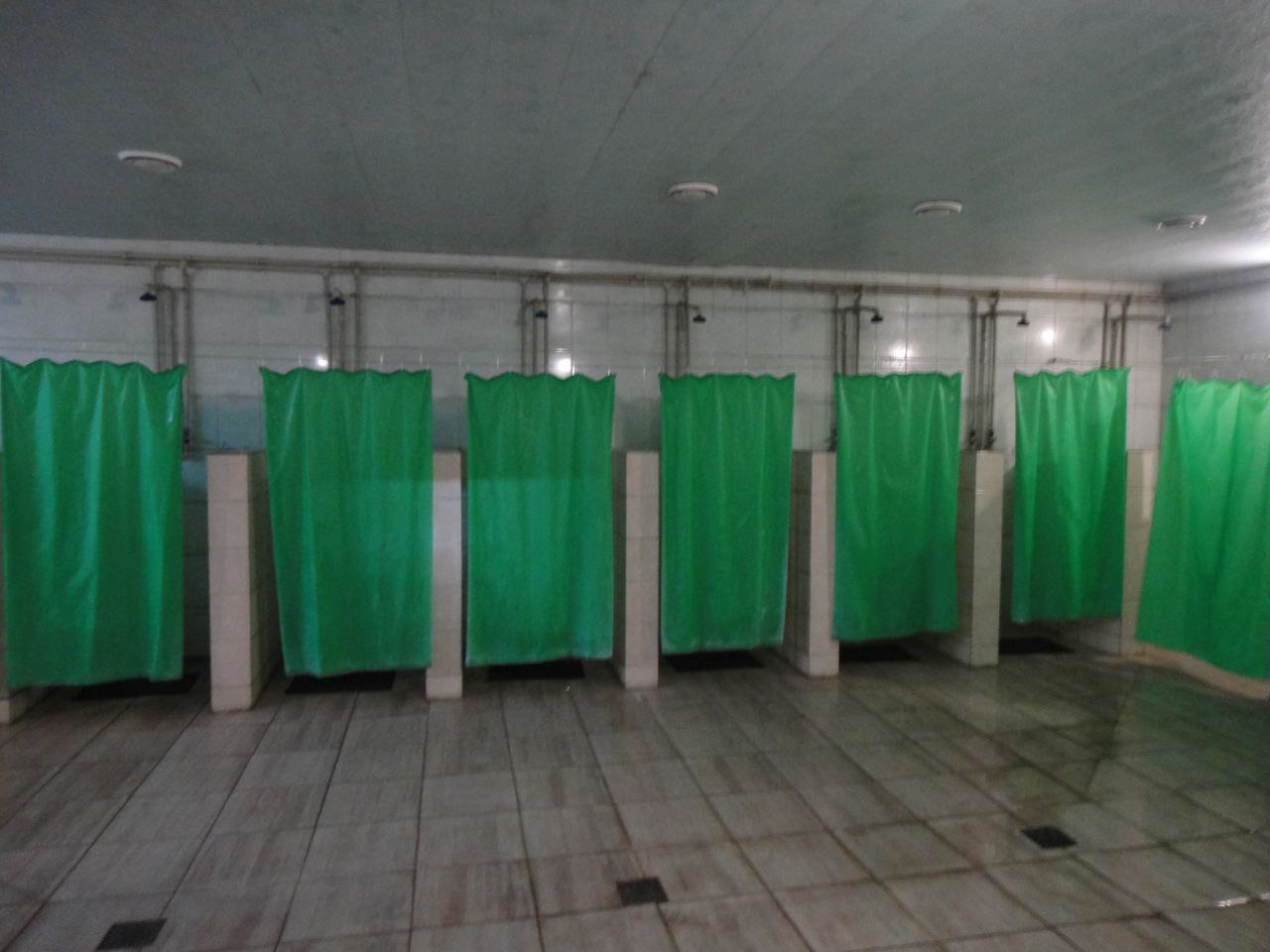
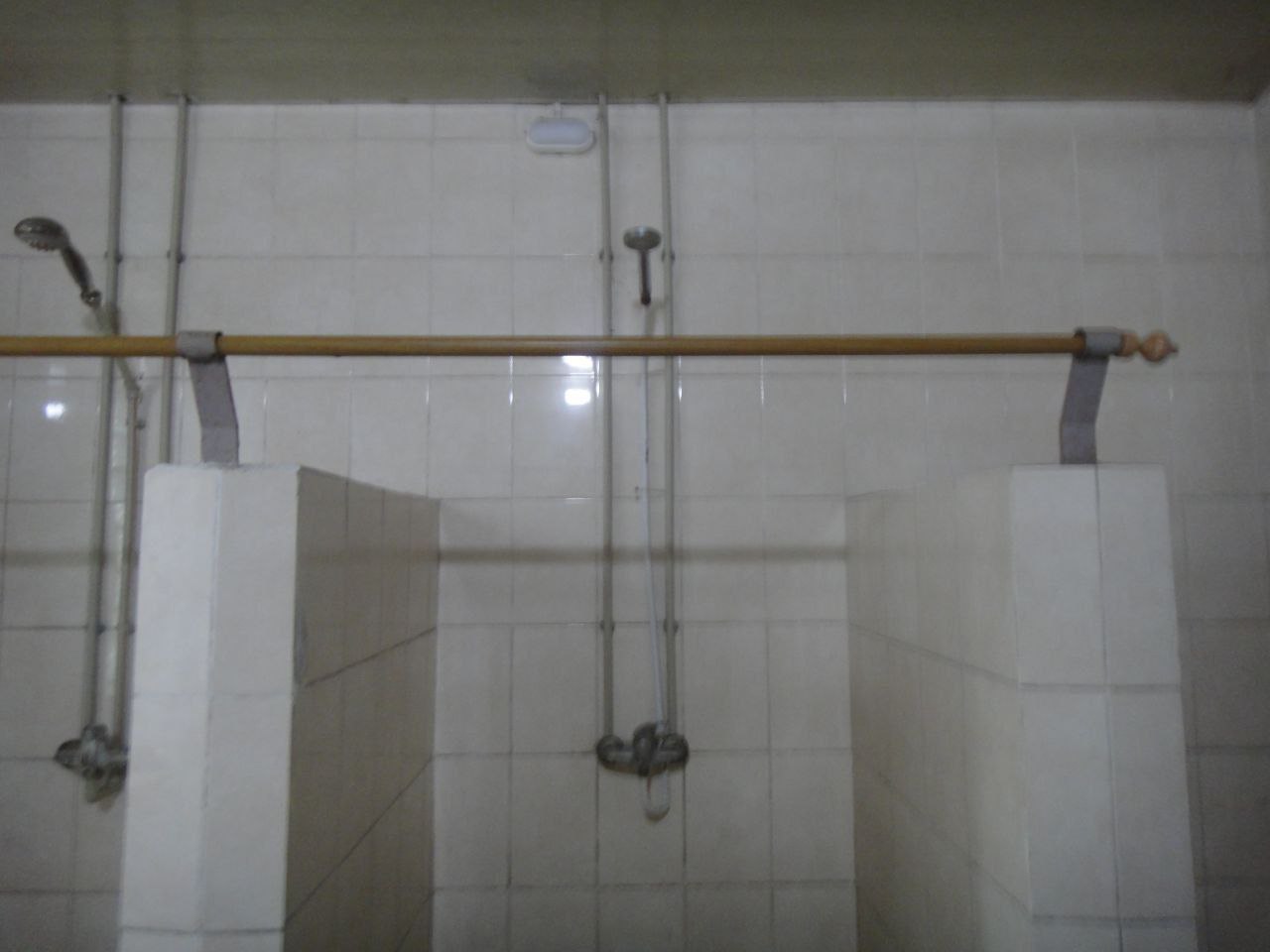
18. The monitoring group established that the special equipment available in the institution, in particular protective helmets and bulletproof vests, is not equipped with proper individual numbering. Under such conditions, in the event of the use of physical force by staff, establishing the identity of the person who used the corresponding special equipment is effectively impossible. This contradicts the requirements of clause 1 of section XXVI of the IRESI. At the same time, in the report on the results of the visit to Ukraine in 2012, the Committee drew attention to the problem of personnel identification during interventions in institutions and recommended ensuring that every item of clothing or protective helmet had a clear identification number, which would allow the employee to be identified in case of need (CPT/Inf (2013) 23) paragraph 21).
19. During the visit, the monitoring group recorded that the institution’s staff who are in direct contact with convicts openly carry special equipment, in particular rubber batons. At the same time, according to the eighth paragraph of clause 1 of section XXVI of the IRESI, the carrying of special equipment by the staff of institutions for the execution of sentences within the guarded territory of the institution for the execution of sentences must be, if possible, maximally concealed from the surroundings.
At the same time, the Committee recommends that penitentiary officers working in direct contact with prisoners should not openly carry special equipment (in particular, rubber batons, handcuffs, and canisters equipped with tear gas) in front of prisoners, as such carrying hinders the establishment of normal relations between staff and prisoners (CPT/Inf (2011) 29) paragraph 85), CPT/Inf (2013) 23) paragraph 23), CPT/Inf (2014) 15) paragraph 166).
20. In accordance with subparagraph 5 of clause 2 of section IV of the Regulation on the Programme of Differentiated Educational Influence on Convicts “Preparation for Release”, approved by the order of the Ministry of Justice of Ukraine dated 16.05.2016 No. 1418/5, registered with the Ministry of Justice of Ukraine on 17.05.2016 under No. 735/28865, the staff of the social and psychological service of the institution, who directly organise and carry out measures to implement the “Preparation for Release” programme, are obliged to provide convicts with assistance in processing (renewing) a passport of a citizen of Ukraine, the registration number of the taxpayer’s account card (RNOKPP), other personal documents, as well as in processing pensions. At the same time, 40 convicts need to have a passport of a citizen of Ukraine made, 12 — to obtain an RNOKPP, which indicates an insufficient volume of work of the Department of Social-Educational and Psychological Work regarding ensuring the processing of necessary documents for convicts who do not have them.
21. According to the information provided by the administration, since the beginning of 2025 (as of 17.12.2025), 126 short-term visits have been granted to convicts in the state institution “Solonyanska Correctional Colony (No. 21)”, of which 112 took place in a non-contact way — through a solid partition glass using an intercom device. At the same time, in the report to the Government of Ukraine on the results of the visit in 2023, the Committee emphasises that for all categories of convicts, open visits (for example, at a table) should be the rule, and closed visits — the exception, the application of which is allowed only on the basis of substantiated and reasoned decisions after an individual assessment of the potential risk of a specific convict. In this regard, the Committee calls on the Ukrainian authorities to review the procedure for conducting short-term visits in penitentiary institutions with the aim of ensuring their conduct, as a rule, in open conditions (CPT/Inf (2024) 20) paragraph 99).
22. According to service documentation, the staff shortage in the institution as of 17.12.2025 is 42 full-time units. At the same time, in the report to the Government of Ukraine on the results of the visit in 2023, the Committee emphasises that ensuring a positive climate in a penitentiary institution requires a professional team of staff, who must be present in sufficient numbers at any moment in time in places of detention. Insufficient staff numbers increase the risk of violence and intimidation between convicts, undermines the quality and level of measures offered to convicts, and jeopardises the prospects for preparation for release and social rehabilitation. In this regard, the Committee calls on the Ukrainian authorities to take decisive measures to significantly increase the number of staff in penitentiary institutions of Ukraine, where a low level of staffing is observed, with the aim of strengthening the presence of security and supervision service staff inside the institutions, as well as to take measures to end the practice of 24-hour shifts for staff on duty (CPT/Inf (2024) 20) paragraph 93).
23. During the monitoring visit to the institution, the available shelters located in the basements of the SPS units were inspected. In practice, the shelters are used as the simplest protective structures for sheltering persons in the event of an air raid alert and other threats, however, their technical condition and equipment do not ensure a proper level of safety and minimum sanitary and living conditions for people staying for the time necessary for actual sheltering.
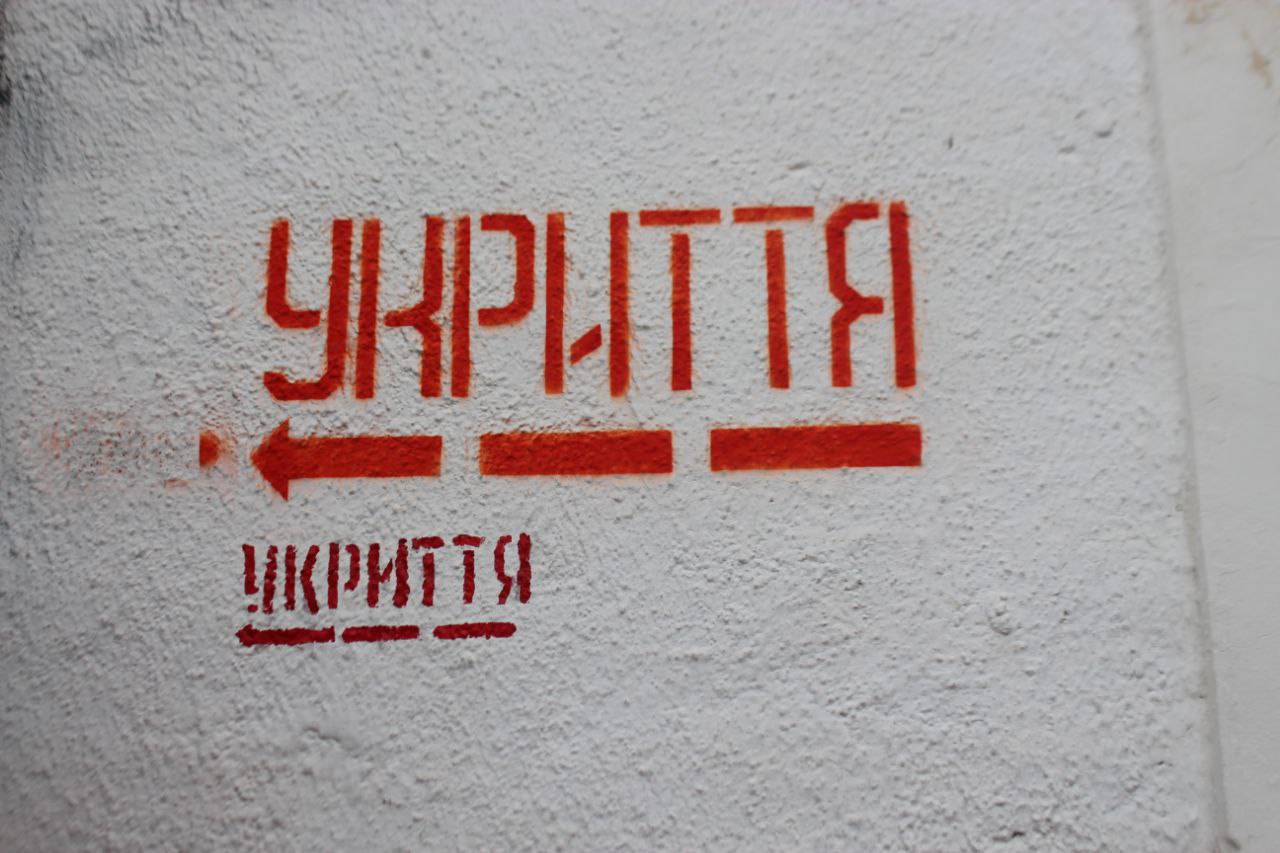
Based on the results of the inspection, it was established that the shelter of local unit No. 8 (SPS units Nos. 13, 14, 15, 16) has a second exit, but is not provided with ventilation and sewage. Similar shortcomings were discovered in the shelter of local unit No. 4 (SPS Nos. 10, 11, 12): there is a second exit, accessibility elements have been arranged (the stairs are equipped with a device for persons with reduced mobility), however, ventilation and sewage are absent.
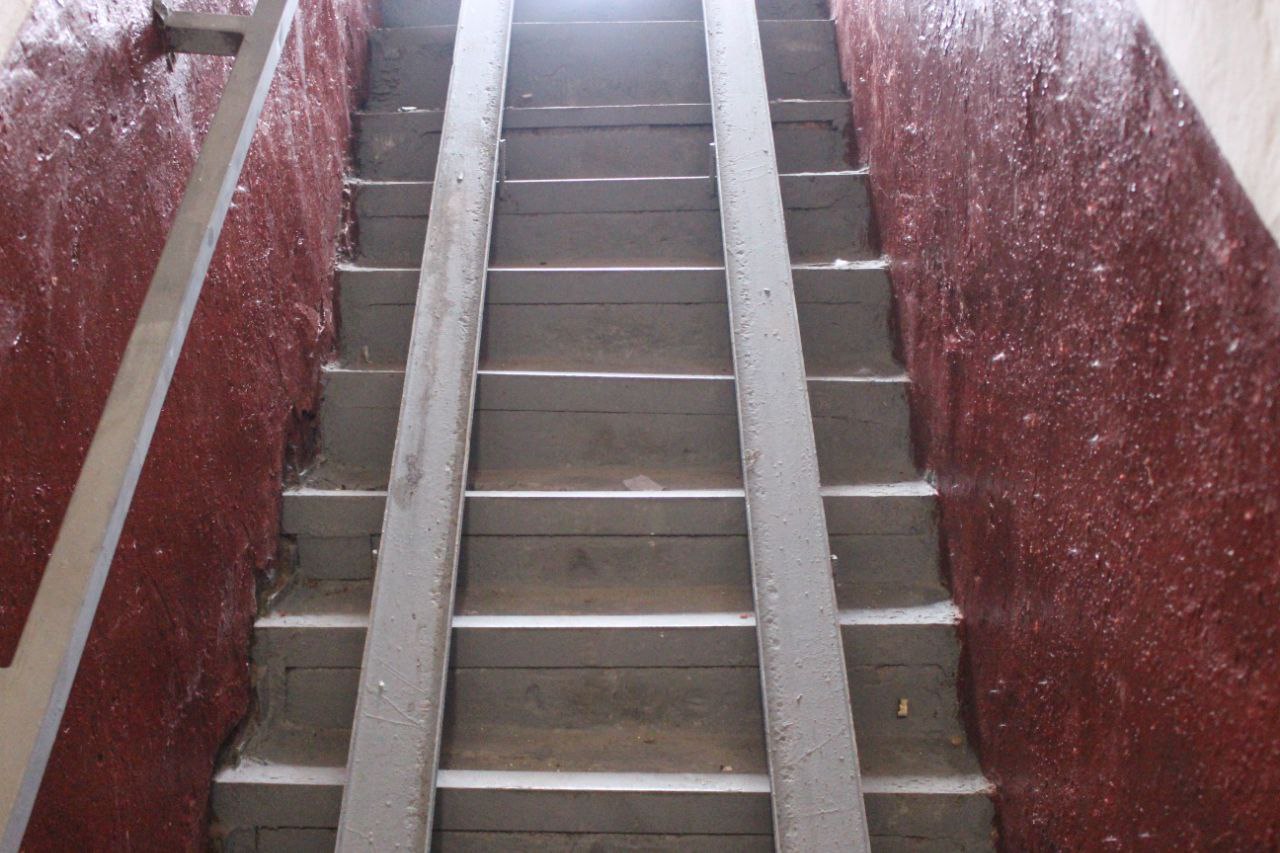
The shelter of local unit No. 3 (SPS Nos. 7, 8, 9) also has a second exit, however, ventilation and sewage are absent. At the same time, in the shelter of SPS unit No. 1, there is no second exit, sewage is present, but ventilation is absent.
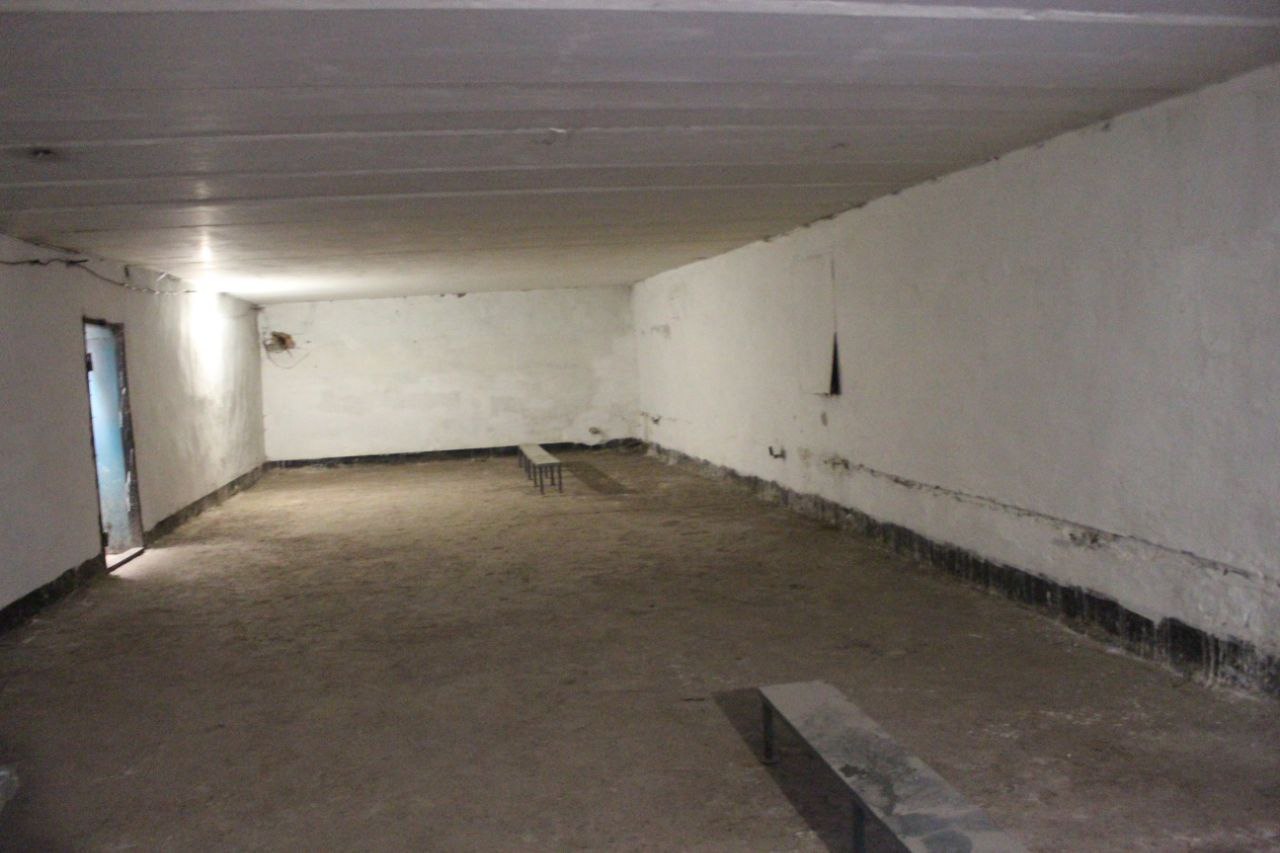
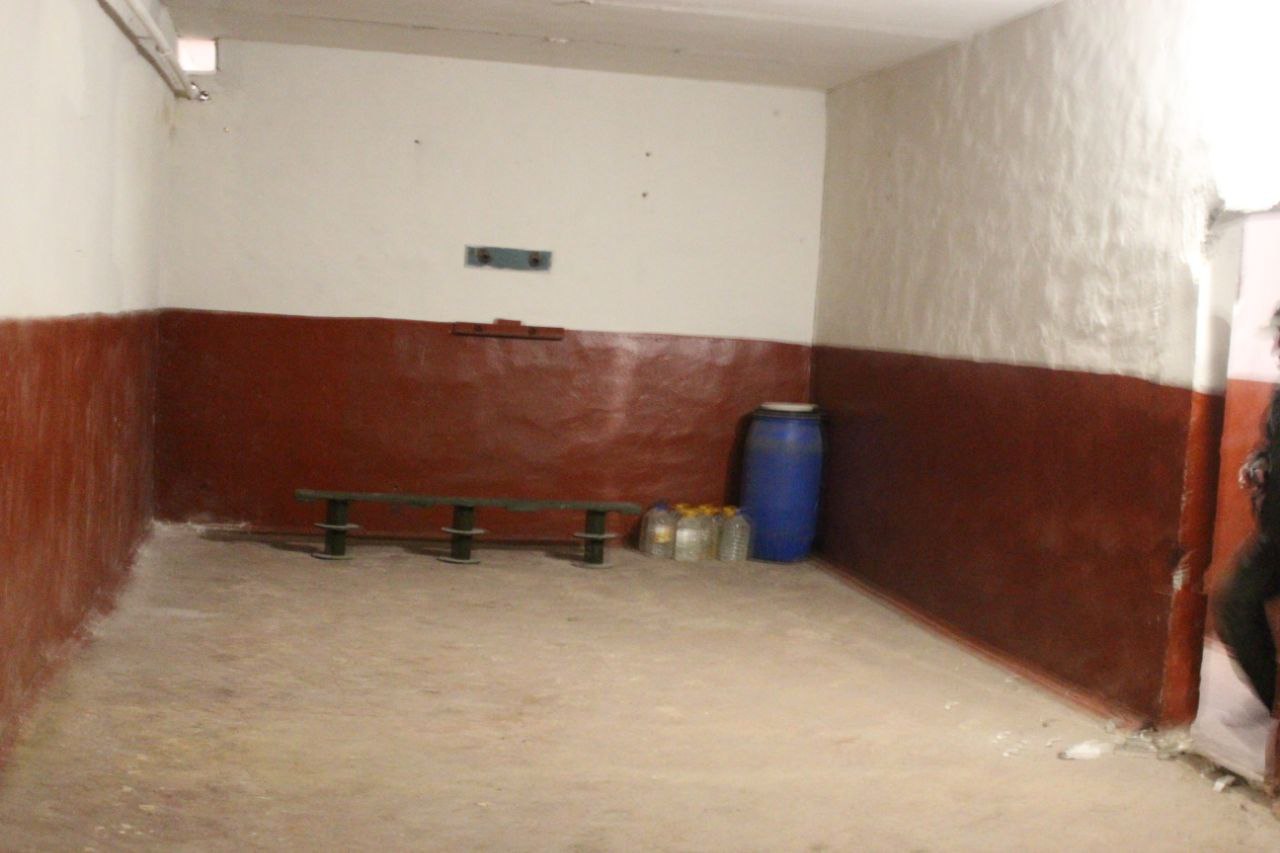
The identified shortcomings are of a fundamental nature. The absence of ventilation in the shelters makes the safe stay of a significant number of people impossible even for a relatively short time, especially taking into account the risk factors typical for basement premises (high humidity, deficit of air exchange, potential gas contamination, accumulation of carbon dioxide, risk of deterioration of the condition of persons with chronic diseases and persons with reduced mobility). The absence of sewage (a sanitary unit or an organised sanitary solution) in most of the inspected shelters objectively makes it impossible to meet basic hygienic needs, which, given potentially long air raid alerts and the impossibility of leaving the shelter during a threat, creates additional risks for health and human dignity.
The shelter of SPS unit No. 1, where a second exit is absent, requires special attention. In its essence, this creates an increased risk in the event of a collapse of the main exit, a fire, smoke, or blocking of the passage, which is critical for any premise intended for mass sheltering of people.
Legal regulation in this sphere requires that civil protection shelters and the simplest shelters meet the minimum requirements for the safety of people staying there, in particular regarding the possibility of evacuation, the presence and operability of life-support engineering systems, and proper maintenance. The general duties of the state and balance holders regarding the organisation and provision of civil protection, including the readiness of protective structures, are established by the Civil Protection Code of Ukraine. The procedure for the creation, maintenance, and provision of readiness of civil protection structures is detailed in by-laws, in particular government decisions regarding the fund of protective structures and requirements for their maintenance and readiness, which provide for the need to ensure safe conditions for people staying, the operability of engineering networks, and the possibility of exit/evacuation.
Additionally, in terms of accessibility for persons with reduced mobility, the general requirements of national legislation on non-discrimination and ensuring the accessibility of facilities and services apply, which is especially relevant for places of deprivation of liberty, where a person cannot independently choose a safer place and is completely dependent on the administration. International legal standards also impose on the state an increased positive duty of protecting life and preventing inhuman or degrading treatment in relation to persons who are under the full control of the state. In the context of places of deprivation of liberty, this follows primarily from Articles 2 and 3 of the European Convention on Human Rights, Articles 6 and 7 of the International Covenant on Civil and Political Rights, as well as from the general approaches of the Committee regarding the duty of the state to ensure safe, suitable, and humane conditions of detention and response to emergency situations.
When a shelter lacks ventilation, does not provide for sanitary needs, and in one case is deprived of an alternative exit, this creates a situation of foreseeable risk to life and health, which is incompatible with the increased standard of care of the state regarding persons in custody. Generalising, the state of the inspected shelters indicates a partial organisational capacity of the institution to provide shelter for persons (the presence of shelters in several units, the presence of a second exit in most of the inspected premises, the presence of separate accessibility elements in the shelter of local unit No. 4), however, key engineering and sanitary components of life support are not provided. The most problematic is the systematic absence of ventilation in all inspected shelters, the absence of sewage in three out of four inspected shelters, as well as the absence of a second exit in the shelter of SPS unit No. 1.
The conclusion is that the shelters located in the basement premises of the SPS units, at the time of the visit, did not meet the minimum requirements for safe and decent stay of people during an air raid alert, which creates risks to the life and health of persons held in the institution, and potentially could be regarded as a failure of the state to fulfil its positive obligations regarding the protection of life and the prevention of treatment incompatible with Article 3 of the Convention. In view of the above, priority measures should be: ensuring effective ventilation in every shelter; organisation of a sanitary unit or another sanitary solution where sewage is absent; bringing the shelter of SPS unit No. 1 into compliance with safety requirements by equipping a second (emergency) exit or an alternative safe evacuation route with a justification of the technical solution; documentary confirmation of the readiness of the shelters (inspection acts, evacuation/exit plan, responsible persons, procedure for access to keys, maintenance regime), as well as taking into account the needs of persons with reduced mobility in every shelter, and not just in one of them.
24. During the monitoring visit, the organisation of the labour of convicts and related issues of social protection were investigated, in particular the administration’s documents regarding the number of involved persons, the distribution of workers between facilities, the work regime (including work on weekends and night shifts), lists of those involved by type of contract, copies of fixed-term employment contracts and civil law contracts (CLC), the staffing table of housekeeping staff, as well as information regarding accruals and deductions from wages. According to the administration’s information, 253 convicts are employed at the institution. Of them, 40 people are involved on the basis of fixed-term employment contracts, and 213 people — on the basis of CLCs. The distribution of labour by areas looks as follows: in production — 185 people, in workshops — 44 people, in housekeeping work — 20 people. Regarding the forms of labour organisation by area, the administration reported that in housekeeping work, all 20 people are employed under fixed-term employment contracts; in production, 16 people work under employment contracts, 169 people under CLCs; in workshops, 4 people work under employment contracts, 44 people under CLCs.
In production, work is organised in three shifts. On the day of the visit, according to the administration’s data, 249 people were taken to work. A separate feature of the organisation of labour, which has direct significance for assessing compliance with labour rights, is the involvement of convicts in work on weekends and the operation of night shifts. Thus, according to the provided data and hourly inspection logbooks, on 14.12.2025 (Sunday), the first shift worked from 08:30 to 18:00, and a night shift was also in operation. On this same Sunday, the first shift involved: TPP — 15 people, greenhouses — 6 people, DD household — 2 people, vegetable warehouse — 6 people, PSU — 3 people, “DOC” — 15 people, workshop No. 1 — 7 people, workshop No. 2 — 8 people, workshop No. 3 — 7 people, OGM — 5 people, metal warehouse — 3 people, RPC — 2 people, TVZ — 15 people. In the second shift, also on Sunday 14.12.2025, the “headquarters” — 18 people and “DOC” — 19 people worked; in the third shift on this same Sunday — workshop No. 2 — 1 person, PSG — 2 people, “DOC” — 13 people. Similarly, 07.12.2025 (Sunday) was characterised as a “full working day”, which is also confirmed by the hourly inspection logbooks. Additionally, according to the hourly inspection logbooks in individual subunits, in particular in workshop No. 2 and the “pipe workshop”, work on weekends has a systematic character.
Judging by the documents, the production area includes work on manufacturing wire products with a link to specific units and workshops. It was established that the bulk of those involved in production are employed under CLCs (169 people versus 16 people under employment contracts), despite the fact that the actual organisation of labour has signs of systematic, shift-based work, including work on weekends and night shifts. Such an actual model (shifts, subordination to the production regime, work at defined workplaces as part of workshops/units) is typical for labour, and not civil law relations, and requires a legal assessment regarding the possible substitution of labour relations with civil law ones.
Workshops, according to the administration’s data, cover 44 convicts, while only 4 people are employed under fixed-term employment contracts, and 40 people under CLCs. Based on the provided lists and the wording of the types of work, the workshops are functionally linked to production tasks and the maintenance of the institution’s facilities (repair, locksmith, electrical, sewing, and other work), but by their nature are not one-off “services” characteristic of civil law obligations, but rather constant everyday labour in the institution’s regime.
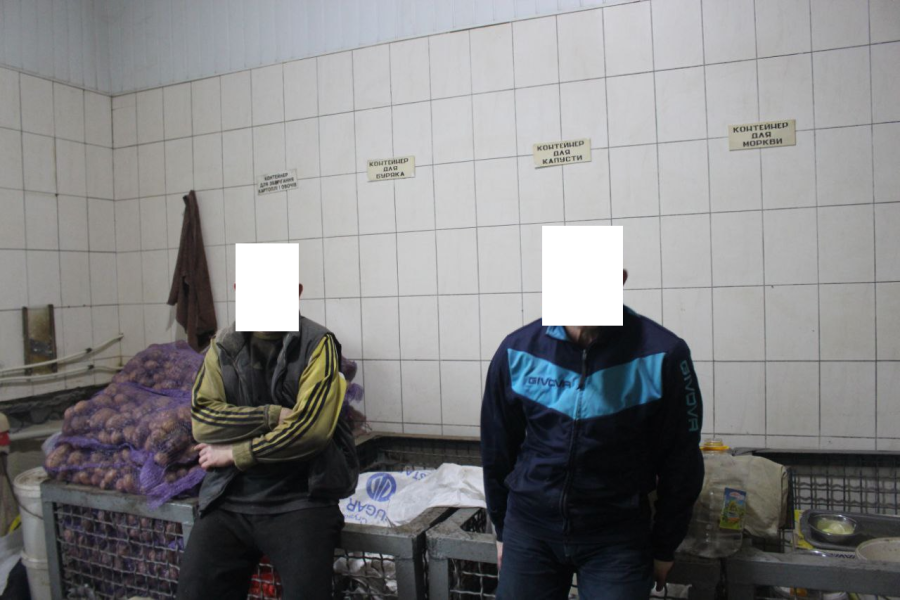
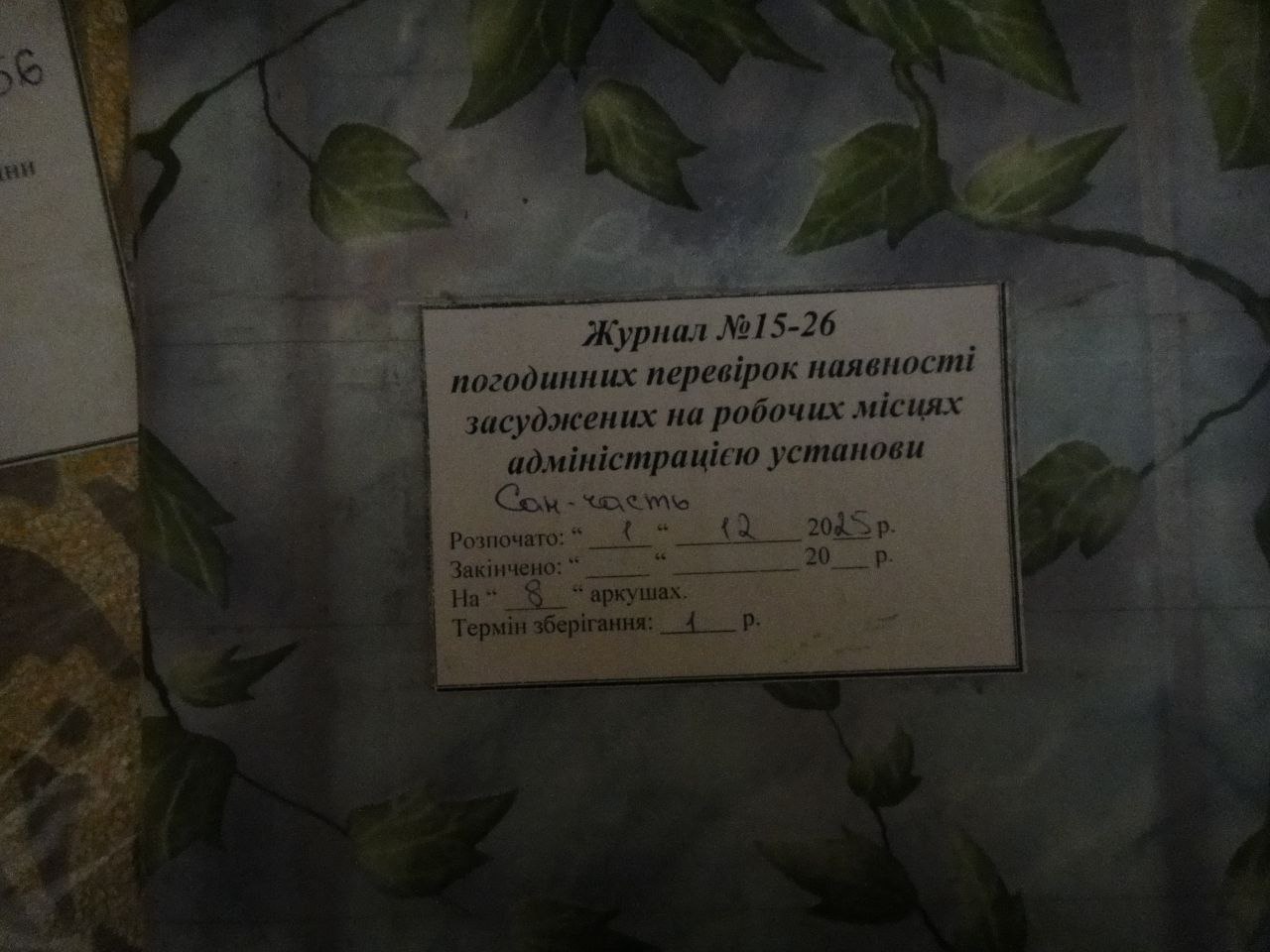
In the canteen, officially, according to the administration’s report, 7 people work. At the same time, according to the data arising from the hourly inspection logbooks, the actual number of those involved is significantly larger. Thus, on 07.12.2025 (Sunday) from 08:00 to 18:00, 26 people worked in the canteen; on 14.12.2025 (Sunday) from 08:30 to 20:00, 25 people worked; on 16.12.2025 from 08:30, 26 people worked, and according to the hourly inspection logbook, work was recorded “until 06:00”, which the administration explained as an “erroneous entry”. Separately, the absence of a logbook for medical examination of canteen workers was established, which is a significant shortcoming from the point of view of sanitary-epidemiological requirements and occupational health when working with food products.
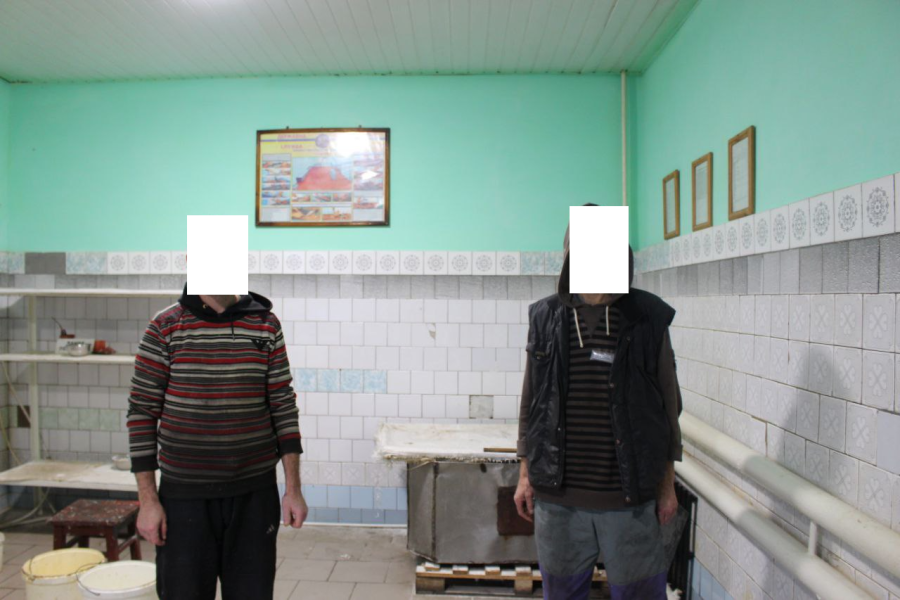
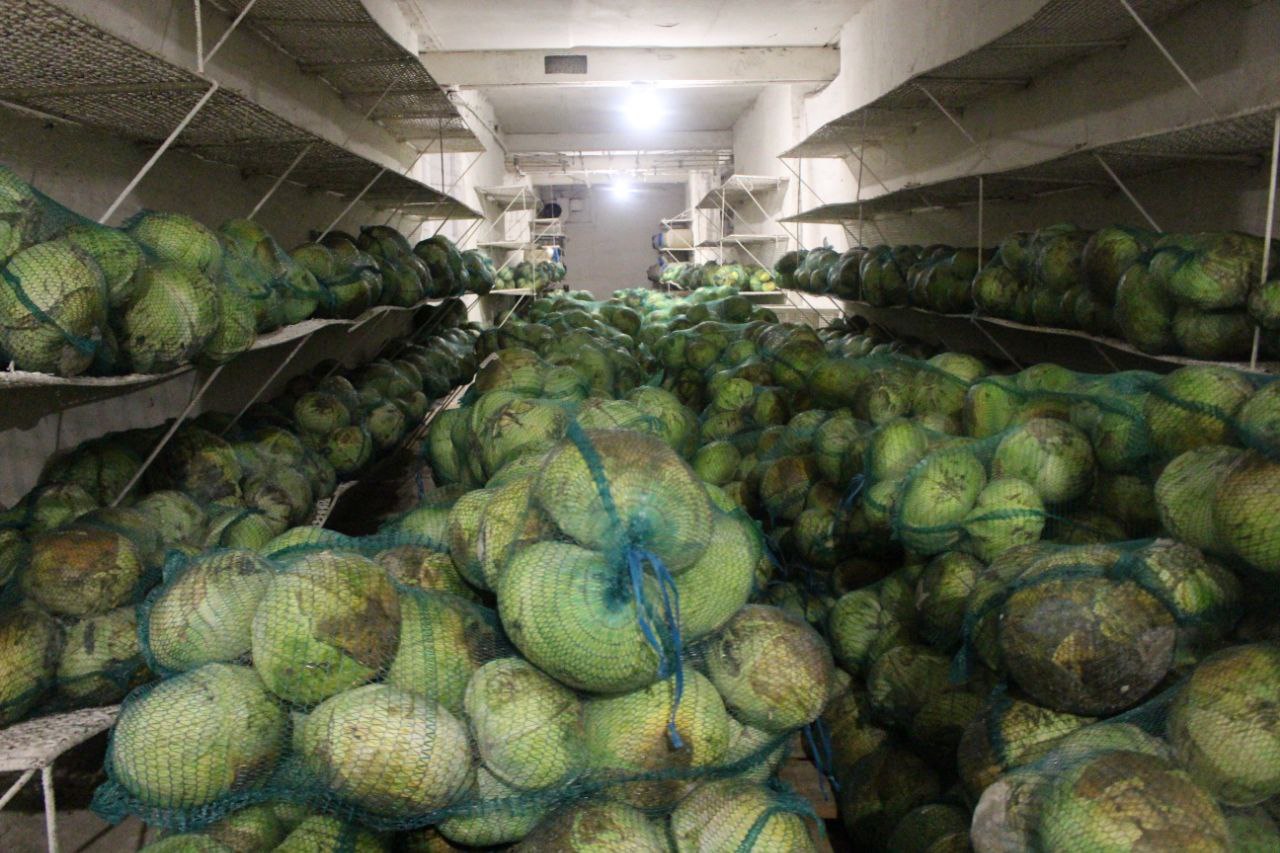
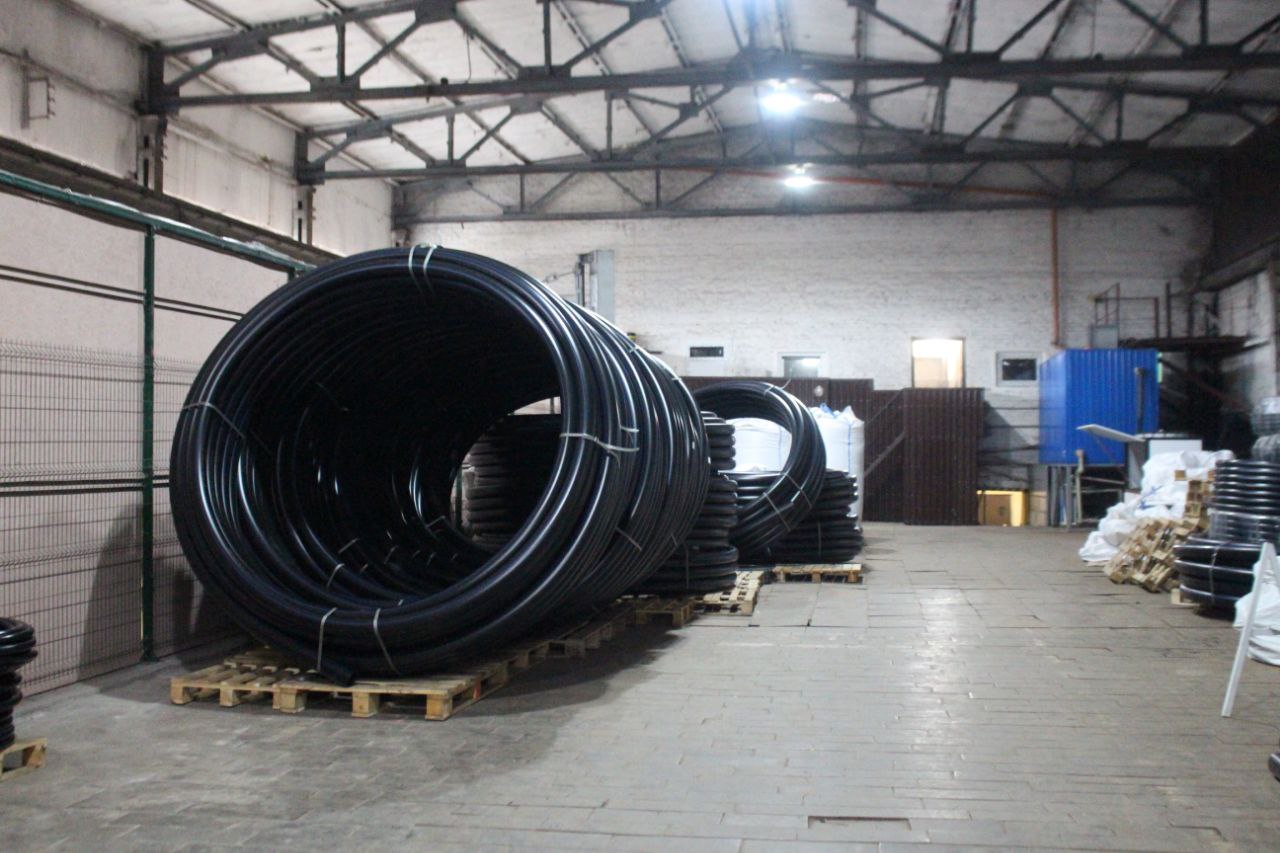
From the analysis of the information about the accrual and deductions from the wages of convicts for November 2025, it was established that the size of the accrued wage for a significant part of the working people does not correspond to state minimum guarantees in remuneration. In accordance with the requirements of labour legislation, the minimum wage is subject to being ensured specifically in the amount of the accrued sum for a fully completed monthly work norm. The examples provided in the information indicate that even before deductions, the accrued sums in a number of cases are lower than the minimum wage. Thus, for individual convicts, accruals at the level of about 1.7 thousand UAH per month are reflected, and in individual cases in the reporting period, a zero wage accrual is indicated in general, despite the presence of an advance and subsequent movements of funds on the personal account.
Such indicators cannot be considered as ensuring the state minimum guarantee in remuneration on the condition of work performance, especially taking into account the actual employment of convicts, including on weekends and in a shift regime. Thus, the information about remuneration indicates a systematic problem with the formation of the accrued wage itself, which in a number of cases does not reach the minimum legislatively established level. This points to a violation of the convicts’ right to remuneration not lower than the minimum, which also results in a limitation of their social protection, in particular in the part of the formation of the insurance period and the base for calculating the single social contribution.
Key to investigating the social protection of employed convicts is that the provided information regarding remuneration and deductions lacks separate rows or details that would allow checking the accrual and payment of the single contribution for mandatory state social insurance (ESC) as an employer’s contribution, as well as the deduction and transfer of personal income tax and military duty (if the sums in the information are presented “after taxation”, this should be directly reflected in the document form or confirmed by payslips or reporting). In the absence of such data, verification of social guarantees becomes impossible based only on the materials of the “deductions information”, which in itself is a problem of proper documentation of labour and transparency of calculations.
Systematic work on weekends (in particular 07.12.2025 and 14.12.2025) with the fixation of full-fledged shifts, as well as the presence of night shifts and mentions of work until morning in the canteen, require verification of compliance with norms regarding the duration of working time, weekly rest, the procedure for involvement in work on weekends and holidays, and compensation for such work. At the same time, the very combination of shift work, subordination to internal regulations, regularity of labour, and bringing out a significant number of persons “to work” on specific days confirms that the relations in many cases have a labour, and not civil law nature, even if formally formalised as CLCs.
During the visit, data was recorded about the involvement of individual convicts in work without remuneration. In particular, the involvement of a number of convicts who work for a long time without remuneration in the housekeeping unit, as well as the practice of bringing convicts from the 4th unit “to housekeeping” for performing work without remuneration, was recorded. Separately, cases were recorded in the canteen, namely in the vegetable workshop: convicts L. and V. perform work on cleaning vegetables without remuneration; convicts S. and U. perform work in the dishwashing workshop without remuneration. This practice is justified by the administration with a reference to part five of Article 118 of the Criminal Executive Code of Ukraine as “improvement”, however, involvement in work that is an integral part of the regular technological process of the canteen (vegetable workshop, dishwasher, manufacturing semi-finished products, cutlets, etc.) cannot be substituted with “improvement” in the sense of one-off or auxiliary work on maintaining order and sanitary state. Such a practice is unacceptable and negates the guarantees of the right to work and remuneration, creates a risk of forced labour, and directly affects social protection, as labour without formalising labour relations does not form an insurance period and does not fall under the mechanisms of occupational safety and social insurance.
The examined copies of fixed-term employment contracts demonstrate an attempt to formally link legal relations to the norms of the Labour Code of Ukraine and the Criminal Executive Code of Ukraine, to define the subject of the work, the general rights and obligations of the parties, as well as the working time regime and remuneration. At the same time, the content of the contracts requires critical assessment from the perspective of compliance with the right to work and social protection, evaluating the reality of the guarantees rather than just a formal mention of the law. Firstly, the fixed-term nature must be determined by objective reasons and not used as a mechanism for constant “short-term hiring” with the aim of minimising guarantees. Secondly, the contracts should transparently reflect issues of social insurance: who is the employer — the payer of the Single Social Contribution (SSC), how the payment of contributions is ensured, on the basis of which documents the employee can verify payment, and what rights they have regarding sick leave and insurance payments. Thirdly, the provisions on working hours and work on weekends must correspond to the actual practice.
The most significant systemic risk in this institution lies in the dominance of civil law contracts (CLCs) as a form of engaging labour, especially in production. The very nature of the work (production operations within workshops/units), shift work, subordination to the internal regime, the organisation of the workplace by the employer, and the regularity of the work performed correspond more closely to the criteria of labour relations. The use of CLCs under such conditions, as a rule, means depriving a person of labour guarantees: the right to weekly rest, payment for downtime, payment for work on weekends and at night in accordance with labour legislation, the right to leave, occupational safety guarantees, as well as a key component of social protection — ensuring the payment of the SSC and the accumulation of insurance periods.
From the perspective of national law, the described practices primarily affect the guarantees of the right to work and decent working conditions enshrined in the Constitution of Ukraine, as well as the norms of the Labour Code of Ukraine regarding working hours, rest, remuneration, and guarantee payments. In the sphere of sentence execution, the key provisions are those of the Criminal Executive Code of Ukraine, which define the principles of engaging convicts in labour, proper remuneration, the permissible limits of unpaid work in the context of improvement, as well as the rules for making deductions from earnings and crediting funds to personal accounts. Separately, the legal assessment must cover compliance with the legislation on mandatory state social insurance, as the absence of specific data in the provided materials regarding the accrual and payment of the SSC indicates, at a minimum, a deficit of proper confirmation of social protection, and in the worst-case scenario — an evasion of employer responsibilities.
From the point of view of international standards, systematic work without remuneration or under the guise of “improvement” in tasks that are part of a continuous production or food preparation process violates the approach to the prohibition of forced labour and the standards of decent work. Relevant here are, in particular, the guarantees of the European Convention on Human Rights regarding the prohibition of forced labour, the provisions of the International Covenant on Economic, Social and Cultural Rights regarding the right to work and fair working conditions, ILO conventions on forced labour, as well as UN standards (Nelson Mandela Rules) and European Prison Rules, which require that labour in places of deprivation of liberty be organised on the basis of safety, fair remuneration, the closest possible approximation to the conditions of “ordinary” work, and not used as a hidden mechanism of coercion or punishment.
The materials examined during the visit indicate that the institution has three main segments for the use of convict labour: production, workshops, and work related to the functioning of the institution (housekeeping and the canteen). At the same time, the organisation of labour is characterised by a high proportion of CLCs, the existence of three-shift work in production, and systematic work on weekends, including during night periods. Practices of unpaid labour were recorded, particularly in the canteen, namely in the vegetable and dishwashing workshops, which are justified as “improvement” under Article 118 of the Criminal Executive Code of Ukraine, but in essence, constitute regular technological work that should be paid and properly documented. Information regarding remuneration requires greater transparency; furthermore, the provided materials lack data on the SSC and tax components, which prevents confirmation of the realisation of the right to social protection in terms of social insurance. The combination of these circumstances points to systemic risks of substituting labour relations with civil law ones, violations of guarantees regarding remuneration and rest, as well as the use of unpaid labour beyond the limits permitted by law and international standards.
Medical Unit No. 21 of the branch of the State Institution “Health Care Centre of the State Criminal-Executive Service of Ukraine” in Dnipropetrovsk and Donetsk regions
Head of Medical Unit No. 21 of the branch of the state institution “Health Care Centre of the State Criminal-Executive Service of Ukraine” in Dnipropetrovsk and Donetsk regions (hereinafter — the medical unit) — M. A. Dementievskyi.
At the time of the visit, the following positions were vacant: psychiatrist — 0.5 full-time equivalent, clinical psychologist — 0.5 full-time equivalent, nurse — 0.5 full-time equivalent, X-ray technician of the X-ray room — 0.5 full-time equivalent.
During the monitoring visit, violations of the requirements of national legislation and non-compliance with international recommendations in the sphere of the treatment of prisoners were identified, which lead to violations of the rights of convicted persons:
1. During the visit, the monitoring group established that the medical staff does not ensure proper recording and documentation of bodily injuries of persons deprived of liberty.
In accordance with clause 3 of chapter 1 of section II of the Procedure for the organisation of medical care for persons sentenced to deprivation of liberty, approved by the order of the Ministry of Justice of Ukraine and the Ministry of Health of Ukraine dated 15.08.2014 No. 1348/5/572 (hereinafter — the Procedure), in case of detection of bodily injuries in a convict, the medical worker who discovered such injuries shall draw up a certificate in three copies, which shall detail: information (written statement, oral or written explanation of the convict regarding the circumstances of receiving the bodily injuries (date, time, place of receipt, methods of infliction, information about the person(s) who, in the convict’s opinion, inflicted them)), as well as other information regarding the receipt of bodily injuries; an exhaustive description of medical indicators characterising the convict’s state of health, the nature of the injuries, their size, and location; the medical worker’s assumptions based on the information provided by the convict and medical indicators, as well as a justification of their correlation.
The medical worker shall attach to the certificate the form of primary accounting documentation No. 511/o “Certificate on the recording of bodily injuries”, approved by the order of the Ministry of Health of Ukraine dated 14.02.2012 No. 110, registered with the Ministry of Justice of Ukraine on 28.04.2012 under No. 661/20974, and photographs of the convict’s existing bodily injuries.
Two copies of the certificate and its attachments are added to the case file and the outpatient medical card No. 025/o, and the third copy is issued personally to the convict who underwent the examination.
Instead, as established during the monitoring visit, in cases of detection of bodily injuries by medical staff, in practice, only the form of primary accounting documentation No. 511/o is filled out, without drawing up a certificate in three copies and without carrying out the full range of actions provided for by the Procedure.
This indicates a systemic violation of the requirements of clause 3 of chapter 1 of section II of the Procedure and improper organisation of medical documentation of bodily injuries.
2. According to clauses 2 and 3 of chapter III of section II of the Procedure, a psychiatrist, a dentist, and a therapist (or general practitioner — family doctor) must participate in the preventive medical examination. At the same time, the position of psychiatrist in the medical unit is vacant, which indicates that primary and preventive medical examinations are incomplete, due to which convicts and persons in custody do not receive proper medical care.
This violates paragraph 38 of the Committee’s recommendations, which states that medical services in places of deprivation of liberty should be able to provide medical care and treatment, as well as an appropriate diet, physiotherapy, rehabilitation, or any other special care at the same level as that offered to patients in civilian medical facilities. Provision should be made for the availability of medical, auxiliary medical, and technical personnel, as well as appropriate premises, equipment, and facilities (CPT/Inf (93) 12).
3. In the hospital’s staff, the position of clinical psychologist is vacant, which complicates the timely and effective provision of medical care in the field of mental health to convicts. In the report following the visit to Ukraine in 2023, the Committee recommends further strengthening the provision of psychological support in institutions, as well as developing the training and role of prison psychologists, especially in terms of therapeutic clinical work with convicts.
In this context, efforts must be made to recruit clinically trained psychologists, who should be part of the medical team and, in their work, should not combine two different roles, i.e., risk assessment and therapeutic clinical work (CPT/Inf (2024) 20) paragraph 85).
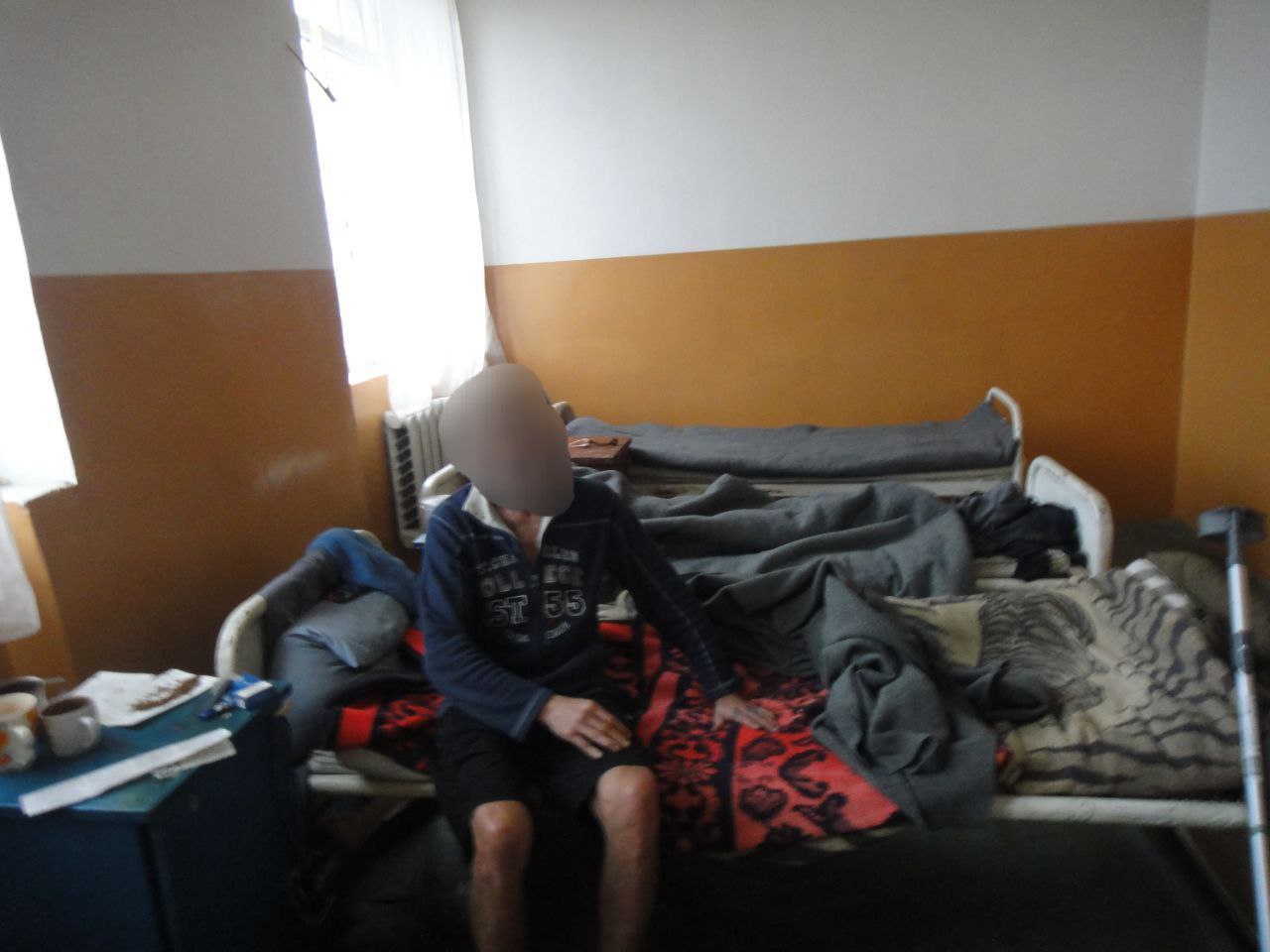
4. The layout of the isolation ward for persons with mental disorders does not meet the requirements of clause 9 of the Rules for the use of physical restraint and (or) isolation when providing psychiatric care to persons suffering from mental disorders, approved by the order of the Ministry of Health of Ukraine dated 24.03.2016 No. 240, registered with the Ministry of Justice of Ukraine on 15.04.2016 under No. 570/28700, as well as clause 8.3.4 of the State Building Norms of Ukraine V.2.2-10:2022 “Health Care Institutions”.
In particular, the room is designed for more than one person (three beds), which does not align with the principles of isolation; equipment elements have sharp corners, which poses a potential danger to patients; there is no supply-and-exhaust ventilation or a tank with boiled drinking water.
5. The medical unit does not provide Opioid Substitution Therapy (OST) for persons with mental and behavioural disorders resulting from opioid use, in accordance with the Procedure for conducting opioid substitution therapy for persons with mental and behavioural disorders resulting from opioid use, approved by the order of the Ministry of Health of Ukraine dated 27.03.2012 No. 200.
Drug-dependent persons are not provided with social-psychological support, cognitive-behavioural therapy (CBT), relapse prevention, motivational interviewing, self-help groups, etc. Thus, these individuals are deprived of the opportunity to receive OST, which violates their right to choose methods of treatment in accordance with Article 38 of the Law of Ukraine “Fundamentals of Ukrainian legislation on health care”.
At the same time, the Committee, in the report following the visit to Ukraine in 2023, notes that entry into a penitentiary institution is an opportunity to solve a problem related to drugs, and therefore it is important that appropriate assistance be offered to all interested persons; consequently, appropriate medical services must be available in all institutions. Furthermore, access to OST programmes in institutions should be easily accessible, and they should also be managed by prison doctors who have undergone special training on issues related to drug use (CPT/Inf (2024) 20) paragraph 86).
6. In violation of the requirements of the Instructions for filling out the form of primary accounting documentation No. 003/o “Inpatient medical card”, approved by the order of the Ministry of Health of Ukraine dated 14.02.2012 No. 110, which provides for the mandatory inclusion in the specified form of all data regarding treatment and diagnostics in the hospital, including information obtained during the patient’s examination and the doctor’s prescriptions, the monitoring group established the fact of the absence of prepared inpatient medical cards (form No. 003/o) for five out of seventeen persons who, at the time of the visit, were in wards for inpatient treatment in the medical unit.
The 24-hour stay of the specified number of persons in the hospital is confirmed by the institution’s staff and the corresponding entry in the Logbook of hourly checks by the institution’s administration and the duty shift.
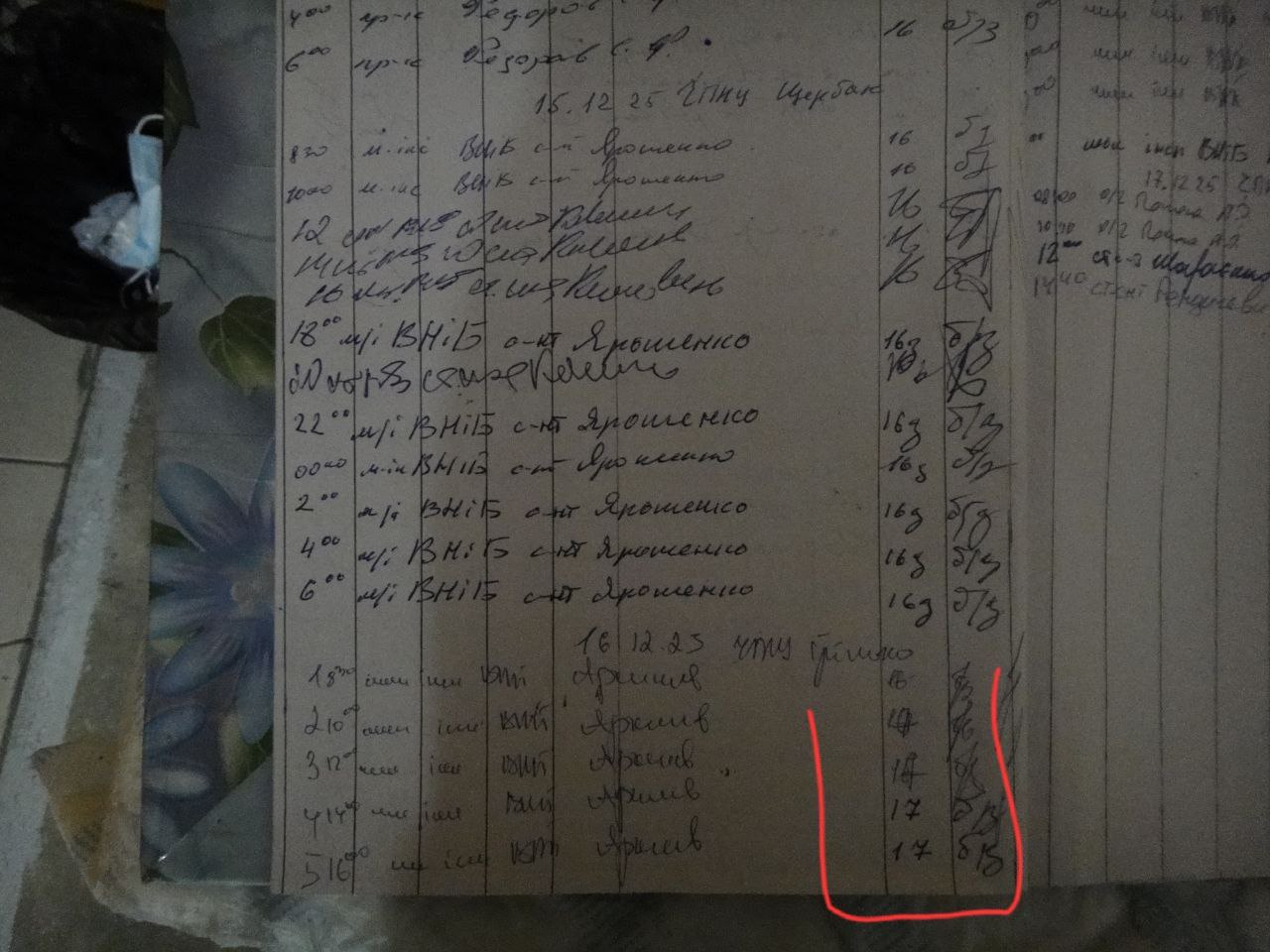
7. In violation of the requirements of the Instructions for filling out the form of primary accounting documentation No. 003-6/o “Informed voluntary consent of the patient to the conduct of diagnostics, treatment and to the conduct of surgery and anaesthesia and to the presence or participation of participants of the educational process”, approved by the order of the Ministry of Health of Ukraine dated 14.02.2012 No. 110, the absence of signed informed voluntary consent for diagnostics and treatment was established for five patients who were in the hospital of the medical unit.
This may indicate the absence of voluntary consent from patients for the application of diagnostic, preventive, and treatment methods to them, which is a violation of Article 43 of the Law of Ukraine “Fundamentals of Ukrainian legislation on health care” and paragraph 47 of the Committee’s recommendations (CPT/Inf (93) 12).
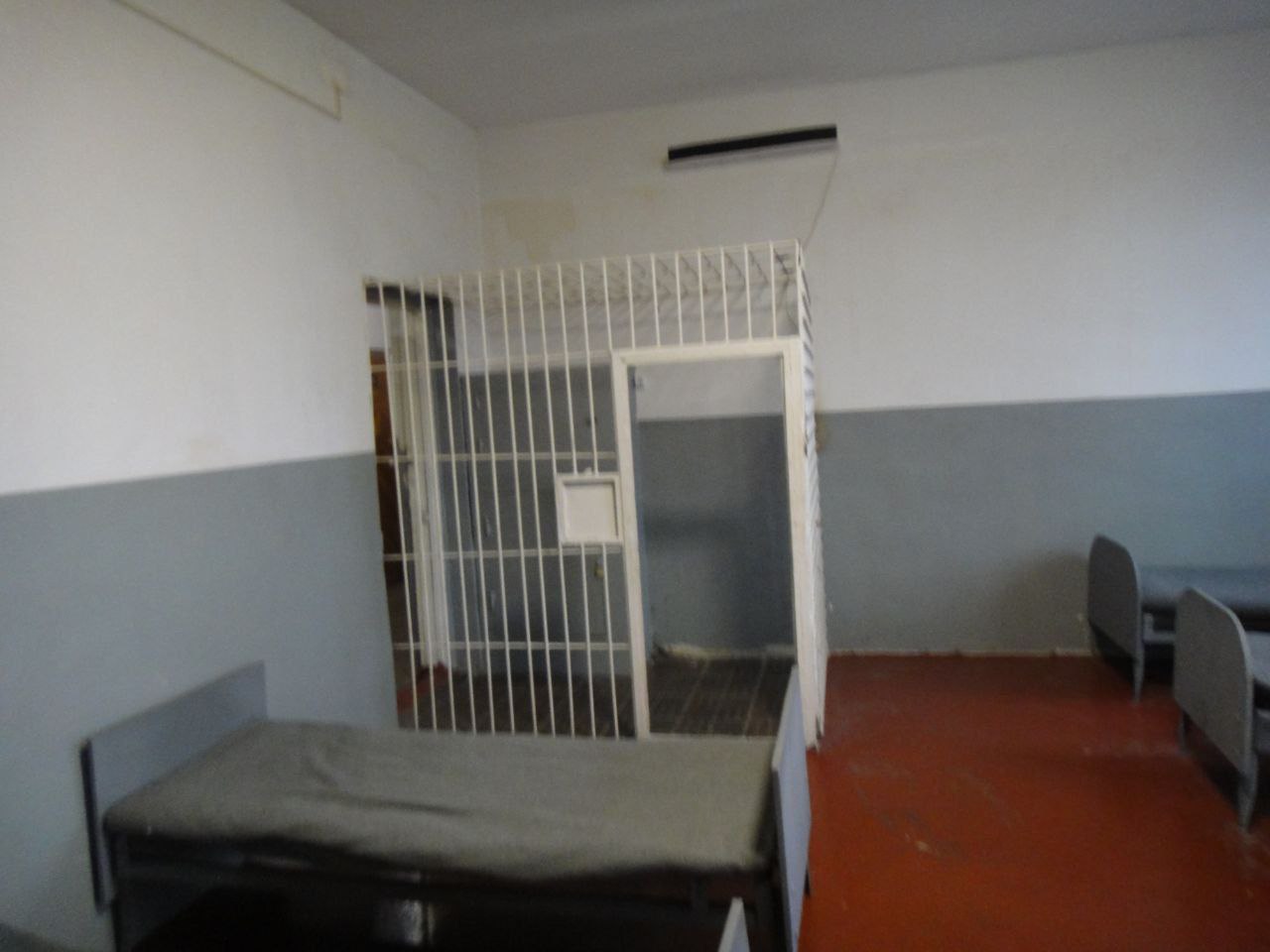
8. During the visit to the medical unit of the institution, the monitoring group detected the presence of a metal cage in the ward and the procedure room, which are used for the safety of medical staff from convicts and persons in custody.
It should be noted that in its report following the visit to Ukraine in 2020, the Committee expressed concern about the practice of installing cages or metal enclosures in medical offices, where prisoners were usually kept during medical consultations or procedures, in particular for administering injections. The Committee emphasised that although the use of additional security measures may be justified in isolated cases, the systemic practice of placing prisoners in cages while receiving medical care grossly violates human dignity, hinders the formation of trusting relations between patient and doctor, and may hinder the objectivity of the medical conclusion.
The Committee strongly recommends that the Ukrainian authorities immediately dismantle cages and barred structures in the medical units of institutions and completely stop such a practice in all correctional facilities (CPT/Inf (2020) 40) paragraph 60).
9. In violation of the requirements of the Standards of medical care for HCV in adults, approved by the order of the Ministry of Health of Ukraine dated 15.01.2021 No. 51, not all persons (50 persons as of 17.12.2025) with suspected viral hepatitis C undergo PCR testing, due to which they do not receive the necessary treatment, which may lead to the deterioration of their health and the spread of this infectious disease among convicts and persons in custody.
In addition, on the day of the visit, the pharmacy of the medical unit lacked medicinal products for the treatment of viral hepatitis C.
10. Dispensary supervision is carried out for 30 persons with disabilities. Of them: Group I — 0 persons, Group II — 5 persons, Group III — 25 persons.
At the same time, in violation of the requirements of the Law of Ukraine “On the rehabilitation of persons with disabilities in Ukraine”, persons with disabilities do not receive proper diagnostic, treatment, and rehabilitation measures in the presence of information confirming a persistent violation of bodily functions caused by diseases and the consequences of injuries, which cause restrictions on normal vital activity.
Thus, during the study of the medical documentation of convicts, it was established that two persons with disabilities lack an individual rehabilitation programme (IRP). Furthermore, the recommendations of the IRP are not fulfilled, due to which they do not receive proper diagnostic, treatment, and rehabilitation measures in the presence of information confirming a persistent violation of bodily functions caused by diseases and the consequences of injuries, which cause restrictions on normal vital activity.
11. In violation of the requirements of the State Building Norms of Ukraine V.2.2-40:2018 “Inclusivity of buildings and structures. Basic provisions”, conditions for the stay of persons with disabilities have not been created in the medical unit.
12. In violation of clause 37 of the Resolution of the Cabinet of Ministers of Ukraine dated 02.03.2016 No. 285 “On approval of Licensing conditions for carrying out economic activities in medical practice”, the medical unit lacks a conclusion confirming free access to the buildings and premises of the medical institution for persons with reduced mobility, the receipt of which is mandatory.
13. In violation of the requirements of the Measures and means for preventing infection during patient care, approved by the order of the Ministry of Health of Ukraine dated 03.08.2020 No. 1777, only one isolation ward for infectious patients is equipped in the medical unit, which makes it impossible to simultaneously house patients with dangerous infectious diseases separately from one another and from other convicts.
14. In violation of the requirements of the Norms of ownership of bedding, special clothing, and special footwear (inventory property) for convicts undergoing treatment in medical-preventive institutions, institutions with the rights of medical facilities, and in medical units of institutions for the execution of sentences and pre-trial detention centres, approved by the order of the Ministry of Justice of Ukraine dated 20.02.2012 No. 280/5, convicted persons do not receive hospital property (suit, robe, and hospital slippers).
Convicts stay in the hospital in their everyday clothes, sometimes with their own bedding.
15. In violation of the Procedure for organising medical care at the primary, secondary (specialised), and tertiary (highly specialised) levels using telemedicine, approved by the order of the Ministry of Health of Ukraine dated 19.10.2015 No. 681, the personnel of the medical unit, due to technical limitations, are deprived of the opportunity to send requests for telemedicine consultations and receive professional assistance for providing medical services to convicts.
16. In violation of the requirements of the Fire Safety Rules in Ukraine, approved by the order of the Ministry of Internal Affairs of Ukraine dated 30.12.2014 No. 1417 (hereinafter — the Rules), the premises of the medical unit are not equipped with fire extinguishing and fire alarm systems.
Recommendations:
1. Ensure compliance with the 14-day stay period for new arrivals in the KDD and make decisions on their distribution between SPS units only after completion of the full medical, psychological-pedagogical, and primary study.
2. Cease the practice of premature distribution of new arrivals.
3. Ensure a full composition and proper operation of the KDD working group in accordance with the Regulations, including mandatory involvement of the chief accountant and the establishment of personal responsibility for the performance of functions by each member of the group.
4. Establish and monitor weekly visits to the KDD by all members of the working group at least once a week with the maintenance of a visit logbook and response to absences.
5. Bring the occupancy of the KDD residential premises into compliance with the area standard of at least 4 m² per person, remove excess beds, and do not permit placement exceeding the unit’s calculated capacity.
6. Provide the KDD with necessary property for drinking water and everyday needs, in particular, install tanks for drinking water with a tap, lid, mug, and basin in each residential premise.
7. Ensure privacy in KDD sanitary facilities by installing sufficient partitions and doors that prevent observation while using the toilet.
8. Replace damaged and damp mattresses and pillows, ensure their proper storage and drying, and introduce regular control of the condition of bedding.
9. Equip the KDD with premises provided for by the provision norms or ensure equivalent solutions, in particular, places for storing personal belongings, temporary storage of dirty linen, a cloakroom, a utility room, and a drying room, with documentary confirmation of the organisation of these functions.
10. Bring DISO/KTP cell premises into compliance with minimum standards of area and layout, stop the use of cells where the distance between walls is less than 2 m, or reduce actual capacity and ensure basic conditions for stay.
11. Ensure in all DISO/KTP cells the possibility of eating, reading, and writing by installing tables and benches or provide equivalent solutions where technically possible.
12. Ensure sufficient natural lighting in DISO/KTP within technical possibilities, in particular by removing obstacles to light penetration, reviewing window structures, and strengthening artificial lighting to the standard level.
13. Provide all DISO/KTP cell premises with tanks for drinking water and bring sanitary facilities into compliance with privacy requirements by installing floor-to-ceiling partitions or other solutions that genuinely ensure privacy.
14. Equip all DISO/KTP cells with staff call buttons and ensure their operability and availability for convicts at any time.
15. Ensure that every convict is given a copy of the decision on imposing a disciplinary penalty with an explanation of the procedure and time limits for appeal, as well as the right to legal aid, with the delivery recorded in the case file.
16. Ensure mandatory inclusion of a psychological profile in every file regarding placement in the DISO/KTP and the actual conduct of a psychological examination before a decision is made.
17. Ensure systematic visits by a psychologist to convicts in the DISO/KTP in accordance with the IRESI and record these visits in the logbook.
18. Carry out capital repairs of sanitary facilities and washrooms in SPS units No. 7, No. 8, No. 9 with the replacement of plumbing, elimination of leaks and mould, restoration of flushing, and ensuring ventilation and proper hygienic conditions.
19. Ensure a sufficient number of stools in sleeping quarters based on one per person, eliminate clutter, and organise the storage of personal belongings without violating sanitary requirements.
20. Review the arrangement of beds in SPS No. 9 and other premises in order to ensure minimum personal space and passageways, not allowing beds to be placed close to one another.
21. Cease excessive interference in privacy; apply video surveillance only based on individual risk assessment and with regular review of the grounds for its use.
22. Ensure food delivery from the canteen in marked thermos containers, not buckets, and establish control over compliance with food supply requirements.
23. Ensure the availability in the institution’s shop of the minimum assortment provided for by the appendix to the IRESI, in particular tobacco products, underwear, and writing paper.
24. Ensure sanitary processing of all new arrivals on the day of arrival or as soon as possible, and restore proper maintenance of records regarding visits to the bathhouse and disinfection of belongings.
25. Restore the functionality of the forced supply-and-exhaust ventilation in the laundry, bathhouse, and shower rooms of the KDD and DISO/KTP and ensure regular technical maintenance.
26. Ensure privacy in the shower rooms of the KDD and DISO/KTP by installing curtains.
27. Equip the laundry with the premises provided for by regulations, in particular a toilet, a shower room for employees, and a staff room.
28. Introduce mandatory individual numbering of special equipment, in particular helmets and bulletproof vests, and ensure the possibility of identifying a specific employee in case of the use of force.
29. Ensure maximally concealed carrying of special equipment by staff in direct contact with convicts and review the practice of open carrying of batons.
30. Strengthen work on processing convict documents for the production of passports and obtaining the SSC.
31. Review the practice of short-term visits; ensure that open visits are the rule, and apply the non-contact format only based on an individual reasoned decision after risk assessment.
32. Take measures to staff the personnel and strengthen the presence of the supervision and security service, and cease the practice of 24-hour shifts.
33. Equip shelters with ventilation and organise sanitary solutions in shelters where sewage is absent.
34. Ensure the presence of a second emergency exit or a technically justified alternative evacuation route for the shelter of SPS No. 1 and approve evacuation plans for each shelter.
35. Conduct an inventory of the organisation of convict labour and cease the substitution of labour relations with civil law ones in cases where the work has signs of labour, formalising such relations as labour ones with the provision of all guarantees.
36. Ensure proper recording of working hours, legal grounds for engaging in work on weekends and at night, as well as compensation and increased payment in accordance with labour legislation requirements.
37. Cease the practice of using unpaid labour for work that is part of a regular production or food process, do not substitute such work with “improvement”, and ensure payment and proper documentation.
38. Ensure transparency of calculations with employees, provide payslips and documents confirming the accrual and payment of the Single Social Contribution by the employer and the payment of taxes, with the aim of verifying social guarantees.
39. Take measures aimed at eliminating identified human rights violations and preventing torture and other cruel, inhuman, or degrading treatment or punishment in Medical Unit No. 34 of the branch of the state institution “Health Care Centre of the State Criminal-Executive Service of Ukraine” in Dnipropetrovsk and Donetsk regions.
40. Ensure control over the proper maintenance of medical documentation in accordance with the Procedure for the organisation of medical care for persons sentenced to deprivation of liberty, approved by the joint order of the Ministry of Justice of Ukraine and the Ministry of Health of Ukraine dated 15.08.2014 No. 1348/5/572, and other regulatory legal acts.
41. Provide the medical unit staff with medical specialists according to needs.
42. Ensure timely and proper recording of bodily injuries in convicts.
43. Ensure the furnishing of the isolation ward for persons with mental and behavioural disorders in accordance with established requirements.
44. Ensure maintenance of form No. 003/o “Inpatient medical card” for all patients undergoing inpatient treatment, in accordance with the requirements of the Procedure.
45. Ensure obtaining informed consent from patients for examination and treatment in the established form.
46. Ensure the possibility of receiving Opioid Substitution Therapy based on a diagnosis of mental and behavioural disorders resulting from opioid use.
47. Ensure the issuance of hospital property to convicts during hospitalisation in accordance with ownership norms.
48. Dismantle the metal cage in the institution’s medical unit and bring detention conditions into compliance with the recommendations of the European Committee for the Prevention of Torture, ensuring dignified treatment of prisoners.
49. Ensure the conduct of individual rehabilitation for persons who need it.
50. Ensure the accessibility of the institution’s buildings in accordance with the State Building Norms of Ukraine V.2.2-40:2018 “Inclusivity of buildings and structures. Basic provisions”.
51. Fulfil the requirements of clause 37 of the Resolution of the Cabinet of Ministers of Ukraine dated 02.03.2016 No. 285 “On approval of Licensing conditions for carrying out economic activities in medical practice”.
52. Ensure the equipment of the necessary number of isolation wards for infectious patients.
53. Ensure all persons with suspected HCV have access to PCR testing in the shortest possible time and organise necessary antiviral treatment for persons with a confirmed diagnosis.
54. Ensure the proper operation of the telemedicine complex for doctors to make requests for telemedicine consultation.
55. Eliminate violations of fire safety requirements.