Report on the results of the monitoring visit to Konotop Correction Centre No. 130
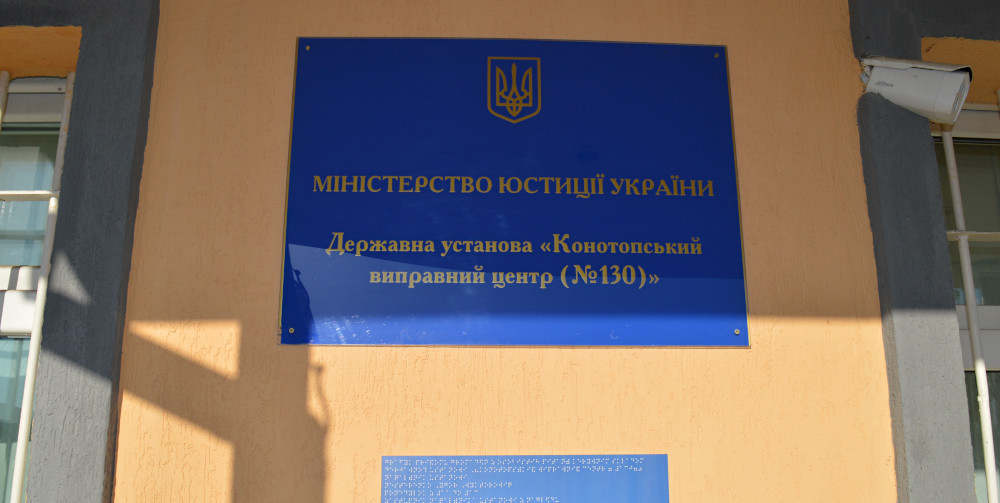
On 21 September 2020, a monitoring group from the KHPG, consisting of Maksym Revyakin, Tamila Bespala, and Pavlo Shvab, carried out a monitoring visit to the State Institution "Konotop Correction Centre (No. 130)".
The State Institution "Konotop Correction Centre (No. 130)" is located in the city of Konotop, Sumy region. As of 21 September 2020, 115 convicts were serving sentences in the centre. The staff of the colony administration consists of 100 people.
Upon arrival at the institution, the monitors had their temperature taken and were asked to disinfect their hands; they immediately began disinfecting the checkpoint. It is interesting that the administration representatives ignored the necessity of disinfecting hands before entering the institution.
Visitation Rooms
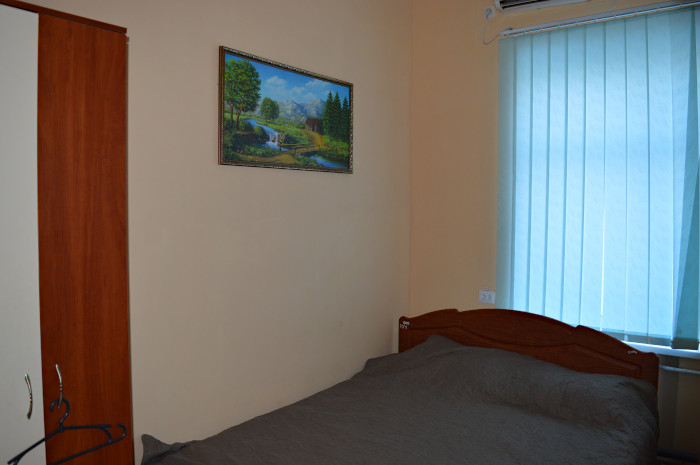
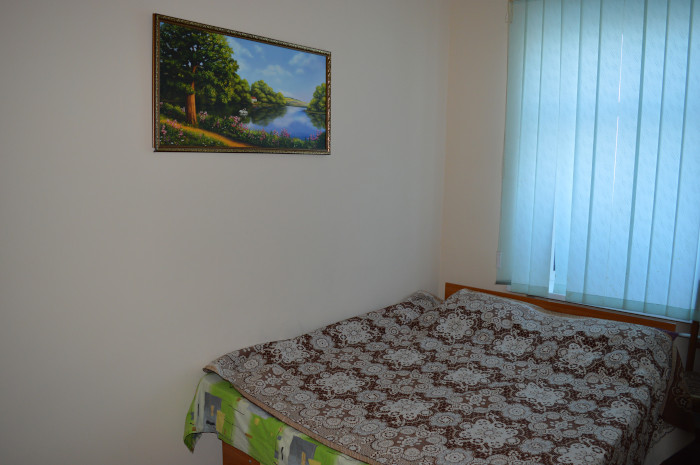
The long-term visitation rooms look tidy and have been recently renovated; however, due to quarantine restrictions, long-term visitations have not been conducted since March. Recently, short-term visitations through glass by prior appointment have been allowed. The institution has a children's room, which, according to the administration, has not been in high demand.

DIZO/PKT Sector
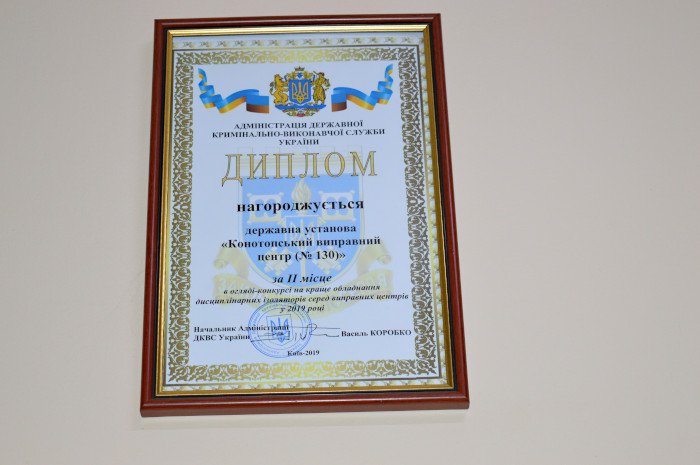
There is no PKT (Cell-Type Room) in the institution. The DIZO of the Konotop Correction Centre took 2nd place in 2019 in a review competition for the best-equipped DIZO among correction centres. At the time of the visit, there were two convicts in the DIZO. Since the beginning of the year, 44 people have been placed in the DIZO.
Renovation in the DIZO cells is not new, but it looks tidy. Sunlight almost does not reach the cells. Convicts who are in the cells cannot open the windows themselves. The administration assured that such an option is not needed by the convicts, as all cells are equipped with forced ventilation systems.
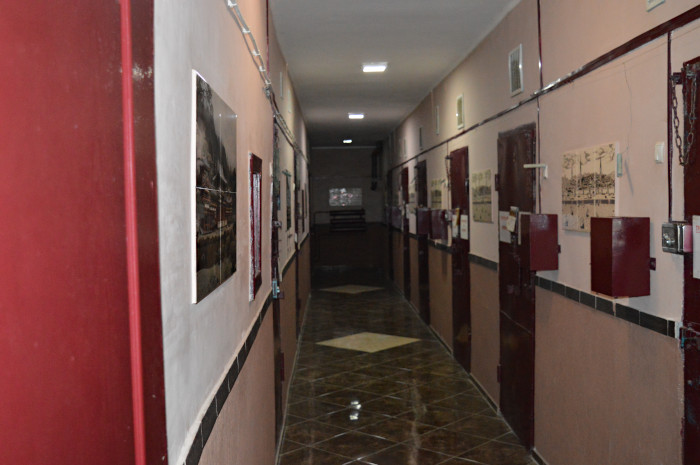
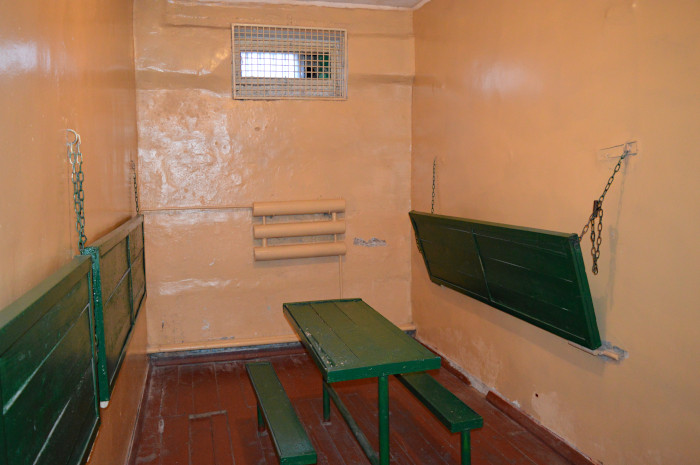
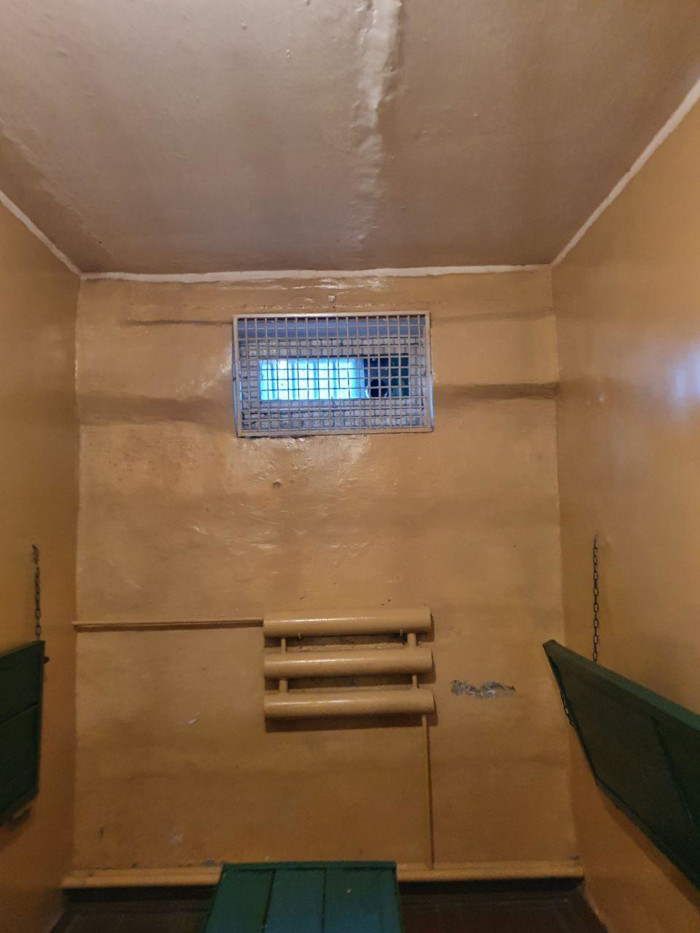
In the DIZO sector, a new room has been equipped for individuals who wish to serve their sentence in isolation from other convicts.
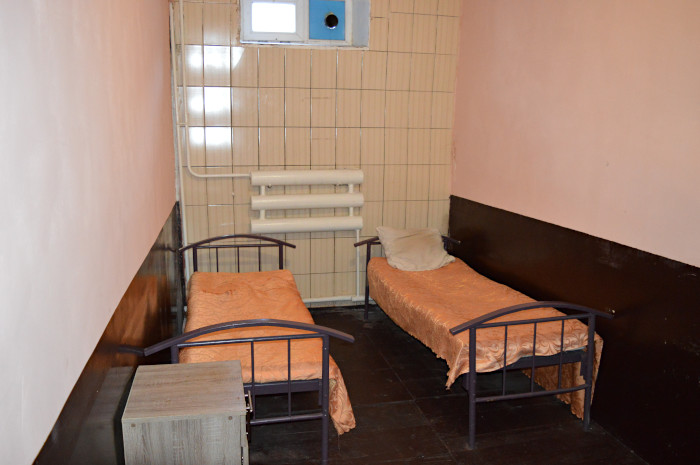
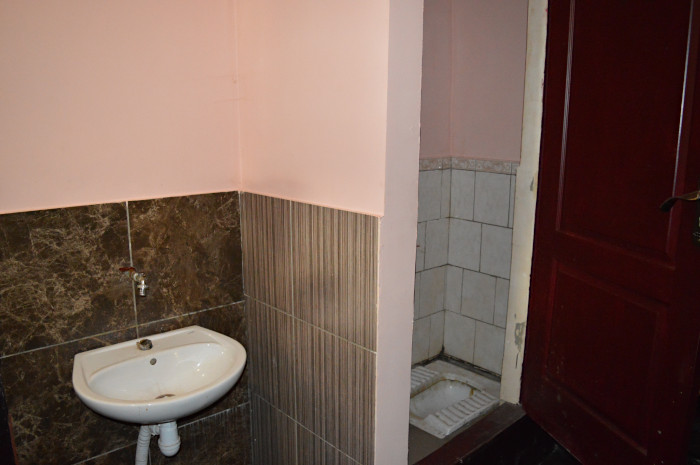
Residential Premises
The institution has two buildings where residential premises are located. One building is renovated, the other requires renovation.
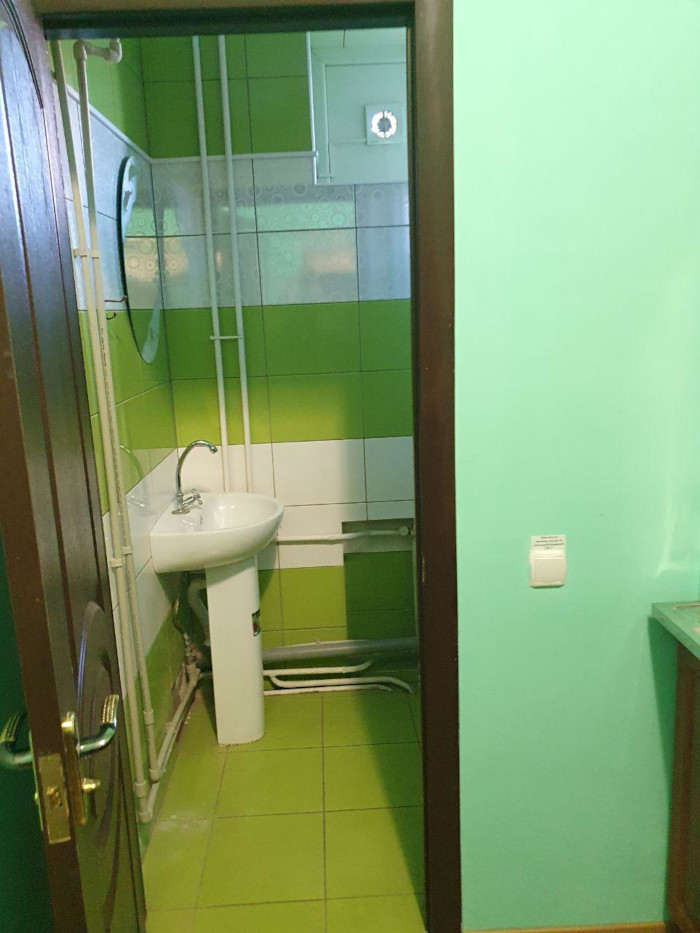
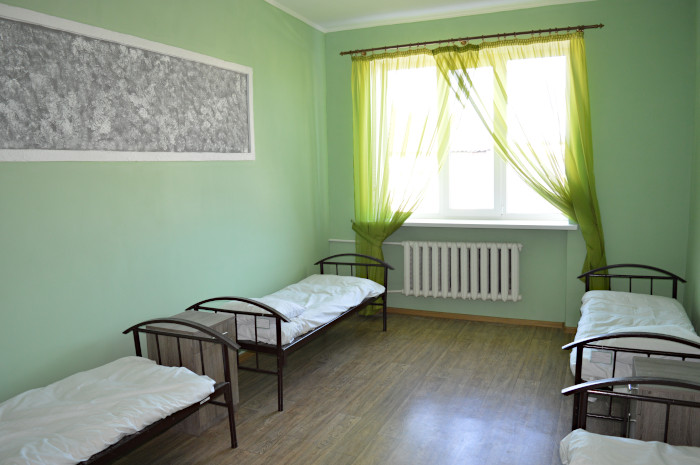
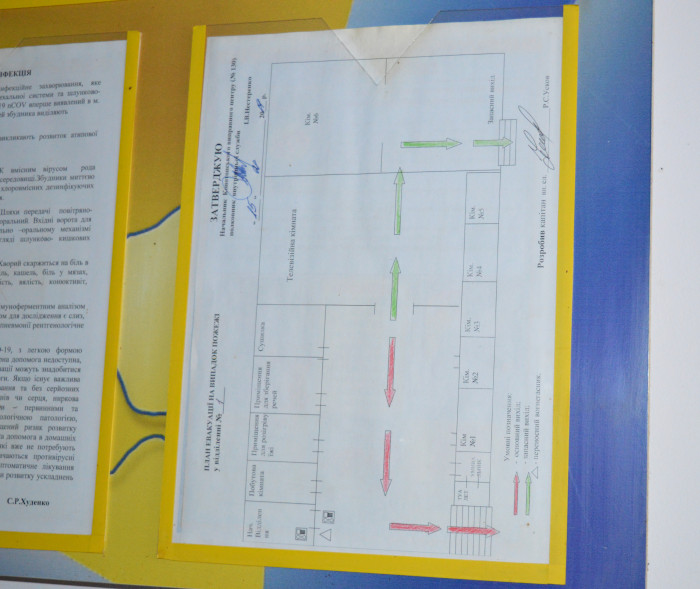
In the renovated building, there are two residential units. Before the monitors' visit, the unit was disinfected; the floor was damp and there was a smell of chlorine. The condition of the premises is good, and convicts generally live in rooms of four people. There is one bathroom for the entire unit; however, some rooms have their own private bathroom. The plumbing is functional and new. The toilets are separated by partitions and doors. There was water in the taps. Drinking water was also available. In each unit, there are hand disinfectants containing chlorhexidine. In the building's courtyard, there is a football pitch. There is a fire evacuation plan.
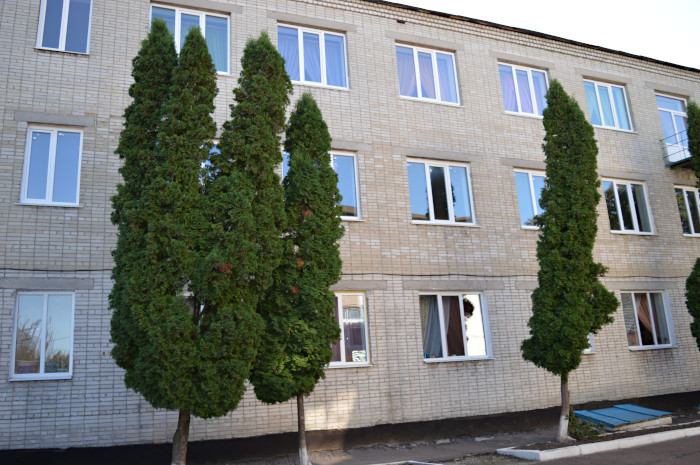
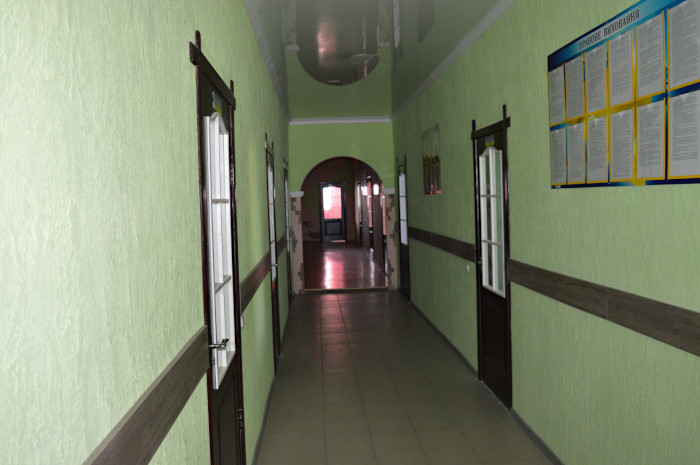
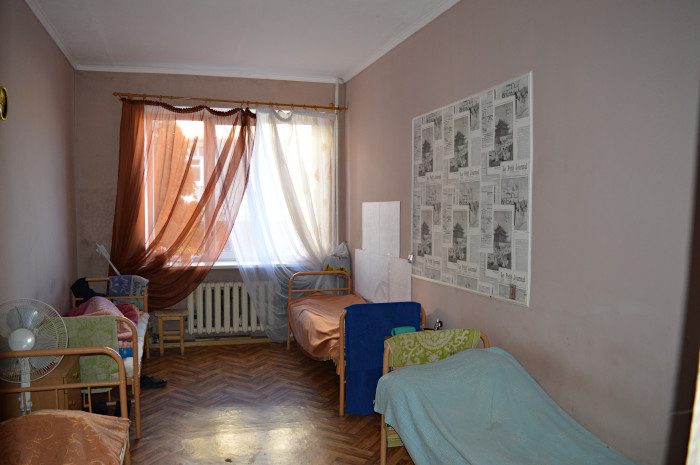
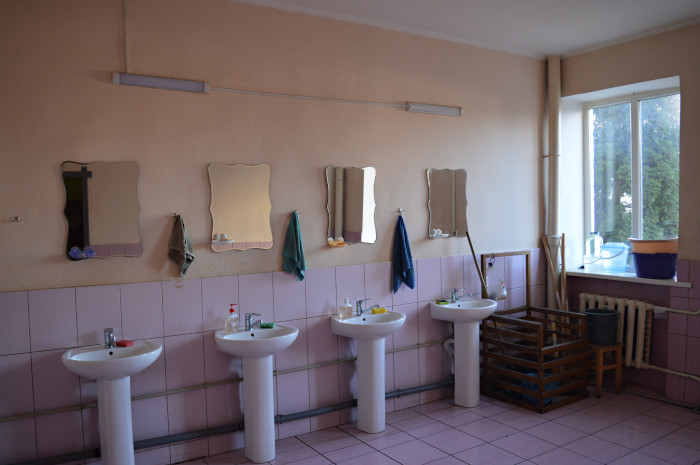
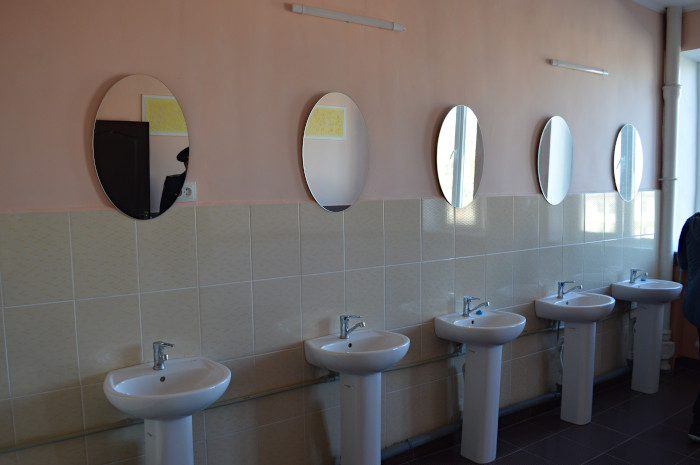
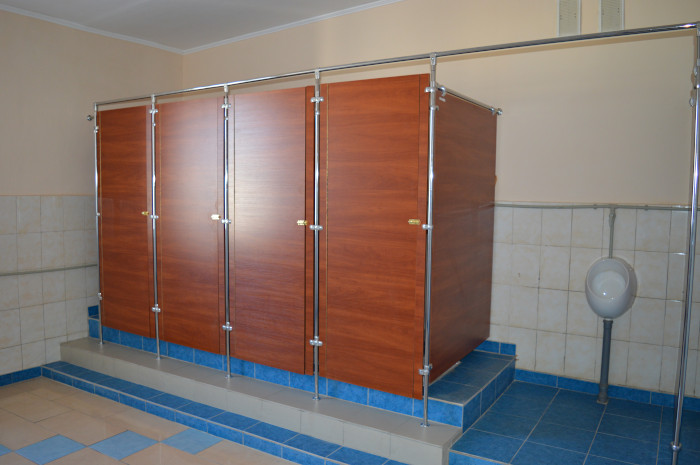
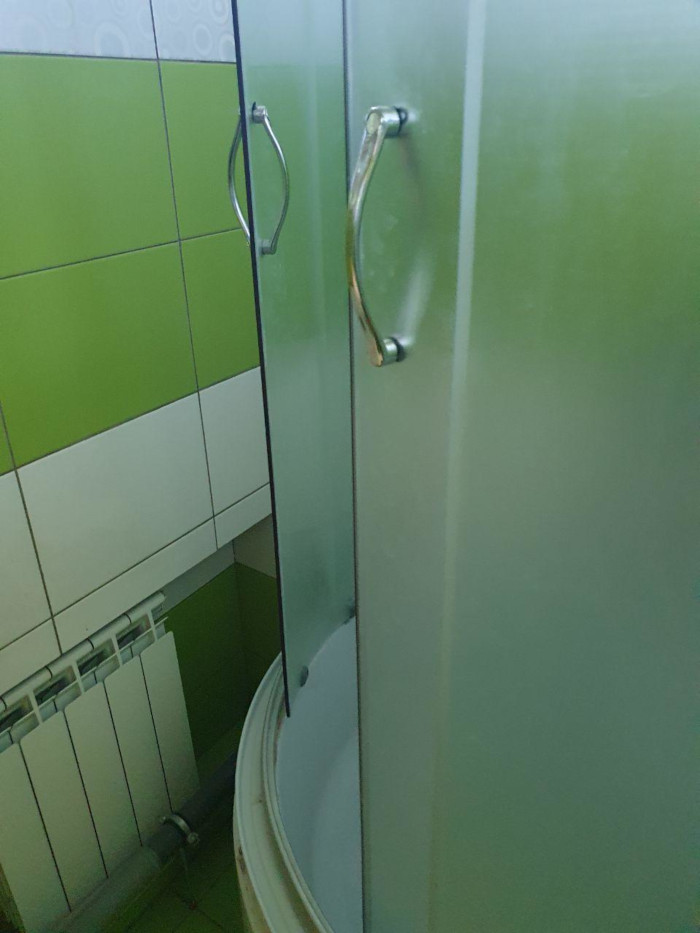
In the unrenovated residential building, there are also 2 sleeping units. Renovation in the units is very old; the walls and ceilings look worn, and in some places, there is dampness and mould. The bathroom is also in a state of disrepair. Washbasins are missing; there is one large washbasin system. There are partitions between the toilets; however, there are no doors, which violates the convicts' rights to privacy and solitude.
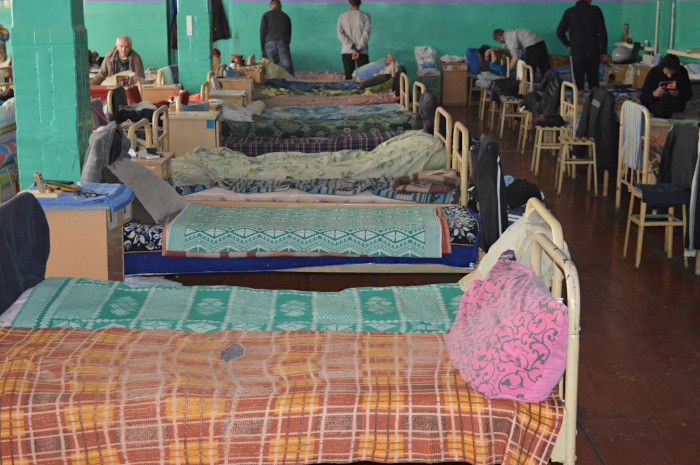
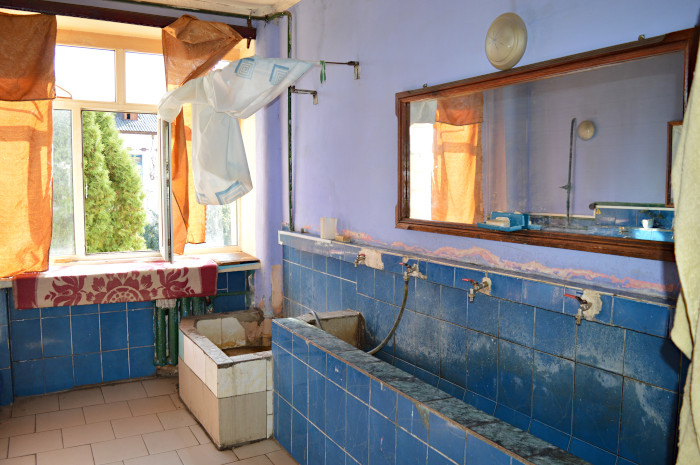
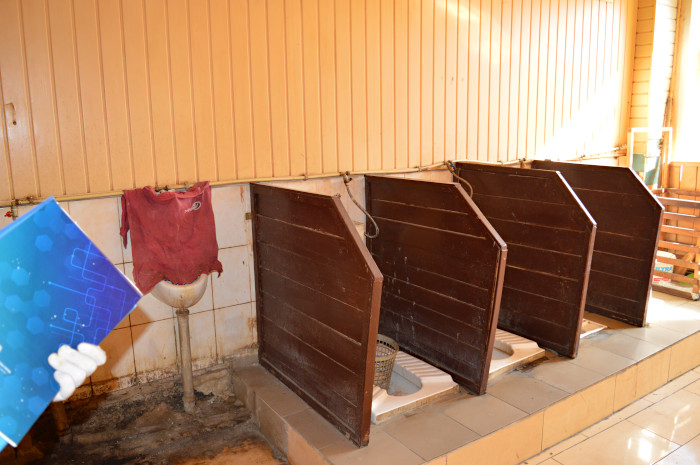
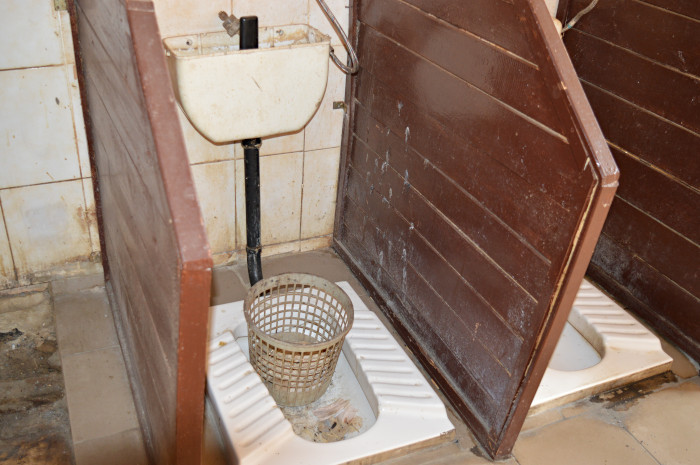
The administration claimed that disinfection of the premises is carried out 3 times a day; however, some convicts claimed that disinfection is carried out once a day.
Kitchen/Dining Hall
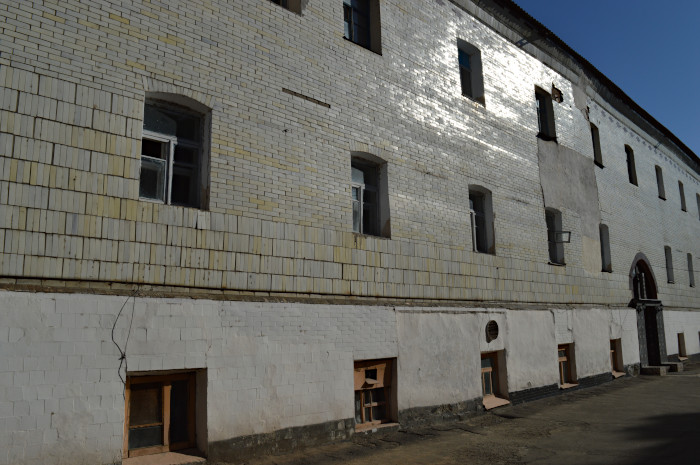
The institution's kitchen is located in the basement of an ancient building, which was built in 1853 and was the first prison in Ukraine.
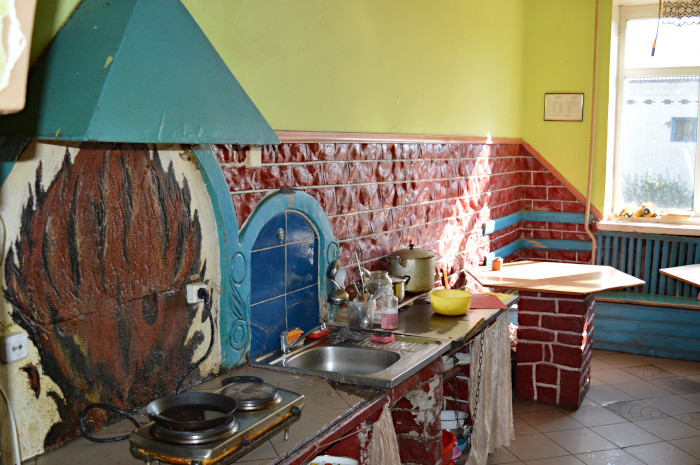
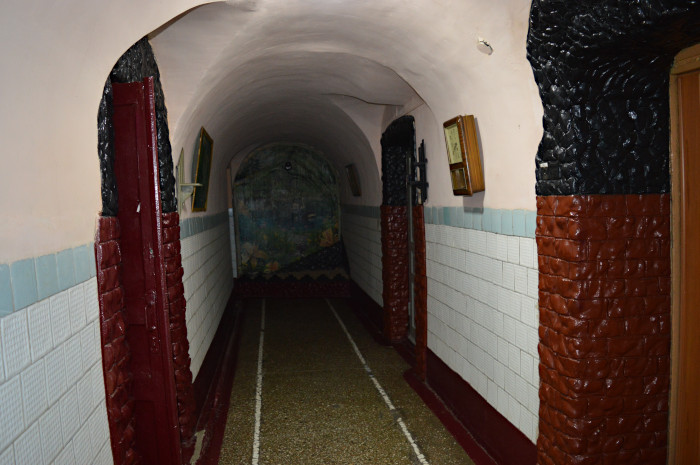
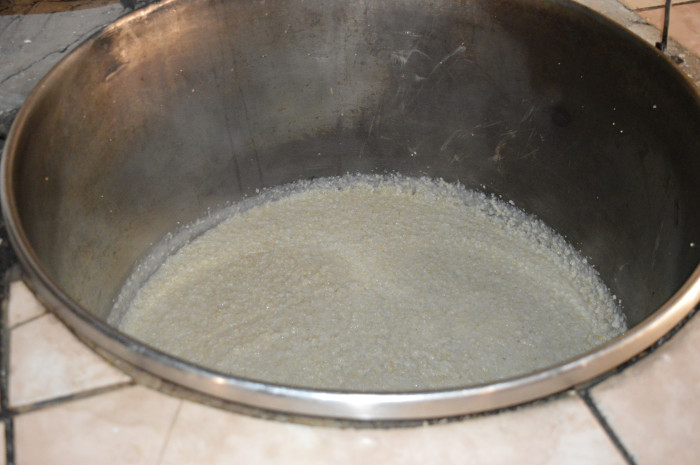
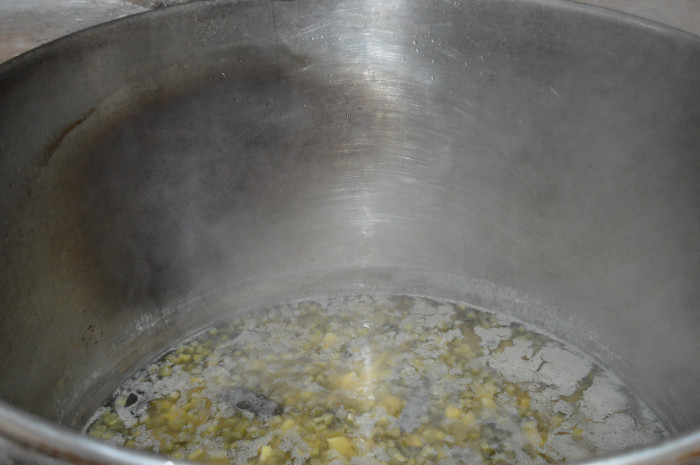
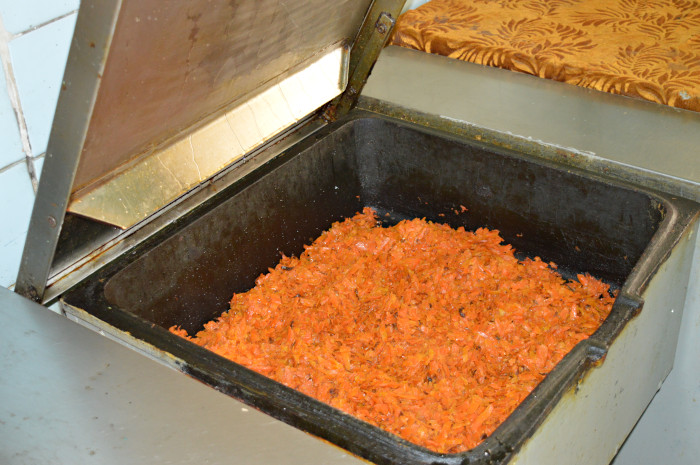
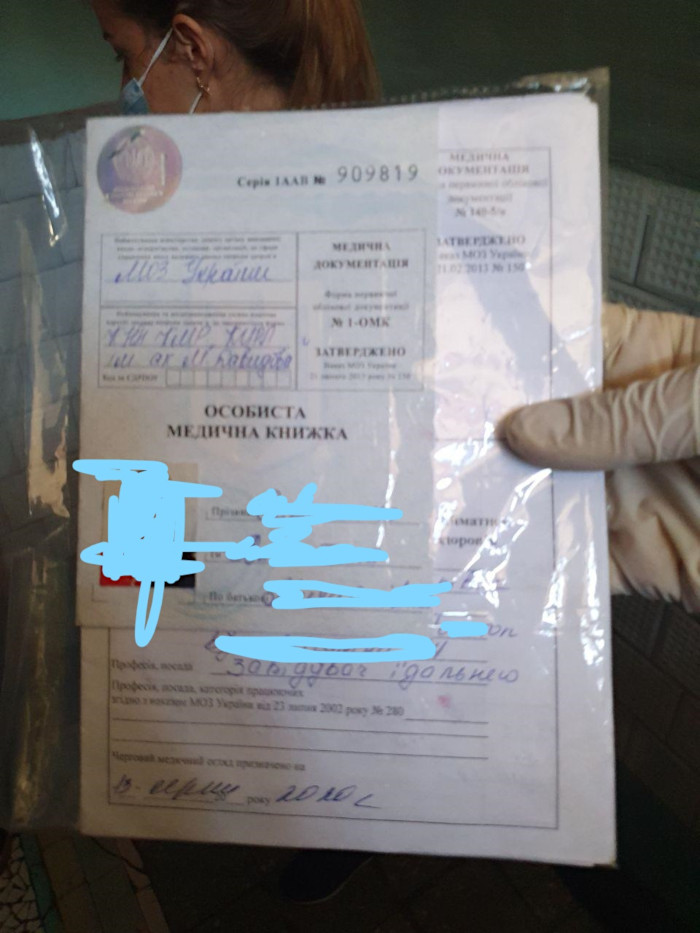
The kitchen premises look clean and tidy. During the monitoring visit, lunch was being prepared. There was a smell of food. Wood-burning stoves are used for cooking. Despite the old age of the building and the location of the kitchen in the basement of this building, the smells of dampness and mould were absent. All employees were dressed in protective clothing, and everyone had medical books with marks from all necessary doctors. Employees undergo medical examinations at a hospital in the city.
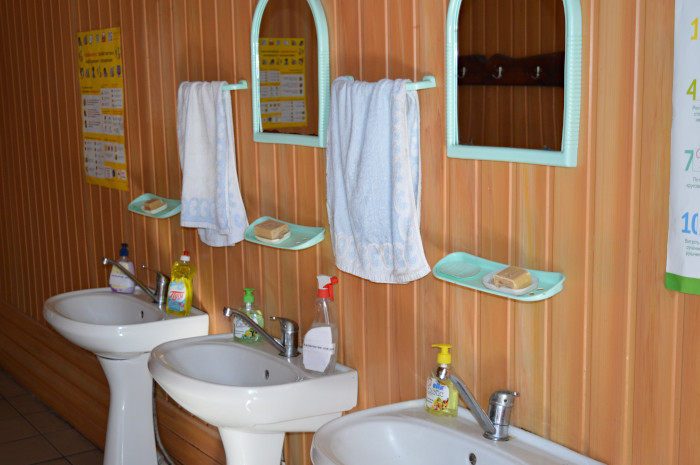
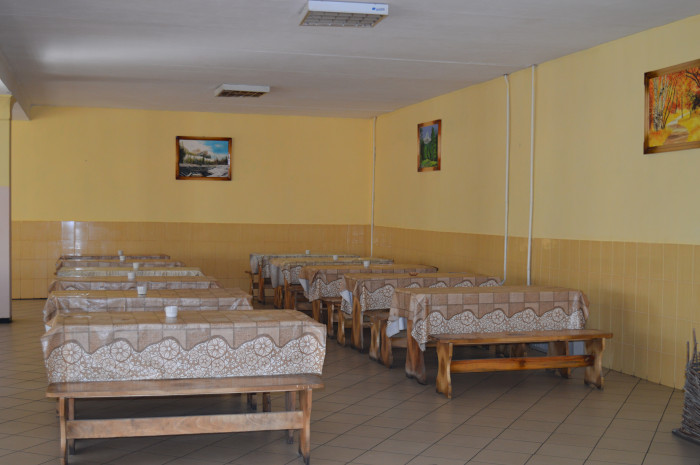
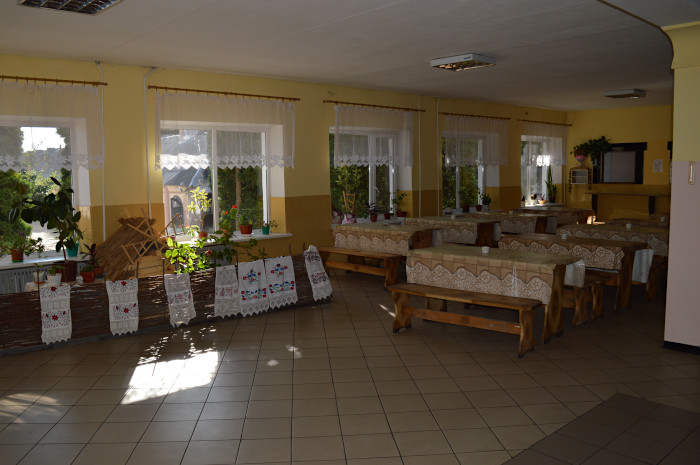
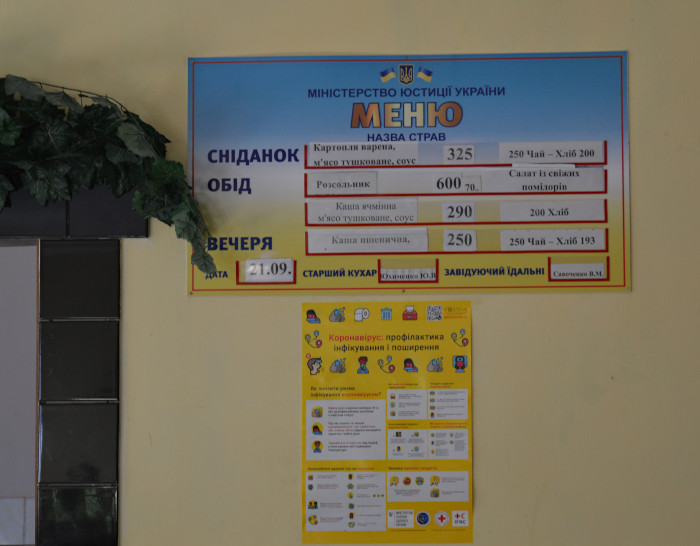
The dining hall is spacious and bright, and there is a menu with the current date. At the time of the monitors' visit, towels and soap were available. Unpleasant odours were absent.
Duty Unit
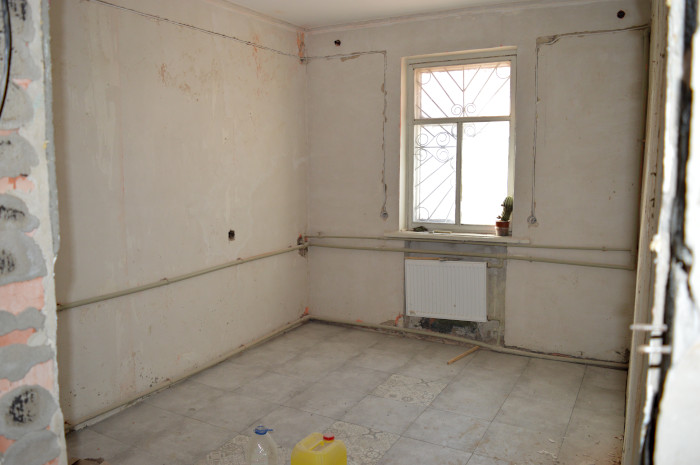
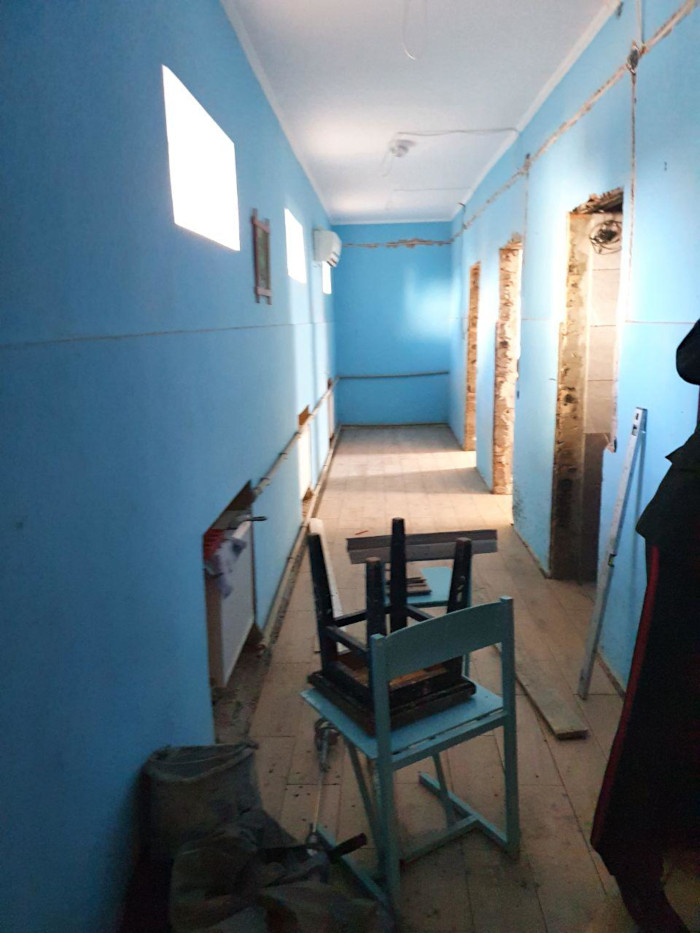
In the duty unit, where the colony staff serve their shift and rest, renovation work is being carried out. The administration of the institution assured the monitors that the renovation work will be completed by the end of the current year.

Shop
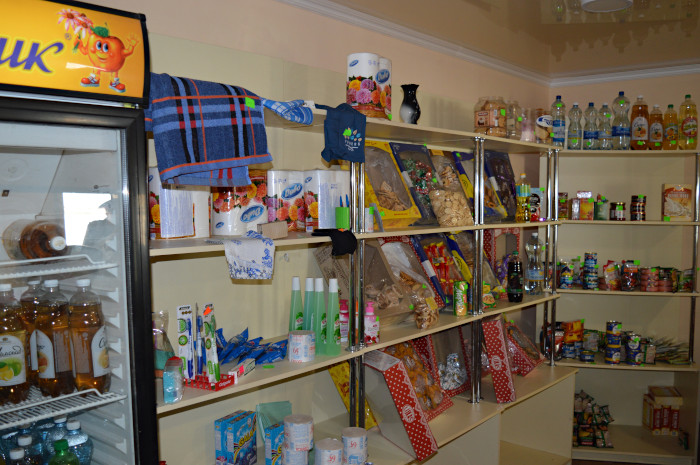
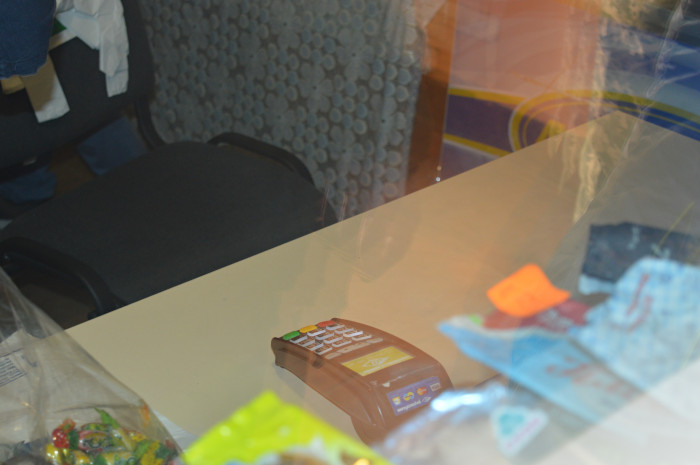
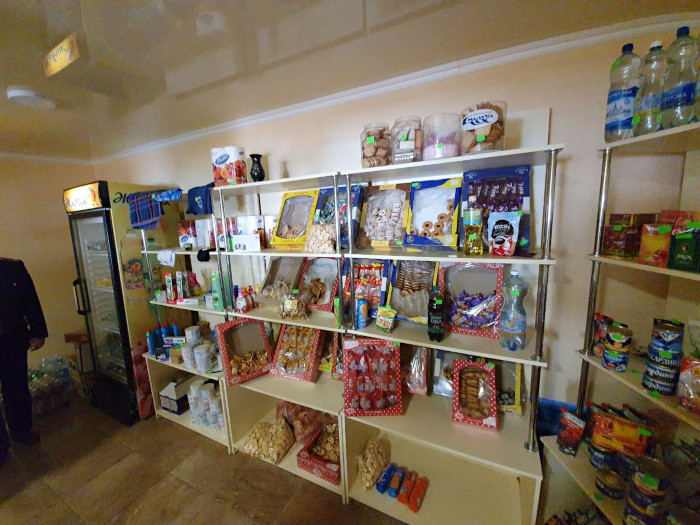
The shop has all the necessary goods. Prices coincide with market prices. However, there are no cigarettes, which may lead to significant discomfort for convicts who are dependent on tobacco. Most convicts have cards with which they can pay. The monitors did not find a cash register or a cash settlement book.
Production
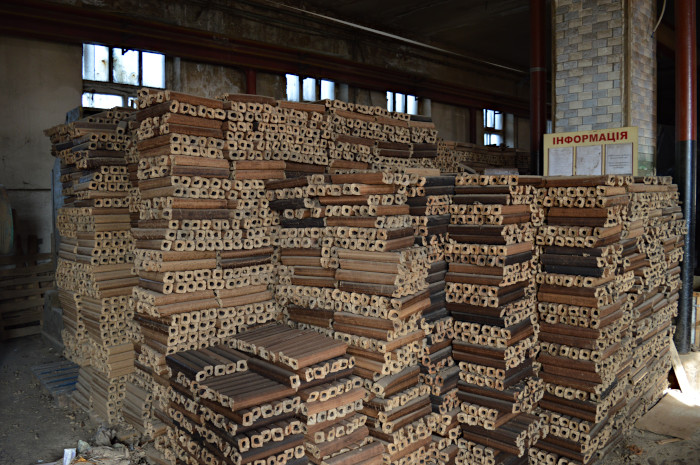
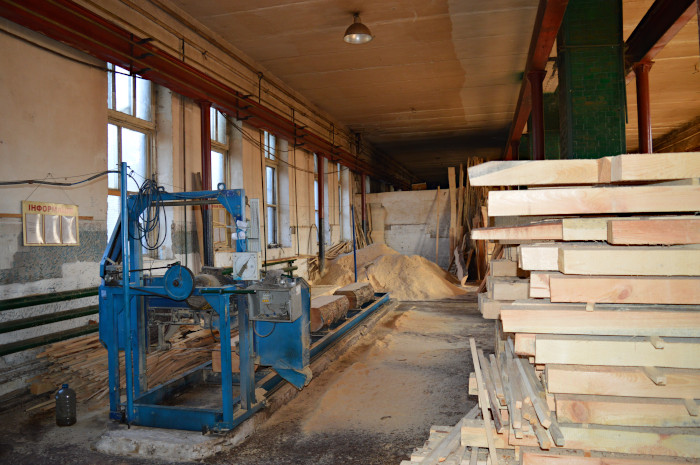
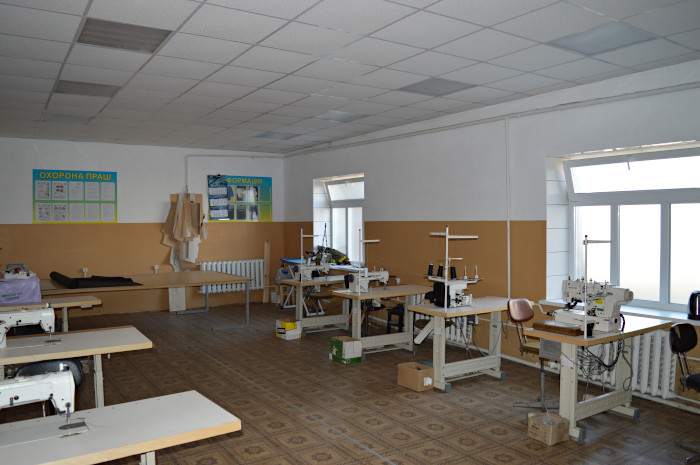
A woodworking production operates on the colony's territory. Directly on the territory, there is a woodworking workshop where timber is processed and fuel briquettes are produced. According to some convicts, they have an eight-hour working day, and they receive wages from 200 to 700 hryvnias, after deductions. During the visit, 15 convicts were working in production, most of whom were employed as manual labourers. Some convicts lacked safety equipment. The institution also has a sewing workshop. The administration noted that it operates as both a production facility and a workshop. At the time of the visit, the sewing production was not operating. According to the institution's administration, it has not been working for over a month due to a lack of orders.


Part of the convicts work outside the institution. For such convicts, according to the administration, the wages are significantly higher than for those who work inside the institution.
EU Project "Resisting Torture, Cruel Treatment and Impunity in Ukraine"